







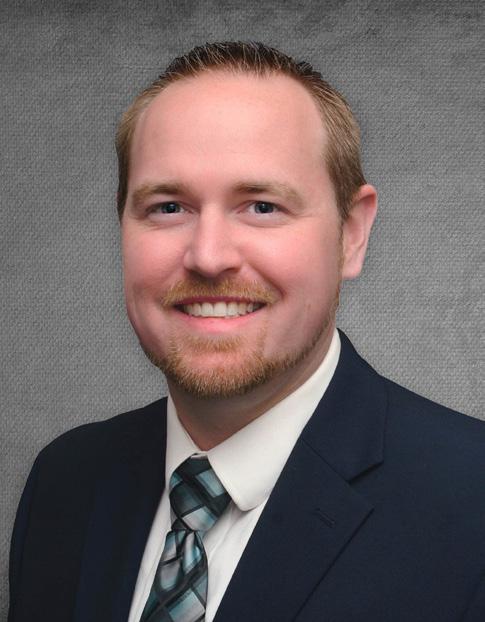
By Todd Ware, President & Chief Executive Officer

In 1936, Utica farmers realized investor-owned utilities would not bring electricity to them. They decided to do it themselves. That spirit of determination and community partnership still defines us today. This year, we proudly celebrate 90 years of serving our communities.
In 1998, Licking Rural Electrification expanded its footprint by acquiring National Gas & Oil, another company with deep local roots. Today, our cooperative family provides electric, natural gas and propane services throughout east central Ohio. We now serve members with more than 72,000 accounts. As you likely know, our service territory continues to grow and experience economic development.
Recently, we have been in the news more than usual due to some high-profile potential members. This level of attention is new for us. However, our mission remains unchanged. We deliver energy—electric, natural gas and propane. We are not in the business of data centers, manufacturing or any other sector. We are in the business of energy infrastructure. This is what we do and have done for 90 years.
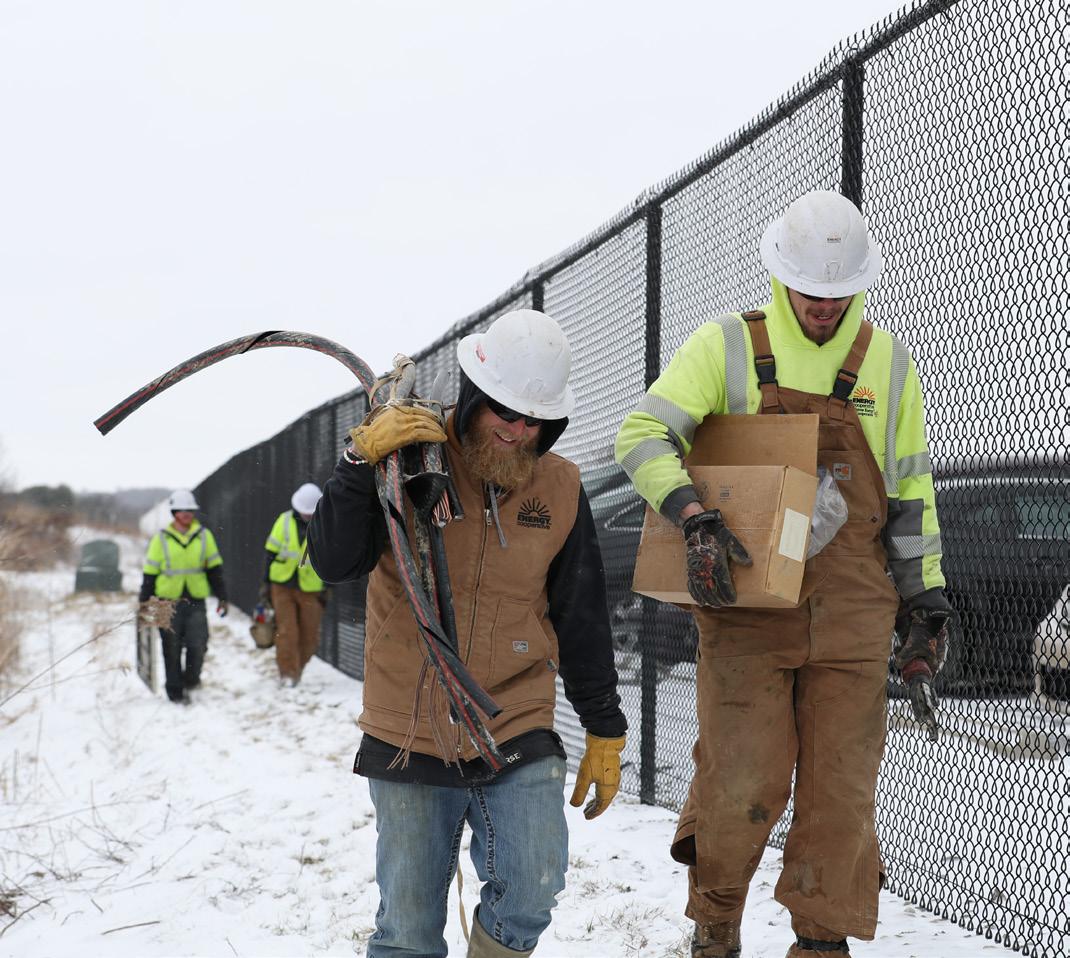
For any large project, our top priority is ensuring current members are not burdened with costs. Just as homeowners pay for new service installations, large commercial members are responsible for the infrastructure needed to serve them.
Our cooperative model shares costs equitably. Members do not pay for their neighbors' individual service needs. The same principle applies to businesses. If a data center requests a new pipeline or infrastructure expansion, they pay for it, not other members.
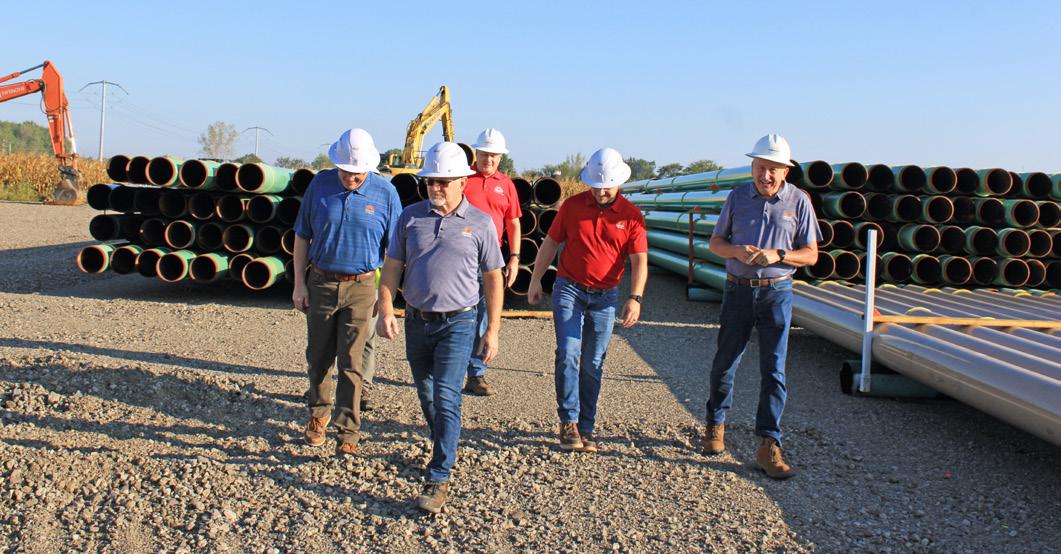
For the new pipeline projects, the customer will cover 100% of infrastructure costs. We only expand our system if it benefits our members. If a new pipeline is built in our service territory, we believe it is best to build and operate it locally.
Our board carefully evaluates projects in line with our commitment to local control, responsible growth and member protection.
As we celebrate 90 years of service, our focus remains the same: delivering safe, reliable energy to the
communities we call home.
We remain committed to protecting our members’ interests, ensuring that growth never shifts costs onto existing customers, and keeping local control at the center of every decision. Whether supporting new projects or maintaining the systems that serve our neighborhoods, our commitment to being a trusted, local partner continues to shape the work we do every day.
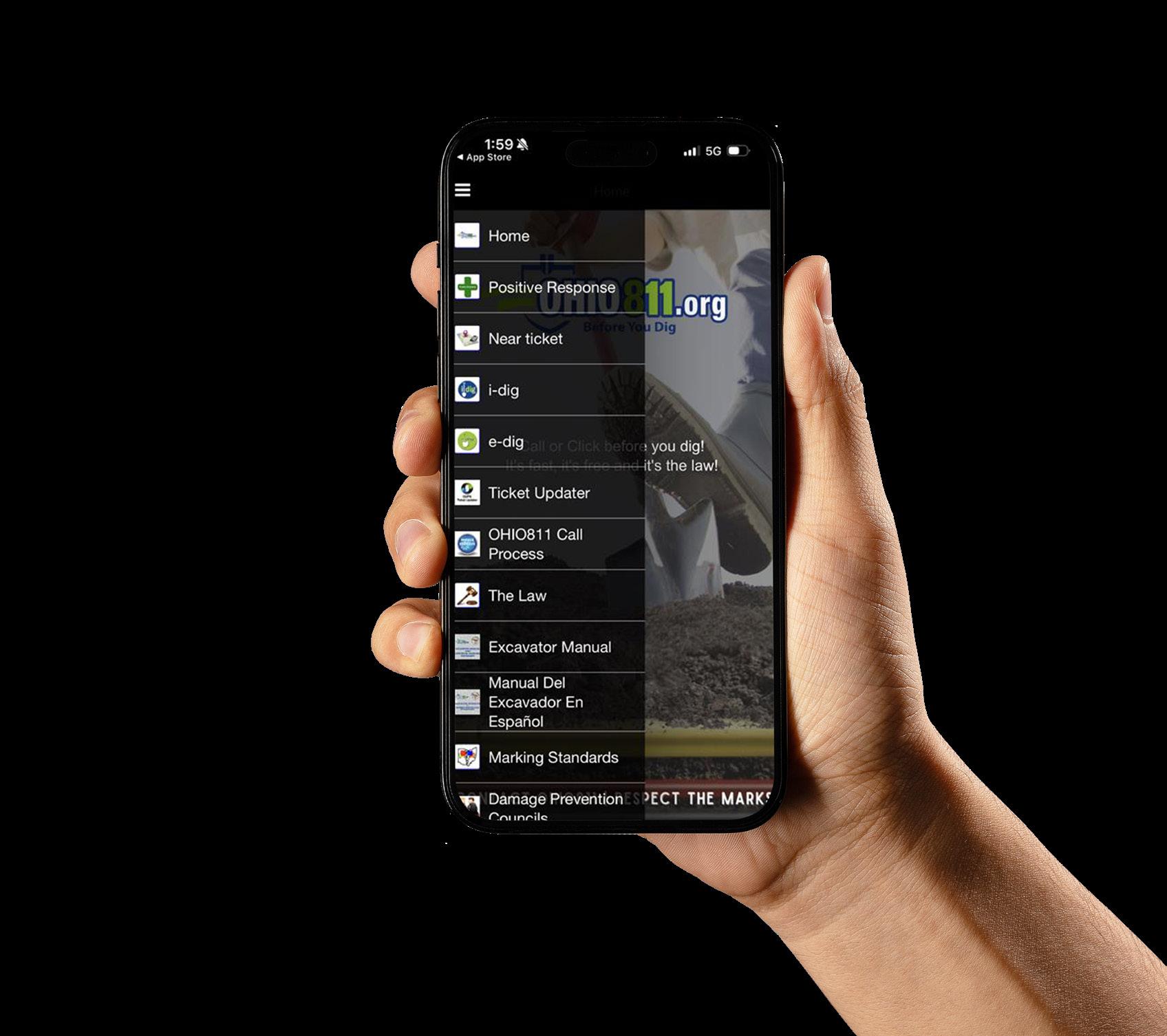
Homeowners and professional excavators can call OHIO811 or easily enter their dig notification requests on their mobile devices using the OHIO811 app! Use Positive Response to see how each utility company has responded to your dig notice. Use the Near Ticket feature to find out if there are excava tions taking place near your current location.
By Dan McVey, Vice President & Chief Operating Officer — Gas Operations
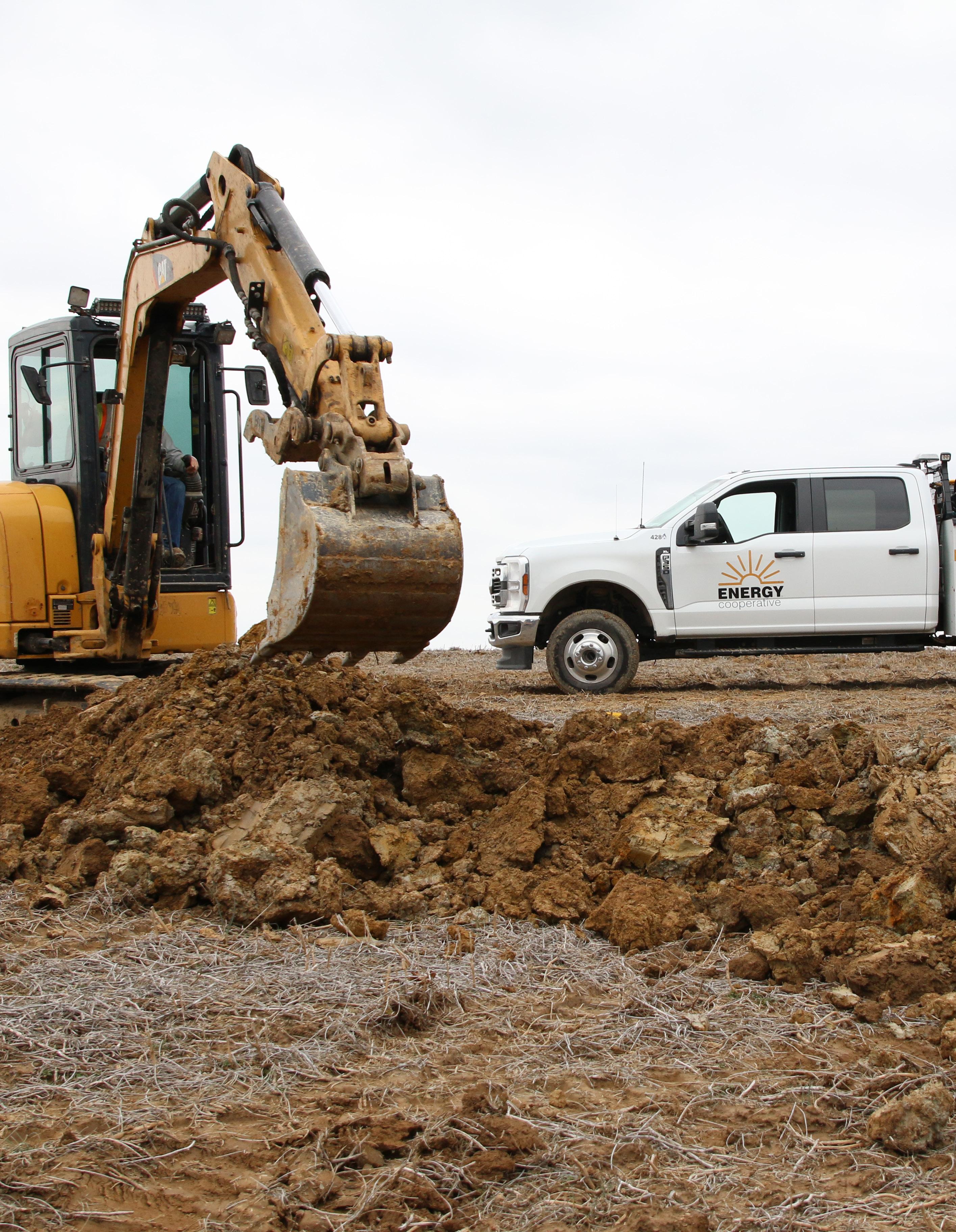
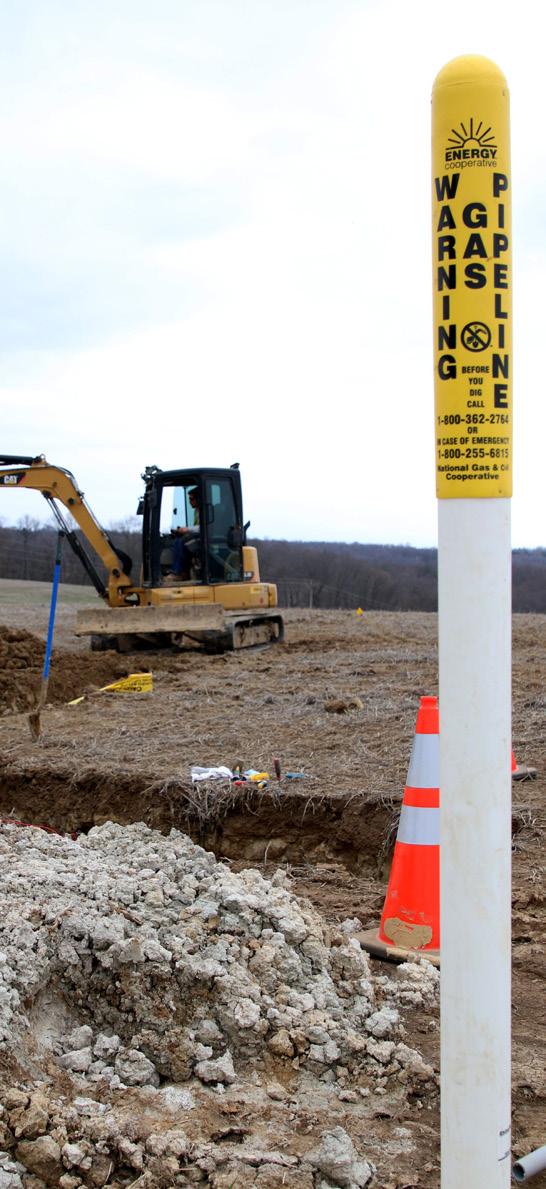
Thousands of reports are filed each year for damaged underground utility lines. Many of these are accidents that occur during routine excavations. However, most of these occurrences could have been prevented if 811 had been contacted before the digging occurred. That is why safe digging practices are so important for homeowners, contractors, municipalities and utilities.
OHIO811 operates the state’s underground utility notification system. They serve as a communication link between people planning to dig and the utility companies that own buried infrastructure. This includes natural gas, electric, water, sewer and telecommunications lines. By submitting a request to OHIO811 before digging, you give utility companies time to mark the approximate locations of their underground facilities.

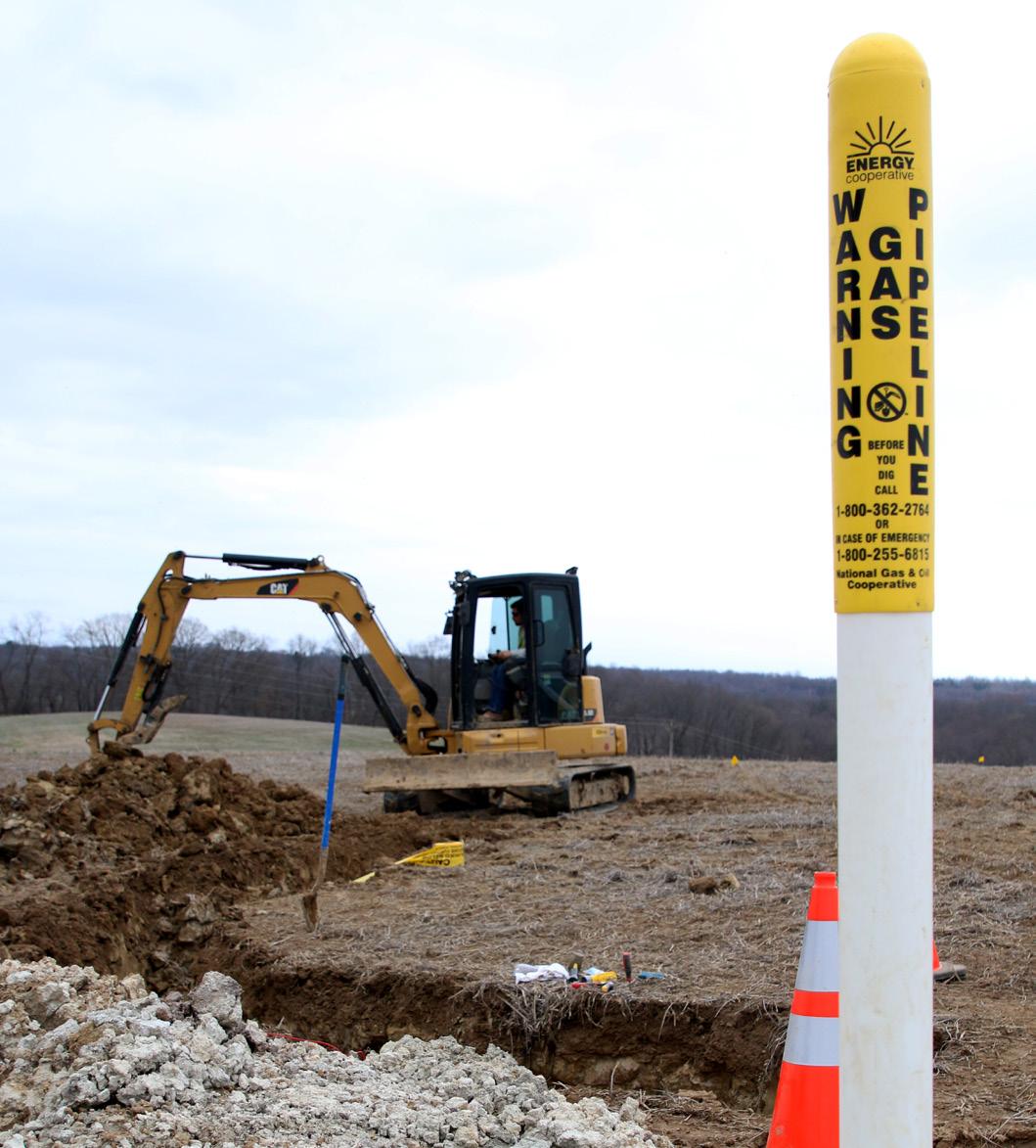
Even if the project itself seems small, call OHIO811 to check where all underground utility lines are located. This will help you avoid injury, project delay and costly disruptions. The 811 process is straightforward and free. Anyone planning to dig should contact OHIO811 by dialing 8-1-1 or submitting an online request at least 48 hours before starting work (excluding weekends and holidays). After the request is received, utility companies send trained locators on site to mark underground lines with color-coded paint or flags to help guide a safe excavation.
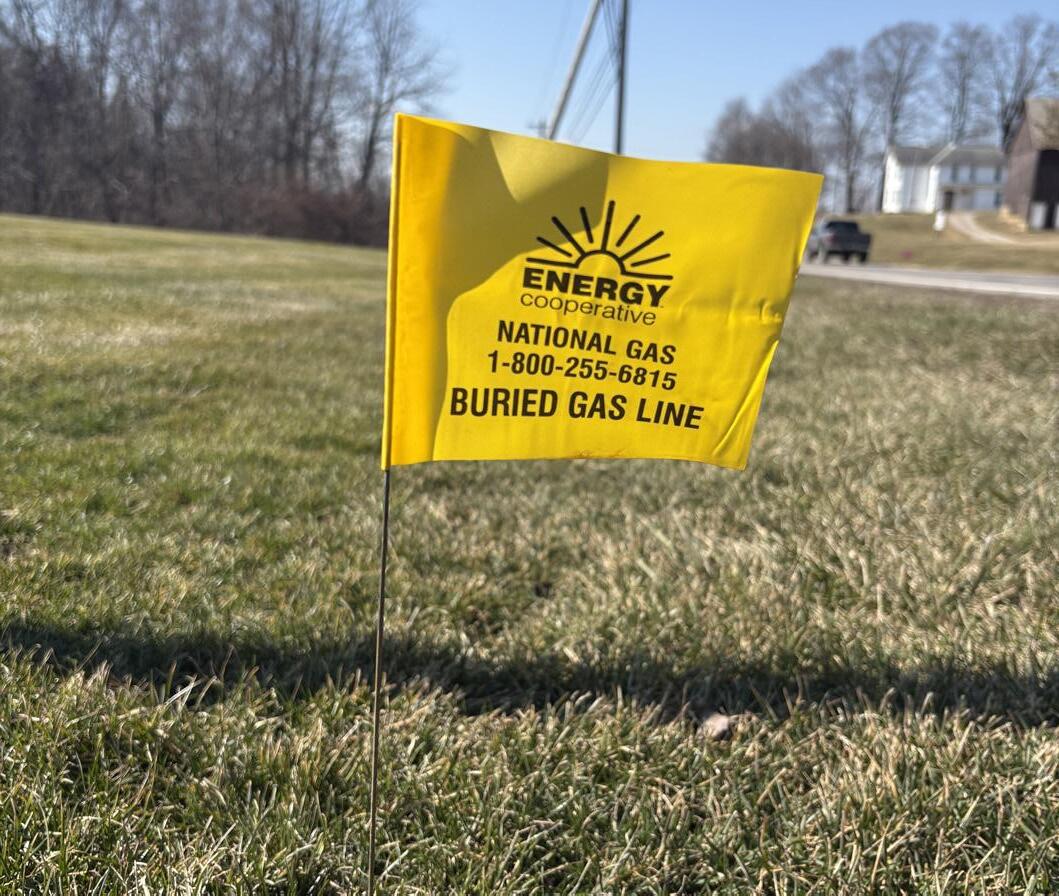
Following the markings is essential. Digging through a fiber optic cable can disrupt communication services for an entire neighborhood. Damaging a natural gas line could cause a dangerous leak, and in rare cases, an explosion. In many cases, the party responsible for the excavation may also be held financially liable for damages. Depending on the nature of the damage to the utility line, those costs can be significant. Using the OHIO811 system helps reduce these risks and ensures that projects proceed safely and efficiently.
Underground infrastructure plays a critical role in supporting homes, businesses, hospitals and emergency services. Safe digging actively prevents damage and keeps essential utility systems operating without interruptions. By taking a few minutes to contact OHIO811 in advance, incidents of damaged underground utility lines can be prevented. The key to staying safe above ground is knowing what lies below.
By Josh Filler, Vice President & Chief Operating Officer - Electric Operations
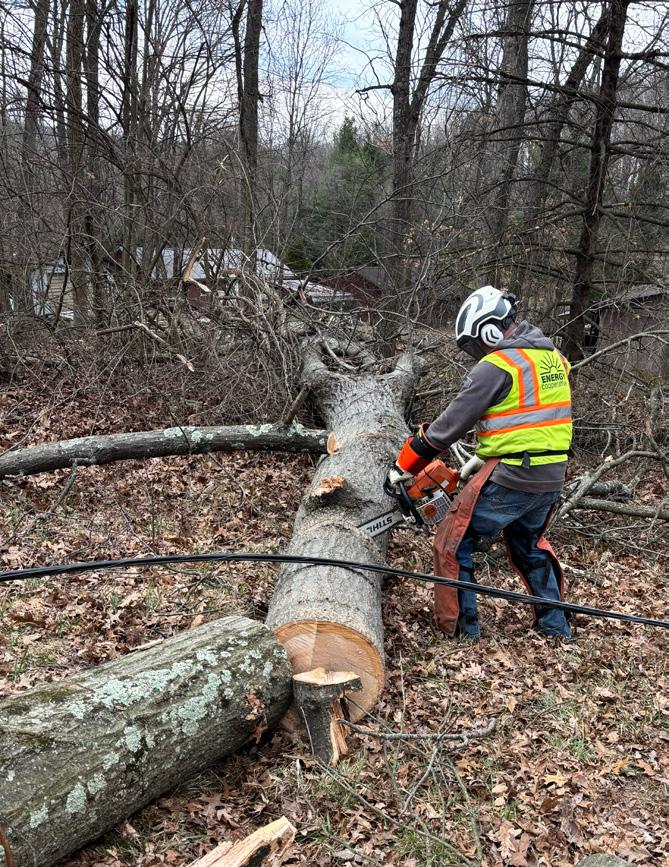
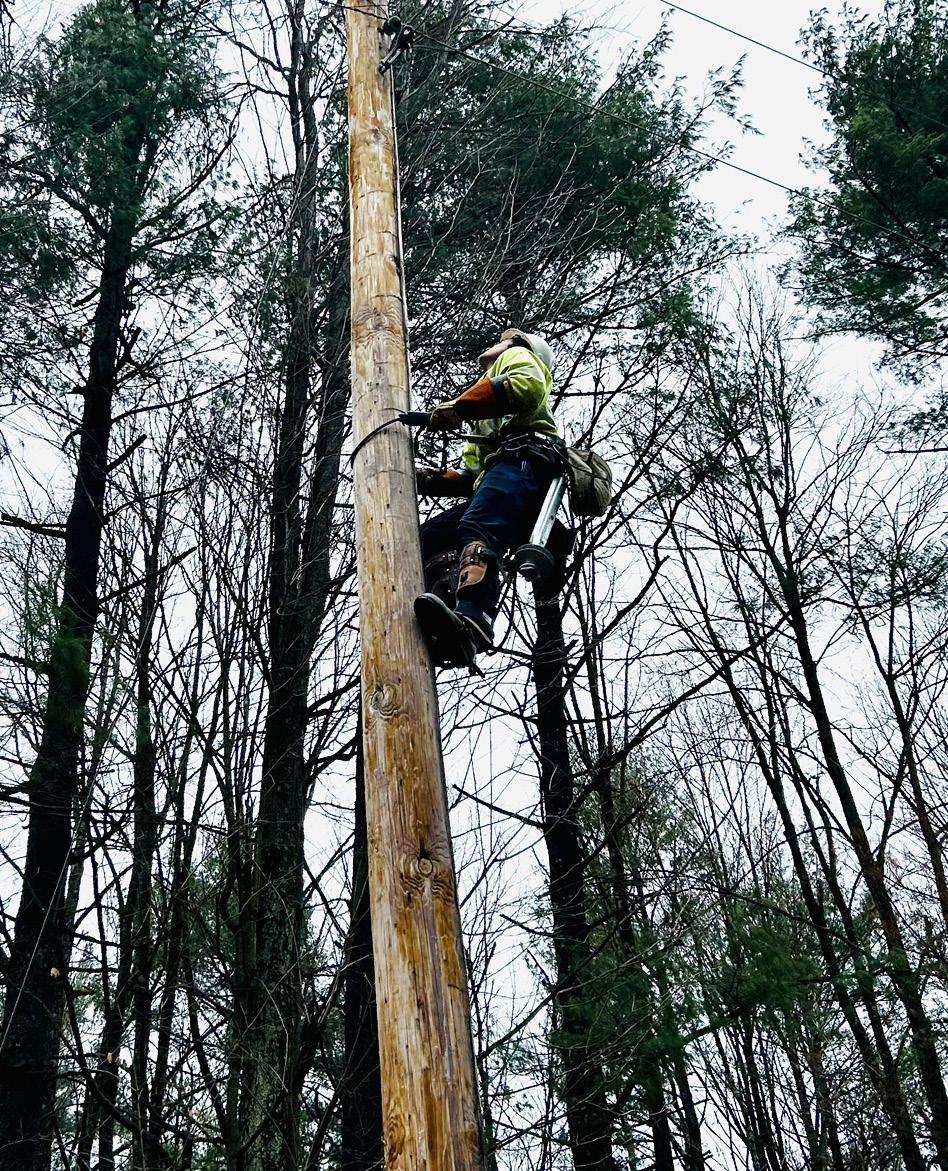
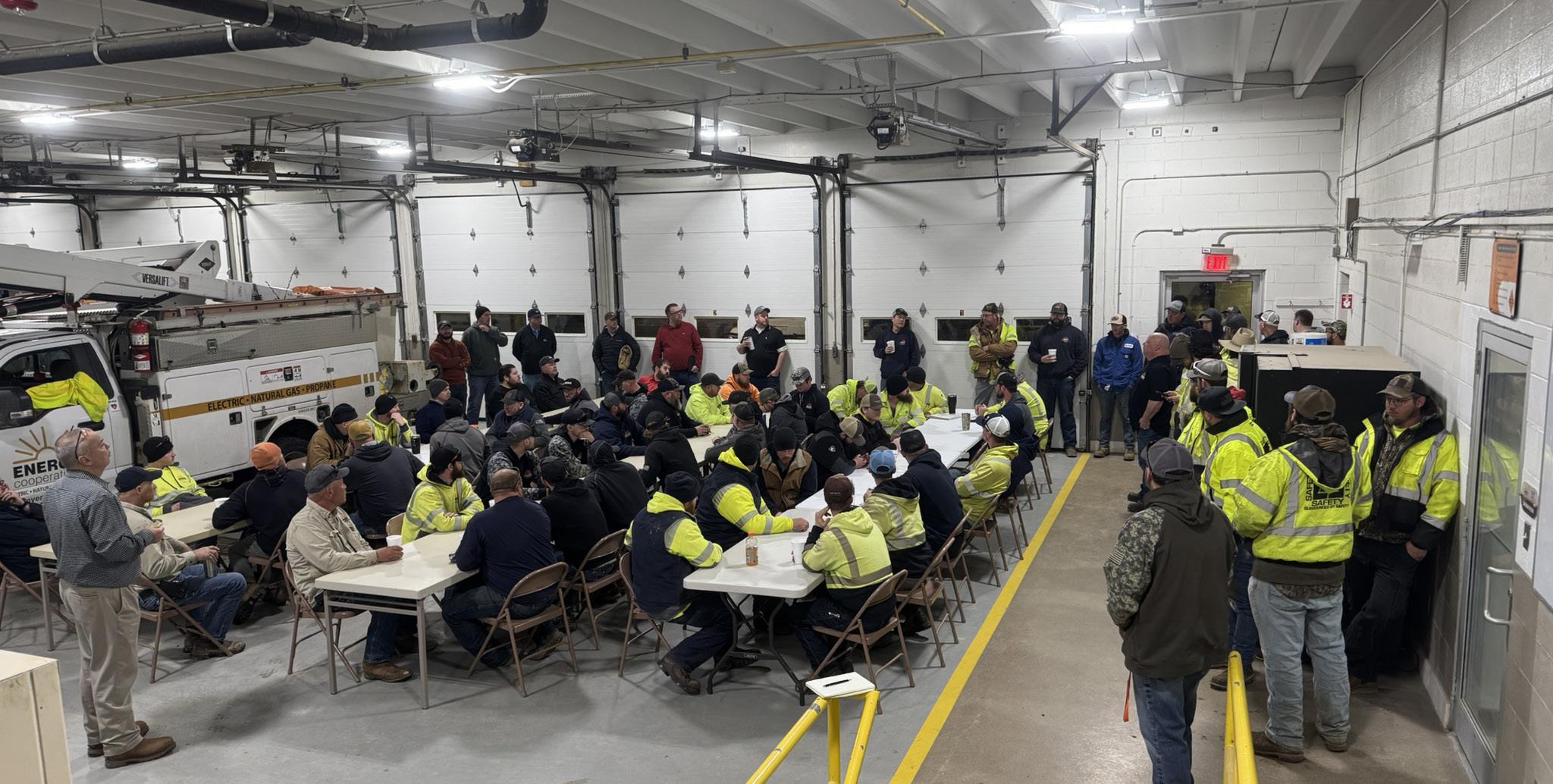
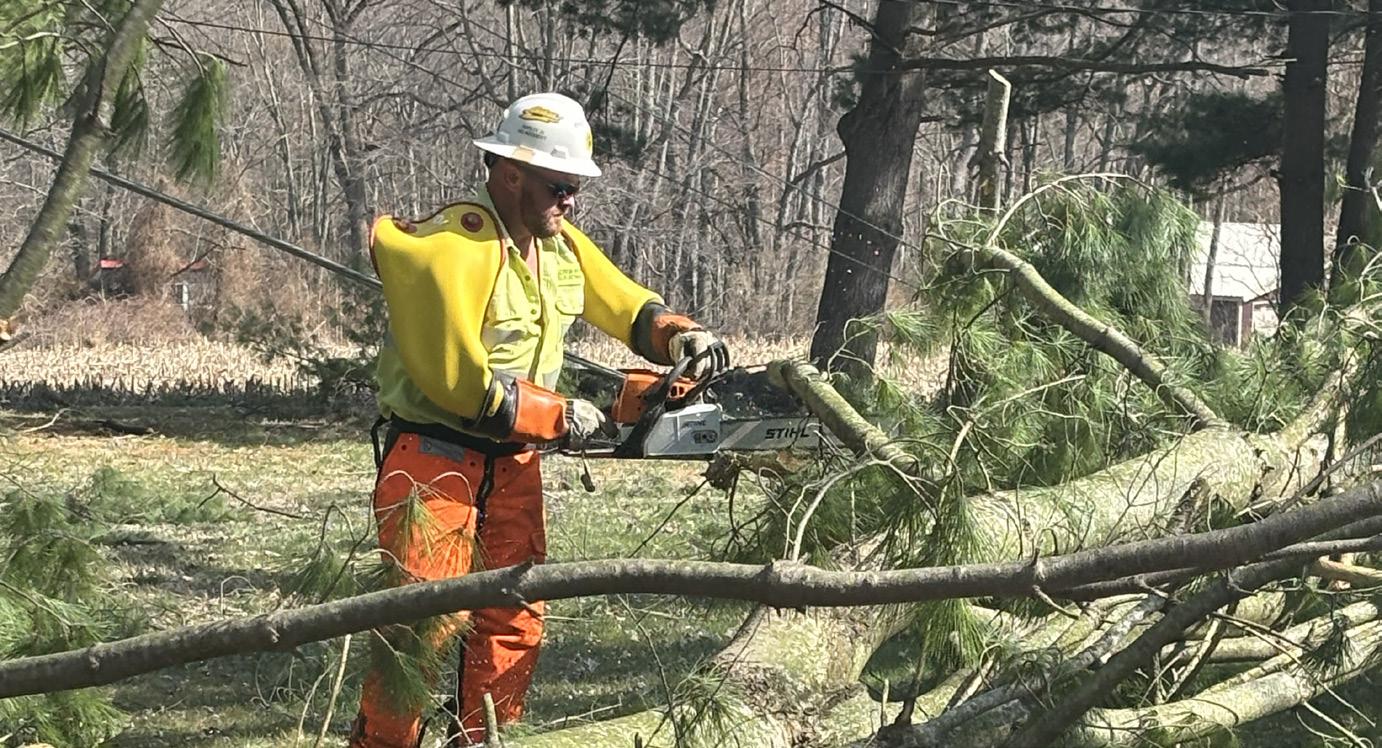
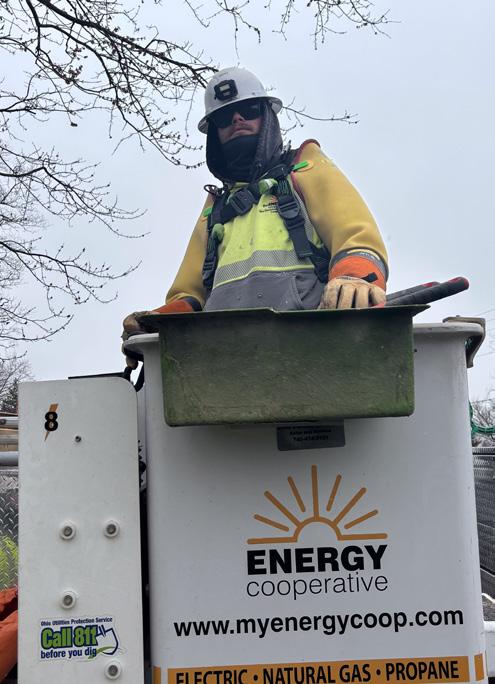
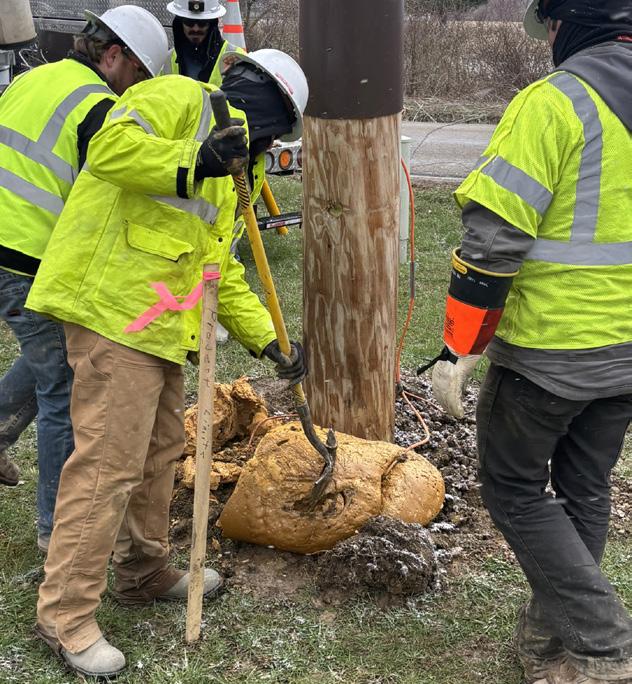
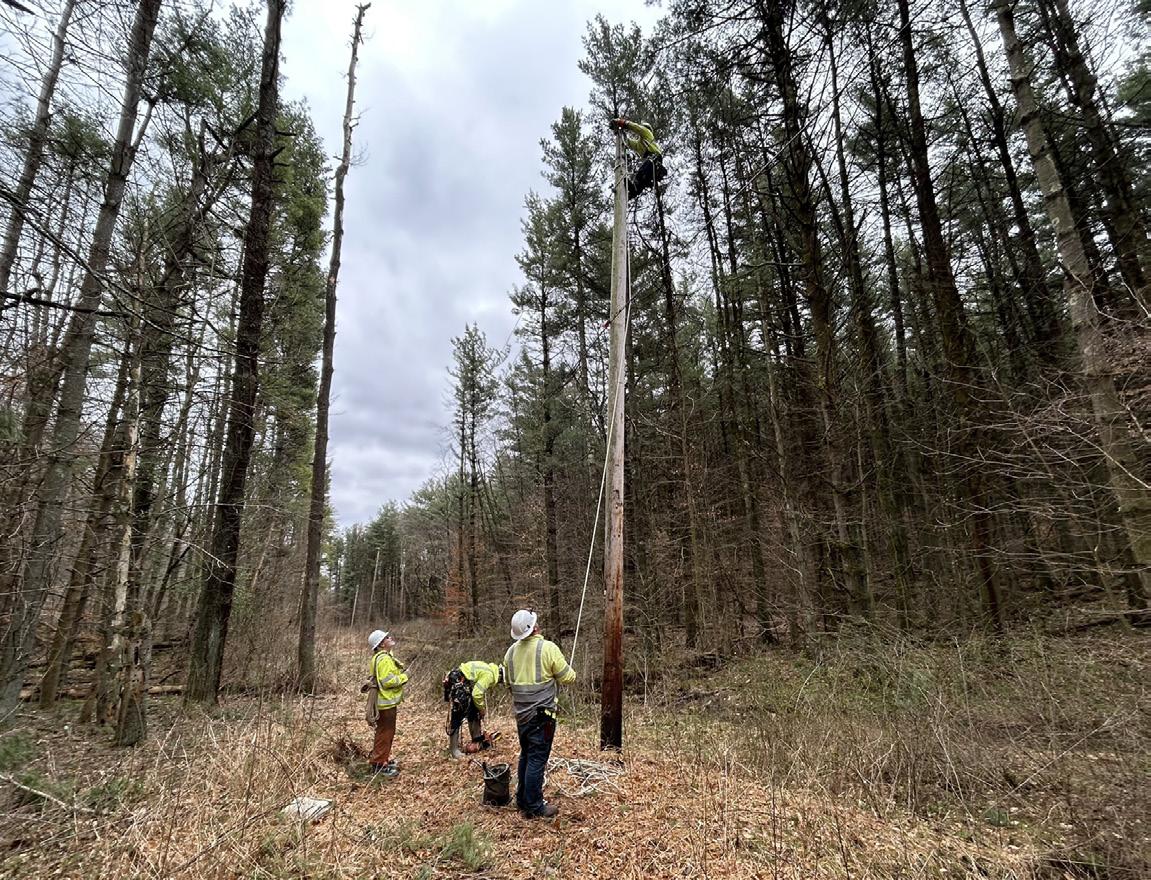
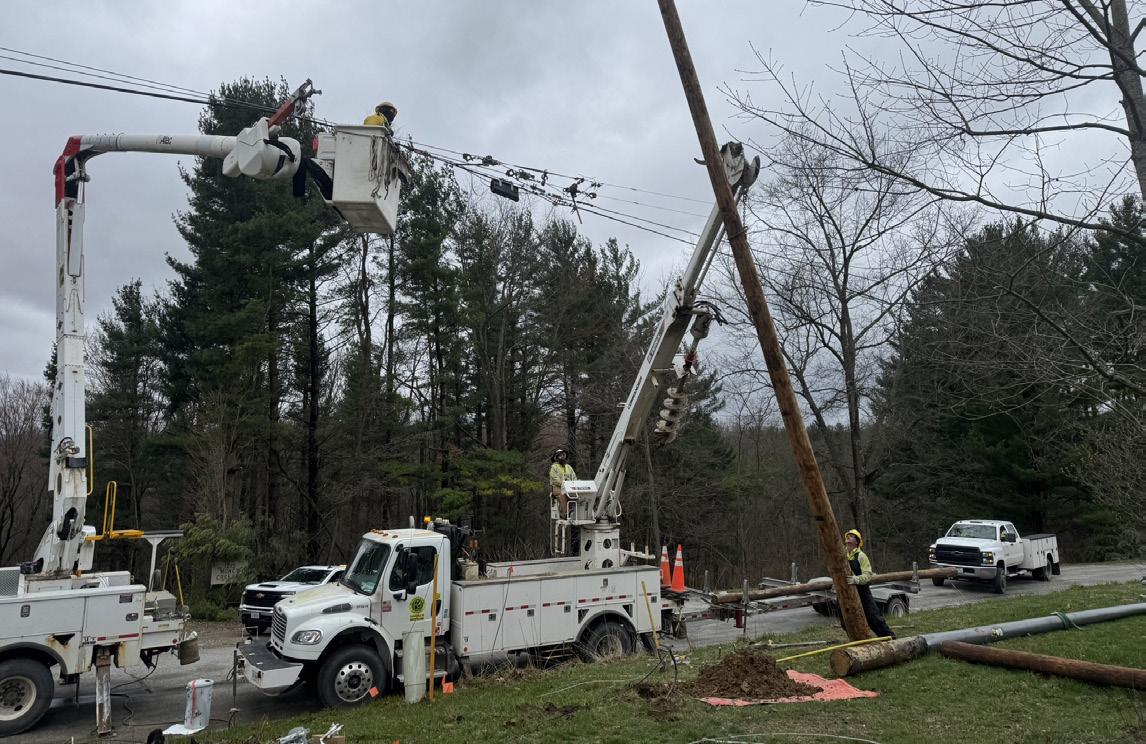
When a powerful windstorm swept through our service territory on March 13, it left behind widespread damage to more than 11,000 members. What followed was a multi-day restoration effort that showcased the commitment, skill and determination of our lineworkers, tree crews and mutual aid partners.
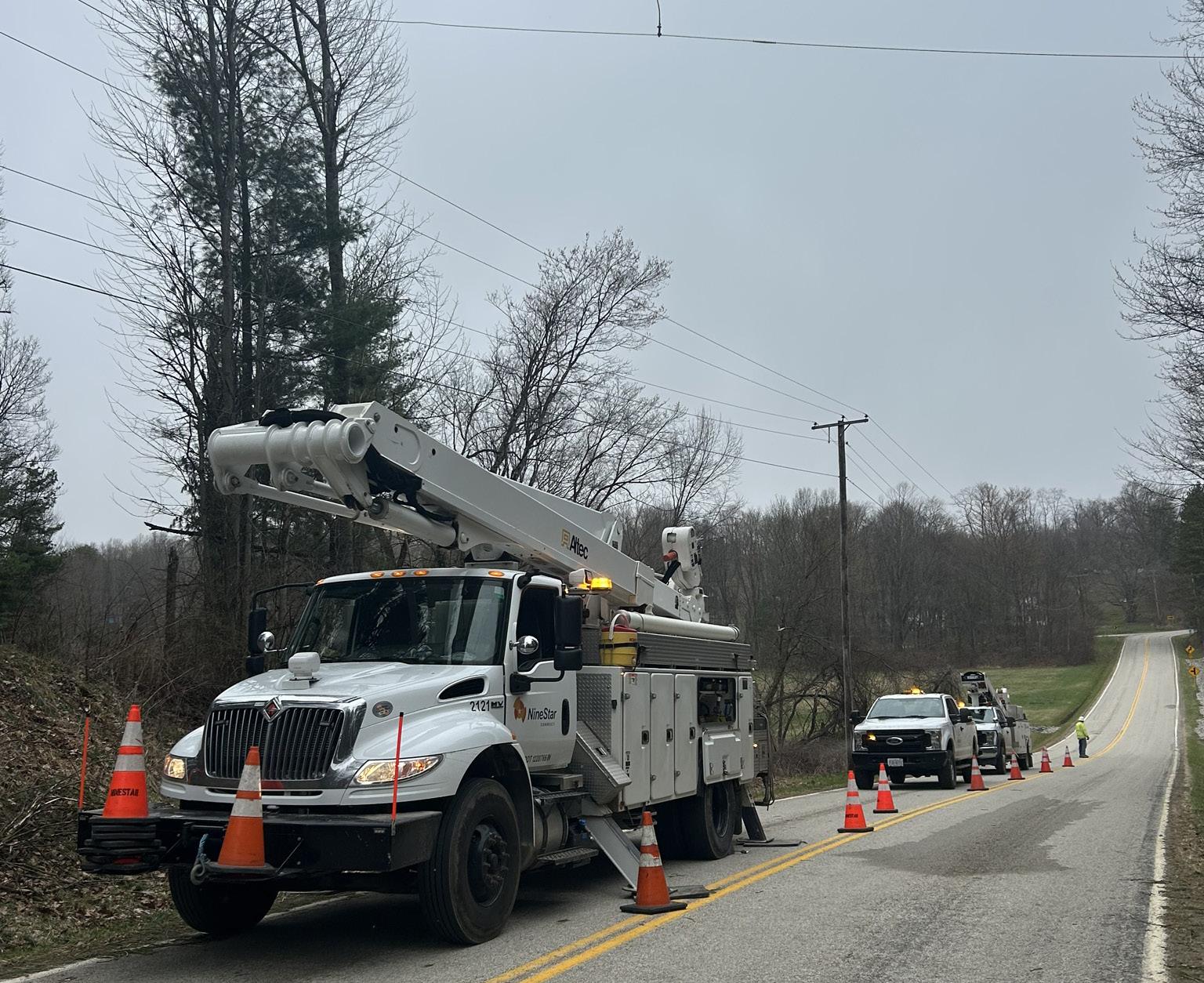
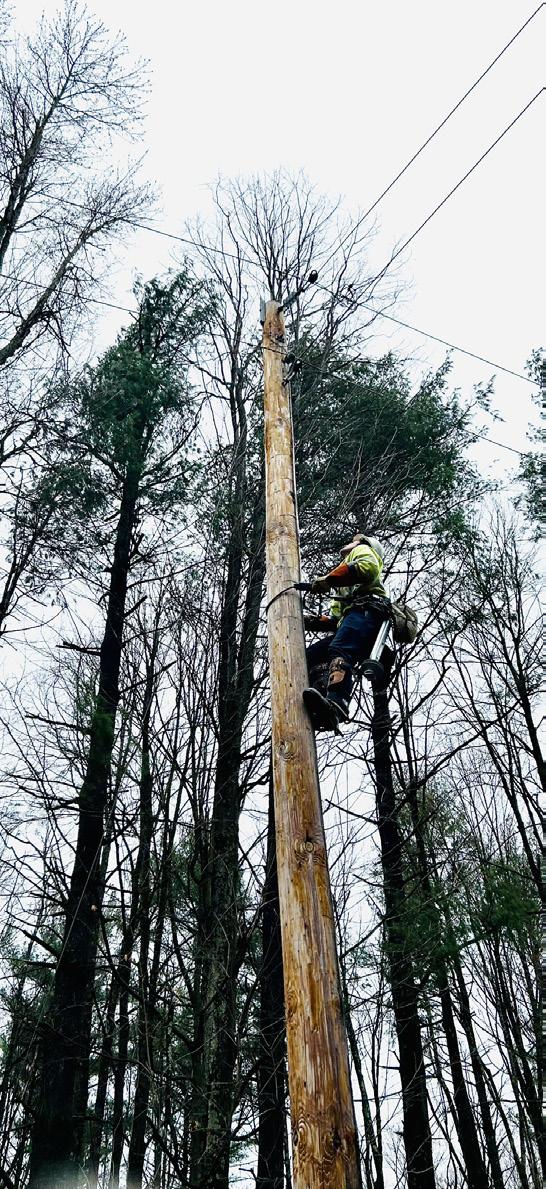
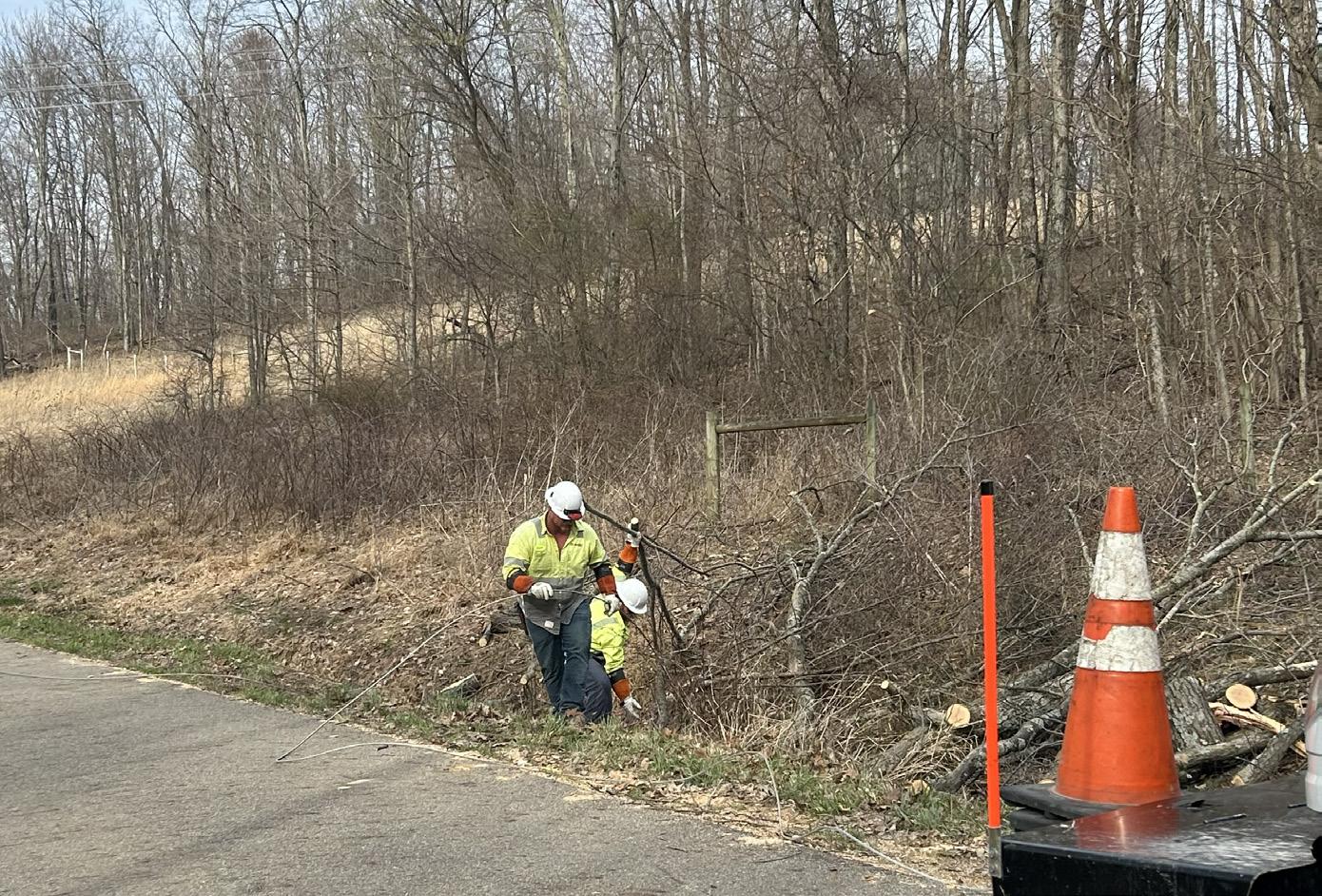
Winds strong enough to uproot trees and snap poles created 490 separate outage tickets across our system. Of those, 114 were single member outages, each requiring its own assessment, repair and often extensive linework. As crews surveyed the damage, they ultimately identified 59 broken poles. Sixteen of those poles were replaced in a single day, a remarkable pace considering that each replacement typically requires three to four hours of work for one full crew.
The smaller, scattered outages are often the most labor intensive to repair, but teams approached each job with a focus on safety, efficiency and service. By the final push of the restoration effort, fewer than 200 members remained without power on Monday evening. Crews continued making steady progress on Tuesday and brought power to nearly everyone who could be restored.
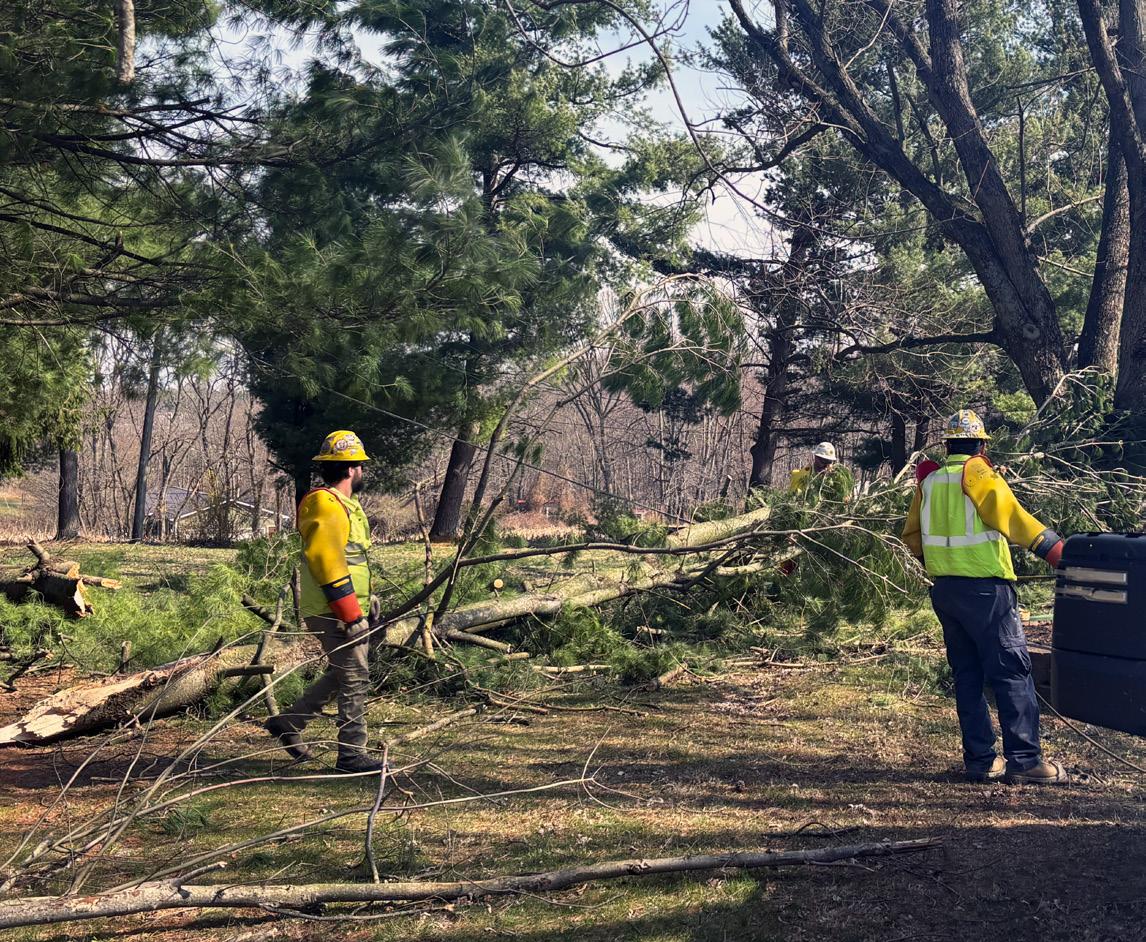
The Energy Cooperative team was not alone in the effort. Mutual aid crews arrived to support restoration, bringing extra hands, equipment and experience. Tree trimming teams played a vital role as well, clearing hazards and opening access for lineworkers to safely make repairs.
Many of the problems came from trees outside the rightof-way (ROW). Even with a consistent four year trimming cycle, which ensures every line is maintained regularly, trees located far from power lines can still fall into the line, bringing down wires and hardware. The height of the trees often exceeds the height of the lines, which can cause outages even when the ROW itself is maintained.
Thanks to the year round work of our crews, the damage—though significant—could have been worse if not for them. Their efforts help reduce outages and improve reliability long before storms arrive.
Throughout the restoration process, members showed patience and understanding as crews worked through the long list of repairs. After days of steady effort, nearly every member had their service restored. Your support, encouragement and patience meant a great deal to our crews on the ground and helped keep momentum strong through the final phase of the restoration.
As restoration efforts conclude, we want to express our gratitude:
• To our crews, who worked tirelessly to repair damage, replace poles and restore power across our system.
• To our mutual aid partners, who stood alongside us until the work was done.
• To our members, whose patience and understanding made a difficult situation easier for everyone involved.
Storms will come and go, but your cooperative is always working to keep your lights on, your homes comfortable, and your communities safe.
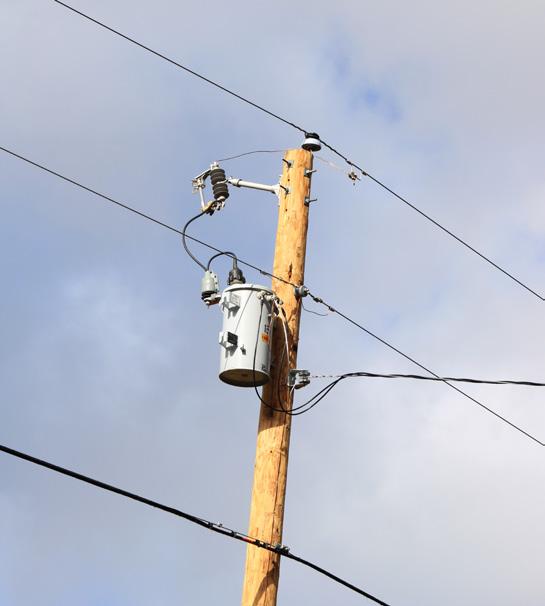
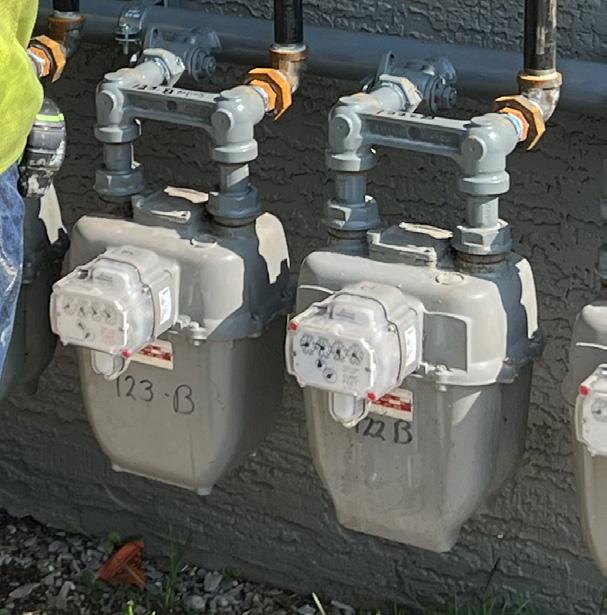
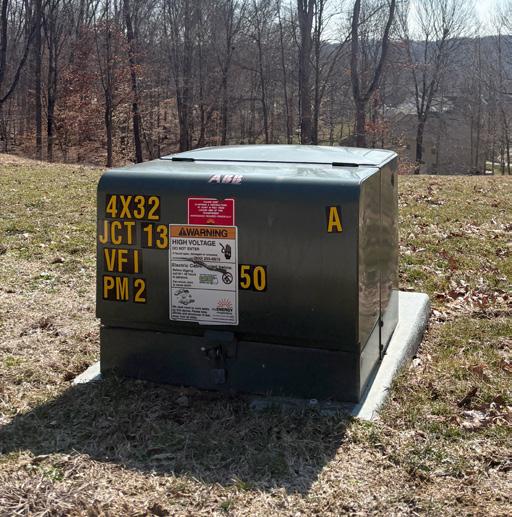
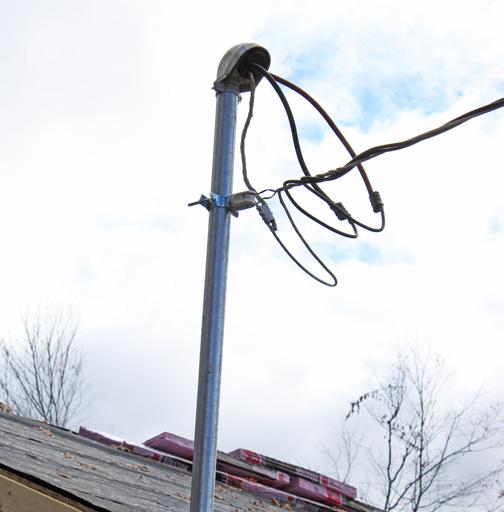
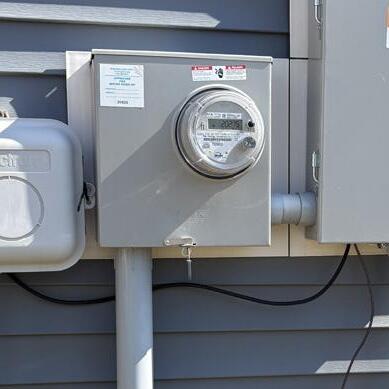
We work hard to provide our members with safe and reliable energy. To help maintain this level of service, we ask that you keep in mind a few landscaping tips.
• Leave clearance for our employees to work on utility equipment.
• Trim shrubs and bushes planted near utility equipment.
• Keep utility equipment free from obstructions.
Meters
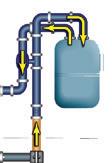
Risers
Padmount Equipment
3 feet on all sides
3 feet on all sides
10 feet on all sides


Members need to keep trees and landscaping away from the service line.
This graphic depicts equipment owned by the cooperative (in orange) and the member (in blue). If a storm damages any equipment owned by the cooperative, we are responsible for repairs. If a storm damages any member-owned equipment, the member is responsible for repairs. Members should hire a licensed professional when making any repairs to member-owned equipment.






Monday, May 4
C-TEC of Licking County
150 Price Rd., Newark
Doors open at 5 p.m. Program begins at 6 p.m.
Let us know you'll be attending!
Scan the QR code with your smartphone camera.


As a member of The Energy Cooperative, we encourage you to participate in the annual election for your Board of Directors. Districts 1, 6 and 8 are up for election, and the results will be announced at our Annual Meeting on May 4 th .
1. Complete the paper ballot you will receive in the mail.
2. Detach the ballot and return in the enclosed envelope.
Visit myenergycoop.com and click the Vote Now button. You can also vote in the SmartHub mobile app. Look for the Vote Now option.
Survey & Ballot Systems conducts the elections. Online voting runs until April 27, 2026 at 4 p.m. EST. Do not mail your ballot if you vote online.
1. Go to the website: directvote.net/tecoh.
2. Enter your member number and election passcode that are located in the paper ballot you received in the mail.
3. Use both numbers to login and register.
4. Follow the online voting instructions to cast your ballot.
If you have any issues voting online, email support@directvote.net or call 952-974-2339.

By Don Hawk, District 1, CCD, BLC, DGC
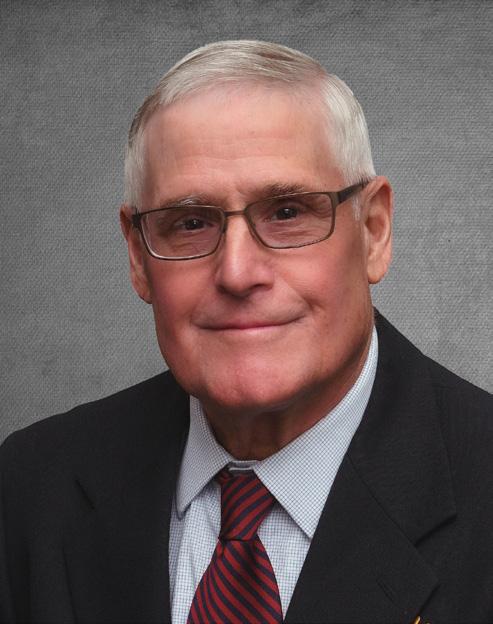
When I was appointed to the Board of Directors in 2006, our cooperative was recovering from one of the most challenging financial periods in its history. At that time, nearly every decision we made was centered on financial stability. Our equity position was negative. But with steady leadership, careful planning and a team committed to doing what was right for the membership, we began to turn a corner.
One of the milestones I am most proud of came in 2013, when our equity position finally became positive. It was a significant accomplishment—one that represented years of difficult decisions, disciplined financial management, and a shared determination to rebuild the cooperative’s foundation.
In 2022, we achieved another major goal: resuming the return of capital credits to our members. While not everyone saw the effort behind this, it was a major focus for the board and staff. It required extensive planning and teamwork, and I want to emphasize just how grateful I am for everyone involved. Todd and his staff were instrumental. Their dedication, professionalism and commitment to the cooperative never wavered, and their guidance helped shape me as a director. I owe them a sincere thank you.
As we celebrate our progress, it is important that we never forget where we started. Remembering the work it took to get here keeps us grounded and helps us appreciate the cooperative's strength today.
Over the past twenty years, I have watched extraordinary growth across our system and the cooperative as a whole. Major decisions were not made lightly. They required careful analysis of how our needs and our industry were changing. Through it all, our cooperative has remained true to its identity: a democratically controlled business guided by the seven Cooperative Principles. These values—community involvement, cooperation among cooperatives and service above profit—shape the decisions made at the board table.
Earlier this year, I shared my decision not to run for re-election. After two decades of service, I believe it is time to make space for new voices. The cooperative needs directors who can grow into their roles and help lead through the upcoming transitions. The strength of this cooperative has always been its people. I deeply believe the ‘nuts and bolts’ of the organization are strengthened by the dedication of its leadership and the thoughtful, informed work of the board.
Serving for 20 years has been one of the greatest honors of my life. I have loved every minute and will miss the camaraderie, the problem‑solving, and the shared sense of purpose.
It feels right to pass the torch. I am reminded of the cooperative’s logo jacket, which I have worn proudly over the years. To me, it symbolizes a simple truth: leave it better than you found it.
Thank you for the privilege of serving you. I am confident the cooperative is on a strong path forward—rooted in its past, guided by its principles, and ready for the future.
He has served as a Township Trustee, Soil and Water Supervisor, a Member of the Ohio Poultry Marketing Board and the Knox County Farm Bureau.
Hawk is married to Janet and they have four children; Daniel, Delbert, Joseph and Shannon
By Pat McGonagle, Vice President & Chief Financial Officer
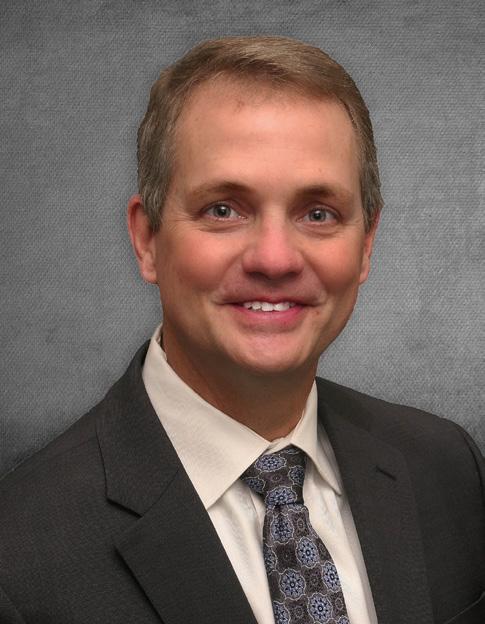
Budget Billing is a free service that allows you to spread your utility payments throughout the entire year and keep your payment amount as consistent as possible. Budget billing does not save you money. Instead, it spreads out total utility cost evenly throughout the entire year. The main benefit of budget billing is to avoid high bills during months when you use more energy to heat and cool your home.
Although the amount due each month remains the same, we show your actual charges on your bill. Any difference between the amount paid and the amount charged becomes your deferred balance. A settle-up process occurs and the deferred balance is included the calculation for the next year’s budget amount. We review budget accounts twice a year to make sure they are just the right amount to cover your total energy use for 12 months.
Your budget can change for different reasons. First, you use more energy than you did when we estimated your last budget.
This can happen during extreme weather events. Second, your budget amount will go up if the amount we charge for electric, gas or propane increases. Recently, this has been the case for our gas and propane members on the budget.
Members who participate in budget billing build a credit at some point throughout the year. The credit does not mean you should skip your monthly budget payment. Instead, your credit builds up so you will not need to pay more than the budget when your energy use increases during the summer or winter. When you pay more than your budget, it goes towards the account balance and does not take the amount from your next budget.
• Your account must be in good standing and have a zero balance.
• You must have at least one year of energy use in the home.
• We keep you on it until you tell us otherwise. However, if you miss budget payments, we remove you from the program. You cannot return to budget billing until your account balance is zero.
You can sign up for budget billing by simply calling our Member Service Department at 740-344-2102.
By Heather Juzenas, Vice President of Marketing & Member Services

Have you ever called customer service and noticed the person on the other end did not sound local? Perhaps they had a thick southern accent or mispronounced the name of your city. These are clear indications that you are likely not talking to someone from your community. At The Energy Cooperative, we take pride in being local. When you contact our Member Services Department, you are working with someone right here in your community. Our office on Granville Road in Newark is where our Marketing & Member Services team works every day. They travel to this office from their homes in Licking, Knox and Muskingum Counties.
When you call us, even when you reach our after-hours call center, our local team sees a summary of your concerns and follows up when needed. We read all the emails you send us, all your SmartHub messages, text messages, and inquiries sent through our website. Our member services department sees and responds to all of them! I also read all of them, as does our President/ CEO. It is important that we understand what members are saying and ensure their concerns are addressed.
I asked our Member Services Manager, Heather Wiley, to share some of the feedback she hears from members.
"Our members often tell us how much they enjoy calling in and speaking with our Member Services Representatives. They take the time to understand your questions and strive to resolve everything before the call ends. We have even heard from many members who do not mind waiting on hold, because our hold music makes them smile.
We know your time is valuable, and we are committed to making every interaction as positive and efficient as possible."
-Heather Wiley, Member Services Manager
Last year, we started featuring local businesses on our website and social media pages. Our goal is to highlight a local business within our service territory that receives electric, natural gas or propane service from the cooperative. Marketing & Communications Manager, Natasha Short leads this effort.
“Our marketing team visits each location to learn more about the business, and we find fun ways to highlight them on social media. The goal of this initiative is to encourage our members and employees to support the businesses that help our region thrive.
We are thrilled to introduce our members to local businesses they may not otherwise visit, in hopes they continue to support them. Partnering with local businesses continues to strengthen our connection to the communities we serve.”
Natasha Short, Marketing & Communications Manager
Cooperatives have deep roots in the communities they serve because, without them, we would not exist. In the early days of Licking Rural Electrification (LRE), they referred to themselves as people who care. While we have grown far beyond an electric cooperative, this idea still resonates with us today. Our team does care. We want to exceed your expectations. We want to make it easy for you to manage your account, get the information you need, and communicate with us. We want to continue giving back to the communities that built us.
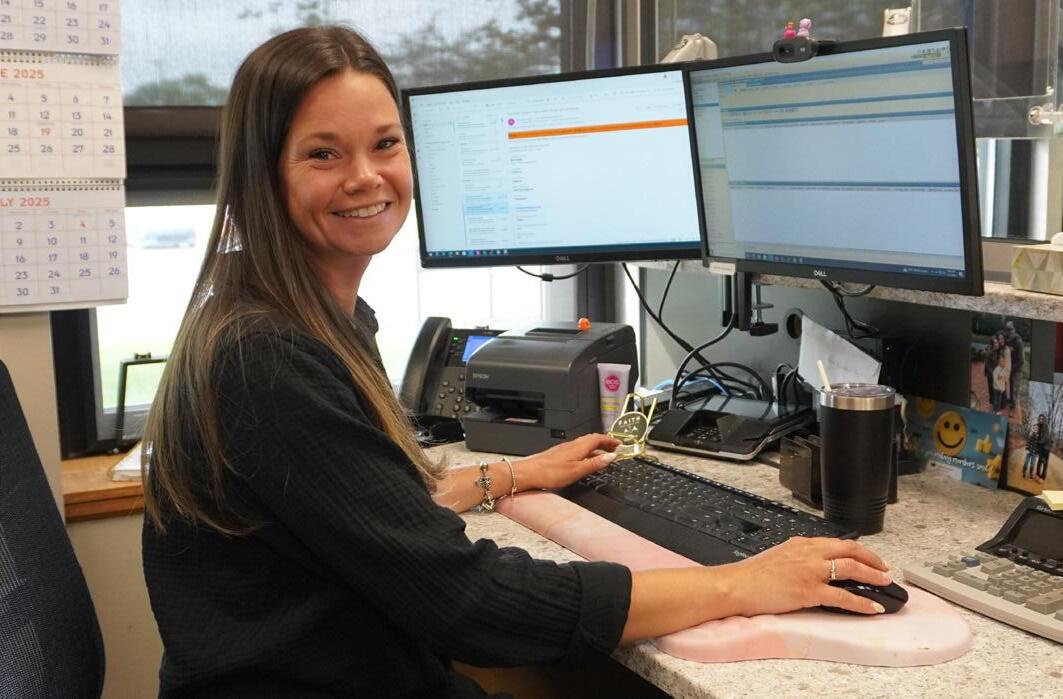
Because of our members who round up their bills to the next whole dollar each month, The Energy Cooperative's Operation Round Up Foundation has proudly contributed over $5 million to organizations in the communities we serve.
The Operation Round Up Foundation awarded $29,344 to the following community organizations in February 2026:
4-H Camp of ohio to help with electric upgrades
city of heath to purchase first aid triage kits
harrison township for truck equipment
junior achievement of central ohio to help with technology
licking county christian academy towards playground resurfacing
licking valley high school to help with Claw Cafe upgrades
together we grow to purchase a yard hydrant
village of glenford for a generator
You're making a difference in your community!

Do you know an organization that could benefit from a grant? Scan the QR code with your smartphone or visit myenergycoop.com/roundup.

The Energy Cooperative’s Operation Round Up Foundation started in 2005 as a way to give back to member communities. The program rounds up members' bills to the nearest dollar, and we fund local charities, community projects and scholarships. We're excited to highlight a few of the grant winners and show you how Operation Round Up continues to make a positive impact!
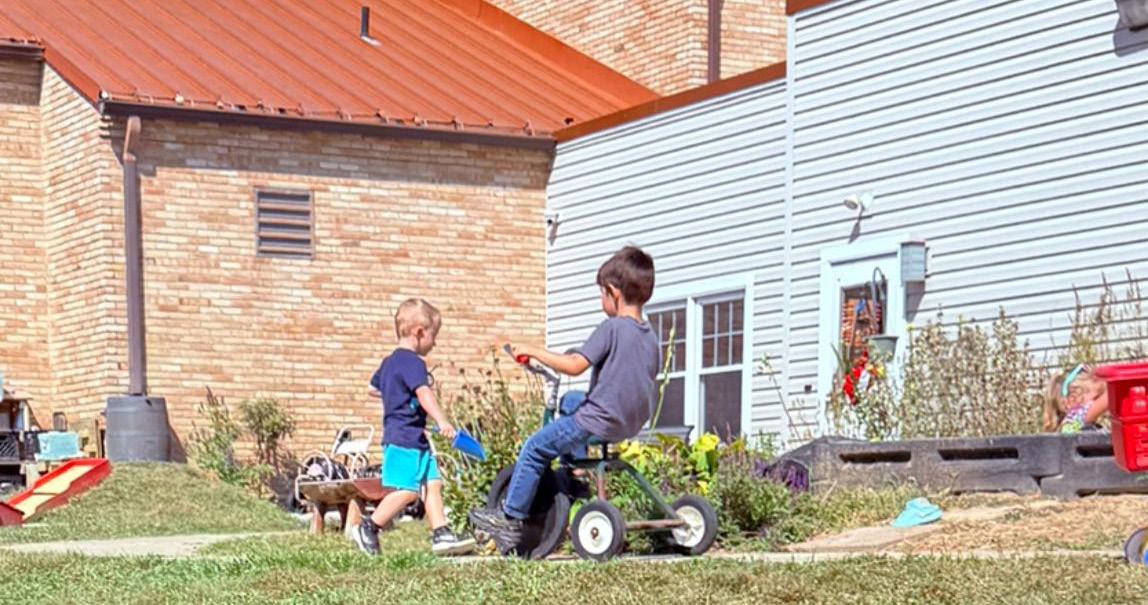
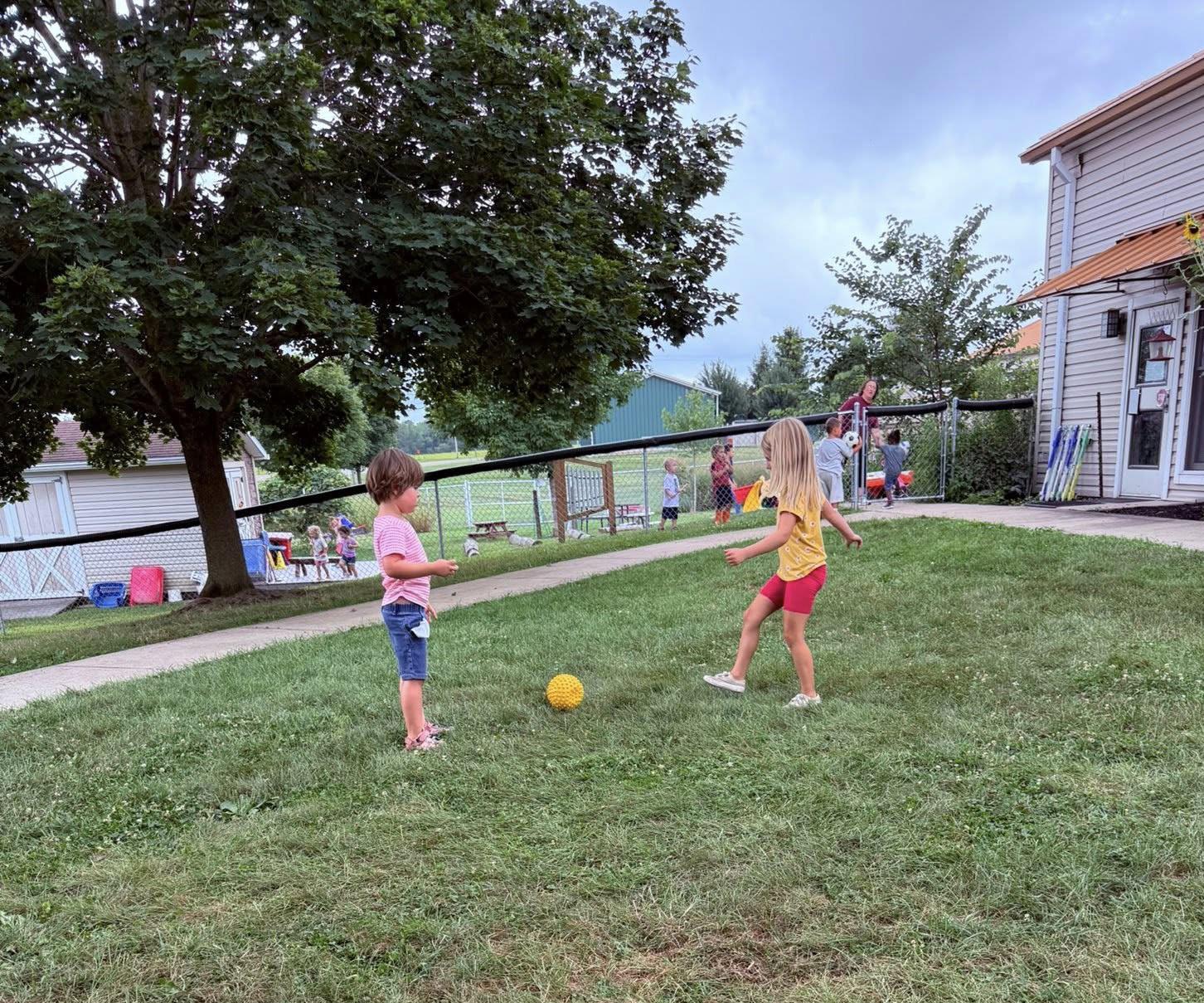
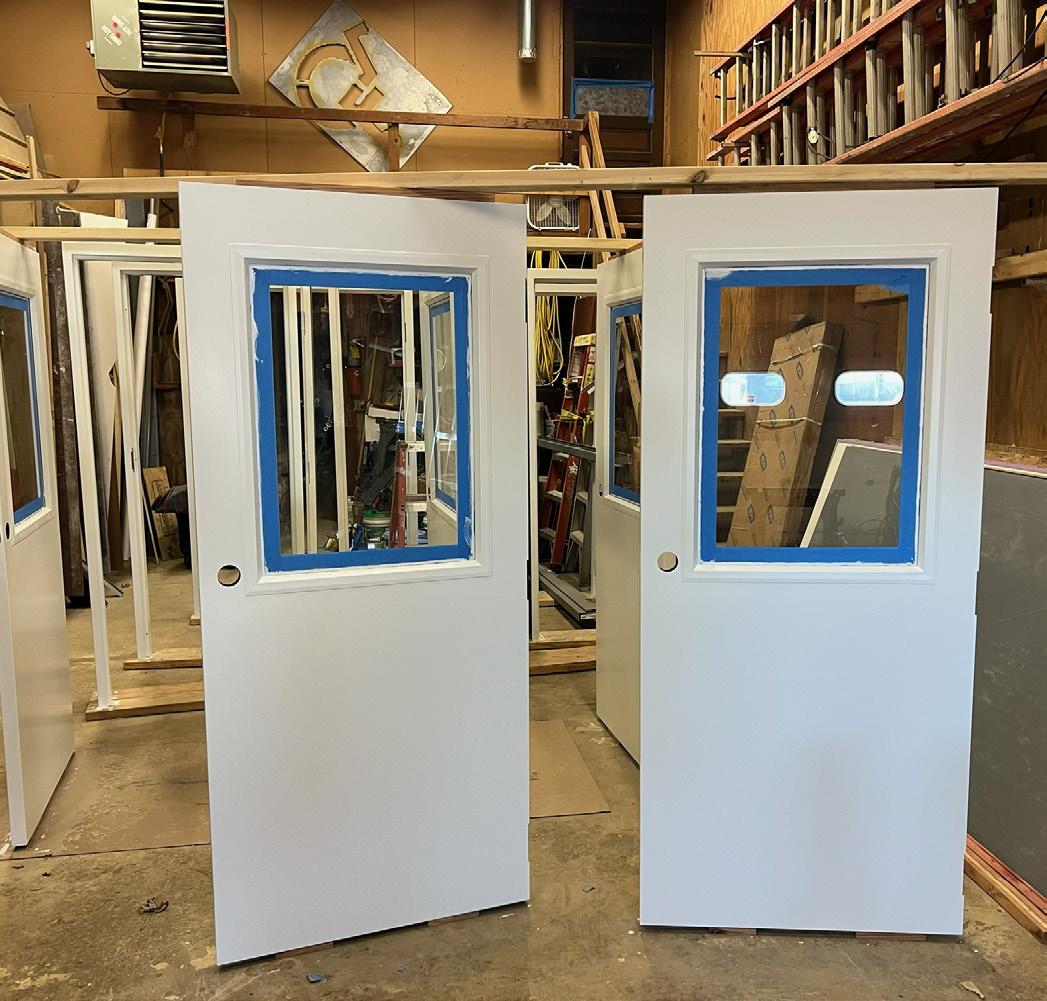
The Knox County Board of Developmental Disabilities recently received a multi-year $20,000 grant to replace aging and rusting doors in the Birth-to-Five classroom space. The funding will support improvements to the building that houses programs for some of the county’s youngest learners.
The classroom serves children from birth through age five who receive Head Start and developmental support services. Staff work closely with families to help children build communication, motor, and social skills during these important early years.
Over time, the exterior doors at the facility had begun to rust and deteriorate, creating safety and accessibility concerns. The new funding will allow the Board to replace the doors with durable, modern units that improve security, accessibility, and overall appearance.
Board officials say the upgrade will help ensure the classroom remains a welcoming and safe environment for children, families, and staff.
Investments like this help maintain community facilities that support early learning and development. For families in Knox County, the improvements mean a better space for children to grow, learn, and thrive during their earliest stages of development.
-Steve Oster, Superintendent/CEO

By Scott Stitts, Vice President & Chief Information Officer
Central Ohio is rapidly becoming a hub for data center development. Companies like Microsoft, Meta (Facebook), Google and Amazon have data centers planned or already operating in one of our member communities.
Data centers are frequently in the news because of the large amounts of electricity they use to keep running. Traditional data center demand is outpaced by AI data centers, which require even more power to operate. Given the concerns regarding data centers, it is important to address two key questions: Why do we need so many data centers? What inside them uses so much electricity?
A data center is a building that houses IT infrastructure to store digital data. This includes servers, storage drives and network equipment. Data centers are the powerful engines behind the technology we use every day.
Personal Assistants: Apps like Siri and Alexa help us with simple tasks, like setting reminders, playing music or answering questions.
AI Search Engines: ChatGPT, Microsoft Co-Pilot, Gemini or Claude can help us draft documents and check our work for errors. Apps like Facebook, Instagram and YouTube are flooded with AI content.
Streaming Services: Streaming apps like Netflix, Hulu, Disney+, YouTube (and more) rely on large data centers to store their content.
For any of these applications to work, we need data centers to keep them running. These needs drive the rise of data centers in our community and beyond.
Data centers require huge amounts of electricity to operate and here is why:
Computing Infrastructure: Rack servers have their own power supply and fans. Blade chassis has multiple servers that share a power supply, cooling fans and network switches. Servers run applications and process data 24/7/365. One server rack can consume enough electricity to power a small home. A large data center can house thousands of server racks.
Storage Infrastructure: Block storage devices act as a pipeline directly to the data. While file storage has an extra layer before you access the data.
Network Infrastructure: Data centers are full of cables, switches, routers and firewalls. They allow data to flow easily from storage to applications.
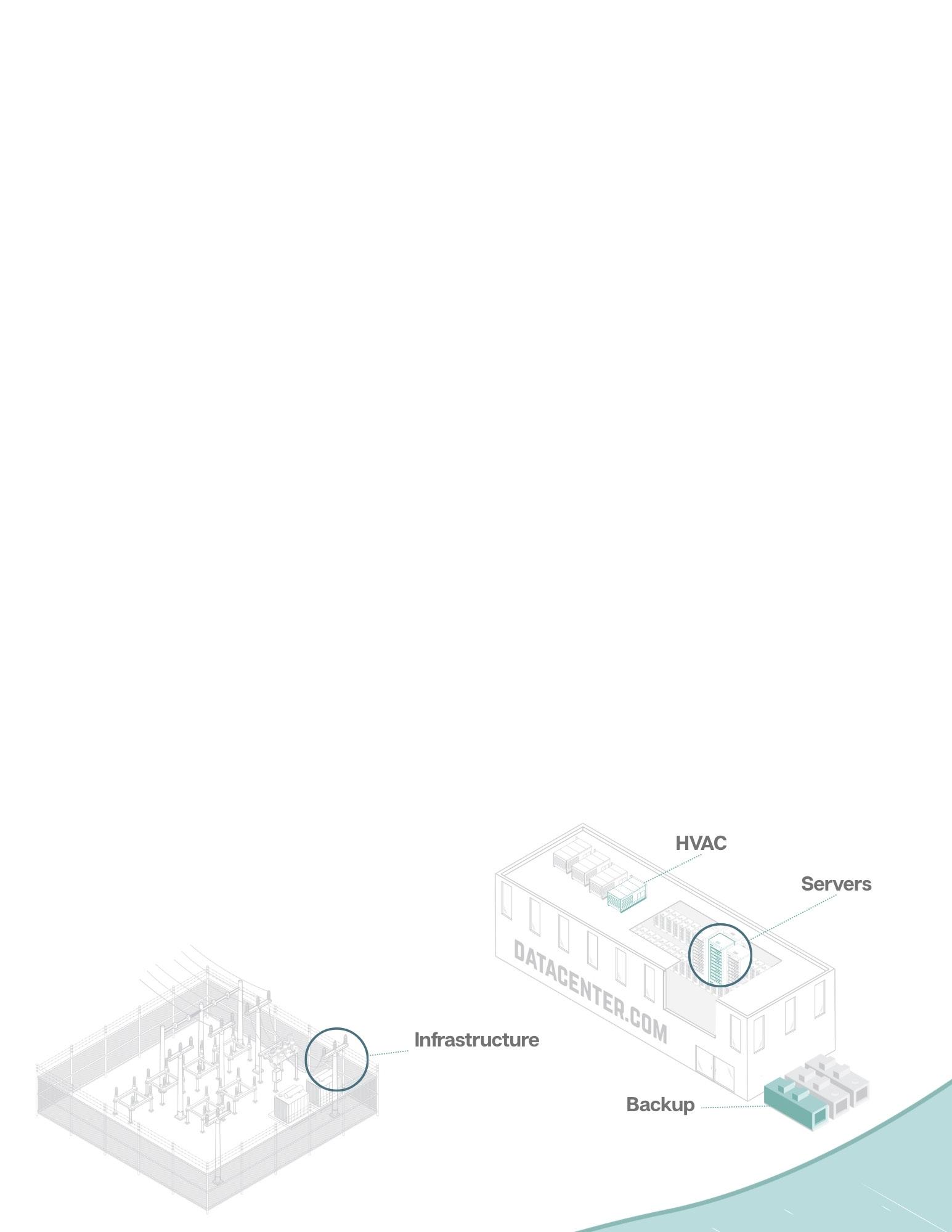
Support Infrastructure: Data Centers need to be connected to an ‘uninterruptible’ power supply, as well as backup generators should power outages occur. They need large HVAC systems to ensure the servers cool properly and fire suppression systems are in place in case of an emergency.
While data centers consume significant resources, they are being built to keep up with our demand for technology. While we may not like the massive buildings, it’s important to remember that what is inside them keeps our modern world running.
By Connie Hogue, Vice President of Human Resources & Safety
Warm weather is finally here. After months of snow, ice and gray skies, spring brings longer days, brighter sunshine, and a renewed sense of energy. It is a season of fresh starts—perfect for tackling home projects, sprucing up the yard, and getting back on the road for activities and events with family and friends.
But with all this renewed momentum comes an opportunity to refresh our safety habits. Here are a few essential safety reminders to help you enjoy the season and worry less.
People are beginning to travel for spring sports, festivals, gatherings and weekend getaways. Increased traffic means you should be more aware and alert, not just of your driving, but of the drivers around you.
Ohio's “Move Over" law protects anyone working or stopped along the roadside. The law requires drivers to move into an adjacent lane when approaching a stationary vehicle with flashing lights. If changing lanes is not possible, drivers must slow down significantly and proceed with caution. This applies to law enforcement, emergency responders, road construction and maintenance vehicles, utility crews, tow trucks, and "distressed vehicles" displaying hazard lights, flares or emergency signage.
Ultimately, the law aims to prevent injuries and deaths among roadside workers and motorists. Failing to follow the “Move Over” law can result in steep fines and even a license suspension of up to 2 years, particularly for repeated violations.
Plan Ahead: As soon as you see flashing lights, begin to move over if the lane is clear.
· Slow Down: If you cannot merge, reduce your speed to at least 10–20 mph below the posted limit.
· Stay Aware: Signal your intentions early and check your blind spots before switching lanes.
Crashes involving motorcycles are often severe—and too frequently fatal. In 2025, the Ohio State Highway Patrol reported 14 fatal motorcycle crashes in Franklin County alone. While this was an improvement from the 25 deaths recorded in 2023, the statistics are still alarming. In 2023, 6,335 motorcyclists lost their lives, according to the National Highway Traffic Safety Administration (NHTSA).
“Far too many motorcyclists are still being killed or injured in traffic crashes across America,” said NHTSA Chief Counsel Peter Simshauser. “These tragedies are preventable, and it is essential that both riders and drivers pay close attention to their driving habits and to each other while out on the roads.”
Although some progress has been made, safety requires consistent effort from everyone. Drivers and riders alike must remain alert, follow the rules of the road, and be mindful of their surroundings to ensure every motorcyclist returns home safely.
• Check Twice at Intersections: Many motorcycle collisions occur at intersections. Take a moment to look carefully—motorcycles are smaller and can blend into the environment.
• Increase Following Distance: Maintain at least a 3–4 second gap. Motorcycles can stop quickly or maneuver around road hazards. Increase this distance further during bad weather.
• Check Blind Spots: Motorcycles are easily hidden in mirrors. Always turn your head and check before merging or changing lanes.
• Respect Lane Position: Never share a lane with a motorcycle. Riders need the full lane to maneuver. In areas where lane filtering is legal in stopped traffic, be alert for motorcyclists moving between lanes.
• Signal Early: Use turn signals well ahead of time to give riders plenty of warning.
Spring is a time of renewal—an invitation to reconnect with the world around us. By taking simple safety steps on the road, you can make the most of the warm days ahead.
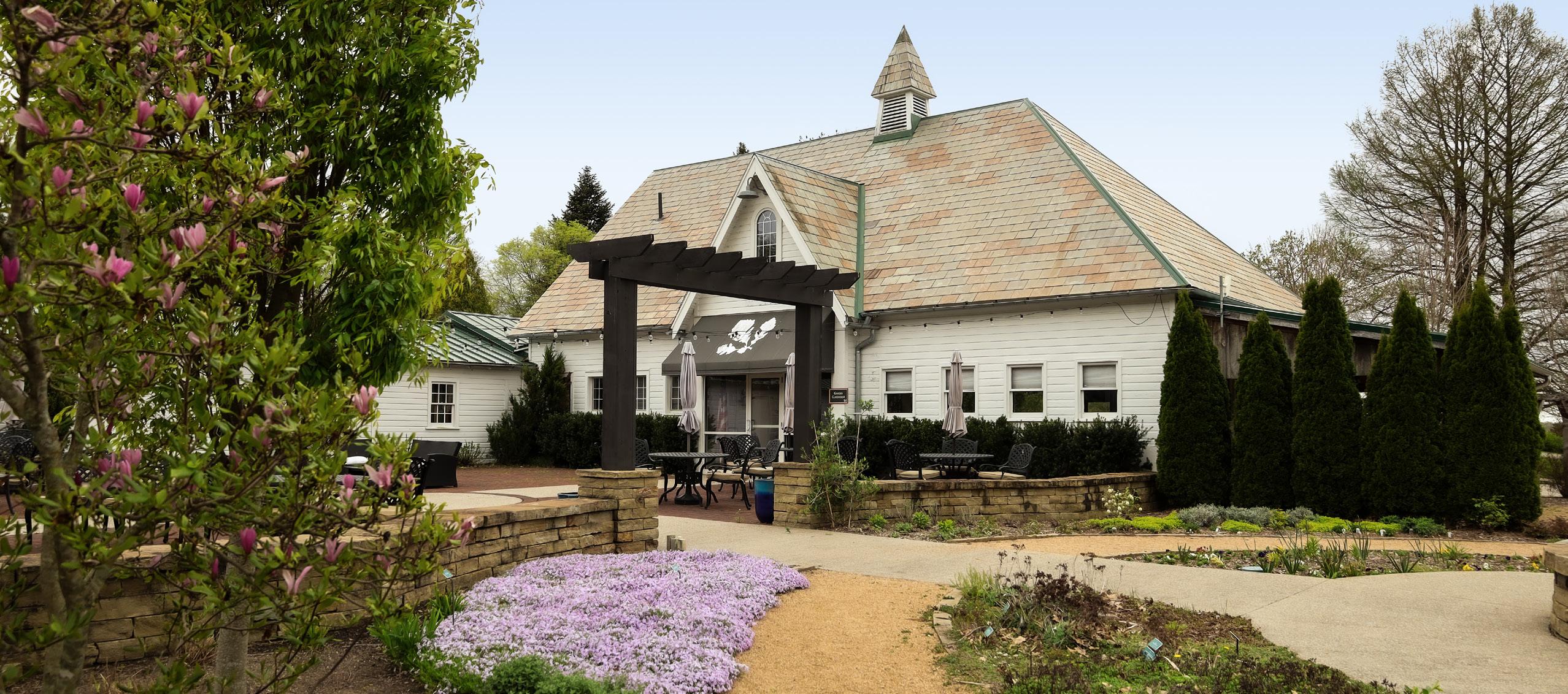
As energy choices continue to shape the future of business, we are proud to spotlight one of our electric member businesses that is making the most of their service.
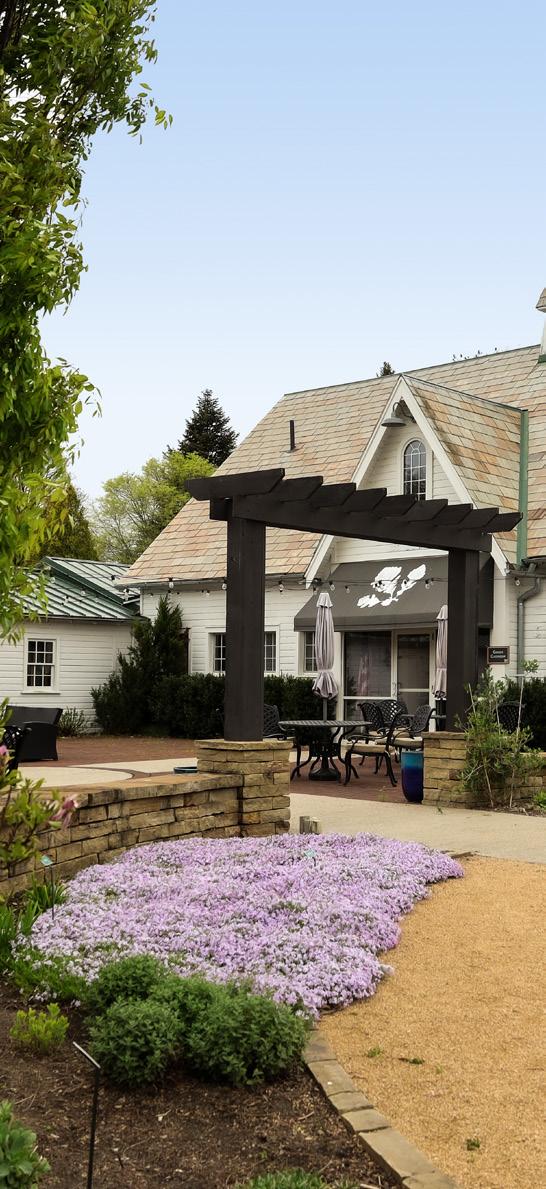
Dawes was founded in 1929 by Beman and Bertie Dawes. Over 50,000 trees had been planted, and the grounds spanned 293 acres by the date of its founding. Today, the Arboretum has nearly 2,000 acres of expansive landscapes for visitors to explore. Their nonprofit mission is enriching lives through the conservation of trees, nature and history.
Dawes features over 12 miles of trails for those looking to get some steps, serene areas like the Japanese Garden and Dawes Lake for a peaceful experience and free areas like Red Barn Reserve and Dutch Fork Wetlands.
In April 2026, we interviewed Matthew Riddle, Director of Development. This business spotlight highlights the relationship between The Energy Cooperative and The Dawes Arboretum and its growing impact on the local landscape.
Q: What does being a cooperative member mean to you?
A: Being a member of a cooperative means being part of a community that not only provides energy but also invests in the communities it serves.

Q: What is your relationship with the cooperative?
A: We have a partnership that supports our business and mission. The Energy Cooperative powers many buildings around the Arboretum and has been very generous with its philanthropic donations to support our mission.
Q: How has your experience been with the cooperative?
A: Our experience with The Energy Cooperative has been excellent. They are always there to help us with any emergencies and are the first to say "yes" when we ask for support.
Please provide any additional details about your business that you’d like to share. The philanthropic donations to the Arboretum have helped us host many community events over the years, including Arbor Day and Winter Wonders. We are excited about partnering over the next several years as we lead into our Centennial celebration in 2029. The Arboretum offers something for everyone.

The Dawes Arboretum is a space that shares the beauty and science of nature through its landscapes, educational programs and events. Their commitment to conservation and education reflects the values we strive to uphold as a cooperative. We’re grateful for the partnership we’ve built and look forward to supporting Dawes as they continue to grow and expand their programming.
Are you ready to spring into energy savings? When we actively try to reduce our energy use at home, we save on bills and help our community. Read the e ciency tips below, then search for (and circle) the bolded words in the puzzle.
Spring Energy Tips:
Unplug chargers, gaming systems and other devices. Electronics can consume energy when they’re plugged in, even if you’re not using them.
Open curtains and blinds during the day to use natural light instead of lamps and other home lighting.
Dress for the weather. When it’s chilly, grab a jacket instead of turning up the thermostat. When it’s warm, instead of turning on the A/C, open windows or turn on fans to circulate air. Turn o lights when you’re leaving the room for more than five minutes.
• Member service: 740-344-2102
• Electric outages or emergencies: 888-535-5732
• Natural gas or propane emergency: 740-344-2102
If you see a downed power line or other electrical hazard, call 911 then call our outage line at 888-535-5732. Assume every downed power line is energized and dangerous.
If you smell rotten eggs or suspect a gas leak, leave the area immediately. Call 911 then call us at 740-344-2102.