









By Todd Ware, President & Chief Executive Officer

At the heart of our cooperative is a principle that separates us from most businesses: democratic member control just listed in our bylaws or a concept we talk about at our Annual Meeting. It is the foundation of how we operate and remain accountable to those we serve, our members.
Cooperatives are owned and governed by our members. Every member has an equal voice, typically one vote, regardless of the amount of electric, natural gas or propane they use. This structure ensures decisions reflect the collective opinions and thoughts of our membership. As President/CEO, I view democratic member control as both a responsibility and a privilege. Members elect our board of directors, who guide our strategic direction and policies.
Democratic control strengthens our cooperative in many ways. I hope our members know their voices matter and they are invested in the cooperative's success. I believe democratic member control helps us make better decisions. Finally, democratic member control reinforces accountability. Directors and the cooperative's leadership team answer to the members they interact with every day. This principle challenges us to continuously improve our communication and listening. Effective democracy requires informed members. We prioritize open communication, clear reporting and opportunities for participation. We do this through meetings, elections, surveys and educational initiatives. I believe if members are informed, their participation becomes more meaningful and impactful.
Perhaps the most important example of democratic member control is our director elections. We are currently
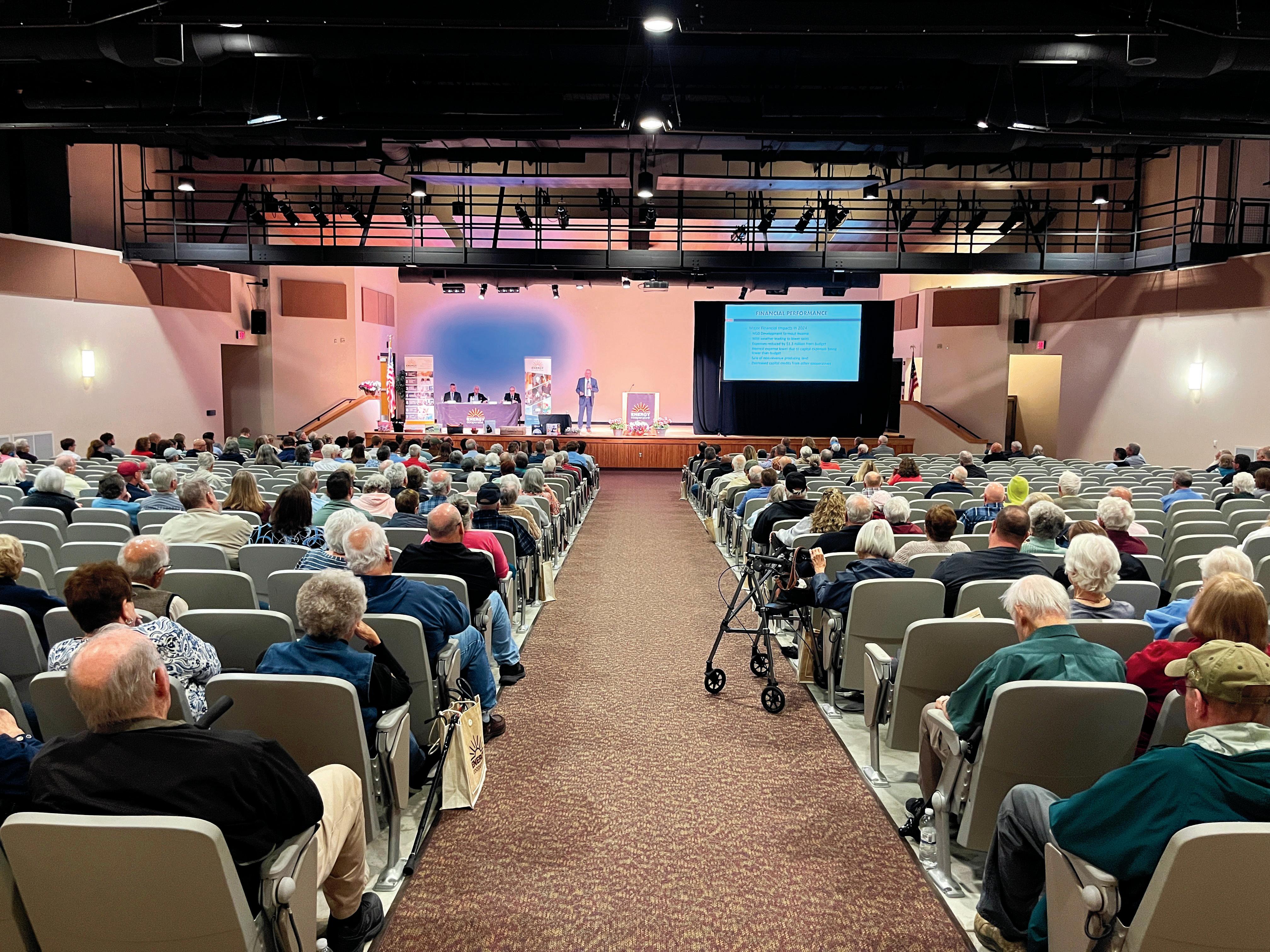
We just wrapped up our third ambassador program. This program focuses on educating members about the cooperative and helping us learn more about changing the needs of our membership. We look forward to future and further development of this program as a benefit to our members and the cooperative.
that our cooperative remains strong and true to its purpose for generations to come.
By Dan McVey, Vice President & Chief Operating Officer — Gas Operations

As energy demand continues to grow throughout our service territory, The Energy Cooperative is increasingly focused on long-term infrastructure investments that ensure safety, reliability and capacity for future growth. One such opportunity is replacing existing pipeline infrastructure with larger-diameter natural gas pipeline projects designed to better serve members across our service territory, positioning the natural gas system for perhaps decades of dependable service.
Large-diameter pipelines play a critical role in strengthening a natural gas distribution network. By increasing the volume of gas that can be transported efficiently, these projects help reduce pressure constraints during peak demand periods, such as extreme cold weather events. For residential, commercial and industrial members alike, improved capacity translates directly into enhanced reliability, fewer service interruptions and a more resilient natural gas supply when it is needed most.
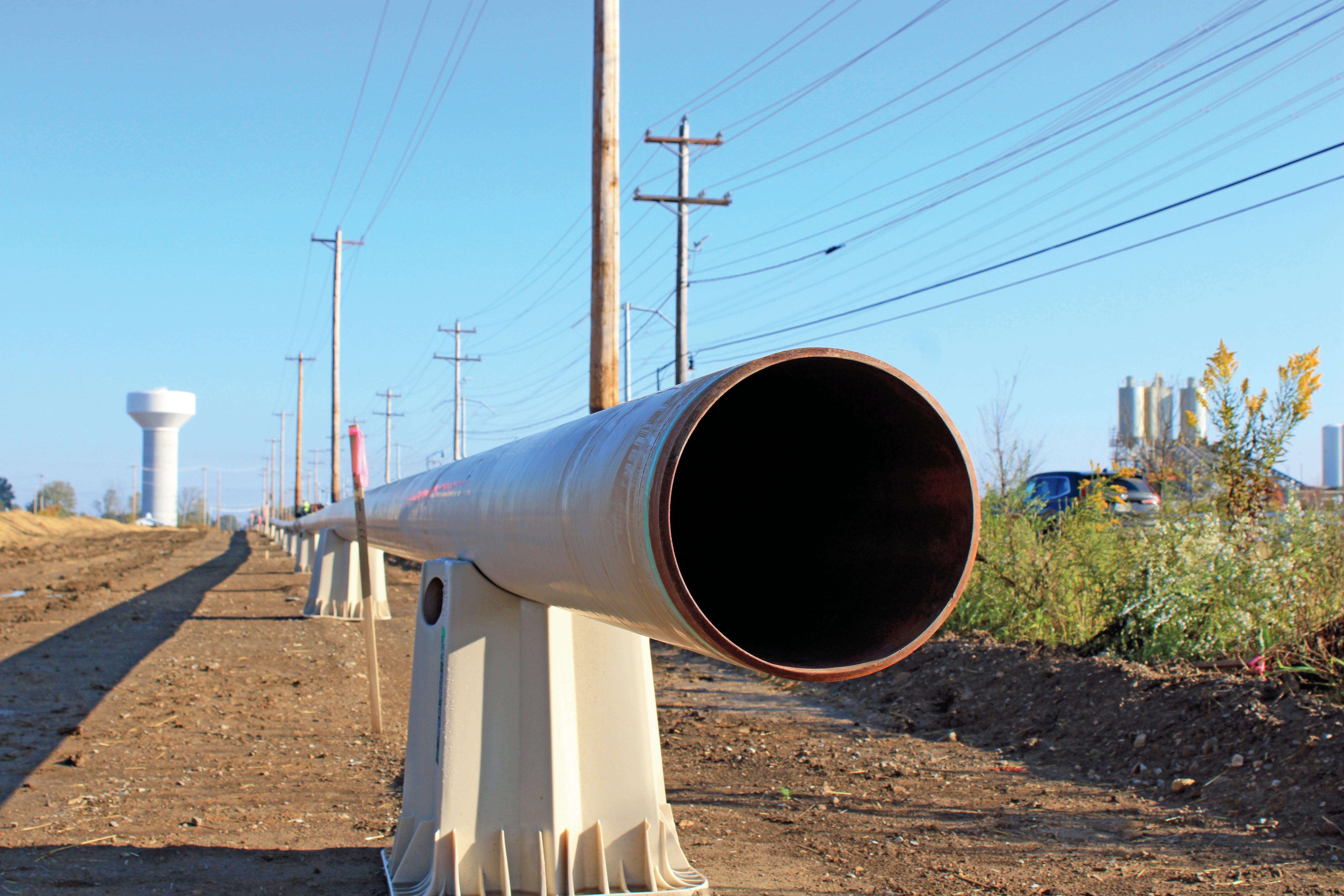
Beyond immediate reliability benefits, these pipeline projects are a strategic investment in the future growth for our communities. Economic development often depends on access to stable and affordable energy. New businesses considering expansion or relocation routinely evaluate the availability of natural gas infrastructure
to support manufacturing processes, heating needs or power generation. A robust pipeline system can serve as a means for job creation, increased tax base and broader economic vitality within the community.
Planning a large-diameter pipeline is a complex process that requires careful coordination with local stakeholders, regulatory agencies and landowners. Routing options must be evaluated for environmental impacts, construction methods and long-term maintenance requirements. Public engagement is also a key component, ensuring that members and residents understand the project's purpose, its benefits and how potential impacts will be managed responsibly.
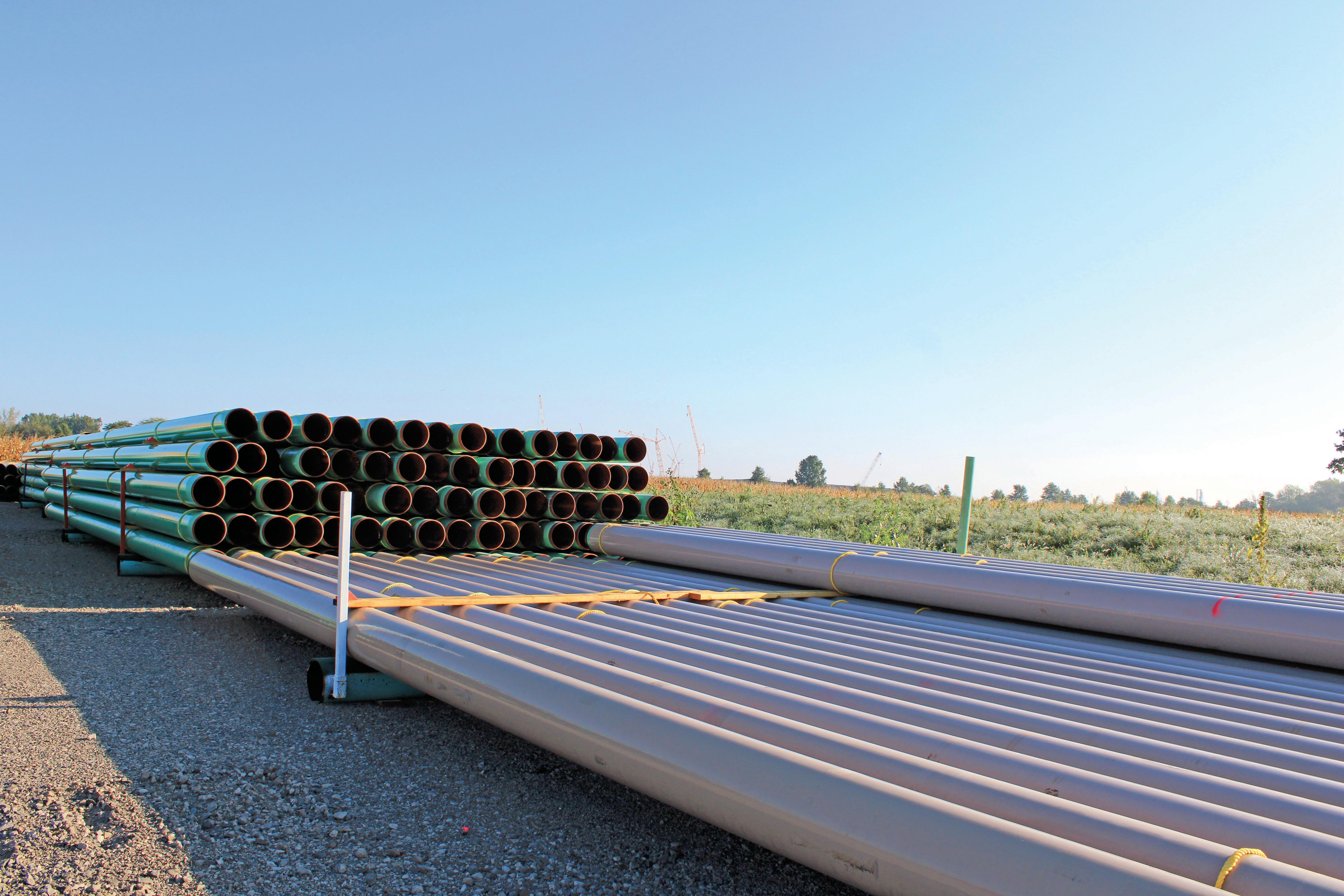
From a member perspective, proactive infrastructure investment can help stabilize long-term costs. By alleviating system bottlenecks and reducing reliance on short-term supply solutions during peak demand, pipeline upgrades can mitigate price volatility and support more predictable rates over time. This forward-looking approach reflects a commitment to balancing affordability with reliability.
Ultimately, the consideration of large-diameter pipeline projects underscores the cooperative’s responsibility to plan not just for today’s natural gas needs, but also for future opportunities. By strengthening the backbone of the energy delivery system, the cooperative aims to provide dependable service, support economic growth, and ensure that members throughout our system continue to benefit from a safe, reliable and resilient natural gas supply well into the future.
By Josh Filler, Vice President & Chief Operating Officer - Electric Operations

As the first article of the new year, I thought I would update our members on the projects we completed in 2025 and those we are working on in 2026.
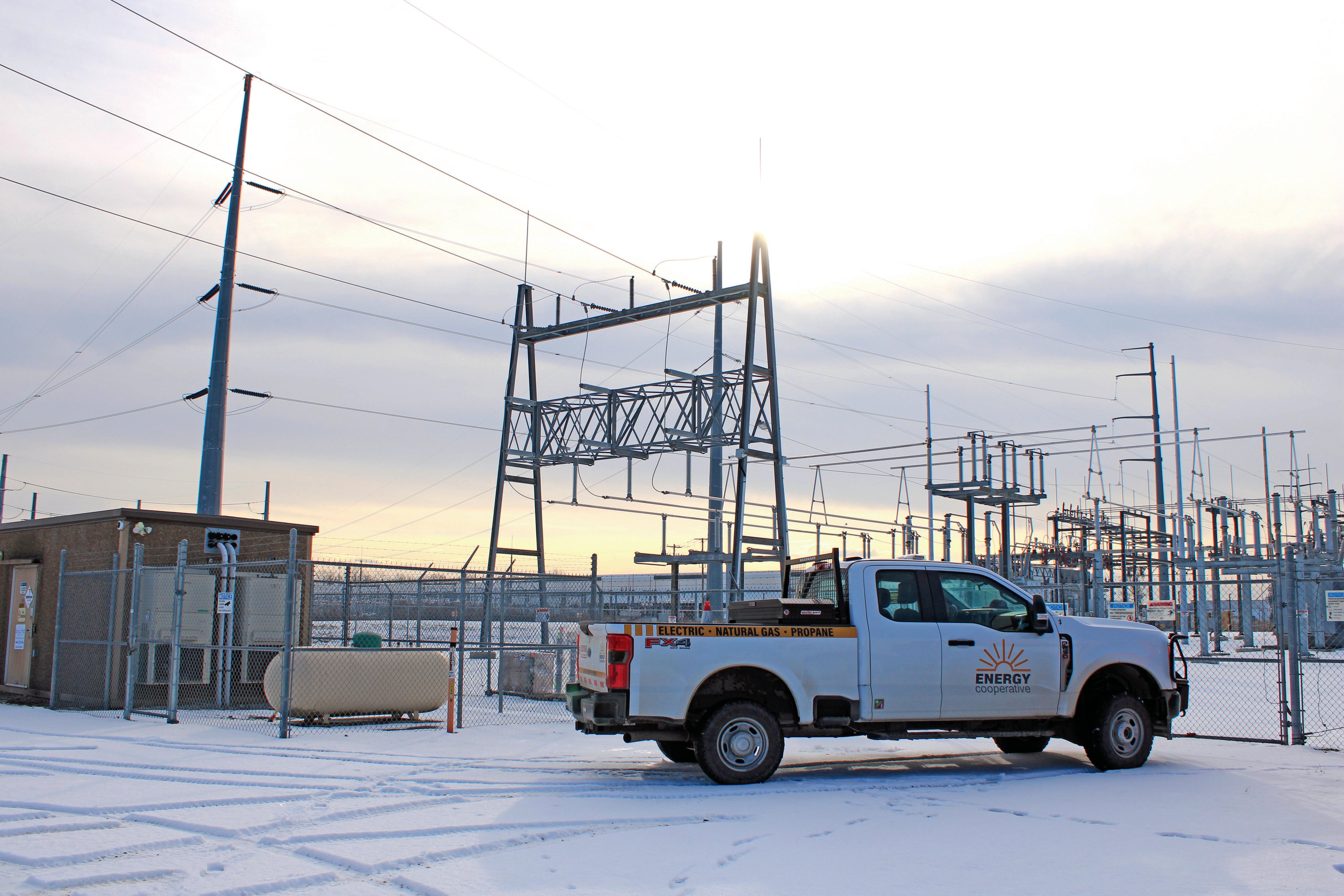
In 2025, we completed
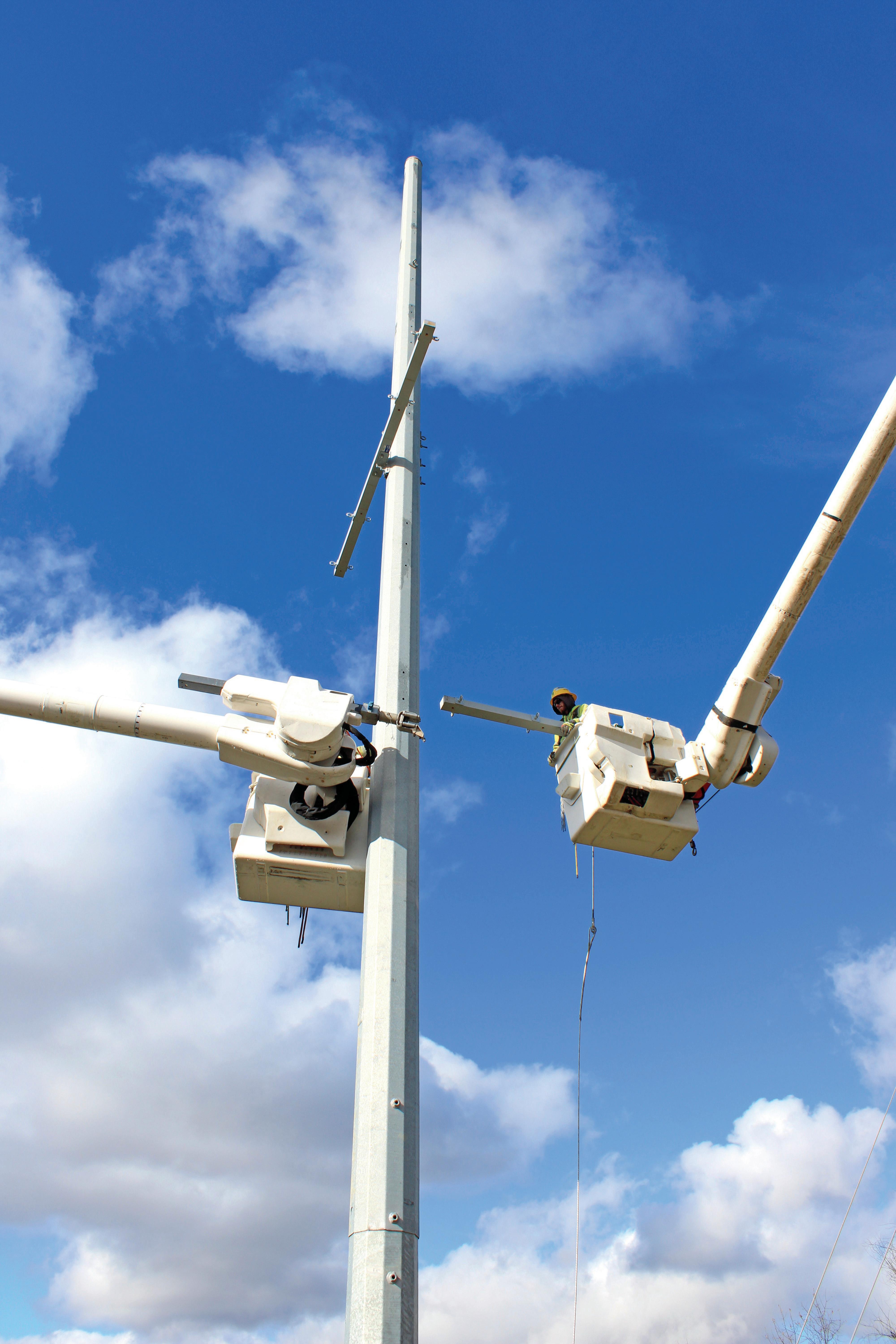
Mercury Broadband. We continue to support these two companies as they provide high-speed internet to our members in these rural areas.
2026 is going to be another big project year. We will be completing several projects including installation of a FLISR (Fault Location, Isolation and Service Restoration) system and breaking ground on two new substations in Johnstown.
In the Times 2025 Issue 1 magazine, I wrote about FLISR and the improvements that system will make on reliability and restoration times to our members. If you did not get a chance to read it, you can access the article by going to www.issuu.com/theenergycoop. That project is expected to be completed by the end of 2026.
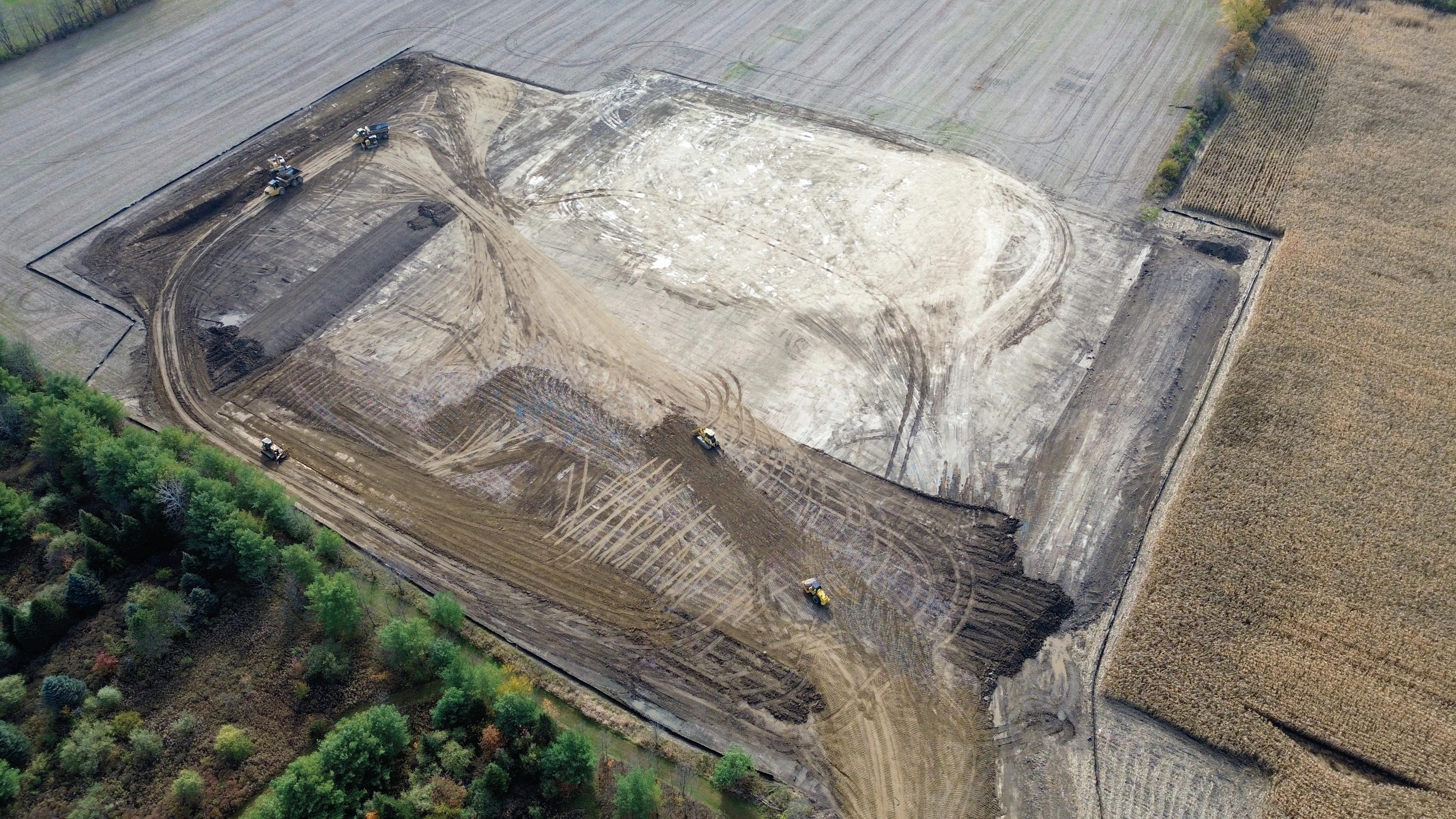
We have two new substations under construction. Grove’s Corner Station is a new station on the Southwest side of Johnstown. Grove’s Corner Station is being built to support the growth that has occurred and will continue to occur in Western Licking County. More importantly, it will be replacing our Johnstown Station, which is the last of the stations we have that are fed from a distribution source. If you are fed from the Johnstown Station, you may know that the source is not the most reliable. Grove’s Corner will be fed from a stronger, more reliable transmission source that will improve reliability to those fed from that station.
Nichols Station is being built on the northeast side of Johnstown and will replace our Northridge Station. Northridge Station is land-constrained and cannot be expanded. Nichols Station will provide for the expansion and growth that is occurring in and around the eastern side of Johnstown, including the industrial park. It will be coupled with a new transmission build that will provide redundant transmission sources to Nichols Station, improving reliability for those fed by the current Northridge Station.
We are undertaking many projects this year that all have the goal of improving reliability for our existing members and supporting anticipated growth over the next decade. We continue to invest in our infrastructure to ensure we meet current and future needs while providing the quality service you expect from your cooperative.
When the difference between the outside and inside temperature is significant, your heating system runs more to heat your home.
HEAT REQUIRED: 52o

OUTSIDE TEMP: 18o
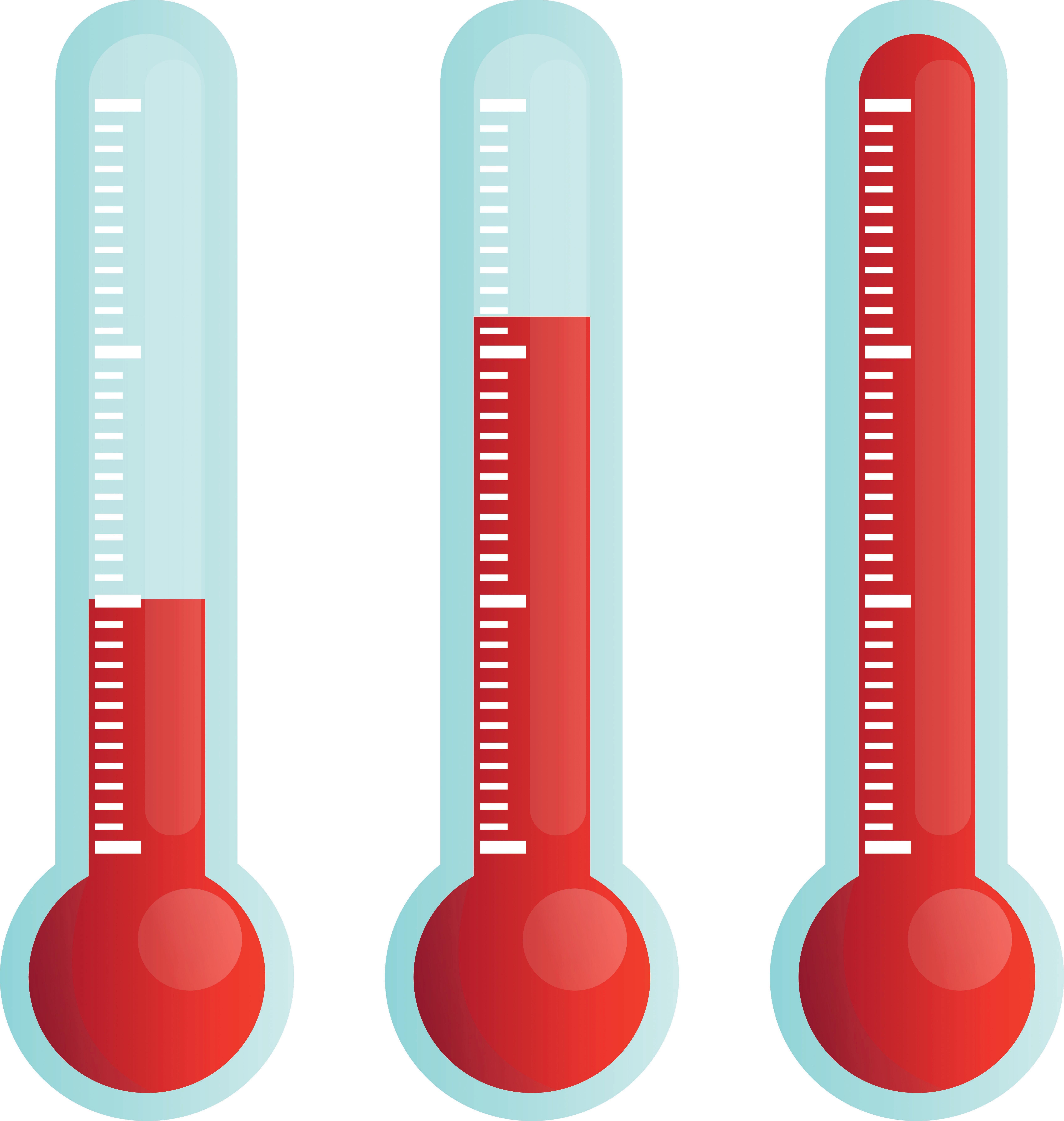
HEAT REQUIRED: 22o
OUTSIDE TEMP: 48o


SPACE HEATERS & ELECTRIC FIREPLACES
Use only in occupied rooms for short periods of time. Turn them off when not in use.
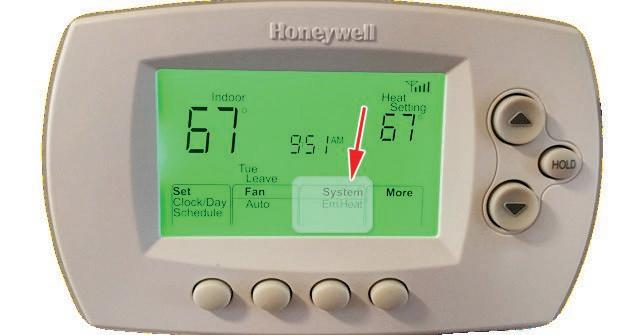
EM HEAT OR AUX HEAT SETTING
During extremely cold weather, make sure it’s set to HEAT and not EM HEAT.

DRAFTY DOORS & WINDOWS
Use insulated drapes, shades or curtains to cover windows.

heat pump uses 3x more electricity than the normal setting. While this is needed when your furnace cannot keep up, do not forget to turn this setting off. It is easy to forget to turn your heat pump back to the regular HEAT setting after using emergency/auxiliary heat during extreme weather conditions. This can be a costly mistake.
• Even the most efficient homes can experience drafts during sub-zero temperatures.
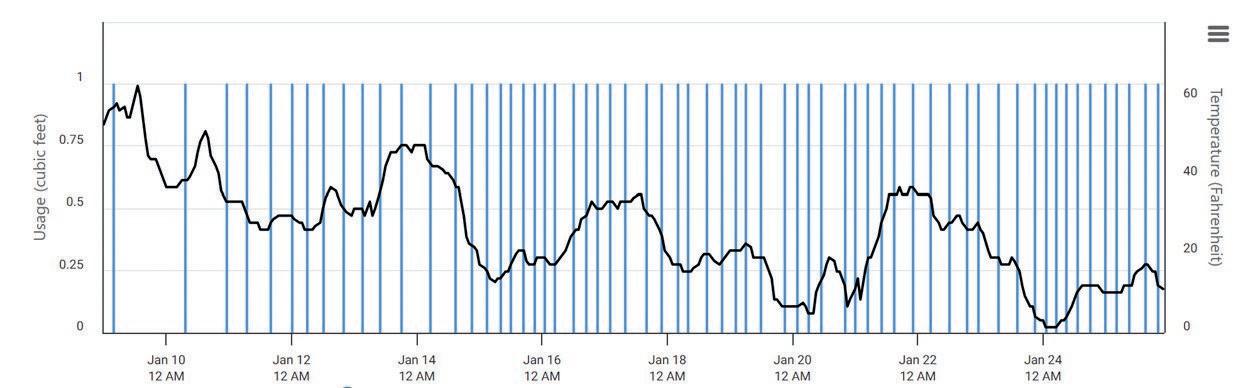
I looked at the Usage Explorer in SmartHub to see how often our natural gas furnace ran during the recent winter storm. In the chart below, the blue line shows when the furnace kicked on. As you can see, as the average temperature dropped (as indicated by the black line), the blue lines are much closer together. This means my furnace ran more on January 24 and 25 than it did when the temperature was nearly 60 degrees on January 9. As a result, we used more natural gas during this time (even though the thermostat settings remained the same).
I encourage you to review your energy use
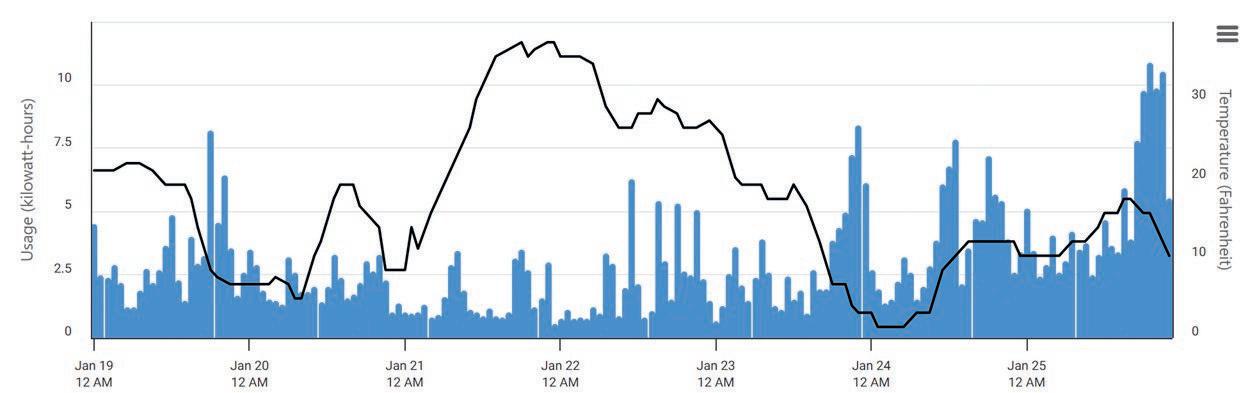
If you have electric heat, you will see spikes when your furnace runs. Notice this member’s electric use spiking as the average temperature continues to drop.
Set up a payment arrangement. We work with members who honor their payment plans. You can set up a payment extension using the SmartHub app. As long as you stay current on your payment arrangements, you will remain in good standing and are not at risk of disconnection for non-payment. If you encounter any issues with SmartHub, please call us—we are happy to help.
Consider budget billing. Members can sign up for budget billing through SmartHub or by calling us. Our levelized (budget billing) program helps you avoid spikes in your energy bill and allows you to plan for a year's worth of energy use.
Contact us if you are struggling to keep up with your energy bill. We are here to help! You can reach our member services team at 740344-2102 or from myenergycoop.com.




By Pat McGonagle, Vice President & Chief Financial Officer

Natural gas prices this heating season have been extremely volatile due to the convergence of several factors discussed below. While price swings are not unusual for natural gas, several conditions have amplified volatility this heating season.
Residential heating demand is highly weather-dependent. Short-term shifts in temperature forecasts, particularly the risk of prolonged cold snaps, can rapidly change expected demand. Forecast uncertainty often drives volatility in the natural gas futures markets.
Natural gas prices are strongly influenced by storage levels heading into and during winter. When inventories are below historical averages, markets react aggressively to any indication of increased demand or reduced supply. Even when storage levels are adequate, concerns about drawdown rates during extreme cold can lead to rapid price increases.
The United States has become one of the world’s largest exporters of liquefied natural gas (LNG). When overseas demand increases—particularly from Europe or Asia—it tightens domestic supply and adds upward pressure on prices, increasing volatility for U.S. consumers.
While U.S. natural gas production remains strong, pipeline and storage infrastructure has not always kept pace with supply growth or shifting demand patterns. Regional pipeline bottlenecks, especially during peak winter demand, can cause localized price spikes. In constrained regions, prices can rise dramatically even if supply appears sufficient.
Unlike past cycles, producers have shown greater financial discipline, prioritizing shareholder returns over rapid production growth. This has reduced the industry’s ability to quickly respond to price signals with increased output. As a result, supply is less elastic, and prices react more sharply to demand changes.
Natural gas is actively traded in futures and options markets. Financial participants respond rapidly to weather models, storage reports and geopolitical news. This trading activity can amplify short-term price movements, especially during periods of uncertainty, even before physical supply-and-demand conditions change.
Global geopolitical instability, energy security concerns, and evolving U.S. energy and environmental policies add another layer of uncertainty. Regulations affecting drilling, pipeline development or LNG exports can influence long-term supply expectations, which are quickly reflected in market prices.
Natural gas price volatility in the U.S. is being driven by the factors discussed above. For homeowners, this means heating costs can change quickly from month to month, even when long-term fundamentals remain sound.
For members of The Energy Cooperative, careful planning, storage strategies and transparent cost-recovery mechanisms are essential to managing this volatility and limiting our members from unnecessary price shocks.
Members can be confident that the natural gas price reflected on their bill represents the cooperative’s actual cost of natural gas based on intensive planning for the winter heating season.
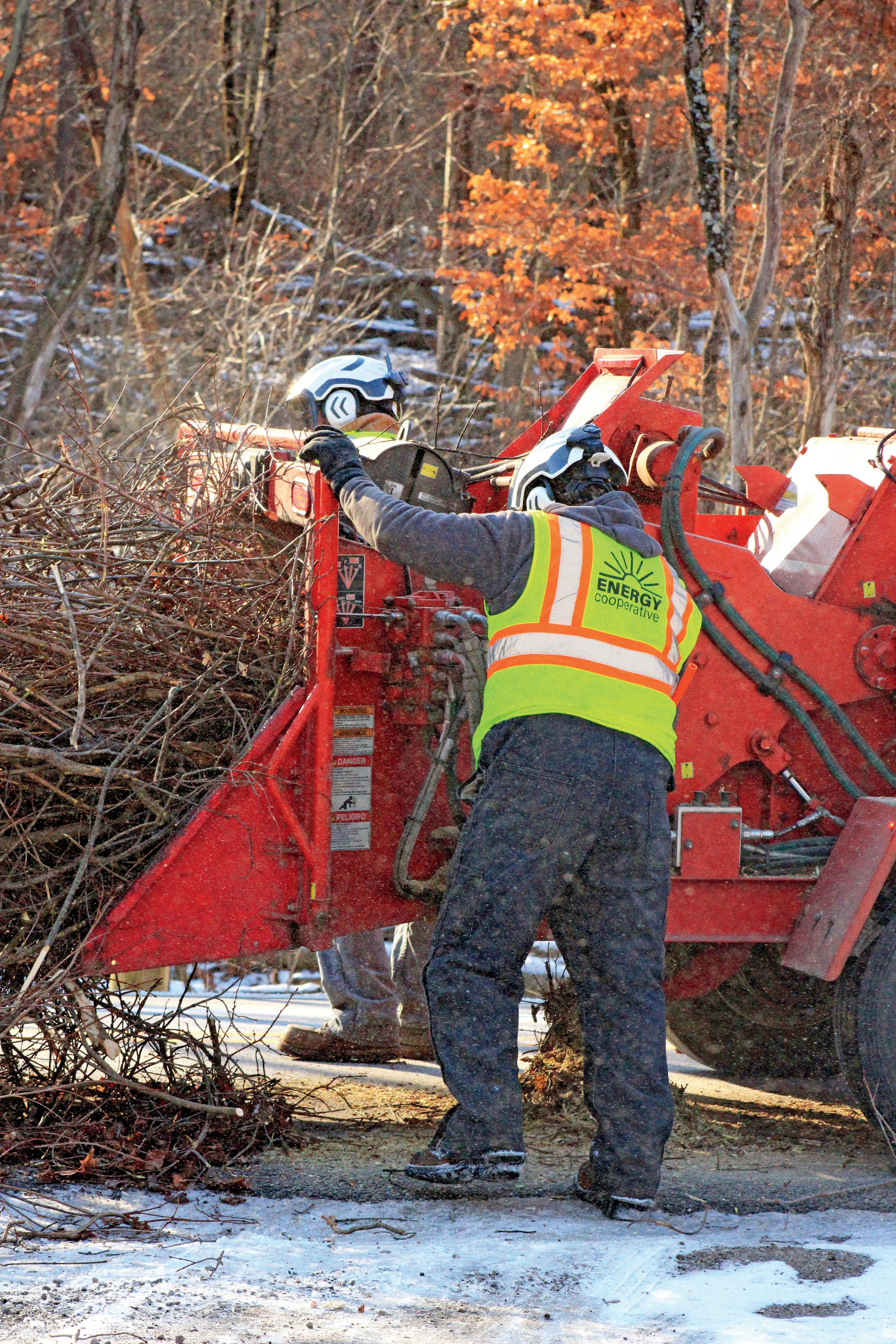
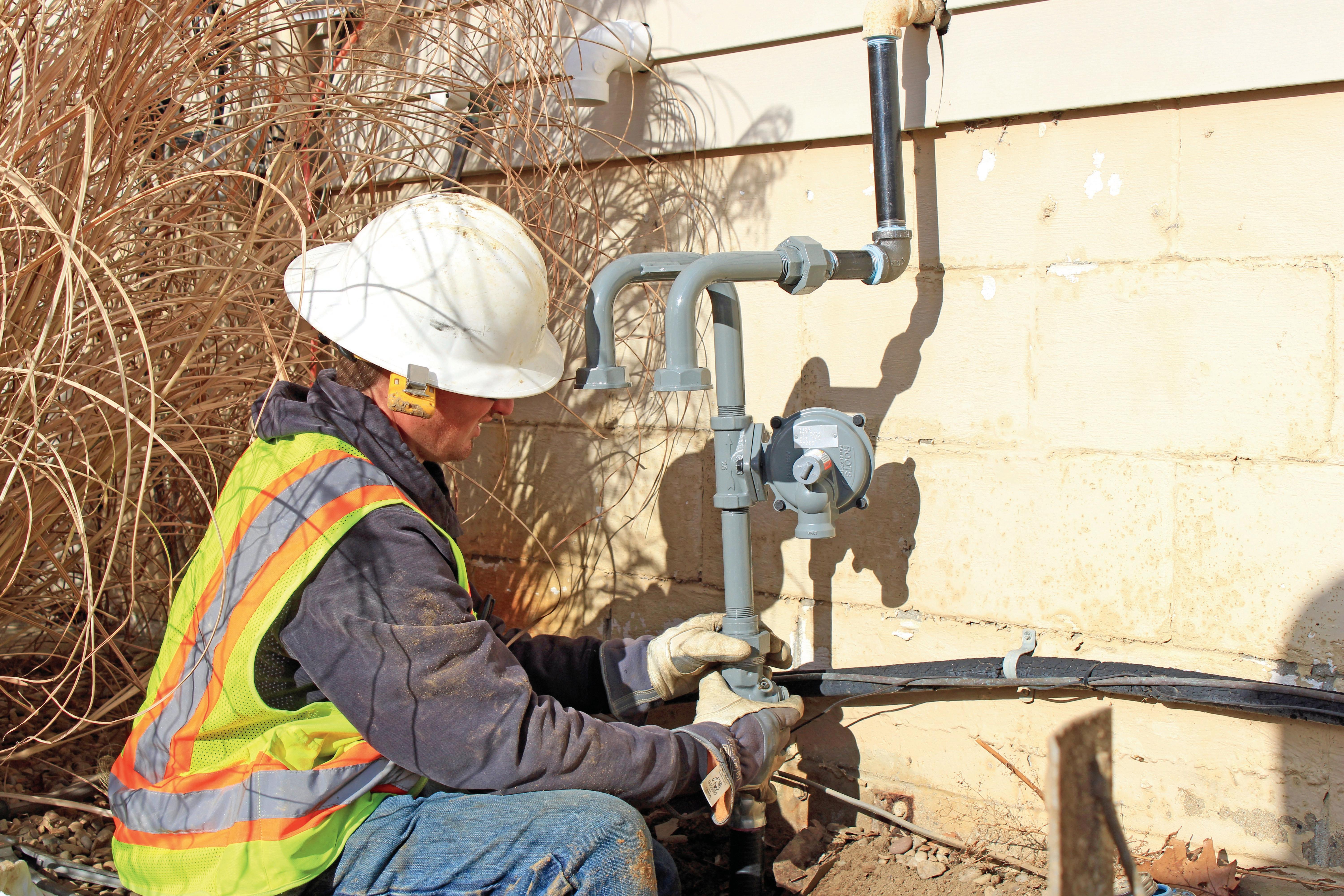
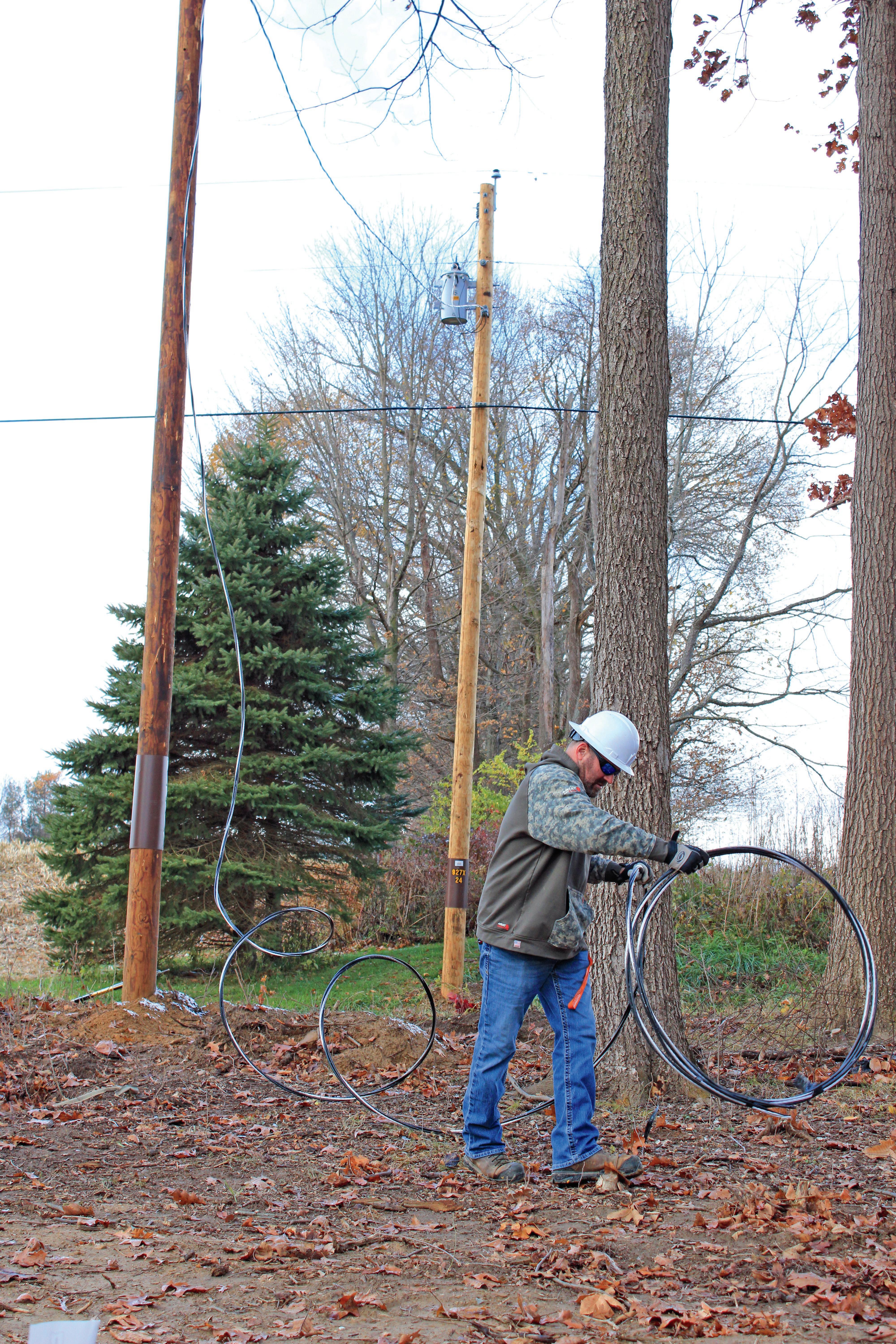
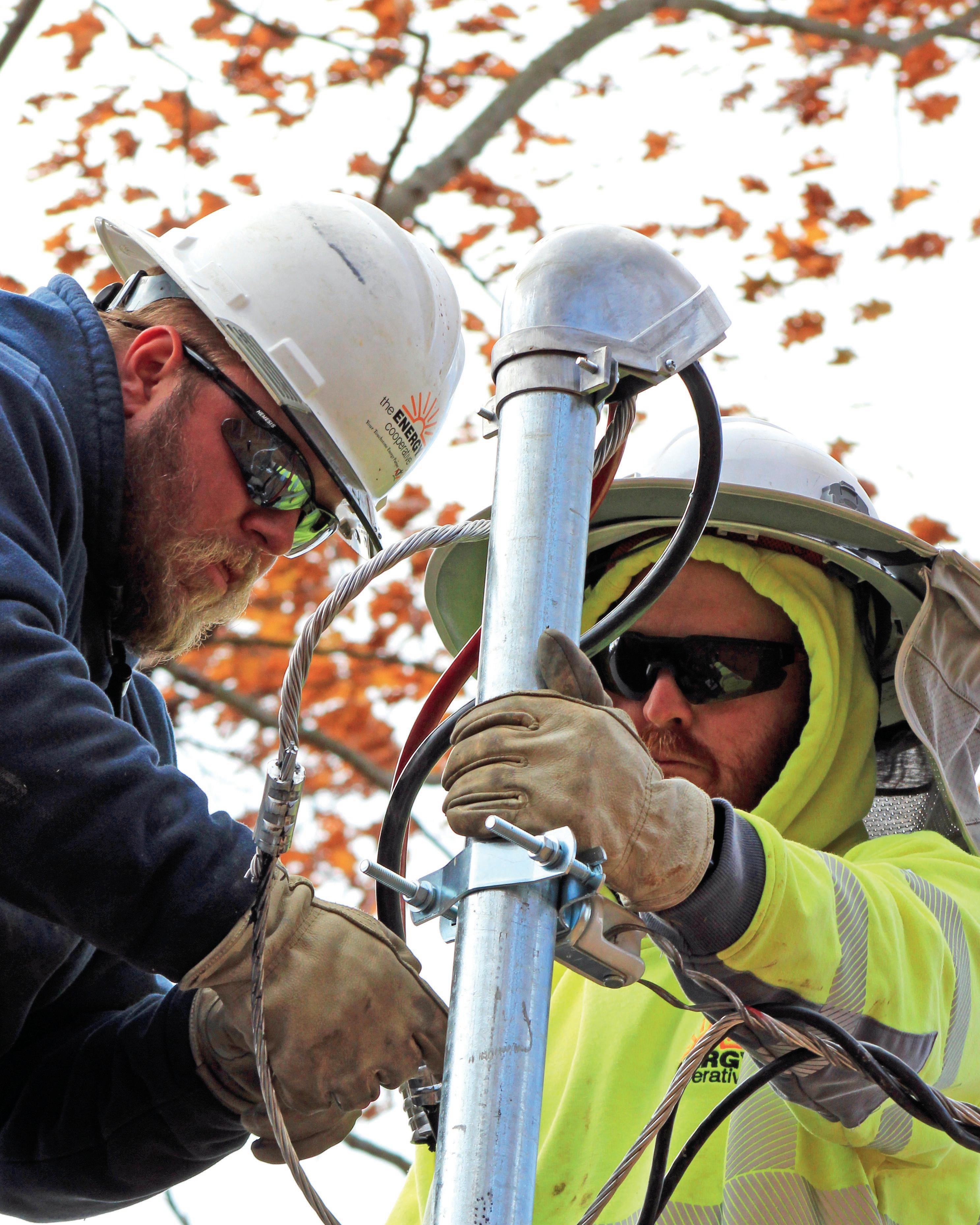

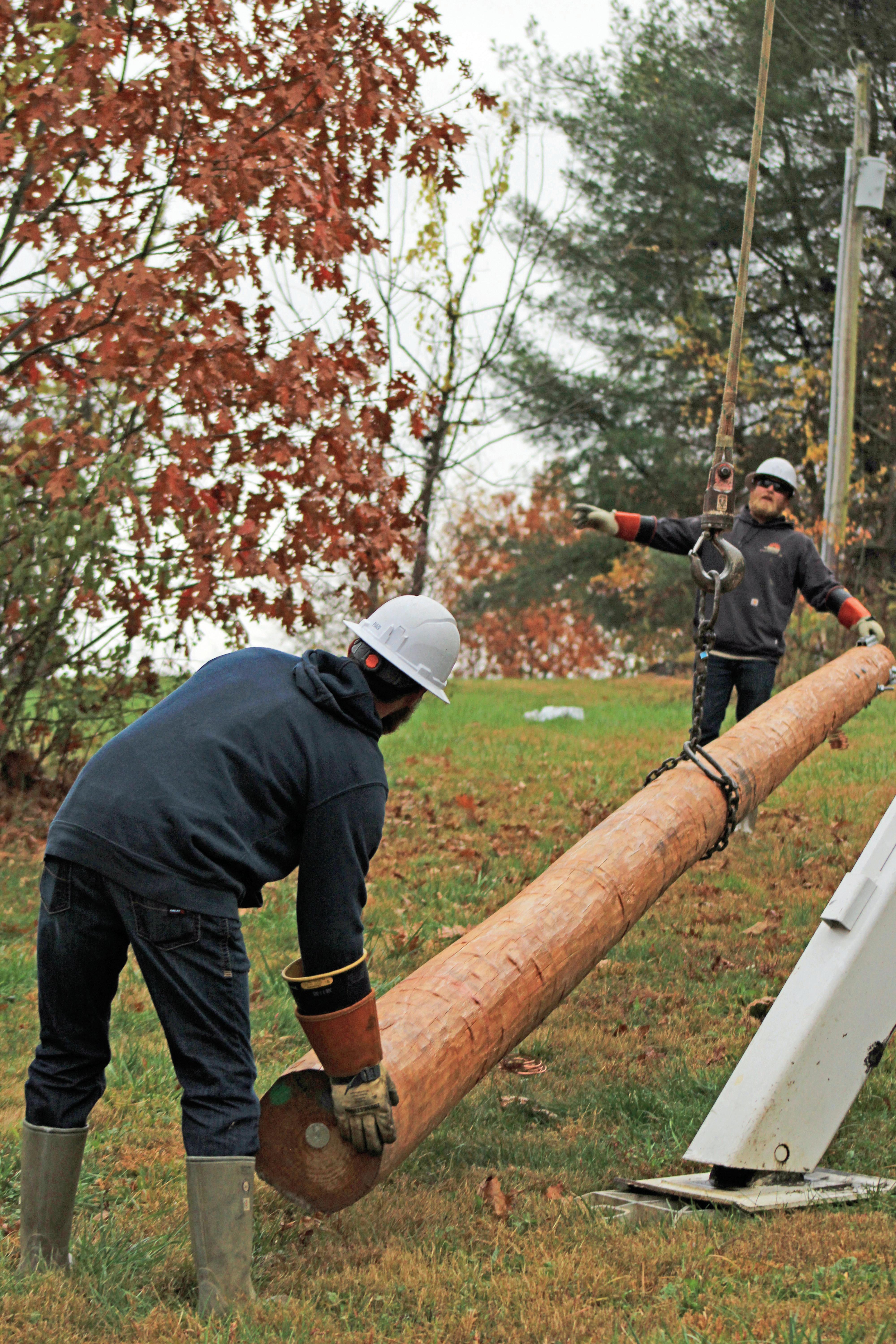

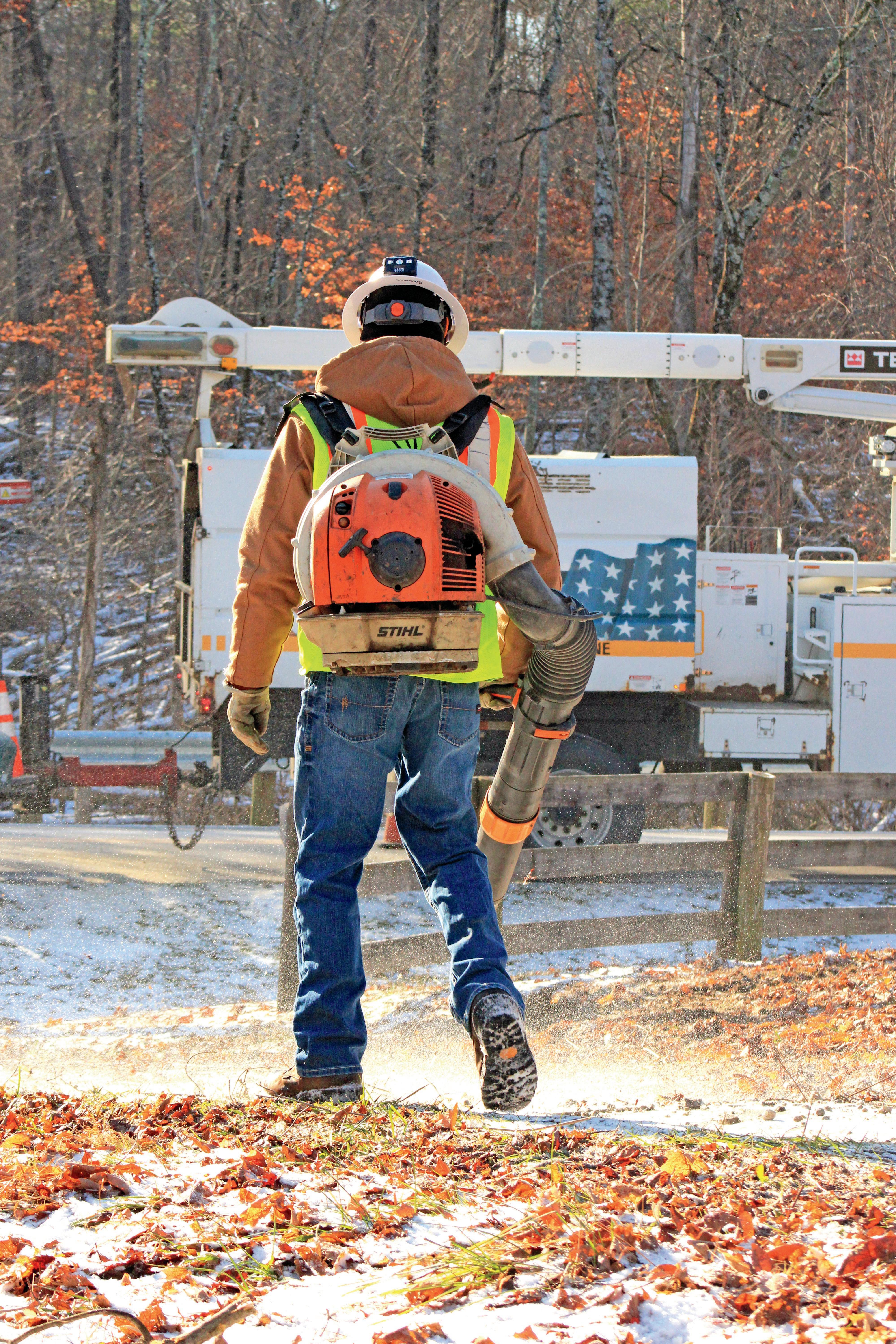
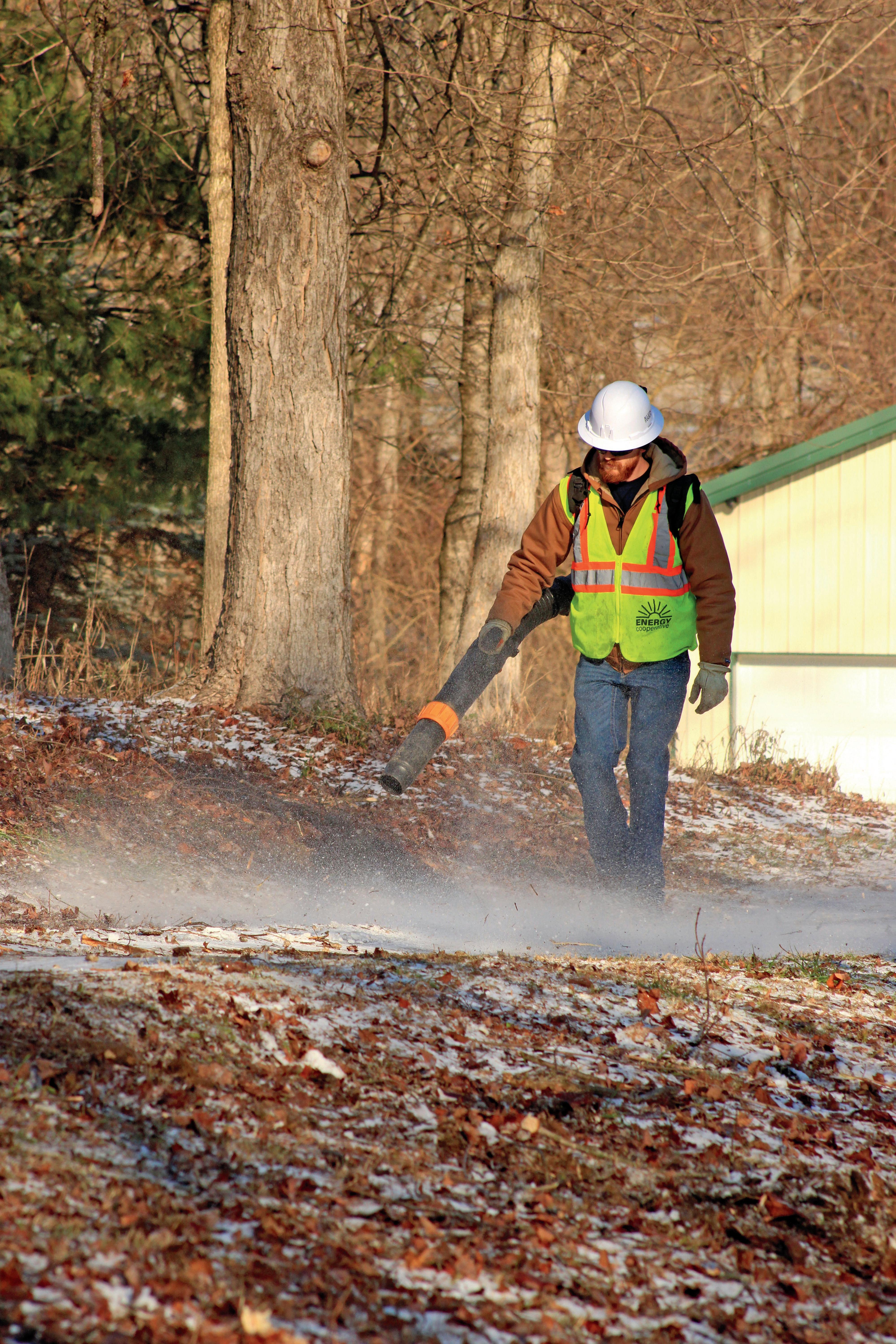
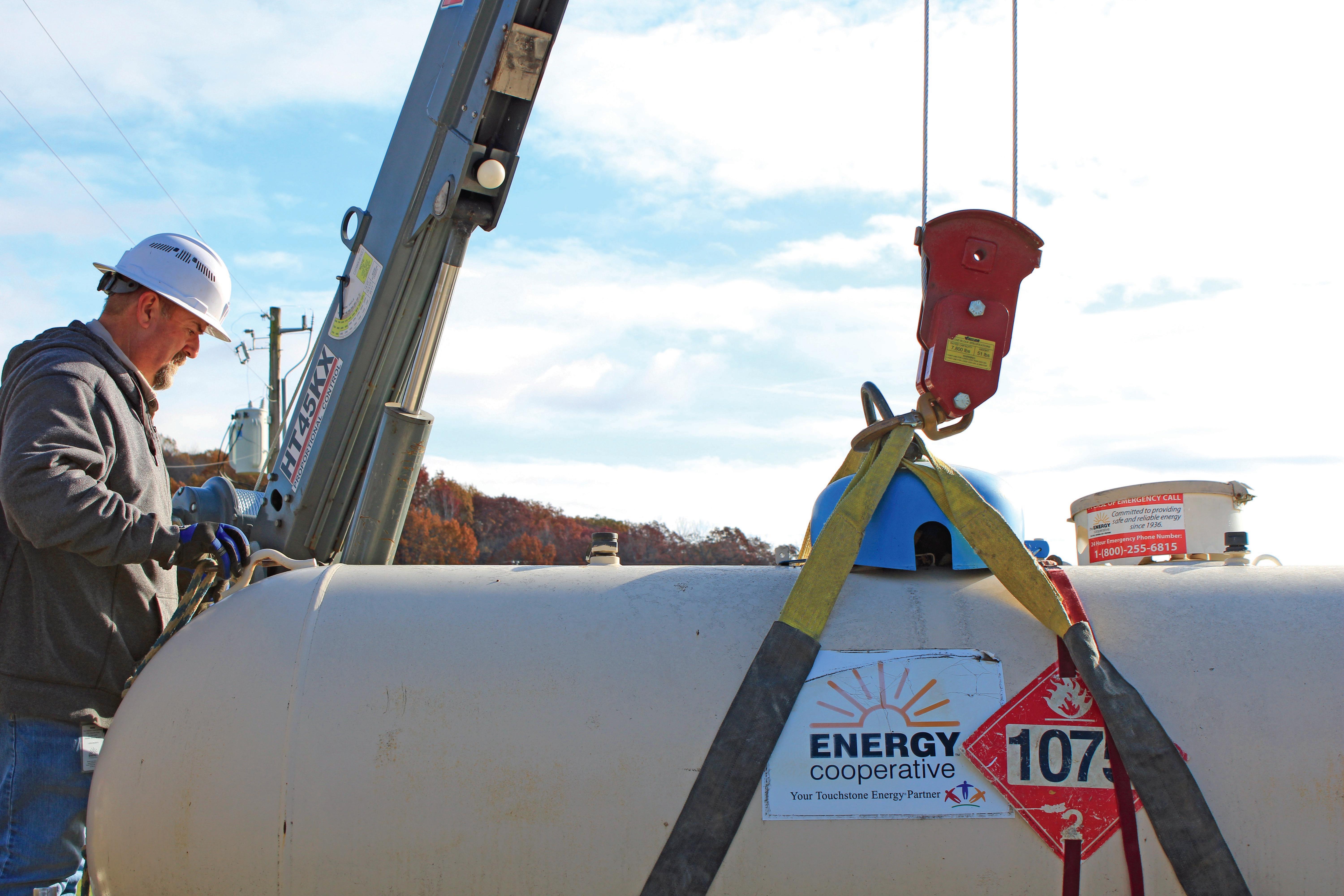
Over the past few months, our crews have been hard at work setting new propane tanks, starting new services, setting new electric poles, clearing right-of-way areas, replacing natural gas lines, and conducting natural gas leak inspections.


By Scott Stitts, Vice President & Chief Information Officer

As artificial intelligence (AI) continues to evolve, detecting scams in real time has become more difficult than ever. So, what is AI? It is an advanced, modern, synthetic technology created to imitate the human mind. It recognizes patterns in human behavior to trick you into thinking you're talking to a real person. Falling for phishing schemes and cyber threats has become more common.
Scammers like AI because it is fast and easy to use. They enter a few details into AI software, choose how they want the message to appear, and within seconds, they have a carefully crafted message ready to send. While the message's physical appearance might make it hard to tell if it is a scam, the type of message can give it away. Here are some examples of common scams and ways to protect your personal information.
This scam can be carried out via email or phone, claiming that your utility account has been suspended due to fraudulent activity and urging you to update your login details or risk account termination. This is a clear sign of a phishing scam. You can identify it by the sense of urgency and the threat of termination.
Another scam involves an urgent, panic-inducing text, call or email claiming that your utility service will be disconnected immediately due to an overdue payment. The scammer will pressure you to make a quick payment. Your utility company will never ask for payment information over the phone or threaten to disconnect outside of their business hours.
These scams often occur over the phone. The scammer will know your name, where you live, and where you work, and will try to make you believe you owe money. Their statements will be vague and lack specific details, yet they will cause panic when mentioning legal action. If you owe money to an organization, debt collectors will have details about the debt, the organization to which you owe, the amount, the date of the missed payment, and the steps needed to settle the issue.
This scam typically begins with the scammer using threatening language, such as "I know what you did" or "I have footage." They will demand money and warn that if you do not pay, they will “expose” you to all your contacts. This scam is designed to make you feel uneasy. It is important to recognize it as fraud and ignore it.
A pop-up scam is exactly what it sounds like. While browsing the internet, a scam will pop up claiming that your device has a virus. If you click on the link, it will take you to a webpage where you can pay to "fix" the problem. You should never click on popups or share your credit card information unless you are sure about what you are paying for.
Scams created with AI are becoming more convincing, but there are simple habits that can keep you safe. When you receive an unexpected message, especially one that uses fear, urgency or threats. Pause before reacting, and do not respond. Scammers rely on emotional pressure to trick you into acting quickly.
Here are a few ways to stay protected:
• Verify the sender. If something feels off, contact the organization directly using the official phone number or website.
• Avoid clicking on links. Scammers use links to download malware onto your device so they can have full access to your sensitive files and data.
• Do not share personal information. Legitimate companies will never ask for Social Security numbers, banking details or passwords through text or email.
• Trust your instincts. If the message's tone feels alarming or threatening, it is likely a scam.
As scammers gain access to more advanced AI tools, their messages will become increasingly polished and believable. By staying aware of their tactics and practicing cautious communication, you can significantly reduce your risk of falling victim. Remember, your best defense is a combination of skepticism, verification and knowing the common signs of deception.
By Connie Hogue, Vice President of Human Resources & Safety

February is American Heart Month. This should not be just a one-month observance each year; you should stay proactive about your heart health every day.
Heart disease continues to be the top cause of death in the United States, but many heartrelated conditions can be prevented or managed through various healthy lifestyle choices. These steps of properly caring for your heart are quite simple, and if you incorporate them into your daily routine, they will quickly become habits.
Taking care of your heart does not have to be overwhelming. Just focus on making small, consistent changes that can have a significant impact over time.
Stay active. Working out boosts your heart health, enhances circulation, and helps manage blood pressure, cholesterol and weight. Aim for at least 150 minutes of exercise each week, like walking, cycling or lifting. Even short activities such as walking after meals or taking the stairs instead of the elevator can add up over time.
Maintain a healthy weight. Carrying excess weight can raise your chance of developing heart disease and cause hypertension (high blood pressure) and dyslipidemia (high cholesterol). Losing just a few pounds of fat can aid heart health and reduce stress on your cardiovascular system.
Eat a heart-healthy diet. What you eat and how much you consume impact your heart health. Opt for nutrient-dense foods such as blueberries, strawberries, tomatoes and broccoli, along with healthy protein sources like eggs, salmon, and lean meats. Limit processed foods, sodium, added sugars and saturated fats to help manage cholesterol and blood pressure.
Manage stress. Frequent stressors can be detrimental to your health. It affects your heart and may lead you to make unhealthy lifestyle choices.
Try calming your nervous system with mechanisms like deep breathing, stretching, meditation or enjoying hobbies; these can have a positive effect on both your mental and physical health.
Get quality sleep. Sleep is crucial for heart health. Many adults need roughly 7 to 9 hours of quality sleep each night. Lack of sleep has been linked to a higher risk of heart disease. Establish a bedtime routine that suits you and turn your bedroom into a relaxing environment.
Avoid tobacco and alcohol. Smoking can harm blood vessels and increase the risk of heart disease or stroke. Some of the best things you can do for your heart are to quit smoking and limit your alcohol intake. Doing this will help lower blood pressure and reduce long-term heart risks.
Know your numbers. Being aware of your blood pressure, cholesterol and glucose levels can help you detect possible heart problems early. It is vital to monitor these levels frequently.
Schedule regular checkups. Routine checkups with your healthcare provider help identify risk factors and, when necessary, suggest lifestyle changes or treatments.

American Heart Month is a reminder that caring for your heart is a lifelong commitment. By making small, meaningful and impactful changes in your life, you can reduce your risk and improve your overall wellbeing. Let February be the time you take the first step, or recommit, to heart-healthy habits that will support a stronger, healthier future for years to come.
Because of our members who round up their bills to the next whole dollar each month, The Energy Cooperative's Operation Round Up Foundation has proudly contributed over $5 million to organizations in the communities we serve.
The Operation Round Up Foundation awarded $30,839 to the following community organizations in December 2025:
Bishop Fenwick School for UV blocking shades
Bladensburg Fire District towards a rope rescue unit
Crooksville Fire Department to purchase thermal cameras
Freedom Center of Knox County towards an elevator update
Granville Township Fire Department for a hydraulic rescue tool
Knox County Sheriff for a K-9
Lakewood Athletic Booster Club to help with concession equipment
Lakewood Band Boosters towards donut booth construction
Licking County Coalition of Care to purchase a laptop, printer and TV
National Road Elementary for decodable text books
Newton Township for a strut and pump
Owl Creek Conservancy towards a laptop, screen and printer
The Shane Center to purchase gates
You're making a difference in your community!
Do you know an organization that could benefit from a grant? Scan the QR code with your smartphone or visit myenergycoop.com/roundup.


The Energy Cooperative’s Operation Round Up Foundation started in 2005 as a way to give back to member communities. The program rounds up members' bills to the nearest dollar, and we fund local charities, community projects and scholarships. We're excited to highlight a few of the grant winners and show you how Operation Round Up continues to make a positive impact!
Licking County Aging Partners (LCAP) offers social lunch sites throughout the county for older adults to get together for a meal and fellowship. Spread across various communities, the goal is to have a location that brings together individuals close to their neighborhoods. A location in Downtown Newark is generously leased by the Gilbert Reese Family Foundation, and LCAP wanted to update the security at the property with a new fence that helped enclose the beautiful grassy area that accompanies the building.
“A $5,000 gift from Operation Round Up helped us make a fence at our downtown location a reality! This beautiful privacy fence allows our clients to enjoy the space – indoors and outdoors – in a safe area with opportunities for social activities and fellowship. We are grateful for the generosity of The Energy Cooperative and encourage older adults (60+) to stop by to check it out!”
-Melissa Owens, Executive Director

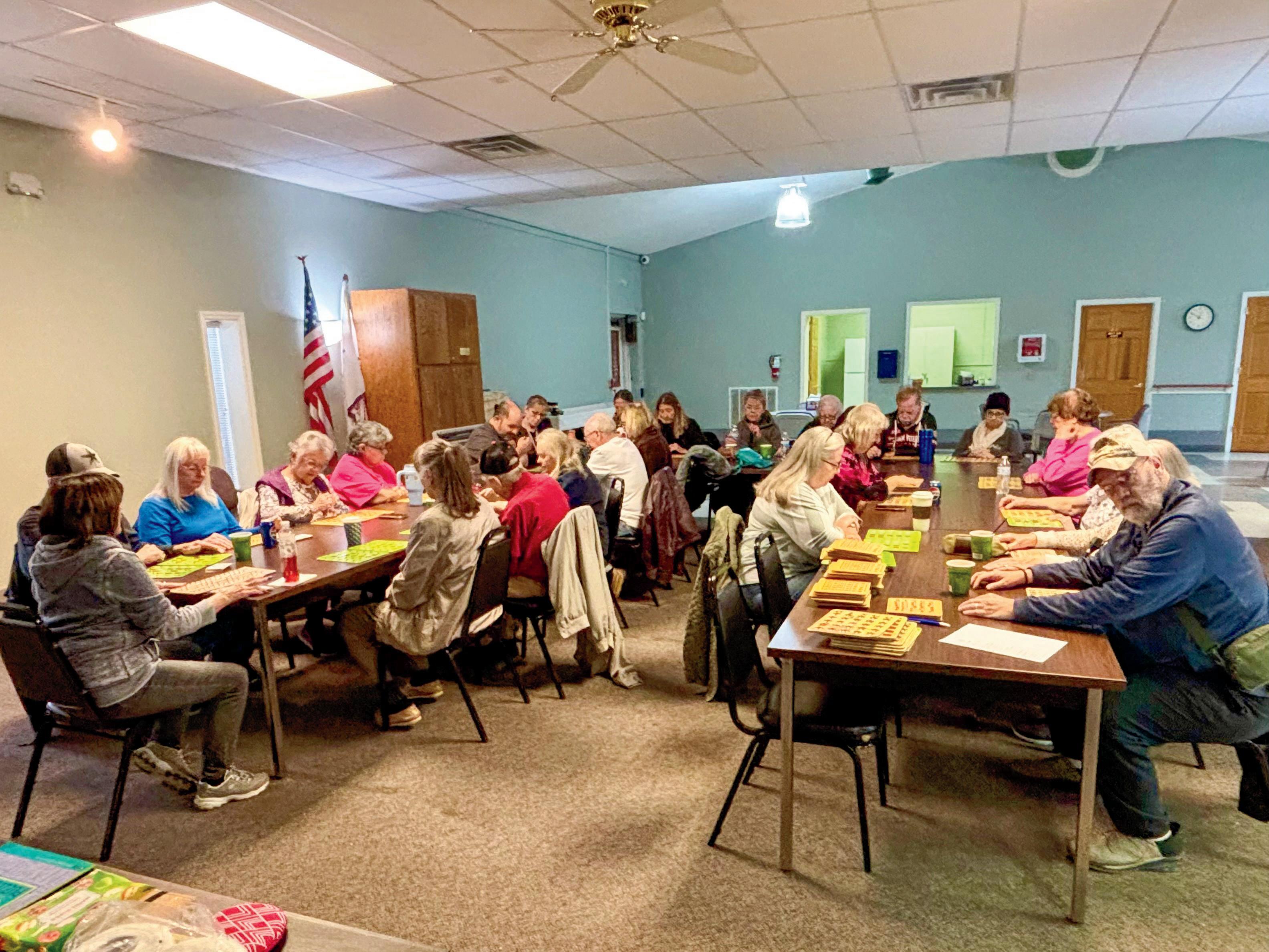
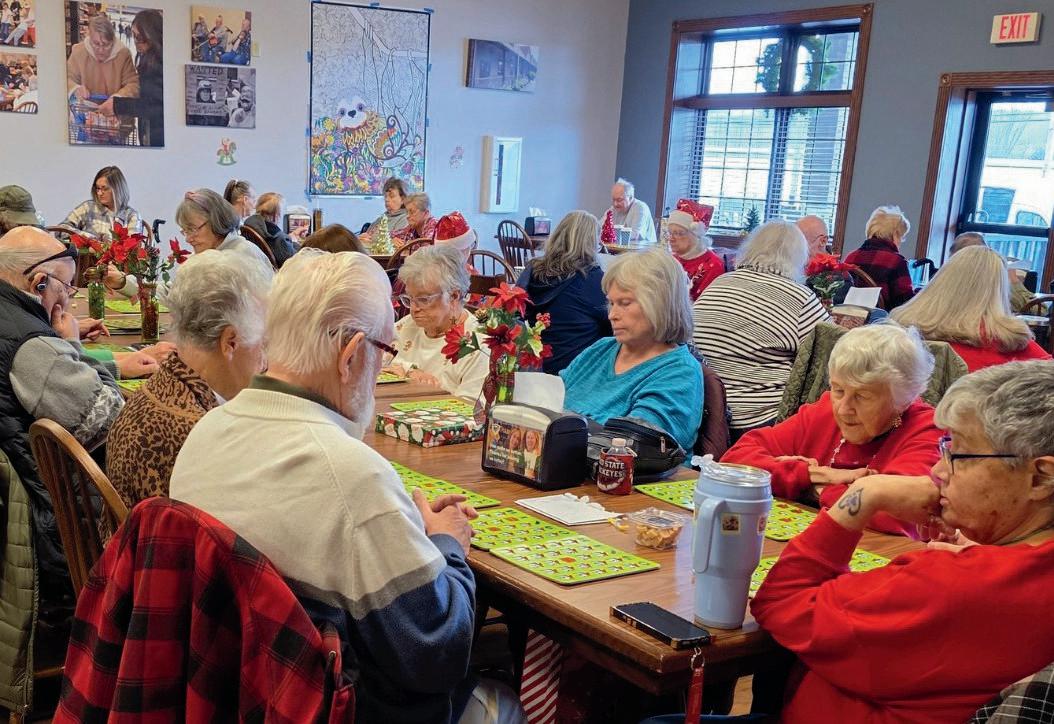
Join us for Bright Energy BINGO!
This event creates a welcoming space to socialize, ask questions to The Energy Cooperative team, receive assistance with technology (like SmartHub) and learn more about the cooperative while playing BINGO.


Friday, April 10, 2026 2:00 p.m. to 4:00 p.m.
Licking County Aging Partners 1058 East Main Street Newark, OH 43055



Questions or need help registering? Call 740-344-2102.
By Joanne Little, District 8, CCD, BLC

I have decided not to seek reelection as District #8 Board Director. I was appointed to the Board of Directors in August 2012 to fill a vacant seat. Since that time, I have asked for your vote every three years. You have responded and allowed me to continue in this position, for which I am very thankful. Being a Board Director was a very rewarding and fulfilling experience.
The Energy Cooperative is a very unique cooperative. Most cooperatives are strictly electric cooperatives. However, we have a large cooperative family, including Licking Rural Electric, National Gas & Oil, NGO Propane, NGO Transmission, NGO Development and Producers Gas Sales Companies. We are located mainly in Licking, Knox and Muskingum Counties, but we have members located in 14 total counties.
Another unique piece of our cooperative is that we are seeing a lot of growth in Western Licking County, especially around New Albany. When the cooperative is asked to serve a new business or residential area, the Board always wants to know how this affects our current members before a decision is made. The effects could be reliability, not having to increase rates, etc.
One of the highlights of my time on the board is being able to (once again) distribute capital credits to our members. The cooperative was able to begin this distribution in October 2022 after many years of being unable to do so due to our financial position.
We were in negative equity starting in 1998 and were unable to distribute capital credits until we were at 20% equity, which was achieved in 2020. The board just approved the release of capital credits for electric members in October for the fourth consecutive year.
Some other highlights I am proud to have been a part of during my time on the Board:
• Replacing aging infrastructure
• Replacing equipment on a rotating schedule
• Improving technology, such as the Smarthub app; implementation of AMI’s (automated meter readings for electric, gas and propane); assisting in locations of pipes, poles, etc.; creating a digital version of Times Magazine; social media posts
• Managing growth and supporting policies that improve/reinforce safety
• Facilitation of broadband installation on poles
This year, 2026, marks 90 years that the cooperative has been part of this community. The Energy Cooperative began as Licking Rural Electrification, Inc. in 1936. Franklin D. Roosevelt created the Rural Electrification Administration in 1935, and in 1936, the Rural Electrification Act was passed to provide lowinterest loans to get electricity to farms and rural America since only about 10% were electrified at that time.
If you have an interest in becoming a board member, I would encourage you to apply. I have learned so much by being on the Board. The Energy Cooperative has excellent Directors who are always looking out for the members' interest at all times. There is a lot of great discussion and learning going on in the Boardroom. The CEO and management team are extremely knowledgeable, professional and focused on the members. The employees of The Energy Cooperative are dedicated to providing service and expertise in their areas.
It has been a privilege to serve as a board member for 13 years, and I will miss being a part of this board.

Little was the Treasurer of Johnstown-Monroe, Newark City and Olentangy Schools. She also worked at C-TEC and Licking County Education Service Center.
After retiring, Joanne served as Interim Treasurer and Financial Consultant for many Central Ohio school districts.
She has been married to her husband, Harry, since 1969. They have three children and thirteen grandchildren.
As energy choices continue to shape the future of business, we are proud to spotlight one of our member businesses that is making the most of our natural gas service.
Since opening in 2017, Elliot’s Wood Fired Kitchen & Tap has been all about bringing bold, wood-fired flavors to the community in a laid-back atmosphere. What started as a single spot in Newark has grown into a gathering place in Pataskala, New Albany and Powell. From day one, the goal has been simple: create a place where people can relax, enjoy good food and spend time with the people they care about.
The menu offers something for everyone, featuring items such as wood fired pizzas, fresh salads, hearty sandwiches and street-style tacos. Their food is made with fresh ingredients and can be paired with a great wine or craft beer available from their bar. It’s the attention to detail, friendly service and welcoming vibe that truly set Elliot’s apart.
In January 2026, we interviewed Andre Sarap, one of the owners alongside her husband, Michael. This business spotlight highlights the relationship between The Energy Cooperative and Elliot’s Wood Fired Kitchen & Tap and its

Q: What does being a cooperative member mean to you?
A: We love the community approach the cooperative stands by.
Q: What is your relationship with the cooperative?
A: Three of our businesses are served by the cooperative. Being local, we know we will be taken care of.
Q: How has your experience been with the cooperative?
A: We get excellent service. The office is always friendly, helpful and member-focused.
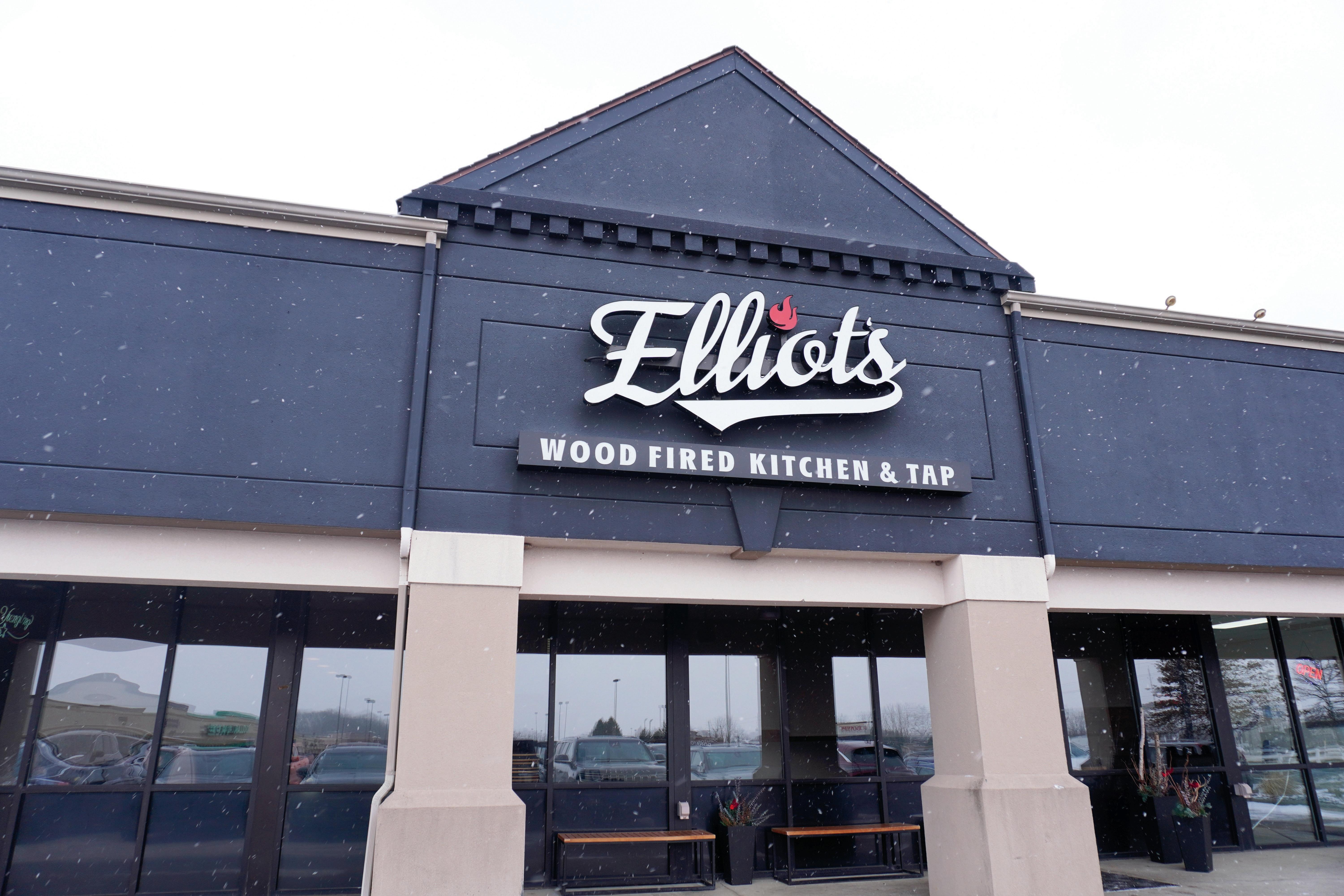
along with a full bar. We now have 4 locations Newark, Pataskala, New Albany & Powell. We pride ourselves on serving great food with value and excellent service.
Elliot’s Wood Fired Kitchen & Tap is a great example of how local businesses and cooperative members strengthen our communities together. Their commitment to quality, hospitality and hometown roots align perfectly with what we value at The Energy Cooperative. We’re proud to support their growing family of restaurants and look forward to seeing their story continue to unfold in the years ahead.

• Member service: 740-344-2102
• Electric outages or emergencies: 888-535-5732
• Natural gas or propane emergency: 740-344-2102
If you see a downed power line or other electrical hazard, call 911 then call our outage line at 888-535-5732. Assume every downed power line is energized and dangerous.
If you smell rotten eggs or suspect a gas leak, leave the area immediately. Call 911 then call us at 740-344-2102. The Energy Cooperative’s business hours are Monday through Friday from 7:30 a.m. to 4:30 p.m.