


AMY YANG AND SAANVI KULKARNI
OPINION EDITOR AND FEATURE EDITOR
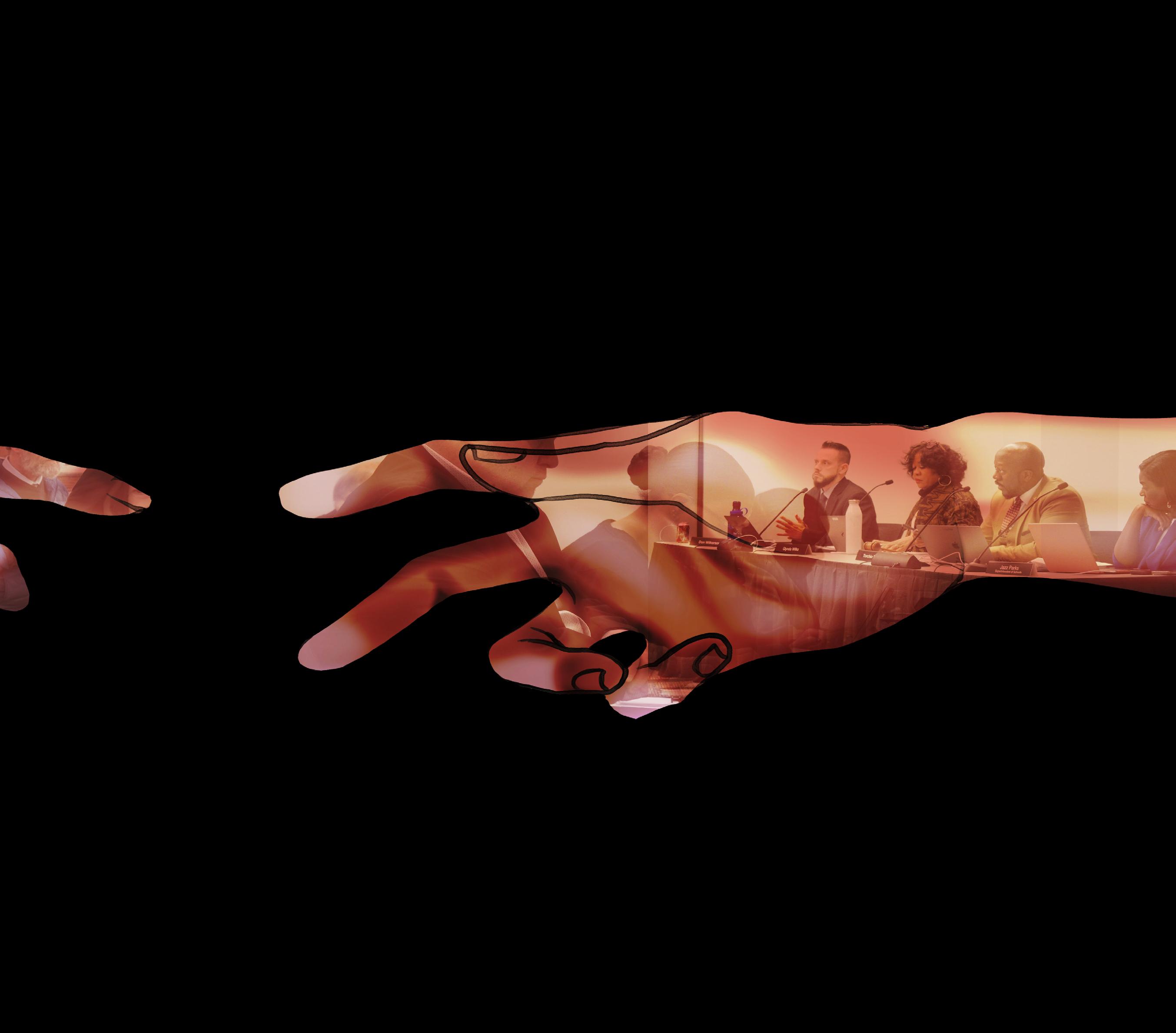
After school on Tuesday, Feb. 10, 2026, instead of walking to Meyers Auditorium for a regularly scheduled National Honors Society (NHS) meeting, senior secretary Averil Xu found herself in her home. As of Dec. 31, 2025, Ann Arbor Public Schools (AAPS) educators find themselves working with an expired contract. And as a form of protest, many teachers now do not stay after school. Huron’s NHS club, and many other after school activities, have conditionally been canceled.
“While it is sad that NHS is not actively running right now, I think it’s really important that all of our teachers show administration that what they do outside of school hours is just as important,” Xu said. “It should be recognized.”
Many teachers’ email signatures outline their hours more carefully, and after-school office hours beyond the contract time have fallen out of practice. This practice is called “work to rule.” Teachers follow their

Teachers picketed to inform the community about the expired contract on Feb. 10. The school board sets the budget that the district uses to negotiate with educators.
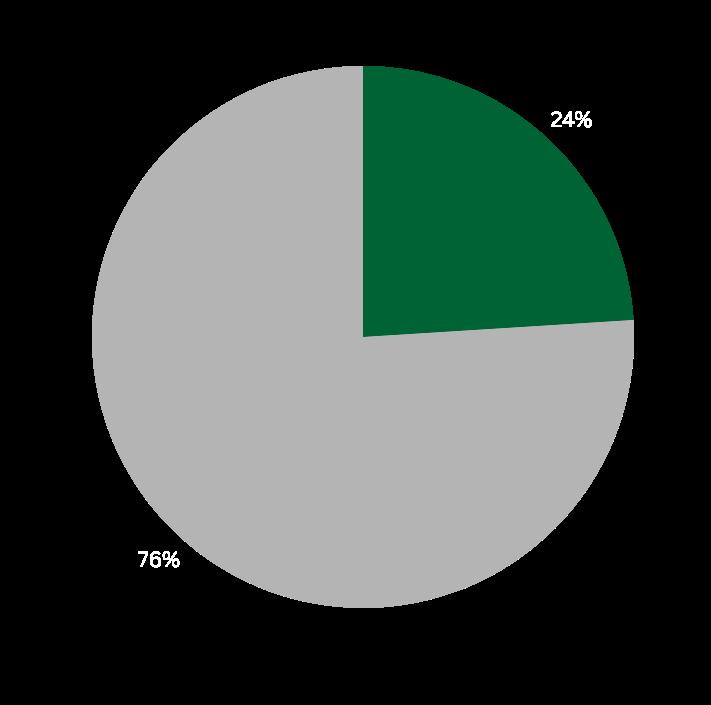
Out of 56 clubs at Huron 8
Teachers are working without contract for the first time since 1994 Teachers’ contractual hours 7:45 a.m3:06 p.m have paid advisors

HURON MODEL UN AT MUNUM CONFERENCE
SAANVI KULKARNI OPINION EDITOR
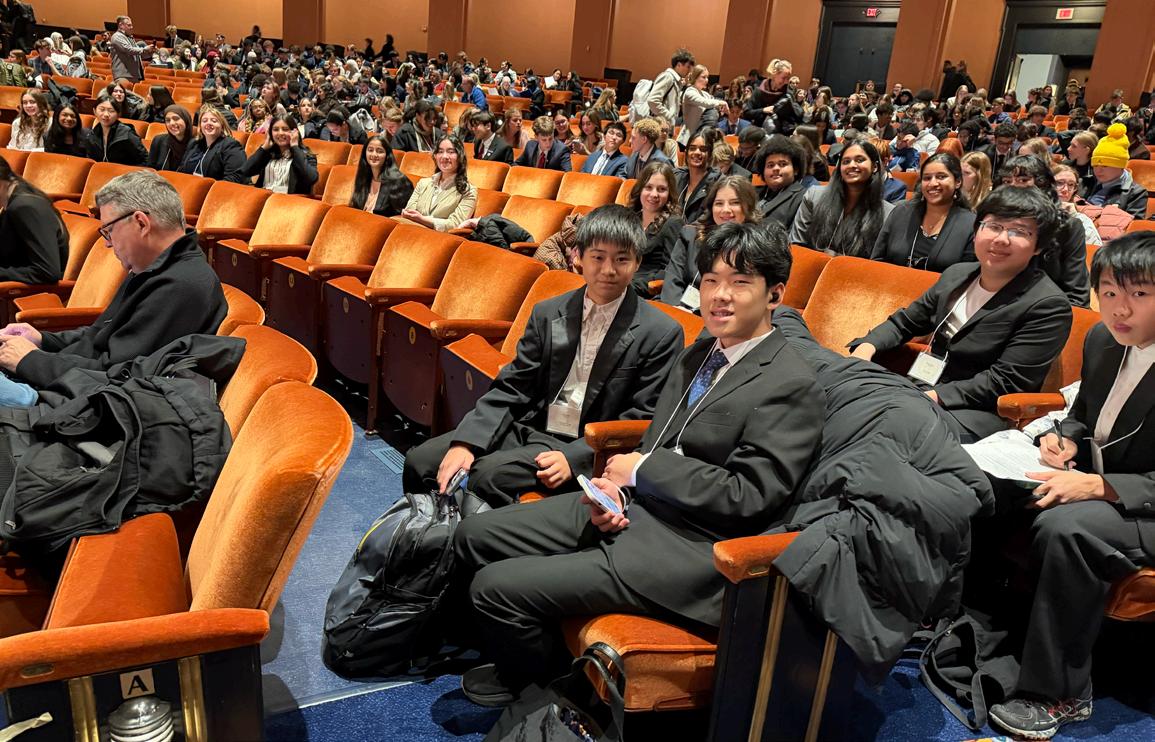
From Jan. 15 to Jan. 18, Huron’s Model UN (MUN) team attended the Model United Nations at the University of Michigan (MUNUM) Conference. The conference brought together high school students from around the country and world to simulate the workings of the United Nations. Each student is assigned a country to represent alongside a current
world problem, which they discuss with other countries’ representatives to find common ground.
“MUNUM was a very interesting experience,” said freshman Feiyun Chen. “For one, I was overly stressedout when trying to prepare speeches and essays for the conference. Yet when I got there, I discovered it was a much more casual, role-playlike event. There was a lot less debate.”
During MUNUM, participants did not only attend conferences, there was an array of different activities to engage in, from the committee sessions themselves to social events organized by staff for delegates.
“It was largescale, which meant more competition, but it was interesting seeing schools from all over the country and even outside of the U.S.,” sophomore Amy Yang said. “They offered a lot of variety, and for my specific one it was a historical non-traditional committee about Jonathan Wild. I liked MUNUM for the most part since I got to spend time with my friends, and it was pretty exciting being with so many talented people.”



ANDREW ETCHILL FEATURE EDITOR
As teachers and students returned to school from winter break, many found themselves dealing with school internet issues. “No internet!” “It won’t load,” and “Let me turn on a hotspot” were frequently heard during class. These internet outages were especially widespread during the week of Jan. 5, 2026. The Ann Arbor Public Schools (AAPS) IT Department worked every day to improve the school internet system, and the number of school internet issues has dropped dramatically as of late.
“It’s been difficult to not consistently have downtime in my classes as I try to open a hotspot,” government teacher Allison Echlin said. “We’re supposed to take attendance during the first 10 minutes of class, and if I don’t have internet, then I can’t take attendance.”
Teacher and student struggles using the Wi-Fi were widespread across the school.
“It has been a big challenge for students to access online resources and for teachers to be able to fully lesson plan and grade,” history teacher Jeff DeMoss said.
The school internet outages have negatively impacted student learning and caused frustration among both students and teachers. Many educational resources such as Schoology and PowerSchool rely on the internet to function, so without the internet, learning comes to a halt in many classes.
Many students have found themselves unable to complete their school work during the school internet outages.
“We should not have extra homework almost every day because the school Wi-Fi

doesn’t work for a full class period,” sophomore Isaac Ellis said. “Many teachers have to change their lessons.”
The AAPS IT Department has made recent changes to fix the school internet system. According to Heather Kellstrom, the Executive Director of AAPS Instructional Technology & Information Services, an IT Response Team is sent to buildings where technical issues are occurring to investigate.
In December, the AAPS IT Department studied WiFi heat maps from the high schools to analyze where in the buildings have the least and greatest Wi-Fi strength, and based on those findings are installing upgrades to the Wi-Fi systems, according to Kellstrom.
The IT Department also noted while trying to resolve school Wi-Fi issues that some students are engaging in some behaviors with their MacBooks that hurt device performance. These include students not restarting their devices at least weekly and leaving many tabs open every day.
The IT Department recommends students reboot their device at least weekly; close unused tabs, apps, and background processes; avoid running updates or necessary cloud backups during the day; and only download large files when needed and do so at
appropriate times. It is also emphasized that the school Wi-Fi is for educational purposes rather than personal usage.
Any Wi-Fi issues should also be reported to IncidentIQ with details on the issue. The website address for IncidentIQ is aaps.incidentiq.com.
On Jan. 30, 2026, the IT Department sent out an email to students notifying them that school MacBooks will automatically shut down and restart themselves if they have not been rebooted within a week, and that this is being done to improve device performance.
“We can’t say this enough, everybody/everything.... whether it’s networking equipment, a service provider, a mobile device, or even an end-user,
plays a critical role in the success or failure of the quality of Wi-Fi services especially on a large shared district network such as we have at AAPS,” Kellstrom said. “We all share these Wi-Fi services in partnership through responsible usage.”
JOSEPH SUNG STAFF WRITER

students were tasked with creating visual designs of a portrait out of clay. Ceramics is an art credit at Huron that focuses on the functional aspects of clay.
Daily, students are tasked with learning structural techniques of pinching and sculpting to assist them in projects and assessments. Recently, those same students have put their skills and lessons into practice throughout their last unit.
in the professional world. We identified the symbolism, then students had to create a portrait based on what they observed. They then had to create objects in accordance with their piece to create meaning in juxtaposition.”
Furthering the symbolic aspects of their portrait in the juxtaposition unit, students used their piece as a platform of expression.
Numberof dayswithWi-Fi outages:6
Numberofschools operatedbyAnn ArborPublic Schools:33
On Dec. 2
“The last unit was a portrait in juxtaposition piece,” said ceramics teacher Jonathan Smigell. “We started the unit by looking at how different artists around the world used clay
“Some of them take on pretty heavy social issues,” Smigell said. “Other students focused on evoking a feeling. It could be joy or peace. Everyone has their own approach.”
Even with that intent in mind, common challenges
still approach the ceramics students, especially in their observational practices.
“Doing an observational sculpture is challenging,” Smigell said. “Many times in most of my classes, [my students] have actually never tried doing an observational structure, especially in human form. Learning how to make visual relationships, learning how to sculpt the form, especially in human form, there is so much intricacy. We almost work from a skeletal form.”
The fine details of human features was reported to be time-consuming and students claimed that its rigor. Despite the more expressive and fine-
detailed aspect of the piece, the practice of criticism is still applied.
“We have a good critique about the whole thing,” Smigell said. “Everyone has a good time evaluating the symbolism behind their work.”
Beyond innate challenges, there lies the reward in the work that Smigell has observed.
“I think every student has a moment where they’re nervous or scared about how their piece started out, but as they continue to do some trial and error, they end up challenging themselves,” he said.
ANJALI NADARAJAH AND GRACE JOHNSON
PRINT EDITOR-IN-CHIEF AND STAFF WRITER
When Huron High School junior Sarah Xu started The EmpowerED Initiative, a nonprofit dedicated toward spreading awareness about eating disorders, she realized one of the biggest struggles faced by victims of eating disorders was not looking “sick enough” to need help.
Teenagers’ eating habits are shaped by the pressures around them, including familial, social, and online factors. Comparison and toxic body standards are perpetuated by social media,
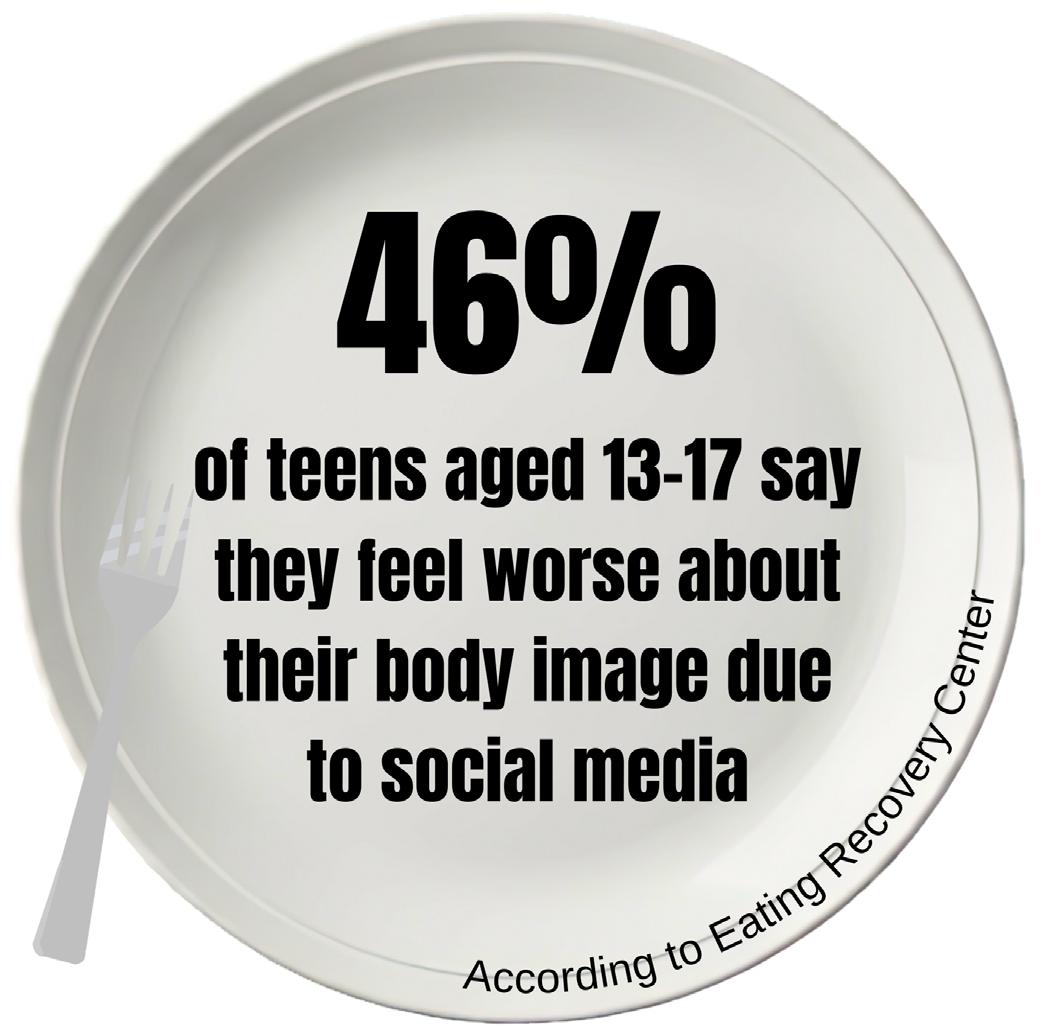
adolescents around food and eating.
The EmpowerED Initiative (TEI) is a recognized 501(c)
together to create online social media campaigns.
“Social media frequently promotes “clean eating” and transformation narratives without context or medical accuracy,” Xu said. “Because of these factors, there is a surge in the normalization of disordered behaviors and an increase of body dissatisfaction.”
Students should support their friends who struggle with disordered eating with care. It is extremely important to listen and not try to fix or control the situation. Don’t comment on food, weight and appearance. Letting your friend know that they are not alone can help.
“Although eating disorders and body dysmorphia are rooted in many different aspects, including psychology, being the person who actively shows their support can help make things feel less emotionally draining,” Xu said. “Small, thoughtful actions that remain consistent can make a real difference.”
Hospital Campaigns, and Ambassadors. The Hotline Forum is, “A space to vent, ask for support, or speak freely about your relationship with food, your body, or your mind.” Submitted messages are completely anonymous, and submitters can choose if their post is responded to by a volunteer and/or displayed on the website. The Recovery Library shares informative articles and stories from people with or people who have recovered from eating disorders. TEI’s Hospital Campaigns include letters and care packages made by trained volunteers for patients in eating disorder recovery. TEI works with hospitals, treatment facilities, and residential programs, as well as student and community volunteers to coordinate their campaigns.
TEI is currently preparing their Ambassador program.
TEI plans to collaborate with influencers who use their platform for spreading awareness about EDs and body dysmorphia, working
developing one.”
As someone who has been treating eating disorders in youth with Michigan Medicine for three years, she often sees eating disorders unfold during the early stages of puberty, where a lot of identity formation and social capital seeking occurs. This does not disclude the use of social media.
“Although social media doesn’t cause eating disorders, it certainly increases the risk of developing eating disorders,” Stoody said. “There are some well recognized pathways to the link between social media consumption and developing an eating disorder.”
Stoody recommends those interested in helpful resources related to recovery to check:
In Michigan, the Comprehensive Eating Disorders Program (CEDP) from Michigan Medicine provides eating disorder care for patients 8-22 years. They run multiple programs, including partial hospitalization and intensive outpatient care, aimed at helping patients “recognize and develop their own strengths and empower them to take control of symptoms.”
Dr. Vishvanie Bernadene Stoody is an adolescent medicine specialist at the CEDP. Being born and raised in Sri Lanka, where adolescent medicine is less regulated than in the US, she realized how amazing of a resource something like the CEDP would have been. Many youth across the globe, unfortunately, are exposed to unhealthy eating advice on social media platforms, peers and even physicians.
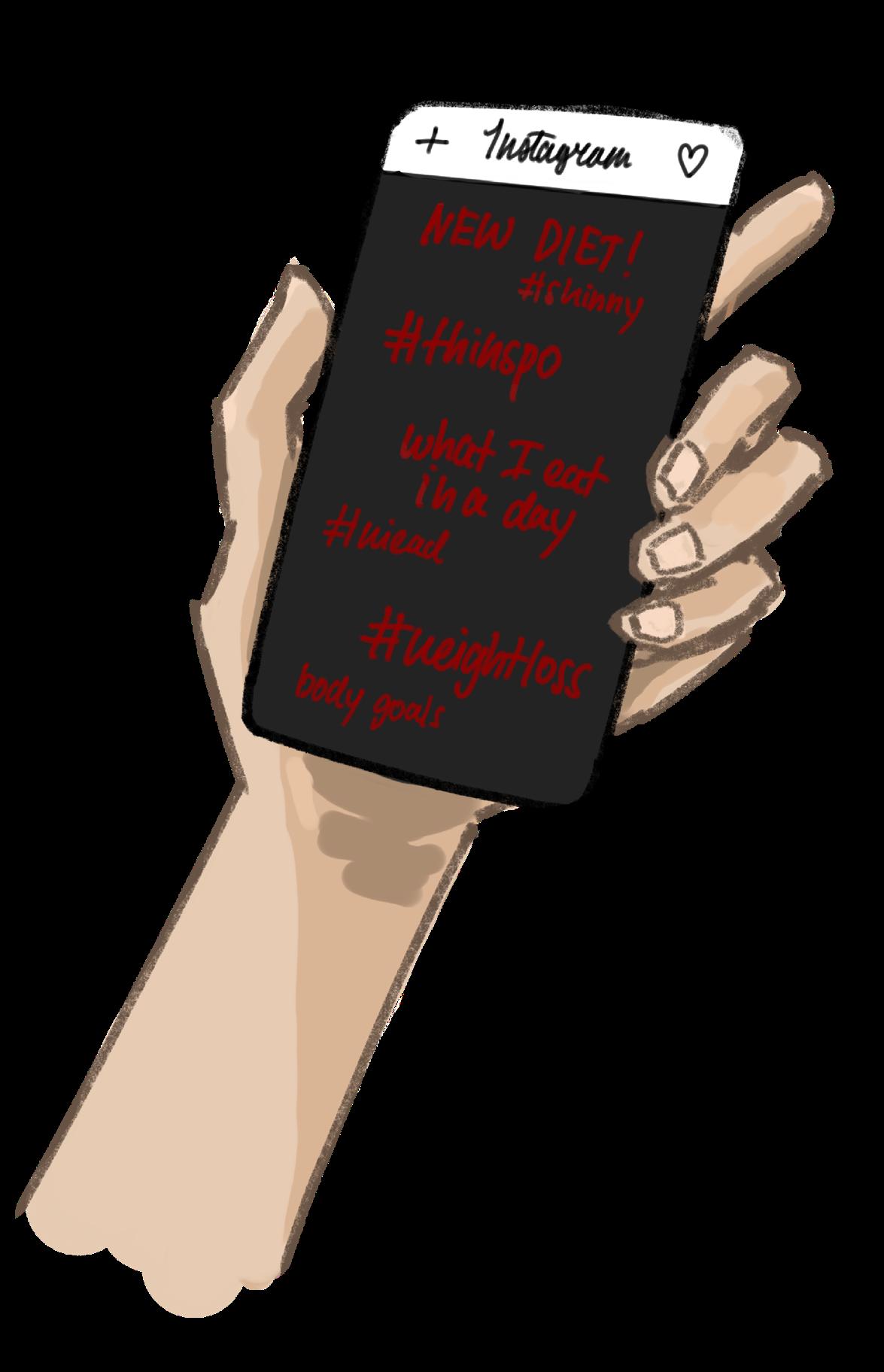
Social media tends to endorse impressionable adolescence to comparing their bodies to heavily edited images. Imagebased platforms, like TikTok and Instagram, often promote “thinspiration”; the concept of influencing through extreme dieting and unrealistic body image ideals. Teens are more likely to interact with posts that normalize this level of restriction and disordered behaviors than those that
National Eating Disorders Association (NEDA) National Association of Anorexia Nervosa and Associated Disorders (ANAD) Families Empowered and Supporting Treatment for Eating Disorders (FEAST)
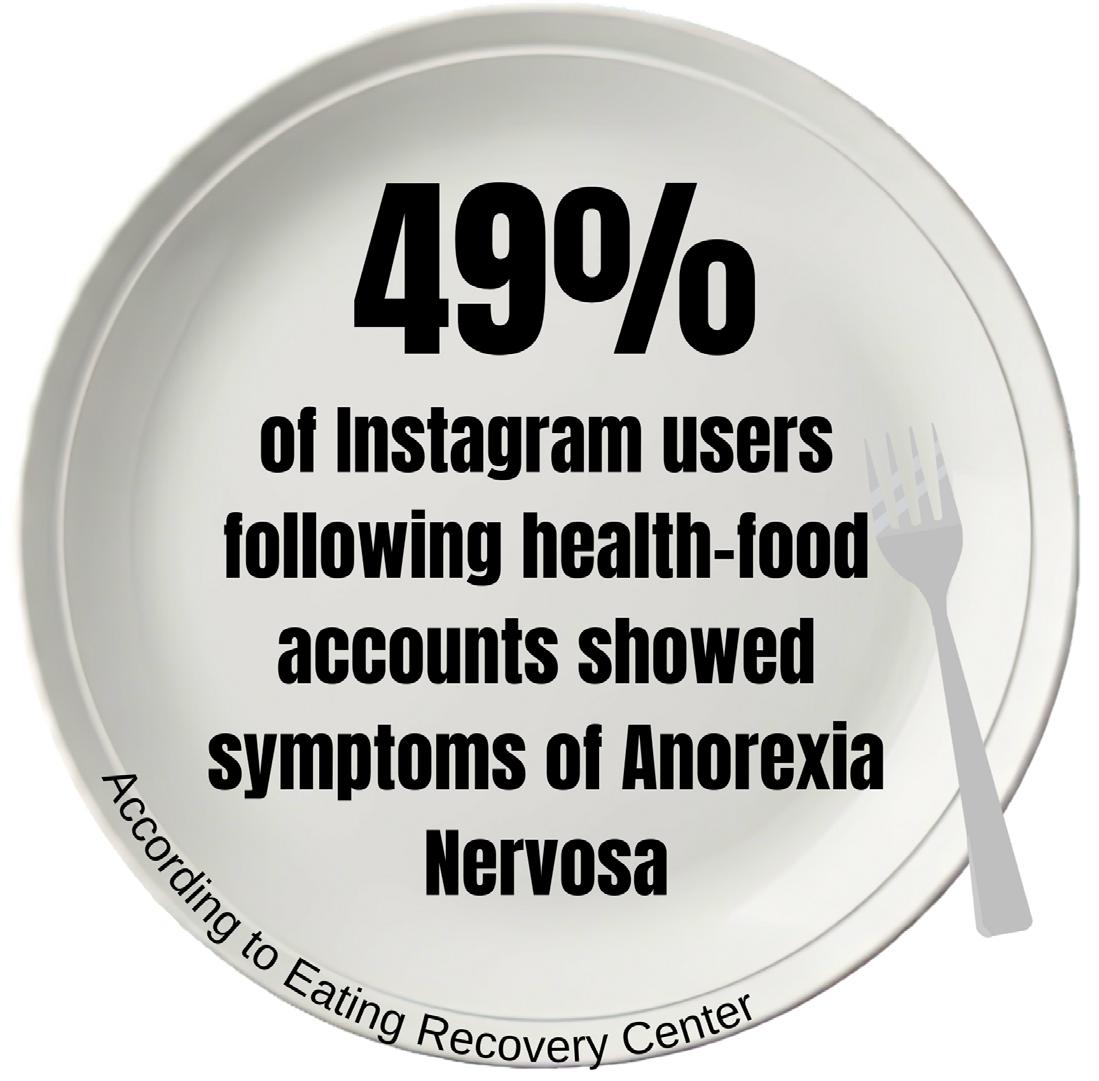
nutrition and mental health information, promoting body positivity and diversity to help like teenagers have a healthy relationship with their bodies. But treatment shouldn’t stay behind a screen. Stoody recommends an interdisciplinary approach, to monitor and manage the physical injury in someone with disordered eating.
“A therapist partner doing the psychological or psychiatric work required in recovery adds a healing of the disturbed perception of your body, your mood and functioning,” she said. “So there’s a hybrid approach to treatment that needs to happen by way of mind and body.”
“I can’t say physicians are totally not guilt of seeding thoughts and insecurities related to body image and size, and the implications of those things on health,” Stoody said. “Throughout all of time, there have been exposures to unhelpful comments from relatives and others that increase, [youth’s] risk of developing an eating disorder when they are already predisposed to
promote healthy food consumption. Although harmful content is disproportionately reaching screens more than helpful content, social media can be a tool for good, too.
“It’s kind of a double edged sword in that sense,” she said. “There’s certainly helpful content that young adults can encounter to find recovery, oriented communities, [and] even support groups for peer support and families, who are trying to support a loved one through recovery.”
Social media accounts can be an accurate source of
Another important factor for recovery, especially in young adults and adolescence, is having an adult to talk to.
“Treatments that aren’t straightforward to navigate by way of payment and insurance, are reasons baked into our system for needing a legal guardian alongside you to help you access treatment,” she said. “Not only for logistical reasons. The emotional/physical support in staying safe and committed to treatment definitely relies on a supportive adult in your life as well.”
SALEM DINH SOCIAL MEDIA EDITOR-IN-CHIEF
When introducing herself, University of Michigan freshman Selene Koremonos-Tsebelis’ first concerns about the initial judgments of those around her aren’t centered around her hair or her major. They are centered around her religion.
“I definitely think that when I tell people I’m Christian, I’ll then follow it up immediately with, but I don’t believe that it’s right to hate other people or exclude them or tell them like that they’re going to hell,” KoremonosTsebelis said.
America’s Christian community has always been large and takes up a large proportion of the country. According to the Pew Research Center, 62% of American adults in 2024 identified as Christian, making it the largest religious identity in the country.
Despite this, there has been a steady decrease of Christians in American society. The National Catholic Reporter found that 35% of U.S. Adults no longer identify with the religion they grew up in and the Pew Research Center discovered that only 45% of 18-29 year olds
identify as Christian. This pattern of decline has translated across America down to the Ann Arbor community, where many Christians have noticed this social shift through the stereotypes placed on their religious identity.
“I think there are so many people in the media that claim to be Christian and then speak out in such hateful and hurtful ways,”
Koremonos-Tsebelis said.
“People draw that conclusion, ‘Oh they’re Christian, and this is how they must all behave, and this is how they speak.’”
that has been placed onto many Christians deals with their political orientation. Around 84% of Republicans identify as Christian according to the Public Religion Research Institute (PRRI) Census, and there has been a noticeable increase in Republican beliefs being associated with Christianity.
Tsebelis, this stereotype couldn’t be any more wrong. As an
involved young activist since the end of her freshman year, she has not only planned many
protests, but interned with Democratic state representative Jason Morgan her senior year of high school. Her Christianity and political orientation do not stand in opposition to each other. They stand in a harmonious relationship.
“I think when it comes
separation of church and state.”
She is not the only Ann Arbor Christian who feels this way. Associate Pastor Daniel Reaume with Blue Ocean Faith also firmly agrees.

JUSTIN PHELPS STAFF WRITER





ANJALI NADARAJAH PRINT EDITOR-IN-CHIEF

GRACE JOHNSON STAFF WRITER
Huron is known academically for being an International Baccalaureate (IB) Program school. Freshman have required Middle Years Programme (MYP) classes, sophomores complete their Personal Project, and juniors and seniors choose what to what level they will be involved with with their courses.
Diploma Programme (DP) students, Career Programme (CP) students, and course students all take IB classes, with some DP students taking up to seven, and course students taking as little as one IB course. Seniors Maddie Pale, Bea Harss and Nicole Harris give their thoughts on the IB Program here.
NH: I really like how IB classes challenge you, but in a more well-rounded way than AP classes.
Q: Are there any benefits outside of the academic rigor from taking IB classes?
MP: I’ve gotten to know some people that I don’t think I would have met otherwise.
NH: You have the same group of people in all of your classes, which is really nice.

Q: What is your current involvement in the IB Program?
MP: DP Programme.
BH: I am currently taking three DP classes, and I’m also in the Health Science Program. I’m a course student.
NH: I am in DP Biology.
Q: What has been a benefit for you from the IB Program?
BH: I’m excited for my second semester in my health science class. We get to do clinicals.
ADVISOR
Sara-Beth Badalamente EDITORIAL BOARD: Satvika Ramanathan 405293@ aaps.k12.mi.us
Anjali Nadarajah 424587@aaps. k12.mi.us
Ella Yip 316340@aaps.k12.mi.us
Annabella Mi 403008@aaps.k12. mi.us
Grace Henley 403008@aaps.k12. mi.us
EDITORS:
Q: What has been a drawback of the IB Program for you?
BH: I think Huron has an issue with their [course] offerings, and also support, because being an IB student is hard. And I think that Huron is lacking in their support systems to help students actually be
Q: Were you able to enroll in all of the classes you wanted to?
MP: For me yes, but I know people who would answer otherwise.
I do think that taking DP classes gives me an advantage.
BH: I think that IB classes at Huron have prepared me well for college, because they are challenging. They’ve taught me how to write essays fast and the content is rigorous.
Q: How difficult was it for you to manage your schedule how you wanted to?
BH: [Classes are] scheduled in a way that is best for full DP students…that meant that I couldn’t take the English class that I wanted to take because of scheduling.
NH: No, not really.
Q: Do you think that your involvement in the IB Program has prepared you well for college?
MP: I obviously have no idea what college admissions officers are looking for, in terms of IB compared to AP, but
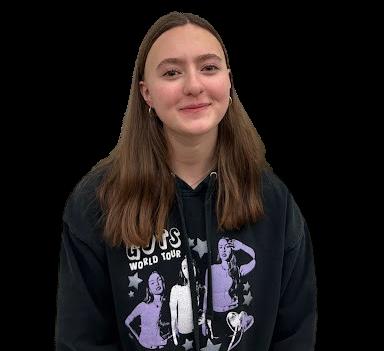
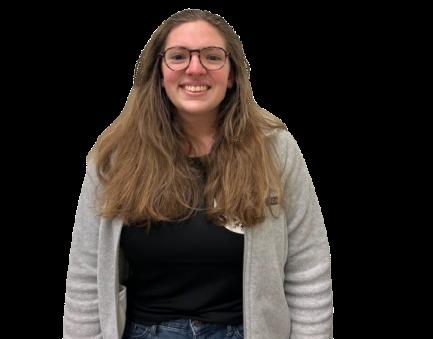
MP: I’d say fairly difficult. I think that because there are not that many options for classes within the DP program. If you’re taking a full DP you have to take a class in all the subjects, but within each subject, there really aren’t that many options.
NH:I usually end up with something that I am happy with, but it is definitely a process. My counselor and I send a lot of emails back to each other, you know, it’s sometimes a struggle. If you want to do music programs and you do DP, or the health sciences programs, things don’t get along. And I suggest taking at least one fun class in your schedule so that you have a break during the day.
Huron students have the opportunity to take academically challenging classes through the IB program, and even after the required MYP classes in freshman and sophomore year, these IB seniors believe that overall, taking IB classes is a
Beginning before the official New Year’s Day, Chinese families prepare for the holiday by thoroughly cleaning their homes to sweep away bad luck from the past year and invite good fortune. Homes are then decorated with red lanterns and paper couplets, as red symbolizes

joy and prosperity. On New Year’s Day, brooms are put away so luck is not accidentally swept out. During the celebration, children and unmarried adults receive red envelopes, known as hong bao, filled with money as a symbol of good wishes. Family gatherings, festive meals, and public celebrations continue for several days, ending with the Lantern Festival, where glowing lanterns, lion dances, and riddles celebrate the first full moon
15+ Countries recognizeLunarNew Yearasanofficialpublicholiday
Starting the day before New Year’s Day and ending with the day after, Koreans celebrate their own version of Chinese New Year, called Seollal. With an emphasis on respect for the elderly, a common ritual of a deep bow is performed with the oldest members of the family. In addition, tteokguk, a rice cake soup, symbolizes a fresh start and is central to the celebration. People of all ages wear colorful Hanbok to add to the festivities, and like in China, are given envelopes(white instead of the traditional red) containing money.
2 Billionpeople worldwide celebrate Lunar New Year each year
Fenuary21,2026 LunarNewYearPlanetariumShows MuseumUniversityofMichigan12:00pm-3:45pmofNaturalHistory–Entry:$8
On the 23rd of the last month of the lunar year, Vietnamese people celebrate Tet. Throughout the year, it is believed that deities called Ông Công and Ông Táo (Land Genie and Kitchen Gods) watch over each family and report back to heaven on the 23rd. As such, homes are cleaned and decorated with flowers on the
holiday and traditional tunics called áo dài are worn. Like both other celebrations, money in envelopes is given to youth, and food is a central aspect, with many Vietnamese creating a unique five-fruit tray as an offering for their ancestors.
Chinese New Year Celebration with Ann-Hua Chinese School
Downtown Branch of 2:00pm-5:00pmAADL
Entry: Free




professionnel).La Guinée a amélioré l’accès à l’ éducation , mais le système éducatif reste confronté à de nombreux défis.L’éducation en Guinée est basé sur un systeme francais. L’école primaire commence à six ans et dure six ans. L’école secondaire commence à douze ans et se divise en deux cycles : le cycle 1 ans et le cycle 2
Library of Alexandria is built 300 BC
READ FULL TRANSLATED


About70% of10yearoldsin lowandmiddleincomefamiliescan’t readandunderstandsimpletext
JEFFERSON CASTELLON-LAZO, ANDERSON IRAHETA FLORES STAFF WRITERS
L’éducation Guinéenne comprend le préscolaire, le primaire 6 ans, le collège 4 ans, puis le lycée 3 ans (général, technologique ou professionnel).La Guinée a amélioré l’accès à l’ éducation , mais le système éducatif reste confronté à de nombreux
commence à six ans et dure six ans. L’école secondaire commence à douze ans et se divise en deux cycles : le cycle 1 ans et le cycle 2 ans. L’école secondaire n’est pas obligatoire et le taux de scolarisation chute fortement à ce niveau. Les taux de scolarisation des filles et des enfants des zones rurales sont inférieurs à la moyenne nationale. L’école publique en Guinée est un système majoritairement gratuit, laïc, avec une scolarisation

comme l’accès et la qualité, avec des cycles primaire 6 ans, CEE et secondaire (collège, lycée) menant à des examens nationaux et des filières générales/professionnelles, malgré une infrastructure parfois insuffisante face à l’afflux d’élèves. Le système peine à offrir une éducation de qualité tout en absorbant un nombre croissant d’élèves. l’école publique guinéenne est un pilier de l’éducation nationale, cherchant à concilier gratuité et obligation avec les réalités d’une forte croissance démographique
et des besoins d’amélioration constante de la qualité. Les écoles privées en Guinée offrent une alternative à l’école publique souvent surchargée, se distinguant par des classes moins nombreuses, un suivi personnalisé, des infrastructures modernes (salles informatiques, labos, bibliothèques) et des programmes parfois bilingues (français/anglais) ou internationaux, visant une meilleure qualité d’apprentissage et de meilleurs taux de réussite,
250 Million
children are out of school world wide
school.” Li said. “The overall percentage of students who go to college is also much lower than industrialized countries.” Li also made statements regarding the competitiveness for college admissions in China compared to western
“Chinese education is in
they are in high school, students will be assigned different classes based on their scores.” Li continues to comment on the necessity of a college degree for one’s career in China.
“Yes, education in China is necessary for a good career,” Li said. “Many jobs
malgré des frais de scolarité élevés pour les parents. Elles couvrent généralement toute la scolarité, de la crèche au lycée, avec des options variées.Elles limitent les effectifs par classe (souvent 25 élèves) pour un suivi individualisé, contrairement aux classes publiques surchargées.
who did not obtain higher education can become successful. This happens more often in the field of business.”
Education in China is drastically different from education in America. The impact of the standardized test which could potentially decide an entire academic career and the high level


GRACE JOHNSON STAFF WRITER
You’re sitting in your room. Someone spilled highlighter an hour ago, and you can still see the glitter flying through the air. There are never enough mirrors, so two girls are sitting on the ground sharing the one on the back of your door. The smell of nail polish and your friend’s perfume is going to be stuck for days. There is a bag of chips and a bowl of fruit on your bed. Your speaker might die, but at least it’s playing your favorite music right now. You are the happiest you have been in forever. It’s a common experience, especially for teen girls. Getting ready. Getting ready to go out,
getting ready to go to school, getting ready for a dance, or even getting ready just to go shopping. The actual event doesn’t matter.
Once you get to the event, there are usually a million things happening at once. Personally, I prefer a calm environment, and going out is about spending time with my friends. I think that the bonding that you and your friends go through when you get ready together is worth more than whatever the following event is. When else do you get to sit and chat with your friends uninterrupted for an hour?
The actual process of getting ready isn’t the point. The time spent with your friends is the important part. Soon, my friends and
I will all be living in different states, hundreds of miles away from each other. I want to use up every minute I have with them. Next time you and your friends are in a rush to get ready and get out the door, take a moment to appreciate the time you are spending together. It won’t last forever.
The words “I hate school” are frequently repeated throughout a student’s four years at high school. Leaving a futilely attempted Advanced Placement (AP) Chemistry midterm; walking through a blizzard all the way from the dirt lot; restlessly standing in the humid Dome Gym by your Personal Project presentation. While it’s normal, even expected to feel this way, it’s something we shouldn’t take for granted.
As the culture of consistent human interaction and creation of community begins to dwindle as the world of the internet begins to envelop our society, it is increasingly important to build longlasting relationships with friends, mentors and mentees. These relationships can only be sustained by a type of interaction automatically granted by attending schools daily. It means daily human
interaction is a given, and it becomes an opportunity to both learn and build relationships with your peers. Taking advantage of such social opportunities allows for networking and the innate need for community.
Despite the 1948 Universal Declaration of Human Rights further developed by UNESCO to call for free, compulsory elementary education and accessible, non-discriminary higher education, massive access gaps still plague the institution of education as a whole. Education is, beyond all, a privilege that millions around the world do not have access to. Despite such legal guarantees, 272 million children were not in school in 2023. In addition, only 4% of the poorest youth in lowincome countries complete upper secondary, while 36% of the richest are able to pursue higher education.
Being able to step into a school and attend class is a right in the working, one that millions do not have access to today.
To many, the idea of even failing an AP Chemistry exam, standing for hours presenting your personal project, or walking through the dirt lot to your dreaded Spanish class is a faraway dream, a privilege that millions have yet to taste. The education system is flawed and imperfect; it has infinite room to grow and many changes that need to be made. However, this imperfection that we face everyday is an opportunity to make changes in our own lives through learning and networking, an opportunity that others may never see once in their lives.
Huron’s diversity is our strength. We waltz into
classrooms and mindlessly move through our days without realizing that the very people we plop down next to have ideas, backgrounds and experiences that may be so different from our own but can contribute to broadening
on a silver platter. Embrace the high school experience. There are always going to be hard parts of life. Time is going to pass anyway. You might as well spend these four years giving it your all, taking every opportunity and
the world has experienced the feeling of not liking themself. The feeling of being uncomfortable in your own skin comes at any age and can be caused by multiple reasons. You are not the first person and definitely not the last to wish you were different.
Because this feeling is so common it’s important to learn how to love yourself. Knowing how to love yourself is the strongest tool you can

70% fewerreportsof mental health issues in resilient individuals


55%ofAdults reportthattheirself-esteem fluctuates significantlyovertime

53% of girls are “unhappy with their bodies”
confidence. In the mornings I would take my time doing my hair into a style I wanted to try. I started getting my nails done as a way to treat myself and spending more time with my friends. It’s simply things like this that started changing my thoughts about myself. If I did well on a test I was worrying about, I will reward myself with either purchasing a product I wanted or getting a sweet treat. By doing this I’m recognizing my achievements and telling myself that my hard work
I began to give myself simple but meaningful compliments like how I am a good friend and I matter. I accepted praise from my peers and teachers instead of brushing off their words. Another way I started practicing self love was trying new hobbies like water color and starting to play field
the sky, though this has never been confirmed by a meteorologist. Despite how common this is, many students actually don’t know that the spoon is said to do this. Still, on the night before a potential snowstorm, you’ll find plenty of students sleeping uncomfortably on top of cold metal in exchange for the possibility of canceled classes.
Then there’s the flushing ice method. This method is where students grab a handful of ice cubes and flush them down the toilet in hopes of encouraging a school cancellation. If ice can move through the pipes, then it can surely move through the roads. Sometimes this is done once before bed, while others repeat it to increase their chances. Though it has no effect on the actual road conditions, the tradition persists and it is fueled by the belief that no potential snow day should be left unassisted.
No snow day ritual list is complete without one of the most controversial techniques: hoping too hard. Many times, it has been sworn that openly talking,
The path to learning to love yourself is hard, confusing, and emotional. You can often feel helpless and silly when you start to pick yourself back up. It’s important to remember that you deserve to
writing, or texting about a snow day will immediately doom any chance of cancellation. Despite this belief, snow days are now discussed constantly, with students checking snow day calculators in class and watching the percentage slowly climb as they wait for confirmation. Somehow, even with all the numbers and predictions, the fear of jinxing a potential snow day still remains.
In recent years, snow days have taken on even more meaning. For the past three years at HHS, finals have been altered due to snow days, turning what is usually one of the most stressful times of the year into an unexpected break. The possibility of a snow day during finals week offers more than just a day off; it provides relief from pressure and late-night studying. Snow day superstitions have less to do with controlling the weather and more to do with the shared anticipation. Even if the rituals end up not working, they give students a sense of hope and excitement that makes the possibility of a snow day feel real.
“Internet
ELLA YIP PRINT EDITOR-IN-CHIEF
It’s widely debated that all humans have creative potential, something of a craft, waiting for the right moment to be coaxed out. For senior Stone Goniea, that moment is now. “I’m still working at my craft, so I don’t feel like I’m here yet,” Goniea said. “I aspire to be the best, the best of all time.”
His journey with music started in 2020 when Goniea picked up a guitar and got into songwriting the following year.
“I’ve been writing songs since 2021. It started as poetry and just getting a few ideas out there. I just started working on it every day. Over time, it’s gotten better,” he said.
Currently, Goniea is in a band, the Capstone Volunteers, serving as the lead singer and guitarist.
“We’ve been writing stuff, recording stuff, [and] our song that we just have out right now actually has 1000 streams,” he said.
The Capstone Volunteers released Full Metal Jacket on Nov. 28 of last year. The band isn’t just recording singles; they rotate through local gigs, and the impact and visibility of this band is certainly reaching the community.
“There [are] people that come up to me after [the show] saying how it resonated with them,” Goniea said. “This one older lady, she said I was playing a song, and [it] reminded her of how her dad sang to her when she would
Haven’t you heard?
The music industry is losing it because of the internet girl.
Global girl group KATSEYE is back with another controversial release titled “Internet Girl.” Similar to their past release “Gnarly”, this song has been met with just as many mixed opinions. From a weird baby voice to the heavily auto-tuned vocals, this song has become the center of controversy.
KATSEYE originally began as a girl group formed through show Dream Academy which walked through their training process. The show itself has become popular even past their debut because of the high tension and stakes the girls were put through. There were twenty candidates, but only six girls.
The inherent competition pitted against the girls combined with the harsh coaches and drama blown out of proportion by editors set up KATSEYE for their future career as a “viral” girl group. Even today, they depend on
their social media presence over their music. They are branded as not just artists, but global and relatable.
As someone who has defended KATSEYE since their debut, I don’t doubt that “Internet Girl” will become the most loved and streamed song of 2026, but that doesn’t make it anything near a good song. KATSEYE, like many artists nowadays, has become completely reliant on the idea of virality in their music instead of producing new and inventive songs.
There is nothing wrong with creating controversial music. If anything, it is essential for new eras of pop to continue being created. Pop music is historically centered around releases that brought something new and fresh to the industry.
The best example I can think of for this is Britney Spears. From her debut, Spears’ music was something that had never been heard before. The high-energy beats and unique usage of auto-tune and production over her voice completely changed the music of the late ‘90s and early 2000s. Her
genre-redefining music career is what gave her the name “Princess of Pop”. But, KATSEYE is not Britney Spears. No one could be what Britney Spears is, and artists need to stop trying because that’s not the point of Spears’ career or any other large artist that changes music. We aren’t looking for the next Michael Jackson or Prince. We are looking for new artists.
Music has completely lost it because it has become the victim of a fast fashion type of effect. Every song sounds like the last, no new production styles being tried out. We can even look outside of KATSEYE’s music, even if they are the hot topic of everyone’s pages right now.
Past songs that gained attention on Tiktok like “abcdefu” by GAYLE or “Mad at Disney” by Salem Ilese continue to be made fun of today on social media platforms. Even though it can be comedic how bad the music is, it’s more concerning that these songs are somehow able to garner more attention than true original music. It is all relying on the idea that it will go viral on Tiktok,
go to sleep when she was a kid.”
As the Capstone Volunteers’ local footing expands, so does the size of their venues.
“I performed in a lot of bars so far,” he said. “I don’t know how they let me, it’s kind of crazy, but we’re actually performing at the Blind Pig.”
But Goneia’s dreams don’t stop at the Blind Pig.
“I’m trying to get the Grammys,” he said.
The weight of this dream is resting on his willpower right now.
“A lot of self-belief. That’s the main thing, because you [‘ve] got to be your biggest fan. No one’s gonna believe in you as much as you do,” Goniea said. “So, a lot of self-belief. I’m working with a mindset coach right now.”
He knows it’s not an easy journey, but believes he’s figured out how to keep moving forward.
“Sometimes there are days where obviously you don’t feel good, you feel like nothing’s gonna really come out, and you feel down about yourself,” Goniea said. “It’s really just catching those thoughts before they really take hold.”
Capstone Volunteers’ single “Full Metal Jacket” and “Amber” are available to stream on Apple Music and Spotify.
whether it be for good or bad reasons.
“Internet Girl” is just “Gnarly” 2.0. That doesn’t mean it’s a bad song, but it does make it a song that isn’t different. For a group like KATSEYE, who have promoted themselves as the future of pop through the diversity of their members, why do they not have a diverse discography?
Music isn’t just losing its spark. It’s losing what makes the arts important in
the first place. Something that mathematical equations or scientific studies cannot create: music has completely lost its creativity. Artists, producers, and the industry need to carefully reflect on this if hope for music as an art form continuing to thrive is going to continue. No more Internet Girl. It’s time for something original.

telescopes podcasting kits light optics kits
thermal cameras electric guitars giant connect four tiny pianos sewing machines
electric basses energy meters portable PA systems metal detectors guitar pedals
1,000-piece puzzles mega tumble towers die cutters temperature meters binoculars
microphones anatomical skeletons wacom
tablets bass pedals fluke ukuleles thereminis
pocket pianos otamatones boom whackers
voltage & current meters amplifiers
arduino starter kits bicycle pump and repair kit
Audubon BirdCam uv light detectors
EMF meters sound meters synthesizers
light tables giant chess sets mini badminton
sets disc golf baskets 1,000 dominoes
acoustic guitars pickleball sets molkky
air scoop ball sets board games giant checkers miniature ping pong spinning
wheels bookbinding kits drum carders clipon smartphone lenses portable scanner
yarn swifts event lighting digital projectors More
EASTON MOLNAR STAFF WRITER
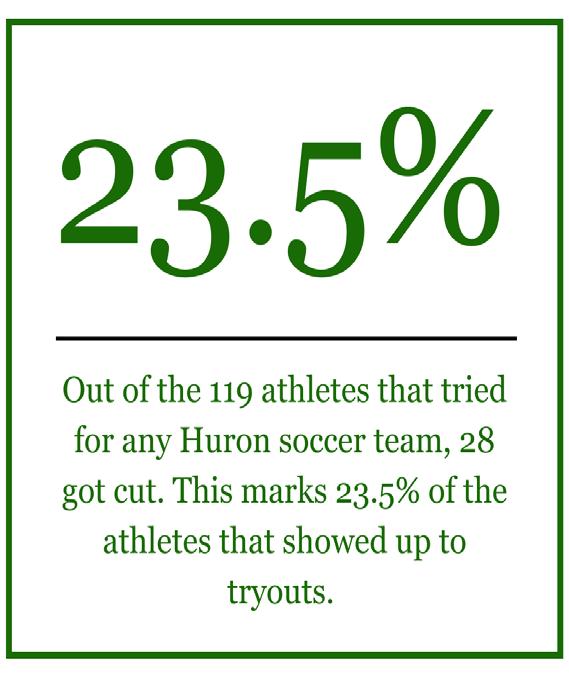
This year, the soccer program saw a record number of athletes come to tryouts. And this is similar for many other Huron teams. Coaches from across the school say they are seeing more kids trying out, but team sizes and roster spots are not increasing, which means more players are being left off the roster.
“Cuts are never easy, especially when you have so many players to cut that have been in the program for two to three years,” soccer coach Luis Gomez Dominguez said.
One of the main reasons for the increase in cuts is overcrowding. Sports like basketball and soccer have more students showing up to tryouts than in past years. Since schools have limited space, equipment, and coaching staff, they simply can’t take everyone who wants to play.
As a result, tryouts have become increasingly competitive, and students report that the pressure is intense. Some athletes trained all summer only to be cut on judgment day.
While coaches focus on managing large numbers, some students say being cut didn’t impact their
relationship. This is true for senior Ryan Bezas and coach Dominguez.
“I didn’t feel like being cut impacted my relationship with the coach, but I did feel like it grew a bit because I ended up still being able to work with the team as the
photographer,” Bezas said. He stayed involved with the team as a photographer and helped with social media. However, Bezas admitted how it made him feel as a person and an athlete.
“At the start, I felt like
I wasn’t going to be able to hang out with all my friends as much,” Bezas said.
But this wasn’t true. And the same went for senior Isaac Thomas, who shared a similar experience.
“It honestly didn’t really change my relationship with
[Dominguez] at all,” Thomas said.
While he acknowledged the disappointment, he found new opportunities that helped him grow as a person despite not making the team.
“It was beneficial, because I got to be part of experiences that I wouldn’t have otherwise,” Thomas said. “I still got to go to states, which was the first group of 20 or 30 Huron kids to do that.”
For most programs they don’t have the resources to expand team sizes. So, students will continue to face the reality of tough competition, and many athletes will have to wait another year for a chance to make the team.
SOPHIA ALISON RUSTIA STAFF
WRITER
At two years old, freshman Jay Tavane’s parents put her into swimming lessons to learn the basics of swimming for safety, but after her lessons on basic swimming, she realized that she had a passion for being in the water and swimming.
“My older brother started swimming before me, so I was naturally drawn to the sport by seeing him compete at all of his swim meets. Once I was old enough, my parents put me into competitive swimming as well,” she said.
“I always thought water polo was such a cool sport because it combined swimming with other sports like basketball

and soccer. I saw videos of people playing water polo online, and I thought that it would be a really cool experience to try it out.”
Tavane began competitive swimming at the age of five. She has had a passion for swimming ever since, which led her to join the swim team during the fall sports season and try water polo for the first time for the upcoming sports season.
“I really like swimming because it’s more of a selffocused sport. You may be on a team, but you still swim by yourself, and that’s what sets it apart from other sports,” Tavane said. “Because in most sports, you’re on a team with other people.”
She balances extracurricular activities with her schoolwork which she said “can be exhausting and hard to do at times, but that’s what part of being a student athlete is.”
“I try to balance all of my work by trying to have an organized schedule and dedicating a different task or activity to each day of the week,” Tavane said. “Since I didn’t do marching band this year and the swim season is over, my schedule has
been a lot more open than it normally is, so it’s a lot easier to manage my time.”
During her almost ten years of swimming, Tavane has faced many obstacles, big and small, but lessons also come along with the challenges she’s faced.
“I think one of the main challenges I face while swimming is managing speed while swimming. I tend to use up all of my energy on less important things at swim meets, like warm-up, so I’m all out of energy by the time I have to swim my actual events,” she said. “But swimming has also taught me how to be persistent. It’s a sport that requires you to manage your energy; if you use it up too quickly, you won’t make it to the end of the race. This has helped me learn that achieving goals often takes time and effort and that you have to pace yourself. Swimming has shown me the importance of resilience and the value of steady progress.”
When it comes to Tavane, she loves to swim because of how free she feels while swimming.
“There’s something really refreshing about being in the
water, and I really appreciate how it allows me to relax and clear my mind. It’s also a great workout because swimming is a really low-impact exercise,” Tavane said.“Whether I’m swimming for fun or for training, it always brings me joy.”
Throughout her long journey of swimming, she has made many friends and had many supporters who have been cheering her along the way, with one of her biggest supporters being her brother.
“My biggest supporter in swimming is definitely my older brother. He stopped swimming a long time ago, but he still supports me through all of my swim meets and practices and encourages me to do better. Even when I don’t do my best at a swim meet, he will still congratulate me and motivate me,” Tavane said.
Tavane hopes to continue her journey throughout high school, and maybe beyond, since it means a lot to her after swimming for more than half of her life. Tavane shares that swimming holds a great value for her, and is excited for the memories that await her in the future.
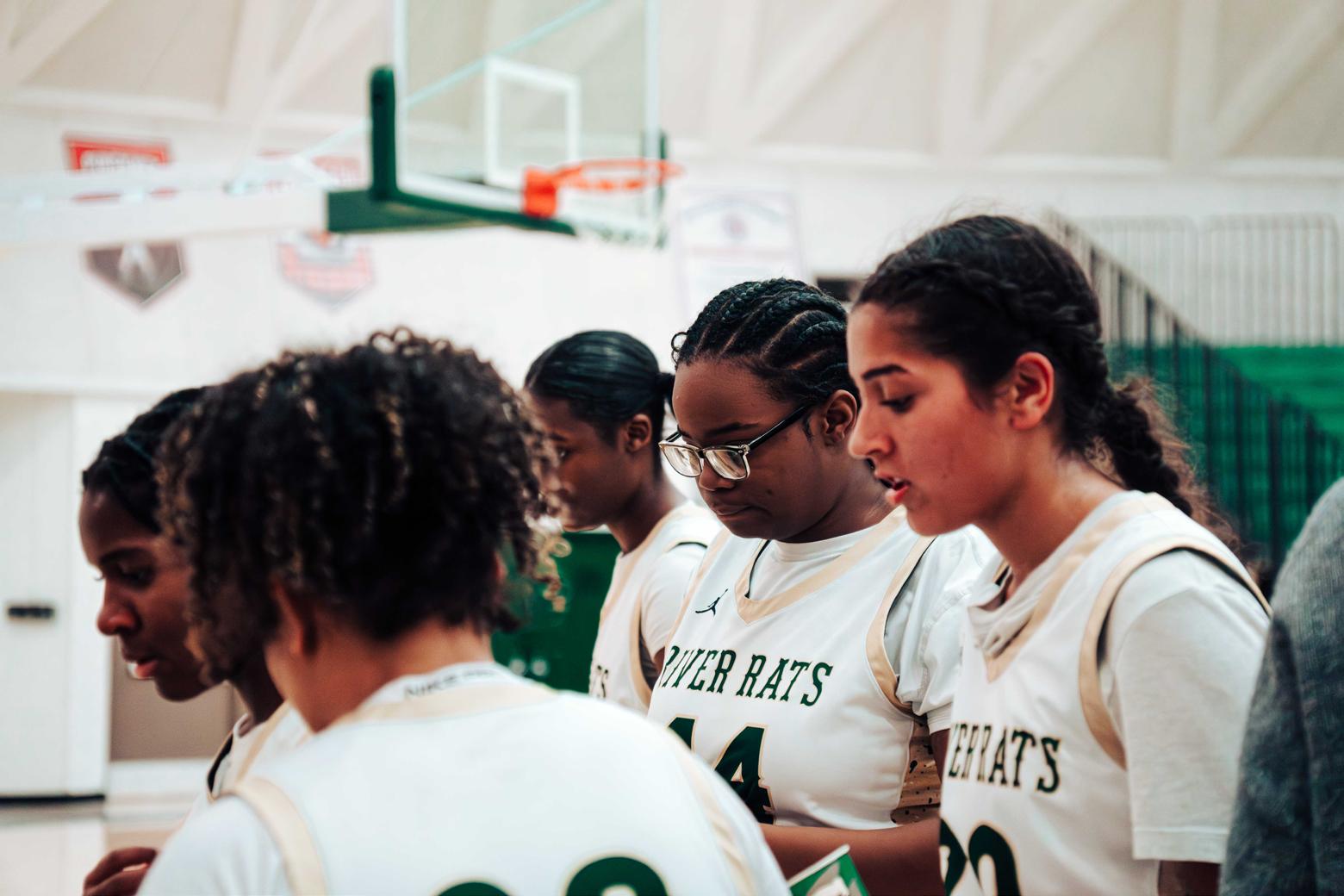


What does Black History month mean to you?
“It’s our month of recognition, but some people are trying to make it seem less important.” - Leon Williams, 11th
“It matters to me because it’s a time where light is shed directly on the history of black people and how they turned something bad that happened to them into progress.” - Johnathan Pryor-McAdam, 11th
“It raises awareness on the oppression that black people faced in the past.” - Chris Hudson, 12th
“It honors the people who came before us and the work they did to get us where we are.” - Kaiden Morning, 12th