Local Government: Housing & Homelessness Opportunities Page 4
Local Government: Parking & Transport Opportunities Page 14
Local Government: Highways & Engineering Opportunities Page 30
Local Government: Environment, Countryside & Sustainability Opportunities Page 44
Local Government: Waste Management Opportunities Page 56
Local Government: Apprenticeship Opportunities in Waste & Recycling Page 64
Diocesan Recruitment: Current Opportunities Page 72
Begin A New Adventure: Falkland Island Opportunities Page 84
Employer
Flintshire County Council
Click here for their current vacancy...
Housing & Homelessness Opportunities
We are recruiting for a:
Housing Adaptations Surveyor
Grade G06 - SCP 28 to 31
Salary Range from £39,152 to £41,771
Based at County Offices, Flint, Flintshire | Permanent
An exciting opportunity has arisen within Disabled Facilities Grant team that is responsible for the effective delivery of adaptations for disabled persons.
We are seeking an organised, proactive and enthusiastic individual who is committed to providing an excellent service.
The post holder will carry out visits to assess properties for their feasibility of disabled adaptations. You will provide advice on adaptations and prepare detailed plans and schedules of work with Social Services’ approval and in line with Housing Grants, Construction and Regeneration Act 1996.
In this role you will be required to have well developed IT skills and be proficient with AutoCAD or are willing to learn.
The successful candidate will have excellent communications skills, working closely with the Occupational Therapist team, amongst other partners and external agencies. You will be required to work unsupervised and to meet deadlines.
As one of the largest employers in Flintshire, we offer:
• A minimum of 34 days’ (pro rata) annual leave including bank holidays, increasing up to 41 days (pro rata)
• Access to the Local Government Pension Scheme
• Generous family friendly and work-life balance schemes
• Hybrid working (role specific)
• Access to a range of development opportunities
• Free employee assistance programme (EAP)
• Cycle to Work Scheme
• Discounts across UK retailers
Closing Date: 14th August 2026
What next?
For more information or an informal discussion, please contact Robin Davies (Disabled Adaptations Manager) via email: robindavies@flintshire.gov.uk
To apply, please visit:
www.flintshire.gov.uk/en/Resident/ Jobs-and-careers/Home.aspx or CLICK HERE
Transforming Homes, Transforming Lives: The Role of a Housing Adaptations Surveyor
For many people, home is a place of comfort, independence and security. For residents living with disabilities, long-term health conditions or reduced mobility, however, everyday tasks can become increasingly challenging. This is where a Housing Adaptations Surveyor plays a vital role, helping to create safer, more accessible homes that enable people to live independently for longer.
Working within a Welsh council, a Housing Adaptations Surveyor assesses properties and recommends practical adaptations that meet the individual needs of residents. These improvements may include level-access showers, stairlifts, ramps, widened doorways, accessible kitchens or other bespoke alterations designed to improve safety and quality of life.
The role begins with visiting residents in their homes, often working alongside Occupational Therapists and other professionals to understand the challenges they face. The surveyor then carries out detailed property inspections, prepares technical drawings and specifications, obtains quotations, manages budgets and oversees projects from initial assessment through to completion. Ensuring that all work complies with current building regulations, health and safety requirements and accessibility standards is an essential part of the job.
Housing Adaptations Surveyors work closely with contractors, housing teams, social care colleagues and homeowners or tenants throughout the process. Strong communication skills are therefore just as important as technical expertise, as the role requires empathy, patience and the ability to explain complex information clearly to people from a wide range of backgrounds.
In Wales, housing adaptations play an important part in supporting the ambitions of the Well-being of Future Generations (Wales) Act, helping people remain healthy, independent and connected to their communities. By enabling residents to stay safely in their own homes, adaptations can also reduce the need for residential care and help prevent hospital admissions.
A career as a Housing Adaptations Surveyor offers the opportunity to combine surveying, project management and problem-solving with genuinely rewarding public service. Every completed adaptation has the potential to make a lasting difference to someone's daily life, restoring confidence, improving independence and providing peace of mind for residents and their families.
For those looking for a career where technical expertise directly improves the wellbeing of local communities, becoming a Housing Adaptations Surveyor in a Welsh council is both a meaningful and highly rewarding profession.
Bywydau: Rôl Syrfëwr Tai
Addasiadau
I lawer o bobl, mae'r cartref yn fan o gysur, annibyniaeth a diogelwch. Fodd bynnag, i breswylwyr sy'n byw ag anableddau, cyflyrau iechyd hirdymor neu symudedd cyfyngedig, gall tasgau bob dydd fynd yn fwyfwy heriol. Dyma lle mae Syrfëwr
Addasiadau Tai yn chwarae rôl hanfodol, gan helpu i greu cartrefi mwy diogel a hygyrch sy'n galluogi pobl i fyw'n annibynnol am gyfnod hirach.
Wrth weithio o fewn cyngor yng Nghymru, mae Syrfëwr
Addasiadau Tai yn asesu eiddo ac yn argymell addasiadau ymarferol sy'n diwallu anghenion unigol preswylwyr. Gall y gwelliannau hyn gynnwys cawodydd mynediad gwastad, lifftiau grisiau, rampiau, drysau lletach, ceginau hygyrch neu addasiadau pwrpasol eraill sydd wedi'u cynllunio i wella diogelwch ac ansawdd bywyd.
Mae'r gwaith yn dechrau drwy ymweld â phreswylwyr yn eu cartrefi, gan weithio'n aml ochr yn ochr â Therapyddion Galwedigaethol a gweithwyr proffesiynol eraill i ddeall yr heriau y maent yn eu hwynebu. Yna mae'r syrfëwr yn cynnal arolygon manwl o'r eiddo, yn paratoi lluniadau technegol a manylebau, yn cael dyfynbrisiau, yn rheoli cyllidebau ac yn goruchwylio prosiectau o'r asesiad cychwynnol hyd at eu cwblhau. Mae sicrhau bod yr holl waith yn cydymffurfio â rheoliadau adeiladu cyfredol, gofynion iechyd a diogelwch a safonau hygyrchedd yn rhan hanfodol o'r rôl.
Mae Syrfewyr Addasiadau Tai yn gweithio'n agos gyda chontractwyr, timau tai, cydweithwyr ym maes gofal cymdeithasol a pherchnogion tai neu denantiaid drwy gydol y broses. Felly, mae sgiliau cyfathrebu cryf yr un mor bwysig ag arbenigedd technegol, gan fod y rôl yn gofyn am empathi, amynedd a'r gallu i egluro gwybodaeth gymhleth mewn ffordd glir i bobl o amrywiaeth eang o gefndiroedd.
Yng Nghymru, mae addasiadau tai yn chwarae rhan bwysig wrth gefnogi amcanion Deddf Llesiant Cenedlaethau'r Dyfodol (Cymru), gan helpu pobl i aros yn iach, yn annibynnol ac yn gysylltiedig â'u cymunedau. Drwy alluogi preswylwyr i aros yn ddiogel yn eu cartrefi eu hunain, gall addasiadau hefyd leihau'r angen am ofal preswyl a helpu i atal derbyniadau i'r ysbyty.
Mae gyrfa fel Syrfëwr Addasiadau Tai yn cynnig y cyfle i gyfuno sgiliau syrfeo, rheoli prosiectau a datrys problemau â gwasanaeth cyhoeddus sy'n wirioneddol werth chweil. Mae gan bob addasiad a gwblheir y potensial i wneud gwahaniaeth parhaol i fywyd bob dydd rhywun, gan adfer hyder, gwella annibyniaeth a rhoi tawelwch meddwl i breswylwyr a'u teuluoedd.
I'r rhai sy'n chwilio am yrfa lle mae arbenigedd technegol yn gwella lles cymunedau lleol yn uniongyrchol, mae bod yn Syrfëwr Addasiadau Tai mewn cyngor yng Nghymru yn broffesiwn ystyrlon a gwerthfawr iawn.
Hoffech ddarllen y swydd wag hon yn Gymraeg? Trowch y dudalen i weld fersiwn Gymraeg o'r hysbyseb hon.
Rydym yn recriwtio ar gyfer:
Syrfëwr Tai Addasiadau
Graddfa G06 - SCP 28 i 31
Graddfa Gyflog o £39,152 i £41,771
Swyddfeydd y Sir, y Fflint, Sir y Fflint | Parhaol
Mae cyfle cyffrous wedi codi o fewn y tîm Grant Cyfleusterau i’r Anabl sy’n gyfrifol am ddarparu addasiadau effeithiol i bobl anabl.
Rydym yn ceisio dod o hyd i unigolyn trefnus, rhagweithiol a brwdfrydig sy’n ymrwymo i ddarparu gwasanaeth rhagorol.
Bydd deiliad y swydd yn ymgymryd ag ymweliadau i asesu ymarferoldeb eiddo o ran addasiadau i bobl anabl.Byddwch yn darparu cyngor i gleientiaid ar addasiadau ac yn paratoi cynlluniau a rhaglenni gwaith manwl gyda chymeradwyaeth y Gwasanaethau Cymdeithasol fel y nodir yn Neddf Grantiau Tai, Adeiladu ac
Adfywio 1996. Yn y swydd hon, bydd gofyn i chi feddu ar sgiliau a phrofiad TG helaeth ac yn gallu defnyddio AutoCAD.
Bydd yr ymgeisydd llwyddiannus yn meddu ar sgiliau cyfathrebu rhagorol, yn gweithio’n agos gyda’r tîm Therapi Galwedigaethol, yn ogystal â phartneriaid ac asiantaethau allanol eraill.
• Fel un o gyflogwyr mwyaf Sir y Fflint, rydym yn cynnig o leiaf 34 diwrnod (pro rata) o wyliau blynyddol gan gynnwys
• gwyliau banc, gan gynyddu hyd at 41 diwrnod (pro rata).
• Mynediad i Gynllun Pensiwn Llywodraeth Leol
• Cynlluniau hael sy’n ystyriol o deuluoedd a chydbwysedd rhwng bywyd a gwaith
• Gweithio hybrid (penodol i’r rôl)
• Mynediad i ystod o gyfleoedd datblygu
• Rhaglen cymorth gweithwyr am ddim (EAP)
• Cynllun Beicio i’r Gwaith
• Gostyngiadau ar draws manwerthwyr y DU.
Beth nesaf?
I gael sgwrs anffurfiol, cysylltwch â Robin Davies Rheolwr Addasiadau Anabl e-bost: robindavies@flintshire.gov.uk
Nestled in the heart of North Wales, Flintshire is a vibrant county that offers a unique blend of natural beauty, rich history, and modern amenities. Its strategic location, diverse communities, and thriving economy make it an attractive place for both residents and professionals seeking a fulfilling lifestyle. Here are some key benefits of living and working in Flintshire.
Strategic Location and Excellent Connectivity
One of Flintshire’s most significant advantages is its prime location. Situated close to the border with England, it provides easy access to major cities such as Chester, Liverpool, and Manchester. The county’s well-developed transportation network, including the A55 Expressway, connects residents to these urban centers swiftly. Furthermore, Flintshire is serviced by rail links, with Chester and other stations nearby, facilitating commuting and travel for work or leisure. This connectivity ensures residents can enjoy the tranquility of rural life while maintaining access to bustling city environments.
Beautiful Natural Landscape and Outdoor Lifestyle
Flintshire boasts stunning landscapes, including the picturesque Clwydian Range and Dee Valley Area of Outstanding Natural Beauty. These natural features provide ample opportunities for outdoor activities such as hiking, cycling, and birdwatching. The region’s coastal areas, including Talacre Beach, are perfect for relaxing seaside outings. The abundance of green spaces and scenic views promotes a healthy, active lifestyle for residents who appreciate outdoor recreation.
Rich Heritage and Cultural Opportunities
History buffs and culture enthusiasts will find Flintshire captivating. The county is home to historic sites like Flint Castle, one of the earliest Norman castles in Wales, and the nearby Greenfield Valley Heritage Park, which showcases the area’s industrial past. Local museums, art galleries, and community events enrich the cultural scene, fostering a strong sense of identity and community pride. Living in Flintshire means immersing oneself in a tapestry of history and traditions that add depth and meaning to everyday life.
Strong Community and Quality of Life
Flintshire is known for its friendly and welcoming communities. Towns such as Mold, Deeside, and Buckley provide vibrant local centers with shops, markets, cafes, and recreational facilities. The area’s emphasis on community events, festivals, and sports creates a lively social scene that fosters connections among residents. The county’s reputation for safety and a family-friendly environment further enhances quality of life.
Living and working in Flintshire provides numerous advantages—from its strategic location, breathtaking scenery, and rich history to its thriving economy and strong community spirit. Whether you are seeking a peaceful countryside lifestyle or career opportunities in innovative industries, Flintshire combines the best of both worlds. Its welcoming atmosphere and diverse amenities make it an ideal place to call home, offering a balanced and enriching life for individuals and families alike.
Parking & Transport Opportunities
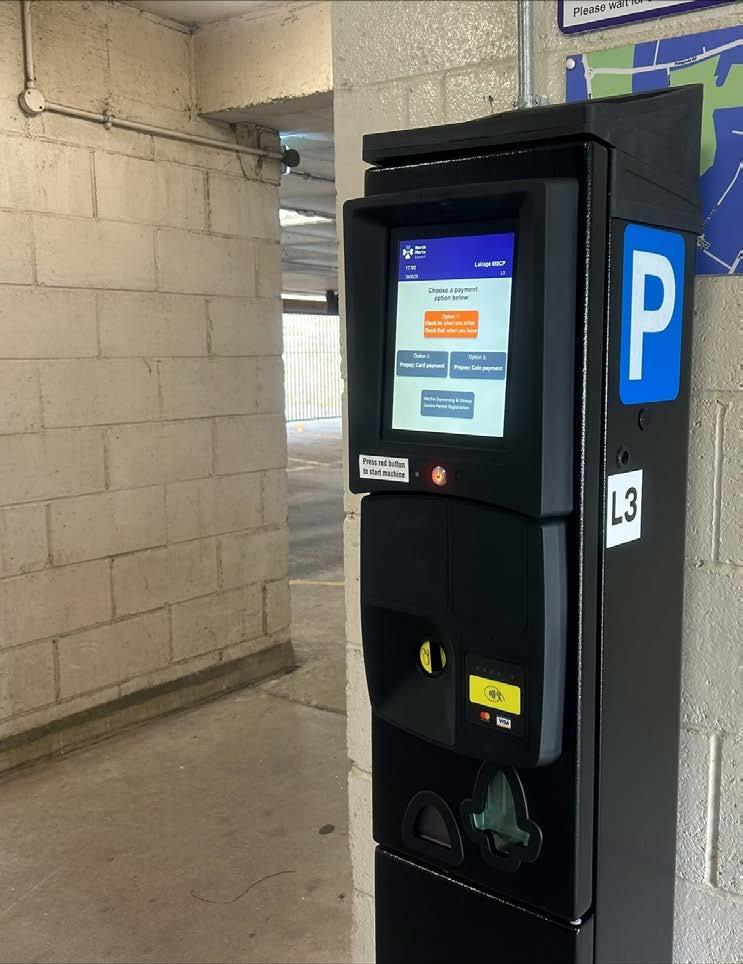
Photo credit: North Herts Council
Parking Services Manager
£49,256 - £57,142 dependent on experience, plus £3,000 senior car allowance (pay award pending) | 37 hours per week | Permanent
The role
Are you ready to lead a service that directly shapes how people experience our towns and communities every day? Do you have the vision and leadership skills to deliver an efficient and customer-focused approach?
As our Parking Manager, you will lead and develop the Council’s parking service, ensuring it operates effectively and delivers consistently high standards for residents, businesses and visitors to the District. You will oversee parking enforcement and administration, working closely with Team Leaders to maintain a successful and efficient service.
As well as overseeing day-to-day operations, you will also play a key strategic role. You will be responsible for developing and implementing parking policy, setting tariffs, managing Traffic Regulation Orders, and delivering parking schemes and initiatives that support the Council’s wider transport priorities and corporate objectives. This will involve close collaboration with the Transport, Parking & Projects Service Manager, the Transport Policy & Projects Team Leader, Hertfordshire County Council, other local authorities, contractors, councillors, and key stakeholders.
In addition, you will manage procurement and contracts, carry out research, surveys and data analysis, and provide clear professional advice on operational parking matters including enforcement to colleagues, councillors and the public. You will also oversee parking challenges, representations and appeals.
We are seeking an enthusiastic and self-motivated professional with broad experience in the parking sector, able to thrive in a busy environment and bring strong expertise to the service.
About us
North Hertfordshire is a large rural historic towns, Hitchin, Baldock, priorities: Thriving Communities,
The Council Plan sets out our key Values define how we as colleagues Inclusive, Learning, Listening, Together.
Why work with us?
We particularly welcome applications from women in leadership and people from ethnic minority backgrounds.
The experience you will bring...
We are looking for someone with experience of successfully managing a full parking service and leading multi-functional teams, including supporting, motivating and developing staff.
You will have strong knowledge of the parking sector and relevant legislation, along with experience in project management, contract delivery and performance monitoring. You will also have practical experience of parking enforcement and administration, including ensuring legal compliance, overseeing parking challenges and appeals, and responding professionally to enquiries and issues raised by the public.
You will understand how parking policies, strategies and schemes are developed and implemented to support wider organisational objectives.
You should be well organised, with strong verbal, written and presentation skills, and able to work effectively with a wide range of stakeholders while delivering excellent customer service. You will also need to show initiative, have strong interpersonal skills, and be confident using and learning a range of software systems
Please note, the successful applicant for the above post will be background checked with the Disclosure and Barring Service.
We are committed to promoting practices and in our employment express themselves and we encourage a wide range of talents. We are valuing our employees, and enabling
At North Herts Council we are guarantee an interview to anyone minimum requirements for the
Please note that all our vacancies interviews are face to face in our
We are changing
North Herts Council (NHC) is you are employed by NHC on transfer to the newly-created unitary TUPE (Transfer of Undertakings
LGR is one of the biggest changes It will reshape how we work and opportunity to build something
rural district with approximately 125,000 residents with four Royston and Letchworth Garden City. The Council have four Accessible Services, Responsible Growth and Sustainability. key priorities and themes for the next five years. The North Herts colleagues work with each other, and we strive to be: Adaptable, Together.
What next?
promoting equality, diversity, and inclusion in our recruitment employment policies. We want our employees to feel safe to encourage applicants from diverse backgrounds with are dedicated to promoting a healthy work/life balance, enabling them to make a difference to the local community.
are proud to be a Disability Confident employer and we anyone disclosing a disability whose application meets the the job.
vacancies require you to live and work in the UK, and selection our Letchworth offices or other nearby council sites.
undergoing Local Government Reorganisation (LGR). If 1 April 2028, it is expected that the majority of roles will unitary councils on existing terms and conditions under Undertakings – Protection of Employment) principles.
changes in local government we will face in a generation. and how services are organised and gives us a real something better.
If you would like an informal chat about the post, you can contact Louise Symes, Transport, Parking and Projects Service Manager on 01462 474359
Please note, we reserve the right to close this vacancy early if we receive sufficient suitable applications. Therefore, if you are interested, please submit your application as early as possible.
Please note that we are currently unable to provide sponsorship for employment in the UK.
Hybrid working: Flexibility with homeworking and office-based days.
Working pattern: This job is open to flexible working patterns and working hours.
Applications will close: Midnight on 5th August 2026
Face to face interviews will be held 21st & 25th August 2026
To apply or find out more information, please visit: www.north-herts.gov.uk/jobs-and-careers
Keeping Communities Moving: The Strategic Role of a Parking Services Manager
The role of a Parking Services Manager extends far beyond overseeing parking enforcement. It is a strategic position that supports road safety, economic growth, sustainable transport, and the efficient management of public spaces. At North Herts Council, the Parking Services Manager is responsible for ensuring that parking policies and services meet the needs of residents, businesses, and visitors while contributing to the Council's wider transport, environmental, and community objectives.
A Parking Services Manager leads the delivery of a wide range of parking services, including on-street and off-street parking management, permit schemes, parking enforcement, and the maintenance of parking infrastructure. Their work helps ensure that parking is fair, accessible, and effectively managed, reducing congestion and encouraging the safe movement of vehicles, pedestrians, and cyclists throughout the district.
The role requires close collaboration with highways teams, transport planners, elected Members, legal services, contractors, emergency services, town and parish councils, and local businesses. By working in partnership with these stakeholders, the Parking Services Manager helps develop parking strategies that support thriving town centres, residential communities, schools, and major events while balancing the often competing demands for limited parking spaces.
Effective leadership is central to the position. The Parking Services Manager oversees teams responsible for civil parking enforcement, customer services, appeals administration, and operational delivery. They ensure that staff are appropriately trained, performance standards are maintained, and services are delivered professionally, consistently, and in accordance with legislation and Council policies.
Technology plays an increasingly important role in modern parking services. At North Herts Council, the Parking Services Manager is responsible for implementing and maintaining innovative solutions such as cashless parking, digital permits and data-driven performance monitoring. These technologies improve the customer experience while providing valuable information to support future transport planning and informed decision-making.
Financial management is another key responsibility. The Parking Services Manager prepares budgets, monitors income and expenditure, oversees contracts, and identifies opportunities to improve efficiency while ensuring that parking operations remain financially sustainable.
Strong communication skills are essential. Parking is often a topic of significant public interest, and the Parking Services Manager regularly responds to enquiries from councillors, residents, businesses, and the media. Explaining complex legislation, addressing concerns fairly, and maintaining transparency all help build public confidence in the service.
At North Herts Council, the Parking Services Manager also supports wider corporate priorities, including reducing carbon emissions, encouraging active travel, improving accessibility, and supporting the local economy. Parking policies must continually evolve to reflect changing legislation, advances in technology, and the increasing demand for sustainable transport solutions.
Ultimately, a successful Parking Services Manager combines operational expertise, commercial awareness, strong leadership, and a customer-focused approach to deliver an essential public service. Through effective planning, sound decision-making, and collaborative working, they help create safer streets, vibrant town centres, and well-managed transport networks that support the long-term ambitions of North Herts Council and the communities it serves.
We are recruiting for a:
Transport Officer/Senior Transport Officer
£39,522.00- £50,383 dependent on experience (pay award pending) Fixed Term (5 years) | 37 hours per week
The role
As a Transport Officer you will help shape and deliver transport and parking strategies for North Hertfordshire, supporting the development of the Local Plan and other areawide plans, policies and design guidance. Projects will include new and upgraded active travel infrastructure, bus priority measures, travel/mobility hubs, electric vehicle chargepoints, car clubs and micromobility hire schemes. You will work closely with Hertfordshire County Council, other local authorities, consultants and stakeholders, undertake research, surveys and data analysis, and provide clear advice on transport matters to colleagues, councillors, developers and the public.
The role also involves contributing to consultations, reports, presentations, public engagement activities and funding bids, while keeping up to date with relevant legislation, policy and transport trends to support effective decision-making and the successful delivery of the Council’s objectives.
As a Senior Transport Officer, you will also take a lead role in developing and reviewing transport evidence and policy for the Local Plan, managing consultants and procurement processes, preparing and implementing transport and parking strategies, and advising councillors and colleagues on transport matters. You will help secure funding and oversee transport projects, represent the Council at appeals, inquiries and examinations, drive service improvements across teams, and support, mentor and develop staff.
We are looking for an enthusiastic, self-motivated individual who can meet the challenges of a busy department and will be able to engage with and provide transport advice to officers and external stakeholders, including councillors and members of the public.
This is an exciting opportunity to help the Council targets and ambitions for transport, in particular an important role in shaping the Council’s policies more sustainable modes of transport, principally
The successful candidate will gain a broad range government with other transport professionals, specialists, including at Hertfordshire County housebuilders.
The experience you will bring...
We are looking for an individual who can take across multiple simultaneous projects. You will and project delivery, and a good understanding and schemes are developed using data, evidence
You will require a relevant Transport or Town transport planning, policy and project delivery.
You will need to be well organised with proven and the ability to prioritise tasks and manage possess initiative and good interpersonal skills learning to use a variety of software.
Please note, the successful applicant for the with the Disclosure and Barring Service.
We particularly encourage applications from ethnic minority background.
Council meet local and central government particular around decarbonisation. You will play policies and actions to increase uptake of principally in new developments.
range of experience working in local professionals, planners, urban designers and other County Council, consultancies, developers and take on a demanding and varied workload will have knowledge of transport planning understanding of how transport policies, strategies evidence and consultation.
Town Planning qualification and experience in delivery.
proven verbal, written and presentation skills manage your time effectively. You should also skills and be comfortable with using and above post will be background checked from female leaders and individuals from an
What next?
If you would like an informal chat about the post, you can contact Edward Leigh Transport Policy and Projects Team Leader on 01462 474368 or Louise Symes, Transport, Parking and Projects Service Manager on 01462 474359
Please note, we reserve the right to close this vacancy early if we receive sufficient suitable applications. Therefore, if you are interested, please submit your application as early as possible.
Hybrid working: Flexibility with homeworking and office-based days.
Working pattern: This job is open to flexible working patterns and working hours.
Applications will close: Midnight on Wednesday 5th August 2026
First interviews (on Teams) Friday 14th & Thursday 20th August
Second interviews (in person) Wednesday 2nd & Thursday 3rd September 2026
To apply or find out more information, please visit:
www.north-herts.gov.uk/jobs-and-careers
Connecting Communities: The
Essential Role of a
Transport
Officer/Senior Transport Officer
Transport plays a fundamental role in supporting thriving communities, economic growth, and environmental sustainability. At North Herts Council, the Transport Officer or Senior Transport Officer is at the heart of developing and delivering transport initiatives that improve connectivity, encourage active travel, and help create a safer, more accessible district for everyone.
The role is both varied and rewarding, combining strategic planning with practical project delivery. Transport Officers work closely with colleagues, partner organisations, developers, elected Members, and local communities to help shape transport policies that respond to the changing needs of residents, businesses, and visitors. Their work contributes to creating transport networks that are efficient, inclusive, and environmentally responsible.
A key responsibility of the role is supporting the development and implementation of transport strategies, sustainable travel initiatives, and infrastructure projects. This may include promoting
walking and cycling, improving public transport accessibility, supporting electric vehicle adoption, and working with neighbouring authorities to enhance regional transport links. Every project aims to make it easier and safer for people to travel while supporting the Council's wider environmental and economic ambitions.
The role involves maintaining transport and parking evidence bases, contributing to Local Plan policy development, analysing transport assessments and outputs from traffic models, managing consultants and contracts, and undertaking surveys, research and data analysis to inform decision-making.
Transport Officers are also involved in assessing planning applications and providing professional transport advice to ensure that new developments are supported by appropriate transport infrastructure. By reviewing transport assessments, travel plans, and highway-related information, they help ensure that future growth is sustainable and that new developments integrate effectively with existing communities.
Collaboration is central to the role. At North Herts Council, Transport Officers work with county highways authorities, developers, consultants and community groups. Through strong partnerships, local authorities deliver transport improvements that reflect local priorities and meet regional and national policy objectives.
The Senior Transport Officer assumes additional responsibilities, including leading complex projects, managing budgets, supervising junior colleagues, and representing the Council at partnership meetings and public hearings, inquiries and examinations. They provide technical expertise, mentor team members, and play an important role in shaping transport policy and long-term investment programmes across the district.
Excellent communication and analytical skills are essential. Transport Officers frequently prepare reports, analyse transport data, respond to public enquiries, and present recommendations to senior managers and elected Members. They must be able to explain technical information clearly while balancing competing priorities and considering the needs of different stakeholders.
The role also requires a strong understanding of transport legislation, planning policy, funding opportunities, and emerging technologies. As travel patterns continue to evolve, Transport Officers help identify innovative solutions that improve mobility while reducing carbon emissions and supporting healthier lifestyles. Digital technology, sustainable transport initiatives, and data-driven planning all play an increasingly important role in delivering modern transport services.
Ultimately, the Transport Officer or Senior Transport Officer is instrumental in helping North Herts Council achieve its vision for connected, sustainable, and prosperous communities. Through careful planning, effective partnership working, and a commitment to continuous improvement, they help deliver transport solutions that benefit residents today while preparing the district for the challenges and opportunities of the future.
For professionals who enjoy problem-solving, strategic thinking, and making a positive difference to local communities, a career as a Transport Officer or Senior Transport Officer at North Herts Council offers the opportunity to shape the future of transport while contributing to a greener, healthier, and more connected place to live, work, and visit.
Civil Enforcement Officers
£26,321 - £28,364 dependent on experience (pay award pending) Permanent (Full Time) | 37 hours & 20 hours per week
The role
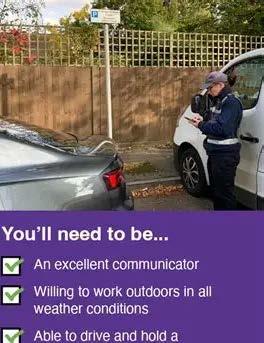
We are seeking enthusiastic and motivated individuals to patrol designated areas of North Hertfordshire to enforce parking restrictions and issue Penalty Charge Notices.
You should have:
• Excellent communication skills.
• Experience in dealing with members of the public.
• The willingness to work outdoors in all weather conditions with occasional evening and weekend working.
• The ability to work independently and as part of a team.
• The ability to operate basic IT equipment.
• A full driving license (automatic acceptable) and willingness to drive a council vehicle.
• Knowledge of parking restrictions would be an advantage, but not essential as full training will be provided along with a uniform.
Please note, the successful applicant for the above post will be background checked with the Disclosure and Barring Service.
About us
North Hertfordshire is a large rural district with approximately 125,000 residents with four historic towns, Hitchin, Baldock, Royston and Letchworth Garden City. The Council have four priorities: Thriving Communities, Accessible Services, Responsible Growth and Sustainability. The Council Plan sets out our key priorities and themes for the next five years. The North Herts Values define how we as colleagues work with each other, and we strive to be: Adaptable, Inclusive, Learning, Listening, Together.
Why work with us?
We are committed to promoting equality, diversity, practices and in our employment policies. We express themselves and we encourage applicants a wide range of talents. We are dedicated to valuing our employees, and enabling them to
At North Herts Council we are proud to be a guarantee an interview to anyone disclosing minimum requirements for the job.
Please note that all our vacancies require you interviews are face to face in our Letchworth
We are changing
North Herts Council (NHC) is undergoing Local you are employed by NHC on 1 April 2028, it transfer to the newly-created unitary councils TUPE (Transfer of Undertakings – Protection
LGR is one of the biggest changes in local government It will reshape how we work and how services opportunity to build something better.
To find out more,
diversity, and inclusion in our recruitment We want our employees to feel safe to applicants from diverse backgrounds with promoting a healthy work/life balance, to make a difference to the local community.
Disability Confident employer and we a disability whose application meets the
you to live and work in the UK, and selection Letchworth offices or other nearby council sites.
What next?
Local Government Reorganisation (LGR). If is expected that the majority of roles will councils on existing terms and conditions under Protection of Employment) principles.
government we will face in a generation. services are organised and gives us a real
please click here
If you would like an informal chat about the post, you can contact Amanda Machin, Parking Services Team Leader on 01462 474000.
Please note, we reserve the right to close this vacancy early if we receive sufficient suitable applications. Therefore, if you are interested, please submit your application as early as possible.
Please note that we are currently unable to provide sponsorship for employment in the UK.
Working pattern:
Full time: 37 hours per week (4 days x 9.15 hours) Part time: 20 hours per week
Applications will close: Midnight on Friday 31st July 2026
Face to face interviews: 11th, 12th & 13th August
To apply or find out more information, please visit:
www.north-herts.gov.uk/jobs-and-careers
More Than Parking: The Vital Contribution of Civil Enforcement Officers
Civil Enforcement Officers (CEOs) play a vital role in keeping towns and cities across the UK safe, accessible, and well-managed. Employed by local councils, they are responsible for enforcing parking regulations and helping to ensure that roads, pavements, public car parks and public spaces remain available for everyone to use fairly and safely.
One of the primary responsibilities of a Civil Enforcement Officer is to patrol designated areas, monitoring compliance with parking restrictions. This includes checking vehicles parked on yellow lines, in permit-only zones, disabled bays, loading areas, and off-street public car parks. When a vehicle is found to be in contravention of the regulations, the officer may issue a Penalty Charge Notice (PCN) in accordance with the relevant legislation and council policies.
Civil Enforcement Officers provide an important public service. Illegal or inconsiderate parking can obstruct emergency vehicles, block pedestrian crossings, hinder access for disabled people, and create hazards for cyclists and other road users. By enforcing parking rules consistently and professionally, CEOs help maintain the smooth flow of traffic and improve the environment and the overall safety of the local community.
The role also requires excellent communication and customer service skills. Officers regularly interact with members of the public, answering questions, providing information about parking regulations, and dealing with enquiries or complaints. They are expected to remain calm, polite, and impartial, even in challenging situations where individuals may be frustrated or disagree with enforcement decisions.
Civil Enforcement Officers use handheld electronic devices to record evidence, issue notices, and access real-time information. Accuracy, attention to detail, and integrity are essential, as all enforcement actions must be properly documented and capable of withstanding scrutiny if challenged through the appeals process.
Working as a Civil Enforcement Officer often involves spending long periods outdoors in all weather conditions and covering significant distances on foot. The role demands resilience, confidence, and the ability to make fair, objective decisions while following legislation and council procedures.
Ultimately, Civil Enforcement Officers make a valuable contribution to the effective management of local communities. Their work supports accessibility, protects public safety, encourages responsible parking behaviour, and ensures that parking regulations are applied fairly and consistently. Although the role can sometimes be demanding, it is an essential part of maintaining order within the public highway and helping councils deliver efficient, safe, and welcoming environments for residents, businesses, and visitors alike.
The Benefits of Working in North Hertfordshire
North Hertfordshire is a predominantly rural district in Hertfordshire that combines attractive market towns, picturesque villages and excellent transport connections. Home to Hitchin, Letchworth Garden City, Baldock and Royston, the district offers a high quality of life while benefiting from strong links to London, Cambridge, Stevenage and Milton Keynes. Its blend of countryside, historic character and economic opportunity makes it an appealing place to live and work.
One of the key benefits of working in North Hertfordshire is its excellent connectivity. The district is well-served by major transportation links, including the A1(M) motorway, train stations and proximity to London. This connectivity enables easy commuting to and from London, Cambridge and other economic centres whilst benefiting from the tranquility of rural life. For professionals seeking a balanced lifestyle, this proximity is ideal, reducing commute times and enhancing overall quality of life.
North Hertfordshire also benefits from a diverse local economy. The area is home to a thriving mix of industries, including manufacturing, technology, education, and retail.
Employment in North Hertfordshire grants access to a high standard of living. The district features a range of quality housing options. North Hertfordshire offers a wealth of recreational amenities such as parks, golf courses, and cultural venues, enhancing the work-life balance for its residents.
Another notable benefit is the area’s focus on education and community. North Hertfordshire offers a range of schools and colleges, making it an attractive location for families. The strong sense of community and numerous local events foster a supportive environment, which is conducive to personal and professional growth.
Finally, working in North Hertfordshire allows individuals to experience a unique blend of countryside and urban amenities. Its scenic landscapes—gentle hills, historic villages, and lush parks—offer opportunities for outdoor activities and relaxation. Letchworth Garden City is world famous as the first Garden City.
In conclusion, North Hertfordshire presents an appealing environment for employment due to its strategic location, diverse economy, high living standards, and community spirit. It combines the benefits of rural tranquility with urban convenience, making it an ideal place to work and thrive.
Highways & Engineering Opportunities
Recruitment Local Government
The Role of a Principal Engineer (Streetworks & Highway Asset Management) in a Welsh Council
A Principal Engineer (Streetworks & Highway Asset Management) within a Welsh council plays a vital role in maintaining and improving the local highway network, ensuring it is safe, resilient, and fit for future generations. This senior position combines technical leadership, statutory responsibility, and strategic planning, supporting the council in delivering highquality public services in line with Welsh Government priorities.
A key responsibility of the role is the coordination and management of streetworks activities. Under legislation such as the New Roads and Street Works Act 1991 and the Traffic Management Act 2004, local authorities in Wales are required to manage works carried out on the highway by utility companies and contractors. The Principal Engineer ensures that these activities are effectively planned, permitted, and monitored to minimise disruption to road users. This includes close collaboration with statutory undertakers, neighbouring authorities, and internal departments, as well as ensuring compliance with permit schemes and safety standards.
In addition to streetworks coordination, the role has a strong emphasis on highway asset management. Welsh councils are responsible for a wide range of assets, including carriageways, footways, bridges, drainage systems, and street lighting. The Principal Engineer leads the development and implementation of asset management strategies, using data and condition surveys to prioritise maintenance and investment. This aligns with the principles set out in the Well-managed Highway Infrastructure Code of Practice, as well as the wider asset management and resilience goals promoted by the Welsh Government.
The role also requires strong leadership and team management. Principal Engineers typically oversee multidisciplinary teams of engineers, technicians, and inspectors, providing technical direction and ensuring that services are delivered efficiently and to a high standard. They are responsible for developing policies, procedures, and local standards, ensuring compliance with both UK legislation and Wales-specific guidance, such as the Active Travel (Wales) Act 2013, which promotes walking and cycling infrastructure.
Stakeholder engagement is another critical aspect of the position. The Principal Engineer works closely with elected members, senior officers, community groups, and the public to address concerns and communicate plans. They may prepare committee reports, respond to public enquiries, and contribute to consultations on transport and infrastructure projects. In a Welsh context, this may also involve supporting bilingual communication and ensuring that services are accessible to Welsh-speaking communities.
Innovation and sustainability are increasingly central to the role. Welsh councils are at the forefront of initiatives to reduce carbon emissions and promote sustainable transport. The Principal Engineer contributes to these objectives by integrating asset management with environmental considerations, adopting new technologies such as GIS and asset management systems, and supporting the delivery of active travel and decarbonisation schemes.
Ultimately, the Principal Engineer (Streetworks & Highway Asset Management) is essential to the effective stewardship of highway infrastructure in Wales. By combining operational oversight with longterm strategic planning, they help ensure that the transport network supports economic development, community wellbeing, and environmental sustainability, in line with the ambitions of the Wellbeing of Future Generations (Wales) Act 2015.
We are recruiting for a:
Principal Engineer (Streetworks & Highway Asset Management)
An exciting opportunity has arisen within the Highways & Flooding team for a new principal engineer. The successful candidate will report to and assist the Highway Assets & Streetworks Manager in providing technical and administrative support to the Streetworks & Highway Asset Management Team in delivering its statutory duties under the Highways Act 1980 and Streetworks Act 1991.
The post holder will report to and assist the Highway Assets and Streetworks Manager to effectively and efficiently manage the Council’s Highway Structures and other associated assets. This will require the employment and development of the Highway Asset Management Plan (HAMP) to ensure that Highway and Flood Management (HFM) deliver a best value service which is accessible to all users and in compliance with statutory legislation and associated guidance.
The post holder will assist the Team manager with the planning and organisation of the team’s workload in order to ensure that schemes are identified and prioritised, and structures inspected.
The post holder will be responsible for managing Highway Abnormal Loads Routes Service which is currently provided on a wider Gwent basis under an SLA arrangement.
The post holder will also be responsible for managing and maintaining the structures database.
Should you require any further information regarding this post, please contact: Sueanne Sandford on: sueannesandford@monmouthshire.gov.uk
Closing Date: 31st July 2026
To find out more about this exciting role, please visit: www.monmouthshire.gov.uk
Rydyn ni’n recriwtio ar gyfer: Ystod cyflog: £46,142.00 - £50,269.00 Parhaol | 37 Oriau Fesul Wythnos | Rhif archeb: R&C00214
Prif Beiriannydd (Gwaith Stryd a Rheoli Asedau Priffyrdd)
Daeth cyfle cyffrous ar gael o fewn y tîm Priffyrdd a Llifogydd ar gyfer prif beiriannydd newydd. Bydd yr ymgeisydd llwyddiannus yn adrodd i ac yn cynorthwyo’r Rheolwr Asedau Priffyrdd a Gwaith Stryd wrth ddarparu cymorth technegol a gweinyddol i’r Tîm Rheoli Gwaith Stryd ac Asedau Priffyrdd gyflawni ei ddyletswyddau statudol dan Ddeddf Priffyrdd 1980 a Deddf Gwaith Stryd 1991.
Bydd deiliad y swydd yn adrodd i ac yn cynorthwyo’r Rheolwr Asedau Priffyrdd a Gwaith Stryd i reoli strwythurau priffyrdd ac asedau cysylltiedig eraill y Cyngor mewn modd effeithlon ac effeithiol. Bydd hyn yn golygu defnyddio a datblygu’r Cynllun Rheoli Asedau Priffyrdd i sicrhau fod Priffyrdd a Rheoli Llifogydd yn darparu gwasanaeth gwerth gorau sy’n hygyrch i bob defnyddiwr ac yn cydymffurfio gyda deddfwriaeth statudol a chanllawiau cysylltiedig.
Bydd deiliad y swydd yn cynorthwyo Rheolwr y Tîm gyda chynllunio a threfnu llwyth gwaith y tîm er mwyn sicrhau y caiff pob cynllun eu dynodi a’u blaenoriaethau ac y caiff strwythurau eu harchwilio.
Bydd deiliad y swydd yn gyfrifol am reoli Gwasanaeth Llwybrau Llwythi Annormal Priffyrdd a gaiff ei ddarparu ar sail Gwent ehangach ar hyn o bryd dan drefniant Cytundeb Lefel Gwasanaeth.
Bydd deiliad y swydd hefyd yn gyfrifol am reoli a chynnal y gronfa ddata strwythurau.
Os ydych angen mwy o wybodaeth am y swydd hon, cysylltwch â: Sueanne Sandford: sueannesandford@monmouthshire.gov.uk
Dyddiad cau: 31 Gorff 2026
I gael gwybod mwy am y rôl gyffrous hon, ewch i: www.monmouthshire.gov.uk
Rôl Prif Beiriannydd (Gwaith Stryd a Rheoli Asedau
Priffyrdd) mewn Cyngor yng Nghymru
Mae Prif Beiriannydd (Gwaith Stryd a Rheoli Asedau Priffyrdd) mewn cyngor yng Nghymru yn chwarae rôl hanfodol wrth gynnal a gwella’r rhwydwaith priffyrdd lleol, gan sicrhau ei fod yn ddiogel, yn wydn ac yn addas ar gyfer cenedlaethau’r dyfodol. Mae’r swydd uwch hon yn cyfuno arweinyddiaeth dechnegol, cyfrifoldeb statudol a chynllunio strategol, gan gefnogi’r cyngor i ddarparu gwasanaethau cyhoeddus o safon uchel yn unol â blaenoriaethau Llywodraeth Cymru.
Un o brif gyfrifoldebau’r rôl yw cydlynu a rheoli gweithgareddau gwaith stryd. O dan ddeddfwriaeth megis Deddf Ffyrdd a Gwaith Stryd Newydd 1991 a Deddf Rheoli Traffig 2004, mae’n ofynnol i awdurdodau lleol yng Nghymru reoli gwaith a gyflawnir ar y briffordd gan gwmnïau cyfleustodau a chontractwyr. Mae’r Prif Beiriannydd yn sicrhau bod y gweithgareddau hyn yn cael eu cynllunio, eu trwyddedu a’u monitro’n effeithiol er mwyn lleihau aflonyddwch i ddefnyddwyr y ffordd. Mae hyn yn cynnwys cydweithio agos â darparwyr statudol, awdurdodau cyfagos ac adrannau mewnol, yn ogystal â sicrhau cydymffurfiaeth â chynlluniau trwyddedau a safonau diogelwch.
Yn ogystal â chydlynu gwaith stryd, mae’r rôl yn rhoi pwyslais cryf ar reoli asedau priffyrdd. Mae cynghorau Cymru yn gyfrifol am ystod eang o asedau, gan gynnwys ffyrdd, llwybrau troed, pontydd, systemau draenio a goleuadau stryd. Mae’r Prif Beiriannydd yn arwain ar ddatblygu a gweithredu strategaethau rheoli asedau, gan ddefnyddio data ac arolygon cyflwr i flaenoriaethu gwaith cynnal a buddsoddi. Mae hyn yn cyd-fynd ag egwyddorion y Cod Ymarfer ar gyfer Seilwaith Priffyrdd a Reolir yn Dda, yn ogystal â nodau ehangach Llywodraeth Cymru ar gyfer rheoli asedau a chynyddu gwytnwch.
Mae’r rôl hefyd yn gofyn am arweinyddiaeth gadarn a rheolaeth tîm effeithiol. Fel arfer, mae Prif Beirianwyr yn goruchwylio timau amlddisgyblaethol o beirianwyr, technegwyr ac arolygwyr, gan ddarparu cyfeiriad technegol a sicrhau bod gwasanaethau’n cael eu cyflenwi’n effeithlon ac i safon uchel. Maent yn gyfrifol am ddatblygu polisïau, gweithdrefnau a safonau lleol, gan sicrhau cydymffurfiaeth â deddfwriaeth y DU a chanllawiau penodol i Gymru, megis Deddf Teithio Llesol (Cymru) 2013, sy’n hyrwyddo cerdded a beicio.
Mae ymgysylltu â rhanddeiliaid yn agwedd allweddol arall ar y swydd. Mae’r Prif Beiriannydd yn gweithio’n agos gydag aelodau etholedig, uwch swyddogion, grwpiau cymunedol a’r cyhoedd i fynd i’r afael â phryderon a chyfathrebu cynlluniau. Gallant baratoi adroddiadau ar gyfer pwyllgorau, ymateb i ymholiadau gan y cyhoedd, a chyfrannu at ymgynghoriadau ar brosiectau trafnidiaeth a seilwaith. Mewn cyd-destun Cymreig, gall hyn hefyd gynnwys cefnogi cyfathrebu dwyieithog a sicrhau bod gwasanaethau’n hygyrch i gymunedau Cymraeg eu hiaith.
Mae arloesedd a chynaliadwyedd yn dod yn fwyfwy canolog i’r rôl. Mae cynghorau yng Nghymru ar flaen y gad o ran mentrau i leihau allyriadau carbon a hyrwyddo trafnidiaeth gynaliadwy. Mae’r Prif Beiriannydd yn cyfrannu at y nodau hyn drwy integreiddio rheoli asedau ag ystyriaethau amgylcheddol, mabwysiadu technolegau newydd megis systemau gwybodaeth ddaearyddol (GIS) a systemau rheoli asedau, a chefnogi’r gwaith o ddarparu cynlluniau teithio llesol a datgarboneiddio.
Yn y pen draw, mae’r Prif Beiriannydd (Gwaith Stryd a Rheoli Asedau Priffyrdd) yn hanfodol i reolaeth effeithiol seilwaith priffyrdd yng Nghymru. Drwy gyfuno goruchwyliaeth weithredol â chynllunio strategol hirdymor, maent yn helpu i sicrhau bod y rhwydwaith trafnidiaeth yn cefnogi datblygiad economaidd, lles cymunedol a chynaliadwyedd amgylcheddol, yn unol ag uchelgeisiau Deddf Llesiant Cenedlaethau’r Dyfodol (Cymru) 2015.
The Role of a Senior Engineer - Structures
Within a UK local authority, the Senior Engineer –Structures plays a vital role in ensuring the safety, integrity, and sustainability of public infrastructure. This position sits within the council’s highways or engineering department and is responsible for managing the inspection, assessment, maintenance, and improvement of bridges, retaining walls, culverts, and other structural assets owned by the authority. The role combines technical expertise, project management, and public service to maintain the built environment that supports local communities.
A key responsibility of the Senior Engineer – Structures is overseeing the council’s bridge and structures inspection programme, ensuring compliance with national standards such as the Design Manual for Roads and Bridges (DMRB) and BD 63/17 – Inspection of Highway Structures. They interpret inspection data, prioritise maintenance needs, and prepare works programmes that balance safety, cost, and service life considerations. Structural assessments are carried out to determine load capacities, particularly where weight restrictions or strengthening works may be required.
The role also involves preparing detailed designs, specifications, and contract documents for structural maintenance and improvement schemes. Senior Engineers often manage consultants and contractors, ensuring that works are delivered safely, on time, and within budget. They must apply sound engineering judgement while adhering to CDM Regulations, local
procurement policies, and environmental objectives. A strong grasp of asset management principles is essential, enabling the council to make evidencebased decisions about long-term investment and risk management.
Collaboration and communication are central to the position. Senior Engineers liaise with councillors, local residents, utility companies, and emergency services to coordinate works and minimise disruption. They also provide professional advice to senior management and contribute to reports, funding bids, and policy development. In addition, mentoring junior staff and supporting their professional development forms part of the leadership aspect of the role.
Beyond technical competence, the Senior Engineer –Structures must demonstrate resilience and adaptability. Councils face increasing financial pressures and public expectations, requiring innovative approaches such as adopting digital asset management systems, sustainable construction methods, and low-carbon materials.
In summary, the Senior Engineer – Structures ensures that vital public infrastructure remains safe, reliable, and fit for the future. By combining technical skill, effective management, and a commitment to public service, they help local authorities deliver essential services and maintain confidence in the structural integrity of their communities.
An exciting opportunity has arisen within the Highways Design Team for a Senior Engineer, Structures. The successful candidate will be supporting the Highway Design Team Manager in the delivery of highways and Civil infrastructure schemes within the authorities Projects team.
The post holder will report to and assist the Highway Design Team Manager in providing technical and administrative support as part of the team’s role in delivering an effective in-house municipal Engineering service to other highway teams and, where opportunities permit, to the wider county council and partners as part of the team’s business plan.
The post holder will assist the Team Manager with the planning and organisation of the team’s workload to ensure that all schemes are designed, supervised and effectively managed. This will also include leading on various projects and assisting with maintaining and developing the overall programme for the Highway Design Team.
Should you require any further information regarding this post, please contact: Rob Davies on: robdavies@monmouthshire.gov.uk
Closing Date: 31st July 2026
To find out more about this exciting role, please visit: www.monmouthshire.gov.uk
Daeth cyfle cyffrous ar gael o fewn y Tîm Dylunio Priffyrdd ar gyfer Uwch Beiriannydd, Strwythurau. Bydd yr ymgeisydd llwyddiannus yn cefnogi Rheolwr Tîm Dylunio Priffyrdd wrth gyflwyno cynlluniau priffyrdd a seilwaith sifil o fewn tîm Prosiectau yr awdurdod.
Bydd deiliad y swydd yn adrodd i ac yn cynorthwyo Rheolwr y Tîm Dylunio Priffyrdd i roi cymorth technegol a gweinyddol fel rhan o rôl y tîm yn cyflawni gwasanaeth Peirianneg bwrdeisiol mewnol effeithiol i dimau priffordd arall a lle mae cyfleoedd yn bodoli, i’r cyngor sir a phartneriaid yn ehangach fel rhan o gynllun busnes y tîm.
Bydd deiliad y swydd yn cynorthwyo Rheolwr y Tîm wrth gynllunio a threfnu llwyth gwaith y tîm i sicrhau y caiff pob cynllun eu dylunio, eu goruchwylio a’u rheoli’n effeithlon. Bydd hyn hefyd yn cynnwys arwain ar wahanol brosiectau a cynorthwyo gyda chynnal a datblygu’r rhaglen waith gyffredinol ar gyfer y Tîm Dylunio Priffyrdd.
Os ydych angen mwy o wybodaeth am y swydd hon, cysylltwch â: Rob Davies: robdavies@monmouthshire.gov.uk
Dyddiad cau: 31 Gorff 2026
I gael gwybod mwy am y rôl gyffrous hon, ewch i: www.monmouthshire.gov.uk
Rôl Peiriannydd Uwch – Strwythurau
Nghymru
O fewn awdurdod lleol yn y Deyrnas Unedig, mae rôl y Peiriannydd Uwch – Strwythurau yn allweddol wrth sicrhau diogelwch, cyfanrwydd a chynaliadwyedd seilwaith cyhoeddus. Mae’r swydd hon fel arfer yn rhan o adran briffyrdd neu beirianneg y cyngor ac yn gyfrifol am oruchwylio’r arolygon, asesiadau, cynnal a chadw a gwella pontydd, waliau cadw, culvertau a strwythurau eraill sy’n eiddo i’r awdurdod. Mae’r swydd yn cyfuno arbenigedd technegol, rheoli prosiectau a gwasanaeth cyhoeddus er mwyn cynnal yr amgylchedd adeiledig sy’n cefnogi cymunedau lleol.
Un o’r prif gyfrifoldebau yw goruchwylio rhaglen arolygu pontydd a strwythurau’r cyngor, gan sicrhau cydymffurfiaeth â safonau cenedlaethol megis y Design Manual for Roads and Bridges (DMRB) a BD 63/17 –Inspection of Highway Structures. Mae’r peiriannydd yn dehongli data arolygon, yn blaenoriaethu anghenion cynnal a chadw ac yn paratoi rhaglenni gwaith sy’n cydbwyso ystyriaethau diogelwch, cost ac oes gwasanaeth. Gwneir asesiadau strwythurol i bennu capasiti llwyth, yn enwedig lle bo angen cyfyngiadau pwysau neu waith atgyfnerthu.
Mae’r rôl hefyd yn cynnwys paratoi dyluniadau manwl, manylebau a dogfennau contract ar gyfer cynlluniau cynnal a chadw a gwella. Yn aml, mae Peirianwyr Uwch yn rheoli ymgynghorwyr a chontractwyr, gan sicrhau bod y gwaith yn cael ei gwblhau’n ddiogel, ar amser ac o fewn y gyllideb. Rhaid iddynt ddefnyddio barn beirianyddol gadarn wrth gydymffurfio â Rheoliadau CDM, polisïau caffael lleol ac amcanion amgylcheddol.
Mae dealltwriaeth gadarn o egwyddorion rheoli asedau yn hanfodol, gan alluogi’r cyngor i wneud penderfyniadau ar sail tystiolaeth am fuddsoddiad tymor hir a rheoli risg.
Mae cydweithio a chyfathrebu’n greiddiol i’r swydd. Mae’r Peiriannydd Uwch yn cydweithio â chynghorwyr, trigolion lleol, cwmnïau cyfleustodau a’r gwasanaethau brys i gydlynu gwaith ac i leihau aflonyddwch. Maent hefyd yn darparu cyngor proffesiynol i reolwyr uwch ac yn cyfrannu at adroddiadau, ceisiadau cyllido a datblygu polisïau. Yn ogystal, mae meithrin a chefnogi datblygiad proffesiynol staff iau yn rhan bwysig o’r elfen arweinyddiaeth.
Y tu hwnt i gymhwysedd technegol, rhaid i’r
Peiriannydd Uwch – Strwythurau ddangos gwydnwch ac addasrwydd. Gan fod cynghorau’n wynebu pwysau ariannol cynyddol a disgwyliadau’r cyhoedd, mae angen dulliau arloesol megis mabwysiadu systemau digidol ar gyfer rheoli asedau, dulliau adeiladu cynaliadwy a deunyddiau carbon isel.
I grynhoi, mae’r Peiriannydd Uwch – Strwythurau yn sicrhau bod seilwaith cyhoeddus hanfodol yn parhau’n ddiogel, yn ddibynadwy ac yn barod ar gyfer y dyfodol. Trwy gyfuno sgiliau technegol, rheolaeth effeithiol ac ymrwymiad i wasanaeth cyhoeddus, maent yn helpu awdurdodau lleol i ddarparu gwasanaethau hanfodol ac i gynnal hyder yn strwythurau eu cymunedau.
The Role of an Engineer - Highways Design
The role of an Engineer in Highways Design is central to the planning, development, and delivery of safe, efficient, and sustainable transport infrastructure. Highways Design Engineers work within local authorities, consulting firms, or contractors, using their technical knowledge to shape the roads, junctions, and public spaces that connect communities and support economic growth.
A core responsibility of a Highways Design Engineer is to develop detailed designs for new roads, highway improvements, and maintenance schemes. This involves applying national standards such as the Design Manual for Roads and Bridges (DMRB) and Manual for Streets, ensuring that designs meet safety, accessibility, and environmental requirements. Engineers use advanced design software such as AutoCAD, Civil 3D, and KeyLINES to produce accurate drawings, 3D models, and construction details that guide contractors on-site.
In the early stages of a project, the Engineer contributes to feasibility studies and option assessments, balancing factors such as traffic flow, land constraints, drainage, utilities, and cost. Collaboration is key: Highways Design Engineers work closely with transport planners, structural engineers, environmental specialists, and stakeholders to create practical, cost-effective solutions. They also engage with the public and local councillors during consultations to ensure that designs reflect community needs.
Safety and sustainability are at the heart of modern highway design. Engineers must consider pedestrian and cyclist safety, accessibility for all users, and compliance with road safety audits. Increasingly, they are expected to integrate green infrastructure, manage surface water sustainably through SuDS (Sustainable Drainage Systems), and reduce carbon impacts through efficient design and material choices.
Project management is another important aspect of the role. Highways Design Engineers prepare design reports, cost estimates, and tender documentation, ensuring that projects progress on time and within budget. They review technical submissions, respond to contractor queries, and support the supervision of construction works to ensure quality and compliance.
Beyond technical ability, strong communication, analytical, and problem-solving skills are essential. Engineers must be able to interpret complex data, manage competing priorities, and adapt to evolving standards and technologies. Many also work towards professional registration with the Institution of Civil Engineers (ICE) or the Chartered Institution of Highways and Transportation (CIHT), demonstrating their competence and commitment to professional excellence.
In summary, the Highways Design Engineer plays a vital role in creating the transport networks that keep people and goods moving. Through innovative design, collaboration, and technical expertise, they help build safer, greener, and more resilient highways for the future.
We are recruiting for a:
EngineerHighways Design
£38,220.00 - £41,771.00
An exciting opportunity has arisen within the Highways & Flooding team for an Engineer. The successful candidate will be supporting the Highway Design Team Manager in the delivery of highways and Civil infrastructure schemes within the authority’s Projects team.
The postholder will report to and assist the appropriate Senior Engineer/ Manager with the design, contract preparation, highway asset management development, administration and general highway service duties as directed by the Design Team Manager.
The postholder will be required to develop competencies and experience in the delivery of tendered Civil Engineering projects and day to day Civil Engineering solutions to infrastructure maintainance conducted by our in house services.
Should you require any further information regarding this post, please contact: Rob Davies on: robdavies@monmouthshire.gov.uk
Closing Date: 31st July 2026
To find out more about this exciting role, please visit: www.monmouthshire.gov.uk
Daeth cyfle cyffrous ar gael o fewn y tîm Priffyrdd a Llifogydd ar gyfer Peiriannydd Cynorthwyol. Bydd yr ymgeisydd llwyddiannus yn cefnogi Rheolwr Tîm Dylunio Priffyrdd wrth gyflwyno cynlluniau priffyrdd a seilwaith sifil o fewn tîm Prosiectau yr awdurdod.
Bydd deiliad y swydd yn adrodd i ac yn cynorthwyo’r Uwch Beiriannydd/Rheolwr priodol gyda dylunio, paratoi contractau, datblygu rheoli asedau priffyrdd, gweinyddiaeth a dyletswyddau gwasanaeth priffordd cyffredinol yn ôl cyfarwyddyd Rheolwr y Tîm Dylunio.
Bydd angen i ddeiliad y swydd ddatblygu cymwyseddau a phrofiad wrth gyflwyno prosiectau tendr Peirianneg Sifil a datrysiadau Peirianneg Sifil dydd i ddydd i gynnal a chadw seilwaith a gynhaliwyd gan ein gwasanaethau mewnol.
Os ydych angen mwy o wybodaeth am y swydd hon, cysylltwch â: Rob Davies: robdavies@monmouthshire.gov.uk
Dyddiad cau: 31 Gorff 2026
I gael gwybod mwy am y rôl gyffrous hon, ewch i: www.monmouthshire.gov.uk
Rôl Peiriannydd – Dylunio Ffyrdd
Mae rôl y Peiriannydd Dylunio Ffyrdd yn ganolog i gynllunio, datblygu a chyflawni seilwaith trafnidiaeth sy’n ddiogel, yn effeithlon ac yn gynaliadwy. Mae Peirianwyr Dylunio Ffyrdd yn gweithio o fewn awdurdodau lleol, cwmnïau ymgynghori neu gontractwyr, gan ddefnyddio eu gwybodaeth dechnegol i lunio’r ffyrdd, croesfannau a mannau cyhoeddus sy’n cysylltu cymunedau ac yn cefnogi twf economaidd.
Un o’r prif gyfrifoldebau yw datblygu dyluniadau manwl ar gyfer ffyrdd newydd, gwelliannau priffyrdd a chynlluniau cynnal a chadw. Mae hyn yn cynnwys defnyddio safonau cenedlaethol megis y Design Manual for Roads and Bridges (DMRB) a’r Manual for Streets, gan sicrhau bod y dyluniadau’n bodloni gofynion diogelwch, hygyrchedd ac amgylcheddol. Mae peirianwyr yn defnyddio meddalwedd ddylunio uwch fel AutoCAD, Civil 3D a KeyLINES i greu lluniadau cywir, modelau 3D a manylion adeiladu sy’n arwain contractwyr ar y safle.
Yn ystod camau cynnar prosiect, mae’r peiriannydd yn cyfrannu at astudiaethau dichonoldeb ac asesiadau opsiynau, gan gydbwyso ffactorau fel llif traffig, cyfyngiadau tir, draenio, cyfleustodau a chostau.
Mae cydweithio yn hanfodol: mae Peirianwyr
Dylunio Ffyrdd yn gweithio’n agos gyda chynllunwyr trafnidiaeth, peirianwyr strwythurol, arbenigwyr amgylcheddol a rhanddeiliaid i greu atebion ymarferol ac effeithlon o ran cost. Maent hefyd yn cymryd rhan mewn ymgynghoriadau cyhoeddus i sicrhau bod y dyluniadau’n adlewyrchu anghenion cymunedol.
Mae diogelwch a chynaliadwyedd wrth wraidd dylunio ffyrdd modern. Rhaid i beirianwyr ystyried diogelwch cerddwyr a beicwyr, hygyrchedd i bawb, a chydymffurfiaeth ag archwiliadau diogelwch ar y ffyrdd. Yn gynyddol, disgwylir iddynt integreiddio seilwaith gwyrdd, rheoli dwr wyneb yn gynaliadwy trwy SuDS (Sustainable Drainage Systems), a lleihau effaith carbon trwy ddylunio a dewis deunyddiau effeithlon.
Mae rheoli prosiectau hefyd yn rhan bwysig o’r rôl. Mae Peirianwyr Dylunio Ffyrdd yn paratoi adroddiadau dylunio, amcangyfrifon cost a dogfennau tendro, gan sicrhau bod prosiectau’n symud ymlaen yn brydlon ac o fewn y gyllideb. Maent yn adolygu cyflwyniadau technegol, yn ymateb i ymholiadau contractwyr ac yn cefnogi goruchwyliaeth y gwaith adeiladu i sicrhau ansawdd a chydymffurfiaeth.
Y tu hwnt i sgiliau technegol, mae sgiliau cyfathrebu, dadansoddi a datrys problemau cryf yn hanfodol. Rhaid i beirianwyr allu dehongli data cymhleth, rheoli blaenoriaethau cystadleuol ac addasu i safonau a thechnolegau newydd. Mae llawer hefyd yn gweithio tuag at gofrestru proffesiynol gyda’r Institution of Civil Engineers (ICE) neu’r Chartered Institution of Highways and Transportation (CIHT), gan ddangos eu cymhwysedd ac ymrwymiad i ragoriaeth broffesiynol.
I grynhoi, mae’r Peiriannydd Dylunio Ffyrdd yn chwarae rhan hanfodol wrth greu’r rhwydweithiau trafnidiaeth sy’n cadw pobl a nwyddau i symud. Trwy ddylunio arloesol, cydweithio ac arbenigedd technegol, maent yn helpu i adeiladu ffyrdd mwy diogel, gwyrddach a gwydn ar gyfer y dyfodol.
The Role of a Gwent Green Grid Partnership Collaboration Lead
Creating healthier, greener, and more connected communities requires strong partnerships, shared ambition, and effective collaboration. This is where the role of the Gwent Green Grid Partnership Collaboration Lead at Monmouthshire County Council plays a vital part.
This is a regional role, working across the five local authorities of Gwent to bring together organisations, communities, and stakeholders with a shared vision of enhancing the region’s green infrastructure. By working beyond local authority boundaries, the role helps ensure that projects and initiatives deliver benefits on a regional scale, creating lasting environmental, social, and economic value.
The Gwent Green Grid is a long-term initiative focused on improving and connecting green spaces, active travel routes, parks, woodlands, rivers, and natural habitats across the region. The Collaboration Lead helps to coordinate this work by building strong relationships between local authorities, Natural Resources Wales, community groups, charities, landowners, health organisations, and other key partners.
A significant part of the role involves identifying opportunities for collaboration, securing funding, and supporting projects that encourage biodiversity, improve access to nature, and strengthen climate resilience. Whether developing new walking and cycling routes, restoring habitats, enhancing public green spaces, or supporting community-led environmental projects, the Collaboration Lead helps turn shared ideas into practical outcomes.
Engaging with local communities is also an important aspect of the position. By listening to residents, volunteers, and local organisations, the Collaboration Lead helps ensure that projects reflect the needs and aspirations of the people who live and work across Gwent. This collaborative approach encourages greater community ownership and helps create spaces that are welcoming, inclusive, and accessible for everyone.
The role also supports the wider objectives of Monmouthshire County Council and its regional partners by promoting sustainable development, improving health and wellbeing, addressing the climate and nature emergencies, and encouraging active lifestyles through better-connected green spaces.
As environmental challenges continue to grow, regional collaboration has never been more important. By bringing together expertise, resources, and shared ambitions across Gwent, the Gwent Green Grid Partnership Collaboration Lead helps create a greener, more resilient future for both people and wildlife.
Through partnership working, innovative thinking, and a commitment to protecting and enhancing the natural environment, this regional role is helping shape a connected landscape that future generations can enjoy. It demonstrates how collaboration across local authority boundaries can deliver meaningful change and ensure that Gwent’s rich natural assets continue to thrive for years to come.
Looking to lead an innovative newly created partnership coordinating nature based green infrastructure projects in an outstanding and diverse landscape?
We are looking for an experienced Development/Project Officer, with a strong track record of developing large, complex projects, and in-depth understanding of landscape issues and experience of fundraising and financial management. You must have strong relationship development and negotiation skills and a proven ability to complete tasks on budget and on time. You will hold a degree level qualification or equivalent in a relevant subject are with previous experience of project management and the proven ability to work to project and financial deadlines. This project is funded by the Nature Networks Programme. It is being delivered by the Heritage Fund, on behalf of the Welsh Government.
Should you require any further information regarding this post, please contact Kate Stinchcombe: katestinchcombe@monmouthshire.gov.uk
Closing Date: 31st July 2026
To find out more about this exciting role, please visit: www.monmouthshire.gov.uk
Rydyn ni’n recriwtio ar gyfer:
Ystod cyflog £41,771.00 - £46,142.00| 37 Oriau Fesul Wythnos
Dyddiad Gorffen Dros Dro 31/03/2029 | Rhif archeb: MON00162
Hoffech chi arwain partneriaeth flaengar newydd yn cydlynu prosiectau seilwaith gwyrdd mewn tirwedd rhagorol ac amrywiol?
Rydym yn edrych am Swyddog Datblygu/Prosiect profiadol, gyda hanes cryf o lwyddiant mewn datblygu prosiectau mawr a chymhleth a ddealltwriaeth fanwl o faterion tirwedd a phrofiad o godi arian a rheolaeth ariannol. Mae’n rhaid i chi fod â sgiliau cryf i ddatblygu perthynas a negodi a gallu amlwg i gwblhau tasgau ar gyllideb ac ar amser. Bydd gennych gymhwyster lefel gradd neu gyfwerth mewn pwnc perthnasol gyda phrofiad blaenorol o reoli prosiect a gallu amlwg i weithio i amserlenni prosiect ac ariannol. Caiff y prosiect ei gyllido gan y Rhaglen Rhwydweithiau Natur. Caiff ei gyflwyno gan y Gronfa Treftadaeth, ar ran Llywodraeth Cymru.
Os ydych angen mwy o wybodaeth am y swydd hon, cysylltwch â Kate Stinchcombe: katestinchcombe@monmouthshire.gov.uk
Dyddiad cau: 31 Gorff 2026
I gael gwybod mwy am y rôl gyffrous hon, ewch i: www.monmouthshire.gov.uk
Rôl Arweinydd Cydweithio Partneriaeth Grid
Gwyrdd Gwent
Mae creu cymunedau iachach, gwyrddach a mwy cysylltiedig yn gofyn am bartneriaethau cryf, gweledigaeth gyffredin a chydweithio effeithiol. Dyma lle mae rôl Arweinydd Cydweithio Partneriaeth Grid Gwyrdd Gwent yng Nghyngor Sir Fynwy yn chwarae rhan allweddol.
Mae hon yn rôl ranbarthol, sy’n gweithio ar draws pum awdurdod lleol Gwent i ddod ag ynghyd sefydliadau, cymunedau a rhanddeiliaid sy’n rhannu’r un weledigaeth o wella seilwaith gwyrdd y rhanbarth. Trwy weithio y tu hwnt i ffiniau awdurdodau lleol, mae’r rôl yn helpu i sicrhau bod prosiectau a mentrau yn darparu manteision ar raddfa ranbarthol, gan greu gwerth amgylcheddol, cymdeithasol ac economaidd parhaol.
Mae Grid Gwyrdd Gwent yn fenter hirdymor sy’n canolbwyntio ar wella a chysylltu mannau gwyrdd, llwybrau teithio llesol, parciau, coetiroedd, afonydd a chynefinoedd naturiol ledled y rhanbarth. Mae’r Arweinydd Cydweithio yn helpu i gydlynu’r gwaith hwn drwy feithrin perthnasoedd cryf rhwng awdurdodau lleol, Cyfoeth Naturiol Cymru, grwpiau cymunedol, elusennau, tirfeddianwyr, sefydliadau iechyd a phartneriaid allweddol eraill.
Mae rhan bwysig o’r rôl yn cynnwys nodi cyfleoedd ar gyfer cydweithio, sicrhau cyllid, a chefnogi prosiectau sy’n hyrwyddo bioamrywiaeth, yn gwella mynediad at natur ac yn cryfhau gwydnwch yn erbyn newid yn yr hinsawdd. Boed hynny drwy ddatblygu llwybrau cerdded a beicio newydd, adfer cynefinoedd, gwella mannau gwyrdd cyhoeddus neu gefnogi prosiectau amgylcheddol dan arweiniad cymunedau, mae’r Arweinydd Cydweithio yn helpu i droi syniadau a rennir yn ganlyniadau ymarferol.
Mae ymgysylltu â chymunedau lleol hefyd yn rhan bwysig o’r swydd. Drwy wrando ar drigolion, gwirfoddolwyr a sefydliadau lleol, mae’r Arweinydd Cydweithio yn helpu i sicrhau bod prosiectau’n adlewyrchu anghenion a dyheadau’r bobl sy’n byw ac yn gweithio ledled Gwent. Mae’r dull cydweithredol hwn yn annog mwy o berchnogaeth gymunedol ac yn helpu i greu mannau sy’n groesawgar, yn gynhwysol ac yn hygyrch i bawb.
Mae’r rôl hefyd yn cefnogi amcanion ehangach Cyngor Sir Fynwy a’i bartneriaid rhanbarthol drwy hyrwyddo datblygu cynaliadwy, gwella iechyd a lles, mynd i’r afael â’r argyfyngau hinsawdd a natur, ac annog ffyrdd mwy egnïol o fyw drwy fannau gwyrdd sydd wedi’u cysylltu’n well.
Wrth i heriau amgylcheddol barhau i gynyddu, nid yw cydweithio rhanbarthol erioed wedi bod mor bwysig. Drwy ddod ag arbenigedd, adnoddau ac uchelgeisiau cyffredin ynghyd ledled Gwent, mae Arweinydd Cydweithio Partneriaeth Grid Gwyrdd Gwent yn helpu i greu dyfodol gwyrddach a mwy gwydn i bobl a bywyd gwyllt fel ei gilydd.
Trwy gydweithio, meddwl yn arloesol ac ymrwymiad i ddiogelu a gwella’r amgylchedd naturiol, mae’r rôl ranbarthol hon yn helpu i lunio tirwedd fwy cysylltiedig y gall cenedlaethau’r dyfodol ei mwynhau. Mae’n enghraifft o sut y gall cydweithio ar draws ffiniau awdurdodau lleol sicrhau newid ystyrlon a helpu i sicrhau bod asedau naturiol gwerthfawr Gwent yn parhau i ffynnu am flynyddoedd i ddod.
The Benefits of Living and Working in Monmouthshire
Nestled on the border between Wales and England, Monmouthshire is one of the most attractive places to live and work in the UK. With its stunning landscapes, welcoming communities and growing economy, the county offers a lifestyle that perfectly balances work opportunities with an exceptional quality of life.
A High Quality of Life
Monmouthshire is renowned for its picturesque countryside, historic market towns and easy access to outdoor activities. Residents can enjoy the rolling hills of the Wye Valley, the Brecon Beacons National Park and scenic walking and cycling routes such as Offa’s Dyke Path. The clean environment, low crime rates and strong sense of community make it an ideal place for families and individuals seeking a peaceful yet connected lifestyle.
Excellent Connectivity
One of Monmouthshire’s biggest advantages is its location. It sits within easy reach of major cities such as Cardiff, Bristol and Newport, making it ideal for commuters who prefer a rural home life but need access to urban job markets. Excellent transport links via the M4, A40 and direct train services mean that working professionals can enjoy both career growth and a relaxed home environment.
A Thriving Local Economy
The county has a diverse and resilient economy. Sectors such as tourism, agriculture, education, and small business enterprises thrive here. In recent years, Monmouthshire has also seen growth in green industries and digital innovation, providing exciting
opportunities for both entrepreneurs and remote workers. The employment rate is higher than the Welsh average, and residents typically enjoy higherthan-average disposable incomes, reflecting the area’s prosperity.
Strong Communities and Facilities
Monmouthshire’s towns – including Abergavenny, Monmouth, Chepstow and Usk – each have a distinctive character but share a strong community spirit. Excellent schools, healthcare services and local amenities make it an appealing area for families. The county council and local organisations actively support wellbeing and community development through cultural events, farmers’ markets and local business initiatives.
Work–Life Balance
Perhaps the greatest benefit of living and working in Monmouthshire is the balance it offers. Residents can pursue rewarding careers while being surrounded by nature and vibrant local life. Whether it’s enjoying a weekend walk through the countryside, dining at award-winning local restaurants or simply embracing a slower pace of life, Monmouthshire provides the ideal environment to thrive personally and professionally.
In summary, Monmouthshire blends the best of both worlds – modern work opportunities and an outstanding quality of life. Its strategic location, thriving economy and welcoming communities make it a truly special place to live, work and grow. For those seeking balance and wellbeing, Monmouthshire is a perfect choice.
The Role of a Countryside Access Bridge Engineer
A Countryside Access Bridge Engineer plays a vital role in maintaining and improving the network of public rights of way, footbridges, bridleways, and countryside infrastructure that allow people to safely enjoy Wales' natural landscapes. Working within a local authority such as Monmouthshire County Council, the role combines technical engineering expertise with a commitment to protecting the environment, supporting rural communities, and enhancing public access.
The responsibilities of a Countryside Access Bridge Engineer include inspecting existing bridges, assessing their structural condition, and designing repair or replacement schemes where necessary. These structures range from simple timber footbridges crossing streams to larger steel or composite bridges spanning rivers and valleys. Regular inspections help identify deterioration, ensuring that bridges remain safe and compliant with current engineering standards.
Collaboration is a key aspect of the role. Engineers work closely with countryside access officers, ecologists, landowners, contractors, and local communities to deliver projects that balance public accessibility with environmental conservation. Careful planning is essential to minimise disruption to wildlife habitats while maintaining access for walkers, cyclists, horse riders, and other users of the public rights of way network.
At Monmouthshire County Council, countryside bridge projects contribute to wider objectives such as promoting active travel, supporting tourism, and preserving the county's rich natural and historic heritage. Engineers must also consider sustainability by selecting durable materials, reducing maintenance requirements, and incorporating resilient designs capable of withstanding increasingly frequent extreme weather events.
In addition to technical design, the role involves preparing project specifications, managing budgets, supervising construction works, and ensuring compliance with health and safety legislation. Securing value for public investment while delivering high-quality infrastructure is an important part of every project.
A successful Countryside Access Bridge Engineer combines strong structural engineering knowledge with excellent communication and project management skills. An understanding of environmental legislation, flood risk, and rural access policies is equally valuable. By maintaining safe, reliable, and sustainable bridge infrastructure, these professionals help connect communities with the countryside, encourage healthy outdoor recreation, and protect the long-term accessibility of Wales' outstanding landscapes.
Their work ensures that future generations can continue to explore, appreciate, and enjoy the beautiful countryside that makes counties such as Monmouthshire such special places to live and visit.
We are looking for an initiative-taking individual, to join the Countryside Access Team in a temporary post, with an understanding of bridge structures, the inspection, design, assessment, contract management and supervision process involved with removing and installing them.
This is to ensure the public remain safe and to further develop our asset management approach of the 1372 bridges on the public rights of way in Monmouthshire.
It will provide you with a varied and rewarding role in a committed team, working in in an attractive County within a wide variety of landscapes.
Should you require any further information regarding this post, please contact: RUTH ROSS’LEIGH: ruthrourke@monmouthshire.gov.uk
Closing Date: 20th July 2026
To find out more about this exciting role, please visit: www.monmouthshire.gov.uk
Rydyn ni’n recriwtio ar gyfer:
Peiriannydd Pontydd
Mynediad Cefn Gwlad
Ystod cyflog £32,061.00 - £34,434.00 | 37 Oriau Fesul Wythnos
Dyddiad Gorffen Dros Dro 31/03/2027 | Rhif archeb: MON00158
Rydym yn edrych am unigolyn gyda chymhelliant i ymuno â’r Tîm Mynediad Cefn Gwlad mewn swydd dros dro, gyda dealltwriaeth o strwythurau pontydd, y broses arolygu, dylunio, asesu, rheoli contract a goruchwylio yn gysylltiedig gyda’u symud a’u gosod. Mae hyn er mwyn sicrhau fod y cyhoedd yn parhau’n ddiogel ac i ddatblygu ymhellach ein dull gweithredu ar gyfer rheoli asedau’r 1372 pont ar hawliau tramwy cyhoeddus yn Sir Fynwy. Bydd yn cynnig swydd amrywiol a gwerth chweil mewn tîm ymroddedig, gan weithio mewn Sir ddeniadol gydag amrywiaeth eang o dirweddau. Os ydych angen mwy o wybodaeth am y swydd hon, cysylltwch â: RUTH ROSS’LEIGH: ruthrourke@monmouthshire.gov.uk
Dyddiad cau: 20 Gorff 2026
I gael gwybod mwy am y rôl gyffrous hon, ewch i: www.monmouthshire.gov.uk
Rôl Peiriannydd Pontydd Mynediad Cefn Gwlad
Mae Peiriannydd Pontydd Mynediad Cefn Gwlad yn chwarae rhan hanfodol wrth gynnal a gwella'r rhwydwaith o hawliau tramwy cyhoeddus, pontydd troed, llwybrau ceffylau a seilwaith cefn gwlad sy'n galluogi pobl i fwynhau tirweddau naturiol Cymru yn ddiogel. Gan weithio o fewn awdurdod lleol megis Cyngor Sir Fynwy, mae'r rôl yn cyfuno arbenigedd peirianneg dechnegol ag ymrwymiad i ddiogelu'r amgylchedd, cefnogi cymunedau gwledig, a gwella mynediad i'r cyhoedd.
Mae cyfrifoldebau Peiriannydd Pontydd Mynediad Cefn Gwlad yn cynnwys archwilio pontydd presennol, asesu eu cyflwr strwythurol, a dylunio cynlluniau atgyweirio neu ailosod pan fo angen. Mae'r strwythurau hyn yn amrywio o bontydd troed pren syml sy'n croesi nentydd i bontydd dur neu gyfansawdd mwy sy'n pontio afonydd a dyffrynnoedd. Mae archwiliadau rheolaidd yn helpu i nodi dirywiad, gan sicrhau bod pontydd yn parhau'n ddiogel ac yn cydymffurfio â safonau peirianneg cyfredol.
Mae cydweithio yn agwedd allweddol ar y rôl. Mae peirianwyr yn gweithio'n agos gyda swyddogion mynediad cefn gwlad, ecolegwyr, tirfeddianwyr, contractwyr a chymunedau lleol i gyflawni prosiectau sy'n sicrhau cydbwysedd rhwng mynediad cyhoeddus a chadwraeth amgylcheddol. Mae cynllunio gofalus yn hanfodol er mwyn lleihau'r effaith ar gynefinoedd bywyd gwyllt tra'n cynnal mynediad i gerddwyr, beicwyr, marchogion ac eraill sy'n defnyddio'r rhwydwaith hawliau tramwy cyhoeddus.
Yng Nghyngor Sir Fynwy, mae prosiectau pontydd cefn gwlad yn cyfrannu at amcanion ehangach megis hyrwyddo teithio llesol, cefnogi twristiaeth, a diogelu treftadaeth naturiol a hanesyddol gyfoethog y sir. Rhaid i beirianwyr hefyd ystyried cynaliadwyedd drwy ddewis deunyddiau gwydn, lleihau gofynion cynnal a chadw, ac ymgorffori dyluniadau gwydn sy'n gallu gwrthsefyll digwyddiadau tywydd eithafol sy'n digwydd yn amlach.
Yn ogystal â dylunio technegol, mae'r rôl yn cynnwys paratoi manylebau prosiectau, rheoli cyllidebau, goruchwylio gwaith adeiladu, a sicrhau cydymffurfiaeth â deddfwriaeth iechyd a diogelwch. Mae sicrhau gwerth am arian cyhoeddus wrth ddarparu seilwaith o ansawdd uchel yn rhan bwysig o bob prosiect.
Mae Peiriannydd Pontydd Mynediad Cefn Gwlad llwyddiannus yn cyfuno gwybodaeth gadarn am beirianneg strwythurol â sgiliau cyfathrebu a rheoli prosiect rhagorol. Mae dealltwriaeth o ddeddfwriaeth amgylcheddol, perygl llifogydd a pholisïau mynediad gwledig yr un mor werthfawr. Drwy gynnal seilwaith pontydd diogel, dibynadwy a chynaliadwy, mae'r gweithwyr proffesiynol hyn yn helpu i gysylltu cymunedau â'r cefn gwlad, annog hamdden iach yn yr awyr agored, a diogelu hygyrchedd hirdymor tirweddau eithriadol Cymru.
Mae eu gwaith yn sicrhau y gall cenedlaethau'r dyfodol barhau i archwilio, gwerthfawrogi a mwynhau'r cefn gwlad hardd sy'n gwneud siroedd fel Sir Fynwy yn leoedd mor arbennig i fyw ac ymweld â hwy.
Waste Management Opportunities
The Role of a Depot Operative
A Depot Operative is an essential member of a UK local authority workforce, providing the operational support needed to deliver a wide range of frontline environmental and community services. Working from a council depot, Depot Operatives help ensure that vehicles, equipment, materials, and staff are prepared and ready to carry out services that keep local communities clean, safe, and well maintained.
One of the key responsibilities of a Depot Operative is supporting the day-to-day running of the depot. This includes receiving and storing deliveries, issuing tools, equipment, and personal protective equipment (PPE), maintaining stock levels, and ensuring that materials are readily available for operational teams. Good organisation and attention to detail are essential to ensure that resources are efficiently managed and readily accessible.
Depot Operatives also play an important role in maintaining a safe and tidy working environment. They are responsible for keeping depot facilities clean and organised, ensuring that storage areas are well maintained, and reporting any hazards or maintenance issues. Adhering to health and safety legislation, council policies, and safe working practices is a fundamental part of the role, helping to protect both colleagues and visitors.
Supporting the council's vehicle fleet is another important aspect of the position. Depot Operatives may assist with routine vehicle checks, cleaning, fuelling, and preparing vehicles for daily operations. They help ensure that vehicles are available, roadworthy, and equipped with the necessary tools and materials required by frontline crews.
The role also involves working closely with supervisors, drivers, street cleansing teams, grounds maintenance operatives, and waste collection crews. Effective communication and teamwork are essential, as Depot Operatives help coordinate daily activities and respond quickly to operational needs. Flexibility is often required, particularly during adverse weather conditions or emergency situations when council services must continue to operate effectively.
In addition to practical duties, Depot Operatives contribute to environmental sustainability by supporting recycling initiatives, reducing waste within depot operations, and promoting the efficient use of resources. Many councils are working towards ambitious environmental goals, and depot staff play an important part in achieving these objectives through responsible day-to-day practices.
Overall, the role of a Depot Operative is varied, practical, and highly valued within local government. By ensuring that depots operate efficiently and safely, they enable frontline services to be delivered effectively, supporting the wider council in maintaining clean streets, well-kept public spaces, and reliable community services. Their work, although often carried out behind the scenes, is fundamental to the successful delivery of essential local authority services across the UK.
We are looking to recruit a Depot Operative to work in our busy yard.
As part of your job you will be expected to:
• Operate the baler/press and associated conveyors in line with safety guidelines
• Ensure Health & Safety regulations are followed
• Load loose and baled material into vehicles for transportation using the telescopic handler/forklift trucks
• To conduct daily routine maintenance and checks of all relevant plant and machinery
• To help ensure cleanliness, legal compliance and safe operation of depot
• Ensure tipped material is free from contamination to maximise income
• To provide cover when required on collection or street cleansing services
• ‘Shunt’ an LGV vehicle when required (training provided), wash down vehicles and equipment as required
You will be required to work a minimum of 37 hours per week, Monday to Friday, start time will be 8.00 am and finishing at 4.00 pm. You will also be required to work on a Saturday following a bank holiday.
You will need:
• To be physically fit and able to carry out manual work all day
• To have a Forklift and Tele-handler licence
For more information, please visit: www.northdevon.gov.uk/jobs-and-careers
The closing date for this vacancy is:
Friday 24th July 2026
The interview date for this vacancy is: 3rd August 2026
We are recruiting for a:
Non LGV Driver/Loader/Sweeper/Recycler
£26,403 - £28,142 per annum | Job reference: REQ000411 37 hours per week | Permanent | Job Category: Waste & Recycling
We are looking to recruit a Non LGV Driver/Loader/Sweeper/Recycler.
As part of your job you would be expected to:
• Manually sweep, litter pick and empty litter bins
• Able to drive a non LGV vehicle (up to 3.5 tonnes)
• Collect refuse sacks, wheelie bins, recycling containers or special collections
• Work on trade or domestic refuse & recycling rounds
• See that refuse/recycling rounds or sweeping schedules are completed satisfactorily
The post is predominantly based in the Barnstaple area, but can cover the whole district.
You will be required to work a minimum of 37 hours per week, Monday through to Friday. Start time will be between 6.00am/6.30am and finishing at 2.00pm/2.30pm. You will also be required to work on a Saturday following a bank holiday.
You will need:
The closing date for this vacancy is:
Friday 24th July 2026
The interview dates for this vacancy are:
3rd & 4th August 2026
• Driving Licence
• Good knowledge of the local area
• To be physically fit and able to work outdoors in all weathers
• Experience of working on sweeping, emptying litter and dog bins, refuse or recycling operations would be beneficial
PLEASE NOTE: YOU MUST ENCLOSE WITH YOUR APPLICATION FORM A PHOTOCOPY OF YOUR FULL DRIVING LICENCE
If you have not heard by the interview date, please assume that you have been unsuccessful on this occasion.
For more information, please visit: www.northdevon.gov.uk/jobs-and-careers
The Role of a Non LGV Driver/Loader/Sweeper/Recycler
The role of a Non-LGV Driver/Loader/Sweeper/Recycler is essential to the effective delivery of local authority environmental and waste services in the UK. These frontline workers play a vital part in keeping communities clean, safe, and sustainable while supporting council commitments to public health, environmental protection, and recycling targets.
A key responsibility of the role is waste and recycling collection. Non-LGV drivers operate smaller council vehicles to collect household waste, recycling, and food waste, often working as part of a crew. Loaders assist by safely handling bins, bags, and containers, ensuring collections are completed efficiently and in accordance with health and safety regulations. This teamwork is critical in maintaining reliable services for residents and preventing missed collections.
Sweeping and street cleansing duties are another important aspect of the role. Sweepers help keep roads, pavements, parks, and public spaces free from litter, leaves, and debris. This not only improves the appearance of neighbourhoods but also reduces environmental pollution and supports community wellbeing. Regular street cleansing helps prevent blocked drains and contributes to safer walking and cycling routes.
The recycler element of the role focuses on promoting sustainable waste management. Workers are responsible for correctly separating recyclable materials, identifying contamination, and ensuring materials are transported to
the appropriate facilities. By supporting recycling and reuse initiatives, Non-LGV Driver/Loader/Sweeper/Recycler staff help councils meet national recycling targets and reduce the amount of waste sent to landfill. They also act as ambassadors for environmental responsibility, often answering residents’ questions and providing guidance on correct recycling practices.
Health and safety awareness is fundamental to the role. Employees must follow safe manual handling procedures, wear appropriate personal protective equipment, and remain alert to hazards such as traffic, weather conditions, and heavy lifting. Daily vehicle checks and reporting of defects ensure vehicles and equipment remain safe and roadworthy.
In addition, the role requires reliability, physical fitness, and strong customer service skills. Workers frequently interact with residents and represent the council within the community. A professional, helpful approach helps build public trust and supports positive relationships between the council and local residents.
In conclusion, the Non-LGV Driver/Loader/Sweeper/ Recycler plays a crucial role in maintaining clean streets, supporting recycling efforts, and delivering essential frontline services. Their work directly contributes to environmental sustainability, public health, and the overall quality of life within local communities.
The Benefits of Living and Working in North Devon
North Devon is a stunning region in southwest England, renowned for its breathtaking landscapes, vibrant communities, and high quality of life. For those considering relocating or seeking new career opportunities, North Devon offers a compelling array of benefits that make it an attractive place to live and work.
One of the region’s most notable advantages is its natural beauty. With rugged coastlines, sandy beaches like Woolacombe and Croyde, and expansive national parks such as Exmoor, North Devon provides unparalleled outdoor recreation opportunities. Residents can enjoy surfing, hiking, horseback riding, and wildlife watching, fostering a healthy and active lifestyle. This proximity to nature not only enhances well-being but also attracts outdoor enthusiasts and tourists alike, supporting a thriving local economy.
Economically, North Devon presents diverse employment prospects. The region’s economy is driven by sectors such as tourism, agriculture, fishing, and emerging renewable energy initiatives. Small to medium-sized businesses flourish here, often with a strong sense of community and support network. Additionally, remote work possibilities are increasingly viable in North Devon’s well-connected towns, allowing professionals to enjoy the benefits of rural tranquility whilst maintaining their careers.
Quality of life is another significant benefit. North Devon boasts a low crime rate, excellent healthcare facilities, and a welcoming community atmosphere. The region emphasises sustainability and environmental conservation, aligning with the values of many residents. Education options are solid, with reputable schools and colleges supporting families and young professionals.
Furthermore, living in North Devon offers affordability compared to larger cities such as Bristol or Exeter, making it easier for individuals and families to own homes. The slower pace of life contributes to reduced stress levels, improved mental health, and a stronger sense of community. Local events, markets, and festivals foster social engagement, offering residents countless opportunities to connect and participate.
In addition to personal benefits, North Devon’s cultural richness adds to its appeal. The area boasts historic sites, art galleries, and a thriving culinary scene centered around fresh, locally sourced produce.
In summary, North Devon provides a unique blend of natural beauty, economic opportunity, community spirit, and quality of life. Whether seeking adventure, tranquility, or a supportive work environment, this region offers a compelling home for individuals and families aiming for a balanced and fulfilling lifestyle.
Apprenticeship Opportunities in Waste & Recycling
Recruitment Local Government
We are recruiting for an:
Apprentice Administrator
Level 3 study: £9.55 per hour - Year 1 | 37 hours per week | Temporary Job Reference: REQ000410 | Job Category: Administration, Apprentice, Waste & Recycling
We have an exciting opportunity for an Apprentice to join the Waste & Recycling Department.
Working towards a Level 3 Business Administration qualification, you will receive comprehensive on-the-job training and support from our experienced team of administrators, supervisors, service managers and operational staff. The apprenticeship is expected to be completed within 12 months, depending on the qualification level.
Our Waste & Recycling service is a busy frontline operation, providing domestic and commercial waste collection services across the district. As an Apprentice Administrator, you will support a variety of teams across the service, gaining valuable experience in administration, customer service, waste management, account management and a range of IT systems.
We are looking for someone who is:
• Customer focused with a friendly and professional approach
• Able to communicate clearly and courteously, both verbally and in writing
• A supportive team player with a positive attitude
• Quick to learn, adaptable and able to use their initiative
• Well organised and able to prioritise a varied workload
The closing date for this vacancy is:
Friday 24th
July 2026
The interview dates for this vacancy are:
3rd & 4th August 2026
• Comfortable using computers to input and retrieve information
• Accurate and attentive to detail
• Confident using Microsoft Word, Excel and Outlook
• In good general health to support the requirements of the role
• In possession of at least four GCSEs at Grade 4 (C) or above (or equivalent), including English and Maths
If this sounds like the opportunity for you, we would be delighted to receive your application.
If you have not heard by the interview date, please assume that you have been unsuccessful on this occasion.
For more information, please visit: www.northdevon.gov.uk/jobs-and-careers
The Role of a Apprentice Administrator
An Apprentice Administrator within Waste and Recycling Services plays an important role in supporting the efficient delivery of essential environmental services while developing valuable administrative and professional skills. This apprenticeship provides an excellent opportunity to gain practical workplace experience while studying towards a Level 3 Business Administration qualification. By combining formal learning with hands-on training, apprentices build the knowledge and confidence needed for a successful career in business administration.
The role involves providing administrative support to the Waste and Recycling team, helping to ensure that daily operations run smoothly and efficiently. Typical duties include answering telephone and email enquiries, maintaining accurate records, processing documentation, updating databases, scheduling appointments, and preparing correspondence. Apprentices also use a range of digital systems and Microsoft Office applications to organise information, produce reports, and support the team's day-to-day activities. Attention to detail and good organisational skills are essential to ensure information is recorded accurately and tasks are completed on time.
Providing excellent customer service is a key aspect of the role. Apprentices communicate with residents, colleagues, contractors, and other stakeholders in a professional, friendly, and helpful manner. This may involve responding to enquiries about waste collections, recycling services, or related issues, ensuring customers receive accurate information and that more complex queries are referred to the appropriate team member when necessary. Strong communication skills, patience, and a positive attitude are important qualities for building good relationships and delivering a high standard of service.
Throughout the apprenticeship, the successful candidate will work towards achieving a Level 3 Business Administration qualification while receiving valuable on-the-job training from experienced members of the Waste and Recycling team. This practical experience enables apprentices to develop a thorough understanding of administrative processes within a busy operational environment while learning how different teams work together to deliver reliable public services. Support and guidance from experienced colleagues help apprentices build confidence, develop new skills, and apply their learning in real workplace situations.
The role also provides opportunities to develop a wide range of transferable skills, including time management, teamwork, problem-solving, organisation, and the ability to prioritise workloads effectively. Apprentices learn how to work independently, adapt to changing priorities, and contribute positively to the success of the team.
Overall, an Apprentice Administrator in Waste and Recycling Services offers an excellent starting point for anyone looking to begin a career in administration. By gaining practical experience alongside a nationally recognised qualification, apprentices develop valuable workplace skills, increase their understanding of business operations, and make a meaningful contribution to delivering efficient and environmentally responsible services that benefit the wider community.
The Role of a Apprentice - Administration Support Assistant
An Apprentice Administration Support Assistant plays an important role in supporting the smooth and efficient running of an organisation while developing valuable workplace skills. This role offers the opportunity to gain practical experience in a professional environment while studying towards a Level 3 Business and Administration qualification. By combining classroom learning with on-the-job training, apprentices develop the knowledge, skills, and behaviours needed for a successful career in administration.
The role involves carrying out a variety of administrative duties, including answering telephone and email enquiries, maintaining accurate records, processing documents, organising files, and using digital systems to manage information. Apprentices are expected to use Microsoft Office applications and other business software to prepare correspondence, update databases, and support the day-to-day activities of the team. Accuracy and attention to detail are essential to ensure information is recorded correctly and work is completed to a high standard.
Providing excellent customer service is a key aspect of the role. An Apprentice Administration Support Assistant communicates professionally with customers, colleagues, and external organisations, responding to enquiries in a polite, friendly, and efficient manner. Good communication and listening skills are important, along with the ability to work confidently as part of a team while also managing individual responsibilities. The role also requires maintaining confidentiality and handling sensitive information in accordance with data protection regulations.
As part of the apprenticeship, the successful candidate will study towards a Level 3 Business and Administration qualification while receiving valuable on-the-job training from an experienced Revenues and Benefits Team. This hands-on learning allows the apprentice to develop a strong understanding of administrative processes within a busy office environment while building practical skills that cannot be gained through classroom learning alone. Experienced colleagues provide guidance, support, and mentoring throughout the apprenticeship, helping the apprentice grow in confidence and competence.
The role also offers opportunities to develop important transferable skills, including organisation, time management, problem-solving, teamwork, and the ability to prioritise workloads effectively. Apprentices learn how to adapt to changing priorities, meet deadlines, and contribute positively to the overall success of the team.
Overall, an Apprentice Administration Support Assistant role provides an excellent foundation for a career in administration. By working alongside experienced professionals while studying for a nationally recognised qualification, apprentices gain practical experience, valuable workplace skills, and the confidence needed to progress into future administrative or business support roles. It is an ideal opportunity for individuals who are organised, motivated, eager to learn, and committed to delivering high-quality support in a professional environment.
We are recruiting for an:
Apprentice - Administration Support Assistant
Level 3 Study - £9.55 per hour (£18,425 per annum) (Year 1) | 37 hours per week
We are looking for the right person to join our busy Revenues and Benefits Team at North Devon Council as an Apprentice Administration Support Assistant, based at Brynsworthy Environment Centre, Barnstaple. You will be studying towards Level 3 Business and Admin whilst receiving on the job training from our experienced Revenues and Benefits Team.
You will be trained to support the Revenues and Benefits Team and help to provide an effective and efficient service across the Council.
You will need to have:
• Minimum 4 GCSEs at grade 4 or above, including English and Maths, or equivalent qualification/experience
• Experience of using excel spreadsheets and word documents
• Be a confident and assertive communicator, both written & verbal
• Be able to organise and prioritise your workload to meet deadlines
• Some basic work experience, this can include a Saturday job/charity work, outside school/college activities or belonging to a club, organisation or society
If you have not heard by the interview date, please assume that you have been unsuccessful on this occasion.
For more information, please visit: www.northdevon.gov.uk/jobs-and-careers
The closing date for this vacancy is: Friday 24th July 2026
The interview date for this vacancy is: 4th August 2026
Fascinating Facts of North Devon
North Devon is a stunning district in the county of Devon, located in the South West of United Kingdom. Known for its dramatic coastline, sandy beaches, and rolling countryside, North Devon is one of England’s most picturesque regions.
One of its most remarkable features is the North Devon Coast, which is designated as an Area of Outstanding Natural Beauty (AONB). The coastline stretches for over 170 square miles and includes towering cliffs, hidden coves, and sweeping beaches. The area is also home to part of the South West Coast Path, England’s longest waymarked footpath, offering breathtaking walking routes along rugged cliff tops.
North Devon is famous for its beaches, particularly Woolacombe Beach, which has repeatedly been ranked among the best beaches in the UK and even Europe. Its long stretch of golden sand attracts surfers, swimmers, and families alike. Nearby Croyde Bay is internationally recognised for surfing, hosting competitions and drawing wave enthusiasts yearround.
The district’s largest town is Barnstaple, one of the oldest boroughs in England. Barnstaple has a historic pannier market that dates back over 1,000 years and remains a bustling centre for local produce and crafts. Historically, the town was an important river port on the River Taw, playing a key role in trade during the medieval period.
Nature lovers are drawn to Exmoor National Park, which partly lies within North Devon. Exmoor is known for its wild moorland, ancient woodlands, and native Exmoor ponies. It is also designated as a Dark Sky Reserve, making it one of the best places in the country for stargazing.
North Devon has a rich cultural and literary heritage. The Victorian novelist Charles Kingsley set his famous novel Westward Ho! in the area. In fact, the seaside village of Westward Ho! is the only place name in the UK that officially includes an exclamation mark.
Agriculture and tourism are central to North Devon’s economy. The region is well known for its cream teas, fresh seafood, and locally produced cider. With its combination of history, natural beauty, and outdoor activities, North Devon remains one of the UK’s most cherished coastal destinations.
Diocesan Opportunities
Photo credit: Diocese of Truro
What is a Diocese?
A UK diocese is a geographical and administrative unit within the Christian Church, most commonly associated with the Church of England, although the term is also used in other denominations such as the Roman Catholic Church. It serves as a key structure through which the Church organises its ministry, governance, and pastoral care across a defined area.
At its simplest, a diocese is a region overseen by a bishop. In the Church of England, each diocese is led by a diocesan bishop, such as the Bishop of London or the Bishop of Coventry, who provides spiritual leadership, sets strategic direction, and ensures that church law and doctrine are upheld. Bishops are supported by suffragan or assistant bishops, as well as senior clergy and lay staff, forming a leadership team responsible for guiding the life of the Church in that area.
A diocese is made up of smaller units called parishes, each typically centred on a local church and led by a parish priest or vicar. Parishes are where most day-to-day church activity takes place, including worship services, baptisms, weddings, funerals, and community outreach. These parishes are often grouped into deaneries, which provide an intermediate level of organisation and support among clergy and congregations.
Beyond its spiritual role, a diocese also functions as an administrative and legal body. In the Church of England, much of this work is carried out through the Diocesan Board of Finance (DBF), a charitable organisation responsible for managing finances, employing staff, and overseeing assets such as clergy housing and land. The diocese must ensure that resources are allocated effectively to support ministry, maintain buildings, and deliver services to communities.
Governance within a diocese involves both clergy and lay representatives. Bodies such as the diocesan synod bring together elected members to discuss and decide on matters of policy, finance, and mission. This synodical system reflects the Church of England’s blend of episcopal leadership (through bishops) and representative governance. Dioceses are also accountable to national structures, including the General Synod, which sets overall policy and legislation for the Church.
In addition to administration, a central purpose of a diocese is mission and ministry. This includes supporting churches in their work of worship, education, and community engagement. Many dioceses are involved in running or supporting schools, chaplaincies (for example in hospitals, prisons, and universities), and social action initiatives aimed at addressing issues such as poverty, loneliness, and inequality.
Property and heritage are also significant aspects of diocesan life. Dioceses are responsible for a large number of historic church buildings, many of which are listed and require careful maintenance. They also manage clergy housing and other assets, balancing the need to preserve heritage with the practical demands of modern ministry.
While dioceses vary in size and character—ranging from densely populated urban areas to large rural regions—they all share a common purpose: to support and sustain the Church’s presence and mission in their locality. In essence, a UK diocese provides the structure through which the Church operates at a regional level, connecting local parishes with national leadership and ensuring that ministry is coordinated, resourced, and effective.
Building, Property & Assets Opportunities
Diocesan Jobs
All About Us
At the Diocesan Office, we take our commitment to our staff and the people we serve seriously, and we pride ourselves on creating and maintaining a Christ-like environment for our staff to thrive. Not all of our roles require staff to be Christian, but abiding by our values of Christ-like, Community, Integrity and Service, is crucial to preserving an environment of care and support.
We have been awarded Disability Confident Employer status, which we are really proud of, as this shows that no matter what each of our differences are, together, and with the right support, everyone can thrive and achieve.
We would love you to find out more about us, our culture and our wellbeing benefits, so have created a series of short videos you can watch. For those who prefer to read instead of watching videos, the same videos are paralleled on written documents. Please click to hear to find out more...
If you have any questions about these videos or documents, or just want to find out more about us, please contact Simone Smith, HR Manager on Simone.Smith@Coventry.Anglican.org
We are recruiting for a:
Diocesan Housing Surveyor
£25,173.51 per annum plus 8.5% Employer Pension Contributions (FTE £41,955.85)
21 hours per week | Closing Date: Tuesday 4th August 2026
Contractual Location is the Coventry Diocesan Office (Hybrid working will be considered)
We are looking for someone who can work alongside the Diocesan Property Manager, and Property Officer, to assist in the management of the Clergy Housing stock comprising of 160 houses across Coventry and Warwickshire.
The main responsibilities of the of Diocesan Housing Surveyor are:
• Inspect Clergy houses and assess repairs and improvements necessary in compliance with Coventry Diocese Clergy Housing Standards.
• Implement the recommendations of the property reports.
• Arrange property inspections and implement the required works with the agreement of the Property Manager.
• Arrange stock condition surveys.
• Address reactive repairs and ensure works are undertaken and completed in accordance with the Housing Standards.
• Prepare schedules of work and cost budgets, agree these with the Property Manager before tendering to approved contractors.
What we are looking for in a Diocesan Housing Surveyor:
• Driving Licence with access to own car
• Previous experience of managing small works contracts
• Working knowledge of residential building defects and their resolution
• Proven awareness of health and safety with regard to building management and works contracts.
• Being responsible for the day-to-day maintenance of properties whilst remaining within budgetary and time constraints
• De gree Level or relevant experience commensurate to the role
• Evidence for continuing professional development.
• Familiarity using a modern Property Management software package.
This post reports to the Property Manager and is based in the Diocesan Offices in Coventry.
For an informal discussion regarding this role, please contact Nigel Campbell: Nigel.Campbell@Coventry. Anglican.org, or call 07958 623132.
To apply or for more information, please click here
The role of a Diocesan Housing Surveyor
The role of a Diocesan Housing Surveyor in the UK is a specialised and important position within a diocesan property team, typically operating under the umbrella of the Church of England or similar church bodies. The role focuses on the management, maintenance, and improvement of clergy housing— often referred to as parsonages—ensuring that homes provided for clergy are safe, functional, and fit for purpose.
At its core, the Diocesan Housing Surveyor is responsible for overseeing the condition of the diocesan housing stock. This involves carrying out regular property inspections, identifying maintenance needs, and ensuring that all properties meet required standards. These standards are not only practical but also reflect the Church’s duty of care to its clergy, who are often required to live in provided accommodation as part of their role. Surveyors must balance cost-effectiveness with the need to provide good quality homes that support wellbeing and ministry.
A key aspect of the role is managing repair and maintenance programmes. The surveyor will diagnose building defects, specify works, and oversee contractors carrying out repairs. This can range from routine maintenance, such as roofing or heating repairs, to more significant refurbishment projects. Effective contract management is essential, including ensuring works are completed on time, within budget, and to the required standard.
Compliance is another critical responsibility. The Diocesan Housing Surveyor must ensure that all properties comply with relevant legislation and regulations, including health and safety standards, gas and electrical safety, fire risk assessments, and, increasingly, energy efficiency requirements. With growing emphasis on environmental sustainability, the role often includes advising on improvements such as insulation, low-carbon heating systems, and other measures that contribute to the Church’s net zero carbon goals.
The role also requires strong financial awareness. Surveyors are typically involved in budgeting for maintenance and capital works, helping to prioritise spending across the housing portfolio. They may contribute to long-term asset management planning, ensuring that investment decisions are strategic and sustainable over time. This includes advising on whether properties should be refurbished, redeveloped, or, in some cases, disposed of.
Stakeholder engagement is an essential part of the position. The Diocesan Housing Surveyor works closely with clergy and their families, responding to concerns about property condition and coordinating works in occupied homes. Sensitivity and clear communication are crucial, as the surveyor is often dealing with people’s living environments. The role also involves collaboration with colleagues in finance, property, and administration, as well as external professionals such as contractors, architects, and local authorities.
In addition, the surveyor may play a role in project work, such as the acquisition or development of new clergy housing. This can involve site assessments, feasibility studies, and involvement in design and procurement processes.
In summary, the Diocesan Housing Surveyor plays a vital role in maintaining and improving the housing provided to clergy, ensuring it is safe, compliant, and supportive of their work. The position requires a blend of technical surveying expertise, project management skills, and strong interpersonal abilities, all underpinned by an understanding of the Church’s mission and responsibilities.
The Benefits of Living and Working in Coventry
Living and working in Coventry offers a compelling blend of affordability, connectivity, cultural richness, and opportunity. Located in the heart of the West Midlands, the city has undergone significant regeneration in recent years, making it an increasingly attractive place for professionals, families, and students alike.
One of Coventry’s key advantages is its affordability compared to nearby cities such as Birmingham and London. Housing costs are generally lower, allowing residents to enjoy a higher quality of life without the financial pressures associated with larger metropolitan areas. This makes Coventry particularly appealing to first-time buyers and young professionals seeking value for money while still accessing strong employment opportunities.
The city’s central location provides excellent transport links across the UK. Coventry is well-connected by rail and road, with direct train services to London in under an hour and easy access to the motorway network, including the M6, M40, and M1. Its proximity to Coventry Airport and nearby Birmingham Airport further enhances its connectivity for both business and leisure travel.
Employment opportunities in Coventry are diverse and growing. Historically known for its automotive industry, the city remains a hub for advanced manufacturing and engineering, with major employers and supply chains linked to companies such as Jaguar Land Rover. In addition, sectors such as education, healthcare, digital technology, and logistics are expanding, supported by ongoing investment and development initiatives. The presence of leading institutions like Coventry University and the University of Warwick contributes to a highly skilled workforce and fosters innovation and research.
Coventry also boasts a vibrant cultural scene. The city gained international recognition as the UK City of Culture 2021, a designation that helped showcase its rich heritage and contemporary creativity. Landmarks such as Coventry Cathedral— with its striking modern design alongside the ruins of the original cathedral—symbolise the city’s resilience and renewal. Museums, galleries, theatres, and music venues provide a wide range of cultural experiences throughout the year.
For those who value green space and quality of life, Coventry offers numerous parks and recreational areas. War Memorial Park, Coombe Abbey Park, and nearby countryside provide opportunities for relaxation, exercise, and outdoor activities. The city is also family-friendly, with a range of schools, community facilities, and leisure options.
Another benefit of living and working in Coventry is its strong sense of community. Despite its growth and development, the city retains a welcoming and inclusive atmosphere. Ongoing regeneration projects continue to improve infrastructure, public spaces, and housing, further enhancing the overall living experience.
In summary, Coventry combines affordability, connectivity, career opportunities, and cultural vibrancy in a way that few cities can match. Its ongoing transformation, coupled with its central location and strong community spirit, makes it an increasingly attractive destination for those looking to live and work in the UK.
BEGIN A NEW ADVENTURE
Start your new career in the Falkland Islands today...
The Benefits of Living and Working in the Falkland Islands
Nestled in the South Atlantic Ocean, the Falkland Islands offer a unique blend of remote tranquility, vibrant community life, and extraordinary natural beauty. While their remote location may seem daunting at first, those who choose to live and work here enjoy a host of distinctive benefits that make the experience truly rewarding.
Stunning Natural Environment
One of the most compelling reasons to live in the Falklands is the breathtaking scenery. The islands boast rugged coastlines, pristine beaches, and rolling hills teeming with wildlife. Birdwatchers and nature enthusiasts revel in the opportunity to observe rare species such as penguins, albatrosses, and other seabirds. The abundant marine life includes whale watching and deep-sea fishing, offering residents a close connection to nature that is often lost in urban environments.
Strong Sense of Community
Despite their small population, (around 3,500 residents) the Falkland Islands foster a tight-knit, welcoming community. This fosters a supportive environment where everyone knows their neighbours and contributes to a collective sense of belonging. Many locals collaborate on community projects or participate in local events, creating friendships and networks that extend beyond work. For newcomers, this warmth can ease the transition and cultivate a true sense of home.
Unique Work Opportunities
The Falkland Islands’ economy is primarily driven by sheep farming, fishing, and tourism. Working in these sectors offers unique career opportunities often not found elsewhere. For example, conservationists, researchers, and seasonal workers can engage in wildlife studies or support eco-tourism initiatives. The islands also host various government roles and business services, providing a diverse array of employment options. The work environment often prioritises teamwork, resilience, and adaptability, valuable qualities for personal growth.
Quality of Life and Safety
Living in the Falklands means enjoying a peaceful, safe environment with a low crime rate and a slower pace of life. The islands’ remote nature means fewer urban stressors such as congestion and pollution. Healthcare facilities, though limited due to the size of the population, are adequate, with access to medical aid and a commitment to community health. Additionally, residents often appreciate the clean air, dark skies ideal for stargazing, and the quiet ambiance that promotes mental well-being.
Opportunities for Personal Development
Living and working in such a distinctive setting challenges individuals to develop new skills. The remote environment necessitates resourcefulness, independence, and problemsolving abilities. Employees often gain experience in fields like environmental management, hospitality, and logistics. Furthermore, the lifestyle encourages outdoor activities such as hiking, sailing, and birdwatching, promoting physical health and a balanced lifestyle.
Environmental Stewardship and Conservation
The Falklands are a global leader in conservation efforts. Residents often participate in initiatives to protect native wildlife and habitats, fostering a deep connection to environmental stewardship. For those passionate about conservation, working and living here provides an unparalleled opportunity to contribute to sustainable practices and global ecological preservation.
Unique Cultural Experiences
Whilst small, the Falkland community is rich in history and tradition. From commemorations of historical events to local festivals, residents immerse themselves in a distinctive cultural identity. The convergence of British influences and local customs creates a unique way of life that offers enriching personal experiences and perspective.
Strategic Location for Exploration
The Falkland Islands serve as an ideal base for exploring the wider South Atlantic and beyond. The islands’ location makes it convenient to embark on expeditions to explore South America or visit nearby territories. This strategic position enhances travel opportunities for those with a sense of adventure and curiosity.
Living and working in the Falkland Islands provides a rare combination of natural beauty, community spirit, and unique professional opportunities. Although remote, the islands offer a high quality of life marked by safety, environmental beauty, and cultural richness. For those seeking a distinctive experience away from the hustle and bustle of city life, the Falklands present an exceptional choice filled with adventure, connection, and purpose.
We are recruiting for an:
Advanced Practitioner - Adults
Stanley, Falkland Islands | Contract | Full Time
£43,141 - £49,590 plus Gratuity, Flights and Relocation Grant
Do you remember why you became a Social Worker? Do you want to get back to delivering truly person-centered care? How about living within a thriving community, set in a stunning natural environment? If so, come and join our friendly team of experienced social care professionals in the beautiful Falkland Islands.
The Role
The Falkland Islands Government is seeking to recruit an Advanced Practitioner who will be experienced in all areas Adult Services. You will work with vulnerable adults within the community but you must be prepared to work flexibly as our role is generic, spanning the whole spectrum of tasks and client groups due to the small size of the community. Developing policy for Adult and Children’s social care will be a key element of this role.
You will take a lead role in developing and delivering the social work service to vulnerable adults and their families. Your work will include leading adult safeguarding investigations, undertaking assessments and reviews, policy development and community services development.
The Person
You will be a qualified social worker with five years post qualifying experience within Adult’s Services and will have a flexible and adaptable approach and a commitment to quality. You should also be registered with a relevant registration body. You will hold a post qualifying award, Best Interest Assessor and being qualified in Achieving Best Evidence would be an advantage. Experience of Signs of Safety would be beneficial.
How to Apply
Interested candidates can download the job description and view further information from our online vacancy page by clicking here.
For further information regarding the position please contact Nikki Murphy, Head of Social Services by emailing hss.social@kemh.gov.fk or by calling (+500) 27296
To apply, please complete our online application form from our vacancy page: www.jobs.gov.fk, by clicking on ‘Apply Now’ and completing the form. Alternatively, download an offline form from the same page and email to swilliams@sec.gov.fk before the closing date.
Applications close at 23:59 on Sunday 2nd August 2026
If you have any questions about working for the Falkland Islands Government or would like further information about applying, you can find contact details by clicking here
The Package
• Fixed Term Contract up to 4 years.
• Salar y Range, basic starting salary £42,641 - £49,090 (depending on qualifications and experience) rising to £52,555.
• Eligibility for a 25% Gratuity (taxable).
• 41 days paid leave, 30 days annual leave and 11 public holidays.
• Relocation Allowance, to help with moving costs.
• Flights Package for you and recognised dependents at the beginning and end of contract, and additional annual return flights contingent on the duration of the contract.
• Government Housing for rent and a starter pack to help you settle in.
• A stimulating and supportive setting to work in and a unique and beautiful setting to live in.
Making a Difference at the Edge of the World: The Role of an Advanced Practitioner – Adults in the Falkland Islands
An Advanced Practitioner – Adults in the Falkland Islands plays a highly important role in supporting vulnerable adults, promoting wellbeing, and ensuring high standards of social care within a small and unique island community. The position combines advanced professional practice, safeguarding responsibilities, leadership, and direct support for adults with a wide range of care and support needs. Working in the Falkland Islands offers professionals the opportunity to make a meaningful impact while operating within a closeknit and often multi-disciplinary environment.
The primary responsibility of an Advanced Practitioner – Adults is to provide expert support and intervention for adults who may require assistance due to age, disability, mental health conditions, illness, or safeguarding concerns. This involves carrying out complex assessments, developing care and support plans, managing high-risk cases, and ensuring that individuals receive appropriate services to maintain their independence and quality of life. Practitioners work closely with service users, families, carers, and other professionals to deliver person-centred support tailored to individual needs.
Safeguarding vulnerable adults is a central aspect of the role. Advanced Practitioners are responsible for identifying and responding to concerns relating to abuse, neglect, self-neglect, or exploitation. They may lead safeguarding enquiries, coordinate multi-agency responses, and ensure that legal and professional standards are followed at all times. In a smaller community such as the Falkland Islands, maintaining confidentiality, trust, and professional judgement is especially important, as professionals often work closely with individuals and families over long periods of time.
An Advanced Practitioner also provides leadership and professional guidance within adult social care services. They support less experienced social workers and practitioners through mentoring, case supervision, and advice on complex situations. Their advanced knowledge and experience help promote best practice, improve service quality, and support consistent decision-making across the team. In some cases, they may assist with staff training, policy development, and service improvement initiatives.
Due to the remote location of the Falkland Islands, professionals working in adult services are often required to manage a broad range of responsibilities. Specialist services available in larger countries may not always be accessible locally, meaning practitioners must be adaptable, resourceful, and confident in managing complex situations independently. Strong assessment skills, critical thinking, and the ability to work collaboratively across services are therefore essential.
Multi-agency working forms a key part of the role. Advanced Practitioners regularly work alongside healthcare professionals, mental health teams, housing services, community organisations, and law enforcement agencies to coordinate support and ensure positive outcomes for adults in need. Building effective professional relationships is vital in delivering integrated care within a small island setting.
The role also involves ensuring compliance with legislation, policies, and professional standards. Practitioners must maintain accurate records, prepare reports, and ensure that interventions are legally compliant and ethically sound. Knowledge of adult safeguarding frameworks, mental capacity legislation, and care standards is particularly important.
Working in the Falkland Islands can provide both professional and personal rewards. The role offers the opportunity to develop broad experience, exercise professional autonomy, and contribute directly to the wellbeing of the local community. The islands are known for their strong sense of community, natural beauty, and unique way of life, which can make the experience especially fulfilling for professionals seeking both challenge and purpose.
Overall, the role of an Advanced Practitioner –Adults in the Falkland Islands is varied, demanding, and highly rewarding. It requires compassion, resilience, leadership, and advanced professional expertise to support vulnerable adults effectively while helping to strengthen the health and wellbeing of the wider community.
£43k - £49k (up to £53k for an exceptional candidate) plus 25% Gratuity (taxable) & Flights and Relocation Package
The FIG Health & Social Services Department are looking for a Pharmacist to join our existing team in managing and developing the current pharmacy service to support the delivery of high-quality primary, secondary and community health services by ensuring the safe, economic and effective use of medicines. The pharmacy is the only one in the Falkland Islands and is an integral part of the King Edward Memorial Hospital, based in the Island’s capital, Stanley the service follows UK practices and standards of care, modified to meet local needs and circumstances.
The Role
As the sole Pharmacist, working in conjunction with two Pharmacy Technicians and a Pharmacy Assistant, main accountabilities include managing the day to day running of the pharmacy department and when necessary, undertaking core dispensary-based tasks as well as developing and maintaining the hospital drug formulary.
You will also work in collaboration with clinical colleagues and subsequently ensure evidence-based, cost effective prescribing practices are followed by monitoring compliance with the formulary and take the lead role in running the smoking cessation clinic and other primary health clinics, according to the needs of the community and personal skill levels.
For more information on the KEMH and the opportunitiesavailabledue totheuniquenessofthe roles within the service pleaseviewtherecruitment videobyclickinghere
equivalent professional registering body.
• Have a minimum of 3 year’s post-registration experience working effectively in a multi-disciplinary team.
• Management and staff training experience.
• Be able to understand the benefits and challenges of living and working remotely in a small, close-knit community.
• Be flexible and able to adapt to different ways of working.
The Package
• Fixed Term Contract, up to 4 years.
• Starting Salary £42,641 to £49,090 per annum (depending on qualifications and experience) rising to £52,555.
• Eligibility for a 25% Gratuity (taxable), paid upon successful completion of contract.
• 41 days paid leave, 30 days paid annual leave plus 11 government and public holidays.
• Relocation Allowance, to help with moving costs.
• Flights Package for you and any recognised dependents residing with you at post both at the beginning and end of contract, along with additional annual return flights contingent on the duration of the contract.
• Government Housing for rent and a starter pack to help you settle in.
• A stimulating and supportive setting to work in and a unique and beautiful setting to live in.
For further information regarding the position please contact Andrew Potts, Hospital Manager by emailing hospitalmanager@kemh.gov.fk or by calling (+500) 28014.
Applications close Friday 14th August 2026 with interviews commencing 24th August 2026
If you have any questions about working for the Falkland Islands Government or would like further information about applying, you can find contact details by clicking here
Advancing Healthcare Through Medicines Expertise:
The Role of a Pharmacist at KEMH
Working as a Pharmacist at King Edward VII Memorial Hospital (KEMH) in the Falkland Islands offers a unique opportunity to combine clinical expertise, patient-centred care, and professional autonomy within one of the world's most distinctive healthcare settings. As the principal healthcare facility serving the Falkland Islands, KEMH provides a broad range of services to the local population, visiting workers, military personnel, and tourists. Within this environment, pharmacists play a vital role in ensuring the safe, effective, and efficient use of medicines across the healthcare system.
The Pharmacist is a key member of the multidisciplinary healthcare team, working closely with doctors, nurses, allied health professionals, and support staff to optimise patient outcomes. Their primary responsibility is to ensure that medicines are prescribed, dispensed, and administered safely while providing expert advice on medication management and therapeutic decision-making.
A significant aspect of the role involves reviewing prescriptions to ensure accuracy, appropriateness, and compliance with clinical guidelines. Pharmacists assess factors such as dosage, potential drug interactions, allergies, contraindications, and individual patient needs. By identifying and resolving medication-related issues before they reach the patient, they contribute significantly to patient safety and quality of care.
Patient education is another essential component of the role. Pharmacists provide advice on how medicines should be taken, explain potential side effects, and support patients in managing both acute and long-term health conditions. Through clear communication and personalised counselling, they help patients understand their treatment plans and improve adherence to prescribed therapies.
In the hospital setting, pharmacists are involved in a wide range of clinical activities. They support inpatient wards, contribute to multidisciplinary case discussions, assist with medicines reconciliation, and provide specialist advice on complex treatment regimens. Their expertise is particularly valuable when managing patients with multiple health conditions or those receiving high-risk medications.
Working at KEMH presents unique challenges and opportunities due to the remote location of the Falkland Islands. Medicine supply chains require careful planning and management to ensure essential treatments remain available throughout the year. Pharmacists play a crucial role in procurement, stock control, and forecasting medication requirements, helping to maintain a resilient and reliable pharmacy service despite logistical challenges associated with geographical isolation.
The role also requires a high level of adaptability and professional independence. In a smaller healthcare organisation, pharmacists often work across a broad scope of practice, gaining exposure to clinical pharmacy, medicines management, procurement, governance, and public health initiatives. This diversity offers an enriching professional experience and allows pharmacists to make a visible impact across the organisation.
Governance and quality assurance are important elements of the position. Pharmacists contribute to the development and implementation of medicines policies, participate in clinical audits, support medication safety initiatives, and help ensure compliance with professional standards and regulatory requirements. Through these activities, they help foster a culture of continuous improvement and patient safety.
Public health promotion is another area where pharmacists can make a significant contribution. Whether supporting vaccination programmes, advising on antimicrobial stewardship, or promoting healthy lifestyle choices, pharmacists play an important role in improving the overall health and wellbeing of the Falkland Islands community.
Beyond the professional responsibilities, life in the Falkland Islands offers a unique and rewarding experience. Renowned for their dramatic landscapes, rich wildlife, and welcoming community spirit, the islands provide an exceptional environment in which to live and work. The close-knit nature of the community allows healthcare professionals to see the direct impact of their work and develop meaningful relationships with patients and colleagues alike.
In conclusion, the role of a Pharmacist at KEMH is both challenging and highly rewarding. Combining clinical expertise, medicines management, patient education, and strategic healthcare support, pharmacists are essential to the delivery of safe and effective healthcare services. Their contribution helps ensure that the Falkland Islands community receives high-quality pharmaceutical care while supporting the continued development of healthcare services in this unique and remarkable setting.
Preparing for a Job Interview:
Key Strategies for Success
Job interviews can be a daunting experience, but with the right preparation, you can significantly increase your chances of success. This article outlines essential strategies for preparing for a job interview, covering research, self-assessment, practicing responses, dressing appropriately, and post-interview follow-up.
Researching the Company
The first step in preparing for a job interview is to thoroughly research the company. Understanding the organisation’s mission, values, culture, and recent achievements can provide you with invaluable insights. Start by visiting the company’s official website, focusing on their “About Us” section, and familiarise yourself with their products or services. Additionally, explore any recent news articles or press releases to understand current projects, challenges, and industry trends. This knowledge will not only help you tailor your responses but also demonstrate your genuine interest in the company during the interview.
Understanding the Role
Alongside researching the company, it is crucial to have a clear understanding of the specific role you are applying for. Carefully read the job description, noting the required skills, qualifications, and responsibilities. Identifying how your background aligns with these aspects allows you to articulate your fit for the role effectively. Consider the key competencies needed, and prepare examples from your past experiences that showcase your relevant skills. This will enable you to answer questions confidently and provide tangible proof of your qualifications.
Self-Assessment and Anticipating Questions
Self-assessment is an essential part of interview preparation. Take the time to reflect on your work history, skills, and achievements. What are your strengths? What areas may need improvement? Preparing for common interview questions—such as “Tell me about yourself,” “What are your greatest strengths and weaknesses?” and “Where do you see yourself in five years?”—can help you articulate
your thoughts clearly and concisely. Creating a list of potential behavioural questions related to teamwork, problem-solving, and conflict resolution will also allow you to prepare specific examples that highlight your competencies.
Moreover, consider preparing a few questions of your own to ask the interviewer. Inquiring about team dynamics, company culture, or expectations for the role shows your interest and engagement. It can also help you determine if the company is the right fit for you.
Practicing Interview Techniques
Once you have gathered your research and prepared your responses, the next step is to practice. Conducting mock interviews with friends, family, or mentors can help you refine your delivery and ease any nervousness. Pay attention to your body language, tone of voice, and overall demeanour during these practice sessions. Recording yourself can also provide valuable feedback. Listening to your responses will help you identify areas for improvement, such as filler words or unclear statements.
Additionally, consider the STAR method (Situation, Task, Action, Result) when formulating your responses to behavioural questions. This structured approach ensures that you present your answers in a comprehensive and organised manner, showcasing your problem-solving abilities and impact effectively.
Dressing for Success
First impressions are crucial, and your appearance plays a significant role in how you are perceived during an interview. Dressing appropriately for the occasion reflects professionalism and respect for the interviewer and the company. Research the company’s dress code—this information can often be gleaned from their website or social media pages. When in doubt, opt for business formal attire unless you know the workplace environment favours a more relaxed style. Ensure your clothes are clean, pressed, and fitting well, as a polished appearance can enhance your confidence.
Arriving Prepared
On the day of the interview, plan to arrive at least 10-15 minutes early. This not only demonstrates punctuality but also allows you time to collect your thoughts before the interview begins. Bring multiple copies of your resume, a list of references, and a notepad with questions or points to remember. If the interview is virtual, test your technology in advance to ensure everything is working properly. Find a quiet, well-lit location for the interview, and dress as you would for an inperson meeting.
Post-Interview Follow-Up
After the interview, take a moment to reflect on your performance. Consider what went well and areas where you could improve for future discussions. Sending a thank-you email within 24 hours of the interview is a vital step in your followup process. In your message, express appreciation for the opportunity, reiterate your interest in the position, and briefly recap key points from the discussion that underscore your suitability for the role.
Preparing for a job interview requires a multifaceted approach that includes research, self-assessment, practice, appropriate attire, and thoughtful follow-up. By investing time in preparation, you can boost your confidence and present yourself as a strong candidate. Remember that an interview is not just an opportunity for the employer to evaluate you but also a chance for you to assess if the role and company align with your career aspirations. With thorough preparation, you can navigate the interview process with poise and skill, increasing your chances of landing the desired job.
Published by
Photo by Vicky, Photographer at The Puparazzi Booth