Local Government: Environment & Waste Opportunities
Page 12
Local Government: Highways & Engineering Opportunities
Page 22
Are you a Qualified Professional in Local Government? Is your dream new job just a click away?
Have a look at our current Campaigns in this week’s edition to find out...
Planning Opportunities
Local Government Recruitment
We are recruiting for an:
Area Team Leader
£51,356 - £55,631 per year
Department: Place | Permanent | 37 hours per week
Closing Date: 31st March 2026
We are recruiting an Area Team Leader in our Development Management Section to be part of the team delivering unprecedented levels of regeneration and development within Swansea.
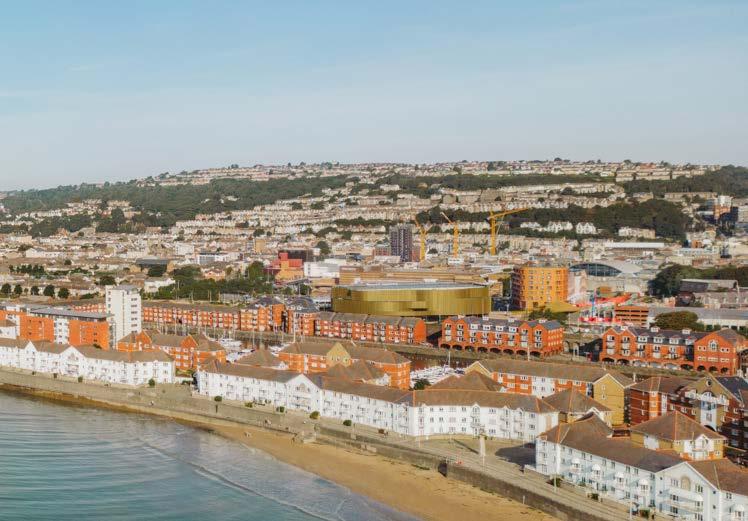
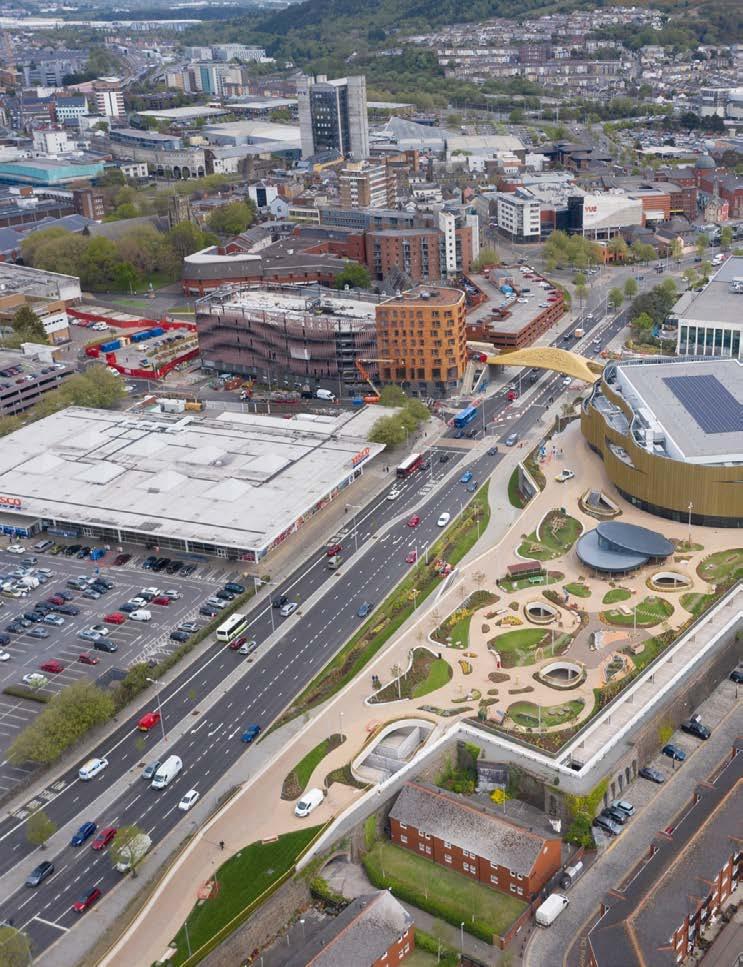
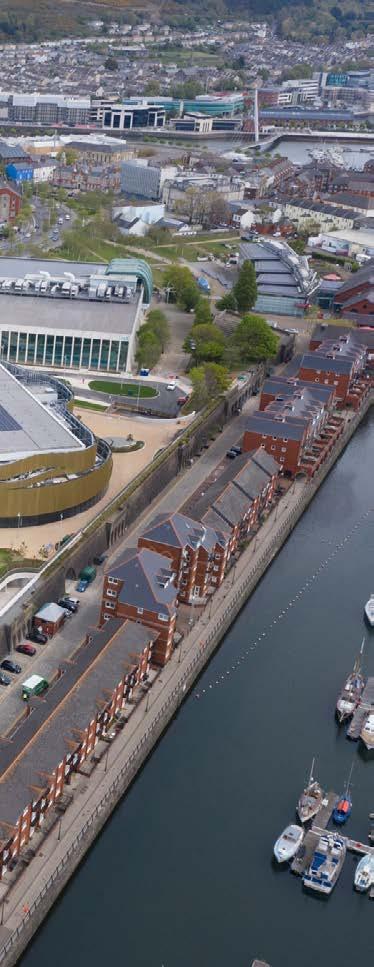
This is an exciting opportunity to contribute to the sustainable development of one of Wales’ most vibrant coastal cities, with a National Landscape and major regeneration projects underway, including the Swansea Central development, the Copr Bay district, and Strategic Residential sites.
An exceptional opportunity has arisen to join our planning service at Swansea Council as an Area Team Leader in Development Management.
Swansea is forecast to see significant population growth. The County will need new homes, jobs, infrastructure and community facilities to support economic growth and raise standards of living, while respecting the County’s cultural and natural heritage. It is crucial that growth is properly planned to maximise community benefit and bring forward development that is in the best interests of the County and its people.
Our planning service is fundamental to the success of the Council’s ambitious plans to deliver this growth. We have a strong commitment to place-making and creating sustainable, well-designed and vibrant communities which is underpinned by the LDP. The right candidate will be an ambitious, enthusiastic and passionate town planning professional, committed to making a difference to shape our growth whilst supporting people and strengthening communities, which is at the heart of the Council’s priorities. You will be a key contact for developers looking to deliver The Council’s strategic priorities.
How to apply
For an informal discussion on this post, please contact Ian Davies, Development Manager on: 07970 680549 or visit: www.swansea.gov.uk/ article/44079/Area-Team-Leaderclosing-date-310326
You will work within a friendly, supportive and established planning team and be required to contribute to meeting the Council’s Performance Indicators and delivery targets. The role is suitable for an experienced Team Leader or a candidate who is looking to step up in their planning career.
This permanent role offers flexible working hours and agile working to support work life balance, generous annual leave, and a pension scheme.
Safeguarding
Within Swansea Council there is a “Safeguarding is Everybody’s Business” principle, and this applies to all Swansea Council employees, elected members, volunteers and contractors.
Further details can be found at: www.swansea.gov.uk/corporatesafeguarding
The role of an Area Team Leader
The role of an Area Team Leader within a Development Management section is central to delivering ambitious regeneration and development outcomes, particularly in a planning environment that demands both speed and quality. Positioned at the intersection of policy, people, and place, the Area Team Leader provides strategic oversight, operational leadership, and professional guidance to ensure that development proposals align with long-term economic, environmental, and social objectives.
At its core, the role involves managing a team of planning officers responsible for assessing a wide range of applications—from minor residential proposals to large-scale, transformative developments. The Area Team Leader ensures that decisions are made efficiently, consistently, and in accordance with planning policy, while also encouraging innovation and flexibility where appropriate. This balance is crucial when aiming to deliver unprecedented levels of regeneration, as it requires both adherence to regulatory frameworks and the ability to respond to evolving development needs.
Leadership is a defining aspect of the position. The Area Team Leader must motivate and support their team, fostering a highperformance culture that values collaboration, accountability, and continuous improvement. This includes mentoring staff, overseeing workloads, and ensuring that professional standards are maintained across all casework. Strong leadership directly contributes to faster decision-making and higher-quality outcomes, both of which are essential in facilitating large-scale regeneration projects.
Another key responsibility is stakeholder engagement. Area Team Leaders regularly liaise with developers, architects, elected members, and members of the public. By acting as a central point of contact, they help to build trust, manage expectations, and resolve conflicts. Effective communication is especially important in regeneration contexts, where developments can significantly impact local communities. The ability to negotiate and influence outcomes ensures that proposals are both viable and publicly acceptable.
Strategically, the Area Team Leader plays a vital role in shaping the delivery of regeneration priorities. They contribute to the interpretation and implementation of local development plans, ensuring that planning decisions support wider economic growth and placemaking goals. This often involves working closely with other departments, such as economic development, housing, and infrastructure teams, to align planning activity with broader regeneration strategies.
Performance management is also critical. With increasing pressure on planning services to deliver timely decisions, the Area Team Leader monitors key performance indicators, identifies bottlenecks, and implements process improvements. Leveraging digital tools and streamlined workflows can significantly enhance productivity and support the delivery of high volumes of applications without compromising quality.
Ultimately, the Area Team Leader is instrumental in translating vision into reality. By combining technical expertise, strong leadership, and strategic thinking, they enable Development Management teams to deliver complex regeneration schemes that drive growth, enhance communities, and create lasting value.
The Benefits of Living and Working in Swansea
Living and working in Swansea offers a unique blend of natural beauty, affordability, and quality of life that is increasingly attracting professionals, families, and students alike. Situated on the south coast of Wales, Swansea combines the vibrancy of a city with the tranquility of coastal and countryside living.
One of the most significant benefits of living in Swansea is its stunning natural environment. Residents have easy access to the breathtaking Gower Peninsula, the UK’s first Area of Outstanding Natural Beauty. With its sandy beaches, dramatic cliffs, and scenic walking trails, it provides an ideal escape from the pressures of work and urban life. Whether it’s surfing at Rhossili Bay or enjoying a quiet coastal walk, Swansea offers a lifestyle deeply connected to nature.
Affordability is another key advantage. Compared to larger UK cities such as London or Bristol, the cost of living in Swansea is significantly lower. Housing is more accessible, whether renting or buying, allowing residents to enjoy a higher standard of living without the financial strain often associated with city life. This makes Swansea particularly appealing to young professionals and families looking to balance career ambitions with financial stability.
Swansea also has a growing and diverse economy. Key sectors include education, healthcare, digital technology, and manufacturing. Institutions like Swansea University play a crucial role in driving innovation and providing employment opportunities. The university attracts talent from across the world and fosters a dynamic environment that supports research, entrepreneurship, and collaboration with local businesses.
Work-life balance is another major draw. Commute times in Swansea are relatively short, reducing daily stress and allowing more time for leisure and family. The city centre offers a range of shops, restaurants, and cultural venues, while nearby green spaces and coastal areas make it easy to unwind after work. This balance contributes to overall well-being and job satisfaction.
The sense of community in Swansea is also noteworthy. The city has a friendly and welcoming atmosphere, often associated with Welsh culture. Local events, markets, and festivals bring people together and create a strong sense of belonging. This is particularly beneficial for newcomers who may be relocating for work or study.
Finally, Swansea’s strategic location makes it wellconnected while still maintaining its relaxed pace. It has good transport links to other major cities in Wales and England, making travel for business or leisure convenient.
In conclusion, Swansea offers a compelling combination of affordability, natural beauty, career opportunities, and community spirit. For those seeking a better quality of life without sacrificing professional growth, Swansea stands out as an excellent choice.
Environment & Waste Opportunities
Recruitment Local Government
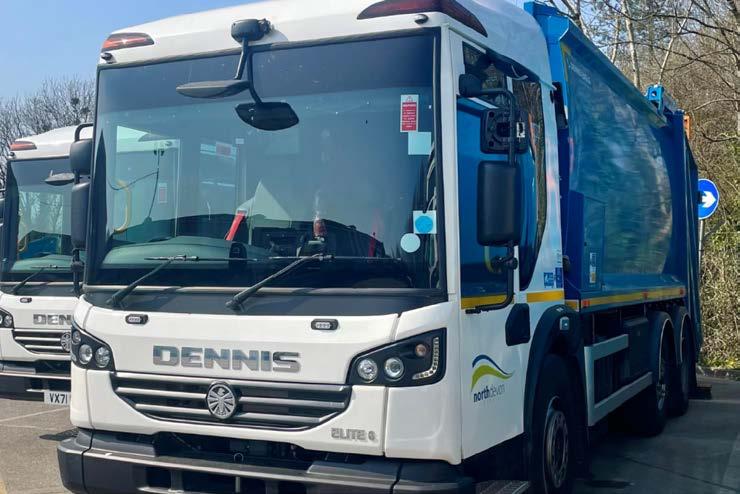
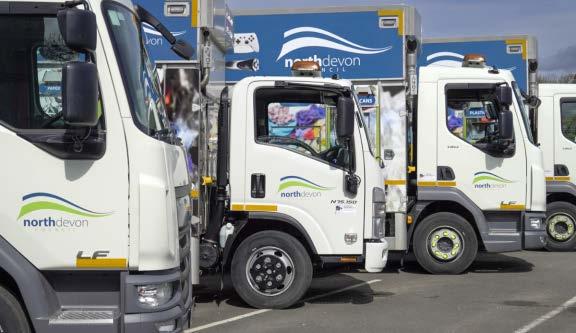
The Role of a LGV Driver/Loader/Sweeper/Recycler
Local councils play a key role in maintaining clean, safe, and efficient communities, and one of the main positions supporting this effort is the LGV (Large Goods Vehicle) Driver/Loader/Sweeper/ Recycler. This multifaceted role combines driving, manual handling, street cleaning, and waste management responsibilities to support essential municipal services.
As an LGV Driver, the individual is responsible for safely operating large waste collection or street sweeping vehicles. This includes navigating through residential streets, adhering to strict safety protocols, and ensuring compliance with road regulations. They often lead small crews, ensuring that routes are followed efficiently and that work is completed efficiently.
In the Loader capacity, the worker manually lifts and loads waste or recycling into the vehicle. This physically demanding task requires awareness of health and safety guidelines, including the safe handling of bins and bulky waste. Loaders must also ensure waste is appropriately sorted and collected without contamination.
The Sweeper role involves operating mechanical or manual sweepers to clean public roads, footpaths, and public spaces. This helps maintain the environmental standards of the area, reducing litter and preventing blockages in public drains. Sweepers play a crucial role in ensuring the community remains hygienic and visually appealing.
As a Recycler, the worker helps sort and process recyclable materials, contributing to the council’s environmental targets. This may involve working at recycling centres or supporting kerbside collections, ensuring materials are properly separated and contamination is minimised.
To conclude, the LGV Driver/Loader/Sweeper/ Recycler is an important frontline position in local government operations. It requires teamwork, attention to detail, physical fitness, and a commitment to public service.
These workers are often unsung heroes, ensuring communities are clean, safe, and environmentally responsible.
We are recruiting for a:
LGV Driver/Loader/Sweeper/Recycler
£28,598 - £31,022 per annum (£14.82 - £16.08 per hour)
37 hours per week | Permanent | Job Category:
Waste & Recycling
We are looking to recruit a large goods vehicle driver/loader/sweeper/recycler.
We are looking for an HGV qualified driver to drive one of our Refuse/Recycling Freighters or a Road Sweeper up to 26 Tonnes in weight. As part of your job you will be expected to:
• Manually collect recycling containers, refuse sacks, wheelie bins, or special collections
• Work on trade or domestic or street sweeping rounds
• Manually sweep, litter pick and empty litter bins
• See that refuse/recycling rounds or sweeping schedules are completed satisfactorily
You will need to have:
• HGV Class C or C+E Driving Licence (heavy goods vehicle)
• Valid CPC drivers qualification card
• Good knowledge of the local area
• Experience of driving refuse, recycling or sweeping vehicles beneficial
The closing date for this vacancy is:
Friday 27th March 2025
Interview Dates:
2nd or 6th April 2026
You will be required to work a minimum of 37 hours per week (full time), Monday to Friday, start time will be between 6.30am. Finishing between 2.30pm. You will also be required to work on a Saturday following a bank holiday. (We are looking at trialling a task and finish system from October to December).
As well as the local government pension scheme you will receive 25 days holiday, increasing to 29 days holiday after 5 years’ service (plus bank holidays).
PLEASE NOTE: YOU MUST ENCLOSE WITH YOUR APPLICATION FORM A PHOTOCOPY OF YOUR FULL DRIVING LICENCE
If you have not heard by the interview date, please assume that you have been nsuccessful on this occasion.
For more information, please visit: www.northdevon.gov.uk/jobs-and-careers
The Benefits of Living and Working in North Devon
North Devon is a stunning region in southwest England, renowned for its breathtaking landscapes, vibrant communities, and high quality of life. For those considering relocating or seeking new career opportunities, North Devon offers a compelling array of benefits that make it an attractive place to live and work.
One of the region’s most notable advantages is its natural beauty. With rugged coastlines, sandy beaches like Woolacombe and Croyde, and expansive national parks such as Exmoor, North Devon provides unparalleled outdoor recreation opportunities. Residents can enjoy surfing, hiking, horseback riding, and wildlife watching, fostering a healthy and active lifestyle. This proximity to nature not only enhances well-being but also attracts outdoor enthusiasts and tourists alike, supporting a thriving local economy.
Economically, North Devon presents diverse employment prospects. The region’s economy is driven by sectors such as tourism, agriculture, fishing, and emerging renewable energy initiatives. Small to medium-sized businesses flourish here, often with a strong sense of community and support network. Additionally, remote work possibilities are increasingly viable in North Devon’s well-connected towns, allowing professionals to enjoy the benefits of rural tranquility whilst maintaining their careers.
Quality of life is another significant benefit. North Devon boasts a low crime rate, excellent healthcare facilities, and a welcoming community atmosphere. The region emphasises sustainability and environmental conservation, aligning with the values of many residents. Education options are solid, with reputable schools and colleges supporting families and young professionals.
Furthermore, living in North Devon offers affordability compared to larger cities such as Bristol or Exeter, making it easier for individuals and families to own homes. The slower pace of life contributes to reduced stress levels, improved mental health, and a stronger sense of community. Local events, markets, and festivals foster social engagement, offering residents countless opportunities to connect and participate.
In addition to personal benefits, North Devon’s cultural richness adds to its appeal. The area boasts historic sites, art galleries, and a thriving culinary scene centered around fresh, locally sourced produce.
In summary, North Devon provides a unique blend of natural beauty, economic opportunity, community spirit, and quality of life. Whether seeking adventure, tranquility, or a supportive work environment, this region offers a compelling home for individuals and families aiming for a balanced and fulfilling lifestyle.
The Role of a Non LGV Driver/Loader/Sweeper/Recycler
The role of a Non-LGV Driver/Loader/Sweeper/Recycler is essential to the effective delivery of local authority environmental and waste services in the UK. These frontline workers play a vital part in keeping communities clean, safe, and sustainable while supporting council commitments to public health, environmental protection, and recycling targets.
A key responsibility of the role is waste and recycling collection. Non-LGV drivers operate smaller council vehicles to collect household waste, recycling, and food waste, often working as part of a crew. Loaders assist by safely handling bins, bags, and containers, ensuring collections are completed efficiently and in accordance with health and safety regulations. This teamwork is critical in maintaining reliable services for residents and preventing missed collections.
Sweeping and street cleansing duties are another important aspect of the role. Sweepers help keep roads, pavements, parks, and public spaces free from litter, leaves, and debris. This not only improves the appearance of neighbourhoods but also reduces environmental pollution and supports community wellbeing. Regular street cleansing helps prevent blocked drains and contributes to safer walking and cycling routes.
The recycler element of the role focuses on promoting sustainable waste management. Workers are responsible for correctly separating recyclable materials, identifying contamination, and ensuring materials are transported to
the appropriate facilities. By supporting recycling and reuse initiatives, Non-LGV Driver/Loader/Sweeper/Recycler staff help councils meet national recycling targets and reduce the amount of waste sent to landfill. They also act as ambassadors for environmental responsibility, often answering residents’ questions and providing guidance on correct recycling practices.
Health and safety awareness is fundamental to the role. Employees must follow safe manual handling procedures, wear appropriate personal protective equipment, and remain alert to hazards such as traffic, weather conditions, and heavy lifting. Daily vehicle checks and reporting of defects ensure vehicles and equipment remain safe and roadworthy.
In addition, the role requires reliability, physical fitness, and strong customer service skills. Workers frequently interact with residents and represent the council within the community. A professional, helpful approach helps build public trust and supports positive relationships between the council and local residents.
In conclusion, the Non-LGV Driver/Loader/Sweeper/ Recycler plays a crucial role in maintaining clean streets, supporting recycling efforts, and delivering essential frontline services. Their work directly contributes to environmental sustainability, public health, and the overall quality of life within local communities.
We are looking to recruit a Non LGV Driver/Loader/Sweeper/Recycler.
As part of your job you would be expected to:
• Manually sweep, litter pick and empty litter bins
• Able to drive a non LGV vehicle (up to 3.5 tonnes)
• Collect refuse sacks, wheelie bins, recycling containers or special collections
• Work on trade or domestic refuse & recycling rounds
• See that refuse/recycling rounds or sweeping schedules are completed satisfactorily
The post is predominantly based in the Barnstaple area, but can cover the whole district.
You will be required to work a minimum of 37 hours per week, Monday through to Friday.
Start time will be between 6.00am/6.30am and finishing at 2.00pm/2.30pm. You will also be required to work on a Saturday following a bank holiday.
The closing date for this vacancy is:
Friday 27th March 2026
Interview Dates:
2nd or 6th April 2026
You will need:
• Driving Licence
• Good knowledge of the local area
• To be physically fit and able to work outdoors in all weathers
• Experience of working on sweeping, emptying litter and dog bins, refuse or recycling operations beneficial
PLEASE NOTE: YOU MUST ENCLOSE A PHOTOCOPY OF YOUR FULL DRIVING LICENCE WITH YOUR APPLICATION FORM
If you have not heard by the interview date, please assume that you have been unsuccessful on this occasion.
For more information, please visit: www.northdevon.gov.uk/jobs-and-careers
Fascinating Facts of North Devon
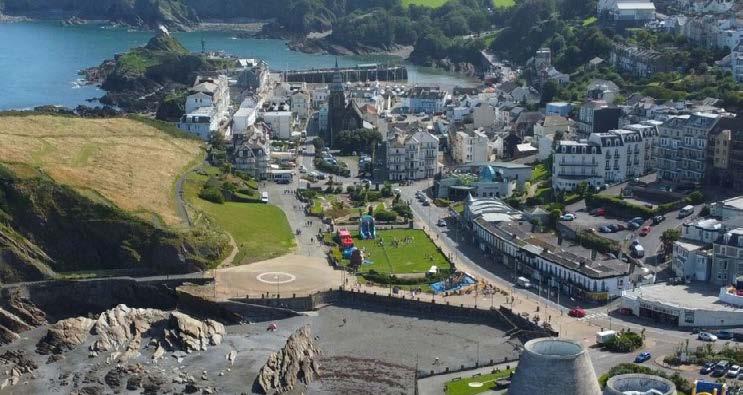
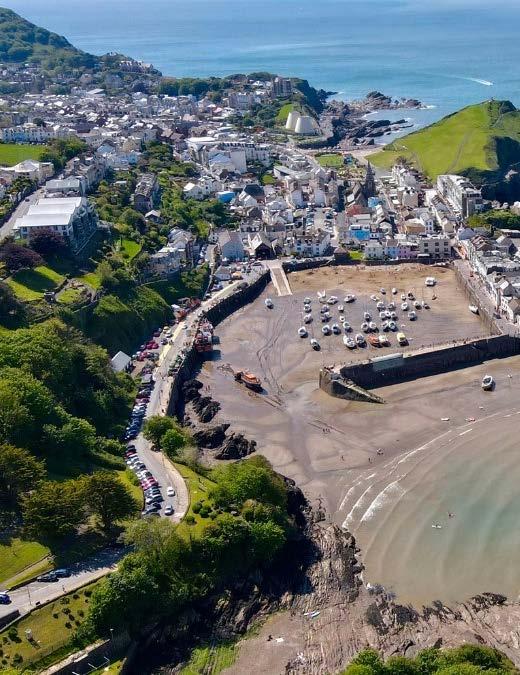
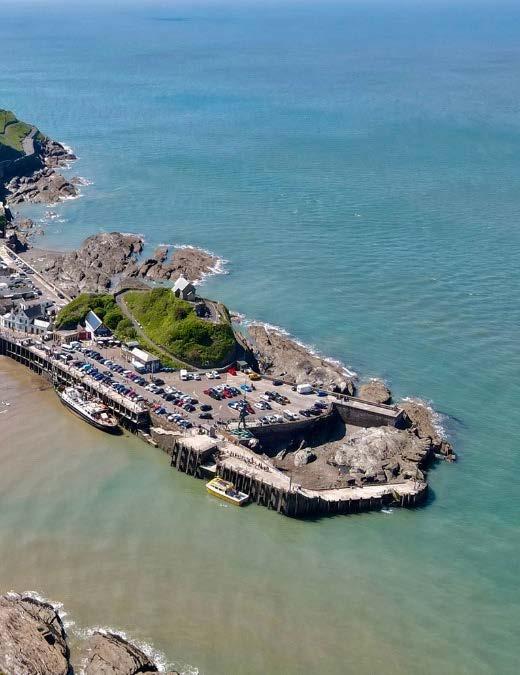
North Devon is a stunning district in the county of Devon, located in the South West of United Kingdom. Known for its dramatic coastline, sandy beaches, and rolling countryside, North Devon is one of England’s most picturesque regions.
One of its most remarkable features is the North Devon Coast, which is designated as an Area of Outstanding Natural Beauty (AONB). The coastline stretches for over 170 square miles and includes towering cliffs, hidden coves, and sweeping beaches. The area is also home to part of the South West Coast Path, England’s longest waymarked footpath, offering breathtaking walking routes along rugged cliff tops.
North Devon is famous for its beaches, particularly Woolacombe Beach, which has repeatedly been ranked among the best beaches in the UK and even Europe. Its long stretch of golden sand attracts surfers, swimmers, and families alike. Nearby Croyde Bay is internationally recognised for surfing, hosting competitions and drawing wave enthusiasts yearround.
The district’s largest town is Barnstaple, one of the oldest boroughs in England. Barnstaple has a historic pannier market that dates back over 1,000 years and remains a bustling centre for local produce and crafts. Historically, the town was an important river port on the River Taw, playing a key role in trade during the medieval period.
Nature lovers are drawn to Exmoor National Park, which partly lies within North Devon. Exmoor is known for its wild moorland, ancient woodlands, and native Exmoor ponies. It is also designated as a Dark Sky Reserve, making it one of the best places in the country for stargazing.
North Devon has a rich cultural and literary heritage. The Victorian novelist Charles Kingsley set his famous novel Westward Ho! in the area. In fact, the seaside village of Westward Ho! is the only place name in the UK that officially includes an exclamation mark.
Agriculture and tourism are central to North Devon’s economy. The region is well known for its cream teas, fresh seafood, and locally produced cider. With its combination of history, natural beauty, and outdoor activities, North Devon remains one of the UK’s most cherished coastal destinations.
Highways & Engineering Opportunities
Recruitment Local Government
The Role of a Senior Engineer - Structures
Within a UK local authority, the Senior Engineer –Structures plays a vital role in ensuring the safety, integrity, and sustainability of public infrastructure. This position sits within the council’s highways or engineering department and is responsible for managing the inspection, assessment, maintenance, and improvement of bridges, retaining walls, culverts, and other structural assets owned by the authority. The role combines technical expertise, project management, and public service to maintain the built environment that supports local communities.
A key responsibility of the Senior Engineer – Structures is overseeing the council’s bridge and structures inspection programme, ensuring compliance with national standards such as the Design Manual for Roads and Bridges (DMRB) and BD 63/17 – Inspection of Highway Structures. They interpret inspection data, prioritise maintenance needs, and prepare works programmes that balance safety, cost, and service life considerations. Structural assessments are carried out to determine load capacities, particularly where weight restrictions or strengthening works may be required.
The role also involves preparing detailed designs, specifications, and contract documents for structural maintenance and improvement schemes. Senior Engineers often manage consultants and contractors, ensuring that works are delivered safely, on time, and within budget. They must apply sound engineering judgement while adhering to CDM Regulations, local
procurement policies, and environmental objectives. A strong grasp of asset management principles is essential, enabling the council to make evidencebased decisions about long-term investment and risk management.
Collaboration and communication are central to the position. Senior Engineers liaise with councillors, local residents, utility companies, and emergency services to coordinate works and minimise disruption. They also provide professional advice to senior management and contribute to reports, funding bids, and policy development. In addition, mentoring junior staff and supporting their professional development forms part of the leadership aspect of the role.
Beyond technical competence, the Senior Engineer –Structures must demonstrate resilience and adaptability. Councils face increasing financial pressures and public expectations, requiring innovative approaches such as adopting digital asset management systems, sustainable construction methods, and low-carbon materials.
In summary, the Senior Engineer – Structures ensures that vital public infrastructure remains safe, reliable, and fit for the future. By combining technical skill, effective management, and a commitment to public service, they help local authorities deliver essential services and maintain confidence in the structural integrity of their communities.
An exciting opportunity has arisen within the Highways Design Team for a Senior Engineer, Structures. The successful candidate will be supporting the Highway Design Team Manager in the delivery of highways and Civil infrastructure schemes within the authorities Projects team.
The post holder will report to and assist the Highway Design Team Manager in providing technical and administrative support as part of the team’s role in delivering an effective in-house municipal Engineering service to other highway teams and, where opportunities permit, to the wider county council and partners as part of the team’s business plan.
The post holder will assist the Team Manager with the planning and organisation of the team’s workload to ensure that all schemes are designed, supervised and effectively managed. This will also include leading on various projects and assisting with maintaining and developing the overall programme for the Highway Design Team.
Should you require any further information regarding this post, please contact: Rob Davies on: robdavies@monmouthshire.gov.uk
Closing Date: 27th March 2026
To find out more about this exciting role, please visit: www.monmouthshire.gov.uk
Daeth cyfle cyffrous ar gael o fewn y Tîm Dylunio Priffyrdd ar gyfer Uwch Beiriannydd, Strwythurau. Bydd yr ymgeisydd llwyddiannus yn cefnogi Rheolwr Tîm Dylunio Priffyrdd wrth gyflwyno cynlluniau priffyrdd a seilwaith sifil o fewn tîm Prosiectau yr awdurdod.
Bydd deiliad y swydd yn adrodd i ac yn cynorthwyo Rheolwr y Tîm Dylunio Priffyrdd i roi cymorth technegol a gweinyddol fel rhan o rôl y tîm yn cyflawni gwasanaeth Peirianneg bwrdeisiol mewnol effeithiol i dimau priffordd arall a lle mae cyfleoedd yn bodoli, i’r cyngor sir a phartneriaid yn ehangach fel rhan o gynllun busnes y tîm.
Bydd deiliad y swydd yn cynorthwyo Rheolwr y Tîm wrth gynllunio a threfnu llwyth gwaith y tîm i sicrhau y caiff pob cynllun eu dylunio, eu goruchwylio a’u rheoli’n effeithlon. Bydd hyn hefyd yn cynnwys arwain ar wahanol brosiectau a cynorthwyo gyda chynnal a datblygu’r rhaglen waith gyffredinol ar gyfer y Tîm Dylunio Priffyrdd.
Os ydych angen mwy o wybodaeth am y swydd hon, cysylltwch â: Rob Davies: robdavies@monmouthshire.gov.uk
Dyddiad cau: 27 Maw 2026
I gael gwybod mwy am y rôl gyffrous hon, ewch i: www.monmouthshire.gov.uk
Rôl Peiriannydd Uwch – Strwythurau
Nghymru
O fewn awdurdod lleol yn y Deyrnas Unedig, mae rôl y Peiriannydd Uwch – Strwythurau yn allweddol wrth sicrhau diogelwch, cyfanrwydd a chynaliadwyedd seilwaith cyhoeddus. Mae’r swydd hon fel arfer yn rhan o adran briffyrdd neu beirianneg y cyngor ac yn gyfrifol am oruchwylio’r arolygon, asesiadau, cynnal a chadw a gwella pontydd, waliau cadw, culvertau a strwythurau eraill sy’n eiddo i’r awdurdod. Mae’r swydd yn cyfuno arbenigedd technegol, rheoli prosiectau a gwasanaeth cyhoeddus er mwyn cynnal yr amgylchedd adeiledig sy’n cefnogi cymunedau lleol.
Un o’r prif gyfrifoldebau yw goruchwylio rhaglen arolygu pontydd a strwythurau’r cyngor, gan sicrhau cydymffurfiaeth â safonau cenedlaethol megis y Design Manual for Roads and Bridges (DMRB) a BD 63/17 –Inspection of Highway Structures. Mae’r peiriannydd yn dehongli data arolygon, yn blaenoriaethu anghenion cynnal a chadw ac yn paratoi rhaglenni gwaith sy’n cydbwyso ystyriaethau diogelwch, cost ac oes gwasanaeth. Gwneir asesiadau strwythurol i bennu capasiti llwyth, yn enwedig lle bo angen cyfyngiadau pwysau neu waith atgyfnerthu.
Mae’r rôl hefyd yn cynnwys paratoi dyluniadau manwl, manylebau a dogfennau contract ar gyfer cynlluniau cynnal a chadw a gwella. Yn aml, mae Peirianwyr Uwch yn rheoli ymgynghorwyr a chontractwyr, gan sicrhau bod y gwaith yn cael ei gwblhau’n ddiogel, ar amser ac o fewn y gyllideb. Rhaid iddynt ddefnyddio barn beirianyddol gadarn wrth gydymffurfio â Rheoliadau CDM, polisïau caffael lleol ac amcanion amgylcheddol.
Mae dealltwriaeth gadarn o egwyddorion rheoli asedau yn hanfodol, gan alluogi’r cyngor i wneud penderfyniadau ar sail tystiolaeth am fuddsoddiad tymor hir a rheoli risg.
Mae cydweithio a chyfathrebu’n greiddiol i’r swydd. Mae’r Peiriannydd Uwch yn cydweithio â chynghorwyr, trigolion lleol, cwmnïau cyfleustodau a’r gwasanaethau brys i gydlynu gwaith ac i leihau aflonyddwch. Maent hefyd yn darparu cyngor proffesiynol i reolwyr uwch ac yn cyfrannu at adroddiadau, ceisiadau cyllido a datblygu polisïau. Yn ogystal, mae meithrin a chefnogi datblygiad proffesiynol staff iau yn rhan bwysig o’r elfen arweinyddiaeth.
Y tu hwnt i gymhwysedd technegol, rhaid i’r
Peiriannydd Uwch – Strwythurau ddangos gwydnwch ac addasrwydd. Gan fod cynghorau’n wynebu pwysau ariannol cynyddol a disgwyliadau’r cyhoedd, mae angen dulliau arloesol megis mabwysiadu systemau digidol ar gyfer rheoli asedau, dulliau adeiladu cynaliadwy a deunyddiau carbon isel.
I grynhoi, mae’r Peiriannydd Uwch – Strwythurau yn sicrhau bod seilwaith cyhoeddus hanfodol yn parhau’n ddiogel, yn ddibynadwy ac yn barod ar gyfer y dyfodol. Trwy gyfuno sgiliau technegol, rheolaeth effeithiol ac ymrwymiad i wasanaeth cyhoeddus, maent yn helpu awdurdodau lleol i ddarparu gwasanaethau hanfodol ac i gynnal hyder yn strwythurau eu cymunedau.
The Benefits of Living and Working in Monmouthshire
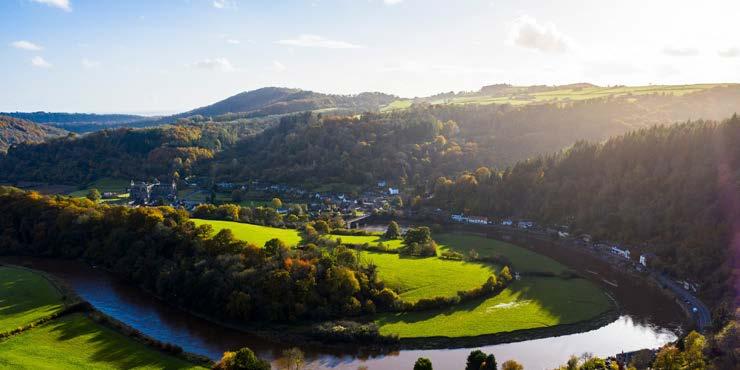
Nestled on the border between Wales and England, Monmouthshire is one of the most attractive places to live and work in the UK. With its stunning landscapes, welcoming communities and growing economy, the county offers a lifestyle that perfectly balances work opportunities with an exceptional quality of life.
A High Quality of Life
Monmouthshire is renowned for its picturesque countryside, historic market towns and easy access to outdoor activities. Residents can enjoy the rolling hills of the Wye Valley, the Brecon Beacons National Park and scenic walking and cycling routes such as Offa’s Dyke Path. The clean environment, low crime rates and strong sense of community make it an ideal place for families and individuals seeking a peaceful yet connected lifestyle.
Excellent Connectivity
One of Monmouthshire’s biggest advantages is its location. It sits within easy reach of major cities such as Cardiff, Bristol and Newport, making it ideal for commuters who prefer a rural home life but need access to urban job markets. Excellent transport links via the M4, A40 and direct train services mean that working professionals can enjoy both career growth and a relaxed home environment.
A Thriving Local Economy
The county has a diverse and resilient economy. Sectors such as tourism, agriculture, education, and small business enterprises thrive here. In recent years, Monmouthshire has also seen growth in green industries and digital innovation, providing exciting
opportunities for both entrepreneurs and remote workers. The employment rate is higher than the Welsh average, and residents typically enjoy higherthan-average disposable incomes, reflecting the area’s prosperity.
Strong Communities and Facilities
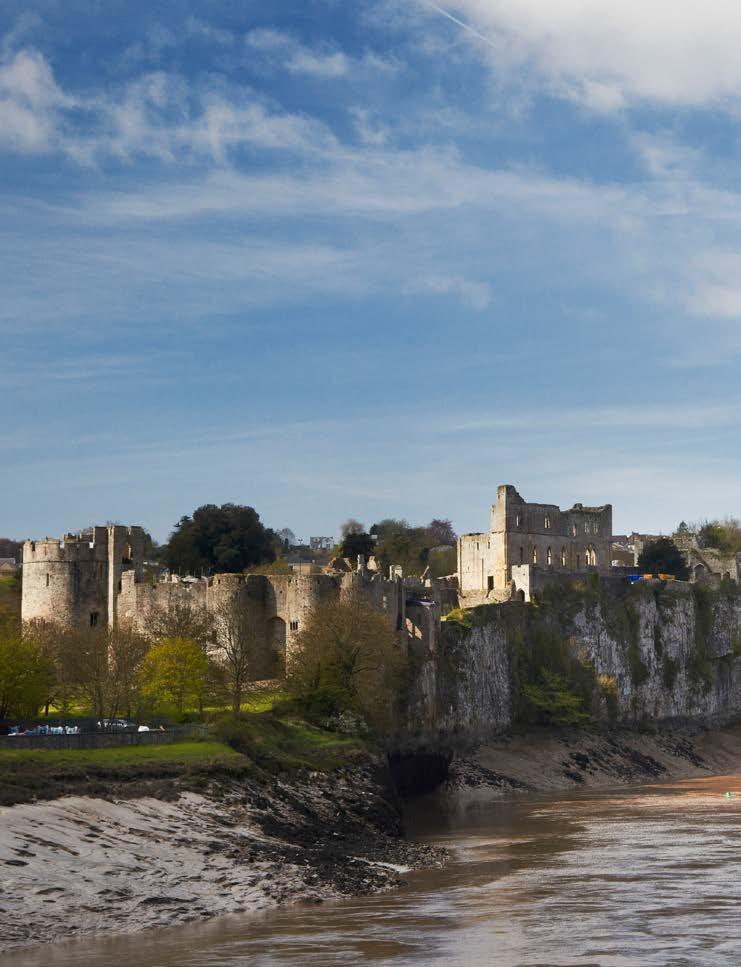
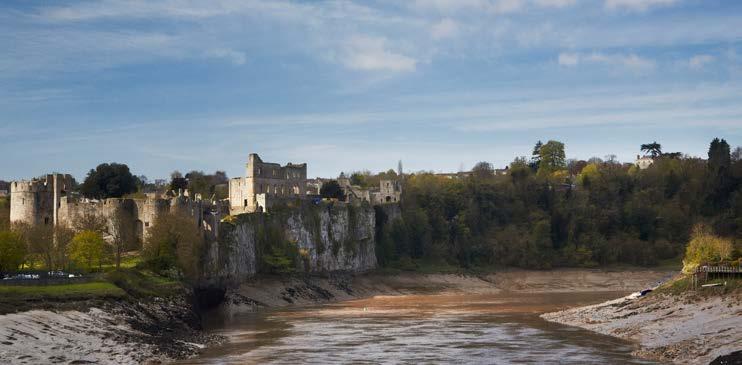
Monmouthshire’s towns – including Abergavenny, Monmouth, Chepstow and Usk – each have a distinctive character but share a strong community spirit. Excellent schools, healthcare services and local amenities make it an appealing area for families. The county council and local organisations actively support wellbeing and community development through cultural events, farmers’ markets and local business initiatives.
Work–Life Balance
Perhaps the greatest benefit of living and working in Monmouthshire is the balance it offers. Residents can pursue rewarding careers while being surrounded by nature and vibrant local life. Whether it’s enjoying a weekend walk through the countryside, dining at award-winning local restaurants or simply embracing a slower pace of life, Monmouthshire provides the ideal environment to thrive personally and professionally.
In summary, Monmouthshire blends the best of both worlds – modern work opportunities and an outstanding quality of life. Its strategic location, thriving economy and welcoming communities make it a truly special place to live, work and grow. For those seeking balance and wellbeing, Monmouthshire is a perfect choice.
The Role of an Engineer - Highways Design
The role of an Engineer in Highways Design is central to the planning, development, and delivery of safe, efficient, and sustainable transport infrastructure. Highways Design Engineers work within local authorities, consulting firms, or contractors, using their technical knowledge to shape the roads, junctions, and public spaces that connect communities and support economic growth.
A core responsibility of a Highways Design Engineer is to develop detailed designs for new roads, highway improvements, and maintenance schemes. This involves applying national standards such as the Design Manual for Roads and Bridges (DMRB) and Manual for Streets, ensuring that designs meet safety, accessibility, and environmental requirements. Engineers use advanced design software such as AutoCAD, Civil 3D, and KeyLINES to produce accurate drawings, 3D models, and construction details that guide contractors on-site.
In the early stages of a project, the Engineer contributes to feasibility studies and option assessments, balancing factors such as traffic flow, land constraints, drainage, utilities, and cost. Collaboration is key: Highways Design Engineers work closely with transport planners, structural engineers, environmental specialists, and stakeholders to create practical, cost-effective solutions. They also engage with the public and local councillors during consultations to ensure that designs reflect community needs.
Safety and sustainability are at the heart of modern highway design. Engineers must consider pedestrian and cyclist safety, accessibility for all users, and compliance with road safety audits. Increasingly, they are expected to integrate green infrastructure, manage surface water sustainably through SuDS (Sustainable Drainage Systems), and reduce carbon impacts through efficient design and material choices.
Project management is another important aspect of the role. Highways Design Engineers prepare design reports, cost estimates, and tender documentation, ensuring that projects progress on time and within budget. They review technical submissions, respond to contractor queries, and support the supervision of construction works to ensure quality and compliance.
Beyond technical ability, strong communication, analytical, and problem-solving skills are essential. Engineers must be able to interpret complex data, manage competing priorities, and adapt to evolving standards and technologies. Many also work towards professional registration with the Institution of Civil Engineers (ICE) or the Chartered Institution of Highways and Transportation (CIHT), demonstrating their competence and commitment to professional excellence.
In summary, the Highways Design Engineer plays a vital role in creating the transport networks that keep people and goods moving. Through innovative design, collaboration, and technical expertise, they help build safer, greener, and more resilient highways for the future.
An exciting opportunity has arisen within the Highways & Flooding team for an Engineer. The successful candidate will be supporting the Highway Design Team Manager in the delivery of highways and Civil infrastructure schemes within the authority’s Projects team.
The postholder will report to and assist the appropriate Senior Engineer/ Manager with the design, contract preparation, highway asset management development, administration and general highway service duties as directed by the Design Team Manager.
The postholder will be required to develop competencies and experience in the delivery of tendered Civil Engineering projects and day to day Civil Engineering solutions to infrastructure maintainance conducted by our in house services.
Should you require any further information regarding this post, please contact: Rob Davies on: robdavies@monmouthshire.gov.uk
Closing Date: 27th March 2026
To find out more about this exciting role, please visit: www.monmouthshire.gov.uk
Daeth cyfle cyffrous ar gael o fewn y tîm Priffyrdd a Llifogydd ar gyfer Peiriannydd Cynorthwyol. Bydd yr ymgeisydd llwyddiannus yn cefnogi Rheolwr Tîm Dylunio Priffyrdd wrth gyflwyno cynlluniau priffyrdd a seilwaith sifil o fewn tîm Prosiectau yr awdurdod.
Bydd deiliad y swydd yn adrodd i ac yn cynorthwyo’r Uwch Beiriannydd/Rheolwr priodol gyda dylunio, paratoi contractau, datblygu rheoli asedau priffyrdd, gweinyddiaeth a dyletswyddau gwasanaeth priffordd cyffredinol yn ôl cyfarwyddyd Rheolwr y Tîm Dylunio.
Bydd angen i ddeiliad y swydd ddatblygu cymwyseddau a phrofiad wrth gyflwyno prosiectau tendr Peirianneg Sifil a datrysiadau Peirianneg Sifil dydd i ddydd i gynnal a chadw seilwaith a gynhaliwyd gan ein gwasanaethau mewnol.
Os ydych angen mwy o wybodaeth am y swydd hon, cysylltwch â: Rob Davies: robdavies@monmouthshire.gov.uk
Dyddiad cau: 27 Maw 2026
I gael gwybod mwy am y rôl gyffrous hon, ewch i: www.monmouthshire.gov.uk
Rôl Peiriannydd – Dylunio Ffyrdd
Mae rôl y Peiriannydd Dylunio Ffyrdd yn ganolog i gynllunio, datblygu a chyflawni seilwaith trafnidiaeth sy’n ddiogel, yn effeithlon ac yn gynaliadwy. Mae Peirianwyr Dylunio Ffyrdd yn gweithio o fewn awdurdodau lleol, cwmnïau ymgynghori neu gontractwyr, gan ddefnyddio eu gwybodaeth dechnegol i lunio’r ffyrdd, croesfannau a mannau cyhoeddus sy’n cysylltu cymunedau ac yn cefnogi twf economaidd.
Un o’r prif gyfrifoldebau yw datblygu dyluniadau manwl ar gyfer ffyrdd newydd, gwelliannau priffyrdd a chynlluniau cynnal a chadw. Mae hyn yn cynnwys defnyddio safonau cenedlaethol megis y Design Manual for Roads and Bridges (DMRB) a’r Manual for Streets, gan sicrhau bod y dyluniadau’n bodloni gofynion diogelwch, hygyrchedd ac amgylcheddol. Mae peirianwyr yn defnyddio meddalwedd ddylunio uwch fel AutoCAD, Civil 3D a KeyLINES i greu lluniadau cywir, modelau 3D a manylion adeiladu sy’n arwain contractwyr ar y safle.
Yn ystod camau cynnar prosiect, mae’r peiriannydd yn cyfrannu at astudiaethau dichonoldeb ac asesiadau opsiynau, gan gydbwyso ffactorau fel llif traffig, cyfyngiadau tir, draenio, cyfleustodau a chostau.
Mae cydweithio yn hanfodol: mae Peirianwyr
Dylunio Ffyrdd yn gweithio’n agos gyda chynllunwyr trafnidiaeth, peirianwyr strwythurol, arbenigwyr amgylcheddol a rhanddeiliaid i greu atebion ymarferol ac effeithlon o ran cost. Maent hefyd yn cymryd rhan mewn ymgynghoriadau cyhoeddus i sicrhau bod y dyluniadau’n adlewyrchu anghenion cymunedol.
Mae diogelwch a chynaliadwyedd wrth wraidd dylunio ffyrdd modern. Rhaid i beirianwyr ystyried diogelwch cerddwyr a beicwyr, hygyrchedd i bawb, a chydymffurfiaeth ag archwiliadau diogelwch ar y ffyrdd. Yn gynyddol, disgwylir iddynt integreiddio seilwaith gwyrdd, rheoli dwr wyneb yn gynaliadwy trwy SuDS (Sustainable Drainage Systems), a lleihau effaith carbon trwy ddylunio a dewis deunyddiau effeithlon.
Mae rheoli prosiectau hefyd yn rhan bwysig o’r rôl. Mae Peirianwyr Dylunio Ffyrdd yn paratoi adroddiadau dylunio, amcangyfrifon cost a dogfennau tendro, gan sicrhau bod prosiectau’n symud ymlaen yn brydlon ac o fewn y gyllideb. Maent yn adolygu cyflwyniadau technegol, yn ymateb i ymholiadau contractwyr ac yn cefnogi goruchwyliaeth y gwaith adeiladu i sicrhau ansawdd a chydymffurfiaeth.
Y tu hwnt i sgiliau technegol, mae sgiliau cyfathrebu, dadansoddi a datrys problemau cryf yn hanfodol. Rhaid i beirianwyr allu dehongli data cymhleth, rheoli blaenoriaethau cystadleuol ac addasu i safonau a thechnolegau newydd. Mae llawer hefyd yn gweithio tuag at gofrestru proffesiynol gyda’r Institution of Civil Engineers (ICE) neu’r Chartered Institution of Highways and Transportation (CIHT), gan ddangos eu cymhwysedd ac ymrwymiad i ragoriaeth broffesiynol.
I grynhoi, mae’r Peiriannydd Dylunio Ffyrdd yn chwarae rhan hanfodol wrth greu’r rhwydweithiau trafnidiaeth sy’n cadw pobl a nwyddau i symud. Trwy ddylunio arloesol, cydweithio ac arbenigedd technegol, maent yn helpu i adeiladu ffyrdd mwy diogel, gwyrddach a gwydn ar gyfer y dyfodol.
Rural businesses across Maidstone are being urged to apply for funding through the Maidstone Borough Council (MBC) Rural Investment Grant Scheme, which remains open for applications, but time is running out.
With rural enterprises facing mounting pressures from inflation, volatile energy costs, and policy changes affecting farm succession and diversification, the scheme offers an opportunity to invest in growth and resilience.
Funded through the Rural England Prosperity Fund (REPF), the scheme provides capital grants of £500 to £15,000 to support rural businesses in developing new products, facilities, and services that benefit the wider local economy. A minimum of 20% match funding is required from applicants.
The grant is open to all eligible rural businesses in Maidstone, with a particular focus on:
• Independent businesses
• Green and environmentally conscious enterprises
• Food and drink producers
• Hospitality and tourism ventures
Cllr Stephen Thompson, MBC Cabinet Member for Stronger, Healthier Communities, said:
““This grant scheme is a fantastic opportunity for our rural businesses to grow in a sustainable and innovative way. Small businesses are the backbone of our economy, and we’re proud to support their development, while encouraging green initiatives.
“I urge all interested businesses to review the guidance on our website and submit a strong application, as this is expected to be a competitive process.”
Projects must be completed by 31st March 2026, and funding is limited, so time is running out to apply.
For full eligibility criteria, guidance, and to apply, visit the grants portal at or contact the team at ruralinvestmentgrant@maidstone.gov.uk
Preparing for a Job Interview:
Key Strategies for Success
Job interviews can be a daunting experience, but with the right preparation, you can significantly increase your chances of success. This article outlines essential strategies for preparing for a job interview, covering research, self-assessment, practicing responses, dressing appropriately, and post-interview follow-up.
Researching the Company
The first step in preparing for a job interview is to thoroughly research the company. Understanding the organisation’s mission, values, culture, and recent achievements can provide you with invaluable insights. Start by visiting the company’s official website, focusing on their “About Us” section, and familiarise yourself with their products or services. Additionally, explore any recent news articles or press releases to understand current projects, challenges, and industry trends. This knowledge will not only help you tailor your responses but also demonstrate your genuine interest in the company during the interview.
Understanding the Role
Alongside researching the company, it is crucial to have a clear understanding of the specific role you are applying for. Carefully read the job description, noting the required skills, qualifications, and responsibilities. Identifying how your background aligns with these aspects allows you to articulate your fit for the role effectively. Consider the key competencies needed, and prepare examples from your past experiences that showcase your relevant skills. This will enable you to answer questions confidently and provide tangible proof of your qualifications.
Self-Assessment and Anticipating Questions
Self-assessment is an essential part of interview preparation. Take the time to reflect on your work history, skills, and achievements. What are your strengths? What areas may need improvement? Preparing for common interview questions—such as “Tell me about yourself,” “What are your greatest strengths and weaknesses?” and “Where do you see yourself in five years?”—can help you articulate
your thoughts clearly and concisely. Creating a list of potential behavioural questions related to teamwork, problem-solving, and conflict resolution will also allow you to prepare specific examples that highlight your competencies.
Moreover, consider preparing a few questions of your own to ask the interviewer. Inquiring about team dynamics, company culture, or expectations for the role shows your interest and engagement. It can also help you determine if the company is the right fit for you.
Practicing Interview Techniques
Once you have gathered your research and prepared your responses, the next step is to practice. Conducting mock interviews with friends, family, or mentors can help you refine your delivery and ease any nervousness. Pay attention to your body language, tone of voice, and overall demeanour during these practice sessions. Recording yourself can also provide valuable feedback. Listening to your responses will help you identify areas for improvement, such as filler words or unclear statements.
Additionally, consider the STAR method (Situation, Task, Action, Result) when formulating your responses to behavioural questions. This structured approach ensures that you present your answers in a comprehensive and organised manner, showcasing your problem-solving abilities and impact effectively.
Dressing for Success
First impressions are crucial, and your appearance plays a significant role in how you are perceived during an interview. Dressing appropriately for the occasion reflects professionalism and respect for the interviewer and the company. Research the company’s dress code—this information can often be gleaned from their website or social media pages. When in doubt, opt for business formal attire unless you know the workplace environment favours a more relaxed style. Ensure your clothes are clean, pressed, and fitting well, as a polished appearance can enhance your confidence.
Arriving Prepared
On the day of the interview, plan to arrive at least 10-15 minutes early. This not only demonstrates punctuality but also allows you time to collect your thoughts before the interview begins. Bring multiple copies of your resume, a list of references, and a notepad with questions or points to remember. If the interview is virtual, test your technology in advance to ensure everything is working properly. Find a quiet, well-lit location for the interview, and dress as you would for an inperson meeting.
Post-Interview Follow-Up
After the interview, take a moment to reflect on your performance. Consider what went well and areas where you could improve for future discussions. Sending a thank-you email within 24 hours of the interview is a vital step in your followup process. In your message, express appreciation for the opportunity, reiterate your interest in the position, and briefly recap key points from the discussion that underscore your suitability for the role.
Preparing for a job interview requires a multifaceted approach that includes research, self-assessment, practice, appropriate attire, and thoughtful follow-up. By investing time in preparation, you can boost your confidence and present yourself as a strong candidate. Remember that an interview is not just an opportunity for the employer to evaluate you but also a chance for you to assess if the role and company align with your career aspirations. With thorough preparation, you can navigate the interview process with poise and skill, increasing your chances of landing the desired job.