




Local Government: Environmental Health Opportunities
Page 4
Local Government: Finance Opportunities
Page 18
Local Government: Building, Property & Assets Opportunities
Page 24
Local Government: Highways & Engineering Opportunities
Page 42
Local Government: Environment & Waste Opportunities
Page 54
Local Government: Planning Opportunities
Page 62
Are you a Qualified Professional in Local Government? Is your dream new job just a click away?
Have a look at our current Campaigns in this week’s edition to find out...





£34,434 - £40,777 per annum | 37 hours per week
Job Reference: REQ000383 | Job Category: Environmental Health
North Devon Council has an exciting opportunity for an enthusiastic and self-motivated ‘Licensing Officer - Animal Licensing Inspector’ to join its friendly licensing team. You will be located in a beautiful area of the country, with lots to offer a successful candidate.
You will be qualified or working towards becoming competent to undertake animal licensing inspections, covering the Licensing of Activities Involving Animals Regulations, Zoo Licensing Act, Dangerous Wild Animals Act and Primate Regulations.
The closing date for this vacancy is:
Wednesday 11th March 2026
The interview date for this vacancy is:
23rd March 2026
North Devon Council is striving to have a strong reputation for its pro-active work across licensing. You will have the ability to have a positive impact on the community of North Devon, assisting in the promotion and safeguarding of public safety and animal welfare through the operation of an effective and efficient licensing regulatory regime.
Salary will be determined depending on whether a Level 3 qualification in Inspection of Animal Establishments for Animal Activities Licensing (or equivalent) granted by a body recognised and regulated by the Office of Qualifications and Examinations Regulation is held. Applications from those without relevant qualification will be considered if the applicant can demonstrate significant relevant experience in an animal regulatory role. The successful candidate would need to commit to undertake the qualification within the first six months of starting the role.
Based at Brynsworthy Environment Centre, Barnstaple you will regularly be on district undertaking inspections, visits and surveillance and be able to benefit from the hybrid working policy.

The role is varied, covering an interesting and diverse workload and all aspects of licensing. It will focus on animal welfare, and areas such as hackney carriage and private hire, alcohol and entertainment, gambling, pavement licensing and scrap metal. The role will be proactive in terms of regulation, with the need to inspect, risk rate, and actively investigate customer requests and complaints.
The successful applicant will have a positive ‘can do’ attitude and demonstrate experience in enforcing legislation. You will be calm, use sound judgement, and diplomacy when undertaking robust regulatory sanctions, which may impact on livelihoods, for example in suspending and revoking licences.
You will be able to put your knowledge into practice in providing expert advice to a variety of stakeholders and in responding to complex queries. You will on occasion be tasked with preparation of reports and evidence files; and need to present evidence in legal proceedings.
We need someone who can confidently and effectively communicate with different audiences and liaise with other external partners such as the Police, RSPCA, and local veterinarians.
This position will require strong interpersonal skills, emotional intelligence, and a high level of organisational skills to manage a diverse workload. You will need to maintain accurate records and ensure data quality. Having the confidence to take decisions within agreed parameters will be essential.
You will need a valid driving licence and access to a motor vehicle with relevant insurance for business purposes.
North Devon Council is proud to offer an excellent benefits package to all of our employees including:
• A Local Government Pension Scheme and ability to make additional voluntary contributions (AVC).
• BHN Extras and Kaarp benefit platforms – giving access to discounts and offers, e.g. a cycle to work scheme, and MyGym discounts.
• Excellent training and development opportunities.
• Generous annual leave, flexible working arrangements and the opportunity to purchase additional leave.
• Employee support offering a variety of employee wellbeing services to support a healthy work/life balance and lifestyle.
At North Devon Council we are fully committed to having a diverse and inclusive workforce to reflect the communities we serve. If we sound like the right fit for you and you feel like the right fit for us, we would welcome your application.
Alternatively, if you would like to find out more about the post, the team or working with us at the Council, please contact Katy Nicholls on 01271 388 870 or via email: kate.nicholls@northdevon.gov.uk
If you have not heard by the interview date, please assume that you have been unsuccessful on this occasion.
For more information, please visit: www.northdevon.gov.uk/jobs-and-careers


A Licensing Officer (Animal Licensing Inspector) plays a crucial role within a UK local authority, ensuring that animal-related businesses operate safely, legally, and in accordance with welfare standards. The role is primarily governed by the Animal Welfare Act 2006 and associated regulations, particularly the Animal Welfare (Licensing of Activities Involving Animals) (England) Regulations 2018 (or equivalent legislation in Wales and Scotland).
The core responsibility of the Animal Licensing Inspector is to assess and regulate businesses that work with animals. This includes dog breeding establishments, pet shops, boarding kennels, catteries, dog day-care facilities, riding establishments, and businesses involved in hiring out horses. The officer conducts inspections to ensure premises meet required standards relating to accommodation, hygiene, record-keeping, staffing levels, and the overall welfare of animals.
Inspections are both scheduled and unannounced. During a visit, the Licensing Officer assesses factors such as ventilation, temperature control, space requirements, feeding regimes, disease control measures, and emergency procedures. They review documentation including animal registers, vaccination records, and breeding histories. A risk-based star rating system is often applied, influencing the length of the licence granted and the frequency of future inspections.
In addition to inspections, the officer processes licence applications and renewals. This involves reviewing submitted documentation, ensuring compliance with statutory guidance, calculating appropriate fees, and preparing reports for decision-making. In some cases, applications may require consultation with veterinary professionals, planning departments, or environmental health colleagues.
Enforcement forms an important part of the role. If standards are not met, the Licensing Officer may issue improvement notices outlining required corrective actions within a specified timeframe. In more serious cases, they may recommend licence refusal, suspension, or revocation. Where animal welfare is significantly compromised, the officer may work alongside other agencies such as the police or animal welfare charities to safeguard animals and pursue legal action.
Strong communication skills are essential. The role involves advising business operators on compliance requirements and offering practical guidance to help them meet welfare standards. At the same time, the officer must remain impartial and confident when addressing non-compliance. Dealing with distressed animals or contentious situations requires professionalism and resilience.
Administrative responsibilities are also significant. Accurate record-keeping, report writing, and maintaining up-to-date knowledge of legislative changes are all key aspects of the position. Officers may also respond to complaints from members of the public regarding licensed premises or suspected illegal activity.
Overall, a Licensing Officer (Animal Licensing Inspector) safeguards both animal welfare and public confidence. By ensuring that licensed establishments meet legal and ethical standards, they help protect animals from harm while supporting responsible businesses within the community.


North Devon is a stunning region in southwest England, renowned for its breathtaking landscapes, vibrant communities, and high quality of life. For those considering relocating or seeking new career opportunities, North Devon offers a compelling array of benefits that make it an attractive place to live and work.
One of the region’s most notable advantages is its natural beauty. With rugged coastlines, sandy beaches like Woolacombe and Croyde, and expansive national parks such as Exmoor, North Devon provides unparalleled outdoor recreation opportunities. Residents can enjoy surfing, hiking, horseback riding, and wildlife watching, fostering a healthy and active lifestyle. This proximity to nature not only enhances well-being but also attracts outdoor enthusiasts and tourists alike, supporting a thriving local economy.
Economically, North Devon presents diverse employment prospects. The region’s economy is driven by sectors such as tourism, agriculture, fishing, and emerging renewable energy initiatives. Small to medium-sized businesses flourish here, often with a strong sense of community and support network. Additionally, remote work possibilities are increasingly viable in North Devon’s well-connected towns, allowing professionals to enjoy the benefits of rural tranquility whilst maintaining their careers.
Quality of life is another significant benefit. North Devon boasts a low crime rate, excellent healthcare facilities, and a welcoming community atmosphere. The region emphasises sustainability and environmental conservation, aligning with the values of many residents. Education options are solid, with reputable schools and colleges supporting families and young professionals.
Furthermore, living in North Devon offers affordability compared to larger cities such as Bristol or Exeter, making it easier for individuals and families to own homes. The slower pace of life contributes to reduced stress levels, improved mental health, and a stronger sense of community. Local events, markets, and festivals foster social engagement, offering residents countless opportunities to connect and participate.
In addition to personal benefits, North Devon’s cultural richness adds to its appeal. The area boasts historic sites, art galleries, and a thriving culinary scene centered around fresh, locally sourced produce.
In summary, North Devon provides a unique blend of natural beauty, economic opportunity, community spirit, and quality of life. Whether seeking adventure, tranquility, or a supportive work environment, this region offers a compelling home for individuals and families aiming for a balanced and fulfilling lifestyle.
Up to £51,889.00 per annum (market supplement fixed for 2 years) 37 hours per week | Permanent | Reference: REQ000600
Closing Date: Monday 16th March 2026
New opportunity to join our wonderful Environmental Health Team!
Effective delivery of the Council’s Environmental Health functions within the Neighbourhood Team, including providing excellent leadership within the team, setting goals and monitoring workload and standards of service delivery on a day-to-day basis, as well as undertaking a full range of exciting duties within the service area.
We offer a generous employee benefit packaged including 26-32 days holiday plus bank holidays, free healthcare cash plan, flexible working arrangements, and a strong commitment to learning and development through a wide range of professional and personal development opportunities. You can read about all our employee benefits here.
If you would like more information about the role, please contact Andrea Stewart, Manager, Environment Health at andrea.stewart@bassetlaw.gov.uk or on 01909 533533


• Lead and supervise a specialist Environmental Health team, setting clear priorities and ensuring excellent service delivery.
• Investigate complaints, carry out inspections and enforce legislation across the neighbourhood services portfolio.
• Issue legal notices, prepare evidence for court, and represent the Council in legal proceedings.
• Respond to planning consultations and other statutory enquiries.
• Ensure the team meets legislative, budgetary, and performance requirements.
• Lead specific environmental health projects and assist with service development.
• Provide support to the Environmental Health Manager and deputise when required.
• Mentor and develop team members.

We are looking for a strong leader with a proactive mindset, attention to detail, and excellent communication skills.
You will need:
• A Degree or Diploma in Environmental Health.
• Registration with the Environmental Health Officers Registration Board (EHORB).
• Recent and relevant experience in neighbourhood-related Environmental Health functions.
• Commitment to continuous professional development.
• A full, valid UK driving licence.
• Flexibility to work outside normal office hours and across service areas when needed.
We value the diversity of our people and actively encourage applications from all sections of the community. We maintain fair and well thought out recruitment processes at every stage to make sure that everyone is treated equally.
To apply please visit Jobs and careers | Bassetlaw District Council to upload your CV and covering letter, highlighting your relevant experience, qualifications, skills and achievements.
Please note that the application process will require you to upload your CV. If you don’t have one to upload, you can download a CV template we’ve created to help you get started.
If you’re seeking a fresh start in a vibrant and growing community, look no further than Bassetlaw. Nestled in the heart of North Nottinghamshire, Bassetlaw offers the perfect blend of career opportunities, quality of life, and scenic beauty that make it an ideal destination for jobseekers ready to relocate.
Here’s why Bassetlaw should be at the top of your list.
Relocating to Bassetlaw means more than just finding a job—it’s about embracing a better quality of life.
With:
• Exciting career opportunities
• Affordable housing
• Convenient transport connections
• Excellent schools and healthcare
• A warm, welcoming community
• Breathtaking countryside
Bassetlaw boasts a diverse and thriving job market. The district is home to a range of industries, from manufacturing and healthcare to education and retail.
Major employers in the area include ourselves, Bassetlaw District Council and a host of dynamic small and medium-sized enterprises. With new developments and investments continually pouring in, Bassetlaw is a place where your career can flourish.
One of the most attractive aspects of Bassetlaw is its affordability. Compared to larger cities, Bassetlaw offers a lower cost of living, making it easier for you to enjoy a comfortable lifestyle.
Housing is notably more affordable, with a variety of options ranging from modern apartments to charming countryside homes. This means you can enjoy spacious living without breaking the bank.
Families will find Bassetlaw particularly appealing thanks to its highly-rated schools and colleges, ensuring top-tier education for children of all ages.
Additionally, Doncaster and Bassetlaw Teaching Hospitals NHS Foundation Trust provides excellent healthcare services, giving residents peace of mind when it comes to their family’s wellbeing.
Bassetlaw is known for its friendly and welcoming atmosphere, making it easy for newcomers to settle in and feel at home. The district hosts vibrant community events and festivals, offering plenty of opportunities to meet people and get involved.


An Environmental Health Team Leader plays a vital leadership role within a Neighbourhood Team, ensuring that communities remain safe, healthy, and compliant with environmental regulations. This role combines technical expertise in environmental health with strong leadership, communication, and strategic planning skills to manage both people and public health priorities effectively.
The Environmental Health Team Leader oversees a team of officers responsible for addressing a wide range of environmental and public health issues, including food safety, housing standards, noise and nuisance complaints, pest control, and pollution. They ensure that inspections, investigations, and enforcement actions are carried out in accordance

with legal requirements and local policies. By doing so, they help maintain public confidence in the safety and quality of the local environment.
A main part of the role is setting priorities and allocating resources to respond to emerging local needs. This includes coordinating responses to environmental incidents or public health concerns, such as outbreaks of disease, unsafe housing conditions, or illegal waste dumping. The Team Leader also acts as a liaison with other departments, agencies, and community groups, promoting joint working and information sharing to resolve complex issues.
As well as the operational duties, the Team Leader plays a strategic role in planning service delivery and contributing to local health and wellbeing initiatives. They may be involved in drafting policies, preparing reports for senior management, and ensuring the team contributes to wider neighbourhood goals, such as reducing health inequalities or improving air quality.
Supporting and developing staff is another important responsibility. The Team Leader provides supervision, mentoring, and performance management for officers, ensuring they have the skills, training, and guidance needed to carry out their roles effectively. Promoting a positive, professional, and proactive team culture is essential to delivering high-quality services.

The Team Leader must stay abreast of changing legislation, best practices, and emerging environmental health risks. They are often called upon to provide expert advice and make informed decisions that balance enforcement with education and support.
To conclude, the Environmental Health Team Leader is a pivotal figure within the Neighbourhood Team, ensuring that environmental health services are responsive, efficient, and aligned with community needs. Their work protects public health, supports vulnerable residents, and contributes to creating cleaner, safer, and more sustainable neighbourhoods.


A Finance Officer (Debtors) plays a vital role within a UK local authority, ensuring that income owed to the council is accurately recorded, efficiently collected, and properly managed. In an environment where councils face increasing financial pressure and tight budgets, effective debtor management is essential to maintaining cash flow and supporting the delivery of public services.
At its core, the role focuses on accounts receivable — money owed to the council by residents, businesses, partner organisations, and other bodies. This can include commercial rents, housing benefit overpayments, sundry invoices, social care charges, and other service-related fees. The Finance Officer is responsible for raising invoices accurately and promptly, ensuring that all charges comply with council policies, contracts, and relevant legislation.
A key part of the job involves monitoring outstanding debts. The Finance Officer regularly reviews aged debt reports to track overdue accounts and identify potential issues early. This includes contacting customers by letter, email, or telephone to arrange payment, negotiate repayment plans, or resolve disputes. Strong communication skills are essential, as the officer must balance firmness with sensitivity — particularly when dealing with vulnerable residents or individuals experiencing financial hardship.
The role also requires close collaboration with other departments across the council. For example, service managers may need updates on unpaid invoices, while legal teams may become involved in cases requiring formal recovery action. The Finance Officer ensures that accurate records are maintained so that escalation procedures, including referrals to enforcement agents or legal recovery, are handled correctly and in line with regulations.
Accuracy and attention to detail are critical. Finance Officers reconcile debtor accounts, allocate incoming payments, and investigate discrepancies. They must ensure that financial transactions are recorded in the council’s financial management system in accordance with accounting standards and internal controls. This helps safeguard public funds and ensures transparency in financial reporting.
Another important responsibility is supporting audits and compliance processes. Local authorities are subject to both internal and external audits, and debtor systems are often reviewed to confirm that controls are robust and effective. The Finance Officer may be required to provide documentation, explain procedures, and demonstrate adherence to financial regulations and council policies.
In addition, the role often involves contributing to process improvement. This might include reviewing credit control procedures, helping to implement new financial systems, or identifying ways to reduce aged debt and improve collection rates. With many councils adopting digital transformation strategies, Finance Officers may also support online payment systems and automation initiatives.
Beyond technical skills, the position demands integrity and professionalism. As custodians of public money, Finance Officers must act ethically and maintain confidentiality at all times. They must also stay informed about changes in legislation, such as data protection requirements or financial regulations affecting local government.

Overall, the Finance Officer (Debtors) is a key contributor to a council’s financial stability. By ensuring that income is collected efficiently and responsibly, they help secure the funding needed to deliver essential services to communities across the UK.
We are recruiting for a:
£26,403 - £31,022 per annum, pro rata
22.12 hours per week | Temporary | Job Category: Finance
Part time, temporary contract for up to 2 years 22 hours 12 minutes per week (x3 days per week)
We have a great opportunity within our Finance Team for an organised, confident and experienced person to drive forward the Council’s debt collection. This post will play a key role in supporting various departments in managing and organising efficient and effective invoicing raising and debt recovery systems to ensure we maximise income for the delivery of our vital services.
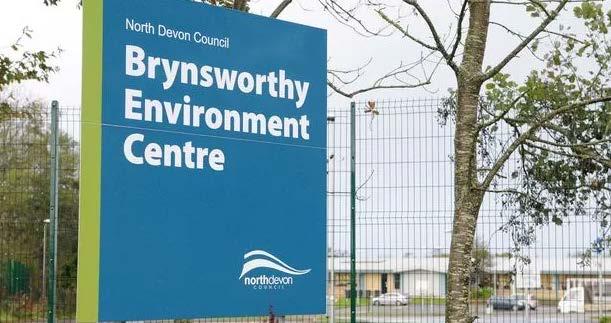
This is a varied and interesting role and will largely be based at Brynsworthy Environment Centre.
You will need to have:
• Minimum 5 GCSE’s at grade 4 or above (including Maths and English)
• A qualification in debt recovery administration is desirable, or practical experience in a Financial environment
• Excellent numerical and accuracy skills and an aptitude for figures
• Experience of using excel spreadsheets and word documents
• Be a confident and assertive communicator, both written & verbal
• Be able to organise and plan your work to meet deadlines
• Be a team player
We would welcome the opportunity of speaking informally with anyone who is interested in this post.
Telephone: Tony Rumble – Finance Manager 01271 388220
If you have not heard by the interview date, please assume that you have been unsuccessful on this occasion.
For more information, please visit: www.northdevon.gov.uk/jobs-and-careers
The closing date for this vacancy is: Friday 13th March 2026
Interview Dates: 23rd or 24th March 2026
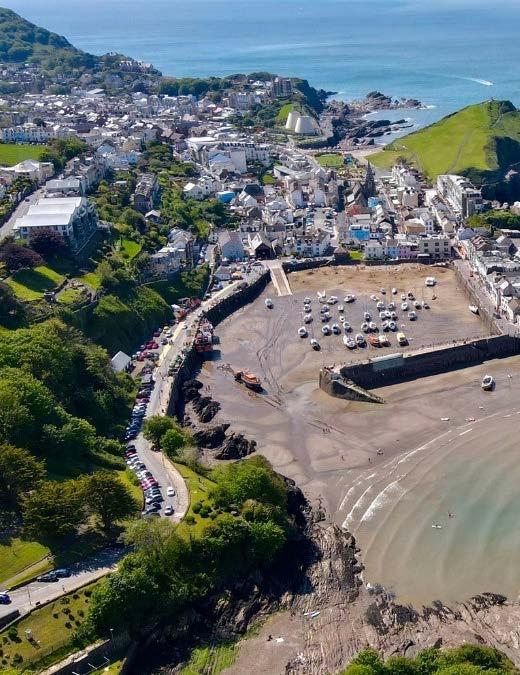

North Devon is a stunning district in the county of Devon, located in the South West of United Kingdom. Known for its dramatic coastline, sandy beaches, and rolling countryside, North Devon is one of England’s most picturesque regions.
One of its most remarkable features is the North Devon Coast, which is designated as an Area of Outstanding Natural Beauty (AONB). The coastline stretches for over 170 square miles and includes towering cliffs, hidden coves, and sweeping beaches. The area is also home to part of the South West Coast Path, England’s longest waymarked footpath, offering breathtaking walking routes along rugged cliff tops.
North Devon is famous for its beaches, particularly Woolacombe Beach, which has repeatedly been ranked among the best beaches in the UK and even Europe. Its long stretch of golden sand attracts surfers, swimmers, and families alike. Nearby Croyde Bay is internationally recognised for surfing, hosting competitions and drawing wave enthusiasts yearround.
The district’s largest town is Barnstaple, one of the oldest boroughs in England. Barnstaple has a historic pannier market that dates back over 1,000 years and remains a bustling centre for local produce and crafts. Historically, the town was an important river port on the River Taw, playing a key role in trade during the medieval period.
Nature lovers are drawn to Exmoor National Park, which partly lies within North Devon. Exmoor is known for its wild moorland, ancient woodlands, and native Exmoor ponies. It is also designated as a Dark Sky Reserve, making it one of the best places in the country for stargazing.
North Devon has a rich cultural and literary heritage. The Victorian novelist Charles Kingsley set his famous novel Westward Ho! in the area. In fact, the seaside village of Westward Ho! is the only place name in the UK that officially includes an exclamation mark.
Agriculture and tourism are central to North Devon’s economy. The region is well known for its cream teas, fresh seafood, and locally produced cider. With its combination of history, natural beauty, and outdoor activities, North Devon remains one of the UK’s most cherished coastal destinations.


A Building Control Technical Support Officer plays an important role within a UK local authority, providing administrative and technical assistance to ensure that building projects comply with statutory regulations. Working as part of the Building Control team, the officer supports surveyors and inspectors in delivering services that protect public safety, health, and welfare.
At the heart of the role is the administration of building regulation applications. When homeowners, developers, or architects submit plans for new builds, extensions, or alterations, the Technical Support Officer processes the applications, checks documentation for completeness, and ensures the correct fees are calculated and received. This requires a good understanding of the Building Regulations and associated legislation, as well as strong attention to detail.
The officer is often the first point of contact for customers. They respond to telephone and email enquiries from members of the public, builders, and other professionals seeking advice on application procedures, inspection bookings, or regulatory requirements. While they do not provide formal technical decisions — which are the responsibility of qualified Building Control Surveyors — they offer general guidance and ensure queries are directed to the appropriate officer when necessary. Strong communication skills are essential, as the role involves dealing with a wide range of stakeholders, from experienced contractors to first-time applicants.
Another key responsibility is maintaining accurate records within the council’s Building Control system. This includes registering applications, updating inspection outcomes, issuing completion certificates, and archiving documents in line with data retention policies. Accuracy is crucial, as property records may be required for legal purposes, property sales, or future enforcement action.
The Technical Support Officer also assists with scheduling site inspections. Coordinating diaries for surveyors ensures that inspections are carried out within statutory timeframes and service standards. Efficient scheduling helps maintain customer satisfaction and ensures compliance with performance targets set by the council.
Financial administration forms part of the role as well. Officers may raise invoices, process payments, and reconcile accounts relating to building control services. This supports the council in managing income effectively and meeting budgetary requirements.
In some councils, the role may extend to supporting enforcement procedures. This could involve preparing documentation, issuing notices, or maintaining case files where unauthorised building work is identified. Discretion and professionalism are vital, as enforcement matters can be sensitive and occasionally contentious.

Beyond day-to-day administration, a Building Control Technical Support Officer contributes to service improvement initiatives. This may include supporting the implementation of digital systems, improving customer access to online application portals, or assisting with performance reporting.
Overall, the role is central to the smooth operation of a council’s Building Control service. By providing organised, accurate, and responsive support, the Technical Support Officer helps ensure that construction work within the community meets required safety and quality standards, ultimately protecting residents and supporting sustainable development across the local area.

We are recruiting for a:
£25,583 - £28,142 per annum, pro rata 24 hours per week | Job Reference: REQ000382 | Job Category: Building Control
We are looking for a first class administrator to support our Building Control Team that is working in partnership with Mid Devon.
The closing date for this vacancy is:
Friday 6th March 2026
The interview dates for this vacancy are:
16th or 17th March 2026
You will provide administrative support to the service including front line customer contact, registration of applications and system administration of ICT systems and the partnership website.
This post provides excellent prospects for advancement and the opportunity to work in a flexible way, with a degree of home working where the demands of the service permit.
If you have not heard by the interview date, please assume that you have been unsuccessful on this occasion.
For more information, please visit: www.northdevon.gov.uk/jobs-and-careers

For more information or to apply, please visit:
www.horsham. gov.uk/jobs-andcareers
£33,699 - £36,363 pa | Permanent | Full Time | Ref: P1740 (Plus Essential Car User Allowance up to £1,239 pa)
Horsham District Council is looking for a Estate Surveyor (Commercial) to assist in managing our varied portfolio of industrial, commercial, retail, and operational properties. This will involve property management activities such as property inspections, determining repair and improvement work and preparing budget reports as well as estate management work, assisting with rental reviews, lease renewals, rating and letting.
As Estate Surveyor (Commercial) you will provide professional support to a team of experienced Surveyors and be allocated industrial and retail estates to manage. You will be responsible for setting up and coordinating leases with tenants, organising maintenance contractors and developing the property service charge budget and reconciliation. In addition, you will seek to incorporate carbon neutral initiatives.
Other responsibilities include carrying out support tasks for the team including lease plan creation, answering title ownership queries, organising licences, assisting in legal documentation and negotiation, contract administration and collating information for rating or valuation surveyors.
To succeed as Property Coordinator (Commercial), you will have at least 5 years property management experience (preferably in commercial property).
You will have a willingness to learn and undertake professional development to develop a broad range of skills with the requirements of the service. Good IT, communication skills and effective work planning are essential. You need to work under your own initiative but operate as part of a team and be able to follow instructions accurately and effectively.
This role requires travelling around the District, therefore a full UK driving licence is required. An understanding of property sale transactions is desirable as well as an understanding carbon net zero.
If you feel that you maybe the right person for this role but do not have the relevent qualifications, please contact Elizabeth Williams (Head of Property and Facilities) on 07717 807 835 to discuss further.

We have a friendly and supportive working environment and being a smaller Council, you can really get to know everybody.
We encourage and support our employees to have a healthy work life balance by offering 28 days’ (207.2 hours) annual leave plus bank holidays (prorata), and flexible/hybrid working options where applicable.
We offer a generous benefits package including an online platform offering discounts from online retailers and access to a car lease scheme. Staff are also eligible to join the Local Government Pension Scheme (LGPS), where the Council contributes circa 20% of pensionable salary.
To support employees’ professional development the Council provides reimbursement for professional subscriptions and a number of training opportunities, including extensive in-house learning resources, short courses, Apprenticeships, and qualifications such as Institute of Leadership & Management (ILM), Master of Business Administration (MBA).
Visit our Jobs and careers page to find out more about Working for Horsham District Council and Our employment commitments.
Closing Date: 12:00 27th February 2026
Interview Date:
Suitable applicants will be contacted for interview on an ongoing basis
For an informal discussion about this role please call Elizabeth Williams, Head of Property and Facilities on 07717 807 835.
If you would like to apply for the role, we highly recommend you show clearly within the ‘Experience Section’ of the application form how you meet the essential criteria detailed within the Role Profile when applying. If you do not make this clear, it is unlikely you will be shortlisted for interview.
Suitable applicants will be contacted for interview on an ongoing basis therefore this advert may close early.
PPA
Applicants invited for interview will be asked to complete a Thomas’ Personal Profile Analysis (PPA) which provides a rapid and deep insight into behavioural preferences and communication style.

An Estates Surveyor or Estates Officer (Commercial) plays a key role within a UK local council by managing and maximising the value of the council’s commercial property portfolio. This portfolio often includes offices, retail units, industrial premises, community buildings, and investment properties. The role supports the council’s financial sustainability while ensuring that property assets are managed responsibly and in line with public sector objectives.
One of the main responsibilities of a Commercial Estates Surveyor is asset management. This involves overseeing council-owned commercial properties to ensure they are well maintained, legally compliant, and delivering value for money. Officers regularly review property performance, rental income, and occupancy levels, identifying opportunities to improve returns or reduce costs. This may include lease renewals, rent reviews, and re-gearing leases to reflect current market conditions.
Letting and disposal of commercial property is another core aspect of the role. Estates Surveyors are responsible for marketing vacant units, negotiating lease terms, and selecting tenants in accordance with council policies and best value requirements. They also advise on the acquisition or disposal of assets, preparing reports to support strategic decision-making.
The role also involves managing relationships with tenants and stakeholders. Estates Surveyors act as the main point of contact for commercial tenants, dealing with issues such as lease compliance, break clauses, and requests for alterations or assignments. Effective communication and negotiation skills are essential to balance the council’s commercial interests with the needs of local businesses.
Strategic input is a significant element of the position. Commercial Estates Officers contribute to property strategies, regeneration projects, and town centre initiatives, working closely with planning, finance, and regeneration teams to align property decisions with wider economic and social objectives.
Professional and legal knowledge is critical in this role. Estates Surveyors must understand landlord and tenant law, valuation principles, and property-related legislation. Many posts require or support professional qualifications such as membership of the Royal Institution of Chartered Surveyors (RICS).
Overall, the role of an Estates Surveyor/Officer (Commercial) is central to effective management of council property assets. By combining commercial expertise with public sector accountability, the role helps councils generate income, support local economies, and ensure public assets are used efficiently for the benefit of the community.

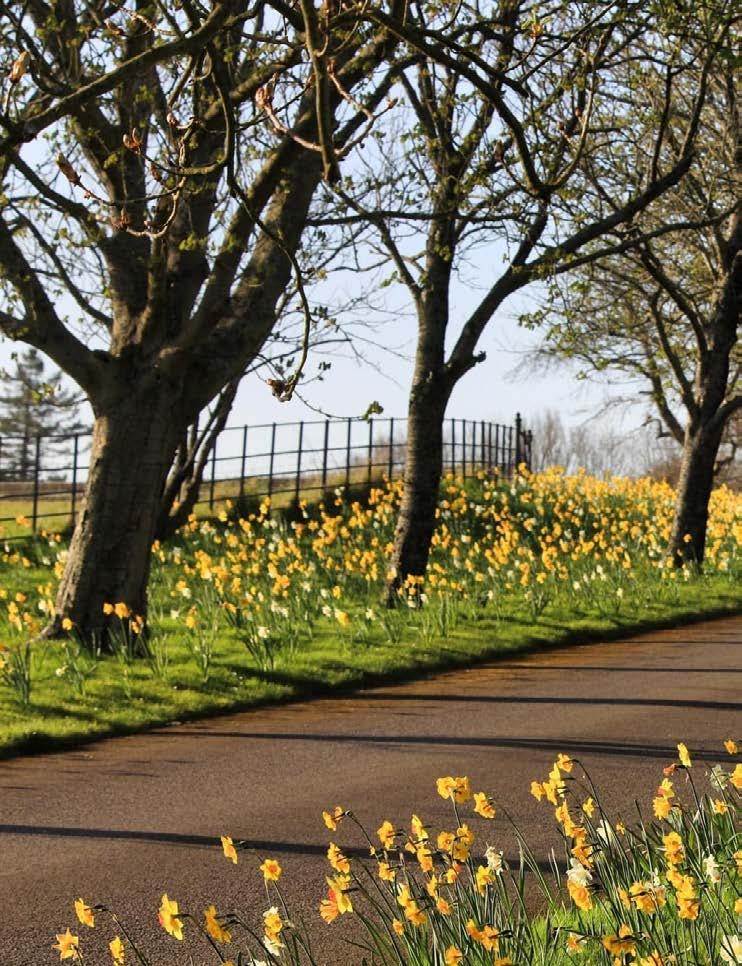
Horsham is a thriving market town in West Sussex that offers an excellent balance between professional opportunities, quality of life, and access to nature. With its strong local economy, attractive surroundings, and convenient transport links, Horsham has become an increasingly popular place to both live and work in the South East of England.
One of the main benefits of living in Horsham is its high quality of life. The town is known for being clean, safe, and family-friendly, with a strong sense of community. Horsham Park, the Causeway, and nearby countryside provide residents with plenty of green spaces for leisure, exercise, and relaxation. The town is also close to the South Downs National Park, offering easy access to walking, cycling, and outdoor activities.
Horsham’s town centre combines historic character with modern convenience. A mix of independent shops, well-known retailers, cafés, and restaurants creates a vibrant yet relaxed atmosphere. Regular markets and community events contribute to the town’s appeal and help foster a strong local identity. Cultural venues, including theatres and arts centres, provide entertainment options without the need to travel far.
Working in Horsham offers a range of employment opportunities across both the public and private sectors. The town is home to businesses in finance, technology, professional services, retail, and manufacturing, as well as a significant presence from local government and education providers. This diverse employment base supports economic stability and career development for residents.

Transport links are another key advantage. Horsham railway station provides direct services to London, Gatwick Airport, and the south coast, making it an attractive location for commuters. Road connections via the A24 and A264 further enhance accessibility to surrounding towns and cities. This connectivity allows residents to enjoy a more relaxed lifestyle while maintaining strong professional links.
Education and healthcare provision in Horsham are also highly regarded. The town offers a range of good-quality primary and secondary schools, alongside access to further and higher education institutions nearby. Healthcare services, including GP practices and hospitals within easy reach, support the wellbeing of the local population.
While property prices in Horsham are higher than the national average, many people consider the cost worthwhile due to the town’s desirability, employment prospects, and overall living environment. The combination of career opportunities, green spaces, and community-focused living makes Horsham an appealing choice for professionals, families, and retirees alike.
Overall, Horsham offers the benefits of a wellconnected working town alongside the charm and comfort of a traditional market community. Its balance of employment, lifestyle, and natural surroundings makes it an excellent place to live and work in the UK.
£45,091 - £49,282 pa | Permanent | Full Time | Ref: P1744 (Plus Essential Car User Allowance up to £1,239 pa)
Horsham District Council is looking for an experienced Mechanical, Electrical, and Compliance Engineer to assist in efficiently managing MEP systems in a varied portfolio of industrial, commercial, retail, residential and operational properties. The Council’s net zero targets are a key focus in this role from developing a planned maintenance plan to determining everyday maintenance options.
As Mechanical, Electrical, and Compliance Engineer you will be responsible for ensuring statutory and best practice actions are carried out which will involve property inspections, contractor liaison, solution analysis, cost reporting, budget preparation and record keeping. You will also have a close relationship with external facilities contractor/s and the Facilities Manager, to whom this role reports into.
This role incorporates responsibility for specific areas of Health and Safety management including Asbestos management and Fire Risk.
To succeed as a Mechanical, Electrical, and Compliance Engineer, you will have knowledge of heating, ventilation and air-conditioning systems or electrical systems in commercial and residential buildings. A higher national diploma/certificate or other relevant qualification with at least 8 years of proven UK experience in either of the above is required.
As Mechanical, Electrical, and Compliance Engineer, you will be able to assess maintenance inspection reports and determine if improvements to services is required, to achieve optimum efficiency and alignment with Net Zero initiatives. An understanding of industry standards and statutory requirements, including CDM, is essential to ensure compliance is achieved.
For more information or to apply, please visit: www.horsham. gov.uk/jobs-andcareers
Part of this role involves ensuring all relevant corporate buildings have a valid display energy certificate and leased commercial, and all residential buildings have appropriate energy performance certificates to aid management surveyors.
The ability to interpret CAD drawings, and good IT, communication, effective work planning and record keeping skills are essential. You will need to work on your own initiative and operate as part of a team which involves the ability to follow instructions accurately and effectively. You will also have a willingness to learn and undertake professional development to develop a broad range of skills with the requirements of the service. This role requires travelling around the District, therefore a full UK driving licence and access to a vehicle is required.
We have a friendly and supportive working environment and being a smaller Council, you can really get to know everybody.
We encourage and support our employees to have a healthy work life balance by offering 28 days’ (207.2 hours) annual leave plus bank holidays (prorata), and flexible/hybrid working options where applicable.
We offer a generous benefits package including an online platform offering discounts from online retailers and access to a car lease scheme. Staff are also eligible to join the Local Government Pension Scheme (LGPS), where the Council contributes circa 20% of pensionable salary.
To support employees’ professional development the Council provides reimbursement for professional subscriptions and a number of training opportunities, including extensive in-house learning resources, short courses, Apprenticeships, and qualifications such as Institute of Leadership & Management (ILM), Master of Business Administration (MBA).
Visit our Jobs and careers page to find out more about Working for Horsham District Council and Our employment commitments.
Closing Date: 12:00 27th February 2026
Interview Date: 19th & 20th March 2026
To Apply:
For an informal discussion about this role please call Simon Haste, Property Facilities Manager on 07766 565 907.
If you would like to apply for the role, we highly recommend you show clearly within the ‘Experience Section’ of the application form how you meet the essential criteria detailed within the Role Profile when applying. If you do not make this clear, it is unlikely you will be shortlisted for interview.
PPA
Applicants invited for interview will be asked to complete a Thomas’ Personal Profile Analysis (PPA) which provides a rapid and deep insight into behavioural preferences and communication style.
A Mechanical, Electrical, and Compliance Engineer plays a vital role within a UK local council by ensuring that council-owned buildings and assets are safe, efficient, and fully compliant with statutory and regulatory requirements. The role sits at the intersection of technical engineering expertise, legal compliance, and public safety, supporting councils in delivering services responsibly and sustainably.
One of the primary responsibilities of this role is overseeing the maintenance and operation of mechanical and electrical (M&E) systems across the council’s property portfolio. This may include offices, schools, housing stock, leisure centres, and community buildings. Engineers ensure that systems such as heating, ventilation, air conditioning, electrical installations, lifts, fire alarms, and emergency lighting are operating effectively and safely. Regular inspections, testing, and servicing programmes are managed to minimise risk and disruption.
Compliance is a core aspect of the role. Mechanical, Electrical, and Compliance Engineers ensure that buildings meet legal requirements under relevant legislation, such as health and safety regulations, building regulations, and electrical and gas safety standards. This includes managing statutory inspections, maintaining accurate compliance records, and responding to audit findings. Failure to meet these obligations can carry serious legal and financial consequences, making the role critical to council governance and risk management.
The role also involves managing external contractors and consultants. Engineers are often responsible for procuring specialist services, monitoring contractor performance, and ensuring work is delivered to the required standards, on time, and within budget. Strong contract management skills are essential, as councils must demonstrate transparency, value for money, and adherence to procurement rules.
Another important element of the role is providing technical advice and strategic input. Mechanical, Electrical, and Compliance Engineers support capital projects, refurbishments, and new developments by advising on system design, energy efficiency, and compliance considerations. They work closely with property, housing, finance, and health and safety teams to ensure engineering decisions align with wider council objectives, including sustainability targets and carbon reduction commitments.
Risk assessment and problem-solving are central to day-to-day activities. Engineers must identify potential hazards, prioritise remedial works, and respond effectively to emergencies such as system failures or safety incidents. Clear communication is essential, as engineers often need to explain technical issues and compliance requirements to non-technical colleagues, senior managers, and elected members.
Professionalism and continuous development are key expectations of the role. Mechanical, Electrical, and Compliance Engineers are typically required to hold relevant engineering qualifications and maintain up-to-date knowledge of changing legislation, standards, and best practice. Many councils support professional accreditation and ongoing training to ensure high standards are maintained.
Overall, the role of a Mechanical, Electrical, and Compliance Engineer is fundamental to the safe and efficient operation of council buildings and services. By combining technical expertise with strong compliance oversight, the role helps councils protect residents, staff, and visitors, manage risk effectively, and maintain public assets to a high standard. The position is both technically demanding and highly impactful, contributing directly to community safety, service delivery, and long-term asset sustainability.


For more information or to apply, please visit:
www.horsham.
gov.uk/jobs-andcareers
£45,091 - £49,282 pa
(Plus Essential Car User Allowance up to £1,239 pa)
Permanent | Full Time | Ref: P1739
Horsham District Council is looking for a Civil Engineer (Projects and Infrastructure) to manage civil infrastructure projects in our varied portfolio of industrial, commercial and public realm properties. The role will involve managing projects ranging from carrying out tender exercises including preparation of all documentation, inspections and surveys, through to project completion and evaluation.
As Civil Engineer (Projects and Infrastructure), you will provide professional support to a team of experienced Surveyors and be responsible for communicating the results of feasibility studies with various external stakeholders. You will also have responsibility for the appointment and management of contractors to carry out works.
To succeed as Civil Engineer (Projects and Infrastructure), you will have at least 8 years relevant, UK based experience and a Higher National Diploma or recognised degree level in a relevant engineering discipline.
You will be confident liaising with external stakeholders and be able to coordinate and host meetings/ deliver presentations to develop projects concepts.
You will need to work under your own initiative but operate as part of a team and be able to follow instructions accurately and effectively. You will have a willingness to learn and undertake professional development to develop a broad range of skills with the requirements of the service. Good IT, communication skills and effective work planning are essential. This role requires travelling around the District, therefore a full UK driving licence is required.

We have a friendly and supportive working environment and being a smaller Council, you can really get to know everybody.
We encourage and support our employees to have a healthy work life balance by offering 28 days’ (207.2 hours) annual leave plus bank holidays (prorata), and flexible/hybrid working options where applicable.
We offer a generous benefits package including an online platform offering discounts from online retailers and access to a car lease scheme. Staff are also eligible to join the Local Government Pension Scheme (LGPS), where the Council contributes circa 20% of pensionable salary.
To support employees’ professional development the Council provides reimbursement for professional subscriptions and a number of training opportunities, including extensive in-house learning resources, short courses, Apprenticeships, and qualifications such as Institute of Leadership & Management (ILM), Master of Business Administration (MBA).
Visit our Jobs and careers page to find out more about Working for Horsham District Council and Our employment commitments.
Closing Date: 12:00 27th February 2026
Interview Date:
Suitable applicants will be contacted for interview on an ongoing basis
For an informal discussion about this role please call Elizabeth Williams, Head of Property and Facilities on 07717 807 835.
If you would like to apply for the role, we highly recommend you show clearly within the ‘Experience Section’ of the application form how you meet the essential criteria detailed within the Role Profile when applying. If you do not make this clear, it is unlikely you will be shortlisted for interview.
Suitable applicants will be contacted for interview on an ongoing basis therefore this advert may close early.
PPA
Applicants invited for interview will be asked to complete a Thomas’ Personal Profile Analysis (PPA) which provides a rapid and deep insight into behavioural preferences and communication style.

A Civil Engineer (Projects and Infrastructure) plays a vital role within a UK local council by planning, delivering, and maintaining infrastructure that supports communities, economic growth, and public wellbeing. The role combines technical engineering expertise with project management and public sector accountability, ensuring that infrastructure projects are delivered safely, efficiently, and in line with statutory requirements.
One of the primary responsibilities of a Civil Engineer in this role is the design and delivery of infrastructure projects. These may include highways and transport schemes, drainage and flood mitigation works, public realm improvements, bridges, footpaths, and cycle routes. Engineers are involved from the early planning stages through to construction and completion, ensuring that designs are practical, sustainable, and compliant with relevant standards and legislation.
Project management is a central element of the role. Civil Engineers are responsible for managing budgets, programmes, and resources across multiple projects. This includes preparing technical reports, specifications, and business cases, as well as monitoring progress on site. Engineers must ensure projects are delivered within agreed timescales and budgets while meeting quality and safety expectations. Effective risk management is essential, particularly when working on live highways or public spaces.
Health, safety, and compliance are key priorities. Civil Engineers ensure that projects comply with health and safety legislation, environmental regulations, and design standards. This includes carrying out risk assessments, ensuring safe working practices, and overseeing contractor compliance. The role is critical in protecting the safety of construction workers, road users, and the wider public.

The role also involves working closely with external contractors, consultants, and utility companies. Civil Engineers manage and coordinate these stakeholders to ensure works are delivered effectively and disruption to residents and businesses is minimised. Strong communication skills are required, as engineers may also engage with councillors, community groups, and members of the public to explain projects and address concerns.
Strategic input forms an important part of the position. Civil Engineers contribute to long-term infrastructure planning, asset management strategies, and regeneration initiatives. They support council objectives such as improving transport connectivity, enhancing public spaces, and promoting sustainable development. Increasingly, this includes incorporating climate resilience, active travel, and low-carbon design into infrastructure projects.
Professional judgement and technical competence are essential in this role. Civil Engineers are typically qualified to degree level and may be working towards or hold professional membership with bodies such as the Institution of Civil Engineers (ICE). Continuous professional development is encouraged to ensure engineers remain up to date with evolving standards, technology, and best practice.
Overall, the role of a Civil Engineer (Projects and Infrastructure) is central to delivering safe, resilient, and sustainable infrastructure within a local authority. By combining engineering expertise with effective project delivery and public service values, the role helps councils improve quality of life, support economic development, and maintain essential infrastructure for current and future generations.


Within a UK local authority, the Senior Engineer –Structures plays a vital role in ensuring the safety, integrity, and sustainability of public infrastructure. This position sits within the council’s highways or engineering department and is responsible for managing the inspection, assessment, maintenance, and improvement of bridges, retaining walls, culverts, and other structural assets owned by the authority. The role combines technical expertise, project management, and public service to maintain the built environment that supports local communities.
A key responsibility of the Senior Engineer – Structures is overseeing the council’s bridge and structures inspection programme, ensuring compliance with national standards such as the Design Manual for Roads and Bridges (DMRB) and BD 63/17 – Inspection of Highway Structures. They interpret inspection data, prioritise maintenance needs, and prepare works programmes that balance safety, cost, and service life considerations. Structural assessments are carried out to determine load capacities, particularly where weight restrictions or strengthening works may be required.
The role also involves preparing detailed designs, specifications, and contract documents for structural maintenance and improvement schemes. Senior Engineers often manage consultants and contractors, ensuring that works are delivered safely, on time, and within budget. They must apply sound engineering judgement while adhering to CDM Regulations, local
procurement policies, and environmental objectives. A strong grasp of asset management principles is essential, enabling the council to make evidencebased decisions about long-term investment and risk management.
Collaboration and communication are central to the position. Senior Engineers liaise with councillors, local residents, utility companies, and emergency services to coordinate works and minimise disruption. They also provide professional advice to senior management and contribute to reports, funding bids, and policy development. In addition, mentoring junior staff and supporting their professional development forms part of the leadership aspect of the role.
Beyond technical competence, the Senior Engineer –Structures must demonstrate resilience and adaptability. Councils face increasing financial pressures and public expectations, requiring innovative approaches such as adopting digital asset management systems, sustainable construction methods, and low-carbon materials.
In summary, the Senior Engineer – Structures ensures that vital public infrastructure remains safe, reliable, and fit for the future. By combining technical skill, effective management, and a commitment to public service, they help local authorities deliver essential services and maintain confidence in the structural integrity of their communities.

We are recruiting for a:
Salary Range: £41,771.00 - £46,142.00 Permanent | 37 Hours Per Week | Job Number: R&C00082
An exciting opportunity has arisen within the Highways Design Team for a Senior Engineer, Structures. The successful candidate will be supporting the Highway Design Team Manager in the delivery of highways and Civil infrastructure schemes within the authorities Projects team.
The post holder will report to and assist the Highway Design Team Manager in providing technical and administrative support as part of the team’s role in delivering an effective in-house municipal Engineering service to other highway teams and, where opportunities permit, to the wider county council and partners as part of the team’s business plan.
The post holder will assist the Team Manager with the planning and organisation of the team’s workload to ensure that all schemes are designed, supervised and effectively managed. This will also include leading on various projects and assisting with maintaining and developing the overall programme for the Highway Design Team.
Should you require any further information regarding this post, please contact: Rob Davies on: robdavies@monmouthshire.gov.uk
Closing Date: 27th March 2026
To find out more about this exciting role, please visit: www.monmouthshire.gov.uk



Ystod cyflog: £41,771.00 - £46,142.00 Parhaol | 37 Oriau Fesul Wythnos | Rhif archeb: R&C00082
Daeth cyfle cyffrous ar gael o fewn y Tîm Dylunio Priffyrdd ar gyfer Uwch Beiriannydd, Strwythurau. Bydd yr ymgeisydd llwyddiannus yn cefnogi Rheolwr Tîm Dylunio Priffyrdd wrth gyflwyno cynlluniau priffyrdd a seilwaith sifil o fewn tîm Prosiectau yr awdurdod.
Bydd deiliad y swydd yn adrodd i ac yn cynorthwyo Rheolwr y Tîm Dylunio Priffyrdd i roi cymorth technegol a gweinyddol fel rhan o rôl y tîm yn cyflawni gwasanaeth Peirianneg bwrdeisiol mewnol effeithiol i dimau priffordd arall a lle mae cyfleoedd yn bodoli, i’r cyngor sir a phartneriaid yn ehangach fel rhan o gynllun busnes y tîm.
Bydd deiliad y swydd yn cynorthwyo Rheolwr y Tîm wrth gynllunio a threfnu llwyth gwaith y tîm i sicrhau y caiff pob cynllun eu dylunio, eu goruchwylio a’u rheoli’n effeithlon. Bydd hyn hefyd yn cynnwys arwain ar wahanol brosiectau a cynorthwyo gyda chynnal a datblygu’r rhaglen waith gyffredinol ar gyfer y Tîm Dylunio Priffyrdd.
Os ydych angen mwy o wybodaeth am y swydd hon, cysylltwch â: Rob Davies: robdavies@monmouthshire.gov.uk
Dyddiad cau: 27 Maw 2026
I gael gwybod mwy am y rôl gyffrous hon, ewch i: www.monmouthshire.gov.uk
O fewn awdurdod lleol yn y Deyrnas Unedig, mae rôl y Peiriannydd Uwch – Strwythurau yn allweddol wrth sicrhau diogelwch, cyfanrwydd a chynaliadwyedd seilwaith cyhoeddus. Mae’r swydd hon fel arfer yn rhan o adran briffyrdd neu beirianneg y cyngor ac yn gyfrifol am oruchwylio’r arolygon, asesiadau, cynnal a chadw a gwella pontydd, waliau cadw, culvertau a strwythurau eraill sy’n eiddo i’r awdurdod. Mae’r swydd yn cyfuno arbenigedd technegol, rheoli prosiectau a gwasanaeth cyhoeddus er mwyn cynnal yr amgylchedd adeiledig sy’n cefnogi cymunedau lleol.
Un o’r prif gyfrifoldebau yw goruchwylio rhaglen arolygu pontydd a strwythurau’r cyngor, gan sicrhau cydymffurfiaeth â safonau cenedlaethol megis y Design Manual for Roads and Bridges (DMRB) a BD 63/17 –Inspection of Highway Structures. Mae’r peiriannydd yn dehongli data arolygon, yn blaenoriaethu anghenion cynnal a chadw ac yn paratoi rhaglenni gwaith sy’n cydbwyso ystyriaethau diogelwch, cost ac oes gwasanaeth. Gwneir asesiadau strwythurol i bennu capasiti llwyth, yn enwedig lle bo angen cyfyngiadau pwysau neu waith atgyfnerthu.
Mae’r rôl hefyd yn cynnwys paratoi dyluniadau manwl, manylebau a dogfennau contract ar gyfer cynlluniau cynnal a chadw a gwella. Yn aml, mae Peirianwyr Uwch yn rheoli ymgynghorwyr a chontractwyr, gan sicrhau bod y gwaith yn cael ei gwblhau’n ddiogel, ar amser ac o fewn y gyllideb. Rhaid iddynt ddefnyddio barn beirianyddol gadarn wrth gydymffurfio â Rheoliadau CDM, polisïau caffael lleol ac amcanion amgylcheddol.
Mae dealltwriaeth gadarn o egwyddorion rheoli asedau yn hanfodol, gan alluogi’r cyngor i wneud penderfyniadau ar sail tystiolaeth am fuddsoddiad tymor hir a rheoli risg.
Mae cydweithio a chyfathrebu’n greiddiol i’r swydd. Mae’r Peiriannydd Uwch yn cydweithio â chynghorwyr, trigolion lleol, cwmnïau cyfleustodau a’r gwasanaethau brys i gydlynu gwaith ac i leihau aflonyddwch. Maent hefyd yn darparu cyngor proffesiynol i reolwyr uwch ac yn cyfrannu at adroddiadau, ceisiadau cyllido a datblygu polisïau. Yn ogystal, mae meithrin a chefnogi datblygiad proffesiynol staff iau yn rhan bwysig o’r elfen arweinyddiaeth.
Y tu hwnt i gymhwysedd technegol, rhaid i’r
Peiriannydd Uwch – Strwythurau ddangos gwydnwch ac addasrwydd. Gan fod cynghorau’n wynebu pwysau ariannol cynyddol a disgwyliadau’r cyhoedd, mae angen dulliau arloesol megis mabwysiadu systemau digidol ar gyfer rheoli asedau, dulliau adeiladu cynaliadwy a deunyddiau carbon isel.
I grynhoi, mae’r Peiriannydd Uwch – Strwythurau yn sicrhau bod seilwaith cyhoeddus hanfodol yn parhau’n ddiogel, yn ddibynadwy ac yn barod ar gyfer y dyfodol. Trwy gyfuno sgiliau technegol, rheolaeth effeithiol ac ymrwymiad i wasanaeth cyhoeddus, maent yn helpu awdurdodau lleol i ddarparu gwasanaethau hanfodol ac i gynnal hyder yn strwythurau eu cymunedau.




Nestled on the border between Wales and England, Monmouthshire is one of the most attractive places to live and work in the UK. With its stunning landscapes, welcoming communities and growing economy, the county offers a lifestyle that perfectly balances work opportunities with an exceptional quality of life.
Monmouthshire is renowned for its picturesque countryside, historic market towns and easy access to outdoor activities. Residents can enjoy the rolling hills of the Wye Valley, the Brecon Beacons National Park and scenic walking and cycling routes such as Offa’s Dyke Path. The clean environment, low crime rates and strong sense of community make it an ideal place for families and individuals seeking a peaceful yet connected lifestyle.
One of Monmouthshire’s biggest advantages is its location. It sits within easy reach of major cities such as Cardiff, Bristol and Newport, making it ideal for commuters who prefer a rural home life but need access to urban job markets. Excellent transport links via the M4, A40 and direct train services mean that working professionals can enjoy both career growth and a relaxed home environment.
The county has a diverse and resilient economy. Sectors such as tourism, agriculture, education, and small business enterprises thrive here. In recent years, Monmouthshire has also seen growth in green industries and digital innovation, providing exciting

opportunities for both entrepreneurs and remote workers. The employment rate is higher than the Welsh average, and residents typically enjoy higherthan-average disposable incomes, reflecting the area’s prosperity.
Monmouthshire’s towns – including Abergavenny, Monmouth, Chepstow and Usk – each have a distinctive character but share a strong community spirit. Excellent schools, healthcare services and local amenities make it an appealing area for families. The county council and local organisations actively support wellbeing and community development through cultural events, farmers’ markets and local business initiatives.
Perhaps the greatest benefit of living and working in Monmouthshire is the balance it offers. Residents can pursue rewarding careers while being surrounded by nature and vibrant local life. Whether it’s enjoying a weekend walk through the countryside, dining at award-winning local restaurants or simply embracing a slower pace of life, Monmouthshire provides the ideal environment to thrive personally and professionally.
In summary, Monmouthshire blends the best of both worlds – modern work opportunities and an outstanding quality of life. Its strategic location, thriving economy and welcoming communities make it a truly special place to live, work and grow. For those seeking balance and wellbeing, Monmouthshire is a perfect choice.
The role of an Engineer in Highways Design is central to the planning, development, and delivery of safe, efficient, and sustainable transport infrastructure. Highways Design Engineers work within local authorities, consulting firms, or contractors, using their technical knowledge to shape the roads, junctions, and public spaces that connect communities and support economic growth.
A core responsibility of a Highways Design Engineer is to develop detailed designs for new roads, highway improvements, and maintenance schemes. This involves applying national standards such as the Design Manual for Roads and Bridges (DMRB) and Manual for Streets, ensuring that designs meet safety, accessibility, and environmental requirements. Engineers use advanced design software such as AutoCAD, Civil 3D, and KeyLINES to produce accurate drawings, 3D models, and construction details that guide contractors on-site.
In the early stages of a project, the Engineer contributes to feasibility studies and option assessments, balancing factors such as traffic flow, land constraints, drainage, utilities, and cost. Collaboration is key: Highways Design Engineers work closely with transport planners, structural engineers, environmental specialists, and stakeholders to create practical, cost-effective solutions. They also engage with the public and local councillors during consultations to ensure that designs reflect community needs.
Safety and sustainability are at the heart of modern highway design. Engineers must consider pedestrian and cyclist safety, accessibility for all users, and compliance with road safety audits. Increasingly, they are expected to integrate green infrastructure, manage surface water sustainably through SuDS (Sustainable Drainage Systems), and reduce carbon impacts through efficient design and material choices.
Project management is another important aspect of the role. Highways Design Engineers prepare design reports, cost estimates, and tender documentation, ensuring that projects progress on time and within budget. They review technical submissions, respond to contractor queries, and support the supervision of construction works to ensure quality and compliance.
Beyond technical ability, strong communication, analytical, and problem-solving skills are essential. Engineers must be able to interpret complex data, manage competing priorities, and adapt to evolving standards and technologies. Many also work towards professional registration with the Institution of Civil Engineers (ICE) or the Chartered Institution of Highways and Transportation (CIHT), demonstrating their competence and commitment to professional excellence.
In summary, the Highways Design Engineer plays a vital role in creating the transport networks that keep people and goods moving. Through innovative design, collaboration, and technical expertise, they help build safer, greener, and more resilient highways for the future.


We are recruiting for a:
Salary Range: £38,220.00 - £41,771.00 Permanent | 37 Hours Per Week | Job Number: R&C00077
An exciting opportunity has arisen within the Highways & Flooding team for an Engineer. The successful candidate will be supporting the Highway Design Team Manager in the delivery of highways and Civil infrastructure schemes within the authority’s Projects team.
The postholder will report to and assist the appropriate Senior Engineer/ Manager with the design, contract preparation, highway asset management development, administration and general highway service duties as directed by the Design Team Manager.
The postholder will be required to develop competencies and experience in the delivery of tendered Civil Engineering projects and day to day Civil Engineering solutions to infrastructure maintainance conducted by our in house services.
Should you require any further information regarding this post, please contact: Rob Davies on: robdavies@monmouthshire.gov.uk
Closing Date: 27th March 2026
To find out more about this exciting role, please visit: www.monmouthshire.gov.uk
Ystod cyflog: £38,220.00 - £41,771.00
Parhaol | 37 Oriau Fesul Wythnos | Rhif archeb: R&C00077
Daeth cyfle cyffrous ar gael o fewn y tîm Priffyrdd a Llifogydd ar gyfer Peiriannydd Cynorthwyol. Bydd yr ymgeisydd llwyddiannus yn cefnogi Rheolwr Tîm Dylunio Priffyrdd wrth gyflwyno cynlluniau priffyrdd a seilwaith sifil o fewn tîm Prosiectau yr awdurdod.
Bydd deiliad y swydd yn adrodd i ac yn cynorthwyo’r Uwch Beiriannydd/Rheolwr priodol gyda dylunio, paratoi contractau, datblygu rheoli asedau priffyrdd, gweinyddiaeth a dyletswyddau gwasanaeth priffordd cyffredinol yn ôl cyfarwyddyd Rheolwr y Tîm Dylunio.
Bydd angen i ddeiliad y swydd ddatblygu cymwyseddau a phrofiad wrth gyflwyno prosiectau tendr Peirianneg Sifil a datrysiadau Peirianneg Sifil dydd i ddydd i gynnal a chadw seilwaith a gynhaliwyd gan ein gwasanaethau mewnol.
Os ydych angen mwy o wybodaeth am y swydd hon, cysylltwch â: Rob Davies: robdavies@monmouthshire.gov.uk
Dyddiad cau: 27 Maw 2026
I gael gwybod mwy am y rôl gyffrous hon, ewch i: www.monmouthshire.gov.uk
Mae rôl y Peiriannydd Dylunio Ffyrdd yn ganolog i gynllunio, datblygu a chyflawni seilwaith trafnidiaeth sy’n ddiogel, yn effeithlon ac yn gynaliadwy. Mae Peirianwyr Dylunio Ffyrdd yn gweithio o fewn awdurdodau lleol, cwmnïau ymgynghori neu gontractwyr, gan ddefnyddio eu gwybodaeth dechnegol i lunio’r ffyrdd, croesfannau a mannau cyhoeddus sy’n cysylltu cymunedau ac yn cefnogi twf economaidd.
Un o’r prif gyfrifoldebau yw datblygu dyluniadau manwl ar gyfer ffyrdd newydd, gwelliannau priffyrdd a chynlluniau cynnal a chadw. Mae hyn yn cynnwys defnyddio safonau cenedlaethol megis y Design Manual for Roads and Bridges (DMRB) a’r Manual for Streets, gan sicrhau bod y dyluniadau’n bodloni gofynion diogelwch, hygyrchedd ac amgylcheddol. Mae peirianwyr yn defnyddio meddalwedd ddylunio uwch fel AutoCAD, Civil 3D a KeyLINES i greu lluniadau cywir, modelau 3D a manylion adeiladu sy’n arwain contractwyr ar y safle.
Yn ystod camau cynnar prosiect, mae’r peiriannydd yn cyfrannu at astudiaethau dichonoldeb ac asesiadau opsiynau, gan gydbwyso ffactorau fel llif traffig, cyfyngiadau tir, draenio, cyfleustodau a chostau.
Mae cydweithio yn hanfodol: mae Peirianwyr
Dylunio Ffyrdd yn gweithio’n agos gyda chynllunwyr trafnidiaeth, peirianwyr strwythurol, arbenigwyr amgylcheddol a rhanddeiliaid i greu atebion ymarferol ac effeithlon o ran cost. Maent hefyd yn cymryd rhan mewn ymgynghoriadau cyhoeddus i sicrhau bod y dyluniadau’n adlewyrchu anghenion cymunedol.
Mae diogelwch a chynaliadwyedd wrth wraidd dylunio ffyrdd modern. Rhaid i beirianwyr ystyried diogelwch cerddwyr a beicwyr, hygyrchedd i bawb, a chydymffurfiaeth ag archwiliadau diogelwch ar y ffyrdd. Yn gynyddol, disgwylir iddynt integreiddio seilwaith gwyrdd, rheoli dwr wyneb yn gynaliadwy trwy SuDS (Sustainable Drainage Systems), a lleihau effaith carbon trwy ddylunio a dewis deunyddiau effeithlon.
Mae rheoli prosiectau hefyd yn rhan bwysig o’r rôl. Mae Peirianwyr Dylunio Ffyrdd yn paratoi adroddiadau dylunio, amcangyfrifon cost a dogfennau tendro, gan sicrhau bod prosiectau’n symud ymlaen yn brydlon ac o fewn y gyllideb. Maent yn adolygu cyflwyniadau technegol, yn ymateb i ymholiadau contractwyr ac yn cefnogi goruchwyliaeth y gwaith adeiladu i sicrhau ansawdd a chydymffurfiaeth.
Y tu hwnt i sgiliau technegol, mae sgiliau cyfathrebu, dadansoddi a datrys problemau cryf yn hanfodol. Rhaid i beirianwyr allu dehongli data cymhleth, rheoli blaenoriaethau cystadleuol ac addasu i safonau a thechnolegau newydd. Mae llawer hefyd yn gweithio tuag at gofrestru proffesiynol gyda’r Institution of Civil Engineers (ICE) neu’r Chartered Institution of Highways and Transportation (CIHT), gan ddangos eu cymhwysedd ac ymrwymiad i ragoriaeth broffesiynol.
I grynhoi, mae’r Peiriannydd Dylunio Ffyrdd yn chwarae rhan hanfodol wrth greu’r rhwydweithiau trafnidiaeth sy’n cadw pobl a nwyddau i symud. Trwy ddylunio arloesol, cydweithio ac arbenigedd technegol, maent yn helpu i adeiladu ffyrdd mwy diogel, gwyrddach a gwydn ar gyfer y dyfodol.





For more information or to apply, please visit:
www.scambs.gov. uk/jobs
We are recruiting for a:
Grade 5
£37,534 to £42,924 per annum
Permanent | Full Time | Location: Waterbeach
We are recruiting an Enforcement Officer to join a dedicated team delivering high quality services to our residents.
You will need at least 3 years previous experience in local authority or law enforcement and a working knowledge of environmental crime legislation and practices.
As an Enforcement Officer, you will take on varied, meaningful work that directly improves the environment and quality of life across South Cambridgeshire.
Your duties will include:
• Investigating offences such as fly tipping, littering, abandoned vehicles and other environmental crime issues
• Preparing case files for prosecution
• Issuing fixed penalty notices
• Engaging with the public to educate, prevent and resolve issues
• Working closely with internal teams and external partners
• Helping keep our district clean, safe and respected
Perfect for You, if you are looking for:
• Meaningful public service without the intensity, shifts, or risk profile of front line emergency roles
• A structured, professional environment where your experience, judgement and communication skills matter
• Clear procedures, teamwork, and an investigative approach that will feel familiar
• Re gular hours and a healthier balance thanks to our 4 day week
• A role with purpose, protecting local communities and the environment

What We Offer:
• Professional development opportunities
• Generous annual leave
• Generous local government pension scheme
• Hybrid and flexible working in line with operational requirements
• Sou th Cambridgeshire District Council is a fourday week employer. We expect our colleagues to get 100% of their work done, in around 85% of their contracted hours, for 100% of their pay. All Council staff will be able to opt-in to this way of working under a Productivity Policy. We are a four-day week employer as it helps us attract and keep talented colleagues and improves services by reducing our reliance on costly agency workers. It also supports improved health and wellbeing
• 25 days of annual leave, rising to 30 after five years (pro rata for a 4 day week)
• Full uni form and PPE provided
• Local Government Pension Scheme (LGPS)
• A supportive, community focused organisation that values wellbeing and professional pride
Closing Date: 9am 24th February 2026
Interview Date: Week commencing 9th March 2026
For more information about the role please contact Ben Wilkin on:
• ben.wilkin@scambs.gov.uk
• 01954 713227
CV’s will not be considered as acceptable methods of application; all details are on our website.
For more information, please visit:
www.scambs.gov.uk/jobs

An Environmental Crime Enforcement Officer plays a key role within a UK local council by protecting the local environment and public spaces through the enforcement of environmental legislation. The role focuses on preventing and addressing offences such as fly-tipping, littering, dog fouling, graffiti, and wasterelated crimes, helping to maintain clean, safe, and well-managed communities.
One of the main responsibilities of an Environmental Crime Enforcement Officer is investigating environmental offences. Officers carry out patrols, respond to complaints from the public, and gather evidence to identify individuals or businesses responsible for environmental crimes. This can include collecting witness statements, reviewing CCTV footage, and conducting interviews in line with legal procedures. Accurate evidence gathering is essential to support enforcement action and ensure cases meet legal standards.
Enforcement activity is a central part of the role. Officers may issue fixed penalty notices (FPNs), prepare case files for prosecution, and work closely with legal services to take cases to court when necessary. They must have a strong understanding of relevant legislation, such as the Environmental Protection Act 1990 and the Anti-social Behaviour, Crime and Policing Act 2014, to ensure enforcement action is lawful, proportionate, and consistent.
Alongside enforcement, education and engagement are important aspects of the role. Environmental Crime Enforcement Officers work with residents, schools, and businesses to raise awareness of environmental responsibilities and promote positive behaviour. By encouraging compliance and prevention, officers help reduce repeat offending and support long-term improvements in environmental standards.
Partnership working is also essential. Officers regularly collaborate with other council departments, including waste services, housing, community safety, and environmental health, as well as external partners such as the police and landowners. This coordinated approach helps address environmental crime more effectively and ensures resources are used efficiently.

The role requires strong communication and interpersonal skills. Officers often deal with challenging situations and may encounter individuals who are distressed or uncooperative. The ability to remain calm, professional, and impartial is crucial. Officers must also maintain detailed records and produce clear reports to support enforcement outcomes and performance monitoring.
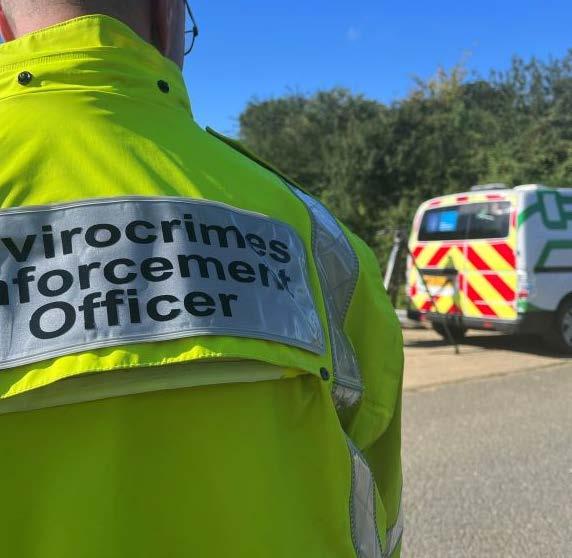
Health and safety awareness is another important element of the role. Environmental Crime Enforcement Officers may work outdoors, handle hazardous waste, or attend potentially unsafe sites. They must follow risk assessments and safe working practices to protect themselves and others.
Overall, the role of an Environmental Crime Enforcement Officer is vital to maintaining the quality and safety of local environments. By combining enforcement, investigation, and public engagement, the role helps councils deter environmental crime, protect public spaces, and improve community pride. The work contributes directly to cleaner neighbourhoods, increased public satisfaction, and a more sustainable local environment.

South Cambridgeshire is widely regarded as one of the most desirable places to live and work in the UK. Located in the East of England and surrounding the historic city of Cambridge, the district offers a rare combination of rural charm, economic opportunity, and excellent quality of life. For individuals, families, and professionals alike, South Cambridgeshire presents many compelling benefits.
One of the area’s greatest strengths is its strong economy. South Cambridgeshire sits at the heart of the “Cambridge Cluster,” often referred to as Silicon Fen, which is one of Europe’s leading centres for science, technology, and innovation. The district is home to numerous research parks, including the Cambridge Science Park and Granta Park, attracting global companies and start-ups in biotechnology, artificial intelligence, engineering, and pharmaceuticals. This creates abundant job opportunities, high average wages, and strong career progression for skilled workers.
Living in South Cambridgeshire also offers an exceptional quality of life. The area is known for its picturesque villages, green open spaces, and wellmaintained countryside. Residents benefit from a peaceful environment while still being close to urban amenities. Many villages have strong community identities, local pubs, village halls, and regular events, making it easy for newcomers to feel welcome and connected.

Transport links are another major advantage. South Cambridgeshire has excellent road and rail connections, with easy access to the M11, A14, and mainline train services into London. Cambridge North and Cambridge stations provide fast connections to London King’s Cross and Liverpool Street, making the area ideal for commuters. In addition, the district supports sustainable travel, with extensive cycling routes and public transport options.
Education is a further key benefit. The district boasts a range of high-performing primary and secondary schools, as well as proximity to the world-renowned University of Cambridge. Families are attracted to the area for its strong academic culture and opportunities for lifelong learning.
Finally, South Cambridgeshire offers a healthy worklife balance. Residents can enjoy cultural attractions in Cambridge, including museums, theatres, and historic landmarks, while also having access to walking trails, nature reserves, and leisure facilities. This balance between professional opportunity and personal wellbeing makes the district particularly appealing.
In conclusion, South Cambridgeshire combines economic strength, natural beauty, excellent transport, and a high standard of living. These factors make it an outstanding place to live and work, appealing to a wide range of people seeking both career success and a fulfilling lifestyle.



We are recruiting for a:
£41,771 - £45,091
Economy & Planning | Permanent | 37 hours per week
Closing Date: 1st March 2026
We are seeking to appoint an experienced Town Planner to the role of Senior Planning Officer in our busy Development Management team. The role will offer you the opportunity of dealing with dealing with broad and varied caseload, including applications for major housing and employment developments.
To be considered for the role, you must have a recognised qualification in Planning, a related subject or equivalent experience as well as hold a valid driving license. Membership of the RTPI would be desirable. You will be expected to demonstrate your judgment and initiative; have excellent written and verbal communication skills, and a desire to develop your experience of delivering high quality planning outcomes.
This role allows for a combination of working in office and at home.You will also be required to undertake site visits. Whilst significant use is made of Zoom and Microsoft Teams, there will also be a requirement to attend in-person meetings.
The Council is committed to providing a high quality and responsive Planning service that supports the delivery of high quality development whilst also protecting the environment.

This Senior Planning Officer post attracts a recruitment incentive payment of £2,996 as a welcome to the Council.
In certain conditions an additional retention incentive payment of £2,996 may also applicable on the anniversary of your appointment if you remain in service in an eligible role/team.
The payments will be pro rata for part time employees and are subject to normal employee deductions e.g. pension, NI and Tax and other terms and conditions apply. Please see the Recruitment & Retention Payment Guidance note for more details on our website.
Please view our employee benefits available to you whilst working in the Council if you are successful in your application by clicking here: Working for us | Wrexham County Borough Council
The Council welcomes applications from suitably qualified candidates regardless of race, gender, disability, sexuality, religious belief or age.
The Council is committed to developing its bilingual workforce and welcomes applications from candidates who demonstrate their capability to work in both English and Welsh. Applications submitted in Welsh will not be treated less favourably than an application submitted in English.
For an informal discussion contact Matthew Phillips (Head of Service - Planning Development Management) on 01978 298780 or by email: matthew.phillips@wrexham.gov.uk or visit:
www.jobs.wrexham.gov.uk/vacancies/272/senior-planningofficer.html

A career as a Senior Planning Officer within local government in England offers a dynamic and impactful role, balancing regulatory responsibilities with community development and infrastructure planning. This position is vital in shaping the physical and socioeconomic environment of towns and cities, ensuring sustainable growth while respecting environmental, historical, and social considerations.
Senior Planning Officers typically oversee complex planning applications, providing guidance and ensuring compliance with local development plans, national policies, and legal frameworks such as the Town and Country Planning Act. They analyse proposals for new developments including residential, commercial, and industrial projects, evaluating their impact on local communities, transportation, biodiversity, and heritage assets. Effective decision-making requires a thorough understanding of planning regulations, environmental considerations, and strategic planning policies.
One of the core responsibilities involves public engagement. Senior Planning Officers often liaise with applicants, consultees, community groups, and elected council members to facilitate transparent communication and gather diverse viewpoints. This role requires strong negotiation skills to balance developers’ ambitions with public interests and the wider sustainability goals of the local authority. Preparing reports and recommendations for planning committees also demands an analytical mindset, coupled with clarity and professionalism in articulating complex issues.
A Senior Planning Officer entails a broad scope of work, including strategic planning, policy formulation, and planning enforcement. They contribute to local development strategies by conducting research, participating in consultations, and drafting local development frameworks. This proactive aspect of the role helps guide future growth and ensures developments align with council objectives.
Furthermore, working in local government demands a high level of professionalism and adaptability, as policies and priorities may evolve with political shifts and societal needs. Senior Planning Officers must stay updated on legislative changes, environmental standards, and emerging trends such as green infrastructure and digital connectivity.
The role also offers the opportunity to make a tangible difference in communities, fostering sustainable urban environments that serve residents’ needs. It requires a combination of technical expertise, strategic thinking, and a commitment to public service. Many officers find this career rewarding, balancing regulatory duties with creative and forward-thinking planning practices.
In conclusion, working as a Senior Planning Officer in local government in England is a challenging yet fulfilling career that directly influences the development and well-being of local communities. It requires a blend of legal knowledge, strategic insight, and excellent communication skills, making it a highly respected profession dedicated to building sustainable and vibrant places.
I gael gwybodaeth fwy am y cyfle cyffrous hwn gyda Chyngor Bwrdeistref Sirol Wrecsam yn Gymraeg, troi'r dudalen!

Mae gyrfa fel Uwch Swyddog Cynllunio o fewn llywodraeth leol yn Lloegr yn cynnig rôl ddeinamig ac effeithiol, gan gydbwyso cyfrifoldebau rheoleiddiol â datblygu cymunedau a chynllunio seilwaith. Mae’r swydd hon yn hanfodol wrth lunio amgylchedd ffisegol a chymdeithasol-economaidd trefi a dinasoedd, gan sicrhau twf cynaliadwy tra’n parchu ystyriaethau amgylcheddol, hanesyddol a chymdeithasol.
Mae Uwch Swyddogion Cynllunio fel arfer yn goruchwylio ceisiadau cynllunio cymhleth, gan roi arweiniad a sicrhau cydymffurfiaeth â chynlluniau datblygu lleol, polisïau cenedlaethol a fframweithiau cyfreithiol megis Deddf Tref a Gwlad Cynllunio. Maent yn dadansoddi cynigion ar gyfer datblygiadau newydd, gan gynnwys prosiectau preswyl, masnachol a diwydiannol, ac yn gwerthuso eu heffaith ar gymunedau lleol, trafnidiaeth, bioamrywiaeth ac asedau treftadaeth. Mae gwneud penderfyniadau effeithiol yn gofyn am ddealltwriaeth drylwyr o reoliadau cynllunio, ystyriaethau amgylcheddol a pholisïau cynllunio strategol.
Un o’r prif gyfrifoldebau yw ymgysylltu â’r cyhoedd. Mae Uwch Swyddogion Cynllunio yn aml yn cydweithio ag ymgeiswyr, cyrff ymgynghorol, grwpiau cymunedol ac aelodau etholedig y cyngor i hwyluso cyfathrebu tryloyw a chasglu safbwyntiau amrywiol. Mae’r rôl hon yn gofyn am sgiliau trafod cryf er mwyn cydbwyso uchelgeisiau datblygwyr â buddiannau’r cyhoedd a nodau cynaliadwyedd ehangach yr awdurdod lleol. Mae paratoi adroddiadau ac argymhellion ar gyfer pwyllgorau cynllunio hefyd yn gofyn am feddylfryd dadansoddol, ynghyd ag eglurder a phroffesiynoldeb wrth fynegi materion cymhleth.
Mae rôl Uwch Swyddog Cynllunio yn cynnwys cwmpas eang o waith, gan gynnwys cynllunio strategol, llunio polisïau a gorfodi cynllunio. Maent yn cyfrannu at strategaethau datblygu lleol drwy gynnal ymchwil, cymryd rhan mewn ymgynghoriadau, a drafftio fframweithiau datblygu lleol. Mae’r agwedd ragweithiol hon ar y rôl yn helpu i lywio twf yn y dyfodol ac yn sicrhau bod datblygiadau’n cyd-fynd ag amcanion y cyngor.
Yn ogystal, mae gweithio mewn llywodraeth leol yn gofyn am lefel uchel o broffesiynoldeb a hyblygrwydd, gan y gall polisïau a blaenoriaethau esblygu wrth i dirweddau gwleidyddol a chymdeithasol newid. Rhaid i Uwch Swyddogion Cynllunio gadw’n gyfredol â newidiadau deddfwriaethol, safonau amgylcheddol a thueddiadau newydd megis seilwaith gwyrdd a chysylltedd digidol.
Mae’r rôl hefyd yn cynnig y cyfle i wneud gwahaniaeth pendant mewn cymunedau, gan feithrin amgylcheddau trefol cynaliadwy sy’n diwallu anghenion trigolion. Mae’n gofyn am gyfuniad o arbenigedd technegol, meddwl strategol ac ymrwymiad i wasanaeth cyhoeddus. Mae llawer o swyddogion yn gweld y gyrfa hon yn werth chweil, gan gydbwyso dyletswyddau rheoleiddiol ag arferion cynllunio creadigol ac sy’n edrych tua’r dyfodol.
I gloi, mae gweithio fel Uwch Swyddog Cynllunio mewn llywodraeth leol yn Lloegr yn yrfa heriol ond boddhaus sy’n dylanwadu’n uniongyrchol ar ddatblygiad a lles cymunedau lleol. Mae’n gofyn am gyfuniad o wybodaeth gyfreithiol, mewnwelediad strategol a sgiliau cyfathrebu rhagorol, gan ei gwneud yn broffesiwn parchus iawn sydd wedi’i ymrwymo i adeiladu lleoedd cynaliadwy a bywiog.
Rydym yn recriwtio ar gyfer:
£41,771 - £45,091
Economi a Chynllunio | Parhaol | 37 awr yr wythnos dyddiad cau: 1 Maw 2026
Rydym yn dymuno penodi Cynlluniwr Tref profiadol fel Uwch Swyddog Cynllunio yn ein tîm Rheoli Datblygu prysur. Bydd y swydd yn rhoi’r cyfle i ddelio â llwyth eang ac amrywiol o achosion, gan gynnwys ceisiadau am ddatblygiadau tai a chyflogaeth mawr.
I gael eich ystyried ar gyfer y swydd, mae’n rhaid i chi feddu ar gymhwyster cydnabyddedig ym maes Cynllunio, pwnc cysylltiedig neu brofiad cyfwerth, yn ogystal â thrwydded yrru ddilys. Byddai aelodaeth o’r RTPI yn ddymunol. Bydd disgwyl i chi ddangos eich barn a’ch blaengaredd; sgiliau cyfathrebu rhagorol ar lafar ac yn ysgrifenedig; ac awch i ddatblygu eich profiad o gyflawni canlyniadau cynllunio o ansawdd uchel.
Mae’r rôl hon yn caniatáu cyfuniad o weithio yn y swyddfa a chartref. Hefyd, bydd gofyn i chi ymweld â safleoedd. Er y gwneir defnydd helaeth o Zoom a Microsoft Teams, bydd hefyd yn ofynnol i chi fynychu cyfarfodydd yn bersonol.
Mae’r Cyngor wedi ymrwymo i ddarparu gwasanaeth Cynllunio ymatebol o safon uchel sy’n cefnogi darparu datblygiadau o safon uchel wrth ddiogelu’r amgylchedd.
Mae’r swydd Prif Swyddog Cynllunio hon yn cynnwys cymelldaliad recriwtio o £2,996 fel croeso i’r Cyngor.
Mewn rhai amgylchiadau penodol efallai y bydd cymelldaliad cadw staff ychwanegol o £2,996 hefyd yn daladwy ar ben-blwydd eich penodiad os ydych yn parhau yn y gwasanaeth mewn rôl / tîm cymwys.
Bydd y cymelldaliad hwn yn un pro rata i weithwyr rhan amser ac mae’n destun didyniadau gweithwyr e.e. pensiwn, Yswiriant Gwladol a Threth ac mae amodau a thelerau eraill yn berthnasol. Gweler y nodyn canllaw Taliadau Recriwtio a Chadw Staff i gael rhagor o fanylion.
Gweler y wybodaeth am y buddion fydd ar gael i chi fel un o weithwyr y Cyngor os bydd eich cais yn llwyddiannus
Gweithio i ni | Cyngor Bwrdeistref Sirol Wrecsam.
Mae’r Cyngor yn croesawu ceisiadau gan ymgeiswyr cymwys beth bynnag fo’u hil, rhywedd, anabledd, rhywioldeb, cred grefyddol neu oedran.
Mae’r Cyngor wedi ymrwymo i ddatblygu ei weithlu dwyieithog ac mae’n croesawu ceisiadau gan ymgeiswyr sy’n dangos eu gallu i weithio yn y Gymraeg a’r Saesneg. Ni fydd ceisiadau a gyflwynir yn y Gymraeg yn cael eu trin yn llai ffafriol na chais a gyflwynir yn y Saesneg.
Sut i wneud cais
I gael sgwrs anffurfiol cysylltwch â Matthew Phillips, Pennaeth Gwasanaeth, Rheoli
Datblygu Cynllunio ar 01978 298780 neu drwy e-bostio: matthew.phillips@wrexham.gov.uk
Neu ewch i:
https://swyddi.wrecsam.gov.uk/vacancies/272/senior-planningofficer.html
Wrexham, the largest town in North Wales, has become an increasingly attractive place to live and work, offering a strong blend of economic opportunity, cultural identity and quality of life. With its rich industrial heritage, growing regeneration, and close-knit community feel, Wrexham provides many of the advantages of urban living while retaining the warmth and accessibility of a smaller town.
One of the key benefits of working in Wrexham is its diverse and evolving economy. The town has a long history of manufacturing and industry, which continues today through major employers in advanced manufacturing, engineering, pharmaceuticals and food production. At the same time, growth in sectors such as education, healthcare, digital services and public administration has created a wide range of employment opportunities. Wrexham Industrial Estate, one of the largest in Europe, plays a vital role in providing skilled jobs and attracting inward investment to the region.
Wrexham also benefits from its strategic location and strong transport links. Situated close to the England–Wales border, the town offers easy access to Chester, Liverpool and Manchester, making it ideal for commuters and businesses alike. Regular rail services connect Wrexham to major cities, while road links via the A483 and nearby motorways support regional and national travel. This connectivity allows residents to enjoy local living while accessing wider employment markets and amenities.
From a lifestyle perspective, Wrexham offers a high quality of life and affordable living costs compared to many larger UK cities. Housing is generally more affordable, whether renting or buying, making the town particularly appealing to young professionals, families and those seeking better work-life balance. The cost of living, including everyday expenses, is also relatively moderate, helping residents enjoy a comfortable standard of living.
Wrexham’s sense of community and cultural identity is another major strength. The town has a strong Welsh heritage, with the Welsh language, local traditions and national pride forming an important part of everyday life. Cultural attractions such as theatres, museums and music venues sit alongside a growing reputation for sport, particularly football, which has brought renewed international attention and community pride. Regular events, markets and festivals help bring residents together and create a lively social atmosphere.
Access to education and green spaces further enhances Wrexham’s appeal. The presence of Wrexham University supports learning, research and innovation, while local schools and colleges serve the wider community. Residents also benefit from nearby countryside, including walking and cycling routes, parks and Areas of Outstanding Natural Beauty, providing opportunities for outdoor recreation and wellbeing.
In conclusion, Wrexham offers a compelling combination of employment opportunities, affordability, cultural richness and community spirit. Its strong economy, excellent connectivity and high quality of life make it an appealing choice for those looking to build a career while enjoying a balanced and fulfilling lifestyle. As the town continues to invest in regeneration and development, Wrexham’s future as a vibrant place to live and work looks increasingly bright.

Rural businesses across Maidstone are being urged to apply for funding through the Maidstone Borough Council (MBC) Rural Investment Grant Scheme, which remains open for applications, but time is running out.
With rural enterprises facing mounting pressures from inflation, volatile energy costs, and policy changes affecting farm succession and diversification, the scheme offers an opportunity to invest in growth and resilience.
Funded through the Rural England Prosperity Fund (REPF), the scheme provides capital grants of £500 to £15,000 to support rural businesses in developing new products, facilities, and services that benefit the wider local economy. A minimum of 20% match funding is required from applicants.
The grant is open to all eligible rural businesses in Maidstone, with a particular focus on:
• Independent businesses
• Green and environmentally conscious enterprises
• Food and drink producers
• Hospitality and tourism ventures
Cllr Stephen Thompson, MBC Cabinet Member for Stronger, Healthier Communities, said:
““This grant scheme is a fantastic opportunity for our rural businesses to grow in a sustainable and innovative way. Small businesses are the backbone of our economy, and we’re proud to support their development, while encouraging green initiatives.
“I urge all interested businesses to review the guidance on our website and submit a strong application, as this is expected to be a competitive process.”

Projects must be completed by 31st March 2026, and funding is limited, so time is running out to apply.
For full eligibility criteria, guidance, and to apply, visit the grants portal at or contact the team at ruralinvestmentgrant@maidstone.gov.uk
Job interviews can be a daunting experience, but with the right preparation, you can significantly increase your chances of success. This article outlines essential strategies for preparing for a job interview, covering research, self-assessment, practicing responses, dressing appropriately, and post-interview follow-up.
The first step in preparing for a job interview is to thoroughly research the company. Understanding the organisation’s mission, values, culture, and recent achievements can provide you with invaluable insights. Start by visiting the company’s official website, focusing on their “About Us” section, and familiarise yourself with their products or services. Additionally, explore any recent news articles or press releases to understand current projects, challenges, and industry trends. This knowledge will not only help you tailor your responses but also demonstrate your genuine interest in the company during the interview.
Alongside researching the company, it is crucial to have a clear understanding of the specific role you are applying for. Carefully read the job description, noting the required skills, qualifications, and responsibilities. Identifying how your background aligns with these aspects allows you to articulate your fit for the role effectively. Consider the key competencies needed, and prepare examples from your past experiences that showcase your relevant skills. This will enable you to answer questions confidently and provide tangible proof of your qualifications.
Self-assessment is an essential part of interview preparation. Take the time to reflect on your work history, skills, and achievements. What are your strengths? What areas may need improvement? Preparing for common interview questions—such as “Tell me about yourself,” “What are your greatest strengths and weaknesses?” and “Where do you see yourself in five years?”—can help you articulate
your thoughts clearly and concisely. Creating a list of potential behavioural questions related to teamwork, problem-solving, and conflict resolution will also allow you to prepare specific examples that highlight your competencies.
Moreover, consider preparing a few questions of your own to ask the interviewer. Inquiring about team dynamics, company culture, or expectations for the role shows your interest and engagement. It can also help you determine if the company is the right fit for you.
Once you have gathered your research and prepared your responses, the next step is to practice. Conducting mock interviews with friends, family, or mentors can help you refine your delivery and ease any nervousness. Pay attention to your body language, tone of voice, and overall demeanour during these practice sessions. Recording yourself can also provide valuable feedback. Listening to your responses will help you identify areas for improvement, such as filler words or unclear statements.
Additionally, consider the STAR method (Situation, Task, Action, Result) when formulating your responses to behavioural questions. This structured approach ensures that you present your answers in a comprehensive and organised manner, showcasing your problem-solving abilities and impact effectively.
First impressions are crucial, and your appearance plays a significant role in how you are perceived during an interview. Dressing appropriately for the occasion reflects professionalism and respect for the interviewer and the company. Research the company’s dress code—this information can often be gleaned from their website or social media pages. When in doubt, opt for business formal attire unless you know the workplace environment favours a more relaxed style. Ensure your clothes are clean, pressed, and fitting well, as a polished appearance can enhance your confidence.

On the day of the interview, plan to arrive at least 10-15 minutes early. This not only demonstrates punctuality but also allows you time to collect your thoughts before the interview begins. Bring multiple copies of your resume, a list of references, and a notepad with questions or points to remember. If the interview is virtual, test your technology in advance to ensure everything is working properly. Find a quiet, well-lit location for the interview, and dress as you would for an inperson meeting.
After the interview, take a moment to reflect on your performance. Consider what went well and areas where you could improve for future discussions. Sending a thank-you email within 24 hours of the interview is a vital step in your followup process. In your message, express appreciation for the opportunity, reiterate your interest in the position, and briefly recap key points from the discussion that underscore your suitability for the role.
Preparing for a job interview requires a multifaceted approach that includes research, self-assessment, practice, appropriate attire, and thoughtful follow-up. By investing time in preparation, you can boost your confidence and present yourself as a strong candidate. Remember that an interview is not just an opportunity for the employer to evaluate you but also a chance for you to assess if the role and company align with your career aspirations. With thorough preparation, you can navigate the interview process with poise and skill, increasing your chances of landing the desired job.
Published by


We all love our pets. They are the best, right? This FREE TO READ magazine focuses on our favourite family members... From dogs to cats, guinea pigs to birds and all the other pets in between: this magazine will be focusing on all of their needs, helpful tips and some amazing survival stories of animals that haven’t had the best start...