Monday, April 27, 2026
Monday, April 27, 2026
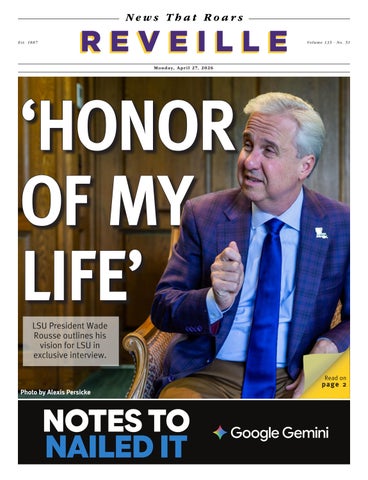
LSU President Wade
Rousse outlines his vision for LSU in exclusive interview.
Read on page 2


BY & JORJA ETHRIDGE
& KALEY MELANCON Staff Writer & News Editor
Growing up in south Louisiana, it had always been Wade Rousse’s dream to play in Tiger Stadium. When LSU did not offer him a football scholarship, he was crushed.
The rejection led him to McNeese State University where, decades later, he would become the eighth president of the school.
Little did Rousse know, LSU would one day offer him something much more significant than an athletic scholarship: the chance to oversee the entire LSU system.
“I was the little boy that grew up leaning against the barricade as the band rolled down [Victory Hill],” Rousse said.
Rousse’s road to Baton Rouge
Rousse is a first-generation college graduate. He earned a bachelor’s degree from Nicholls State, a master’s degree in business administration from the University of New Orleans and master’s and doctorate degrees in economics from the University of Illinois at Chicago.
After spending time as a policy research specialist at the Federal Reserve Bank in Chicago and a professor and administrator at Northern Arizona University, Rousse found himself back in the boot in 2019 as the dean of McNeese’s business college.
Rousse said he’s glad to have landed back home, where he doesn’t have to hide his accent.
During the presidential search, many had concerns with Rousse’s fit as LSU’s president. A common worry was that he would not know how to manage a larger university system. McNeese has an enrollment of around 6,000, while LSU’s flagship campus alone has around 40,000 students.
However, Rousse said the problems at the two universities are the same; it’s just that the scale is different. For example, McNeese’s total budget is roughly $137 million compared to $3.6 billion for the LSU system.
“So you’re talking about 30 McNeeses when you talk about the entire portfolio of [the LSU] system,” Rousse said.
Despite concerns, Rousse said strong leadership and organizational structure is scalable.
There were also concerns about Gov. Jeff Landry’s connection to Rousse. Many reports have indicated Rousse was Landry’s preferred candidate beginning early in the search process, and the Board of Supervisors made of mostly Landry appointees approved Rousse as president.
Rousse said he is not afraid to admit he is a fan of the governor. He commended Landry for not ignoring the problems Louisiana faces in education, such as being in the bottom 10% of higher education attainment.
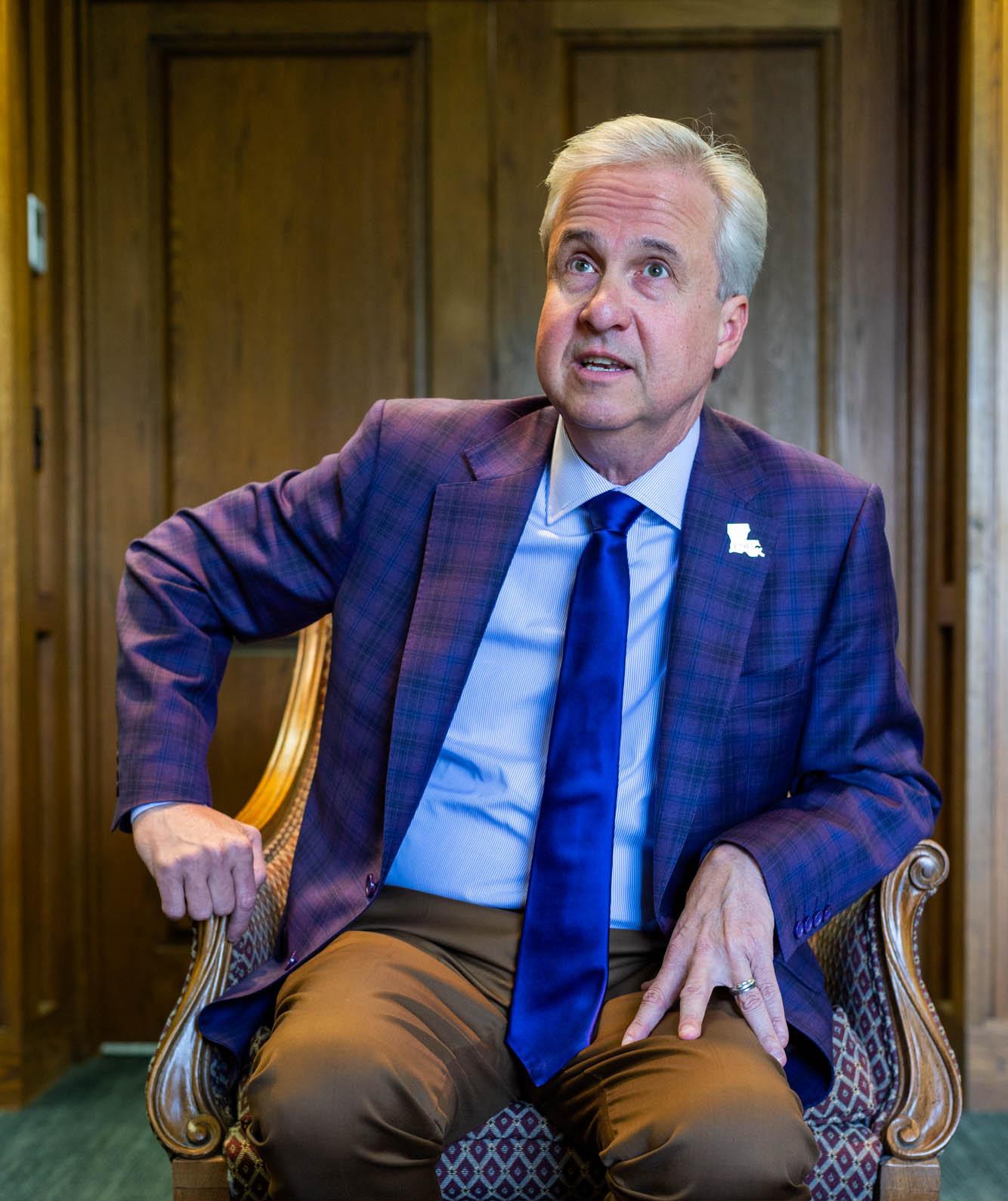
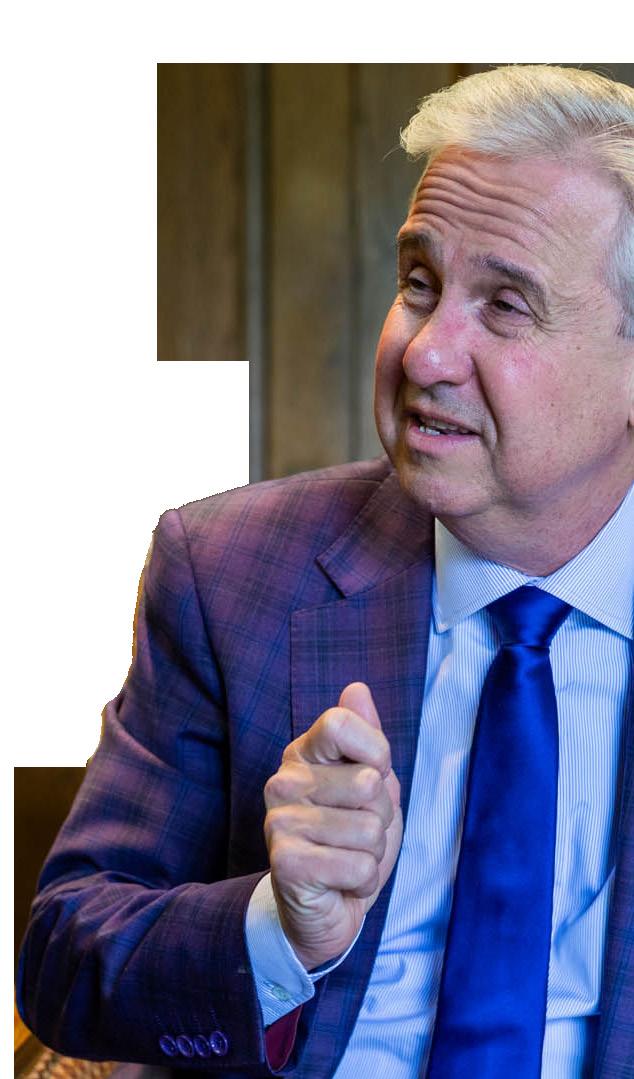
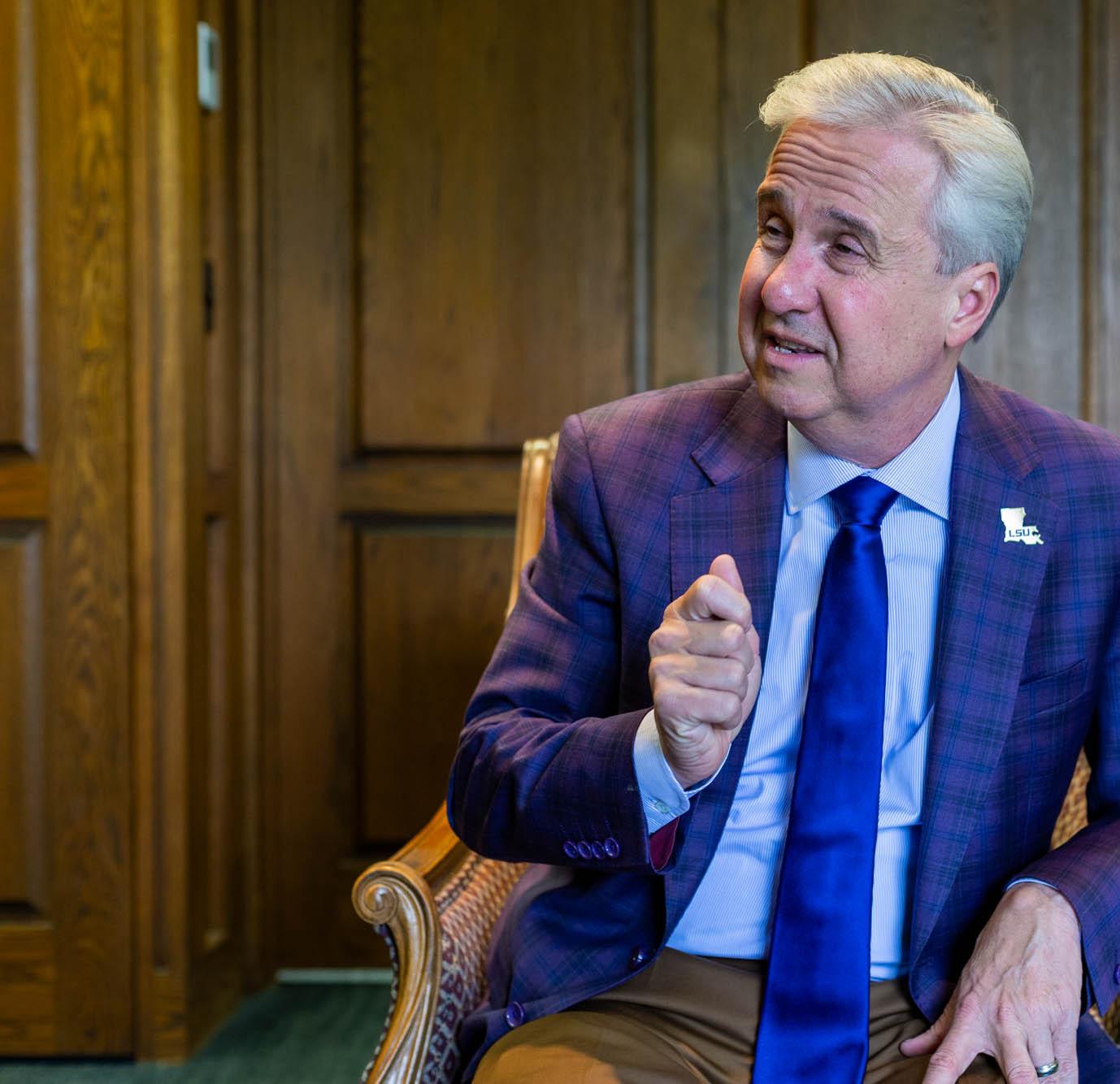
LSU President Wade Rousse sits down for an interview on April 24 at the Office of the President.
But Rousse said he and Landry are not in contact as much as people think. He said Landry has never told him what to do besides make LSU great.
In November, Rousse said he thought the governor’s current level of involvement in LSU was “not healthy.” Landry had at the time gone on a tirade against former football coach Brian Kelly and former athletic director Scott Woodward. He also called for LSU to build a statue of deceased conservative activist Charlie Kirk on campus. Landry also played host to meetings with university leaders and major donors as the decision to fire Kelly was made.
However, now that LSU has appointed new leadership, Rousse anticipated Landry taking a step back.
“I think he was very happy to move back and worry about other things and allow us to run the university,” Rousse said.
Last week, Landry said in a radio interview on WRKF that he has been working on stabilizing university finances with Rousse and that people should “stay tuned.” Landry said he hopes the pending initiative will be a model for other Louisiana universities.
When asked for details, Rousse said he could not give much information on the initiative yet but to expect more information within the next 60 days.
His strategies
When he was at McNeese, Rousse reversed a 14-year decline in enrollment and brought in over $40 million in philanthropic sup -
been a boon to LSU’s research goals, while Rousse said his background in economics and business helps him oversee the entire LSU system.
LSU has already taken a step towards that goal. Administration united the Baton Rouge campus with the system’s other research institutions under Dalton’s supervision, which now allows LSU to report the campuses’ total research spending as one. In 2023, the most recent year with data, LSU’s combined research campuses would’ve ranked No. 69 in the country in research spending with $488 million.
Rousse said this spending can benefit the university beyond improving national rankings; it can open the door for larger grants and more money to pay highly qualified faculty.
Along with pursuing partnerships and restructuring, he plans to increase the research portfolio system-wide by 5 to 6% a year.
As LSU strives to reach these goals, standards for acceptance to the flagship will be higher. The university already announced it will require standardized test scores for undergraduate admission starting next summer. Despite heightened criteria for admission, Rousse said he does not want to leave anyone behind.


B-16 Hodges Hall
port.
He said he is bringing this same strategy to LSU by “driving aggressively” to seek more corporate partnerships at LSU.
Rousse said partnerships with major contractors have funded $60 million towards the new School of Construction, the next step in LSU’s Master Plan to transform the campus.
He said these partners are important because they help push LSU towards the “frontier of knowledge.”
This strategy aligns with his goal for LSU to become one of the top 50 research institutions in the nation.
Another strategy Rousse pursued for was to enhance its research was the restructuring of the university’s leadership.
During the search for LSU’s next president, the Board of Supervisors decided to divide the president role to two positions: a president, Rousse, and an executive vice president and chancellor over the Baton Rouge campus, James Dalton. The president role had overseen both job’s responsibilities since 2012.
Rousse advocated for this change during the presidential search. Dalton was one of the search’s three finalists alongside Rousse, and the two worked together to draft the blueprint for LSU’s new leadership structure.
Rousse said he thinks the new leadership is working well and that the job would be too much for one person.
Dalton’s more traditional academic research background has
“It’s very important that as we’re building an elite top-50 research enterprise, that we don’t cut off the ability for kids to get into a Louisiana education,” Rousse said.
His plan to ensure accessibility is to create a bigger connection between the LSU satellite schools — Alexandria, Eunice, Shreveport and soon New Orleans — and the flagship campus.
Rousse said it is important to him that a student is able to transition throughout the LSU system seamlessly.
“If you take your first math class at Eunice, it should be equivalent to the first math class here,” Rousse said.
He said if a student at a regional campus is excelling, there should be a clear pathway for them to transfer to the flagship campus if desired.
System-wide connections
To better connect the satellite schools, Rousse is focusing on LSU’s leadership personnel. He said a cabinet of the chancellors of each school now regularly meet, both for administrative reasons and to bond.
Rousse said the cabinet went bowling together Wednesday after it met to promote the idea of “one LSU.”
“ There’s one state, two colors and three letters — LSU,” Rousse said.
When he was chosen as a finalist, Rousse said his biggest challenge would be gaining the trust of the faculty, many of whom had
Louisiana State University Baton Rouge, La. 70803 LSUReveille.com

ADVERTISING (225) 578-6090
Layout/Ad Design ASHLEY KENNEDY
Layout/Ad Design REESE PELLEGRIN
Layout/Ad
CORRECTIONS & CLARIFICATIONS
The Reveille holds accuracy and objectivity at the highest priority and wants to reassure its readers the reporting and content of the paper meets these standards. This space is reserved to recognize and correct any mistakes that may have been printed in The Daily Reveille. If you would like something corrected or clarified, please contact the editor at (225) 578-4811 or email editor@lsu.edu.
The Reveille is written, edited and produced solely by students of Louisiana State University. The Reveille is an independent entity of the Office of Student Media within the Manship School of Mass Communication. A single issue of The Reveille is free from multiple sites on campus and about 25 sites off campus. To obtain additional copies, please visit the Office of Student Media in B-39 Hodges Hall or email studentmedia@ lsu.edu. The Reveille is published biweekly during the fall, spring and summer semesters, except during holidays and final exams. The Reveille is funded through LSU students’ payments of the Student Media fee.
STAFF REPORT
LSU President Wade Rousse told the Reveille Friday there has been no progress towards displaying the Ten Commandments in the university’s classrooms.
He confirmed in February that LSU would comply with state law to display the Ten Commandments in its classrooms but that it was waiting for posters to be donated to the university.
“[We] just haven’t had any movement since our last press conference that we had, but we stand ready to go,” Rousse said.
This is in compliance with
Act 676 that was signed into law by Gov. Jeff Landry in 2024. The law requires a print of the Ten Commandments to be displayed in public classrooms from elementary to college level.
According to the law, the display must be in a “large, easily readable font” that is at least 11 inches by 14 inches. The commandments also must have an accompanying three-paragraph statement explaining their significance to American history.
The law was originally deemed “plainly unconstitutional” by a three-judge panel of the 5th Circuit U.S. Court of Appeals that blocked the enforcement of
the law in June.
However, a federal appellate court reversed the decision on Feb. 20, allowing the state to mandate the display. The same court upheld a similar ruling about a nearly identical Texas law last week.
Though the law requires the Ten Commandments to be displayed, it does not penalize schools that do not comply with the statute.
“Personally, I think, shining a light on God is never a negative thing,” Rousse told reporters in February.
Many LSU students expressed frustration about LSU’s com -
pliance with the law, feeling it violates the First Amendment or pressures students to conform to Christianity. The Student Senate passed a resolution last month discouraging the display of the commandments.
Landry praised Rousse’s decision to display the commandments in LSU classrooms in a February social media post.
“Refreshing to see this sentiment on a college campus,” the governor wrote. “LSU is in good hands!”
Jorja Ethridge and Kaley Melancon contributed reporting to this story.
BY AIDAN ANTHAUME Staff Writer
LSU’s William A. Brookshire Military Museum has received a national award from the Marine Corps Heritage Foundation for “Tigers in the Pacific,” an exhibit on LSU students who served in World War II.
Created by museum director James P. Gregory Jr., the display was recently recognized with the Colonel John H. Magruder III Award, the first time a university museum has earned the honor.
When I arrived to speak with Gregory, he was on the phone. On the other end, someone said they had found a collection of World War II photographs.
“Is it a photo album? Is there anything else?” Gregory asked, jotting down a name and details as he listened.
Calls like that, Gregory said, are how much of the exhibit came together.
“When I started doing the research, I contacted the families to see what they had, and a lot of them either donated the material or let us borrow it for a few years,” Gregory said.
The exhibit’s main feature told the story of two brothers who had survived WWII together to bring home several souvenirs.
“Happy Easter,” Stanwood Duval, one of the two soldiers, wrote on a postcard. “I don’t know whether you are still in Virginia or back home, but this letter, by the time you get it, may find you home.”
“TT is fine and the only souvenir he’s kept from Iwo Jima was a fragment the doctor dug out of his knee.” Duval wrote. “I did manage to get a Japanese
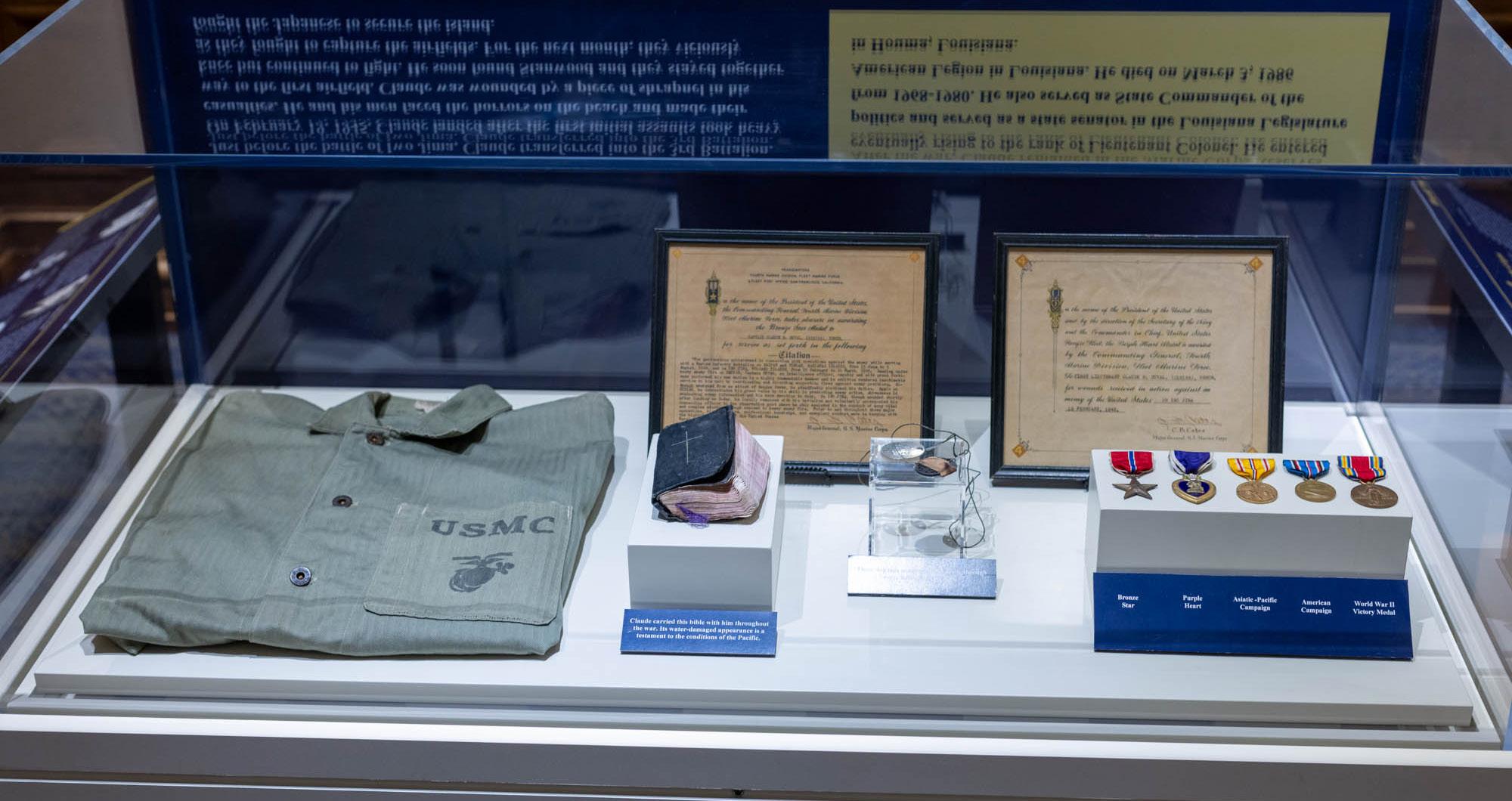
exhibit sits April 21
rifle, bayonet, flag, and samurai sword.”
Gregory explained that many of the letters were written just before battle, when soldiers knew they might not have another chance.
“The letters, I think, are particularly poignant,” he said. “If you look at the dates, you can see the battle happened on February 19. The letter he wrote home to his mom on February 16. Obviously, he knows he’s going into battle, and so those letters, he’ll write one to his mom and to his wife and to his stepdad on the same day.”
Other artifacts fill out the exhibit above the handwritten note, including a Japanese rifle marked with a small flower.
“These flowers meant all the guns belonged to the emperor,” Gregory said. “When they surrendered, they chiseled them off so it wouldn’t disgrace the
emperor. So this one was taken before their surrender.”
Against one wall sits an old box trunk, its contents left largely intact: clothing, shaving cream, toothpaste, a watch and stacks of letters and photographs.
“Everything is original to that trunk,” Gregory observed.
Nearby, uniforms stand upright in careful formation, preserved as they would have been worn. The research behind the exhibit, Gregory said, took months and extended far beyond what visitors see on display.
“People don’t realize how much work goes into the back side of doing these exhibits,” Gregory explained. “What you see here is just very little of the story.”
Much of that work involves confirming details that were never formally recorded. With-
CAMPUS LIFE
BY MORGAN VANNOSDALL Staff Writer
The LSU community came together Thursday to help find a match for an 11-year old battling a rare blood disorder.
This blood drive was put together by the LSU National Marrow Donation Program, which partnered with a local ESPN station to help spread awareness to find Cate Hargett a blood match. Over 500 members of the community joined the registry.
Cate has an inherited bone marrow failure disorder that she has had since she was an infant. Her bone marrow cannot produce healthy red blood cells, white blood cells and platelets that she needs to survive.
Jenni Hargett, Cate’s mom, has been a fierce advocate for her daughter, hosting blood drives at University of Mississippi, Mississippi State University and University of Arkansas. When discussing where to go next, Hargett said that LSU seemed like a natural choice.
“The people in Baton Rouge and the people at LSU have just been unbelievable and so willing to help us because none of this would have happened without the support of so many people,” Hargett said.
Hargett explained that she had a former student who interned with Chris Kiffin, LSU football’s co-defensive coordinator. With Kiffin’s support, the Hargetts earned official support from the athletics department, and from there, planning for the drive took off.
out a central archive of LSU veterans, Gregory said he relied on scattered sources to piece together individual histories.
“There’s no document from LSU that says these veterans were on Iwo Jima,” he said. “So I had to go through newspapers and alumni records, hoping to find mentions. It took a long time to collect this information.”
Even after the research is complete, another challenge remains: presenting it.
“I’ll have students write six pages of research, then I tell them, ‘Great — now condense that into three paragraphs.’ That’s what goes on an exhibit.” Gregory analogized.
Gregory, whose background is in Marine Corps history, said the project also led to a longer manuscript expanding on the story behind the exhibit.
Representatives from the Franciscan Missionaries of Our Lady Health System have also hosted blood drives at their hospitals in Cate’s honor.
Cate is a St. Jude patient out of Memphis, Tennessee, where she undergoes routine bone marrow biopsies. Because of her bone marrow failure disorders, Cate is at a significant risk of developing childhood cancer, making regular biopsies paramount.
At a biopsy in October, Cate and her family learned that she had developed a TP 53 mutation, which is the most commonly mutated gene in cancer. Fearing that Cate is developing a life-threatening malignancy, her family rushed to find an HLA match.
“We know that the more HLA markers that match between the donor and the patient, particularly with a donor from the ages of 18 to 35, the greater the chances of
CAMPUS LIFE
BY AIDAN ANTHAUME Staff Writer
Guarding the entrance to the LSU Military Science Building are two bronze cannons, which, according to their plaques, once saw action in the Civil War.
The story goes that these cannons were used to fire upon enemy ships at Fort Sumter before eventually making their way to LSU’s campus as a gift from Union General William T. Sherman.
However, according to historians, this is almost certainly a work of fiction.
“There’s a story on the cannons that is wrong,” said Paul Hoffman, retired professor emeritus of history at LSU, who wrote the university’s history. “They were supposedly used to fire on Fort Sumter. Well, that’s not true.”
The cannons are in fact genuine 19th-century artifacts: 14-pounder James Rifles, cast in Massachusetts by the Ames Manufacturing Company in 1861. But their connection to the siege of Fort Sumter does not hold up.
Hoffman’s research points instead to a more mundane origin. The cannons were likely purchased in the early 1870s by David F. Boyd, then superintendent of LSU, for use in cadet training or display.
Fort Sumter, the coastal fortress in South Carolina, was bombarded in April 1861 in one of the opening engagements of the Civil War. The artillery used there typically consisted of larger, longer-range guns designed for siege warfare.
“These are field artillery,” Hoffman explained. “You bring soldiers into battle with them, shooting at short range.”
While Sherman did serve as superintendent of LSU, then called
ROUSSE, from page 2
concerns about his lack of a research background.
But Rousse said he feels that getting too involved with faculty would disrupt the chain of command, which is why Dalton and the other chancellors drive connections with faculty.
Meanwhile, Rousse said he is focused on connecting with students across the LSU system. He went to LSU-Eunice’s baseball game Saturday to throw the first pitch.
“If I lose contact with the stu-
, from page 3
success and the five-year survival rate for the patient,” Hargett said. “Right now, Cate doesn’t have that. If we can find that, then her survival rate at five years posttransplant is way over 80%, and you know, as a parent, you want that number to be as high as possible.”
Miranda Robinson, a representative from the NMDP, helped organize the event for Cate.
They helped organize and explain the drive to those walking
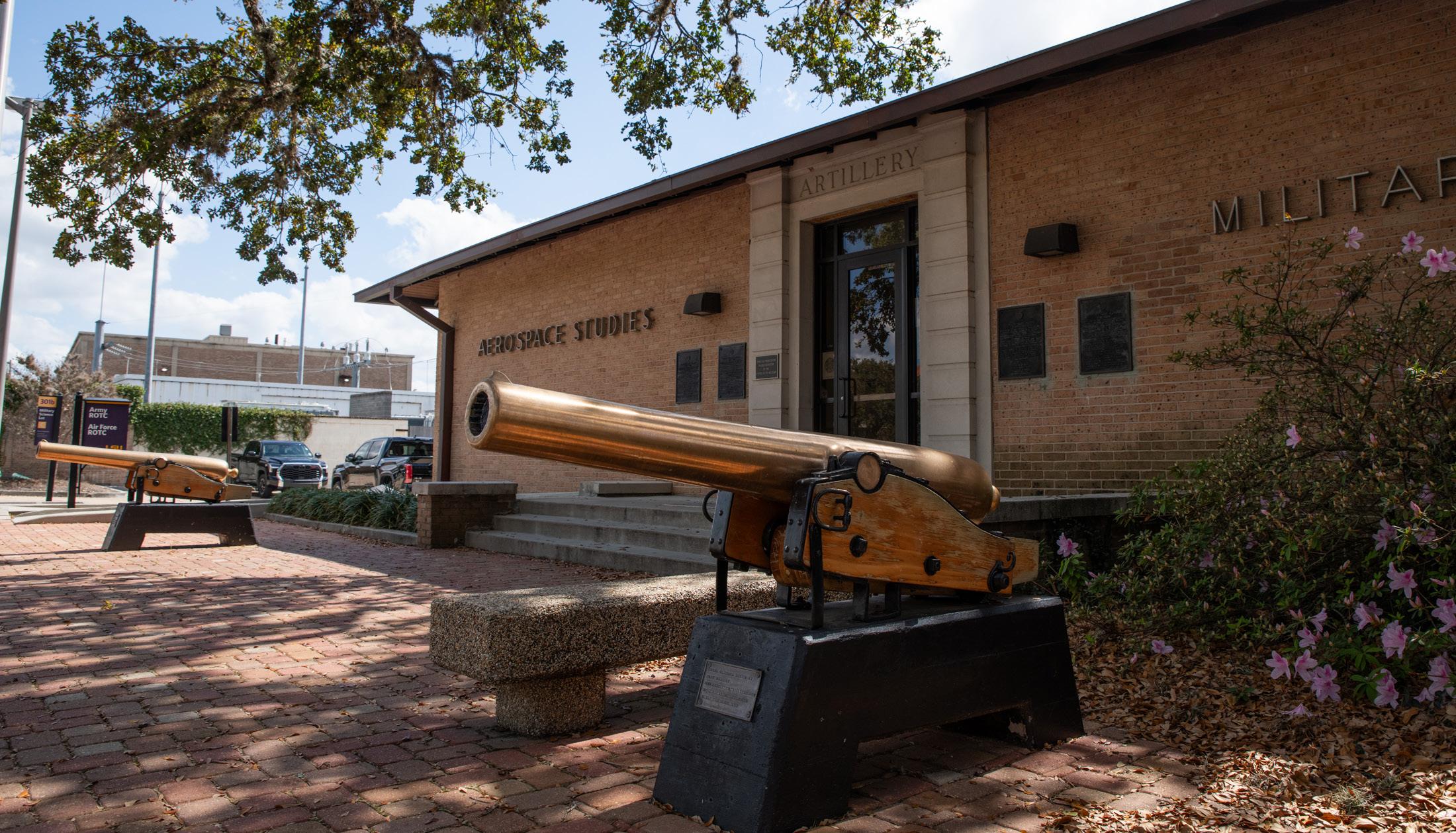
Cannons sit outside the Military Science Building on March 3 on LSU’s campus.
the Louisiana Seminary of Learning and Military Academy, there is no clear documentary evidence that he donated the cannons.
Instead, Hoffman said Boyd may have intentionally obscured their origin.
“He sort of fudged the question of where they came from,” Hoffman said, noting that Boyd sometimes credited acquisitions to “a friend of LSU,” a phrase that could have been interpreted as suggesting Sherman donated the cannons.
At the time, LSU was struggling for funding, and Boyd frequently used his own money to buy equipment, attributing the gifts to anonymous donors to make the university appear more financially stable than it actually was.
“Was LSU founded to be a military school? The answer is no,”
dent body, I’d lose the inspiration of doing what I do because we’re truly here for students to change [their] lives,” Rousse said.
Rousse said he regularly met with LSU Student Body President Lavar Henderson throughout the semester. He added that he’s also met with next year’s Student Body President Ben Barousse.
His favorite way to connect with students is through teaching. He will be teaching a macroeconomics course at LSU in the fall.
Rousse also acknowledged the magnitude of his position as the
by. She stated that the process is simple and quick: individuals wanting to sign up need to complete a short registration form and provide a cheek swab, which collects cells from inside the mouth. They then use this sample to determine their tissue type and are added to the registry.
“We partnered with the community and supporters who wanted to take action and make a difference for Cate,” Robinson said. “When someone is in need, it often inspires others to step up, raise awareness, and host drives
Hoffman said.
Instead, he explained, the military structure came later as a practical solution to rowdy, young LSU students.
“The idea was that these kids would be basically confined in a single building and being taught basic memory work,” Hoffman said. “So the question was, how can we maintain good order with these kids?”
From there, LSU gave students uniforms and hired officers to use drills as disciplinary tools.
“After the Civil War, it was possible to get a military officer to come and do drill,” Hoffman said. “It was a position for which LSU did not have to pay, which was an important consideration in that period.”
In the years that followed, mili-
head of a system that is deeply tied to the culture, economics and future of Louisiana.
“As LSU goes, so goes the state,” he said.
Rousse said the pressure of his new position is a privilege because the university means so much to him. He’s had his time resting, sailing in California and drinking wine in Napa, but now, he said, is the time to focus on LSU.
“It’s the most important institution in the state by far, which is why it’s the honor of my life,” Rousse said. “I love Louisiana.”
to help expand the registry and improve the chances of finding a match. Team Cate has been absolutely phenomenal to work with. Something truly special about those from the Delta.”
However, while there are millions of people on the registry, she said that the chance that a volunteer will match with Cate depends on a variety of genetic factors. She said that the chances are relatively low, but every person who joins increases the odds of finding a match.
Hargett noted that through
surplus weapons were left in storage.
“It’s possible that many were sitting in warehouses and could have been gotten for free,” he said. “LSU’s cadet weapons were on loan from the War Department, and each piece had to be accounted for upon their return. That could have been the case with these cannon as well.”
LSU doctoral candidate and historian Logan Istre said the Fort Sumter story has long been contradicted by the historical record.
“Hoffman looked into them while he was writing the history of LSU,” Istre said. “The upshot is that they were not used at Fort Sumter but were purchased by David F. Boyd in the 1870s for use by the cadets.”
tary training became more embedded in campus life.
“They began to push for much stronger curricula in military science and discipline, and that eventually led to the creation of the ROTC acts during the period of the First World War, and after that, yeah, LSU is a military school in the sense that all freshmen and sophomores who were not physically disabled were expected to be in the Corps of Cadets or army officers,” Hoffman said.
This shift led to the use of practical training tools, including field artillery used for instruction.
“Dr. Hoffman is right about the cannon,” Barry Cowan, LSU processing archivist, wrote. “They were inaccurate and had a limited range.”
After the war, large numbers of
MUSEUM, from page 3
“I wrote a book about the two of them,” Gregory said. “Hopefully, LSU will publish it next year.”
The exhibit opened last year to coincide with the 80th anniversary of the Battle of Iwo Jima. This year, it was recognized by the Marine Corps Heritage Foundation as the top exhibit in Marine Corps history.
“It’s wonderful national recognition for the work we do here, but it’s also recognition for LSU as a whole,” Gregory said.
this process of finding Cate a donor, she has learned how easy the process to be a donor is. It used to be a lengthy invasive process. However, science has come a long way, and now it only takes a few hours in the afternoon.
Robinson wants individuals to know that there are many meaningful ways to help if someone is unable to join the registry. Individuals can help spread awareness, encourage others to join the registry and volunteer at future drives.
“Every effort helps move us
Istre added that the cannons have been part of LSU’s campus landscape for well over a century, and even appear in archival photographs from the university’s earlier campus.
“I know for a fact that there are some cool old pics of them from the 1890s on the old campus, where they used to sit outside the president’s house,” Istre said.
Over time, the cannons have shifted locations along with the university itself, moving from LSU’s original downtown campus to their current place along South Stadium Drive.
Today, they signify LSU’s roots as a military academy. Even without a direct link to Fort Sumter, the cannons show the ways institutions like LSU built their identity in the years of reconstruction following the Civil War.
Their real history may be less dramatic than the story etched into their plaques, but it is no less worth telling.
“We’re trying to maintain a very high standard in our exhibits.” He hopes the attention will encourage more families to come forward with artifacts and stories tied to LSU’s military history.
“We don’t have a list of veterans from LSU students, faculty or staff,” Gregory said. “So I’m hoping something like this gets the word out to people who might have material.
Back inside the museum, that process is already underway, often beginning with a simple phone call.
closer to saving lives,” she said. Robinson also encouraged LSU students to get involved with future drives.
“We are always looking for opportunities to conduct classroom presentations and collaborate with organizations,” she said. “We would love for more to get involved. NMDP is recognized as a registered student organization on campus and is accepting new members. We meet once a month on campus. Students receive volunteer hours, graduation cords and the opportunity to help lives.”
BY CHARLOTTE TRENTALANGE Staff Writer
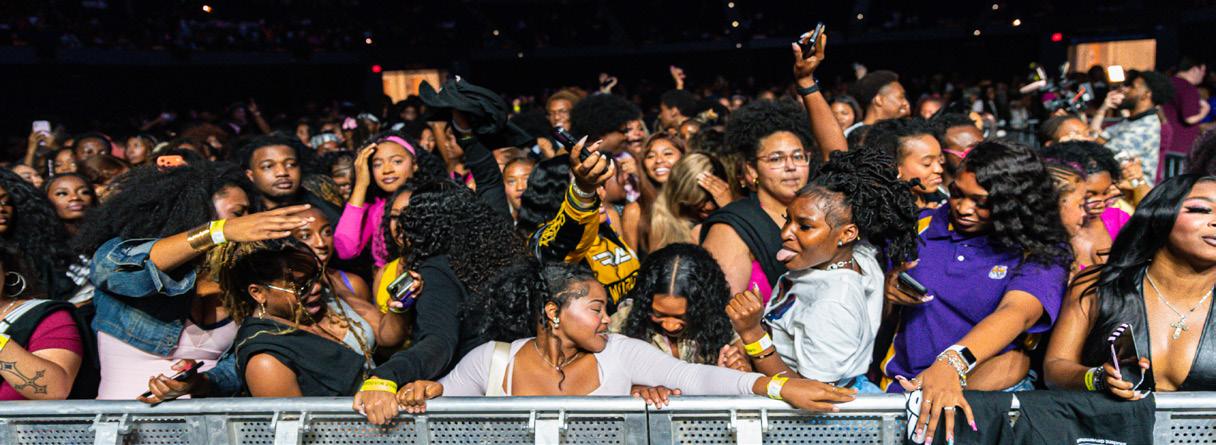
LSU Student Government hosted its annual Groovin’ concert Thursday night in the PMAC, bringing music, vibes and a break from finals stress to campus.
The free event held only for LSU students has become a staple spring semester tradition, offering a chance to unwind before exams. By 7 p.m., a line had already formed outside the PMAC as students waited for the doors to open at 7:30 p.m., hoping to secure spots close to the stage.
Students were immediately greeted by DJ T-Money with high-energy music, hyping up the crowd as students filed in, found their seats and grabbed concessions.
“No one better be worrying about class tonight or exams,” DJ T-Money said to the crowd. “We’re going to turn up and have a good time.”
The performances began with rappers HaSizzle and Fridayy before Monaleo took the stage, bringing a musical energy the PMAC is not used to seeing.
Monaleo dressed head to toe in LSU merchandise, drawing cheers from the crowd. Students repaid the love by singing “Happy Birthday” to the rapper, whose birthday was Saturday.
Her husband, rapper Stunna 4 Vegas, also made a surprise appearance, getting on stage and performing for the lively crowd.
Before the show, students were impressed with the production and atmosphere set up by SG. Jasmyne Earle, a sophomore marketing major, said the event made her consider joining SG.
“This is so cool. I’d love to be a part of it,” Earle said.
Other students returned after attending previous Groovin’ concerts. Alli Jones, a sophomore psychology student, said she came back after seeing Rob49 perform last year and was excited to see Monaleo this year.
Some of the freshmen attending for the first time said they were grateful for a night off and that LSU provides events like this for students.
“A lot of colleges don’t really care about that when it comes to students,” said Xavier Ageyllard, a freshman studying coastal environmental science. “LSU gives students a lot of freedom.”
Others said the concert was simply a good opportunity to get out of their dorms and apartments for the night.
“It was something to do tonight,” said Taylin Carr, a freshman sociology major who said she found the event on Instagram.
Charlese Washington, a freshman studying animal science, had a much simpler reason for attending.
“I was bored,” she said.
Washington got an email about the event from SG and wanted to see Monaleo perform. She said it was refreshing to see different events like this in the spring semester, compared to how the fall is almost entirely centered around sports.
“I would stay in my dorm during football games sometimes,” Washington said. “This is more for me.”
With the perfect spring weather to meet students once they left, it turned out to be the ideal concert night. Students left out of breath after hours of dancing and singing to music from the artists.








Ger’Cobi Alexander
Markeysha Vantrell Alexander
Diana Moon Alfaro
Alyssa Allemore
Carvell Allen
Dimitrius Allen
Tyran Allen
Isabella Teresa Alvarez
Jaelyn Anderson
Jordyn Alayna Anderson
María Valentina Anzola Terán
Kameron Joseph Arceneaux
Chaney Arick
Elyssa Marie Arriasola
Ava Banker
Renata Banuelos Villalobos
Louis Barron
Mya Renae Barrow
Ve’Breyon Becnel
Isabella Been
Claire Berry
Shane’ Bertrand
Amanda Betancourt
Olivia Bettencourt
Ethan Billingsley
Brayden Blackburn
Crafton C. Blair
Colby Ray Bridges
Kamree Lynn Brown
Connor Michael Bruno
Brittney Lorrin Bryant
Bella Bull
Savannah Bull
Macie Burell
Emily Lynn Burleigh
Elaine Butler
Sheyla Cabrera
Nashelly Abigail González
Jason Kade Cahill
Emily Elizabeth Cambre
Victoria Lynn Cambre
Ciara Caro
Kimora E. Carr
Ariel Casillas
Jessica M. Castillo Ramos
Elizabeth Stockett Cater
Iris Renae Cavazos
Ryan James Cedel
Elizabeth Centanni
Karla Nayely Chavez Munoz
Lailani Chiles
Lara Tana Cirrincione
Makenzie Clark
Colton William Coffey
Sophia Coglaiti
Elliott Collins
Skylar Conley
Jaquan O. Cooper
Kyndal Noel Cooper
Michael L. Creel II
Kennedy Crouse
Rebecca Curran
Lacey Dahlke
Danielle Danielson
Leilah Davila
Nathan Davis
Sydnee Davis
Wyatt DeLuca
Jacqueline DeNaro
Ryan John DeNicola
Isabella Marie Zavatkay Dennis
Avery Sarah Di Gangi
Jade Elizabeth Donato
Bryana Latasha Dority T’ya Dotson
Noah Joseph Ducarpe
Dylan Duhamel
Steven B. Dunaway
Michael Dunlap
Hailey East
Sir Edwards
Evan Estrada
Chloe Alise Evans
Macie Grace Fahrenbacher
Peyton Andrew Falterman
Kayden J. Farley
Abby Farrar
Caroline Lynn Fernandez
Dominic Fernandez
Sofia Lucile Ferrari
Keanya Ferrell
Mariah Gabrielle Fields
Makayla Files
Lizett Flores
Leah Fonte
Shailyn Francis
Micah Elizabeth Freitas
Makayla Fugate
Chloe Galvan
Chase Garbert
Jaylin Ahziret Garcia
Colleen Gardebled
Kayla Marie Gauthreaux
Riley Gavin
Mackenzie G. Eady
Joelle Geisel
Farren Gilleland
Lauren Marie Gillio
Henry Ross Giluso IV
Grant Wayne Gladish
Kacie Lyn Godek
Adolfo Emmanuel Gonzalez
Kaitlyn Marie Gonzalez
Kayla Gorman
Alli Ann Graefenstein
Morgan Elizabeth Grice
Claire Elizabeth Guerin
Glendy Guerra Lemus
J. Graham Hargis
Kelsea Elizabeth Harriott
Halle Harris
Trinity Alicia Harrison
Kennedy Hartman
Kernina Hawkins
Caroline Kendall Heard
Addison Heausler
Verencia Nigeria Hernandez
Autumn Daisy Hilderbrand
Jacob Hirsch
Vaeda Trudeau Hobbs
Morgan Kennedy Holleman
Jordan Horne
Ashton Biltmore Horton
Jaclyn Suzanne Hotard
William Houston
Madison Hunter
Hayden Christopher Jackson
Holden Scott Jackson
Jalea Jacobs
D’Aysia James
Kenton Duntra James
Allison Holly Jaramillo
Jessica A. Jefferson
T’Anna Michelle Jefferson
Jacob Michael Jenkins
Rachel Eileen Jensen
Nikolas Jiannas
José Armando Jiménez Ruiz
Alanna Johnson
Hannah Johnson
Isabella Johnson
Molly Katherine Johnson
Davis Casey Jones
Victoria Bell
Brenna Leanne Jones
Lisa Kara Jornitz
Aidan Kaminsky
Madison Kerner
Neely Khan
Chet Lewis Kibodeaux II
Sandra Rumania Louise Killeen
Katherine Allison King
Alexandra Kunetka
Kayla Lacoste
Grace Alivia deBen Ladner
Carlie Elise Landry
Kailey Landry
Shannon Larkin
Maya Laugand
Nia Laugand
Madelyn Sophie LaVie
Alexis LeBel
Anna Clare Leddy
Erin Lee
Diamond Lewis
Laynie Lilly
Morrisa Raye Lloyd
Rachel Louissaint
Camryn Loving
Madalyn Luis
Morgan Rayne Luquette
Jennifer Mack
Kairie Simone’ MaGee
Lia Mansour
Lillian Alexandra Marrus
James Mayes
Malachi D. Mays
Maci McCord
Remmey McEnroe
Felicia McGill
Jarred
Thomas McLean Jr.
Ja’Mya Renee McNeal
Timeyah McNeil
Kennedi McPhee
Daliyah Dior Mendoza
Anna Mermis
Steele Michael Miceli
Dylan Milburn
Justin Daniel Millard
Olivia Anne Mills
Madyson Mitchell
Mikayla Monteiro-Jack
Taytum Tucker Cryer
Pedro Moreno
Kaitlyn Morgan
Teiron Motley
Miller Moye
Zoë Muhammad
Londyn Napper
Mika Ndikumana
Alida Neves
Avery Newkirk
Isabella Nieto
Ke’Nys Nixon
Charley Michelle Nugent
Avery Claire Oates
Jaclyn O’Brien
Rachel Odom
Mia Grace Oncale
Garrett Orgeron
Camila Ostorga Cruz
Mitchell Otillio
Thomas Owens
Victoria Isabel Parsard
Elisabeth Paternostro
Karl Patterson
Erin Pawelczyk
Lindsey Renee Peirsol
Isabella Margarita Perez
Daria Perkins
Kyra Piper
Logan Pounds
Hannah Primeaux
Shayne Pruitt
Laura Lynn Rabalais
John Mason Ramirez
Madeline Marie Rapp
Danielle Redden
Jacie Redding
Sydney Reed
Blair Elizabeth Reeder
Emmy Reedy
Rachel Winn Reglin
Emily Nicole Reynolds
Sarai
Jonelle Richardson
Shaneal Sunshyne Riviera
Paige S. Roberts
Sutton Rockman
Cristiana Rodriguez Valenzuela
Ayden Roecker-Allen
Nyla Mikayla Rosario Brandao
Alexandria Ross
Alexandra Row
Patrick Rowell
Jacob Russell
Dawson Ruth
Caitlyn Samuel
Valeria Sanchez
Madeline Sansoucie
Eliza M. Sarmiento Galvez
Jacob Patrick Scariano
Logan Schilling
Caleb Seals
Hunter Shaw
Sheridan Ann Shaw
Samuel Simoneaux
Katherine Simons
Khalira Alexis Zariah Sims
Lillian Sims
Zachary Sloan
A’shawna Jalea Smith
Eriyell Smith
Molly Faith Spring
Therron K. Starwood Jr.
Angelique Stierwald
Keylan Stone
Niyah Nicollette Strother
Jaxon Svec
Gabriel Tagle
Charlie Tannehill
R.J. Thibodeaux
Walker Thibodeaux
Tara Shea Thomas
Britney Leticia Tobar
Paulina Torres Martinez
Ella Moon Troup
Nicole Tullis
Chase Joseph Turner
Faith Turner
Savannah Turner
Simone Tyson
Ivan Valdez
Ryleigh Valley
Chloe Villars
Reilly Vincent
Sydney Vines
Ethan G. Viso
Mikesell Makaala Iokepa Wade Jr.
Alaina Walker
Johnny Walker
Theodore Tre’ Hamilton Webre lll
Alex Weigand
Emily Wells
Rebecca Wesley
Chy’Ann White
Sheridan White
Charlie Wilkerson
Camille Williams
Gary Williams
Sam Wilmington
Garrett Wilson
Christian Anthony Wise
Aniya Brea Wordlaw
Malaysia Young
Madison Alexis Ziegler
BY BROOKE BENEDICT Columnist
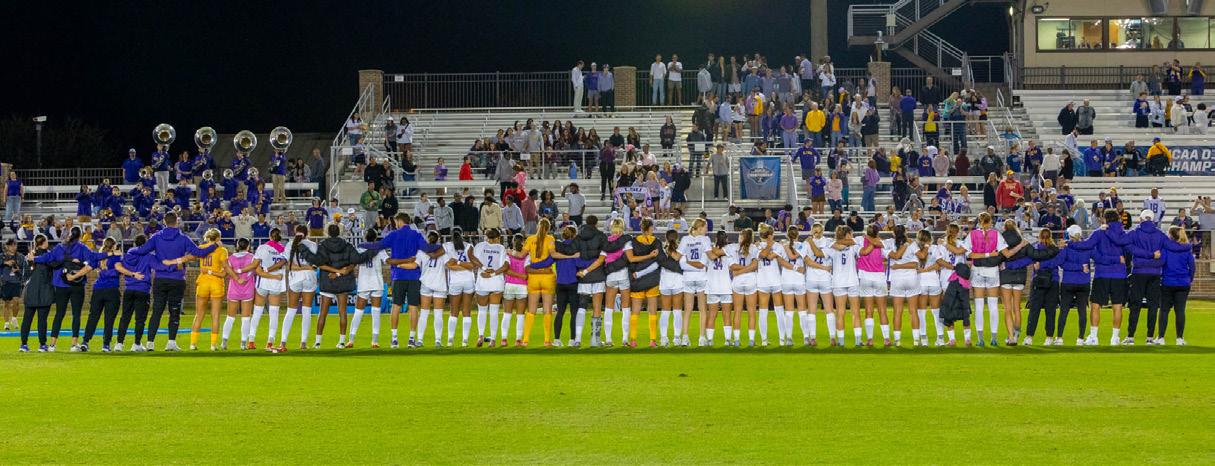
Freshman Rylie Kuyper was anxiously awaiting one game all season long: LSU versus Texas Tech. Or in her world, her new soccer team versus her old.
The week it arrived, so did a lymphoma diagnosis.
Here are the seven football players picked in the draft
BY TRE ALLEN Staff Writer
The 2026 NFL Draft began on Thursday, and in the coming days, hundreds of college football players sat, surrounded by friends and family, waiting for their names to be called.
Here’s where every LSU player was drafted.
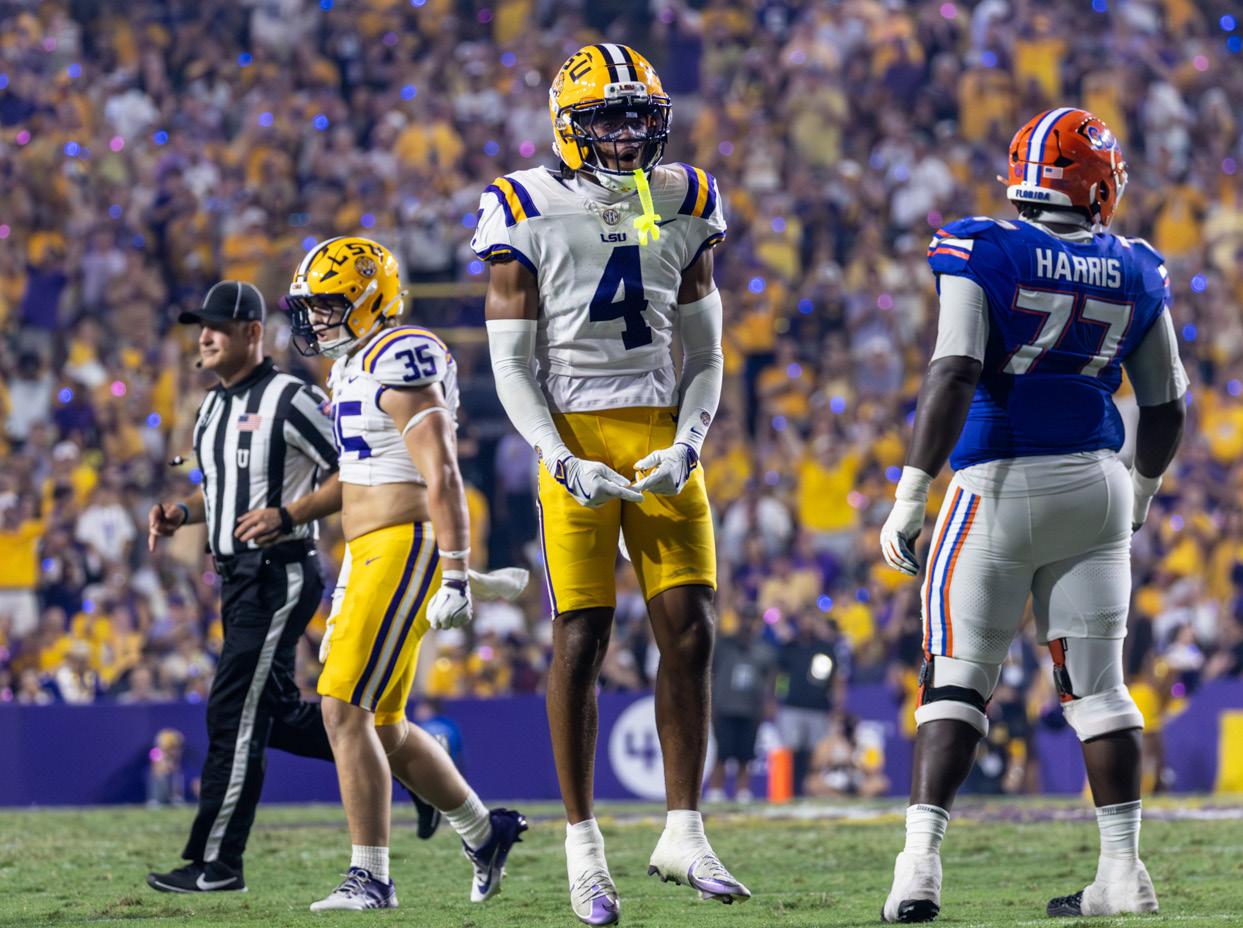
CB Mansoor Delane - First round
Delane was the first cornerback taken off the board as the No. 6 overall pick. The Kansas City Chiefs didn’t waste any time trying to secure their secondary for the future.
The team traded picks No. 9, 74 and 148 to the Cleveland Browns to move up to this slot. Delane, the first team All-SEC and 2025 unanimous All-American, will help replace former All-Pro and two-time Super Bowl champion Trent McDuffie, which the Chiefs parted ways with this offseason.
Delane appeared in 11 games after transferring to LSU for his senior season. He tallied 45 total tackles, two interceptions and 11 pass deflections.
His blanket coverage and his ability to shut down one side of the field throughout the season caught the eyes of multiple NFL scouts, and he solidified himself as a first round pick.
S AJ Haulcy - Third round
Haulcy’s elite ball-hawking skills and physical play made him a promising prospect that the Indianapolis Colts had to take in the third round at pick No. 78.
He adds depth to the safety spot and will compete for a potential starting role at the strong safety position.
Haulcy transferred to LSU after his junior season at Houston and became one of the best players on the Tigers’ defense and one of the best defensive backs in the SEC.
The Houston, Texas, native led the team in tackles with 89 and tied for interceptions with three. He also
added four pass deflections and a forced fumble to the sheet.
WR Zavion Thomas - Third round
Not far behind was Thomas drafted by the Chicago Bears at pick No. 89.
Thomas joins a dynamic Chicago offense led by quarterback Caleb Williams, who will have a new weapon for next season. Thomas could also potentially be a return specialist.
He spent two years with LSU after transferring from Mississippi State following his sophomore campaign.
While the LSU offense stalled and underperformed, Thomas showed glimpses of the type of player he could be with the ball in his hands. Despite being only 5-foot-10, Thomas was hard to bring down for opposing defenses.
One of the best plays of his last season at LSU was bouncing off defenders against Vanderbilt on a screen pass, where he took it 62 yards for a touchdown.
His 2025 numbers didn’t pop off paper, as he hauled in 41 receptions for 488 yards and four touchdowns, but his combine performance is where he stole the show. He recorded a 4.28 40-yard dash time, which made him the second-fastest wide receiver at the combine.
TE Bauer Sharp - Sixth round
Sharp was taken by the Tampa Bay Buccaneers as the No. 185 pick, where he will most likely compete for a potential backup spot at the tight end position.
Like many of LSU’s draftees, Sharp also transferred to the Tigers for his last season.
Sharing the field with star tight end Trey’Dez Green, Sharp made the most of his opportunities, recording 24 receptions for 252 yards and two touchdowns through 13 games.
While Sharp’s speed isn’t elite, he does have the ability to stretch the field vertically and does well racking up yards after the catch.
WR Barion Brown - Sixth round Brown was next up, picked at No.
190 by the New Orleans Saints.
He started his career at Kentucky before joining LSU for the 2025-26 season. What made Brown an interesting prospect was his top-end speed.
He has recorded six kick returns for touchdowns during his collegiate career.
His speed makes him a weapon down the field on deep routes. He’s also able to break down and make sharp cuts on short routes and is elusive after the catch.
In the Reese’s Senior Bowl, Brown showed off his versatility as a route runner, making defenders fall and producing some highlight plays.
Brown’s main path to the field will most likely be as a return specialist, but he could also work his way up through the depth chart with a young receiver corps.
LB Harold Perkins Jr. - Sixth round
Perkins’ journey was a wild one in his time with LSU, but ends as the No. 215 pick in the draft by the Atlanta Falcons.
As a freshman, he stole the show, recording 7.5 sacks, four forced fumbles and an interception.
However, after bearing the symptoms of a historically poor showing from the entire LSU defense during his sophomore season and then tearing his ACL in his junior season, Perkins, who was once projected to be a first or second round pick, fell as time passed.
What also became a problem for Perkins were questions about what type of player he is. As a freshman, he worked off the edge and was a see-ball, get-ball type of player.
Standing at 6-foot-1 and weighing only 220 pounds, his dimensions as an edge rusher were undersized, so as a result, he was moved to a more traditional linebacker position rather than working off the edge.
Yet through all of the adversity,
The goalkeeper transferred to LSU this season after redshirting the 2025 season with the Red Raiders. She didn’t expect to face her old team during her career with the Tigers, Texas Tech popped up on the schedule.
“I was really nervous,” Kuyper said. “It would be like showing up with a new boyfriend to see your ex-boyfriend.”
But as the match got closer, Kuyper got excited to see her best friends and teammates from Texas Tech. Then came the diagnosis, days before the scheduled game.
With stitches in her side from the biopsy test, she wasn’t sure she would be able to play in the game, but she still wanted to attend. After the doctor cautioned her about being on the travel bus for too long, Kuyper and her mom took the road trip to Dallas themselves.
The night before the game, Kuyper’s roommate for the weekend, Amy Smith, asked if she was excited for the match. Then Smith asked if she was excited to start the game.
“I’m like, ‘Start? What do you mean?’” Kuyper said .
Head coach Sian Hudson was allowing Kuyper to start the game and have the team pass the ball back to her, a typical routine when honoring a player in soccer matches.
But that wasn’t the only special moment.
Before the game, Hudson pulled Kuyper aside and told her that the team had made T-shirts in her honor and that both LSU and Tech would be wearing them for warmup.
When it was time for the game, both teams, dressed in green bows to represent lymphoma awareness, walked out and lined up. They honored Kuyper, talked about her recent diagnosis and then called out the rosters.
As the whistle blew, the ball went back to Kuyper, who played it up to Smith before getting subbed out. She spent the rest of the game on the sidelines, watching her best friends from both teams play each other.
“Watching that game was honestly so special because it’s all the people who have impacted my life over the past, basically, year and a half,” Kuyper said.
When the match ended in a 1-1 tie, both teams met in center field to pray for Kuyper’s journey, led by Texas Tech midfielder Skylar Haase.
“It just showed that sports were so much bigger than just how good you are at it,” said Kuyper.
In a recent matchup against Northwestern State, Kuyper was given a gift basket from the team in support of her recovery. She has also received personal messages from players on the West Virginia soccer team, and the Mississippi State goalkeeper crew repped green bows for Kuyper.
Beyond the soccer support, softball player Alix Franklin supported Kuyper by wearing a green bow and green eye-black. The other day, Kuyper said she received a gift basket from the beach volleyball team.
Over the past couple of weeks, Kuyper has been dealt life-changing news and has had to navigate it at a young age. But she wasn’t alone. She was met with a wave of support from those around her.
“When I get hard news, my teammates say, ‘We’re gonna stand with you,’ and seeing these girls who have only known me for three months and be as kind as they are … it’s awesome,” Kuyper said.
She said she’s grateful for her coaches, teammates and those who have shown support, noting this experience has grown her appreciation for LSU and its community.
In a time when an athlete needed it most, the sports community looked past stats and trophies and looked into supporting them.
In the next two weeks, Kuyper is hopeful to begin chemotherapy, with the treatment lasting up to six months. For her team, which she will continue to support from the sidelines, they face UL-Lafayette and Houston this Saturday for their last spring exhibition games.
BY TRIPP BUHLER Staff Writer BASEBALL
Three is the magic number for LSU baseball.
The story comes in three parts: For the third straight game, LSU scored three in the first inning. The Tigers blew leads in all three games this weekend and have now been swept in three straight series.
LSU blew three leads in its 13-8 loss to Mississippi State on Sunday.
Deven Sheerin has been LSU’s best reliever all year and was called on to get LSU out of a jam in the sixth after throwing 43 pitches Friday. He gave up a single and a double, and threw a wild pitch and a ball away on what should have been a groundout.
That outing told the story of this series and season.
In all, he let up three runs and the lead without recording an out. This was by far his worst outing of the year, and it couldn’t have come at a worse time. After that nightmarish sixth inning, in which LSU gave up four runs and the lead, it was essentially over.
Mississippi State scored 10 of its 13 runs during and after the fifth inning. Eight of those went unanswered.
LSU gave freshman Marcos
SOFTBALL
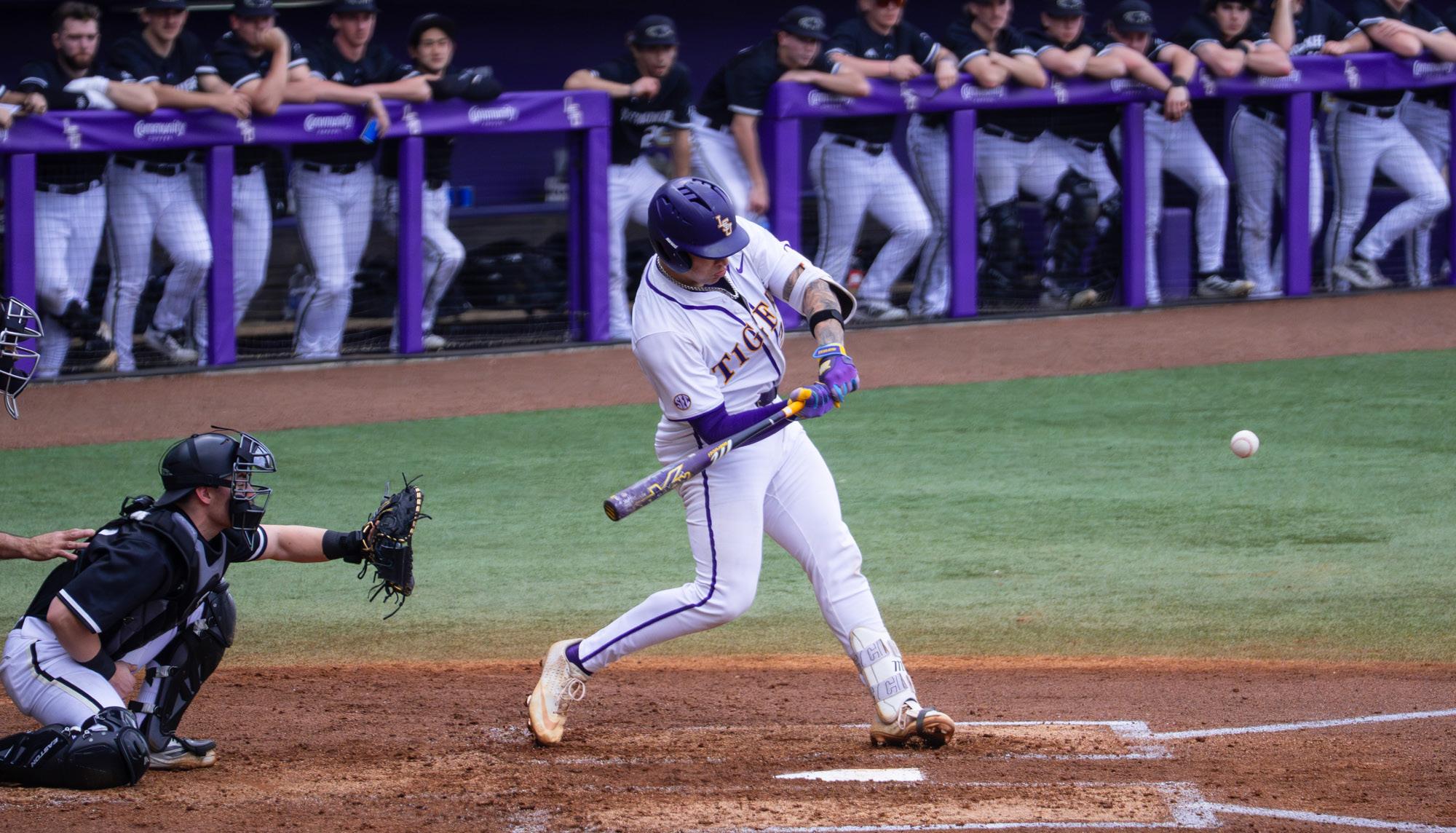
Paz the start on the mound, and he walked three over his three innings. The first blown lead came from his hand when he allowed a three-run homer to Ace Reese.
Reese had LSU’s number all weekend, recording five hits over the course of the series. But he wasn’t the only one.
Aidan Teel added a solo hom -
er in the eighth off of Mavrick Rizy.
The Bulldogs also hit six doubles during Sunday’s game, to go with getting the leadoff runner on base in seven of eight offensive innings.
Mississippi State matched LSU again in the fifth when they scored two, in part due to Eddie Yamin’s total misjudgement on a
ball that bounced off the wall in foul territory. It allowed a runner to score from first, and then Noah Sullivan scored on a couple of groundouts.
Yamin has been playing in left field this weekend. It’s the first time the redshirt junior has been in the outfield since he played 22 games in right field his freshman year at Dayton.
BY ADAM KIRSCHMAN Staff Writer
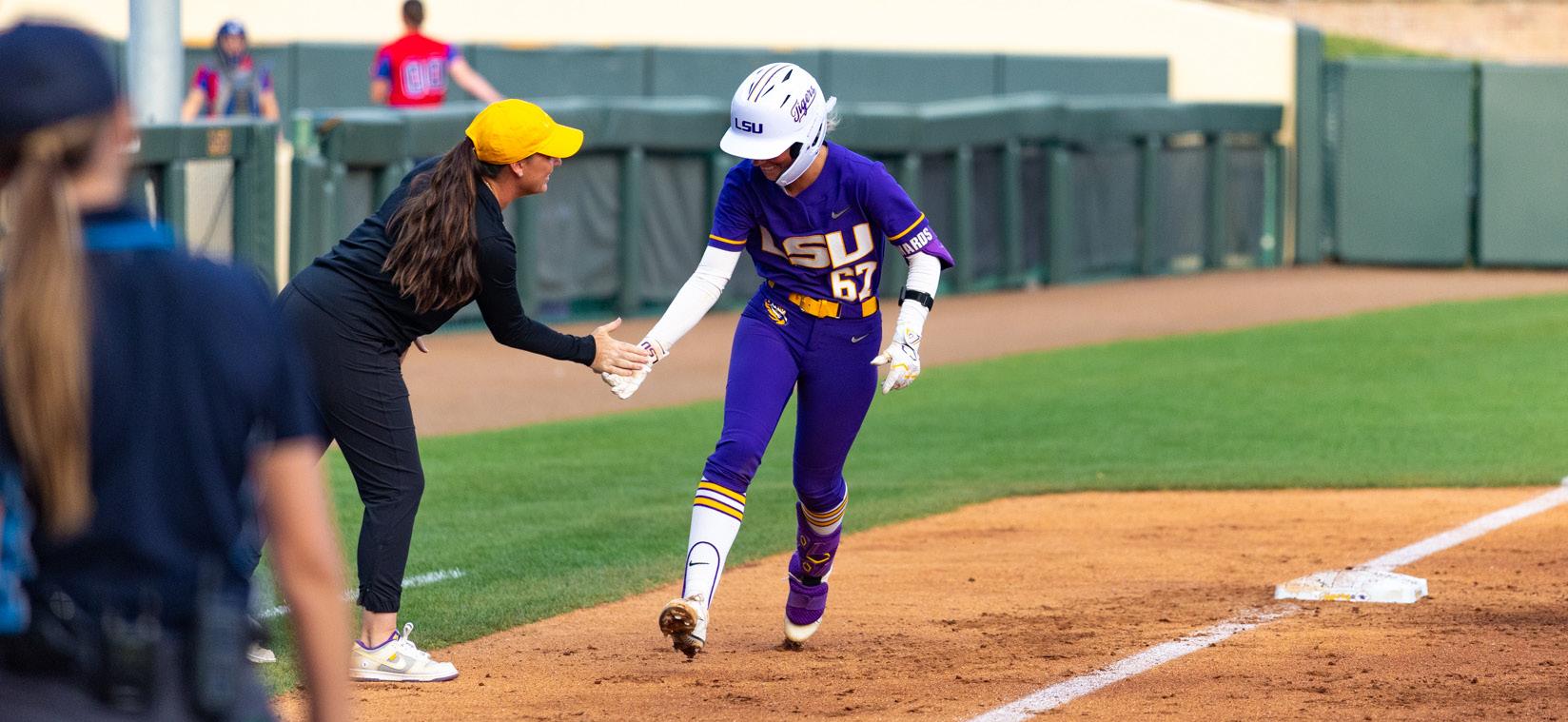
No. 15 LSU softball managed to get a 5-3 win in its last contest against No. 19 Mississippi State, off the back of strong performances from former Bulldog shortstop Kylee Edwards, who spent two seasons in Starkville, and pitcher Paytn Monticelli.
LSU won the hitting matchup throughout the contest with seven hits compared to Mississippi State’s six. The Tigers’ runs came from clutch two-run home runs hit by Kylee Edwards and Tori Edwards.
LSU’s defense was also huge in getting the Tigers’ 10th conference win of the season.
Against her former team, Kylee Edwards recorded three putouts and four assisted outs with three double plays.
Monticelli featured in every inning and allowed only four hits and one run. She finished her day with a 2.55 ERA, capping off a productive series.
In the first inning, LSU again found ways to score early. After a Sierra Daniel walk, Kylee Edwards hit her first home run of the series into left-center field to give LSU an early 2-0 lead.
It wouldn’t take long for Mississippi State to even the score, though, as its leadoff batter hit a double to start the inning. Then Bulldog third basemen Nadia Barbary hit a rocket
into center field for a two-run home run.
Despite not even having an out in the first inning yet, head coach Beth Torina made a strict decision to pull Clopton off the mound and replace her with Monticelli.
The change seemed to slow things down in the second, as both defenses started to click.
The Bulldogs started the inning by holding LSU hitless in its turn at bat, before LSU’s defense made a nice double play to end its side of the inning.
In the third inning, the Tiger offense got going.
Jaila Lassiter was the first to get a hit in the inning with a single, before Daniel advanced her to second with a single of her own. Alix Franklin then got the third LSU base hit of the inning with another single, which was enough to advance Lassiter home from second, giving LSU the lead.
LSU’s defense continued to look good when it needed to hold Mississippi State scoreless. Monticelli forced a 1-2-3 out inning off the back of a double play, booting the Tigers’ momentum.
After LSU’s big hitting inning, Mississippi State replaced Faircloth with Peja Goold after her amazing 11-strikeout performance Saturday.
Goold immediately made things hard for LSU, holding Tiger batters hitless through the fourth.
Monticelli responded to the of-
fensive struggles well, though, forcing another 1-2-3 out inning, keeping the LSU lead at one.
Again, Goold looked in full control in the fifth, forcing her second 1-2-3 out inning.
The Bulldogs’ offense seemed to wake back up in the fifth, as they quickly loaded up the bases without an out.
A groundout on the following pitch was enough to send a runner home and tie up the game, but on the following at-bat, Kylee Edwards forced her third clutch double play to end the inning before the lead was lost.
LSU responded quickly.
Kylee Edwards again started off the offense by beating a throw to first base for a single. Then, the double Edwards connection clicked as Tori Edwards smashed her first home run
of the series to retake the lead at 5-3.
The scores prompted Mississippi State to make another pitching change, replacing Goold with Delainey Everett.
Monticelli continued her great day on the mound by allowing only one hit through the inning. Now, the Bulldogs were left with only one inning to make the comeback.
Mississippi State’s defense did well to keep the game in reach by holding LSU hitless in the seventh, but it wouldn’t lead to anything, as Monticelli again held the Bulldogs hitless in their last chance at bat.
LSU would make its trip back to Baton Rouge a bit more enjoyable with the Game 3 win, despite the weekend of poor results.
LSU plays McNeese next at Tiger Park for the final midweek matchup of the season, Tuesday at 6 p.m.
The Tigers hit three home runs on Sunday, with Cade Arrambide starting the party in the first frame with a three-run shot. Steven Milam hit a scorching hot line-drive homer to score two in the third inning. And Omar Serna Jr. added some insurance in the sixth inning with his third homer of the series.
With injuries mounting up, replacements have come in the way of freshmen. They’re some of the only ones giving this team energy.
Serna had two hits, including his home run and two RBI. First baseman Mason Braun had four hits, including his first career triple, which also plated a run. Freshman pitcher Zion Theophilus went 1.1 innings, where he allowed one run.
Even though he’s not a freshman, Santiago Garcia is a newcomer to this LSU team. The junior transfer from Oregon has been the most impactful addition from this offseason’s portal class. He threw 44 pitches Friday and came out for a successful fourth inning, but walked Reese in the fifth, and he scored on a Noah Sullivan double that chased Garcia from the game.
The Tigers, or what’s left of them, next take the field Tuesday at 6:30 p.m. against Southeastern.
DRAFT, from page 8
Perkins came back for his senior year and showed that he can still be a playmaker, recording 56 tackles, eight tackles for loss, four sacks and three interceptions.
QB Garrett Nussmeier - Seventh round
It took longer than expected, but the Kansas City Chiefs drafted quarterback Garrett Nussmeier as pick No. 249, where he’ll join his teammate, Delane.
Nussmeier got the keys to the car for his junior season. He played fairly well, throwing for over 4,000 yards, 29 touchdowns and 12 interceptions.
His ability to make tight-window and off-platform throws made him a promising draft prospect. Many people believed he was going to declare for the draft after the 2024 season, but he ultimately decided to stay.
In his final season at LSU, Nussmeier dealt with multiple injuries, coaching changes and was even benched against Alabama back in November.
Nussmeier played only nine games in 2025, throwing for 1,927 yards, 12 touchdowns and five interceptions.
It was a disappointing way for No. 18 to end his collegiate career, but after having time to heal over the offseason, Nussmeier showed he was still a gunslinger at the Senior Bowl and his pro day.
With quarterback Patrick Mahomes coming off a torn ACL and the Chiefs acquiring Justin Fields via trade from the New York Jets, Nussmeier will likely compete for the third quarterback spot on Kansas City’s roster.
Each spring, LSU recognizes 12 outstanding seniors. In keeping with the university’s Commitment to Community, these individuals contribute positively to the campus, surrounding community, and society and demonstrate a commitment to intellectual achievement, leadership on campus, and community service. Congratulations to the Tiger Twelve Class of 2026!
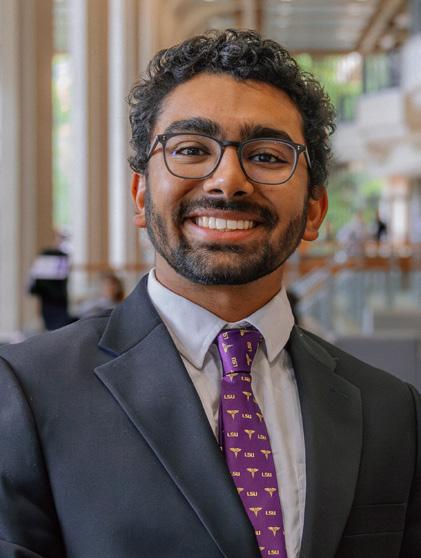
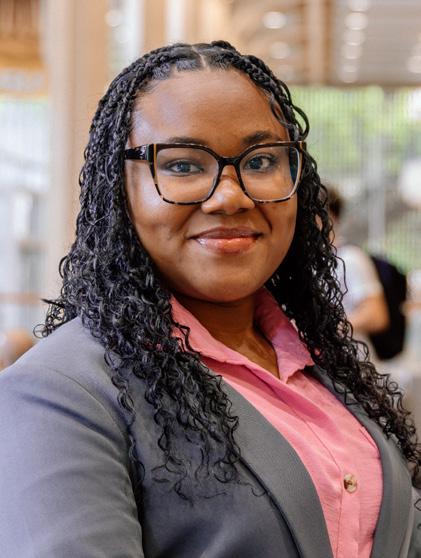
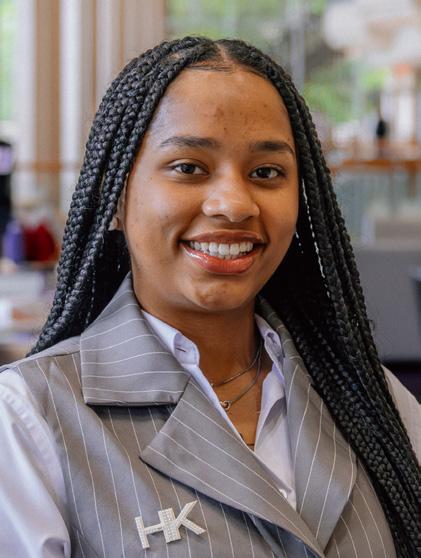
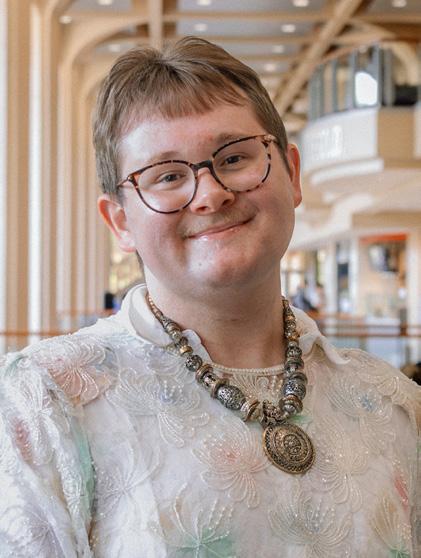

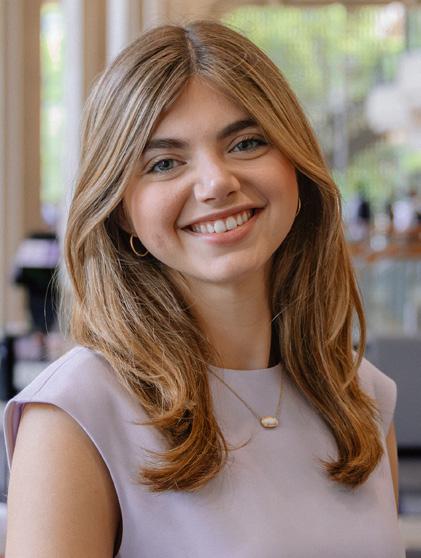
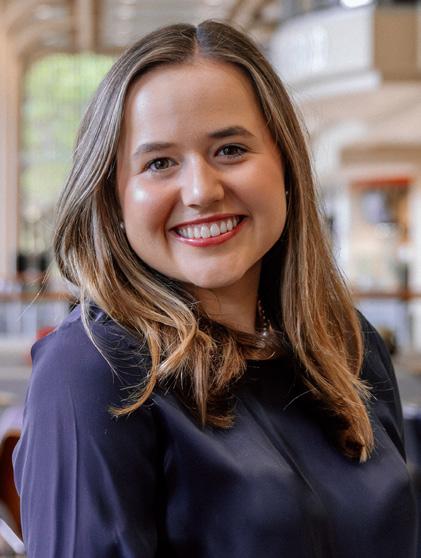
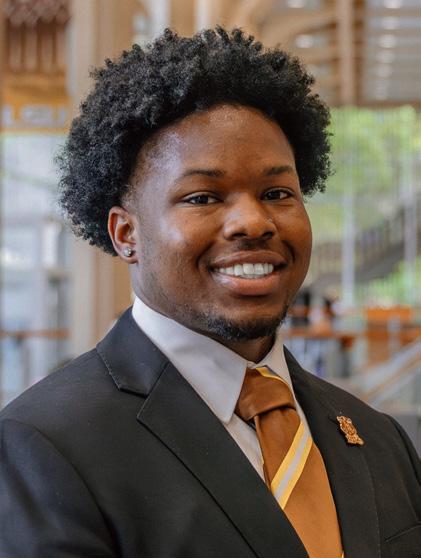
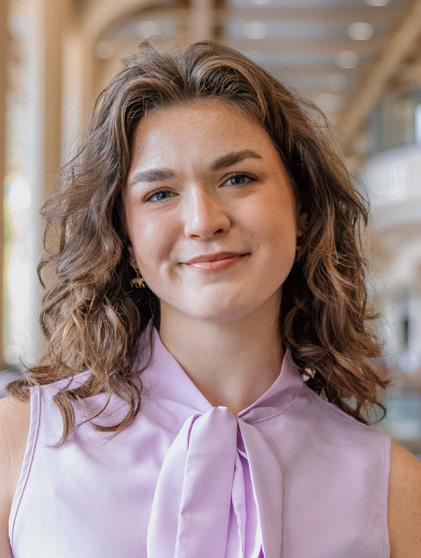
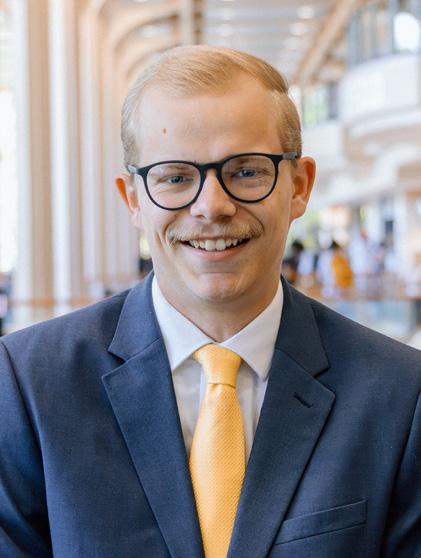
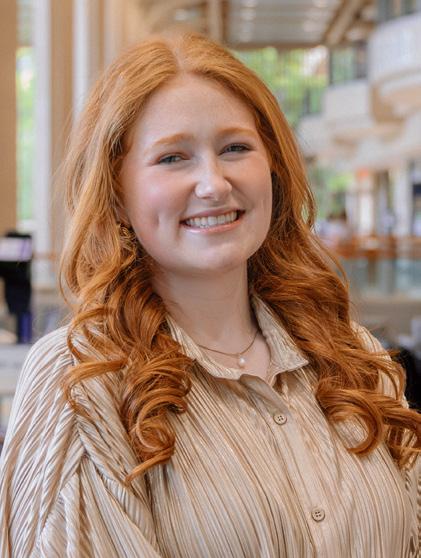
lsu.edu/tigertwelve
GORDON
CRAWFORD Columnist
Last week, thousands across the nation celebrated 4/20, a beloved, though legally unrecognized, holiday on April 20. The holiday is a day for celebrating cannabis, which began with an afternoon rendezvous at a humble California high school and has now spread across the nation as a day of relaxation, enjoyment and typically no shortage of snacking.
Festivities were particularly joyful in New Orleans throughout the week. Though no formal events for the holiday were thrown, with the presence of the New Orleans Jazz and Heritage Festival and many a Tulane student facing a stressful finals season, there was definitely a bit of smoke in the air.
Louisiana has been gradually moving towards decriminalization and enhanced access to cannabis for years, formally legalizing it for medical use in 1978 but only truly enacting a medical program in 2015. Since then, more exceptions have been made under the law, new dispensaries have popped up and the process of meeting with a doctor and getting a recommendation is relatively speedy.
However, the current legal framework still presents many practical challenges to citizens using the program. The main barrier is cost. Patients with the chronic conditions that medical marijuana would assist with frequently struggle with poverty, and with an ounce hovering at around $300 to $500, they are frequently priced out of receiving relief.
The consensus is overwhelming now, as it has been for years: The people of Louisiana want marijuana legalized, regulated and taxed.
That last part is one of the main practical benefits of legalization. Green tends to generate green. Missouri, the closest state to Louisiana with recreational cannabis access, generated $87 million from taxes on the product in 2025. As the state budget shrinks year after year, a cannabis tax injection could alleviate some immediate
Jason Willis Editor in Chief
Managing Editor Courtney Bell
Kaley Melancon News Editor
Sports Editor Ainsley Flood
Garrett McEntee Opinion Editor

budgetary pressures.
Furthermore, recreational legalization would have an additional economic benefit by marking Louisiana as the only state in the Deep South with cannabis fully legalized. All of our neighbors either have strict medical programs or maintain total bans.
The booming success of the Mardi Gras Amtrak line, smashing original rider projections by over 30,000, demonstrates that the Gulf Coast remains one of the hottest tourist destinations in the nation. Access to affordable cannabis in one of the greatest entertainment cities on Earth would only stimulate tourism more.
Cannabis tourism has already been shown to have a positive economic impact in states like Washington and Colorado, with hotel revenues rising over 25% in the latter following its successful implementation of recreational cannabis, and the overall cannabis tourism industry is valued in the tens of billions of dollars. Louisiana has a unique opportunity to seize the profits of this industry.
It’s not hard to imagine the throngs of tourists from Mississippi, Texas and Florida who could regularly fill Bourbon Street with a doobie in one hand, a Hurricane in the other, watching some live jazz music and happily pouring money into our state coffers.
Admittedly, these potential profits from pothead pilgrims are largely hypothetical, though their
Laura Allen Entertainment Editor
presence in plenty of other states provides potent reasoning for full legalization.
However, the existing medical system must be reformed to meet the needs of the people. The highly restrictive regulations limit in-state cannabis growing to just a few approved partners, partners who, purely coincidentally, of course, have deep ties to longstanding wealthy business titans.
These business interests are muzzling the economic prosperity of Louisiana so that they may dripfeed themselves by exploiting the vulnerability of patients with chronic conditions.
Our state GOP continues to doggedly defend our uniquely terrible and exploitative program, with AG Liz Murrill citing nonspecific public health concerns.
I would advise Murrill to actually sit down with the patients of this state, the men and women who wake up in excruciating pain every day, who rarely have moments of peace from debilitating PTSD or any number of other conditions which cause immense, daily suffering, and understand the pain of having to choose between relief or rent.
The public opinion is clear. The prospects of prosperity are visible. Either Louisiana must fully legalize, regulate and tax cannabis or be left behind as the green wave passes by our shores.
Gordon Crawford is a 20-yearold political science major from Gonzales, La.
RILEY SANDERS Columnist
What happened to “Hello, how are you?”
Working in my first food service job thus far has been absolutely amazing for a host of reasons, but one in particular is that it has reminded me that we should always be actively choosing kindness, especially as it seems the world is getting crueler by the day.
This isn’t a difficult ideal to practice. Everyone carries plenty of baggage, and we are not always in the right place to choose kindness first.
Maybe your dog died, or your daughter just passed away. Perhaps you just came from a particularly disappointing doctor’s appointment. Maybe you just worked a double and your replacement never showed up. You could have just failed an exam or have three in the next two days.
You never know what is going on in someone’s life, what they’re struggling with or how they may be suffering. Moreover, you may never know what is going on in your barista or server’s life either.
The point is that everyone is struggling with one thing or another at any given time, and it’s unrealistic to expect kindness to be a reflex or a natural response. Kindness, however, should be an everyday choice, an aspiration sought out even when it is inconvenient or burdensome.
If kindness were a reflex, something that occurred auto -
matically and without thought, there wouldn’t be meaning behind it. Much like passing someone you know in the grocery store and asking them how they’re doing, it would be particularly devoid of thought or intention. It would also be uncomfortable.
The truth is that intention is what makes kindness and human decency worthwhile.
In service jobs, the easy choices are the following: to greet someone emptily — and they will know, anyway — or to just take their order without acknowledging them. These are the reflexive responses, those we entertain particularly when we are lazy or downtrodden or even occasionally selfish.
This is often the answer to the question, “What happened to ‘Hello, how are you?’” More often than not, nothing deliberately rude or insensitive is happening. People are just people.
But what also makes humanity special is the capacity for love and unselfishness even when it is difficult for us, the chief hallmark of this gift being the ability to intentionally choose kindness. Sometimes we need someone to check in on us with genuine concern and a loving disposition, even if we do not know that person.
A little bit of human decency goes a long way, and kindness is what makes the world go ‘round at the end of the day. So I implore you to wake up every day and make that choice — we could all use it right now.
Riley Sanders is a 19-year-old biology major from Denham Springs, La.

The Reveille (USPS 145-800) is written, edited and produced solely by students of Louisiana State University. The Reveille is an independent entity of the Office of Student Media within the Manship School of Mass Communication. Signed opinions are those of the author and do not necessarily represent the views of the editor, The Reveille or the university. Letters submitted for publication should be sent via e-mail to editor@lsu.edu or delivered to B-39 Hodges Hall. They must be 400 words or less. Letters must provide a contact phone number for verification purposes, which will not be printed. The Reveille reserves the right to edit letters and guest columns for space consideration while preserving the original intent. The Reveille also reserves the right to reject any letter without notification of the author. Writers must include their full names and phone numbers. The Reveille’s editor in chief, hired every semester by the LSU Student Media Board, has final authority on all editorial decisions. Editorial Policies and Procedures