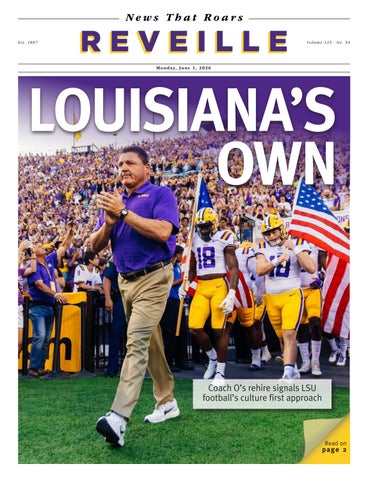

LOUISIANA’S OWN
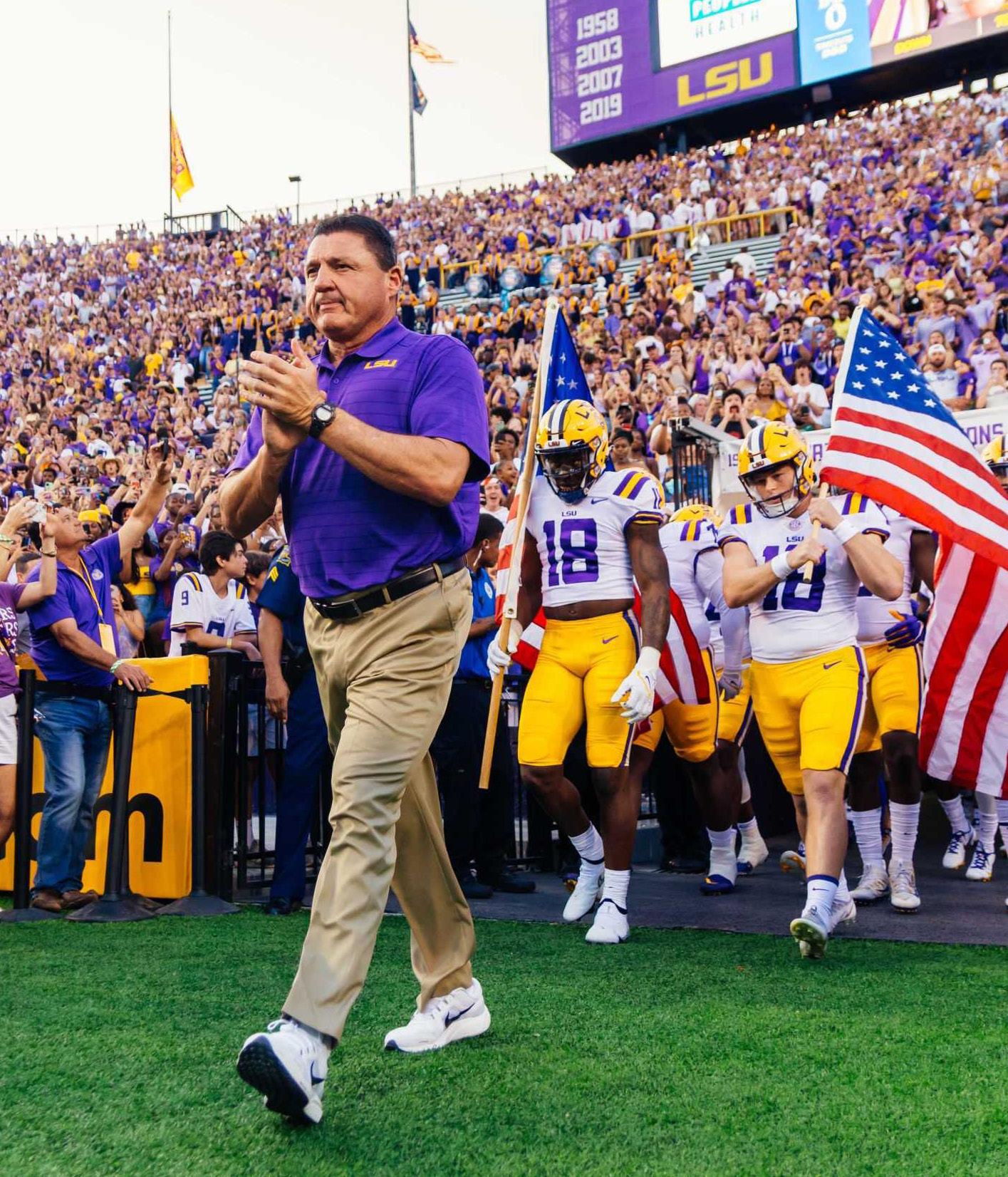
Coach O’s rehire signals LSU football’s culture first approach

LSUReveille.com
CULTURAL RESET
Column: Ed Orgeron returns to coaching staff under Lane Kiffin
BY ALEX SHEESLEY Staff Writer
By the time then-freshly hired LSU football head coach Brian Kelly walked off of the court at halftime of an LSU basketball game in 2021, the seeds were planted.
It may not have been apparent at the time, but the Bostonarea native’s cadence was off. He sported — test-drove — a Southern twang that came out especially when he said that he was at the arena “with [his] ‘fam-lee.’” He framed his predicted future success as winning “his” games.
Outsiders mocked Kelly in the moment, and years after the fact, for his inauthenticity on that December night. Those in the crowd at the Pete Maravich Assembly Center and around the LSU ecosystem cheered, but the doubts of him being an outsider were cast. Those who lived it, who grew up around and served in the program, saw right through it.
One of those people was his predecessor, Ed Orgeron.
“It’s over. He ain’t got a chance,” Orgeron said on a taping of the “Pardon My Take” podcast earlier this month, recalling his thoughts when he saw the clip of Kelly’s introduction.
While the length of Orgeron’s tenure — six seasons — at the helm of the LSU football program was not much longer than Kelly’s — the better part of four seasons — the two’s backgrounds could not contrast more.
Kelly hails from Everett, Massachusetts, a suburb directly north of Boston. Prior to taking the LSU gig, his resume was filled by jobs at schools in the country’s heartland in conferences that used terms like “Great Lakes,” “Midwest” or “Middle America” in their names.
His last two stops before LSU were at Cincinnati and Notre Dame, schools in Ohio and Indiana, respectively. In the college football landscape, these schools are worlds apart from programs like LSU.
Orgeron is from Lafourche Parish, and he grew up in a town shaped by the unique coastal geography of Louisiana. He carries his home with him in his mannerisms, his unmistakable voice and accent and, critically, his understanding of what LSU football means to the state.
As such, it’s no surprise that results between the two coaches also varied.
Orgeron brought the program to a New Year’s Six bowl victory in 2018 and headed perhaps the greatest team in college football’s history to an undefeated national championship
the next year.
Even though he couldn’t rebound from the post-2019 hangover, his success and personality turned him into a legendary figure at LSU leading up to and following his departure at the end of 2021.
Kelly delivered 10-win seasons in each of his first three years, having a signature victory over Alabama in his first clash with the Crimson Tide at LSU.
The Tigers appeared in the SEC championship that season and would’ve been in playoff consideration with a win, but they got drubbed by Georgia.
The early success never had a follow-up. Then, the culture within Kelly’s LSU became publicly contentious.
In his final season, Kelly was standoffish with reporters, referring to them as “spoiled.” He was reluctant to let program alumni around the facility. He was accused of not offering support to the parents of Kyren Lacy and to the family of Greg Brooks Jr. He refused to fire then-offensive coordinator Joe Sloan as the offense slumped, a decision that led to the firing of both.
That disconnect created an impetus for the next head coach to understand what it means to lead a program in the SEC.
The immediate answer was promoting Frank Wilson III, a New Orleans native, to interim head coach. The long-term answer was luring Lane Kiffin, not a native to Louisiana nor the South but an almost two-decade SEC coaching veteran, to the program.
Kiffin heading to LSU has been spun in every way. It’s
the moves after Kiffin’s return, though, that reveal the agenda to revive the program’s culture.
Kiffin started by retaining Tulane alumnus and elite defensive coordinator Blake Baker. A few months later, he followed it up with an even bigger splash.
LSU announced last week that Kiffin hired Orgeron in a special assistant role, covering defense and recruiting. It is a reunion for Orgeron and Kiffin, along with a return to LSU. The non-traditional role indicates the honorary function that Orgeron will serve, but Kiffin made sure to acknowledge the impact Orgeron will have on the program in his statement.
“[Orgeron] brings us tremendous value with his ability to recruit elite players nationally,” Kiffin said to lead off his statement. “Especially the impact he can have for us recruiting the great state of Louisiana.”
Orgeron brings a unique understanding of recruiting in the state to the program. He demonstrated that understanding later in the podcast, outlining the state’s unique cultural geography.
“Baton Rouge is right here, but north Louisiana is different.” Orgeron said, using his hand to demonstrate where places were. “Then you go all the way to New Orleans, and New Orleans is like a different country, and then you go down where I’m from — that’s totally different from anything else.”
Orgeron carries experience in every region of the state. His upbringing in south Louisiana, playing days in Natchitoches at Northwestern State, and time at LSU on the I-10 corridor give


B-16 Hodges Hall

Louisiana State University
Baton Rouge, La. 70803
him, and thus LSU, an edge in recruiting.
The recruiting trail is something he’s gotten to work on right away, using that expertise during a FaceTime meeting with four-star recruit Trey Martin from the northern part of the state.
Even with his local background being so expansive, Orgeron’s best trait may be his authenticity.
His passion was present in the locker room, shouting expletives directed at a non-present Alabama team after LSU’s win over them in 2019. It was present in recruitment when Joe Burrow shared that Orgeron had crawfish delivered to a restaurant during a recruiting dinner after it didn’t appear on a menu. It was present every time he signed off an interview with a gravelly “Geaux Tigers.”
For every duty on a college football coach’s plate, there is almost always a story involving Ed Orgeron. More often than not, that tale is equal parts success story and folklore.
It all comes together to build a figure that the fans and the players revere.
“The players got to trust you; you got to be who you are,” Orgeron said. “If you try to be somebody you ain’t, they’re going to smell it right away.”
The Orgeron hire serves as a letter of intent from Kiffin that this is a new era of LSU football, that the program’s culture matters and that it will honor the state.
Success is never guaranteed, especially not in the SEC, but the program is better off with the culture-first approach.
ADVERTISING (225) 578-6090
Layout/Ad Design ASHLEY KENNEDY
Layout/Ad Design REESE PELLEGRIN Layout/Ad
CORRECTIONS & CLARIFICATIONS
The Reveille holds accuracy and objectivity at the highest priority and wants to reassure its readers the reporting and content of the paper meets these standards. This space is reserved to recognize and correct any mistakes that may have been printed in The Daily Reveille. If you would like something corrected or clarified, please contact the editor at (225) 578-4811 or email editor@lsu.edu.
ABOUT THE REVEILLE
The Reveille is written, edited and produced solely by students of Louisiana State University. The Reveille is an independent entity of the Office of Student Media within the Manship School of Mass Communication. A single issue of The Reveille is free from multiple sites on campus and about 25 sites off campus. To obtain additional copies, please visit the Office of Student Media in B-39 Hodges Hall or email studentmedia@ lsu.edu. The Reveille is published biweekly during the fall, spring and summer semesters, except during holidays and final exams. The Reveille is funded through LSU students’ payments of the Student Media fee.
ABBY KIBLER / The Reveille
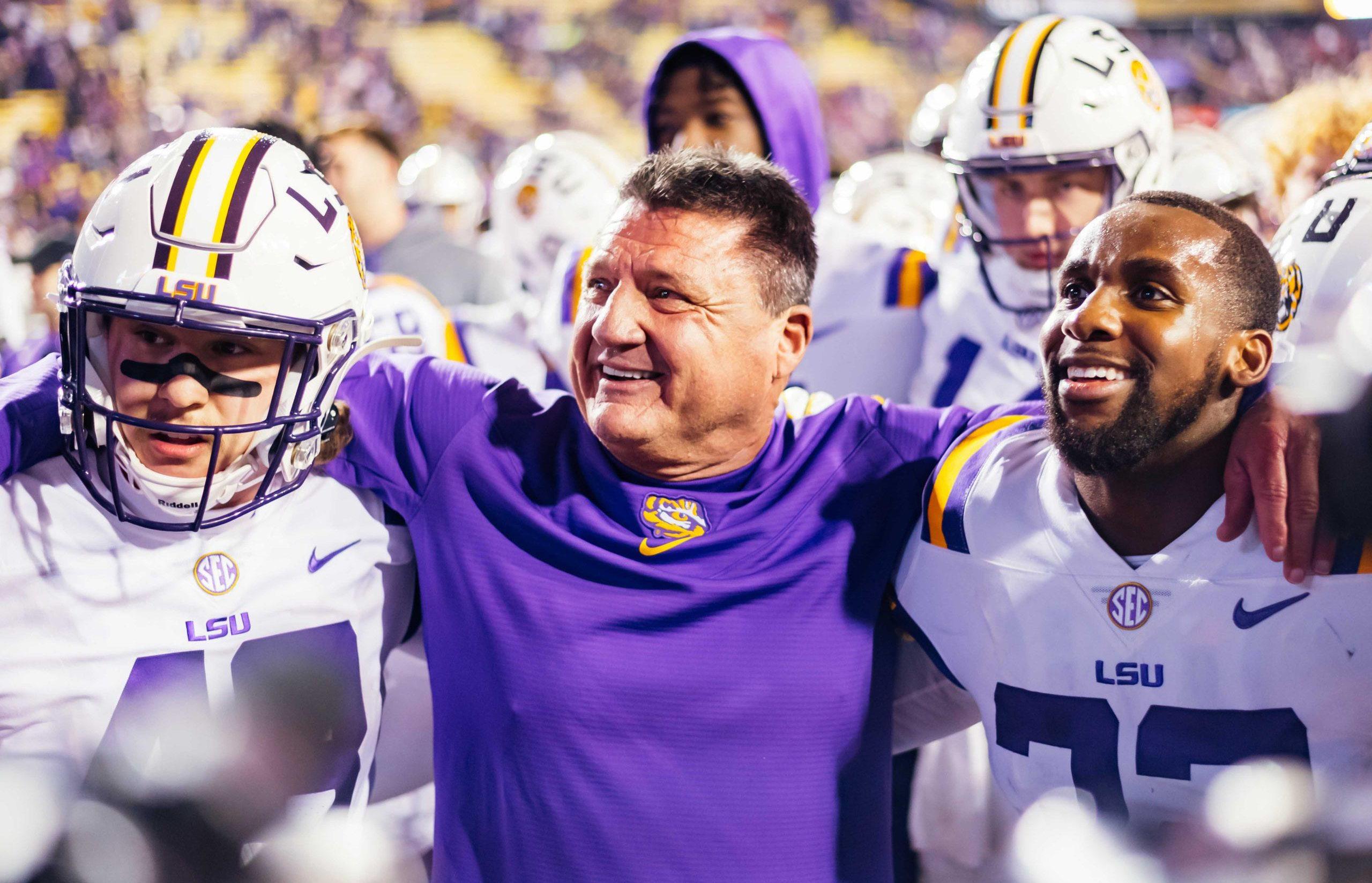
LSU football former linebacker Sloan Wright (48) and former cornerback Lloyd Cole (32) put their arms around head coach Ed Orgeron for his final game Nov. 27, 2021, during LSU’s 27-24 win against Texas A&M at Tiger Stadium.
NEWS BREAKING GROUND
LSU President Wade Rousse speaks at ceremony for new fraternity house
BY MADELYN LONG News Reporter
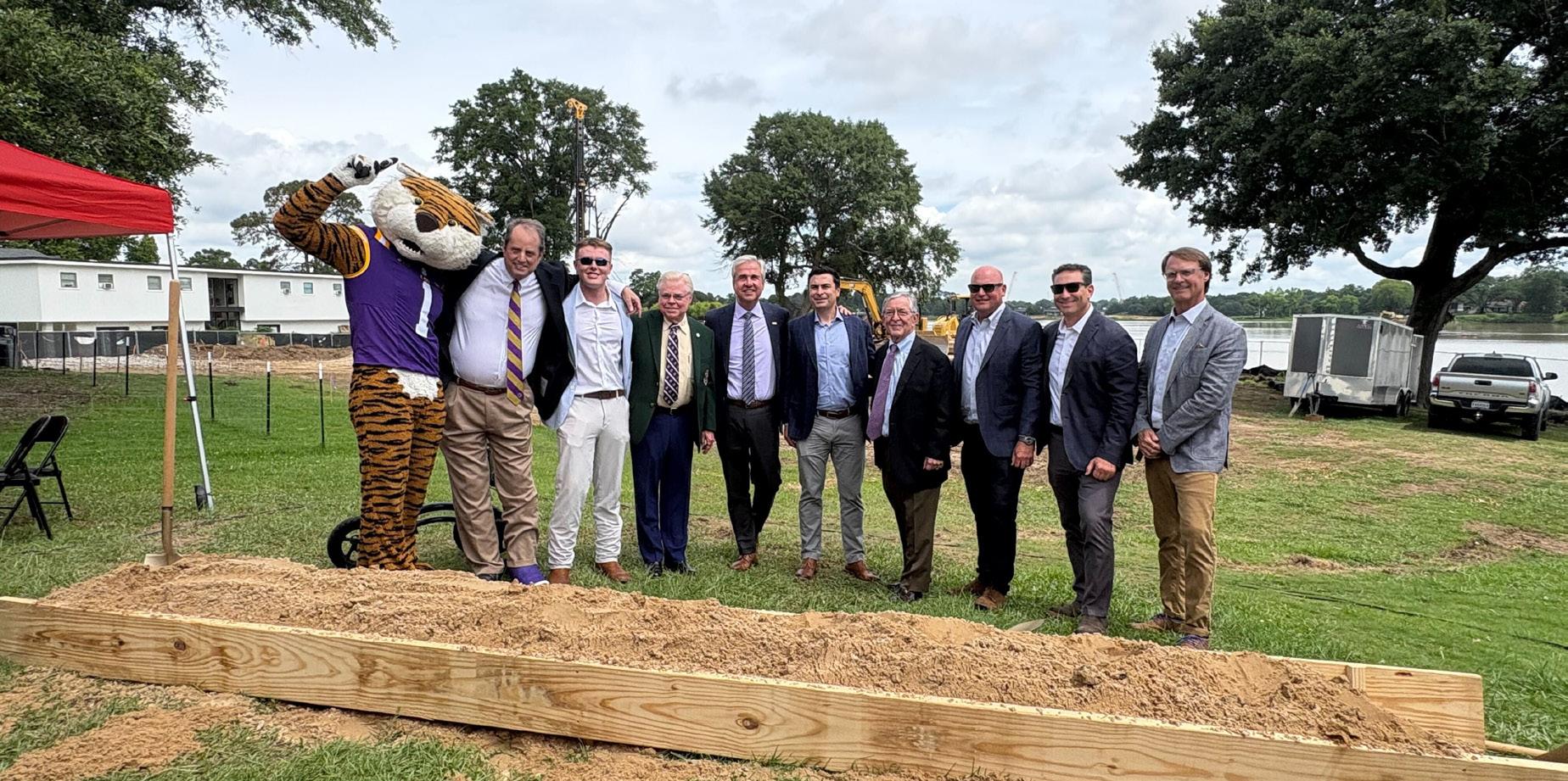
LSU leaders, alumni and students broke ground for Delta Tau Delta’s Epsilon Kappa Chapter home on Wednesday.
LSU President Wade Rousse attended and broke ground with fraternity members, expressing his support for the chapter and its plans on campus.
As a Kappa Sigma Fraternity alumnus, Rousse spoke on the lasting impact fraternity brotherhood has had on his life and how he hopes Delta Tau Delta can be a place to foster brotherhood on LSU’s campus.
He also noted how this new project aligns closely with his goals as LSU President.
“My vision is that our Greek system becomes elite, just like our research enterprise is going to be elite, just like our regional dynamic-market driven curriculum will be elite, so that we can provide accessibility to anyone who wants a life-changing education,” Rousse said.
The groundbreaking event followed a full year of planning and fundraising by Delta members and alumni.
Current Delta president, Aidan Sherer, said, “Thanks to
RESEARCH
the collaboration of our housing corporation and LSU administration, we’ve been able to go from having chapters in Coates 143 to chapters in a 13-milliondollar home we get to call ours.”
The team of contractors assembled to construct the home includes many Delta alumni who hold significant value to their part in the project.
One of these alumni is Art
Favre, founder and chairman of the Board of Performance Contractors, who spoke about how his time at Delta shaped his professional life. He mentioned specific skills that were learned while involved in Greek Life at LSU, such as respecting all types of people, negotiating, managing crises and operating within a budget.
“Fraternity life rounds out
the college experience,” said Favre. “It fills in the gaps the university misses in the practical life skills necessary to be successful in today’s world, and the pillars of the fraternity life center around the fraternity house.”
Other alumni, like Doug Tate, were involved in the financial planning for the project as well. As Delta Tau Delta fundraising chairman, Tate was in-
volved in ensuring the chapter had the funds to support its ambitions to bring its home back on campus.
“Speaking on behalf of all Delta Tau Delta alumni, we are eternally grateful to LSU for allowing us to come back to this great campus,” said Tate. “We would also not be in this position without the generous donations from the DTD brothers worldwide.”
Gratitude and excitement are also felt by current members of the EK Chapter, as they soon will be able to enjoy a new home on campus.
“Knowing I will be able to experience this house during my final year in college makes it even more meaningful, and I am looking forward to seeing how the brotherhood will continue to expand within this new home,” said Mason Jacobs, Delta Epsilon Kappa director of communications.
Although there is much construction ahead for the Delta Tau Delta project, current members already feel the significance of their work at LSU.
Sherer said, “This will serve as our mark on LSU’s history as we welcome new generations of EK Deltas in the years to come.”
LSU professors connect sociology to viral outbreak concerns
BY MADELYN LONG News Reporter
Recent viral outbreaks across the world have taken social media by storm, making it difficult to discern accurate details and risks. LSU professors break down the dangers associated with these viruses and how to stay aware of proper precautions.
In May 2026, news circulated of a hantavirus outbreak on a cruise ship traveling in the Atlantic Ocean. The news quickly spread across social media platforms, causing global concern to rise.
Soon after, an Ebola virus outbreak gained attention in the Democratic Republic of Congo and Uganda.
Although the use of mainstream media during these outbreaks may seem like a tactic to scare people, it actually benefits epidemiologists by helping them to understand the roots of the outbreak.
Dr. Rebecca Christofferson, associate professor of pathobiological sciences at LSU, explained that outbreaks like the hantavirus are considered outliers. They do not occur regularly and often do not pose a significant risk to the
general public, but covering these types of outbreaks does hold importance.
“We need more visibility on these types of things so that we can drum up support for continued surveillance,” said Christofferson.
The increase in visibility explained by Christofferson is what makes the difference when it comes to understanding what is normal for particular diseases and studying why these outbreaks are occurring.
But there is a downside to more information regarding these outbreaks being provided to the public. It is very easy for people to get scared and presume risks that are not currently present.
Dr. Wesley Shrum, professor of sociology at LSU, explained that during epidemiological outbreaks, people tend to develop a heightened sense of location-based risks.
While studying in Africa during Ebola, Zika virus and COVID-19 outbreaks, he learned that the general populations became concerned with the people who came before them in a given space.
Describing this as a “fear of empty spaces,” Shrum said that people became fascinated with
making sure they were not coming in contact with any items that had been previously used by a possibly infected individual. This thought process often did not contribute to decreasing the spread of any outbreaks Shrum studied, but was part of what he noticed about human behavior during these outbreaks.
Shrum also noticed how the general population developed a sense of fear toward other people during these outbreaks. There were quick assumptions that anyone associated with the country or culture experiencing the outbreak must be sick, even if they were not.
“People will start to say, ‘They just arrived back from the Congo, so they have been exposed,’” said Shrum.
But in reality, Shrum explained that just being within a geographical border does not mean that someone was exposed to anything. These conclusions, based on location or culture, create false precautions among members of the public, like staying away from people who had recently visited an area associated with the outbreak.
Shrum’s studies also spanned into the era of COVID-19, where
he learned that even when people took precautions to avoid getting the virus, they were often ineffective because they were contracting the virus from people already living in their homes.
This paradox, as explained by Shrum, showed how information being spread by mainstream media may not always be beneficial in the time of a viral outbreak.
Research by LSU professors, whether taking place on campus or across the seas, contributed to the understanding of how to control these outbreaks and human
reactions to them.
Both Christofferson’s and Shrum’s research works to bridge the gap between science and the humanities, creating a connection between how these outbreaks take place and how to control them.
It is important that LSU keeps its strength in and supports both the sciences and humanities so that we can continue to face these very complex problems in an interdisciplinary way,” said Christofferson. “Because the best science in the world is not very useful if no one believes it.”
MADELYN LONG/ The Reveille
President Wade Rousse stands with Mike the Tiger, Delta Tau Delta alumni and members after breaking the ground on the new DTD Fraternity house.
ABBY KIBLER / The Reveille
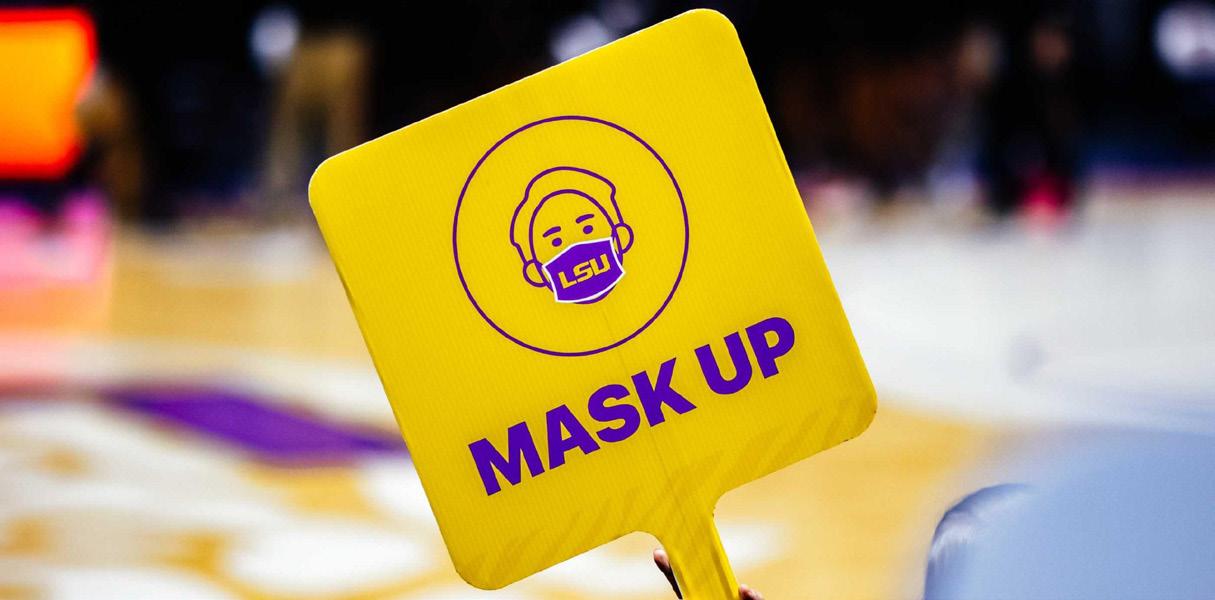
A security guard holds up a “mask up” COVID-19 sign Feb. 25, 2021 during LSU women’s basketball’s 59-68 loss to Mississippi State in the PMAC.
OLD MEMORIES, NEW TRADITIONS

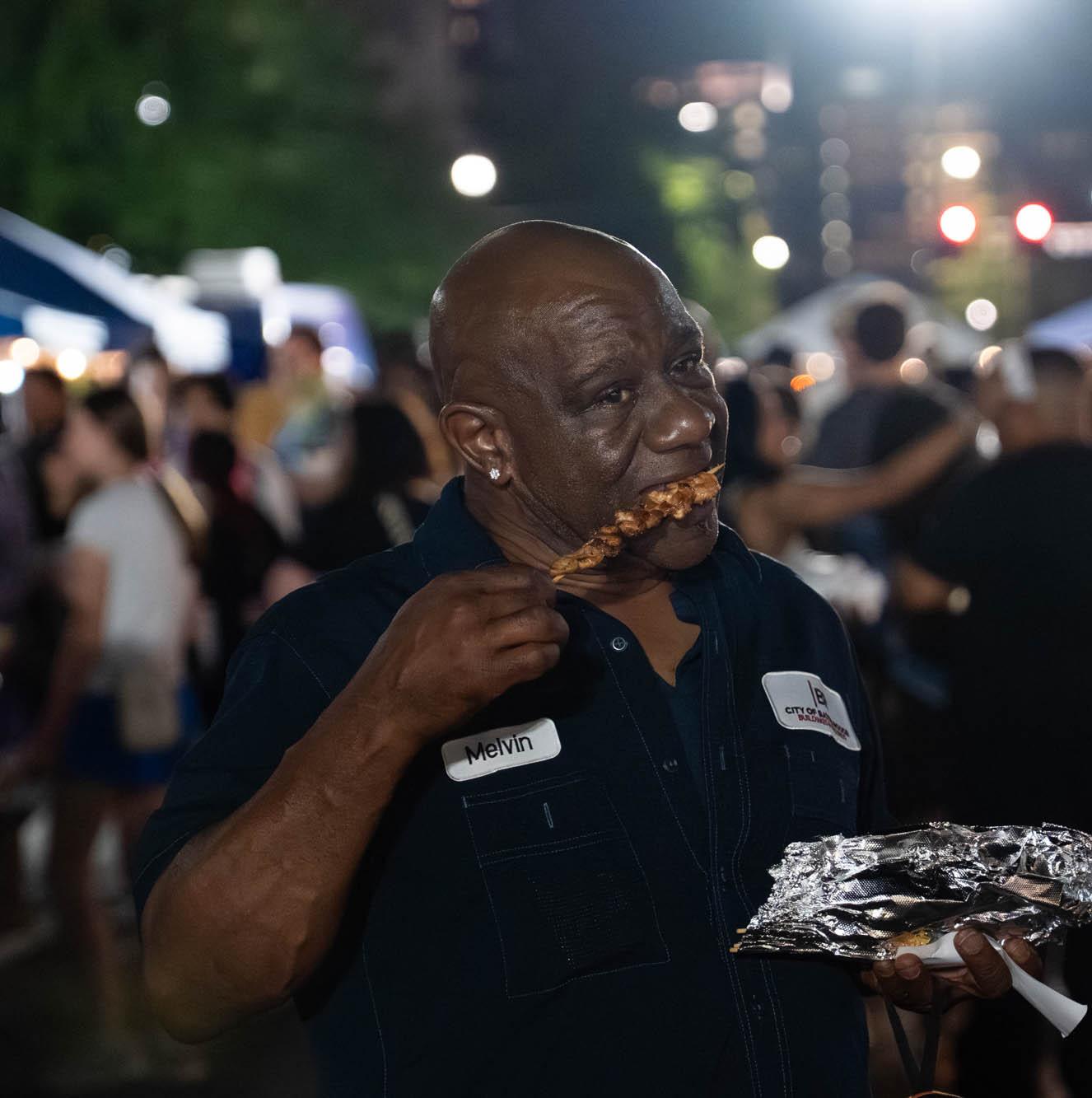
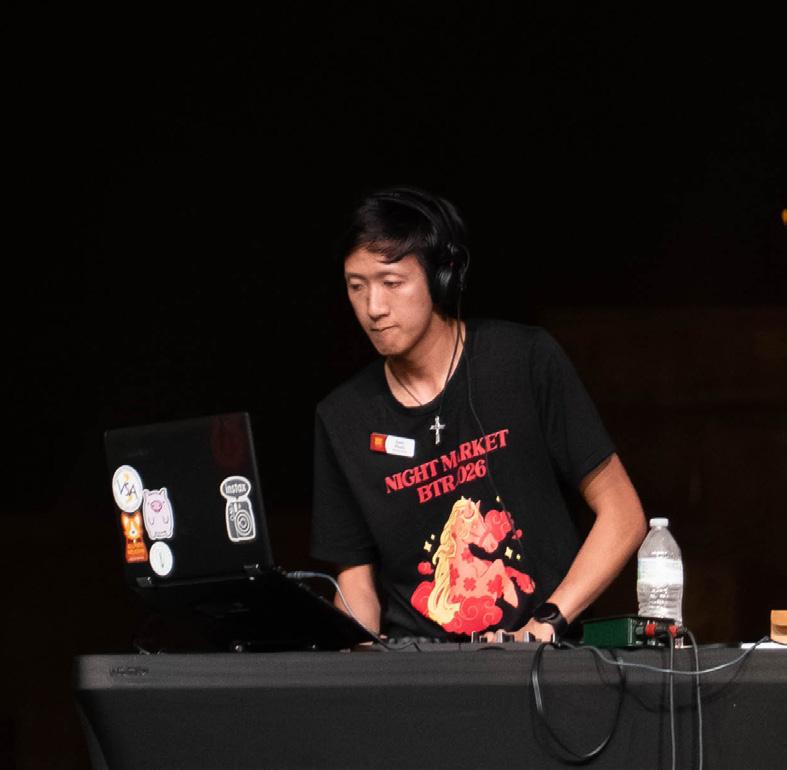
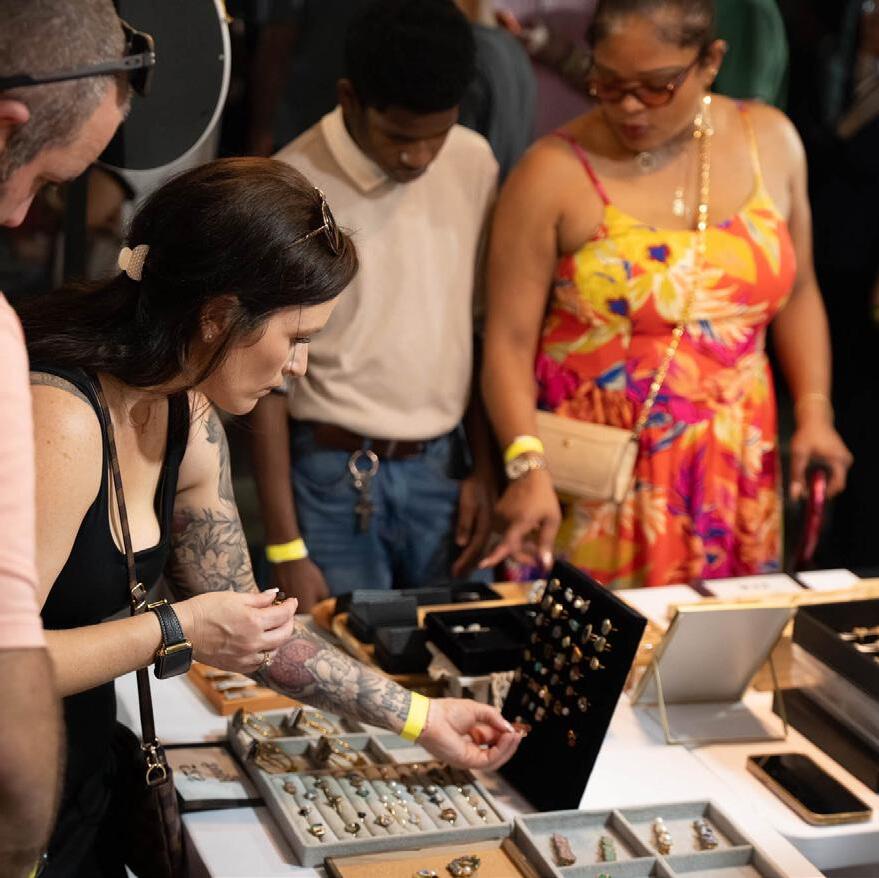
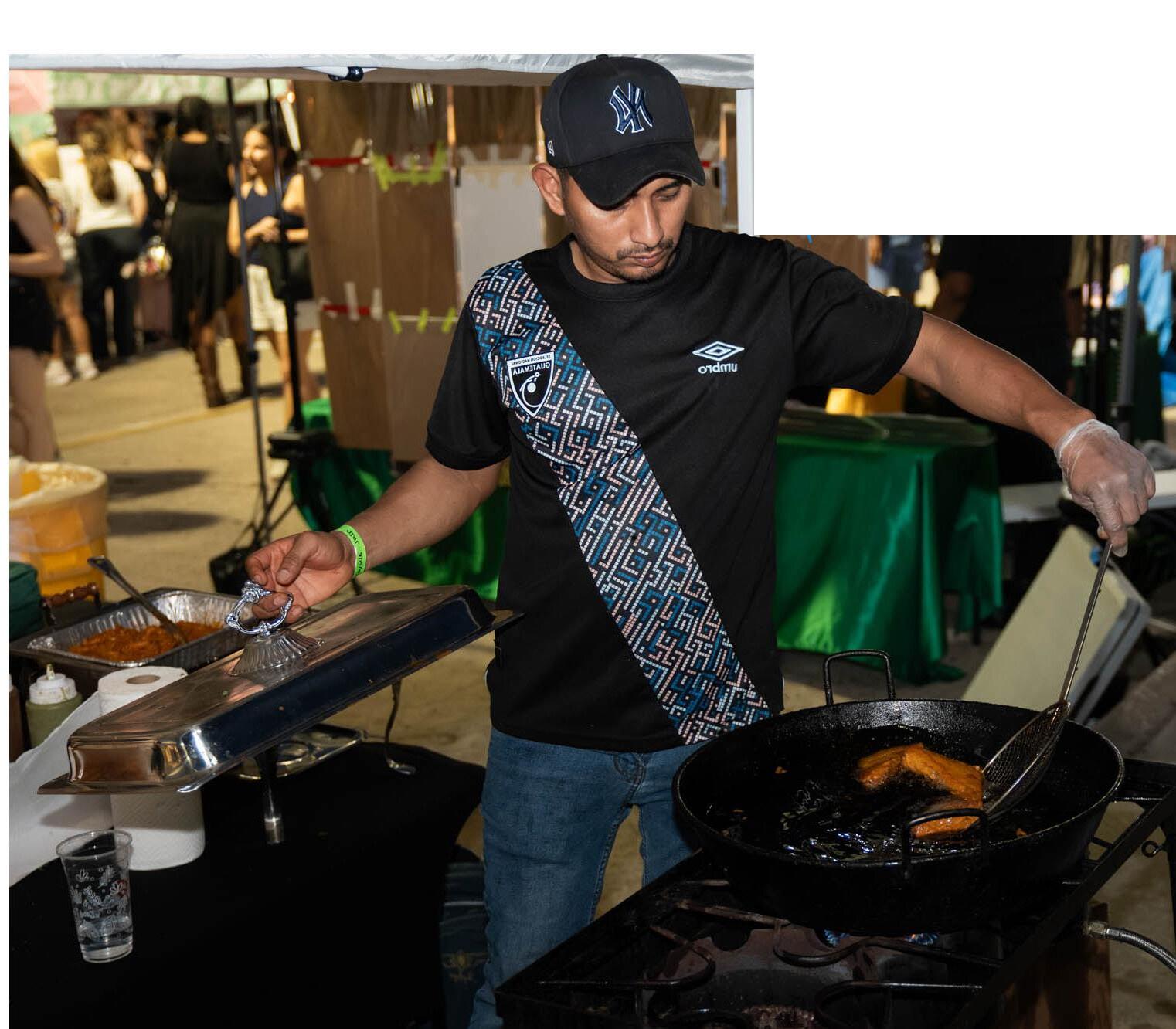
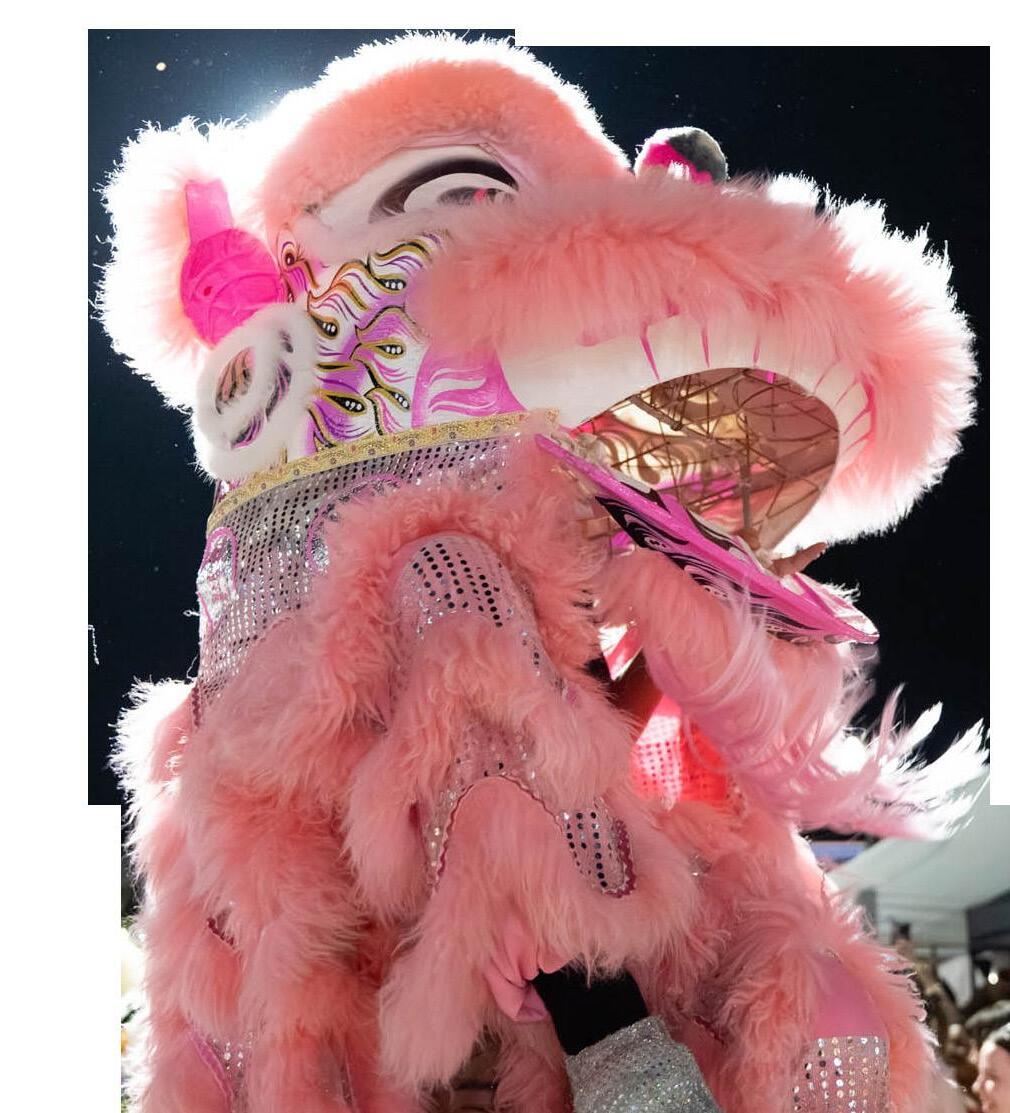
Night Market BTR brought food, art and culture May 30 in Baton Rouge.




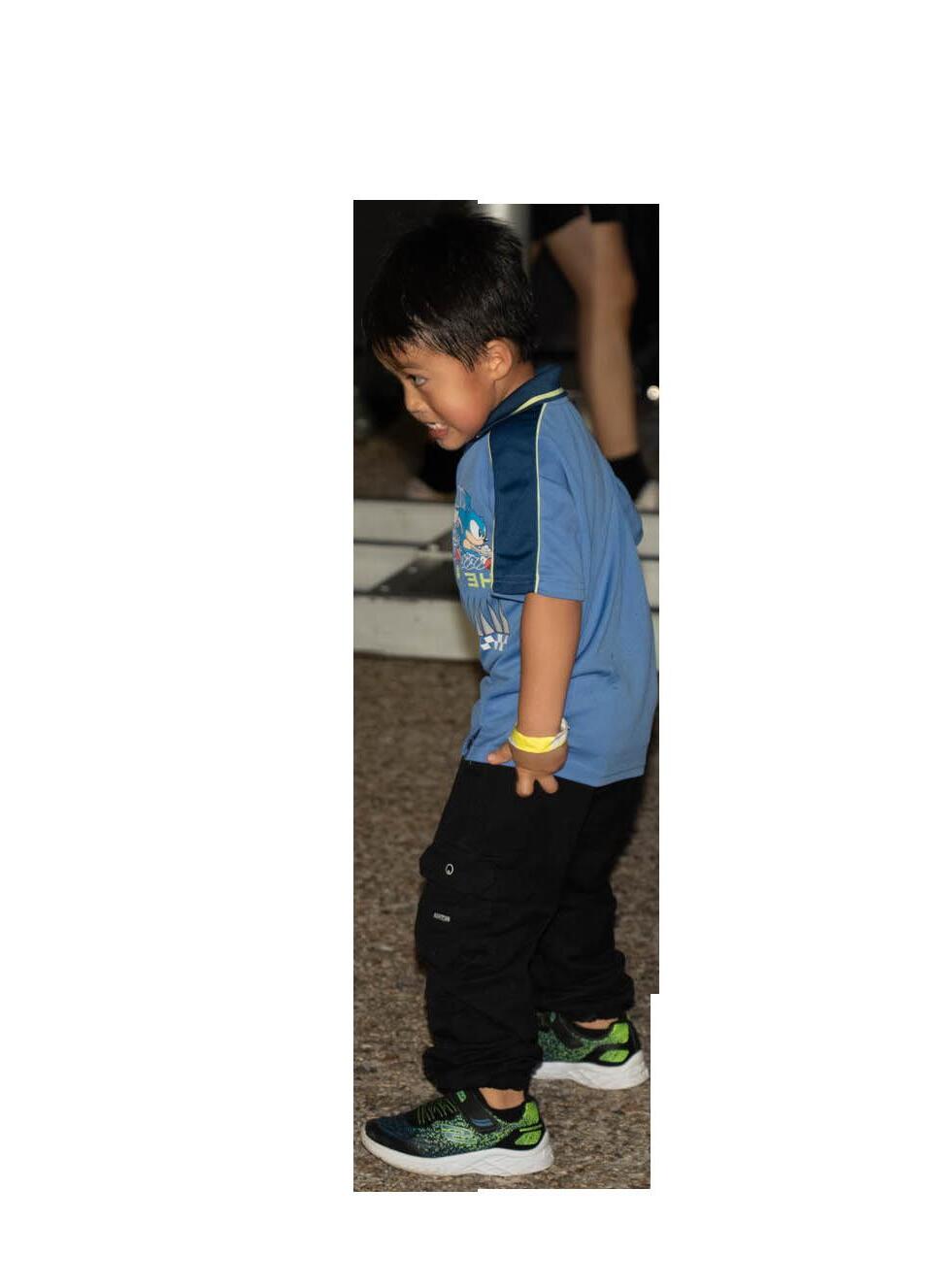
A boy dances in the street.
Southern Lotus Lion Dance lion performs in the street.
The DJ spins music.
A vendor prepares food.
A woman looks at rings.
A person poses in front of a sign.
Southern Lotus Lions Dance members perform in the street.
Avendorcooks. Food is dumped in a pan.
Photos by Evan Touchet | Design by Alexandra Gerstner
LSU professor embraces musical roots through his band 2 Domestic 1 Import
BY PAUL TIBBETS Staff Writer
For around 18 years Dr. Paolo Chirumbolo has been an assistant professor at LSU. Outside of classes teaching the Italian language and Italian cinema, Chirumbolo is teaching people how to have fun through music.
While growing up in Italy, Chirumbolo’s mother made him and his brother learn classical guitar due to his friends doing the same. Those skills have stuck with him, and he has not stopped playing the guitar since.
This made it easy to make connections through music, such as when Chirumbolo met future bandmate Dustin Smith.
At a now-closed gelato shop where Insomnia Cookies now resides, many Italian people would congregate. The owner of the shop, Simone Romano, pushed Chirumbolo and Smith together over their love of playing music.
“We just found the right chemistry right away,” Chirumbolo said. “We took breaks in the past, especially when I go back to Italy and I’m not around for a few weeks, but we haven’t stopped playing together ever since.”
In 2016, the duo joined with another musician to make their band, 2 Domestic 1 Import. The name comes from the fact that two members are from Baton Rouge and Chirumbolo is from Italy.
When a third of the original members left in 2019, they added in Sydney Lombardo, one of the current longest running members. Like the other two members, Lombardo got to know the band when her mom encouraged her to go see one of their shows.
The kind of music you can expect to hear may vary from performance to performance; however, the band is always consistent with acoustic covers of well-known songs. Any song from Elton John’s “Rocket Man” to anything from Ella Fitzgerald’s discography, you can hear in a fun and laidback styling.
Smith said while there is no particular reason they stick to the acoustic covers, it works to keep the audience more comfortable and engaged. Not only that, but in an age where AI is so accessible to make music, it is refreshing to bring the songs back to their basics.
“I love the idea of real people banging on real things. It’s kind of the simple sound of, it’s not trying to sound like anything, it is the sound we’re making,” said Smith.
These days, the trio is a fuller band with around six or seven interchangeable members. While Lombardo may be more likely to handle vocals or Smith the guitar, all of the individuals work as an ensemble to take turns in every role.
Every show you attend may be a new style of song, and each
member has their own unique music taste and background they bring to the table. Chirumbolo says being in Baton Rouge and working with these people has expanded his tastes and deepened his appreciation for the art.
“It’s like playing with different bands because when it’s just the three of us we have, there’s one sound,” Chirumbolo explained. “But then when you start adding percussion and a drummer and other singers, it really changes the sound and the performance, but I’m loving every minute of it.”
That love for the art form shines through in every performance. People often tell the band that their joy is palpable on stage and makes the show even more enjoyable for the audience as well.
The band believes this is what is most important when it comes to its music. Regardless of if they are playing for a small audience or a large one, the care that they put in on stage must be the main event. Smith has a philosophy that the music is all about letting loose.
“Music is fun, don’t take it serious. It’s to build community and make people smile and from time to time dance. That’s the goal,” said Smith. “I mean, just to get together with friends and play music for friends — it doesn’t get any better than that.”
For more updates on future shows, follow 2 Domestic 1 Import’s Instagram.
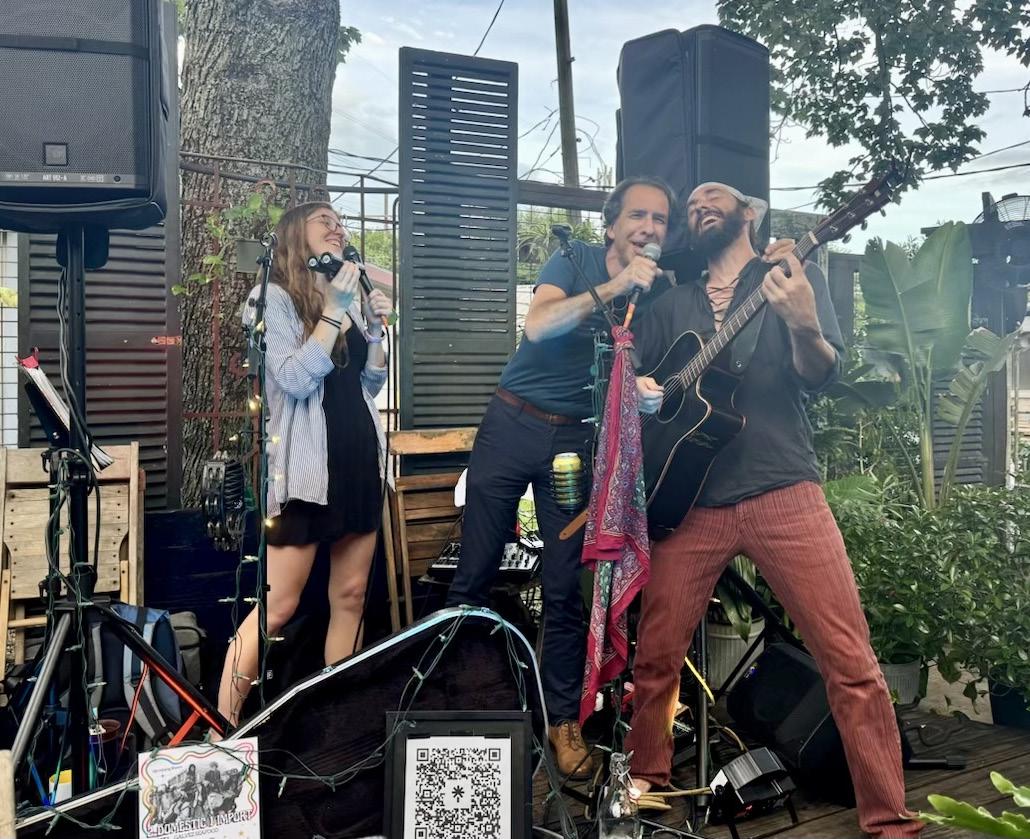

PAUL TIBBETS / The Reveille
Rouge.
SPORTS STAY OR PRO?
LSU baseball’s Derek Curiel is considering future options, reveals preseason injury
BY ALEX SHEESLEY Sports Reporter
LSU baseball center fielder
Derek Curiel turning pro isn’t as done of a deal as previously thought. On Wednesday, in an interview on Baton Rouge ESPN 104.5 FM with Matt Moscona, LSU’s outfield keystone revealed that he was mulling over foregoing the draft in 2026 to return for his junior year.
“I definitely don’t have all my eggs in one basket yet,” Curiel said about his future prospects.
Curiel, who recently turned 21, is draft eligible a season before most college players because of his age. He has been one of LSU’s, and the country’s, best players since entering the college ranks in 2025. He is expected to be a first-round pick in July’s MLB Draft.
A player of Curiel’s caliber delaying turning pro is rare, but not unprecedented. These holdouts are typically to secure a better contract, though eligibility is typically viewed as a bargaining chip in those negotiations.
Curiel’s motivation to return, though, seems to be to continue with the program and its head coach, Jay Johnson.
“I’ve definitely talked to Coach Johnson. I obviously want to be a Tiger,” Curiel said. “I told him, if there’s a coach I could play for forever, it would be him.”
Another potential motivation for Curiel could be to display the best version of himself. He also revealed in Wednesday’s interview that he was injured.
Curiel broke his left ankle in November — just three months
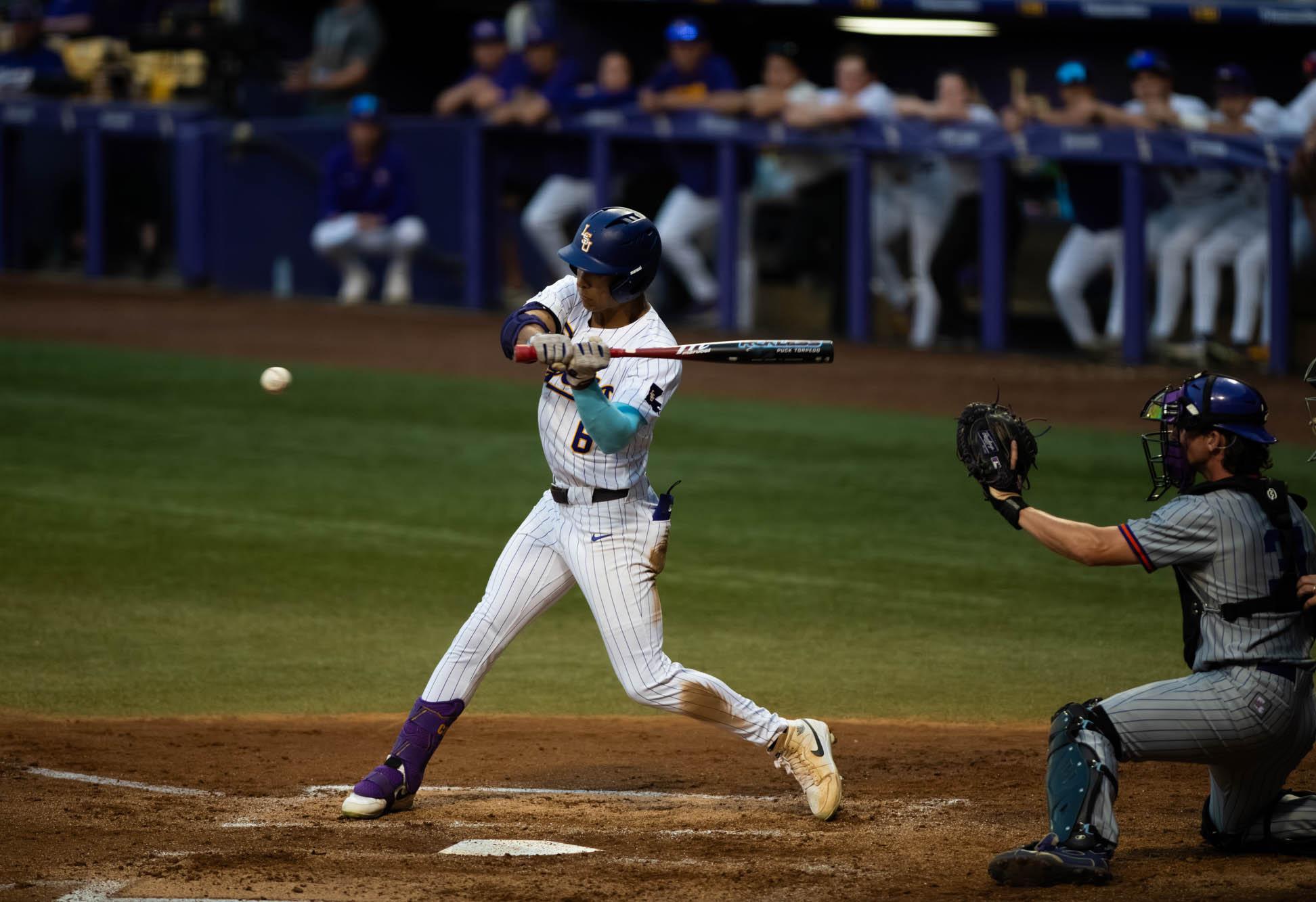
LSU
Northwestern State University at Alex Box Stadium.
before the season — and wasn’t in a position to prepare for the season until late January. He didn’t outright blame the injury on his slower start compared to his freshman season, but also didn’t downplay its impact.
“That’s why the season started how it did,” Curiel said. “But I feel like I showed some toughness.”
Still, Curiel managed to grit his way to a .345 batting average, eight points higher than his mark a season ago.
His power metrics took a
step back, perhaps due to the injury on the ankle he loads his weight on in his swing, but was still strong. He OPSed over .950 and finished just a home run and nine RBI back of his 2025 tallies, both numbers set back from Curiel not playing in the postseason this year — costing him 10 games.
A healthy Curiel in his freshman season was good enough for him to be recognized as the country’s best freshman and projected to be the best sophomore in America ahead of the
2026 season.
A healthy Curiel as a junior in college could produce a monster season, one that could spring him from a mid-to-late first round pick in this season’s draft to a candidate for the Golden Spikes Award, given to the country’s best player, and becoming the fourth player from LSU to be taken in the top three picks of a draft in four years.
Curiel returning would also be huge for LSU. If Curiel is to stay the course and go in the draft, LSU will begin 2027
without any of its opening day starters in the outfield. Corner outfielders Chris Stanfield and Jake Brown are set to leave the program as the former runs out of eligibility and the latter turns pro.
Retaining a player like Curiel brings back a two-year SEC starter with double-plus fielding ability in center field and an elite hit tool to mentor whoever plays beside him in the outfield. Curiel’s ability and experience would double his value.
The counterpoint to Curiel’s return is that nothing is guaranteed and that a return to LSU sets him back on his path to the MLB by a year.
There’s no way of knowing for certain how Curiel’s 2027 season would go if he chooses to return. But, a poor showing in his junior year, regardless of how that comes to be, would threaten to stall his draft momentum.
He could fall from his projected draft position, lowering his “slot value,” a metric used as a base for negotiations. With only one year of college eligibility left if he returns, his leverage to get a better deal is weakened substantially.
While unlikely, a circumstance like this is uncertainty that Curiel can avoid by turning pro this summer.
As it stands, though, Curiel is open to all options, and more cards will need to be revealed before any final determination is made.
“I’m excited for whatever lies ahead, and it’s all in God’s hands in my opinion,” Curiel said. “I’m open to whatever.”
A look back on LSU softball’s super regional run this season
BY RAMI BURKS Sports Editor
The purple reign ended as Alabama overtook LSU on May 23, officially ending LSU softball’s 2026 campaign.
The Tigers accomplished a lot in their 2026 NCAA softball season. Though they started out slow, they gained momentum. This season, LSU softball showed a lot of growth, possibly setting up the 2027 team to go even farther.
The season came to an end as LSU took on the Alabama Crimson Tide in the NCAA Tuscaloosa Super Regional, after sweeping its way through the Baton Rouge Regional. But this is not where the story started.
In February, LSU hosted its usual Tiger Classic Tournament.
The Bayou Bengals swept through opening weekend, topping NC State, Lamar, Illinois and Nevada, but the next weekend LSU traveled to Clearwater, Florida, for the Clearwater Invitational, and the result wasn’t as pretty. The Tigers would go 1-4 in the tournament and come back home with a loss from the Clearwater Invitational for the first time since 2022.
This hit was the first of many for LSU, but it clearly made the Tigers stronger. They began an uphill battle a few weeks later.
Conference play was as difficult as one could expect in the SEC, and LSU handled it with grace. Every loss was a learning
experience, and the script of the season completely flipped as the Tigers hosted No. 5 in the country Oklahoma.
If the state of the NCAA transfer portal hasn’t shaken the game up enough, this series was enough to show the effects. Former two-time NFCA All-American at LSU, Sydney Berzon, donned crimson and cream for her senior campaign, and the Tigers took on national champion pitcher at Oklahoma, Paytn Monticelli, in her senior season as well.
However, the series wasn’t defined on the mound. It was defined in the batter’s box. Even though LSU lost the series to the Sooners, each of the games was hard-fought, and it showed in
the series and in the season to follow.
“I think it’s Sunday in the SEC. You know it’s gonna be all bets off,” LSU head coach Beth Torina said to ESPN about her team’s ability to come back from a 4-0 setback. “You’ve got to throw everything you’ve got at them. You know it’s going to be a fight no matter who you’re playing. They call us the ‘Fighting Tigers,’ that’s what we came to do.”
LSU got hot after this series, leading to series wins versus Missouri and Arizona and even sweeps of Ole Miss and Auburn.
Entering the postseason, the Tigers dropped their first game in the SEC tournament, but that’s not completely unheard
of for LSU because the focus is on the following weekend: the NCAA Tournament.
This is where the Tigers hosted their 17th NCAA Regional in school history. LSU would sweep its way into the NCAA Super Regional round, but met its match as it fell in two consecutive games in Tuscaloosa. Torina said she looks forward to seeing how the returners grow into the 2027 season, and with only four graduating seniors, the likelihood is strong.
“This team grew a ton. They finished strong,” Torina said of her team after the season concluded. “We’d like to continue to play on, but we’ve got to keep growing and continue to find ways to do that.”
EVAN TOUCHET/ The Reveille
baseball sophomore outfielder Derek Curiel (6) prepares to hit the ball April 14 during LSU’s 4-2 win against
OPINION
Protecting professor’s speech is essential to LSU’s future
Last year, LSU Law professor Ken Levy attracted the ire of Gov. Jeff Landry, and, by extension, the wrath of the state government, when he made profanity-laced comments in class about Landry and U.S. President Donald Trump.
Levy was suspended from teaching, sparking a court case that ultimately resulted in the 1st U.S. Circuit Court of Appeals upholding his suspension.
The case is part of a broader move nationally against wellestablished university policies protecting academic freedom by primarily Republican administrations.
This national push made it somewhat surprising when the Louisiana House near-unanimously passed a House Bill 1008 — introduced by a Republican — that proclaimed to protect professors from retribution
for research, class subjects and comments outside of the classroom.
While the bill’s intentions are admirable, the final version sent to the Senate was functionally stripped down into oblivion, with amendments that required repayment to professors for violations and the insertion of a vague clause against “demeaning” language or conduct ahead of the final vote.
Half-measures like HB 1008 do not serve the needs of academics in this state, and if Louisiana wants to stem its welldocumented brain drain, the legislature must pass effective laws that protect professorial speech.
Tenure in the United States has its roots in the early 20th century. For decades, university trustees held immense, unchecked power over the employment of professors, though many universities practiced an informal tenure system through voluntary reluctance.
Eventually, however, a number of high-profile cases regarding academic freedom led to the
founding of the American Association of University Professors, or AAUP, whose 1940 Statement of Principles on Academic Freedom and Tenure is regarded as the foundation of academic tenure policy in America.
However, the practical effectiveness of academic freedom policies in this nation has always been somewhat flawed. Throughout the Cold War, regardless of tenure, professors were subject to McCarthyist loyalty oaths and faced censorship and firing for engaging with and expressing views perceived as excessively radical.
This resulted in a chilling effect across academia, lasting until the double whammy Civil Rights Movement and anti-Vietnam War movement, both of which contained integral student movements under their umbrellas, re-opened discussion of radical ideas.
We cannot allow ourselves to return to the oppressive academic culture of the McCarthy years. Universities have always been, and should always be, incubation chambers for new ideas,
regardless of how challenging they may be to conventions.
This is a principle that even most conservatives will agree with when asked. For years, many on the right have decried perceived attacks on free speech at “liberal” colleges, with some claiming that right-wing ideas have faced the same self-censorship effect that the aforementioned leftist professors faced during the McCarthy era.
However, now that they control the reins of power, culture warriors like Landry have leveraged their positions to impose their will over professors who express views that offend their sensibilities.
LSU has been attempting to position itself as one of the premier universities in the South for some time. Every year, there’s a new academic program, building or other juicy incentive announced in the effort to keep our brightest here and import great minds from elsewhere.
However, university success stems from the roots laid by its professors. For LSU to truly be a university of prestige, it must
remain committed to bringing in top academic talent and giving them the space to express themselves without looming fear of retribution. Professors must be able to engage in research that may polarize and challenge established convention.
In my freshman year, I took a political science class from a self-described Reagan conservative and an honors class from a colorful-haired, liberal-leaning professor. In that time, both professors challenged me on my beliefs and prompted me to research the foundations of my ideals and think critically about them.
This is the essence of the college experience. When professors are forced to needlessly cater to comfort, they fail in their role as educators. LSU must protect the right of professors to authentically express themselves to their students. It is this ideological struggle where true learning occurs.
Gordon Crawford is a 20-yearold political science major from Gonzales. page 8
TORI HILL / The Reveille
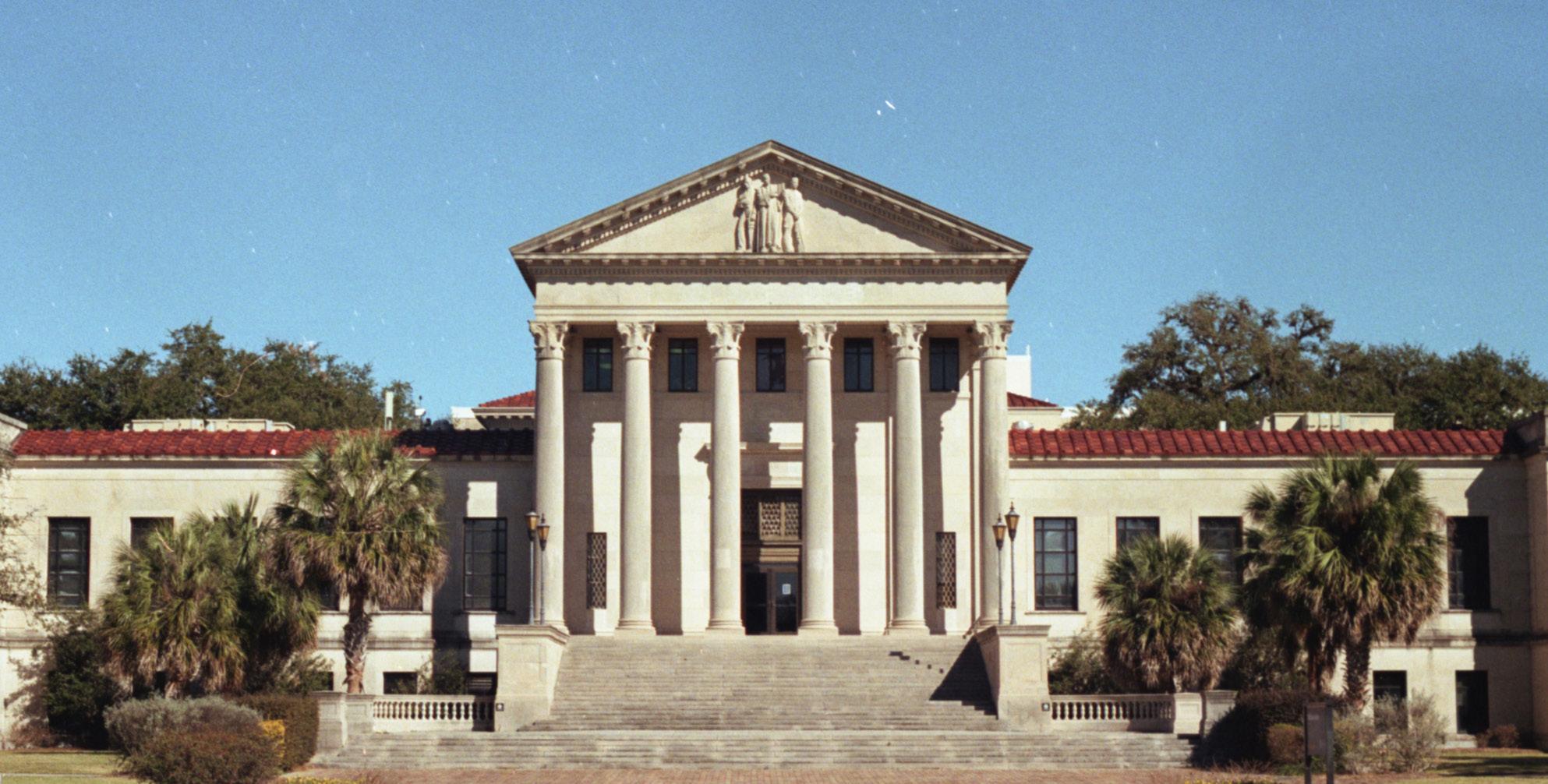
LSU’s Paul M. Hebert Law Center sits in the sun on March 11, 2025.