Hello and welcome to this month’s issue of THE CRUST. If the past few months have felt like one pressure stacking on top of another, that feeling is not wrong. Because that is exactly what is happening.
The latest addition comes from Washington. The United States has announced a new round of Section 301 tariffs, this time framed around forced labor concerns in seafood supply chains. Most major shrimp exporting nations are affected, and Indonesia is among them, facing an additional 10% duty on top of what was already a difficult tariff situation. The details are still being digested across the industry, but the direction is clear. Access to the world’s largest shrimp market keeps getting more complicated and more expensive.
Against that backdrop, something interesting is happening with prices. Shrimp prices in India and Ecuador have been falling under serious pressure, while Indonesia’s farmgate prices have remained comparatively stable. In Ecuador specifically, prices have hit their lowest point on record, weighed down by a combination of oversupply and China’s recent suspension of import declarations from several of the country’s largest processors. Indian farmers are facing their own version of the same story: falling prices meeting rising input costs, squeezing margins at both ends. Indonesia, for now, is not seeing the same freefall.
But it is worth understanding why before feeling reassured. White Muscle Disease has been quietly devastating production across several key regions, particularly in high-output areas like NTB. The price is holding not because demand is strong, but because supply has taken a significant hit. Stability built on loss is
not the kind of stability worth celebrating.
Closer to home, another concern is quietly building. The government’s decision to tighten control over raw material imports, with state-owned PT Berdikari now playing a central role in how key feed ingredients like soybean meal enter the country, has created real uncertainty across the entire animal protein sector. This is not just a shrimp industry problem. Poultry, livestock, and other sectors dependent on affordable imported inputs are all watching this closely. Whether the policy leads to supply disruptions or cost increases that eventually reach farmers remains to be seen, but the concern is legitimate and widespread.
What all of this asks of everyone in the industry right now is simple but not easy. See the full picture. Not just the number that looks good today, but everything sitting behind it.
Chief Editor


Although EHP (Enterocytozoon hepatopenaei) does not cause the significant mortality commonly associated with AHPND (Acute Hepatopancreatic Necrosis Disease) or White Spot Syndrome Virus (WSSV), it remains a serious threat to shrimp farming.
Speaking at the recent Aquaculture Innovation Forum and Expo (AIFE), organized by Tequisa Indonesia, Narendra Santika Hartana, DVM, Animal Health & Laboratory Manager at PT Suri Tani Pemuka (Japfa Aquaculture Division), said that EHP has become one of the most complex challenges facing the shrimp farming industry today because of how difficult it is to control completely.
Unlike bacteria or viruses, which can generally be inactivated relatively effectively with disinfectants, EHP persists as highly resistant spores. As a result, it cannot be eliminated through pond disinfection alone during the preparation phase.
According to STP’s internal surveillance data, EHP accounted for 45% of all samples tested positive for the four major shrimp diseases monitored in 2026 (EHP, AHPND, IMNV, and WSSV). The primary hotspots remain concentrated in East Java, several regions of Sulawesi, and parts of Sumatra, including Padang Pariaman, Aceh, and South Bangka. Seasonal trends also reveal distinct patterns: while White Spot Disease typically increases during the rainy season, both AHPND and EHP tend to become more prevalent during the dry season.
Clinically, shrimp infected with EHP exhibit three hallmark symptoms: slowed growth, a paler hepatopancreas, and pronounced size variation among individuals within the same pond. Histological observations under the microscope show that while EHP does cause structural damage, its severity is considerably lower than that caused by AHPND. The pathological changes include tubular atrophy, reduced lipid reserves in the hepatopancreas, and spore infiltration within the lumen of the hepatopancreatic tubules.
“Once shrimp are infected with EHP, clinical-
ly you’ll see two obvious signs: their growth slows down, and the hepatopancreas becomes noticeably paler,” he explained.
In AHPND cases, the hepatopancreatic tissue undergoes extensive atrophy and widespread cell detachment, leaving the organ soft and watery during necropsy. In contrast, EHP infections reduce lipid droplets and leave spores within the tubular lumen, but the overall tissue structure remains relatively intact—a condition Narendra described as “possible to fix,” meaning that, to a certain extent, the damage is still reversible.This is why, in the absence of secondary infections (co-infections), mortality caused solely by EHP is generally very low and can even approach zero.
Because EHP is extremely difficult to eliminate once it has infected shrimp, the primary strategy must focus on prevention during the pond preparation stage. Since conventional pond disinfection is not sufficiently effective against EHP, Narendra has conducted extensive laboratory-based research into preventive approaches.
One of his key findings involves the sensitivity of EHP spores to pH. In polar tube extrusion tests—the process by which spores “fire” their polar tube to infect host cells—the extrusion rate was only about 5% at pH 4 and remained below 10% at pH 7. However, at pH 9, the extrusion rate surged to more than 90%.
This finding has important practical implications. If spores can be induced to undergo polar tube extrusion during pond preparation, before any shrimp are present to serve as hosts, they will eventually die because they cannot find target cells to infect. For this reason, the use of alkaline compounds such as quicklime (CaO) or other alkaline materials during water preparation is strongly recommended. Nevertheless, Narendra cautioned that this approach is not 100% effective. In some cases, spores may still survive despite multiple preventive measures, including double- or even triple-layer protection protocols.
Temperature is another critical factor affecting EHP survival. Based on the data presented, EHP spores disappear within 24 hours at temperatures of 33°C or higher and are eliminated even more rapidly, within just two hours, at -20°C.
This information is particularly relevant for hatcheries, since polychaete worms, commonly used as natural broodstock feed, are recognized as one of the hosts of EHP. Narendra advised hatcheries to implement stricter biosecurity protocols regarding the use of natural feeds. At STP, the company either uses frozen polychaetes or breeds its own polychaetes to reduce the risk of disease transmission. Regarding chemical disinfection, laboratory tests using extracted EHP spores demonstrated that potassium per-
manganate (KMnO₄), ethanol, and chlorine were effective against the spores, making them suitable for disinfecting hatchery tanks and other hatchery facilities. As for pond applications, Narendra noted that he has not yet conducted research in this area. However, shrimp farmers generally use peroxidebased disinfectants, including both conventional formulations and those containing nano-silver (nano-Ag).
Beyond water quality management, Narendra also emphasized the use of feed additives formulated with organic acids and fatty acids. He made it clear that these products are not intended to eliminate EHP spores directly. In intensive cases that he has managed, shrimp retested by PCR would most likely still return positive results for EHP.
Instead, the strategy focuses on ensuring that shrimp continue to grow normally by maintaining a healthy digestive system and maximizing nutrient absorption, even while EHP spores remain present within the animal.
Using this approach, Narendra presented a case in which a pond remained EHP-positive by both microscopic examination and PCR throughout the entire production cycle, yet still achieved excellent Average Daily Growth (ADG). By harvest, the pond recorded a productivity of 26 tons per hectare, an FCR of 1.23, and a final harvest size of 73 shrimp per kilogram.
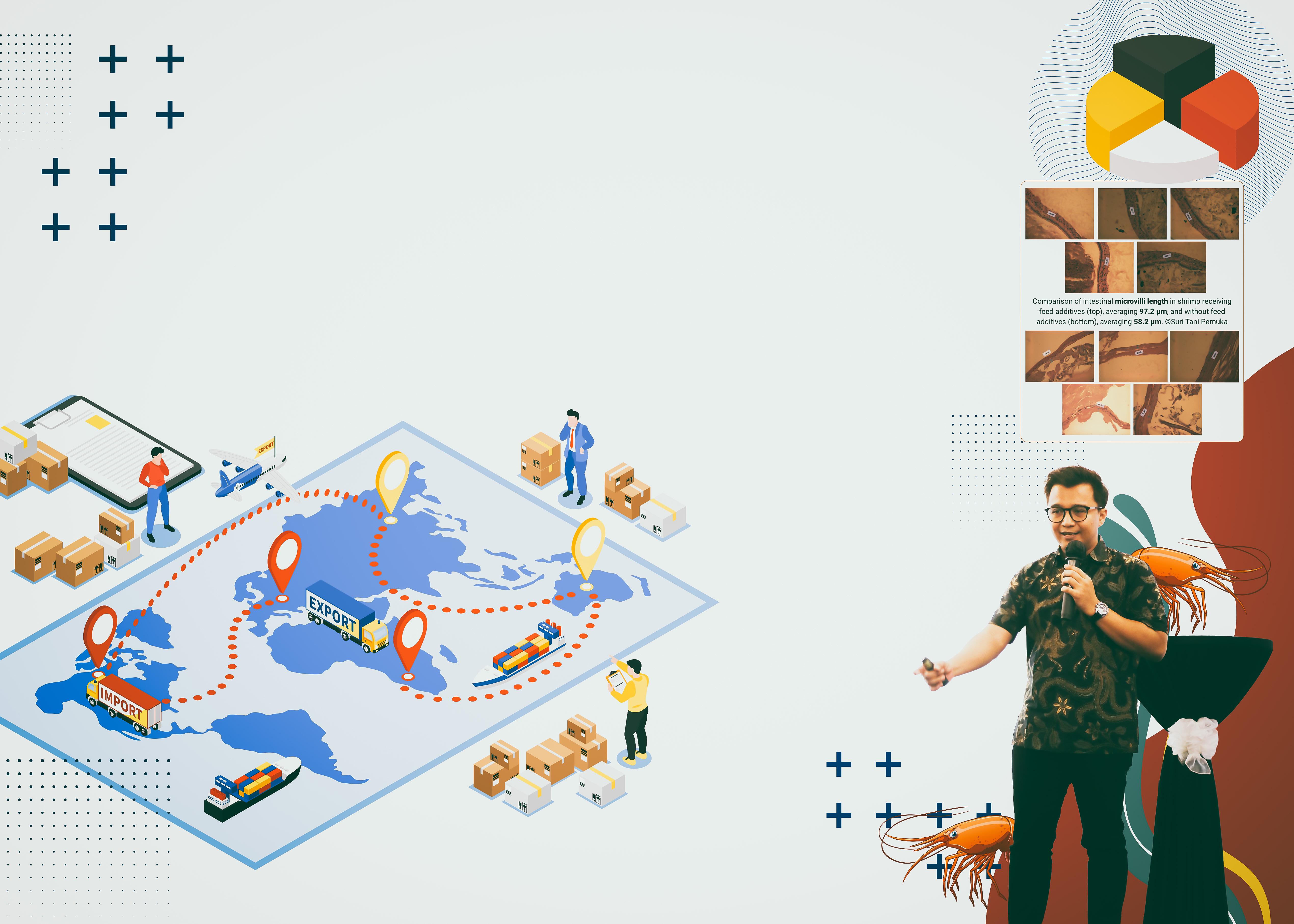
The feed additive strategy produces two primary physiological effects. First, it increases lipid droplets—or fat reserves—in the hepatopancreas, making the lipid deposits visibly denser than those observed in shrimp that did not receive the additive. Second, it promotes longer intestinal microvilli, effectively expanding the surface area available for nutrient absorption. In one observation, shrimp receiving the additive had an average intestinal microvillus length of 97.2 micrometers, compared with only 58.2 micrometers in the control group.
For Narendra, the concept is both simple and fundamental. EHP does not directly kill shrimp; instead, it “steals” nutrients that should otherwise nourish its host. Therefore, the solution is not solely about attempting to eradicate the highly resistant spores. Rather, it is about strengthening the shrimp’s digestive system so that it can absorb nutrients more efficiently and more rapidly than EHP can deprive the shrimp of them.
“We need to prepare the shrimp’s digestive system so it can absorb more nutrients than EHP can take away,” he concluded.

Putri Afin Nurhayati
Have you ever wondered what happens at the bottom of a shrimp pond?
Beneath the murky water lies a hive of subtle activity that determines the success of every harvest. One of the most critical—yet notoriously unpredictable—moments is feeding time. Today, researchers are moving beyond manual guesswork. Through Passive Acoustic Monitoring (PAM), farmers can now literally “listen” to Pacific whiteleg shrimp (Penaeus vannamei) as they chew.
How do you listen to shrimp feeding? As P. vannamei break and chew hard feed pellets, their mouthparts generate distinct, high-frequency impulsive “clicking” sounds underwater. By deploying specialized underwater microphones known as hydrophones, these chewing signals can be recorded and quantified per minute. The more intense the acoustic activity, the higher the feeding motivation of the shrimp stock at that exact moment.
It’s Not
Recent studies reveal that feeding activity is not governed by hunger alone; environmental dynamics play a decisive role. Parameters such as water temperature, dissolved oxygen (DO), and salinity directly regulate the metabolic rate of shrimp.
When water temperature stays within the optimal range and oxygen levels are sufficient, acoustic signals register high feeding activity. Conversely, when heavy rainfall causes sudden drops in temperature or when oxygen levels dip overnight, feeding declines sharply. If farmers continue broadcasting feed on a rigid schedule during these slumps, uneaten pellets settle at the pond bottom, decomposing into toxic ammonia that threatens the entire crop.
Combining hydrophone acoustic sensors with artificial intelligence algorithms has paved the way for acoustic-driven auto-feeders. These smart feeding systems dispense pellets only when hydrophones detect active chewing sounds. The moment feeding activity slows down or environmental parameters deteriorate, feed delivery halts automatically. This innovation shifts shrimp farming from intuition-based tradition to precision data-driven agriculture. Acoustic-driven feeding systems prevent feed waste, protect water quality from organic decay, and substantially improve the Feed Conversion Ratio (FCR). By harnessing underwater acoustics alongside environmental intelligence, the future of aquaculture is becoming not only more profitable, but also significantly more sustainable and eco-friendly.

The ANH Surabaya (Pasuruan) Premix Plant celebrated its 10th anniversary on July 3, commemorating a decade since the facility officially opened and began its first commercial production on July 1, 2016.
The milestone highlights ten years of supplying the Indonesian market with premix solutions while reinforcing the plant’s commitment to operational excellence. Since commencing operations, the facility has served customers across Indonesia with high-quality premix products and continued to focus on maintaining high standards in safety, health, environment (SHE), and quality.
One of the most notable achievements recognized during the anniversary celebration was the plant’s safety performance. The facility has recorded 3,650 consecutive injury-free days, with no ANH SHE and Quality reportable incidents since operations began in 2016. According to the company, this achievement reflects the strong safety culture established at the site, as well as the discipline and commitment demonstrated by employees in upholding SHE and quality standards in their daily work.
The anniversary celebration was attended by several of ANH Indonesia’s key customers and business partners, including PT. Avidha Global Innova, PT. Integra Sinergi Solusi, PT. Aquaran Pharma Indonesia, PT. Sumber Luhung Tiga Ion, PT. Menjangan Sakti, and PT. Romindo Primavetcom.
ANH acknowledged that the continued trust, collaboration, and long-standing re-

lationships with these companies have played an important role in the plant’s growth over the past decade. The company described the anniversary not only as an internal milestone but also as a shared achievement made possible through strong partnerships with customers and distributors throughout Indonesia.
The company also recognized the contribution of its employees, whose dedication and commitment have supported the plant’s development since its establishment. Together with customers and partners, the workforce has helped shape the facility’s journey over the last ten years while supporting its operational performance and service to the Indonesian market.
Looking ahead, ANH reaffirmed its commitment to further strengthening its presence in Indonesia. The local leadership team, comprising ANH Indonesia General Manager Liew Chiow Yen, Plant Manager Hendra Lutfianto, and ANH Indonesia Controller Handy Saputro Rachmad, continues to guide the business under the company’s CLEAR framework—Customers, Leadership, End-to-End, Ambition, and Results.
According to the company, this framework provides a clear direction for accelerating business growth while continuing to deliver value to customers in the Indonesian market.
As part of the anniversary celebration, ANH expressed appreciation to its employees, customers, distributors, and business partners for their continued support and collaboration throughout the past decade. The company stated that these collective efforts have been instrumental in reaching this milestone and expressed optimism about building on its achievements in the years ahead.
“As we celebrate this important milestone, we thank all employees, customers, distributors, and partners for their continued support and collaboration. Together, we look forward to building on this success and achieving even greater milestones in the years ahead,” the company said.
Celebrating ten years of operations and a decade-long record of injury-free performance, the ANH Surabaya (Pasuruan) Premix Plant views the anniversary as both a reflection on its journey since 2016 and a foundation for continued growth, guided by its commitment to operational excellence, customer collaboration, and its “Own It, Shape It, Do It Together” philosophy.
By Marc Guinnement, OU East Director
As wild fisheries around the world face stricter catch limits, climate uncertainty, and increasing pressure from overfishing, aquaculture has become the backbone of global seafood supply. Today, more than half of the seafood consumed worldwide comes from farming rather than capture fisheries, a figure that continues to grow every year.
The latest developments in 2026 reinforce this trend. Ecuador, the world’s largest shrimp exporter, recorded its highest-ever monthly shrimp exports in May 2026, demonstrating the country’s remarkable ability to scale production despite fluctuating global demand. At the same time, the Aquaculture Stewardship Council (ASC) announced an extension for the implementation of its updated Farm Standard, allowing producers additional time to adapt to more comprehensive environmental and social requirements.
Together, these events raise an important question for the seafood industry: Can intensive aquaculture continue to expand while meeting increasingly stringent environmental, social, and animal welfare standards?
For decades, wild fisheries supplied most of the world’s seafood, but many commercial fish stocks have now reached their biological limits, making aquaculture essential to meeting growing demand.


Modern shrimp farming has advanced through improvements in genetics, nutrition, disease management, water quality, and automation, enabling higher production with greater efficiency. Countries like Ecuador have become global leaders by combining these innovations with efficient farming systems.
As a result, aquaculture has helped stabilize global seafood supply during periods of disease outbreaks, extreme weather, and geopolitical disruptions.
Growth alone is no longer enough. International buyers increasingly expect seafood to be produced responsibly, with greater transparency across the supply chain. Certification programs play an important role in demonstrating responsible production, although market preferences vary. In Europe, ASC certification is increasingly valued by retailers and buyers, while North American markets continue to rely heavily on Best Aquaculture Practices (BAP) certification.
The recent extension of ASC’s updated Farm Standard recognizes that while sustainability requirements are becoming more comprehensive, producers targeting ASC-certified markets need sufficient time to adapt. Achieving these
standards often requires investments in traceability, responsible feed sourcing, wastewater management, and worker welfare, which can be challenging for smaller farms.
Regardless of the certification scheme, many producers now view investments in responsible farming practices as a competitive advantage that strengthens market access and long-term business resilience.
Indonesia is one of the world’s largest shrimp producers, supported by extensive coastlines, favorable tropical conditions, and a long history of aquaculture. However, its approach differs from Ecuador’s.
While Ecuador has prioritized large-scale production efficiency, Indonesia has focused on product diversity, value-added processing, and serving multiple export markets. The industry’s large number of smallholder farmers also makes nationwide adoption of new standards more challenging.
Disease management remains a key priority, making biosecurity, improved pond management, and farmer education essential. At the same time, investments in hatcheries, feed efficiency, digital monitoring, and traceability can help Indonesia strengthen its competitiveness and position itself as a reliable supplier of high-quality, responsibly farmed shrimp.
The challenges associated with rapid aquaculture expansion reinforce the importance of responsible growth. Without effective environmental management, biosecurity, and market planning, production gains can be undermined by disease outbreaks, ecosystem impacts, and periods of oversupply that reduce farm profitability. Sustainable growth therefore depends not only on producing more seafood but on doing so efficiently, responsibly, and in line with market demand.
Aquaculture is no longer an alternative to wild fisheries; it has become a cornerstone of global seafood supply. The challenge is no longer whether aquaculture should grow, but how it grows.
For Indonesia, success depends on strengthening farm management, investing in innovation, and adopting responsible production practices that meet the requirements of different export markets. By balancing productivity with environmental responsibility and long-term resilience, Indonesia can further strengthen its position as a competitive and trusted supplier of farmed shrimp.
In the previous edition, The Crust explored how Indonesia’s aquafeed industry has been facing mounting pressure as raw material prices surged, a multiplier effect of escalating global geopolitical tensions, further compounded by the depreciation of the Indonesian rupiah against the US dollar. These conditions have forced feed manufacturers to raise feed prices for shrimp farmers.
A similar situation is unfolding in India, one of the world’s largest shrimp producers. However, the pressure there is considered even more severe, with feed prices having increased by around 10 percent. According to Dr. Manoj Sharma, a senior shrimp farmer and prominent industry figure in India, even this increase still falls short of reflecting the full extent of rising production costs faced by feed manufacturers.
Sharma explains that soaring feed production costs have been driven primarily by geopolitical instability, which has disrupted global commodity markets. Prices of several key feed ingredients have risen dramatically, including fishmeal, which has climbed from approximately US$1.20 to US$3.00 per kilogram, and soy lecithin, whose price has more than doubled to around US$2.20 per kilogram. At the same time, crude oil and diesel prices have also increased by roughly 18–20 percent.
According to Sharma, these developments have placed feed manufacturers in an extremely difficult position. With the prices of several essential ingredients more than doubling, a 10 percent increase in feed prices is nowhere near sufficient to offset the actual rise in production costs. He fears that if these pressures continue to intensify, some manufacturers may eventually resort to compromising feed quality, an outcome that would ultimately hurt shrimp farmers the most.
Feed remains the single largest operating expense in shrimp farming, accounting for approximately 55–58 percent of production costs in Vannamei farming and around 60–65 percent in Monodon culture.
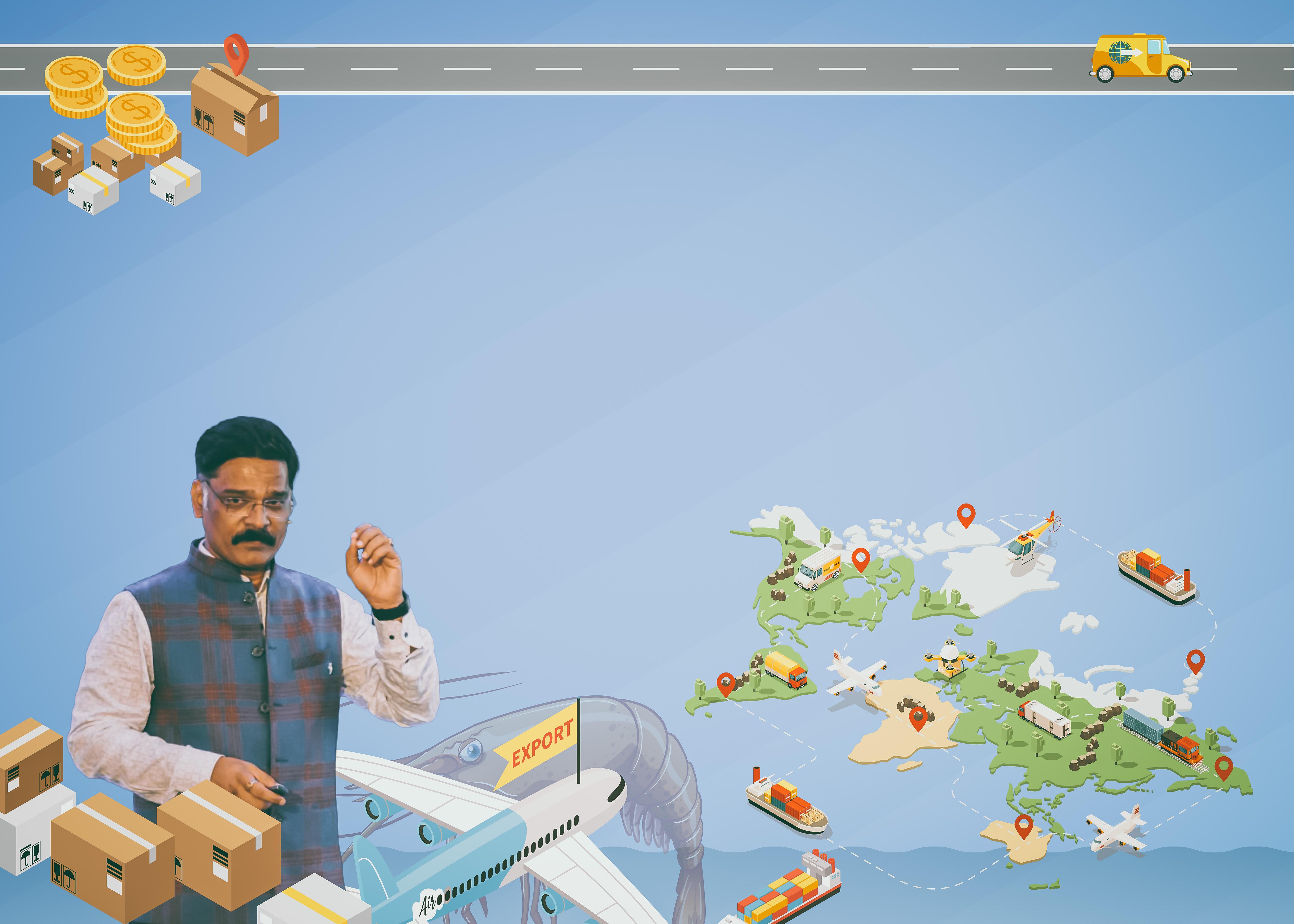
“I think I’m worried that some people should not compromise on the feed quality. That might also reflect on the total production and productivity of India,” Sharma tells The Crust
While rising production costs have put significant pressure on the upstream sector, the downstream side has offered a partial offset. For export-oriented industries such as shrimp farming, the depreciation of the local currency against the US dollar has traditionally been advantageous.
The Indian rupee has weakened from around 75 to approximately 95 against the US dollar, increasing the value of export earnings in local currency. As a result, although international shrimp prices have declined, farmers have not felt the full impact because the weaker rupee has helped preserve their margins.
“So, there is a survival package. While the US dollar has come down to some extent, the rupee’s 20–22% depreciation has actually created a good cushion for farmers.” he says, describing the situation as a blessing in disguise for the industry.
Nevertheless, Sharma emphasizes that India’s shrimp industry must continue improving its competitiveness, particularly by increasing on-farm production efficiency. In his view, Ecuador has become the global benchmark for shrimp production efficiency, allowing it to remain highly competitive in international markets.
Unlike many Asian producers, Ecuador benefits from a fundamentally different production structure. The country does not rely on imported broodstock, faces significantly lower disease pressure, and operates a highly integrated production system where feed manufacturing is closely linked with large-scale shrimp farms, resulting in substantially lower production costs.
Even so, Sharma believes India still holds a strong competitive advantage in the US market. Beyond having established trade relationships spanning more than two decades, India has developed considerable expertise in value-added shrimp products such as peeled deveined (PD) and peeled deveined tail-on (PDTO)—segments where Ecuador has yet to establish a significant presence. Consequently, although India’s export volume is considerably lower than Ecuador’s, the overall export value remains highly competitive.
“If you see the total, India has shipped 750,000 tonnes of shrimp exported to the US with a value of US$7.8 billion. Whereas Ecuador has exported 1.5 million tonnes—double than India—but at a value of only US$7 billion.”
According to Sharma, however, the industry’s most pressing challenge is not pricing or exports, but disease management. He believes Ecuador’s relatively low disease incidence is one of its greatest competitive advantages. With shrimp survival rates reaching around 70–75 percent, Ecuador consistently achieves much higher pond productivity.
In contrast, Indian farmers continue to battle numerous disease challenges, including White Spot Syndrome Virus (WSSV), running mortality syndrome, white gut disease, Enterocytozoon hepatopenaei (EHP), and vibriosis. Sharma estimates that these diseases collectively reduce India’s potential shrimp production by approximately 30–35 percent each year.
“If India did not face disease problems like Ecuador, I am confident our production would surpass theirs,” he said.
India currently produces around one million metric tons of shrimp annually. Sharma believes national production could potentially increase to approximately 1.5 million metric tons if
disease-related mortality were significantly reduced.
Beyond disease, he also highlighted several structural inefficiencies that continue to burden much of Asia’s shrimp industry. These include dependence on imported broodstock, higher feed costs driven by marketing expenses and elaborate packaging, as well as promotional activities targeting tens of thousands of small-scale farmers.
Ecuador, by contrast, is dominated by large companies operating farms spanning thousands of hectares, allowing them to integrate virtually every aspect of production.
“So, a lot of money is wasted in packing, attractive bags, promotion, marketing, gimmicks. Ecuador doesn’t have that. Ecuador has one big farmer with 10,000 hectares running a feed mill for the entire operation. They send their 20- or 25-tonne containers as a big silo, and the feed is delivered directly into it. Just imagine the kind of savings that creates,” he explained.
Amid these challenges, Sharma remains firmly convinced that the greatest long-term opportunity for India’s shrimp industry lies in the continued development of its domestic market. For many years, he has actively promoted shrimp consumption through his shrimp-focused restaurant venture, Zhingalala, believing that expanding local demand is essential for the industry’s future.
According to Sharma, those efforts have begun to show encouraging results. Nationally, approximately 15–18 percent of India’s shrimp production is now absorbed by the domestic market, particularly smaller shrimp in the 80–120 count per kilogram range.
With India’s population now exceeding 1.5 billion people— and an estimated 77–80 percent identifying as non-vegetarian—he believes the country’s consumption potential remains enormous. If every non-vegetarian consumer were to eat just one kilogram of shrimp annually, India’s domestic market alone could absorb as much as one million metric tons of shrimp production.
Concluding the interview, Sharma stresses that the future of India’s shrimp industry cannot depend solely on the recovery of export prices. Instead, he believes the industry’s long-term resilience will be determined by its ability to improve farming practices, strengthen disease management, maintain feed quality, and continue expanding domestic consumption.
If losses caused by disease can be significantly reduced while domestic demand continues to grow, Sharma believes India can build a more balanced shrimp industry—one that remains highly competitive in global export markets while also standing on a much stronger domestic foundation.
Ultimately, the combination of greater production efficiency, effective disease control, high-quality feed, and a thriving domestic market will be the key to ensuring the long-term sustainability of India’s shrimp industry amid an increasingly dynamic and uncertain global trading environment.
THE CRUST - AB
Here is something worth thinking about the next time you open a package that arrived from halfway around the world: not long ago, that would have been close to impossible for most people.
Before 1956, shipping goods across oceans was slow, expensive, and genuinely chaotic. Dock workers loaded cargo by hand, piece by piece, sack by sack, barrel by barrel, directly into the hull of a ship. Unloading a single large vessel could take a week. Theft was rampant. Costs were enormous. The loading alone ran nearly six dollars per ton.
Then a truck driver from North Carolina named Malcolm McLean had a simple idea. What if the cargo never had to be touched at all? Just load the whole box onto the ship.
On April 26, 1956, a converted oil tank
er called the Ideal X sailed from Newark to Houston carrying 58 metal containers. It was not glamorous. But it quietly broke everything open. Loading costs dropped to 16 cents per ton overnight. Unloading time fell by as much as 95%.
From those 58 boxes, the industry never looked back. The global fleet’s container carrying capacity has grown by more than 1,200% since 1968. Today’s largest vessels, like the MSC Irina launched in 2023, can carry over 24,000 containers in a single voyage, stretching nearly 400 meters from bow to stern. About 90% of all nonbulk cargo worldwide now moves by container ship. What used to take months of planning, weeks of loading, and considerable luck now takes a few weeks at sea and a port
call of 24 to 48 hours. A container of frozen shrimp leaving a processing plant in Sumatra can reach a supermarket in Europe in roughly three to four weeks, handled by cranes and scanners rather than human hands at every step.
The metal box did not just speed things up. It made the modern global food system possible. Every imported product sitting on a shelf somewhere, in its current form and at its current price, owes something to 58 containers on an old oil tanker and one stubborn truck driver who thought the whole system was taking too long.
He was right.




Lim
My secret to joy in life is in finding balance
Balance in family, sweating, and making decisions

Asep
Bulkini
My shrimp
My adventure