

Hello and welcome to this month’s issue of THE CRUST. If you have been following the cost of running a shrimp farm lately, you already know that things have gotten a little harder. Shrimp feed prices here in Indonesia have gone up, with some regions already feeling the change as early as last month. For farmers who are right in the middle of a cycle, this isn’t something you can just plan around after the fact. It lands on you immediately, and you feel it in every single kg you are still growing in your ponds.
What makes this moment more complicated is that the pressure is not coming from just one direction. Globally, oil prices have been climbing, and the effects are spreading through the supply chain in ways we are all starting to feel. Freight costs, energy bills, and the general cost of running a business are all ticking upward.
At the same time, rising living costs around the world are starting to change how consumers behave. When household budgets tighten, spending priorities shift, and high-value proteins like shrimp are often the first to soften. Demand does not collapse overnight, but it quietly pulls back. In an industry with margins as thin as ours, that matters.
Closer to home, the Rupiah has continued to weaken against the US Dollar. Some farmers might see this as a silver lining, since export shrimp prices are pegged to USD. Honestly, I completely understand that thinking. But I would encourage a more careful look at the full picture.
Our feed mills import the vast majority of their raw ingredients in USD. So, while a weak Rupiah might look attractive on paper, that currency gain is being quietly swallowed up by the rising cost of feed
and logistics before it ever reaches our pockets. At the end of the day, our industry does not operate in isolated parts. We are completely interconnected, and every single link in the supply chain needs to thrive if any of us are going to survive.
Where this all leads, and how these pressures will eventually reshape the global shrimp industry, none of us can say for certain right now. The honest answer is that we are still right in the middle of it.
What I do believe is that operational discipline and solidarity will carry us further than any single market development. Now is the time to focus on what we can control, like keeping our FCR tight and doubling down on biosecurity. Let’s keep making sound, steady decisions when the signals are mixed, and remember that we are not facing this alone. The industry has weathered storms before, and we will find our footing again together.
Enjoy the issue, and as always, in Crust we trust.

As production challenges continue to intensify, feed additives have become a common feature of modern shrimp farming. Suppliers now offer a wide range of products with increasingly targeted claims, from promoting faster growth and improving feed conversion to enhancing gut health, reducing pathogen pressure, managing EHP, and stimulating feed intake. Yet as farmers invest more heavily in these solutions, an important question remains: are feed additives delivering measurable value on the farm, or are they simply becoming another cost in an already challenging production environment?
This issue was highlighted by Martha Mamora, Farm Application Manager Aquaculture APAC/ISC at Adisseo, during the recent “S1” semiannual gathering organized by the Indonesian Young Shrimp Farmers Association (PMI). In her presentation, Martha did not merely discuss products, but encouraged farmers to become more critical in evaluating the many claims circulating in the farm.
She believes that many additives are currently being used without being based on the actual needs of the farm. Numerous products are applied routinely without any clear evaluation of their benefits. In her view, every addition to feed should be treated as an investment that must have a clear objective and measurable outcome. Otherwise, additives risk becoming hidden costs that slowly erode farm profitability.
Martha also emphasized the important distinction between ordinary feed additives and functional feed additives. At first glance, the two may seem similar, but according to her, the key difference lies in the functional value they bring to the farming system.
She explained that many farmers use additives simply because a product is currently popular or widely used by neighboring farms. This kind of approach, she argued, can be dangerous because additive use should never be driven by trends alone, but by specific farm requirements.
“Sometimes farmers just use a product because other farms are using it. But whether they actually feel the benefits is another question,” she said.
According to Martha, a functional feed additive should have a clearly defined purpose. Products should be used for specific goals, such as improving immunity, enhancing gut health, suppressing pathogenic bacteria, or helping shrimp cope with environmental stress. On the other hand, additives without a clear function merely become “extras” that contribute little to actual farming performance.
She even pointed to products that function only as coloring agents to make feed appear more attractive. While the feed may look visually better, it does not necessarily provide any biological benefit to the shrimp. According to Martha, situations like this often create misleading perceptions in the field, making farmers assume the feed is of higher quality even though its functional value remains unchanged.
One of the key points Martha repeatedly emphasized was that feed additives are not the “main player” in shrimp farming. These products are merely supporting tools and cannot replace good overall farm management.
According to her, using additives continuously throughout the production cycle is often inefficient. Farmers need to understand when critical periods occur and when intervention is truly necessary. This approach is far more rational than applying products continuously without considering the farm’s actual conditions.
She also reminded farmers that additives have a multiplying effect on feed costs. The greater the feed consumption, the greater the additive costs mixed into the feed. As a result, using additives during the later stages of cultivation without proper evaluation can significantly increase production costs. “The multiplier for feed additive usage is feed consumption itself,” she explained.
For Martha, additive use should be strategybased rather than habitbased. Farms that can identify critical periods and understand their actual needs will be far more efficient in managing production costs.
Martha also criticized the tendency among some farmers to focus too heavily on product brands. According to her, farm


ers often buy based on branding, promotions, or market reputation without truly understanding what they are purchasing. Yet every additive application is essentially an investment, purchased with the expectation of generating returns through better productivity, improved efficiency, or reduced disease risks.
Because of this, she encouraged farmers to dig deeper into the mode of action behind each product. Farmers, she said, should understand how an additive works, what its target is, how quickly it responds, and whether it is truly necessary throughout the entire culture cycle or only under certain conditions. She even stated that farmers should not hesitate to become more critical than the product sellers themselves. “There’s nothing wrong with being smarter than the people selling the product,” she said.
Another topic Martha discussed extensively was the growing number of antimicrobial claims attached to feed additives. According to her, many farmers still do not fully understand the difference between antimicrobials and antibiotics.
She explained that a good antimicrobial product should work selectively against pathogenic bacteria without harming beneficial bacteria living in the shrimp’s digestive system. If a product indiscriminately kills all bacteria (like antibiotics do), it can disrupt the balance of the gut microbiota. “If a product claiming to be antibacterial also harms the natural probiotics in the shrimp gut, then what’s the point?” she said.
This issue is particularly important to avoid farmers unknowingly using antibiotics. According to Martha, antibiotic use in the shrimp industry has already created serious problems in several countries. Beyond residue concerns, uncontrolled antibiotic use also contributes to the emergence of increasingly resistant and aggressive bacteria.
Martha also discussed the rising popularity of antiquorum sensing products in the shrimp industry. She explained that quorum sensing technology is not designed to kill bacteria directly, but rather to disrupt bacterial communication systems, thereby reducing toxin production. “With quorum sensing, the goal is not to significantly
eliminate bacterial populations. What it disrupts is the signaling process,” she explained.
According to her, the concept itself is not new and has been studied for years. However, she believes many products in the market use the term without clearly explaining their mechanisms or testing methods.
A similar issue exists with products claiming to control EHP. She said that the key parameter for any antiEHP product should be its ability to suppress the spore reproduction cycle. The realistic goal of EHP management is not to completely eliminate infection, but to reduce spore pressure so shrimp can redirect energy back toward growth.
“If it cannot stop the excessive reproduction of EHP spores, then it is not really an antiEHP product,” she stressed.
At the end of her presentation, Martha emphasized that all feed additive usage should return to one main objective: farm profitability. According to her, farmers must start realistically calculating how much an additive actually contributes to farm productivity improvements.
She believes that an ROIbased approach will encourage farmers to make more rational decisions. Not every product needs to be used throughout the entire culture period, and not every claim should be accepted without proper field evaluation.
In the previous issue, we discussed how El Niño and La Niña are part of the ENSO cycle that influences global weather patterns. In this edition, we focus specifically on El Niño and its impact on shrimp farming.
El Niño occurs when trade winds weaken, allowing warm water in the Pacific Ocean to shift toward the eastern Pacific. For countries in the western Pacific such as Indonesia and much of Southeast Asia, this usually results in hotter and drier conditions, reduced rainfall, and longer dry seasons.
For shrimp farmers, these environmental changes can significantly affect pond conditions and farm performance.
One of the most immediate effects of El Niño is increased evaporation due to prolonged heat and lack of rainfall. This often causes pond salinity to rise, especially in coastal areas already using high-salinity water sources.
Rapid salinity increases can stress shrimp and make water quality management more difficult. In extreme cases, farmers may also struggle with reduced freshwater availability for dilution and water exchange.
During El Niño periods, pond temperatures can rise significantly, particularly in shallow ponds. Warmer water accelerates shrimp metabolism, increasing oxygen demand and feed consumption.
However, higher temperatures also reduce the water’s ability to hold dissolved oxygen. This creates a dangerous combination—higher oxygen demand with lower oxygen availability—especially during nighttime or plankton crashes.
Hot and dry conditions can destabilize pond ecosystems. Strong sunlight may initially boost plankton growth, but excessive blooms can later collapse and deteriorate water quality.
At the same time, reduced water exchange and increased evaporation may concentrate:
• Total Organic Matter (TOM)
• Ammonia
• Nitrite
• Harmful bacteria
These conditions can increase stress and disease risks if not managed carefully.
Shrimp under environmental stress become more vulnerable to disease. Elevated temperatures and concentrated organic loads may favor the growth of harmful bacteria such as Vibrio.
Low dissolved oxygen, unstable plankton populations, and deteriorating bottom conditions can further weaken shrimp immunity and increase mortality risks.
Good preparation is essential during El Niño periods. Farmers should:
• Closely monitor salinity and temperature
• Increase aeration capacity during hot periods
• Maintain stricter feeding management to reduce excess waste
• Ensure adequate water reserves for dilution if needed
• Regularly clean pond bottoms to prevent organic accumulation
Some farms also reduce stocking density during severe El Niño years to lower system stress and improve survivability.
While El Niño creates challenging farming conditions, proper management and early preparation can greatly reduce its impact.
In the next issue, we’ll discuss La Niña and how excessive rainfall, low salinity, and unstable weather create a very different set of challenges for shrimp farming.

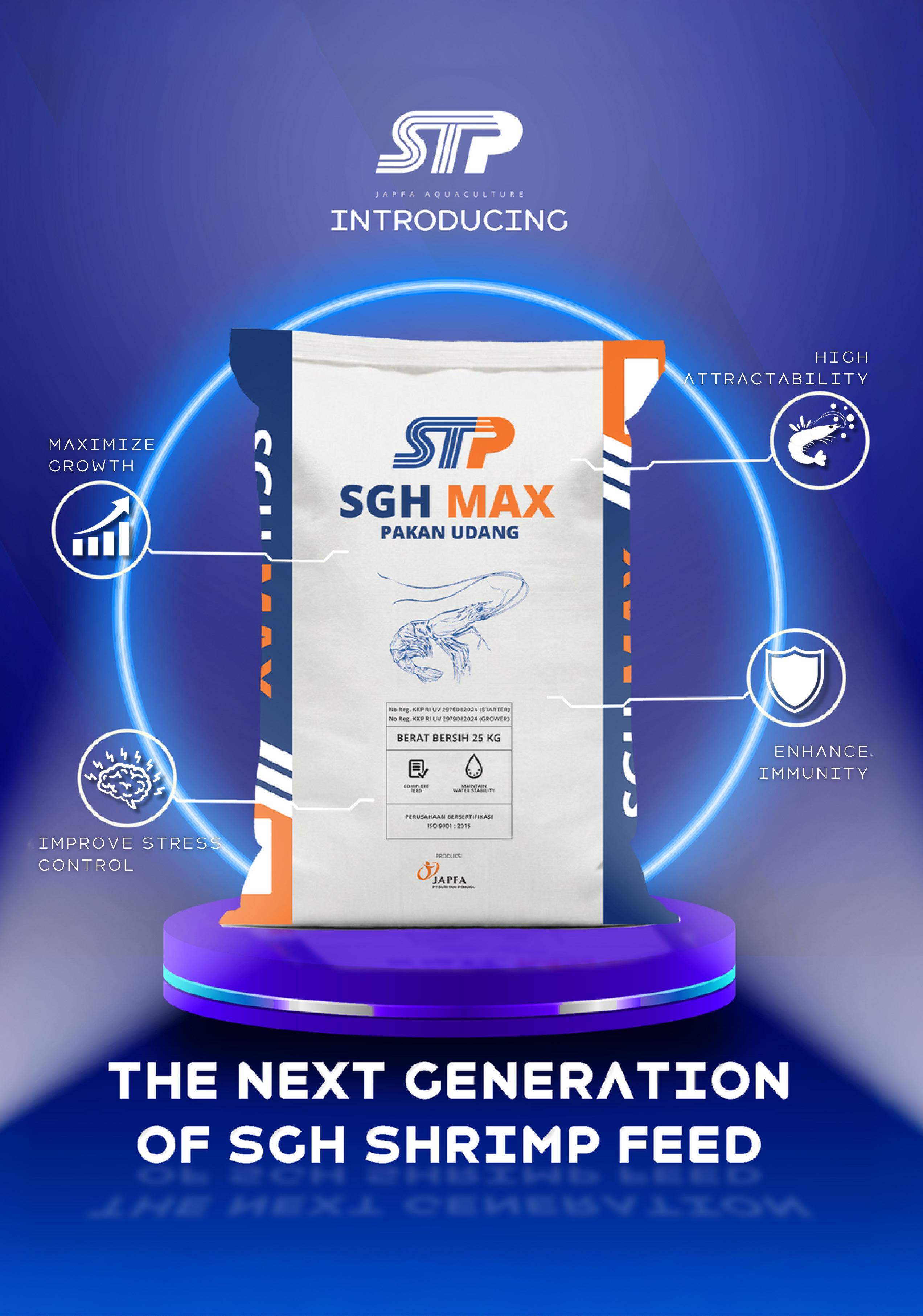
After enduring several difficult years marked by disease outbreaks, depressed shrimp prices, and global market disruptions, Indonesia’s shrimp industry is finally entering a period of cautious optimism. Shrimp prices have begun to recover, allowing some farmers to enjoy healthier margins than they have seen in recent years. Yet industry stakeholders recognize that the challenges are far from over. Exchange rate fluctuations, rising raw material costs, increasing logistics expenses, and evolving regulations remain factors that can quickly affect profitability.
These issues were widely discussed during a panel session held at the semiannual “S1” event organized by the Indonesian Young Shrimp Farmers Association (PMI) recently. Bringing together shrimp farmers, feed companies, aquaculture health providers, and shrimp processors, the discussion revealed a recurring theme: success in shrimp farming is no longer determined solely by the ability to produce shrimp, but also by the ability to manage risk, maintain efficiency, and foster collaboration throughout the supply chain.
Risk Management Takes Center Stage
One of the primary concerns raised during the discussion was intensifying global competition. Indonesia’s shrimp production has remained relatively stagnant, while major producing countries such as Ecuador and India continue to expand output. This reality requires Indonesian farmers to be more strategic in making production decisions.
Young shrimp farmer member George Samuel cautioned against pursuing larger harvest sizes without having secured market demand. According to him, extending the culture period increases exposure to risk.
“Growing larger shrimp without a contract is risky. It’s not necessarily unprofitable, but there comes a point where, when you calculate profit and loss on a daily basis, it no lon-
ger makes sense. Be careful not to waste time because, as investment theory teaches us, the longer the culture period, the greater the risk.”
He noted that many farming decisions remain heavily focused on productivity and harvest size, while risk exposure and return on investment often receive less attention. Farmers, he argued, need to start evaluating production decisions the same way investors assess investment opportunities. Higher potential profits do not automatically make a decision better if the associated risks increase significantly.
“There is no silver bullet that can solve every problem because everyone has different stakes and therefore different risks.”
For that reason, farmers need to understand the unique risk profile of their own operations and adapt production strategies accordingly. This approach is becoming increasingly important as markets become more sensitive to shrimp size specifications and buyer requirements than they were just a few years ago.
Beyond market challenges, the industry continues to face mounting production costs. The weakening Indonesian Rupiah, higher feed ingredient prices, increasing packaging costs, and potential policy changes affecting soybean meal have all become major concerns.
Fariyanto Suyapto from CP Prima acknowledged that feed price increases are difficult to avoid under current conditions. However, he emphasized that quality must remain the top priority. Reducing feed formulation quality simply to maintain lower prices could ultimately create greater problems for farmers by lowering productivity and worsening farm performance, leading to even higher production costs.
As a result, feed manufacturers are increasingly focused on formulation innovations and alternative ingredients that can

Panel discussion during the semiannual
help maintain performance without placing excessive financial burdens on farmers. In an environment of rising costs, innovation is widely viewed as one of the most realistic paths forward.
Similar pressures are being felt by suppliers of feed ingredients and feed additives. Ongoing global supply chain disruptions have increased transportation costs and extended delivery times. Container availability has also become an emerging challenge.
According to Martha Mamora from Adisseo, current cost increases stem not only from raw materials but also from increasingly expensive logistics. She stressed that better planning across the entire supply chain will be essential to minimizing the impact on production costs.
Meanwhile, aquaculture health companies noted that disease challenges will remain a critical issue heading into 2026. They emphasized that no single solution can address every shrimp health problem. Instead, success will require a combination of approaches tailored to local conditions and farm-specific challenges.
Another topic that received considerable attention was the need for stronger collaboration across the industry. One of the persistent weaknesses identified by participants is the lack of transparent market data.
Panelists pointed out that Indonesia’s shrimp industry still lacks a robust price benchmark system similar to those found in some competing producer countries. As a result, farmers often struggle to determine whether the prices they receive accurately reflect prevailing market conditions.
Much of the industry’s pricing information continues to circulate through informal communication channels. Although industry communities and digital platforms are helping improve market visibility, participants agreed that a more structured and transparent system is still needed.
From the processing sector’s perspective, communication between farmers and buyers has become increasingly important. Today’s market can no longer absorb all shrimp sizes equally well, as was often the case
in previous years.
George explained that farmers should understand market demand before deciding on production strategies. By maintaining open communication with buyers, farmers can align harvest targets with the sizes currently in demand, reducing the risk of unfavorable pricing.
Martha echoed this sentiment, emphasizing that her company’s future focus extends beyond simply selling products to understanding the real challenges faced by farmers in different regions.
“We first need to understand the conditions on the ground. What is happening in eastern Indonesia? What is happening in the west? What about Java? What challenges exist in Medan, Aceh, Padang, or Sulawesi? We have to keep moving,” she said.
According to her, each region faces unique circumstances, meaning that solutions that work in one area may not necessarily succeed elsewhere. As a result, gathering field data and maintaining close communication with farmers will become an increasingly important part of the industry’s future strategy.
Despite the many challenges that remain, the discussion was marked by a sense of optimism. The panelists agreed that the shrimp industry continues to offer promising opportunities compared with many other sectors facing similar global economic pressures.
Perhaps the strongest message to emerge from the discussion was that the future of the shrimp industry will no longer be defined by who can produce the most shrimp. Instead, success will belong to those who can best manage risk, maintain efficiency, and build meaningful collaboration. In an increasingly complex marketplace, long-term competitiveness depends not only on what happens inside the pond, but also on the ability of the entire supply chain to move together and make decisions based on better information.
CRUST - AB
For shrimp aquaculture veterans, the economic tide is just as crucial as the coastal one. Recently, macroeconomics threw a curveball into the global seafood trade: the Indonesian Rupiah (IDR) has experienced notable depreciation against the US Dollar (USD). For a country that stands as one of the world’s leading shrimp producers, with exports to major markets like the United States, Japan, and the European Union regularly exceeding billions of dollars, currency shifts ripple straight to the bottom line.
When the IDR weakens, a complex chain reaction is triggered across the global marketplace. While it initially looks like a jackpot for exporters, the reality on the water is a delicate balance between international pricing power and rising domestic costs.
The Export Advantage: Boosting Competitive Pricing Abroad
In international trade, a depreciating local currency functions as an organic discount for foreign buyers. Because global seafood trade is overwhelmingly transacted in US Dollars, a weaker Rupiah means American or Japanese importers get more “shrimp for their buck.”
Indonesian processing plants and exporters generally find themselves with two strategic options to leverage this shift. They can maintain stable USD prices and enjoy stronger margins once export revenues are converted back into Rupiah, or they can reduce USD offer prices to compete more aggressively against major shrimp exporters like Ecuador, India, and Vietnam.
While exporters might look at a weakening Rupiah and see dollar signs, farm managers and feed manufacturers view the trend with caution. The modern aquaculture supply chain is thoroughly globalized, and a weaker currency immediately drives up production costs through imported inflation.
The hardest and most immediate hit goes to the cost of shrimp feed, which makes up more than half of a farm’s total running expenses. Topquality shrimp feed depends heavily on imported ingredients, like specialized soy protein, highgrade fish meal, and essential vitamins. Because these items are bought from abroad, whenever the Rupiah weakens, the cost of importing them shoots up immediately.
The net impact of currency depreciation splits the industry into distinct pricing dynamics, depending on where you sit in the supply chain:
For the global shrimp industry, a weakening Rupiah is a doubleedged sword. It breathes temporary fresh air into export competitiveness, opening windows for aggressive volume placements in Western and Asian supermarkets. However, it penalizes unintegrated supply chains that rely too heavily on foreign inputs.
To turn this currency volatility into a longterm win, the Indonesian aquaculture sector must continue its push toward production efficiency and domestic supply chain strengthening. By utilizing local alternative ingredients for feed and maximizing farm automation, the industry can capture the lucrative upside of a strong dollar while shielding its operations from the sting of a weaker Rupiah.
For the global shrimp industry, a weakening Rupiah offers only a fleeting boost to export competitiveness. While it lowers pricing for foreign buyers, that benefit is quickly wiped out by the rising cost of dollardenominated imports like feed and equipment.
Instead of chasing idealistic overhauls like total selfsufficiency or full automation, which require capital independent farmers simply do not have, the sector must focus on incremental cost control. Surviving this currency volatility requires a pragmatic shift: gradually introducing local feed alternatives where possible and investing only in lowcost, targeted tech upgrades.

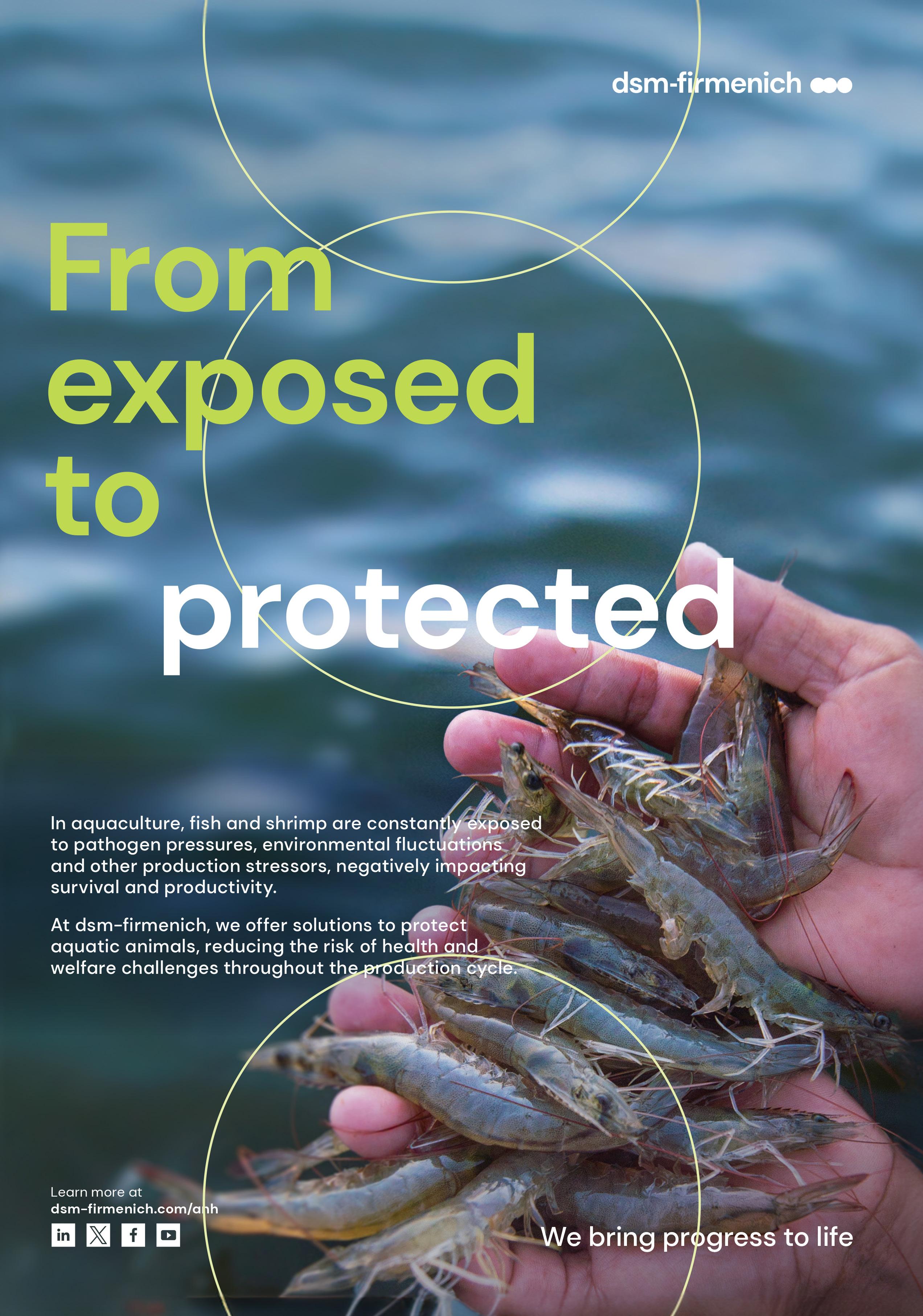
For years, sustainability discussions in aquaculture have largely focused on farming practices in ponds, cages, and other production systems. However, conversations across the industry are increasingly shifting upstream, toward a less visible but equally critical part of the value chain: the feed ingredients used to produce farmed fish and shrimp.
This shift is far more than a passing trend. Around the world, growing demands for supply chain transparency, carbon emission reductions, and Environmental, Social, and Governance (ESG) reporting are becoming
integral to corporate business strategies.
As a result, feed ingredients that were once evaluated primarily on price and nutritional value are now also being assessed based on their

carbon footprint, traceability, and the credibility of their sustainability certifications.
These issues took center stage at the Indonesia Aquafeed Conference 2026, organized by USSEC in collaboration with the Indonesian Feedmill Association (GPMT) and Indonesia’s Ministry of Marine Affairs and Fisheries (KKP). The event brought together feed industry professionals, aquaculture producers, and stakeholders across multiple commodities. Discussions throughout the conference highlighted a growing reality: sustainability is no longer viewed solely as an environmental concern. It is increasingly becoming a factor that could influence market access, financing opportunities, and the future competitiveness of aquaculture products.
Many companies today claim to embrace sustainability principles. Yet in practice, proving those claims through certification can be far more challenging than it appears.
According to Lucky Aditya Nugraha, Senior ASC Feed Auditor at Control Union Indonesia, one of the biggest hurdles lies in conducting proper due diligence throughout the feed ingredient supply chain. Under sustainability certification schemes, companies are not only required to demonstrate where their raw materials originate but must also prove that the verification process has been carried out by qualified personnel with relevant expertise.
“I think the core of ASC certification is due diligence. That is the most difficult part,” said Lucky.
He explained that auditors do not simply review company documents. They also assess the competence of the personnel responsible for evaluating suppliers and sustainability risks. Educational background, professional experience, and training records all become part of the audit process. In some cases, companies may even need to engage external experts if they lack internal resources that meet specific certification requirements.
The challenge becomes even greater when ingredients are sourced from countries or commodities that do not yet have wellestablished sustainability certification systems. For example, companies utilizing locally sourced ingredients that lack internationally recognized certification frameworks may be required to conduct their own risk assessments and provide sufficient evidence to satisfy auditors.
For feed manufacturers, this creates an additional layer of complexity. Beyond ensuring raw material availability and maintaining competitive production costs, they are increasingly expected to understand sustainabilityrelated issues that may previously have fallen outside their traditional business focus.
Despite these difficulties, pressure to comply continues to grow. Several global aquaculture certification standards now include requirements related to the use of responsibly sourced feed ingredients. As a result, the ability to verify ingredient origins may soon become a basic prerequisite for maintaining access to premium export markets.
For decades, feed ingredient markets have been driven primarily by two considerations: price and nutritional performance. In the coming years, however, those factors may no longer be sufficient to determine purchasing decisions.
Robert Middendorf of USSEC East Asia believes sustainability considerations will play an increasingly influential role in ingredient procurement strategies. “I don’t see this as a question of whether it will happen. The question is when it will happen,” he said.
According to Robert, evolving ESG regulations across multiple countries point toward a clear direction. Governments are increasingly requiring large companies to report their carbon emissions, including indirect emissions generated throughout their supply chains, commonly known as Scope 3 emissions.
This is where feed ingredient sourcing becomes critically important. Ingredients with lower carbon footprints can offer significant advantages to companies seeking to meet ESG reporting requirements or achieve emissions reduction targets.
Robert noted that future purchasing decisions for soybean meal, for example, may no longer depend solely on protein content or cost per ton. Factors such as landuse change, greenhouse gas emissions, and sustainability certification status could increasingly influence its economic value.
“I strongly believe that sustainability factors and Scope 3 emissions will influence and shape procurement decisions in the future,” he said.
This perspective becomes even more relevant as more countries develop carbon pricing mechanisms and carbon trading systems. Under such frameworks, companies with higher emissions may face additional costs, while businesses with lower carbon footprints could gain a competitive advantage.
In this context, sustainability data is no longer merely a compliance requirement. It has the potential to become an economic asset, helping companies reduce carbonrelated costs while strengthening their position with investors and buyers.
Indonesia Faces Data and Transparency Challenges
While the direction of global change is becoming increasingly clear, implementation in Indonesia still faces several obstacles. One of the most significant challenges is the availability of carbon footprint data for locally sourced feed ingredients. Many feed companies have already begun calculating Scope 1 and Scope 2 emissions generated from their own operations. However, measuring Scope 3 emissions across the entire supply chain remains considerably more complex.
Local commodities such as corn, palm kernel meal, and other agricultural inputs often lack comprehensive, documented emissions data. As a result, companies face difficulties in accu
rately calculating the total carbon footprint of their products.
During the conference, one participant pointed out that several major Indonesian feed manufacturers have started incorporating carbon emissions calculations into their annual sustainability reports. However, only a limited number have been able to comprehensively measure Scope 3 emissions due to insufficient data from suppliers.
In contrast, certain imported ingredients are often easier to trace because they are already accompanied by certifications that include carbon footprint information and sustainability credentials.
The situation illustrates that sustainability challenges extend beyond compliance with international standards. They also involve the readiness of national data ecosystems. Without reliable measurement systems, companies will struggle to substantiate sustainability claims in the eyes of global markets.
At the same time, industry stakeholders recognize that these demands will only continue to intensify. Aquaculture certification standards are becoming more stringent, while international buyers are placing greater emphasis on ingredient traceability and environmental impact.
Interestingly, many businesses still view sustainability as an additional cost incurred to satisfy market requirements. Yet that perception is gradually changing as pressure from financial institutions, investors, regulators, and consumers continues to grow.
As Indonesian Feedmill Association (GPMT) Chairman Deny Mulyono remarked during the closing panel discussion, “Sustainability is still viewed as a cost by many companies in Indonesia’s agricultural sector. However, if we want to sell products globally, our sustainability story must be verifiable, credible, and certifiable.”
His statement perhaps best captures the direction in which the industry is heading. Sustainability is no longer merely a valueadded feature or a marketing tool. It is evolving into the new language of global trade—one in which transparency, data, and certification will increasingly determine who remains competitive and who is left behind in the global food supply chain.

When people hear the word “Bohemian,” many immediately think of the iconic song Bohemian Rhapsody by Queen. The title itself sounds mysterious, artistic, and perhaps a little unconventional. But what exactly does “Bohemian” mean?
The term originally referred to people from Bohemia, a historical region in what is now the Czech Republic. During the 19th century, however, the meaning evolved. In artistic communities across Europe, particularly in Paris, the word became associated with artists, writers, musicians, and thinkers who chose to live outside conventional social expectations. Rather than pursuing wealth, status, or stability, these individuals prioritized creativity, freedom, and self-expression.
As a result, a “Bohemian” came to describe someone who lived an unconventional lifestyle and was willing to challenge accepted norms. Bohemians often valued experiences over possessions, ideas over traditions, and innovation over conformity. They were dreamers, explorers, and creators who were not afraid to take a different path.
Many famous figures embodied the Bohemian spirit.
Artists such as Vincent van Gogh and countless writers,
musicians, and inventors throughout history shared a common trait: they saw the world differently and had the courage to pursue their vision despite uncertainty.
Today, the term extends far beyond the world of art. The Bohemian spirit can be found in entrepreneurs building new businesses, travelers seeking new experiences, and innovators developing technologies that challenge established ways of thinking. It is less about what someone does and more about how they approach life.
At its core, being Bohemian is not about fashion, music, or where you live. It is about curiosity, creativity, and the courage to forge your own path. Long after the release of Bohemian Rhapsody, the Bohemian spirit remains a symbol of independence and innovation.
Perhaps that is why the idea remains relevant today. Whether in art, business, or science, progress often comes
from people willing to challenge convention and explore new possibilities. In many ways, successful farmers share this same spirit. The industry’s greatest advances have rarely come from simply doing things the way they have always been done. Instead, they have come from farmers who dared to experiment, adopt new technologies, and pursue better solutions despite uncertainty. Like the Bohemians of old, they remind us that meaningful progress often begins with the courage to think differently.




Veni Vidi Fishy
My secret to joy in life is in finding balance Balance in family, sweating, and making decisions
My shrimp My adventure