Hello and welcome to this month’s issue of THE CRUST.
The effects of the ongoing Iranian war and tensions in the Middle East are now beginning to be felt more clearly across global industries, and shrimp aquaculture is no exception. As fuel supply tightens and energy markets react, costs are once again rising. For an industry already operating on thin margins, this is another serious challenge added to an already long list.
The most immediate impact can be seen in the rise of freight costs. Many raw materials and feed ingredients move through international shipping routes, and when fuel prices increase, transportation costs naturally follow. Sooner or later, these higher logistics costs are likely to be reflected in feed prices—the single biggest component of shrimp production cost. For farmers, any increase in feed price can quickly determine whether a cycle remains profitable or not.
The pressure does not stop there. Another major product tied closely to the petrochemical industry is plastic. From liners and pipes to bags and retail packaging, plastics remain deeply embedded in the seafood supply chain. As petrochemical costs rise, packaging expenses are also expected to increase, creating added strain not only for processors but for many sectors across the value chain.
At the same time, climate-related disruptions continue to add pressure. Reports this year suggest that global fishmeal supply has declined, tightening availability of one of the most important feed ingredients. Scarcity usually leads to higher prices, and it will be interesting to see how feed producers respond. Will they pass the cost on to farmers through higher prices, or will they work harder on substitution strategies and formulation efficiency to keep prices stable?
Taken together, these developments point to another difficult period for the shrimp industry. Higher freight, more expensive inputs, and uncertain raw material supply all create fresh headwinds for farmers and processors alike.
Yet as we have seen many times before, this industry is resilient. Innovation often grows strongest during times of pressure, and difficult seasons can push us toward smarter and more efficient ways of operating.
Amid today’s global conflicts and uncertainty, we can only hope for the return of the long-awaited global stability that markets, farmers, and consumers all badly need.
Chief Editor
Photo
Rizky Darmawan
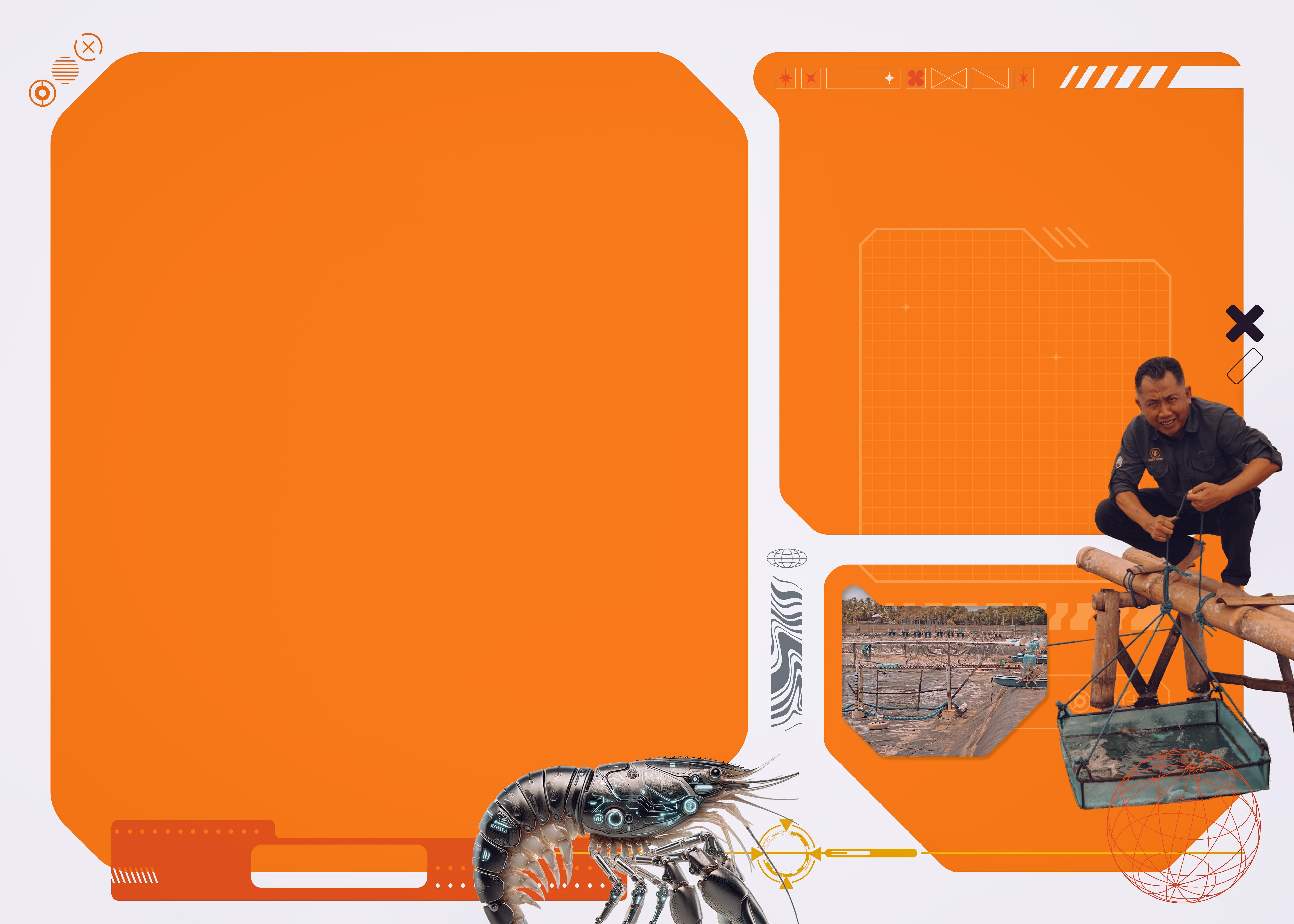
Amid increasingly complex global market dynamics, the presence of Indonesian industry players at Seafood Expo North America (SENA) 2026 reflects a strategic effort to gain firsthand insight into the direction of the industry. For Rizky Darmawan, Chairman of the Indonesian Young Shrimp Farmers Association (PMI), his participation in Boston this year is not merely routine, but part of a broader strategy to understand the major shifts taking place in Indonesia’s key shrimp export markets.
“The main purpose of my visit to SENA 2026 in Boston this year is to observe market conditions firsthand, particularly to obtain the latest updates on the U.S. market following changes in reciprocal tariff policies,” he said. He added that understanding importer sentiment is crucial amid today’s global uncertainty.
Rizky Darmawan
Softer Shrimp Demand Meets Rising Competition
dustry. Events like this serve not only as promotional platforms but also as strategic spaces to build connections and gauge demand trends. Meetings with buyers, importers, and suppliers open opportunities to better understand evolving market preferences.
However, Rizky noted that this year’s expo felt less crowded compared to previous years. Several external factors contributed to this, ranging from flight disruptions due to geopolitical conflicts to weather conditions in the United States that affected participant mobility. This situation indirectly reflects the broader global pressures also impacting the seafood industry as a whole.
Shrimp Remains a Consumer Favorite
Based on his observations, shrimp continues to be one of the most favored seafood products in the U.S., both in retail and foodservice sectors. That said, the main challenge currently lies in weakening consumption. Many importers are holding back on purchases due to high inventory levels.
“There is still a lot of inventory in warehouses that has not moved quickly, making buyers more cautious about placing new orders,” he explained.
Changes in consumer behavior are also playing a significant role. Price sensitivity is increasing, even though quality and sustainability remain important considerations. In practice, however, price continues to be the primary deciding factor in purchasing decisions. This forces producers to become more efficient without compromising product standards.
As a market that absorbs around 70% of Indonesia’s shrimp exports, the United States remains the primary barometer for the sustainability of the national shrimp in-
From a global competition standpoint, Ecuador, the world’s largest shrimp exporter, is showing a notable strategic shift. Previously dominant in HOSO (Head-On Shell-On) products, Ecuador is now aggressively moving into processed and valueadded segments. This transformation is driven by substantial investments in automation and processing technologies. With labor constraints, efficiency through mechanization has become a key focus.
At the same time, new U.S. tariff policies, which are now more evenly distributed, are reshaping the competitive landscape. While tariffs once served as a key differentiator, competition is increasingly influenced by other factors such as anti-dumping (AD) and countervailing duties (CVD) imposed on different countries. In other words, competitive advantage is no longer determined solely by price, but also by trade strategies
Demand Competition
and product positioning.
Other external factors, such as geopolitical conflicts, are also indirectly affecting the shrimp industry. Global uncertainty tends to drive up energy and logistics costs, which ultimately impacts prices and demand. In such conditions, industry players must be more adaptive and responsive to change.
Given these dynamics, Rizky emphasized that Indonesia’s shrimp industry needs to improve, particularly in promotion and branding. He noted that Indonesia still lags behind competing countries in terms of collective marketing in the global market. Strengthening the national product image is becoming increasingly important to remain competitive.
At the upstream level, shrimp farmers must continue to focus on efficiency and production consistency as fundamental pillars. At the same time, future farming approaches should be more integrated with market needs.
“Going forward, aquaculture strategies should be more market-oriented and involve collaboration across the supply chain,” Rizky said.
In essence, the future success of Indonesia’s shrimp industry will not depend solely on productivity, but also on its ability to read the market, adapt to global trends, and build synergy from upstream to downstream. Amid simultaneous pressures and opportunities, the industry’s direction will increasingly be determined by how quickly stakeholders can transform.
Indonesia Pavilion Strengthens Seafood Trade Diplomacy
On the other hand, Indonesia’s participation in SENA 2026 has also been optimally utilized by government representatives and business players to expand trade networks. Indonesia’s Trade Attaché in Washington, D.C., Ranitya Kusumadewi, stated in a Ministry of Trade press release that the first day of the exhibition was immediately filled with business meetings between Indonesian participants and potential partners in the U.S. market.
“Indonesian exhibitors made optimal use of the first day to explore business cooperation through meetings with a number of seafood importers and distributors in the United States. We are seeing strong interest in Indonesian fishery products, as well as partnership opportunities that will continue to develop throughout the exhibition,” she said.
Efforts to strengthen Indonesia’s position are also being carried out through engagement with various strategic stakeholders in the United States. The agenda includes dialogues with industry associations and key regulators such as the National Fisheries Institute (NFI), the National Oceanic and Atmospheric Administration (NOAA), and the U.S. Food and Drug Administration. This approach shows that Indonesia is not only focused on transactions but also on building trust and ensuring compliance with market standards.
The Indonesia Pavilion itself is presented under the theme “Indonesia Seafood: Naturally Diverse, Safe, and Sustainable,” reaffirming the country’s commitment to safe, high-quality, and sustainable fishery products. A number of national associations and companies are participating, showcasing leading products such as fresh and frozen tuna, processed shrimp, and other valueadded products that have already penetrated export markets.
Meanwhile, in the same press release, Director General of National Export Development Fajarini Puntodewi emphasized the importance of expanding global market access for Indonesian fishery products. Participation in the exhibition is not only aimed at boosting short-term
transactions but also at strengthening Indonesia’s positioning as a competitive seafood supplier.
At the opening of the
Indonesia Pavilion, Expert Staff for Digital Transformation and Inter-Institutional Relations at the Coordinating Ministry for Food Affairs, Bara Krishna Hasibuan, highlighted that Indonesia’s participation in the event represents a strategic momentum to reinforce its presence in the global supply chain.
“Indonesia’s presence at SENA 2026 is crucial to strengthening its position in the global seafood supply chain. Currently, Indonesia is one of the main suppliers of shrimp and tuna to the United States and ranks third among seafood-exporting countries to this market,” he said.
Overall, Indonesia’s participation in Boston this year reflects not only efforts to maintain its key market but also to strengthen long-term foundations through trade diplomacy, enhanced product image, and a firm commitment to sustainability. With fishery exports to the United States reaching USD 1.17 billion in 2025, opportunities for growth remain open, provided that competitiveness continues to be strengthened across the entire value chain.
THE CRUST - AB
El Niño & La Niña
Shrimp farming is closely tied to weather. Rainfall, sunlight, temperature, salinity, and water quality all influence pond performance. Many of these changes are driven by a powerful natural climate cycle known as ENSO — the El Niño Southern Oscillation
ENSO is created by the interaction between the Pacific Ocean and the atmosphere above it. Normally, steady trade winds blow from east to west across the equatorial Pacific, pushing warm surface water toward Southeast Asia and Indonesia. This creates warmer seas and more rainfall in the western Pacific, while colder, nutrient-rich water rises near South America in the eastern Pacific.
However, these winds do not always remain constant. Sometimes they weaken, and sometimes they strengthen. When they weaken, warm water shifts back toward the central and eastern Pacific, creating El Niño. When they strengthen, even more warm water piles up in the western Pacific, creating La Niña
These shifts in ocean temperature may seem far away, but they can strongly influence global weather patterns—including rainfall and temperatures across Asia, the Americas, and beyond.
What Normally Happens in the Pacific?
Under normal conditions, trade winds push warm surface water toward the western Pacific, including Indonesia and Southeast Asia. This creates warm seas, humid air, and regular rainfall in our region.
Meanwhile, in the eastern Pacific near Peru and Ecuador, cooler nutrient-rich water rises from below in a process called upwelling. This supports marine productivity and generally drier coastal weather.
What Is El Niño?
El Niño occurs when trade winds weaken. Warm water that normally gathers in the west shifts back toward the central and eastern Pacific.
This often causes:
Western Pacific (Indonesia, Southeast Asia):
• Drier weather
• Less rainfall
• Hotter temperatures
• Drought risk
Eastern Pacific (Peru, Ecuador):
• Warmer water
• More rainfall
• Flooding risk
• Reduced upwelling
What Is La Niña?
La Niña is the opposite phase. Trade winds strengthen, pushing even more warm water toward the western Pacific.
This often causes:
Western Pacific (Indonesia, Southeast Asia):
• Higher rainfall
• Cooler temperatures
• Stronger wet season
• Flooding risk
Eastern Pacific (Peru, Ecuador):
• Cooler water
• Drier weather
• Stronger upwelling
Why Should Shrimp Farmers Care?
For shrimp farming, these events can directly change:
• Water salinity
• Pond temperature
• Plankton balance
• Dissolved oxygen
• Disease pressure
• Water availability
Understanding whether an El Niño or La Niña cycle is developing helps farmers prepare earlier and reduce risks.
THE CRUST - DELTA MARINE INDONESIA
How Proper Preparation Can Defines Shrimp Farm Performance
In shrimp farming, harvest success is often decided long before the post-larvae are stocked, specifically during the preparation stage. This phase serves as the foundation of the entire operation, influencing not only productivity but also the overall sustainability. Guruh Suryawan, Head Regional East Area CP Prima, emphasizes that failures at the initial stage almost always lead to suboptimal results.
“Failing in preparation is the same as preparing for failure,” he says. He likens the process to an aircraft preparing for takeoff. Everything must be ready from the start, as there is no room for correction once the process is underway. This analogy highlights just how critical precision is at every stage of pond preparation.
Land and Team Preparation
The first stage that demands attention is land preparation. After the harvest process is completed, the entire pond area must be thoroughly cleaned, including grow-out ponds, reservoirs, as well as inlet and outlet channels. Guruh says that draining alone is not enough, the entire system must be completely dried
This drying process is not merely a technical procedure but a biological strategy to break the life cycle of organisms that could become disease sources. In the absence of water, most microorganisms, including pathogens, are unable to survive. Therefore, the drier the pond conditions, the greater the opportunity to begin a new cycle under more sterile conditions.
Guruh says that liming is a crucial part of this stage. In addition to accelerating the drying process, lime creates a pH “shock” on the pond bottom and walls, effectively inactivating microsporidian spores. In addition, sunlight further acts as a natural disinfectant, strengthening the overall process.
However, he warns against rushing this stage. Many farming failures occur because farmers are eager to start a new cycle without allowing sufficient time for proper preparation. Ideally, the entire process from post-harvest to refilling the ponds should take around 30–45 days.
Beyond land preparation, the readiness of equipment and human resources is equally decisive. All production equipment such as pumps, paddlewheels, autofeeders, and electrical systems, must be in optimal condition before stocking. Laboratory facilities should also be prepared to support water quality and shrimp health monitoring.
Yet, one aspect that is often overlooked is the readiness of field personnel. Guruh stresses that all team members must be fully prepared for operations. “All equipment must be in ‘on’ condition before stocking… and all personnel across the farm must be ‘on fire’,” he asserts. This readiness goes beyond technical capability, it also involves coordination, disci-
pline, and mental preparedness to face the unpredictable dynamics of shrimp farming.
Establishing Ecosystem Balance
The next stage is water preparation, which serves as the primary medium in shrimp culture. In today’s intensive systems, water exchange requirements are relatively high, making pump capacity a critical factor.
A simple calculation can serve as a guideline. Guruh says that if filling the pond takes 10 days, the maximum daily water exchange should be around 10%. If it takes only 5 days, the exchange capacity can reach up to 20% per day. These calculations are essential to maintain water quality stability throughout the culture cycle.
In addition, once the pond is fully filled, a series of chemical treatments is applied. Copper sulfate is used to control algae and barnacles, while disinfectants such as chlorine or other disinfectans are applied to eliminate disease-carrying organisms and unwanted microorganisms.
This stage is followed by the development of plankton and beneficial bacteria until optimal water conditions are achieved. Guruh says the process typically takes about two weeks before the post-larvae are ready to be stocked. He also adds that all water quality parameters at this stage should already match those maintained during the production cycle.
Cost and Tim Efficiency
From a cost perspective, the preparation stage represents a significant component, particularly in terms of labor. This is largely because many processes in Indonesia are still performed manually, such as cleaning HDPE liners using brushes. According to him, seficiency can be improved by accelerating workflows through additional manpower or adopting more advanced technologies.
In countries like Vietnam, cleaning processes increasingly rely on more efficient technologies, reducing preparation time without compromising quality. The faster the preparation stage is completed with good results, the sooner the next production cycle can begin. However, he warns that speed must always be balanced with quality to avoid problems later on.
Small Details, Big Impact
In terms of sustainability, Guruh emphasizes the importance of attention to detail.
Thorough inspection of pond bottoms and walls, especially HDPE liners or concrete structures, is essential to
ensure there are no damages that could disrupt the farming system. Well-prepared culture infrastructure makes it easier to manage the aquatic ecosystem throughout the cycle. The better the initial pond condition, the lower the risk of disruptions during production.
From a climate perspective, he says weather changes are not considered highly significant during the preparation phase. However, production strategies still need adjustment. He advises for avoiding stocking in December and January, when rainfall is high and sunlight intensity is low in mostly places in Indonesia. “It’s better to run two optimal cycles per year than to force three cycles with a high risk of failure,” he explains.
Meanwhile, the El Niño phenomenon which is expected to occurs from April to September, can actually be advantageous during preparation, as higher temperatures accelerate both drying and ecosystem development. Even so, these conditions still require careful adjustments in feed management and water quality control during the culture phase.
The Often Overlooked Key
Beyond technical aspects, non-technical fac-
tors also play a crucial role. Worker comfort and well-being are part of the overall success strategy. Guruh believes a supportive working environment enhances team motivation and performance in the field. Ultimately, production success is not determined solely by technology and methods, but also by the people who operate them.
In the end, thorough preparation, both technical and non-technical, creates a more resilient and adaptive farming system. In an industry as uncertain as shrimp farming, this step is not merely a procedure, but a long-term investment to ensure optimal and sustainable results.
Photo source : doc. The CRUST AB, Guruh Suryawan
Guruh Suryawan
THE CRUST - AB
Shockwaves in the Tide: How the Iran–US Conflict Is Reshaping Indonesia’s
Shrimp Trade
The orders are still coming in. From the United States, buyers continue to request steady volumes of Indonesian shrimp—reliable, affordable, and essential to retail and foodservice supply chains. On the surface, the market appears stable. Consumption hasn’t dropped. In fact, global appetite for shrimp remains resilient. But in 2026, the shrimp business is no longer defined by demand. It is defined by delivery.
As tensions escalate between Iran and United States, the immediate impact is not visible in Indonesia’s ponds or processing plants. Production continues. Harvest cycles remain intact. The disruption happens elsewhere, along critical global shipping routes
Instability near key maritime corridors has forced shipping lines to reroute vessels, avoid high-risk zones, and adjust schedules with little notice. What was once a predictable transit has become longer and less reliable. For Indonesian shrimp exporters, this means extended lead times and increased uncertainty at every stage of delivery.
Logistics: The New Bottleneck
At the operational level, the strain builds quickly. Containers are harder to secure. Vessel schedules shift. Shipments miss connections and roll over to later departures. A delay of even a few days can disrupt downstream planning, especially for buyers operating on tight inventory cycles.
For shrimp, where cold chain integrity, timing, and turnover are critical—these disruptions carry real consequences. Not necessarily in spoilage, but in cost, coordination, and customer confidence. Exporters now face a new reality: even when production runs smoothly, delivery cannot be taken for granted.
Alongside logistical disruption comes a second layer of pressure—rising costs. As the conflict tightens global oil supply, fuel prices increase. This affects every part of the shrimp value chain. Farmers face higher operational costs, particularly for aeration and feed. Processing plants absorb rising energy and packaging expenses. Freight rates climb as shipping lines adjust to higher fuel and insurance costs.
Margins tighten across the board. Exporters are left balancing difficult decisions: absorb the increase, pass it on, or risk losing competitiveness in already price-sensitive markets.
Demand Holds, but Delivery Gets Complicated
Despite these challenges, demand remains structurally strong. Buyers in
the United States continue to rely on Indonesian shrimp for consistent supply. Globally, shrimp remains one of the most accessible and versatile seafood proteins. Yet reliability—once assumed—is now under pressure.
Some shipments arrive late. Others cost more than expected. Contracts become more cautious, with buyers seeking flexibility or renegotiation clauses. The issue is no longer whether shrimp is available, but whether it can be delivered on time and as planned. In global trade, consistency builds trust. And right now, consistency is being tested.
In response, Indonesian exporters are beginning to adjust. There is a growing shift toward more flexible operating models. Shipping strategies are being reworked. Alternative routes and markets are explored. Product portfolios are evolving, with increased attention on value-added shrimp that can better absorb cost fluctuations and longer transit times.
The focus is changing from maximizing output to managing uncertainty. Companies that can adapt quickly— across sourcing, processing, and logistics—are better positioned to maintain stability in an unstable environment.
Redefining Competitiveness in 2026
The Iran–US conflict has revealed a deeper shift within the global shrimp industry. Indonesia does not face a shortage of supply. It has the capacity, the expertise, and the infrastructure to meet global demand. But in today’s environment, production alone is no longer enough. Competitiveness is being redefined by logistics agility, cost control under volatility, reliability of execution. The exporters who succeed will not simply be those who can produce shrimp efficiently, but those who can navigate disruption without breaking delivery commitments.
THE CRUST - MIDA
From ENSO Signals to Farm Risks Preparing for a Potential Super El Niño
In early April, Indonesia’s Ministry of Marine Affairs and Fisheries (KKP), through the Directorate General of Aquaculture, issued an advisory letter to regional fisheries offices across the country. The letter called for heightened preparedness in anticipating the potential impacts of a El Godzilla Niño, often referred to as super El Niño, on the aquaculture sector. This advisory followed a forecast from the National Research and Innovation Agency (BRIN), which projected the occurrence of a super El Niño between April and September this year.
El Niño refers to the warming of sea surface temperatures in the equatorial Pacific Ocean. This phenomenon, particularly in its strongest form as a super El Niño, typically brings prolonged and drier dry seasons to the western Pacific, including Southeast Asia and Indonesia. In contrast, the eastern Pacific, such as parts of Latin America including Ecuador, tends to experience increased rainfall and a higher risk of flooding. El Niño, together with La Niña, represents two opposing phases of a natural climate cycle across the tropical Pacific known as the El Niño–Southern Oscillation (ENSO).
ENSO Latest Developments
At the beginning of 2026, the World Meteorological Organization (WMO) indicated that the recent weak La Niña event was fading, giving way to ENSO-neutral conditions expected to persist through the first half of the year. At that time, WMO estimated a 60% probability of neutral conditions during March–May, increasing to 70% for April–June. As the year
progresses, the likelihood of El Niño formation gradually increases, reaching around 40% for the May–July period.
Meanwhile, in April, the U.S. Climate Prediction Center of National Oceanic and Atmospheric Administration (NOAA) reported that global climate conditions remain
in an ENSO-neutral phase, with an approximately 80% probability of persisting through April–June 2026. Although sea surface temperatures in the equatorial Pacific are still relatively normal, several early indicators of warming have emerged, including rising subsurface temperatures and the development of westerly wind anomalies. NOAA also observed early signs of drier-than-usual conditions in western Indonesia.
Looking ahead to May–July 2026, NOAA forecasts the probability of El Niño development to increase to around 61%, with the potential to persist through the end of the year. For Indonesia, this trend could intensify declining rainfall patterns and elevate drought risks in several regions, particularly during the dry season. The impacts may extend across multiple sectors, including agriculture and aquaculture, both of which are highly sensitive to changes in water quality and availability.
Further supporting the possibility of a strong El Niño, Prof. Erma Yulihastin of BRIN’s Research Center for Climate and Atmosphere noted signs of warming in the Pacific subsurface layer, with temperature anomalies of 3–5°C at depths of 50–300 meters. She also projected that between May and September 2026, Indonesia could experience up to 140 dry days, equivalent to 92.1% of the period without rainfall.
Local and Regional Impacts
According to Erma, although El Niño is commonly associated with dry season and drought, its impacts across Indonesia are no longer uniform, likely due to the influence of global warming. During the 2023 super El Niño, for instance, northern regions of Indonesia, located above the equator, experienced unusually high rainfall and flooding instead of drought.
She concluded that a similar pattern may emerge again, with northern regions such as Tarakan (North Kalimantan), Padang, Pontianak, Sibolga, Medan, and Manado (North Sulawesi) potentially facing extreme rainfall and flooding even during the dry season. In contrast, areas south of the equator such as Lampung, Java, Bali, and East Nusa Tenggara, are expected to feel stronger impacts of drought and dryness.
At the regional level, The Southeast Asian Desk has reported several indicators pointing toward an incoming El Niño. Southeast Asia has already begun experiencing above-normal temperatures and the onset of dry conditions, with temperatures
exceeding 37°C in parts of Malaysia and reaching 35.6°C in Jakarta. Additionally, ten dams in Malaysia have reportedly fallen below 70% of their capacity, reaching “cautionary” levels.
Prof. Erma Yulihastin
Impacts Across the Pacific
While El Niño brings heat and dryness to the western Pacific, the eastern Pacific which is covering parts of Latin Americaoften experiences the opposite. In 2023, El Niño conditions reported caused prolonged droughts and water shortages in regions such as the Central American Dry Corridor, Bolivia, and Colombia. At the same time, intense rainfall and flooding affected coastal areas of Ecuador and Peru, as well as inland Bolivia.
Ecuador’s National Chamber of Aquaculture (CNA) noted on SeafoodSource (2023) that more than 50% of the country’s shrimp farms are located in flood-prone areas, with around 110,000 hectares at imminent risk during El Niño events. Despite these risks, an analysis by Kontali on The Fish Site showed that Ecuador still achieved a record shrimp export volume of 1,306,040 tonnes in 2023. Monthly production peaks in March, May, and June suggested that warmer waters early in the year accelerated shrimp growth, allowing farmers to capitalize on favorable conditions.
Aquaculture Impacts and Mitigation Measures
The Food and Agriculture Organization (FAO) highlights that El Niño significantly affects fisheries and aquaculture. Rising temperatures and salinity associated with dry conditions can disrupt aquaculture systems, impacting both infrastructure and the growth and survival of cultured species. KKP also emphasized that extreme El Niño events can trigger significant changes in water temperature, rainfall patterns, and overall aquatic environmental quality, factors that directly influence aquaculture operations.
As part of its early warning measures, KKP identified several potential risks for aquaculture, including declining water quality due to higher temperatures, reduced dissolved oxygen (DO) levels, and increased ammonia concentrations. These conditions can induce stress in fish and shrimp, leading to reduced appetite and slower growth. Additionally, weakened immune systems may increase susceptibility to disease outbreaks.
To mitigate these risks, KKP recommends several key measures. First, farmers should intensify routine water quality monitoring to better understand field conditions and assess potential risks. Second, stocking densities should be adjusted to reduce environmental pressure. Third, oxygen levels should be optimized through the use of aerators or paddle wheels to ensure adequate oxygen supply.
Farmers are also advised to implement efficient feed management by carefully regulating feeding amounts and frequency to prevent excess feed accumulation, which can elevate ammonia levels. Water management should be improved by securing alternative water sources and conducting regular water exchange. Finally, disease control efforts should be strengthened through the use of immunostimulants, probiotics, biosecurity practices, and other preventive strategies.
THE CRUST - AB
Padel
The Smart, Social Evolution of Tennis
Walk into any modern sports club today and you’ll notice something changing. Tennis courts are no longer the only center of attention. Just beside them, enclosed by glass and buzzing with energy, a different game is taking over. This is where Padel has found its place—not as a replacement for tennis, but as a response to what today’s players are actually looking for.
Tennis has long been admired for its elegance and intensity, but it also demands time, technique, and consistency before it becomes enjoyable. Padel removes that barrier almost immediately. From the very first session, rallies begin to form, points feel competitive, and the game becomes less about mastering mechanics and more about enjoying the exchange.
A Court Designed for Interaction
What sets padel apart is its environment. The court is smaller, enclosed by glass walls, and always played in doubles. That enclosure transforms the experience entirely. The ball doesn’t simply go out—it comes back into play, often in unexpected ways. Rallies extend, angles become more creative, and players are constantly engaged, not just reacting but anticipating.
This changes the rhythm of the game. Instead of short, decisive points, padel builds longer exchanges where positioning and awareness matter just as much as execution.
A Game of Control, Not Power
Unlike tennis, where power can dominate, padel shifts the emphasis toward control. The solid, stringless racket offers a softer, more predictable contact, while the slightly reduced pressure of the ball slows the pace just enough to keep rallies alive. The result is a game that feels more forgiving, yet still rewards precision and smart decision-making.
Because of this, the gap between beginners and experienced players feels less intimidating. New players can participate almost instantly, while advanced players distinguish themselves through strategy rather than strength.
Summary: Padel vs Tennis
• Smaller, enclosed court vs large open court
• Walls in play vs out-of-bounds boundaries
• Doubles-focused vs singles and doubles
• Control and strategy vs power and technique
• Faster enjoyment curve vs longer learning curve
At its core, padel succeeds where many traditional sports struggle—it lowers the barrier to entry without removing the essence of competition.
You don’t need perfect technique to sustain a rally. You don’t need weeks of practice before the game becomes enjoyable. The
smaller court, controlled pace, and forgiving mechanics allow players to engage almost immediately, turning what is often a steep learning curve in tennis into a much smoother entry point.
THE CRUST - RIZKY
Rizky
Darmawan
Veni Vidi Fishy
Gemilang Lim
My secret to joy in life is in finding balance Balance in family, sweating, and making decisions