Hello and welcome to this month’s issue of THE CRUST! This month brought both a personal highlight and a significant development for the shrimp industry. I was honored to attend the wedding of Mayank Sharma, son of the respected and successful Indian shrimp farmer Manoj Sharma. It was a joyful and meaningful occasion, and it reminded me once again that our industry is more than trade flows and production numbers; it is built on families, relationships, and generations carrying the torch forward.
Coinciding with this celebration came unexpected good news for India’s shrimp sector. President Trump struck a deal with Prime Minister Modi, reducing India’s tariff to 18%, down dramatically from the previous 50%. This is undoubtedly a major win for Indian exporters. The previous tariff level had severely limited competitiveness in the U.S. market, making Indian shrimp less attractive to buyers. With the reduction, India now regains momentum and can once again compete strongly in one of the world’s largest shrimp markets.
However, in trade, one country’s gain often reshapes the playing field for others. Indonesia, which previously held a relative advantage at 19%, now faces direct competition with India. This challenge becomes even heavier considering the ongoing Cesium137 issue, with many Indonesian processors still under increased scrutiny. The timing could not be more difficult.
It will be interesting to observe how each producing country adapts. Pricing strategies, market positioning, and supply chain coordination will all become critical factors in the months ahead.
This theme of adaptability was also central during the recent Shrimp Outlook event organized by JALA. The conversations there were candid and pragmatic. Industry players acknowledged that volatility is no longer an exception; it is the norm. Trade policies can change overnight. Disease challenges persist. Market conditions remain fragile. The shared conclusion was clear: success will depend on improving efficiency, strengthening collaboration, and making smarter strategic decisions.
At the end of the day, this is part of doing business especially in aquaculture. The landscape shifts, competitors rise, and policies evolve. What remains constant is the need to stay agile and forwardthinking.
THE CRUST - RIZKY
Rizky Darmawan Chief Editor
CEO The Chief Editor Overview
From Tariff Shock to Strategic Shift in India’s Shrimp Industry
After a challenging semester triggered by a 50% reciprocal tariff policy in the U.S. market, India’s shrimp industry has finally found what many describe as a “fresh lease of life.” The previously imposed high tariffs had slashed Indian shrimp exports to the United States by as much as 60% over the past three months, according to Business Standard.
The recent decision to reduce the base tariff to 18%— which, when combined with anti-dumping duties (AD) and Countervailing Duties (CVD), brings the total tariff on Indian shrimp entering the U.S. to 26.26%, marks a significant turning point. This substantial reduction is expected to restore India’s competitiveness in what has historically been its most critical export destination.
The U.S. is a market India simply cannot afford to ignore. The country currently commands an impressive 38% market share in the United States. As India’s single-largest shrimp export destination, maintaining this dominance is essential for safeguarding millions of livelihoods tied to the sector.
The Panic and the Strategic Pivot
Dr. Manoj Sharma
The road to recovery was far from smooth. When the heavy tariffs were first announced on August 27, panic spread rapidly across India’s shrimp farming community. For nearly a month, proces-
sors suspended purchases as they braced for uncertainty, causing farmgate prices to drop by 30 to 40 Indian rupees (approximately 40 to 50 cents) across all shrimp sizes.
However, Dr. Manoj Sharma, an Indian shrimp farmer and prominent industry voice, notes that the actual economic damage was less catastrophic than initially feared. In major production hubs such as Andhra Pradesh, much of the harvest had already been completed or shipped before the tariff declaration. As a result, the industry narrowly avoided a full-scale collapse. The most affected were farmers who harvested late, after the tariff had already taken effect.
This temporary cushion provided critical breathing room for the Indian government, particularly the Department of Fisheries and the Marine Products Export Development Authority (MPEDA), to negotiate the tariff down to the current 18% base rate, excluding AD and CVD.
A “Blessing in Disguise”
Sharma sees the recent tariff crisis as a necessary wake-up call. “One day we will all be thankful to Mr. Trump for imposing such a heavy duty on India. It opened the minds of farmers, processors, industry players, and even government officials,” he tells The Crust
The realization was stark: despite its massive market share, India could no longer afford to rely almost exclusively on the United States and China.
This shift in perspective has accelerated a strong
Photo
push toward market diversification. India has recently secured a trade agreement with the European Union, opening access to a market spanning 26 to 27 countries. While the EU market is sizable, estimated at around half a million tons, it comes with strict food safety standards and rigorous antibiotic residue testing. Sharma believes that although meeting these requirements will be challenging, doing so will ultimately elevate the global quality and reputation of Indian shrimp.
The Rise of the Black Tiger
India’s potential growth markets now extend beyond Europe and China to Japan as well. This opportunity is reinforced by a shift among farmers on the West Coast, which contributes 10–15% of India’s total shrimp production. Many of them are transitioning to Penaeus monodon (Black Tiger shrimp), a species that enjoys strong demand in Japan, Europe, and China.
“Majorly on the West Coast, in Gujarat where I am sitting right now, about 30,000 to 40,000 tons—nearly 90% of the area—has shifted to Black Tiger monodon. And monodon has good demand in Japan, Europe, and China,” says Sharma.
This transition is a strategic hedge against the price volatility of the U.S. market, which is heavily driven by demand for vannamei shrimp. Out of India’s total farmed shrimp production of roughly 1 million tons, monodon now accounts for about 100,000 tons. Such diversification ensures that if one market faces geopolitical or tariff-related challenges, other segments of the industry can continue to perform.
The Value-Added Edge and Domestic Gap
Despite expanding into new markets, the United States remains indispensable. Dr. Sharma points out that India still sells roughly 50% of its shrimp to the U.S., a significant portion of which consists of value-added products such as PD (Peeled and Deveined) and PDTO (Peeled, Deveined, Tail-On) shrimp.
This is where India holds a distinct advantage. Unlike its primary
competitor, Ecuador, which focuses largely on high-volume whole shrimp production, India’s processing sector is built around labor-intensive, value-added exports. Over the years, American importers have developed specialized supply chains in partnership with Indian processors. As a result, they are likely to maintain these relationships even under a total tariff burden of 26.26%.
Sharma also describes Ecuador as a nation capable of offering some of the cheapest shrimp globally due to its remarkable efficiency. With an 80–85% farming success rate, Ecuador can consistently supply high-quality shrimp at highly competitive prices.
India also faces a structural disadvantage compared to neighbors like Vietnam and Thailand. Those countries have strong domestic markets, where 50–60% of production is consumed locally. This domestic demand acts as a natural price stabilizer, protecting farmers when export markets weaken. India, by contrast, has historically been almost entirely export-dependent.
To explore similar potential in the domestic market, Sharma has actively promoted shrimp consumption within India, including through his restaurant venture, Zhingalala. He argues that if India can raise domestic consumption to even 30% of total production within the next few years, the industry would gain stability similar to that seen in Indonesia and Vietnam. With stronger local demand, Indian farmers would no longer be forced to sell at losses during global price downturns.
In the end, as the new seeding season began in mid-February, the industry moved forward with a more balanced strategy. While the U.S. remains a vital partner, retaining its substantial 38% market share, India is no longer operating as a one-trick pony. Through market diversification, species shifting, and the push to strengthen domestic consumption, the country is building a more resilient industry, one better prepared for the next wave of global trade disruptions.
Seawater Water Sources in Shrimp Farming (Part 2):
In the previous issue, we explored brackish water and river-based systems; historically the foundation of shrimp farming in many producing countries. In this edition, we turn our focus to seawater, a source increasingly favored for its relative stability and suitability for intensive production.
As shrimp farming intensifies and biosecurity becomes more critical, many farms are moving toward direct seawater intake systems, including offshore pumps and deep-sea pipelines.
What Is Seawater as a Farming Source?
Seawater typically has a salinity of around 30–35 ppt, depending on location and oceanographic conditions. Compared to brackish rivers, seawater generally offers more consistent salinity and mineral composition.
However, while seawater is more stable, it is still susceptible to environmental influences, especially during the rainy season. Coastal runoff, sediment disturbance, and inland discharge can still affect nearshore seawater quality. Heavy rainfall may lower salinity slightly in coastal zones and increase turbidity,
requiring proper intake management and monitoring.
Where Is Seawater Commonly Used?
Seawater is most commonly used in coastal farming areas, particularly in countries with long coastlines. It is especially prevalent in archipelagic nations such as Indonesia, where access to the sea is abundant.
Seawater systems are also widely used in coastal regions of South India, where proximity to the ocean allows farms to design stable intake systems for grow-out ponds and hatcheries.
Advantages of Seawater Systems
One of the main advantages of seawater is its relatively stable salinity, which reduces osmotic stress on shrimp compared to river-based systems. This consistency supports predictable growth performance and mineral balance.
Seawater also generally carries a lower risk of agricultural runoff compared to river systems, making water quality management more straightforward. For intensive farms, this stability can translate into better control over production parameters.
Additionally, seawater naturally contains a balanced mineral profile suitable for
marine shrimp species, often reducing the need for heavy mineral supplementation.
Challenges to Consider
Despite its advantages, seawater systems require proper infrastructure and thoughtful design. Intake pumps, pipelines, and filtration systems involve higher upfront investment and ongoing maintenance compared to river-based systems.
One important consideration is intake positioning. For improved water quality, intake pipelines should be installed deep enough so that the inlet sits at least 5 meters below the sea surface during low tide. Most surface pollutants, runoff residues, oils, and floating contaminants tend to concentrate within the upper
water layers. By drawing water from deeper levels, farms can significantly reduce the risk of introducing unwanted contaminants into the system.
Seawater also carries marine pathogens, plankton, and potential disease vectors, meaning proper filtration and sterilization remain essential. In addition, coastal events such as sediment disturbance, red tides, or seasonal blooms can temporarily affect intake water quality, making regular monitoring a necessity.
In the next issue, we’ll explore freshwater and low-salinity shrimp farming: how inland farms operate, the mineral challenges they face, and why shrimp production is no longer limited to coastal areas.
THE CRUST - DELTA MARINE INDONESIA
The Next Gen: Bringing New Momentum to Southeast Asia’s
As sustainability becomes a global priority across all sectors—including shrimp aquaculture—the movement holds a promising future, especially as the main drivers begin to shift toward younger players: the next generation of farmers.
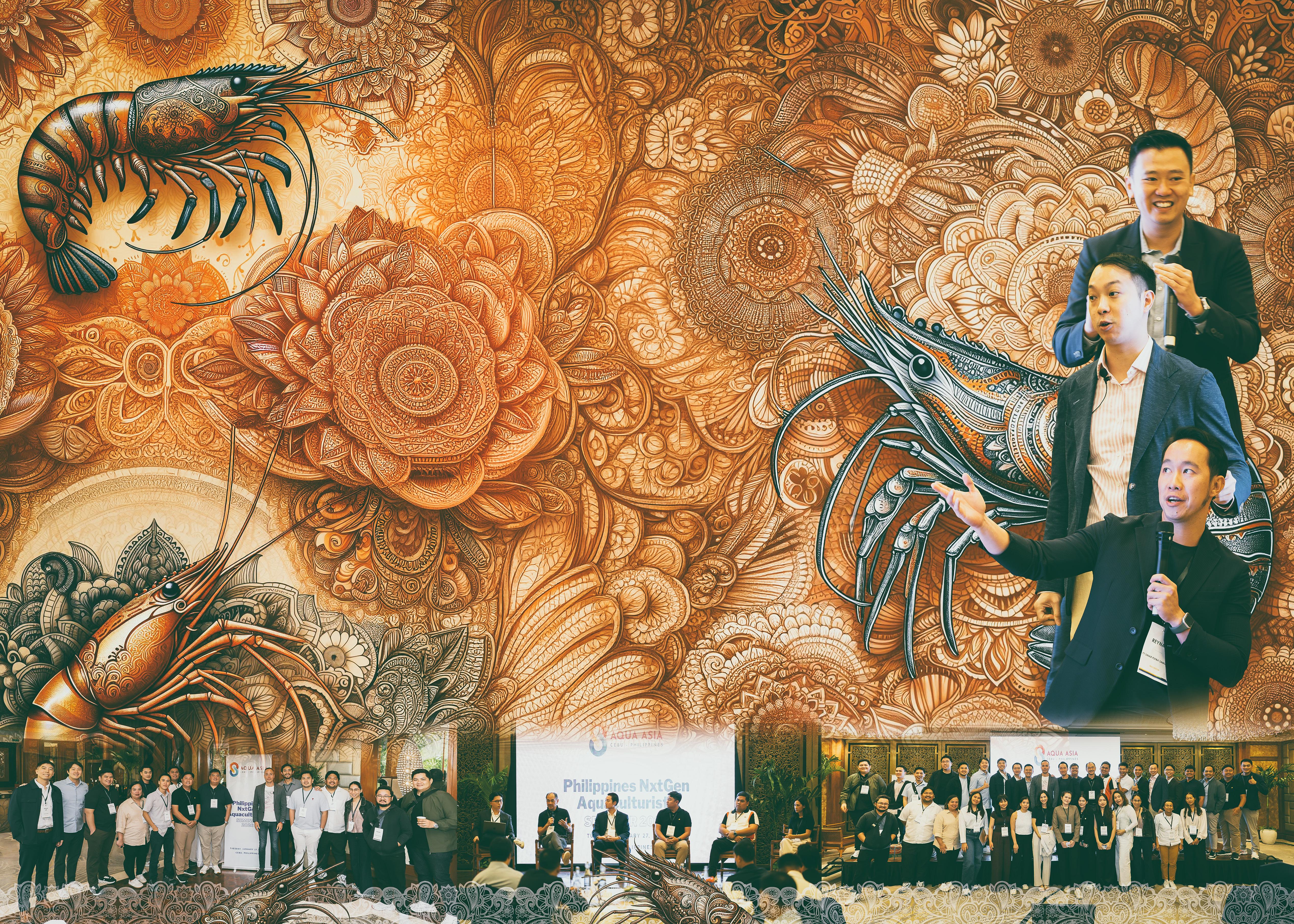
The Aqua Asia event in Cebu, featuring the dedicated session “The Philippines NxtGen Aquaculturists” marked another important spark in this momentum. It followed a series of similar platforms that have emerged across shrimp industry events of various scales, all highlighting the growing role of young professionals in shaping the sector’s future.
Organized by the U.S. Grains Council, the initiative is designed to engage and empower next-generation aquaculturists, those who will ultimately determine how the industry evolves in the years ahead. The event brought together passionate young farmers, traders, feed mill representatives, investors, hatchery operators, and other stakeholders from across the aquaculture value chain in Southeast Asia.
Rizky Darmawan, Chairman of Indonesian Young Shrimp Farmers (PMI), who attended the event and served as one of the session moderators, emphasized that the program was built with a long-term vision. Aqua Asia, he noted, is not intended to be a single-country or one-off event. Instead, the plan is to expand the initiative to other Asian countries, strengthening regional solidarity and encouraging generational renewal within the aquaculture sector.
“It’s been an honor to be part of this movement and to exchange perspectives with fellow speakers and participants. I hope initiatives like this will inspire more young professionals to join the industry, not just to continue what we do today, but to improve how we do it and build a more sustainable aquaculture ecosystem for the future,” he said.
Uniting the Next Generation
Although the presence of young shrimp farmers is beginning to emerge in the Philippines, formal young farmer organizations are not yet well established, and much of the community is still dominated by the older generation. Through this event, PMI, which has been well established in Indonesia for several years, sought to bring inspiration and hope, encouraging young Filipino farmers to unite and strengthen their collective voice.
“Our presence was meant to show that Indonesia already has a strong and active young farmer community, and that the Philippines can build the same. When young farmers are united, it shows that the future of the industry is still alive and promising,” said Reynard Suharja, who also represented PMI at the event.
Reflecting on Indonesia’s experience, Reynard highlighted the strong sense of unity among young farmers. “We are open to sharing and supporting one another because when farmers perform well, overall water quality improves and disease risks decrease,” he said.
Different Challenges, Same Energy
Beyond the spirit of solidarity, the discussions also tackled practical and pressing industry concerns, including disease management, feed costs, and overall production expenses. Reynard noted that shrimp prices in the Philippines are relatively strong compared to Indonesia. However, higher operational costs offset this advantage. Electricity costs are nearly double those in Indonesia, logistics remain challenging, and frequent typhoons significantly increase production risks.
Meanwhile, Indonesia benefits from relatively stable climate conditions and year-round farming opportunities, as severe events such as typhoons are rare. Production costs are generally lower, although this also means shrimp prices tend to be lower compared to some other producing countries.
He also pointed out structural differences between the two countries. In the Philippines, shrimp farming tends to be more individual and private, with limited collaboration among farmers. Farming areas are concentrated in specific regions due to weather risks and high logistics costs.
“In Indonesia, we have a much larger and more open community, and shrimp farms are spread across many regions throughout the country,” Reynard added.
Another key strategy discussed during the exchange was strengthening domestic consumption to stabilize shrimp prices and demand, reducing reliance on export markets alone. For Reynard, this approach is essential for building a more resilient industry.
Asia’s Shrimp Sector
Sustainability Beyond Compliance
Despite differences, Reynard stressed that Indonesia and the Philippines share similar fundamentals: a growing young generation of farmers, high operational risks, and capital-intensive systems. The main distinctions lie in production costs and climate stability. Indonesia’s farms are more geographically distributed, while Philippine shrimp farming areas are more concentrated and frequently exposed to typhoon risks.
Sustainability also emerged as a central theme. Reynard emphasized that farm stability and good farming practices are not only about productivity but also about environmental responsibility. “If the ocean and surrounding ecosystems are not protected, the future of aquaculture is at risk,” he stated. He added that global markets increasingly demand trust, not only in the final product but also in the entire production process. Efforts to achieve sustainability are further supported by the tendency of younger farmers to be more adaptive, data-driven, and open to collaboration.
Looking ahead, Reynard sees strong potential for collaboration between the two countries, including pilot projects, data exchange, and sharing best practices. Open communication and knowledge-sharing, he believes, can create new solutions and strengthen young shrimp farmer networks across Southeast Asia.
Thinking Globally, Acting Practically
Christopher Tan Puay Liang, CEO of MIDA Trade Ventures, described the gathering as more than just a formal industry session. For him, it was a meeting of “a small, tight-knit, young, international group” where collaboration became the central theme.
In one of the sessions, he shared that the world’s top shrimp-producing countries (Ecuador, India, China, Vietnam, and Indonesia) each operate under distinct farming, logistics, and export strategies shaped by geography and market access. Indonesia, for instance, faces significant logistical infrastructure challenges due to its archipelagic nature, although these are partially offset by relatively lower production costs.
Beyond local farm-level issues such as water quality and disease, he also emphasized that modern shrimp farming is increasingly influenced by macro pressures, including geopolitics and market volatility, factors that are largely beyond farmers’ control.
Therefore, as someone operating in the downstream,
he does not expect radical changes at the on-farm level. Instead, he advocates for a practical and incremental approach. “We should work on the things we can control—baby steps, visiting each other’s farms and operations so we can learn more from one another,” he said. For him, sustained collaboration, knowledge-sharing, and genuine cross-country relationships are what will keep the next generation engaged and resilient in the industry.
THE CRUST - AB
Reynard Suharja
Rizky
Darmawan
Christopher Tan Puay Liang
Trading by the Month: How Geopolitics is Shortening Shrimp Buying Cycles in North America
For decades, exporting shrimp to the United States followed a relatively predictable rhythm. Importers negotiated semi-annual or annual contracts, retailers aligned volumes with promotional calendars, and exporters could plan harvest cycles with reasonable confidence. While price competition was always intense, the planning horizon itself was stable.
Today, that stability is weakening.
Across North America, buyers are increasingly making short-term purchasing decisions rather than committing to long-term supply programs. The reason is not a sudden drop in demand. Instead, it is the growing influence of geopolitics on trade policy, logistics, and cost structures.
Trade Policy Uncertainty Reshapes Risk Appetite
The U.S. shrimp market has a long history of anti-dumping and countervailing duty cases. Administrative reviews and tariff adjustments remain part of the landscape, and even the discussion of new measures can affect buyer behavior. When duty rates are subject to revision, importers hesitate to lock in forward volumes that could become more expensive upon arrival.
A container contracted today may land under a different duty exposure months later. In a business where margins are often measured in cents per pound, that uncertainty carries real financial risk. Rather than absorb that exposure, many buyers prefer to purchase closer to shipment dates, limiting their vulnerability to sudden policy shifts.
As of February 2026, recent U.S. tariff developments have further reinforced this volatility. The Supreme Court ruled that certain broad tariffs imposed during the Trump administration lacked legal standing under emergency economic powers, invalidating significant duties and triggering refund disputes. However, replacement tariffs were introduced under alternative trade authorities, maintaining duty exposure across multiple import categories. For buyers, the episode underscored how tariff risk can emerge, be overturned, and be reinstated within a single commercial cycle — further discouraging long-term contracting and reinforcing the shift toward short-term purchasing strategies.
Freight Volatility and Supply Chain Disruptions
Geopolitics also affects logistics. In recent years, shipping disruptions linked to regional conflicts and strategic chokepoints have driven freight rates sharply upward before correcting again. Importers who locked in high-cost freight contracts during volatile periods found themselves exposed when rates later declined.
As a result, buyers now avoid overcommitting to long freight horizons. They prefer flexibility, importing what is needed for the near term rather than forecasting far ahead. Shorter buying cycles reduce exposure not only to tariff shifts but also to freight
and insurance volatility.
For exporters, however, this creates operational strain. Processing plants and cold storage facilities function most efficiently with predictable throughput. When order flows become fragmented and reactive, utilization planning becomes more difficult.
Inventory Discipline in a Cautious Market
Retailers in the United States are also practicing tighter inventory management. Economic uncertainty and shifting consumer spending patterns encourage conservative stockholding. Carrying high-priced inventory during a price correction can quickly erode margins.
Consequently, procurement teams often adopt a “handto-mouth” strategy—purchasing shrimp to cover immediate promotions or short distribution cycles rather than building forward stocks. This approach limits downside risk but shifts volatility upstream to exporters.
Shrimp farming, unlike retail buying, cannot be paused at will. Pond stocking, feed management, and harvest timing follow biological cycles. When buyers delay commitments, producers must either absorb inventory risk or redirect volumes to alternative markets, sometimes at lower returns.
Strategic Implications for Exporters
The shortened buying horizon forces exporters to rethink strategy. Cash flow management becomes more complex when confirmed volumes arrive later. Financing costs may increase if inventory remains unsold while awaiting buyer decisions. Pricing negotiations become more transactional, driven by spot market dynamics rather than shared long-term planning.
At the same time, agility becomes a differentiator. Exporters with diversified customer portfolios, flexible processing capabilities, and strong communication with import partners are better positioned to navigate compressed cycles. The ability to adjust product forms, shift destinations, or coordinate staggered shipments provides resilience in uncertain times.
A Market of Opportunity—But Less Certainty
North America remains one of the world’s most important shrimp markets. Consumption levels are structurally strong, and the United States continues to anchor global trade flows. Yet the nature of engagement is evolving.
Geopolitics has shortened decision timelines. Buyers prioritize flexibility over long-term volume security. For exporters, success increasingly depends not just on cost competitiveness or compliance standards, but on responsiveness and risk management.
Shrimp may still travel thousands of miles to reach North American ports, but the purchasing decisions behind those shipments are now made closer to real time. In a world shaped by geopolitical uncertainty, the calendar of trade has shifted— from annual plans to monthly strategies.
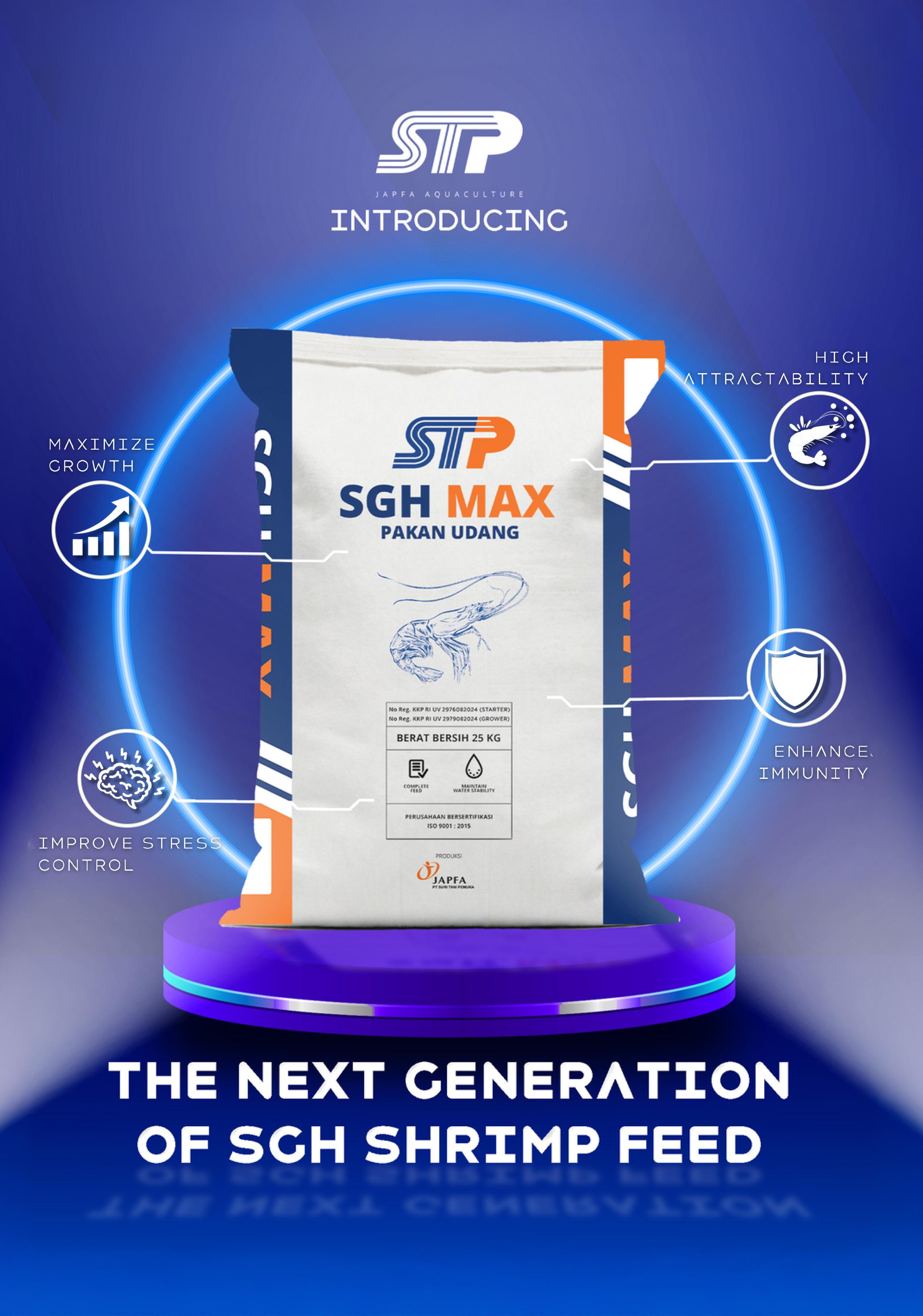
Although its development has been relatively gradual, the multi-phased system through the implementation of a nursery stage between hatchery and grow-out ponds is gaining traction in Indonesia. One clear sign of this momentum is the entry of a major industry player, Japfa subsidiary PT Suri Tani Pemuka (STP), into this segment. STP has developed nursery facilities to supply larger-size juveniles, branded as Super PL, to its customers.
Where Should the Nursery Be Located?
As debate continues over where nursery facilities should ideally be placed, it becomes clear that the answer depends on operational priorities and risk considerations. With its core business rooted in hatchery operations and product development for farmers, STP prefers to integrate nursery facilities directly within its hatchery environment rather than combining them with grow-out ponds.
Hiep Le, Operational Manager of Nursery Pond STP East Area, explains that this decision is largely driven by biosecurity considerations. Integrating nursery operations directly into grow-out farm environments significantly increases the risk of cross-contamination between production stages.
He tells The Crust that hatchery environments allow for stricter control over water treatment, sanitation protocols, and personnel movement. All incoming water can be fully treated and verified before use, while equipment disinfection, compartmentalization, and health monitoring can be consistently enforced. These controls are critical during the nursery phase, when shrimp are still highly vulnerable to pathogens such as EHP and bacterial infections.
In contrast, grow-out areas are naturally exposed to greater environmental variability and higher pathogen pressure. Shared water systems, equipment movement, and proximity to older shrimp populations can create transmission pathways that are difficult to control. Even with strong farm management, main-
Rethinking Nursery Potential Through
taining hatchery-level biosecurity standards in grow-out facilities remains challenging.
However, applying nursery systems within farm areas is still feasible and can be more practical, especially when farms have large and diverse productive areas. “Hatchery-based nurseries offer better disease prevention and uniformity, but come with higher infrastructure costs. Grow-out nursery provides flexibility and lower logistics costs, yet requires strong management discipline to maintain water stability,” Hiep explains.
If implemented within grow-out areas, several critical factors must be carefully managed. These include reliable water preparation and treatment systems, strict separation between nursery and grow-out ponds to prevent cross-contamination, strong aeration capacity, and consistent sludge removal. Because PL are highly sensitive to environmental fluctuations under high stocking densities, management discipline, especially during the first weeks, largely determines success.
Yulius Dewantoro, Grow-Out Account Manager at INVE Aquaculture, tends to recommend nursery implementation within farm areas for greater technical efficiency. According to him, placing nursery ponds close to or within grow-out areas can be more effective and minimize logistical risks. Nursery is essentially an early-stage rearing phase where PL are first cultured in separate ponds before transfer to grow-out ponds. However, he emphasizes that critical aspects must be carefully addressed, including feed quality and feeding management aligned with nursery concepts, water quality management including probiotic application, and shrimp health monitoring, particularly hepatopancreas condition and Vibrio presence in the gut.
“In practice, nursery facilities should ideally be located within the same farm area or close to grow-out ponds, since transportation itself carries risk. Shorter distances help minimize that risk,” he says.
Good Practices in Nursery Management
Because nursery systems require a balance between tight control and production efficiency, pond size becomes a crucial factor. In practice, Hiep notes that nursery ponds typically range from 150–400 m², offering a good balance between production capacity and ease of monitoring water quality, feeding behavior, and shrimp health.
Nursery ponds are preferably round to improve water circulation and reduce waste accumulation. They are commonly built above ground, allowing better biosecurity control and easier cleaning and disinfection between cycles. Roof shading and paranet coverings are often used to reduce direct sunlight, stabilize temperature fluctuations, and limit external contamination. A practical stocking density ranges from approximately 1,000–3,000 PL/m², depending on aeration capacity and management intensity.
Yulius shares a similar perspective, stating that optimal nursery ponds are generally around 300 m², with 1.5 meters water depth and stocking densities of 2–5 PL per liter.
Feed management during nursery focuses heavily on
Photo source : doc. The CRUST AB, Yulius Dewantoro, Hiep Le
Yulius Dewantoro
Through Strengthened Good Practices
feeding response to avoid uneaten feed. Crumble or micro-pellet feeds are commonly used, typically with digestible protein levels above 42%, and balanced essential amino acids, lipids, vitamins, and minerals. Artemia may be provided during the first two days after stocking to stimulate feed intake.
Feeding frequency usually ranges from 6–12 times per day to minimize waste and prevent water deterioration, often using feeding trays for monitoring. Autofeeders are rarely used because feed particle sizes during nursery are very small, typically 400–800 microns.
Yulius adds that microparticle feed sized 200–500 microns with protein levels ranging from 40–46%, such as Sano-SPAK and Frippak RACEWAY, is commonly applied during the nursery phase. The feed is formulated with a complete nutritional profile, including marine protein, marine oils, cereals, nucleotides, immunostimulants, algae, plant extracts, phospholipids, vitamins, minerals, amino acids, carotenoids, and antioxidants.
Yulius adds that feeding is generally conducted manually by circling the nursery pond to ensure even distribution. Feed response is typically checked one to two hours after application to monitor consumption and adjust subsequent rations accordingly.
Given that nursery feeds are already formulated with a highly complete nutritional profile and that the dietary requirements of PL are generally met by high-quality commercial products, additional supplementation is not primarily intended to enhance nutrition. Instead, it focuses on supporting microbial balance and maintaining health stability.
According to Hiep, probiotic management becomes the main complementary strategy during this phase. Rather than relying on corrective treatments, probiotics are applied proactively to both the water and, when necessary, through feed coating. The objective is to establish a stable microbial community that competes with Vibrio populations, reduces organic waste accumu-
lation, and limits opportunities for opportunistic pathogens to proliferate.
Transportation as a Critical Control Point
Beyond production management, another critical point in nursery systems lies in post-harvest transport of juveniles to grow-out ponds, particularly when nursery facilities are located separately from farms.
According to Hiep, shrimp are evaluated for hard shell condition and full gut before harvest. Feeding is stopped three hours prior to harvesting to reduce metabolic waste during transport. Gentle harvesting techniques are applied to avoid physical damage.
For transportation, STP uses insulated tanks or containers to maintain stable temperatures. Pure oxygen is supplied and maintained at approximately 20 mg/L to ensure adequate respiration throughout the journey. Water temperature is stabilized around 20°C to reduce metabolic rate, oxygen consumption, and stress response.
“Stocking density is carefully controlled within 40–80 g/L, depending on shrimp size and travel duration. Transport time is generally maintained up to 12 hours or longer when conditions are properly controlled. Continuous monitoring of temperature and oxygen levels is critical during delivery,” he concludes.
THE CRUST - AB
Break Time
Shaadi: An Indian Love Story
If you have never attended an Indian wedding, let us prepare you: it is not a ceremony. It is a multi-day production where tradition, music, color, and community collide in spectacular fashion.
Mehendi
An Indian wedding unfolds in sequences, each with its own mood, symbolism, and energy. By the end of it, you don’t just witness a marriage. You experience a cultural marathon. The celebrations often begin with Mehendi. Intricate henna designs are applied to the bride’s hands and feet, sometimes reaching up her arms in astonishing detail.
It is said that the darker the stain, the stronger the love. The groom’s initials are often hidden within the patterns, turning it into a playful game later. The atmosphere is relaxed, intimate, and filled with music and laughter. Friends and family join in, transforming the ritual into a shared celebration.
It is the calm before the storm.
If Haldi is intimate, Sangeet is theatrical.
Sangeet means “music,” and this is where both families take the stage, literally. Choreographed dances, rehearsed performances, emotional speeches, and joyful competition fill the evening. It often feels like a live Bollywood production.
You quickly realize that in an Indian wedding, guests are not passive observers. Everyone participates.
Next comes Haldi, where turmeric paste is applied to the bride and groom by family members.
Symbolically, it purifies and blesses the couple. Practically, it turns everyone bright yellow. What begins as a ritual quickly becomes playful chaos, with relatives teasing, laughing, and sometimes smearing more turmeric than necessary.
It is warm, messy, and deeply human.
The wedding day begins with the Baarat: the groom’s procession to the venue. Surrounded by dancing relatives and live band music, he often arrives on a decorated horse. The energy is electric. Streets become dance floors.
Upon arrival, the bride and groom exchange flower garlands in the Jaimala ceremony. It is symbolic acceptance; a public declaration that they choose each other.
It is dramatic, colorful, and unapologetically joyful.
At the heart of it all lies the sacred ritual.
The couple circles a holy fire in a ceremony known as the Saat Phere, making seven vows of loyalty, prosperity, love, and shared responsibility. In that moment, the music softens and the celebration pauses. Tradition takes center stage.
The groom then applies sindoor — red vermillion — in the bride’s hair parting and ties the mangalsutra necklace, marking the formal bond of marriage.
After days of music and movement, this moment feels grounding and timeless.
Haldi
Sangeet
Pheras and Sindoor
Baarat and Jaimala
Shrimp Outlook 2026 Signals a Strategic
cles” toward a more consistent, data-driven approach.
The Global Chessboard: Shifting Tides in Trade
To understand Indonesia’s path forward, one must first look at the global chessboard. Willem van der Pijl, Managing Director of the Global Shrimp Forum, painted a stark picture of the international market landscape. For years, global shrimp supply has expanded dramatically, ballooning from 2 million metric tons in 2013 to over 3.5 million tons by 2024. However, the era of unbridled expansion is showing signs of stabilizing. Ecuador, the undisputed heavyweight champion of recent years, has seen its rapid growth plateau. Between 2023 and 2024, the country’s export volume remained relatively flat at approximately 1.2 million tons, signaling that the breakneck pace of supply growth may be easing.
Redefining the Farm: The Ecosystem Approach
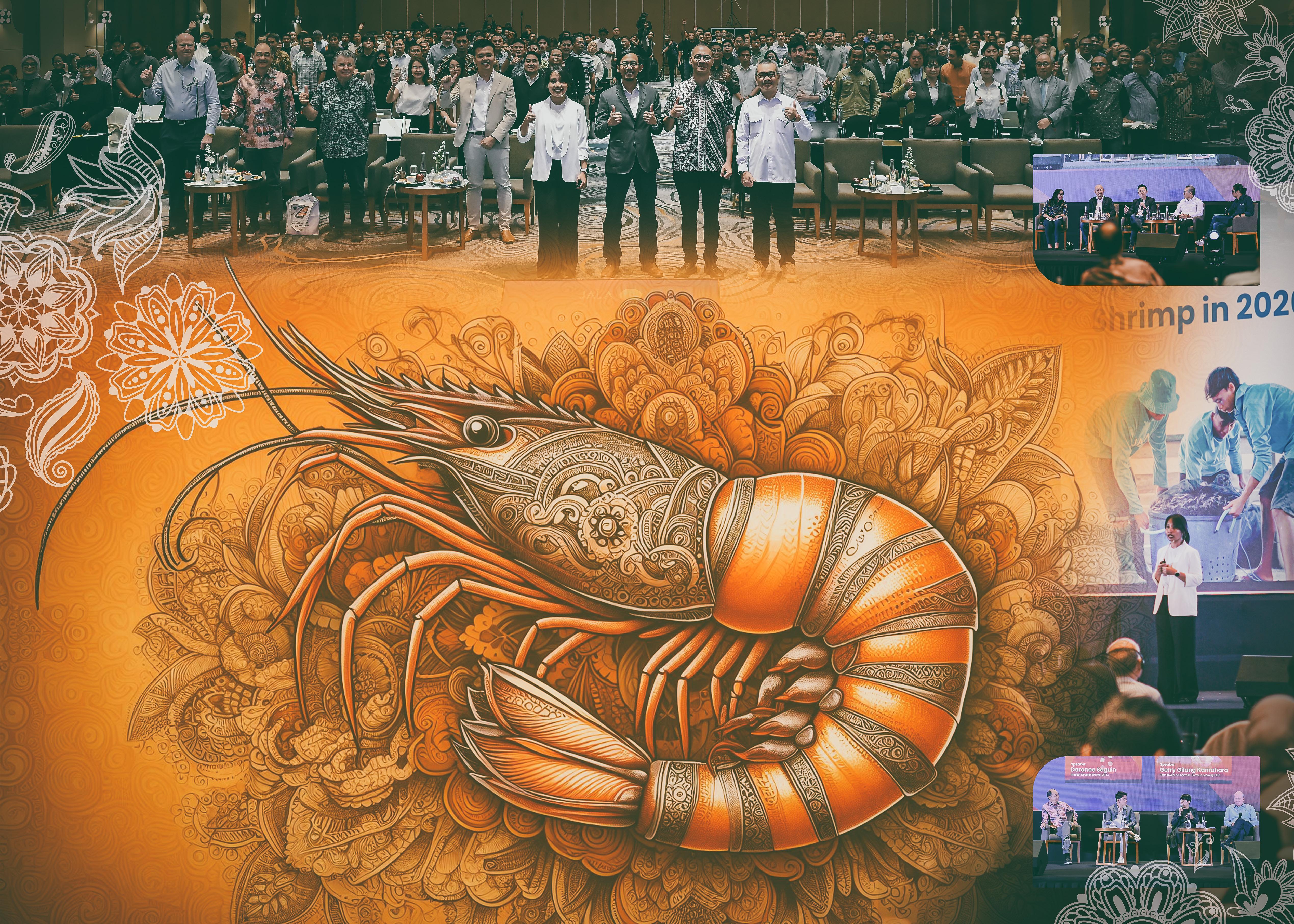
Jala, an integrated shrimp startup, successfully hosted Shrimp Outlook 2026 in Yogyakarta on February 12, 2026, bringing together 500 industry professionals. The event marked the official launch of the Shrimp Outlook 2026 Report, which presents data-driven insights on market trends, the performance of Indonesian shrimp farms, and key industry challenges.
Carrying the theme “Thriving Through Change: Beyond Tradition, Toward Ambition,” the forum emphasized the importance of data-based decision-making and stronger collaboration across stakeholders.
Jala CEO Liris Maduningtyas highlighted that 2025 was a challenging year for the shrimp industry, marked by falling prices, stagnant exports, and ongoing concerns over residues and contamination. “You are incredible entrepreneurs,” Liris told the resilient farmers in the audience. “Because in 2025, we faced so many obstacles—everything seemed to hit us all at once.”
Yet as the curtain rises on 2026, the tone is no longer about survival, but recalibration. Prices are beginning to recover, and the industry is shifting its gaze from merely surviving to strategically thriving. She said that the mandate ahead is clear: Indonesia must strengthen its positioning as a producer of “Clean Shrimp,” balance cost-efficiency with profitability, and move away from chasing farming “mira-
For too long, the industry has been crippled by a boom-andbust cycle, driven by high-input and fast-failure mentalities. According to Dr. Melony Sellars, CEO of Genics, the antidote lies in what she calls the “Gold-Star Shrimp Ecosystem”—a philosophy grounded not in perfection, but in step-by-step control.
Gold-star farmers, she argues, do not chase miracle cures. Instead, they build resilient systems anchored in consistent fundamentals. This involves a holy trinity of management: Environment, Inputs, and Animals.
She also highlighted the importance of sludge and microbiome testing. She shared the case of an Indonesian farmer who tested his pond sludge for pathogens and discovered dormant EHP spores. By adjusting his pond preparation protocol, the farmer was able to break the reinfection cycle and ultimately achieve a successful harvest.
The Genetic Gap and the Danger of “Bonus” PLs
Even with pristine water, a farmer cannot out-manage poor genetics. Bas Wolkenfelt from Hendrix Genetics drew a striking parallel between the evolution of broiler chickens and shrimp. Since the 1950s, terrestrial livestock has seen massive compounding gains through rigorous genetic selection; while shrimp aquaculture is only just catching up. With a generation cycle of just six months and the ability to produce hundreds of thousands of offspring, shrimp offer extraordinary opportunities for rapid genetic improvement.
Daranee Seguin, Product Director Shrimp at QRILL Aqua, highlighted the downside of the common “bonus PL” practice offered by hatcheries to Indonesian farmers. “If you just presume ‘I have this X amount like 100’, but without knowing actually how much you have, in the end you may end up with more than 100% survival. This is more difficult to manage”.
Wolkenfelt agreed, noting that when farmers underesti-
Strategic Reset for Indonesian Shrimp
mate their true stocking density, they underfeed in the crucial early stages, severely impacting the bottom line. “You’re impacting a far bigger cost, and that’s your feed. It also increases stress. You’re pushing it over the structure,” Wolkenfelt said.
Nurseries and Nutrition
The industry is adopting multi-phase culture systems to improve shrimp production. Mihai Sun of INVE Aquaculture reported that using a nursery stage lets farmers grow shrimp to 1 gram before moving them to larger ponds, enabling better health monitoring and improved farm economics. Data showed that a 20-day nursery phase can increase harvest weight by 24% and survival by 10% compared to direct stocking.
Renowned aquaculture nutrition expert Albert G. Tacon brought the discussion back to fundamental biology. “More important than feed is oxygen,” Tacon stated unequivocally. “With oxygen, you can digest your food, but if oxygen is too low, your food will go out and your FCR (Feed Conversion Ratio) will go up.”
The Drawbacks of Intensive Systems
During a fiery panel discussion moderated by Ronnie Tan, industry veteran Robins McIntosh offered a contrarian view. “If we look at the winners today, it’s India and Ecuador. What’s the common denominator? No liners and stocking densities of 30 to 50 (per square meter),” McIntosh
observed.
He argued that highly intensive systems inevitably lead to higher stress, depressed immune systems, and catastrophic pond failures. “It may take 10 successful crops, 20 successful crops, to overcome one failed crop,” he warned. For McIntosh, the winning formula is “low-end intensive”— consistent, lower-density farming with modest aeration that respects the carrying capacity of the environment.
The Mandate for Sustainability and “Clean Shrimp”
Corey Peet, VP of Sustainability at Aqua Star, delivered a sobering reality check regarding international compliance. “Sustainability is no longer nice to have. It’s a must to have,” Peet declared. He outlined the rapidly evolving demands of Western buyers, which now extend far beyond basic environmental certifications.
Buyers are now enforcing stringent Human Rights Due Diligence (HRDD) to ensure supply chains are free from forced labor and worker exploitation. Furthermore, major retailers like Walmart are implementing “Project Gigaton,” requiring sweeping carbon accountability across the entire supply chain, dictating everything from on-farm energy sources to ensuring soy used in feed is deforestation-free.
For Indonesia, the immediate crisis is reputation. Recent FDA rejections due to antibiotic residues and the lingering,
sensationalized label of “radioactive shrimp” (linked to Cesium-137 testing) have severely bruised buyer trust. Andi Solomon from the Shrimp Club Indonesia (SCI) and Ana from the Indonesian Seafood Processing Association (AP5I) both stressed that rebuilding this trust is paramount. “Business in the industry is talking about trust,” a panelist noted, emphasizing that the entire supply chain must agree to produce safe, traceable food without seeking dangerous shortcuts.
The government, meanwhile, is stepping up its support. Ishartini outlined the Ministry of Marine Affairs and Fisheries’ (KKP) transformation agenda, which includes stricter regulation of veterinary medicines, risk-based residue monitoring, and preparations for upcoming US FDA audits. The unified goal for 2026, echoed by JALA’s CEO and the KKP alike, is a massive rebranding campaign. Indonesia must proudly position its product globally as “Clean Shrimp”—verifiably free of antibiotics, free of environmental contaminants, and produced ethically.