


Dear readers,
Chief Editor Overview
Once again, another year is quietly passing us by. Another cycle comes to an end, and a new page is ready to be written. As we arrive at December, it feels only right to pause for a moment—to reflect, to be grateful, and to look ahead with hope.
First and foremost, thank you. To our readers, partners, and sponsors. THE CRUST would not have come this far without your trust and support. Every issue, every discussion, every message of encouragement has reminded us why this magazine exists in the first place. You have been part of this journey, and for that, we are deeply grateful.
As we look toward the year ahead, we carry both scars and lessons from the past. The shrimp industry has been tested repeatedly; tariffs, trade wars, disease outbreaks, and global disruptions have become almost routine. So, if we were to write a wish list to Santa this year, it would be a simple one: no more big surprises, a more stable market, healthier shrimp, and bountiful harvests for farmers everywhere. After all that we’ve endured, stability itself would feel like a gift.
In this issue, we also want to do something a little different. We want to introduce you to the people behind THE CRUST. After much convincing, some of the team has finally agreed to step out of the shadows. Many of them have been here since the very beginning, quietly shaping the voice, the ideas, and the character of this magazine. When you reach the last page, take a moment to see who has helped bring THE CRUST to life. And yes, a few still prefer to stay behind the curtain, for now. Hopefully, they’ll step into the light in the near future.
During our end-of-year meeting, we talked at length about THE CRUST: what we can fix, what we can improve, and where we want to take it next year. What made me smile most was the excitement in the room. One comment from a team member stayed with me. He said that THE CRUST feels like an industry magazine made by someone who never read one before. And in many ways, that’s true.
From the very beginning, we wanted to create something different: a technical magazine that didn’t feel rigid or predictable. We wanted it to feel alive, a little unconventional, something that sparks curiosity and makes readers wonder, “What will they come up with next?” That spirit is still very much alive, and it’s something we’re committed to carrying forward.
As this year comes to a close, we hope you’ll turn the page with us. Into a new year filled with better days, clearer waters, and renewed optimism.
Thank you for being part of our story.
Warm and festive regards, THE CRUST Team
Rizky Darmawan Chief Editor

Indonesia’s seafood industry, especially shrimp, is facing a serious crisis after the discovery of Cesium-137 contamination, just as Saut Hutagalung was appointed to lead the Indonesian Seafood Association (AP5I).
Saut is a familiar figure in the seafood processing and marketing sector, having previously served as Director General of Strengthening the Competitiveness of Marine and Fishery Products (P2HP/PDS) at the Ministry of Marine Affairs and Fisheries (KKP).
Taking the helm amid both an industry-wide crisis and a period of transition within the association, Saut chose to press ahead by concentrating on what he considered the most urgent priorities.
When the US Food and Drug Administration (FDA) issued Import Alert #9952, requiring exporters listed under the Yellow List (Java and Lampung) to secure Cesium-137–free certification, domestic stakeholders were racing to meet the agency’s technical standards. At the same time, Saut urged the government to address another critical concern: the status of containers that had already been shipped before the certification rule took effect.
These concerns were taken up by the government through negotiations, resulting in a decision that allowed more than a thousand containers already on their way to the United States, despite lacking Cesium-137-free certificates, to enter the US market. The shipments were inspected directly upon arrival at US ports, giving exporters much-needed breathing room and helping prevent a more severe disruption to Indonesia’s
shrimp trade.
Efforts to Remove the Yellow List
The Cesium-137 case effectively became the starting point from which Saut had to drive the association. In the short term, ensuring a smooth rebound of shrimp exports is critical. Over the longer term, however, his aspiration is for Indonesia to be removed entirely from the FDA’s Yellow List.
According to Saut, this expectation is reasonable. Indonesia does not operate nuclear power plants, which makes the presence of radioactive contamination such as Cesium-137 fundamentally anomalous. Still, he stresses that such hopes must be matched by concrete actions that demonstrate Indonesia’s firm commitment to food safety systems and its ability to guarantee that incidents like the Cs-137 contamination will not happen again.
“In the sense that if we can truly ensure the source of radioactive contamination has been cut off, then I think it is reasonable,” Saut tells The Crust. “Certification requires cost, time, and effort. The Yellow List could also set a precedent for other importing countries to impose similarly strict certification requirements for Cesium-137.”
With that in mind, Saut plans to propose at least three measures to the government that can be implemented collectively by all relevant stakeholders. The first is a permanent ban on the import of hazardous and toxic waste (B3), particularly waste that contains radioactive materials. Such a policy, he argues, would prevent a recurrence of past oversights and can be enforced through firm government regulation.
Second, beyond imported hazardous waste, Saut also calls for tighter control of domestic B3 waste, especially waste generated by medical equipment and food irradiation processes. He explains that waste from medical equipment can actually be managed separately. “It shouldn’t be mixed together, dumped, and end up at general waste facilities. It can be controlled, and in hospitals, it can be managed directly at the source.”
Third, learning from previous cases where radioactive exposure in shrimp originated from an entirely different industry—iron smelting—located within the same industrial area, Saut believes there must be holistic environmental audits. Such audits would ensure that similar incidents never occur again. Through comprehensive environmental assessments, authorities can determine whether a production area carries any potential contamination risks before problems arise.
Beyond advocating for the removal of the
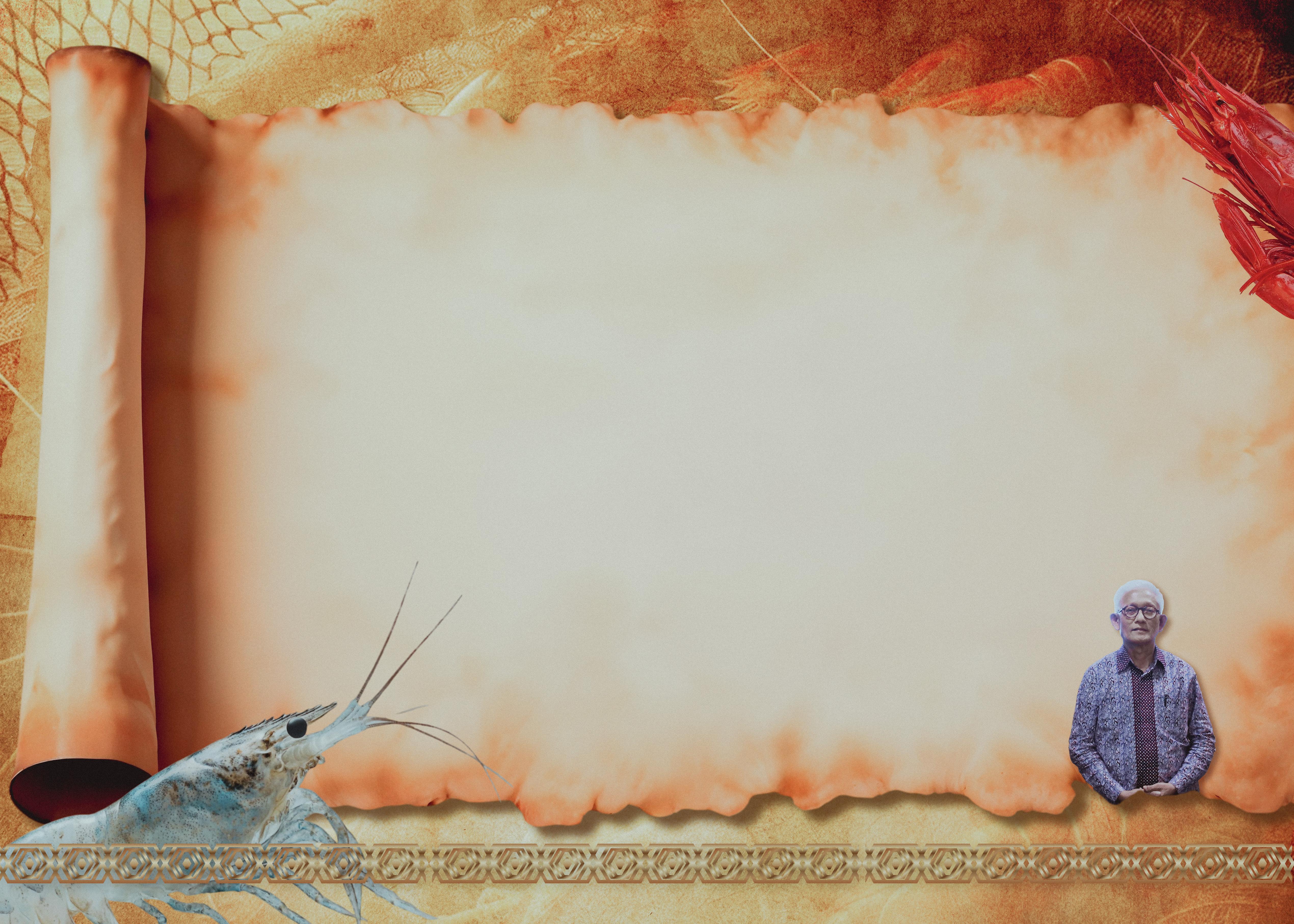
Yellow List, Saut Hutagalung is placing strong emphasis on speeding up the testing and certification process for Cesium-137–free products. As of the end of this year, much of the scanning process is still carried out manually. This method is no longer adequate if the industry is to regain its agility and competitiveness.
Looking ahead, Saut believes that the adoption of Radiation Portal Monitors (RPMs) should be seriously considered. With this technology, scanning would no longer need to be conducted one shipment at a time, significantly improving efficiency and turnaround times.
In addition to scanning, he is also pushing for faster laboratory testing processes, even though there has already been progress compared to the early days of implementation.
“The testing itself only takes a matter of hours,” Saut notes. “What really takes time is the issuance of the test result report (LHU).” He hopes that, going forward, there will be room to accelerate this process. In principle, he said, businesses are willing to bear additional costs as long as the process becomes faster and provides greater certainty.
Beyond the technical aspects of certification, Saut has also underscores the importance of keeping the whole supply chain running smoothly, particularly at the upstream level. That said, he issues a firm reminder to AP5I members not to take advantage of the situation. Every time a container successfully clears export, absorption at the upstream level must resume accordingly.
“That’s what we’re asking for. Don’t exploit the situation. If farmers are harvesting and the factories have managed to ship products out, then absorption should resume. That absorption is crucial,” he emphasizes.
Equally important during this recovery phase is close cooperation between upstream and downstream stakeholders. Saut recommends that upstream players, particularly at the farm level, begin conducting random environmental tests at the level of cultivation zones, carried out independently. A zone-based approach, he believes, is far more realistic than testing individual farms one by one.
AP5I has stated its readiness to collaborate with all relevant parties, recognizing that such challenges cannot be resolved unilaterally. For Saut, maintaining smooth and continuous communication among associations and stakeholders, both formal and informal, is essential. Transparency and open dialogue, he says, form the foundation for sustaining trust amid a situation that has yet to fully stabilize.
Saut’s long experience within the seafood processing and marketing ecosystem provides a strong foundation for his leadership at AP5I. Historically, he explains, AP5I originated from the Indonesian Cold Storage Entrepreneurs Association (APCI), with shrimp as its main commodity, accounting for roughly 70 percent of its focus. As the industry evolved, the association transformed into a broader platform representing producers involved in the processing and marketing of Indonesian fisheries products.
For this reason, Saut emphasizes that the association also bears responsibility for promoting other commodities, such as tuna and a wide range of seafood products, as well as supporting industries. This diversification aligns with AP5I’s vision of fostering a processing and marketing sector that is more advanced and globally competitive.
At the same time, the Cesium-137 episode has provided a stark lesson about the risks of overreliance on a single market. When the industry’s orientation is heavily skewed toward exports, particularly to the U.S., it becomes extremely vulnerable to external shocks. Diversifying markets therefore becomes a key agenda item, whether by opening access to other countries or by developing the domestic market.
Indonesia’s domestic market, Saut notes, holds significant untapped potential, especially among middle- and upper-income consumers whose purchasing power continues to grow. By balancing export ambitions with stronger domestic market development, Indonesia’s seafood industry can build greater resilience and reduce its exposure to future disruptions.


After the Headline Fades: Indonesia’s Shrimp Trade in a Post-Cesium Narrative
WhenIndonesia’sCesiumissuefirstsurfaced,theglobal shrimpmarketreactedquickly.Importersaskedquestions, documents multiplied, and alternative origins quietly reentered procurement discussions. Months later, as the story fades from mainstream attention, the trade impact hasnotdisappeared.Ithassimplychangedform. What began as a localized industrial incident has evolved into a longer conversation about risk management, regulatory credibility,andhowmarketsrememberdisruption.
Subsequent investigations by Indonesian authorities confirmed that the cesium traces originated from improperly handled industrial equipment near processing areas, not from aquaculture ponds or marine waters. Clean-up operations werecarriedoutataffectedsites,contaminatedmaterialswere removed,andenvironmentalmonitoringwasexpanded. Moreimportantlyfortrade,thegovernmentintroducedadditionalexportverificationsteps.Certainshrimpshipmentsare nowaccompaniedbyradiation-freedeclarationsandpre-shipmenttestingresults,particularlyformarketswithstrictimport controls. While these measures have helped restore shipment flows,theyhavealsoformalizedahighercompliancethreshold forIndonesianexports.Tradehasresumed,butundercloserobservation.
The first phase of the incident created a visible disruption. The current phase is subtle. Buyers have largely stopped reacting emotionally, but they have not returned to old habits. Instead, Indonesian shrimp is now treated as reliable but conditional.Contracts increasingly include traceability clauses, audit rights, and tighter quality checkpoints. Importers are not avoiding Indonesia, but they are benchmarking it more closely againstcompetingorigins.Thisstructuraladjustmentdoesnot blocktrade,yetitreshapeshowbusinessisconducted. TheQuietPressureonPricingandMargins
One of the least discussed consequences has been pricing power. Even without formal restrictions, additional verification strongersystemsorriskbeingside-linedasbuyersconsolidate volumeswithsuppliersthatofferpredictability. Thisdynamicfavorsscale,structure,andtransparencyoverpurevolume.
The government’s initial response focused on containment and clarification. The longer-term task is consistency. Import marketsarewatchingnotonlyhowIndonesiahandledtheincident,buthowitbehavesafterattentionsubsides. Regular publication of monitoring data, coordination between regulatory agencies, and clear engagement with importingauthoritieshelpconvertemergencyresponseintolastingconfidence.Intheseafoodtrade,silencecanbemisreadas complacency.Regulatory credibility is cumulative. Each follow-up action matters.CompetitivePositioninginaTighterMarket Indonesia remains a major global shrimp supplier, but competition is intensifying. India leverages scale, Ecuador emphasizesefficiency,andVietnamfocusesonvalue-added processing. Against this backdrop, Indonesia’s advantage willdependlessonproductiongrowthandmoreongovernancequality. Handled correctly, the cesium episode can strengthen Indonesia’s positioning as a supplier that responds decisively and transparently. Handled poorly, it risks becoming a recurring reference point in buyer risk assessments.
In global shrimp trade, trust is not restored by timealone.Itisrebuiltthroughstructure,consistency,andproof.Thatiswhythelessonshouldnotstopwiththe US requirement. While radiation-free documentation is currently mandated only for US-bound shipments,Indonesiawouldbewisetotreatitas abaselineratherthananexception.Scalingthis discipline across all export destinations would signalcontrol,notcomplianceunderpressure. Because in trade, it is never the incident that cooks an industry. It is the assumption thatitwillnothappenagain. gives buyers leverage. Compliance costs rise whilesalespricesremainunderpressure,particularlyincommoditysegments. Larger, vertically integrated producers can absorb these costs more easily. Smaller exporters face tougher choices. Either invest in
After several challenging months for Indonesia’s shrimp industry, shrimp exports to the United States are gradually beginning to recover. This rebound has gone hand in hand with ongoing improvements to the Cesium-137–free certification process, which continues to be refined to make it more effective and efficient. Marking an important milestone, the government symbolically resumed shipments of Cs-137–free shrimp to the U.S. on December 3, departing 10 containers from ports in Jakarta and Surabaya.
“Today, together with the Coordinating Minister for Food as Chair of the Task Force for Handling Cs-137 Contamination, I am symbolically releasing exports of Cs-137–free shrimp to the U.S. This is tangible proof that the state is present to protect the Indonesian people from hazardous radioactive contamination and, more importantly, to ensure the sustainability of the national shrimp industry by restoring economic activity across the upstream and downstream segments of our shrimp sector,” said Minister of Marine Affairs and Fisheries (KKP) Sakti Wahyu Trenggono at the export release ceremony.
He explained that since the U.S. imposed Import Alert #99-52 on October 31, his ministry immediately instructed relevant units to ensure that the Cs-137–free certification business process was ready to operate on the same day. As a result, from October 31 to December 3, the KKP has certified and shipped 313 containers of shrimp with a total volume of 5.4 thousand tons and a value of USD58.68 million, equivalent to approximately IDR974.04 billion.
In a recent interview with Food Agri Insight on
CNBC, Head of the KKP Quality Agency, Ishartini revealed that from October 31 to December 22, 2025, a total of 1,004 containers of shrimp— equivalent to 20,454 tons— were shipped to the U.S. The value reached IDR 3.6 trillion, or approximately USD 376.7 million.
“Imagine if we had failed to resolve this radioactive-free certification issue, IDR 3.6 trillion could have been lost,” she said.
She also explained that when Import Alert #99-52 came into effect on October 31, more than a thousand containers that had been shipped earlier and were not yet required to be certified were still en route to the U.S. Through negotiations with U.S. authorities, containers were finally still allowed entry under a testing mechanism at the destination country. Of the total 1,064 affected containers, more than 30 percent have now been released and entered the U.S. market.
Meanwhile, Chairman of the Indonesian Fishery Product Processing and Market-
ing Association (AP5I), Saut Hutagalung, said the export release carried positive signals not only for domestic consumers but also for the USFDA and global consumers, particularly in the U.S.. As a result, economic activity across the upstream and downstream is gradually returning to normal.
In line with efforts to optimize shrimp exports, AP5I also has forged closer synergy with KKP to help bridge and minimize various challenges encountered on the ground. This collaboration is expected to strengthen mutual support among stakeholders and improve the performance of national fisheries exports. The cooperation agreement was signed on December 19 in Semarang.
Saut emphasized that Indonesian fisheries business players, particularly those under AP5I, are ready to work hand in hand with KKP to advance the national fisheries industry. Such collaboration
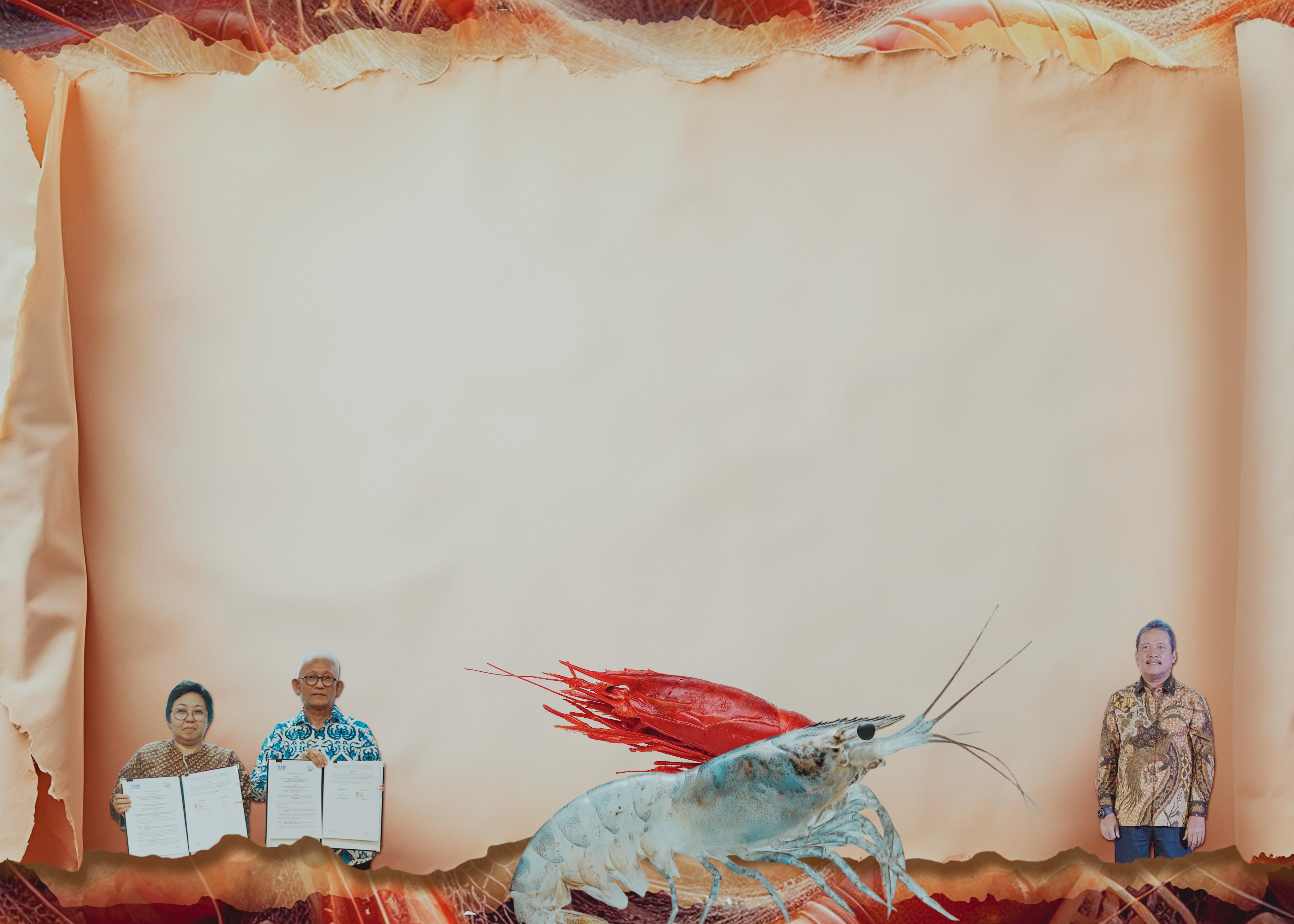
Ishartini
is considered essential to ensure that policies and on-theground implementation move in tandem and reinforce one another.
In a separate press release, Head of the KKP Quality Agency, Ishartini, stated that as the competent authority, her institution remains open and committed to building synergy with stakeholders. This approach forms part of efforts to support a more business-friendly environment, maintain product quality, and facilitate smoother exports of fisheries products.
“The scope of this public–private partnership is about working together and mutually supporting the successful implementation of SOPs for radioactive-free shrimp certification, data and information exchange, and capacity building,” Ishartini said.
To further strengthen implementation on the ground, toward the end of the year KKP also successfully procured 17 new radioactive
scanners. These devices will support scanning activities at Processing Units (UPI) in accordance with FDA SOPs, enabling shrimp shipment volumes to the U.S. to increase again and allowing the national shrimp industry’s production chain to operate more smoothly.
“All radioactive scanners owned by KKP meet FDA-required specifications, including Ortec, RIID Eye SAM 940, and other types. With these supporting facilities and infrastructure for Cs-137–free shrimp certification, we hope exports to the U.S. market will run even more smoothly,” Ishartini said.
She added that all scanners will be calibrated by the Nuclear Energy Regulatory Agency (BAPETEN) before being placed at Quality Agency Technical Implementation Units in Java and Lampung. These regions are prioritized due to their high frequency and volume of exports to the U.S., ensuring that certification services can operate optimally and shrimp shipments are not disrupted.
According to Ishartini, this year the KKP Quality Agency has met its targets for completing facilities and infrastructure required for Cs-137–free shrimp certification governance, including radionuclide testing equipment and radioactive scanners. With these in place, KKP’s role as a Competent Authority (CE) has been further strengthened.
To ensure smooth quality assurance processes, KKP has also provided training for UPI operators, both in person and online. The training covers scanning procedures, sampling methods, and mechanisms for sending samples to laboratories.
Starting in January 2026, KKP will establish SOPs that designate scanning as part of the Critical Control Point (CCP) from the moment raw materials are received. Processing industries have declared their readiness and are required to implement all SOPs jointly developed with the USFDA.
“The quality and safety of exported marine and fisheries products are a shared responsibility, not only of the government, but also of business operators and the entire supply chain involved,” Ishartini stressed.
Even so, the work does not end here. The quality assurance system that has been put in place must continue to be maintained until the market is fully confident in the credibility of Indonesia’s system. With such consistency, there is a strong possibility that the FDA’s Yellow List status could be relaxed or even removed altogether.
“When USFDA auditors come and see that our system is already robust, there will certainly be opportunities for relaxation or a downgrade from yellow back to green. That is our target,” Ishartini concluded.
In Italian tradition, La Vigilia, meaning “the vigil”, is the quiet, meaningful evening before Christmas Day. Rooted in Catholic custom, Christmas Eve is observed as a time of spiritual preparation, when families traditionally abstain from meat in anticipation of the birth of Christ. Seafood became the natural choice for the table, reflecting simplicity, humility, and respect for the occasion.
Over time, this humble practice evolved into a warm family gathering centered on sharing food, stories, and the anticipation of Christmas morning.
When Italian families migrated to the United States, they brought La Vigilia with them. In their new homes, the Christmas Eve seafood dinner became more elaborate and eventually gained a new name: the Feast of the Seven Fishes, or Festa dei Sette Pesci
The number seven is symbolic rather than rigid, often associated with the seven sacraments, the seven days of Creation, or simply completeness and good fortune. While not every family strictly counts seven dishes, the idea

helped turn La Vigilia into a celebratory feast that could be proudly passed down through generations.
The Seven Common Seafood Dishes
2. Calamari (squid) – lightly battered and fried
3. Salt cod (baccalà) – baked or stewed in tomato sauce
4. Clams – steamed with garlic and olive oil
1. Shrimp or prawns – fried, sautéed, or served with pasta
5. Mussels – often cooked in white wine or tomato broth
6. Anchovies or sardines – cured, fried, or marinated
7. Seafood pasta – a mix of shellfish tossed simply with olive oil and chili
Merry Christmas!
From quiet vigils to generous seafood spreads, La Vigilia shows how food can carry faith, memory, and togetherness into a single evening. Every family celebrates Christmas in its own way. Some follow traditions passed down for generations, while others create new rituals around the table. Whether it’s a seafood feast, a favorite homecooked dish, or simply gathering with loved ones, how do you celebrate your Christmas? What food, tradition, or moment makes the season feel complete for you?





Rizky Darmawan
Veni Vidi Fishy
Gemilang Lim
My secret to joy in life is in finding balance Balance in family, sweating, and making decisions
M. Syafi Al-Adam
Shrimp’n Arts
Asep Bulkini
My shrimp My adventure