Welcome to the seventh edition of our Friends’ Newsletter This special behind-thescenes peek is designed just for you, our closest supporters Each edition brings you closer to the heart of The Coronet, sharing stories, ideas, and artistic journeys that inspire our bold international performances
As one of our Friends, you enjoy unique opportunities to be part of our world, from season launches and supporter nights to meeting artists and hearing about their work firsthand
In this edition, we reflect on a remarkable spring season that brought extraordinary international voices to our stage.
From daring reinterpretations of literary classics and groundbreaking experimental theatre to compelling dance and transformative visual art, the past months have reaffirmed The Coronet’s commitment to presenting work that challenges, surprises, and stays with us long after the curtain falls
In the following pages, we revisit some of these moments and invite you further into the conversations behind them
WOOSTER UNPACKED A lifetime dedicated to theatrical innovation
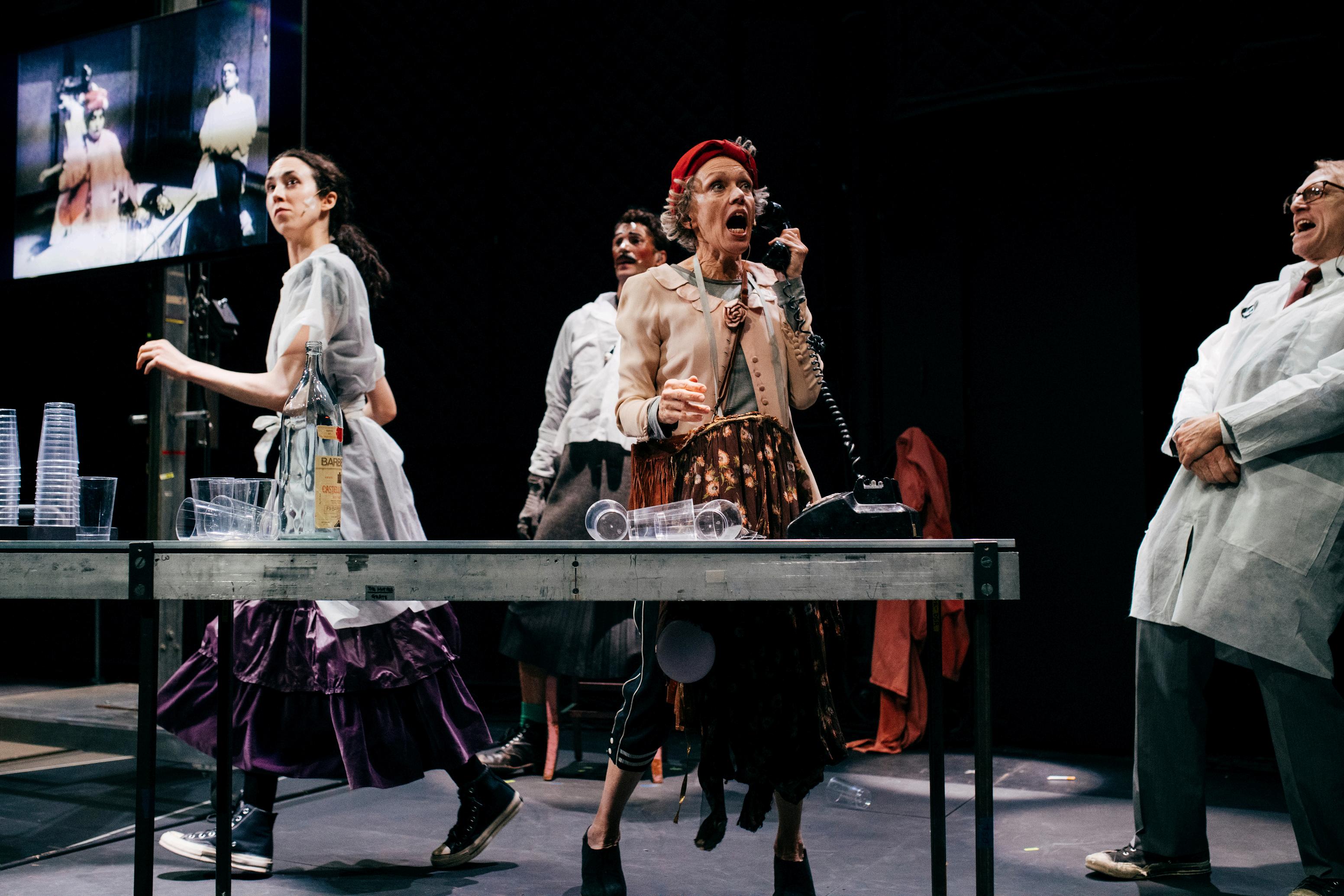
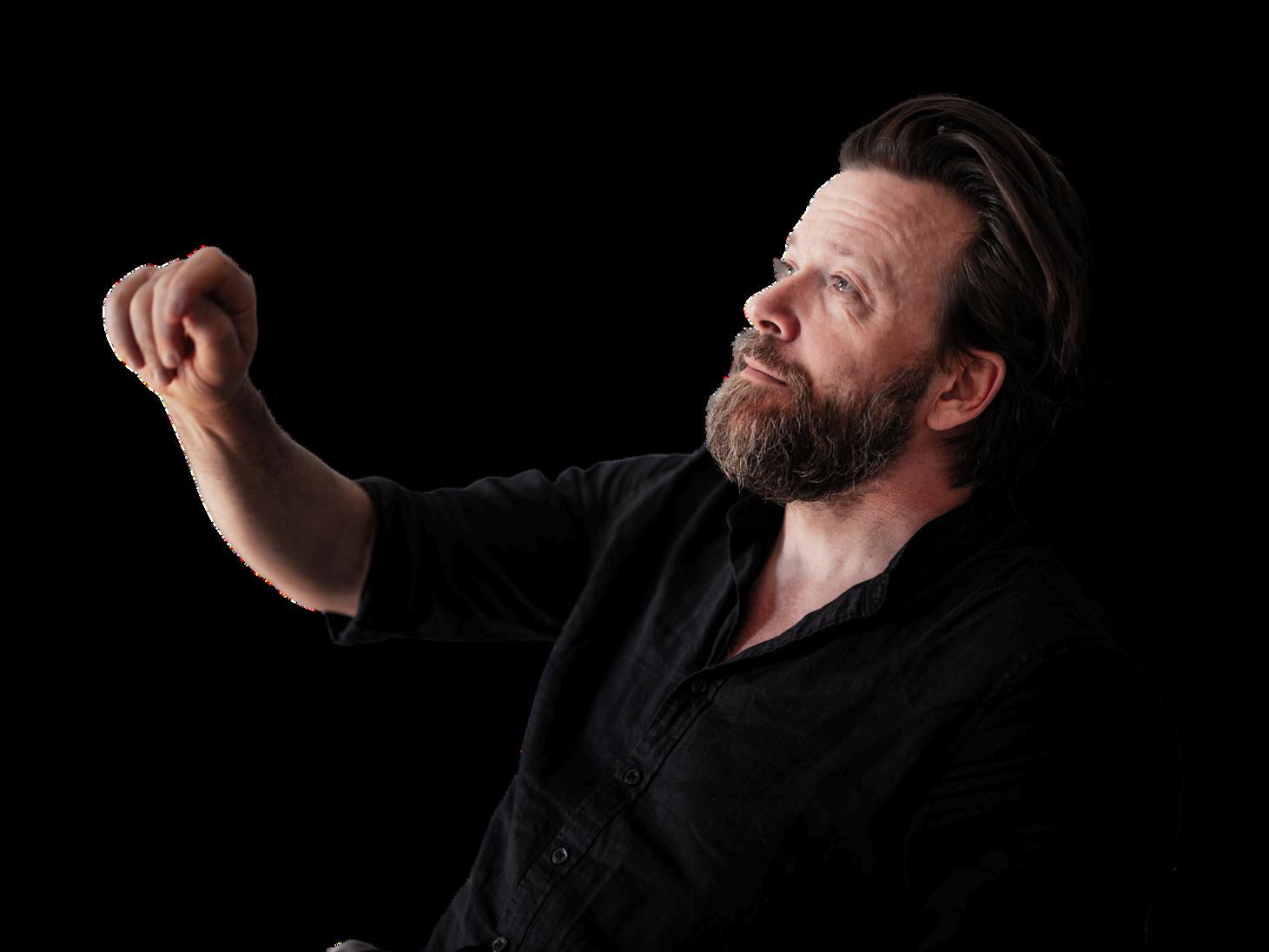
For nearly five decades, Elizabeth LeCompte has stood at the vanguard of American experimental theatre As a founding member and director of New York's Wooster Group, she has consistently dismantled and reimagined the boundaries of live performance. Her work does not merely stage a play. It dissects it, weaving together found texts, multimedia technology, and intensely physical performance to create theatre unlike anything else
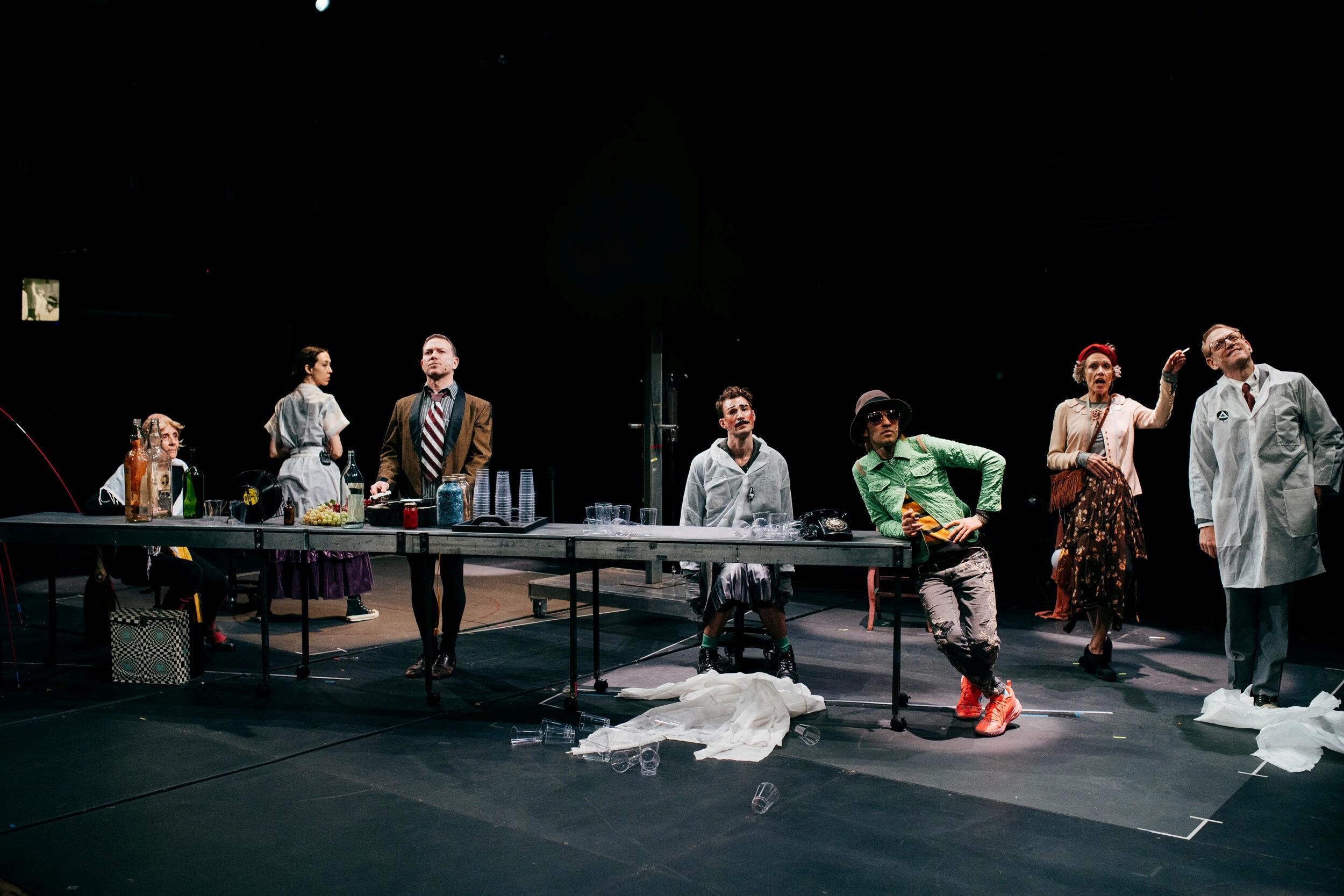
With Nayatt School Redux, LeCompte and her extraordinary ensemble bring this radical approach to the Coronet Theatre The production is a contemporary reworking of one of the Group's most celebrated early works, originally created by LeCompte and the late Spalding Gray in 1978. Nayatt School was Gray's first foray into the monologue form, launching his influential career as an autobiographical storyteller. At its heart was Gray describing his beginnings in theatre, playing records from his collection including an LP of T.S. Eliot's The Cocktail Party, and culminating in staged scenes from Eliot's play.
Redux opens with a new monologue from longtime Wooster Group member Kate Valk, who reveals newly restored archival recordings of Gray's original performance alongside her own story of coming to the company in the late 1970s. The current company then reinvents scenes from the original, extending the exploration of Eliot's text into the present
Hosting The Wooster Group is a milestone for any venue. Seeing LeCompte's intricate staging up close offers a rare glimpse into the mechanics of pure theatrical invention At a time when much of contemporary art plays it safe, her commitment to the complex, the challenging and the unexpected remains a vital force.
FUKIKO TAKASE ON PROCESS
Reflections on collaboration, constraint and performing Last and First Men
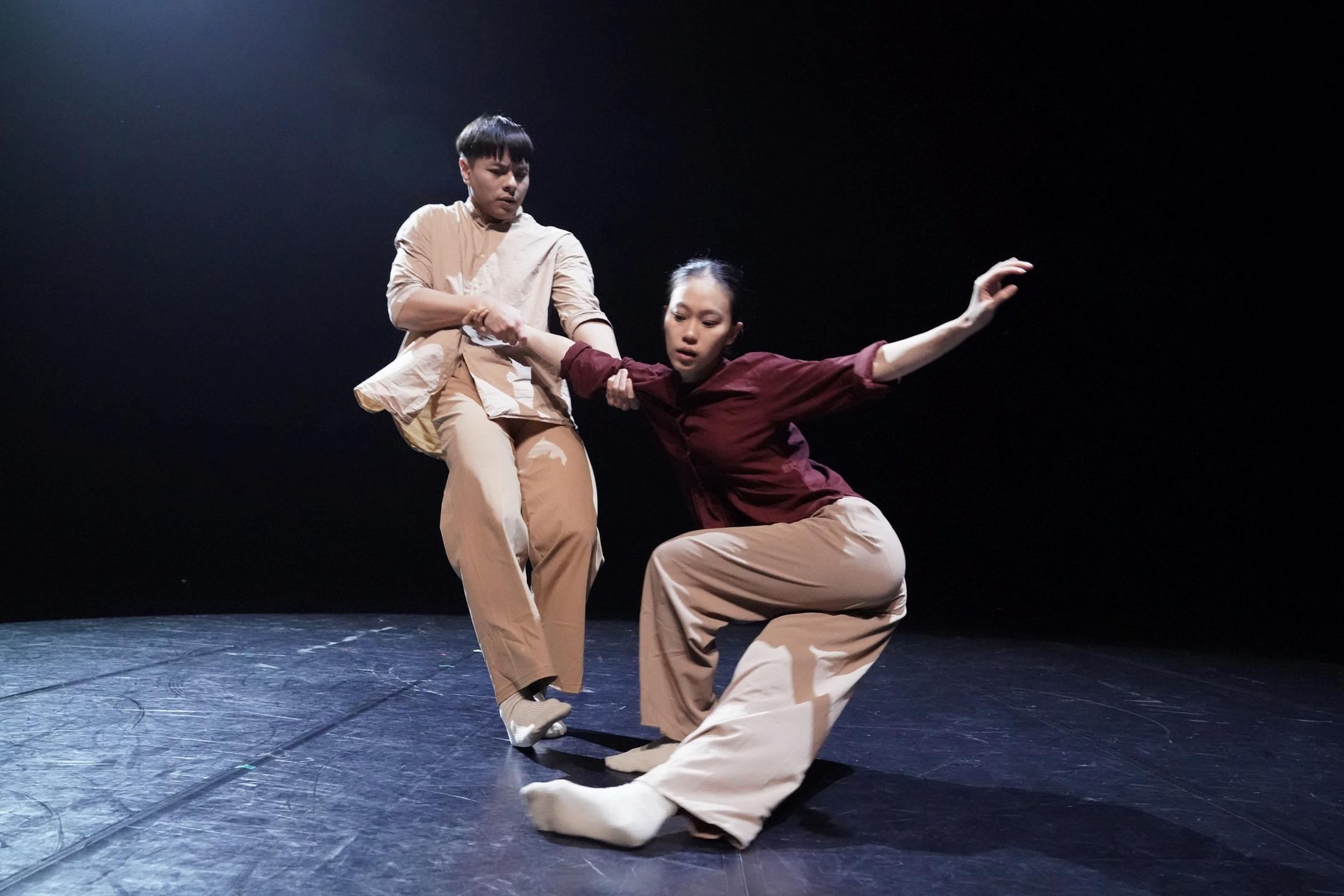
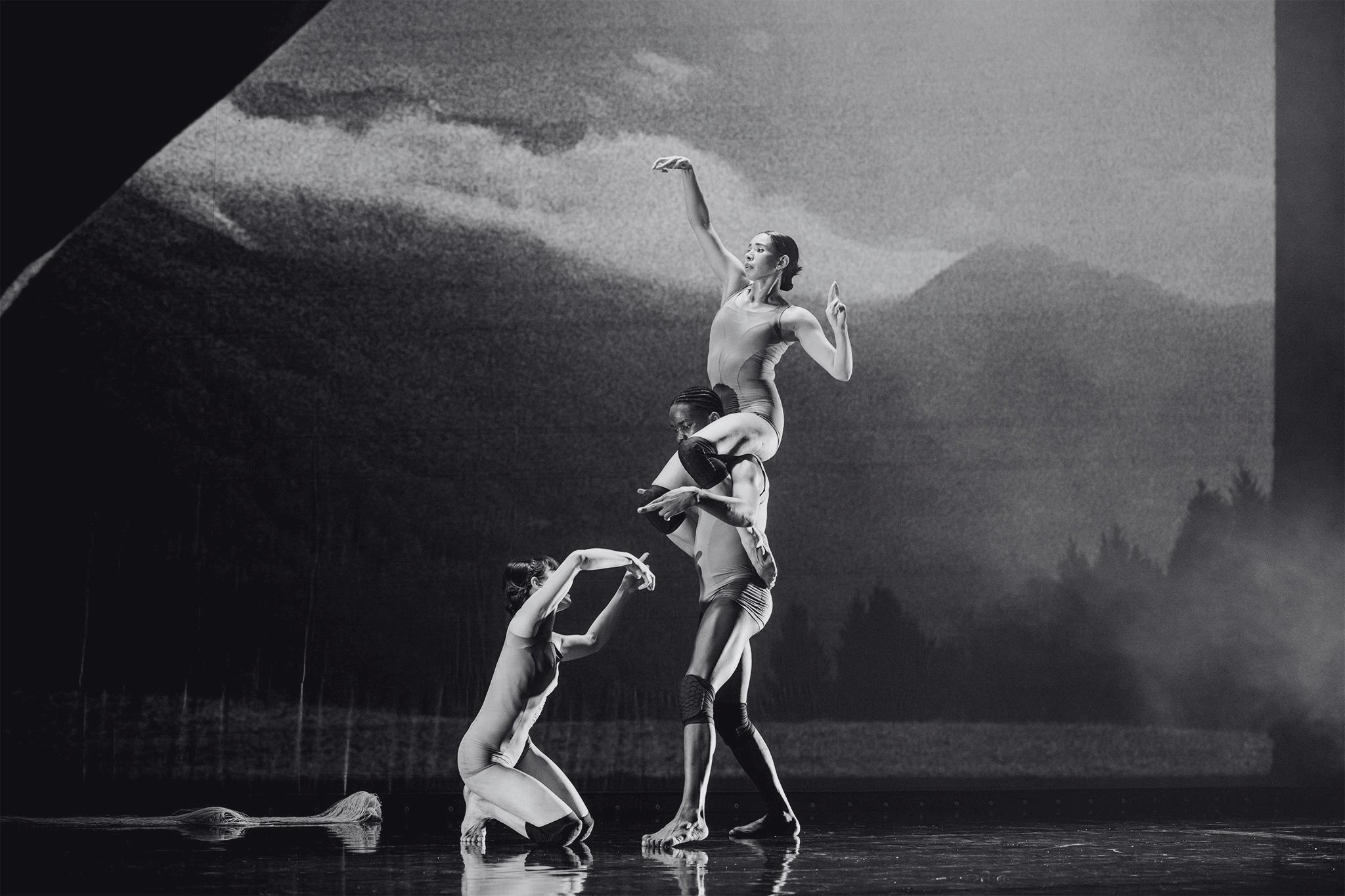
For Fukiko Takase, performing *Last and First Men* with Neon Dance is part of an ongoing journey rather than a fixed destination. By the time the work arrived at The Coronet Theatre, it had already travelled across Belgium and Bath, with rehearsals taking place in Swindon Each location brought a different response “It’s been fascinating to see the reactions of different audiences,” she says, reflecting on how the piece continues to shift in front of new eyes
The choreography itself emerged through collaboration. Under the direction of Adrienne Hart, the dancers were invited to shape the work from within “Adrienne asked for our creative input and incorporated our ideas and movement into the choreography,” Takase explains. The result is something shared, built collectively rather than imposed.
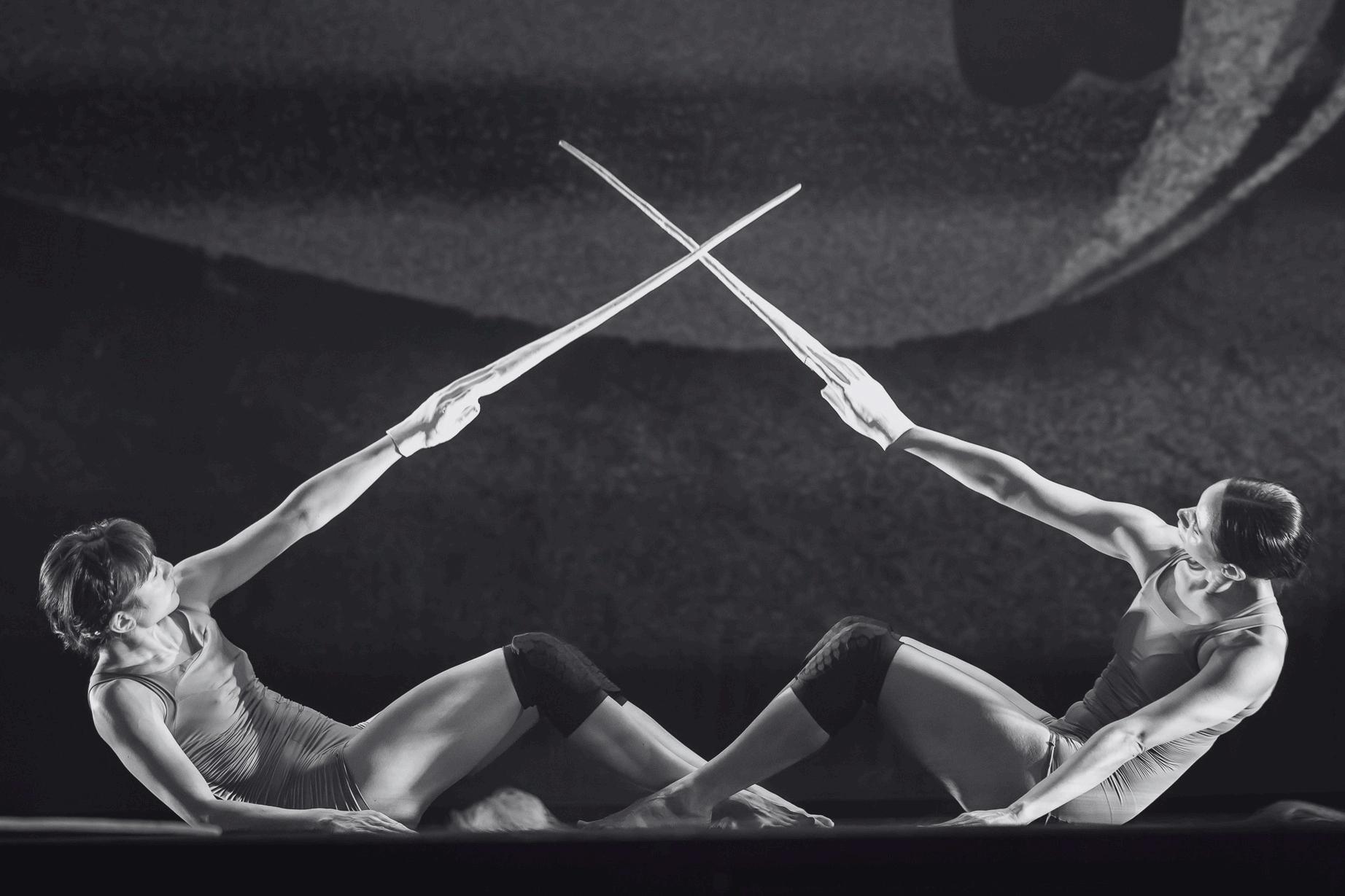
That sense of discovery extends into the body The sculptural costumes designed by Ana Rajcevic do not simply accompany the performance, they transform it Wearing them alters balance and perception, opening up unfamiliar ways of moving. “I found wearing the sculptures really gave me access to a ‘future body,’” Takase says Her physical response to them became central to the choreography itself
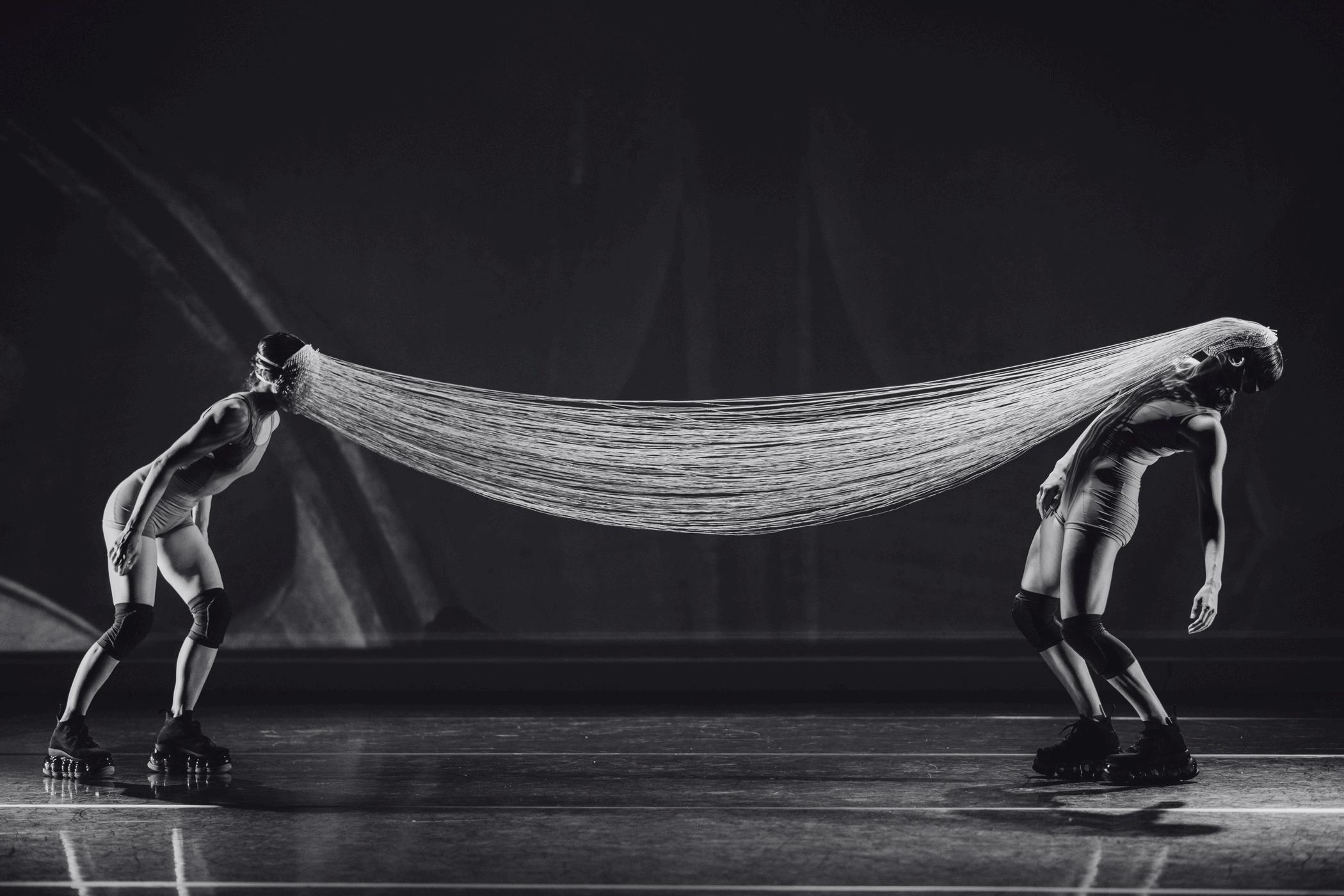
In one sequence, that relationship becomes especially delicate. Two performers are connected by fine threads, inspired by a spider’s web The connection is continuous, but fragile. “The threads are very delicate… and because they connect us, we constantly have to make micro negotiations with each other to maintain it.” What appears seamless on stage is sustained through constant awareness and adjustment
The work also carries the memory of its origins. Created from the final film by Jóhann Jóhannsson, it was completed by a close group of collaborators after his death For Takase, this shaped the atmosphere of the process “The sentiment was almost mournful,” she recalls, describing a space filled with emotion from those who knew and loved him.
Over three years of touring with the same creative team, the piece has continued to evolve “We have grown with it, in a unique way, ” she says Bringing it to The Coronet marked another moment in that journey. “It was a pleasure to share this work… I felt deeply appreciated as a performer ”
MOTOI MIURA
The Logic of Performance
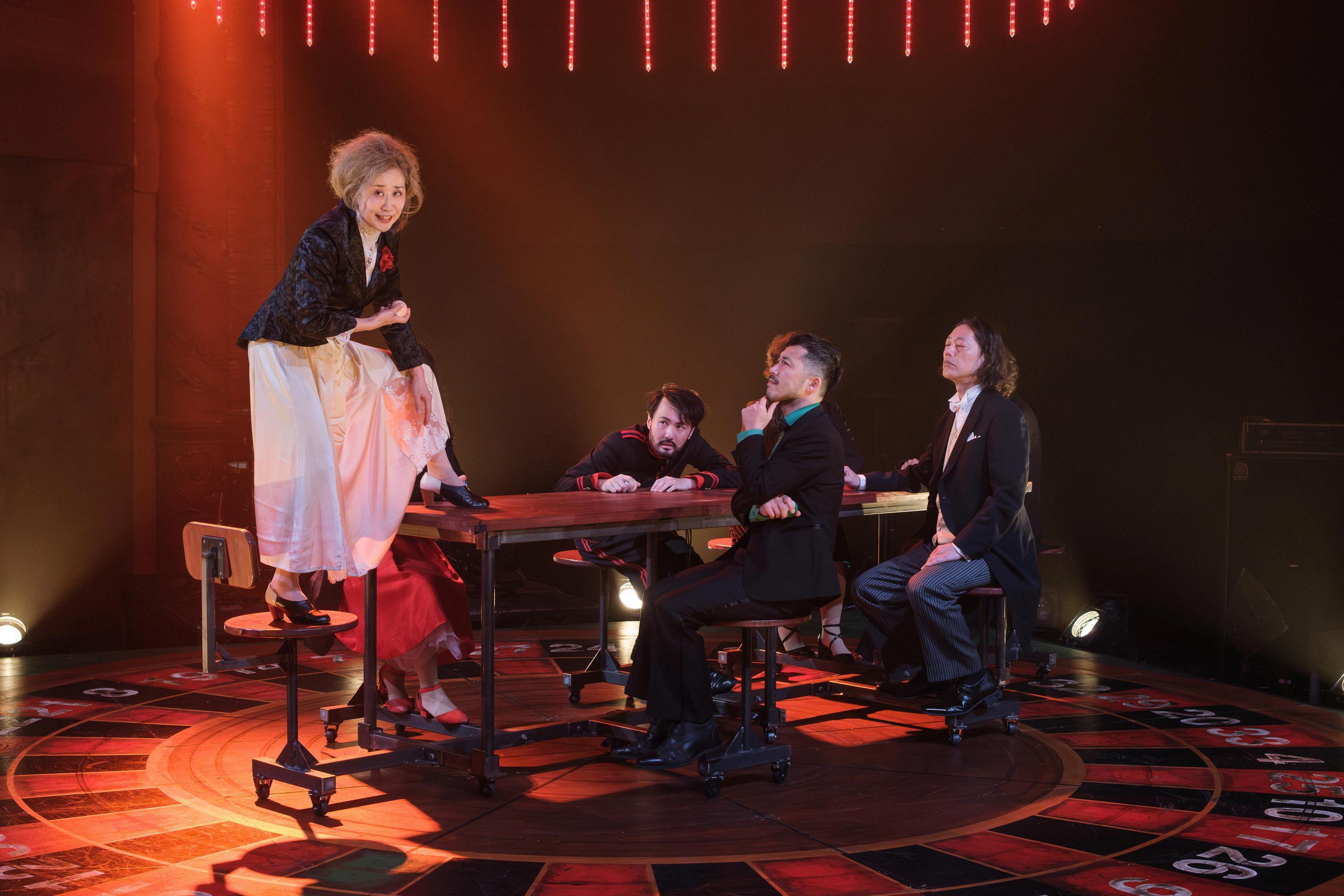
In The Coronet Theatre's recent presentation of The Gambler, Motoi Miura approached theatre less as storytelling and more as system
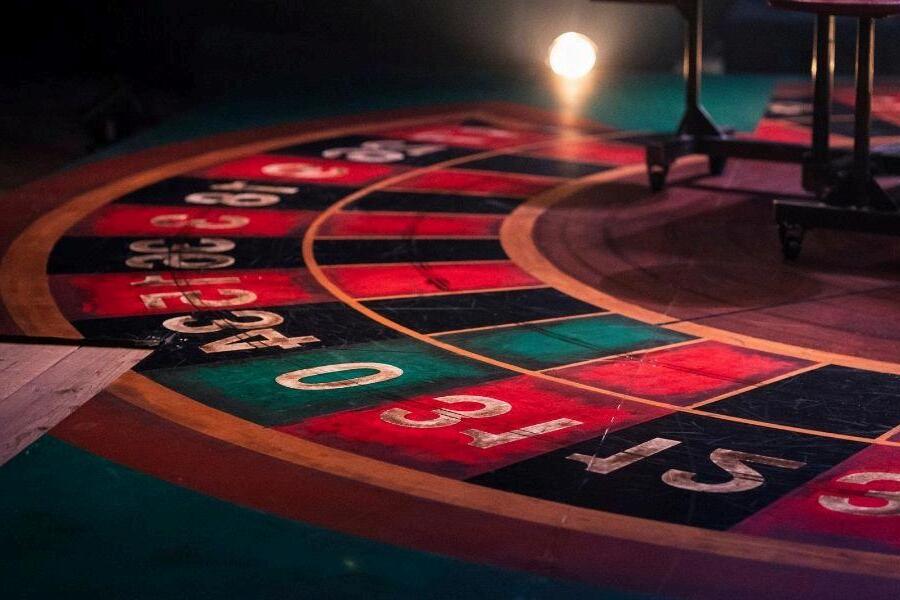
Working from Fyodor Dostoevsky's novel, Miura did not adapt the text in a conventional sense Instead, he fragmented it Lines were selected, cut and recombined, shaped by an underlying structure drawn from the logic of roulette "We treated roulette's mathematics as stage grammar, " he explained. What emerged was not a linear narrative, but a rule-driven world where behaviour followed pattern rather than psychology
This approach began to resemble something else. Miura described Dostoevsky as a kind of "19th-century AI," not as a literal claim, but as a way of thinking about scale. Like artificial intelligence, the novelist gathered and organised vast amounts of human experience For Miura, the parallel extended into his own process Text became material to be sampled, arranged and restructured.
Yet the role of the artist remained central "AI draws on existing material, selecting and reorganising it into new forms”, he noted, "but final choices must remain the artist's " In this sense, authorship shifted rather than disappeared The director was not the sole originator of meaning, but the one who decided what stayed, what repeated, and what was allowed to surface.
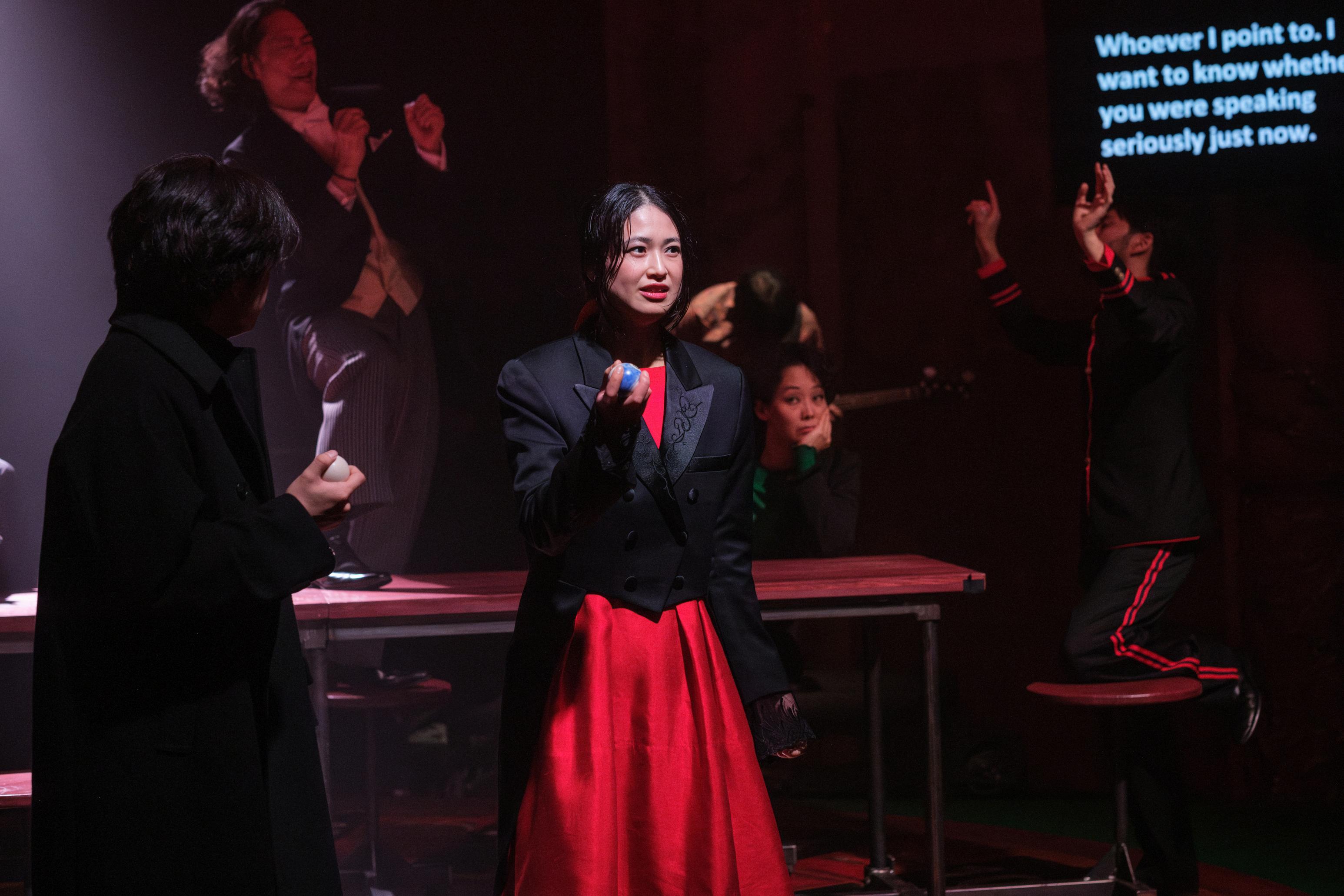
This logic extended beyond text into performance itself Sound was established before image Repetition structured time Surtitles were gradually withdrawn as audiences began to recognise patterns, allowing attention to move elsewhere Meaning was not delivered directly, but emerged through rhythm, gesture and accumulation
The result was a form of theatre that felt both precise and unstable Governed by rules, yet open to chance, The Gambler reflected the very system it staged. In Miura's hands, the mechanics of roulette became a language, inviting audiences to consider not just what unfolded, but how it was organised
THE WILD DUCK
From Our Stage to the World
When The Wild Duck our tenth anniversary
The Norwegian Ibsen to thank the members
The production’s journ premiere in January 18 later, Den Nationale Scene became one of the co-producers of this new staging. It opened in London, played Bergen in January 2025 on the very stage where the play was first performed, and this summer continues to Kilden Performing Arts Centre and the Oslo Opera House.
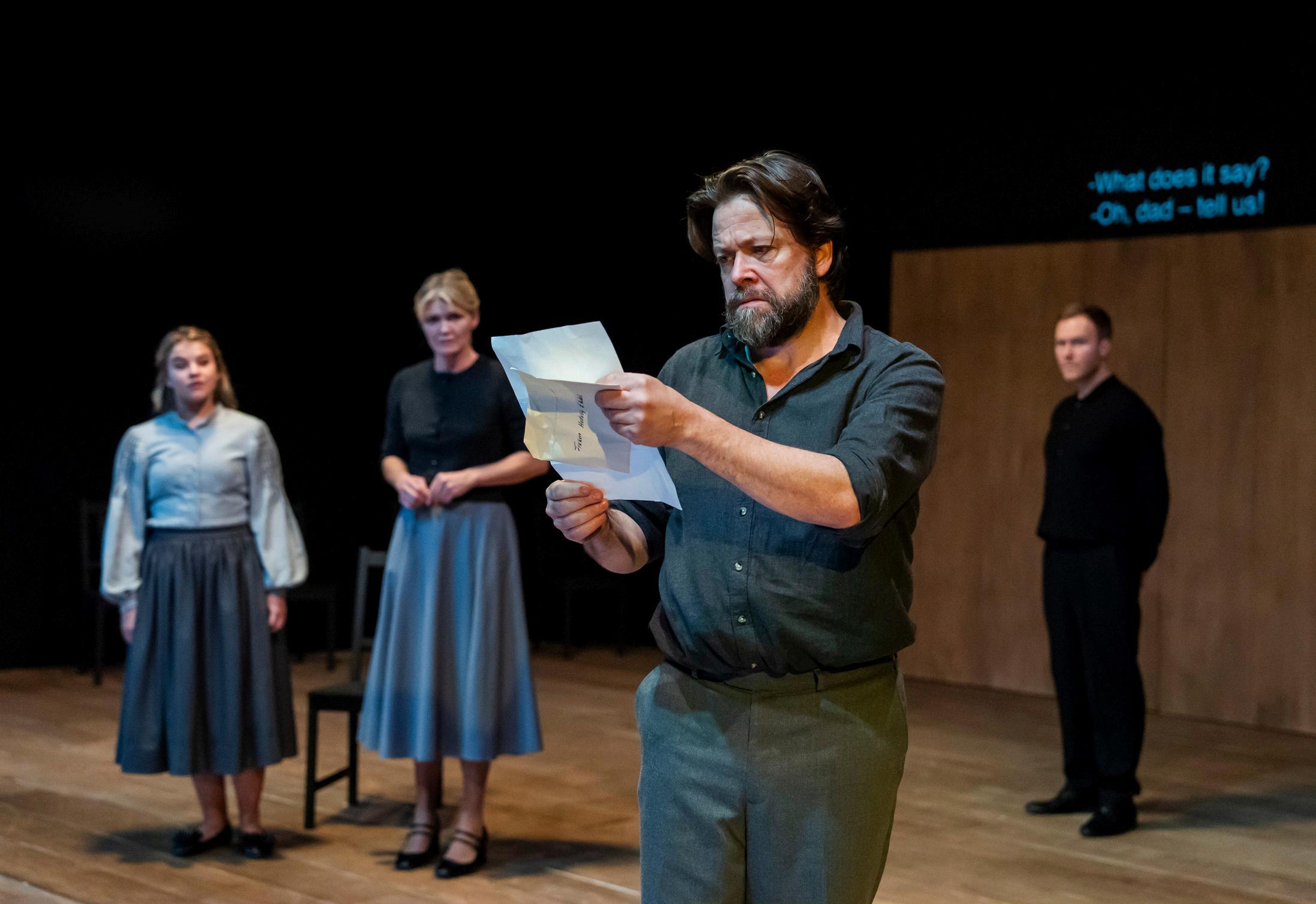
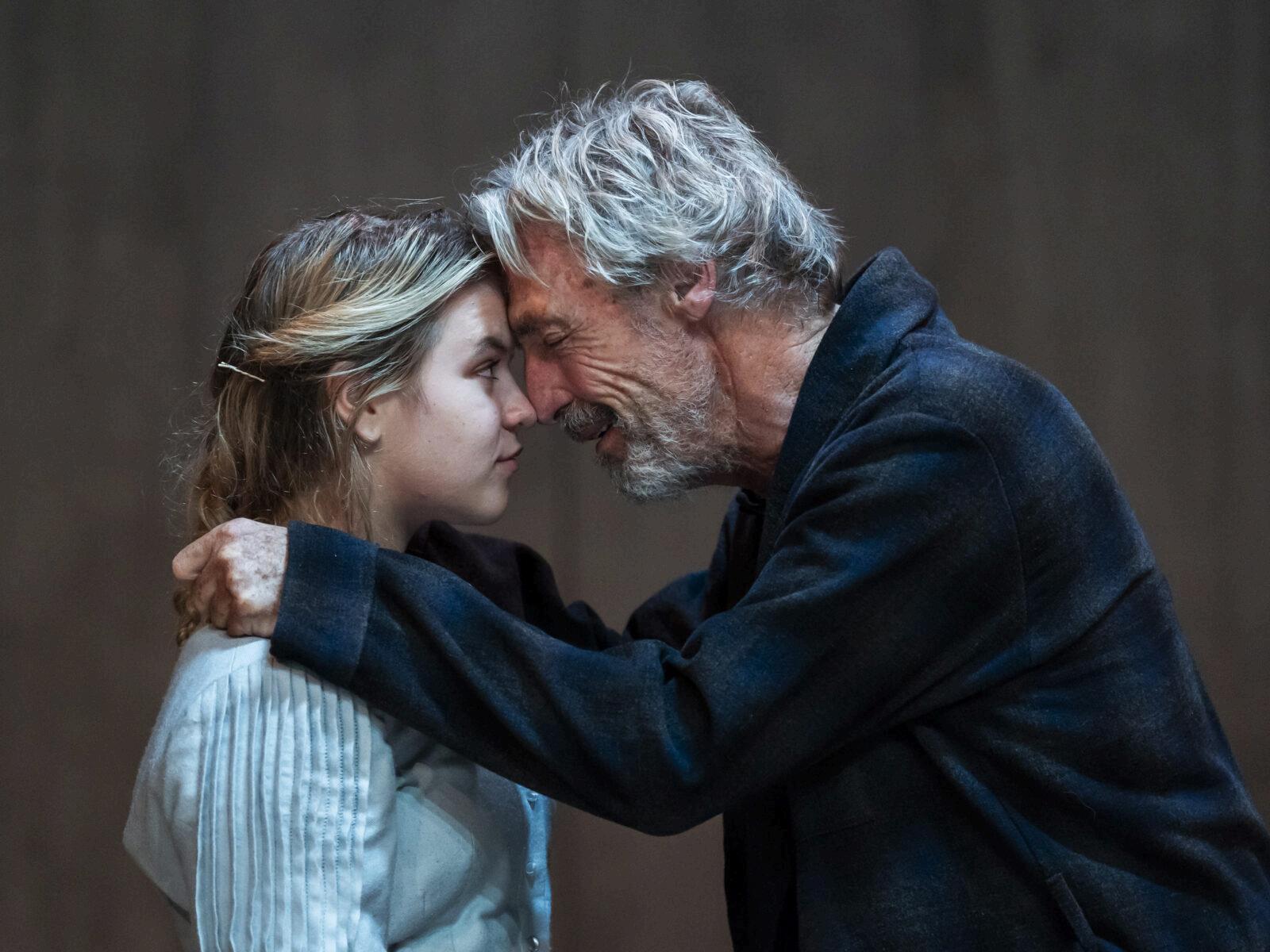
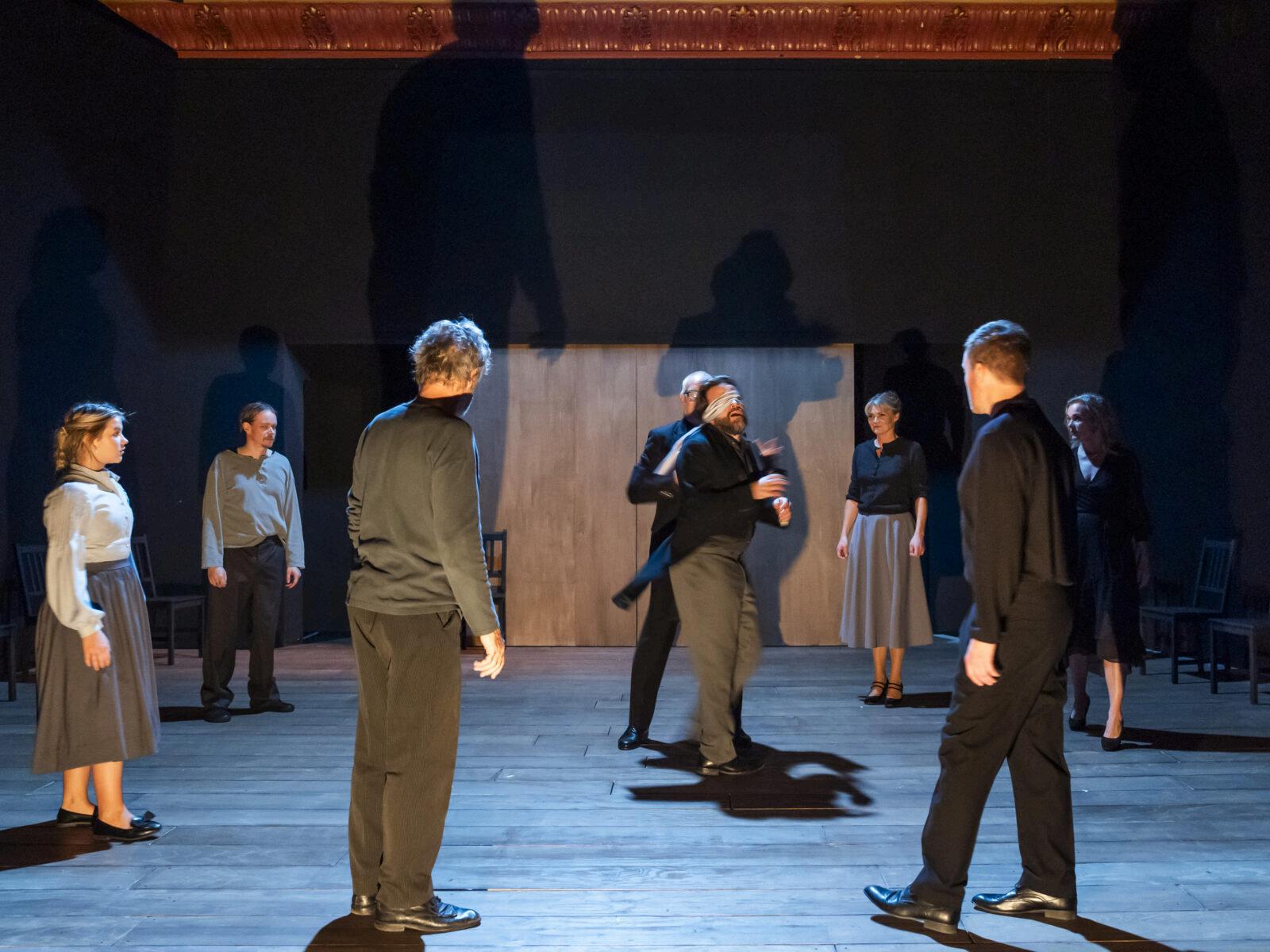
Previous co-productions of When We Dead Awaken and The Lady from the Sea both sold out and were critically acclaimed. The Wild Duck was the most ambitious step yet. Directed by Hedda Award winner Alan Lucien Øyen, it brought a bare stage, thirteen chairs, and the full weight of Ibsen’s original text to our stage, performed in Norwegian with English surtitles by some of Norway’s finest actors
A key part of its success has been the return of Kåre Conradi and Lena Endre, whose performances anchor the production and carry it across each new stage The result in London was five-star reviews, three Off West End Award nominations including Best Director and Best Actor, and a run that sold out night after night.
Ibsen considered The Wild Duck his finest play
It asks whether truth, pursued at all costs, is al the fictions we live by are what sustain us
Those questions felt urgent in 2024 They still do.
As a theatre that receives no regular public funding, we depend on the generosity of members and patrons.
Your support is what makes work of this ambiti we hope you feel some pride in what it has help
INTRODUCING
The Spirit of Painting
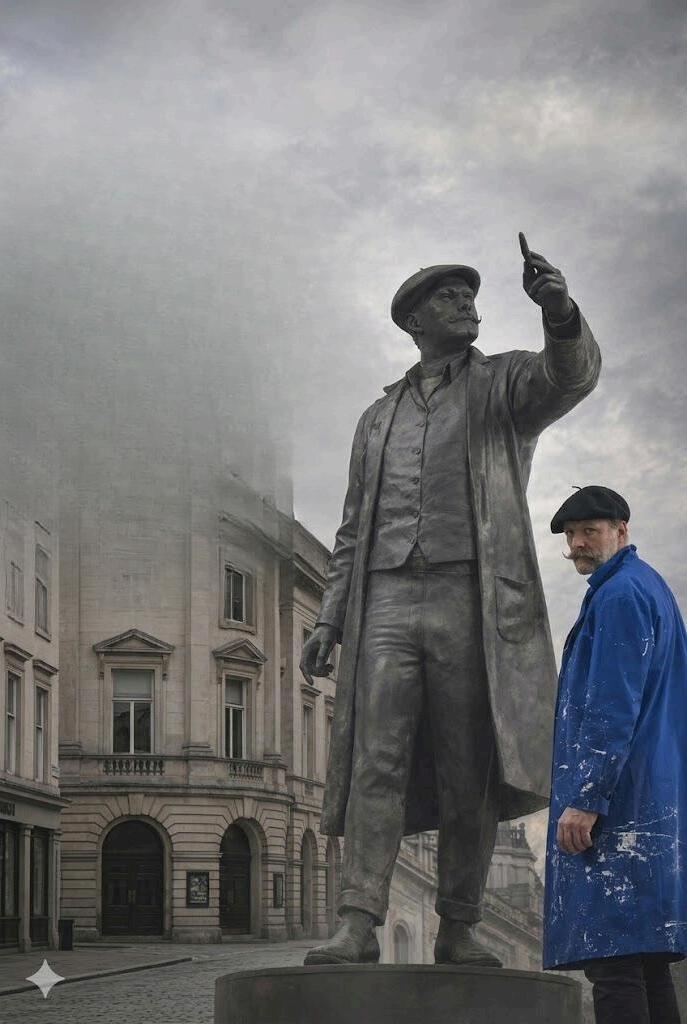
At a time when public monuments are under renewed scrutiny, The Spirit of Painting offers a thoughtful counterpoint. It does not reject tradition It repositions it Elevated above the theatre, brush raised to the open sky, the figure suggests that art is both labour and imagination. For our members, it stands as a quiet reminder that creativity continues to shape the world around us, often in the most unexpected places
FROM THE ARCHIVE:
The Coronet Story
PART 1
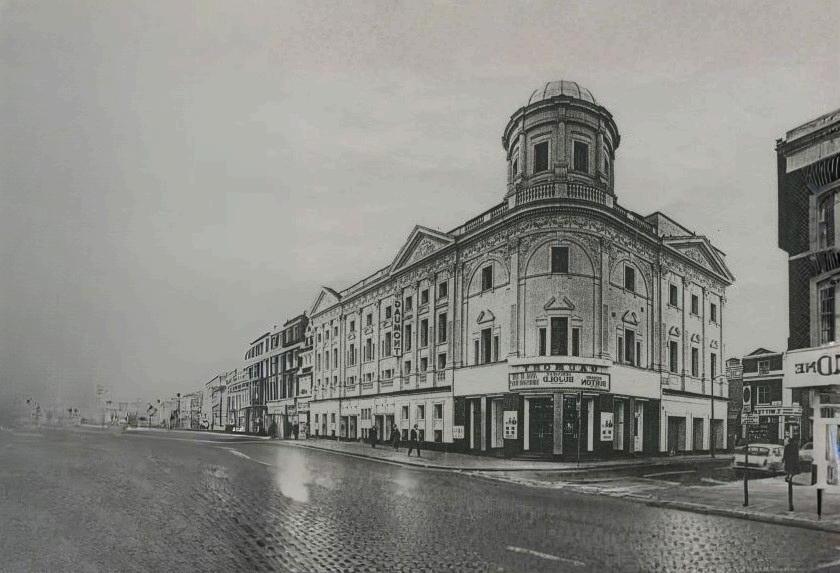
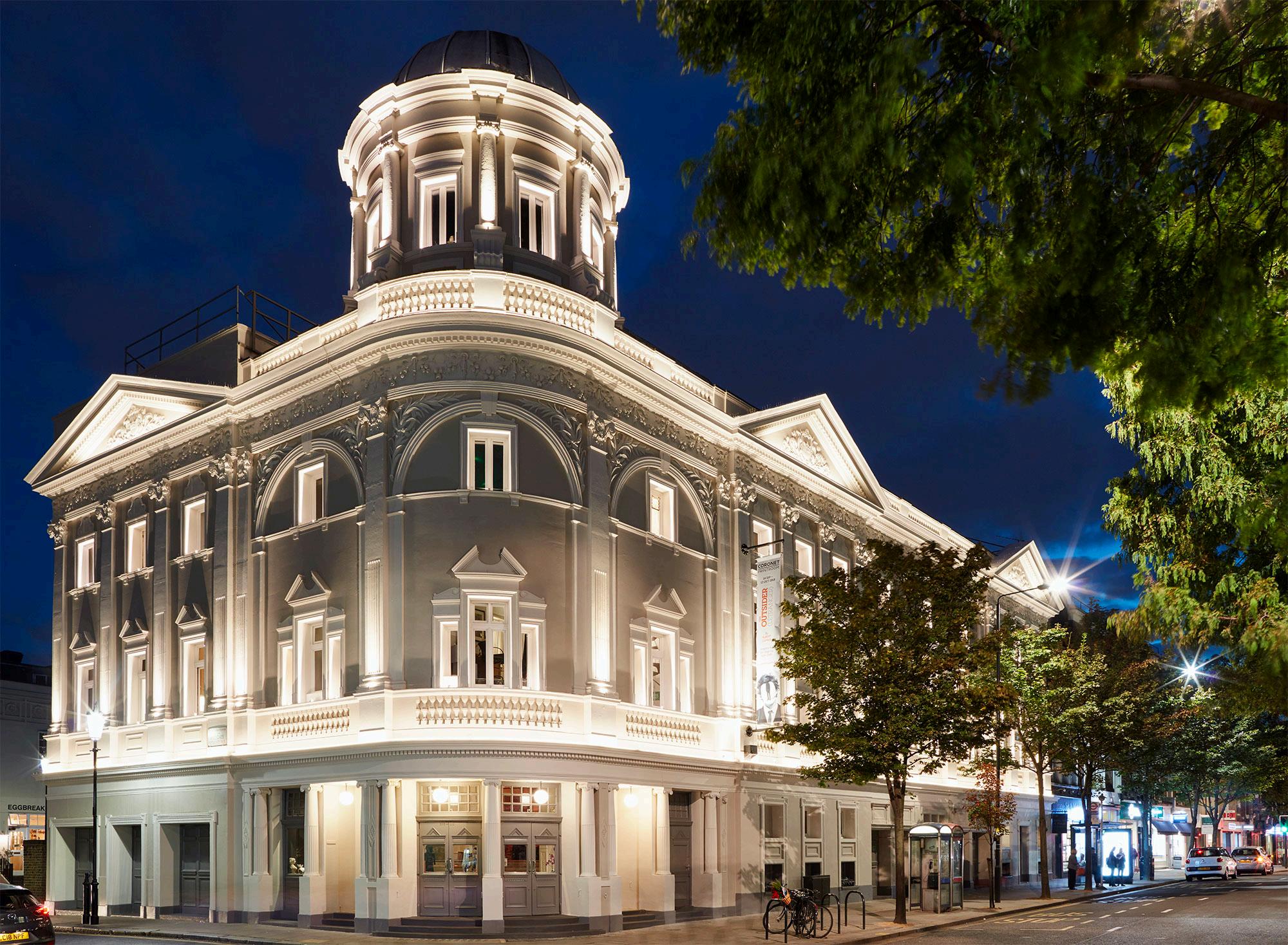
The Coronet, Notting Hill was originally conceived as a theatre by W G R Sprague, one of the leading architects behind London’s West End stages Built for the then grand sum of £25,000, it opened in 1898 as a Victorian playhouse and quickly established itself as a destination for both society and royalty King Edward VII was among its regular visitors, while many of the era ’ s most celebrated performers, including Ellen Terry and Sarah Bernhardt, appeared on its stage.
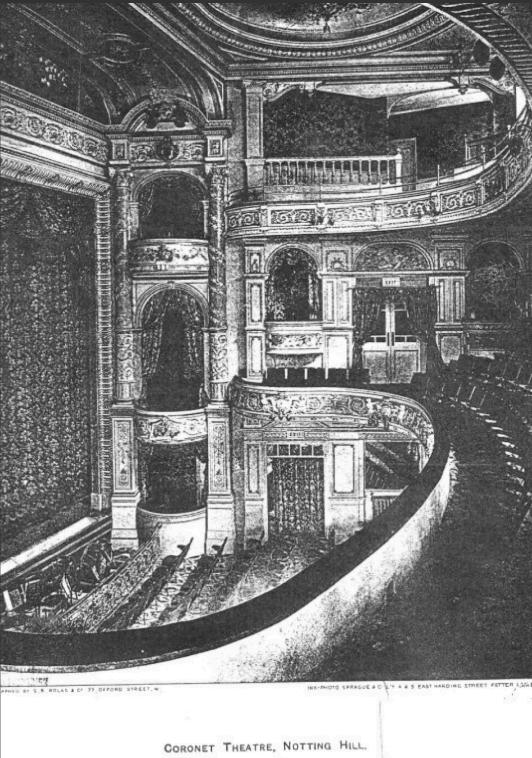
The building itself still carries this legacy Designed in the Louis XVI manner, the auditorium remains remarkably complete Though softened by time, it retains its two elliptical curved balconies, while the box bays are framed by slender Corinthian columns with enriched lower shafts, set on lofty pedestals and supporting an entablature with segmental broken pediments
In its early years, the programme began to evolve. Films first appeared in 1916 as part of the theatre’s variety bill, offering audiences a glimpse of a new form By 1923, this shift had fully taken hold. The building became a full time cinema, renamed The Coronet Cinema, with a projection box installed in the former dress circle bar and the seating capacity reduced from 1,143 to 1,010
Sound arrived in 1930, when a ticket cost 6d, today around 2p. A year later, the cinema was taken over by Gaumont Provincial Cinematography Theatres The theatre boxes were removed and the stage was adapted to house a screen beneath the proscenium arch, while much of the elaborate interior was carefully retained.
Under new ownership, the sound system was upgraded and ticket prices rose to 1/-, around 5p In 1950, the cinema was renamed The Gaumont, and further changes saw the gallery closed, reducing the seating capacity to 515, with 319 seats in the stalls and 196 in the dress circle
From playhouse to picture house, The Coronet continued in this form for over 90 years, closing as a cinema in 2014
Without the continued generosity of our Coronet family, the ambitious performances and rich cultural experiences featured in this newsletter simply would not be possible
We would like to take this opportunity to thank you for championing our distinctive international mission and for enabling us to bring pioneering artists from around the world to the heart of Notting Hill
There is still a lot more to come this season. To check out our programme and avoid missing out on tickets, head to our website here: