The Coronet Theatre is a reimagined architectural and design jewel, originally built as a grand Victorian Playhouse, now a pioneering home for international, cross-disciplinary arts. Curated by Artistic Director Anda Winters, over the past decade it has become a significant cultural landmark.
Known for world and UK premieres, its mission is to bring artists and art forms from around the world, championing work that would not otherwise be seen. The programme enables access for diverse audiences to world-class theatre, dance, music, film and visual arts through co-productions, commissions, and invited works.
Centrally situated in London’s Notting Hill, The Coronet has two main spaces: The Auditorium and The Print Room Studio. With the additional performances and exhibitions in the bar, the atmospheric upper rooms, and basements, the whole building is a living global showcase.
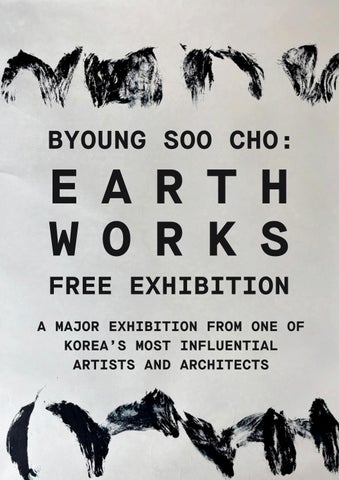
BYOUNG SOO CHO: EARTH WORKS
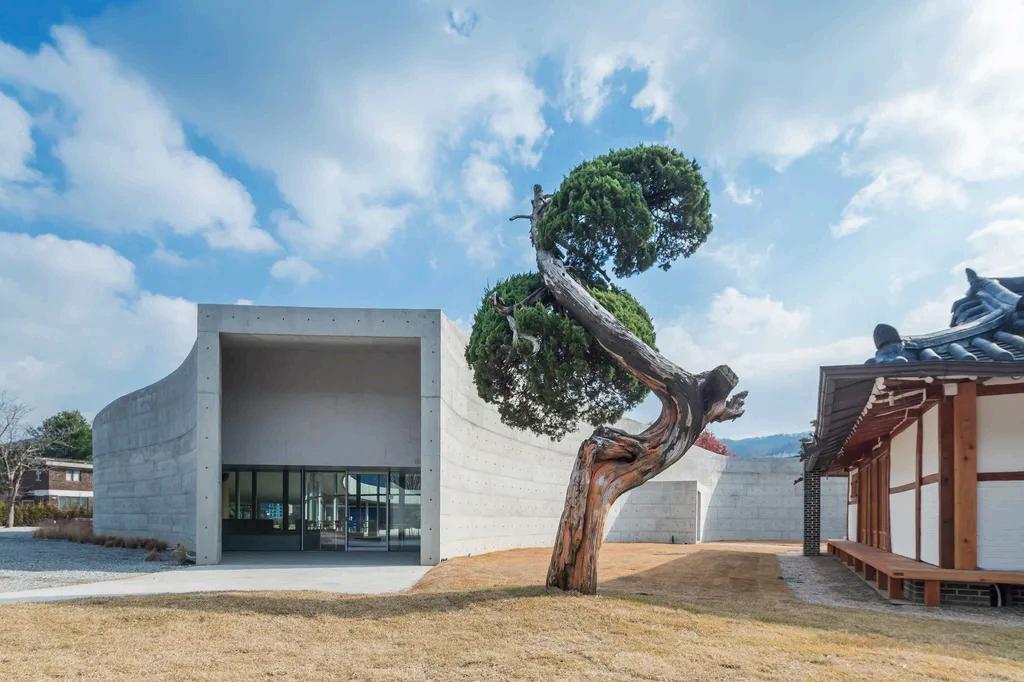
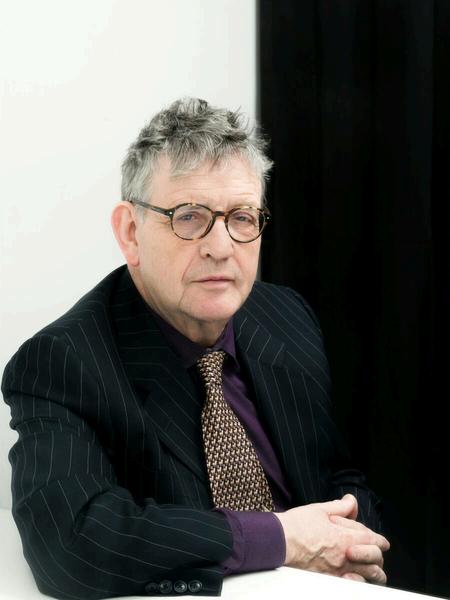
A major UK exhibition by Byoung Soo Cho, one of Korea’s most influential architects and a quietly radical voice in contemporary art and design. For three decades, Cho has built a practice grounded in the belief that materials speak – that stone, soil, wood and ink carry meaning beyond their surface.
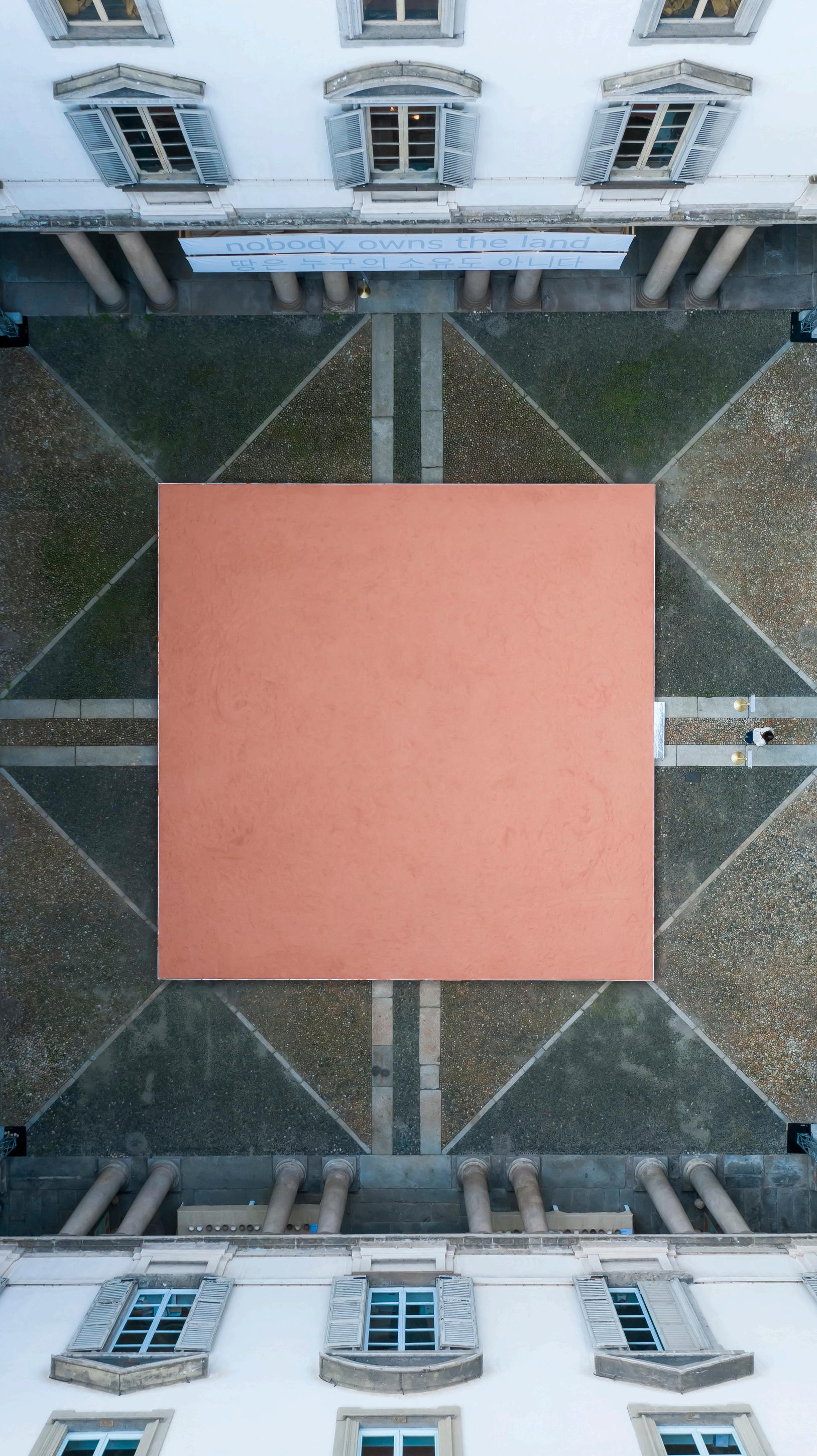
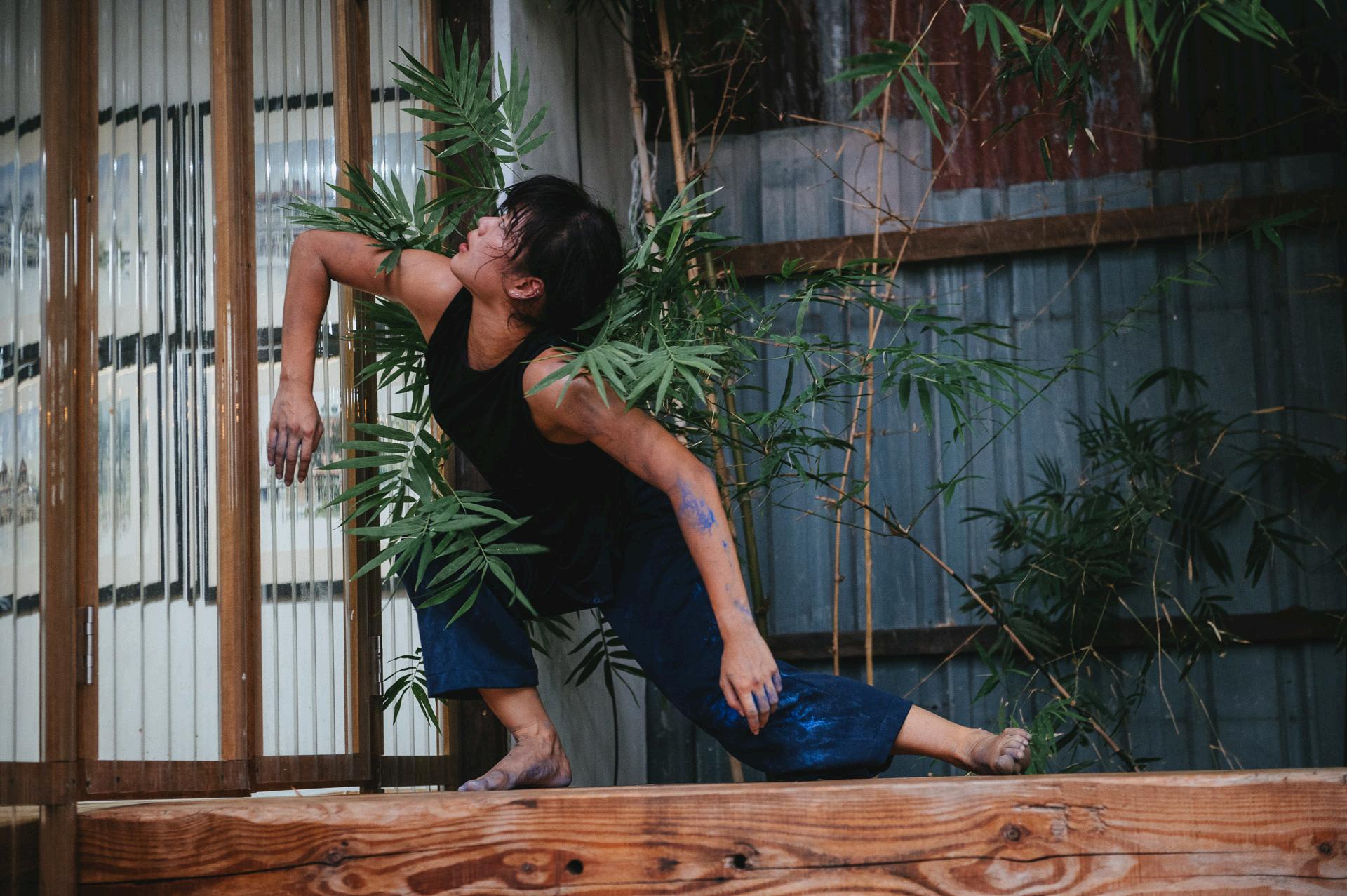
First unveiled at Milan Design Week, Earth Works is a siteresponsive installation unfolding throughout the Coronet’s historic interior. Cho’s work unfolds through active encounter, with audiences invited to move freely through the work – on stage, in the studio, and beyond – becoming part of a living, shifting environment. A newly composed soundscape, created specifically for this exhibition, deepens the experience.
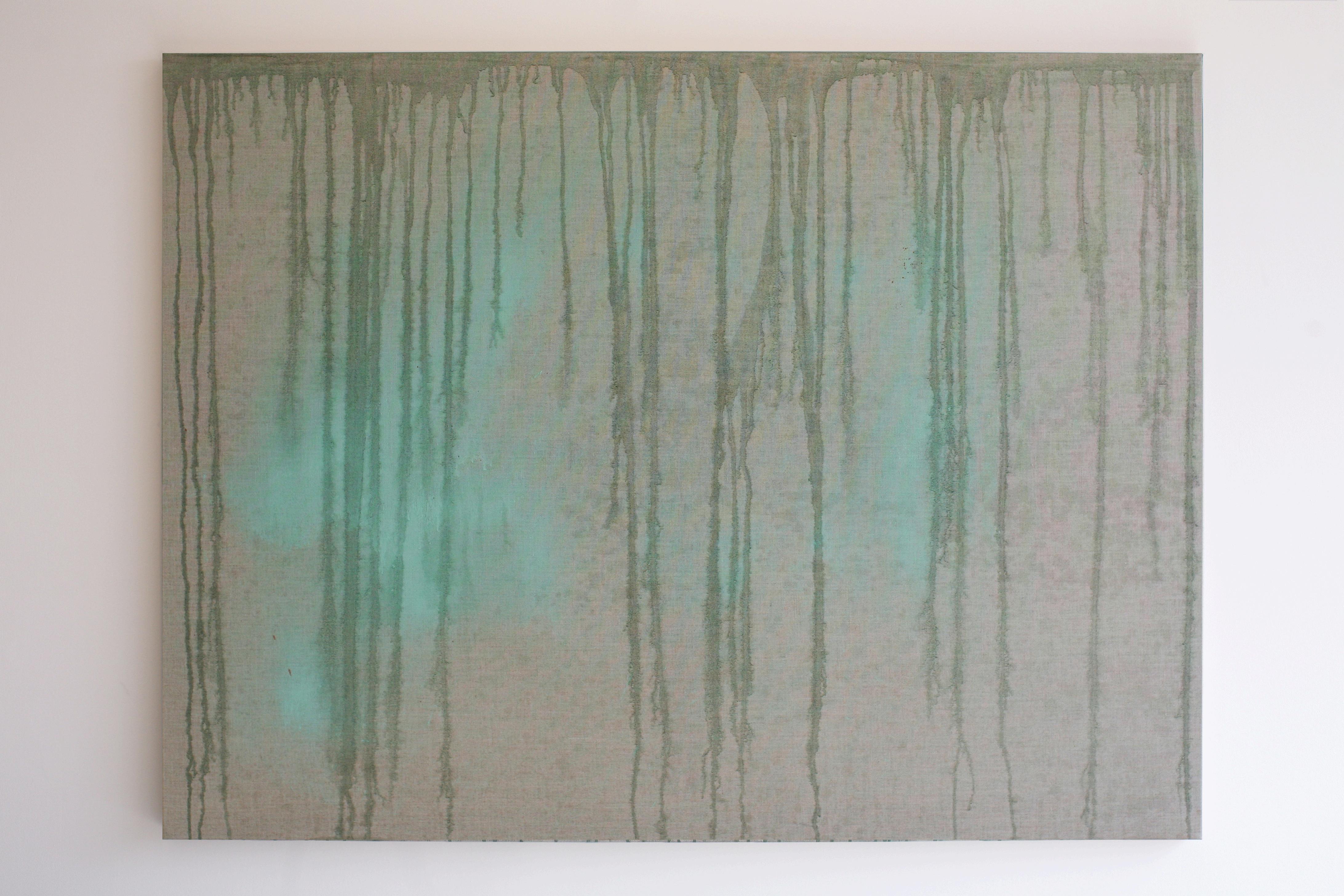
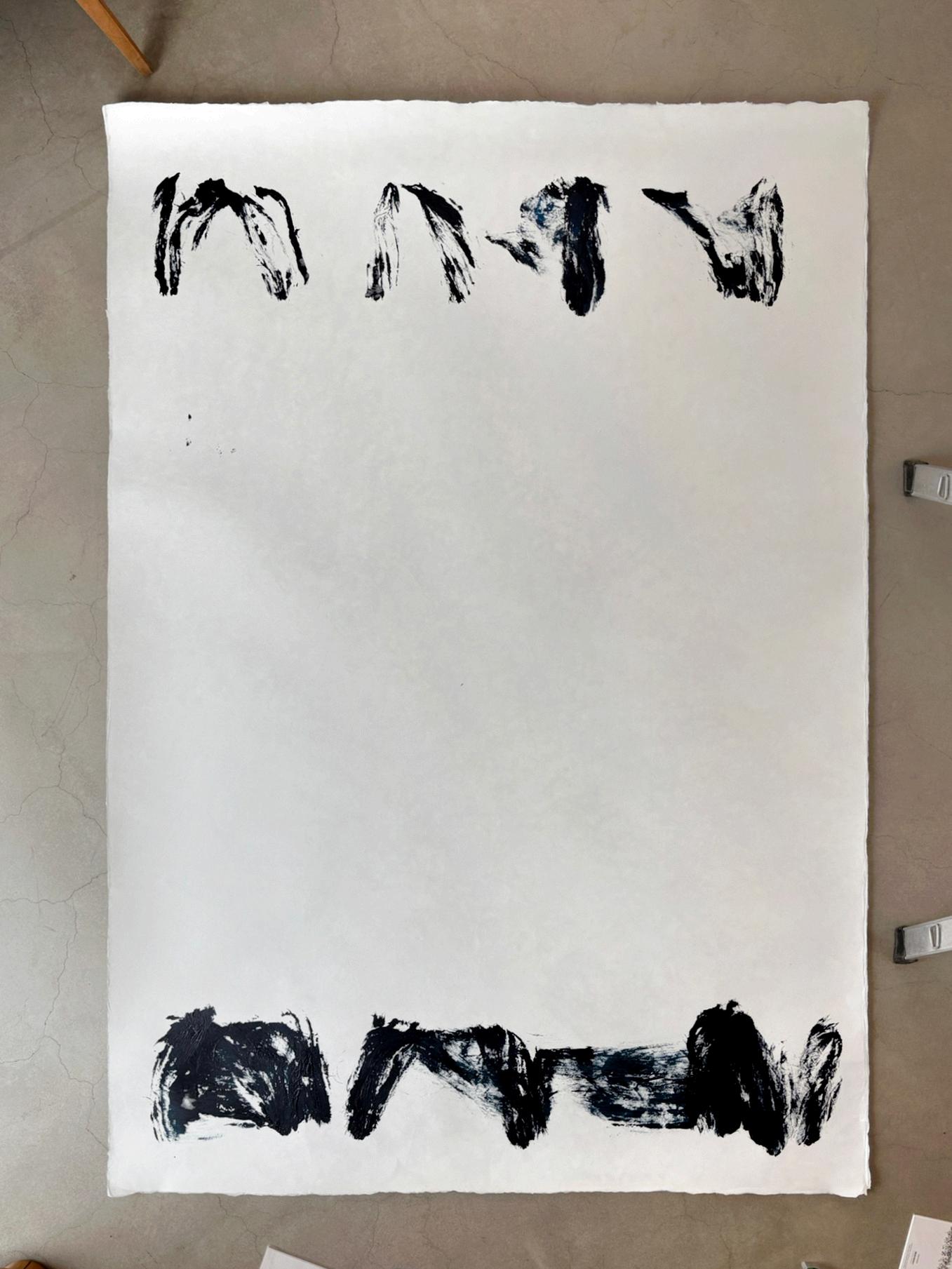
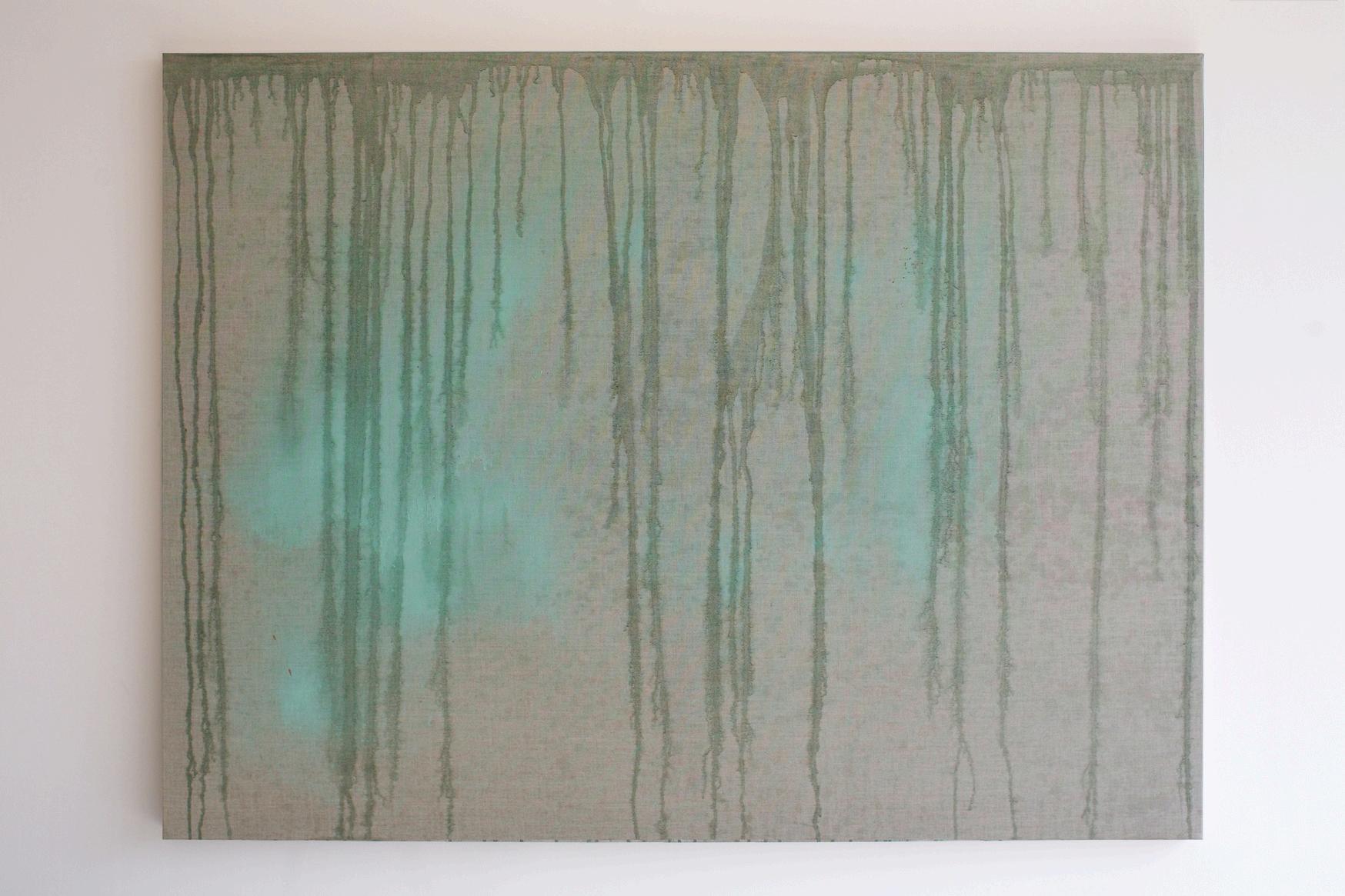
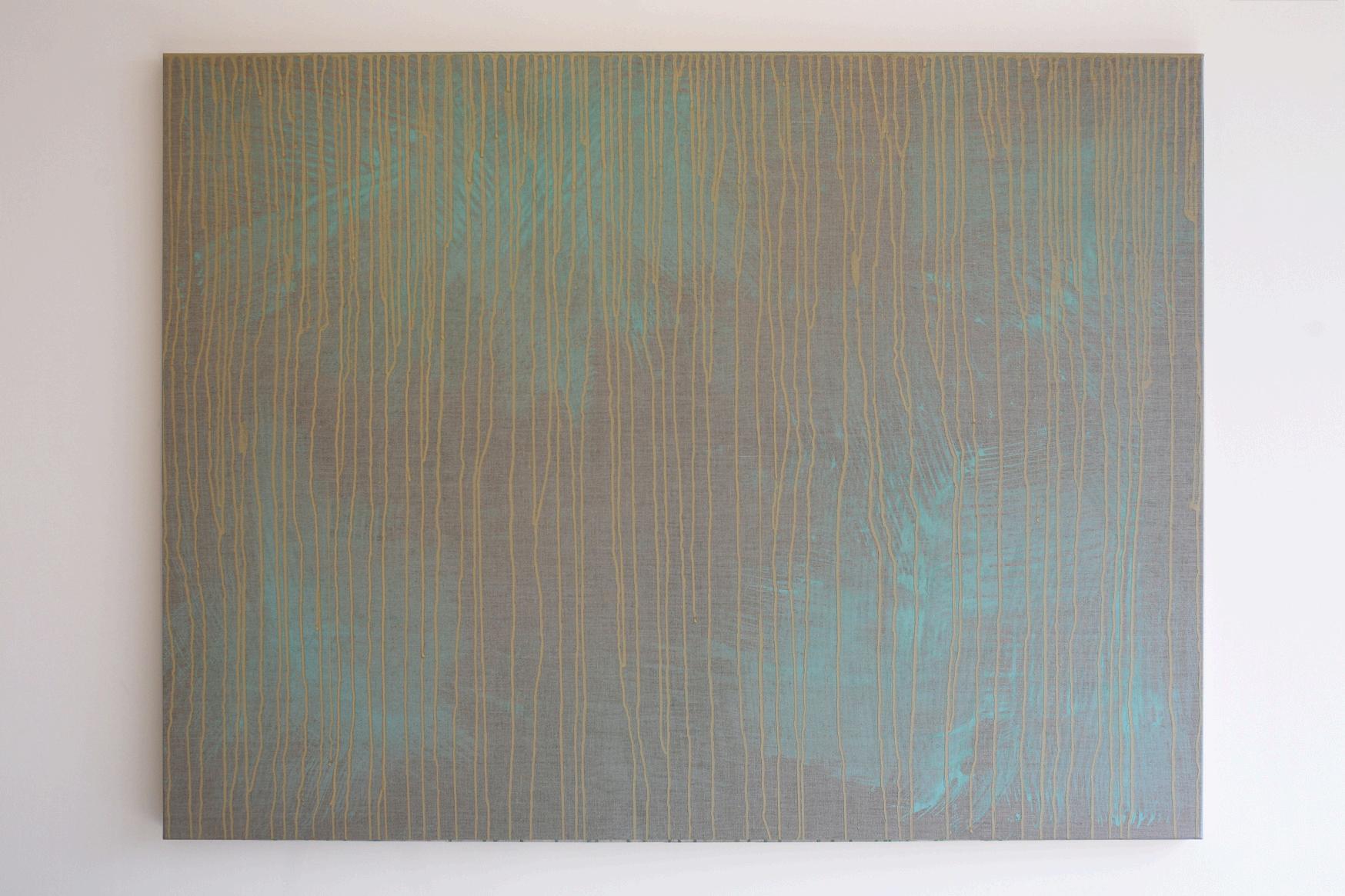
On the main stage, Forest forms a layered landscape of canvases made with traditional Korean pigments derived from stone and soil, flowing and curving across textured surfaces in an aesthetic shaped by chance. In the studio, Land Divided offers a moment of pause, reflecting on the fragility of the earth and the urgency of coexistence. In the bar, Cho’s Mahk paintings capture gestures of movement and spontaneity, preserving the energy of their making.
Rooted in texture, atmosphere and lived experience, Cho’s work is a meditation on peace, humanity and our interdependence with the natural world, offering audiences a unique encounter with one of Korea’s most influential creative voices.
OPENING TIMES
Fri 29 May: 1pm – 9pm
Sat 30 May: 11am – 5pm
Sun 31 May: 11am – 3pm
Mon 01 Jun: 11am – 5pm
Tue 02 Jun: 11am – 5pm
Wed 03 Jun: 11am – 5pm
Thu 04 Jun: 11am – 5pm
Fri 05 Jun: 11am – 5pm
Sat 06 Jun: 11am – 5pm
FREE ARTIST TALK
Join us for a special free artist talk with Byoung Soo Cho on Fri 29 May at 7pm. Drawing on his past work, Cho will explore his approach to art and architecture. Tickets are free but must be booked via the website.
FREE ART WORKSHOP
An exclusive free workshop on Sun 31 May at 1:30pm dedicated to painting as gesture, where material, movement, and perception are explored through a direct and intuitive process. Central to the session is the notion of mahk, understood as an openness to impermanence, spontaneity, and the trace left by making.
LIST OF ARTWORKS
FOYER
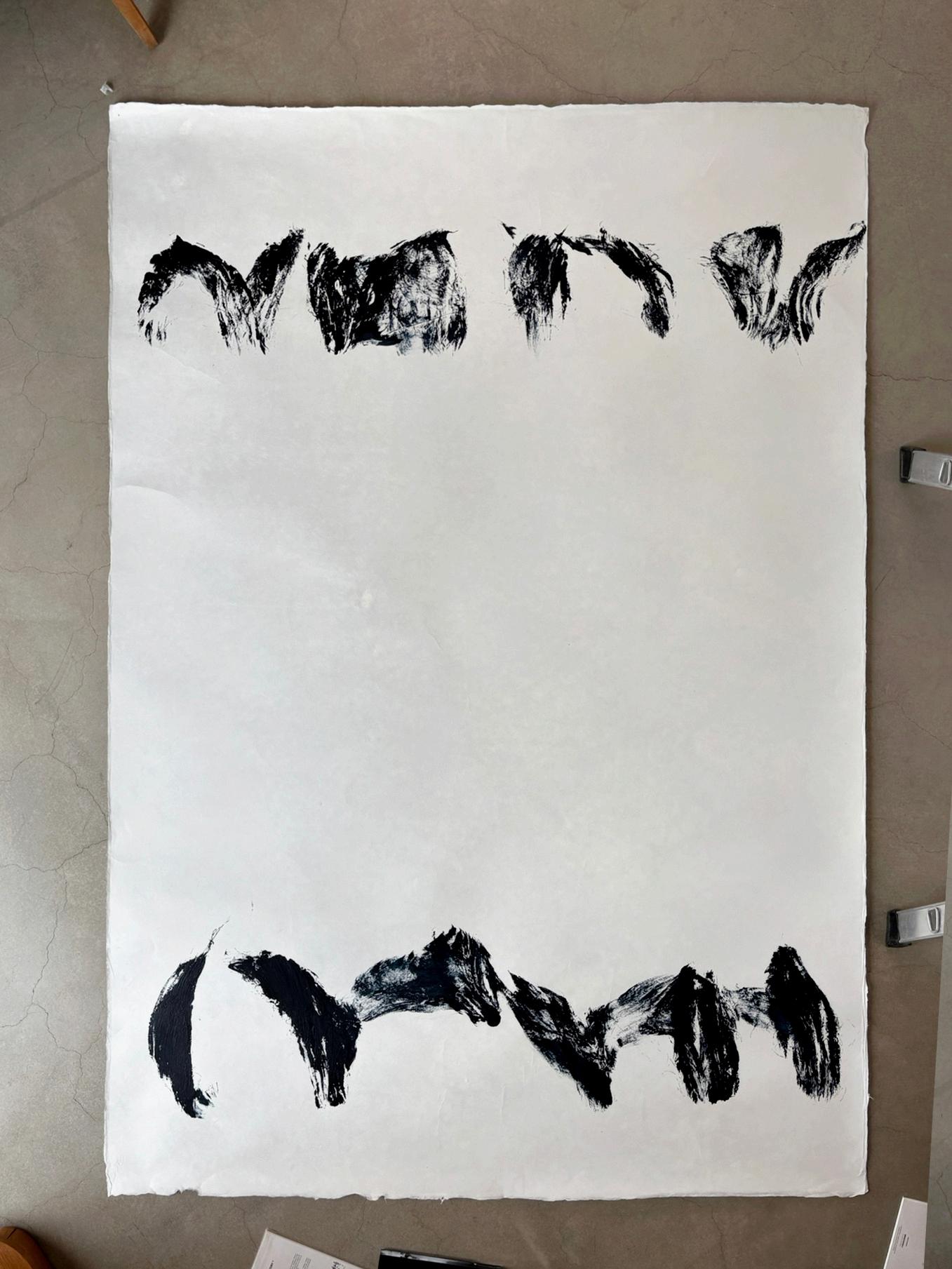
Mahk (Paper) (2022)
Black soot ink korean paper
215 x 150 cm
MAIN AUDITORIUM
Forest (2024)
Stone pigment, earth pigment and gamboge on canvas
윤동주 <별헤는 밤> 영어 번역
COUNTING THE STARS AT NIGHT BY YUN DONG-JU
translation by Alex Rose
In the sky where seasons pass Autumn fills the air.
And ready I wait without worry to count all the stars she bears
Now the reason I cannot tally all the stars impressed on my heart, is ‘ cause the morning soon comes, my youth’s not quite done, and another night still lays in store
One star for memories, and One star for loving
One star for melancholy, and Another for longing
One star for poetry, and Another for ma, mother, Mother, I will try to name all the stars after beautiful words: The names of school friends I sat with, foreign girls like Pae, Kyeong and Oak; girls who have now become mothers and other poor neighboring folk; the pigeons, the puppies, the hares, mules and deer, the names of such poets as Jammes and Rilke
Yet all of these people so far away now And mother, the star, is in Northern Jiandao
Pining for something I scribble my name into a star spattered hill Then bury it (again.)
As for the insect who wails through the night on account of the pain of its name full of shame
But winter will pass bringing spring to my star
As the tuft grows round gravestones the grass will abound where my name has been buried in that star spattered mound.
자화상 (THE SELF-PORTRAIT)
BY YUN DONG-JU
I turn around the corner of the hills, On the edge of a rice fiel's By myself, to visit a remote well, Carefully, I look into the well
In the well, the moon is bright, the cloud is running, The sky is stretching, the autumn and the blue-ue wind is breezing
And, also, there is a man, I am turning back, somehow hating the man
Thinking of him on my way back, I feel sorry for him Again, I back and look into the well, there still is him.
Again, I return, ' cause hating the man. But thinking of him on my returning, now I miss the man
In the well, the moon is bright, the cloud is running, the sky is stretching, The blue-ue wind is breezing, the fall, like the old memories the man is being
쉽게 씌어진 시 (A POEM WRITTEN
EASILY)
BY YUN DONG-JU
Night rain whispers outside the window of the six-tatami room that is foreign
Knowing full well that a poet is a sad calling I might still try a line of poetry
Having received a letter with the tuition, which had soft scents of sweat and love
I go to an old professor’s lecture carrying my college notebook
I think about my childhood friends that I have lost one after another wondering what I am pursuing when I am just sinking down all alone.
When life is hard, as they say it would be a shame for a poem to be written this easily
The six-tatami room is foreign as the night rain whispers outside the window
Lightng a lamp to dispel the darkness a littlel the last of me awaits a morning to bring a new era
extending a little hand to myself for the first handshake of tear and consolation
PRINT ROOM STUDIO
Land Divided (2024)
Stone pigment, earth pigment and gamboge on canvas
Mahk (2024)
Stone pigment, earth pigment and gamboge on canvas
Mahksabal (2025)
white clay, Sancheong clay, Buncheong clay
17.5 x 17.5 x 10.8 cm
Mahk (soil)
Stone pigment and earth pigment with binder 130 x 97.5 cm
Horizon (2009)
Pencil on paper
Life (Tadpoles in ㅁ자집) (2009)
Pencil on paper
Untitled (2009)
Paint on found object
Untitled (2023)
Earth on paper
VIP BAR
Mak (막)
(Mak (막) is an experimental documentary film inspired by architect and artist Byoung Soo Cho. In his 2018 essay "Mak and bium: imperfection and emptiness in Korean aesthetics," Cho traces the lineage of the word across architecture, painting, ceramics (maksabal), and traditional Buddhist dance (seungmu). Shot entirely on 16mm film and partially hand-processed and scanned, the film invites chance and uncertainty into a physical exploration of the materiality of the medium and is itself a formal exercise of mak: imperfection, spontaneity, and the beauty of the improvised and unfinished.
At its core, Mak is a lyrical, nonlinear meditation on the spirit of mak and its suffusion through Korean aesthetics over time. The film moves across genres and generations, gathering the hands and voices of makers, documenting artistic processes, and weaving a cultural and aesthetic tapestry of the philosophy. The natural landscape and geography of Korea ground the work, forming a visual thread between the earth and the art forms that have grown from it.
On a broader scale, Mak reaches toward deeper philosophical and existential questions around the act of making, the process of creation, and the value of human imperfection, questions that carry particular urgency in a world of rapidly advancing technology. The film asks the viewer to leave with a richer understanding of the evolution of Korean aesthetics, and to reflect on what embodying mak might mean for our own capacity to create.
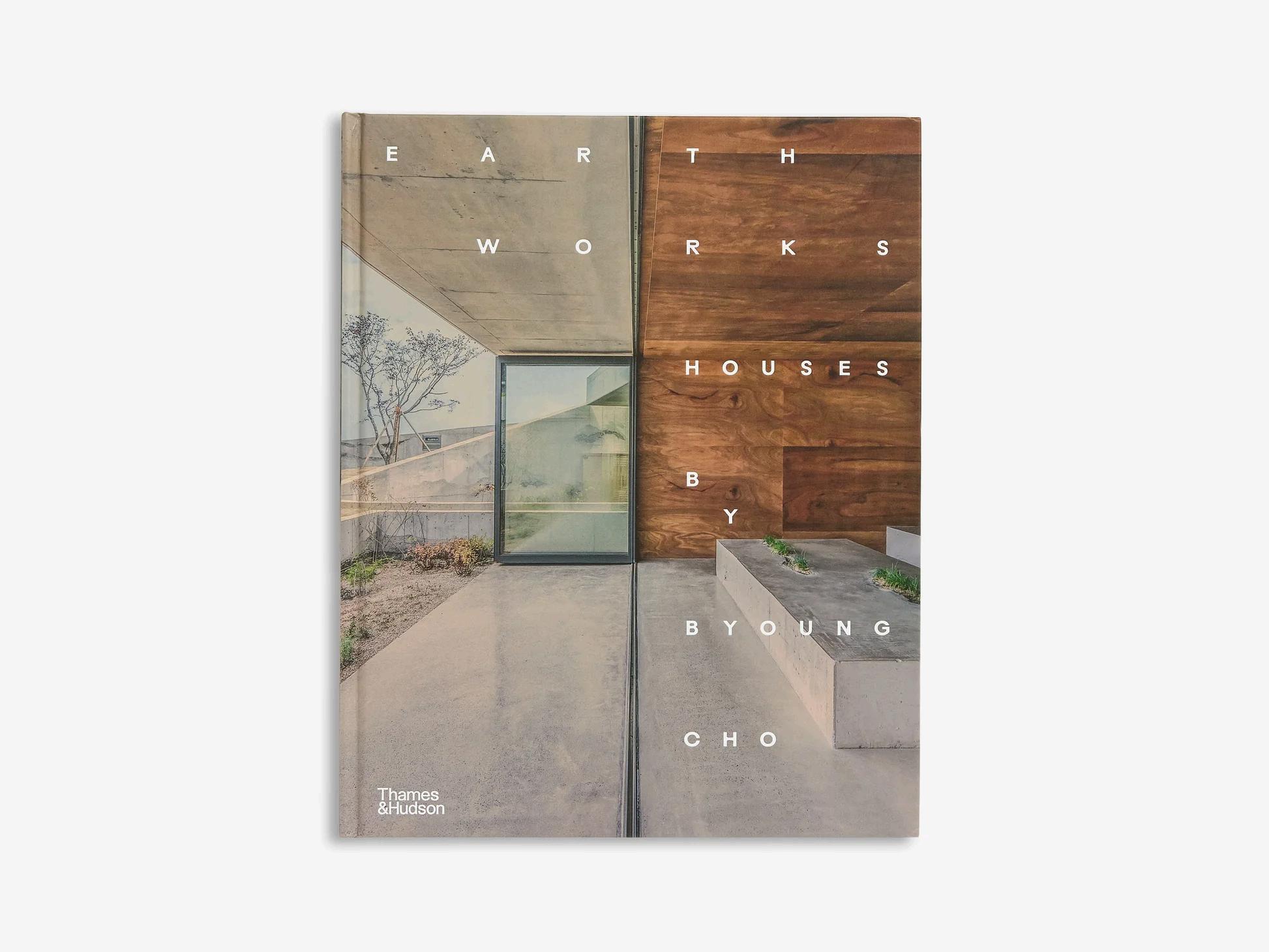
EARTH WORKS: HOUSES BY BYOUNG CHO
A new monoghraph from Byoung Soo Cho offering a nique glimpse into the residential buildings designed by him - combining photography, plans, drawings, paintings and models to provide an exclusive overview of this rarely published aspect of Byoung's work.
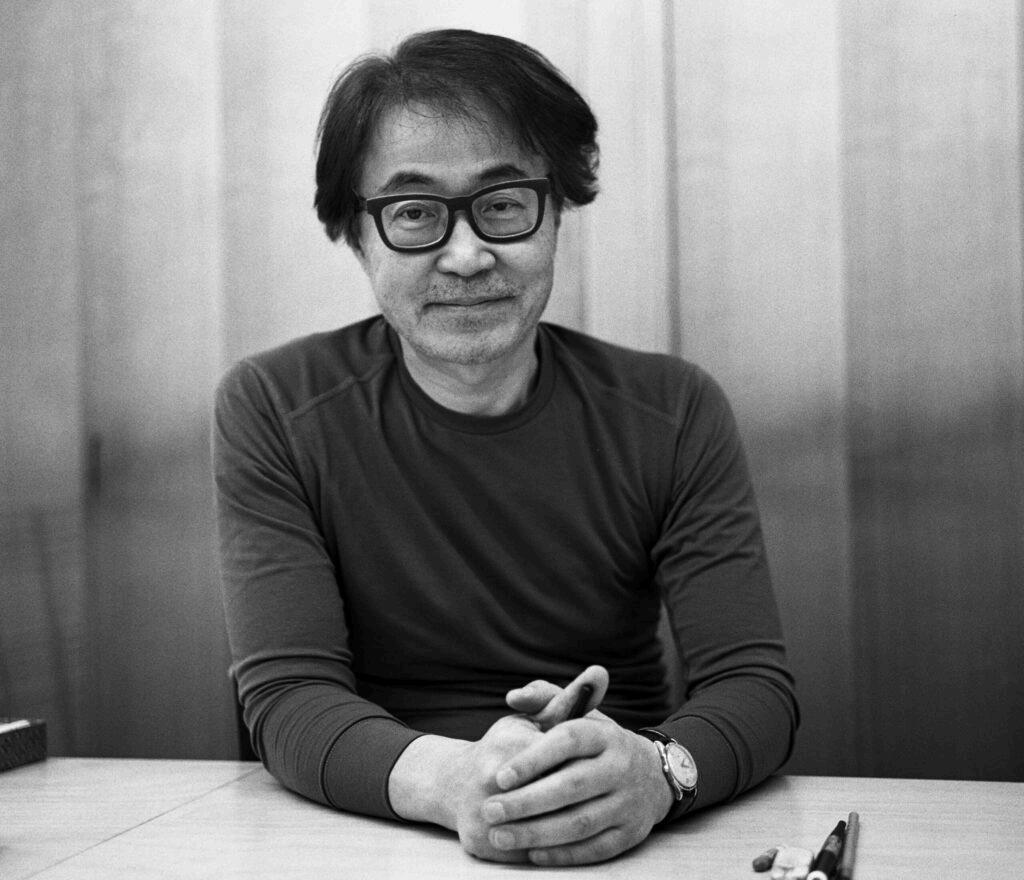
ABOUT BYOUNG SOO CHO
Since founding his practice BCHO Architects Associates in Seoul in 1994, Byoung Cho has built a reputation as the key architect driving the expansion of one of the world’s most densely populated cities.
Influenced by Korea’s rich aesthetic tradition, Cho utilises understated forms to design buildings that yield powerful and subtle experiences for their inhabitants, with a strong regard for nature and sustainability.
Born in 1957 in the mountainous northern Seoul, Cho grew up in a hanok, a traditional Korean house. Often referred to as ‘houses that breathe’, hanok is based on the feng shui ideal of having a mountain behind the house and a river in front, it is laid out in square, L shaped, or I shaped formations, depending on the climate.
Hanok is made with raw materials like clay, wood and stone. Inside, doors and windows are covered with hanji, traditional paper made from mulberry bark. Sky, water, wind and earth were accessible to him: sitting in the maru (an open style living room that connects rooms and serves as a space for entertaining) or hanging out in the open air courtyard (madang) he would gaze at the stars at night and cherish the feeling of connectedness with his surroundings. It is not surprising that the signature elements of Cho’s architecturals projects are inspired by the classical, natural forms found in the hanok – the grids of wooden framed paper doors and windows, the clean lines of the tiled roofs and beams, the purity of materials.
Cho’s journey in architecture began at MSU, where he was deeply influenced by the simplicity of rural barns and warehouses in the rural landscape of Montana. His studies continued with a master’s degree at Harvard University, where readings of Mark Twain’s What Is Man? and Laozi’s Tao Te Ching sparked his fascination with the emotional, intuitive sides of architecture and art. At a time when modern architecture was facing criticism for its rigid rationalism, Cho embraced a more humanistic approach, blending Taoist and Korean philosophies into his work. He felt the need for architecture that wasn’t merely photogenic but human centred, therefore connected with nature. Inspired by the comforting simplicity of Korean architecture, lacking any excess, and able to harmonise effortlessly with its environment, Cho became motivated to pursue an “experiential architecture” that transcends any visual aesthetic.
In 1994, Cho returned to Seoul to establish Byoung Soo Cho Partners (BCHO).The firm started as a design-build practice, focusing on simple structures that engage directly with nature. Cho and his team closely collaborate with artisans across disciplines, including stone masons, woodworkers, and potters, producing buildings that are meticulously crafted rather than merely constructed. Cho believes that “buildings, furniture, and art are made, not created.” This philosophy emphasises the significance of process, where each architectural project explores light, space, and the raw beauty of materials, rejecting the notion of “beauty” for its own sake in favour of a bolder, more authentic approach.
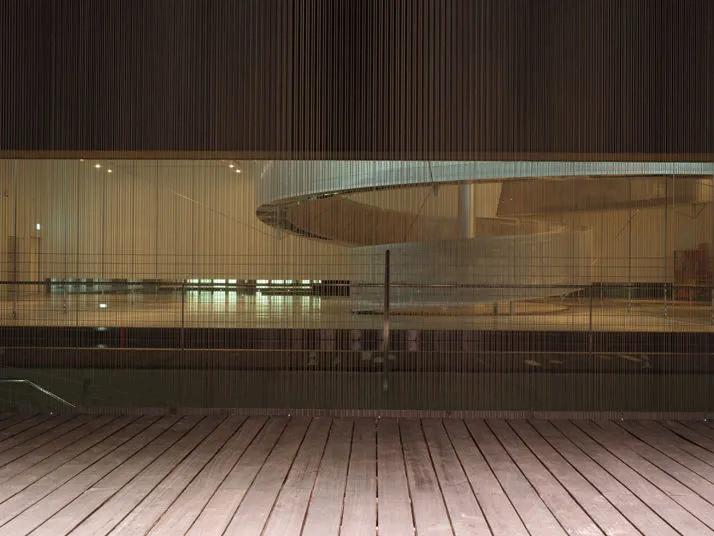
Kiswire Wire Center
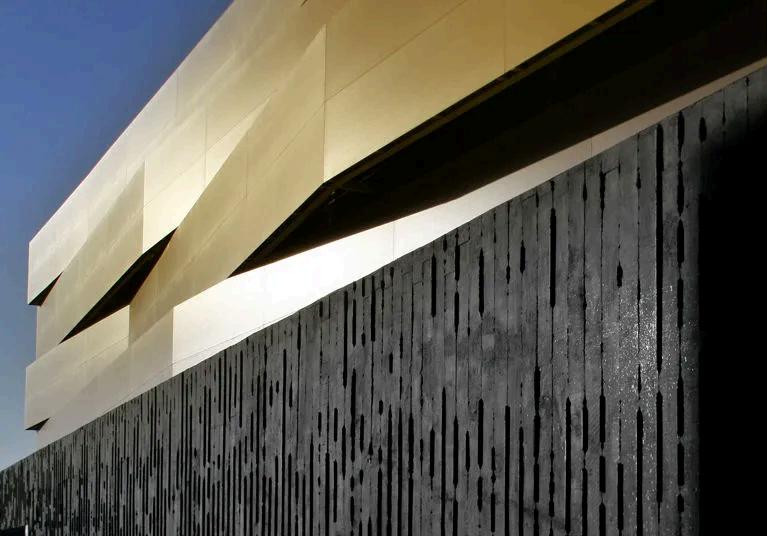
Oisoo Gallery
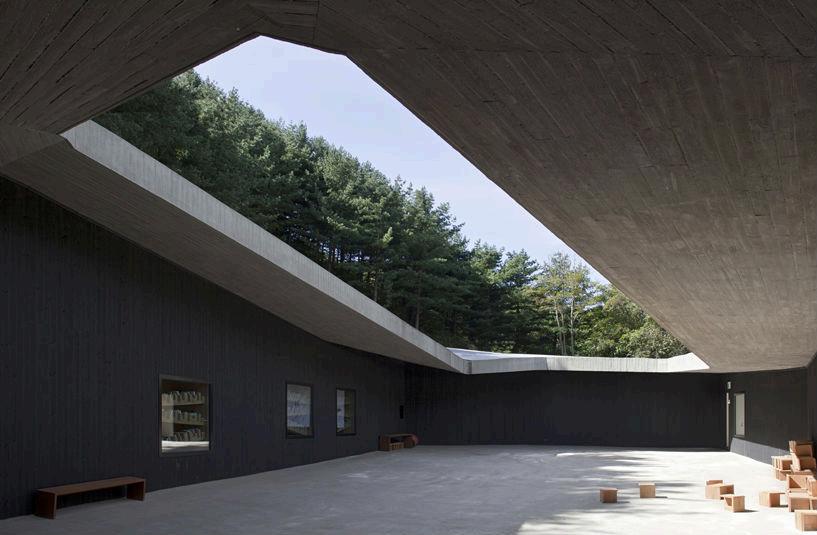
Heyri Theater
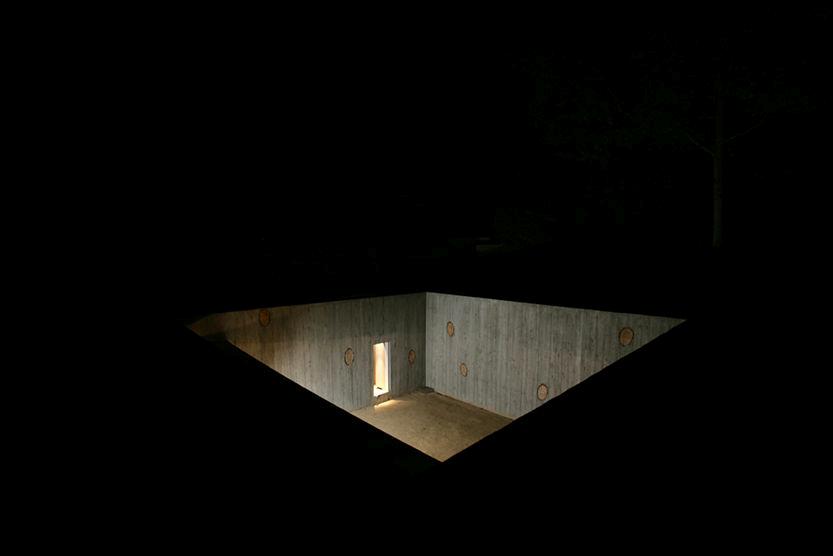
Earth House
AYU Space
Over the past 30 years, BCHO Partners has established itself as a leading architectural firm in South Korea, with projects like the Hyundai Cheonan Global Learning Center, Namhae Southcape, and Jipyeong Guesthouse, which showcase a “sophisticated but rough touch.” Cho’s work has garnered numerous accolades, including the AIA Honor Award (2003, 2013), the Kim Swoo Geun Architectural Award (2010), and international awards such as the Red Dot Award and iF Design Award (2021). Cho has also been a prominent academic voice, teaching at institutions like Montana State University and Harvard, and serving as General Director for the last Seoul Biennale of Architecture and Urbanism (SBAU) in 2023.
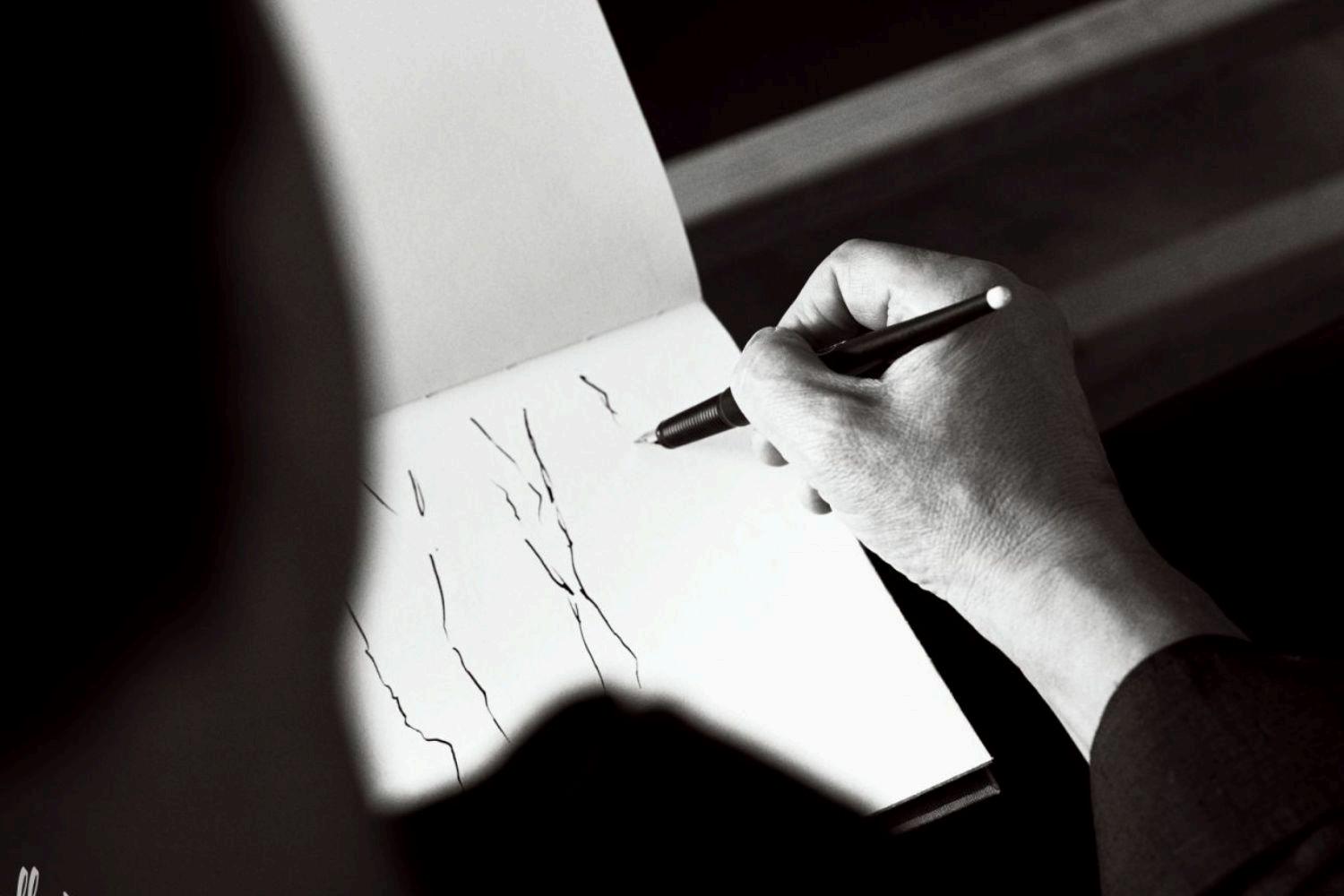
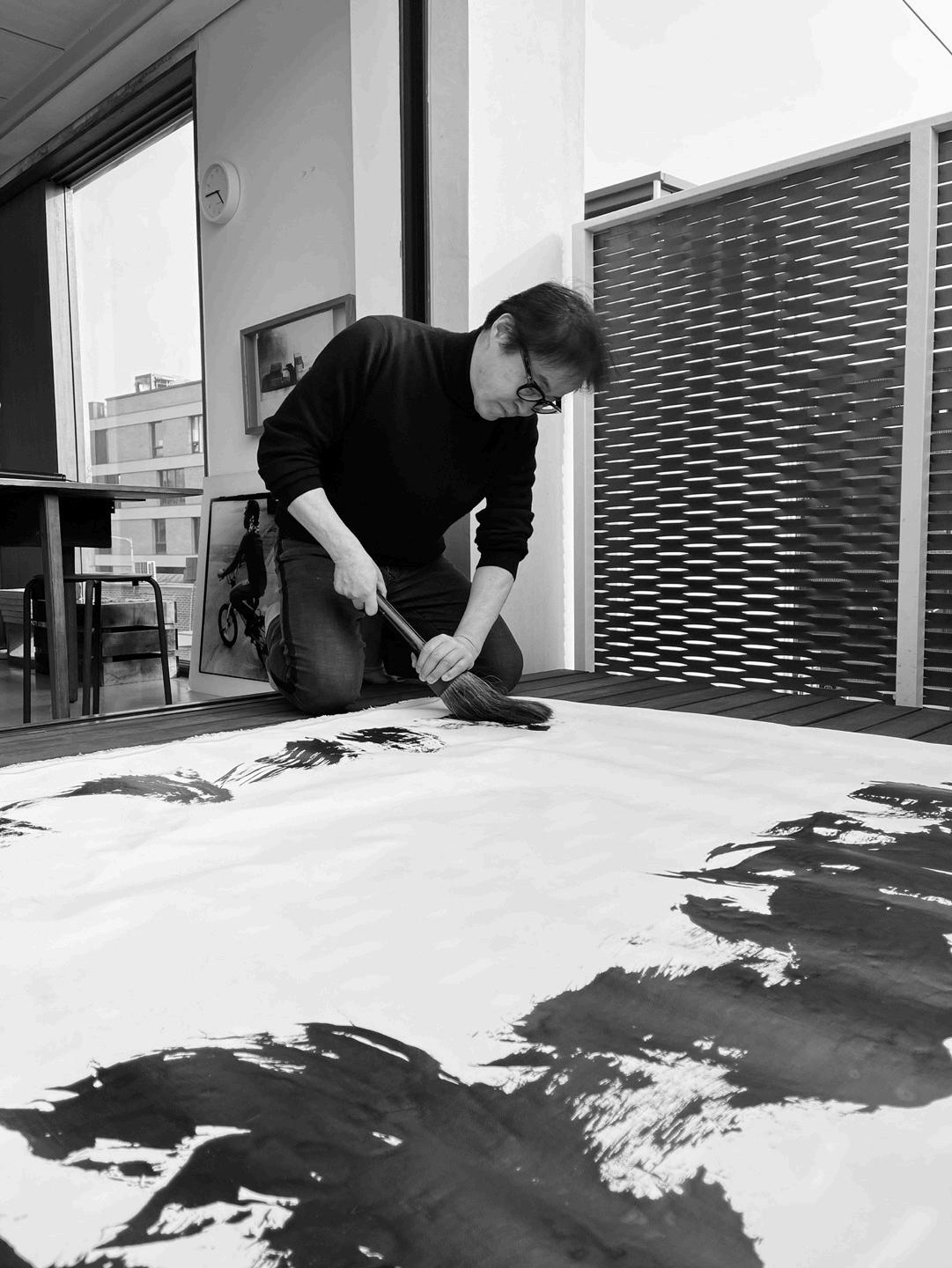
In his recent years, Cho has returned to his roots in art, dedicating time to his studio practice. Inspired by the ‘maksabal’, a traditional Korean ceramic with a rough, unfinished appearance, Cho developed the concept of “mahk,” a spontaneous, humble approach to creation that he applies to both his paintings and his architecture. In his art, he explores organic shapes through brushstrokes on rice paper, capturing movement and energy, much as he seeks to capture moments of experience in his architectural work. His painting process is, as he describes, “guided by spontaneous action,” similar to how he approaches each architectural project with openness and a willingness to embrace imperfection.