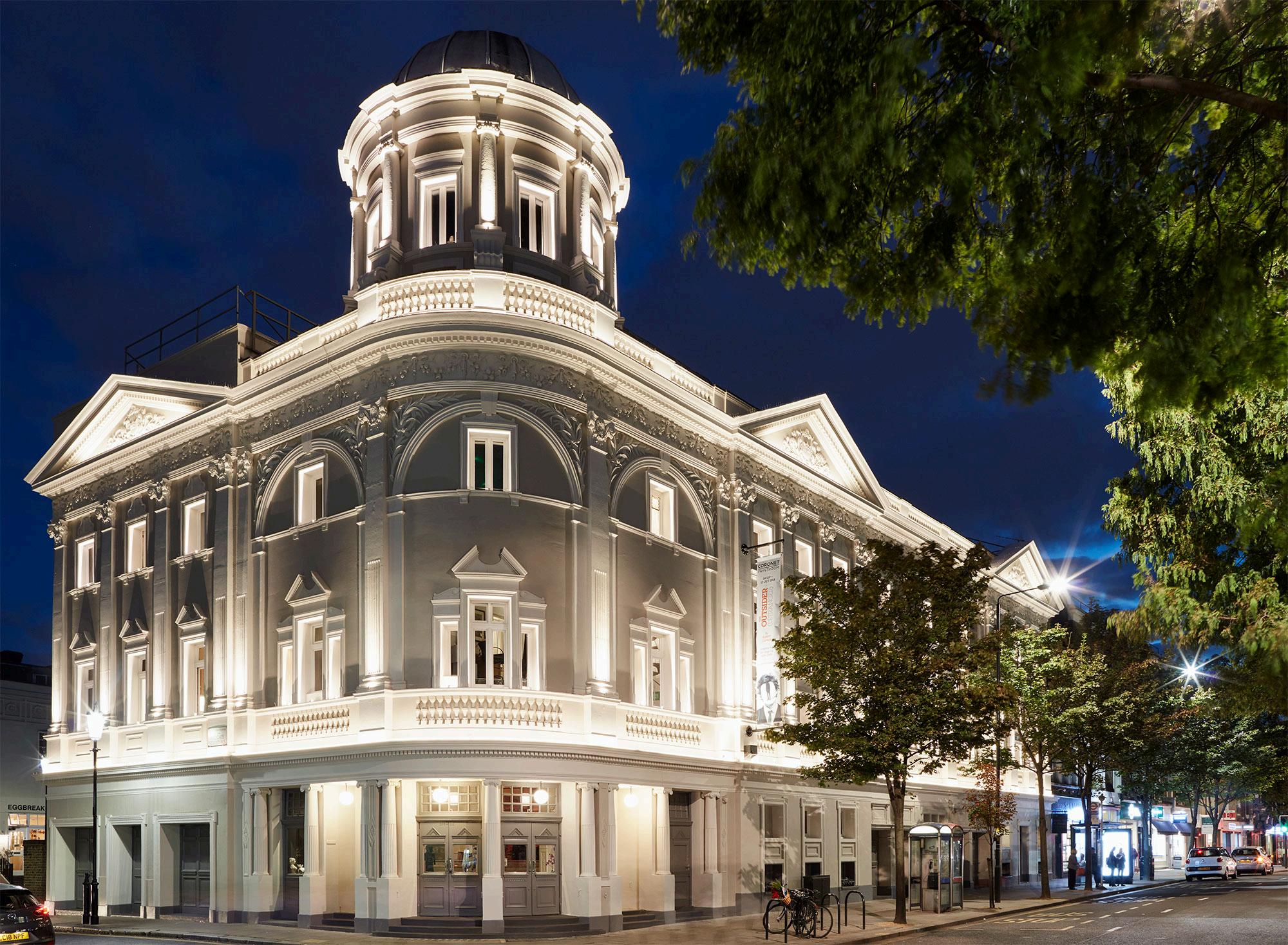
The Coronet Theatre is the home of exceptional international arts in a re-imagined and restored Grade II listed theatre in London’s Notting Hill. Both its programme and the building’s restoration are curated by Artistic Director & CEO Anda Winters in collaboration with artists from across the globe.
TCT’s mission is to engage, educate, and empower our diverse audiences with new perspectives on global arts. We platform both emerging and renowned artists from all over the world, creating a vibrant space where cultures collide and ideas come alive.
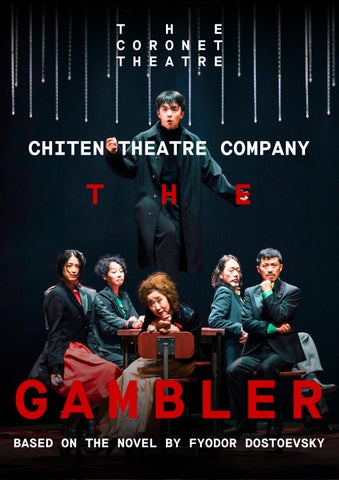
THE GAMBLER
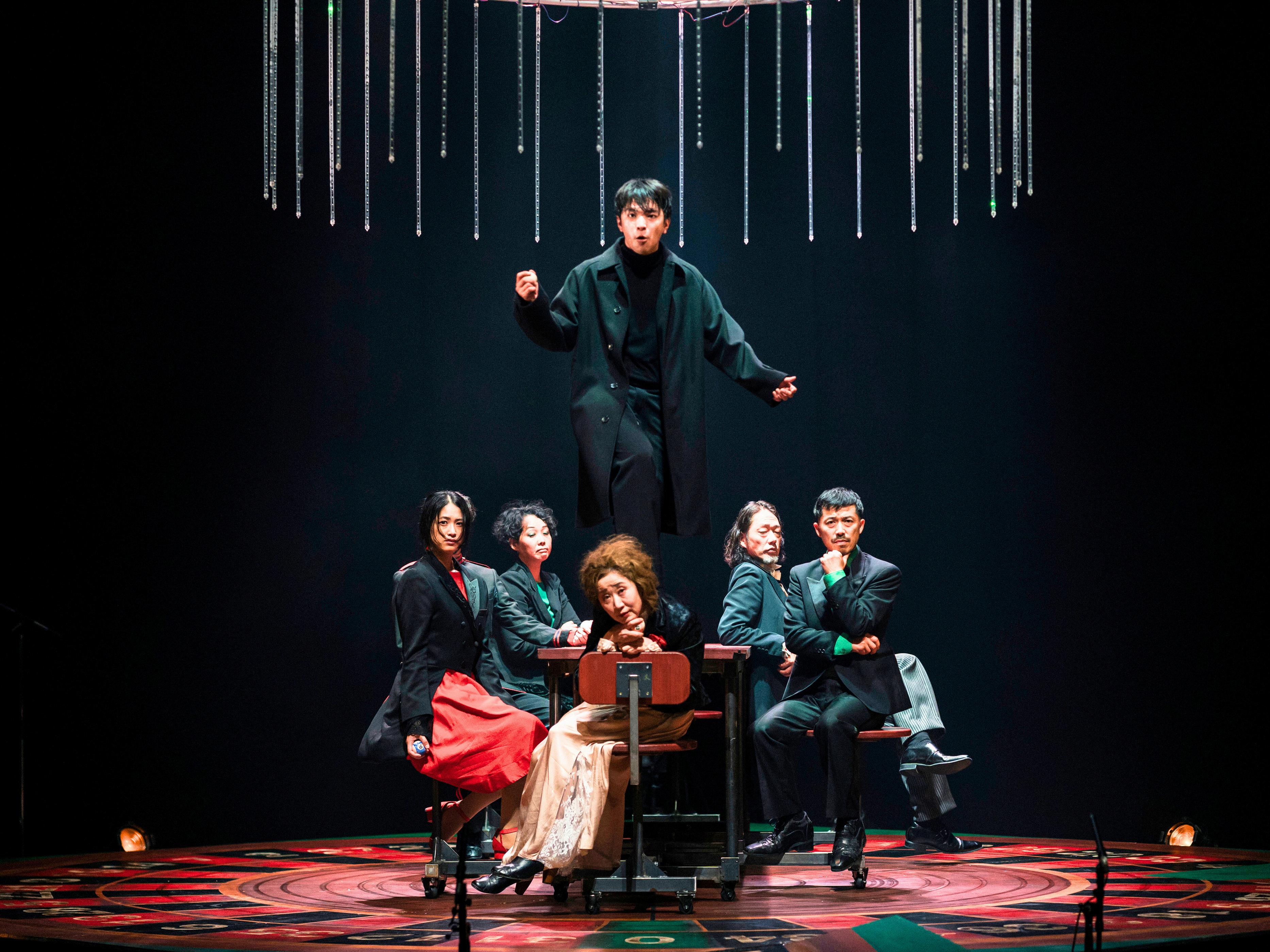
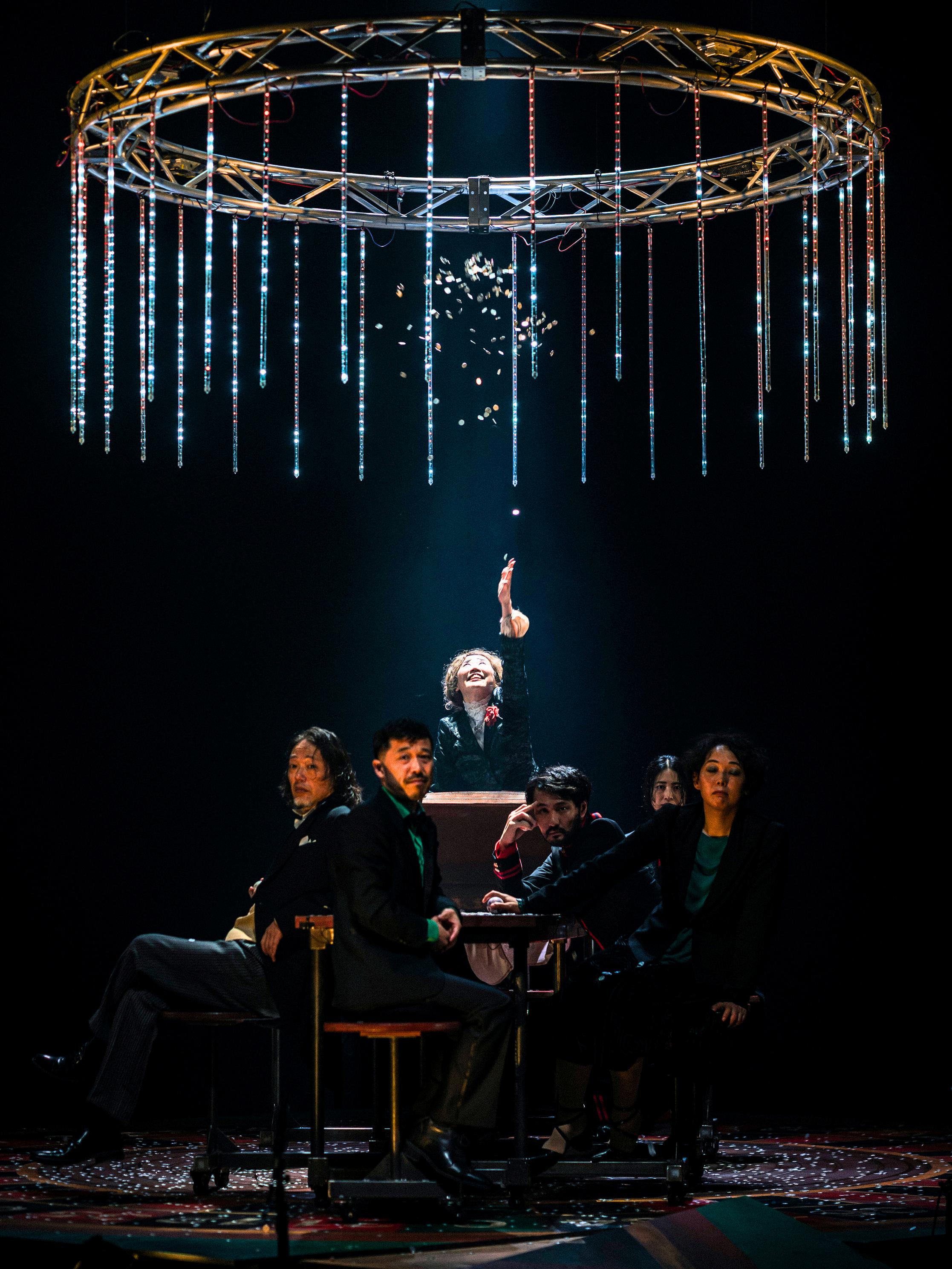
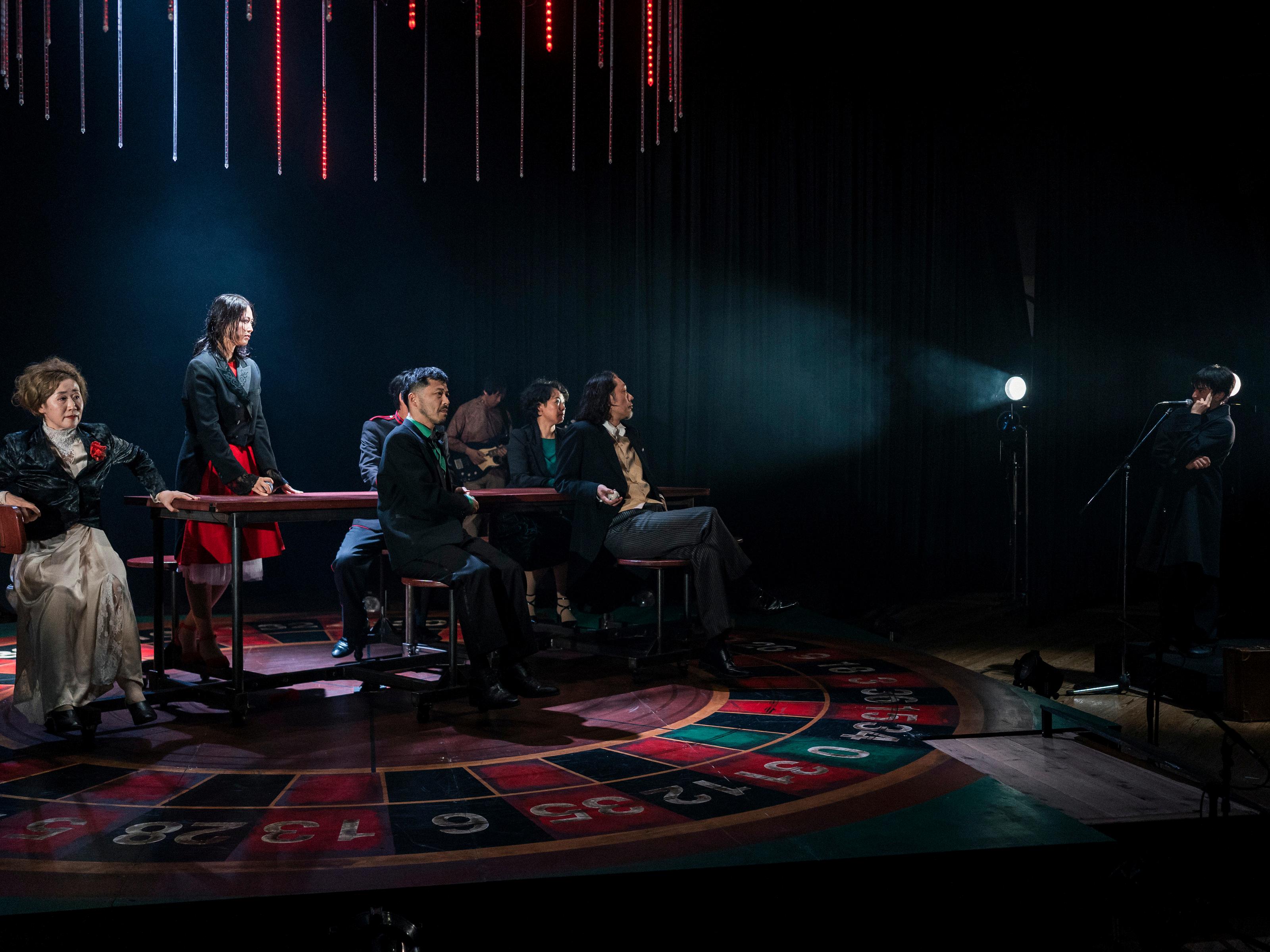
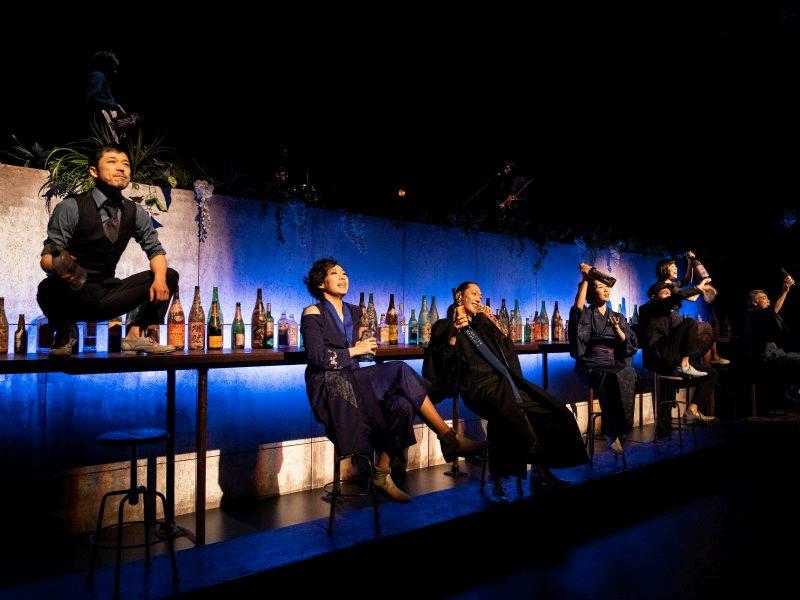
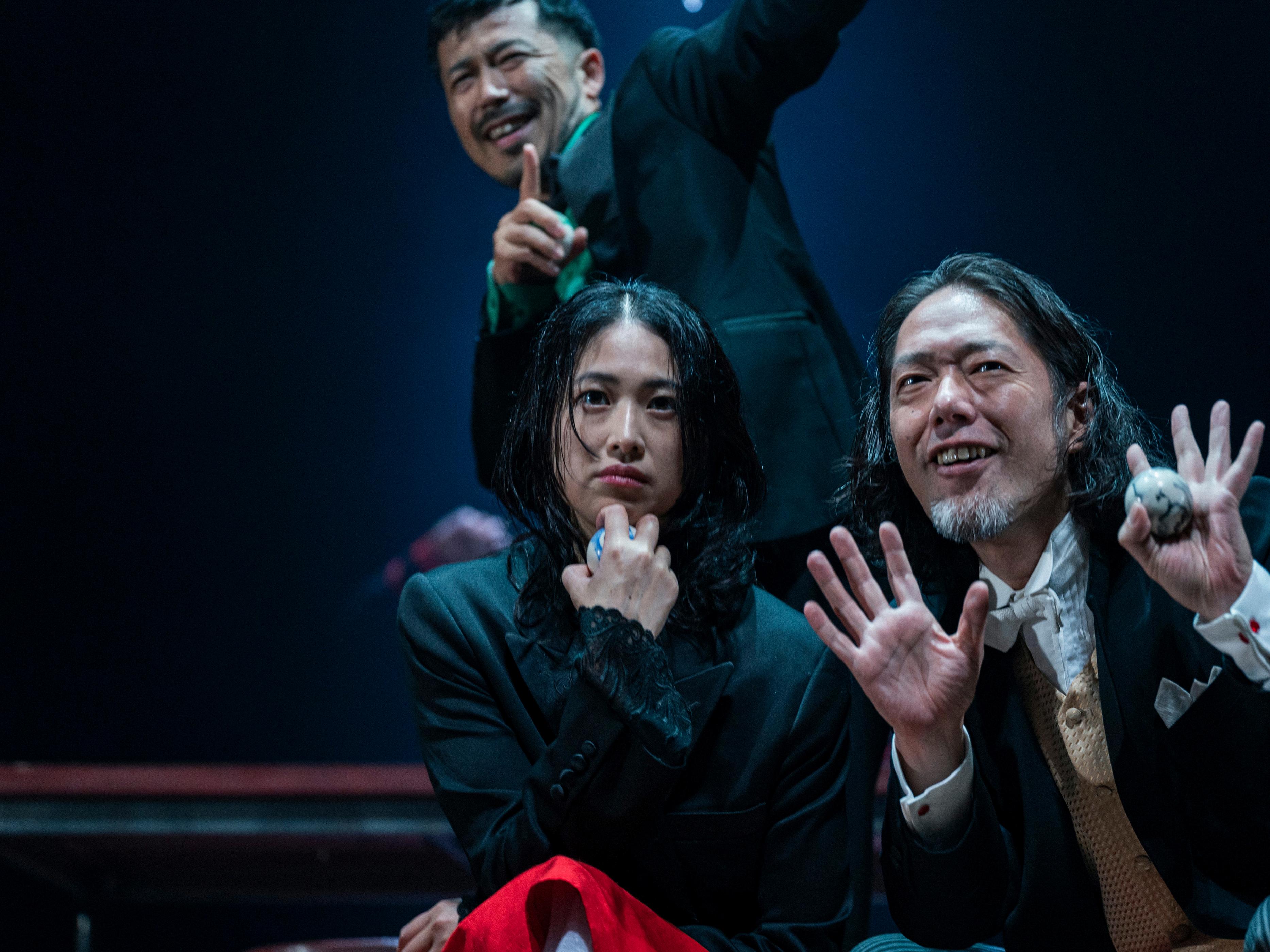
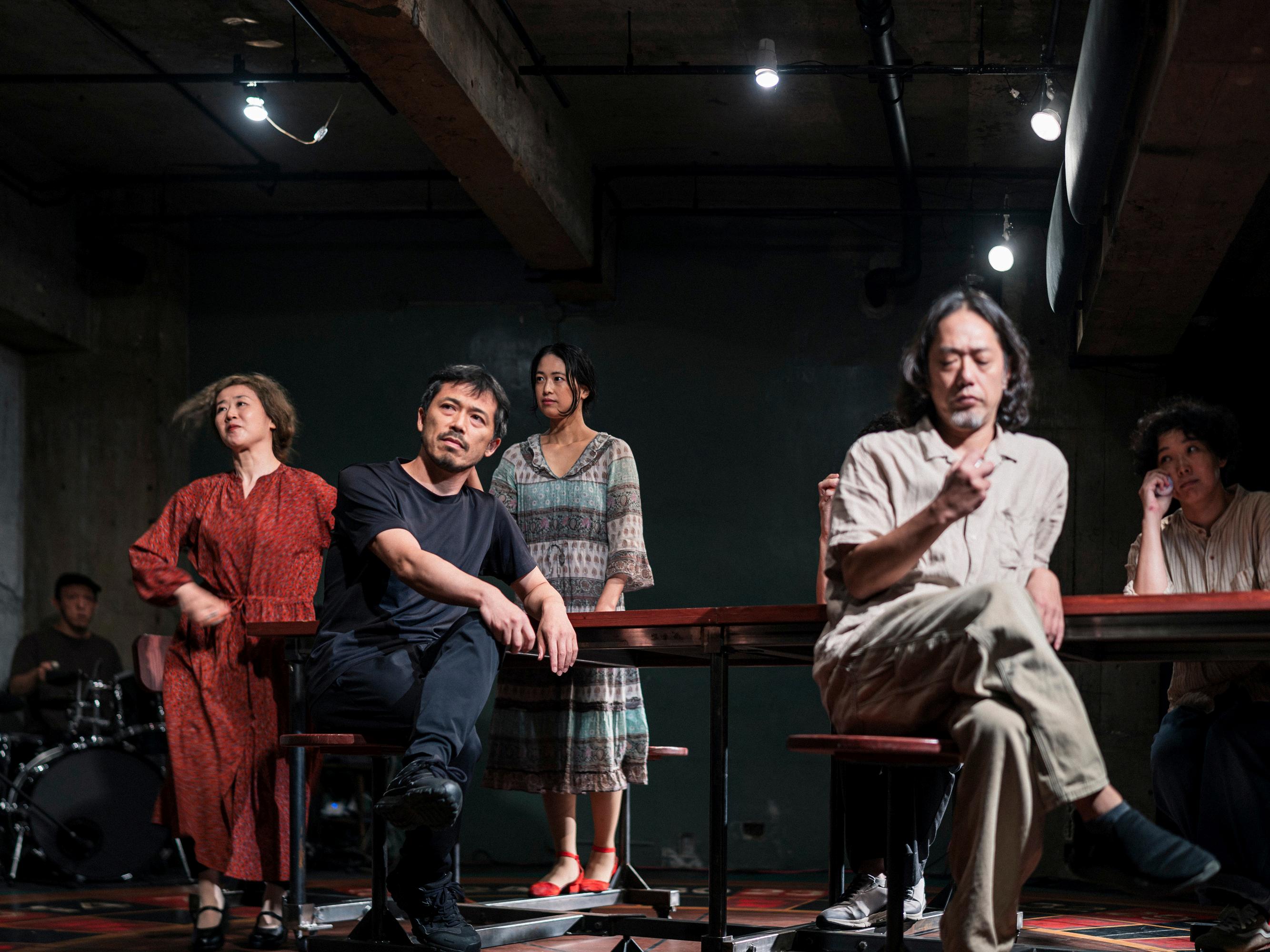
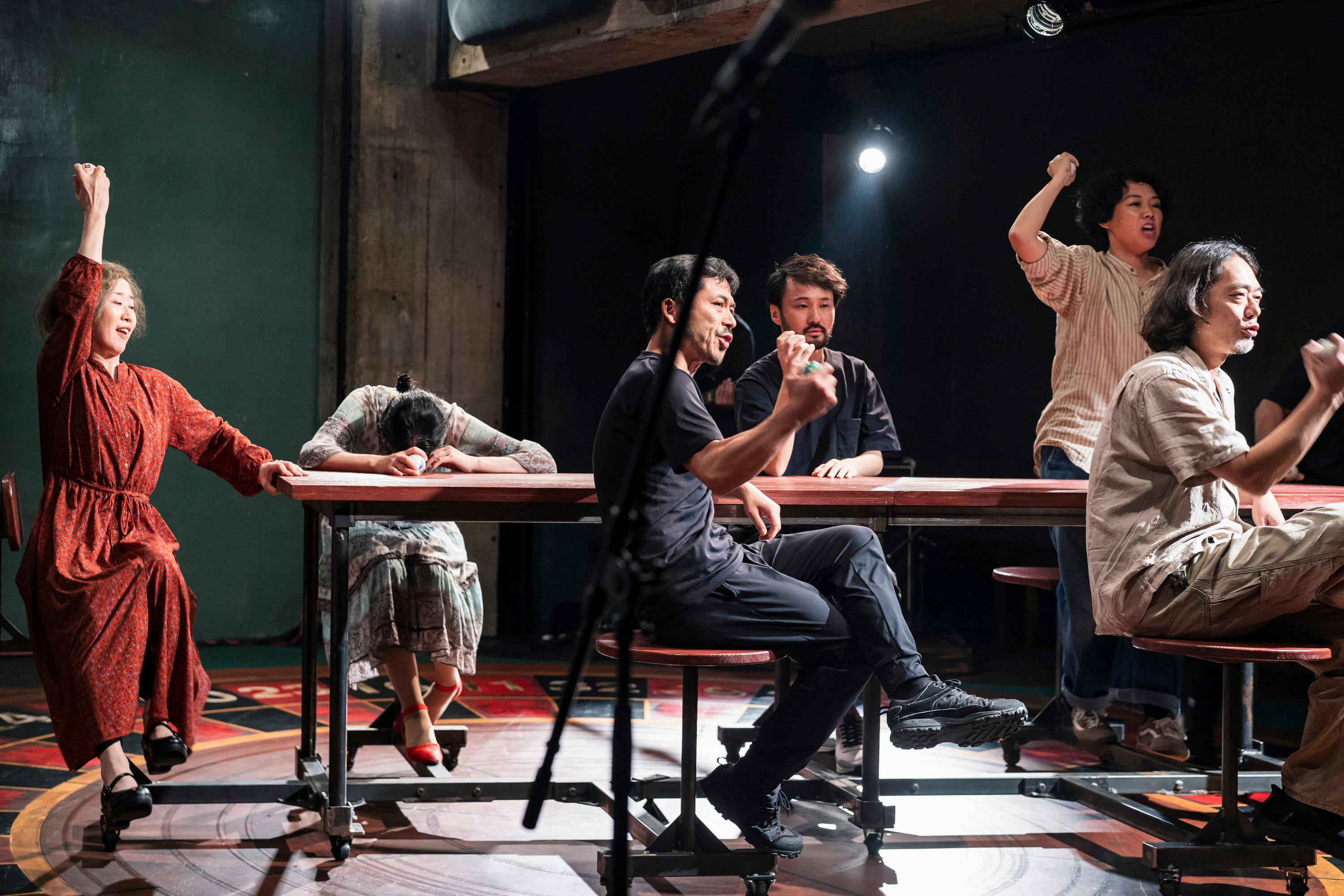
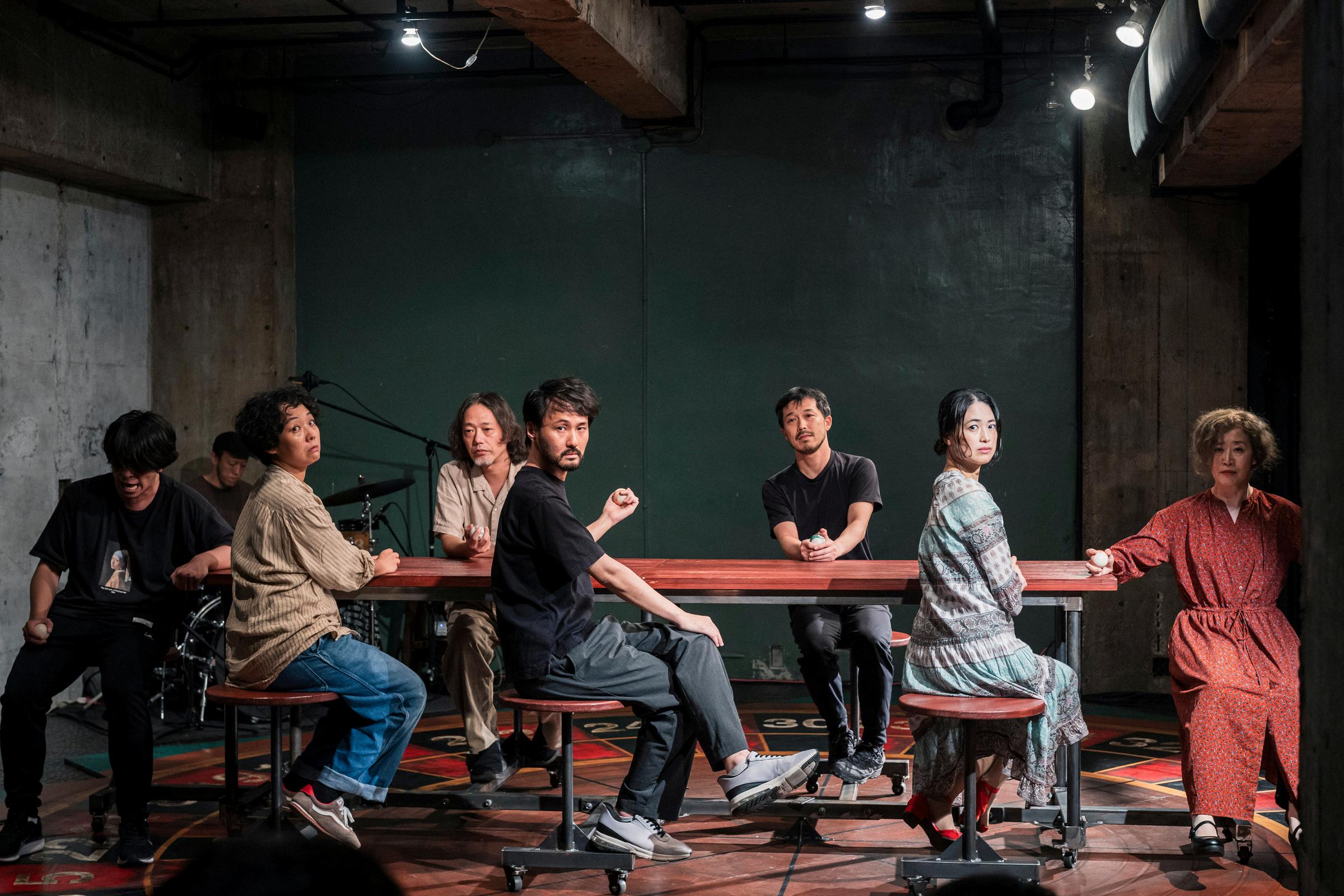
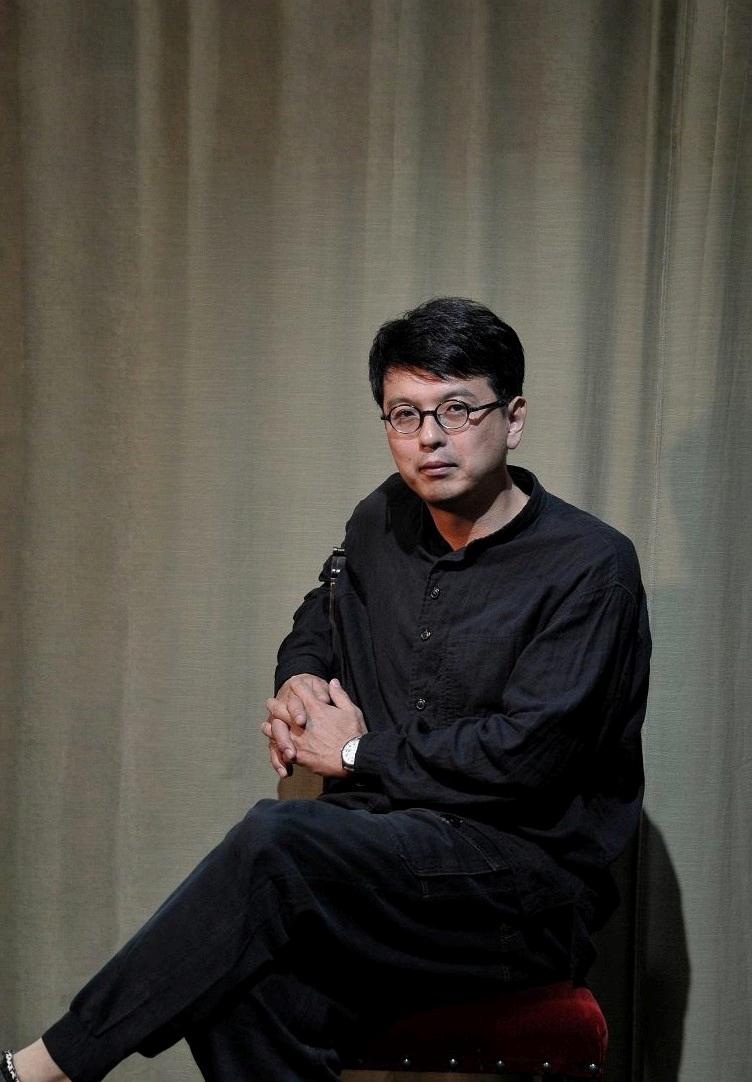
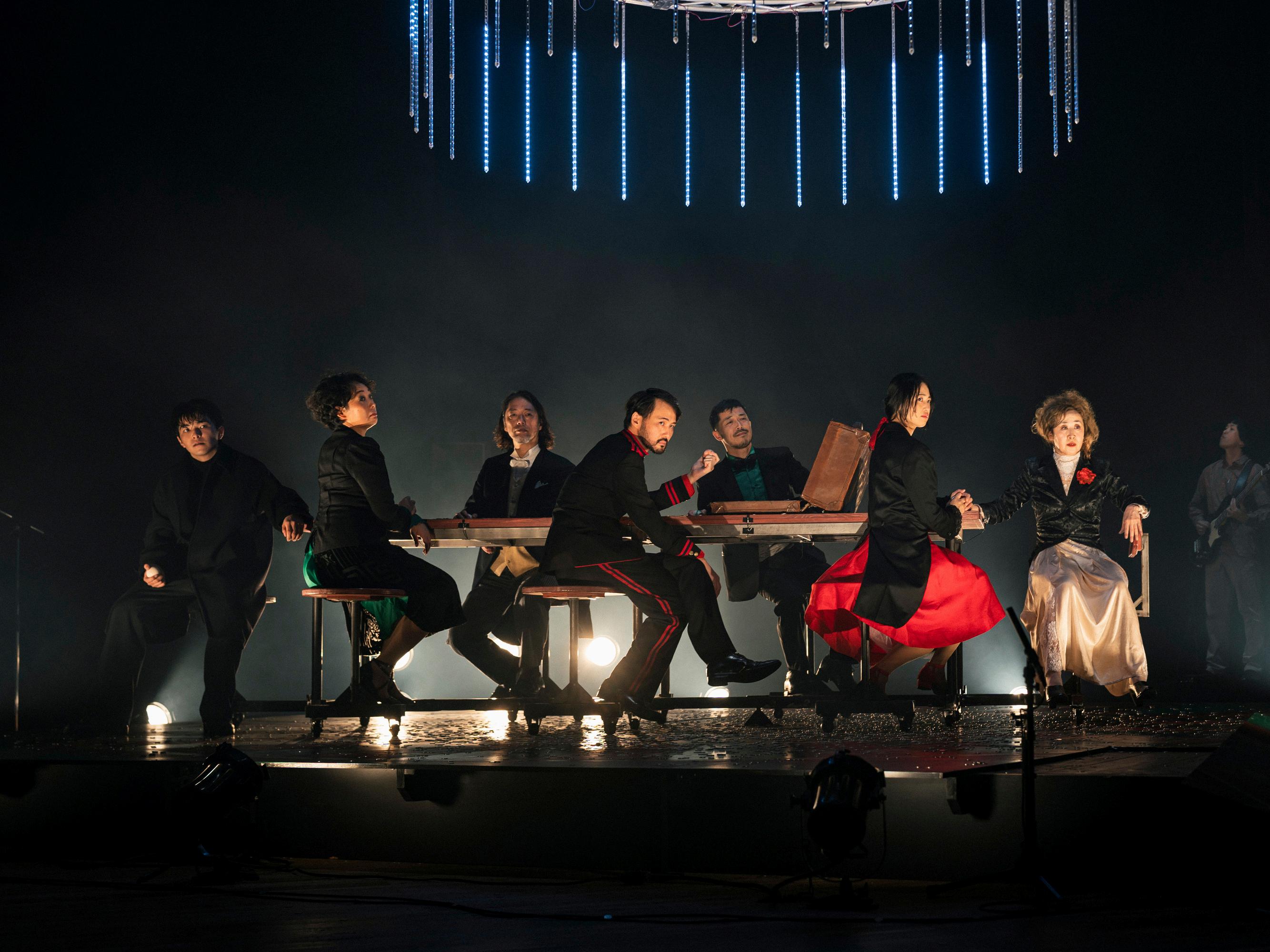
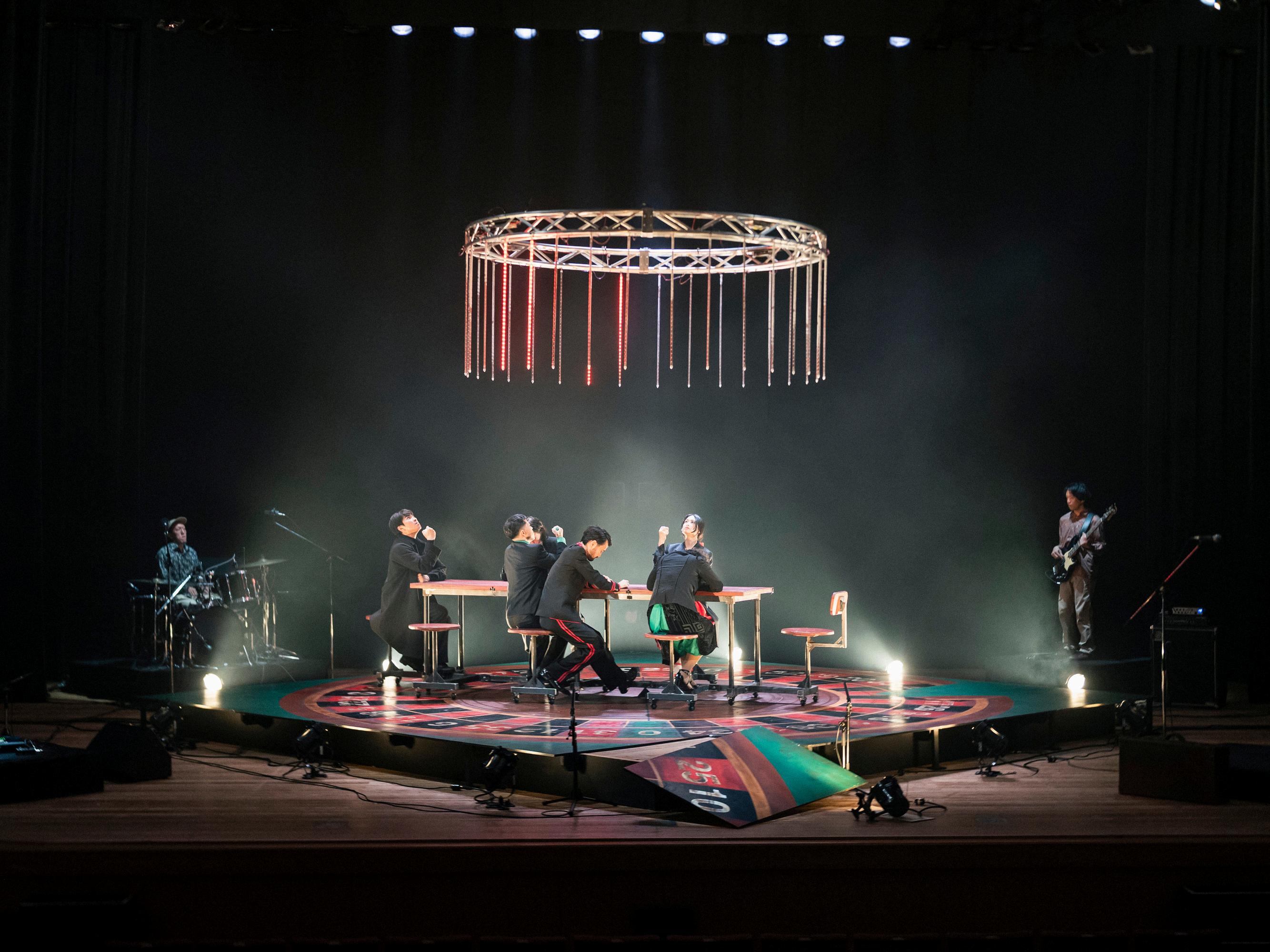
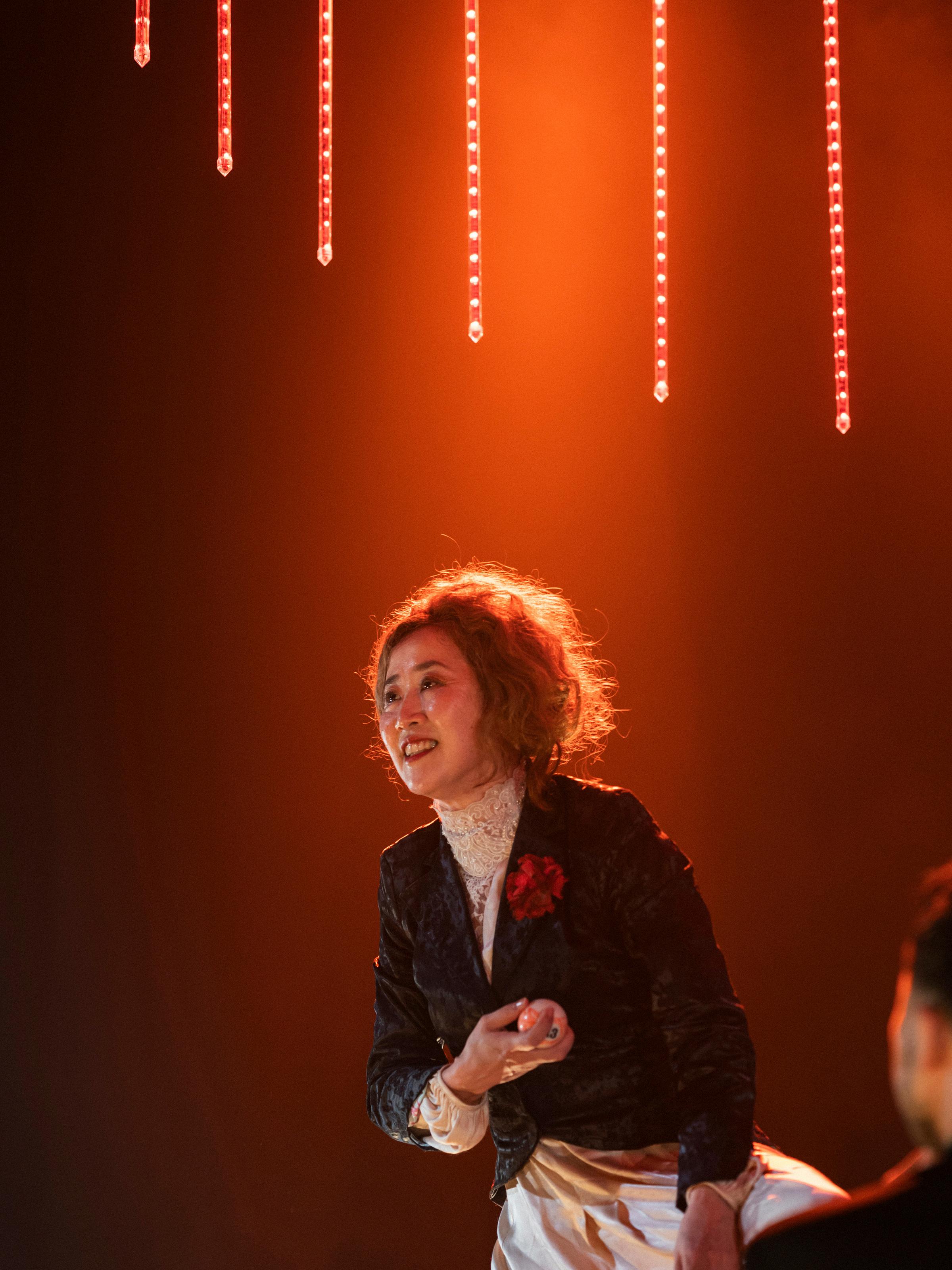
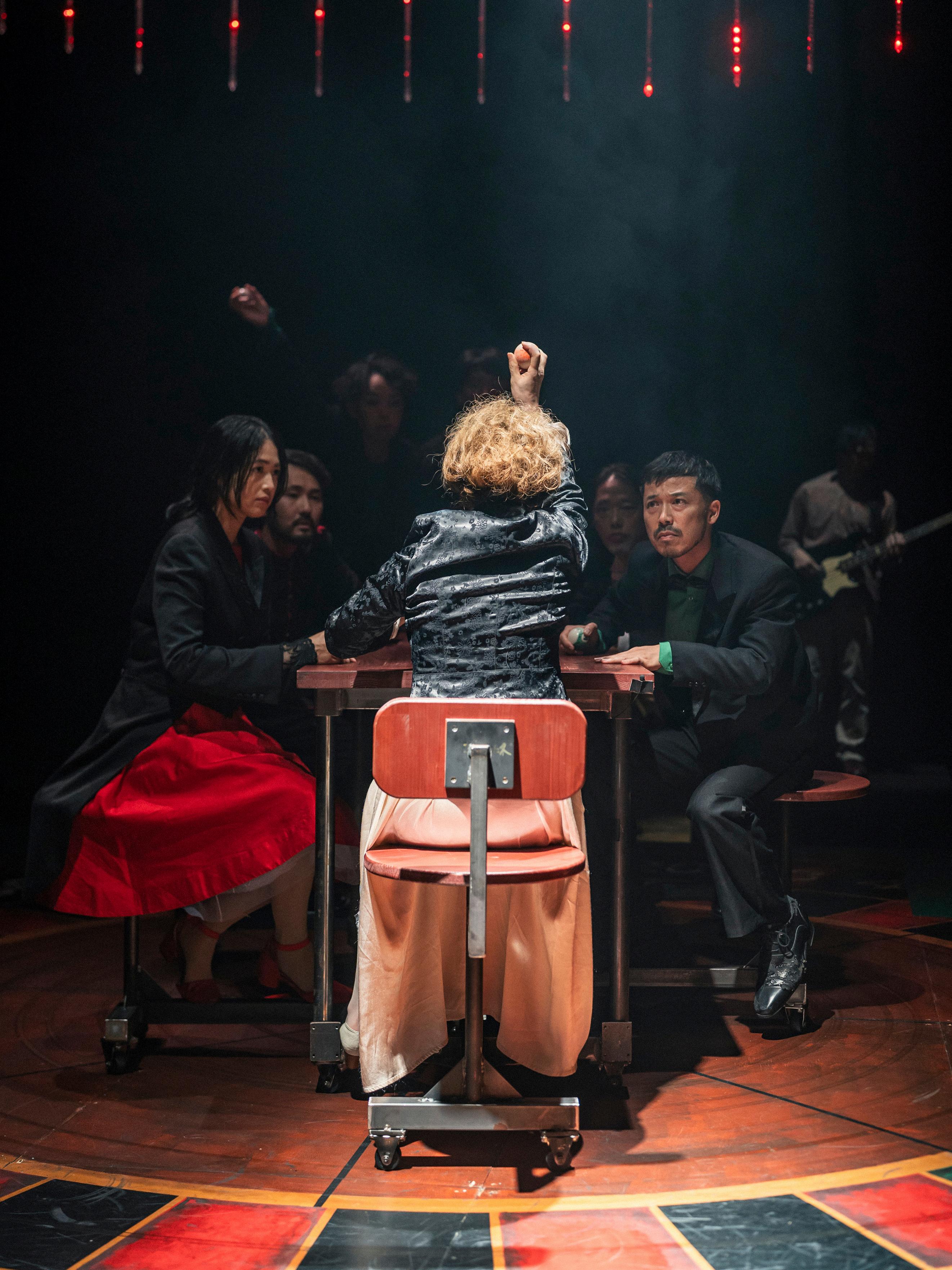
Kyoto-based Chiten Theatre, led by director Motoi Miura, return to The Coronet with a dazzling new interpretation of Dostoevsky’s internationally celebrated classic novel The Gambler.
Dostoevsky’s biting portrait of chance, class, ambition and desire is reimagined through Chiten’s distinctive theatrical language –fragmented musical and ra and underscored li e b the pulsing
CAST & CREATIVE TEAM
CHITEN THEATRE
Chiten, meaning “locus” or “point”, is a theatre company led by director Motoi Miura. It specializes in performances created out of collages using fragments of existing texts, including work by Shakespeare, Chekhov and Brecht.
Employing an original linguistic style, cadence and rhythm of language are delayed to expose the raw sound of the words liberated from their meanings.
Miura dissects the text and words, then works together with actors, musicians, stage artists, lighting artists and others who give expression to his dissected text and brings to the stage a reconstructed embodiment of the artistic world created by the original playwright.
We will be hosting a post-show Q&A with director Motoi Miura after the performance on Friday 06 February. Delivered in Japanese with a professional interpreter.The Q&A is free for ticket holders.
MOTOI MIURA: ARTIST TALK
Join us for a special artist talk with Motoi Miura, Artistic Director of Chiten Theatre and director of The Gambler.
Drawing on Chiten’s extensive company archives, Miura will explore his approach to theatre-making, the evolution of Chiten’s artistic practice, and his reflections on the future possibilities of contemporary theatre.The session offers a rare insight into one of Japan’s most distinctive and internationally respected theatre companies.The event will include a Q&A, and will be delivered in Japanese with a professional interpreter.
This event is open to anyone interested in theatre-making, and is free to attend.
Photo by Shotaro Ichihashi
Photo by Shotaro Ichihashi
FYODOR DOSTOEVSKY
Fyodor Dostoevsky was born in Moscow in 1821 and introduced to storytelling at an early age. His debut novella Poor Folk brought brief success in St Petersburg’s literary circles, but his involvement in a discussion group banned under Tsarist rule led to imprisonment in Siberia and years of enforced military service. His experiences there inspired The House of the Dead.
During the 1860s, Dostoevsky lived in Europe, producing his major works Crime and Punishment, The Idiot, and Demons. His final novel, The Brothers Karamazov, is widely regarded as his masterpiece. Renowned for his polyphonic narratives and probing explorations of faith, morality, and society, Dostoevsky also wrote short stories, essays, and journalism, and translated Balzac, Sand, and Schiller into Russian.
THE GAMBLER IN REHEARSAL
Photos by Shotaro Ichihashi
HUNG DANCE
12 - 14 Mar
“Outstanding show. A cathartic show and a wonderful performance.”
Edinburgh Fringe Review La Provence
“Sublime choreography”
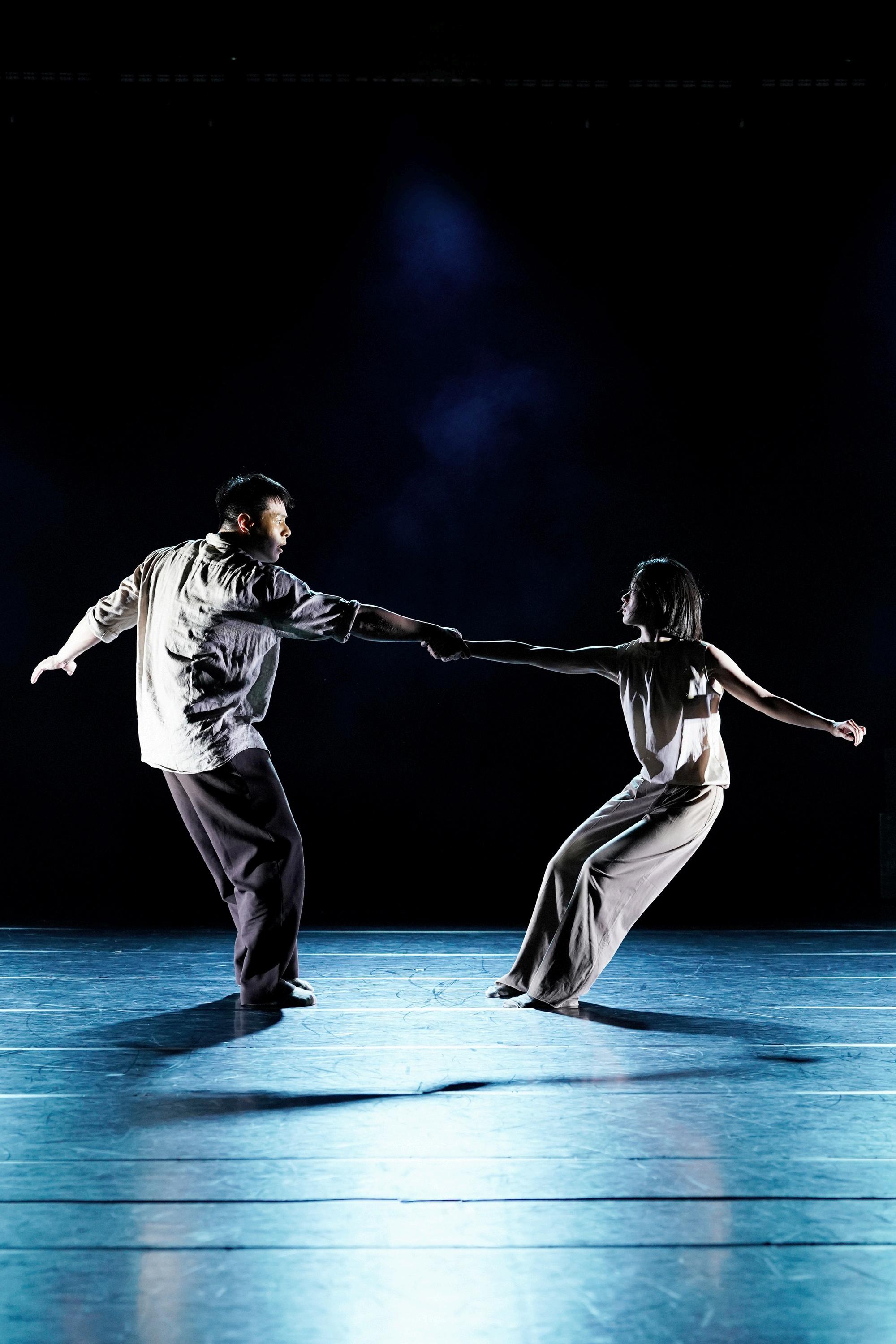
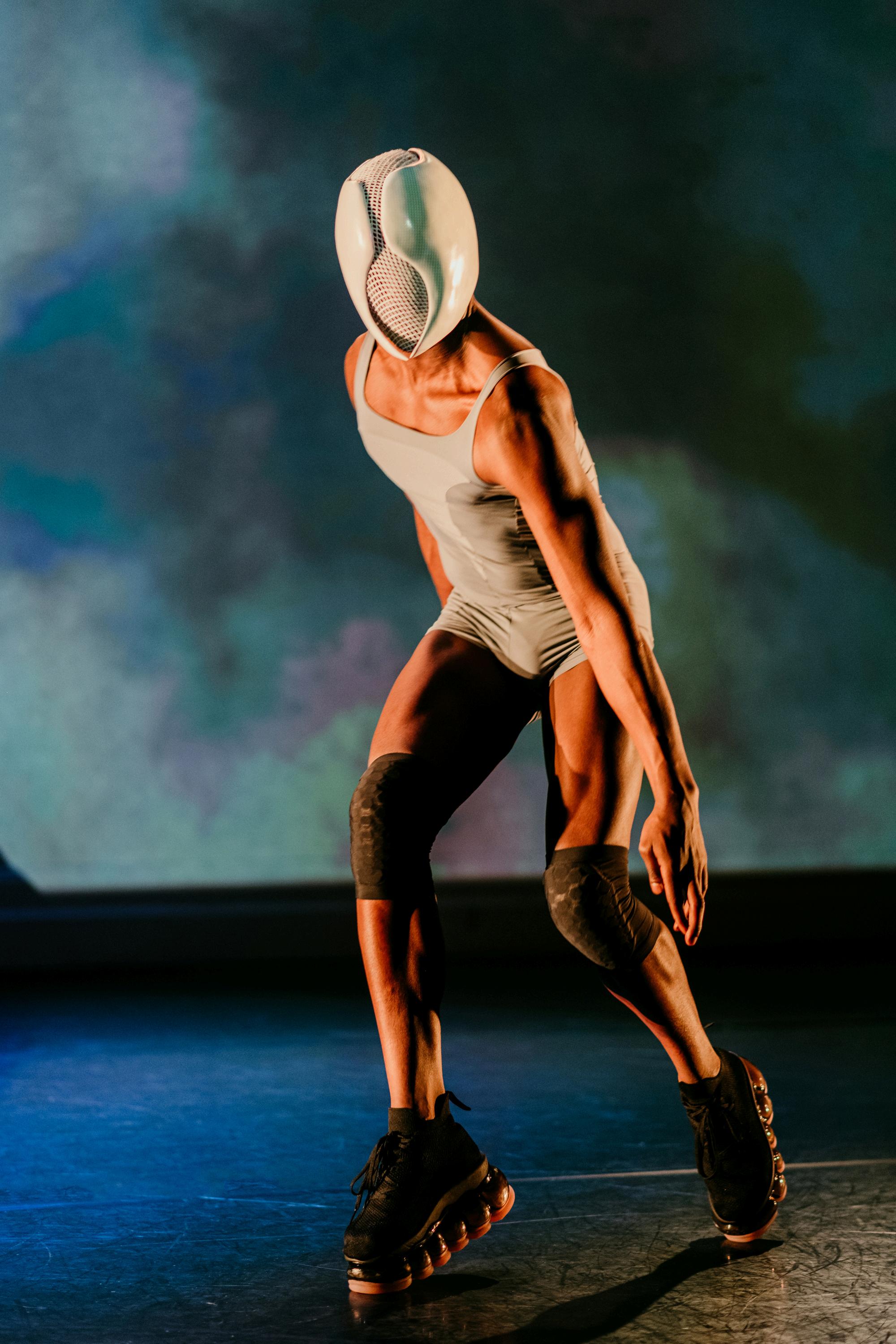
Photo by Hisaki Matsumoto
MOTOI MIRUA
Reading The Gambler leaves one with a peculiar feeling. For instance, the frequent use of French feels rather anticlimactic. While it could be said to skilfully depict the European complex held by Russians of the time, this work stands out as somewhat of an anomaly within Dostoevsky's literature, its substance feeling rather elusive. The characters are quintessential Russian aristocrats, and the foreigners' behaviour is equally typical. It even feels as though it were composed by an AI. Including the heavy use of French, there's a sense of detachment, as if the characters can only speak of their lives through translation, as if recalling some imaginary language. This, perhaps, is what evokes that peculiar feeling. Recently, while stuck during rehearsals for another play, an actor used ChatGPT to create a rap. He inputted the play's themes and key lines, and it automatically generated a rap – it was a delight to listen to.
Photo by Shotaro Ichihashi
thing clear: given the content (theme and keywords) and a form (in this case, rap), it can instantly arrive at a certain level of worldbuilding.This isn't about touting AI's prowess; it simply highlights how the listener's accumulated experience and imagery instantly recognise and digest that world-building to a certain degree.That sense of “been there, done that” reassures us, yet simultaneously induces a cessation of thought.
Incidentally, it’s rather amusing to consider that some 150 years ago, Dostoevsky, having hit a creative wall (or more precisely, needing to repay debts), was compelled to rush a manuscript to his editor. He ultimately employed AI to deliver The Gambler.There’s much about this that feels both fitting and understandable. In that sense, he was a highly capable AI. He even possessed that humour, occasionally manifesting in profoundly suggestive phrasing. Now, we living in the modern age must upgrade this AI further. Unless we refine the conditions more meticulously, or provide more original instructions, it will remain at a merely adequate level.Thus, my task this time became updating the format for reading The Gambler.
I shall now revisit the director's notes from its premiere three years ago.
Only roulette is absolute. Inheritance, romance, life's victories and defeats – all are probability. A life demanding reasons is meaningless. Worry is unnecessary. No, shallow worry is beautiful. Emotional investment is impossible.This sense of nothingness can never run parallel with the classical. Irony towards tradition is mere defeat. Desperate struggles are welcome. ‘Tomorrow, tomorrow, tomorrow, everything will be settled!’ is the novel's final line. Defeat is bright.
What emerged from this outcome was the simple form of people
Photo by Shotaro Ichihashi
Photo by Shotaro Ichihashi
Photo by Shotaro Ichihashi
K U K A N G E N D A I
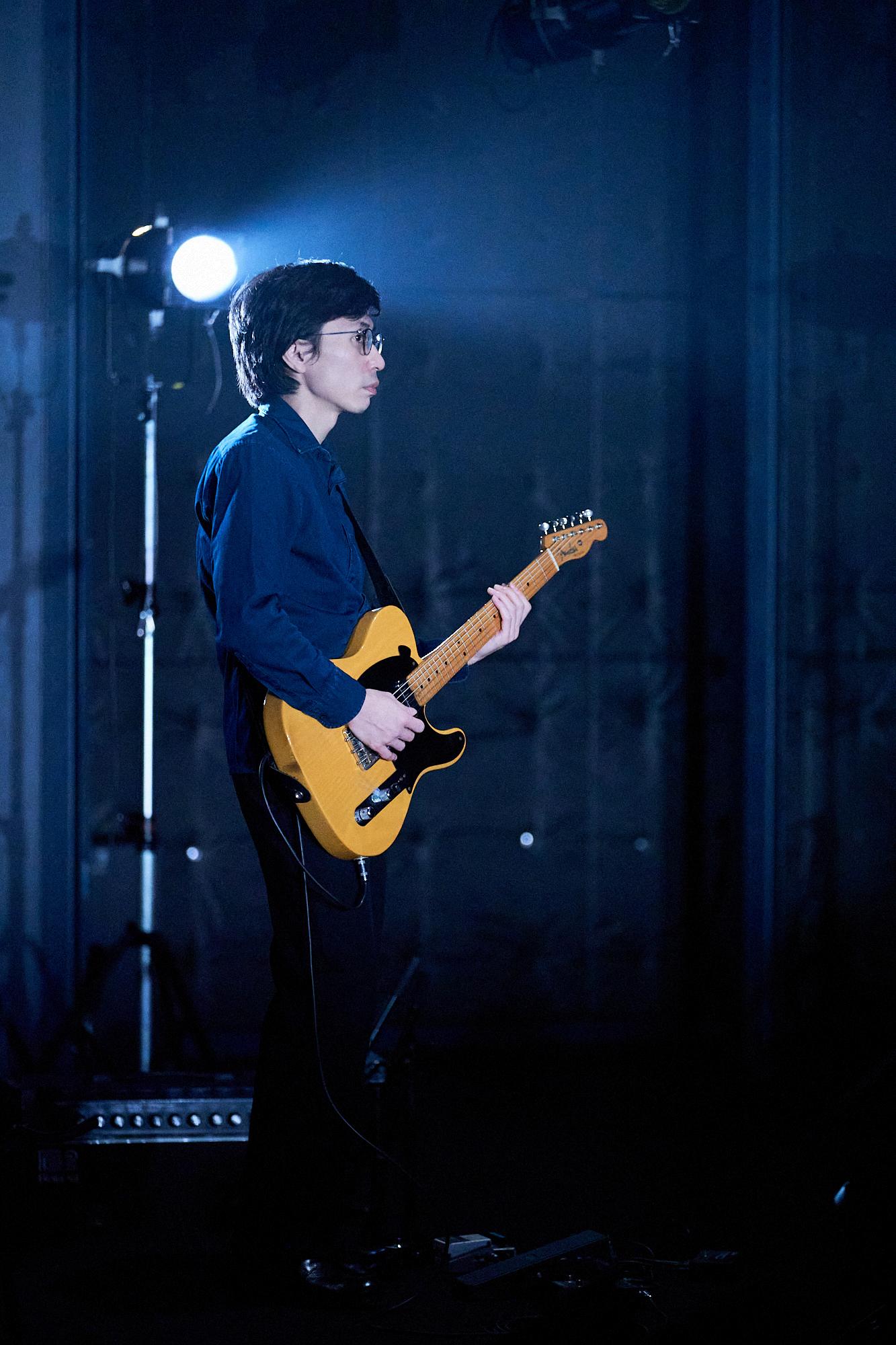
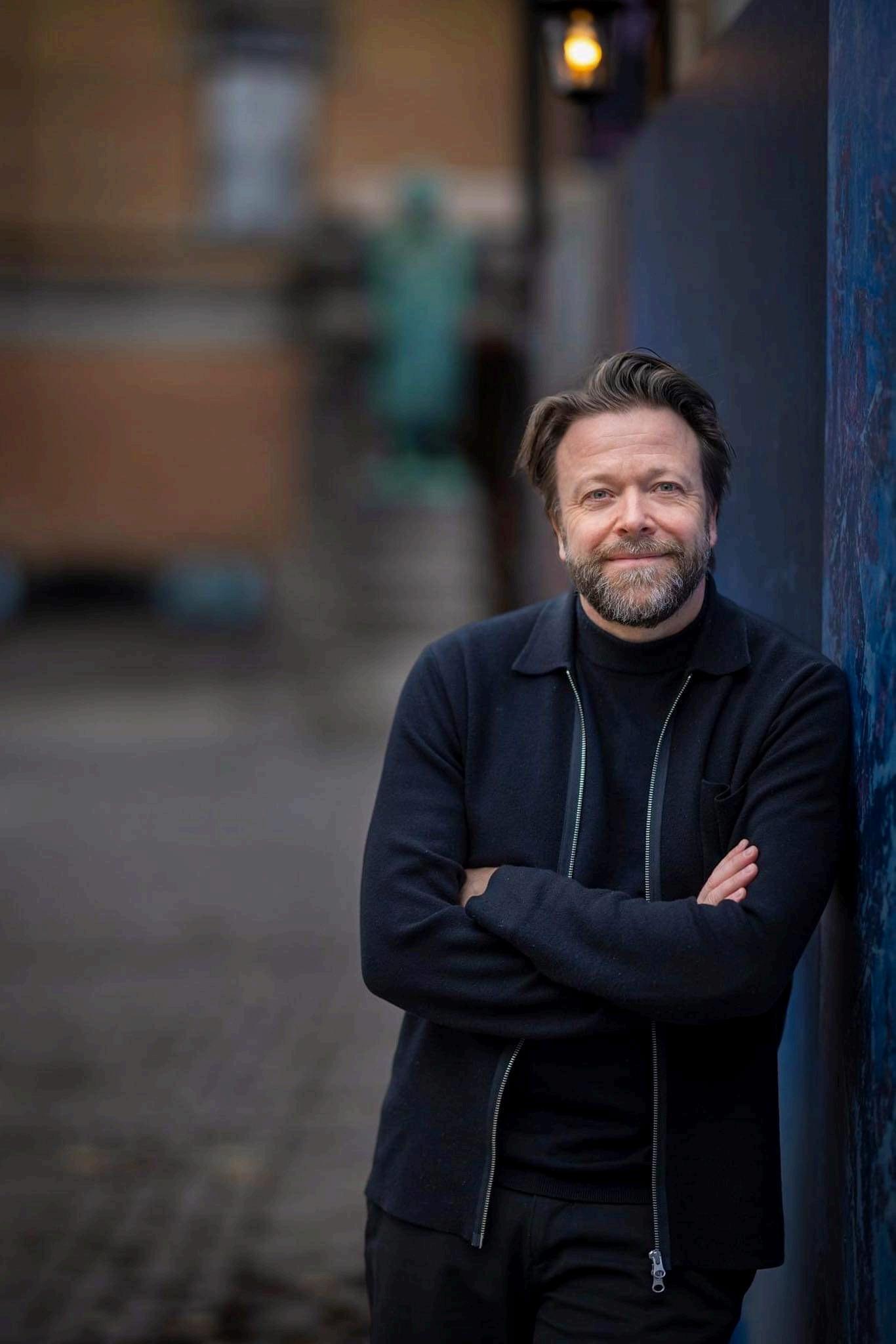
kukengandai formed in 2006 with Junya Noguchi (guitar, vocals), Keisuke Koyano (bass), and Hideaki Yamada (drums). Working as a three-piece, the band builds its music through processes of editing, repetition, and deliberate error.
Their sound embraces distortion and physical strain, shaping live performances that are both stoic and quietly humorous. In recent years, kukengandai have explored concert forms in which multiple songs unfold simultaneously, overlapping and diverging, yet experienced as a single, unified rhythm across time.
A range of kukengandai CDs and LPs are available to purchase after the performance.
Read more about kukengandai in Japan Nakama’s profile here.
Photo by Shotaro Ichihashi
K U N I K O M A E D A :
T H E R O O M
SCULPTURE EXHIBITION
Free for ticket holders
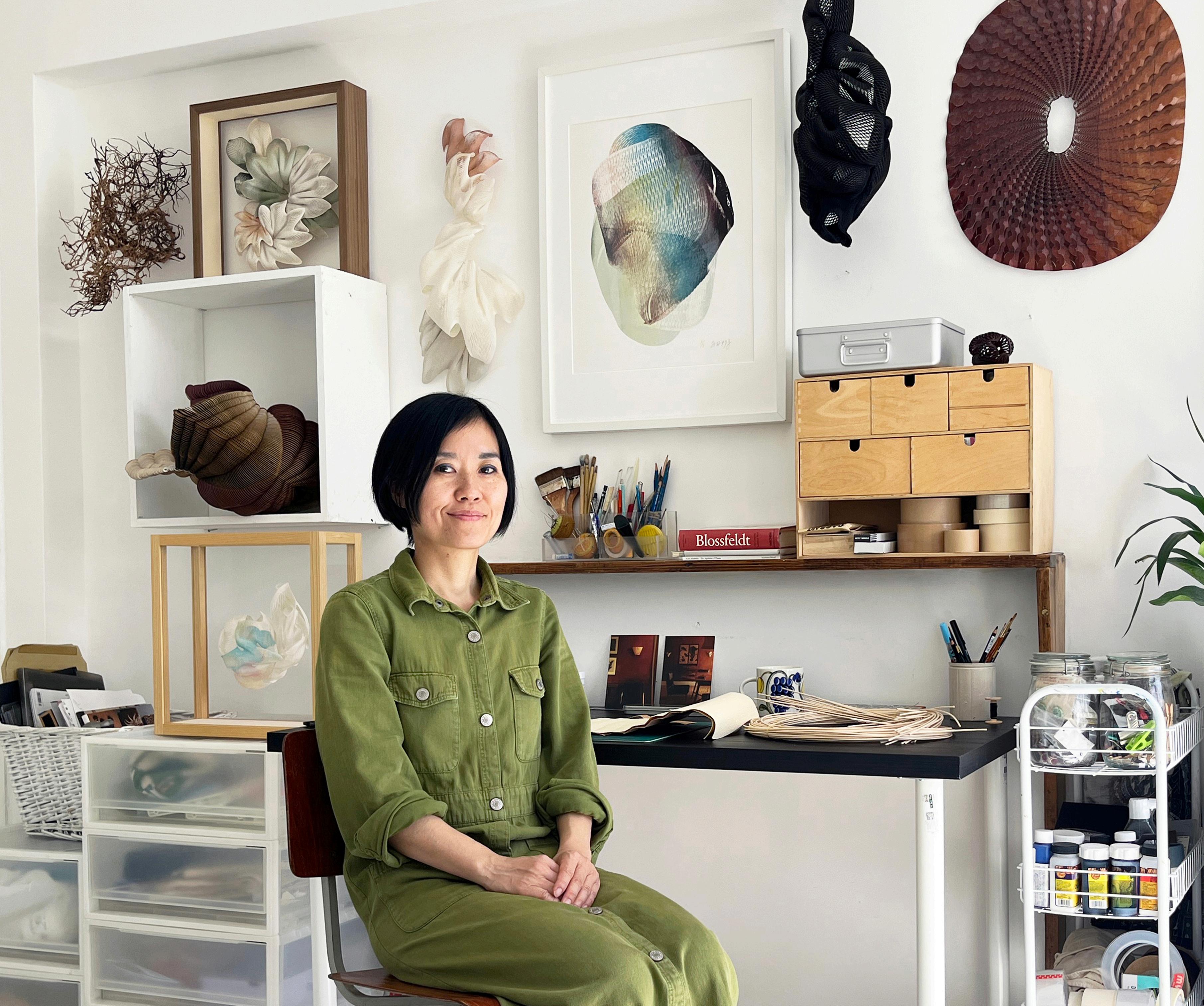
Running alongside performances of The Gambler, this exhibition by London-based artist Kuniko Maeda transforms our Print Room Studio into a space of quiet reflection.
Maeda combines traditional Japanese craft techniques with contemporary processes to explore transformation, impermanence and sustainability. Her practice embraces material-led abstraction and the quiet poetry of form, exploring subtle shifts in time and space and capturing moments that feel at once familiar and strange.
Rather than treating sculpture as a fixed or isolated object, the works are conceived in direct response to their surroundings: the architecture of the room, the presence of the audience, and the understated rhythms of everyday life within a working theatre. Old furniture – chairs, tables, and other domestic forms – becomes an integral part of the installation. Bearing traces of use and history, these objects evoke intimacy and memory, creating a gentle dialogue between past and present. Sculptural forms are placed on or around them, appearing to rest, lean, or wait, as though they belong to the room itself.
The result is an environment in which artworks feel lived-in rather than displayed, quietly coexisting with the space and those who pass through it.
Works featured: When a Room Awakens (2025), The Day in Tranquility (2025), Echoes of Shadows (2025), Where Time Fades (2025), Morphed (2025), Core (2025)
Morphed (2025)
Audience Experience Manager
Giudi Di Gesaro
THE CORONET THEATRE TEAM
Lead Technician
Louis Williams
Duty Managers
Theatre Administrator / PA to the Artistic Director