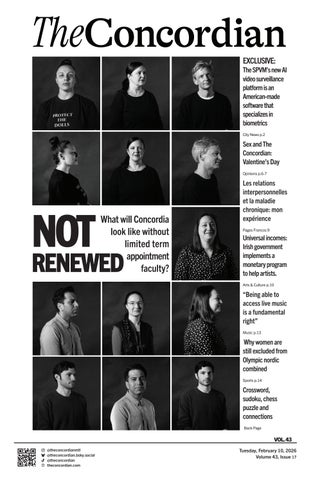
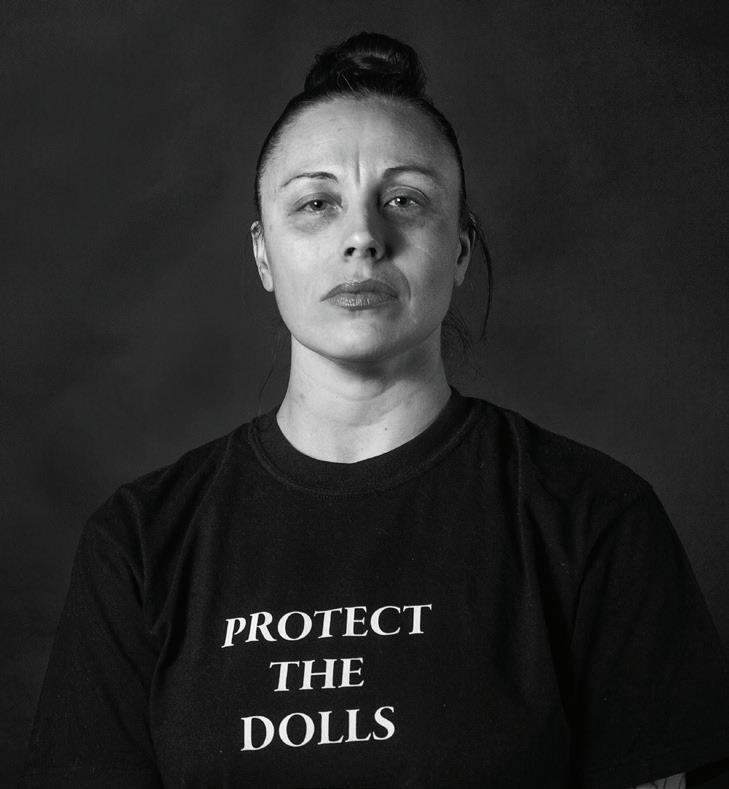
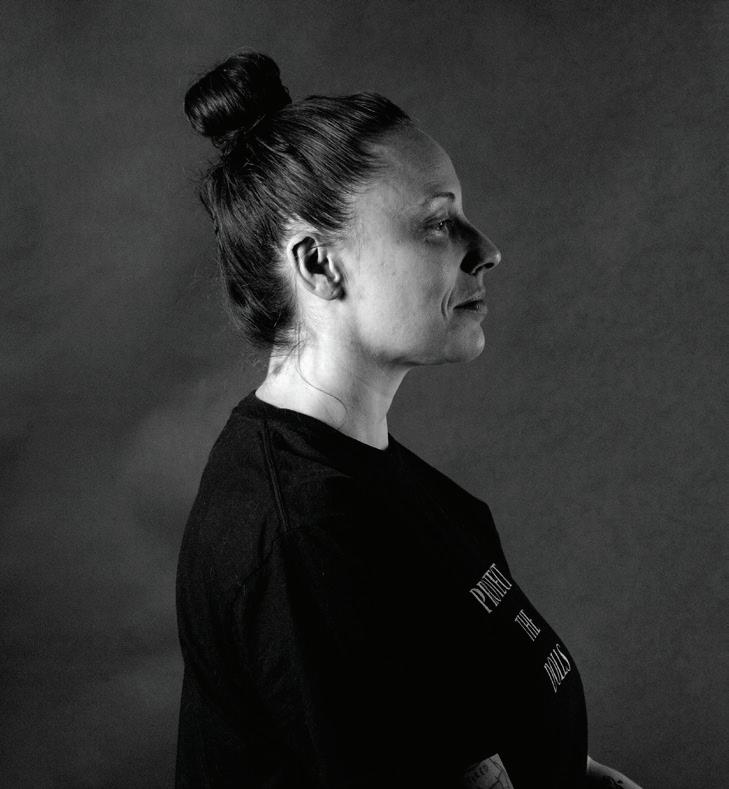
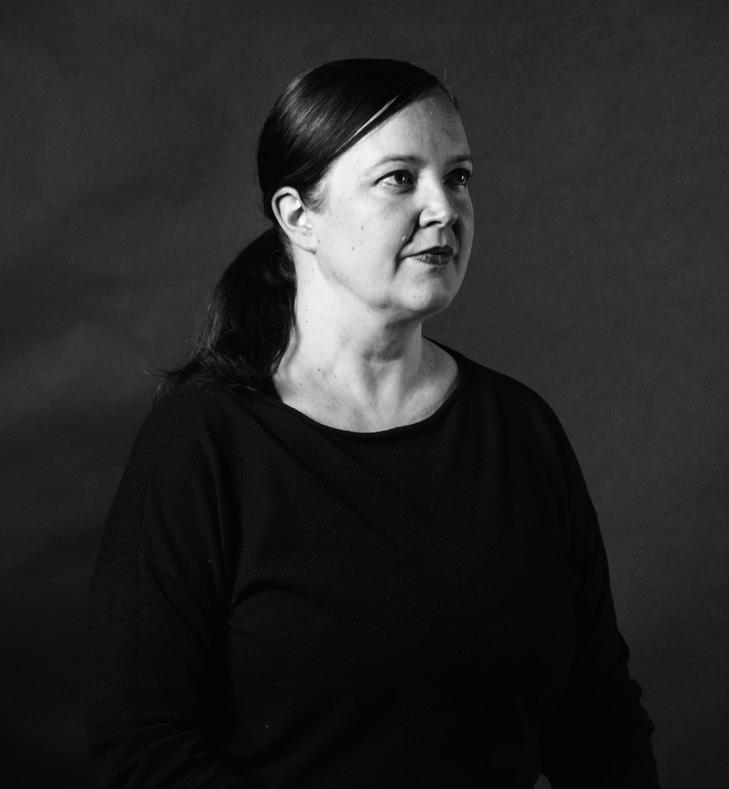
NOT RENEWED What will Concordia look like without limited term appointment faculty?
EXCLUSIVE:
The SPVM’s new AI video surveillance platform is an American-made software that specializes in biometrics
City News p.2
Sex and The Concordian: Valentine’s Day
Opinions p.6-7
Les relations interpersonnelles et la maladie chronique: mon expérience
Pages Francos 9
Universal incomes: Irish government implements a monetary program to help artists.
Arts & Culture p.10
“Being able to access live music is a fundamental right”
Music p.13
Why women are still excluded from Olympic nordic combined
Sports p.14
Crossword, sudoku, chess puzzle and connections
Back Page
Tuesday, February 10, 2026
Volume 43, Issue 17
EXCLUSIVE: SPVM’s new AI video surveillance platform specializes in biometrics
Despite assurances from the SPVM that biometrics will not be used, the software purchased, iMotion ROC, has the ability to tag and search for people by “ethnicity, gender” and more.
By Chloe Rose Stuart-Ulin Assistant City News Editor
chloerosewrites.com
The Service de police de la Ville de Montréal (SPVM) is currently implementing the AI video surveillance analysis software it purchased over the summer.
The SPVM refused to disclose which specific AI software was purchased, but The Concordian has learned that the software is iMotion ROC.
According to the City of Montreal’s original public tender notice seeking AI analysis software providers on behalf of the SPVM, iMotion Security, a security
systems vendor based in Quebec, won the five-year contract worth $1.8 million.
iMotion Security CEO Frederic Abenaim confirmed to The Concordian that the specific software is ROC, an AI video analysis platform made by the American manufacturer Rank One Computing Corporation (ROC) that specializes in biometrics.
Abenaim said that the SPVM “are using it only in ‘reactive’ mode, meaning they analyze past events to identify specific attributes in support of investigations.”
According to the public tender notice, the SPVM was specifically seeking software capable of analyzing 120 live concurrent video streams with support for at least 700 users.
The SPVM told The Concordian it could use the software to analyze footage from any of its urban cameras in the city, as well as cameras belonging to various SPVM partners, private residential cameras, or commercial surveillance cameras.
Facial recognition “is not part of the current context of use”
When asked if biometric tracking, such as facial recognition, would be used as part of this deployment, a spokesperson for the SPVM told The Concordian that such data “is not part of the current context of use.”
Biometric data is strictly regulated in Quebec.
According to product information shared by Abenaim, the ROC platform has extensive biometric tracking abilities, including the ability to tag and search for individuals by “age estimation, ethnicity, gender, expression/emotion [and] facial hair.”
The software also has the ability to track individuals’ “clothing color (upper and lower), glasses & type (sunglasses vs normal)” as well as vehicles by type, make, and colour.
“Only known elements targeted in advance by investigators (for example: a piece of clothing, a vehicle, a backpack) will be used to sort images and extract relevant segments,” wrote the SPVM spokesperson, Anik de Repentigny.
Unique characteristics, such as clothing and vehicles, should be considered biometric according to Tamir Israel, director of the privacy, surveillance and technology program at the Canadian Civil Liberties Association, because they’re specific to individuals.
“It won’t necessarily give you the name of the person, but it’ll allow you to track how that individual is moving throughout a camera network,” he said.
The SPVM said it was authorized to purchase the software after a “Privacy Impact Assessment” led by the City of Montreal. However, a copy of that assessment was never made public on the grounds that its disclosure could hinder investigations.
Surveillance products can add, change, or update capabilities.Abenaim said that the SPVM “have not enabled/authorized the full AI analytics capabilities of the software.”
However, Tamir Israel warns that many AI analytics tools make it easy for a product’s full capabilities to be switched on and off.
“Some of these products will have certain capabilities that you’re not necessarily looking to use right away, but they can be activated really easily, just through the settings of
the software,” said Israel. “Or often, you’ll get a software update that changes what the software is doing in terms of the analytics.”
The Concordian has not been able to review the iMotion ROC interface.
The SPVM did not respond to questions from The Concordian about whether or how the police service intends to review future updates to the software to ensure continued compliance with the law.
AI-powered video surveillance is gaining popularity in Canada and the US
AI video analysis tools used for police surveillance have been proliferating across Canada and the United States in recent years, despite their inaccuracies and potential for abuse making frequent headlines.
Recent coverage has included: wrongful arrests due to misidentification by AI; AI software automating racial profiling by police; ICE gaining unlicensed access to automated surveillance cameras to search for its targets; police in Texas using license plate readers to track and persecute a woman for having an abortion; and insecure systems leaking live footage and other sensitive surveillance data to the open internet.
There are currently 46 urban cameras operated by the SPVM in Montreal, 16 of which are located downtown. That number is expected to rise. In its latest budget, the City of Montreal allocated $1.7 million to install new cameras in urban areas and another $40 million for police body cameras.
Cold snap hits as City Hall tackles homelessness
Ensemble MTL tripled the city’s homelessness budget to $30 million.
Brendan Schwartz Staff Writer
@brendan.schwartz358
Homeless advocates are cautiously optimistic as Montreal Mayor Soraya Martinez Ferrada increased the city’s budget to combat homelessness by 200 per cent, but warn that prevention methods are necessary for lasting results.
“It’s a humanitarian crisis. That’s how severe we’re treating it,” said Benoit Langevin, Ensemble MTL’s executive committee member responsible for social development and cohabitation.
Between 2018 and 2022, Montreal’s homeless population increased by 33 per
cent. In 2022, Quebec’s Ministry of Health and Social Services reported that Montreal had 4,690 unhoused individuals, nearly 47 per cent of Quebec’s homeless population.
Sam Watts is the CEO of Montreal’s Welcome Hall Mission and a member of the National Housing Council of Canada. He explained that his shelter has been at capacity every day of the year since around a year before the COVID-19 pandemic, when there was a sharp increase in people seeking their services.
“There’s so many people coming into the ecosystem of care that we can’t manage it,” said Watts.
Watts suspects that homelessness will be in the top five issues during the upcoming provincial election.
“The important thing is I’m now seeing a coalescence of opinion in political circles,” he said.
Craig Sauvé is the leader of Transition Montréal. He finished fourth in the mayoral election last fall and his party failed to elect a single city councillor. Although he is satisfied with Ensemble MTL’s increase in
the city’s homelessness budget, he explained that he would like to see the city’s current administration focus more on prevention than on reactive strategies when people become unhoused.
For now, Watts explained that the issue on the ground is that Montreal is continuing to lose a lot of affordable housing due to rising rents.
“We can deliver microloans to people who are on the verge of eviction because of non-payment,” he said. “This is a kind of proposition that Montreal should be putting forward and making a hell of a lot of noise with and then getting Quebec to jump in.”
Langevin said Ensemble MTL is already working with external organizations to provide microcredits to some Montrealers who have difficulty paying their rent.
“[It’s] a type of funding, which prevents people from falling, from not being able to pay for the last two months of their lease,” he said. “Or to be able to do a deal with a long-term reimbursement program, which is called the microcredit program, which we’re going to increase.”
However, it is not clear when Ensemble MTL plans to introduce these loans or what the conditions will be to qualify for the program.
Hundreds brave the cold to protest the PEQ’s cancellation
Thousands of people already living in Quebec may be forced to leave the province if the CAQ does not implement a grandfather clause or reinstate the PEQ.
By Félix-Antoine Beauchemin City News Editor @fa.beauchemin.journalisme
“Without the PEQ, my whole life is falling apart,” said UQAM PhD student Julian Ballester, who arrived in Quebec in 2019.
After the Quebec government cancelled the Programme de l’expérience québécoise (PEQ), he and thousands of other people living in the province do not know whether they will be able to stay after the program was cancelled in November 2025.
On Feb. 6, Ballester, along with hundreds of union leaders, politicians and others at risk of being kicked out of the province, called on the government to introduce a grandfather clause for everyone who was already in Quebec before the PEQ was cancelled.
So far, there has been no willingness to do so from Immigration Minister JeanFrançois Roberge to do so.
“If there is no grandfather clause, it’s really tragic,” said Ballester. “For me, it’s like the collapse of an entire life journey. I will have studied from 2021 to 2029. And without the PEQ, my whole life is falling apart.”
“Right now, I’m talking to my thesis director to see how we can find a way out in another country or in my country of origin,” he added. “I feel completely lost about this. If there is no PEQ, all the studies I’ve done here will be useless, and I don’t know what I’ll do next.”
The PEQ was a program created by the government of Quebec to fast-track access to permanent residency for certain foreign workers and graduate students meeting French-language requirements.
bachelor’s degree from the Université de Montréal last year. Despite now studying for a master’s degree at the Conservatoire de musique de Montréal, he still does not score enough points to be considered for permanent selection, notably because he lives in Montreal.
He said that makes it hard to plan his future and that he struggles to understand the reasons for all the criteria.
“I meet all the criteria that I think the government is looking for,” Musco said. “I am young, I am a graduate from here, I will soon have my degree from here, I work alongside my studies, I speak French and I am a native French speaker.”
Québec Solidaire MNA Manon Massé was at the protest in Montreal along with some of her colleagues, calling on the government to reestablish the PEQ.
“Jean-François Roberge broke his word,” she said in an interview with The Concordian . “Not just his own word, not just the CAQ’s word, but the word of Quebecers.”
She also called on the CAQ to be more coherent in its immigration policies and to stop treating immigrants as a “danger” to Quebec society.
have to ask yourself: ‘Am I going to take my children out of school? Is my career over?’”
The impacts of the PEQ’s cancellation on universities On Jan. 29, UQAM’s professors’ union said that upwards of 25 of its members may be forced to leave Quebec due to the cancellation of the PEQ. Concordia University spokesperson Julie Fortier told The Concordian that while it did not have exact data for its impacted professors, it was “a much smaller number than at UQAM.” Concordia expressed its disappointment with the government’s decision and also supported the implementation of a grandfather clause.
“In fact, 60 per cent of Montrealers are renters,” he said. “This is not the case in any other North American city; it’s usually the other way around,” adding that Montreal is no longer one of the cheapest places to rent among large cities in North America.
Martine Musau Muele is Projet Montréal’s city councillor for Villeray. She said she is overall satisfied with the current administration’s approach to combatting homelessness in the city, but would like to see the topic of homelessness brought up more in public discussions.
“There’s a clear understanding not only within City Hall, but also in the population, that when it comes to homelessness, everyone views it as a priority,” she said. “We want to make sure that none of our neighbours, none of our citizens are facing life-threatening situations during winter.”
Instead, the Ministry of Immigration invited people affected by the cancellation of PEQ to apply to the Skilled worker selection program (PSTQ), which began in 2024.
The PSTQ scores immigrants based on multiple criteria, including French proficiency, age, work experience, education level and “Quebec’s needs and governmental priorities.” These include worker shortages in certain job sectors, how long a person has been working in Quebec, whether they obtained a diploma in Quebec, as well as additional points for being outside the Greater Montreal Area.
In January 2026, the provincial government invited 2,547 people to apply for permanent selection through the PSTQ.
Aram Musco arrived in Quebec from France in 2022 and obtained his
“Many of these people are already integrated, already have jobs, already have homes, already have families here and speak French,” Massé added. “That’s everything the CAQ wants. So why take this action, other than to ideologically promote the belief that immigrants are a danger?”
HEC Montréal professor Luis Cisneros arrived in Quebec from Mexico 20 years ago. Now a Canadian citizen, he said he does not recognize the Quebec to which he immigrated and in which he founded his family. He also called on the government to show more humanity in its immigration policies.
“Imagine the mental health of these people now, with the uncertainty that you are brought here, invited here, and once you have completed your studies, you are told to stay here,” Cisneros told The Concordian. “And now you
“The PEQ allowed the province to attract and retain international talents who enrich our society by choosing to stay in Quebec,” Fortier added in her statement. “Not providing such a program further erodes Quebec’s international reputation and turns away potential creative and research talents.”
Hundreds stood outside the Ministry of Immigration’s office on Feb. 7 protesting against the cancellation of the PEQ. Photo by Félix-Antoine Beauchemin // @fa.beauchemin.journalisme // City News Editor // The Concordian A protester’s sign reads “I was studying and I was one month away from my two years of qualified experience. PEQ cancelled, injustice, grandfather [clause] for those already here.” Photo by Félix-Antoine Beauchemin // @fa.beauchemin.journalisme // City News Editor //
Concordian
Photo by Melanie Godel // Contributor // The Concordian
Campus
Concordia will not renew LTA contracts. They wonder what’s next.
Limited term faculty positions eliminated across Concordia, in many cases right before converting to right before converting to more stable positions
By Megan Mills Devoe and Jia Marguerite Schofer Campus News Editor and Assistant Campus News Editor
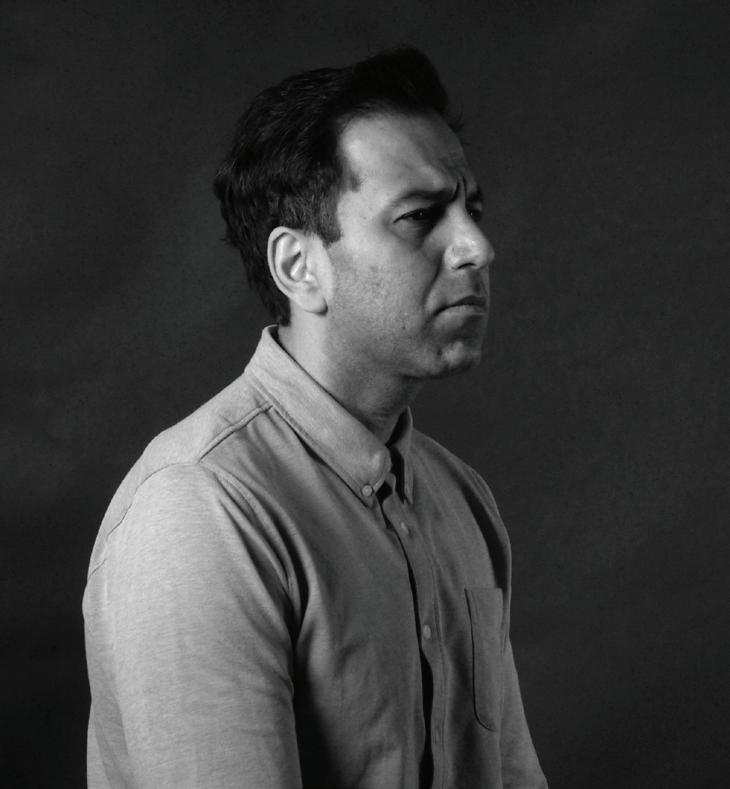
“The initial reaction from my end was disbelief and shock,” said Reza Taher-Kermani, an assistant professor in Concordia’s English department. “That slowly gave way to sadness, frustration, and anger.”
By the end of this term, Taher-Kermani will have taught 35 classes as a “limited-term appointment” (LTA) professor.
Concordia has yet to inform him if he will be teaching a 36th.
Concordia University announced on Nov. 7 that it would not be renewing any LTA contracts set to expire at the end of the academic year.
The contract is, on paper, without reappointment or tenure; however, many professors employed under a LTA contract renew it for multiple years, some for close to a decade. The university’s announcement took many by surprise, many who expected the renewal of their contracts.
Since 2023, Concordia’s administration has been grappling with a Quebec government deadset on removing its access to students outside the province. When the province raised tuition for outof-province students, it hurt the university's ability to attract international students, who pay much higher tuition than those from Quebec.
This has only been compounded by the federal government cutting targets for international study permits. This has hurt the university’s financial outlook causing it to make “compressions,” as described by the administration.
Natalia Laptyeva, an assistant professor in the mathematics department, is one of many LTAs concerned about how these changes will impact her ability to provide for her family.
“I am the only worker in the family of four,” said Laptyeva. “My husband has an injury that prevents him from working, and my parents are refugees from Ukraine who are living with us. And [the] salary is not enough to support one person, to be realistic. To support four, and not knowing what I'm going to be doing in July is very, very stressful.”
After teaching for four years at Concordia, Laptyeva’s LTA position has not afforded her the job security and consistency she expected. “Instead of allowing us to accumulate seniority for some permanency in having some more secure future, we're basically let go,” she said.
In 2023, the Concordia University Faculty Association (CUFA) renegotiated its collective agreement. Among other things, this new agreement requires occupied LTA positions that “respond to the same specific teaching needs” to be converted to extended term appointment
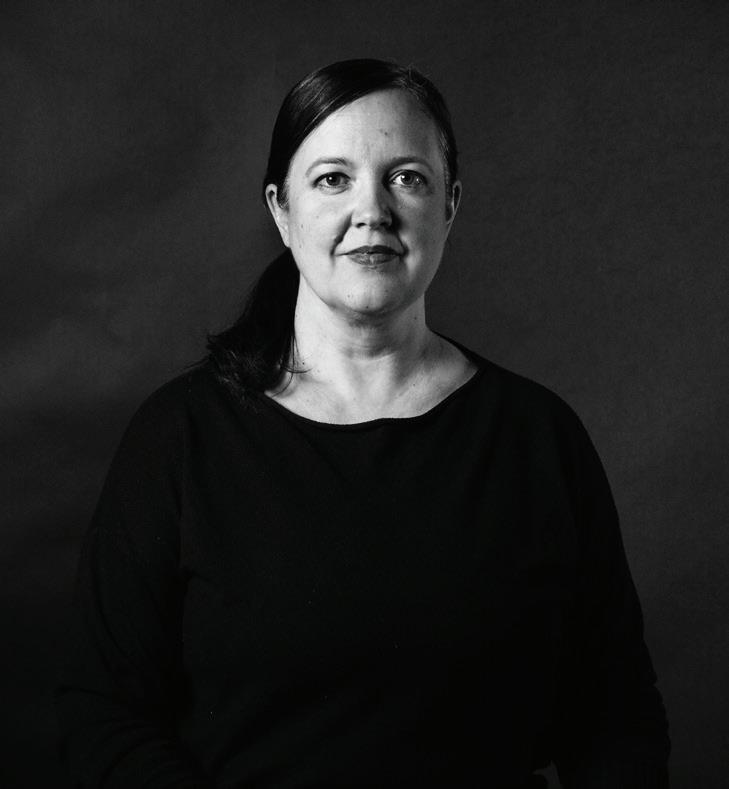
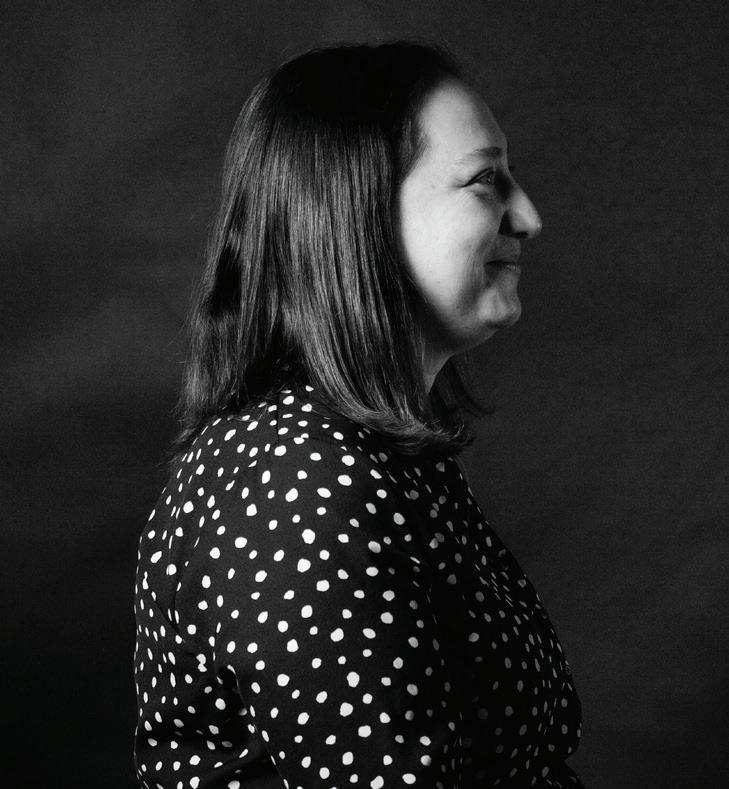
Lauren Kaplow
Department of Classics
Ten years at Concordia, eight of which have been as an LTA "I'm worried about the impact on our programs and our students."
During the Feb. 6 senate meeting, interim provost Faye Diamantoudi said Concordia would not be cutting course sections following the contract non-renewals. “We are guaranteeing all sections to be offered […] The LTA situation is not to affect the sections at all,” she said.
Diamantoudi said the university has managed to accommodate students impacted by the existing course section cuts. “This semester, we only heard of four students that came to my attention who couldn’t attain their full-time status. They were all accommodated within 48 hours.”
(ETA) positions. ETA positions offer the benefit of a higher pay scale and increased job security.
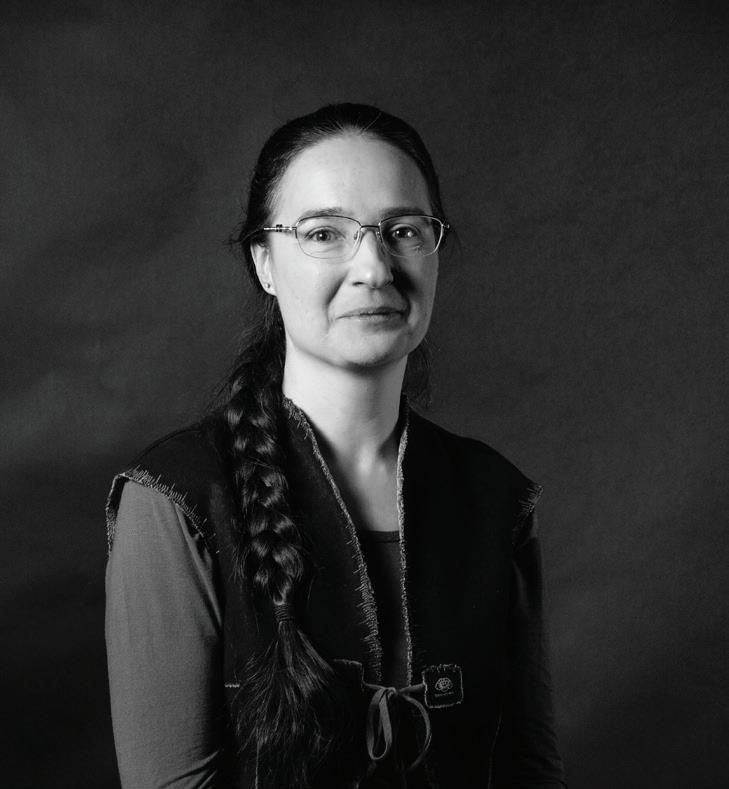
“Being precariously employed is so exhausting. It is so draining,” said Julia Skelly, an assistant professor in the Department of Art History.
Skelly said she and her colleagues were under the impression that if they taught for three years, their contracts would turn into ETAs, which are still not 100 per
cent secure, but are much less precarious than the LTA.
On top of teaching seven courses a year, Skelly has found herself supporting students outside of the classroom. “Almost every term at least one female student has come to talk to me about a male student who's bothering them,” said Skelly.
Concordia holds the position that the removal of LTAs will not impact course offerings.
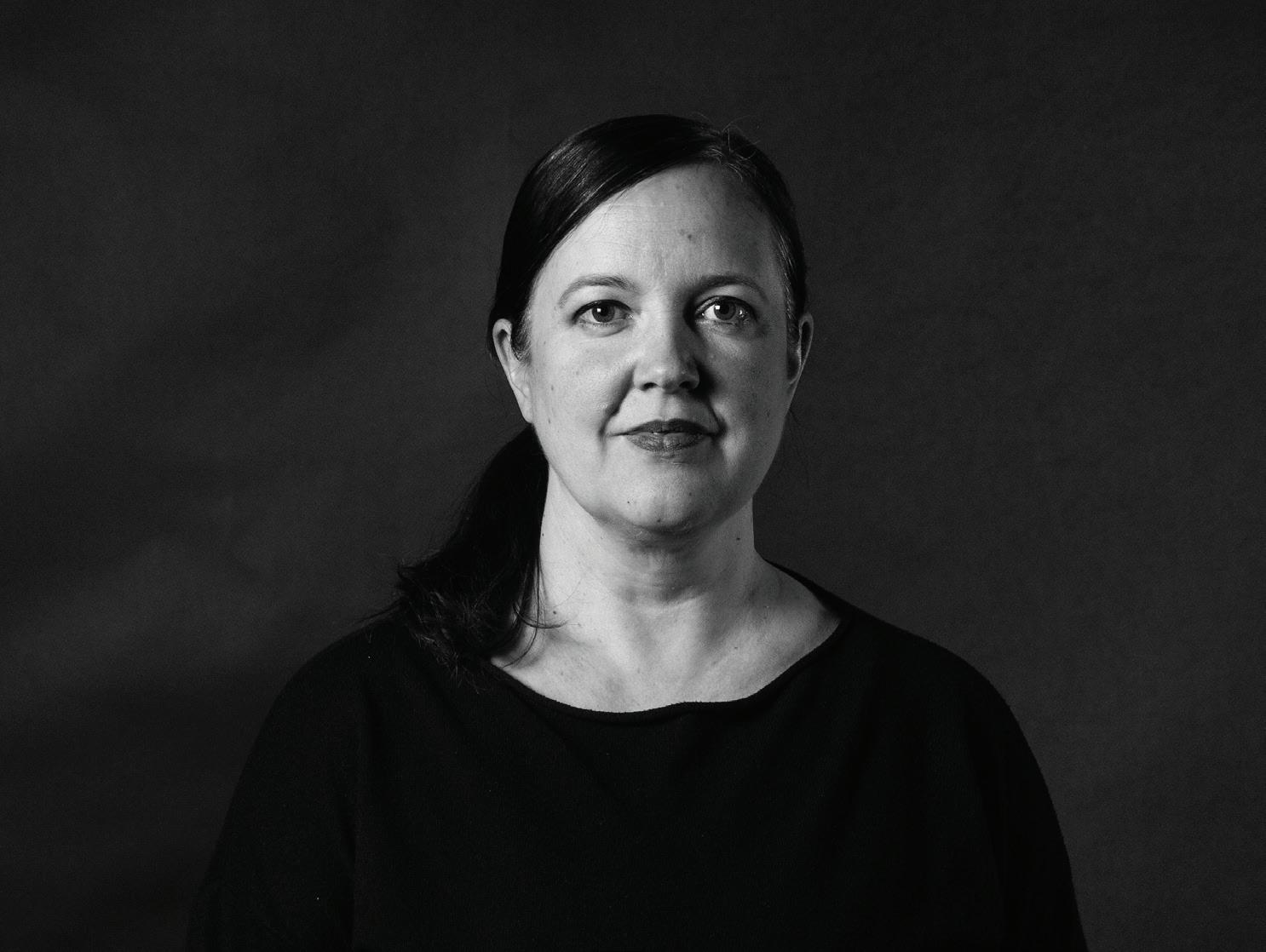
Katherine McLeod
Department of English
Affiliated with Concordia for eleven years, eight of which have been teaching as an LTA. “Concordia has built its reputation on its strong Creative Writing program, so why cut a pathway for a full-time position for the academic study of Canadian literature being written
recruiting more students.
To support more students, Carr said, Concordia needs the capacity to create additional course sections and to offer more programs.
The irony of this strategy is not lost on the LTAs.
“It's kind of really strange and ironic that Concordia is also emphasizing growth, and I don't really know how they are hoping to reach growth through cutting and through removing resources,” said Taher-Kermani. “I think the LTAs are valuable resources, but Concordia thinks the solution is that they need more students.”
Some students attending the senate meeting argued directly against Concordia’s budget strategy.
Isabella Providenti, a fine arts student, expressed their concern that losing LTA educators would significantly limit the range of course offerings available to students.
“I will say that the classes that a lot of the LTAs are teaching, especially humanities programs and fine arts programs, are what bring students in, it's what brought me in,” said Providenti. “I am genuinely concerned about the ability to retain students as those classes are not being offered.”
For students in smaller departments, losing LTAs could significantly impact the variety of courses available to them.
In response to questions regarding how the course sections will be taught, university President Graham Carr responded that “teaching loads for next year will be picked up by a combination of […] part-time faculty members and full-time faculty members.”
Carr explained that Concordia is simultaneously working to “compress” the university's financial demands while also maximizing growth and actively
Leo Paniagua, a classics student and president of the Concordia Classics Student Association, was one of approximately 40 observers to attend the senate meeting in support of the LTAs.
“I believe that we have a responsibility to protect the integrity of our education and that the administration is actively, you know, eroding that,” said Paniagua.
Students across faculties have shown support for the LTAs in their programs.
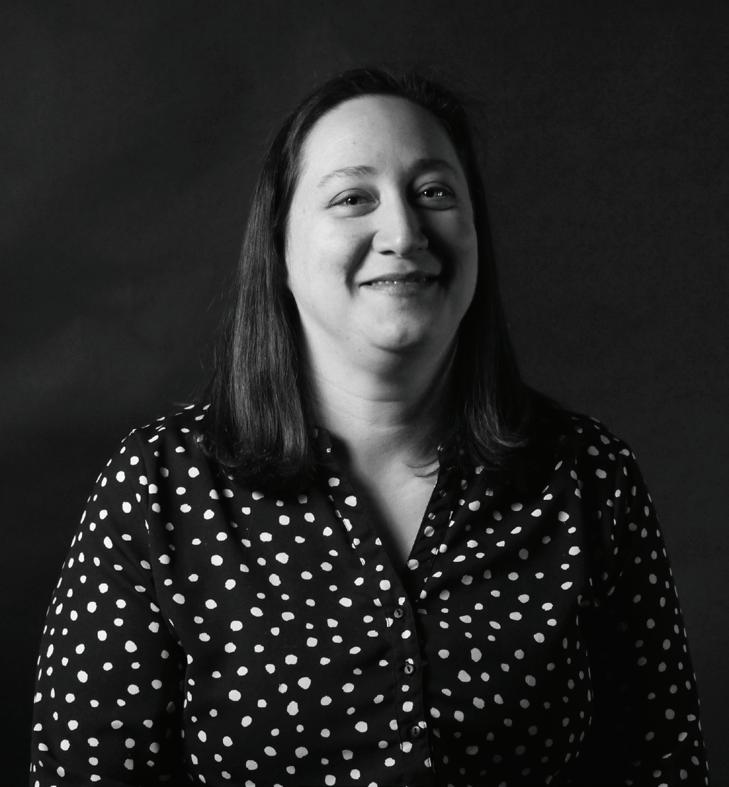
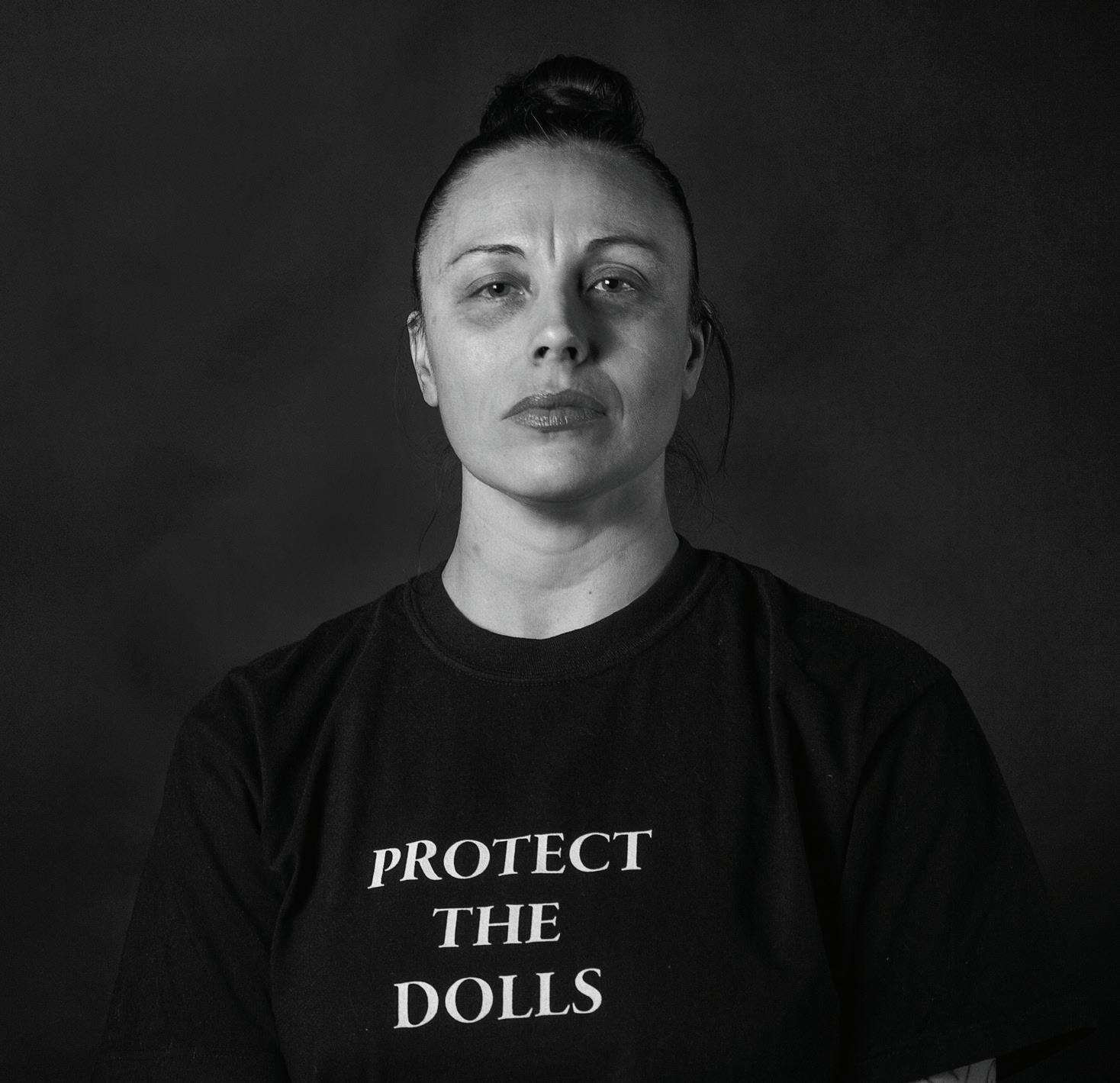
Chris Gutierrez
Department of Communication Studies
Six years of teaching at Concordia, six classes this academic year. “It feels like we don’t have much of a voice in you know the things that really affect student life even though we’re the people students most [talk to].”
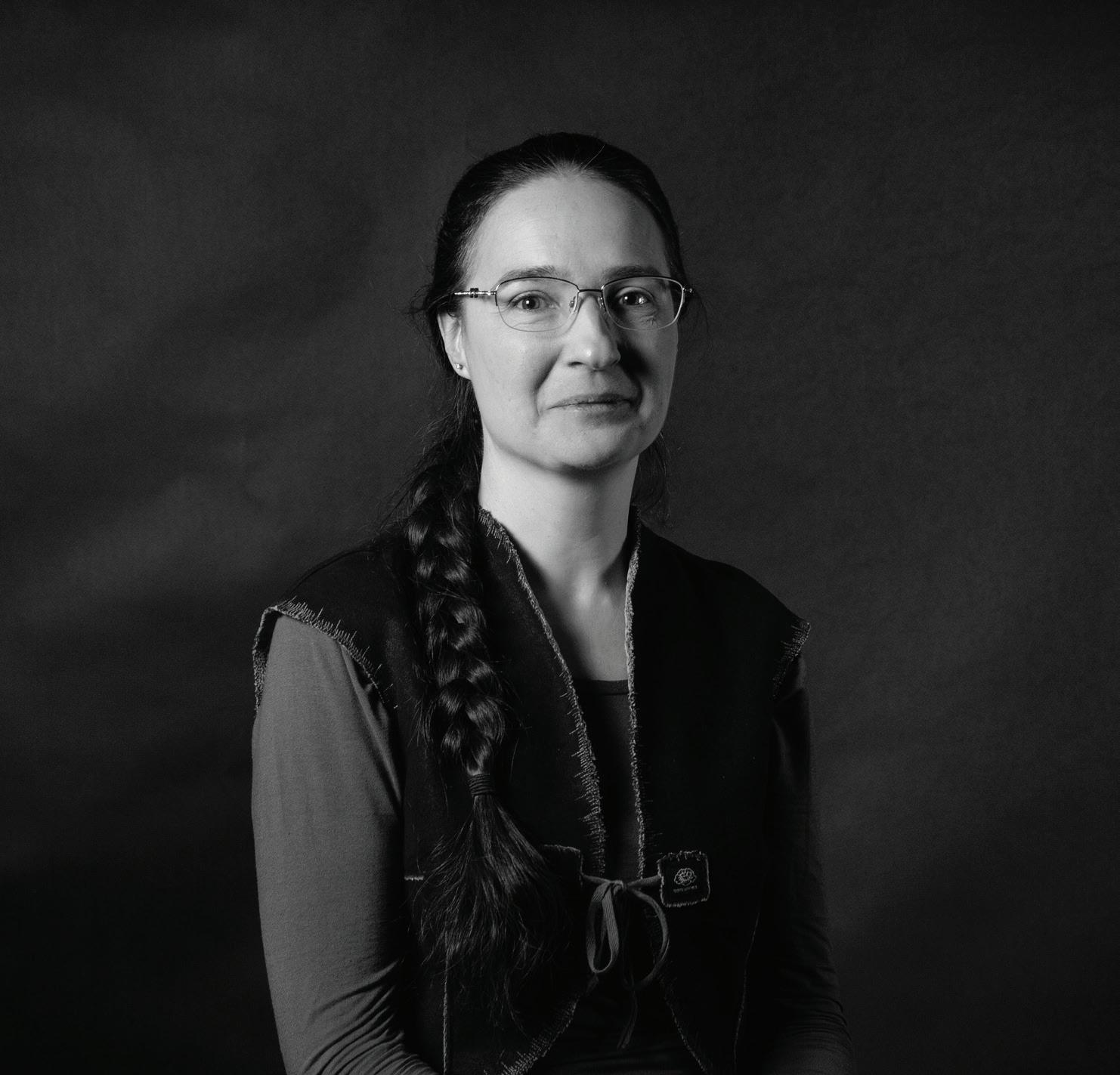
Nataliya Laptyeva
Department of Mathematics
Four years at Concordia, four years as an LTA. “I am the only worker in the family of four. My husband has an injury that prevents him from working, and my parents are refugees from Ukraine that are living with us. And {the} salary is not enough to support one person, to be realistic. To support four, and not knowing what I'm going to be doing in July is very, very stressful.”
The Arts and Science Federation of Associations (ASFA) is requesting “a full disclosure of their budget analysis, as well as an external budget analysis done by an external party.”
that we're in now. Multi-tier forms of hiring and employment needs to be eradicated. That's the root of the problem.”
“My opinion is that Concordia has to move away from the LTA model [...] If people are hired, they have to be hired on firm, stable grounds and equal terms. There should not be a hierarchy of faculty and teaching and payments in the way that it is,” said Taher-Kermani.
“It's only the existence of such a model that would lead to the situation
Photos by Simiya Shirley // Photo Editor // The Concordian
Sex and The Concordian:
I love my single life...
By Kailee Krentz Opinions Editor @kaileeliz
It’s a tough reality to face that it may be an easier endeavour to face the world alone than it is to strive for the love of somebody else.
As this day of love approaches — another Valentine’s Day absent from the worry of whether or not I will be recognized by the one I desire with a simple flower or maybe even a box of chocolates — I feel fortunate to be able to choose how my day is spent and whom I surround myself with.
Time and time again, I’ve fallen victim to that lust for love, accepting romantic interests in my life with the hope and desire that this one will be different. I can’t deny the ones that I have particularly fond memories of as I relish in the nostalgia of the past, but in the end, my hopes are proven false as the ending ultimately remains the same.
I don’t dwell on this absence — although my friends and I may use this day to whine and moan in the privacy of our own home, I would rather attempt to make light of the things I gain by not being attached to another person. I love love and I will never deny myself that luxury of life but it can feel especially lonely if, like myself, you lack a significant other to share this love bursting from the seams of our beings.
Instead I feel the only logical and productive thing to do is to indulge yourself in all the things you’ve dreamt a partner would bestow onto you, reminding yourself that despite what you may think, you are loved. May this act as a reminder of such.
Therefore, in mourning celebration of my relationship status this coming Valentine’s Day,
Expect to find me buried in bouquets of flowers bought by nobody but myself,
flaunting the colours red and pink, because despite a reason to be sad, I will always choose love over loss.
Valentine’s DayEdition DayEdition
Sex and The Concordian has listened to the voices of students, whether they yearn for relationships of the past or celebrate the love in our present. Regardless of your relationship status this coming February 14th, there is a way for you to celebrate.
For those in long-distance relationships...
By Alison Olsen Contributor
Long-distance relationships suck — but it doesn’t always have to. Just like anything in life, finding the beauty in it is crucial for a happy partnership.
My first long-distance relationship (LDR) was not just a colossal trainwreck but a total f**king disaster. Grace should be given, considering that at 18-yearsold, you’re basically still a child, but after we finally broke up during a backpacking trip around Europe — that’s a story for another day — I vowed to myself that I was never to be in a LDR ever again.
I’ve been proven wrong, for my relationship now, despite being long-distance, has changed my life for the better. My past taught me what can make or break intimacy and trust in your relationship and with that, here are a few tips that I’d like to recommend for all those who may be struggling the same way little Ali was for so many years.
Long-distance brings out every insecurity in the book. Whether it’s a lack of trust or an ongoing issue; everything is exacerbated by not being in the same room together. If you want your relationship to work, you have to figure out what the line is between what your partner can do to help and how you can help yourself. Half the battle in a LDR is self-work, self-regulation and self-love. Without this internal work, an honest conversation is nearly impossible. Don’t get me wrong, it’s totally okay to be calling and chatting about your day while you go through the mundane tasks of life, but this has to be paired with intentional and meaningful time spent together as well. Plan date nights where you make the same recipe, watch the same movie — or even better, where you just talk with no distractions. It sounds obvious but it’s easy to end up in a routine where intimacy falls short on the priority list.
If you truly want to live your life alongside somebody, you must accept the terms and conditions of their humanity; they will change and move and be a person. Sometimes that might mean needing to do some solo travel, taking an internship on a different continent or going to school in a different city. These are all parts of being human. If you cannot accept that they are their own person with their own goals and ambitions, then maybe an LDR is not for you.
“I just can’t get over them”
By Sofia Dawson Music Editor
We all know the saying, “absence makes the heart grow fonder.” What if that idea of “absence” was replaced by a sort of forced restraint? Resistance makes the heart grow fonder.
When yearning for that someone you just can’t get off your mind — someone you just can’t have — restraint might just stoke the fire in your mind. Maybe they’re unavailable, or maybe the timing just “isn’t right” — regardless of the reason, my experience tells me that pushing those feelings down often just emphasizes them.
The more time I’ve spent desperately trying to tear up my what-if’s into little pieces, the more time I spend trying to put the pieces back together.
Resisting the love I felt only created butterflies with sharp wings and fostered little voices in the back of my mind — maybe even some who spoke out loud and poked holes in the seams.
They’d often broach the question, “Why do we run to the ones we love?” I only became more hopeful that Lorde’s line would somehow clarify this one thought that is copied and pasted throughout my day-to-day life:
“Is this my person?”
The hardest moments of resistance are those when you are forced to look at evidence that un doubtedly shows you that something is flawed. For example, yes, you would be able to take better care of that person, treat them how they were meant to be treated. You would be able to sit with them in silence and let the walls fade — and there may be walls forbidding your feelings, but maybe those walls are just not tall enough to deter you.
That’s really when it hits hard: Am I giving re sistance the time of day for nothing?
Not being able to change the channel, or erase them completely, is natural — but nobody said their lingering was easy. So when I say “I just can’t get over them,” that’s not to say I’m stuck trying — resistance has just taken up more space than was welcomed and left my mind fighting against itself in love.
How I’m spending my Valentine’s Day...
By Anna Lee Contributor @annamae.jpeg
I’m spending my Valentine’s Day the same way I have for the past six years. I’m not waking up to flowers or chocolate, and I’m not spending the day with someone I love. Instead, I’ll rot in bed until I gather enough energy to get up, pour myself a glass of wine and watch The Real Housewives alone before falling asleep on the couch. Valentine’s Day has always been a complicated day for me, mostly because my birthday follows the day after. The
two are tied together in my head, whether I want them to or not. When I wasn’t single, those two days were like Christmas to me — a brief window where I let myself believe I was someone’s priority. Valentine’s Day flowed straight into my birthday: romance into celebration, affection into affirmation. Now, there’s no distraction from what those days used to hold. Valentine’s Day ends, my birthday begins, and I move through both alone. I try not to let it mean anything, but the contrast is sharp. One day everyone else is celebrating love, the next I’m supposed to celebrate myself, and
sometimes the gap between the two feels bigger than I expect. After being single for so long, I’ve convinced myself that I’ve accepted my fate: maybe I’m not meant to meet someone. Maybe I’m meant to pour all my time and energy into building my career. Maybe dating is a distraction that I’m better off without. Maybe I’m supposed to be the friend who works nonstop and prides herself on being independent. And most days, I believe that narrative.
But if I’m being honest, I know I’m still missing something. The giddiness of telling
Day?
By Aicha Diallo Contributor
IBe mine?
your friends you’ve been seeing someone. The excitement of having a reason to be hopeful. That feeling, I imagine, still outranks onboarding a new client or mistaking professional validation for the real thing.
So this Valentine’s Day, I’ll be alone, wine in hand, watching women argue about botox and Birkins. I’ll be fine, because I mostly am. But I’ll also admit that I can be grateful for the life I’m building and still want to be loved by somebody. Those two things don’t cancel each other out — they never did.
Remember how we used to spend our Valentine’s
remember the sheer awkwardness of spending holidays in primary school as we shifted in our seats, limbs growing taller than our desks. Just a meagre 10 years ago, in sixth grade, we really thought we had it all when the sound of The Chainsmokers and Ed Sheeran blasted on the radio. Valentine’s Day in sixth grade; do you recall the candy grams you were forced to make in the guise of love? Whatever could that mean to a 12-year-old? Unless you
were Corey and Topanga, Valentine’s Day as a tween looked a little like everyday dodgeball quips, all too short recesses and industrially manufactured heart-shaped cookies you couldn’t get enough of. Since the days of passing out cards during first period, the tides have changed for a lot of us, once lanky-limbed kids. Long before high school began, we were getting into the odd antics of premature romance. John and Maria would awkwardly peck on the cheek every Friday at the fourth-grade playground, and Diana chased after Christian
when all he wanted to do was play ball. What tyranny, the stuff of romance to the budding bodies of yesteryear. Who woulda thunk we’d still be gliding around in uncomfortable chairs? Only now, invaded by immense lecture halls and sleep-depriving assignments. Where can one find time to “ghost,” “rizz,” “hit up,” or, dare I say, ask out?
Leave the martyrdom behind and cast ourselves into hope. Call it “delulu” or manifestation, but the sun still rises. In the alleyways of 8 o'clock classes and threehour lectures, dreary tutorials
and an 11:59 p.m. deadline, dare to dream of a knight in shining armour. You deserve someone who will hold out boom boxes in your honour and shout from the rooftops, standing in the pouring rain. Finally, remind yourself that holidays are fleeting occurrences. If we are lucky enough to live and complain through them, then there is a strong possibility that someone out there will endure us. Enjoy the ride, take time to sleep and stay young in the insane haze of life.
The strangers of all my first dates
By Alejandra Gloria Rojas Contributor @a.gloria.r
To me, first dates were always an incredible opportunity to get to know the strangers of Montreal. We all hide secrets in the nooks and crannies of our skin; the way we skip over certain words can tell more than a full sentence. At times, it is easier to show our quirks to strangers than to our closest friends. My dates would confide in me like a sinner to a priest. I was able to see Montreal
through many strangers’ eyes. I was told dreams, like becoming a pilot, and grievances, like the horrible relationship we all have with our parents. If my dates ever lied to me, it was of no importance. The secrets I obtained will always belong to the stranger I met, not the person they truly are. One of my favourite first dates took place the day before my birthday. Despite not knowing me at all, he decided to celebrate my birthday as if we were old lovers. He took me to his favourite pizza shop and got me a birthday cake. We then went
to an old bowling alley where we stayed for two hours. It was fun, except for the many reasons why we did not meet up again. Honestly, I don’t really like cake and he hated bowling. I can’t stand the smell of cigarettes and the only thing we had in common was our shared nationality. Yet, we spent the day holding each other, claiming to love the stranger we saw in front of us. And maybe we did love these versions of each other for a couple of hours, someone we knew we would never get to meet again. I love all the strangers I
met on my first dates because through them I got to see the secrets I hold even from myself. Each stranger was a reflection of me, my dreams, my grievances and sins. My dating years stopped after I met a stranger to whom I did not want to be just another stranger. Now, I live first dates every day by getting to know new aspects of him and myself that I had never seen before. For me, there is a constant uncovering of the human strangeness which I have always loved.
En partenariat avec et finace par L’Organe
L’Âme idéale : un amour palliatif
Une comédie romantique qui redonne vie aux rêves et à l’impossible.
Par Nicole Krause Sotelo Collaboratrice
@Nicky.krs
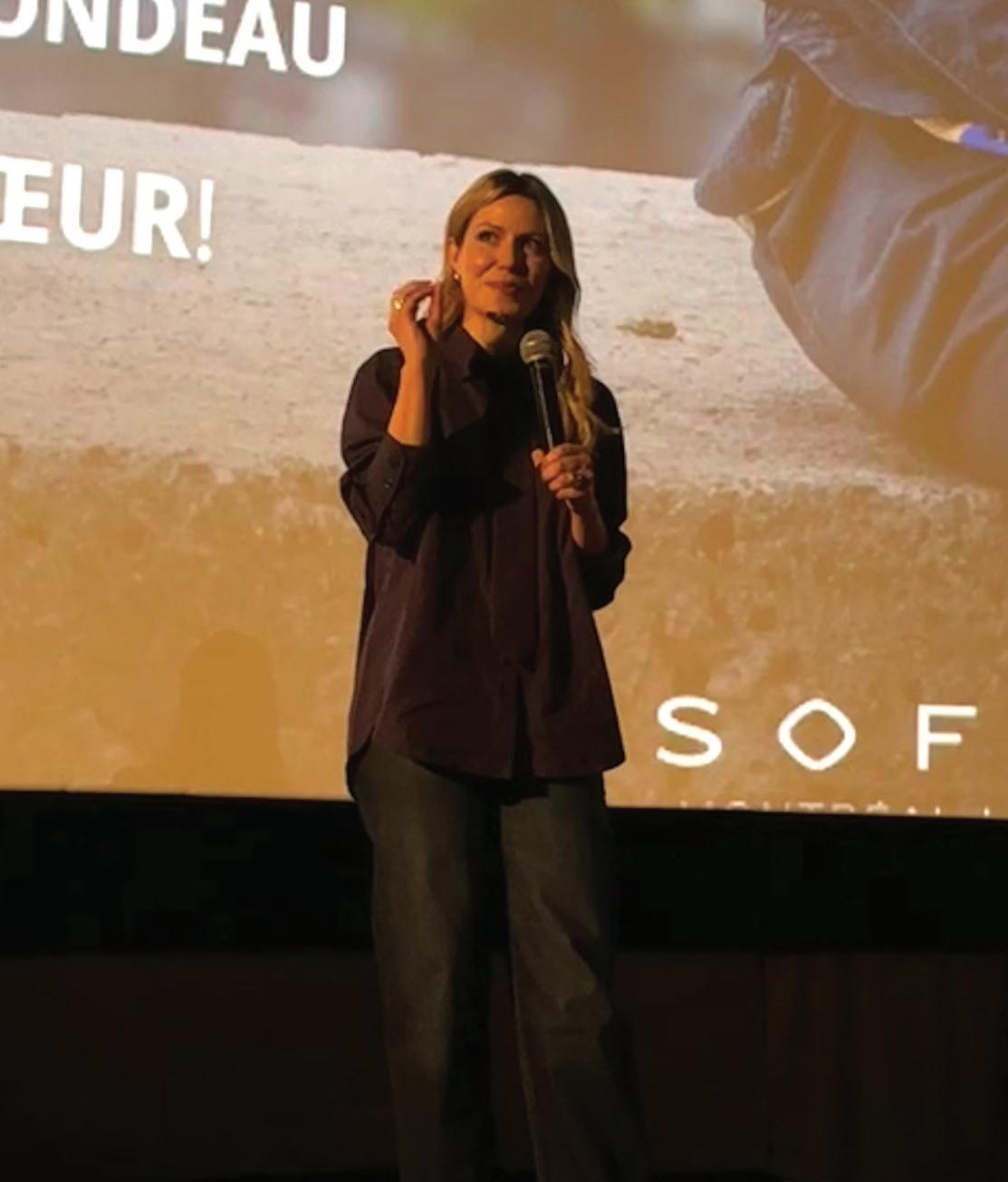
Lors d’une soirée glaciale de janvier, j’ai eu le bonheur d’aller réchauffer mon cœur à la première québécoise de la comédie romantique L’Âme idéale de la réalisatrice Alice Vial.
L’histoire parle d’Elsa, une médecin de 40 ans, qui a perdu espoir face à l’amour. Elle se retrouve toujours seule après ces journées de travail et trouve du réconfort parmi ses patients aux soins palliatifs. Sa patiente préférée, Mimi, court pour Mireille (Anne Benoît), lui pose toujours des questions par rapport à ses soirées et ses aventures amoureuses. Malheureusement pour Mimi, Elsa n’a jamais d’histoires pétillantes à lui raconter.
La solitude d’Elsa n’est pas désirée. Depuis qu’elle est jeune, elle a un don qui la distingue des autres et qui, par défaut, la garde loin de ceux-ci. Elle est capable de parler aux morts. Un don connu sous le nom de passeuse d’âmes. C’est à cause de ce fameux don que toutes ses relations antérieures se sont terminées.
Un soir, à la suite d’un accident de scooter, elle rencontre un homme au nom « d’Oscar », qui l’aide à se remettre sur pied. Oscar est très charmant. Celui-ci lui propose d’aller chez lui pour désinfecter sa blessure au visage. Elle accepte. Aux
yeux d’Elsa, il a un je ne sais quoi qui pique sa curiosité. C’est à ce moment-là qu’elle regagne espoir. Elsa est amoureuse pour la première fois depuis longtemps. Elsa vit-elle réellement une histoire d’amour ? Est-ce que son don va lui permettre de vivre cet amour? Oscar comprendra-t-il qui est la vraie Elsa? Elsa pourra-t-elle enfin quitter cette solitude qui la rend si misérable? Cette aventure révélera-t-elle à ses collègues qui elle est réellement?
Je vous garde la surprise. Elsa est interprétée par l’actrice québécoise Magalie Lépine-Blondeau qui tournait pour la première fois en France. Le rôle d’Oscar est joué par l’acteur français Jonathan Cohen.
La chimie entre les deux acteurs est palpable. Il y a quelque chose qui se passe lorsqu’ils sont ensemble sur l’écran. Une sorte d’étincelle illumine l’espace. Tout d’un coup, tout le monde dans la salle croit en l’amour. La fameuse phrase « les opposés s’attirent » est la phrase qui décrit parfaitement la relation des deux personnages.
L’Avenue du Patin, là où les trajectoires se croisent
Ta prochaine date night ça se passe à L’Avenue du Patin, dans un décor vintage et l’ambiance des années 80.
Selena Ruiz
Rédactrice des Pages francos @ru1iz
Depuis le 31 décembre dernier, L’Avenue du Patin, une nouvelle roulathèque a ouvert ses portes à Montréal.
Situé dans l’arrondissement de SaintLéonard, à proximité de l’autoroute 40, l’Avenue du Patin offre à ses visiteurs une ambiance festive au rythme de la musique dansante des années 70 et 80, en passant par quelques titres de Bruno Mars. La piste, faite d’une surface en bois fait un total de 1720 mètres carrés, un peu plus vaste qu’une patinoire de la LNH selon Louis-Philippe Messier, du Journal de Montréal
Sur place, arcades, collations, locations de patins et cours de perfectionnement sont offerts aux usagers sous les néons colorés de l’établissement. Lors de notre visite, plusieurs patineurs et patineuses pratiquaient des chorégraphies au milieu de la piste, sous l’immense boule disco. D’autres plus âgés patinaient avec aisance, et concoctaient une routine digne de patinage artistique de niveau olympique. De mon côté, et celui de mon copain, ce n’était pas tout à fait le cas. Avec la capacité d’accueillir plus de 700 invités à la fois, L’Avenue du Patin propose une sortie de soirée alternative, qui permet de bouger entre amis ou avec son être cher, sans pour autant se faire piétiner dessus par d’autres fêtards.
Que vous soyez seul ou accompagné, la Saint-Valentin est un jour spécial où l’amour se célèbre en prenant soin de soi et des autres. Voici des suggestions non exhaustives d’endroits qui sauront ravir vos sens.
Par Chloé Aiglin contributor
Lépine-Blondeau a partagé, lors de la première, que la rencontre avec Jonathan Cohen avait été très spéciale. « Ça arrive quelques fois dans une vie, une carrière, qu’on rencontre des gens pour la première fois et qu’on a l’impression de les connaître depuis longtemps. Ça a été ça avec Jonathan », expliquait-elle. C’est exactement cela qui se passe sur l’écran aussi. Une compréhension mutuelle très forte. Lors de la période de questions, Lépine-Blondeau a parlé de son expérience de tournage en France qu’elle a beaucoup appréciée et des différences avec les plateaux de tournage québécois. « Les horaires, j’ai bien aimé ça! » ritelle. Elle a expliqué que sur le plateau du film, les tournages durent environ neuf heures par jour. Tandis qu’au Québec, les journées peuvent facilement se rendre jusqu’à 16 heures de travail. Par ailleurs, un élément qu’elle aime beaucoup des plateaux québécois, c’est qu’il y a moins de hiérarchie, les gens sont plus accessibles. « Ici [au Québec], on valorise beaucoup la composition, le travail, le travail du corps aussi, les tournages vont plus vite et les journées sont plus longues. Il y a un côté plus sportif », explique-t-elle.
Le film est disponible en salle dès maintenant partout au Québec.
Les meilleures activités autour de Concordia t une Saint-Valentin réussie
Une belle journée romantique commence par un bon repas, alors pourquoi pas déguster de délicieuses nouilles soba ou sashimi à Yen – Cuisine Japonaise, restaurant tout proche du campus Concordia au centre-ville. Si vous êtes plutôt amateurs de la cuisine du Levant, vous aimerez sûrement Aunja, café iranien servant une large variété de mets savoureux, comme des plats salés, pâtisseries, et boissons au safran.
À deux pas du campus Loyola découvrez le Comptoir Koyajo, petit restaurant coréen servant entre autres des ramens, bibigo et bánh mì (que je vous recommande vivement). Pour finir, si vous rêvez d’un voyage sensoriel en Italie, passez par Caffeteria Caffé Bar pour goûter à d’authentiques cafés italiens, sans oublier de commander leur fameux croissant à la pistache.
Pour les âmes d’artistes, quelle plus belle compagnie que celle de la musique et des livres! Visitez une véritable institution du quartier Notre-Dame-de-Grâce, la librairie indépendante Encore, située à quelques minutes du campus Loyola, où vous pourrez dénicher de vraies merveilles littéraires et musicales, à partager (ou pas !).
Quant aux évènements, l’associa-
l’amour
La maladie n’est pas une honte : elle fait partie de l’expérience humaine.
Par Alexandra Montenegro Nodarse Rédactrice
Je m’appelle Alexandra, j’ai 20 ans et je suis atteinte de colite ulcéreuse.
Cette maladie inflammatoire de l’intestin laisse des lésions continues le long de la paroi du côlon. Causée par l’activité des globules blancs du système immunitaire, cette inflammation engendre des douleurs abdominales, des diarrhées et des saignements rectaux importants.
J’écris ces lignes de chez moi. Ce trimestre, j’ai choisi de suivre quatre cours en ligne pour ne pas retarder l’obtention de mon diplôme malgré mon état de santé. Comme je suis inscrite à l’Access Centre for Students with Disabilities de Concordia, j’ai accès à des accommodements raisonnables.
J’ai beaucoup appris sur les subtilités du monde qui m’entoure grâce à ma maladie. Lorsqu’ils sont mis au courant, les gens de mon entourage me traitent différemment. Je suis perçue différemment
C’est l’endroit idéal pour un premier rencard pour briser la glace, danser et rire des déséquilibres de chacun. L’arrivée de cette roulathèque tombe bien, et offre « Un Troisième Lieu », soit un espace de rencontre avec comme unique consigne de s’amuser et de rencontrer des gens de toutes les sphères de la vie communautaire, et s’évader des problèmes de la vie quotidienne. C’est aussi l’opportunité de découvrir un nouveau sport, et ce dans le confort et la chaleur des lieux, contrairement à son homologue la patinoire glacée.
L’Avenue du Patin fêtera la Saint-Valentin, le 14 février prochain avec un évènement exclusif aux 16 ans et plus. Les billets sont déjà en vente sur leur page Instagram.
Les relations interpersonnelles et la maladie chronique : mon expérience
par la société. Je me perçois, moi aussi, différemment depuis mon diagnostic en 2024. Vivre avec une maladie chronique n’est pas facile, encore moins dans la vingtaine. Pendant que mes proches voyagent, s’amusent et rencontrent de nouvelles personnes, je reste à la maison pour me reposer. Ainsi confinée, je ne socialise qu’avec les membres de ma famille pendant de longues périodes de rechute.
Bien entendu, ma condition médicale se répercute de plusieurs manières sur mes relations interpersonnelles. Je ne peux plus accompagner mes ami(e)s dans des cafés ou des restaurants. Je ne suis plus capable de manger et de digérer cette nourriture. J’essaie maintenant de planifier des activités qui ne tournent pas autour de la bouffe. J’ai aussi dû briser plusieurs liens d’amitié et dû laisser tomber ces relations, que je croyais authentiques et saines. Les commentaires de ces soi-disant « amies », sur le fait que je n’étais plus « normale » et leur pression pour que je « guérisse » dans mes moments les plus difficiles, m’ont profondément blessée. Je me suis sentie trahie, mais tout aussi isolée par la suite. Il y a eu aussi des amies qui ont arrêté de me voir, par manque de temps ou en raison de circonstances. Je ne pouvais plus me déplacer pour passer du temps ensemble. Je n’avais plus la force d’aller les voir, de faire des efforts comme elles le faisaient pour maintenir notre amitié. Et puis, elles avaient leurs problèmes à l’école, au travail, au sein de leur couple…
Je ne pouvais pas leur en vouloir. Après tout, la vie continue. Avec plusieurs d’entre elles, on s’est perdues de vue à la fin d’une session, pour se revoir après dans un autre cours, et se perdre de vue encore à cause de ma maladie. Il devient difficile de maintenir la régularité qu’il faut pour réellement connaître quelqu’un et bâtir un lien solide d’amitié.
Certaines amies ne m’ont pas crue, ne m’ont pas prise au sérieux, prétextant qu’elles avaient aussi cette maladie, qu’elles avaient guéri en prenant tel ou tel supplément alimentaire. Ou alors elles ont tout simplement arrêté de me parler quand mon état de santé ne me permettait plus de leur venir en aide avec tel ou tel devoir. Après m’avoir souhaité bon rétablissement, elles m’ont tout simplement oubliée. Voyant que je ne guérissais pas, elles sont passées à autre chose.
En amitié comme en couple, je préfère le dire à voix haute. Je préfère être honnête et dévoiler tout, ne rien cacher sur cette partie de moi. Je n’ai pas honte de ma maladie. Personne ne devrait en avoir. C’est une réalité qui fait partie intégrante de l’expérience humaine. Être humain, c’est avant tout être vulnérable.
Cette vulnérabilité ne m’a tout de même pas protégé de relations amoureuses malsaines, où ma maladie devenait une entrave à leur confort et les mettait mal à l’aise, quand ils constataient l’ampleur de mes limitations, quand ils se souvenaient de mes restrictions, quand ils comprenaient que, non, je ne pouvais pas les accompagner pour manger un morceau dans leur restaurant favori… En me concentrant plutôt sur ma santé, je garde tout de même espoir. Il y a des gens qui m’ont acceptée, humaine, telle que je suis, sans me prendre en pitié et sans exprimer leur dégoût, leur peur ou leur hostilité. J’ai aussi eu la chance de me lier d’amitié avec d’autres étudiants qui vivaient avec des conditions similaires. Une de cses personnes, souffrant de spondylarthrite ankylosante, m’a fait part de son témoignage. Une autre, vivant avec la condition d’Ehlers-Danlos, a refusé de témoigner. Les deux ont choisi de rester anonymes, ayant peur des représailles ou des possibles discriminations de la part d’employeurs potentiels.
Il y a tout de même une constante de douceur, de repos, de patience et de banalité dans leurs dires : « Parfois, quand on est malade, on est fatigué, et on se renferme dans son cocon. J’ai dû me reposer, arrêter de socialiser un peu. Mais j’ai découvert de nouveaux passetemps, comme la poterie. » Cela ne veut pas dire qu’on fait pitié, ni qu’on est paresseux. Notre maladie ne fait pas de nous des « héros », non plus. Tout aussi variées les unes des autres, nos réalités ne sont pas des histoires destinées à « inspirer » ceux qui refusent de présencier l’humanité de nos corps, de voir en nous la simplicité d’une vie humaine, de reconnaître les personnes ordinaires que nous sommes.
Montréal est une ville vibrante et pleine de charme
Magalie Lépine Blondeau, à la première québécoise de L’Âme idéale
Photo de Nicole Krause Sotelo // @Nicky.krs // Collaboratrice // The Concordian
L’Avenue du Patin, une roulathèque ayant récemment ouvert ses portes à Saint-Léonard. Photo d’Émile Derosiers-D'Auteuil // Collaborateur // The Concordian
Irish government implements a monetary program to help artists
Irish artists will receive a stipend to help them with their artistic pursuits.
Is it possible to have a program like this in Canada?
By Kasi Peri Assistant Arts and Culture Editor
As of 2026, Ireland’s Basic Income for Artists (BIA) program for artists has sparked conversation amongst Concordia arts students, faculty, and policy makers about how a similar program could benefit Canadian artists.
Ireland’s cultural minister Patrick O’Donovan said that the Basic Income Artists (BIA) program would become a reality for artists outlined in Ireland's budget for 2026.
The program was launched in 2023 as a test program, for a way to help Irish artists who lost out on opportunities as a result of COVID-19 by providing them with a €325 ($524.81CAD) stipend per week.
Canada has not yet implemented any arts programs with a BIA. However, federal parties such as the NDP have urged the government to think about implementing such a program.
While Canada currently doesn’t provide a universal income program for artists, Montreal university programs offer funding support projects to encourage students and faculty to consider how similar programs could be implemented at both the national, and university level.
Jonah Doniewski, a third-year art education student and general mobilization coordinator at the Fine Arts Student Alliance
(FASA), said given Canada’s current political climate, programs like Basic Income for Artists (BIA) would be hard to see.
“I think especially in the political climate that we’re dealing with, with the US and Canada, [...] imagining a future at which artists are prioritized that way is difficult for me to imagine,” said Doniewski.
Being a part of FASA, they work alongside artists to make sure that they are funded.
“Organizations like FASA exist and we give out money to artists all the time,” said Doniewski. “The biggest thing we do right now is our Special Projects Grant in which we’re giving out money to independent artists.”
Ally Rosilio, project coordinator at Concordia University’s Art Volt, said that
the money given to Irish artists indicates they are interested in funding the arts.
“It really shows us [...] what changes can be enacted over time when artists are supported,” said Rosilio.
Concordia’s Art Volt ensures that emerging artists get support through workshops that use a sales rental program to help artists sell their work.
“I think one of our basic principles at the Art Volt is to equip emerging artists and practitioners with tools that they can use on the longer term,” said Rosilio.
Bridig McPhee, general coordinator at Art Matters Festival and a Studio Arts student at Concordia, said that she is impressed about Ireland’s increased funding for the arts, and hopes that Canada will follow a similar path.
“It goes to show that the government of Ireland is recognizing the arts and working artists as real careers [...] so I think that it's also incredibly important that something similar could happen in Canada,” said McPhee.
While Concordia University has programs like the Art Volt, FASA, and Art Matters Festival, a weekly stipend from the government would help emerging student artists realize their dreams, and continue to be valued in society.
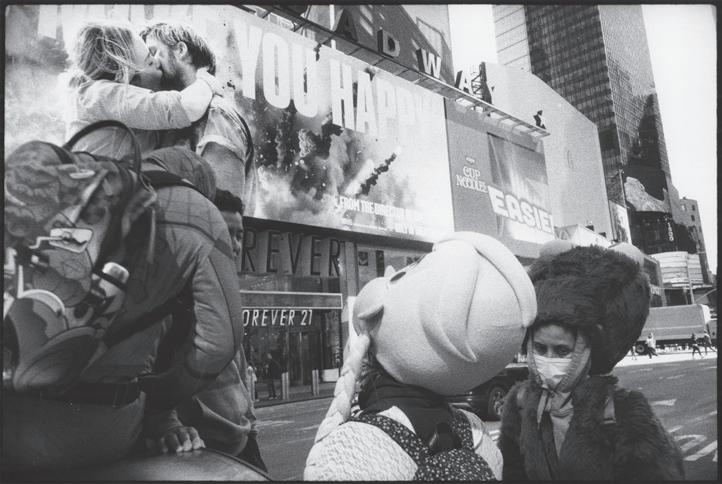
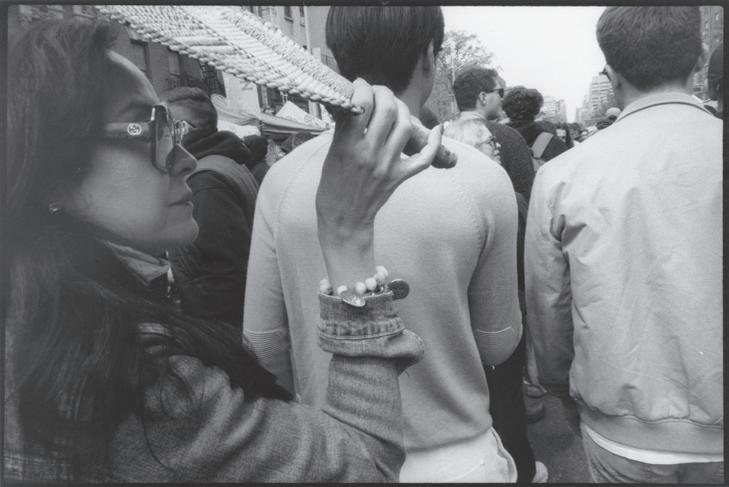
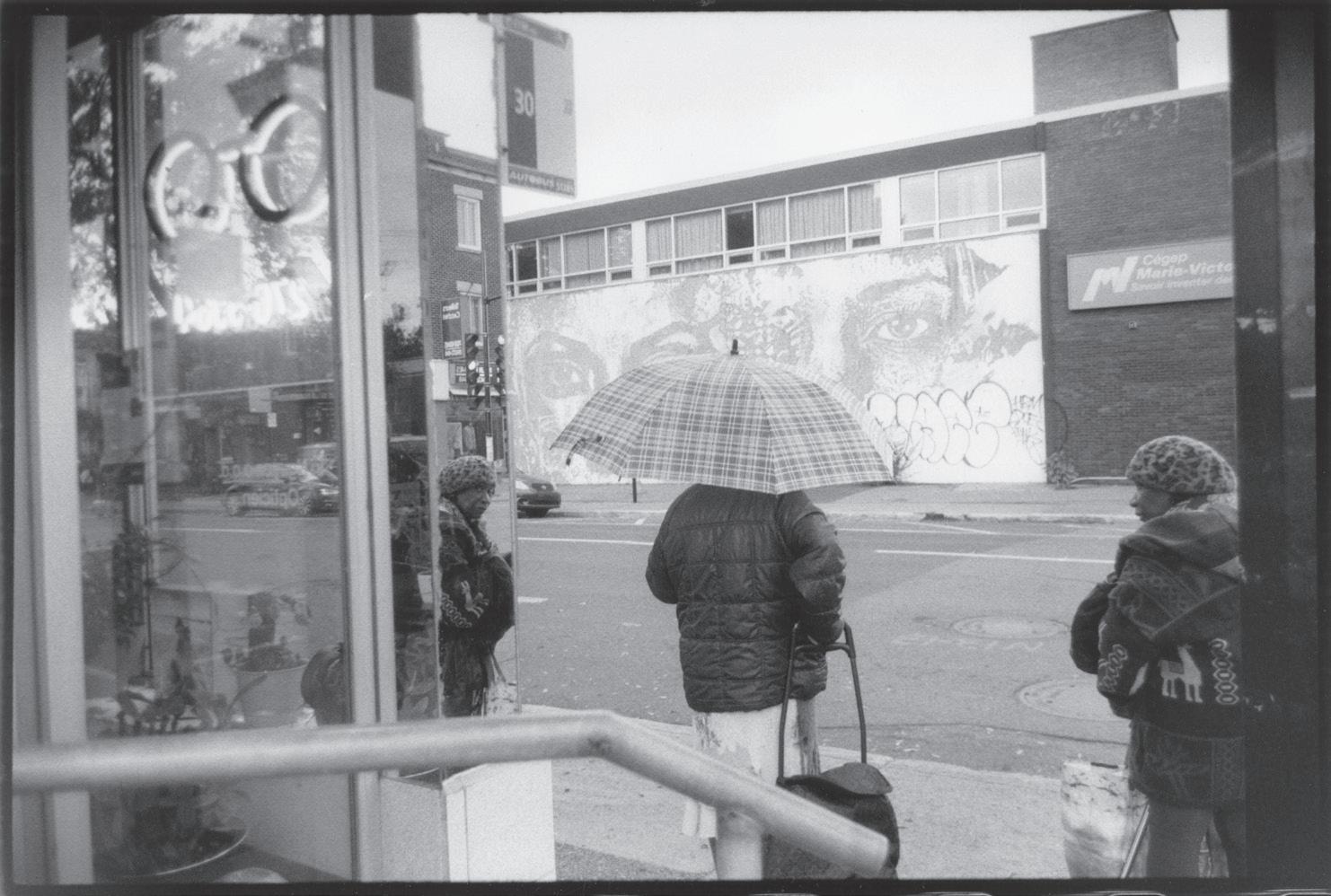
Artist profile: Japhy Saretsky
Japhy Saretsky uses photography to capture fleeting moments, immortalizing stories that otherwise go unnoticed.
By Julia Imee Silva, Arts and Culture Editor @liaa.imee
To Japhy Saretsky, his locker is a treasure chest of film negatives and prints that could later be part of something greater.
As a third-year photography student, Saretsky’s affinity for film photography has flourished.
“I had many hobbies and art practices over the years, and the only thing that’s always constant was taking pictures,” Saretsky said. “So I thought, that’s what I should do.”
Inspired by American photographer Lee Friedlander, Saretsky envisions capturing the instantaneous, candid moments that reveal interesting aspects of the mundane.
“What I’m interested in is just that slice of life, what’s in front of you in the day-to-day,” he said. “It’s so quick and instantaneous that it often goes unnoticed.”
Yet this candid-style of photographing between private and public worlds is an ethically murky spot, said Saretsky. So, he strives to capture images with respect.
“It all comes from a place of care and admiration,” he said.
Saretsky’s discovery of his late grandfather’s analogue camera captivated him into photography. It sparked an intrigue that kept growing until years later, with a small point and shoot camera on a European road trip.
“I think that’s when I really, really, truly fell in love with photography,” Saretsky said. “I wasn’t really thinking about photography in that way then — I was just doing it.”
He continued shooting analogue since then, focusing on “reacting and then looking later,” Saretsky said.
The last three years have been a blur of black-and-white photographs, but Saretsky is now circling back to colour.
“At the end of the day, I really love colour,” he said.
In the darkroom, the seemingly alchemical process of putting film in reels and adding chemicals is routine. Yet, it’s also the moment when Saretsky witnesses the magic of revealing the images he has been anticipating.
“That’s the first time you see the photos, and that feeling just never gets old,” he said.
Like most photographers, Saretsky hopes to construct a photobook and to keep documenting events. Yet ultimately, the dream is to craft a longer-form photo essay that reveals interest in what often goes overlooked.
“I haven’t found the people yet, but it happens when a photographer encounters a certain community and gets close to them and spends enough time to build trust,” Saretsky said. “By taking candid photos of your own life and what you see — it’s kind of training for the day when you find a group that you find interesting.”
Bus Stop, Montréal, 2023
Ferries Cafeteria, Tsawwessen, 2024
Cat Hair-Do, Montréal, 2025
2nd Ave., New York City, 2024
Times Square Kiss, New York City, 2024
Red Jacket, Montréal, 2025
Graphic by Nan Wang // Contributor // @piccolowang
Strumming through the pain
How the cooing sounds of music’s most gut-wrenching ballads accompany us through heartbreak.
By Yasmine Nowroozi Contributor @yasminenowroozi
Everything is red. Rows upon rows of ruby envelopes, heart-shaped boxes of chocolates, and pink plushies pollute the aisles of the local supermarkets and pharmacies. Balloons scream "I love you" and "Happy Valentine's Day" as you reach for the discounted box of toothpaste. No corner goes unmarked; you are reminded at every turn. Where do the broken-hearted go? Who can the yearners riddled with regret and nostalgia, turn to? Music.
Music is the unofficial soundtrack to our lives. Be it in moments of misery, heartache, or loneliness, the soothing voices of the most sentimental artists grant us solace. Though it may seem absurd or even ironic to consume sad music when one is feeling morose, its effects prove to be comforting.
Modern theorists agree that the sadness expressed in art fosters a sense of resonance. For a fleeting five minutes, we are reminded that we are not alone in our suffering; that loving and losing are universal experiences. Writer James Baldwin affirms this when he mused: “The things that tormented me most were the very things that connected me with all of the people who are alive, who have ever been alive”. Concordians reiterate Baldwin’s sentiments. After conducting a survey on Instagram prompting fellow Concordians to
share their musical preference, 71 per cent agreed that they are more likely to listen to sad love songs rather than happy ones.
“They reflect a more human experience,” said student Menel Rehab on why she turns to sad music.
The vulnerability behind this musical genre is what appeals most to student Shanica Tara Mathieu, as she admitted, “it’s a beautiful thing to admit out loud how sad love has made you.”
Dina Akkaoui, a fellow Concordian, states an obvious truth: “The best love songs are breakup songs.” The success behind artists, like Adele and Taylor Swift attest to this claim as they have made careers out of their reflections about their doomed relationships.
Sad music is not merely a trending genre among Concordians, it is also making waves on the charts and trending on various social media platforms.
Roughly three decades following his accidental death, Jeff Buckley made his Billboard Hot 100 debut on Jan. 31 with the devastatingly beautiful ballad, “Lover, You Should've Come Over”. Guided by the haunting introductory notes of a harmonium and Buckley’s soaring vocals, the song reminisces on a love that once was. Feelings of regret and longing echo throughout the verses, rendering its lyrics unmistakably human and raw.
The song’s relatability has since sparked a resurgence in online popularity over the last year on social media platforms like TikTok. Users of the app include short sequenced clips of either past lovers of their own or famously fated pairs alongside Buckley’s cawing of the lines, “it’s never over/ All my blood for the sweetness of her laughter.” The trend has powered a streaming sum of 3.8 million between January 16–22 alone, which in turn granted the song the 97th position on the Hot 100.
Buckley is not the only artist to have a love-struck power ballad re-enter the
charts. Prince’s “Purple Rain” takes the sixth spot on TikTok's Viral 50 audios chart trending audio out of amongst the youth following its feature in the final episode of the hit Netflix series Stranger Things. The track, whose lyrics speak of an apocalyptic world and the individual’s desire to spend their final moments with a loved one, has been a source of inspiration for many online users. Users have and continue to share screenshots of private conversations with their messy potential love interest alongside the sound of Prince’s cry, “I never wanted to be your weekend love.” Mostly shown in the POV of the girl, the conversations often involve her “love interest” informing her that they simply cannot commit. Others have also gone as far as sharing candid shots they had sneakily taken of their lovers.
The song’s meaning has since transformed into a hymn for those forced to love in the dark. It is for the individuals who are not openly claimed, but still cared deeply and boldly. The lyrics thus transform into the unspoken wishes of the brokenhearted. The internet’s interpretation of “Purple Rain” also reveals a bitter truth: love can be a confusing slope.
Not everyone is willing to love openly and proudly. The prospect of vulnerability may even scare some, causing them to depart suddenly. Things are left unsaid. Through this lens, love is no longer fiery, passionate, and red, but a sorrowful shade of blue.
Sad love songs are, therefore, proof that we are all cut from the same cloth; that we love, pine, and regret in a way that is distinctively human. What better month than the month of love to reflect on stolen moments shared with someone who had once been the keeper of your heart?
Live music recommendations in Montreal
By Luca Jarman Assistant Music Editor
@luca_jarman
Una Rose, Common Holly + Sophie Ogilvie - Thursday, Feb. 12 at P’tit Ours
With lyrics that pack a punch, these three songwriters possess distinctive voices in both sound and sentiment. They will each take to the stage in this intimate venue for a night of connecting over music.
Afternoon Bike Ride with Fruit Snack + Erike HagenThursday, Feb. 12 at Quai des Brumes
If that doesn’t take your fancy, across Mile End, this indie trio are still hot off their newest album Running With Scissors It’s an immersive, cohesive blur of folk acoustics, ambient electronic sounds and grunge rock that will be fascinating to experience live.
Milk & Bone - Friday, Feb. 13 at Theatre Fairmount
This is their second stop on a mini tour of Quebec and Ontario to celebrate the release of their new EP, A Little Lucky. Their electronic tunes are catchy and danceable, and will no doubt inspire a night of laidback grooving.
Jazz, love & soul with Shaharaha + friends - Saturday, Feb. 14 at Le Balcon
“If music be the food of love, play on” — so if you’re still looking for somewhere to take a date for Valentine’s, perhaps a night of serenading could be your answer. You could even have dinner during the show, making the Shakespeare quote even more relevant, altwhough that option is on the dearer side.
Bellbird with Erika AngellFriday, Feb. 20 at Le Ministère
A saxophonist, a clarinetist, a bassist and a drummer walk into a bar and showcase their modern, alternative jazz at the launch show of their upcoming album, Last Call
“Being able to access live music is a fundamental right”
Turbo
Haüs and the importance of grassroots venues and local musicians.
By Luca Jarman Assistant Music Editor @luca_jarman
Tucked on rue Saint-Denis is Turbo Haüs, a bar and music venue. It’s eclectically decorated with a set of traffic lights in the corner, and a stage backdropped with empty picture frames. It toes the line between an underground dive bar and a cozy cocktail spot. It is proudly a small, independent venue and has recently celebrated its 13th anniversary.
The performance space is intimate, an atmosphere that has been intentionally crafted by owner Sergio Da Silva.
“An idea that's often thrown around about small venues is that they're incubators for bands to go on to bigger things. I wholly reject that idea. We're here to do the exact shows that we're doing. There is no better way to experience music than in a room this size,” said Da Silva.
As well as shows on weekends, the venue runs various events during the week which encourage people to get on stage and give performing a go. There’s Open Haüs, an open mic on Tuesdays, or Le Vibe Session on Mondays, a night of liveband karaoke.
As fans are priced out of large-scale concerts, people are tuning to grassroots shows to get their fix of live music.
“Being able to access live music is a fundamental right. Having a paywall to experience something as life changing as live music is a crime,” said Da Silva.
“You still should be able to experience the music you love in an environment you enjoy, and I would fight for that until my dying breath. The idea that at some point people won't be able to experience it in the same way that I have boggles my mind. It's so f***ing sad.”
In his past life, Da Silva toured the world in bands and believes that the economy of music and touring has changed significantly for bands as well as fans.
“Knowing how I wanted to be treated, informs how I treat musicians now. For touring bands, we offer the apartment upstairs where they can stay for free, and they can get free food at the cafe next door,” he said.
“The cost of living is so high, the idea of going on tour for two months is impossible. These DIY scale tours don't exist like they used to. For example, we have to offer a backlight because people can't afford it now.”
This occurs at a time where third spaces, public places for social connection, are becoming more crucial in an increasingly digitalized society. Da Silva met many of his closest friends through live shows and spoke of the importance of being involved in a community that you can identify with.
“It's easy to maintain long-term relationships if you have a focal point where
you can always come back to. I may not be able to reach out to every single person that I know all the time, but if I go to a show, I know I'll see a bunch of these people. And we can reconnect and start over from there,” he said.
“You can't create community without being in your community, and this gives you an avenue to do that, especially when we're increasingly isolated through the convenience of technology.”
To discover more venues and performance spaces like Turbo Haüs, check out our Montreal Music Venue Guide:
Graphic by Hannah Bell // Creative Director // @hannahnevebell
Photos of Turbo Haüs by Luca Jarman // Assistant Music Editor
Concordian
Photos courtesy of Turbo Haüs
Women are still excluded from the Olympic Games
Athlete Annika Malacinski
says gender inequality–and low viewership–threaten the future of the sport.
By Mathilde Colls Assistant Sports Editor @mathcolls
At this year’s Olympic Winter Games in Italy, 2,885 athletes will get to achieve their dream of competing as an Olympian. Yet, even in 2026, some athletes are being left behind simply for being the wrong gender.
Nordic combined is the last remaining sport to not include both a women’s and a men’s category, but it’s not for a lack of athletes.
Nordic combined is one of the oldest winter sports and features both ski jumping and cross-country skiing in a combined event. Athletes first do the ski jump in the morning, then their result in the ski jump determines the athlete's time disadvantage for the 10 km cross country ski race afterward on the same day.
Despite existing for over a century, Nordic combined has always been reserved exclusively for men at the Winter Olympics.
American Nordic combined athlete Annika Malacinski is the sport's most vocal critic of the Olympic exclusion. For the last two Olympic Winter Games she has been advocating for gender equality in the sport.
“I found out that women's Nordic combined was not going to be put into the Olympic program, and I was on an airplane,” she said. “I remember crying so much that whole entire eight hours because I felt like my life was destroyed, like someone just took away my dreams.”
It was decided in 2016 that women’s competitions were to be established at the
International Ski Federation (FIS) level, with inclusion at world championships beginning in 2020 and hopes of an Olympic debut in 2022.
However, the International Olympic Committee (IOC) cancelled that debut in July 2018. Despite a strong push from the FIS, a women’s category was not included in the 2026 games either.
Malacinski, who started ski jumping at 16 years old, after years as a cross-country skier, said she initially believed advocacy would not be necessary, as the women’s side of the sport was progressing fast.
“When I started, it was finally like women were doing it, and we were pushing to have competitions […] we were getting our first world cup,” she explained.
“But 2026, it’s actually insane that we’re not going to the Olympics because our level is there.”
According to Malacinski, the IOC justified its decision by citing a lack of participating nations, limited podium diversity, and low viewership, claims that the athlete strongly argues against.
“Since our first world cup in 2020, we’ve had eight different nations on the podium versus men’s Nordic Combined; they only had seven,” she said. “The diversity is really, really good.”
She also argued that comparing audience numbers is unfair since niche disciplines are often given unfavorable broadcast times, especially when considering the low viewership in Asia during the 2022 Beijing Games, as most Nordic combined fans are from Europe.
More than a gender disparity issue, Malacinski warns that the future of Nordic combined itself may be at stake and that continuously low viewership of the sport could cause its complete disappearance from the Winter Olympics.
“Men will not go to 2030 if women don’t go,” she said. “Their way to solve gender equality will be by taking away the sport.”
While some male athletes have shown support, she believes stronger advocacy is needed to preserve Nordic combined as a whole.
“We’re not fighting for only women at this point. We are fighting for the sport.”
the disappointment, Malacinski continues to use her growing social media platform to raise awareness about the inequality, posting consistently and accepting every interview opportunity; she is doing everything in her power so that people know the story, so the IOC can’t say no anymore.
She will still attend the games to support her brother, who qualified for the U.S. team, and continue her activism respectfully, as she does not want to take the shine off the athletes who have made it there.
Malacinski hopes for future change, and one of her biggest goals as an athlete and activist is to prevent younger girls from having to go through what she experienced in 2022 and now again in 2026.
“I want to make sure that they know that their dreams are valid, and as long as they work hard, they should be able to be at the top of the level, whether they're a man or a woman. [...] Your dreams matter. Don’t let anybody tell you that you’re not good enough. […] Fight for the things that are right and don’t take no as an answer.”
As low viewership threatens the existence of Nordic combined at the Olympics as a whole, Malacinski believes the public can play a role in determining the sport’s future.
“The ticket to women being in 2030 is if people watch men’s Nordic Combined,” she said.
“People need to support the sport as a whole; that’s how the women are going to get in.”
The IOC did not reply to a request for comment.
Concordian’s to watch at
this year’s Olympic Games
Zachary Lagha, a contemporary dance major at Concordia, is representing Canada in ice dancing with his partner Marjorie Lajoie.
Marion Thénault, an aerospace engineering student at the Gina Cody School of Engineering and Computer Science, will compete for Canada in acrobatic skiing. Thénault returns to the Olympic stage after capturing a bronze medal in mixed team aerials at the Beijing 2022 Games.
First-year Stingers forward and psychology student Emma Nonnenmacher and Stingers alum Alice Philbert is representing Team France in the women’s hockey tournament. Nonnenmacher will provide valuable scoring depth for head coach Grégory Tarlé’s squad. Philbert, a seasoned professional goaltender with experience playing in Europe, is starting in goal for the French national team. She also continues her studies at Concordia as a fourth-year therapeutic recreation student in the Faculty of Arts and Science.
sports@theconcordian.com
Latest budget threatens the city’s outdoor rinks
The city’s newest administration has reallocated funds once earmarked for outdoor refrigerated rink development in previous budget.
By Anthony Maruca Sports Editor @_maruca27
The City of Montreal will not be prioritizing the development of its network of outdoor refrigerated rinks for the next year. Montreal’s most recent budget does not provide any mention of the $20 million sum once allocated for the construction of new rinks in the previous administration’s budget in 2025.
Mayor Soraya Martinez Ferrada’s government has chosen to reallocate funds in areas deemed more pressing. The new administration’s decision could lead to stagnation in the development of outdoor infrastructure, especially for those who don’t already have access to these rinks nearby.
In a statement provided to The Concordian, Justine Lesage, media relations coordinator for the City of Montreal, explained what the average costs of building
the infrastructure necessary for outdoor refrigerated rink installations are.
“The average annual operating cost of a natural ice rink (with or without boards) is approximately $37,000, and that of a refrigerated ice rink varies from $155,000 to $285,000 depending on the type and the planned programming,” said City of Montreal spokesperson Justine Lesage in a statement to The Concordian
“The City of Montreal is committed to maintaining access to quality skating rinks. Refrigerated rinks are part of the solution. [...] Montreal closely monitors weather conditions and, as soon as the cold and weather permit, borough maintenance teams are on site to provide service to residents.”
But some Montrealers are weary about what this means for Montreal’s iconic outdoor rinks.
“Last year, they would pass the Zamboni over the ice more frequently, and now, since they don’t do it as much, the ice isn’t as nice,” said Xavier Martineau, a young boy who resides just down the street from the rink at Haywood Park in Lasalle.
“I also saw somewhere that they were supposed to build a roof for this rink, but that never got done, which sucks,” added Martineau.
The rink in Haywood Park was one of the first five rinks built as part of the “Patinoires Bleu-Blanc-Rouge” initiative funded mostly by the Montreal Canadiens’ Children’s Foundation, and it was completed and opened in 2012.
“I think it really sucks, especially when all the boroughs invest in refrigerated rinks
but make you pay as non-residents,” said south-shore resident Thomas Dandurand, who made the drive all the way to Lasalle to have access to a rink with fewer restrictions.
He and his friend tend to find themselves playing at this rink, which is part of the aforementioned “Patinoires BleuBlanc-Rouge” initiative, even though it is relatively far from their native town of Delson.
“I’m from the south shore, you know, but we come here because it’s the only place we can skate on a refrigerated rink without any added fees,” added Dandurand.
“I definitely think they could add more rinks, that way people like us, who have to make a drive, or kids who would need to walk, let’s say 45 minutes to a rink, wouldn’t have to do that anymore.”
Dandurand’s friend Cédric Poirier feels the accessibility to these types of rinks could be improved.
“I only know of two rinks [like this][.] I’ve only been to both of them, and they were both far so I’d say they could add more,” said Poirier.
For others, the change comes as no surprise, as signs of development have manifested themselves in other ways before any changes in funding.
Though the funding comes predominantly from the foundation, along with the help of trusted sponsors, the rinks’ maintenance is then left to the municipality.
Since then, the initiative has grown into 15 rinks all around the province, with the latest rink near Quebec City being built
with a roof over the ice surface to further aid favorable skating conditions, an advantage that rinks built in the early stages of the project do not have.
The cut in funding not only causes concern for residents, but it also stagnates development in an area already heavily affected by climate change.
Lawrence Mysak, a tenured professor in the atmospheric and oceanic sciences department at McGill University, argued that climate change has affected how quickly the ground freezes, making refrigerated ice surfaces more essential in terms of longterm sustainability.
“You had to have three cold days, and [then] the ground would be frozen [...] when you start pouring water on the ground, it would not sink into the ground, it would remain on top and freeze into ice,” said Mysak in an interview with The Concordian.
“The minimum temperature required to operate and maintain a refrigerated ice rink varies depending on the capacity of the rink’s refrigeration system. Strong sunlight or precipitation can affect the quality of a refrigerated ice rink, and measures are taken according to the weather conditions,” added Lesage.
In an article published by La Presse, it was reported that in early January, 180 of the 231 recorded outdoor ice surfaces in Montreal were deemed unusable. On the other hand, of the nine active outdoor refrigerated rinks on the island, seven of them were operating.
All varsity sports teams to return in 2026–27
Despite uncertain financial climate, Concordia Athletics confirms all 14 varsity sports will return next season.
By Anthony Maruca Sports Editor @_maruca27
Concordia’s Department of Recreation and Athletics has committed to having all currently active varsity sports return for the 2026–27 season.
Lauren Farley, who took over as the interim director of Recreation and Athletics following the departure of longtime director D’Arcy Ryan in late 2025, confirmed the commitment in an interview with The Concordian.
“The same 14 varsity sports [active during the 2025–26 season], we’ve already committed to next year through the leagues [...] mostly through the RSEQ, and you
know, our men’s hockey [team] is part of the OUA,” said Farley.
The decision comes at a time of uncertainty for local university sports, particularly following the cuts made by McGill University back in November of 2025.
Luckily for the Stingers, things will remain as they were this past academic year for next season.
Decisions were made before Farley’s role as interim director, and the department’s focus has since been on organizing and planning the logistics, such as scheduling of services and travel for both staff and athletes, for the following academic year.
The department’s budget for next year has yet to be finalized, and decisions related to it are not made independently by Farley or any other department head. Farley mentioned that those decisions are only finalized after consulting with the university’s “higher-ups”.
Concordia’s financial recovery plan is set to run through the 2028–29 academic year, and the budget set for the 2025–26 fiscal year has applied a 7.2 per cent cut across all sectors. These cuts have made their effects felt in the department throughout the year, but nothing additional is yet to be confirmed for next year.
Strategies implemented for this past
year, which affected all departments, included a hiring freeze, reduced part-time and casual contracts, cutting of non-essential travel and external consultants, adjusted cleaning and security schedules, and shortened shuttle bus hours.
One way for the department to counteract the effects felt by budget cuts would be to receive a fee-levy increase. Unfortunately, it has not received an increase in over 16 years.
The stagnation of this fee has made it difficult to adjust to rising costs and to maintain the service the department would like to offer students, such as upgrading facilities in the Loyola Campus’ Athletics Complex.
“We have not received a fee-levy increase since 2009. It is also not indexed, meaning that it doesn’t increase based on the rising costs of living,” said Farley.
“The cost of services, materials, and all those things have gone up exponentially, and our budget hasn’t matched, even at a base level. We’re hopeful with this opportunity that we might be able to address some of our budget deficit.”
Concordia University’s fee levy system lets student-run organizations, or independent entities such as the CRA (Concordia Recreation and Athletics) receive
per-credit funding from tuition through a student referendum, subject to Board of Governors approval, with opt-out options for students.
Farley says that a fee levy increase for the department could significantly enhance the experience for those who use the space.
“We want to make sporting events [...] less costly for a student body specifically [...] a lot of students [want] to utilize our facilities at a reduced rate or no cost [...] we would love to be doing things like that but if we don't have you know this pool of money then we're forced to charge individuals, you know, competitive rates just to be able to sustain those spaces.”
To get more information regarding the CSU by-elections and to support organizations such as the CRA, students can visit the CSU election website or scan the QR code below.
Despite
Photos courtesy of Annika Malacinski // @nocogirls
Games
Love is in the air
Hannah Bell Creative Director
Across
3. Standard paper size
Connections Chess
Checkmate in 2 for white
Follow @chessatconcordia to learn more about Concordia Chess!
Editor-in-Chief:
Aidan Raynor
Saskia Wodarczak
Hannah Bell
Félix-Antoine Beauchemin
Chloe Stuart-Ulin
Megan Mills Devoe
Jia Marguerite Schofer
Kailee Krentz
Danylo Perkov
Anthony Maruca
Mathilde Colls
Sort the clues into 4 groups
Matthieu Chatelain
4. Saint Valentine’s country of origin
5. Prune-like fruit
6. A natural talent or skill
8. Famous singer Courtney ____
11. To cover something completely
Down
1. Opinions column on love and dating
2. Common message on candy hearts
7. Unrivaled Basketball inaugural season champions
Sudoku
Sofia Dawson
Luca Jarman
Julia Imee Silva
Kasi Peri
Selena Ruiz
Victoria Psiharis
Zaineb Karkachi Kira Minall
Chelsea Nadarajah-Chinniah
Simaiya Shirley Anna Huang
13. Iconic cherub
14. Shape with a small body part in the middle
15. Makeup product used on the cheeks
16. A concern holding one back
9. Smartphone game ‘___ Crush’
10. One of the three flvours in neapolitan ice-cream