Prior to becoming the focal point of the party,the DJ servedas the vitalcore of the culture.
The history of the DJ is deeplyrooted inBlack creativity,innovation, andcommunity. In the 1970s, in the Bronx, NewYork, DJs like DJKool Herc began using two turntables to extend the instrumental “breaks” in funk and soul records.Those breaks gave birth to hip-hop—not just asmusic, but asa movement.The DJwasn’t just playing songs; he was creating a new sound live, right in front of the crowd.
Around the same time, Black DJswere shapingother genres too.In Chicago, DJs helped buildhouse music. In NewYork clubs, DJs blended disco, R&B, andsoul. Caribbeansoundsystem culture, brought by Jamaican immigrants, also played a majorrole in influencingDJ techniques like toasting andremixing.What startedas block parties and communitygatherings grew intoa global force that changedmusic forever.
But the DJ has always been more thansomeone behind turntables.
ADJ is a storyteller, using songs insteadof words.
ADJ is a peacekeeper, bringing people from different backgrounds together on one dance floor.
ADJ is a time traveler, able totake you backto your childhood with one song and introduce youto the future with the next.
continued on page 4
JohnOwens—"SugarDaddyJohn"
By Justice Reid
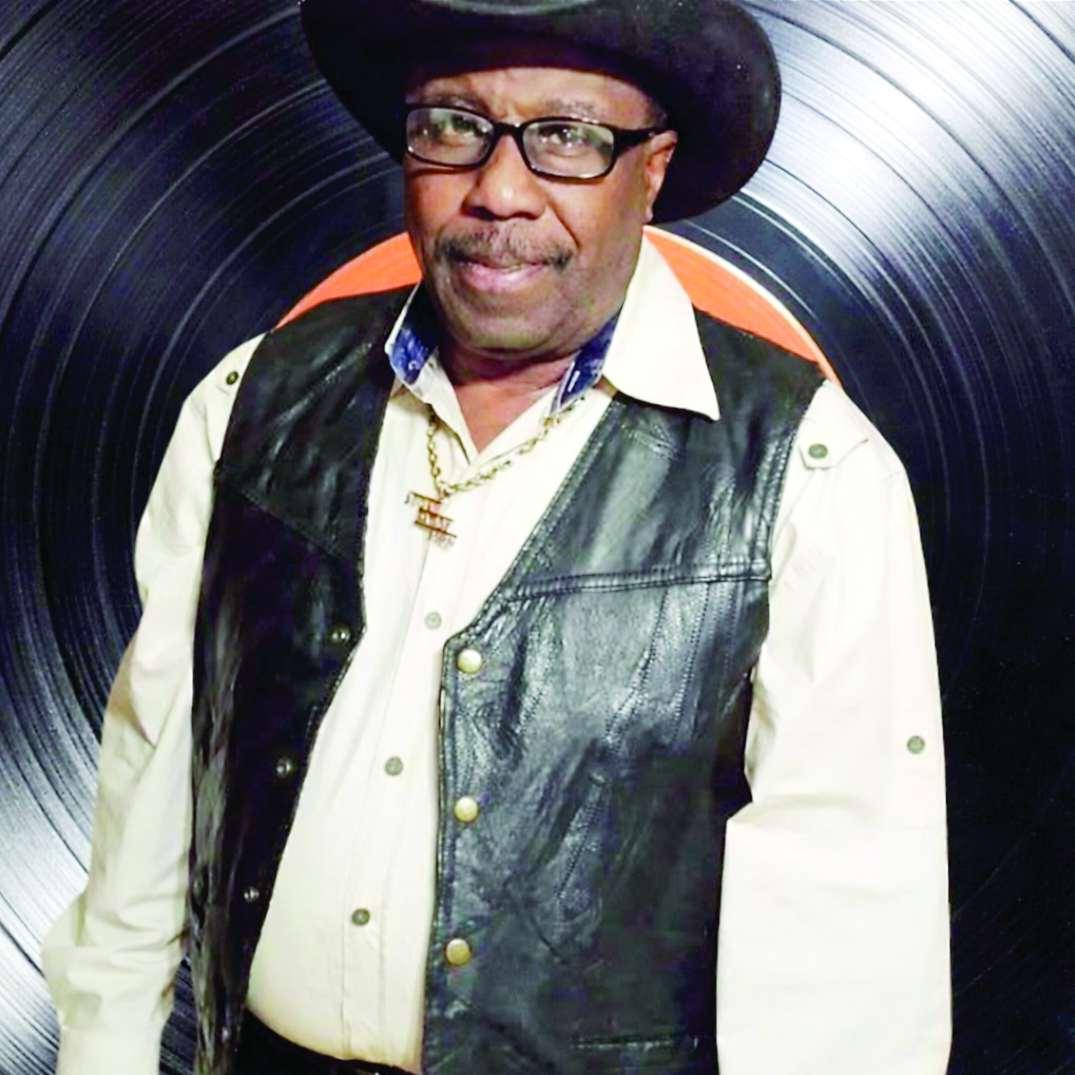
Before playlists lived in phones and DJs carried their whole music library in a backpack, JohnOwens— better knownacross dance floors as “Sugar Daddy John”—was learning the craft the old-school way: one vinyl record at a time.
John’s journey behindthe turntables began in 1979, when DJing wasn’t trendy—it wastalent, timing, and pure feel. Early on, he linked up with fellow DJHoneyboy Hill,and the twodidn’t just playmusic…they studied it.They sharpened their skills together, eventually travelingto the Mobile Beat DJ Convention in Las Vegas, where they soaked upeverythingtheycould about crowdcontrol, sound, stage presence,and the art of true entertainment.Thattrip didn’t just inspire them—it stretchedtheir visionof what a DJ couldbe.
Back home,theywere active members of theTri-State Record Pool in Memphis, attending monthlyDJ meetings that felt like treasure hunts. They’d leave carryingboxes of promotional vinyl, sent out byartists and labelshopingDJs like them would be the ones to breaka record.In the ’80s and ’90s, DJs weren’t just playing hits—they were creating them, introducingnew music to communities before radioever caught on.
John has seen the industry change from vinyl to cassettes, from CDs to laptops, and nowto phonesanddigital controllers.Through every transition, one thing neverchanged—his love for moving a crowd.
There were a few DJs in Corinth before him, but whenJohn entered the scene, he was determined:
he wasn’t just going to play music—he was going all the way. And he did.
Overthe years, Sugar Daddy John has traveled cityto city, providingthe soundtrack for weddings, anniversaries, birthday parties, proms, class reunions, familyreunions,and just about everycelebration you can imagine. His music has been there for first dances,last dances, and memories that still make people smile decades later.
But DJing hasn’t always been easy. John will tellyou straight: some nightspaywell… some don’t. Some crowdsarekind…some aren’t.
Still, the friendships, the stories, and the joy of witnessing a dance floor come to life made it all worthwhile.
Tohim, DJing is more thana hobby; it'smore than a side job. It’s anadventure.
Now, with46 years of experience, Johncarries not just crates of music history but also a heart for the next generation. He knows howhardthe road can be, and he alsoknows how powerful encouragement is.That’s why he’s always willing to help younger DJs coming up—offering advice, sharing lessons,andreminding them that passion is whatkeeps youin the game.
The other day,I had officially clocked out for the evening. Shoes off. Recliner leanedback.Mind in cruise control.Then my phone lit upwith a text that changed the entire trajectory of mynight.
The message read, “We have some extra plates.”
Well… there went my evening.
You already know what that means—get up, get dressed, and start delivering.Around 7 p.m.,I was making my rounds, dropping off plates and feeling pretty good about being a blessing.
Everything was smooth.No issues. Noproblems.Ministry in motion.
Until I pulled up to one house
FALLINGTOHELP
with just a little ice on the carport. Not a lot—just enough tomake me mind my business.
I made it into the house safely. But coming back out?That was a whole different ministry.
I slipped… and I kept slipping…and I kept sliiiiiding. I could’ve recorded my own remix of “Fallin’.”
I landed in the mud like a childat recess.They say, “Once a man, twice a child.”Well,yesterday I was in full kindergarten mode—mudon my clothes andmy dignitysomewhere back by the front door.
As I brushed myself off, laughing and checking to make sure nothingwasbrokenbut mypride, something hit me.
The Lord has used mud before.
In Johnchapter9, Jesus heals a man who was born blind—but He does it in a way thatdoesn’t looklike a miracle at first. He spits on the ground, makes mud, andrubs it on the man’s eyes. No instant healing.
No immediate breakthrough. Just mud… on blind eyes.
If we’re honest, most of us would’ve said, “Jesus, I asked for sight—not a spa treatment from the dirt pile.” But thatmud wasn’t random. It was a reminder of creation.
InGenesis, God formed man from the dust of the ground. Now hereis Jesus, the Son of God,using dust again—not to create a man, but to recreate vision.
Sometimes God will use what feels uncomfortable, messy, or confusing to prepare us for a miracle.
The mud was not the miracle. Obedience was the pathway to it.
Jesus told the man, “Go wash in the Pool of Siloam.”The manwasstill blind. Still muddy. Still uncomfortable.But he went anyway.And after he washed, his sight returned.
Here’s the lesson for all of uswhoarejust trying to help somebody else: not everyblessing happens instantly.Some miracles
Sometimes serving gets messy.Sometimesdoing the right thing leaves dirt onyour clothes and mud on your pride.
Life has a wayof rubbing “mud” on our plans— situations we didn’t ask for, delays we don’t understand, seasons that feel slippery and uncertain. But
what if the mud is preparation?What if God is using those messy moments to help ussee better, too?
I went out to deliver plates,but I came home witha reminder. Even when youfall, you’re still in His hands.And if Jesus canuse mud toopen blind eyes, He can use a muddy fall to openours.
So don’t stophelping.
Don’t quit in the mud. Go wash.Follow through. Trust Himinthe process. And if you slip alongthe way…keepyour sense of humor.
Sometimes God allows the mud…so you can appreciate the miracle.
Whoo!Whoo! Until next time!All aboard!
The Community News Flash proudly salutes the dedicated volunteers ofA Place Of Grace for their diligent and tireless efforts in serving those in need during the Ice Storm of 2026. In a time of extreme weather and uncertainty, your commitment to providing a warm place to rest and a hot meal made a real difference in our community.
Your selfless service not only saved lives but also lifted spirits during the most critical times. Through long hours, cold conditions, and steadfast commitment, you demonstrated compassion in action and love at work. You stood in the gap for those who needed help the most, reminding us all that hope can still shine even in the harshest storms.
May your ministry persist in serving as the embodiment of Jesus.
Sincerely,
Jerry W. Porter Publisher
The Community News Flash
“The struggle you’re in today is developing the strength you need for tomorrow.”
— Robert Tew
Stop by our new location at 712 S. Tate St., Corinth, Mississippi, or contact me, Jerry W. Porter, at (662) 643-6842, or visit us on Facebook to get more information on this ministry. If you wish to make a donation to this ministry, it would be greatly appreciated. Please use the Cash App at $SuitsYouToo or mail your donation to PO Box 1292, Corinth, MS 38835.
(StatePoint)The beginning of the year is a natural time for a reset, especially when it comesto budgets and better-foryou habits.With cold and flu season still in full swing, it’s also a time when many people start thinking about howto stay healthy without spendingmore than they planned. Witha few tips andtricks, staying healthydoesn’t have to be expensive. Here’s whatyou can do:
DJ......from page 1
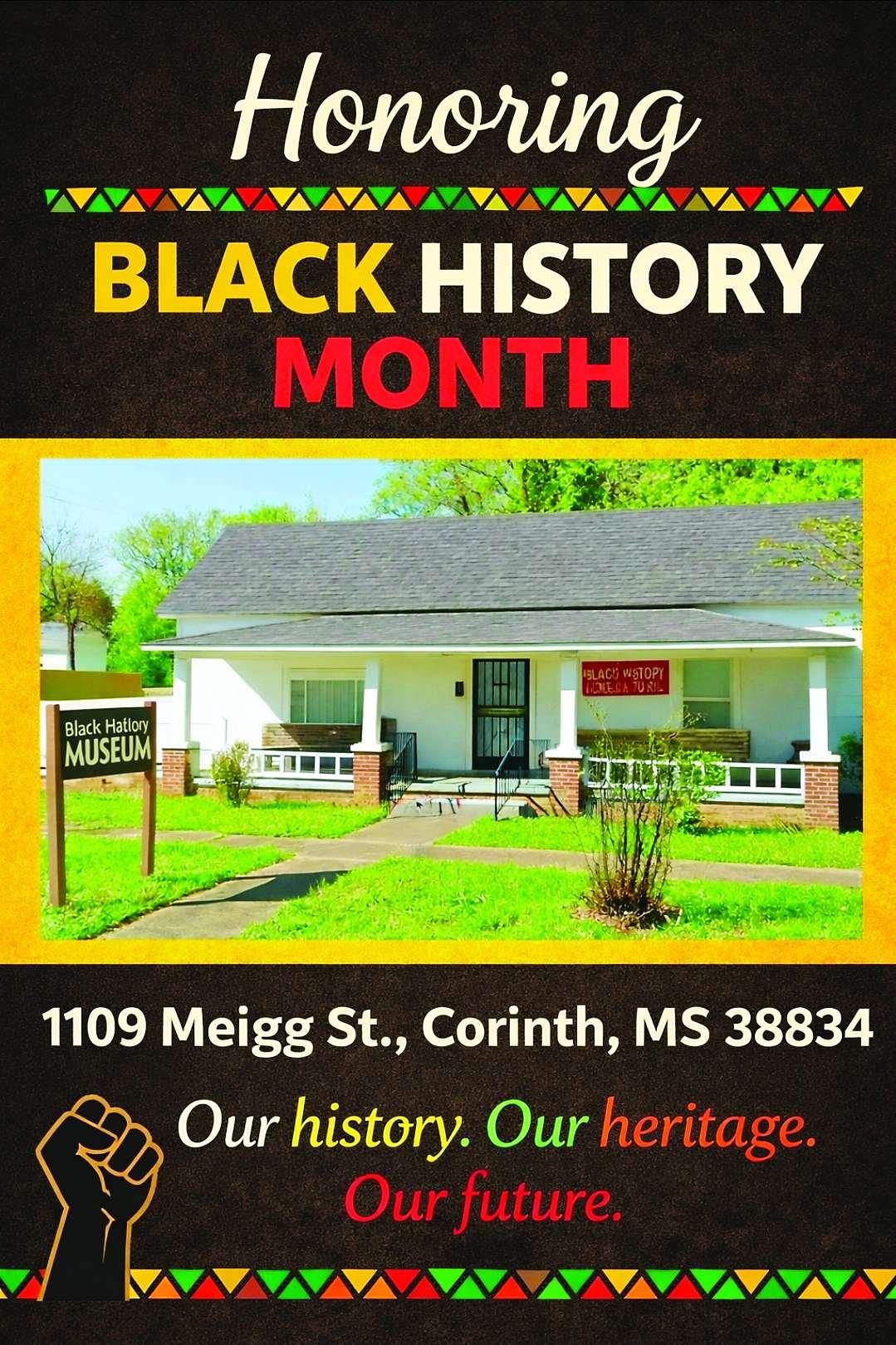
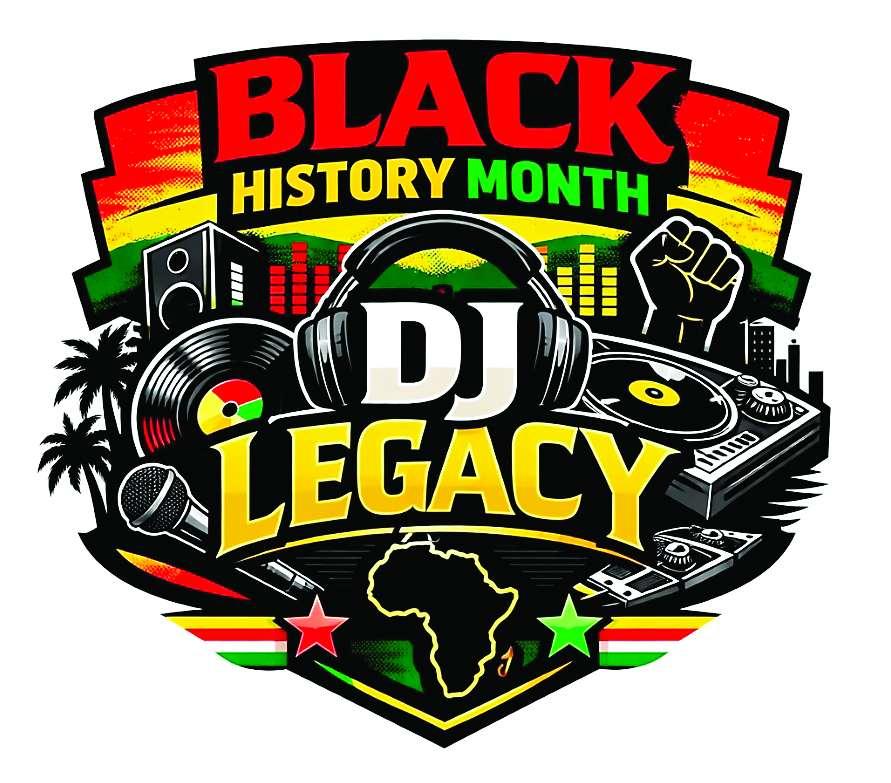
During Black HistoryMonth,we celebrate inventors, leaders,and pioneers—and DJs belong in thatconversation.They helpedcreate the soundtrack of generations, shaped culture, and turnedordinary spacesinto placesof joy, unity, and expression.
In this special feature, we speak with a talented DJtohear their journeys, their inspirations,andtheir thoughts on carrying forward a legacy that started on turntables but now echoes around the world.
Let’s step behindthe booth andinto the story.
After hearing this story, one thing is clear—DJs don’t just play music; they carry history, shape moments, and move people in ways words sometimes can’t.
From the early days of turntablesin the Bronxto today’s digital decks and global stages, the DJ has remained a powerful force inBlack culture and beyond.What startedas creativity born from limited resources became a worldwide movement that influenceshowwe celebrate, connect, and express ourselves.
These three DJs representmore than talent.They represent legacy. Every time
Shop ahead.Most people don’t think about cold andflu products until theyactu-
theyblend a classic trackwith a new hit, theybridge generations. Everytime they step behind the booth, theycontinue a tradition built onrhythm, resilience, and innovation.
DuringBlack History Month, we honor pioneers of the past—but we alsorecognize those keeping the culture alive today. DJs are historians with headphones, storytellers withspeakers, and unifiers witha beat.
So the next time you nod your head, tap your feet,or dance like nobody’s watching, remember—you’re not just enjoying a song.
You’re experiencinga legacy in motion.
And thanks toa DJ like this, the music—and the history—will never stop spinning.
Sugar Daddy John......from page 1
Sugar Daddy John hasn’t just played songs. He’s played a role inpeople’s life moments.
And as long as there’s a speaker, a beat, and somebody ready to dance, his legacy will keep spinning right alongwith the music.
ally need them. Stockingup aheadof time can help ensure quickaccesstorelief while making it easier totake advantage of savings.Usingcoupons, price-saving apps and shoppingfor store promotions can help bring downthe cost of everyday health essentials.
Choose generic and save. Storebrand over-the-counter(OTC) productsoffera more affordable option for common needs, includingpain relief and cough and cold care.
Perrigo,a leading providerof store brand OTCproducts, makes trustedalternatives to name brands across key self-care categories, including ibuprofen, acetaminophen,cough suppressants, decongestants and multi-symptomrelief.These store brand OTCproducts contain the same active ingredients and meet the same FDA standards asnational name brands, but at a lower cost.
As health care costscontinue to rise, consumers can opt for these store brand OTC products to save moneywithout compromisingon quality.
Stayactive. Staying active doesn’t have
to mean joining a luxury gym membership or havinga complicatedroutine. Research published in the National Libraryof Medicine suggests thatmoderate amounts of exercise can help reduce stress and support immune function.Walking,running, free online workout classes or bodyweight exercisesat home are all accessible ways to stayactive throughout the season.
Adopt healthy habits. Small,everyday habits can also make a difference during coldandflu season.Washingyour hands, stayinghydrated andgettingplenty of sleep are simple steps that supportoverall wellness andhelpreduce the risk of gettingsick.
Asconsumers settle into their routines, combining smart shoppingchoices with healthy habits can help themfeel prepared and more in control throughout cold and flu season.
To stock up on affordable store brand self-care and OTCproducts, stop by your local retailer. February2026
(c) Jacob Wackerhausen / iStock via Getty Images Plus
Some athletes shine in one sport.Layla Lester shines in two—andstill keeps her faith at the center of it all.
As an outstanding8th-grade state track phenom anda fierce competitor on the basketball court, Layla captivates audiences withher speed, hustle, and determination. She competes with confidence that surpassesher years, whether she's bursting off the startingline or racingdown the court on a fast break.
But what makesLayla’s story even more special is what groundsher.Her love for churchandher relationship with God guide her attitude, fuel her discipline,and shape the way she carriesherself as both anathlete and a young lady. Coaches appreciate her work ethic.Teammates value her leadership.Andthose whoknow her best admire herheart.
Layla Lester isn’t just building a name in sports—she’s building a foundation for life.
Layla first recognized herexceptional running ability when she secured the third position inthe 400-meter dash on her debut in the event.That moment revealeda gift thathas continued togrow through hard work and determination.
Today, the 400-meter dash serves as her signature race, providing her withthe highest level of confidence as she crosses the finish line.As the crowd quiets and the starter preparestofire the gun, Layla keepsher thoughts simple and focused: “I got this.”
Behind thatconfidence is strong discipline. Layla makessure herresponsibilities in the classroom come first. Her approach is clear: finish schoolworkbeforefocusing on athletics.That balance allows her to excel as both a student and a competitor. Her family has been her biggest cheering sectionfrom the beginning. Layla is the daughter of Reko andThomasiana Lester, who have encouragedher to run hard, stay humble, and trust the talent God has placed inside her.Adefining moment came at her first track meet atTupelo High School, whenshe realized she could truly do something specialin the sport.
With success comespressure,but Layla handles expectations bystayingmentally
focused and remembering a lesson her parents often share:
“Hardwork beats talent when talent doesn’twork hard.”
Her goals for the season reflect that mindset. She is working toset a newpersonal record,win another state title,and remaindisciplined while competing atthe highest level. Before each meet, her routine includes stretching,jogging a lap, and taking time topray.
Layla is talented atmore thanjust running. On the basketball court, she serves as a point guard, using her speed to push the pace, drive past defenders, andscore fastbreak layups.
What she loves most about basketball is the team connection. Being on the court builds her confidence,and she takes pride in encouraging her teammatesand helping them stay motivated. Her proudest basketball moment so farcame whenshe scored her first points in a high school game—a milestone she’ll never forget.
While trackis more individualand mental, Layla says basketball ismore
physicaland team-driven. In both sports, she believesbeing a goodteammate means beingrespectful, helpful, and uplifting.
At the center of Layla’sjourneyisher faith.She leans on her relationship with God, especially duringchallenging moments in competition. Prayer helps her stay calm, focused, and thankful for the ability to play.
One Bible verse in particularkeepsher encouragedthroughout the season:
2 Chronicles 15:7 (NIV)
“But as for you,be strong and do not give up, for your work will be rewarded.”
Balancing school,sports,and church life takes intentional effort.Layla stays groundedby praying and remembering that she is a student-athlete, with education always a priority.
She credits her parents, grandparents, and youth leaders for inspiring herto remain humble and focused. Their guidance hasshaped not onlyher athletic suc-
cessbut also her character.
Her message to otheryoung girls who dream of being outstanding athletes while staying strong intheir faith is heartfelt and simple:
“Always keep God first, neverstop striving, and believe inyourself.”
As Layla Lester continuestogrow,one thingisclear—her future is bright onand off the track.With her talent, determination, and strongfaith, she’s already learning lessonsthat will carry her far beyond middle school sports.
Whethershe’scrossing a finish line, helping herteamsecure a win, or lifting hervoice in church, Layla is runningher race with purpose.And if this is just the beginning, there’s no telling how farGod will take her.
One thing we do know—wherever she goes, she’ll go withspeed, heart, and faith leading the way.
1. Hip-hop was born from a Black DJ— DJ Kool Herc, a Jamaican-born Black DJ, helped create hip-hop in the Bronx in the 1970s.
2. DJ Kool Herc invented the breakbeat by isolating and looping the “break” of records to keep dancers moving.
3. Grandmaster Flash advanced DJ technology, developing backspinning, punch phrasing, and quick mixing.
4.Afrika Bambaataa used DJing as a tool for peace, forming the Zulu Nation to reduce gang violence through music.
5. Black DJs turned turntables into instruments, changing DJing from recordplaying to performance art.
6. Hip-hop culture’s four pillars include DJing—DJing, MCing, breakdancing, and graffiti all stem from Black creativity.
7. Black radio DJs helped break major artists, introducing the world to James Brown,Aretha Franklin, and later hip-hop legends.
8. Disco was driven by Black DJs, especially in New York clubs during the 1970s.
9. The first DJs were often community storytellers, using music to reflect Black life, struggle, and celebration.
10. Scratching was popularized by Black DJs, becoming a global symbol of hiphop culture.
11. Black DJs helped spread reggae and sound-system culture from Jamaica to the U.S. and beyond.
12. Many early Black DJs built their own sound systems due to lack of access to professional equipment.
13. House music was created by Black DJs in Chicago, including Frankie Knuckles, the “Godfather of House.”
14. Techno music was pioneered by Black DJs in Detroit, led by the Belleville Three.
15. Black DJs shaped party culture, from block parties to modern festivals. 16. Mixtapes became a Black DJ staple long before streaming playlists existed. 17. DJ battles originated in Black communities, pushing creativity, skill, and innovation.
18. Black DJs helped globalize hip-hop, touring internationally and influencing youth worldwide.
19. DJ playlists disseminated numerous civil rights messages, employing music as a form of social commentary.
20. Black DJs influenced fashion and slang, setting trends beyond the music.
21. Female Black DJs broke barriers, paving the way for women in a male-dominated industry.
22. Black DJs turned radio into a cultural weapon, amplifying voices that mainstream media ignored.
23. DJing provided economic opportunity, especially for Black youth with limited resources.
24. Today’s digital DJ culture traces back to Black pioneers, even with modern software and controllers.
25. DJing remains a form of Black resistance and expression, preserving history while shaping the future.