RE CR EA
Red de Cultura, Expresion, Recreacion y Arte
Participatory Architecture of Medium Complexity
Tecnologico de Monterrey Campus Qro.
School of Architecture, Art and Design
February - June 2026
Location
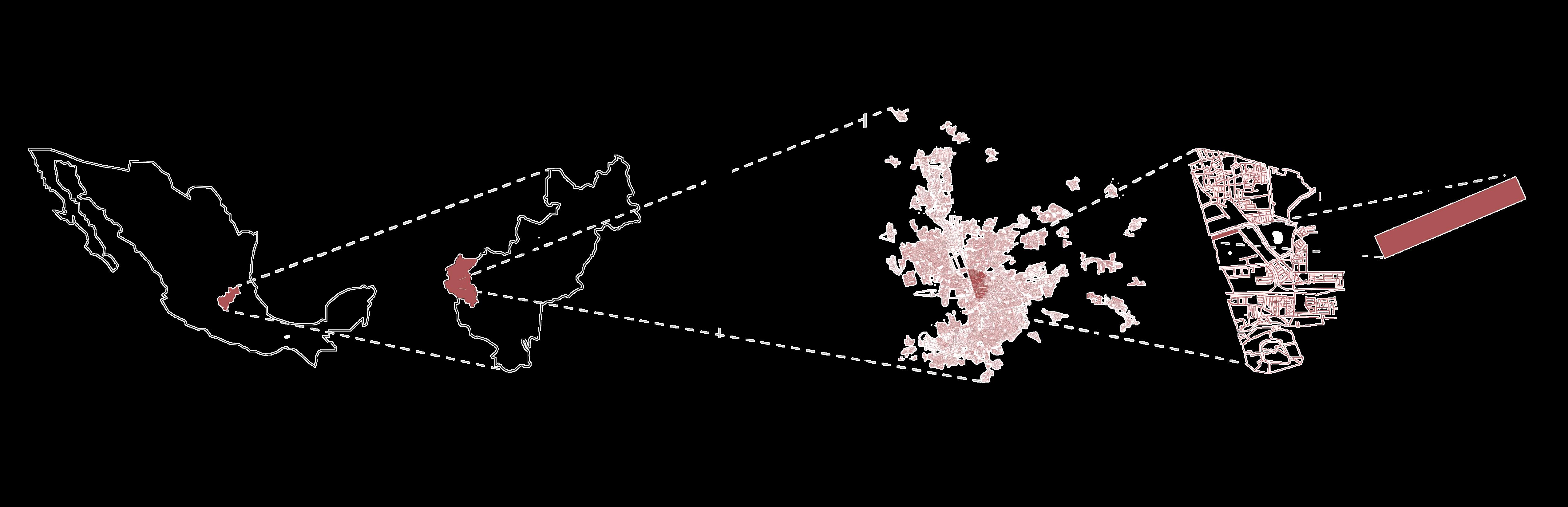
Querétaro, Qro, Mexico
Work done by:
Eugenia Del Rosario Ibarra Del Rincón
Diego Sanchez Saldivar
Sofia Reyes Tapia
Professors:
M. Arch. Psj. Rodrigo Pantoja Calderón
M. Urb. Diana García Cejudo
Arch. Pedro Mendoza
Arch. Yetzi Verónica Tafoya Torres
Ph.D. Andrea María Parga Vazquez
Ph.D. Viviana M. Barquero Díaz Barriga
Arch. Carlos González
Arch. Santiago Luján
Arch. Udo Muchow
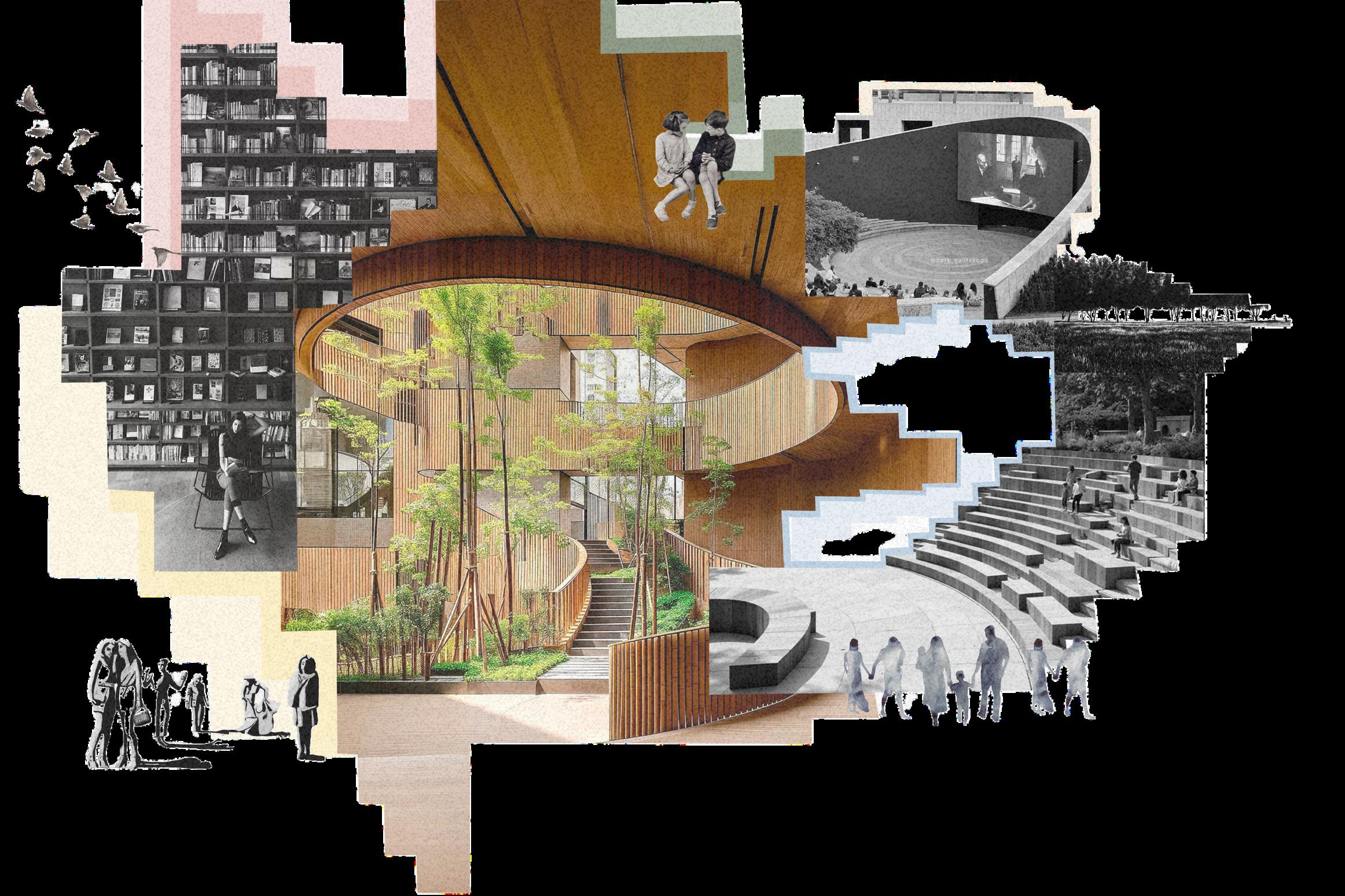
RECREA emerges from a simple belief: access to culture, learning, and public life should be a shared urban experience.
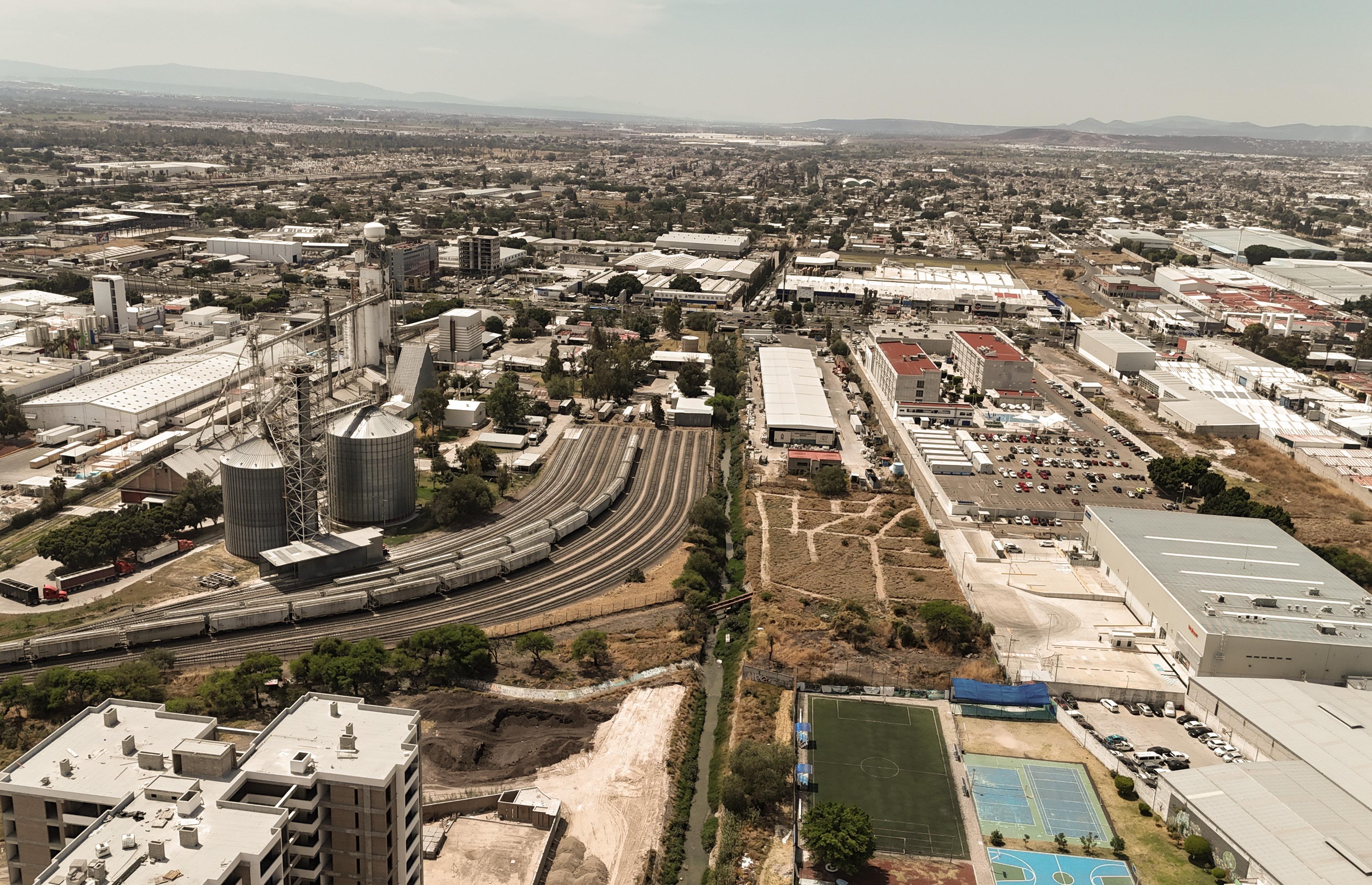
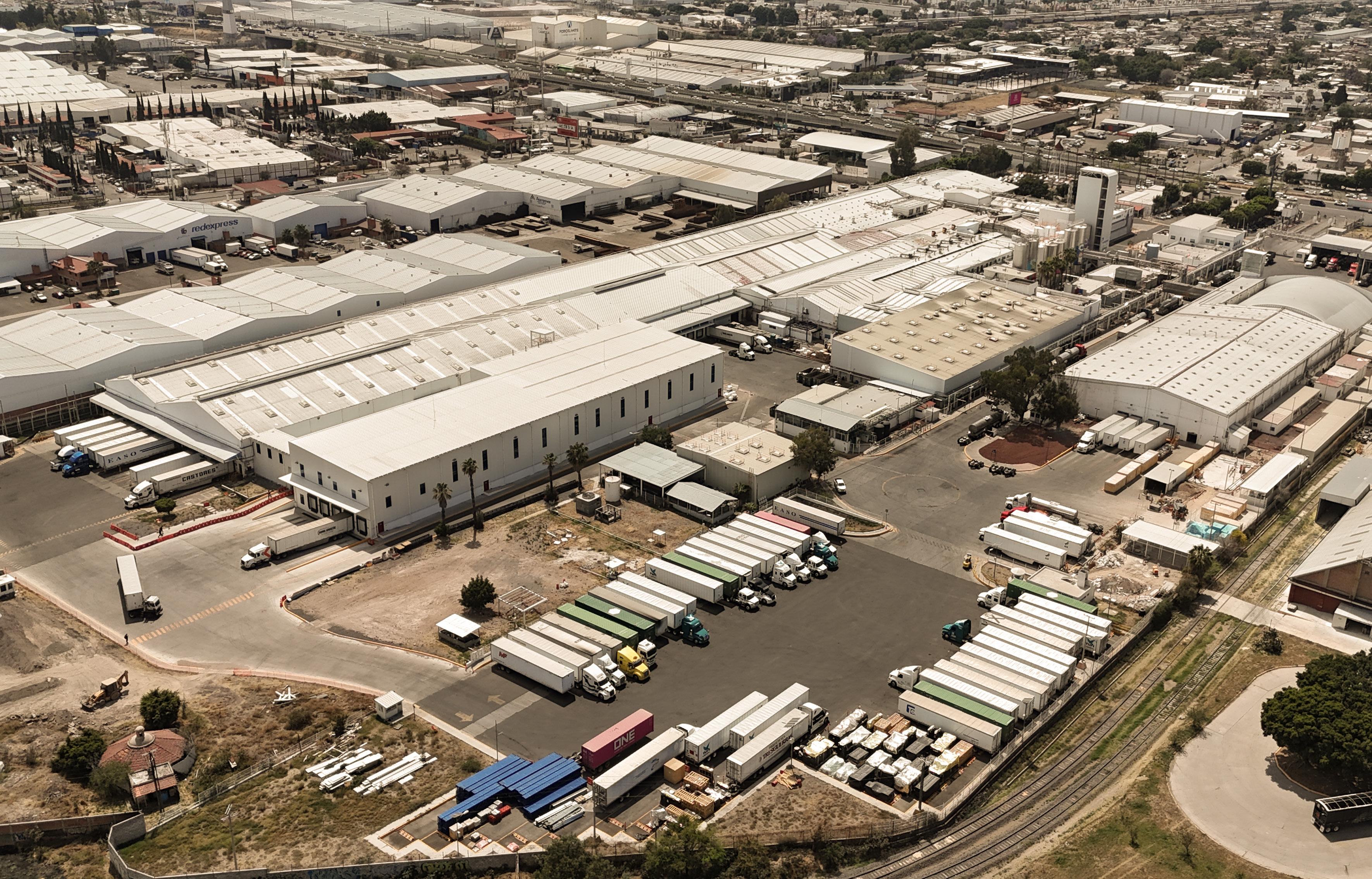
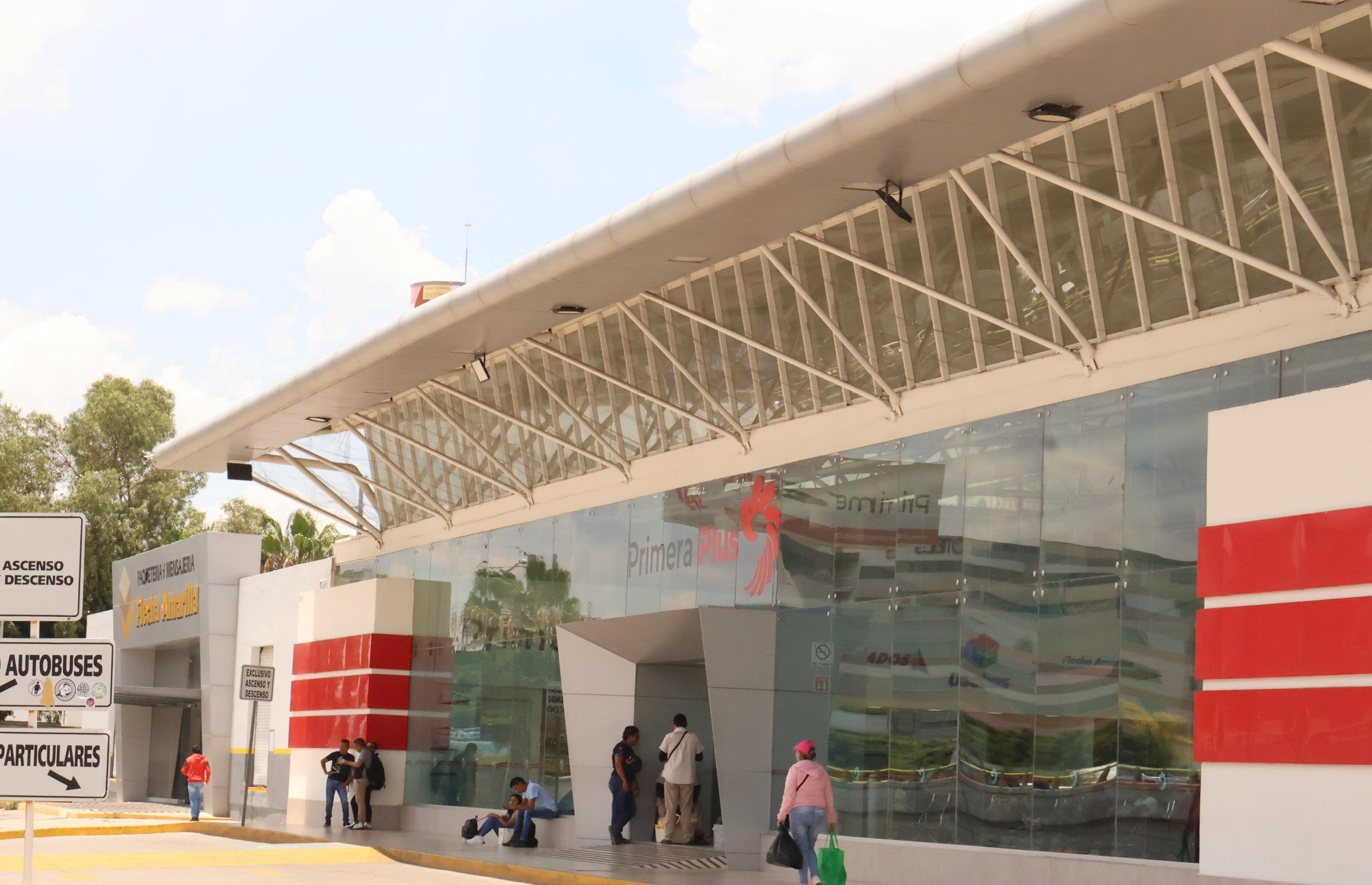
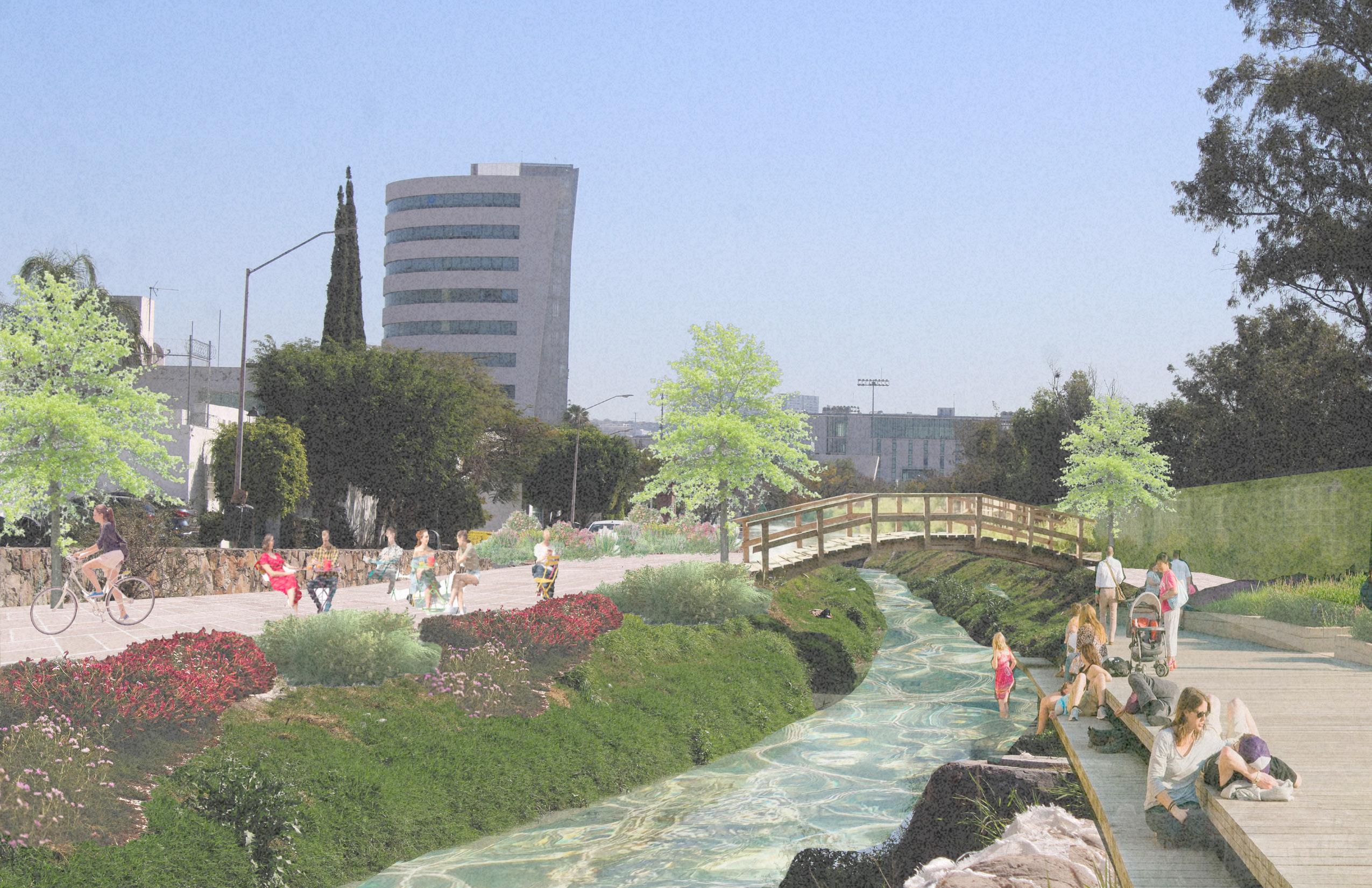
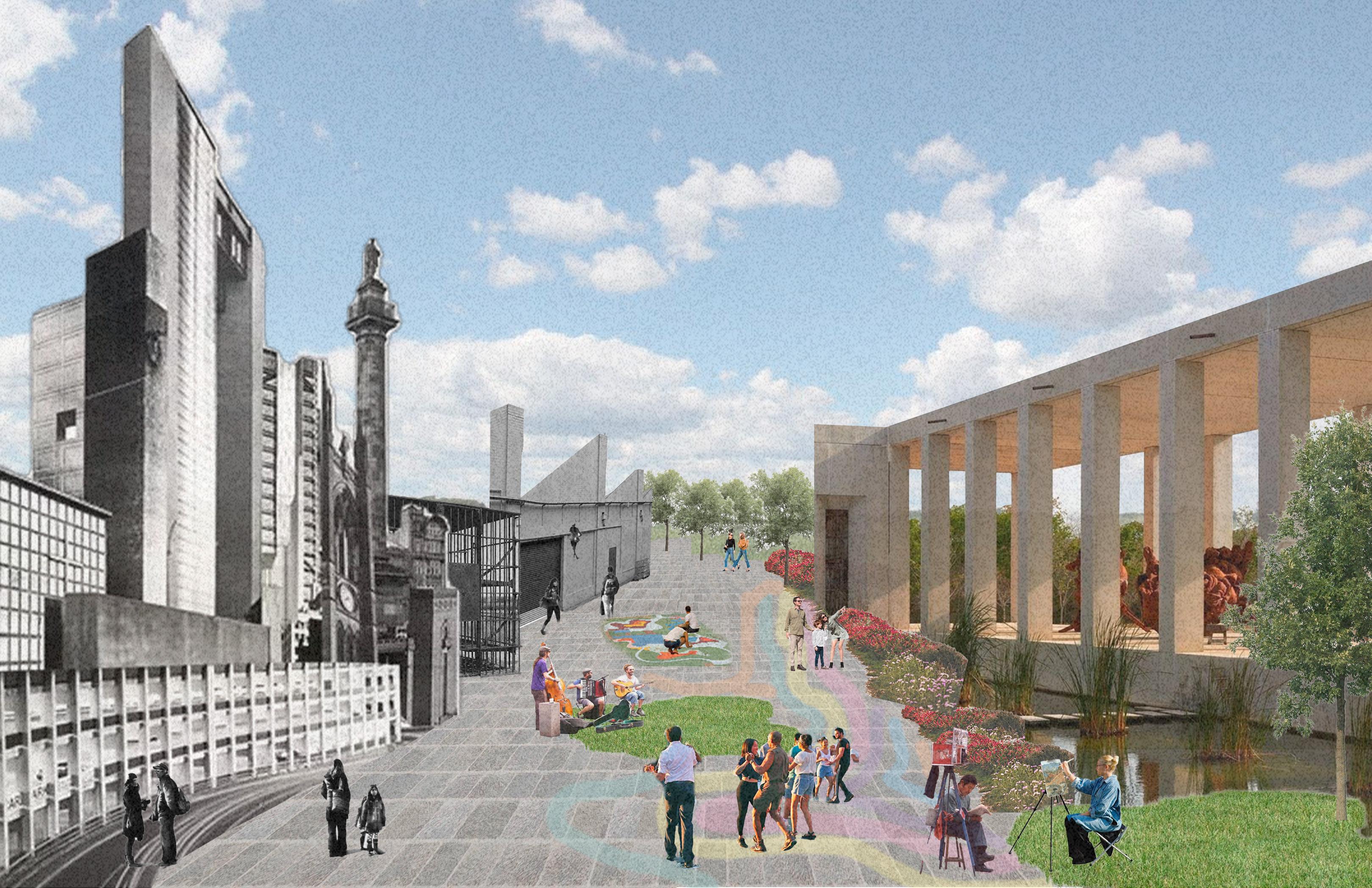
Located within a former industrial site, the project transforms an underutilized and disconnected space into a vibrant cultural landscape where recreation, education, nature, and community converge. Through the integration of cultural facilities, public spaces, commercial activity, and ecological systems, the proposal creates new opportunities for encounter, expression, and everyday interaction.
More than a cultural center, RECREA acts as a catalyst for urban regeneration. By reclaiming an overlooked industrial site and reconnecting it with the surrounding community, the project demonstrates how architecture can strengthen the relationship between culture, public space, and social equity.
The gap
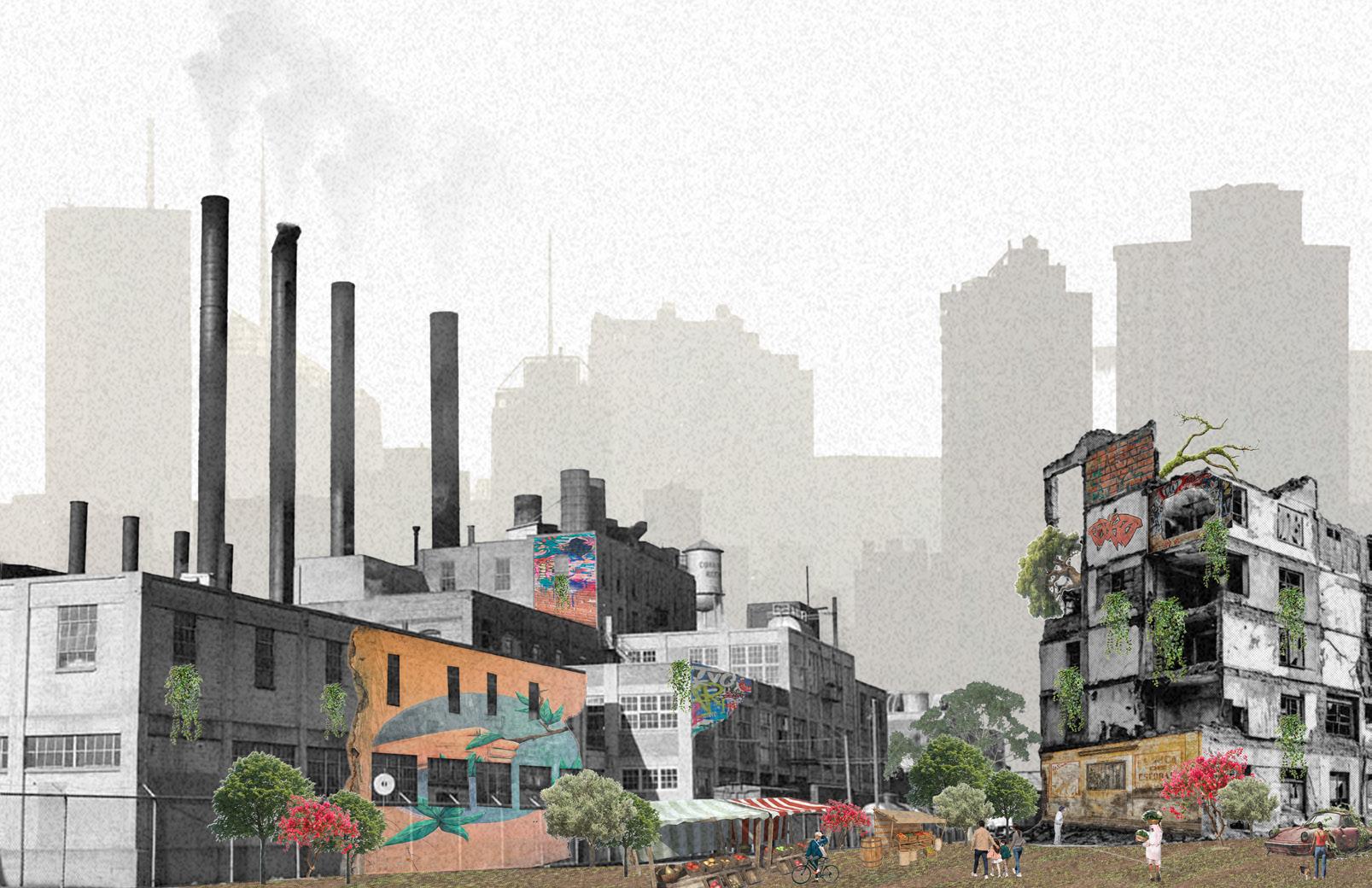
IF URBAN SPACE DEFINES THE OPPORTUNITIES OF A SOCIETY, WHAT CONSEQUENCES DOES A FRAGMENTED CI PRODUCE? URBAN SPACE SOCIETY CONSEQUENCES
FRAGMENTED CITY
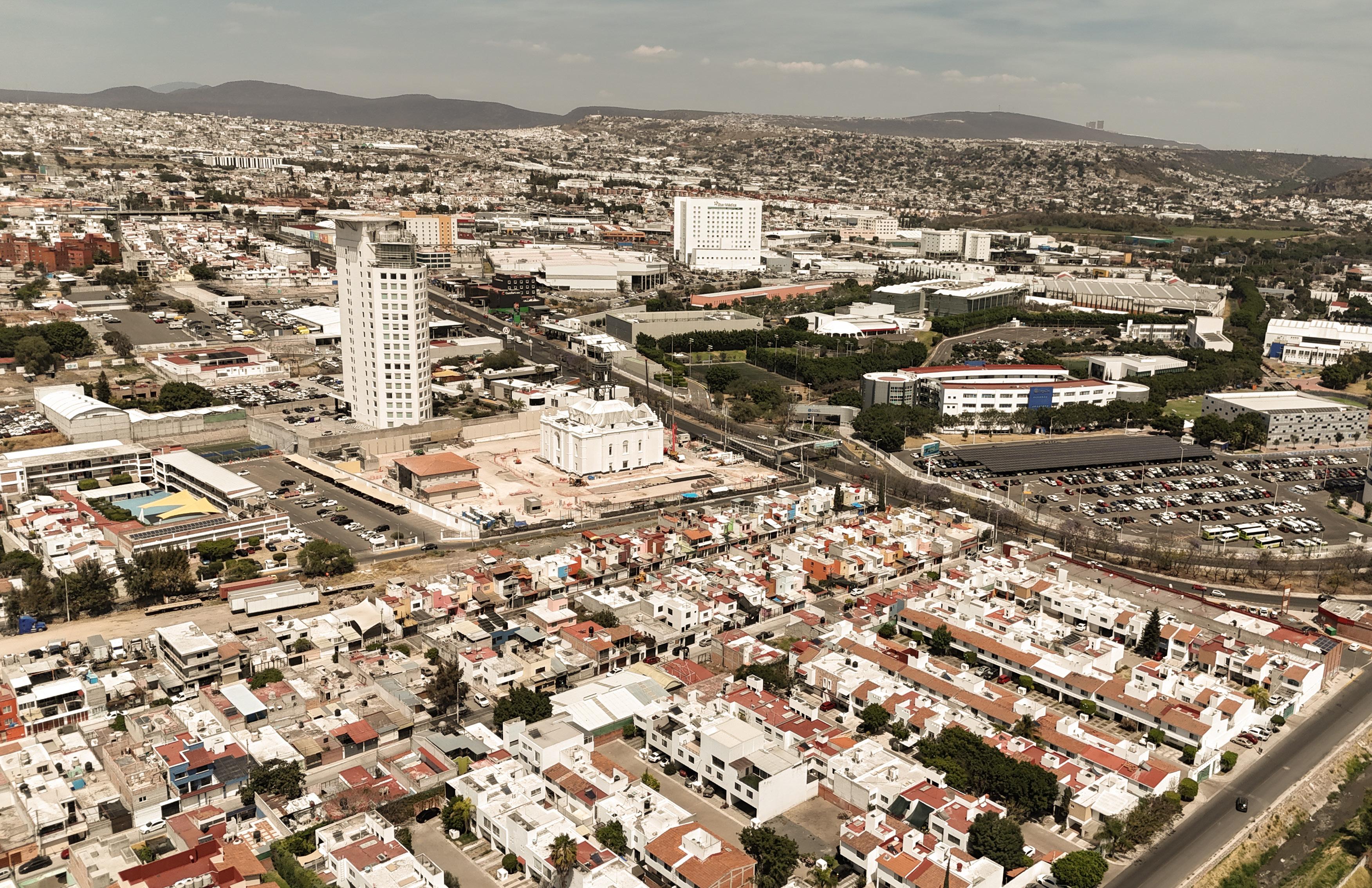
Urban inequality is reflected in the unequal distribution of opportunities across the city. While some communities have access to public, cultural, and educational spaces, others remain disconnected from the social and civic life these environments support.
As Jane Jacobs argued, vibrant public spaces are essential to social cohesion. Their absence creates invisible barriers that deepen fragmentation and limit the city's ability to function as a shared collective space.
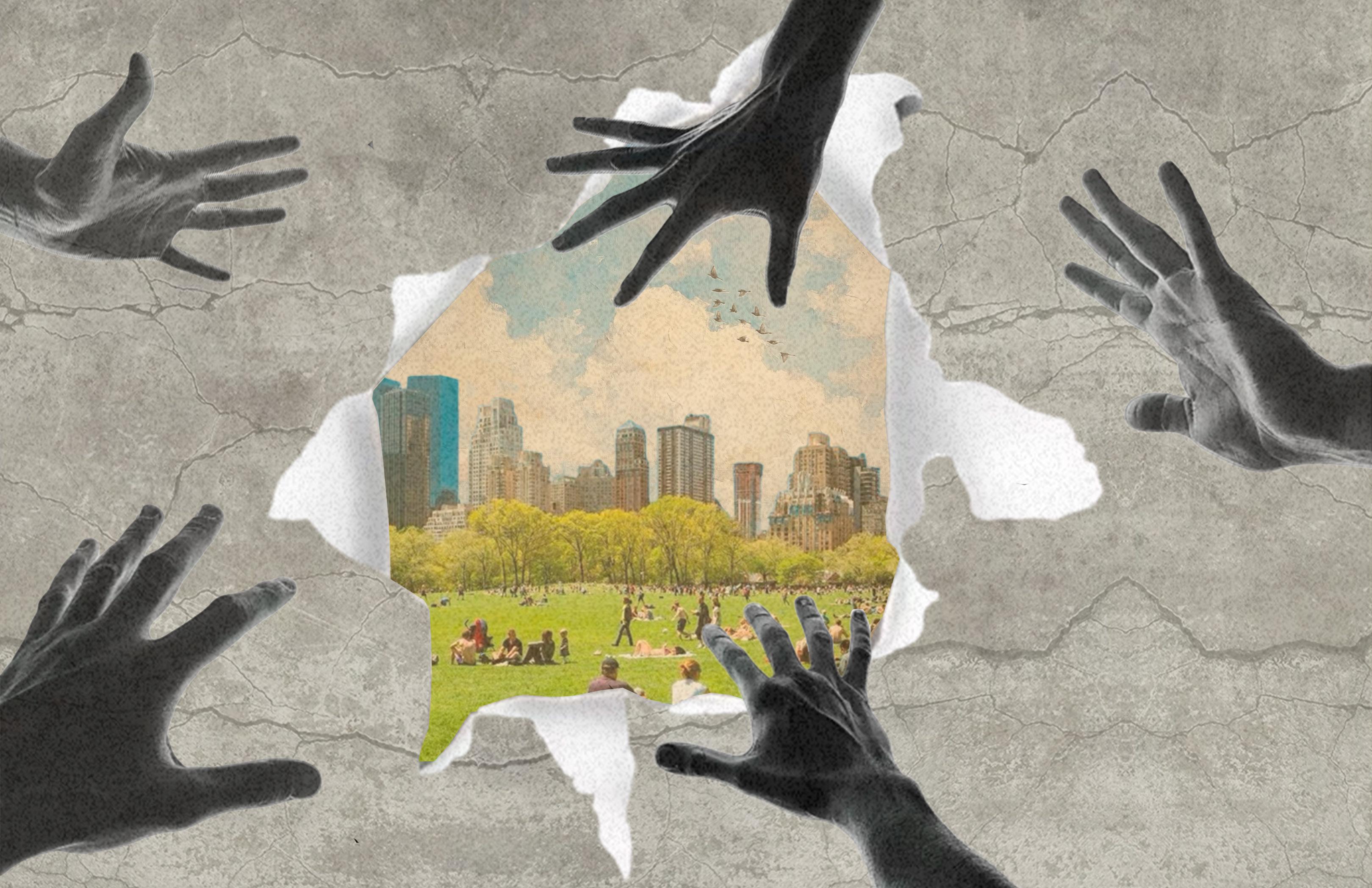
Public space and the war against informal life
Querétaro is widely recognized as one of Mexico’s most economically dynamic cities. However, where does that wealth actually land? The prosperity generated by the working class does not seem to translate into the quality of the spaces they inhabit or the conditions they live in. (Movimiento Antorchista Nacional, 2024)
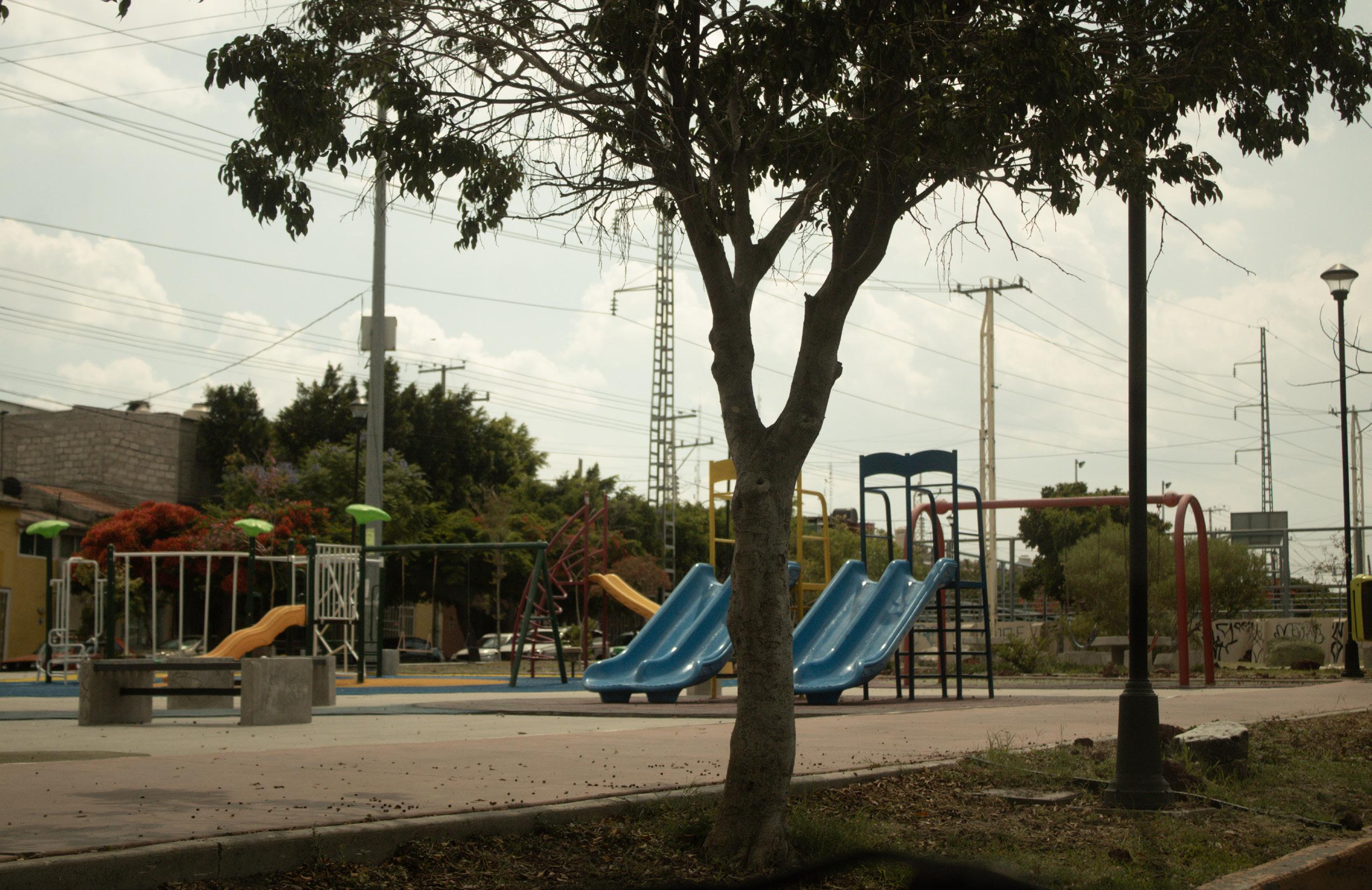
In many of Querétaro’s popular neighborhoods residents face not only insecurity, but also the lack of basic infrastructure: drinking water, sewage systems, efficient public transportation, schools, health centers, and spaces for recreation and leisure. Leisure and public space are not secondary needs. They are fundamental components of dignified living that, in these areas, have simply not been considered in the design of the city.
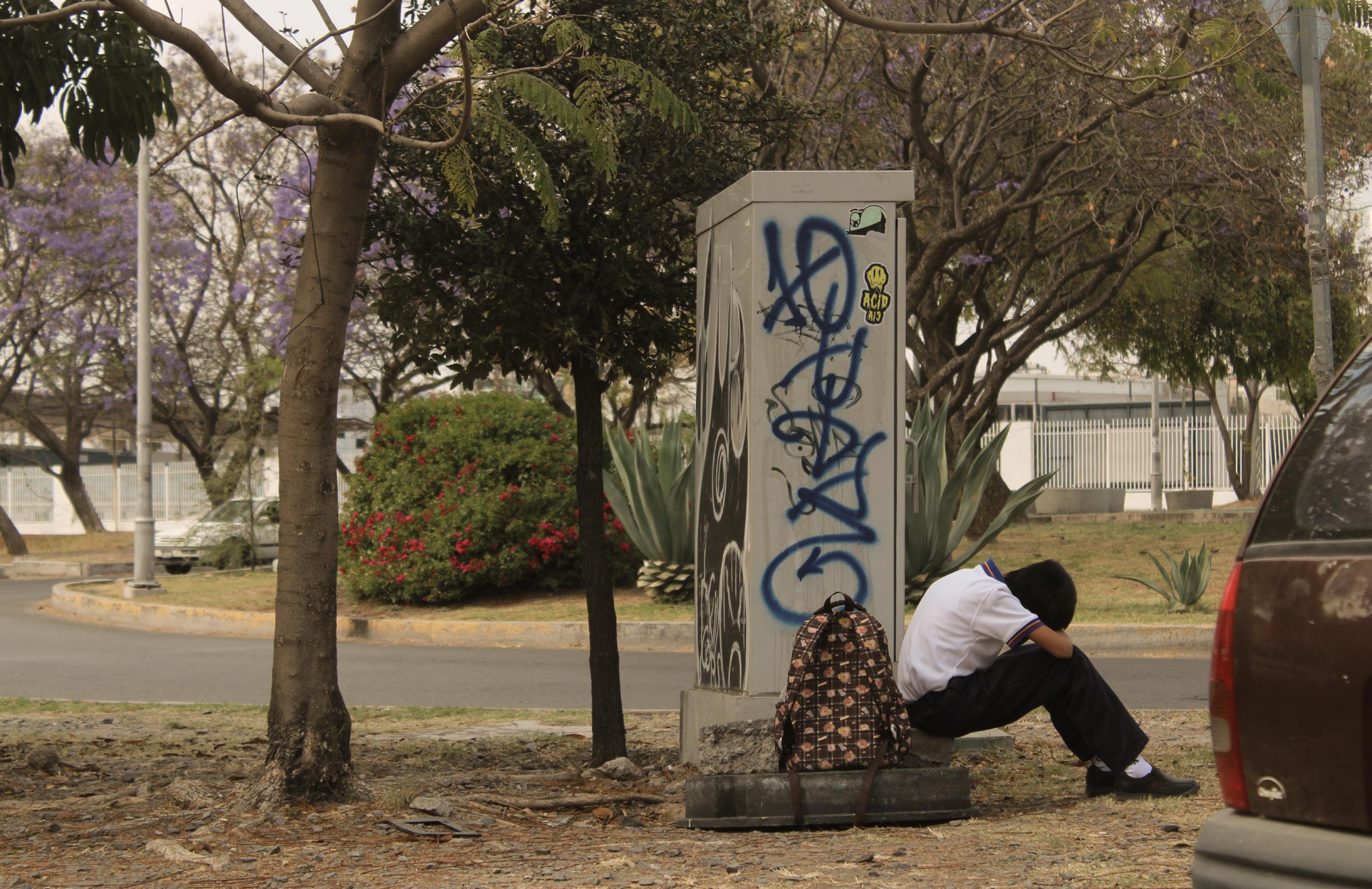
Uninvited: When culture has a price tag
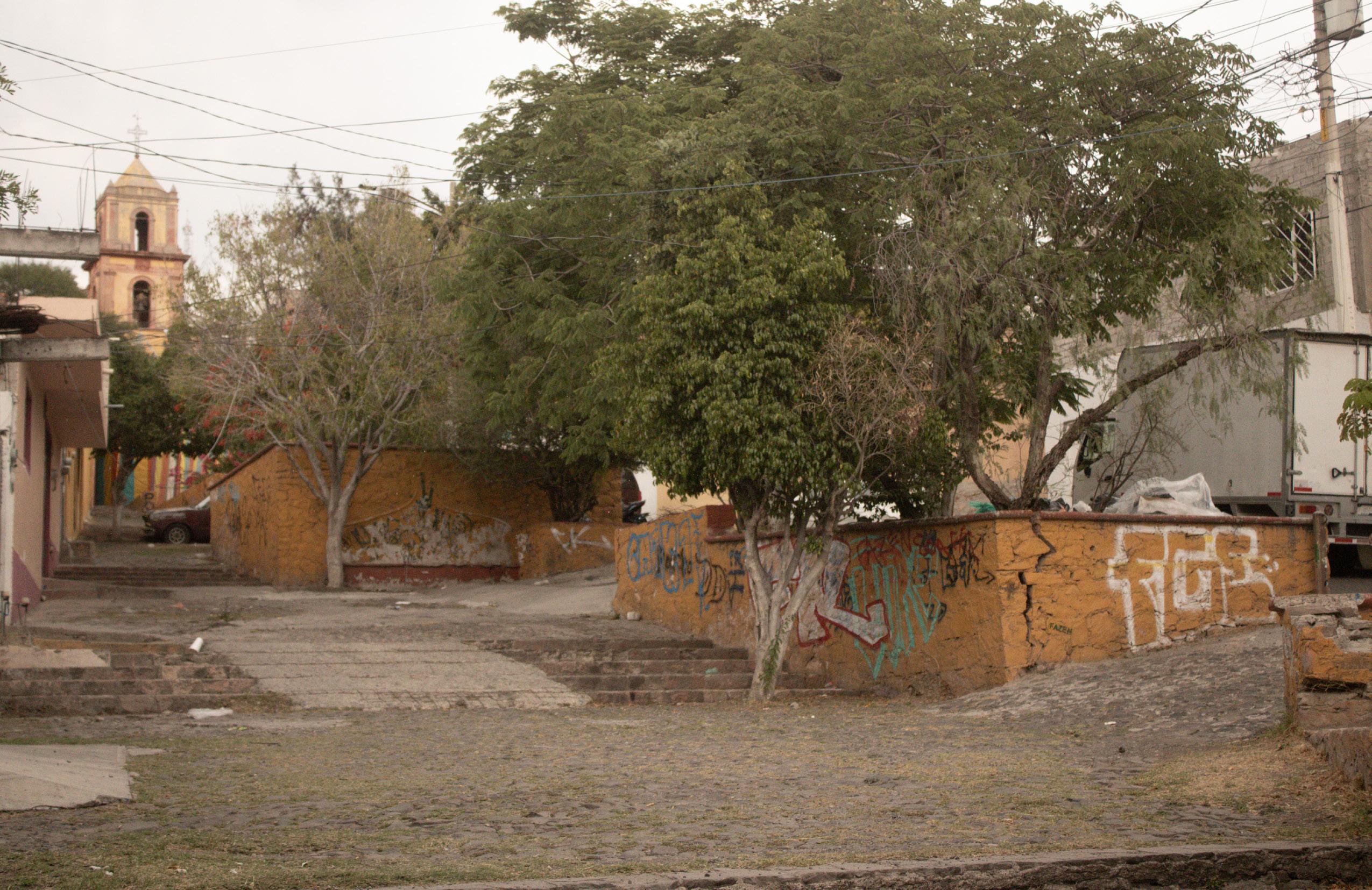
Since the inscription of the Historic Zone of Querétaro on UNESCO’s World Heritage List in 1996, public policies have focused on the conservation and tourist development of the downtown area, generating new conflicts and tensions with the surrounding non-heritage neighborhoods. Theaters, galleries, cultural centers, and public plazas concentrate in areas designed for visitors and high-income residents.
For residents of the periphery, accessing culture is not simply a matter of interest it requires time, money, and transportation that many cannot afford. When the city designs its cultural infrastructure only for those already at the center, it sends a clear message: not everyone was invited.
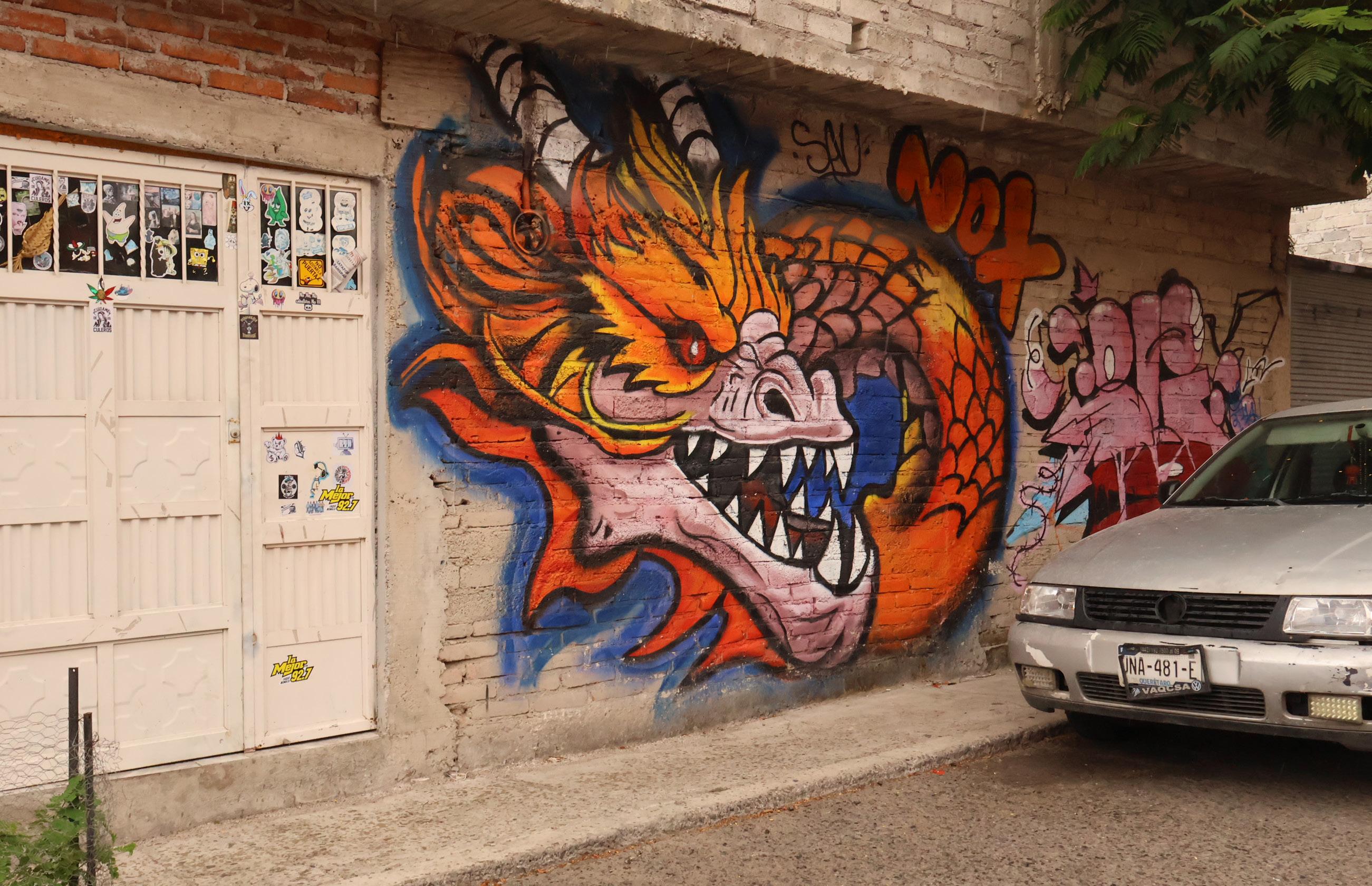
When the classroom reflects the class system.
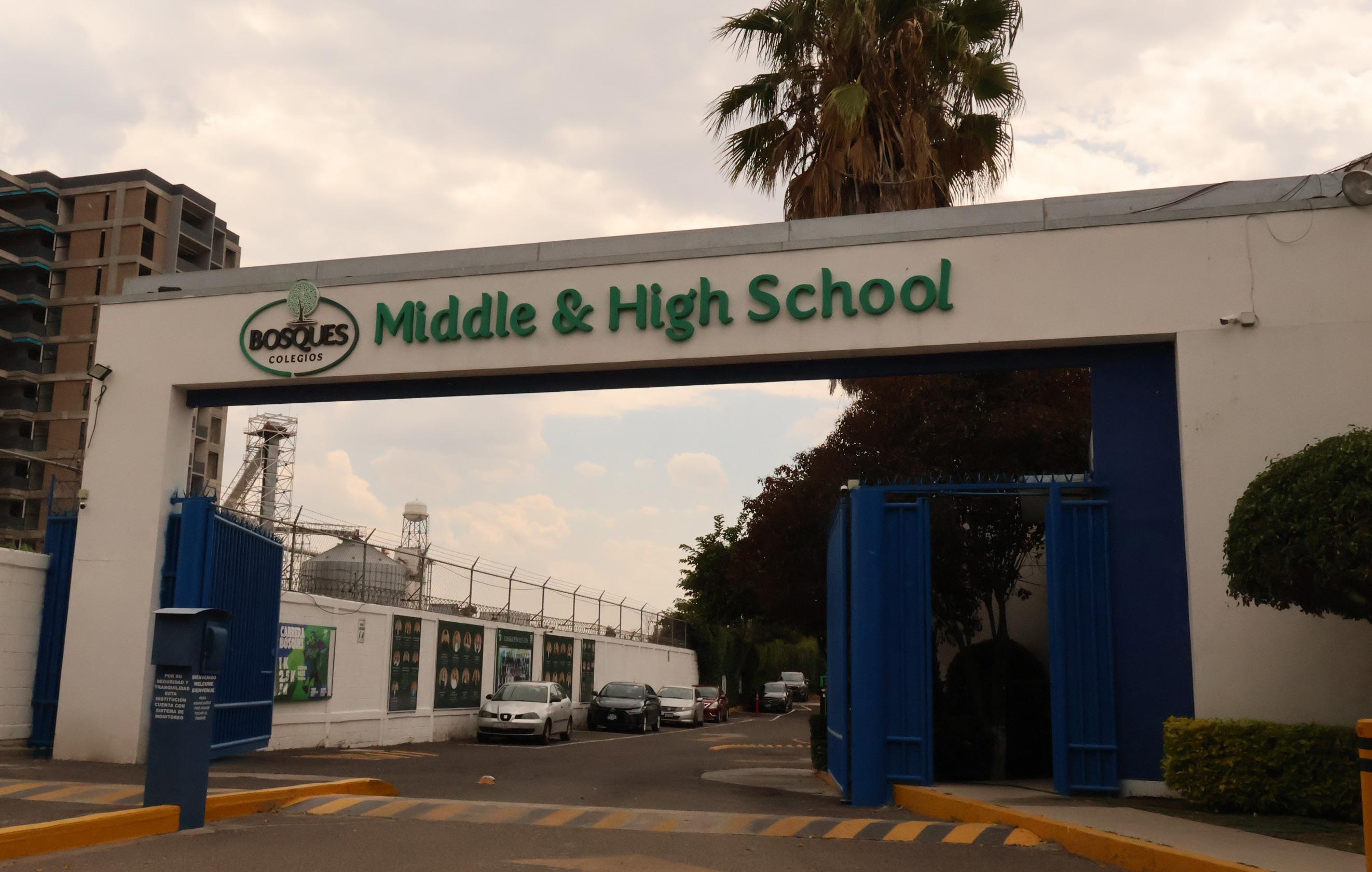
Schools located in the poorest contexts are precisely those with the most precarious infrastructure conditions, which directly affects student wellbeing and learning opportunities, making it difficult to guarantee the right to quality education for everyone (Blanco, 2011).
For Querétaro, a city often celebrated for its economic growth, that progress has to reach the everyday realities of its most vulnerable students.
Students with greater socioeconomic disadvantage face conditions of overcrowding and lack of services not only in their schools, but also in their homes (CEEY, 2020). Leaving no physical space to study or no quiet corner. When there is nowhere to think, the right to education becomes a fake promise.
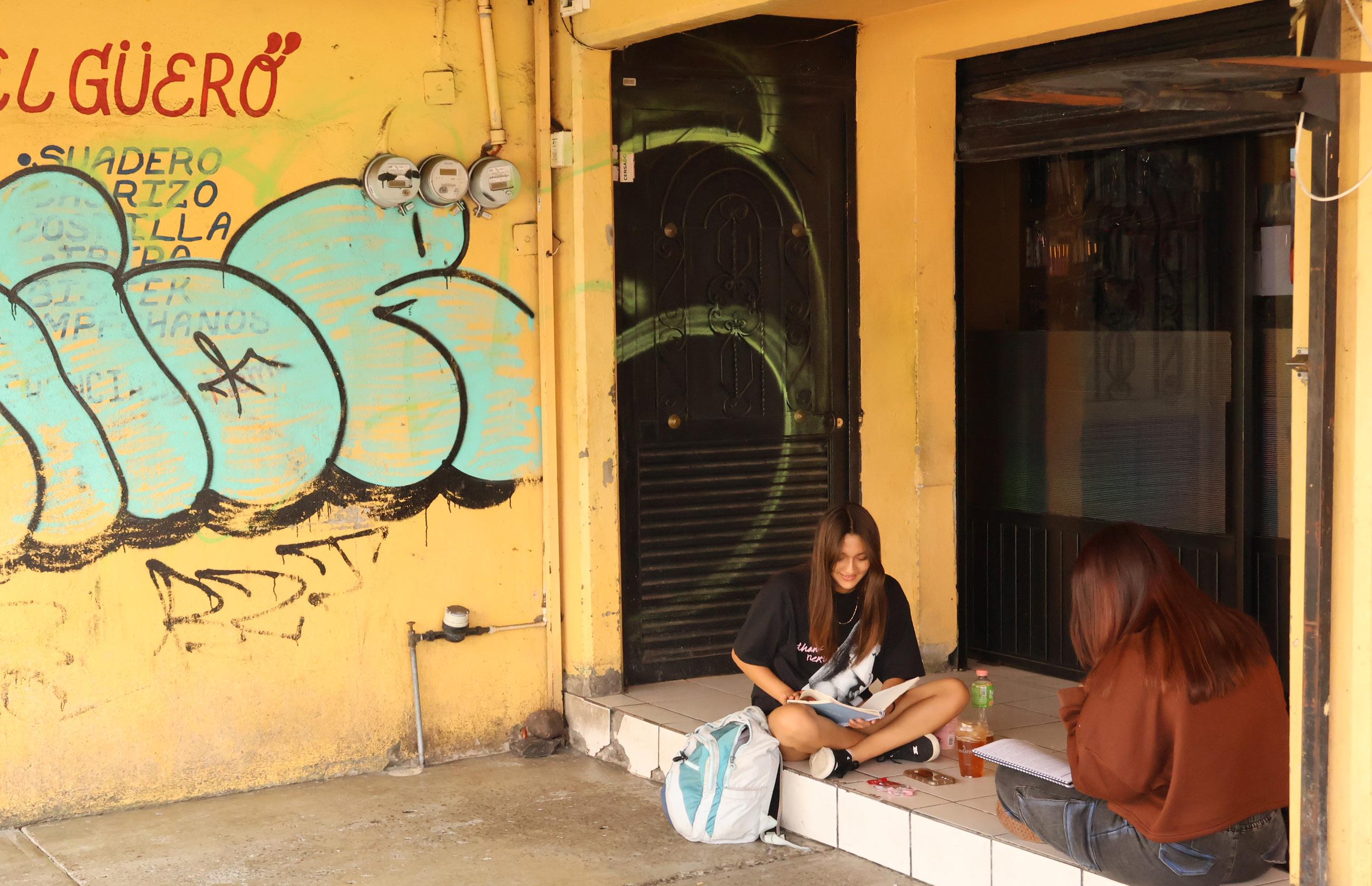
Where the city forgets itself
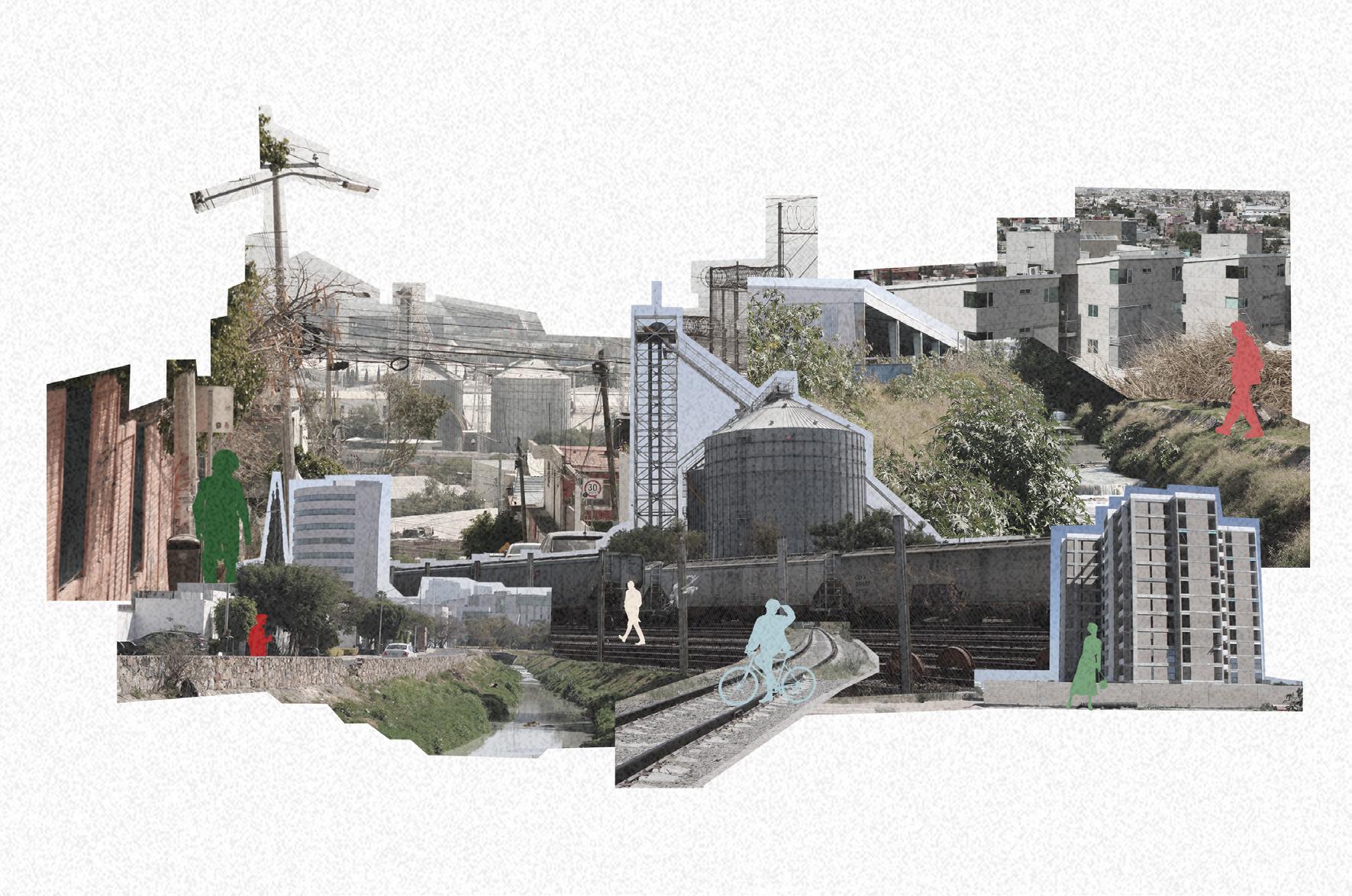
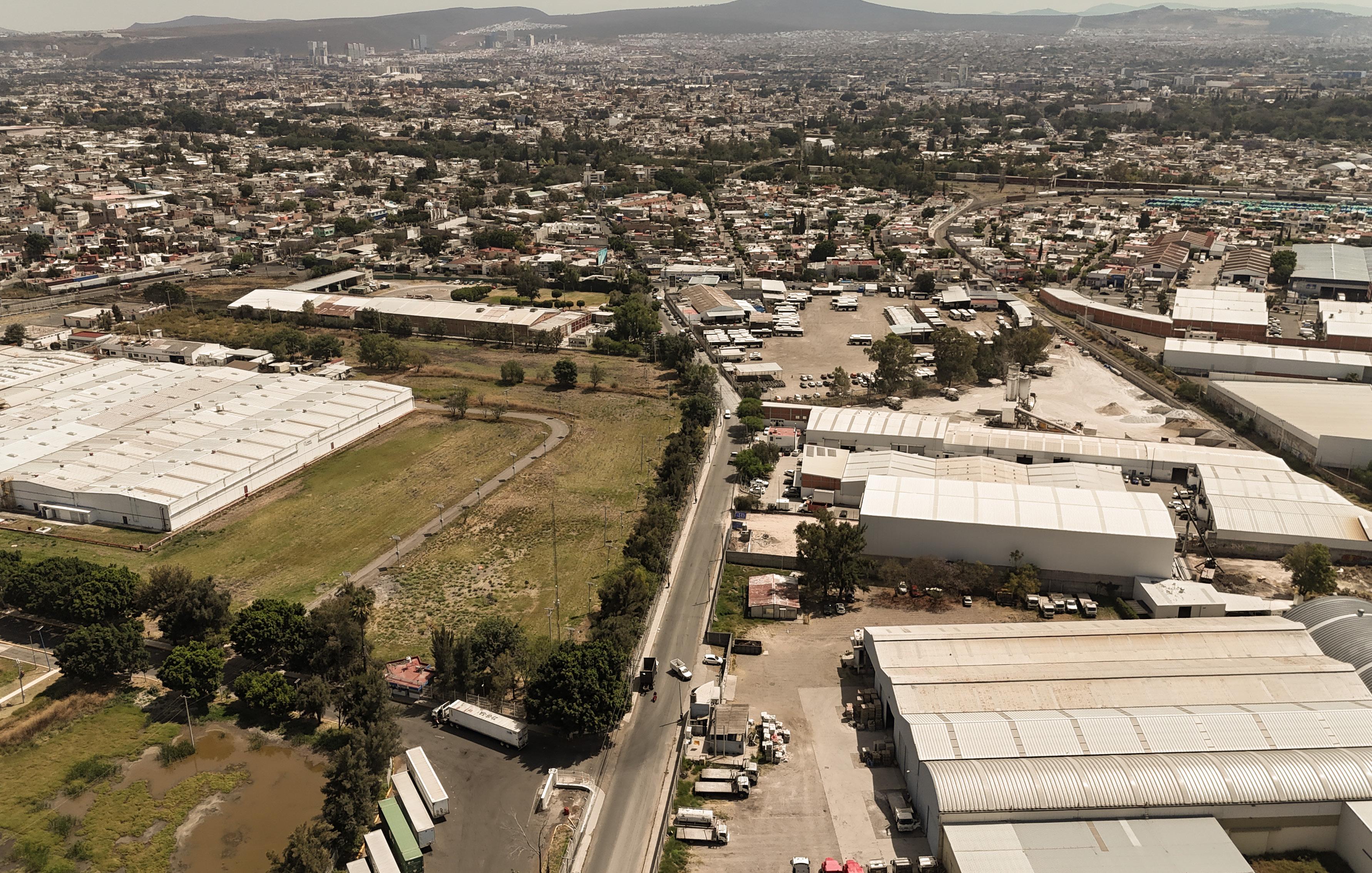
Querétaro is often described as a city in constant growth. Between 2010 and 2020, it registered the highest urban growth rate among comparable Mexican cities, at 47.9%, and today hosts more than 40 industrial parks (Rodríguez, 2026). But that growth it has been scattered and deeply fragmented.
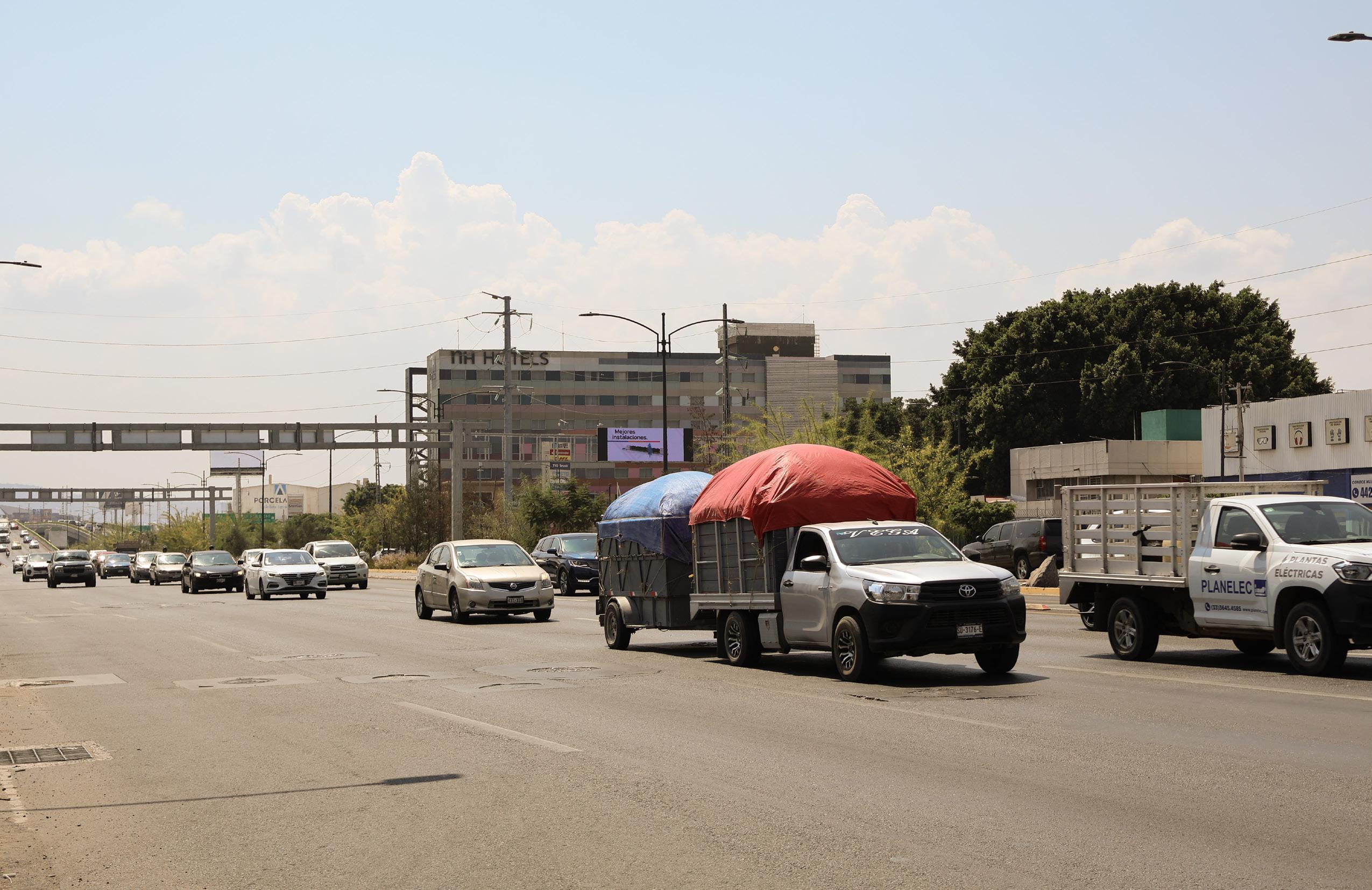
The first industrial parks built in the city have been swallowed by urban sprawl, creating serious problems of accessibility and mobility in surrounding areas (El Financiero, 2016). Between active economic corridors and neglected peripheral zones, the city has broken into disconnected spaces that produce wealth but offer little in return to the people who live among them.
Culture as a tool to reduce urban and social barriers