Housing Action Plan 2026
In recognition of the deep history and culture of Nipaluna (Hobart), we acknowledge the Palawa (Tasmanian Aboriginal people), their elders past and present as the Traditional Custodians of the skies, land and waterways of Lutruwita (Tasmania).
We recognise that Palawa have made journeys across Lutruwita and Nipaluna for many thousands of years.
We acknowledge the determination and resilience of the Palawa people who have survived invasion and dispossession and continue to maintain their identity, culture and rights.
We acknowledge all Aboriginal and Torres Strait Islander people who live on the country of the Palawa, here in Nipaluna.

Like all cities across Australia, Hobart is experiencing a housing crisis. In recent years, Hobart has seen house purchase and rental prices rising as well as significant increases in land values. Sadly, it is becoming increasingly harder for many individuals and families to find a suitable home.
The City of Hobart has a responsibility to act where it can to enable housing development that is diverse, sustainable and meets community needs.
Our Housing Action Plan sets out a short to medium term approach to increase housing density and diversity in the Hobart local government area. We recognise that different families and individuals have different housing needs, and so a key priority is expanding the range of housing options available to meet these diverse needs.
There is also a clear need to increase housing affordability, availability and housing supply. Rental affordability and loss of long-term rental stock to short-stay visitor accommodation is a growing concern leading many to experience rental stress.
The action plan outlines actions to encourage residential development and investment in infrastructure through incentives, strategic land use planning reform, collaboration and council involvement in exemplar projects.
The plan was developed through extensive research, analysis and builds on conversations from our Housing Forums and our regular meetings with the Greater Hobart Homelessness Alliance, which have helped inform the plan.
We thank the housing sector and community representatives for their input and look forward to receiving community feedback on the action plan.

Cr Anna Reynolds LORD MAYOR
The Hobart Housing Action Plan has been prepared by the City of Hobart to provide a clear strategy-led plan to respond to the need for more affordable housing stock for our diverse communities.
Home ownership and renting in the Hobart local government area is not affordable for many members of our community. The cost of constructing new homes in Tasmania has increased dramatically over the past few years and there is a limited, appropriate greenfield land supply in Greater Hobart near education, employment, health services and public transport.
By fostering collaboration and innovation, we aim to empower the housing sector to deliver solutions that make home ownership
and renting in the City of Hobart within reach for all members of our community. Through evidence-based strategic planning and sustainable practices, we will provide a framework to meet housing needs.
The City of Hobart’s focus for the action plan is to provide a concise short to medium term plan that identifies actions to increase the affordability and supply of housing in the Hobart local government area.
A background paper has been prepared to support this action plan. This paper provides information relevant to the current housing situation in the Hobart LGA, including: demographics, the strategic context, drivers of change, and the cost of inaction.
To build a future where all members of our community have access to affordable housing options in the City of Hobart.
Local government can help create additional housing in a few key ways. However, it’s important to recognise that many factors affecting housing are outside the City of Hobart’s control.
The City can take on several roles in the delivery of actions including:
Delivering actions that are within its control.
Partnering with organisations to deliver actions the City of Hobart cannot achieve alone.
Advocating for actions to be undertaken by other levels of government or nongovernment organisations.
Timing is categorised to align with organisational timeframes such as the Capital Works Program and Strategic Plan:
• Short term: from endorsement to end financial year period 2027.
• Medium term: 2027-29 financial year period.
• Ongoing: Business as usual.
Timeframes are only provided as a guide and will be further refined as an implementation program is developed for each action.
The City of Hobart, or the City, refers to the organisation or municipal administration.
The Hobart local government area (LGA) refers to the Hobart local government / municipal area.
The community refers to any individual, household, organisation, business or group that lives, works or plays in the Hobart LGA.
The City is responsible for decision making across its core business and statutory responsibilities. This includes strategic land use planning, service delivery and managing Council owned land including facilities, buildings, assets and open space.
The City has shared responsibility or partial control. For example the City can develop regulatory mechanisms within the Hobart Provisions Schedule of the Tasmanian Planning Scheme, but is unable to change the State Planning Provisions. The City enforces the National Construction Code, but this is delivered and controlled by other levels of government.
The City can create awareness or understanding on issues important to the community. It can also take on the important role of educating the community about aspects of housing including affordability, density and diversity and how homelessness affects everyone.
The City of Hobart actively works with grassroots community groups, homelessness support services, charitable organisations and all levels of government to address homelessness in a comprehensive and collaborative manner.
Following the Homelessness Crisis Forum held in 2019 the City convened the Greater Hobart Homelessness Alliance to drive collaborative projects, addressing homelessness through short to long-term solutions.
The City also established the Housing with Dignity Reference Group, providing people with lived experience of homelessness or severe housing stress a direct voice in the City’s response to the issue.
The City developed a Housing and Homelessness Strategy 2016-19, Affordable Housing and Homelessness Commitment 2021-23 and homelessness related actions are now incorporated in the Hobart: A City for All Implementation Framework 2025-28.

The City of Hobart has undertaken extensive research, analysis and stakeholder engagement with representatives from the housing sector to inform this action plan.
The data used is the most up to date information available to the City at the time of publication. The action plan references information from a range of sources.
Research conducted by the project team has drawn on a wide range of relevant sources and strategic documents, including the:
• Tasmanian Housing Strategy 2023-43.
• Southern Tasmania Regional Land Use Strategy 2010-35.
• 30 Year Greater Hobart Plan.
• State of the Housing System 2024 report by the National Housing Supply and Affordability Council.
Key data sources included community profile .id, (informed decisions) the ABS Census, and the 2024 Rental Affordability Index. Community profile .id provides up to date information and demographic resources, including their housing monitor, social atlas, population forecast, economic profile and community views.
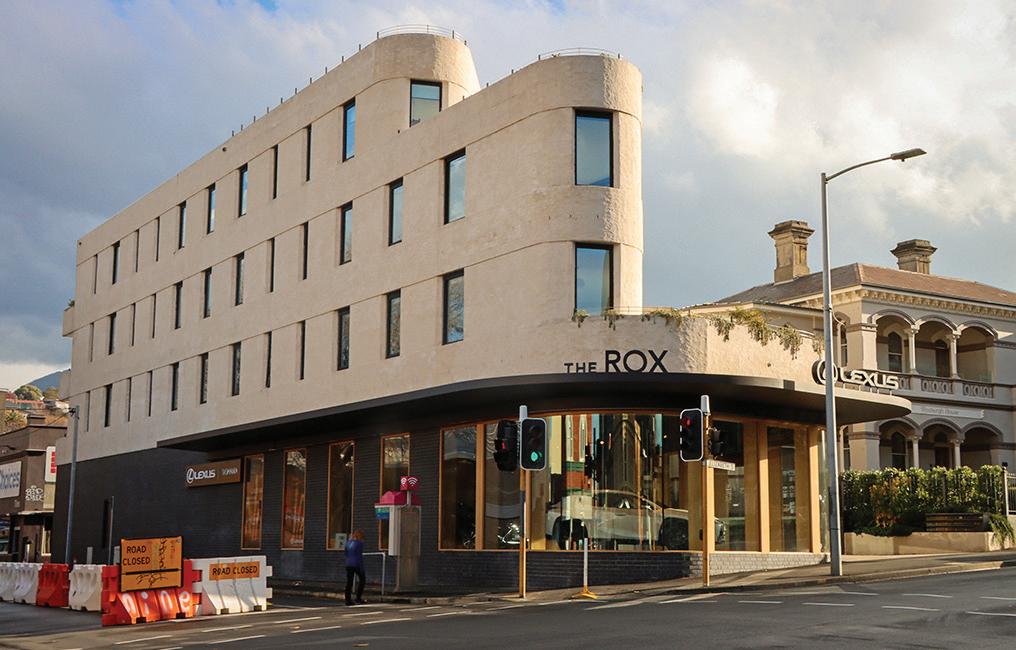
The Rox is medium density housing and visitor accommodation in Hobart designed by Core Collective Architects.
A detailed summary of the research and data used to inform this action plan is included in the background paper.
The Hobart Housing Forum, held by the City in December 2024, was a critical input for this project. The forum identified challenges facing the housing sector and opportunities for improved affordability and increased housing supply.
“The focus should be for the provision of good quality housing in the right locations over the long term.”
The Housing Action Plan identifies actions developed from this research, and ideas raised during stakeholder engagement; including policies, development controls and projects to stimulate housing across the Hobart local government area.
people
Understanding who we are and how we live
(estimated Resident Population) June 2024
Population increase Hobart LGA – 2018 to 2024
Greater Hobart
Hobart LGA Median Age Of residents aged 65 or older in 2023 42 years Tasmanian Median Age in 2021
29% Lone person households 2.4 People per household in 2021 10% Older couples without children households 21% People who use a language other than English at home 49% People with a university qualification 11% People with a trade qualification
Couple with children households
869 People identify as Aboriginal or Torres Strait Islander People born overseas 77.78 4 41
67 492 Local jobs
density people per square km
4.6% People with a disability
OF 1 TO 10, TO WHAT EXTENT DO YOU
There is a housing affordability and availability crisis in Hobart?
How important is it for sectors to collaborate on housing opportunities?
The City supports housing development in Central Hobart and surrounding suburbs?
Cost (15 responses)
NIMBYs (5 responses)
Governance (4 responses)
Vision (3 responses)
of
be
The City of Hobart can incentivise new housing development through its fees, charges and rates.
Residential development in Hobart is often not financially viable, which has led to both fewer applications and fewer applications progressing to completion. Offering incentives may encourage developers to seek approval earlier than they otherwise would.
The cost of upgrading infrastructure, such as stormwater, water and sewer, was identified as a barrier to development in Hobart.
The City can work with service providers to minimise these costs for developers.
A waiver or rebate of fees has the potential to incentivise landowners and developers to seek approval for residential development sooner, by lowering their upfront costs.
The City can incentivise residential development through short term savings for landowners in order to achieve long term benefits for the community and the City.
A short-term reduction in rates can encourage developers to start or finish residential construction sooner.
Alternatively, rate reductions could be
applied following the completion and occupancy of a residential development.
The City recognises the impact that the conversion of whole houses to visitor accommodation has had on rental affordability in the Hobart local government area.
It is acknowledged that visitor accommodation has some value in supporting our tourist economy. However, the ease of converting a dwelling to short term visitor accommodation has contributed to a reduction in housing supply for long term tenants, contributing to the housing crisis.
At the date of this action plan, 681 properties are currently used for visitor accommodation rather than providing a home for someone in Hobart. There are more than 100 additional properties that have a permit for use as visitor accommodation, with a steady stream of future applications.
It is much faster and cheaper to change the use of short term visitor accommodation back to a dwelling, than it is to build a new dwelling.
The City intends to lodge a planning scheme amendment to prohibit the change of use of an entire dwelling to visitor accommodation with the Tasmanian Planning Commission in due course.
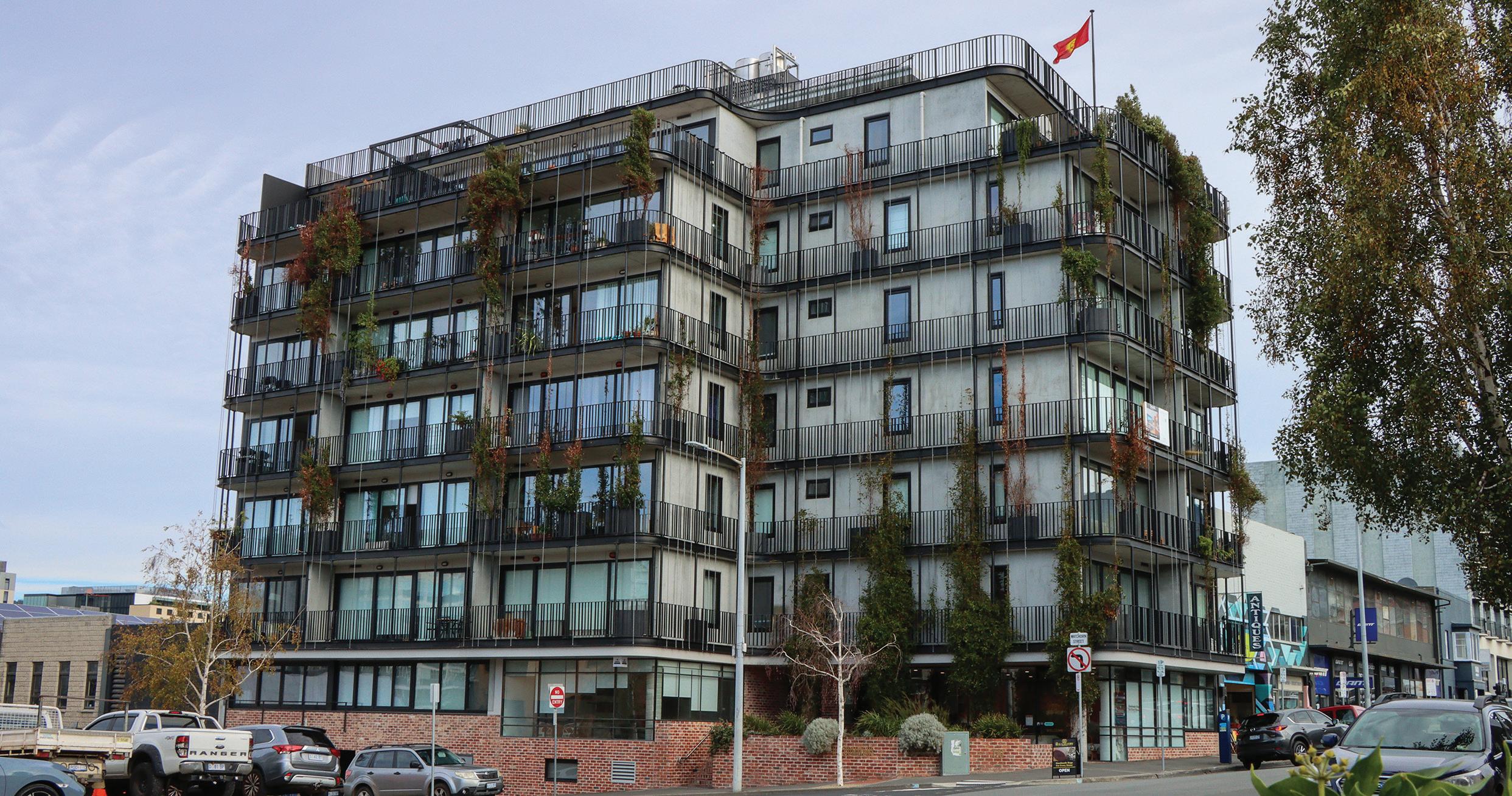
A study in 2022 identified 563 vacant dwellings across the Hobart local government area. Utilising these dwellings would increase housing supply, potentially reducing rental costs and homelessness.
A differential rating may be considered appropriate to deter vacant dwellings.
Differential rates and other rating tools allow councils to address strategic objectives for funding and service delivery and provide flexibility for local rating issues, as well as manage property value fluctuations between different categories of land. A differential rate is applied when a council deems a uniform general rate across all land to be inequitable.
Differential rates apply to all rateable residential properties in the local government area used for the commercial purpose of short stay visitor accommodation with a Council permit.
The City of Hobart’s differential rate is set at 200%, being double the differential set for residential land.
The City will continue to review the differential rating policy for short stay visitor accommodation and vacant residential land, and consider whether they have been effective.
Differential rates apply to all rateable residential vacant land properties in the Hobart LGA. Its objective is to encourage the development of vacant land for housing and other purposes, promote the optimal use of all properties to stimulate economic growth across the LGA, discourage land banking, and ensure that owners of vacant land contribute equitably to the overall rate burden.
The policy objective for applying a differential rate to short term accommodation properties is to ensure housing stock is retained. It also ensures owners of residential land used for the commercial purpose of short stay visitor accommodation contribute to the provision of council services and facilities that are associated with that commercial use. The differential rate is similar to the commercial land use rate.
1.1 Continue to impose additional rates for land used for visitor accommodation or where land capable for development for residential use is left vacant.
1.2 Prioritise compliance activity towards visitor accommodation use to ensure there is no illegal use.
1.3 Work with the Tasmanian Government, TasWater and TasNetworks to develop an incentives package for medium density residential development that results in additional dwellings in the Hobart LGA. Incentives should focus on development in appropriate locations identified for densification in endorsed structure plans.
1.4 Undertake a study to investigate the number of long term vacant dwellings and investigate ways to encourage property owners to use their existing vacant dwelling for long term rental.
1.5 Review a range of policies to ensure they are not having adverse outcomes on appropriate residential development including:
• Public Open Space Contributions Policy.
• Establishment of Bushfire Hazard Management Areas in Bushland Reserves for New Development on Adjoining Property Policy.
1.6 Increase fees for applications for visitor accommodation use to better reflect the commercial nature of the use.
Deliver Ongoing
Deliver Ongoing
Deliver Partner Advocate Short
Deliver Medium
Deliver Medium
Deliver Short
The City of Hobart will do all it can to ensure its processes and systems support clear and predictable pathways for efficient assessment of residential development.
Regulatory processes are often criticised as a barrier or hurdle for the creation of housing.
The regulatory framework is mandated by the State Goernment. The City of Hobart’s role is to assess applications against that framework. This includes the Tasmanian Planning Scheme.
The City is responsible for the assessment of a range of applications as part of the development assessment process, including planning, building and plumbing applications.
The City does all it can to ensure its processes and systems support clear and predictable pathways for efficient assessment of residential development.
Planning is vital because it guides change in communities and regions, leading to more equitable, livable and sustainable places. It ensures that housing, infrastructure and services are well-managed, creating environments where people can thrive. Good planning fosters strong communities by addressing needs for housing, jobs and recreation, and by ensuring fairness and access for current and future residents.
Statutory planning is important because it manages growth, balances competing
interests, and achieves community and environmental goals by establishing clear rules and regulations for land use and development. It provides certainty for developers and the community, promotes high-quality design and sustainable outcomes, ensures infrastructure aligns with development, and protects the environment and cultural heritage.
Applying for planning approval is often the first step before carrying out a development.
Planning applications can be complex and require input from a variety of experts, with applications referred to internal staff such as development engineers, stormwater officers and heritage officers, as well as State Government agencies such as TasWater and Heritage Tasmania.
While the planning process is often criticised as preventing further housing, in Hobart, there are approximately 900 residential dwellings that currently have a planning permit issued but have not progressed to construction.
It is understood the current high cost of construction is one of the many contributing factors to this delay in starting new projects.
Importantly, building and plumbing applications are intended to provide protection for the person who is carrying out a development but also future owners and users of residential property. Failure to adhere to the regulatory framework can lead to safety risks or expensive repair work.
Building approvals are largely overseen by private building surveyors, with only the largest projects requiring a permit to be issued by the City of Hobart based on the recommendation of a building surveyor. Building regulation ensures that the safety and quality requirements of the National Construction Code (NCC) are adhered to for all residential development.
Plumbing approvals are granted by the City based on the Australian Standard, which governs residential plumbing requirements. The City must follow the legislative procedures for these approvals, including assessing the substance of applications. There are no private plumbing surveyors involved in this process as there are for building, with the approval relying more on the City of Hobart.
Development contributions are payments or works – either in kind or in lieu – and facilities or services that developers provide towards infrastructure to meet future community needs.
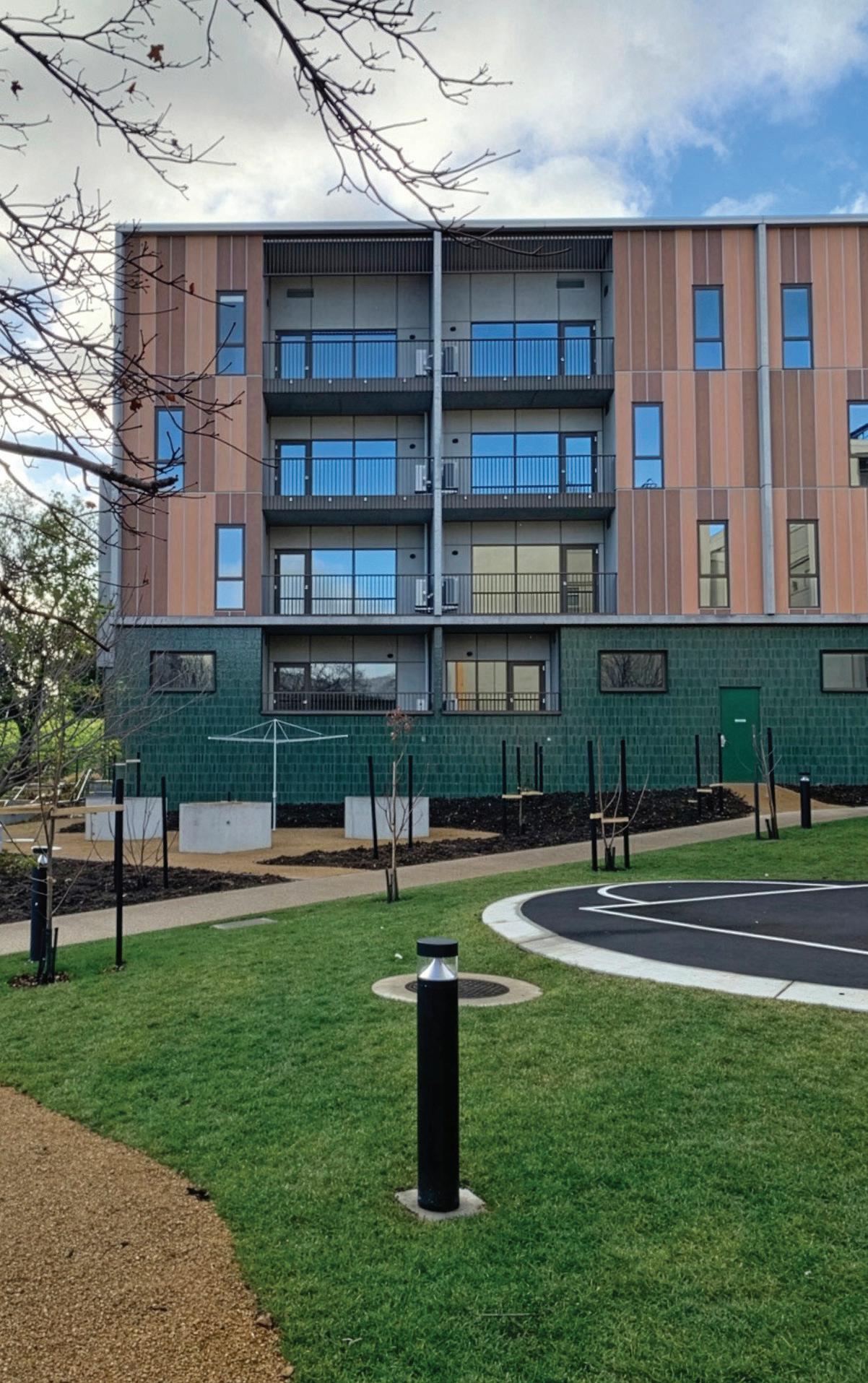
Although Tasmania does not have a single legislative framework for development contributions, the practice is well established in other Australian states.
In Tasmania, development contributions are collected in a piecemeal, ad-hoc manner. A clear and predictable system will make development more streamlined.
2.1 Continue to meet with developers and representative organisations, including through regular developer forums, to develop more efficient processes and systems within the City of Hobart’s development services and work towards finding solutions.
2.2 Undertake an internal review of development services within the City of Hobart to ensure our processes and systems are efficient and implement necessary changes.
2.3 Promote and continue to offer pre-application advice at no charge for residential development that results in additional dwellings.
2.4 Develop a process to fast track the assessment of planning applications for residential use resulting in new dwellings, and resource as required.
2.5 Advocate for changes to regulatory processes by the State Government to enable efficient assessment and constuction of residential development.
2.6 Provide a development concierge service, separate to development assessment, to support broader discussions with landowners and developers, identify potential incentives and proactively support further housing development.
2.7 Investigate ways in which AI can be used to make the regulatory processes for the City’s development services more streamlined. Identify potential state or local government partners to collaborate with.
Deliver Partner Ongoing
Deliver Short
Deliver Ongoing
Deliver Short
Advocate Ongoing
Deliver Medium
Deliver Partner Medium
Strategic planning is required to investigate rezoning and other mechanisms to deliver permitted pathways for appropriate higher density housing in areas close to services, education, employment and public transport.
Strategic land use planning is an integral part of the process to delivering greater housing density in well-located areas with good access to jobs, services and public transport.
Structure plans, such as the Central Hobart Plan and North Hobart Neighbourhood Plan, are instrumental to enabling higher density in Hobart by ensuring the right planning policy settings and mechanisms are in place.
Strategic land use policy settings can be used to grant development rights to increase the viability of social and affordable housing. This can occur either through the rezoning of land or allowing for an increase in development potential through specific planning provisions.
Increased density, building height and a reduction in the number of car parking spaces, in specific areas close to public transport, should be considered to deliver more viable housing.
The Planning Institute of Australia (PIA) launched an advocacy effort for the Hobart to Glenorchy (H2G) project in 2025.
Activating the H2G corridor is a ‘once in a
lifetime’ city-shaping opportunity to renew a transit corridor which contains the greatest concentration of underutilised sites in Tasmania, redefine housing solutions and create a vibrant, sustainable urban community supported by a fit-for-purpose transport solution.
The City’s structure plans for Central Hobart and North Hobart have identified significant opportunities for development within this corridor. The implementation of these plans will require significant investment in infrastructure such as stormwater.
Important elements include:
• Medium density housing.
• High-quality public spaces.
• New public and active transport links.
• Social infrastructure.
• Vibrant activity centres.
• Urban greening,open space and recreation facilities.
• Responding to climate change risks.
• Environmental areas to be protected.
As part of the Hobart City Deal, all levels of government are working with stakeholders to unlock the residential potential of the Northern Suburbs Transit Corridor. The goal is to make the area more “development ready” by amending the planning scheme.
This initiative aims to encourage housing growth near the corridor, offering more choice and addressing the current housing shortfall. By concentrating development around urban services, it supports a more liveable, sustainable city and better integration of housing with community infrastructure.
Car parking spaces can add considerable cost to a residential development as their construction and the area required to build them are significant. The changing nature of car ownership and car sharing is also relevant. Therefore, a permitted pathway to enable reduced car parking numbers for residential development in suitable locations near active and public transport infrastructure requires investigation.
Gentle density offers benefits like increased housing supply, enhanced community vibrancy and reduced urban sprawl by optimising land use in existing neighbourhoods through infill development. It promotes affordability and preserves neighbourhood character while making better use of existing infrastructure. It has a tendency to be more acceptable to the community.
Bluefield or co-located housing integrates new additions with existing homes, looks and feels like single-family housing, but operates financially and legally like a small group of units.
Planning scheme amendments would be required to implement the co-located housing model in Hobart. This has taken place in South Australia.
A secondary residence, commonly known as a granny flat, provides an opportunity for members of the community to contribute to increasing housing supply.
A secondary residence can currently be built up to an area of 60m2. This generally allows for a one-bedroom dwelling. However, if this size was increased this housing typology could provide housing solutions for multigenerational living or larger households.
An election promise was made by the Tasmanian Government to increase the permittable size of a secondary residence in 2025. Implementation will require changes to the definition of a secondary residence in the planning scheme.
Many properties in the Hobart local government area are large enough to build an attached or detached secondary residence through new construction or renovation of part of an existing house.
3.1 Continue to work with the State Government, and other local governments to undertake strategic planning to promote greater housing density in well-located areas with good access to jobs, services and transport. Consider natural hazards and disaster risk reduction. Including projects such as:
• the Southern Tasmanian Regional Land Use Strategy
• Tasmanian Planning Policies.
3.2 Continue to work with the State Government, and other local governments to deliver mechanisms to enable infill housing, and greater housing diversity and density, while protecting amenity. Including projects such as:
• Reviews of the Tasmanian Planning Scheme.
• Improving Residential Standards Project.
• Northern Suburbs Transit Corridor Urban Renewal project.
3.3 Engage with the Planning Institute of Australia (PIA) and other stakeholders on initatives such as the H2G (Hobart to Glenorchy) urban renewal project.
3.4 Continue to pursue opportunities to limit the growth of short term rental visitor accommodation, including through planning scheme amendments for a Specific Area Plan to prohibit the change of use of a residential dwelling to visitor accommodation in residential zones.
3.5 Implement actions set out in the City of Hobart’s endorsed structure plans, such as the Central Hobart Plan and North Hobart Neighbourhood Plan, including planning scheme amendments, relating to rezoning, densification and built form controls.
3.6 Undertake master planning for larger strategic sites to maximise their development potential and community benefit, including the Innovation Precinct identified in the Central Hobart Plan.
Deliver Partner Advocate Ongoing
Deliver Partner Advocate Ongoing
Deliver Partner Advocate Ongoing
Deliver Short
Deliver Short
Deliver Short to long
3.7 Investigate mechanisms to enable temporary and short term residential use for emergency housing solutions in appropriate locations. Temporary change of use to enable:
• Use of land to offer short term housing solutions such as demountable buildings.
• Short term residential use of vacant buildings such as offices, hotels and student accommodation.
3.8 Investigate the potential for a regulatory change to reduce the number of car parking spaces required for dwellings in areas where there is adequate access to active and public transport.
3.9 Advocate for the State Government and large employers to consider developing key worker housing for their employees near the workplace. Work with them to identify potential appropriate locations for medium to high density housing close to large employment centres, such as the Royal Hobart Hospital and University of Tasmania.
3.10 Advocate for changes to the Tasmanian Planning Scheme to allow for gentle density through implementation of the Bluefield or co-located housing model or greater flexibility to approve a secondary residence (otherwise known as an ancillary dwelling or granny flat) with a floor area over 60m2
3.11 Advocate for the State Government to create a clear and cohesive approval process for the different types of secondary residences, including a tiny house on wheels.
Deliver Short and ongoing
Deliver Short
Advocate Medium
Advocate Short
Advocate Short
The development of underutilised land emerged as the highest priority at the Hobart Housing Forum, with representatives from across the housing sector supportive of unlocking existing sites for infill development.
The cost and supply of appropriate sites for development is a significant barrier to residential development.
Appropriately zoned land, suitable for affordable housing, located close to services, transport, education and employment is required.
The cost of land in these locations is high, so the subsidisation of development costs is required to make housing viable.
Subsidisation could come in the form of government funding, landowners making appropriate land available at reduced cost, as well as collaboration with not-for-profit and faith-based organisations interested in the provision of affordable housing.
Adaptive reuse means giving an existing building a new purpose. It helps preserve the site’s history and makes use of the building’s existing materials, which reduces environmental impact.
Adaptive reuse can be appropriate for buildings listed on the Tasmanian Heritage Register, or protected by the Local Heritage Code.
Adaptive re-use of non-residential buildings can provide opportunities for medium density housing and mixed use developments, including ‘shop-top’ apartment living. There are many underutilised buildings located within the Hobart local government area.
Existing buildings, no longer required for their original use or fit for their original purpose, provide opportunities for a ‘change of use’ to include residential dwellings.
Examples include:
• Buildings which are empty or partly occupied, including shops and cafes with a vacant first or second floor.
• Sites that contain a building, but have the potential for adaptive reuse for multistorey development.
• Sites with large areas of underutilised land including land used for at grade car parking.
Underutilised buildings, including dwellings, that council own may be utilised for short term housing in collaboration with organisations such as Housing All Australians.
4.1 Investigate a dedicated adaptive reuse program to encourage the adaptation of existing buildings to include new residential dwellings, including shop-top housing, and conversion of single dwellings into multiple dwellings. Program to include relevant research projects, fact sheets and assisting property owners and developers with advice. Similar to the City of Adelaide’s Adaptive Reuse City Housing Initiative (ARCHI), which is partly funded by the State Government.
4.2 Undertake analysis of underutilised land within the Urban Growth Boundary that may have potential for alternate higher order use such as housing, including opportunities for collaboration on affordable and social housing projects. The highest and best use of land to be identified, and natural hazards and disaster risk such as floods and bushfire to be considered.
Land analysis to include:
• Council owned land and buildings.
• Crown land within the City of Hobart.
• Church and charity owned land.
• Privately owned land.
Note: Council’s Strategic Property Management Committee is currently undertaking analysis of Council owned land and buildings.
High-quality, mixed-tenure, medium-density housing projects are needed to demonstrate to the market that this model can succeed in Hobart.
Experts who attended the Hobart Housing Forum agreed that exemplar projects are needed to demonstrate that high-quality, mixed-tenure, medium-density housing can benefit the community, promote sustainability and accessibility, and succeed in Hobart.
Exemplar developments can prove the viability of untested housing models locally, to investors, developers, lending institutions, and the broader community, many of whom are unfamiliar with higher density living.
There is a lack of precedents that illustrate the viability of a mixed tenure, medium density housing model in Hobart. However, there are a range of examples across Australia that illustrate the benefits of mixed tenure, medium and high density housing models, including the Nightingale Model.
In South Australia, the Nightingale project in Bowden is a mixed tenure development with 50% of dwellings managed as rentals by the not for profit housing provider, Housing Choices. Common Ground in Adelaide is a supportive housing response that offers wrap-around services to residents and the community.
While the City of Hobart does not own a large amount of underutilised land suitable for residential development, further strategic plans could reveal opportunities for potential development and collaboration across the Hobart local government area.
The Condell Place car park was identified in the North Hobart Neighbourhood Plan as being appropriate for medium density residential development. The structure planning process recognised the potential to provide community benefit in the form of public open space, a community centre, or similar, and a lower ground car park on the site. A feasibility study is proposed to investigate these options further.
The Innovation Precinct in Hobart is identified in the Central Hobart Plan as an area with substantial potential for mixed use and residential development. This is an appropriate area for an Infrastructure Investment Plan to identify priority infrastructure upgrades and new infrastructure for a compact, resilient and liveable city and the mechanisms and partnerships to deliver these.
5.1 Investigate opportunities to collaborate with Homes Tasmania, a not-for-profit housing provider, and/or developer to deliver housing on Council owned land. Feasibility studies should:
• Include mixed tenure with affordable and social housing, and market housing to rent or to buy.
• Consider wrap-around services for social housing.
• Facilitate provision of other community benefits, such as a community centre.
5.2 Undertake an Infrastructure Investment Plan for Central Hobart and North Hobart to identify priority infrastructure upgrades and new infrastructure needed for a compact, resilient and liveable city and the mechanisms and partnerships to deliver these. This action is to accord with the Long-Term Finance Plan and Strategic Asset Management Plan.
5.3 Identify and showcase exemplar housing developments that illustrate best practice design and development of underutilised land to the community and housing sector, property owners and developers. Work with Homes Tasmania, the housing sector and property owners to prepare case studies, events and open days to illustrate the benefits and opportunities of a variety of housing typologies.
Deliver Short and ongoing
Deliver Partner Short
Partner Short and ongoing
Working with the community to better understand their concerns regarding the housing crisis to enable more constructive conversations about residential development.
Engaging with the community to better understand their concerns regarding the housing crisis to enable more constructive conversations about residential development.
Providing information to the community may help break down the stigma and improve public perception of particular housing typologies to promote a socially sustainable community.
Many organisations are working to address the housing crisis, but there’s often a lack of communication and shared understanding across the sector. This makes it harder for groups to work together effectively.
Housing experts and representatives from across the housing sector who attended the Hobart Housing Forum strongly agreed that there is a housing affordability and availability crisis in Hobart, and nearly all participants were interested in continuing discussions.
Key stakeholders include the Institute of Architects, Engineers Australia, Homes Tasmania, Housing Industry Association, Local Government Association, Master Builders Association, Property Council, Shelter Tasmania, TasTAFE and UTAS.
There is a need to better communicate incentives, such as the Housing Density Incentive Grant Scheme, to encourage members of the community, landowners, developers and other stakeholders in the housing sector to build more medium density affordable housing in the Hobart local government area.
The Density Incentive Grant Scheme was a Tasmanian Government initiative to help increase the supply and diversity of housing. Grants of $10 000 per dwelling were available to incentivise developers to build medium and high-density housing developments, up to a maximum of 50 dwellings per developer. This program was paused in late September 2025.
When the City of Hobart provides incentives for residential development, it will be important to provide opportunities for engagement with the housing sector to promote and monitor the effectiveness of these initiatives.
6.1 Investigate ways to communicate the benefits of additional medium and higher density housing provision to the community.
6.2 Develop a working group of representatives from the housing sector to:
• Discuss current issues, facilitate understanding and foster a collaborative approach to achieving better housing outcomes.
• Provide feedback on the progress and effectiveness of the Housing Action Plan and monitor its implementation.
6.3 Collaborate with organisations such as the Institute of Architects and Planning Institute, to hold events to educate the community on matters relating to housing affordability and availability such as the benefits of medium density and infill housing. For example, Open House Hobart and World Planning Day.
Deliver Short
Deliver, Partner Short and ongoing
Partner Ongoing
Affordable housing refers to housing for purchase and rental, including social housing, that is appropriate for the needs of very low to moderate-income households. This is generally understood to mean housing that costs no more than 30 per cent of a household’s gross income.
Affordable rental housing refers to properties that are made available at rents below market rates and are affordable for low to moderate income households. Typically, this means rents are set at or below 80 per cent of market rates and not more than 30 per cent of a household’s gross income. This includes key worker housing and social housing.
Build to rent (BTR) is the process whereby developers and their financiers build multiunit buildings and, instead of selling the units, retain them to rent. Rents may be set at market rent or, for affordable and social housing, at an appropriate discount to market rents.
Co-operative housing is a community where members live independently and collectively manage affordable, sustainable housing.
Key worker housing refers to affordable rental or purchase options for workers in essential services who often struggle to afford housing due to their income or the high cost of living in areas close to their employment.
Retirement villages are a community for people aged 55 and over, offering independent or serviced living with shared amenities. Some provide optional care services and may be run by private, charitable, or not-for-profit organisations.
Secondary residences often called a “granny flat” or “ancillary dwelling,” is an additional dwelling on the same site as a main house. They are subject to specific planning rules and regulations within the Hobart Planning Scheme and must be self-contained, have a gross floor area not more than 60m², belong to a single dwelling, and share access, parking, and water, sewerage, gas, electricity and telecommunications connections and meters.
Social housing is affordable housing provided by the government and community sectors to assist people who are unable to afford or access suitable accommodation in the private rental market. It includes public housing, state owned and managed Indigenous housing and community housing. Rents are set as a proportion of household income.
Student housing includes a range of living options, including residential colleges, selfcontained studio apartments or shared apartments with communal amenities.
Supported accommodation is housing combined with a support service. This type of housing provides higher-level care, support or supervision for vulnerable people with particular needs.
Temporary housing means residential use or development for a period of not more than 12 months commencing from the date on which an occupancy permit or temporary occupancy permit is issued in accordance with Part 17 of the Building Act 2016.
Tiny houses are small dwellings, either built as a permanent structure or on a trailer with wheels.