Acknowledgement of Country
In recognition of the deep history and culture of Nipaluna (Hobart), we acknowledge the Palawa (Tasmanian Aboriginal people), their elders past and present as the Traditional Custodians of the skies, land and waterways of Lutruwita (Tasmania).
We recognise that Palawa have made journeys across Lutruwita and Nipaluna for many thousands of years.
We acknowledge the determination and resilience of the Palawa people who have survived invasion and dispossession and continue to maintain their identity, culture and rights.
We acknowledge all Aboriginal and Torres Strait Islander people who live on the country of the Palawa, here in Nipaluna.
Introduction
Purpose
The Hobart Housing Action Plan (the Action Plan) has been prepared by the City of Hobart (the City) to provide a clear strategyled plan to respond to the need for more affordable housing stock for our diverse communities.
Home ownership and renting in the Hobart local government area (LGA) is not affordable for many members of our community. The cost of constructing new homes in Tasmania has increased dramatically over the past few years and there is a limited, appropriate greenfield land supply in Greater Hobart near education, employment, health services and public transport.
By fostering collaboration and innovation, we aim to empower the housing sector to deliver solutions that make home ownership and renting in the City within reach for all members of our community. Through evidence-based strategic planning and sustainable practices, we will provide a framework to meet housing needs.
Scope
The City’s focus for the Action Plan is to provide a concise short to medium term plan that identifies Actions to increase the affordability and supply of housing in the Hobart LGA.
This Background Paper has been prepared to support the Action Plan. This paper provides information relevant to the current housing situation in the Hobart LGA, including: demographics, the strategic context, drivers of change, and the cost of inaction.
Role of the City of Hobart
Local Government can help create additional housing in a few key ways. However, it’s important to recognise that many factors affecting housing are outside the City’s control.
The City can take on several roles in the delivery of Actions including:
Delivering actions which are within their control.
Partnering with organisations to deliver actions which they cannot achieve alone.
Advocating for actions to be undertaken by other levels of government or nongovernment organisations.
Timing
Timing is categorised to align with organisational timeframes such as the Capital Works Program and Strategic Plan:
• Short term: 2026-28 financial year period
• Medium term: 2028-30 financial year period
• Ongoing: Business as usual
Timeframes are only provided as a guide and will be further refined as an implementation program is developed for each action.
Who is who
The City of Hobart, or the City, refers to the organisation or municipal administration.
Project Vision
The Hobart LGA refers to the Hobart local government / municipal area.
The community refers to any individual, household, organisation, business or group that lives, works or plays in the Hobart LGA.
Control
The City is responsible for decision making across its core business and statutory responsibilities. This includes strategic land use planning, service delivery, and managing Council owned land including facilities, buildings, assets and open space.
Influence
The City has shared responsibility or partial control. For example the City can develop regulatory mechanisms within the Hobart Provisions Schedule of the Tasmanian Planning Scheme, but are unable to change
To build a future where all members of our community have access to affordable housing options in the City of Hobart.
the State Planning Provisions. The City enforces the National Construction Code, but this is delivered and controlled by other levels of government.
Concern
The City can create awareness or understanding on issues important to the community. It can also take on the important role of educating the community about aspects of housing including affordability, density and diversity and how homelessness affects everyone.
Background
The City’s focus for the Hobart Housing Action Plan is primarily on the affordability and supply of housing in the Hobart LGA.
The City has advocated for support for people without a home and the provision of crisis accommodation and temporary shelter for many years.
The City developed a Housing and Homelessness Strategy 2016-19, Affordable Housing and Homelessness Commitment 2021-23 and homelessness related Actions are now incorporated in the Hobart: A City for All Implementation Framework 2025-28
How we developed the Action Plan
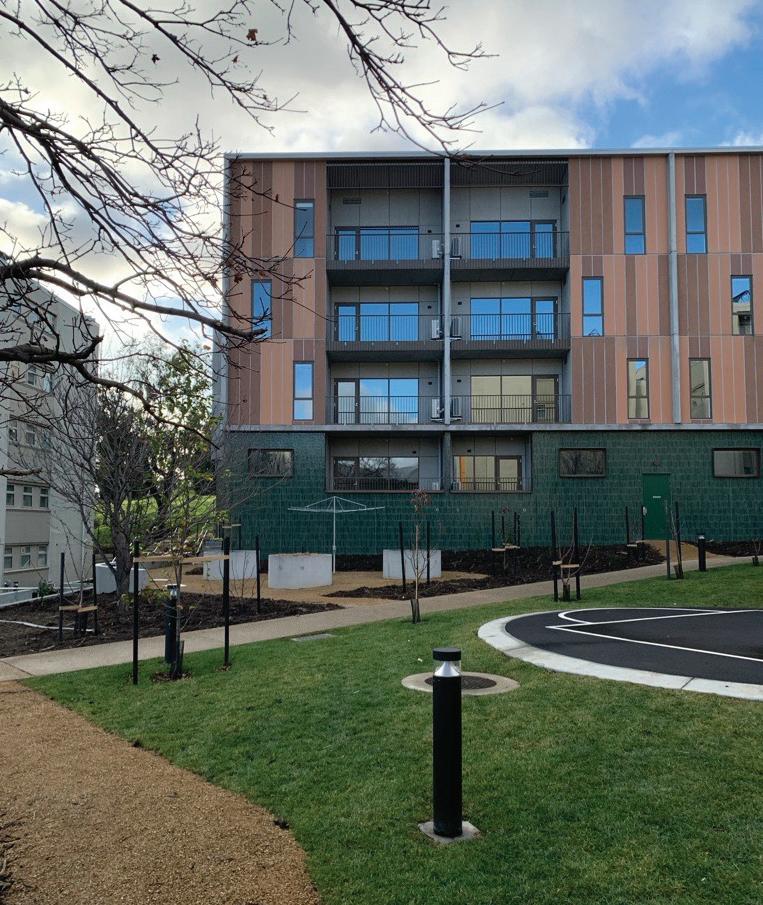
Queens Walk housing designed by Cumulus Architects for Housing Choices.
How we developed the Action Plan
The City has undertaken extensive research, analysis and stakeholder engagement with representatives from the housing sector to inform this Background Paper to a Housing Action Plan.
The data used is the most up to date information available to the City at the time of publication. The Action Plan references information from a range of sources.
Research
Research conducted by the project team has drawn on a wide range of relevant sources and strategic documents, including the:
• Tasmanian Housing Strategy 2023-43
• Southern Tasmania Regional Land Use Strategy 2010-35
• 30 Year Greater Hobart Plan
• State of the Housing System 2024 report by the National Housing Supply and Affordability Council.
Analysis
Key data sources included Community profile .id (informed decisions), the ABS Census, and the 2024 Rental Affordability Index. Community profile .id provides up to date information and demographic resources, including their housing monitor, social atlas, population forecast, economic profile and community views.
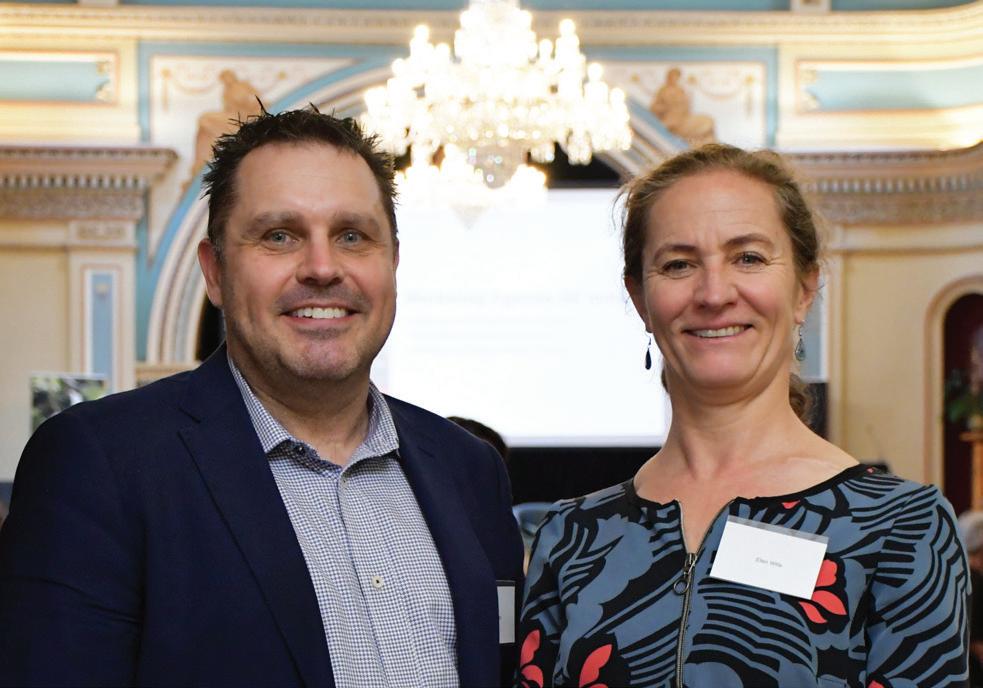
Hobart Housing Forum speakers Ellen Witte of SGS Economics and Brian Motz, CCO Housing Choices
Details of other relevant work referenced can be found in the Bibliography.
Stakeholder engagement
The Hobart Housing Forum (the Forum), held by the City in December 2024, was a critical input for this project. The Forum identified challenges facing the housing sector, and opportunities for improved affordability and increased housing supply.
“The focus should be for the provision of good quality housing in the right locations over the long term.”
The keynote speech and panel discussions are available to view online.1 A detailed summary of the event is outlined in the Engagement Report.2
The Action Plan identifies Actions developed from this research, and ideas raised during stakeholder engagement; including policies, development controls and projects to stimulate housing across the Hobart LGA.
Demographic information
Hobart is nestled between Timtumili minanya (River Derwent) and Kunanyi (Mt Wellington). This country was cared for and sensitively managed by the Muwinina band of the southeast nation for thousands of generations and is now known by many people as Nipaluna.
Hobart is the capital city of Tasmania, covering an area of 77.78km2. The 2024 Estimated Resident Population for Tasmania was 575,496, with a population density of 8.47 persons per square km.3
Forecast ID’s population forecast for the Hobart LGA shows it increasing from 58,276 in 2026 to 64,485 by 2046.4
Hobart is Tasmania’s Primary Activity Centre5, offering a wide range of services, including business, government administration, leisure, entertainment, tourism, and public transport. It is home to major employment hubs, government facilities, tertiary education institutions such as the University of Tasmania (UTAS), healthcare services and cultural spaces.
The Greater Hobart Plan aims for a 70:30 split between infill and greenfield housing development over the next 30 years, with a focus on urban consolidation. It prioritises medium-density, low-impact residential dwellings located near transport corridors and areas identified for increased density, encouraging terrace and townhouse development close to business districts.
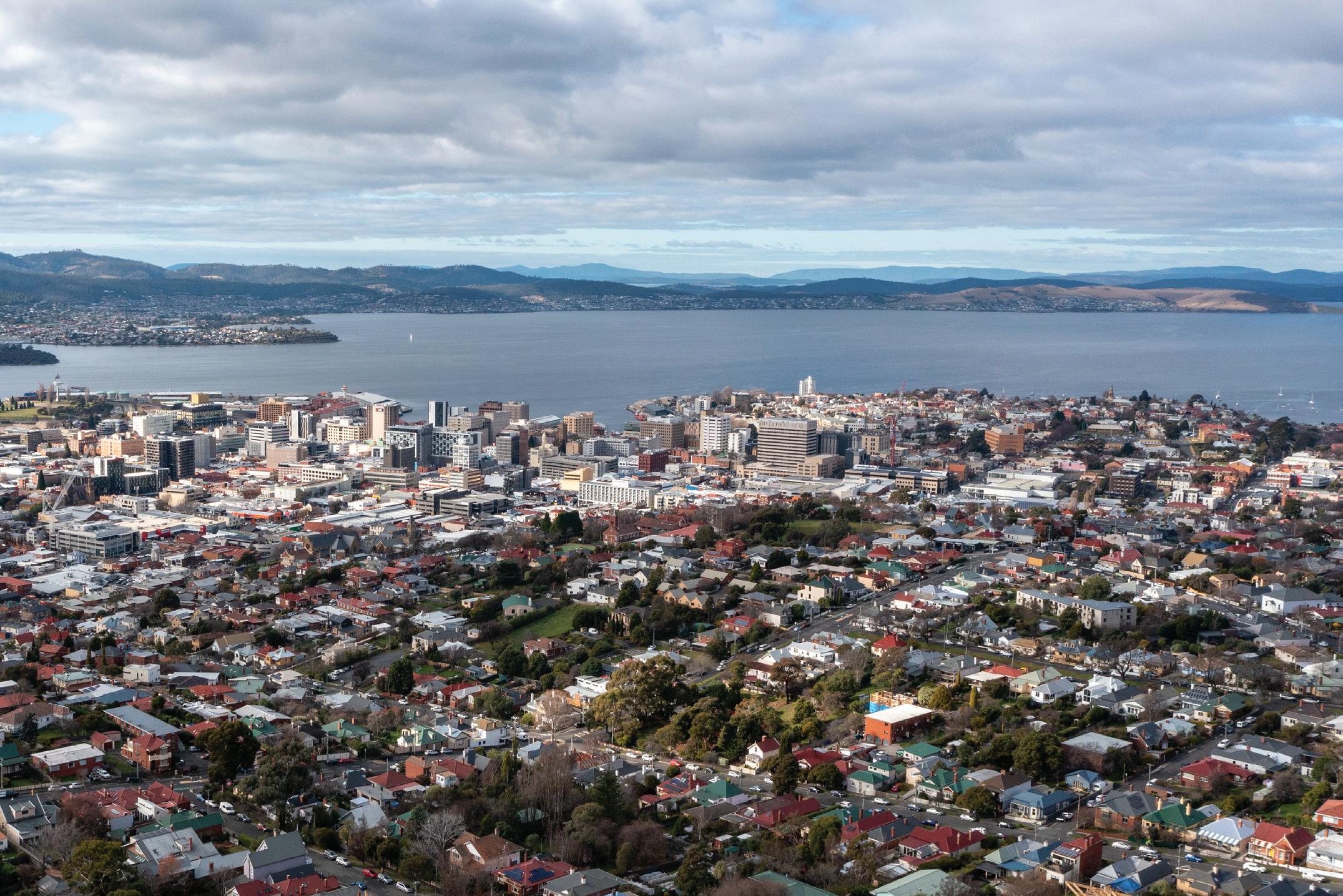
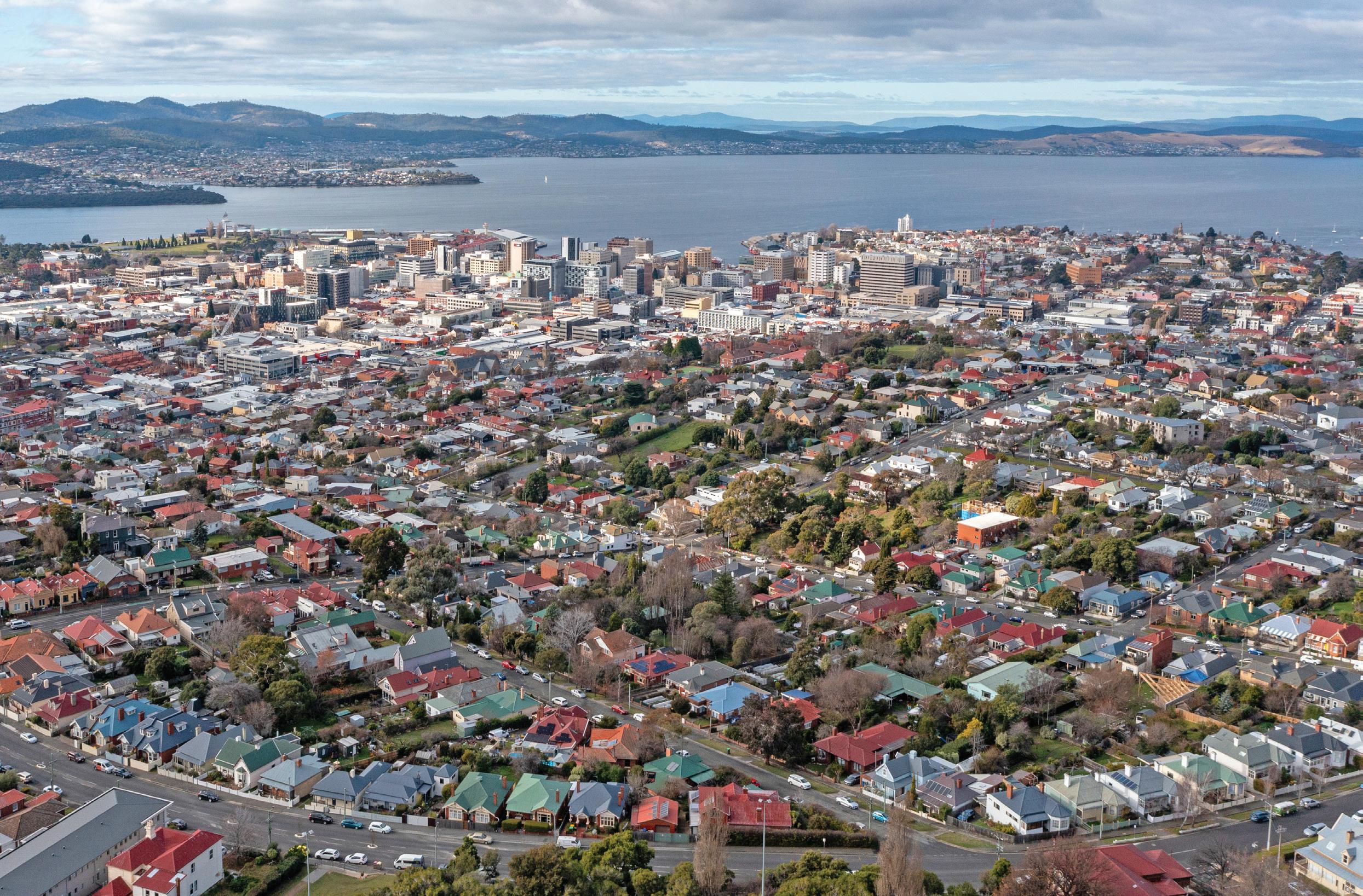
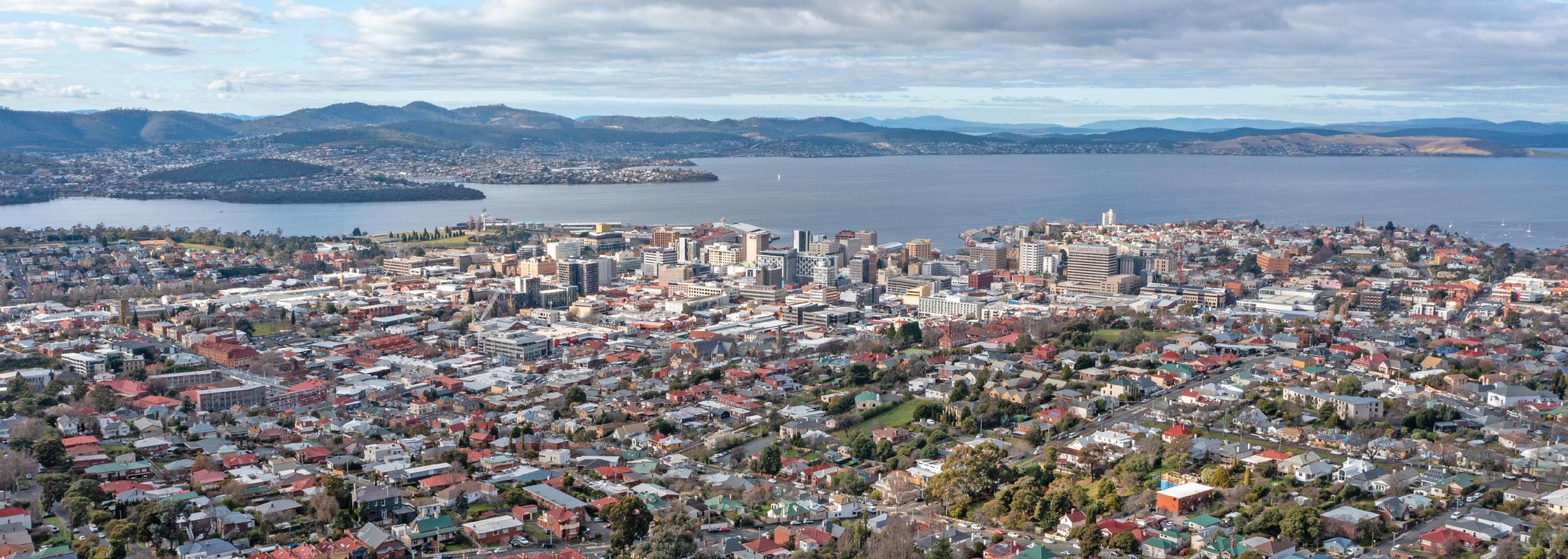
Aerial view of Hobart.
OF HOUSING
Our people
Understanding who we are and how we live
POPULATION
(estimated Resident Population) June 2024
Population increase Hobart LGA – 2018 to 2024
55 977 3%
Greater Hobart
WHO WE ARE AND WHAT WE DO
37 29% years
Couple with children households 29% Lone person households
869 People identify as Aboriginal or Torres Strait Islander People born overseas 77.78
HOUSING TENURE
Hobart LGA Median Age Of residents aged 65 or older in 2023
42 years Tasmanian Median Age in 2021
21% People who use a language other than English at home 49% People with a university qualification 11% People with a trade qualification 4.6% People with a disability
4 41 35% 23% Land area square km people experience homelessness (estimate 2021)
2.4 People per household in 2021 10% Older couples without children households
67 492 Local jobs
Population density people per square km
Strategic context
This Background paper and the associated Action Plan has been developed within the context of the City’s own strategic plan, as well as a range of strategies, plans and policies developed at a state government and local government level.
Hobart: A community vision for our island home
Hobart: A community vision for our island capital articulates the kind of future Hobart that communities would like to see. The Vision sets the City’s ten-year Strategic Plan and is the basis for all activities and decisions for years to come.
The City of Hobart aligns its strategies, plans, and actions with community values and aspirations. From the endorsement of this document onward, all Council initiatives are designed to fulfill the vision, ensuring that local communities shape their desired future.
Vision Statement
Hobart breathes.
Connections between nature, history, culture, businesses and each other are the heart of our city.
We are brave and caring.
We resist mediocrity and sameness.
As we grow, we remember what makes this place special.
We walk in the fresh air between all the best things in life.
Where we Live
The Identity Statements are summaries of Hobart’s stories, values and special qualities.
1.1. We are an island capital on the fringe of the Southern Hemisphere, a city defined by wild weather and its place as a gateway to Antarctica.
1.2. We are deeply connected to nature and wilderness, in, around, above and below our city.
1.3. Our geography and history guide the scale of our city: kunanyi / Mt Wellington, the River Derwent and heritage buildings are our most prominent landmarks.
1.4. We can access all the important parts of life, in a walkable and rideable city where we do not spend our lives commuting.
1.5. We want to ensure more of us have access to nature, and we should not take our ‘clean green’ image for granted.
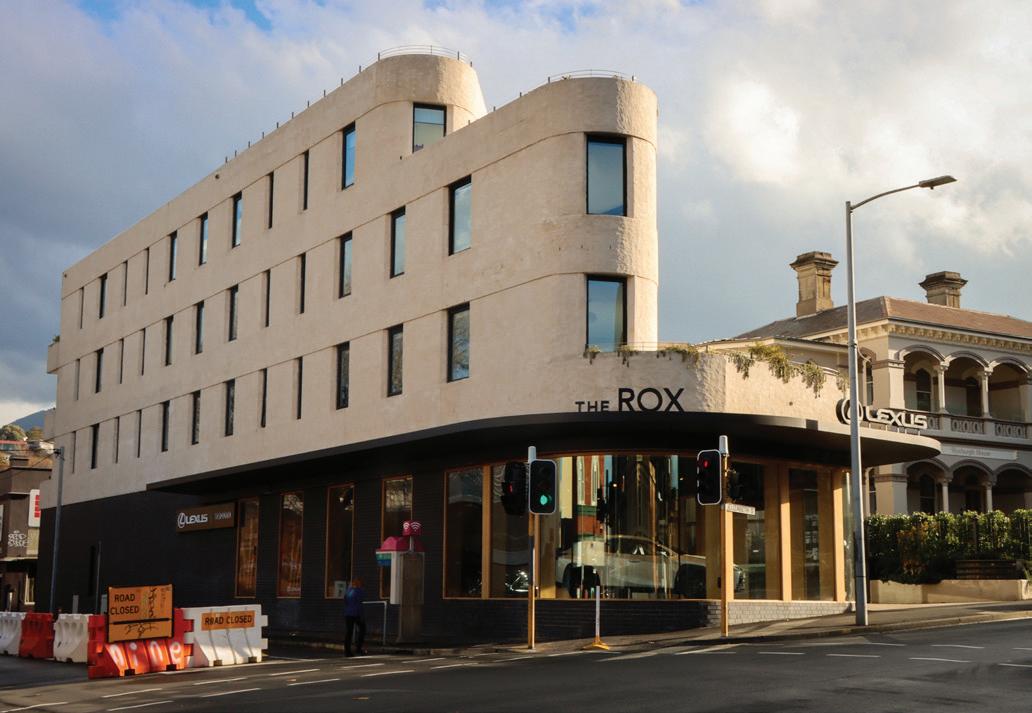
The Rox, designed by Core Collective Architects.
The Pillars
There are eight pillars representing the major parts of city life, they include:
1. Sense of place
2. Community inclusion, participation and belonging
3. Creativity and culture
4. City economies
5. Movement and connectivity
6. Natural environment
7. Built environment
8. Governance and civic involvement
Pillar 7. Built Environment is most relevant.
Pillar 7. Built Environment
We are a city that maintains our unique built and ecological character, where we all have a safe, secure and healthy place to live. We are a city where people and communities can access world-class services and infrastructure and provide for their social, cultural and economic wellbeing. We embrace change but not at the expense of our Hobart identity and character.
7.1 We all have access to an affordable home.
7.2 We protect and enhance the density, scale and character of our city.
7.3 Infrastructure and services support a high quality of life.
7.4 We balance local needs with those of visitors and investors.
7.5 We understand and engage on how planning issues affect our city.
7.6 We are deliberate in our development and plan for the future.

7.1 We all have access to an affordable home
7.1.1 Our city is our home, and we all have access to a place to live, no matter our life stage or situation.
7.1.2 We support diversity in our housing supply, acknowledging that different housing types suit different people.
7.1.3 We recognise that not all of us want or need to buy a home and ensure a supply of rental properties.
7.1.4 Housing is affordable, and none of us experiences housing stress.
7.1.5 We have housing available for those of us experiencing disadvantage. We cater for vulnerability. Social housing is part of, not separate from, the communities, services and access that are everyone’s right.
Southern Tasmania Regional Land Use Strategy (STRLUS) 2010-2035
The regional strategy outlines a 25-year vision for land use. It covers various themes, such as the environment, hazards, cultural values, recreation, infrastructure, economy, essential resources, and residential growth.
Hobart is the Primary Activity Centre for Tasmania, the region and the Greater Hobart metropolitan area in terms of business, government administration, leisure, entertainment and tourism services. A significant proportion of all employment opportunities within the region are currently and should continue to be focused in the City. This results in a high level of public amenity and high quality urban design.
Identified as suitable for higher density residential development, the City has the capacity to support innovative housing solutions, such as business/shop top arrangements, complemented by infill and consolidation of surrounding residential areas along integrated transit corridors.5 The target for residential density is 25 dwellings per hectare within 400-800m of transit corridors.
The strategy encourages urban expansion in well-connected areas with efficient transportation systems, promoting the use of public and active transport.
Since the STRLUS was first created, our region has grown and changed. A review and update of the STRLUS is currently being undertaken by the State Government.
Tasmanian Housing Strategy, 2023-2043
The Tasmanian Housing Strategy sets out a vision to end homelessness, by delivering a well-functioning housing system that provides safe, appropriate and affordable housing for all Tasmanians, with the intention to reduce demand for social housing and crisis accommodation.
The Strategy builds on existing initiatives and reinforces the Tasmanian Government’s commitment to a net increase of 10,000 social and affordable homes by 2032.
The four key desired outcomes are for Tasmanians to:
• live in quality, sustainable and durable homes that meet their needs
• have access to housing regardless of their circumstances
• have access to affordable housing options, and
• have a greater choice of homes where they want to live.
People should be at the centre of housing policy considerations because housing is the platform for individuals, communities, and the economy to prosper.
30-Year Greater Hobart Plan
The 30-Year Greater Hobart Plan was jointly endorsed in 2022 by the Tasmanian Government, the City of Hobart, and Glenorchy City, Clarence City and Kingborough Councils.
The 30-Year Greater Hobart Plan identified that population growth is best placed in areas with high amenity and good services, to maintain the key attributes that make these areas liveable and attractive.
The 30-Year Greater Hobart Plan seeks to:
• ensure growth complements the city’s natural setting
• implement a coordinated land release program that ensures sufficient land supply
• promote and incentivise a more diverse and affordable housing mix
• encourage urban renewal of underutilised land for residential development
• support innovative design solutions to meet a diverse range of community needs
• prioritise urban consolidation to create a more walkable and accessible compact city
• enable well designed mediumdensity developments within existing neighbourhoods and higher density dwellings in appropriate locations.
Also critical will be the timely upgrading of infrastructure including public transport, open space and community facilities, and ensuring
adequate utilities and services to support the growth.
2050 Vision for Greater Hobart:
We will live in the world’s best small capital city, a city built for people, that is connected, friendly and safe. Greater Hobart is a thriving and inspiring place to live, where we all work together to make a positive contribution to our extraordinary environment.
Climate Ready Hobart Strategy
The Climate Ready Hobart Strategy sets out how the City of Hobart and our community can work together to respond to the climate and biodiversity emergency and prepare for the future as we move towards 2040.
The strategy reflects the City’s role as a LGA organisation in supporting the health, safety and wellbeing of our community. It provides a clear direction for the City to lead by example across its core services and to help the community respond to climate change.
Action on homelessness
The City actively works with grassroots community groups, homelessness support services, charitable organisations, and all levels of government to address homelessness in a comprehensive and collaborative manner.
Following the Homelessness Crisis Forum held in 2019 the City convened the Greater Hobart Homelessness Alliance to drive collaborative projects, addressing homelessness through short to long-term solutions. These efforts aim to provide vital resources for communities and organisations tackling housing insecurity, homelessness, and related issues.
Additionally, the City established the Housing with Dignity Reference Group, providing people with lived experience of homelessness or severe housing stress a direct voice in the City’s response to the issue. Through initiatives like the I Am Somebody multimedia art project, the City highlights the harsh realities faced by those experiencing homelessness.
Hobart: A City for All
Hobart: A city for all is the City of Hobart’s Community Inclusion and Equity Framework that outlines the City’s role in creating a city for all. The City for All Implementation Framework details the City’s actions to be delivered in relation to the following program areas:
• Homelessness
• Community Safety and Crime Prevention
• Equal Access
• LGBTIQA+
• Multicultural
• Positive Ageing
• Youth

There is also the Country, Culture, People 2025-28 Building Cultural Safety within the City of Hobart with Aboriginal People document that guides the City’s actions working alongside the Palawa community.
The Implementation Framework includes homelessness actions directly related to the overarching inclusion and equity framework with a focus on collaboration and cooperation with all levels of government, as well as with the housing and homelessness sector and most importantly, with people who have a lived experience of housing stress or homelessness.
Tyson’s story is part of the I Am Somebody art project.
Housing density
Housing density
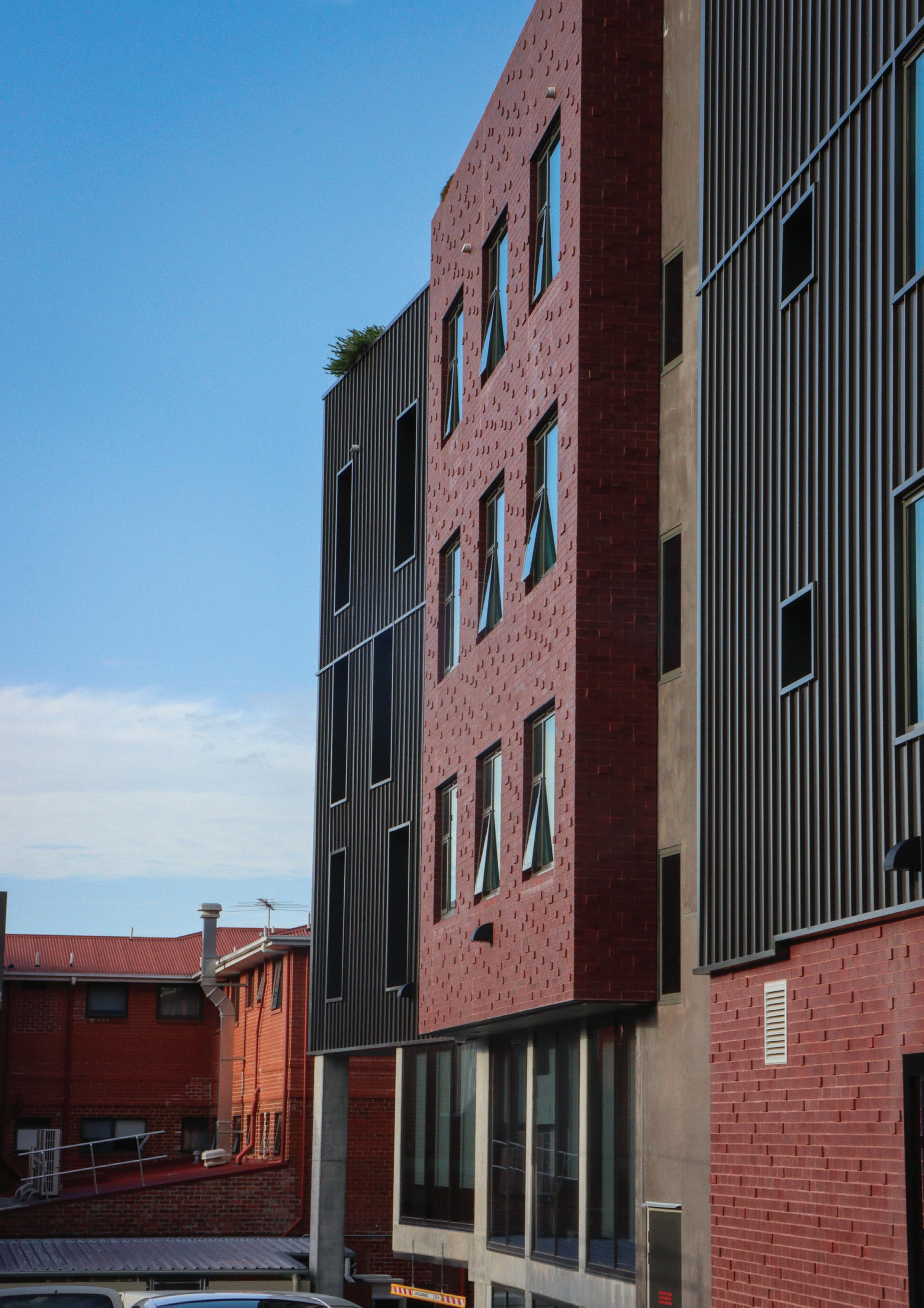
A mix of housing types that achieve greater density is not only suitable for the Hobart LGA, but essential to provide adequate and affordable housing for our community.
A diverse housing mix allows residents to move within the area—whether they need a larger family home or want to downsize to an apartment—without having to look elsewhere.
While some of these housing types may be uncommon in Hobart, careful strategic planning can integrate them into the City’s fabric while maintaining Hobart’s unique character.
Gentle density
Gentle density, including bluefield housing, focuses on increasing the number and variety of homes within existing single-home neighbourhoods. Traditional residential patterns often feature large lots with one detached home, which can lead to underused land and infrastructure.
Gentle density introduces housing options such as redeveloping sites for multiplexes or adding infill row houses. Bluefield or colocated housing integrates new additions with existing homes. It looks and feels like singlefamily housing but operates financially and legally as a small group of units.
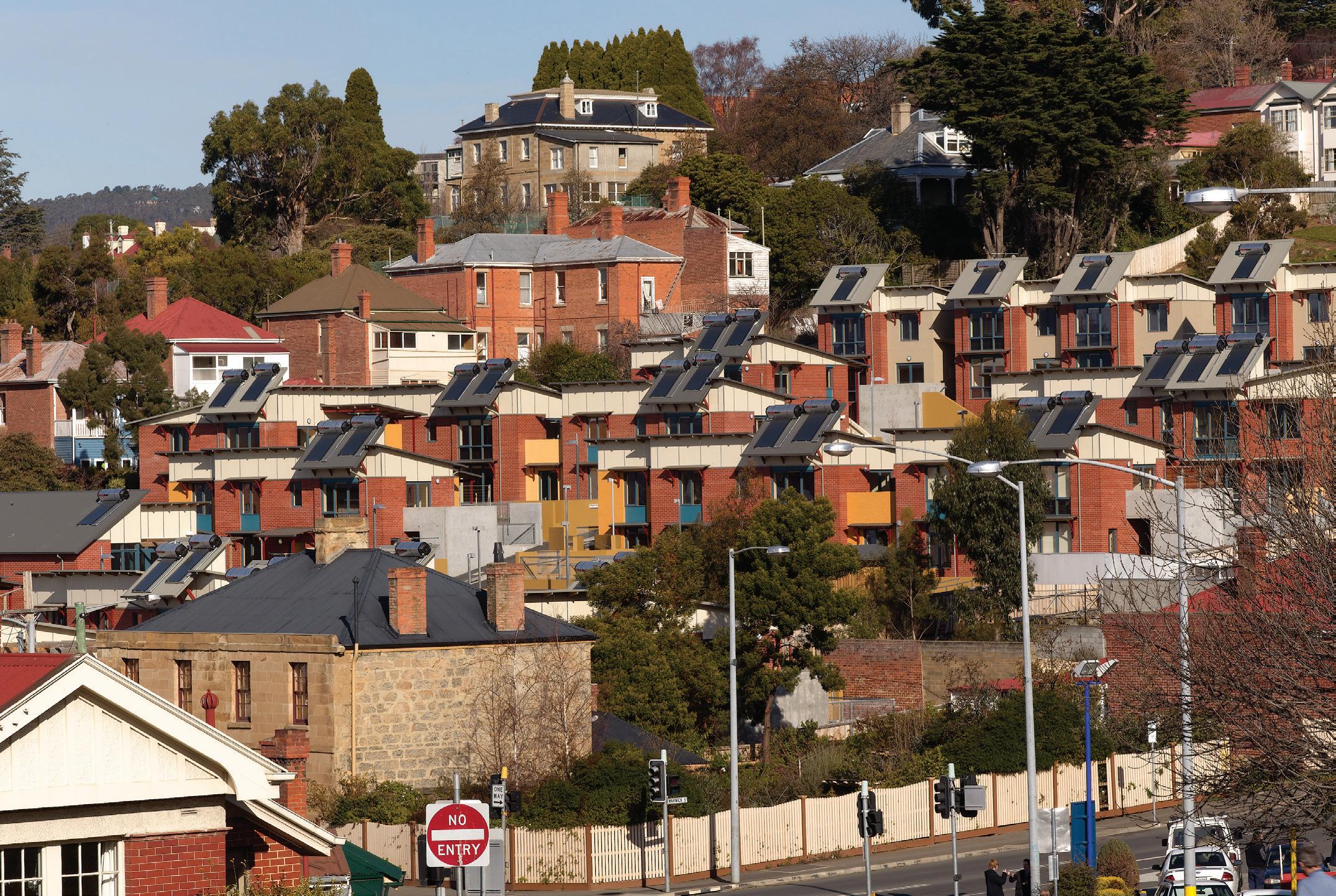
Terrace housing in West Hobart designed by Morrison Breytenbach Architects.
Both models increase housing supply, improve affordability, enhance community vibrancy and reduce urban sprawl by making better use of land and infrastructure in existing neighbourhoods through infill development without significantly changing a neighbourhood’s character and feel.
Gentle density is often more acceptable to the community than high-density development.
Medium density
Medium-density development includes multiple dwellings on a single site, ranging from one storey to six storeys. Housing types can include single-storey villa units, duplexes, co-joined dwellings, terrace housing, townhouses, apartment buildings up to six storeys, shop-top housing and mixed-use developments with commercial ground-floor tenancies.6 The diagram below illustrates these options.
Grouped house is two or more dwellings on a single lot, often single or double storey and detached.
Terrace house or Townhouse is a house built as part of a continuous row in a uniform style.
Low-rise apartments are typically buildings of three storeys or less, often called gardenstyle or walk-up apartments, and sometimes referred to as a manor house or six-pack. These buildings are generally found in less densely populated areas and offer a more intimate, community-oriented environment compared to high-rise buildings.
Mid-rise apartments are residential buildings with three to six storeys. They provide a balance between the community feel of low-rise buildings and the convenience of high-rise living. Their efficient use of space and proximity to urban amenities is increasingly desirable
High density
High-rise apartments are typically a residential building over 6 storeys.
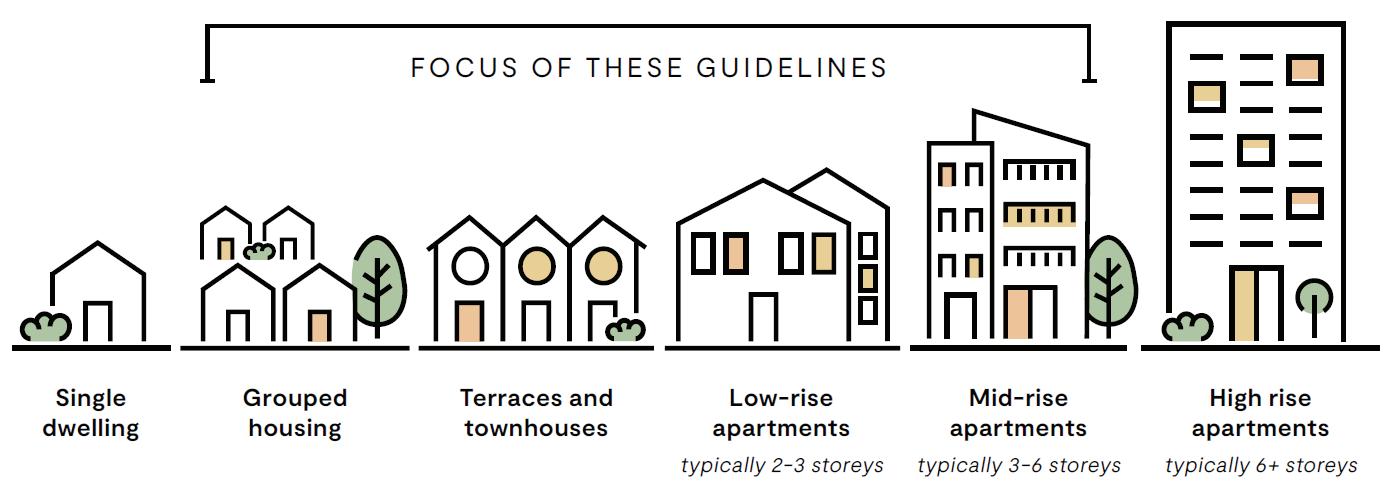
Types of housing illustrated in the Medium Density Guidelines7
Housing types
Build to rent
‘Build to rent’ (BTR) refers to developments where multi-unit buildings are constructed and retained for rental rather than sale. Rents may be set at market rates or, for affordable and social housing, offered at a discounted rate.
BTR property managers offer long term rental services to customers rather than acting as property owners whose main income comes from capital gains acquired when they sell the property. As ‘professional landlords’, BTR managers can be expected to provide long, stable leases for their tenants. This enables tenants to live in a neighbourhood for longer periods, children to go to local schools, and can long term connections to the local community to be established.8
A tax incentive is currently available for BTR. However it may be difficult to meet eligibility criteria in the Tasmanian context as the scale of development required to be eligible is 50 or more residential dwellings with at least 10% of the dwellings to be made affordable.
Co-operative housing
A housing co-operative is a community of people who voluntarily work together to meet their common need for affordable, sustainable housing.
Members live in separate dwellings but actively participate in the management of the housing co-operative as a whole, and enjoy the many benefits this type of housing offers.
Membership to a housing co-operative requires commitment, including attending meetings and participating in the management and everyday running of the cooperative.
Each housing co-operative is slightly different, but they all share the following features:
• their primary aim is to provide affordable and socially, economically and environmentally sustainable housing to their members
• they are managed by their members
• all members have equal rights and responsibilities in their management and operation, and
• they operate according to the principles of co-operation.
Key worker housing
Key worker housing refers to affordable rental or purchase options for workers in essential services who often struggle to afford housing due to their income or the high cost of living in areas close to their employment.
Key workers provide crucial services that Tasmanians depend on. These include workers from the following sectors: aged care, ambulance service, cleaning, construction, early childhood education, hospitality, postal service, nursing, social and community services, and school teachers.
University key worker accommodation refers to affordable housing for essential employees in teaching, research, or administrative roles. These workers may have moderate incomes and struggle to afford housing near their workplace. University-sponsored accommodation can provide subsidised longterm rental units, allowing staff to live in areas they might otherwise not be able to afford.
Retirement village
A retirement village is a managed community for seniors, generally restricted to people who are over 55 years of age and their spouses. They include independent living
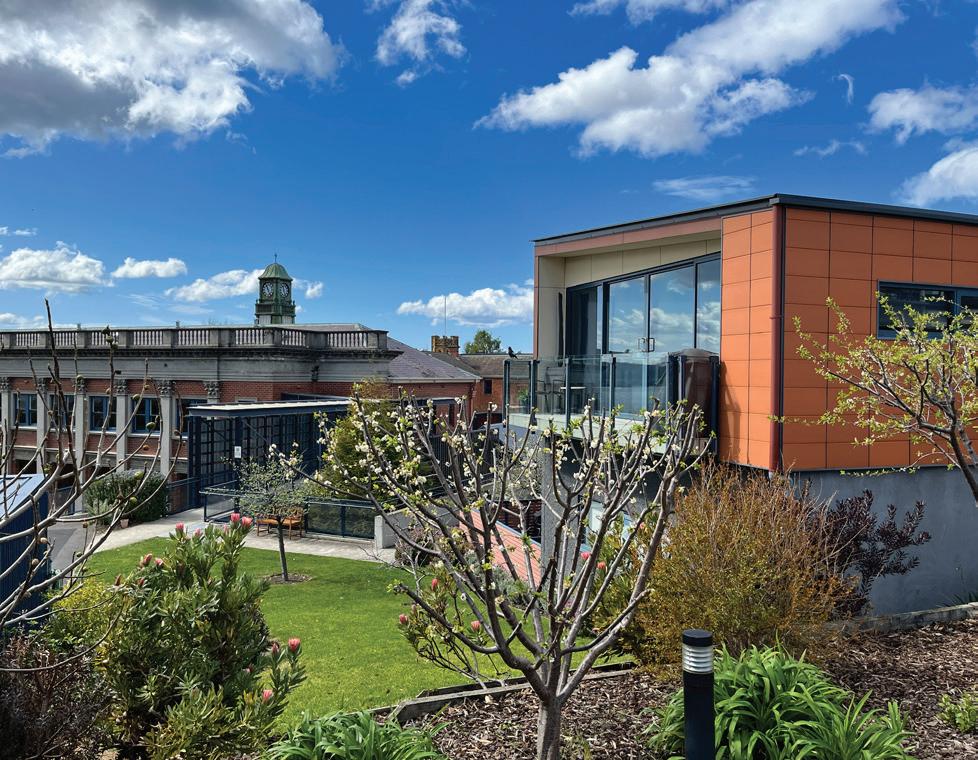
units or serviced units and often share common facilities and amenities. They cater for retirees and older members of the community who can live independently. In some villages, personal care and support services can be purchased for a fee.
Retirement villages may be owned by commercial operators, charitable, religious or ethnic not-for-profit organisations.
There is a lack of suitable housing in Hobart for members of our community to be able to age in place, prior to needing to access an aged care home.
37,566 or 65.1% of people who work in the City of Hobart, live outside the Hobart LGA.
Saint Canice Lifestyle Village, Sandy Bay.
Secondary residence
A secondary residence, often called a “granny flat” or “ancillary dwelling,” is an additional dwelling on the same site as a main house, that can be part of the main house, a separate building or a tiny house.
Secondary residences are subject to specific planning rules and regulations within the Hobart Planning Scheme where it is defined as an additional residence which is selfcontained and has a gross floor area not more than 60m², is belonging to a single dwelling and shares with the single dwelling access and parking, and water, sewerage, gas, electricity and telecommunications connections and meters, and may include laundry facilities.9
Secondary residences could provide a real opportunity for members of the community to be active in contributing to solving the housing crisis for members of their own family, as well as the wider community.
Larger secondary residences, over 60m2 have the potential to offer benefits such as increased property value, additional income, and flexible living arrangements for families. They provide opportunities for multigenerational living, accommodating aging relatives or adult children while maintaining privacy.
Many properties in the Hobart LGA have a large enough site to build a secondary residence or have an existing house which is large enough to convert part into a secondary residence.
Student housing
Student housing includes a range of living options, including residential colleges, selfcontained studio apartments or shared apartments with communal amenities.
The demand for student housing has fluctuated dramatically over the past 5 years with the Covid pandemic and more recently changes to student visas impacting the number of overseas students studying in Tasmania.
In 2021, 5,415 people in the City of Hobart were attending university. This represents 9.8% of the population, compared to 4.9% in Greater Hobart.10
Tiny house
Tiny houses are typically understood as smaller dwellings, whether on wheels (like a caravan or trailer) or as a permanent structure, intended for residential use. They are often seen as a more sustainable or financially attractive housing option compared to larger traditional houses.
Whether you need a planning permit to use your tiny house as a permanent residence depends on the planning zone where the site is located and any relevant codes. 11
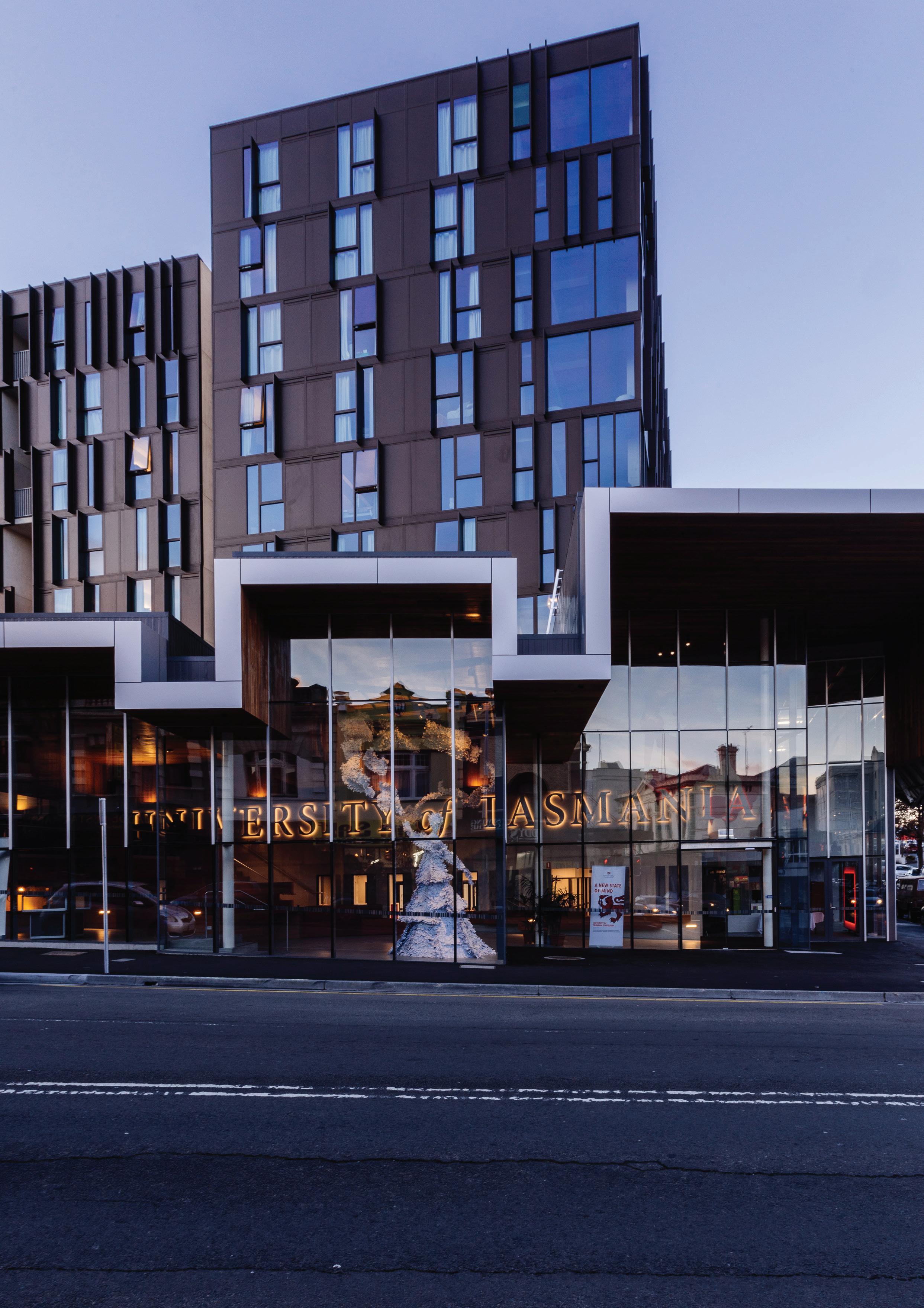
Student housing in Hobart designed by Terroir, photograph taken by Adam Gibson.
Why do we need a Housing Action Plan?
Drivers of change
Housing
Drivers of change
Drivers of change
This Background paper and associated Action Plan is informed by strategic drivers of change in Hobart. Each of these drivers presents specific challenges and opportunities. The drivers were identified through research, data analysis, stakeholder engagement through the Hobart Housing Forum, and previous work conducted by the City.
Population growth
Forecast ID’s population forecast for the Hobart LGA shows it increasing from 58,276 in 2026 to 64,485 by 2046.12
Tasmania’s Estimated Resident Population in

2024 is 575,496, with a population density of 8.47 people per square kilometre.13
Hobart’s population growth has been driven by net migration, including retirees, self-employed workers, young adults and international migrants.
Hobart will continue to attract new residents who value its high level of liveability, temperate climate, natural environment and vibrant arts and cultural offerings.
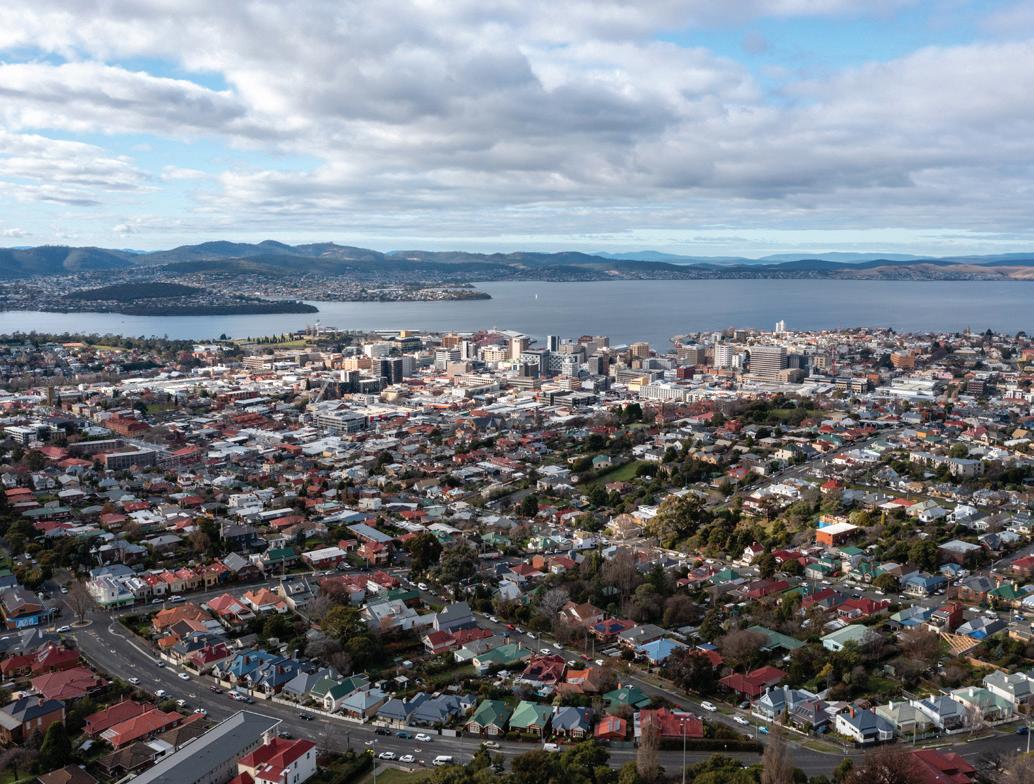
Image taken for the I am somebody 2024 project. Aerial photograph of Hobart looking towards the river.
Community need
Diversity and inclusion are core values of the City of Hobart and our community. As the city grows, providing affordable housing is essential to maintaining its inclusivity. Housing affordability is vital for equity, social cohesion, and inclusion.
Gentrification refers to the demographic shift in an urban neighbourhood that results in lower-income households being displaced by higher-income households. It describes changes over time in income levels, education and cultural diversity within neighbourhoods.14
Analysis of ABS Census data on income and housing costs by researchers at the Australian Urban Observatory shows that the City of Hobart is becoming affordable only to the wealthiest households.
The Precarity Index for Neighbourhood and City Housing (PINCH) gentrification index categorises suburbs based on income profiles, housing costs and affordability. It tracks changes in income groups, housing values and affordability over time using ABS Census data from 2016–2021. The index identifies eight categories, ranging from low-income areas at risk of displacement to stable, exclusive neighbourhoods.
Dr Alan Both, a research fellow at RMIT University who worked on the index, said the data shows that Hobart is already dominated by gentrified areas.
Dr Both suggests the supply and demand of housing is key to explaining this. So are shortterm rentals and the internal migration of people priced out of other cities – especially in Hobart.
Dr Alan Both
RESEARCH FELLOW, RMIT UNIVERSITY
“You can push them to the outer suburbs, you can push them further out than that. And then eventually you have to basically push them out into their cars, because there’s nowhere else for them to go.”15
“The people [who] own the properties there are doing quite well, but [gentrification] is causing an adverse effect on the actual health of the city. Because the people that need to live there – to provide the services that make the city – are being priced out.”16
Weekly individual income for residents of the City of Hobart
In the City of Hobart, 52% of the population earned an income of less than $1,000 per week in 2021.16
1,532 households in Hobart had an unmet need for affordable housing, representing 7.1% of all households, higher than the 5.6% in Greater Hobart.16
How many households are in need of a ordable housing?
Households unable to access market priced rental housing, 2021
Households unable to access market priced rental housing, 2021
Source: ABS estimating Homelessness Census and ABS Census 2021
Source: ABS Estimating Homelessness Census 2021 and ABS Census 2021
LGAs where the people who work in the City of Hobart live
Ageing Population
Tasmania’s population is ageing, with around 21% of residents aged 65 or older in 2023.
Despite recent population growth in the 2034 age group, Tasmania remains the oldest state in Australia, with a median age of 42 in 2021, four years above the national average.
Households are shrinking, with an average of 2.4 people per household in 2021, down from 3.4 in 1971.
In Hobart, older couples without children make up 10.4% of households, while older lone persons without children account for 12.2%
The most common household types in Tasmania are couples without children and one-parent families.
• 57,677 people work in the City of Hobart.
• 20,111 or 34.9% work in the City of Hobart and live in the area.19
• 37,566 or 65.1% work in the City of Hobart, but live outside the LGA. 20
• 7,703 (26.8%) working residents of the City of Hobart travelled outside the area to work. 21
• In 2021, 5,415 people living in the City of Hobart were attending university. 22
• Approximately 10,000 students are enrolled at the University of Tasmania’s southern campuses, which include the Sandy Bay and other Hobart facilities.
As Hobart’s population ages, demand for affordable housing and smaller, attached dwellings will increase. Residential supply will rely more on medium-density infill development, particularly in the city centre and surrounding areas. 23
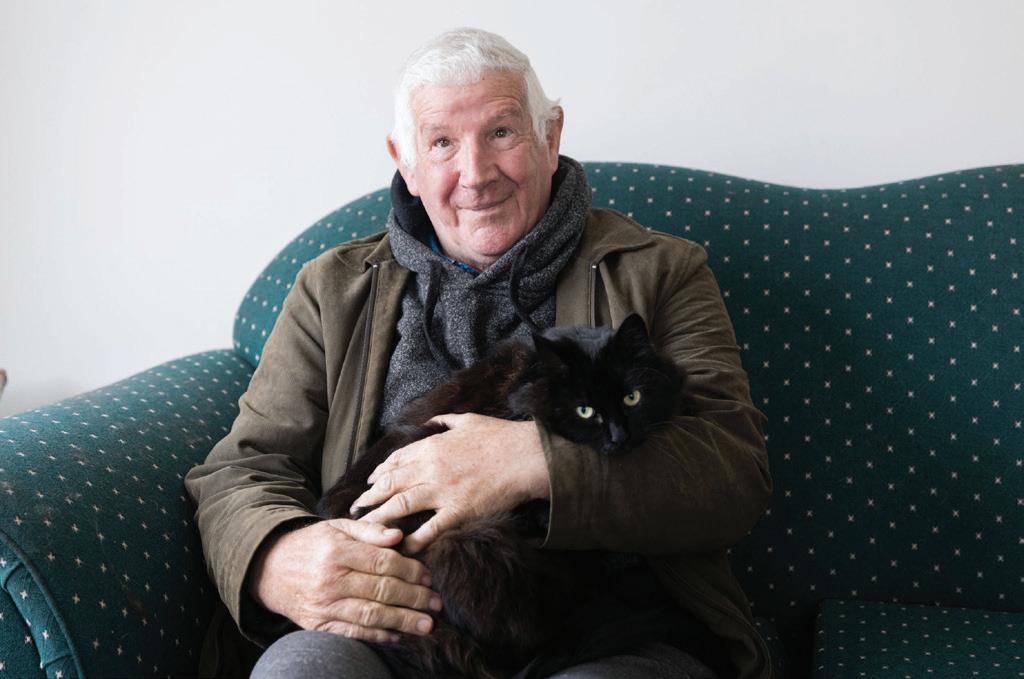
Image taken for the I am somebody 2024 project.
Housing diversity and size
Smaller houses can come in a variety of types including apartments, terrace houses or manor houses, as well as a stand-alone house. Each of these housing types should be affordable and available for members of our community to rent or to buy in the City of Hobart.
Future land use planning mechanisms should provide for a range of housing to suit differing household types, including people living by themselves, single parents, couples with and without children, and group households.
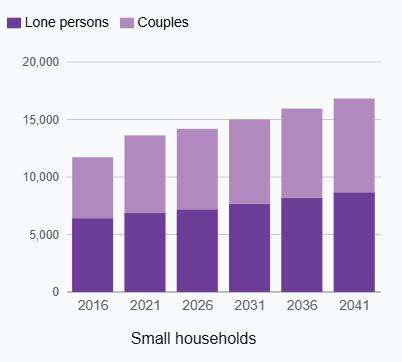
21% of Tasmania’s residents were aged 65 or older in 2023.
There is a shortage of smaller houses including one and two bedroom houses in the City of Hobart.
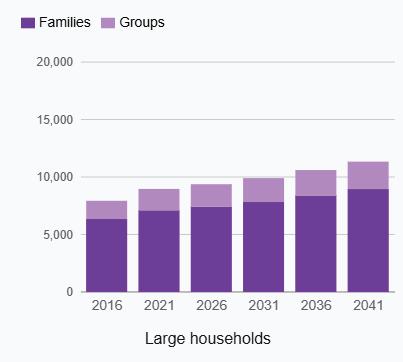
Who lives in what type of housing?
52.4 per cent of lone-person households and 72.2 per cent of couples live in separate houses in the Hobart LGA. This is not surprising, as three-bedroom houses make up most of the housing stock. While this may reflect individual preference, it may also be due to a lack of medium-density housing in high-amenity areas or housing built to the standard people want.
There is also a shortage of smaller homes suitable for people with a disability or older members of our community who wish to age in place and require better building access.24
The need for smaller homes in the social and
affordable housing categories is identified in the Tasmanian Housing Strategy 2023-43. As of September 2023, the number of applicants on the Homes Tasmania Housing Register for social housing was 4,634 including:
• 2,473 entitled to a one-bedroom home
• 1,330 entitled to a two-bedroom home
• 575 entitled to three bedrooms and
• 256 eligible for four or more bedrooms.25
The number of applicants waiting for social housing as of June 2025 is 5,163.26
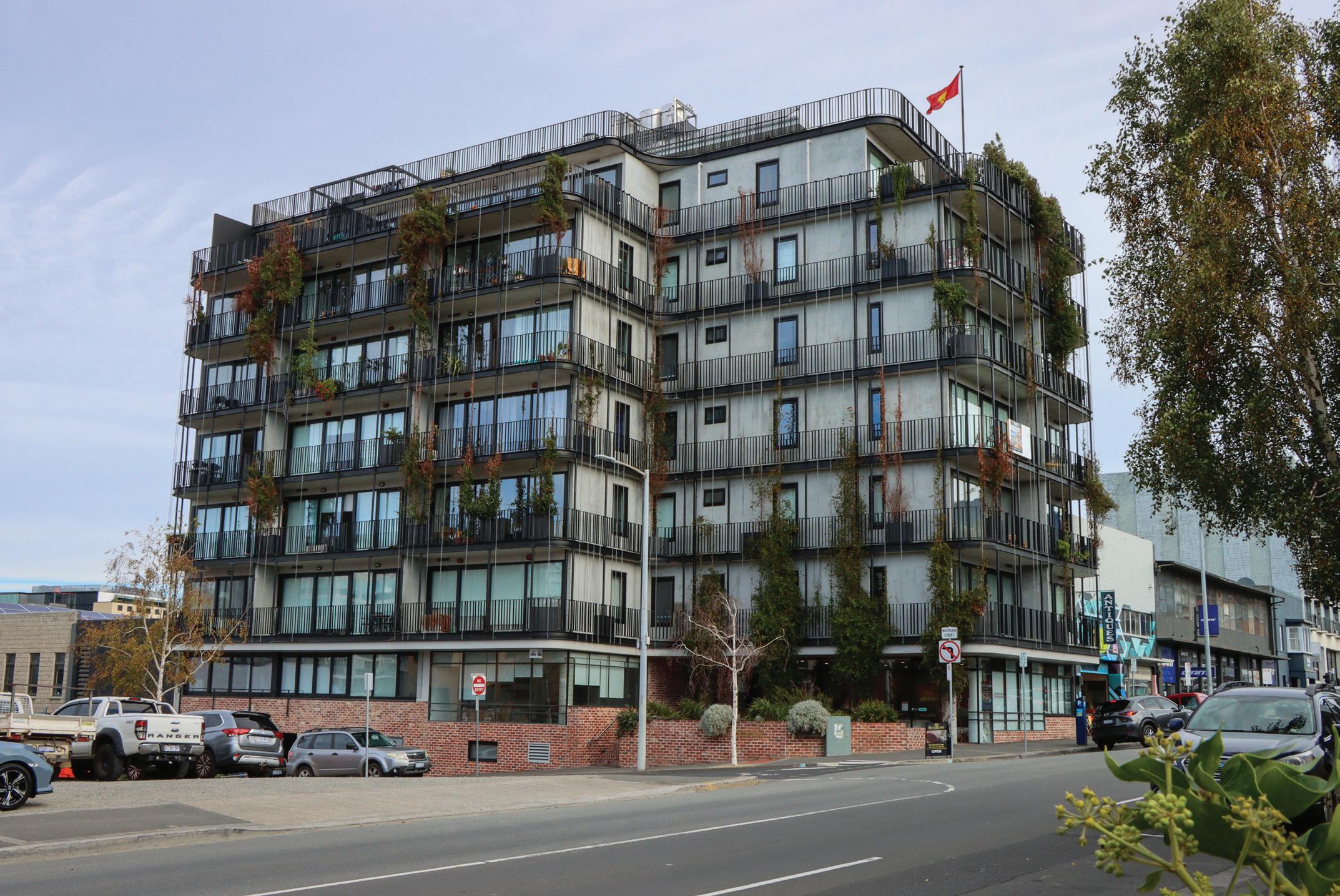
The Commons mixed use development in Hobart designed by Core Collective Architects.
What is the mix of housing?
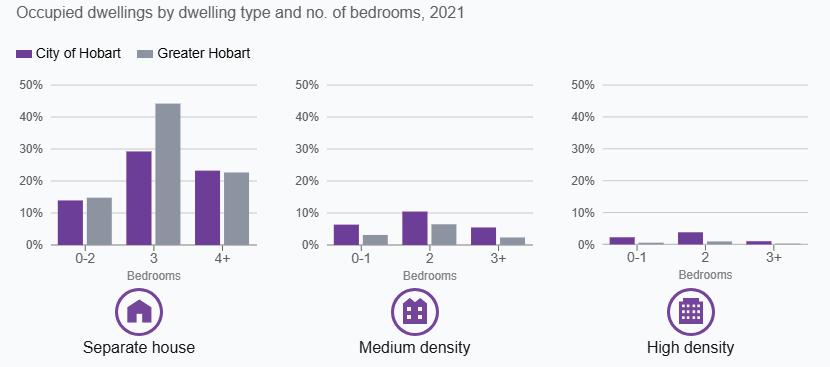
This chart compares the housing diversity in the City of Hobart to Greater Hobart. It is clear that 3 bedroom, separate houses make up the majority of the housing stock, despite the fact that most households in the City consist of couples and lone persons.27
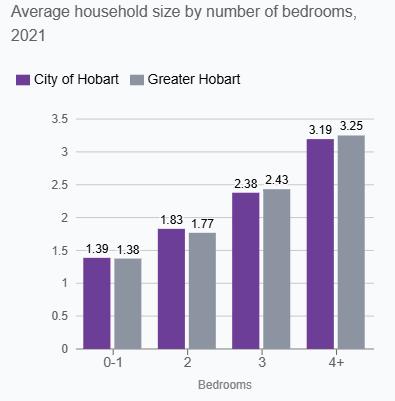
What is the rate of occupancy by size?
Occupancy rate, or Average Household Size, is a measure of the number of people in each dwelling.
Smaller (or larger but declining) household sizes in a larger dwelling can indicate an area where children have left home and empty nesters are remaining in family homes.
Conversely, higher occupancy in smaller dwellings can indicate affordability or availability issues. This may occur when people move in together, stay with children in small units, or take on boarders to offset the high cost of housing.
This chart breaks down household size by number of bedrooms, which relates to the consumption of housing.
How affordable is housing to buy
The table outlines the property purchase price that would be affordable to first home buyers with a 20% deposit, on very low, low and moderate incomes, in comparison to the entry-level (25th percentile) and median
house and unit prices in the 12 months leading up to June 2024. This indicates that purchasing a property in the City of Hobart LGA is not affordable for many households.28
How much affordable housing is available to buy
The table below looks at how many sales in the City of Hobart LGA, in the 12 month period leading up to December 2024, fall below the affordability (30% of gross income) threshold for each income level,
based on assumptions for a first home buyer (deposit and interest rates, as well as loan term). The number of bedrooms for each affordable sale is identified, as an indicator of ‘appropriateness’ – analysed by household type. 29
How affordable is housing to rent
The table indicates rental affordabiliy for households on very low, low and moderate incomes in the Hobart LGA in comparison to
the entry level (25th percentile) and median house and unit rental prices in the year leading up to December 2024.30
*Affordability threshold: 30% of gross household income by income group.
How much affordable housing is available to rent
The table below looks at how many rental listings are available in the City of Hobart
LGA over the 12 month period to December 2024 are affordable (less than 30% of gross income) for households on each income level.31
Rental affordablilty index
Rental unaffordability forces individuals and families out of Hobart, disconnecting them from support networks, education, employment, and healthcare, further exacerbating the crisis.
In Greater Hobart, median rents are moderately unaffordable for the average renter, severely unaffordable for single pensioners, and extremely unaffordable for Jobseeker recipients.
The Rental Affordability Index (RAI) for Greater Hobart, released by SGS Economics and National Shelter in November 2025, highlights Australia’s worsening rental crisis, pushing more households into financial hardship. The index measures rental affordability relative to household incomes, revealing how it affects various areas and household types. The RAI defines a score of 100 for households spending 30% of their income on rent, marking the critical threshold for housing stress. A score below 100 indicates that households are spending more than 30% of their income on rent, placing them at risk of housing stress.32
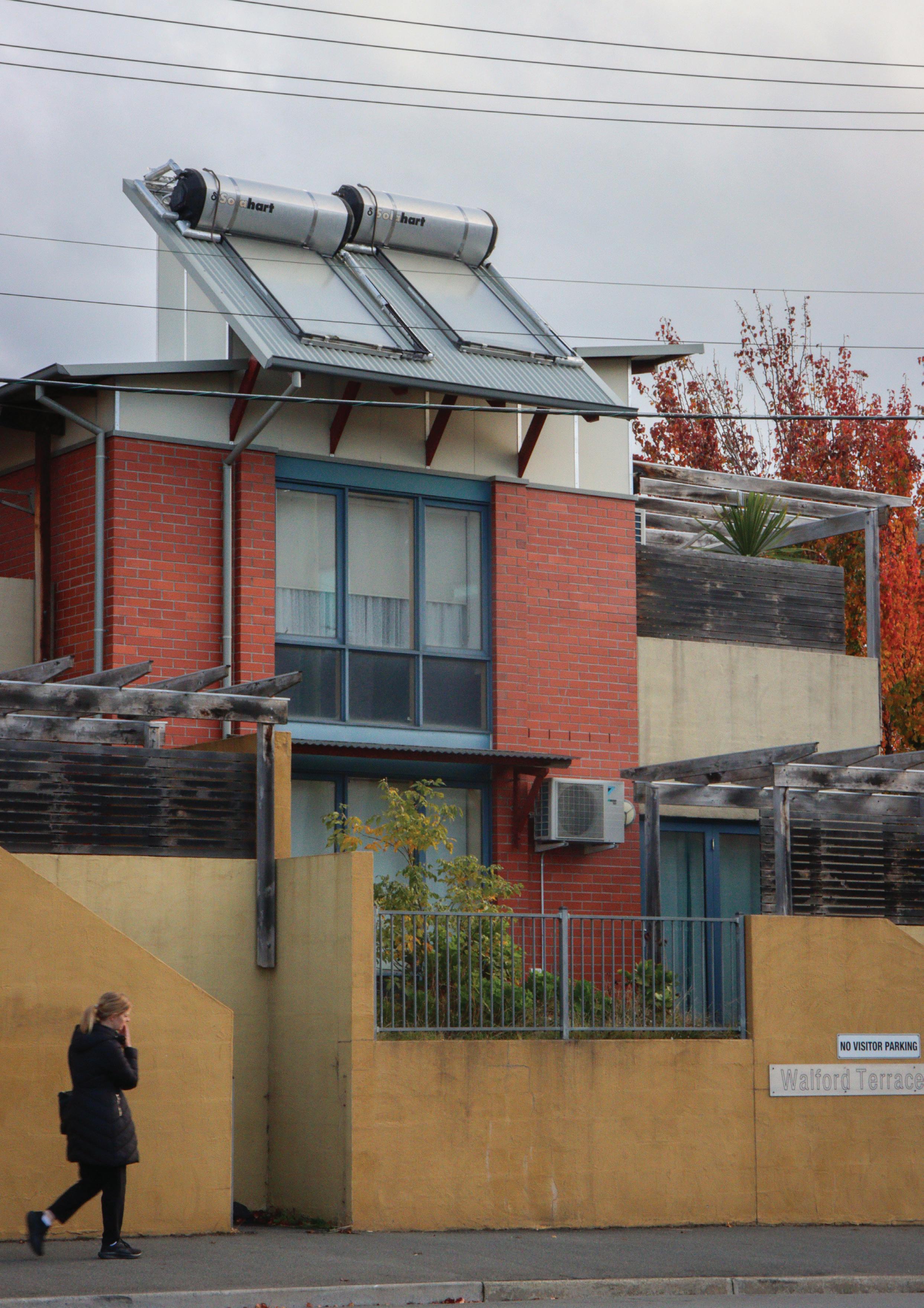
Right: Terrace housing designed by Morrison Breytenbach Architects.
71% of a jobseekers income would need to be spent on rent for them to be able to live in market priced housing in Greater Hobart.33
Sustainability
The City of Hobart are looking to build a climate ready community by implementing actions which will build community resilience and reduce greenhouse gas emissions.
Building resilience and adapting to climate change by planning for disasters such as fire, floods and urban heat, will continue to be a priority for the City.
Medium density, infill housing and adaptive re-use of existing buildings will help to build an affordable, compact and well-designed city where people choose walking, riding and public transport as their preferred way to move around.
Adaptive re-use
Adaptive reuse is the process of repurposing an existing building for a new use. This approach preserves the history of a site and makes use of the building’s existing carbon investment, reducing embodied carbon.
Adaptive reuse can be suitable for buildings listed on the Tasmanian Heritage Register, protected under the Local Heritage Code, or for unlisted buildings.
Repurposing non-residential buildings can create opportunities for medium density housing and mixed use developments, including ‘shop-top’ apartment living.
Urban sprawl
Urban sprawl refers to the rapid expansion of cities and towns, often characterised by low-density housing, single-use zoning and increased reliance on private vehicles for transport.
The STRLUS and the 30-Year Greater Hobart Plan both highlight the need to minimise urban sprawl to reduce pressure on the urban and natural environment.
Pressures on the urban environment include:
• the need for new infrastructure;
• reduced access to local services and jobs; and
• conflicts with food production.
Pressures on the natural environment as a result of urban sprawl include:
• land clearing
• biodiversity loss
• erosion and salinity
• reduced water quality
• increased impact of drought and
• contributions to greenhouse gas emissions
• less greenspace and tree canopy cover
• greater heat in these areas which reduced rates of walking and cycling for residents
• fewer gardens and thus biodiversity.
• greater pressure on our coasts and waterways.34
As urban areas grow and become more complex, people often need to travel further and to multiple destinations, increasing reliance on less sustainable transport options such as private cars. This growing need to travel impacts the environment through pollution and affects wellbeing through longer travel times, which can influence physical and mental health. It also places greater pressure on road infrastructure, increasing congestion and demand for new infrastructure.
Disaster resilience
The City is defined by its coastal location at the vegetated foothills of Kunanyi/Mt Wellington and by a range of natural features that provide both benefits and constraints.
To build climate resilience, the City must understand possible future scenarios and plan and prepare for extreme weather events.
The following hazards in the Hobart Local Provisions Schedule of the Tasmanian Planning Scheme require consideration for any future development:
• Coastal Erosion Hazard Code
• Coastal Inundation Hazard Code
• Flood-Prone Areas Hazard Code
• Bushfire-Prone Areas Code
• Landslip Hazard Code
Protection of endangered flora and fauna species should also be considered to support biodiversity.
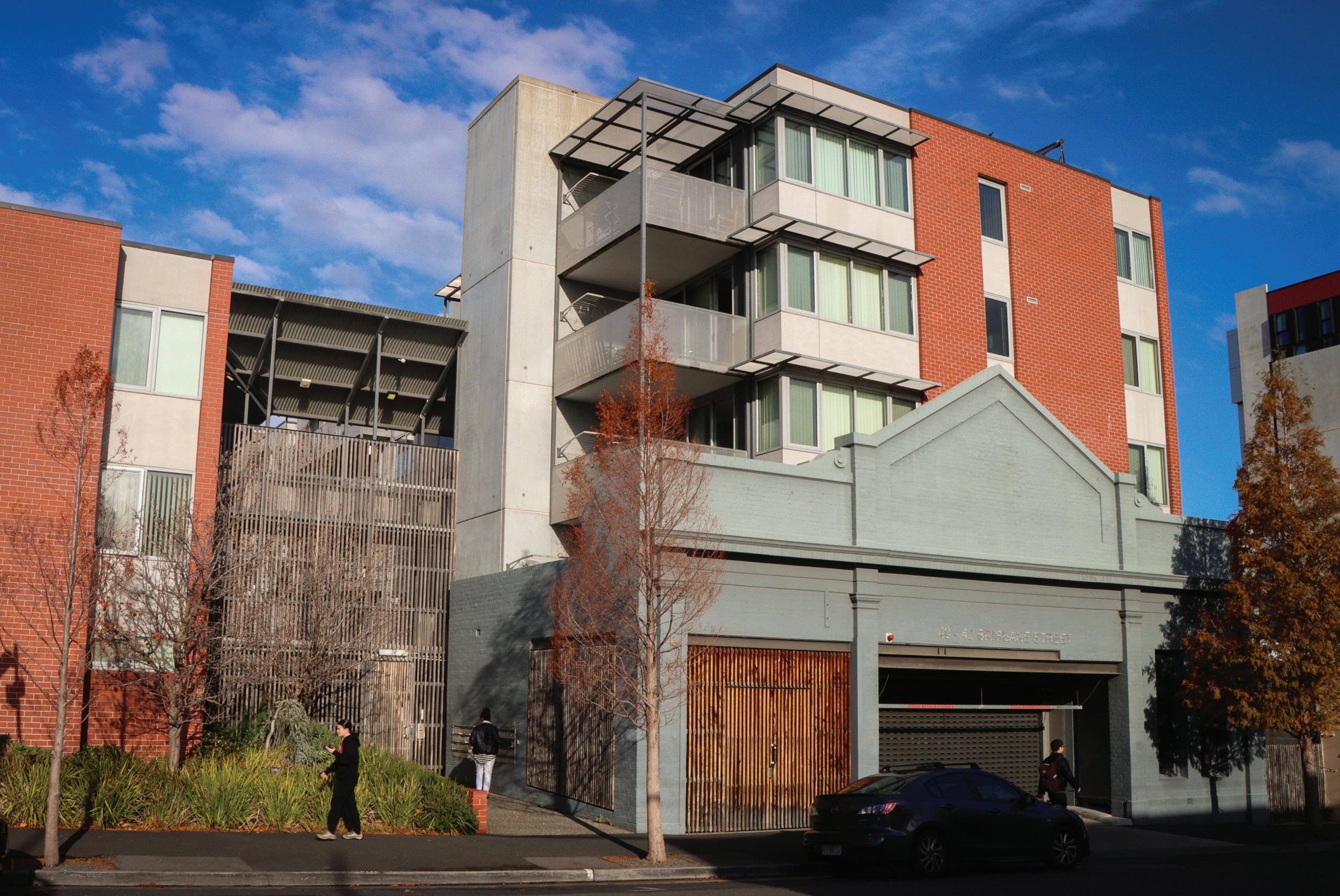
Student housing designed by Morrison Breytenbach Architects.
Visitor accommodation
The City recognises the impact that the conversion of whole houses to visitor accommodation has had on the rental affordability on the City of Hobart and beyond.
Monitoring the Impact of Short-Term Rentals on Tasmanian Housing Markets, was commissioned by Shelter Tasmania to assess the impact of short-term rentals (STRs) on housing availability.
Professor Phibbs, the study’s author, notes that platforms like Airbnb have disrupted housing markets globally, with tourist destinations like Hobart being particularly affected due to the higher profitability of short-term rentals over long-term leases.35
The Baseline Report made several initial findings and recommendations about the current STR market and its implications for the Tasmanian housing market. In 2023, the total number of STRs in the City grew by 16 per cent.
Professor Phibbs suggests a range of mechanisms to address the housing crisis including:
• An annual charge for STR to cover ongoing costs of monitoring and enforcement.
• An increase in the provision of student accommodation.
• Initiatives to expand the size of the private rental market.
• Limiting the growth of STRs.
• Improved Consumer, Building and Occupational Services data reporting.
• Tax on STRs.
Non-primary residence short term rentals experienced significant growth of 13% in the City of Hobart LGA in the last 12 months. 36
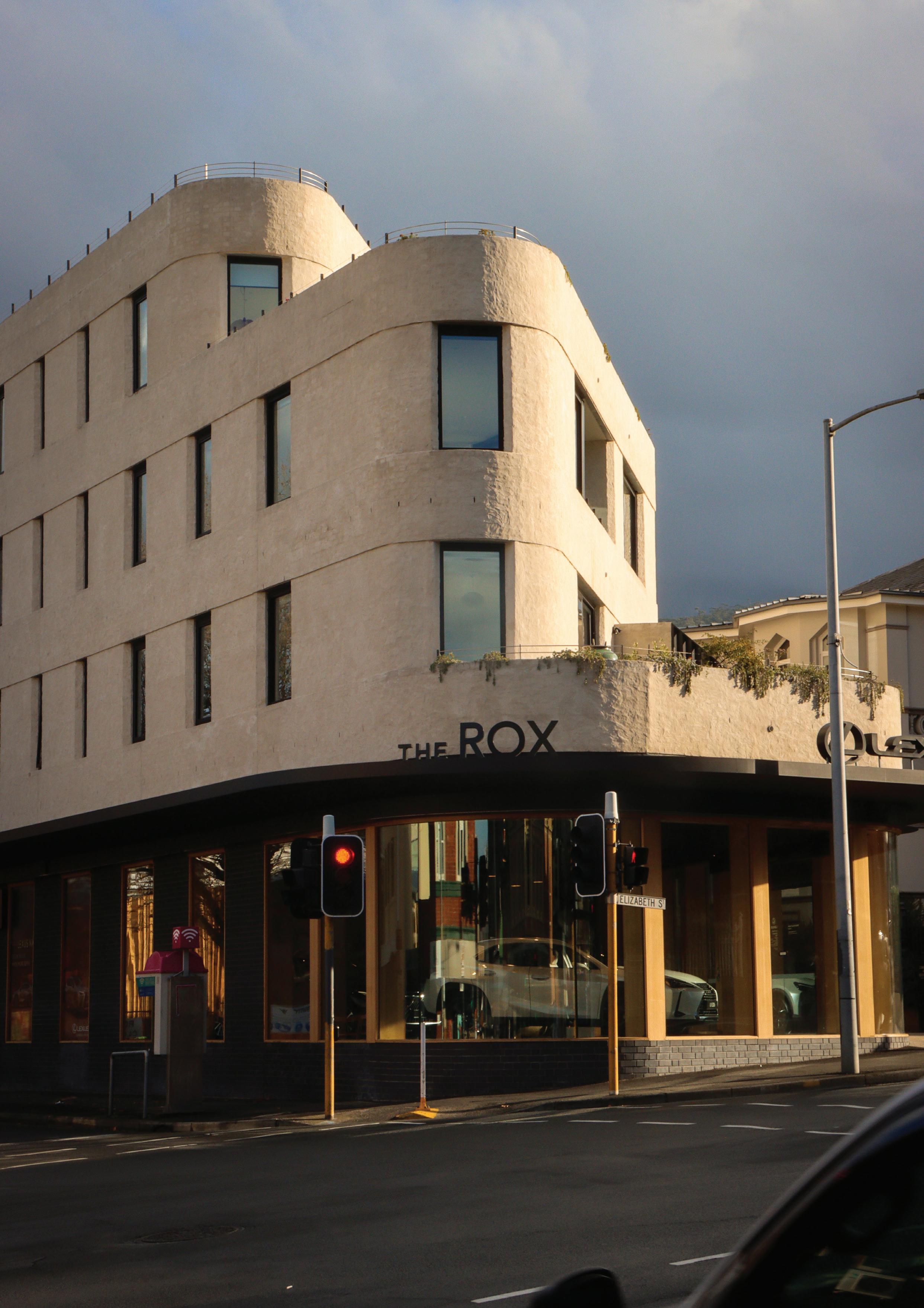
Pictured right: The Rox, medium density housing and visitor accommodation in Hobart designed by Core Collective Architects.
Cost of inaction
Tasmania faces a chronic shortage of affordable housing, contributing to homelessness and housing stress.
Homelessness
Tasmania faces a chronic shortage of affordable housing, contributing to homelessness and making it difficult for low- and moderate-income residents to find secure housing.
Homelessness can result from factors like job loss, end of lease, rent increases, interest rate increases, reduced work hours, family breakdown, domestic violence, or poor health. While temporary for some, it can last much longer for others. Homelessness has significant social and economic impacts, leaving people vulnerable to chronic unemployment, poor health and social exclusion.
The ABS 2021 census data shows that the total number of people experiencing homelessness was 2,350. This was a 45% increase from the previous census in 2016.
The regional breakdown shows greater Hobart and South East Tasmania had the highest proportion at 51%.
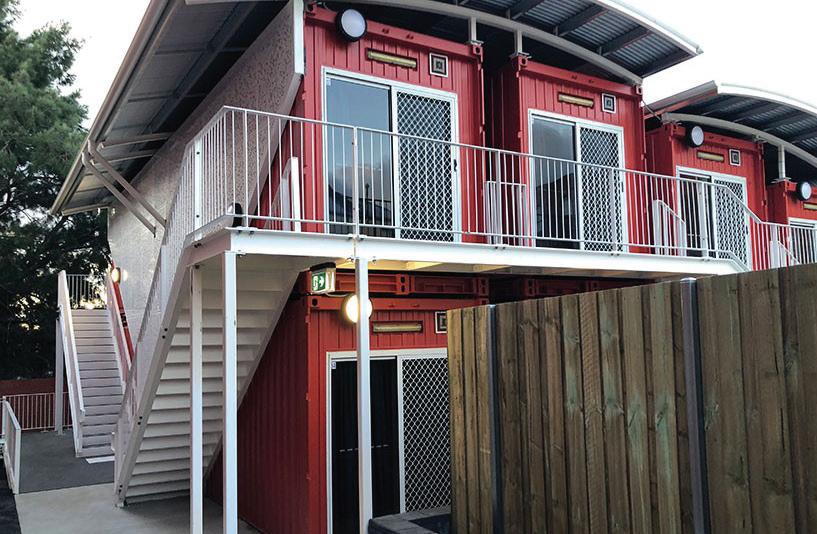
Emergency housing in shipping containers.
Most homelessness Tasmanians were aged under 35 years old.
• 25% aged 12 to 24
• 14% under the age of 12
• 30% were living in severely crowded dwellings
• 25% staying temporarily with other households
• 23% in supported accommodation
• 11% in boarding houses and 10% rough sleeping, in improvised dwellings, tents or sleeping out.
• Homelessness in Tasmania increased by 45% between 2016 and 2021.
• 10.5% (247) of all Tasmanians experiencing homelessness identified as Aboriginal and/or Torres Strait Islander.36
Housing stress
The Australian Housing and Urban Research Institute, defines housing stress as a situation where a household in the bottom 40% of the income distribution pays more than 30% of its income on housing costs.
2,148 (9.6%) of 22,434 households in the City of Hobart were reported as being in housing stress in 2021.
Mortgage Stress
According to housing.id of the 5,784 households with a mortgage in the City of Hobart, 288 (5%) were in mortgage stress at the time of the ABS Census in 2021.
Mortgage Stress measures the number of households who have a mortgage and are paying more than 30% of gross household income on mortgage payments, who are in the Very low, Low or Moderate income ranges.
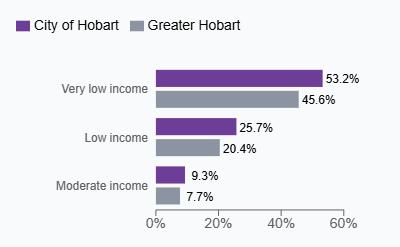
Households with a mortgage in housing stress by income band
Source housing.id and ABS 2021
Rental Stress
Of the 6,862 households in private rentals in the City of Hobart, 1,860 (27.1%) were in rental stress at the time of the ABS Census in 2021.
Rental Stress measures the number of households renting in the private market who pay more than 30% of their gross household income on rent payments, and fall within the Very Low, Low or Moderate income ranges. Most renters are in the lower to moderate income brackets.
Rental stress can indicate that housing in an area is unaffordable to rent. When buying a home is not an option, renting may be the alternative. However, large numbers of people priced out of home ownership can create a bigger pool of renters competing for limited supply, pushing prices up and forcing households into rental stress.
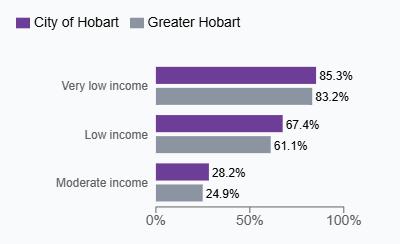
Households renting in housing stress by income band
Source housing.id and ABS 2021
Hobart Housing Forum
Unlocking underutilised land, reducing financial barriers, and piloting medium-density housing projects were identified as key priorities to tackle Hobart’s housing crisis.
Overview
The Hobart Housing Forum (the Forum) was held on 2 December 2024. The Forum provided an opportunity for representatives from State and Local Government, industry leaders, developers and housing providers to exchange ideas and views on how we can improve housing affordability and supply in Hobart.
The purpose of the Forum was to:
• Strengthen the City’s advocacy position to State and Federal Government to achieve effective policy reform and increase investment.
• Identify opportunities for collaboration across the housing sector.
• Strengthen the City’s relationships with key stakeholders within the housing sector such as industry representative bodies and not for profit housing providers to enable greater understanding.
• Identify Actions that the City of Hobart can deliver to support mechanisms for the delivery of appropriate housing.
The Forum’s engagement report highlights several key priorities:
• Development of underutilised land: Maximising the use of vacant and underdeveloped sites emerged as a top priority to increase housing supply.
• Pilot projects for higher-density housing: There was strong support for showcasing mixed-tenure, mediumdensity developments to build community and investor confidence in new housing models.
• Reducing financial barriers: Land and infrastructure costs were identified as major obstacles, with calls for targeted incentives and subsidies to make housing more viable.
• Strategic land use planning projects: Attendees emphasised the need to investigate zoning to deliver permitted pathways for appropriate higher density housing.
• Workforce development: Concerns were raised about a declining construction workforce, highlighting the need for training and apprenticeship programs to sustain future housing projects.
Expert opinions
Key insights from the keynote speaker, Ellen Witte from SGS Economics, other expert panellists, and representatives from across the housing sector who participated in the roundtable discussions included:
• The need for a government owned land development corporation, which could help to de-risk development by addressing fragmented land ownership.
• Government funding certainty to enable long term residential supply.
• Encourage increased government involvement and incentives to support housing initiatives and ensure that they are effectively communicated and utilised by stakeholders.
• Maximise use of available land through the development of strategic plans that identify underutilised land.
• Subsidisation of land costs to improve viability of housing. Collaborate with faith based organisations, and state and local government to investigate opportunities to use their land for affordable and social housing.
• Transit oriented development to provides social and environmental benefits, including a reduced requirement for car parking spaces, which would significantly reduce the cost of housing.
• Inclusionary zoning to deliver sufficient social and affordable housing. See Nightingale model for voluntary inclusion.37
• Engage with community groups early in the process, aim to understand their concerns and build trust. Identify balanced solutions that address development and community needs.
• Combat stigma and negative public perception, launch public awareness campaigns to improve public perception of diverse housing options. Highlight community and social benefits of housing projects to garner public support and engagement.
• Host quarterly meetings to provide an opportunity for the housing sector to connect, build and support innovative partnerships and collaborations and drive creative solutions.
• Advocate for regulatory and policy changes that support housing development and affordability.
• The social cost of poor housing is underestimated. There are significant impacts on health due to houses with poor insulation and heating.
The focus should be for the provision of good quality housing in the right locations over the long term.
The keynote speech and panel discussions are available to view online 38
A detailed summary of the event is outlined in the Engagement Report. 39
HOBART HOUSING FORUM
We utilised the Menti Meter for a live polling activity to engage participants and gather real-time insights at the Forum. The live polling activity was used to establish a baseline understanding of participants sentiments, help guide conversations and foster a collaborative and inclusive environment.
SCALE OF 1 TO 10, TO WHAT EXTENT DO YOU AGREE OR DISAGREE THAT...
There is a housing affordability and availability crisis in Hobart?
The City supports housing development in Central Hobart and surrounding suburbs?
How important is it for sectors to collaborate on housing opportunities?
(15 responses)
(5 responses) Governance (4 responses)
(3 responses)
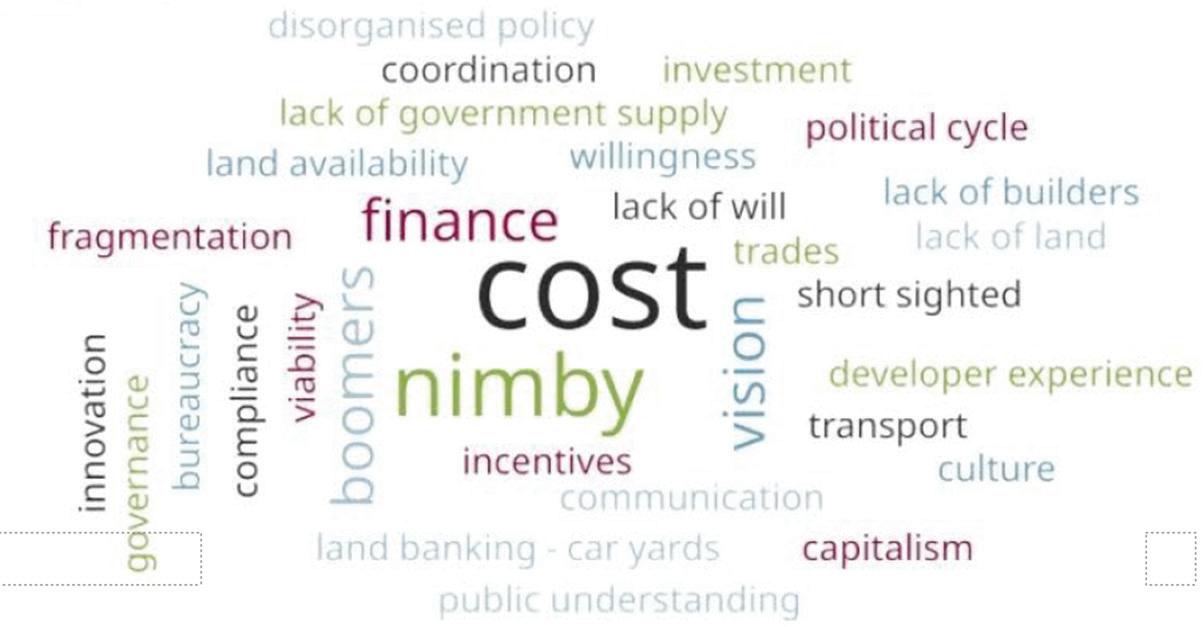
WHICH TOPIC DISCUSSED TODAY WILL YOU CONSIDER FURTHER IN YOUR DELIVERY OF HOUSING IN HOBART?
HOW LIKELY ARE YOU TO CONTINUE TO ENGAGE IN DISCUSSIONS AROUND HOUSING SOLUTIONS?
Housing diversity and affordability 95% of attendees would be interested in participating in further engagement activities for the City of Hobart’s Housing Strategy.
Collaboration and partnerships
Education and changing mindsets
Inclusionary zoning and regulatory changes
Developing agencies and governance
Planning and delivery
Parking and transport
Pilot projects and innovation
Incentives and policy changes
Glossary
Adaptive reuse
Adaptive reuse is the process of repurposing an existing building for a new function. This not only preserves the history of a site but also makes use of a previous carbon investment in the building stock, thereby reducing embodied carbon. Adaptive reuse can be appropriate for buildings protected by the Tasmanian Planning Scheme’s Heritage Code or listed on the Tasmanian Heritage Register, as well as unlisted buildings with heritage values.
Affordable housing
Affordable housing refers to housing for purchase and rental, including social housing, that is appropriate for the needs of very low to moderate-income households. This is generally understood to mean housing that costs no more than 30 per cent of a household’s gross income.40
Affordable rental housing
Affordable rental housing refers to properties that are made available at rents below market rates and are affordable for low to moderate income households. Typically, this means rents are set at or below 80 per cent of market rates and not more than 30 per cent of a household’s gross income. This includes key worker housing and social housing.
Bluefield
‘Bluefield Housing’ is a land definition and an accompanying urban infill housing model which describes co-located housing that integrates new additions with existing homes, looks and feels like single-family housing, but operates financially and legally like a small
group of units.
Brownfield
Brownfield is land that has been previously developed, often for industrial, commercial, or agricultural purposes, and is now disused, underutilised, or potentially contaminated. These sites frequently require decontamination and remediation before redevelopment, bringing them back into beneficial use as residential properties, community facilities, or new commercial ventures.
Build to rent
‘Build to rent’ (BTR) is the process whereby developers and their financiers build multiunit buildings and, instead of selling the units, retain them to rent. Rents may be set at market rent or, for affordable and social housing, at an appropriate discount to market rents.
Co-located housing
The South Australian government’s definition of ‘co-located housing’ means a group of two or more self-contained dwellings contained on land within the Co-located Housing Overlay that meet the following criteria:
• they each occupy an allotment created under the Community Titles Act 1996;
• they comprise at least one or more established dwellings facing a primary street that may be sensitively altered and / or extended as part of the co-located housing development to accommodate additional dwellings; and
• they incorporate communal open space that is accessible to all dwellings; and
• they may also comprise other common areas and / or facilities for shared use by all occupants, including: - a common building that includes facilities such as a shared kitchen, dining and / or living facilities - shared laundry facilities - shared carparking.
Co-operative housing
A housing co-operative is a community where members live independently and collectively manage affordable, sustainable housing.
Development contributions
Development contributions are monetary or in-kind contributions taken as part of a planning approval and are used to fund public infrastructure. They are used across many Australian jurisdictions to invest in or co-fund public infrastructure.
Greenfield
Greenfield land is undeveloped or previously unbuilt-on land, typically found on the outer edges of urban areas, that is available for development without the need to demolish existing structures. This land is considered a new area for urban growth and housing.
Significant investment in new infrastructure (roads, water, electricity) is required to support development. There are concerns about extending urban sprawl into agricultural land and the associated costs and environmental impacts, such as increased flood risk and the destruction of natural habitats and green spaces.
Greyfield
‘Greyfield’ suburbs feature ‘under-utilised property assets such as privately owned and occupied residential building stock, usually built between the late 1940s and the 1970s, that is failing physically, technologically and environmentally. Typically these suburbs contain energy, water and communications infrastructure in need of regeneration’ together with older, physically run-down community assets, such as tennis and bowling clubs.
High density housing
Multiple dwellings on a site that are over six storeys in height. Typical typologies include residential apartment buildings and mixed-use residential developments with commercial tenancies.
High-rise apartments
High-rise apartments are typically a residential building over 6 storeys.
Homelessness
The most commonly accepted definition of homelessness comprises of three categories.
Primary homelessness is experienced by people without conventional accommodation (e.g. sleeping rough or in improvised dwellings, including tents).
Secondary homelessness is experienced by people who frequently move from one temporary shelter to another (e.g. emergency accommodation, youth refuge/shelter, “couch-surfing”).
Tertiary homelessness is experienced by
people staying in accommodation that falls below minimum community standards (e.g. boarding houses and caravan parks). 41
Group household
A household consisting of two or more unrelated people, where all persons are aged 15 years and over. There are no reported couple relationships, parent-child relationships or other blood relationships in these households.
Inclusionary zoning
Inclusionary zoning is a land use planning intervention by government that either mandates, or creates incentives, so that a proportion of a residential development includes a percentage of social or affordable dwellings.
Inclusionary zoning supports the development of affordable and social housing in appropriate locations.
Mandatory inclusion requires a percentage of affordable homes to be included in developments as a condition of planning approval.
Voluntary inclusion is where new affordable housing is encouraged by reducing costs and/or granting additional development potentialfor developers.
Key worker
People who provide essential services to the community and are generally unable to work from home, including, but not limited to, teachers, nurses, social workers, police, fire and emergency service personnel, child care and aged care workers, cleaners and hospitality and retail workers.
Key worker housing
Key worker housing refers to affordable rental or purchase options for workers in essential services who often struggle to afford housing due to their income or the high cost of living in areas close to their employment.
Liveability
The degree to which a place is suitable or good for living in, based on measures related to accessing basic social infrastructure, walkability, public transport, public open spaces, housing affordability, and employment.
Lived experience
Lived experience refers to expertise gained from having a specific life experience and knowledge that cannot be taught. Lived experience is a depiction of a person’s experiences and decisions, as well as the knowledge gained from these experiences and choices.
Low income
Receiving income below the median average.
Medium density housing
Typologies include single-storey villa developments, duplexes and co-joined dwellings, terrace housing, townhouses, apartment buildings up to six storeys, shop top housing and mixed-use residential developments with commercial tenancies.
Grouped house is two or more dwellings on a single lot, often single or double storey and detached.
Terrace house or Townhouse is a house built as part of a continuous row in a uniform style.
Low-rise apartments are typically a building of three stories or less, often referred to as a garden-style apartment or walk-up apartment, and sometimes a manor house, or six pack. These buildings are generally found in less densely populated areas and offer a more intimate, community-oriented environment compared to high-rise buildings.
Mid-rise apartments are typically a residential building with 3 to 6 storeys, offering a balance between the community feel of low-rise buildings and the convenience of high-rise. Their efficient use of space and accessibility to urban conveniences is increasingly desirable.
See diagram below.
Missing middle
Refers to medium-density housing that is on the building spectrum (or “in the middle”) between single-family homes and highdensity. Examples of the ‘missing middle’ may include townhouses or buildingsthat contain multiple apartments.
Mixed-use renewal
Mixed-use renewal means the redevelopment of land that blends multiple uses, either within buildings and/or across multiple buildings on
larger sites. Uses can include, housing, retail, hospitality, office, community or cultural uses.
NatHERS
NatHERS stands for the Nationwide Housing Energy Rating Scheme. It is an Australian star rating system used to determine the energy efficiency of a home.
NIMBY / NIMBYism
An acronym for the phrase, “Not In My Back Yard”, which reflects an attitude of negativity by residents to proposed developments.
Overcrowding
Overcrowding is defined as a situation in which one or more additional bedrooms would be required to adequately house all household members, given their number, age, sex and relationships.
Planning scheme
Set out policies and requirements for the use, development, protection and conservation of land in the LGA. Planning schemes include, among other matters, zones and overlays.
Types of housing illustrated in the Medium Density Guidelines.
Public infrastructure
Facilities, systems, and structures that are developed, owned, and operated by the government.
Quality
Quality in reference to housing encompasses the various characteristics, features, and conditions that make a dwelling suitable, safe, comfortable, and conducive to the well-being of its occupants. This includes structural integrity, thermal comfort, energy-efficiency and safety of the dwelling.
Retirement village
A retirement village is a community for people aged 55 and over, offering independent or serviced living with shared amenities. Some provide optional care services and may be run by private, charitable, or not-for-profit organisations.
Secondary residence
A secondary residence, often called a “granny flat” or “ancillary dwelling,” is an additional dwelling on the same site as a main house.
It must be self-contained, have a gross floor area not more than 60m², belong to a single dwelling, and share access, parking, and water, sewerage, gas, electricity and telecommunications connections and meters.42
Secondary residences are subject to specific planning rules and regulations within the Hobart Planning Scheme.
‘Shop top’ apartment
Refers to a dwelling that are located above ground floor retail or commercial uses.
Sleeping rough
State of sleeping with no shelter on the street, in a park, in the open, or in a motor vehicle. See also homelessness.
Specific Area Plans (SAP)
A SAP enable provisions for a particular area of land to be included in a LPS that provide for use or development with significant social, economic or environmental benefit to the State, a region or a LGA [section 32(4)(a) of the Act]. A SAP can also include provisions where a particular area of land has unique environmental, economic, social, or spatial qualities [section 32(4)(b) of the Act].
Structure plan
A structure plan sets out a framework to help manage, influence and facilitate change in an area over a period of time, in a way that aligns with a community’s vision. It guides development, investment and infrastructure, and gives effect to state and local planning policy, integrating land use, built form, transport, open space, streetscapes and infrastructure. It considers the economic, social and environmental context. Recommendations are made for policies, planning scheme controls and projects to bring the vision to life.
Social housing
Social housing is affordable housing provided by the government and community sectors to assist people who are unable to afford or access suitable accommodation in the private rental market. It includes public housing, state owned and managed Indigenous housing and community housing. Rents are set as a proportion of household income.43
Student housing
Student housing includes a range of living options, including residential colleges, selfcontained studio apartments or shared apartments with communal amenities.
Supported accommodation
Housing combined with a support service. This type of housing provides higher-level care, support or supervision for vulnerable people with particular needs.
Temporary housing
Temporary housing means residential use or development for a period of not more than 12 months commencing from the date on which an occupancy permit or temporary occupancy permit is issued in accordance with Part 17 of the Building Act 2016.
Tenure
The legal and social arrangements that determine how individuals or households occupy and use a dwelling or piece of land. Tenure arrangements dictate the rights and responsibilities of occupants and owners and may influence the stability and security of housing. Tenure in Australia is primarily through ownership or renting, but there are many subcategories of both.
Tiny house
Tiny houses are typically understood as smaller dwellings, whether on wheels (like a caravan or trailer) or as a permanent structure, intended for residential use. They are often seen as a more sustainable or financially attractive housing option compared to larger traditional houses.
YIMBY / YIMBYism
An acronym for the phrase, “Yes In My Back Yard”, which reflects an attitude of support by residents to proposed developments.
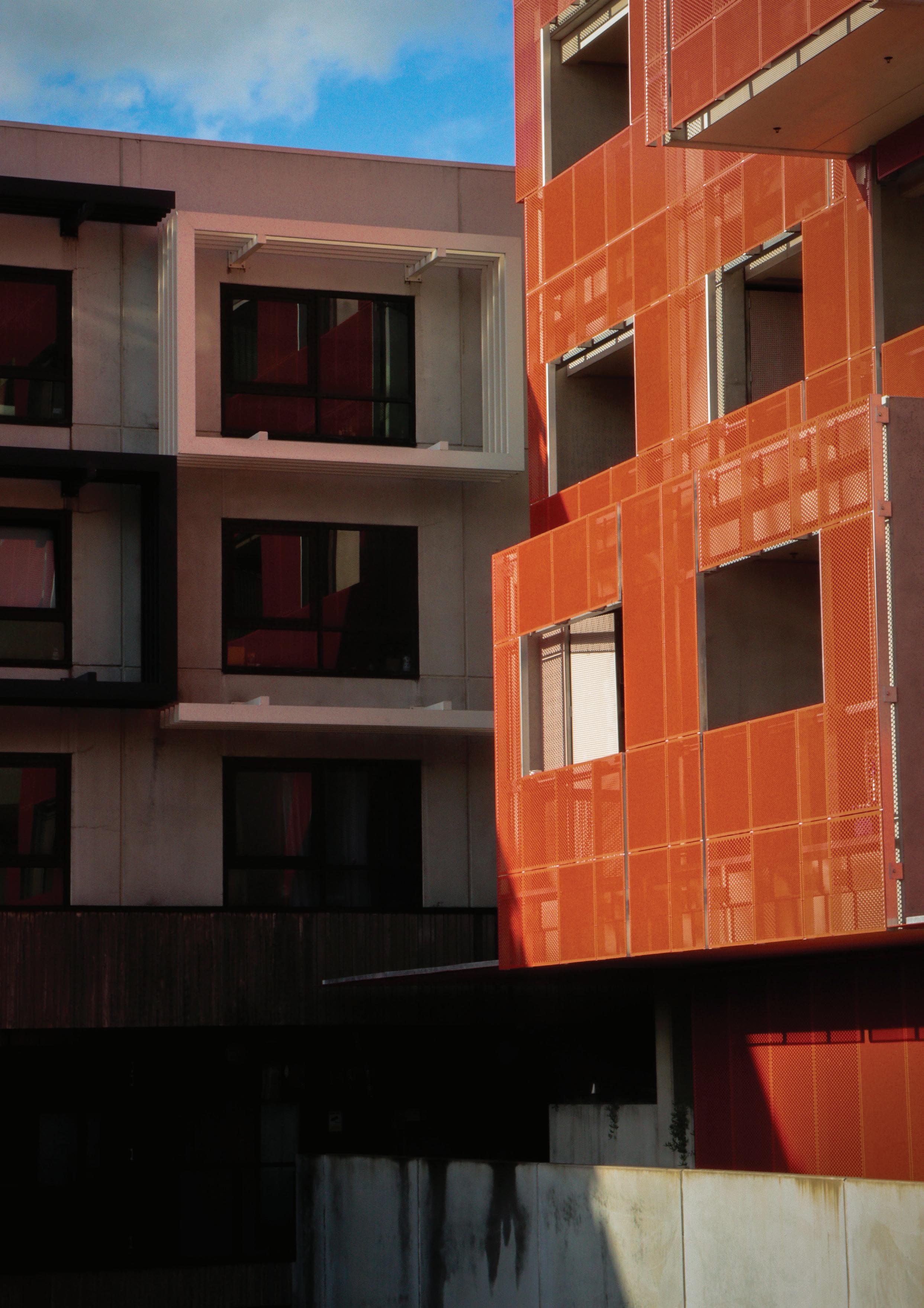
Right: Student housing in Hobart designed by Terroir, photograph taken by Adam Gibson.
Endnotes
1 City of Hobart, ‘Housing Forum 2024’ [video], City of Hobart, Youtube website, 2024, <https://www. youtube.com/watch?v=vq-iXXis5LU>.
2 City of Hobart, Hobart Housing Forum - Engagement Summary Report, City of Hobart, 2025, <https:// www.hobartcity.com.au/Council/News-and-publications/Hobart-News/Industry-brainstorm-maps-path-toeasing-Hobarts-housing-crisis>.
3 .id (informed decisions), ‘Community profile - Tasmania’, .id (informed decisions), 2025, <https://profile. id.com.au/australia/about?WebID=150>.
4 .id (informed decisions), ‘City of Hobart - population forecast’, City of Hobart, 2025, <https://forecast. id.com.au/hobart>.
5 Department of State Growth (DSG), Southern Tasmania Regional Land Use Strategy 2010-2035Amended 19 May 2025, Tasmanian Government, 2025, <https://www.stateplanning.tas.gov.au/news-andevents/2025/southern-tasmania-regional-land-use-strategy-amended>.
6 ERA Planning & Environment, Medium Density Design Guidelines, DSG, 2025, <https://www. stategrowth.tas.gov.au/about/divisions/ship/medium-density-design-guidelines>.
7 ERA Planning & Environment, Medium Density Design Guidelines.
8 Australian Housing and Urban Research Institute (AHURI), ‘What is ‘Build to rent’?’, AHURI, 2023, <https://www.ahuri.edu.au/analysis/brief/what-build-rent>.
9 Tasmanian Planning Commission, Tasmanian Planning Scheme - State Planning Provisions, Service Tasmania, 2025, <https://tpso.planning.tas.gov.au/tpso/external/tasmanian-planning-scheme>.
10 id (informed decisions), ‘City of Hobart - Education institution attending’, City of Hobart, 2025, <https:// profile.id.com.au/hobart/education>.
11 DSG, ‘Tiny Houses Fact Sheet’, Tasmanian Government, 2024, <https://www.stateplanning.tas.gov.au/ news-and-events/2024/tiny_fact_sheet
12 .id (informed decisions), ‘City of Hobart - population forecast’, City of Hobart, 2025, <https://forecast. id.com.au/hobart
13 .id (informed decisions), ‘City of Hobart - population forecast’.
14 Australian Urban Observatory, ‘Housing’, Australian Urban Observatory, 2025, <https://auo.org.au/ portal/metadata/housing/>.
15 Australian Urban Observatory, ‘Housing’.
16 Australian Urban Observatory, ‘Housing’.
17 .id (informed decisions), ‘City of Hobart - Individual income’, City of Hobart, 2025, <https://profile. id.com.au/hobart/individual-income>.
18 ABS, Estimating Homelessness: Census, ABS, 2023, <https://www.abs.gov.au/statistics/people/housing/ estimating-homelessness-census/latest-release>.
19 .id (informed decisions), ‘City of Hobart - Workers’ place of residence’, City of Hobart, 2025, <https:// profile.id.com.au/hobart/workers>.
20 .id (informed decisions), ‘City of Hobart - Workers’ place of residence’.
21 .id (informed decisions), ‘City of Hobart - Residents place of work’, City of Hobart, 2025, <https://profile. id.com.au/hobart/residents>.
22 .id (informed decisions), ‘City of Hobart - Education institution attending’.
23 .id (informed decisions), ‘City of Hobart - Drivers of population change’, City of Hobart, 2025, <https:// forecast.id.com.au/hobart/drivers-of-population-change>.
24 .id (informed decisions), ‘Affordability Monitor City of Hobart’, City of Hobart, 2025, <https://housing. id.com.au/hobart/affordability-and-availability/>.
25 Tasmanian Government, Tasmanian Housing Strategy, Tasmanian Government, 2024, <https://www. tasmanianhousingstrategy.tas.gov.au/>.
26 Tasmanian Council of Social Service, ‘Tasmania’s State of Housing Dashboard - Indicators’, Tasmanian Government, 2025, < https://tascoss.org.au/state-of-housing/indicators/>.
27 .id (informed decisions), ‘Housing Supply City of Hobart’, City of Hobart, 2025, <https://housing.id.com. au/hobart/housing-and-approvals/>.
28 .id (informed decisions), ‘Affordability Monitor City of Hobart’.
29 .id (informed decisions), ‘Affordability Monitor City of Hobart’.
30 .id (informed decisions), ‘Affordability Monitor City of Hobart’.
31 .id (informed decisions), ‘Affordability Monitor City of Hobart’.
32 Rental Affordability Index 2025, SGS Economics and Planning, https://sgsep.com.au/maps/rai/australiarental-affordability-index-nov25/SGS%20Economics%20and%20Planning_Rental%20Affordability%20 Index%202025.pdf.
33 ABS, Estimating Homelessness: Census.
34 S Hill, Z Cumpston and G Quintana Vigiola, Australia state of the environment 2021 - Urban, Australian Government, 2021, < https://soe.dcceew.gov.au/urban/introduction>.
35 P Phibbs and J Ely, Monitoring the Impact of Short-Term Rentals on Tasmanian Housing Markets - 5th Update since Baseline Report, Shelter Tas, 2025, < https://sheltertas.org.au/papers-and-reports/>.
36 Shelter Tas, ‘Peak body for housing and homelessness in lutruwita / Tamania’, Shelter Tas, 2025, <https://sheltertas.org.au/>.
37 Nightingale Housing, ‘Nightinggale Bowden’, Nightingale Housing, 025, <https://www. nightingalehousing.org/project/nightingale-bowden>; Renewal South Australia, ‘Moving day just around the corner for first residents of Bowden’s ground-breaking affordable apartments, Government of South Australia, 2022, <https://renewalsa.sa.gov.au/news/moving-day-just-around-the-corner-for-first-residentsof-bowdens-ground-breaking-affordable-apartments>.
38 City of Hobart, ‘Housing Forum 2024’.
39 City of Hobart, Hobart Housing Forum.
40 Tasmanian Government, Tasmanian Housing Strategy.
41 Shelter Tas, ‘Peak body for housing and homelessness in lutruwita / Tamania’.
42 Tasmanian Planning Commission, Tasmanian Planning Scheme.
43 Tasmanian Government, Tasmanian Housing Strategy.