How to Build a Professional Website for Your Business in 2026

Introduction
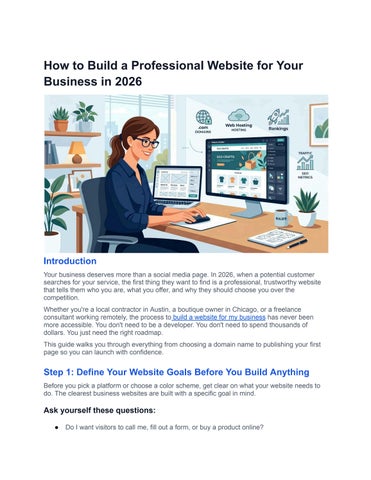
Your business deserves more than a social media page In 2026, when a potential customer searches for your service, the first thing they want to find is a professional, trustworthy website that tells them who you are, what you offer, and why they should choose you over the competition
Whether you're a local contractor in Austin, a boutique owner in Chicago, or a freelance consultant working remotely, the process to build a website for my business has never been more accessible You don't need to be a developer You don't need to spend thousands of dollars. You just need the right roadmap.
This guide walks you through everything from choosing a domain name to publishing your first page so you can launch with confidence.
Step 1: Define Your Website Goals Before You Build Anything
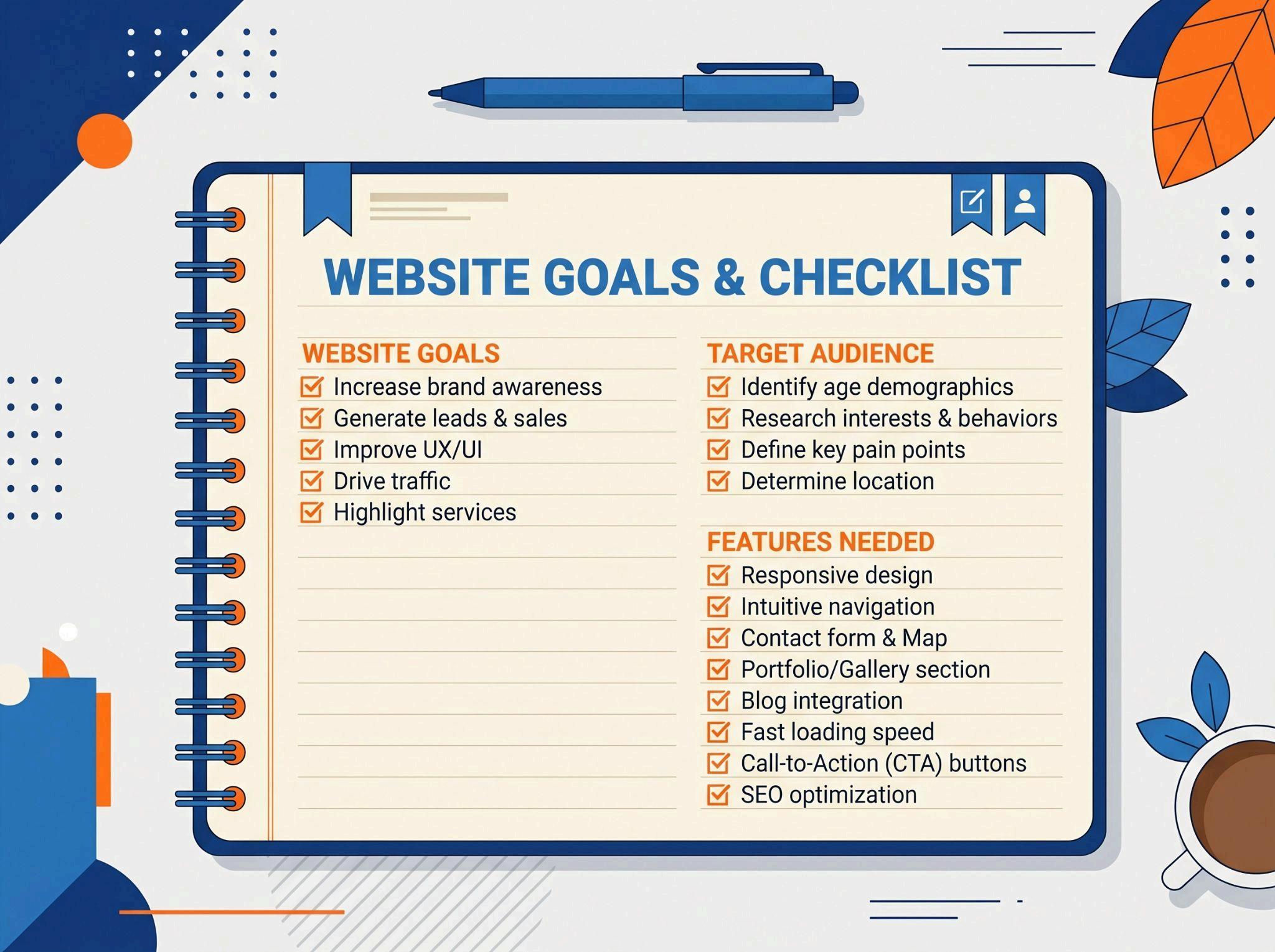
Before you pick a platform or choose a color scheme, get clear on what your website needs to do. The clearest business websites are built with a specific goal in mind.
Ask yourself these questions:
● Do I want visitors to call me, fill out a form, or buy a product online?
● Who is my target audience, and what do they need to see before they trust me?
● Will I need a blog, a portfolio, a booking system, or an e-commerce shop?
● How many pages do I realistically need at launch?
The answers to these questions will shape every decision you make: platform, design, content, and even your SEO strategy. A service business in Denver building a local website has very different needs than a national e-commerce brand.
Step 2: Choose the Right Platform to Build a Website for My Business
This is where most business owners get stuck. The good news? There is no single "right" platform, there's only the right one for your needs and comfort level.
Top Website Builders in 2026:
● Squarespace Best for creatives, service businesses, and portfolios Stunning templates, no coding required.
● Wix Highly flexible drag-and-drop builder ideal for small businesses wanting full visual control
● WordPress org Best for businesses that want full control, scalability, and powerful SEO capabilities. Requires a bit more technical know-how.
● Shopify The top choice for e-commerce If you're selling physical or digital products, start here.
● Webflow Ideal for designers or businesses wanting pixel-perfect,responsive design without coding
For most small businesses just starting out, Squarespace or Wix will get you live quickly without a steep learning curve. If long-term growth and SEO flexibility matter most, WordPress is worth the extra setup time.
Step 3: Register Your Domain Name and Set Up Hosting
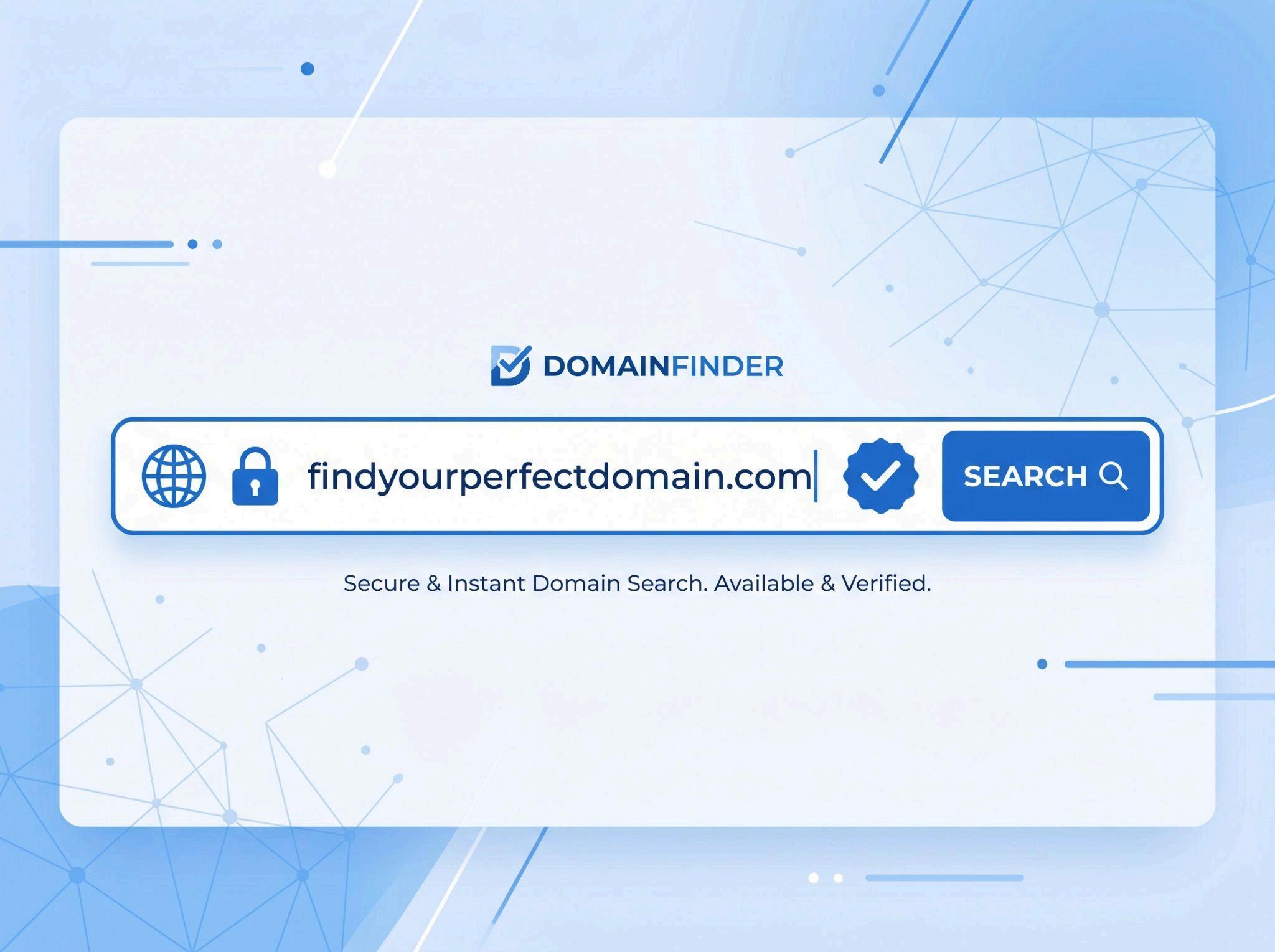
Your domain name is your digital address. Choose something that is short, memorable, and matches your business name as closely as possible. Aim for a .com whenever available.
Pro tips for choosing a domain:
● Keep it under 15 characters if possible
● Avoid hyphens and numbers they confuse people when spoken aloud
● Include your city or region if you serve a local market (e g , denverplumbingpros com)
● Register it through Namecheap, Google Domains, or directly through your website builder
For hosting, platforms like Squarespace and Wix include hosting in their plans If you go with WordPress, pair it with a reliable host like SiteGround, Hostinger, or WP Engine Expect to spend between $5–$30/month depending on your needs
Step 4: Design Your Website for Trust and Conversions
Design isn't just about looking pretty it's about guiding visitors toward taking action. A clean, professional design builds trust in seconds. A cluttered or outdated one drives visitors away just as fast.
Essential pages every business website needs:
● Home Your value proposition, key services, and a clear call-to-action above the fold
● About Your story, your team, and why customers should trust you
● Services or Products What you offer, clearly explained with pricing if applicable
● Contact A form, phone number, email, address, and Google Maps embed if local
● Testimonials or Reviews Social proof is one of the highest-converting elements on any site
Stick to two or three brand colors and one or two fonts Use high-quality images stock photos are fine, but real photos of your business, team, or products build far more trust with visitors
Step 5: Optimize Your Website for Google Search (SEO Basics)
A beautiful website that no one can find is a missed opportunity Basic SEO sets the foundation for long-term organic traffic without paying for ads
Quick-start SEO checklist:
● Write a unique title tag and meta description for every page
● Include your primary keyword naturally in your H1 heading and first paragraph
● Add your business name, address, and phone number consistently across all pages
● Submit your site to Google Search Console after launch
● Create a Google Business Profile and link it to your website
● Compress all images and enable HTTPS (SSL certificate)
● Write at least one helpful blog post per month to build topical authority
Local SEO matters especially if your customers are nearby. Adding your city name naturally into your content such as "serving small businesses in Phoenix" helps Google surface your site in local searches.
Step 6: Launch, Test, and Maintain Your Website
Before you hit publish, run through a final quality check. View your site on both desktop and mobile. Test every form. Make sure all links work. Confirm your contact info is accurate.
After launch, your website isn't finished it's alive Update it regularly with fresh content, check your analytics monthly, and revisit your design annually Google rewards active, well-maintained websites with better rankings over time
Frequently Asked Questions (FAQ)
How much does it cost to build a website for a small business in 2026?
Most small business websites cost between $200–$1,500 per year when using a platform like Wix, Squarespace, or WordPress. This includes your domain, hosting, and any premium templates or plugins. Custom-built websites can range from $3,000 to $20,000+ depending on complexity.
Do I need a developer to build a business website?
Not necessarily Modern website builders like Wix, Squarespace, and Shopify allow non-technical users to build professional websites with no coding If you need custom features or a highly tailored design, hiring a developer makes sense
How long does it take to build a business website?
A simple website using a builder platform can be live in as little as one to three days A more complex site with custom design, multiple integrations, or an e-commerce store may take two to six weeks.
What platform is best for building a business website in 2026?
For most small businesses, Squarespace or Wix are excellent choices for ease of use WordPress is best if you prioritize SEO and scalability Shopify is the top pick for e-commerce businesses
Is it too late to build a website in 2026?
Absolutely not A professional website is still one of the highest-ROI investments a business can make Organic search, local SEO, and direct traffic continue to drive millions of new customers to small businesses every year
Final Thoughts
The decision to build a website for my business is one of the most impactful choices you'll make as a business owner It's your 24/7 salesperson, your credibility signal, and your direct line to customers who are actively searching for what you offer
Start with your goals, pick the right platform, and focus on creating a clean, helpful experience for your visitors. SEO and growth come with consistency so start now, launch lean, and improve over time. The best website is the one that's live.