Director Monica Holmes told the Charlotte City Council on April 13 that it may be three to six months before staff brings them recommendations for regulating data centers.
Members of the council expressed concerns about the environmental impacts data
Giving back Gala raises $3M for children's hospital, 2A
Paying homage 'Mommom' would love this restaurant, 1B
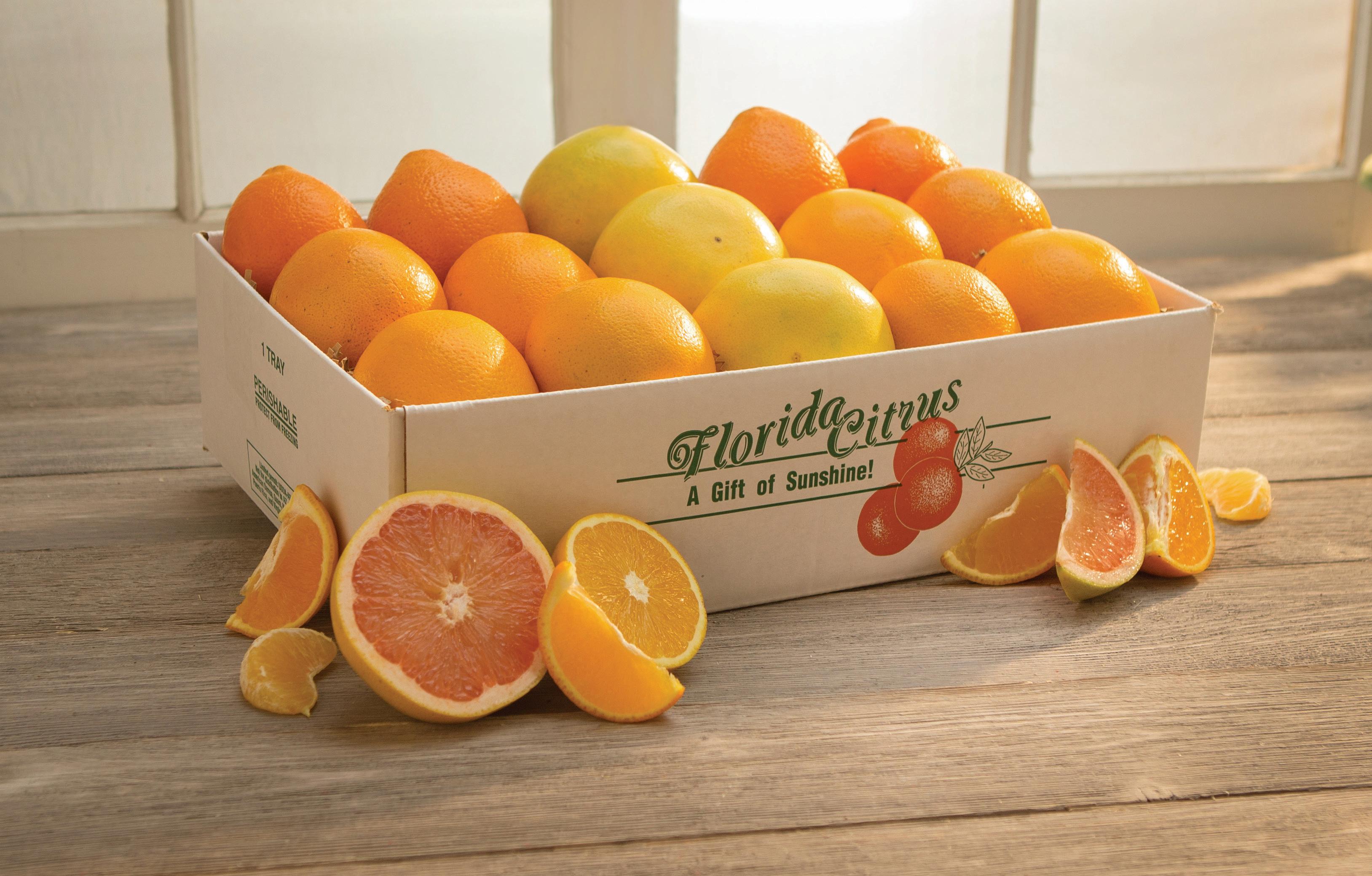
Let's cook Sweet solutions for grapefruit, 3B
centers can have on a community, especially if they are located close to residential areas.
The issue came up as the council was discussing community area plans. The council approved seven area plans in November and deferred the rest until March, giving staff time to collect more feedback from residents. The council not only adopted the remaining seven area plans April 13 but revised the ones already approved to
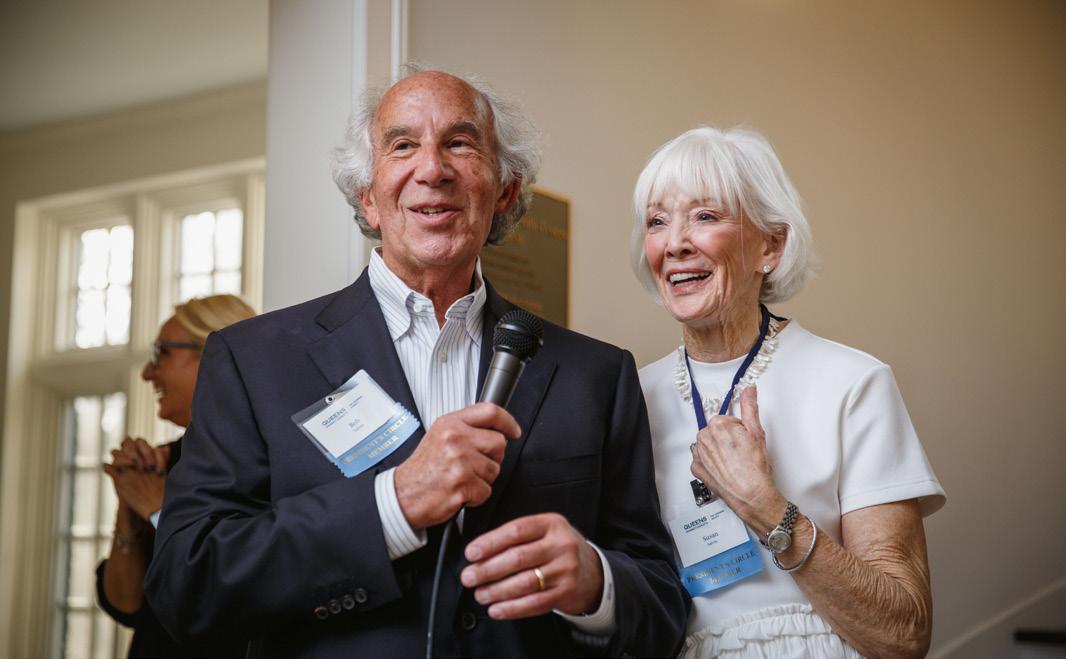
CHARLOTTE – Queens University of Charlotte recently announced a $1.5 million gift from philanthropists Bob and Susan Salvin.
The investment establishes the Salvin Impact Fund for the Learning Society designed to deepen student engagement with global thought leaders and amplify the university’s visibility across the region.
“Through their investment in this program, we will be able to elevate and expand key aspects of the Learning Society experience, especially the student lecture and outreach initiatives,” said Jesse Cureton, president of Queens University. “Bob and Susan’s generosity will help ensure that even more students have the opportunity to engage directly with leading thinkers and participate in
CHARLOTTE –
Shuckin’ Shack Oyster Bar has opened its first Charlotte location at Promenade on Providence, adding a new coastal-inspired dining option to the shopping center’s mix of restaurants.
The 2,718-square-foot restaurant is located in the former Queen City Craft & Gourmet space.
Founded in North Carolina, Shuckin’ Shack Oyster Bar is known for its casual, beach-inspired atmosphere and menu
conversations in the classroom and beyond.”
The Salvins describe the gift as a “magnet investment,” designed to attract corporate sponsorships and community support to compound the program’s impact over time.
“I believe that we have a responsibility to make a difference in the lives of these students,” Bob said. “Susan and I wanted to make an investment that we could see in action, one that stimulates young minds and invites the Charlotte community to intersect with the university in meaningful ways.”
They have championed a range of initiatives, from athletics to the arts.
“The Salvins have believed in Queens at every turn, from our student-athletes to our
centered around fresh seafood and East Coast oysters. The concept has built a strong following in coastal markets, including Wilmington, and is expanding into Charlotte to meet growing demand.
“Shuckin’ Shack brings a unique, laidback coastal concept that complements the existing mix at Promenade on Providence,” said Kristian Komar, property manager at Childress Klein. “It’s a great addition for the
see OYSTERS, Page 3A
reflect the feedback. One of the changes addressed community concerns about data centers.
The recommendation reads: “To ensure new development trends are compatible with existing neighborhoods, the city should establish guidance for new and emerging land uses, such as data centers, to ensure appropriate location and design.”
Council Member Dimple Ajmera said a concern that constantly comes up at every
entrepreneurs, and now to the intellectual life of our campus and community,” said Lori Ann Summers, vice president of advancement. “This gift is a statement about what Queens is becoming. When our students take the stage alongside the
Leaders ready to act on data centers
meeting is the need for infrastructure to keep up with growth. She identified data centers as a new pressure, especially near nature preserves and residential areas.
“I’ve heard concerns around energy, water usage, quality of life, and these are some valid issues,” Ajmera said. “We need to be proactive, not reactive, when it comes to these types of developments, because there is one coming in front of us pretty soon.”
Oyster bar makes debut
Salvins donate $1.5M to Queens University
most compelling voices of our time, they are not just witnessing greatness. They are part of the conversation. That is what a Queens education looks like, and the Salvins are making it possible at every level.”
Ajmera asked about the timeline in developing regulations outlined in the area plans, specifically around data centers. Holmes replied that staff has already been researching data centers.
“We’ve attended several meetings with other cities – top 30 cities – to really understand what other cities are doing, how
City council revises small area plans
by Justin Vick justin@charlottemediagroup.org
CHARLOTTE – Remember in November when the Charlotte City Council approved community small area plans for seven areas in the city? Since then, staff went out to the community to collect more feedback.
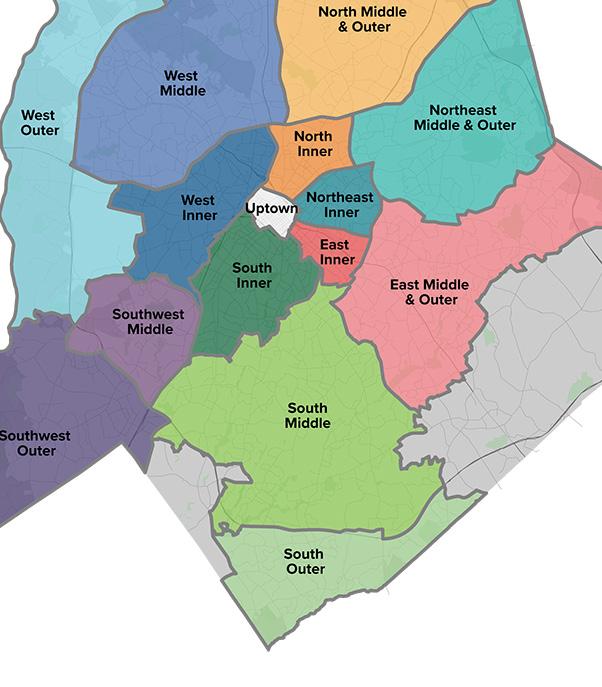
The council revised those previously approved drafts April 13 to reflect that feedback. This includes areas within South Charlotte, such as the South Middle, South Outer and East Middle & Outer.
Each plan includes recommendations to create a “complete community.” Here are some similar recommendations that have been added to all 14 of the community area plans: To ensure future residential infill development is compatible with the character of existing neighborhoods, the city should adopt regulations that limit the maximum height of new homes to the average height of homes on the block (when permitted by state law).
• To respect the character of existing neighborhoods, the city should limit future development of triplex buildings to properties located along major thoroughfares (when permitted by state law).
• To encourage the development of new homes that are compatible with the character of existing neighborhoods, the city should establish an expedited permitting process for residential infill that meets guidelines for compatible development.
• To protect the character of existing neighborhoods, the city should create a voluntary program that allows property owners to place additional development restrictions on their own properties, such as limits on building height.
• To ensure new development trends are compatible with existing neighborhoods, the city should establish guidance for new and emerging land uses, such as data centers, to ensure appropriate location and design.
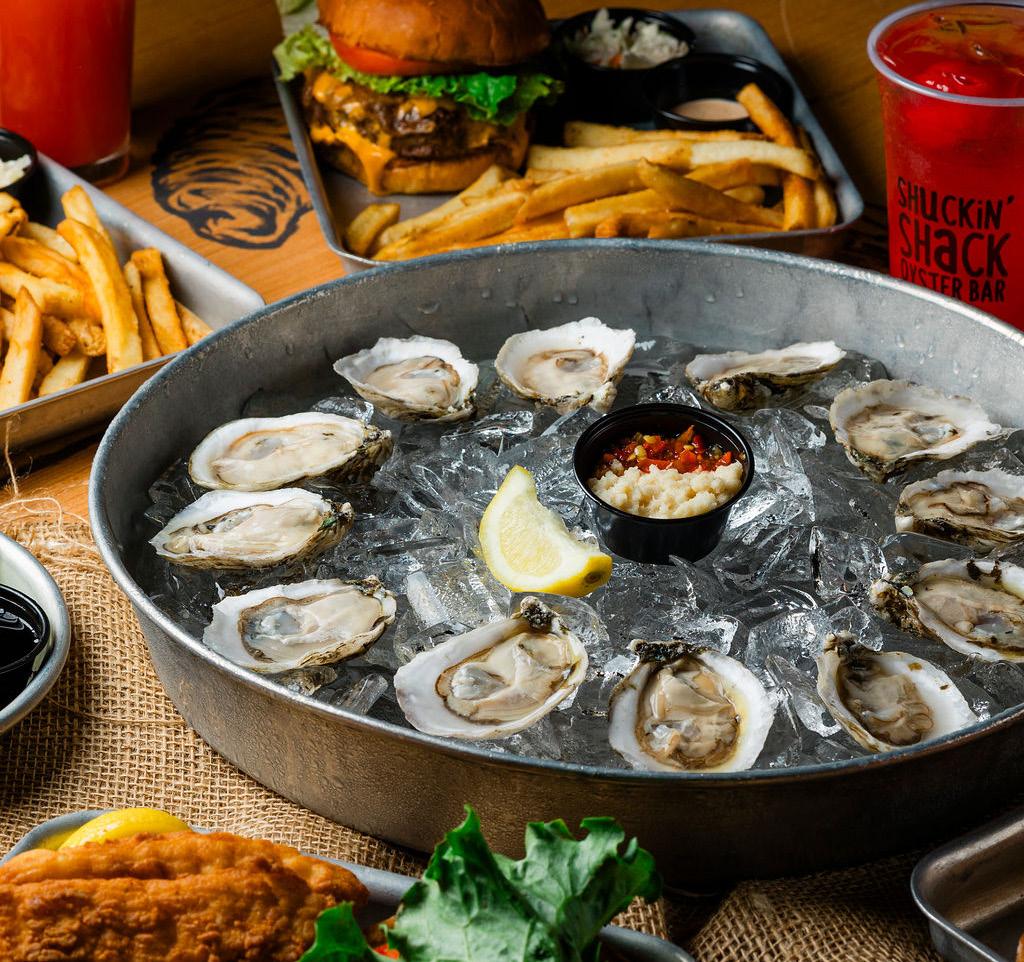
Shuckin’ Shack Oyster Bar’s coastal-inspired seafood concept has grown to 17 locations in the Carolinas, Georgia, Florida, Maryland and Illinois. Photos courtesy of Shuckin’ Shack Oyster Bar
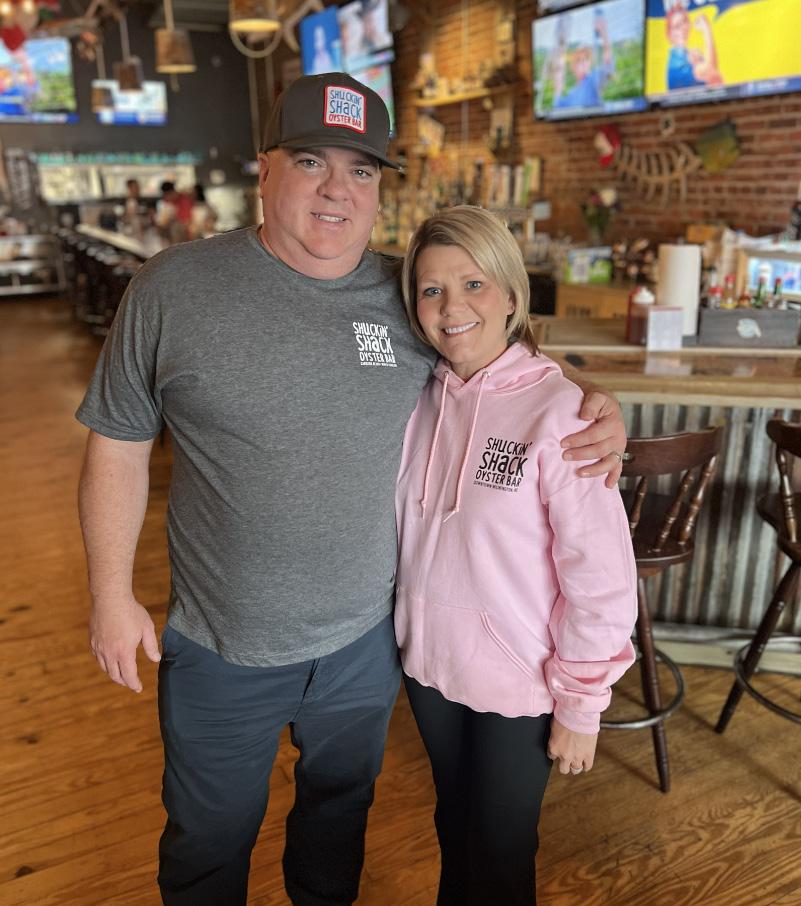
Dawn and Kevin Powers said they’re excited to create a neighborhood spot where people can gather and enjoy a laid-back dining experience.
Bob and Susan Salvin have been longtime supporters of Queens University of Charlotte. Tricia Coyne Photography via Queens University of Charlotte
This map shows the boundaries of area plans. Photo courtesy of City of Charlotte
STAY CONNECTED
• Facebook, Twitter and Instagram: @mmhweekly. @ucweekly, @southcltweekly, @weekly waxhaw and @itncweekly
CONTACT US
PUBLISHER Adrian Garson
adrian@charlottemediagroup.org
MANAGING EDITOR
Justin Vick justin@charlottemediagroup.org
ADVERTISING Charlotte Conway
charlotte@charlottemediagroup.org
Check us out online at thecharlotteweekly.com
Plan outlines affordable housing goals
CHARLOTTE – The Charlotte City Council held a public hearing April 13 for its Housing and Community Development Fiscal Year 2027 Annual Action Plan. The plan is required for federal funding but it also puts some goals on paper. Here is how the plan describes seven goals: Provide opportunities for homeownership – Develop and implement multiple strategies to increase homeownership opportunities for low- and moderate-income support households including but not limited to homeownership education, counseling, new home construction, neighborhood infrastructure and down payment assistance programs.
• Improve existing affordable housing stock – To mitigate the effects of growth and facilitate aging in place, Charlotte will invest in several activities to
improve existing multifamily and single-family housing stock. This includes a variety of housing rehabilitation projects and the acquisition of housing to preserve affordability.
• Increase the supply of affordable rental housing – Charlotte has an estimated 29,890 gap in housing for households at or below 80% of the median area income. The gap is especially pronounced for households below 30% and households with special needs. Charlotte will support rental housing through investments in new multifamily construction, land acquisition and supportive housing initiatives.
Provide temporary rental assistance – The City of Charlotte continues to experience significant numbers of households experiencing a crisis. The city will continue strategies that support housing stabilization for lowincome families and includes
programs that prevent the loss of a primary residence and various approaches to rental subsidies including short-term, long-term and lease-up assistance.
Increase neighborhood sustainability – The goal is designed to invest in communities to preserve affordable housing, improve health and support community institutions. These goals are met through a variety of housing, community development and public service programs. Provide programs to support persons with HIV/AIDS – HIV/ AIDS remains a serious concern in the Charlotte Mecklenburg area. The city will continue to work with Carolinas CARE Partnership and network of area agencies that provide support to households living with this disease. These agencies will continue to provide housing information services, supportive services, substance abuse treatment and
rental assistance as well as new and existing housing options to support the activities of daily living for these families. Provide assistance to households in crisis – It is evident from the data that many populations in Charlotte require special housing assistance. Homeless households and households at risk of homelessness can benefit from access to shelters, case workers and a variety of programs that assist in the access and affordability to housing. Other programs such as housing repairs facilitate aging in place for elderly households and mobility improvement for persons with disabilities.
Funding from four programs helps achieve these goals: Community Development Block Grant, HOME Investment Partnership, Emergency Solutions Grant and Housing Opportunities for Persons with HIV/AIDS.
Atrium Health Levine Children's Gala raises $3 million
CHARLOTTE – The 12th annual Levine Children’s Gala raised $3 million to benefit Atrium Health Levine Children’s Hospital.
Celebrities, athletes, philanthropists, community leaders and representatives of Advocate Health and Atrium Health Levine Children’s were among the 600 guests attending the gala March 28 at Bank of America Stadium.
Actor Rob Lowe served as emcee before a sold-out crowd and recognized many of Levine Children’s top supporters, including The David and Nicole Tepper Foundation, Leon Levine Family, The HEARTest Yard/The Greg Olsen Foundation, The Hendrick Foundation and PNC Bank.
Lowe shared the stage with Advocate Health leaders Steve Smoot, Callie Dobbins and Dr. Javier Oesterheld. They were joined by Levine Children’s patientchampions and Carolina Panthers legends Greg Olsen and Luke Kuechly.
Atrium Health Foundation board member Beverly Ladley received the Leon Levine Champion of Hope award and
was honored for her years of advocacy, volunteerism and investment in Levine Children’s. Her support, particularly through the Baby J initiative that honors her son, has made a lasting impact on Levine Children’s pediatric brain tumor research program.
The night’s theme, “Where hope shines,” emphasized the community’s role in providing a bright future for patients and families in the region.
REASONS
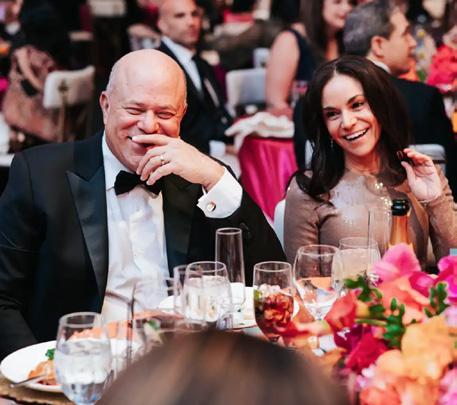
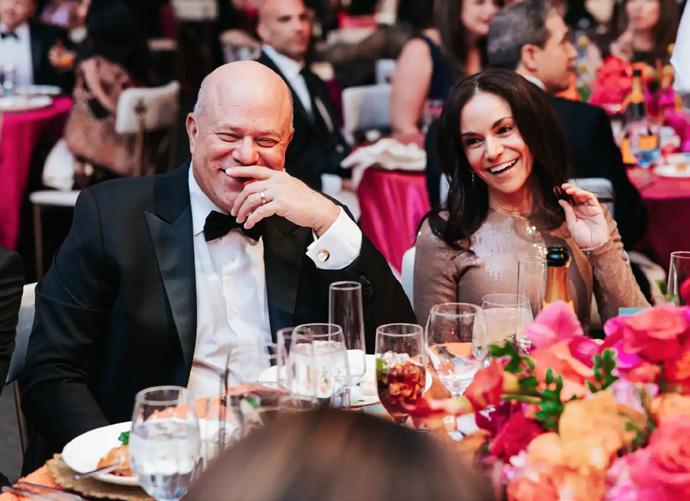
LEFT: Charlotte Mayor Vi Lyles shares a laugh with Eugene A. Woods, CEO of Advocate Health. MIDDLE: David and Nicole Tepper were recognized for their continued support of Atrium Health Levine Children’s Hospital. RIGHT: Actor Rob Lowe takes center stage with Luke Kuechly, who will be inducted into the Pro Football Hall of Fame in August. Photos courtesy of Atrium Health Foundation
Rhinestone Cowboy lit up the stage with an energetic ensemble featuring a fusion of Nashville soul and modern pop hits. Photo courtesy of Atrium Health Foundation
OYSTERS
(continued from page 1A)
surrounding community and continues to enhance the center as a dining destination.”
The menu features a variety of seafood, including oysters sourced from the East Coast, as well as nonseafood options such as wings and the brand’s signature Breakwater Burger. The restaurant will also offer a full bar with signature cocktails in a relaxed, neighborhoodfocused setting.
Dawn and Kevin Powers serve as owner-operators of the Charlotte location.
The husband-and-wife team said they were drawn to the brand’s authentic coastal feel, culture and focus on customer experience as well as the high traffic and community presence of Promenade on Providence.
Shuckin’ Shack emphasizes community involvement through local events, partnerships and charitable initiatives.
On the web: theshuckinshack.com
Audit: Choosing Tito's easy as ABC
by Alan Wooten Contributor
(The Center Square) – For North Carolinians at the liquor store, Tito’s Handmade Vodka is the overwhelming choice ahead of a 100% blue Weber agave tequila from Mexico.
State Auditor Dave Boliek’s office analyzed vendor performance requirements for the Alcoholic Beverage Control Commission. Five contractually required key performance indicators reviewed for eight quarters showed on-time delivery and fill rate was not consistently met while cost metric, outstanding claims and safety performance were achieved.
The report confirms a taste for the hard stuff delivers a strong pour of dollars into the purse of taxpayers.
Public revenue generated by the ABC system in fiscal years 2024 and 2025, respectively, were $713 million and $696 million. The money goes into the General Fund for the state budget and then to counties and municipalities for alcohol education, law enforcement, rehabilitation and health services.
DATA
(continued from page 1A)
they’re impacted,” Holmes said.
“We’ll be ready to start that work as soon as we close out this work and start bringing before you, with your referral and support, kind of what the next steps are, what does that look like and what are the things we can do within state statute.”
When pressed further by Ajmera for a timeline, Holmes said three to six months for solid recommendations. She added that “the state landscape” is important to the city’s work.
Ajmera encouraged Holmes to explore the possibility of putting a pause on data center proposals until the city approves regulations.
“Because what we are seeing right now is data centers coming so close to residential neighborhoods,” she said. “We are hearing loud and clear from the community.”
Leading the brands sold list were Tito’s Handmade Vodka 1.75 liters (165,250 cases) and Tito’s Handmade Vodka 0.75 liters (92,102). Don Julio Reposado 0.75 liters (92,060) was third, followed by Smirnoff 80 (PET) 1.75 liters (71,664) and Platinum 7X 1.75 liters (65,425).
High Noon Variety 12-packs, which include vodka and Pinnacle Vodka 80 gave the clear, unaged, distilled spirit of water and ethanol a share of six of the top seven choices by consumers. Fireball Cannon Whiskey was eighth.
The top ABC boards in the two fiscal years, measuring gross sales, were Mecklenburg County ($280 million), Wake County ($222.2 million), Greensboro ($80.8 million), New Hanover County ($72.6 million) and Triad Municipal ($66 million).
“North Carolina’s ABC System is a major source of state funding that comes with lots of intricacies, and our performance audit examined and provided layers of data behind that system,” Boliek said. “With key performance measurements holding the state’s alcohol distribution process to a high standard, this report gives a
Holmes replied that she would need to consult with the city attorney’s office.
“We don’t know the impact of them right now, but we are seeing cases come from Oregon and from other places that have demonstrated awful health and environmental impacts,” District 5 Council Member JD Arias said. “If you have one near a residential neighborhood, that is very concerning.”
Arias questioned the economic development aspect of such centers when they employ a handful of people.
District 6 Council Member Kimberly Owens encouraged her colleagues to have an open mind when it comes to data centers. She mentioned the importance of helping young people as they enter an economy disrupted by AI.
“I’m not saying that they should be located near homes,” Owens said.
transparent overview of the supply, demand, costs and where some improvements can be made.”
Seventeen states in America regulate sale, purchase and distribution of alcoholic beverages. There are 171 ABC boards in the 100 counties that operate 452 retail stores serving individuals and businesses. LB&B Associates has the state contract for warehousing and distribution from facilities in Raleigh and Clayton. The commission accepted the findings of the audit and recommendations. It cited the importance of the review for “valuable insight into solutions and opportunities for improvement.”
Area ABC Board’s 2024 and 2025 fiscal year stats Mecklenburg County: $280,085,705 in gross sales; 6,611,640 regular bottles sold
Indian Trail: $9,531,297 in gross sales; 335,094 regular bottles sold
Monroe: $7,512,633 in gross sales; 281,988 regular bottles sold
• Waxhaw: $5,860,573 in gross sales; 191,482 regular bottles sold
“I am encouraging us to be creative in how we inspire them to build in a manner that is reusing water or being thoughtful about solar panels on their roofs or all the myriad things that they may be able to do to offset some of the costs of the environmental concerns that we’ve all expressed.”
Owens cautioned colleagues that putting a moratorium on data centers creates the risk of these types of uses going overseas, putting American data in foreign countries.
Arias framed the discussion to acknowledge the security concerns brought up by Owens without dismissing Ajmera’s worries about data centers going near nature preserves and residential areas.
“Data centers are booming, so we just got to make sure that we’re smart and creative about the solution we’re providing to our constituents, but also to the security of our data,” he said.
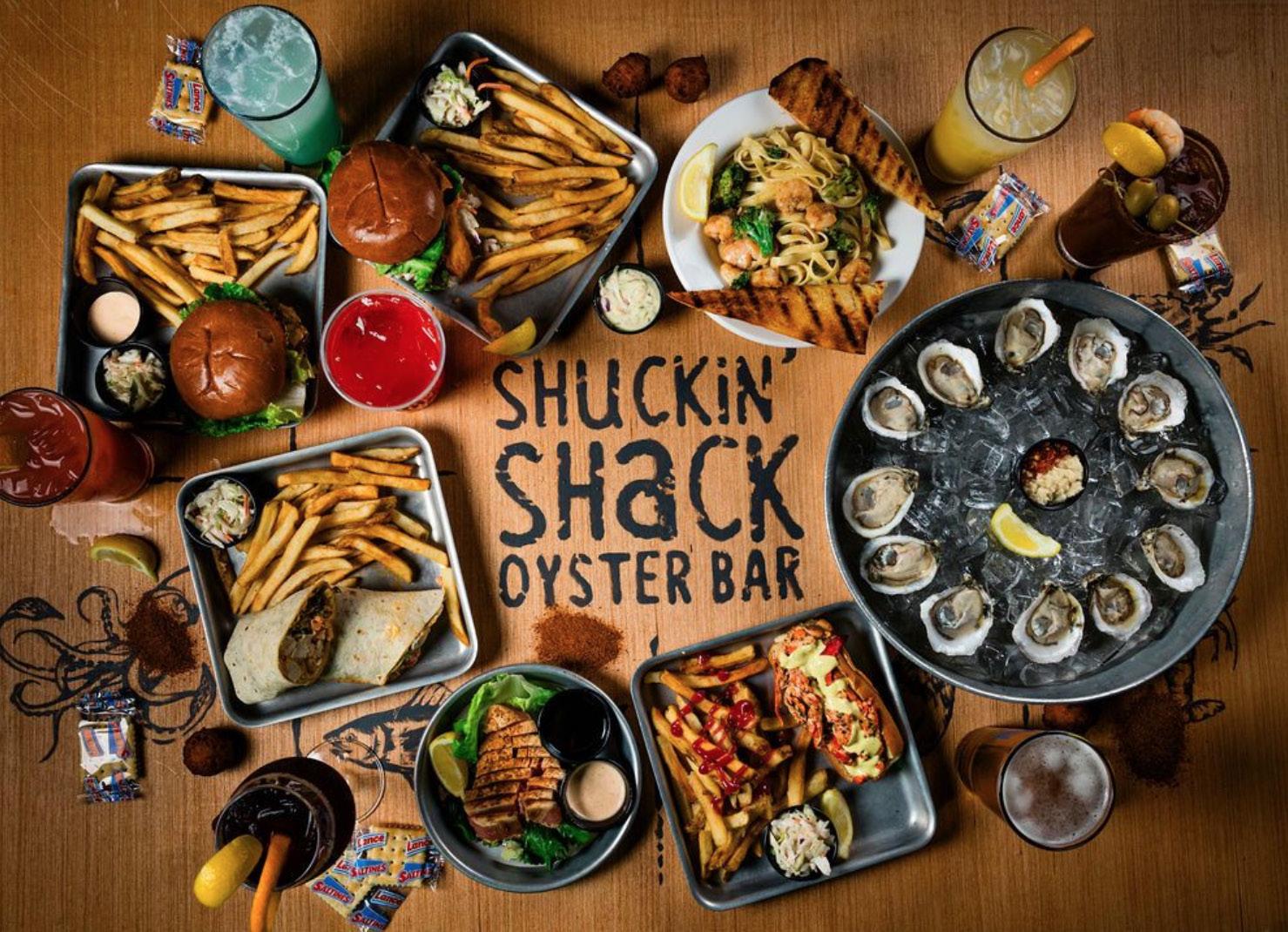
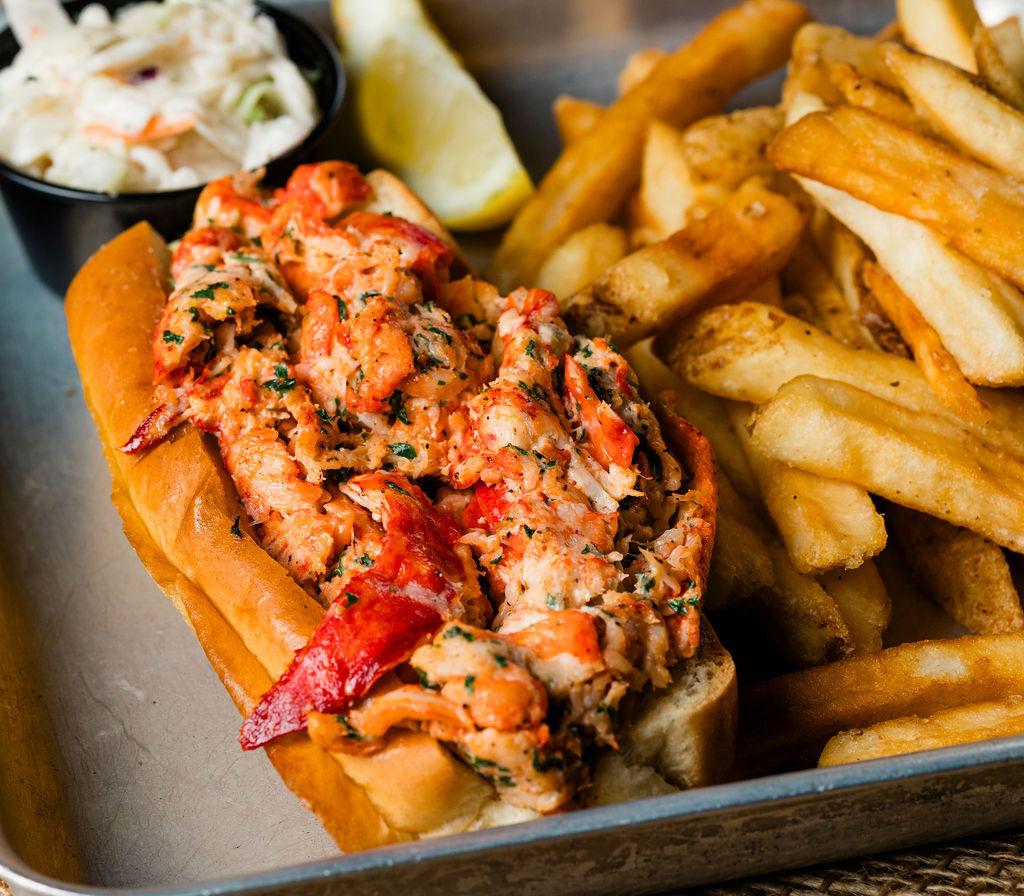
Shuckin’ Shack Oyster Bar serves dishes like Blackened Shrimp Alfredo, Breakwater Burger, Oysters on the Table (ABOVE) and Greggah Lobster Roll (BELOW). Photos courtesy of Shuckin’ Shack Oyster Bar
Rev. Tony: I appeared in a commercial for insurance
by Tony Marciano Contributor
Iwas in church when the pastor asked us to help those experiencing homelessness. I stood up as the song of challenge was playing. Another song began to play in my heart. But it wasn’t, “All to Jesus, I surrender.” It was a song from my childhood. It wasn’t even a church song. It was a song from a cartoon show called “Mighty Mouse.” The song was “Here I come to save the day.”
I opened my eyes and looked around. I realized what I was about to do was noble and good. But it was about me. It was about my need to feel significant. It was about my need to feel important.
In the next few moments I lowered my hand. I sat down. I prayed God would raise up others to serve our homeless neighbors from a place of impacting lives and not making it all about them.
I’m codependent. What is that? It is a need to fix broken, hurting people. We have a desperate need to control our relationships, having experienced little security in childhood. We mask our efforts to control people and situations as “being helpful.” Ouch, that hurts.
What’s the commercial? An older white-haired man is helping first time homebuyers not be like their parents. In one commercial, they are at a checkout line in the grocery store. The new homeowner is explaining to the bagger how to stack items in the bag so eggs don’t get broken and bread doesn’t get crushed.
One day I’m entering my neighborhood and saw a young man wheeling a wheelbarrow that was loaded with leaves. He piled them at the curb for the city to pick up. The problem was the deadline to do that had passed and he would receive a fine for putting leaves at the curb. I was about to roll down my window (did I ever give away my age when
you “roll down” the window) and tell him he has to bag the leaves. Not in plastic leaf bags but in paper leaf bags. A voice came back and said, “That’s not your problem. Leave it alone.” I drove past him.
According to Dr. Natalya, empathy is asking if they need help, enabling is trying to fix problems without being asked. Empathy is offering support, while enabling is giving unsolicited advice. Empathy is offering a hand to help them stand. Enabling is carrying them so they never have to walk on their own. There’s a fine line between supporting someone and keeping them (and ourselves) stuck.
A friend admitted she was struggling in her marriage. I told her how I didn’t like how her husband treated her. She asked me why I didn’t say anything. I responded, “Unless I see domestic violence or am invited in to help someone’s marriage, I stay out.” She was surprised but understood.
It feels good to rescue someone. But in rescuing them from the consequences of their bad decisionmaking, they don’t mature and learn the important life lesson. We learn when we go through hard times and struggle (we don’t like that word).
It is in struggling that we mature (which is not being stoic, but helping someone achieve their Godgiven potential). A Scripture verse says suffering produces endurance (hang in there); endurance produces character (why do we do what we do) and character produces hope. We can’t go from suffering to hope without going through endurance and character.
If you ever find yourself singing the Mighty Mouse song, be like me. Lower your hand. Sit down. Ask God to send someone else.
I’ll be back soon. Until then, live well, my friend.
The Rev. Tony Marciano is available to speak to your group. DM him on Facebook.
CALENDAR
April 17
Yoga Storytime A certified yoga instructor leads Family Storytime: Yoga for children ages 2-5 at South County Regional Library. cmlibrary.org/ locations/south-county-regional
11-11:30 a.m.; 5801 Rea Road, Charlotte
Celebrity Stories Actor William Shatner tells stories about his experiences on “Star Trek” after a screening of “Star Trek II: The Wrath of Khan” at Bojangles Coliseum. Get tickets at boplex.com.
7:30 p.m.; 2700 E. Independence Blvd., Charlotte
April 18
Recycling Event
Mecklenburg County Recycling hosts its annual Earth Day TakeBack Event at Compost Central. The event accepts lithium-ion/ rechargeable batteries, medical devices, textiles and working electronics. Paper shredding is available and requires sign-up at https://meck.co/40GYzJv.
9 a.m.-noon; 140 Valleydale Road, Charlotte
AARP Presents AARP presents Social Security: Understanding Your Benefits at South County Regional Library. Register in advance at cmlibrary. org/locations/south-countyregional.
10-11 a.m.; 5801 Rea Road, Charlotte
Author Event Alicia D. Williams reads from her picture book, “Nani and the Lion” at Park Road Books. parkroadbooks.com
11 a.m.-noon; 4139 Park Road, Charlotte
Snakes Program Larry Leamy, of the Mecklenburg Audubon Society, leads a program, Snakes of the Carolina Piedmont, at Pineville Library. Register in advance at cmlibrary.org/locations/ Pineville.
11 a.m.-noon; 505 Main St., Pineville
Paws to Read Children ages 5-11 read to a volunteer therapy dog for 15 minutes during Paws to Read at SouthPark Regional Library. Register in advance at cmlibrary.
org/locations/SouthParkRegional
11:30 a.m.-12:30 p.m.; 7015
Carnegie Blvd., Charlotte
Earth Day Market
Middle James Brewing celebrates Earth Day with Makers Market and live music with AJ Holt (2-5 p.m.). middlejamesbrewing. com
1-6 p.m.; 400 N. Polk St., Pineville
Paws to Read
Children ages 5-11 read to a volunteer therapy dog during Paws to Read at South County Regional Library. Kids read for 15 minutes. Register in advance at cmlibrary.org/locations/southcounty-regional. 2-3 p.m.; 5801 Rea Road, Charlotte
Rhythms of India
Pineville Library hosts Rhythms of India: A 4-Part Dance Series for teens and adults. This session will focus on Bharatanatyam dance. Future sessions will be held April 25, May 30 and June 27. Register in advance at cmlibrary.org/ locations/Pineville.
2-3 p.m.; 505 Main St., Pineville
Book Signing Glenn Collard signs copies of his book, “Silent Strength: The Power of a Mature Man,” at Park Road Books. parkroadbooks.com
2-3:30 p.m.; 4139 Park Road, Charlotte
Pro Hockey The Charlotte Checkers play the Lehigh Valley Phantoms at Bojangles Coliseum. Get tickets at charlottecheckers.com.
4 p.m.; 2700 Independence Blvd., Charlotte
Medium Experience Long Island Medium Theresa Caputo presents Theresa Caputo Live: The Experience at Ovens Auditorium. boplex.com
7:30 p.m.; 2700 E. Independence Blvd., Charlotte
April 19
Pro Hockey The Charlotte Checkers play the Lehigh Valley Phantoms at Bojangles Coliseum. Get tickets at charlottecheckers.com.
1 p.m.; 2700 Independence Blvd., Charlotte
Author Event Devin Nelson talks about his poetry book, “Where the Branches Bend,” at Park Road Books. parkroadbooks.com
2-3 p.m.; 4139 Park Road, Charlotte
April 20 Yoga Storytime Children ages 5-11 listen to stories and do yoga poses during School-Age Storytime: Yoga at South Park Regional Library. Pick up a ticket at the children desk when you
LOUD & LIVE
REGIONAL
DINING SCORES
CHARLOTTE – B-Side Group plans to open a new modern pasta bar and caffè inspired by the life and cooking of Culinary Director Vince Giancarlo’s grandmother, Claire Theresa Funari.
Lady Funari will open this spring in the former Futo Buta space at 222 E. Bland St.
“Lady Funari was my father’s mother, my Mommom,” Giancarlo said. “She was the matriarch of a very strong Italian family, a true madrina. She’s the reason I fell in love with food, cooking and pasta.”
Claire’s presence, which was defined by long Sundays at the stove, feeding a full house and commanding the room with quiet authority, shaped Giancarlo’s approach to both cooking and hospitality.
“I’ve opened more than 10 restaurants throughout my career, but I always come back to pasta,” he said. “It’s my happy place. And it always brings me back to Mommom.”
Giancarlo has more than 20 years of experience. He has trained under Michelin-starred chefs in Los Angeles and led kitchens across Charlotte, including Supperland, Haberdish, Angeline’s, BAKU and The Jimmy.
He joined the B-Side team in 2025, first refining the culinary program at VINYL and then launching the kitchen at The Story of Mi Cariño alongside Executive Chef Hector González-Mora.
Known for his ingredient-first philosophy and technical approach, Giancarlo sees Lady Funari as a return to his roots and a refinement of his pasta program.
If Claire could see it today, Giancarlo has a clear picture of her reaction: “She’d cry, hug me a thousand times. Then she’d light a Virginia Slims cigarette and pour a little scotch to celebrate.”
The 1,600-square-foot restaurant, with seating for about 40 inside and 40 outside, will feature a culinary program designed to begin as an intimate evening experience, with plans to expand into daytime caffè service.
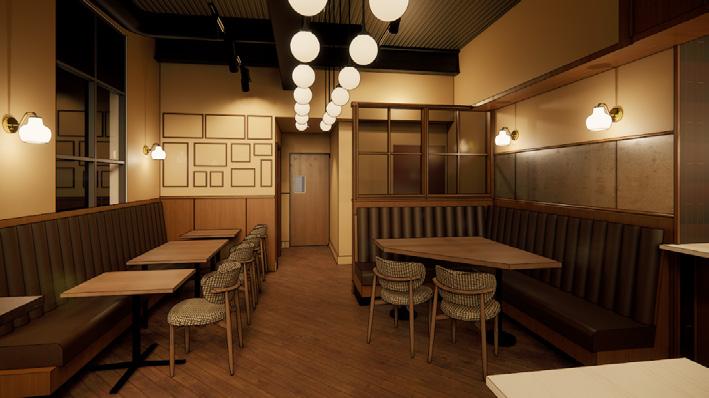
The inside will be refined with wood and marble appointments. The patio will be activated as a European-style outdoor café along the Rail Trail. At the center of the restaurant is an intimate pasta counter framing the open kitchen.
“Our pasta bar isn’t a buffet or build-
your-own experience,” Giancarlo said. “It’s about watching chefs cook and plate in real time. It’s an up-close look at the craft.”
The menu will focus on handmade pastas, locally sourced vegetables and light shareable plates, built around seasonal ingredients and traditional techniques.
Many dishes draw directly from Claire’s cooking, including Spaghetti & Blue Crab, a two-course experience inspired by a family tradition.
“She started gravy at six in the morning for a five o’clock dinner,” Giancarlo said. “Often driving to Jersey and back herself to pick up fresh blue crabs, then spending the rest of the afternoon simmering them in the sauce. We’d start with a plate of blue crabs coated in that gravy, then finish with spaghetti smothered in it, flecks of crab throughout. It was messy, it was perfect and it’s a memory we’re bringing to life here.”
The drink program will highlight Italian vermouth, amaro, wine, spirits and espresso.
“We want to stay as true as possible to Italian tradition in honor of Claire,” said Henry Schmulling, beverage director at B-Side Group. “We also have a few things up our sleeve that Grandma Claire may not have thought of, but would absolutely approve of.”
Creation Acres Montessori gets green light to grow
by Justin Vick justin@charlottemediagroup.org
MINT HILL – Town commissioners approved a conditional rezoning April 9 that will give Creation Acres Montessori more room to grow.
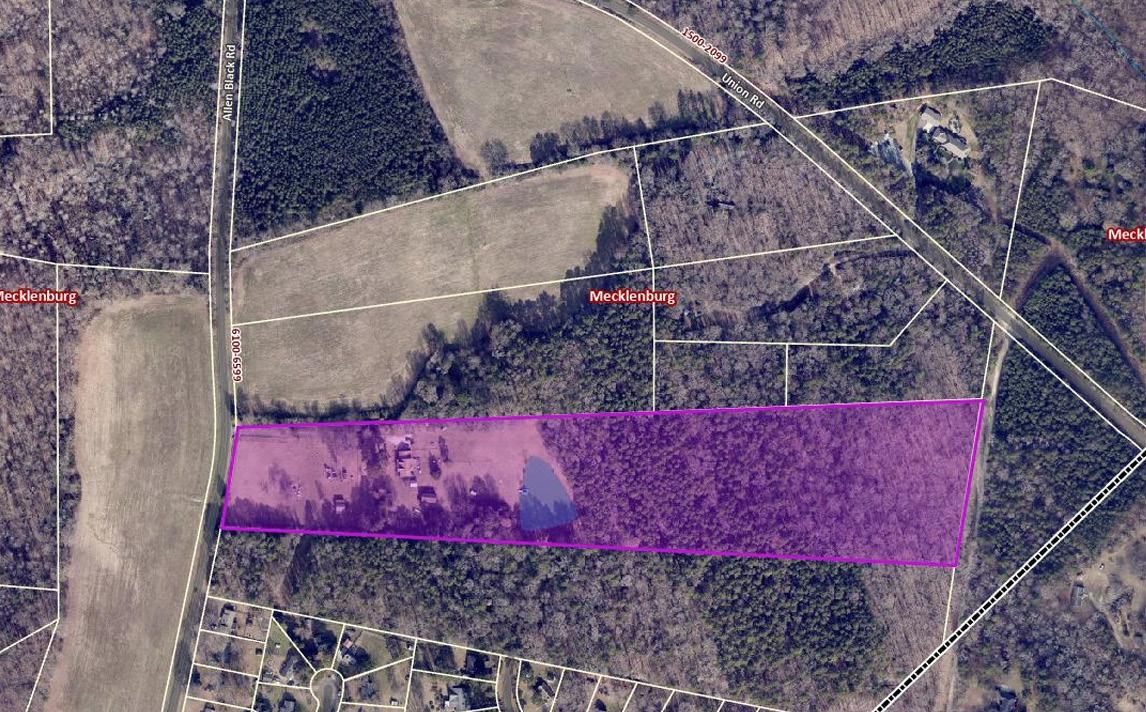
Founders Jasmine and Akeem Williams want to move the school from Lawyers Road to a 19.9-acre site at 6300 Allen Black Road, but they needed the land rezoned from residential to institutional use.
“While the land use plan designates the property as low-density residential, the proposed private school is consistent with this place type,” the Mint Hill Planning Board stated March 16 in its recommendation to commissioners.
“Specifically, the proposed rezoning aligns with the character of the area by prioritizing the preservation of open space
and utilizing a low-impact site plan that respects the surrounding residential/rural scale.
“The proposed school mirrors these standards by maintaining a low-intensity footprint similar to these permitted recreational amenities. Therefore, the rezoning request is deemed reasonable, in the public interest and consistent with the goals of the adopted land use plan.”
The Williams family sees opportunities for farm-based learning and outdoor education.
“It really is carrying on a legacy and keeping this beautiful property in Mint Hill,” Jasmine told commissioners last month. “There are lots of neighborhoods happening, lots of growth happening, and we would like to be a part of saving some of the original parts of the history.”
Chef honors grandmother through pasta-driven concept
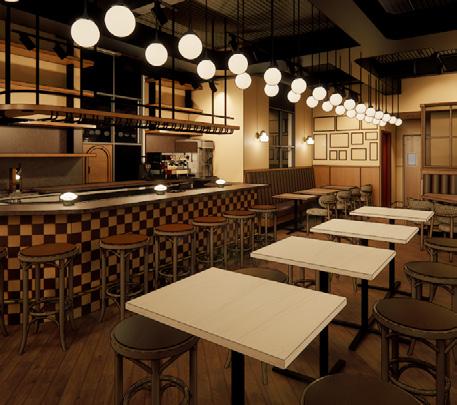
Lady Funari is a new concept from B-Side Group, the team behind VINYL and The Story of Mi Cariño. Southwick Architecture created renderings of the interior. Photos courtesy of NiceDay
CLASSIFIEDS
IT Project Manager (Pineville, NC) F/T. Dvlp & implmt IT processes, policies, & procedures to set up efficient workflows & streamline operations. Work closely w/ other depts to understand their IT needs & integrate solutions that support overall business goals. Dvlp detailed project plans, incl scope, timelines, & budgets, to ensure clear project direction & objectives. Efficiently allocate resources, incl personnel & technology, to optimize project outcomes. Identify & address skill gaps w/in the team to enhance performance & project success. Execute IT projects to ensure they meet business objectives & are completed on time. Identify potential risks early in the project lifecycle & dvlp mitigation strategies to address them to minimize disruptions & maintain project timelines. Maintain open lines of communication w/ stakeholders to keep them informed about project progress, challenges, & opportunities. Translate business demand into technology requests, & back to ensure understanding across all levels. Lead project meetings & facilitate effective communication among team members to ensure alignment & progress. Monitor project performance using appropriate tools & techniques to ensure adherence to plans. Proactively address any issues or conflicts during the project lifecycle & maintain a positive working environment. Ensure projects are completed w/in budget by monitoring expenses & making necessary adjustments. Drive improvement efforts related to each IT project to minimize costs & provide better overall solutions that improve business efficiency. Conduct post-project evaluations to identify areas for improvement & apply lessons learned to future projects. Ensure all IT activities comply w/ industry standards & regulations to maintain quality & security. Quickly adapt to changing priorities of the dynamic environment to keep IT initiatives aligned w/ strategic objectives. Stay updated on industry trends & emerging technologies relevant to the business for informed decision-making. Perform other duties as reqd. $68,349.00/ yr. Bach’s deg in Mgmt or Business Administration or closely related, + 24 months of exp in job offered or as or closely related position. Email resume to: Knapp USA, Inc., Attn: Paul Knapp, CEO at pknapp@knappconnectors.com.
Credit Karma, LLC seeks the following in Charlotte, NC:
Software Engineer IV (23125): Lead the design, development, and evolution of scalable product features and core platform microservices. Master’s degree required. Salary: $180,968/yr;
Business Operations and Strategy Manager (99950): Serve as a thought partner and sounding board to the leaders to help them drive data-driven decisions. Master’s degree and 2 years req’d. Salary: $160,801/yr; Growth Technology Manager (30762): Partner with marketing managers to execute omni channel campaigns using a state of the art proprietary marketing automation platform. Master’s degree and 6 months req’d. Salary: $137,571/yr; Sr. Trust & Safety Analyst (91173): Develop and implement fraud detection strategies and processes. Identify and source risk factors within data systems associated with fraud methods for testing and analysis. Master’s degree and 1 year req’d. Salary: $148,427/yr; Data Scientist II (79127): Extract and preprocess data to build predictive models that safeguard user experience and revenue conversion. Master’s degree req’d. Salary: $162,882.50/yr; Software Engineer III (52076): Contribute to our core services and data aggregation layer; meeting our need for scale, quality, and rapid iteration. Bachelor’s degree and 5 years req’d. Provide maintenance for our existing services. Salary: $207,278/ yr; Senior Software Engineer (80372): Participate in every aspect of the software development cycle as a member of a small cross-functional scrum team. Participates in software design discussions. Master’s degree and 4 years req’d. Salary: $206,443/yr; Marketing Analyst II (57454): Leverage marketing data to develop business recommendations that generate value. Generate hypotheses, identify gaps, and develop and implement strategies to optimize marketing channels. Salary: $106,000/yr.
To Apply: Submit resume on www.jobpostingtoday.com, using Job ID # following Job Title above. Background checks req’d. May telecommute from within normal commuting distance of the Charlotte, NC office up to 2 days per week.
CHARLOTTE – Bach Charlotte has started selling tickets to the seventh edition of the Charlotte Bach Festival. Classical music lovers can buy allfestival passes or tickets at bacharlotte. com. Events include:
• May 30: Gloria! Bach, Handel and Vivaldi, 7:30 p.m., Sandra Levine Theatre, Queens University of Charlotte.
• May 31: Organ Recital with Avi Stein, 3 p.m., St. Peter’s Episcopal Church. June 1: Songs of Love and Desire, 7:30 p.m., Kathryn Greenhoot Recital Hall, Queens University of Charlotte.
June 2: Dall’Italia con amore, 7:30 p.m., St. Mark’s Lutheran Church.
• June 3: Henry Purcell’s Dido and Aeneas, 7:30 p.m., site to be determined.
June 4: Bach and the French Influence, 7:30 p.m., St. Mark’s Lutheran Church.
• June 5: Echoes of Bach, 7:30 p.m., St. Mark’s Lutheran Church.
June 6: Handel’s Theodora, 7:30 p.m., St. Mark’s Lutheran Church
• June 7: Organ Recital with Lester Ackerman, 3 p.m., St. Mark’s Lutheran Church.
Art show supports local history
MATTHEWS – The Matthews Historical Foundation has announced details for its third annual Matthews Fine Art and Craft Show. The event takes place from 5:30 to 8 p.m. April 24 and 10 a.m. to 4 p.m. April 25 at the Historic Reid House & Gardens, 134 W. John St., Matthews.
Donations support the Reid House and Matthews Historical Foundation. On the web: matthewshistoricalfoundation.com
As seasons change, to-do lists grow. At Waltonwood, we believe your time is better spent enjoying the things YOU want to do. We give you those options:
• A full Life Enrichment calendar — so every day feels like your own.
• Chef-prepared meals with seasonal menus and house-made desserts, so you never have to cook unless you want to.
• A variety of apartment styles to match your lifestyle — with limited availability, now is the time! Limited availability! Schedule a tour today. 704-246-8670
Independent Living, Assisted Living & Memory Care 11945 Providence Road, Charlotte, NC 28277 Waltonwood.com | SinghCareers.com
f
Tokyo megabank takes $76M lure, will join Charlotte lineup
(The
by David Beasley Contributor
million into a second American headquarters in North Carolina. Charlotte, No. 2 banking center in America only behind New York City, was chosen by the Tokyo headquartered financial institution. An estimated $76 million incentive package helped with the lure – $70.3 million in the Job Development Investment
Grant program from the state, $1.3 million from Charlotte and Mecklenburg County, and $4.4 million in workforce training funds through the state’s community college system.
Sumitomo Mitsui Financial Group offers global banking, securities, leasing and consumer finance. It holds total assets of approximately $2.02 trillion to $2.06 trillion in U.S. dollars.
“As SMBC continues to grow substantially in the United States, Charlotte is a standout location for us to invest in North Carolina for the long term in a major expansion that will establish our roots in the community,” SMBC Americas
CEO Hirofumi Otsuka said in a statement. “A major financial services hub, Charlotte has a deep pool of talent that we will tap into and help build out as we position our bank for long-term success while contributing to the broader local economy.”
The company expects to add 2,000 jobs paying an average annual salary of $165,316. The state Commerce Department, in a release, said average pay in Mecklenburg County of $90,706. Economists question the effectiveness of financial incentives to businesses to expand or come to a new state. Context is encouraged when
wages are introduced because a few corporate leaders at a site can skew the average higher while the median wage would not have the same ratio.
“Japan is one of North Carolina’s top economic partners, and I’m honored to welcome another, leading Japanese company to our state,” Gov. Josh Stein said in a statement. Last month, a state board approved a $17.1 million grant for a private investment management company that plans to open an East Coast hub in Charlotte. Capital Group, headquartered in Los Angeles, will invest $60 million in the Charlotte office and
employ 600 people, the state said. SMBC has 150 offices in nearly 40 countries, employing 120,000 people worldwide. Its roots date back more than 400 years and it has been operating in the U.S. for more than a century.
Charlotte, with a long history as a banking and financial services hub, continues to be a magnet for new company headquarters. For the last two years, it has ranked second on Site Selection magazine’s list of best cities in the U.S. for corporate headquarters. Last year, it was selected for global or regional headquarters by Scout Motors, Maersk North America and Daimler Truck Financial.