CONTINUUM THE
AN EXPANSIVE EDUCATION
As your child develops from toddlerhood to adolescence, our educational approach extends from play-based learning in Early Childhood to an increasingly challenging academic program in Elementary.
As your child develops from toddlerhood to adolescence, our educational approach extends from play-based learning in Early Childhood to an increasingly challenging academic program in Elementary.
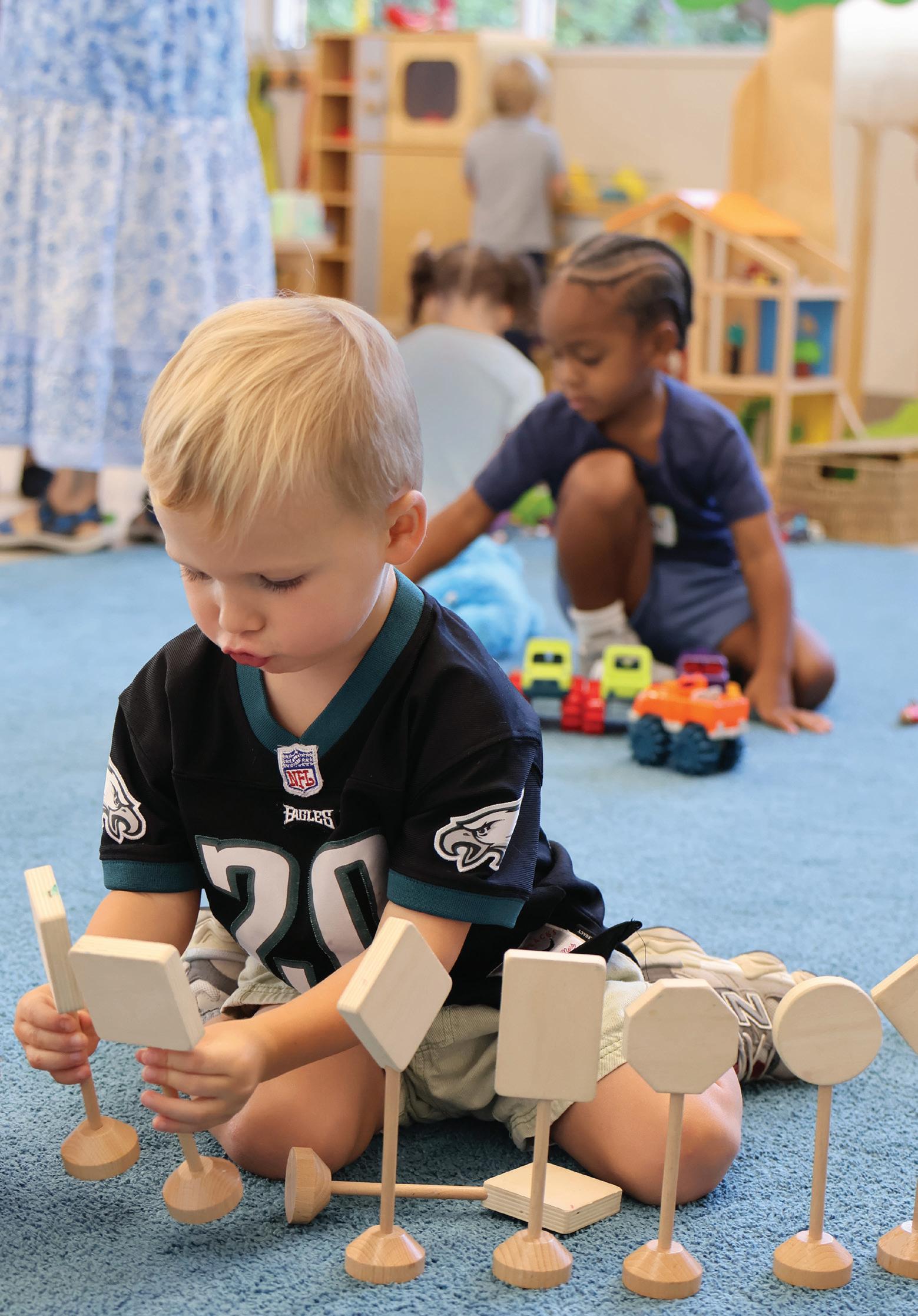
The Toddler program is a nurturing first school environment where 2- and 3-year-old children build independence through a gentle and thoughtfully-designed separation and transition process. Consistent daily experiences include morning circles, play-based activity centers, and age-appropriate specialist classes, including Library, Music, Spanish, and Physical Education.
Teachers honor individual interests while fostering community connections, supporting language development through conversations, stories, and songs. In our intentionally-designed classroom and outdoor learning environments, Toddlers begin to develop emotional awareness and learn how to navigate school life and relationships—skills that form the foundation for all future learning.
After we began at The Center, we learned that everything people say about the community being warm, welcoming, and wonderful is true.
— CEE Toddler Parent
Building confidence and language through play, exploration, and expression.
Sensory-rich and play-based experiences for 3- and 4-year-olds in Early Childhood 1 further develop children’s creativity and sense of self while also supporting the ongoing development of their cognitive, social, and fine and gross motor skills. Through structured and open-ended activity centers, children practice working together and engaging in collaborative problem solving.
Daily routines build confidence in self-care abilities, while thematic learning introduces literacy, mathematical thinking, emergent science, and art through concrete, real-world connections. Language and emergent literacy flourish through stories, songs, and thoughtfully-guided discussions. Children begin to connect with our broader school community and enjoy spending time with their Elementary Reading Buddies.
EC1 students participate in Library, Music, Spanish, and Physical Education specialist classes.
This is a community that is child-focused. Every child is seen and heard.
— CEE EC Parent
Independence grows as children explore an expanding social and intellectual world.
Early Childhood 2 is an exciting and engaging learning space for 4- and 5-year-old children at a time when they are practicing greater independence, increased emotional, social, and physical awareness, as well as stronger self-management within our play-based model.
Children take active roles in their learning through hands-on experiences that continue to develop emergent literacy, mathematical thinking, early exposure to science, and the skill of asking questions. Through collaborative projects and meaningful conversations, students grow in their problem-solving skills and become more expressive communicators. Children gain newfound confidence and responsibility, preparing for the academic and social development to come in Kindergarten.
Specialist classes in Library, Music, Spanish, and Physical Education further enrich this comprehensive experience.
EC2 is really the time when children begin exploring projectbased learning experiences and more collaborative projects.
— CEE Administrator
Stepping into Elementary School with confidence, curiosity, and community-mindedness.
Kindergarten is a vibrant bridge from Early Childhood into the Elementary program at CEE. In warm, collaborative classrooms, teachers guide children through intentional routines, engaging learning centers, and academic rotations that build essential literacy and mathematical abilities.
Students practice their inquiry skills, embrace individual strengths and differences, learn to advocate for themselves and others, and continue to nurture creativity through purposeful play. This balanced approach ensures intellectual growth while preserving the joy of discovery for young learners.
Daily Physical Education classes and regular specialist classes in Library, Music, Spanish, Innovation & Design, Science, and Art complete the Kindergarten experience.
When our students come across different people with different perspectives, they’re coming from a place of respectful listening and an understanding that differences are strengths.
— CEE Kindergarten Teacher
Integrating new concepts through focused lessons, encouragement, and belonging.
Our first grade program helps students reach their full potential during a time when children are developing their identities as students. Students experience an engaging curriculum, clear routines, and a strong sense of belonging that makes every child feel valued and connected.
First graders explore diverse literature, participate in flexible, leveled reading groups, and deepen their writing skills. The language arts curriculum focuses on phonetic rules, sight words, and comprehension strategies. In math, students build on their early number sense through a stepby-step process, moving from concrete to simple abstract thinking. Design and problem-solving activities give students opportunities for creativity and the practice of critical thinking skills.
First grade students participate in Library, Music, Innovation & Design, Science, Spanish, and Art specialist classes throughout their week and Physical Education classes almost every day.
In first grade, math and reading became more of a focus. My daughter shared a set of math skills that she found fun and engaging. It wasn’t rote memorization. I told her that I would need her to teach me these new math strategies so I could strengthen my own skills!
— CEE Elementary Parent
Igniting interactive learning through collaboration, communication, and reflection.
Children at this stage learn best through a balance of hands-on activities, small group work, independent work, and opportunities to explore; so our teachers create interactive, multifaceted learning experiences that meaningfully engage students. This year sets clear expectations and consistent routines to support students’ curiosity and willingness to try new things.
Reading and writing skills extend as children navigate comprehension strategies and creative writing. Mathematical thinking continues to advance from concrete to abstract through visual models and multi-step problem-solving. Students develop beginning research skills through current events projects and build confidence through class presentations.
Students participate in Library, Music, Science, Spanish, Innovation & Design, Physical Education, and Art specialist classes throughout their week.
Second graders are incredibly curious and deep thinkers. It’s a great time for offering enrichment and extensions of their learning.
CEE Administrator
—
Connecting learning to the larger world, recognizing the power of diversity and unity.
Third graders connect academic concepts to their lives through hands-on exploration and collaboration. Students begin to build more agency over their roles and responsibilities within groups.
Students make an important shift from learning to read to reading to learn, deepening their understanding of literature and nonfiction texts. Teachers encourage a lifelong love of reading while formally introducing research skills. By studying various sources, students appreciate multiple perspectives and understand how history influences the present and future. Writing evolves through a complete process— from brainstorming to revision—with emphasis on organization and style. Math transitions into abstract thinking, focusing on multiplication, division, and complex multi-step word problems.
Third graders enjoy Library, Music, Science, Spanish, Innovation & Design, Physical Education, and Art specialist classes throughout their week.
Something that I love about my teachers is that they’re always so caring... they are always there to help.
— CEE Student
Entering Upper Elementary with a focus on independence, collaboration, and critical thinking skills.
Fourth graders engage with increasingly abstract concepts across all subjects, developing a growing understanding of their role in the larger community. Students analyze complex texts— identifying key ideas, making inferences, and building vocabulary. Writing structured paragraphs supports the development of more comprehensive written projects with increased detail and organization. In social studies, explorations of historical events help students understand how these forces impact them and shape our world. In literature and social studies, students consider how different aspects of identity impact perspective. Math dives into fractions, decimals, and continues with multiplication and division as students apply problem-solving strategies to more abstract, realworld contexts. Group discussions and group projects enhance learning while building essential social skills such as communication, collaboration, and compromise.
Specialist classes in Library, Music, Science, Spanish, Innovation & Design, Physical Education, Information Studies, and Art complement this curriculum.
I strive to teach the students in my care to act with integrity and support them to develop self-reliance and contribute positively to the school community and the world around them.
— CEE Upper Elementary Teacher
Encouragement to boldly explore. Reasoning, analysis, and problem solving evolve with inspired innovation.
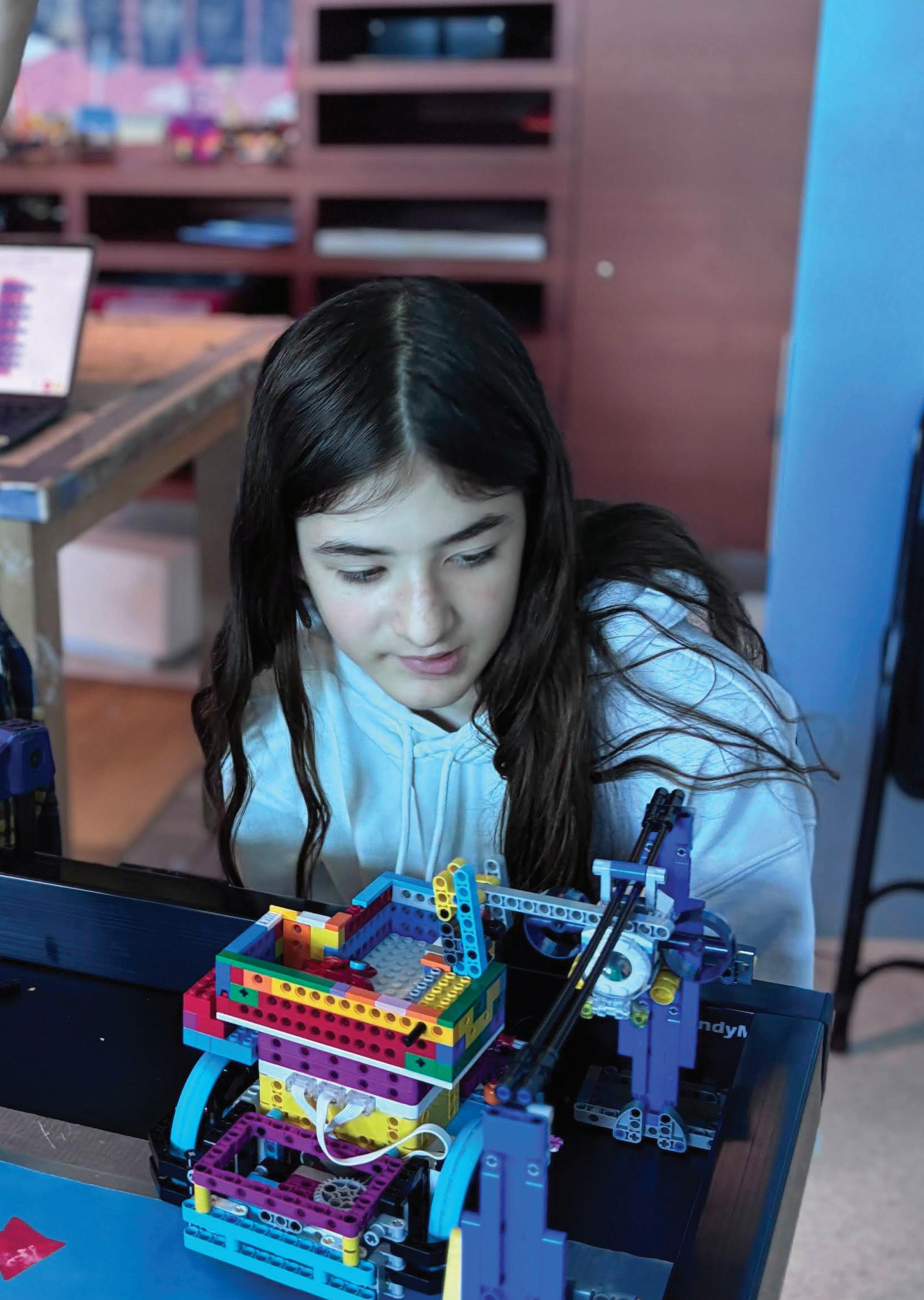
The fifth grade year nurtures independence and critical thinking through balanced individual work and collaborative projects. Students analyze diverse texts using literary devices and textual evidence in both fiction and non-fiction; they continue to expand on academic and creative writing. Mathematical reasoning advances through a deeper understanding of data interpretation, multidigit multiplication and division, fractions and decimals, and multi-step problem solving. Complex interdisciplinary projects, such as designing and coding robotic creatures and creating comprehensive historical presentations, integrate multiple skills and deepen research capabilities. Students increase their capacity to consider different perspectives and experiences in literature, history, and their daily lives.
Specialist classes in fifth grade include Library, Music, Innovation & Design, Science, Spanish, Physical Education, Information Studies, and Art.
This place is vibrating with learning. The school’s intentionality at every age means that the teachers get the best out of each child.
— CEE Parent
Leading and learning with integrity and purpose. Ready for what’s next.
Sixth grade offers an introductory middle schooloriented experience with departmentalized subjects, study halls, advisory groups, expanded extracurricular opportunities, lockers, and work service periods that develop responsibility and self-advocacy. Students practice various forms of writing—from increasingly sophisticated literary analysis to research papers and argumentative essays. Social studies explores political and cultural histories of ancient civilizations with a global perspective. The math program strengthens students’ understanding of numbers, ratios, and early algebra through real-world problem solving and critical thinking.
This final year at CEE is filled with milestones and traditions, such as the sixth grade capstone multi-night class trip, our student-produced graduation play, and other experiences that honor the deep bonds formed throughout each student’s Center journey.
Specialist classes in Library, Music, Science, Innovation & Design, Spanish, Physical Education, Information Studies, and Art complete this special year.
CONTINUUM 6 — UPPER ELEMENTARY
Sixth grade really is such a unique year at The Center. We were taught to a deeper level the very important skills we would take with us to secondary school. We learned how to manage our time, ask for help, and trust ourselves. We also learned how to say goodbye.
— CEE Alum
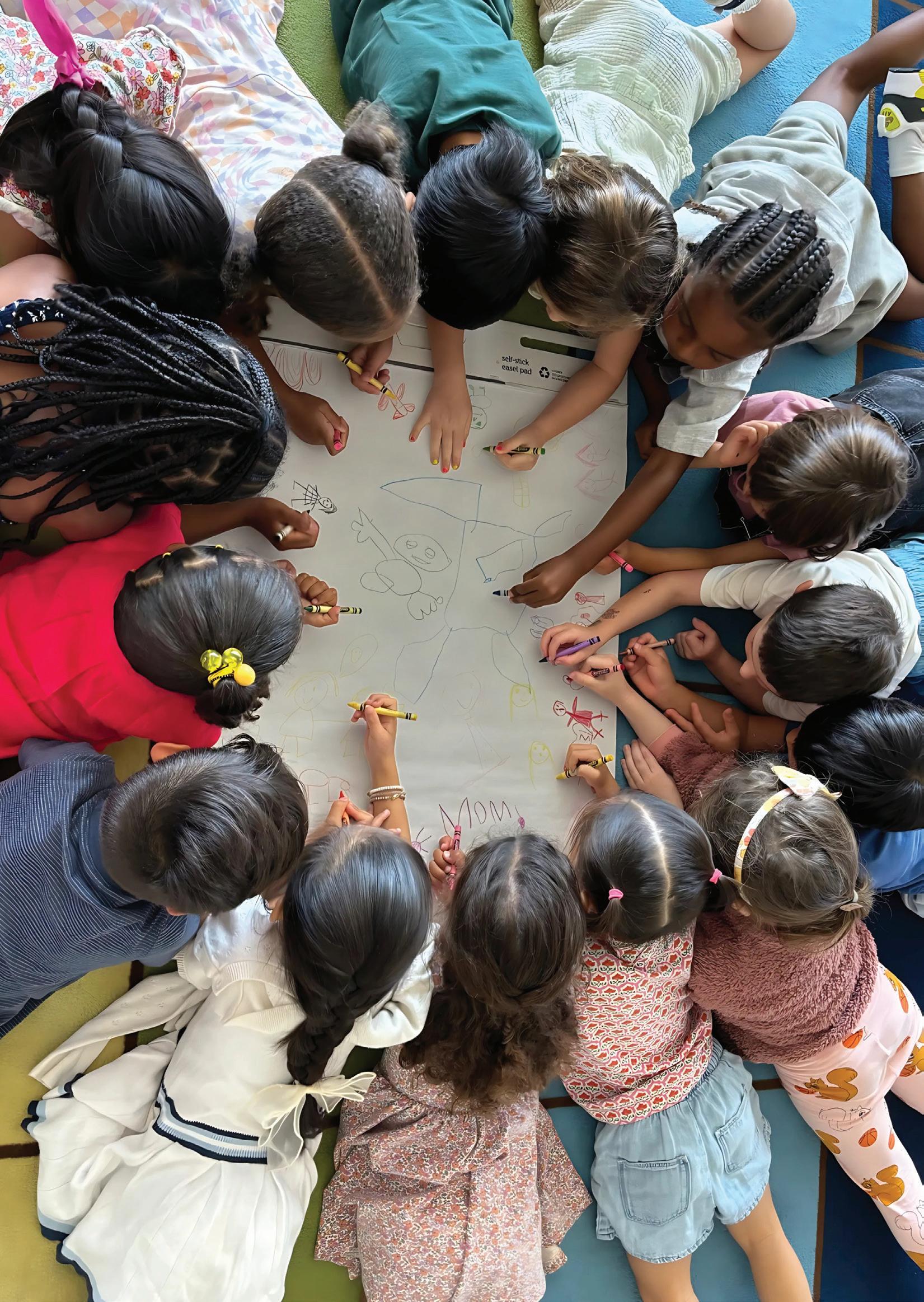
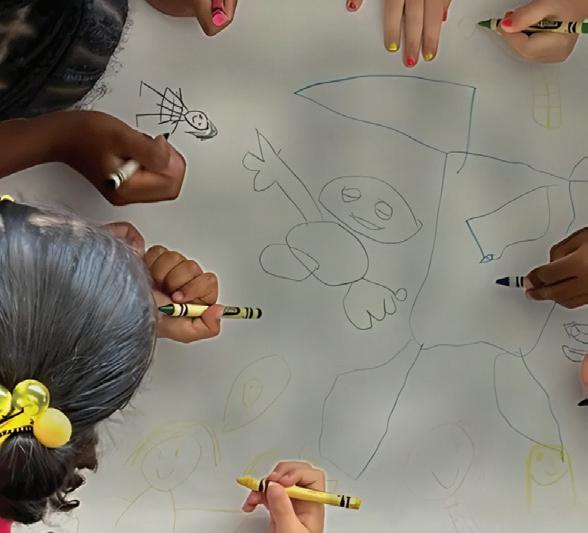
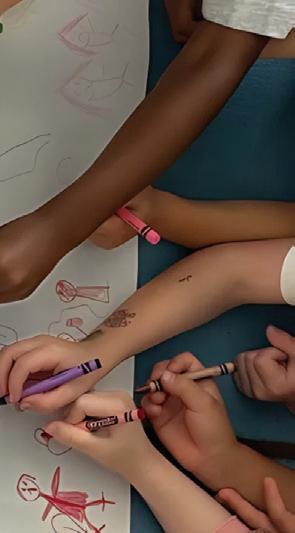


Our deliberate approach is modeled across our community. Intentionality shows up in our classrooms, curriculum, traditions, relationships, and partnerships with families.
Ours is a culture of kindness with all people respected, and differences honored. Empathy is cultivated as children grow their understanding of self and their community, work collaboratively, and participate in meaningful acts of service.


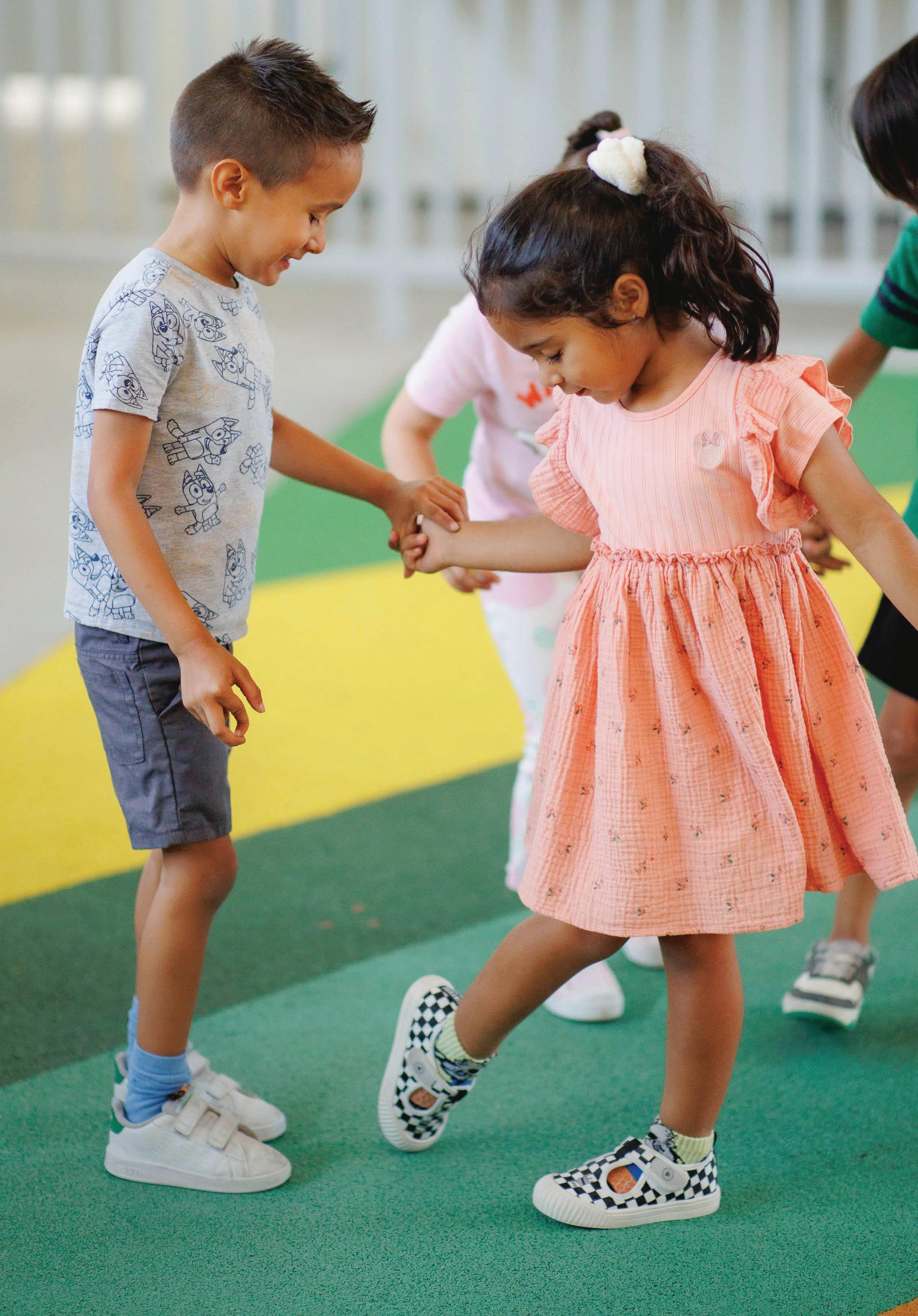
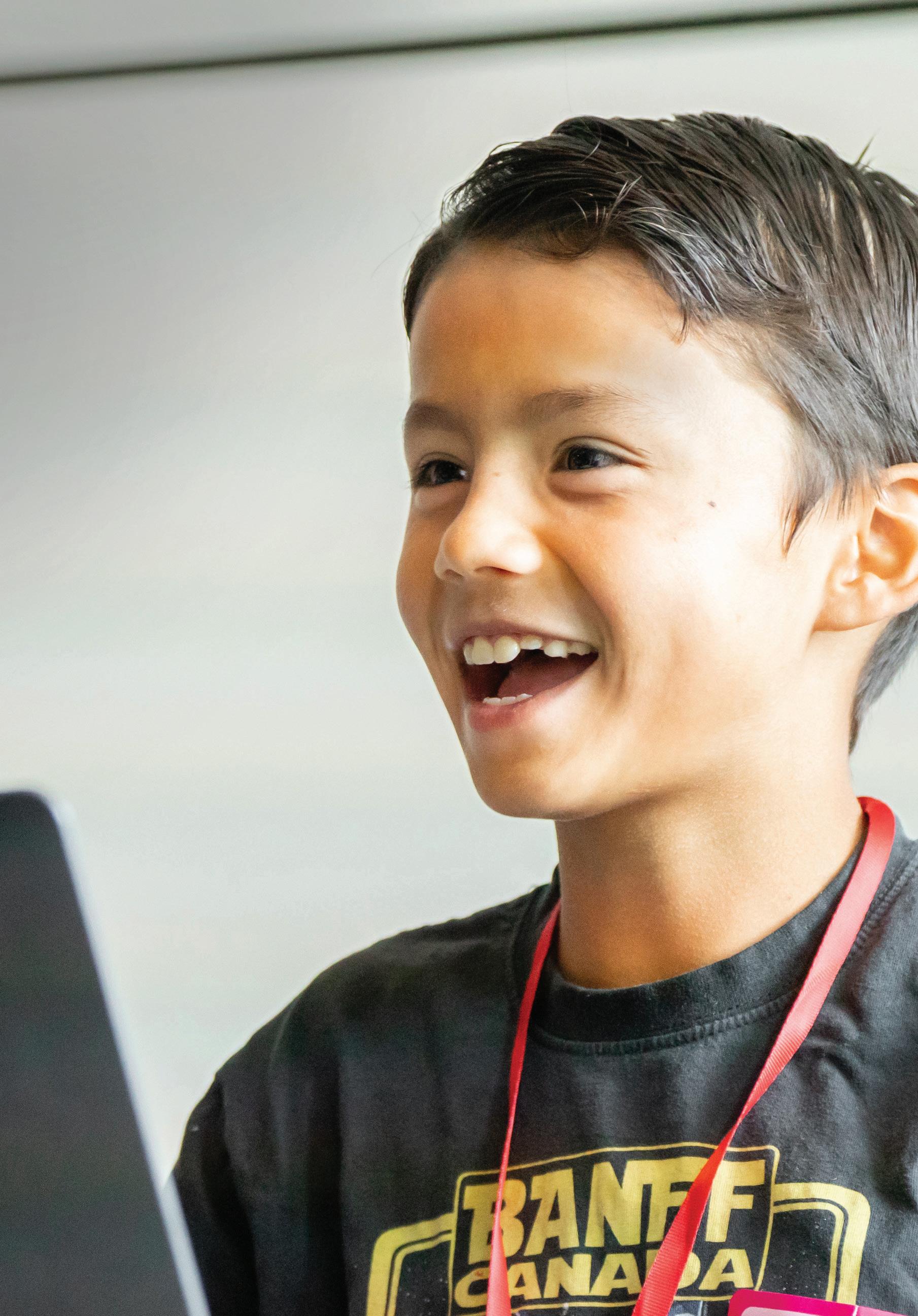
Children are valued for who they are in the moment and supported in their continual growth. They joyfully engage with school through a shared culture of inquiry, play, and academic challenge.




Our program centers children, teaching, and learning. Students develop a grounded self-awareness, community-mindedness, and the skills to identify and advocate for what they value.

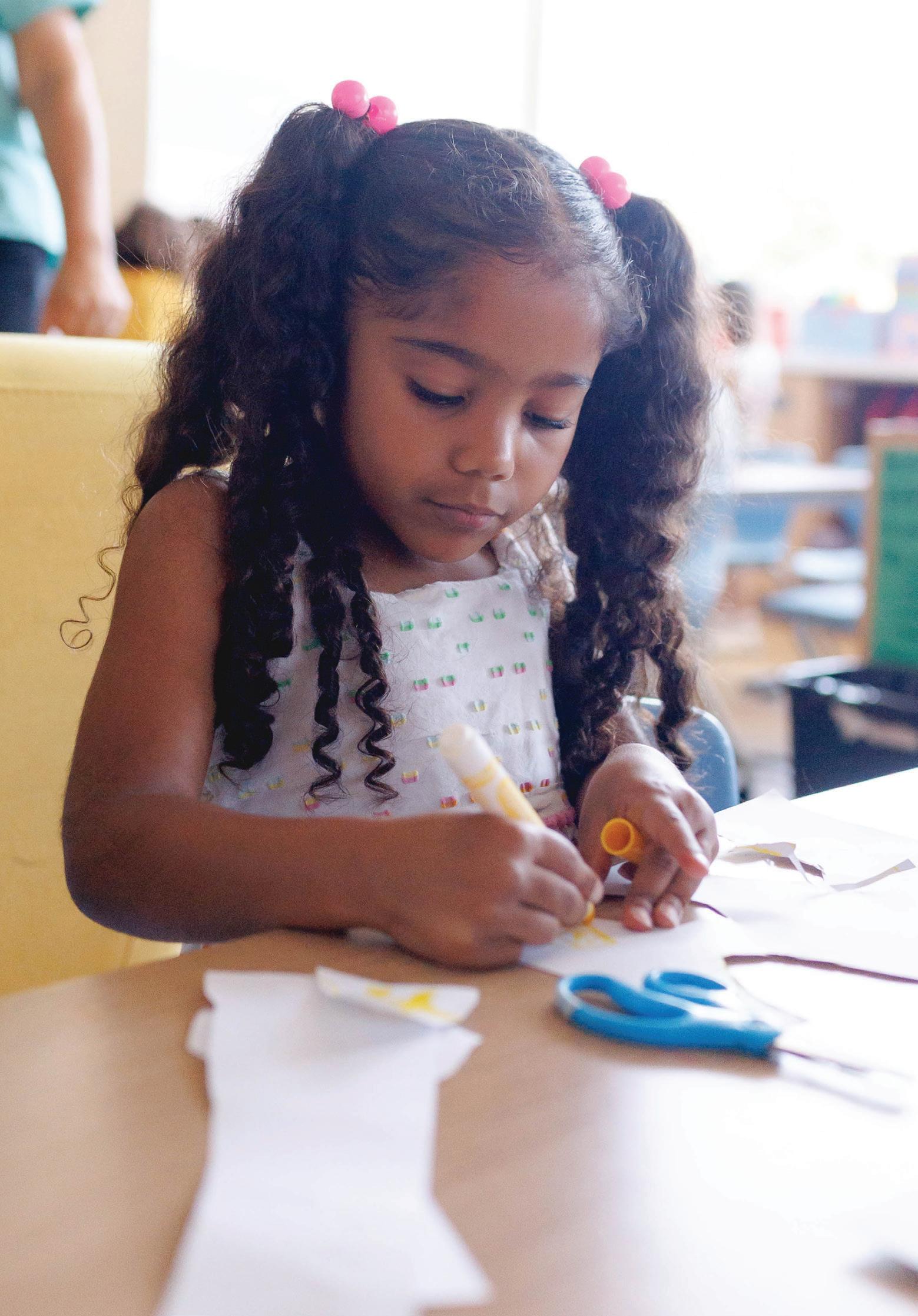
Students build an awareness of the surrounding world, becoming critical thinkers who thoughtfully evaluate information and develop their own points of view.

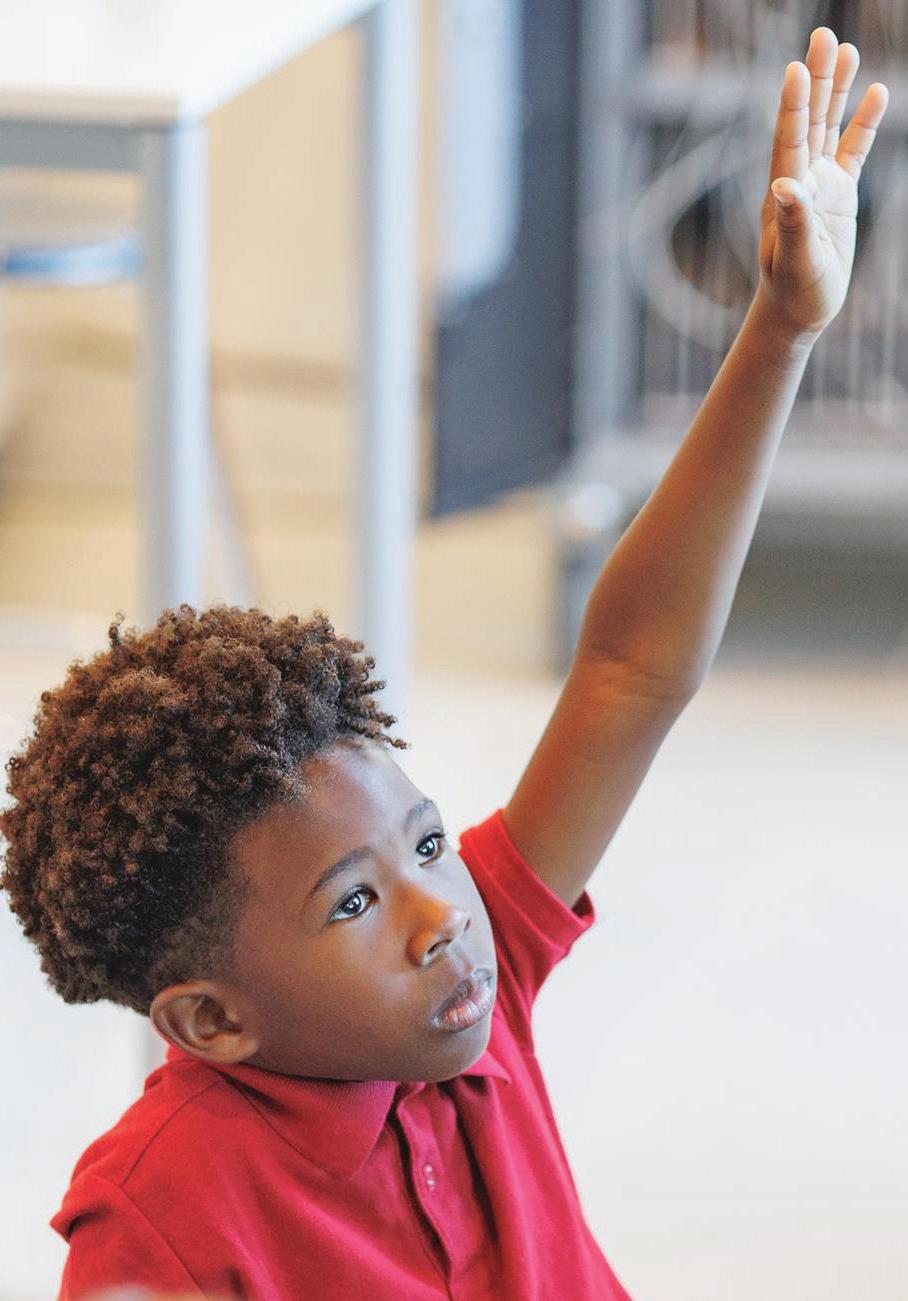
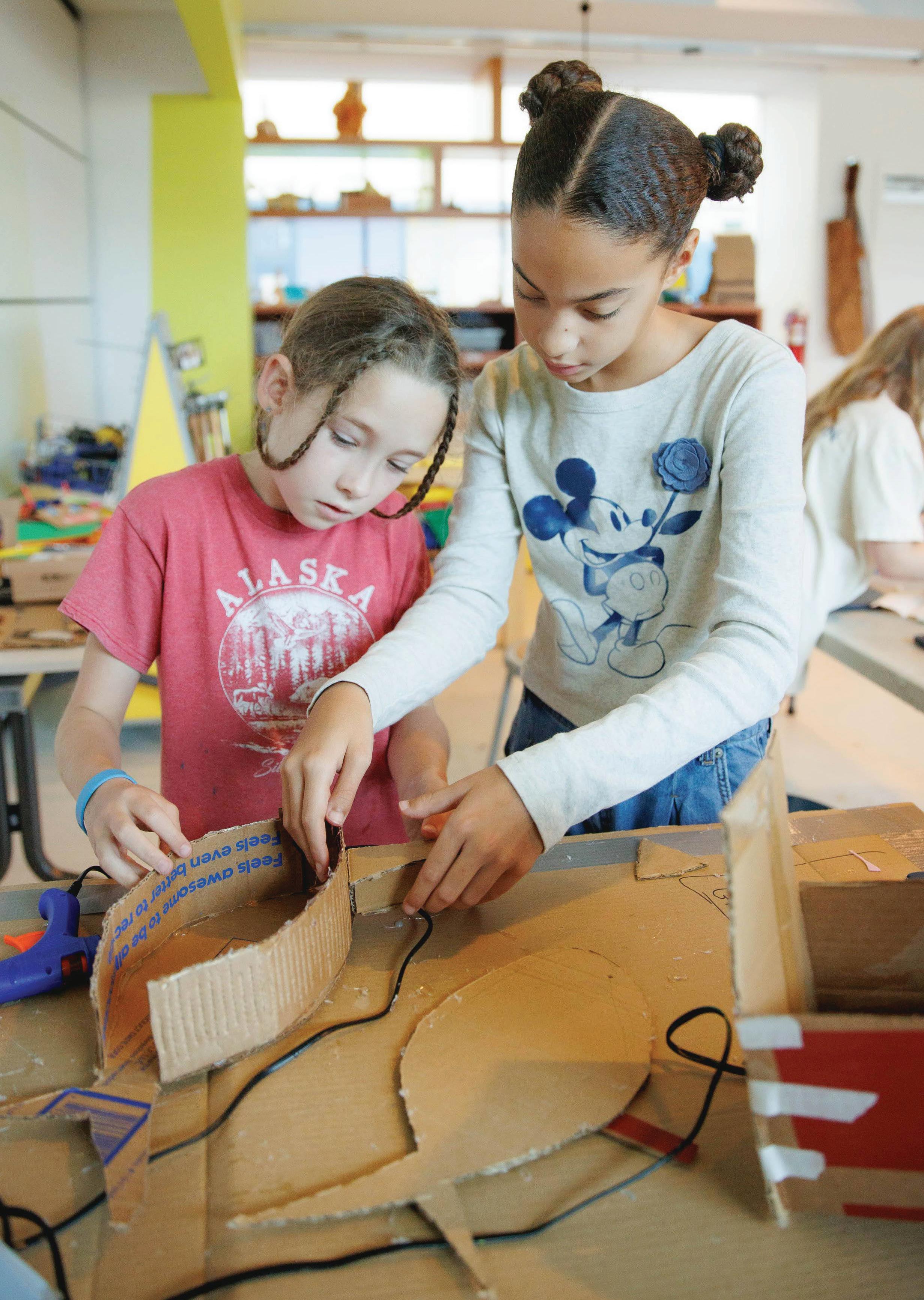
Center students learn to be flexible academically and socially. Through learning environments that evolve with children’s capabilities and development, each child is prepared to meet new challenges.
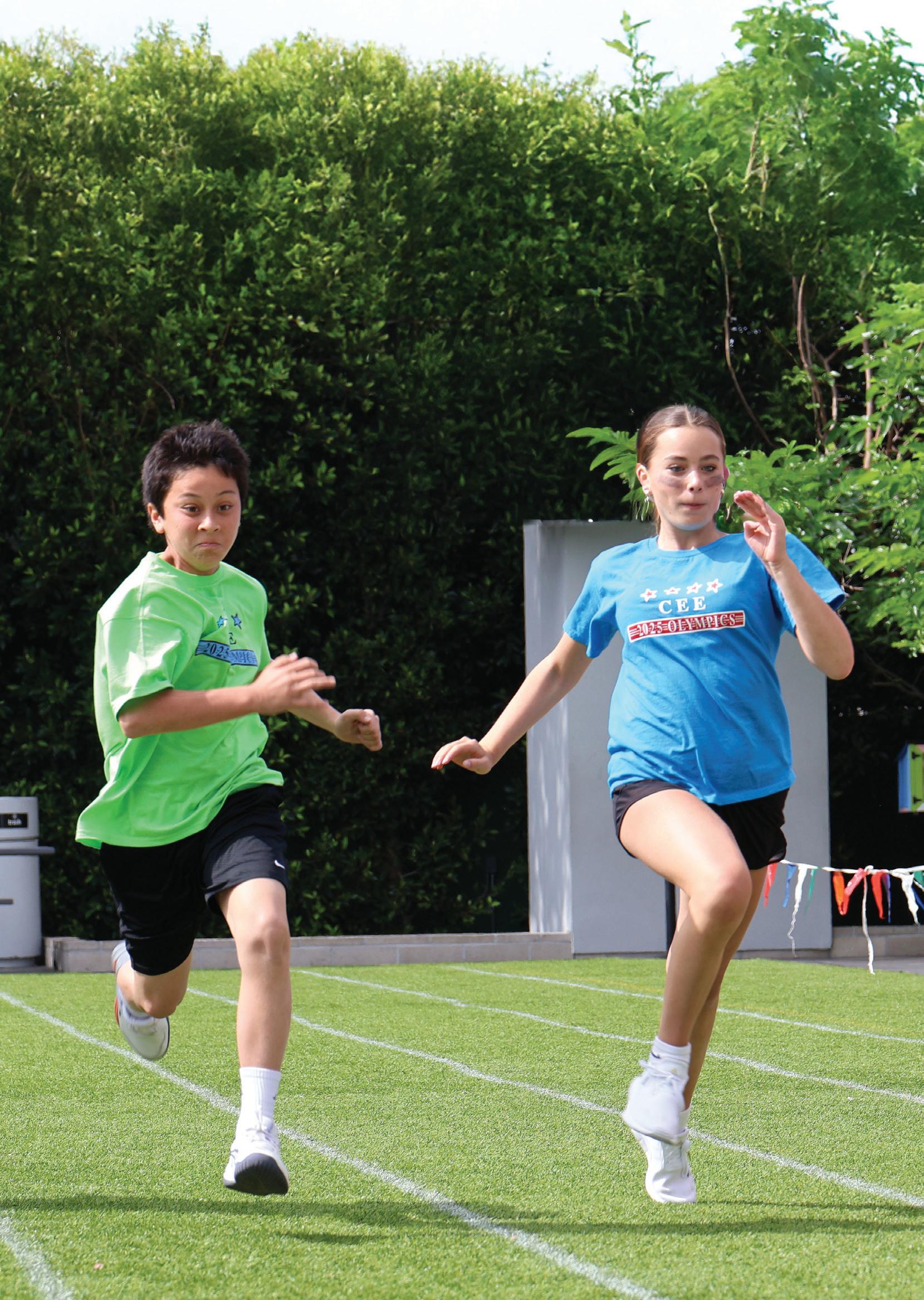
Students are invited to pursue curiosity with purpose. Our teachers help students discover their own passions and interests, encouraging a deep and sustained drive to learn.
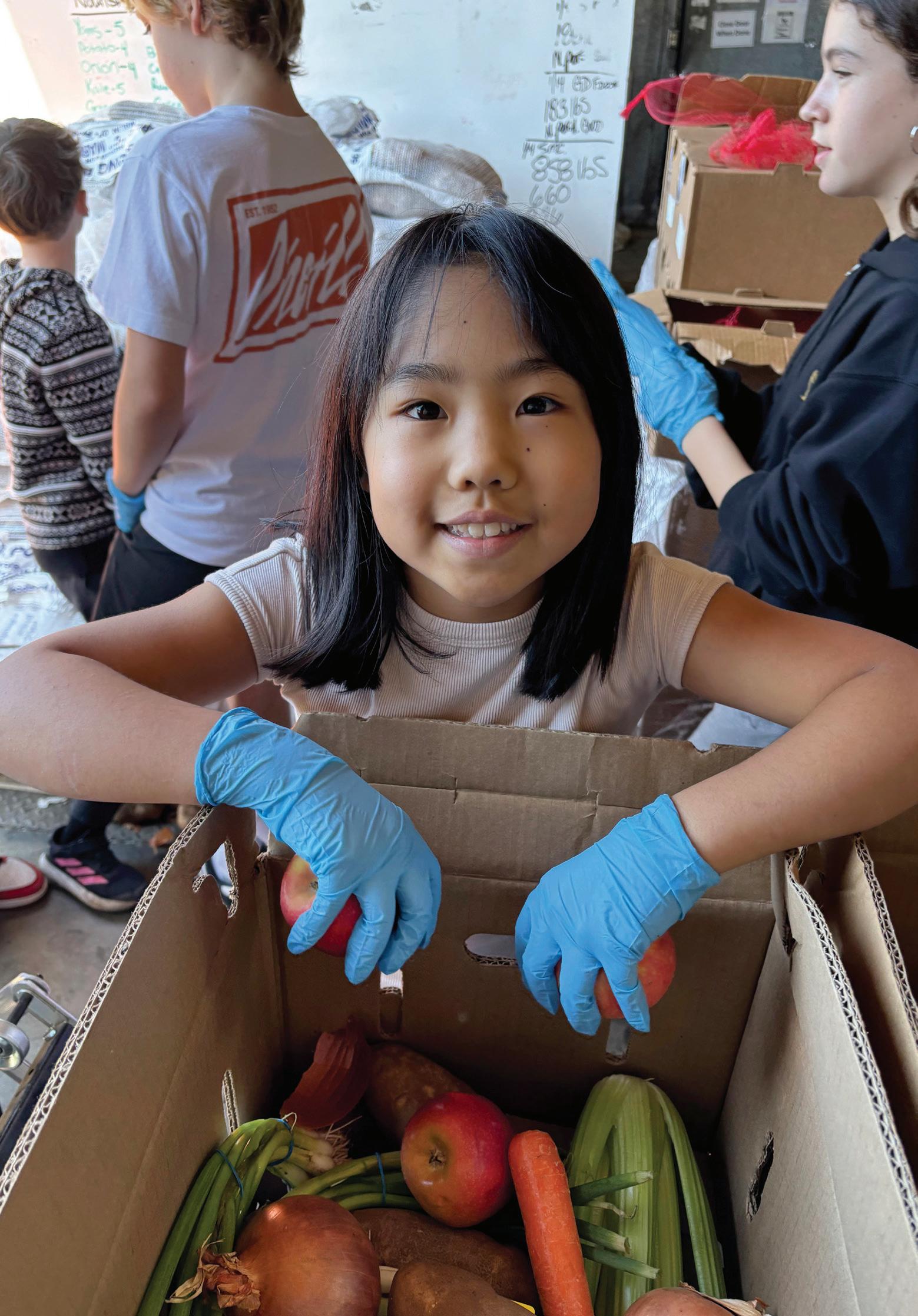
Children eagerly participate in all aspects of school life, in and out of the classroom while adults model volunteerism and a lifelong commitment to service. The Center emphasizes collaboration across grade levels and across generations within our larger community.

Our values are lived, discussed, and understood as an important foundation for life. Moral reasoning develops through meaningful and increasingly complex dialogue about choices and impact with every classroom forming age-appropriate expectations.
Since 1939, we’ve centered child development in every aspect of our program. From toddlers to adolescents, the curriculum is designed to meet the vast potential of each age. Our students are prepared for every stage of their learning at The Center and beyond. When they graduate, they are ready for secondary school and for full lives of meaning, purpose, and possibility.