
















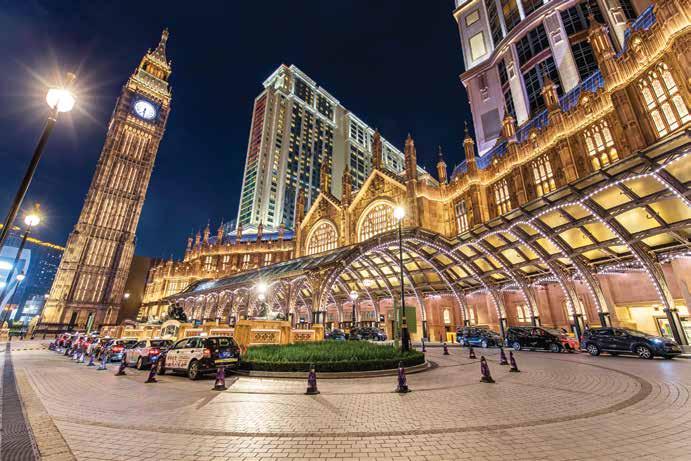
Dbar to skyline without ever breaking stride, and few destinations understand this as completely as Sands Resorts Macao.
Spread across Macao’s Cotai Strip, Sands Resorts Macao is three integrated resorts, The Venetian Macao, The Parisian Macao and The Londoner Macao, knitted into a single, walkable ecosystem. A morning strategy session, a poolside breakout, a Michelin-starred dinner and a reception under a fullscale Eiffel Tower replica can all happen without a shuttle bus or a missing delegate.
The numbers make the case: 71,000 sqm of exhibition space at Cotai Expo, flexible ballrooms for anything from a 50-person board meeting to a full product launch, and over 10,000 rooms and suites. But the more interesting story is the spaces in between. The Londoner Arena, a 6,000-seat venue, handles

corporate banquets and launches with real production value, while the Smart Stage offers broadcast-grade capability so hybrid attendees get the full experience.
For guarded conversations, the resort offers rooms that don’t feel like meeting rooms: The Residence at The Londoner Hotel for informal discussions and Hampton Court at Londoner Grand, styled after an English palace, for an executive lunch that feels like an occasion.
Presentations unfold poolside under a Big Ben replica; cocktails move to the pool deck; team-building spreads out on Il Prato Lawn. With over 150 restaurants and bars, dining has become part of the programming itself, Portuguese fine dining at Chiado, familiar
two-Michelin-starred Huaiyang Garden or Black Pearl Guide–rated La Chine, where the room does half the talking before the first course arrives.
What Sands Resorts Macao ultimately offers is rare in this industry: the freedom to stop thinking about logistics and start thinking about impact. When a venue, a view and a menu can all shift within the same walkable precinct, planners gain something more valuable than square footage, they gain room to design. A conference stops being a checklist of sessions and becomes a journey, one that moves as naturally from a ballroom to a rooftop to a chef’s table as the delegates themselves do. For an industry increasingly defined by experience over efficiency, that shift matters. Sands Resorts Macao isn’t simply keeping pace with where MICE is headed, it’s quietly setting the direction, one event at a time. en.sandsresortsmacao. com/meetings/index.html

publisher & CeO RAVI LALwANI
exeCutive DireCtOr MEENA LALwANI
eDitOrial
COnsulting eDitOr AkANkShA MAkER
Features Writer EShA APhALE
prODuCtiOn & Design heaD AMIT ChAVAN
sOCial meDia & Features exeCutive MARIA VERghESE COntributOrs SAMMy CARoLUS, ANDREw goULD, SUSHANT JOSHI, JIAAN KRIS JAMSHŶD LAM, NAINA SARMA, NILeSH SINgH
aDvertising
COmmerCial DireCtOr RAVI LALwANI
email RAVI@PANACEAPUBLIShINg.Co.IN
COntaCt
eDitOrial TEL 022-40046646
email EDIToRIAL@PANACEAPUBLIShINg.Co.IN
Website thebusinesstravelindia.com
linkeDin The Business Travel Magazine India instagram thebusinesstravelmagazineindia aDvertising TEL +91 9820022110
subsCriptiOns
tel +91 9004015411
email ShMIRA@PANACEAPUBLIShINg.Co.IN print subsCriptiOn 1 yEAR (11 ISSUES) foR jUST `2,000
‘The Business Travel Magazine India is published 11 times a year by arrangement with BMI Publishing Limited Uk. BMI Publishing Limited Uk assumes no responsibility or liability for any errors or omissions in the content in this magazine’.
While every effort is made to ensure accuracy, PANACEA PUBLIShINg PVT. LTD. cannot be held responsible for any errors or omissions.
Printed & Published by Ravi Lalwani on behalf of Panacea Publishing Pvt. Ltd. at 3 hampton Court, 123, wodehouse Road, Colaba, Mumbai 400 005.
Printed at Indigo Press (India) Pvt. Ltd. Plot No.1C/716, Off Dadoji Konddeo Cross Road, Between Sussex And Retiwala Ind. estate, Byculla (East), Mumbai - 400 027.
itself does not charge a transaction fee, banks may apply transfer charges and forex conversion rates.
Bhutan was the first country outside India to adopt UPI, with more than 20,000 merchants now accepting payments. Singapore followed with the UPI-PayNow link in 2023, and Nepal joined after NPCI International partnered with PhonePe in 2025, enabling payments via apps such as Google Pay and PhonePe.
Sri Lanka joined through a LankaPay partnership, while Mauritius launched UPI and RuPay card services in February 2024. The UAE added UPI to Network International’s network in July 2024, covering more than 200,000 terminals, and Qatar followed in September 2025 through a partnership with Qatar National Bank.
Cambodia joined in June 2026, with more than 4.5 million merchants now accepting UPI. France became the first European country to adopt UPI, though use remains largely limited to Eiffel Tower ticket bookings. Finally, Greece became the tenth country on June 30 through a partnership with Eurobank.
Travellers can use the same apps as in India, including Google Pay, BHIM, Paytm and PhonePe, provided their bank, such as Axis, HDFC, ICICI or SBI, supports international transactions. However, coverage varies by country, so travellers should confirm fees with their bank before relying on UPI abroad. npci.org.in













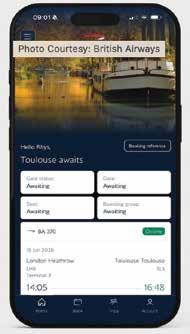

irways has begun rolling out a redesigned mobile app, designed to be faster and more intuitive throughout the trip. The rollout follows months of testing with a large beta community, whose feedback shaped the final design.
The app adds real-time journey updates, wider self-service, and digital boarding passes that now save to Apple and Android wallets and work offline. It also includes passport scanning, biometric profile management, and features for Heathrow Terminal 5, such as interactive terminal maps and lounge occupancy information. Live operational data powers journey updates for flights departing from Heathrow and Gatwick, with push notifications before and during travel. A new “day of travel” home screen surfaces the most relevant information at the right moment. Colm Lacy, chief commercial officer at British Airways, said customer feedback drove the rebuild. “We listened to our customers and recognised the need for a different app, one that prioritises the features that matter most,” he said, adding that the new platform lets the airline roll out fresh functionality faster.
British Airways Club members also gain extra tools, with Avios and Tier Point tracking, statements, saved passport details and travel companions all managed in one place. British Airways says this rollout is only the first phase. Future updates in development include Reward Flight and voucher redemption, deeper personalisation and real-time baggage tracking, as the airline continues its broader transformation programme across the customer journey. britishairways.com
emirates will bring its flagship a380 to Delhi from October 25, Indian capital the airline’s third A380 gateway in the country, alongside a wider rollout of Premium Economy across six Indian cities. The airline confirmed the plans in a statement from Dubai on July 9.
The A380 will operate flights EK512 and EK513 in a four-class configuration, with four-class retrofitted Boeing 777s operating the route’s three other daily services. Premium Economy will now be available on every Dubai-Delhi flight.
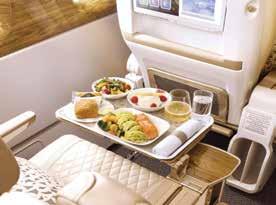
Emirates’ Premium Economy cabin, featuring cream leather seats and chinaware dining, will be available on flights to Delhi, Mumbai, Ahmedabad, Bengaluru, Kolkata and Kochi by the end of October.
Adnan Kazim, Emirates’ deputy president and chief commercial officer, called Delhi’s addition “an honour” for the airline’s India network, adding that Premium Economy would now cover nearly half of Emirates’ scheduled weekly flights in the country.
Kolkata’s daily EK570/571 service moves from a Boeing 777 to an A350 from 25 October, bringing Premium Economy to the route for the first time and completing coverage across all 12 weekly Kolkata-Dubai flights.

Emirates has also opened retail travel stores in Delhi and Mumbai, with Hyderabad and Bengaluru next, alongside a dedicated Mumbai call centre. In addition, the airline serves nine Indian gateways with 167 weekly flights to Dubai, connecting onward to close to 140 destinations worldwide. emirates.com



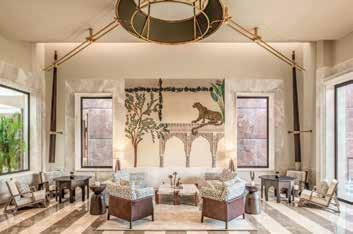





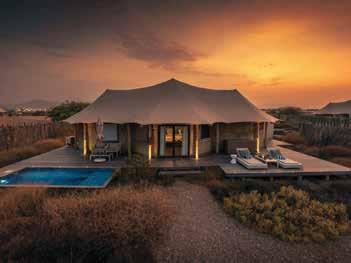
portfolio of seven nature and heritage retreats owned by the Sharjah Investment and Development Authority (Shurooq). The agreement was signed at the House of Wisdom in Sharjah, giving Minor Hotels control of more than 150 rooms across desert, coastal, mountain and heritage sites.
The seven retreats, previously operated under the Mysk by Shaza brand, include Al Badayer Retreat, Al Faya Retreat, Kingfisher Retreat, Moon Retreat, Najd Al Meqsar, Al Rayaheen Retreat and Nomad. Following a period of investment, the properties will join Minor Hotels’ upper-upscale and luxury segment. Al Faya Retreat sits in Mleiha’s desert landscape, built from repurposed 1960s structures; Al Badayer draws on the region’s caravanserai tradition amid Sharjah’s red dunes; and Kingfisher occupies a coastal mangrove setting in Kalba.
Shurooq says the partnership is about scale, not rebranding, with Minor Hotels bringing its international distribution network
and commercial systems while each property’s individual character stays intact. H.H. Sheikha Bodour bint Sultan Al Qasimi, Chairperson of Shurooq, said the collection was built on the belief that hospitality can be “a powerful expression of place,” and that the Minor partnership marks a step in expanding its international reach while preserving its authenticity. Amir Golbarg, Chief Operating Officer of Minor Hotels Middle East and Africa, said the collection was unlike any other portfolio in the region, with each retreat offering a distinct connection to its setting, and that Minor would focus on enhancing the guest experience while preserving each property’s individual character. The move follows recent disruption caused by the Iran conflict, which exposed how vulnerable single-market retreats can be without global distribution to back them. Minor Hotels operates more than 640 hotels across 66 countries, including Anantara, Avani and Tivoli, with further projects planned in the Middle East in Riyadh and Bahrain.
minorhotels.com
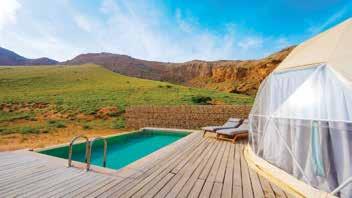
Hilton will open the Hilton garden Inn busan gijang in 2026, marking the brand’s debut in Busan’s Gijang district and further strengthening Hilton’s presence in South Korea. The hotel sits along Busan’s eastern coastline, close to beaches, cultural attractions and leisure destinations. The opening forms part of Hilton’s wider growth strategy across Asia Pacific, where demand for domestic and international travel continues to rise. Gijang has attracted growing attention in recent years, as travellers move beyond central Busan to explore its beaches, seafood markets, coastal trails and cultural sites, supported by new infrastructure and tourism investment across the area.
The hotel will offer contemporary guest-rooms, dining venues, fitness facilities and flexible social spaces, designed to serve a broad mix of guests, including leisure travellers, families and business visitors. Hilton expects the property to appeal to both domestic travellers and international visitors drawn to the district’s coastal setting. Busan remains one of South Korea’s most important tourism destinations, attracting visitors with its beaches, festivals, food culture, and coastal scenery. Districts such as Gijang have benefited from growing interest as

travellers seek destinations beyond traditional city centres, encouraging further investment in tourism infrastructure. The launch reflects a broader trend among international hotel groups expanding across South Korea, with an increasing focus on emerging leisure destinations alongside established urban centres. Hilton Garden Inn Busan Gijang combines a coastal setting with the brand’s established hospitality model, targeting both business and leisure demand. hilton.com
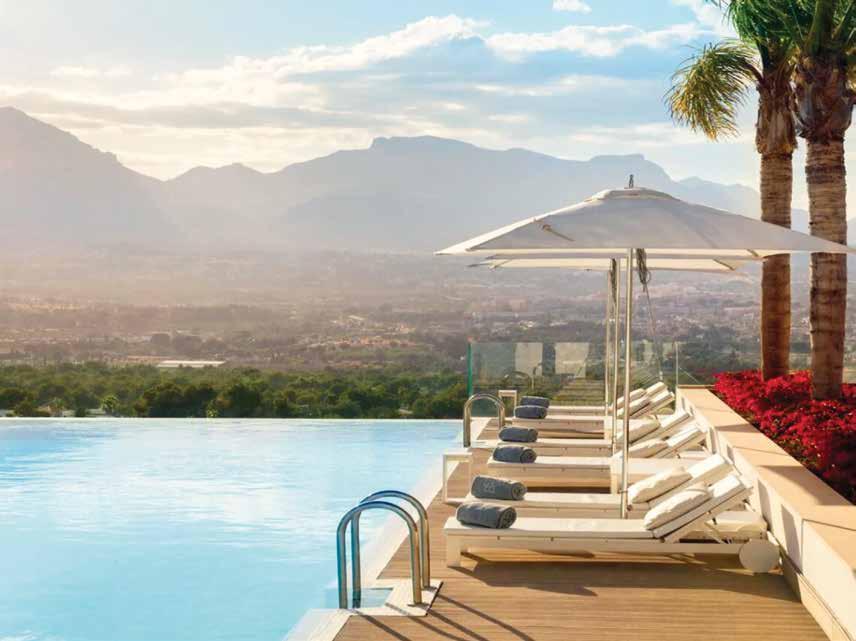
The era of indulgence is being firmly edged aside by something more personal: privacy over spectacle, recovery over indulgence, and control over one’s own schedule
Words by AkAnkshA MAker
There was a time when luxury travel announced itself. That era is not quite over, but it is being replaced by something more real: privacy over grand showcases and recovery over indulgence. Today’s traveller, business or otherwise, understands these nuances. The hotels that embrace this shift are thriving, not just surviving.
Solo travel has stopped being a consolation prize for the unattached and become a deliberate choice. This is a preference that business travellers in particular have been making for years without anyone portraying it as a trend. A CMO travelling alone for a conference in Singapore or a founder flying solo to close a deal in Dubai is not lonely. This is efficiency: setting your own pace, eating when you want to, and not having to negotiate anyone else’s preferences into your three days on the move. That same preference for autonomy
is already shaping what hotels provide next. A few hotels have got the memo; they’re no longer treating solo guests as an afterthought or adding them as plus-ones to a double room. Aman has an ethos around it; its properties have been designed to make solitude seem deliberate rather than accidental – with vast private spaces that don’t make you feel like you’re occupying too much room.
Six Senses has taken a similar approach, pairing solofriendly dining concepts and less-demanding communal tables with wellness programming based on the likelihood that guests are thinking, dining and travelling on their own terms.
the new premium: nobody knows you’re here
Privacy used to mean a locked door. Now it means something closer to being Houdini, and business travellers, particularly those negotiating sensitive deals,
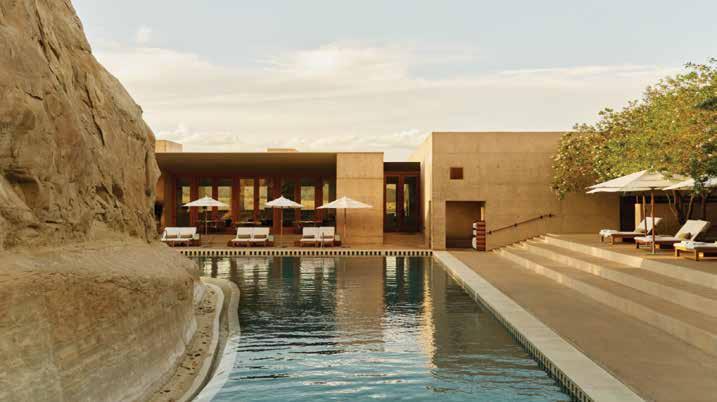
are paying handsomely for it. Executives negotiating LOIs, celebrities wanting a week off from the paparazzi, or entrepreneurs overposting their updates on the gram. All of them are driving demand for hotels to adopt discretion as a design philosophy. The most discerning properties have stopped asking guests to exchange privacy for service; they’ve found a way to offer both.
The Peninsula‘s residential-style suites, with separate entrances and no lobby theatre that comes with a conventional check-in, understand this instinct well. So does Rosewood, whose “sense of place” philosophy extends to genuinely discreet arrival experiences. For example, at properties like Rosewood Hong Kong, a guest can move from car to room without a single unnecessary interaction. That expectation of discretion also sets up the next shift: wellness.
For years, wellness in hotels meant a spa menu and a smoothie at breakfast. What has replaced this version is holistic and increasingly the reason a guest chooses one property over another. Six Senses again leads convincingly here, with its integrated approach blending sleep science, nutrition and mindfulness into a single coherent programme rather than a collection of unrelated spa treatments. COMO Shambhala, one of the earliest movers in this space, built its reputation precisely on biohacking. They’ve understood that wellbeing on the road should be a prolongation of a guest’s life rather than an interruption to it. This deeper approach naturally leads into biohacking.
The furthest edge of this shift, and arguably its most fascinating expression, is the rise of biohacking and longevity-focused hospitality. This is wellness with data to back it up, and a growing number of properties are positioning themselves accordingly. Clinique La Prairie in Switzerland has long operated at the furthest end of this spectrum, with medically supervised longevity

programmes that draw an increasingly corporate clientele keen to treat recovery as seriously as they treat performance. Even Four Seasons, hardly known as an early adopter of anything experimental, has begun weaving longevity-adjacent offerings, IV therapy, advanced diagnostics, and personalised restoration protocols into select properties. A sure sign that what once sat at the fringe of wellness tourism is edging into the mainstream of luxury hospitality altogether.
None of this is incidental to business travel, whatever the marketing departments of certain hotel groups would still like guests to believe. The executive flying in for forty-eight hours of meetings is the ideal customer for all four of these shifts at once.
The properties getting this right aren’t the ones with the snazziest new spa or the longest dining menu. They’re the ones who’ve understood that luxury today is no longer about “being seen”. It is about having the choice to pick what you need and, more importantly, who or what you don’t.
48 Istanbul hours in how spend to
Planning 48 hours in Istanbul? Discover how to experience the city’s history, food, culture, and neighbourhoods while making the most of a short stay.
Words by RAvI lAlWAnI
The best way to experience Istanbul is to resist the temptation to treat it as a checklist. For travellers with 48 hours in Istanbul, the challenge is rarely deciding what to see. It is deciding what to leave out.
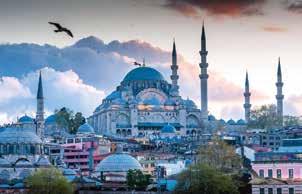
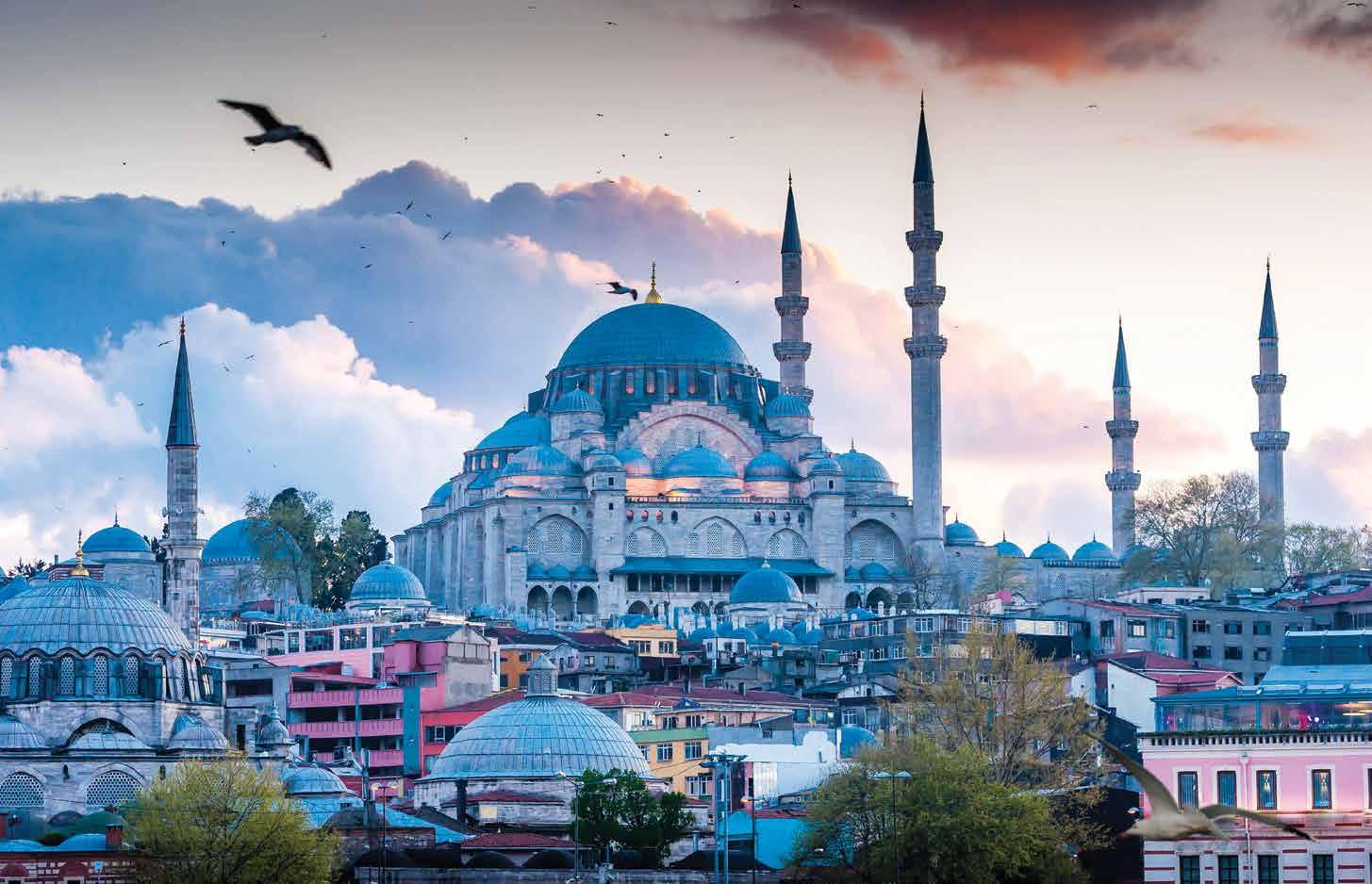
The city certainly possesses the landmarks. Hagia Sophia remains one of the most significant buildings ever constructed. The Blue Mosque continues to define much of the historic skyline, while the Grand Bazaar attracts visitors from around the world. Yet Istanbul’s appeal has always extended beyond individual attractions. What makes the city memorable is the way it shifts between identities throughout the day, moving effortlessly between Europe and Asia, tradition and modernity, commerce and culture.
As Turkish Airlines continues to strengthen Istanbul’s position as one of the world’s most connected aviation hubs, many business travellers find themselves arriving with a long layover, an extended stopover, or a brief window between meetings. Fortunately, 48 hours in Istanbul is enough to experience the city meaningfully, provided the focus remains on how Istanbul is lived rather than simply what it contains.
START WITH ISTAnbul’ evolvIng food culTuRe
While history draws travellers to Istanbul, food increasingly persuades them to stay longer. The city’s culinary landscape has evolved significantly over the past decade. Traditional Turkish cuisine remains central to the experience, yet a new generation of chefs has begun reinterpreting regional ingredients and historic recipes through a more contemporary lens.
does more than divide continents. It connects the city. Ferries move constantly between shorelines, carrying commuters, students, families, and visitors between different parts of daily life. Spending time on the water offers a perspective that streets alone cannot provide.
From the Bosphorus, travellers encounter Ottoman palaces, historic waterfront mansions, luxury hotels, mosques, and residential neighbourhoods that rarely appear on conventional itineraries. More importantly, they begin to understand how geography continues to shape the city’s identity. Few global cities maintain such a close relationship with the water that surrounds them.
neW ISTAnbul
Back on the European side, Beyoğlu offers one of the clearest examples of Istanbul’s ability to reinvent itself while remaining connected to its past. Historic façades sit alongside contemporary galleries, rooftop bars, luxury hotels, independent boutiques, and innovative restaurants. The district has long attracted artists, entrepreneurs, writers, and creatives, giving it an energy distinct from the city’s more traditional quarters. While Istiklal Avenue remains one of Turkey’s busiest streets, the surrounding side streets often reveal the neighbourhood’s true character. Here, travellers move between centuries-old buildings and contemporary concepts within the span of a few minutes, a contrast that feels unique to Istanbul.
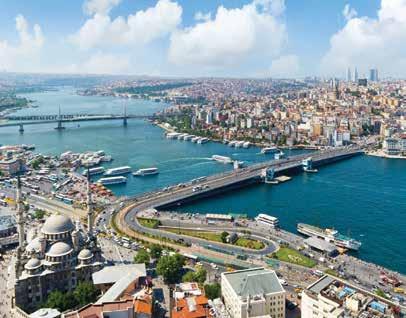
Districts such as Karaköy and the Galataport waterfront have become particularly influential in this transformation. Restaurants here balance local traditions with modern techniques, creating dining experiences that feel distinctly Turkish while reflecting the city’s increasingly international outlook. Rather than rushing between attractions, lunch offers an opportunity to slow down and observe the rhythm of daily life. In Istanbul, some of the most memorable moments often happen away from the major landmarks.
THe boSpHoRuS
Nothing explains Istanbul more effectively than time spent on the Bosphorus. The waterway
The second day rewards a slower approach. Rather than focusing on major attractions, spend time exploring neighbourhoods. Walk through the colourful streets of Balat. Follow the waterfront in Arnavutköy. Stop for Turkish coffee without researching where to find the best cup. Browse small shops. Sit in a public square. Watch ferries arrive and depart. Istanbul often reveals itself through observation rather than planning. This has always been a city defined by movement. Traders, diplomats, merchants, and travellers passed through Istanbul for centuries on their way elsewhere, carrying with them ideas, cultures, and influences that helped shape the city that exists today.
Forty-eight hours may not provide enough time to understand Istanbul completely. It is, however, enough time to understand why so many visitors find themselves returning. The city’s greatest attractions aren’t simply its monuments, but the atmosphere that exists between them. The greatest lesson from spending 48 hours in Istanbul is that the city rewards curiosity far more than speed.
The ideal blend of East and West, Macao has a lot in store for the frequent business traveller
Words by akanksha maker
on my periodic business trips to Hong Kong, I made it a point to stop by Macao a couple of times. Whether it was a business meeting or just a stopover to taste some of their egg tarts, Macao managed to surprise me every time.
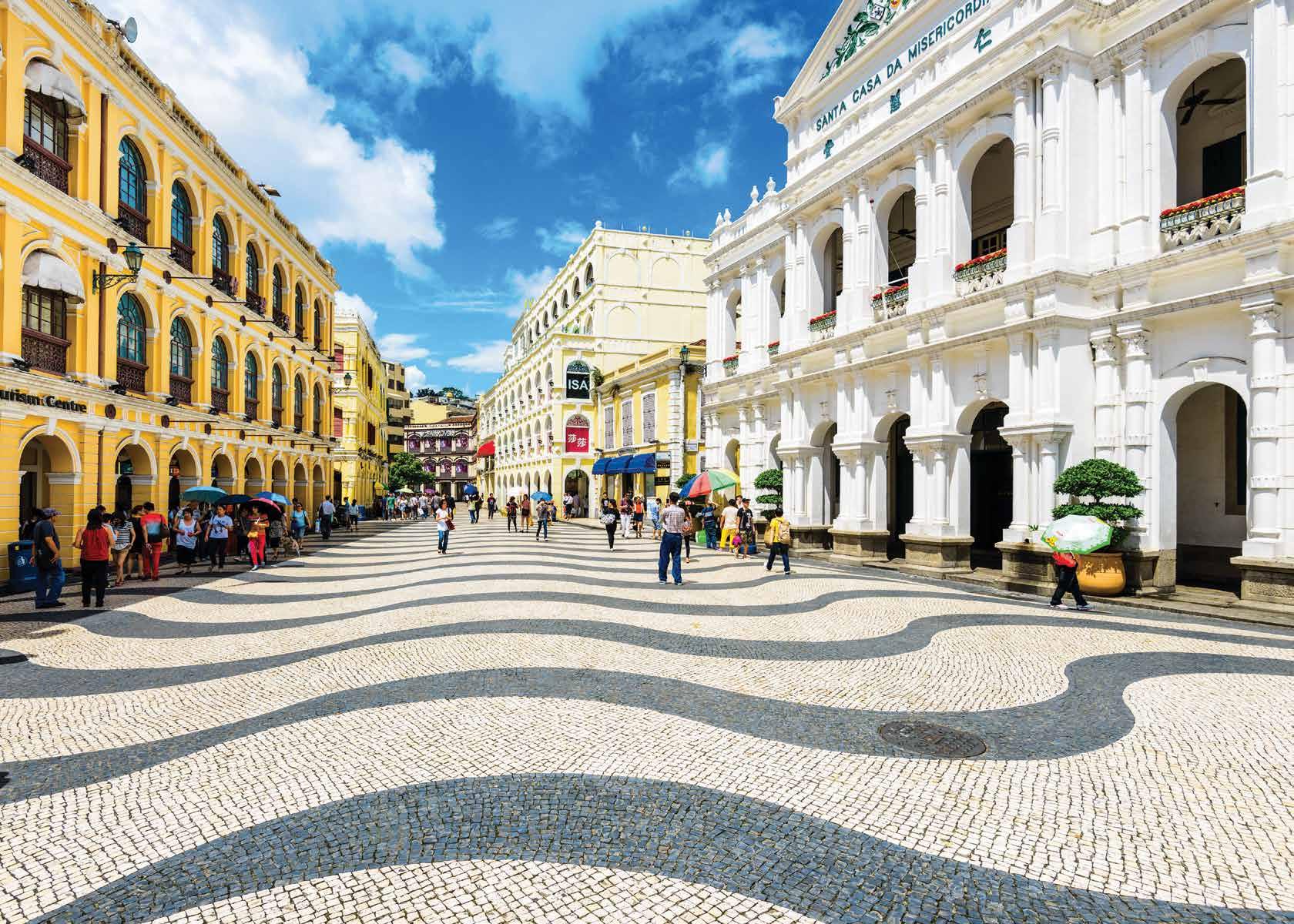
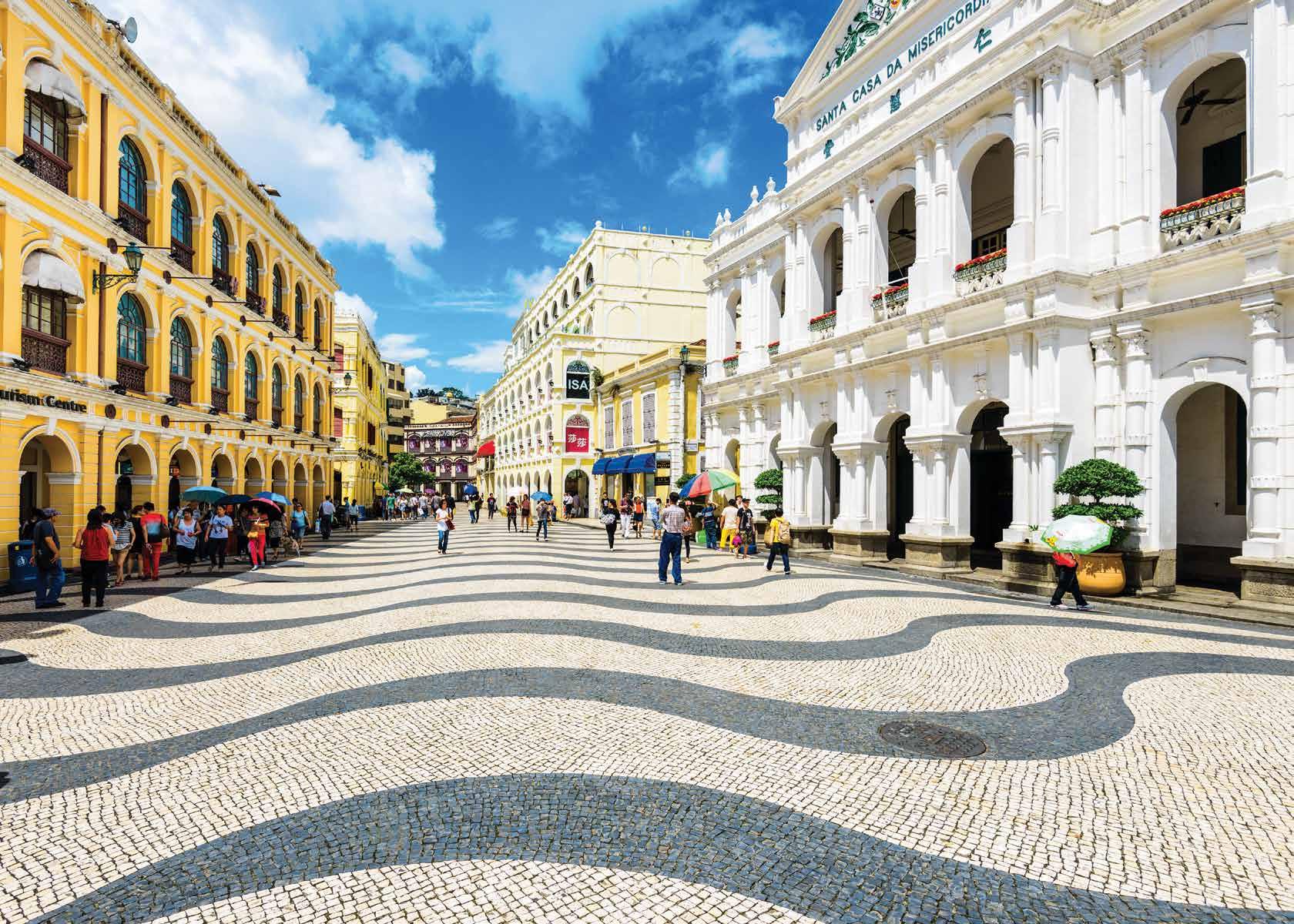
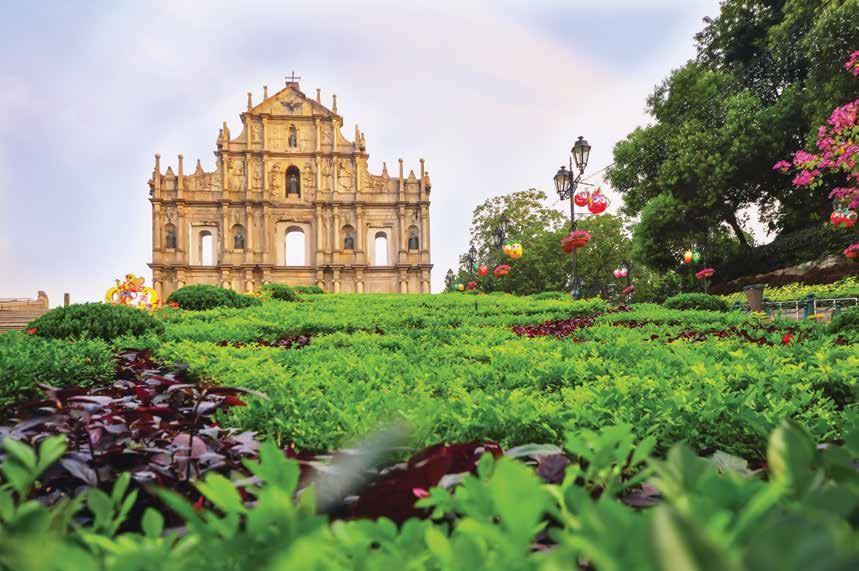
What enamoured me most about the destination was its magnetic blend of two worlds, where opposing dimensions met with beauty and perfection. Its quaint and charming history is one that always drew me in. Between 1557 and 1999 (until the handover), Macao remained a Portuguese trading enclave, the first European settlement in China, and eventually became the last European colony in all of Asia. Its storied past didn’t just leave behind ancient buildings but also an entirely unique Macanese identity, which blends Cantonese and Portuguese architecture, faith, language and cuisine. Interestingly, my first stop in Macao is always its Historic Centre, which has been a UNESCO World Heritage Site since 2005. This area protects more than twenty landmarks, which include the Ruins of St. Paul’s; Senado Square with its wave-patterned mosaic paving; and the A-Ma Temple, from which Macao likely takes its name.
After spending some time in the centre of Macao, I always make time to hit the Cotai Strip, home to some of the largest integrated resorts on the planet. The city’s ambitions, though they began with being the gaming capital of the region, have expanded considerably over the past few decades. Macao is investing deliberately in becoming a serious MICE and leisure hub for the Greater Bay Area, and the calibre of the hotels and resorts that have opened here in recent years reflects this shift.
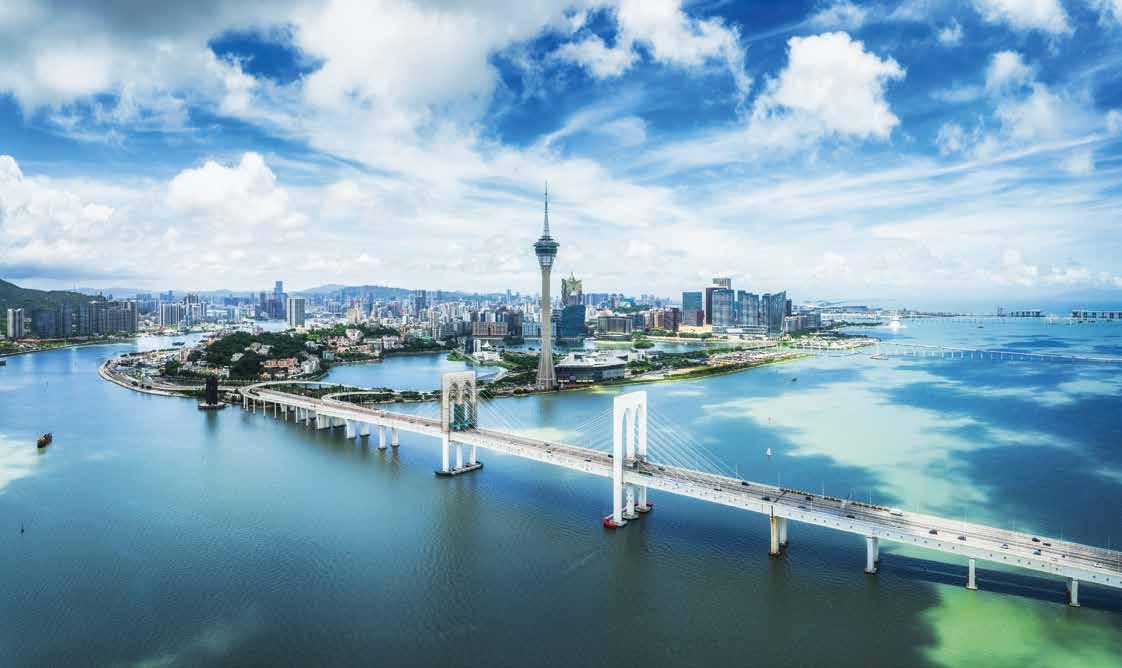
What enamoured me most about the destination was its magnetic blend of two worlds, where opposing dimensions met with beauty and perfection

The city’s scale, connectivity and government intent have driven its move toward becoming a prominent MICE destination. Being in close proximity to Hong Kong and directly connected via the Hong Kong–Zhuhai–Macao Bridge gives delegates easy access to the city. The connectivity of Macao International Airport to the rest of the world, combined with the expansive resort infrastructure, allows large groups to fly in, stay and network without ever having to leave a single property’s footprint.
the next bIg WeddIng destInatIon
Macao’s appeal as a wedding destination emerges from its duality. Couples can enjoy its charming side, with the UNESCO-listed old town, colonial squares, cobblestone lanes and baroque churches, while also choosing anything from an intimate ceremony to a 2,000-guest celebration. Being dynamic in nature means that Macao is able to host both Western-style ceremonies and elaborate Chinese banquet traditions, all under one roof. This gives cross-cultural and diaspora families the ease of planning a wedding that feels authentic to more than one side of the family.
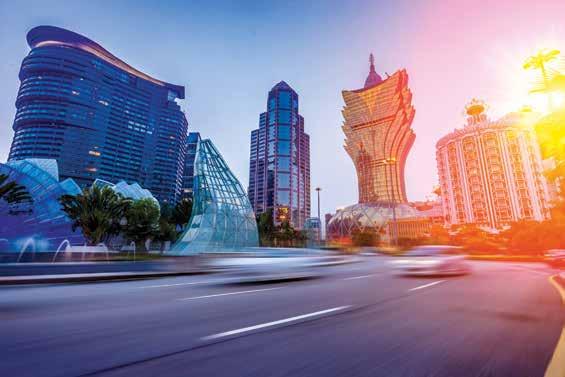
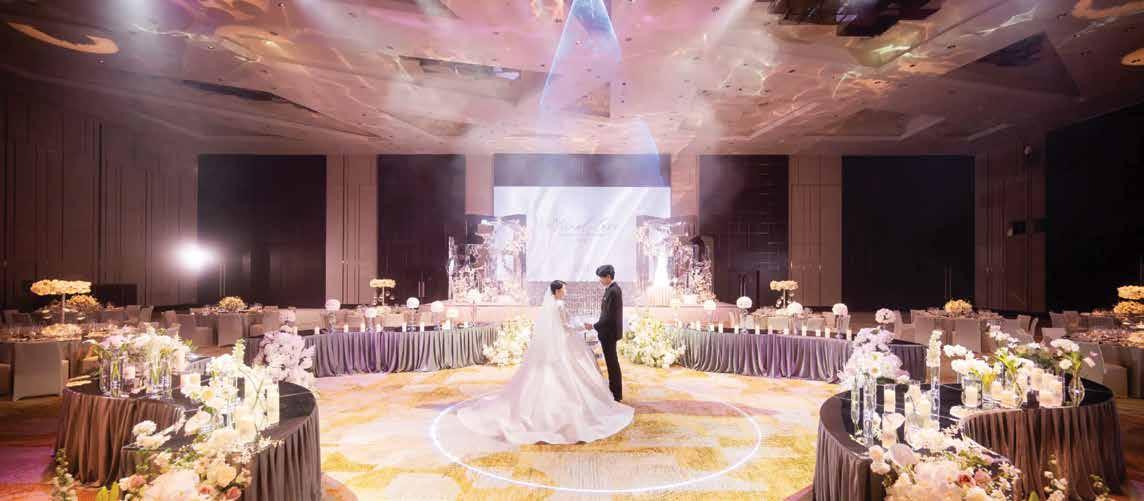
Grand Hyatt Macao, part of the City of Dreams resort, has distinguished itself as one of the city’s most capable MICE venues, with about 8,000 sqm of event space spread across 14 to 16 different venues.
The Grand Ballroom is its pièce de résistance: a pillarless, 2,000 sqm space with high ceilings that seats up to 2,000 theatre-style or 1,300–1,500 for a banquet. It has integrated LED panels, catwalk lighting and four soundproof sections, each with its own control room.
Salão do Teatro is a huge yet spectacular option for a reception dinner or dessert display, with 774 sqm designed around an open show-kitchen concept that allows 20 chefs to cook live.
Smaller events are also well-served, with adaptable
meeting spaces that can accommodate large groups. Most of these spaces are illuminated with natural light, and residential-style lounges can be used for breakout sessions.
The hotel pays special attention to weddings. With personalised Chinese and international banquet menus, a complimentary tasting and dedicated wedding specialists, the Grand Ballroom serves as a signature wedding venue. Some packages even come with a Mercedes-Benz S500 or Maybach for the journey.
Beyond the event facilities, the hotel offers 791 guestrooms, the 15-suite Isala Spa, a 40-metre outdoor pool and four well-regarded restaurants, including Beijing Kitchen and mezza9. hyatt.com
With a direct connection to Sheraton Grand Macao and the larger Londoner and Cotai shopping sprawl, The St. Regis Macao introduces the brand’s iconic butler service to the city.
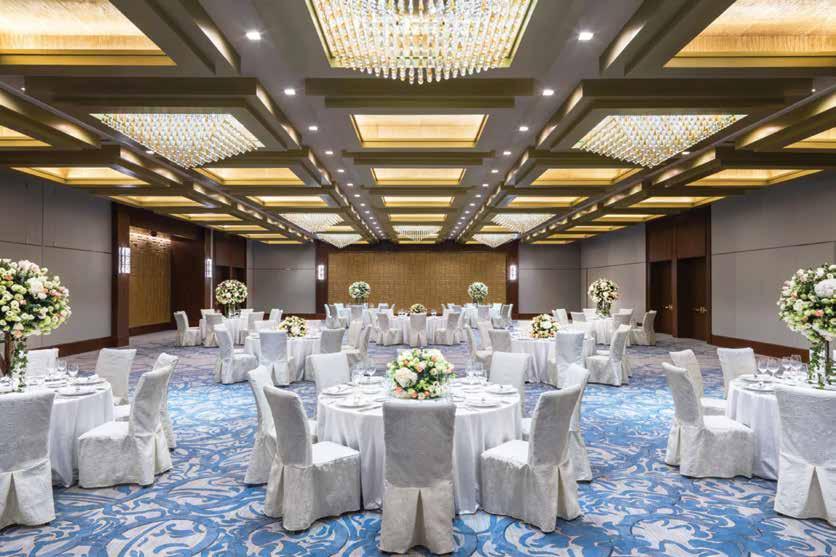
The main attraction is the Astor Ballroom, a fifthfloor chamber without pillars, lit by chandeliers instead of the typical conference-room fluorescents. With ample breathing room, it can accommodate around 570 guests for a corporate event or gala, or around 450 for a wedding, but it never quite feels like a hotel ballroom.
It’s part of 1,300 sqm of event space in total, which includes two boardrooms, five meeting rooms and a VIP meeting room reserved for delegations who prefer not to be seen. Most of the rooms receive natural light,
which is less common than it ought to be at this scale.
But what really makes a difference is butler service. Wedding parties and VIP delegations receive it too; it’s not just for suite guests, which transforms a fairly typical corporate stay into something with a personal touch few rivals bother with.
The hotel uses its own chefs to create custom dishes for weddings and the Astor Ballroom for the ceremony and reception and freely borrows from the ballroom at the nearby Sheraton Grand Macao if a wedding weekend needs more space.
Other amenities include a large outdoor pool with private cabanas; 400 rooms and suites, including four Presidential Suites; The Manor restaurant; The St. Regis Bar; and Iridium Spa. marriott.com
I have personal experience with Mandarin Oriental, Macao, which sits on the Nam Van waterfront at One Central, apart from the Cotai energy. It feels more like a sophisticated city hotel than a resort, which is exactly what makes it valuable for a particular kind of client: a corporate board seeking seclusion and calm or a couple wanting a small, exquisite wedding instead of a 2,000guest spectacle.
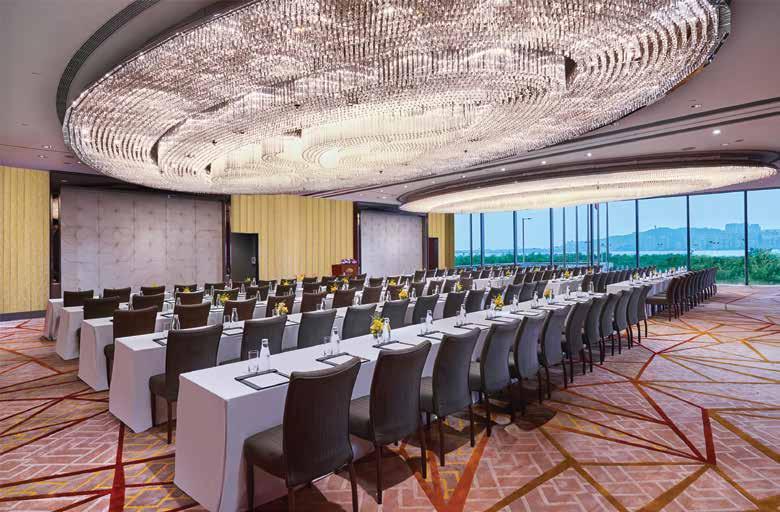
Compared to the Cotai mega-resorts, the ballroom’s proximity to the lake naturally creates a calmer, more reflective atmosphere for meetings and functions. The Ocean Room, better suited to a cocktail reception or small gathering than a large event, has floor-to-ceiling windows and unobstructed views of the coastline.
The two-bedroom Presidential suite can be used as a
private venue in its own right, ideal for small family wedding lunches or board-level meetings away from any public event space.
With a dedicated planning team, personalised banquet and Western menus and a poolside deck for ceremonies against the skyline, weddings here tend toward intimacy rather than spectacle. Since honeymoon perks at sister properties can vary by season, couples should enquire directly.
The hotel’s other features are modest by comparison: 213 rooms and suites, a spa with eight treatment rooms (four of them designed for couples) and a Vida Rica Bar with views toward Macao Tower. Nothing here aims to rival the resorts on the other side of the lake. That’s rather the point. mandarinoriental.com
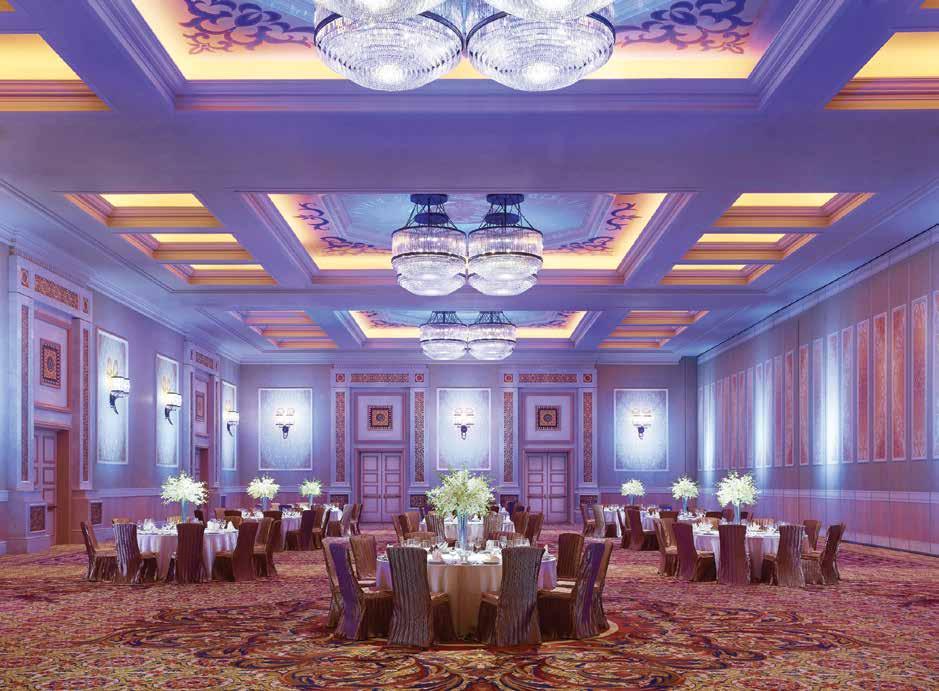
Londoner Grand launched in 2025 as The Luxury Collection’s debut Macao property. Traditional panelling, marble accents and bespoke artwork inspired by Mayfair, courtesy of Peter Silling & Associates, give the design a strong Georgian London character.
Built to accommodate up to 5,000 guests, the Mayfair Grand Ballroom is a 4,891 sqm, pillarless venue with LED screens and fully customisable lighting, suited to conferences, wedding banquets and gala dinners.
The hotel’s total meeting and event space runs to 14,323 sqm, divided into as many as 161 breakout configurations, from an eight-person boardroom to a full-scale conference.
The ballroom’s scale handles a large Chinese banquet as comfortably as a Western-style reception, backed by event technology built for elaborate staging. Beyond the events floor: 2,405 rooms and suites, including Hampton Court and Chelsea Garden, a Health Club, the Grand Pool and Paiza Grand, an ultraluxe private wing of 313 suites with dedicated Grand Butlers. londonermacao.com

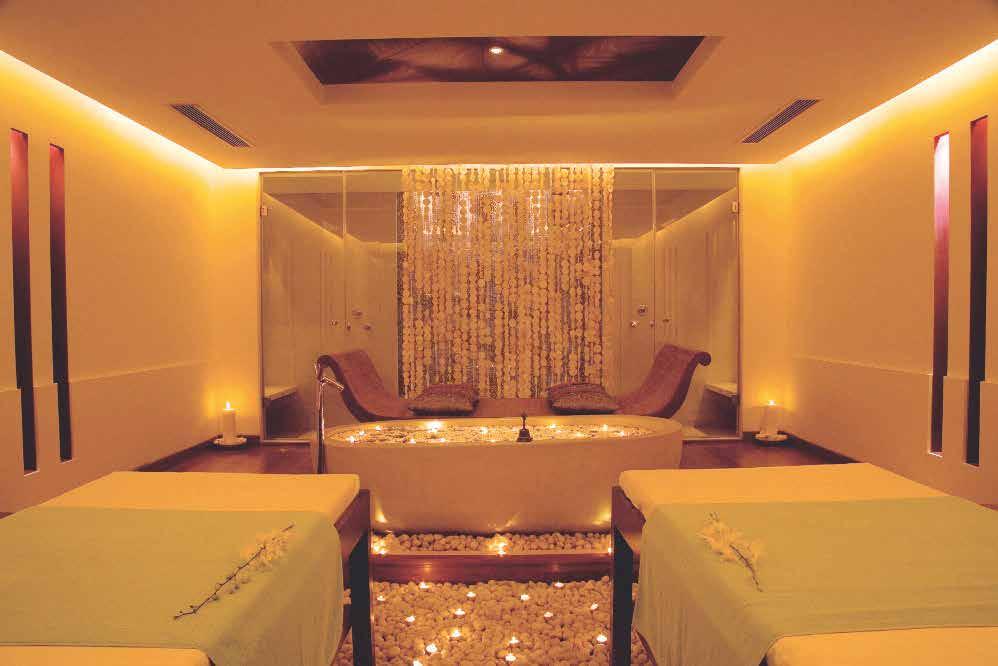
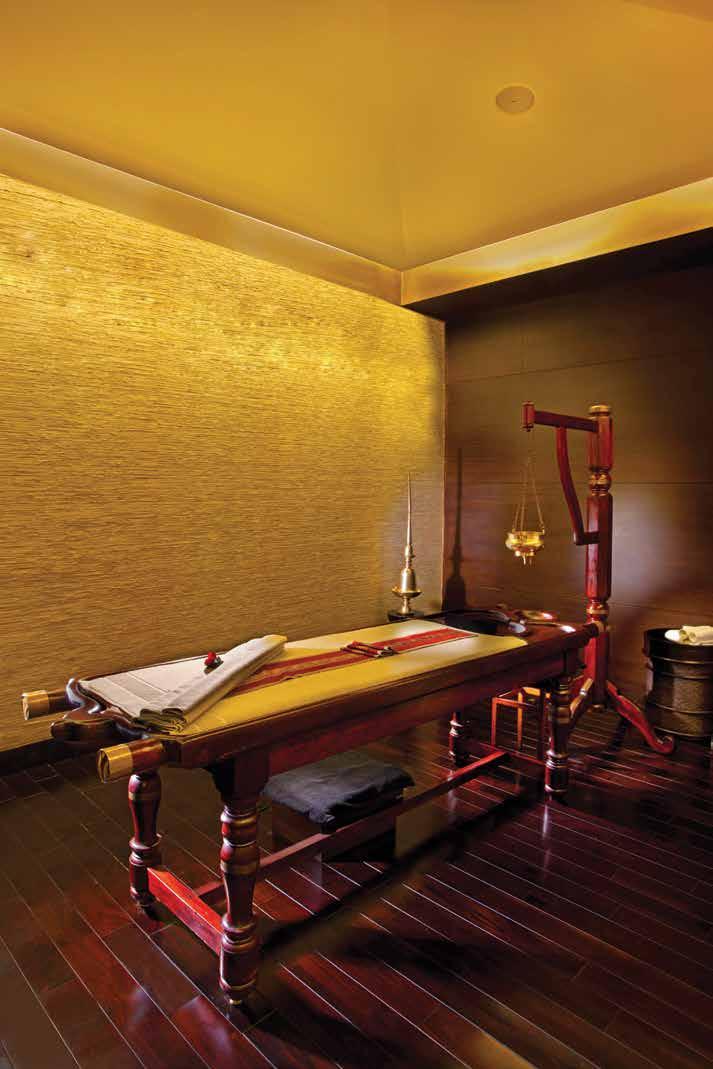
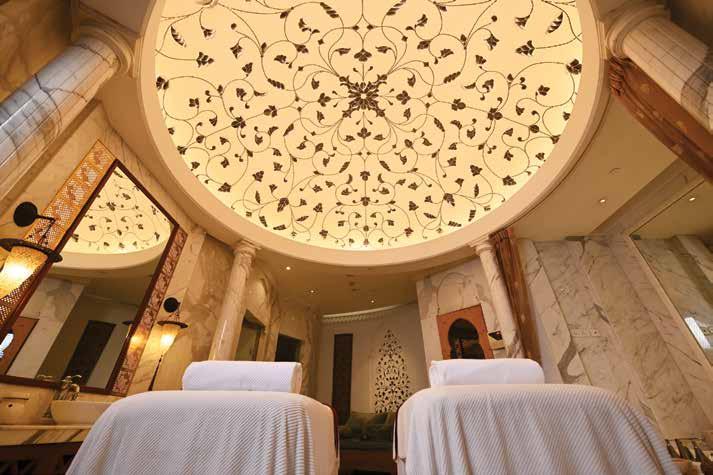
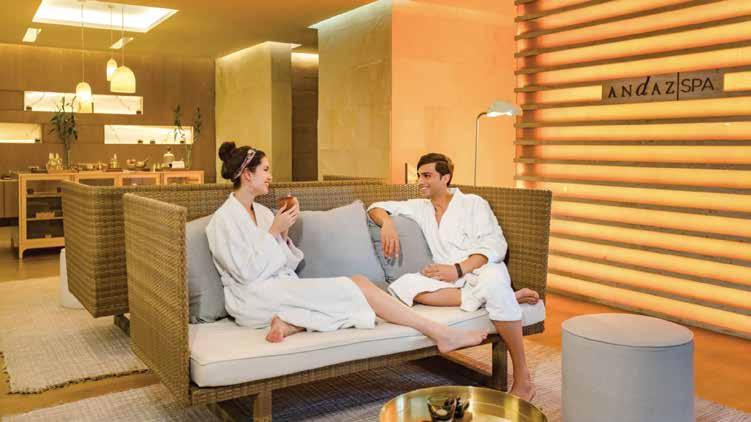
A business traveller with wellness on their agenda ensures work and relaxation balance right. Post meetings, here are a few hotels that ensure your relaxation schedule is as successful as your business one.
Words by AkAnkshA MAker & eshA AphAle
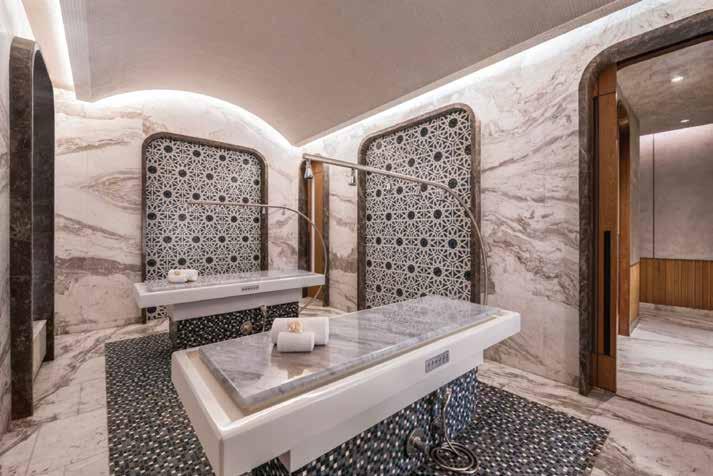
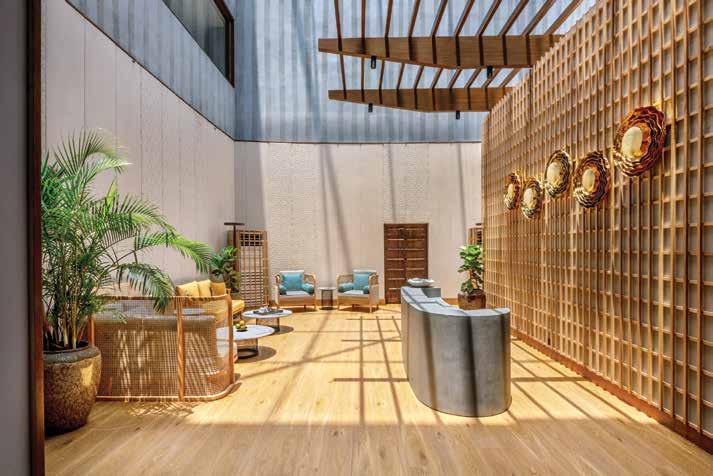
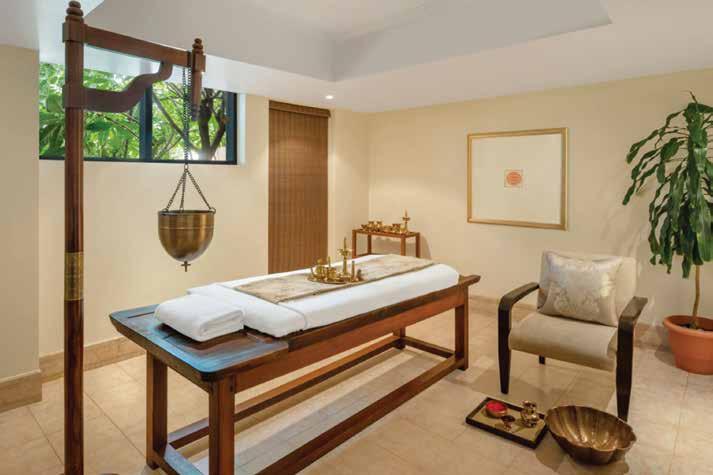
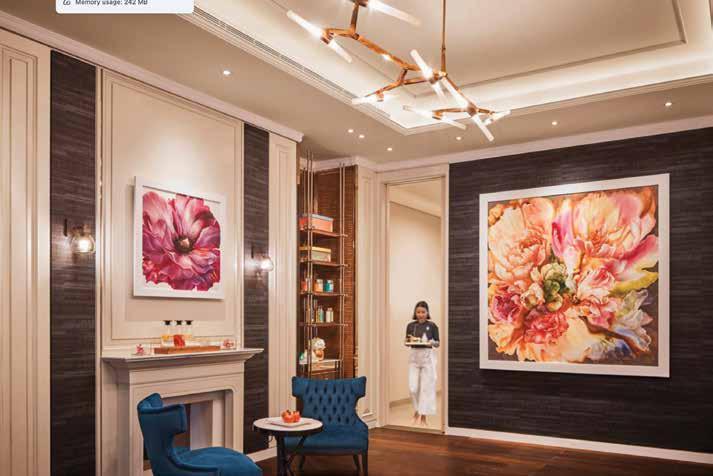
As a business traveller, I understand the importance of rest and recovery between workdays and back-to-back meetings. When your nervous system is in overdrive, making executive decisions and solving problems, it’s crucial to let your mind, body, and soul reset before or during hectic corporate days. Work-life balance is not just a theme for ambitious folks but a template to live by. After all, your performance at work means nothing if you aren’t well rested or have the mind-space to process it all. Hotels in India have got the memo and are adding wellness-focused initiatives more than ever. Here are handpicked hotels across key Indian metro cities, along with a bit about how they’re upgrading their well-being mindset.




























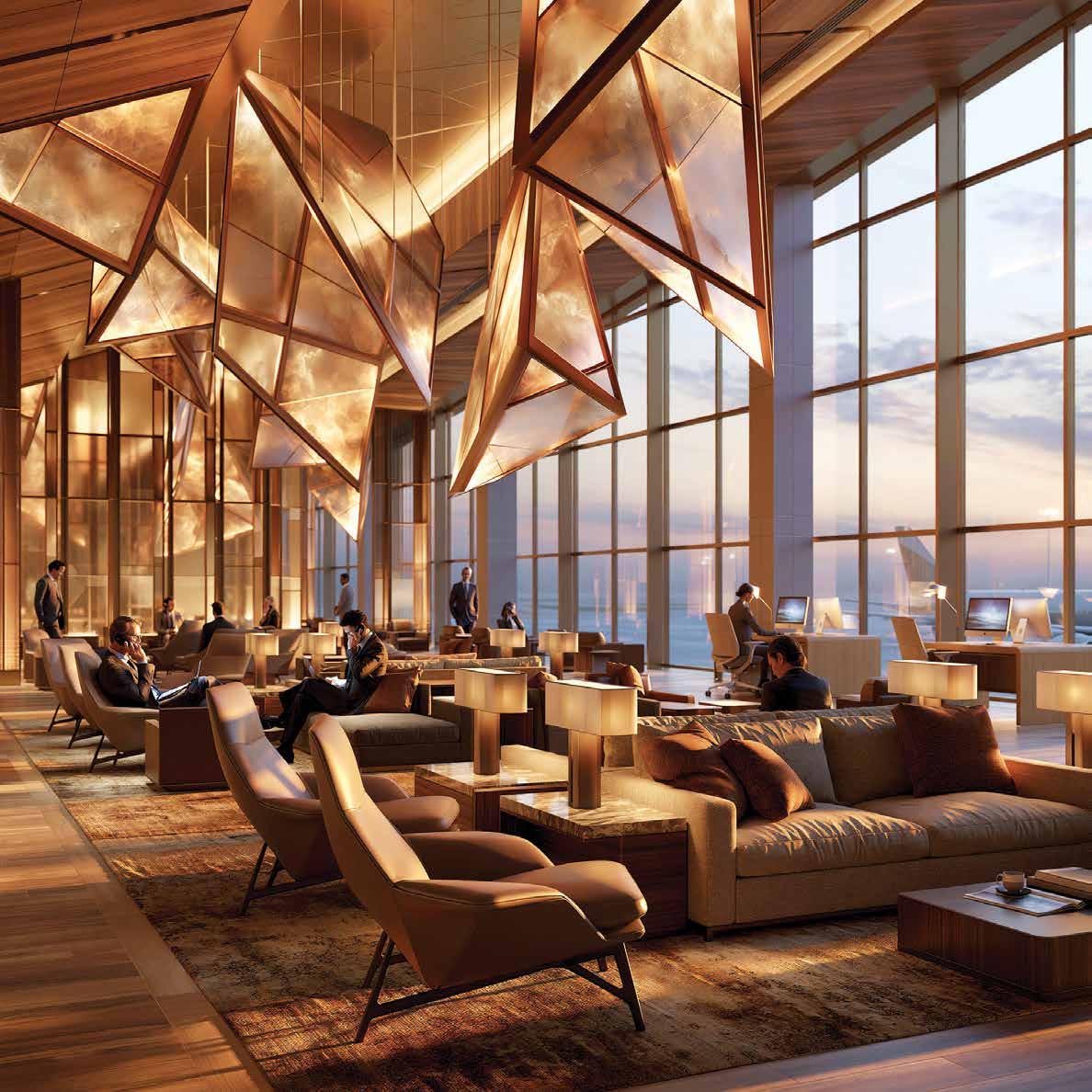



The difference announces itself almost without notice. One moment, Changi Airport hums with its familiar rhythm of connecting passengers, rolling luggage and softly echoing boarding calls. The next, those sounds begin to recede as the doors of the SilverKris Business Lounge close behind you. Without asking for attention, the space begins to do what Singapore Airlines has always done best: make everything feel effortless.
That sense of composure defines the SilverKris Business Lounges in both Terminal 2 and the flagship Terminal 3. Rather than relying on dramatic architecture or theatrical gestures, Singapore Airlines has created environments that encourage travellers to settle naturally into the time before departure. Warm lighting softens the interiors, carefully arranged seating creates pockets of privacy without isolation, and the open layout allows the lounge to breathe even during busy departure periods. It is elegant without feeling formal, and polished without becoming intimidating.
The experience unfolds gradually. Some passengers make their way to the dining area, where a changing
selection of Asian and international dishes are served throughout the day, while others linger over baristaprepared coffee before moving to the cocktail bar later in the evening. Travellers with long-haul flights freshen up in spacious shower suites before finding a seat overlooking the terminal. Families benefit from dedicated baby-care facilities, while those squeezing in one final meeting before boarding can make use of the meeting rooms available in Terminal 2. Terminal 3 extends the experience even further with a dedicated rest area and a family zone designed for younger travellers.
Yet the SilverKris Lounge is memorable for reasons that go beyond its amenities. Singapore Airlines has long understood that genuine luxury rarely demands attention. It reveals itself through consistency, thoughtful service and an ability to anticipate rather than react.
That philosophy mirrors Singapore itself. The city has built its reputation on precision, efficiency and an almost instinctive understanding of how people move through space. The SilverKris Lounge reflects those same qualities.
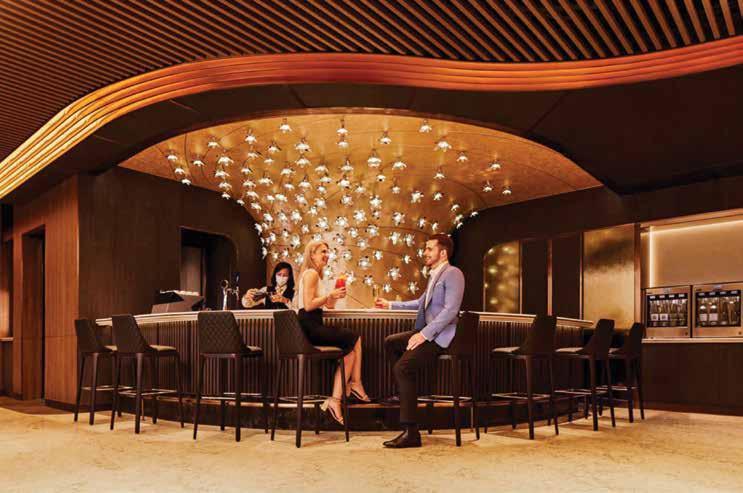
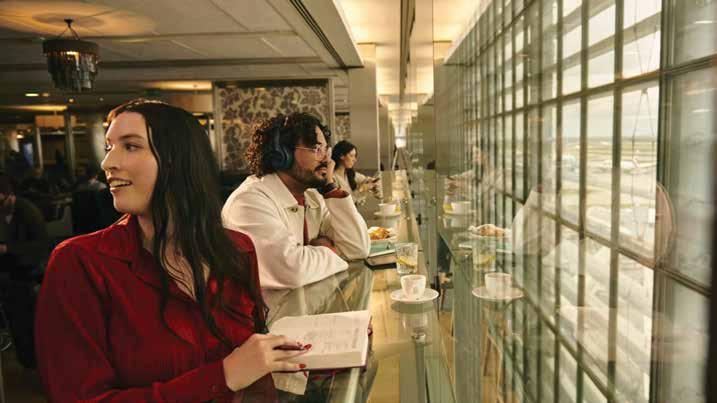
Frequent travellers develop a routine: they order the same coffee, instinctively choose the same seat and know exactly how long it takes to walk from security to the gate. At Heathrow, many of those routines pass through the Galleries Club lounges. Spread across Terminal 5 North, South and B, as well as Terminal 3, they have become familiar territory for countless business travellers who pass through London’s busiest airport week after week. That familiarity is precisely their strength.
Unlike lounges that rely on grandeur to make an impression, the Galleries Club feels immediately recognisable. Large windows frame the constant choreography of aircraft arriving and departing, while comfortable seating flows naturally between corners reserved for work and more sociable spaces where colleagues gather before a flight. The atmosphere shifts throughout the day. Early mornings belong to travellers nursing coffee before transatlantic departures, while evenings settle into a gentler rhythm as glasses of wine replace cappuccinos and conversations linger a little longer.
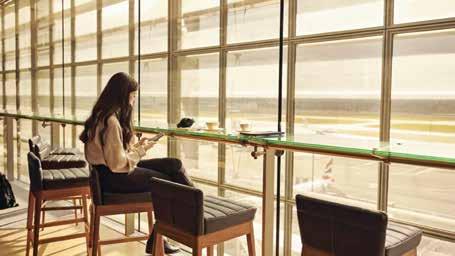
British Airways has refined the experience around the realities of modern business travel rather than trying to reinvent it. Complimentary dining changes courses throughout the day, moving from breakfast to seasonal dishes with lighter options presented on the Market Table, while a full-service bar serves wines, spirits, champagne and the airline’s signature cocktails created with local ingredients. Reliable Wi-Fi, plentiful charging points and dedicated workspaces make it just as easy to finish a presentation as it is to switch off with a drink before boarding. Families, too, are thoughtfully accommodated through the Skyflyers children’s areas, ensuring younger travellers have their own space without disrupting the calm elsewhere in the lounge.
What makes the Galleries Club memorable is not any single feature but its consistency. Heathrow can often feel relentless, with thousands of passengers moving through its terminals every hour, yet inside the lounge the pace becomes reassuringly familiar. Frequent flyers know exactly what awaits them, and British Airways has recognised that predictability can be a luxury in its own right. In an industry constantly chasing the next innovation, the Galleries Club speaks to the travellers comfort by getting their fundamentals right.
That sense of continuity feels unmistakably British. The lounge doesn’t attempt to astonish. Instead, it offers a dependable space to collect your thoughts, enjoy a proper meal and watch the aircraft outside prepare for journeys of their own. By the time boarding is called, Heathrow feels a little less like one of the world’s busiest airports and a little more like somewhere you’ve been welcomed back.
Before you notice the soaring ceilings or the carefully arranged seating, you notice the aroma.
Freshly baked bread emerges from the oven, Turkish coffee is poured into cups and chefs move between live cooking stations preparing dishes that encourage travellers to slow down. At the Turkish Airlines Business Lounge in Istanbul Airport, hospitality begins in the kitchen, just as it does in homes across Türkiye for generations.
The lounge reflects the city and culture that surrounds it. Istanbul has always stood at the crossroads of continents, welcoming travellers arriving from Europe before continuing towards Asia, Africa or the Middle East. That same sense of movement shapes the lounge, yet it never feels hurried. Instead, the space unfolds gradually, revealing comfortable seating areas, corners meant for relaxation and thoughtfully designed workspaces alongside one of the most impressive dining experiences found in any airport lounge.
Food remains the heart of the experience. Rather than relying solely on buffet counters, Turkish Airlines complements its extensive selection with live cooking stations, allowing guests to enjoy freshly prepared Turkish specialities as well as continental cuisine throughout the day. The lounge encourages travellers
to linger over breakfast, return for another coffee or finish a meal without glancing anxiously at the clock. Hospitality here isn’t measured by speed; it is measured by generosity.
Beyond dining, the lounge anticipates almost every requirement of a long-haul traveller. Shower suites allow passengers to freshen up between flights, while private relaxation rooms offer a welcome retreat during extended connections. Business travellers have access to dedicated workspaces, meeting facilities and high-speed Wi-Fi, while families benefit from children’s play areas that create space for younger guests without disturbing the lounge’s overall sense of calm. A library, entertainment options and carefully curated spaces ensure that even lengthy layovers feel purposeful rather than exhausting.
Yet perhaps the lounge’s greatest achievement lies in how naturally it expresses Turkish culture. Nothing feels staged or performative. The generosity, warmth and attention extended to every guest feel instinctive, reflecting a tradition of hospitality that has defined the country for centuries. Travellers arrive expecting somewhere comfortable to wait for their next flight. Many leave feeling they have already experienced a small part of Türkiye before ever stepping beyond the airport.
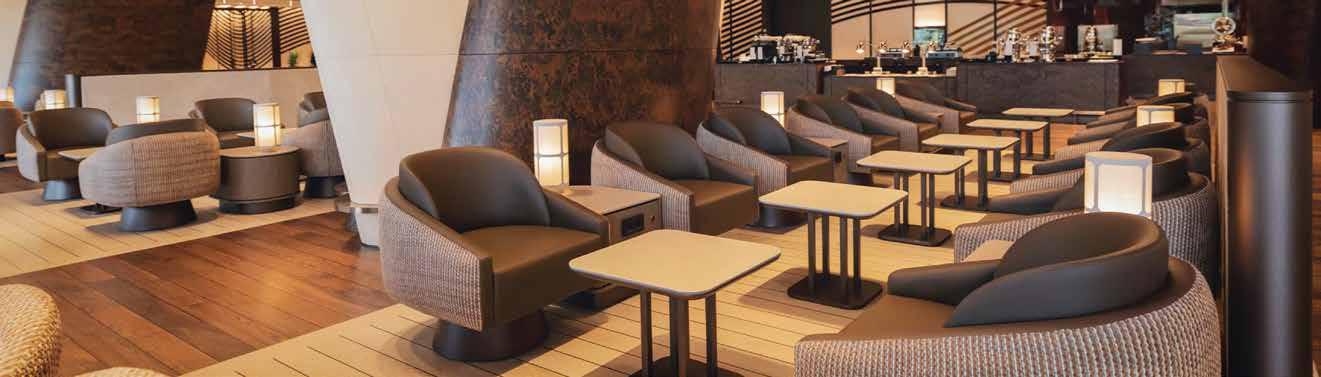
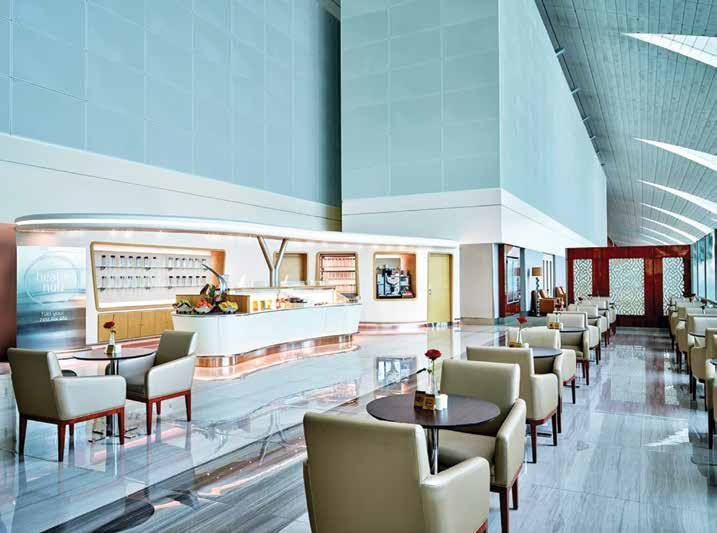
most airport lounges occupy a corner of the terminal. Emirates seems to have turned this concept on its head and wondered how much of the terminal could become the lounge instead.
Inside Dubai International Airport’s Terminal 3, the airline’s Business Class lounges stretch across Concourses A, B and C, creating spaces so expansive that they often feel like destinations themselves.
Travellers move effortlessly between elegant dining areas, lounges, shower facilities, business centres and relaxation spaces without ever leaving the airline’s world. At Concourse A, eligible passengers can even board selected flights directly from the lounge, stepping from carpet to aircraft without returning to the departure gate.
The scale is remarkable, yet it rarely feels overwhelming. Emirates has divided its lounges into spaces that naturally accommodate different rhythms of travel. Some guests settle into comfortable
armchairs overlooking rows of A380S aircrafts preparing for departure, while others enjoy a leisurely meal before an overnight flight or make use of the complimentary shower facilities after arriving from another continent. Across the lounges, dedicated Costa Coffee stations, the Health Hub, premium beverage selections and extensive buffet dining ensure that travellers can shape the experience around their own schedule rather than adapting to the airport’s.
There is a temptation to describe the Emirates lounges through numbers: their size, the number of facilities or the sheer volume of passengers they welcome every day. Yet those statistics tell only part of the story. What remains is the feeling of moving through a space that has been designed with remarkable confidence. By the time travellers leave the lounge and step onto the aircraft, the transition feels almost seamless. The journey has not paused inside the airport. It has simply changed rooms.
Collectively, they reflect a broader shift in premium travel. The airport lounge is no longer simply somewhere to wait. It has become the opening chapter of the journey, introducing travellers to an airline’s personality long before take-off and offering something increasingly valuable in modern travel: the opportunity to arrive on board already feeling looked after.

All the metro cities in the country have seen an influx of electric vehicles. Here’s a deep analysis
Words by Jiaan Kris Jamshŷd Lam
Not long ago, spotting an electric car on an Indian road was something of a novelty. Today, it is becoming an ordinary part of daily life. From the bustling streets of Bengaluru and Mumbai to the wide expressways connecting Delhi with neighbouring cities, electric vehicles are quietly weaving themselves into the country’s transport network. India’s transition to electric mobility is still unfolding, but it has moved well beyond the experimental stage. What was once driven largely by policy ambitions is now being supported by growing consumer confidence, expanding infrastructure and an increasingly attractive range of vehicles.
The numbers reflect this momentum. Government registration data shows that India registered approximately 2.3 million electric vehicles in 2025, accounting for around eight per cent of all new vehicle registrations across categories. Twowheelers and three-wheelers continue to dominate these volumes, but the passenger car segment is beginning to gather real pace. Electric hatchbacks, SUVs and crossovers are becoming familiar sights in urban centres, with domestic manufacturers leading much of this transformation. Tata Motors has firmly established itself as the country’s leading electric passenger vehicle manufacturer, while
Mahindra has accelerated investment in an entirely new generation of electric SUVs. International manufacturers are equally committed to the market. Hyundai continues expanding its electric portfolio, MG Motor is introducing new products tailored to Indian buyers, and BYD is preparing additional models to strengthen its presence. Many industry analysts believe electric vehicles could account for around 30 per cent of new vehicle sales by 2030 if current investment, policy support and consumer adoption continue along their present course. It is an ambitious objective, but one that appears increasingly realistic rather than aspirational.

The numbers reflect this momentum. Government registration data shows that India registered approximately 2.3 million electric vehicles in 2025, accounting for around eight per cent of all new vehicle registrations across categories. Twowheelers and three-wheelers continue to dominate these volumes, but the passenger car segment is beginning to gather real pace. Electric hatchbacks, SUVs and crossovers are becoming familiar sights in urban centres, with domestic manufacturers leading much of this transformation.
Tata Motors has firmly established itself as the country’s leading electric passenger vehicle manufacturer, while Mahindra has accelerated investment in an entirely new generation of electric SUVs. International manufacturers are equally committed to the market. Hyundai continues expanding its electric portfolio, MG Motor is introducing new products tailored to Indian buyers, and BYD is preparing additional models to strengthen its presence. Many industry analysts believe electric vehicles could account for around 30 per cent of new vehicle sales by 2030 if current investment, policy support and consumer adoption continue along their present
course. It is an ambitious objective, but one that appears increasingly realistic rather than aspirational.
Infrastructure has evolved just as rapidly. Only a few years ago, finding a public charger often required careful planning, with facilities concentrated in a handful of metropolitan areas. Today, India has more than 26,000 public charging stations, while several industry trackers estimate the wider network exceeds 27,000 charging points once semi-public and commercial installations are included. Dedicated charging corridors now connect many of the country’s major highways, making longdistance travel significantly more practical than it was only a few years ago.
Government initiatives have helped create this progress. The PM E-DRIVE programme, introduced to encourage electric mobility and charging infrastructure, has supported wider investment by both the public and private sectors. Oil marketing companies, electricity providers and specialist charging operators continue to expand networks across urban centres and key transport corridors. At the same time, home charging has quietly become the preferred solution for many owners. Residential electricity tariffs remain
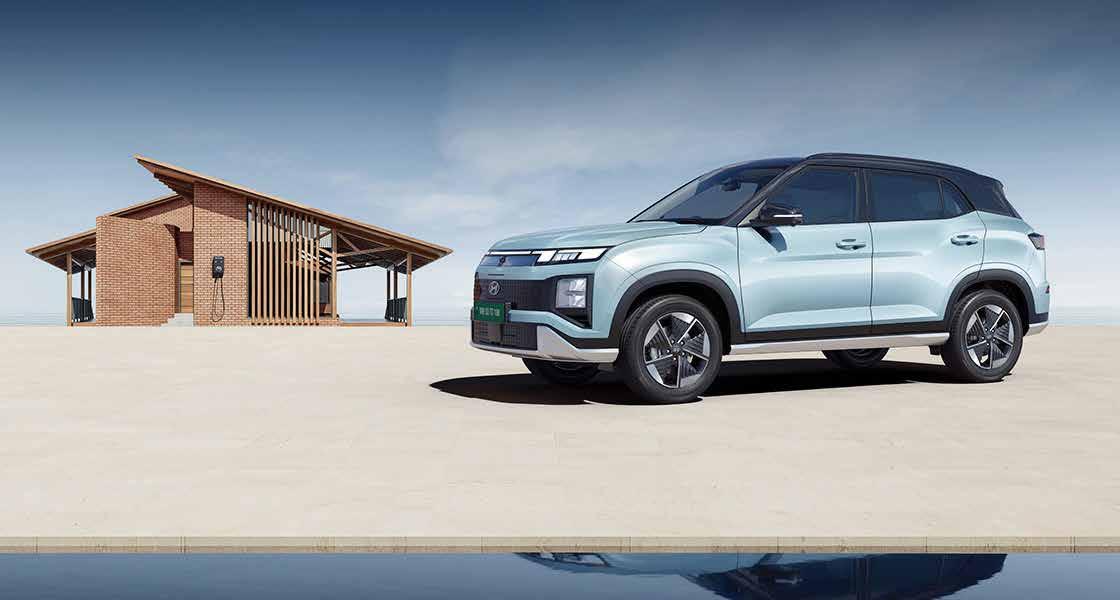
substantially lower than public DC fast charging costs, making overnight charging both convenient and economical. For households with dedicated parking, charging an electric vehicle has become as routine as plugging in a mobile phone before going to bed.
This convenience is transforming everyday ownership. In cities such as Delhi, Mumbai, Bengaluru, Hyderabad and Chennai, many drivers rarely rely on public charging during the working week. They return home, connect their vehicle overnight and begin the next morning with a full battery. Public chargers become important primarily for longer journeys, rather than daily commuting. For many owners, this shift in routine quickly becomes one of the greatest attractions of electric motoring.
Commercial fleets are contributing to this change as well. Ride hailing services, corporate transport providers and delivery companies increasingly recognise the lower operating costs associated with electric vehicles. High annual mileages allow businesses to recover the initial purchase premium more quickly, while passengers become increasingly familiar with the smooth and quiet experience electric cars provide. Every electric taxi or fleet vehicle on the road helps normalise the technology for thousands of potential future buyers.
Perhaps the strongest argument for electric mobility in India is its contribution
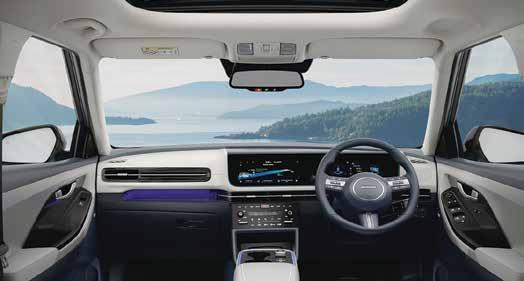
Technology has become another defining strength. Modern electric vehicles are no longer simply alternative powertrains
towards improving urban air quality. Many Indian cities continue to experience significant levels of particulate pollution and nitrogen oxide emissions, much of which originates from road traffic. Electric vehicles produce no tailpipe emissions, reducing pollution at street level where people live, work and walk. Although India’s electricity grid continues its own gradual transition towards cleaner energy generation, replacing combustion engines with electric drivetrains already represents a meaningful step towards healthier urban environments.
The advantages extend beyond environmental considerations. Electric motors deliver instant torque, making city driving smooth, responsive and remarkably quiet. Without conventional engines, gearboxes and many of the mechanical components found in petrol or diesel vehicles, routine maintenance requirements are generally reduced. There are no engine oil changes, fewer wearing parts and less vibration throughout the vehicle. Owners frequently remark that after becoming accustomed to an electric car, returning to a conventional engine feels noticeably less refined.
Technology has become another defining strength. Modern electric vehicles are no longer simply alternative powertrains. They are highly connected products offering sophisticated infotainment systems, smartphone integration, over-the-air software updates, remote climate control and intelligent navigation capable of planning charging stops during longer journeys. These digital features are becoming almost as influential as driving range when buyers compare competing models.
Electric vehicles are not without challenges. Public charging reliability still

varies between locations. Some charging stations suffer from faulty equipment or limited availability, while queues can occasionally develop where demand exceeds capacity. Although major metropolitan areas and national highways are now well supported, drivers travelling through smaller cities or rural regions may still need to plan journeys more carefully.
Apartment living can also present practical difficulties. Installing private chargers sometimes requires approval from housing societies or electrical upgrades that are not always straightforward. These challenges may delay purchase decisions for some residents, particularly where designated parking spaces are located far from existing electrical infrastructure. Fortunately, these are practical issues rather than technological limitations, and they are becoming easier to address as electric vehicle ownership continues to grow. Affordability remains another important consideration. Although running costs are often significantly lower than those of petrol or diesel vehicles, the initial purchase price of an electric vehicle can still be higher than an
equivalent conventional model. Manufacturers are responding creatively. Some now offer battery subscription programmes that reduce the upfront purchase cost while spreading battery expenses across the ownership period. As battery manufacturing expands and local production increases, purchase prices are expected to become progressively more competitive.
The vehicles arriving in 2026 illustrate how rapidly India’s electric car market is maturing.
Among the most significant introductions is the Tata Curvv.ev Series X. Tata has refined its electric SUV range by offering a highly competitive combination of performance, equipment and value.
Powered by a 55 kWh battery, the Curvv.ev delivers a claimed MIDC driving range of 502 kilometres through a single electric motor producing 167 PS and 215 Nm of torque. DC fast charging can replenish the battery from 10 to 80 per cent in approximately 40 minutes under suitable conditions. Rather than competing solely on price, the Curvv.ev

Among the most anticipated international arrivals is the BYD Atto 2, which is expected to enter the Indian market later in 2026
combines premium interior design, advanced safety systems, connected technology and contemporary styling to create an electric SUV that feels purposebuilt for modern Indian families.
Hyundai has chosen a different strategy with the Creta Electric. In July 2026, the company introduced Battery as a Service, allowing buyers to purchase the vehicle at a significantly lower initial price while paying separately for battery usage. Customers who prefer traditional ownership can still buy the battery outright, providing flexibility depending on individual driving habits and financial preferences. Available with battery options offering claimed ranges of up to approximately 510 kilometres, together with fast charging capability, advanced driver assistance systems, dual digital displays and Hyundai’s comprehensive battery warranty, the Creta Electric represents one of the most innovative ownership propositions currently available in India.
Another important arrival is the allelectric Tata Sierra. Reviving one of the
company’s most recognisable nameplates, the Sierra EV combines nostalgic design elements with an entirely modern electric platform. Spacious interiors, connected technology and practical family-focused engineering make it far more than a tribute to its predecessor. Its launch demonstrates the growing confidence of Indian manufacturers to develop distinctive electric vehicles with their own identity rather than simply adapting existing petrol models. It also reinforces Tata’s determination to remain at the forefront of India’s electric transition.
Among the most anticipated international arrivals is the BYD Atto 2, which is expected to enter the Indian market later in 2026.
Positioned below the larger Atto 3, the compact SUV is expected to introduce BYD’s well-regarded Blade Battery technology to a broader group of buyers. International versions offer battery capacities of around 45 and 51 kWh, with claimed driving ranges of approximately 400 kilometres depending on specification. Final Indian specifications and pricing have yet to be officially confirmed, but local assembly plans and BYD’s growing global reputation suggest the Atto 2 could become a significant competitor within India’s increasingly competitive mid-sized electric SUV market.
Taken together, these vehicles highlight how diverse India’s electric vehicle landscape has become. Some manufacturers are competing through
affordability, others through technology, premium comfort or innovative ownership models. Consumers now enjoy a level of choice that scarcely existed only a few years ago, allowing buyers to select electric vehicles that genuinely suit their lifestyles rather than compromising on limited alternatives.
India’s electric mobility story is still being written, but its foundations are now firmly established. Investment in charging infrastructure continues to grow; manufacturers are introducing increasingly capable products, and consumers are becoming more comfortable with a different approach to personal transport. Challenges surrounding infrastructure reliability, apartment charging and purchase prices remain, yet they are steadily being addressed through policy, engineering and market competition.
The road ahead will not be identical across every city or every state, and progress is unlikely to happen at exactly the same pace everywhere. Nevertheless, the direction is unmistakable. Electric cars are no longer a curiosity reserved for a small group of early adopters. They are becoming an integral part of India’s automotive future. If manufacturers, governments, utilities and consumers continue working towards the same goal, the country has every opportunity to build a transport system that is cleaner, quieter and better suited to the needs of generations to come.


























the same, or very similar, platforms and tools. The playbook is available to everyone. One result of this is that artists tell their story directly from their own channel, in their own voice, with almost no friction between them and the audience. Fewer middlemen and fewer filters mean that the story reaching the fan is much closer to the one the artist intends to tell.
With almost no cost or barriers to entry, telling stories with global reach has never been easier. The flip side is that there is more noise in the system than ever. To stand out, there is an even greater need to tell the most compelling, authentic stories and to find clever, creative, sticky ways to tell them that complement the tools the artist, and everyone else, are already using.
relationships remain central to the entertainment business. In an era dominated by virtual communication, what still makes in-person meetings and travel so valuable?
Video calls work for updates, check-ins, and logistics. But trust is still built in person. The moments that move a relationship from transactional to something more meaningful almost always happen face-to-face, backstage after a show, dinner after a long day in the studio, or a walk through a city that wasn’t on the agenda.

There’s also a quality of attention that physical presence creates. When I fly to meet someone, I’m not distracted by notifications or someone passing through my office. I’m completely there. That level of presence signals a commitment no email can replicate. It all comes back to shared experience.
the lines between music, sport, fashion, and entertainment continue to blur. How does a crossover feel culturally authentic rather than commercially driven?
It starts with a simple test: if the camera were off and the chequebook weren’t out, would this crossover still happen? If it feels forced, it probably is. Something I noticed a decade ago: the artists branding themselves best on social media were posting about two things, their art and career, and one other passion.
Action Bronson was one of the artists who instinctively did this exceptionally well. He posted about his life and career as a rapper and about food with equal indulgence. There was no doubt it was part of his identity. There was nothing in it for him other than the joy of it. So when he got his own food show, it felt right; it made even more sense once you learnt he’d been a chef before his music took off.
Having worked across different markets, what differences stand out in the way audiences engage with artists, branding, and celebrity culture around the world?
The market I find most fascinating is South Korea, specifically the level of superfandom among K-pop fans, which is an outlier by any measure.
We live in a streaming-dominated world, yet South Korean fans, and K-pop fans globally, still consume tens of millions of compact discs every year. Purchasing music isn’t just about listening; it’s about collecting. Artists release multiple editions and variations of albums and artwork, and fans can’t get enough. The physical product still means something. K-pop superfans also spend more on live events
than the average fan. They are extremely organised and proactive in mobilising to support their favourite artists and groups. That fandom is a significant part of consumers’ identity. I find myself thinking often about what has to happen within a society for this to take root. It’s a question I don’t have a full answer to, but it’s one I keep coming back to.
airports, hotels, backstage spaces, and late-night flights are often part of the rhythm of this industry. How do you stay grounded and creatively sharp while constantly in motion? I start most mornings with a fifteen-minute meditation, regardless of where I am. It’s nonnegotiable; it’s how I get centred before the day starts. Sleep is another anchor. I aim for no less than six hours, still less than I’d like, but it’s where I’ve found my sweet spot. Enough to operate at peak, but short enough to still accomplish what I need to in the other eighteen hours.
Walking is my thinking ritual. It’s how I experience a city, take calls, process decisions, and get movement in when the gym isn’t realistic. If something is within a mile, I’m walking it, regardless of time or weather. That one habit keeps me grounded and sharp across time zones.
Looking ahead, where do you see the biggest opportunities for companies and leaders who understand both global culture and global mobility?
Two opportunities immediately come to mind.
The first is the speed of new enterprise. Smart leaders who move through markets can see trends forming in one place before they surface elsewhere. A keen eye can detect something of great consequence before it shows up in data. That happens by being present, paying attention, and trusting instinct.
The second is cracking the “think globally, act locally” paradigm. Global scale with local authenticity is genuinely difficult to pull off. Some organisations do one or the other, but few do both well. The leaders who have actually spent time in markets, who understand how different cultures think and what they respond to, are the ones best positioned to find that balance, shift culture themselves, and unlock tremendous value.



The defining story of watchmaking in 2026 is but a return to proportion, wearability and thoughtful design.
Words by Jiaan Kris Jamshŷd Lam


Long before time was miniaturised, regulated, and ultimately domesticated on the wrist, it existed as an architectural, philosophical and intellectual presence. Time once occupied rooms. It demanded space, silence and reverence. It lived in observatories where astronomers charted the heavens, in palaces where power was choreographed by ceremony, in counting houses where commerce obeyed the bell, and in salons where science, art and conversation converged. These early clocks were not indulgences. They were instruments of civilisation. They lent meaning to Being. To possess accurate time was to possess authority. Navigation determined empires. Trade depended on synchronisation. Faith itself was structured around hours and ritual bells. The clock was not an accessory. It was an instrument of order imposed upon a chaotic world. Every advancement in horology marked a moment where humanity asserted understanding over nature, both incrementally and painstakingly, often at great cost of intellect and patience. That is why the best horology, even now, carries an almost moral seriousness. It is luxury, yes, but luxury born from discipline rather than display. It is also why the clocks and watches market has matured into something far more compelling than a mere category of consumption. In 2025, auction results confirmed what seasoned collectors had sensed for several decades: the centre of gravity is shifting from speculation toward scholarship.
At first glance, 2026 appeared to offer everything modern watchmaking has come to celebrate: ambitious launches, technical achievements and no shortage of attention-grabbing releases. Yet the defining story of the year was something altogether different. What 2026 has revealed is not a new complication, a breakthrough material or an impossibly thin movement, but something far less tangible: restraint.
That may sound like an odd conclusion to draw from the world’s largest watch fair, given how some horology houses launched their watches. As usual for Watches and Wonders Geneva, the fair was busier than ever. Yet amid all the noise, watches themselves appeared to be moving in the opposite direction.
After years defined by oversized cases, exuberant colours, speculative waiting lists and increasingly ambitious pricing, many brands were less interested in attracting attention and more interested in deserving it. 2026 does not feel conservative. It feels edited. The clearest example is size. For much of the past decade, watchmaking appeared convinced that presence was measured in millimetres. This year suggests otherwise — a trend that has been building for years and shows



A. Lange & Söhne reintroduced the Saxonia Annual Calendar in a remarkably restrained 36mm case
proportioned ones. The distinction matters. A watch can be compact without feeling delicate, just as it can be large without feeling imposing. The most successful releases of 2026 understand that comfort, elegance and presence are not mutually exclusive.
A. Lange & Söhne reintroduced the Saxonia Annual Calendar in a remarkably restrained 36mm case. Bulgari reduced its Octo Finissimo Minute Repeater to 37mm. Audemars Piguet’s Neo Frame Jumping Hour arrived in a compact rectangular form that demonstrated something the industry occasionally forgets: a watch does not need to be large to have personality — and for travellers, this is even more pertinent.
Part of this shift may reflect a more mature market. The speculative enthusiasm that characterised much of the post-pandemic period has cooled. Collectors are becoming more selective, prices have reached levels that encourage greater consideration, and they are increasingly interested in longevity rather than novelty. In such an environment, restraint becomes not merely an aesthetic choice but a commercial advantage.
The best travel watch is rarely the one that dominates a room. It is the one that slips beneath a shirt cuff during a flight, feels comfortable through a day of meetings, and remains appropriate when dinner arrives twelve hours and two time zones later. As travellers increasingly expect one watch to perform multiple roles, proportion has become less a matter of fashion and more a matter of practicality. Not every brand has embraced this shift equally.
Some releases still feel trapped in the logic of the postpandemic boom years, where novelty itself was mistaken for desirability. A handful of brightly coloured limited editions attracted attention but are unlikely to inspire affection once the excitement of a launch week fades. In a more selective market, collectors appear increasingly unwilling to purchase a watch simply because it is new. A handful of brands responded with quiet confidence rather than volume.
Cartier provided perhaps the clearest expression of this philosophy. The return of the Roadster offers compelling evidence. It would have been easy for it to become an exercise in nostalgia. Instead, its cleaner proportions and more disciplined execution transform it into something unexpectedly contemporary. Likewise, the Santos-Dumont with its obsidian dial manages to feel both decorative and restrained. Under the changing spring light of Europe, or in the heat of Asian summers, the dial shifts between deep black and reflective stone, revealing new details with each glance. Cartier is far from alone in this regard.









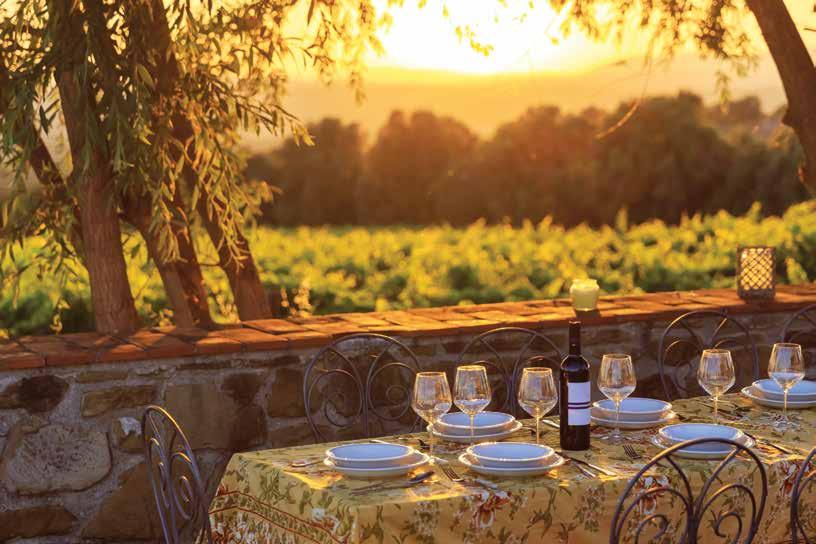
as evening settles across a vineyard, the landscape begins to change. The heat lifts slowly from the soil, shadows lengthen between rows of vines, and the last workers drift towards cellar doors and village squares. Somewhere, a bottle is opened for the evening. The scent of earth lingers in the air, mingling with notes of oak, crushed grapes and rain-soaked stone. It is a quiet ritual repeated across Europe’s wine regions and one that continues to draw travellers from around the world.
For today’s business traveller, vineyards offer something increasingly valuable: the opportunity to experience a destination at a slower, more meaningful pace. Beyond tastings and cellar tours, they offer insight into the landscapes, traditions and communities that have shaped some of Europe’s most celebrated regions for centuries. In Spain, France and Italy, wine has never been merely an agricultural product. It is a reflection of geography,
culture and identity, with every vineyard telling a story that stretches far beyond the bottle itself.
Wine tourism has evolved considerably over the past decade. What was once centred on a tasting room visit now encompasses architecture, gastronomy, wellness, sustainability and immersive hospitality. Across Europe’s great wine regions, that shift has created experiences that feel less like tourism and more like participation.
Few destinations illustrate this evolution better than Spain, France and Italy. Together, they represent the heart of Old World wine culture, yet each approaches the craft differently. Spain embraces innovation while remaining deeply connected to tradition. France pursues precision with unwavering discipline. Italy weaves wine so naturally into everyday life that it becomes inseparable from the culture itself. Travelling through these regions reveals not only how wine is made, but also how entire communities shape and redefine their heritage.
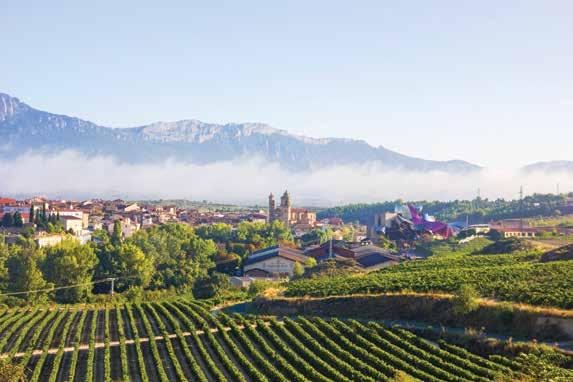

Spain approaches wine with a confidence that mirrors the country itself. Its landscapes are dramatic, its wines expressive, and its producers unafraid to challenge convention. Nowhere is this more apparent than in Rioja, where some of Spain’s most recognisable wineries have transformed themselves into architectural landmarks. The titanium curves of Marqués de Riscal catch the changing light throughout the day, while the striking silhouette of Bodegas Ysios rises against the mountains beyond. Yet Spain’s wine story extends far beyond its most photographed estates. Across La Rioja Alta, family-owned bodegas continue to age wines patiently in American oak barrels following traditions that have endured for generations. Here, the pace feels noticeably different. Winemakers discuss weather patterns, harvest conditions and vineyard management with the calm assurance of people who understand that great wine develops over years rather than months. Visitors often find themselves lingering longer than expected, drawn as much by the conversations as by the wines themselves. Elsewhere, regions such as Ribera del Duero, Priorat and Rías Baixas are redefining Spain’s contemporary wine identity. Younger producers have embraced indigenous grape varieties, regenerative farming practices and a more transparent approach to winemaking. What ultimately distinguishes Spain is its ability to balance heritage with innovation. Historic wineries stand alongside contemporary architectural statements, while centuries-old techniques coexist with modern sustainability initiatives. Rather than treating tradition and progress as opposing forces, Spain’s wine regions allow them to evolve together, creating experiences that feel both rooted and forward-looking.

Few countries have shaped the global understanding of wine as profoundly as France. Concepts such as ‘terroir’, ‘cru’ and ‘appellation’ originated here, yet France’s enduring influence stems not only from history but also from an unwavering commitment to precision. Across the country’s vineyards, every decision, from soil management to barrel selection, reflects a belief that excellence is built through attention to detail. In Champagne, that philosophy begins beneath the surface. Vast networks of chalk cellars stretch beneath historic towns, providing ideal conditions for ageing some of the world’s most celebrated sparkling wines. Once accessible only to royalty and aristocracy, many of these underground spaces now host curated tastings, intimate dinners and cultural events that allow visitors to engage more deeply with the region’s heritage. The experience reveals the extraordinary level of craftsmanship behind every bottle and shows how generations of expertise have shaped
champagne’s reputation. Further south, Bordeaux demonstrates how tradition can coexist with modern ambition. The city’s wine culture remains deeply connected to its historic châteaux and prestigious classifications, yet contemporary projects such as the Cité du Vin have broadened the conversation. More than a museum, it serves as a cultural hub that explores wine through
Vast networks of chalk cellars stretch beneath historic towns, providing ideal conditions for ageing some of the world’s most celebrated
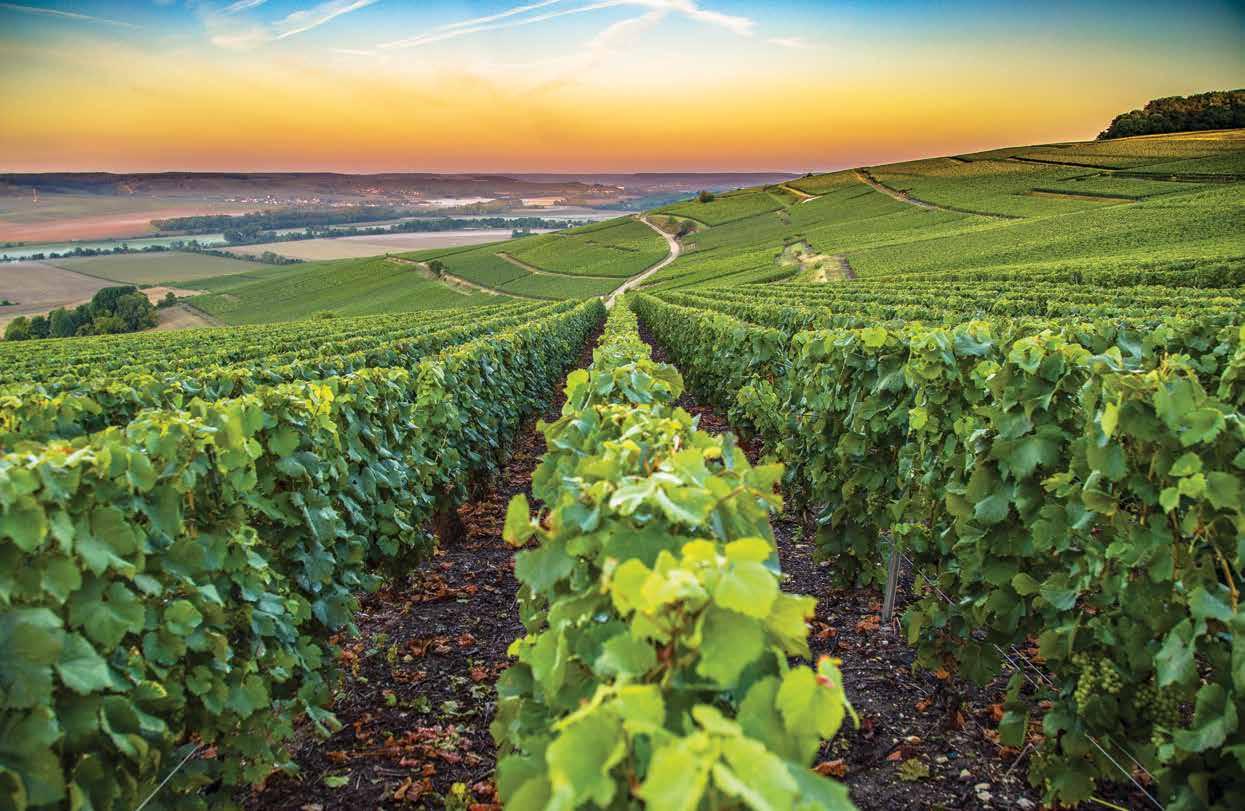
history, science, design and storytelling. For visitors, it offers a broader perspective on how wine continues to influence societies and economies around the world.
Burgundy, meanwhile, remains devoted to the relationship between land and identity. The region’s vineyards are divided into meticulously defined climats, many of which have been cultivated and classified for centuries. Walking through Burgundy’s countryside reveals how even slight variations in soil, elevation and exposure can influence the character of a wine. Producers speak about individual parcels with remarkable specificity, and tastings often become discussions about geography as much as flavour. In Burgundy, understanding the landscape is essential to understanding the wine.
The rhythm changes again in Provence, where vineyards unfold alongside olive groves and fields of lavender. Rosé may be the region’s most recognisable export, but wine tourism here extends well beyond the glass. Many estates now combine tastings with wellness programmes, culinary experiences and outdoor activities that encourage visitors to engage with the landscape more fully. Long lunches beneath olive trees and afternoons spent overlooking sunlit vineyards reflect a distinctly Provençal approach to

In Sicily, wine has become a symbol of reinvention. The volcanic slopes of Mount Etna have emerged as one of Europe’s most exciting wine destinations, attracting producers eager to explore the potential of the island’s unique terroir
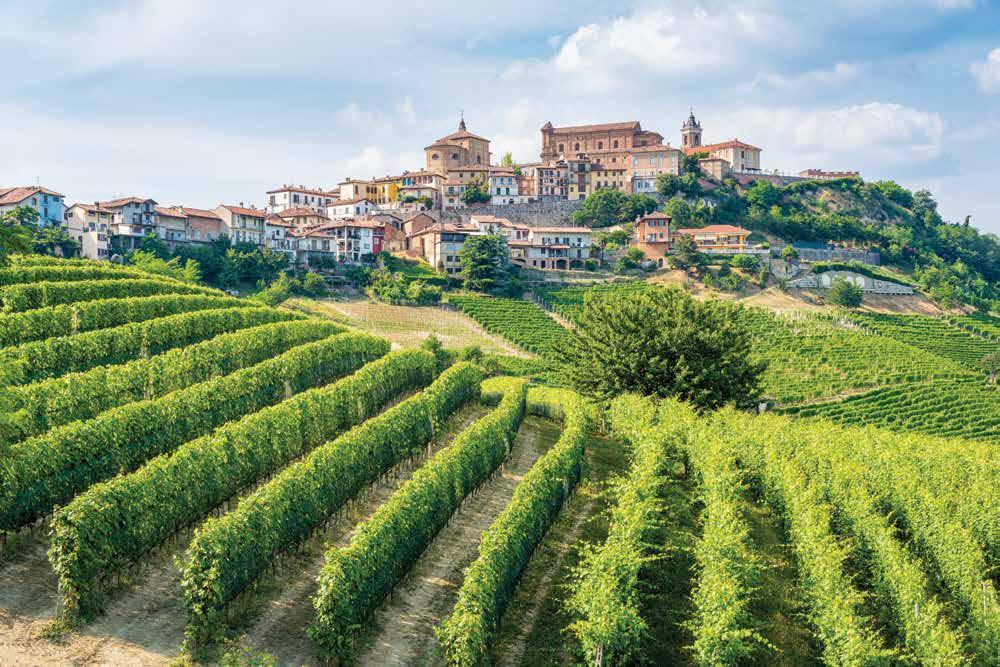


If France treats wine as an art, Italy embraces it as part of daily life. Throughout the country, wine is woven into family gatherings, celebrations, meals and traditions. It rarely occupies a separate space from culture because it is culture. Travelling through Italy’s wine regions reveals a relationship with wine that feels less formal than elsewhere in Europe, yet no less profound.
Tuscany captures this spirit beautifully. The landscape unfolds in a patchwork of vineyards, cypress-lined roads and stone farmhouses that seem almost untouched by time. Mornings arrive with the scent of espresso drifting through village streets, while evenings often end around long communal tables. Many visitors choose to stay in agriturismos, where working farms combine hospitality with agricultural life. During harvest season, guests can take part in the vendemmia, helping to pick grapes before sharing meals that celebrate the region’s produce and wines. These experiences create a sense of connection that extends well beyond the vineyard.
Further north, Piedmont offers a more contemplative expression of Italian wine culture. Home to Barolo and Barbaresco, the region is defined by rolling hills, morning fog and a deep respect for patience. Nebbiolo, the grape responsible for many of its most celebrated wines, demands time both in the vineyard and the cellar. Producers understand this better than anyone, and their approach often shapes the visitor experience as well. Tastings unfold slowly, accompanied by stories about family histories, difficult harvests and the lessons passed down through generations.
In Sicily, wine has become a symbol of reinvention. The volcanic slopes of Mount Etna have emerged as one of Europe’s most exciting wine destinations, attracting producers eager to explore the potential of the island’s unique terroir. Vineyards thrive in mineralrich soils created by centuries of volcanic activity,
producing wines that combine freshness, structure and remarkable complexity. The dramatic landscape draws attention, but it is the creativity and ambition of Sicily’s winemakers that are transforming perceptions of the region.
What makes Italy particularly compelling is the warmth with which it welcomes visitors. Guests rarely feel like customers moving through a carefully curated experience. Instead, they are invited into family businesses, local traditions and everyday rituals. Conversations linger, meals stretch long into the evening, and hospitality feels instinctive rather than orchestrated. By the time travellers leave, they often feel they have gained more than an appreciation for Italian wine; they have experienced a way of life.
To follow a bottle from vineyard to table is to understand something fundamental about travel itself. Increasingly, travellers are moving away from experiences built around accumulation and towards those that offer connection, context and meaning. Wine tourism speaks directly to that shift because it invites people to engage with a destination through its history, landscape and community.
Spain, France and Italy each offer a distinct perspective on that journey. Spain demonstrates how innovation can strengthen tradition. France reveals the beauty of precision and discipline. Italy reminds visitors that hospitality often matters as much as craftsmanship. Together, they showcase the enduring appeal of Europe’s wine regions and the many ways in which culture can be expressed through the vine.
For the modern traveller, the greatest reward lies not in collecting labels or visiting famous estates, but in understanding the stories behind them, because the most memorable bottle is rarely the rarest or the most expensive. It is the one that captures a place, reflects the people who made it, and allows the traveller to carry a small part of that landscape home.






























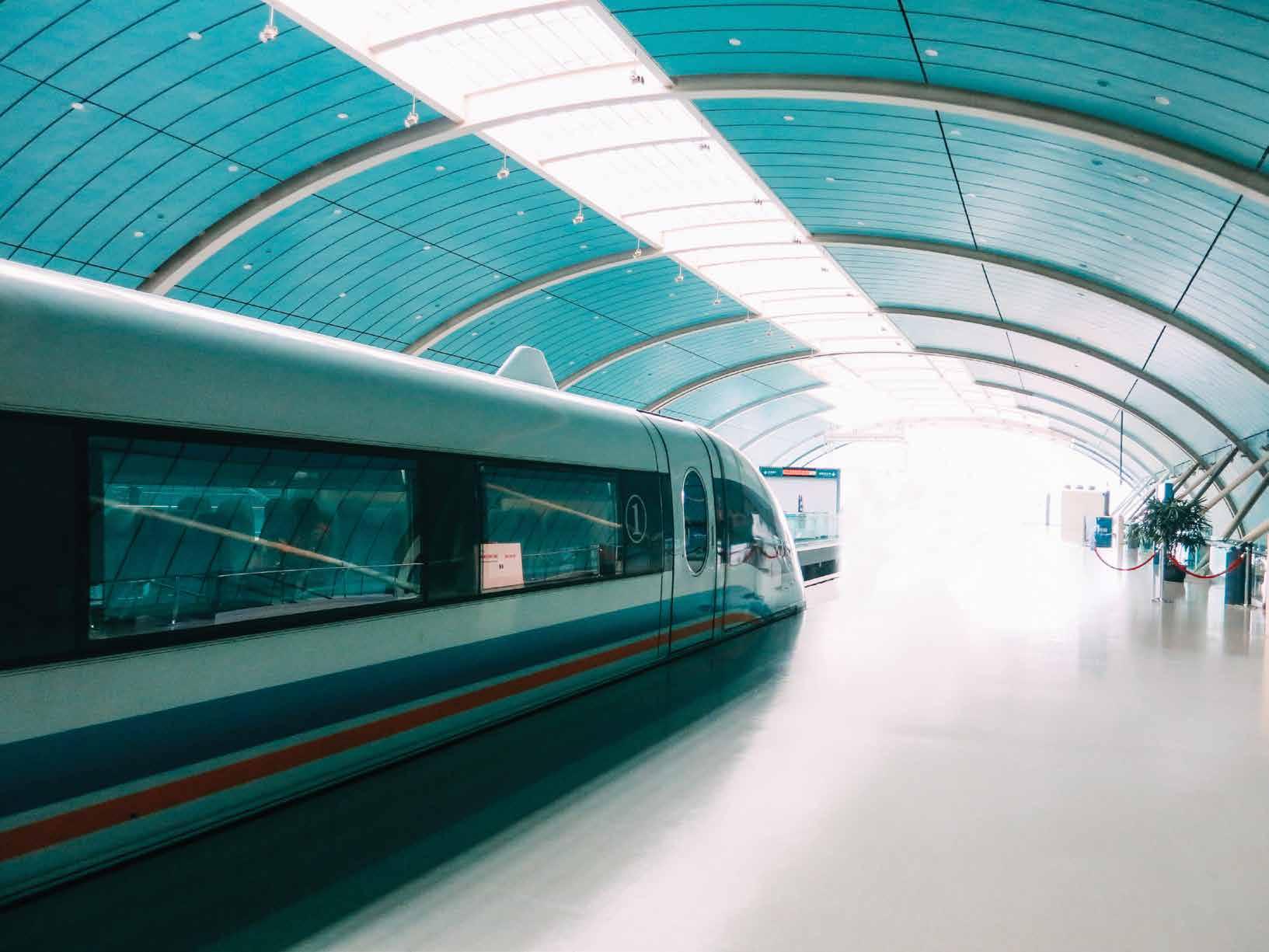
Few journeys prepare travellers for the sensation of boarding the Shanghai Maglev. The train’s sleek profile already feels futuristic while standing on the platform, but it is only once the journey begins that its engineering becomes truly apparent. There is no familiar rhythm of wheels against tracks. Instead, the train seems to float forward almost silently before accelerating with astonishing speed.
The digital display inside the carriage quickly becomes the centre of attention. Passengers watch as the numbers climb: 100 kmph, 200 kmph, 300 kmph. Within moments, the train surges past 400 kmph. Conversations pause. Cameras emerge. Even seasoned travellers find themselves glancing repeatedly at the display, unable to ignore the reality of what they are experiencing.
Unlike conventional rail systems, the Shanghai Maglev relies on magnetic levitation technology. Powerful electromagnetic forces lift the train slightly above the guideway, eliminating direct contact with the track and dramatically reducing friction. This allows the service to reach speeds of up to 431 kmph, making it the fastest commercial train service in the world. The technology itself is impressive, but it is the passenger experience that truly captures the imagination.
Outside the window, Shanghai appears transformed. Elevated highways blur into silver streaks. Residential towers rise and disappear almost instantly. The city seems less like a collection of buildings and more like a stream of colour rushing past the carriage. Yet inside, the atmosphere remains surprisingly tranquil, the ride smooth and stable, creating a striking contrast to the extraordinary speed displayed overhead.
Although the route itself is relatively short, connecting Pudong International Airport with Longyang Road Station in around seven minutes, the Maglev’s significance extends far beyond its practical function. It stands as a showcase of technological ambition and a symbol of China’s willingness to push the boundaries of transport. In a country that already operates the world’s largest high-speed rail network, the Maglev occupies a unique position, serving as both a transport system and a glimpse into what the future of mobility might look like.
For many travellers, the journey ends almost as quickly as it begins. Yet long after stepping off the train, the memory remains. Few experiences communicate the possibilities of modern engineering quite so vividly as watching a city disappear at more than 430 kmph while feeling as though you are floating above the ground.
Modern luxury is increasingly defined by authenticity, personal connection, and experiences that stay with guests long after departure
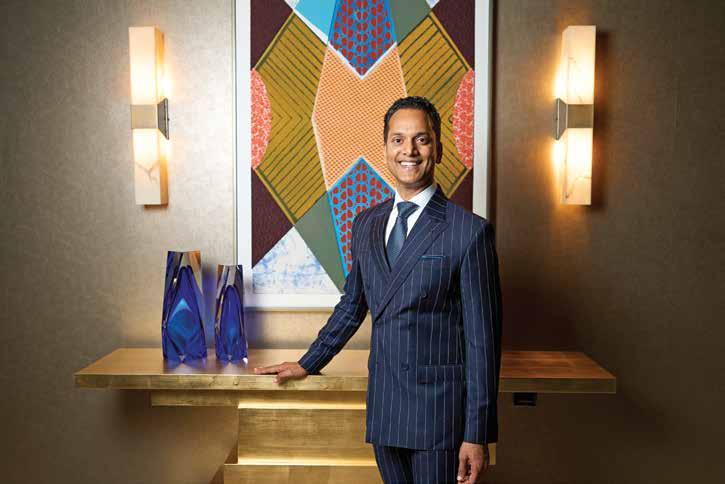
Nilesh siNgh
ClusTer General ManaGer, The riTz-CarlTon Baku & JW MarrioTT aBsheron Baku
over the past few years, I have seen a clear and consistent shift in how people define travel. Comfort, quality and service remain essential in luxury hospitality, but they are no longer the defining factors. Today’s guests are looking for something more meaningful, experiences that feel personal, authentic and genuinely connected to the destination.
Experiential travel, as I see it, is not about the number of activities offered. It is about the quality of moments created. It often lives in the small, unstaged details: a thoughtful recommendation, a conversation that feels natural and unforced, and a sense that the guest is understood without having to explain too much. These are the moments that stay with people long after they leave.
Baku is a destination where this shift is especially visible. Guests arrive with curiosity and a genuine desire to understand the city beyond its surface. Cultural moments such as the Azerbaijan Carpet Festival highlight the depth of craftsmanship and heritage that exists here, while international events bring a strong contemporary energy to the city. Landmarks such as the Icherisheher (Old City) and the Heydar Aliyev Centre reflect Baku’s unique balance between history and modern identity.
In luxury hospitality, this evolution has placed even greater importance on how we show up for our guests.
At JW Marriott Absheron Baku, the focus is on a warm, natural and uplifting approach, creating a sense of
We are no longer simply offering accommodation, we are helping shape how a destination is experienced
ease and wellbeing where guests feel genuinely at home, supported by thoughtful, intentional service. At The Ritz-Carlton, Baku, service is rooted in legendary standards, delivered with grace and a deep sense of respect, while remaining highly personal through experiences carefully co-created with each guest. In both cases, the aim is the same: to create meaningful connections that go beyond the stay itself.
What has changed most is the role of the hotel. We are no longer simply offering accommodation, we are helping shape how a destination is experienced. That requires a deeper understanding of place, stronger emotional intelligence from our teams, and the ability to personalise in a way that feels effortless rather than structured.
Experiential travel is not a passing trend. It is becoming the foundation of modern luxury hospitality. Guests may not remember every detail of a room, but they will always remember how a place made them feel. That emotional connection is what defines true luxury today.
Business travel today is defined not just by efficiency, but by autonomy, wellbeing, and discovery
Sammy CaroluS
MaNager & area direcTor of
The hospitality industry has always had a fondness for elegant jargon. We describe travellers as digitally native, experience-led, or hyper-connected, language that sounds impressive but can feel abstract. When I was recently asked to describe the new business traveller of 2026, I chose a simpler approach: explain it the way I would to a child. If clarity works at that level, it usually works everywhere else.
Today’s business traveller no longer moves mechanically between airports, meeting rooms, and hotel rooms. They are more independent, more confident, and far more curious than before.
Technology is central to this shift, travellers expect to manage their journey seamlessly, from mobile check-in and digital room access to instant communication that puts support at their fingertips. Technology is no longer about novelty, it’s about control, speed, and the freedom to move through a stay on one’s own terms.
Yet as travel becomes more digital, the human element matters more, not less. Efficiency alone does not define a great stay. A genuine welcome, thoughtful guidance, and the feeling of being recognised still shape how a journey is remembered. Technology may streamline the experience, but people give it warmth and meaning. Hospitality, after all, remains a human exchange built on care, attentiveness, and trust.
Well-being has also moved firmly to the centre of business travel. After years of blurred boundaries between work and life, travellers no longer accept exhaustion as part of the job. They want to maintain healthy routines, eat well, stay active, and find moments of calm within demanding schedules.
Well-being has also moved firmly to the centre of business travel
Hotels are now expected to support both performance and balance, offering environments that let guests focus when they need to and recharge when they can. Wellness today is less about indulgence and more about sustaining energy, focus, and mindset.
Perhaps the most significant shift is in how business travellers engage with their destination. Even on tightly packed itineraries, they want to experience where they are, not limit their understanding of a city to meeting rooms and corridors. A meaningful hotel acts as a gateway: guiding guests toward local discoveries, introducing culture through thoughtful experiences, and helping them connect with place, even in small but memorable ways.
Business travel has changed. It is no longer purely functional, it is intentional. Work remains the priority, but experience now travels alongside it. At Hyatt Regency Bangkok Sukhumvit, our role is to be a true home base for this new kind of traveller, supporting their professional goals while encouraging independence, well-being, and a sense of belonging. Business travel today is no longer just about getting the job done. It is about returning home feeling accomplished, energised, and enriched by the journey itself. That is the future we are designing for.
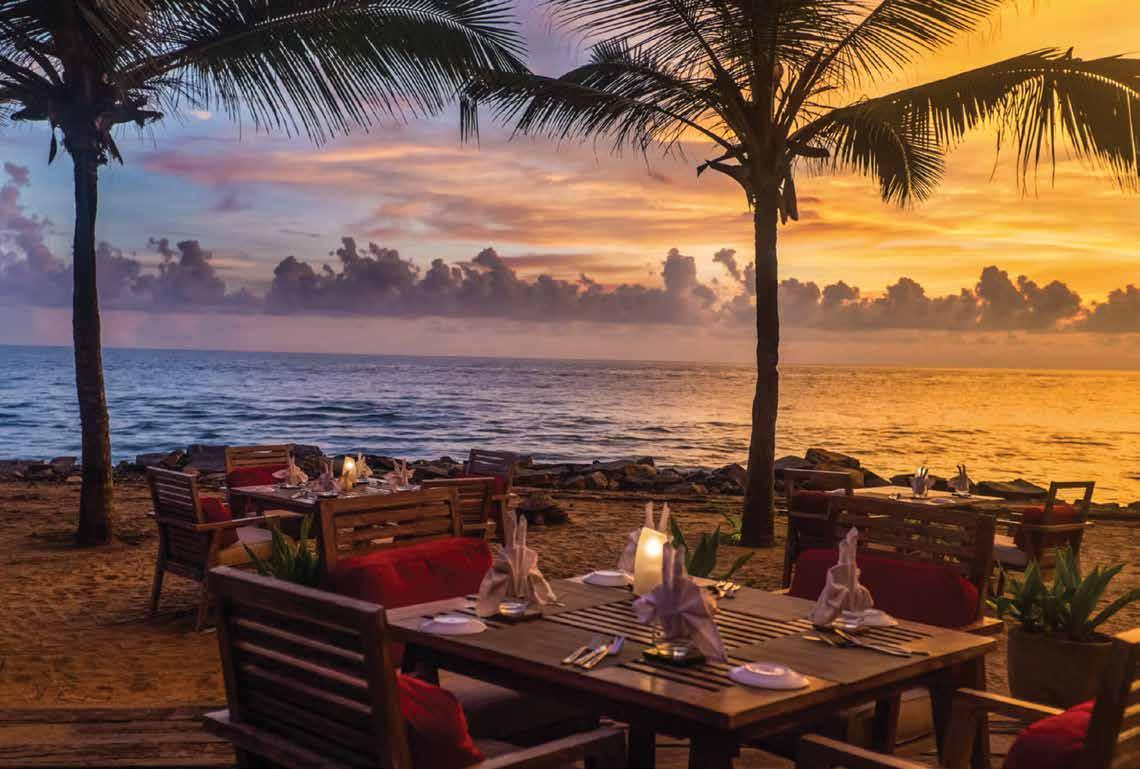
Taj Green Cove Resort & Spa Kovalam
We experienced this tropical sanctuary, nestled on the banks of Kerala’s backwaters.
Tucked between Kerala’s lush backwaters and the Arabian Sea, Taj Green Cove Resort & Spa, Kovalam, offers a quieter, more restorative take on luxury hospitality

What’s it like
Set between a serene backwater lagoon and the Arabian Sea, Taj Green Cove Resort & Spa Kovalam feels more like a tropical sanctuary than a conventional beach resort. Designed by Iyer & Mahesh Architects, the 16-acre retreat combines traditional Kerala architecture with contemporary Balinese influences, creating a landscape of coconut groves, lotus ponds, and winding pathways that blend effortlessly with nature. The open-air lobby and thoughtfully planned layout create an immediate sense of calm, while the resort’s low-rise design ensures privacy throughout.
The resort offers 59 rooms, suites, cottages, and villas, each positioned to maximise seclusion and natural views. The cottages, tucked amid tropical foliage, are ideal for guests seeking privacy, while the pool villas feature private plunge pools and generous outdoor spaces. The twobedroom Presidential Villa feels
more like a private residence, with expansive living areas and its own swimming pool. Interiors combine handcrafted wood finishes, earthy tones, and spacious bathrooms that echo the resort’s wellnessfocused philosophy.
Facilities
Wellness sits at the heart of the Green Cove experience. The J Wellness Circle offers personalised Ayurvedic consultations and signature therapies inspired by India’s holistic healing traditions. The resort’s 150-metre infinity pool, one of the longest resort pools
in India, overlooks the tranquil lagoon and is particularly striking at sunset. Dining follows the same unhurried rhythm. Breakfast showcases Kerala specialities alongside international favourites, while Bait,


Best for Travellers seeking seclusion, wellness experiences, and a slower pace of luxury.
Good to know
The resort is around 15 km from Trivandrum International Airport, making it an easy coastal escape while still feeling wonderfully secluded.
don’t miss
A sunset dinner at Bait, where fresh seafood, lagoon views, and the sea breeze come together for one of the resort’s signature experiences.
Price
From `25,000 onwards, with seasonal variations in pricing.
contact
Taj Green Cove Resort & Spa Kovalam, G.V. Raja Vattapara Road, Kovalam, Kerala 695527, India Tel: +91 471 661 3000 tajhotels.com
the lagoon-side seafood restaurant, is the culinary highlight. Guests can also dine at Curries, celebrating regional Indian cuisine, and Jasmine Bay, the resort’s all-day dining restaurant. Service is warm, intuitive, and distinctly Taj, balancing attentiveness with privacy.
VeRdict
Taj Green Cove Resort & Spa Kovalam delivers a rare combination of privacy, wellness, and natural beauty, making it one of Kerala’s most restorative luxury escapes. Words by MARIA VERGHESE
Contemporary design, vibrant social spaces, and a prime Juhu location make Hyatt Centric Juhu Mumbai an ideal base for work and leisure
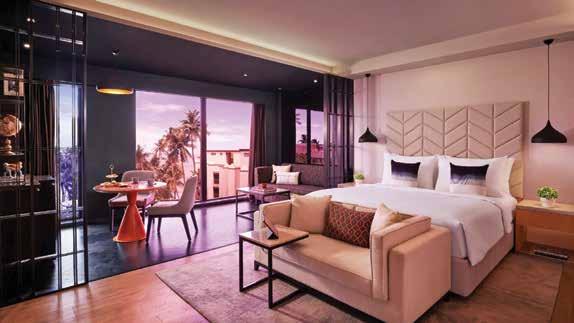
What’s it like Located in the heart of Juhu, Hyatt Centric Juhu Mumbai captures the neighbourhood’s creative energy while offering a comfortable retreat from the city’s pace. Just minutes from Juhu Beach, the 60room lifestyle hotel pairs bold interiors and contemporary design with vibrant social spaces and warm, intuitive service. Rather than distancing guests from Mumbai, it embraces the neighbourhood’s eclectic character, making it equally suited to business travellers, weekend breaks, and those exploring the city’s entertainment district.
Best for
Flexible meeting spaces and easy access to Mumbai’s media and business districts.
Good to know
The property is nonsmoking throughout, making it a good choice for guests who prefer smokefree stays.
don’t miss
A sunset swim at the rooftop pool, a surprisingly tranquil escape above one of Mumbai’s busiest neighbourhoods.
Price
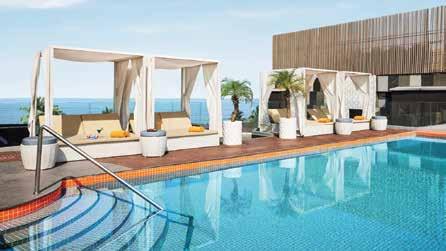
Rooms Accommodation reflects the hotel’s contemporary personality while prioritising comfort and functionality. I stayed in the King Studio Suite, where an open-plan layout, generous living space, floor-to-ceiling windows, and modern furnishings created a bright, residential feel. Thoughtfully
designed workspaces and complimentary wifi make the suites as practical for business trips as they are for longer leisure stays, while several rooms offer views towards Juhu Beach or the Pawan Hans helipad.
Facilities: Breakfast is served at the hotel’s all-day dining restaurant, where an extensive buffet pairs Indian favourites
with international classics, alongside fresh fruit, pastries, and a live egg station. Later in the day, the venue transforms into Sesame, offering Asian and modern Japanese cuisine as part of its “Theatre of Flavours” concept.
The rooftop swimming pool provides a welcome escape above the city, while the 24/7 fitness centre caters to guests who need to maintain their
From approximately `15,000 onwards, with seasonal variations in pricing.
contact Hyatt Centric Juhu Mumbai, Juhu Tara Road, Mumbai – 400049, Maharashtra, India Tel: +91 22 6826 1234 hyatt.com
routines on the road. Flexible event venues, complimentary wifi, and proximity to both the airport and Mumbai’s business and media districts further enhance the hotel’s appeal for corporate travellers.
VeRdict: Hyatt Centric Juhu Mumbai delivers a contemporary stay that feels closely connected to its surroundings. Spacious accommodation, thoughtful facilities, and an excellent location make it a strong choice for both business and leisure travellers.
Words by naina sarma

This image of a brain coral was shot during a night dive, with the help of an ultraviolet light, in the Indian Ocean. The brain coral gets its name for bearing a striking resemblance to a human brain and some can grow up to six feet to live for upto 900 years. Brain corals are found in shallow warm water coral reefs in all the world’s oceans. They extend their tentacles to catch food at night. During the day, their tentacles are used for protection by wrapping them over the grooves on their surface. These corals are filter feeders that catch small organisms drifting through water, and also get essential nutrients from the zooxanthellae they protect. The coral polyps produce calcium carbonate and build out their large skeleton.
Zooxanthellae are tiny algae that live inside coral polyps and
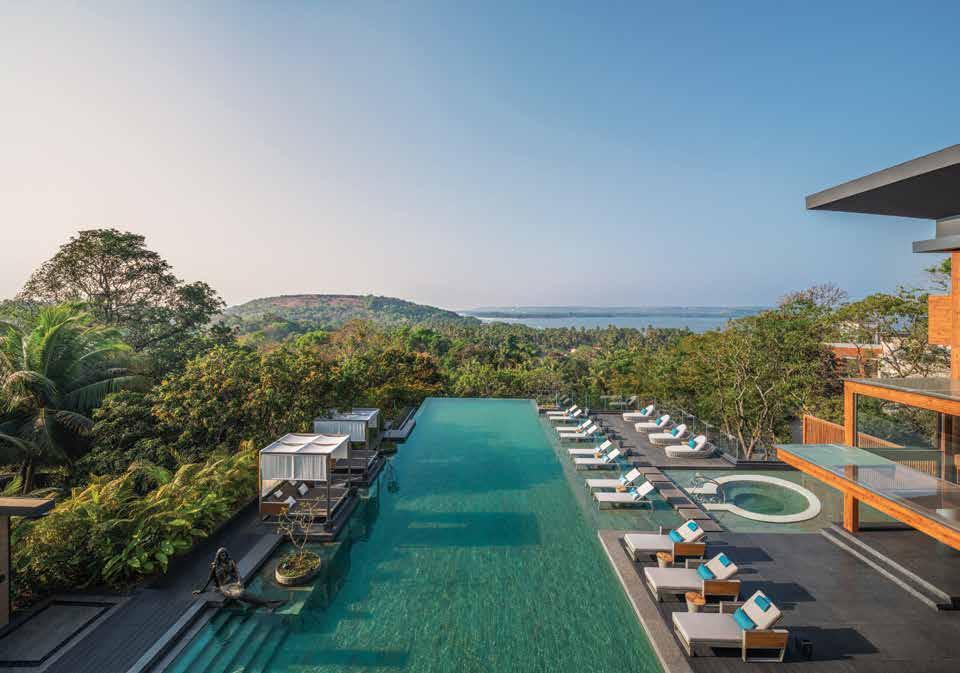
give the coral its colour. The coral gives the algae a safe home and nutrients. The algae use sunlight to make food for the coral. They provide protection for fish, other organisms and can absorb the energy of storms.
What makes this image so relatable is the distinct shape wherein one can make out the mouth opening, the nose and the thoughts (on the left) that are entering the human brain. It can come across as an X-ray of a human brain.
One can easily find these corals in the reefs around Andaman & Nicobar Islands and Lakshadweep archipelago. One would need to scuba dive in order to see them up close but some can be visible while snorkeling as well.




On Sentosa Island's scenic hilltop, step into the lush and enchanting surroundings of Singapore’s first all-villa resort. Raffles Sentosa Singapore embraces 62 pool villas of wondrous serenity and privacy. Our world-class dining offers endless delights, while our wellness experiences honour self-care and rejuvenation. Celebrating a heritage cherished by generations, we present the legendary Raffles service: from the warm welcome of the doorman to the peerless care of your butler, fulfilling every desire before you even thought to ask.