

Film and TV writers go on strike, bringing production on many shows to a halt.
BY DONNELL SUGGS
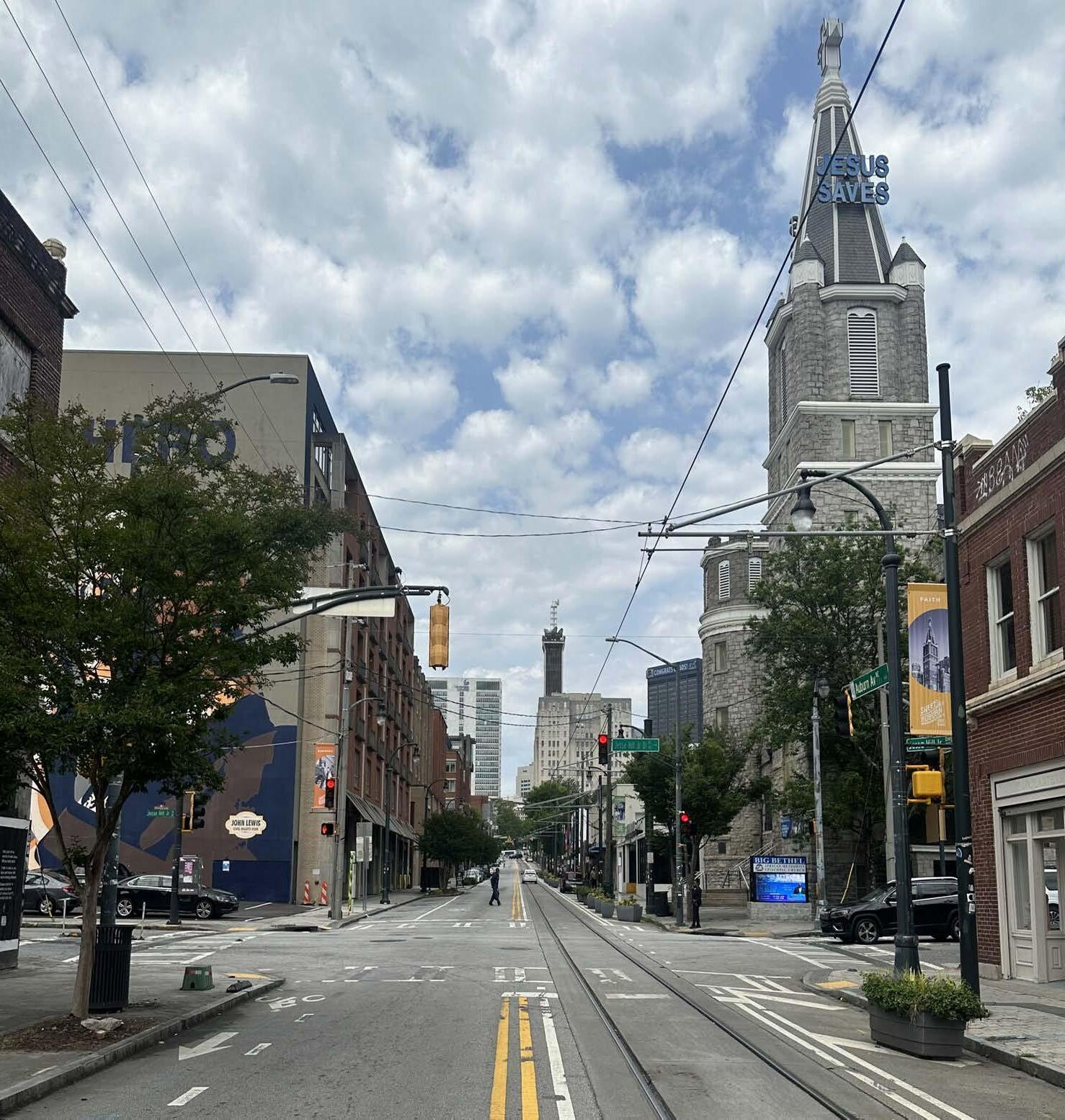
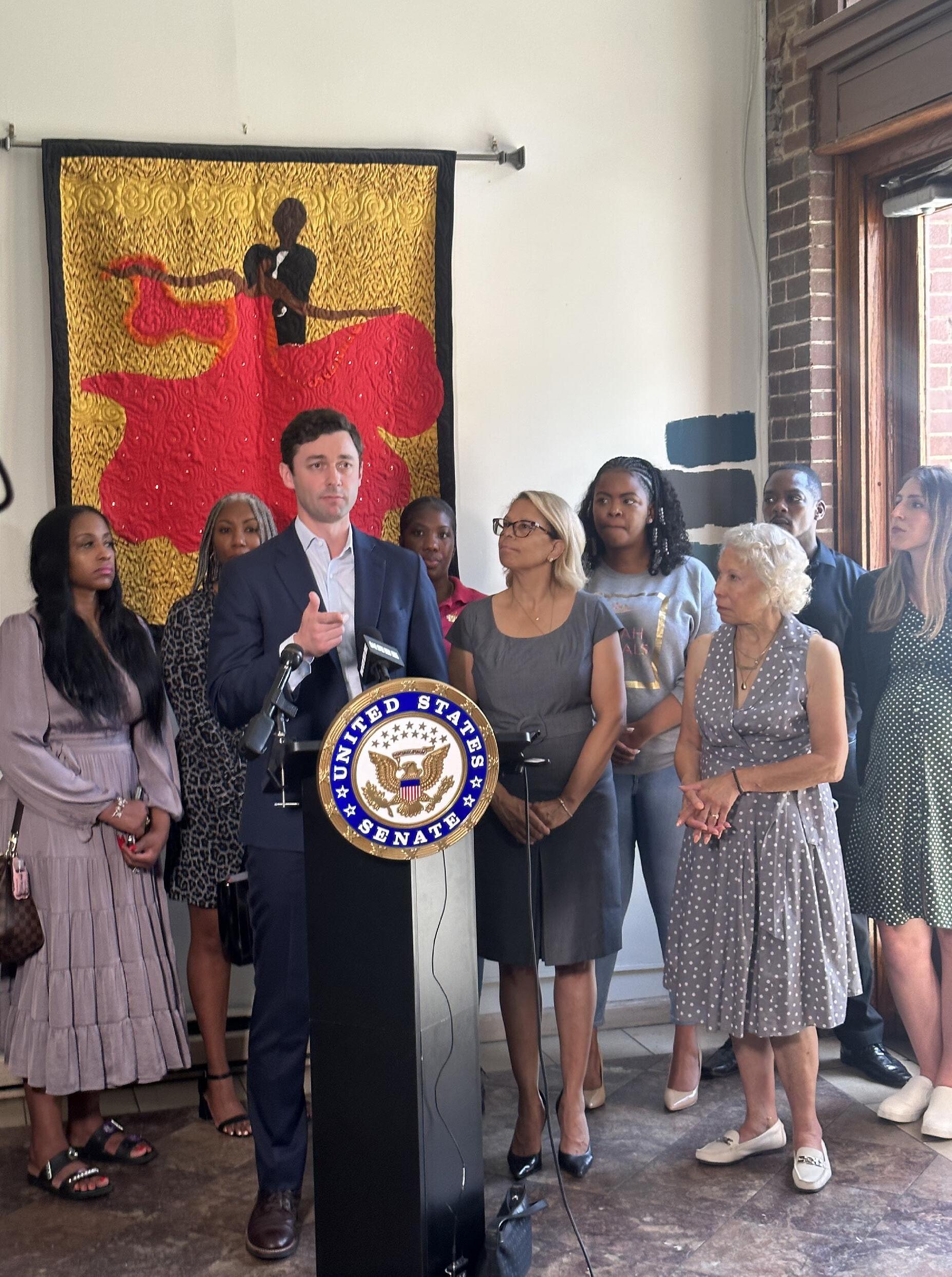
United States Senator Jon Ossoff (D-Ga.) visited the SPARK Innovation Lab on Auburn Avenue the morning of Monday, May 8 to talk to local business owners about a $500,000 bipartisan-backed investment in the historic Black neighborhood's businesses.
The funds will be distributed to the businesses by Sweet Auburn Works, whose mission, according to its website, is to preserve, revitalize and promote the commercial and cultural legacy of the Sweet Auburn District.
The half-million dollar investment is an effort to make sure the majority Black-owned businesses reap some of the good fortune many of Atlanta's small businesses have seen as a result of the city's growth the past decade plus.
Ossoff, a native and current resident of Atlanta, told The Atlanta Voice that the Sweet Auburn District is the "Civil Rights heartland of the country" and "as this city grows Black business and property owners that are already here need to participate in this growth."
Standing inside the Odd Fellows Building and Auditorium at 228 Auburn Avenue, a historic property that has been owned by the Alexander-Perkins family for many years, Ossoff was flanked by a number of local business and property owners as he explained the investment. He stressed that it was supported by both sides of the aisle in Washington and that it would not be a one-time investment into this community.
"This is about making sure entrepreneurs can participate fully in the economic growth of metro
to announce a $500,000
Atlanta," Ossoff said. "I want to ensure that this community continues to thrive."
Ossoff has been a steady supporter of small businesses and Historically Black Colleges and Universities (HBCUs) in metro Atlanta since taking office in 2021. Most recently he helped spearhead a $2.9 million federal grant for Morris Brown College in January.
Kimberly Alexander, who was there representing the Alexander-Perkins family which is a landlord for small businesses inside the Odd Fellows Building, said about the investment, "The Sweet Auburn neighborhood is full of not only Civil Rights history, but Black business legacy."
It is not clear how the funds will be dispersed among the businesses, but Ossoff was clear about what the funding will be used to mainly benefit.
"Small businesses are the backbone of the economy in so many ways," Ossoff said. "This has to be part of a long-term effort."
Small businesses such as Lash & Brown Spot, The Weave Outlet and the Sweet Auburn Bread Co., which is currently under interior construction, and Auburn Vinyl, a custom print shop, will benefit from the investment.
"We need to ensure the people that brought it this far along the way get to enjoy the benefits from this funding," Alexander said.
BY MAYA- RICHARD-CRAVEN
As protests against the proposed law enforcement training facility known as “Cop City” begin to gain national attention, From Students to Faculty, folks are doubling down on their commitment to stop the project.
Calvin Bell, a junior and political science major at Morehouse, is one of many college students fighting against the $90 million, 381-acre complex intended for police and firefighter training.
“I was one of those who has slowly become a spokesperson, along with some of my other brothers,” Bell says.
The facility he’s trying to stop, officially known as the Atlanta Public Safety Training Center, has drawn significant criticism from community organizers and activists since 2021. Critics say the project will irreparably harm the environment and further militarize the police.
Environmental activists have long raised concerns about “Cop City” due to its potential ecological impact. The facility is slated to be built in the Weelaunee (South River) Forest, a tract of undeveloped forested land that serves as an essential green space and carbon sink for the city. Activists say losing this green space would contribute to increased air pollution, decreased biodiversity, and the exacerbation of climate change.
Along with concern about the environmental impact, opposition to “Cop City” from the Black community also stems from fears of racial profiling, over-policing, and strained police-community relations. Critics argue that the allocated funds should be redirected to address systemic issues affecting Black residents, such as education and community development, rather than expanding policing resources.
“Cop City is a million-dollar venture that is being created to train firefighters, those in the medical fields, but also police officers,” Bell says. “The pervasiveness of policing itself is harmful.”
Although protests have been ongoing, on April 24, students from Agnes Scott College, Emory University, Georgia State University, Morehouse College, Georgia Institute of Technology, Spelman College, and Clark Atlanta University staged concurrent demonstrations following the release of the DeKalb County Medical Examiner’s autopsy report on environmental activist Manuel “Tortuguita” Paez Terán.

26-year-old Tortuguita had been an active protester in the anti-“Cop City” movement. They were shot 57 times at the Defend Atlanta Forest, Stop Cop City camp by Georgia State Troopers.
The report revealed no gunshot residue on Tortuguita’s hands, contradicting the Georgia Bureau of Investigation’s claims that he was killed after firing first at officers.
Bell got involved in organizing after attending an open forum at the Martin Luther King Chapel at Morehouse on January 28. That’s where he first openly expressed his thoughts on Cop City.
He also attended a teach-in at the African-American Hall of Fame which inspired him to get even more involved.
I’m “just one of many students who have taken the stage in front of the administration to voice their opinions,” he says.
Bell says that faculty and other students have not treated him differently due to his involvement in the Stop “Cop City” protests.
In February, 53 members of the Morehouse College faculty published an open lettercalling “upon our civic leaders and fellow educators in Atlanta to denounce Cop City, to take immediate action to cancel the project, and to respond to the will of the people—and not merely the wealthy and well connected—in determining the character of our communities and the conduct of those who claim to serve and protect us.”
On March 25, Spelman alumnae also released an open letter opposing the development of Cop City. They wrote, “the fight for the forest is just the latest of Black-led, cross-racial coalitions to preserve Black communities and the natural environments
that make them.”
In addition, they expressed their unequivocal and enthusiastic support of the student and faculty protests across Atlanta and the movement to defend Weelaunee Forest.
Bell says that the response to his activism has been overwhelmingly positive.
“If anything, I have been uplifted for my advocacy and have had people tell me that they appreciate my work as a scholar-activist,” he says. “This movement has allowed me to welcome in more voices and recruit more students who have similar sentiments.”
Meanwhile, Weelaunee People’s Park, a part of the South River Forest, is no longer open to the public. Instead, the forest is now surrounded by barricades and police officers.
Keyanna Jones, an activist who works with Community Movement Builders, a non-profit grassroots organization that focuses on fighting for Black liberation. She believes Weelaunee People’s Park was closed because it was a meeting spot for Stop Cop City organizers.
“It was a direct response to the fact that the movement was not slowing down,” Jones says.
She regularly protests against “Cop City,” and went to a rally against it at Emory University last week.
She and other protesters, including students, come together for a potluck each week. They share life skills — like how to live off the land — and meet outside of the South River Forest, usually on open land owned by a church nearby.
Although many Stop “Cop City” protesters are Black, not all Black folk in Atlanta oppose
the training facility.
Some activists say that folks who are a part of “The Atlanta Way,” or the Black elite, have little interest in joining the fight against “Cop City.”
Students have sharply criticized Atlanta’s mayor Andre Dickens for his vocal support of Cop City.
At a recent forum at Morehouse about Cop City protests, Dickens reacted angrily to a student calling him a “sellout.”
“I ain’t never been no sellout,” Dickens snapped back. “You picked the wrong resume to pull on the race card.”
At a press conference on April 22, Dickens stated, “Let me be clear today: the Atlanta public safety training center is moving forward because we need it.”
Dickens was flanked by dozens of prominent Black men dressed in sharp suits during his remarks. Critics pointed out that many are part of organizations that accept funding from “Cop City” backers or are directly working for the project.
“The mayor cares about Black people in a certain tax bracket, those who can bring a level of affluence and power to him, furthering his reelection down the line,” Bell says.
“He has lost sight of those that are dealing with inequalities every day, who will slowly be pushed out and who will solely be disregarded because of the fact that they don’t fit that scope of the Black bourgeoisie.”
The city “is supposed to be the Mecca of Black people,” Bell says. And so, it seems the battle for Atlanta’s soul rages on, with the outcome bearing significant consequences for the environment, the Black community, and the city’s social fabric.
“Many
stories matter. Stories have been used to dispossess and to malign. But stories can also be used to empower, and to humanize. Stories can break the dignity of a people. But stories can also repair that broken dignity.”
— Chimamanda Ngozi Adichie
It is not simply a debate about curriculum– it is a fight about the direction of this country.
BY DR. KAYE WHITEHEAD
The National Women’s Studies Association has been alarmed, angered, and frustrated by the legislative efforts of the Republican party to limit our academic freedom, censor the teaching of African-American, gender and queer studies. They place us in an untenable situation where we are unable to adequately defend ourselves and our livelihood.
The attack is personal.
It is rooted in anti-Black racism, patriarchy, transphobia, Whiteness, and xenophobia, and it is a propagandistic argument designed to Whitewash our collective history. We are clearly under attack.
In the recent months, states across the country have either introduced or passed legislation similar to Florida’s House Bill 999, designed to ban “the use of pedagogical methodology associated with Critical Theory, including, but not limited to, Critical Race Theory (CRT), Critical Race Studies, Critical Ethnic Studies, Radical Feminist Theory, Radical Gender Theory, Queer Theory, Critical Social Justice or Intersectionality.”
We have also noticed that some of these bills are so vague and wide-reaching that they are laying the foundation for future legislative attacks against any academic work, person or group that critiques the U.S. and supports racial justice and gender equality. We do understand that they will not stop unless we stop them.
The attacks against critical race theory and intersectionality, coupled with the intentional campaign to reframe the term “wokeness” as a veiled slur against Black, Brown, and other marginalized people, are reminders that in this country, as bell hooks taught us, the classroom remains the most radical space of possibility in the academy.
As educators and activists, we understand why this is happening and why it is vital to raise our collective

Please visit AFRO.com or NWSA.org to review NWSA organized activities and access the lesson plans, exclusively published by the AFRO- American Newspaper. Photo Credit: Istock/Peoplesimages
voices to speak in this moment. It is not simply a debate about curriculum– it is a fight about the direction of this country.
It is also important to note that this is not a new fight — it did not start with Ron DeSantis’ “Don’t Say Gay” bill or his anti-woke campaign; it did not start with Donald Trump’s memo labeling CRT as “divisive” while issuing an executive order banning racial justice training; it did not even start with the groundbreaking work of the 1619 project. This is an old battle that has its roots in the anti-literacy laws that were passed in Confederate states from 1740 to 1834.
It has its roots in the Roberts v. City of Boston case, the Fugitive Slave Act of 1850, Plessy v. Ferguson and in Roe v. Wade– just to name a few. It has its roots in anti-LGBTQ discrimination. This movement has roots in White supremacy and the pursuit of manifest White destiny.
NWSA is the nation’s largest network of feminist scholars, educators, and activists. One of our primary objectives is to promote and support the production and dissemination of knowledge about women and gender through teaching, learning, research, and service in academic and other settings. We actively draw on feminist scholarship and stand squarely in support of intersection-
ality as a guiding methodology. We are more than just an academic association. We are activists. We are freedom fighters. We are feminists. We are scholars. We understand that there are times when we must speak up because our silence will never protect us, and if we are not careful, our silence will always appear to be a sign of silent approval.
The members of NWSA have never chosen and will never choose to stand with oppressors. We will never request the master’s tools to dismantle his house. Instead, we will shape and craft our own tools to burn it down, so that something better can be created. We will never eat their crumbs just because they have tried to convince us that we are hungry. We will continue to stand on the side of justice and against those seeking—either because of their fear or their need to control and silence us—to tear down the racial, social and gender justice work that has been done in this country.
What Comes Next
We are now less than ten days away from the Freedom to Learn National Day of Action, scheduled for May 3. We are excited to share that NWSA is working in partnership with the African American Policy Forum, the “Big Eight” civil rights organizations, the Divine Nine, ASALH,

FOUNDED May 11, 1966
FOUNDER/EDITOR
Ed Clayton Immortalis Memoria
Ms. in the Classroom, the AFRO, the Karson Institute for Race, Peace and Social Justice and local academic and activist associations.
As you know, the National Day of Action began with the release of an Open Letter on Fighting “Anti-Woke” Censorship of Intersectionality and Black Feminism which was co-written by NWSA’s former president, Beverly Guy Sheftall, and signed by thousands of academics, artists, advocates, policy-makers and concerned persons. The letter outlined how state and local governments and agencies nationwide have targeted, attacked and worked to systematically disrupt the teaching of intersectionality, critical race theory, Black feminism, queer theory, and any frameworks that address structural inequality, mass incarceration and White supremacy. They have threatened to fire or arrest teachers and professors who teach or discuss these issues, banned books that cover these issues, defunded public libraries and worked to create and maintain a climate of fear.
These are not new tactics; indeed, this is how they fight. They want us to be afraid. They want us to feel overwhelmed. And they want us to think that we are alone. We are not. We must remember that we may come as one, but we stand as ten thousand. When they want us to move, we shall plant our feet and whisper, “We shall not be moved.” When they try to destroy what our ancestors died to build, we will hold up the columns and do it with one hand holding the beam and the other holding fast to each other. When they try to erase us from the curriculum, we will find ways to teach and share our stories. When they believe they have won the battle, we will regroup and stay focused on winning the war. When they come for us (and they will keep coming), we will always be ready for them.
Read this full Op-ed online at www. wordinblack.com
PUBLISHER/EDITOR
J. Lowell Ware Immortalis Memoria
The Atlanta Voice honors the life of J. Lowell Ware.
PUBLISHER
Janis Ware jlware@theatlantavoice.com
PRESIDENT/ GENERAL MANAGER
James A. Washington jaws@theatlantavoice.com
EXECUTIVE ASSISTANT TO PUBLISHER
Chia Suggs csuggs@theatlantavoice.com
DIRECTOR OF PUBLIC RELATIONS
Martel Sharpe msharpe@theatlantavoice.com
EDITOR IN CHIEF Donnell Suggs editor@theatlantavoice.com
GENERAL ASSIGNMENT REPORTER Janelle Ward jward@theatlantavoice.com
GENERAL ASSIGNMENT REPORTER Isaiah Singleton isingleton@theatlantavoice.com
GENERAL ASSIGNMENT REPORTER Noah Washington nwashington@theatlantavoice.com
MANAGING EDITOR, DIGITAL Itoro Umontuen iumontuen@theatlantavoice.com
ADVERTISING, SALES & CIRCULATION
ADVERTISING ADMINISTRATOR
Chia Suggs advertising@theatlantavoice.com
CIRCULATION MANAGER
Terry Milliner
SALES
R.D.W. Jackson rdwadman@gmail.com
SUBMISSIONS editor@theatlantavoice.com
CONTACT INFORMATION
633 Pryor Street, S.W. Atlanta, GA 30312 Office: 404-524-6426 info@theatlantavoice.com

SPIRITUALLY SPEAKING
BY JAMES A. WASHINGTON
The Atlanta Voice
(2 Corinthians 12: 7-9) Paul says,
“To keep me from becoming conceited because of these surpassingly great revelations, there was given me a thorn in my flesh, a messenger of Satan, to torment me. Three times I pleaded with the Lord to take it away from me. But He said to me, ‘My grace is sufficient for you, for my power is made perfect in weakness.’
Therefore, I will boast all the more gladly about my weaknesses, so that Christ’s power may rest on me.”
Talk about powerful and enlightening stuff! Some things in the bible reverberate over and over again and for whatever reasons, we still don’t get it. I mean we understand the words and the principles behind them, but we can’t seem to incorporate them into our daily lives.
Paul lets us know in the verses above that there is indeed a reason to acknowledge and to some degree accept our shortcomings.
Given our flaws and faults, with some basic spiritual guidance and understanding, it is at these moments of thorn-in-flesh recognition that God will inevitably show up and
If you know and accept Him and subsequently yourself, then it stands to reason that you know you are a man or woman of God.
then proceed to show out.
God says His power is “made perfect in weakness.” Can you imagine experiencing the perfect power of the Lord?
Apparently, it’s as easy as looking in a mirror and making an honest assessment of who you really are in relation to who you really could be. Stated differently, you are who you are only in relationship to God.
If you know and accept Him and subsequently yourself, then it stands to reason that you know you are a man or woman of God.
The only thing standing in your way is you. Realize you can’t go it alone, nor should you. You and I need help and that help comes from only one source. It’s the perfect source and you must be prepared to accept the consequences of this type
“YOUR
of recognition.
The consequences are accepting that there is a divine purpose for your set of weaknesses, faults and flaws. Most of us would rather reject the notion of our sinful existence than to embrace it.
The text says it’s our obligation to understand our weaknesses through the spiritual recognition that allows God to take over and do His thing. Through His grace, you get so much more than you could ever bring to the party to overcome your addictions, your pride, your physical weaknesses, your guilt and your disease.
According to this scripture, you also get Christ’s power working with you. Isn’t that something?
No wonder Paul continues by saying, “That is why, for Christ’s sake, I
delight in weaknesses, in insults, in hardships, in persecution, in difficulties. For when I am weak, then I am strong.”
By itself, you have to wonder what Paul is talking about. But when put into the context of the entire passage, isn’t it true that out of your most dire circumstances, once you give it up to Him who loves you more than you love yourself, God’s perfect power rescues you?
How many testimonies does it take for you and me to give God the praise He deserves for accomplishing things, in spite of our frailties, that which we could not have accomplished for ourselves?
All I’m trying to say is stop fighting yourself. Stop denying your insecurities and your weaknesses, your passions and your addictions. Accept them and then give them up to the Lord. Then step back and watch God do His thing in your life. But be careful. When God moves in, He has a way of taking over. So, don’t try to hide anything. As the saying goes, let go and let God.
May He bless and keep you always.
Would
the shooting at a Midtown Atlanta
medical building last week that left one woman dead and four others wounded have gone better or worse if there had been a ‘good citizen’ with a gun in attendance when it started?
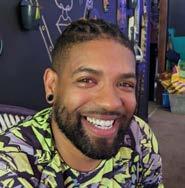
Hackney Union City
“I think it would have been a benefit, if not saved lives then saved people from being in the presence of that man at that time with that rage, being as upset as he was. Knowing [now] his backstory and what he was there for and what he was going through during all of that, I would have felt pretty bad. But I know I would have probably saved a life or two or someone from getting shot, definitely would have saved myself. If I had the opportunity and I was armed, I would have shot him back after he started shooting, for sure, for sure.
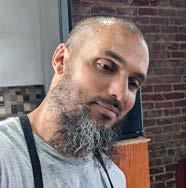
Eric Torres Stockbridge
“I say it all depends. With my level of training, I’m confident that it would have been better. I’m confident I could have stopped the perpetrator. But I say it all depends on his level of awareness and the way the waiting room is situated and where everybody was seated. It’s going to be hard to draw if he’s pointing at all of us. But if the waiting room is nice and spread out, as soon as you witness what’s going on, a well-trained person can react and I believe it could have been better than worse.”
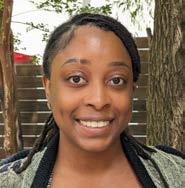
Myleah Allsop Union City
“In a situation like what happened at Northside Hospital, I would have appreciated if a citizen would have used their gun but I don’t know that I would have, necessarily, felt safe, a hundred percent. I would rather that security pulled something out to disarm the situation. I don’t like guns, overall.”

Andrea Dickerson Marietta
“If someone like me had been in the waiting room, when that incident occurred, it would have been over with for that guy. I’m a disabled veteran. I never leave home without my gun. Thank you Governor Kemp for relaxing the gun laws. Guns don’t kill people. People do. It’s up to us to be responsible gun owners. I am responsible for mine. My friends are very responsible and we deserve to be able to protect ourselves and others when we need to.”
BY DONNELL SUGGS
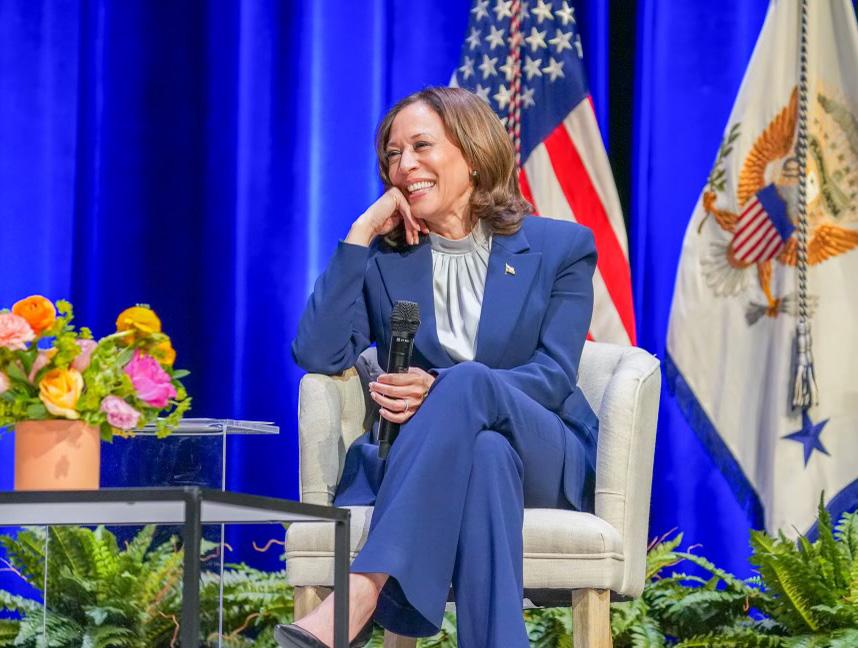
United States Vice
President Kamala Harris returned to Atlanta for the third time this year. Harris was in town for a Democratic National Committee finance event.
Harris’ first two visits to metro Atlanta began at Georgia Tech in February when she was in town to talk about the ongoing climate crisis and the country’s investments in jobs. She was interviewed by Georgia Tech’s Dr. Isaiah Bolden, Assistant Professor, School of Earth & Atmospheric Sciences and
University of Georgia professor Dr. J. Marshall Shepherd, director of the university’s atmospheric sciences program.
In April, Harris visited the Qcells facility north of Atlanta in Dalton. Qcells announced in January 2023 that it is investing $2.5 billion to expand its solar manufacturing capacity in Georgia. Harris, in town on the Biden/Harris Administration's "Investing in America'' tour, announced a historic commitment between Qcells and Summit Ridge Energy to deploy 1.2 gigawatts (GW) of community solar power, which will require the manufacturing of 2.5 million solar
panels—the largest community solar order in American history.
Atlanta finished second to Chicago in the race to host the Democratic National Convention, but remains a key battleground state and destination for Harris and United States President Joseph R. Biden, who became the first sitting president to deliver a sermon from the pulpit of Ebenezer Baptist Church.
BY LAUREN DEL VALLE/CNN
AManhattan federal jury found that Donald Trump sexually abused E. Jean Carroll in a luxury department store dressing room in the spring of 1996 and awarded her $5 million for battery and defamation.
Carroll alleged Trump raped her in the Bergdorf Goodman department store and then defamed her when he denied her claim, said she wasn’t his type and suggested she made up the story to boost sales of her book. Trump denied all wrongdoing.
Carroll filed the lawsuit last November under the “New York State Adult Survivors Act,” a state bill which opened a look-back window for sexual assault allegations like Carroll’s with long-expired statutes of limitation.
Trump did not attend the trial. Like any defendant in a civil case, he was not required to appear in court for trial or any proceedings and has a right not to testify in his own defense.
Carroll left the courthouse after the verdict without speaking to reporters.
Trump, on his social media site Truth Social, called the jury’s verdict a “total disgrace” and said it was “continuation of the greatest witch hunt of all time.” He repeated his claim he did not know who Carroll was.

Jurors urged not to identify themselves
Judge Lewis Kaplan dismissed the jury after the verdict and informed them they are now allowed to identify themselves publicly if they choose. However, the judge suggested they remain silent.
“My advice to you is not to identify yourselves. Not now and not for a long time,” Kaplan said. “If you’re one who elects to speak to others and to identify yourselves to others, I direct you not to identify anyone else who sat on this jury. Each of you owes that to the other whatever you decided for yourself.”
Carroll testimony
On the stand last week, Carroll testifying in chilling detail about what happened in 1996.
“I’m here because Donald Trump raped me, and when I wrote about it, he said it didn’t happen,” Carroll testified. “He lied and shattered my reputation, and I’m here to try to get my life back.”
Carroll acknowledged she is a registered Democrat and thinks Trump is “evil” and “vile” and was a terrible president, but testified that her political views have nothing to do with her pursuit of this lawsuit.
“I’m not settling a political score,” Carroll said. “I’m settling a personal score because he
called me a liar repeatedly and it really has decimated my reputation. I’m a journalist — the one thing I have to have is the trust of the readers.”
Carroll’s attorney Michael Ferrara asked why she didn’t go public with her allegations when Trump first ran for president.
“I noticed that the more women who came forward to accuse him, the better he did in the polls,” she said.
Trump attorney Joe Tacopina, in cross examination, repeatedly asked questions about why Carroll did not scream during the approximately 3-minute alleged attack
“I’m not a screamer,” Carroll responded. “I was too much in panic to scream.”
“You can’t beat up on me for not screaming,” she told the defense lawyer. “Women who don’t come forward, one of the reasons they don’t come forward is they are asked why they didn’t scream. Some women scream, some women don’t. It keeps women silent.”
In his closing argument Monday, Tacopina said he knows Trump is a divisive figure, but that shouldn’t matter to jurors when reaching a verdict.
“People have very strong feelings about Donald Trump. That’s obvious,” Tacopina said. “There’s a time and a secret place to do that: it’s called a ballot box during an election.”
“What they want is for you to hate him enough to ignore the facts,” Tacopina added. “All objective evidence cuts against her.”
This story has been updated with additional details.
BY MAYA POTTIGER
For the past 70 years, American high school students who wanted to get a head start on higher education had one path forward: Take an Advanced Placement course, and then score high enough on the corresponding AP exam to hopefully qualify for college credit. But, thanks to a variety of factors, including academic tracking, costs, and a lack of qualified teachers, only 9% of Black students were enrolled in AP classes in 2020.
Now another program that also enables high schoolers to earn college credit has entered the chat: dual enrollment.
This program allows high school students to take courses for college credit, meaning they can start earning their academic degrees while still in high school. It’s no wonder using dual enrollment to get ahead is growing in popularity. High school students’ participation in these programs increased by 11% between spring 2021 and spring 2023.
Right now, we’re looking at “a pretty dynamic space” where educators are exploring different models for more access to dual enrollment, says Sara Allan, director of Early Learning and Pathways at the Bill & Melinda Gates Foundation.
“Historically, dual enrollment was something that was offered to perceived-high-achieving students,” Allan says.
“But it’s becoming much more of an intentional support to help a much larger group of students get on a pathway to college and transition more smoothly and successfully into a college pathway after high school.”
So what exactly is dual enrollment, and what are some key differences between dual enrollment and AP classes?
Dual enrollment means high school students are taking and earning credits for university-approved college courses. These courses are usually through collaborations between high schools and a higher education institution. It can also be called concurrent enrollment.
Though it varies between schools, interested students generally work with their guidance counselor to find acceptable and transferable courses. Then, when it comes to college applications, students have already earned credits, similar to AP classes.
“It’s all about enhancing their academic competitiveness when they apply to colleges and universities,” Grant says.
Plus, it has proven benefits at both the high school and collegiate levels. In addition to frontloading college credits to potentially

graduate in less time, “it really increases or improves the high school completion rates for students who take these particular classes,” Ingram says.
Not only does dual enrollment increase high school graduation rates and college enrollment rates, it also boosts college degree attainment, says Dr. Fedrick Ingram, secretary-treasurer of the American Federation of Teachers. This means there is more potential to close equity gaps for students from underrepresented communities. It can also save money in the long run, paying for courses during high school and finishing a degree in fewer semesters.
“If these classes are available and accessible to those students, it really has a profound effect on the academic matriculation for students of color,” Ingram says. “I believe these studies actually help these students not only advance their knowledge of academics, but give them a social background that really helps the maturity rate of our students so that they’re ready for that next level.”
Dual enrollment also helps bridge the gap
when schools don’t offer a large number of AP courses — whether that’s due to the price tag or not seeing a demand.
“That’s part of making sure that students and families understand what it takes to be competitive in high school when they apply to college,” says Dr. Brett Grant, a postdoctoral fellow with the Black Education Research Collective at Teachers College, Columbia University.
There are four main ways dual enrollment fits into a school day.
One mode is college in the high school, where a high school teacher is certified to teach a college course. This allows the class to be taught on-site by current staff, and it fits into the student’s regular class schedule, similar to how AP classes are taught.
Another model is a high school partnering with the local community college to bring a professor to the high school during the day, or during an extended-day format. Alternatively, the student can go to the community college, either during the school day or in the
evening.

The fourth is a hybrid model, where the class is online either as part of the student’s school day or something they do during outof-school time.
As for which model a student takes, it depends on the high school and school district.
The school and district decide “how they’re going to make that really accessible to students, how they’re going to connect those courses to a path to post-secondary versus making it random,” Allan says.
Dual Enrollment vs.
In most cases, a college professor teaches dual enrollment classes, allowing students to expand their network and be exposed to new, often more rigorous, teaching styles.
And another is the way students earn credit. In AP classes, students must take the AP exam at the end of the year for an additional fee, and then they have to earn specific scores for colleges even to consider them for credit. Whereas, with dual enrollment, students are already taking a college class — all they have to do is transfer the credit.
Dual enrollment classes range in pricing, from free to up to $400, according to Pearson — though this is still significantly less than a traditional college course, which generally costs at least $1,000. And, though the classes themselves don’t cost anything to families if taught in schools, the 2023 AP exams cost between $97-$145.
“For dual enrollment, as soon as you pass the class, you get a transcripted credit,” Allan says. “It is automatically going to move you toward your degree.”
Plus, dual enrollment provides opportunities for students to get access not only to college opportunities, but career-connected college opportunities, says Isa Ellis, a senior program officer at the Bill & Melinda Gates Foundation.
“It can put them on a path to a stackable credential, to accelerate their path toward the workforce and toward a degree — whether a two- or four-year degree, whichever they decide that they want to pursue,” Ellis says.
‘Accelerate Toward Their Degree’
Ultimately, dual enrollment allows students to “accelerate toward their degree, and save time and money,” Allan says. Plus, it helps them get “situated in a mindset and have experiences that build their confidence” that they can and will succeed in college.
“Parents really [need to] understand that this is not meant to be a choice not to go to college or not to traditionally get a Bachelor’s degree,” Allan says. “It’s actually a way to save time and money, and have a higher chance of success along the way.”
Swimming is not only a great exercise, but also a key that opens the door to job opportunities and unique aquatic experiences.
BY ANISSA DURHAM
With millions of Americans seeking mental health care, we often forget therapists are humans, too.
They are used to hearing about trauma, death, and life struggles but are not immune to facing those same challenges. During the COVID-19 pandemic, the increase of fear and death was paramount, leaving many to seek help.
But many mental health professionals cannot meet the demands of their jobs.
With workforce shortages and an overwhelming increase in clients, therapists are burnt out. A new survey by the National Council for Mental Wellbeing, conducted by The Harris Poll, found some alarming disparities.
In a survey of 750 behavioral health workers, more than 60% experienced moderate or significant rates of burnout.
Michele Salomon, vice president of The Harris Poll, says the goal of the survey was to see how behavioral health professionals were managing their workload during the pandemic. She says it wasn’t surprising to hear so many respondents were experiencing burnout.
For Black mental health professionals, the struggle is even more real. Only 4% of therapists in the U.S. are Black.
They are used to filling the gaps and holes in a broken healthcare system not built for Black folks. Three therapists across the country said they feel the added pressure to show up for their clients because they know there are not enough Black therapists.
But what happens when Black therapists are burnt out?
Consider the first-person perspective of three therapists in Cumming, Georgia; Fresno, California; and Chicago, Illinois.
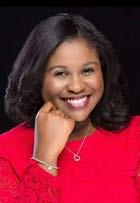
Shontel Cargill, MS-LMFT for 10 years in Cumming, GA It took me years to realize I was experiencing burnout and compassion fatigue. Over time, I realized I was physically and emotionally drained. I began to sleep way more and

Continued from page 8
never felt rested, leading to chronic fatigue and irritability. I started to develop migraines in my master’s program.
I noticed it the most during the pandemic. At one point, I thought, ‘Am I in the right field?’ It was so challenging to hold space for those experiencing trauma, grief, and even loss while trying to survive it myself.
Throughout my entire career, I’ve experienced burnout.
There were a lot of things that happened in 2020 that made it challenging to navigate. There was the George Floyd murder. I had also experienced a significant loss. I lost my daughter. And I almost died, myself.
I was diagnosed with postpartum PTSD, postpartum anxiety, and depression. I’ve never experienced burnout in that way. I felt like I couldn’t get my footing. Balance did not exist.
It’s ironic — helping others also makes me feel full. Later, I got trained as a perinatal mental health therapist. I wanted to show up for other Black mothers that may have had similar experiences.
That helped me with the burnout piece because I felt solidified in my purpose. I became the president of the postpartum support international Georgia chapter. That helped me prioritize self-care, set the necessary boundaries, and ask for help.
Burnout and compassion fatigue are very common experiences among healthcare professionals. The difference with Black mental health professionals is that we experience additional stressors, like systemic racism, discrimination, microaggressions in the workplace, and imposter syndrome.
There’s just so much more responsibility to ensure we’re taking care of ourselves to be present in therapy. We’re human first.
Some helpful strategies for Black mental health professionals would be to seek support from your village. Please release whatever that spirit tells you: asking for help is a sign of weakness.
Practice daily self-care: meditation,
prayer, getting sun, getting enough sleep and rest, having a balanced diet, and regularly exercising. We have to allow our bodies to recover.
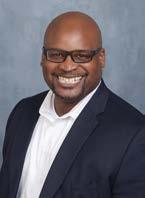
Jamal Jones, LMFT for 14 years in Fresno, CA
I was a substance abuse counselor at the Fresno County Jail, and we were understaffed. My own anxiety was out of control. I kept showing up for work, working overtime shifts, weekends, holidays, midnight crisis shifts, and rarely using any PTO.
I literally had a nervous breakdown on the job. I was placed on administrative leave.
I worked at the jail for about a year and a half. During the shift, I had a nervous breakdown; that was my last day working at that job. I didn’t have the best boundaries. I would say yes to different shifts, crisis shifts, and covering for other staff for an extended period of time.
That was just not sustainable for me. When you factor in the requirement to see 16 clients a day, more than 80 clients a week — it was just too much for me to handle.
If I could go back, I would be a lot more comfortable with being uncomfortable being behind. It’s just not realistic to meet everybody’s needs. As a healthcare worker, I think it’s important to know that you can’t help everybody as much as you would like.
When I was on leave, it felt great. My wife and I had a three-year-old daughter, and my life was out of balance because I had been working so much overtime. It was an opportunity to reconnect with my wife and to be more engaged with parenting our daughter. It was a time for me to get refreshed and renewed in body, mind, and spirit.
When I got the phone call from HR, I was informed that I was let go. That was heartbreaking and humiliating. I was shocked. It happened so fast.
Looking back, I see it as a blessing in dis -
guise that I was let go. The experience I had there was invaluable. It has helped me to be more effective in my private practice.

Farah Harris, LCPC for 8 years in Chicago, Illinois
I feel like burnout can come in waves. It became more pronounced within the past year managing two businesses, three children, and writing a book.
Burnout, for me, looks like irritability. Just the overall frustration of seeming like there’s not enough time to get things done. I was short and less patient with my family. At times, it was difficult falling asleep. I used my own emotional intelligence to ask myself what it was that I needed.
A big decision I had to make in 2020 was to close my private practice publicly. I wasn’t accepting any new clients at all. When it came to book writing, I had long gaps of time where I knew I couldn’t do well here.
When you are experiencing burnout, you have to see what’s on your plate or what’s on the table. Do they all need to be here at
the exact same time?
I can’t teach people about emotional intelligence and not practice it myself. It was really important for me to hold myself accountable and recognize I needed to get off social media. And stop writing my book.
There is this narrative for Black women who are mental health professionals that we are to carry everybody else’s stuff. I see this with my peers — there is this challenge with boundaries. If you are a mental health practitioner who is Black, specifically a woman, make sure you’re well. Take care of yourself first. You can’t pour from an empty cup; you have to pour from your overflow.
I think we can fall into the system of burnout because of that narrative that we want to help. We want to make everybody else feel better. We’re the leaders and nurturers, but we often don’t have that happening.
There’s the burnout from the emotional tax of being Black in these yet-to-be United States. I’m seeing clients, but I’m also experiencing the same stuff that they are — living in Black skin. This is why I say the systems of burnout. It’s hard to be the advocate and the abused.

BY ISAIAH SINGLETON
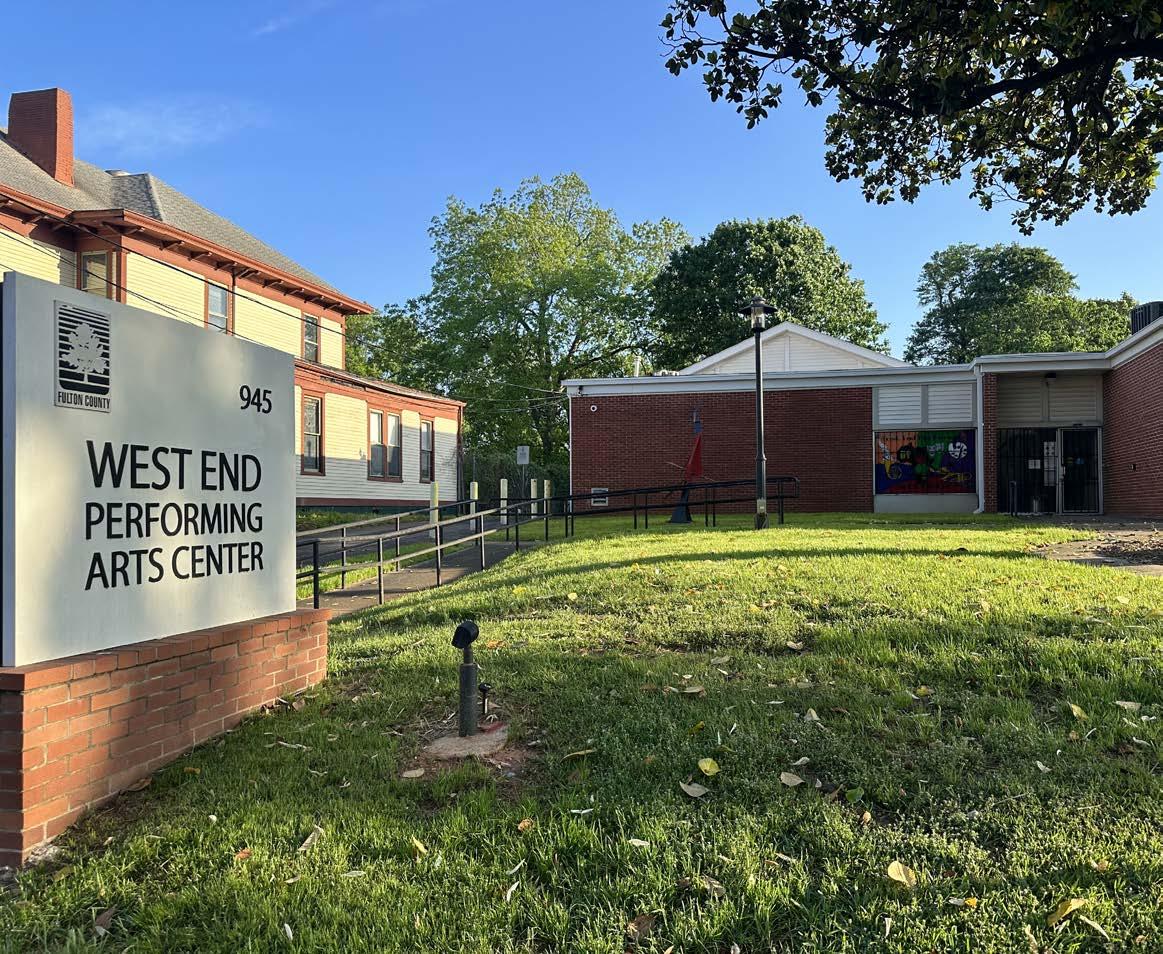
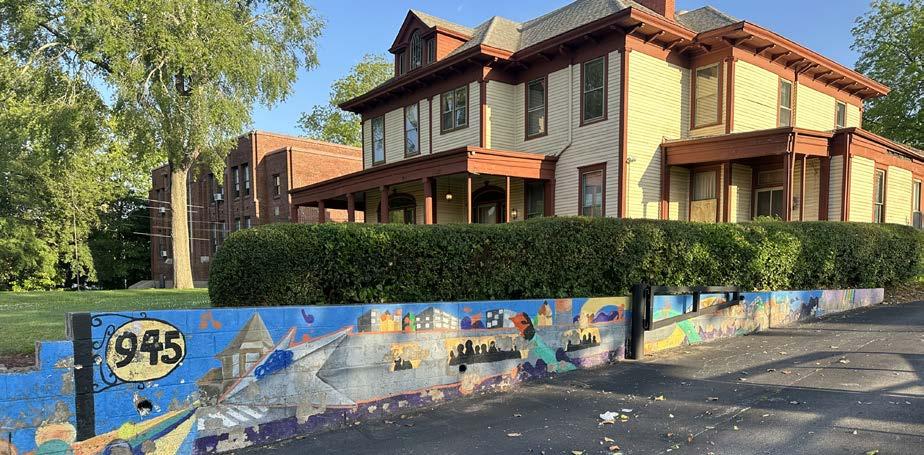
The City of Atlanta announced its intent to acquire the West End Performing Arts Center from Fulton County through legislation introduced to the City Council last week.
This would transfer the facility, located at 945 Ralph David Abernathy Blvd., to the city at a nominal fee, according to a press release. Additionally, the city will be allocating resources to the refurbishment of the arts center.
The vision of the center is to enhance the quality of life of all Fulton County citizens through quality arts education and performing arts programs. In addition, the center aims to support local and community artists, develop new and maintain existing partnerships with community groups and other arts organizations, and develop and create programs that embrace a changing West End community.
“The West End Performing Arts Center is a pillar of arts and culture in Atlanta and the West End community, and this acquisition will allow us to continue showcasing the best the city has to offer,” said Mayor Andre Dickens. “The Center will enhance the quality of life for residents through arts education and programming while lifting up our own local talent and creative endeavors.”
Once the acquisition is approved, the center will initially be operated by the Mayor’s Office of Cultural Affairs in collaboration with Fulton County to ensure a smooth transition.
The Mayor’s Arts Advisory Committee will contribute to the planning for the City’s administration of the Center. Members of the committee represent a diverse collection of Atlanta’s artistic disciplines and backgrounds, including visual arts, fashion, film and television, photography, theatre, journalism and more.
The West End Performing Arts Center will continue to enhance community programming, support local artists, advance partnerships with community groups and arts organizations and continue to develop the West End community as an arts and cultural hub in the city.
Community programming will embrace the evolving West End community. The Center also includes a classroom and workspace as well as an auditorium which will be used to support programming and events.
For more information about the City of Atlanta, visit www.atlantaga.gov
Eggs Up Grill adds a bit of flavor to Clayton County
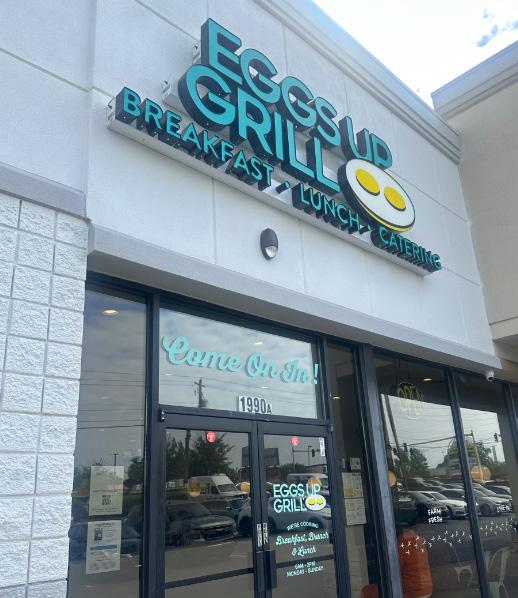
EGGS UP GRILL is owned by Antwan and Jeremy Aiken, a pair of brothers who founded the business in Pawleys Island, South Carolina in 1997.
BY DONNELL SUGGS
On a Saturday morning you might find a line forming near the front door of one of Clayton County’s newest restaurants, The Eggs Up Grill The restaurant has quickly become a popular breakfast and lunch stop in town.
Located at 1990 Mount Zion Rd., across the street from the Publix shopping center, Eggs Up Grill is owned by Antwan and Jeremy Aiken, a pair of brothers who founded the business in Pawleys Island, South Carolina in 1997 and have since expanded to metro Atlanta. The Morrow location opened February 11, 2023, according to Jeremy, who was manning the line on a busy Saturday morning.
Signature menu items such as the Coastal Crab Cake Benedict, which features two crab cakes, a pair of poached eggs and toasted garlic bread and the shrimp and grits bowl, sauteed shrimp, andouille sausage, green peppers, onions and Swiss Cheese, are attracting diners from inside and outside Clayton County.
Typical diner menu items like pancakes, omelets, hash and eggs, burgers (including the brunch burger, a double steak burger with American cheese, caramelized onions, back and a cooked to order egg) are also available.
What would a brunch be without mimosas, and they are indeed sold at Eggs Up by the glass ($6.29) or carafe ($22.99). The good morning sunrise, a mix of orange juice, club soda and grenadine ($3.99) is also on the drink menu for those that prefer their mornings without alcohol.
There are between 20-22 people employed at Eggs Up. The restaurant is open Sunday-Monday, 6 a.m.-2 p.m.

BY JANELLE WARD
An April report from online rental marketplace RentCafe lists Atlanta as the most desired market among potential renters, using data accumulated from the company’s web traffic over the past month.
Topping rental market giants like Manhattan and Arlington, Virginia, a suburb of Washington, D.C., Atlanta, along with the other two cities rounding out RentCafe’s top-three high-demand markets – Kansas City, Missouri and Albuquerque, New Mexico – each share common attributes that make these areas attractive to potential renters:
unit affordability, job opportunity and diversity in entertainment.
Listings in the city garnered some of the highest user engagement on RentCafe’s site for the month of April, generating higher numbers of digital clicks, saves and searches when compared to months prior.
To critique qualifying cities, RentCafe developed four categories in which to score and rank 30 of the most popular rental markets across the country: apartment availability, the number of digital page views received by apartment listings, the number of saved personalized searches conducted by RentCafe visitors and the number
of apartments saved to users’ personal ‘favorites’.
Atlanta scored the highest of all evaluated markets using RentCafe’s methodology this month, rising from second to first place since March.
According to a previous analysis from RentCafe, the average rent in Atlanta across all neighborhoods and apartment types came to $1,846 when measured this past February. Just under 50% of the city’s rental stock at the time of assessment was priced between $1,500 and $2,000.
Though, Alexandra Both, senior creative writer at RentCafe and author of the report, said that Atlanta’s popularity among RentCafe
users doesn’t necessarily signify a considerable citywide price increase in the near future.
“Rent increases haven’t been our focus in this report particularly,” Both said. “What we’ve been more focused on is [seeing] where people want to move, what cities attract renters right now, and where all the rental buzz is happening.”
Although the report avoids dissecting findings further into descriptive categories like age demographic and apartment type, Both said studio models are growing in popularity across the board, as these units are typically more affordable when compared to their more spacious counterparts.
Both also said that the approaching summer months may spur shifts among RentCafe’s top-30 rental markets over the next several months. However , Atlanta is likely to maintain its status as a popular market, even after the effects of peak rental season begin to show in the company’s future data.
“Given the fact that peak rental season is just starting, we might see more shifts [in upcoming monthly rankings],” Both said. “Maybe things will look a little different next summer or towards the end of this summer, but I’m not expecting a major shift when it comes to Atlanta in the next couple of months.”
BY JANELLE WARD
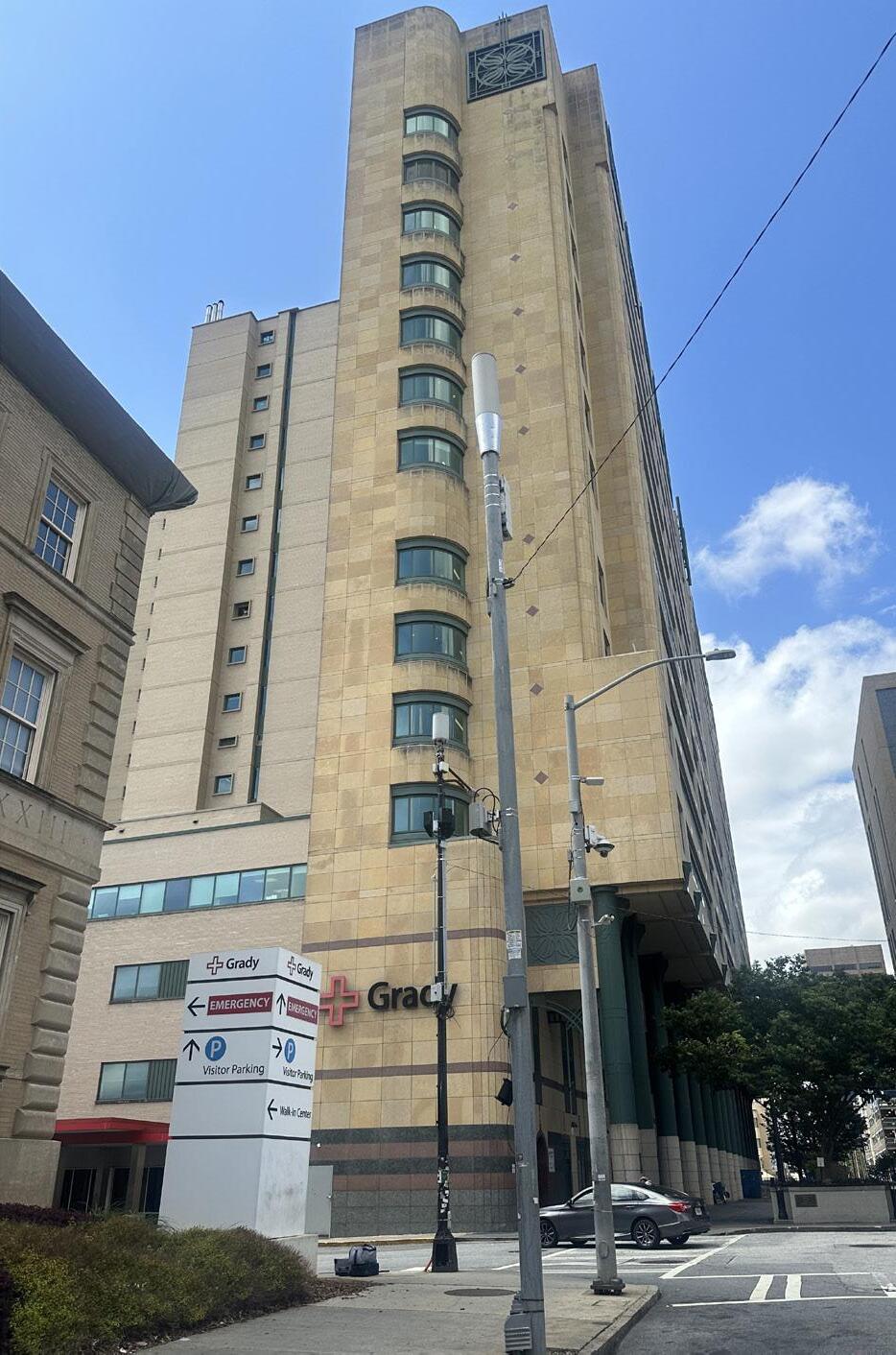
Grady Health System announced in a Tuesday, May 4 press release that the network has signed commercial leases based in south and central Fulton County to develop two outpatient centers intended to satiate Atlanta’s impending health care accessibility crisis.
The new facilities, which will be located off of Cascade Road in south Atlanta, and inside the approximately 440,000-squarefoot mixed-use development Lee + White in the city’s West End neighborhood, will offer a variety of primary and specialty care treatments, bringing Grady’s total number of outpatient centers operating across metro Atlanta to eight.
“We have listened to our community and paid close attention to the areas that need more health services. We conducted research and identified these neighborhoods that have seen significant population growth but have historically lacked access to primary and specialty care,” said CEO and president of Grady Health System, John Haupert, in a press release announcing the plans for construction. “We are excited to continue partnering with
other community providers and our county partners to serve patients by meeting them where they are to improve their health and
Grady Health System announced in a Tuesday, May 4 press release that the network has signed commercial leases based in south and central Fulton County to develop two outpatient centers intended to satiate Atlanta’s impending health care accessibility crisis. Photo by Donnell Suggs/ The Atlanta Voice
in front of the Kroger-anchored Cascade Corners shopping strip located off of I-285.
The Lee + White outpatient center will take up approximately 16,000 square feet in the development’s Building 1000, one of 11 buildings on the 23-acre warehouse site.
“With Grady occupying Building 1000, we are getting closer to Lee + White becoming a one-stop-shop for all dining, shopping, entertainment and practical service needs,” said Jeff Small, CEO of the real estate investment company sharing ownership of Lee + White, MDH Partners. “Over the past few years, we’ve all experienced just how important health and wellness can be. Grady’s neighborhood centers at both Lee + White and Cascade Road will serve as a necessary resource with easily accessible health care for the community.”
Point at the end of last year. The state granted Grady Health System approximately $130 million worth of American Rescue Plan funding to expand the capacity of the network’s largest medical facility, Grady Memorial Hospital.
Grady also announced the opening of Correll Pavilion in a press release from last March, a 10-story facility adjacent to Grady Memorial allowing the hospital to expand its clinical and operating room capacities by 45% and 25%, respectively.
According to Grady’s press release, both the Cascade and Lee + White facilities will be equipped to offer a variety of medical resources and services to patients, including cardiology, mammography, x-ray services and pharmacies, in order to prevent west and south Atlanta residents from traveling long distances to receive medical care.
well-being.”
The outpatient center along Cascade Road will occupy approximately 10,000 square feet and sits
As the largest medical health system in metro Atlanta and one of the largest in the country, government leadership turned to Grady to compensate for the loss of medical resources following the closure of Wellstar’s Atlanta Medical Center locations in downtown and East
Both locations will be accessible via major U.S. interstates. The Lee + White development is also located within walking distance from the West End MARTA station.
The Cascade Road location is expected to open this July, while the Lee + White location is prompted to open at the end of the year.

BY NOAH WASHINGTON
EAST POINT, Ga.- On Saturday, May 6th, The ArtsXchange, which is located in East Point, hosted the opening reception of Now is the Day: A LIFE WELL LIVED, ARCHIVAL EXHIBITION CELEBRATING THE LATE GREAT DR. DORIS DERBY.
The posthumous art exhibit is dedicated to honoring Dr. Doris Derby, a civil-rights icon and world-renowned artist who worked in several mediums such as dance, photography, painting, and others.
The exhibit displayed Derby's professional portfolio and personal memorabilia. In attendance at the reception was Dr. Bob Banks, Derby’s husband.
“She did an excellent job of putting photos out. A lot of them were from long ago,” Banks told The Atlanta Voice. “The happiest memory for me is when we got married 27 years ago and we had the opportunity to meet a lot of people and a lot of people met us. We had a perfect life.”
Maude ‘I Bruce, the assistant to Derby's estate, also attended the event Saturday and remarked on the effective impact of Derby's work.
“As you look around you can see the effect Derby’s work has had,” Bruce told The Atlanta Voice. “Her pictures speak words, they speak volumes, and they speak loudly of her life and her dedication to civil rights and the civil rights movement. But when you see people coming out. like they are coming out today they recognize that her life is not in vain cause she gave her life and we are living her life right now.”
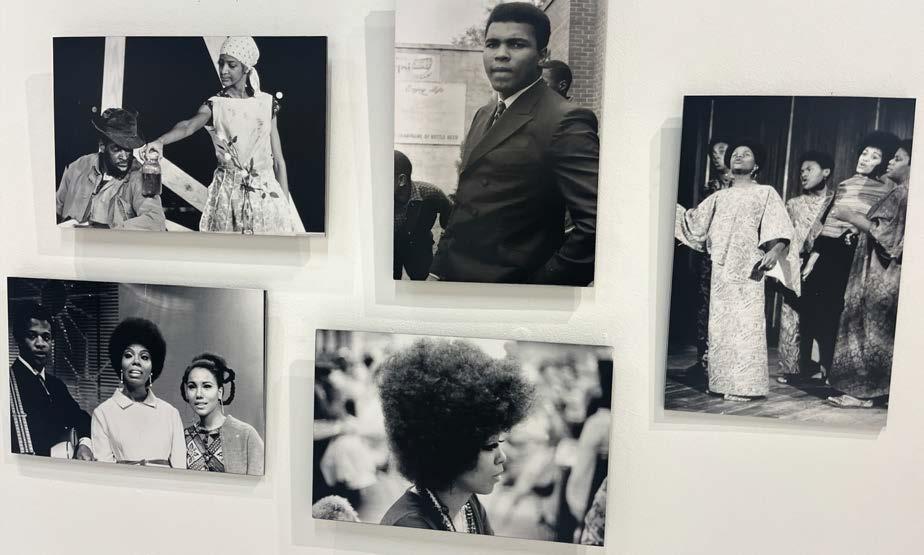
The ArtsXchange gallery exhibited works from Derby's past, including photographs of Muhammad Ali, Judy Pace, and Nina Simone. Courtney Brooks curated the exhibit. She was invited by Bruce after Derby mentioned her admiration during a Sistagraphy exhibit, a collective of female African-Amer-
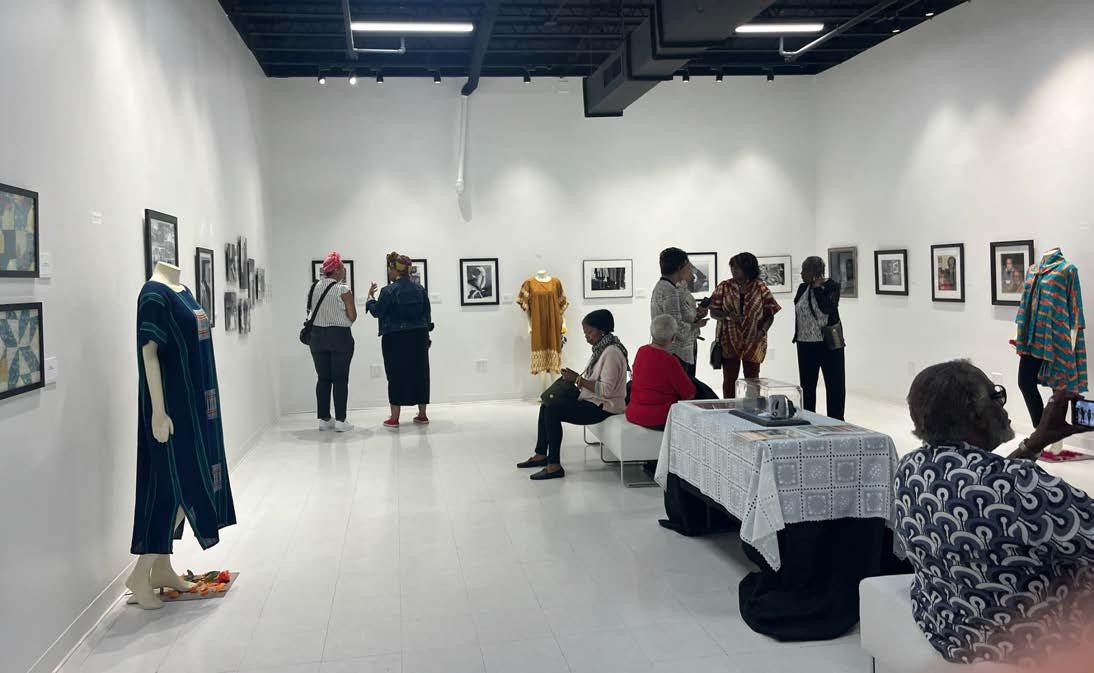
ican photographers of which Derby was a proud member of. Sistagraphy also sponsored the exhibit. Brooks composed the exhibit after
visiting Banks and Derby's house following her passing.
"I wanted to tell the story of the younger Doris and her journey
through life, including her dancing, photography, and activism as a civil rights icon,” Brooks said. “I also wanted to provide some de -
On Saturday, May 6th,
CELEBRAT-
tails about her life. Throughout the gallery, I included flowers because she received many flowers during her time with Sistagraphy, and she herself collected flowers. Dr. Derby was such a fascinating person, and I wanted to showcase each part of her life.”
Derby contributed more than just her personal art to history. In 1990, she began her tenure at Georgia State University, joining the University System of Georgia as an adjunct associate professor of anthropology. She was also the founding director of the Office of African-American Student Services and Programs at Georgia State, supporting the retention and graduation of numerous African-American students and fostering cultural and educational connections between the Black diaspora.
Derby passed away on March 28th, 2023 at the age of 82 years old. The Exhibit will be open through June 10th located at 2148 Newnan Street, East Point, GA 30344.

THE ATLANTA CITY GAMES, sponsored
May 6 to watch some of the
BY DONNELL SUGGS
The last time track and field's best and brightest stars were featured on a track in Atlanta was during the 1996 Summer Olympic Games.
Saturday night in Centennial Olympic Park the inaugural Atlanta City Games took place and brought that top level talent to the heart of the city. The games began in the afternoon with the men's and women's pole vault, the men's and women's mile, and women's 600 meters, which was won by Ajee' Wilson in 1:27:00.
The men's 600 meters competition was won by American Bryce Hoppel (1:17.13) who bested fellow American Kameron Jones by 30 tenths of a second in an exciting race.
Sponsored by Adidas and hosted by the Atlanta Track Club and Global Athletics & Marketing, the Atlanta City Games began with the Run With Maud 5k Run/Walk. The annual event raises money for the Ahmaud Arbery Foundation. There were also youth track and field events, a mascot race and food trucks and Adidas and Atlanta Track Club merchandise tents.
Following the 600 meters competi-



BY DENNIS MALCOLM BYRON AKA ALE SHARPTON
The Pathfinder has been an iconic SUV trim since its inception years ago, and to maintain its status, Nissan has created some new variations to wow its market. The Rock Creek edition’s 2023 debut brings a focus on encouraging multiple passengers to seek thrills no matter the landscape and weather.
At first look, Rock Creek’s exterior is a head turner with its welcomingly aggressive styling specific to the outdoors with a black tubular roof rack, Class-II hitch package maxing 6,000 pounds of towing, the trim’s signature branding enhanced with orange highlights, stylish fascias, LED fog lights, and “V-motion” grille with mesh insert. The all-terrain 18-inch wheels complete beadlock-styled design assists with traction and reduces rough rides especially during

off-roading encased in all-terrain tires steered with four-wheel drive capability for optimal maneuvering. We also loved the stealthy color combination of dark “2T red” with the black roof.
Under the hood sits a 3.5-liter,
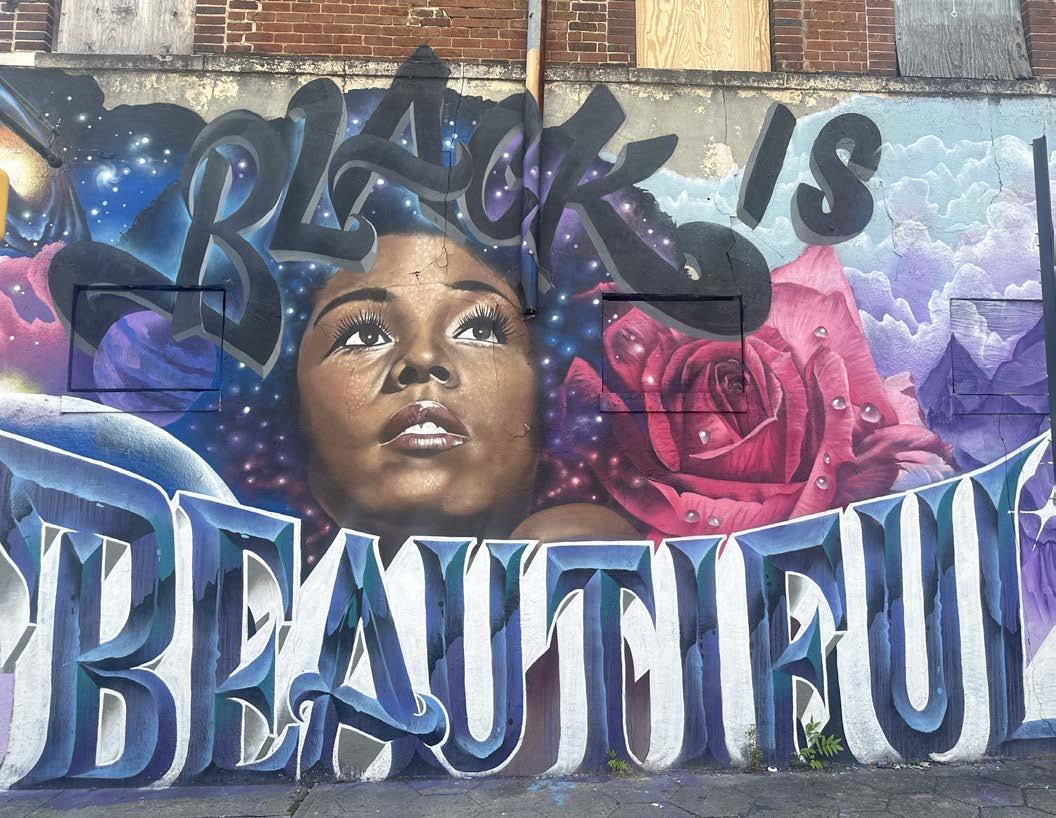
LOCATION: Auburn Ave. and Jesse Hill Jr. Drive
ARTIST: Mentaeresa
six-cylinder engine pushing up to 295 horsepower and 270 poundfoot of torque for an impressive response. The drive is further enhanced by a nine-speed automatic transmission, seven terrain modes, off-road suspension, an intelligent
around view monitor, and numerous safety applications to ease the mind.
Up to seven passengers will appreciate the spacious interior featuring water-repellent leatherette seating, second-row captains
chairs that recline, a removeable center console, tri-zone climate control, and a wi-fi hotspot to keep everyone connected. The driver gets pampered as well, thanks to the Apple Carplay/Android Auto compatibility, eight-inch color screen display, remote engine start, and ProPilot Assist to make cruise control and steering a pleasure to name a few embellishments.
Combining all the features, the ability to take on inclement driving conditions, and the impressive styling at a reasonable price at approximately $45K, the Rock Creek is a fine addition to the Pathfinder legacy and any adventurous family’s garage.
Fuel Economy: 20 city/23 highway/21 combined
Price: 2023 Nissan Pathfinder Rock Creek 4WD is $45,820 MSRP For more information, visit nissanusa.com.
www.theatlantavoice.com • May 12 - 18, 2023
SYSTEM TEST ENGINEER
Cooper Lighting, LLC seeks a System Tst Eng (Peachtree City, GA) to work on cutting edge IoT solution for Lighting apps. Rspnsbl for dvsng & exctng test strtgy & anlyzng rslts w/ an emphs on automtn. Req’s Bach dgr in Computer Engg, Electronics Engg, or rltd fld & 5 yrs sftwr QA exp. Exp must incl: tstng hrdwr & sftwre; web apps, mobile apps, & embedded frmwr; sftwr QA methodologies, tools, & processes; white box & black box tstng; dvlpmnt of tst plns; bldng tst envrnmnts based on input of dvlpmnt teams & reqts; prfrmng manual validation on hrdwr under tst w/ dvlpd sftwr; clearing defects for failures observed; prfrmng acceptance, sanity, & regression tsts; Ntwrkng & WiFi protocols (incl Zigbee, BLE mesh); & Ntwrk Analyzers & Sniffer tools. Email resume to: taamericas@signify.com & ref job title & job code 19-GA.
Innovations Manager (Bachelor’s or equiv degree). Procurement Advisors. LLC is seeking qualified applicants in its Atlanta; GA office location. Evaluates & build analytics project plans & performs feasibility studies using Python, SAS, SQL, Power BI, MS Office, Jupyter Notebook, HPCC ECL, Unix, Linux, Agile Methodologies, Statistical Data Modeling, AI/ML. Must be willing to travel up to 25% of the time to unanticipated locations within the USA. Mail resume to HR, Procurement Advisors. LLC, 3101 Towercreek Parkway, Suite 250, Atlanta, GA 30339.
Analyst 3, Entrprs Data Anlytcs – Comcast Cable Comm, LLC, Atlanta, GA. Create & delvr anlysis, analytcl prdcts, strateg recommends & actionbl insghts. Reqs: Master’s in CS, Eng, Stats, Biz Anlytcs, or rel quant fld + wrkng knowl of (or Bach in above & 2 yrs exp w/) SAS, R, or Python code for stats model & machn learn; use NLP; gathr & query data use SQL; create stats & math functns for impact anlysis, hypothsis testing, behavrl anlysis, opertnl analysis & sensitivity testing; translat stats analysis use Tableau, MS PPT, MS Excel & ThinkCell; & use method & baselining tools to measur KPIs. Wrkng knowl may be gaind thru exp, edu, training, or any suitable combo thereof. Apply to: renu_puril@comcast.com Ref Job ID# 6569