By MILES PIERRE, INTERN
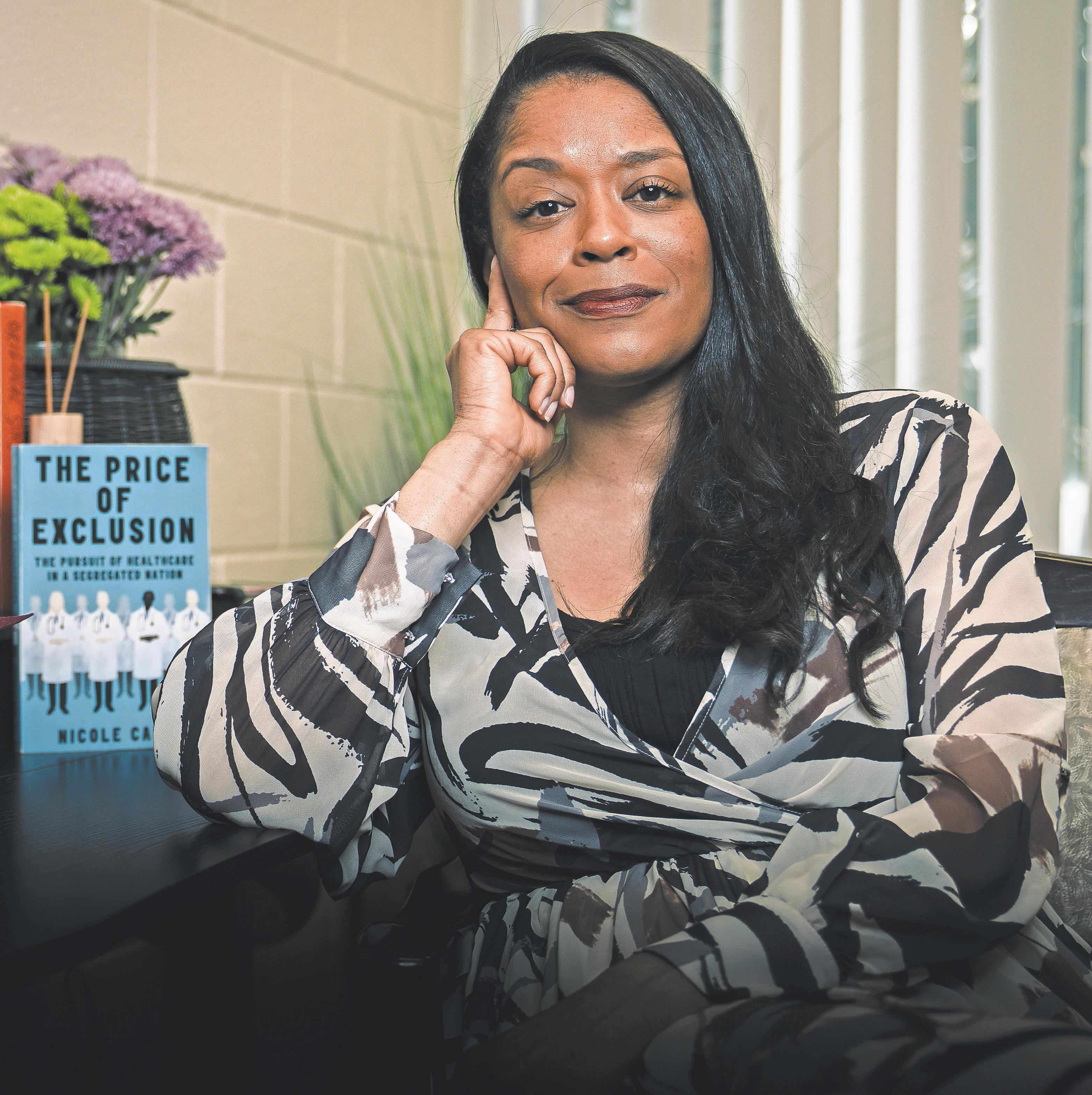
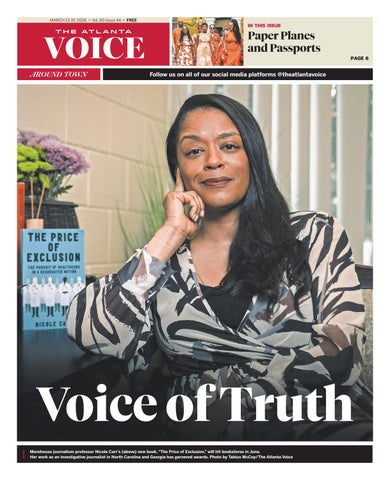
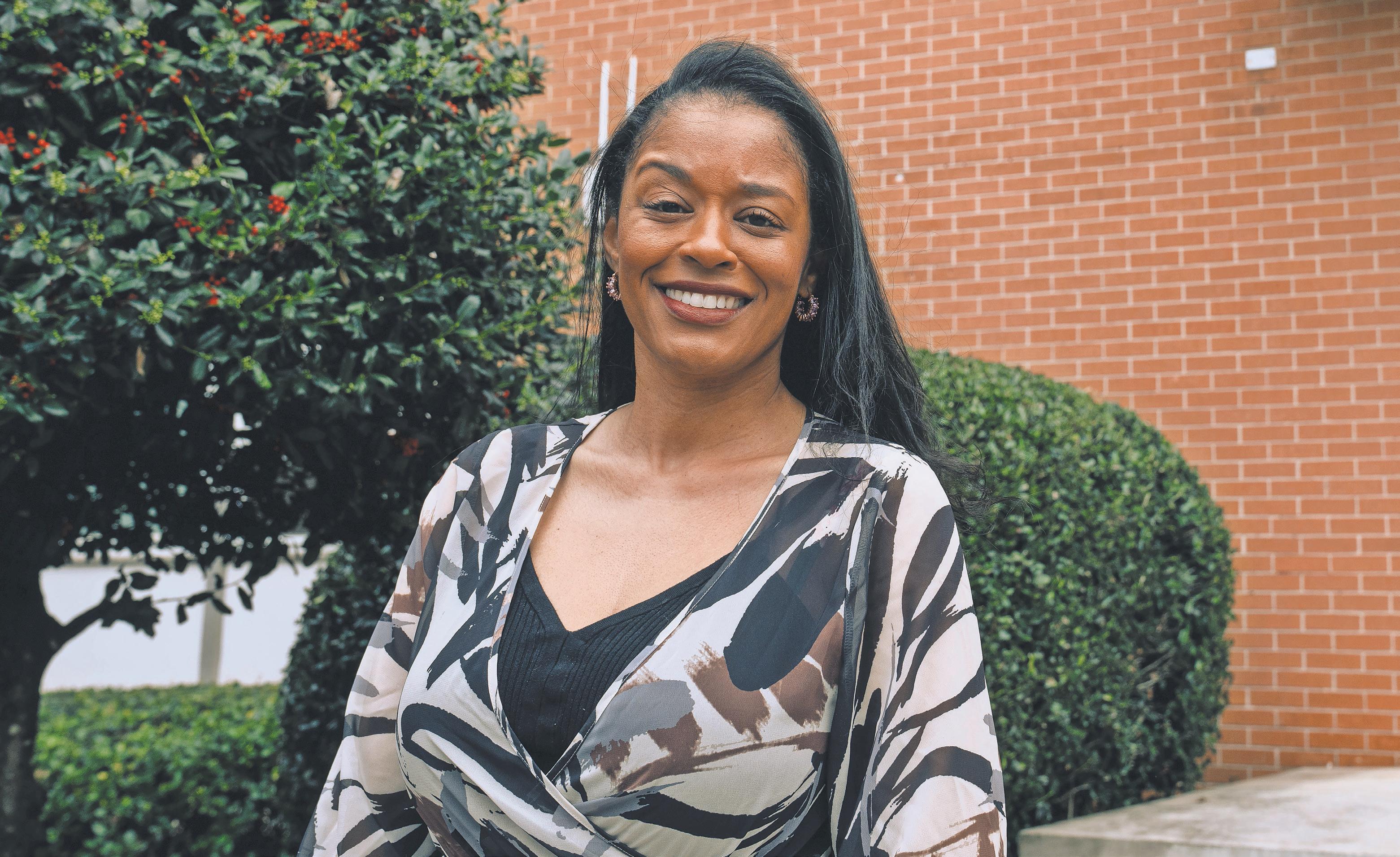
For Nicole Carr, a passion for journalism and teaching the craft of reporting stories began long before she first stepped into a newsroom or classroom.
Growing up in a military family, Carr recalled her early days spent in the living room watching the news with her father, United States Army Colonel Quill R. Ferguson, Sr. (retired), making the most of the time they had together. For Ferguson, watching the news was critical. For Carr, journalism became an outlet for her early teachings in strong Black storytelling.
“If you really wanted to spend time with him, you would just go sit right next to him as he turned CNN on,” said Carr. “He was big on keeping up with current events, and that is where we bonded a lot.”
Carr tells people her real journalism journey began in the eighth grade when she and
her family were stationed in Panama during the final years of the Panama Canal Treaty. The turning point was during a social studies assignment when Carr was asked to write an article about a guest speaker at her school, Terrence Roberts, one of the nine students of the Little Rock Nine.
“That was the first time I wrote an article, and then the journalism bug just took off from there,” said Carr, a wife and mother.
She would continue to hone her writing and journalism skills throughout high school and undergrad at Winston-Salem University in North Carolina, eventually becoming the editor-in-chief of the school’s student newspaper. Carr, then known by her maiden name, Ferguson, would continue her education in grad school at Syracuse University. Next was the beginning of her broadcast journalism career, with her first stop at an NBC affiliate station, WECT in Wilmington, North Carolina, in 2005. Carr also revealed that although she
made $18,500 a year, the experience she got from it was the true stepping stone.
Her award-winning career has taken her from reporting for the local ABC affiliate, ABC 11/WTVD in Fayetteville, North Carolina, to WSB-TV in Atlanta, and to investigative reporting for ProPublica.
Carr credits most of her leadership experience to her membership in Alpha Kappa Alpha Sorority, Incorporated, where she developed a deeper sense of confidence, responsibility, and service, which has helped her mentor others in journalism.
“We’re in a time where people do not take seriously the responsibility of communicating the truth,” Carr says. “I’m proud that I’ve never had anyone say that I got the facts wrong. They may not have liked the story, but I’ve never had someone say, ‘You got that wrong.’”
Today, Carr teaches journalism and History of the Black Press at Morehouse College, helping prepare the next generation of Black
storytellers to navigate the challenges of media storytelling while remaining grounded in pride and truth.
“I don’t believe my work is for the living,” said Carr. “I believe that everything I do, especially in this season of my career, is a response to the call from ancestors, and it’s a gift and a guide to those who are not with us yet.”
Carr’s forthcoming book, The Price of Exclusion: The Pursuit of Healthcare in a Segregated Nation (HarperCollins), debuts on June 16.
Women’s History Month has been celebrated in March since 1987. The Atlanta Voice will feature stories on women making history in the City of Atlanta in classrooms, boardrooms, on basketball courts, soccer fields, on stages, and on big and small screens. This is the first of that series.
-Donnell Suggs Editor in Chief
By LAURA NWOGU
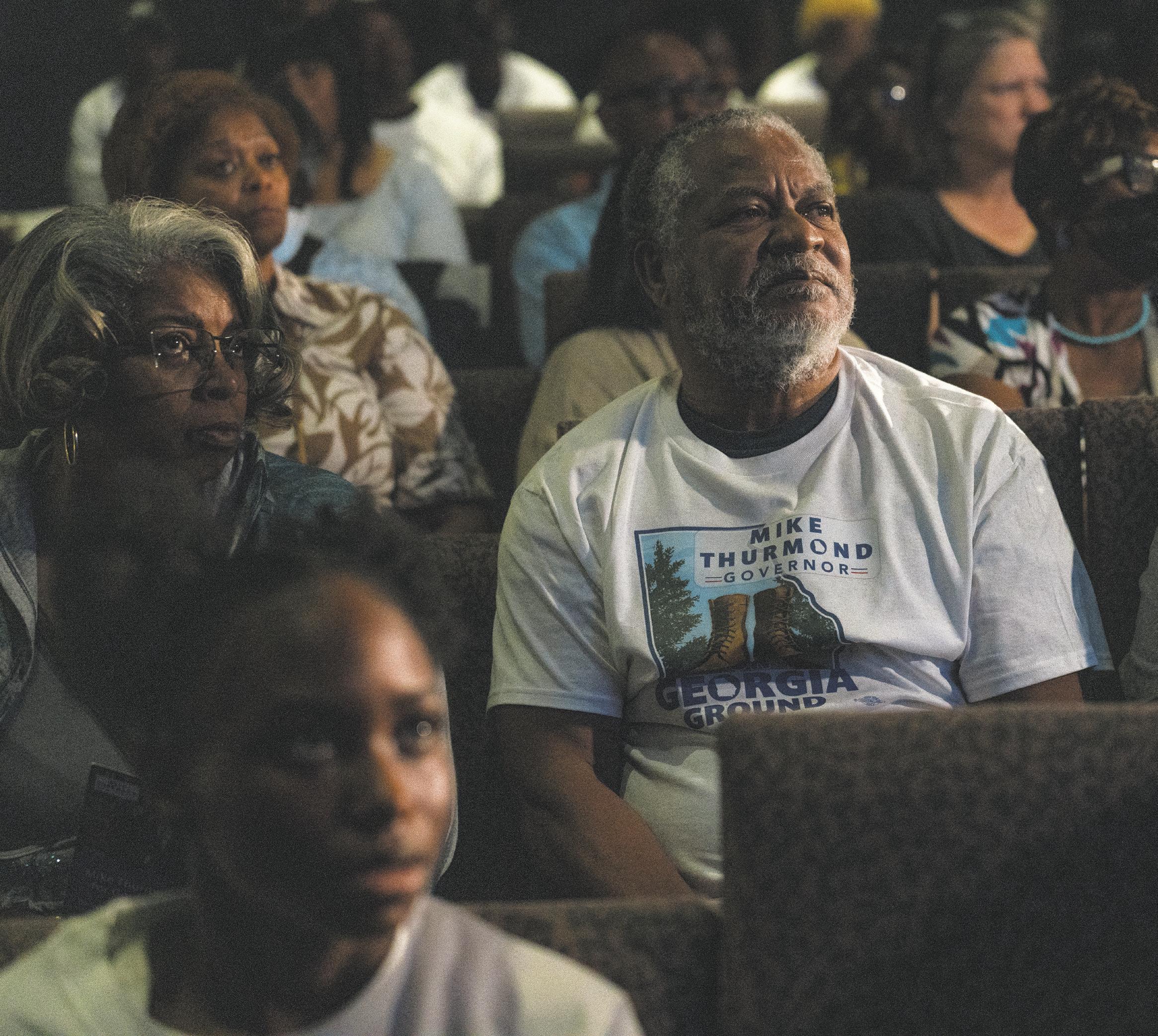
The 13th Congressional Federation of Democratic Women, in partnership with New Birth Missionary Baptist Church, hosted a nonpartisan gubernatorial debate on Wednesday evening. Held two months before the primary elections for Georgia’s gubernatorial race, the organization arranged the debate to give voters a chance to hear directly from those running to be Georgia’s next governor, providing a space centered on civic engagement and transparency.
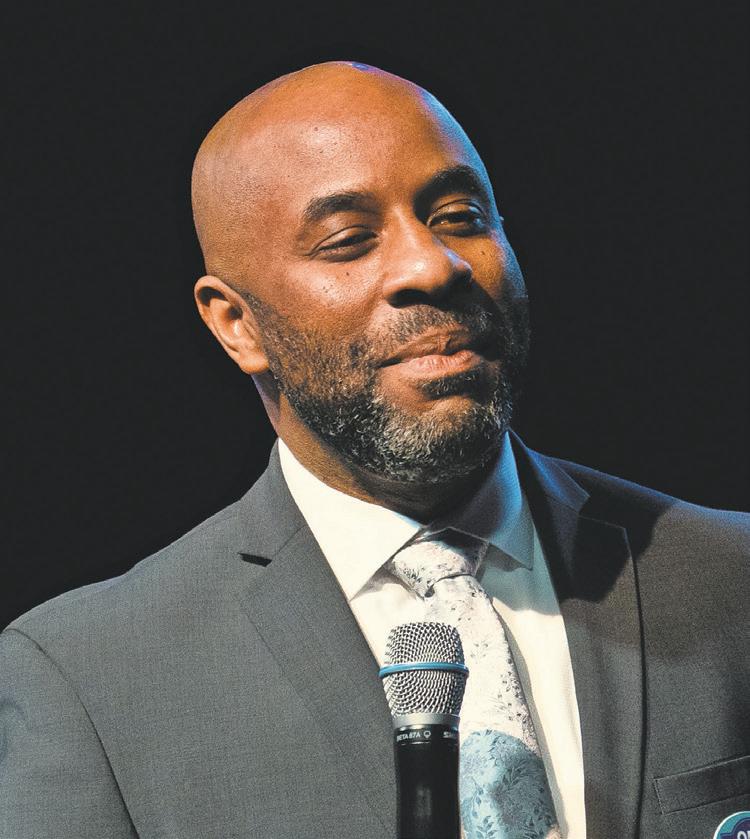
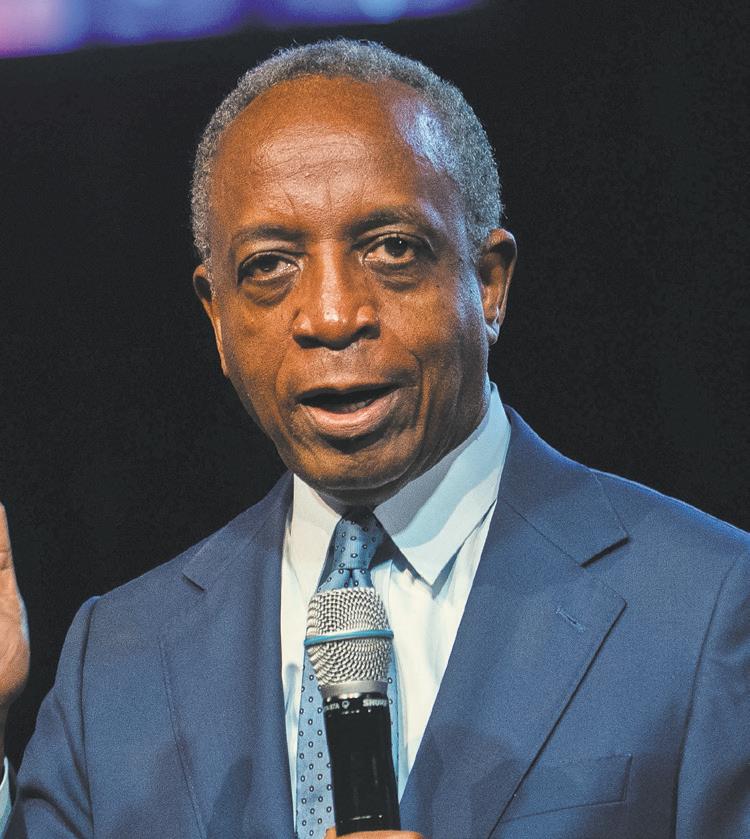
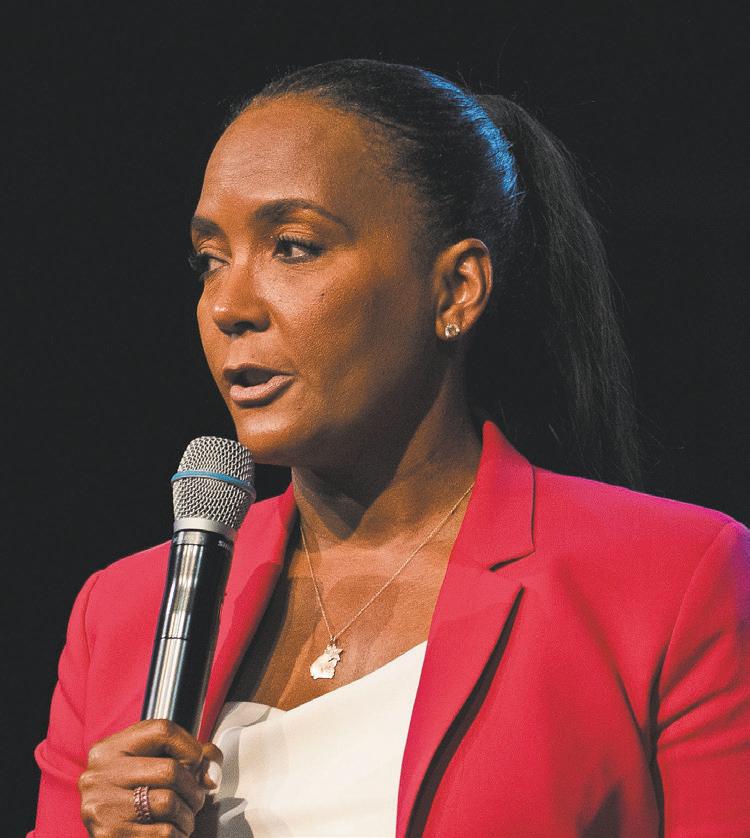
Democratic candidates who attended the debate included former Georgia State Sen. Jason Esteves, State Rep. Derrick Jackson, former Lt. Gov. Geoff Duncan, former DeKalb County CEO Michael Thurmond, former Atlanta Mayor Keisha Lance Bottoms, and former pastor Olu Brown. The organization said it invited candidates from all political affiliations to attend.
Over 200 people poured into the church’s sanctuary to watch as the candidates touched on a range of issues, from public safety vs. police funding, criminal justice reform and ICE occupation to the mental health crisis and cost of living. Political analyst Rashad Richey served as moderator, ensuring candidates had two minutes to answer questions, with one minute for rebuttal. The debate then opened up for questions from the audience at the end.
Here is what the candidates expressed to voters during the debate:
According to recent polls by the New York Times, Lance-Bottoms is in the lead as the Democratic nominee as the former Atlanta mayor aims to “deliver for working families and bring steady leadership to Georgia in the midst of uncertainty and chaos coming from Washington,” according to her campaign website.
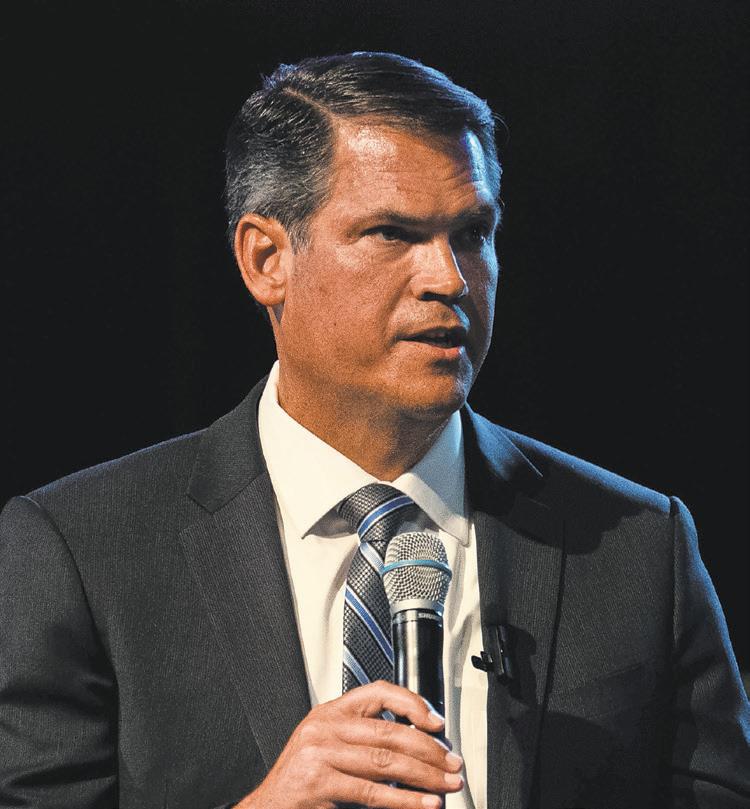
“I woke up the day after the last presidential election, and after I said a few words that I cannot repeat in this church, I prayed about what I’d be called to do in this season. And for me, it was to get back in the ring and fight. Fight to expand Medicaid in this state. Fight to address the affordability issue. Fighting to make sure there’s a pathway for community and technical college in this state. Fighting to make sure that people like you can live in your communities with dignity, take care of your families, eliminating state income taxes for our teachers. It’s been said that every generation has an opportunity to make a difference. This is our defining moment,” Lance Bottoms said during the debate.
Brown, former pastor and founding leader of Impact church, is hoping to “build a citizen-powered vision for Georgia’s future.”
See DEBATE NIGHT, page 5
By JULIENNE LOUIS-ANDERSON
When I walked into work on Monday, the conversation around the watercooler was “we bombed Iran.” As a Black woman, I knew I spoke for thousands of Black people when I asked, “Who is ‘we’”?
For Black people in this country, “we” has never been automatic. It has always been conditional. There’s a term for that — it’s what W.E.B. Du Bois called “double consciousness.” It’s the psychological conflict Black Americans face living and navigating in a society that undervalues us. The struggle between how we are perceived and how we perceive ourselves leads to a dual identity.
The Conditional “We” of American History
So when I asked the question, “Who is we?” It’s because I’m used to the two-faced way America claims and uses Black people while simultaneously belittling and berating us. It’s:
• The 3/5th Compromise was written into our founding documents.
• Erasure of the Tuskegee Airmen and Six Triple Eight from school curricula covering WWII.
• Dr. Martin Luther King’s statement that Sunday church service is the most segregated hour in America.
• Beyoncé winning “Best Country” Album, only to be structurally excluded the next year Black Americans remain essential to the nation’s prosperity but peripheral to its protection.
When Sacrifice Is Required, Black Americans Are Included
To be clear: Black Americans are not ambivalent to war, service, or sacrifice. Even though Black people make up only 13.7% of the population, we comprise 21.4% of all military branches. My loved ones who enlisted with the promise of paying for school and working themselves out of poverty will be sucked into a war that 93% of Black people openly oppose. This pattern doesn’t just begin with my peers.
Like the majority of Americans, my grandfather’s and his father’s generations served in every major war: World War I, World War II, Korea, the Gulf Wars, etc. They fought next to members of every race. They defended the same flag. They wore the same uniform. They risked their lives to protect this country. At war, they were part of the “we” of America.
“We”
After each deployment, Black veterans expected the brotherhood — the “we” they became part of overseas — to extend to a “we” when they returned home. They quickly realized, however, that was not the case. Instead, veterans like my grandfather returned to segregation, redlining, lynching threats, and a renewed racial hostility. While the G.I. Bill built white middle-class

When America claims a collective “we” in war, many Black Americans hear a familiar question — belonging when sacrifice is required, exclusion when justice is demanded. Photo Credit: iStock.com/ Diony Teixeira
wealth for veterans, many Black veterans were systematically denied equal access to housing loans, education benefits, and economic opportunity. These men fought under the umbrella of “we” Americans and returned as “them,” the second-class citizens.
The plain truth: Black Americans are extended the identity of “we” when sacrifice is required — in war, in labor, in culture. But we are seen as disposable and excluded when benefits, payment, and respect are asked for.
The current White House administration is continuing this trend: from mass incarceration to the erasure of Black history to the mass layoffs of 300,000+ Black women. No wonder we’re
choosing to opt out of the “we” now. We are tired of the game. It’s why Black Americans are emigrating and starting new lives abroad. It’s why Joy-Ann Reid hosted the People’s State of the Union. It’s why the cast of Sinner received a standing ovation during the NAACP Image Awards on Sunday. The applause was as much about their performances as it was about supporting them after the dehumanizing incident at BAFTA.
So when a president who despises Black Americans declares military action and the headlines read “we,” I ask again, “Who is ‘we’?”
Julienne Louis-Anderson is a former educator and Public Voices Fellow of the OpEd Project in Partnership with the National Black Child Development Institute.
FOUNDED May 11, 1966
FOUNDER/EDITOR
Ed Clayton
Immortalis Memoria
PUBLISHER/EDITOR
J. Lowell Ware
Immortalis Memoria
The Atlanta Voice honors the life of J. Lowell Ware.
PUBLISHER
Janis Ware
PRESIDENT/
GENERAL MANAGER
James A. Washington 2018-2024
EXECUTIVE ASSISTANT TO PUBLISHER
Chia Suggs csuggs@theatlantavoice.com
EDITOR IN CHIEF Donnell Suggs editor@theatlantavoice.com
GENERAL ASSIGNMENT REPORTERS
Isaiah Singleton isingleton@theatlantavoice.com
Laura Nwogu lnwogu@theatlantavoice.com
Noah Washington nwashington@theatlantavoice.com
BUSINESS REPORTER
Tabius H. McCoy tmccoy@theatlantavoice.com
EDITOR AT LARGE Stan Washington swashington@theatlantavoice.com
ADVERTISING, SALES & CIRCULATION
ADVERTISING ADMINISTRATOR
Chia Suggs advertising@theatlantavoice.com
SALES
RDW Jackson rdwadman@gmail.com
SUBMISSIONS editor@theatlantavoice.com
DIRECTOR OF PUBLIC RELATIONS
Martel Sharpe msharpe@theatlantavoice.com
CONTACT INFORMATION
633 Pryor Street, S.W. Atlanta, GA 30312
Office: 404-524-6426 info@theatlantavoice.com

By ISAIAH SINGLETON
The Metropolitan Atlanta Rapid Transit Authority (MARTA) will officially launch MARTA Reach, a sophisticated on-demand transit service designed to provide flexible, point-to-point shared rides in 12 zones in metro Atlanta on March 7.
An important part of the Authority’s NextGen Bus Network, MARTA Reach will bring transit service directly to the rider’s location and offer a seamless link to the broader rail and bus system.
Residents can request a ride through the MARTA Reach app or the reservation line, which provides a 30-minute or less pickup window. The service runs 18 hours a day, seven days a week, ensuring that whether a rider is commuting to work or traveling within their own neighborhood, MARTA is ready when they are.
“MARTA Reach represents a fundamental shift in how we serve our communities,” said MARTA Interim General
Continued from page 3
Manager and CEO Jonathan Hunt. “By integrating on-demand technology into our NextGen Bus Network, we are providing a ‘first-mile, last-mile’ solution that makes transit more accessible, efficient, and more personal for our customers.”
MARTA Reach is launching in 12 distinct zones: West Atlanta, Kirkwood/ Candler Park, County Line, Lakewood, Oakley Industrial, Fulton Industrial, East Point, Hillandale, Candler-McAfee/ Belvedere Park, Cedar Grove, Gresham Park, and North Fulton. Within these areas, riders can travel curb-to-curb or connect directly to MARTA’s fixed-route bus and rail systems.
Also, to ensure the launch continued as scheduled, and despite a nationwide USDOT manufacturer recall on the permanent Dodge Ram ProMaster vehicle fleet, MARTA has successfully deployed a fleet of leased Ford StarCraft vans.
While these vehicles are fully ADA-accessible and equipped with two wheelchair slots, customers should note that
“I understand what the people of Georgia are facing. It’s time that we stop electing officials who can afford everything to represent a vast majority of people who can’t afford anything, and expect them to understand what you’re going through,” Brown said. “One of my favorite poets and poems is Langston Hughes, ‘Mother to Sun.’ And guess what? For so many of you here and watching online, life has not been a crystal stair. For folks suffering with mental illness, for people who are trying to pay their bills, for folks who want to send their kids to a great school and trust that they’re going to have a quality education. Under my administration, you won’t have to explain struggle to me.”
the temporary vehicles use a wheelchair lift rather than a ramp and, unlike the permanent fleet, will not be equipped with bike racks. Bicycles will be allowed on MARTA Reach once the permanent vehicles are cleared for service.
Additionally, to help everyone get acquainted with the service, MARTA Reach is free to ride from March 7 until March 28.
Once the better Breeze fare payment system goes live on March 28, the MARTA Reach fare will be $2.50, the same as standard bus and rail service. This fare includes four free transfers for customers using the Breeze system, which will soon support contactless tap-to-pay options via bank cards and mobile wallets.
To begin using the service, customers are encouraged to download the MARTA Reach app in the Apple Store or the Google Play Store. Customers may also call the reservation line at 404-848-6622 beginning Saturday, March 7.
The reservation line will be available seven days a week from 8:30 a.m. to 5 p.m.
Former Lt. Gov. Duncan entered the race as a Republican-turned-Democrat after siding with Kemp in certifying Georgia’s 2020 presidential election results. His website emphasizes that Georgians “deserve leaders with the courage to take on Donald Trump and do what’s right.”
“When we launched this campaign a little over six months ago, there were a lot of skeptics who thought, well, how is a former Republican going to win this race as a Democrat?”
Duncan said. “I’m building a coalition big enough to win, Democrats, independents and even disgusted Republicans, to show up and not just vote for me in the primary, but so we can all win the general election. I’m staying laser focused on the three issues that most Georgians wake up worried about: the affordability crisis, the health care crisis, and, of course, the Donald Trump crisis, even Republicans are worried about.”
Former Georgia State Sen. Esteves is focused on making Georgia “the number one place to work, start a business, and raise a family — no matter who you are or where you live,” according to his campaign website.
“We are in crisis, and in times of crisis, I’ve always run towards the fight, and that’s what I’m going to do as governor of this state,” Esteves said. “You can always count on me to stand tall and to fight back against the chaos and destruction coming out of Washington, DC. I will never stay silent, like my Republican opponents, and I won’t quit when the going gets tough, like some of my democratic opponents have. I will focus each and every day that I’m in that office, lowering the cost of living, expanding access to health care, fighting for our democracy, and investing in our children.”

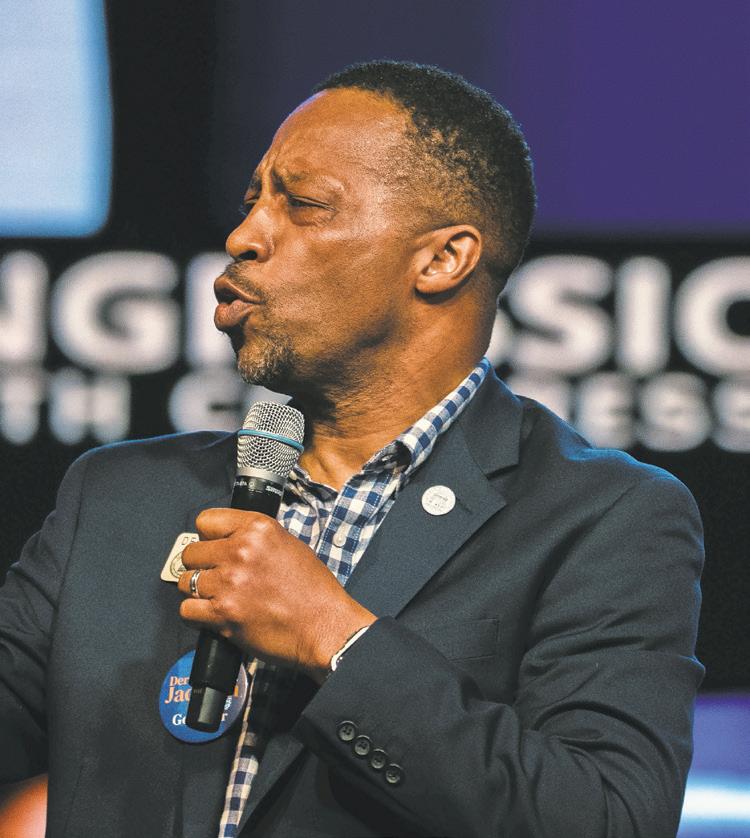
State Rep. Jackson has run on a platform of being a family man, a decorated military veteran, a public servant, and a community leader.
“After 10 years of being in corporate America, I went on a sabbatical leave because my first wife, Michelle, had breast cancer in 2014. During those 18 months, her final years, I walked each and every step with her,” Jackson shared. “You have to have a governor that not only sees you and hears you, but you have to know who we are. And this goes beyond talking points… What I witnessed in terms of the healthcare system, as it relates to Black women not being heard and taken care of, motivated me to run for office. I started this journey in 2016, and tonight, you hear my heart. You hear the authenticity and the genuineness. That’s the reason why I’m running to become the 84th governor.”
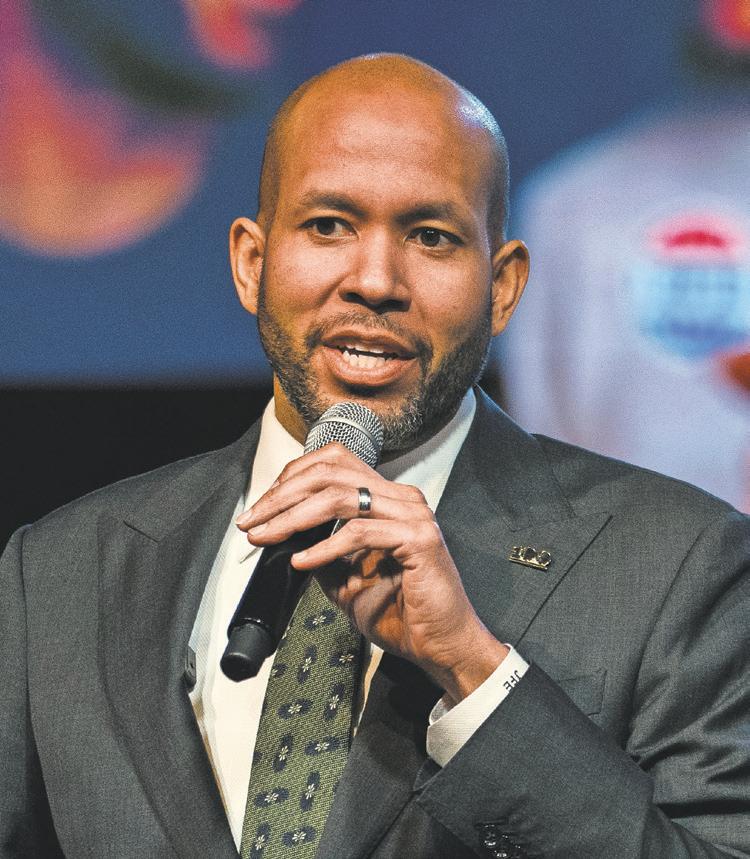
Thurmond has served as the CEO of one of Georgia’s largest counties and school superintended for DeKalb County. At a time of rising costs and declining trust, “he hopes to help the state grow faster, stronger, safer and more equitable,” according to his campaign website.
“I come here to tell you not to give up, not to give out, and not to give in. We are at a critical moment in the history of the state, in the history of our nation. As your next governor, I am ready for this fight,” Thurmond said. “A government that does not have a heart is no government at all. The time has come for us to have a new vision, a new direction. With new leadership, we will inspire and lift up our communities and do what’s right for all of our citizens as your next governor.”
Voting registration for the General Primary Election ends of April 20. Election day is on May 19, with early voting open from April 27 to May 15.
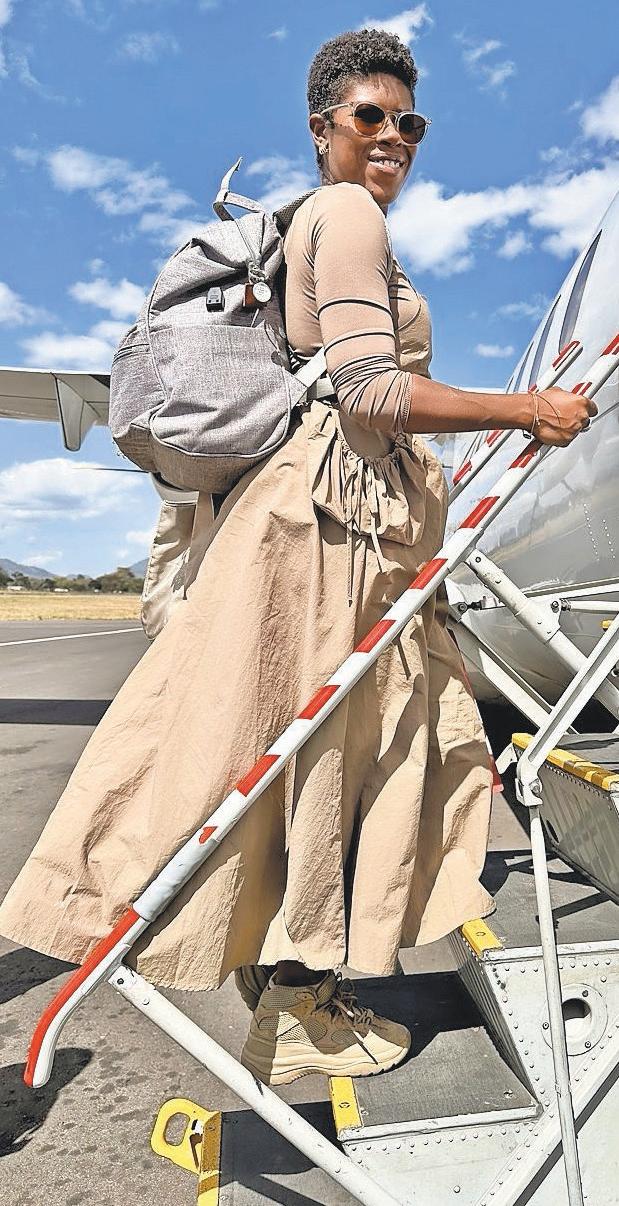
By ISAIAH SINGLETON
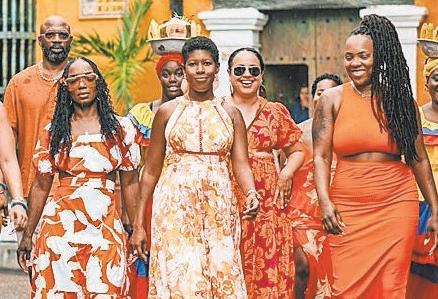
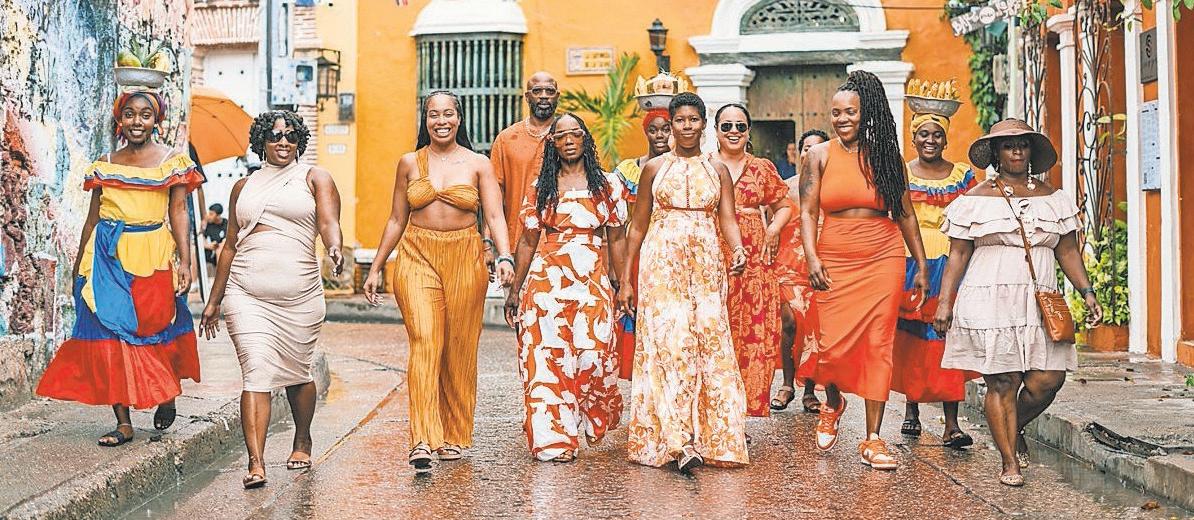
10 years ago, Erica Graham quit her corporate job because she was looking for something that ignited a fire in her. Fast forward 10 years, Graham and her husband, Shanticlear Graham, are working in the travel space with Paper Planes and Passports.
Owned and operated by the Grahams, Paper Planes and Passports is an IATAN-accredited full-service travel agency offering a selection of unique global experiences.
The Grahams also own other businesses, such as the in-home care service Seniors Helping Seniors.
Built on three core values: Explore (your destination), Immerse (in the culture), and Embrace (new experiences), in 2016, the duo embarked on the mission to make international travel more accessible through education, effective budgeting, partnerships, and increasing awareness of the benefits of travel.
Having personally traveled across five continents, 60+ countries, and 47 of the United States and its territories, the Grahams say travel starts long before you board a plane.
Graham says she started the business with her husband, wanting to provide travel services, and they offer payment plans for hosting group trips. When she opened the business for the Paper Planes and Passports Academy during COVID, Erica said it drove her crazy, but Shanticlear guided her through it by encouraging her to share the information, tips, and all things travel that were locked in her
brain with other people interested in travel.
“He told me, ‘Focus on what you can focus on. Provide all the information in your brain to other people. You built this business, and it’s time you share that information and teach people how to be successful in this,” she said.
Paper Planes and Passports have partnerships in 22 countries that provide tours and transportation services, according to Graham.
“We want to make sure our clients are safe, not only for our clients, but for our hosted group trips as well. Utilizing a travel professional allows you to navigate those things seamlessly and not spend all your time, energy, and extra money doing it,” she said.
The most rewarding part of the job is time, flexibility, and the ability to travel. Sharing travel with their clients and great experiences, she says, is truly the most rewarding of it all.
Also, the hardest part about being a travel agent, she says, is consistency in income.
“As a travel professional, you don’t get paid until after the traveler travels,” she said. “Sometimes 30 to 90 days after the client travels. If you have a client book a trip a year in advance, you’re expecting that commission a year later when they travel, but something may happen along the way, and they aren’t traveling anymore. You don’t get that commission.”
She thankfully has learned ways to cushion it and ensure the business is earning regularly.
Being in the travel industry, Graham says
it’s a business where you must be dedicated, consistent, and be able to teach others.
In the next 10 years, Graham wants Paper Planes & Passports to have properties in various places.
“I want a hotel where I can retire on the beach and serve coconuts. I’m also not sure if I want to continue hosting group trips 10 years later, but I do see a life off the laptop, which is my goal to be more off just managing and step into overseeing,” she said. “If you are always in the weeds, you cannot see below the grass. I want to share this experience with 1000s more and conquer all the continents.”
Furthermore, Graham says she wants people to know it’s not just about booking trips; it is about getting the full seamless, cultured experience that you could get by booking with Paper Planes and Passports.
“We are reliable, trustworthy, and you can view our client reviews on our website. I want people to read about what other people have said about our business and our dedication to allowing people to travel smoothly, organically, and stress-free,” she said. “We want to help people embrace and explore each destination and new experiences and cultures.”
Also, Graham says for travelers to be “culturally knowledgeable.”
“Don’t just show up in every country just as you are. You need to plan, don’t go to Morocco and wear these little shorts and tank tops out there in the Medina. You need to dress accordingly,” she said. “Do your research.”
By NOAH WASHINGTON
The war in Sudan has killed tens of thousands, and the violence is accelerating. Civilian killings more than doubled in 2025 compared with the previous year, according to the United Nations’ top human rights official, who warned that thousands more remain missing or unidentified. Since April 2023, the conflict between the Sudanese army and the Rapid Support Forces has displaced more than 11 million people and triggered what many aid organizations describe as one of the world’s worst humanitarian crises. Yet for most Americans, it barely registers.
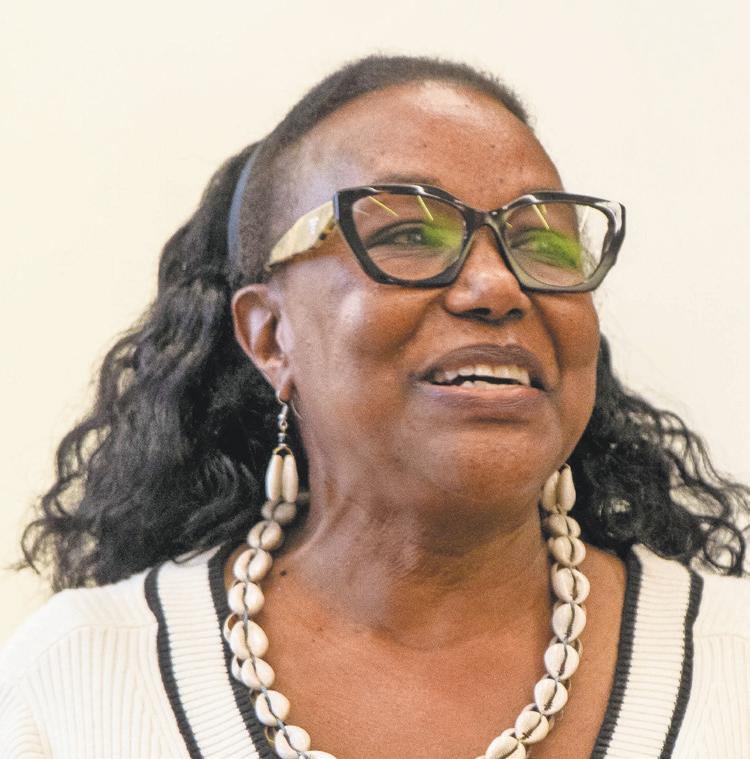
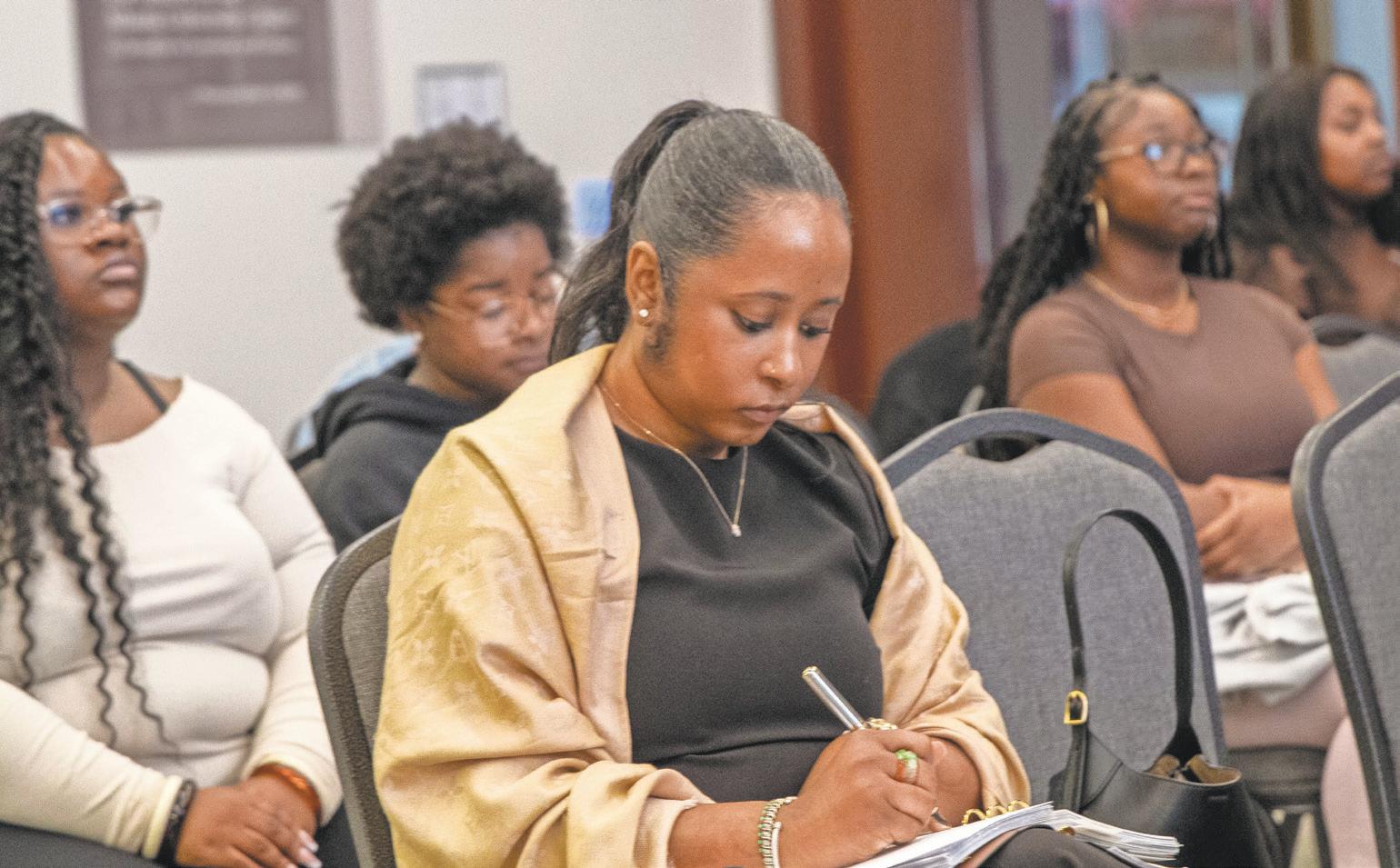
That invisibility was the subject of a pointed lecture Monday at Clark Atlanta University, where Dr. Amani El Jack, an associate professor of Women’s Gender and Sexuality Studies at the University of Massachusetts Boston, told a room of students that what is happening in Sudan is not a tragedy the world has missed, it is one the world has chosen to ignore.
“I changed the title of my talk from ‘forgotten zones of conflict’ to ‘forsaken zones of conflict,’” El Jack told the audience in the Exhibition Hall of the AUC Woodruff Library. “Forsaken, because Sudan has been abandoned by the international community.”
The ongoing conflict erupted in April 2023 from a power struggle between two military factions: the Sudanese Armed Forces (SAF), led by Gen. Abdel Fattah al-Burhan, and the Rapid Support Forces (RSF), a paramilitary group.
Al-Burhan had integrated the RSF into the national military to consolidate power and suppress a growing civilian opposition movement. The arrangement collapsed, and the two factions turned on each other. Sudanese civilians have been caught in the crossfire ever since.
El Jack connected the war directly to Sudan’s 2019 popular uprising, which ousted longtime dictator Omar al-Bashir and gave many Sudanese hope for a democratic transition. The current conflict, she argued, is a deliberate continuation of military control.
“I see the war that is happening now as a counter-revolution strategy from the government,” El Jack said. “Many of the youth, the trade unions, the activists have been resisting the government, publicly in the streets, organizing protests, organizing demonstrations. But the war has been persistent.”
El Jack pushed back against the framing of Sudan’s conflict as an internal dispute between two factions. Foreign powers, she argued, have been fueling it from the start.
“Many regional and global actors have been central to the eruption of the war and to its sustainability,” she said.
Gulf states including Saudi Arabia and the UAE have backed opposing sides with weapons, funding and land grabs inside Sudanese territory. Egypt has supported the national military to protect its Nile River interests. Russia has financed the RSF in exchange for a Red Sea military base. Transnational corporations extracting Sudan’s gold, oil and gas have continued operating amid the bloodshed. El Jack was blunt about what that means.
“All of these are directly funding, financing and literally fueling the war in Sudan,” she said. “I really wanted to counter the narrative about Africans killing each other.”
Despite the scale of the crisis, Sudan has received a fraction of the media attention and international aid response afforded to conflicts in Ukraine or the Middle East. El Jack argued the disparity is not accidental. She showed the audience a series of on-air quotes from CBS News, Al Jazeera and the BBC during coverage of the Russia-Ukraine war in 2022, in which correspondents explicitly described Ukrainian refugees as more civilized, more European and more deserving of sympathy than those fleeing conflicts in Africa and the Middle East.
“The way that media coverage is broadcasting this very racist, racialized narrative, ensures that Sudanese people, not like white European, blue-eyed people, their lives do not matter,” El Jack said.
That framing, she argued, shapes real policy: how much aid flows, what refugee programs are created, and whether war crimes investigations are pursued. She noted that the United Nations High Commissioner for Refugees has also not prioritized Sudan.
“We don’t see any sustained or compassionate media coverage throughout Sudan’s history, up to today,” El Jack said. “We don’t see any prompt humanitarian assistance. We don’t see any humane migration or refugee policies.”
The situation worsened in October 2023, when Israel launched its offensive in Gaza and even regional broadcasters shifted coverage almost entirely away from Sudan. A crisis that was already undercovered effectively disappeared from screens.
The lecture drew pointed questions from students, including Selah Margarita Walton, a third-year political science major at Clark Atlanta University, who asked how young people can extend solidarity to Sudan when many are already grappling with inequality at home.
El Jack urged students to use social media as an organizing tool, pointing to the Black Lives Matter movement as a model for how digital platforms can shift public consciousness.
“It is your responsibility to know,” she said. “Creating that kind of space where people highlight what is happening in Sudan, that is an essential aim.”
The event marked the inaugural session of the Global South Dialogue on Women in Africa and the African Diaspora, a new series hosted by the W.E.B. Du Bois Southern Center for Studies in Public Policy at Clark Atlanta University.
Rebecca Yemo, Ph.D., global policy
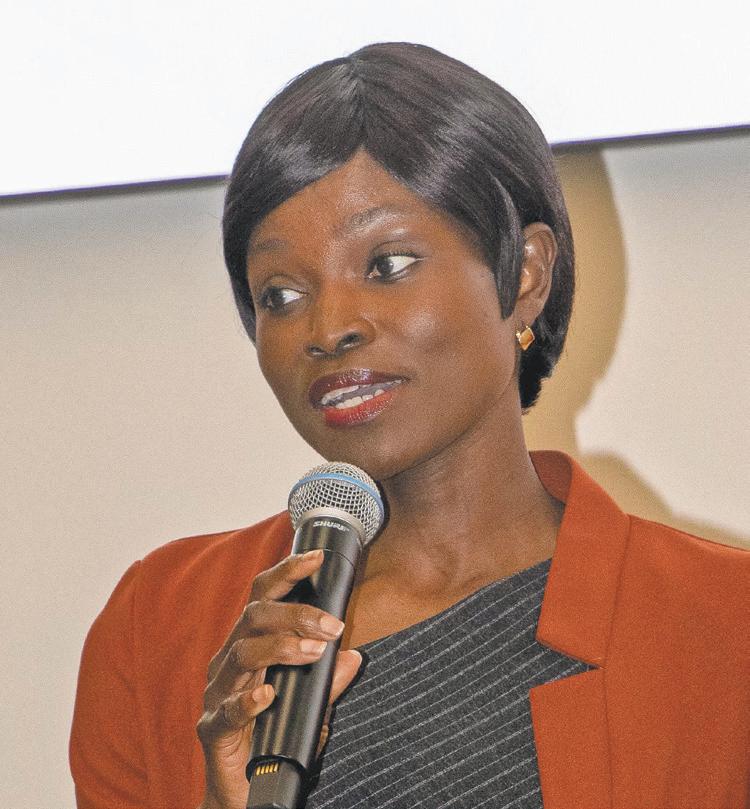
coordinator for the center, said the goal of the program is to give students deep insight into women’s rights and gender equality issues affecting Africa, the African diaspora and the broader Global South.
“My hope was that they would gain more awareness and knowledge about what is going on in Sudan,” Yemo said in an interview following the event. Because the conflict has received limited international media attention, she added, many students may have heard about it “but not have a lot of insight.”
Beyond awareness, Yemo said she wants students to learn how to analyze global crises through critical frameworks, including feminist theory and critical race theory.
“So that was my hope,” she said. “That they would leave with deeper insights about what’s going on.”
By DONNELL SUGGS
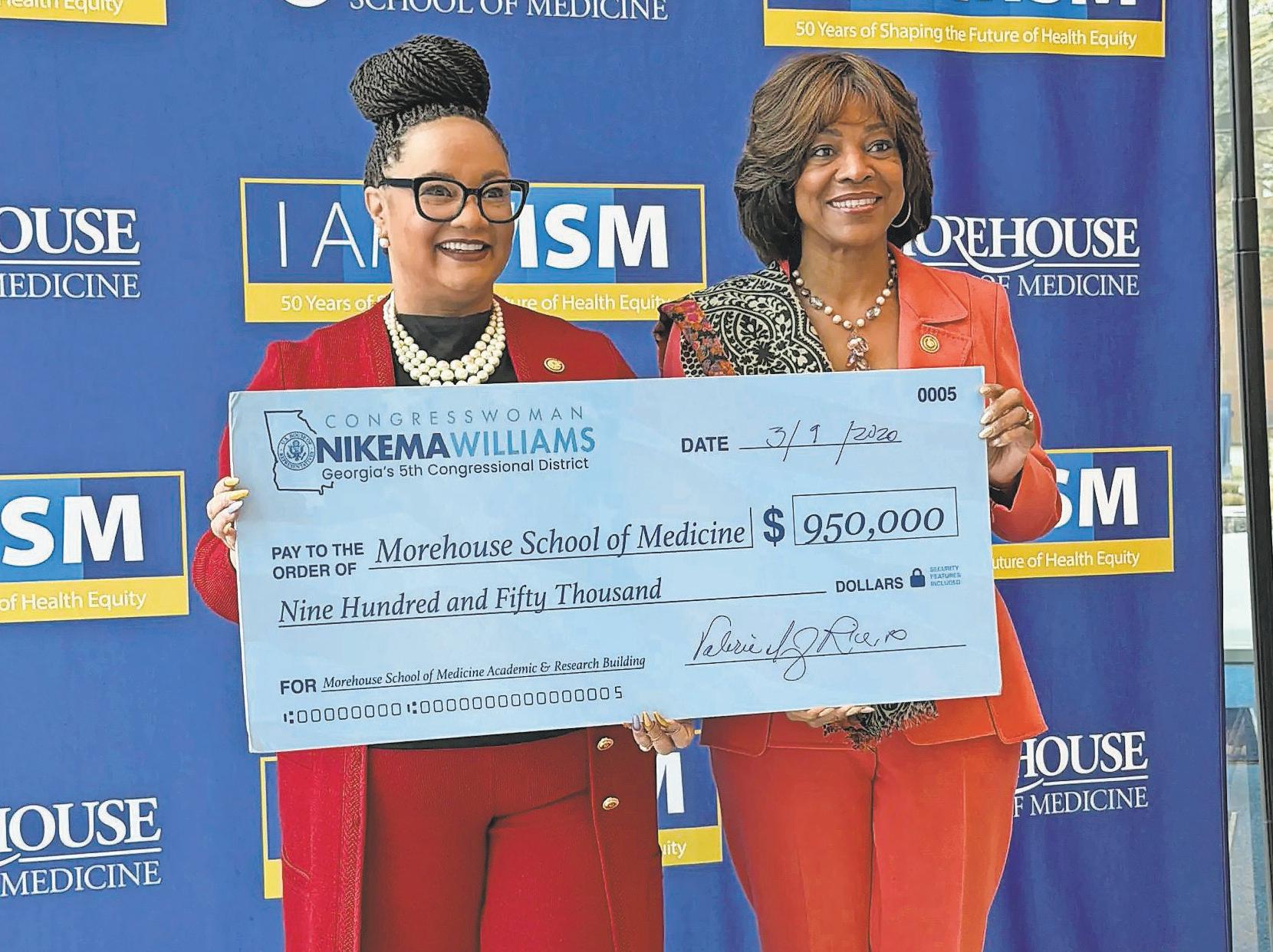
On Monday morning, the campus of the Morehouse School of Medicine received some good news. The kind of financial good news that will lead to an expansion of its Atlanta University Center campus.
Georgia Congresswoman Nikema Williams (GA-05) secured $950,000 for Morehouse School of Medicine to build an academic and research building. The funding was secured in Fiscal Year 2023 through Community Project Funding.
Williams, an HBCU graduate from Talladega College, said fighting for funding for HBCUs is something she remains dedicated to, in particular during a time when funding for higher education is taking a hit.
“It’s critically important that we are intentional about investing in HBCUs,” she said following the presentation. “I look forward to the rising of this building.”
The presentation took place inside the Calvin Smyre Education Conference Center. There was a rendering of the project, which will be located on Westview Drive and built on what is currently a large parking lot. The project is a direct utilization of existing space on campus.
Morehouse School of Medicine President and CEO Dr. Valerie Montgomery Rice introduced Williams and addressed the small crowd gathered for the presentation. Montgomery Rice said health equity is a priority and institutions like the Morehouse School of Medicine are necessary if Atlanta, for example, is to ever reach that lofty goal.
“This is how we meet the needs of our communities,” Montgomery Rice said. “And that’s not just limited to Atlanta, it’s the world.”
Pointing at a large digital screen displaying a rendering of the project, Montgomery Rice said, “What you see behind me is an example of what we believe we need to do our work.”
The project is part of a 10-year campus master plan, according to Montgomery Rice, who joked, “We might have gotten it done in exactly 10 years.”
Williams jokingly interrupted her and chimed in, “But it’s getting done. Every dollar is an investment in a more equitable health care field.”
There are more than a dozen degree programs at the Morehouse College of Medicine. There are only four HBCU medical schools in the country, so investing in the only one in Atlanta can go a long way to serve the city and state, said Williams.
“We are going to actually see the fruits of this labor. Service can’t happen in a vacuum,” Williams said.


By NOAH WASHINGTON
On Friday night, Johnson Lowe Gallery opened Dangerous Games, the second solo exhibition of works by Navin Norling, a California-born, Atlanta-based artist whose practice dissects classic Americana imagery through found materials, folk traditions, and layered visual codes.
Johnson Lowe was founded in 1989 by Bill Lowe and re-established in 2023 under the direction of Donovan Johnson, who first walked through the gallery’s doors as an intern in 2012 at the age of 18. After Lowe’s passing in 2022, Johnson took the reins with a clear sense of purpose.
“I wanted there to be increased visibility for Black artists in the program,” Johnson said Friday. “I wanted there to be increased visibility for women in the program. I wanted there to be just increased diversity through and through.”
That vision found an early landmark in The Alchemists, Johnson’s debut exhibition as director, which placed Mark Bradford alongside emerging Atlanta artists and brought Ebony G. Patterson and Shanequa Gay into the same space. Dangerous Games continues that trajectory. Norling is an artist Johnson brought to the gallery himself, and the exhibition is a natural extension of what Johnson describes as a gallery committed not to trends, but to artists who, in his words, “stir up something within our souls.”
Norling has been based in Atlanta for seven years, recruited to the city by SCAD after years of showing in the Bay Area, New York, and across the country. He describes Atlanta
the way he once described the Bay Area of his youth, a city alive with creative energy, music, art, and community. “It kind of brings me back to my 90s vibe of the bay, where everybody kind of was just doing creative things,” he said. “I feel like Atlanta is one of those kinds of cities.”
But Dangerous Games is not a celebration. The exhibition, three years in the making, is a stamp in time, with American history, with cultural erasure, and with the political moment Norling sees unfolding in real time.
“My work is always coming from an American lens,” he said. “What I have been feeling over the last few years is that they’re trying to erase our histories.”
The show takes its title from a 1960s French comic book, a phrase that initially caught the artist’s attention for its cinematic quality and grew heavier as the years passed. The exhibition includes painting, sculpture, and installation threaded through with the logic of quilting, panel compositions built from color blocks, and coded symbolism that draws on African American quilting traditions.
A central formal strategy is whitewashing: surfaces painted over, then scraped back, cut into, or partially removed. The gesture mirrors what Norling sees happening in American public discourse, the deliberate obscuring of Black and diasporic histories. Lace overlays and quilt-like panels further complicate visibility, softening the surface while concealing what lies beneath.
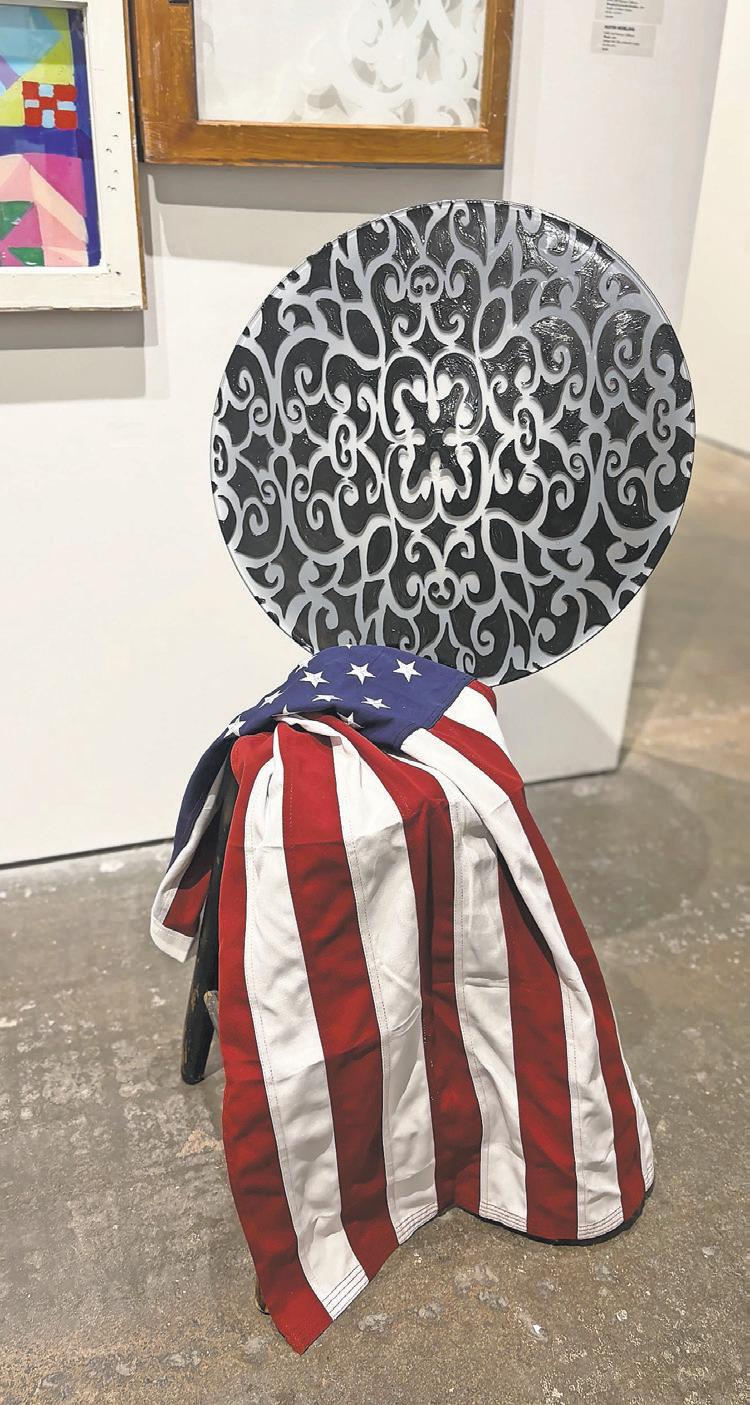
“What you have here is installation, paintings, sculpture,” Norling said, describing work that also references the upcoming semiquincentennial, the 250th anniversary of the United States. Red, white, and blue
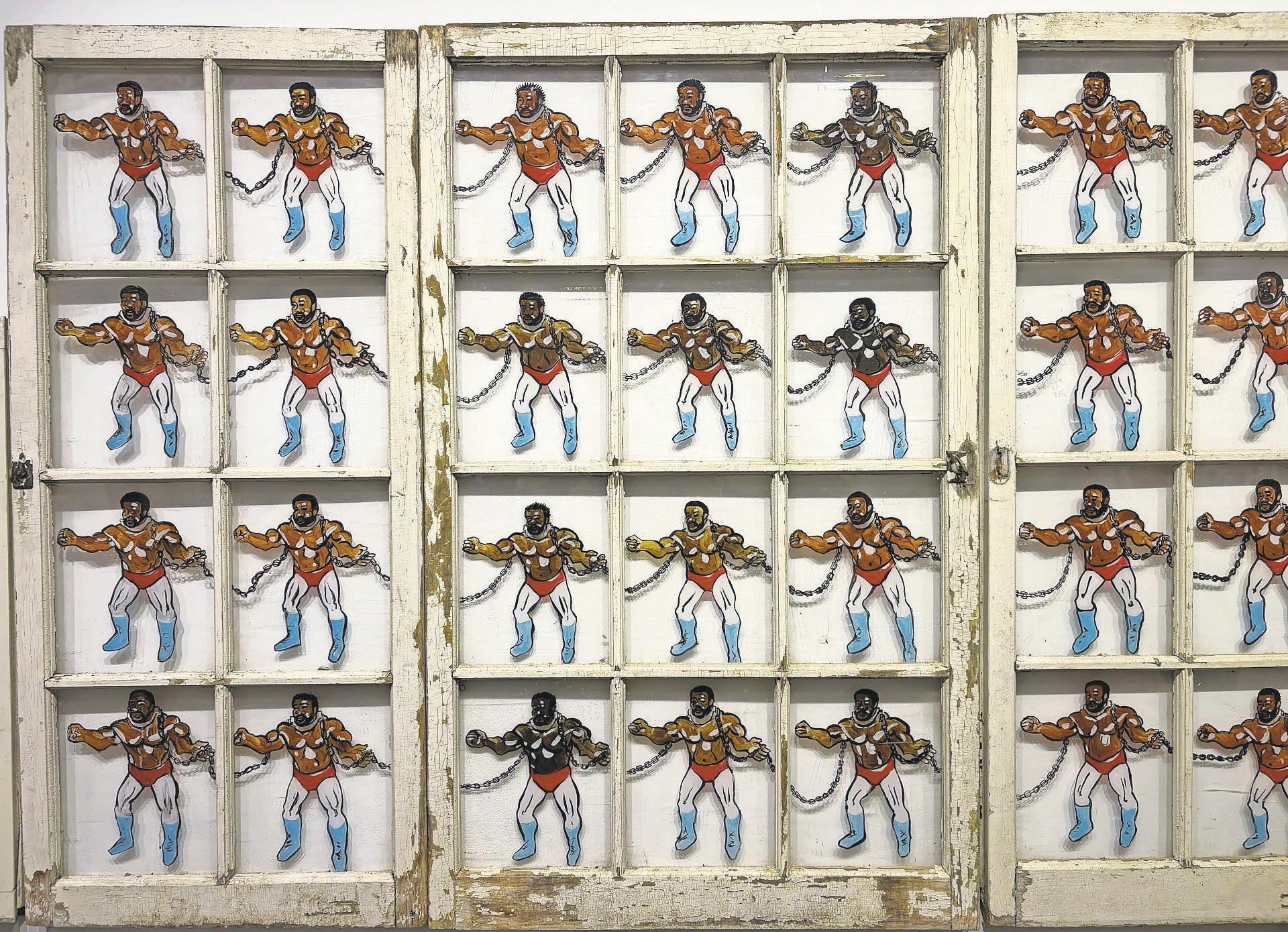
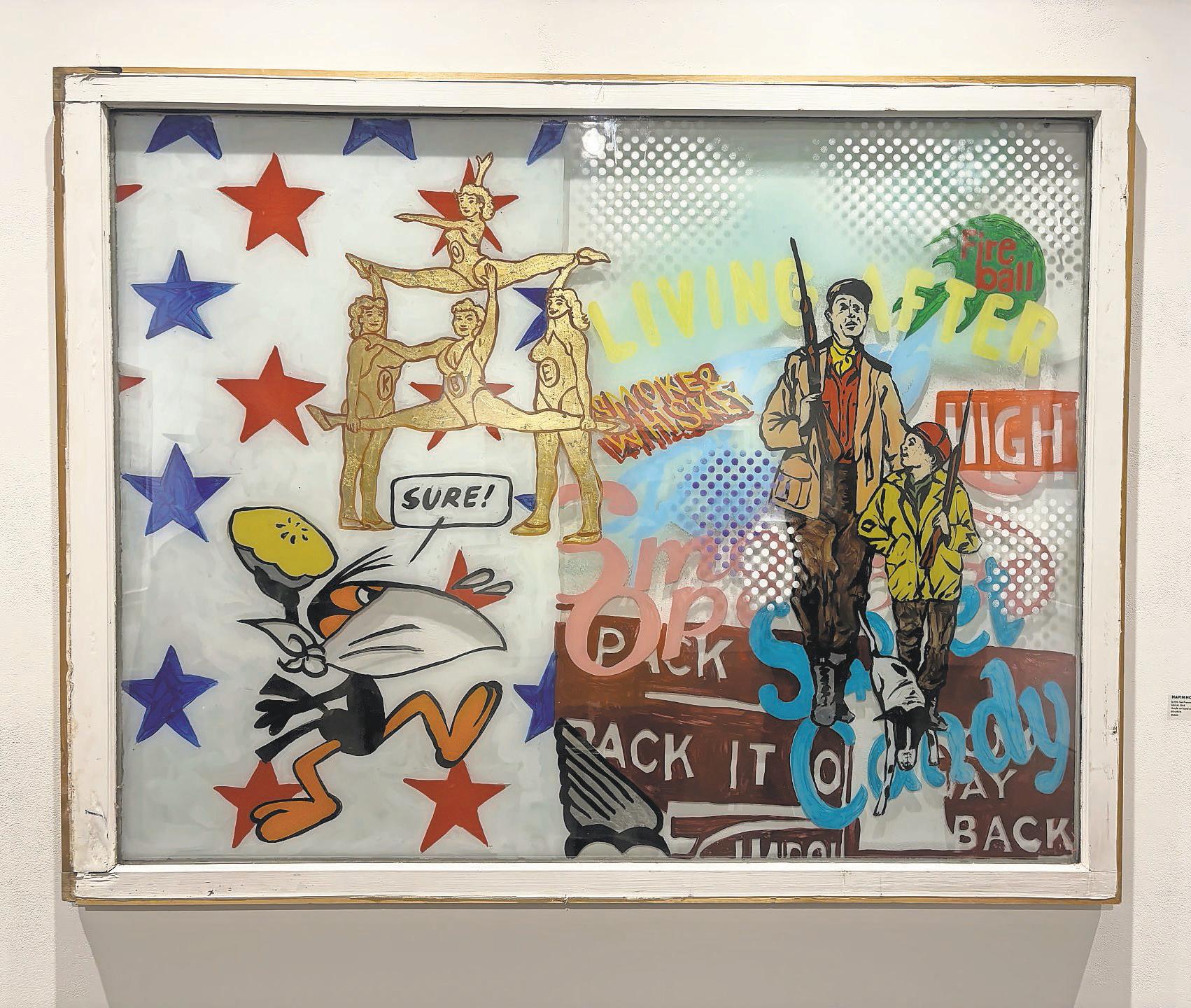
thread through the exhibition not as a celebration but as a coded critique. Gumball machines dispense red pills, introducing chance and participation. Recurring figures, the Watcher, wrestlers, angry white men, children, cherubs, dragons, and amulets, accumulate meaning across works like a visual language in motion.
Among the most striking pieces is a throne that doubles as a performance work Norling first presented in New York in 2018 but never exhibited again, in part due to the pandemic. He chose this moment, this show, to bring it to Atlanta.
“It means something now in the relevance of that particular piece,” he said.
Norling describes his approach as “blue humor”, a gut punch and a hug, provocative but not without warmth. The trap in the work, he acknowledges, is the stereotype. The goal is to move past it.
The exhibition reflects what Johnson says is the gallery’s core ambition, not political alignment or trend-chasing, but expansion. Asked what he wants visitors to leave with, Johnson didn’t hesitate.
“An expanded view of the world,” he said. “Always. That’s just what it is. If you ever go to any art show and you don’t have an expanded view of the world, then why did you go?”
For Norling, the answer lives in the work itself, in the figures bound by chains that can’t be seen, and in the viewers willing to look closely enough to find them.
“I would hope that they can see past the
idea that the figures in chains is a metaphor about the idea that we are still living in chains,” he said. “They’re just invisible.”
By NOAH WASHINGTON
As artificial intelligence and virtual learning tools increasingly dominate classroom conversations, Junior Achievement of Georgia is betting on something decidedly old-school: putting sixth graders to work.
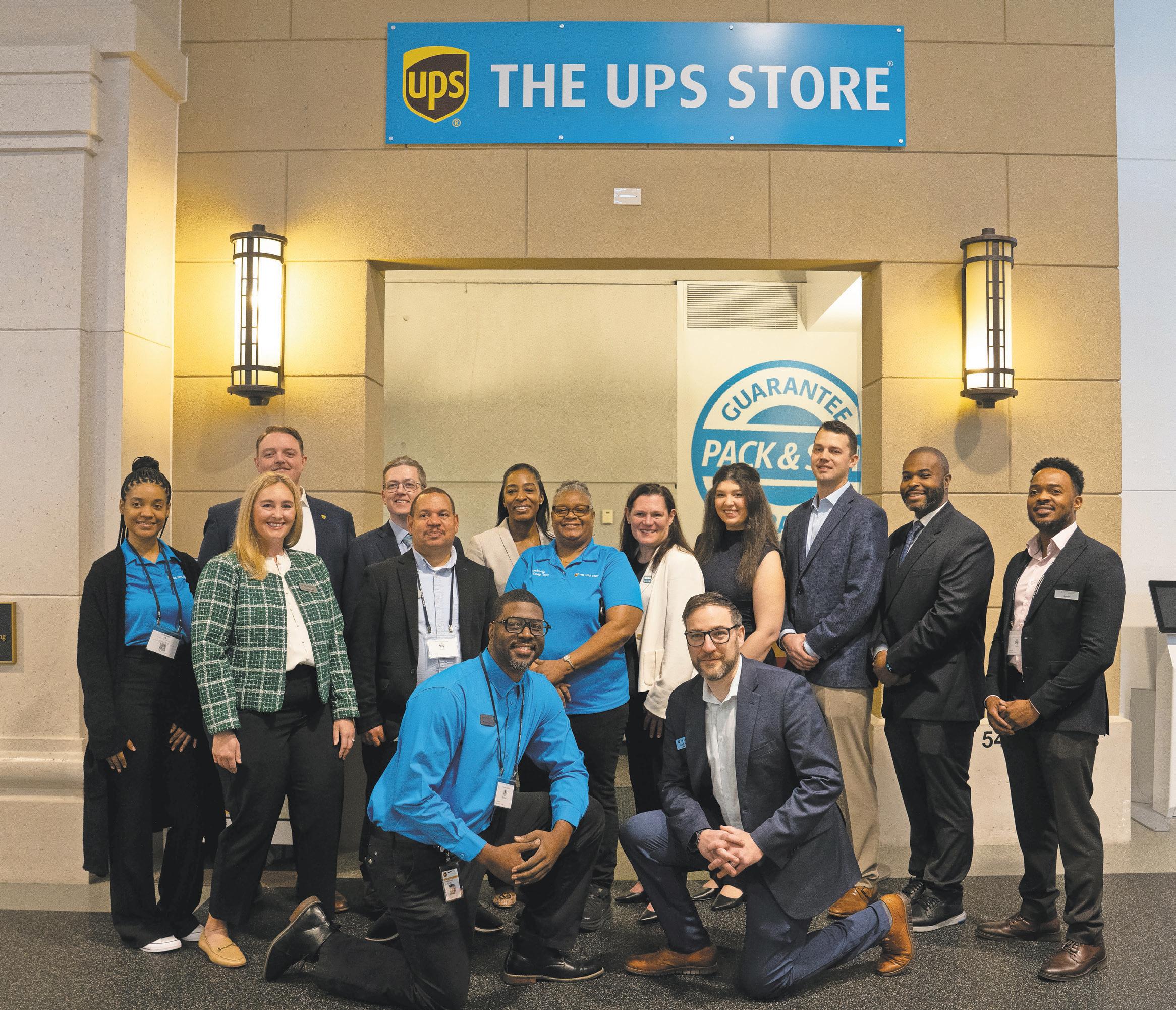
On Wednesday, March 4, Junior Achievement of Georgia and The UPS Store celebrated the ribbon-cutting of a newly redesigned UPS Store storefront inside JA BizTown, a simulated city housed at the JA Chick-fil-A Discovery Center in downtown Atlanta.
John Hancock, president and CEO of Junior Achievement of Georgia, said the BizTown program, which serves sixth graders through a blended curriculum combining in-classroom instruction with the hands-on simulation, is designed to give students exposure to real business decisions.
“We happen to be doubling down on the importance of in-person,” Hancock said. “There’s still a place for people to spend time together.”
On an average program day, 120 sixth graders fill the simulated city, mentored by corporate volunteers and supervised by teachers. The students run 18 businesses, including the UPS Store location, which has been part of BizTown since the program launched. The remodel, completed over the Christmas holiday, reflects an update to UPS’s current branding.
Hancock said the irony of BizTown’s staying power is that its differentiator is precisely what it is not.
“A point of differentiation, ironically, is to not be online, to not be virtual,” he said. “When kids are learning things like critical thinking, strategy, and solving problems, these are all the kinds of things they have to work through during the simulation. It’s better, particularly when you’re young, to learn that stuff in person.”
Sarah Casalan, president of The UPS Store, Inc., said the partnership with Junior Achievement aligns with her company’s identity as a fundamentally human business.
“There is a lot of life that is happening in our stores,” Casalan said. “We have 1 billion trips into the stores every year. And for us to be here at JA and in BizTowns across the country, it is an extension of that humanity.”
Casalan, who joined UPS four years ago after leading retail operations for brands including Crate & Barrel and the Ralph Lauren organization, said the opportunity to modernize the UPS Store’s value proposition for a new generation was what drew her to the role.
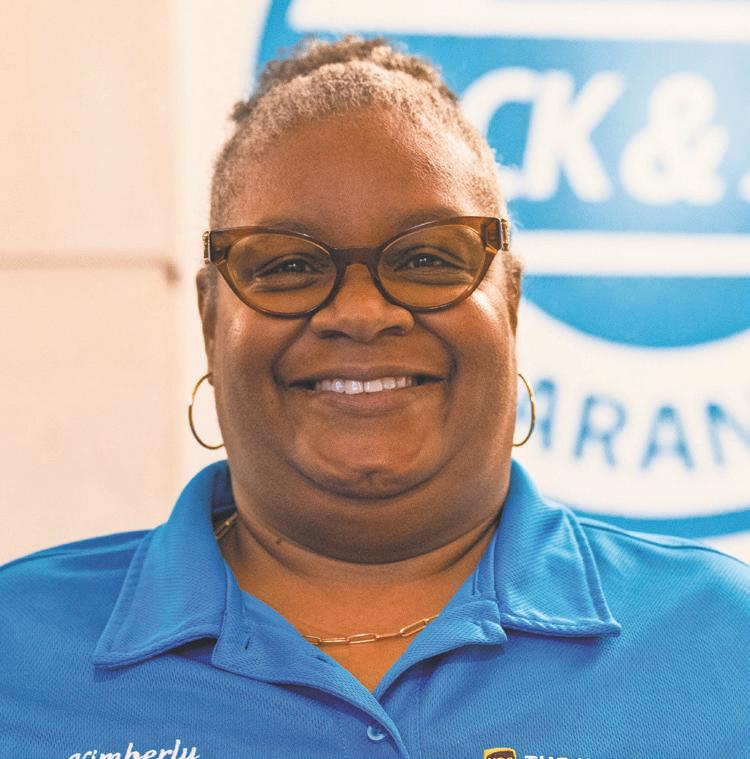
Also present at Wednesday’s event was Kimberly Gates, a UPS Store franchisee whose location sits near the Tanger Outlets in Locust Grove, Georgia. Gates, a lifelong Atlanta native and Mays High School graduate, said she stumbled into franchise ownership during the pandemic after a 24-year career with an engineering society.
“I went in, I observed what they were doing while I was waiting in line,” Gates said of her first visit to a UPS Store while returning an Amazon package. “I was like, I can do that.”
Gates, who wore a shirt reading “Boss Lady CEO” to the event, said she sees her story as a source of inspiration, especially for the young students BizTown is designed to serve.
“I think it’s inspiration to a lot of young people to know that I own a UPS Store,” Gates said. “It’s just something I thought I could do. So I did it.”
Since launching its Start Small, Grow Big fundraising program in fall 2022, The UPS Store has raised nearly $10 million for Junior Achievement USA through customer donations at more than 5,500 locations nationwide, including more than $375,000 specifically for Junior Achievement of Georgia, which serves more than 60,000 students annually in the metro Atlanta region.
Atlanta’s rate of new business applications is nearly double the national average,

according to the event’s media advisory, and 30.1% of Georgia business owners are under 40, making programs like BizTown increasingly relevant to the city’s economic future.
Casalan said the strength of the franchise system is what makes community partnerships like the one with Junior Achievement possible.
“You can go into business for yourself, but not by yourself,” she said. “We have a shared responsibility to make sure that our franchisees are successful and that they are positively impacting their communities.”
By DONNELL SUGGS
At 0-3, Saturday’s meeting with the Philadelphia Union, only the fourth game of the season, has now become a big game for Atlanta United.
Many can argue that the match is now a must-win for manager Gerardo “Tata” Martino, midfielder Miguel Almiron (both considered club legends), and the rest of the team. Atlanta United has never started a Major League Soccer season 0-3. Starting the 2026 season 0-4 could be cause for panic. Particularly, after finishing the 2025 season near the bottom of the Eastern Conference standings.
After the loss on Saturday, Martino emphasized patience and used his time with Inter Miami as an example of what a club can become over time. The 72-year-old former Argentine, Mexican, and Paraguayan National Team manager said his team improved its play from last week’s loss in San Jose. “We improved in many ways. We had a problem in the first few games; today we had a different problem,” Martino said. He called the 3-2 loss to Real Salt Lake a “giant step forward.”
Following his first game back as the manager of Atlanta United, Martino said it was “great to be back in front of the fans.” The reported attendance for the game was 53,862. The attendance for last season’s home opener was 62,520. Atlanta United has the benefit of playing its next three matches at Mercedes-Benz Stadium, so there is an opportunity to bring more fans into the building to support. Similar to voting numbers in Georgia midterm elections compared to presidential elections, interest tends to slip when the stakes aren’t as high.

Formerly a fortress for the Five Stripes and a den of nightmares for their opponents.
The Five Stripes will host Philadelphia United (3:15 p.m.) on Saturday, followed by D.C. United on Saturday, March 21, (7:30 p.m.) and in the first week of April, with a game against the Columbus Crew on Saturday, April 4.
Changes in front of the net
In three matches this season, Atlanta United has allowed seven goals. First-year goalkeeper Lucas Hoyos, was brought into the team by Martino and has started all three games. Last year’s part-time starter at goalkeeper, Jayden Hibbert, was expected to
be the starter this season before coaching changes put that idea to rest.
Asked whether there will be a change in goal, Martino said he and his staff will evaluate the three losses before making any changes. The manager’s body language when posed with the question could be described as intense.
“When you lose games, people are always asking for a lot of changes,” Martino said. ”As a coach, we try to protect the players.”
Guess Who’s Back?
Alexey Miranchuk, one of the pricey designated players for Atlanta United, scored both
By DONNELL SUGGS
Something is brewing in Clayton County, and the possibilities could be endless.
The Southern Intercollegiate Athletic Conference (SIAC) men’s and women’s basketball tournaments were last week, and the annual affair brought some of the oldest Historically Black Colleges and Universities (HBCUs) in for a week of hoops. The March Madness took place at the Arena at Southlake, a new multi-use facility in Morrow, and what could become a place for sports, graduations, political events, and public gatherings of all kinds is no longer just an idea. It’s a reality.
On the morning of Friday, March 6, day three of the conference tournament, Clayton County
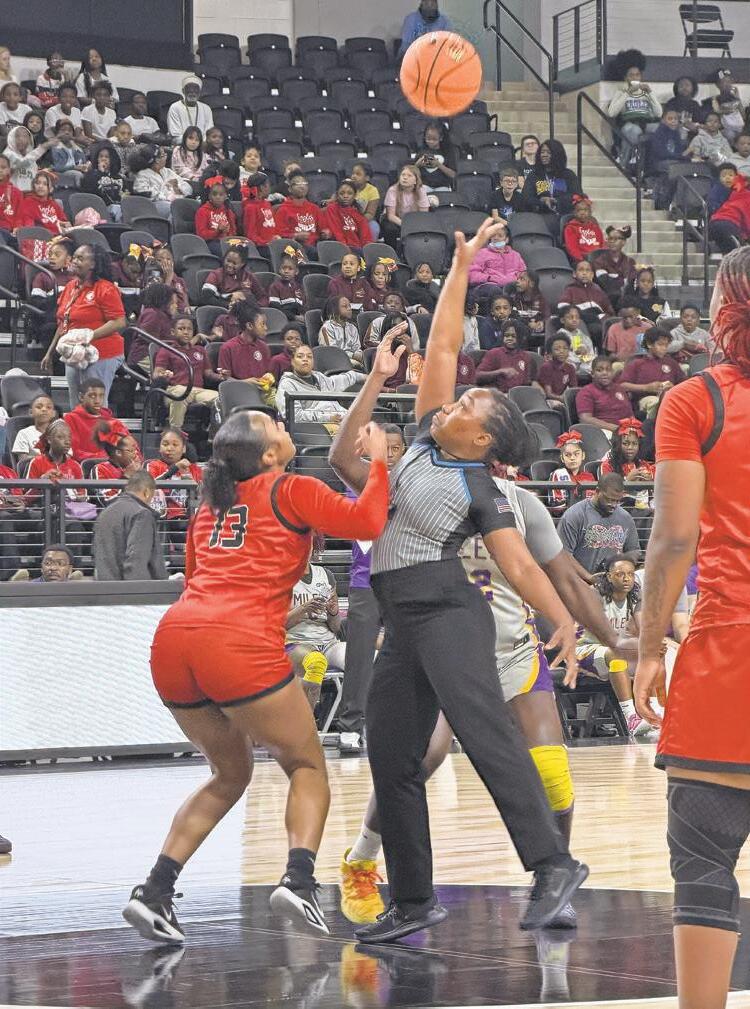
Public Schools’ yellow school buses could be seen lined up outside the arena. The kids from local elementary schools were making their way inside to watch the day’s first game between Clark Atlanta University and Miles College. The potential for future HBCU students to see the student-athletes represent the schools in the flesh is an opportunity that both Clayton County Schools and the representative colleges can’t help but get behind.
Groups of elementary school cheerleaders greeted the basketball players as they left the tunnel and ran onto the playing floor for warmups. The impression the young women in uniform may have had on the children reaching out for them from the stands might not be quantified for another decade.
The children of the COVID era and remote
learning from their bedrooms and kitchen tables were outside in Clayton County, enjoying high-level collegiate sports just minutes from their schools.
The $117 million, 268,000-square-foot facility is located near Southlake Mall, and can be that future concert venue for up-and-coming artists, or a site for a political rally leading up to the Democratic National Convention in 2028.
The 8,000-seat arena is new to Clayton County, the state’s seventh-largest county.
The SIAC tournament ended on Saturday night. The arena parking lot was packed. The mall parking lot was packed. The parking lot outside the mall’s food court was packed, too. The night belonged to Clayton County. May there be many more nights (and days) just like this in the future.
of the Five Stripes’ goals on Saturday. It was his first 90-minute performance of the season, after being out of the starting lineup for the first two games.
“I am a little bit frustrated, of course, it was our first game at home, and we wanted to win,” he said.
There were times last season when Miranchuk was one of the dominant players on the pitch, no matter who Atlanta United played. Miranchuk spoke about some good moments during the match but said it wasn’t enough.
“We controlled the game, I like the connection between each other, we just have to be careful not to lose the ball in a bad spot,” he said.


J2M Property Inc. sought a Jr. Business Management Analyst to gather & organize bus./ financial data, prepare reports, conduct basic mkt research, support ops. tasks, & assist in tracking KPIs. Req’d: Bach.’s deg. in a bus.rel. field. Mail cover letter & resume to J2M Property Inc., 2645 N. Berkeley Lake Rd NW, Bldg C, Duluth, GA 30096.
Manager, Strategic Insights Analyst – Atlanta, GA. Seeking MS in Comp. Sci., Bus. Admin., Analytics or closely rel. 2 yrs. software development/engg. or rel. exp. req’d. Position reports to HQ in Atlanta, GA; may telecommute.
Mail CV to Attn: HR/Job #0107, STORD, Inc, 5195 Mason Rd, Atlanta, GA 30349.