The Asian Star - April 11, 2026 - Vaisakhi Edition
George Anderson Rohini Arora Brenda Bailey Garry Begg
Jennifer Blatherwick Christine Boyle Jagrup Brar Susie Chant Raj Chouhan Nanaimo-Lantzville Burnaby East Vancouver-South Granville Surrey-Guildford
Westminster
George Chow Sunita Dhir Adrian Dix
Mike Farnworth Diana Gibson Kelly Greene Ravi Kahlon Anne Kang Nina Krieger Vancouver-Fraserview Vancouver-Langara Vancouver-Renfrew Port Coquitlam Oak Bay-Gordon Head Richmond-Steveston Delta North Burnaby Centre Victoria-Swan Lake
Steve Morissette Ravi Parmar Joan Phillip Lana Popham Janet Routledge Harwinder Sandhu Amna Shah Niki Sharma Jessie Sunner Kootenay-Monashee Langford-Highlands Vancouver-Strathcona Saanich South Burnaby North
David Eby
David Eby
Jennifer Whiteside Terry Yung New Westminster-Coquitlam Vancouver-Yaletown
President Past President
Ruby Bains Joint Secretary
Jagdeep Gill Director
Harbhajan Par har Director
Dilbagh S Mann Director
Vishu Dhiri Director
Vaisakhi in British Columbia
Vaisakhi, also known as Baisakhi, is one of the most significant festivals in the Sikh calendar. While it has deep religious and cultural roots in Punjab, India, it has also become a major celebration in British Columbia, Canada—particularly in cities like Surrey and Vancouver. With one of the largest Sikh populations in North America, BC has embraced Vaisakhi not only as a religious occasion but as a powerful expression of community, culture, and inclusivity. At its core, Vaisakhi commemorates the creation of the Khalsa by Guru Gobind Singh Ji in 1699. The Khalsa represents a spiritual brotherhood and commitment to justice, equality, and selfless service. For Sikhs around the world, Vaisakhi is both a time to reflect on these values and to celebrate the rich traditions of their faith.
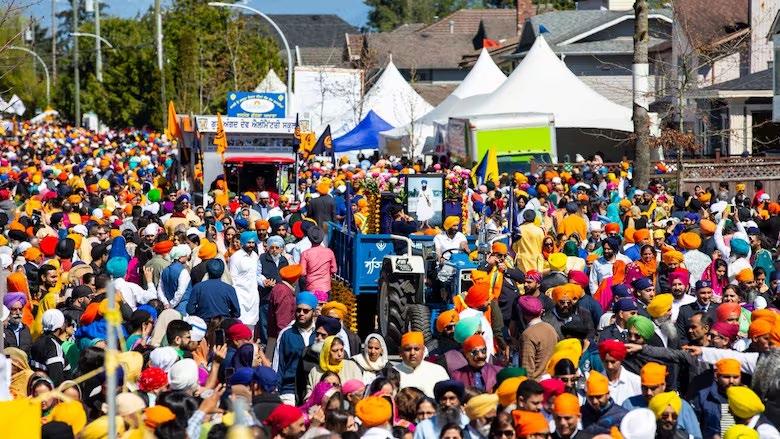
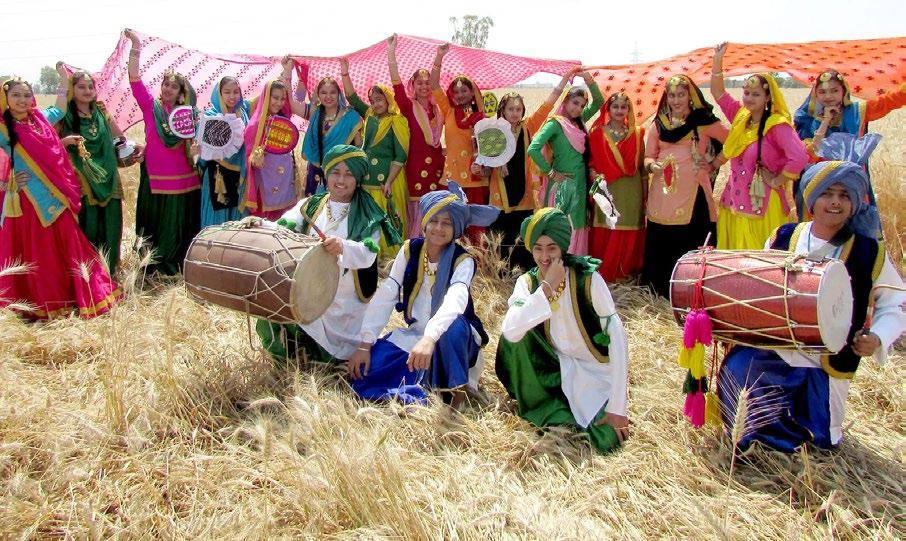
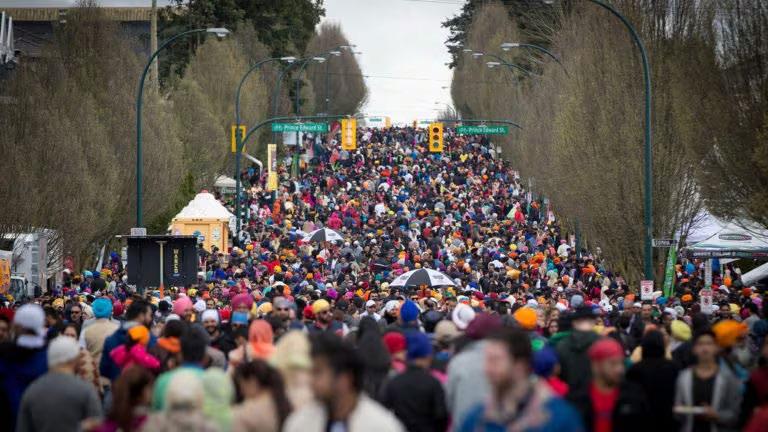
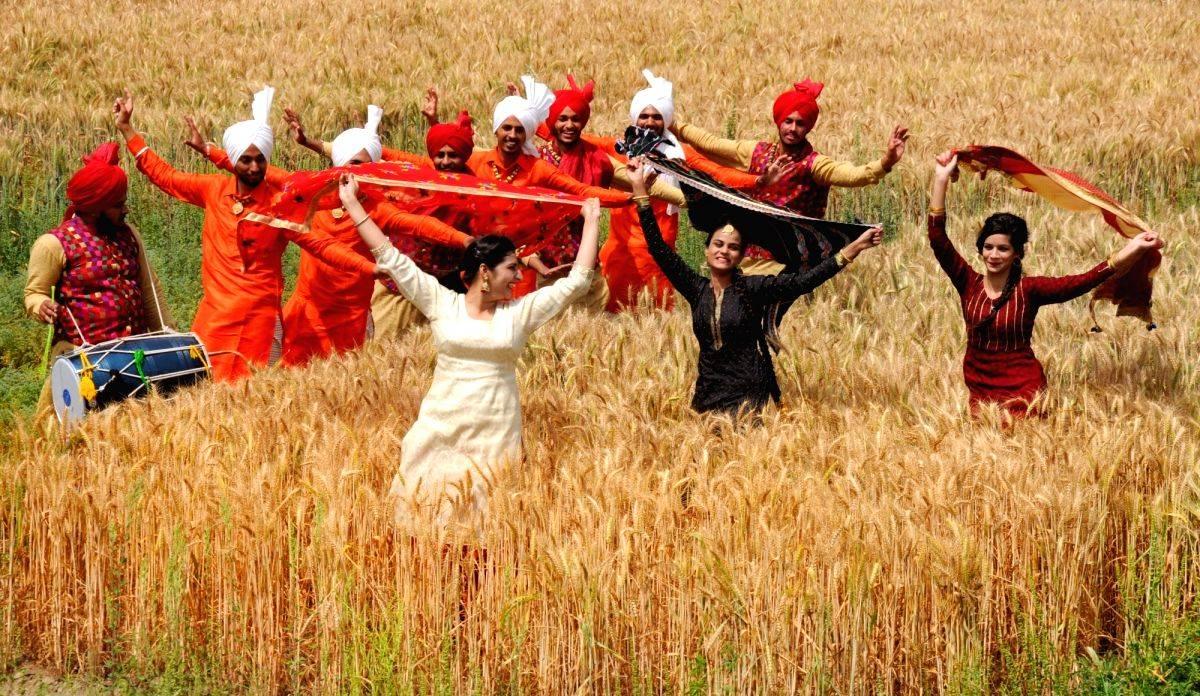
In British Columbia, Surrey’s Vaisakhi Parade—organized by Gurdwara Sahib Dasmesh Darbar—is one of the largest Vaisakhi celebrations outside of India. The parade typically draws over half a million people from all over Canada and beyond. The event is renowned for its vibrant atmosphere, featuring colorful floats, traditional music, Bhangra dancers, and martial arts demonstrations (Gatka). Streets come alive with joyful energy, and the spirit of seva (selfless service) is on full display, as volunteers hand out free food and drinks
to attendees.
One of the most unique aspects of Vaisakhi in BC is the inclusivity of the celebration. Though rooted in Sikh history and spirituality, the festival welcomes people of all backgrounds. Local residents, tourists, schools, and government officials all participate, turning Vaisakhi into a multicultural celebration of unity and harmony. It’s not unusual to see entire families—Sikh and non-Sikh alike—joining in the festivities, enjoying traditional food, and learning about Sikh values.
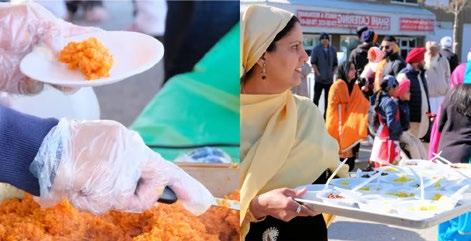
The Surrey Vaisakhi Parade has grown to become a showcase of community pride and cultural richness. Local businesses, artists, and youth organizations take part in the procession, highlighting the diverse contributions of the Sikh community to Canadian society. Langar (the community kitchen tradition) is extended from the Gurdwaras to the streets, with dozens of tents offering free vegetarian meals prepared and served by volunteers. This act of generosity reflects the Sikh principles of equality, humility, and charity.
also marked by special religious services in Gurdwaras, cultural programs, and community service initiatives. Many families take time to visit temples, participate in kirtan (devotional singing), and reflect on the teachings of the Sikh Gurus. For younger generations,
which are not only central to Sikhism but also deeply resonant with Canadian values. Through events like these, BC continues to strengthen its reputation as a province where multiculturalism isn’t just accepted, but celebrated.
As Vaisakhi continues to grow each
the event serves as an opportunity to connect with their heritage and take pride in their identity.
Beyond the parade, Vaisakhi in BC is
The significance of Vaisakhi in BC goes beyond tradition—it’s a vibrant symbol of how faith and culture can thrive in a diverse society. It highlights the values of unity, resilience, and compassion,
year in British Columbia, it stands as a reminder of the power of community, gratitude, and shared humanity. Whether you’re Sikh or not, taking part in Vaisakhi in BC is a joyful, inspiring experience that brings people together and celebrates the richness of cultural diversity in Canada.
8820 168 Street, Surrey
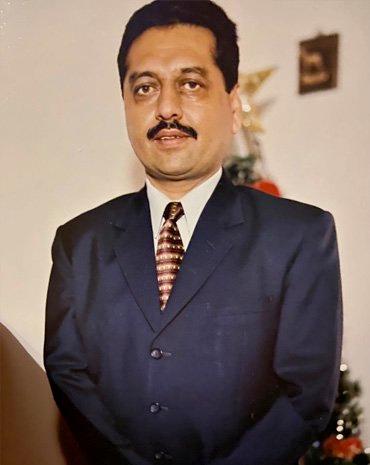
Surender Pal Singh
Vaisakhi is both a harvest festival and a spiritual transformation, marking Guru Gobind Singh Sahib’s creation of the Khalsa in 1699. Rooted in Guru Nanak Sahib’s vision, Vaisakhi symbolizes
A Celebration of Harvest, Revolution, & Renewal
Guru Nanak Sahib’s vision of halemi raj (dominion of the humble) promised dignity, equality, and justice. It was a vision of a world free from political and religious oppression, where the collective ruled through self-governance. The
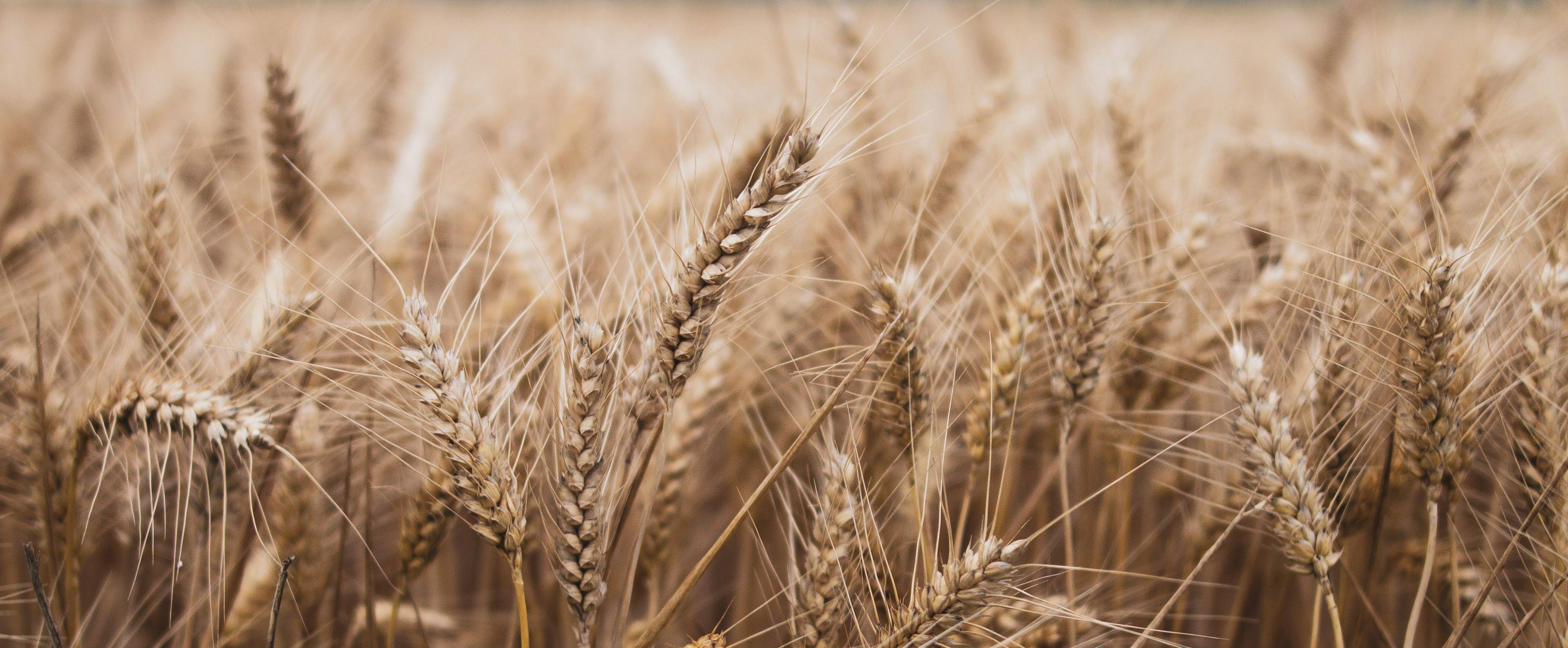
nature’s abundance. It marks the first Rabi (spring) harvest of the year. The word Rabi comes from Arabic and means “spring.” It symbolizes the fullness of life before the seasons shift once again.
justice, equality, and renewal. This article explores Vaisakhi’s cultural significance, Khalsa identity, and its lasting impact, urging reflection on Sikh values today.
Vaisakhi is a celebration of abundance, renewal, and transformation. For centuries, it has marked the harvest season in Panjab, when farmers reap the rewards of their labor and express gratitude for nature’s bounty. But for Sikhs, Vaisakhi holds a far more profound significance—it is the day Guru Gobind Singh Sahib redefined the ideas of identity and commitment by creating the Khalsa in 1699.
This festival coincides with New Year celebrations across India—including Assam’s Raungali Bihu, Bengal’s Nab Barsh, Tamil Nadu’s Puthandu, and Kerala’s Puram Vishu—and with Gautam Buddha’s enlightenment. The interweaving of cultural and spiritual traditions makes Vaisakhi a moment of both worldly and divine renewal.
Guru Nanak Sahib understood the power of public gatherings to engage people with his message. Guru Amardas Sahib continued this tradition, calling Sikhs to gather at Goindwal on Vaisakhi, Maghi, and Divali to receive the Guru’s blessings.
Through the Guru’s wisdom, Vaisakhi became more than a harvest celebration—it became a time for spiritual elevation. It transformed folk traditions into divine consciousness, turning enthusiasm into inspiration, ambition into purpose, and exclusivity into inclusivity. By using familiar cultural symbols to connect with people, the Gurus ensured Vaisakhi was not just a festival but a moment of awakening.
establishment of the Khalsa on Vaisakhi 1699 was the fulfillment of this vision.
At Anandpur Sahib, Guru Gobind Singh Sahib stood before the assembled Sikhs, calling for those willing to give everything for truth and justice. One by one, five stepped forward. These five were not bound by caste, class, or privilege—the only thing uniting them was their commitment to the Guru. Their transformation marked the birth of the Khalsa, a force dedicated to freedom and sovereignty.
The creation of the Khalsa siblinghood shattered old societal norms and hierarchies. Through the framework of Panthic Nash, Guru Gobind Singh Sahib freed seekers from past constraints:
Dharam Nash (Breaking religious barriers) – The Khalsa belonged to the Guru, beyond sectarian identities.
Karam Nash (Breaking past actions) – Past deeds did not determine one’s spiritual standing.
Janam Nash (Breaking caste birthrights) – Birth status held no meaning.
Sharam Nash (Breaking profession-based shame) – All work was noble; dignity came from honest labor.
Bharam Nash (Breaking doubts and superstitions) – Faith was in the Guru’s wisdom, not rituals.
This was more than just a new identity—it was a complete liberation of the self, an unbreakable connection to Guru-consciousness.
Vaisakhi has long celebrated
This moment in the agricultural cycle is a fitting metaphor for the Khalsa’s birth.
Just as farmers toil the land, sow seeds, and wait patiently for the harvest, the formation of the Khalsa was the culmination of centuries of Guru-guided transformation. The ten Nanaks nurtured the Panth, and Vaisakhi 1699 was the moment the harvest was ready—the moment the Khalsa rose.
Food crops support human survival and have served as powerful symbols in Sikh tradition to help people understand their relationship with the ultimate Provider. Guru Nanak Sahib frequently used farming metaphors to explain divine blessings, the laws of action and consequence, and the interplay between effort and grace.
One is awe-struck to witness all life elements coming together in such a beautiful, harmonious existence. Wheat flour did not just end up on our plates at home or in the karah parshad at the Gurduara. It isn’t without a reason that Sata and Balvand invoked the Divine economy of Guru Nanak Sahib’s house, where Nam (Identification with IkOankar) and the grain-laden khir (rice pudding) were distributed equally by Mata Khivi, in an assurance of allaround perpetual sustenance.
It was a long journey of the Gurmukhs (Guru-oriented) through the Guru-wisdom that pinnacled in the inauguration of Khalsa on Vaisakhi. Thus, Vaisakhi symbolizes cultural confluence and emphasizes the essential unity of existence and human yearning for divinity and dignity.
Vaisakhi is not just about celebration— it is about reflection and responsibility. It calls on us to ask:
• How committed are we to the Guru’s vision of dignity, liberty, and justice for all?
• Are we truly upholding the values of the Khalsa?
• Are we dismantling caste and gender biases within our own community? Vaisakhi is a reminder that the Khalsa was created to stand up for the oppressed. As we celebrate, let’s reaffirm our commitment to this mission—all in Divine love.
Happy Vaisakhi WISHING EVERYONE
The Significance of Khalsa Day for Sikhs in Canada and Around the World
Sikhs across Canada and around the globe come together each year to celebrate Vaisakhi, one of the most important dates in the Sikh calendar. While many Canadians recognize Vaisakhi through the vibrant and colourful Khalsa Day parades held in major cities, fewer may be familiar with the deep historical and spiritual
significance behind this important occasion.
The Historical Roots of Vaisakhi Traditionally, Vaisakhi has been celebrated for centuries across Punjab and other parts of South Asia as a harvest festival, marking the beginning of the spring season and a time of abundance. However, for Sikhs,
Vaisakhi carries a much deeper meaning tied to a defining moment in their religious history.
On Vaisakhi in 1699, Guru Gobind Singh, the tenth Guru of Sikhism, established the Khalsa—a
“This
month, let’s celebratre the beautiful traditions and the spirit of unity that Vaisakhi and Khalsa Day embody during Sikh Heritage Month In Canada.”
collective body of initiated Sikhs committed to living a life grounded in faith, discipline, equality, and service to humanity. This event marked a turning point in Sikh history, giving the faith its distinct identity and formal structure.
The Khalsa represents a community dedicated to upholding justice, standing against oppression, and embodying the highest ideals of compassion, humility, and courage. Initiated members undergo a sacred ceremony known as Khande di Pahul and commit to a disciplined spiritual path.
The Five Articles of Faith (The Five Ks)
As part of the Khalsa identity, Sikhs are instructed to maintain five visible symbols of faith, commonly known as the Five Ks. These articles serve both as spiritual reminders and as expressions of commitment to Sikh values:
Kes (Uncut Hair)
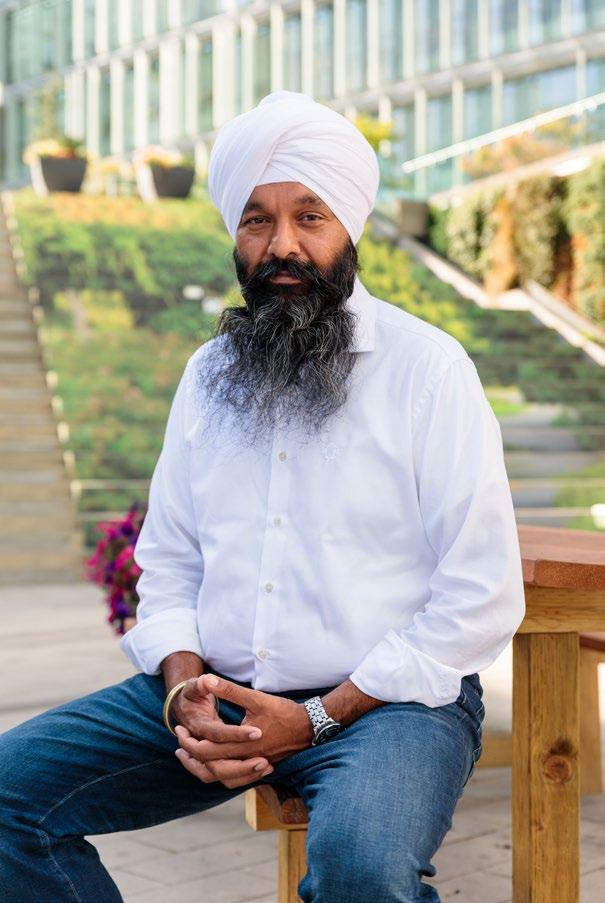
Unshorn hair represents respect for the natural form of the human body as created by God. It is typically covered with a turban (Dastaar), which symbolizes humility, dignity, and equality among all people.
Kangha (Wooden Comb) Worn in the hair, the kangha represents cleanliness, order, and discipline—both physically and spiritually. It reminds individuals to maintain inner and outer hygiene.
Kara (Iron Bracelet)
The kara, a circular steel bracelet worn on the wrist, symbolizes eternity and the oneness of God. It also serves as a constant reminder to act righteously and ethically in all actions.
Kachhera (Cotton Undergarment)
These modest garments
symbolize self-control, moral restraint, and a commitment to purity in thought and action.
Kirpan (Ceremonial Sword)
The kirpan represents the duty to uphold justice and protect the weak. While it resembles a weapon, it is fundamentally a symbol of compassion, courage, and moral responsibility—not violence.
Together, these articles make Sikhs easily identifiable and serve as daily reminders of their spiritual obligations and ethical responsibilities.
Celebrating Vaisakhi in Canada
In Canada, Vaisakhi is celebrated with both religious devotion and community celebration. Sikh families gather at Gurdwaras (places of worship) to offer prayers, listen to hymns, and reflect on the teachings of Sikh Gurus.
Beyond the Gurdwara, one of the most visible and widely recognized celebrations is the Nagar Kirtan, or community parade. These events take place in cities across the country, including Vancouver, Surrey, Calgary, and Toronto, drawing tens of thousands of participants each year.
The procession is traditionally led by the Punj Pyaare (the “Five Beloved Ones”), who represent the first five members of the Khalsa initiated by Guru Gobind Singh. They are followed by a beautifully decorated float carrying the Sikh holy scripture, the Guru Granth Sahib.
Participants walk alongside the procession, singing devotional hymns (kirtan), performing Gatka (a traditional Sikh martial art), and engaging in acts of service. A hallmark of Vaisakhi celebrations is the distribution of free food (Langar) to everyone—regardless of background, religion, or status— highlighting the Sikh principles of equality and community service.
A Celebration of Culture, Identity, and Inclusion
The colour orange (saffron) is strongly associated with Vaisakhi and is widely worn during celebrations, symbolizing courage and sacrifice.
For Sikh Canadians, Vaisakhi is more than just a religious observance—it is also a time to celebrate over a century of Sikh heritage in Canada and to recognize the contributions of Sikh communities in all areas of society, including business, public service, and culture.
Over the years, Vaisakhi parades in Canada have grown into large-scale,
inclusive events that welcome people from all walks of life. These gatherings foster crosscultural understanding and provide an opportunity for nonSikhs to learn about Sikh values, traditions, and history in an open and welcoming environment.
SATURDAY, APRIL 11, 2026
An Invitation to All Vaisakhi celebrations, particularly the Nagar Kirtans, are open to everyone. Whether you are attending for the first time or returning each year, you are encouraged to participate, ask questions, and experience the warmth and hospitality that define Sikh culture. At its core, Vaisakhi is a celebration of faith, unity, service, and equality— values that resonate far beyond the Sikh community and contribute to the rich multicultural fabric of Canada.
The History of Vaisakhi Celebrations in Canada
Vaisakhi, one of the most significant festivals in Sikhism, has a long and meaningful history not only in South Asia but also in Canada. While today it is widely recognized through large public parades and multicultural celebrations, its roots in Canada trace back over a century. The story of Vaisakhi in Canada begins with the arrival of Sikh
VAISAKHI EDITION
immigrants in the late 19th and early 20th centuries. Many of the first Sikh settlers, primarily from Punjab, arrived in British Columbia around the early 1900s. These pioneers established some of the earliest Sikh communities in North America, particularly in regions like Vancouver, Abbotsford, and Victoria.
One of the most important milestones
was the establishment of the Gurdwara Sahib Abbotsford in 1911, the oldest Sikh Gurdwara in North America. This became a central gathering place for religious observances, including Vaisakhi.
First Vaisakhi Celebrations in Canada
While exact records of the very first
Vaisakhi celebration in Canada are limited, historical accounts confirm that Vaisakhi was being observed by Sikh communities as early as the 1910s within Gurdwaras. These early celebrations were modest and primarily religious in nature, involving prayers, hymns, and communal meals (Langar).
Public celebrations began to take shape in the early 20th century as well. One of the earliest known Vaisakhi Nagar Kirtans (parades) in Canada dates back to around 1918 in Vancouver, making it one of the oldest continuous Vaisakhi parade traditions outside India.
Vaisakhi
Over the decades, as the Sikh population in Canada grew, so did the scale and visibility of Vaisakhi celebrations. What started as small gatherings evolved into large public events that reflected both religious devotion and cultural pride. By the late 20th century and especially into the 21st century, cities like Surrey and Vancouver began hosting some of the largest Vaisakhi parades in the world outside of India. These events now attract hundreds of thousands of attendees, including people from diverse cultural and religious backgrounds.
Today, Vaisakhi in Canada is both a religious observance and a major cultural event. Celebrations typically include: Cities such as Surrey, Vancouver, Calgary, and Toronto now host annual Vaisakhi events that are recognized as some of the largest cultural gatherings in Canada.
For Sikh Canadians, Vaisakhi is not only a commemoration of the founding of the Khalsa by Guru Gobind Singh in 1699, but also a celebration of over a century of Sikh heritage in Canada.
It reflects the community’s journey—from early immigrants facing significant challenges to becoming an integral part of Canada’s multicultural identity. Vaisakhi has been celebrated in Canada for over 100 years, with early observances dating back to the 1910s and the first major parades emerging around 1918. Today, it stands as one of the most vibrant and inclusive celebrations in the country—welcoming everyone to experience Sikh values of service, equality, and community.