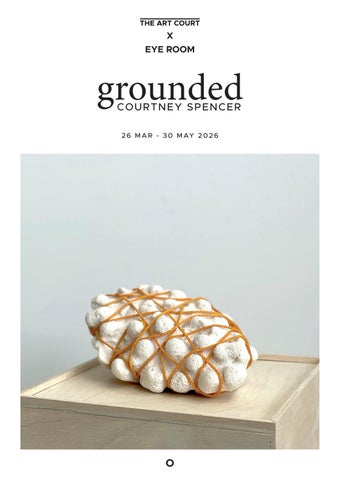
COURTNEY SPENCER
26 MAR - 30 MAY 2026
26 MAR - 30 MAY 2026
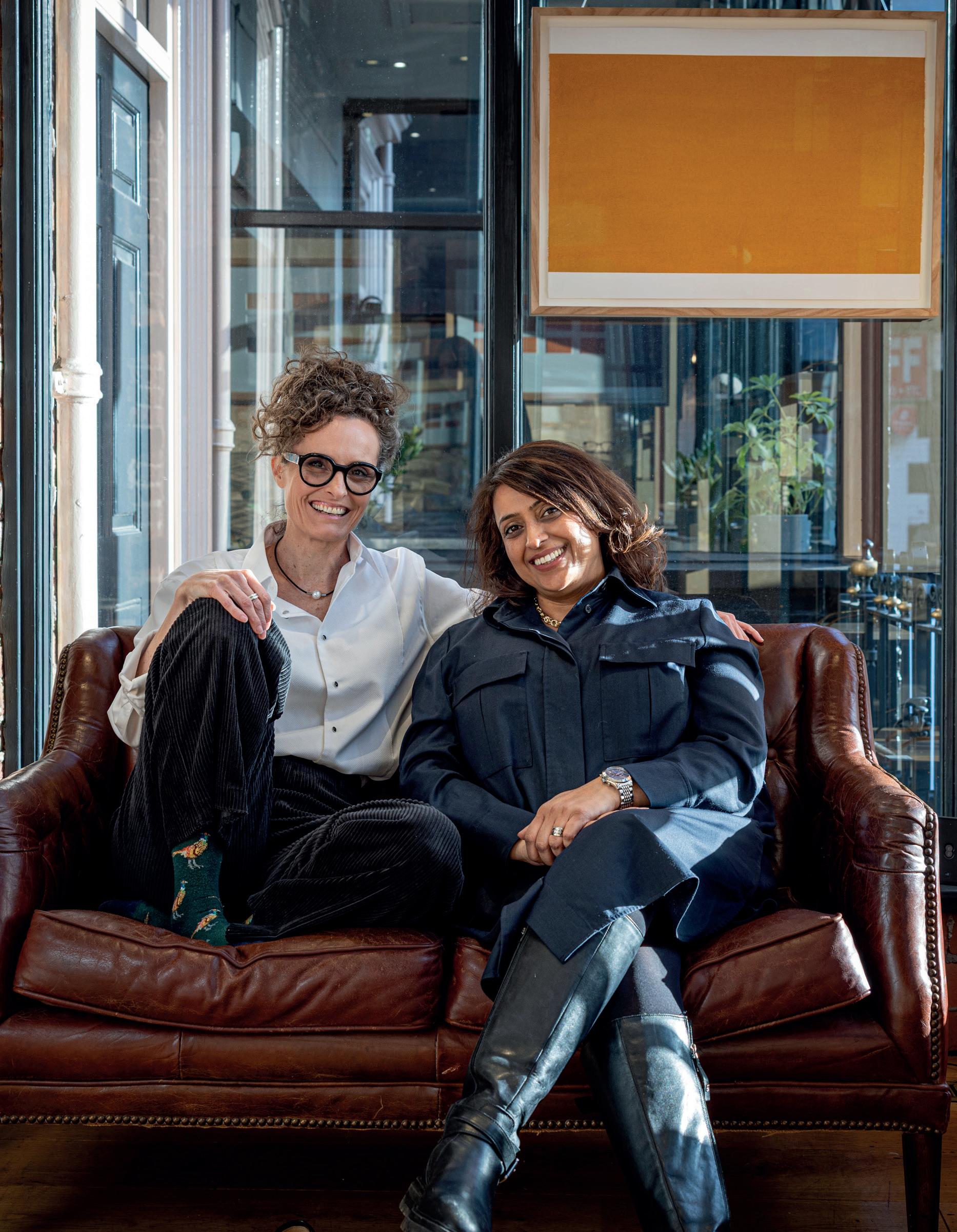
The Art Court was founded in 2022 by Courtney Spencer to sell, source and commission art for public and private settings across the North of England.
We curate temporary exhibitions in beautiful spaces throughout Yorkshire, offering a welcoming and accessible way to discover and buy contemporary art. We believe that living with art you connect with can enrich your everyday life. By getting to know your taste, space, budget and practical needs, we help you find artwork that feels just right.
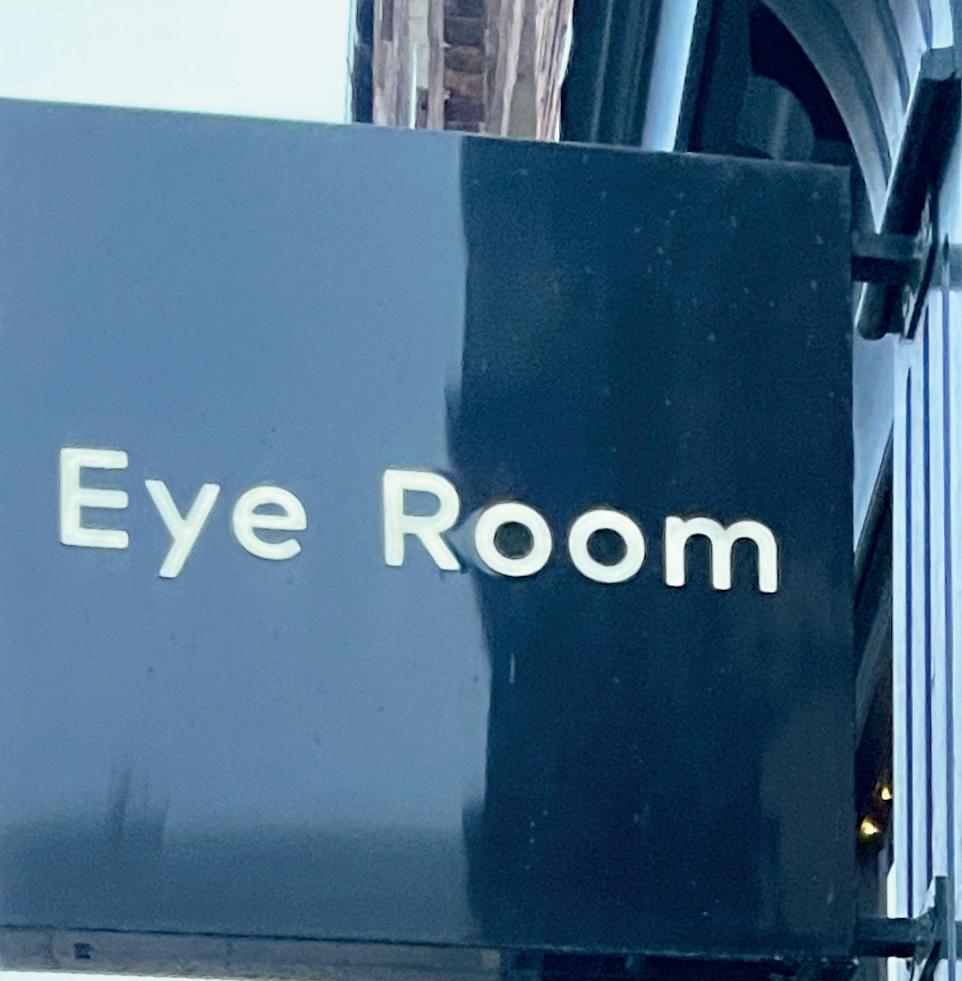
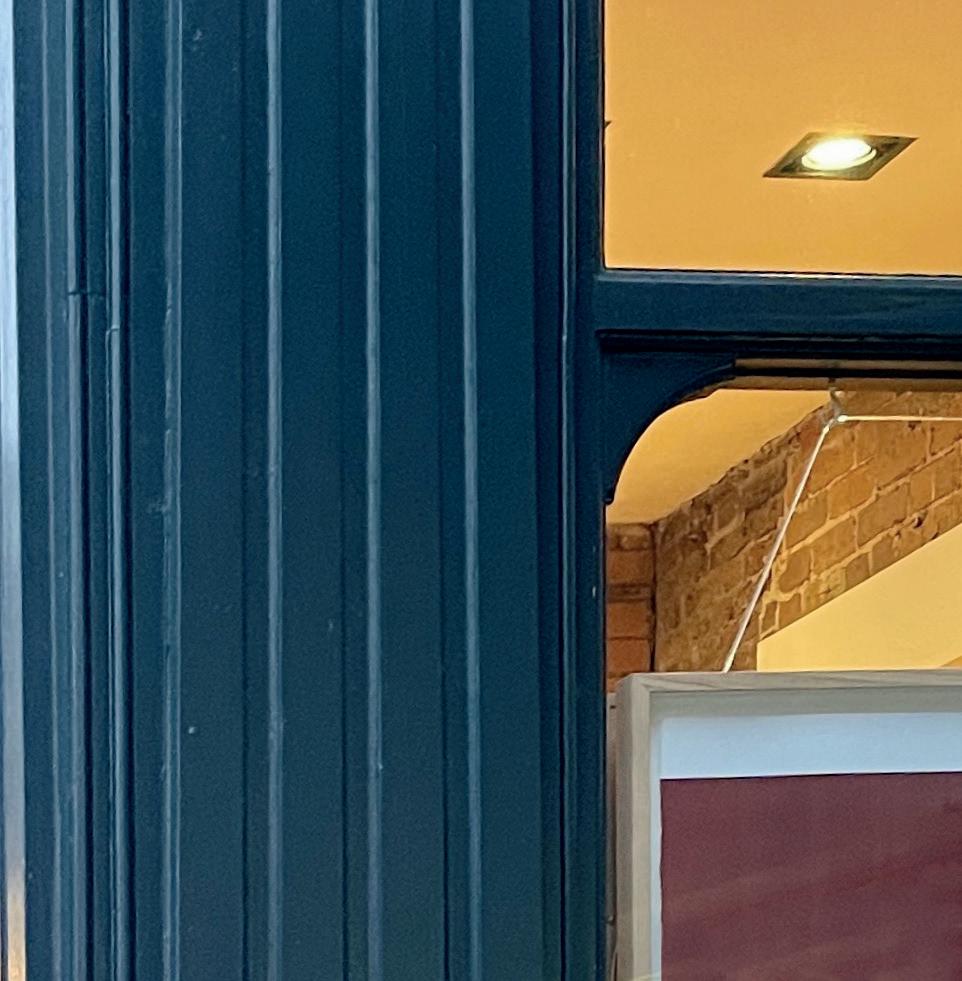
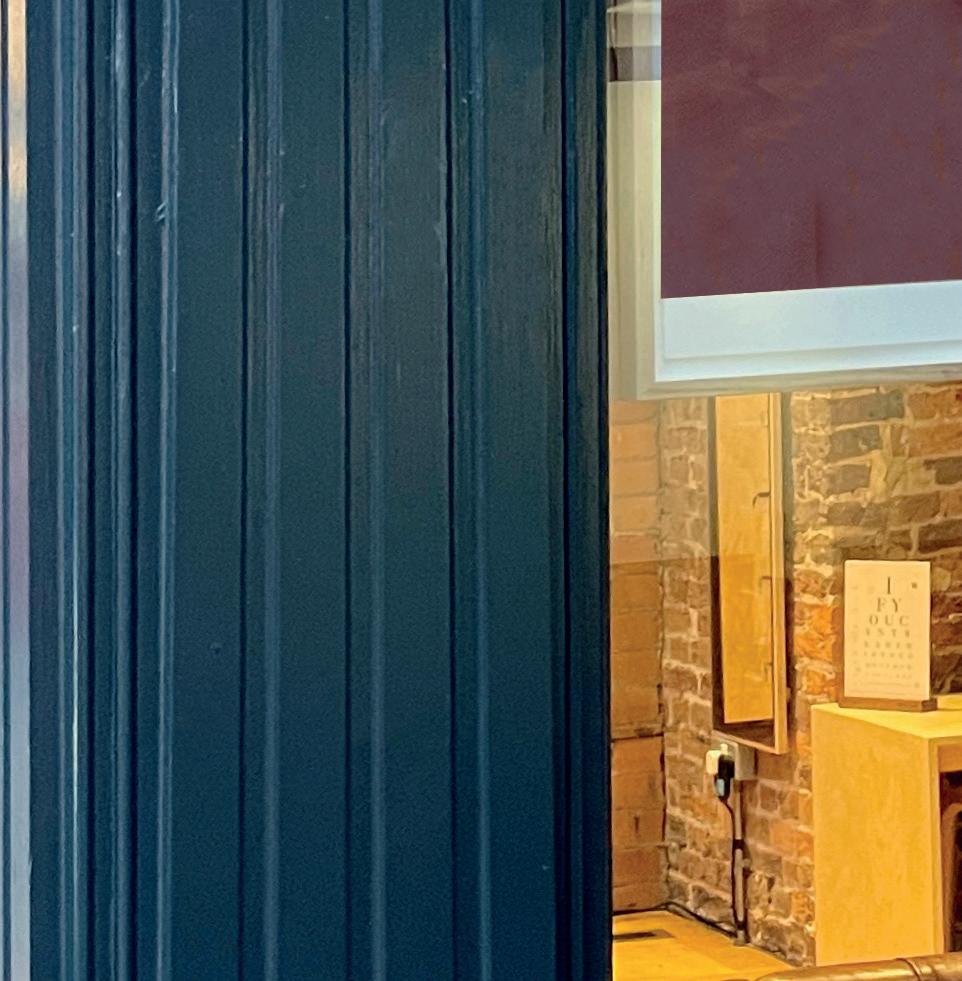
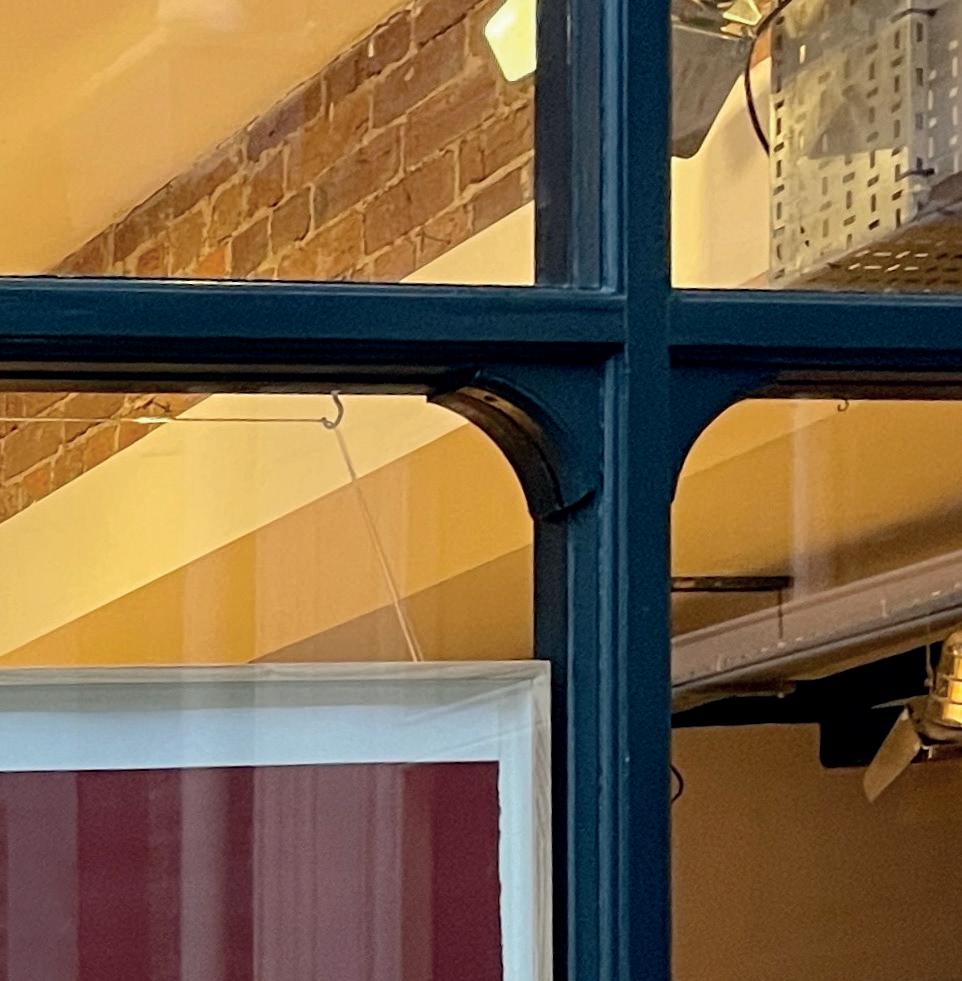
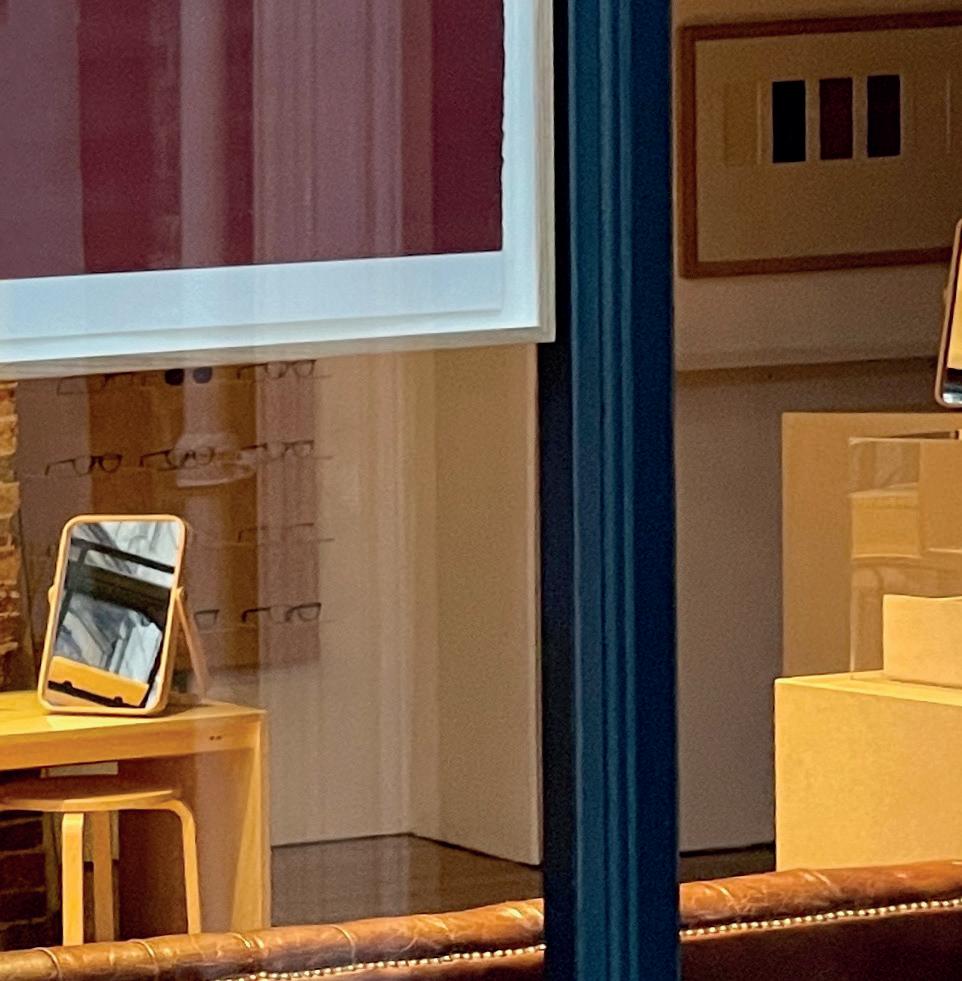
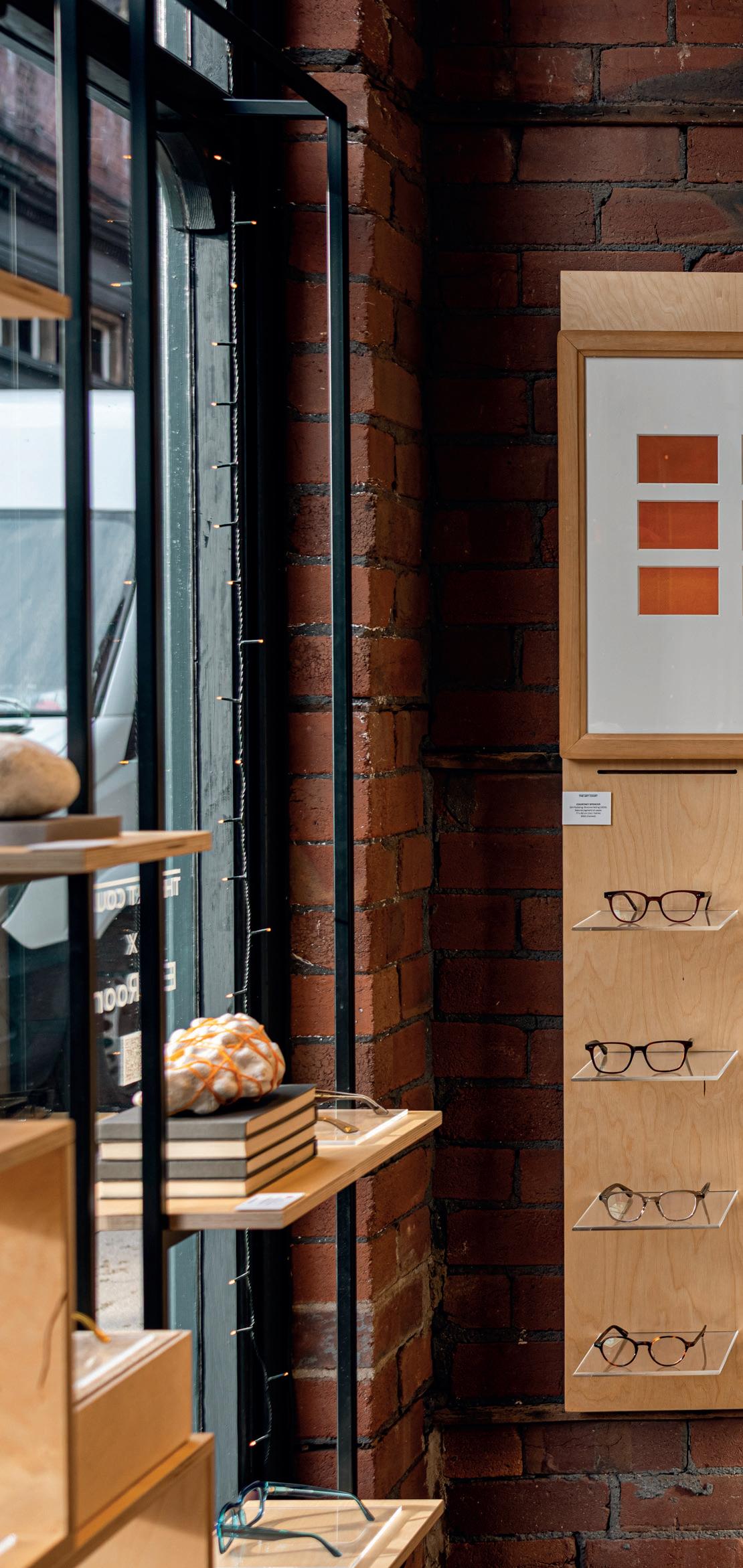
We’re delighted to continue our collaboration with Eye Room. This is the ninth in a series of quarterly exhibitions hosted by the independent optician in their Scandinavian-style space in Leeds city centre. Already known for their carefully curated range of eyewear and distinctive sense of style, these exhibitions bring something extra to a visit, whether you’re browsing frames or discovering new artists.
The exhibition is open to all and can be enjoyed in person six days a week or through this online catalogue. It has been made possible thanks to the support of the artists involved, The Art Court, Eye Room and Leeds City Council.
OPENING TIMES
Mon – Fri, 10 am – 6 pm Sat 10 am – 5 pm
All welcome
Eye Room, 9 Mill Hill, Leeds LS1 5DQ
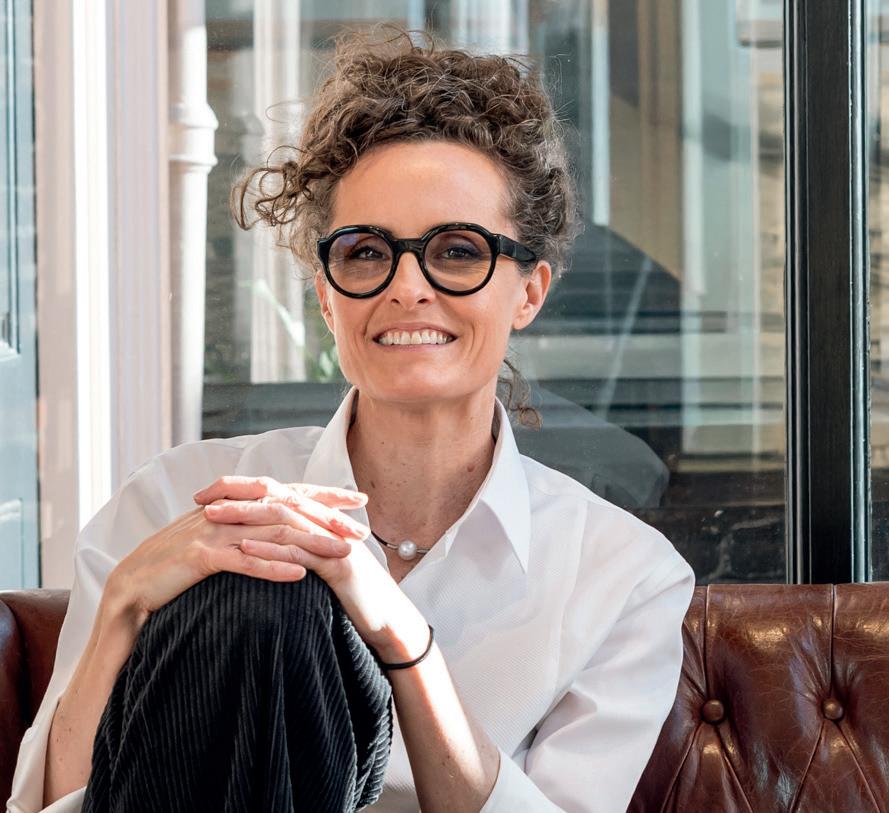
Courtney Spencer is an Australian artist, curator and collaborator based in Yorkshire, where she has lived since 2005. Raised in Western Australia, her practice explores the relationship between landscape, memory and material through the use of natural pigments, sand and found materials collected from specific locations.
Her work centres on presenting, rather than representing, landscape. By rubbing pigments directly onto paper and working with materials gathered from the land, she creates quiet, tactile surfaces that hold the physical presence of place. These works operate as condensed landscapes, fragments of vast environments reduced to intimate forms.
Alongside her artistic practice, Courtney has developed a curatorial career across Yorkshire. She was Director of Left Bank Leeds for five years, founded the annual Leeds Summer Group Show in 2015, and established The Art Court in 2022, a curatorial platform supporting artists and collectors across the North of England. She has worked with organisations including the National Trust, the British Library, Leeds Museums & Galleries, Leeds Playhouse, The Mercer in Harrogate, University of Leeds, Rushbond and Eye Room.
Collaboration sits at the heart of her practice, shaping both the work she makes and the exhibitions she curates.
BY HONDARTZA FRAGA
Courtney keeps referring to her materials as dirt. Every time she says the word I feel a small hesitation. Looking at her works, “dirt” is not the word that first comes to my mind. The materials appear too beautiful for that. Not just because of the careful, almost ceremonial neatness with which they are handled, but because the substances themselves — ochres, deep burgundies, pale yellows, chalky whites — possess a saturation and purity that resists my usual understanding of dirt.
But that hesitation reveals more about my own assumptions than about the work. I am the one stuck on the first definition of dirt — the dirty one. The dictionary lists it first: matter that soils or stains. Yet the second meaning is simply soil or earth. Courtney is right to insist on the word.
She also reminds me that dirt is her childhood word. It belongs to the language of playing in the dirt, digging in the ground, touching the earth without mediation. When she says it, the word carries with it the memory of that contact.
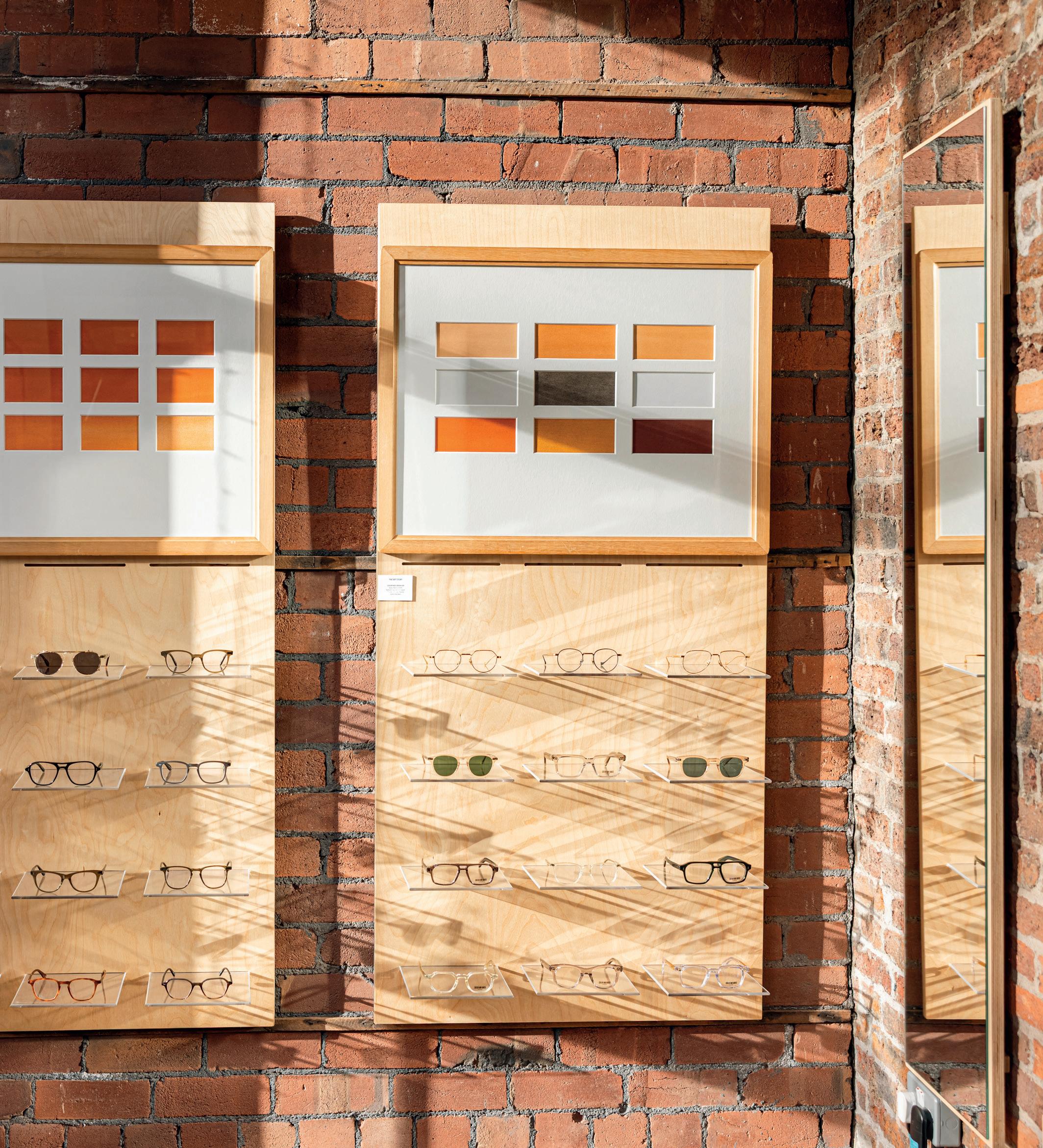
At first glance, her works do not seem to evoke the chaos of childhood play. They are composed, restrained. Materials are rubbed onto paper and contained within window mounts, forming crisp rectangles and grids. The presentation is sober, minimalistic.
And yet there is a quiet playfulness in the gesture itself: taking these intensely coloured soils and simply rubbing them onto paper. The colours are not painted representations of landscape. They are the landscape, transported and reactivated through touch.
The works do not represent. They present.
Susan Sontag once pleaded for not replacing artworks with their interpretation, she talks about transparency as the experience of the “luminousness of the thing in itself” . Courtney’s works seem to operate precisely in this register. The earth is not depicted; it is placed before us.
Courtney and I share a particular kind of displacement. We both moved to the UK more than twenty years ago. In a couple of years I will cross a strange temporal threshold: I will have lived longer in the UK than in Spain. Courtney crosses that threshold this year.
We talk about this strange condition of belonging — or perhaps of not quite belonging anywhere. We cannot fully feel British because we did not grow up here, yet we also no longer fully belong to the places we came from. Too much time has passed. The cultural threads that once bound us to those environments begin to thin out.
The seams of belonging loosen. Other seams appear. Other layers of identity begin to weave themselves into place.
But for Courtney the distance is not only cultural. It is geological and geographical as well. Australian landscapes are immensely different from those of the United Kingdom — vastly different, and differently vast.
The immense spatial scale of those landscapes — deserts, red earth, expansive horizons — becomes, in these works, contained within small framed windows.
Fragments of vastness condensed into rectangles.
The foreigner, Julia Kristeva writes, lives in a condition of having lost the motherland, yet does not necessarily seek to recover it . Rather than nostalgically turning back toward a lost homeland, the foreigner learns to live with this absence — holding on to the lack itself, transforming it into a condition of openness and creativity.
Courtney’s works do not attempt to reconstruct the past. They hold fragments of it.
In the work Primary Years (2026), five vertical rectangles contain soil from the five places where Courtney lived during her primary school years. The logic is simple, almost arbitrary: biography
determines the number. She talks about the novelty of moving so often, about learning to be comfortable with movement itself. But the piece is not nostalgic. These works are not representations of childhood homes or landscapes. The materials themselves were collected only recently. What we encounter here is not memory illustrated, but memory materialised. A presence from there, here.
Numbers appear everywhere in Courtney’s work: five, nine, twelve, eighteen. Sometimes they emerge from biography — the number of schools attended, the number of places lived. Sometimes they arise from process. In the piece Dirt Rubbing: Broome Fading (2026) the same amount of soil is dragged repeatedly across a sequence of rectangles, each pass having less material to be rubbed, tone gradually fading. The number twelve simply emerges from the length of the gesture and the dimensions of the paper.
In another work Specimens (2026), nine different soils are arranged in a three-by-three grid. The numbers are not symbolic in any overt sense, yet they produce rhythms. The works begin to resemble systems of measurement or classification. Charts. Codes. Perhaps even something like genetic sequences.
Standing in front of them I begin to think about sacred geometry — the idea that certain numerical relationships or patterns might hold deeper symbolic resonance. The belief that mathematics might reveal something fundamental about the structure of existence.
Perhaps it is inevitable that this thought leads me to Douglas Adams and his famously absurd answer to the ultimate question about life, the universe and everything: 42 .
Courtney’s numbers are not so grandiose. They are modest. Yet they seem to arise from a similar impulse — the human tendency to structure experience through pattern.
But unlike the purity of mathematical abstraction, these grids are made of earth. Of dust.
The visual language of the works inevitably recalls certain precedents.
Agnes Martin’s quiet grids hover somewhere in the background — her belief that repetition and structure might create a space for contemplation. Courtney’s works share that stillness, though their surfaces are not graphite lines but sediments of landscape.
Barnett Newman’s The Stations of the Cross also come to mind. Newman insisted that his paintings were not illustrations of religious narrative but encounters with an immediate existential presence . Courtney’s works seem to operate similarly: the grid becomes less a formal device than a way of staging presence.
Elsewhere the act of rubbing raw material onto paper recalls the physical intensity of Richard Serra’s drawings, where the density and weight of the medium become the subject of the work itself. Serra’s black oil-stick surfaces feel almost geological. Courtney’s surfaces are literally so.
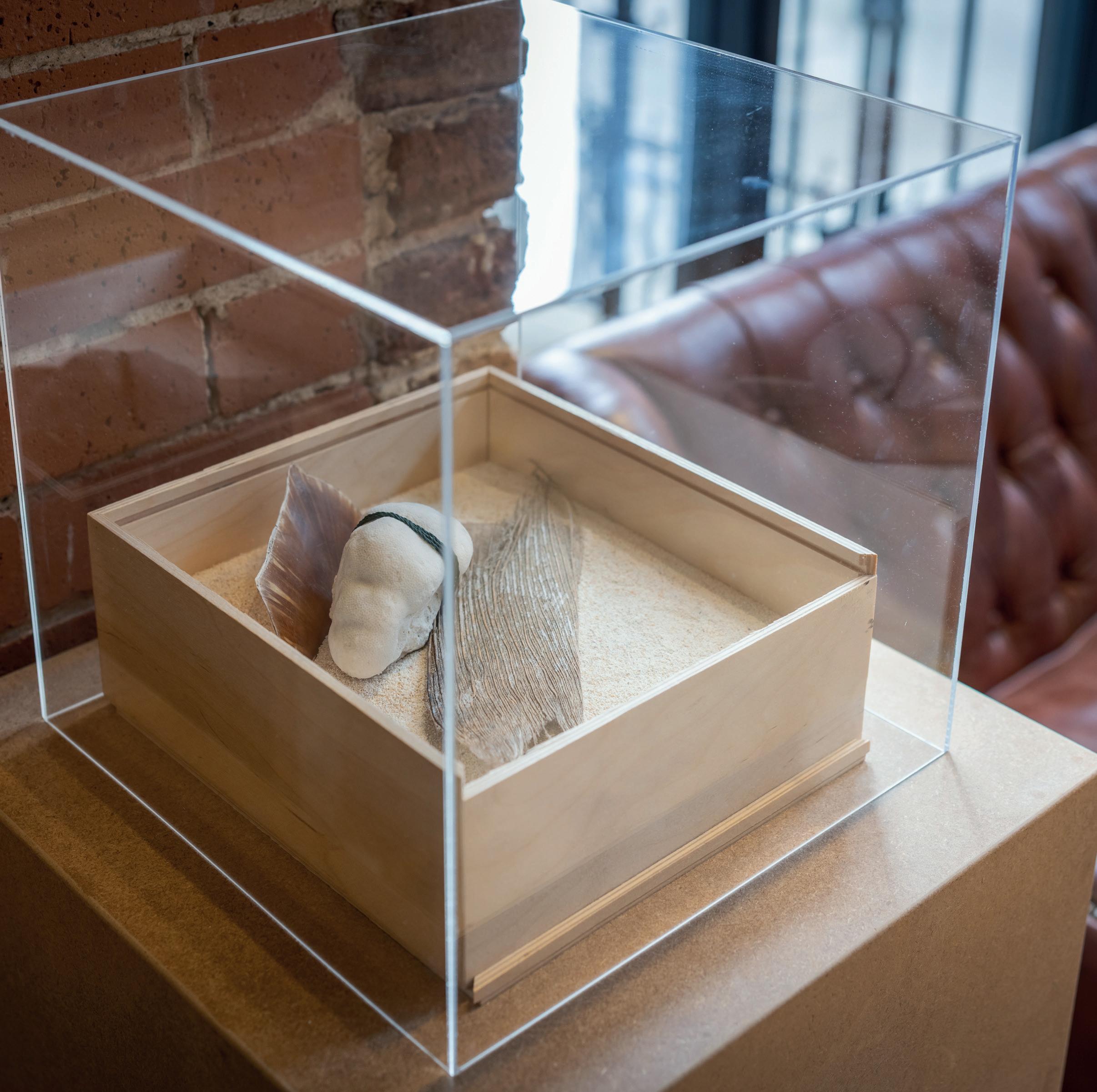
And then there is Jasper Johns’ Memory Piece (Frank O’Hara) — a cast of the O’Hara foot embedded on the lid of a jewellery box filled with sand. It functions simultaneously as object, trace, and index of the body. Courtney’s soils are fragments of specific places, traces of biography, and autonomous material presences. While her ‘imprint’ is not visibly explicit, there is an echo, of Johns’ transformation of something intimately personal into a form that oscillates between symbol and material fact.
One of Courtney’s most loaded material samples come from Wilgie Mia, a sacred site in Australia. With permission from an Aboriginal elder, she collected a small quantity of the material. The colour is a deep burgundy red.
The material appears alongside others in one of the grid works, but it is the sole focus of a triptych composed of grids. One panel contains horizontal lines, another vertical ones. The third combines both directions, producing a grid of small squares.
The number of divisions — eighteen by eighteen — was not predetermined. It emerged from the practical constraints of masking tape and paper. Courtney had not counted the number, only after she does, she realises her birthday falls on the eighteenth. Again biography quietly enters the structure of the work, almost without intention.
When she shows me photographs of the site itself, the place appears like an opening in the earth. The rock curves inward in a way that makes the surface seem almost fleshy — like the inside of a wound, or a womb. The colour in the photographs is brighter than the colour left by the rubbing, as though the landscape itself were alive.
Courtney tells me the site is associated with the story of Malu, a sacred kangaroo. But she is careful to insist that these are not her stories. As a white Australian she is acutely aware of the need not to appropriate narratives that do not belong to her.
Yet the place is still part of her biography. She remembers visiting it as a child on a picnic. The only memory she retains from that day is the sight of a dead kangaroo hanging in a tree.
Memory, place, myth and personal history become entangled.
Tim Ingold writes about the difference between objects and materials. We tend to treat objects as finished things, stable and defined, while materials remain open, active, still in the process of becoming . Materials are more like flows of matter; they remain part of ongoing transformations. Courtney’s studio is filled with bags of earth — powders, sands, fragments of
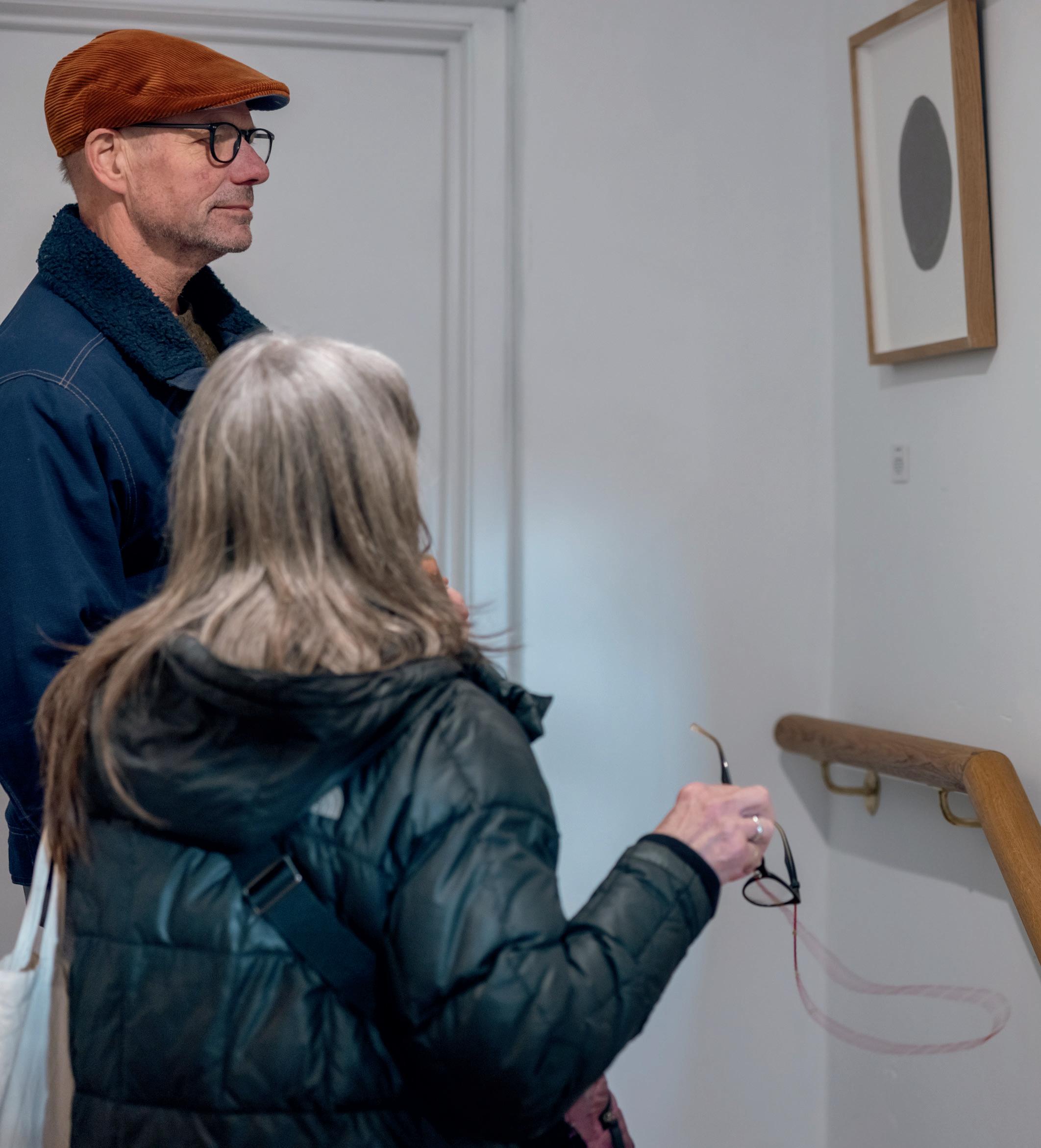
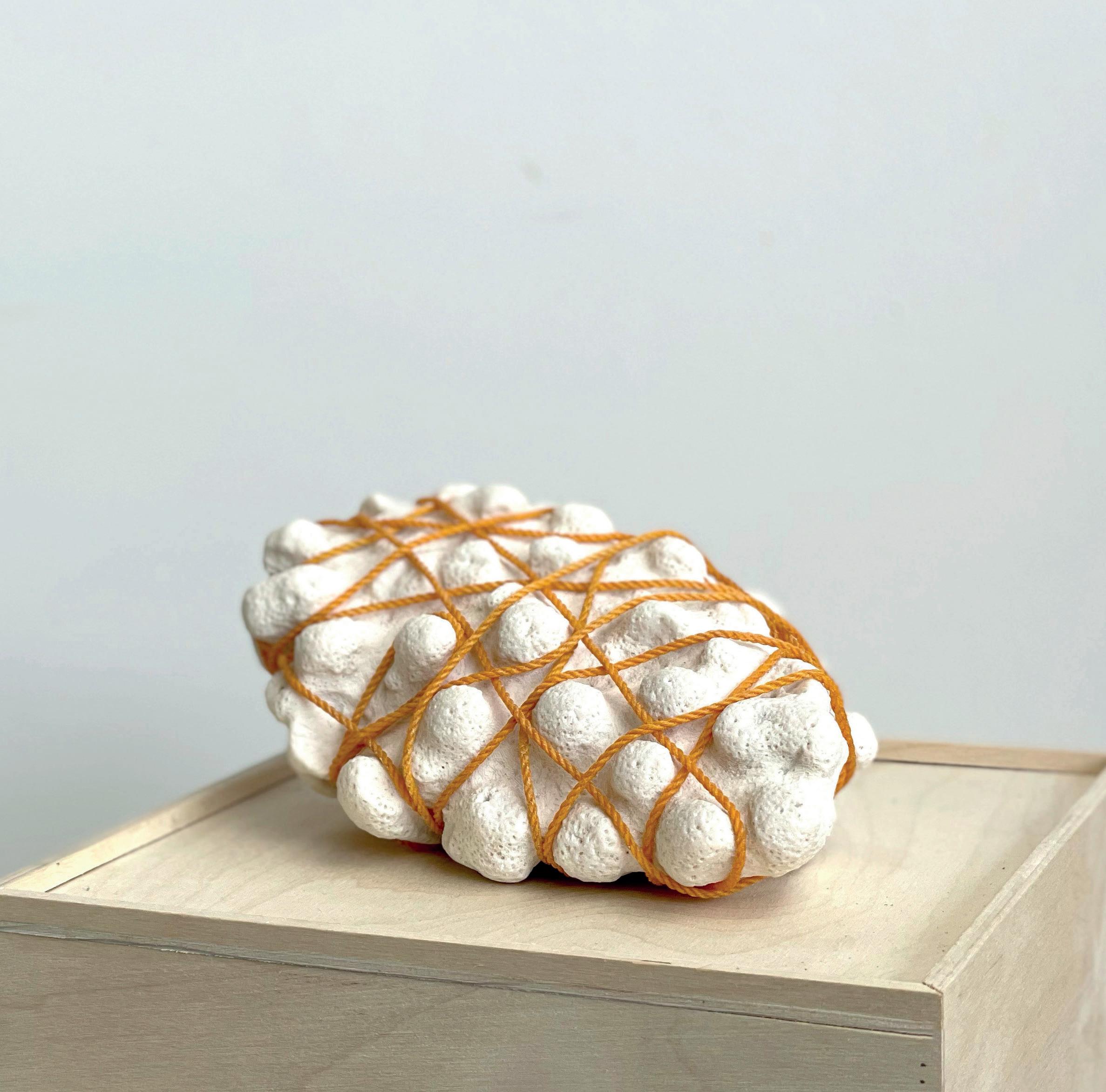
stone. Sometimes she grinds larger rocks down to produce finer material. Alongside the rubbed and sedimented drawings, there are also small delicate assemblages of string and coral from Coco Island, and another three works that present us discs of dark matter with varying degrees of coarseness: Black Circle: Bibra Lake (2026), Black Circle: Langkawi (2026) and Black Circle: Whitby (2026).
In this works she is not simply depicting landscapes but working with them as living materials. In a sense she is taming them. The wildness of distant Australian terrains becomes condensed into intimate surfaces that we can contemplate at close range but behind glass. Vast expanses of land — deserts, sacred sites, childhood places — become measured units of colour.
Yet the materials resist complete domestication. They remain what they are: dirt.
And the histories of this dirt extend far beyond personal biography. In Australia, land is never a neutral ground. It holds deep Indigenous histories, stories and custodianships that long predate colonial settlement. Courtney is acutely aware of this. When she collects materials from certain sites she does so with permission.
Her work therefore moves within a delicate space: between personal memory and collective history, between the intimacy of biography and the immense temporal depth of land itself. The soils she gathers contain layers of geological time, cultural meaning, and lived experience. Through the simple gesture of rubbing them onto paper, these layers become visible — not as illustrations, but as presences.
Standing in front of the works, I am struck by their quiet paradox. They are at once expansive and contained. Vast landscapes condensed into small grids. Immense distances folded into the surface of paper. Materials gathered from thousands of kilometres away resting quietly on the walls of a Leeds city centre space.
Perhaps that is why the word dirt continues to matter. It resists the tendency to elevate the materials into something too precious or symbolic. Dirt remains humble, ordinary, something we walk on without thinking.
And yet within these modest rubbings lie entire geographies.
Fragments of deserts.
Childhood places.
Sacred sites.
Movements across continents.
The slow passage of time that turns one place into another kind of home.
Hondartza Fraga Leeds, March 2026
Sontag, Susan. Against Interpretation and Other Essays. Penguin Modern Classics. Kindle Edition, 1966, p.13
Julia Kristeva discusses this in Strangers to Ourselves, but I have encountered in Elaine P. Miller, Head Cases: Julia Kristeva on Philosophy and Art in Depressed Times, Columbia University Press, New York, 2014, p.92
Douglas Adams, The Hitchhiker’s Guide to the Galaxy, Pan Books, London, 1979, Chapter 27
https://www.nga.gov/exhibitions/barnett-newman
Tim Ingold. Making: Anthropology, Archaeology, Art and Architecture. Kindle Edition. 2013, p.18
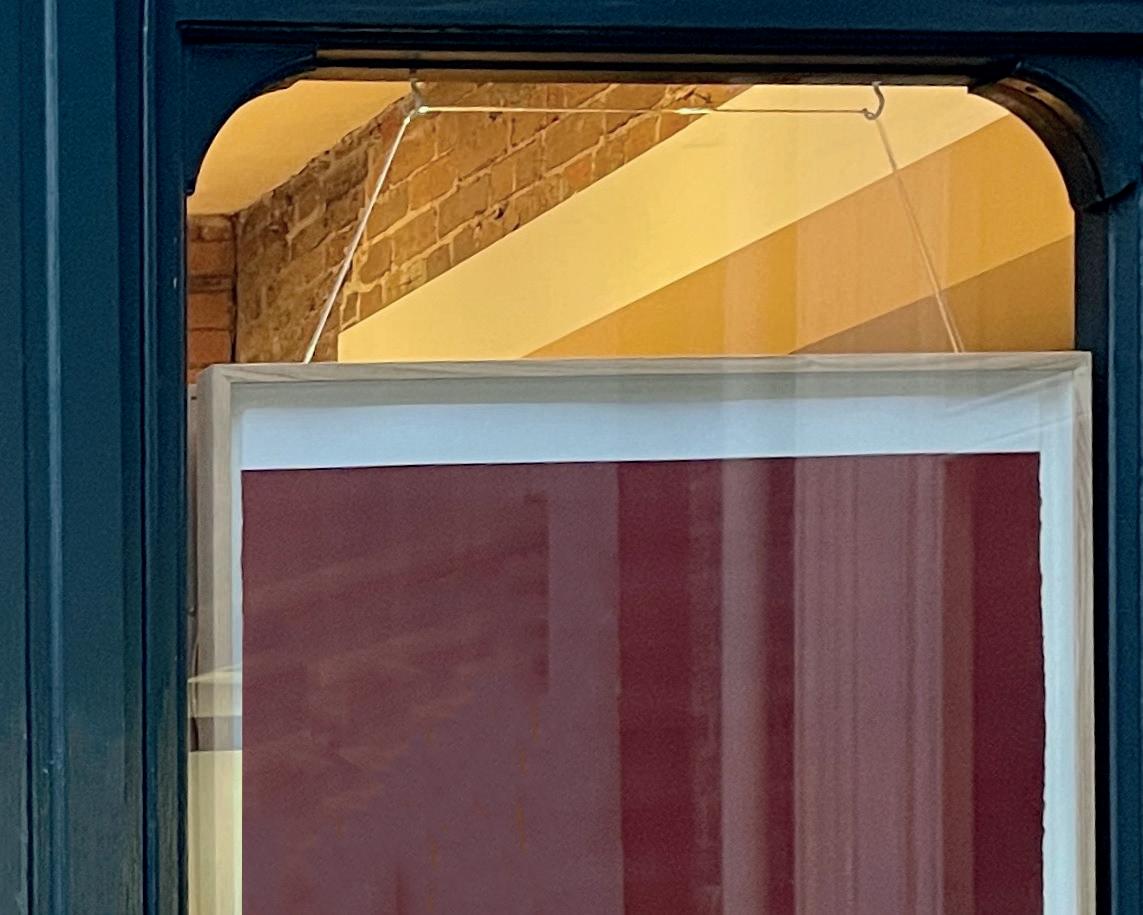
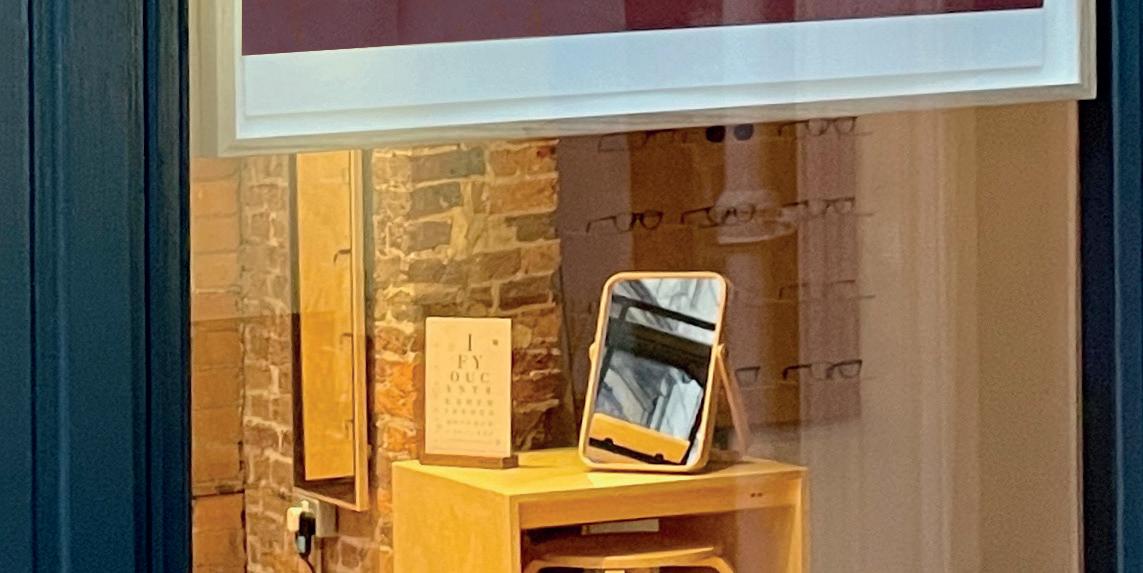
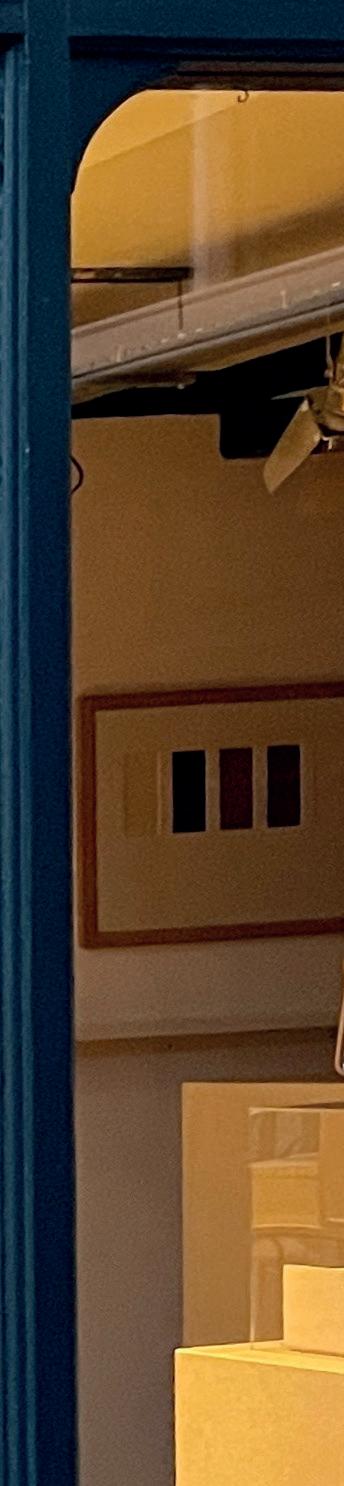
77
£750
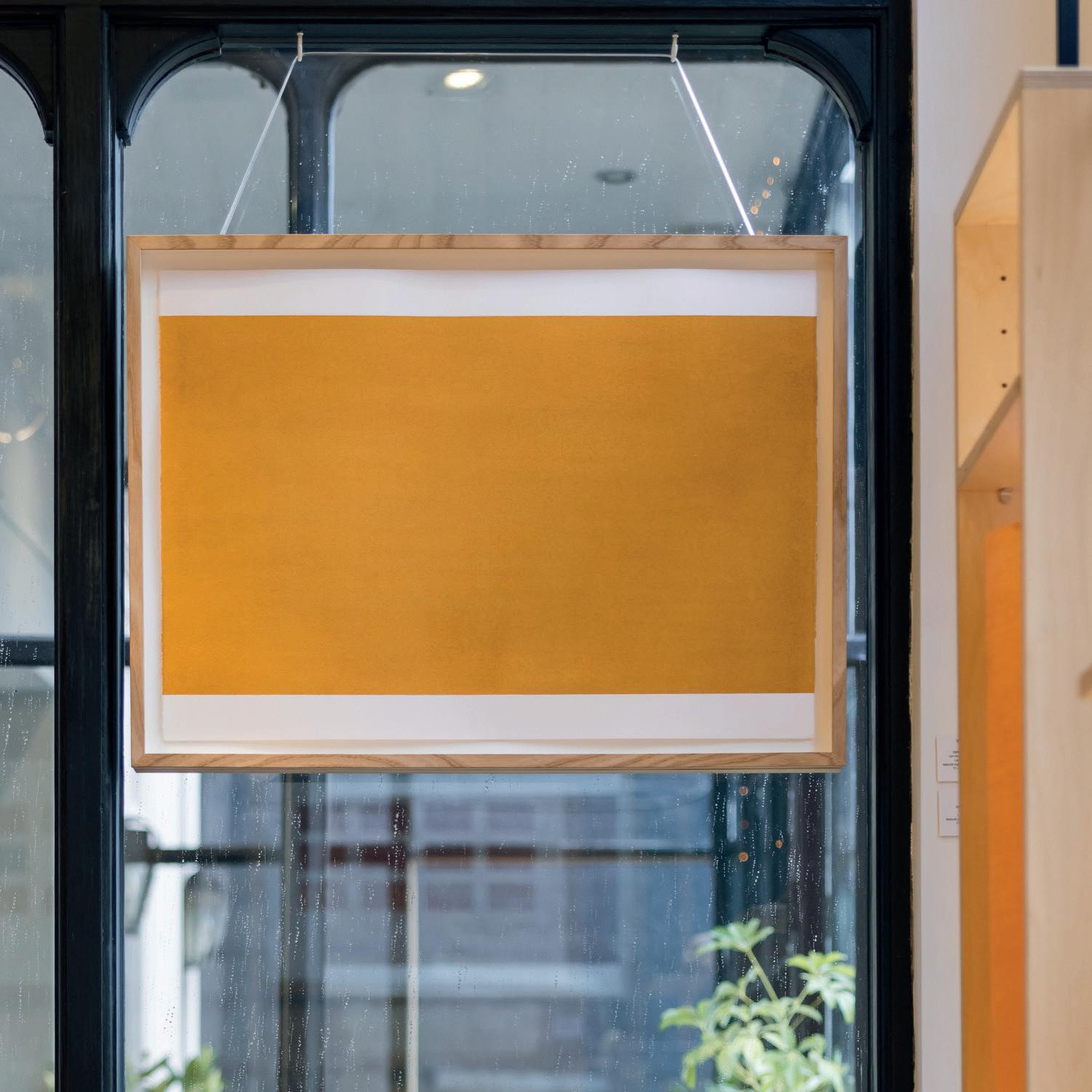
Natural pigment on Fabriano watercolour paper
77 x 57 cm (incl. frame)
£750 (framed)
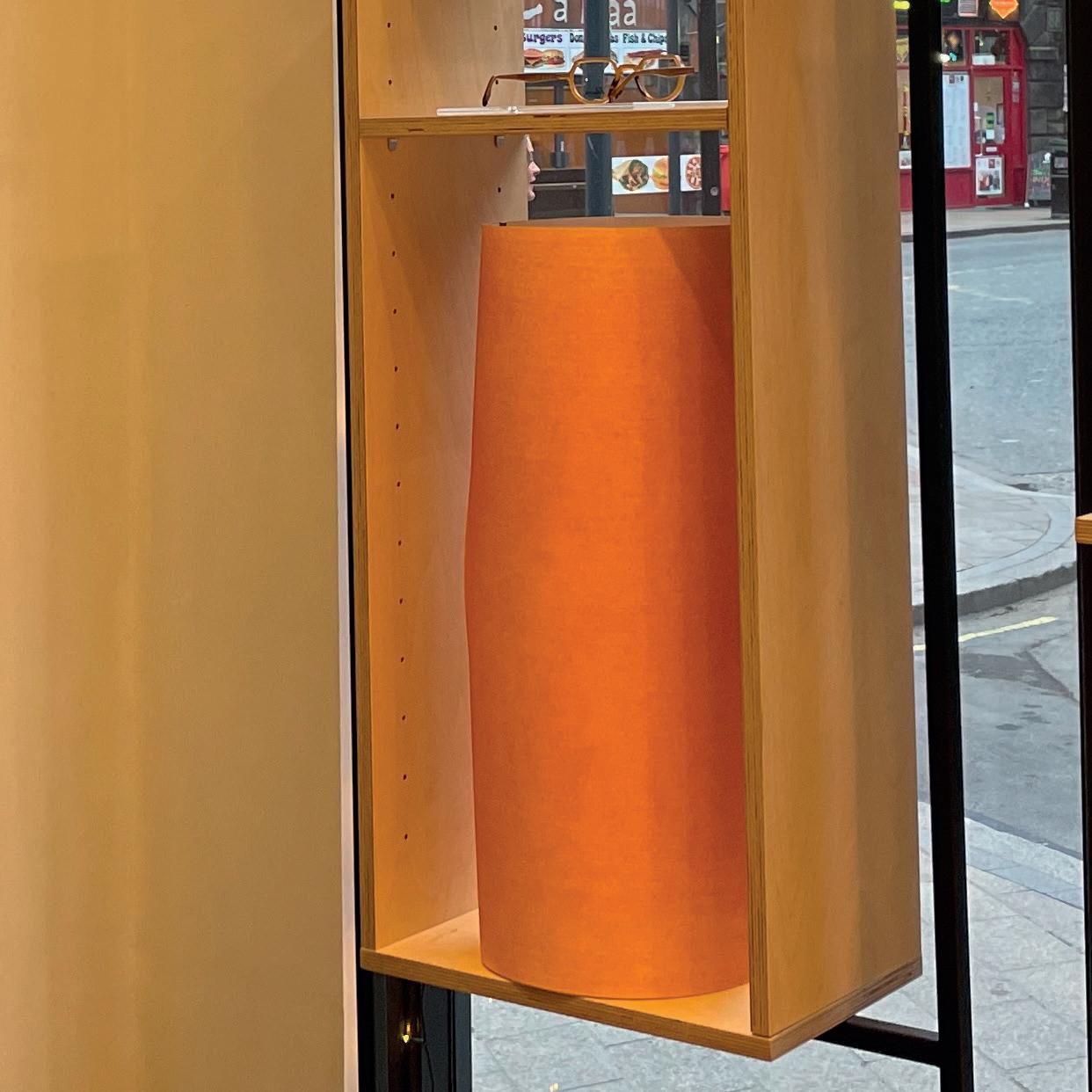
RUBBING: BROOME CYLINDER (2023)
pigment on paper with clips
75 x 25cm x 25cm
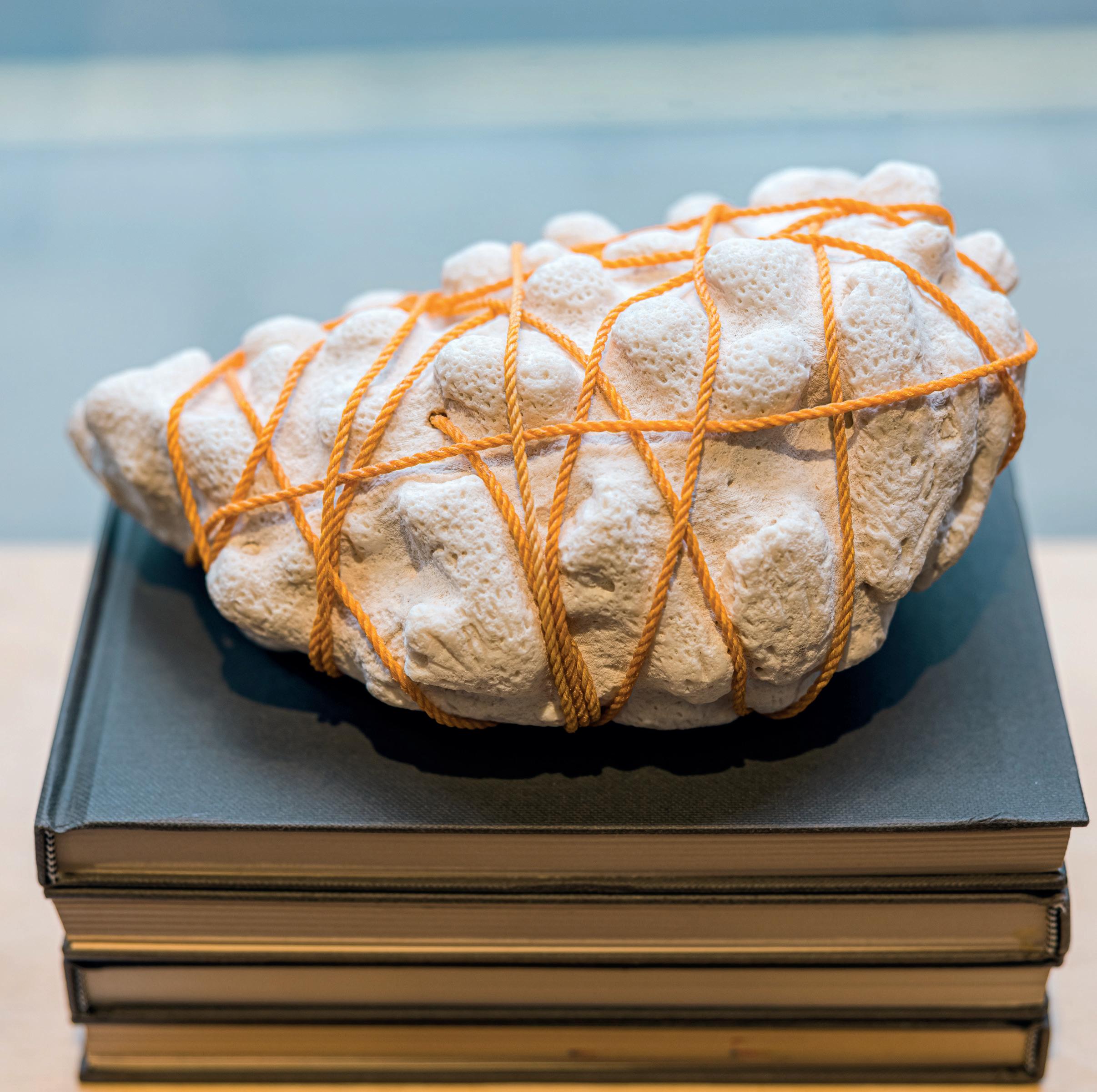
20 x 16 x 10 cm
£300
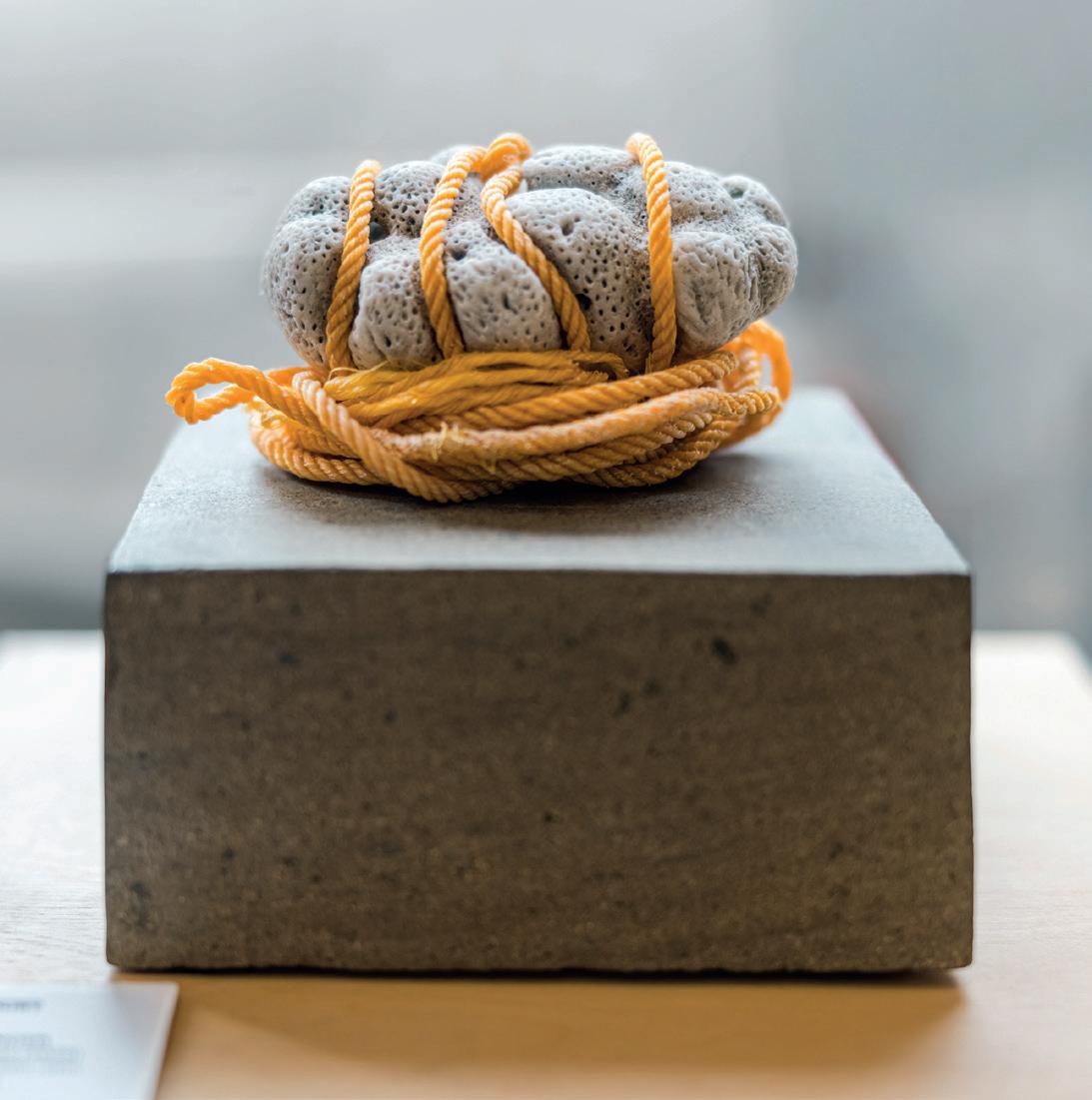
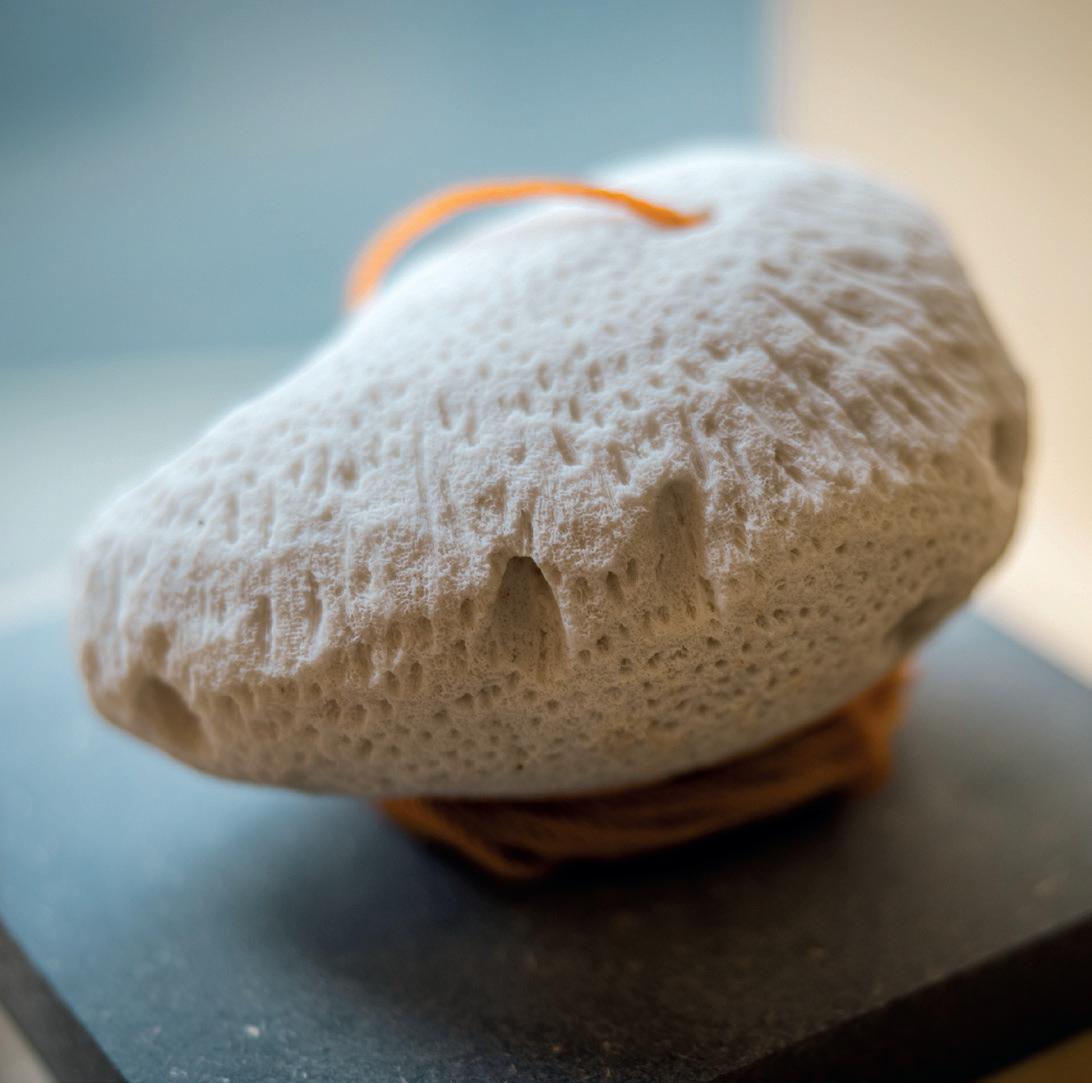
CORAL ON CRISPY NOODLES (2020)
Coral and found synthetic rope
18 x 14 x 10 cm
£150
Coral, shell fragment and found synthetic rope 16 x 12 x 8 cm
£150
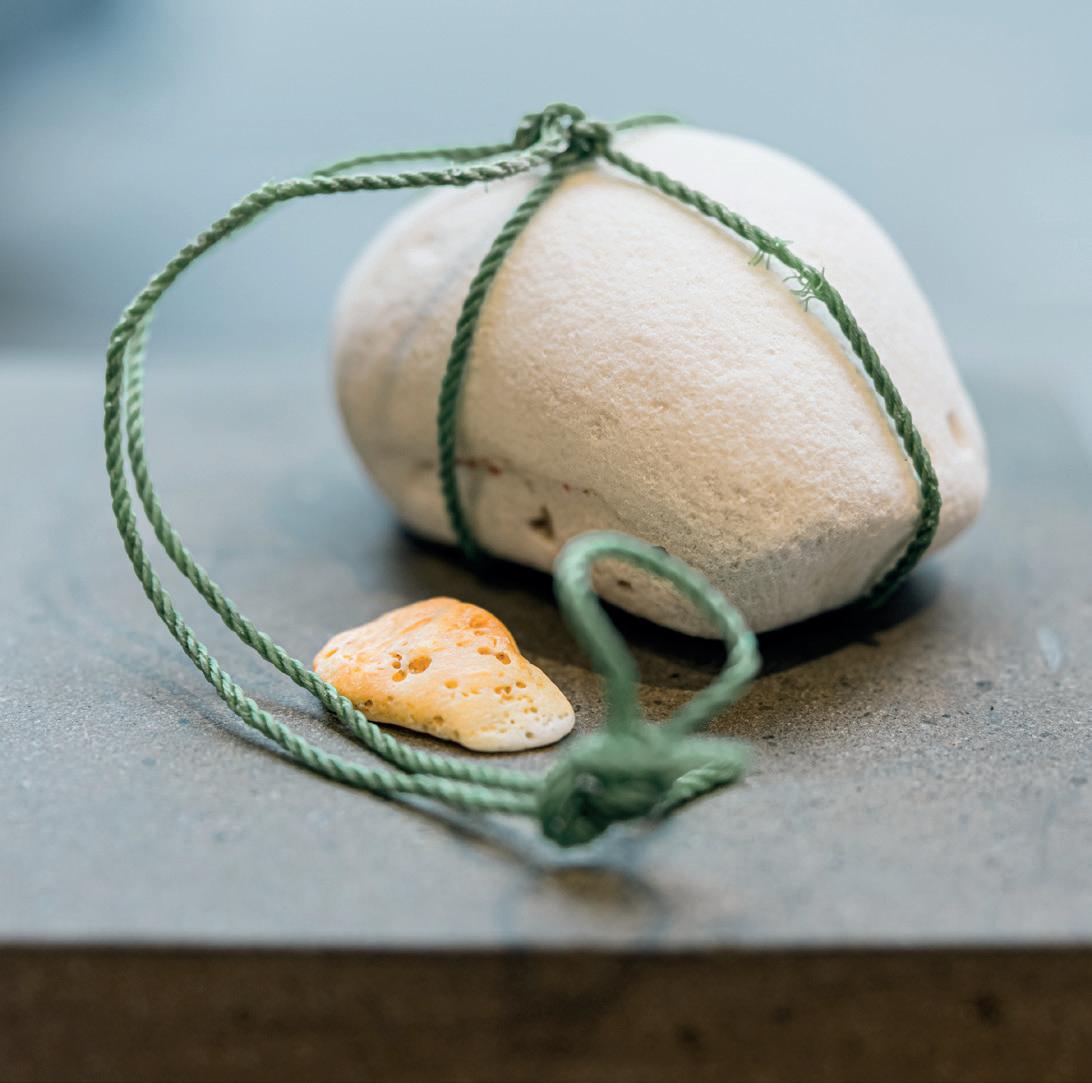
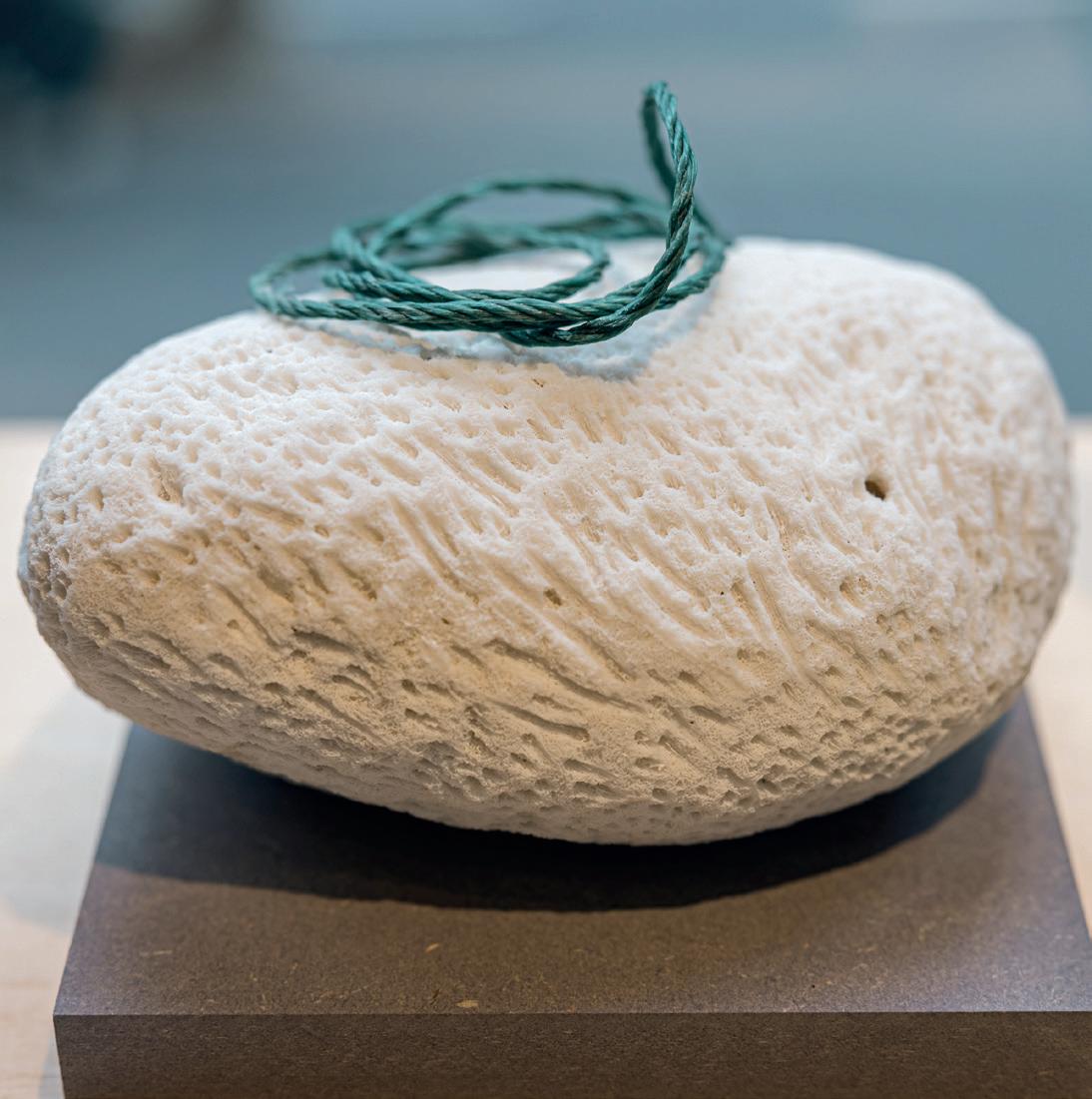
Coral, shell and found synthetic rope
18 x 13 x 9 cm
£150
Coral and found synthetic rope
17 x 12 x 9 cm
£150
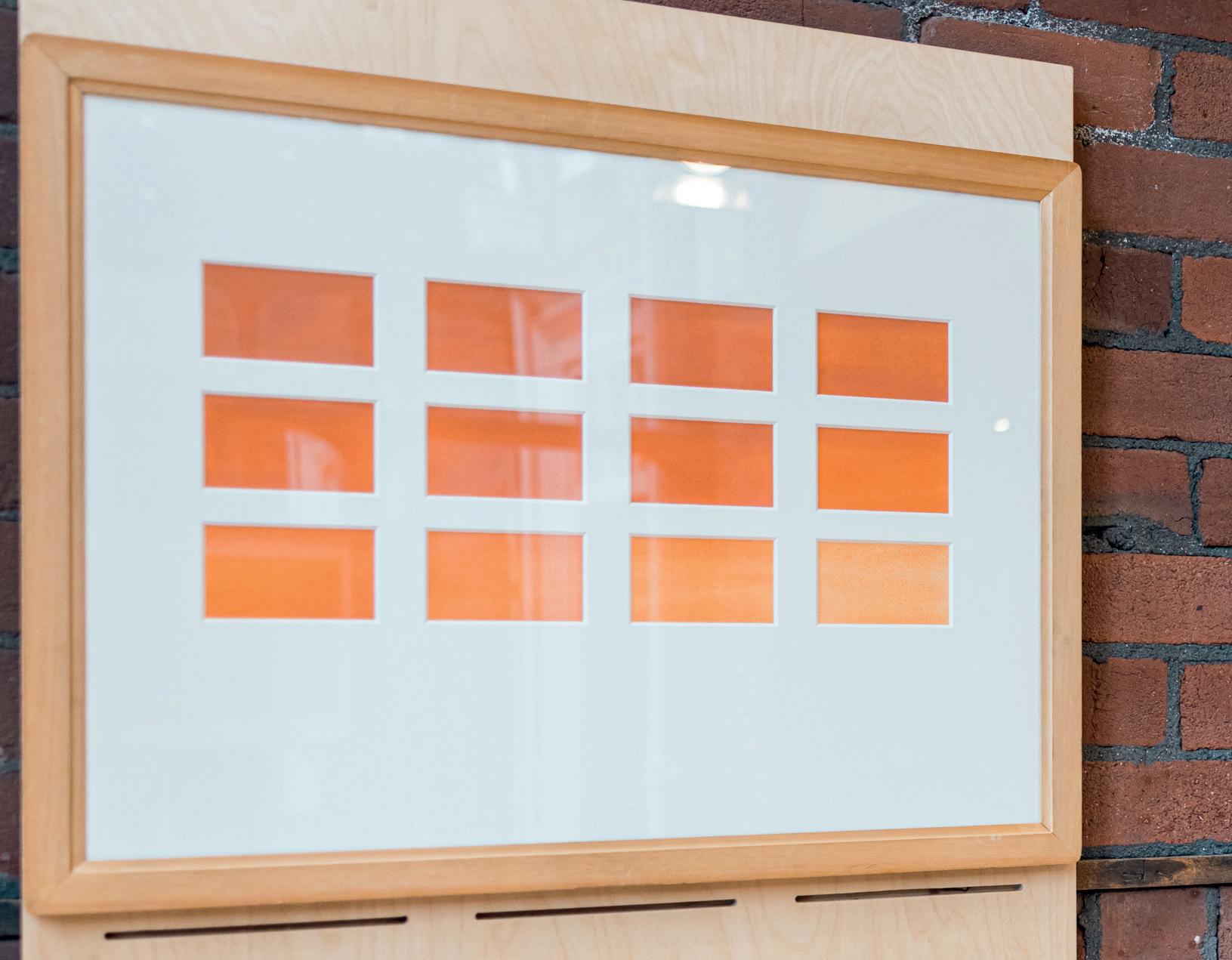
RUBBING: BROOME FADING (2026)
Natural pigment on paper
77 x 60 (incl. frame)
£650 (framed)
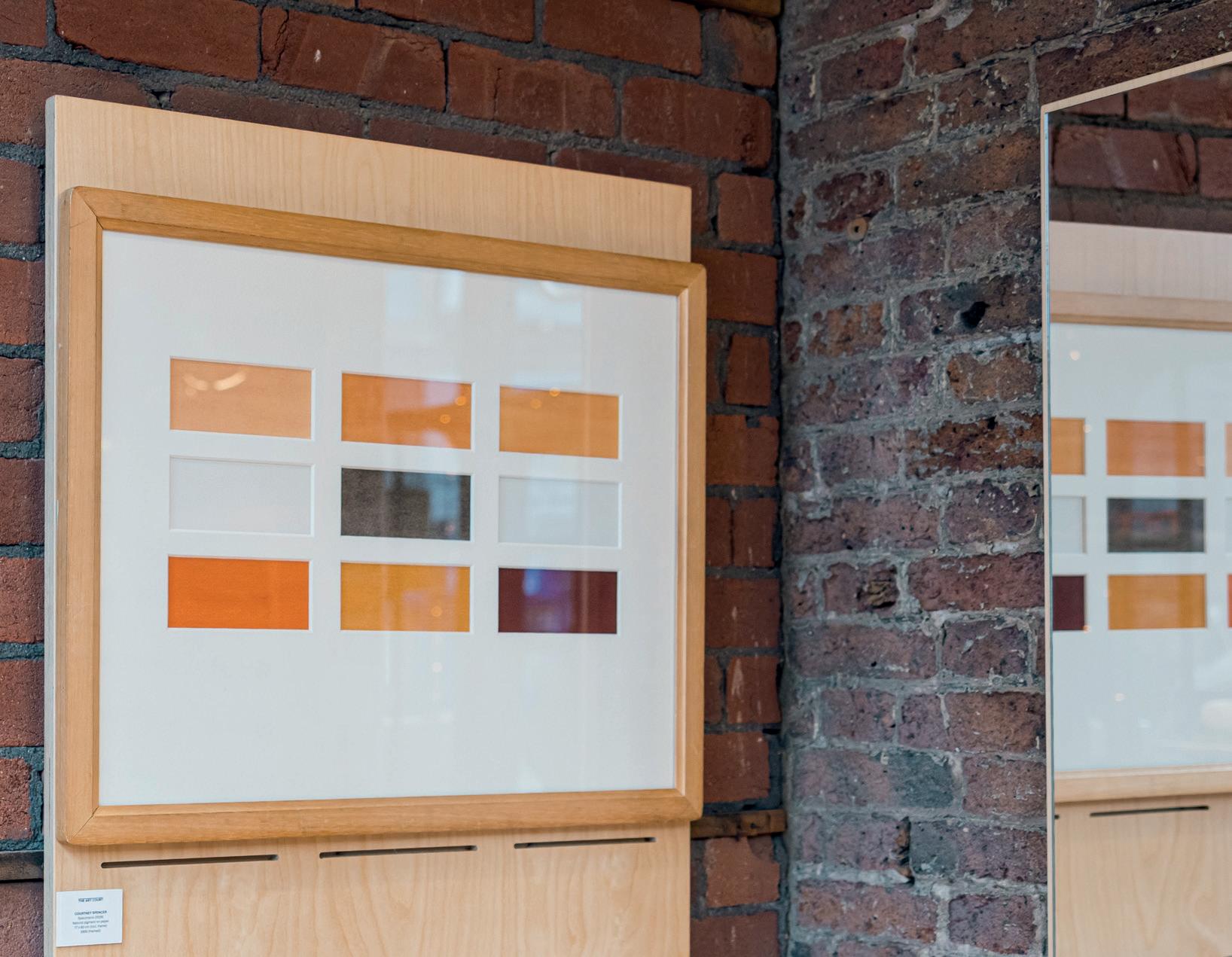
SPECIMENS (2026)
pigment on paper
77 x 60 (incl. frame)
£650 (framed)
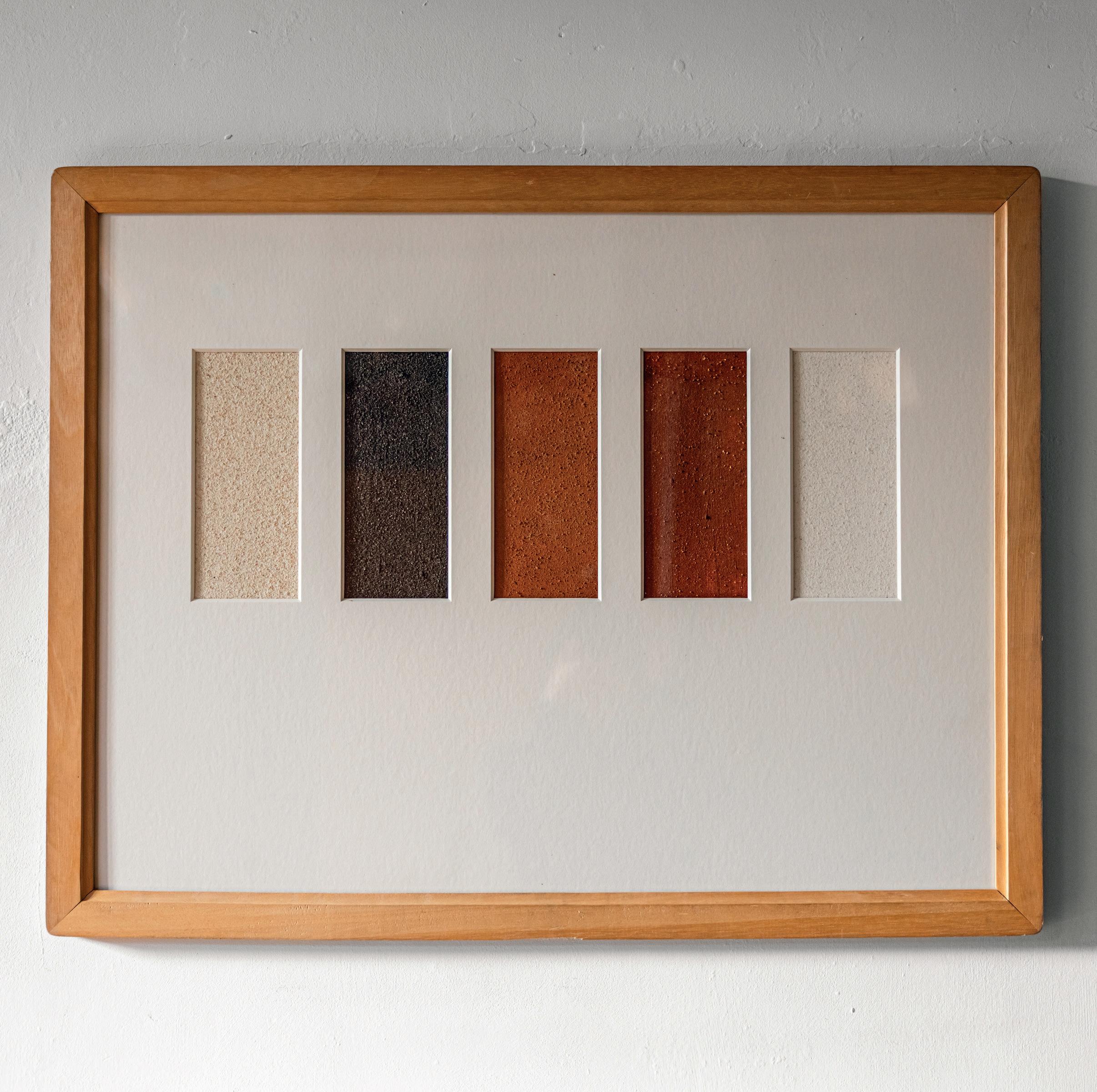
PRIMARY YEARS (2026)
Sand on paper
77 x 60 (incl. frame)
£650 (framed)
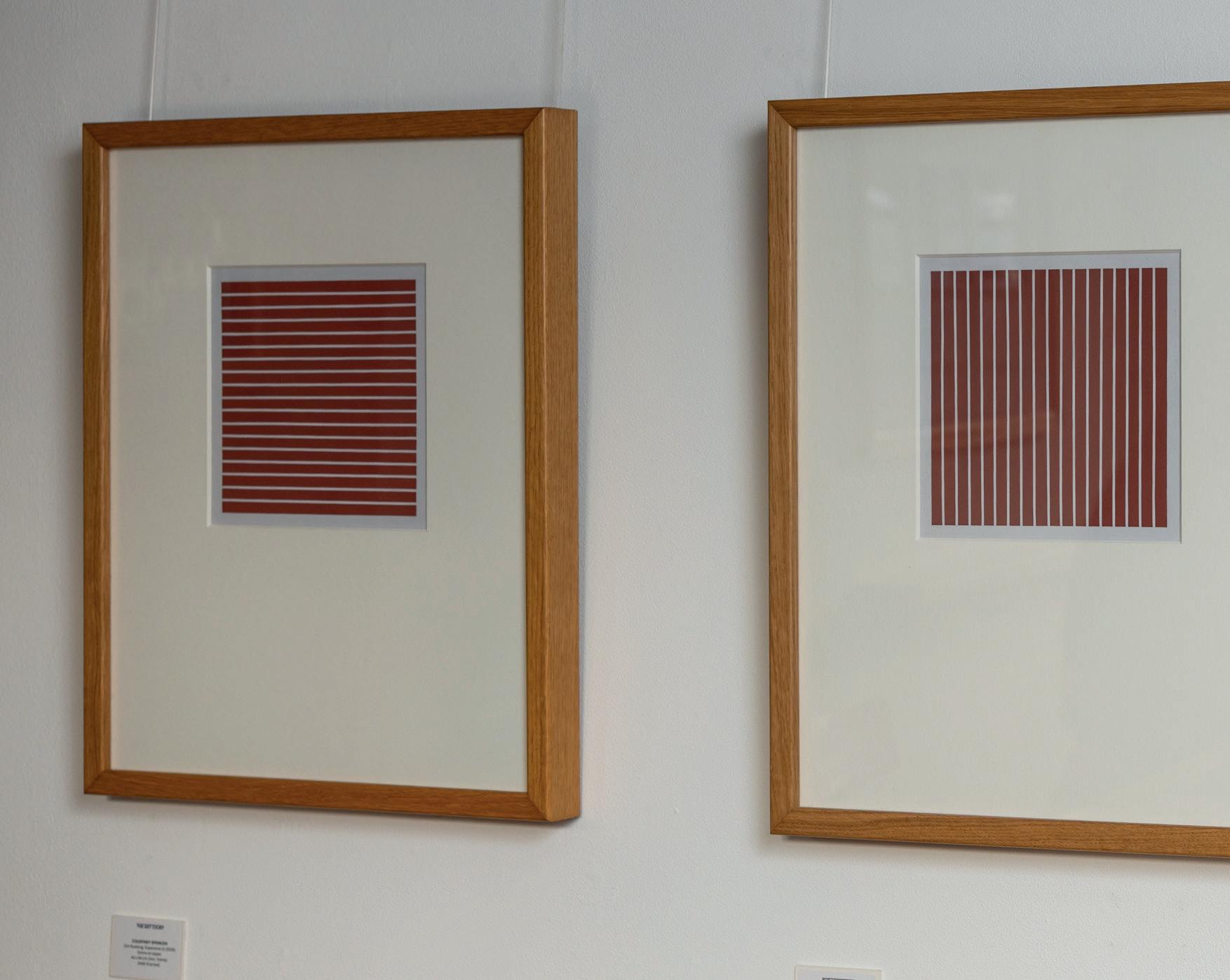
DIRT RUBBING: EXPANSIVE (I) (2026)
Ochre on paper
44 x 54 (incl. frame)
£400 (framed)
DIRT RUBBING: CONSTRAINED (I) (2026)
Ochre on paper
44 x 54 (incl. frame)
£400 (framed)
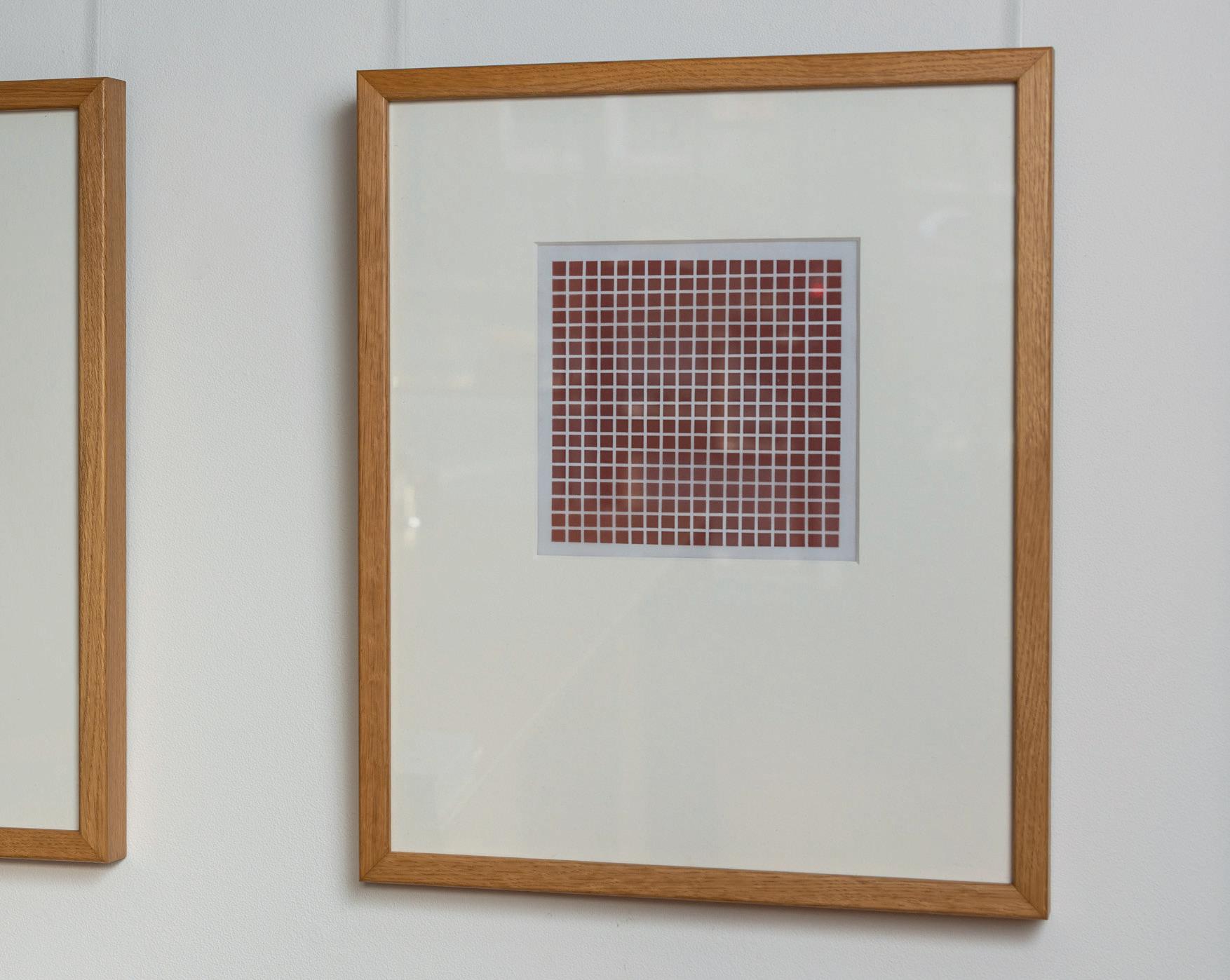
DIRT RUBBING: BOUNDARIES (I) (2026)
Ochre on paper
44 x 54 (incl. frame)
£400 (framed)
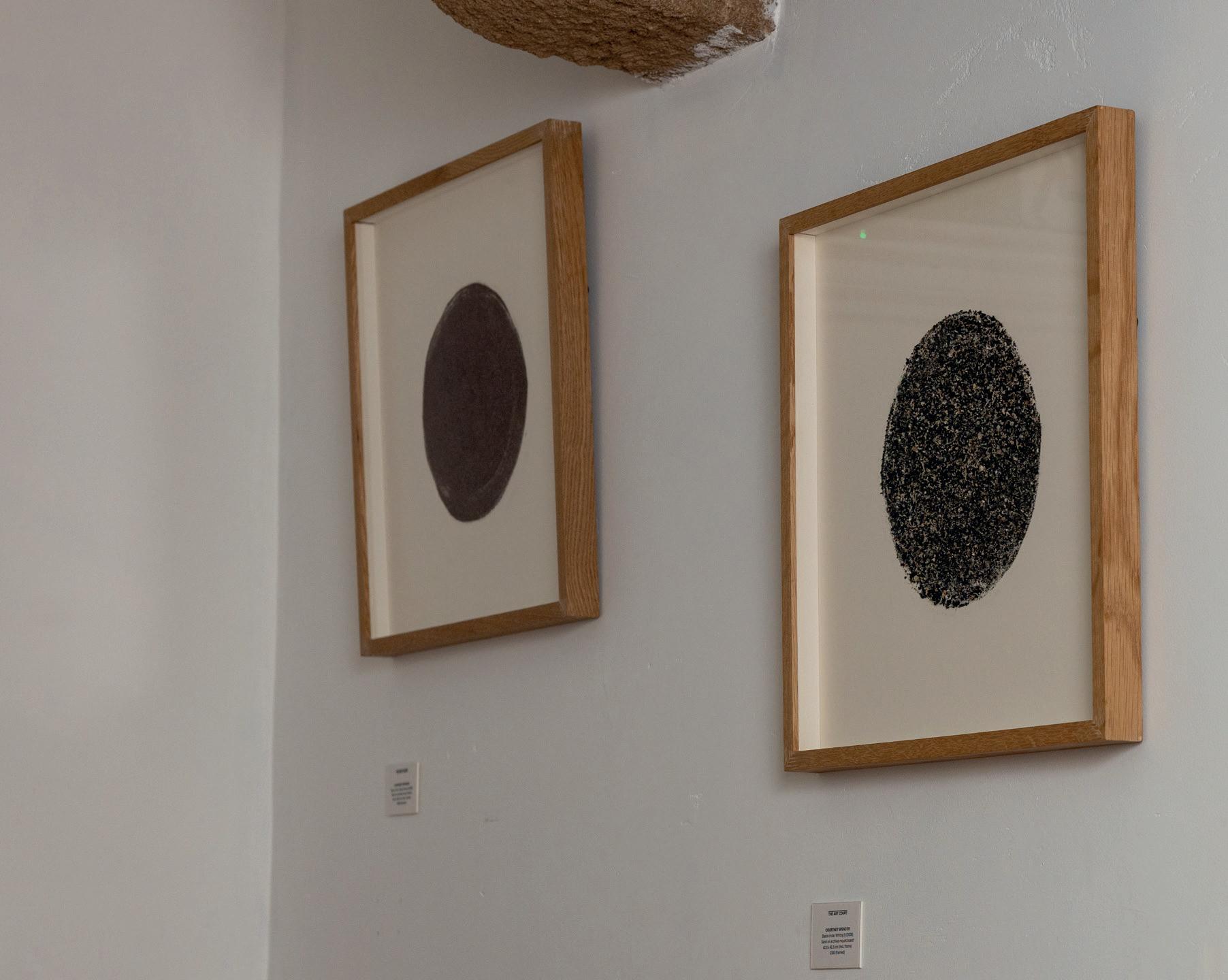
Sand on archival mount board
42.5 x 42.5 cm (framed)
£300
Sand on archival mount board
42.5 x 42.5 cm (framed)
£300
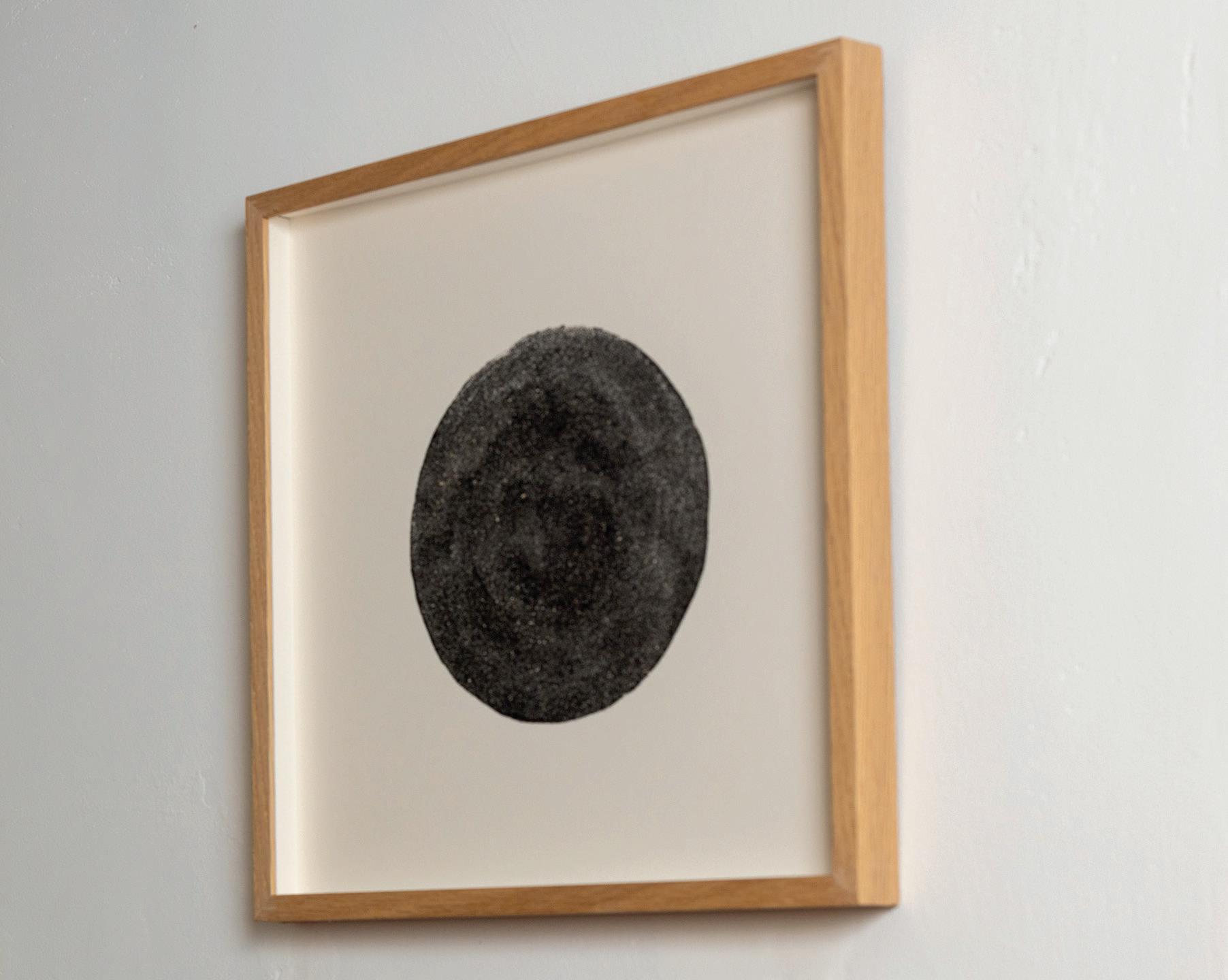
Sand on archival mount board
42.5 x 42.5 cm (framed)
£300
The exhibition is available to view in person at Eye Room, 9 Mill Hill, Leeds LS1 5DQ
Mon – Fri, 10am – 6pm Sat 10am – 5pm All welcome
If you would like further information about any of the artworks or our personal art shopping service please contact us via the details below and we will be delighted to assist you.
Images courtesy of The Artist, The Art Court and Lucy Forrester.
+44 (0)77 8618 1968
CURATOR@THEARTCOURT.CO.UK
WWW.THEARTCOURT.CO.UK