The Archipelago Press January 2026 - Volume 1 Issue 2
Transportive stories by island-born hands, across shores
Neither Here Nor There: The Transience of In-Betweens
Words and images by Ron Cruz
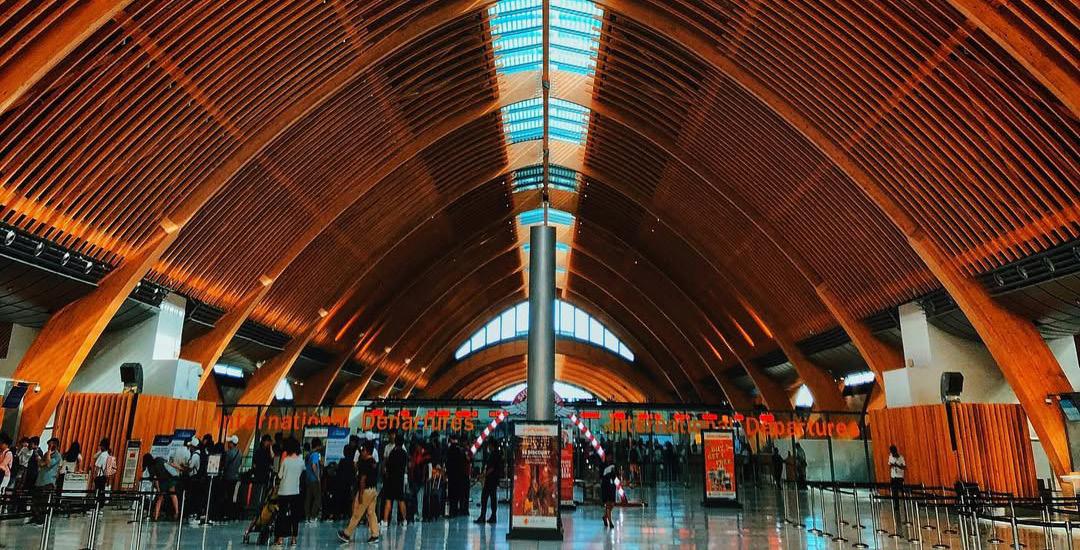
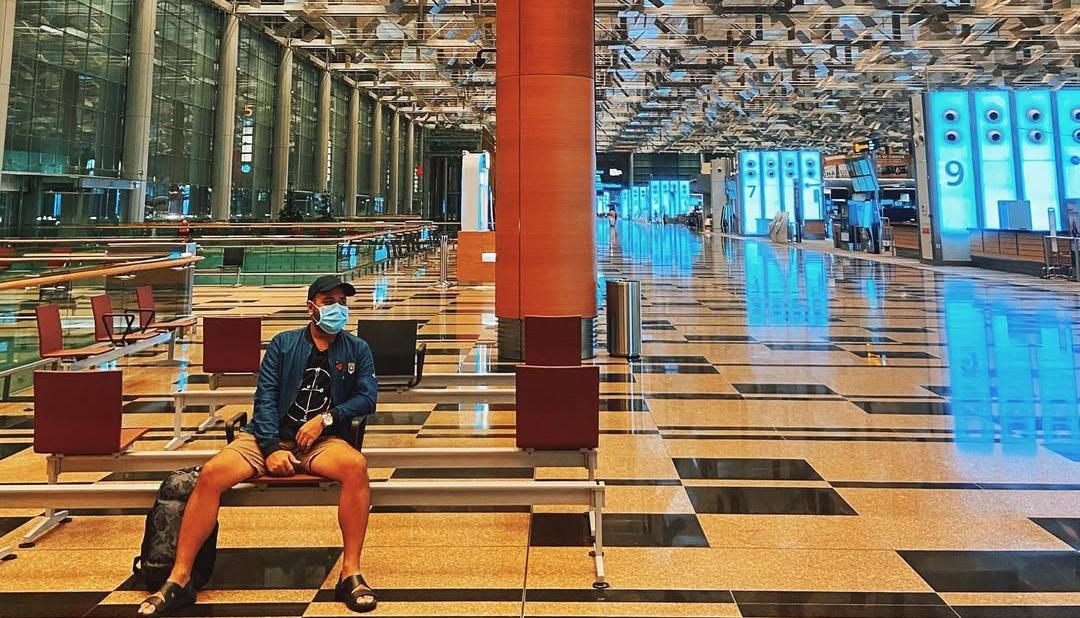
Airports have never been anyone’s favorite destination. Nobody books a flight just to see an airport—unless they’re an air traffic controller or one of those aviation geeks who can name every plane model by sound. The seats are stiff, the Wi-Fi pretends to exist, and the food somehow manages to be both overpriced and underwhelming. And yet, in these squeaky glass walls ventilated by recycled air is where some of life’s strangest, quietest dramas unfold.
Microdosing Life
How ritualizing the mundane enabled me to curate magic in the in-betweens.
Words and images by Timothy Jay Ibay
As an older millennial, my idea of wanderlust was primarily influenced by the imagery of turquoise waters, powdery white sandy beaches, and overpriced board shorts. Even when I was gifted nine years as a travel writer, chartered to resorts I couldn’t afford, remote provinces I
They say “getting there is half the journey,” but nobody mentions that this half often smells of instant noodles and jet fuel.
while waving people through. The barista who’s clearly on her ninth hour of pretending to care about names. I’ve been called Wong, Juan, and once, inexplicably, Susan. I wouldn’t be surprised if they spell every name wrong on purpose for their own amusement.
Sit long enough and the background starts to come alive.
The janitor pushing a cart, halfignoring his own wet floor sign.
The security officer arguing with a colleague about lunch plans
THE HOURS BETWEEN CHECK-IN AND BOARDING EXIST IN A STRANGE KIND OF LIMBO—TOO EARLY TO START THE TRIP, TOO LATE TO BACK OUT. IT’S A CRASH COURSE IN PATIENCE, A WORKSHOP OF ENDURANCE. ... CONTINUED ON PAGE 3
There’s something oddly democratic about airports. Everyone looks equally exhausted. The wealthy business traveler and the broke backpacker alike must remove their shoes at security. Status dissolves here; everyone becomes a mild version of a lost soul in purgatory.
couldn’t pinpoint on the map, and other destinations I would otherwise never have heard of, travel was a concept mainly enveloped in ideas of grandeur.
For my younger self, the most exciting itineraries had to do with some exotic place, a bucket list activity, or the latest trendy scene. Every travel assignment was a fairly singular, hedonistic pursuit. Complimentary flights were nothing but an hour to gather my senses for the party that lay ahead. Bus rides were nothing but an inconvenience
until I reached the magazinecover-worthy (or spread, at the very least) destination. I was a mindless fool with no appreciation of the in-betweens.
... CONTINUED ON PAGE 3
6
Letter from the Editorial Team
Destinations
» No Stars Required: Finding Davao’s Soul in Carabao Soup, Chicken Piaparan, and Traditional Sikwate
Insights
» Neither Here Nor There: The Transience of In-Betweens
» Microdosing Life
Culture & Heritage
» In South Upi, Maguindanao del Sur, Coffee Brings Hope
Destinations
» Discovering ADCD (Arts and Design Collective Dumaguete)
» The Underrated Antique Only a Few Travelers Know
Entertainment
» Crossword Puzzle » Editorial Cartoon
Culture & Heritage » Cueva Del Santo: A 16th-Century Man-Made Catholic Sanctuary in Quezon City
Outdoors
» One Stroke at a Time Swimming Through the Open Waters of the Philippines
Outdoors » Iloilo’s Endless Esplanade
Destinations » Reading, Writing, and Coming Home to Mt Cloud Bookshop
Destinations
» Continuation: Reading, Writing, and Coming Home to Mt Cloud Bookshop
Part 2 of “The Mundane Series”
Letter from the Editorial Team
The Quiet Joys of In-Betweens
There is a certain beauty in small, ordinary moments. The ones that happen while we are too busy looking at our maps or shaping a world in our palms. So often, we get lost in the idea of getting there that we forget here is where the ordinary truly comes alive.
In this issue, we set our sights on the quiet infinities that live inside the big worlds we dream or linger on: versions of us we leave behind in airports, the comfort of sikwate in markets, farmers’ hands that put the heart in placemaking, how the open water feels miles away from shore, a quiet day’s walk; a library or a shop that bears witness to us as home does. We hope that these stories will remind you that by recognizing the life that breathes in the ordinary, as poet William Martin notes, “The extraordinary will take care of itself.”
No Stars Required: Finding Davao’s Soul in Carabao Soup, Chicken Piaparan, and Traditional Sikwate
On places that remind us that food isn’t about stellar ratings, but sustenance, memory, and community
Words and images by Nine
The Michelin Guide has recently arrived in the Philippines, sprinkling stars across Manila and Cebu. But here in Davao, the idea of a Michelin inspector stepping into Bulcachong feels absurd. Imagine them scribbling notes while locals watch TV in the air-conditioned dining room, or chat casually outside on plastic chairs under the humid night air. They might frown at the imperfection and
shifts—plastic chairs, chatter from colleagues unwinding, students in a hurry, taxi drivers grabbing a quick meal before the next ride.
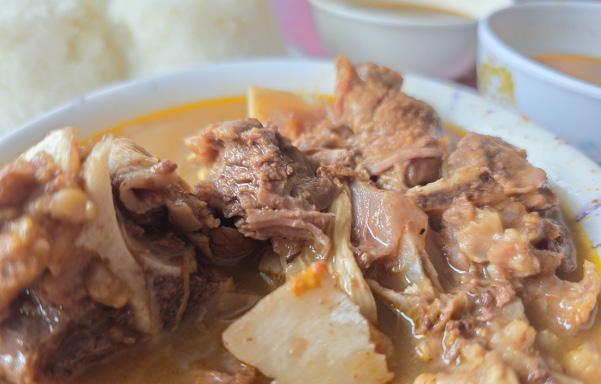
The dish itself is unapologetic. Carabao soup arrives with a color of burned clay and a thick broth. The smell is earthy, pungent with garlic and ginger. One sip and you taste the beast of burden itself: the carabao, whose muscle and sweat shaped the land. Eating bulcachong is consuming strength, a precolonial act of nose-to-tail eating that refuses waste. Here, the community gathers with insomniacs, workers, and students all sweating the same over a hot bowl. Michelin
the unapologetic chaos. And that is exactly why it is perfect. Michelin stars often reward sterility and exclusivity; Davao rewards soul. The best meals here are not plated for Instagram but are served steaming, heavy, and communal. They are eaten by taxi drivers, students, workers, and families who don’t need validation from a Eurocentric rating system. Michelin may have its stars, but Davao has its own constellations: bowls of soup, plates of kakanin, mugs of sikwate. No stars required—just sustenance, memory, and joy.
The Dish: Bulcachong
Bulcachong sits calmly near People’s Park, a place that hums from late morning until midnight. Inside, the air-conditioned room offers respite: diners lean back, watching TV while spooning broth. Outside, the atmosphere
would dismiss it as crude. Davao knows it as communion. And with opening hours stretching from 10:00 AM to 1:00 AM every day except Sunday, Bulcachong is always there when you need it.
The Scene: Bangsamoro Kainan Ante Movina’s Muslim Eatery
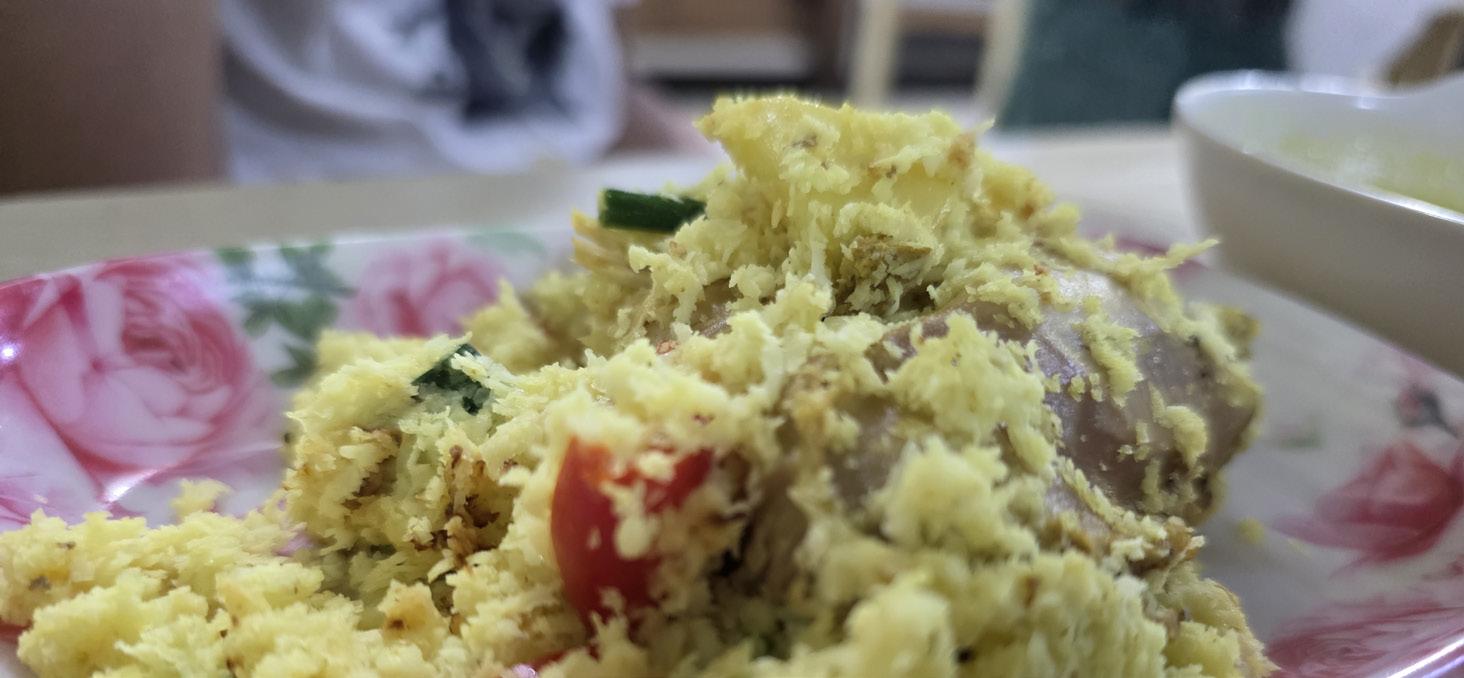
In the Poblacion District, Bangsamoro Kainan Ante Movina’s Muslim Eatery has been serving Maranao food for 15 years. Owned by Movina Sarico, the establishment thrives on family recipes, now in its fifth year at a new location with parking. Here, the menu is a mosaic of Mindanao’s flavors: native chicken piaparan simmered in gata, bakas (tuna grilled and bathed in coconut milk), inaluban tilapia, bihod, kinilaw na tuna, even fish innards. These are dishes once reserved for
The piaparan is fragrant, milky, alive with turmeric, potato, and ginger. Western palates might call it “too bold” and lacking polish. But this is not food crafted for stars; it is food for the people. It is fresh, layered, unapologetically Filipino. Perfect.
Open from 6:00 AM to 10:00 PM, it is a place where heritage is served unceremoniously, steaming, every single day as conversations overlap and laughter punctuates bites.
The Tradition: Anak ni Baby Puto
Inside Agdao Public Market, Evelyn Laroa has been serving puto maya and sikwate since 1984. The recipe is original, passed down, and has carried the business through decades. They even thrived amid the pandemic by tapping into food delivery services, eventually branching out to four additional locations.
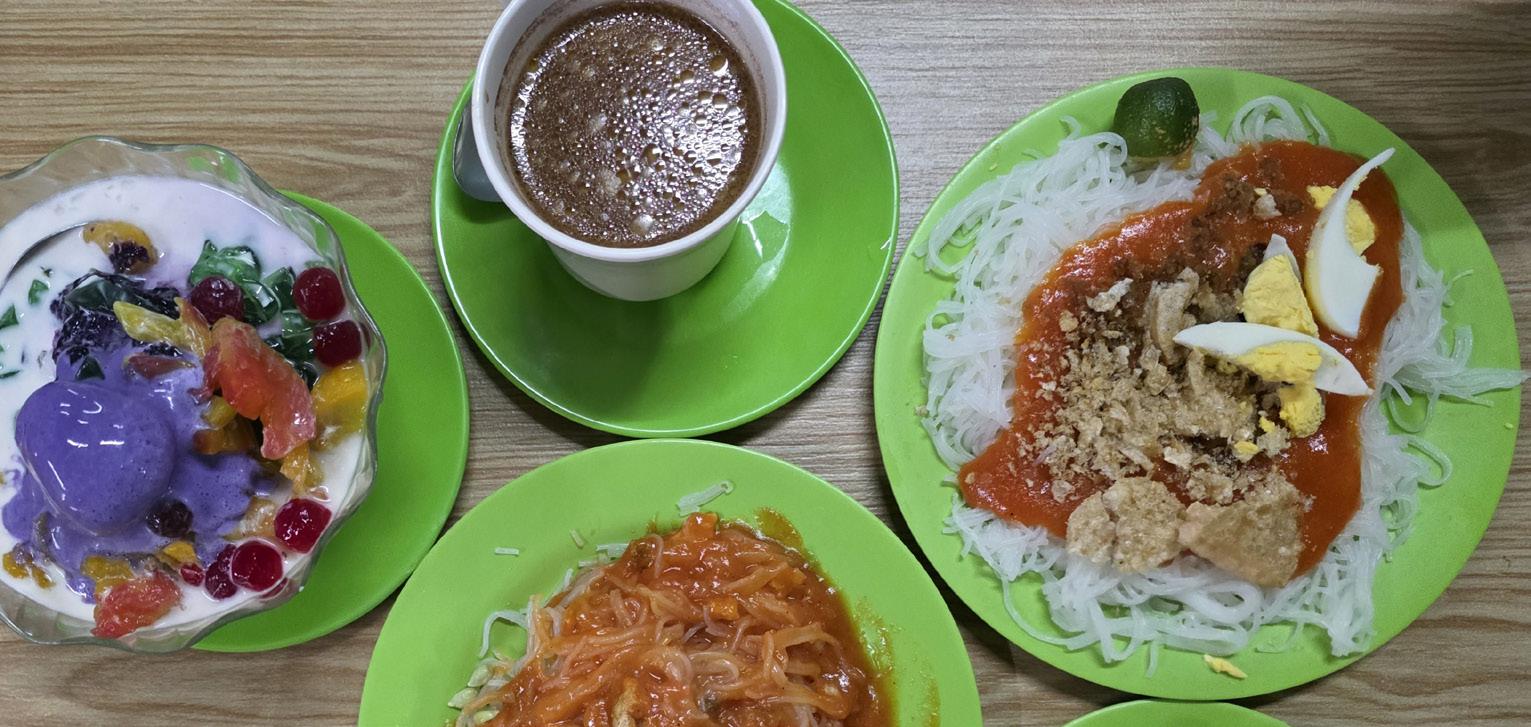
The sikwate is thick, mildly bitter, and oozing with cacao goodness. It coats the tongue, warms the chest, and tastes like childhood mornings. Paired with puto maya, the experience deepens: the slightly salty rice cake becomes a canvas, allowing the bittersweet
chocolate to bloom into a dessert that is both humble and transcendent. It is a pairing that speaks to Filipino ingenuity; simple ingredients transformed into harmony. Alongside it, trays of kakanin, palabok, and other Filipino staples remind you that food is memory. But Anak ni Baby Puto is more than nostalgia. It is a success story rooted in resilience. Evelyn’s emphasis on tradition extends to her staff, treating them with dignity even when inflation bites into profits. She believes that food without respect is empty; food with dignity nourishes beyond the stomach.
The clientele here is diverse, ranging from students on tight budgets to factory workers grabbing merienda, to palengke goers resting after errands. The tables are always crowded, the air sticky, the laughter unpretentious.
The Conclusion:
The Soul of a Place
Why do we keep coming back to these places? Because it tastes like home. Because it reminds us that food is not about stars or ratings but about nourishment, memory, and community. Davao’s soul isn’t found in fusion restaurants or spotless dining
rooms but in the steam rising off a bowl of bulcachong at dawn, in the milky broth of piaparan, in the bitter sweetness of sikwate sipped from a chipped mug. We don’t need Michelin stars. We need places that feed us, body and spirit. And in Davao, the soul of the city is served daily—plastic chairs, noisy fans, imperfect but perfect all the same.
Andres
datus, now shared with Muslims, Christians, workers, students, and business owners alike.
Neither Here Nor There: The Transience of In-Betweens
Continued from front page
But not every trip is fueled by wanderlust. Years ago, I flew home on short notice to see my grandmother for the very last time. It was the longest hour I’ve ever spent at Gate E42, wedged between a family excitedly taking selfies and a man loudly arguing with his wife over a forgotten power adapter. The world kept moving, oblivious, while my boarding pass felt like a last ticket to something irreversible.
There’s a kind of heartbreak airports don’t advertise: the kind that happens in the in-between, when you realize that every departure is a small goodbye to a version of you who will never be the same, ever again. When I flew back days later, I realized I wasn’t just leaving home. I was leaving behind the version of home where my lola existed.
If airports could hear passengers’ thoughts, they’d have enough material to fill a library. Gate lounges would whisper stories of honeymoons and breakups, of new jobs and last chances, of family reunions and final farewells. Imagine if that inner noise had subtitles on the departure screens, or worse, was announced over the PA:
“Passenger 22B of Flight PR501 is reconsidering her life choices.”
“Toddler at row 18 is discovering the power of
screaming in transit gates.”
“Someone at Duty Free Counter 2 just realized a perfume costs half his monthly salary.”
Perhaps that’s what makes airports fascinating—the impermanence of it all. Thousands of people you’ll never meet again, suspended in the same brief orbit before scattering across continents. It’s both comforting and absurdly ridiculous. You can fall in love with a stranger’s smile
laptops and removing belts, the collective groan when a flight is delayed. Airports are temples of transition. Equal parts trust and hope. Movement, no matter how routine, is still a small act of faith, an agreement to be at the mercy of the unknown for a few hours. Air traffic, force majeure, some random Karen creating free transit entertainment.
At the end of every trip, by the time we arrive, adrenaline dips and reality returns. The trip
in the immigration queue and lose them forever two minutes later because your gates are on opposite ends of Terminal 3. That’s how life works, I suppose. The chance encounters, letting go, and moving on.
Still, there’s beauty in the lulling rhythm of terminals: Bangladeshi workers shuffling in boarding lines like Lego blocks stacked horizontally, mindless business passengers unzipping
becomes memory, the memory becomes story, and the story often begins, ironically, at the most overlooked place of all. Maybe that’s why I’ve learned to love airports. Not for the glossy shops or terrible sandwiches, but for their quiet honesty. They hold the truth most destinations don’t: travel isn’t always about where you’re going or even who you’re with, but who you are when you surrender in the in-betweens while waiting to get there.
Because of that lack of presence, I had mistakenly thought that to make the most out of life, you had to have copious amounts of time for extensive pursuits of pleasure and leisure. It took a job that paid by the hour to teach me otherwise.
Burnout
We used a “productivity” app that monitored what you did on the clock, took random screenshots, and calculated “idle time,” among other features that incrementally chewed away at your sanity. To boost productivity, management defined “idle time” as any time you weren’t pressing the keyboard or moving the cursor. Your total time spent being “idle” must be under 11% of your total hours tracked. The policy worked so well that, as a writer, I focused more on managing “idle time” than on what I was writing. The app worked so well that it made me want to do absolutely anything else other than the job. Within a month, all joy and zest
for life I had woken up to for the better part of the past four years had dwindled to the dread of rising each day to punch a digital clock. I felt like a farm animal in a feedlot, a worker on an endless assembly line, churning out hours and words until I clocked out a shell of my former self.
Scarcity Mindset
After a while, I had selfdiagnosed myself with a “scarcity mindset.” Everything— time, energy, and money— desperately felt in short supply. Because I was so focused on minimizing “idle time,” I often found myself starting to work at around nine in the morning, only to have less than three hours of timed work by mid-afternoon. Because I was getting paid X amount for every excruciating hour, I could hardly justify any sort of expense. And because I felt like I always had to make up time for work, I lived like I had no time to enjoy anything. It was a mental cycle that drained my being. The more desperate I became to pile on hours, the less I wound up earning. Despite being fully aware of what was going on in my head, I stubbornly endured, quietly imploding.
Ikigai
According to the Japanese concept of ikigai (roughly translated as “reason for being” or “that which makes life worth living”), integrating movement throughout the day is essential for sustaining vitality, sharpening the mind, and nurturing joy. Moving intentionally reinforces the sense that life is meaningful in both small routines and larger pursuits. I did not know about ikigai when I landed a new job. But I
Microdosing
With a new lease on sanity, I focused on what was in front of me and made the most of the 24 hours in the day. Whether it was
worth doing and doing mindfully. Before I realized it, I had made a habit out of microdosing my life. Every ritual and errand helped set the rhythm for the day. And any free time I stumbled upon would have its purpose. It didn’t matter if it was a five-minute play session with my cat, a twohour bike ride, or an entire day riding around the mountains. Every micro-adventure serves as a necessary decompression, fuel for my sanity, or a reminder that life is worthwhile.
today’s deadlines, dishes, laundry, or bikes that needed washing, if it kept me from mindlessly staring at a screen, procrastinating, or wasting time in any form, it was
knew something had to change. Free from the shackles of digital timesheets and hourly rates, I overhauled my work ethic. I reframed sitting in front of a computer for 5 to 8 hours a day, five days a week, as part of the deal. Hunter-gatherers would spend days risking their lives for their next meal. I work from home, stitching words together. I had to relearn to appreciate what a blessing that was.
As one of my go-to meditation teachers, Eileen Rose Miles, beautifully puts it, “When you can access joy in the simplicity of life, everything becomes more magical.”
Microdosing Life
In South Upi, Maguindanao del Sur, Coffee Brings Hope
Words by Gelyka Dumaraos
Images by Ram Cambiado
Sipping coffee in a cozy café or exploring different beans at an expo or Sunday pop-up is one thing. But tasting it where it was grown is a completely different experience. During a visit to Maguindanao del Sur, that dream came true—and more.
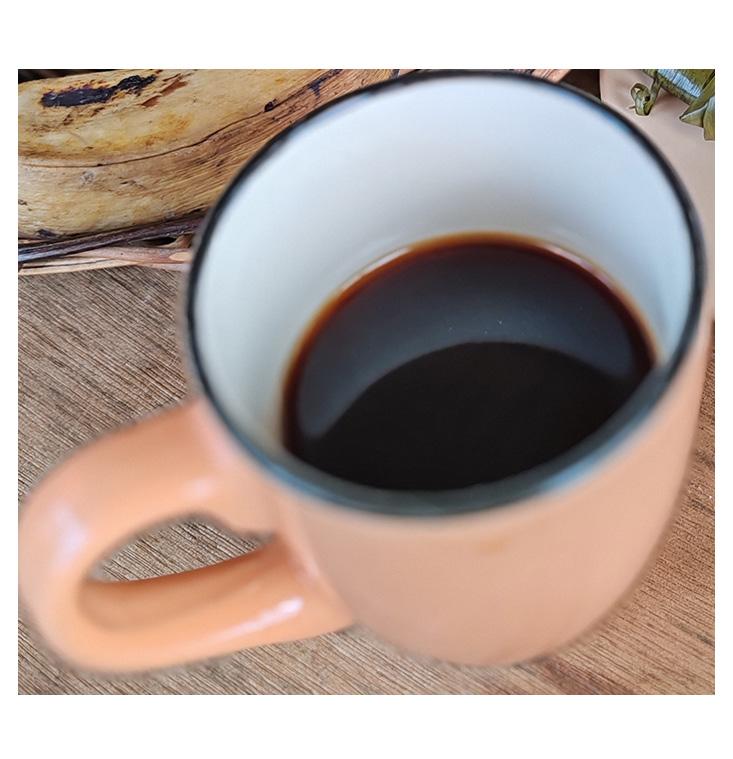
café where cooperative members served us freshly brewed coffee. The deep, earthy aroma of South Upi’s liberica beans—commonly known as kapeng barako immediately wafted through the air. Its full-bodied and robust flavor and subtle floral notes hit right on the spot. It has a slightly smoky finish, with a hint of citrusy sweetness that lingers on
their families by farming the land, while enabling mothers to raise children while managing farms.
More than shared labor, the cooperative creates a sense of purpose and dignity, Favila noted. Here, fair trade and sustainable farming are not abstract ideals that farmers are unwilling to adopt; they are daily practices. Farmers are paid fairly and taught to care for the land that supports their families.
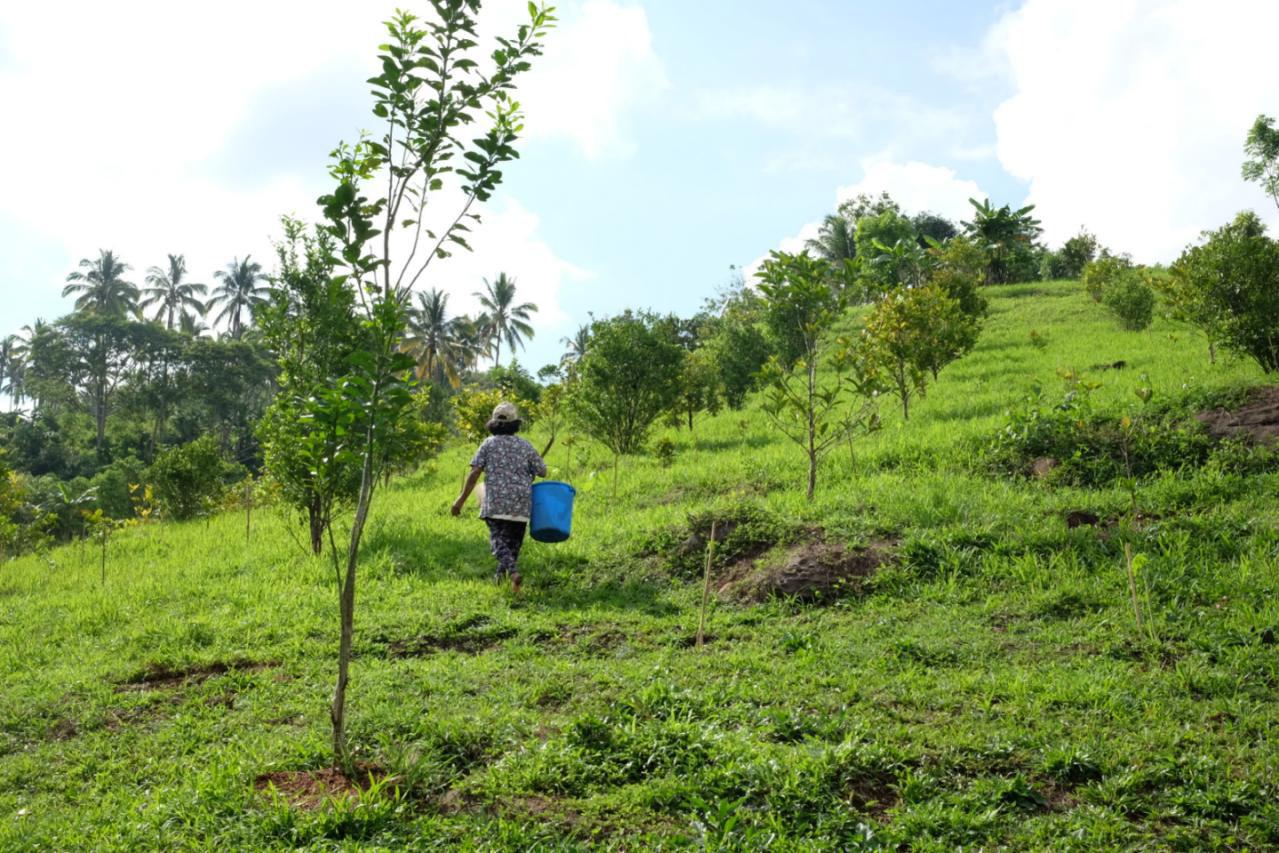
Walking through rows of coffee, we observed this labor of love.
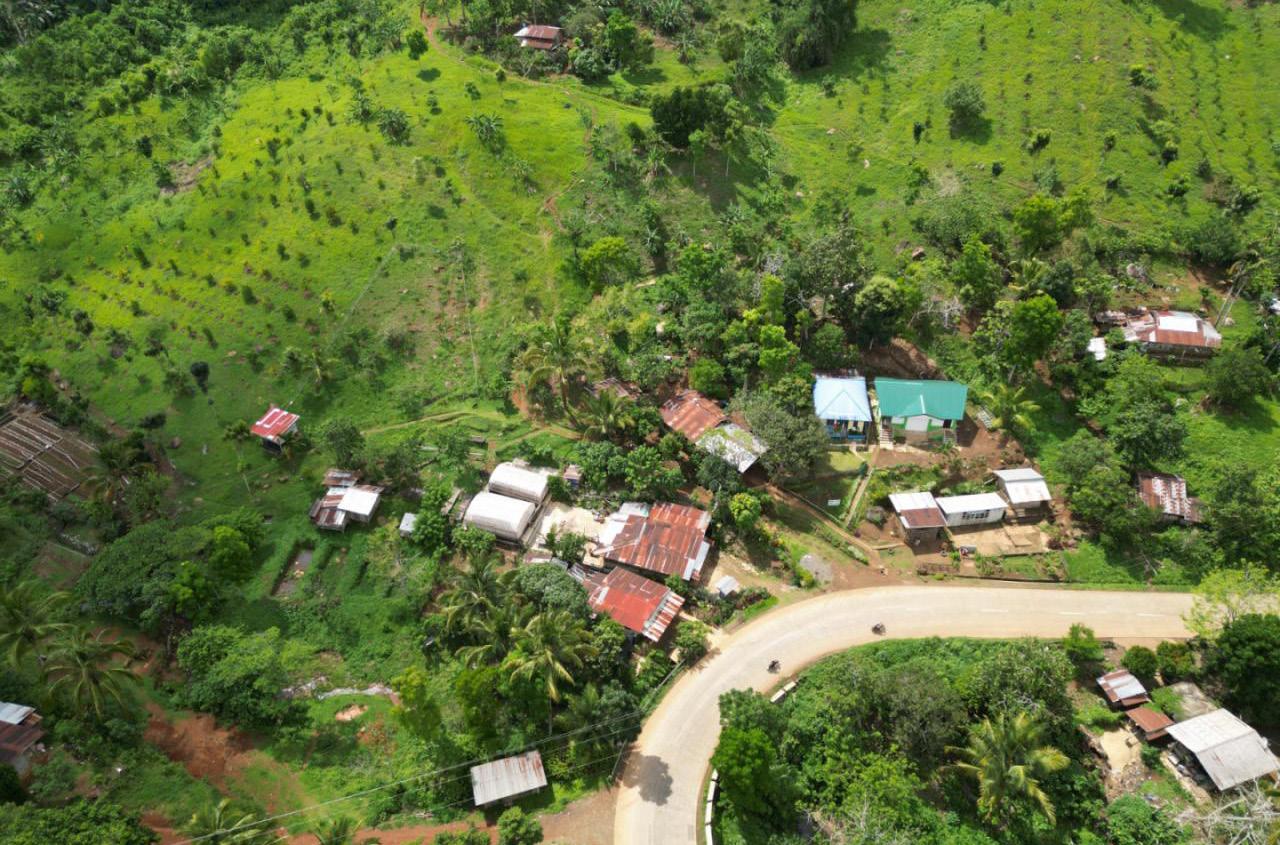
A morning drive out of Cotabato City and into the south of the province took us to the main office of the Malibacao Agriculture Cooperative in Sitio Manga, Barangay Romongaob, in the municipality of South Upi. This cooperative is home to North Star
Upi, a local coffee brand founded by entrepreneur Estanislao “Jun” Gepte Jr. in 2018. My husband, Ramir, and I arrived past 9 in the morning. Climbing a few steps from the roadside, we arrived at the North Star Kapehan, a humble community
the palate. Pairing it with saba and a generous plate of suman brings both warmth and calm; like a sense of comfort in a place I’ve only known for the first time.
Uplifting Lives Through Farming
As we roamed the grounds, Jun shared the story behind the brand. For him, the initiative is rooted in the belief that the community can rise if given a fair chance. Loaning and debt had long been a common plight for many families here. Through coffee farming, Jun hopes to redirect that path toward a sustainable livelihood.
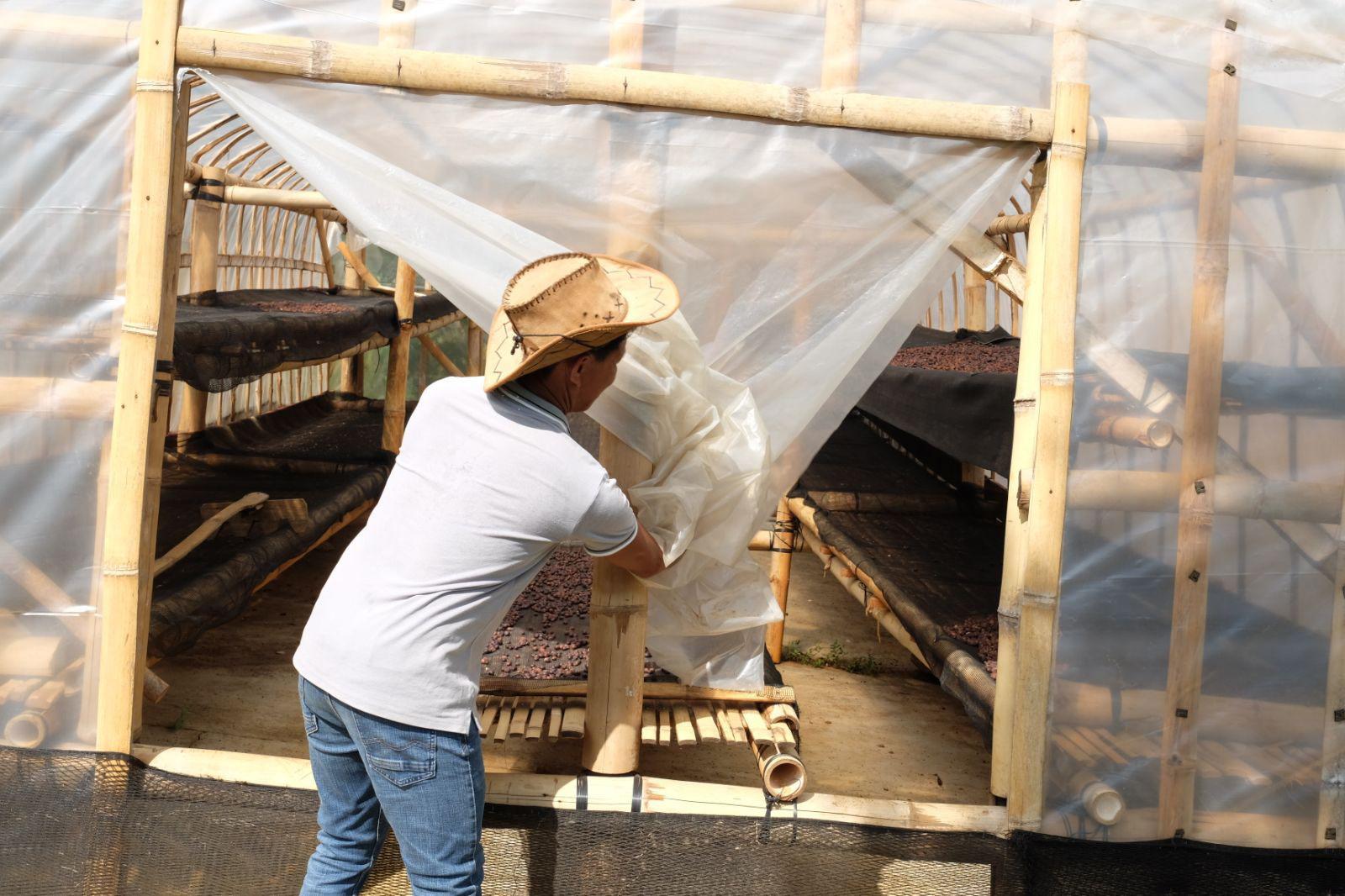
In 2018, he provided infrastructure, such as raised beds for drying cherries, and encouraged training and continuous learning to improve farming practices. Led by Coffee Master and Cooperative Chairman Rizalex M. Favila, the farmers have demonstrated perseverance, dedication, and eagerness to sustain all the opportunities they’re handed.
Today, the cooperative includes more than 30 farmers, mainly from the Teduray–the indigenous people of South Upi. It empowers fathers to provide for
cherries. This makes the coffee a unique product in BARMM and presents an opportunity to tap a broader market. In national coffee expos that North Star Upi participates in, such as the Manila Coffee Festival and Philippine Coffee Expo, they often sell out on the first day.
Gepte also takes pride in the brand’s halal certification— the first in the Bangsamoro Region—recognizing the community’s identity and roots.
The Heart of the Land is the Hands Tending It
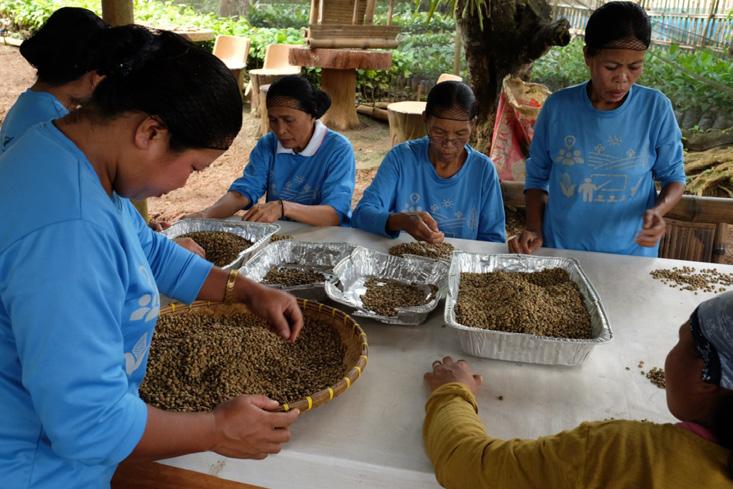
Farmers rise early, moving among trees grown between 700 and 1,000 meters above sea level. Women only handpick cherries that have reached the perfect shade of red.
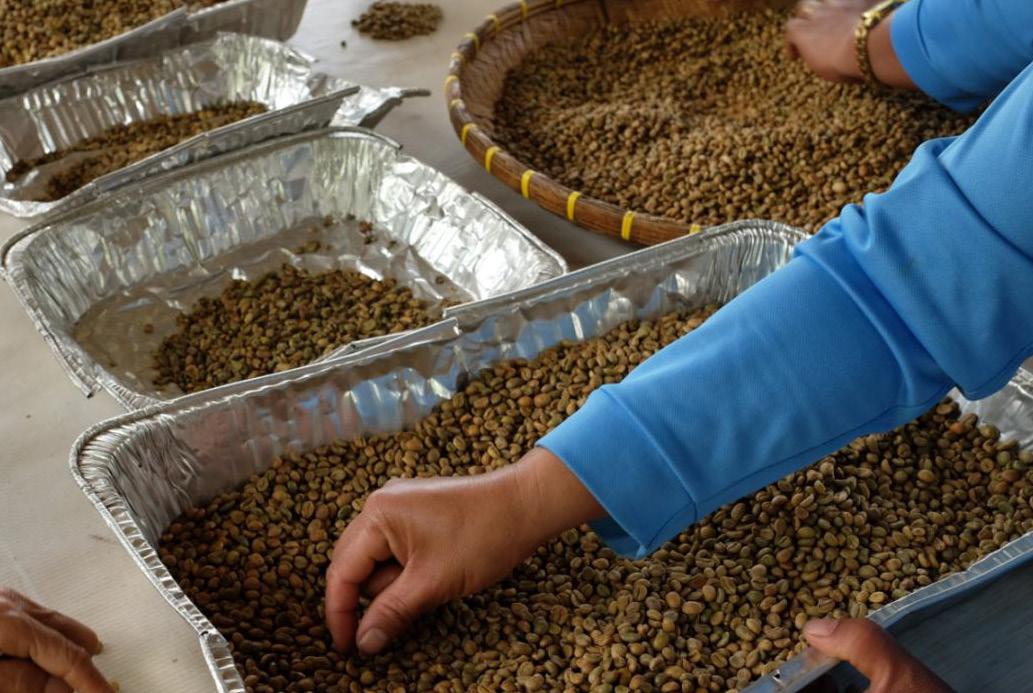
After harvesting, cherries are double-sorted to ensure only the best reach the drying beds. They are rested under the sun to naturally dry. Farmers constantly check, turn, and monitor them throughout the day. It’s meticulous work that only a hardworking hand can do and take pride in.
Big Wins
In 2020, North Star Upi received a Silver Award at the 6th Coffee Roasted at Origin International Contest by AVPA in France for their Maguindanao Premium Blend under the Puissant Doux category, meaning “powerful and smooth.” The blend combines four native coffee varieties: arabica, liberica, excelsa, and robusta. Aside from its international blend, North Star Upi takes pride in its very own liberica and hopes to bring more opportunities with this variety. While this is mainly associated with Luzon, particularly Batangas and Cavite, the mountainous soil and elevation of South Upi help coffee thrive, producing healthy, robust, export-worthy
As we wandered the cooperative, observing farmers pruning, dehulling cherries, repairing facilities, and tending to drying beds, Jun explained, “When farmers earn enough, they can stay in their hometowns instead of leaving in search of work. They can send their children to school and plan for the future with more certainty.”
their routines, documenting daily activities on social media to share their work with the world.
When coffee is out of season, they supplement their livelihoods with other crops. They welcome training and visitors who want to learn from them and explore opportunities. They schedule general cleaning across the processing area and even provide temporary shelter for fellows during calamities. The goal is to maintain a steady work rhythm grounded in the land. I see it as an act of gratefulness and source of inspiration within the community and beyond.
Though recognized internationally, the heart of North Star Upi remains in the highlands of South Upi. Farmers continue
Finishing
my cup in the very place where it was grown, I savored the beans’ lingering smoky and fruity notes. How fortunate I was to feel the depth of flavor that connected me to the land and the people who nurtured it. Each cup I drink in the future will remind me of them— of humble hands, sustained effort, and a community’s hope rooted firmly in South Upi.
On nearly missing a flight for a coffee fix and discovering a hidden gem because of it
I almost missed my flight in search of coffee. But if I hadn’t, I would have never stumbled upon ADCD, a 1950s house turned creative space in Dumaguete City.
After revisiting Siquijor and Dumaguete on a solo trip, I had some time to spare before my flight back to Manila. I decided to hunt for Mr. Saigon, a SinoVietnamese cafe which was recommended by a friend for their affordable and authentic eats.
What I didn’t know was that it was hidden inside a charming mid-century house.
After a leisurely lunch at Esturya sa Kri, a local spot that serves
Discovering ADCD: Arts and Design Collective Dumaguete
comfort food and craft beer, I let Google Maps lead me to the cafe, but found a house with an open gate and a sign pointing to ADCD instead.
ADCD stands for Arts and Design Collective Dumaguete Formerly known as 58 EJ Blanco, the 1950s-style house in Barangay Piapi is a space where locals, tourists, and enthusiasts can explore the latest trends in art, design, culture, and food.
The hub aims to create a rich artistic ecosystem “that respects heritage, promotes inclusivity, and values the contributions of artists and artisans.”
A stone path to the left of the house led me to Fermentina, an artistic garden cafe and bar
under the trees. Right next to it was Ritual, a refillery/eco-shop. A waft of spa-like florals, herbs, and citrus aromatics filled the cozy shop as I browsed through wooden crates filled with organic soaps and sustainable products. A shed door nearby led to Art Workshop, an artist’s studio with posters advertising watercolor painting and sculpture workshops.
Mr. Saigon, the cafe I was looking for, was a colorful nook tucked behind the back of the house. The server handed me a menu and a marker with a note indicating that the servers were deaf. I appreciated how the paintings displayed around the cafe featured the alphabet in sign language, along with the assortment of books for customers to read.
Had I not just come from a heavy lunch, I would have tried their Banh Mi, which came in vegan and mini versions. I settled for their Vietnamese Coffee with Sea Salt Cream and a silky Coconut Flan instead. It was a weekday, and I was the only customer at the time, making the cafe pleasantly quiet and introvert-friendly. But you can tell that it’s the type of place that gets buzzing with creative events during weekends.
The Underrated Antique Only a Few Travelers Know
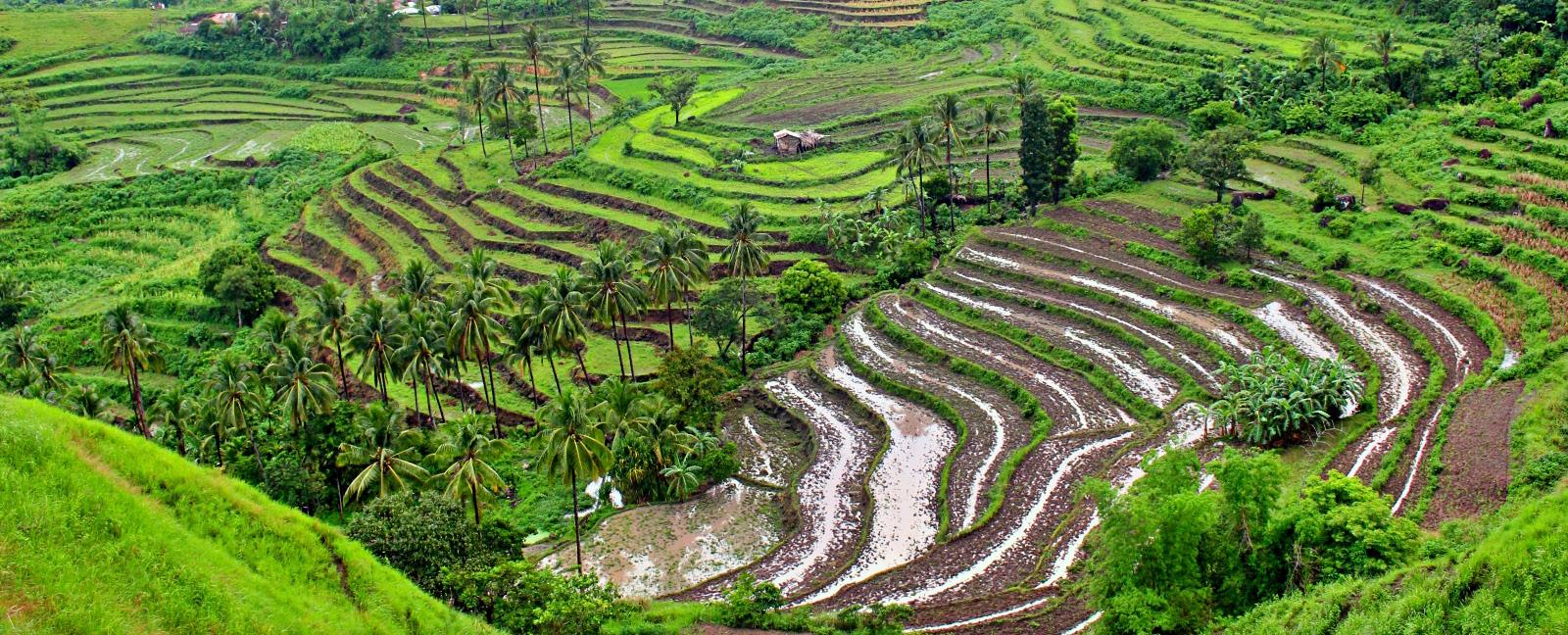
centuries-old rice terraces built by the Iraynun-Bukidnon, an indigenous community whose language, Kinaray-a, is woven into the Antiqueño’s daily life.
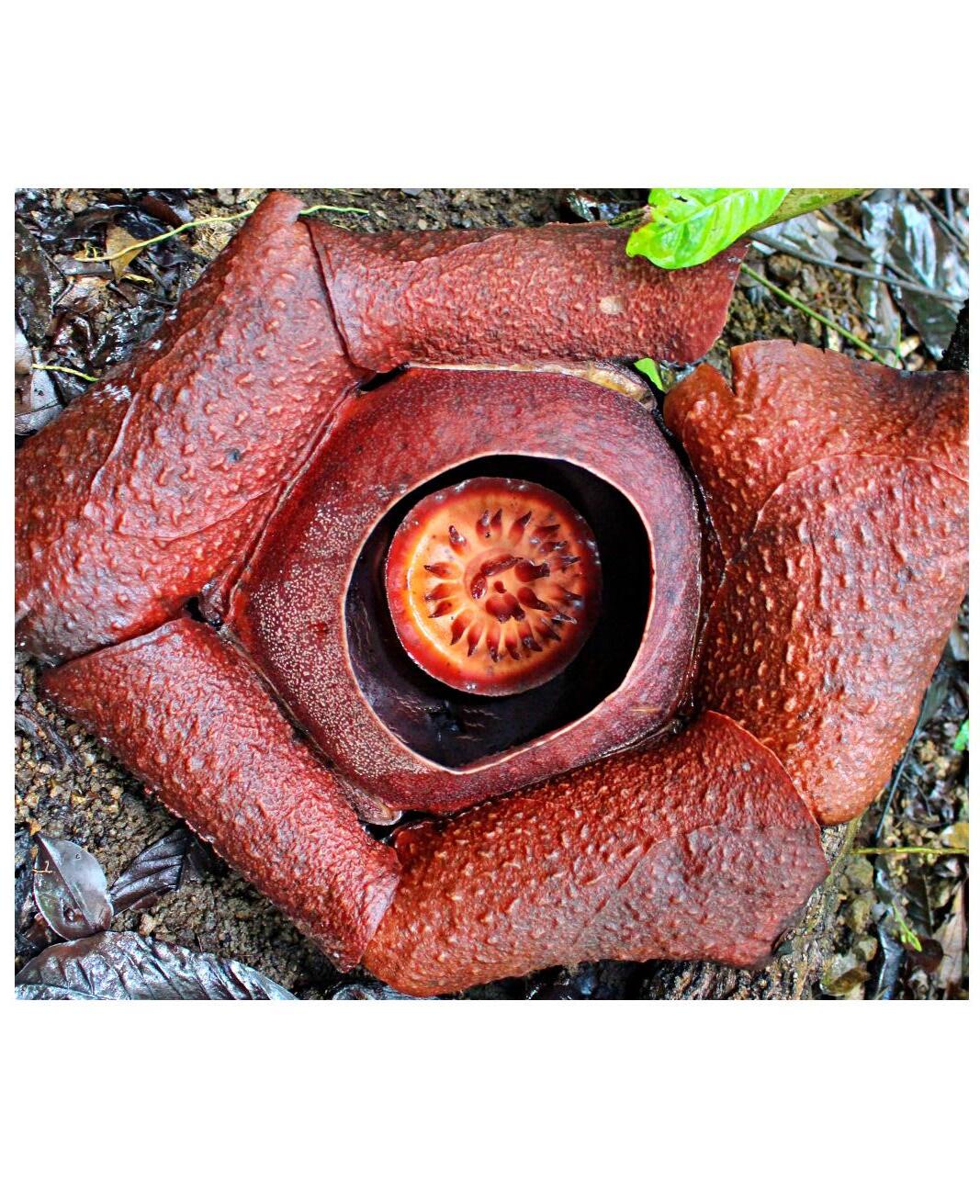
that blooms unpredictably and survives only for a handful of days.
Seco Island, an elongated sandbar shaped uncannily like a bent elbow (its name derives from
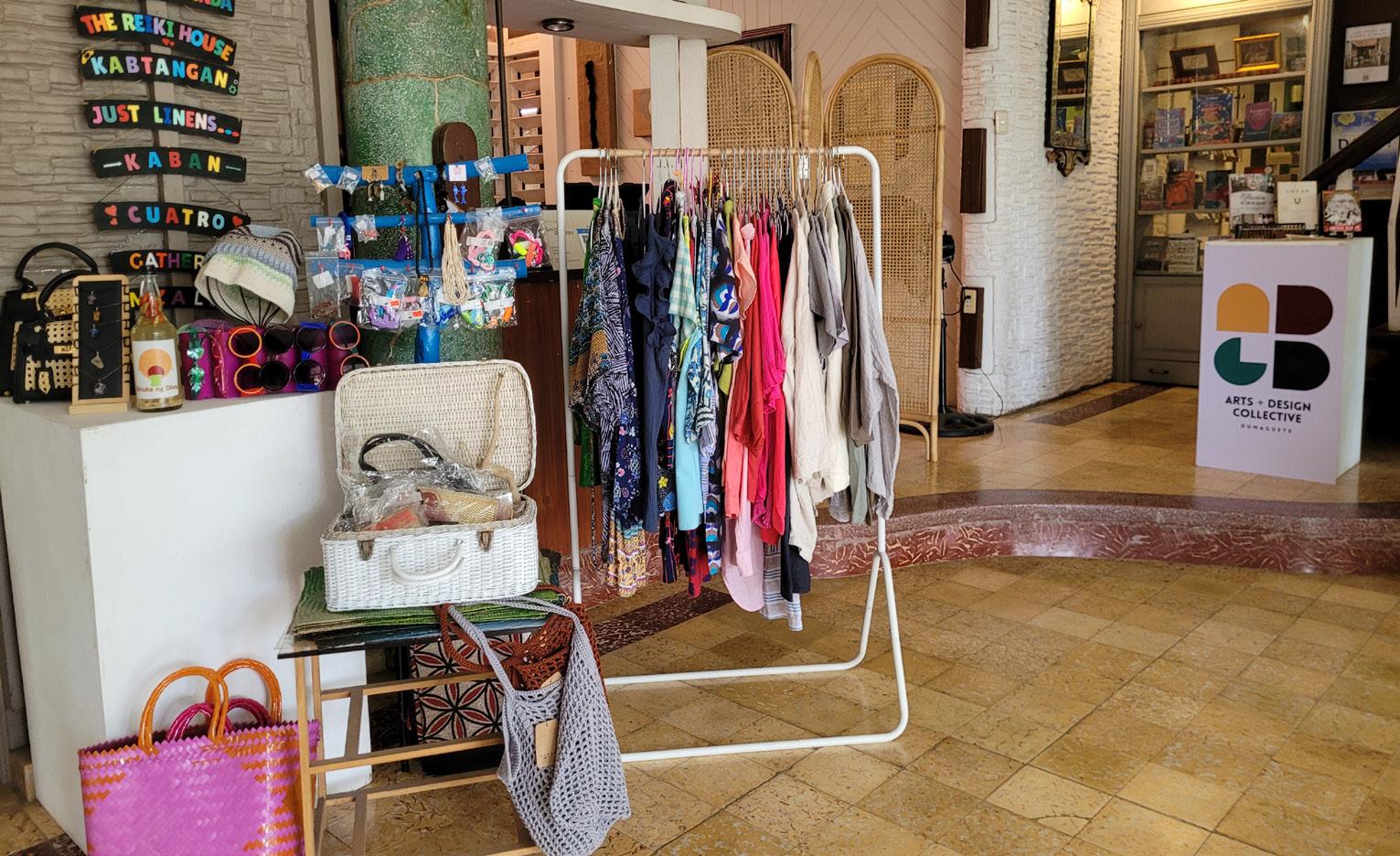
As I entered the main house, I was greeted by a cheerful space filled with racks of thrift clothes, vintage pieces, accessories, bags, scarves, and knick-knacks.
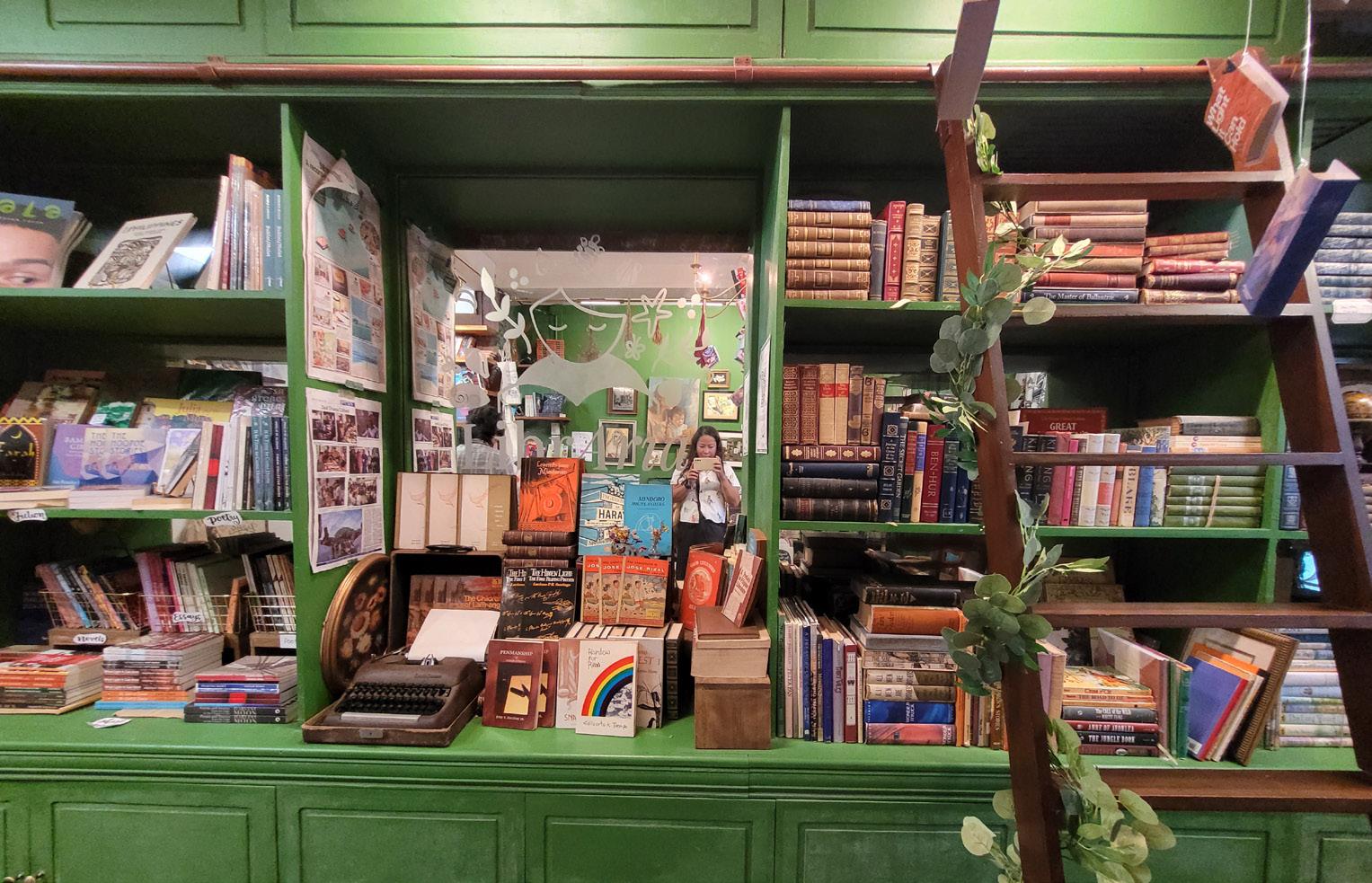
After peeping at the studios on the second floor (which were converted from old bedrooms) and leafing through books on the staircase shelf, someone waved from inside. I didn’t realize that the shelf was another door leading to Libraria, a whimsical bookshop with forest-green shelves, botanical wallpaper, and books dangling from a chandelier.
The bookstore was small, but it contained a great selection by local Filipino authors, vintage books, indie komiks, hardbound classics, paper dolls, stationery, postcards, and more.
I browsed for a while, hoping to find cat postcards to add to my collection, but ended up buying a cat-related book by a local author. The way the bookshop attendants wrapped my purchase with a floral leather ribbon felt artistic and heartfelt—an experience you don’t often get from mallbased bookshops and chains.
An hour later, I found myself rushing down the tarmac, the last to board and walk down the plane aisle with everybody on the flight comfortably seated. I had underestimated the traffic and travel time to get to the airport. The simple coffee hunt and bonus bookshop turned out to be a delightful distraction.
Arts + Design Collective Dumaguete is located at 58 E.J. Blanco Road, Piapi, Dumaguete City, Philippines.
Often overshadowed by the vibrance of Iloilo City, the white sandy beaches of Boracay, and the mystique of Gigantes, most travelers tend to overlook Antique—a province on the western flank of Panay Island
Thanks to those who arrived by accident or curiosity, news began circulating in recent years about Antique’s dramatic landscapes: cloud-covered summits, deep forests, crystalclear rivers, sleepy fishing villages, and far-flung islands. As more visitors seek places beyond the usual circuits, Antique is finally getting its spotlight.
Essential Stops in One of the Country’s Most Overlooked Provinces Antique rests in the Central Panay Mountain Range whose highest point, the 6,946-foot Mount Madja-as, lures hikers from across the region. Hidden deep in the uplands of Barangay Fullon lies one of Antique’s most compelling treasures: a cluster of
Stretching across 600 hectares and reminiscent of Banaue’s famed amphitheaters, the San Remigio Rice Terraces showcase breathtaking agricultural work. The four-hour trek to the viewpoint is made more bearable by the warmth of the Iraynun-Bukidnon, who continue to tend to the terraces. Now preserved with the help of the National Commission for Culture and the Arts, the terraces are a reminder of a sophisticated agricultural tradition of the island’s earliest settlers. Botanists and hikers alike venture into the nearby forests of San Remigio’s Aningalan to search for the elusive Rafflesia speciosa, a rare endemic flower
siko, or elbow in the vernacular), is dazzling in its isolation. The five- to six-hour boat ride is a test of patience, but the reward comes greatly: powdery white sand, shallow turquoise to deep blue lagoons, and that out of the ordinary feeling of being dropped into the center of the Sulu Sea. Just off the town of Culasi, Mararison Island greets visitors with a choir. The Mararison Children’s Choir, composed of local students, sings “Kinaray,” a traditional piece that harmonizes across the shore. A short hike leads to Lantawan Peak, where a 360-degree panorama reveals rolling hills, coves, and the open sea. At night, fireflies light up the vegetation—a fitting nightcap
before visitors retire in simple community-run homestays. In Sebaste, the trail to Igpasungaw Falls is an easy 45-minute walk, ending at a broad, curtain-like cascade that spills into a series of clear, cold pools. The largest basin is shallow and swimmer-friendly, though caution is still warranted. The falls’ picturesque surroundings make swimming irresistible. Adventure-seekers often make a detour from Boracay to Tibiao for a day of exploring waterfalls, rivers, and a hot bath. Bugtong Bato Falls, a three-tier cascade, is reached after a brief hike. Tibiao River offers a wilder experience: an untethered inner-tube ride through rapids, followed by the province’s signature kawa hot bath—a firewood-heated cauldron perfumed with herbs. But just when you think you’re done for the day, Antique still has a few surprises up its sleeve. The modest Museo de Tibiao houses the 25-kilogram “Pearl of Tibiao,” considered among the world’s largest. In Anini-y, the 17th-century Church of Saint John of Nepomuceno, built with coral stone and weathered by war and storms, stands watch over the sea. Offshore, Nogas Island untouched except for a lighthouse,
offers mangroves, kalachuchilined paths, and birdsong. In Pandan, the Bugang River, repeatedly cited as among the country’s cleanest, is a gathering place for picnics, swimming, and slow paddling. At the provincial capitol, two National Artists, Napoleon Abueva and Jerry Elizalde Navarro, leave their mark through a sculpture of Evelio Javier and a painting depicting the legendary Barter of Panay. It tells the story of 10 Bornean datus who, according to oral history, traded a golden salakot for the island. These datus are also immortalized in life-size sculptures on the bank of the Malandog River Legend, landscapes, culture, and quiet beauty converge in Antique. What was once a province known
Words and images by Kara Santos
Words and images by Marky Ramone Go
Antique is proof that lessertraveled doesn’t mean less.
Cueva Del Santo: A 16thCentury Man-Made Catholic Sanctuary in Quezon City
Words and images by
Silverio Lagman Sevilla III bamboo under the initiative of San Pedro Bautista as the elected superior of the Franciscan missionaries to the Philippines.
I decided to leave the anticorruption protest rally on that early Bonifacio Day afternoon to have a better chance of arriving at San Pedro Bautista Church Complex in Quezon City while the underground Cueva Del Santo (“Cave of the Saint”) was still open.
Located in San Francisco del Monte, the San Pedro Bautista Church Complex was originally a convent and a chapel that was constructed with nipa and
Dedicated to Our Lady of Montecelli, it was located on land granted by order of Governor Santiago de Vera in 1590. The chapel was soon replaced by a wooden structure in 1593, then by stone six years later.
After suffering damage during the 1639 Sangley Uprising, it was reconstructed in 1699—a remodeling dedicated to the newly beatified Pedro Bautista who was martyred in Japan in 1597. The
TAP
Into This Week’s Crossword Puzzle
ACROSS
2. The Japanese concept of finding purpose in small routines
3. Thick, bittersweet chocolate drink often paired with puto maya
5. Iloilo’s 9.29-kilometer riverside walkway
8. 16th-century man-made cave in Quezon City
10. Traditional Maranao chicken dish simmered in gata and turmeric
11. The Vietnamese sandwich found in Mr. Saigon in Dumaguete
12. The shape of Seco Island in Antique
13. The indigenous people of South Upi, Maguindanao
DOWN
1. The “beast of burden” that provides the meat for bulcachong
4. Common name for liberica coffee beans in the Philippines
6. Whimsical Baguio bookshop with a garage and elves
7. Rare, giant flower found in San Remigio’s forests
9. Province where the islands of Matukad, Lahos, and Gota are found
*Tune into to the next issue for the answers!
The Filipino Dream: A Cartoon Series The Archipelago Press 01202026
church was elevated into a Minor Basilica on September 14, 2020.
I rode an L300 passenger van from Manila and disembarked at Quezon Avenue, just across Fisher Mall, where I rode a jeepney that plied Fernando Poe Jr. Avenue. It already started to drizzle when I alighted at the corner of Del Monte Street and walked toward the church.
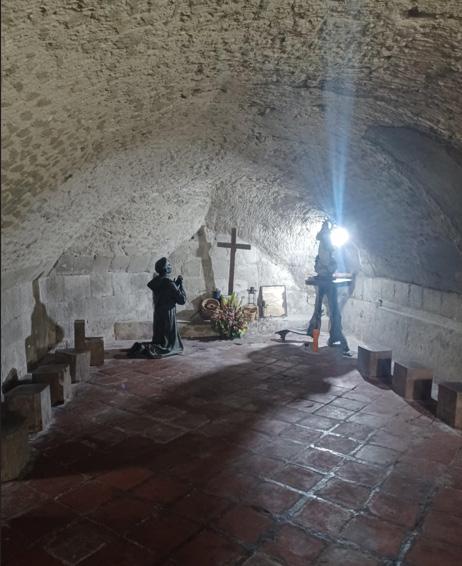
A Sunday Mass was being celebrated when I arrived a little past 4:00 PM. Farther into the church grounds lies a garden on the other side. To its right is a short stone stairway leading down to the cave. Stepping inside its dimly lit chamber, I found a middleaged woman and a teenage boy sitting on the concrete stumps. They were praying before a
statue of San Pedro Bautista, which kneels before a crucifix.
Nearby was yet another crucifix embedded in a depression on the wall, and to its right was an elevated image of Mother Mary.
As they were leaving, the boy touched the statue of the martyred saint and made the sign of the cross. As they were about to pass me near the entrance, the woman asked me to turn off the lights and leave the door just a bit ajar before l departed.
The centuries-old cave, where I took solace for a fleeting moment that Sunday afternoon, was designated by San Pedro Bautista himself as a place of prayer and contemplation. I sat down opposite to where the mother and child sat, indulging in the calm and quiet scenery of the religious artifacts of my faith. With the cave all to myself, it offered me the revival of spiritual vigor, once intended for the Franciscan missionaries.
Karlo
One Stroke at a Time: Swimming Through the Open Waters of the Philippines
An open water swimming enthusiast shares the joys of the sport, waters to explore, how to get started, and where to look for swimming events
Words and images by
Christine Fernandez
With my face in the water, I tried to make out the sea floor, but it was as if someone had slipped a blindfold over my eyes. A trail of bubbles drifted from my nose each time I exhaled, the only thing visible in the darkness. Being one and a half kilometers away from shore, the depth didn’t surprise me. But with nothing on except goggles and a swimsuit, I couldn’t help feeling a little exposed.
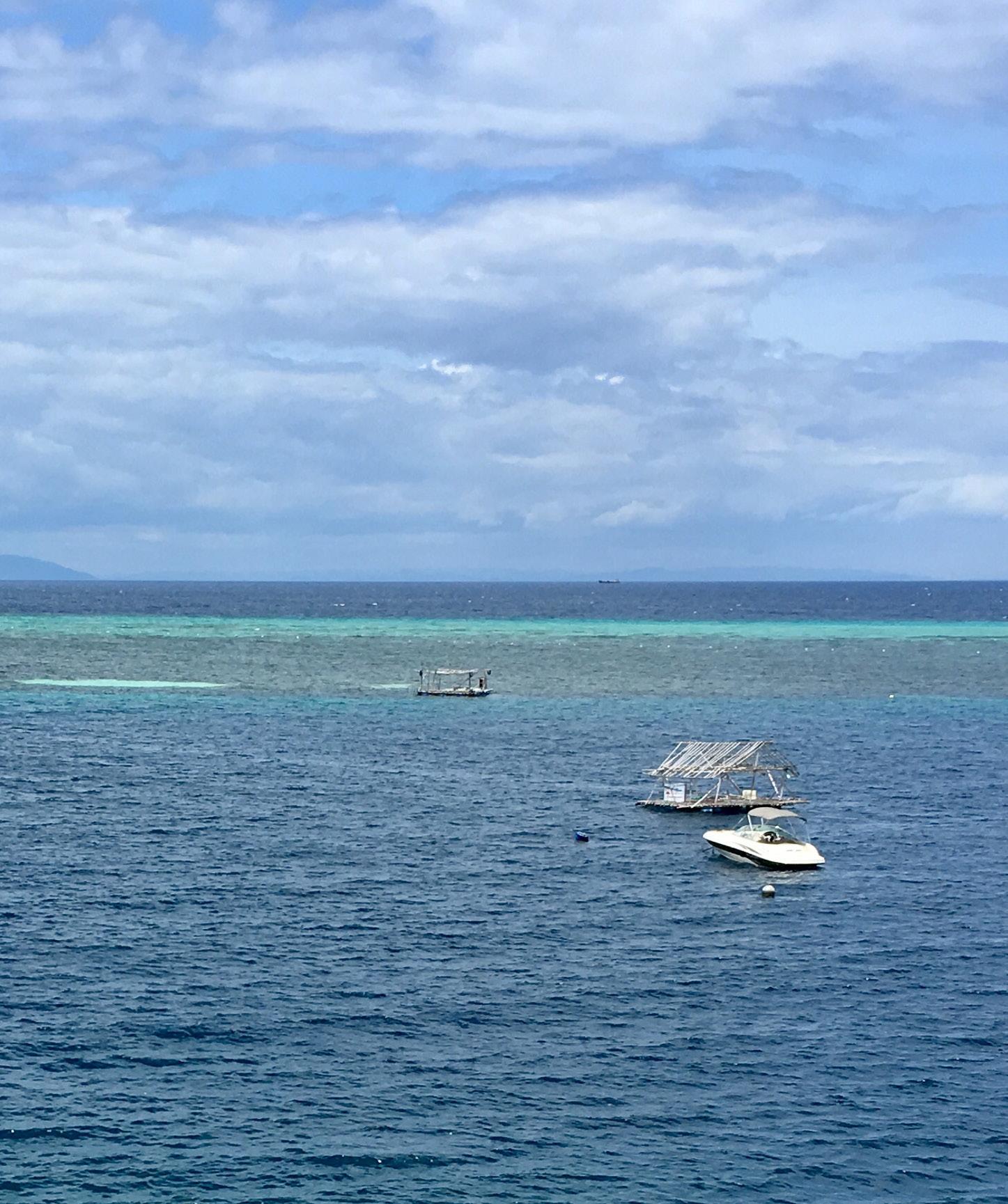
There I was, in the middle of my first-ever open-water swimming event, held in the stunning waters of Caramoan in the province of Camarines Sur. The route was a five-kilometer loop from Gota Beach to the islands of Lahos and Matukad, then back to Gota. With the waves pushing hard against us, the start was tough, but I had trained for this. I reached the first hydration stop: a floating pontoon anchored in the middle of the sea. After accidentally gulping seawater, I was thirsty. While wrestling with the waves and trying hard to remain afloat, I reached up to grab a bottle from one of the volunteers (swimmers are not allowed to climb aboard), took a quick sip, then handed it back before swimming off. I was amused that
something as simple as drinking water suddenly felt like a stunt.
Tourists normally travel this route by boat on island-hopping tours, passing dramatic rock formations and experiencing its colorful underwater world. Today, I was experiencing it the slow way: one breath, one stroke, one bubble trail at a time.
The water toward Lahos Island, about 1.1 kilometers away, kept jostling me. Instead of fighting it, I settled into my rhythm—slow, steady, patient. A few jellyfish stings pricked me like tiny pins. They startled more than they hurt, small reminders that I was swimming in their home. So I kept going, watching the island grow closer.
the surface lies a whole other world of vivid corals, teeming marine life, and quiet moments far from land, waiting for anyone willing to take the plunge.
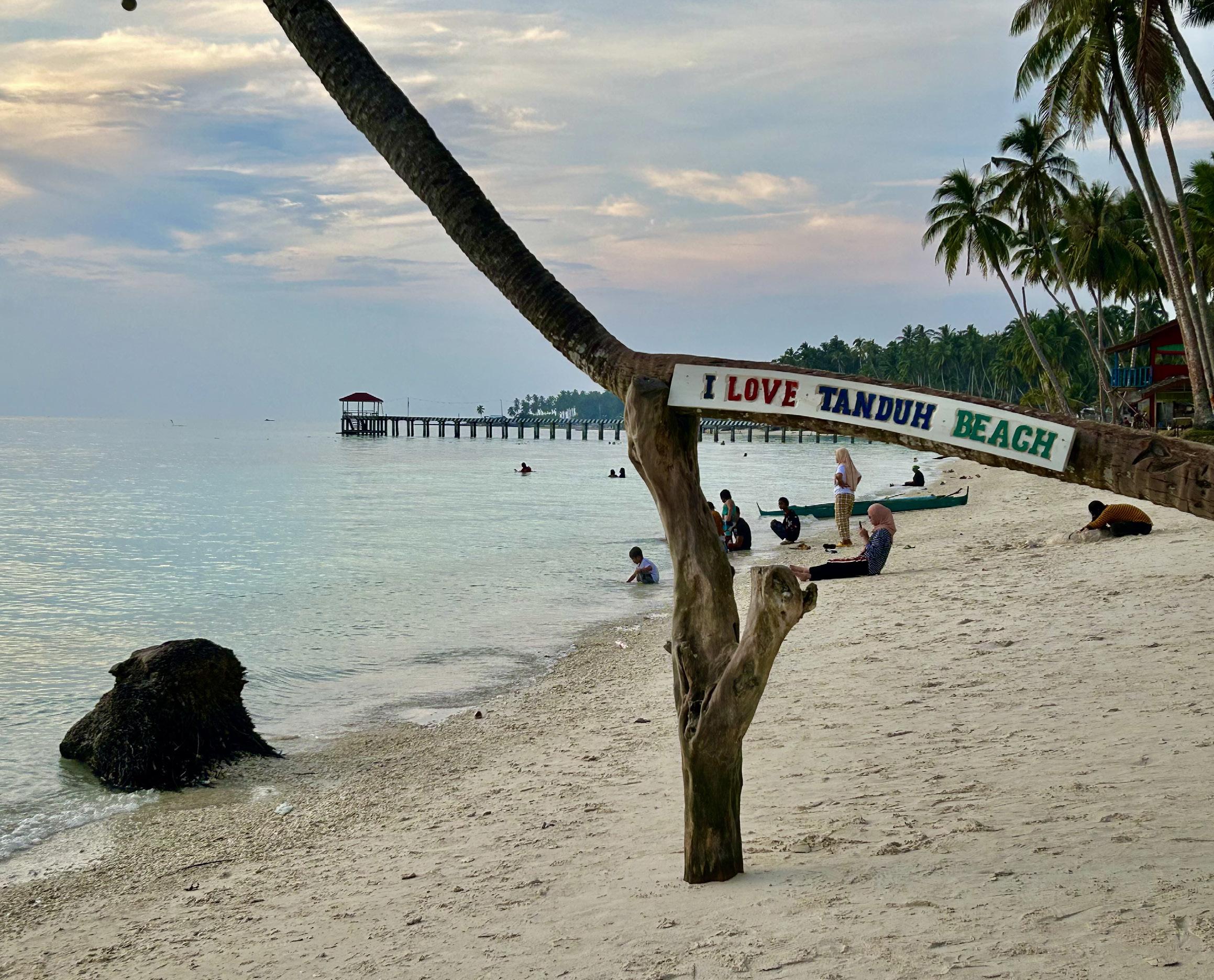
For those ready to explore, the Philippines offers no shortage of swimming spots. From Tanduh Beach in Sulu, beloved for its velvety sands and calm turquoise waters, to the northern shores of Zambales, where strong waves and deep water offer a playful challenge, there’s something for every kind of swimmer. Lobo in Batangas is dotted with resorts and offers a glimpse of the Verde Island Passage, called by marine experts the “Center of the Center of Marine Biodiversity” for its rich underwater life. Of course, one cannot skip the usual favorites: Cebu, Boracay, and Palawan.
These are just a few of the countless swim-worthy spots in the country. If you’re new to open water, lessons can make the experience safer and far more enjoyable. Swimming events are often posted on the Facebook pages of reputable local organizers, such as Swimjunkie Challenge and The Swim Academy PH, to name a few.
And no matter the location, being in the water feels different. Each stroke carries you through refreshing seawater, sometimes past coral gardens, sometimes just open blue, but always leaving you calmer, refreshed, and a little happier. You don’t need to be fast or strong; just willing to jump in and notice the small wonders along the way—one breath, one stroke, one bubble trail at a time.
Soon, the underwater scenery shifted. The sandy bottom came into view, followed by Lahos’s striking rock formations. After a volunteer slipped a bracelet onto my wrist as proof I’d reached this point, I headed toward Matukad, the last stop before the final 1.4-kilometer push back to Gota Beach. Matukad is known for its soft sand, dramatic limestone cliffs, and a hidden lagoon that locals believe to be the home of a mystical bangus (milkfish). I was glad I’d been able to enjoy it slowly the day before. Pressed for time and focused on the swim, there was no chance to linger.
As I turned back toward Gota Beach, I realized the best part wasn’t the finish line. It was every slow, delightful moment in between: marveling at an oddlooking fish darting past, spotting corals that resemble miniature brains, or simply enjoying the water with my thoughts
whisked away from life’s chaos. I finished the swim in three and a half hours. A competitor in the 10K category completed his in two and a half. My time was slow, but I didn’t join the race to compete. I was there to see what lay beneath the water and to do it safely within the cutoff. It was an adventure I never would have achieved on my own; just the thought of arranging boats and mapping a safe course is daunting! Yet, experiences like this highlight a larger irony about the Philippines: despite having thousands of islands and world-renowned beaches, open-water swimming remains surprisingly underrated.
One reason for this becomes clear when considering accessibility. Swimming isn’t a mandatory part of the national school curriculum, so the skill often depends on who can afford lessons or who has easy access to water. Still, beneath
Iloilo’s Endless Esplanade
or simply walk along the city’s sidewalks. Iloilo has plenty of them, all clear of obstructions— something you cannot say for most sidewalks in cities of this country.
I arrived at the intersection of Bonifacio Drive, where the esplanade seemed to have concluded, only to lead to the other side of the road. As a walking enthusiast, it was rare to see an esplanade that’s not half-assed; pedestrians are not the government’s priority. Overjoyed, I pressed on.
Soon, I was joined by fellow morning revelers—walkers, runners, bikers, dog lovers, friends, and lovers—both young and old. A dragon boat practicing for a race pummeled through the waters. Its rhythmic drums— beating in time with our hearts— greeted us with a good morning. Every so often, I would encounter a mini plaza, where people would sit and rest, converse, and simply gaze at the river.
“Oh my god. Does this esplanade go on forever?” I wondered as my feet treaded the brick pathway that meanders along the banks of the Iloilo River. I could’ve checked Google Maps on my phone, but thought, “Where’s the fun in that? I intend to see this through the old-school way: where the rainbow pathway ends by exploring it in real life.”
We don’t do much planning during trips. My early morning walks would usually depend on where we are lodged for the night. As it was located in downtown Iloilo, near the city’s historic buildings—our lodging is also historic, by the way, though in a peculiar way—along Calle Real, the river esplanade was the first thing I spotted.
It was absolute luck that I spotted the river as I ambled aimlessly along Calle Real. I thought it was so interesting that it became my go-to place for our almostweek-long stay in Iloilo City.
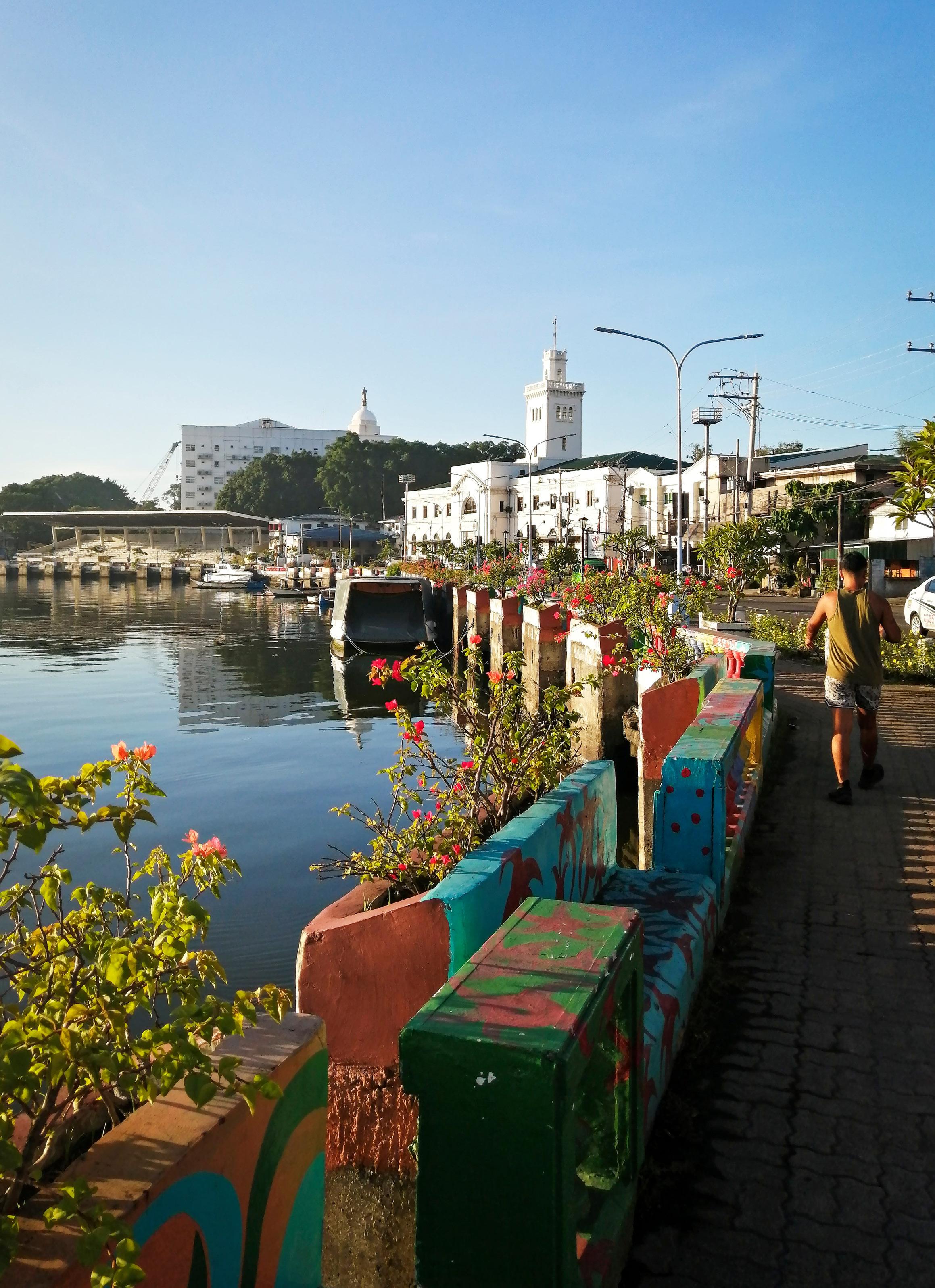
My first acquaintance with Iloilo’s River Esplanade was at the Muelle side of the river, along Calle Aldeguer. From where I was standing, the river paints a shimmering foreground to the neoclassical façade of the Aduana Building, which now houses the Museum of Philippine Maritime History. This handsome building—symmetrically divided by its central tower—was the city’s former customs house, a fixture essential to the river during the American Colonial Era.
The rising sun painted everything in an Amorsolo-esque golden glow. Turning my back to Aduana, I started walking northwards, passing a bridge painted in rainbow hues. Apparently, Iloilo has a thing for colorful
bridges, and it won’t be the last rainbow bridge that I’ll pass.
The modern Iloilo Provincial Capitol soon rose into view, and beside it, Casa Real—the former seat of the province— another neoclassical gem.
I continued on, thinking that after passing a major road artery, the esplanade would probably end, and I’d need to turn back
The esplanade wound on, passing through the back-of-house of residences, restaurants, and other commercial spaces. That distinct estero stench that pervades Manila’s riverside neighborhoods is absent, and the air smelled fresh. “I can definitely get used to this,” I thought to myself.
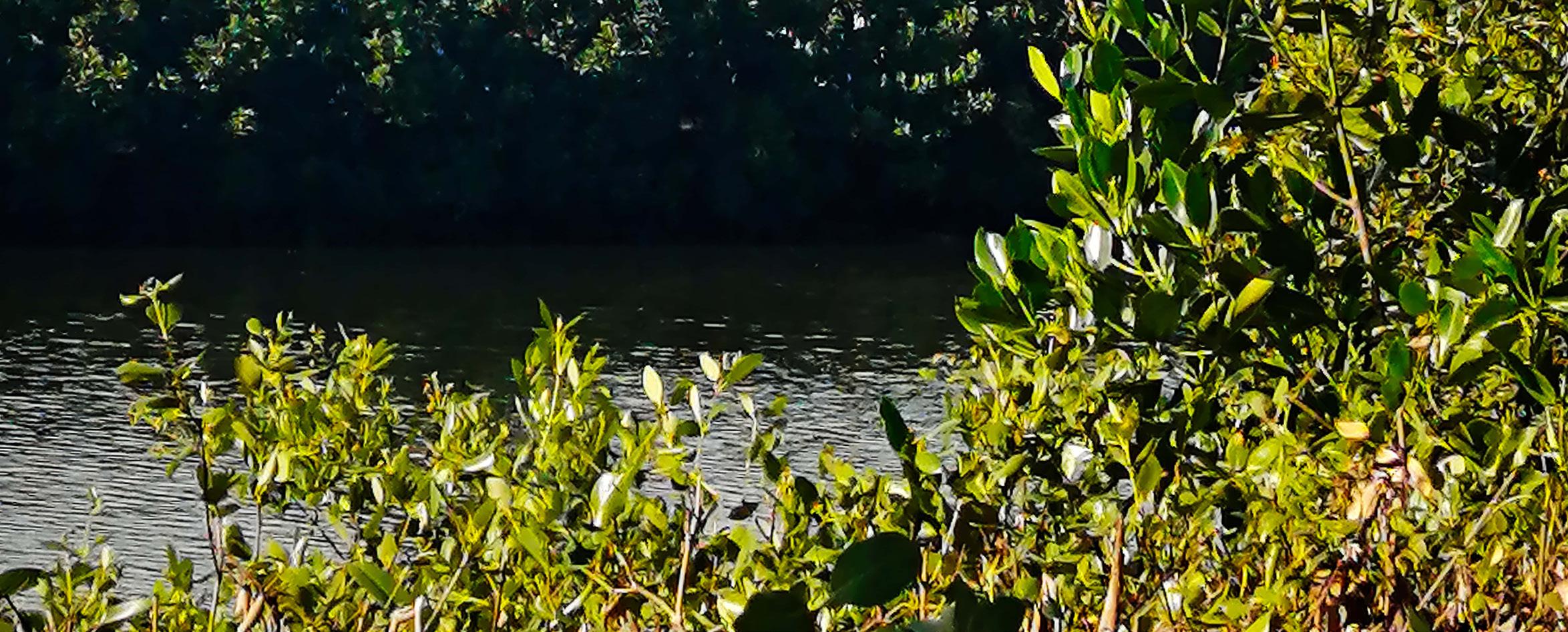
Mangroves mushroomed along the banks—a community project that involved private companies, local groups, and the community. It boasts 22 of the country’s 35 mangrove species, guarding the banks from erosion and serving as a fish habitat. Soon, I passed by a couple of manongs, lazily fishing along the river.
It was almost a full hour of walking, and still, there seemed to be no end to the esplanade.
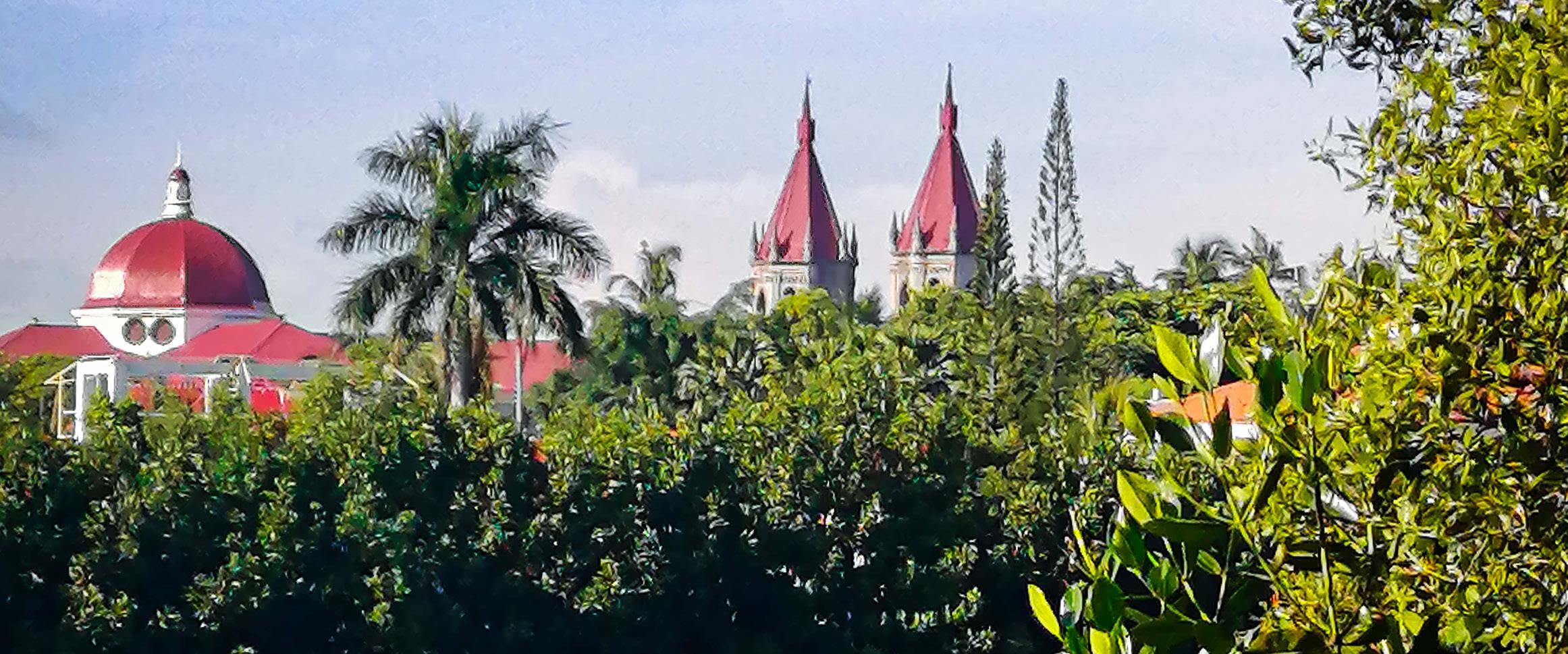
The twin red spires of Molo Church peeked through the trees. Finally, after more than four kilometers, there at The Medical City Iloilo, the esplanade ended…at least on one side. I crossed to the other side, passing another colorful bridge, the Old Carpenter Bridge, where people posed at the gigantic “I am Iloilo” marquee.
At a nondescript riverside café, Ilonggos enjoyed their breakfast of hot molo soup and tsokolate de batirol. I sat at one of the tables, a cup of thick chocolate drink and a couple of freshly baked pandesal in front of me—the perfect fuel for another round of walking, this time, on the flip side of the Iloilo River Esplanade.
Words and images by Christian Sangoyo
The intimacies of walking along Iloilo’s popular 9.29-kilometer riverside esplanade
Reading, Writing, and Coming Home to Mt Cloud Bookshop
An homage to how some places quietly bear witness to our growth and our return home
Writers start out as readers.
I did not dream of becoming a writer as a kid. I only knew I enjoyed spilling secrets in my diary and getting books for Christmas and birthdays. It didn’t matter if the book was 30 or 300 pages. It didn’t matter who wrote it. It didn’t even matter if they were old textbooks from our neighbors who studied in private schools. As long as I was reading, I was happy.
So, when I was fifteen and one of my best friends gifted me a secondhand novel from a new bookshop at Casa Vallejo, I was delighted. Little did I know it would be the start of an even more exciting and colorful journey.
And then Wattpad entered the scene. My classmates and I would exchange epubs of Wattpad series via Bluetooth. At lunch, we would chat about theories and our feelings over the latest work by user HaveYouSeenThisGirl (also known as Denny R., the author of hits like “Diary ng Panget”). When I found out where to get epubs, I went on a downloading spree. I felt like the whole world (of books) was in the palm of my hand.
But it wasn’t the same. Orgs and schoolwork took up most of my time. I didn’t think seriously about books again until I went through my first major heartbreak and I wanted—rather, needed— to read and write something other than a feature article.
That’s when I thought about Mt Cloud Bookshop’s monthly open mic, Third Monday from the Sun. Third Mondays were such a phenomenon that some guests had to sit on the stairs by
Prologue
The name of the bookshop was “Mount Cloud,” my friend said. I marveled at the logo: three fluffy tendrils shaped like a cloud and a mountain at the same time. It was Christmas of 2011. We didn’t have a television at home, so reading was my number one hobby.
Buying books with my twentypeso daily allowance was out of the question. So, I didn’t go to Mt Cloud or other stores for books until years later. Thankfully, class libraries were a thing in our high school. We were even allowed to borrow books from other classrooms. That’s how I got to read Jessica Zafra’s Twisted and a couple of titles from Dean Koontz. My classmates and I were also hooked on the Hunger Games trilogy. We tagged each other in the memes and trailers.
Exposition
When I started college, I read three times as many news articles as works of fiction.
In between perusing explainers and op-eds, I’d borrow books from my orgmates at the campus paper and debate club. That’s how I got a hold of bestsellers by Paulo Coelho, Haruki Murakami, and John Green. I also went to Mt Cloud Bookshop at Upper Session Road to browse local books. On the walls, there were signs encouraging customers to read and linger. At the time, the cozy shop was gaining popularity for spotlighting Filipiniana books, especially those by authors from Baguio and Cordillera. There was also a neighboring Cinematheque where I’d watch indie films from around the world for free.
the window just to watch. I had been one of those spectators. One of my orgmates prodded me to try reading my love poems in front. But I didn’t have the guts to do that just yet.
The first open mic I joined was a poetry slam with fellows from a national creative writing workshop. I had no idea what a poetry slam was, and all I had were my small, sappy poems. But by some miracle, I made it to the second round! (Fun fact: Local spoken word artist Jordan Habbiling took home silver that night.)
Mt Cloud became my favorite haunt after that. I went to book launches, authors’ talks, and more open mics. I grew close with Mt Cloud Bookshop’s “elves” Faye, Novi, and Kabu. There, I also met amazing writers and
performers that I am blessed to now call my friends. I remember how my worldview shifted after listening to a talk by Susan Quimpo, author of the family memoir Subversive Lives. Before that day in 2017, I was one of the millions who believed that the People Power Revolution of 1986 was bloodless. Quimpo explained that the EDSA protest was built on acts of resistance that were violently ended by the dictatorship.
Buildup
After attending and even cohosting a few more book launches, a new dream formed in my mind’s eye. I wanted to write a book and launch it at Mt Cloud. It was not enough to make a book of my own. I had to have a book launch at my favorite bookshop. That was my vision.
I began editing one of my old works in early 2019. It was originally made for a “big book” project for our children’s literature course.
The protagonist, Ayen, was on a mission to find the most beautiful name in the world. Around this time, Mt Cloud posted an ad for the First Ed Maranan Kid Lit Writing Workshop. The timing could not have been more perfect!
The Ed Maranan Workshop was my first. 2019 was also the year that Mt Cloud Bookshop moved to Yangco Road. They left their one-room shop at Casa Vallejo for a classic twostory Baguio home with green and white paint. The building came with a garage and garden. The outdoor spaces are now used for trade fairs, meetings, and book launches.
The workshop was held on
the first floor. I went in blind, wide-eyed, and eager to explore a new realm. “Si Ayen at ang Pinakamagandang Pangalan” was one of my earliest attempts at writing in Filipino and my very first children’s story.
Our mentors were prize-winning children’s book creators: writers Dang Bagas and Liwliwa Malabed, plus Baguio artist Kora Dandan Albano. From them, I learned to write child characters who were active and multi-dimensional. With advice from our panelists and my cofellows, I was able to clarify my story’s dialogue and language. I also caught a glimpse of the publishing world when Ma’am Kora talked about royalties and how to choose publishers to work with. I took these lessons to heart.
Peak
Shortly after, my manuscript was accepted by a popular children’s book publisher. My mom was prouder and more pleased than I was when I told her the news.
Words by Heather Ann Pulido Images by Eldon Maganes and Nam Desembrana
My first book launch happened in September 2019 at the Manila International Book Fair (MIBF)—my publisher’s decision. I talked to my friends at Mt Cloud and they told me I could have another launch in Baguio when I got back. I thought to myself, it’s not exactly where I wanted to introduce my debut book, but surely the MIBF was also a great place for a first-timer. Since the MIBF was at the SMX Convention Center, only a handful of my friends were able to make it. Nonetheless, thousands of people came to the fair. I was thrilled that some of them picked up my book and lined up for an autograph. It felt surreal to see that characters born from my imagination were now roaming the real world.
My high school debate coach, Ma’am Marichu, treated me and my friends to dinner after the event. Months later, she would ask me to edit her debut poetry collection. The future looked as bright as Manila’s sleepless night sky.
Plot twist
Just two weeks after MIBF, I lost my mother. I had no time to grieve. I was given four days of leave, just enough time to bury my mom. My brothers had to go back to school. I felt the weight of my family’s fate on my shoulders. I was terrified and clueless, but I couldn’t show it. Sometimes, the jeepney ride home was the only time and place I could cry freely.
Still, I was determined to make my teen dream come true. With the aid of friends and family, I was able to arrange the launch of my first children’s book at Mt Cloud Bookshop in December 2019. My co-fellows from the Ed Maranan Writing Workshop came to cheer me on. “Ayen” was finally home!
Epilogue
Before I could catch my breath, the pandemic and global lockdown happened. I had to funnel all my energy into earning money and keeping my family safe and secure. I worked from sunrise to midnight, only taking breaks for meals. I pushed my body, mind, and soul to the limit. I pushed my budding dream of a writing career to the farthest corner of my mind.
But this story has a happy ending. After getting a stable remote job, I began drafting poems again. I sent them to indie magazines that posted calls for submissions on Twitter (now X). When I received my first few acceptances, I realized I was ready to try my luck with writing one more time.
I wrote over a hundred poems in 2023. I tracked every submission. Most of the pieces were about my mother, my old neighborhood, and the other loves I had lost. Before I knew it, I’d made enough poetry to put into my first chapbook.
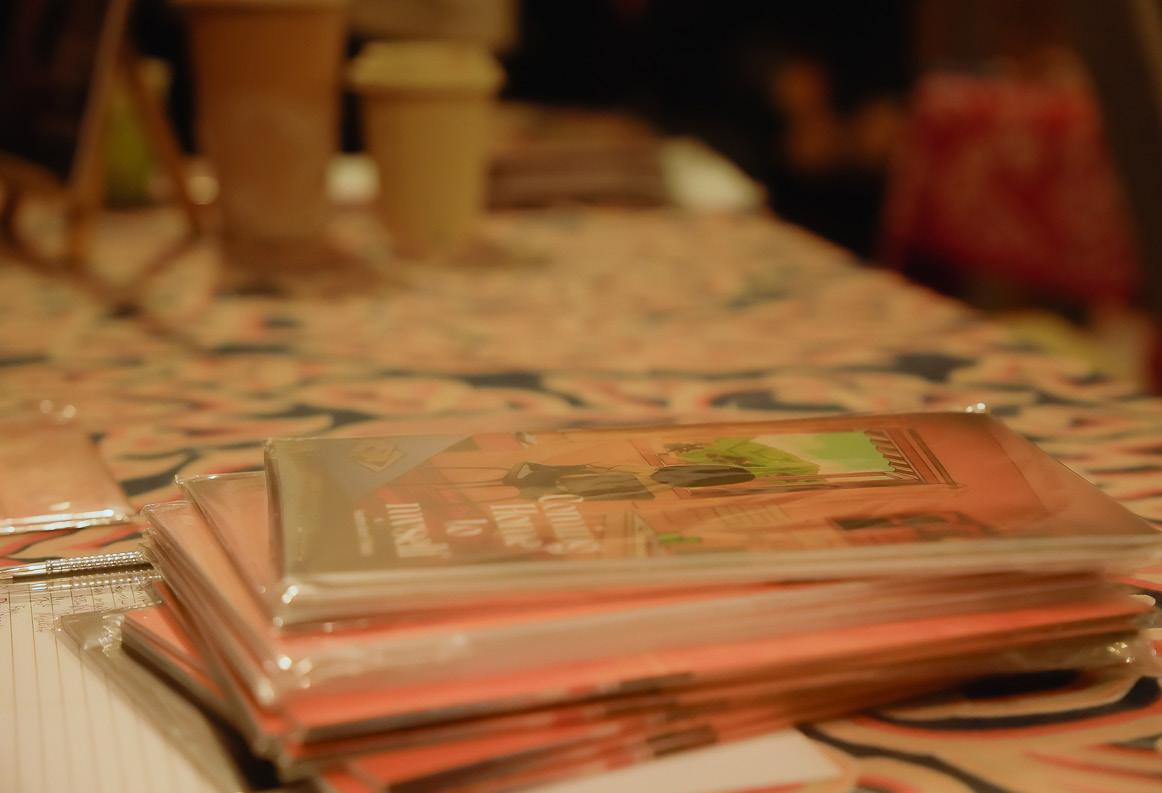
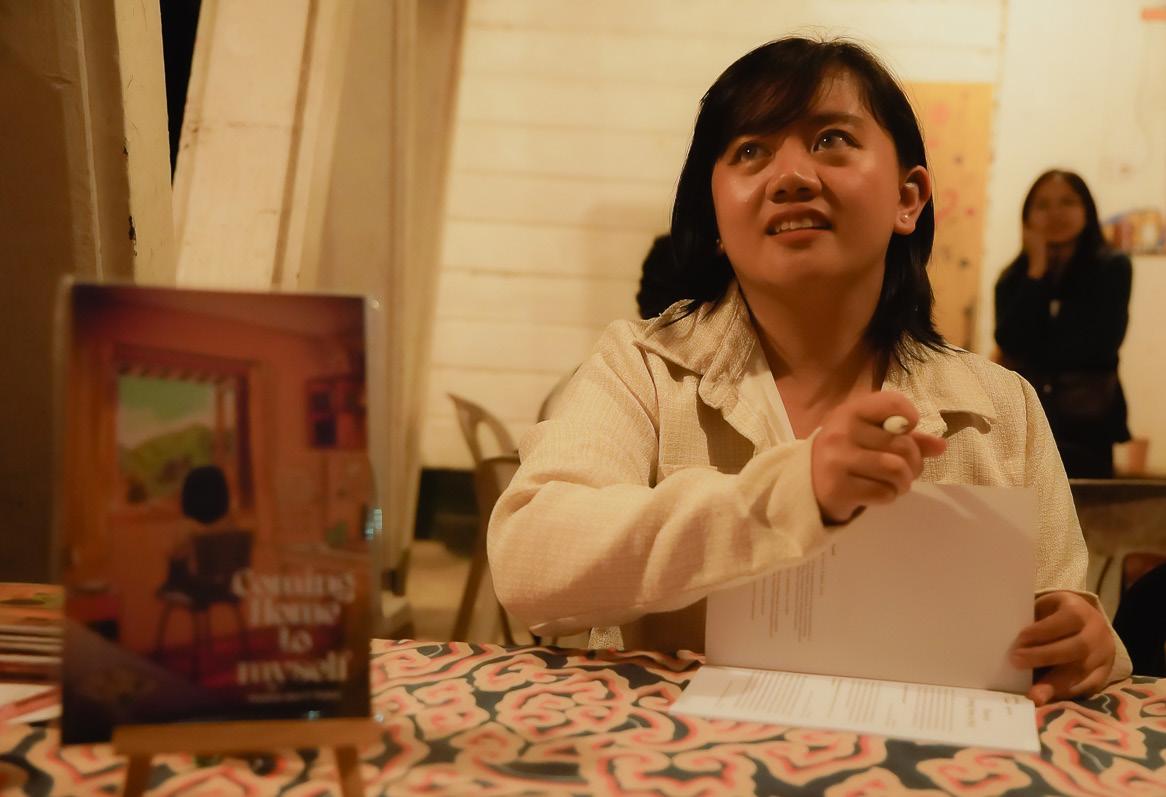
I named my chapbook Coming Home to Myself to honor my return to writing and the struggle of finding my voice after many huge losses. It took me a year to get it out due to problems with the
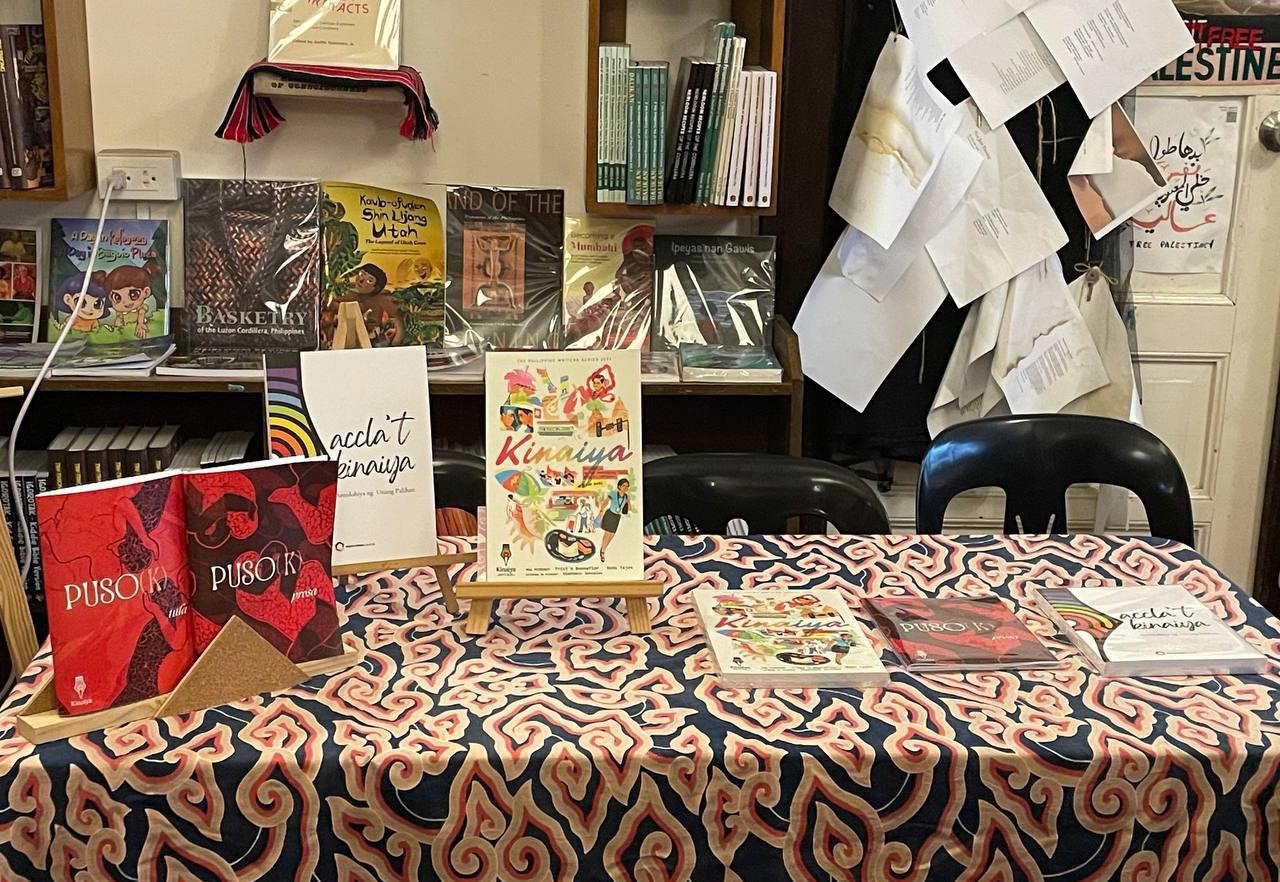
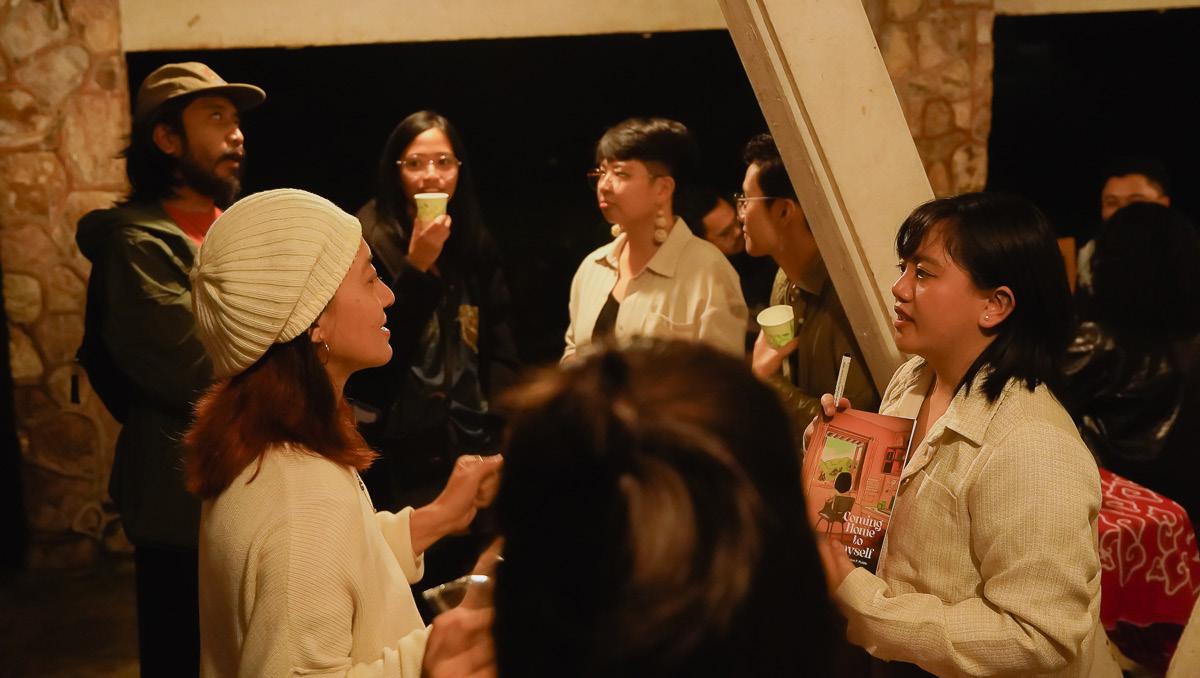
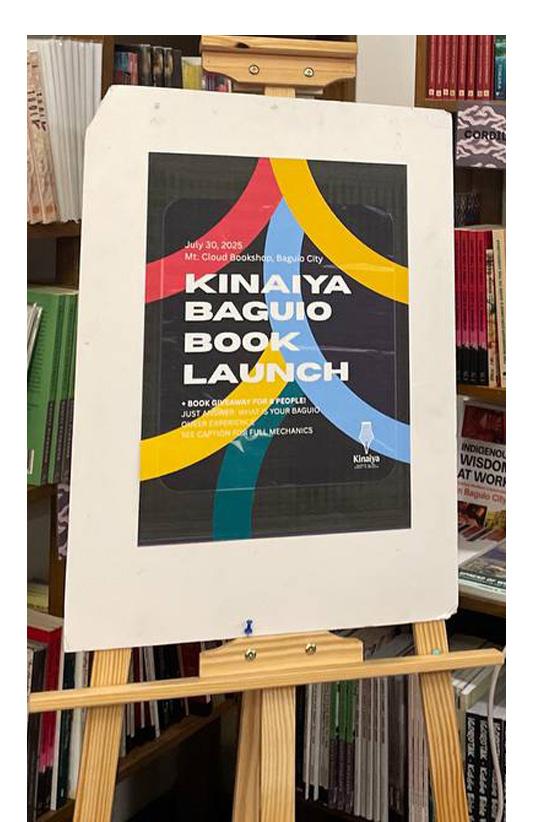
original publisher. I eventually decided to self-publish the chapbook and launch it in 2024 at—you guessed it—the famous Mt Cloud Bookshop garage.
I invited musician friends to perform. They sang one of my favorite SB19 ballads. Some of my writer friends read lovely poems. My sister in writing and healing, Risha, was the host. I was reunited with friends from high school, college orgs, and old jobs. Even my former therapist was there. At some point, we brought out wine and rosé beer. It was a rainy afternoon in September, but it was one of the warmest days of my life.
Surrounded by friends from near and far, I realized my one true dream of having a special book launch at Mt Cloud. I had finally come home.