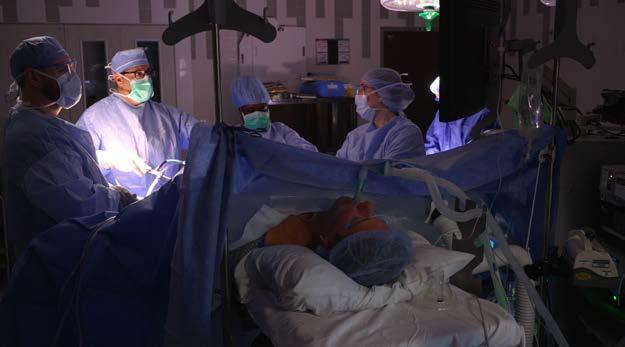
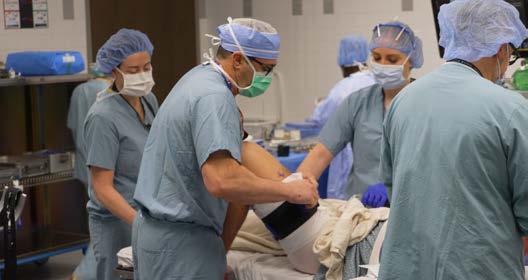
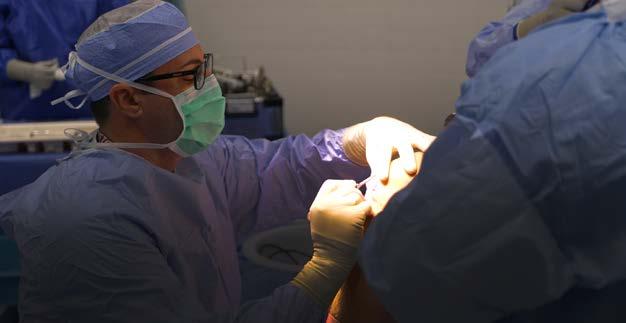
Joint Commission International (JCI) supports hospitals, health systems and clinics in achieving a greater level of performance excellence for those they serve through our expansive portfolio of quality improvement products and services.
No matter where your organization may be today in its journey toward safe, consistent care we can help you continue to advance and excel.
Learn why thousands of organizations just like yours have chosen JCI to help them build, standardize, and strengthen essential processes —earning our coveted Gold Seal of Approval®, a universally recognized symbol of striving to achieve a higher bar in quality and patient safety.
Our Portfolio:
• Accreditation and Certification
• Advisory Services
• Education Programs
• High Reliability Services
• Patient Safety Pathways
Elevating Patient Care. Together.
LEARN MORE:
THE STRATEGIC POWER OF HEALTHCARE MARKETING: BUILDING TRUST, LEADERSHIP, AND THE FUTURE OF HEALTHCARE
There is a well-known principle among healthcare experts: investing in health protects national security. Recent events across the Middle East and other parts of the world have once again reinforced this reality. Hospitals have become an essential pillar of national stability, disaster preparedness, and community resilience. Investing in healthcare today is ultimately an investment in society’s ability to endure and move forward. When healthcare systems remain strong, people retain a sense of safety and confidence, even during difficult times.
Healthcare investment is no longer viewed as a luxury or an additional cost. It has become a strategic necessity in a world shaped by constant challenges, where the strength of nations is increasingly measured by the ability of their healthcare systems to protect human life when instability arises.
In the past, healthcare marketing was often perceived merely as a promotional tool for medical services or a way to attract patients. Today, that concept has fundamentally changed. In times of crisis, healthcare marketing becomes a tool for reassurance, trust-building, and responsible communication rather than simple commercial promotion.
People are not only searching for treatment, but also for institutions they can trust and information that provides clarity and confidence. During periods of uncertainty, misinformation spreads quickly, making healthcare communication an essential part of guiding public awareness and reinforcing credibility.
Institutional reputation has therefore become a core component of healthcare strength. It also plays an important role in attracting partnerships and investment at a time when organizations increasingly seek stability, transparency, and reliability.
Countries such as the UAE, Saudi Arabia, and Qatar have recognized this reality early on. Through strategic healthcare communication and positioning, they have strengthened their image as advanced and trusted healthcare destinations capable of inspiring confidence and demonstrating preparedness.
Today, healthcare marketing is no longer simply about visibility. It has become part of how healthcare institutions build leadership, strengthen public trust, and shape the future of modern healthcare.
The Publisher
Publisher Arab Health Media Communication
President Simon Chammas schammas@tahmag.com
Executive Vice President Mirna Khairallah mirna@tahmag.com
All rights reserved by the HOSPITALS magazine. No part of this publication can be reproduced in any form without prior permission in writting from the publisher.
50 Sustainable Healthcare 100 Digital Health
NEWS
14 Dr. Björn Zoëga: Scaling Integrated Digital Systems
Will Define the Future of Healthcare
30 Cleveland Clinic Abu Dhabi Introduces Advanced Cardiac Neuroablation to Treat the Root Cause of Recurrent Fainting Without a Permanent Device
INTERVIEWS
44 Dr. Xavier Nelissen, Plastic Reconstructive and Aesthetic Surgeon
60 Dr. Ziyad R. Mahfoud, Professor of Research in Population Health Sciences at Weill Cornell Medicine-Qatar (WCM-Q)
78 Fadi Hamadani, Consultant Plastic and Cosmetic Surgeon, Global Head Trainer, Inbella
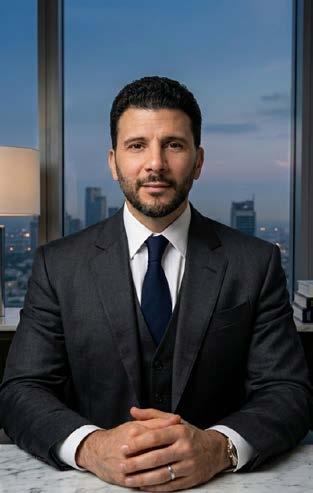
88 Tarek Abughazaleh, Chief Operating Officer, Clemenceau Medical Center-Beirut
MEDICAL INSTITUTIONS
16 Baylor St. Luke's First in U.S. with New Precision Surgery Tech
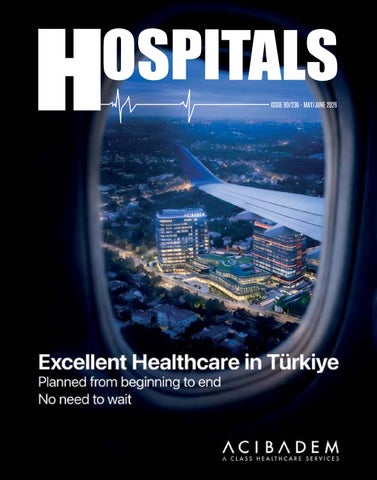
18 Expert Care for Malignant Blood Disorders at Acıbadem Altunizade Hospital, Turkey
24 Being Patient with Severe Menstrual Pain Is Not a Solution. Finding the Cause and Treating It Is.
56 Memorial Hospitals Group… Where the World Comes to Heal
68 UCLA Health: RNS offers hope for patients with drugresistant epilepsy as surgery alternative, study shows
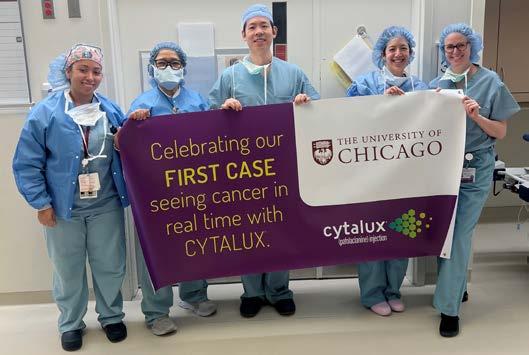
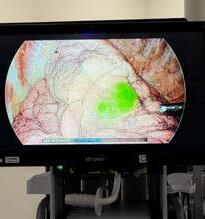
72 Bright idea: Drug infusion lights up small lung cancer tumors to guide complex surgery.
Provided by UChicago Medicine
74 Henry Ford Orthopedics: Leading the Way in Research and Clinical Innovation
MEDICAL ARTICLES
Al-Ahli Hospital Qatar
64 Your Child’s Health Starts Before Illness: Why Routine Checkups Are the Smartest Investment You Can Make
80 A Pill That Sees Within: The Future of Gastrointestinal Diagnosis
104 Breaking the Silence on Varicose Veins: Modern Solutions for a Common Condition
70 The Future of Healthcare Design Is Invisible… How Smart, Data-Driven Systems Are Redefining Clean and Sustainable Hospitals
84 Building Trust in Healthcare AI Tools: Clinical Safety, Transparency, and Accountability
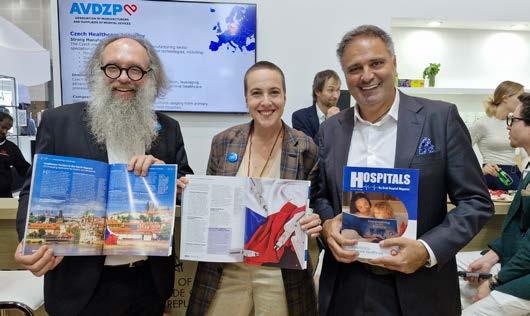
94 A New Era for Women’s Health: ENDO Talks and Czech Strategic Technologies - CST Bring Czech Excellence to the Middle East
98 From Awareness to Inclusion: What Does Autism Support Look Like in the UAE Today?
FEATURES
51 Designing Hospitals for a More Sustainable Future Toward Smarter, Safer, and Environmentally Responsible Healthcare Systems
100 Digital Health and Artificial Intelligence
A Transformational Shift Reshaping the Future of Healthcare
Keep on rising
New Frontiers in Complex Epilepsy Care
UCLA Health is finding answers for complex seizure patients.
Dr. Björn Zoëga: Scaling Integrated Digital Systems Will Define the Future of Healthcare
Dr. Björn Zoëga, CEO of King Faisal Specialist Hospital & Research Centre Riyadh (KFSH), said the future of healthcare will be defined not by innovation itself, but by the ability to scale integrated, workflow-driven systems that deliver measurable outcomes. Zoëga made the remarks during his keynote address at the C3 Davos of Healthcare™ Silicon Valley Summit, where KFSH participated as a Global Strategic Partner, contributing to discussions on the next phase of digital transformation in healthcare.
He explained that the central challenge facing healthcare systems has shifted from developing new technologies to operationalizing them at scale, noting that meaningful transformation depends on embedding digital solutions directly into clinical workflows rather than deploying them as standalone tools. Zoëga emphasized that the effectiveness of artificial intelligence is ultimately determined by the environments in which it operates, highlighting that clinical workflows, not algorithms alone, are what define real-world impact. He outlined how KFSH has approached this shift by developing an integrated digital backbone that connects data, systems, and workflows across the patient journey, enabling information to move seamlessly between care settings and
supporting more coordinated and efficient delivery of care.
This model is reinforced by real-time, data-driven operational management, where advanced analytics are used to optimize bed capacity, staffing, and operating room utilization, contributing to improved efficiency, reduced delays, and enhanced patient safety.
The Deputy CEO also pointed to a broader shift in patient expectations, noting that individuals increasingly benchmark healthcare experiences against leading digital platforms, raising the standard for accessibility, responsiveness, and service quality across the sector. Through its participation in the summit, KFSH reinforced its position as a contributor to global dialogue on healthcare transformation, advancing models that connect digital infrastructure with clinical practice and enable scalable, outcome-driven care delivery. King Faisal Specialist Hospital has been ranked first in the Middle East and North Africa and 12th globally among the world’s top 250 Academic Medical Centers for 2026 and recognized as the most valuable healthcare brand in the Kingdom and the Middle East according to Brand Finance 2025. It has also been listed by Newsweek among the World’s Best Hospitals 2025, the World’s Best Smart Hospitals 2026, and the World’s Best Specialized Hospitals 2026.
DR. BJÖRN ZOËGA OUTLINED HOW KFSH HAS APPROACHED THIS SHIFT BY DEVELOPING AN INTEGRATED DIGITAL BACKBONE THAT CONNECTS DATA, SYSTEMS, AND WORKFLOWS ACROSS THE PATIENT JOURNEY, ENABLING INFORMATION TO MOVE SEAMLESSLY BETWEEN CARE SETTINGS AND SUPPORTING MORE COORDINATED AND EFFICIENT DELIVERY OF CARE.
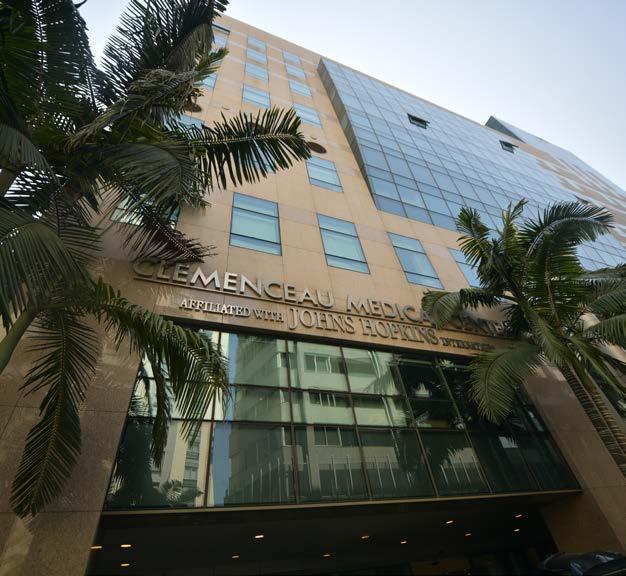
CLEMENCEAU MEDICAL CENTER, BEIRUT
20 Y E A R S
OF EXCELLENCE IN WORLD-CLASS HEALTHCARE
Overcoming every challenge
Defying every odd
Baylor St. Luke's First in U.S. with New Precision Surgery Tech
The new AI-assisted imaging tech enhances minimally invasive surgery and is designed to offer clear images and more precise procedures
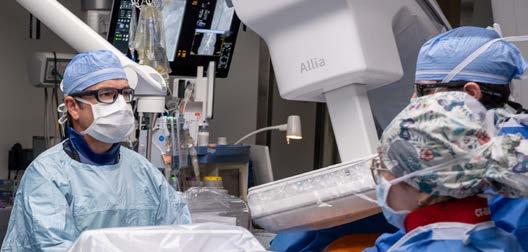
Baylor St. Luke’s Medical Center, a member of CommonSpirit, announced that it is the first hospital in the United States to use an innovative new imaging system designed to enhance precision and efficiency in minimally invasive surgical procedures.
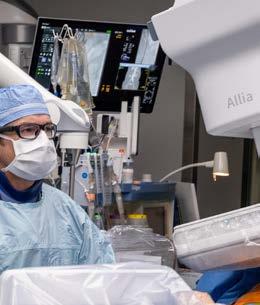
GE HealthCare’s Allia™ Moveoopens in a new tab platform leverages 3D imaging including AI-driven technology to remove artifacts and offset respiratory motion to provide clear images for clinicians. Its user interface and compact design support a range of cardiovascular, vascular, non-vascular, interventional and surgical procedures. As the first U.S. hospital to deploy this technology, Baylor St. Luke’s Medical Center reinforces its long-standing role as a national leader in adopting innovative technologies that improve patient care and support advanced clinical practice.
“This innovative platform enhances how our clinicians navigate complex minimally
invasive procedures by improving mobility, image clarity and workflow efficiency,” said Brad Lembcke, MD, president of Baylor St. Luke’s Medical Center. “It strengthens our ability to deliver precise, patient-centered care while supporting our teams with technology designed for the evolving demands of modern interventional medicine.”
“Allia Moveo gives us the flexibility and image quality needed to manage increasingly complex minimally invasive procedures with greater confidence,” said Gustavo Oderich, MD, vascular surgeon and professor of surgery at Baylor College of Medicine. “The ability to quickly reposition the system, obtain highquality 3D imaging and integrate advanced guidance tools directly into the workflow enhances procedural accuracy. This technology supports our mission to push the boundaries of what is possible in endovascular and interventional surgery.”
GE HEALTHCARE’S ALLIA™ MOVEOOPENS IN A NEW TAB PLATFORM LEVERAGES 3D IMAGING INCLUDING AI-DRIVEN TECHNOLOGY TO REMOVE ARTIFACTS AND OFFSET RESPIRATORY MOTION TO PROVIDE CLEAR IMAGES FOR CLINICIANS.
The brains behind what’s possible in brain health.
A top-ranked hospital in neurological care, we’re redefining brain care — delivering next-generation therapies for Alzheimer’s, Parkinson’s, and epilepsy.
Backed by our academic partnership with Baylor College of Medicine, from brain implants to space medicine research, we’re shaping the future of neurology, right here in Houston.
CommonSpirit.org/BSLMC-USNWR
Expert Care for Malignant Blood Disorders at Acıbadem
Altunizade Hospital, Turkey
ACIBADEM ALTUNIZADE HOSPITAL BONE MARROW TRANSPLANT TEAM IS INTERNATIONALLY RECOGNIZED FOR ITS EXPERTISE IN DELIVERING COMPREHENSIVE AND SPECIALIZED CARE TO PATIENTS WITH BLOOD CANCERS. TO DATE, MORE THAN 3,500 STEM CELL TRANSPLANTS HAVE BEEN PERFORMED.
Prof. Siret Ratip
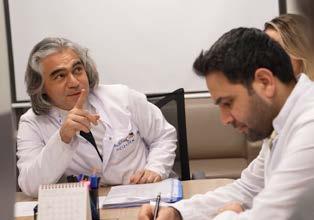
Acıbadem Altunizade Hospital Bone Marrow Transplant Unit has been delivering state-of-the-art transplant and cellular therapies for over 30 years, through an experienced multidisciplinary team and a compassionate care environment for both adult and pediatric patients.
At Acıbadem Hematology Unit, we focus on the treatment of blood cancers, including leukemia, lymphoma, and multiple myeloma. These conditions require a comprehensive and personalized approach.
Depending on the condition, treatment may involve medications, chemotherapy, radiotherapy or surgery. When these options are not sufficient, bone marrow transplantation may offer a potential cure.
Prof. Koray Yalçın
All of these treatment modalities are provided under one roof, eliminating the need for patients to move between hospitals. Highquality care is delivered in a warm, homely environment where patients feel at ease.
Acıbadem Altunizade Hospital Bone Marrow Transplant Team is internationally recognized for its expertise in delivering comprehensive and specialized care to patients with blood cancers. To date, more than 3,500 stem cell transplants have been performed.
Accessible Care from Around the World
Providing high-quality healthcare improves people’s lives. This is particularly important in blood diseases, which can be life-threatening. Specialized treatment modalities can be life-saving. It should also be accessible in terms of both cost and distance. At Acıbadem Altunizade Hospital, we provide advanced, affordable bone marrow transplant and cellular therapies in a modern hospital with comprehensive facilities, delivered by an experienced multidisciplinary team. Moreover, İstanbul is a global hub located at the crossroads of Europe and Asia, with close proximity to the Middle East and Africa. As a result, patients can reach us through direct
flights from across these regions.
“The experience of medical, nursing, and technical staff enables consistent, reliable, and safe care for transplant patients. This treatment process usually takes several months to complete. Experience allows the continuous refinement of care, which ultimately improves transplant outcomes,” says Prof. Siret Ratip, Head of the Adult Bone Marrow Transplantation Unit at Acıbadem Altunizade Hospital, with extensive experience in Hematology in both Turkey and the United Kingdom.
Acıbadem also houses a comprehensive Pediatric Bone Marrow Transplantation Unit, which provides transplant services for malignant hematology as well as benign hematologic diseases such as thalassemia. The head of the unit, Assoc. Prof. Koray Yalçın, MD, emphasizes that “Children are not simply small adults. Their biology, response to treatment, and drug metabolism are different. Cellular therapies may also vary, as cell fitness and mechanisms can differ in children. Therefore, pediatric patients require a specialized approach to care.”
In addition to delivering high-quality medical care, Acıbadem focuses on supporting both children and their families throughout
PROVIDING HIGHQUALITY HEALTHCARE IMPROVES PEOPLE’S LIVES. THIS IS PARTICULARLY IMPORTANT IN BLOOD DISEASES, WHICH CAN BE LIFE-THREATENING. SPECIALIZED TREATMENT MODALITIES CAN BE LIFE-SAVING. IT SHOULD ALSO BE ACCESSIBLE IN TERMS OF BOTH COST AND DISTANCE. AT ACIBADEM ALTUNIZADE HOSPITAL, WE PROVIDE ADVANCED, AFFORDABLE BONE MARROW TRANSPLANT AND CELLULAR THERAPIES IN A MODERN HOSPITAL WITH COMPREHENSIVE FACILITIES, DELIVERED BY AN EXPERIENCED MULTIDISCIPLINARY TEAM.
Prof. Siret Ratip
the treatment process. A dedicated psychological team is available. The entire staff works to maintain a positive and reassuring environment. A specially designed setting helps children feel comfortable and at ease, creating an atmosphere more like a school garden than a hospital.
CAR T-Cell Therapy: The Most Advanced Treatment for Cancer
Despite today's advanced chemotherapy, radiotherapy, and bone marrow transplantation methods, these treatments may fail in some cases of lymphoma and leukemia. As a result, a large number of patients may lose their lives due to these diseases. This is where CAR T-cell therapy comes in.
Prof. Ercüment Ovalı, MD, the pioneer of Academic CAR T-cell therapy in Turkey and Director of the Acıbadem Labcell Laboratory, remarks that “CAR-T is a therapy that genetically modifies a patient’s own T cells to attack cancer. In some patients, it can lead to deep and long-lasting remission. This represents a major advancement in treatment. However, success in CAR-T is not only about producing the cells. It also requires selecting the right patient, administering the treatment at the right time, managing side effects, and closely monitoring the biological characteristics of the CAR-T cells.”
CAR T-Cell Therapy Process at Acıbadem
After patients are assessed for suitability for CAR T-cell therapy, their cells are collected and processed at the Acıbadem Labcell Laboratory over a period of three to six weeks. Whilst awaiting CAR-T cell manufacture, the patient receives a treatment to prevent disease relapse. Once the CAR T cells are ready and quality checks are completed, patients are admitted to the cellular therapy unit, where they remain for approximately three weeks. The effect of CAR T cells is often rapid. By day 30, PET-CT scans
in lymphoma or bone marrow analysis in B-ALL patients frequently show a positive response.
Success of CAR T-Cell Therapy
“So far, we have achieved a complete response rate of approximately 75% in B-ALL and an overall response rate of 80% in B-cell lymphomas. Of these, 60% are complete responses and 20% are partial responses. Most of these outcomes have been observed in a heavily pre-treated group of patients who had run out of choice of other treatments,” says Professor Siret Ratip.
Today, Acıbadem Altunizade Hospital has the capabilities to keep pace with rapidly advancing bone marrow transplant and cellular therapy technologies. As one of the first units to pioneer haploidentical transplantation in Turkey, Acıbadem is now the first center in the region to produce academic CAR-T cells.
DESPITE TODAY'S ADVANCED CHEMOTHERAPY, RADIOTHERAPY, AND BONE MARROW TRANSPLANTATION METHODS, THESE TREATMENTS MAY FAIL IN SOME CASES OF LYMPHOMA AND LEUKEMIA. AS A RESULT, A LARGE NUMBER OF PATIENTS MAY LOSE THEIR LIVES DUE TO THESE DISEASES. THIS IS WHERE CAR T-CELL THERAPY COMES IN.
Being Patient with Severe Menstrual Pain Is Not a Solution. Finding the Cause and Treating It Is.
Endometriosis is a condition in which tissue similar to the lining of the uterus grows outside the uterus, often on the ovaries, fallopian tubes, or other pelvic organs. In some cases, the immune system can clear these
tissues. However, when it cannot, inflammation, fibrosis, and cysts may develop.
At Acıbadem Hospital in İstanbul, Türkiye, comprehensive diagnosis and treatment services for endometriosis have led to the establishment of a specialized Endometriosis Center led by Prof. Taner Usta, MD. The center focuses exclusively on the diagnosis and treatment of women affected by this condition. Today, it holds international accreditation and performs more than 100 endometriosis surgeries every year. For this reason, women from different parts of the world travel here for their treatment.
A Real Patient Story: Insisting on Seeking the Best Possible Care
Georgina is a 23 year old young woman who experienced severe menstrual pain that gradually worsened over the years. The pain became so intense that she could barely walk and had to take up to ten times the normal dose of pain medication.
She met with physicians in her hometown, but none were able to clearly identify her
DURING GEORGINA’S SURGERY, MORE THAN TEN ENDOMETRIOTIC LESIONS WERE EXCISED, AND ADHESIONS AFFECTING DIFFERENT AREAS OF THE PELVIS WERE CAREFULLY TREATED USING LAPAROSCOPIC TECHNIQUES.
Prof. Taner Usta
condition. “I was repeatedly told to wait and be patient. At one point, I was even called hysterical by a doctor who suggested that I was ‘imagining’ the pain. Despite the severity and persistence of my symptoms, my concerns were not taken seriously. Eventually, I found one doctor who confirmed that I had an endometriosis cyst but advised against intervention in order to preserve viable eggs and protect my fertility.”
After these challenging experiences, marked by persistent pain and difficulty finding a suitable specialist, Georgina began researching treatment options, believing there had to be a better alternative. Eventually, she found an expert who specialized in the treatment of endometriosis at Acıbadem Hospital in İstanbul, Prof. Taner Usta, MD.
During an online consultation, Prof. Usta listened patiently, answered all questions, and explained the condition with calmness and clarity. After this meeting, Georgina decided to travel to İstanbul to meet Prof. Usta in person. “For years, I had struggled to explain my complaints. For the first time, I felt seen, believed, and taken seriously. He confirmed my diagnosis, and I felt a sense of relief and trust that I was finally in the right place. It was more than just medical expertise. The kindness and empathy he showed within the first ten minutes were more than I had received in years of seeking medical help,” Georgina says.
Is Endometriosis Diagnosis Really Difficult?
Although endometriosis is not difficult to diagnose when evaluated by an experienced specialist, the symptoms and complaints of patients may sometimes be overlooked in general gynecology practice. Gynecology is a very broad field that covers many different conditions. Around the world, only a limited number of physicians focus specifically on the diagnosis and treatment of endometriosis.
When patients consult one of these specialists, the picture often becomes clear and the path to treatment is defined. Georgina’s story reflects this reality. After years of struggling with endometriosis, meeting Prof. Taner Usta meant that her condition was finally understood and a clear treatment plan was established within weeks.
During Georgina’s surgery, more than ten endometriotic lesions were excised, and adhesions affecting different areas of the pelvis were carefully treated using laparoscopic techniques. These findings explained the intensity and persistence of her pain.
Healing, Validation, and Reclaiming Trust
Six weeks after surgery, Georgina already feels a significant improvement. “The pain that once dominated my daily life has eased in ways I didn’t think were possible, and for the first time in years, my body feels lighter and more at peace.”
Beyond the physical healing, Georgina also feels a deep sense of emotional relief and gratitude. “This journey has been about validation and reclaiming trust in my own body after years of being made to doubt it. Today, I am healing not only from surgery, but also from the emotional weight of not being believed. Knowing that my pain was real, that it had a name, and that compassionate, skilled care exists has changed my life in ways I am still coming to understand. I will be forever grateful to Prof. Taner Usta for giving me my quality of life back.”
AT ACIBADEM HOSPITAL IN İSTANBUL, TÜRKIYE, COMPREHENSIVE DIAGNOSIS AND TREATMENT SERVICES FOR ENDOMETRIOSIS HAVE LED TO THE ESTABLISHMENT OF A SPECIALIZED ENDOMETRIOSIS CENTER LED BY PROF. TANER USTA, MD. THE CENTER FOCUSES EXCLUSIVELY ON THE DIAGNOSIS AND TREATMENT OF WOMEN AFFECTED BY THIS CONDITION. TODAY, IT HOLDS INTERNATIONAL ACCREDITATION AND PERFORMS MORE THAN 100 ENDOMETRIOSIS SURGERIES EVERY YEAR. FOR THIS REASON, WOMEN FROM DIFFERENT PARTS OF THE WORLD TRAVEL HERE FOR THEIR TREATMENT.
Cleveland Clinic Abu Dhabi Introduces Advanced Cardiac
Neuroablation to Treat the Root Cause of Recurrent Fainting Without a Permanent Device
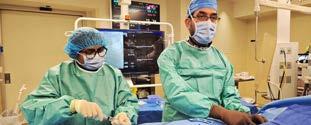
In a step that reflects the evolution of cardiac care from managing symptoms to treating underlying causes, Cleveland Clinic Abu Dhabi has successfully performed the first cardiac neuroablation procedure in the United Arab Emirates. The minimally invasive intervention offers a new treatment pathway for patients suffering from recurrent fainting episodes, without the need for permanent pacemaker implantation in many cases. The procedure focuses on abnormal nerve signals, particularly those associated with overactivity of the vagus nerve, that can trigger sudden drops in heart rate and blood pressure, leading to recurrent loss of consciousness. Through precise modulation of these signals, cardiac neuroablation helps restore stable heart rhythm control in a targeted and minimally invasive way.
Dr. Georges-Pascal Haber, CEO of Cleveland Clinic Abu Dhabi, commented: “This milestone reflects our commitment to delivering advanced cardiac care aligned with the highest international standards, while strengthening national capabilities and reinforcing Abu Dhabi’s position as a regional hub for complex and specialized care.”
While isolated fainting episodes are relatively common, the treated case involved a 48-year-old patient experiencing frequent, unpredictable episodes that significantly impacted her daily life and sense of safety. Living with the constant uncertainty of sudden fainting limited her ability to function normally. While permanent pacemaker implantation is often the standard treatment in such cases, cardiac neuroablation offered a more targeted approach by addressing the underlying cause of the condition.
Dr. Fereidoon Shafiei, Staff Physician, Cardiovascular Medicine Department of Cleveland Clinic Abu Dhabi’s Heart, Vascular & Thoracic Institute said, “The introduction
AVAILABLE IN ONLY A LIMITED NUMBER OF ADVANCED CARDIAC CENTERS GLOBALLY, CARDIAC NEUROABLATION REPRESENTS A SIGNIFICANT ADVANCEMENT IN THE TREATMENT OF HEART RHYTHM DISORDERS LINKED TO THE AUTONOMIC NERVOUS SYSTEM. BY TARGETING THE ROOT CAUSE OF THE CONDITION, THE PROCEDURE MOVES BEYOND TRADITIONAL APPROACHES THAT RELY ON LONG-TERM DEVICE-BASED MANAGEMENT. IT ALSO REINFORCES THE HOSPITAL’S POSITION AS A CENTRE OF EXCELLENCE FOR ADULT CARDIAC SURGERY AS DESIGNATED BY THE DEPARTMENT OF HEALTH – ABU DHABI.
of cardiac neuroablation in the UAE marks an important milestone in advanced cardiac care. It allows us to precisely target the root cause of abnormal heart rhythm. In many cases, we can eliminate recurrent fainting episodes and avoid the need for a permanent device, offering patients a safer and more definitive solution.”
The procedure is performed using specialized catheters guided through blood vessels to the heart, with advanced mapping technologies enabling physicians to precisely identify and selectively modify the nerve pathways responsible for abnormal heart rate regulation, without the need for open-heart surgery.
Dr. Khalid Bakr, Associate Staff Physician, Cardiovascular Medicine Department of Cleveland Clinic Abu Dhabi’s Heart, Vascular & Thoracic Institute added: “This highly specialized, catheter-based procedure demonstrates how precision techniques can transform outcomes in complex conditions. It can make a meaningful difference in patients’ quality of life by significantly reducing, or eliminating, recurrent fainting episodes.”
Following the procedure, the patient showed early improvement, with stable heart rhythm observed during follow-up. She was able to return to her normal daily activities without further fainting episodes, with a noticeable improvement in energy levels and overall quality of life.
PureHealth Surpasses AED 6.33
billion in Local Procurement Spend, Nearly Tripling In-Country Value Contribution
PureHealth, the largest healthcare group in the Middle East, announced that it has exceeded AED 6.33 billion in local procurement spend since joining the Ministry of Industry and Advanced Technology’s (MoIAT) National In-Country Value (ICV) programme, in 2022. This marks a near threefold increase from AED 2.25 billion in 2025, underscoring the Group’s growing role in advancing the UAE’s economic diversification and industrial development. The milestone was highlighted during PureHealth’s participation at Make it in the Emirates (MIITE) 2026, where the Group continues to demonstrate how sustained investment in ICV delivers measurable impact across the UAE’s healthcare and industrial landscape. PureHealth remains on track to achieve its AED 13 billion ICV commitment by 2032, driven by a scaled, system-wide approach to strengthening local supply chains, supporting national industries and enabling sustainable economic growth.
Rashed AlQubaisi, Group Chief Operating Officer of PureHealth, said: “Our ICV strategy is central to how we scale impact across the healthcare ecosystem. Surpassing AED 6.33 billion in local procurement reflects the scale at which we are embedding ICV across our operations, from investing in local suppliers and building national capabilities to enhancing sourcing, logistics, and delivery. By consistently prioritising local capability, we are strengthening supply chain resilience, safeguarding continuity of care, and aligning with the UAE’s industrial agenda while contributing to long-term economic growth and diversification.”
PureHealth is delivering strong ICV performance across its ecosystem, underpinned by a coordinated, system-wide approach. SEHA leads with an ICV score of 81.13%, alongside solid contributions from Sheikh Shakhbout Medical City (SSMC), Daman, PureLab and Rafed. Collectively, PureHealth’s
PUREHEALTH’S PROCUREMENT
STRATEGY SPANS MEDICAL SUPPLIES, PHARMACEUTICALS, TECHNOLOGY AND INFRASTRUCTURE, WITH A CLEAR FOCUS ON UAE-BASED SUPPLIERS THAT MEET GLOBAL STANDARDS.
entities demonstrate how localisation can be effectively embedded across procurement, operations, and workforce development. This impact has been recognised at a national level. In 2026, SEHA was awarded the ICV Champion Award at Make it in the Emirates, and in 2025, Rafed was awarded the same award for its role in advancing SME participation through the In-Country Value programme. Daman also received three awards from the federal Emiratisation initiative, Nafis, including first place for “Efforts Supporting Emiratisation” and a Diamond Category award for staff empowerment.
PureHealth’s procurement strategy spans medical supplies, pharmaceuticals, technology and infrastructure, with a clear focus on UAEbased suppliers that meet global standards. Through long-term partnerships and targeted supplier development programmes, the Group is expanding opportunities for local businesses while strengthening supply chain resilience.
As the UAE accelerates its industrial ambitions, PureHealth’s ongoing investment in ICV positions the Group as a key enabler of sustainable economic growth, demonstrating how healthcare delivery can directly contribute to national development priorities.
Hope begins with innovation and personalized cancer care.
Henry Ford Health, driving innovative healthcare for over a century.
We are creating more hope for patients around the world. With one unified team of specialists and innovations ranging from precision medicine to advanced radiation therapy, we deliver one-of-a-kind cancer treatments—crafted precisely for you. Henry Ford Health is one of the world’s leading comprehensive, integrated health systems, recognized for our clinical excellence.
Healthcare London deepens UK–Saudi ties with high-level clinical forum
Healthcare London has stepped up its international engagement with Saudi Arabia, hosting a high-level UK–Saudi Clinical Forum aimed at strengthening crossborder collaboration and expanding access to specialist care. The virtual event brought together leading clinicians from the UK and the Kingdom of Saudi Arabia (KSA), signalling growing momentum behind international clinical partnerships and the increasing demand for global collaboration in complex patient care.
During the forum, London-based specialists presented complex patient cases and shared expertise across a range of advanced treatment areas, offering Saudi clinicians’ direct insight into the latest innovations emerging from the capital’s private and NHS-affiliated healthcare sector.
Key topics included complex spinal surgery and rehabilitation, the neurobiology of addiction, functional neurosurgery such as deep brain stimulation, and precision cancer care - all areas where London is recognised as a global centre of excellence.
The event was designed not only to showcase clinical innovation but also to strengthen referral pathways and enable more seamless access to specialist treatment for international patients.
Michael Barker, Project Director at Healthcare London, said: “This Clinical Forum reflects our commitment to building strong, collaborative relationships with clinicians in Saudi Arabia. By sharing expertise, real-world insights and innovations in care, we are supporting better outcomes for patients while strengthening international clinical pathways.”
The forum also provided a platform for clinician-to-clinician dialogue, allowing participants to exchange real-world insights, outcomes data, and best practice — a move seen as critical to building sustainable, long-
term international healthcare networks.
The webinar was delivered in partnership with Carnall Farrar and Creative Patterns for Health and featured a line-up of leading London clinicians, including:
• Dr. Manan Thakrar (The Priory), on the neurobiology of addiction.
• Professor Patricia Limousin (University College Hospitals London), on advanced neurological interventions.
• Dr. Timothy Crook (Cromwell Hospital), on personalised oncology.
• Mr. Syed Aftab (HCA UK), on complex spinal surgery and rehabilitation.
The event builds on Healthcare London’s broader international strategy, which has seen the organisation deepen engagement across Saudi Arabia in recent years.
Launched at the Health Tourism Future Forum in Riyadh in 2024, Healthcare London marked the first time London’s leading private and NHS teaching hospitals came together to promote the capital’s healthcare offering on a global stage.
Most recently, Healthcare London participated in a clinically led trade mission to Riyadh, further strengthening relationships with Saudi healthcare leaders and expanding opportunities for patient referrals.
Healthcare London is a strategic partnership of 13 leading independent hospitals and NHS Private Patient Units, working together to position London as a global destination for complex care.
Its partners include Circle Health Group, Chelsea and Westminster Hospital Private Care, Cleveland Clinic London, Cromwell Hospital, HCA Healthcare UK, King Edward VII’s Hospital, Imperial College Healthcare Private Care, Phoenix Hospital Group, The London Clinic, University College London Hospitals Private Healthcare, Proton International London, The London Psychiatry Clinic and The Priory.
TOGETHER, THESE ORGANISATIONS REPRESENT A UNIFIED VOICE FOR LONDON’S WORLDCLASS HEALTHCARE ECOSYSTEM, OFFERING INTERNATIONAL PATIENTS ACCESS TO SOME OF THE MOST ADVANCED TREATMENTS AND CLINICAL EXPERTISE AVAILABLE ANYWHERE IN THE WORLD.
Advancing Clinical Practice Through Continuous Learning
From discussion to hands-on practice, our programs are designed to support real learning that translates into everyday clinical care.
The Continuing Professional Development Division of Weill Cornell Medicine-Qatar offers a range of accredited activities from workshops and conferences to online learning, tailored to healthcare professionals across disciplines, accredited locally by the Department of Healthcare Professions–Accreditation Section (DHP-AS) of the Ministry of Public Health (MoPH) and internationally by the Accreditation Council for Continuing Medical Education (ACCME).
Each program focuses on practical skills, evidence-based aproaches, and meaningful exchange with experts and peers.
M42 and Mubadala Bio’s GMSC Sign Exclusive Outsourcing Agreement for Medical Supply Chain Resilience
and Operational
Strength
M42, a global health leader powered by artificial intelligence (AI), technology and genomics, and Global Medical Supply Chain (GMSC), a subsidiary of Mubadala Bio, a life sciences company committed to advancing better health outcomes for the UAE and beyond, have entered into an outsourcing agreement to strengthen medical supply chain services across M42’s healthcare network.
Signed on the sidelines of Make it in the Emirates (MIITE) 2026, the UAE’s flagship industrial platform, the agreement reflects both organisations’ commitment to supporting the UAE’s priorities to localise critical industries, strengthen supply chain resilience, and build a future-ready healthcare system. The agreement was executed by Dimitris Moulavasilis, Group Chief Executive Officer, M42, and Hamad Husein Al Marzooqi, Deputy Chief Executive Officer, Mubadala Bio, and witnessed by Sheikh Zayed bin Mansour bin Tahnoon Al Nahyan, Head of Strategic Collaborations at M42, and Dr. Bakheet Al Katheeri, Chief Executive Officer of Mubadala’s UAE Investments platform.
Under the agreement, GMSC will manage a fully integrated supply chain model across M42’s network, covering sourcing and procurement, demand planning, warehousing, distribution and inventory management. The partnership spans pharmaceuticals, medical consumables, equipment and instruments, ensuring reliable and consistent supply across healthcare facilities.
Dr. Bakheet Al Katheeri, Chief Executive Officer of Mubadala’s UAE Investments platform, said: “This agreement marks a significant step forward for Mubadala in its efforts to support realising the UAE’s ambition to build a globally leading, self-sustaining healthcare and life sciences ecosystem. By uniting Mubadala Bio’s specialised capabilities with M42’s scale, we are strengthening supply chain resilience while accelerating the development of in-country capabilities that
will underpin long-term national health security, industrial growth, and global competitiveness.”
THE AGREEMENT WILL DELIVER ENDTO-END MEDICAL SUPPLY CHAIN SOLUTIONS ACROSS M42’S NETWORK, STRENGTHENING IN-COUNTRY CAPABILITIES AND SUPPLY CHAIN
RESILIENCE IN SUPPORT OF THE UAE’S AMBITIONS.
Dimitris Moulavasilis, Group Chief Executive Officer, M42, said: “A resilient and integrated supply chain is fundamental to M42’s health intelligence ecosystem. Joining forces with Mubadala Bio’s GMSC marks an important step in our transformation journey as we strengthen our ability to deliver high-quality, patient-centric care with greater operational efficiency while supporting the UAE’s supply chain resilience and localisation ambitions. Collaborations like this are central to our mission of reimagining health through innovation, operational excellence and global best practice.”
Hamad Husein Al Marzooqi, Group Deputy CEO, Mubadala Bio, said: "The partnership agreement with M42 reflects Mubadala Bio’s commitment to delivering end-to-end pharmaceutical logistics across the UAE. Through GMSC, we are enabling more integrated and resilient supply chain systems that ensure healthcare providers have reliable access to high-quality medical products. We are proud to collaborate with M42 and support its extensive network of world-class healthcare facilities."
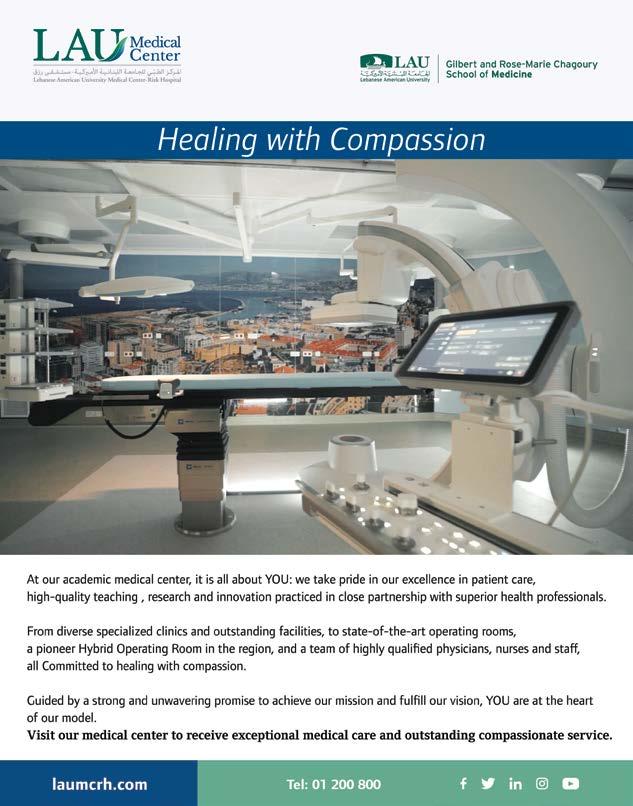
At our Academic Medical Centers, LAU Medical Center-Rizk Hospital in Ashrafieh, and LAU Medical Center-Saint John’s Hospital in Jounieh, it's all about YOU. We take pride in our excellence in patient care, high-quality teaching, research, and innovation, all practiced in close partnerships with superior health professionals.
Featuring diverse specialized clinics and outstanding facilities, including state-of-the-art operating rooms. As a pioneer in the region, the Hybrid Operating Room is supported by a team of highly qualified physicians, nurses, and staff, all dedicated to “healing with compassion”.
Guided by a steadfast and unwavering commitment to fulfill our mission and support our vision, YOU are at the core of our model.
Visit our Medical Centers to experience exceptional medical care and outstanding compassionate service.
Saint John’s Hospital s
Rizk Hospital
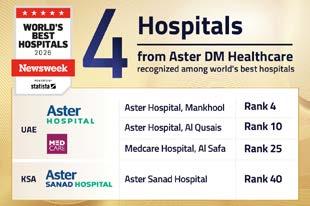
Four Hospitals from Aster DM Healthcare GCC featured in Newsweek’s World’s Best Hospitals 2026 list
Featured consistently over the years, Aster Hospital Mankhool, Aster Hospital Al Qusais, and Medcare Hospital Al Safa in the UAE gained recognition among top hospitals
Aster DM Healthcare has once again strengthened its global standing, with four of its hospitals named in Newsweek’s World’s Best Hospitals 2026 list. The continued inclusion of these hospitals reflects not just a single year of achievement, but a sustained track record of excellence in patient care, clinical outcomes, and overall healthcare experience.
The hospitals recognised in the UAE rankings this year include Aster Hospital Mankhool (Rank #4), Aster Hospital Al Qusais (Rank #10), and Medcare Hospital - Al Safa (Rank #25) in the UAE. In the Kingdom of Saudi Arabia, Aster Sanad Hospital (Rank #40) was also featured in the list. Notably, the same hospitals were featured in the previous editions of the rankings as well, along with Newsweek’s World’s Best Smart Hospitals 2026 list – underscoring Aster’s long-standing commitment to quality, safety, and patientcentered innovation.
A distinguishing component of the ranking process is the integration of internationally recognised methodologies such as PatientReported Outcome Measures (PROMs) and Patient-Reported Experience Measures (PREMs). Aster has integerated PROMs and PREMs as not just satisfaction metrics, but tools which play a central role in driving continuous quality improvements. By giving patients a meaningful voice, the Group ensures that services evolve in alignment with realworld outcomes, ultimately enhancing patient safety, clinical effectiveness, and the overall care journey.
Commenting on the recognition, Alisha Moopen, Managing Director and Group CEO of Aster DM Healthcare, said: “Being recognised across eight hospitals, four in the GCC and four in India, is a reflection of the scale and consistency of what our teams deliver every day. This validates our strategy of combining
THE HOSPITALS RECOGNISED IN THE UAE RANKINGS THIS YEAR INCLUDE ASTER HOSPITAL MANKHOOL (RANK #4), ASTER HOSPITAL AL QUSAIS (RANK #10), AND MEDCARE HOSPITAL - AL SAFA (RANK #25) IN THE UAE. IN THE KINGDOM OF SAUDI ARABIA, ASTER SANAD HOSPITAL (RANK #40) WAS ALSO FEATURED IN THE LIST.
clinical excellence with a truly patient-centred approach, systematically incorporating patientreported outcomes and experience measures into how we evaluate and improve our services. The fact that the same hospitals continue to earn this recognition year after year speaks to the strength of our governance, the dedication of our people, and the trust placed in us by those we serve.”
The World’s Best Hospitals 2026 ranking is compiled by Newsweek in collaboration with Statista, using a comprehensive and globally integrated evaluation framework. The methodology draws on recommendations from medical professionals, large-scale public surveys, and key data points that assess hospital performance across multiple dimensions, including clinical effectiveness, patient safety, and operational excellence.
The continued recognition of Aster and Medcare hospitals in Newsweek’s World’s Best Hospitals list further reinforces Aster DM Healthcare’s position as a leading integrated healthcare provider in the region, committed to advancing global standards while delivering world-class, outcome-driven healthcare care.
Adimate®: Redefining Lipofilling Through Automation and Precision in Aesthetic Surgery
Dr. Xavier Nelissen, Plastic Reconstructive and Aesthetic Surgeon
As aesthetic and reconstructive surgery continues to evolve toward more refined, efficient, and regenerative approaches, lipofilling has emerged as a cornerstone technique with expanding clinical applications. At the forefront of this transformation is Adimate®, an innovative automated platform designed to optimize fat harvesting, purification, and reinjection within a single, streamlined system. In this exclusive interview, Dr. Xavier Nelissen, Plastic, Reconstructive, and Aesthetic Surgeon, shares his insights on how Adimate® is reshaping surgical workflows, enhancing graft quality, and setting new standards in patient outcomes.
Dr., in a few words, could you describe the Adimate device and its role in modern aesthetic and plastic surgery?
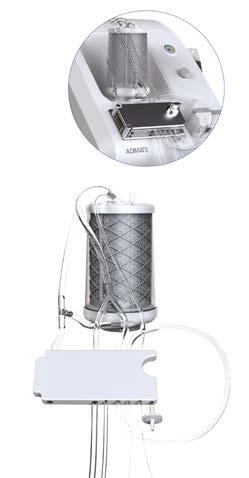
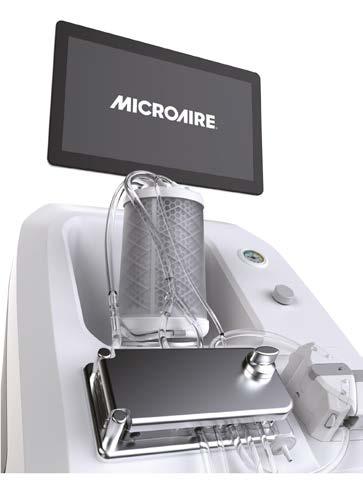
Adimate® is an automated multifunction device designed to perform liposuction, infiltration,
and lipofilling within a single integrated platform. Its key advantage lies in enabling the surgeon to independently harvest, purify, and reinject fat without the need for additional assistance, thereby streamlining the entire procedure. Lipofilling is a widely established technique used in reconstructive, aesthetic, and regenerative surgery. In reconstructive surgery, it is frequently applied in breast reconstruction to restore volume or improve soft tissue coverage around implants.
In aesthetic surgery, it plays a central role in composite breast augmentation, allowing implant placement in front of the pectoral muscle for a more natural result and lighter postoperative recovery.
It is also used in buttock augmentation and high-definition body contouring.
Finally, lipofilling is a cornerstone of regenerative surgery due to the presence of adipose-derived stem cells. Adimate® therefore supports and optimizes a versatile and increasingly essential technique with expanding clinical applications.
How does Adimate technology work
during
fat harvesting procedures?
Adimate® functions as an automated platform for fat harvesting, infiltration, and purification. For each patient, a single-use disposable kit is utilized. Fat harvesting is performed using either a conventional cannula or a powerassisted liposuction system (PAL), following infiltration carried out via Adimate®. Once the desired volume is collected, the surgeon initiates the purification phase, which is then fully automated without any additional human intervention. The system relies on active rotary filtration, a gentle process compared to centrifugation, preserving adipocyte integrity.
ADIMATE® IS AN AUTOMATED MULTIFUNCTION DEVICE DESIGNED TO PERFORM LIPOSUCTION, INFILTRATION, AND LIPOFILLING WITHIN A SINGLE INTEGRATED PLATFORM. ITS KEY ADVANTAGE LIES IN ENABLING THE SURGEON TO INDEPENDENTLY HARVEST, PURIFY, AND REINJECT FAT WITHOUT THE NEED FOR ADDITIONAL ASSISTANCE, THEREBY STREAMLINING THE ENTIRE PROCEDURE. LIPOFILLING IS A WIDELY ESTABLISHED TECHNIQUE USED IN RECONSTRUCTIVE, AESTHETIC, AND REGENERATIVE SURGERY.
INTERVIEWS
Two washing cycles remove impurities and residual fluids.
The purification of approximately 500 cc of fat takes less than 10 minutes, allowing the surgeon to continue the procedure uninterrupted.
What
are the main features that differentiate Adimate from other devices on the market?
Adimate® is distinguished by its fully automated purification process based on active rotary filtration. This technology enables the gentle processing of adipose tissue, preserving graft viability more effectively than traditional methods. Unlike decantation, centrifugation, or passive filtration, which are time-consuming and operator-dependent, Adimate® eliminates manual handling, improving workflow efficiency and reducing operative time.
Scientific evidence has demonstrated that active filtration provides superior graft quality compared to conventional techniques, positioning Adimate® as a major innovation in lipofilling.
What motivated you to start using Adimate in your practice?
The adoption of Adimate® was driven by three main factors: graft quality, efficiency, and workflow optimization.
1. First, the system provides superior fat quality, with volumetric survival rates exceeding 90%, resulting in stable outcomes and reducing the need for repeat procedures.
2. Second, its rapid purification process (approximately 10 minutes for 500 cc) significantly reduces operative time and anesthesia exposure, while increasing surgical productivity,potentially allowing up to 30% more procedures per operating day.
3. Third, the system addresses staffing constraints by eliminating the need for personnel dedicated to fat processing, increasing surgeon autonomy and simplifying intraoperative logistics.
How does Adimate support lipofilling and fat grafting procedures?
Adimate® supports lipofilling through active rotary filtration, in which harvested fat is processed in a rotating filter that gently separates fluids, similar to a controlled spinning mechanism. Compared to conventional centrifugation (≈1200 g), which can damage adipocytes, Adimate® operates with forces approximately 100 times lower, resulting in less cellular trauma and improved graft viability.
Additionally, the entire process is performed in a closed system, from harvesting to reinjection, ensuring optimal sterility and reducing the risk of postoperative infection.
In your experience, does Adimate improve the quality and viability of harvested fat?
Yes, Adimate® significantly improves both fat quality and viability. Active filtration combined with washing has been shown, in vitro and in vivo, to be superior to conventional techniques.
Volumetric survival rates exceed 90%, and the purified fat shows reduced fibrosis and absence of oil cysts. Imaging studies, such as ultrasound at 6 months, confirm the absence of fat necrosis or cystic changes. These results demonstrate a consistently high and currently unmatched quality of adipose tissue.
What are the main clinical indications for Adimate, and which patients benefit the most from this technology?
Adimate® is indicated for all lipofilling procedures involving volumes greater than approximately 50 cc.
It is particularly beneficial for patients requiring moderate to large-volume grafting, including breast reconstruction, composite breast augmentation, buttock augmentation, and high-definition body contouring. Patients with fibrotic adipose tissue, especially after bariatric surgery, also benefit significantly, as larger volumes may be required and efficient processing becomes critical.
ADIMATE® IS INDICATED FOR ALL LIPOFILLING PROCEDURES INVOLVING VOLUMES GREATER THAN APPROXIMATELY 50 CC. IT IS PARTICULARLY BENEFICIAL FOR PATIENTS REQUIRING MODERATE TO LARGEVOLUME GRAFTING, INCLUDING BREAST RECONSTRUCTION, COMPOSITE BREAST AUGMENTATION, BUTTOCK AUGMENTATION, AND HIGH-DEFINITION BODY CONTOURING. PATIENTS WITH FIBROTIC ADIPOSE TISSUE, ESPECIALLY AFTER BARIATRIC SURGERY, ALSO BENEFIT SIGNIFICANTLY, AS LARGER VOLUMES MAY BE REQUIRED AND EFFICIENT PROCESSING BECOMES CRITICAL.
What type of results have you observed in your patients after procedures performed with Adimate?
The results are highly stable and predictable. Fat resorption stabilizes after approximately 4 months, with more than 90% of the injected volume maintained. A physiological resorption of 5–10% corresponds to the liquid phase necessary for reinjection and does not reflect loss of viable fat. An additional advantage is the possibility of performing the entire procedure under local anesthesia with light sedation, enabling less invasive approaches such as fat-only breast augmentation or composite techniques, with faster recovery.
Would you recommend Adimate to other plastic surgeons or hospitals, and why? Yes, Adimate® represents a major advancement in lipofilling.
Its fully automated, rapid, and closed-loop system ensures superior fat quality, enhanced sterility, and improved procedural safety. It streamlines the surgical workflow, reduces the need for operating room personnel, and lowers associated costs.
Furthermore, the reduction in operative time increases surgical throughput and overall efficiency, making it a valuable tool for both surgeons and healthcare institutions.
ADIMATE® REPRESENTS A MAJOR ADVANCEMENT IN LIPOFILLING.
Designing Hospitals for a More Sustainable Future
Toward Smarter, Safer, and Environmentally Responsible Healthcare Systems
Amid accelerating global transformations driven by climate change, rising pollution levels, and mounting pressure on healthcare systems, hospital design is no longer merely an engineering consideration. It has evolved into a strategic pillar in improving healthcare quality and enhancing the safety of both patients and healthcare professionals. The modern hospital is no longer viewed simply as a treatment facility, but as an integrated ecosystem that interacts continuously with its surrounding environment, influencing it while being influenced by it. This evolving reality demands new design philosophies capable of balancing operational efficiency with environmental sustainability.
In this context, the concept of the “holistic healing environment” has emerged as one of the defining trends in contemporary hospital design. Clean air, natural light, thermal comfort, and high-quality materials are now integrated into comprehensive healing systems intended to support recovery and accelerate patient healing. Scientific evidence increasingly confirms that the quality of the hospital’s internal environment directly influences rates of hospitalacquired infections, patient outcomes, and staff productivity. As a result, investing in sustainable and environmentally responsible healthcare facilities is no longer an optional enhancement, but a pressing necessity.
Indoor Air Quality: A Cornerstone of Safety and Infection Control
Indoor air quality remains one of the most critical factors shaping the hospital environment due to its direct role in limiting the spread of infection, particularly in highly sensitive areas such as operating rooms, intensive care units, and transplant departments. Hospitals care for vulnerable patient populations, making air quality management essential to patient safety.
Modern hospitals rely on advanced ventilation systems designed according to
the highest international standards. These systems incorporate high-efficiency filtration technologies capable of removing microscopic particles and airborne pathogens. In addition, airflow direction within clinical spaces is carefully controlled through differential pressure systems that contain contaminants within designated zones and prevent their spread to other departments.
Negative pressure rooms, for example, are used to isolate infectious diseases and prevent airborne transmission, while positive pressure rooms protect immunocompromised patients from external contaminants.
Air quality management extends beyond filtration alone. It also includes precise control of air exchange rates, humidity levels, and temperature to maintain a stable indoor environment that minimizes microbial growth. Continuous monitoring systems are increasingly integrated to track air quality in real time, enabling rapid intervention whenever abnormalities occur and strengthening overall infection prevention strategies.
Smart Architectural Design
Intelligent architectural design serves as a natural complement to mechanical ventilation systems by maximizing the use of environmental resources to improve air quality and reduce energy consumption. This includes carefully orienting buildings to optimize natural airflow and daylight penetration, as well as designing windows, corridors, and interior courtyards to enhance cross-ventilation and reduce stagnant air zones.
The integration of natural elements into hospital design, including healing gardens and green spaces, goes beyond improving air quality alone. These features also contribute significantly to psychological wellbeing by reducing stress and anxiety among patients. Clinical studies have demonstrated that exposure to natural light and therapeutic
INDOOR AIR QUALITY REMAINS ONE OF THE MOST CRITICAL FACTORS SHAPING THE HOSPITAL ENVIRONMENT DUE TO ITS DIRECT ROLE IN LIMITING THE SPREAD OF INFECTION, PARTICULARLY IN HIGHLY SENSITIVE AREAS SUCH AS OPERATING ROOMS, INTENSIVE CARE UNITS, AND TRANSPLANT DEPARTMENTS. HOSPITALS CARE FOR VULNERABLE PATIENT POPULATIONS, MAKING AIR QUALITY MANAGEMENT ESSENTIAL TO PATIENT SAFETY.
landscapes is associated with shorter hospital stays and improved patient experiences.
Moreover, intelligent architectural planning reduces dependence on mechanical systems, positively impacting energy efficiency. Attention is also given to noise reduction, thermal insulation, and the creation of comfortable environments for both patients and healthcare workers, reinforcing the concept of the hospital as a fully integrated healing environment.
Eco-Friendly Materials and Their Impact on Health
The selection of construction and finishing materials plays a decisive role in determining the quality of the hospital’s internal environment. Certain traditional materials release volatile organic compounds that negatively affect air quality and the health of patients and staff. Consequently, modern hospitals are increasingly adopting low-emission, non-toxic materials that support safer indoor environments.
Many facilities now utilize antimicrobial and easy-to-clean materials that strengthen infection control measures. These include antibacterial flooring, low-emission paints, and surfaces designed to reduce pollutant accumulation.
From an environmental perspective, there is also growing emphasis on sustainable and recyclable materials, alongside construction methods that minimize the depletion of natural resources. This direction forms part of a broader strategy aimed at reducing the environmental footprint of healthcare institutions while reinforcing their role in environmental protection.
The Transition Toward Green Hospitals
Hospitals are among the most energy-intensive facilities in the world due to their continuous 24-hour operations and reliance on complex systems for heating, cooling, ventilation, and high-consumption medical technologies.
For this reason, improving energy efficiency has become a central focus in modern hospital design, not only from an economic perspective, but also as part of the healthcare sector’s broader environmental responsibility.
This transformation relies on integrated solutions that balance the highest standards of quality and safety with reduced consumption of natural resources. These measures include advanced LED lighting systems, which consume less energy and offer longer operational lifespans, alongside intelligent building controls capable of regulating lighting, temperature, and ventilation according to actual occupancy and usage patterns.
Ventilation and air conditioning systems are also being redesigned to achieve higher efficiency through energy recovery technologies and safe air recycling methods that preserve indoor air quality without increasing energy demand.
At a broader level, the transition toward green hospitals includes the integration of renewable energy sources such as solar power, whether through photovoltaic panels for electricity generation or solar water heating systems. Buildings are also designed to maximize thermal insulation and natural daylight utilization, reducing the need for artificial cooling and lighting.
The concept of the green hospital extends far beyond energy management alone. It encompasses comprehensive resource stewardship, including water conservation through recycling systems and rainwater harvesting, waste reduction through sorting and reuse strategies, and the adoption of sustainable, low-emission materials throughout construction and operations.
It also includes enhancing indoor environmental quality in terms of air purity, lighting, and thermal comfort, all of which positively influence the health and wellbeing of patients and healthcare workers alike.
This transition toward green hospitals reflects a strategic evolution in the role of healthcare institutions. Hospitals are no longer solely providers of medical treatment, but active partners in environmental protection and broader public health promotion.
As global sustainability efforts continue to intensify, green hospitals are expected to become a defining standard in the design
THE CONCEPT OF THE GREEN HOSPITAL EXTENDS FAR BEYOND ENERGY MANAGEMENT ALONE. IT ENCOMPASSES COMPREHENSIVE RESOURCE STEWARDSHIP, INCLUDING WATER CONSERVATION THROUGH RECYCLING SYSTEMS AND RAINWATER HARVESTING, WASTE REDUCTION THROUGH SORTING AND REUSE STRATEGIES, AND THE ADOPTION OF SUSTAINABLE, LOWEMISSION MATERIALS THROUGHOUT CONSTRUCTION AND OPERATIONS.
of future healthcare facilities, combining innovation, operational efficiency, and environmental responsibility.
Waste Management and Reducing Environmental Impact
Hospitals generate large and diverse quantities of waste as a result of their complex operations. This includes hazardous medical waste, biological materials, sharps, and general waste generated through daily activities. Given the health and environmental risks associated with these materials, waste management has become an essential component of modern hospital design and operation.
The focus is no longer limited to waste disposal alone. Instead, healthcare institutions are adopting integrated systems aimed at minimizing waste generation at its source while ensuring safe and sustainable treatment methods.
This approach begins with segregation at the point of generation. Waste is carefully categorized within different departments using dedicated containers based on waste type,
facilitating safer downstream processing and reducing contamination risks.
Medical and administrative staff are also trained to follow strict waste handling protocols, particularly for materials involving biological or chemical hazards. Such organization plays a vital role in reducing infection transmission and protecting both healthcare workers and the surrounding environment.
To reduce waste volumes, hospitals are increasingly minimizing dependence on singleuse materials and adopting reusable alternatives whenever safety standards permit. Supply chain management is also being optimized to reduce unnecessary waste, while sustainable procurement policies prioritize environmentally friendly and recyclable products.
Advanced treatment technologies such as steam sterilization, thermal treatment, and chemical processing are employed to ensure the safe disposal of hazardous medical waste while minimizing environmental impact. In certain cases, waste-to-energy systems are integrated within carefully regulated frameworks designed to reduce harmful emissions.
HOSPITALS GENERATE LARGE AND DIVERSE QUANTITIES OF WASTE AS A RESULT OF THEIR COMPLEX OPERATIONS. THIS INCLUDES HAZARDOUS MEDICAL WASTE, BIOLOGICAL MATERIALS, SHARPS, AND GENERAL WASTE GENERATED THROUGH DAILY ACTIVITIES. GIVEN THE HEALTH AND ENVIRONMENTAL RISKS ASSOCIATED WITH THESE MATERIALS, WASTE MANAGEMENT HAS BECOME AN ESSENTIAL COMPONENT OF MODERN HOSPITAL DESIGN AND OPERATION.
These operations are subject to strict oversight to ensure compliance with local and international environmental and health standards. This comprehensive approach also extends to reducing emissions generated by operational activities through cleaner technologies, more efficient resource utilization, and reduced dependence on polluting materials.
Such developments reflect a broader transformation in the identity of healthcare institutions, which are increasingly recognized not only as providers of medical care, but also as environmentally responsible organizations contributing to public health protection on a much larger scale.
Smart Technology and Environmental Healthcare Management
Smart technology has become an essential pillar of modern hospital design. Advanced building management systems now enable continuous monitoring of all aspects of the indoor environment, including air quality, temperature, and humidity. These systems automatically regulate environmental conditions according to predefined standards, ensuring a stable and healthy environment throughout the facility. When integrated with artificial intelligence, these technologies become even more powerful. Data can be analyzed proactively to predict potential problems before they occur, such as ventilation system failures or rising pollutant levels. Smart sensors can also detect environmental changes in real time,
enabling immediate intervention to preserve environmental quality and operational continuity. This integration between technology and design enhances operational efficiency, reduces costs, and supports uninterrupted healthcare delivery at the highest standards of quality and safety.
Building Hospitals That Heal Both People and the Planet
The future of hospital design extends far beyond architectural innovation. It represents a fundamental redefinition of the relationship between healthcare, technology, human wellbeing, and environmental responsibility.
Sustainable hospitals are no longer futuristic concepts. They are rapidly becoming an operational necessity for healthcare systems seeking resilience, safety, and long-term efficiency in an increasingly complex world.
By integrating intelligent technologies, sustainable infrastructure, advanced environmental controls, and patient-centered design principles, healthcare institutions are evolving into healing ecosystems capable of protecting both human health and planetary health simultaneously. As the healthcare sector moves toward a more sustainable future, one principle becomes increasingly clear:
“The hospitals of tomorrow will not be measured solely by the treatments they provide, but by the environments they create, the resources they preserve, and the lives they protect beyond their walls.”
SUCH DEVELOPMENTS REFLECT A BROADER TRANSFORMATION IN THE IDENTITY OF HEALTHCARE INSTITUTIONS, WHICH ARE INCREASINGLY RECOGNIZED NOT ONLY AS PROVIDERS OF MEDICAL CARE, BUT ALSO AS ENVIRONMENTALLY RESPONSIBLE ORGANIZATIONS CONTRIBUTING TO PUBLIC HEALTH PROTECTION ON A MUCH LARGER SCALE.
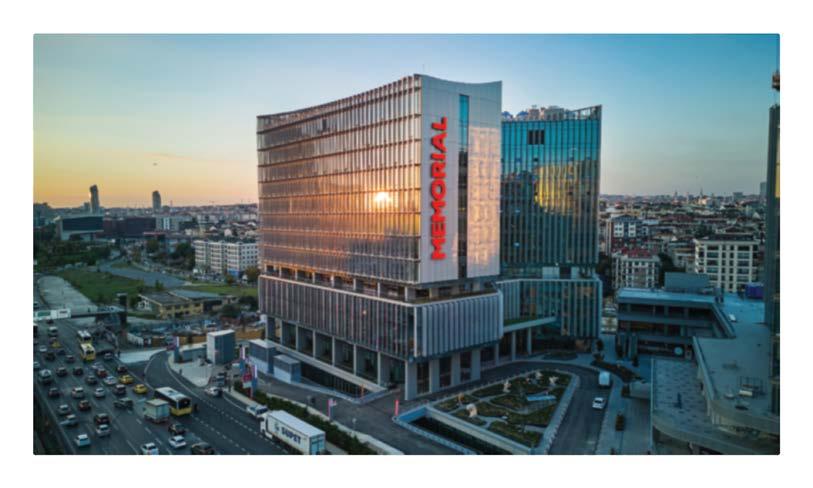
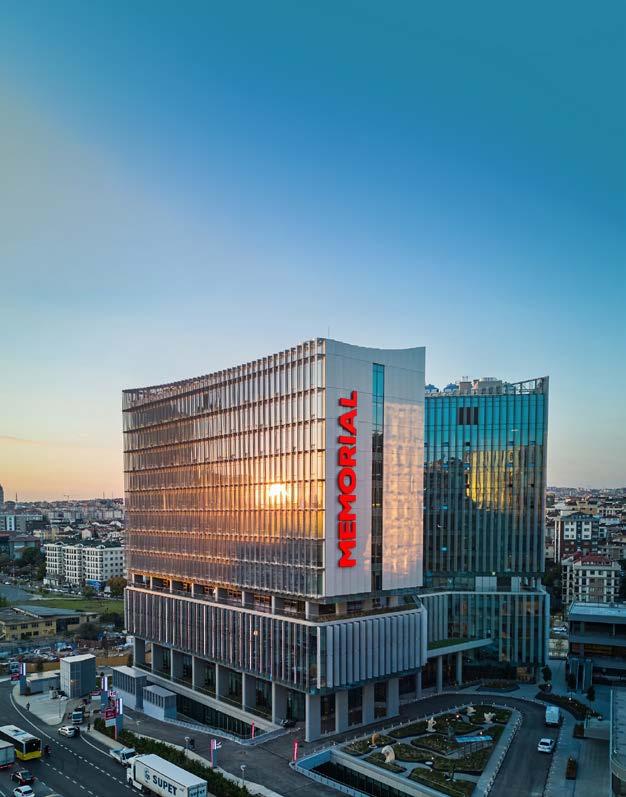
Memorial Hospitals Group Where the World Comes to Heal
With more than 25 years of experience, Memorial Hospitals Group is one of Türkiye’s leading healthcare institutions with a strong international reputation. With 13 hospitals across 2 countries, 1,300+ specialist physicians, 8,000+ staff members, JCI-accredited quality standards, and patient services in 30 languages, Memorial delivers advanced care to patients from more than 190 countries every year.
MEMORIAL... A Legacy of Firsts
1st hospital in Türkiye & 21st in the world to receive JCI accreditation
1st private hospital in Türkiye authorized for organ transplantation (liver & kidney)
1st ISO 15189 accredited IVF laboratory in Türkiye and Asia - 9th in Europe
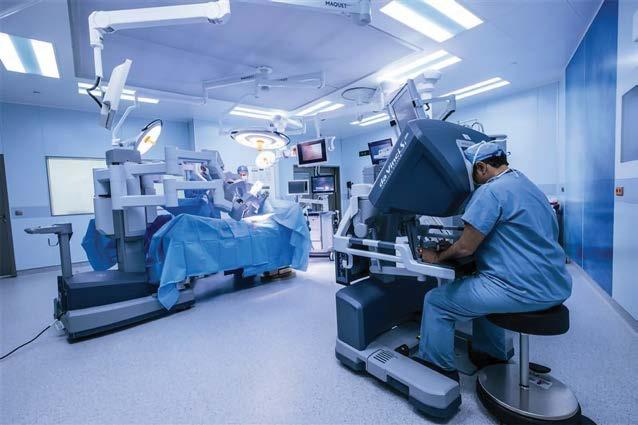
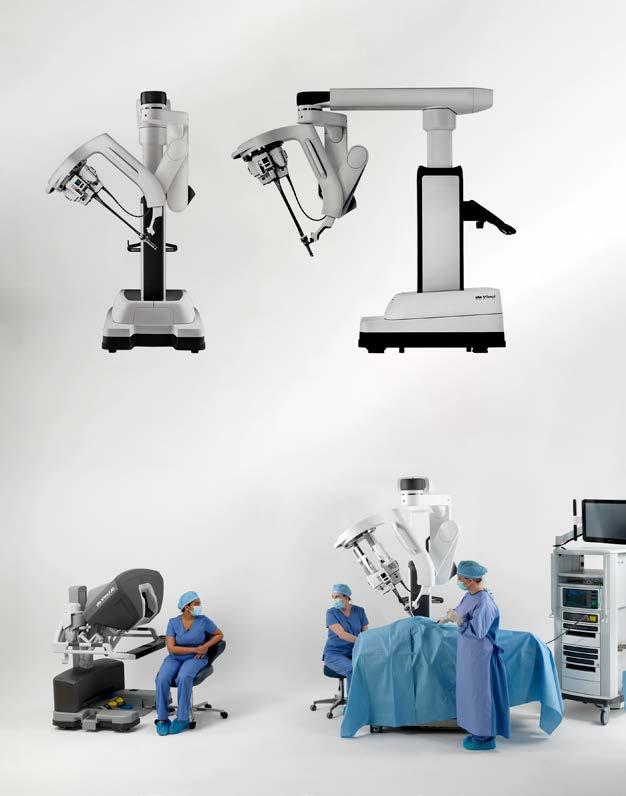
1st in Türkiye to offer Da Vinci Single Port robotic surgery
Centers of Excellence... Key Outcomes
• 40,000 IVF births over 15 years
• 9,500 IVF Cycles / Year
• 61% IVF success rate
• 11,500 Angiographies / Year
• 400+ Cardiac Surgeries / Year
Istanbul’s Most Advanced Hospital... Built for the Patient
Opened in 2025, Memorial Göztepe Hospital is Memorial’s newest and most technologically advanced facility in Istanbul. Designed with a philosophy of well-being, comfort, and healing through art, the hospital integrates next-generation medical infrastructure with a patient experience that helps reduce anxiety and supports the overall healing journey. Location & Accessibility for International Patients Strategically located in the heart of Istanbul’s Asian side, Memorial Göztepe Hospital offers convenient access from both Istanbul Airport and Sabiha Gökçen Airport. Memorial’s International Patient Services team coordinates airport transfers and patient logistics, helping ensure a smooth and well-organized journey from arrival to care.
Medical Technology
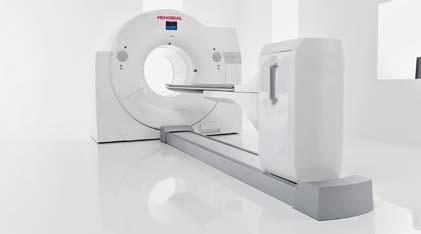
Göztepe Hospital is equipped with Memorial’s latest medical technologies, including Da Vinci Single Port robotic surgery, MR Linac adaptive radiotherapy, PET-CT, AI-supported 3T MRI, 256-slice CT, tomosynthesis mammography, and advanced hybrid operating suites. These technologies support accurate diagnosis, treatment planning, and multidisciplinary clinical decision-making at international standards.
GÖZTEPE HOSPITAL IS EQUIPPED WITH THE FULL SPECTRUM OF MEMORIAL’S LATEST TECHNOLOGY: DA VINCI SINGLE PORT ROBOTIC SURGERY, MR LINAC ADAPTIVE RADIOTHERAPY, PETCT, AI-SUPPORTED 3T MRI, 256-SLICE CT, TOMOSYNTHESIS MAMMOGRAPHY, AND ADVANCED HYBRID OPERATING SUITES.
Clinical Specialties
The hospital operates with a fully integrated multidisciplinary model across major specialties, including oncology, cardiovascular surgery, orthopedics and traumatology, neurology, general surgery, urology, gynecology, and gastroenterology, supported by advanced diagnostic imaging services.
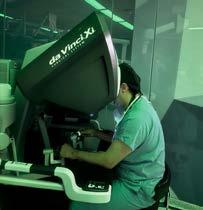
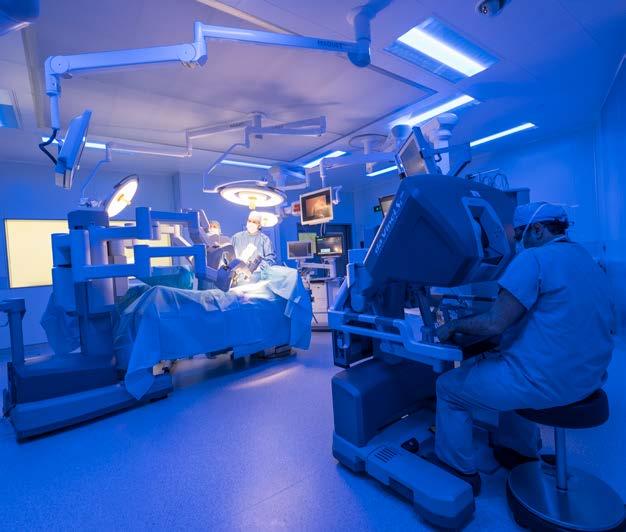
Da Vinci Single Port: First in Türkiye. One Incision. Endless Precision.
Memorial is the first hospital group in Türkiye to offer Da Vinci Single Port robotic surgery, the most advanced minimally invasive surgical platform available today. CE-certified and introduced to the European market in 2024, Da Vinci SP enables complex procedures through a single 2.7 cm incision, often placed at the navel or within a natural skin crease - leaving almost no visible scar.
How It Works
How It Works Through a single entry point, Da Vinci SP deploys three fully wristed instruments and a flexible 3D HD camera, all controlled from a dedicated surgeon console. The system provides a 360-degree range of motion, sub-millimeter precision, and tremor filtration, enabling advanced dexterity in confined surgical spaces.
Patient Benefits vs. Conventional Surgery
• Near-scarless — single 2.7 cm port, often hidden at the navel
• Significantly reduced post-operative pain
• Minimal intraoperative blood loss
• Lower risk compared to open or multi-port approaches
• Faster return to daily activities
Clinical Applications at Memorial
Da Vinci SP is currently used across four surgical specialties at Memorial hospitals:
• Urology
• Gynecology
MEMORIAL IS THE FIRST AND ONLY HOSPITAL GROUP IN TÜRKIYE TO OFFER DA VINCI SINGLE PORT TECHNOLOGY, MAKING ISTANBUL A DESTINATION FOR PATIENTS SEEKING THE MOST ADVANCED MINIMALLY INVASIVE SURGERY AVAILABLE IN THE WORLD TODAY.
• General Surgery
• Thoracic Surgery
WCM-Q Research Methods Training:
improving research literacy and output among healthcare professionals
Dr. Ziyad R. Mahfoud, Professor of Research in Population Health Sciences at Weill Cornell Medicine-Qatar (WCM-Q)
"Over half of participants indicated that the program supported them in drafting manuscripts, with a substantial proportion progressing to publication.”
The Research Methods Training program is a dynamic educational initiative designed to equip healthcare professionals with the skills needed to confidently navigate scientific research. An initiative of Weill Cornell Medicine-Qatar’s Division of Continuing Professional Development (CPD), the program was developed in response to a clear regional need, identified through surveys, professional interactions, and insights from medical literature, for stronger research literacy and
practical data analysis skills among healthcare professionals.
Research Methods Training is designed for a broad range of healthcare professionals, including physicians, pharmacists, nurses, dentists, allied health practitioners, academics, and researchers at different stages of their careers, from beginners seeking foundational knowledge to more experienced professionals aiming to strengthen their analytical capabilities.
Course creator and director Dr. Ziyad R.
"PARTICIPANTS NOT ONLY IMPROVE THEIR KNOWLEDGE AND COMPETENCE, BUT ALSO THEIR ABILITY TO APPLY THESE SKILLS IN PRACTICE."
Mahfoud is Professor of Research in Population Health Sciences at Weill Cornell Medicine-Qatar (WCM-Q). Prior to joining WCM-Q in 2010, he worked as an Assistant Professor in the Department of Statistics and School of Public Health of the University of Kentucky and an Assistant and Associate Professor in the Department of Epidemiology and Population Health at the American University in Beirut. Dr. Mahfoud holds a Ph.D. in Statistics from the University of Florida. At WCM-Q, Dr. Mahfoud supports several faculty members in the design, conduct, and analysis of research projects. He has initiated a number of training workshops for medical students, researchers and healthcare professionals on topics such as epidemiology, biostatistics, evaluation of published medical articles, and evidence-based medicine. Dr. Mahfoud is committed to improving knowledge sharing and effective communication between healthcare professionals and statisticians.
What gaps does the Research Methods
Training program address? And what makes it unique?
The program addresses gaps in research literacy, particularly in understanding statistical concepts, interpreting results in scientific literature, and applying analytical methods to real-world data. Because of the lack of statisticians, clinical researchers should be trained in statistical methods — firstly, to do basic statistical work, secondly, to communicate more effectively with statisticians. We’re giving healthcare professionals the training to enable them to understand statistics, to design studies well, and to analyze their data properly. This will move the research agenda faster.
Healthcare professionals depend on published research to update clinical behavior and clinical care for patients; they should be able to distinguish between good and bad research by understanding statistics, study design, and limitations. A key strength of the program is its breadth and flexibility. It offers both concep-
tual learning, such as interpreting published research, and practical training that enables participants to analyze their own data using appropriate statistical methods and software. There are workshops on the fundamentals of quantitative and qualitative research, as well as a comprehensive qualitative research workshop. The program has recently expanded to include mixed methods training, providing a well-rounded approach to research capacity building.
What are the main challenges to improving research literacy in the region?
Limited access to practical training, time constraints for busy clinicians, and a lack of confidence in applying statistical concepts. This program is designed to address these barriers through accessible, applied learning.
One of the biggest issues is professionals consuming statistics without fully understanding them. They read articles and accept results at face value.
Another issue is poor communication between clinicians and statisticians; clinicians may not understand the statistics, while statisticians sometimes do not understand the clinical context. Good science doesn’t work like that. When I work on a project, I sit with the clinician to understand the disease, outcomes, and measurements. Some people just crunch numbers without that context. We have a lot of unused data in the region — projects that nobody has analyzed properly. This training helps people start to analyze their own data. Finally, some institutions are reluctant to provide protected time or financial support, which means some professionals must pay out of their own pocket and conduct training in their own time. Some institutions are very supportive; others not at all. To improve research culture, institutions need to provide time and resources.
How is the program structured?
The Research Methods Training program uses a blended approach designed to fit in with
"FUTURE PLANS INCLUDE EXPANDING CONTENT IN EMERGING AREAS SUCH AS AI AND DATA ANALYTICS IN HEALTHCARE, INCREASING ACCESSIBILITY THROUGH FLEXIBLE DELIVERY FORMATS, AND CONTINUING TO ALIGN THE PROGRAM WITH EVOLVING HEALTHCARE AND RESEARCH NEEDS."
INTERVIEWS
the busy lifestyles of healthcare professionals, combining interactive webinars and online workshops with hands-on in-person workshops and short courses. Webinars focus on building foundational understanding, while workshops provide practical experience using statistical tools and real datasets.
We start with the basics—how to read the literature properly; how to understand descriptive and inferential statistics. What is a p-value? What does a confidence interval mean? What are means, standard deviations, odds ratios and hazard ratios?
Topics range from core statistical concepts and critical appraisal of clinical studies to more advanced areas such as survival analysis, sample size determination, and applied biostatistics using software like STATA and IBM-SPSS. In addition, the program covers qualitative and mixed methods research, including topics such as thematic analysis, selecting appropriate methodologies based on different research questions, and integrating quantitative and qualitative findings. This ensures participants gain a comprehensive and practical understanding of a wide range of research approaches.
Each course is reviewed by a scientific committee independent of WCM-Q, made up of diverse healthcare professionals. The committee approves course objectives and content, and courses are accredited in Qatar by the Ministry of Public Health’s Department of Healthcare Professions – Accreditation Section and internationally by the Accreditation Council for Continuing Medical Education (ACCME).
Can you tell us about the Certificate in the Analysis of Medical Data (CAMD)?
This is the flagship offering; a structured, handson training pathway designed to equip healthcare professionals with practical data analysis skills relevant to clinical research and practice.
CAMD consists of three progressive workshops—Introductory, Intermediate, and Advanced Biostatistics—typically delivered over three and a half days. Participants complete an assessment after each module to qualify for the certificate. Participants develop the abilities to:
• analyze and interpret medical data
• apply simple and complex statistical methods appropriately, and
• use software such as IBM SPSS to generate meaningful insights from their own research.
The courses typically run monthly — introductory in one month, intermediate the next, advanced the following month. However, the structure is very flexible and professionals do not have to make a continuous commitment.
Follow-up survey data has shown that a significant number of participants achieved the goals they set at the start of the program, including progressing to research outputs such as publications. Further details are reported in ‘Establishing a certificate in the analysis of medical data: a cross-sectional evaluation of a CPD course in biostatistics for healthcare professionals in Qatar’.
Who would benefit most from completing the CAMD?
CAMD is particularly valuable for clinicians, researchers, and healthcare professionals who are involved in research or who wish to strengthen their ability to interpret and apply data in clinical decision-making. It is especially beneficial for those looking to build confidence in analyzing data, critically appraising evidence, and translating research into practice. It is also ideal for graduate students completing their Master’s or Ph.D., as well as residents and fellows.
Evaluation findings have shown that participants not only improve their knowledge and competence, but also their ability to apply these skills in practice. Many reported enhanced performance in conducting statistical analyses, contributing to manuscript development, and supporting research publication. Notably, over half of participants indicated that the program supported them in drafting manuscripts, with a substantial proportion progressing to publication, highlighting its practical impact on research productivity and capacity building.
What has been the impact of the program so far? How may it evolve in future? The program has attracted a diverse group of
"CAMD IS PARTICULARLY VALUABLE FOR CLINICIANS, RESEARCHERS, AND HEALTHCARE PROFESSIONALS WHO ARE INVOLVED IN RESEARCH OR WHO WISH TO STRENGTHEN THEIR ABILITY TO INTERPRET AND APPLY DATA IN CLINICAL DECISION-MAKING. IT IS ESPECIALLY BENEFICIAL FOR THOSE LOOKING TO BUILD CONFIDENCE IN ANALYZING DATA, CRITICALLY APPRAISING EVIDENCE, AND TRANSLATING RESEARCH INTO PRACTICE. IT IS ALSO IDEAL FOR GRADUATE STUDENTS COMPLETING THEIR MASTER’S OR PH.D., AS WELL AS RESIDENTS AND FELLOWS."
healthcare professionals from across the region and beyond, with strong engagement and repeat participation reflecting its relevance and practical value.
The disciplines are highly interconnected: during statistics training, participants sometimes ask clinical questions, and during clinical training they ask statistical questions.
More than 1,000 healthcare professionals have participated in the Research Methods Training program, including over 300 who have completed the certificate course at some level.
Most of the interest is from Qatar and countries in the region – Saudi Arabia, Lebanon, Jordan – but we have also had participants from East Asia and the UK.
The feedback is amazingly positive – 99 percent of the feedback we collect after the training is extremely good. Participants ask for more and more topics — the demand is huge. Future
plans include expanding content in emerging areas such as AI and data analytics in healthcare, increasing accessibility through flexible delivery formats, and continuing to align the program with evolving healthcare and research needs.
We’ll continue offering the core courses every year because demand is high. The challenge is finding the time and the right people to deliver high-quality training.
Is the region improving in terms of research culture and literacy?
Yes, definitely. Over the past couple of decades there’s been a big push to improve. There are more courses, open-source platforms, university initiatives, and ministry-led programs.
Most training initially targeted physicians, but now there’s increasing involvement of nurses, public health professionals, and research support staff. Diversity of audience is important.
"MOST TRAINING INITIALLY TARGETED PHYSICIANS, BUT NOW THERE’S INCREASING INVOLVEMENT OF NURSES, PUBLIC HEALTH PROFESSIONALS, AND RESEARCH SUPPORT STAFF. DIVERSITY OF AUDIENCE IS IMPORTANT."
For further information or to register to attend, visit WCM-Q’s Continuing Professional Development webpage: https://qatarweill.cornell.edu/continuing-professional-development/
Your Child’s Health Starts Before Illness: Why Routine Checkups Are the Smartest Investment You Can Make
Dr. Samer Hamwy, Consultant Pediatrician and Consultant in Internal Medicine at Al-Ahli Hospital/Qatar
In today’s fast-paced world, where lifestyles are rapidly evolving and health challenges are becoming increasingly complex, caring for a child’s well-being can no longer be limited to treating illness when it arises. Instead, modern pediatrics is shifting toward a more proactive, intelligent approach, one that prioritizes prevention, early detection, and continuous monitoring.
Because the truth is simple yet profound: A child’s health is not built in moments of illness, it is shaped through consistent, informed care from the very beginning. This is where Well Child Care programs emerge as one of the most powerful tools in modern healthcare, offering not just medical evaluation, but a structured pathway toward lifelong health. At Al-Ahli, this philosophy is translated into a comprehensive, patient-centered approach that supports children and families through every stage of growth and development.
A Paradigm Shift: From Reactive Care to Preventive Medicine
Healthcare systems worldwide are undergoing a fundamental transformation. The focus is no longer solely on diagnosing and treating disease, but on preventing it before it begins. In pediatrics, this shift is especially critical.
The early years of life represent a period of rapid physical, cognitive, and emotional development. Subtle changes, invisible to the untrained eye, can be early indicators of underlying conditions. As Dr. Samer Hamwy explains: “Every routine checkup is an opportunity, not just to assess health, but to intervene early, guide development, and prevent future complications.”
BECAUSE THE TRUTH IS SIMPLE YET PROFOUND: A CHILD’S HEALTH IS NOT BUILT IN MOMENTS OF ILLNESS, IT IS SHAPED THROUGH CONSISTENT, INFORMED CARE FROM THE VERY BEGINNING. THIS IS WHERE WELL CHILD CARE PROGRAMS EMERGE AS ONE OF THE MOST POWERFUL TOOLS IN MODERN HEALTHCARE, OFFERING NOT JUST MEDICAL EVALUATION, BUT A STRUCTURED PATHWAY TOWARD LIFELONG HEALTH.
Well Child Care: More Than a Routine Visit
Contrary to common perception, Well Child visits are not limited to basic measurements or vaccinations. They represent a comprehensive evaluation of a child’s overall health and development. These assessments typically include:
• Monitoring growth parameters such as height, weight, and head circumference.
• Evaluating developmental milestones (motor, cognitive, and social).
• Reviewing nutritional habits and dietary needs.
• Ensuring adherence to vaccination schedules.
• Screening for early signs of medical or developmental conditions.
This holistic approach allows healthcare providers to build a complete picture of the child’s well-being.
The Power of Early Detection
One of the most critical advantages of routine checkups is the ability to identify potential concerns at an early stage. Conditions that can be detected early include:
• Growth and developmental delays .
• Nutritional deficiencies.
• Behavioral or speech delays.
• Early indicators of chronic conditions.
Early detection does not just simplify treatment, it can significantly alter the trajectory of a child’s health and future quality of life.
Growth Is Not Just Numbers
While growth charts provide valuable benchmarks, true pediatric assessment goes far beyond numbers. Modern Well Child care focuses on:
• Behavioral patterns and emotional responses.
CONTRARY TO COMMON PERCEPTION, WELL CHILD VISITS ARE NOT LIMITED TO BASIC MEASUREMENTS OR VACCINATIONS. THEY REPRESENT A COMPREHENSIVE EVALUATION OF A CHILD’S OVERALL HEALTH AND DEVELOPMENT.
• Social interaction and communication skills.
• Cognitive development and learning readiness.
This comprehensive perspective ensures that each child is evaluated as a whole individual, not just a set of measurements.
Parents as Partners in Prevention
A successful preventive care model depends on strong collaboration between healthcare providers and families. Parents play a critical role in:
• Observing early behavioral or physical changes.
• Following medical guidance and recommendations.
• Creating a healthy home environment .
Dr. Hamwy emphasizes: “Empowering parents with knowledge is one of the most important aspects of pediatric care. When families are informed, children thrive.”
Modern Challenges Facing Children Today
Children today are growing up in a vastly different environment than previous generations. Along with progress comes new health challenges, including:
• Increasing rates of childhood obesity.
• Sedentary lifestyles and reduced physical activity.
• Excessive screen time impacting cognitive and social development.
• Sleep disturbances and irregular routines.
• Poor dietary habits driven by convenience foods.
These factors make routine monitoring not just beneficial, but essential.
A Comprehensive Pediatric Experience at Al-Ahli
At Al-Ahli, Well Child Care is designed as a seamless, supportive journey for both child and family. The program offers:
• Pediatric specialists with extensive experience.
• Structured follow-up plans tailored to each developmental stage.
• Nutritional and lifestyle guidance.
• A child-friendly environment that reduces anxiety and builds trust.
This integrated model ensures that care is not only clinically effective but also emotionally reassuring.
Prevention as a Long-Term Investment
Investing in a child’s health early in life yields long-term benefits that extend far beyond childhood. Preventive care contributes to:
• Reduced risk of chronic diseases later in life.
• Improved physical and cognitive performance.
• Enhanced overall quality of life.
• Lower long-term healthcare costs.
Simply put, preventive pediatrics is one of the most impactful investments a family can make.
The Future of Pediatric Care: Smarter, Earlier, Better
The future of child healthcare is moving toward more intelligent, data-driven models, including:
• Digital tracking of growth and development.
• Predictive analytics for early risk identification.
• Personalized health plans based on individual needs.
• Integration of technology into routine care.
At Al-Ahli, these innovations are being embraced to ensure that pediatric care continues to evolve in line with global best practices.
A
Message from Dr. Samer Hamwy
“Caring for a child’s health doesn’t begin when they are sick, it begins with awareness, consistency, and early action. Routine checkups are the foundation of a healthier future for every child.”
THE EARLY YEARS OF LIFE REPRESENT A PERIOD OF RAPID PHYSICAL, COGNITIVE, AND EMOTIONAL DEVELOPMENT. SUBTLE CHANGES, INVISIBLE TO THE UNTRAINED EYE, CAN BE EARLY INDICATORS OF UNDERLYING CONDITIONS. AS DR. SAMER HAMWY EXPLAINS: “EVERY ROUTINE CHECKUP IS AN OPPORTUNITY, NOT JUST TO ASSESS HEALTH, BUT TO INTERVENE EARLY, GUIDE DEVELOPMENT, AND PREVENT FUTURE COMPLICATIONS.”
RNS offers hope for patients with drug-resistant epilepsy as surgery alternative, study shows
For many living with epilepsy, medication is effective. “However, a third of patients with epilepsy are refractory to medications,” explains Dawn S. Eliashiv, MD, professor of neurology and co-director of the UCLA Seizure Disorder Center. “That means they didn’t respond to two medications and still have seizures.”
Historically, the next step involved surgery to remove the brain tissue generating seizures. But surgery is not always possible and may carry neurological risks. A newer approach, responsive neurostimulation (RNS), allows clinicians to control seizures through technology without removing brain tissue, offering hope to patients who are not candidates for surgical resection.
Listening to the brain
RNS is a form of neuromodulation designed to detect and interrupt seizure activity at its earliest stages. The NeuroPace RNS System was FDA approved in the United States in 2013 for treating patients whose seizures do not respond to medication. In the procedure, physicians implant a small neurostimulator beneath the skull. Thin electrodes are placed in or near the areas of the brain where seizures originate, either deep within brain structures or positioned on the surface of the brain. The device then acts as an internal observer.
“It has the ability to record brain waves directly from those structures,” Dr. Eliashiv
RNS OFFERS A MORE CONSERVATIVE ALTERNATIVE. RATHER THAN REMOVING BRAIN TISSUE, PHYSICIANS IMPLANT ELECTRODES AND MONITOR BRAIN ACTIVITY WHILE PROVIDING RESPONSIVE STIMULATION..
explains. “Using algorithms that recognize the electrical patterns specific to that patient’s seizures, the device can detect when a seizure is beginning.”
When those patterns appear, the system responds instantly by delivering brief electrical pulses through the electrodes. The stimulation may halt the seizure almost immediately. Over time, however, neurologists believe this therapy does something even more interesting.
“It can stop seizures in some cases,” Dr. Eliashiv says, “but what we’ve learned is that it also modulates brain activity and decreases the tendency to have seizures over time.”
The value of RNS becomes particularly clear when seizures originate in regions of the brain that surgeons cannot safely resect. A recent study led by UCLA investigators, published in Seizure: European Journal of Epilepsy, assessed the 20 patients with drug-resistant focal motor epilepsy who received RNS in the primary motor cortex. For these patients, traditional epilepsy resection surgery carried a risk of profound motor deficits.
The study offered encouraging results. About half of the patients experienced greater than 90% reduction in seizure frequency. Just as important, the treatment offered a therapeutic pathway where none previously existed.
RNS therapy: A growing field
Even when epilepsy surgery is technically possible, it can carry neurological trade-offs depending on the region of the brain involved.
“In the past, we might perform resections of the dominant temporal lobe,” Dr. Eliashiv notes. “Patients could have a good seizure outcome but then develop memory deficits or cognitive problems.”
RNS offers a more conservative alternative. Rather than removing brain tissue, physicians implant electrodes and monitor brain activity while providing responsive stimulation.
RNS also provides diagnostic advantages when physicians are uncertain which side of the brain generates seizures, as the device can
monitor both regions simultaneously.
“With RNS, we can implant electrodes on both temporal lobes and monitor over a long period of time,” Dr. Eliashiv says. “We can see where the seizures are actually coming from while also delivering therapy.”
This dual-role treatment, combined with long-term brain monitoring, is one of the system’s unique strengths.
RNS belongs to a family of neuromodulation therapies for epilepsy, alongside vagus nerve stimulation, which stimulates the vagus nerve in the neck, and deep brain stimulation targeting structures within the thalamus. However, RNS differs in one critical respect: it is responsive rather than continuous.
“This device looks at brain patterns, recognizes the seizure pattern, and then delivers a response,” Dr. Eliashiv explains. “That responsive quality is unique.”
Researchers are also exploring whether expanding the system’s targets might allow it to treat broader forms of epilepsy, including some generalized seizure disorders.
Looking Forward
The emergence of RNS reflects a broader shift toward individualized, data-driven treatments that adapt to each patient’s brain. This shift carries enormous implications, as approximately 1.4 million people live with drug-resistant epilepsy in the U.S. alone.
“The big takeaway,” says Dr. Eliashiv, “is to consider, for patients with refractory epilepsy, more options that include neuromodulation in general and RNS specifically.”
Researchers are actively investigating new targets in the brain, more sophisticated algorithms for detecting seizure activity, and broader neurological applications. For now, RNS offers meaningful control to epilepsy patients who once had very few treatment options.
For more information, please visit https://www.uclahealth.org/international-services/ or call +1 310-794-8759
RNS IS A FORM OF NEUROMODULATION DESIGNED TO DETECT AND INTERRUPT SEIZURE ACTIVITY AT ITS EARLIEST STAGES. THE NEUROPACE RNS SYSTEM WAS FDA APPROVED IN THE UNITED STATES IN 2013 FOR TREATING PATIENTS WHOSE SEIZURES DO NOT RESPOND TO MEDICATION.
The Future of Healthcare Design Is Invisible
How Smart, Data-Driven Systems Are Redefining Clean and Sustainable Hospitals
Amir H. Greiss, Founder and Chief Executive Officer of SharpMinds Consulting Engineers
Walk into any outstanding hospital today and your senses reassure you immediately, calm spaces, ordered corridors, air that feels clean. What excites me most about the future of healthcare design is that the most powerful transformation is one you'll never see. It's embedded inside walls, woven through data streams, and running through intelligent systems that are quietly redefining what genuinely safe and sustainable hospital care looks like.
The Intelligence Behind the Walls
For too long, design conversations in healthcare have centred on what we can see that are finishes, lighting, wayfinding, and spatial flow. These things matter. But the real drivers of patient safety and long-term environmental performance are systems most visitors never notice:
• Real-time air quality sensors.
• IoT-connected HVAC controls.
• AI-powered building management platforms.
• Environmental monitoring networks making micro-decisions around the clock.
Today's AI-powered platforms can continuously monitor environmental conditions and adjust airflow based on real-time data, turning a passive building into one that actively responds to the needs of every person inside it. That shift from static infrastructure to intelligent, adaptive systems is one of the most meaningful advances in hospital design in a generation.
What the Data Is Already Telling Us
The results being documented in hospitals
TODAY'S AI-POWERED PLATFORMS CAN CONTINUOUSLY MONITOR ENVIRONMENTAL CONDITIONS AND ADJUST AIRFLOW BASED ON REAL-TIME DATA, TURNING A PASSIVE BUILDING INTO ONE THAT ACTIVELY RESPONDS TO THE NEEDS OF EVERY PERSON INSIDE IT. THAT SHIFT FROM STATIC INFRASTRUCTURE TO INTELLIGENT, ADAPTIVE SYSTEMS IS ONE OF THE MOST MEANINGFUL ADVANCES IN HOSPITAL DESIGN IN A GENERATION.
globally are genuinely encouraging. IoTsupported sensors measuring CO₂ levels, volatile organic compounds, and particulate matter are enabling hospitals to maintain safe air for patients and staff, while intelligent HVAC systems lead to significant energy savings that support sustainable development goals.
The UAE: A Region Built for This Moment
Nowhere is this evolution more inspiring than in the UAE. The 2025 federal budget which is the largest in the nation's history at AED 71.5 billion allocates AED 5.745 billion, representing 8 percent of total spending, to healthcare and community prevention services.
Cleveland Clinic Abu Dhabi exemplifies what smart investment makes possible. Through systematic retrofits including HVAC fan motor upgrades, air exchange rebalancing in operating theatres, and advanced lighting systems the hospital achieved a 10 percent reduction in energy consumption by cost, and earned LEED Gold Certification, establishing it as a model for sustainable hospital design across the region. The Department of Health – Abu Dhabi has committed to a 20 percent reduction in greenhouse gas emissions by 2030, with AI and IoT integration in smart hospitals already improving operational efficiency and optimising patient care.
The UAE's digital health market is expected to reach USD 2.65 billion by 2030, registering a compound annual growth rate of 23.3 percent from 2024 with smart hospital AI and IoT integration driving efficiency, safety, and outcomes at scale.
A New Standard for Every Hospital We Build
This moment calls for a fundamental reframing of how we design and evaluate healthcare spaces. The first question should no longer be what a hospital looks like. It should be what it knows about itself. Does it detect a pressure imbalance in an isolation room before it creates a contagion risk? Does it flag a filter failure before a post-surgical patient is affected? Does it automatically reduce energy loads in unoccupied wings overnight?
These capabilities exist today and are already being deployed. Digital twin technology and AI-powered building management systems are enabling hospitals to reduce energy consumption by up to 50 percent compared to traditional designs, while achieving important sustainability milestones.
The UAE has every ingredient needed to lead this transformation globally which is the vision, the investment, the institutional frameworks, and the ambition. With Abu Dhabi's Future Health platform anchoring international collaboration across digital health, system resilience, and AI, and Dubai Health partnering with the Dubai Future District Fund to develop a world-class HealthTech ecosystem aligned with Dubai's D33 economic agenda, the UAE is not simply participating in the future of healthcare design but shaping it.
The most powerful design decision in any hospital is one that no patient will ever see. It is time the entire industry started treating it that way with the seriousness, investment, and creativity it deserves.
THE UAE HAS EVERY INGREDIENT NEEDED TO LEAD THIS TRANSFORMATION GLOBALLY WHICH IS THE VISION, THE INVESTMENT, THE INSTITUTIONAL FRAMEWORKS, AND THE AMBITION. WITH ABU DHABI'S FUTURE HEALTH PLATFORM ANCHORING INTERNATIONAL COLLABORATION ACROSS DIGITAL HEALTH, SYSTEM RESILIENCE, AND AI, AND DUBAI HEALTH PARTNERING WITH THE DUBAI FUTURE DISTRICT FUND TO DEVELOP A WORLDCLASS HEALTHTECH ECOSYSTEM ALIGNED WITH DUBAI'S D33 ECONOMIC AGENDA, THE UAE IS NOT SIMPLY PARTICIPATING IN THE FUTURE OF HEALTHCARE DESIGN BUT SHAPING IT.
Bright idea: Drug infusion lights up small lung cancer tumors to guide complex surgery
Provided by UChicago Medicine
Celebrating the first patient to use Cytalux is, left to right, Arani Shearrill, Rowelma Aquino, Ernest Chan, Rana Aljammali and Laura Cin
One of Jane Jud’s three cancerous lung nodules was small and in a hard-to-reach spot in her left upper lobe. It would be difficult for her surgeons to locate and extract it. But during Jud’s surgery at the University of Chicago Medicine in February 2026, doctors used a novel fluorescent imaging agent that gave her lung cancer cells a bright green glow, offering a clear view and allowing them to successfully remove her cancer.
Jud, 77, is the first patient at UChicago Medicine to receive Cytalux (pafolacianine), a
drug that provides a stark visual contrast so lung cancer is easier for surgeons to see.
“The technology has assisted us in resecting her tumor while preserving as much normal lung tissue as possible,” said UChicago Medicine thoracic surgeon Ernest Chan, MD, MPH, who performed Jud’s surgery.
“It really helps us in the operating room, because some nodules are hard to find.”
How Cytalux works for lung cancer surgery
ERNEST CHAN, MD, MPH INTRODUCED THE IMAGING AGENT TO UCHICAGO MEDICINE’S LUNG CANCER TEAM.
Patients receive an infusion of Cytalux one hour before surgery intravenously. Then, in the operating room, surgeons use a camera that emits near-infrared light to see in real-time the cancer cells that have absorbed the drug.
In the past, treating lung cancer often meant removing a whole lung lobe. Now, thanks to recent scientific advances, doctors can often remove just a small lung segment. With this new illuminating agent, even less lung tissue is removed because the tumor’s boundaries are clearly defined, Chan said.
While working in Pittsburgh, Chan had experience using Cytalux when it was in clinical trials, before the U.S. Food and Drug Administration approved it in 2022 for use in lung cancer surgery (it was approved for ovarian cancer one year earlier). Chan introduced the imaging agent to UChicago Medicine’s lung cancer team. Thoracic surgeon Darren Bryan, MD, led the effort to make it available to patients starting in February 2026.
Visual aid for difficult cancer cases
As more people are screened for lung cancer, smaller tumors are being found at an earlier stage. Although this advancement has led to
more surgeries for smaller nodules, it doesn’t mean Cytalux is necessary for every patient.
“We reserve it for those that are complex lung resections, or for patients like Jane who have multiple small, more central tumors that are difficult to find,” Chan said.
Still, the advantage is clear for Jud, a retired advertising director who smoked for 40 years and was diagnosed with lung cancer in October 2025. One week after her surgery, Jud said she felt great and was excited to be the first recipient of this cancer-detecting aid.
“I’m a person who always says, ‘Go for it,’” said Jud, who lives in Georgia but recovered with help from family in Chicago. “People need to know this is available.”
Cytalux is the second new imaging technology UChicago Medicine introduced this month. Doctors also began using intraoperative MRI, or iMRI, for complex surgeries.
An iMRI allows the scans to be done in real time, detecting potential complications in as little as seven seconds. In the past, patients would have to be transported several floors away for an MRI mid-surgery, adding risk and extending surgery times.
CYTALUX IS THE SECOND NEW IMAGING TECHNOLOGY
UCHICAGO MEDICINE INTRODUCED THIS MONTH.
lung
With his dedication to advancing thoracic surgery, Dr. Chan uses the latest minimally invasive thoracic techniques and technologies, such as robotic surgery, to deliver the highest level of care and best outcomes possible to his patients, including patients with the most challenging cases.
Ernest Chan, MD, MPH Assistant Professor of Surgery (Thoracic Surgery)
Ernest G. Chan, MD, MPH, is a highly skilled surgeon specializing in thoracic surgery and
transplantation.
Lung cancer patient Jane Jud, center, poses with UChicago Medicine oncologist Ernest Chan, MD, MPH, and Jud's daughter, Alexandria, after her surgery
Fluorescent imaging agent visualizes cancerous cells during patient Jane Jud's lung cancer surgery in February 2026
Henry Ford Orthopedics: Leading the Way in Research and Clinical Innovation
The Henry Ford Orthopedics team is driving the future of orthopedic treatment through translational research and the most effective care to get your patients back to their active lives, pain free. The program combines surgical excellence, evidence-based clinical practice and subspeciality expertise with research and innovation to treat orthopedic and sports-related injuries, restoring function, enhancing performance and improving patient outcomes across the continuum of care. It brings a proven, system-based approach to complex musculoskeletal care that translates globally. Henry Ford Health’s latest research and treatment advancements include:
Osteoarthritis (OA)
Osteoarthritis remains a major health challenge globally, and it can significantly impair daily activities and quality of life for millions worldwide. There is currently no cure nor any disease-modifying drugs for OA.
The Henry Ford Health team is focused on developing novel diagnostic and therapeutic strategies and is experienced in the latest procedural treatments available:
• Bone and Joint Center (BJC): This research team is working across a wide spectrum of fields, including molecular biology, biomechanics and motion analysis to identify underlying molecular mechanisms of complex joint pathologies such as OA, including applying sequencing and other cutting-edge technologies to emerging areas of research such as epigenetics.
• Breakthrough discovery of microRNA for knee OA: A promising class of potential therapeutic targets is microRNAs (miRs, small RNA molecules that are found in tissues and fluids throughout the body. Henry Ford Health recently published a study in Nature Communications that highlights the potential of a specific microRNA, miR-126-3p, as both a biomarker
OSTEOARTHRITIS REMAINS A MAJOR HEALTH CHALLENGE GLOBALLY, AND IT CAN SIGNIFICANTLY IMPAIR DAILY ACTIVITIES AND QUALITY OF LIFE FOR MILLIONS WORLDWIDE. THERE IS CURRENTLY NO CURE NOR ANY DISEASEMODIFYING DRUGS FOR OA.
and a therapeutic target for knee OA, which could revolutionize diagnosis and treatment for millions suffering from knee OA.
• Henry Ford Health OA Biobank: The use of clinical biospecimens in basic science research is critically important for supporting translation of findings from bench to bedside. The Henry Ford Health OA Biobank was established several years ago to collect joint tissues and biofluids from patients undergoing knee and hip surgeries, and this repository has grown to include biospecimens from roughly 500 consenting patients. It has banked multiple aliquots of each biospecimen collected to create a resource for the broader orthopedic research community, and it has published its protocol for collecting and analyzing seven primary knee OA tissues.
• ROSA robotic total knee replacements: ROSA provides data to create a 3D model of your patient’s knee, which enables the surgeon to plan and customize the surgery preoperatively. ROSA offers a more precise implant placement and improved ligament
balance during knee replacement, which is important to your patient’s comfort and may improve their overall outcome and longevity of the knee replacement. Henry Ford Orthopedics has performed almost 3,000 ROSA robotic total knee replacements, the most in the United States and one of the highest in the world.
Hand and wrist surgery
Henry Ford’s nationally renowned hand and wrist surgeons have fellowship training in specialized upper extremity procedures, in addition to orthopedics or plastic surgery training. They treat the most complex hand and wrist conditions and offer less invasive techniques such as wide-awake surgery and arthroscopic surgery, which can help your patients recover faster and lower the risk of complications. The range of complex surgical procedures they offer include:
• Fracture fixation: The surgeon stabilizes broken and misaligned bones in the hand, wrist or elbow using advanced techniques that result in faster recovery.
HENRY FORD’S NATIONALLY RENOWNED HAND AND WRIST SURGEONS HAVE FELLOWSHIP TRAINING IN SPECIALIZED UPPER EXTREMITY PROCEDURES, IN ADDITION TO ORTHOPEDICS OR PLASTIC SURGERY TRAINING.
• Microsurgery: Using a microscope and very fine sutures, the surgeon can repair injured nerves and arteries.
• Nerve surgery: This procedure can release nerve compression and restore hand function.
• Trigger finger release (tenolysis): This surgery releases the tissue that stops a finger from moving properly.
• Finger/wrist joint replacement: The surgeon removes damaged parts of finger/ wrist bone and replaces them with artificial parts made of metal or plastic. We are the only team in Michigan that offers total wrist replacement, an advanced surgical approach that requires extreme precision.
• Finger/wrist joint fusion (arthodesis): To stabilize the finger/wrist, the surgeon fuses the bone to the finger/wrist bones.
Henry Ford Health hand surgeons are also active clinical researchers in areas that include hand trauma, carpal tunnel syndrome, arthritis, workrelated injury, joint replacement and valuebased specialty care.
Orthopedic spine surgery
Henry Ford Health’s orthopedic spine surgeons
are some of the leading experts in the United States. They offer a range of surgical solutions, including artificial intelligence-driven robotic spine surgical technology and patient-specific implants to help your patients find relief fast. The team performs the full range of spinal surgeries, including:
• Direct lateral interbody fusion (DLIF).
• Oblique lateral lumbar interbody fusion (OLIF).
• Anterior lumbar interbody fusion (ALIF).
• Minimally invasive transforaminal lumbar interbody fusion (MIS TLIF).
• Endoscopic spine surgery.
• Sacroiliac joint (SIJ) fusion/revision.
• Fragility fracture surgery.
• Occipitocervical fusion.
• Cervical disc replacement and fusion.
• Cervical laminoplasty.
• Complex revisions.
Trauma surgery
Henry Ford Hospital in Detroit has been named a Level 1 Trauma Center by the American College of Surgeons, offering the highest level of trauma surgery services available, including complex trauma services not available at all programs, such as rib plating/fixation. They have
HENRY FORD HEALTH HAND SURGEONS ARE ALSO ACTIVE CLINICAL RESEARCHERS IN AREAS THAT INCLUDE HAND TRAUMA, CARPAL TUNNEL SYNDROME, ARTHRITIS, WORKRELATED INJURY, JOINT REPLACEMENT AND VALUE-BASED SPECIALTY CARE.
a 97.5% trauma survival rate. In addition:
• Experienced team: All surgeons are fellowship-trained in critical care and routinely treat adult brain, spine, extremity, face, eye and torso injuries. They also work closely with a dedicated team of Henry Ford Health specialists that include vascular surgeons, plastic and reconstructive surgeons, neurosurgeons, otolaryngology surgeons, oral and maxillofacial surgeons, and ophthalmic plastic and reconstructive surgeons.
• ECMO: They offer extracorporeal membrane oxygenation (ECMO), an advanced life support system used to bypass heart and lung function during heart failure, lung damage and other lifethreatening cardiovascular conditions.
• Trauma psychologist: Henry Ford Health is one of the only health systems in the United States that has an integrated trauma therapist on its trauma surgery team.
• Research: Its team is active in research to help improve acute care surgery treatment and outcomes.
Amputee Clinic
Henry Ford Health provides comprehensive, compassionate care for patients with limb loss through its specialized Amputee Clinic. Its multidisciplinary team focuses on restoring function, reducing pain and improving quality of life through individualized treatment plans and evidence-based care.
Clinic staff work closely with each patient to address physical recovery, mobility goals and overall well-being, ensuring they have
seamless coordinated care across specialties. This includes prosthetic evaluation, therapy and management of pain, skin and functional issues, as well as long-term follow-up. Patients who have lost a limb (or limbs) can be referred to this clinic at any time in their recovery.
Sports medicine
Henry Ford Health was named in the top 5% of sports medicine research facilities in the United States in the Avant-garde Health 2025 Healthcare Research All-Stars report.
Henry Ford Sports Medicine experts are the team physicians for all four professional sports teams in Michigan, supporting elite performance and injury management, and they have hands-on experience with Olympic sports. Its Sports Medicine team treats the whole athlete, with specialists interconnected across multiple disciplines in orthopedics, cardiology, neurology, ophthalmology, ear nose and throat, nutrition, primary care, physical therapy and athletic training. Its integrated sport psychology program is one of few in the United States to be connected to a larger sports medicine department, offering seamless care for mental health challenges that may arise following injury. The Henry Ford Center for Athletic Medicine, a 54,000-square-foot facility in Detroit, serves as the epicenter for athletes at all levels and in every sport to heal, condition and optimize performance. It combines the latest in state-of-the-art simulation and motion technology and a full staff of physical therapists and athletic trainers to help athletes reach their highest potential.
HENRY FORD SPORTS MEDICINE EXPERTS ARE THE TEAM PHYSICIANS FOR ALL FOUR PROFESSIONAL SPORTS TEAMS IN MICHIGAN, SUPPORTING ELITE PERFORMANCE AND INJURY MANAGEMENT, AND THEY HAVE HANDSON EXPERIENCE WITH OLYMPIC SPORTS.
ORTHOPEDIC PROGRAM SCALE & CLINICAL SCOPE (2025)
(IP = INPATIENT | OP = OUTPATIENT)
3,608 PROCEDURES (507 IP | 3,101 OP)
1,292 PROCEDURES (811 IP | 481 OP)
915 PROCEDURES (629 IP | 286 OP)
2,678 PROCEDURES (305 IP | 2,373 OP)
Henry Ford Health also has a strategic partnership with Shirley Ryan AbilityLab, the world-renowned leader in rehabilitation medicine, which enhances orthopedic outcomes through an integrated, seamless continuum of care.
Ignite: The Future of Personalized Facial and Body Contouring
Fadi Hamadani, Consultant Plastic and Cosmetic Surgeon, Global Head Trainer, Inbella
In the rapidly evolving landscape of aesthetic medicine, the demand for procedures that bridge the gap between non-invasive skin care and major surgical intervention has never been higher. Today’s individuals are increasingly seeking treatments that offer significant, structural remodeling of both the face and body, but with minimal downtime and naturallooking outcomes.
Leading this shift toward highly precise, energy-based tissue rejuvenation is the Ignite. To understand how this advanced technology is redefining facial and body contouring, we spoke with Dr. Fadi Hamadani, Consultant Plastic and Cosmetic Surgeon and Global Head Trainer for Inbella. In this exclusive interview, Dr. Hamadani breaks down the science behind Ignite’s targeted thermal energy, explains who can benefit most from this nextgeneration solution, and shares why customizable, depthspecific treatments represent the future of minimally invasive aesthetics.
IGNITE IS AN ADVANCED RADIOFREQUENCYBASED PLATFORM.
What is Ignite, and how does it help improve the face and body?
Ignite is an advanced radiofrequency-based platform that delivers controlled thermal energy into the subdermal tissues, targeting both fat and the fibroseptal network. This results in simultaneous fat remodeling, skin tightening, and improved facial and body contouring.
Who is the ideal candidate for Ignite treatments?
Ideal candidates are patients with mild to moderate skin laxity, early fat accumulation, or contour irregularities who are not yet ready for surgical intervention but still want meaningful, structural improvement.
What kind of concerns can Ignite treat?
Ignite addresses skin laxity, early jowling, submental fullness, and localized adiposity in areas such as the face, neck, abdomen, arms, and thighs, with a focus on both tightening and contour refinement.
How is Ignite different from traditional surgical procedures?
Unlike surgery, Ignite is minimally invasive, performed through small access points, and focuses on energy-based tissue remodeling rather than excision. This allows for naturallooking results with significantly less downtime.
Is the treatment painful, and what does the procedure feel like?
The procedure is generally well tolerated. Patients typically feel controlled heat and mild pressure. Local anesthesia is used in most cases to ensure comfort throughout the treatment.
How long does a typical session take, and how many sessions are needed?
Treatment time ranges from 30 minutes to 1–2 hours, depending on the area being treated. In many cases, a single session is sufficient,
although some patients may benefit from staged or combination treatments.
Is there any downtime after the treatment?
Downtime is relatively minimal. Most patients resume normal activities within a few days, although mild swelling or tenderness can persist for a short period.
When can patients start seeing results, and how long do they last?
Early tightening can be seen within weeks, with progressive improvement over 3–6 months as collagen remodeling occurs. Results are longlasting, particularly when combined with proper maintenance.
Is the treatment safe, and what technologies make it reliable?
Ignite incorporates real-time thermal monitoring and impedance control, allowing precise energy delivery while protecting surrounding tissues, making it both safe and highly predictable.
Can Ignite be combined with other aesthetic treatments?
Yes. It is often combined with injectables, skin boosters, or RF microneedling to address multiple tissue layers and enhance overall outcomes.
What makes Ignite a “next-generation” solution in aesthetic treatments?
It allows targeted, depth-specific energy delivery, enabling physicians to tailor treatment based on tissue type-fat, fibrous septa, or skinrather than using a one-size-fits-all approach.
Why are more patients today choosing minimally invasive technologies like Ignite?
Because they offer a balance of efficacy and safety, delivering meaningful structural results with less downtime, lower risk, and more natural outcomes compared to traditional surgery.
UNLIKE SURGERY, IGNITE IS MINIMALLY INVASIVE, PERFORMED THROUGH SMALL ACCESS POINTS, AND FOCUSES ON ENERGY-BASED TISSUE REMODELING RATHER THAN EXCISION. THIS ALLOWS FOR NATURAL-LOOKING RESULTS WITH SIGNIFICANTLY LESS DOWNTIME.
A Pill That Sees Within: The Future of Gastrointestinal Diagnosis
Dr. Siddique AlMalik, Consultant Gastroenterologist Endoscopist and Hepatologist at Al-Ahli Hospital/Qatar
Imagine diagnosing complex gastrointestinal conditions without the need for invasive procedures, sedation, or hospital stays. A simple capsule, no larger than a vitamin pill, travels through the body, capturing thousands of high-resolution images along the way. This is no longer the future. It is the present. At Al-Ahli, the introduction of the Smart Endoscopy Capsule marks a transformative step in digestive healthcare, offering patients a safer, more comfortable, and highly advanced diagnostic alternative.
Rethinking Endoscopy: A Shift in Patient-Centered Care
For decades, traditional endoscopy has been the gold standard for diagnosing gastrointestinal conditions. While effective, it often requires:
• Sedation.
• Invasive insertion of scopes.
• Patient discomfort.
• Clinical setup and recovery time.
Today, global healthcare trends are moving toward minimally invasive and patient-friendly diagnostics, and capsule endoscopy is leading this shift.
What Is a Smart Endoscopy Capsule?
The smart capsule is a small, swallowable device equipped with:
• A miniature high-resolution camera.
• LED light sources.
• Wireless transmission technology.
• Advanced sensors.
As it travels naturally through the digestive tract, it captures thousands of images, transmitting them in real-time to a recording device worn by the patient.
A SIMPLE CAPSULE, NO LARGER THAN A VITAMIN PILL, TRAVELS THROUGH THE BODY, CAPTURING THOUSANDS OF HIGHRESOLUTION IMAGES ALONG THE WAY. THIS IS NO LONGER THE FUTURE. IT IS THE PRESENT. AT AL-AHLI, THE INTRODUCTION OF THE SMART ENDOSCOPY CAPSULE MARKS A TRANSFORMATIVE STEP IN DIGESTIVE HEALTHCARE, OFFERING PATIENTS A SAFER, MORE COMFORTABLE, AND HIGHLY ADVANCED DIAGNOSTIC ALTERNATIVE.
Clinical Advantages: Precision Meets Comfort
The introduction of capsule endoscopy has redefined diagnostic capabilities, particularly for areas that are difficult to access using conventional methods.
• Non-Invasive and Painless: No tubes, no sedation, just a simple swallow.
• Comprehensive Visualization: Provides detailed imaging of the small intestine, an area traditionally challenging to examine.
• High Diagnostic Accuracy: Helps detect conditions such as:
1. Gastrointestinal bleeding.
2. Crohn’s disease.
3. Polyps and tumors.
4. Unexplained anemia.
• Day-to-Day Convenience: Patients can continue their daily activities during the procedure.
A Global Trend in Modern Medicine
Capsule endoscopy reflects several major global healthcare trends:
• Technology-Driven Medicine: Integration of microelectronics, imaging, and wireless communication.
• Outpatient Care Expansion: Shifting procedures from hospital settings to more flexible, patient-friendly environments.
• Early Detection Focus: Enhancing the ability to diagnose conditions at earlier stages.
At Al-Ahli: Advanced Technology, Personalized Care
At Al-Ahli, the Smart Endoscopy Capsule is part of a broader commitment to adopting innovative technologies that improve patient outcomes and experience. Under the expertise of Dr. Siddique AlMalik, patients benefit from:
• Accurate diagnosis with minimal disruption.
• Expert interpretation of advanced imaging.
• Integration with comprehensive gastroenterology services.
Transforming the Patient Experience
One of the most significant advantages of this technology is how it transforms the patient journey. Instead of anxiety and discomfort, patients experience:
• Ease and simplicity .
• No need for sedation.
• Minimal interruption to daily life .
• Faster diagnostic pathways.
This aligns with modern healthcare expectations centered around comfort, dignity, and convenience.
Limitations and Clinical Judgment
While highly advanced, capsule endoscopy is not a replacement for all procedures. In some cases, traditional endoscopy may still be required for:
• Biopsies.
• Therapeutic interventions.
This highlights the importance of expert clinical judgment in selecting the most appropriate diagnostic approach.
The Future: Smarter, Smaller, More Powerful
The evolution of capsule endoscopy is ongoing, with future innovations expected to include:
• AI-assisted image analysis.
• Targeted drug delivery systems.
• Real-time navigation control.
• Enhanced imaging capabilities.
At Al-Ahli, staying ahead of these advancements ensures patients receive worldclass care grounded in innovation.
A Message from Dr. Siddique AlMalik
“The Smart Capsule represents a major leap forward in how we diagnose gastrointestinal conditions. It allows us to see more, with less discomfort for the patient, bringing precision and compassion together.
THE SMART CAPSULE REPRESENTS A MAJOR LEAP FORWARD IN HOW WE DIAGNOSE GASTROINTESTINAL CONDITIONS. IT ALLOWS US TO SEE MORE, WITH LESS DISCOMFORT FOR THE PATIENT, BRINGING PRECISION AND COMPASSION TOGETHER.
Building Trust in Healthcare AI Tools: Clinical Safety,
Transparency, and
Accountability
Niku Sondagar, Healthcare AI Specialist and the Founder and CEO of Note Dr.
Artificial intelligence in healthcare holds tremendous promise, yet there is still a gap in its real-world acceptance: how can organizations build genuine trust in AI systems? Healthcare organisations investing millions in AI tools are at risk of facing disappointing adoption rates when both clinicians and patients question their safety, transparency, and accountability. On the contrary, when implemented with robust safety governance, explainable practices, and clear accountability frameworks, AI can go beyond improving efficiency and supports clinical care as a trusted partner.
The Trust Crisis in Healthcare AI
Despite proven benefits, many clinicians remain skeptical of AI tools in clinical settings. A 2025 survey by Elsevier found that only 29% of clinicians reported their organization provides adequate AI governance, and just 30% had received sufficient training on AI tools (Elsevier, 2025). These concerns are driven significantly by fundamental gaps in understanding how AI systems work and who bears responsibility when things go wrong. One narrative review noted that moral accountability becomes blurred when clinicians must act on AI-driven decisions without full insight into how recommendations are generated (Till et al., 2025). This trust deficit directly impacts how AI is introduced in clinics. Well-designed AI tools may sit unused while clinicians revert to manual processes they understand and control. The paradox is that healthcare organizations cannot afford to ignore AI, yet rushing implementation without building trust guarantees failure. Trust is built through demonstrable commitment to safety, transparency about limitations, and clear accountability mechanisms.
Clinical Safety as the Foundation
Clinical safety means establishing a governance framework that treats AI tools like any critical medical device: with rigorous predeployment validation, ongoing monitoring, and clear incident response protocols.
Before implementing an AI documentation tool, for example, organizations must validate that the system doesn’t miss critical clinical information or inadvertently bias clinical decision-making.
Testing should include edge cases, diverse patient populations, and real-world workflow scenarios. Post-deployment, organizations need continuous performance monitoring, audit trails documenting AI decisions, and processes for clinicians to flag concerns. This investment in safety governance is the foundation upon which clinician confidence is built.
Transparency: Making AI Decisions Explainable
The “black box” problem, where AI suggests clinical recommendations but clinicians can’t understand why, is a primary barrier to trust.
Explainable AI (XAI) addresses this by making algorithm logic transparent to endusers. Unlike machine learning experts who are comfortable with mathematical outputs, clinicians prefer to receive explanations in more accessible, visual forms (Navarro et al., 2024).
The logic aims to provide humanunderstandable explanations of the causal relationships between an algorithm's inputs and outputs, promoting trust between clinicians and AI systems and enabling the detection of errors (Reyes et al., 2024). In other words, helping clinicians understand what the AI is doing, when it is doing it, and what factors influenced its output.
Niku Sondagar is a healthcare AI specialist and the Founder and CEO of Note Dr. Following dental school, he went on to build technology-led businesses within dentistry, spanning software, products and clinics. For over 10 years, his work has focused on natural language processing and its role in improving clinical processes, documentation and safety in healthcare.
Moreover, practical transparency includes clear documentation of AI tool capabilities and limitations, training that helps clinicians understand when to trust the AI and when to question it, and user interfaces that show the reasoning behind its recommendations.
A scheduling system that flags likely no-shows, for example, should show which patient factors (appointment timing, previous no-show history, transport barriers) influenced the prediction-enabling staff to intervene appropriately rather than blindly accepting the AI’s recommendation.
Accountability: Clear Responsibility in AI Workflows
• What is the AI responsible for?
• What remains the clinician’s responsibility?
• What is the organisation’s responsibility?
• Who is responsible if the AI makes an error?
This clarity is essential both operationally and legally. Malpractice claims involving AI rose by 14% between 2022 and 2024, underscoring that unclear accountability structures carry real legal consequences (Censinet, 2026).
Implementation therefore requires documented govern structures identifying who oversees AI performance, incident reporting protocols for AI-related issues, audit trails capturing AI decisions for clinical review, and contractual clarity with vendors about their obligations. To illustrate, imagine a referral system where AI suggests routing decisions. The accountability framework must clarify that the AI provides recommendations,
CLINICAL SAFETY MEANS ESTABLISHING A GOVERNANCE FRAMEWORK THAT TREATS AI TOOLS LIKE ANY CRITICAL MEDICAL DEVICE: WITH RIGOROUS PRE-DEPLOYMENT VALIDATION, ONGOING MONITORING, AND CLEAR INCIDENT RESPONSE PROTOCOLS.
but clinicians maintain authority over referral decisions, with documented justification if they override AI suggestions. This clarity prevents AI from becoming a scapegoat while ensuring genuine accountability.
Building Your AI Governance Framework
Implementing AI safely requires a multidisciplinary governance committee including clinicians, IT staff, quality/safety leaders, and legal expertise. This committee should establish evaluation criteria for new AI tools (safety track record, transparency level, vendor support commitments), oversee implementation protocols, monitor ongoing performance through defined metrics, and maintain feedback mechanisms enabling clinicians to report concerns. The framework should include documentation requirements for regulatory compliance, clear escalation procedures for safety issues, and regular review cycles (quarterly minimum) assessing whether the AI is delivering promised benefits without introducing new risks. Organisations often overlook governance as overhead, but it’s the structural foundation that transforms AI from a risky experiment into a trusted clinical tool.
Real-World Implementation: The Documentation AI Example
In the example of adopting a clinical AI documentation tool, safety governance would require three things. The first one is a predeployment validation that the AI accurately captures clinical information from providerpatient consultations without missing critical details. The second one is testing across diverse
specialties and patient populations, followed by monitoring clinician feedback during pilot phase and clear documentation of what the AI captures versus what requires provider review. The third one follows audit procedures identifying when AI-generated notes required corrections. Accountability frameworks, further, would specify that while AI generates documentation, clinicians retain full responsibility for accuracy and completeness. Transparency mechanisms then show clinicians exactly which parts of the note were AI-generated versus manually entered. Finally, ongoing monitoring tracks note quality metrics, clinician and patient satisfaction, and error rates, with quarterly governance committee review. This comprehensive approach-safety, accountability, transparency-is what distinguishes successful AI implementation from failed deployments.
Conclusion
Artificial intelligence will transform healthcare, but only if clinicians trust these tools with their patients’ care. Trust cannot be mandated or marketed. It must be earned through unwavering commitment to safety, genuine transparency about limitations, and clear accountability structures. Healthcare organisations that prioritize these elements will see higher AI adoption, better clinical outcomes, and more sustainable competitive advantage. Those who view governance as bureaucratic overhead and rush to deploy AI without robust safety frameworks will face clinician resistance, implementation failures, and potential patient safety incidents. The future of AI in healthcare belongs to organisations that view trust-building as essential infrastructure for transformation.
ARTIFICIAL INTELLIGENCE WILL TRANSFORM HEALTHCARE, BUT ONLY IF CLINICIANS TRUST THESE TOOLS WITH THEIR PATIENTS’ CARE. TRUST CANNOT BE MANDATED OR MARKETED. IT MUST BE EARNED THROUGH UNWAVERING COMMITMENT TO SAFETY, GENUINE TRANSPARENCY ABOUT LIMITATIONS, AND CLEAR ACCOUNTABILITY STRUCTURES. HEALTHCARE ORGANISATIONS THAT PRIORITIZE THESE ELEMENTS WILL SEE HIGHER AI ADOPTION, BETTER CLINICAL OUTCOMES, AND MORE SUSTAINABLE COMPETITIVE ADVANTAGE.
References
• Censinet (2026) Algorithmic accountability: liability frameworks for AI-driven clinical decisions. Available at: https://censinet.com/ perspectives/algorithmic-accountability-liability-frameworks-ai-clinical-decisions (Accessed: 12 May 2026).
• Elsevier (2025) Clinician of the future 2025: Clinicians' AI usage and optimism grows despite concerns around trust and reliability. Available at: https://www.elsevier.com/about/press-releases/elseviers-clinician-of-the-future-2025-survey-clinicians-ai-usage-and (Accessed: 12 May 2026).
• Navarro, F. et al. (2024) 'A review of explainable artificial intelligence in healthcare', Computers and Electrical Engineering, 117. Available at: https://www.sciencedirect.com/science/article/pii/S0045790624002982 (Accessed: 12 May 2026).
• Reyes, M. et al. (2024) 'Artificial intelligence algorithms need to be explainable — or do they?', PMC National Library of Medicine. Available at: https://pmc.ncbi.nlm.nih.gov/articles/PMC10885777/ (Accessed: 12 May 2026).
• Till, A., Treloar, A. and Gao Smith, F. (2025) 'Bridging the gap: From AI success in clinical trials to real-world healthcare implementation — a narrative review', PMC National Library of Medicine. Available at: https://pmc.ncbi.nlm.nih.gov/articles/PMC11988730/ (Accessed: 12 May 2026).
Clemenceau Medical Center-Beirut: Twenty Years of Leadership... Shaping the Future of Smart Healthcare
Tarek Abughazaleh, Chief Operating Officer
"Sustainable Innovation: Elevating Care to Global Standards with Local Vision"
In an increasingly complex healthcare landscape marked by rapid and evolving challenges, Clemenceau Medical Center Beirut (CMC) continues to consolidate its position as a leading institution that has successfully achieved sustainable growth driven by strategic investment and innovation. The center has adopted a clear, forward-looking strategy focused on strengthening its infrastructure and enhancing its technological capabilities through the integration of advanced medical equipment, comprehensive digital systems, and expanded use of cutting-edge technologies, including robotic-assisted surgery, ultimately improving care quality and clinical precision.
Through this approach, CMC has not only maintained stability but has further reinforced its role as a regional referral center, seamlessly combining medical expertise with advanced technology within an integrated healthcare delivery model.
As the center marks its 20th anniversary, it enters a new phase defined by sustainability and smart transformation, underpinned by continuous investment in infrastructure and technology, strengthened multidisciplinary integration, and the development of medical talent in line with the latest international healthcare standards.
In this interview, Mr. Tarek Abughazaleh, Chief Operating Officer of Clemenceau Medical Center Beirut, highlights the key strategies that have enabled the institution to sustain its excellence and shares his vision for the future, where innovation meets institutional capability and efficiency in a comprehensive model aimed at redefining healthcare delivery in Lebanon and across the region.
STABILITY AND LEADERSHIP
In light of the exceptional challenges facing the healthcare sector at both local and regional levels, how has CMC maintained operational stability while strengthening its leadership position? Today, the performance of healthcare institutions cannot be separated from the broader context in which they operate, particularly given the unprecedented challenges affecting the region. These challenges extend beyond operational pressures to include service continuity, talent retention, and maintaining quality of care within a highly dynamic and crisissensitive environment.
Despite this complex landscape, Clemenceau Medical Center Beirut stands out as a model of resilience and adaptability, consistently delivering high levels of quality and efficiency. This success reflects a well-defined institutional approach built on a clear strategic vision, supported by carefully designed and scenario-based operational plans.
Notably, CMC has gone beyond maintaining stability to further strengthen its leadership position within the healthcare sector, effectively mitigating the impact of ongoing volatility. This performance is driven by a wellbalanced combination of effective leadership, proactive planning, continuous investment in infrastructure and technology, and a strong emphasis on human capital development. Operating successfully within such a challenging environment while maintaining excellence raises important questions about the strategies employed, risk management mechanisms, and the ability to strike a balance between sustainability and continuous advancement.
STRATEGIC VISION AND INSTITUTIONAL RESILIENCE
www.cmc.com.lb www.cmc.com.lb www.cmc.com.lb
Could you elaborate on these strategies and how you achieved this balance?
Our success is rooted in the seamless integration of leadership, vision, and strategy, supported by a strong institutional culture built on commitment, loyalty, and teamwork. This alignment has enabled us not only to maintain stability but also to move forward with confidence despite ongoing challenges.
Our journey has included periods of relative stability, followed by major crises such as the COVID-19 pandemic, the severe financial crisis, and the Beirut port explosion. In Lebanon, resilience and adaptability have become essential operational requirements rather than optional qualities. CMC’s ability to sustain its performance and strengthen its position is primarily attributed to strong leadership, a clear strategic vision, and consistent support from ownership and the Board of Directors. Equally important is our highly skilled medical and administrative team, whose expertise has been instrumental in navigating crises and transforming challenges into opportunities for growth.
Since its inception, our vision has been clear: to achieve excellence by delivering superior quality healthcare. This has been realized through continuous investment in top-tier medical talent, advanced clinical environments, state-of-the-art technologies, and an unwavering commitment to patient experience, without compromising strict medical standards. Today, this model has become a benchmark, with many healthcare institutions, both locally and internationally, seeking to emulate CMC’s approach. As we celebrated our 20th anniversary in February 2026, we are entering a new phase with confidence, focusing on sustainability, continued investment in innovation and technology, and the expansion of our services to ensure the delivery of advanced, high-quality care to the community.
TODAY, THE PERFORMANCE OF HEALTHCARE INSTITUTIONS CANNOT BE SEPARATED FROM THE BROADER CONTEXT IN WHICH THEY OPERATE, PARTICULARLY GIVEN THE UNPRECEDENTED CHALLENGES AFFECTING THE REGION. THESE CHALLENGES EXTEND BEYOND OPERATIONAL PRESSURES TO INCLUDE SERVICE CONTINUITY, TALENT RETENTION, AND MAINTAINING QUALITY OF CARE WITHIN A HIGHLY DYNAMIC AND CRISIS-SENSITIVE ENVIRONMENT.
STRATEGIC CONTINUITY MANAGEMENT
How do you address challenges related to human resources, equipment, and operational continuity?
CMC adopts a proactive approach, informed by strategic planning and efficient resource management, to ensure uninterrupted care delivery without compromising quality.
The center prioritizes attracting and retaining top medical talent by providing a
dynamic, supportive work environment and continuous investment in training and professional development. On the operational side, we continue to upgrade our infrastructure and technological capabilities by integrating advanced medical equipment and digital systems, enhancing efficiency while reducing reliance on traditional resources. Smart operational systems are also deployed to optimize resource allocation and ensure flexibility in response to evolving demands.
HEALTHCARE IS UNDERGOING A FUNDAMENTAL TRANSFORMATION TOWARD DATADRIVEN AND ANALYTICS-BASED MODELS.
DRIVING INNOVATION AND DIGITAL TRANSFORMATION
What are your strategic priorities for leading CMC into its next phase of growth and innovation?
We build on a strong institutional foundation and a clear strategic vision that enables us to move forward with confidence. Since assuming my role in March 2023, we have implemented a comprehensive restructuring process over three years to prepare the center for a new phase aligned with our long-term ambitions.
Healthcare is undergoing a fundamental
transformation toward data-driven and analytics-based models. Artificial intelligence is a key driver of this shift; however, we adopt a balanced and pragmatic approach due to the sensitive nature of medical practice and its direct impact on patient safety. In the short term, we are focusing on leveraging AI for data analysis and decision support, developing precise performance indicators related to response time in care delivery, operational efficiency, gap analysis, and clinical outcomes.
In the long term, we anticipate deeper integration between advanced software and technological infrastructure, enabling the
www.cmc.com.lb www.cmc.com.lb www.cmc.com.lb
ARTIFICIAL INTELLIGENCE IS A KEY DRIVER OF THIS SHIFT; HOWEVER, WE ADOPT A BALANCED AND PRAGMATIC APPROACH DUE TO THE SENSITIVE NATURE OF MEDICAL PRACTICE AND ITS DIRECT IMPACT ON PATIENT SAFETY. IN THE SHORT TERM, WE ARE FOCUSING ON LEVERAGING AI FOR DATA ANALYSIS AND DECISION SUPPORT, DEVELOPING PRECISE PERFORMANCE INDICATORS RELATED TO RESPONSE TIME IN CARE DELIVERY, OPERATIONAL EFFICIENCY, GAP ANALYSIS, AND CLINICAL OUTCOMES.
use of AI and augmented reality to enhance diagnostic accuracy, improve medical imaging interpretation, and potentially reshape aspects of clinical practice.
ARTIFICIAL INTELLIGENCE: A COMPLEMENTARY FORCE IN HEALTHCARE
AI today is viewed as an advanced tool that complements physicians rather than replacing them, enhancing clinical decision-making through data-driven insights. Its role is expected to expand, improving care quality and outcomes. Financially, AI plays a crucial role in cost management, negotiation optimization, workflow efficiency, and operational streamlining, contributing to improved overall performance and reduced expenditures.
Within smart hospital environments, AI becomes a key component in achieving balance across healthcare systems through integrated digital infrastructures that support efficiency and sustainability.
ADVANCED TECHNOLOGIES AND ROBOTIC SURGERY
CMC continues to invest in state-of-the-art medical technologies, particularly robots that have revolutionized treatment approaches by enabling highly precise procedures with fewer complications and faster recovery times.
These advancements are complemented by high-resolution imaging systems, surgical navigation technologies, and smart monitoring tools that provide real-time patient data. All systems are integrated within a unified digital environment, enabling seamless data flow and evidence-based clinical decision-making.
In the past year alone, CMC invested over
$10 million in infrastructure and technology upgrades, including advanced equipment, robotics, and operating room modernization, demonstrating strong confidence in the future of Lebanon’s healthcare sector despite geopolitical challenges.
THE SMART HOSPITAL MODEL
CMC’s concept of a “smart hospital” extends beyond digital systems to include seamless interdisciplinary collaboration, continuous performance monitoring, and a culture of innovation. The center tracks clinical, operational, and medico-legal indicators daily, supported by robust performance frameworks and continuous staff training. It also serves as a regional and international training hub, with physicians actively contributing to medical innovation and education worldwide.
As a recognized “Show Site” for global leaders such as GE Healthcare, CMC showcases cutting-edge medical technologies to international institutions, further reinforcing its leadership in healthcare innovation.
FROM ACCREDITED QUALITY TO FUTURE LEADERSHIP
CMC maintains the highest international standards through continuous compliance with Joint Commission International (JCI) accreditation requirements. The center consistently records minimal findings during evaluations, reflecting the effectiveness of its policies and operational rigor. Proactive mock surveys conducted every 24 months ensure continuous readiness, often achieving results that match or exceed official accreditation assessments. CMC is now preparing to achieve its seventh JCI accreditation, an exceptional milestone in the region.
www.cmc.com.lb www.cmc.com.lb www.cmc.com.lb
CMC CONTINUES TO INVEST IN STATE-OFTHE-ART MEDICAL TECHNOLOGIES, PARTICULARLY ROBOTS THAT HAVE REVOLUTIONIZED TREATMENT APPROACHES BY ENABLING HIGHLY PRECISE PROCEDURES WITH FEWER COMPLICATIONS AND FASTER RECOVERY TIMES. THESE ADVANCEMENTS ARE COMPLEMENTED BY HIGH-RESOLUTION IMAGING SYSTEMS, SURGICAL NAVIGATION TECHNOLOGIES, AND SMART MONITORING TOOLS THAT PROVIDE REAL-TIME PATIENT DATA. ALL SYSTEMS ARE INTEGRATED WITHIN A UNIFIED DIGITAL ENVIRONMENT, ENABLING SEAMLESS DATA FLOW AND EVIDENCE-BASED CLINICAL DECISIONMAKING.
A VISION FOR THE FUTURE OF HEALTHCARE
Future leadership in healthcare requires operational and technological readiness, sustainable growth strategies, and a patientcentered care model. At CMC, this translates into delivering a comprehensive healthcare experience that prioritizes safety, quality,
and innovation while contributing to global medical advancements through research, training, and knowledge exchange. Ultimately, CMC’s vision is grounded in a balanced integration of innovation, resilience, and sustainability, ensuring the delivery of advanced healthcare services that meet evolving patient expectations and align with the rapid transformation of the healthcare sector.
CMC’S VISION IS GROUNDED IN A BALANCED INTEGRATION OF INNOVATION, RESILIENCE, AND SUSTAINABILITY.
A New Era for Women’s Health: ENDO Talks and Czech Strategic Technologies - CST Bring Czech Excellence to the Middle East
The landscape of women’s healthcare is undergoing a profound transformation, driven by a unique synergy between patient advocacy and high-tech medical strategy. At the heart of this movement is ENDO Talks CZ, the pioneering Czech patient organization that has turned the fight against endometriosis into a global mission. Through a strategic partnership with Czech Strategic Technologies (CST), this specialized know-how is now being exported to the Middle East, signaling a new chapter in international healthcare cooperation.
From Patient Advocacy to Systemic Change
Founded by Misha Lebeda, ENDO Talks CZ was established in 2021 to address a silent global crisis. Endometriosis affects 1 in 10 women worldwide - roughly 200 million individuals - yet remains shrouded in taboo, often taking 7 up to 10 years to diagnose as a global estimation. In just a few short years, ENDO Talks CZ has moved beyond simple awareness, achieving remarkable systemic success in the Czech Republic:
• Accredited Excellence: Contributed to the launch of a national network of 11 Highly Specialized Centers linked to the Europeanstandard (EuroEndoCert) centers.
• Multidisciplinary Approach: Advocating
THE SUCCESS OF ENDO TALKS CZ IS NOW A FLAGSHIP OF CZECH MEDICAL DIPLOMACY.
for holistic care that unites surgeons, psychologists, and rehabilitation experts to treat the "invisible disease."
• Individual Empowerment: Providing a bridge between patients and specialized care, ensuring no woman suffers in isolation.
A Bridge Between Nations: The CST Connection
The success of ENDO Talks CZ is now a flagship of Czech medical diplomacy. Misha Lebeda, who serves as the Director of Foreign Cooperation at CST and the Czech-Oman Committee of Foreign Section of the Czech Chamber of Commerce, is the architect of this expansion. Alongside CST founder and renowned artist Pavel Šťastný is leveraging over a decade of diplomatic efforts to build healthcare bridges in the GCC region.
"In Czechia alone, endometriosis affects over 250,000 women. I have personally navigated this painful journey, and I founded ENDO Talks CZ specifically because, at the time of my diagnosis, I lacked accessible information in my native language. Today, we are transforming that personal experience into unique expertise that we share globally through CST. This is a vital opportunity to showcase Czech innovation and build bridges of cooperation that will help shorten diagnosis times worldwide, ensuring women everywhere have access to the same elite care we have established in Czechia," says Misha Lebeda
The year 2026 marks a historic turning point. After five years of relentless advocacy, Endo Talks CZ celebrated a major systemic victory: the official recognition of highly specialized endometriosis treatment centers across the
ENDO TALKS CZ WAS ESTABLISHED IN 2021 TO ADDRESS A SILENT GLOBAL CRISIS. ENDOMETRIOSIS
AFFECTS 1 IN 10 WOMEN WORLDWIDE - ROUGHLY 200 MILLION INDIVIDUALS - YET REMAINS SHROUDED IN TABOO, OFTEN TAKING 7 UP TO 10 YEARS TO DIAGNOSE AS A GLOBAL ESTIMATION.
country. Furthermore, the organization’s inclusion in the Patient Council of the Ministry of Health of Czech Republic ensures that the voices of those affected are finally heard at the highest governmental levels.
A key stakeholder in this systemic effort is Senator Ondřej Šimetka, Member of the Committee on Health of the Senate and Head of the Department of Obstetrics and Gynaecology at the University Hospital Ostrava. His dual role as a high-level legislator and a leading medical expert ensures that the Czech expertise shared in the Middle East is backed by both clinical excellence and robust political support, aiming to elevate the standard of women's healthcare on a global scale.
"It is an honor to contribute to the fight against this significant yet still neglected disease. If 200 million women worldwide are diagnosed, how many are struggling across
the Middle East? Through our partnership with The Arab Hospital Magazine, we have already published three CST health specials: one focused on Czech medical technologies and know-how for our missions at Oman Health Exhibition and Arab Health. We also created two specials dedicated exclusively to endometriosis - the first for a conference at the Parliament of the Czech Republic and the second for the European endometriosis conference in Bologna, Italy organized by the European Endometriosis League. I began my collaboration with the Middle East 12 years ago through my design for Czech Linet hospital beds. I am proud to continue helping spread exceptional Czech technology and expertise to the world," says Pavel Šťastný, prominent Czech artist, founder of CST, and founder of the Czech-Oman Committee of the Foreign Section of the Czech Chamber of Commerce.
A KEY STAKEHOLDER IN THIS SYSTEMIC EFFORT IS SENATOR ONDŘEJ ŠIMETKA, MEMBER OF THE COMMITTEE ON HEALTH OF THE SENATE AND HEAD OF THE DEPARTMENT OF OBSTETRICS AND GYNAECOLOGY AT THE UNIVERSITY HOSPITAL OSTRAVA.
The strategic alliance of ENDO Talks CZ with CST and the Czech Association of Manufacturers and Suppliers of Medical Devices (AVDZP) and Czech Healthcare Technology Institute (CHTI) promises a stable scale of the know-how internationally. These missions are conducted under the prestigious auspices and in close cooperation with the Senate of the Parliament of the Czech Republic.
Strategic Impact in the Middle East
The expansion into the Middle East has been marked by milestones that underscore the region's commitment to "Women’s Health Matters":
• Oman Health Exhibition and Conference 2024: Czech Strategic Technologies - CST organized a Czech-Oman Healthcare mission with Czech experts. Together with leading doctor MUDr. Radek Chvátal at the centre for the treatment of endometriosis at Znojmo Hospital, Czech Republic and Melk Hospital, Austria. The representative of Czech public SPA Martin Voženílek, head of the public medical SPA Janské Lázně, they presented the multidisciplinary know how and were focused on establishing specialized endometriosis networks.
• Arab Health 2025: The Czech Pavilion in Dubai functioned as a central hub for forging new regional partnerships, highlighting the successful integration of medical technology with patient-centric care.
• Expansion into Saudi Arabia 2025: ENDO Talks CZ and CST participated in the opening of the Women's Health Department at the Czech Rehabilitation Center in Riyadh. The department is led by Czech physiotherapist Lenka Chuchutová, who also serves as the official guarantor of physiotherapy for ENDO Talks CZ.
Why it Matters
The collaboration between ENDO Talks CZ and CST represents more than just a
business venture; it is a transfer of life-changing knowledge. By sharing the Czech model of certified specialized centers and school-based awareness campaigns, ENDO Talks CZ is helping Middle Eastern healthcare providers:
1. Shorten diagnosis paths from years to months.
2. Preserve fertility through early intervention and advanced surgery.
3. Implement rehabilitation protocols to manage chronic pelvic pain.
As the Arab Hospital Magazine continues to highlight the best in medical innovation, the partnership between ENDO Talks CZ and CST stands out as a testament to the power of patientled expertise. Together, they are proving that when women's health is prioritized, society as a whole becomes more stable, healthy, and resilient.
THE STRATEGIC ALLIANCE OF ENDO TALKS CZ WITH CST AND THE CZECH ASSOCIATION OF MANUFACTURERS AND SUPPLIERS OF MEDICAL DEVICES (AVDZP) PROMISES A STABLE SCALE OF THE KNOW-HOW INTERNATIONALLY. THESE MISSIONS ARE.
CMC Beirut Launches a Next-Generation IVF Redefining Fertility Care Through Innovation and Advanced IVF Technologies
Dr. Houssam Abdel Reda, Founder and Head of the IVF Unit at CMC Beirut
As reproductive medicine continues to evolve rapidly, Clemenceau Medical Center Beirut (CMC) is raising the bar in fertility care with the launch of its newly developed IVF Unit, a highly advanced facility designed to meet international standards while embracing the future of assisted reproduction.
Combining cutting-edge laboratory technologies, artificial intelligence applications, advanced embryo-monitoring systems, and a multidisciplinary approach to fertility treatment, the new unit aims to provide patients with a comprehensive and personalized experience in a
supportive and reassuring environment.
In this interview with “Hospitals” magazine, Dr. Houssam Abdel Reda, Founder and Head of the IVF Unit at CMC Beirut, discusses the vision behind the project, the importance of smart IVF technologies and AI-driven embryo assessment, as well as the center’s ambition to position Beirut as a regional destination for advanced fertility care and medical tourism.
How was the new IVF Unit at CMC Beirut developed?
The IVF Unit had already existed at CMC Beirut
PLANNING AND DEVELOPMENT OF THE PROJECT BEGAN NEARLY TWO YEARS AGO, AND THE UNIT OFFICIALLY OPENED IN MARCH 2026.
for several years; however, moving to the new building allowed us to establish a highly specialized and advanced unit built according to international standards, thanks to the availability of the appropriate infrastructure and space needed to achieve this vision.
Planning and development of the project began nearly two years ago, and the unit officially opened in March 2026. From the outset, our vision was not simply to create a facility that meets today’s needs, but rather a future-ready unit capable of keeping pace with developments expected over the next 15 years and beyond. We collaborated with specialized healthcare planning and design experts while integrating the latest technologies and AIdriven systems. In addition, the infrastructure and equipment were selected to allow future upgrades and continuous technological expansion as the field evolves.
We also worked closely with consultants and specialists to establish a unit compliant with ISO standards. This process extends far beyond medical equipment alone and includes highly detailed specifications related to architectural design, air handling systems, filtration technologies, and the materials used within the laboratories. These factors play a critical role in embryo quality and IVF success rates.
What are the main features and advantages of the new unit?
One of the key strengths of the IVF Unit at CMC Beirut is the extensive expertise of the medical team in fertility treatment and assisted reproduction technologies, ensuring precise and comprehensive care tailored to each patient’s needs. We also place great emphasis on safety and trust by adhering to the highest international quality and safety standards. We firmly believe that emotional and psychological support is an essential part of the fertility
journey, alongside medical care.
In addition, the unit is equipped with the latest medical technologies and advanced AIsupported systems that enhance procedural precision and contribute to improving success rates. Through these integrated capabilities, we aim to offer services not only at the national level in Lebanon but also across the region, while aligning with CMC Beirut’s established role in medical tourism and supporting the attraction of patients from different countries.
What distinguishes the IVF Laboratory at CMC Beirut?
Our IVF Laboratory, known as the “Clean Lab for IVF,” has been designed according to highly sophisticated standards that allow complete control over all environmental factors within the laboratory, including temperature, air quality, humidity, and other sensitive parameters that directly affect embryo quality and treatment outcomes.
In IVF, embryos are extremely sensitive to even the slightest changes in temperature or air quality. For this reason, the IVF laboratory requires specifications and precision that exceed those of conventional operating rooms.
Accordingly, the laboratory was designed to be completely isolated from the rest of the hospital, with dedicated air purification and environmental control systems that ensure maximum stability and safety within the laboratory environment.
Why was it important to integrate artificial intelligence into the IVF Unit?
Artificial intelligence represents one of the most significant modern trends in medicine today, particularly in assisted reproduction and embryo assessment. Therefore, integrating AI technologies into the unit was one of our key priorities from the very beginning.
www.cmc.com.lb www.cmc.com.lb www.cmc.com.lb
OUR IVF LABORATORY, KNOWN AS THE “CLEAN LAB FOR IVF,” HAS BEEN DESIGNED ACCORDING TO HIGHLY SOPHISTICATED STANDARDS THAT ALLOW COMPLETE CONTROL OVER ALL ENVIRONMENTAL FACTORS WITHIN THE LABORATORY, INCLUDING TEMPERATURE, AIR QUALITY, HUMIDITY, AND OTHER SENSITIVE PARAMETERS THAT DIRECTLY AFFECT EMBRYO QUALITY AND TREATMENT OUTCOMES.
From the planning phase onward, our goal was to create a facility capable of adapting to both current and future advancements in fertility medicine. This is why we equipped the unit with the latest AI-compatible technologies and advanced medical systems. We also focused on long-term sustainability by selecting equipment and platforms that can be continuously upgraded, allowing us to incorporate future applications and innovations as they emerge in the field of reproductive medicine.
How is artificial intelligence used inside the IVF Laboratory?
The unit utilizes advanced smart incubators that allow continuous embryo monitoring without the need to remove embryos from their controlled environment or expose them to external environmental fluctuations. This enables us to remotely observe embryo division and development with high precision.
Using these technologies, AI can analyze embryo development patterns, assess embryo quality, and estimate pregnancy success potential based on highly detailed developmental data. Emerging AI applications are also beginning to provide advanced indicators related to chromosomal assessment and embryo viability.
This type of continuous embryo monitoring is already implemented in several leading international fertility centers; however, introducing it at this level represents one of the first experiences of its kind in Lebanon.
What services does the unit provide?
The IVF Unit at CMC Beirut offers a comprehensive range of Fertility and Assisted Reproduction services, from Conventional IVF techniques to the most Advanced Fertility Technologies available today.
The unit also provides egg and embryo
www.cmc.com.lb www.cmc.com.lb www.cmc.com.lb
THE IVF UNIT HAD ALREADY EXISTED AT CMC BEIRUT FOR SEVERAL YEARS; HOWEVER, MOVING TO THE NEW BUILDING ALLOWED US TO ESTABLISH A HIGHLY SPECIALIZED AND ADVANCED UNIT BUILT ACCORDING TO INTERNATIONAL STANDARDS, THANKS TO THE AVAILABILITY OF THE APPROPRIATE INFRASTRUCTURE AND SPACE NEEDED TO ACHIEVE THIS VISION.
freezing services, in addition to a dedicated Cryobank operating under the highest standards of safety and quality control. The fact that this cryobank is housed within a fully integrated hospital environment offers patients an added level of confidence and security compared to standalone facilities.
In addition, the unit offers Advanced Genetic Testing services and comprehensive fertility diagnostics and treatments through an integrated and highly specialized approach.
Can you tell us more about the team and the healing environment within the unit?
The IVF Unit is supported by a highly experienced team that has accumulated many years of expertise in fertility treatment and reproductive medicine, ensuring comprehensive and personalized care for every patient.
We also work through a multidisciplinary approach in collaboration with specialists from various fields, including urology, endocrinology, and other fertility-related specialties, depending on each patient’s individual needs.
In addition, the nursing staff and midwives possess extensive experience in this field, ensuring continuous professional support and follow-up throughout every stage of treatment. One of the aspects we focus on most is creating
a supportive and psychologically reassuring environment. Women undergoing fertility treatment need not only advanced medical care, but also comfort, trust, and emotional security. For this reason, every aspect of the unit, from its design to patient communication and daily interactions, was carefully planned to create a calm and comforting atmosphere throughout the fertility journey.
Does The IVF Unit also provide OB-GYN and women’s health services?
Yes. The IVF Unit is part of the Women’s Clinic at Clemenceau Medical Center, offering comprehensive OB-GYN and women’s health services in addition to advanced fertility and reproductive care.
One of our greatest strengths is the close collaboration between fertility specialists, gynecologists, obstetricians, surgeons, and other women’s health experts, allowing us to provide a comprehensive and individualized approach for every patient.
We also offer specialized care for conditions such as endometriosis, one of the leading causes of infertility and delayed pregnancy. Through a dedicated multidisciplinary team and advanced minimally invasive and robotic surgical expertise, we provide personalized treatment options aimed at improving both reproductive health and fertility outcomes.
WE ALSO OFFER SPECIALIZED CARE FOR CONDITIONS SUCH AS ENDOMETRIOSIS, ONE OF THE LEADING CAUSES OF INFERTILITY AND DELAYED PREGNANCY. THROUGH A DEDICATED MULTIDISCIPLINARY TEAM AND ADVANCED MINIMALLY INVASIVE AND ROBOTIC SURGICAL EXPERTISE, WE PROVIDE PERSONALIZED TREATMENT OPTIONS AIMED AT IMPROVING BOTH REPRODUCTIVE HEALTH AND FERTILITY OUTCOMES.
From Awareness to Inclusion: What Does Autism Support Look Like in the UAE Today?
Dr Craig Cook, FCEO of The Brain & Performance Centre, A DP World Company
Over the past decade, the UAE has made significant progress in how autism is understood. Awareness has increased, stigma has reduced, and inclusion is now visible across national policy and public life. The UAE is well-positioned to take the next step. The country has consistently demonstrated its ability to move from policy to implementation at pace. The same momentum can now be applied to building outcome-driven, end-to-end support systems for autism.
This does not require entirely new frameworks, but better integration of what already exists. Schools, healthcare providers, therapists, and community services all play a role. The opportunity lies in connecting these elements into a more cohesive, continuous experience for families.
There is also a broader opportunity, but awareness is no longer the challenge.
This is something I understand not only from a clinical and leadership perspective, but as a parent navigating this journey firsthand.
The question today is whether support systems are structured, coordinated, and effective
AN AUTISM DIAGNOSIS OFTEN BRINGS MORE QUESTIONS THAN ANSWERS. WHAT DOES THIS MEAN FOR MY CHILD? WHICH INTERVENTIONS ARE RIGHT? WHERE DO WE GO NEXT?
enough to meet families' needs beyond the point of diagnosis.
Because for most families, the journey does not begin with awareness. It begins with uncertainty.
An autism diagnosis often brings more questions than answers. What does this mean for my child? Which interventions are right? Where do we go next?
From personal experience with my son, Xander, as well as through the families we work with every day, what quickly becomes clear is that the challenge is not access alone, but navigating what comes next.
Despite the progress that has been made, many families still find themselves moving through a fragmented landscape of therapies, assessments, and advice, without a clear or consistent pathway forward. This is where the system must evolve.
True inclusion is not defined by visibility or access alone. It is defined by clarity, consistency, and measurable outcomes.
First, families need clarity. Not an overload of information, but structured, actionable guidance that helps them understand what support looks like and how different interventions contribute to their child’s development.
Second, they need consistency. Progress in autism is rarely linear, and outcomes depend on coordinated, sustained intervention across multiple disciplines. When services operate in isolation, the burden of coordination falls on families. A more integrated approach improves both the experience and the results.
Third, the focus must shift to outcomes that matter. These are not only clinical benchmarks, but real-world improvements. Communication, independence, confidence, and the ability to participate meaningfully in everyday life. Measuring success through this lens ensures that support remains aligned with what families actually need.
A critical part of this conversation is education.
While the UAE has made clear commitments to inclusive education, the lived experience for many families tells a more nuanced story. Inclusion exists, but true availability remains limited.
From a parent’s perspective, finding the right school is often one of the most challenging parts of the journey. Not simply a school that accepts a child, but one that is equipped to support them meaningfully, with the right resources, expertise, and consistency in place.
Acceptance is increasing, but capability has not yet scaled at the same pace.
In many cases, families face long waiting lists, varying levels of support, or environments where inclusion is present, but not always effective. This is not a reflection of a lack of intent, but of the complexity of delivering true inclusion at scale.
Closing this gap is critical.
Because education is not separate from care, it is one of the most important environments in which progress is either supported or limited. When clinical support and educational environments are aligned, outcomes improve significantly. When they are not, families are left to bridge that gap themselves. In practice, families do not lack access. They are lacking structure.
And this distinction matters.
Opportunity for the UAE to lead regionally by defining what structured, long-term autism support should look like. Not as a series of isolated interventions, but as a coordinated journey that evolves with the individual over time.
Because ultimately, inclusion is not a policy. It is an experience.
It is reflected in how easily a parent can access the right support, how confidently a child can engage in school and social environments, and how consistently progress is supported over time.
The UAE has already made awareness visible.
The next step is to make support structured, measurable, and truly effective.
BECAUSE EDUCATION IS NOT SEPARATE FROM CARE, IT IS ONE OF THE MOST IMPORTANT ENVIRONMENTS IN WHICH PROGRESS IS EITHER SUPPORTED OR LIMITED. WHEN CLINICAL SUPPORT AND EDUCATIONAL ENVIRONMENTS ARE ALIGNED, OUTCOMES IMPROVE SIGNIFICANTLY. WHEN THEY ARE NOT, FAMILIES ARE LEFT TO BRIDGE THAT GAP THEMSELVES. IN PRACTICE, FAMILIES DO NOT LACK ACCESS. THEY ARE LACKING STRUCTURE
Ryan’s Story - A Life-Changing Turn: Neurostimulation Brings Dramatic Relief from Epilepsy
Although there were early hints of seizure activity, Ryan Marshall recalls the moment of his first major episode vividly, or rather, the aftermath of it. At 21, in 2014, he suffered a grand mal seizure while at a nightclub.
“My friends who were with me at the time called my parents to let them know what was going on. I ended up at the hospital after having a grand mal seizure, but I have no memory of that,” he says.
From that point forward, Ryan’s seizures became more frequent and more disruptive. His father, Joel, explains how significantly the condition affected his son’s life.
“It’s been estimated that Ryan was having about 300 seizure activities per day, with noticeable seizure episodes about every other week.”
When treatment falls short
For several years, Ryan, a hiker who enjoys video games and working with computers, tried multiple antiseizure medications. But like many patients with drug-resistant epilepsy, he found limited relief. The medications also brought significant side effects, including drowsiness and lethargy.
“It’s like I was living in a nursing home, completely relying on my family to take me to the bathroom and do everything,” he says.
As his quality of life declined, Ryan and his care team began searching for other options. Traditional epilepsy surgery was ruled out because his seizures originated from both sides of the brain, making him a poor candidate for that approach.
Exploring new possibilities with neurostimulation
With surgery no longer an option, Ryan’s physicians in Canada introduced him to neurostimulation therapies. One available option was vagus nerve stimulation (VNS), which sends regular, mild electrical pulses to the brain through the vagus nerve to help prevent or reduce seizures.
Initially hesitant, Ryan and his family took time to consider the therapy. During that process, his neurologist also mentioned and recommended another potential option: the Neuropace Responsive Neurostimulation (RNS®) System. While both VNS and RNS® therapies use neurostimulation to treat epilepsy, they function differently. VNS delivers stimulation at regular intervals, while the RNS® System is responsive, detecting abnormal brain activity and delivering stimulation only when needed. Clinical studies have shown that responsive neurostimulation can offer faster and greater seizure reduction with fewer stimulation-related side effects, such as hoarseness or coughing.
A setback and a path forward
While the RNS® System offered promise, it was not available in Canada. However, Ryan’s neurologist identified an option across the border: Henry Ford Hospital in Detroit, home to a leading Comprehensive Epilepsy Center and the first hospital in Michigan to offer the technology. After securing insurance approval in Canada, Ryan began RNS therapy in 2024. He underwent implantation with Ellen Air, M.D., a neurosurgeon at Henry Ford Health.
“The ability to treat both sides of the brain without further impairing memory and cognition made RNS an excellent treatment option for Ryan,” expresses Dr. Air. She explains that an electrode was placed into the area of the brain on each side where seizures start, then connected to a small computer that sits in the skull. “The computer constantly analyses his brain signals and detects the very early signs that a seizure is starting. It then sends a counter signal to suppress the seizure.”
Following the procedure, Henry Ford neurologist Gregory Barkley, M.D., managed Ryan’s ongoing care, including activating the device and carefully adjusting the stimulation settings over time. These adjustments, tailored alongside Ryan’s medications, were designed
“THE ABILITY TO TREAT BOTH SIDES OF THE BRAIN WITHOUT FURTHER IMPAIRING MEMORY AND COGNITION MADE RNS AN EXCELLENT TREATMENT OPTION FOR RYAN,” EXPRESSES DR. AIR. SHE EXPLAINS THAT AN ELECTRODE WAS PLACED INTO THE AREA OF THE BRAIN ON EACH SIDE WHERE SEIZURES START, THEN CONNECTED TO A SMALL COMPUTER THAT SITS IN THE SKULL. “THE COMPUTER CONSTANTLY ANALYSES HIS BRAIN SIGNALS AND DETECTS THE VERY EARLY SIGNS THAT A SEIZURE IS STARTING. IT THEN SENDS A COUNTER SIGNAL TO SUPPRESS THE SEIZURE.”
Air, M.D., Neurosurgeon
to maximize seizure control while minimizing side effects. Dr. Barkley emphasizes that this gradual, personalized approach is key to achieving the best outcomes.
“The RNS system actively suppressed seizure development, firing about 1000 times per day to stop abnormal discharges, called spikes, from spreading into seizures,” says Dr. Barkley. “On his worst days, Ryan was experiencing clusters of up to 300 seizures per day, but his seizure activity has been dramatically reduced to the point of having only a few isolated seizures over a 14-month period.”
A new level of independence
For Ryan, the results have been transformative.
“I have gone from not being able to function normally to being much more independent,” he says. “My medications, which caused side effects, have been reduced from five to three, and the frequency of seizures has decreased after each adjustment. I feel there is great hope for the future.”
His father has seen the difference
Barkley, M.D., Neurologist
firsthand, and calls the outcome remarkable.
“We were initially told it may reduce seizure activity by about 70 to 80 percent, but we’re seeing more than a 90 percent reduction, which we consider a miracle,” Joel says. “We are so grateful to Dr. Air, Dr. Barkley and the Henry Ford team for the care and successful treatment Ryan received.”
Looking ahead and giving others hope
Joel hopes that more patients in Canada will gain access to advanced neurostimulation therapies like the one that changed his son’s life.
“We hope more people, including Canadians, are able to benefit from this amazing technology in the future,” he says.
While Ryan will likely need fewer follow-up visits in Detroit over time, the experience has left a lasting impression on both father and son.
“We had not visited Detroit prior to this journey and have fallen in love with the city and its architecture,” Joel adds. “It’s a great place to explore.”
For further information visit epilepsy treatment at Henry Ford Health https://www.henryford.com/services/epilepsy
“THE RNS SYSTEM ACTIVELY SUPPRESSED SEIZURE DEVELOPMENT, FIRING ABOUT 1000 TIMES PER DAY TO STOP ABNORMAL DISCHARGES, CALLED SPIKES, FROM SPREADING INTO SEIZURES,” SAYS DR. BARKLEY. “ON HIS WORST DAYS, RYAN WAS EXPERIENCING CLUSTERS OF UP TO 300 SEIZURES PER DAY, BUT HIS SEIZURE ACTIVITY HAS BEEN DRAMATICALLY REDUCED TO THE POINT OF HAVING ONLY A FEW ISOLATED SEIZURES OVER A 14-MONTH PERIOD.”.
Ellen
Gregory
Digital Health and Artificial Intelligence
A Transformational Shift Reshaping the Future of Healthcare
In recent years, the healthcare sector has undergone an unprecedented transformation driven by the rapid advancement of digital health technologies and the expanding integration of artificial intelligence across every layer of the healthcare ecosystem.
These technologies are no longer viewed merely as supportive or complementary tools. They have become central forces redefining healthcare delivery models, shifting them from traditional frameworks based on limited patient interaction toward dynamic, data-driven, predictive, and patient-centered systems.
At a time when healthcare systems worldwide face mounting challenges, including rising healthcare costs, increasing rates of chronic diseases, aging populations, and shortages in medical personnel across certain regions, digital health and artificial intelligence are emerging as strategic solutions capable of bridging critical gaps and improving the efficiency of healthcare delivery.
These innovations also provide unprecedented opportunities to enhance quality of care, improve diagnostic precision, and accelerate clinical decision-making, positioning them as essential pillars in building more resilient and sustainable healthcare systems capable of adapting to future challenges.
The Concept of Digital Health and Artificial Intelligence in Healthcare
Digital health encompasses an integrated ecosystem of technological solutions designed to improve health outcomes and optimize healthcare efficiency. This ecosystem ranges from electronic health records that provide comprehensive patient documentation, to telemedicine services that bridge distances between physicians and patients, as well as smart health applications and wearable devices that allow individuals to monitor their health continuously on a daily basis.
The true value of this ecosystem lies in its
ability to collect and analyze enormous volumes of health data in real time, creating an integrated information environment that supports evidence-based decision-making.
Artificial intelligence represents the advanced analytical extension of this digital ecosystem. Through sophisticated algorithms capable of learning from and adapting to data, artificial intelligence can identify hidden patterns that traditional methods may fail to detect.
AI applications within healthcare now extend across numerous domains, from the analysis of medical imaging and clinical documentation to disease prediction and treatment recommendation systems. This enhances the precision and efficiency of medical practice while reducing the risk of human error.
AI-Supported Diagnosis
Diagnosis is among the medical fields that have benefited most significantly from artificial intelligence integration. Intelligent systems are now capable of analyzing medical imaging, including CT scans and MRI studies, with remarkable speed and precision, enabling early detection of numerous diseases, particularly cancers, at their earliest stages.
These technologies also help reduce variability in interpretation among physicians and strengthen confidence in diagnostic decisions.
Alongside imaging applications, clinical decision support systems are playing an increasingly important role. These platforms integrate patient clinical data with vast medical databases that include treatment guidelines and the latest scientific research in order to generate evidence-based recommendations.
Such systems assist physicians in identifying the most appropriate treatment pathways for individual patients, predicting potential complications, and avoiding dangerous drug interactions. In doing so, they improve patient safety and elevate the overall quality of care.
Moreover, these technologies help reduce
DIGITAL HEALTH ENCOMPASSES AN INTEGRATED ECOSYSTEM OF TECHNOLOGICAL SOLUTIONS DESIGNED TO IMPROVE HEALTH OUTCOMES AND OPTIMIZE HEALTHCARE EFFICIENCY. THIS ECOSYSTEM RANGES FROM ELECTRONIC HEALTH RECORDS THAT PROVIDE COMPREHENSIVE PATIENT DOCUMENTATION, TO TELEMEDICINE SERVICES THAT BRIDGE DISTANCES BETWEEN PHYSICIANS AND PATIENTS, AS WELL AS SMART HEALTH APPLICATIONS AND WEARABLE DEVICES THAT ALLOW INDIVIDUALS TO MONITOR THEIR HEALTH CONTINUOUSLY ON A DAILY BASIS.
the cognitive burden on physicians, particularly in highly complex clinical environments that demand rapid and accurate decisions.
Telemedicine and Remote Health Monitoring
Telemedicine has fundamentally transformed the concept of healthcare accessibility by enabling the delivery of medical services regardless of geographical location. This has contributed significantly to narrowing the healthcare gap between urban centers and remote communities.
Its role now extends far beyond virtual consultations. Telemedicine increasingly supports continuous monitoring of chronic diseases and facilitates timely medical intervention, strengthening continuity of care while reducing the need for repeated hospital visits. In parallel, remote health monitoring technologies have revolutionized chronic disease management. Wearable devices and smart sensors continuously collect vital data such as heart rate, oxygen saturation, and blood pressure. When integrated with artificial intelligence systems, these data streams can be analyzed instantly to identify abnormal changes and trigger early intervention before clinical deterioration occurs. This proactive approach marks a major transition from reactive healthcare toward preventive and anticipatory models focused on maintaining health rather than simply treating disease.
Predictive Analytics and Population Health Management
Predictive analytics has emerged as one of the most influential applications of artificial intelligence in healthcare. By analyzing massive quantities of health-related data, predictive systems can identify trends and patterns that help forecast future patient outcomes.
These technologies are used to predict complications, estimate hospital readmission risks, and anticipate the progression of chronic diseases, enabling healthcare providers to implement preventive measures that reduce risks and improve outcomes. On a broader scale, predictive analytics also strengthens
population health management. Healthcare organizations can use data-driven insights to identify high-risk populations, design targeted preventive programs, and allocate resources more efficiently. These capabilities also support policymakers in developing evidence-based healthcare strategies, thereby enhancing the effectiveness and responsiveness of healthcare systems in an evolving global landscape.
Enhancing Operational Efficiency and Healthcare Management
Beyond clinical applications, digital health and artificial intelligence play a major role in improving operational efficiency within healthcare institutions.
These technologies facilitate the automation of numerous administrative processes, including appointment scheduling, medical records management, and billing operations. This reduces errors while increasing operational speed and efficiency. They also improve the patient experience by minimizing waiting times and simplifying access to healthcare services.
From a resource management perspective, intelligent systems enable healthcare organizations to analyze usage patterns and forecast future demands related to medications, medical devices, and workforce requirements. This contributes to more effective planning and reduced waste. In addition, these tools support financial and strategic decision-making by providing precise insights into operational costs and institutional performance, thereby strengthening the financial sustainability of healthcare organizations.
Personalized Medicine and Precision Care
Personalized medicine represents one of the most significant outcomes of integrating artificial intelligence with modern medical science. This approach relies on analyzing each patient’s unique biological profile, including genetic information, environmental influences, and lifestyle factors, in order to develop individualized treatment plans that achieve optimal outcomes. This model represents a substantial shift away from traditional
WEARABLE DEVICES AND SMART SENSORS CONTINUOUSLY COLLECT VITAL DATA SUCH AS HEART RATE, OXYGEN SATURATION, AND BLOOD PRESSURE. WHEN INTEGRATED WITH ARTIFICIAL INTELLIGENCE SYSTEMS, THESE DATA STREAMS CAN BE ANALYZED INSTANTLY TO IDENTIFY ABNORMAL CHANGES AND TRIGGER EARLY INTERVENTION BEFORE CLINICAL DETERIORATION OCCURS. THIS PROACTIVE APPROACH MARKS A MAJOR TRANSITION FROM REACTIVE HEALTHCARE TOWARD PREVENTIVE AND ANTICIPATORY MODELS FOCUSED ON MAINTAINING HEALTH RATHER THAN SIMPLY TREATING DISEASE.
approaches that rely on generalized treatment protocols. In oncology, for example, physicians can now select therapies based on the molecular characteristics of a tumor, increasing treatment effectiveness while reducing side effects.
Personalized medicine also improves patient adherence to therapy, enhances the patient experience, and increases long-term treatment success rates, making it one of the defining directions of future medicine.
Challenges and the Road Ahead
Digital health and artificial intelligence offer significant opportunities, but their implementation also brings major challenges. Protecting patient data and privacy remains a top priority as healthcare systems manage growing volumes of digital information.
Clear regulatory frameworks are essential to ensure the safe, ethical, and unbiased use of these technologies. In addition, healthcare organizations must invest in infrastructure, workforce training, and digital readiness to support successful adoption. Reducing the digital divide is equally important to guarantee fair access to innovation across different populations. Looking ahead, digital health and AI are expected to play an even greater role in transforming healthcare through real-time analytics, generative AI, digital twins, and advanced surgical robotics.
Integration with technologies such as the Internet of Medical Things and blockchain will further enhance data security, connectivity, and intelligent healthcare delivery.
Technology in the Service of Human-Centered Care
Digital health and artificial intelligence now stand at the center of the global transformation reshaping healthcare systems. They are no longer simply technological tools, but strategic forces redefining how healthcare is delivered and experienced.
Through enhanced diagnostic precision, personalized therapies, predictive capabilities, and improved operational efficiency, these innovations are driving a profound evolution in healthcare quality and patient outcomes.
Yet as this transformation accelerates, responsibility remains shared among healthcare institutions, policymakers, and technology leaders to ensure that innovation is implemented ethically and responsibly, preserving the human values that remain at the heart of medicine.
As healthcare enters a new digital era, one principle becomes increasingly evident:
“The future of medicine will not be defined solely by technological intelligence, but by how intelligently technology is used to preserve humanity in healthcare.”
DIGITAL HEALTH AND ARTIFICIAL INTELLIGENCE OFFER SIGNIFICANT OPPORTUNITIES, BUT THEIR IMPLEMENTATION ALSO BRINGS MAJOR CHALLENGES. PROTECTING PATIENT DATA AND PRIVACY REMAINS A TOP PRIORITY AS HEALTHCARE SYSTEMS MANAGE GROWING VOLUMES OF DIGITAL INFORMATION.
Breaking the Silence on Varicose Veins: Modern Solutions for a Common Condition
Dr. Atef Bin Youssef, Open Heart and Vascular Surgery Consultant at Al-Ahli Hospital/Qatar
Varicose veins are often dismissed as a cosmetic concern, something to be hidden rather than treated. However, behind their visible appearance lies a medical condition that can significantly impact quality of life if left unaddressed.
At Al-Ahli Hospital, under the expertise of Dr. Atef Bin Youssef, patients are now benefiting from the latest advancements in vascular care, where treatment is no longer invasive, painful, or disruptive, but precise, minimally invasive, and highly effective.
Understanding Varicose Veins: More Than Just Appearance
Varicose veins occur when the valves within the veins, most commonly in the legs, become weakened or damaged. This leads to improper blood flow, causing veins to enlarge, twist, and become visibly prominent under the skin.
Globally, varicose veins affect nearly 1 in 3 adults, making them one of the most common vascular conditions worldwide. In regions like Qatar, lifestyle factors such as prolonged standing, sedentary work environments, and rising obesity rates contribute significantly to the increasing prevalence.
While many patients initially seek treatment for aesthetic reasons, symptoms often go far deeper:
• Persistent leg heaviness and fatigue.
• Swelling, especially after long periods of standing.
• Burning or throbbing sensations.
• Night cramps.
• Skin discoloration or ulceration in advanced cases.
GLOBALLY, VARICOSE VEINS AFFECT NEARLY 1 IN 3 ADULTS, MAKING THEM ONE OF THE MOST COMMON VASCULAR CONDITIONS WORLDWIDE. IN REGIONS LIKE QATAR, LIFESTYLE FACTORS SUCH AS PROLONGED STANDING, SEDENTARY WORK ENVIRONMENTS, AND RISING OBESITY RATES CONTRIBUTE SIGNIFICANTLY TO THE INCREASING PREVALENCE.
“Varicose veins are not just a cosmetic issue; they are a sign of underlying venous insufficiency that requires proper medical evaluation,” explains Dr. Atef Bin Youssef.
A Global Shift: From Surgery to Minimally Invasive Care
The management of varicose veins has undergone a remarkable transformation in recent years. Traditional surgical vein stripping, once the standard, has now been largely replaced by minimally invasive, imageguided procedures. This shift aligns with one of the most important global trends in healthcare: reducing patient downtime while improving outcomes. At Al- ahli Hospital, patients have access to cutting-edge treatments, including:
• Endovenous Laser Therapy (EVLT): A highly advanced technique where laser energy is used to seal the affected vein from within. The procedure is performed under local anesthesia and typically takes less than an hour.
• Radiofrequency Ablation (RFA): This method uses controlled heat to close diseased veins, offering excellent results with minimal discomfort.
• Sclerotherapy: Ideal for smaller varicose or spider veins, this involves injecting a medical solution that causes the vein to collapse and gradually fade.
• Ultrasound-Guided Precision: Modern vascular treatments rely heavily on duplex ultrasound imaging, allowing physicians to map veins accurately and tailor treatment plans to each patient.
Why Early Treatment Matters
One of the biggest misconceptions about varicose veins is that treatment can be delayed indefinitely. In reality, untreated venous insufficiency can lead to progressive complications. Early intervention not only improves symptoms but also prevents:
• Chronic venous disease progression.
• Skin damage and pigmentation.
• Venous ulcers, which can be difficult to treat.
Dr. Atef emphasizes: “The earlier we intervene, the simpler the treatment and the better the outcome. Patients should not wait until complications develop.”
Lifestyle in Qatar: A Key Risk Factor
In Qatar, certain lifestyle patterns increase the risk of varicose veins:
• Long working hours involving standing (healthcare workers, retail staff, hospitality professionals).
• Sedentary habits with limited physical activity.
• High temperatures contributing to vein dilation.
• Increasing obesity rates.
This makes awareness and preventive care even more critical.
Modern Patient Experience: Fast, Comfortable, Effective
One of the most remarkable changes in varicose vein treatment today is the patient experience itself. At Al-Ahli Hospital:
• Procedures are day-care based.
• Patients walk immediately after treatment.
• Return to normal activities within 24–48 hours.
• Minimal to no scarring.
• High success rates with low recurrence.
This aligns with global healthcare priorities focused on patient convenience, safety, and satisfaction.
Personalized Care at Al-Ahli Hospital
What sets Al-Ahli Hospital apart is not just technology, but the personalized approach to every patient.
Under the leadership of Dr. Atef Bin Youssef:
• Each case is individually assessed using
advanced diagnostics.
• Treatment plans are customized based on severity and lifestyle.
• Patients are educated about prevention and long-term care.
This comprehensive approach ensures not only treatment success but also sustained results.
Prevention: Small Changes, Big Impact
While not all cases can be prevented, simple lifestyle changes can significantly reduce the risk:
• Regular physical activity (walking, swimming).
• Avoiding prolonged standing or sitting.
• Elevating legs when resting.
• Maintaining a healthy weight.
• Wearing compression stockings when recommended.
Looking Ahead: The Future of Vascular Care
The future of varicose vein treatment is moving toward even more precision-based, noninvasive solutions, including:
• AI-assisted vein mapping.
• Advanced laser technologies with enhanced accuracy.
• Regenerative approaches targeting vein health.
Al-Ahli Hospital continues to stay at the forefront of these innovations, ensuring patients in Qatar have access to world-class care close to home.
A Message from Dr. Atef Bin Youssef “Varicose veins are common, but they should never be ignored. With today’s advanced treatments, patients can achieve excellent medical and cosmetic results quickly and safely. Our goal is to restore not just healthy veins, but confidence and comfort in everyday life.”
VARICOSE VEINS ARE COMMON, BUT THEY SHOULD NEVER BE IGNORED. WITH TODAY’S ADVANCED TREATMENTS, PATIENTS CAN ACHIEVE EXCELLENT MEDICAL AND COSMETIC RESULTS QUICKLY AND SAFELY. OUR GOAL IS TO RESTORE NOT JUST HEALTHY VEINS, BUT CONFIDENCE AND COMFORT IN EVERYDAY LIFE.
ISCEA / IMPA SCHealth 2026
Comprehensive Preventive and Diagnostic Genetic Testing Solutions