
At times, even the most difficult events carry within them a hidden opportunity: an opportunity to reassess, to recalibrate, or simply to reaffirm that what has been achieved was indeed the right path forward. Such moments validate the foresight of decision-makers and confirm that their vision has served its intended purpose.
The events currently unfolding across the Gulf region and its surroundings, despite their severity, have revealed something profoundly important: healthcare institutions, and the sector as a whole, have risen to the challenge with remarkable responsibility, preparedness, and efficiency. This reality underscores two key truths.
First, it reflects the far-sighted leadership of Gulf nations and the strategic vision of healthcare authorities and institutions. Over decades, they have worked relentlessly to build a sector that is not only advanced but resilient, capable of responding effectively to a wide range of medical needs and emergency situations. This achievement is the result of both wise governance and unwavering determination.
Second, it confirms that the investments made, whether in human capital or in healthcare infrastructure and technology, have not been in vain. On the contrary, they have delivered precisely what was intended: robust healthcare systems capable of performing at the highest level, under all circumstances.
It is true that the number of casualties resulting from recent events may not, in itself, be overwhelming. However, the real measure lies elsewhere: in performance, in coordination, and in execution. From senior leadership to medical and nursing teams, down to every staff member and every piece of equipment, the system has functioned with cohesion and purpose. Behind this performance stand those who planned, selected, implemented, and remained committed to achieving the highest standards of care.
This is not a statement born of a passing moment or a temporary situation. It is the result of continuous observation and close engagement by The Arab Hospital Magazine and its editorial team, particularly across Gulf countries, allowing us to witness this growth firsthand. It leads us to a clear and confident conclusion: investment in both human and material resources within the Gulf healthcare sector has truly been the best investment, and the right decision.
The Publisher

Publisher Arab Health Media Communication
President Simon Chammas schammas@tahmag.com
Executive Vice President Mirna Khairallah mirna@tahmag.com
Senior Editor Elham Najem editorial@tahmag.com
Content Executive Jessica Achkar editorial@tahmag.com
Editors Aline Debes, Mark Steven, Don Karn, Andrew Weichert, Colette Semaan, Abbas Moussa
Senior Director of Content Marketing Jessie Chlela jessie@tahmag.com
Creative Director Rania Khalil rania@tahmag.com
Business Development Manager Wadih Chammas wadih@tahmag.com
IT Manager Elie Yammine elie@tahmag.com
Photographer Hanna Nehme
Advertising advertising@thearabhospital.com
OFFICES
IHMC, Cyprus +357 96 158661
Dubai
Expert Media Communication Services-FZCO
Dubai Silicone Oasis +971 50 2971007
Printing
Distribution KSA - UAE - OMAN - TURKEY
LEBANON - JORDAN - KUWAIT
BAHRAIN - QATAR - EGYPT
All images from shutterstock© unless provided by clients .
All rights reserved by the HOSPITALS magazine. No part of this publication can be reproduced in any form without prior permission in writting from the publisher.






A top-ranked hospital in neurological care, we’re redefining brain care — delivering next-generation therapies for Alzheimer’s, Parkinson’s, and epilepsy.
Backed by our academic partnership with Baylor College of Medicine, from brain implants to space medicine research, we’re shaping the future of neurology, right here in Houston.
CommonSpirit.org/BSLMC-USNWR




8 Breast Cancer Cost Seven African Economies Over $10 Billion in Lost Productivity, New Analysis Shows 10 Sidra Medicine Sets a New Benchmark as Only Organisation in Middle East and Europe to Reach HIMSS
DIAM Stage 6
12 Clemenceau Medical Center Beirut, Strengthens Global Presence at World Health Exhibition (WHX) Dubai 2026
44 Clinical chemists at WHX Labs urged to lead data-driven future of healthcare
48 Closing the women’s health data gap could unlock $1 trillion annually, according to leaders at WHX
50 Axol Bioscience acquires ophthalmology business from Newcells Biotech
52 MoHAP organizes workshop on development of National Policy for the Promotion of Smart Health Services and Artificial Intelligence
104 WHX global health leaders emphasize that data-driven collaboration is fundamental to strengthening public health resilience
112 Healthcare leaders at WHX map out Middle East workforce strategy for 2030 and beyond
58 Dr. Scott Dulchavsky, Surgeon-in-Chief, Henry Ford Health, and CEO of Henry Ford Innovations
70 Charlotte Teunissen, Professor of Neurochemistry
90 Dr. Qiang “Al” Zhang, Chairman & Co-CEO, United Imaging Healthcare


38 New clinic specializes in preconception, pregnancy care for patients with IBD Provided by UChicago Medicine
66 Using Breakthrough Technology in Interventional Cardiology Procedures at UCLA Health
68 Redefining Heart Care: How Northwestern Medicine Is Driving the Future of Cardiovascular Innovation
84 WCM-Q symposium explores law and ethics of AI harms in healthcare
86 CommonSpirit: Mitral Valve Replacement Spares Woman from Heart Transplant
100 Middle East Symposium of Ergonomix® Implants (MESEI) Defining the Future of Breast Aesthetics in the Middle East
88 The Heart Center at Al-Ahli Hospital Achieves Outstanding Results in a Complex Coronary Procedure
116 Insights from the IVF Center at Al-Ahli Hospital
74 Inside The Smart Lab: How Digital Health Is Redefining Diagnostics In The UAE
79 Inside The Digestive System: The Growing Impact of Gastrointestinal Diseases and the Path to Better Care
98 A New Era in Breast Aesthetics: The Art of Harmonious Enhancement with Respect for the Body’s Identity
106 Digital Transformation and Its Impact on Healthcare
Apex Health, the fastest-growing healthcare providers in the Middle East and North Africa is a leading operator and developer of a diverse network of hospitals, clinics, and specialized health centers, Guided by a strategy focused on delivering trusted, high-quality care, forging e ective partnerships with governments and academic institutions, and developing medical facilities that leverage the latest technologies, Apex Health is committed to elevating the patient experience and enhancing the e ciency of healthcare systems across the region.
A subsidiary of Estithmar Holding Q.P.S.C., Today, Apex Health manages a growing portfolio of 8 hospitals across 4 countries, with an additional 13 projects in the pipeline. With a capacity of more than 2,700 beds, the hospitals serve around 2,000,000 patients every year.
Investing strategically in the health of Africa’s women will unlock billions of dollars in economic growth, as well as saving lives and strengthening communities, according to speakers at Africa Press Day held in Nairobi on March 4-5. Convened by healthcare company Roche, the 2026 edition of Africa Press Day gathered journalists from nine African countries, alongside policymakers, economists, health experts, and development finance leaders. They discussed evidence and case studies proving how public private partnerships and strategic investments in health systems, especially in women’s health, can build human capital, productive workforces, and resilient economies.
In a keynote address, Kenya’s Principal Secretary State Department for Medical Services, Ministry of Health, Dr Ouma Oluga, urged media to help shape an informed narrative about improving health: “When a health story is being told, what is most important to portray? Is it what is killing people? Is it the solutions that should stop what is killing people? Or is it the in-between, the administrative, resource, and policy actions that link the two?”
As African governments increasingly focus on economic diversification and productivity, speakers argued that health investment must be treated as core economic policy, not simply a social expenditure.
To demonstrate the returns on investing in women’s health, Roche unveiled research (http://apo-opa.co/4b2mjzX) from the WifOR Institute showing how the aggressive form of HER2+ breast cancer (responsible for up to 20% of cases on the continent) caused over USD10 billion in lost productivity across seven African countries (Algeria, Côte d’Ivoire, Kenya, Morocco, Nigeria, South Africa, and Tunisia) from 2017-2023. Nearly 90% of these losses came from women in their prime working years.
The research also showed how every dollar invested in innovative cancer treatments can generate up to USD12.40 in economic returns, primarily by restoring women’s productivity and allowing for longer healthy working lives.
Maturin Tchoumi, Pharma International Area Head, Roche Africa, said: “Breast cancer is a rising threat to African societies and economies. The evidence clearly shows that investing in women’s health is not a cost or a social expense, but a powerful economic driver that underpins productivity, resilience, equity, and sustainable growth across the continent.”
Extending quality cancer care to all African women, regardless of geography or income, was a key theme of the event. This included closing the gaps in breast cancer screening and early diagnosis that lead to around 77 per cent (http:// apo-opa.co/4cFcF7F) of African women being diagnosed in the later stages of the disease when it is much harder - and more expensive - to treat.
H.E. Dorothy Nyong’o, First Lady of Kisumu County, Chair of the Africa Cancer Foundation, and member of the Africa Breast Cancer Council, highlighted Kenya’s EMPOWER (http:// apo-opa.co/4s7GuCH) initiative for breast and cervical cancer (which delegates visited at a local hospital). It has digitised the patient journey via 76 physical and virtual clinics, speeding up diagnosis and treatment. Since its founding in 2019, EMPOWER has reached over 235,000 women, enabling 3,225 to receive treatment, and been adopted by the National Cancer Institute of Kenya as a nationally integrated platform. H.E. Dorothy Nyong’o said: “Tackling breast cancer is not just a moral issue; it’s a strategic choice. Kenya’s EMPOWER initiative highlights how partnership and digital innovation can create a step-change in women’s healthcare. It offers a blueprint to other African countries for public-private collaboration that drives systemic, equitable, and lasting change.”

THE RESEARCH ALSO SHOWED HOW EVERY DOLLAR INVESTED IN INNOVATIVE CANCER TREATMENTS CAN GENERATE UP TO USD12.40 IN ECONOMIC RETURNS, PRIMARILY BY RESTORING WOMEN’S PRODUCTIVITY.


Eppendorf, a leading international life science company that develops, manufactures, and distributes instruments, consumables, and services for use in laboratories around the world, announced a collaboration with Dubai Police to advance the scientific capabilities of the city’s justice system.
Under the agreement, Dubai Police will integrate Eppendorf’s automated laboratory platforms into forensics workflows, supporting faster crime detection and the delivery of conclusive evidence to judicial authorities.
Eppendorf will provide Dubai Police with automated liquid handling platforms, including the Eppendorf epMotion® 5075t and 5073t NGS Solutions. In addition, Eppendorf will provide specialised training programmes to ensure seamless implementation and integration with existing instrumentation.
This collaboration aims to support highprecision forensic analysis based on data processing, while ensuring smooth and sustainable workflows.
The implementation of automated systems will reduce requirements for human
intervention, and will accelerate processing times, analytical capacity and accuracy, facilitating more efficient criminal identification, optimising Dubai’s judicial processes.
Mathias Wenisch, Vice President Sales, Indirect Sales Area, at Eppendorf Group, said: “We are proud to be partnering with Dubai Police, playing a critical role in enhancing analytical efficiency of Dubai’s forensic facilities. Combining Eppendorf’s automation technologies with Dubai Police’s forensic expertise will set a new standard for forensic excellence.”
H.E Major General Ahmad Thani bin Ghalita, Director of the General Department of Forensic Evidence and Criminology, Dubai Police, added: “This partnership reflects our strategic commitment to enhancing forensic readiness through innovation and international collaboration. The agreement aims to elevate laboratory performance, improve operational efficiency and ensure highly accurate forensic results in line with global standards.”
ACCESS TO AUTOMATED INSTRUMENTATION WILL ENHANCE PRECISION TESTING AND IMPROVE ANALYTICAL EFFICIENCY, STREAMLINING CRIMINAL IDENTIFICATION.
Dr. Wael Abdulrahman Al Mahmeed Contributes AED 2 million to the “Mother of the Nation Endowment for Orphans” Initiative
Dr. Wael Abdulrahman Al Mahmeed has contributed AED 2 million in support of the “Mother of the Nation Endowment for Orphans” initiative launched by Awqaf Abu Dhabi, under the patronage of His Highness Sheikh Mohamed bin Zayed Al Nahyan, President of the UAE.
The initiative aims to establish a sustainable endowment fund that transforms community contributions into long-term support for orphans’ education, healthcare and living
needs, ensuring lasting social impact. Inspired by the values and principles championed by Her Highness Sheikha Fatima bint Mubarak, Chairwoman of the General Women’s Union, President of the Supreme Council for Motherhood and Childhood, and Supreme Chairwoman of the Family Development Foundation, ‘Mother of the Nation’, the initiative builds on the UAE’s globally recognised humanitarian approach, guided by the wise directives of the nation’s leadership.
THE INITIATIVE AIMS TO ESTABLISH A SUSTAINABLE ENDOWMENT FUND THAT TRANSFORMS COMMUNITY CONTRIBUTIONS INTO LONG-TERM SUPPORT.

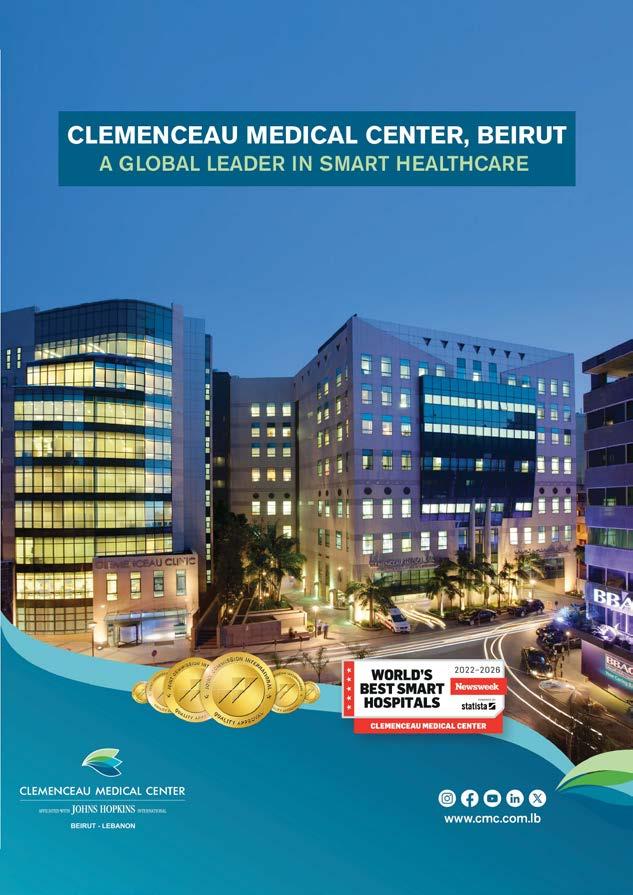
Clemenceau Medical Center-Beirut continues to lead the global healthcare landscape through its annual participation in the World Health Exhibition (WHX) in Dubai.
This strategic presence underscores the institution's unwavering commitment to engaging with the world’s most prestigious health platforms and fortifying its longstanding affiliation with Johns Hopkins Medicine International.
CMC’s participation is a cornerstone of its broader strategy to remain at the forefront of medical innovation. By exchanging clinical expertise with elite global academic and healthcare institutions, the center ensures it consistently adopts the latest advancements in patient care. The exhibition serves as a vital
www.cmc.com.lb www.cmc.com.lb
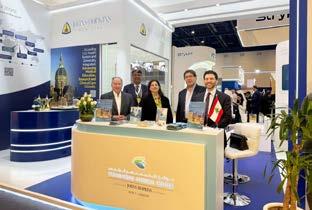
window to showcase CMC’s advanced medical programs and specialized care protocols, which are designed to meet and exceed the highest international benchmarks.
A key focus of this engagement is to highlight Clemenceau Medical Center’s role as a premier International Medical Tourism hub. By merging world-class medical expertise with a patient-centric environment, CMC continues to attract a global patient demographic seeking excellence in specialized healthcare.
This international outreach not only solidifies CMC’s position as a regional center of excellence but also expands its professional network across borders. These efforts are dedicated to evolving healthcare services and ensuring an exceptional standard of service for every international patient.
CMC’S PARTICIPATION IS A CORNERSTONE OF ITS BROADER STRATEGY TO REMAIN AT THE FOREFRONT OF MEDICAL INNOVATION. BY EXCHANGING CLINICAL EXPERTISE WITH ELITE GLOBAL ACADEMIC AND HEALTHCARE INSTITUTIONS, THE CENTER ENSURES IT CONSISTENTLY ADOPTS THE LATEST ADVANCEMENTS IN PATIENT CARE.
Ranked among the best pediatric hospitals by U.S. News & World Report, Boston Children’s Hospital is one of the largest pediatric medical centers in the world and the primary pediatric teaching hospital for Harvard Medical School.
Established in 1869, Boston Children’s is a comprehensive pediatric health care center with 491 licensed beds, 40 clinical departments, and 270 specialized clinical programs. Each year, Boston Children’s serves over 322,000 patients from nearly 100 countries around the globe. Thanks to the high volume of rare and complex pediatric conditions we treat, we can continuously refine our expertise, often pushing the needle on new or improved treatments — and the best possible outcomes for patients.
Families from around the world rely on Boston Children’s Multidisciplinary Centers of Excellence for experience, reputation, world-renowned physicians, advanced treatments and technologies, and superior patient outcomes. Our internationally recognized teams offer comprehensive care — all in one place — from providers who subspecialize in rare and complex conditions.
Our multidisciplinary centers:
• Aerodigestive Center
• Brain Tumor Center
• Cardiovascular Genetics Center
• Center for Advanced Intestinal Rehabilitation
• Center for Airway Disorders
• Cerebral Palsy and Spasticity Center
• Cerebrovascular Surgery and Interventions Center
• Cleft and Craniofacial Center
• Colorectal and Pelvic Malformation Center
• Congenital Diaphragmatic Hernia Center
• Epilepsy Center
• Esophageal and Airway Treatment Center
• Fetal Care and Surgery Center
• Inflammatory Bowel Disease Center
• Liver Tumor Center
• Midaortic Syndrome and Renovascular Hypertension Center
• Motility and Functional Gastrointestinal Disorders Center
• Neuroimmunology Center
• Ocular Oncology Center
• Pain Treatment Center
• Skeletal Health Center
• Spina Bifida and Congenital Spinal Abnormalities Center
• Stroke and Cerebrovascular Center
• Thyroid Center
• Vascular Anomalies Center
Find out how we support families from around the globe





10 Years in a Row on the ' Best Hospitals ' Honor Roll in the U.S.
Cedars-Sinai has been named to the Honor Roll for the 10th consecutive year and tied for No. 1 in California and Los Angeles in U.S. News & World Report’s “Best Hospitals 2025-26” rankings.
Every year, thousands of patients from over 100 countries choose Cedars-Sinai for our renowned healthcare. From complex surgeries to rare diagnoses and second opinions, the Cedars-Sinai team ensures a seamless experience - before, during, and after care.
Six Cedars-Sinai specialties were ranked in the top 10 in the U.S.:
Orthopedics
Obstetrics & Gynecology
Diabetes & Endocrinology
Pulmonology & Lung Surgery
Gastroenterology & GI Surgery
Cardiology, Heart & Vascular Surgery
Located in Los Angeles, California, Cedars-Sinai combines world-class care with a vibrant setting, cultural sensitivity, and concierge-level comfort.

cedars-sinai.org/international cedars-sinai.org/globalcollaborations Learn
@Cedars-Sinai International


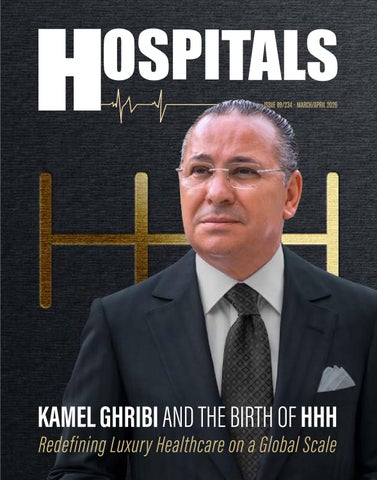
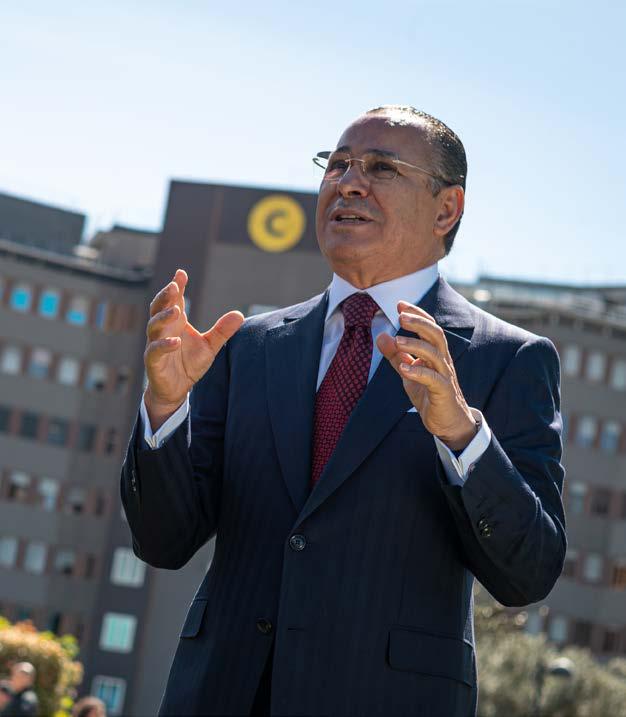
Across the modern landscape of global healthcare and infrastructure investment, only a handful of individuals operate comfortably at the intersection of medicine, finance, diplomacy, and large-scale development. Among them is Kamel Ghribi, the entrepreneur and international investor whose work spans hospitals, research institutions, infrastructure projects, and cross-border partnerships across Europe, the Middle East, and Africa.
Through GKSD Investment Holding, Ghribi has assembled a network of projects and institutions that reach far beyond the scope of a traditional investment firm. Hospitals, medical academies, sustainable infrastructure developments, and urban redevelopment initiatives all form part of a broader vision in which healthcare becomes a platform for economic development, innovation, and international cooperation. At the center of this ecosystem lies a simple but powerful idea: the future of healthcare will not be defined by medicine alone. It will be shaped by the convergence of science, technology, architecture, hospitality, education, and global partnerships.
The international career of Kamel Ghribi
Kamel Ghribi’s career began far from the hospital sector. Born in the Tunisian city of Sfax, he entered the professional world through the international oil and energy industry, working across Europe, the Middle East, and the United States. The sector exposed him early to the dynamics of global markets, an environment defined by geopolitical complexity, large-scale infrastructure projects, and long-term strategic partnerships.

Those early experiences shaped the entrepreneurial approach that would later define his work. Energy markets require the ability to navigate multiple regulatory environments, manage large investments, and coordinate with governments, corporations, and financial institutions simultaneously. The same skills would later prove essential as Ghribi expanded his focus into healthcare systems and infrastructure development. Over time, his activities broadened beyond the energy sector into investment, infrastructure development, and healthcare systems. Today, he holds several leadership positions that connect him to one of
Europe’s most influential medical ecosystems. Today, Kamel Ghribi occupies a series of leadership positions that place him at the crossroads of global healthcare, investment, and international cooperation.
He serves as President of GKSD Investment Holding, the international investment and project platform driving many of his initiatives. He is also Vice President of Gruppo San Donato, Italy’s largest private hospital group and one of Europe’s most influential healthcare systems. Beyond these roles, Ghribi chairs Hospital Healthcare Holdings (HHH), a platform designed to build a new generation of premium hospitals worldwide, while also leading the European Council on Africa and the Middle East (ECAM), an organization dedicated to fostering strategic cooperation and development between the two regions. Together, these positions place him at the intersection of medicine, infrastructure, investment, and diplomacy. These roles connect him simultaneously to clinical research institutions, hospital networks, international investment platforms, and diplomatic initiatives. The result is a network of influence spanning multiple sectors but anchored in a central mission: expanding access to advanced healthcare systems worldwide.
KAMEL GHRIBI OPERATES AT THE INTERSECTION OF HEALTHCARE, INVESTMENT, AND DIPLOMACY, DRIVING THE DEVELOPMENT OF ADVANCED MEDICAL SYSTEMS ACROSS REGIONS.
At the core of Ghribi’s global ecosystem stands GKSD Investment Holding, a group designed not simply to finance projects but to bring them to life.
Many investment firms focus on identifying opportunities and providing capital. GKSD takes a different approach. The company positions itself as a multidisciplinary project platform capable of supporting complex developments from their earliest concept through their long-term operation.
Clinical planning and medical program design
Architectural and engineering development
This approach reflects a broader shift in global infrastructure. Hospitals, research centers, and urban developments are no longer standalone projects. They are complex ecosystems requiring expertise across numerous disciplines.
Healthcare infrastructure projects are among the most complex developments in modern economies. Building a hospital, for example, requires far more than construction alone. It involves coordinating multiple layers of expertise, including:
Procurement of specialized medical technologies and equipment
Digital health systems and data integration
Education and training programs for healthcare professionals
Operational management structures capable of running large medical institutions
Long-term governance and financing frameworks that ensure sustainability
By integrating these elements under one organizational structure, GKSD aims to create an environment in which projects can move seamlessly from idea to execution.
Gruppo San Donato and scientific excellence
A crucial pillar supporting GKSD’s healthcare ambitions is its connection to Gruppo San Donato (GSD), the largest private healthcare network in Italy. Founded in 1957, the group has grown into one of Europe’s most significant medical ecosystems. Its network includes hospitals, clinics, and research institutions that together treat millions of patients each year. The scale of the system is remarkable. Across its facilities, Gruppo San Donato manages over 160 healthcare institutions, treating more than
five million patients annually and employing thousands of physicians and healthcare professionals. Central to this ecosystem is VitaSalute San Raffaele University, an internationally recognized center for biomedical research. The institution integrates clinical care, medical education, and scientific investigation within a single academic environment, creating a powerful feedback loop between research and patient care. This integration of clinical practice, research, and education forms the scientific backbone for many of the international healthcare initiatives associated with GKSD.
THE GROUP OPERATES ACROSS SEVERAL SECTORS, INCLUDING HEALTHCARE DEVELOPMENT, ENGINEERING AND CONSTRUCTION, STRATEGIC CONSULTING, PROCUREMENT SERVICES, AND SUSTAINABLE ENERGY SOLUTIONS. THIS DIVERSITY IS NOT ACCIDENTAL. IT REFLECTS A STRATEGY CENTERED ON INTEGRATION RATHER THAN SPECIALIZATION, WHERE THE GOAL IS TO CONTROL THE CONNECTIONS BETWEEN DIFFERENT PARTS OF A PROJECT RATHER THAN FOCUSING ON A SINGLE COMPONENT.



medical excellence meets hospitality
Among the most ambitious initiatives emerging from the GKSD ecosystem is Hospital Healthcare Holdings (HHH).
Rather than positioning itself as another hospital operator, HHH introduces a new concept that merges world-class medicine with luxury hospitality standards.
The idea reflects a growing recognition within healthcare: the patient experience is
Dedicated healthcare concierge services
Private suites designed to luxury hotel standards
becoming as important as clinical outcomes. Hospitals historically focused primarily on efficiency and treatment. Yet modern patients, particularly those traveling internationally for specialized care, expect environments that provide comfort, privacy, and personalized service. HHH responds to this shift by creating healthcare facilities designed to combine the rigor of medical institutions with the atmosphere of high-end hospitality. Within these facilities, patients may encounter:
Seamless digital platforms managing the entire patient journey
Telemedicine systems connecting international specialists
Wearable technologies monitoring health in real time
This integration creates an environment in which medical care becomes part of a broader experience centered on comfort, trust, and personalization.
RATHER THAN POSITIONING ITSELF AS ANOTHER HOSPITAL OPERATOR, HHH INTRODUCES A NEW CONCEPT THAT MERGES WORLD-CLASS MEDICINE WITH LUXURY HOSPITALITY STANDARDS.
Another defining aspect of the HHH concept lies in its focus on future-oriented medicine, particularly the rapidly expanding field of longevity science. Modern healthcare is increasingly shifting away from reactive treatment toward preventive and personalized approaches. Advances in biotechnology, genomics, and digital diagnostics are allowing physicians to detect diseases earlier and tailor treatments to individual patients. HHH aims to place itself at the forefront of this transformation. The platform integrates technologies and medical fields that represent the next frontier of healthcare innovation. These include genomics and precision medicine, artificial intelligence-based diagnostics,
robotic surgical systems, gene therapies, and regenerative treatments involving stem cells. In addition to traditional medical services, the platform explores a range of longevityfocused programs designed to extend healthy lifespan. These may include biological age testing, regenerative therapies, performance optimization programs, cryotherapy treatments, and hyperbaric oxygen therapy. The rise of these services reflects two powerful global trends. First, populations around the world are aging, creating growing demand for preventive healthcare solutions. Second, international travel for specialized treatments, often referred to as medical tourism, is expanding rapidly. Together, these trends are reshaping how healthcare systems operate and how patients choose where to receive treatment.
HHH AIMS TO PLACE ITSELF AT THE FOREFRONT OF THIS TRANSFORMATION. THE PLATFORM INTEGRATES TECHNOLOGIES AND MEDICAL FIELDS THAT REPRESENT THE NEXT FRONTIER OF HEALTHCARE INNOVATION.

Building healthcare networks across continents
To expand internationally, HHH relies on a flexible operating structure capable of adapting to different regulatory and economic environments. Instead of relying exclusively on owning hospitals outright, the platform works through multiple partnership models. In some cases, HHH may directly develop and operate a facility. In others, it may manage hospitals owned by governments or private partners. In still others, it may provide branding, expertise, and operational standards to local healthcare providers. This flexibility allows the platform to grow through a combination of private investment, public-private partnerships, and international collaborations.
Such frameworks are particularly important in emerging markets, where healthcare infrastructure often requires both financial investment and operational expertise.
GKSD’s global project portfolio GKSD’s project portfolio demonstrates how its strategic vision translates into real-world developments across multiple regions.
In Tirana, the group is developing a large hospital complex designed not only as a medical facility but also as an architectural landmark within the city. The building spans more than 23,000 square meters, rising across fifteen floors while incorporating terraces and greenery to soften its visual impact. At ground level, commercial spaces serve hospital visitors and staff, while the top floor offers a panoramic restaurant overlooking the city. The design reflects an approach in which hospitals become integrated elements of urban life rather than isolated clinical structures.
BEYOND
GKSD HAS ALSO ENGAGED IN ENVIRONMENTAL INFRASTRUCTURE PROJECTS SUCH AS A WASTE-TOENERGY FACILITY IN LIBYA, DESIGNED TO CONVERT MUNICIPAL WASTE INTO ELECTRICITY WHILE REDUCING ENVIRONMENTAL IMPACT.

In Benghazi, the group has developed a Medical Training Academy, dedicated to strengthening healthcare education and professional development. The academy includes lecture halls, conference spaces, research facilities, and student services, providing a platform for international medical training programs. Nearby, a modular hospital project has been designed to expand gradually as local healthcare needs grow. Initially accommodating one hundred beds, the facility can expand to two hundred and fifty beds through modular architectural design.

The project includes emergency departments, operating theaters, intensive care units, diagnostic imaging facilities, dialysis centers, and rehabilitation services.
Elsewhere, in Baghdad, GKSD is involved in a redevelopment project that transforms a historic structure into a modern hospital complex combined with retail and hospitality spaces. The development seeks to symbolize renewal, turning a site once associated with conflict into a place dedicated to healing and community life.
Beyond corporate strategy, Kamel Ghribi’s work reflects a broader philosophy about the role of business in global society. Through initiatives such as the European Council on Africa and the Middle East, he promotes dialogue and cooperation between governments, investors, academic institutions, and healthcare organizations. These initiatives aim to encourage collaboration in areas including healthcare development, education, energy infrastructure, and sustainable economic growth. In this sense, GKSD’s projects function not only as commercial ventures but also as platforms for international cooperation and regional development.
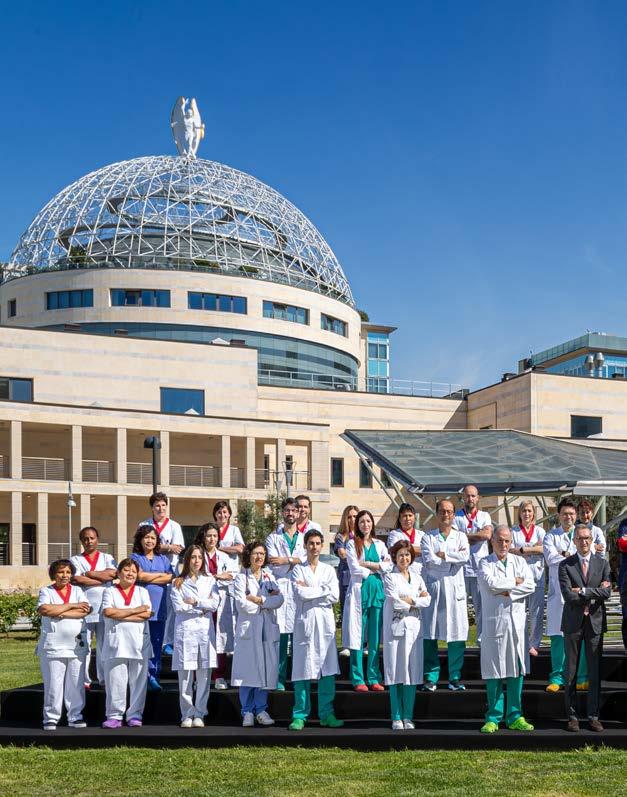

Many of GKSD’s projects are concentrated across the Mediterranean basin and the Middle East and North Africa region. These regions present significant opportunities for healthcare infrastructure development due to expanding populations, rapid urbanization, and increasing demand for advanced medical services. However, projects in these environments also require deep understanding of local political, economic, and cultural contexts. By combining international expertise with regional
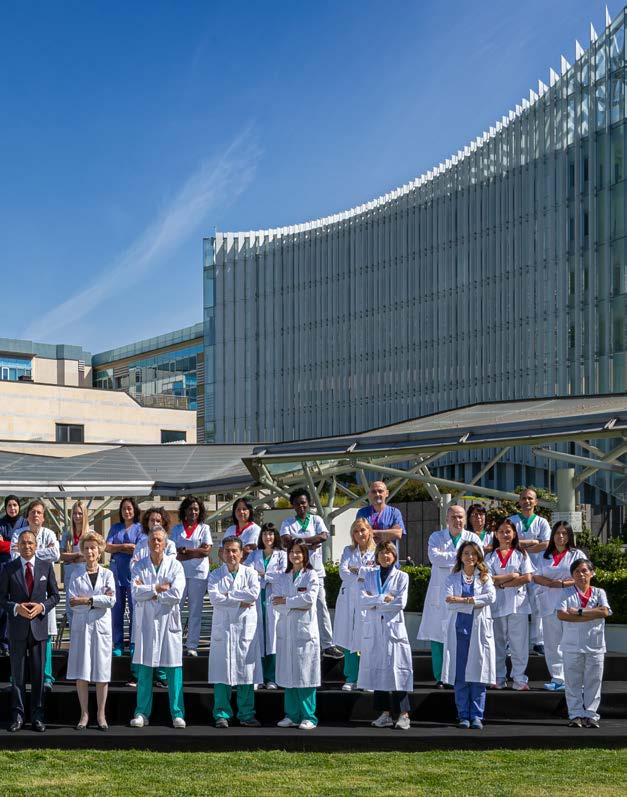
partnerships, GKSD aims to position itself as a trusted partner for governments seeking to modernize healthcare systems and infrastructure.
The healthcare systems of the twenty-first century face unprecedented challenges. Aging populations, technological disruption, and rising patient expectations are forcing institutions to rethink how medical services are delivered. Platforms such as GKSD and HHH represent one possible answer to these challenges. By combining scientific research, advanced technology, architectural design, luxury hospitality, and international partnerships, they attempt to redefine what healthcare environments can become.
The GKSD ecosystem already spans hospitals, research institutions, training academies, infrastructure projects, and global partnerships. Whether through new hospitals in European capitals, medical academies in North Africa, or energy infrastructure projects in emerging markets, the group’s activities reflect an ambition that extends beyond traditional business models. For Kamel Ghribi, the goal appears clear: to build an interconnected global ecosystem in which healthcare becomes a catalyst for innovation, development, and international cooperation. The story of that ecosystem is still unfolding, but its architecture is already taking shape.



Provided by UChicago Medicine
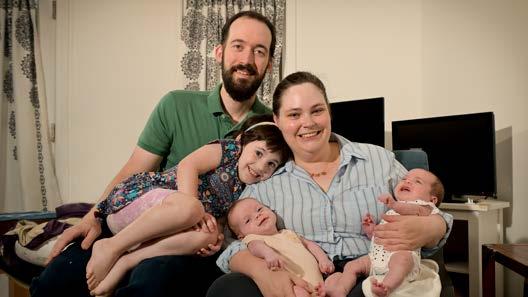
Crohn’s disease complicated the birth of Elizabeth Huggins’ first child in 2020. Even though she was in remission from inflammatory bowel disease (IBD), which causes inflammation of the digestive tract, Huggins still had gestational hypertension, a high blood pressure condition common among pregnant IBD patients.
During labor, the hypertension developed into preeclampsia, where blood pressure rises to dangerously high levels, threatening the mother and baby.
Even though a maternal-fetal medicine (MFM) doctor — a specialist in high-risk pregnancies — is recommended for IBD patients, Huggins’ obstetrician-gynecologist (OB/GYN) at the time said she didn’t need one because her disease was in remission.
Huggins' OB/GYN care team was unprepared to care for IBD patients before or after birth, she said, and didn't know which approved, safe pain medications she could take. It caused her to have unnecessary pain and stress following her unplanned C-section.
"There wasn't any communication between my GI (gastrointestinal) and OB/GYN doctors during my first pregnancy, and I ended up as the go-between,” she said.
When Huggins was ready to have another baby in 2024, she did something different: she came to the University of Chicago Medicine. Their multidisciplinary IBD and MFM care would soon become what is now the new Pregnancy and Pre-conception Inflammatory Bowel Disease (PPIBD) Clinic.
The specialized PPIBD clinic, one of just a
HUGGINS' OB/GYN CARE TEAM WAS UNPREPARED TO CARE FOR IBD PATIENTS BEFORE OR AFTER BIRTH, SHE SAID, AND DIDN'T KNOW WHICH APPROVED, SAFE PAIN MEDICATIONS SHE COULD TAKE. IT CAUSED HER TO HAVE UNNECESSARY PAIN AND STRESS FOLLOWING HER UNPLANNED C-SECTION..
few in the country, has gastroenterologists and a maternal-fetal medicine doctor who work together to help pregnant women with Crohn’s disease and ulcerative colitis.
They use intestinal ultrasound, a state-ofthe-art IBD monitoring tool that can detect even mild, symptomless inflammation that can be detrimental to pregnancy. UChicago Medicine is one of only a few hospital systems in North America to offer expertise in intestinal ultrasound, which is done in-office in a matter of minutes and doesn’t require preparation or radiation exposure.
“It’s absolutely perfect for pregnancy because it’s completely safe to do and there is no risk to the baby, unlike a colonoscopy or a CAT scan that uses radiation,” said Andrew C. Rausch, MD, a UChicago Medicine maternalfetal medicine doctor who works with the clinic.
Why a specialized IBD pregnancy clinic is important IBD is complex, with many variables, medications and treatment strategies. If not in deep remission, the disease can cause challenges and complications to a pregnancy.
“A flare-up is not going to cause a birth defect,” Rausch said. “But it might lead to a placenta that doesn’t work properly, or cause a growth restriction because there’s not enough nutrition. Or it can lead to pre-term labor or preterm delivery, which can affect the baby.”
The clinic improves the chances of a healthy mother and baby — and reduces a patient’s anxiety — by getting the disease in remission before or after conception, providing trustworthy information, planning for all possible scenarios, and knowing which IBD medications are safe to take and when.
“We know that patients with inflammatory bowel disease can absolutely have healthy pregnancies, but they need to be in a stable remission,” said UChicago Medicine gastroenterologist Sushila Dalal, MD, who cofounded the clinic in August 2025 with Amelia Kellar, MD, MSc.
Dalal, Kellar and Rausch all have special training in preconception and pregnancy for women with IBD, conduct research on the topic,
and they follow the newly released international guidelines on IBD and pregnancy.
The clinic offers a multidisciplinary team with genetic counselors, a psychologist and sex therapist, a social worker, a dietician and a pharmacist. IBD patients are at higher risk of sexual dysfunction, anxiety, depression and body image issues that can impact their disease, Dalal said.
Patients have flexibility; they can be seen in the PPIBD clinic prior to conception for consultation, followed throughout pregnancy and postpartum. Or, UChicago specialists can work collaboratively with their other care providers, even if they’re not affiliated with UChicago Medicine.
“We can do a lot better for our patients if we’re doing true collaborative care and not just reading the notes on your chart from other doctors,” Rausch said.
The clinic operates on the fourth Wednesday afternoon of each month at UChicago Medicine’s Duchossois Center for Advanced Medicine in Hyde Park. Appointments are scheduled so that patients can see multiple specialists in one visit.
The first visit is a one-hour consultation where a patient meets one of the gastroenterologists, Dalal or Kellar. The patient is given information and resources regarding IBD inheritance, the impact of IBD on conception and pregnancy, safety of fertility treatments and IBD medications in pregnancy, as well as a collaborative discussion on a care plan. Patients are also scheduled for a same-day appointment with a maternal-fetal medicine doctor.
It’s strongly recommended that IBD patients make an appointment before contemplating pregnancy, so the team can ensure a patient is in complete remission and has nutritional support for a healthy pregnancy.
During pregnancy, visits are once a trimester, and include an intestinal ultrasound by Kellar, consultations with both their IBD and MFM specialists, and plenty of time for questions.
THEY USE INTESTINAL ULTRASOUND, A STATE-OF-THE-ART IBD MONITORING TOOL THAT CAN DETECT EVEN MILD, SYMPTOMLESS INFLAMMATION THAT CAN BE DETRIMENTAL TO PREGNANCY. UCHICAGO MEDICINE IS ONE OF ONLY A FEW HOSPITAL SYSTEMS IN NORTH AMERICA TO OFFER EXPERTISE IN INTESTINAL ULTRASOUND, WHICH IS DONE IN-OFFICE IN A MATTER OF MINUTES AND DOESN’T REQUIRE PREPARATION OR RADIATION EXPOSURE.
“It’s a chance to get that extra time and extra expertise during your pregnancy,” Kellar said.
In July, Huggins, a 38-year-old medical librarian from River Forest, gave birth to healthy twins at UChicago Medicine.
“It was a much more holistic experience,” she said. “I got so much more support and rest this time.”
She strongly recommends that mothers-tobe with Crohn’s use a maternal-fetal medicine doctor who has a relationship with their respective gastroenterologist.
“It’s a small thing but it’s a big deal, because there’s no way to predict what will happen during and after pregnancy and birth,” Huggins said. “Even though my Crohn’s is under
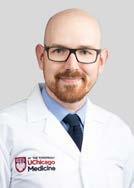
Andrew C. Rausch, MD
Assistant Professor of Obstetrics and Gynecology (Maternal-Fetal Medicine)
Andrew Rausch, MD, specializes in maternal-fetal medicine, and treats women with high-risk pregnancies. Dr. Rausch cares for patients with pre-existing medical conditions, such as hypertension and cancer, as well as pregnancy specific problems like gestational diabetes or pre-eclampsia.
control, it’s so helpful to have that line of communication open. It was reassuring to know that my two specialists talked to each other and were able to coordinate care.”
Clinic patients have the option to contribute their health data to research studies on IBD and pregnancy. UChicago Medicine’s IBD Center is a main site for the Pregnancy in IBD and Neonatal Outcomes (PIANO) Registry, which evaluates the safety of IBD medications in pregnancy in long-term and short-term outcomes for children. It’s also participating in the Women with Inflammatory Bowel Disease and Motherhood (WIsDoM) Study, which studies the impact of IBD on fertility.
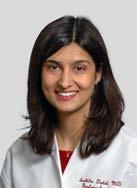
Sushila Dalal, MD
Associate Professor of Medicine (Hepatology)
Gastroenterologist Dr. Sushila
Dalal cares for patients with inflammatory bowel disease (Crohn's disease and ulcerative colitis). She is interested in the unique challenges that face women with IBD.
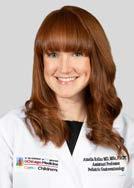
Amelia Kellar, MD, MScs
Assistant Professor of Pediatrics
Director, Pediatric Intestinal Ultrasound
Co-Director, Pediatric IBD Program
Amelia Kellar, MD, MSc, is a pediatric gastroenterologist specializing in Inflammatory Bowel Disease (IBD). She is the Director of the Pediatric Intestinal Ultrasound (IUS) Program and Associate Director of the Pediatric IBD Program at Comer Children's Hospital.



THE CLINIC OPERATES ON THE FOURTH WEDNESDAY AFTERNOON OF EACH MONTH AT UCHICAGO MEDICINE’S DUCHOSSOIS CENTER FOR ADVANCED MEDICINE IN HYDE PARK. APPOINTMENTS ARE SCHEDULED SO THAT PATIENTS CAN SEE MULTIPLE SPECIALISTS IN ONE VISIT. THE FIRST VISIT IS A ONEHOUR CONSULTATION WHERE A PATIENT MEETS ONE OF THE GASTROENTEROLOGISTS, DALAL OR KELLAR.













Sidra Medicine, a member of Qatar Foundation, has reached a significant milestone in its digital transformation journey, with formal validation of achieving Stage 6 in both HIMSS EMRAM and HIMSS DIAM. The assessments by HIMSS (Healthcare Information and Management Systems Society) reviewers, positions Sidra Medicine as the first hospital in Qatar to attain EMRAM Stage 6, and the only organisation in the Middle East and Europe to be validated at DIAM Stage 6. It is also the second organisation across the region to reach this level of digital imaging maturity.
Ms. Maha Al Henzab, Executive Director of Information Management & Technology at Sidra Medicine said: “This validation reflects the dedication and collaboration of our clinical, technical, and operational teams. I am very proud of our collective expertise and efforts. Reaching EMRAM and DIAM Stage 6 strengthens our ability to deliver safe, efficient, and digitally enabled care, while laying a strong foundation for our continued progress toward Stage 7.”
HIMSS EMRAM (Electronic Medical Record Adoption Model) measures how effectively hospitals use electronic medical records
to support clinical care, patient safety, and efficient workflows. Reaching Stage 6 reflects advanced use of digital systems, including electronic physician documentation, closed-loop medication administration, and clinical decision support across inpatient and outpatient services.
HIMSS DIAM (Digital Imaging Adoption Model) assesses how diagnostic and enterprise imaging are used to improve quality, consistency, and operational performance. Stage 6 recognises organisations that are using imaging data in advanced, integrated ways to support clinical decision-making and continuous improvement.
As part of the assessment conducted from 15 to 16 December 2025, the reviewers evaluated end-to-end inpatient and outpatient workflows, laboratory and pharmacy processes, closed-loop systems, and complete diagnostic imaging pathways across departments. The assessment also highlighted Sidra Medicine’s use of AI-enabled imaging and 3D printing to support clinical innovation. Building on this milestone, Sidra Medicine will continue advancing its digital maturity and outcomesdriven improvement as it progresses toward HIMSS EMRAM and DIAM Stage 7.
THE ASSESSMENTS BY HIMSS (HEALTHCARE INFORMATION AND MANAGEMENT SYSTEMS SOCIETY) REVIEWERS, POSITIONS SIDRA MEDICINE AS THE FIRST HOSPITAL IN QATAR TO ATTAIN EMRAM STAGE 6, AND THE ONLY ORGANISATION IN THE MIDDLE EAST AND EUROPE TO BE VALIDATED AT DIAM STAGE 6. IT IS ALSO THE SECOND ORGANISATION ACROSS THE REGION TO REACH THIS LEVEL OF DIGITAL IMAGING MATURITY.

Elevate your research and data analysis capabilities through a comprehensive research methods training programme combining certificates, hands-on workshops, and live webinars. Designed for healthcare professionals, this programme delivers practical, real-world learning to support high-quality research and evidence-based practice.
Led by Dr. Ziyad R. Mahfoud, Professor of Research in Population Health Sciences at Weill Cornell Medicine–Qatar
PLAN YOUR LEARNING FOR 2026!
CERTIFICATE ANALYSIS IN MEDICAL DATA
•Introductory Applied Biostatistics for Health Care Professionals
April 9-10, 2026
•Intermediate Applied Biostatistics for Health Care Professionals
April 12, 2026
•Advanced Applied Biostatistics for Health Care Professionals
May 3, 2026
WORKSHOPS
•Applied Biostatistics Using STATA
September 16, 2026
•Sample Size Determination for Clinical Research
October 14, 2026
BIOSTATISTICS FOR HEALTHCARE PRACTITIONERS LIVE WEBINAR SERIES
•Critical Appraisal of Randomized Clinical Trial
November 4-5, 2026
• Understanding Survival Analysis
December 1, 2026
Plan ahead & secure your place For inquiries, please email: cpd@qatar-med.cornell.edu

Aleading regional healthcare expert opened the Clinical Chemistry track at WHX Labs at Dubai World Trade Centre (DWTC), urging laboratory professionals to evolve to meet the demands of an increasingly data-driven health landscape.
During a session titled “Smart Labs, smart patients: Reinventing clinical chemistry for the future”, Riad Bayoumi, Professor and Head of Clinical Chemistry at Mohammed Bin Rashid University of Medicine and Health Sciences, outlined how Artificial Intelligence (AI), continuous patient monitoring and integrated data systems are redefining the role of clinical chemistry within modern hospitals. Addressing the audience, Bayoumi said: “Can we move away from being a service department to a clinical intelligence engine for medicine? Yes, we can. Within our capacity as clinical biochemists, we can really be the champions of an intelligent engine in medicine.”
Professor Bayoumi highlighted how traditional laboratory testing has historically relied on isolated measurements - or “snapshots”rather than continuous physiological data. With technologies such as AI and continuous monitoring now gaining traction, he argued that clinical chemistry is uniquely positioned to underpin future decision-support systems. “If you look at the lab, we are sitting on 75% of the information that will help a clinician to make a decision. Therefore, the position of a clinical chemist should be at the centre of decision making within a hospital – not simply someone who is offering figures and numbers for a clinician to think about.”
Professor Bayoumi emphasised that laboratories are uniquely positioned to serve as the foundation of AI-driven decision support systems. Clinical chemistry already operates within highly automated and integrated workflows, generating consistent quantitative outputs, precisely the type of structured data required for advanced machine learning and predictive modelling. The session addressed
the growing influence of external AI teams, expanding IT departments, and technology providers entering the healthcare space. Professor Bayoumi cautioned that laboratories must actively engage with this technological shift to maintain their strategic role within clinical decision-making ecosystems.
Tom Coleman, Portfolio Director, Informa Markets, commented: “The conversations taking place within the Clinical Chemistry track at WHX Labs today highlight a clear shift in how laboratories are perceived within healthcare. As new technologies develop, clinical chemistry is increasingly positioned as a cornerstone of datadriven medicine.”
The Clinical Chemistry track forms one of nine CME-accredited conference tracks at WHX Labs, convening international specialists to explore advances in testing methodologies, quality assurance, and laboratory technologies. Clinical Chemistry underpins a significant proportion of modern diagnostics, guiding medical decisions across every stage of patient care, from early detection and diagnosis to treatment monitoring and disease management. Against a backdrop of rapid technological advancement, the discussions at today’s Clinical Chemistry track have centred on how laboratories can translate innovation into routine clinical practice, while maintaining accuracy, efficiency, and clinical relevance. Across the exhibition floor at WHX Labs, these themes are reflected in the technologies and solutions showcased by global exhibitors.
AxisOne is presenting its AI-powered Global R&D Platform, designed to combine laboratory discovery, predictive timelines, and performance benchmarking into a single integrated workflow for research and diagnostics teams.
Meanwhile, Genes2Me is demonstrating its end-to-end automated molecular diagnostics systems, supporting laboratories in delivering accurate, scalable, and cost-effective advanced testing solutions.

PROFESSOR
RIAD BAYOUMI REFERENCED THE GROWING ROLE OF DIGITAL TWINS IN HEALTHCARE, WHERE VIRTUAL PATIENT MODELS ARE USED TO SIMULATE CLINICAL SCENARIOS, ANTICIPATE RISKS, AND PERSONALISE TREATMENT STRATEGIES. SUCH APPROACHES, HE EXPLAINED, RELY HEAVILY ON TIME-SERIES QUANTITATIVE DATA, AN AREA WHERE CLINICAL CHEMISTRY ALREADY PLAYS A FOUNDATIONAL ROLE.




Almond Blossoms Fertility & Wellbeing Center has officially opened in Dubai Healthcare City, introducing an integrated model of care that combines fertility, reproductive health, and mental wellbeing within a single facility. Located in Dubai Healthcare City, Almond Blossoms Fertility & Wellbeing Center brings together reproductive medicine and mental health in a calm, patient-centered environment. Almond Blossoms is designed to support individuals and couples through sensitive and emotionally complex experiences, operating on the principle that medical outcomes and emotional wellbeing are inseparable. The center’s approach acknowledges the deep interconnection between fertility challenges, life transitions and mental health, and asserts that addressing these factors holistically results in more meaningful, sustainable outcomes and an enhanced patient experience. The center’s core offering is a comprehensive fertility program, including IVF, ICSI, IUI, fertility assessments, egg and sperm freezing, genetic testing, and personalized reproductive planning. Treatments are provided by internationally trained specialists, utilizing advanced laboratory technologies and evidence-based protocols, and are tailored to each patient's specific needs and circumstances. The dedicated Wellbeing Centre offers specialized psychological support that is embedded within the care pathway, addressing emotional resilience, stress, anxiety, and the psychological impact commonly associated with fertility treatments and significant life changes. Beyond fertility care, the Wellbeing Center offers services that cater to a wide
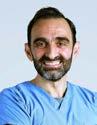

Dr. Dimitrios Kafetzis Maria Banti
range of needs, including anxiety, depression, adjustment and eating disorders, work-related stress, parenting support and couples therapy.
“Every journey toward parenthood or emotional wellbeing is deeply personal and often complex,” stated Dr. Dimitrios Kafetzis, Medical Director at Almond Blossoms.
“Our commitment extends beyond clinical excellence. We prioritize patients’ emotional experience throughout the process, ensuring care that is compassionate, evidence-based, and supportive at every stage.”
The center has been intentionally designed to provide a calm and welcoming environment, departing from the traditional clinical experience. Emphasis is placed on privacy, confidentiality, and open communication, enabling patients to feel informed, supported, and comfortable from their initial consultation through every phase of care. Inspired by Vincent van Gogh’s famous Almond Blossoms painting, which is a symbol of resilience, hope, and renewal, Almond Blossoms embodies a philosophy grounded in trust, growth, and personalized attention. Through the integration of medical expertise and emotional wellbeing in a serene environment, the center aspires to establish a new benchmark for fertility and wellbeing services in the UAE and the broader region.
THE CENTER HAS BEEN INTENTIONALLY DESIGNED TO PROVIDE A CALM AND WELCOMING ENVIRONMENT, DEPARTING FROM THE TRADITIONAL CLINICAL EXPERIENCE. EMPHASIS IS PLACED ON PRIVACY, CONFIDENTIALITY, AND OPEN COMMUNICATION, ENABLING PATIENTS TO FEEL INFORMED, SUPPORTED, AND COMFORTABLE FROM THEIR INITIAL CONSULTATION THROUGH EVERY PHASE OF CARE. INSPIRED BY VINCENT VAN GOGH’S FAMOUS ALMOND BLOSSOMS PAINTING, WHICH IS A SYMBOL OF RESILIENCE, HOPE, AND RENEWAL, ALMOND BLOSSOMS EMBODIES A PHILOSOPHY GROUNDED IN TRUST, GROWTH, AND PERSONALIZED ATTENTION.
Closing the women’s health data and research gap represents one of the most significant untapped opportunities in global healthcare, with the potential to improve outcomes for millions of women and deliver substantial economic and societal returns. This was a key focus of the inaugural Women’s Health 360 forum on the Frontiers Stage at World Health Expo (WHX), that was held at the Dubai Exhibition Centre (DEC).
Global analysis by McKinsey & Company estimates that closing the women’s health gap could generate up to US$1 trillion annually by 2040, while reducing an estimated 75 million years of life lost each year due to poor health and early mortality. Despite accounting for around half of the global population and approximately 70% of the global healthcare workforce, women spend 25% more of their lives in ill health than men, reflecting persistent gaps in data, research, and care design.
Against this backdrop, leaders at WHX highlighted the need to treat women’s health as a core pillar of sustainable health systems and long-term economic resilience.
Held under the patronage of the Ministry of Health and Prevention, WHX convenes policymakers, clinicians, researchers, and innovators to examine how policy, data, and investment can be better aligned to deliver prevention-led, equitable healthcare systems.
Addressing delegates, Kate Lancaster, Chief Executive Officer, Royal College of Obstetricians and Gynaecologists (RCOG), said that many of the challenges facing women’s health today stem from how evidence has historically been generated and prioritised: “My mission is simple: to improve the health of women and girls across the world by working in partnership with women and with institutions across the world to do so. Women are really struggling to access healthcare systems which have not been built around their needs. These structural disparities shape outcomes across a woman's entire lifespan, and these disparities
further deepen when you then apply race, disability and geography to that."
Lancaster noted that women were not formally required to be included in clinical trials in the United States until 1993, following guidance from the U.S. Food and Drug Administration. This means that many medicines in use today were not adequately tested in women. According to McKinsey & Company, less than 1% of healthcare research and innovation funding is directed towards conditions that primarily affect women outside of cancer, despite women making up roughly half of the global population.
Beyond health outcomes, the implications for economies and societies are substantial. McKinsey & Company estimates that closing the women’s health gap could reduce the equivalent of 75 million years of life lost annually and unlock productivity gains equal to 137 million full-time jobs globally. With women accounting for around 70% of the global healthcare workforce, investment in women’s health is increasingly recognised as a critical factor in maintaining the resilience and sustainability of health systems. To change course, Lancaster called for women’s health to be systematically embedded into policy and research: “Women's health must be at the heart of local, national, and international strategies so that every level of society women can achieve better access to healthcare, and we can safeguard this reality for the women and girls of tomorrow. And within those strategies, a vital pillar must be focused on closing the women's data gap and research gap.”
At a global level, international frameworks already highlight the scale of the opportunity. The World Health Organisation’s Global Strategy for Women’s, Children’s and Adolescents’ Health estimates that coordinated investment in women's health and nutrition could deliver a tenfold return, provided action is supported by stable funding, strong governance, and crosssector collaboration.

TURNING THESE FRAMEWORKS INTO MEASURABLE PROGRESS, HOWEVER, DEPENDS ON ALIGNMENT BETWEEN POLICY AMBITION, CLINICAL PRACTICE AND MARKET DELIVERY. WHX PROVIDES A PLATFORM TO ADVANCE THIS AGENDA THROUGH ITS THREE CORE STAGES. THE FRONTIERS STAGE EXPLORES BREAKTHROUGH SCIENCE AND FUTURE CARE MODELS, INCLUDING WOMEN’S HEALTH, PRECISION MEDICINE AND LONGEVITY.



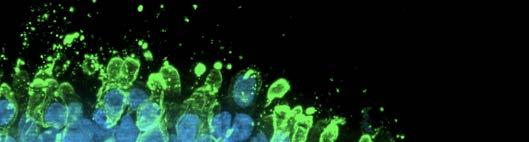
Axol Bioscience Ltd. (Axol), a leading provider of induced pluripotent stem cell (iPSC) technologies for drug discovery and research, announced that it has acquired the ophthalmology business of Newcells Biotech (Newcells), a leading drug discovery partner specialising in the development of in vitro models and bespoke assay services.
The acquisition of Newcells’ ophthalmology business includes its specialist team, facilities and intellectual property related to supply of proprietary iPSC-derived products and ophthalmology research services to biopharma, biotechnology and CRO customers across Europe and the United States. Developed over more than a decade, the platforms encompass advanced retinal organoids and 2D retinal pigment epithelium (RPE) models designed to support preclinical research and translational drug development.
Growing investment in research to discover new therapeutics for eye diseases such as age-related macular degeneration, glaucoma and rare disease has driven Axol’s strategic expansion into ophthalmology with the acquisition of Phenocell in October 2024. The acquisition of Newcells’ ophthalmology business further strengthens the company’s position as the leading independent provider of iPSC-derived in vitro models for ophthalmology drug discovery, gene therapy development, and retinal safety and toxicity studies. The news follows Axol’s recent
$2.8 million financing, led by US life sciences investor BroadOak Capital Partners, which is supporting expansion of its US commercial operations, product development and manufacturing scale-up.
“Following our recent financing and continued strong revenue growth, we are executing on a clear strategy to scale Axol internationally and deepen our scientific capabilities. The addition of Newcells’ retinal organoid business is our third acquisition in five years and significantly enhances our ophthalmology offering, combining complementary expertise and intellectual property to create the most comprehensive independent portfolio of iPSCderived retinal models globally.” said Liam Taylor, CEO of Axol Bioscience.
“Newcells has developed a highly sophisticated and scalable retinal organoid platform focused on predictive, human-relevant iPSC-derived retinal models that are recognised across the industry. Integrating this capability with Axol’s existing ophthalmology portfolio enables us to offer a broader, more physiologically relevant toolkit to support research. As drug developers increasingly seek predictive human models to de-risk programmes earlier, this acquisition further positions Axol at the forefront of ophthalmology drug discovery and safety testing” said Florian Regent, Head of Ophthalmology, Axol Bioscience.

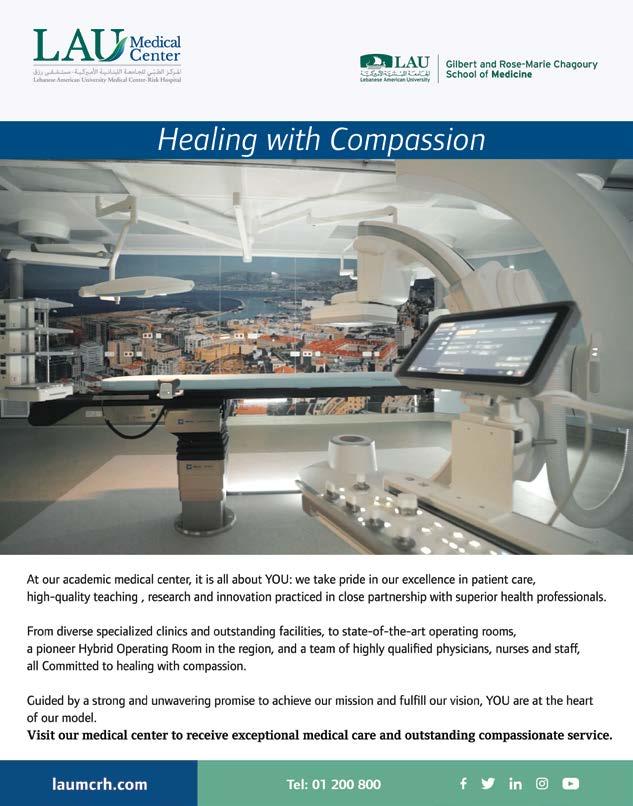
At our Academic Medical Centers, LAU Medical Center-Rizk Hospital in Ashrafieh, and LAU Medical Center-Saint John’s Hospital in Jounieh, it's all about YOU. We take pride in our excellence in patient care, high-quality teaching, research, and innovation, all practiced in close partnerships with superior health professionals.
Featuring diverse specialized clinics and outstanding facilities, including state-of-the-art operating rooms. As a pioneer in the region, the Hybrid Operating Room is supported by a team of highly qualified physicians, nurses, and staff, all dedicated to “healing with compassion”.
Guided by a steadfast and unwavering commitment to fulfill our mission and support our vision, YOU are at the core of our model.
Visit our Medical Centers to experience exceptional medical care and outstanding compassionate service.
The Ministry of Health and Prevention (MoHAP) has organized a specialized workshop to develop the National Policy for the Promotion of Smart Health Services and Artificial Intelligence in the Health Sector for the UAE. The policy aims to formulate a comprehensive national framework that encourages the institutional adoption of artificial intelligence, guided by standards that prioritize data quality, privacy protection, and impact measurement on public health and patient experience.
The policy is built around key pillars that include strengthening governance and leadership, enhancing partnerships, integration and data sharing, expanding AI applications in healthcare, developing digital infrastructure and capabilities, empowering health professionals with the necessary skills, improving cybersecurity, and adopting an ethical framework that ensures transparency and accountability. It also focuses on encouraging innovation, research, and information systems that support the smart health ecosystem.
For his part, His Excellency Dr. Hussain Al Rand stressed that the National Policy for the Promotion of Smart Health Services and Artificial Intelligence will significantly contribute to realizing the UAE’s directions for digital transformation and the Ministry's objectives of advancing health policies and legislation, improving service quality, and enhancing the readiness of the health system to adapt to changes. This path, Al Rand said, reflects the Ministry's keenness to leverage advanced technologies as a catalyst for improving quality of life and building a more proactive and sustainable health system. His Excellency added that the workshop provided a collaborative platform that brought together various stakeholders within the health system to formulate national directives, aiming for

THE WORKSHOP WAS ATTENDED BY H.E. AHMED ALI AL SAYEGH, MINISTER OF HEALTH AND PREVENTION; H.E. DR. HUSSAIN AL RAND, ASSISTANT UNDERSECRETARY FOR THE PUBLIC HEALTH SECTOR; AND DR. LUBNA AL SHAALI, DIRECTOR OF THE HEALTH POLICIES AND LEGISLATION DEPARTMENT.
practical, implementable, and measurable outcomes. He emphasized the importance of translating these directives into actionable steps that promote consistency and integration across the health system, thereby strengthening public trust in smart health services, enhancing the customer experience, and boosting operational efficiency at every level.
Meanwhile, Dr Lubna Al Shaali, Director of the Health Policies and Legislation Department, said the workshop aimed to establish a clear and actionable national policy aligned with international best practices as well as to develop a sustainable and integrated health policy system. “We are committed to creating a multisector national framework to advance smart transformation and promote the adoption of artificial intelligence across preventive, therapeutic, rehabilitative and operational aspects of the healthcare system,” Al Shaali added. She further said: “The workshop featured constructive discussions on developing a multisector implementation plan for the national policy, identifying strategic objectives and national performance indicators, and establishing evaluation and monitoring mechanisms to ensure continuous improvement in quality and efficiency. Discussions also addressed the integration of the smart health concept into national policies, strengthening sustainable financing, promoting integrated funding models, and supporting investment in innovative solutions and digital health start-ups.”





Dr. Scott Dulchavsky, Surgeon-in-Chief, Henry Ford Health, and CEO of Henry Ford Innovations
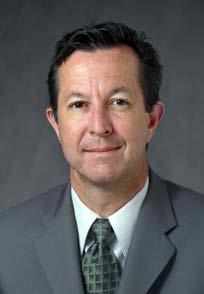
At WHX Dubai, where global healthcare leaders gathered to debate the future of medicine, innovation, and artificial intelligence, one theme resonated clearly. Technology must serve value, and value must ultimately serve patients. Dr. Scott Dulchavsky, Surgeon-in-Chief and Chairman of Surgery at Henry Ford Health, and CEO of Henry Ford Innovations, represents a rare blend of surgical expertise and forward-thinking leadership. With more than a century of institutional legacy behind him, he speaks not only about advancing surgical techniques but about reshaping how large health systems think about precision, prevention, education, and community. In this conversation with HOSPITALS Magazine, Dr. Dulchavsky shares his perspective on the evolution of surgery in value-based healthcare,
the real promise of artificial intelligence, the future of surgical education, and the leadership principles guiding one of America’s most innovative health systems.
From your perspective as Chairman of Surgery, how is the role of surgery evolving within modern value-based healthcare systems?
Surgery has traditionally been very procedureoriented. In a value-based environment, we are now required to think much more broadly. We must consider whether a procedure improves long-term outcomes and reduces overall care costs. Bariatric surgery is a strong example. It is often seen as simply weight-loss surgery, but when you consider the downstream impact on diabetes, joint disease, and cardiovascular complications, the long-term value becomes clear. Preventing those chronic conditions significantly changes the cost equation.
We are also looking at preventive surgical interventions for certain cardiovascular and oncologic conditions. Surgery is no longer just an episodic treatment. It is increasingly integrated into preventive and long-term population health strategies.
At the same time, value forces us to critically assess technology. Robotics has expanded rapidly, but we must ask whether it truly improves outcomes, shortens recovery, or helps patients return to work faster. It cannot just be about adopting the newest tool. It must make measurable sense.
Artificial intelligence was a central topic at WHX. How do you see AI shaping surgery and healthcare more broadly?
AI has tremendous promise, but much of that promise is still ahead of us. We are living through an explosion of biological data combined with extraordinary growth
SURGERY HAS TRADITIONALLY BEEN VERY PROCEDUREORIENTED. IN A VALUE-BASED ENVIRONMENT, WE ARE NOW REQUIRED TO THINK MUCH MORE BROADLY. WE MUST CONSIDER WHETHER A PROCEDURE IMPROVES LONGTERM OUTCOMES AND REDUCES OVERALL CARE COSTS. BARIATRIC SURGERY IS A STRONG EXAMPLE. IT IS OFTEN SEEN AS SIMPLY WEIGHTLOSS SURGERY, BUT WHEN YOU CONSIDER THE DOWNSTREAM IMPACT ON DIABETES, JOINT DISEASE, AND CARDIOVASCULAR COMPLICATIONS, THE LONG-TERM VALUE BECOMES CLEAR. PREVENTING THOSE CHRONIC CONDITIONS SIGNIFICANTLY CHANGES THE COST EQUATION.
in computational power. Some call this bioconvergence. The challenge is converting information into meaningful knowledge.
In surgery, AI has the potential to move us from probability to precision. Historically, we knew that a certain percentage of patients might benefit from a procedure. Today, we can begin asking a more powerful question. Will this specific patient benefit?
That is the essence of precision medicine. It is not about averages. It is about the individual sitting in front of you.
Beyond clinical decision-making, AI can also reduce administrative burdens. If we allow technology to handle the mundane aspects of documentation and data management, physicians can focus more on connection, compassion, and communication. That is where the true human value of medicine lies.
Henry Ford Health has long been associated with innovation. What recent advances are truly transforming patient outcomes?
Innovation has been part of Henry Ford Health’s DNA since its founding. Early in our history, experimental engineers from Ford Motor Company were embedded in the hospital. They contributed to innovations such as the hospital bed, oxygen tent, and advancements in cardiopulmonary bypass that made modern cardiac surgery possible.
Today, innovation continues across our cancer programs, cardiovascular care, orthopedics, and neurosciences. We are integrating advanced visualization technologies, including virtual and augmented reality, into both patient care and surgical planning. AI-driven personalization is another key area. By analyzing a patient’s comprehensive data, we can design individualized care plans that are far more precise than traditional protocols.
How are you preparing the next generation of surgeons for a future shaped by technology?
Education must evolve as quickly as medicine itself. I also work with NASA, where we train
astronauts in medical procedures while they are far from home. We had to compress hundreds of hours of training into one or two hours. That experience shaped how I think about medical education.
At Henry Ford Health, we use virtual reality laboratories and immersive technologies to move beyond textbooks and slideshows. Every learner absorbs information differently. Some are visual, some learn through simulation, and others through discussion. We call this precision education.
We are one of the largest training programs in the United States. Our responsibility is not only to teach procedures but to prepare adaptable, technologically fluent physicians who can navigate an increasingly complex healthcare landscape.
How does Henry Ford Health balance academic research with day-to-day patient care?
Patient care always comes first. That is our primary mission. However, we are also a large learning laboratory. We serve patients across more than 500 points of care, from highly specialized tertiary programs to communitybased centers.
One of our greatest strengths is diversity. Southeast Michigan is a true melting pot. We serve one of the largest Arabic populations outside the Middle East, alongside Japanese, Chinese, African American, and many other communities. This diversity allows us to study treatments and innovations across varied genetic and cultural backgrounds.
Understanding how therapies perform across diverse populations helps us deliver care that is more universally effective.
Looking ahead, where do you see the biggest opportunities for large hospital systems?
There are two major transformations on the horizon. First, the practical integration of AI into daily workflows. If we allow technology to operate at the top of its capability, clinicians can operate at the top of theirs. That means more time with patients and less INTERVIEWS

AT HENRY FORD HEALTH, WE USE VIRTUAL REALITY LABORATORIES AND IMMERSIVE TECHNOLOGIES TO MOVE BEYOND TEXTBOOKS AND SLIDESHOWS. EVERY LEARNER ABSORBS INFORMATION DIFFERENTLY. SOME ARE VISUAL, SOME LEARN THROUGH SIMULATION, AND OTHERS THROUGH DISCUSSION. WE CALL THIS PRECISION EDUCATION. WE ARE ONE OF THE LARGEST TRAINING PROGRAMS IN THE UNITED STATES. OUR RESPONSIBILITY IS NOT ONLY TO TEACH PROCEDURES BUT TO PREPARE ADAPTABLE, TECHNOLOGICALLY FLUENT PHYSICIANS WHO CAN NAVIGATE AN INCREASINGLY COMPLEX HEALTHCARE LANDSCAPE.
time at a keyboard. Second, the evolution of computational power. As our datasets expand, we will require more advanced computing, potentially even quantum computing, to truly analyze and personalize care at the individual level. Turning vast information into actionable knowledge will define the next era of healthcare.
What leadership principles guide you as Chairman of Surgery?
One of the most important lessons I learned was in kindergarten. Close your mouth and open your ears. Leadership begins with listening. Everyone is doing their best. My role is to understand what they are trying to accomplish and help them succeed. In large surgical departments, alignment and trust matter more than authority.
What advice would you give healthcare leaders seeking meaningful and lasting impact?
It is easy to focus only on what must be done today or this quarter. Those tasks are important. But transformational change requires long-term vision. I often think about
our founder, Henry Ford, and innovators like Thomas Edison. They were not thinking about incremental improvement. They were thinking about replacing the horse with the automobile, about redefining how the world functioned. Healthcare leaders must think beyond immediate returns and invest in systems that may take years to mature but will fundamentally improve care.
Finally, why should patients consider Henry Ford Health?
Community is one of our greatest strengths. When patients come to Henry Ford Health, they find people who understand them culturally and personally. We also strive to do things for the right reasons. Not simply for financial return, but because they improve care. Finally, we are proud of the number of first-in-human procedures and advanced programs we perform across transplant, cancer, neuroscience, and cardiovascular services. At Henry Ford Health, innovations that others are still envisioning are often part of our everyday practice. Perhaps we do not always talk about that enough. We simply focus on doing the work well.
ONE OF THE MOST IMPORTANT LESSONS I LEARNED WAS IN KINDERGARTEN. CLOSE YOUR MOUTH AND OPEN YOUR EARS. LEADERSHIP BEGINS WITH LISTENING. EVERYONE IS DOING THEIR BEST. MY ROLE IS TO UNDERSTAND WHAT THEY ARE TRYING TO ACCOMPLISH AND HELP THEM SUCCEED. IN LARGE SURGICAL DEPARTMENTS, ALIGNMENT AND TRUST MATTER MORE THAN AUTHORITY.

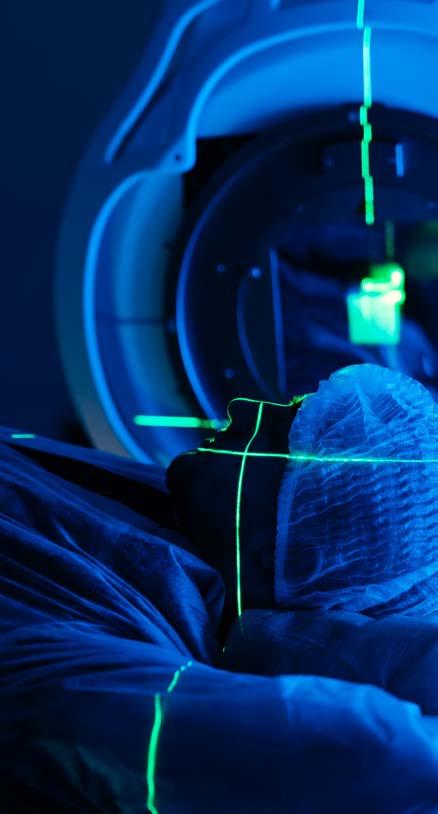
We are creating more hope for patients around the world. With one unified team of specialists and innovations ranging from precision medicine to advanced radiation therapy, we deliver one-of-a-kind cancer treatments—crafted precisely for you. Henry Ford Health is one of the world’s leading comprehensive, integrated health systems, recognized for our clinical excellence.
WHX Labs in Dubai (formerly Medlab Middle East), brought together international experts to discuss the factors redefining laboratory leadership, with a particular focus on the impact of AI and automation. The session, titled “Transformational Leadership – Creating Next Gen Laboratory Leaders”, as part of the Laboratory Management track within the event’s Laboratory Management and Medicine Congress. Bringing together regional and international experts, speakers include Dr. Laila AbdelWareth, CEO, Diagnostics Global Patient Care, M42; Mark O'Brien, Associate Fellow and Programme Director, Oxford Healthcare Leadership Programme, Saïd Business School, Oxford University; Ziad Peerwani, Medical Director, Cleveland Clinic Reference Laboratory; Shweta Narang, Executive Director – Medical & Commercial Operations, Diagnostics, Global Patient Care, M42; and Rubina Lone, Consultant Pathologist, Dubai Health.
Speaking ahead of the session, Dr. AbdelWareth said: “Transformational leaders are those who inspire others to achieve extraordinary outcomes and, in the process, develop their own leadership capacity. In the context of AI and automation, they are the laboratory leaders that anticipate emerging technologies, design future workflows and strategically steer laboratories into digital maturity.” She added that leaders must be equipped not only to deliver operational improvements, but to take responsibility for safe, ethical adoption of AI across diagnostics and patient pathways. “Leaders must apply ethical judgement, implement safeguards, and ensure compliance with accreditation, validation, and safety standards as AI introduces new liabilities,model errors, bias, drift and more,” she said.
The session also examined how laboratory roles and career pathways should evolve as
AI takes on a growing share of routine and analytical tasks. Dr. AbdelWareth explained: “AI is not simply adding tools to our workflow; it is reshaping the skills architecture of the entire profession. Career pathways must evolve from traditional, linear ladders to dynamic, multitrack growth routes that align with digital diagnostics, advanced analytics and qualitydriven oversight.”
She noted that future-focused laboratory teams will increasingly include emerging roles such as AI-augmented laboratory professionals, AI algorithm supervisors, laboratory informatics liaisons, and automation and workflow architects, with AI literacy becoming a baseline requirement for all laboratory professionals. Looking ahead, Dr. AbdelWareth said leadership skillsets are shifting from traditional management to strategic and human-centric capabilities that support high-performing teams through uncertainty, with the next generation of laboratory leaders defined not by how well they manage routine processes, but by how effectively they harness, govern, and ethically oversee AI-driven diagnostic environments.
Tom Coleman, Portfolio Director, Informa Markets, said: “Laboratories are entering a new era where technologies such as AI and automation are accelerating progress across diagnostics, quality and operational performance. This session will provide practical insights into how the industry must adapt to ensure laboratories can harness innovation safely, ethically and effectively.”
The region’s leading laboratory and diagnostics event, WHX Labs in Dubai brought together the global laboratory community to discover cutting-edge diagnostics, technology and innovation. The event was held under the patronage of the UAE Ministry of Health and Prevention, reinforcing the nation’s commitment to delivering worldleading healthcare.

THE SESSION, TITLED “TRANSFORMATIONAL LEADERSHIP –CREATING NEXT GEN LABORATORY LEADERS”, AS PART OF THE LABORATORY MANAGEMENT TRACK WITHIN THE EVENT’S LABORATORY MANAGEMENT AND MEDICINE CONGRESS.
Northwestern Memorial Hospital

Northwestern Medicine is proud to be ranked among the top 10 programs in the United States for cardiology, heart and vascular surgery by U.S. News and World Report, 2025 – 2026.
Home to a comprehensive team of leading-edge cardiovascular specialists, Northwestern Medicine Bluhm Cardiovascular Institute is an international leader in breakthrough clinical research, advanced technology and exceptional patient care.
See how our team is transforming the future of heart and vascular medicine for people from across the Chicago area — and around the world.
Visit northwesternglobalservices.com.
As part of its commitment to strengthening healthcare leadership in the UAE, PureHealth, the largest healthcare group in the Middle East, recently launched a UAE-based ‘Healthcare Mini MBA’ programme in collaboration with the Royal College of Surgeons in Ireland (RCSI), a leading Medicine and Health Sciences University. The programme’s first cohort of 30 healthcare professionals from PureHealth and the Department of Health – Abu Dhabi (DoH) completed modules designed to strengthen their business acumen, leadership skills and operational expertise to drive healthcare transformation.
The Healthcare Mini MBA programme blends RCSI’s internationally recognised academic excellence with PureHealth’s operational expertise, offering unique intelligence tailored to strengthen the UAE’s evolving healthcare landscape. Through five targeted modules across three months, including global healthcare context, personal leadership, leading change, digital transformation and operational excellence, participants gained a comprehensive understanding of how to address current challenges and future opportunities by blending clinical excellence with strategic business acumen.
Shaista Asif, Group Chief Executive Officer of PureHealth, said: “Healthcare leadership today is defined by the ability to continuously learn, adapt and innovate. PureHealth is proud to collaborate with the Royal College of Surgeons in Ireland on this programme, which reflects our belief that a resilient healthcare system starts with investing in people. By equipping our workforce with global best practices tailored to local needs, we are empowering leaders with the knowledge, agility and vision to shape the future of healthcare in the UAE and beyond.”
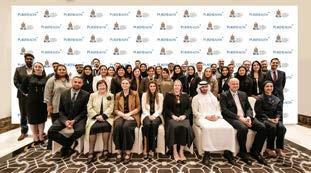
THE THREEMONTH INTENSIVE PROGRAMME TRAINED 30 HEALTHCARE PROFESSIONALS FROM PUREHEALTH AND THE DEPARTMENT OF HEALTH –ABU DHABI. THE INITIATIVE REFLECTS PUREHEALTH’S COMMITMENT TO UPSKILLING HEALTHCARE LEADERS THROUGH GLOBAL ACADEMIC COLLABORATIONS.
Professor Deborah McNamara, President of RCSI, said: “RCSI is delighted to partner with PureHealth on this pioneering initiative that redefines healthcare leadership in the region. By combining strategic insight with clinical excellence, the Healthcare Mini MBA empowers professionals to reflect, innovate, and lead transformative change across the healthcare system.”
Delivered in a hybrid format, the programme began with an in-person residency, with additional modules being delivered through a mix of virtual sessions and local delivery. Faculty from RCSI and PureHealth brought together academic expertise and practical leadership to ensure relevance and impact for working professionals. The successful competition of the first batch marks a significant milestone in advancing healthcare leadership in the UAE. The programme, which concluded following five comprehensive modules, equipped participants with the skills, perspective, and confidence to lead effectively in a rapidly evolving healthcare environment. The success of this inaugural edition sets a strong foundation for future biannual cohorts, further strengthening the development of healthcare leadership across the region.
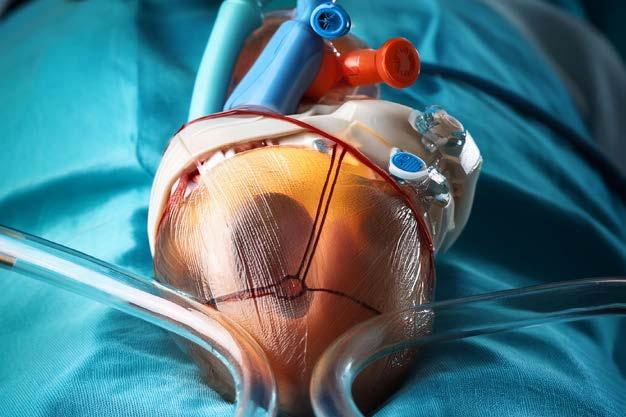
UCLA Health’s development of first-inkind medical devices and rollout into clinical use are changing the lives of heart patients.
“This past year has seen an explosion in FDA approval for novel devices,” says Marcella Calfon Press, MD, PhD, an interventional/structural cardiologist and associate clinical professor of cardiology. “UCLA has been involved in every stage, from trials to clinical practice.”
UCLA holds a unique position in this scenario. First, its Biodesign program mentors trainees to develop novel approaches and devices to fill unmet medical needs.
Second, UCLA pioneers clinical trials, helping to move safe and validated devices through the
Food and Drug Administration approval process. Simultaneously, UCLA Health provides patients with early access to these technologies.
Finally, as a specialized center with expansive multidisciplinary expertise, UCLA Health safely and efficiently deploys these devices into the community to ensure patients have access to breakthrough technology as it becomes available.
The FDA has approved Transcatheter Edgeto-Edge Repair (TEER) for treating severe symptomatic tricuspid regurgitation. Additionally, the recent TRISCEND II trial led to approval of the EVOQUE tricuspid valve
UCLA HEALTH RESEARCHERS, INCLUDING JEREMIE CALAIS, MD, PHD, DIRECTOR OF THE NEW DEPARTMENT’S CLINICAL RESEARCH PROGRAM, HAVE PLAYED A CENTRAL ROLE IN ADVANCING PROSTATE-CANCER DIAGNOSTICS.
replacement system, the first to gain approval in the U.S. for patients with symptomatic severe tricuspid regurgitation. The trial showed the device significantly reduces tricuspid regurgitation and improves quality of life for patients. These devices were fast-tracked through the FDA approval process, as they filled unmet clinical needs for tricuspid valve transcatheter treatments.
“The tricuspid valve is a very challenging valve to approach,” explains Dr. Calfon Press. Many patients experience late diagnosis due to vague symptoms, leading to increased inhospital mortality.
Evidence shows long-term benefits of mitral TEER, a procedure used to treat symptomatic mitral regurgitation in patients who are at increased surgical risk.
Mitral TEER is a transcutaneous procedure used to treat leaky mitral valves. A catheter is inserted through a blood vessel, then a device clips the valve leaflets together, improving their ability to close and reducing the regurgitation of blood. This relieves symptoms and stress on the heart caused by the leakage. The Tendyne transcatheter mitral valve replacement system is another breakthrough for patients with severe mitral valve disease; it can replace a failing mitral valve without open-heart surgery.
“Devices have taught us a lot,” says Dr. Calfon Press. “As a field, we understand mitral and tricuspid pathology much more now than we did five years ago. In fact, we have even started to reclassify disease states.”
Experts have reclassified how tricuspid regurgitation is defined, “because now we realize no valve is the same, and every valve is way more complicated than we thought.”
Most patients have four or five tricuspid leaflets, as seen through in-depth imaging of these valves in device planning. In addition, regurgitation used to be called “severe” for tricuspid, but now there are new categories such as “massive” and “torrential.” Doctors have
evolved to understand valve disease “through the lens of a device.”
UCLA Health regularly treats high-risk patients with structural heart disease. The adult congenital heart disease program is one example.
“Many of these patients have undergone multiple surgeries since childhood and have unique hearts,” explains Dr. Calfon Press. “We’ve worked with our adult congenital heart team led by Jamil Aboulhosn, MD, to apply new transcatheter technologies that have never been studied in this population simply because these cases are so infrequent and complex.”
Experts at UCLA Health are working to create a registry of patients with complex congenital heart disease who have undergone advanced transcatheter edge repair.
“We’re proud to be able to apply technology to patient populations that otherwise would not have access to these devices and who have limited alternative options,” says Dr. Calfon Press.
UCLA Health is a distinguished center for transplants and cardiogenic shock. With access to some of the best medical devices available, UCLA Health is expanding applications for them in unique scenarios and with patients who come in with no other options.
“It’s important that we educate our community and referring providers to the benefits of these devices, early diagnosis and management, and a multidisciplinary team of doctors from different specialties,” stresses Dr. Calfon Press.
“At UCLA, we have outstanding heart failure, transplant, cardiac surgery, anesthesia, cardiac imaging, interventional/structural cardiology and electrophysiology teams all working together like clockwork,” she says. “That’s the key to program success. It takes a village.”
For more information, please visit https://www.uclahealth.org/international-services/ or call +1 310-794-8759
THE LAUNCH OF UCLA HEALTH’S NEW DEPARTMENT DIRECTLY RESPONDS TO THIS GLOBAL DEMAND. AS AN INDEPENDENT ENTITY, IT WILL BROADEN CLINICAL SERVICES, ACCELERATE RESEARCH, AND DEEPEN COLLABORATION ACROSS UCLA HEALTH, THE DAVID GEFFEN SCHOOL OF MEDICINE AT UCLA, AND THE UCLA JONSSON COMPREHENSIVE CANCER CENTER.

From groundbreaking clinical trials to advanced surgical techniques and personalized programs, Northwestern Medicine Bluhm Cardiovascular Institute is setting new standards for excellence in heart health
Research is the cornerstone of progress in cardiovascular medicine. At Bluhm Cardiovascular Institute, our research helps transform lives by driving innovations that can lead to better therapies, quicker recovery times and improved patient outcomes. With more than 10,000 participants enrolled in 100 active clinical trials, our research portfolio spans transformative advances. Together, we are shaping the future of cardiovascular care through groundbreaking research and personalized medicine.
The Northwestern Medicine lnterventional Cardiology Team is at the forefront of clinical innovation. Growing more than 1,300% since the first transcatheter aortic valve replacement (TAVR) was performed at Northwestern Memorial Hospital in 2008, we have one of the highest volumes of surgical and transcatheter heart valve procedures in the U.S.
With clinical trials and breakthrough technology, our team of experts offers exceptional care with the latest minimally invasive techniques. Anita W. Asgar, MD,
TOGETHER WITH ANN & ROBERT H. LURIE CHILDREN'S HOSPITAL OF CHICAGO, WE’RE WORKING TO PROVIDE INNOVATIVE SOLUTIONS FOR THE MOST COMPLEX CONGENITAL HEART DISEASE CASES.
recently joined our team as the section chief of Interventional Cardiology and leads feasibility trials for tricuspid and mitral valve replacement devices, as well as a promising new balloonexpandable TAVR device for patients with small aortic valves. Previously, Dr. Asgar played a pivotal role in launching Canada's first clinical trial for MitraClip procedures, and she performed more than one third of all MitraClip cases in the country's largest clinical trial.
Together with Ann & Robert H. Lurie Children's Hospital of Chicago, we’re working to provide innovative solutions for the most complex congenital heart disease cases. Our unique program brings together a team specializing in cardiology, imaging, heart failure and cardiac surgery. This approach combines expertise from our institute and Lurie Children’s to offer leading-edge technology, the latest surgical techniques and advanced resources.
Chief of Cardiac Surgery Douglas R. Johnston, MD, says, "The complimentary expertise of the adult surgeons and the congenital surgeons is what lets us do these operations as safely and effectively as possible."
Our Center for Aortic Care offers highly specialized diagnostic and treatment options. We’ve performed over 800 aortic surgery procedures in the past year, a 7% increase yearover-year. Our experts have created specialized programs to achieve better results for a better patient quality of life. Just one example is our surveillance program for ongoing monitoring of aortic disease progression. It serves patients in our hometown of Chicago and around the world. The program helps ensure that each patient receives a timely, personalized treatment plan.
The Aortic Valve Surgery Team, led by cardiac surgeons S. Chris Malaisrie, MD, and Christopher K. Mehta, MD, has performed over 100 successful Ross procedures. We’re proud that Northwestern Memorial Hospital has a 100% in-hospital survival rate for patients who undergo this complex procedure.

The Northwestern Medicine Center for Women's Heart Care offers preventive care, education and treatment tailored to patients' unique needs. Our experts are leading groundbreaking research to advance the science of women's heart care.
Thanks to our advanced technology and diagnostic tools, we’re on the leading edge of comprehensive clinical care for women with heart disease and women with risk factors for heart disease.
• Cardio-obstetrics: Management of cardiovascular disease or symptoms during pregnancy
• Women's cardiovascular disease prevention: Identifying and modifying sex-specific cardiovascular risk factors to promote heart health in women
• Spontaneous coronary artery dissection (SCAD): Longitudinal cardiovascular care after SCAD, including screening for connective tissue disorders
• Non-obstructive chest pain in women: Management for myocardial infarction with no obstructive coronary arteries, angina with no obstructive coronary arteries and ischemia with no obstructive coronary arteries in women
As Chicago’s premier integrated academic health system, Northwestern Medicine offers patients access to world-class, compassionate care at 11 hospitals and more than 200 locations. The health system is anchored by Northwestern Memorial Hospital, which has eight specialties ranked in the top 10 nationally and was named to the Best Hospitals Honor Roll for 14 straight years by U.S. News and World Report, 2025 – 2026.
To learn more, visit northwesternglobalservices.com
OUR CENTER FOR AORTIC CARE OFFERS HIGHLY SPECIALIZED DIAGNOSTIC AND TREATMENT OPTIONS. WE’VE PERFORMED OVER 800 AORTIC SURGERY PROCEDURES IN THE PAST YEAR, A 7% INCREASE YEAR-OVER-YEAR. OUR EXPERTS HAVE CREATED SPECIALIZED PROGRAMS TO ACHIEVE BETTER RESULTS FOR A BETTER PATIENT QUALITY OF LIFE. JUST ONE EXAMPLE IS OUR SURVEILLANCE PROGRAM FOR ONGOING MONITORING OF AORTIC DISEASE PROGRESSION. IT SERVES PATIENTS IN OUR HOMETOWN OF CHICAGO AND AROUND THE WORLD. THE PROGRAM HELPS ENSURE THAT EACH PATIENT RECEIVES A TIMELY, PERSONALIZED TREATMENT PLAN.

"I am convinced: alzheimer's will be diagnosed in the future primary via biomarkers"
Charlotte Teunissen, Professor of Neurochemistry, is one of the leading international experts in the field of biomarker research in neurodegenerative diseases. Sysmex met the expert at Amsterdam UMC and spoke with her about the importance of blood biomarkers and the future of Alzheimer's diagnostics.
For Charlotte Teunissen, a day seems to have more than 24 hours: As head of the Neurochemistry Laboratory at Amsterdam UMC, she oversees the development of biomarkers from discovery and validation to clinical application. At the same time, she leads several international networks, including the CSF Society, the Alzheimer Association's consortium for the global standardization of biomarkers, and the recently founded proteomics consortium Coral.
In validating the Alzheimer's blood biomarkers β-amyloid 42/40 and pTau217, she relies, among other things, on the SysmexHISCL system. She discusses her experiences with this system and the progress in Alzheimer's research in this interview.
Professor Teunissen, what motivates you as a scientist?
Neurology has always fascinated me. I want to understand how the brain works and what happens in diseases of the nervous system. At the same time, it's important to me to make a difference for society with my research. Translational research particularly excites me, which is why the search for neurological biomarkers is a logical step. My focus is primarily on two diseases: dementia
and multiple sclerosis. These diseases affect more and more people worldwide, and the development of targeted diagnostics that actually help those affected is a great motivation for me.
Why does Alzheimer's disease often go undiagnosed?
There are many reasons for this. One is that the methods needed for Alzheimer's diagnosis, such as PET scans or cerebrospinal fluid analyses, are not available everywhere. Other forms of dementia are also frequently misdiagnosed, which is partly due to the stigma surrounding the disease and other factors. The lack of affordable and easy-to-perform tests is also a significant factor.
Modern methods can make a crucial contribution here, as they allow for the highly sensitive detection of Alzheimer's biomarkers in blood plasma. This will enable more targeted diagnostics to be established worldwide, making them accessible to more people. However, since this methodology is still very new, a clear legal framework and binding guidelines are needed first, and these are currently being developed with great urgency. I am confident that the tests will soon be used in specialized clinics worldwide.
Will general practitioners also play a greater role in Alzheimer's diagnostics with the help of biomarkers?
I can well imagine that, even if this process won't proceed at the same pace everywhere in the world. In the USA, where modern Alzheimer's therapies have been approved
"OUR GOAL IS TO DIAGNOSE ALZHEIMER'S AS EARLY AS POSSIBLE".
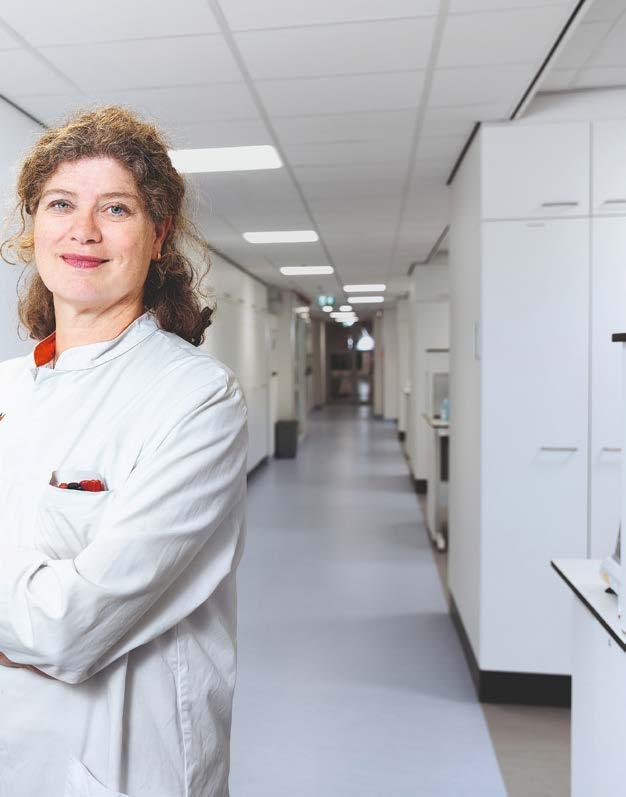
for considerably longer than in Europe, there is already a strong increase in the use of blood biomarkers in primary care. This is a positive development, as blood diagnostics are well established in primary care and, unlike cerebrospinal fluid diagnostics, do not present a major hurdle.
Nevertheless, important questions remain, such as those concerning the interpretation of the results, the resulting consequences, and the manner of communication with patients.
From your perspective: Which patients will benefit most from β-amyloid 42/40 and pTau217 plasma tests?
From the current perspective, these are primarily patients with cognitive impairments. These are individuals who seek medical help and want to better understand the cause of their symptoms.
There is also a clear technical reason for this: Studies show that the tests have the highest diagnostic value precisely in patients with objectively demonstrable cognitive deficits. In contrast, false-positive results occur more frequently in asymptomatic individuals. Furthermore, the currently available therapies are only approved for people with mild to moderate Alzheimer's disease. Against this background, diagnostics make the greatest sense in this patient group.
What are the advantages of using a highly sensitive platform like HISCL to measure β-amyloid 42/40 and pTau217?
For Alzheimer's biomarkers, it is absolutely essential that we use the most sensitive technology available, and the Sysmex HISCL system is one such technology. We simply need such ultra-high-sensitivity systems because otherwise we would not be able to determine the low concentrations of Alzheimer's biomarkers in blood plasma.
Incidentally, in addition to sensitivity, the accuracy of the measurements of β-amyloid 42/40 and pTau217 is also crucial. In our experience, the Sysmex HISCL system measures very accurately. Even the β-amyloid 42/40 ratio, which, unlike pTau217, is subject to strong
"WITH HISCL, WE CAN ANALYZE ALZHEIMER'S BIOMARKERS AT ANY TIME IN JUST A FEW MINUTES –THAT'S INCREDIBLY CONVENIENT".
THE HISCL SYSTEM IS WELL-SUITED FOR ROUTINE LABORATORY TESTS BECAUSE IT ALLOWS RANDOM ACCESS. THIS MEANS THAT ANY SAMPLES CAN BE ANALYZED AT ANY TIME AND IN ANY ORDER, REGARDLESS OF WHICH SAMPLES OR TESTS ARE ALREADY IN THE SYSTEM.
fluctuations, could be determined very reliably over several days using the HISCL device. The β-amyloid 42/40 ratio is of particularly high importance when it comes to diagnosing early stages of Alzheimer's disease. This could become relevant in the future, should general population screening for early Alzheimer's detection one day become practical.
How does the HISCL system perform in terms of reproducibility and suitability for routine laboratory use?
The HISCL system is well-suited for routine laboratory tests because it allows random access. This means that any samples can be analyzed at any time and in any order, regardless of which samples or tests are already in the system. The reproducibility of the analyses is generally very good, and the measurement deviations are very low.
And what about its integration into clinical trials?
Platforms like HISCL are very well suited for clinical trials – especially due to the random access aspect. Patients come to the lab at different times on several days during the study. With HISCL, we can analyze Alzheimer's biomarkers at any time in just a few minutes –that's incredibly convenient.
Are blood biomarkers suitable as a tool for early triage, for confirming an Alzheimer's diagnosis, or for other purposes?
"FOR ALZHEIMER'S BIOMARKERS, IT IS ABSOLUTELY ESSENTIAL THAT WE USE THE MOST SENSITIVE TECHNOLOGY AVAILABLE, AND THE
SYSMEX HISCL SYSTEM IS ONE SUCH TECHNOLOGY".
I think that blood-based biomarkers can play a role in both early triage and confirming an Alzheimer's diagnosis. If a test has high diagnostic sensitivity and specificity, it can also serve as the sole confirmatory test. If doubts arise, this could be due to the biomarker itself, the patient population studied, or the test characteristics. Especially in primary care, there is a higher risk of falsepositive results, so it can be useful to first pre-screen with a blood test and then use confirmatory tests. Ultimately, however, we still need to clarify more precisely in which settings these tests are most beneficial.
Do you believe that Alzheimer's diagnostics will be primarily based
WE WILL CONTINUE TO USE CEREBROSPINAL FLUID BIOMARKERS TO DETECT COPATHOLOGIES AND CREATE MORE COMPREHENSIVE DISEASE PROFILES.
Yes, I am convinced of it. However, diagnostics will continue to be a combination of biomarkers and cognitive tests, because we never test in isolation from the clinical picture.
The strength lies in the combination: This allows us to better differentiate between various pathologies. Isolated amyloid or tau pathologies are rare; many patients exhibit additional changes. Therefore, we will continue to use cerebrospinal fluid biomarkers to detect co-pathologies and create more comprehensive disease profiles.
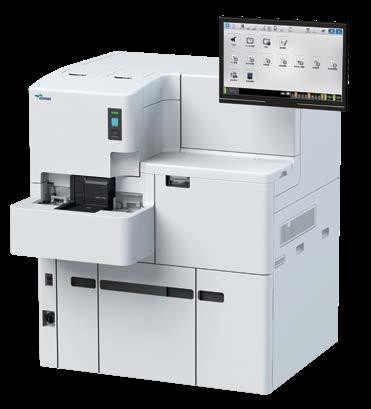
This will allow for more precise decisions in the future regarding which treatment is most effective. At the same time, a combined biomarker profile enables a significantly better prognostic assessment.
Is it conceivable that Alzheimer's could one day be treated similarly to HIV – that is, detected so early that the disease doesn't even develop?
Thinking about this is very important. Our goal is to diagnose Alzheimer's as early as possible, even before clinical symptoms appear, in order to stop the disease process.
Neurons that are once lost cannot be replaced, and new synaptic connections can only be formed to a limited extent. That's why we're focusing our efforts precisely there: as early as possible, before cognitive decline begins. It's a major challenge, but that's exactly what we're currently working on.
The immunoassay system HISCL enables the reliable detection of biomarkers from blood in suspected cases of Alzheimer's disease, based on a highly sensitive measurement method.
https://www.sysmex-mea.com/products/diagnostics/immunochemistry/alzheimer-disease/
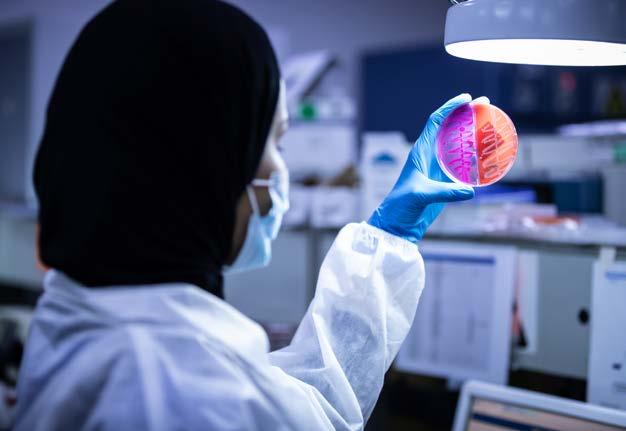
M42, a leading tech-enabled healthcare group, has embarked on a transformative journey to redefine diagnostics in the UAE. It is already gaining efficiency and laying the foundation for its Pathology 4.0 laboratory of the future.
M42 oversees a vast pathology network, including the National Reference Laboratory (NRL). It serves all M42 assets and more than 250 external clients in the UAE and across the GCC. With 12 labs and multiple hubs, NRL processes millions of tests annually, supporting everything from routine diagnostics to advanced precision medicine. It's overwhelming scale demanded optimisation and a digital transformation.
Before the digital transformation, inefficient manual processes constrained NRL's operations. Dr. Laila AbdelWareth, CEO of M42's Diagnostic Cluster, recalls painstakingly shipping subspecialty samples to overseas experts and waiting 5 to 7 days for responses. Delayed diagnoses frustrated clinicians and left patients waiting for their results.
According to Dr. Shweta Narang, Executive Director of Medical and Commercial Operations at NRL, COVID-19 brought the manual system to a breaking point. With up to 4,000 samples arriving daily, manual logging, scanning and
WITH 12 LABS AND MULTIPLE HUBS, NRL PROCESSES MILLIONS OF TESTS ANNUALLY, SUPPORTING EVERYTHING FROM ROUTINE DIAGNOSTICS TO ADVANCED PRECISION MEDICINE.
tracking became unsustainable. Without automated traceability, the risk of missing samples was unacceptable in NRL’s culture of dependability and precision. There was no way to detect trends, biases, or outliers in real time, and the enormous data volumes from genomics and preventive care overwhelmed the system. Preanalytical errors, which account for up to 65% of lab errors, were a persistent threat. Manual entry, rescanning, and relabelling consumed hours and introduced inconsistencies.
Environmental stewardship and the commitment to sustainable healthcare, which NRL shares with the UAE’s 2031 vision, were also high priorities. Paper logs and single-use specimen bags contributed to waste from the millions of tests run each year.
NRL needed solutions that could automate, integrate and make their workflows intelligent. They chose Abbott's AlinIQ Digital Health Solutions, a comprehensive digital health ecosystem designed to help laboratories enhance operational and clinical performance. As part of this ecosystem, AlinIQ Indexor serves as the pre-analytics solution and has become the first implementation of its kind within hospitals in the UAE.

AlinIQ Indexor enhances the overall diagnosis cycle by streamlining pre-analytical tracking, transport, lab reception and accessioning. With radio frequency identification (RFID) technology embedded in specialised racks, it ensures traceability from collection to archiving, while supporting workflow management and monitoring critical factors such as temperature and impacts.
Dr. Laila AbdelWareth notes, "Bringing on AlinIQ solutions and Indexor was a game changer. It brought full accountability and traceability. At any given moment, we can locate a specimen and see exactly where it is in the process across our 12 labs."
AlinIQ's broader digital ecosystem accelerates this transformation. Its Analyser Management System (AMS) functions as middleware, seamlessly linking the Laboratory Information System (LIS) with analysers and automation from various manufacturers. By generating real-time, actionable insights via dashboards and KPIs, and enabling predictive analytics it helps laboratories

NRL NEEDED SOLUTIONS THAT COULD AUTOMATE, INTEGRATE AND MAKE THEIR WORKFLOWS INTELLIGENT. THEY CHOSE ABBOTT'S ALINIQ DIGITAL HEALTH SOLUTIONS, A COMPREHENSIVE DIGITAL HEALTH ECOSYSTEM DESIGNED TO HELP LABORATORIES ENHANCE OPERATIONAL AND CLINICAL PERFORMANCE.
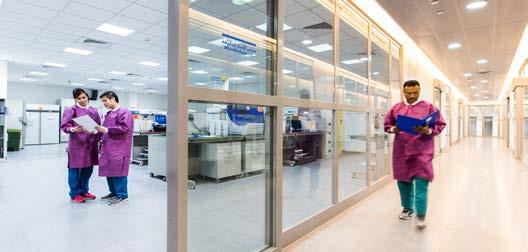
anticipate disruptions, enhance operational efficiency, and sustain high quality performance.
AlinIQ Indexor pre-analytical data integrates seamlessly into AlinIQ AMS, enabling the system to apply this data to create rules that support improved quality assurance. Building on this, AlinIQ Indexor can also be deployed with AlinIQ AMS, connecting the Laboratory Information System (LIS) to analysers and automation, to reduce setup time and accelerates sample processing, while also avoiding the risks of human errors.
Its Inventory Management System (IMS) and Reagent Management System (RMS) also monitor reagents and supplies, preventing shortages and streamlining the inventory processes. And last but not least, Abbott's Always On Services remotely monitor instruments, raising alerts for potential issues and ensuring exceptionally high instrument availability. To boost visibility further, AlinIQ Indexor has Indexor Analytics, a web-based real-time dashboard that consolidates key sample parameters into transport reports and workload insights. It also features tools like the Delivery Dashboard, which provides realtime status updates on sample deliveries from collection points. These dashboards allow the
NRL team to to resolve issues timeously and avoid processing delays.
“Abbott has been at the forefront of integrating advanced digital technologies into our diagnostic products for many years,” says Islam Jaber, Regional Managing Director for Abbott’s Core Diagnostics business in the Middle East, Northeast Africa and Pakistan. “Through AlinIQ, we are bringing these capabilities together in a connected digital ecosystem, linking instruments, workflows and data to help laboratories unlock operational insights, strengthen reliability, and make smarter, more informed decisions across the diagnostic pathway. The rollout of these technologies at NRL represented a landmark shift toward a seamless, efficient, digital ecosystem. Without the burden of manual processing, staff can redirect their time and energy toward higher-skilled, value-adding work, a shift that is often associated with greater job satisfaction and lower levels of burnout."
The results were transformative. Zero sample loss reported and full traceability minimised manual errors and supported sustainability goals
ABBOTT HAS BEEN AT THE FOREFRONT OF INTEGRATING ADVANCED DIGITAL TECHNOLOGIES INTO OUR DIAGNOSTIC PRODUCTS FOR MANY YEARS,” SAYS ISLAM JABER, REGIONAL MANAGING DIRECTOR FOR ABBOTT’S CORE DIAGNOSTICS BUSINESS IN THE MIDDLE EAST, NORTHEAST AFRICA AND PAKISTAN.
in the UAE. Financially, optimised inventory and predictive maintenance boosted performance.
Environmental stewardship also improved dramatically. AlinIQ Indexor reduces plastic waste by replacing single-use plastic bags with reusable RFID-enabled racks for sample collection, transport, and organisation, avoiding thousands of bags and significantly reducing CO2 emissions annually. From a data perspective; according to Dr Narang, the lab now converts overwhelming data into clinician-friendly insights. AlinIQ's suite of analytical enablers turned raw data into actionable insights for preventive and personalised medicine. M42's smart lab can anticipate needs, detect anomalies early, and provide clinicians with predictive alerts.
M42 and NRL's journey supporting the UAE's Vision 2031 for smart, sustainable healthcare continues. M42 is advancing its Pathology 4.0 vision and is integrating AlinIQ Clinical Decision Support (CDS), a rule-based software, into its diagnostic ecosystem. The process begins with mapping lab workflows to identify trigger events, like specific test results, where CDS applies expert-defined logic to deliver real-time
automated insights and recommendations to clinicians, institutionalising knowledge and flagging anomalies promptly.
This integration has the potential to deliver significant benefits, including faster early diagnoses, fewer unnecessary tests, and streamlined patient pathways, leading to quicker recoveries. It will also enhance hospital KPIs by shortening length of stay through efficient care, reducing mortality with timely interventions, minimising readmissions through personalised follow-ups, and lowering healthcare costs by eliminating redundant procedures.
As AI evolves from a co-pilot to a decisionmaker, it will enhance the full patient journey. Dr. AbdelWareth emphasises, "The real opportunity lies in leveraging data mining for predictive outcomes." And Dr. Shweta Narang adds, "The future is a smart lab using AI and lab informatics to reduce errors and deliver accurate patient results."
M42 AND NRL'S JOURNEY
SUPPORTING THE UAE'S VISION 2031 FOR SMART, SUSTAINABLE HEALTHCARE CONTINUES. M42 IS ADVANCING ITS PATHOLOGY 4.0 VISION AND IS INTEGRATING ALINIQ CLINICAL DECISION SUPPORT (CDS), A RULE-BASED SOFTWARE, INTO ITS DIAGNOSTIC ECOSYSTEM.
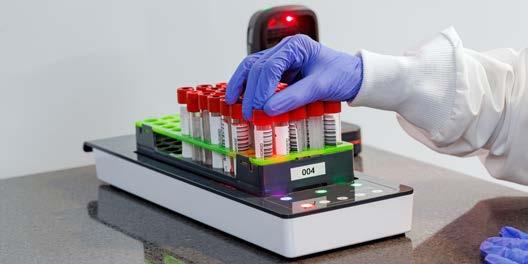
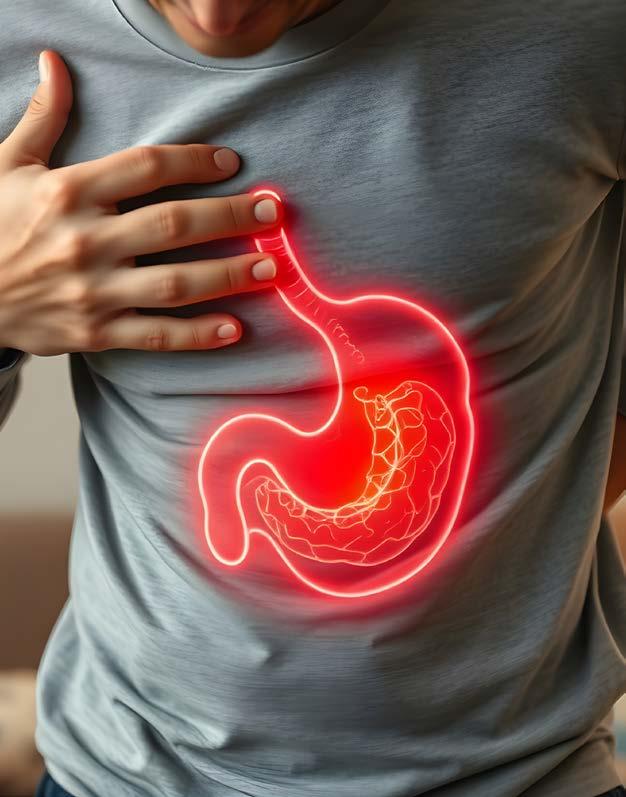
Gastrointestinal diseases today represent a broad and complex spectrum of health conditions that extend far beyond the digestive tract itself. In addition to affecting the esophagus, stomach, and intestines, these disorders frequently involve vital organs such as the liver, pancreas, and gallbladder. Their severity varies widely, from mild and temporary disturbances that resolve spontaneously to chronic and potentially life-threatening illnesses that significantly impact patients’ physical and psychological well-being. As a result, gastrointestinal diseases place a considerable burden on healthcare systems worldwide, particularly due to the long-term care required for many of these conditions.
The growing prevalence of digestive disorders is closely linked to profound shifts in modern lifestyles. Increased reliance on processed foods high in sugars and unhealthy fats, combined with reduced consumption of fiber-rich natural foods, has contributed to biological imbalances within the digestive system. This dietary shift, alongside sedentary habits and prolonged screen time, has created an environment in which digestive and metabolic disturbances have become increasingly common.
At the same time, rising life expectancy, while representing a major medical achievement, has also revealed a higher prevalence of age-related digestive conditions and chronic inflammatory disorders. Consequently, gastrointestinal diseases are no longer confined to a particular age group; they are now observed across all generations, from children to older adults. This trend underscores the need for preventive and therapeutic approaches capable of addressing the environmental and biological challenges of the twenty-first century.
Gastroesophageal reflux disease is a chronic condition that occurs when the lower
esophageal sphincter fails to close properly, allowing stomach acid to flow back into the esophagus. This repeated acid exposure irritates the delicate mucosal lining, leading to the wellknown sensation of heartburn, which often worsens after heavy meals or when lying down. Symptoms extend beyond heartburn alone. Many patients experience difficulty swallowing, a persistent sensation of a lump in the throat, and even respiratory manifestations such as chronic dry cough or worsening asthma. These symptoms occur when acidic contents reach the upper airways, sometimes complicating the diagnostic process by mimicking respiratory conditions. If left untreated, GERD may lead to serious complications including esophageal narrowing caused by scar tissue or Barrett’s esophagus, a condition in which the lining of the esophagus undergoes cellular changes that increase the risk of cancer. Effective management of acid reflux is therefore not merely a matter of symptom relief but a critical preventive strategy for long-term health.
Peptic ulcer disease is characterized by open sores that develop in the inner lining of the stomach or the first segment of the small intestine, known as the duodenum. These ulcers form when the protective mucous layer of the digestive tract is eroded by strong digestive acids, leaving underlying tissues vulnerable to damage. The most common causes include infection with the bacterium Helicobacter pylori (H. pylori) and prolonged use of non-steroidal anti-inflammatory drugs (NSAIDs) such as aspirin and ibuprofen. Symptoms typically include burning stomach pain, nausea, and a feeling of fullness. In some cases, discomfort may temporarily improve after eating certain foods or taking antacid medications.
Complications can arise when ulcers bleed internally, presenting as vomiting blood or passing dark, tar-colored stools. In rare but
GASTROESOPHAGEAL REFLUX DISEASE IS A CHRONIC CONDITION THAT OCCURS WHEN THE LOWER ESOPHAGEAL SPHINCTER FAILS TO CLOSE PROPERLY, ALLOWING STOMACH ACID TO FLOW BACK INTO THE ESOPHAGUS. THIS REPEATED ACID EXPOSURE IRRITATES THE DELICATE MUCOSAL LINING, LEADING TO THE WELL-KNOWN SENSATION OF HEARTBURN, WHICH OFTEN WORSENS AFTER HEAVY MEALS OR WHEN LYING DOWN.
severe cases, ulcers may perforate the stomach wall, creating a medical emergency that requires immediate surgical intervention. Modern treatment strategies focus on eradicating the bacterial infection and eliminating aggravating medications to allow the affected tissues to heal.
Irritable bowel syndrome is one of the most common functional gastrointestinal disorders, affecting the large intestine. Unlike inflammatory diseases, IBS does not involve structural damage to the digestive tract. Instead, it results from disturbances in the communication between the brain and the gut or abnormalities in intestinal muscle contractions. These disruptions make the digestive system unusually sensitive to ordinary stimuli such as certain foods or psychological stress. Symptoms vary widely among individuals and may include abdominal cramps, bloating, excessive gas, and changes in bowel habits such as diarrhea, constipation, or alternating patterns of both.
Although IBS does not lead to serious diseases such as cancer, its recurrent episodes can significantly affect quality of life. Management often focuses on stress reduction, dietary modifications, such as the low-FODMAP diet, and regular physical activity to support healthy intestinal function.
Inflammatory bowel diseases, including Crohn’s disease and ulcerative colitis, differ fundamentally from IBS. These conditions arise from abnormal immune responses that cause chronic inflammation and damage to the digestive tract.
Ulcerative colitis primarily affects the colon, while Crohn’s disease can involve any segment of the gastrointestinal tract from the mouth to the anus. Patients often experience severe and debilitating symptoms including persistent diarrhea, which may contain blood, intense abdominal pain, fatigue, unexplained weight loss, and fever during inflammatory flare-ups.
Managing these diseases requires continuous medical supervision and
advanced therapeutic approaches such as immunosuppressive medications and targeted biological therapies that control inflammatory activity. When medications fail or complications such as intestinal obstruction occur, surgical intervention may be necessary to remove severely affected portions of the intestine.
The liver functions as the body’s central biochemical factory, responsible for detoxifying harmful substances and producing essential proteins. A wide range of conditions can affect this vital organ, from non-alcoholic fatty liver disease, often associated with obesity and diabetes, to viral hepatitis infections (A, B, and C) that directly damage liver cells.
Liver diseases often develop silently in their early stages, with few noticeable symptoms. As the condition progresses, however, patients may develop jaundice, swelling of the legs and abdomen, and severe itching. Advanced damage can lead to cirrhosis, a condition in which healthy liver tissue is replaced by scar tissue, impairing the organ’s ability to perform essential functions.
Preventive measures, including vaccination against viral hepatitis and maintaining a healthy lifestyle, are crucial. In advanced cases of liver failure or liver cancer, transplantation may become the only viable treatment option.
The gallbladder and pancreas play essential roles in digestion. The gallbladder stores bile needed to break down fats, while the pancreas produces digestive enzymes and hormones such as insulin. Gallstones are among the most common gallbladder conditions.
These stones can obstruct bile ducts and cause sudden, intense pain in the upper right abdomen. Pancreatitis, on the other hand, can occur in acute or chronic forms and may be life-threatening. It often results from gallstones blocking the pancreatic duct or from excessive alcohol consumption.
Pancreatic pain is typically severe and radiates toward the back, often accompanied by persistent nausea and vomiting. Accurate diagnosis is essential, as ductal obstruction can
IRRITABLE BOWEL SYNDROME IS ONE OF THE MOST COMMON FUNCTIONAL GASTROINTESTINAL DISORDERS, AFFECTING THE LARGE INTESTINE. UNLIKE INFLAMMATORY DISEASES, IBS DOES NOT INVOLVE STRUCTURAL DAMAGE TO THE DIGESTIVE TRACT. INSTEAD, IT RESULTS FROM DISTURBANCES IN THE COMMUNICATION BETWEEN THE BRAIN AND THE GUT OR ABNORMALITIES IN INTESTINAL MUSCLE CONTRACTIONS. THESE DISRUPTIONS MAKE THE DIGESTIVE SYSTEM UNUSUALLY SENSITIVE TO ORDINARY STIMULI SUCH AS CERTAIN FOODS OR PSYCHOLOGICAL STRESS. SYMPTOMS VARY WIDELY AMONG INDIVIDUALS AND MAY INCLUDE ABDOMINAL CRAMPS, BLOATING, EXCESSIVE GAS, AND CHANGES IN BOWEL HABITS SUCH AS DIARRHEA, CONSTIPATION, OR ALTERNATING PATTERNS OF BOTH.
lead to serious infections or pancreatic tissue damage. Treatment may range from temporary fasting to allow the organs to recover, to surgical procedures that remove gallstones or relieve blocked ducts.
Colorectal cancer typically begins as a small non-cancerous growth called a polyp that forms on the inner lining of the colon. Over time, some polyps may develop into malignant tumors, making this form of cancer one of the most preventable when detected early.
Early stages often present no symptoms. As the disease progresses, patients may experience persistent changes in bowel habits, including prolonged diarrhea or constipation, blood in the stool, abdominal discomfort, and unexplained anemia caused by slow internal bleeding.
Routine screening, particularly colonoscopy, remains the gold standard for prevention. This procedure enables physicians to detect and remove polyps before they become cancerous. Early detection not only saves lives but also allows for less aggressive treatment and significantly higher recovery rates.
Several behavioral and biological factors contribute to the development of gastrointestinal diseases. Unhealthy diets high in saturated fats and low in dietary fiber play a central role in disrupting normal digestive function. Obesity and physical inactivity further slow metabolic processes and promote fat accumulation around vital organs such as the liver.
Smoking, excessive alcohol consumption, and chronic psychological stress also exert
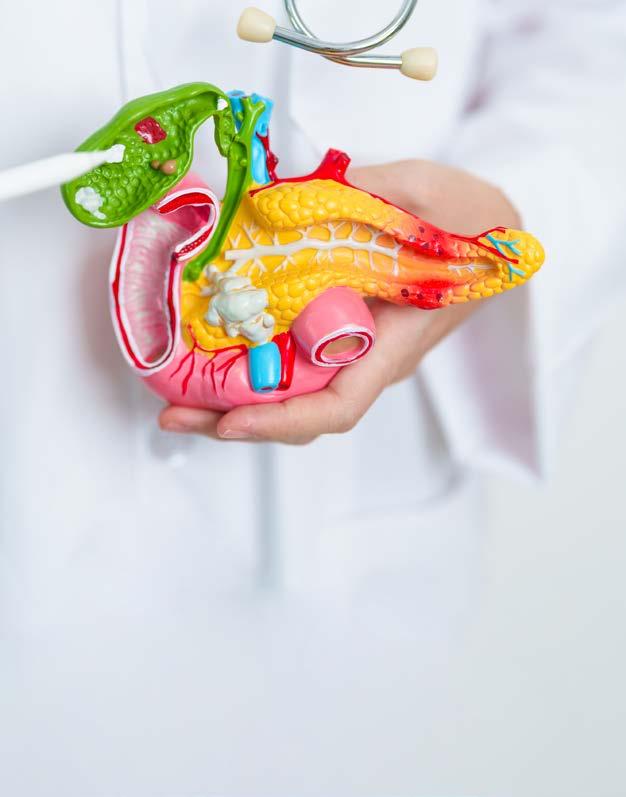
COLORECTAL CANCER TYPICALLY BEGINS AS A SMALL NONCANCEROUS GROWTH CALLED A POLYP THAT FORMS ON THE INNER LINING OF THE COLON. OVER TIME, SOME POLYPS MAY DEVELOP INTO MALIGNANT TUMORS, MAKING THIS FORM OF CANCER ONE OF THE MOST PREVENTABLE WHEN DETECTED EARLY.
harmful effects on the digestive system, including disruptions to the gut microbiome. Genetic predisposition and family history may increase susceptibility to certain conditions, while prolonged or inappropriate use of medications, particularly non-steroidal anti-inflammatory drugs, can damage the protective lining of the digestive tract and increase the risk of ulcers.
While many digestive complaints are temporary, certain symptoms should never be ignored.
Persistent abdominal pain, unexplained weight loss, and difficulty swallowing may indicate underlying conditions that require immediate evaluation.
The presence of blood in the stool or vomit, chronic diarrhea or constipation that does not respond to standard treatment, and jaundice, characterized by yellowing of the skin and eyes, are also serious warning signs. Early medical consultation allows physicians to establish an accurate diagnosis and initiate treatment before complications arise.
Advances in medical technology have greatly improved the diagnosis of gastrointestinal diseases. Initial evaluations typically include comprehensive blood tests and stool analyses, followed by imaging techniques such as ultrasound, computed tomography (CT), and magnetic resonance imaging (MRI) to obtain detailed views of internal organs.
For direct visualization, physicians may use endoscopic procedures or capsule endoscopy. Additional technologies such as FibroScan allow non-invasive assessment of liver fibrosis. Preventive colonoscopy screening is strongly recommended beginning at age 45, or earlier for individuals with hereditary risk factors, as a critical measure for early cancer detection.
Successful management of gastrointestinal diseases relies heavily on comprehensive strategies that begin with lifestyle changes.
A balanced diet rich in fiber supports healthy bowel function, while maintaining a healthy weight and engaging in regular physical activity reduces strain on vital organs.
Smoking cessation and limiting alcohol consumption are essential steps in restoring the digestive system’s protective lining and preventing long-term liver damage. These lifestyle measures create an optimal environment for medical therapies to achieve the best outcomes.
Pharmacological treatments have become increasingly precise and personalized. Proton pump inhibitors (PPIs) are widely used to control gastric acid production, antibiotics target bacterial infections such as H. pylori, and advanced biological therapies are employed to regulate immune-mediated inflammation. When deeper intervention is required, minimally invasive surgical techniques have revolutionized treatment options.
Laparoscopic procedures allow surgeons to perform complex operations with remarkable precision while minimizing recovery time, reducing postoperative pain, and lowering the risk of complications, allowing patients to return to their daily lives more quickly.
Healthcare systems worldwide are increasingly shifting from treatment toward prevention in order to reduce the burden of digestive diseases. This transition includes promoting regular cancer screenings, expanding vaccination programs for viral hepatitis, and strengthening public awareness about healthy nutrition and early management of metabolic disorders.
Modern medicine is also moving toward precision healthcare, in which treatment strategies are tailored to each patient based on genetic characteristics and biological responses. This personalized approach holds the promise of improving therapeutic outcomes while reducing unnecessary healthcare costs and resource waste.
ADVANCES IN MEDICAL TECHNOLOGY HAVE GREATLY IMPROVED THE DIAGNOSIS OF GASTROINTESTINAL DISEASES. INITIAL EVALUATIONS TYPICALLY INCLUDE COMPREHENSIVE BLOOD TESTS AND STOOL ANALYSES, FOLLOWED BY IMAGING TECHNIQUES SUCH AS ULTRASOUND, COMPUTED TOMOGRAPHY (CT), AND MAGNETIC RESONANCE IMAGING (MRI) TO OBTAIN DETAILED VIEWS OF INTERNAL ORGANS. FOR DIRECT VISUALIZATION, PHYSICIANS MAY USE ENDOSCOPIC PROCEDURES OR CAPSULE ENDOSCOPY.
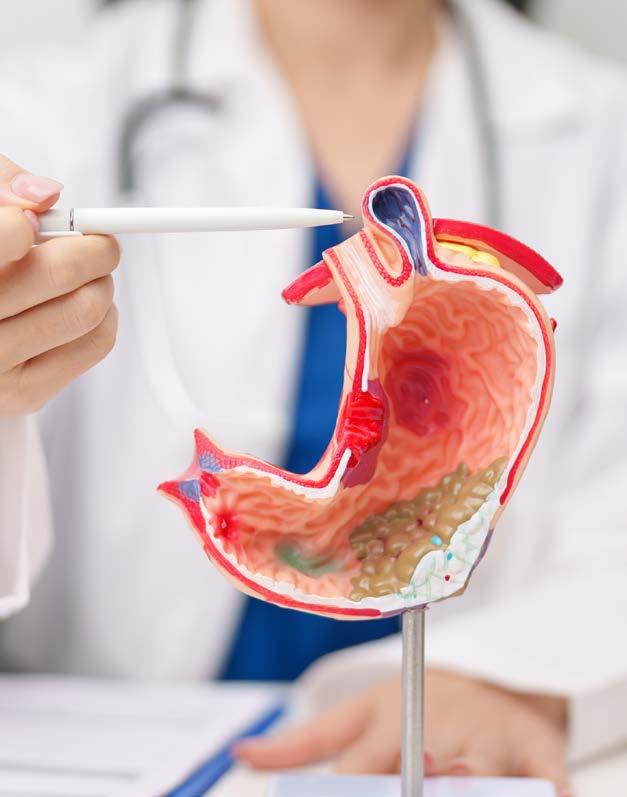
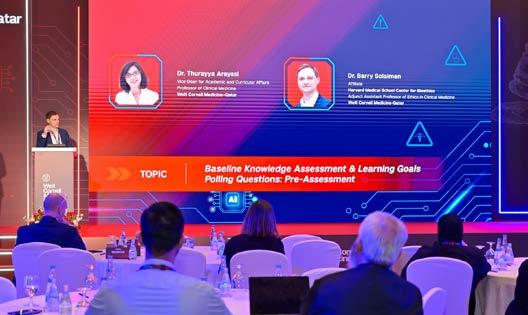
The symposium featured presentations by multiple expert speakers in the fields of law, medicine, education, and ethics
Apanel of experts discussed the legal and ethical implications arising from harm caused to patients by the use of AI in healthcare in the latest installment of Weill Cornell Medicine-Qatar’s (WCM-Q) Intersection of Law & Medicine series.
Expert speakers at the day-long symposium explored the law, policies, and ethical considerations surrounding the use of AI in healthcare, with particular reference to where liability lies when AI causes patient harm.
“AI is already being used in patient care and it is clear the technology can provide many benefits to patients,” said Dr. Thurayya Arayssi, vice dean for academic and curricular affairs, and professor of clinical medicine at WCM–Q. “But when things go wrong and AI causes harm to
patients, it is important to know who is liable. Is it the doctor, the hospital, the developer of the AI, a combination of all three, or someone else? This event sought to provide participants with a practical understanding of the laws, policies and questions to consider, in order to protect patients, reduce risk and support safe innovation.”
Exert speakers at the event included Dr. Arayssi; Dr. Barry Solaiman, affiliate at Harvard Medical School Center for Bioethics, and adjunct assistant professor of medical ethics in clinical medicine at WCM-Q; Dr. Paul Cambell, chief regulatory officer at HealthAI; Professor Sara Gerke, associate professor of law at the University of Illinois College of Law; and Dr. Mohammed Ghaly, professor of Islam and biomedical ethics at Hamad Bin Khalifa University.
EXPERT SPEAKERS AT THE DAY-LONG SYMPOSIUM EXPLORED THE LAW, POLICIES, AND ETHICAL CONSIDERATIONS SURROUNDING THE USE OF AI IN HEALTHCARE, WITH PARTICULAR REFERENCE TO WHERE LIABILITY LIES WHEN AI CAUSES PATIENT HARM.
Topics covered by the speakers included the governance of AI in healthcare and the role of liability in both local and global contexts, liability and AI from the perspective of Islamic bioethics, liability for doctors using AI in healthcare and best practices for safe use of AI, regulations, and liability for developers of AI-based medical devices. The event concluded with a panel discussion among all four expert speakers on the development of AI liability regulations in Qatar to allow for safe innovation and protection of patients against AI harms.
The series is delivered by WCM-Q’s Division
of Continuing Professional Development and is aimed at physicians, dentists, nurses, pharmacists, allied health practitioners, students, researchers, educators and administrators. The event was accredited locally by the Ministry of Public Health’s Department of Healthcare Professions –Accreditation Section and internationally by the Accreditation Council for Continuing Medical Education (ACCME).
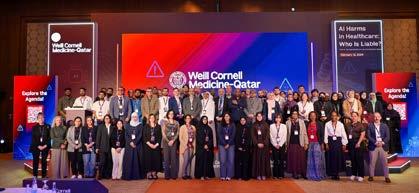
Participants at the WCM-Q symposium on AI Harms in Healthcare

The WCM-Q AI Harms in Healthcare symposium concluded with a panel discussion
Visit the WCM-Q CPD website to learn more and follow us on social media for the latest updates https://qatar-weill.cornell.edu/continuing-professional-development/
TOPICS COVERED BY THE SPEAKERS INCLUDED THE GOVERNANCE OF AI IN HEALTHCARE AND THE ROLE OF LIABILITY IN BOTH LOCAL AND GLOBAL CONTEXTS, LIABILITY AND AI FROM THE PERSPECTIVE OF ISLAMIC BIOETHICS, LIABILITY FOR DOCTORS USING AI IN HEALTHCARE AND BEST PRACTICES FOR SAFE USE OF AI, REGULATIONS, AND LIABILITY FOR DEVELOPERS OF AI-BASED MEDICAL DEVICES. THE EVENT CONCLUDED WITH A PANEL DISCUSSION AMONG ALL FOUR EXPERT SPEAKERS ON THE DEVELOPMENT OF AI LIABILITY REGULATIONS IN QATAR TO ALLOW FOR SAFE INNOVATION AND PROTECTION OF PATIENTS AGAINST AI HARMS.
Facing a likely heart transplant, an Oklahoma mom turns to Baylor St. Luke’s for a robotic mitral valve replacement that lets her keep her heart and her future
Severely weakened by three failed heart surgeries, all within one year, an Oklahoma woman thought her only option was a transplant—until her family called Baylor St. Luke’s Medical Center, clinical home of The Texas Heart Institute.
The next day, Ruirui Johnson and her family drove nine hours to the Houston hospital. Her heart was failing. She could not walk, and her shortness of breath made it difficult to speak. She was also extremely fatigued and constantly coughing due to fluid buildup in her lungs. It kept her from holding her 11-month-old daughter. During her pregnancy, the 45-year-old piano teacher experienced swelling in her legs, feet, and face, which worsened after childbirth due to a mitral valve prolapse that kept blood from pumping to the rest of her body. Instead, it flowed back into her heart. While in Oklahoma, doctors attempted to repair the valve three times with no success. They told her she needed a new heart to survive.
World-renowned Cardiothoracic Surgeon Kenneth Liao was not convinced that a transplant was the best course of action, especially since heart transplant patients have a limited life expectancy of 11 years.
Kenneth K Liao, M.D., Ph.D., FACS, Professor and Chief, Cardiothoracic Transplantation & Circulatory Support at Baylor College of Medicine and Chief of Cardiothoracic Transplantation and Mechanical Circulatory Support at Baylor St. Luke’s, was out of the country lecturing on the use of robotic technology to perform mitral valve repair. He has performed over 500 robotic heart surgeries. After speaking by phone with the cardiac team, he was confident that “with the robot and our experience, our team could get it done.”
"Dr. Liao told me, 'Wait for me. I don't think you need a heart transplant. You need to live
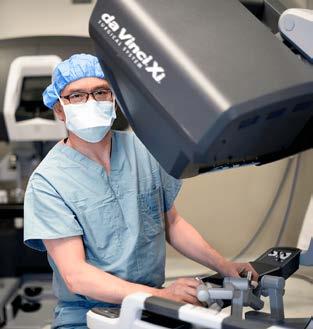
longer than 10 years for your baby. I can fix this,’ ” Ruirui recalled. Liao returned days later to replace the faulty valve. But this time, rather than performing another open-heart surgery, he used robotic technology, accessing the heart via a small incision beneath her right breast. Liao frequently publishes on heart surgery. As part of his research, his team compared the robotic mitral valve replacement surgery to the open-heart surgery approach. “The robotic approach has a significant advantage, including less blood loss, lower mortality rates, and shorter ICU stays,” he said.
Following her successful mitral valve redo, Ruirui was sedated in the ICU for a few days to
“THE ROBOTIC APPROACH HAS A SIGNIFICANT ADVANTAGE, INCLUDING LESS BLOOD LOSS, LOWER MORTALITY RATES, AND SHORTER ICU STAYS,” KENNETH K LIAO


allow her lungs to adjust. “But on day 5, I woke up and I felt much better. I could breathe, no coughing, and the swelling was getting better,” she recalled.
She went home within two weeks of surgery. Liao says her prognosis is good. “If she takes blood-thinning medication appropriately, she can have a long-lasting life expectancy.”
Today, Ruirui is back home in Oklahoma,
teaching piano lessons and caring for little Jacqueline. Jackie turned one year old at a birthday party that was both memorable and meaningful.
“Everything feels good,” Ruirui said. “Can you believe I survived?! I cannot thank Dr. Liao enough. He didn’t want to do a heart transplant because he knew I needed to live a long life to be with my daughter. And now I will.”
JACKIE TURNED ONE YEAR OLD AT A BIRTHDAY PARTY THAT WAS BOTH MEMORABLE AND MEANINGFUL.
Dr. Abdurrazzak Gehani, Consultant Interventional Cardiologist, Chairman at Al-Ahli Hospital/Qatar
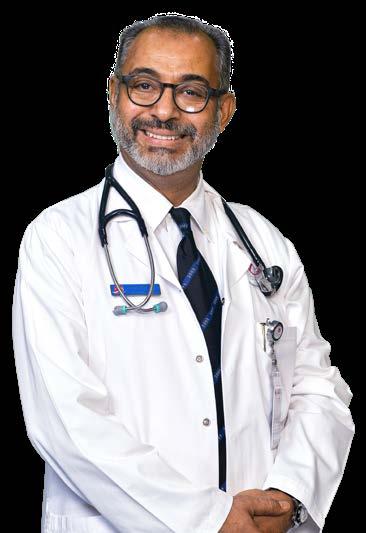
oronary Artery Disease affects the Arteries that supply blood to the Heart Muscle. It is a common cause of Morbidity and Mortality worldwide. The arteries can be narrowed (Stenosis) or totally blocked (Occlusion). When occlusions persist for a long time, they are called “Chronic Total Occlusion” (CTO).
This deprives that part of the heart muscle of blood supply, which can have important consequences, like weakening of the heart muscle and recurrent chest pains for the patient. The occlusion usually starts soft and easy to cross; however, with time, the blockage becomes very hard and even calcified (like stone) in some instances.
Thus, they are among the most difficult heart conditions to treat. Because the artery has been fully blocked for a long time, treatment requires advanced skills, specialized tools, and a highly experienced cardiac team. However, when successfully treated, the blood flow to the heart is restored, which can improve symptoms, long-term heart health, and quality of life.
This article presents an exceptional case treated at the Heart Center of Al-Ahli Hospital, where a completely blocked Right Coronary Artery (RCA) was successfully opened, after earlier attempts were unsuccessful at a major University affiliated hospital in the US.
The patient had an extensive medical history and long-standing exposure to advanced healthcare systems in the United States. During his time in the US, he underwent a coronary angiography at Harvard-affiliated hospitals, where a totally occluded RCA was identified.
Despite arduous attempts, lasting several hours, the occlusion could not be crossed or treated successfully. CTO intervention was deemed technically challenging, and the artery remained completely blocked.
The patient moved his work to Qatar and he sought care at the Heart Center of Al-Ahli Hospital, where a dedicated interventional cardiology team led by Prof. Dr. Abdurrazzak Gehani, Senior Consultant Interventional Cardiologist and Chairman of Al-Ahli Heart Center. The patient was evaluated and the previous Coronary Angiograms were reviewed. The findings were discussed with the patient, and he was offered an expert and well-judged attempt to open the Coronary occlusion, to which he agreed.
Using contemporary CTO techniques and a highly structured procedural strategy, the RCA occlusion was successfully crossed and revascularized in a total procedural time of less than 35 minutes. The procedure resulted in:
• Successful recanalization of the RCA CTO
• Deployment of three coronary stents
• Restoration of optimal ante-grade blood flow
This outcome contrasted sharply with the prior prolonged and unsuccessful attempts, highlighting the importance of experience, technique selection, and team coordination in complex coronary interventions.
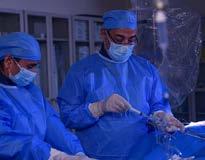
Post-procedure imaging confirmed that the Right Coronary Artery was successfully opened, with all three stents fully expanded and excellent blood flow restored. The patient recovered smoothly without any complications and was discharged home the next days for follow up in the outpatient clinic. Most notably, a follow-up angiogram done recently, eight years after the initial procedure, confirmed that the stents in the Right Coronary Artery remain fully open, with excellent blood flow. This remarkable outcome highlights not only the skill and precision of the team at Al-Ahli Hospital but also the lasting effectiveness of the procedure over many years.
This case highlights the importance of experience, advanced techniques, and careful planning in treating complex chronic total occlusions. The successful outcome at Al-Ahli Hospital, after unsuccessful attempts at a leading international center, and the proven long-term results reflect the hospital’s high standards of care and clinical excellence.
POST-PROCEDURE
IMAGING CONFIRMED THAT THE RIGHT CORONARY ARTERY WAS SUCCESSFULLY OPENED, WITH ALL THREE STENTS FULLY EXPANDED AND EXCELLENT BLOOD FLOW RESTORED. THE PATIENT RECOVERED SMOOTHLY WITHOUT ANY COMPLICATIONS AND WAS DISCHARGED HOME THE NEXT DAYS FOR FOLLOW UP IN THE OUTPATIENT CLINIC.
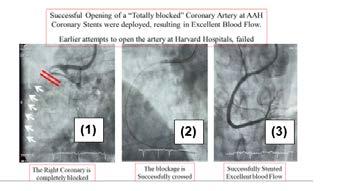

Dr. Qiang “Al” Zhang, Chairman & Co-CEO, United Imaging Healthcare
Dr. Qiang “Al” Zhang is one of the cofounders and Chairman & Co-CEO of Shanghai United Imaging Healthcare. Dr. Zhang holds a Ph.D. in Biomedical Engineering from Case Western Reserve University in Cleveland, U.S. With over two decades of experience in medical imaging, he has been deeply committed to technology innovation, product development, and the industrialization of advanced imaging solutions. Dr. Zhang has a strong track record of leading large-scale, crossfunctional, and international teams to deliver impactful and measurable results.
Give us an overview of your organization. What are your key activities and strategic focus within the healthcare sector, particularly across the GCC and MENA (Gulf Cooperation Council, Middle East and North Africa) region?
United Imaging is a global innovator in advanced medical imaging technologies and intelligent healthcare solutions, with native AI embedded across our portfolio to deliver real clinical impact at scale.
Since our establishment in 2011, we have successfully launched more than 100
UNITED IMAGING IS A GLOBAL INNOVATOR IN ADVANCED MEDICAL IMAGING TECHNOLOGIES AND INTELLIGENT HEALTHCARE SOLUTIONS.
groundbreaking products and today serve over 15,700 customers in more than 90 countries worldwide. Guided by our mission, “To Bring Equal Healthcare for All,” we are committed to creating long-term value for our customers and improving global access to high-end medical equipment and services through close collaboration with healthcare partners.
For us, the GCC and MENA region has been among the earliest and most important markets in our global journey, and remains a key strategic priority where we continue to build a strong, localized ecosystem to meet regional needs.
After establishing our regional headquarters in Dubai in 2019, we launched a regional warehouse in 2020, laying a solid foundation for localized operations, logistics, and service capabilities. Firmly rooted in the region, we have built strong collaborations with local partners and developed a comprehensive service engineer team that delivers fast, reliable support. On our journey, our commitment to bringing equal healthcare for all is not just a slogan; it is a daily mission. We understand local healthcare challenges and consistently deliver solutions, ranging from direct care to education.
We focus on advancing women’s healthcare and take pride in participating in this noble cause. We have brought AI-enabled mammography systems to Libya and Türkiye, helping local women benefit from medical innovations while supporting efforts to raise awareness of breast cancer.
Education and training are central to building sustainable healthcare capacity, and we continue to invest in their long-term development across the region. For example, in Morocco, through our collaboration with Centre Hospitalier Universitaire Mohammed VI in Marrakech, we are honored to support the training of young African healthcare residents, providing not only practical experience but also academic guidance.
We are building a global research collaboration ecosystem centered on diseasedriven innovation, supported by big data and native AI. This work enables personalized research and real-world clinical validation across diverse healthcare environments. Examples include our collaboration with Yale University in the U.S., King Hussein Cancer Center in Jordan, Dharmais Cancer Hospital in Indonesia, Astana Medical University in Kazakhstan, and others, where clinical features are validated under various local scenarios.
What emerging trends and critical challenges do you believe are most significantly influencing the industry's trajectory in this region?
The major trend is the rapid acceleration of medical AI. The region is investing heavily in smart hospitals, health platforms, and AI-enabled diagnostics to improve efficiency and quality of care. At the same time, rising healthcare demand, driven by population growth, and a growing burden of chronic diseases, is putting pressure on the healthcare sector.

WE ARE BUILDING A GLOBAL RESEARCH COLLABORATION ECOSYSTEM CENTERED ON DISEASE-DRIVEN INNOVATION, SUPPORTED BY BIG DATA AND NATIVE AI. THIS WORK ENABLES PERSONALIZED RESEARCH AND REALWORLD CLINICAL VALIDATION ACROSS DIVERSE HEALTHCARE ENVIRONMENTS. EXAMPLES INCLUDE OUR COLLABORATION WITH YALE UNIVERSITY IN THE U.S., KING HUSSEIN CANCER CENTER IN JORDAN, DHARMAIS CANCER HOSPITAL IN INDONESIA, ASTANA MEDICAL UNIVERSITY IN KAZAKHSTAN, AND OTHERS, WHERE CLINICAL FEATURES ARE VALIDATED UNDER VARIOUS LOCAL SCENARIOS.


At United Imaging, our innovation is born with AI from the very beginning. This means AI is designed into every system from the start, lowering clinical thresholds and making advanced capabilities accessible across care settings. For example, our ultrasound family, built on the new uEDGETE intelligent ultrasound platform, provides comprehensive solutions and focuses on streamlined workflows and intelligent assistance, automating many routine steps, from transducer recognition and image acquisition to measurement and reporting.
This helps standardize examinations and significantly reduce the manual workload for sonographers, while supporting both precision and efficiency in daily clinical practice.
Through years of dedication, we support connected health management that extends care beyond clinical settings and into daily life, responding to the growing trend of chronic disease management in this region. Our medical-grade smart wearables, including the uOrigin Hearing Aid, ECG(Electrocardiogram) and continuous glucose monitoring systems , empower personalized, full-life-cycle health management, helping patients manage their conditions effectively while delivering tangible value across the healthcare ecosystem.
Resource shortages and inequities remain a challenge in the region, particularly in rural areas. That’s where we step in, passionate about changing the status quo and making advanced healthcare accessible and affordable.
Our All-In-One radiotherapy solution is a strong proof of this, fully integrating the entire treatment process - from CT simulation to the first treatment fraction, only possible with the help of AI. With high-definition diagnostic-
level imaging guidance and an fully intelligent adaptive workflow, it combines efficiency, precision, and personalization in one system, bringing advanced radiotherapy to more patients, even in resource-constrained settings.
We are lowering the threshold to advanced care through innovative, scalable solutions. For example, we introduced the first mobile digital PET/CT in Iraq, improving access to advanced diagnostics for local communities. In Malawi, our AI-powered DR systems have been installed in 21 facilities nationwide, supporting broader access to essential imaging services.
We translate emerging healthcare trends into practical solutions, applying AI and intelligent solutions to improve patient care, strengthen healthcare systems, and expand access to high-quality care across the GCC and MENA region.
What is your strategic outlook for the healthcare sector over the next decade? How do you anticipate the industry will evolve?
Medical AI will play a central role in shaping the future of healthcare. It will increasingly support earlier diagnosis, more accurate clinical decision-making, and more efficient workflows.
At the same time, personalized healthcare will move from aspiration to standard practice as AI connects progress across imaging, molecular insight, and therapy, enabling care pathways designed around the individual from hospital to home.
Sustainability is emerging as another key priority. Healthcare systems are placing greater emphasis on value-based care, more efficient use of resources, and environmental
OUR ALL-IN-ONE RADIOTHERAPY SOLUTION IS A STRONG PROOF OF THIS, FULLY INTEGRATING THE ENTIRE TREATMENT PROCESS - FROM CT SIMULATION TO THE FIRST TREATMENT FRACTION, ONLY POSSIBLE WITH THE HELP OF AI. WITH HIGH-DEFINITION DIAGNOSTICLEVEL IMAGING GUIDANCE AND AN FULLY INTELLIGENT ADAPTIVE WORKFLOW, IT COMBINES EFFICIENCY, PRECISION, AND PERSONALIZATION IN ONE SYSTEM, BRINGING ADVANCED RADIOTHERAPY TO MORE PATIENTS, EVEN IN RESOURCECONSTRAINED SETTINGS.
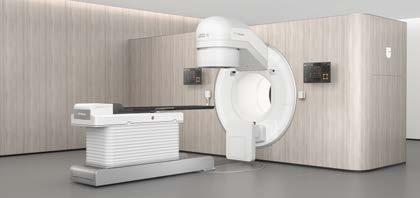
responsibility. What United Imaging is building is an intelligent ecosystem that connects every stage of care, covering prevention, diagnosis, treatment and rehabilitation, and is firmly rooted in local healthcare needs. Our AI innovations can flexibly adapt to different scenarios and patient needs. For example, at Cintocare Hospital in South Africa, our next-generation AI-powered advanced visualization solution, helps clinicians meet high standards for image quality, integrates with hospital systems, and supports collaborative workflows, improving efficiency and physician coordination. In Ethiopia, the Axon Stroke and Spine Center, the country’s first dedicated stroke center, has established a comprehensive stroke care pathway, supported by our advanced imaging technology, enabling timely diagnosis and treatment. Beyond hospital walls, we are extending care into everyday life. Last year, we introduced our medical-grade hearing aid at Arab Health, attracting strong interest and reinforcing our confidence in delivering locally relevant solutions. Through these approaches, we are harnessing the power of AI to advance personalized, sustainable, and highquality healthcare, turning emerging trends into real impact and bringing tangible benefits to patients.
What role does innovation play in your organization’s strategic framework?
Please elaborate on your R&D initiatives
and share insights into any significant projects currently in development or recently launched.
At United Imaging, innovation forms our core and drives the unique value we deliver worldwide. Our technology reflects a high level of vertical integration; this integrated approach reduces complexity and reliance on third-party suppliers, strengthens control over quality and internal costs, and ultimately enables more effective time-to-market management and long-term value creation for customers.
Maximizing the synergies of United Imaging Group, R&D is the engine of our growth and long-term competitiveness. At United Imaging, people are central to innovation: 40% of our employees are dedicated to R&D. We have built a comprehensive global R&D network, including our North America Research Center in Houston, as well as major bases in China, serving as our solid foundation for innovation. In close collaboration with researchers and clinical experts, our global research community addresses both advanced research needs and high-burden diseases across healthcare systems with varying levels of resources.
For example, with Dharmais Cancer Hospital in Indonesia, we support research on breast cancer through the AI-aided system.
The UIH FFDM AI application demonstrates significant potential as a radiologist aid, acting as a double-reading tool that highlights suspicious regions and provides accurate lesion
WHAT UNITED IMAGING IS BUILDING IS AN INTELLIGENT ECOSYSTEM THAT CONNECTS EVERY STAGE OF CARE, COVERING PREVENTION, DIAGNOSIS, TREATMENT AND REHABILITATION, AND IS FIRMLY ROOTED IN LOCAL HEALTHCARE NEEDS. OUR AI INNOVATIONS CAN FLEXIBLY ADAPT TO DIFFERENT SCENARIOS AND PATIENT NEEDS. FOR EXAMPLE, AT CINTOCARE HOSPITAL IN SOUTH AFRICA, OUR NEXTGENERATION AIPOWERED ADVANCED VISUALIZATION SOLUTION, HELPS CLINICIANS MEET HIGH STANDARDS FOR IMAGE QUALITY, INTEGRATES WITH HOSPITAL SYSTEMS, AND SUPPORTS COLLABORATIVE WORKFLOWS, IMPROVING EFFICIENCY AND PHYSICIAN COORDINATION.
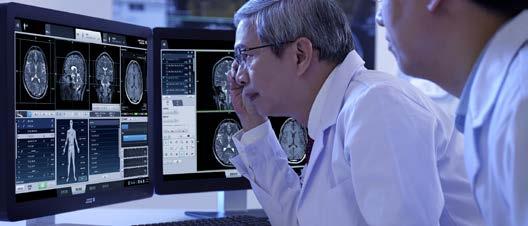
measurements within a single streamlined report, enhancing diagnostic efficiency, and contributing to improved patient outcomes. Through this community, we consistently align clinical needs with our R&D roadmap, shorten the bench-to-bed pathway, and bring benefits to patients. To date, our collaborations span over 60 sites across more than 30 countries, supporting numerous active studies. We are looking forward to engaging more experts worldwide, bringing greater clinical benefits to patients and enhancing healthcare outcomes.
How is your organization integrating sustainability principles into your healthcare operations? If any, what specific initiatives have you implemented to minimize environmental impact and advance sustainable healthcare practices?
Sustainability is a core priority at United Imaging and a responsibility we actively integrate into how we operate and grow. In 2024, we achieved an "A" rating in the MSCI ESG evaluation and ranked in the top 15% of companies assessed by the S&P Global Corporate Sustainability Assessment (CSA), reflecting our consistent performance in ESG integration. We consistently embed sustainability into every stage of our work, translating green principles from ideas into actions. Our "Green Factory" initiatives include
process cooling water system upgrades and ground source heat pump renovations, delivering substantial annual energy savings of over 130,000 kWh and reducing carbon emissions by more than 900 tons - the equivalent of planting over 50,000 trees. Energy efficiency is built into our innovations, making healthcare more sustainable. For example, our uMR 600, the industry’s first MRI featuring SiC GPA, achieves significant energy and carbon-emission reductions. The SiC GPA significantly reduces MRI energy consumption by over 50% without compromising image quality. In CT, scanners using uECO mode reduce annual energy consumption by 30.6%. In Molecular Imaging, we achieve over 90% product recycling by reintegrating functional and recyclable components into the supply chain. In addition, our green product chain extends from R&D to clinical application. We explore eco-friendly materials to reduce waste and pollution, use environmentally friendly packaging, and optimize transportation methods to lower emissions. At the same time, digitally enhanced software increases product efficiency and optimizes energy consumption.
With a deep understanding of local healthcare needs, we proactively take on social responsibility to create local benefits in a sustainable way. We witness the advancement of women’s healthcare and are proud to be part
SUSTAINABILITY IS A CORE PRIORITY AT UNITED IMAGING AND A RESPONSIBILITY WE ACTIVELY INTEGRATE INTO HOW WE OPERATE AND GROW. IN 2024, WE ACHIEVED AN "A" RATING IN THE MSCI ESG EVALUATION AND RANKED IN THE TOP 15% OF COMPANIES ASSESSED BY THE S&P GLOBAL CORPORATE SUSTAINABILITY ASSESSMENT (CSA), REFLECTING OUR CONSISTENT PERFORMANCE IN ESG INTEGRATION.
of this vital effort. In Morocco, Dr. Faouzi Habib of Clinique Tour Hassan has conducted annual voluntary early breast cancer screenings for years, benefiting numerous local women, with our intelligent MRI supporting their work.
As mentioned, education and training are central to building sustainable healthcare capacity, and we put this into practice. We have actively fostered knowledge exchange by connecting global radiology and nuclear medicine experts with local clinicians, building regional capacity through hands-on workshops, clinical mentorship, and tailored training curricula across the globe. For example, last year we supported the 9th Oriental Congress of Nuclear Medicine and Molecular Imaging (OCNM), which brought together more than 40 experts from France, Mexico, Jordan, Thailand, and beyond, fostering insight exchange and strengthening collaboration in the field.
In support of the China–Africa Hospital Cooperation Alliance, we have launched practical training programs in digital imaging, interventional radiology, and oncology. We invited physicians from Ethiopia and other African countries to China for intensive, on-site training, helping them strengthen diagnostic and treatment skills and apply this expertise in their local hospitals, supporting the nurturing of medical talent.
What innovations or solutions is your organization planning to present at WHX
Dubai 2026? Are there any particular offerings you are especially excited to showcase and experience yourself?
At WHX Dubai 2026, we are excited to showcase a full array of technologies and solutions, advancing native AI and medicalgrade smart wearables that form our intelligent health ecosystem, covering the full continuum of "Prevention – Diagnosis – Treatment – Rehabilitation" and demonstrating our commitment to bringing equal healthcare for all. This year, we’re unveiling the uSONIQUE ultrasound family in the Middle East for the very first time. As mentioned, the uSONIQUE ultrasound family is built on the new uEDGETEC™ intelligent ultrasound platform, delivering comprehensive solutions across a wide range of clinical scenarios and supporting both precision and efficiency in everyday practice. With powerful quantitative tools, an ergonomic design, and an intuitive interface, it is designed to streamline workflows and enhance clinical confidence.
In MRI, we will highlight uMR Astra and uMR Ultra. The uMR Astra is a high-end 3T MRI with an advanced RF architecture. It features a comprehensive set of seven SuperFlex coils, with the largest having 48 channels, marking the first of its kind in the industry. This enables a thoracic–abdominal scan in a single session, while conventional coils need to be combined.
A breakthrough in decoupling technology sets a new peak in coil density. The SuperFlex
IN MRI, WE WILL HIGHLIGHT UMR ASTRA AND UMR ULTRA. THE UMR ASTRA IS A HIGHEND 3T MRI WITH AN ADVANCED RF ARCHITECTURE. IT FEATURES A COMPREHENSIVE SET OF SEVEN SUPERFLEX COILS, WITH THE LARGEST HAVING 48 CHANNELS, MARKING THE FIRST OF ITS KIND IN THE INDUSTRY. THIS ENABLES A THORACIC–ABDOMINAL SCAN IN A SINGLE SESSION, WHILE CONVENTIONAL COILS NEED TO BE COMBINED.

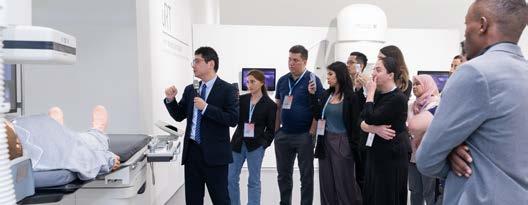
Small Coil-24 reaches 229 elements/m² and also enables the world’s first wearable coils. These coils improve patient comfort, fit various body shapes, and deliver higher SNR with better image uniformity.
The upgraded RF chain provides precise control of all coils and elements. It supports data acquisition with up to 144 channels, forming a strong base for AI reconstruction and high-quality, efficient imaging. Comprehensive AI integration simplifies workflow and supports various clinical scenarios, assisting users throughout daily work.
The uMR Ultra is an advanced 3T MRI system that takes MRI from photography to videography. It integrates high-end system specifications, combining hardware and software designed to address the traditional challenges of capturing movement in MRI and to broaden the range of potential clinical applications. In a real clinical case of intestinal disease, LIVE Imaging captured peristalsis in motion, revealing weakened movement in the left colon and compensatory motion in the proximal colon, enabling clinicians to identify inflammatory edema and stenosis that had been missed by standard imaging and even exploratory surgery.
In CT, we will introduce the uCT SiriuX, a high-resolution dual-source dual-wide detector CT system under development. The system features a proprietary twin-ring gantry that
houses dual-wide coverage (16 cm) Ultrix detectors, two liquid-metal bearing X-ray tubes, a reconstructed slice width of 0.17 mm, and achieves rotation speeds up to 0.239 sec with a native temporal resolution up to 63 ms. It is designed for ultra-high-resolution 4D whole-heart dynamic imaging, synchronized whole- organ dynamic imaging, and supports 47cm field-of-view spectral imaging. For example, in aortic valve assessment, it enables intuitive 3D dynamic visualization prior to TAVR procedures and minimizes motion and metal artifacts for improved visualization of bioprosthetic valves, supporting early detection of post-TAVR complications. For coronary imaging, it has the potential to deliver new functional biomarkers—such as coronary strain and stress—to support prediction of plaque vulnerability. In molecular imaging, we will highlight the uMI Panvivo PET/CT family. uMI Panvivo ES/EX, with Axial Field of View (AFOV) of 53 cm and 71 cm, respectively, can be extended from uMI Panvivo based on its modular detector and air-cooling design, delivering robust performance while boosting the clinical and research capability, especially in imaging of brain-heart connection, brain-gut axis, Yittrium 90 treatment assessment and pediatric patients. The full integration of AI makes it a powerful platform to reach optimal efficiency and improved diagnostic confidence. Most importantly, the on-site upgrade,
THE UPGRADED RF CHAIN PROVIDES PRECISE CONTROL OF ALL COILS AND ELEMENTS. IT SUPPORTS DATA ACQUISITION WITH UP TO 144 CHANNELS, FORMING A STRONG BASE FOR AI RECONSTRUCTION AND HIGH-QUALITY, EFFICIENT IMAGING. COMPREHENSIVE AI INTEGRATION SIMPLIFIES WORKFLOW AND SUPPORTS VARIOUS CLINICAL SCENARIOS, ASSISTING USERS THROUGHOUT DAILY WORK.
performed within the same room, ensures a rapid and seamless transition to secure the investment in the future. We will also showcase uRT-linac 506c, our next-generation AIpowered radiotherapy system. By integrating a diagnostic CT scanner directly into the linear accelerator, it enables the direct use of highdefinition CT imaging data for radiation therapy planning and guidance. Our AI-driven online adaptive therapy is driving a fundamental upgrade of the radiotherapy paradigm. For example, the application of online ART makes a difference in cervical cancer -- the online ART plan reduces unnecessary irradiation to the bladder, improves target dose conformality and reduces the dose of spinal cord. The intelligent “All in One” workflow streamlines the treatment process, cutting the duration from days to minutes and improving care for emergency patients.
We will also spotlight the uAngio AVIVA. It will be showcased alongside a preview of Noise Free imaging technology, which rethinks the entire imaging chain to maintain edge detail, suppress noise, and improve image quality while reducing radiation dose. Notably, for realworld patients, Noise Free technology achieved a 48–62% reduction in cumulative dose for coronary angiography and simple PCI, and a 60–74% reduction in complex CTO procedures, all while maintaining diagnostic image quality; for clinical teams, dedicated staff experienced an overall radiation exposure drop of 71.8%.
Beyond imaging, we will be launching our line of medical-grade smart wearables, including the uOrigin Hearing Aid and uCGM (Continuous Glucose Monitoring). Powered by native AI, these innovations enable personalized, full life-cycle health management, elevating personal health management from consumer-grade devices to professional medical standards, while delivering shared value to all stakeholders across our ecosystem. Intelligence runs through the veins of our innovation and solutions, delivering clinically grounded intelligence that evolves with clinical practice and creates sustained value across care pathways.
Omnispace is our next-generation AIpowered advanced visualization solution. Built
on AI and advanced visualization technologies, it provides anatomy-based analysis, usercentered automation, and comprehensive clinical applications within a unified workspace. It features an expanded cardiology portfolio with automated MR coronary vessel analysis for non-invasive CAD evaluation; uVivometry technology for AI-based whole-body PET lesion detection and organ segmentation to support automated tumor quantification; the AD Centiloid Score for standardized assessment of Alzheimer’s disease progression and severity; as well as simplified one-click workflows for both routine and complex imaging data, improving efficiency and clinical throughput.
United Imaging Intelligence (UII), our digital healthcare subsidiary, will showcase its latest AI advancements. Our clinical AI platform seamlessly integrates 60+ AI-assisted applications across the entire clinical workflow, from intelligent image interpretation and quantitative diagnosis to structured reporting. The uAI Clinical Portal (uCP) streamlines the entire clinical workflow, from screening and diagnosis to treatment and follow-up, improving efficiency and accuracy at every step, while the uAI Quality Control Portal (uQP) ensures consistent, high-quality imaging and reporting. Complementing these, the uAI Research Portal (uRP), a collaborative cloud-based platform for AI development and validation, streamlines the entire development workflow, transforming a technically demanding process into an immersive learning experience. In addition, the uMetaGenesis, a uAI Agent for Equipment Management, functions as the hospital’s “watchful pulse," delivering real-time insights to enable proactive maintenance and reduce unplanned scanner downtime.
* Not all products are available in every market. Availability may vary by region, and specifications are subject to change.


For many years, breast aesthetics was largely associated with a single defining objective: increasing size. Success was often measured in added centimeters, while the pursuit of fullness sometimes overshadowed equally important considerations such as natural movement, tissue quality, and long-term health.
In recent years, however, the field has undergone what can only be described as
a structural transformation. The focus is no longer centered solely on volume, but rather on structural harmony, integration, and a deeper respect for the female body and its natural balance and dynamics.
Today’s aesthetic surgeon approaches the breast as a complex and integrated anatomical structure rather than simply a volume to be augmented. The process increasingly resembles
TRUE AESTHETIC SUCCESS ALLOWS A WOMAN TO APPEAR SIMPLY AS THE BEST VERSION OF HERSELF.
the work of an artist who understands the subtlety of natural curves and the harmony of body proportions. Modern approaches rely on highly personalized planning that begins with the patient’s unique anatomy, instead of applying standardized templates or predefined ideals. Within this evolving framework, breast surgery is shifting from traditional augmentation toward comprehensive reshaping that preserves tissue integrity, enhances harmony with the body, and delivers results that remain natural over time. It reflects a philosophy that places safety and sustainability at the heart of aesthetic outcomes, redefining femininity through a more refined and scientifically grounded perspective.
The future of breast aesthetics lies in achieving a delicate balance between scientific innovation and respect for the body’s natural biology. As technologies and techniques continue to advance, surgeons are increasingly recognizing that authentic beauty is not created through excessive addition, but through a profound understanding of anatomy, preservation of healthy tissues, and maintenance of natural movement dynamics.
As breast contouring evolves with more precise and sustainable concepts, the success of aesthetic procedures is no longer measured by the amount added, but by the degree to which the intervention blends seamlessly with the body’s natural lines and continues to age gracefully over time.
This new vision of beauty elevates the value of balance, respects the longevity of tissues, and allows women to achieve results that reflect their femininity with subtlety and confidence, without exaggeration or artificiality.
Beyond the operating room, modern aesthetic medicine now offers the ability to reshape the chest contour with techniques that resemble the delicate brushstrokes of an artist. The objective is no longer to fill empty spaces with foreign materials, but to restore lost fullness in a way
that respects the body’s natural fluidity. What we are increasingly witnessing is a form of aesthetic restoration, an approach that compensates for the changes brought by time, weight fluctuations, or life events. The result is a silhouette that appears naturally fuller from within, vibrant and harmonious, and most importantly, so natural that it becomes almost indistinguishable from the body’s original contours.
A balanced silhouette provides women with greater freedom in their lifestyle and wardrobe choices, while supporting an active and dynamic body without compromising comfort or movement. Contemporary femininity is increasingly defined by three essential principles:
The size and shape of the breasts should harmonize with shoulder width and waist definition, creating a refined and proportionate silhouette.
The result should move naturally with the body, maintaining softness and fluidity in every gesture.
True aesthetic success allows a woman to appear simply as the best version of herself, without visible signs that reveal the presence of surgical intervention.
The growing shift toward minimally invasive and non-surgical enhancement reflects a broader investment in self-confidence. It empowers women to refine their appearance in a subtle and respectful way, preserving bodily integrity while ensuring comfort, safety, and discretion.
Ultimately, the future of breast aesthetics no longer belongs to those who pursue the greatest volume, but to those who seek the most harmonious silhouette, one that aligns with their personal identity and celebrates femininity with authenticity and balance.
THE FUTURE OF BREAST AESTHETICS LIES IN ACHIEVING A DELICATE BALANCE BETWEEN SCIENTIFIC INNOVATION AND RESPECT FOR THE BODY’S NATURAL BIOLOGY. AS TECHNOLOGIES AND TECHNIQUES CONTINUE TO ADVANCE, SURGEONS ARE INCREASINGLY RECOGNIZING THAT AUTHENTIC BEAUTY IS NOT CREATED THROUGH EXCESSIVE ADDITION, BUT THROUGH A PROFOUND UNDERSTANDING OF ANATOMY, PRESERVATION OF HEALTHY TISSUES, AND MAINTENANCE OF NATURAL MOVEMENT DYNAMICS.
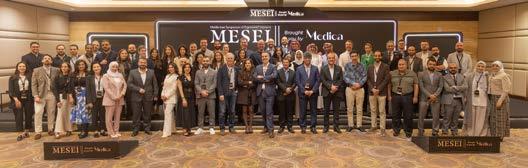
In February 2026, Medica convened over 250 plastic surgeons and aesthetic physicians from across the Middle East for the Middle East Symposium of Ergonomix® Implants (MESEI), a two-day scientific gathering dedicated to advancing breast aesthetics through evidence-based education and regional collaboration.
The symposium reflected the growing maturity of the Middle Eastern aesthetic landscape and Medica’s long-standing commitment to elevating clinical standards through science, dialogue, and partnership.
Designed not as a conventional conference but as a platform for meaningful professional exchange, MESEI brought together the region’s medical community to define best practices for the next generation of breast aesthetics.
The scientific agenda explored key topics including ergonomic implants, advanced surface technologies, breast reconstruction strategies, and the evolving paradigm of breast tissue preservation, areas increasingly shaping clinical decision-making across the Middle East.
A defining strength of the symposium was its strong international dimension. Medica assembled a faculty of globally recognized experts who shared real-world clinical experience, long-term outcomes, and evolving surgical philosophies.
Sessions covered a broad spectrum of approaches, from direct-to-implant and twostage reconstruction to minimally invasive platforms such as Mia Femtech™ and Preservé® , offering attendees a comprehensive and forward-looking scientific program aligned with regional practice realities.
MESEI also highlighted the importance of contextualized education, recognizing the diversity of patient profiles, anatomical considerations, and aesthetic expectations across Middle Eastern markets.
Through panel discussions, case-based debates, and interactive Q&A sessions, the symposium addressed region-specific
MORE THAN AN EVENT, MESEI UNDERSCORED A BROADER MOVEMENT WITHIN THE MIDDLE EAST, ONE WHERE COLLABORATION, EDUCATION, AND SCIENTIFIC INTEGRITY ARE INCREASINGLY DEFINING THE FUTURE OF AESTHETIC MEDICINE.

challenges while fostering a shared vision for responsible innovation and clinical excellence.
Opening the symposium, André Daoud, CEO of Medica Group, emphasized that the initiative was rooted in long-term partnership rather than product promotion. “We held this symposium because we believe deeply in supporting our doctors beyond products,” Daoud stated. “Our commitment is to stand beside the medical community, by investing in education, bringing global expertise to the region, and creating platforms where science leads the conversation. This is how we grow together, responsibly.”
The symposium concluded with an official closure and gala dinner, marking two days of rigorous scientific exchange and professional connection. More than an event, MESEI underscored a broader movement within the Middle East, one where collaboration, education, and scientific integrity are increasingly defining the future of aesthetic medicine. As the region continues to shape its own voice in breast aesthetics, initiatives such as MESEI reaffirm Medica’s role not only as a solutions provider but, as a committed partner in advancing the field across the Middle East.
SESSIONS COVERED A BROAD SPECTRUM OF APPROACHES, FROM DIRECT-TO-IMPLANT AND TWO-STAGE RECONSTRUCTION TO MINIMALLY INVASIVE PLATFORMS SUCH AS MIA FEMTECH™ AND PRESERVÉ®.
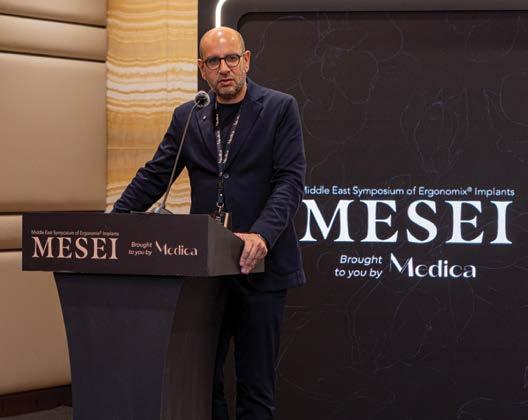
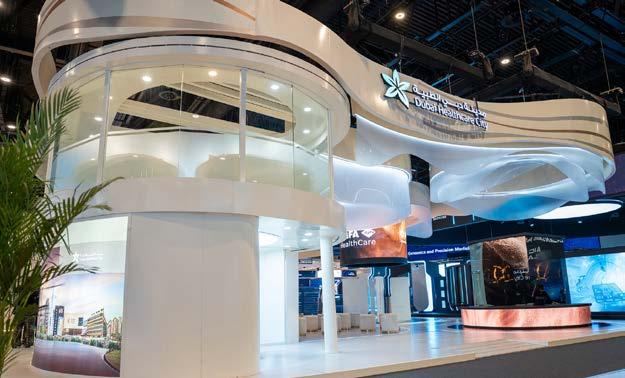
Dubai Healthcare City Authority (DHCA), the governing body of Dubai Healthcare City (DHCC), announced another year of strong, sustainable growth, marked by a 27% increase in existing business partners expanding their operations across the ecosystem, with nearly one in three partners chose to upsize during the year.
The continued expansion activity reflects growing confidence in DHCC as a long-term destination for healthcare, wellness, and related investment. Over the past year, the number of active facilities operating across DHCC increased to 487, while the workforce grew by 30%, reaching 12,941 professionals.
Investor-led momentum also accelerated, with the number of new projects increasing by 26% year-on-year, reinforcing DHCC’s role as a key contributor to Dubai’s ambition to be a world-class healthcare hub, in line with the
goals of the Dubai Economic Agenda, D33. The announcement comes as Dubai Healthcare City participates in World Health Expo (WHX) Dubai 2026, highlighting the depth and maturity of its ecosystem at a time of rising global demand for integrated healthcare destinations.
Issam Galadari, CEO of Dubai Healthcare City Authority, said: “The scale of expansion we are seeing across Dubai Healthcare City is a clear indicator of confidence in the fundamentals of the ecosystem. When nearly one in three business partners choose to grow within DHCC, it reflects sustained demand, longterm commitment and the strength of our value proposition as an integrated healthcare destination. This momentum is being translated into tangible development across both phases, positioning DHCC for its next stage of growth.”
PHASE 1 COMPRISES A NUMBER OF ANCHOR PROJECTS RECENTLY ANNOUNCED. THESE INCLUDE PIXEL DHCC, DHCC’S FIRST LEED PLATINUM-CERTIFIED OFFICE BUILDING, DESIGNED BY P&T ARCHITECTS AND ENGINEERS, WHICH WILL PROVIDE 13,000 SQUARE METRES OF FLEXIBLE OFFICE ACCOMMODATION WITH GROUND-FLOOR COMMERCIAL SPACE.

As part of the AED 1.3 billion development plan previously announced for Phase 1, DHCA is progressing the next stage of development through the launch of two integrated clusters.
The first cluster, spanning 21,110 square metres, introduces a residential-led environment comprising standard residences, branded residences, and co-living spaces, complemented by retail and convenience amenities that create a vibrant, communityfocused setting. The second cluster, covering 15,150 square metres, forms the commercial and healthcare core, bringing together medical offices, clinics, and corporate spaces alongside retail offerings tailored to healthcare professionals, patients, and visitors.
Phase 1 also comprises a number of anchor projects recently announced. These include Pixel DHCC, DHCC’s first LEED Platinum-certified office building, designed by P&T Architects and Engineers, which will provide 13,000 square metres of flexible office accommodation with ground-floor commercial space. Phase 1 further includes Ibn Sina+ DHCC, a purpose-built medical complex and futuristic extension to the existing Ibn Sina medical complex. Designed by Dubai-based Design and Architecture Bureau (DAR) and spanning 5,800 square metres, the medical complex will be directly connected via
a seamless walkway and will house surgical, diagnostic, outpatient, and medical office facilities. Integral to Phase 1 are multi-storey car parks with electric vehicle charging, Salikintegrated smart parking, and full accessibility features to support efficient mobility.
Phase 2: Mixed-use and healthcare-led development gains momentum
Development across DHCC Phase 2 continues to gain momentum, with 58% of projects now committed, representing an investment of AED 5.4 billion. As of January 2026, infrastructure progress across Phase 2 has reached up to 80%, reflecting strong delivery momentum and sustained demand for integrated healthcare, residential, education and mixeduse developments. Projects include Ketura by Ritz-Carlton, Kempinski Residence, and Dubai Creek Garden by Global Partners - a landmark residential masterplan spanning 127,000 square metres. They also include Asan Medical Center – Gastroenterology Specialized Hospital, Prime Heart and Lung Specialized Hospital, Hamdan Bin Rashid Cancer Hospital, and the Swiss Scientific School expansion. As Phase 2 infrastructure progresses towards completion in 2026, DHCC remains committed to enabling investment, advancing medical innovation, and supporting Dubai’s vision for a resilient, diversified and knowledge-based economy.
AS PHASE 2 INFRASTRUCTURE PROGRESSES TOWARDS COMPLETION IN 2026, DHCC REMAINS COMMITTED TO ENABLING INVESTMENT, ADVANCING MEDICAL INNOVATION, AND SUPPORTING DUBAI’S VISION FOR A RESILIENT, DIVERSIFIED AND KNOWLEDGE-BASED ECONOMY.
WHX global health leaders emphasize that data-driven collaboration is fundamental to strengthening public health resilience

Global public health leaders, policymakers, and practitioners meeting at World Health Expo (WHX), which took place from 9–12 February at the Dubai Exhibition Centre (DEC), highlighted the growing opportunity to strengthen public health resilience through smarter policy design, data-driven governance and sustained crossborder collaboration. Discussions reflected a shared view that advances in digital tools, data systems, and value-based decision-making are enabling governments and health authorities to build more responsive, prevention-focused public health systems better equipped to protect communities and address future health challenges. Globally, recent evidence highlights the importance of sustained investment and robust performance measurement in public
health systems. According to OECD Health at a Glance 2025, health spending across OECD countries remains high - at around 9.3% of GDP in 2024 - underscoring the continued prioritisation of health following the pandemic. At the same time, the World Health Organisation’s Fourteenth General Programme of Work (2025–2028) emphasises health equity, preparedness and stronger country health systems, reinforcing the role of data, governance and collaboration in building long-term resilience. These themes were explored during a high-level panel at the Public Health Conference, part of the wider content programme at WHX, which convened international and national stakeholders to examine practical solutions for improving population health, preparedness, and system sustainability. Speakers emphasised
PUBLIC HEALTH EXPERTS AT THE WHX PUBLIC HEALTH CONFERENCE EMPHASISED THE IMPORTANCE OF ADAPTIVE COMMUNICATION, EVIDENCE-BASED GOVERNANCE, AND INTEROPERABLE SYSTEMS TO IMPROVE PREPAREDNESS.

that effective public health policy depends on communicating clearly with diverse populations, particularly during periods of uncertainty. Beyond informing decisions, data should help tailor communications to the unique needs of different communities, cultures, and social settings.
Prof Mahmood Adil, Ministerial Adviser, Ministry of Public Health, Clinical Professor, Qatar University, said: “One of the things we have learned is that we need to help our frontline workforce and policymakers communicate more effectively. This is underpinned by the data, because if we know what sort of population we are addressing and trying to reassure, then we can use the social determinants of data to enable adaptive communication."
The discussion also underscored the importance of grounding public health leadership in evidence and science, even while operating within complex political environments. Speakers noted that credibility and public confidence are strengthened when leaders are transparent about uncertainty and guided by professional judgment.
Duncan Selbie, President, International Association for Public Health Institutes, Chief Advisor, Public Health Authority Saudi Arabia, said: “The independence of public health is not from government; it is the independence of science and evidence to speak truth to power. We gain more credibility when we are clear about what we don’t know and speak honestly about uncertainty, using professional judgment within the political realities we face."

In addition to high-level policy discussions, WHX provides a platform for healthcare companies to showcase technologies that address the realworld challenges facing global health systems. This year, the event is expected to welcome more than 4,300 international exhibitors and attract over 235,000 professional visits from more than 180 countries, providing a centrepiece for dialogue on building resilient, future-ready health systems. Among the exhibitors, GE HealthCare is unveiling more than 20 precision care innovations, including cloud-based and AI-enabled solutions designed to improve workflows, reduce cognitive load and support data-driven decision-making across imaging and diagnostics.
At the UK Pavilion, a pioneering AI-enabled multi-cancer blood test, developed with the National Health Service in England, is among the headline innovations. The PinPoint Test uses machine learning and routinely collected blood biomarkers to support earlier cancer detection and help ease pressure on healthcare systems. Meanwhile, Skafit Medical is showcasing medical textiles that incorporate advanced silver-fiber technology, designed to support people living with chronic skin and circulatory conditions.
Ross Williams, Commercial Director, Informa Markets Healthcare, said: “WHX unites policy dialogue with practical innovation. In addition to vital discussions on public health resilience, the exhibition features cutting-edge product demonstrations and groundbreaking advancements, showcasing how emerging technologies are transforming care delivery, diagnostics, and health system performance around the globe.”
AT THE UK PAVILION, A PIONEERING AI-ENABLED MULTICANCER BLOOD TEST, DEVELOPED WITH THE NATIONAL HEALTH SERVICE IN ENGLAND, IS AMONG THE HEADLINE INNOVATIONS. THE PINPOINT TEST USES MACHINE LEARNING AND ROUTINELY COLLECTED BLOOD BIOMARKERS TO SUPPORT EARLIER CANCER DETECTION AND HELP EASE PRESSURE ON HEALTHCARE SYSTEMS.
MEANWHILE, SKAFIT MEDICAL IS SHOWCASING MEDICAL TEXTILES THAT INCORPORATE ADVANCED SILVERFIBER TECHNOLOGY, DESIGNED TO SUPPORT PEOPLE LIVING WITH CHRONIC SKIN AND CIRCULATORY CONDITIONS.

New Horizons in Healthcare
Hospital accreditation is one of the fundamental pillars for ensuring the delivery of safe, effective, and patient-centered healthcare.
International accreditation bodies such as the Joint Commission International (JCI), alongside national accreditation organizations, establish rigorous standards aimed at improving the quality of healthcare services, strengthening patient safety, and fostering a culture of continuous improvement within healthcare institutions. As modern healthcare systems continue to evolve, managing quality and maintaining compliance with accreditation requirements have become increasingly complex. Hospitals today handle vast volumes of clinical data, coordinate multidisciplinary medical
teams, and simultaneously monitor a wide range of safety and performance indicators.
In this context, digital health technologies have emerged as strategic tools that support healthcare institutions in strengthening compliance with accreditation standards while sustainably improving the quality of care.
Among the most important digital innovations supporting hospital accreditation and enhancing patient safety are the following:
Electronic Health Records (EHR)
Electronic Health Records (EHR) represent one of the most significant digital transformations in contemporary healthcare systems. These systems replace traditional paper records with integrated digital platforms that consolidate
ELECTRONIC HEALTH RECORDS (EHR) REPRESENT ONE OF THE MOST SIGNIFICANT DIGITAL TRANSFORMATIONS IN CONTEMPORARY HEALTHCARE SYSTEMS.

a patient’s health information into a unified electronic file, including medical history, medications, drug allergies, laboratory results, imaging studies, and treatment plans.
From an accreditation perspective, accurate clinical documentation is a fundamental requirement for ensuring quality of care and patient safety. Electronic health records improve the traceability of clinical decisions and therapeutic interventions, allowing healthcare institutions to demonstrate adherence to clinical standards during audits or accreditation surveys.
These systems also reduce errors associated with paper documentation, such as incomplete information or illegible handwriting, thereby improving the accuracy of medical data. In addition, EHR systems enhance communication among multidisciplinary healthcare teams, enabling physicians, nurses, and pharmacists to access the same updated patient information in real time. Furthermore, electronic health
records allow the integration of evidence-based clinical protocols and medical guidelines directly into the system, supporting standardized clinical practice and reducing variability in healthcare delivery. Data accumulated within these systems can also be analyzed to generate clinical performance indicators such as hospitalacquired infection rates, readmission rates, and average length of stay. These insights support quality improvement programs and strengthen compliance with accreditation requirements.
The ability to detect, report, and analyze medical incidents is a cornerstone of patient safety programs. Most accreditation bodies require healthcare organizations to implement effective systems for reporting medical errors, adverse events, and near misses.
Historically, incident reporting was often conducted through paper forms or
DIGITAL INCIDENT REPORTING SYSTEMS HAVE SIGNIFICANTLY IMPROVED THIS PROCESS. THESE PLATFORMS ALLOW HEALTHCARE PROFESSIONALS TO QUICKLY REPORT INCIDENTS OR POTENTIAL RISKS THROUGH SECURE ELECTRONIC PORTALS, OFTEN WITH THE OPTION OF ANONYMOUS REPORTING TO ENCOURAGE TRANSPARENCY AND REDUCE FEAR OF BLAME.

informal channels, limiting the effectiveness of data analysis and frequently leading to underreporting due to fear of accountability.
Today, digital incident reporting systems have significantly improved this process. These platforms allow healthcare professionals to quickly report incidents or potential risks through secure electronic portals, often with the option of anonymous reporting to encourage transparency and reduce fear of blame.
The importance of these systems lies in their ability to collect structured data that can be analyzed using risk management tools. By identifying recurring patterns in reported incidents, quality and patient safety teams can determine root causes and develop effective preventive strategies. These systems also facilitate the monitoring of corrective actions and the evaluation of their effectiveness over time. As a result, incident reporting evolves from a simple documentation exercise into an institutional learning mechanism that contributes to performance improvement and reduces the likelihood of repeated errors. Promoting a culture of open and transparent reporting is one of the key requirements of modern accreditation programs, as it
encourages healthcare professionals to actively participate in improving safety systems rather than concealing mistakes.
Clinical Decision Support Systems (CDSS) are among the most important digital tools assisting physicians in making safer and more accurate diagnostic and therapeutic decisions.
These systems integrate patient-specific clinical data with medical knowledge databases and evidence-based clinical guidelines to provide recommendations or alerts during the decision-making process. One of the most significant applications of these systems is medication safety. For example, the system can generate alerts when a potential drug interaction, inappropriate dosage, or known drug allergy is detected. This capability is particularly important in reducing medication errors, which are among the leading causes of preventable medical complications. Clinical decision support systems can also assist in medical diagnosis by suggesting potential diagnostic possibilities based on symptoms, laboratory findings, or imaging results. From
MANAGEMENT IN HOSPITALS DEPENDS ON THE CONTINUOUS MONITORING OF A WIDE RANGE OF KEY PERFORMANCE INDICATORS (KPIS) RELATED TO CLINICAL SAFETY, OPERATIONAL EFFICIENCY, AND QUALITY OF CARE. IN TRADITIONAL SYSTEMS, THESE INDICATORS WERE COLLECTED AND ANALYZED PERIODICALLY THROUGH STATISTICAL REPORTS, WHICH OFTEN DELAYED THE DETECTION OF EMERGING PROBLEMS OR RISKS.
an accreditation perspective, these systems support evidence-based medical practice and help reduce variations in care delivery among physicians or across hospital departments.
In addition, CDSS can support preventive care programs and early detection strategies by alerting physicians when patients are due for preventive screenings or follow-up for chronic disease management.
In this way, clinical decision support systems provide an additional layer of clinical safety that supports healthcare teams in making more reliable treatment decisions.
Quality management in hospitals depends on the continuous monitoring of a wide range of Key Performance Indicators (KPIs) related to clinical safety, operational efficiency, and quality of care. In traditional systems, these indicators were collected and analyzed periodically through statistical reports, which often delayed the detection of emerging problems or risks.
Today, Digital Quality Dashboards allow real-time monitoring of performance indicators. These platforms integrate data from multiple hospital systems, including electronic health records, laboratory systems, pharmacy systems, and incident reporting platforms.
The data are displayed through visual indicators such as graphs and interactive charts, enabling healthcare leaders to quickly assess institutional performance.
These dashboards can track indicators such as hospital-acquired infection rates, medication errors, patient falls, hospital readmission rates, and patient satisfaction. When indicators deviate from established benchmarks, the system can generate early alerts that allow leadership teams to implement corrective actions promptly. These tools also play an important role during accreditation processes, as they allow healthcare organizations to demonstrate the presence of continuous quality monitoring systems rather than relying solely on periodic reviews.
In recent years, the healthcare sector has
experienced rapid progress in the use of Artificial Intelligence (AI) and Predictive Analytics to enhance patient safety and improve quality management. Unlike traditional analytics, which focus on analyzing past events, artificial intelligence technologies can process vast amounts of clinical data to identify patterns and predict risks before they occur.
For example, AI algorithms can monitor vital signs and laboratory results to detect early indicators of patient deterioration, such as the risk of sepsis or respiratory failure.
These technologies can also predict the likelihood of hospital-acquired infections or the risk of patient readmission following discharge.
Such predictive capabilities allow healthcare teams to intervene earlier and implement preventive measures that reduce complications and improve clinical outcomes.
From an operational perspective, predictive analytics can also support healthcare planning by forecasting patient volumes and optimizing the allocation of human resources and medical equipment. This shift toward proactive safety represents an important evolution in patient safety philosophy, which increasingly focuses on preventing risks before they occur.
Digital transformation in healthcare has fundamentally reshaped how hospitals manage quality and patient safety. Technologies such as electronic health records, incident reporting systems, clinical decision support systems, quality dashboards, and artificial intelligence have become essential tools in strengthening compliance with accreditation standards and improving the quality of care. However, the success of these technologies depends not only on technology itself. It also requires strong institutional leadership, continuous training for healthcare professionals, and the establishment of an organizational culture built on transparency and continuous learning. The integration of rigorous healthcare accreditation standards with digital innovation represents one of the most important pathways for driving the future of healthcare toward higher levels of safety, quality, and institutional excellence.
FROM AN OPERATIONAL PERSPECTIVE, PREDICTIVE ANALYTICS CAN ALSO SUPPORT HEALTHCARE PLANNING BY FORECASTING PATIENT VOLUMES AND OPTIMIZING THE ALLOCATION OF HUMAN RESOURCES AND MEDICAL EQUIPMENT. THIS SHIFT TOWARD PROACTIVE SAFETY REPRESENTS AN IMPORTANT EVOLUTION IN PATIENT SAFETY PHILOSOPHY, WHICH INCREASINGLY FOCUSES ON PREVENTING RISKS BEFORE THEY OCCUR.


The World Health Organisation (WHO) estimates that a global shortage of 11 million healthcare workers is projected by 2030. Addressing this could generate US$1.1 trillion for the global economy, with the McKinsey Health Institute estimating that around $300 billion of that could be from healthcare worker jobs.
At the panel discussion titled ‘The Workforce We’ll Need: Planning for 2030 and Beyond’ held at the Healthcare Leadership forum on the Visionary Stage during World Health Expo (WHX), healthcare leaders addressed how to build a sustainable, highquality healthcare workforce for the next decade. Against this backdrop of rising demand and ageing populations in many parts of the world, the panel discussed how the UAE can shift from a recruitment-led model to one that balances international talent with strong local pipelines.
Hein Van Eck, CEO, Mediclinic Middle East, Dubai, UAE, explained that healthcare systems risk losing critical expertise in specialised nursing, and that understanding why staff
leave is key to better retention. “It is not a problem for us to get skilled workers into the system, but it is a problem that we lose highly skilled unit managers who are very scarce to come by. We have to acknowledge the fact that they're not leaving for money. They are leaving to gain a passport for their family and for future generations. We need to make sure we always have a good pipeline growing and we show them there is future career progression. The push to become self-reliant is certainly there, so it is moving in the right direction."
Mohaymen Abdelghany, Group CEO & Executive Board Member, Fakeeh Health, emphasised the need to distinguish between controllable and uncontrollable attrition and to act on areas within their control. He pointed to structured retention strategies, alongside a step-change in local education and training capacity, as the foundations for long-term resilience. Concrete examples, such as the hundreds of students and trainees already moving through local programmes, illustrated how the region is starting to turn strategy
EXPERTS FROM WHO, MEDICLINIC MIDDLE EAST, AND FAKEEH HEALTH PRESENTED A VISION TO FUTUREPROOF HEALTHCARE BY STRENGTHENING LOCAL TRAINING, SMARTER RETENTION, AND GLOBAL COLLABORATION.

on a clear message: future-proofing the healthcare workforce will depend on a combination of stronger domestic training pipelines, targeted retention strategies, and responsible international collaboration.
WITH A PROJECTED 11 MILLION DEFICIT IN HEALTHCARE WORKERS BY 2030, PANELLISTS HIGHLIGHTED HOW BETTER TRAINING AND RETENTION COULD CAPTURE $1.1 TRILLION IN VALUE . into practice.
Jim Campbell, Director, Health Workforce, World Health Organisation, discussed how international recruitment patterns and education systems in exporting countries affect the future workforce. He argued that linking education to employment and making universities anchor institutions can help countries like the UAE build a balanced, sustainable workforce model. Looking ahead, he highlighted Africa and other fast-growing regions as key partners in a thoughtfully planned global workforce strategy. He encouraged the UAE to take a leadership role in that conversation. “There is a workforce strategy being developed currently [in the UAE]. It started last year. It is the first-ever federal strategy looking at a 10-15 year account. [The UAE] is the first country to actually, intentionally understand labour economics and markets. We have economic demand, but a limited supply currently. And, so, the intention looked at the opportunity to work with Africa and to work with the diaspora,” he added. Across the discussion, the panellists converged
In addition to the opportunity to participate in expert-led conversations across the Visionary, Future X, and Frontiers Stages, WHX attendees also had access to CME-accredited conferences to advance their careers. Elsewhere on the conference agenda at WHX today, attendees explored a wide range of clinical topics, including the evolving role of radiology in the modern health system, artificial intelligence in reproductive medicine, new frontiers in cancer care, and women leaders driving technology innovation.
Ross Williams, Commercial Director, Informa Markets Healthcare, said: “Workforce strategy is ultimately about people and opportunity. At WHX, we convene leaders to shape longterm workforce planning while also delivering tangible educational pathways through our CME-accredited conferences, leadership forums and specialist stages. These platforms ensure healthcare professionals at every level are equipped for the demands of 2030 and beyond.”

Emirates Health Services (EHS) showcased an integrated suite of interactive projects powered by artificial intelligence (AI) at the World Health Exhibition (WHX) Dubai 2026 that reflect a deep transformation in the design and delivery of healthcare services, reinforcing the shift towards a proactive, smart, and human-centric healthcare model. This new and advanced model enhances prevention and elevates efficiency and sustainability across the healthcare system, aligning with the UAE’s national priorities to encourage innovation, drive digital transformation, and ensure a high quality of life.
Her Excellency Mubaraka Ibrahim, Executive Director of the Information Sector and Chief AI Officer at EHS, affirmed that AI is no longer just a supporting tool within the healthcare system, but has become an integral part of service design and decision-making. “The projects that Emirates Health Services is showcasing at this exhibition highlight the notable shift from fragmented solutions to an integrated smart system capable of prediction, early intervention, and delivering a tangible impact on care quality,” she explained. “This aligns with the UAE’s national directives to build a more efficient and sustainable health system.”
Within its focus on AI, EHS is showcased advanced clinical solutions set to revolutionise diagnosis and early detection. A flagship project is ‘Derma AI’, which uses AI-powered computer vision to analyse images of skin lesions captured via mobile phones. It then generates a list of different diagnoses, prioritised by specific indicators, to help determine intervention priority. This accelerates access to required care and supports medical decision-making accuracy. Also supporting the preventative approach is the ‘Smart Detection of Lung Cancer’ project, a proactive diagnostic screening tool that uses low-dose chest CT scans supported by high-precision AI algorithms to analyse images, detect subtle changes in lung tissue,
and identify early disease indicators before symptoms appear. This speeds up diagnosis, supports clinical decisions, and improves care quality and health outcomes.
Dr. Amina Al Jasmi, Director of the Radiology Department at EHS, explained that this project highlights a significant leap in employing AI technologies in medical imaging that allows for elevating diagnostic quality and enhancing early detection capabilities. Relying on smart data analysis helps accelerate care pathways, increase the accuracy of clinical decisions, and improve treatment outcomes, she explained, noting that this, in turn, supports the transition towards a more effective and sustainable model of preventative medicine, which has a direct and positive impact on community health.
In the area of care safety and operational compliance, EHS showcased ‘MediVision’, an advanced platform that employs computer vision and smart glasses to enable the immediate monitoring of risks, tracking compliance with personal protective equipment (PPE), documenting incidents with time-stamped evidence, and analysing patient flow and wait times. It also monitors restricted areas like ICUs, transforming health inspections from a traditional process based on personal judgment into an objective, proactive, data-driven system that expedites corrective action, raises compliance levels, and ensures optimal application of patient safety and care quality standards.
Furthermore, Emirates Health Services presented the ‘Wareed AI Bot’, a practical 24/7 tool that empowers healthcare providers by streamlining daily workflows and providing access to clinical guidelines, training programmes, and hands-free immediate support. The smart assistant also supports clinical decision-making through the early detection of conditions and by generating evidence-based treatment recommendations, thereby raising performance efficiency and
WITHIN ITS FOCUS ON AI, EHS SHOWCASED ADVANCED CLINICAL SOLUTIONS SET TO REVOLUTIONISE DIAGNOSIS AND EARLY DETECTION. A FLAGSHIP PROJECT IS ‘DERMA AI’, WHICH USES AI-POWERED COMPUTER VISION TO ANALYSE IMAGES OF SKIN LESIONS CAPTURED VIA MOBILE PHONES. IT THEN GENERATES A LIST OF DIFFERENT DIAGNOSES, PRIORITISED BY SPECIFIC INDICATORS, TO HELP DETERMINE INTERVENTION PRIORITY. THIS ACCELERATES ACCESS TO REQUIRED CARE AND SUPPORTS MEDICAL DECISIONMAKING ACCURACY.

improving care outcomes. On the community engagement front, EHS is introduced the ‘Smart Blood Donation APP’ as an advanced digital model designed to facilitate and sustain the donation process. The project uses proactive prediction technologies to alert donors to blood needs or upcoming donation campaign dates. It also features smart technologies to locate donors and secure timely donations, in addition to providing multiple communication channels, including the smart app, WhatsApp, and a voice assistant. Direct links between donors and blood banks support rapid emergency response and enhance the health system’s readiness.
To enhance patient experience at health facilities, the ‘Smart Concierge’ project was launched as an AI model designed to improve customer journey, acting as a unified point of contact to coordinate non-medical services and meet patient needs. This relieves the burden on nursing staff, allows health professionals to focus on clinical care, and streamlines procedures to reduce bureaucracy and raise operational efficiency.
Meanwhile, ‘Maitha - Nursing Workforce AI Agent’ was launched to serve as an advanced model for human resource management in healthcare. It runs a smart screening of candidates after preliminary interviews, analyses video assessments, and evaluates candidates’ competence using AI-supported conversational interviews. The project contributes to creating a highly prepared and flexible nursing staff capable of meeting the
evolving needs of the healthcare system.
Commenting on the launch, Dr. Sumaya Al Blooshi, Director of the Nursing Department at EHS, confirmed that the ‘Maitha’ project marks a transformative shift in recruiting and managing nursing talent by employing AI to accurately and objectively assess skills and competencies. She indicated that this approach helps create a better prepared and flexible nursing workforce, capable of keeping pace with the healthcare system’s rapidly evolving requirements and ensuring sustainable healthcare quality and patient safety.
The list of projects EHS showcased at the World Health Exhibition Dubai 2026 included ‘Amal – AI Physician Assistant’, an advanced project designed to support virtual urgent care services. It conducts intelligent conversations to collect clinical information and generate accurate medical summaries for the patient before the doctor’s consultation. This method accelerates medical decision-making in critical moments and provides healthcare professionals with accurate and clinically relevant information, enhancing the efficiency and quality of care. With participation at the exhibition, Emirates Health Services reaffirmed its commitment to employing AI as a tool to empower people, enhance prevention, improve quality of life, and build a futureready healthcare system, capable of accurate prediction and timely response, thereby reinforcing the UAE’s position as a regional and global centre for innovation in healthcare.
EMIRATES HEALTH SERVICES PRESENTED THE ‘WAREED AI BOT’, A PRACTICAL 24/7 TOOL THAT EMPOWERS HEALTHCARE PROVIDERS BY STREAMLINING DAILY WORKFLOWS AND PROVIDING ACCESS TO CLINICAL GUIDELINES, TRAINING PROGRAMMES, AND HANDSFREE IMMEDIATE SUPPORT. THE SMART ASSISTANT ALSO SUPPORTS CLINICAL DECISION-MAKING THROUGH THE EARLY DETECTION OF CONDITIONS AND BY GENERATING EVIDENCE-BASED TREATMENT RECOMMENDATIONS, THEREBY RAISING PERFORMANCE EFFICIENCY AND IMPROVING CARE OUTCOMES.
By Dr. Maysa Khadra, Consultant in Obstetrics & Gynecology-Reproductive Medicine and IVF / Head of IVF Centre at Al-Ahli Hospital/Qatar - Associate
Professor -Qatar University

Insights from the IVF Center at Al-Ahli Hospital
Coronary Artery Disease affects the Arteries that supply blood to the Heart Muscle. It is a common cause of Morbidity and Mortality worldwide. The arteries can be narrowed (Stenosis) or totally blocked (Occlusion). When occlusions persist for a long time, they are called “Chronic Total Occlusion” (CTO). Infertility affects millions of couples worldwide and carries grave emotional, psychological, and social consequences. For many families, the journey toward parenthood can become a long and uncertain path marked by hope, frustration, and resilience. In regions such as the Middle East, where family and parenthood hold deep cultural and social significance, the inability to conceive can be particularly challenging for couples and their communities.
Over the past few decades, advances in reproductive medicine have transformed infertility from what was once an often silent and difficult struggle into a condition that can frequently be treated successfully. Among the most remarkable breakthroughs in this field is In Vitro Fertilization (IVF)—a scientific innovation that has enabled millions of couples around the world to achieve their dream of having a child.
Since the birth of the first IVF baby in 1978, assisted reproductive technologies have advanced dramatically. Today, IVF combines sophisticated laboratory science, clinical expertise, and personalized patient care to provide effective solutions for many causes of infertility.
In Qatar, fertility medicine has developed rapidly over the past decade, supported by advanced healthcare infrastructure
and increasing awareness of reproductive health. Couples today have access to highly specialized fertility centers that provide modern diagnostic tools, advanced embryology laboratories, and internationally aligned clinical standards.
IVF is part of a broader group of treatments known as Assisted Reproductive Technologies (ART). The treatment process typically includes several carefully coordinated steps:
1. Ovarian Stimulation: Medications are used to stimulate the ovaries to produce multiple eggs, increasing the chances of successful fertilization.
2. Egg Retrieval: Mature eggs are collected from the ovaries through a minimally invasive procedure performed under ultrasound guidance.
3. Fertilization in the Laboratory: Eggs are fertilized with sperm in a controlled laboratory environment. In many cases, a technique called intracytoplasmic sperm injection (ICSI) is used, where a single sperm is injected directly into the egg to improve fertilization rates.
4. Embryo Development and Selection: Fertilized eggs develop into embryos over several days while being carefully monitored by embryologists.
5. Embryo Transfer: One or more embryos are transferred into the uterus, where implantation and pregnancy may occur.
IVF can help couples facing a wide range of fertility challenges, including tubal disease, male factor infertility, ovulatory disorders, endometriosis, unexplained infertility, and certain genetic conditions.
More than 10 million babies have been born worldwide through IVF and assisted reproductive technologies. 1 in 6 couples globally experience infertility at some point in their reproductive lives.
Advances in laboratory technology and embryo selection have significantly improved IVF success rates over the past two decades. Early evaluation and personalized
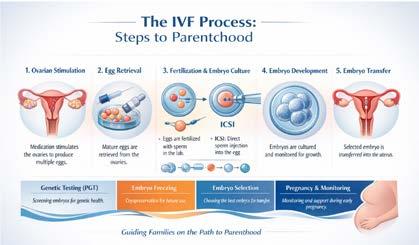
IN QATAR, FERTILITY MEDICINE HAS DEVELOPED RAPIDLY OVER THE PAST DECADE, SUPPORTED BY ADVANCED HEALTHCARE INFRASTRUCTURE AND INCREASING AWARENESS OF REPRODUCTIVE HEALTH. COUPLES TODAY HAVE ACCESS TO HIGHLY SPECIALIZED FERTILITY CENTERS THAT PROVIDE MODERN DIAGNOSTIC TOOLS, ADVANCED EMBRYOLOGY LABORATORIES, AND INTERNATIONALLY ALIGNED CLINICAL STANDARDS.
treatment strategies can greatly improve outcomes for many couples.
Over the past two decades, major scientific and technological advances have significantly improved IVF success rates and safety.
• Advanced Embryology Laboratories: Modern IVF laboratories operate under strictly controlled environmental conditions, including specialized air filtration systems, precise temperature regulation, and high-performance
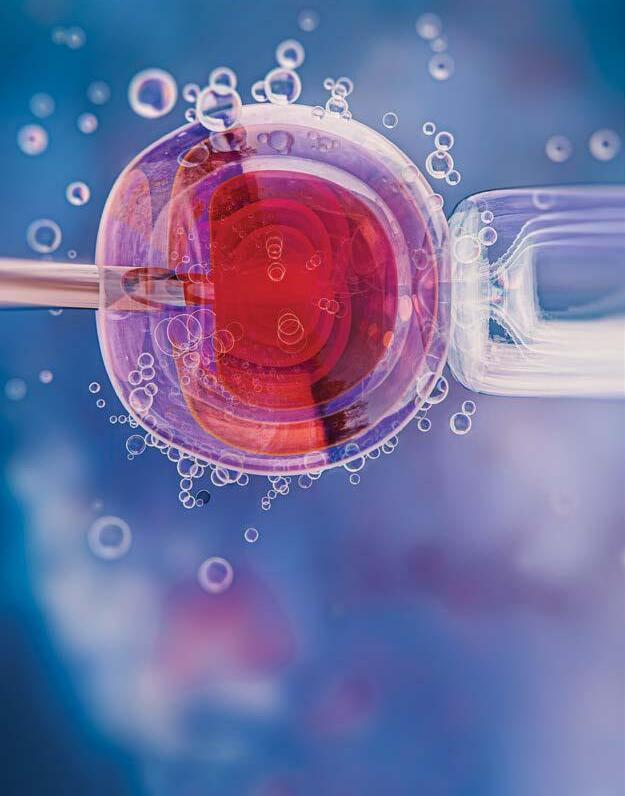
incubators that support optimal embryo development.
• Intracytoplasmic Sperm Injection (ICSI): ICSI has revolutionized treatment for male infertility, enabling fertilization even in cases of severe sperm abnormalities.
• Embryo Cryopreservation: Vitrification techniques allow embryos to be frozen and stored safely for future use, preserving fertility and improving cumulative pregnancy rates.
• Preimplantation Genetic Testing
EMERGING TECHNOLOGIES IN GENETICS, EMBRYO SELECTION, AND FERTILITY PRESERVATION ARE EXPECTED TO FURTHER IMPROVE OUTCOMES AND EXPAND TREATMENT POSSIBILITIES.
(PGT): PGT allows screening of embryos for chromosomal abnormalities or inherited conditions, helping improve implantation rates and reduce miscarriage risk in selected patients.
• Time-Lapse Embryo Monitoring: Advanced imaging technology allows continuous monitoring of embryo development without disturbing the culture environment, assisting embryologists in selecting the most viable embryos.
These innovations have transformed IVF into a highly sophisticated and personalized field of medicine.
The IVF Center at Al-Ahli Hospital represents one of the leading private fertility services in Qatar. As an ISO-certified facility, the center adheres to internationally recognized standards in laboratory quality, patient safety, and clinical governance.
By integrating advanced laboratory technologies with experienced reproductive medicine specialists and highly trained embryologists, the center offers comprehensive fertility evaluation and individualized treatment strategies for each patient.
While IVF is rooted in advanced science, successful fertility treatment extends beyond laboratory technology. The emotional journey of infertility often requires reassurance, clear communication, and personalized medical guidance. Patient-centered fertility care includes:
• Comprehensive fertility assessment for both partners
• Clear explanation of treatment options and success probabilities
• Individualized treatment protocols
• Ongoing medical follow-up and emotional support
Such an approach helps couples feel informed and supported throughout their treatment
journey. As Dr. Maysa Khadra, Consultant in Reproductive Medicine and IVF at the center, explains: “Fertility treatment is not only about technology. It is about listening to patients, understanding their journey, and guiding them with honesty and compassion. When science, experience, and trust come together, we can help families achieve what once seemed impossible.”
Reproductive medicine continues to evolve at a remarkable pace. Emerging technologies in genetics, embryo selection, and fertility preservation are expected to further improve outcomes and expand treatment possibilities.
At the same time, awareness of reproductive health is increasing across the region. More couples are seeking early evaluation and exploring fertility options proactively, which often improves treatment success. Through continued scientific innovation, high clinical standards, and compassionate patient care, fertility centers will remain at the forefront of helping couples turn the dream of parenthood into reality.
“Every successful pregnancy represents not only a scientific achievement, but also the fulfillment of a deeply personal dream for families who have often waited many years. Being part of that journey is both a privilege and a responsibility.” said Dr. Maysa Khadra.
THE IVF CENTER AT AL-AHLI HOSPITAL REPRESENTS ONE OF THE LEADING PRIVATE FERTILITY SERVICES IN QATAR. AS AN ISOCERTIFIED FACILITY, THE CENTER ADHERES TO INTERNATIONALLY RECOGNIZED STANDARDS IN LABORATORY QUALITY, PATIENT SAFETY, AND CLINICAL GOVERNANCE. BY INTEGRATING ADVANCED LABORATORY TECHNOLOGIES WITH EXPERIENCED REPRODUCTIVE MEDICINE SPECIALISTS AND HIGHLY TRAINED EMBRYOLOGISTS, THE CENTER OFFERS COMPREHENSIVE FERTILITY EVALUATION AND INDIVIDUALIZED TREATMENT STRATEGIES FOR EACH PATIENT.






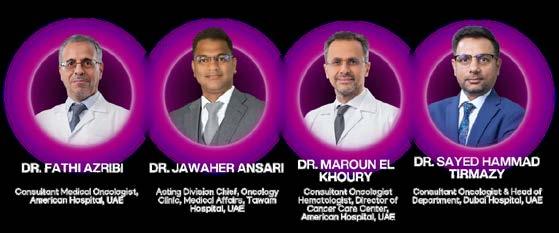
Oncologist
Researcher
Bioinformatics
Geneticist
Hematologist Immunologist Radiologist Nurses
Clinical Pharmacist Oncology Nurses
Radiation Oncologist and all interested HCPs!
Healthcare professionals f rom the GCC and beyond are invited to submit abstracts for Oral and E-Poster presentations Submit an original, unpublished research and clinically relevant scientif ic studies across a wide range of general oncology topics For more details, please visit website Submission of Abstracts Closes: 15th March 2026
For more information, send an enquiry to: oncology@mehcrs.com
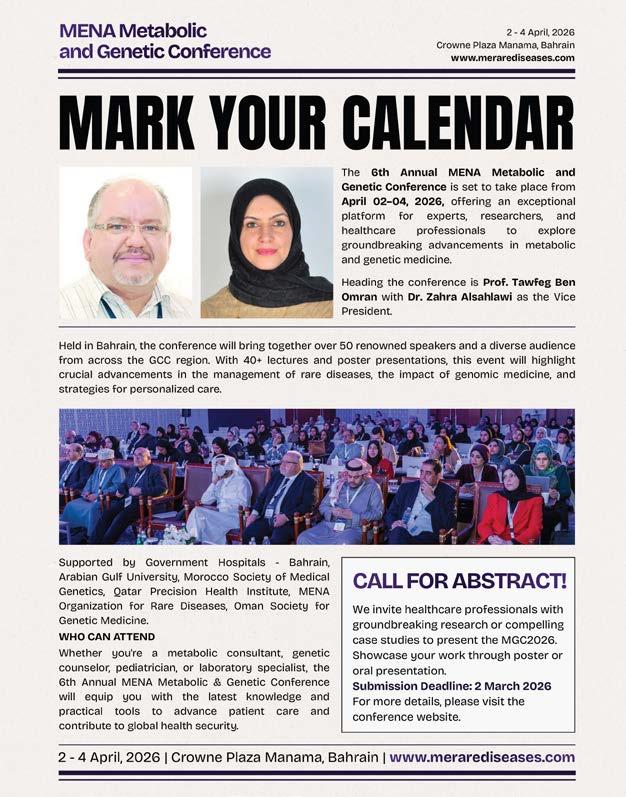
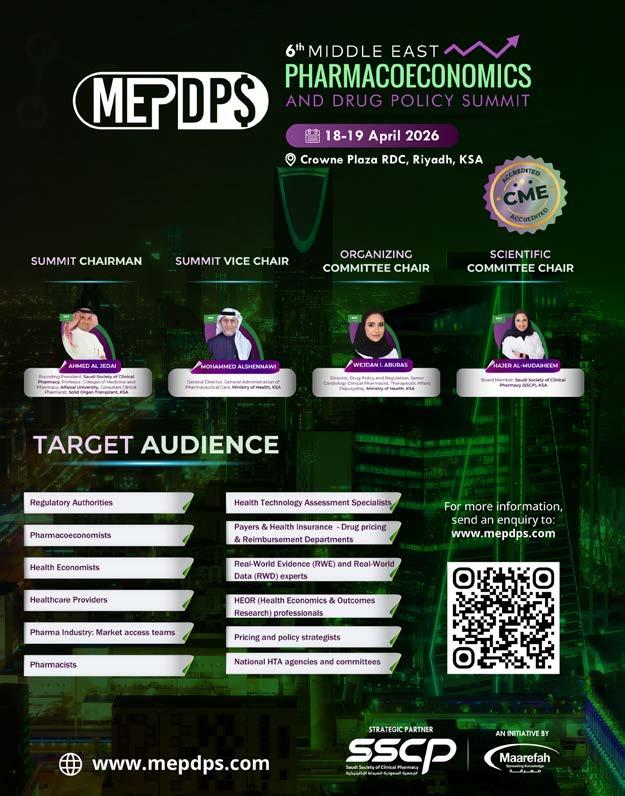


Crowne Plaza Riyadh RDC, KSA www.saudivaccinationforum.com
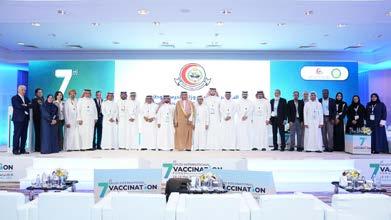
The 8th Saudi International Vaccination Forum is set to take place at the Crowne Plaza Riyadh RDC Hotel & Convention Center, bringing together global vaccination exper ts, policymakers, and public health professionals from 8 - 10 May 2026. This distinguished forum is a vital platform for addressing key immunization challenges in the region and globally. 8 - 10 May, 2026
Dr. Majid Alshamrani of the Ministry of National Guard Health Affairs will once again spearhead the event, together with Dr. Fayssal Farahat as the Forum Co-chair.
The Forum is not just a regular conference — it ’s an event that continues to grow year after year. Last year ’s event hosted over 500 delegates from more than 30 countries, with 105 international and regional speakers delivering insightful talks across 60 lecture presentations. The forum is also suppor ted by over 20 organizations, sponsors, and exhibitors, who provide vital contributions to the success of the event
The forum is designed to be a center of learning and networking . It will feature various sessions, ranging from scientific presentations to hands- on workshops, all aimed at advancing the collective knowledge of vaccine professionals. CME credits will be available for at tendees to fur ther enhance their professional development . This year ’s event promises to be one of the most impactful yet , as the forum continues its mission to advance immunization worldwide
Exciting Oppor tunities Coming Soon!
Call for Abstracts & Saudi Vaccine Award
WHO CAN ATTEND
Public Health Professionals
Infectious Diseases Physicians
Infection Control Practitioners
General Practitioners
Nurse and Allied Health
Research and Academians
Vaccine Manufacturers & Supplies and many more!
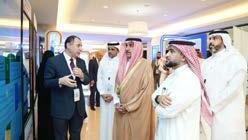
Call for Abstracts for Poster presentation will be opening soon, inviting researching and healthcare professionals to share their work at the event . At the same time, nominations for the Saudi Vaccine Award will also open, recognizing outstanding contributions to vaccination and public health. Subscribe to the conference newslet ter for the impor tant dates and submission details















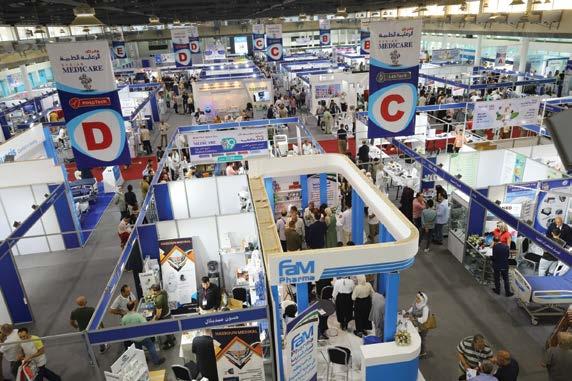


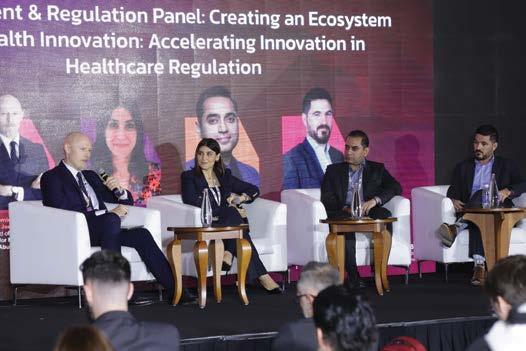

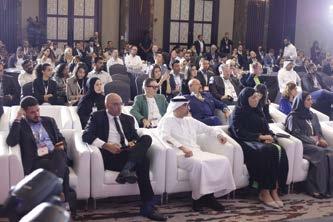










By Dr. Asmaa Abdulsalam, Consultant of Obstetrics and Gynecology at Al-Ahli Hospital/Qatar
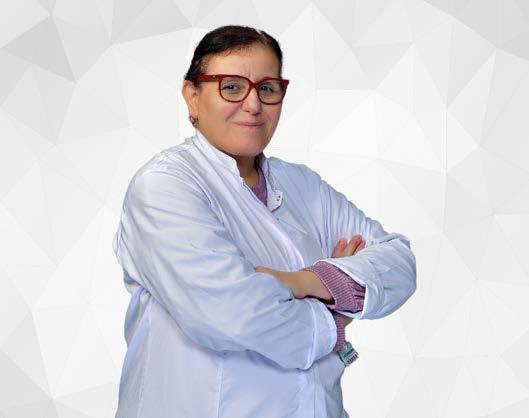
Hysteroscopy is the visualization of the entire uterine cavity using a hysteroscope, which is a fiber-optic instrument connected to a camera and covered by a metallic sheath. This sheath allows inflow and outflow of fluids for distension of the uterine cavity, in addition to an operative channel for introducing scissors, graspers, resectoscopes, and other instruments.
Hysteroscopy can be diagnostic, allowing direct visualization of the uterine cavity to detect abnormalities, and/or operative, enabling treatment of intrauterine pathologies such as polypectomy, fibroid resection, or septal removal.
Hysteroscopy was first described by Bozzini
HYSTEROSCOPY IS THE VISUALIZATION OF THE ENTIRE UTERINE CAVITY USING A HYSTEROSCOPE.
in 1805, but was first used in gynecology by Pantaleoni in 1869 using a modified cystoscope. Further modifications were made to distend the uterine cavity using carbon dioxide in 1925 by Rubin. Later, distension by liquid media such as normal saline and 1.5% glycine by Gauss in 1934 replaced gas.
Continuous improvements in optics and illumination followed until 1970, when Hamou introduced micro-hysteroscopy and contact hysteroscopy. By 1980, operative hysteroscopy was introduced into clinical practice to manage various intrauterine pathologies. In the 1990s, office hysteroscopy became widely practiced. From 2000 to the present, mini-hysteroscopes, vaginoscopy, and the no-touch technique have been introduced into modern practice.
In modern gynecology, diagnostic and operative hysteroscopy has become the gold standard for intrauterine evaluation and treatment of intrauterine lesions.
1. To correct myometrial abnormalities such as bicornuate uterus, unicornuate uterus, T-shaped uterus, uterine septum, and submucous fibroids.
2. To diagnose and treat endometrial disorders such as abnormal uterine bleeding, endometrial hyperplasia, atrophic endometrium, endometrial polyps, endometrial carcinoma, and thickened endometrium in postmenopausal women.
3. Family planning, including sterilization by blocking the proximal tubal ostium.
4. Exploration of the uterine cavity for foreign bodies such as a missed intrauterine device (IUD), removal of intrauterine bands, adhesions, and synechiae.
5. Excision of cervical polyps, resection of uterine septa involving the cervix, and dilatation of cervical stenosis.
6. In cases of recurrent IVF failure or recurrent pregnancy loss, and as part of routine infertility workup prior to IVF,
such as excision of small polyps near the tubal ostium or facilitating difficult embryo transfer due to cervical stenosis.
7. Embryoscopy.
8. As a complementary procedure with laparoscopy for correction of cesarean section niche.
Contraindications of Hysteroscopy:
1. Pregnancy.
2. Acute pelvic inflammatory disease (PID).
3. Heavy uterine bleeding.
4. Cervical malignancy.
1. Establishing the diagnosis using pelvic transvaginal ultrasound, hysterosonography, 3D ultrasound, and sometimes pelvic MRI with contrast for better imaging.
2. Explanation of the procedure to the woman prior to intervention and obtaining informed consent.
3. You can perform Hysteroscopy as an outpatient procedure, and it is usually well tolerated, especially with office hysteroscopy using local anesthesia via paracervical or intracervical injection. If the procedure remains painful or poorly tolerated, offer a nitrous oxide mask. Oral NSAIDs such as ibuprofen (Brufen) before the procedure are routine and considered good practice for pain relief.
Hysteroscopy under general anesthesia in the operating theater is another option, depending on the surgeon's experience, patient cooperation, and the indication for hysteroscopy, whether diagnostic or operative.
COMPLICATIONS OF HYSTEROSCOPY ARE UNCOMMON IN EXPERIENCED HANDS. HOWEVER, THE RISK OF UTERINE PERFORATION INCREASES IN CASES OF CERVICAL STENOSIS, SUCH AS IN NULLIPAROUS AND POSTMENOPAUSAL WOMEN, WHICH MAY LEAD TO A FALSE PASSAGE DURING HYSTEROSCOPE INSERTION. UTERINE PERFORATION MAY BE ASSOCIATED WITH URINARY BLADDER OR INTESTINAL INJURY.
Mechanical instruments
• Scissors: Used for cutting adhesions or small polyps. They are slow and may cause some bleeding but result in no thermal damage.
• Graspers: Used for the removal of polyps and foreign bodies such as IUDs.
Electrosurgical instruments
• Resection loop (monopolar, bipolar, or true bipolar): Cuts tissue in slices and is effective for large lesions such as polyps, submucous fibroids, and endometrial resection. However, it carries risks of fluid overload and thermal injury and requires surgical expertise.
• Roller ball: An electrosurgical tool that uses electrical energy to coagulate the endometrium.
Mechanical morcellator systems
Morcellators use rotating blades or shavers to cut and aspirate tissue imultaneously. They are indicated for endometrial polyps and small to moderate submucous fibroids. They work faster, cause less bleeding, provide clearer visualization, result in less fluid absorption, and eliminate the risk of electrical injury.
Laser hysteroscopy needs an operator with high experience
Complications
Complications of hysteroscopy are uncommon in experienced hands. However, the risk of uterine perforation increases in cases of cervical stenosis, such as in nulliparous and postmenopausal women, which may lead to a false passage during hysteroscope insertion. Uterine perforation may be associated with urinary bladder or intestinal injury. The surgeon must carefully monitor the volume of distension fluid used by calculating fluid inflow and outflow to avoid excessive fluid deficit, which can result in fluid overload, hyponatremia, pulmonary edema, and gas embolism. Bleeding is
another possible complication, usually due to excessive resection or myometrial injury. Such cases may require balloon tamponade and can progress to laparotomy. Energyrelated complications include thermal and electrical injuries or burns. Infection, such as endometritis or pelvic infection, may occur and can lead to intrauterine adhesions and subfertility, in addition to general anesthesiarelated complications.
Modern minimally invasive surgery such as hysteroscopy is now widely practiced worldwide, offering optimal diagnostic and operative interventions with minimal complications. It reduces hospital stay, minimizes pain, and allows rapid recovery. We owe much to modern advances in optical technology and artificial intelligence, which have made full visualization of the uterine cavity a clinical reality.
MODERN MINIMALLY INVASIVE SURGERY SUCH AS HYSTEROSCOPY IS NOW WIDELY PRACTICED WORLDWIDE, OFFERING OPTIMAL DIAGNOSTIC AND OPERATIVE INTERVENTIONS WITH MINIMAL COMPLICATIONS.