Joint Commission International (JCI) supports hospitals, health systems and clinics in achieving a greater level of performance excellence for those they serve through our expansive portfolio of quality improvement products and services.
No matter where your organization may be today in its journey toward safe, consistent care we can help you continue to advance and excel.
Learn why thousands of organizations just like yours have chosen JCI to help them build, standardize, and strengthen essential processes —earning our coveted Gold Seal of Approval®, a universally recognized symbol of striving to achieve a higher bar in quality and patient safety.
Our Portfolio:
• Accreditation and Certification
• Advisory Services
• Education Programs
• High Reliability Services
• Patient Safety Pathways
Elevating Patient Care. Together.
LEARN MORE:
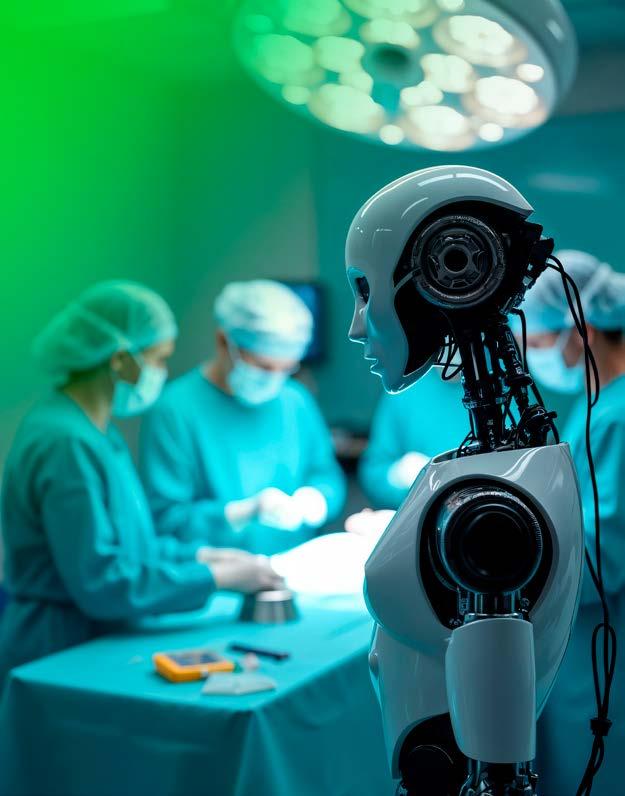
ARTIFICIAL INTELLIGENCE PARTNER OR COMPETITOR IN HEALTHCARE?
The rise of artificial intelligence has sparked a true revolution across every sector, but nowhere is its impact more sensitive or more consequential than in the field of medicine. In the Arab world, where technological advancement intersects with ethical, cultural, and regulatory considerations, the conversation around AI becomes even more complex. Two intertwined yet distinct issues stand at the center of this evolving landscape: the transformative benefits of AI in healthcare, and the critical need for oversight, regulation, and responsible use.
Today, AI systems are reshaping clinical workflows by analyzing medical data with unprecedented speed and accuracy. From detecting tumors and lung diseases to identifying neurological disorders, algorithms are achieving diagnostic precision that once seemed unattainable. Many hospitals in the region have already begun integrating these tools to triage emergency cases more rapidly and support clinical decision-making.
Yet, alongside these breakthroughs comes a host of ethical challenges. Trust, privacy, fairness, and accountability remain at the heart of the debate. The risk of sensitive health data being misused or accessed without patient consent looms large, especially in countries still developing robust data-protection frameworks. Moreover, AI models trained primarily on Western datasets may misinterpret cases in Arab populations with different genetic or environmental profiles, raising concerns about diagnostic accuracy and equity in care. These realities underscore an urgent truth: the scientific revolution of AI must be accompanied by equally strong safeguards. When an AI-driven recommendation contributes to a medical error, who bears responsibility; the physician who followed it, the developer who built it, or the hospital that deployed it? This question remains legally and ethically unsettled. Clear legislation, secure national health data systems, and transparent governance structures are essential to protecting patients while enabling clinicians and institutions to use AI confidently and responsibly.
The Publisher
Publisher Arab Health Media Communication
President Simon Chammas schammas@tahmag.com
Executive Vice President Mirna Khairallah mirna@tahmag.com
All rights reserved by the HOSPITALS magazine. No part of this publication can be reproduced in any form without prior permission in writting from the publisher.
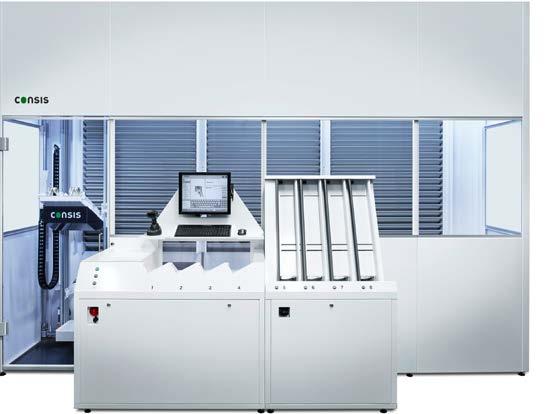
How CONSIS Automation Supports the GCC’s Pharmacy Future 80
Pharmaceutical Press shares the most common types of medication errors
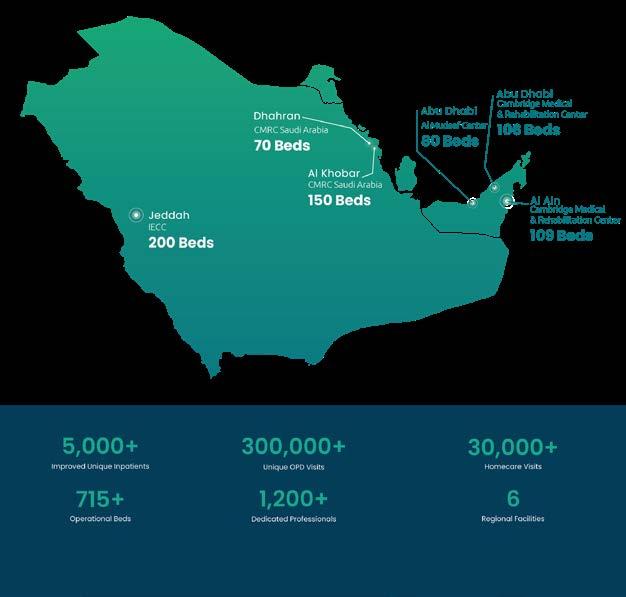
5,000+
715+
300,000+
1,200+
30,000+
6
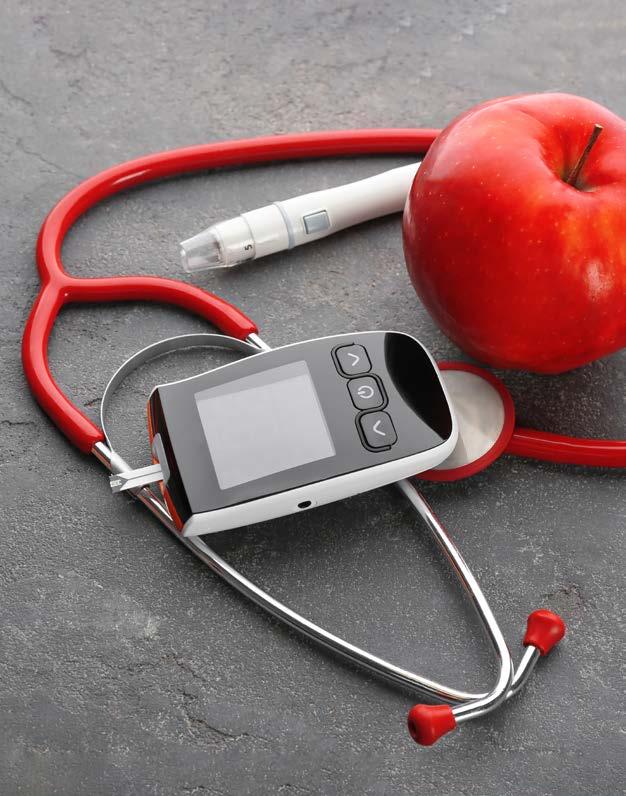
Diabetes and Heart Failure
INTERVIEWS
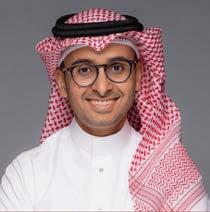
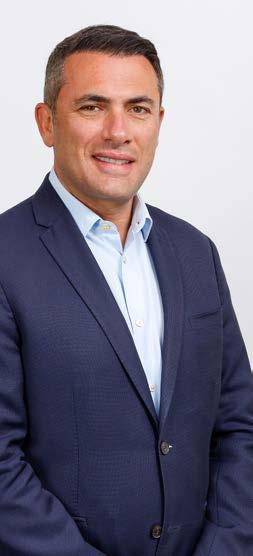
10 Bilal Muhsin, Executive Vice President and President of BD's Connected Care Segment
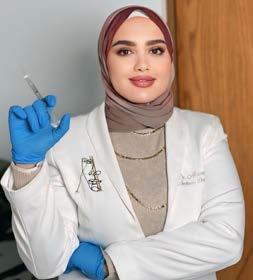
84 Dr. Salka Hashimi, Aesthetic Physician, Founder of "Swift Doctor”
92 Dr. Thurayya Arayssi, Vice Dean for Academic and Curricular Affairs, and Professor of Clinical Medicine at WCM-Q & Dr. Barry Solaiman, Assistant Dean and Assistant Professor of Law at Hamad Bin Khalifa University (HBKU), and Adjunct Assistant Professor of Medical Ethics in Clinical Medicine at WCM-Q
100 Mr. Maher Abughazaleh, Owner, Chairman, and CEO of Clemenceau Medical Center- Beirut
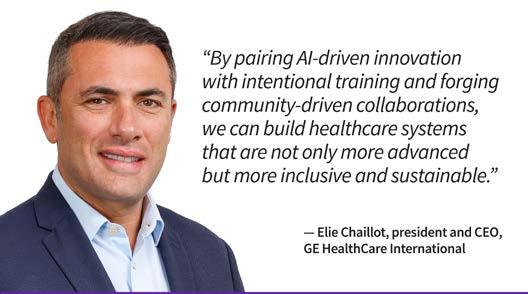
108 Elie Chaillot, President and CEO, GE HealthCare International
124 Diala Atassi, Vice President of Global Alliances at Boston Children’s Hospital
128 Dr. Arwa Diab, Aesthetic Dermatologist
132 Dr. Ihab Al Jizi, Consultant Pulmonologist at Dubai London Clinics & Hospitals
148 Dr. Marwan Al Kaabi, Chief Executive Officer, Sheikh Shakhbout Medical City
156 Dr. Omar Al Alwan, Consultant, Head of the Department of Obstetrics and Gynecology, and Medical Director at Dubai London Clinics & Hospitals
160 The Specialty Hospital: The premier destination for medical tourism in the Middle East
MEDICAL INSTITUTIONS
70 Beyond Acute Care: Unlocking The Next Phase of Growth In Healthcare. Why Post-Acute Care Is Central to the GCC’s Healthcare Transformation By Wael K. Abdallah, Group CEO, Cambridge Health Group
143
Smart and Sustainable Hospital
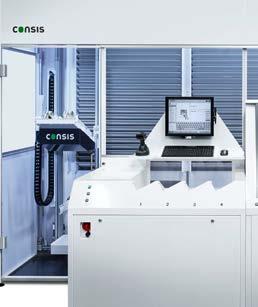
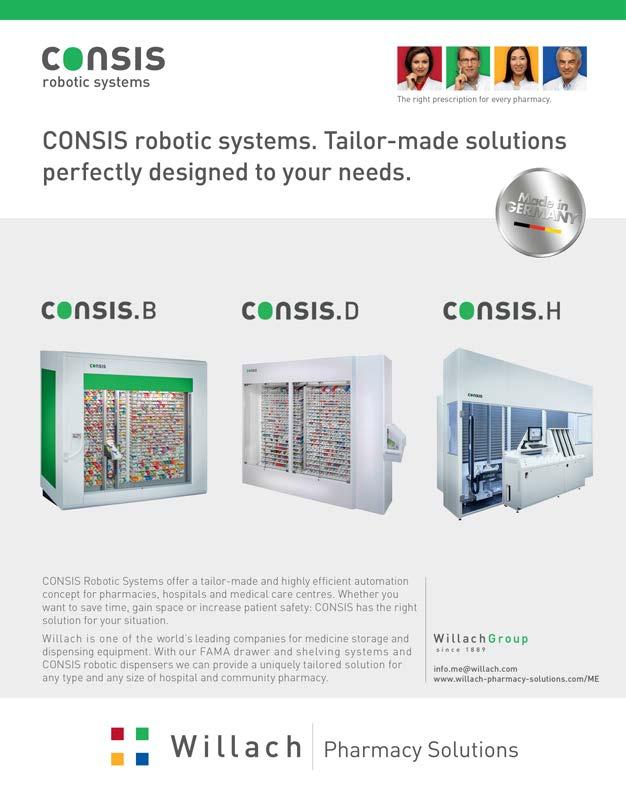
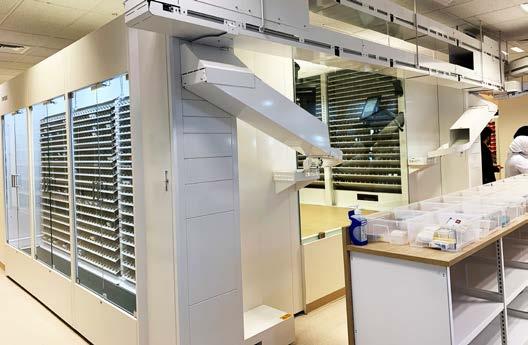
74 Simplicity, Reliability and Transformation: How CONSIS Automation Supports the GCC’s Pharmacy Future
By Cihan Caliskan, Sales Director at Gebr. Willach GmbH / Willach Pharmacy Solutions
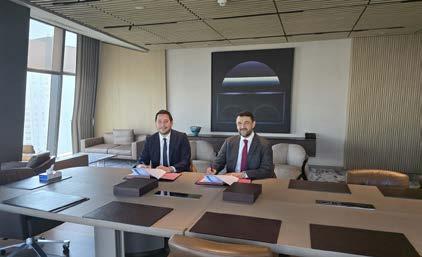
78 Acibadem Healthcare Group and Qatar Cancer Society Sign Strategic MoU to Advance Cancer Awareness and Care in Qatar and Türkiye
80 Pharmaceutical Press shares the most common types of medication errors
88 UCLA Health launches Department of Nuclear Medicine and Theranostics
90 Lurie Children’s Expands World-Class Cardiac Care for Children With Complex Pulmonary Artery Conditions
96 CommonSpirit Health: 8,000-Mile Journey to a LifeSaving Heart Transplant
98 Northwestern Medicine: Defining the Future of Neurosurgery
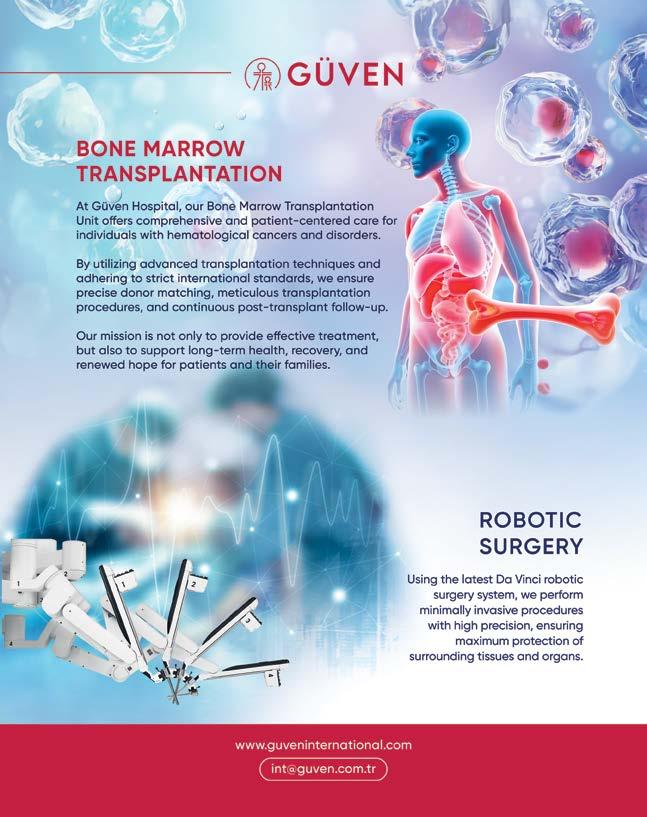
106 GÜVEN HEALTHCARE GROUP
118 AI tool helps improve detection of cardiac amyloidosis Provided by UChicago Medicine
136 Cedars-Sinai Ranked Among Top U.S. Hospitals
138 Henry Ford Health Cancer and Oncology Centers of Excellence: Seamlessly integrated care
MEDICAL TECHNOLOGIES
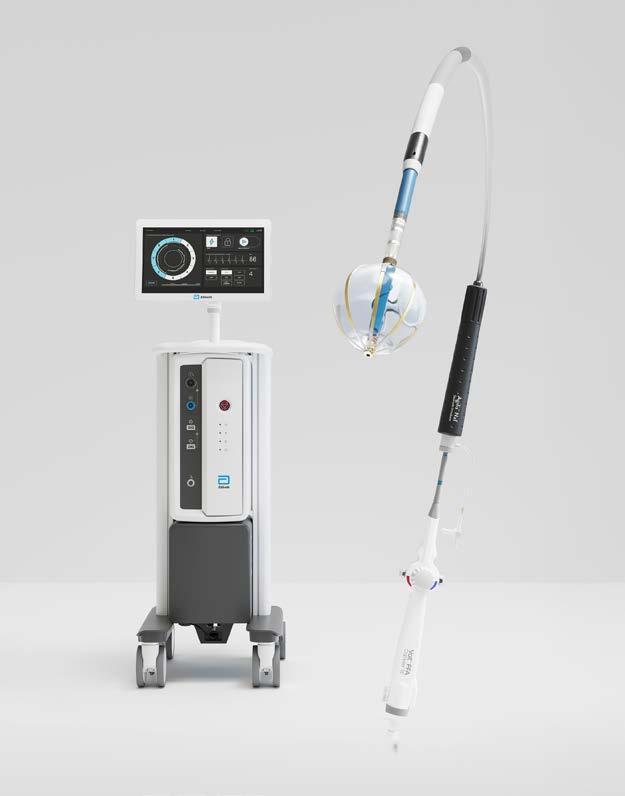
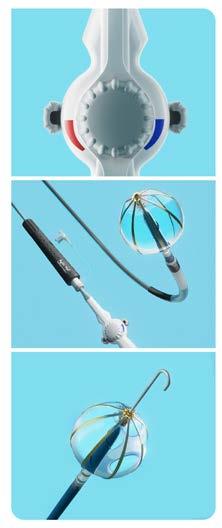
66 A New Era for Atrial Fibrillation Treatment: VoltTM Pulsed Field Ablation System
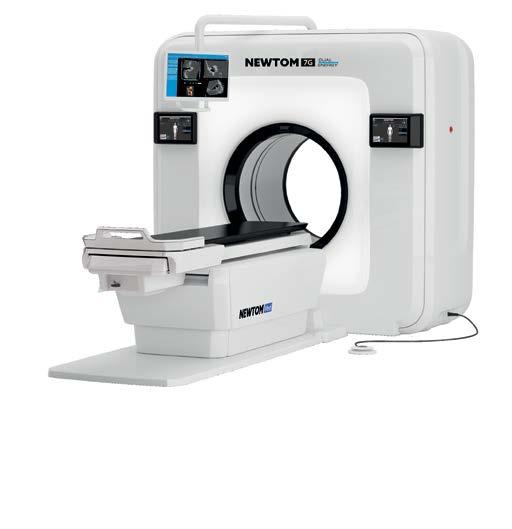
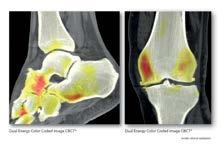
104 NEWTOM 7G for excellence in MSK imaging
FEATURES
114 Diabetes and Heart Failure
120 The Future of Cardiac Care
142 The Smart and Sustainable Hospital
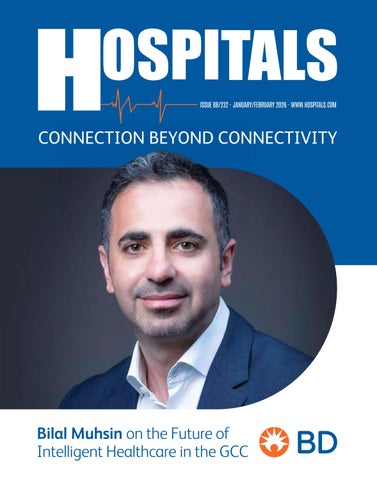
Connection Beyond Connectivity The Future of Intelligent Healthcare in the GCC
Bilal Muhsin, Executive Vice President and President of BD's Connected Care Segment
As healthcare systems across the GCC move toward intelligent, digitally connected care, the focus is shifting from technology adoption to real impact. In this interview, Hospitals Magazine speaks with Bilal Muhsin, Executive Vice President and President of BD’s Connected Care Segment, on the future of connected healthcare and how “connection beyond connectivity” is enabling safer, more efficient, and resilient health systems.
Welcoming in the new year, how does BD reflect on its role in supporting healthcare transformation across the GCC, and what priorities will guide your mission in 2026?
As we look back on the progress made over the past year, our commitment to healthcare transformation across the Gulf Cooperation Council is stronger than ever. We operate with an innovative and collaborative mindset, aligned
BD’S CONNECTED CARE STRATEGY IS HOW WE OPERATIONALIZE THESE PROGRAMMES AT SCALE.
with each nation’s vision to build modern, resilient, and patient-centric health systems. We see the GCC as a key hub for global health innovation and excellence in care, and our mission is to accelerate this journey by delivering sustainable, digitally connected healthcare solutions.
In 2025, we announced significant investments in the region including establishing a regional manufacturing footprint to support customers while driving innovation in the GCC. We invested in local talent and continued to demonstrate how BD’s Signature Programmes help address the most critical and systemic challenges facing healthcare today: patient safety, workforce sustainability, and operational efficiency. Additionally, we showcased our Connected Care innovations, including the BD Incada™ Platform, to drive meaningful benefits for our customers with, efficient and effective care delivery.
Looking ahead to 2026, our priorities are to advance digital adoption, enhance patient safety, and equip clinicians with intelligent tools that drive outcomes. We will continue to invest in local talent, collaborate with government institutions, and provide clinical training through the BD Learning Academy to empower healthcare professionals across the region. BD is here to stay, for patients, providers, and health systems across the GCC, while setting a global standard for excellence in healthcare.
With the debut of BD Incada™ Connected Care Platform last year, BD ushered in a new era of connected healthcare. How do these solutions help hospitals and health systems tackle their biggest challenges, and how do they advance the BD Signature Programmes’ goals of safer, more efficient, and more resilient care?
At BD, our approach to innovation in the GCC is anchored in our three Signature Programmes that I mentioned earlier. Our Patient Safety Programme is focused on reducing preventable harm by minimizing medication errors and adverse events, enabling safer, more reliable care delivery. The Healthcare Workers Programme addresses clinician burnout and workforce shortages by simplifying lowvalue tasks, improving usability, and allowing
caregivers to spend more time where it matters most, at the bedside. Meanwhile, the Efficiency Programme helps healthcare systems identify waste, unlock capacity, and improve performance across the continuum of care.
BD’s Connected Care strategy is how we operationalize these programmes at scale. Available first on the new BD Pyxis Pro, the BD Incada™ Connected Care Platform will bring together pharmacy automation, medication dispensing, infusion delivery, and advanced monitoring into a single, interoperable ecosystem. By connecting devices, data, and workflows across care settings, the platform will provide enterprise-wide visibility, near-real time insights, and AI-enabled analytics that support clinical and operational decision-making.
Through this connected ecosystem, healthcare systems can move from fragmented, reactive processes to integrated, proactive, data-driven care, improving medication safety, reducing manual workload for clinicians, and optimizing workflows across departments. This directly advances the outcomes defined by BD’s Signature Programmes: safer patients, empowered healthcare workers, and more efficient healthcare operations.
In the Gulf region, where national digital health strategies are accelerating and investments in smart healthcare infrastructure continue to grow, BD’s Connected Care solutions offer a scalable foundation for system-wide transformation. By enabling interoperability, automation, and actionable analytics at an enterprise, and ultimately national, level, BD supports healthcare systems in achieving sustainable, high-quality outcomes aligned with their long-term healthcare ambitions.
You frequently speak about “connection beyond connectivity.” How does this philosophy reshape the way BD approaches innovation in the Connected Care segment?
We believe that connectivity is only the foundation; the real value lies in the intelligence that flows across it. Connectivity is about moving data from one point to another point, such as medical device data integrated into hospital information systems for documentation.
AT BD, OUR APPROACH TO INNOVATION IN THE GCC IS ANCHORED IN OUR THREE SIGNATURE PROGRAMMES THAT I MENTIONED EARLIER. OUR PATIENT SAFETY PROGRAMME IS FOCUSED ON REDUCING PREVENTABLE HARM BY MINIMIZING MEDICATION ERRORS AND ADVERSE EVENTS, ENABLING SAFER, MORE RELIABLE CARE DELIVERY. THE HEALTHCARE WORKERS PROGRAMME ADDRESSES CLINICIAN BURNOUT AND WORKFORCE SHORTAGES BY SIMPLIFYING LOWVALUE TASKS, IMPROVING USABILITY, AND ALLOWING CAREGIVERS TO SPEND MORE TIME WHERE IT MATTERS MOST, AT THE BEDSIDE.
Connection is about activating data to improve outcomes. In healthcare, medical devices generate massive volumes of information every day, but without context, prioritization, and clinical relevance, data integration alone does not improve outcomes. Our approach at BD is to embed intelligence at every layer: from bedside devices to cloud infrastructure, to AI-powered analytics that generate meaningful actionable insights.
This philosophy drives how we approach every aspect of BD’s Connected Care Segment, from designing devices that generate clinically relevant information, to integrating legacy systems, to building AI-powered analytics that enable proactive decision-making. It ensures that every solution is purpose-built to improve care, reduce inefficiencies and empower clinicians.
A few examples would be our advanced hemodynamic monitoring solutions like the HemoSphere Alta™ Monitor and our infusion and medication delivery technologies including the BD Alaris™ Infusion System, the only modular and most comprehensive infusion system in the U.S. Pharmacy automation and robotics including the BD Pyxis™, connected medication dispensing solutions to help ensure medications and supplies are available when and where they're needed. Additionally, platforms like BD Incada™ exemplify this approach.
By providing enterprise-level visibility across connected devices and workflows, BD Incada™ transforms fragmented data into actionable insights that inform faster, smarter decisions at the point of care. This is how BD ensures that every innovation supports patient safety and reinforces our Signature Programmes through intelligent and system-level design, creating a healthcare ecosystem where connectivity truly delivers impact.
Talent shortages remain a major challenge globally. What role does BD play in upskilling healthcare professionals, particularly as care becomes increasingly digital and AI-enabled? Addressing the talent gap is one of the most pressing challenges in our industry. As healthcare systems adopt more digital and AI-driven solutions, the need for technically skilled, dataliterate, and clinically adaptable professionals
has never been greater. BD’s role is twofold: to design innovative technologies and invest in education that empowers clinicians to use these technologies confidently.
In the GCC, facilities like the BD Training Center in Riyadh and the BD Center for Safety and Clinical Excellence (CSCE) in the UAE are designed to bridge this gap. We are providing clinical training and technical support sessions on BD products and services, hands-on training that goes beyond product operation, focusing on data literacy, system integration, and advanced analytics – the very skills needed to maximize the benefit of platforms like BD Incada™. Meanwhile, our global BD Learning Academy digital platform continues to expand with clinical programmes covering medication management, infusion safety and advanced patient monitoring. Our goal is to empower healthcare professionals to be clinical innovators, not just end-users, ensuring that the technology is expertly leveraged for patient benefit.
Collaboration with regulators and government entities is becoming crucial, especially as institutions prepare for the inevitable scaling of AI in healthcare. How is BD supporting the creation of policies that foster innovation while safeguarding patient privacy and trust?
Regulators today face the dual responsibility of enabling innovation and ensuring that patient safety and trust remain uncompromised. At BD, we see ourselves as a partner in shaping balanced, future-ready frameworks. To achieve this, we engage closely with ministries, regulatory bodies, standard-setting organizations, and academic institutions to share our expertise in device safety, interoperability, data stewardship, and AI governance. In Saudi Arabia, we are collaborating with entities like the Saudi Patient Safety Center to help advance national standards, drive research and maintain public trust in the evolving healthcare landscape.
Our goal is to support the development of regulations that encourage responsible data use without slowing digital transformation. With platforms like BD Incada™, we prioritise cybersecurity, transparency and compliance
OUR GOAL IS TO SUPPORT THE DEVELOPMENT OF REGULATIONS THAT ENCOURAGE RESPONSIBLE DATA USE WITHOUT SLOWING DIGITAL TRANSFORMATION. WITH PLATFORMS LIKE BD INCADA™, WE PRIORITISE CYBERSECURITY, TRANSPARENCY AND COMPLIANCE WITH GLOBAL STANDARDS. THIS REASSURES HEALTH SYSTEMS THAT AS THEY SCALE DIGITAL CAPABILITIES, PATIENT PRIVACY AND CLINICAL INTEGRITY ARE FULLY PROTECTED. WE ARE ALSO CONTRIBUTING TO DISCUSSIONS ON CONNECTIVITY STANDARDS, HOME-HOSPITAL MODELS, AND DATAENABLED CLINICAL INNOVATION.
with global standards. This reassures health systems that as they scale digital capabilities, patient privacy and clinical integrity are fully protected. We are also contributing to discussions on connectivity standards, homehospital models, and data-enabled clinical innovation. We firmly believe that regulation accelerates progress and we are committed to helping build a regulatory environment where technology, patients, and clinicians all benefit.
Something interesting that was mentioned recently is your ambition to partner on home-based care and home hospital initiatives. How do the current Connected Care solutions translate to these rapidly growing, non-traditional care settings?
The shift to home-based care is an irreversible trend, and the central challenge is maintaining the clinical rigor of a hospital while decentralizing services into the home. BD Incada™ uses interactive dashboards to empower front-line teams to quickly spot and resolve issues and offers on-demand insights through conversational AI, clinician-driven dashboards, and enterprise-wide visibility to support smarter, faster decisions. By integrating data from compatible devices, BD Incada™ can provide clinicians with reliable insights, regardless of where care is delivered.
Where do you see the greatest disruptive opportunity for the Connected Care segment in the GCC market, and what is BD doing today to capture it?
I would say that the greatest disruptive opportunity for the Connected Care segment lies in leveraging data from connected devices to move beyond mere error reduction toward proactive patient risk mitigation.
We aim to leverage the vast data streams from our three million smart connected BD devices globally, applying machine learning to build sophisticated algorithms that can help reduce medication errors, We are investing heavily in our data science capabilities and building the BD Incada™ Platform as the future-proof backbone for this. The GCC, with its ambitious investment and centralized healthcare data initiatives, is positioning itself
to become a leading region for testing and implementing AI-driven clinical models.
Looking ahead, BD will be participating in the World Health Expo 2026 in Dubai. What will you be showcasing during the event? The World Health Expo is a significant event for the global health sector, and our continued participation reaffirms our dedication to the GCC market. At WHX 2026, we will showcase the latest innovations from our Connected Care segment. We will spotlight BD Advanced Patient Monitoring (APM), featuring VitaWave™ Cuff plus system, which highlights the importance of non-invasive continuous hemodynamic monitoring. Access accurate, continuous, noninvasive blood pressure monitoring wherever a compatible patient monitor is available with the VitaWave Plus™ System.
The HemoSphere AltaTM Monitor is designed with smart, predictive algorithms to support informed, proactive clinical decisionmaking, allowing monitoring of pressures, cardiac outputs, flow, and tissue oxygenation simultaneously from both left and right heart for comprehensive insights in complex patients. Beyond APM, we will showcase our innovative BD Medication Management Solutions (MMS), including the BD Incada™ Connected Care Platform, the next-generation BD Pyxis™ Pro Automated Medication Dispensing Solution, and the BD Rowa pharmacy storage and dispensing automation solutions.
With BD Incada™ we plan to unify data across millions of connected BD devices to provide clinical and pharmacy teams with enterprise-wide visibility, AI-powered insights, and enhanced security features for controlled substance management. Analytics in BD Incada™ is designed to help reduce manual efforts involved in compiling and interpreting multiple reports and uses interactive dashboards to empower front-line teams to quickly spot and resolve issues.
Ultimately, our showcase will illustrate how these sophisticated, intelligent solutions simplify clinical workflows, allow healthcare staff to spend more time with patients, and accelerate the GCC’s move toward digitally connected, sustainable care systems.
WITH BD INCADA™ WE PLAN TO UNIFY DATA ACROSS MILLIONS OF CONNECTED BD DEVICES TO PROVIDE CLINICAL AND PHARMACY TEAMS WITH ENTERPRISEWIDE VISIBILITY, AIPOWERED INSIGHTS, AND ENHANCED SECURITY FEATURES FOR CONTROLLED SUBSTANCE MANAGEMENT. ANALYTICS IN BD INCADA™ IS DESIGNED TO HELP REDUCE MANUAL EFFORTS INVOLVED IN COMPILING AND INTERPRETING MULTIPLE REPORTS AND USES INTERACTIVE DASHBOARDS TO EMPOWER FRONTLINE TEAMS TO QUICKLY SPOT AND RESOLVE ISSUES.
Abu Dhabi Public Health Centre expands its Reference Laboratory
for Infectious Diseases, Enhancing the Healthcare Ecosystem’s Emergency
Preparedness
Abu Dhabi Public Health Centre (ADPHC) has announced the expansion of its Reference Laboratory for Infectious Diseases (RLID-AD), marking a major milestone in enhancing the Emirate’s capacity to detect, monitor, and respond to infectious diseases, while strengthening its public health infrastructure and excellence and reinforcing its position as a global leader in health emergency preparedness and response.
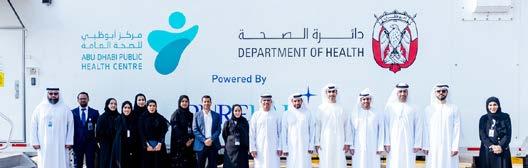
The launch of the expansion was marked by an event attended by senior representatives, including Dr Rashed Obaid Al Suwaidi, General Director of ADPHC; Rashed Al Qubaisi, Group Chief Operating Officer at PureHealth; Arindam Haldar, Chief Executive Officer of PureLab; Dr. Rawya Al Dhaheri, Executive Director Operations ot PureLab; and Bader Al Qubaisi, Chief Executive Officer of SEHA - Sheikh Khalifa Medical City (SKMC).
The expansion of the Reference Laboratory for Infectious Diseases, located at SEHA Sheikh Khalifa Medical City and operated by PureLab, part of PureHealth, aims to advance the laboratory’s molecular diagnostics and infectious disease testing capabilities, streamlining the entire process from sample reception to advanced analysis and genetic sequencing. The upgraded facility significantly increases testing capacity, ensuring rapid
diagnosis and effective surveillance during epidemic or pandemic situations while maintaining the highest quality and biosafety standards.
H.E. Dr. Rashed Obaid Al Suwaidi, General Director of ADPHC, said: “The expansion of our Reference Laboratory for Infectious Diseases represents a significant leap forward in strengthening Abu Dhabi’s health security. Through our investments in advanced laboratory infrastructure and biosafety capabilities, we are ensuring that the Emirate remains at the forefront of epidemic preparedness and response, driving innovation, fostering collaboration, and setting new standards for excellence in public health. In Abu Dhabi, we are reshaping the future of health by predicting risks, preventing disease, and taking proactive action to build a healthier, safer community for everyone.” "With the integration of advanced molecular testing and the establishment of a BSL-3 Unit, we are now equipped to deliver faster, more accurate diagnostics, reduce outsourcing dependence, and enable better resource management and evidence-based decision-making. This milestone reinforces our vision of creating a healthy and safe society that is resilient, well-prepared, and supported by world-class public health systems.”
THE REFERENCE LABORATORY FOR INFECTIOUS DISEASES IS RECOGNISED BY THE WORLD HEALTH ORGANIZATION (WHO) AS A NATIONAL INFLUENZA CENTRE, IN ADDITION TOPERFORMING THE TESTING FOR MEASLES, RUBELLA, AND OTHER PATHOGENS. NOTABLY, MORETHAN 50 PER CENT OF THE LABORATORY’S WORKFORCE COMPRISES OF UAE NATIONALPROFESSIONALS, REFLECTING THEIR STRONG TECHNICAL EXPERTISE IN ADVANCING THIS VITAL FIELD.
PureHealth Establishes Global ‘Health Longevity Advisory Board’ to Advance Healthy Ageing
PureHealth, the largest healthcare group in the Middle East, has established a dedicated Health Longevity Advisory Board, uniting internationally-recognised leaders in health longevity science, medicine and AI. The board will play a key role in advancing PureHealth’s mission to unlock time for humankind as it aims to accelerate breakthroughs in healthy ageing and extending human healthspan.
The board will guide the strategic direction of the Pura Longevity Clinic, along with its clinical optimisation to ensure it remains at the forefront of global best practices. In addition, it will support the integration of tests, technologies and scientific applications while driving a culture of innovation, research, and data-driven care, powered by AI. The board’s role will extend to advisory around research collaborations, clinician training, and the ethical adoption of emerging health longevity innovations across PureHealth’s ecosystem to ensure that every intervention remains rooted in scientific evidence and best practice.
Board members include Professor Brian Kennedy, Director of the Centre for Healthy Longevity at the National University of Singapore; Dr. Hinda Daggag, Executive Director of Longevity at PureHealth; Dr Ana Baroni, Chief Science Officer at LongevityTech.fund and Chief Medical Officer at HealthyLongevity.clinic in the United States; and Professor Eran Segal, Chair of Computational Biology at the Mohamed bin Zayed University of Artificial Intelligence (MBZUAI) and Professor at the Weizmann Institute of Science.
Dr. Hinda Daggag, Executive Director of Longevity at PureHealth, said: “The establishment of the Health Longevity Advisory Board marks a critical milestone in our mission to transform health longevity science into accessible, personalised care. By uniting global experts in longevity medicine, genomics, and data science, the board will guide the scientific and clinical direction of the Clinic, ensuring every
intervention is evidence-based, ethically applied, and tailored to individual biology. Their expertise will support advanced diagnostics, research collaborations and clinician training, helping position the clinic as a global leader in precision health.” This is not about adding year to life, but enhancing the quality, vitality and purpose of those years, delivering meaningful, measurable impact through the science of health longevity.”
Professor Brian Kennedy said: “PureHealth’s investment in longevity science represents one of the most ambitious efforts globally to translate research into real-world health outcomes. By embedding cutting-edge science within clinical care and leveraging AI to personalise prevention, the UAE is taking a leading role in shaping the future of human healthspan.”
Based at PureHealth’s Sheikh Shakhbout Medical City (SSMC) – the flagship hospital in the UAE for serious and complex care, Pura Longevity Clinic is the region’s pioneering centre for health longevity and precision medicine, integrating advanced diagnostics, genomic profiling, lifestyle analytics, and personalised care plans tailored to each individual’s biology and goals. Powered by PureHealth’s AI-enabled health app, Pura, the clinic represents a model of precision health longevity care where human expertise meets intelligent technology.
BY BLENDING INPERSON CLINICAL EXCELLENCE WITH CONTINUOUS DIGITAL ENGAGEMENT, IT DELIVERS PERSONALISED PROGRAMMES THAT OPTIMISE HEALTHSPAN, ENHANCE PERFORMANCE, AND SUSTAIN VITALITY. ITS MULTIDISCIPLINARY TEAM OF HEALTH LONGEVITY PHYSICIANS, HEALTH COACHES, EXERCISE PHYSIOLOGISTS, AND DIETITIANS WORKS TOGETHER TO UNLOCK EACH INDIVIDUAL’S FULL POTENTIAL FOR LONGTERM WELL-BEING.
World Economic Forum paper positions Abu Dhabi as global pioneer in intelligent health systems
The World Economic Forum (Forum) has published a new white paper highlighting Abu Dhabi as one of the first health systems globally to build intelligent, systemwide health infrastructure, reinforcing the emirate’s leadership in advancing innovative, prevention-focused healthcare.
Released ahead of the Forum’s Annual Meeting in Davos, the paper, titled A New Era for Digital Health: Abu Dhabi’s Leap to Health Intelligence, outlines how Abu Dhabi has integrated clinical, genomic, financial, lifestyle and environmental data into its unified health system architecture. This approach supports earlier disease prevention, faster clinical intervention and improved population health outcomes, while strengthening longterm system sustainability. The paper notes that despite significant global investment in digital health, many health systems continue to face challenges in scaling innovation due to fragmentation, limited interoperability and lack of system-wide intelligence. Abu Dhabi is presented as a practical model for addressing these challenges by treating population health intelligence as foundational infrastructure, comparable to utilities like power grids and broadband networks. The report highlights several indicators demonstrating the scale and impact of Abu Dhabi’s intelligent health system,
including the integration of more than 100,000 data streams, the connection of 3.5 billion clinical records across over 3,000 healthcare facilities, and the analysis of 2 billion insurance claim activities using artificial intelligence to reduce waste and improve efficiency. It also references the sequencing of more than 850,000 genomes as part of the Emirati Genome Programme, positioning Abu Dhabi among the world’s leading national genomic programmes. The paper shows how this system-level approach has enabled earlier cancer detection, more personalised prevention pathways and faster emergency response, including a 30 per cent reduction in heart attack response times, outperforming global benchmarks.
His Excellency Mansoor Ibrahim Al Mansoori, Chairman of the Department of Health – Abu Dhabi, highlights in the report Abu Dhabi’s focus on building intelligence as infrastructure, not isolated innovation. Al Mansoori said: “True transformation happens when innovation meets scale. Health system intelligence lays the foundation that enables prevention and personalised health to become a reality at the population level.”
Understanding the importance of technology in the patient’s journey is critical. Shyam Bishen, Head of Health and Healthcare at the World Economic Forum, said: “Abu Dhabi’s story is ultimately a human one: using connected data and responsible AI to predict risk earlier, prevent avoidable illness, and help people get the right care at the right time. We hope this white paper gives leaders everywhere a practical playbook and the confidence to scale what works.”
Brad Smith, Vice Chair and President of Microsoft, underscores the global relevance of Abu Dhabi’s approach, saying: “Healthcare is entering a new era, one built on precision, speed and better access to care. In Abu Dhabi, AI is helping clinicians diagnose faster and giving policymakers real-time insights so they can act sooner, and communities can stay healthier.”
PUBLISHED ON 16 JANUARY 2026 BY THE WORLD ECONOMIC FORUM, THE PAPER WAS CO-AUTHORED BY THE FORUM AND THE DEPARTMENT OF HEALTH – ABU DHABI, WITH CONTRIBUTIONS FROM MICROSOFT, M42, CLEVELAND CLINIC ABU DHABI, ABU DHABI HEALTH DATA SERVICES AND THE ABU DHABI INVESTMENT OFFICE, AS PART OF THE FORUM’S DIGITAL HEALTHCARE TRANSFORMATION (DHT) INITIATIVE – PATHFINDER NETWORK. THE INITIATIVE SERVES AS A GLOBAL PLATFORM FOR PUBLIC-PRIVATE COLLABORATION ON DIGITAL HEALTH, AI, AND DATA, HELPING CEOS, MINISTERS, AND OTHER KEY LEADERS IN HEALTHCARE, TECHNOLOGY AND POLICY NAVIGATE HEALTH TRANSFORMATION, WORKING WITH 200+ ORGANISATIONS ACROSS REGIONS AND SECTORS.
Abu Dhabi Launches Region’s First Multi-Cancer Screening Programme via Blood Testing
The Department of Health Abu Dhabi (DoH) and Abu Dhabi Public Health Centre (ADPHC) have launched the first-of-its-kind Multi-Cancer Early Detection (MCED) programme in the region, offering early detection of several types of cancer risk factors via blood sample. The programme contributes to Abu Dhabi’s proactive approach to cancer prevention by improving early detection opportunities, thus enhancing the health and well-being of community members and their quality of life. The programme is available for Thiqa cardholders aged 40 and above who are asymptomatic of cancer, enabling them to benefit from advanced early cancer detection technologies. Complementing existing screening programmes, it can detect pancreatic, liver, and brain cancers, which are often only discovered after symptoms appear.
H.E. Dr. Rashed Al Suwaidi, Director General of ADPHC, commented: “At the Abu Dhabi Public Health Centre, our mission is to promote
THE PROGRAMME IS AVAILABLE FOR THIQA CARDHOLDERS AGED 40 AND ABOVE WHO ARE ASYMPTOMATIC OF CANCER, ENABLING THEM TO BENEFIT FROM ADVANCED EARLY CANCER DETECTION TECHNOLOGIES. COMPLEMENTING EXISTING SCREENING PROGRAMMES, IT CAN DETECT PANCREATIC, LIVER, AND BRAIN CANCERS, WHICH ARE OFTEN ONLY DISCOVERED AFTER SYMPTOMS APPEAR.
community health through proactive, evidencebased programmes. This initiative reflects our commitment to advancing prevention and driving innovation. It provides individuals and families with access to innovative tools that aid in early cancer detection, enhancing their protection and enabling them to lead and enjoy healthier lives.”
The programme is voluntary and free, and is available across a range of healthcare facilities providing “IFHAS” screening in Abu Dhabi, including SEHA clinics, Burjeel, M42, and the Abu Dhabi Stem Cells Center. Those with a personal history of cancer, currently under evaluation for suspected cancer, pregnant, breastfeeding, or with other health conditions that make participation unsuitable are excluded. This initiative reinforces Abu Dhabi’s position as a regional leader in public health, prevention and innovation, promoting a proactive, family-centered approach to noncommunicable diseases and cancer control.
World-class expertise.
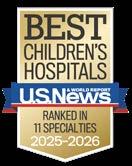
For more than 140 years, families from around the world have trusted Lurie Children’s for exceptional pediatric care. With our state-of-the art facilities and expertise in 70+ specialties, it’s no wonder we’re ranked one of the best pediatric hospitals by U.S. News & World Report.
Our team is ready to help your family through every step of your visit, including: Interpreting services • Travel and lodging • Coordination with providers in your home country
Scan the code or call +1.312.227.4550 to learn more.
Weill Cornell Medicine-Qatar (WCM-Q) hosted community health webinar series
Five experts, including four alumni from Weill Cornell Medicine-Qatar (WCM-Q), Dr. Rana Emam, Dr. Alreem Al-Nabti, Dr. Aalia Al-Barwani, and Dr. Emad Mansoor, addressed key community health issues during the latest installments of the “Health and YOU: Community Wellness Series.” Organized by the Institute for Population Health (IPH) at WCM-Q, the series aims to raise community awareness of health-related topics to enhance self-care, reduce suffering, improve quality of life, and increase healthy longevity.
Dr. Rana Emam, assistant professor of clinical psychiatry at WCM-Q and associate consultant in older adult psychiatry at Hamad Medical Corporation, gave a presentation on managing somatic disorders with compassion. She explored the clinical features of the disorders, common diagnostic challenges, and evidence-based approaches to their management. Emphasis was placed on multidisciplinary care, empathetic communication, and validating patient experiences without reinforcing illness behaviors.
In another session, Dr. Alreem Al-Nabti, assistant professor of dermatology at Weill Cornell Medicine, U.S., offered practical advice on skin health in hot weather, highlighting the importance of sun protection, hydration, and rash prevention strategies.
The founder and chief medical officer of Albidaya Wellness, Dr. Aalia Al-Barwani, presented a webinar on emotional eating and its impact on health. During the session, she discussed why people eat beyond hunger, the mental, emotional, and physical impacts of emotional eating, and offered practical strategies to reshape health through awareness and compassionate change.
Dr. Emad Mansoor, associate professor of medicine at Case Western Reserve University and University Hospitals Cleveland Medical Center, U.S., discussed preventive care, health maintenance strategies, and vaccinations for patients with inflammatory bowel disease (IBD).
Lastly, Dr. Sohaila Cheema, associate professor of clinical population health sciences and assistant dean at IPH, delivered a presentation on the science of walking and its numerous benefits for physical and mental wellbeing. Dr. Cheema said: “Our webinar series continues to raise awareness of community-relevant health topics and connect the general public with leading health professionals who are experts in their fields. We look forward to continuing to create a meaningful impact on the community’s overall wellbeing.”
Dr. Ravinder Mamtani, professor of population health sciences and vice dean for population health and lifestyle medicine at Weill Cornell Medicine-Qatar (WCM-Q), and professor of medicine at the Center for Global Health, said: “At IPH, we are committed to providing the community with a trusted platform where people can access vital information to address common health challenges. We would like to express our heartfelt thanks to our expert speakers for helping empower individuals to make informed decisions about their personal health.”
The IPH regularly organizes health education webinar sessions under the title “Health and YOU: Community Wellness Series” that are open to the general public. During the webinars, experts address common health topics facing communities around the world.
Dr. Alreem Al-Nabti
Dr. Aalia Al-Barwani
Dr. Emad Mansoor
Dr. Sohaila Cheema
HH Sheikha Moza bint Nasser Attended Opening of Precision Medicine and the Future of Genomics Summit
Her Highness Sheikha Moza bint Nasser, Chairperson of Qatar Foundation for Education, Science and Community Development (QF), attended the opening of Sidra Medicine’s Precision Medicine and the Future of Genomics (PMFG) Summit 2025 at the Qatar National Convention Centre.
The opening ceremony was also attended by His Excellency Mansoor bin Ebrahim bin Saad Al Mahmoud, Minister of Public Health; senior officials and government leaders; diplomats; and high-level representatives from international healthcare and academic institutions.
Marking the start of the three-day summit on precision medicine, genomics, and health innovation, the opening ceremony featured keynote speeches by Julia Vitarello, Founder and CEO of Mila's Miracle Foundation, and Prof. Ed Liu from The Jackson Laboratory. It concluded with a summit flagship opening panel, “From Personalized to Population-Scale: Building a Thriving Precision Medicine Sector in Qatar”.
In his opening remarks, Prof. Khalid Fakhro, Chief Research Officer at Sidra Medicine, said: “As we celebrate 11 years of PMFG, we
IT CONCLUDED WITH A SUMMIT FLAGSHIP OPENING PANEL, “FROM PERSONALIZED TO POPULATIONSCALE: BUILDING A THRIVING PRECISION MEDICINE SECTOR IN QATAR”.
reaffirm our commitment to driving genomic science, translational research, and real-world precision health implementation. We are also grateful to all the speakers, sponsors, partners, attendees and the growing Qatari scientific community who make this event special, and to our organizing team at Sidra Medicine who work relentlessly behind the scenes to deliver an exceptional conference experience for all.”
The PMFG Summit 2025, under the patronage of Qatar Foundation and co-organized by Sidra Medicine and Qatar Precision Health Institute, focuses on three major transformative pillars: AI in Genomics, Clinical Trials and RealWorld Implementation; Precision Medicine Implementation/Population Genomics & Future Frontiers, mirroring a comprehensive direction to integrate research, technology, and clinical care into population-scale practice.
Day 2 of PMFG 2025 featured:
• The Opening Plenary Lecture on rapid genome sequencing and precision clinical care by Dr. Stephen Kingsmore
• A high-level Panel session with leaders from global biotechnology, investment and national innovation sectors.
• Strategic discussions on AI-driven healthcare, technological innovation, and genomic data infrastructure.
Comprehensive Preventive and Diagnostic Genetic Testing Solutions
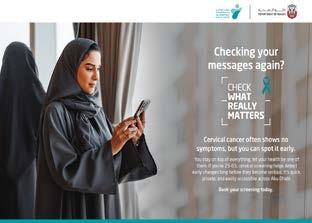
Abu Dhabi Public Health Centre Urges Women to Prioritise Cervical Cancer Screening Through “Check What Really Matters” Campaign
As part of Cervical Cancer Month, the Abu Dhabi Public Health Centre (ADPHC) has launched its latest cervical cancer prevention initiative under the “Check What Really Matters” campaign, calling on women to prioritise routine screening, even when they feel healthy.
ADPHC has emphasised that cervical cancer is one of the most preventable and highly curable cancers when detected early. However, this can only be done through routine screening, given the disease’s silent development and lack of noticeable symptoms in its early stages.
Building on awareness raised for breast cancer in October 2025, ADPHC’s “Check What Really Matters” campaign focuses on reinforcing the importance of preventive care – particularly routine screening – before symptoms appear. Now addressing cervical cancer, the campaign responds to common factors that can delay screening, including fear, embarrassment, and uncertainty, which remain well-recognised barriers to early detection. By addressing these concerns, the campaign supports informed decision-making and greater confidence around cervical cancer prevention.
CERVICAL CANCER SCREENING SERVICES ARE AVAILABLE THROUGH IFHASAPPROVED
PROVIDERS ACROSS ABU DHABI, WITH COVERAGE ROUTES IN PLACE TO ENSURE ACCESSIBILITY. THE CAMPAIGN ALSO SUPPORTS HEALTHCARE
PROFESSIONALS WITH UNIFIED TOOLS TO HELP GUIDE SENSITIVE CONVERSATIONS
WITH PATIENTS, AIMING TO REINFORCE CONFIDENCE IN THE SCREENING EXPERIENCE.
His Excellency Dr. Rashed Al Suwaidi, Director General of ADPHC, commented: “Cervical cancer is one of the most preventable forms of cancer when addressed through early screening and vaccination. Abu Dhabi Public Health Centre’s vision is centred on prevention, early intervention, and empowering individuals to take informed decisions about their health to support preventive action. Through the ‘Check What Really Matters’ campaign, we are reinforcing the importance of routine screening, addressing common concerns that may result in its delay, and creating an environment where women feel supported, informed, and confident to prioritise their long-term health.”
Cervical cancer screening services are available through IFHAS-approved providers across Abu Dhabi, with coverage routes in place to ensure accessibility. The campaign also supports healthcare professionals with unified tools to help guide sensitive conversations with patients, aiming to reinforce confidence in the screening experience.
Studies have shown that infection with certain, more volatile types of human papillomavirus (HPV) causes more than 90% of cervical cancer cases, further emphasising the importance and impact of prevention through HPV vaccination and routine screening.
The “Check What Really Matters” campaign highlights the importance of HPV vaccination for girls and boys alike, and parents and guardians are urged to support its administration through school programmes to protect adolescents before exposure to the virus. Catch-up vaccinations for women aged 27 to 45 are also available following consultation with a healthcare professional.
Eligible women aged 25 to 65 are encouraged to incorporate routine cervical screening as part of their regular, preventive health and wellness care, with screening recommended at least once every five years.
Thumbay College of Management and AI in Healthcare Signs Landmark
MoU to Guaranteeing Employment for Graduates
In a decisive move to bridge the gap between education and employability, the Thumbay College of Management and AI in Healthcare (TMAIH), under Gulf Medical University, has signed a strategic Memorandum of Understanding with Thumbay Healthcare Division, creating a direct academic-to-industry pathway that guarantees structured internships, workplace exposure, and employment opportunities for graduates.
The partnership formalizes an academic–industry ecosystem in which students will gain real-world hospital and healthcare business experience while studying, followed by guaranteed internship placements and a commitment from Thumbay Healthcare to employ at least 20% of eligible graduates from the program. This collaboration is designed to develop industry-ready healthcare leaders and AI-enabled management professionals, equipped not just with theory, but with handson operational exposure across Thumbay Healthcare’s network of accredited hospitals and medical centers in the UAE.
Under the MoU, both institutions will jointly implement:
• Guaranteed internships, short placements, and on-the-job training for students.
THE MOU ALSO ESTABLISHES A JOINT COORDINATION COMMITTEE TO CONTINUOUSLY EVALUATE OUTCOMES, EXPAND INDUSTRY PARTNERSHIPS, AND ALIGN TRAINING WITH EMERGING HEALTHCARE AND AI WORKFORCE NEEDS. THIS COLLABORATION REINFORCES THUMBAY GROUP’S LONG-STANDING COMMITMENT TO INTEGRATING EDUCATION, HEALTHCARE, AND RESEARCH INTO ONE CONNECTED ECOSYSTEM, ENSURING THAT FUTURE HEALTHCARE MANAGERS AND AI SPECIALISTS ARE TRAINED WHERE HEALTHCARE ACTUALLY HAPPENS.
• Direct employment pathways for eligible graduates.
• Joint training programs, certificate courses, and professional development initiatives.
• Faculty exchange, collaborative research, and co-branded CME programs, workshops, and conferences.
• Active involvement of industry partners in curriculum enrichment and workplace immersion.
Students will not graduate into uncertainty. They will graduate into real systems, real hospitals, real projects, and real careers.
Speaking on the occasion, Prof. Manda Venkatramana, Chancellor, Gulf Medical University, said: “This partnership reflects Gulf Medical University’s core philosophy: education must lead to impact. By integrating Thumbay Healthcare directly into the learning journey, we are ensuring that our students don’t just earn degrees, they build careers. This MoU transforms education into employability, and classrooms into gateways to the healthcare industry of the future.” Prof. Amir Zeid, Dean of Thumbay College of Management and AI in Healthcare, added: “This collaboration will pave the way to synchronize academic excellence with real-world clinical expertise, creating a dynamic laboratory for healthcare innovation. We are moving beyond traditional instruction to ensure our students graduate as AI-fluent leaders ready to solve the immediate challenges of the modern healthcare industry.”
Mr. Akbar Moideen Thumbay, Vice President –Healthcare, Thumbay Group, added: “Healthcare today demands leaders who understand both care delivery and intelligent systems. Through this MoU, Thumbay Healthcare is opening its ecosystem to students, offering them guaranteed exposure, mentorship, and employment opportunities. We are not only hiring graduates. We are shaping them from the start, inside real healthcare environments.”
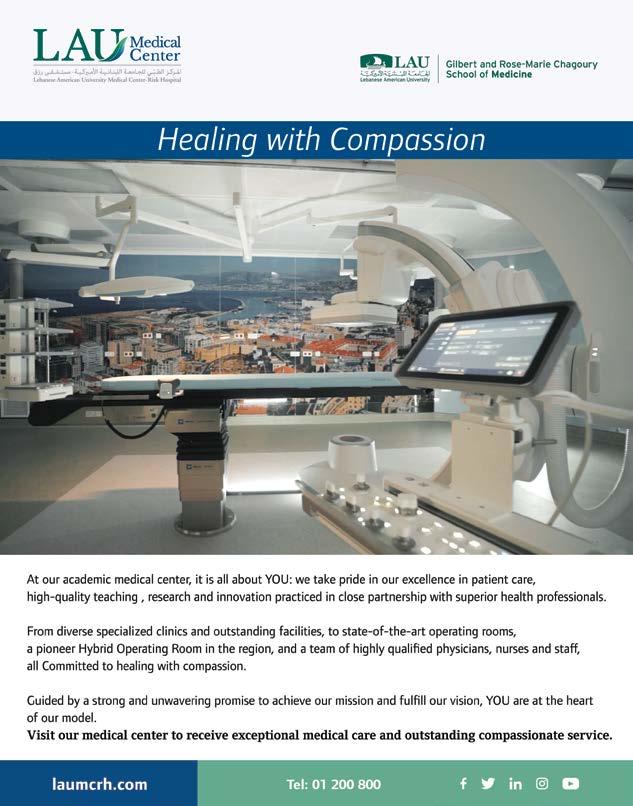
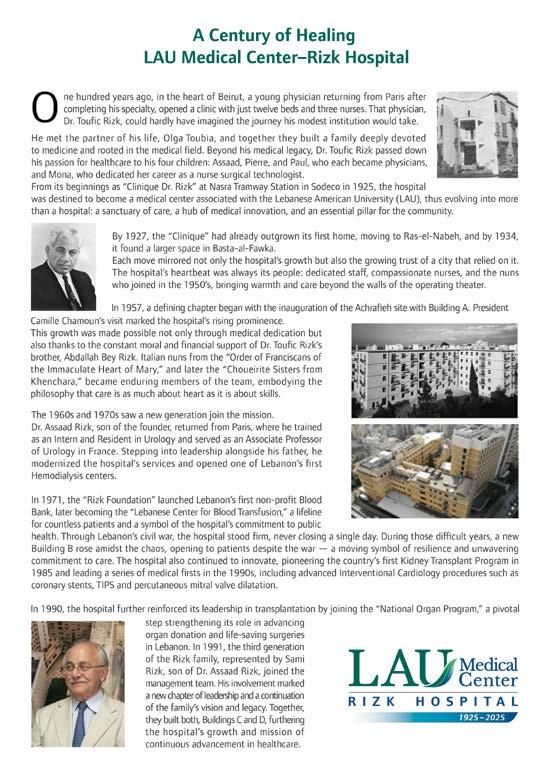
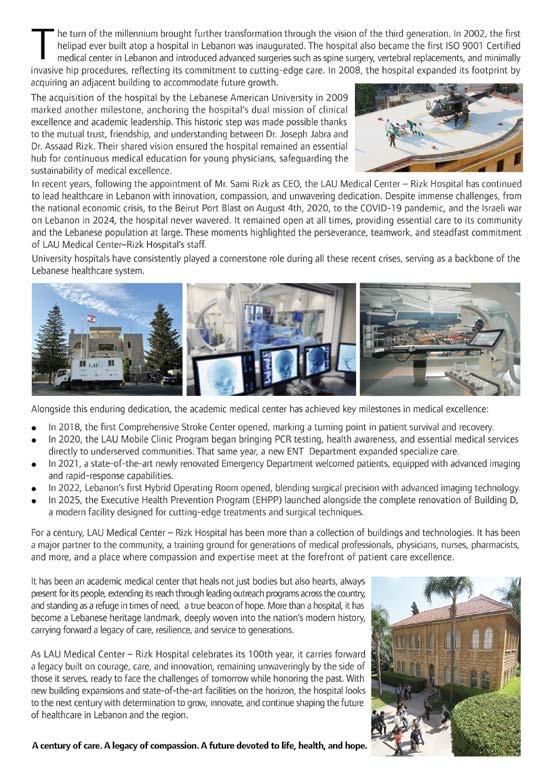
At our Academic Medical Centers, LAU Medical Center-Rizk Hospital in Ashrafieh, and LAU Medical Center-Saint John’s Hospital in Jounieh, it's all about YOU. We take pride in our excellence in patient care, high-quality teaching, research, and innovation, all practiced in close partnerships with superior health professionals.
Featuring diverse specialized clinics and outstanding facilities, including state-of-the-art operating rooms. As a pioneer in the region, the Hybrid Operating Room is supported by a team of highly qualified physicians, nurses, and staff, all dedicated to “healing with compassion”.
Guided by a steadfast and unwavering commitment to fulfill our mission and support our vision, YOU are at the core of our model.
Visit our Medical Centers to experience exceptional medical care and outstanding compassionate service.
Saint John’s Hospital s
Rizk Hospital
Family Care Authority participates in Al Dhafra Winter Festival to Raise Community Awareness of its Integrated Services
Building on its mandate to deliver specialised, integrated social care services that respond to the needs of families and individuals, and expand access to beneficiaries across the Emirate of Abu Dhabi, including Abu Dhabi City, Al Ain, and Al Dhafra, the Family Care Authority (FCA), participated in the Al Dhafra Winter Festival 2026, held from 5 to 11 January 2026 at the Public Park in Madinat Zayed, Al Dhafra Region.
During the festival, FCA hosted an integrated and interactive platform designed to engage diverse segments of the community. Through a series of awareness and interactive activities, the Authority highlighted its comprehensive services across key areas, including psychological and social support, protection, counselling, alternative care, and empowerment. These initiatives aim to strengthen family cohesion, raise awareness of mental health, and enhance the overall quality of life for families and individuals. The Authority affirmed that its participation in the festival reflects the Family Care Authority’s strategic vision to advance prevention, deliver
THE AUTHORITY AFFIRMED THAT ITS PARTICIPATION IN THE FESTIVAL REFLECTS THE FAMILY CARE AUTHORITY’S STRATEGIC VISION TO ADVANCE PREVENTION.
comprehensive social care, and empower families to navigate challenges and improve their quality of life. It also underscores the importance of effective community partnerships that place individuals and families at the heart of development, contributing to the building of a cohesive society in grounded in stability, inclusion, support, and hope, while reinforcing the Authority’s institutional presence in the Al Dhafra region.
H.E. Salama Al Ameemi, Director General of the Family Care Authority (FCA), engaging with the ‘Message Tree’ activity, promoting care and protection
H.E. Salama Al Ameemi connects with young participants at FCA booth
Family Care Authority’s interactive booth at the Al Dhafra Winter Festival
Advanced treatments. World-class expertise. Superior outcomes.
Among the largest pediatric medical centers in the world, Boston Children’s Hospital serves over 322,000 patients from around the globe each year. The high volume of rare and complex pediatric conditions we treat allows us to continually refine our expertise, often pushing the needle on new or improved treatments — and the best possible outcomes for patients.
We offer:
• Centers of Excellence comprised of multidisciplinary teams of specialists who work together to provide collaborative and customized care
• One of the largest pediatric gene therapy programs in the world, driven by clinical expertise and pioneering research in emerging gene therapies
• 40 clinical departments and 270 specialized clinical programs
• Personalized case coordination to ensure families have seamless access to world-class care
Find out how we support families from around the globe.
ACIBADEM MOBIL
provides emergency and home care services outside of the hospital.
ACIBADEM APLUS
addresses the hygiene and catering requirements of the hospitals.
ACIBADEM HEALTH POINT ensures continuous support for patients from their arrival at Istanbul Airport until they return home, guiding them through their entire healthcare journey in Türkiye.
ACIBADEM TECHNOLOGY
develops and improves inhouse softwares including Hospital Information System and healthcare command center.
ACIBADEM UNIVERSITY
trains healthcare students to be future healthcare professionals.
ACIBADEM LABMED
offers a wide range of services including pathology, food control, stem cell and cord blood bank within the laboratory framework.
develops turnkey hospital establishment projects.
Unveiling ACIBADEM Healthcare Ecosystem
Step into a world where healthcare is not just a service, but a carefully designed ecosystem centered around Patient Safety and Patient Satisfaction – Welcome to ACIBADEM. At the forefront of innovative medical care, ACIBADEM's healthcare model is a testament to its unwavering commitment to excellence. Every facet of the healthcare journey is seamlessly integrated, with ACIBADEM collaborating with its supporting institutions at every step to mitigate risks and ensure service quality that aligns with ACIBADEM standards. Embark on a journey of cutting-edge medical services that transcend borders, as ACIBADEM extends its reach across Türkiye, Bulgaria, Macedonia, Serbia, and the Netherlands. Experience healthcare like never before, where your well-being takes center stage.
10 Years in a Row on the ' Best Hospitals ' Honor Roll in the U.S.
Cedars-Sinai has been named to the Honor Roll for the 10th consecutive year and tied for No. 1 in California and Los Angeles in U.S. News & World Report’s “Best Hospitals 2025-26” rankings.
Every year, thousands of patients from over 100 countries choose Cedars-Sinai for our renowned healthcare. From complex surgeries to rare diagnoses and second opinions, the Cedars-Sinai team ensures a seamless experience - before, during, and after care.
Six Cedars-Sinai specialties were ranked in the top 10 in the U.S.:
Orthopedics
Obstetrics & Gynecology
Diabetes & Endocrinology
Pulmonology & Lung Surgery
Gastroenterology & GI Surgery
Cardiology, Heart & Vascular Surgery
Located in Los Angeles, California, Cedars-Sinai combines world-class care with a vibrant setting, cultural sensitivity, and concierge-level comfort.
3rd Remarkable Emirati Women Summit Celebrates Distinguished
Emirati Women, Honours Graduates of
Second Emirati Women Chapter Cohort
The third edition of the Remarkable Emirati Women (REW) event, held under the patronage of Her Highness Sheikha Fatima bint Mubarak, Chairwoman of the General Women’s Union (GWU), President of the Supreme Council for Motherhood & Childhood, Supreme Chairwoman of the Family Development Foundation, and Mother of the Nation, brought together more than 700 leaders under the theme Unleash Your Impact.
Her Excellency Rym bint Abdulla Al Falasy, Secretary-General of the Supreme Council for Motherhood & Childhood, delivered an opening address on behalf of Her Highness Sheikha Fatima bint Mubarak, conveying strong messages of support for the advancement of Emirati women. The speech underscored the event’s significance as a platform that celebrates a distinguished group of Emirati women whose excellence and remarkable achievements serve as inspiring models. Her Excellency emphasised that Her Highness’s patronage reflects her unwavering commitment to advancing the role of women in the nation’s development. Her Excellency Al Falasy noted that the wise leadership’s support for Emirati women has always been the cornerstone of their progress. Her Excellency explained that the leadership has spared no effort in providing all necessary resources to empower and develop Emirati women, enabling them to earn the nation’s trust and become a formidable force locally, regionally and globally. Her Excellency Al Falasy highlighted the vital role of Emirati women in all spheres of responsibility, whether in the workplace or within their families. Her Excellency said: “The Emirati mother exemplifies the highest forms of giving. She is the first school in shaping individuals and the constant pillar supporting the family and society.”
Sheikha Dr Shamma bint Mohammed bin Khalid Al Nahyan, Chair of the Board of Directors of the Sheikh Mohammed bin Khalid Al Nahyan Cultural
THE EVENT WAS ATTENDED BY SHEIKH MOHAMMED BIN ABDULLAH BIN ZAYED AL NAHYAN AS THE GUEST OF HONOUR, WHO TOOK PART IN A CEREMONY TO HONOUR 62 GRADUATES FROM THE SECOND COHORT OF THE EMIRATI WOMEN CHAPTER PROGRAMME – A JOINT INITIATIVE OF THE GWU AND PUREHEALTH TO EMPOWER EMIRATI WOMEN THROUGH MENTORSHIP, LEADERSHIP TRAINING AND PROFESSIONAL DEVELOPMENT OPPORTUNITIES.
and Educational Institutions, delivered an inspiring address at the summit in which she explored the concept of true impact and the role of women in achieving it, free from the pressures of the socalled exceptional woman syndrome. Sheikha Dr Shamma spoke about the importance of mental health and its role in national sustainability, noting that burnout has become a genuine concern. She emphasised that when society celebrates only the image of the superwoman, it does not empower women; rather, it risks losing some of the nation’s brightest talent under the weight of silent exhaustion.
Shaista Asif, Group Chief Executive Officer of PureHealth, said: “This year’s Remarkable Emirati Women Summit highlighted the growing momentum of initiatives dedicated to empowering Emirati women, guided by the vision of Her Highness Sheikha Fatima bint Mubarak and supported by our esteemed partners at the General Women’s Union and the Supreme Council for Motherhood & Childhood. We are proud to have witnessed the participation of many national leaders, changemakers, policymakers and innovators. This collective commitment we witnessed throughout the summit inspires us at PureHealth to continue supporting Emirati women, believing that they are a driving force for progress in the healthcare sector and across other fields, leaving a clear imprint on the UAE’s journey of development, prosperity and equality.”
Northwestern Medicine is a global destination for complex brain and spine tumor care. Our world-class physicians are pioneering research and expanding access to groundbreaking therapies, including clinical trials and treatments that are not widely available.
Ranked among the top 10 programs in the United States for Neurology and Neurosurgery by U.S. News and World Report, 2025 – 2026, see how we’re redefining what’s possible for patients from across the Chicago area — and around the world.
Visit northwesternglobalservices.com.
Northwestern Memorial Hospital
Boehringer Ingelheim earns Global and Middle East Top Employer for 2026
Boehringer Ingelheim, one of the world’s leading biopharmaceutical companies, has been recognized as Top Employer Middle East for the third consecutive year, reflecting a sustained and deliberate focus on how people are supported, developed, and enabled to do their best work. This year’s certification underpins the company’s commitment to creating an attractive work environment, with employee well-being at its core.
That regional recognition is echoed across different countries in the region, where Boehringer Ingelheim continues to earn Top Employer certifications year after year: Saudi Arabia for the sixth consecutive year, the United Arab Emirates for the fifth, and Türkiye for the second, and South Africa for the first year running. Together, these results reflect a consistent regional culture that prioritizes growth without burning out, ambition without compromise, and performance that is sustained by people who feel genuinely supported.
Derek O’Leary, Regional Managing Director, India, Middle East, Türkiye and Africa (IMETA) at Boehringer Ingelheim, said: “Life sciences is an industry built on long horizons. The medicines and solutions we work on take years, sometimes decades, to deliver their full impact. Sustaining that level of ambition requires workplaces that genuinely look after people, their energy, development, and sense of purpose. Being recognized again as a Top Employer in the Middle East is a growing responsibility to create environments where people can develop their careers whilst looking after their well-being. It is equally a reassurance that our people feel supported, trusted, and able to do work that truly matters; for patients, for society, and for the future of healthcare.”
Offerings for physical, mental, social, and financial health
Boehringer’s well-being program takes care of the whole person, from physical and mental health to social and financial aspects. A dedicated cross-functional team co-creates
meaningful offerings and activities, so every employee can bring their best to work and life. It includes health screenings, fitness programs, and tailored mental health training for employees and leaders. Confidential counseling and other mental health support are available through employee assistance programs. The company also encourages volunteering and provides financial education and retirement planning to help build security for today and tomorrow – just to name a few examples.
Benefits for work-life-balance and personal development
Beyond well-being, employees benefit from tailored lifelong learning and development opportunities and flexible working models. For example, the internal Boehringer Ingelheim University makes a virtual campus accessible worldwide. The opportunity to temporarily work abroad allows employees to spend more time with loved ones who live elsewhere.
Recognition, Engagement, and Employee Listening
Our recognition programs, employee listening mechanisms, and engagement initiatives continue to drive positive momentum, ensuring we remain closely connected to our employees’ needs and foster a culture of continuous improvement.
Aylin Dodanli, Head of Human Resources, IMETA region at Boehringer Ingelheim, added: “In an industry defined by scientific rigor, the ability to attract and retain talent depends on more than opportunity aloneexpectations are higher, careers are less linear, and people are far more intentional about where and how they work. What differentiates employers today is not a single benefit or policy, but whether people feel valued and supported to grow over time without losing themselves in the process. This recognition reflects our focus on building careers that are sustainable, flexible, and grounded in well-being, so our people can continue doing complex, meaningful work at pace.”
CERTIFIED ACROSS THE GLOBE THIS YEAR, BOEHRINGER HAS RECEIVED THE AWARD IN 31 COUNTRIES AND REGIONAL RECOGNITIONS IN ASIA PACIFIC, EUROPE, LATIN AMERICA, AND THE MIDDLE EAST. IN LATIN AMERICA, THE COMPANY IS RANKED AMONG THE TOP THREE EMPLOYERS. BOEHRINGER HAS BEEN LISTED AMONG THE TOP EMPLOYERS IN MULTIPLE COUNTRIES AND REGIONS FOR THE PAST 12 YEARS.
Hope begins with innovation and personalized cancer care.
Henry Ford Health, driving innovative healthcare for over a century.
We are creating more hope for patients around the world. With one unified team of specialists and innovations ranging from precision medicine to advanced radiation therapy, we deliver one-of-a-kind cancer treatments—crafted precisely for you. Henry Ford Health is one of the world’s leading comprehensive, integrated health systems, recognized for our clinical excellence.
Ethmar International Holding (EIH) brings world-leading Institut Marquès IVF centre to Abu Dhabi
Ethmar International Holding (EIH), the UAE’s leading progressive investment holding, is partnering with FutureLife group to bring the internationally renowned Institut Marquès assisted reproductive technology (ART) centre to Abu Dhabi. The new state-of-the-art facility will strengthen Abu Dhabi's position as a global hub for healthcare innovation and excellence.
Founded over a century ago, Institut Marquès is a leader in assisted reproduction, recognized internationally for its groundbreaking advancements and success rates in fertility treatments. Its cuttingedge embryology laboratories, coupled with a multidisciplinary team of nearly 200 professionals, including gynecologists, embryologists and psychologists, have positioned Institut Marquès among the highestperforming IVF providers globally, delivering success rates of up to 86%.
Currently operating clinics in Barcelona, Sabadell, Rome and Milan, Institut Marquès will now bring its legacy of European clinical excellence and advanced technology to Abu Dhabi. The new centre will integrate with Abu Dhabi’s advanced healthcare ecosystem, regulatory leadership and long-term national healthcare vision. Patients will have access to a comprehensive suite of fertility treatments and services. With infertility affecting one in six adults globally, according to the World Health Organization (WHO), the introduction of Institut
NEW CENTRE IN
ABU DHABI WILL
OFFER ADVANCED ASSISTED REPRODUCTIVE SERVICES INCLUDING IVF AND FERTILITY TREATMENTS, GYNAECOLOGY, HOLISTIC THERAPIES AND PREVENTATIVE WELLNESS PROGRAMMES.
Marquès to the UAE capital is a significant milestone in addressing this pressing global health challenge. The new centre also aligns with EIH's commitment to supporting Abu Dhabi’s strategic goals, particularly in advancing medical and health tourism, and elevating local healthcare capabilities and patient experience.
EIH has mentioned that: “Access to effective fertility remains a significant global challenge. By bringing Institut Marquès to Abu Dhabi, EIH is underscoring its commitment to supporting the emirate’s ambition to become a regional and global healthcare hub. The strength and legacy of Institut Marquès in Europe demonstrate its scalability, clinical governance and ability to deliver consistently across multiple markets.”
Institut Marquès is part of the FutureLife group, a global leader in reproductive medicine operating over 60 clinics across 16 countries, bringing extensive expertise and clinical excellence to the collaboration. Abu Dhabi will serve as the gateway for Institut Marquès’ regional expansion, further cementing the UAE capital as a leader in advanced reproductive medicine. FutureLife group is supported by Hartenberg, an investment firm focused on achieving investment growth and long-term value and CVC Capital Partners (“CVC”), a leading global private markets firm. CVC has a history of investment in the UAE and is committed to investing further, to back businesses that support development across the country. Institut Marquèsa Abu Dhabi is set to open in 2026.
Awqaf Abu Dhabi and the Department of Health – Abu Dhabi Launch First Phase of Critical Care Support
The Endowments and Minors’ Funds Authority (Awqaf Abu Dhabi) announced the debut of sustainable financing supporting 140 of the most critical and vulnerable medical cases, generated through the Life Endowment Campaign launched in collaboration with the Department of Health –Abu Dhabi (DoH), the regulator of the healthcare sector in the Emirate. This exceptional achievement follows the campaign's remarkable success in raising over nine hundred million dirhams from more than two hundred thousand contributors.
H.E. Fahad Abdulqader Al Qassim, Director General of Awqaf Abu Dhabi, said: “The deployment of sustainable financing through The Life Endowment Company is a pivotal step in transforming generosity into durable value. We have begun to channel the first returns from endowment assets, guided by clear priorities, to support the most critical medical needs of around 140 patients. This is waqf in its modern form, a financial mechanism that creates continuous resources while directly improving lives and supporting the UAE’s humanitarian mission.”
H.E. Dr. Noura Khamis Al Ghaithi, Undersecretary of the Department of Health – Abu Dhabi (DoH), said: “The Department of Health - Abu Dhabi is proud of the outstanding success of the ‘Life Endowment’ campaign,
NEW CENTRE IN ABU DHABI WILL OFFER ADVANCED ASSISTED REPRODUCTIVE SERVICES INCLUDING IVF AND FERTILITY TREATMENTS, GYNAECOLOGY, HOLISTIC THERAPIES AND PREVENTATIVE WELLNESS PROGRAMMES.
made possible through our strategic partnership with Awqaf Abu Dhabi and the continuous support of our partners who believe in its noble vision. This campaign reflects the UAE’s deeprooted legacy of generosity and social solidarity, enabling us to deliver specialised, integrated, and effective healthcare services across the community. This initiative serves as a testament to the Department’s ongoing efforts to safeguarding the health and well-being of every member of our community, reinforcing the Emirate’s position as a leading global destination for excellence in healthcare.”
Farhan Malik, Founder and Managing Director of PureHealth, said: “The Life Endowment campaign embodies Abu Dhabi’s vision and humanitarian values inspired by the legacy of the late Sheikh Zayed bin Sultan Al Nahyan. It brings together compassion and innovation to deliver real and lasting impact on people’s lives. We believe that true wellbeing extends beyond physical health to include longevity, prosperity and community cohesion. Through this initiative, we are honoured to contribute to a better future where generosity and innovation unite to create sustainable change for generations to come.”
H.E. Al Qassim added: “Every contribution has helped build a foundation for continuous support. We are safeguarding the wellbeing of families today while ensuring a future where access to care remains sustainable. I thank PureHealth for stepping forward with both financial support and specialist medical expertise during this first phase. Their commitment reflects the spirit of compassion and collaboration that defines the healthcare community in Abu Dhabi. I also extend my appreciation to the Department of Health - Abu Dhabi for their guidance in identifying the patients most in need, and to every donor who has contributed to the campaign. Together we are expanding the reach of Life Endowment and strengthening a lasting legacy of health and hope.”
Sysmex signs government MOU to establish first diagnostic reagent factory in Saudi Arabia
Sysmex Healthcare Regional Headquarters announced that it has signed a Memorandum of Understanding (MOU) for the establishment of its diagnostic reagent factory in the Kingdom of Saudi Arabia. This significant milestone marks a new chapter in the company's long-standing commitment to the Kingdom and represents a strategic investment in local manufacturing capabilities that will create employment opportunities and bring advanced diagnostic production closer to the healthcare providers and patients the company serves across the Gulf Cooperation Council region.
Sysmex served end-customers for several decades through local partners before establishing a direct affiliate in 2022, pioneering a direct business model that enabled closer collaboration with hospitals, laboratories, and healthcare authorities. Building on this foundation, Sysmex became one of the first Japanese companies across all sectors to establish a Regional Headquarters (RHQ) in Riyadh, demonstrating strategic foresight and commitment to the Kingdom well ahead of many global peers.
Since entering the Kingdom, Sysmex has actively contributed to Saudi Arabia’s healthcare
SYSMEX SERVED END-CUSTOMERS FOR SEVERAL DECADES THROUGH LOCAL PARTNERS BEFORE ESTABLISHING A DIRECT AFFILIATE IN 2022, PIONEERING A DIRECT BUSINESS MODEL THAT ENABLED CLOSER COLLABORATION WITH HOSPITALS, LABORATORIES, AND HEALTHCARE AUTHORITIES.
ecosystem by delivering cutting-edge diagnostic solutions aligned with Saudi Arabia’s Vision 2030 goals. These solutions enhance clinical decisionmaking, improve operational efficiency, and support better patient outcomes.
Developing local talent is a cornerstone of Sysmex’s strategy, as customer education remains central to Sysmex’s mission. Through technical workshops, clinical seminars, and digital learning via Sysmex’s internal training centre, Sysmex provides continuous professional development opportunities, ensuring clinicians can fully leverage advanced diagnostic technologies for improved patient care.
The establishment of local manufacturing capabilities reflects Sysmex's commitment to sustainability and its Eco Vision 2033 goals. By producing closer to the markets it serves, Sysmex will reduce CO₂ emissions, achieve best-in-class water utilisation, and establish a sustainable reagent factory for the customers in the Middle East.
The new reagent factory reinforces Sysmex's dedication to Saudi Arabia's healthcare transformation and economic development, as the company continues to advance healthcare standards and pursue sustainable growth across the Kingdom.
Liquid biopsy in breast cancer – Less invasion more precision
Plasma-SeqSensei™
Liquid biopsy in breast cancer – Less invasion more precision
Plasma-SeqSensei™
The Plasma-SeqSensei Breast Cancer IVD Kit is an NGSbased liquid biopsy assay that focuses on highly sensitive detection of clinically relevant mutations in TP53, ESR1, PIK3CA, AKT1 and ERBB2 from blood plasma.
Learn more about the unique advantages of Plasma-SeqSensei technology
The Plasma-SeqSensei Breast Cancer IVD Kit is an NGSbased liquid biopsy assay that focuses on highly sensitive detection of clinically relevant mutations in TP53, ESR1, PIK3CA, AKT1 and ERBB2 from blood plasma.
High sensitivity at low MAFs
Learn more about the unique advantages of Plasma-SeqSensei technology
Down to 0.06% - 0.07% Mutant Allele Fractions.
High sensitivity at low MAFs
Down to 0.06% - 0.07% Mutant Allele Fractions.
Absolute quantification
Short and standardised workflow
From cfDNA samples to results in two days.
Short and standardised workflow
From cfDNA samples to results in two days.
Data analysis and reporting made easy
Generate report designed for clinicians with just a few clicks.
Absolute quantification
Meaningful comparison of ctDNA levels per millilitre of plasma.
Expert voices
Meaningful comparison of ctDNA levels per millilitre of plasma.
Data analysis and reporting made easy
Generate report designed for clinicians with just a few clicks.
Expert voices
‘We know that tissue samples cannot be taken regularly, but liquid biopsy is easy to take, it is simply a sample of blood. And it gives you real-time information.’
Dr Bhuwnesh Agrawal Member of The Supervisory Board
‘Even low levels of ctDNA could have given an indication of the coming progression in the follow-up.’
‘There is much more diagnostic power in the absolute quantification.’
‘We know that tissue samples cannot be taken regularly, but liquid biopsy is easy to take, it is simply a sample of blood. And it gives you real-time information.’
Sysmex Inostics and MD, Germany
Dr Bhuwnesh Agrawal Member of The Supervisory Board
Sysmex Inostics and MD, Germany
‘Even low levels of ctDNA could have given an indication of the coming progression in the follow-up.’
‘There is much more diagnostic power in the absolute quantification.’
Prof. Christopher Gebhardt UKE Hamburg, Germany
Prof. Christopher Gebhardt UKE Hamburg, Germany
Prof. Geert A. Martens AZ Delta General Hospital, Belgium
Prof. Geert A. Martens AZ Delta General Hospital, Belgium
PureHealth launches Abu Dhabi Health Research Centre to advance global leadership in clinical innovation
PureHealth has launched the Abu Dhabi Health Research Centre (ADHRC), an integrated clinical research division that consolidates all research activities across PureHealth’s Abu Dhabi hospitals, primary care clinics and advanced laboratories. The centre was formally announced at the inaugural ADHRC Research Conference 2025, held recently in Abu Dhabi and supported by the Department of Health – Abu Dhabi (DoH), which convened global experts to accelerate collaboration in clinical research and scientific innovation.
This major milestone positions Abu Dhabi as a leading contributor to global healthcare advancement and underscores PureHealth’s commitment to driving translational research, medical innovation, and precision medicine.
ADHRC brings together the clinical research operations across 16 hospitals, a broad network of primary health clinics and advanced laboratories across Abu Dhabi. The centre covers all stages of the research lifecycle, from protocol design and patient recruitment to regulatory coordination, data analytics and scientific publication. With more than 100 active clinical research studies, over 300 principal investigators, and a scientific team of over 700 scientists, ADHRC partners with government entities, global biopharma, and leading academic institutions to deliver comprehensive clinical research in line with Abu Dhabi’s healthcare priorities.
Her Excellency Dr Noura Khamis Al Ghaithi, Undersecretary of the Department of Health – Abu Dhabi (DoH), said: “Harnessing the collective strength of our ecosystem is central to Abu Dhabi’s vision of advancing healthcare through science and innovation. The establishment of the Abu Dhabi Research Centre marks an important milestone in consolidating our research capabilities and driving high-impact clinical studies that improve lives locally and globally. This initiative reaffirms DoH’s commitment to positioning Abu Dhabi as a global hub for life sciences. By empowering
partners such as PureHealth to lead highquality, ethically governed and impactful research, we are accelerating discovery and enhancing patient outcomes.”
Shaista Asif, Group
Chief Executive Officer
at PureHealth, said: “The establishment of ADHRC marks a defining moment in the UAE’s healthcare journey. By consolidating our research capabilities under one unified centre, we are building on PureHealth’s longstanding legacy in medical research to accelerate the development of breakthrough therapies, improve patient outcomes, and reinforce Abu Dhabi’s position as a global hub for healthcare innovation. This transformation is driven by scientific excellence, operational scale, and our unwavering commitment to enabling longer, healthier lives for all.”
The announcement follows the successful completion of the ADHRC Research Conference 2025, the centre’s first major public initiative. Bringing together more than 350 delegates from government, academia, healthcare and global life sciences, the conference explored emerging frontiers across cell and gene therapy, rare diseases, neurofrontiers, longevity science and regulatory innovation. The event showcased Abu Dhabi’s growing leadership in global clinical research and its commitment to driving scientific discovery at scale.
THE CENTRE FOCUSES ON HIGH-IMPACT AREAS SUCH AS PERSONALISED MEDICINE, RARE DISEASES, AND CUTTING-EDGE HEALTHCARE TECHNOLOGIES, ALIGNING PRIVATESECTOR INNOVATION WITH PUBLIC HEALTH PRIORITIES. ITS INFRASTRUCTURE INCLUDES INPATIENT CLINICAL TRIAL UNITS (CTUS) AND THE LARGEST OUTPATIENT CTU IN THE MIDDLE EAST, WITH THE CAPACITY TO MANAGE MORE THAN 800 CLINICAL TRIAL PARTICIPANT VISITS DAILY, ENABLING THE EXECUTION OF COMPLEX AND HIGH-THROUGHPUT CLINICAL STUDIES.
YOUR TRUSTED HEALTHCARE PARTNER
SINCE 1977
Providing Comprehensive Medical, Pharmaceutical, and Laboratory Solutions across the UAE.
EXTENSIVE PORTFOLIO
5,000 + Medical, Pharmaceutical, and Lab Products.
and Governmental Sectors.
and Compliance For Decades.
9-12 February 2026 10-13 February 2026
Lilly’s orforglipron helped people maintain weight loss after switching from injectable incretins to oral GLP-1 therapy in a first-of-its-kind Phase 3 trial
Eli Lilly and Company (NYSE: LLY) announced positive topline results from the ATTAIN-MAINTAIN trial. The Phase 3 study evaluated orforglipron, an investigational, once-daily oral small molecule glucagon-like peptide-1 (GLP-1) receptor agonist, for weight maintenance over 52 weeks after initial treatment for 72 weeks with the highest tolerated doses of Wegovy (semaglutide) or Zepbound (tirzepatide), in participants from SURMOUNT-5 who were offered the opportunity to be rerandomized to receive orforglipron or placebo. At one year, orforglipron met the primary and all key secondary endpoints compared to placebo, delivering superior weight maintenance as an adjunct to a healthy diet and physical activity, using the efficacy estimand and modified treatment-regimen estimand.
“Obesity is a chronic,progressive disease, and sustaining weight loss remains a significant challengefor many,” said Kenneth Custer, Ph.D., executive vice president and president,Lilly Cardiometabolic Health. “ATTAIN-MAINTAIN showed that orforglipron, aonce-daily oral GLP-1, helped people maintain the weight they worked hard tolose. Participants in this study were able to switch directly from the highesttolerated doses of available injectable therapies to oral doses oforforglipron.
If approved for the treatment of obesity, orforglipron couldprovide a 2 convenient alternative for the millions of individuals living withobesity around the globe to continue their long-term health journey.”In the study, orforglipronmet the primary endpoint of superior percent maintenance of body weightreduction compared with placebo among SURMOUNT-5 participants who had previouslyreached a body weight plateau. In pre-specified analyses at 52 weeks, participants who switched to orforglipron from Wegovy maintained theirpreviously achieved weight
loss with an average difference of 0.9 kg, whilethose who switched to orforglipron from Zepbound maintained their previouslyachieved weight loss with an average difference of 5.0 kg, using the efficacyestimand. In posthoc analyses at 24 weeks, the last time point before placeboparticipants were eligible for orforglipron as rescue therapy, the change inbody weight from ATTAIN-MAINTAIN baseline for patients switching toorforglipron from Wegovy was -0.1 kg vs. 9.4 kg for placebo. Likewise, forpatients switching to orforglipron from Zepbound, the change from baseline was2.6 kg vs. 9.1 kg for placeboThe overall safety andtolerability profile of orforglipron in ATTAIN-MAINTAIN was consistent withprevious orforglipron Phase 3 studies. The most common adverse events were gastrointestinal and generally mild to moderate in severity. Discontinuation rates due to adverse events for patients randomized to placeboor orforglipron were 4.8% (orforglipron from Wegovy), 7.6% (placebo fromWegovy), 7.2% (orforglipron from Zepbound) and 6.3% (placebo from Zepbound). Nohepatic safety signal was observed.Detailed results from theATTAIN-MAINTAIN trial will be presented at a future medical meeting andpublished in a peer-reviewed journal next year. Lilly has submitted a new drugapplication to the U.S. Food and Drug Administration (FDA) for orforglipron forthe treatment of adults with obesity or overweight. Orforglipron was granted aCommissioner’s National Priority Voucher from the U.S. FDA.
ATTAIN-MAINTAIN SHOWED THAT ORFORGLIPRON, AONCE-DAILY ORAL GLP-1, HELPED PEOPLE MAINTAIN THE WEIGHT THEY WORKED HARD TOLOSE. PARTICIPANTS IN THIS STUDY WERE ABLE TO SWITCH DIRECTLY FROM THE HIGHESTTOLERATED DOSES OF AVAILABLE INJECTABLE THERAPIES TO ORAL DOSES OFORFORGLIPRON.
A New Era for Atrial Fibrillation Treatment: VoltTM Pulsed Field Ablation System
Advances Electrophysiology in the Middle East
When Abbott announced earlier last year that its Volt™ Pulsed Field Ablation (PFA) System had received CE Mark approval, the news sent a strong signal across the global electrophysiology community: a new phase in atrial fibrillation therapy had begun.
For the Middle East, where the burden of arrhythmias is rapidly increasing due to lifestyle changes, aging populations, and improved screening, the timing could not be more significant. Hospitals in Saudi Arabia, the UAE, and across the GCC are investing heavily in advanced cardiac care, prioritizing safer, faster, and more predictable technologies. Volt™ PFA System enters this landscape as one of the most promising innovations yet.
To understand how Volt™ PFA System may influence clinical practice, we spoke with two of the region’s renowned electrophysiologists:
Dr. Fahad Almehmadi, full-time Electrophysiologist at King Faisal Cardiac Center and an Assistant Professor at King Saud Bin AbdulAziz University, and Dr. Mohamed Magdy, MD, PhD Head of the Department of Cardiac EP, Al Qassimi hospital Sharjah, UAE, Prof of Cardiology and electrophysiology, Cairo University, Egypt, Prof of Cardiology, Sharjah University. Their perspectives highlight
a shared optimism and a clear sense that the ground is shifting beneath electrophysiology as Pulse Field Ablation moves from concept to clinical reality.
Rethinking Ablation: Why PFA Matters Now
Catheter ablation has been the gold standard for atrial fibrillation for years, yet its limitations have been well known. Traditional thermal energy, radiofrequency, or cryoablation carries risks, requires longer procedures, and can affect structures beyond the intended target. Pulsed Field Ablation (PFA), by contrast, uses highvoltage, microsecond electrical pulses to selectively ablate cardiac tissue through electroporation.
Its promise is simple: the precision of targeted therapy without the collateral damage of heat or cold. For clinicians like Dr. Fahad Almehmadi, this shift is monumental. “PFA is the first technology that truly changes the equation,” he says. “It gives us the ability to isolate pulmonary veins with speed and accuracy, while significantly reducing the risks we associate with thermal ablation. It is not an incremental improvement—it is a new category of therapy.”
Volt™ PFA System: Designed for Efficiency and Predictability
One of the biggest challenges in electrophysiology labs is the time required for procedures. Each additional minute under anesthesia increases patient risk and decreases lab throughput. According to Abbott, Volt™ PFA System was designed with this challenge in mind. The system’s catheter design, mapping integration, and workflow aim to reduce variability between operators, a common issue in AFib treatment.
Dr. Mohamed Magdy emphasizes the practical benefit this creates inside the EP lab: “With new generation PFA systems, the workflow is
Dr. Fahad Almehmadi
cleaner. Lesions are consistent, applications are fast, and the learning curve is remarkably short. PFA as a technology is already efficient, Volt™ PFA System makes that efficiency immediately accessible to centers adopting it.”
For busy tertiary centers across the GCC, where AFib cases continue to rise, the link between streamlined workflow and expanded patient access is critical. A technology that allows more patients to be treated in a single day, and shortens waiting lists that can delay care for weeks or months.
Safety as a Catalyst for Wider Adoption
Electrophysiologists have long been concerned about thermal injury to the esophagus, phrenic nerve paralysis, and pulmonary vein stenosis, all complications associated with traditional ablation. The Volt™ PFA System eliminates the thermal component, sparing non-cardiac tissues and drastically reducing risk. Dr. Almehmadi notes this as the factor most likely to shift patient attitudes: “Safety is a primary concern in Saudi Arabia and the rest of our region. A system that improves outcomes while reducing risk has the potential to
bring more patients into treatment earlier, before complications develop.”
New generation PFA systems, like Volt™ PFA System, offer several advantages such as:
• Shorter procedure times
• Faster recovery
• Reduced anesthesia exposure
• Lower complication risk
• Greater confidence in choosing ablation sooner
“Atrial fibrillation and cardiac arrhythmias negatively impact the lives of millions around the world,” said Khodr Oulleik, Regional Director – Emerging Markets for Abbott’s electrophysiology business. “Patients with untreated arrhythmias are at an increased risk of stroke and heart attack. Abbott’s state-ofthe-art Volt™ PFA System offers new safe and effective treatment options that overcome previous limitations with earlier generation Pulse Field Ablation technologies.”
A Regional Shift Toward Advanced Electrophysiology
ABBOTT’S VOLT™ PULSED FIELD ABLATION SYSTEM ARRIVES AT A PIVOTAL MOMENT FOR CARDIAC CARE IN THE MIDDLE EAST. AS THE BURDEN OF ATRIAL FIBRILLATION RISES, THE NEED FOR SAFER, FASTER, AND MORE PREDICTABLE SOLUTIONS BECOMES URGENT. PFA ANSWERS THAT NEED, WITH A DESIGN TAILORED FOR CLINICAL EFFICIENCY AND A SAFETY PROFILE THAT ELEVATES PATIENT CONFIDENCE.
Dr. Mohamed Magdy
Khodr Oulleik
Hospitals in Saudi Arabia and the UAE are rapidly establishing themselves as regional leaders in complex cardiac interventions. Both countries are prioritizing technologies that move the standard of care forward and support national cardiovascular health strategies.
Dr. Mohamed Magdy believes the new PFA generation arrives at precisely the right moment: “The region has invested heavily in modern EP labs, training, and early detection programs. PFA fits perfectly into this ecosystem. As centers expand their services, a system that combines safety, speed, and consistency will naturally become a preferred option.”
The early feedback from European centers following Volt™ PFA System CE Mark approval further supports expectations of strong clinical performance and growing adoption.
The Patient Perspective: Faster Recovery, Greater Confidence
While technological innovation often focuses on physicians, the most meaningful changes are experienced by patients.
Looking Ahead: the Future of AFib Care in the Middle East
Electrophysiologists across the GCC agree on one point: PFA is not just another new energy source, it is the direction in which the entire field is moving. As adoption accelerates, PFA systems will likely become foundational in AFib care, much like radiofrequency once was.
Dr. Fahad Almehmadi summarizes the sentiment succinctly: “Volt™ PFA System gives us confidence, not only in the safety of the procedure, but in the future of ablation as a whole.”
Abbott’s Volt™ Pulsed Field Ablation System arrives at a pivotal moment for cardiac care in the Middle East. As the burden of atrial fibrillation rises, the need for safer, faster, and more predictable solutions becomes urgent.
PFA answers that need, with a design tailored for clinical efficiency and a safety profile that elevates patient confidence.
For electrophysiology leaders in Saudi Arabia, the UAE, and across the region, the message is clear: PFA is the future.
ELECTROPHYSIOLOGISTS HAVE LONG BEEN CONCERNED ABOUT THERMAL INJURY TO THE ESOPHAGUS, PHRENIC NERVE PARALYSIS, AND PULMONARY VEIN STENOSIS, ALL COMPLICATIONS ASSOCIATED WITH TRADITIONAL ABLATION. THE VOLT™ PFA SYSTEM ELIMINATES THE THERMAL COMPONENT, SPARING NON-CARDIAC TISSUES AND DRASTICALLY REDUCING RISK. DR. ALMEHMADI NOTES THIS AS THE FACTOR MOST LIKELY TO SHIFT PATIENT ATTITUDES: “SAFETY IS A PRIMARY CONCERN IN SAUDI ARABIA AND THE REST OF OUR REGION. A SYSTEM THAT IMPROVES OUTCOMES WHILE REDUCING RISK HAS THE POTENTIAL TO BRING MORE PATIENTS INTO TREATMENT EARLIER—BEFORE COMPLICATIONS DEVELOP.”
Beyond Acute Care: Unlocking The Next Phase of Growth In Healthcare
Why Post-Acute Care Is Central to the GCC’s Healthcare Transformation
By Wael K. Abdallah, Group CEO, Cambridge Health Group
Across the Gulf, healthcare systems are expanding at unprecedented speed.
New hospitals are opening, bed capacity is rising, and clinical capabilities are becoming increasingly sophisticated, with Governments and private providers alike investing heavily to deliver world-class care for a growing and ageing population.
Yet amid this rapid expansion, some questions are still being addressed too late: what happens after acute treatment ends?
After a complex surgery, who should oversee the patient's rehabilitation, recovery, and overall management of their condition? Who can support a stroke patient in restoring mobility and independence? Who can provide care for patients with multiple chronic conditions, be it paediatric or geriatric?
The answer is post-acute care and across the region, it remains underbuilt, despite its central role in patient outcomes and long-term healthcare sustainability.
A system performance imperative
Post-acute care is increasingly recognised as a distinct and essential phase of the care pathway, bridging acute hospital treatment and a patient's return home or transition to long-term residence. When rehabilitation is structured and clinically governed, it reduces avoidable hospital stays, improves functional outcomes and eases pressure on acute capacity.
This is not a peripheral concern. Hospital length of stay, readmissions and patient outcomes are directly shaped by the quality and availability of post-acute care. Without robust post-acute infrastructure, health systems remain constrained by bottlenecks that acute bed expansion alone cannot solve.
The economics are equally compelling. Patients occupying acute beds longer than clinically necessary represent a significant cost inefficiency. Avoidable readmissions burden both providers and payers. In contrast, effective post-acute care delivers measurable value: shorter acute stays, better functional recovery, and reduced downstream healthcare utilisation.
Continuum by design
The most effective post-acute models are not
standalone services but integrated pathways connecting the hospital to the community. This means coordinated transitions from acute hospitals to inpatient rehabilitation, outpatient therapy, and home-based care, with clinical oversight maintained throughout. One model, multiple settings, seamless transition in care.
At Cambridge Health Group, this continuum is foundational to our approach. Across our facilities in the United Arab Emirates and the Kingdom of Saudi Arabia, we operate inpatient rehabilitation, long-term care, outpatient services and home healthcare as an integrated platform. Patients move through these settings according to clinical need, not administrative convenience, with multidisciplinary teams coordinating care at every stage.
This integration matters because recovery is rarely linear. A patient discharged from inpatient rehabilitation may require ongoing outpatient therapy. A home healthcare patient may need temporary readmission for intensive intervention. Systems designed around rigid silos cannot accommodate this complexity. Systems designed around the patient can.
Capability, not just capacity
As GCC healthcare systems mature, the postacute population is becoming increasingly complex. Ventilator-dependent patients requiring weaning. Neurological cases
AT CAMBRIDGE HEALTH GROUP, THIS CONTINUUM IS FOUNDATIONAL TO OUR APPROACH. ACROSS OUR FACILITIES IN THE UNITED ARAB EMIRATES AND THE KINGDOM OF SAUDI ARABIA, WE OPERATE INPATIENT REHABILITATION, LONG-TERM CARE, OUTPATIENT SERVICES AND HOME HEALTHCARE AS AN INTEGRATED PLATFORM. PATIENTS MOVE THROUGH THESE SETTINGS ACCORDING TO CLINICAL NEED, NOT ADMINISTRATIVE CONVENIENCE, WITH MULTIDISCIPLINARY TEAMS COORDINATING CARE AT EVERY STAGE.
demanding specialist rehabilitation. Patients with multiple comorbidities need coordinated chronic disease management. This is not care that can be delivered in any setting by any provider.
The distinction between capacity and capability is critical. Building beds is necessary but insufficient. What matters is whether those beds are supported by the clinical expertise, equipment and protocols required for highacuity, high-need patients. Accreditation standards such as CARF provide external validation of this capability, and Cambridge Health Group holds the highest number of CARF accreditations in both the UAE and KSA.
Globally, the limiting factor in post-acute expansion is no longer infrastructure, but the availability of skilled nurses and therapists, a challenge the Gulf shares with many advanced health systems. Even so, when outcomes, safety standards and cost efficiency are considered together, the region is increasingly competitive internationally, particularly when benchmarked against value-based care models.
Measuring what matters
Post-acute care demands rigorous outcome
measurement. Functional improvement, successful discharge to home, controlled acute outs, etc: these metrics define quality and must be tracked systematically. Transparency in reporting builds trust with referrers, payers and patients alike.
This commitment to measurement is not merely administrative. It drives clinical improvement. When teams can see their outcomes relative to benchmarks, when variation is identified and addressed, when success is defined by patient function, care quality rises.
A regional opportunity
People travel for specialised care, and historically, that has meant seeking treatment in markets with more established post-acute and rehabilitation ecosystems. The GCC's post-acute ecosystem is developing rapidly, and targeted investment, together with increasing regulatory clarity, is enabling the region to retain patients domestically who would previously have sought treatment overseas.
This represents both a healthcare achievement and an economic opportunity. In effect, medical tourism in reverse: care delivered
GLOBALLY, THE LIMITING FACTOR IN POST-ACUTE EXPANSION IS NO LONGER INFRASTRUCTURE, BUT THE AVAILABILITY OF SKILLED NURSES AND THERAPISTS, A CHALLENGE THE GULF SHARES WITH MANY ADVANCED HEALTH SYSTEMS. EVEN SO, WHEN OUTCOMES, SAFETY STANDARDS AND COST EFFICIENCY ARE CONSIDERED TOGETHER, THE REGION IS INCREASINGLY COMPETITIVE INTERNATIONALLY, PARTICULARLY WHEN BENCHMARKED AGAINST VALUEBASED CARE MODELS.
locally, at lower cost, with outcomes that match or exceed international alternatives. For patients, this means recovery closer to family and community. For health systems, it means retaining value within the regional economy.
Building what comes next
Since 2012, Cambridge Health Group has grown from a single rehabilitation facility in Abu Dhabi to become the GCC's largest post-acute care provider, with more than 700 beds across six facilities in the UAE and Saudi Arabia. We have built the infrastructure, clinical capability, and integrated care pathways required to deliver post-acute care at scale.
However, infrastructure alone is not
enough. What matters is whether that infrastructure translates into better outcomes for patients: functional recovery, a successful return to home, and a restored quality of life. That is the measure by which we hold ourselves accountable, and it is the standard the region's healthcare systems increasingly demand.
The GCC has built a remarkable acute healthcare infrastructure. The next phase of health system maturity requires equivalent attention to what comes after. At Cambridge Health Group, we are committed to ensuring that post-acute care takes its rightful place at the centre of that transformation.
SINCE 2012, CAMBRIDGE HEALTH GROUP HAS GROWN FROM A SINGLE REHABILITATION FACILITY IN ABU DHABI TO BECOME THE GCC'S LARGEST POST-ACUTE CARE PROVIDER, WITH MORE THAN 700 BEDS ACROSS SIX FACILITIES IN THE UAE AND SAUDI ARABIA.
Simplicity, Reliability and Transformation: How CONSIS Automation Supports the GCC’s Pharmacy Future
By Cihan Caliskan, Sales Director at Gebr. Willach GmbH / Willach Pharmacy Solutions
Across the Gulf Cooperation Council (GCC), pharmacy practice is undergoing a profound shift. As national healthcare systems expand, diversify, and digitalise under long-term transformation strategies such as Saudi Arabia’s Vision 2030 and equivalent frameworks in the UAE, Oman, Kuwait and Bahrain, pharmacies, both hospital and retail,
are seeking solutions that increase safety, efficiency, and reliability without adding operational complexity.
At the centre of this transformation is a growing recognition that “automation must be simple, robust and adaptable”. This is precisely where the CONSIS portfolio from “Willach Pharmacy Solutions” has gained its
ACROSS THE GULF COOPERATION COUNCIL (GCC), PHARMACY PRACTICE IS UNDERGOING A PROFOUND SHIFT
Automatic dispensing with a CONSIS H robot with automated product loading from Willach Pharmacy Solutions
reputation across the region. Unlike highly complex robotic systems that require extensive integration work and large technical teams, CONSIS systems are engineered around a core philosophy: “maximum output with minimum complication”.
A Modular Family Designed for Real-World Pharmacy Needs
The CONSIS B, D and H modules cover a wide range of dispensing volumes, allowing pharmacies to select the configuration that matches their needs.
“CONSIS B”: A compact, entry-level system ideal for small and medium footprint pharmacies and renowned for its speed, small footprint, and ease of installation, well suited for both community pharmacies and outpatient pharmacies.
“CONSIS D”: Higher-volume dispensing for pharmacies ready to scale and keeping the simplicity in forefront.
“CONSIS H”: Designed for hospital outpatient environments requiring high-volume, continuous dispensing and simultaneously loading performance.
What unites these systems is their “straightforward operation, fast dispensing and loading, intuitive interfaces, and minimal training requirements. Pharmacists consistently highlight that CONSIS systems integrate seamlessly with existing workflows rather than forcing teams to adapt to a new technical ecosystem.
AT THE CENTRE OF THIS TRANSFORMATION IS A GROWING RECOGNITION THAT “AUTOMATION MUST BE SIMPLE, ROBUST AND ADAPTABLE”. THIS IS PRECISELY WHERE THE CONSIS PORTFOLIO FROM “WILLACH PHARMACY SOLUTIONS” HAS GAINED ITS REPUTATION ACROSS THE REGION.
Automatic dispensing with CONSIS robots at Jaber Al Ahmad Hospital in Kuwait
“Pharmacy automation should simplify operations, not replace them with new layers of complexity.”
A Proven Track Record in GCC Hospitals
The CONSIS portfolio has not only gained interest, it has earned long-term trust. Several of the region’s most respected healthcare institutions have relied on these systems for years. Willach’s CONSIS solutions are not just prototypes, they are working systems that have served major hospitals in the region for years. For example: reference projects include installations at Johns Hopkins Aramco Healthcare (JHAH) in Dhahran/Al-Khobar, Saudi Arabia; Jaber Al Ahmad Hospital in
Kuwait; American Mission Hospital in Bahrain; Al Dawaa Pharmacy at King Saud Medical City in Riyadh, Saudi Arabia; Medical City for Military and Security Services in Muscat, Oman and other institutions across the GCC. These sites demonstrate that CONSIS systems perform reliably under real-world pressures: high prescription volumes, diverse formularies, multilingual staff, and the need for continuity of service 365 days a year. For pharmacy leaders across the GCC, such longterm performance carries more weight than fanciness.
WILLACH’S CONSIS SOLUTIONS ARE NOT JUST PROTOTYPES, THEY ARE WORKING SYSTEMS THAT HAVE SERVED MAJOR HOSPITALS IN THE REGION FOR YEARS.
Automatic dispensing with CONSIS robots at John Hopkins - ARAMCO Hospital in Saudi Arabia
Supporting the GCC Vision for FutureReady Pharmacy Services
As GCC health systems expand primary care centres, decentralise services, and introduce digital applications such as e-prescriptions and telepharmacy, pharmacies require solutions that scale gracefully. CONSIS automation helps achieve this by:
• Reducing manual handling and dispensing errors
• Allowing pharmacists to shift toward clinical and advisory roles
• Strengthening stock control and reducing medication wastage
• Supporting rapid service expansion without proportionally increasing staff
This aligns closely with national goals to improve patient experience, modernise infrastructure, and optimise workforce utilisation. For Willach, the modular CONSIS range offers the flexibility to tailor solutions across hospital and retail environments, from compact B-series cabinets to high-capacity H-series robots. For GCC health
systems, this means scalable automation that can grow with demand.
The Human Advantage of Simple Automation
Technological progress should enhance, not overshadow, the pharmacist’s role. By automating routine, repetitive tasks, CONSIS systems allow pharmacists to focus on what truly matters: patient counselling, chronic disease management, medication reviews and community-health initiatives.
In a region where demand for highquality care is rising faster than staffing levels, “simplicity becomes a strategic advantage”. Automation works best when it is dependable, unobtrusive, and easy to adopt. With a decade of proven performance across major GCC hospitals, the CONSIS B, D and H systems exemplify precisely that.
AS GCC HEALTH SYSTEMS EXPAND PRIMARY CARE CENTRES, DECENTRALISE SERVICES, AND INTRODUCE DIGITAL APPLICATIONS SUCH AS E-PRESCRIPTIONS AND TELEPHARMACY, PHARMACIES REQUIRE SOLUTIONS THAT SCALE GRACEFULLY.
Acibadem Healthcare Group and Qatar Cancer Society
Sign Strategic MoU to Advance Cancer Awareness and Care in Qatar and Türkiye
Acıbadem Healthcare Group has signed a two-year Memorandum of Understanding (MoU) with Qatar Cancer Society (QCS) to strengthen international collaboration in cancer awareness, prevention and patient care between Qatar and Türkiye. The agreement was signed in Istanbul by Mustafa Eroğut, Member of the Board of Directors of Acıbadem Healthcare Group, and Dr. Mohannad Adnan, Adviser at Qatar Cancer Society. The MoU formalizes a strategic partnership focused on joint scientific, educational and community programs that will benefit cancer patients and their families in both countries.
Under the agreement, ACIBADEM and QCS will cooperate on:
• Joint cancer awareness campaigns targeting the general public in Qatar and Türkiye.
• Support programs for patients and their families, including psychosocial support and patient-navigation initiatives.
• Professional development activities such as conferences, workshops and training courses for healthcare professionals to keep them up to date with the latest advances in oncology.
• Free or subsidized screening initiatives aimed at promoting early detection and improving outcomes for people at risk of cancer.
As part of the visit linked to the MoU, the QCS delegation toured Acıbadem’s leading oncology hospitals and centers in Istanbul, where they were introduced to the group’s multidisciplinary cancer care model, advanced diagnostic and treatment technologies, and comprehensive psychological and rehabilitation services for patients. The
program also included visits to Acıbadem University, highlighting future opportunities for cooperation in education and research.
“Partnering with Qatar Cancer Society is an important milestone in our mission to extend world-class cancer care beyond our borders” said Mustafa Eroğut, Member of the Board of Directors, Acıbadem Healthcare Group. “By combining Acıbadem’s expertise in comprehensive oncology services with QCS’s strong community presence in Qatar, we aim to create sustainable programs that improve awareness, enable early diagnosis and give more patients access to the latest treatment options across the region.”
Dr. Mohannad Adnan, Adviser at Qatar Cancer Society, commented: “This MoU reinforces QCS’s ongoing efforts to raise awareness about cancer, support prevention and early detection, and provide holistic support, financial, psychological and social to
ACIBADEM HEALTHCARE GROUP IS RECOGNIZED AS ONE OF THE REGION’S LEADING PROVIDERS OF COMPREHENSIVE ONCOLOGY SERVICES, OFFERING STATE-OF-THE-ART RADIATION AND MEDICAL ONCOLOGY, ADVANCED SURGICAL TECHNIQUES AND PERSONALIZED TREATMENT PLANNING ACROSS ITS NETWORK OF 29 HOSPITALS AND 15 OUTPATIENT CLINICS.
patients, survivors and their families. Working with a trusted international partner like Acıbadem will allow us to expand our programs and exchange knowledge that ultimately serves patients in Qatar and beyond.”
Acıbadem Healthcare Group is recognized as one of the region’s leading providers of comprehensive oncology services, offering state-of-the-art radiation and medical oncology, advanced surgical techniques and personalized treatment planning across its network of 29 hospitals and 15 outpatient clinics. The group also serves thousands of international patients every year through its dedicated International Patient Services Center. Through this collaboration, Acıbadem Group and Qatar Cancer Society will jointly develop and implement initiatives that promote evidence-based cancer prevention and screening, strengthen patient-support and survivorship programs, encourage research and data sharing in priority cancer areas, and build capacity among healthcare professionals through shared training and educational platforms. Both organizations affirmed their commitment to evaluating the impact of the partnership over the two-year period and to exploring opportunities to expand cooperation
into additional areas of cancer control and noncommunicable diseases in the future.
Acıbadem Healthcare Group
Acıbadem Healthcare Group is the leading international healthcare provider in Türkiye, operating a network of hospitals and medical centers in five countries: Türkiye, Bulgaria, Macedonia, Serbia and The Netherlands. Acıbadem offers integrated, patient-centered care with a strong focus on oncology, cardiovascular diseases, organ transplantation and advanced diagnostics, supported by Acıbadem University and its research laboratories.
Qatar Cancer Society (QCS)
Qatar Cancer Society is a non-profit organization dedicated to preventing cancer and mitigating its impact in Qatar. The Society works to raise community awareness, support patients and survivors, fund research and promote early detection through partnerships with public and private stakeholders.
AS PART OF THE VISIT LINKED TO THE MOU, THE QCS DELEGATION TOURED ACIBADEM’S LEADING ONCOLOGY HOSPITALS AND CENTERS IN ISTANBUL, WHERE THEY WERE INTRODUCED TO THE GROUP’S MULTIDISCIPLINARY CANCER CARE MODEL, ADVANCED DIAGNOSTIC AND TREATMENT TECHNOLOGIES, AND COMPREHENSIVE PSYCHOLOGICAL AND REHABILITATION SERVICES FOR PATIENTS. THE PROGRAM ALSO INCLUDED VISITS TO ACIBADEM UNIVERSITY, HIGHLIGHTING FUTURE OPPORTUNITIES FOR COOPERATION IN EDUCATION AND RESEARCH.
Pharmaceutical Press shares the most common types of medication errors
What are medication errors? A medication error is defined as: Any preventable event that causes or leads to inappropriate medication use or patient harm while the medication is under the control of a health professional, patient or consumer.¹
Medication errors occur frequently in health systems around the world, and, according to the World Health Organization (WHO), nearly 50% of preventable harm to patients globally is due to inappropriate use of medicines and other treatments. A quarter of this preventable harm can be severe or even life-threatening.¹,²
Medication errors occur when weak medication systems or human factors affect processes. As a leading cause of avoidable patient harm, a recent study estimated that there are 237 million medication errors in England every year. The majority are thought to have little or no potential for harm but 66 million of these (28%) are potentially significant.³
Fortunately, with greater awareness of the scale of the problem, there is now a focus on ensuring a culture of safety in health systems. With the right education, policies, prescribing tools, and reporting and learning systems, errors can be minimised and patients protected.
What are the most common types of medication errors?
Medication errors can occur at any stage in the medicines use process. Most studies refer to five main types of error, namely those related to prescribing, transcribing, preparation or dispensing, administration, or monitoring. Aronson also noted that errors can occur during the medicine manufacturing process, for example when the packaging is incorrectly labelled or adulterants are introduced.⁵
It is challenging to identify and quantify the most common types of medication errors, as research evidence is limited, and many go unnoticed or unreported. However, the literature suggests that prescribing, administration, and monitoring errors are the most frequent.¹
Administration errors
Administration errors may include using the incorrect route of administration, giving the drug to the wrong patient, or using the wrong dose or administration rate. The worldwide prevalence of these is around 22%, according to a WHO systematic review.¹
Medication errors resulting in claims are likely to represent the tip of the iceberg. Their analysis of medication error claims over a fiveyear period (April 2015 – March 2020) found that of 487 claims settled with damages paid, 45% related to administration errors. In 27% of these cases, the wrong dose was given, in 18%, the wrong drug was given, and in 15%, the wrong route of administration was used.⁷
Prescribing errors
Prescribing errors account for a high proportion of all medication errors, with the WHO suggesting the error rate may be as high as 53%.¹ These errors can happen at any part of the prescribing process and include irrational, inappropriate or ineffective prescribing, under and over-prescribing, and medicines that are omitted or delayed.⁸
Preventing medication errors
Preventable errors can occur for any number of reasons, from illegible prescriptions, incomplete patient records with regard to information on
MEDICATION ERRORS OCCUR WHEN WEAK MEDICATION SYSTEMS OR HUMAN FACTORS AFFECT PROCESSES. AS A LEADING CAUSE OF AVOIDABLE PATIENT HARM, A RECENT STUDY ESTIMATED THAT THERE ARE 237 MILLION MEDICATION ERRORS IN ENGLAND EVERY YEAR. THE MAJORITY ARE THOUGHT TO HAVE LITTLE OR NO POTENTIAL FOR HARM BUT 66 MILLION OF THESE (28%) ARE POTENTIALLY SIGNIFICANT.³
co-prescribed medications, previous response to therapy, and allergy status, to incorrect drug or dose selection and drugs with similar looking or sounding names. With so many contributing factors, there is no one size fits all solution. Rather, tailored approaches to understanding and mitigating the risks are required. Improved systems can help reduce error rates, such as electronic prescribing and automated dispensing. Reporting all drug errors and near misses, regardless of whether the patient came to harm, and having processes to investigate and analyse the data is crucial. It is only by building the baseline evidence that health systems can better understand how errors occur, and how to prevent them.
“Use of medicines has increased because of increased adherence to disease-based guidance. The increase in use also results, however, in increased hazards, errors, and adverse events associated with medicines, which can be reduced or even prevented by improving the systems and practice of medication,” WHO, Medication Without Harm, 2023.¹
A culture of safety in the health system is necessary to ensure medication safety. With the necessary education, support, and tools, individual health professionals can do much to ensure safe practice.
SOURCES
MedicinesComplete brings regularly updated medicines information, and expert guidance on the use and administration of drugs together in one place, helping health professionals to use medicines safely and avoid medication errors.
1. WHO. (2023). Medication without harm. Available at: https://iris.who.int/bitstream/handle/10665/376212/9789240062764-eng.pdf. Last accessed: 22 April 2024.
2. Panagioti M., Khan K., Keers R.N., Abuzour A., Phipps D., Kontopantelis E., et al. Prevalence, severity, and nature of preventable patient harm across medical care settings: Systematic review and meta-analysis. BMJ. 2019;366:I4185. doi: 10.11136/bmj.I4185.
3. Elliott R.A., Camacho E., Jankovic D., et al. Economic analysis of the prevalence and clinical and economic burden of medication error in England. BMJ Quality & Safety 2021;30:96-105. Accessed: 1 June 2024.
4. ECAMET Alliance. (2022). The urgent need to reduce medication errors in hospitals to prevent patient and second victim harm. Available at: https://ecamet.eu/wpcontent/ uploads/2022/03/ECAMET-White-Paper-Call-to-Action-March-2022-v2.pdf. Last accessed: 16 April 2024.
5. Aronson, J. K. (2009). Medication errors: what they are, how they happen, and how to avoid them. QJM: An International Journal of Medicine, 102(8), 513-521.
6. Gado, A., Ebeid, B., et al. (2016). Accidental IV administration of epinephrine instead of midazolam at colonoscopy. Alexandria Journal of Medicine, 52(1), 91-93.
7. NHS Resolution. (2022). Did you know? Insights into medication errors. Available at: https://resolution.nhs.uk/resources/did-you-know-insights-into-medication-errors/. Last accessed: 16 April 2024.
8. Cousins D., Crompton A., Gell J. and Hooley J. (2019). The top ten prescribing errors in practice and how to avoid them. Pharmaceutical Journal. Available at: https://pharmaceutical-journal. com/article/ld/the-top-ten-prescribing-errors-in-practice-and-how-to-avoid-them. Last accessed: 1 June 2024.
9. NHS Resolution. (2022). Did you know? Anti-infective medication errors. Available at: https://resolution.nhs.uk/wp-content/uploads/2022/08/Did-you-know_-Anti-infectivemedicationerrors.pdf. Last accessed: 16 April 2024.
10. NHS Resolution. (2022). Did you know? General practice medication errors. Available at: https://resolution.nhs.uk/resources/general-practice-medicationerrors/#:~:text=NHS%20 Resolution%20has%20received%20112,April%202015%20to% 20March%202020. Last accessed: 16 April 2024.
11. MHRA and NHS England. Patient Safety Alert. Stage 3: Directive Improving medication error incident reporting and learning. March 2014. Available at: https://www.england.nhs.uk/wpcontent/uploads/2019/12/psa-sup-info-med-error.pdf. Last accessed: 2 June 2024.
12. Kuijpers, M. A., Van Marum, R. J., et al. (2008). Relationship between polypharmacy and underprescribing. British Journal of Clinical Pharmacology, 65(1), 130-133.
13. WHO. (2022). Key facts about medication errors in the WHO European region. Available at: https://cdn.who.int/media/docs/librariesprovider2/country-sites/medication-errorwpsd-final. pdf. Last accessed: 16 April 2024.
14. Hanson, A., & Haddad, L. M. (2022). Nursing rights of medication administration. In StatPearls [Internet]. StatPearls Publishing.
15. Mid Essex Hospital Services NHS Trust. (2018). Medication Error Training Video. Available at: https://www.youtube.com/watch?v=qMuN-MV6Z9Q. Last accessed: 16 May 2024.
16. GMC. (2021). Good practice in prescribing and managing medicines and devices. Available at: https://www.gmc-uk.org/professional-standards/professional-standardsfor-doctors/goodpractice-in-prescribing-and-managing-medicines-and-devices. Last accessed: 16 April 2024.
17. RPS. (2021). A competency framework for all prescribers. Available at: https://www.rpharms.com/resources/frameworks/prescribing-competencyframework/competency-framework. Last accessed: 16 April 2024.
Discover how MedicinesComplete supports health professionals in confident decisionmaking at the point of need here at PharmaceuticalPress.com or meet Matt Orzlowski on the ABHI pavilion at WHX Dubai
Exovex: The Beauty Innovation That Revitalizes Skin & Hair
Dr. Salka Hashimi, Aesthetic Physician, Founder of "Swift Doctor"
In the world of regenerative beauty, some innovations stand out by combining advanced science with real, visible results. In this exclusive interview, Dr. Salka Hashimi shares insights on Exovex, the exosome-based regenerative treatment, its key benefits, the main concerns it addresses, and the latest techniques to naturally boost skin vitality and hair density safely and effectively.
What is Exovex?
Exovex is an exosome-based regenerative skincare and haircare product designed to support tissue repair and enhance overall skin and scalp health. Exosomes are tiny, naturally occurring vesicles released by cells, specifically by mesenchymal stem cells, and they carry growth factors, peptides, cytokines, and signaling molecules that help regulate how cells communicate and heal.
In aesthetic medicine, we use Exovex as an adjunct to procedures such as microneedling, lasers, and scalp therapies. Its role is not to replace these treatments but to enhance their outcomes by accelerating healing,
reducing inflammation, and improving the quality of the skin or hair. For hair, Exovex can improve scalp health and may support thicker-looking, healthier hair when used with the appropriate procedure. It’s important to emphasize that while exosome technologies are up-and-coming, they are still considered an emerging area in aesthetics. Results can vary, and we always prioritize patient safety by using regulated, high-quality products like Exovex and combining them with evidencebased treatments. Overall, it’s a very exciting development in regenerative aesthetics, offering patients improved recovery and visible enhancement in skin and hair quality.
What concerns can Exovex treat?
Exovex is a versatile exosome-based regenerative treatment, and it addresses a wide range of aesthetic concerns by enhancing cellular repair, reducing inflammation, and stimulating collagen and elastin production. In my practice, we use Exovex for both hair and skin because it consistently elevates treatment outcomes.
EXOVEX IS A VERSATILE EXOSOMEBASED REGENERATIVE TREATMENT, AND IT ADDRESSES A WIDE RANGE OF AESTHETIC CONCERNS BY ENHANCING CELLULAR REPAIR, REDUCING INFLAMMATION, AND STIMULATING COLLAGEN AND ELASTIN PRODUCTION.
HAIR-RELATED CONCERNS
For hair loss, thinning, and poor hair quality, Exovex has shown exceptional results when delivered with the MPGun device. The microneedling technology ensures precise delivery into the scalp, allowing the exosomes to reach the hair follicles where they modulate inflammation, improve circulation, and stimulate dormant follicles. When we combine MPGun + Exovex with PRP and biotin injections, the results are truly remarkable. PRP provides growth factors, biotin supports follicular strength, and Exovex amplifies the regenerative cascade. This synergistic protocol has worked like magic for many patients, drastically improving density, texture, and overall scalp health.
SKIN CONCERNS TREATED WITH EXOVEX
Exovex is extremely effective for concerns such as fine lines, wrinkles, texture irregularities, acne scars, pigmentation, and overall skin laxity. What makes it powerful is that it accelerates healing while boosting natural collagen.
POST-MORPHEUS8, POST-FRACTIONAL,
AND PLASMA FIBROBLAST
Post-energy-based treatments like Morpheus8, fractional lasers, and plasma fibroblast create hundreds of micro-thermal zones (MTZs). This creates ideal channels in the skin. Simply applying Exovex topically after these procedures allows the exosomes to penetrate deeply through those MTZs without the need for additional injections.
The result is faster healing, dramatic reduction in downtime, less redness, improved texture, and enhanced collagen remodeling. Patients look better, sooner.
ALMA PRIMEX + EXOVEX (BODY AND FACE SKIN TIGHTENING)
Even in body treatments, particularly after Alma PrimeX, we’ve seen impressive benefits. Plasma energy triggers contraction and collagen remodeling, and when we follow with Exovex topically, the skin becomes visibly more hydrated, firmer, and smoother. The exosomes reduce inflammation, support
tissue regeneration, and amplify the collagenboosting effects of the PrimeX. It also significantly speeds up the healing process. In summary, Exovex supports:
• Hair growth & scalp health.
• Skin tightening.
• Collagen stimulation.
• Faster healing post-procedure.
• Reduction in redness & inflammation.
• Better hydration and glow.
• Enhanced results of virtually all energybased treatments.
Whether used for hair or skin, Exovex essentially boosts the body’s own healing intelligence. When it’s integrated with the right devices and techniques like MPGun, PRP, Morpheus8, fractional lasers, PrimeX, or plasma it transforms results and shortens recovery time significantly.
Who is Exovex suitable for?
Exovex is suitable for a wide range of patients because it’s designed to support regeneration at the cellular level. “For hair restoration, it’s ideal for men and women experiencing earlyto-moderate thinning, postpartum shedding, stress-related hair fall, or anyone wanting to enhance the results of PRP, MPGUN/mesogun sessions, or biotin therapies. In my clinic, the combination of Exovex with PRP and MPGUN has consistently delivered faster regrowth, stronger follicles, and noticeably improved scalp health.”
Exovex is also extremely beneficial for skin rejuvenation. After procedures like Morpheus8, fractional lasers, plasma fibroblast, or any treatment creating micro-injuries and MTZs, applying Exovex topically allows the exosomes to penetrate more efficiently and accelerate healing. Patients see less downtime, reduced redness, and improved texture because the skin absorbs the exosomes through those channels immediately.
Even post-body treatments. It leaves the skin more hydrated, firmer, and better supported during the remodeling phase.
Overall, Exovex is suitable for anyone seeking enhanced healing, boosted collagen,
EXOVEX IS SUITABLE FOR A WIDE RANGE OF PATIENTS BECAUSE IT’S DESIGNED TO SUPPORT REGENERATION AT THE CELLULAR LEVEL. “FOR HAIR RESTORATION, IT’S IDEAL FOR MEN AND WOMEN EXPERIENCING EARLY-TO-MODERATE THINNING, POSTPARTUM SHEDDING, STRESSRELATED HAIR FALL, OR ANYONE WANTING TO ENHANCE THE RESULTS OF PRP, MPGUN/MESOGUN SESSIONS, OR BIOTIN THERAPIES. IN MY CLINIC, THE COMBINATION OF EXOVEX WITH PRP AND MPGUN HAS CONSISTENTLY DELIVERED FASTER REGROWTH, STRONGER FOLLICLES, AND NOTICEABLY IMPROVED SCALP HEALTH.”
improved hair density, or a more youthful skin response. It’s safe, versatile, and easily integrated into most advanced aesthetic procedures.
How many sessions are needed to see the results?
Most patients start seeing results after 2–3 sessions. For hair, I usually recommend 3–6 sessions spaced a few weeks apart. For skin, especially after Morpheus8, fractional, or plasma treatments, even one session gives visible improvement, though a series of three gives the best outcome.
Is there any Downtime?
Exovex itself has no downtime. The serum is very gentle, so patients can resume normal activities right away. If it’s applied after procedures like Morpheus8, fractional laser, fibroblast, or Alma PrimeX or Alma Harmony, the only downtime is related to the primary treatment, and Exovex shortens that recovery. We see less redness, faster healing, and quicker return to baseline skin texture.
When will I see results?
Most patients begin to notice early changes within 2–4 weeks. For hair, this usually appears
as reduced shedding and improved scalp health, followed by visible density changes after 6–8 weeks.
For skin, especially when applied after Morpheus8, fractional lasers, or plasma treatments, the improvement is often immediate less redness, faster healing, and smoother texture within a few days. Full results continue to build over the next 2–3 months as the exosomes stimulate regeneration.
Why choose exovex over other exosome products?
Exovex stands out because of its purity, consistency, and clinical performance. Not all exosome products are created equal. Exovex is a highly refined, lab-tested exosome formulation with stable particle concentration, which means every vial delivers predictable regenerative power.
Clinically, we see faster healing, stronger collagen response, and noticeably better hair and skin outcomes compared to many generic exosome blends. It’s also designed to pair safely with advanced technologies without causing inflammation or overload. Patients get superior absorption, reduced downtime, and more visible results, which is why I choose Exovex over other options.
MOST PATIENTS BEGIN TO NOTICE EARLY CHANGES WITHIN 2–4 WEEKS. FOR HAIR, THIS USUALLY APPEARS AS REDUCED SHEDDING AND IMPROVED SCALP HEALTH, FOLLOWED BY VISIBLE DENSITY CHANGES AFTER 6–8 WEEKS. FOR SKIN, ESPECIALLY WHEN APPLIED AFTER MORPHEUS8, FRACTIONAL LASERS, OR PLASMA TREATMENTS, THE IMPROVEMENT IS OFTEN IMMEDIATE LESS REDNESS, FASTER HEALING, AND SMOOTHER TEXTURE WITHIN A FEW DAYS. FULL RESULTS CONTINUE TO BUILD OVER THE NEXT 2–3 MONTHS AS THE EXOSOMES STIMULATE REGENERATION..
UCLA Health launches Department of Nuclear Medicine and Theranostics
UCLA Health has established the new Department of Nuclear Medicine and Theranostics — the first independent department of its kind in the United States. This milestone marks a significant evolution in precision medicine and signals UCLA Health’s commitment to expanding access to advanced diagnostic and therapeutic technologies for patients around the world.
Across the MENA region, rising cancer rates mean that demand for high-precision cancer care continues to grow. While many countries have expanded their nuclear medicine services and improved access to PET/ CT imaging, the availability of fully integrated theranostic programs, including advanced
radiopharmaceuticals and multi-cycle radioligand therapy, remains uneven due to a shortage of trained medical staff and high equipment costs. As a result, many patients continue to seek specialized care abroad, where comprehensive diagnostic and treatment pathways are readily available.
The launch of UCLA Health’s new department directly responds to this global demand. As an independent entity, it will broaden clinical services, accelerate research, and deepen collaboration across UCLA Health, the David Geffen School of Medicine at UCLA, and the UCLA Jonsson Comprehensive Cancer Center. The department plans to expand its theranostic programs and continue driving
UCLA HEALTH RESEARCHERS, INCLUDING JEREMIE CALAIS, MD, PHD, DIRECTOR OF THE NEW DEPARTMENT’S CLINICAL RESEARCH PROGRAM, HAVE PLAYED A CENTRAL ROLE IN ADVANCING PROSTATE-CANCER DIAGNOSTICS.
innovations that connect basic science, engineering and clinical medicine.
This new structure builds upon decades of achievement within the respected Ahmanson Translational Theranostics Division. It now encompasses nuclear medicine clinics, a stateof-the-art outpatient theranostics facility, integrated radiochemistry laboratories, a biomedical cyclotron for on-site isotope production, preclinical research infrastructure, and one of the largest nuclear medicine clinical research groups in the country.
Johannes Czernin, MD, acting chair of the new department, emphasized the significance of this step. “Nuclear medicine is undergoing a profound transformation, driven by advances in imaging technology and the development of novel radiopharmaceuticals that allow us to visualize and treat disease with unprecedented precision,” he said. “Becoming an independent department elevates this work and strengthens UCLA’s role in shaping the future of precision health.”
These advances are especially visible in whole-body PET imaging, which enables clinicians to identify disease at the molecular level, often earlier and with greater accuracy than through conventional imaging. This level of precision supports improved treatment planning not only for cancer, but also for neurological, cardiac, infectious, and inflammatory diseases.
Newer treatments for prostate cancer illustrate the global impact of these developments. In many regions within MENA, patients often face delays in diagnosis or limited access to advanced imaging. UCLA Health researchers, including Jeremie Calais, MD, PhD, director of the new department’s clinical research program, have played a central role in advancing prostate-cancer diagnostics.
In 2018, Dr. Calais collaborated with UCSF’s Tom Hope, MD, to demonstrate that PSMA PET imaging detects significantly more prostate cancer lesions than conventional methods. The technique received approval from the Food and Drug Administration in 2020 and is now standard. Dr. Calais then co-led
phase II clinical trials, evaluating Lutetium-177 vipivotide tetraxetan (Pluvicto), a targeted radiopharmaceutical therapy for metastatic, treatment-resistant prostate cancer. The therapy was later FDA-approved and incorporated into major clinical guidelines, providing patients with a new and effective treatment option.
For international patients, UCLA Health’s integrated theranostics infrastructure is a critical advantage. The department’s biomedical cyclotron and radiochemistry facilities ensure a consistent, reliable supply of the specialized isotopes required for complex treatments. This capability helps minimize delays and ensure that multi-cycle therapy proceeds smoothly, a critical factor for successful treatment.
Reflecting on the department’s creation, Dr. Czernin shared, “As we move into this next chapter, I am inspired by the collaborative spirit of our teams and the extraordinary potential of this science. Together, we are building a future in which imaging and therapy converge to offer more precise and more personal care for every patient.”
The Department of Nuclear Medicine and Theranostics includes Ahmanson Translational Theranostics Division preclinical and clinical faculty members, technologists, nurses, graduate students, postdoctoral scholars, research associates, project scientists and others, and officially launched as an independent department on Jan. 1, 2026.
Beyond clinical excellence, UCLA Health International Services provides dedicated support to help patients and families navigate the logistical and cultural aspects of receiving care abroad. Services include online second opinions, virtual consultations, assistance with logistical arrangements, and in-person Arabiclanguage support throughout the treatment journey. From planning to arrival to follow-up, patients receive coordinated care designed for comfort, clarity and peace of mind.
For more information, please visit https://www.uclahealth.org/international-services/ or call +1 310-794-8759
THE LAUNCH OF UCLA HEALTH’S NEW DEPARTMENT DIRECTLY RESPONDS TO THIS GLOBAL DEMAND. AS AN INDEPENDENT ENTITY, IT WILL BROADEN CLINICAL SERVICES, ACCELERATE RESEARCH, AND DEEPEN COLLABORATION ACROSS UCLA HEALTH, THE DAVID GEFFEN SCHOOL OF MEDICINE AT UCLA, AND THE UCLA JONSSON COMPREHENSIVE CANCER CENTER.
Lurie Children’s Expands World-Class Cardiac Care for Children With Complex Pulmonary Artery Conditions
Ann & Robert H. Lurie Children’s Hospital of Chicago is widely recognized as one of the most comprehensive centers for families worldwide seeking treatment for complex congenital heart disease in infants, children, and young adults.
In 2025, the hospital’s renowned Heart Center expanded its expertise by recruiting pediatric cardiovascular-thoracic surgeon Dr. Elisabeth Martin and launching its Pulmonary Artery Reconstruction (PAR) Program.
This highly specialized program focuses on restoring or rebuilding the pulmonary arteries, the vessels that carry blood from the heart to the lungs, in children whose arteries are blocked, underdeveloped or missing at birth.
IN 2025, THE HOSPITAL’S RENOWNED HEART CENTER EXPANDED ITS EXPERTISE BY RECRUITING PEDIATRIC CARDIOVASCULARTHORACIC SURGEON DR. ELISABETH MARTIN AND LAUNCHING ITS PULMONARY ARTERY RECONSTRUCTION (PAR) PROGRAM.
Dr. Martin and her colleagues have advanced training in treating conditions such as Tetralogy of Fallot with pulmonary atresia and major aortopulmonary collateral arteries (MAPCAs), unilateral absence or discontinuity of a pulmonary artery, single-ventricle physiology and Williams and Alagille syndromes, among others.
Unifocalization
Dr. Martin brings to Lurie Children’s rare expertise in unifocalization, a highly complex surgical procedure used when a child does not have normal pulmonary arteries. In these cases, the body often develops alternative blood vessels called major aortopulmonary collateral arteries (MAPCAs). These vessels are not organized like typical pulmonary arteries, making it difficult for the lungs to receive blood efficiently. During unifocalization, surgeons collect these collateral vessels, along with any native pulmonary artery branches that exist, and reconstruct them into a single functional pulmonary artery system. This rebuilt pathway is then connected to the heart, allowing for more normal and efficient blood flow to the lungs. For many children, particularly those with pulmonary atresia with MAPCAs or discontinuous pulmonary arteries, this surgery can be lifechanging. Lurie Children’s is also recognized for its comprehensive perioperative care. Recovery typically begins in the cardiac intensive care unit, followed by close monitoring on a specialized cardiac floor. As children grow, the reconstructed pulmonary artery system requires regular evaluation and some patients may need additional procedures to ensure continued optimal function.
Lurie Children’s Heart Center, ranked No. 1 in Cardiology and Cardiac Surgery in Newsweek’s list of America’s Best Children’s Hospitals 2025, brings together an expert team of pediatric heart surgeons, cardiologists, imaging specialists, anesthesiologists and intensive care experts. This collaborative approach ensures that every child receives an individualized treatment plan based on their unique anatomy and medical needs. Detailed
For more information, please visit www.luriechildrens.org
diagnostic imaging, including CT scans, MRI, echocardiography and cardiac catheterization, allows the team to understand each patient’s condition with exceptional precision.
In addition to pulmonary artery reconstruction, the Heart Center provides a full spectrum of services, ranging from fetal cardiology and cardiac disease prevention to pediatric interventional cardiology and heart transplantation.
International Patient Services
Families traveling from abroad benefit from Lurie Children’s extensive experience caring for international patients, including assistance with medical record coordination, travel planning and follow-up care. Social workers, interpreters, child life specialists and dedicated international patient services staff support families throughout their stay.
For children with some of the most complex heart conditions, Lurie Children’s offers advanced surgical expertise, comprehensive multidisciplinary care and a deep commitment to long-term patient well-being.
LURIE CHILDREN’S HEART CENTER, RANKED NO. 1 IN CARDIOLOGY AND CARDIAC SURGERY IN NEWSWEEK’S LIST OF AMERICA’S BEST CHILDREN’S HOSPITALS 2025, BRINGS TOGETHER AN EXPERT TEAM OF PEDIATRIC HEART SURGEONS, CARDIOLOGISTS, IMAGING SPECIALISTS, ANESTHESIOLOGISTS AND INTENSIVE CARE EXPERTS.
WCM-Q to host "AI Harms in Healthcare" symposium
“As AI is evolving, our knowledge about the benefits and harms is also evolving.”
At this pioneering stage of AI in healthcare, hospitals and medical practitioners alike face some thorny new dilemmas around liability. As AI tools become increasingly ubiquitous, what happens when harm occurs? Who is responsible – the doctor, hospital, or developer? These are the timely questions which will be explored in-depth at the "AI Harms in Healthcare: Who Is Liable?" symposium on February 12 in Doha. Targeted at a wide range of healthcare professionals, from hospital leaders and decision-makers to allied health professionals, physicians, nurses, pharmacists, researchers, dentists, educators, and students,
the Weill Cornell Medicine-Qatar (WCM-Q) symposium will compare international approaches and examine real-life case studies as well as provide practical guidance on policymaking and risk-mitigation.
Course directors and co-presenters Dr. Barry Solaiman, Assistant Dean and Assistant Professor of Law at Hamad Bin Khalifa University (HBKU), and Adjunct Assistant Professor of Medical Ethics in Clinical Medicine at WCM-Q, and Dr. Thurayya Arayssi, Vice Dean for Academic and Curricular Affairs, and Professor of Clinical Medicine at WCM-Q, were interviewed about the latest developments in AI
“THERE ISN’T CLEAR REGIONAL DATA YET, BUT MANY COUNTRIES ARE INVESTING HEAVILY IN ROBUST IMPLEMENTATION OF AI IN HEALTHCARE, NOTABLY SAUDI ARABIA AND THE UAE. IN QATAR, AI IS BEING INTEGRATED INTO MEDICAL EDUCATION AS WELL AS THE MAIN HOSPITAL SYSTEM UNDER HAMAD MEDICAL CORPORATION.”
DR. SOLAIMAN
Dr. Barry Solaiman and Dr. Thurayya Arayssi
healthcare and the layers of risk that healthcare professionals should be aware of. In 2024, Dr. Solaiman co-edited The Research Handbook on Health, AI and the Law with Dr. I. Glenn Cohen, Deputy Dean and James A. Attwood and Leslie Williams Professor of Law at Harvard Law School, one of the world’s foremost experts on the intersection of medical ethics and law. The open-access title is available via Edward Elgar Publishing.
The symposium is coordinated by WCMQ’s Division of Continuing Professional Development (CPD), which supports lifelong learning for healthcare professionals.
What are the main legal issues hospitals and healthcare professionals need to be aware of when using AI for diagnosis, triage and treatment?
Dr. Solaiman: There are six legal issues identified by myself and co-editor I. Glenn Cohen in The Research Handbook on Health, AI and the Law Firstly, there is the risk of discrimination and bias. When you’re training an AI system to be used in a clinical setting, what sort of data are you feeding it? If you’re using a system that hasn’t been trained on broad enough data, or data of good quality, then the outputs won’t be very good. For example, some clinicians have been experimenting with the use of ChatGPT in mental health cases, which is concerning, because it has not been approved or designed for such use.
Secondly, there is the issue of data privacy, with legislation varying from jurisdiction to jurisdiction. Thirdly, healthcare providers need to be on top of data security: how do they ensure data is secure?
And then there is the issue of intellectual property law. If an AI system has made poor recommendations, it could be because the coding is poor, but it would be quite hard to get the developers to reveal their coding because they can state that its development is a trade secret. There’s new case law emerging in this area, but it’s not yet clear.
The issues in which clinicians are on the front edge are informed consent and medical liability. Currently, there’s no consensus on whether
a doctor should even tell a patient that they are using AI in their care. In the U.S., analysis of the existing law suggests you don’t have to tell the patient, but in the EU, scholars are arguing that you should. I argue that you might as well. What’s the harm in informing the patient that AI is being used in their care in order to get consent and avoid problems further down the line?
Another challenge is that AI can lie and make up information, so do you truly have informed consent? Some experts think this is a non-issue on the basis that AI is merely a tool that doctors use like any other tool, so as long as we ensure that the tool has gone through certain safeguards during its development, then that’s enough. Others disagree and argue that AI is a unique tool with the potential to have a particularly pervasive role in doctor-patient interactions, so we may need more safeguards. Based on what I have heard at medical conferences, there is disagreement among some of the leading professors and regulators around the world.
The final big issue on the clinical side is medical liability: who is responsible if you use AI in healthcare and a patient is harmed? The answer right now is that the doctor or the hospital is still ultimately responsible. But what happens if doctors are required to follow care standards set by AI? If AI is making the decisions, who do you then hold responsible? Should it be the developer? The problem is that there is no easy avenue to find developers liable under existing law. I don't think we have any clear answers yet.
There aren’t really any rules in place for AI use in clinical practice. Some jurisdictions are working on this: the UAE, for example, has developed healthcare AI policies in Abu Dhabi and Dubai that have binding force and stringent rules which apply to almost any entity using AI in any form of healthcare.
What are the main benefits of taking part in this symposium for hospital decision-makers, doctors and healthcare professionals?
“THERE’S SIGNIFICANT FUNDING AND A LARGE APPETITE FOR AI INTEGRATION INTO HEALTHCARE SYSTEMS AT A GOVERNMENT LEVEL. THERE’S ALSO A BIG FOCUS ON PREPARING MEDICAL PROFESSIONALS FOR INTEGRATING AI INTO THEIR DAY-TO-DAY PRACTICE. THERE IS CERTAINLY A LOT OF SUPPORT FROM THE GOVERNMENT HERE IN QATAR.” DR. ARAYSSI
Dr. Arayssi: As AI is evolving, our knowledge about the benefits and harms is also evolving. There is no question about the opportunities, such as increased accuracy in diagnosis and reducing the risk of burnout among health professionals by freeing them from mundane, routine activities. Yet at the same time, we need to be cognizant about the potential harms from AI at the system level, the individual level, and at the legal level.
And, as is the case with any technological innovation, the technology tends to move much faster than the regulation, so we’re looking at ways to put guardrails in place. At a time when there is a large margin of uncertainty, healthcare leaders can benefit from listening to other leaders in the sector discuss how they are making decisions, as well as hearing the concerns and opinions of healthcare practitioners.
What is unique about this conference is that we are bringing speakers from various healthcare disciplines together so they can talk to each other, learn from each other, and discuss the future together. This is in contrast to typical medical knowledge sharing, which tends to be siloed, with physicians, nurses, technologists and researchers all attending separate conferences.
Dr. Solaiman: A lot of healthcare professionals are operating in an opaque space right now, where they don’t understand the implications of AI use in terms of liability or informed consent – and nor do hospitals really. Different hospitals are dealing with this in different ways. This is a good starting point for medical professionals and organizations to understand the issues and how to approach them.
It’s contributing to informed thinking about how to create internal standards to protect against risks while harnessing the technology; running healthcare more efficiently while also adhering to best practices in ethics and law. When I speak at medical conferences, I always ask for a show of hands: “Who is using ChatGPT in their practice?” Typically, half of the people in the room will raise their hand. This is a red flag which tells me clinicians and health professionals don’t understand the risks they are taking.
How do Arab hospitals and healthcare organizations compare internationally in terms of AI adoption?
Dr. Arayssi: There’s significant funding and a large appetite for AI integration into healthcare systems at a government level. There’s also a big focus on preparing medical professionals for integrating AI into their day-to-day practice. There is certainly a lot of support from the government here in Qatar. However, because the field is moving so quickly, there is a need to upskill healthcare practitioners and ensure they are aware of emerging trends, the potential risks for patients, and evolving regulations.
Dr. Solaiman: There isn’t clear regional data yet, but many countries are investing heavily in robust implementation of AI in healthcare, notably Saudi Arabia and the UAE. In Qatar, AI is being integrated into medical education as well as the main hospital system under Hamad Medical Corporation.
As is the case internationally, the most widespread use cases are in radiology and cardiology. There’s also interest in dermatology, and researchers in the region have been awarded grants to investigate more specific, niche use cases.
AI is being integrated into triage and clinical decision-support systems; it is able to determine treatment plans and identify areas that doctors have not considered.
And on an administrative level, AI is used to manage the flow of patients on wards, to deal with staff rostering, and bed allocation.
AI is also integrated into robotic devices performing surgery to predict outcomes with a very high level of precision. For example, during a knee operation, AI robots are able to predict precisely what the incision area will look like after surgery, how much of the bone, cartilage, and muscle has been cut, and so on.
What are the main challenges associated with regulating AI in healthcare?
Dr. Solaiman: While AI healthcare is regulated through medical device regulations, for example, under the Food and Drug Administration (FDA) in the U.S., the problem is
“A LOT OF HEALTHCARE PROFESSIONALS ARE OPERATING IN AN OPAQUE SPACE RIGHT NOW, WHERE THEY DON’T UNDERSTAND THE IMPLICATIONS OF AI USE IN TERMS OF LIABILITY OR INFORMED CONSENT – AND NOR DO HOSPITALS REALLY. DIFFERENT HOSPITALS ARE DEALING WITH THIS IN DIFFERENT WAYS."
DR. SOLAIMAN
that this approach focuses solely on the medical device. When regulators talk about a life-cycle approach to regulating AI in healthcare, they’re talking about the product life cycle, but when I think of life cycle, I’m thinking about AI from its inception. When you’re performing R&D in a lab, what protocols are being followed from day one, before the medical device is even created? I led a grant for three years at HBKU, for which the Ministry of Public Health (MoPH) of Qatar was an official adviser, to develop guidelines for
best practices when researchers are developing AI systems for healthcare. The next regulatory stage is the product itself, and then the latter stage is determining a regulatory framework for clinical practice. A true conception of the life cycle of AI is from its ideation to its use in clinical practice, and there’s still a lot of work to be done in that space.
The symposium is accredited in Qatar by the Department of Healthcare Professions Accreditation Section (DHP-AS) of the Ministry of Public Health (MoPH) and internationally by the Accreditation Council for Continuing Medical Education (ACCME).
8,000-Mile Journey to a Life-Saving Heart Transplant
Discover why Maha traveled 8,000 miles from Dubai to Baylor St. Luke’s in Houston for a life-saving heart transplant, returning home with renewed health and hope
It has been a long journey to health for Maha Abdulrhman, from Dubai. When the 38-yearold’s heart issues became life-threatening, requiring a transplant, she turned to Baylor St. Luke’s Medical Center in Houston, over 8,000 miles away.
Maha was diagnosed with heart failure in 2017, a latent side effect of chemotherapy she received as an 8-year-old for treatment of bone cancer. Her condition worsened over the ensuing years, and as a qualified patient of the United Arab Emirates health system, the embassy arranged for Maha to travel overseas to Baylor St. Luke’s for treatment.
Baylor St. Luke’s provides nationallyrecognized care. This year, it again received recognition from U.S. News and World Report as one of the nation’s 2025-2026 Best Hospitals. It ranked nationally as a Best Hospital in three specialties, including its Cardiology, Heart and Vascular Surgery (No. 25) service line.
The hospital’s International Services Program stepped in to help Maha, serving as liaison between the family, the embassy and the hospital, gathering the necessary medical records, scheduling appointments and tests, and providing support 24/7.
Kate Ouad, an international advocacy liaison at Baylor St. Luke’s, met Maha, her mother, brother and two sisters at the airport in September 2019. None of the family members spoke English, so Kate’s fluency in Arabic was most helpful.
“Maha arrived in critical condition,” Kate said. “She was unable to walk, her lips were blue from poor oxygenation, and she was very weak, barely able to speak.” As a result of her condition, Kate arranged for Maha’s immediate admission to the hospital instead of the usual
BAYLOR ST. LUKE’S PROVIDES NATIONALLYRECOGNIZED CARE. THIS YEAR, IT AGAIN RECEIVED RECOGNITION FROM U.S. NEWS AND WORLD REPORT AS ONE OF THE NATION’S 2025-2026 BEST HOSPITALS. IT RANKED NATIONALLY AS A BEST HOSPITAL IN THREE SPECIALTIES, INCLUDING ITS CARDIOLOGY, HEART AND VASCULAR SURGERY (NO. 25) SERVICE LINE.
heart transplant evaluation.
“I was nervous and exhausted. My heart condition had taken so much of my energy, and traveling such a long distance felt overwhelming. But I also felt hopeful, knowing I had finally reached the place where I might get a new chance at life,” Maha recalled.
Maha was placed on the wait list for a new heart organ. It can take months or even years for a suitable organ to become available. Two potential donor organs were identified but were ultimately declined for clinical reasons. According to Baylor St. Luke’s Cardiothoracic Surgeon Dr. Gabriel Loor, Maha’s heart continued to worsen, and there was no clear way to know how much longer she could safely wait. Finally, on December 18, 2019, Maha received the new heart she desperately needed in a successful surgery led by Dr. Loor and the Baylor St. Luke’s transplant team. It changed her life.
“Before the transplant, even simple things like walking short distances or climbing a few stairs left me breathless. I couldn’t keep up with friends or enjoy activities with my family the way I wanted,” Maha said.
Today, Maha is back in Dubai, healthy and working full-time. She follows up with
the transplant team, and Kate from the International Services team checks in with her regularly.
“I feel stronger and more alive than I have in years. My energy is back, and I’m able to enjoy life again. I can walk, travel, and spend time with my loved ones without worrying that my heart will give out. I can plan for the future with excitement instead of fear,” she said.
Maha’s successful transplant reflects the exceptional commitment and advocacy of the Baylor St. Luke’s Heart Transplant Program. The team monitored her closely, coordinated continuously and pursued every viable opportunity to secure a match.
“Baylor St. Luke’s made the entire process easy and gave great support. I never felt alone, even so far from home,” Maha said.
She also expressed gratitude to her home country, the United Arab Emirates, and its leaders for facilitating this life-saving treatment. “Their care and support gave me a new chance at life and I will always be grateful.”
ACCORDING TO BAYLOR ST. LUKE’S CARDIOTHORACIC SURGEON DR. GABRIEL LOOR, MAHA’S HEART CONTINUED TO WORSEN, AND THERE WAS NO CLEAR WAY TO KNOW HOW MUCH LONGER SHE COULD SAFELY WAIT. FINALLY, ON DECEMBER 18, 2019, MAHA RECEIVED THE NEW HEART SHE DESPERATELY NEEDED IN A SUCCESSFUL SURGERY LED BY DR. LOOR AND THE BAYLOR ST. LUKE’S TRANSPLANT TEAM. IT CHANGED HER LIFE.
Northwestern Medicine: Defining the Future of Neurosurgery
Patients from across the United States and the world choose Northwestern Medicine for complex brain and spine surgery. Our leadership in volume, quality and research reflects a singular mission: to provide the best possible care for every patient everywhere.
A National Leader With Global Reach
Northwestern Memorial Hospital, our anchor hospital in Chicago, is the only Illinois hospital on the national U.S. News & World Report Honor Roll for 14 straight years, and is ranked No. 6 in the United States for Neurology and Neurosurgery.1 Northwestern Medicine has the leading neurosurgery program in Illinois and one of the busiest in the United States. Our reach extends far beyond U.S. borders. Each year, our Neurosciences team cares for patients from 49 states and 28 countries.
Exceptional Quality and Outcomes
Our results speak for themselves and resonate globally:
• Our median survival rate for patients with glioblastoma is twice the U.S. national average2
• Among top comprehensive academic medical centers in the U.S., we rank:
1. No. 5 for length of stay, an indicator of efficient, high-quality care3
2. No. 6 for patient survival and case mix index, which measures expected mortality, patient complexity, severity and resource intensity3
These achievements highlight our ability to deliver superior outcomes for even the most challenging cases.
Driving Global Innovation Through Research
Innovation is at the heart of Northwestern Medicine. We are consistently recognized as a leader in neurology and neurosurgery research that is shaping the future of the field. Through the Lou and Jean Malnati Brain Tumor Institute
NORTHWESTERN MEMORIAL HOSPITAL, OUR ANCHOR HOSPITAL IN CHICAGO, IS THE ONLY ILLINOIS HOSPITAL ON THE NATIONAL U.S. NEWS & WORLD REPORT HONOR ROLL FOR 14 STRAIGHT YEARS, AND IS RANKED NO. 6 IN THE UNITED STATES FOR NEUROLOGY AND NEUROSURGERY.1
at Northwestern Medicine, we are also setting new standards of care for patients with brain tumors. Our research portfolio spans clinical trials, translational studies and international collaborations, ensuring patients have access to the latest treatments and technologies:
• Ranked among the top 10 nationally for National Institutes of Health funding in neurology and neurosurgery, securing $45 million for leading-edge research4
• One of only six institutions in the U.S. awarded a brain tumor SPORE grant from the National Cancer Institute, accelerating new therapies for brain tumors
• Home to one of the largest brain and spine tumor clinical trial portfolios in the U.S.
• Among two centers worldwide to use ultrasound to deliver chemotherapy and immunotherapy directly to the brain to treat malignant brain tumors
Our collaboration with departments across Northwestern Medicine, including with Northwestern University Feinberg School of Medicine, combined with our expanding portfolio of clinical trials enables us to keep pushing the boundaries of neurosurgery.
Advanced Technologies Drive Better Outcomes
Northwestern Medicine leverages some of the most advanced technologies in the world to improve patient safety and outcomes. We were among the first globally to offer methylation profiling for diagnosing and treating brain tumors, enabling more precise and personalized care. One of only a few in the U.S., our state-of-the-art hybrid operating room suite combines a traditional surgical environment with advanced imaging technologies such as CT, MRI and high-quality fluoroscopy, all within the same space.
This allows our surgeons to perform both open surgical procedures and minimally invasive interventions without moving the patient, reducing risk and improving efficiency. These innovations make it possible to deliver the highest level of care with greater accuracy and outcomes.
Why Patients and Physicians Worldwide Choose Northwestern Medicine
Patients and referring physicians across the globe choose Northwestern Medicine because we combine unparalleled expertise, proven outcomes and compassionate care. Our team includes internationally recognized physicians and scientists who collaborate to deliver comprehensive, research-driven treatment plans. Our integrated approach ensures every patient benefits from the latest science, advanced technology and a dedicated team committed to the best possible outcomes and quality of life, no matter where they live.
SOURCES
1 Northwestern Memorial Hospital, U.S. News & World Report, 2025 – 2026
2 Internal data and SEER Research Data, 8 Registries, Nov 2023 Sub (1975-2021). Data from January 1, 2014, to December 31, 2024, with cutoff of survival length at 84 months. Accessed May 2025.
3 Vizient Clinical Data Base/Resource Manager
4 National Institutes of Health FY24 data
To learn more, visit northwesternglobalservices.com
WE WERE AMONG THE FIRST GLOBALLY TO OFFER METHYLATION PROFILING FOR DIAGNOSING AND TREATING BRAIN TUMORS, ENABLING MORE PRECISE AND PERSONALIZED CARE. ONE OF ONLY A FEW IN THE U.S., OUR STATEOF-THE-ART HYBRID OPERATING ROOM SUITE COMBINES A TRADITIONAL SURGICAL ENVIRONMENT WITH ADVANCED IMAGING TECHNOLOGIES SUCH AS CT, MRI AND HIGH-QUALITY FLUOROSCOPY, ALL WITHIN THE SAME SPACE.
Leading CMC into the Future of Healthcare
Mr. Maher Abughazaleh, Owner, Chairman, and CEO of Clemenceau Medical Center- Beirut
Mr. Maher Abughazaleh, Owner, Chairman, and CEO of Clemenceau Medical Center- Beirut, has guided the hospital from its founding vision to its current status as a regional and international leader in patient-centered care. Under his leadership, CMC maintains a key affiliation with Johns Hopkins Medicine International, positioning itself as a benchmark for innovation, technology, and excellence across the region and globally.
Leadership and Vision
At the heart of CMC’s mission are three pillars: Caring, Safety, and Excellence. “These values are not just words; they are embedded in every decision, interaction, and service we provide,” says Mr. Abughazaleh. The hospital’s vision is to continue evolving as a center of global excellence, offering advanced medical treatments in a compassionate, safe, and innovative environment.
Mr. Abughazaleh emphasizes that healthcare should not only treat illness but also elevate the patient experience emotionally, physically, and ethically. Strategic affiliations and collaborations, such as the affiliation with Johns Hopkins Medicine International, ensure that CMC consistently meets, and often exceeds, international standards, positioning it as a trusted leader both regionally and globally.
Technology and Innovation
CMC has earned recognition as one of the most technologically advanced hospitals in the Arab world. “Our leadership in medical technology comes from a vision to pioneer advancements that redefine patient care,” explains Mr. Abughazaleh. The hospital continuously integrates AI-enhanced imaging, cutting-edge surgical platforms, and automation across departments to ensure precision, safety, and efficiency.
Among the latest advancements is the Da Vinci Xi robotic system, which enables minimally invasive procedures with unprecedented accuracy. The hospital has also upgraded its diagnostic imaging capabilities, including the Revolution Apex CT system, AI-assisted cardiac imaging, and CVI42 software for cardiac MRI. Contrast-enhanced mammography, ultrasound improvements, and Next-Generation Sequencing (NGS) technology
CMC HAS EARNED RECOGNITION AS ONE OF THE MOST TECHNOLOGICALLY ADVANCED HOSPITALS IN THE ARAB WORLD. “OUR LEADERSHIP IN MEDICAL TECHNOLOGY COMES FROM A VISION TO PIONEER ADVANCEMENTS THAT REDEFINE PATIENT CARE,” EXPLAINS MR. ABUGHAZALEH. THE HOSPITAL CONTINUOUSLY INTEGRATES AI-ENHANCED IMAGING, CUTTINGEDGE SURGICAL PLATFORMS, AND AUTOMATION ACROSS DEPARTMENTS TO ENSURE PRECISION, SAFETY, AND EFFICIENCY.
further enhance diagnostics and personalized care. In radiation therapy, surface guidance technology, thermal imaging, and the ARIA 18 system enhance dose accuracy, protect healthy tissues, and shorten treatment times. Mr. Abughazaleh notes, “Technology alone doesn’t drive progress. It’s the combination of innovation, rigorous standards, and empowered teams that translates these tools into better patient outcomes.”
Patient Experience and International Reach
CMC has also positioned itself as a premier destination for international patients. Its Premier Executive Health Check program is designed for busy professionals, allowing them to undergo comprehensive assessments with minimal disruption to their schedules.
The International Office coordinates every aspect of the patient journey, from appointments to accommodations, while partnerships with global facilitators, insurance providers, and embassies ensure seamless access. “Our goal is to make world-class care accessible, efficient, and stress-free for patients from around the globe,” says Mr. Abughazaleh.
Accreditation and Reputation
International accreditation has been central to CMC’s credibility and reputation. The hospital has achieved its 6th JCI reaccreditation in January 2024 under the 7th Edition Standards and is actively reviewing the latest 8th Edition Standards to maintain compliance. “Accreditation validates our commitment to patient safety, quality care, and operational excellence,” notes Mr. Abughazaleh.
These recognitions, combined with awards
for innovation and medical tourism, strengthen CMC’s standing globally and attract top-tier healthcare professionals. “Our focus is not just on recognition but on consistently delivering care that earns the trust of patients and partners worldwide,” adds Mr. Abughazaleh.
Research, Education, and Professional Development
CMC’s commitment to research and academic collaboration ensures it remains at the forefront of medical innovation. Partnerships with universities allow residents to gain practical experience, while physicians actively engage in research that drives treatment improvements. Professional development is a priority. Continuous education, workshops, and hands-on training equip staff to confidently use advanced technologies, fostering a culture of excellence. Mr. Abughazaleh explains, “Investing in our people is as important as investing in technology, it’s what turns tools into superior patient care.”
Leadership and Future Outlook
Integrating advanced technology is not without challenges. Aligning new systems with existing infrastructure while maintaining patient care requires a cultural shift. CMC addressed this through comprehensive, rolespecific training and open communication between clinical teams and IT experts, ensuring smooth adoption. Mr. Abughazaleh advises healthcare leaders seeking to future-proof their institutions: “Technology should enhance care, not be adopted for appearances. Build resilient systems, cultivate continuous learning, and ensure innovation strengthens, not replaces, compassionate care. Balancing innovation with humanity is the key to sustainable success.”
www.cmc.com.lb www.cmc.com.lb www.cmc.com.lb
AMONG THE LATEST ADVANCEMENTS IS THE DA VINCI XI ROBOTIC SYSTEM, WHICH ENABLES MINIMALLY INVASIVE PROCEDURES WITH UNPRECEDENTED ACCURACY. THE HOSPITAL HAS ALSO UPGRADED ITS DIAGNOSTIC IMAGING CAPABILITIES, INCLUDING THE REVOLUTION APEX CT SYSTEM, AI-ASSISTED CARDIAC IMAGING, AND CVI42 SOFTWARE FOR CARDIAC MRI. CONTRASTENHANCED MAMMOGRAPHY, ULTRASOUND IMPROVEMENTS, AND NEXT-GENERATION SEQUENCING (NGS) TECHNOLOGY FURTHER ENHANCE DIAGNOSTICS AND PERSONALIZED CARE.
Sustainability and Smart Hospital Initiatives
CMC also leads in green and smart hospital initiatives. Energy-efficient systems, waste reduction programs, and sustainable building design minimize environmental impact. Investments in AI-integrated diagnostics and robotic surgical systems further enhance efficiency, safety, and patient outcomes.
A new mobile app has been introduced, giving patients effortless access to their health information and highlighting the hospital’s commitment to integrating
technology, sustainability, and patientcentered care.
Global Collaboration
Through its affiliation with Johns Hopkins Medicine International, CMC accesses the latest research, clinical practices, and cross-border patient referral coordination. Annual symposiums and knowledge-sharing initiatives ensure the staff remains at the cutting edge of healthcare trends, reinforcing CMC’s reputation as a premier regional and international institution.
www.cmc.com.lb
www.cmc.com.lb www.cmc.com.lb
OUR PREMIER EXECUTIVE HEALTH CHECK PROGRAM MEETS THE NEEDS OF BUSY PROFESSIONALS SEAMLESSLY.
NEWTOM 7G for excellence in MSK imaging
Back in 1996, NEWTOM – once known as QR and based in Verona, Italy – released the first-ever CBCT device for clinical imaging, marking the start of three decades as a pioneer in the dental sector. Since then, the brand has extended its scope to both the medical and veterinary fields, introducing gamechanging technologies along the way. One of the most recent solutions combines the NEWTOM 7G, a Multi-Scan Body CBCT device, with Dual Energy technology to elevate diagnostic performance.
CBCT technology and the benefits of Dual Energy
Thanks to its Dual Energy system, NEWTOM 7G ensures several additional benefits that support imaging professionals with their diagnostic needs. Greater precision, improved tissue contrast, and fewer artifacts are three key aspects that will underpin the excellence of the MSK imaging capabilities enabled by this superb device.
Dual Energy technology enhances diagnostic performance, and NEWTOM 7G enables physicians to use Cone Beam technology to investigate all areas of the body, including the spine, shoulder, and hip. Suited to patients with a cumbersome build, the patient table can handle up to 215 kg. Functions and automatisms are also included to adapt FOVs and X-ray doses to the patient's build, particularly in children, for whom lower doses are recommended. With a resolution of up to 90 µm, small complex structures such as the inner ear can be analysed with the utmost precision.
Performance, ergonomics and safety in a highly versatile device
NEWTOM 7G generates ultra-HD volumetric images with native isotropic voxel resolution, non-overlapping sections and fewer artifacts. Unlike the spiral fan beam scan typical of other MSCTs, a single cone beam scan increases image quality, contains the X-ray exposure area and reduces costs. The high-power X-ray generator with rotating anode and small focal
spot (0.3 mm) maximises performance and ensures emissions can always be adapted to specific needs. The large, latest-generation HD flat-panel detector with a high signal-tonoise ratio yields improved soft-tissue display. Innovative volumetric reconstruction algorithms and advanced filters minimise reconstruction times and optimise imaging.
Multiple acquisition protocols are available, ranging from static Ray2D examination to the investigation of joint dynamics with the CineX protocol and in-depth 3D volumetric diagnosis with ultra-high definition of bone tissue. Equipped with a high-power generator (120 kV – 20kW) and a high-sensitivity 3D panel, the 7G features several innovative algorithms for volumetric reconstruction. Beyond performance considerations, NEWTOM has also devoted its attention to ergonomics and the practical side of a physician’s activities, optimising examination flow thanks to the onboard 10” touchscreen control panel and the latest software suite with processing, sharing and RIS/PACS connectivity functions. The 7G safeguards patient health and comfort as they lie comfortably on the motor-driven table. Doses are always proportioned to the patient's build and the type of examination.
MULTIPLE ACQUISITION PROTOCOLS ARE AVAILABLE, RANGING FROM STATIC RAY2D EXAMINATION TO THE INVESTIGATION OF JOINT DYNAMICS WITH THE CINEX PROTOCOL AND IN-DEPTH 3D VOLUMETRIC DIAGNOSIS WITH ULTRA-HIGH DEFINITION OF BONE TISSUE. EQUIPPED WITH A HIGH-POWER GENERATOR (120 KV – 20KW) AND A HIGH-SENSITIVITY 3D PANEL, THE 7G FEATURES SEVERAL INNOVATIVE ALGORITHMS FOR VOLUMETRIC RECONSTRUCTION.
Suitable for radiologists and orthopaedic, otolaryngology and dentistry specialists, NEWTOM 7G lets you capture accurate information on bone tissues - micro-structures included - to gain an in-depth understanding of the overall clinical picture, optimising analysis of treatment outcomes, at lower costs compared to conventional procedures. Exclusive automatisms optimise workflows and avoid the variability and uncertainty inherent in manual examination control, especially during patient positioning and actual exposure.
How does Dual Energy technology elevate diagnostic performance?
Dual Energy, as the name suggests, uses two different radiant energies that acquire two sets of images of the same anatomical area. Since tissues possess different sensitivities to different energy levels, the images that are obtained are able to return information regarding the chemical composition of the tissues themselves. This enhances the confidence and precision with which pathologies are detected.
Reconstruction of the information from the low and high energies is instantaneous. The special DE software developed by NEWTOM allows real-time selection of energy levels during display. This means you can access a vast spectrum of information, making pathology detection more effective and reliable.
This makes it ideal when you need superior quality visualisation of cortical bone, trabecular bone and provides significantly better quality soft tissue images. Dual Energy also mitigates beam-hardening artifacts, a recurring issue in tomography and one that makes it difficult to make a clear diagnosis. By being able to reconstruct virtual monochromatic images at several keV levels, Dual Energy improves soft tissue visualisation, reduces metal artifacts and provides a basis for tissue characterisation, ultimately leading to excellent image quality.
NEWTOM's Dual Energy software enables
users to perform semi-automatic tissue segmentation and the application of colourcoded images, streamlining the differentiation of materials within the scanned area. This allows rapid and straightforward detection of potential pathologies.
Quantitative tests have demonstrated that, compared to single-energy CBCT exams, Dual Energy protocols improve HU accuracy, contrast resolution and image homogeneity.
One of the causes of image quality decay is the appearance of artifacts caused by patient movement. NEWTOM has developed an algorithm that corrects any movement-induced distortions. It does this on each axis, offsetting any shifts, rotations or variations in distance from the panel. So, the new features enable weighted blending of high- and low-energy imaging. The resulting images combine the low noise typical of high-energy acquisition with the high-contrast resolution of the lowenergy image set. NEWTOM's Dual Energy technology provides unique clinical information that lets you highlight, characterise, quantify and distinguish tissues, which have different sensitivities to different energy levels, within the areas being scanned. This delivers supplementary information about the chemical composition of the materials in the area being examined, thereby helping physicians make more accurate diagnoses.
In conclusion, Dual Energy technology takes musculoskeletal imaging to a new level. It improves soft tissue differentiation and reduces artifacts. Diagnostic accuracy and patient care are major benefits when applying this technique in the field of orthopaedics. For more details or to discuss your needs with our team, complete the online form and we will contact you.
SUITABLE FOR RADIOLOGISTS AND ORTHOPAEDIC, OTOLARYNGOLOGY AND DENTISTRY SPECIALISTS, NEWTOM 7G LETS YOU CAPTURE ACCURATE INFORMATION ON BONE TISSUESMICRO-STRUCTURES INCLUDED - TO GAIN AN IN-DEPTH UNDERSTANDING OF THE OVERALL CLINICAL PICTURE, OPTIMISING ANALYSIS OF TREATMENT OUTCOMES, AT LOWER COSTS COMPARED TO CONVENTIONAL PROCEDURES. EXCLUSIVE AUTOMATISMS OPTIMISE WORKFLOWS AND AVOID THE VARIABILITY AND UNCERTAINTY INHERENT IN MANUAL EXAMINATION CONTROL, ESPECIALLY DURING PATIENT POSITIONING AND ACTUAL EXPOSURE.
GÜVEN HEALTHCARE GROUP
Güven Healthcare Group is recognized as one of the leading institutions in Turkey's healthcare sector with its 50 years of experience. As one of the first private hospitals in Turkey, established in 1975. It has made significant contributions to the healthcare sector and has greatly benefited its development. Beyond being a leading conventional treatment, Güven Healthcare Group also provides preventive medicine, elderly care, home care, and digital healthcare services. Additionally, Güven has adopted the principle of personalized treatment and welcomes patients accordingly. As the pioneering institution in VIP healthcare in Turkey, the Group offers a wide range of services with personalized healthcare and ensures that patients have an experience beyond their expectations. Güven Healthcare Group is centrally located in Ankara.
In addition to all these, there is an investment company to design overseas and domestic investments for the group, a catering company to provide services to other hospitals and institutions, and a pharmaceutical warehouse enabling international sales of drugs and medical supplies. The Group has
been serving both Turkish and international patients for several decades in its state-of-theart facilities and is a fully operational facility, with a highly specialized team including 1800 employees, over 200 doctors, and 350 nurses.
Healthcare services are built on the foundation of state-of-the-art medical devices and our expert medical staff. While providing quality healthcare, The Group aims to prioritize the comfort and safety of our patients at the highest level. With internationally recognized accreditations such as Joint Commission International (JCI) in 2008, 2014, 2020, and 2023, Planetree Gold Medal in Human-Oriented Care in 2023, Global Healthcare Accreditation (GHA) on Excellence in Medical Travel Program in 2025 and memberships to international associations such as European School Education Oncology Platform (ESEP), European Liver Transplant Registry (ELTR), European Association for the Study of Obesity (EASO) Güven further proves its quality and reliability.
At Güven Healthcare Group, we take pride in providing top-quality service in the healthcare sector.
With our 62 specialized departments, we offer solutions tailored to your needs.
AT GÜVEN HEALTHCARE GROUP, WE TAKE PRIDE IN PROVIDING TOPQUALITY SERVICE IN THE HEALTHCARE SECTOR. WITH OUR 62 SPECIALIZED DEPARTMENTS, WE OFFER SOLUTIONS TAILORED TO YOUR NEEDS. EMBRACING PRACTICES RECOGNIZED IN THE GLOBAL LITERATURE, SUCH AS ORGAN TRANSPLANTATION, NEUROSURGERY, PLASTIC SURGERY, MEDICAL ONCOLOGY, UROLOGY, AND CARDIOVASCULAR SURGERY, GÜVEN HOSPITAL PROVIDES A 360-DEGREE MULTIDISCIPLINARY APPROACH TO TREATMENTS..
Embracing practices recognized in the global literature, such as organ transplantation, neurosurgery, plastic surgery, medical oncology, urology, and cardiovascular surgery, Güven Hospital provides a 360-degree multidisciplinary approach to treatments. In 2025, we gained extensive recognition internationally by hosting patients from 120 different countries. The 98% satisfaction rate of our international patients is an indicator of the high-quality service we provide. At Güven
Hospital, we are committed to the health and happiness of each of our patients, and we continue to raise our standards every day in pursuit of this goal.
Güven Healthcare Group is collaborating with more than 114 embassies, 8 governmental agreements, and 85 international insurance companies, and serves them for all types of healthcare requirements.
Changing needs of our era, widespread use of mobile phones, easier access to all services over the Internet, and novel technological infrastructures bring along the digital transformation also in the healthcare sector. Güven Future was founded in 2017 to use the novel approaches of digital transformation to protect healthy life, digital healthcare, and improve therapeutic services. As Güven Future, we take a pioneering role in healthcare technologies, following and implementing industry innovations. We aim to enhance the quality of healthcare services by developing innovative healthcare technologies and utilizing digital healthcare solutions, data analytics, and mobile applications.
HEALTHCARE SERVICES ARE BUILT ON THE FOUNDATION OF STATE-OF-THE-ART MEDICAL DEVICES AND OUR EXPERT MEDICAL STAFF. WHILE PROVIDING QUALITY HEALTHCARE, THE GROUP AIMS TO PRIORITIZE THE COMFORT AND SAFETY OF OUR PATIENTS AT THE HIGHEST LEVEL. WITH INTERNATIONALLY RECOGNIZED ACCREDITATIONS SUCH AS JOINT COMMISSION INTERNATIONAL (JCI) IN 2008, 2014, 2020, AND 2023, PLANETREE GOLD MEDAL IN HUMAN-ORIENTED CARE IN 2023, GLOBAL HEALTHCARE ACCREDITATION (GHA) ON EXCELLENCE IN MEDICAL TRAVEL PROGRAM IN 2025 AND MEMBERSHIPS TO INTERNATIONAL ASSOCIATIONS SUCH AS EUROPEAN SCHOOL EDUCATION ONCOLOGY PLATFORM (ESEP), EUROPEAN LIVER TRANSPLANT REGISTRY (ELTR), EUROPEAN ASSOCIATION FOR THE STUDY OF OBESITY (EASO) GÜVEN FURTHER PROVES ITS QUALITY AND RELIABILITY.
Empowering people and systems is key to
equitable care
Elie Chaillot, President and CEO, GE HealthCare International
Medical imaging is foundational to modern healthcare, supporting nearly 70% of clinical decisions, yet access to it remains deeply unequal. About 4.5 billion people, more than half of the world’s population, lack access to essential health services, and less than 10% of imaging equipment is found in low- and middle-income countries (LMICs).
These disparities can be attributed to underfunded systems, severe workforce shortages and limited access to diagnostic infrastructure. Meanwhile, high-income countries (HICs), while benefiting from strong infrastructure and often comprehensive healthcare coverage, face their own challenges, including aging populations and aging healthcare workforces.
Technology is helping to bridge these gaps. Portable solutions like handheld ultrasound devices, used in Greece, Japan, and even the outskirts of London, combined with AI-enabled scan guidance are empowering practitioners of all skill levels to deliver care in remote and underserved areas. These innovations not only enhance efficiency and productivity for healthcare systems and specialists but also enable non-specialists to care for their patients more confidently, helping overcome geographic and economic barriers and expanding access to care in ways previously not possible.
Yet the World Health Organization projects a global shortfall of 11 million healthcare workers by 2030, with the most severe gaps in sub-Saharan Africa, South Asia, North Africa, and the Middle East, driven largely by chronic underinvestment in education and training. Simultaneously, the European Union is expected to face a shortage of more than 4 million healthcare positions within the next five years. Addressing these challenges is critical, and advanced technologies are only part
TECHNOLOGY IS HELPING TO BRIDGE THESE GAPS. PORTABLE SOLUTIONS LIKE HANDHELD ULTRASOUND DEVICES, USED IN GREECE, JAPAN, AND EVEN THE OUTSKIRTS OF LONDON, COMBINED WITH AI-ENABLED SCAN GUIDANCE ARE EMPOWERING PRACTITIONERS OF ALL SKILL LEVELS TO DELIVER CARE IN REMOTE AND UNDERSERVED AREAS. THESE INNOVATIONS NOT ONLY ENHANCE EFFICIENCY AND PRODUCTIVITY FOR HEALTHCARE SYSTEMS AND SPECIALISTS BUT ALSO ENABLE NONSPECIALISTS TO CARE FOR THEIR PATIENTS MORE CONFIDENTLY, HELPING OVERCOME GEOGRAPHIC AND ECONOMIC BARRIERS AND EXPANDING ACCESS TO CARE IN WAYS PREVIOUSLY NOT POSSIBLE.
of the solution. It also demands a strategic, sustained focus on workforce development. Empowering healthcare professionals with the right skills is a strong step forward to ensuring that innovations are effectively integrated and scaled within diverse healthcare systems. Without tailored training and localized
strategies, even the most sophisticated tools risk being underutilized, limiting their potential to improve access and outcomes.
Source: World Health Organization
IN LMICS, EXPANDING HEALTHCARE ACCESS DEPENDS ON SCALABLE WORKFORCE DEVELOPMENT TAILORED TO LOCAL NEEDS. UNLIKE MATURE SYSTEMS WITH ESTABLISHED ACADEMIC INFRASTRUCTURE, EMERGING REGIONS OFTEN FACE FRAGMENTED TRAINING, LIMITED TEACHING RESOURCES AND A SHORTAGE OF SPECIALISTS.
Credit: Mikey Kay for GE HealthCare
Building local healthcare capacity in LMICs through scalable workforce solutions
In LMICs, expanding healthcare access depends on scalable workforce development tailored to local needs. Unlike mature systems with established academic infrastructure, emerging regions often face fragmented training, limited teaching resources and a shortage of specialists. For example, Peru’s population of 30 million is supported by only 400,000 healthcare workers, with a shortfall of 120,000 needed to meet the demand. In Africa, over 30 countries, more than half the continent itself, lack cancer care specialists. These challenges highlight the need for targeted, scalable solutions to close workforce gaps and grow capacity where it’s needed most. That’s why the focus must be on strengthening core skills and redesigning education to align with the specific needs of each population, helping to counter high turnover and staffing shortages.
Technology serves as a powerful equalizer in this context. Tools like ultrasound, traditionally
reliant on specialist expertise, are now enhanced in certain cases by AI, enabling non-specialists such as nurses to perform a basic cardiac assessment, for example, at a patient’s bedside. AI doesn’t just facilitate image interpretation; it can help streamline workflows, reduce diagnostic time and support decision-making, ultimately boosting productivity for healthcare teams.
Empowering local healthcare workers with the experience and skills to effectively use such technologies is key to expanding access, whether in Ghana, rural Kenya or Tanzania. Initiatives such as the Radiological Society of North America’s training program at Muhimbili National Hospital and the IAEA’s Rays of Hope, which can help build imaging capacity in countries with limited radiotherapy, illustrate how targeted education and innovation can lead to improved outcomes.
By aligning technology deployment with tailored education and systemic support, we can drive meaningful progress in expanding access and helping clinicians to improve patient outcomes in emerging markets.
IN HICS, THE CONVERGENCE OF ROBUST INFRASTRUCTURE, ACADEMIA AND AVAILABILITY OF ADVANCED TECHNOLOGICAL ENVIRONMENTS CREATES A UNIQUE OPPORTUNITY TO ADDRESS PRESSING HEALTHCARE CHALLENGES WHILE DRIVING FUTURE PROGRESS AND INNOVATION
Source: ascopubs.org
This requires customizing each approach: building local capacity through cascading training frameworks that enable sustainable knowledge transfer, adapting to local realities with low-bandwidth platforms and leveraging simulation tools to overcome geographic and infrastructure limitations—while integrating AI to help maximize efficiency and productivity across the care continuum.
Future-proofing healthcare systems: Specialization and technology in HICs
By contrast, in mature markets training must focus on continuous upskilling and specialization of the workforce. Despite their strong infrastructures, HICs face persistent disparities and workforces that haven’t kept pace with growing demand. In the European Union, for instance, over 15 countries are facing an aging healthcare workforce, with more than 30% of practicing doctors over the age of 55. This issue is compounded by the aging global population, particularly in countries like Japan, Italy and Switzerland, which brings a surge in chronic conditions and multimorbidity, increasing care complexity, costs and the need for long-term support.
Source: Euronews
To address these challenges, training should focus on continuously developing specialized talent while leveraging the strong academic
and research infrastructures that exist in these geographies, which use advanced technologies that can strengthen clinical decision-making and, in some cases, expand care beyond traditional hospital settings. Collaborations with leading institutions, such as our collaboration with University Medicine Essen in Germany to establish a Theranostics Center of Excellence, create global hubs for best practice sharing and advancing precision care. These collaborations drive innovations that integrate cutting-edge technologies, deepen disease understanding and strengthen niche specialties.
In HICs, the convergence of robust infrastructure, academia and availability of advanced technological environments creates a unique opportunity to address pressing healthcare challenges while driving future progress and innovation. By investing in workforce specialization and fostering strategic collaborations, we not only respond to the demands of aging populations, access to care and chronic disease management but also help shape the evolution of personalized medicine. This integrated and tailored approach positions us to support sustainable healthcare systems that are resilient, researchdriven and prepared to meet the complex needs of tomorrow.
Cross-sector collaboration: A catalyst for scalable impact
Whether in emerging or mature markets, one principle remains constant: Cross-industry collaboration is essential for bridging gaps in care and strengthening workforce training. Sustainable and targeted models for scaling innovation can be achieved when local stakeholders, governments, international organizations, NGOs and industry leaders work together to empower healthcare workers with the skills and tools needed to effectively leverage digital solutions and technology.
Early examples of cross-sector collaboration highlight the potential of
EMPOWERING LOCAL HEALTHCARE WORKERS WITH THE EXPERIENCE AND SKILLS TO EFFECTIVELY USE SUCH TECHNOLOGIES IS KEY TO EXPANDING ACCESS, WHETHER IN GHANA, RURAL KENYA OR TANZANIA. INITIATIVES SUCH AS THE RADIOLOGICAL SOCIETY OF NORTH AMERICA’S TRAINING PROGRAM AT MUHIMBILI NATIONAL HOSPITAL AND THE IAEA’S RAYS OF HOPE, WHICH CAN HELP BUILD IMAGING CAPACITY IN COUNTRIES WITH LIMITED RADIOTHERAPY, ILLUSTRATE HOW TARGETED EDUCATION AND INNOVATION CAN LEAD TO IMPROVED OUTCOMES.
pairing innovation with hands-on training to strengthen healthcare systems globally. In Jakarta, Indonesia, we launched an Innovation and Learning Hub in 2024 to provide healthcare professionals with practical experience, while supporting the country’s first locally manufactured CT scan machines, an initiative aligned with the expansion of universal health coverage. Similarly, in Austria, our upcoming donation of a digital mammography machine to the IAEA Dosimetry Laboratory could support global clinician training on quality assurance and research on dosimetry. Ultimately, our goal is to provide innovation paired with practical training to help healthcare professionals, wherever they are, do what they do best: care for patients.
Improving access to care is also about education and training
Improving access to care goes beyond introducing new technologies. It also requires
understanding local contexts and ensuring that innovations are used effectively and can be scaled sustainably where they are being deployed. AI is revolutionizing healthcare by helping clinicians improve diagnoses, streamlining workflows and enabling smarter decisions, but its real impact relies on seamless integration with local systems.
By pairing AI-driven innovation with intentional training and forging communitydriven collaborations, we can build healthcare systems that are not only more advanced but more inclusive and sustainable. The future of care relies on our ability to continue to empower clinicians everywhere, through the right tools, the right knowledge and the right support, to deliver better health outcomes and improve access for all.
BY PAIRING AIDRIVEN INNOVATION WITH INTENTIONAL TRAINING AND FORGING COMMUNITY-DRIVEN COLLABORATIONS, WE CAN BUILD HEALTHCARE SYSTEMS THAT ARE NOT ONLY MORE ADVANCED BUT MORE INCLUSIVE AND SUSTAINABLE.
Diabetes and Heart Failure
Biological Pathways and the New Therapeutic Paradigms
Diabetes significantly increases the risk of developing heart failure through multiple interconnected mechanisms, most notably chronic hyperglycemia, insulin resistance, and accelerated atherosclerosis. Statistics indicate that people with diabetes are two to five times more likely to develop heart failure than non-diabetic individuals. This relationship is also bidirectional, as heart failure itself can further impair the body’s ability to regulate blood glucose levels.
When blood glucose remains elevated over prolonged periods, the heart begins to fundamentally alter its metabolic strategy. Instead of relying primarily on glucose as its main energy source, the myocardium becomes almost entirely dependent on fatty acids. This inefficient process consumes large amounts of oxygen and produces harmful chemical byproducts, leading to lipotoxicity.
This metabolic shift leads to the accumulation of advanced glycation end products, or AGEs, which act like molecular glue between collagen fibers in the heart. As a result, the myocardium gradually loses its natural elasticity. The cardiac walls become thick and stiff, preventing the chambers from filling properly between beats. This condition is known as diastolic heart failure, in which the heart can still pump blood but cannot adequately relax to receive a new volume of blood.
Diabetes does not limit its damage to the heart muscle alone. It also disrupts the heart’s microenvironment. Chronic hyperglycemia destroys the inner lining of the small blood vessels that supply the myocardium with oxygen and nutrients. This microvascular damage means that cardiac cells suffer a silent, persistent supply deficit, even when the major coronary arteries remain completely open. Diabetes also damages autonomic nerves regulating heart rate and contractility, a condition known as autonomic neuropathy. The impaired heart rate response to activity strains the already weakened myocardium, accelerating heart failure.
Diabetic Cardiomyopathy: Direct Weakening of the Heart Muscle
This condition results from a cascade of complex biological changes. Chronic hyperglycemia triggers oxidative stress and leads to the accumulation of toxic glycation products that cause progressive stiffening and fibrosis of cardiac tissue. These structural changes render the heart muscle less flexible and impair its ability to relax and fill, a phenomenon known as diastolic dysfunction. Continued reliance on fatty acids over glucose leads to toxic lipid accumulation inside muscle cells, gradually weakening contractile capacity and potentially reducing pumping efficiency or causing heart failure, even without classic coronary artery disease. Preventing this decline requires a therapeutic strategy that goes far beyond simply lowering blood glucose numbers. It demands precise control of blood pressure and cholesterol in order to reduce the mechanical burden on the already injured myocardium.
Clinical studies have shown that adherence to a healthy diet and regular aerobic exercise helps improve cardiac flexibility. At the same time, a new class of medications, SGLT2 inhibitors, has emerged as a revolutionary therapeutic option. These agents provide direct protection to the heart and help eliminate excess fluid. They significantly reduce the likelihood of symptoms such as shortness of breath and peripheral edema, while improving long-term quality of life.
Microvascular and Autonomic Damage: The Hidden Assault
The impact of diabetes extends far beyond the large coronary arteries. It targets the microscopic vascular network that nourishes the heart, a process known as microvascular dysfunction. Chronic hyperglycemia damages the lining of tiny capillaries, leading to narrowing or complete obstruction. This deprives myocardial cells of a steady supply of oxygen and nutrients, placing them in a state
DIABETES DOES NOT LIMIT ITS DAMAGE TO THE HEART MUSCLE ALONE. IT ALSO DISRUPTS THE HEART’S MICROENVIRONMENT. CHRONIC HYPERGLYCEMIA DESTROYS THE INNER LINING OF THE SMALL BLOOD VESSELS THAT SUPPLY THE MYOCARDIUM WITH OXYGEN AND NUTRIENTS. THIS MICROVASCULAR DAMAGE MEANS THAT CARDIAC CELLS SUFFER A SILENT, PERSISTENT SUPPLY DEFICIT, EVEN WHEN THE MAJOR CORONARY ARTERIES REMAIN COMPLETELY OPEN. DIABETES ALSO DAMAGES AUTONOMIC NERVES REGULATING HEART RATE AND CONTRACTILITY, A CONDITION KNOWN AS AUTONOMIC NEUROPATHY.
of constant cellular starvation. Over time, these stressed cells begin to die and are replaced by non-functional fibrotic tissue. This weakens the heart’s elasticity and pumping capacity. Patients begin to experience shortness of breath and fatigue even with minimal exertion, because oxygen is no longer delivered to cardiac tissue at the required speed and efficiency.
In parallel with vascular injury, diabetes attacks the autonomic nervous system that regulates heart rhythm, a condition known as diabetic cardiac autonomic neuropathy. Under normal circumstances, the heart receives immediate neural signals to increase its rate during physical activity or stress. When these nerves are damaged, the heart becomes functionally isolated and loses its ability to respond flexibly to physiological demands. This may lead to an abnormally fixed heart rate or an inappropriate acceleration at rest.
More dangerously, this neuropathic damage can result in silent myocardial infarctions. The patient may lose the ability to feel warning chest pain, which delays medical intervention and significantly increases the risk of severe, unanticipated cardiac complications.
Modern Therapeutic Directions
Fortunately, medicine has made remarkable progress in this field. Several modern drug classes are now available that no longer serve merely to lower blood glucose, but have become essential pillars in protecting the heart and reducing the likelihood of heart failure. Controlling blood pressure and cholesterol is just as important as controlling glucose for preserving cardiac health.
In recent years, treatment strategies for diabetic cardiomyopathy have undergone a fundamental transformation. The focus has shifted from managing laboratory values to comprehensive organ protection. Among the most important breakthroughs are SGLT2 inhibitors, which are no longer viewed simply as glucose-lowering drugs but as true cardioprotective agents.
These medications work through unique mechanisms. They reduce intracardiac pressure by eliminating excess sodium and fluids through the kidneys, improve myocardial energy
FEATURES
and
efficiency, and decrease inflammation and fibrosis within cardiac tissue. These combined effects have demonstrated a powerful ability to reduce heart failure hospitalizations by up to 30%. This has led major international medical societies to place them at the core of treatment guidelines for diabetic patients who have, or are at risk of, heart failure. Beyond pharmacological advances, modern medicine emphasizes that protecting the heart requires integrated management of all risk factors simultaneously.
Blood pressure and cholesterol control, particularly reduction of harmful lipids, is a fundamental complement to glucose regulation.
The synergy between hyperglycemia and hypertension creates a destructive environment for the microvasculature. Achieving blood pressure targets below 130/80 mmHg and using statins to lower cholesterol help preserve arterial flexibility and prevent plaque accumulation, which increases the burden on the already-stressed myocardium.
Modern approaches also include structured cardiac rehabilitation programs based on anti-inflammatory nutrition and supervised physical activity. These programs help improve endothelial function, which is the health of the inner lining of blood vessels, restore part of the heart’s lost efficiency, and ensure a longer and better quality of life for patients.
From Metabolic Control to Comprehensive Cardiac Protection
The relationship between diabetes and heart failure is no longer viewed as an inevitable complication but as a dynamic and preventable process. What was once a strategy focused solely on controlling blood sugar has evolved into a comprehensive, organ-protective approach that addresses metabolism, vascular health, neural regulation, and myocardial function as a unified system.
Today, the real success in managing diabetic heart disease lies not only in improving laboratory values, but in preserving the heart itself and protecting the patient’s future.
As a guiding principle for modern medicine: “The true victory over diabetes is not measured by numbers on a report, but by the years of healthy life it preserves for the heart.”
IN RECENT YEARS, TREATMENT STRATEGIES FOR DIABETIC CARDIOMYOPATHY HAVE UNDERGONE A FUNDAMENTAL TRANSFORMATION. THE FOCUS HAS SHIFTED FROM MANAGING LABORATORY VALUES TO COMPREHENSIVE ORGAN PROTECTION. AMONG THE MOST IMPORTANT BREAKTHROUGHS ARE SGLT2 INHIBITORS, WHICH ARE NO LONGER VIEWED SIMPLY AS GLUCOSELOWERING DRUGS BUT AS TRUE CARDIOPROTECTIVE AGENTS. THESE MEDICATIONS WORK THROUGH UNIQUE MECHANISMS. THEY REDUCE INTRACARDIAC PRESSURE BY ELIMINATING EXCESS SODIUM AND FLUIDS THROUGH THE KIDNEYS, IMPROVE MYOCARDIAL ENERGY EFFICIENCY, AND DECREASE INFLAMMATION AND FIBROSIS WITHIN CARDIAC TISSUE.
AI tool helps improve detection of cardiac amyloidosis
Provided by UChicago Medicine
In a new study published in the European Heart Journal, researchers reported the successful development and validation of a medical artificial intelligence (AI) model that screens for cardiac amyloidosis, a progressive and irreversible type of heart disease. The results showed that the AI tool is highly accurate, outperforming existing methods and potentially enabling earlier, more accurate diagnoses so patients can benefit from getting the right treatment sooner.
What is cardiac amyloidosis?
Cardiac amyloidosis is a heart condition in which abnormal proteins build up in the heart muscle, making it stiff and impairing its ability to pump blood. Multiple life-prolonging drug treatments for this condition have recently become available, but without early diagnosis, physicians miss out on opportunities to extend patients’ survival and quality of life.
“Unfortunately, cardiac amyloidosis can be challenging to diagnose, because it’s often difficult to distinguish from other heart issues without a burdensome amount of testing,” explained co-lead author Jeremy Slivnick, MD, a cardiologist at the University of Chicago Medicine.
Developing AI for cardiology
The AI model was developed by researchers at the Mayo Clinic and Ultromics, Ltd., an AI echocardiography company. They trained a neural network to detect cardiac amyloidosis using routine heart ultrasound images, known as echocardiograms.
The resulting AI model can analyze a single echocardiogram video of the heart's apical four-chamber view to quickly detect cardiac amyloidosis and differentiate it from other similar heart conditions.
UChicago Medicine joined 17 other hospitals worldwide to validate and test the algorithm’s results in a large and multiethnic patient population. They found that the AI tool demonstrated an accuracy rate of 85% for correctly identifying patients with cardiac amyloidosis and 93% for correctly ruling it out. This efficacy held true across multiple types of cardiac amyloidosis in diverse populations.
In their analysis, Slivnick and his colleagues compared the AI model to existing clinical scoring methods commonly used to detect cardiac amyloidosis. Their results showed that it significantly outperformed these traditional approaches, making it easier for doctors to decide who needs advanced imaging tests or further evaluation.
“It was exciting to confirm that artificial intelligence can give clinicians reliable information to augment their expert decision-
Jeremy Slivnick, MD Assistant Professor of Medicine (Cardiology)
Jeremy Slivnick, MD, is a board-certified cardiologist specializing in cardiac imaging.
making process,” Slivnick said. “Since the new treatments for cardiac amyloidosis are most effective in early stages of the disease, it’s critical that we leverage every tool at our disposal to diagnose it as soon as possible.”
Bringing AI into the clinic
The AI model is FDA-cleared and already being implemented at multiple hospitals across the country, and the researchers hope its use will ultimately become widespread in routine cardiac care.
"This AI model provides a practical solution," Slivnick said. "Because it automatically analyzes a common echocardiogram view, it can easily integrate into everyday clinical practice without causing hassle or sacrificing diagnostic accuracy."
“Cardiac amyloidosis detection from a single echocardiographic video clip: a novel artificial intelligence-based screening tool” was published in the European Heart Journal in July 2025.
IN THEIR ANALYSIS, SLIVNICK AND HIS COLLEAGUES COMPARED THE AI MODEL TO EXISTING CLINICAL SCORING METHODS COMMONLY USED TO DETECT CARDIAC AMYLOIDOSIS. THEIR RESULTS SHOWED THAT IT SIGNIFICANTLY OUTPERFORMED THESE TRADITIONAL APPROACHES, MAKING IT EASIER FOR DOCTORS TO DECIDE WHO NEEDS ADVANCED IMAGING TESTS OR FURTHER EVALUATION.
The Future of Cardiac Care
From Conventional Screening to the Era of Intelligent Diagnosis
Modern strategies to combat cardiovascular disease rest on two fundamental pillars. The first is primary prevention, which focuses on profound lifestyle modifications and strict control of risk factors. The second is systematic, periodic screening, including continuous assessment of blood pressure, cholesterol levels, and glucose metabolism. These traditional measures aim to detect functional disturbances at their earliest stage, before they progress to irreversible cardiac damage.
Alongside conventional screening, artificial intelligence-driven diagnostic technologies have triggered a paradigm shift in early disease detection. These systems possess a remarkable capacity to analyze advanced imaging with a level of precision that often surpasses unaided human interpretation.
By leveraging predictive algorithms, artificial intelligence can process massive volumes of medical data to estimate the probability of heart attacks or strokes with high accuracy, offering physicians a critical opportunity for proactive intervention and for designing personalized treatment strategies that protect patients before a crisis occurs.
Routine medical check-ups are rightly considered the cornerstone of cardiovascular protection, particularly for adults over 40, when cumulative risk factors begin to manifest more clearly. The objective of these evaluations is not merely to identify disease after it appears, but to anticipate events through meticulous, continuous monitoring across three main domains.
Rigorous Blood Pressure Control
Modern blood pressure management goes far beyond occasional measurement. It has become a structured protocol aimed at maintaining optimal levels below 130/80 mmHg. Adherence to this target protects delicate arterial walls from chronic mechanical stress and prevents complications such as
cardiac hypertrophy and renal damage, conditions that often develop silently long before any overt clinical symptoms emerge.
In-Depth Lipid and Glycemic Profiling
Annual evaluations include comprehensive lipid testing, which extends beyond total cholesterol to include LDL, HDL, and triglycerides. This provides a precise assessment of the risk of atherosclerotic plaque deposition within arterial walls. In parallel, early detection of diabetes or prediabetes is vital, given the direct and destructive relationship between elevated blood glucose levels and vascular integrity.
Advanced Techniques for Intermediate Risk Assessment
For individuals classified as intermediate risk, meaning those without clear symptoms but with combined risk factors, advanced diagnostic tools such as coronary artery calcium scanning play a decisive role. This sophisticated CT-based examination provides a quantitative fingerprint of arterial calcification by accurately measuring the burden of hardened plaques.
It offers physicians a powerful predictive tool to estimate the likelihood of cardiac events over the next 10 years and to make informed decisions about early initiation of preventive therapies, such as statins.
Adherence to this structured screening strategy transforms medicine from a reactive attempt to repair damage into a comprehensive defensive approach that preserves cardiac and vascular function for as long as possible, improves quality of life, and dramatically reduces mortality from cardiovascular disease.
Artificial intelligence is no longer merely an auxiliary tool in medicine. It has become a genuine revolution in the precision of predicting cardiac disorders before they occur. Modern protocols
MODERN BLOOD PRESSURE MANAGEMENT GOES FAR BEYOND OCCASIONAL MEASUREMENT. IT HAS BECOME A STRUCTURED PROTOCOL AIMED AT MAINTAINING OPTIMAL LEVELS BELOW 130/80 MMHG. ADHERENCE TO THIS TARGET PROTECTS DELICATE ARTERIAL WALLS FROM CHRONIC MECHANICAL STRESS AND PREVENTS COMPLICATIONS SUCH AS CARDIAC HYPERTROPHY AND RENAL DAMAGE, CONDITIONS THAT OFTEN DEVELOP SILENTLY LONG BEFORE ANY OVERT CLINICAL SYMPTOMS EMERGE.
rely on advanced algorithms capable of analyzing electrocardiograms and echocardiographic images to a depth beyond traditional human capabilities. These intelligent systems can detect hidden patterns within data, enabling the prediction of serious events such as sudden heart failure with accuracy rates ranging from 85 to 95 percent. This high level of precision grants physicians a critical window for early intervention and therapeutic course correction, potentially preventing devastating complications.
Coronary Artery Calcium Scoring
Coronary calcium scoring is considered one of the most accurate predictive tools in modern preventive cardiology. It is a rapid, targeted CT scan that takes only a few seconds to perform. Its diagnostic power lies in its ability to detect and quantify calcium deposits within the coronary arteries, an unmistakable marker of atherosclerotic plaque.
Based on the calcium score, physicians can accurately stratify patients into risk categories and make informed decisions about early, intensive preventive treatment for individuals who may appear clinically healthy but harbor silent, life-threatening arterial disease.
Coronary CT Angiography: The Virtual Catheterization
Coronary CT angiography represents a breakthrough in non-invasive cardiac imaging. It is often referred to as virtual catheterization. This technique involves intravenous contrast injection followed by ultra-fast CT imaging to generate high-resolution, three-dimensional images of the coronary arteries.
What distinguishes this modality is not only its ability to detect stenoses but also its ability to analyze plaque composition. It allows clinicians to identify vulnerable or soft plaques that are prone to rupture and cause sudden thrombosis, a feature that conventional catheterization, which focuses primarily on the degree of narrowing, cannot reliably reveal.
Cardiac Magnetic Resonance Imaging
Cardiac magnetic resonance imaging is widely regarded as the gold standard for evaluating
cardiac structure and function without exposure to ionizing radiation. It provides unparalleled visualization of myocardial tissue, enabling precise identification of scars from prior infarctions and highly accurate diagnosis of myocarditis.
Furthermore, cardiac MRI plays a crucial role in uncovering the underlying causes of cardiomyopathies and heart failure. It delivers detailed information about chamber volumes, blood flow, and tissue elasticity, making it an indispensable tool in planning complex therapeutic strategies.
Advanced Echocardiography: Strain Imaging
Modern echocardiography (ultrasound imaging of the heart) has moved beyond merely assessing global pumping efficiency to incorporate myocardial strain imaging. This sophisticated technique tracks the microscopic motion of myocardial (heart muscle) fibers during contraction and relaxation. It allows detection of subtle dysfunction at a very early stage, well before overall cardiac performance is compromised.
Its importance is particularly evident in patients with diabetes or those undergoing chemotherapy, as it provides an early warning signal that enables timely intervention to protect the myocardium before irreversible damage occurs.
AI-Powered Analytics in Cardiovascular Diagnosis
Artificial intelligence has entered clinical practice as an exceptionally powerful assistant in analyzing conventional diagnostic data, such as ECG recordings. AI algorithms can now interpret subtle digital signals that escape the human eye. This enables prediction of conditions such as atrial fibrillation or silent myocardial dysfunction with accuracy exceeding 90 percent. This form of diagnosis transforms simple data into powerful predictive instruments and empowers healthcare providers to develop personalized preventive strategies based on each patient’s unique digital biological signature.
CORONARY CALCIUM SCORING IS CONSIDERED ONE OF THE MOST ACCURATE PREDICTIVE TOOLS IN MODERN PREVENTIVE CARDIOLOGY. IT IS A RAPID, TARGETED CT SCAN THAT TAKES ONLY A FEW SECONDS TO PERFORM. ITS DIAGNOSTIC POWER LIES IN ITS ABILITY TO DETECT AND QUANTIFY CALCIUM DEPOSITS WITHIN THE CORONARY ARTERIES, AN UNMISTAKABLE MARKER OF ATHEROSCLEROTIC PLAQUE. BASED ON THE CALCIUM SCORE, PHYSICIANS CAN ACCURATELY STRATIFY PATIENTS INTO RISK CATEGORIES AND MAKE INFORMED DECISIONS ABOUT EARLY, INTENSIVE PREVENTIVE TREATMENT FOR INDIVIDUALS WHO MAY APPEAR CLINICALLY HEALTHY BUT HARBOR SILENT, LIFE-THREATENING ARTERIAL DISEASE.
Digital Monitoring and Wearable Technologies
Diagnosis is no longer confined to the clinic visit. It has expanded into the patient’s daily life through continuous cardiac rhythm monitoring technologies. These include wearable devices and implantable systems, such as loop recorders, capable of tracking heart rhythm over extended periods, potentially years. This continuous flow of data allows physicians to detect intermittent or silent arrhythmias and to intervene before they evolve into major clinical events.
A New Era of Preventive Cardiology
Cardiovascular medicine is undergoing a profound transformation. What was once a discipline focused primarily on treating complications after they occur is now becoming a science of anticipation, precision, and
prevention. The convergence of advanced imaging, continuous digital monitoring, and artificial intelligence is redefining how risk is identified, how disease is intercepted, and how lives are ultimately protected.
Today, the heart is no longer assessed through isolated moments in time, but through a continuous, intelligent, and deeply personalized medical perspective. This shift does not merely improve diagnostic accuracy. It fundamentally changes the philosophy of care, moving it from a reactive to a foresight-based approach and from generalized protocols to individualized strategies.
As one guiding principle increasingly defines the future of cardiovascular medicine:
“The greatest victory in cardiology is not saving a heart after it fails, but preventing it from ever reaching the point of failure.”
DIAGNOSIS IS NO LONGER CONFINED TO THE CLINIC VISIT. IT HAS EXPANDED INTO THE PATIENT’S DAILY LIFE THROUGH CONTINUOUS CARDIAC RHYTHM MONITORING TECHNOLOGIES.
Bridging Borders: The Future of Global Healthcare Alliances
Diala Atassi, Vice President of
Global Alliances at Boston Children’s Hospital
Diala Atassi is the Vice President of Global Alliances at Boston Children’s Hospital. She leads international partnerships and builds resilient, value-driven systems that bridge borders and disciplines. In this interview, we discuss her philosophy on leadership, the future of global healthcare collaborations, and how Boston Children’s maintains its nine-year legacy of excellence through international exchange and impactful service.
Your career spans healthcare strategy, global partnerships, and institutional leadership. What key moments most shaped your leadership philosophy? Several pivotal moments have shaped my leadership philosophy. The most defining were those at the intersection of strategy, operations, and human impact. Early in my career, I recognized that vision alone is insufficient; success is anchored in decisive execution, earned trust, and unwavering accountability. At UChicago Medicine, leading global and national programs, amongst other programs, during periods of rapid growth and complexity, reinforced the importance of building systems that are resilient, scalable, and deeply aligned with institutional values. More recently, stepping into Boston Children’s Hospital, an organization with a profound mission and global reputation, has further reinforced that leadership is not about control, but about enabling excellence across cultures, disciplines, and geographies.
Was there a defining challenge or decision that significantly redirected your professional journey?
Yes. One defining moment was realizing I needed to lead not only with strategies, but also by taking full operational accountability. This meant focusing on sustainable impact, owning outcomes, not just ideas, and being
FINANCIAL SUSTAINABILITY IS ESSENTIAL, BUT IT IS NOT THE ULTIMATE MEASURE OF SUCCESS. FOR ME, SUCCESS IS DEFINED BY DURABLE IMPACT: IMPROVING PATIENT OUTCOMES, STRENGTHENING PARTNER INSTITUTIONS, ADVANCING KNOWLEDGE, AND BUILDING TRUST THAT ENDURES BEYOND INDIVIDUAL PROJECTS. TRUE SUCCESS MEANS THAT OUR PARTNERS ARE STRONGER BECAUSE OF THE RELATIONSHIP, THAT PATIENTS RECEIVE CARE THAT CHANGES THE TRAJECTORY OF THEIR LIVES, AND THAT OUR COLLABORATIONS ADVANCE PEDIATRIC MEDICINE GLOBALLY.
willing to make difficult decisions that balance growth, quality, and the institution's longterm health. That decision to focus my career on roles where I could take full accountability for strategy, planning, patient experience, operations, finance, and partnerships into a cohesive model, particularly in international healthcare, where complexity is the norm.
How has your cultural background influenced the way you lead within major US healthcare institutions?
My diverse cultural and linguistic background has been a strength throughout my career. It has shaped my ability to navigate complexity, build trust across borders, and lead with empathy and nuance. Leveraging extensive experience across cultures, I adeptly align global partners with the institutional priorities of US academic medical centers. I do so by ensuring initiatives are guided by respect, effectiveness, and sustainability.
In your role as Vice President of Global Alliances, how do you define success beyond financial or operational outcomes?
Financial sustainability is essential, but it is not the ultimate measure of success. For me, success is defined by durable impact: improving patient outcomes, strengthening partner institutions, advancing knowledge, and building trust that endures beyond individual projects. True success means that our partners are stronger because of the relationship, that patients receive care that changes the trajectory of their lives, and that our collaborations advance pediatric medicine globally.
What does “global alliance” mean today in an increasingly complex and interconnected healthcare landscape?
A modern global alliance transcends transactions; it is strategic, principle-driven, and relentlessly outcome-focused. It demands shared governance, aligned incentives, transparency, and a commitment to long-term capacity building in target markets.
In an interconnected world, global
alliances must address clinical excellence, education, research, technology, and system transformation simultaneously. Anything less is no longer sufficient.
How does Boston Children’s Hospital ensure its international partnerships are long-term, strategic, and impactful?
Boston Children’s approaches partnerships with a rigorous and deliberate strategy. We selectively align only with entities that demonstrate our uncompromising commitment to quality, ethical standards, and patientcentered excellence. We focus on long-term value, clinical collaboration, education, research, and system improvement, rather than short-term activity. Strong governance, clear accountability, and mutual respect are foundational to every partnership.
Boston Children’s Hospital has been ranked the #1 children’s hospital in the US for nine consecutive years. From a leadership standpoint, what drives this sustained excellence?
Our culture drives sustained excellence. At Boston Children’s, we demonstrate an unyielding dedication to patients, science, and continuous performance improvement. Leadership actively empowers innovation while enforcing the highest standards of accountability. Here, excellence is a daily discipline, not an occasional achievement.
How do international collaborations and global knowledge exchange contribute to maintaining this level of leadership?
International collaborations immerse us in diverse challenges and innovative solutions. This dynamic exchange advances our systems and ensures Boston Children’s maintains pediatric leadership and innovation. Global knowledge exchange is not peripheral, it is essential to staying relevant and leading in a rapidly evolving healthcare landscape.
What additional responsibilities come with leading global partnerships for an institution consistently ranked at the top?
INTERNATIONAL
COLLABORATIONS
IMMERSE US IN DIVERSE CHALLENGES AND INNOVATIVE SOLUTIONS. THIS DYNAMIC EXCHANGE ADVANCES OUR SYSTEMS AND ENSURES BOSTON CHILDREN’S MAINTAINS PEDIATRIC LEADERSHIP AND INNOVATION.
GLOBAL KNOWLEDGE EXCHANGE IS NOT PERIPHERAL, IT IS ESSENTIAL TO STAYING RELEVANT AND LEADING IN A RAPIDLY EVOLVING HEALTHCARE LANDSCAPE.
Global leadership demands setting the highest bar, for patients, partners, and the global healthcare community. We establish ethical engagement, quality, and sustainable excellence as non-negotiable benchmarks. Every partnership reflects not only on Boston Children’s, but on US academic medicine as a whole. That responsibility requires humility, discipline, and an unwavering focus on longterm impact.
From your experience, what are the most significant gaps between US healthcare systems and those in the Middle East and emerging markets?
The primary gaps are structural, not clinical. Many emerging systems possess outstanding clinical expertise but require integrated care models, advanced analytics, and robust governance frameworks.
Conversely, US systems can learn from the
agility, speed of decision-making, and patientcentric approaches seen in parts of the Middle East and emerging markets.
How can leading academic medical centers act as catalysts for healthcare transformation beyond their borders? By sharing knowledge responsibly, investing in local capacity, and co-developing solutions rather than exporting models wholesale. True transformation happens when partnerships are built on mutual respect and local context, not replication.
What lessons from global healthcare systems have influenced practices within US institutions?
Global systems demonstrate strong leadership in care coordination, patient experience, and integrated services. These international approaches have informed US institutional
GLOBAL LEADERSHIP DEMANDS SETTING THE HIGHEST BAR, FOR PATIENTS, PARTNERS, AND THE GLOBAL HEALTHCARE COMMUNITY. WE ESTABLISH ETHICAL ENGAGEMENT, QUALITY, AND SUSTAINABLE EXCELLENCE AS NON-NEGOTIABLE BENCHMARKS
strategies to improve access, ensure continuity of care, and enhance patient engagement.
How do global alliances accelerate innovation, particularly in pediatric care and complex disease management?
Global alliances significantly amplify the scale and diversity of clinical experience, driving accelerated learning and innovation, particularly for rare and complex pediatric conditions. Through collaborative research, data sharing, and international expertise, we unlock breakthroughs that any single institution cannot achieve.
What role will research collaboration, digital health, and data exchange play in the future of global healthcare partnerships?
They will be essential. Digital platforms, shared registries, and collaborative research networks will reshape how care is delivered, how outcomes are measured, and how global knowledge is shared.
Healthcare leaders today face simultaneous clinical, financial, and geopolitical pressures. How do you navigate decision-making in such an environment?
I anchor every decision in values and long-term objectives. Navigating complex pressures requires steadfast leadership, data-driven
analysis, clear governance, and a relentless focus on mission and sustainability.
As a woman in senior global healthcare leadership, what progress have you observed, and where do challenges still remain?
We have made meaningful progress in recognizing the value of diverse leadership. However, we must address the remaining challenges, particularly to ensure that women are not only present but also fully empowered with real authority and decision-making responsibility. Continued mentorship and sponsorship are imperative to sustain advancement.
What will define successful healthcare systems over the next decade?
The most successful systems will merge clinical and operational excellence, digital innovation, global collaboration, and patient-centered design, all while upholding financial and ethical sustainability as core principles.
Beyond titles and achievements, what continues to motivate you personally in your work?
My motivation lies in tangible impact. Advancing pediatric health, strengthening healthcare systems, and uniting cultures through purposeful leadership is profoundly rewarding and continues to drive my work.
WE HAVE MADE MEANINGFUL PROGRESS IN RECOGNIZING THE VALUE OF DIVERSE LEADERSHIP. HOWEVER, WE MUST ADDRESS THE REMAINING CHALLENGES, PARTICULARLY TO ENSURE THAT WOMEN ARE NOT ONLY PRESENT BUT ALSO FULLY EMPOWERED WITH REAL AUTHORITY AND DECISION-MAKING RESPONSIBILITY. CONTINUED MENTORSHIP AND SPONSORSHIP ARE IMPERATIVE TO SUSTAIN ADVANCEMENT.
Botulax: Natural Expressions, Smoother Results
Dr. Arwa Diab, Aesthetic Dermatologist
In the dynamic field of aesthetic medicine, practitioners consistently seek solutions that merge safety with reliable, outstanding results. Today, we interviewed Dr. Arwa Diab, Aesthetic Dermatologist, to discuss the science and use of Botulax. As a refined botulinum toxin type A, Botulax is earning international acclaim for its swift onset and precision. In this interview, Dr. Diab breaks down the molecular advantages of the formulation, its role in preventive aging, and why it has become a staple in her clinical practice for achieving natural, refined outcomes.
What is Botulax, and how does it work?
Botulax is a botulinum toxin type A, like other established brands such as Botox. It's used to temporarily relax targeted facial muscles, smoothing dynamic wrinkles, such as frown lines, forehead lines, and crow’s feet. It achieves this by blocking nerve signals to the muscles, creating a relaxed, youthful look.
Is Botulax safe? How does it compare to other botulinum toxin products?
Yes, Botulax is a highly purified, FDA-approved botulinum toxin, known for its precision, safety, and long-lasting results. It is globally trusted and has been the #1 toxin in Korea for years. That alone underscores its efficacy, especially given the sophistication and competitiveness of the Korean aesthetics market.
Who is the ideal candidate for Botulax?
The ideal candidate is someone looking to reduce fine lines and wrinkles caused by facial expressions. Typically, patients between their late 20s and early 60s come in for this treatment. Patients who expect naturallooking results, no downtime, and long wear are ideal candidates for Botulax.
Is there any downtime or side effects after treatment?
There is minimal downtime. You might notice mild redness, swelling, or bruising at the injection site, but these effects usually resolve within one to two days. Most people can resume regular activities immediately.
And what about results? Patients are always asking, “When will I see the results?”
With Botulax, rapid improvement is a standout feature; visible results may appear in just a few days. It’s one of the fastest-acting botulinum toxins I’ve used, which benefits patients preparing for events or who are simply unwilling to wait weeks. By day 3, about 74.5% of patients see visible improvement, an impressively fast response.
How long do the results last?
Results typically last 4 to 5 months with fewer touch-ups and less downtime. This duration varies based on an individual's metabolism, lifestyle, and treatment history.
Can Botulax be combined with other aesthetic treatments?
BOTULAX OFFERS RAPID ONSET, DEPENDABLE MUSCLE RELAXATION, AND SUSTAINED RESULTS. ITS DIFFUSION PROFILE ENABLES PRECISE TREATMENT OF DYNAMIC FACIAL LINES WHILE REDUCING THE RISK OF UNINTENDED MUSCLE INVOLVEMENT. THESE CHARACTERISTICS MAKE IT PARTICULARLY EFFECTIVE IN HIGH-PRECISION AREAS, SUCH AS THE GLABELLAR COMPLEX, THE FRONTALIS MUSCLE, AND THE PERIORBITAL REGION.
INTERVIEWS
Absolutely. Botulax is often paired with dermal fillers, skin boosters such as Rejuran, and laser treatments to enhance overall facial rejuvenation. This combination approach maximizes results, targeting multiple aging signs in an individualized plan.
What should patients avoid before and after Botulax treatment?
Before treatment, avoid alcohol and antiinflammatory medications to lower the risk of bruising. Afterward, do not rub the area, lie flat for 4–6 hours, or engage in intense exercise for the day. These precautions help the product settle correctly.
There are concerns about looking “frozen” after Botox. Does this apply to Botulax, too?
Not at all, if administered properly. A skilled injector achieves natural results with Botulax, enhancing your expressions rather than erasing them. The aim is a refreshed, not frozen, appearance. No frozen look, just smoother expressions.
What would you say to someone who's curious but hesitant to try Botulax?
I advise my patients: start conservatively. Partner with a trusted professional for the best results, exploring benefits without drastic changes. When applied well, the effects are subtle, natural, and confidence-building.
Can you elaborate on the scientific characteristics of Botulax and its formulation?
Botulax is a highly purified botulinum toxin type A that inhibits acetylcholine release at the neuromuscular junction, resulting in temporary, targeted muscle relaxation. Its formulation is designed to ensure molecular stability, consistent potency, and predictable diffusion, all critical factors for achieving precise, reproducible clinical outcomes in aesthetic practice.
From a clinical standpoint, how does Botulax compare to other botulinum toxin type A products?
Clinically, Botulax offers rapid onset, dependable muscle relaxation, and sustained results. Its diffusion profile enables precise treatment of dynamic facial lines while reducing the risk of unintended muscle involvement. These characteristics make it particularly effective in high-precision areas, such as the glabellar complex, the frontalis muscle, and the periorbital region.
Is Botulax appropriate for preventive aesthetic treatments and early intervention?
Yes. Botulax is well-suited for preventive treatments in younger patients by reducing repetitive muscle contraction before static lines develop.
Early intervention with controlled doses can help slow wrinkle progression while preserving natural facial movement, making it a valuable tool in long-term strategies for managing facial aging.
What role does Botulax play in combination therapy protocols?
Botulax works seamlessly within combination treatment protocols. By reducing muscle activity, Botulax extends the longevity and effectiveness of dermal fillers, skin boosters, and energy-based devices. This multimodal approach allows physicians to address both dynamic and static components of facial aging in a structured, evidence-based manner.
Patients today are more informed than ever. What should they know about Botulax when choosing a wrinkle treatment?
Patients should know Botulax is a respected, clinically proven botulinum toxin used globally. Ultimately, reliable, natural results matter more than brand alone.
Botulax works quickly, lasts several months, and delivers precise muscle relaxation that maintains facial expressions while effectively softening wrinkles. When administered by an experienced doctor, it provides a safe, confidence-boosting option with natural, consistent results.
WITH BOTULAX, RAPID IMPROVEMENT IS A STANDOUT FEATURE; VISIBLE RESULTS MAY APPEAR IN JUST A FEW DAYS. IT’S ONE OF THE FASTEST-ACTING BOTULINUM TOXINS I’VE USED, WHICH BENEFITS PATIENTS PREPARING FOR EVENTS OR WHO ARE SIMPLY UNWILLING TO WAIT WEEKS. BY DAY 3, ABOUT 74.5% OF PATIENTS SEE VISIBLE IMPROVEMENT, AN IMPRESSIVELY FAST RESPONSE.
Adriana: An 11-Month-Old Baby’s Liver Transplant Journey
Every patient’s healing story is unique. But this one is something more. When the patient is not even one year old, needs a part of her father’s liver to survive, and must find physicians in another country, the journey becomes a story filled with miracles.
An 11-month-old baby girl, Adriana, was diagnosed with a liver cancer called hepatoblastoma, which led to liver failure in her hometown. Based on medical recommendations in Montenegro, her family decided to travel to Türkiye for treatment at Acıbadem Hospital. Adriana’s mother explains that she was a completely healthy baby at birth until one moment when everything changed. Adriana suddenly became restless, started crying, and refused to eat or sleep. That was how it all began.
“When she was about five months old, we started going from one doctor to another and doing various tests. During an ultrasound, they discovered that the problem was in her liver. Since we couldn’t receive proper treatment in
Montenegro and doctors advised us to come to Türkiye, we accepted immediately, without hesitation. The only important thing was to save my daughter’s life.”
Finding the Right Treatment for Adriana
When Adriana’s medical files were shared with the Acıbadem physicians, the case was reviewed in a multidisciplinary council. Specialists from several medical fields, including surgeons, radiologists, pediatric oncologists, and pediatric gastroenterologists, discussed her condition and concluded that there was no other treatment option besides liver transplantation.
Although chemotherapy and removing the cancerous part of the liver are often effective in treating hepatoblastoma, Adriana’s tumor completely covered the right lobe of her liver and was connected to major blood vessels. For this reason, removing the entire liver and replacing it with a new one was the only possible option.
TÜRKIYE FOR TREATMENT AT ACIBADEM HOSPITAL. ADRIANA’S MOTHER EXPLAINS THAT SHE WAS A COMPLETELY HEALTHY BABY AT BIRTH UNTIL ONE MOMENT WHEN EVERYTHING CHANGED. ADRIANA SUDDENLY BECAME RESTLESS, STARTED CRYING, AND REFUSED TO EAT OR SLEEP. THAT WAS HOW IT ALL BEGAN.
Here, the main challenge was finding a suitable liver. Thankfully, her father’s blood type was compatible, and he was willing to donate.
Beginning Adriana’s Treatment in Acıbadem, Türkiye
First, Adriana received chemotherapy for a period of time to shrink the tumor in her liver. During this process, all the necessary preparations for the transplant were completed. Afterward, the liver transplant surgery was performed on Adriana using a piece of liver taken from her father, by an extended team led by Professor Hamdi Karakayalı, Head of the Organ Transplantation Unit at Acıbadem Atakent Hospital.
Professor Hamdi Karakayalı remarks after the surgery: “It was a huge tumor, and it completely filled the inside of the liver. Because of this, apart from abdominal pain, the pressure caused by the tumor can lead to many symptoms that may become life-threatening. Since we removed the tumor along with the liver and replaced it with a new healthy liver, Adriana is now continuing her life like a healthy baby. I hope she will continue that way.”
Liver transplantation is a complex procedure, and it is even more challenging in children. After a piece of liver is removed from an adult donor, it is too large for the abdomen of an infant like Adriana. For this reason, the liver must be reduced in size without compromising its integrity, damaging its blood vessels or bile ducts, or impairing its functional capacity. Thanks to the Acıbadem team’s extensive experience in pediatric liver
transplantation, all these challenges were successfully overcome. Adriana will hopefully enjoy a normal childhood and lead a healthy life going forward.
ACIBADEM LIVER TRANSPLANT TEAM’S SUCCESS RATE FOR THESE KINDS OF CASES IS ABOVE 90 PERCENT. TO DATE, PROF.
KARAKAYALI AND HIS COLLEAGUES HAVE PERFORMED THIS SURGERY ON MORE THAN 200 INFANTS AND HAVE MONITORED THEIR OUTCOMES WITH EXCELLENT RESULTS.
Ready to Enjoy Life
After all the difficulties and this long struggle, Adriana and her parents are ready to go home healthy, happy, smiling, and free from major worries. The mother expresses her feelings and gratitude: “First of all, we are deeply grateful to the Turkish doctors and the medical staff. We are satisfied with our overall experience, and everything is exactly as it should be. I must admit, I have never seen worry on our doctors’ faces. Adriana’s condition was truly critical, but thanks to them, she is here with us today, smiling. We are most looking forward to simple things like walking in the park, playing, and having breakfast together at home as the three of us together as a family, without big worries or problems. Those simple moments mean the most. Today, what I feel above all is immense happiness, because I know she has a long and healthy life ahead of her.”
ALTHOUGH CHEMOTHERAPY AND REMOVING THE CANCEROUS PART OF THE LIVER ARE OFTEN EFFECTIVE IN TREATING HEPATOBLASTOMA, ADRIANA’S TUMOR COMPLETELY COVERED THE RIGHT LOBE OF HER LIVER AND WAS CONNECTED TO MAJOR BLOOD VESSELS. FOR THIS REASON, REMOVING THE ENTIRE LIVER AND REPLACING IT WITH A NEW ONE WAS THE ONLY POSSIBLE OPTION. HERE, THE MAIN CHALLENGE WAS FINDING A SUITABLE LIVER. THANKFULLY, HER FATHER’S BLOOD TYPE WAS COMPATIBLE, AND HE WAS WILLING TO DONATE.
Redefining Respiratory Care Through Precision Diagnosis and Integrated Medicine
Dr.
Ihab Al Jizi,
Consultant Pulmonologist at Dubai London Clinics & Hospitals
Dubai London Clinics & Hospitals are setting new benchmarks in respiratory and chest care, supported by advanced medical technologies and a team of senior consultants. As respiratory diseases continue to rise in complexity, driven by lifestyle factors, environmental challenges, and aging populations, the need for precise diagnosis and integrated, multidisciplinary care has never been greater. Hospitals Magazine met with Dr. Ihab Al Jizi, Consultant Pulmonologist at Dubai London Clinics & Hospitals, to discuss the institution’s comprehensive care model, the role of early and accurate diagnosis, and how coordinated teamwork across specialties is transforming the lives of patients suffering from respiratory diseases.
Dubai London Clinics & Hospitals has built a strong reputation in chest and respiratory care. What, in your view, truly distinguishes your approach from other centers in the region?
Since its establishment, Dubai London Clinics & Hospitals have been committed to adopting a fully integrated respiratory care model that brings together advanced diagnostic technologies, specialized clinical expertise, and meticulous long-term follow-up for every patient.
This ensures not only an accurate assessment of each condition, but also safe, stable, and sustainable improvement over time. Today, we operate within a highly advanced diagnostic ecosystem that includes pulmonary function testing, high-resolution medical imaging, and modern assessment tools for respiratory diseases.
This allows us to diagnose a wide spectrum of chest conditions. whether acute or chronic, at an early and highly precise stage. But our role does not stop at diagnosis. We take a holistic view of each patient, considering medical history, lifestyle factors, and associated conditions to build a comprehensive understanding of their health.
Equally important is our commitment to close and continuous follow-up. We monitor disease progression carefully, detect early changes, and adjust treatment plans proactively whenever needed. This forward-looking approach helps stabilize conditions, reduce complications, and achieve safe and lasting improvement in both the short and long term.
This model is further strengthened by
SINCE ITS ESTABLISHMENT, DUBAI LONDON CLINICS & HOSPITALS HAVE BEEN COMMITTED TO ADOPTING A FULLY INTEGRATED RESPIRATORY CARE MODEL THAT BRINGS TOGETHER ADVANCED DIAGNOSTIC TECHNOLOGIES, SPECIALIZED CLINICAL EXPERTISE, AND METICULOUS LONGTERM FOLLOW-UP FOR EVERY PATIENT.
multidisciplinary teamwork, especially in complex cases where respiratory disease overlaps with other medical conditions.
In an environment where patient safety and treatment effectiveness are top priorities, Dubai London Clinics & Hospitals remains committed to delivering respiratory care that meets the highest international standards and best clinical practices.
Many respiratory conditions, especially chronic ones, are complex and involve more than one system in the body. How do you manage such cases in practice?
Complex pulmonary diseases, particularly chronic and long-standing conditions, are managed at Dubai London Clinics & Hospitals through a fully integrated care model based on close coordination between pulmonologists and consultants from multiple specialties.
This collaborative approach allows us to provide a comprehensive and precise evaluation of each patient, taking into account respiratory, cardiac, and other contributing factors. Based on this holistic assessment, we develop a clear diagnostic pathway and a personalized treatment plan that reflects both the nature of the disease and the stage it has reached.
Because respiratory conditions span a wide spectrum, from acute to chronic and progressive illnesses, we place great emphasis on continuous and structured follow-up, with regular reviews of treatment plans and timely adjustments whenever necessary.
This team-based, integrated approach significantly improves treatment effectiveness, reduces complications, and enhances patients’ quality of life in both the short and long term.
Modern pulmonology has become increasingly technology-driven. What diagnostic tools form the backbone of your respiratory program today?
The respiratory care program at Dubai London Clinics & Hospitals is built around a comprehensive, advanced diagnostic platform that is tailored to each patient’s specific needs. Today, modern diagnostic tools are the cornerstone of pulmonology, as they play a
critical role in establishing accurate diagnoses, assessing disease severity, and designing effective treatment strategies.Among the most important investigations we rely on are:
• Pulmonary Function Tests (PFTs) to assess lung performance and evaluate conditions such as asthma, COPD, and restrictive lung diseases.
• Advanced asthma testing, including Fractional Exhaled Nitric Oxide (FeNO), to assess allergic airway inflammation and monitor response to treatment.
• Allergy skin prick testing to identify triggers that may worsen respiratory conditions.
• Blood tests and laboratory investigations to evaluate inflammatory and allergic markers and help differentiate between various causes of chest symptoms.
• Conventional and advanced imaging, including CT scans, to assess lung structure and detect subtle changes not visible on standard X-rays.
• CT pulmonary angiography, to evaluate pulmonary circulation and diagnose conditions such as pulmonary embolism.
• Fiberoptic bronchoscopy, which allows direct visualization of the airways and sampling when needed.
• Endobronchial ultrasound-guided procedures (EBUS), an advanced technique used to diagnose lymph node and mediastinal diseases with high precision, particularly in suspected tumors or deep infections.
What truly distinguishes our approach is that these tests are never used in isolation. Their results are integrated into a comprehensive clinical assessment, and complex cases are discussed within multidisciplinary teams to ensure the highest possible diagnostic accuracy and the most effective treatment strategy.
THE RESPIRATORY CARE PROGRAM AT DUBAI LONDON CLINICS & HOSPITALS IS BUILT AROUND A COMPREHENSIVE, ADVANCED DIAGNOSTIC PLATFORM THAT IS TAILORED TO EACH PATIENT’S SPECIFIC NEEDS. TODAY, MODERN DIAGNOSTIC TOOLS ARE THE CORNERSTONE OF PULMONOLOGY, AS THEY PLAY A CRITICAL ROLE IN ESTABLISHING ACCURATE DIAGNOSES, ASSESSING DISEASE SEVERITY, AND DESIGNING EFFECTIVE TREATMENT STRATEGIES.
Sleep apnea is receiving increasing attention worldwide. How do you approach its diagnosis at Dubai London Clinics & Hospitals?
Sleep apnea is a common disorder characterized by repeated pauses in breathing during sleep, leading to poor sleep quality and reduced oxygen levels in the blood. Patients typically present with loud snoring, excessive daytime fatigue and sleepiness, morning headaches, and poor concentration.
At Dubai London Clinics & Hospitals, we follow a precise and structured diagnostic pathway. It begins with a thorough clinical assessment of symptoms and medical history, followed by a sleep study (Polysomnography), which remains the gold standard for diagnosing sleep apnea.
This comprehensive test measures several vital parameters during sleep, including breathing patterns, oxygen levels, brain activity, heart rate, and muscle movements. It allows us to determine the type and severity of the condition and to design the most appropriate, individualized treatment plan for each patient. This integrated, technology-driven approach enables us not only to reach an accurate diagnosis, but also to significantly improve patients’ sleep quality and overall health.
Early and accurate diagnosis often changes the entire course of lung disease. How do you ensure this happens in daily practice?
At Dubai London Clinics & Hospitals, early and accurate diagnosis is the foundation of respiratory care. It starts with a thorough clinical evaluation by a pulmonology consultant, with particular attention to warning symptoms and risk factors, especially in smokers and patients with chronic respiratory conditions. When conditions such as poorly controlled asthma or other lung diseases are suspected, we move early to request the necessary investigations, including pulmonary function tests, laboratory workups, and appropriate imaging. Our goal is always to reach a precise diagnosis in the shortest possible time.
Just as important is strict and regular
follow-up. If results are concerning or symptoms do not improve as expected, we reassess the case and adjust the treatment plan without delay. This proactive strategy allows for timely intervention, better longterm outcomes, and a significant reduction in disease progression and complications, all within a care model that places the patient at the center and adheres to the highest standards of quality and safety.
Dr. Ihab Al Jizi’s approach reflects a broader transformation in respiratory medicine, from reactive, symptom-based treatment to a proactive, precision-driven, and fully integrated model of care. By combining advanced diagnostics, multidisciplinary collaboration, and continuous follow-up, Dubai London Clinics & Hospitals are not only raising the standard of chest and lung care, but also building a more sustainable, patient-centered future for respiratory health in the region, one where early diagnosis, intelligent intervention, and coordinated expertise make a tangible difference in patients’ lives.
AT DUBAI LONDON CLINICS & HOSPITALS, EARLY AND ACCURATE DIAGNOSIS IS THE FOUNDATION OF RESPIRATORY CARE. IT STARTS WITH A THOROUGH CLINICAL EVALUATION BY A PULMONOLOGY CONSULTANT, WITH PARTICULAR ATTENTION TO WARNING SYMPTOMS AND RISK FACTORS, ESPECIALLY IN SMOKERS AND PATIENTS WITH CHRONIC RESPIRATORY CONDITIONS.
Cedars-Sinai Ranked Among Top U.S. Hospitals
Cedars-Sinai has been named to the Honor Roll for the 10th consecutive year and tied for No. 1 in California and Los Angeles in U.S. News & World Report’s “Best Hospitals 2025-26” rankings.
But the Cedars-Sinai story goes far beyond the numbers. It’s a story of impact across continents, of patients finding answers, and of a health system that meets people where they are - from Los Angeles to Mexico, Singapore to London, and beyond.
Every year, thousands of patients from over 100 countries choose Cedars-Sinai for care they can’t find somewhere else. From complex surgeries to rare diagnoses and second opinions, the Cedars-Sinai International team ensures a seamless journey for international patientsbefore, during, and after care.
“Many of our international patients are facing urgent or rare medical conditions,” says Dr. Heitham Hassoun, Chief Executive of CedarsSinai International. “We provide them with timely
access to world-renowned experts and a level of personalized support that helps them feel safe and cared for throughout their journey.”
Home Away From Home
Located in Beverly Hills, Cedars-Sinai offers international patients access not only to trusted medical care but also to world-class comfort, cultural understanding, and convenience. Multilingual care teams and interpreters ensure clear communication at every stage, while dedicated support is available as they navigate their journey to Los Angeles. Spiritual and dietary needs are thoughtfully accommodated, and private concierge services offer personalized assistance throughout the stay. Patients and families can also relax and recharge in the Cedars-Sinai International Lounge - a dedicated space designed for comfort, privacy, and peace of mind.
Among the many lives touched by this level of care is Suhail, a young patient from the Gulf
CEDARS-SINAI HAD 11 SPECIALTIES IN THE U.S. NEWS & WORLD REPORT HOSPITAL RANKINGS. THE SPECIALTY RANKINGS MEAN CEDARS-SINAI IS AMONG THE TOP 50 HOSPITALS IN THE U.S. IN THESE SPECIFIC CLINICAL AREAS.
region who arrived at Cedars-Sinai facing lifethreatening conditions. After receiving both a heart and kidney transplant, Suhail recovered with remarkable strength. “I didn’t expect to have Suhail back and even better than he was,” said his mother, Fatima Hussain. “Thanks to the hospital and doctors for giving Suhail a second chance at life.”
Clinical Excellence Across the Board
The Smidt Heart Institute leads the world in adult heart transplants, and the Samuel Oschin Cancer Center offers over 60 cancer-specific programs and access to clinical trials not widely available elsewhere. In addition, Cedars-Sinai had 11 specialties in the U.S. News & World Report hospital rankings. The specialty rankings mean Cedars-Sinai is among the top 50 hospitals in the U.S. in these specific clinical areas.
Three Cedars-Sinai specialties were ranked in the top five in the U.S.:
• Gastroenterology & GI Surgery
• Orthopedics
• Pulmonology & Lung Surgery
Six specialties were ranked in the top 10 in the U.S. In addition to the three above, the list includes:
• Cardiology, Heart & Vascular Surgery
• Diabetes & Endocrinology
• Obstetrics & Gynecology
Three specialties also were No. 1 in California (highest U.S. News ranking in the region):
• Cardiology, Heart & Vascular Surgery
• Gastroenterology & GI Surgery
• Orthopedics
“At Cedars-Sinai, we are fortunate to have passionate, talented healthcare professionals who work tirelessly to meet the needs of our patients and our communities, locally and globally,” said Peter L. Slavin, MD, President and CEO of Cedars-Sinai Health System and the David and Meredith Kaplan Presidential Chair. “Their dedication is the reason our clinical programs are ranked among the top in the U.S.”
Care That Connects
From Arab Health in Dubai to medical education sessions in Doha, Abu Dhabi, Cape Town, Mexico, Georgia, and beyond, Cedars-Sinai continues to expand its global footprint - sharing worldclass expertise through clinics, offices, and strategic collaborations around the world. Our presence now includes offices in Mexico, Ecuador, Singapore, and China. We also recently opened our initial clinic in London, with another clinic location in London due to open in 2026. This growing international network brings our trusted care model closer to patients and partners worldwide - wherever they are.
“Our network continues to grow, but our focus never changes - the patient is always at the center,” says Dr. Hassoun. “Wherever you are in the world, Cedars-Sinai is here for you.”
EVERY YEAR, THOUSANDS OF PATIENTS FROM OVER 100 COUNTRIES CHOOSE CEDARSSINAI FOR CARE THEY CAN’T FIND SOMEWHERE ELSE. FROM COMPLEX SURGERIES TO RARE DIAGNOSES AND SECOND OPINIONS, THE CEDARS-SINAI INTERNATIONAL TEAM ENSURES A SEAMLESS JOURNEY FOR INTERNATIONAL PATIENTS - BEFORE, DURING, & AFTER CARE.
Henry Ford Health Cancer and Oncology Centers of Excellence: Seamlessly integrated care
While the Brigitte Harris Cancer Pavilion in Detroit, Michigan, has served as the anchor for Henry Ford Health's integrated cancer care network, it is entering an exciting new chapter. Henry Ford Health’s joint venture with Ascension Michigan greatly expands its number of hospitals and outpatient cancer centers, and will allow it to further expand access to care, advance innovation, and improve outcomes for its patients. Henry Ford Health has added the latest treatment technologies throughout its cancer care network, including:
Radiation oncology
Henry Ford Health’s radiation therapy team developed and improved many types of radiation therapy to offer the best approach to treat each patient’s cancer. This includes being the first in the world to offer the ViewRayTM MRIdian Linac guided adaptive radiation system. Henry Ford Health also recently acquired the Siemens Freemax MRsimulator radiation planning scanner, the first of its kind in the Americas. Finally, the Henry Ford Health radiation oncology team has helped pioneer
the use of radiosurgery and offers two Varian radiation therapy systems (Edge/TrueBeamTM and Varian CT EthosTM).
Surgical oncology
Henry Ford Health is a leader in hyperthermic intraperitoneal chemotherapy (HIPEC) and recently performed a new surgical procedure, pressurized intraperitoneal aerosolized chemotherapy (PIPAC), which is designed to treat patients with advanced colorectal, appendiceal, gastric, ovarian, and other cancers.
Medical oncology
Henry Ford Health oncology team offers the most advanced medications to treat cancer, including chemotherapy, alkylating agents, antimetabolites, antitumor antibiotics, corticosteroid
hormones, immunotherapy, mitotic inhibitors, nitrosoureas, and sex hormones.
Whole person care
Any cancer diagnosis is devastating, which is why Henry Ford Health Cancer Institute has developed two initiatives to help support patients and families:
Cancer navigation program
A team of more than 50 navigators and patient access coordinators
guides patients throughout their cancer treatment journey and beyond, providing resources and support, coordinating services, and connecting patients to vital resources.
Henry Ford Health Cancer Institute is one of only a few centers in the world using PROMs as a true vital sign to further nurture patientcentered care. These are direct patient reports on quality of life, symptoms, or experience, collected using validated questionnaires called PROMs. A recent Henry Ford Health Cancer study shows that real-time PROMs reduce the need for hospitalizations. With support from a new grant, Henry Ford Health has established a PROMs Coordinating Center that builds on its current efforts.
HENRY FORD HEALTH’S RADIATION THERAPY TEAM DEVELOPED AND IMPROVED MANY TYPES OF RADIATION THERAPY TO OFFER THE BEST APPROACH TO TREAT EACH PATIENT’S CANCER.
Clinical innovation
Henry Ford Health Cancer Institute has a strong heritage of treatment innovation. Its latest advancements include:
Colorectal cancer
Henry Ford Health recently performed the world’s first Gamma Tile spine implantation for recurrent and progressive colorectal cancer (would help to explain what this is?)
Myeloma
Henry Ford Health Cancer Institute successfully infused the first outpatient with ABECMA CAR-T (chimeric antigen receptor T-cell) therapy for myeloma. CAR-T is a highly personalized immunotherapy. The cellular therapy supercharges T cells to target and destroy cancer cells, helping protect patients against cancer recurrence.
Lung Cancer
From offering the only centralized lung screening program and comprehensive interventional pulmonology program in Michigan, to being one of the few centers in the United States using 3D digital modeling for lung cancer surgery, to providing access to novel clinical trials, Henry Ford Health Cancer Institute’s lung specialists offer the most advanced care available.
Groundbreaking discovery
Recently, Henry Ford Health broke ground on the Henry Ford + Michigan State University (MSU) Health Sciences Research Center, a 7-floor, world-class research facility in the heart of Detroit, while its 4th Annual Henry Ford + MSU Cancer Research Symposium drew more than 200 researchers. Over the last 3 years, this initiative has funded more than 60 collaborative
HENRY FORD HEALTH CANCER INSTITUTE IS ONE OF ONLY A FEW CENTERS IN THE WORLD USING PROMS AS A TRUE VITAL SIGN TO FURTHER NURTURE PATIENT-CENTERED CARE. THESE ARE DIRECT PATIENT REPORTS ON QUALITY OF LIFE, SYMPTOMS, OR EXPERIENCE, COLLECTED USING VALIDATED QUESTIONNAIRES CALLED PROMS.
cancer research projects (over 35% related to cancer disparities), and Henry Ford Cancer Institute’s team is excited that, during this time, the level of National Cancer Institute funding for Henry Ford + MSU combined has tripled. One key area of study is pancreatic cancer. Current research initiatives include:
RAS oncogene
RAS was identified as an oncogene in 1982 and is the prominent driver of pancreatic cancer, but there were no obvious spots for a drug to bind and block its activity. The Henry Ford + MSU team is working with the National Cancer Institute and others to manage RAS activity, which also may affect treatment options for lung and colorectal cancer patients. The team is already seeing improvements from drugs that are RAS inhibitors. The hope is that using an RAS inhibitor to shrink a tumor to a size that can be helped with surgery may also improve the patient’s quality of life and extend life in laterstage patients.
Pancreas cancer biobank
The Henry Ford + MSU team is a national
leader with this biobank, which includes longitudinal blood and tumor samples from a diverse population of patients. Given that pancreatic cancer is almost impossible to detect in its early stages, collecting blood from 600 diverse patients is a significant resource, and researchers from around the world are actively seeking collaborations to access the Henry Ford + MSU tissue database and biobank.
Henry Ford Health Cancer Institute also has a robust gene therapy program, led by the radiation oncology department. Its most recent study is a phase 1 gene therapy trial for patients with recurrent high-grade gliomas. Its gene therapy research program is the result of decades of translational research and continues to evolve, further enhancing treatment strategies for cancer patients.
Driving the future of cancer care
The dedicated Henry Ford Health Cancer Institute team accepts no limits.
As its cancer network continues to expand and drive new innovations while pursuing perfect care, it can’t wait to see what the future holds.
THE HENRY FORD + MSU TEAM IS WORKING WITH THE NATIONAL CANCER INSTITUTE AND OTHERS TO MANAGE RAS ACTIVITY, WHICH ALSO MAY AFFECT TREATMENT OPTIONS FOR LUNG AND COLORECTAL CANCER PATIENTS.
The Smart and Sustainable Hospital A Comprehensive Vision for Healthcare 2050
Building a smart, sustainable hospital represents the pinnacle of modern healthcare design, harmoniously blending digital intelligence with environmental stewardship. Unlike conventional facilities, the smart hospital operates as an integrated ecosystem, harnessing data to improve treatment efficiency, enhance clinical outcomes, and ensure consistent quality of care, all while minimizing its environmental footprint.
The Concept of the Smart and Sustainable Hospital
The smart and sustainable hospital is an integrated healthcare ecosystem that combines advanced digital technologies with environmentally responsible architecture to create a healing environment that not only delivers care but also embodies ethical responsibility toward both patients and the planet. This comprehensive concept is embodied through the following strategic pillars:
Superior Clinical Precision
Healthcare is no longer limited to reacting to symptoms. Thanks to big data analytics, it has entered the era of predictive medicine. Intelligent algorithms enable real-time monitoring of patient status and the anticipation of risks before they occur. This dramatically reduces the margin of medical error and ensures the delivery of treatment protocols tailored to each individual case.
Operational Agility and Intelligent Automation
The hospital is transformed into a highly agile organization through the full automation of workflows. This includes intelligent management of medical staff allocation, realtime control of bed availability, and optimization of medical supply chains. The objective is to ensure that every resource within the facility
is utilized at maximum efficiency, thereby reducing waiting times and increasing the productivity of the healthcare system.
Environmental Resilience and Leadership
The smart hospital aims to achieve carbon neutrality by transforming the facility into an energy-efficient, renewable-powered unit. It also employs advanced systems for medical waste recycling and water management to ensure that operational activities have no harmful environmental impact, ultimately advancing toward the goal of zero emissions.
The Digital Brain of Modern Healthcare
The intelligent components of modern hospitals are built on an advanced technological infrastructure that acts as a bridge between digital data and clinical action. This ecosystem begins with a comprehensive Internet of Things environment. Through sensors embedded in medical devices and wearable patient equipment, a continuous stream of clinical data is generated. In parallel, real-time location systems enable management to track critical assets such as ventilators and infusion pumps. This reduces time wasted searching for equipment and prevents financial losses caused by unnecessary overstocking.
At the same time, diagnostic artificial intelligence serves as the institution's analytical engine. It processes vast datasets derived from electronic health records and genomic profiles to implement the principles of precision medicine. These algorithms possess predictive capabilities that allow them to anticipate patient deterioration hours before obvious symptoms appear. They can also forecast bottlenecks in emergency departments. This informational foresight enables flexible redistribution of medical staff, ensures the
THE SMART AND SUSTAINABLE HOSPITAL IS AN INTEGRATED HEALTHCARE ECOSYSTEM THAT COMBINES ADVANCED DIGITAL TECHNOLOGIES WITH ENVIRONMENTALLY RESPONSIBLE ARCHITECTURE TO CREATE A HEALING ENVIRONMENT THAT NOT ONLY DELIVERS CARE BUT ALSO EMBODIES ETHICAL RESPONSIBILITY TOWARD BOTH PATIENTS AND THE PLANET. THIS COMPREHENSIVE CONCEPT IS EMBODIED THROUGH THE FOLLOWING STRATEGIC PILLARS.
highest standards of patient safety, and removes obstacles that could compromise the quality of care.
Healthcare Facilities That Respect the Planet
Since healthcare facilities are among the most energy-intensive buildings in the world, sustainability begins with a radical transformation of the hospital’s environmental footprint through climate-smart infrastructure.
These hospitals rely on advanced building management systems powered by artificial intelligence to automatically calibrate lighting, ventilation, and temperature based on realtime occupancy data. This can reduce energy consumption by more than half.
This vision goes beyond efficiency alone. It extends to the integration of renewable energy sources such as photovoltaic solar panels and geothermal cooling systems. This provides the facility with a degree of energy independence and reduces reliance on environmentally harmful conventional grids.
Furthermore, environmental stewardship extends to intelligent management of water resources and waste through highly advanced technological solutions. Water loss is addressed through rainwater-harvesting systems and recycling technologies, while the hospital's circular economy is strengthened by artificial intelligence-powered robots that sort waste with exceptional precision.
These systems ensure strict and safe separation of infectious medical waste from recyclable materials. This significantly reduces the catastrophic environmental impact of singleuse medical disposables inherent to surgical and clinical practice, transforming the hospital from a consumer of resources into a model of sustainable environmental responsibility.
The Human Impact
The smart hospital concept goes beyond technology, focusing on improving the human experience for both patients and healthcare professionals. By elevating indoor environmental quality standards, including
strategic use of natural light, acoustic absorption systems, and high-efficiency HEPA air filtration, the facility creates a healing environment that clinical studies have shown to accelerate recovery and reduce patient anxiety.
For medical staff, automating administrative burdens through intelligent documentation systems and automated supply chains helps free clinicians from the exhausting burden of bureaucracy. This allows physicians and nurses to refocus on direct patient care at the bedside, restores the human dimension of the doctor-patient relationship, and reduces professional burnout. Moreover, the hospital’s role extends beyond its physical walls through the integration of virtual care services and telemedicine command centers. This enables the delivery of specialized, continuous care to the community while reducing carbon emissions associated with patient travel. In this advanced model, technology and sustainability converge to create a resilient healthcare system that protects not only individual health but also the health of the planet itself.
Extended Reality and Robotics: The Next Frontier
The coming decade in healthcare will be shaped by the transition toward extended reality, a collective term that integrates virtual, augmented, and mixed reality, alongside the growing use of high-precision robotics to enhance human capabilities. Virtual reality is now moving from a secondary innovation to an essential clinical tool. Recent data show that surgeons trained with these technologies achieve significantly higher learning efficiency and faster skill acquisition than those trained with traditional methods. At the same time, advanced robotics is expanding beyond the operating room. We are witnessing the rise of “companion robots” that handle logistics, perform ultraviolet self-disinfection, and deliver medications. This vital role contributes substantially to reducing hospital-acquired infections and easing the physical burden on nursing staff. In this way, these technologies become seamlessly integrated into daily
THE COMING DECADE IN HEALTHCARE WILL BE SHAPED BY THE TRANSITION TOWARD EXTENDED REALITY, A COLLECTIVE TERM THAT INTEGRATES VIRTUAL, AUGMENTED, AND MIXED REALITY, ALONGSIDE THE GROWING USE OF HIGH-PRECISION ROBOTICS TO ENHANCE HUMAN CAPABILITIES. VIRTUAL REALITY IS NOW MOVING FROM A SECONDARY INNOVATION TO AN ESSENTIAL CLINICAL TOOL. RECENT DATA SHOW THAT SURGEONS TRAINED WITH THESE TECHNOLOGIES ACHIEVE SIGNIFICANTLY HIGHER LEARNING EFFICIENCY AND FASTER SKILL ACQUISITION THAN THOSE TRAINED WITH TRADITIONAL METHODS. AT THE SAME TIME, ADVANCED ROBOTICS IS EXPANDING BEYOND THE OPERATING ROOM.
operations and evolve into indispensable partners in improving care quality and protecting both patients and healthcare professionals.
Digital Intelligence and Environmental Responsibility in the Care of the Future
Connected healthcare services are evolving far beyond simple video calls. They are now becoming a fully integrated model known as “the hospital at home,” an approach designed to bridge healthcare gaps in rural and underserved communities. By leveraging the Internet of Medical Things, smart hospitals can remotely monitor chronic conditions such as heart failure and diabetes using wearable sensors that transmit vital data directly to artificial intelligence-powered command centers. This ensures precise medical intervention and continuous follow-up. This proactive approach eliminates what is often called the “geographic tax” imposed on patients in remote areas. It frees them from long journeys and the financial burden of travel to reach specialized centers.
The benefits of this transformation extend beyond economics. They include a significant environmental dimension, reducing transportation-related carbon emissions and decreasing pressure on hospital facilities by preventing costly, preventable readmissions through accurate home monitoring.
In the near future, the integration of 5G networks will open new horizons, including remote surgery and virtual professional communities. This will allow consultants in major urban centers to provide real-time support and participate in complex procedures alongside local teams. This technological integration ensures that quality healthcare remains a right based on medical need, not on geographic location or postal code, thereby fulfilling the principle of equity in access to care.
Toward Zero Carbon Emissions by 2050
In line with the commitment to achieve net-zero emissions by 2050, leading healthcare systems have set interim targets to cut their carbon
footprint in half by 2030. This strategy is based on a full transition to 100 percent renewable energy, complete electrification of hospital transportation fleets, and the adoption of circular procurement policies to eliminate singleuse plastics from clinical environments.
In the future, smart hospitals will evolve to function as carbon sinks through the integration of green roofs and the use of advanced building materials that capture and store carbon. By closely linking patient health to planetary health, these institutions are moving toward the philosophy of One Health, a comprehensive vision that recognizes environmental protection as an inseparable pillar of public safety and community wellbeing.
A Strategic Balance for the Future of Healthcare
The journey toward building a smart and sustainable hospital is, at its core, a deliberate and ongoing pursuit of balance between three essential pillars: technological innovation, measurable patient clinical outcomes, and environmental responsibility. As artificial intelligence, data intelligence, and robotics continue to redefine the precision, speed, and efficiency of modern medicine, technology must remain a means, not an end. Its true value lies in how it supports caregivers, enhances decisionmaking, and ultimately improves the quality of care delivered to every patient.
At the heart of this transformation is the humanization of healthcare. Intelligent automation should serve to reduce administrative burdens, streamline workflows, and restore the most valuable resource in medicine: time. Time for physicians to listen, for nurses to care, and for patients to feel seen, understood, and supported throughout their healing journey. By thoughtfully integrating innovation, empathy, and sustainability, we are not merely constructing advanced medical facilities. We are laying the foundations for a resilient, equitable, and compassionate healthcare ecosystem, one capable of healing people, safeguarding the planet, and securing a lasting health legacy for generations to come.
IN LINE WITH THE COMMITMENT TO ACHIEVE NETZERO EMISSIONS BY 2050, LEADING HEALTHCARE SYSTEMS HAVE SET INTERIM TARGETS TO CUT THEIR CARBON FOOTPRINT IN HALF BY 2030. THIS STRATEGY IS BASED ON A FULL TRANSITION TO 100 PERCENT RENEWABLE ENERGY, COMPLETE ELECTRIFICATION OF HOSPITAL TRANSPORTATION FLEETS, AND THE ADOPTION OF CIRCULAR PROCUREMENT POLICIES TO ELIMINATE SINGLEUSE PLASTICS FROM CLINICAL ENVIRONMENTS.
Pioneering the Future of Complex Care
Dr. Marwan Al Kaabi, Chief Executive Officer, Sheikh
Shakhbout Medical City
As the healthcare landscape in the Middle East undergoes a rapid transformation, Sheikh Shakhbout Medical City (SSMC) stands at the forefront of this evolution. At the helm of this prestigious institution is Dr. Marwan Al Kaabi, Chief Executive Officer, a leader dedicated to bridging the gap between cutting-edge medical technology and compassionate, patient-centered care. In this exclusive interview with “Hospitals” magazine, Dr. Al Kaabi discusses the strategic milestones that have defined SSMC’s recent success, from achieving international goldstandard accreditations to launching pioneering survivorship and longevity clinics. He shares his vision for a future where innovation serves a singular purpose: providing every patient with a personalized, world-class healing journey.
SSMC is known for its leadership in adopting the latest technologies. What are the most significant innovations introduced recently, whether in surgery, diagnostics, or hospital management, and how have they impacted operational efficiency and patient safety?
The strategic integration of SSMC into PureHealth, the Middle East’s largest healthcare group, forms a core pillar in strengthening our operational efficiency and elevating our clinical outcomes. Under this umbrella, we continue to attract and adopt the latest global technologies, ensuring that innovation remains central to the patient journey. Through these efforts, we focus on enhancing care quality and patient safety across three main pillars, the first of which is the significant advancement in complex surgery. In surgery and complex procedures, we utilise the robotic surgery system, which enables minimally invasive procedures.
THE STRATEGIC INTEGRATION OF SSMC INTO PUREHEALTH, THE MIDDLE EAST’S LARGEST HEALTHCARE GROUP, FORMS A CORE PILLAR IN STRENGTHENING OUR OPERATIONAL EFFICIENCY AND ELEVATING OUR CLINICAL OUTCOMES.
This technology provides unparalleled precision and control, resulting in smaller incisions, reduced blood loss, less postoperative pain, and markedly shorter recovery times compared to traditional surgery. This approach also reduces the risk of complications and infections and allows patients to return to their daily lives more quickly. To date, we have successfully performed more than 1,000 robot-assisted surgeries across highly specialised fields such as urology, colorectal surgery, and gynaecology. The second pillar centres on diagnostics and future development. The integration of artificial intelligence has been critical to transforming the accuracy and speed of clinical decision-making, enabling a shift towards proactive, highly precise care.
For early diagnosis, we use advanced technologies for several conditions, including colonoscopy, which helps detect polyps that may be difficult to identify with the naked eye, thereby enhancing our ability to prevent progression to colorectal cancer.
Administratively and in research, SSMC launched an AI-powered research laboratory that uses advanced computational capabilities to analyse big data. This enables the development of innovative healthcare solutions and personalised treatment plans, placing evidence-based practice at the core of every medical decision.
SSMC is an academic medical centre. What is your strategy for attracting and developing Emirati talent within the healthcare sector?
As an academic medical centre, SSMC’s strategy for attracting and developing Emirati talent begins with investing in our educational and training ecosystem. We prioritise the recruitment of top Emirati graduates through internationally accredited residency and fellowship programmes designed to meet the highest global standards. Our objective
OUR OBJECTIVE IS NOT ONLY TO TRAIN HEALTHCARE PROFESSIONALS, BUT TO DEVELOP CLINICAL LEADERS IN COMPLEX AND CRITICAL SPECIALTIES – THE FOUNDATION OF MEDICAL EXCELLENCE AND THE CORE OF OUR SERVICES. THIS IS REINFORCED BY AN ADVANCED LEARNING ENVIRONMENT THAT INCLUDES IMMERSIVE TRAINING AT THE CENTRE OF INNOVATION AND MEDICAL SIMULATION, ENSURING TRAINEES GAIN HANDS-ON EXPERIENCE WITHIN A SAFE, REALISTIC SETTING.
is not only to train healthcare professionals, but to develop clinical leaders in complex and critical specialties – the foundation of medical excellence and the core of our services. This is reinforced by an advanced learning environment that includes immersive training at the Centre of Innovation and Medical Simulation, ensuring trainees gain hands-on experience within a safe, realistic setting. For long-term development, our strategy follows two parallel tracks: cultivating national leadership and advancing research. We offer specialised leadership programmes and structured successionplanning pathways developed in collaboration with global experts to ensure sustainable knowledge transfer. In research, we empower Emirati professionals to lead clinical studies addressing national health priorities, enabling them to transition from healthcare providers to innovators of future solutions, ultimately nurturing the next generation of leaders in Abu Dhabi’s healthcare sector.
SSMC has recently received several significant accreditations. How do these enhance the hospital’s position as a global centre for specialised care,
and how do they impact the patient experience?
SSMC’s recent recognition through prestigious accreditations and international awards reaffirms our commitment to delivering worldclass healthcare and strengthens our position as a leading medical city. Most notably, we received the Legacy Achievement Recognition of the Dr Kwang Tae Kim Grand Hospital Award – the International Hospital Federation’s highest distinction for comprehensive excellence in clinical care and workforce wellbeing – alongside an Honourable Mention for the Dr Prathap C. Reddy Excellence Award for Clinical Quality and Patient Safety. We also became the first hospital in Abu Dhabi to obtain the Joint Commission International (JCI) Gold Seal of Approval under the Academic Medical Centre category, placing us among the leading global institutions that integrate clinical practice with advanced scientific research. Additionally, being recognised as a Centre of Excellence for Burn Treatments and a Centre of Excellence for Stroke from the Department of Health – Abu Dhabi further establishes SSMC as a key destination for critical and complex cases across the region.
The true value of these accolades lies in their direct impact on patient experience and safety. Meeting rigorous standards, particularly
SPECIALISED ACCREDITATIONS SUCH AS THE COMMISSION ON ACCREDITATION OF REHABILITATION FACILITIES (CARF) ENSURE AN INTEGRATED CONTINUUM OF POST-TREATMENT CARE, FOCUSED ON RESTORING PATIENT FUNCTION AND IMPROVING OVERALL QUALITY OF LIFE, EMBODYING THE ESSENCE OF PATIENTCENTRED CARE.
those of JCI, requires implementing advanced clinical protocols that significantly reduce errors and complications. As part of improving operational efficiency, we have accelerated patient flow, reducing waiting times in emergency and operating rooms. Furthermore, specialised accreditations such as the Commission on Accreditation of Rehabilitation Facilities (CARF) ensure an integrated continuum of post-treatment care, focused on restoring patient function and improving overall quality of life, embodying the essence of patient-centred care.
As part of the PureHealth Group, what role does SSMC play in advancing the group’s vision for enhancing human health in Abu Dhabi and globally? How is coordination achieved between SSMC and other entities across the group to strengthen innovation?
As the largest complex and critical-care facility within the PureHealth Group, SSMC plays a leading role in advancing Abu Dhabi’s position as a global hub for medical excellence.
Our contribution is realised through the delivery of highly advanced specialised services and by acting as a key driver within the group for complex and critical care, including burn and intensive care. We are committed to leveraging digital transformation and artificial intelligence to enhance clinical efficiency and patient outcomes, thereby directly supporting PureHealth’s strategic vision to extend healthy human lifespan and advance health locally and globally. Innovation is strengthened through strategic coordination that ensures synergy across PureHealth entities.
Our Centre of Innovation and Medical Simulation Centre serves as a unified platform
IN
PARTNERSHIP WITH ASTRAZENECA, SSMC LAUNCHED THE UAE’S FIRST MEDICAL INHALER RECYCLING PROGRAMME FOR ASTHMA PATIENTS.
for training and developing healthcare professionals across the network on the latest global protocols. Our efforts also extend to sustainability. In partnership with AstraZeneca, SSMC launched the UAE’s first medical inhaler recycling programme for asthma patients. Organisational collaboration is also reflected in the launch of multidisciplinary comprehensive clinics established in collaboration with other entities to integrate complex clinical care with supportive services, offering fully unified, research-driven, patient-centred care. A key example is the multidisciplinary Memory Clinic launched in collaboration with SAKINA, integrating clinical, psychological, and social support for patients with dementia and cognitive disorders.
What key programmes or initiatives have you launched recently to ensure that medical care is truly patient-centred?
SSMC has recently launched a number of specialised programmes designed to provide comprehensive support for patients throughout their treatment journey.
In post-treatment care, the Survivorship Clinic stands out as a pioneering model for cancer survivors. This clinic brings together oncologists, nutritionists, and mental health experts to help patients restore their quality of life, reaffirming our commitment to wholeperson care that extends beyond medical treatment. In line with our preventive care and longevity strategy under PureHealth, we established several clinics centred on proactive and personalised care, including the Pura Longevity Clinic, the “Barakatna” clinic specialising in comprehensive geriatric care, and the Travel Health Clinic. These clinics prioritise early detection and disease prevention, ensuring long-term health management before complex conditions arise. To enhance the overall patient experience, we trained our clinical and administrative teams through advanced programmes, including the “Patient Experience Experts” workshop in partnership with CedarsSinai Medical Centre. Our teams work to ensure that the patient journey through every hospital department is smooth and comfortable, analysing patient data to proactively evaluate and enhance the experience.
How are patients and their families involved in decisions related to their treatment plans?
At SSMC, patients and their families are regarded as essential partners in every stage of the care journey. Our model is fully built on patient-centred care. To ensure this, we rely on multidisciplinary teams that explain integrated treatment options with complete transparency. No clinical decision is made without applying the principles of shared decision-making, whereby patients and their families receive all evidence-based information and sufficient time to select the care pathway that best aligns with their needs, circumstances, and personal or cultural values.
Beyond personalised care, we ensure the patient and family voices are reflected
WE RECEIVED THE LEGACY ACHIEVEMENT RECOGNITION OF THE DR KWANG TAE KIM GRAND HOSPITAL AWARD –THE INTERNATIONAL HOSPITAL FEDERATION’S HIGHEST DISTINCTION FOR COMPREHENSIVE EXCELLENCE IN CLINICAL CARE AND WORKFORCE WELLBEING –ALONGSIDE AN HONOURABLE MENTION FOR THE DR PRATHAP C. REDDY EXCELLENCE AWARD FOR CLINICAL QUALITY AND PATIENT SAFETY. WE ALSO BECAME THE FIRST HOSPITAL IN ABU DHABI TO OBTAIN THE JOINT COMMISSION INTERNATIONAL (JCI) GOLD SEAL OF APPROVAL UNDER THE ACADEMIC MEDICAL CENTRE CATEGORY, PLACING US AMONG THE LEADING GLOBAL INSTITUTIONS THAT INTEGRATE CLINICAL PRACTICE WITH ADVANCED SCIENTIFIC RESEARCH.
in our institutional policies by encouraging participation in the Patient and Family Advisory Council. This ensures a continual enhancement of the patient journey and guarantees that every treatment plan addresses not only clinical requirements but also the patient’s comfort and psychological well-being. Our goal is to build trust and empower patients and families to play an active role in shaping their treatment journey.
SSMC aims to be a leader in medical education and talent development. What programmes or partnerships support the next generation of Emirati healthcare professionals and researchers?
SSMC is committed to developing the next generation of Emirati healthcare professionals and researchers.
Our educational framework, aligned with global standards, is anchored by the Postgraduate Medical Education Centre, which offers highly specialised, internationally accredited residency and fellowship programmes in critical and complex specialties such as intensive care and surgery. Alongside this, the Nursing Education Centre provides continuous professional development to support nursing excellence.
We also prioritise academic growth and innovation through dedicated centres such as the Health Sciences Education Centre and the Medical Student Education Centre, ensuring all trainees remain equipped with the latest scientific and clinical knowledge.
Our efforts are further supported by strategic academic partnerships, including collaboration with Fatima College of Health Sciences, which enable knowledge exchange, clinical training, and joint research initiatives. Through these programmes, we aim to empower Emirati talent to lead future innovation and transformation across the region’s healthcare sector.
With new facilities such as the Travel Health Clinic and the Innovation and Medical Simulation Centre, how do you measure impact beyond patient volume?
To measure the success of new facilities and initiatives such as the Travel Health Clinic and the Centre of Innovation and Medical Simulation, SSMC evaluates qualitative and outcome-based indicators rather than focusing solely on volume.
In preventive care clinics, success is measured through tangible reductions in health risks. For the Travel Health Clinic, this includes decreased incidence of travel-related illnesses, improved adherence to preventive
FOR EDUCATIONAL CENTRES SUCH AS THE CENTRE OF INNOVATION AND MEDICAL SIMULATION, SUCCESS IS DEFINED BY MEASURABLE IMPROVEMENTS IN CLINICAL PERFORMANCE AND PATIENT SAFETY.
recommendations, and patient satisfaction with service efficiency and clarity of guidance.
For educational centres such as the Centre of Innovation and Medical Simulation, success is defined by measurable improvements in clinical performance and patient safety. This is done by assessing trainee competencyboth physicians and nurses- before and after training, using standardised metrics, as well as by tracking reductions in medical errors and incidents. Furthermore, the centre’s continuous integration of advanced technologies, such as AI and high-fidelity simulation, demonstrates its role in building a highly skilled workforce capable of managing complex clinical cases.
What key messages would you like to convey to the community and the healthcare sector regarding the future direction and mission of SSMC?
SSMC remains committed to working with local and international partners to advance healthcare standards while strengthening Abu Dhabi’s position as a global destination for medical excellence.
At the heart of our mission is a dedication to delivering comprehensive, patient-centred care that exceeds expectations through an integrated care model that combines clinical expertise with compassion.
Our future strategy focuses on investing in advanced technologies, cultivating human talent, and elevating the patient experience. We aim to drive innovation by expanding the use of artificial intelligence in clinical services
SSMC WILL CONTINUE TO LEAD THE TRANSFORMATION OF THE REGION’S HEALTHCARE ECOSYSTEM, DELIVERING EXCEPTIONAL CARE THAT MEETS THE HIGHEST INTERNATIONAL STANDARDS.
to ensure the highest levels of quality and efficiency. Additionally, we work to establish a strong research foundation to advance medical discoveries and develop innovative treatments locally and globally. As an academic medical centre, we remain committed to building a sustainable environment for medical education, training, and professional advancement. Through strategic partnerships and ongoing collaboration in education and clinical advancement, SSMC will continue to lead the transformation of the region’s healthcare ecosystem, delivering exceptional care that meets the highest international standards.
Building a Fully Integrated Ecosystem for Women’s Health: From Multidisciplinary Care to Minimally Invasive Surgery
Dr. Omar Al Alwan, Consultant, Head of the Department of Obstetrics and Gynecology, and Medical Director at Dubai London Clinics
& Hospitals
Women’s healthcare is evolving at an unprecedented pace. No longer limited to treating disease, it has become a comprehensive, lifelong journey, one that begins with precision diagnosis and extends to prevention, personalized treatment, and long-term follow-up. Within this rapidly advancing landscape, Dubai London Clinics & Hospitals have emerged as a leading model for delivering fully integrated and comprehensive women’s health services. To explore the institution’s philosophy of care, its advanced diagnostic and surgical capabilities, and his vision for the future of women’s health in the region, Hospitals Magazine spoke with Dr. Omar Al Alwan, Consultant, Head of the Department of Obstetrics and Gynecology, and Medical Director at Dubai London Clinics & Hospitals.
Dubai London Clinics & Hospitals positions itself as a reference center for women’s health in the region. What, in your view, truly distinguishes your model of care?
At Dubai London Clinics & Hospitals, our approach is built on three core pillars: quality, efficiency, and genuine human-centered care. We do not see healthcare as a single intervention, but rather as a continuous and integrated journey that accompanies the patient from the very first consultation all the way through treatment and long-term follow-up. Our model is based on close collaboration between multiple specialties within a fully coordinated framework. This allows us to provide accurate diagnoses and clear, comprehensive treatment plans in one place, without fragmentation or delays. At the same time, we place great emphasis on adopting the latest medical technologies, which further strengthens our position as an advanced regional reference center for women’s health.
Multidisciplinary care is often mentioned, but rarely implemented at this level of depth. How does this approach work in practice when you are dealing with complex gynecological cases?
At Dubai London Clinics & Hospitals, multidisciplinary care is not an option, it is a cornerstone of how we manage complex gynecological cases. We operate within a fully integrated medical model that places the patient at the center of every clinical decision, while ensuring the highest levels of precision and safety. When a case requires advanced
OUR MODEL IS BASED ON CLOSE COLLABORATION BETWEEN MULTIPLE SPECIALTIES WITHIN A FULLY COORDINATED FRAMEWORK. THIS ALLOWS US TO PROVIDE ACCURATE DIAGNOSES AND CLEAR, COMPREHENSIVE TREATMENT PLANS IN ONE PLACE, WITHOUT FRAGMENTATION OR DELAYS. AT THE SAME TIME, WE PLACE GREAT EMPHASIS ON ADOPTING THE LATEST MEDICAL TECHNOLOGIES, WHICH FURTHER STRENGTHENS OUR POSITION AS AN ADVANCED REGIONAL REFERENCE CENTER FOR WOMEN’S HEALTH.
evaluation, we form specialized medical boards that bring together leading consultants according to the nature of the condition. These typically include specialists in obstetrics and gynecology, gynecologic oncology, endocrinology, general or subspecialty surgery, maternal-fetal medicine, as well as experts in radiology and advanced medical imaging. This diversity of expertise allows for a comprehensive discussion of each case, supported by the latest international guidelines and evidence-based protocols.
Our hospitals are also equipped with advanced infrastructure, including highresolution imaging and digital diagnostic systems, which facilitate early and accurate diagnosis and support well-informed clinical decision-making. Importantly, the patient is actively involved at every stage of the treatment plan: options are explained clearly, and benefits and risks are carefully balanced in line with her medical and psychological needs.
This team-based, integrated approach does not only improve clinical outcomes,it also reduces treatment time, avoids unnecessary procedures, and significantly enhances the overall patient experience. In an environment that combines medical excellence with genuine human care, we strive to ensure that every patient feels reassured, supported, and confident, especially when facing complex conditions that require meticulous care and long-term follow-up.
Accurate diagnosis is the foundation of successful treatment. What are the most advanced diagnostic tools and technologies available today at Dubai London Clinics & Hospitals?
We place the highest possible importance on precise diagnosis, as it is the cornerstone of any successful treatment plan, particularly in women’s health and obstetrics and gynecology. At Dubai London Clinics & Hospitals, we are fully committed to implementing the most advanced, internationally recognized diagnostic technologies, supported by the expertise of our consultants and a highly developed medical infrastructure. Among the most important tools we rely on are:
• 3D and 4D ultrasound imaging, which provides highly detailed visualization of female reproductive organs and the fetus, and plays a key role in diagnosing congenital anomalies, fibroids, and uterine and ovarian disorders, as well as in highprecision pregnancy monitoring.
• Specialized pelvic MRI, used in complex cases to evaluate endometriosis, gynecological tumors, and conditions that are difficult to assess using conventional imaging.
• Advanced hormonal testing, which allows us to accurately assess menstrual disorders, fertility issues, polycystic ovary syndrome, and endocrine conditions related to women’s health.
• Early cancer detection tests in gynecology, including advanced laboratory and imaging investigations for the early diagnosis of cervical, ovarian, and uterine cancers, significantly improving treatment outcomes and cure rates.
What truly distinguishes this diagnostic ecosystem is that it operates within a multidisciplinary framework: results are discussed collectively within medical teams to ensure accurate interpretation and the development of a personalized treatment plan for each patient.
By adopting these advanced technologies, we are able to detect health problems at earlier stages, reduce unnecessary interventions, and select the most appropriate treatment options with the highest levels of precision and safety, ultimately improving both clinical outcomes and quality of life for our patients.
Minimally invasive surgery has become a defining trend in modern gynecology. How has its adoption at Dubai London Clinics & Hospitals transformed both treatment outcomes and the patient experience?
OUR HOSPITALS ARE ALSO EQUIPPED WITH ADVANCED INFRASTRUCTURE, INCLUDING HIGHRESOLUTION IMAGING AND DIGITAL DIAGNOSTIC SYSTEMS, WHICH FACILITATE EARLY AND ACCURATE DIAGNOSIS AND SUPPORT WELLINFORMED CLINICAL DECISION-MAKING. IMPORTANTLY, THE PATIENT IS ACTIVELY INVOLVED AT EVERY STAGE OF THE TREATMENT PLAN: OPTIONS ARE EXPLAINED CLEARLY, AND BENEFITS AND RISKS ARE CAREFULLY BALANCED IN LINE WITH HER MEDICAL AND PSYCHOLOGICAL NEEDS.
Minimally invasive surgery has represented a true paradigm shift in the treatment of gynecological conditions. Today, it has become the first-line option for a wide range of cases at Dubai London Clinics & Hospitals, as it offers an optimal balance between therapeutic effectiveness, patient safety, and postoperative quality of life. These procedures rely on advanced endoscopic techniques rather than traditional open surgery, and this is reflected directly in the patient experience and clinical results. They lead to:
• Significantly less post-operative pain, due to smaller incisions and minimal tissue trauma
• Shorter hospital stays, with many patients able to return home within a short period
• Lower risk of complications such as infection or bleeding compared to conventional surgery
• Faster recovery and earlier return to daily activities and work
At Dubai London Clinics & Hospitals, these procedures are performed by highly experienced teams specialized in minimally invasive gynecological surgery, using state-ofthe-art equipment that ensures exceptional precision, particularly in cases such as fibroids, endometriosis, ovarian cysts, and certain infertility-related conditions.
The combination of advanced technology and deep clinical expertise has made minimally invasive surgery safer and more effective than ever before, while significantly reducing both the physical and psychological burden on patients, fully in line with our vision of delivering modern, patient-centered healthcare.
Looking ahead, how do you see the future of women’s health in the region over the next decade?
The future of women’s health in the region is clearly moving toward a more advanced, comprehensive, and personalized healthcare model, one that is built on prevention, early diagnosis, and care tailored to the specific needs of each woman.
We will see a growing emphasis on regular screening programs and early detection,
particularly in gynecological cancers and fertility-related conditions. At the same time, genomics will play an increasingly central role in shaping both diagnostics and treatment strategies, opening new horizons for precision medicine. I also strongly believe that our region will be at the forefront of adopting advanced technologies and sophisticated surgical techniques, while continuing to invest in health education and awareness, empowering women to take a more active and informed role in managing their own health.
Dr. Omar Al Alwan’s vision reflects a fundamental shift in how women’s healthcare is delivered, from fragmented interventions to a fully integrated, precisiondriven, and patient-centered ecosystem. By combining multidisciplinary collaboration, advanced diagnostics, and cutting-edge minimally invasive surgery, Dubai London Clinics & Hospitals are not only raising the standard of women’s health services, but also helping shape a more proactive, intelligent, and compassionate future for healthcare in the region.
AT DUBAI LONDON CLINICS & HOSPITALS, THESE PROCEDURES ARE PERFORMED BY HIGHLY EXPERIENCED TEAMS SPECIALIZED IN MINIMALLY INVASIVE GYNECOLOGICAL SURGERY, USING STATE-OF-THEART EQUIPMENT THAT ENSURES EXCEPTIONAL PRECISION, PARTICULARLY IN CASES SUCH AS FIBROIDS, ENDOMETRIOSIS, OVARIAN CYSTS, AND CERTAIN INFERTILITY-RELATED CONDITIONS.
The Specialty Hospital: The premier destination for medical tourism in the Middle East
In a world where healthcare has become one of the most important reasons for travel, medical tourism is no longer a luxury but a strategic decision made by patients in search of the best treatment, highest quality, easy access, and least risk. In the heart of the Middle East, the name of the Specialty Hospital in Amman stands out as one of the most trusted and growing medical destinations in the region. Today, Arab patients no longer need to travel thousands of kilometers to Europe or the United States to receive advanced treatment. At the Specialty Hospital, they find the same level of advanced medicine, but in a similar cultural environment, with faster response times and competitive prices.
A destination built on trust
Since its establishment, the Specialty Hospital has distinguished itself with its medical achievements. It was inaugurated in 1993 and now includes 265 beds, employing more than 1,000 highly qualified staff. The hospital has served more than 7.5 million patients from over 160 nationalities during its journey and performed more than 380,000 surgeries, making it a regional referral center for patients from all over the world.
The highest standards of quality
…
The pillar of patients’ trust
One of the main reasons the Specialty Hospital has become a regional destination for medical tourism is the management’s commitment to applying international quality standards to ensure the highest level of medical and hospitality services for patients. As a result, the Specialty Hospital has become one of the most accredited hospitals in the region, receiving numerous local and international accreditations, certificates, and awards. Among them,
• The first and only hospital to achieve the King Abdullah II Award for Excellence for two consecutive cycles
• Accredited by The Joint Commission International (JCI) since 2008 for six cycles.
• The first private hospital accredited by the Health Care Accreditation Council (HCAC) since 2008 for seven cycles.
• The First Hospital in Jordan is certified as a Primary Stroke Center by the American Stroke Association.
Global
technolog...
in the heart of Amman
The Specialty Hospital is also distinguished by its continuous investment in the latest medical equipment and diagnostic and therapeutic technologies. The hospital is equipped with advanced medical imaging systems, including the first 3 Tesla Signa Hero MRI in Jordan, which provides high-quality imaging thanks to artificial intelligence and Air Recon Deep Learning AI technologies. It is also the only CT 512-slice machine in Jordan that accurately images arteries and veins and can capture heart arteries in a single heartbeat. Additionally, it reduces the body’s radiation exposure by 80%. Furthermore, the Specialty Hospital established the first hyperbaric oxygen therapy center in Jordan. These technological systems enable early diagnosis, precise treatment plans, and reliable
NO MEDICAL TOURISM DESTINATION IS COMPLETE WITHOUT A STRONG MEDICAL RECORD. AND HERE, THE SPECIALTY HOSPITAL CLEARLY EXCELS. IT INCLUDES THE LARGEST OPERATING THEATRE DEPARTMENT IN THE PRIVATE SECTOR IN JORDAN (21 ROOMS), THE LARGEST INTENSIVE CARE AND CRITICAL CARE DEPARTMENT (30 BEDS), AND THE LARGEST NEONATAL DEPARTMENT (28 INCUBATORS), ALL EQUIPPED WITH THE LATEST TECHNOLOGIES AND STAFFED BY QUALIFIED PERSONNEL UNDER THE SUPERVISION OF CONSULTANTS WITH GLOBAL EXPERTISE.
medical decisions based on high-quality data, the fundamental pillar for the success of any international medical treatment plan.
Medical achievements that place it among the global hospitals
No medical tourism destination is complete without a strong medical record. And here, the Specialty Hospital clearly excels. It includes the largest operating theatre department in the private sector in Jordan (21 rooms), the largest intensive care and critical care department (30 beds), and the largest neonatal department (28 incubators), all equipped with the latest technologies and staffed by qualified personnel under the supervision of consultants with global expertise. The hospital has achieved unprecedented medical milestones in: advanced cardiac surgeries for children and adults, organ transplants with a focus on kidneys and cochlear implants, in addition to bone marrow transplants, neurosurgeries, tumor surgeries, spinal surgeries, and joint replacements.
• The first hospital in Jordan to perform minimally invasive cardiac surgery.
• The first hospital in Jordan to perform laparoscopic heart valve replacement operations.
• Transcatheter aortic valve (TAVI) is performed for the first time in Jordan.
• The first center to implant a pacemaker in a 2-kilo 2-day-old baby.
• The first hospital in Jordan to transplant a kidney into a 4-year-old child, and it was successful.
• The first private hospital in Jordan to
introduce HIPEC surgery.
• The first private hospital to use the Navigation System for Brain Tumor Removal, in addition to using 5-ALA technology for the removal of Glioma in the brain.
In 2021, the Specialty Hospital has accomplished a new medical achievement in Jordan, which is the first successful separation of conjoined twins in Jordan, the twins Ahmed and Mohammed came from Yemen conjoined and returned fully recovered, an accomplishment that reflects the level of competence and comprehensive care at the hospital.
The medical tourism journey
Medical tourism is not just about treatment; it’s about the entire patient journey. Here, the Specialty Hospital stands out as a leading model. It has established a dedicated department to serve patients coming from abroad, which reviews medical reports, facilitates travel arrangements, welcomes patients, coordinates appointments, follows up on treatment, and maintains communication after their return to their home country.
This model makes the treatment journey smoother and less stressful, which is a crucial element for patients traveling from distant countries in search of hope. Jordan’s location, stability, and medical advancements also make it an ideal environment for medical tourism.
In a world where medical destinations compete, the Specialty Hospital is no longer just an option… but a regional hub of medical trust and medical tourism.
IN 2021, THE SPECIALTY HOSPITAL HAS ACCOMPLISHED A NEW MEDICAL ACHIEVEMENT IN JORDAN, WHICH IS THE FIRST SUCCESSFUL SEPARATION OF CONJOINED TWINS IN JORDAN, THE TWINS AHMED AND MOHAMMED CAME FROM YEMEN CONJOINED AND RETURNED FULLY RECOVERED, AN ACCOMPLISHMENT THAT REFLECTS THE LEVEL OF COMPETENCE AND COMPREHENSIVE CARE AT THE HOSPITAL.
Year 2025 in Review: Performance or Accountability
Donor funds often remain fragmented, failing to strengthen primary care or community health. Consequently, many governments have extended paper coverage faster than ground-level capacity, creating queues instead of access. Out-ofpocket costs stay high for the most vulnerable, primary and mental health care are chronically underfunded, and workforce burnout is endemic. To close this budget-needs gap, we must enact three fundamental shifts:
Throughout 2025, innovation headlines multiplied. Artificial intelligence, remote monitoring, and precision medicine dominated strategic conversations. Yet access narrowed, workforce fatigue deepened, and outcomes remained uneven. The reality is uncomfortable but clear: healthcare does not suffer from a lack of technology, it suffers from a failure of delivery. Tools advanced faster than governance, financing, and care models. Systems invested in capabilities without redesigning how care is organized, measured, and sustained. The result is a growing disconnect between what medicine can achieve and what patients reliably receive.
Patient-centered care was frequently invoked, but often diluted. In many settings, it was reduced to hospitality metrics, amenities, and satisfaction surveys. Comfort was mistaken for care. True patient-centeredness is not aesthetic; it is clinical, ethical, and participatory. It requires transparent decisionmaking, continuity across settings, meaningful consent, and outcomes that matter to patients’ lives, not only to institutional dashboards. Reclaiming this concept is no longer aspirational. It is a moral obligation. Patient advocacy similarly remains misunderstood. Second opinions, shared decision-making, and transparent care pathways are still treated as disruptions rather than safeguards. This reflects a cultural failure, not a clinical one.
Advocacy does not weaken professional authority; it strengthens trust and safety. A system that discourages scrutiny exposes itself to risk.
Digital health and artificial intelligence further blurred the boundaries between clinical practice, law, and ethics. Data privacy breaches, algorithmic bias, cybersecurity threats, and opaque decision-making are no longer abstract concerns. They are clinical safety issues. Governance must evolve at the same pace as technology, or technology will erode trust. Ethics cannot reside solely in policy manuals; it must be embedded in operational design.
Budgets offered another revealing lens. Ambitious figures were announced, yet emergency departments remained overwhelmed, waiting lists lengthened, and households absorbed rising costs. The issue is not only funding levels, but funding logic. Many systems continue to finance legacy structures instead of integrated pathways, prevention, and workforce sustainability. Budgets are not accounting exercises; they are moral and strategic documents.
Mental health once again served as the integrity test. Despite awareness, behavioral health remains underfunded, understaffed, and structurally isolated. Parity is still aspirational, not operational.
Taken together, these lessons demand leadership that shifts from optics to outcomes, from innovation theater to accountability, and from policy statements to lived patient experience. Healthcare does not need more slogans. It needs courage: to measure what matters, fund what works, and accept that dignity, access, and safety are obligations.
The future of healthcare will be defined not by the sophistication of our tools, but by the honesty with which we account for the lives entrusted to our systems.