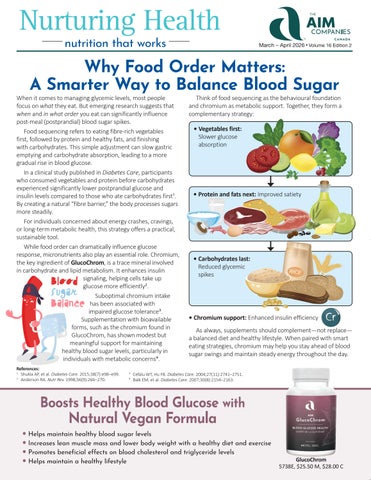
Why Food Order Matters: A Smarter Way to Balance Blood Sugar
When it comes to managing glycemic levels, most people focus on what they eat. But emerging research suggests that when and in what order you eat can significantly influence post-meal (postprandial) blood sugar spikes.
Food sequencing refers to eating fibre-rich vegetables first, followed by protein and healthy fats, and finishing with carbohydrates. This simple adjustment can slow gastric emptying and carbohydrate absorption, leading to a more gradual rise in blood glucose.
In a clinical study published in Diabetes Care, participants who consumed vegetables and protein before carbohydrates experienced significantly lower postprandial glucose and insulin levels compared to those who ate carbohydrates first¹. By creating a natural “fibre barrier,” the body processes sugars more steadily.
For individuals concerned about energy crashes, cravings, or long-term metabolic health, this strategy offers a practical, sustainable tool.
While food order can dramatically influence glucose response, micronutrients also play an essential role. Chromium, the key ingredient of GlucoChrom, is a trace mineral involved in carbohydrate and lipid metabolism. It enhances insulin signaling, helping cells take up glucose more efficiently².
Suboptimal chromium intake has been associated with impaired glucose tolerance³.
Supplementation with bioavailable forms, such as the chromium found in GlucoChrom, has shown modest but meaningful support for maintaining healthy blood sugar levels, particularly in individuals with metabolic concerns⁴.
Think of food sequencing as the behavioural foundation and chromium as metabolic support. Together, they form a complementary strategy:
• Vegetables first: Slower glucose absorption
References:
1 Shukla AP, et al. Diabetes Care. 2015;38(7):e98–e99.
2 Anderson RA. Nutr Rev. 1998;56(9):266–270.






• Carbohydrates last: Reduced glycemic spikes






• Protein and fats next: Improved satiety



























• Chromium support: Enhanced insulin efficiency
As always, supplements should complement—not replace— a balanced diet and healthy lifestyle. When paired with smart eating strategies, chromium may help you stay ahead of blood sugar swings and maintain steady energy throughout the day.
3 Cefalu WT, Hu FB. Diabetes Care. 2004;27(11):2741–2751.
4 Balk EM, et al. Diabetes Care. 2007;30(8):2154–2163.
Boosts Healthy Blood Glucose with Natural Vegan Formula
• Helps maintain healthy blood sugar levels
• Increases lean muscle mass and lower body weight with a healthy diet and exercise
• Promotes beneficial effects on blood cholesterol and triglyceride levels
• Helps maintain a healthy lifestyle

Nourishing Emerging Trends in Healthy Eating
As we step into 2026, food and nutrition trends continue to evolve, shaped by new research, shifting lifestyles, and a growing understanding of how our diets influence both personal health and the planet. This year’s trends highlight a common theme: people want to feel better, age well, and support their bodies with both nutrient-dense foods and evidence-informed supplementation. Let’s uncover some of the most influential nutrition movements this year.
Women’s Health Takes the Spotlight
Women’s health, especially during perimenopause and menopause, is taking centre stage across social media and wellness spaces. With symptoms like hot flashes, mood changes, joint pain, sleep disruptions, and weight gain becoming widely discussed, nutrition is emerging as a key tool for support. Experts emphasize several universal strategies:
•Prioritizing bone health with adequate calcium and vitamin D
• Increasing protein intake to support muscle mass and metabolic health
• Boosting fibre intake to help regulate appetite, blood sugar, and digestion
These habits help women navigate hormonal changes while supporting long-term well-being.
Nutrition for Mental Well-Being
The connection between diet and mental health is stronger than ever. Consumers are increasingly aware of the mindbody connection, and mental health is now recognized as deeply intertwined with diet. Nutrient deficiencies can influence mood, energy, and emotional resilience.
Omega-3 fatty acids, found in fish, seafood, nuts, seeds, and flax, are gaining attention for their role in supporting brain health and helping the body manage stress. At the same time, mindful eating practices are helping individuals build healthier relationships with food, reinforcing the idea that nourishment is both physical and emotional.
Protein and Fibre-Maxxing
High-protein and high-fibre diets continue to dominate in 2026. With 70% of consumers actively trying to increase their protein intake, the trend reflects a broader understanding of muscle as a cornerstone of longevity. Meanwhile, “fibremaxxing”, a trend focused on boosting daily fibre for better digestion, improved blood sugar control, and weight management, is gaining momentum.
Consumers are increasingly turning to whole-food protein sources, partly due to concerns about heavy metals in some protein powders, and embracing plant-based proteins that naturally pair protein with fibre. Moderation remains important, but the focus on these two nutrients is here to stay.
Gut Health and Anti-Inflammatory Eating Remain Strong
Gut health continues to be a major priority, driven by the fact that roughly 70% of the immune system resides in the gut. Fibre-maxxing, prebiotics, and probiotics remain central to this trend, with foods like yogurt, whole grains, onions, garlic, and legumes leading the way. Probiotic and fibre supplements are also becoming more common as people look for convenient ways to support digestion and immunity.

2026: and Smart Supplementation
Plant-Forward Eating for Health and Sustainability
Plant-based diets continue to rise, with many Canadians intentionally incorporating more plantbased foods. Flexitarian eating—prioritizing plants while still enjoying meat and dairy in moderation— remains the most accessible approach. Innovation is booming, from plant-based fish and vegan baked goods to soy-free alternatives and blended “lessitarian” products that combine meat with plant ingredients. These options make it easier for consumers to support both personal and planetary health without sacrificing flavour or variety
The Rising Importance of Supplements
While whole foods remain the foundation of good health, supplementation is becoming increasingly important. Dietitians most commonly recommend multivitamins, vitamin D, probiotics, calcium, fibre, magnesium, and electrolytes, which many people struggle to obtain consistently from diet alone. Specialized supplements are also gaining traction, including formulas targeting longevity, sleep, women’s health, and gut health. With so many products on the market, evidence-based guidance is more important than ever
Conclusion
As 2026 continues to unfold, nutrition is moving toward a more holistic, empowered, and personalized model of well-being. People are embracing nutrientdense foods, prioritizing mental and physical resilience, and turning to targeted supplements to support long-term health rather than quick fixes. By combining everyday food choices with thoughtful, evidence-informed supplementation, individuals can create a sustainable foundation for better energy, stronger immunity, and improved overall wellness throughout the year ahead.
References:
• https://bcdietitians.ca/blog/7-latest-food-and-nutrition-trends
•https://www.nrc.canada.ca/sites/default/files/2019-10/Plant_protein_ industry_market_analysis_summary.pdf?utm_source=copilot.com
•Lange, K. W. (2020). Omega-3 fatty acids and mental health. Global Health Journal, 4(1), 18–30. https://doi.org/10.1016/j.glohj.2020.01.004
•Vighi, G., Marcucci, F., Sensi, L., Di Cara, G., & Frati, F. (2008). Allergy and the gastrointestinal system. Clinical and experimental immunology, 153 Suppl 1(Suppl 1), 3–6. https://doi.org/10.1111/j.1365-2249.2008.03713.x
Holiday Closure
AIMing for Smart Supplementation
Greens, essential fatty acids, fibre, plant-based protein, and probiotics are daily essentials that human cells need to cleanse, detoxify, build, and energize the body
Daily Essentials Packs (5570E & 5571E) – BarleyLife, AIMega and Herbal Fiberblend or Fit ’n Fiber provide a strong nutritional foundation of overall well-being:
• BarleyLife – an all-natural, green barley grass juice powder concentrate for daily nutrition and a strong foundation for good health. It is abundant in enzymes and essential amino acids, rich in antioxidant ability and inflammatory-fighting activity, and provides immune system support.
• AIMega – an organic seed oil blend that delivers essential omega-3 and-6 fatty acids for the maintenance of good health. Essential fatty acids are necessary for cell growth, activity, and repair
• Herbal Fiberblend – a combination of soluble and insoluble psyllium fibre and cleansing herbs that provides gentle relief of constipation and/or irregularity. It also helps to lower LDL cholesterol levels when used in conjunction with dietary modifications.
• Fit ’n Fiber – a daily-use fibre supplement featuring three fibre sources (psyllium, konjac and oat) along with seven additional fibre and herbal ingredients. Together, they help with regularity and appetite control, provide prebiotics and support a healthy weight.
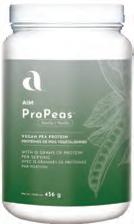
ProPeas (6589E) – a vegetable protein powder made from peas, which helps manage weight by increasing feelings of fullness, boosting metabolism and maintaining lean muscle mass.
FloraFood (6556E) – a powerful combination of three friendly bacteria—Lactobacillus gasseri, Bifidobacterium bifidum, and Bifidobacterium longum—that helps support gastrointestinal health and could promote a favourable gut flora.





The AIM Canada administrative office and warehouse will be closed on Friday, April 3 for Good Friday.

Uniquely Canadian— Product and Business Forum
Visible Changes to Just Carrots, ReAssure SP and CellSparc 360
Canadian Members and Customers may have noticed that the new batches of Just Carrots have a more crystalline appearance and a deeper colour compared to previous productions. This is the same type of change that occurred with RediBeets in the fall of 2025, as highlighted on page 6 of the December 2025 issue of Living Well magazine. The updated process is designed to better preserve nutrients. As the juice dries, it forms a thin, crystallized sheet that is then ground into powder. In the past, we extended the grinding time to achieve a finer texture, but that also exposed the powder to more heat. With recent improvements, the grinding stage is shorter, resulting in slightly larger particles and a richer reddish-orange colour. Despite the new look, Just Carrots remains just as nutritionally dense as ever; each canister still contains the equivalent of 10 kg of carrots.

The new batches have a more crystalline appearance compared to previous productions.


To address Members’ concerns about the presence of titanium dioxide in ReAssure SP and CellSparc 360, AIM has updated the formulations to remove this non-medicinal ingredient while maintaining a similar capsule colour using more acceptable alternatives.
ReAssure SP – titanium dioxide and caramel colour have been removed in response to Member concerns. The capsule colour will change from dark brown to brownish black.
New Non-Medicinal Ingredients: Gelatin (derived from bovine [Kosher/ Halal]), glycerin, water, yellow beeswax, carob extract.

CellSparc 360 – titanium dioxide is replaced by sunflower oil. The capsule colour will shift from light orange to a reddish-orange tone.
New Non-Medicinal Ingredients: Gelatin (derived from bovine [Kosher/ Halal]), glycerin, water, yellow beeswax, sunflower oil, annatto extract. New production under magnification Old production under magnification
Q: A: ?

The estimated transition period for these two products will fall sometime in April or May. These dates are approximate and may shift based on sales volume.
Some of our products use gelatin capsules, and the label states “gelatin derived from bovine.” So what does that actually mean?
The gelatin used in AIMega, CellSparc 360, Proancynol 2000, and ReAssure SP is derived from bovine bone. It is Kosher and Halal certified, and it is free of Bovine Spongiform Encephalopathy (BSE) and Transmissible Spongiform Encephalopathy (TSE).