Time Competition
runner-up
Every second counts
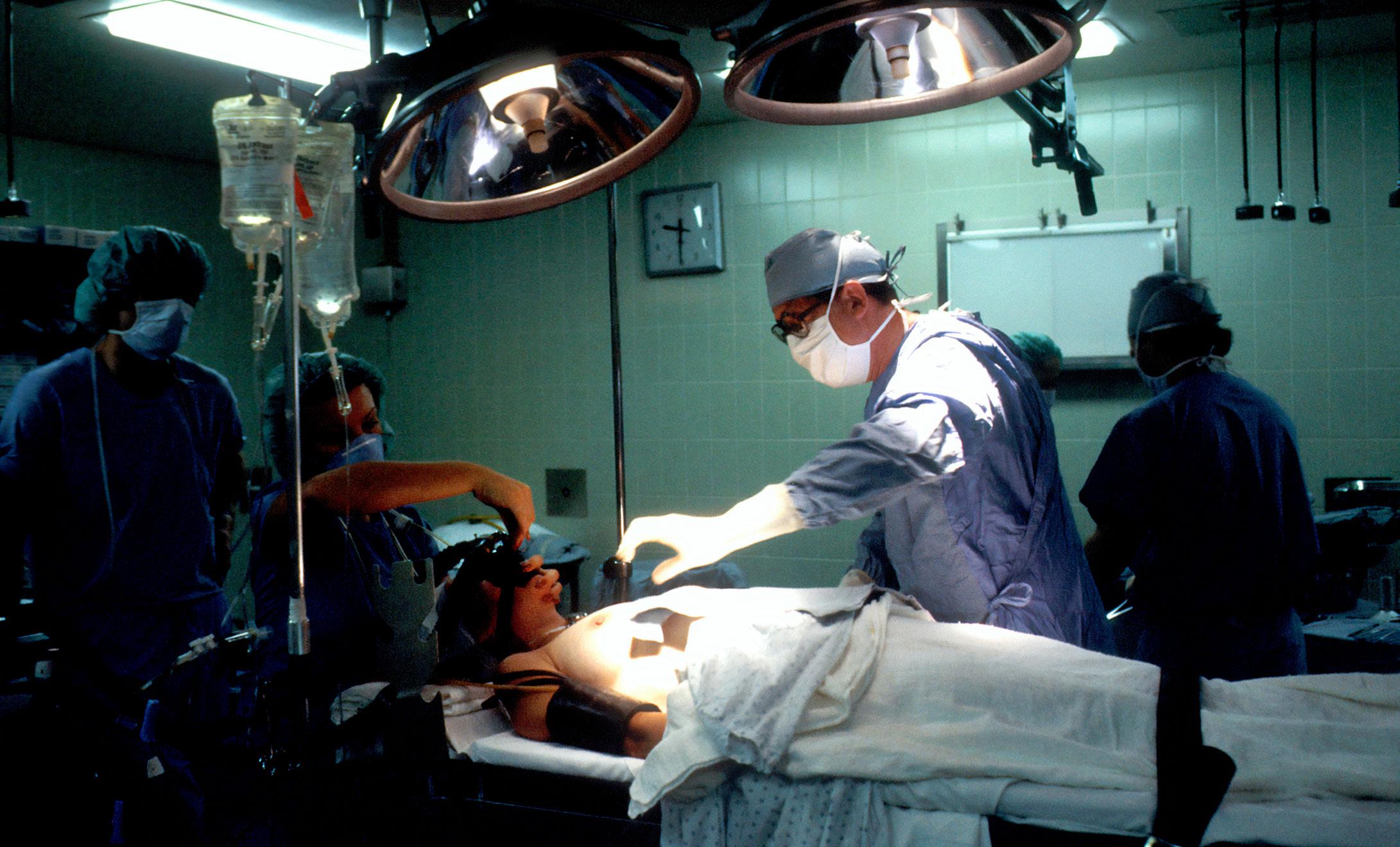
Time dictates our daily routines, from the alarm that wakes us bright and early to the 2 minutes dedicated to brushing our teeth. Its role extends far beyond daily schedules, critically influencing the field of surgery where meticulous timing often means the difference between life and death. This essay will highlight the pivotal role time management has played in the evolution of surgical techniques while considering how ongoing advancements will continue to be bound by the ticking clock.
In the past, surgeries were often a race against time. Speed was crucial for procedures such as amputations to minimise blood loss and pain to the patient. Time was seen as an obstacle and the only solution was for the doctor to work quicker. However, this gave way to huge blunders and increased likelihood of death. People then realised that time was their limiting factor and a solution must be found to increase their time to operate. The development of the tourniquet by Jean-Louis Petit in the 17th century marked a revolutionary moment since surgeons now could stem blood flow and prolong the window for the procedure. This subsequently increased the frequency and success rates of amputations. As a result, this tool became a turning point, leading to a more methodical approach to surgical timekeeping.
Time has become the foundation for the future of operating with the new development of robot-assisted surgeries. This is where the surgeon sees the operative field through a video monitor and manually controls robotic arms to replicate the movements of a surgeon’s hands. They can repeat the same action many times without getting tired, making them a reliable assistant during surgery. These robots can reduce the duration of a surgery using their small precise movements
- Laasya, Lower VI
and therefore reduce the risk of infections from less exposure to the external operating theatre. A study published in JAMA found robotic surgery reduced the chance of readmission by half (52 per cent), and revealed a “striking” four-fold (77 per cent) reduction in prevalence of blood clots. This ultimately has been thought to produce faster recovery times.
While robotic-assisted surgery has many benefits, there are also potential drawbacks that must be considered. These range from whether the cost of maintaining the machine outweighs the promise of faster recovery for the patient, or the risk of a malfunction, which would require a repair of the robot, increasing the operating time. These challenges don’t necessarily outweigh the promise of a faster recovery for patients, but they are fundamental factors for healthcare providers to consider.
In conclusion, the evolution of surgery is a testament to humanity’s relentless pursuit to optimise time for the betterment of health. From the frantic, high-stakes operations of the past to the current era of precise, robot-assisted surgeries, we have continually strived for methods that provide surgeons with the time necessary to perform at their best. The development of surgical tools and robotic technologies highlights a shift towards reducing risks and improving patient outcomes. While the use of robotic assistance in the operating room presents new challenges such as cost and technical reliability, it also offers a glimpse into a future where surgical precision and efficiency can significantly extend the quality and duration of patient lives. Embracing these innovations with careful consideration and ongoing improvement will set the clock for a new age of surgical excellence.