
Dr. Megan Duncan Executive Director m.duncan@theaaea.org
Dr. Karla Neathery
Assistant Executive Director k.neathery@theaaea.org
Sarah Jerry Director of Professional Development s.jerry@theaaea.org
Siri Briggler Professional Development Coordinator s.briggler@theaaea.org
Sharon Chuculate Fiscal Services Coordinator s.chuculate@theaaea.org
Sheila White Bookkeeper s.white@theaaea.org
Dr. Bryan Duffie
Membership & Mentorship Supervisor b.duffie@theaaea.org
Alyse Mattox Communications & Technology Specialist a.mattox@theaaea.org
Melanie Thrasher Business Analyst m.thrasher@theaaea.org
Molly Franxman Administrative Assistant m.franxman@theaaea.org
Mike Mertens Consultant m.mertens@theaaea.org
Lenett Thrasher Consultant l.thrasher@theaaea.org
School Law & Finance Conference, June 1, 2026
Veterans Park Community Center, Cabot
AASEA Conference, June 9-10, 2026
Benton Event Center
ASPMA Custodial Conference, June 11, 2026
Searcy High School
Certified Facilities Director (CFD) Classes, July 16, 2026
Baldwin & Shell Construction Company, Little Rock
CASBO Certification Classes, July 22-23, 2026 UCA Brewer-Hegeman Conference Center
AAEA Summer Conference, July 27-29, 2026
Statehouse Convention Center/Marriott Hotel
ASPMA Conference & CFD Classes, September 14-16, 2026
Hot Springs Convention Center
AAFC Fall Conference, September 16-18, 2026
Hot Springs Convention Center
ArkASPA Fall Conference, September 29, 2026 Wyndham Riverfront, NLR
AAGEA New Coordinator Workshop, October 7, 2026 Benton Event Center
AAGEA Conference, October 8, 2026
Benton Event Center
CASBO Certification Classes, October 21-22, 2026 UCA Brewer-Hegeman Conference Center
AACTEA Fall Conference, October 29, 2026
UACCM, Morrilton
AAEA Fall Conference, November 10, 2026
Benton Event Center
For more information, visit theaaea.org/events.
Charles Warren AAEA President Chief Financial Officer, Fort Smith
Dr. Debbie Bruick-Jones AASA President Superintendent, Bentonville
Shavon Jackson AAESP President-Elect Principal, Russellville
Melissa Powell ArkASPA President Assistant Superintendent & Director of HR, El Dorado
Justin Robertson AASBO Past President Chief Financial Officer, Russellville
Molly Davis AAMLA President Principal, Rogers
Dr. Megan Duncan AAEA Executive Director
Dr. Jason Reeves AAEA President-Elect and AASSP Past President Superintendent, Mountainburg
Dr. Jeremy Owoh AASA President-Elect Superintendent, Jacksonville/ North Pulaski
Steven Helmick AAESP Past President Principal, Little Rock
Shantele Raper AACTEA President Assistant Superintendent, Rivercrest
Domonique Alexander AASEA President Special Education Supervisor, Fort Smith
Randall Bolinger ASPMA President (until Oct) Maintenance/Facilities Supervisor, Siloam Springs
Dr. Jared Cleveland AAEA Secretary Superintendent, Springdale
Dr. Karen Walters AASA Secretary Superintendent, Bryant
Jason Selig AASSP President Director of Instruction, Lake Hamilton
Lea Metcalf-McDonald AAFC President Executive Director of Curriculum, Texarkana
Dr. Kelli Martin AACIA President DeputyGreenbrierSuperintendent,
Raymond Reynolds ASPMA President (begin Oct) Maintenance/Facilities Supervisor, Searcy
Stacy DeFoor
AAEA Past President Assistant Superintendent, Sheridan
Betsy Laughter AAESP President Principal, Marion
Charles Nelson AASSP President-Elect Principal, Greene County Tech
Pam McCammon AASBO President BusinessGreenbrierManager,
Valerie King AAGEA President Director of Gifted Programs, Siloam Springs
B.J. TEL-ARBurgessPresident Director of GreenbrierTechnology,
Elite
American Fidelity Assurance Co.
Coryell Roofing and Construction
TIPS The Interlocal Purchasing System
Presidential Curriculum Associates
Educational Benefits
NIET - National Institute for Excellence in Teaching Solution Tree
Prestigious
Renaissance Learning
Stephens
Distinguished ABCover Apptegy
Bailey Education Group Bark
Capturing Kids’ Hearts
Colleges of Education & Health Professions - UofA
Lexia Learning
Distinguished (continued)
Lifetouch National School Studios
Modern Classrooms Project
Nabholz | Entegrity Energy Partners
Diamond
Baldwin & Shell
Conscious Discipline
First Security Beardsley
Imagine Learning
The Kirkland Group
Platinum
AAMSCO
Architecture Plus
C.R. Crawford Construction Goalbook
Hight Jackson Associates PA
HMH | NWEA
Just Right Reader
Legacy Construction Management
Phoenix Contractors
Polk Stanley Wilcox Architects
Powers of Arkansas
Platinum (continued)
Pro Service Builders
Progressive Technologies
SEAS Education
TRANE Gold
CDI Contractors
Cromwell Architects Engineers
Cynergy Rehab Group
ESS
Kinco Constructors
Middleton Heat and Air
Paragon Architecture
Reach University
Sibme
White River Services and Solutions
Silver
American Bus Sales
French Architects, PA
K12 Tutoring
Staying Home Corporation Strategos Group

Dr. Megan Duncan, AAEA Executive Director

sometimes overlooked.
Innovation does not belong exclusively to large districts with large budgets. Some of the most creative, adaptive, and child-centered practices are taking place in our smallest districts because necessity demands it and the community makes it possible.
In rural districts, educators do what needs to be done. Teachers lead multiple subjects across grade levels. Administrators and teachers wear many hats before lunchtime. Everyone contributes because the work matters and there is shared ownership in the success of children. This is not simply multitasking, it is a mindset. Limited access does not have to be a barrier. It can be an invitation to think differently.
Across the state, rural schools are finding meaningful ways to innovate. Retired buses are transformed into mobile STEM labs supported by community volunteers. High school children earn certifications in welding or health sciences through partnerships with local businesses. Superintendents collaborate to share staff and offer virtual courses, taught by highly effective teachers, to fellow districts that may otherwise lack access to certain instruction. These efforts reflect partnership, creativity, and a clear reminder that rural does not mean behind. Rural means resourceful. The resilience is real, and the pride runs deep in Arkansas. The solutions emerging from rural schools deserve to be lifted up and shared. This work ensures that every child has access to high-quality instruction, safe facilities, and a wide range of opportunities. Rural voices matter. Rural insights shape statewide conversations.
Keep going. Keep innovating. Keep leading with grit, grace, and a deep commitment to children.
Dr. Karla Neathery, AAEA Assistant Executive Director

My district has hired three brand new assistant principals. Do they need to register for Administrator mentoring through our cooperative?
No, registration is not required for assistant principals. Educational Service Cooperative Directors will contact district superintendents directly to coordinate enrollment for eligible administrators. Under state guidelines, mandatory registration only applies to first-year building-level principals in Arkansas, newly appointed superintendents with no prior experience in that role, and any experienced principals or superintendents arriving from out of state. Assistant principals and assistant superintendents are not required to attend training. For full details, please refer to the Commissioner’s Memo on Administrator Mentoring and Registration.
If you have questions for Dr. Neathery, email her at k.neathery@theaaea.org .

Submitted by the National Institute for Excellence in Teaching
When does professional learning improve classroom practice? ASCD’s EL Magazine recently featured research that illustrates key features of effective professional learning. Drawing from responses from more than 1,400 educators across eight states, the article identified the key characteristics of professional learning that teachers say they value and are more likely to apply - characteristics that Arkansas districts are actively implementing in their classrooms.
Several key practices are associated with stronger teacher satisfaction and classroom application of learning, including three steps for school leaders to implement effective and ongoing professional development:
● Invest in teacher leaders to provide individual support
● Connect professional learning with evaluation and feedback
● Reinforce learning through ongoing one-on-one support
As Arkansas districts continue investing in educator support systems, they put theory into practice and show the impact that applicable professional development can have on educators to shape a connected and sustainable vision for professional learning statewide.
District leaders are strengthening their systems through TESS and LEADS training and support from NIET, which is in partnership with the Arkansas Department of Education. Strong feedback cycles, calibrated observation practices, and shared instructional language can help create greater coherence across classrooms while supporting teachers in refining their practice over time. To learn more about joining an upcoming training or if you are interested in our customized support, contact Central Regional Director Amy Gayle at agayle@niet.org

Congratulations! You’ve suffered enough. You’ll not hear from me again after this month. I am… outta here! There are so many categories of classified employees that I didn’t have time to fully highlight each of them. Like a bad presenter running out of time in his lecture, I’m cramming everything else I wanted to talk about in these last few moments that I have your attention. Some of them may represent an administrator in your school district.
School districts must have a communications department these days. The best explanation is this – if you don’t tell your story, someone else will. Social media is an open mic. Like flies to a bug zapper, negative people are drawn to it the most, but schools are the ones getting zapped.
Shelley Pruitt is the CFO for El Dorado School District. She’s on the AASBO Board representing the 4th District and was recently elected to the AASBO Secretary position. She admits that a communications team is an important element of promoting her school district. Controlling the narrative, whether the news is good or bad, is essential to giving each story context and meaning.
Back in my day, in small-town Arkansas, the closest thing we had to social media was the community newspaper. Someone’s grandmother wrote a weekly article about what was going on in town and in the school. In all honesty, she mostly talked about the relatives she saw that week and when her sciatica was acting up.
I am amazed with the tremendous need school districts have for social workers. Some deal with absenteeism and truancy. More often, they must bridge the gap between families in need of services and the services the family needs. I wonder if Paul Simon had social workers in mind when he penned the phrase “bridge over troubled waters?”
Nathalie Brunell is the District Treasurer of Pea Ridge School District. She also represents the 3rd District on the AASBO Board. Nathalie believes the need for social workers in our schools is crucial. School social workers provide students with the tools they need to cope with everyday issues, both at school and at home. Regarding absenteeism, districts want the students in school because it’s very difficult to teach, comfort, and support a child that is not present.
Back in my day, there was an expectation for kids to go to school and enough respect for schools that parents were accountable to get them to school on time. Sure, occasionally kids missed when hunting season opened, but that was more of a “parent permission day” because mom and dad approved.
School districts are mandated to have a school nurse. Larger school districts often have nurses at every campus. School nurses play a vital role in administering medications, supporting student health plans, and helping manage dietary needs of the student. They also serve as a resource for educating kids on the value of making positive health choices.
Kelsey Bailey is the Chief Deputy Finance and Operations Officer for the Little Rock School District. He’s a past president on the AASBO Board, the current AASBO Administrator of the Year, and the classified employee representative on the ATRS Board.
In his leadership role, Health Services is a division under his supervision, and he recognizes the critical role school nurses play in creating successful schools. He understands that these nurses are essential to
supporting the whole child, addressing health, safety, wellness, and readiness to learn.
Back in my day, it felt like any adult at the school could give medicine to kids because it was so rare for students to need prescription medication during the day. It wasn’t better or worse back then, it was just different.
Sadly, school districts now need school resource officers on their campuses. The threat of school shootings and general disruptions have become increasingly common. The danger is no longer confined to some other state or region; we must now consider it a viable risk for each of our schools.
Brian Brown is the CFO for North Little Rock School District (NLRSD). He represents District 2 on the AASBO Board. He pointed out that policing is needed, but it can come in many forms. His district has armed NLR Police Department resource officers and unarmed security officers (NLRSD employees) at secondary schools and armed commissioned school security officers (NLRSD employees) at elementary schools. It feels like the benefit of having a school police force is the comfort we get from knowing they are there and the hope we have that they are never really needed.
Back in my day, school shootings were not on anyone’s mind. In the late 1900s, growing up in my hometown, most of the high school boys drove a truck with a gun rack on the back window. I remember going out to a friend’s truck at lunch to see his new rifle. Crazy, right? It was a different place and time.
At first, I was disappointed that I didn’t have enough articles to use as an introduction of the remaining AASBO Board members; but decided to cram them into the conversations above to make that happen. They represent the great work done in Arkansas by School Business Officials (SBOs). Please get to know the SBOs in your district.
I’ve added a couple of pictures of “The Warren Boys.” I have saved some space for my brothers to prepare articles of rebuttal from what I might have said this last year. I may have excessively teased them over the last few months in this space. Actually, I forgot to ask the middle brother, Bill. Like all middle siblings, he was overlooked again.


You may be surprised to find that “Charles the Elder” shared all his AAEA articles with me. More than likely, he was throwing them in my face, as siblings often do. His real undoing, however, came when he allowed me the opportunity to write a rebuttal to all his stories about me being the “Most Beloved Son.” Albeit he still demanded final editing rights.
So, after a year’s worth of trash-talking good-natured ribbing, here goes:
Yes, I got away with more than my brothers did. But let’s face it, Bob and Peggy Warren were completely worn out by the time I came along. I am almost nine years younger than Charles, and my mother was 37 years old when I was born. I came along as a surprise - an “oops” as my grandfather would jokingly call me. They didn’t have the mental strength left to tell me not to watch this or that movie. Could you imagine raising someone with an ego like Charles and then having any strength or capacity left to properly nurture your second and third child? Basically, Charles broke them.
Yes, our middle brother, whatever his name is, was often forgotten. I respect the fact that he has risen above being overlooked. He takes advantage of his first responder schedule to visit our parents more frequently than his brothers. If you were to ask Mom and Dad who visit them the most, in ranked order, it would be our middle brother first, then me, then Charles. According to my mom, Charles “never comes by.” We all know this isn’t true, but I am delighted to recount her quote to you.
Yes, working in HR does put the years on a person. It’s the equivalent of seeing pictures of presidents before and after their terms in office. However, Charles neglected to mention that his work in school finance with a little bit of HR thrown in has aged him as well. So much so that I received a text from a friend one summer who was attending one of Charles’s AASBO workshops. The text read, and I quote, “At CASBO in Little Rock. Isn’t Charles your dad?” I almost broke a rib from laughing so hard.
In all seriousness, I have enjoyed reading the newsletter pieces Charles has written. He has been on point with each article, highlighting major divisions of operations within the school setting. Divisions that work behind the scenes, supporting schools to be effective and efficient; often operating unappreciated and only noticed when something goes askew.
My father once said that public education is the foundation of our great society. Through his writing, Charles has offered a glimpse into how much effort goes into laying that foundation.

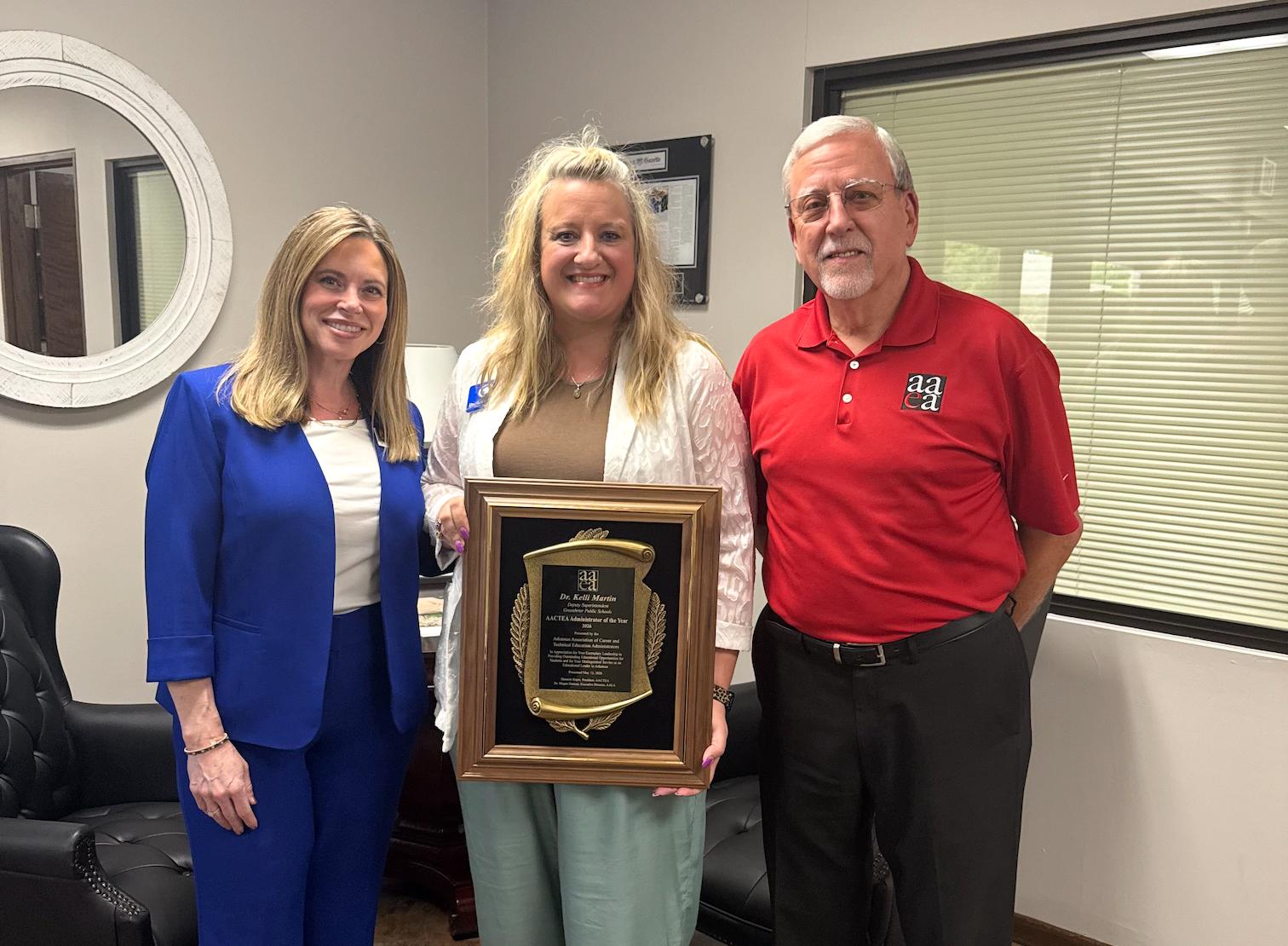
Dr. Kelli Martin, Deputy Superintendent for the Greenbrier School District, has been named the 2026 Arkansas Association of Career and Technical Education Administrators (AACTEA) Administrator of the Year. Dr. Megan Duncan, AAEA Executive Director, and Mike Mertens, AAEA Consultant, presented Dr. Martin with the award at her district on May 12, 2026.
Dr. Martin has served as Deputy Superintendent since 2023 and has worked to enhance Career and Technical Education at the local, regional/state, and national/ global levels through research-based leadership, systems innovation, and meaningful community partnerships. She has endeavored to ensure that CTE is innovative, scalable, and aligned to workforce needs at every level. Her efforts have expanded programs of study, strengthened work-based learning systems, embedded employability skills into measurable practices, assisted in filling gaps in CTE research, and built a culture of community-connected professional learning.
Congratulations, Dr. Martin!
CoSN is a great resource for school technology administrators. Check this page monthly for links to articles to assist technology leaders as they navigate through digital learning transformations.


GT/AP Coordinator, Alma School District
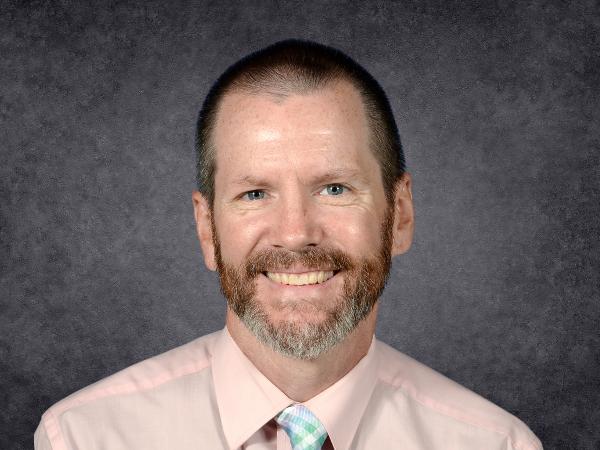
Michael Bridges, GT/AP Coordinator for the Alma School District, joined the education world later than many. "I originally worked in construction until I was about 30," he says. "I tried college straight out of high school, but it just wasn’t my time, so I went into the workforce. When I did finally decide to go back, JBU offered a night school program for education, and that allowed me to keep my full-time job and still support my family while going to school." He started his career as an educator teaching 3rd and 4th grade in the Van Buren School District, and soon pursued a Masters in gifted education. After 10 years at Van Buren, he joined the Alma School District as their GT coordinator and co-AP coordinator, later becoming the full time AP coordinator. For Michael, the best part of his job is obvious: the kids. "I have always loved working with kids," he states. "It is probably just because I am an overgrown child anyway, but I have always been able to connect and relate with students. I love knowing that I am making a difference in a student’s life. There are those kids that have been dealt a bad hand by life and may not be in the best situation, and to be able to be there for them, cheer them on, and show them that there is a way out of the current situation that they are in is such a privilege." Michael says the most challenging part of his job is accepting the limitations of what he can do. "We are a district of just over 3,000 students, and I am the only GT/AP coordinator," he explains. "There are so many things I wish I could do, but I have to be responsible and see where I can be of the most benefit and choose my battles. I am very pleased that we will begin identifying gifted students in 3rd grade next year, so that will give an extra year of GT exposure for our Intermediate students. That is a HUGE win for me."
Michael believes that to be successful in the career, you must have the calling for it. "You can be the smartest person in whatever subject area you are teaching, but if you don’t love your kids you are going to fail," he states. "This job only gets harder year after year. You really have to believe you are doing this for a reason, but if that reason is the students, you will be fine."
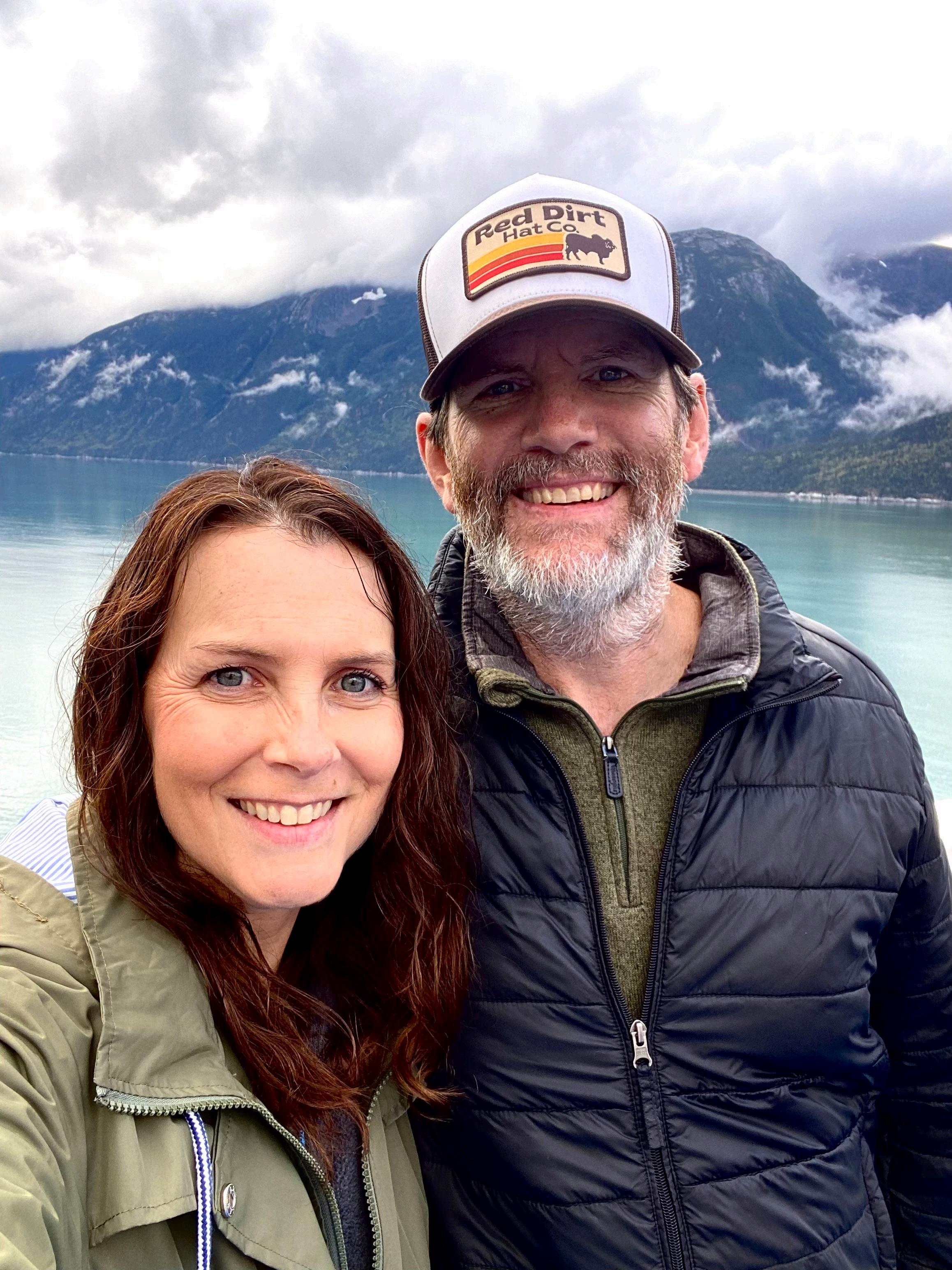
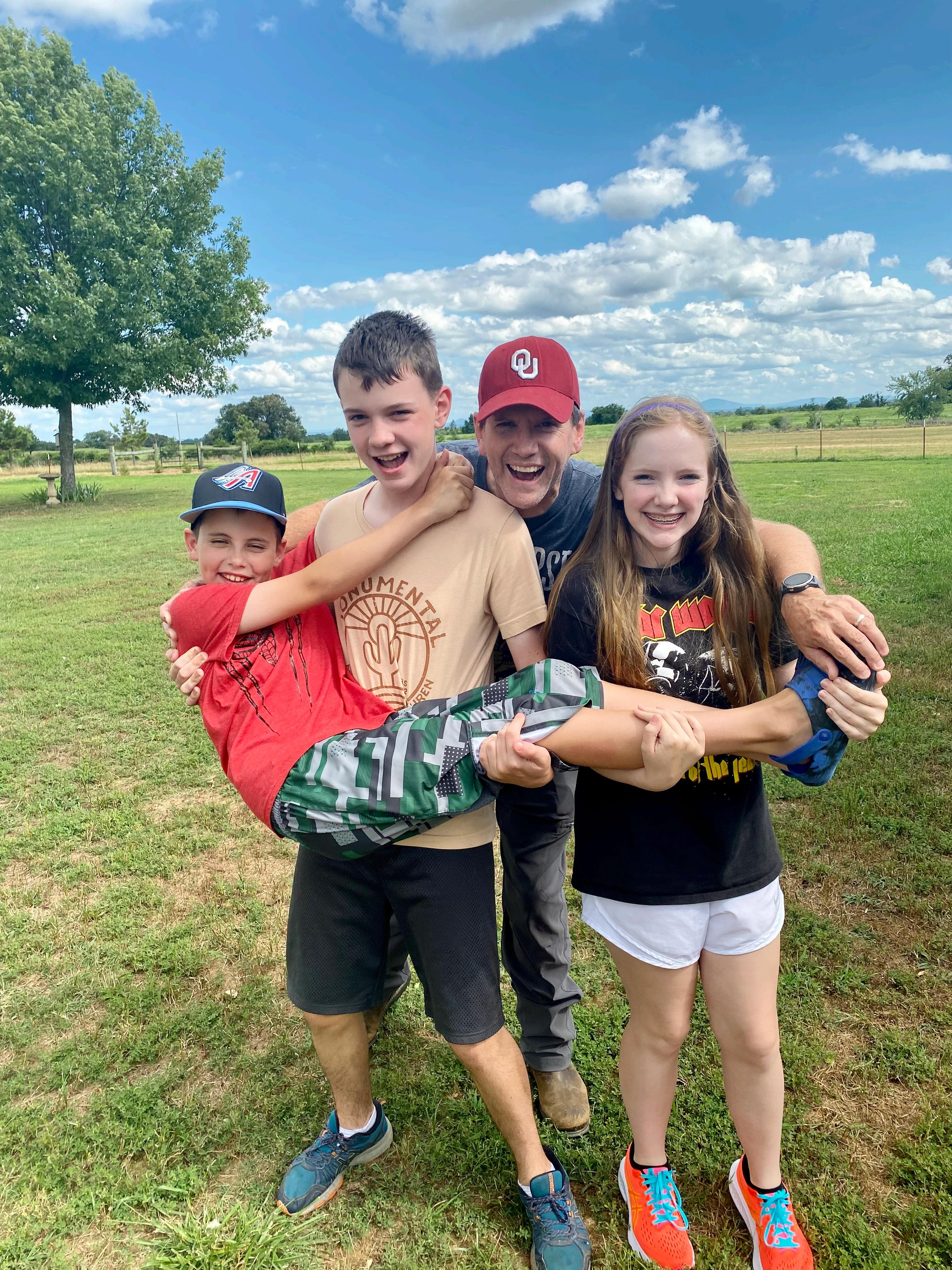
When people look back at your life, how do you want to be remembered?
I want to be remembered as someone who cared about my students and tried to show them the best way to live their lives. I hope they learned to respect themselves and others and realize that they can make a difference in the world. Jordan Peterson said that before you want to go out and clean up the world you need to clean your own bedroom. That is something I have taught them and I hope all my students carry with them.
What do you feel is your greatest professional accomplishment?
Not to toot my own horn, but I am very proud of our GT program here at Alma. I think I have brought a lot of understanding and value to this particular point of our system here, and I have done things that I am proud of, from setting up our GT podcast “Hey! What’s Your Deal?” to leading students through FranklinCovey’s Leader in Me program, to showing students the educational and professional opportunities in our area, I am really happy with how we have been able to provide for our GT community here at Alma. I think it will provide dividends that haven’t been seen or realized as of yet.
What do you enjoy doing during your time off?

I really love baseball, so I spend a lot of time watching and paying attention to that. I also like working out when I have the opportunity.
If you weren’t in your current position, what would you be doing?
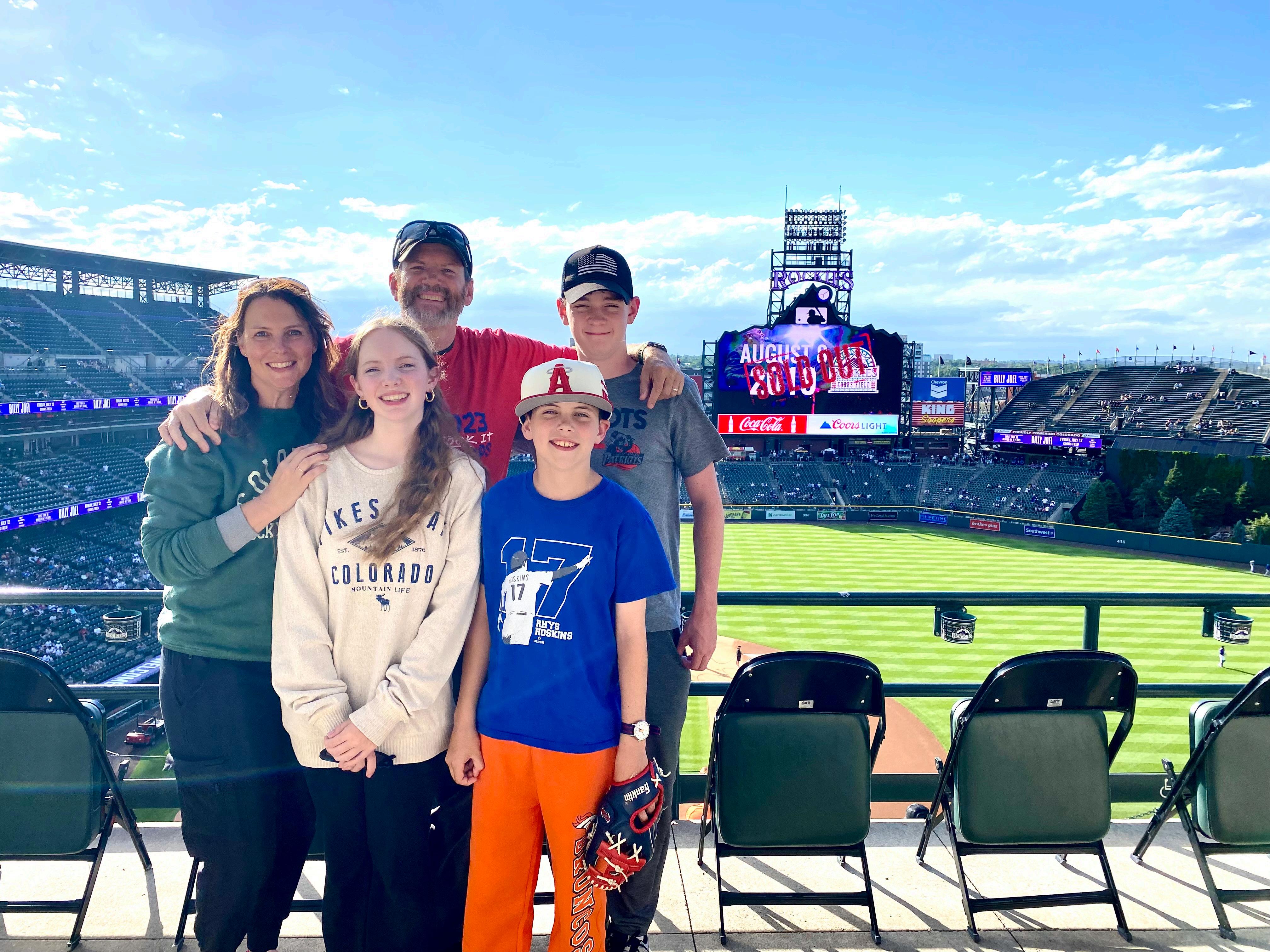
I always wanted to be a judge, but the problem with that is I had to be a lawyer first, and I figured I would end up convicting someone I agreed with or defending someone who was guilty, so I never could go that route. I imagine if I had to do it over again I would do something working with my hands. I like physical work and to build things, so something along those lines.
What do you see as the biggest benefit of AAEA membership?
I enjoy the fact that it ties me in to other administrators that are in my same position and going through the same things that I am. It is great to have a network of people like that, and I really enjoy our conferences where we get together and share our different experiences.

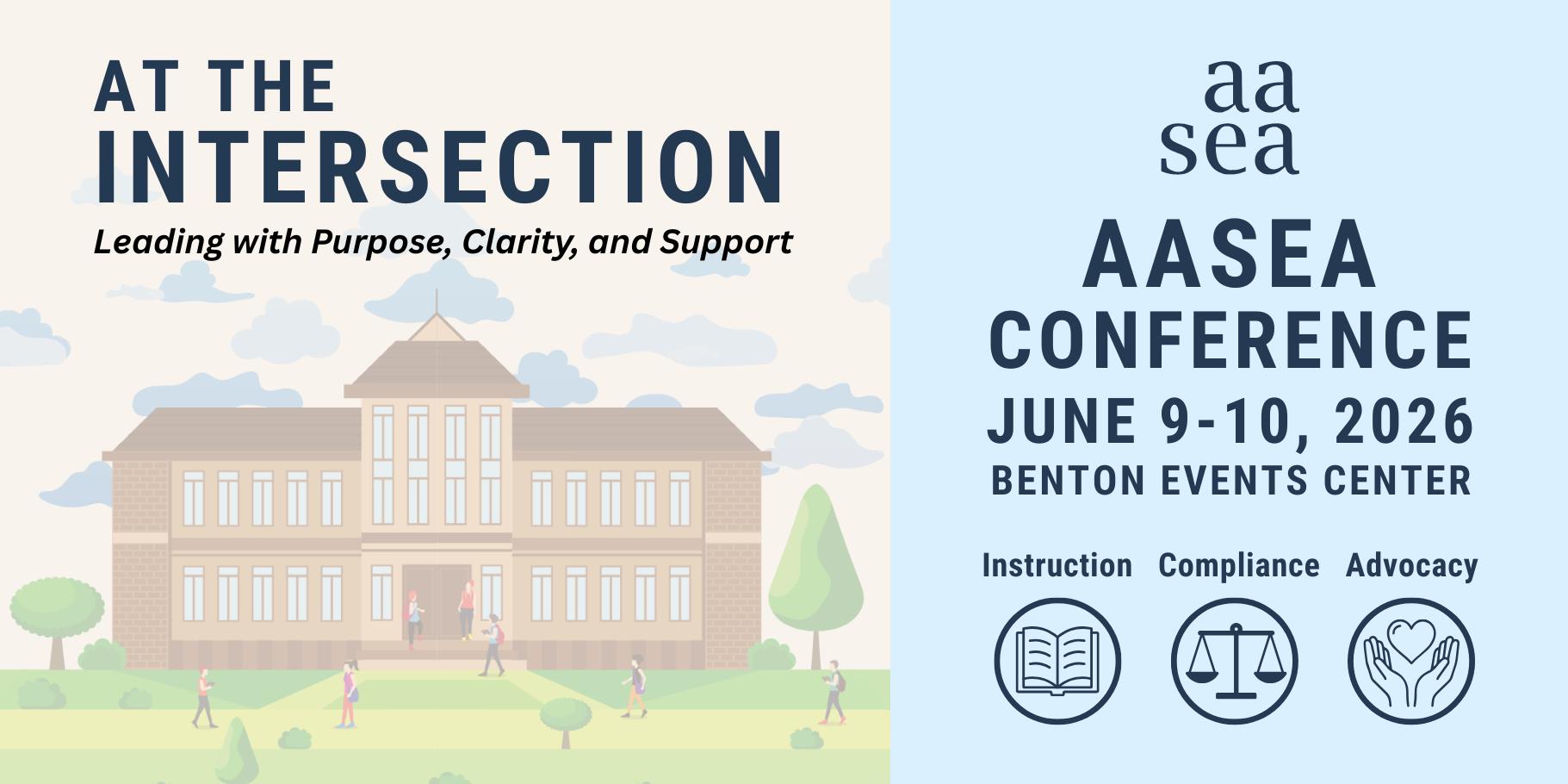








Join us for the 2026 AAEA Summer Conference, Vision to Impact: Be the Change, on July 27-29, 2026, at the Statehouse Convention Center and Marriott Hotel in Little Rock, AR. The event will feature keynote speakers, over one hundred breakout sessions from inspiring educational leaders, an exhibit hall, and hospitality events. Join administrators from across the state to learn, network, and celebrate your love for public education!



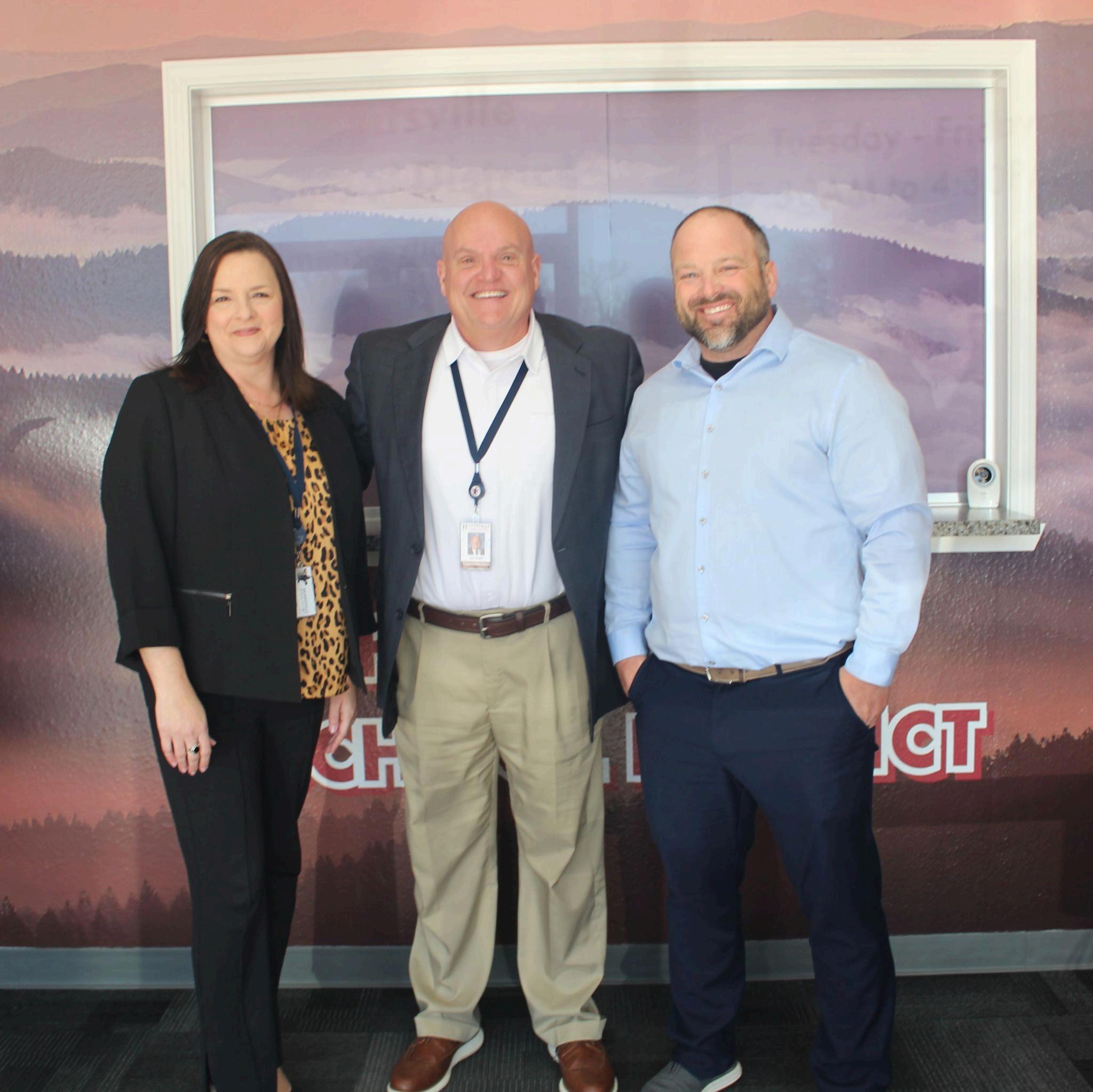
Across the Huntsville School District, the work is grounded in a simple guiding question: What is best for our children? Superintendent Jay Chalk explains this question shapes conversations with the board, leadership team, educators, and the broader community. The district leadership’s focus centers on building a culture where relationships, instruction, and community partnerships work together to support every child.
When Chalk first arrived in Huntsville, his priority was listening and learning. With more than three decades in education, he believes strong leadership begins with understanding the people, culture, and systems already in place. Time spent observing classrooms, talking with educators, and learning the rhythm of the district allowed the leadership team to build a clear foundation for the work ahead.
Chalk works closely with Assistant Superintendent Paula Harris, who leads secondary instruction and curriculum, and Assistant Superintendent Matt Ferguson, who oversees elementary education. Together, the team works to align efforts across the district while maintaining a steady focus on children. The work begins with building trust with teachers, students, and throughout the community.

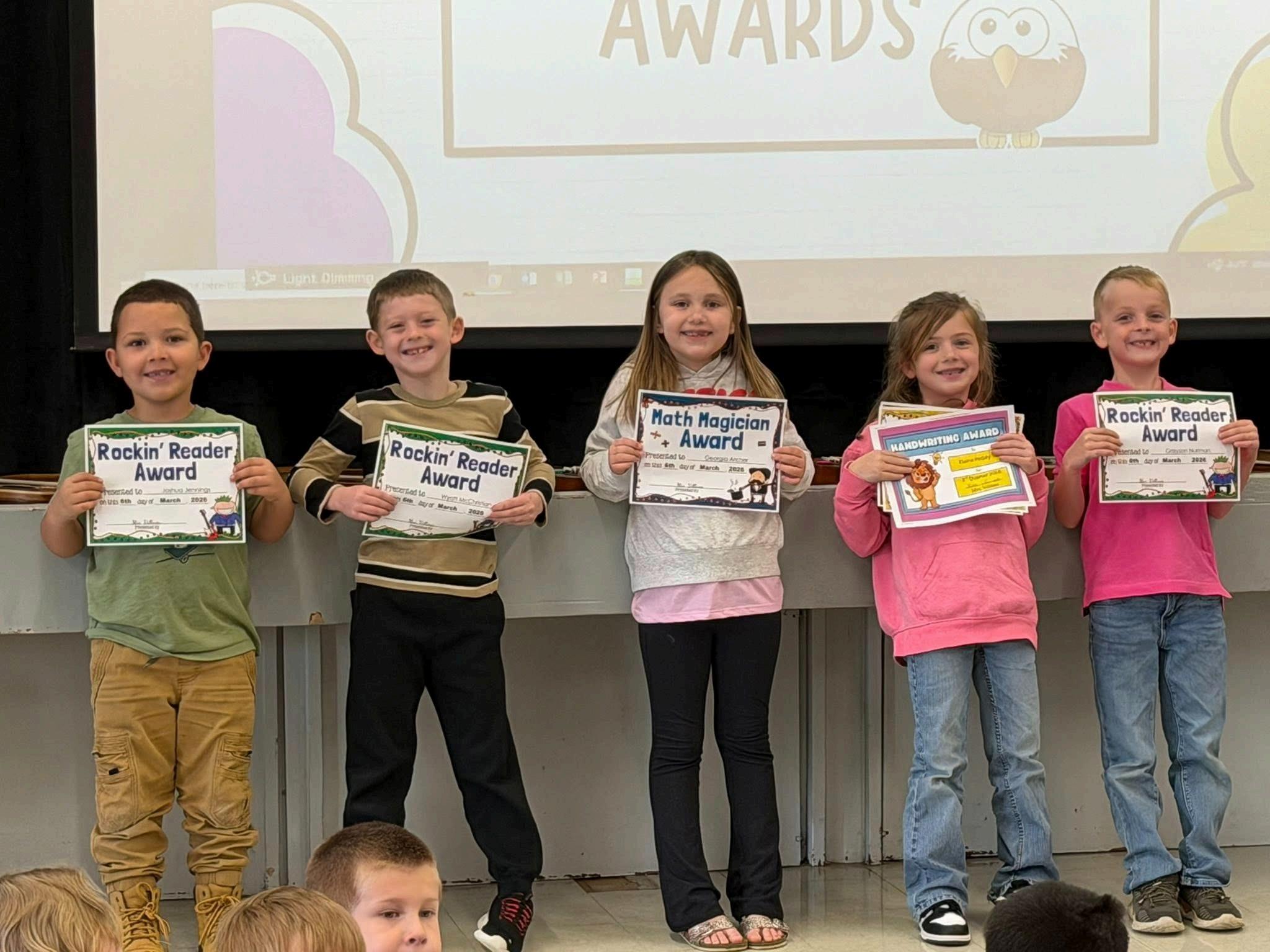
Huntsville educators create an environment in which schools are places where children feel safe, supported, and valued. Learning thrives in environments where children know they are valued and where adults consistently show they believe in them.
Educators intentionally create welcoming spaces across all campuses. Visitors notice the strong sense of community in the buildings, where children greet adults politely, staff members know families by name, and classrooms reflect a genuine sense of belonging. This family atmosphere grows from relationships built day-by-day between educators and children.
District leadership also focuses on ensuring that schools remain places where children feel emotionally secure and encouraged. When children feel safe and supported, they are more willing to engage in learning, take risks, and persist when work becomes challenging.
Along with strong relationships, Huntsville educators are strengthening classroom instruction through a shared set of instructional practices. After time spent observing classrooms and reflecting together, district and building leaders narrowed their focus to key strategies that support educator preparation and student learning.
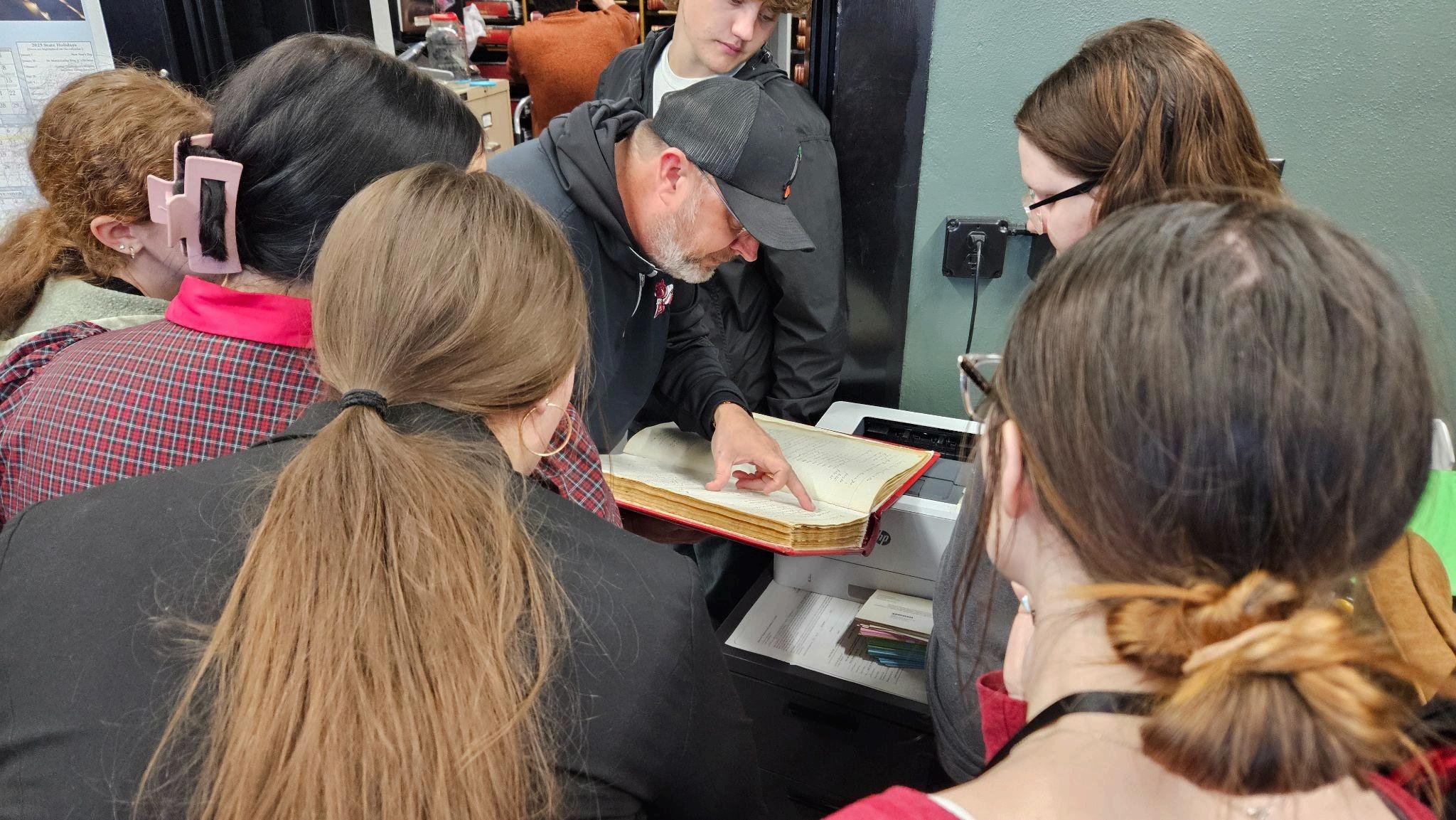
One important shift involves lesson internalization, where educators study and prepare lessons deeply so they can guide learning with confidence and respond to children’s needs in the moment. Instruction is also examined through the lens of achievement level descriptors, ensuring lessons consistently move children toward deeper levels of understanding.
Educators are also implementing the gradual release model, allowing children to move from guided practice toward greater independence. Within that structure, classrooms encourage productive struggle, giving children opportunities to work through challenging concepts that build confidence in their own thinking. This approach strengthens problemsolving skills while keeping children actively engaged in the learning process.
Throughout this work, Huntsville educators demonstrate openness to feedback and a commitment to strengthening their practice. The staff continues to focus on improving student engagement and outcomes while supporting one another through the process of continuous growth.
Huntsville School District is strengthening connections between schools and the broader community, helping children see how their learning connects to the world around them.
One partnership involves collaboration with the city mayor to establish a Youth Council, where high school students learn directly about local government and economic development. Through this experience, children gain insight into how community decisions are made and how civic leadership shapes the future of their town. The experience also helps students see how their voices and ideas can contribute to the community they call home.
The district is also working with a local physician to develop a healthcare workforce pipeline for the region. This collaboration explores ways to connect students to career pathways in healthcare while addressing long-term workforce needs within the community. These efforts help children explore meaningful career options while strengthening services that support local families.

The Huntsville community believes that education extends beyond the classroom. Learning connects to real community needs and opportunities, allowing children to see how their knowledge and skills can make a difference in the place they call home.
Across the Huntsville School District, the work of leaders continues with steady purpose. Educators are strengthening instruction, children are learning in environments where they feel supported and valued, and partnerships are expanding opportunities for the future. Together, these efforts reflect a district committed to helping every child grow, succeed, and feel that they belong.

The AAEA Job Board is a calendar-year subscription that assists districts with the ever-increasing challenge of recruiting quality staff. It is a significant resource for educators, both in-state and out-of-state, seeking employment in Arkansas schools.
Over 165 school districts are participating in the program, which has been extremely helpful to schools and educators over the years. The site is used year-round and is accessed extensively during the second semester. It is not unusual to see over 400 jobs posted on the Job Board at one time. With an account, school districts may post unlimited job vacancies throughout the year.
To subscribe (by district) or to post job openings, contact our office at 501-372-1691.
Alma School District Dir. of Child Nutrition
Arkadelphia School District Middle School Assistant Principal
Augusta School District Dean of Students
Beebe School District
Benton School District
Farmington School District
Fort Smith Public Schools
Fort Smith Public Schools
Fouke School District
Glen Rose School District
Horatio School District
Jonesboro School District
Junior High / High School Choir Director (Grades 7-12)
Benton Junior High Assistant Principal SY 26/27
Middle School Principal
Secondary Assistant Principal (26-27 School Year)
Elementary Assistant Principal (26-27 School Year)
Elementary Principal
7-12 High School Prinicipal
High School Principal
Elementary Assistant Principal of Student Services
Lafayette County School District
Mena School District
Osceola School District
Ozark Mountain School District
Pea Ridge School District
Pea Ridge School District
Quitman School District
Elementary Principal
Mena High School Principal
Middle School Assistant Principal
Elementary Principal K-6 & District K-6 Curriculum Coordinator
Junior High Assistant Principal
High School Assistant Principal
High School Principal
Submitted by Dr. Gene Kerns, Chief Academic Officer, Renaissance

Instructional coherence in education has a lot in common with harmony. Even without formal musical training, we all perceive harmony — and we perceive its opposite, dissonance, when notes clash.
Instructional coherence is K–12 education's version of harmony, when the parts work together to create a unified whole. Sadly, education systems frequently struggle to achieve coherence and, like compositions with too much dissonance, are less effective than they could be.
What causes this lack of coherence — and how can school and district leaders best address it?
Renaissance Chief Academic Officer Dr. Gene Kerns breaks down the hidden challenges of textbook alignment and why siloed programs quietly fragment student learning. He also introduces our new Renaissance Intelligence system, which brings together assessment, instruction, practice, and curriculum alignment to promote greater coherence in every classroom.
Read the full article to learn what instructional coherence really means for your district — and what's changing.

This segment features content from other AAEA publications. School Law Review is a quarterly publication available to subscribing districts. The following excerpt comes from the March 2026 issue.
Miller v. McDonald, U.S. Supreme Court (Dec. 8, 2025)
This case centers around the legal rights of parents in New York who objected to vaccinations on legal grounds. In 2019, New York eliminated religious exemptions for school vaccinations, allowing only medical exemptions. The parents argue that this law infringes on their 1 st Amendment rights to free exercise of religion, as it forces them to choose between their religious beliefs and their children’s education.
The Second Circuit upheld New York’s law, ruling that it did not violate the parents’ 1st Amendment rights. However, the Supreme Court granted the parents’ petition for writ of certiorari, vacated the 2nd Circuit’s judgment, and remanded the case to the 2nd Circuit for further consideration in light of the Supreme Court’s decision in Mahmoud v. Taylor. In Mahmoud, a group of parents, primarily from diverse religious backgrounds, challenged a Maryland school district in court for denying the parents ability to opt their young children between the ages of five and twelve out of instruction involving “LGBTQ+ inclusive” texts. The curriculum focused on sexuality and gender in ways that unmistakably conveyed a particular viewpoint on same sex marriage and gender identity, which the district had introduced into the public school curriculum and was requiring teachers to reinforce during their instruction. The parents argued that this denial violated their religious freedom and parental rights. The school district board had initially compromised with the parents by notifying them when the “LGBTQ inclusive” storybooks would be taught and permitted them to have their children excused from instruction involving those books. That compromise was consistent with the board’s
guidelines for respecting religious diversity, which professed a commitment to making “reasonable accommodations” for the religious “beliefs and practices” of students. However, the board later rescinded the parental opt out policy because it could not accommodate the growing number of opt out requests without causing significant disruption to the classroom environment. The parents’ claims were denied in the district court and a divided panel of the Fourth Circuit affirmed the dismissal of the case.
The Supreme Court reversed and held that the parents should be granted the right to opt their children out of the “LGBTQ+ inclusive” instruction because they were likely to succeed on their claim that the school board’s policies unconstitutionally burdened their religious exercise and substantially interferes with the religious development of their children.
McNeally v. HomeTown Bank, U.S. Court of Appeals for the Eighth Circuit (Oct. 20, 2025)
The plaintiff, a bank employee at a branch in the District’s high school, posted criticisms on social media about members of the District’s board after the board had discussions on whether to impose mask mandates. The District’s superintendent sent a letter banning her from school property except as a parent, and the bank suspended and later fired her. The plaintiff sued the District and the bank for retaliation under the First Amendment.
The lower court dismissed the case but the circuit court reversed, finding that the 1st Amendment retaliation claims against the superintendent could proceed because the evidence suggested that the superintendent’s ban was unlawfully motivated by the plaintiff’s speech in her social media posts.