This month, we pivot the spotlight towards the absolute cornerstone of our profession: Safety in Engineering.
Too often, safety is reduced to a checkbox exercise — a rigorous yet sterile list of compliance standards and regulatory codes. True safety, however, cannot be mandated into existence by rules alone; it must be cultivated as a living, breathing organisational culture. It demands an environment where every practitioner possesses both the courage to question anomalies and the unyielding authority to halt operations when risks emerge.
As engineers, our technical innovations shape the future, but our commitment to public welfare defines our legacy. From robust structural redundancies to failsafe cyber-physical networks, our designs must actively protect human lives.
Let us move beyond mere compliance and champion a proactive culture of vigilance, responsibility, and ethical excellence. Stay safe and enjoy this issue.
Ir. Stephanie Sim Hui Kheng Principal Bulletin Editor
IEM Registered on 1 May 1959
IEM COUNCIL SESSION 2026/2027
President: Ir. Yau Chau Fong
Deputy President: Ir. Chen Harn Shean
Vice Presidents:
Ir. Prof. Dr. Tan Chee Fai, Ir. Prof. Dr. Lau Hieng Ho, Ir. Yeong Chin Chow, Simon, Ir. Abdul Razak Yakob, Ir. Prof. Dr. David Chuah Joon Huang, Ir. Dr. Lee Yun Fook, Ir. Hj. Abrizan Abdul Kadir
Honorary Secretary: Ir. Alex Looi Tink Huey
Honorary Treasurer: Ir. Prof. Dr. Wong Yew Hoong
Immediate Past President: Ir. Prof. Dr. Jeffrey Chiang Choong Luin
Past Presidents:
Academician Tan Sri Dato’ Seri Ir. Prof. Em. Dr. Chuah Hean Teik, Dato’ Ir. Dr. Lim Chow Hock, Ir. Dr. Tan Yean Chin, Ir. Ong Ching Loon, Dato’ Ir. Prof. Dr. Norlida Buniyamin
Civil Representative: Ir. Chong Boon Hui
Mechanical Representative: Ir. Cheng Yew Leong
Electrical Representative: Ir. Kwok Yew Hoe
Structural Representative: Ir. Lim Su Hian
Chemical Representative: Ir. Kim Kek Seong
Other Disciplines Representative: Ir. Dr. Dhakshyani Ratnadurai
Multimedia Representative: Ir. Dr. Siti Aisyah Anas
Women Engineers Representative: Ir. Prof. Dr. Zuhaina Zakaria
Young Engineers Section Representatives: Mr. Lim Yiren, Mr. Darshan Balasubramaniam, Ms. Ong Ye Shian, Mr. Chuah Pei Lim, Mr. Teoh Chi Yang
Council Members:
Ir. Dr. Angelia Liew San Chuin, Ir. Prof. Dr. Zuhaina Zakaria, Ir. Begum Irdawati Dowlad Rahuman, Ir. Chong Chee Yen, Ir. Khoo Chee Min, Ir. Ahmad Rafidi Mohayiddin, Ir. Dr. Chan Swee Huat, Ir. Alex Looi Tink Huey, Ir. Sukhairul Nizam Abdul Razak, Dato’ Ir. Ting Chek Choon, Ir. Dr. Norashikin M Thamrin, Ir. Lee
Cheng Pay, Datuk Ir. Chin Tet Fu @Willy, Ir. Gs. Br. Dr. Zarabizan Zakaria, Ir. Choo Lay Guat, Ir. Dr. Siow Chun Lim, Ir. Assoc. Prof. Dr. Leong Kah Hon, Ir. Dr. Sara Lee Kit Yee, Ir. Chan Wah Cheong, Ir. Dr. Marianah Masrie, Ir. Stephanie Sim Hui Kheng, Ir. Dr. Tan Inn Shi, Ir. Tajul Ariffin Mohamed Nori, Ir. Ng Sing Min, Ir. Ooi Mong Lee, Wendy, Ir. Rusnida Talib, Ir. Harris Abd Rahman Sabri
Council Member by Invitation:
Datuk Ir. Ho Hon Sang, Dato’ Ir. Dr. Ahmad Sabirin Arshad, Ir. Dr. Sanjayan K.V. Velautham
Branch Chairman
1. Penang : Ir. Dr. Lee Choo Yong
2. Southern : Ir. Dr. Kong Weng Keong
3. Perak : Ir. Dr. Tiah Oon Han
4. Pahang : Ir. Harzah Mazni Ramli
5. Kedah-Perlis : Ir. Jamaluddin Abdullah
6. Negeri Sembilan : Ir. Richard Khoo Nee Keong
7. Kelantan : Ir. Che Sufian Che Hussin
8. Terengganu : Ir. Zakaria Abdullah
9. Melaka : Ir. Sh. Ja’afar Sh. Ismail
10. Sarawak : Ir. Dr. Angelia Liew San Chuin
11. Miri : Ir. Chan Yen San, Stephanie
12. Sabah : Ir. Tan Kok Jyh
Chairman, InfoPub & Chief Editor: Ir. Prof. Dr. Lau Hieng Ho
Chairman and Project Leader Jurutera-i: Ir. Alex Loo Tink Huey
Principal Journal Editor: Ir. Dr. Bhuvendhra Rudrusamy Chairperson IEM Webportal: Ir. Dr. Tan Inn Shi
Chairman, Sub Committee on Resource Centre: Ir. Wan Rizaluddin Abdullah Wan Ali Infopub Past Chairman by Invitation: Ir. Abdul Razak Yaakob
Committee Members:
Ir. Begum Irdawati Dowlad Rahuman, Ir. Tajul Ariffin Mohamed Nori, Ir. Dr. Hong Kai Sze, Ir. Prof. Dr. Teo Fang Yenn, Ir. Dr. Hasril Hasini, Ir. Dr. Tan Kim Seah, Ir. Lau Tai Onn, Ir. Yee Thien Seng, Ir. Wong Chee Fui, Ir. Dr. Lau Chee Yong, Ir. Razmahwata Mohd Razalli, Ir. Lee Chang Quan, Ir. Assoc. Prof. Dr. Moey Lip Kean, Ir. Ahmad Rafidi Mohayiddin, Ir. Tay Siang Hui, Ir. Kho Tuck Sing, Ir. Anizahyati Alisibramulisi, Ir. Dr. Aidil Chee Tahir, Dr. Tee Boon Tuan, Ms. Michelle Lau Chui Chui, Ms. Loo Suk Sin, Mr. Darshan Balasubramaniam, Mr. Chin Zehong
Chief Editor: Ir. Prof. Dr. Lau Hieng Ho
Principal Bulletin Editor: Ir. Stephanie Sim Hui Kheng
Secretary: Ms. Michelle Lau Chui Chui
Committee Members:
Ir. Begum Irdawati Dowlad Rahuman, Ir. Tajul Ariffin Mohamed Nori, Ir. Dr. Tan Kim Seah, Ir. Razmahwata Mohd Razalli, Ir. Prof. Dr. Teo Fang Yenn, Ir. Lau Tai Onn, Ir. Yee Thien Seng, Ir. Ahmad Rafidi Mohayiddin, Ir. Dr. Lee Choo Yong, Ir. Lee Chang Quan, Ir. Dr. Lau Chee Yong
Dimension by Invitation: Ms. Shirley Tham, Ms. Sofia Hanis Mohd Uzir
THE INSTITUTION OF ENGINEERS, MALAYSIA
Registration No.: 1356 (Selangor)
Bangunan Ingenieur, Lots 60/62, Jalan 52/4, P.O. Box 223, (Jalan Sultan), 46720 Petaling Jaya, Selangor Darul Ehsan. Tel: 603-7890 0130 Fax: 603-7957 7678
Healthcare facilities are among the most complex buildings to design, operate, and maintain. Beyond providing comfort and functionality, their engineering systems directly support patient safety, infection control, clinical outcomes, and environmental sustainability.
As healthcare demands continue to evolve, engineers play an increasingly vital role in delivering resilient, efficient, and future-ready healthcare infrastructure. Through innovation, regulatory compliance, and sustainable engineering practices, engineers contribute significantly to the nation’s healthcare delivery system.
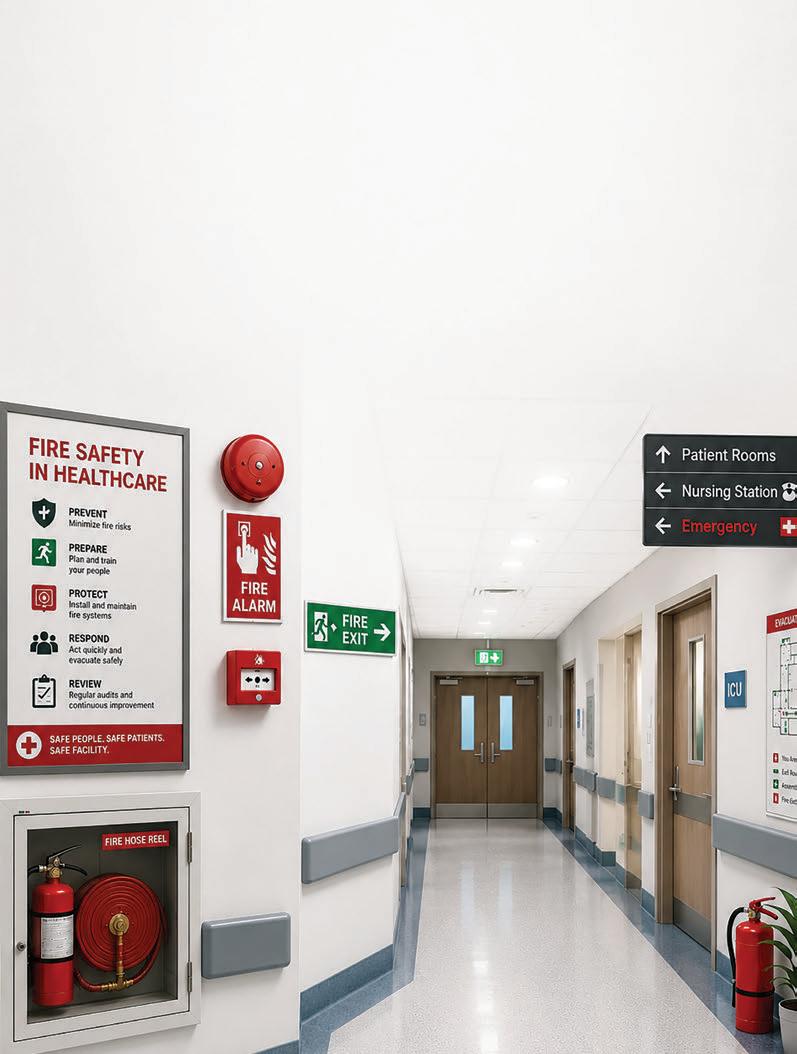
This edition of JURUTERA highlights the growing importance of healthcare engineering in terms of fire safety regulatory requirements, initiatives by the Ministry of Health towards sustainability, and the standards to enhance the patients healing process.
We hope these articles will inspire greater collaboration, knowledge sharing and professional development in advancing safe and sustainable healthcare for all Malaysians.
Published by: The Institution of Engineers, Malaysia (IEM) Publishing Consultant: Dimension Publishing Sdn. Bhd. Printed by: Thunder Print Sdn. Bhd. (Licence No: 048515)
Beyond Compliance: Reinforcing Fire Safety Management in Healthcare Facilities
Interview session with:
Dato’ Sri Nor Hisham Mohammad Director-General of the Fire & Rescue Department Malaysia (FRDM)
A decade after the Hospital Sultanah Aminah tragedy in Johor Bahru, Malaysia is strengthening its fire safety framework for healthcare facilities through regulatory reforms, engineering innovation, competency development, and cross-sector collaboration. In this exclusive feature, the Director-General of the Fire & Rescue Department Malaysia (FRDM), Dato’ Sri Nor Hisham Mohammad, shares with JURUTERA how the nation is reshaping fire safety management in hospitals and why engineers have a critical role to play in safeguarding lives in one of the most vulnerable built environments.
When Dato’ Sri Nor Hisham Mohammad talks about fire safety in hospitals, he does so not only as the Director-General of the Fire & Rescue Department Malaysia (FRDM), but also as a seasoned emergency commander who has spent nearly three decades responding to some of the nation’s most challenging disasters and crises.
From the Putra Heights gas pipeline fire and the Batang Kali landslide tragedy to international humanitarian missions in Türkiye following the devastating earthquake in 2023, his career has been defined by operational leadership, strategic planning, and public safety management. Yet among the many incidents etched in Malaysia’s emergency response history, the fire at Hospital Sultanah Aminah in 2016 remained one of the country’s most sobering reminders of the devastating consequences of inadequate fire safety preparedness in healthcare facilities. Ten years later, the tragedy continues to shape policy reform,
engineering practices, and fire safety management in Malaysia’s healthcare sector.
For Dato’ Sri Nor Hisham, the lessons learnt from Hospital Sultanah Aminah extend far beyond compliance requirements. They underscore the urgent need to rethink how hospitals are designed, managed, and protected, particularly when occupants include highly dependent patients who cannot evacuate without assistance.
“Several important lessons have been identified in strengthening fire safety provisions in healthcare facilities, particularly given the presence of dependent and highly dependent patients who require assisted evacuation,” he says.
Today, discussions surrounding healthcare fire safety have evolved into a much broader conversation involving infrastructure resilience, engineering systems, competency development, and integrated emergency management.
Fire Safety in Healthcare: A Unique Engineering Challenge
Unlike most commercial buildings, hospitals present a uniquely complex fire safety environment. Occupants may be immobile, unconscious, connected to life-support systems, or located in critical care units where evacuation is not straightforward. Healthcare facilities also operate around the clock, making shutdowns for upgrading works difficult.
Dato’ Sri Nor Hisham believes that engineers, particularly through professional bodies such as the Institution of Engineers, Malaysia (IEM), can play a transformative role in strengthening healthcare fire safety.
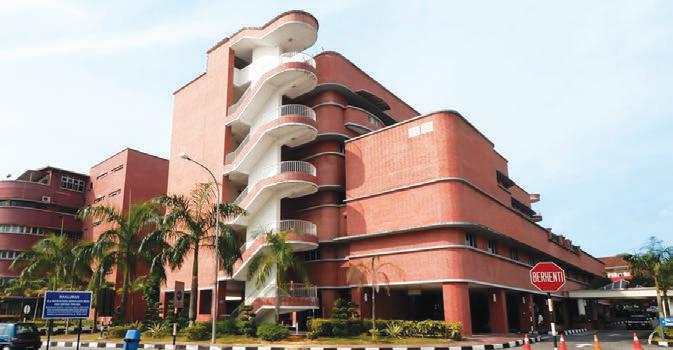
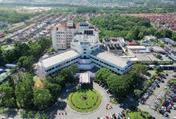
Hospital Sultanah Aminah, Johor Bahru (Source: https://clinicalresearch.my/portfolio/hospital-sultanah-aminah/)
Recognising these realities, Malaysia has progressively strengthened its regulatory framework for healthcare fire safety following the Hospital Sultanah Aminah incident. One of the most significant developments was the introduction of specific fire safety provisions for hospitals under By-law 224A of the Uniform Building By-Laws (UBBL) 1984 through the 2021 amendment.
“These requirements are not specifically provided in earlier versions of the UBBL,” says Dato’ Sri Nor Hisham. “The amendment establishes clearer and more comprehensive requirements tailored for healthcare facilities where evacuation is highly dependent on staff assistance.”
Among the enhanced provisions are requirements for bed lifts to facilitate patient evacuation, limitations on fire compartment sizes for hospital wards to 750 sq m, and dedicated staircase requirements for patient accommodation floors under the 11th Schedule.
Equally important are new smoke control measures and ventilation requirements for protected staircases and internal corridors — measures specifically intended to keep escape routes tenable during emergencies.
The reforms reflect a broader shift from generic fire compliance towards risk-based, occupant-centred fire safety engineering.
Ageing Hospitals & Compliance Gap
Despite progress, significant challenges remain, particularly in older government healthcare facilities.
According to FRDM statistics for 2026, Malaysia has 330 designated hospital and healthcare buildings, comprising 125 government facilities and 205 private facilities. While private healthcare facilities have achieved 100% compliance in obtaining Fire Certificates (FC), only approximately 60% of government healthcare buildings currently have Fire Certificates.
This gap highlights the difficulties associated with upgrading ageing infrastructure, outdated electrical installations, insufficient automatic sprinkler systems, and legacy engineering systems in older hospitals.
To address this, FRDM is closely collaborating with the Public Works Department (JKR) and the Ministry of Health (MOH) to systematically identify non-compliances and prepare comprehensive upgrading plans.
“This collaboration is undertaken to facilitate the preparation of a comprehensive scope of upgrading works for old hospitals and
institutions under the Ministry of Health Malaysia,” says Dato’ Sri Nor Hisham.
As part of this nationwide effort, FRDM organised a coordination and measured drawing review workshop in Penang in October 2025 involving seven hospitals from the northern region, including Hospital Pulau Pinang, Hospital Taiping, Hospital Alor Setar (Old), and Hospital Raja Permaisuri Bainun. The workshop marks the first phase of a broader national initiative that will progressively cover old hospitals throughout Malaysia.
“Through this initiative, existing fire safety non-compliances can be systematically identified and subsequently used as a basis to develop the necessary upgrading works,” he explains.
Smoke, The Silent Killer
In hospital fires, flames are often not the primary threat. Smoke is. It’s a fact that smoke kills and has a greater impact than the actual fire itself, more so in healthcare centres.
Dato’ Sri Nor Hisham agrees that smoke management is among the most critical aspects of hospital fire safety. “Smoke control measures are intended to maintain the effectiveness of escape routes and to assist fire-fighters during firefighting operations,” he says. “These measures help to limit smoke spread within circulation spaces and to ensure that evacuation routes remain tenable for occupants and responding personnel.”
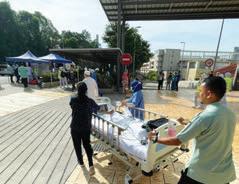
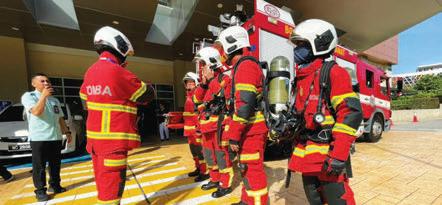
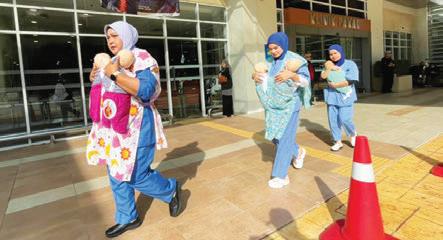
Fire disaster drills conducted by hospitals and Bomba
Introductory Rate for New Advertisers
3,200/page
Circulation & Readership Profile
The publisher reserves the right to edit, revise or reject any advertisement deemed unsuitable or inappropriate. •
This one-time-only special rate o er is for new advertisers.
Space availability is subject to booking on a first-come-first-served basis.
Clients will provide ready-to-print artwork in PDF format with 300dpi.
Full page: 210mm x 297mm, 3mm extra bleed sizes for 4-sided.
Advertising space must be utilised before 31 December 2026.
*Please note that the above rate will be subjected to 8% SST. For overseas advertisers, an additional 25% will be charged.
Artwork submission deadline is on (or before) the 1st week of the prior month of publication.
After the material deadline, no cancellation or alteration to the advertisement will be entertained.
Any cancellation after signing the advertising order will result in a 50% penalty charge.
JURUTERA has an estimated readership of 200,000 professionals. Our esteemed readership consists of certified engineers, decision making corporate leaders, CEOs, government officials, project directors, entrepreneurs, project consultants, engineering consulting firms and companies involved with engineering products and services.
Publica�on month/s:
Company’s Stamp & Authorised Signature
Date
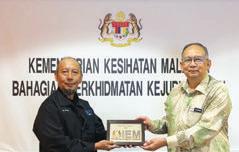
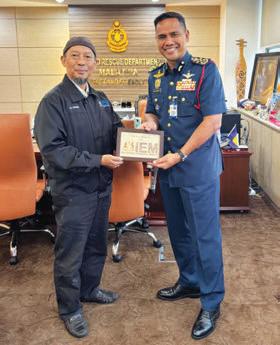
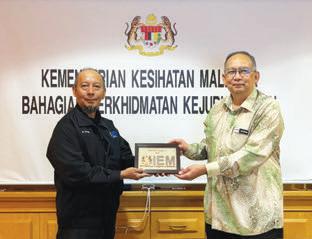
A meaningful moment during our courtesy visit, symbolising collaboration, appreciation, and stronger ties between institutions
Under the UBBL 1984, hospital wards already incorporate key protective measures such as compartmentation, fire-resisting doors with self-closing devices, corridor protection, and staircase ventilation systems.
While the maximum fire compartment size for hospital wards is limited to 750 sq m, Dato’ Sri Nor Hisham stresses that the overall strategy lies in combining compartmentation, ventilation, smoke management, and escape route protection into an integrated fire safety system.
“The existing provisions under UBBL 1984, together with the principles outlined in fire safety standards, provide the necessary framework to manage smoke movement within hospital buildings,” he says.
The emphasis on smoke management reflects a growing understanding that hospital evacuation is fundamentally different from evacuation in offices, malls, or residential buildings. In many cases, evacuation may occur horizontally between compartments rather than vertically through staircases, making smoke containment even more critical.
Engineering Safer Healthcare Environments
For the engineering fraternity, the evolving fire safety landscape presents both responsibility and opportunity. Dato’ Sri Nor Hisham believes that engineers, particularly through professional bodies such as the Institution of Engineers, Malaysia (IEM), can play a transformative role in strengthening healthcare fire safety.
“This includes conducting detailed fire risk assessments, designing compliant fire protection systems, evaluating and upgrading existing electrical and mechanical systems, as well as supporting performance testing and validation of fire safety installations,” he says.
Beyond technical design, engineers can also contribute to the development of best practices, technical guidelines, and professional training programmes.
The increasing sophistication of fire safety engineering has also prompted the introduction of new regulations under the Fire Service Act Amendment 2025. Among the most notable are the Fire Services (Fire Safety Consultant and Fire Safety Consulting Firm) Regulations 2026, gazetted in January 2026.
Under these regulations, engineers may apply to become registered Fire Safety Consultants,
provided they possess appropriate qualifications, practical experience in fire safety engineering design, and competency in Computational Fluid Dynamics (CFD) simulation.
The Department has also introduced regulations covering Competent Persons, Fire Safety Contractors, Training Providers, and Fire Safety Instructors. “These regulations are intended to strengthen professional competency and industry readiness,” says Dato’ Sri Nor Hisham.
Engineers may now be formally recognised as competent persons in areas such as mechanical, electrical, civil, structural, and fire installation systems — a move expected to elevate standards across the built environment sector.
Sprinklers, Extinguishers & Life Safety Systems
Healthcare facilities require fire protection systems which prioritise life safety above all else. Dato’ Sri Nor Hisham notes that FRDM supports the use of quick response sprinkler heads in hospital areas where evacuation depends heavily on sprinkler performance.
“Quick response sprinkler heads provide faster activation compared to standard response sprinkler heads,” he explains. “This may offer advantages in situations where life
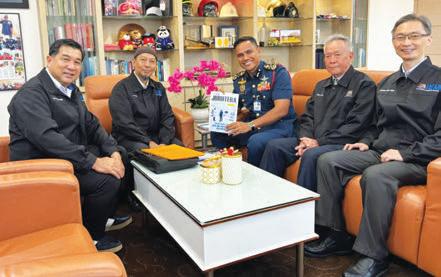
From left: Ir. Cha Hoong Kum (Advisor), Ir. Al-Khairi Mohd Daud (Chairman), Dato’ Sri Nor Hisham Mohammad [Director-General of the Fire & Rescue Department Malaysia (FRDM)], Ir. Gary Lim Eng Hwa (Committee Member) and Ir. Leong Hon Wah (Secretary/Treasurer)
safety is highly dependent on the performance of the sprinkler system.”
Under MS 1910:2017, life safety sprinkler systems are specifically recognised as critical components in buildings where safe evacuation depends on maintaining survivable conditions during a fire.
However, he emphasises that fire protection strategies should remain risk-based rather than adopting a blanket approach. “It may not be necessary to mandate quick response sprinklers for all areas within hospital buildings, as the fire risk profile and functional use of spaces within healthcare facilities may vary,” he says.
The same principle applies to portable fire extinguishers. Under MS 1539: Part 3: 2003, waterbased extinguishers are preferred in hospitals because powder extinguishers can significantly reduce visibility during discharge — a dangerous scenario in confined healthcare environments where assisted evacuation is required.
“The selection of portable fire extinguishers should consider the suitability of the extinguishing medium in accordance with the operational environment and fire risk assessment,” he explains.
Competency Matters as Much as Infrastructure
While regulations and engineering systems are essential, Dato’ Sri Nor Hisham repeatedly returns to one central point: Systems alone cannot guarantee safety.
“In healthcare premises, the effectiveness of fire safety measures is highly dependent on the competency and preparedness of hospital personnel,” he says.
This includes not only understanding fire risks and emergency procedures, but also the ability to respond effectively under pressure. Regular training, evacuation drills, and competency development programmes are therefore indispensable.
The roles of Fire Safety Managers (FSM) and Fire Safety Officers (FSO), required under the Fire Services (Fire Certificate) Regulations, have
become increasingly important in ensuring fire safety systems are properly maintained and emergency preparedness remains effective.
Here again, Dato’ Sri Nor Hisham sees an important role for engineers and IEM. “There is an opportunity for professional collaboration in capacity building and knowledge sharing,” he says. “Engineers can contribute by sharing best practices, conducting technical briefings, and supporting structured training initiatives related to fire safety systems and emergency response.”
For hospitals, fire safety is ultimately an ecosystem, one that integrates engineering design, operational readiness, human competency, maintenance culture, and regulatory oversight.
Towards a Safer Healthcare Ecosystem
As Malaysia modernises its healthcare infrastructure and expands medical services nationwide, fire safety management in healthcare facilities can no longer be viewed as a secondary compliance matter.
Hospitals are among the most critical public facilities in any nation. Their resilience during emergencies directly affects public confidence, patient survival, and national disaster preparedness.
The lessons learnt from the Hospital Sultanah Aminah fire continue to resonate because they expose vulnerabilities which extend beyond a single incident — vulnerabilities involving ageing infrastructure, maintenance culture, system integration, and emergency readiness.
Today, however, Malaysia’s response appears increasingly holistic. Regulatory reforms are being strengthened. Engineering standards are evolving. Competency frameworks are expanding. Collaboration between FRDM, MOH, JKR, professional bodies, and industry stakeholders is becoming more structured and proactive.
For Dato’ Sri Nor Hisham, the path forward is clear. “Improving fire safety in healthcare premises is not solely dependent on systems
and infrastructure, but also on the competency of personnel, which can be further enhanced through continuous training and collaborative efforts with professional bodies such as IEM,” he says.
Ultimately, the future of healthcare fire safety lies not merely in preventing fires, but also in building an integrated safety culture where engineering excellence, operational preparedness, and human competency work together to protect lives when every second matters.
Dato’ Sri Nor Hisham’s perspective on fire safety is shaped by a career that combines operational command, technical governance, and international engagement. Since joining FRDM as a cadet officer in 1997, he had risen steadily through the ranks to become its DirectorGeneral in 2024.
Academically, he holds a Bachelor’s Degree in Environmental Studies from the University of Malaya and an MBA from UiTM where he graduated as top student. He is currently pursuing a Doctorate in Business Studies. He is also recognised as a Professional Technologist (Ts.) by MBOT and serves as Vice President of the International Fire Chiefs Association of Asia (IFCAA) for the 2024-2026 term.
He has represented Malaysia in numerous international conferences and disaster management programmes in countries including Portugal, Japan, Germany, Spain, Indonesia, China, Australia, and the United States. Beyond operational leadership, Dato’ Sri Nor Hisham has also contributed significantly to research, standards development, and technical publications, including serving as Chief Editor of the Guide to Fire Protection in Malaysia, 3rd Edition (2025). His experience in commanding large-scale emergencies, from refinery fires and floods to landslides and international rescue missions, reinforces his conviction that preparedness and competency remain the foundations of effective emergency management.
Interviewee's Profile
Engineering the Future of Malaysian Healthcare: Sustainability and Human Capital Transformation through BRaIn
by:
Ir. Dr. Noor Muhammad Abd. Rahman
Deputy Director of Sustainability & Engineering Excellence, Engineering Services Division, MOH
Ms. Dzatul Ithri Amran Head of BRaIn, Engineering Services Division, MOH
Ir. Mohd Haikal Jamaludin
Senior Engineer and Sustainability Specialist, Engineering Services Division, MOH
Historically, healthcare engineering was associated with facility maintenance, utility management, and repair works conducted quietly behind hospital walls. However, the demands placed upon modern healthcare systems have transformed the profession into a highly strategic discipline that directly influences healthcare quality, operational continuity, and patient safety.
Unlike conventional commercial buildings, hospitals operate continuously, 24 hours a day, throughout the year. Critical systems such as electrical supply networks, medical gas systems, ventilation systems, chilled water plants, isolation rooms, and biomedical equipment must function reliably without interruption. Even minor engineering failures can significantly disrupt clinical operations and compromise patient care.
The experience of recent global healthcare crises, increasing climate-related risks, and rising operational costs has further emphasised the importance of resilient healthcare infrastructure. As a result, engineering teams in MOH have progressively expanded their role beyond reactive maintenance towards long-term infrastructure planning, sustainability implementation, and strategic asset management.
This transformation has positioned healthcare engineers as critical enablers in supporting Malaysia’s broader aspirations for low-carbon development, operational efficiency, and sustainable public infrastructure.
To further strengthen these efforts, the Engineering Services Division established the Sustainability & Engineering Excellence Sector as a dedicated platform to coordinate sustainability implementation, technical competency enhancement, and engineering innovation initiatives across MOH healthcare facilities nationwide. The sector comprises two key components: The Sustainability Facility Unit and the Centre for Healthcare Engineering Brilliance, Research & Innovation (BRaIn). While the Sustainability Facility Unit focuses on sustainability programme implementation, energy, and environmental performance initiatives, green building advancement, and carbon reduction strategies, BRaIn complements these efforts through competency development, applied research, technical collaboration, and institutional knowledge enhancement for the healthcare engineering workforce. Collectively, both platforms support the Ministry’s broader aspiration toward resilient, sustainable, and future-ready healthcare infrastructure.
Driving Sustainability in Healthcare Infrastructure
Recognising the environmental and financial impact of healthcare operations, the Engineering Services Division has progressively strengthened sustainability initiatives across healthcare facilities nationwide through the MOH Sustainability Programme.
Introduced as a structured long-term initiative, the programme focuses on several key pillars including energy management, indoor air quality (IAQ), green building practices, resource efficiency, and environmental stewardship. In line with the Ministry’s broader sustainability aspirations, these efforts are further supported through the development of the Carbon Neutral Healthcare Facilities Blueprint, which outlines strategic directions toward lowcarbon and climate-resilient healthcare infrastructure. Building upon this foundation, the programme has also expanded to incorporate carbon reporting and longterm decarbonisation strategies aligned with national sustainability goals.
Among the most significant focus areas is energy efficiency enhancement within healthcare facilities. Hospitals consume substantial amounts of electricity due to continuous cooling requirements, energyintensive medical equipment, ventilation systems, and uninterrupted operational demands. To address this challenge, engineering teams have implemented multiple energy optimisation initiatives including highefficiency chiller retrofits, chiller system optimisation, LED lighting replacement programmes, and operational energy management improvements. In several facilities, engineering optimisation efforts have also included chiller
plant sequencing improvements, operational control refinement, and continuous performance monitoring to improve system efficiency during varying operational loads.
MOH Malaysia has implemented Energy Performance Contracting (EPC) in selected public healthcare facilities as a structured financing mechanism to deliver guaranteed energy savings through private sector expertise and performance-based outcomes. This initiative is significant as it represents one of the earliest large-scale EPC applications within Malaysian government healthcare buildings, where repayment is directly linked to verified energy performance improvements.
Under this model, comprehensive energy conservation measures were implemented, including chiller plant upgrades, lighting retrofits, system optimisation, and building energy management improvements. The EPC framework enabled upfront capital investment without burdening immediate government expenditure, while ensuring measurable and contractually guaranteed savings.
Results have demonstrated sustained reductions in electricity consumption and improved operational efficiency, while maintaining critical healthcare system reliability requirements. This approach has established a replicable framework for future public sector energy efficiency financing models, particularly in energy-intensive facilities such as hospitals. This positions MOH Malaysia as one of the early adopters of Energy Performance Contracting in government healthcare infrastructure, demonstrating scalable financing innovation for energy efficiency delivery.
Numerous facilities have also strengthened energy monitoring practices through Building Management Systems (BMS), enabling engineering personnel to better analyse operational performance, identify wastage patterns, and optimise system efficiency. Collectively, sustainability initiatives implemented across MOH healthcare facilities since the establishment of baseline measurements in 2015/2016 have contributed to cumulative electricity savings of approximately 1,206 GWh, resulting in an estimated reduction of approximately 890,770 tonnes of CO2 emissions. These initiatives not only contributed toward reducing operational expenditure, but also strengthened environmental sustainability and infrastructure resilience within the public healthcare system.
Beyond individual energy and resource efficiency initiatives, healthcare engineering teams have increasingly adopted green building principles as an integrated framework for sustainable healthcare facility planning
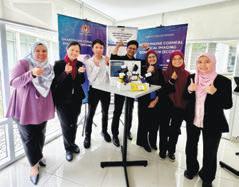
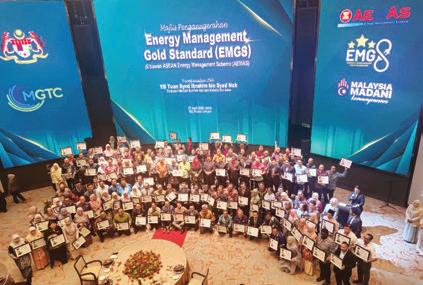
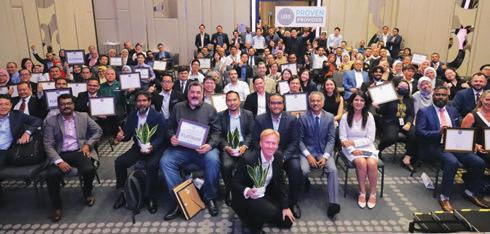
Representatives from various MOH healthcare facilities celebrating the ASEAN Energy Management Scheme (AEMAS) Energy Management Gold Standard (EMGS) achievements
and operational practices. This includes life-cyclebased engineering approaches, passive environmental considerations, efficient system selection, and sustainable material considerations to support long-term building performance and resilience.
As part of this initiative, MOH healthcare facilities nationwide have progressively pursued green building certification for existing building operations and maintenance, reflecting a large-scale commitment toward sustainable healthcare infrastructure practices within the public sector.
These certifications incorporate multiple sustainability elements including energy efficiency, indoor environmental quality, water management, waste reduction, sustainable operations, and occupant well-being, aligning closely with the broader objectives of the MOH Sustainability Programme.
In addition, innovative reuse of reverse osmosis reject water from haemodialysis systems has been explored in selected facilities for secondary applications such as cleaning and landscape irrigation, where appropriate and compliant with operational safety requirements. These initiatives contribute to reducing dependency on treated potable water while promoting circular water resource utilisation within healthcare operations.
The achievements and progress of these initiatives over the past decade were documented in the publication, A Decade of Greener Healthcare Facilities: Sustainability Programme (2015-2025), which provided a consolidated reference on sustainability implementation and engineering transformation in MOH healthcare facilities.
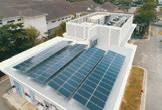
The Ministry has also initiated efforts toward renewable energy transition through the exploration of rooftop solar photovoltaic (PV) implementation models in selected healthcare facilities. Among the approaches currently being evaluated is the Power Purchase Agreement (PPA) model, particularly in larger healthcare facilities in the Klang Valley. Although still under planning and implementation stages, this initiative reflects a growing commitment toward cleaner energy adoption and longterm energy resilience within the healthcare sector.
Beyond energy management, sustainability efforts within healthcare engineering have also expanded into water conservation and responsible resource utilisation. Hospitals require huge volumes of treated water daily for clinical, operational, and sanitation purposes, making water efficiency an increasingly important engineering consideration.
In response to the increasing emphasis on water sustainability, selected healthcare facilities have implemented water conservation initiatives focusing on both demand reduction and resource recovery strategies.
Key interventions include rainwater harvesting systems for non-clinical applications, installation of water-efficient fixtures, and optimisation of domestic water distribution systems.
Environmental responsibility has also extended into biomedical engineering and asset life-cycle management. Biomedical engineering personnel play a critical role in ensuring the reliability, safety, and efficiency of complex medical equipment throughout their operational lifespan. Through preventive maintenance strategies, equipment performance monitoring, and targeted refurbishment initiatives, engineering teams help prolong asset usability, reduce premature equipment disposal, and support more sustainable healthcare operations.
This approach reflects a broader shift from reactive maintenance toward strategic life-cycle engineering practices that balance operational reliability, patient safety, and environmental responsibility.
BRaIn: Strengthening the Future of Healthcare Engineering
While sustainable infrastructure development remains essential, long-term healthcare resilience ultimately depends on the competency, adaptability, and leadership of the technical workforce responsible for managing these systems.
MOH delegation and other Malaysian organisations receiving LEED certification during the 2023 LEED Awards Ceremony at the LEED in South-East Asia Series
Recognising this need, the Engineering Services Division established BRaIn as a dedicated platform to strengthen technical excellence, institutional knowledge and engineering innovation within the healthcare sector.
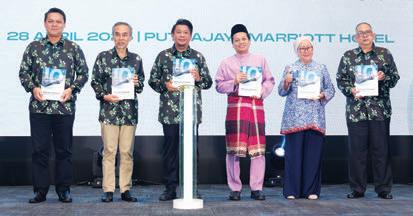
Officially launched on April 28, 2025 at the Green Healthcare Facilities Conference (GHFCON 2025), BRaIn represents a significant milestone in the evolution of healthcare engineering in Malaysia. Rather than acting as a conventional training facility, BRaIn functions as a holistic transformation engine anchored on the philosophy that technology alone does not change healthcare – people do.
BRaIn serves as a strategic platform for competency development, technical collaboration, applied research, and professional knowledge enhancement across multiple engineering disciplines within healthcare services.
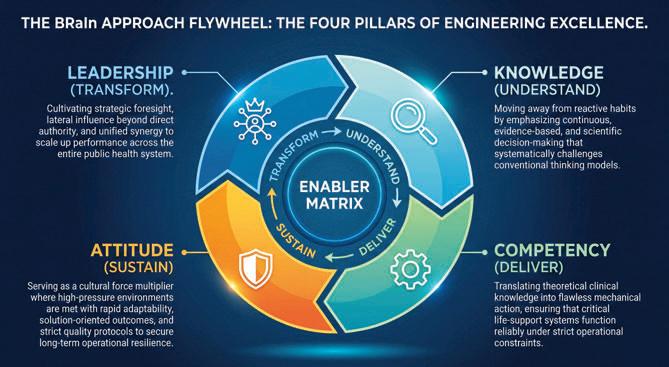
To build future-ready public healthcare infrastructure, BRaIn targets a fundamental shift in the engineering mindset, moving personnel beyond basic technical execution into strategic governance. This transformation is built upon an interconnected Enabler Matrix of four core drivers:
• Knowledge (Understand): Moving away from reactive habits by emphasising continuous, evidence-based, and scientific decision-making which systematically challenges conventional thinking models.
• Competency (Deliver): Translating theoretical clinical knowledge into flawless mechanical action, ensuring that critical life-support systems function reliably under strict operational constraints.
• Attitude (Sustain): Serving as a cultural force multiplier where high-pressure environments are met with rapid adaptability, solution-oriented outcomes, and strict quality protocols to secure long-term operational resilience.
• Leadership (Transform): Cultivating strategic foresight, lateral influence beyond direct authority and unified synergy to scale up performance across the entire public health system.
The centre focuses on strengthening competencies in areas such as healthcare facility engineering, biomedical engineering, sustainability practices, asset management, and public health engineering. Through structured learning programmes and technical engagement activities, BRaIn aims to ensure that engineering personnel remain capable of managing increasingly complex healthcare infrastructure systems and evolving operational challenges.
A Decade of Greener Healthcare Facilities: Sustainability Programme (2015-2025) book launch by Dato Lukanisman Awang Sauni, Deputy Minister of Health Malaysia
Equally important, BRaIn promotes the development of leadership capabilities and technical governance among engineering personnel. As healthcare systems become more interconnected and operationally demanding, engineers are increasingly expected to participate in not only technical execution but also in strategic planning, risk management, sustainability implementation, and organisational decision-making.
In addition, BRaIn actively encourages the development of research and innovation culture within the ministry. The platform supports knowledge-sharing initiatives, technical documentation efforts, and collaborative engagement with academic institutions, professional bodies, and industry stakeholders. These collaborations are important in strengthening applied engineering solutions and accelerating the adoption of practical innovations relevant to healthcare operations.
To further strengthen this direction, BRaIn actively champions multi-sectoral integration by coordinating knowledge-sharing platforms, establishing centralised technical documentation repositories, and strengthening strategic collaboration with academic institutions, professional statutory bodies, and global industry leaders. These strategic partnerships are instrumental in strengthening applied engineering solutions, advancing research collaboration, and accelerating the cross-facility
adoption of practical, safe, and future-ready healthcare innovations across the nation.
These collaborative mechanisms strengthen the role of BRaIn as a national platform for engineering knowledge advancement and innovation diffusion. By institutionalising continuous learning and technical excellence, BRaIn supports the long-term development of a competent and future-ready healthcare engineering workforce capable of sustaining resilient public healthcare infrastructure for decades to come.
Engineering Resilience for the Future
The future of healthcare infrastructure will become increasingly complex as hospitals face growing operational demands, climate-related risks, ageing infrastructure challenges, and rising sustainability expectations. Engineering systems will continue to play a central role in ensuring healthcare continuity, operational resilience, and environmental responsibility.
In this evolving landscape, healthcare engineers must function not merely as technical support personnel but also as strategic infrastructure leaders capable of integrating engineering reliability, sustainability principles, and longterm resilience planning into healthcare operations.
These initiatives reflect a broader transformation in how healthcare engineering expertise within the MOH contributes toward national sustainability, healthcare resilience, and long-term public sector transformation, not only through maintaining facilities but also through actively shaping safer, more sustainable, and future-ready healthcare environments.
As healthcare systems become increasingly dependent on resilient infrastructure and sustainable operations, the role of healthcare engineers will continue to expand in importance. The future of healthcare delivery will depend on not only medical excellence, but also on the strength, reliability, and sustainability of the engineering systems operating behind the scenes.
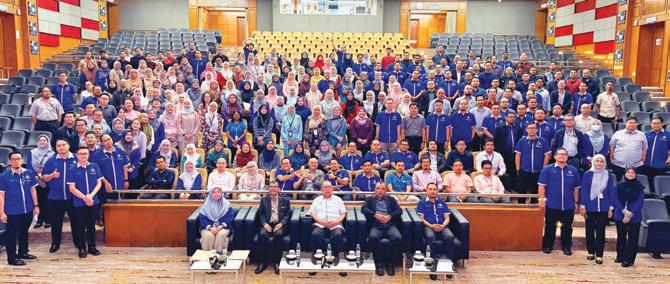
Engineering professionals from various MOH healthcare facilities are advancing sustainability and resilience within Malaysia’s public healthcare infrastructure
Malaysian Society for Quality in Health Engineering Standards: Beyond Patient Safety
by:
Ir. Al-Khairi Mohd Daud
Mechanical engineer with experience in various fields, including healthcare facilities.
Ir. Choon Kok Hoo
Electrical engineer who has served as a Facilities Manager in various hospitals.
Healthcare facilities is a high-risk built environment where the reliability of engineering systems is a critical determinant of clinical outcomes. The 2016 fire at Hospital Sultanah Aminah, which resulted in six fatalities, serves as a case study in compound infrastructure failure. In the incident, the initiating event, an electrical arc from a degraded capacitor, was compounded by the presence of medical oxygen, transforming a localised fault into a catastrophic fire.
In this article, we will present a technical analysis of the event through the lens of the Malaysian Society for Quality in Health (MSQH) 6th Edition Standards (2022). This examines engineering governance, risk management, and life-cycle disciplines required to transition healthcare facilities management from a reactive maintenance model to a proactive, systemsbased safety assurance framework.
Infrastructure Failure as a Clinical Risk
On 25 October 2016, a fire occurred in the Intensive Care Unit (ICU) of Hospital Sultanah Aminah, Johor Bahru. The root cause was traced to an electrical fault within a ceilingmounted fluorescent light capacitor. The subsequent fire growth was significantly accelerated by the presence of medical oxygen from bed head terminal units. Though oxygen is a non-flammable oxidiser, it lowers the ignition energy of materials and increases their combustion rate. The resulting conflagration and smoke production led to asphyxiation in six patients. A second, unrelated fire occurred the following day in an operating theatre due to water ingress into an electrical socket.
These events show that patient safety risk in a hospital extends beyond clinical procedures to the physical infrastructure. This article analyses these technical failures and examines how the MSQH 6th Edition standards provide a systematic framework for their prevention.
Technical Analysis of Hospital Sultanah Aminah Incident
1. Failure Sequence and Contributing Factors. The incident represents a classic compound failure where independent hazards interacted to exceed system safety margins. The causal chain can be decomposed as follows:
• Initiating Event: Dielectric breakdown of an aged lighting capacitor, resulting in an electrical arc and ignition.
• Secondary Fuel Source: Ignition of proximate combustible materials, including curtains and bedding textiles.
• Critical Compounding Factor: Oxygen enrichment of the local atmosphere from medical gas outlets. This factor accelerated a minor fire into a high-intensity blaze, drastically reducing the evacuation time available.
• Lethal Outcome Mechanism: Rapid smoke propagation causing airway obstruction and asphyxiation in non-ambulatory patients.
2. Engineering Lessons Identified. The following five technical lessons are derived from this failure sequence: Lesson 1: Oxygen-Enriched Environment Zoning. An area with active medical gas outlets constitutes a distinct hazard zone. Engineering controls must include a documented oxygen safety protocol, specifying the location of Area Valve Service Units (AVSU) and fire alarms for easy access, and ensuring minimum separation distances from potential ignition sources for all outlets and associated equipment.
Lesson 2: Predictive Electrical Maintenance. Capacitor degradation or loose electrical contact is a progressive, detectable failure mode. A condition-based maintenance programme incorporating annual thermographic scanning of distribution boards and lighting circuits can identify highresistance connections and component degradation before fault triggering.
Lesson 3: Integrated Hazard Interaction Analysis. The core failure was not a single-point fault but a dangerous confluence of three risk factors: An uncontrolled ignition source, combustible materials, and an oxidising atmosphere. A robust Hazard Identification, Risk Assessment & Risk Control (HIRARC) process must specifically evaluate such interactions. Frequent audit inspections of the facilities will allow the detection of unsafe situations.
Lesson 4: Defend-in-Place Strategy for HighDependency Areas. Standard evacuation models are non-viable for ventilator-dependent patients. The safety strategy must pivot to a “defend-in-place” approach, relying on high-performance compartmentation, automatic fire suppression, and aggressive smoke management to maintain a tenable environment within the ICU. A strategy needs to be developed for ageing hospitals that do not comply with the latest standards and regulations.
Lesson 5: Maintenance as a Safety-Critical Function. Engineering maintenance is not a logistical support activity but a direct patient safety intervention. Deferred or incomplete maintenance actions must be escalated within the hospital’s clinical governance framework.
Governing Framework: MSQH 6th Edition Standards
The MSQH Hospital Accreditation Standards 6th Edition (2022) provides a governance structure which directly addresses the failures identified at HSA. This is situated within a broader statutory and standards landscape affecting hospital engineering (Table 1). The MSQH standards most relevant to this analysis are:
• Service Standard 02: Environmental and Safety Services mandates a comprehensive, organisationwide safety management programme.
• Service Standard 03: Facility and Bio Medical Equipment Management and Safety require a systematic life-cycle approach to managing all physical assets, including medical gas and electrical systems.
• Service Standard 13: Critical Care Services defines specific infrastructure performance requirements for high-dependency areas, including fire safety and service continuity.
Technical Requirements for Critical Systems
1. Medical Gas System Safety. MSQH Service Standard 03 requires a systematic management programme for medical gas systems. Based on the HSA incident, the following elements are critical:
• Hazard Zoning: Engineering drawings must designate oxygen-enriched areas. A formal assessment must verify adequate separation between gas outlets and fixed electrical equipment.
• Emergency Isolation: A zonal emergency oxygen shut-off area valve service units (AVSU) valve plan must be developed, documented, and physically verified. The system’s capacity to isolate a single zone while maintaining supply to other zones must be functionally tested. Clear labelling is mandatory.
• Performance Verification: Regular testing protocols must include medical gas alarm response checks, pressure integrity tests at terminal units, and crossconnection verification.
• Emergency Management: A documented procedure is needed to ensure the continuity of service and a clear process for response in the event of any interruption in utility services. A quick and accurate response by competent persons will prevent a hazardous event from turning into a disaster.
2. Preventive Electrical System Management. The prevention of electrical ignition sources requires a multi-layered strategy:
• Thermographic Surveying: Systematic, periodic infrared thermography of all essential electrical infrastructure, from main switchboards to final circuit connections. Results must be trended to identify progressive degradation.
• Insulation Integrity Testing: Scheduled insulation resistance testing on critical circuits, particularly those serving high-dependency areas, to detect latent wiring deterioration.
• Component Life-cycle Replacement: A proactive replacement schedule for time-dependent components (e.g., capacitors, ballasts) based on manufacturer-rated service life and operating environment conditions, not solely on failure.
3. Fire Protection in High-Dependency Areas. Service Standard 13 requirements translate into a defend-inplace engineering strategy:
• Passive Protection: Intact fire-rated compartmentation, including sub-dividing large open-plan ICUs, coupled with a dedicated smoke control system (pressure differential or mechanical extraction).
• Active Protection: Need for automatic fire detection (e.g., aspirating smoke detection for earliest warning) and automatic suppression designed for the patient environment.
Table 1: Principal regulatory & standards framework for Malaysian hospital engineering
• Operational Protocol: A jointly developed and tested protocol between Engineering and Clinical departments for emergency oxygen shut-off. This must define clear decision-making authority and a step-by-step procedure, acknowledging the immediate clinical risk of shutting off life-support oxygen versus the escalating environmental risk of feeding a fire.
Engineering Governance & Risk Management System
1. The Integrated HIRARC Process. MSQH mandates the use of HIRARC. This effective application requires engineering risk registers to move from a single-hazard listing to an interaction matrix. For example, the colocation of a standard electrical fitting and a medical gas outlet must be explicitly assessed as a distinct, compound risk. This necessitates a formal feedback loop between the clinical risk register and the facility risk register.
2. Incident Learning and Root Cause Analysis (RCA). The second fire at HSA, caused by water ingress during cleaning, demonstrates a systemic weakness in the feedback loop. A non-punitive reporting culture must be coupled with competent RCA. The investigation must identify the deepest latent failures, such as design specifications, procurement practices, or maintenance planning system defects, rather than concluding at the level of “operator error”.
3. Leading Performance Indicators. A reactive governance system relies on lagging indicators (e.g., number of fires). A proactive system monitors leading indicators that predict system health. These include:
• % Schedule compliance for preventive maintenance.
• % Critical findings corrected within the agreed timeframe.
• Number of outstanding safety-related corrective work orders.
• Results of medical gas system functional tests.
Life-Cycle Management & Capital Planning
1. Asset Condition and Criticality Matrix. The HSA capacitor failure highlights a fundamental lifecycle management deficiency. A simple age-based replacement is insufficient. A more robust method is to categorise assets on a criticality matrix (e.g., impact on safety x likelihood of failure). This guides investment in condition monitoring and prioritises capital replacement based on risk, not just chronological age.
2. Data-Driven Capital Replacement. The failure of infrastructure at other facilities, such as the reported four unusable operating theatres at Serdang Heart Centre 18 months post-opening, demonstrates the consequence of life-cycle neglect. MSQH requires a multi-year Capital Replacement Plan supported by asset condition data. This plan forms the technical basis for budget justification and ensures the long-term resilience of the engineering plant.
Conclusion
The Hospital Sultanah Aminah fire was a systemic failure where three independent hazards — an undetected electrical fault, combustible materials, and a medical oxygen-enriched atmosphere — intersected and led to a fatal outcome. The event underscores the engineering principle that patient safety in a hospital is the emergent property of a well-designed, maintained, and governed physical system.
The MSQH 6th Edition Standards provide the framework for healthcare engineers to prevent such failures. The transition from a reactive to a proactive safety posture requires the following core technical commitments:
1. Systematic Hazard Interaction Analysis: HIRARC must mathematically consider the compounding effect of multiple, co-located risks.
2. Condition-Based Maintenance: Predictive technologies such as thermography, are the foundation of a reliable electrical safety programme.
3. Zonal Medical Gas Management: Oxygen-enriched environments require explicit engineering and clinical protocols for hazard control and emergency isolation.
4. Verification, Not Assumption: The functional performance of all safety-critical systems, from shut-off valves to automatic transfer switches, must be periodically verified under simulated operating conditions.
5. Life-cycle Risk-Based Investment: Asset replacement must be justified and prioritised by quantifiable safety and operational risk, ensuring the fidelity of the physical plant over its entire service life. The ultimate finding of the HSA analysis is that engineering governance is an inseparable component of clinical governance. The reliability of the physical infrastructure is a direct and measurable input to patient safety outcomes.
REFERENCES
[1] Malaysian Society for Quality in Health. Malaysian Hospital Accreditation Standards (6th Edition). Kuala Lumpur: MSQH; 2022.
[2] Wan Muhammad Amirul Hafiz Wan Azhar. Burning ICU Ward at Hospital Sultanah Aminah and the Crash of ValuJet Flight 592. Universiti Teknologi Malaysia; 2019.
[3] Malay Mail. Consultant says Johor hospital fire spread quickly due to bedsheets, curtains. 2016 Oct 26.
[4] New Straits Times. All 145 public hospitals nationwide under scrutiny in wake of deadly Johor blaze. 2016 Oct 25.
[5] The Straits Times. JB hospital hit by 2nd fire; patients evacuated. 2016 Oct 27.
[6] The Sun Malaysia. Light capacitor burning up cited as a cause of Johor Hospital fire. 2016 Dec 23.
[7] Department of Occupational Safety and Health Malaysia. Guidelines for Hazard Identification, Risk Assessment and Risk Control (HIRARC). Putrajaya: DOSH; 2008.
[8] Suruhanjaya Tenaga (Energy Commission). Electricity Supply Act 1990 (Act 447) and Regulations. Putrajaya: Suruhanjaya Tenaga; 1990.
Engineering the Healing Environment: Holistic HVAC Strategies for Healthcare Facilities
by:
Ir. Yong Gee Suan
Committee Member of IEM Building Services Technical Division (BSTD) & Head of Product Development
at Daikin R&D Malaysia.
Hospital facilities are deliberately divided into functional and risk‑based zones to protect patients and staff as well as to control the spread of infection. Although zoning definitions vary across international standards, they share a common objective: To manage infection pathways and to support safe and effective clinical operations. In general, hospital spaces are classified as unrestricted, semi‑restricted, and restricted zones, with each requiring different levels of environmental control.
From an engineering perspective, zoning is closely linked to airflow and pressure relationships. ASHRAE 170 defines spaces based on positive, negative, or neutral pressurisation, while Joint Commission International (JCI) standards categorise areas according to clinical function and risk. Together, these frameworks form the basis for ventilation design, filtration strategies, and air‑balancing approaches in healthcare facilities.
Beyond infection control, modern hospitals are increasingly expected to support holistic healing. A well‑designed indoor environment helps reduce patient stress, supports recovery, and improves clinical outcomes. It also creates better working conditions for healthcare staff. HVAC systems play a central role by providing clean air, stable temperatures and humidity, and appropriate pressurisation across different zones. Through effective HVAC design and operation, the built environment becomes an active contributor to patient safety, comfort, and healing.
This article discusses practical HVAC design principles for healthcare facilities, from unrestricted to restricted zones, and highlights integrated air solutions and sustainable strategies which enhance indoor air quality, operational resilience, and long‑term energy performance.
Hospital Zoning & Design Criteria:
Unrestricted & Semi-Restricted Zones
Unrestricted and semi restricted zones, including waiting halls, wards, nurse stations, and pharmacies, are spaces where patients and visitors spend most of their
time. Poor ventilation or crowding in these areas can increase the risk of airborne transmission.
Unrestricted and semi restricted zones require a balance of comfort and IAQ. Recommended design criteria include air temperature of between 23°C and 26°C, relative humidity of between 40% and 70% with a minimum of 2 air changes per hour (ACH) of outdoor air and 6 ACH overall and CO2 concentration levels ≤ 1,000 ppm. It also recommends air filtration with MERV 8 14 filters to create air movement between 0.15 to 0.50 m/s.
These parameters ensure thermal comfort, control moisture to prevent mould, and maintain acceptable IAQ. Outdoor air dilution is essential for reducing bioaerosols and CO2 levels, while filtration removes dust and particulates. (Source: Engineering Services Division, Ministry of Health & ASHRAE 170-2021).
Ventilation the Foundation of Environmental Control
While cooling systems ensure thermal comfort, ventilation is the primary determinant of safety, IAQ performance, and infection control in healthcare facilities. Effective ventilation achieves:
• Dilution of contaminants through sufficient outdoor air.
• Pressure management to prevent cross contamination.
• Humidity and temperature stability to prevent microbial growth.
• Comfortable airflow patterns that support patient healing and staff performance.
To achieve consistent results, a holistic life cycle approach is critical to ensure that the design, installation quality, commissioning accuracy, and long term maintenance work together to maintain airflow, filtration performance and pressure relationships. This principle sets the foundation of HVAC design for unrestricted, semi restricted and restricted zones.
Total Air Solutions for Unrestricted & Semi-Restricted Zones
The HVAC system solutions for unrestricted and semi restricted zones can include ceiling cassette and concealed ducted units to condition large spaces, wall mounted units for small consultation rooms and heat recovery ventilators (HRV/ERV) to pre condition outdoor air. Pre cooling the outdoor air reduces latent load, stabilises humidity and improves energy efficiency. Adding PM2.5 and activated carbon filters enhances air cleanliness by removing fine particles and odours. Demand controlled ventilation (DCV) based on CO2 sensors adjusts the amount of outdoor air supply according to occupancy, thus saving energy while maintaining IAQ.
Hospital ward rooms and nurse stations often require different temperature settings, i.e. around 26°C for patient comfort and 23°C for active work areas. Pre-cooled ducted fresh air helps to stabilise cooling loads, and systems with higher external static pressure can accommodate higher‑grade filters such as MERV 14. CO2 monitoring ensures fresh air delivery meets IAQ requirements without oversupply.
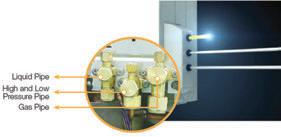
Pharmacy areas need precise humidity control to preserve medication integrity. Advanced systems which use a three pipe concept to create two refrigerant circuits enable simultaneous temperature and humidity control. Individual controllers maintain relative humidity between 45% and 60%, protecting pharmaceutical products.
Hospital Zoning & Design Criteria: Restricted Areas
Restricted areas, such as operating theatres (OTs), angiography rooms and catheterisation laboratories demand precise environmental control to maintain sterile conditions and to support clinical outcomes. Restricted areas demand tighter control to minimise infection risks. Recommended design criteria for such areas include temperatures of between 18°C and 22°C, relative humidity between 50% and 60%, minimum 20 ACH and room pressurisation of +5 Pa. Lower temperatures reduce microbial growth and improve surgical comfort. Maintaining relative humidity between 50% and 60% balances infection control with staff comfort. High ventilation rates dilute contaminants quickly, and positive pressurisation prevents unfiltered air from entering sterile zones. (Source: Engineering Services Division, Ministry of Health & ASHRAE 170-2021).
Total Air Solutions for Restricted Areas
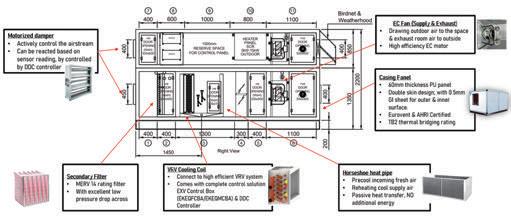
The HVAC system for restricted zones typically uses customised air handling units (AHUs) with staged filtration which includes primary filters, secondary filters such as MERV 14, and HEPA filters. Interlaced DX coils help maintain stable temperature and humidity, even when the system is operating at partial load. EC plug fans provide efficient airflow control and remove the risk of belt contamination. Heating and reheating can be provided by electric heaters or by using horseshoe heat pipes (HSHP). The HSHP modules precool the incoming fresh air and then reheat the supply air passively, reducing the load on the cooling coil and minimising the need for oversized heaters while still meeting surgical setpoints. Motorised dampers and PLC‑based controls work together with sensors that monitor temperature, humidity, differential pressure, and airflow to ensure the system consistently meets ventilation and pressurisation requirements.
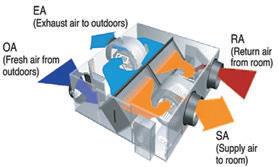
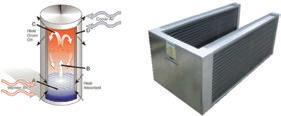
Figure 1: ERV/HRV schematic — pre-conditioned outdoor air reduces latent load and stabilises humidity while the exhaust removes contaminants
Figure 2: Additional refrigerant circuits can be used to provide better control of temperature and humidity, helping to maintain more stable conditions in healthcare spaces
Automatic refrigerant-charging routines help the system reach the correct charge level, protecting COP from problems caused by under-charging (such as capacity loss and motor stress) as well as over-charging (which can reduce efficiency and put extra load on the compressor).
Sustainable Cooling: Heat-Recovery Hot Water
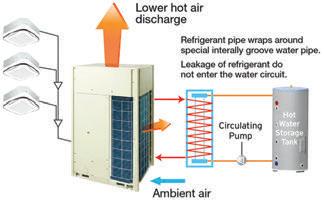
Hospitals use large volumes of hot water for scrubbing, bathing, sterilisation, laundry, and kitchen operations. Heat-recovery hot-water (HRHW) systems capture waste heat from VRV outdoor units and transfer it to water circuits via high-efficiency heat exchangers. Water can be heated to approximately 60°C for storage and tempered to 40°C for usage. Continuous HVAC operation provides a steady source of recoverable energy, reducing reliance on boilers or electric heaters and improving sustainability metrics.
Holistic HVAC Life-Cycle Approach
A truly healing environment requires more than good design; it depends on the entire HVAC life-cycle. Installation quality, commissioning accuracy, operational discipline, and preventive maintenance all work together to ensure stable IAQ, temperature, humidity, and pressure control. In healthcare facilities, this end to end approach is essential because even small deviations in airflow, filtration, or pressurisation can directly affect patient safety and clinical outcomes. Therefore, the following sections on installation, operation, and maintenance should be viewed as an integrated system rather than independent processes.
Installation & Commissioning: Getting the Basics Right
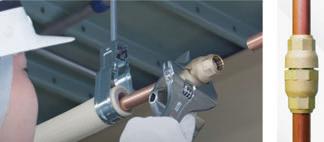
Installation quality underpins reliability and energy performance. Braze-less piping eliminates open flames and copper-oxide contamination risks, simplifying permits and improving compressor and expansion valve health.
A thorough commissioning process should follow. This includes documenting subcooling and superheat readings, coil performance, pressure relationships between rooms, and filter pressure drops. These baseline values become essential references for future troubleshooting and routine maintenance. Finally, consistent workmanship matters. Clear method statements, proper training for installers, and systematic site inspections help ensure the system is built as designed. Any issues found during testing are resolved through a structured punch list process before handover. Taking these steps helps prevent early problems and builds a stable foundation for the system to run reliably from the very beginning, which is especially important for hospitals that cannot afford any disruption to their indoor environment.
Figure 3: Horseshoe Heat Pipe concept — passive precooling and reheating reduce energy while stabilising supply conditions without moving parts
Figure 4: VRV + customised AHU architecture for operating theatres — staged filtration, interlaced DX coil, EC fans, Horseshoe heat pipe, dampers, and centralised controls
Figure 5: Heat exchanger is coupled with VRV outdoor units to recover waste heat which is used to heat water to up to 60°C
Figure 6: Braze-less piping eliminates open flames and copper-oxide contamination risks, simplifying permits and improving compressor/expansion valve health
Operation: Smart Control & Energy Optimisation
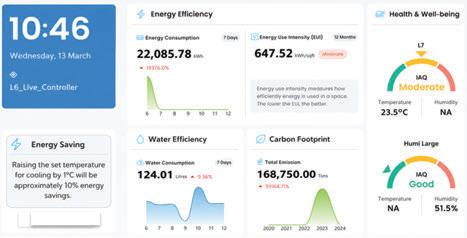
The operation phase ensures precise environmental conditions in operating theatres while optimising energy performance. Smart control systems maintain temperature, humidity, airflow, and pressurisation without compromise. Cloud based dashboards provide realtime IAQ and energy visibility, supporting ESG compliance. AI algorithms predict load changes and adjust setpoints proactively to prevent overcooling and reduce compressor strain. Predictive maintenance features monitoring fan power, coil temperature differentials, and filter pressure drops to detect anomalies early, minimising downtime. This integration of monitoring, automation, and analytics transforms operation from reactive management to proactive optimisation.
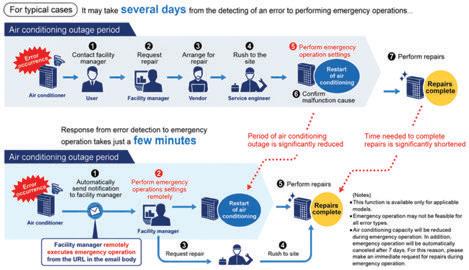
Maintenance is critical for uninterrupted operations. Preventive routines such as scheduled filter changes, sensor calibration, and coil cleaning maintain IAQ and system efficiency. Predictive maintenance uses AI driven analytics to identify early signs of component wear or airflow imbalance.
Alerts allow repairs before breakdown, reducing downtime from days to hours. Remote monitoring and fault management through cloud dashboards improve response times and reduce operational risk. This proactive approach ensures reliability and compliance while lowering life‑cycle costs.
End-of-Life & Decommissioning (5R)
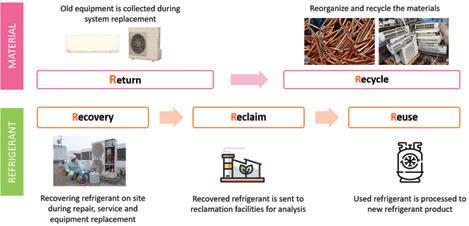
End‑of‑life practices complete the ESG loop. The 5R approach, which stands for Recover, Reclaim, Reuse, Return & Recycle, provides the framework for handling refrigerants and materials at the end of the service life.
Refrigerant should first be recovered on site during service or equipment replacement. It can then be sent to an approved reclamation facility where it is analysed and processed until it meets the required quality standards.
Figure 7: Smart control dashboard – real-time IAQ and energy trends with AI optimisation and alert features
Figure 8: Remote monitoring and fault management through cloud dashboards improve response times and reduce operational risk
Figure 9: The 5R steps towards sustainability
Once reclaimed, the refrigerant may be reused where appropriate. Old equipment should be returned through proper channels so it can be safely dismantled, and the remaining metals and plastics should be recycled to ensure useful materials are not wasted.
Conclusion
HVAC systems in healthcare facilities are “mission critical”. They safeguard patients and staff, support infection control, and influence overall energy performance. When clear design criteria are applied and supported by technologies such as ERV, HSHP, smart controls, and heat‑recovery systems, hospitals can achieve sustainable cooling and create environments which promote healthy healing. These combined strategies help lower energy costs, improve indoor air quality, and strengthen system resilience, bringing lasting benefits to patients, clinicians, and the wider community.
REFERENCES
[1] Guideline from Engineering Services Division, Ministry of Health
Courtesy Visit to Engineering Services Division, Ministry of Health Malaysia
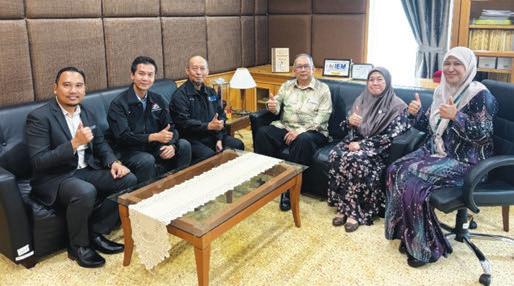
The Institution of Engineers, Malaysia (IEM) Building Services Technical Division (BSTD) recently organised a courtesy visit to the Engineering Services Division (ESD) of the Ministry of Health Malaysia (MOH) in Putrajaya. The visit served as an important platform for strengthening professional collaboration between IEM and MOH and exploring opportunities to advance healthcare engineering practices in Malaysia.
The BSTD delegation was received by Ir. Huszian Husin, the Director of ESD, who provided an overview of the division’s roles and responsibilities in supporting healthcare infrastructure and engineering services across the Ministry of Health’s extensive network of hospitals and healthcare facilities nationwide.
Role of Engineering in Healthcare
During the engagement session, Ir. Huszian highlighted the critical role played by engineers in ensuring the safety, reliability, functionality, and sustainability of healthcare facilities. Discussions covered the diverse engineering disciplines involved in healthcare operations, including mechanical and electrical systems, biomedical engineering support, medical gas systems, environmental health engineering, facility management, and infrastructure planning.
The delegation gained valuable insights into the unique challenges faced in healthcare facilities, where engineering systems directly supported patient care, infection prevention, clinical operations, and regulatory compliance.
Healthcare Engineering Challenges & Opportunities
Several key topics were discussed during the meeting.
1. Healthcare Facility Design and Operational Sustainability: Ir. Huszian shared the division’s experiences regarding the longterm operational challenges associated with healthcare facilities after project completion and handover. Emphasis was placed on the importance of incorporating maintainability, operational requirements and
by:
life-cycle considerations during the design stage to ensure healthcare facilities remain efficient and fit for purpose throughout their service life.
2. Regulatory Compliance and Asset Management: The discussion also covered regulatory requirements applicable to healthcare facilities, including fire safety compliance, engineering governance, facility maintenance, and asset management practices. ESD highlighted ongoing efforts to strengthen engineering standards and to improve the quality of healthcare infrastructure nationwide.
3. Environmental Sustainability Initiatives: The Ministry’s sustainability initiatives were also presented, including energy efficiency programmes, renewable energy adoption, and carbon reduction strategies within healthcare facilities. Participants exchanged views on emerging technologies and best practices that could further support the healthcare sector’s sustainability agenda.
4. Engineering Support for Public Health: Beyond healthcare facilities, Ir. Huszian spoke of the division’s broader role in supporting public health objectives through environmental health engineering programmes, water quality management, and other technical functions which contributed to safeguarding community health.
Ir. Al-Khairi Mohd Daud
From left to right: Ir. Dr. Noor Muhammad Abd. Rahman (Deputy Director, Sustainability and Engineering Excellence Sector, Engineering Services Division (BPKj)), Ir. Yap Chee Hong (BSTD Committee Member), Ir. Al-Khairi Mohd Daud (BSTD Chairman), Ir. Huszian Husin (Director, Engineering Services Division, BPKj), Ms. Bariah Bakri (Senior Deputy Director, Engineering Healthcare Policy and Planning Branch, BPKj), and Ms. Dzatul Ithri Amran (Head of the Healthcare Engineering Brilliance, Research and Innovation (BRaIn) Unit, Sustainability and Engineering Excellence Sector, BPKj)
Strengthening Collaboration Between IEM and MOH
A significant outcome of the courtesy visit was the mutual recognition of the need to elevate awareness of healthcare engineering as a specialised engineering discipline. Both parties acknowledged that healthcare facilities presented unique engineering challenges which required multidisciplinary expertise and specialised competencies. The meeting explored various opportunities for collaboration, including:
• Knowledge-sharing programmes and technical presentations.
• Professional development and Continuing Professional Development (CPD) activities.
• Industry-academia-government collaboration in healthcare engineering research.
• Development of technical competencies for engineers involved in healthcare facilities.
• Greater engagement between healthcare engineers and the wider engineering community.
Towards Building Services Symposium 2027
One key discussion was the proposal for collaboration in Building Services Symposium 2027, which would provide a platform for knowledge exchange on healthcare engineering, sustainability, facility management, and emerging technologies within the built environment sector.
The symposium is seen as an avenue to bring together engineers, healthcare professionals, policymakers, academics, and industry stakeholders to discuss current challenges and future developments in healthcare infrastructure and engineering services.
Looking Ahead
The visit marked the beginning of a stronger partnership between IEM BSTD and the ESD, Ministry of Health Malaysia. Through continued collaboration, both organisations hoped to promote professional excellence, encourage knowledge sharing and support the development of engineering solutions which would contribute to a safer, more sustainable, and resilient healthcare facilities for the nation.
IEM BSTD looks forward to working closely with ESD MOH on future initiatives which will further strengthen the healthcare engineering profession and benefit Malaysia’s healthcare sector in toto.
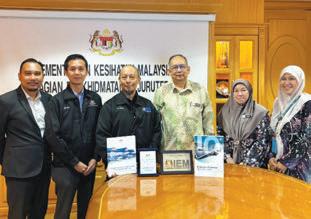
Exchange of tokens during the visit
Building Services Symposium (BSS) 2025
On September 9, 2025, the Kuala Lumpur Convention Centre (KLCC) hosted one of the most anticipated events in the healthcare engineering calendar, The Building Services Symposium (BSS) 2025, with the theme, Innovation in Healthcare Engineering. It brought together various stakeholders, including engineers, clinicians, product developers, policymakers, and industry leaders. The event was aimed at inspiring the creation of resilient, efficient, and future-ready hospitals while bridging progress, compliance, and sustainability in healthcare engineering.
by:
Ir. Jacquelyne Anne Boudeville
The symposium was inaugurated on behalf of Ir. Huszian Husin, Director of the Engineering Services Division, Ministry of Health Malaysia, by Ir. Dr. Noor Muhammad Abd. Rahman, Deputy Director of the Sustainability and Engineering Excellence Sector, Engineering Services Division (BPKj). Representing the Director, Ir. Dr. Noor Muhammad Abd. Rahman delivered the keynote address titled "Roles of Malaysia Healthcare Engineers in Driving Sustainability & Innovation to Meet the Malaysia Healthcare Services Needs. His speech underscored the critical role that healthcare engineers play in shaping a sustainable healthcare ecosystem. He emphasised the need for innovation, resilience, and
compliance to meet the growing demands of Malaysia’s healthcare services.
The symposium was designed to foster collaboration among diverse stakeholders. By bringing together professionals from various disciplines, the event sought to address pressing challenges in healthcare engineering while exploring innovative solutions. The ultimate goal was to inspire the development of hospitals which would not only be technologically advanced but would also be sustainable and adaptable to future healthcare needs.
There were four key themes, each addressing a critical aspect of healthcare engineering and providing a comprehensive framework for discussions, presentations, and knowledge sharing.
The first theme delved into the complexities of regulatory compliance in healthcare engineering. Speakers highlighted the importance of aligning hospital development and medical device registration with both local and international standards.
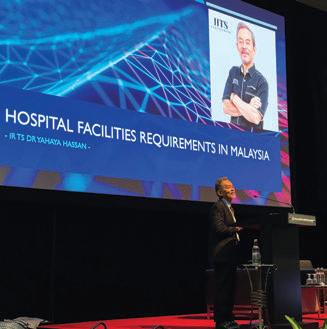
• Ir. Dr. Yahaya Hassan, from HTS Engineering & Consultancy Services Sdn. Bhd., presented on Hospital Facilities Development: Meeting the Needs, Technology, and Regulatory Requirements. He talked about how hospitals could balance technological advancements with stringent regulatory demands.
• Ms. Norfazlin Rasid of Medical Device Authority (MDA), discussed Medical Devices Registration Compliance in Facing Innovative Technology to Meet International Standards. She emphasised the need for robust compliance frameworks to accommodate cutting-edge medical technologies.
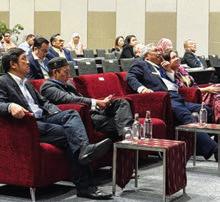
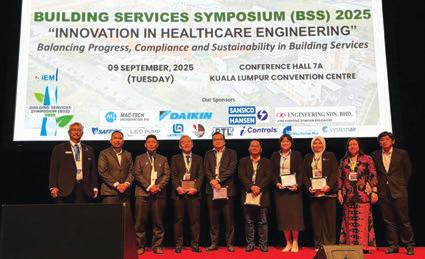
A memorable photo with the panel speakers representing the various key themes of the symposium
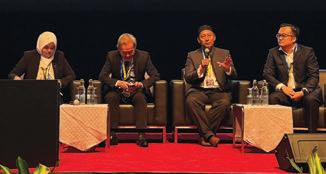
Panel discussion on key theme (1): Navigating Regulatory Landscapes
The second key theme, Cutting Edge Technology, showcased the latest technological advancements transforming healthcare facilities. The focus was on resilience, sustainability, and compliance in engineering solutions.
• Ir. Lee Wan Han of PTL Technology Sdn. Bhd., delivered an insightful presentation titled Innovating for Resilience: Smart, Compliant, and Sustainable Medical Gas Pipeline Systems in Malaysian Hospitals. His talk highlighted the role of smart medical gas pipeline systems in enhancing hospital efficiency and safety.
Sustainability was the third key theme, Sustainable Healthcare Engineering. Speakers addressed innovative approaches to energy efficiency, air quality, and environmental impact in healthcare facilities.
• Mr. Raymond Wong, from American Air Filter Manufacturing Sdn. Bhd. (AAF), presented on Sustainable Healthcare Engineering: The Role of Air Filtration. He emphasised the importance of air filtration systems, including BIBO exhaust and OT terminal housing, in creating sustainable hospital environments.
• Ms. Lee Jia Yi, from Daikin Malaysia Sales & Service Sdn. Bhd., discussed Sustainable Cooling, Healthy Healing: HVAC Innovations for Healthcare. She focused on energy-efficient HVAC systems designed to enhance patient health.
• Ms. Jinny Yew Bee Jiun, from ENGIE Services Malaysia Sdn. Bhd., presented on Holistic Energy Strategies for Sustainable and Resilient Healthcare Facilities. Her talk was on comprehensive energy strategies to improve sustainability and resilience in healthcare operations.
The final key theme, Extending Healthcare Facilities Operational Life, addressed strategies for maintaining and extending the operational life of healthcare facilities to ensure they remained compliant and efficient over time.
• Dr. Zuraimi Zakariah, from KPJ Healthcare Berhad, discussed Complying to Evolving MSQH Standards: Key Challenges for Healthcare Engineers in Hospital Operations. His presentation focused on adapting hospital operations to meet evolving standards.
• Ir. Dr. Sasikala Devi Thangavelu, from MdDev Sdn. Bhd., presented on Navigating Maintenance Management of Medical Devices in Healthcare: Engineering Perspective Based on MS-2058. She provided insights into effective maintenance management of medical devices in compliance with MS-2058 standards.
The symposium was a success, offering a platform for knowledge sharing, networking, and collaboration. The event provided actionable insights into the challenges and opportunities in healthcare engineering, with a strong emphasis on sustainability, compliance, and innovation.
Participants left the symposium inspired to drive progress in their respective fields and with a shared commitment to build a resilient and efficient healthcare system for Malaysia.
As Malaysia continues to advance in healthcare infrastructure, events like BSS 2025 play a pivotal role in shaping the future of healthcare engineering. By addressing regulatory landscapes, embracing cuttingedge technologies, and prioritising sustainability, the symposium set a benchmark for excellence in the industry. The discussions and ideas shared at BSS 2025 will undoubtedly contribute to the development of future-ready hospitals which will meet the evolving needs of patients and healthcare providers alike.
More than just an event, the symposium was also a call to action for all stakeholders in the healthcare engineering ecosystem. By fostering collaboration and innovation, it laid the groundwork for a sustainable and resilient healthcare future. As the industry moves forward, the insights and strategies shared at BSS 2025 will serve as a guiding light for engineers, policymakers, and industry leaders striving to make a difference in healthcare.
Healthcare Facilities Development: Meeting the Standards and Regulatory Requirements presentation by Ir. Dr. Yahaya Hassan
Guests and participants from diverse professional backgrounds attending the symposium
Practical Regression Approach for Estimating Percentage of Energy (POE) – EECA 2024
The Energy Efficiency & Conservation Act, 2024 (EECA 2024), requires any installation that consumes 21,600GJ or more of energy, measured consecutively over 12 months, to appoint a registered energy manager (REM)1. The REM is required to prepare an energy efficiency and conservation report for submission to the Energy Commission every 12 months. One of the energy efficiency indicators (EEI) for industry is specific energy consumption (SEC) which is calculated on a monthly and annual basis using Equations (1) and (2)2
Where, E is Energy (GJ), POE is Percentage of Energy (%), P is Production Quantity and n is month.
Parameters E (i.e., dependent variable) and P (i.e., independent variable) are values that are readily available. The inclusion of POE under the guidelines2 is a new addition and is the parameter that needs to be either measured or estimated. Measuring POE requires the installation of specific meters to measure the total energy consumed by loads that are directly used to manufacture the product. The definition given in the guidelines2 for POE is “the Percentage of Energy that refers to the fraction of energy used from the total energy consumption of each month to produce each product for that month in percentage”. However, measuring specifically the energy consumption used to produce product may not be feasible in most installations.
In this study, an estimation approach to determine POE is elaborated. The approach uses the linear regression method. Based on available monthly data for E and P, a scatter chart is plotted (E vs P) as shown in Figure 1,
and the linear regression equation is determined. Linear regression equation is given in Equation 3.
P is the independent variable, which represents Production Quantity, m is slope (constant) associated with the independent variable P, and C is the intercept constant. Value C gives the energy usage when there is no production quantity (i.e., P = 0). Equating Equations (1) and (3), POE can be derived and is shown in Equation (4). (4)
Example of SEC Calculation With One Independent Variable
Table 1 shows data collected over 12 months for a factory. As indicated in the table, the dependent variable is Energy, and the independent variable is Production Quantity. Linear regression analysis gives the output as shown in Figure 2.
Based on Figure 2, C = 1.2904 million GJ. So, SEC for month n = 1 for this factory can be calculated using Equations (4) and (1). Repeat this step for each month (n = 1, 2, …, 12).
Ir. Assoc. Prof. Dr. Gobbi Ramasamy by:
Figure 1: Linear regression chart (E vs P) (3)
Table 1: Data for E and P for 12 months
Figure 2: Linear regression chart
Next, total SEC can be calculated using Equation (2).
Example of SEC Calculation
With More Than One Independent Variable
In some industries, REMs may encounter more than one independent variable. Therefore, this section elaborates on the steps to determine the POE and SEC. Table 2 shows data for three independent variables: Production quantity (P), machine runtime (R) and ambient temperature (A). Linear regression analysis yields the following expressions and coefficients.
(5)
Where C = 3.57, m1 = 19.99, m2 = 0.095, and m3 = - 0.12. POE is computed by keeping the independent variables, other than production quantity, constant at their average values over 12 months.
Conclusion
This work provides a linear regression approach to determine the POE, which is one of the parameters included in the SEC calculation. Determining the POE is crucial, as baseline parameter of the SEC will otherwise be inaccurate.
The most accurate way to determine the POE will be to install meters to measure all connected loads that are solely used for production. However, this approach is costly and impractical, especially for REMs when preparing the annual energy efficiency and conservation report. Hence, the approach proposed in this work relies solely on the linear regression method and is tested for premises with one independent variable and those with more than one independent variable.
Some of the drawbacks of this method relate to the accuracy of the straight-line fitting, as the coefficients represent the slopes of each independent variable and the accuracy of the line fitting directly affects the accuracy of the POE calculation. It is recommended to use this approach when the minimum R2 value for the linear regression analysis is at least 0.60.
REFERENCES
(6)
Where R and A are the average values of the independent variables machine runtime and ambient temperature over 12 months, respectively. Repeat this step for each month (n = 1, 2, …, 12).
Next, total SEC can be calculated using Equation (2).
DEEPEST CONDOLENCES
On behalf of The Institution of Engineers, Malaysia (IEM), we extend our heartfelt condolences to the bereaved family of Ir. Prof. Dr. Lee Teang Shui on his passing.
We honour and deeply appreciate his long-standing contributions to IEM as Honorary Secretary for Sessions 2010-2012, Honorary Treasurer for Sessions 2012-2013 and thereafter as Vice President from 2013-2015. His dedication and service to the engineering community will be fondly remembered.
Report by the Standing Committee on Welfare and Member Services of IEM
The Institution of Engineers, Malaysia (IEM) conducted the 2025 Employment and Salary Survey from March 1 until March 31, 2026 to evaluate the current professional and economic landscape of the engineering sector. The survey gathered a total of 444 complete responses. The respondent profile reflects a predominantly male workforce, highly concentrated in the Klang Valley, with a significant representation of early-to-mid-career professionals.
To ensure global comparability and national relevance, the study is structured according to the Malaysia Standard Classification of Occupations (MASCO) 2020 framework. This alignment with ILO-sanctioned international standards (ISCO) provides a robust basis for analysing Malaysia’s engineering workforce. The adoption of MASCO 2020 allows the survey to capture the modern complexities of the profession, providing an updated and accurate representation of engineering roles as they adapt to emerging technologies and the shifting demands of the contemporary Malaysian market.
The largest IEM’s respondent groups are Graduate Members (43.7%) and Corporate Members (MIEM) at 38.1%. Fellows (FIEM) constitute 4.1% of the sample. Nearly half of the respondents (46.85%) are registered as BEM Graduate Engineers. And a combined 49.1% hold senior registrations, split between Professional Engineers (P.Eng.) at 25.2% and Professional Engineers with Practicing Certificates (PEPC) at 23.9%.
The results of the IEM 2025 Employment and Salary Survey offer a critical look at the current state of the engineering profession in Malaysia. This report presents the key findings, highlighting the strengths of the workforce and the systemic challenges that require urgent attention.
The second part of the IEM 2025 survey focused on the employment landscape; evaluating the organisational scale, financial compensation, and the broader sentiment regarding industry advocacy and government policy.
The Professional Backbone: Highly Qualified but Concentrated
The Malaysian engineering landscape is defined by academic excellence and professional commitment. With 98.4% of respondents holding a Bachelor’s degree and over 30% possessing postgraduate qualifications (Masters or PhD), the sector is intellectually elite. Professionally, the "Big Three" disciplines — Civil (35%), Mechanical (30%), and Electrical (16%) — continue to drive the industry primarily through private-owned enterprises, large-scale private companies, Multinational Corporations and Government-Linked Companies.
Nearly 46% of the respondents is concentrated within the Klang Valley, indicating a heavy centralization of infrastructure and industrial projects in the nation’s capital hub.
The Workforce Gap: Gender and Experience
The respondents consist of male engineers outnumbering their female counterparts by a ratio of more than 4 to 1. The survey captured an interesting "U-shaped" demographic; the respondents is anchored by a solid group of senior veterans (19.3% with more than 25 years’ experience) and a similarly sized group of new entrants (19.3% with less than 5 years’ experience).
Economic Realities: The Junior Struggle
One of the most pressing takeaways from the survey is the financial pressure on the younger generation. There is a direct, undeniable correlation between junior status and lower pay where 20.7% of the respondents — almost the exact percentage of those with less than 5 years of experience — earns between less than RM36,000 to RM60,000 annually.
This economic strain is exacerbated by an entrenched culture of uncompensated labour such as overtime claim. Furthermore, the lack of fixed allowances for nearly 70% of the workforce suggests that total remuneration packages are failing to keep pace with the rising cost of living in urban centres like the Klang Valley.
Ir. Arul Hisham Abdul Rahim by:
Management vs. Technical Paths
The survey reveals a clear organisational divide: 31% of engineers have transitioned into Management, largely in construction or senior executive roles (MDs/ CEOs). While the remaining 69% are dedicated Professionals focused on technical design and consultancy. The higher salary brackets (above RM200k) are most frequently reached by those in senior leadership or those with over 25 years of experience. This highlights a potential "ceiling" for those who wish to remain in purely technical roles without moving into administration.
A Mandate for Change: Institutional and Policy Advocacy
The most striking aspect of the 2025 survey is the overwhelming consensus among engineers regarding the need for institutional reform. Engineers are no longer silent about systemic industry issues:
i. Remuneration Reform: 89% believe the Government must intervene to establish and review salary benchmarks.
ii. Professional Protection: 93% demand an end to the "race to the bottom" caused by fee undercutting in consultancy.
iii. Technical Representation: 91% advocate for engineers to take a leading role in the Administrative and Diplomatic Service (PTD), ensuring that national policies are grounded in technical reality.
iv. STEM Sustainability: 88% are concerned about talent drain, calling for stronger policies to ensure STEM graduates stay in engineering rather than migrating to finance or tech sales.
Engineering the Future
The 2025 survey paints a picture of a profession at a crossroads. While Malaysia possesses a highly skilled and loyal engineering workforce, the combination of low entry-level wages, uncompensated overtime, and consultancy fee wars threatens the long-term sustainability of the
talent pool. The message from the IEM survey respondents is clear: for Malaysia to achieve its high-tech industrial goals, the "human capital" of the engineering sector must be better protected, fairly compensated, and given a louder voice in the nation's governance. Policymakers, the Board of Engineers Malaysia (BEM), the IEM, stakeholders and the private sector face a clear
choice: continue on the current path of stagnation, brain drain, and declining interest in STEM, or act decisively to reform salary structures, enforce professional regulations, and restore the prestige of engineering in Malaysia. The time for incremental tweaks has passed. Malaysia’s engineers are ready to build the nation – but they need the nation to build them up first.
Tham
Women Engineers Section Leads the Move: Surplus Food Rescue Programme with Kechara Soup Kitchen
KSK launched the Surplus Programme in 2016 under the Zero Food Wastage Campaign, initiated by YAM Tengku Datin Paduka Setia Zatashah Sultan Sharafuddin Idris Shah. The campaign focused on rescuing surplus food from hotel buffets and supermarkets, with the objective of minimising food wastage while addressing food insecurity among marginalised communities. Between 2016 and 2019, Kechara Soup Kitchen successfully rescued a cumulative total of 20 tonnes of surplus food from its partner organisations.
In alignment with the United Nations Sustainable Development Goals (SDGs), particularly the commitment to halve global food waste by 2030, the IEM, through IEM Women Engineers (IEM WE), undertook a collaborative surplus food rescue initiative with Kechara Soup Kitchen (KSK) on 22 November 2025.
by:
The volunteers were divided into 3 groups which collected the surplus food from participating supermarkets as well as food and beverage operators. Team A collected from AEON Wangsa Maju and KFC Wangsa Maju Drive Thru, with its drop-off point at Yi Xing USJ Old Folks Home Subang Jaya, Selangor.
The programme was led by Assoc. Prof. Dr. Nurharniza Abdul Rahman, Ir. Sakinah Ab. Halim, and Dr. Hafisoh Ahmad. Others in the group were committee members of IEM Women Engineers (IEM WE) and 11 students from INTI International University. IEM WE played a key role in coordinating the programme. They volunteered to lead activities on the event day, planned advocacy initiatives, and raised awareness of the programme’s long-term impact.
Team B was assigned to KFC Kota Damansara Drive Thru and KFC Jalan Universiti. Subsequently, the food was dropped off at Pusat Penjagaan Kanak-Kanak Cacat Taman Megah, Petaling Jaya.
Team C was assigned to GL Commerce Sdn. Bhd. (Mema’s Grocer) and the drop-off point was Persatuan Kebajikan Warga Emas Kenang Budi Kuala Lumpur, Subang Jaya.
Assoc. Prof. Dr. Nurharniza Abdul Rahman Ir. Sakinah Ab. Halim Dr. Hafisoh Ahmad
This initiative directly contributed to the achievement of several SDGs, namely SDG 1 (No Poverty), SDG 2 (Zero Hunger), and SDG 3 (Good Health and Well-being) by improving access to safe and nutritious food while reducing food waste at the source.
This initiative significantly contributed to the national effort in reducing 8.3 million metric tonnes of food waste generated annually, which was equivalent to an estimated 260 kg per person per year in Malaysia. This was enough to meet the nutritional needs of millions of people.
According to the latest statistics reported in the New Straits Times (December 2025) by Tan Sri Lee Lam Thye, the scale of food wastage in Malaysia had reached a critical level, necessitating urgent and coordinated intervention.
(Refer to online NST link page: https://www.nst.com.my/ news/nation/2025/12/1345391/food-waste-crisis-lee-lamthye-calls-new-legislation).
IEM WE’s participation reflected its ethical obligation to safeguarding public welfare, promote sustainable development, and serve the public interest, consistent with the principles and clauses of the IEM’s Code of Ethics. The initiative also provided a practical platform for member engagement, allowing engineers to apply systems thinking and resource optimisation skills beyond conventional engineering domains.
Overall, the programme reinforced IEM’s leadership in sustainability, social responsibility, and ethical professional practice, in line with national priorities and the UN SDGs.
Xi’an Drum Tower: Six Centuries of Engineering Excellence
Constructed in 1380 during the Ming Dynasty, Xi’an’s Drum Tower originally served as part of the city’s public timekeeping system. Together with the nearby Bell Tower, it helped regulate daily life in ancient Xi’an, China. The bell was rung at dawn to signal the start of the day, while drums were beaten at dusk to mark the closing of the city gates. Beyond its practical function, the tower represented the importance of Xi’an as a major political, economic, and cultural centre along the ancient Silk Road.
One of the key engineering features of the tower is its timber frame construction. Unlike modern buildings which rely heavily on steel fasteners and reinforced concrete, the Drum Tower employs traditional mortiseand-tenon joints to connect its wooden components. These interlocking connections create a flexible structural system that can accommodate movement caused by wind, temperature changes, and even seismic activity. The ability of the structure to absorb and dissipate energy is, undoubtedly, what contributes to its longevity.
Dougong Bracket System
Another impressive feature is the use of the ancient Chinese dougong bracket system. Comprising multiple layers of intricately interlocked wooden blocks and arms, these brackets transfer roof loads efficiently to the supporting columns while reducing stress concentrations within the structure. The dougong system also allows for large roof overhangs which protect the building from rain and weathering. Modern structural engineers often regard this system as an early example of advanced load distribution and seismic-resistant design. From the engineering perspective, the Xi’an Drum Tower offers valuable lessons in sustainability, structural resilience, and the timeless relationship between engineering and culture.
Photography by:
Ir. Dr. Salmaliza Salleh
To all Members,
Date: 22 June 2026
LIST OF CANDIDATES ELIGIBLE TO SIT FOR THE PROFESSIONAL INTERVIEW FOR THE YEAR 2026
The following is a list of candidates who are eligible to sit for the Professional Interview for the year 2026.
According to the IEM Bylaws, Section 3.8, the names listed below are published as eligible candidates to become Insitution Members, provided that they pass the Professional Interview in 2026.
If there are any Corporate Members who have objections against any candidate deemed unsuitable to sit for the Professional Interview, a letter of objection can be submitted to the Honorary Secretary, IEM. A letter of objection must be submitted within one month from the date of publication.
Ir. Alex Looi Tink Huey IEM Honorary Secretary NEW APPLICATION NAME QUALIFICATION
CIVIL ENGINEERING
MOHD SHAMSUL NIZAM BIN ABDUL WAHID BE HONS (UKM) (CIVIL & STRUCTURAL, 2000)
WOON TIAN MING BE HONS (UTAR) (CIVIL, 2022)
MECHANICAL ENGINEERING
CHEAH CHEE KIN BE HONS (UCSI) (MECHANICAL, 2020)
APPLICATION FOR CORPORATE MEMBER
NAME QUALIFICATION
CHEMICAL ENGINEERING
ABDUL RAHMAN BIN DINBANDALI BE HONS (UNI. OF GLAMORGAN PRIFYSGOL MORGANNWG) (CHEMICAL, 1999) ME (OUM) (OCCUPATIONAL SAFETY & HEALTH RISK MANAGEMENT, 2020)
CIVIL ENGINEERING
ANDERSON ANAK CHARLIE BE HONS (UiTM) (CIVIL, 2013)
OOI HUA KEN BE HONS (UTM) (CIVIL, 2016)
MOHD ASMADI BIN MOHD UMAR @ KASMAN BE HONS (THE UNI. OF ASTON ) (CIVIL, 1991) ME (UTM) (PROJECT MANAGEMENT, 2011)
LOW JIA WANG BE HONS (UTP) (CIVIL, 2019) ME (UTM) (STRUCTURE, 2022)
AG. SHAFIEE ADZMEY BIN AG. KASSIM BE HONS (UMS) (CIVIL, 2011) ME (UTM) (CIVIL, 2019)
MEMBER TRANSFER
M'SHIP NO. NAME QUALIFICATION
CHEMICAL ENGINEERING
42652 AHMAD NAFAIS BIN RAHIMI BE HONS (UKM) (CHEMICAL, 2011) PhD (UTM) (CHEMICAL, 2022)
CIVIL ENGINEERING
123043 TAN KAI CHE BE HONS (MONASH) (CIVIL, 2023)
123223 KOAY CHIN KUAN BE HONS (UTAR) (CIVIL, 2020)
85691 MUHAMMAD FARIS QUSYAIRI BIN HAMAT BE HONS (UiTM) (CIVIL - INFRASTRUCTURE, 2018) MSc (UiTM) (GEOTECHNICAL, 2023)
33423 MOHAMMAD NABIL BIN ISHAK BE HONS (UTM) (CIVIL, 2021)
122807 CHIN TZE MING BE HONS (UM) (CIVIL, 2019)
21277 NARENDRAN A/L MANIAM BE HONS (UTM) (CIVIL, 2010) ME (UTM) (CIVIL - ENVIRONMENTAL, 2010)
55691 CHIN GUO LIANG BE HONS (UPM) (CIVIL, 2013)
114408 CHUNG KHANG HOW, ERIC BE HONS (UMS) (CIVIL, 2016)
ELECTRICAL ENGINEERING
96389 TEO YAN TEE BE HONS (UMS) (ELECTRICAL & ELECTRONICS, 2018)
127343 VOO LOK HYEN, ANGUS BE HONS (UNI. OF LEICESTER) (ELECTRICAL & ELECTRONIC, 1999)
102983 LIONG YU LING BE HONS (UM) (ELECTRICAL, 2019)
60859 HARVEY PAUL BE HONS (UMP) (ELECTRICAL - POWER SYSTEM, 2015)
114178 DANIEL STEPHEN BE HONS (UNIMAS) (ELECTRICAL & ELECTRONICS, 2022)
88345 MUHAMMAD ASHIQ MARECAN BIN HAMID MARECAN BE HONS (APU) (ELECTRICAL & ELECTRONIC, 2018) MSc (UTM) (ENGINEERING BUSINESS MANAGEMENT, 2022)
115194 MUHAMAD FARHAN BIN ZAKARIA BE HONS (USM) (ELECTRICAL, 2019)
128309 FERNANDEZ ANAK BUJANG BE HONS (UiTM) (ELECTRICAL, 2010)
ENVIRONMENTAL ENGINEERING
127192 CHONG HOR MEN BE HONS (UM) (ENVIRONMENTAL, 2018)
MECHANICAL ENGINEERING
125047 BRENT DYLAN JUNUS BE HONS (UTM) (MECHANICAL, 2021)
95935 CHIN SIN YEE BE HONS (UM) (MECHANICAL, 2019)
117401 TAI SOON WEN BE HONS (THE UNI. OF MELBOURNE) (MECHANICAL, 2012)
95573 HARAN MURALI BE HONS (UNITEN) (MECHANICAL, 2021)
116847 TAN KOK HON, GARY BE HONS (INTI) (MECHANICAL, 2021)
21324 AIDIL BIN ABDUL AZIZ BE HONS (UNITEN) (MECHANICAL, 2003) MBA (UNI. OF BALLARAT) (FINANCIAL MANAGEMENT, 2009)
132813 MOHD SYAHROL AZROY BIN KASEM BE HONS (UTHM) (MECHANICAL, 2009)
TRANSFER TO CORPORATE MEMBER
M'SHIP NO. NAME QUALIFICATION
CHEMICAL ENGINEERING
89669 MOHAMAD HAFEEZ BIN ABDUL RAHIM BE HONS (UM) (CHEMICAL, 2015)
CIVIL ENGINEERING
89613 OON CHYE LEN, AARON ME HONS (THE UNI. OF LEEDS) (CIVIL & STRUCTURAL, 2014)
28350 ABDUL HANAN BIN A.RAHMAN BE HONS (UTM) (CIVIL, 2007)
50135 CHIENG BENG YUAN BE HONS (UNIMAS) (CIVIL, 2009) MSc (THE UNI. OF LEEDS) (ENVIRONMENTAL & PROJECT MANAGEMENT, 2010)
69344 LAW AI LING ME HONS (THE UNI. OF NOTTINGHAM) (CIVIL, 2017)
96089 LEE WEI CONG BE HONS (UNIMAP) (CIVIL, 2018)
114882 HERMAN BIN YAHYA BE HONS (UTM) (CIVIL, 2011)
ELECTRICAL ENGINEERING
64735 AHMAD ZAKWAN HARIZ BIN ABD AZZIS BE HONS (UTP) (ELECTRICAL & ELECTRONICS, 2012) 114689 MUHAMAD AIZUDDIN BIN MOHD KAMEL BE HONS (UTP) (ELECTRICAL & ELECTRONICS, 2016) 128498 MUHAMAD HIDAYAT BIN ZABIDI BE HONS (UPM) (ELECTRICAL & ELECTRONICS, 2014)
MECHANICAL ENGINEERING 30960 MOHD SHAHRIL FAIZIN BIN MOHD SHAMSUDIN BE HONS (UTP) (MECHANICAL, 2008)
22330 MOHD ZAINUDIN BIN A. BAKAR BE HONS (UNI. OF TASMANIA) (ENGINEERING, 1997)
116216 MUHAMAD EHSAN BIN ZAINON BE HONS (UNIMAP) (MECHANICAL, 2019)
MARINE ENGINEERING 127796 ADIMUHAINI BIN MOHD NOOR COC MARINE CLASS 1 (AKADEMI LAUT MALAYSIA) (2017)
LIST OF DONORS TO THE WISMA IEM BUILDING FUND
The institution expresses its gratitude to all who have contributed to the Wisma IEM Building Fund. IEM members and readers who wish to make a donation may do so by downloading the form from the IEM website at http://myiem.org.my or by contacting the secretariat at +603-7890 0130 / 136 for further information. The list of contributors for May 2026 is as shown in the table below:
Members No. Name
135455
Ir. Md Khusairi Baharun 60756
Ms. Nur Aifa Farihah Mad Nor 124099 Ir. Indiran Kamalan 45557 Mr. Yap Voon Chuan 135454 Ir. Suhaimi Mat Saad 135459 Mr. Muhammad Shahir Norazman 96388 Mr. Tiong Chiong Sheng 135456 Ir. Aimanorlin Ramli