








Create your story Issue No. 18 / Fall 2025














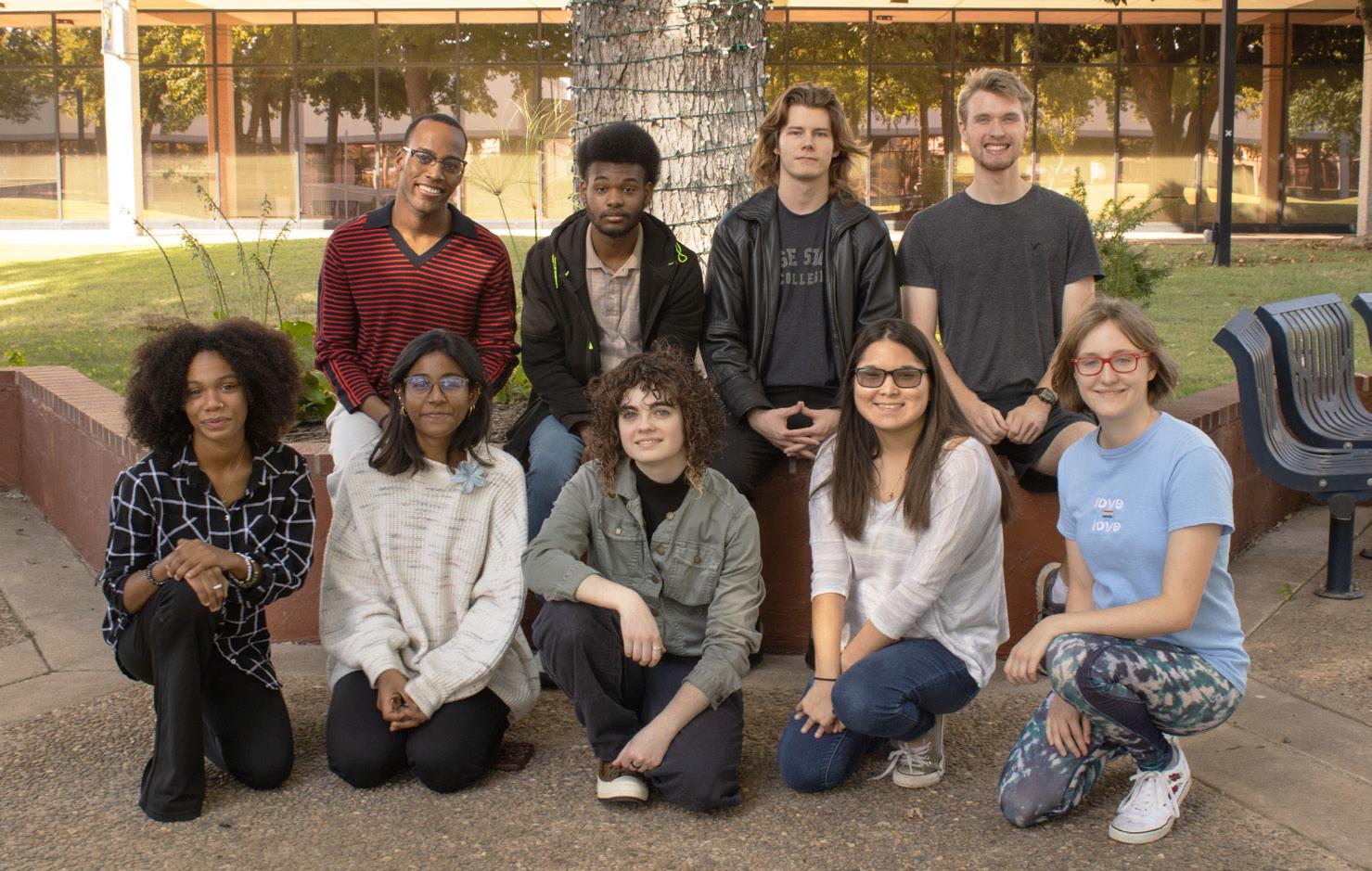
Top left to right: Kalen Sirls, Ilias Bertrand, Xander Strickland, Shannon Little
Bottom left to right: Aleisha Brown, Pennina Jackson, Michelle Johnson, Madilyn Drywater, Marceline Conkin




Editor-in-Chief &
Graphic Design
Michelle Johnson
Assistant Editor
Shannon Little
News Editor
Madilyn Drywater
Assignment
Editor
Kalen Sirls
Online Editor
Xander Strickland
Photography Editor
Pennina Jackson
Digital Content & Engagement
Editors
Aleisha Brown
Ilias Bertrand
Cartoonists
Shannon Little
Mikey*
Reporters
Spring Byington
Marceline Conkin
Quentin Couch
Amour Ivy
Cadence Jordan
Kelcie Petty
Bailee Whorton
Student Publications Adviser
Darcy Delaney-Nelson
*Writes under a pseudonym
Crab Rangoon Recipe P.10

Rose State Shooter is Convicted, and Sentenced P.22


An Intro to Gothic Horror P.28

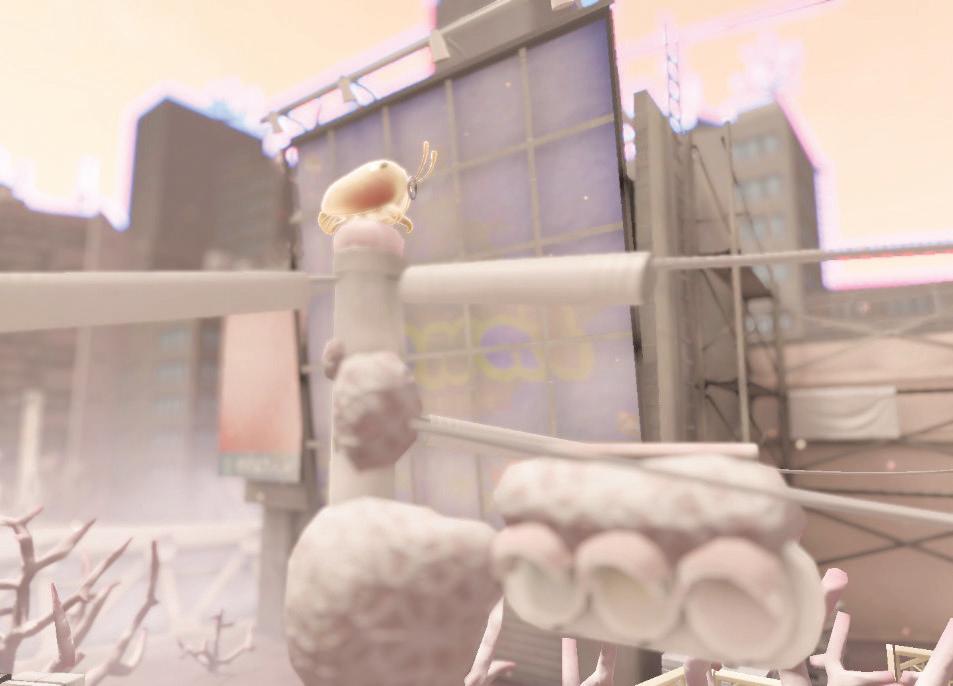
Side Order Review P.34
Letters From the Editors • P.2
Stories from the Students Trip to Greece • P.4
Photo Album: “Black
What’s the Beef?
The uses of beef tallow in food • P.9
Flu Remedies Vary Worldwide Different ways to treat sickness • P.11 How to Navigate Stress and Time Management in College College can be hard to navigate • P.12
Seoul Garden
The local mom and pop shop that has me stopping by every week • P.18
The Olympics in Oklahoma Oklahoma facilities set to host Olympic events in 2028 • P.20
“They Both Die in the End” Review How this book portrays grief • P.30 “Scandal” Review Resurgence of the 2012 show • P.31
Financial Aid Tips and Tricks 15 tips to help with aid • P.13
Test Your Study Skills
How are your study habits? • P.15 “Nobody Wants This” Quiz Which character are you from Netflix’s “Nobody Want’s This” • P.16
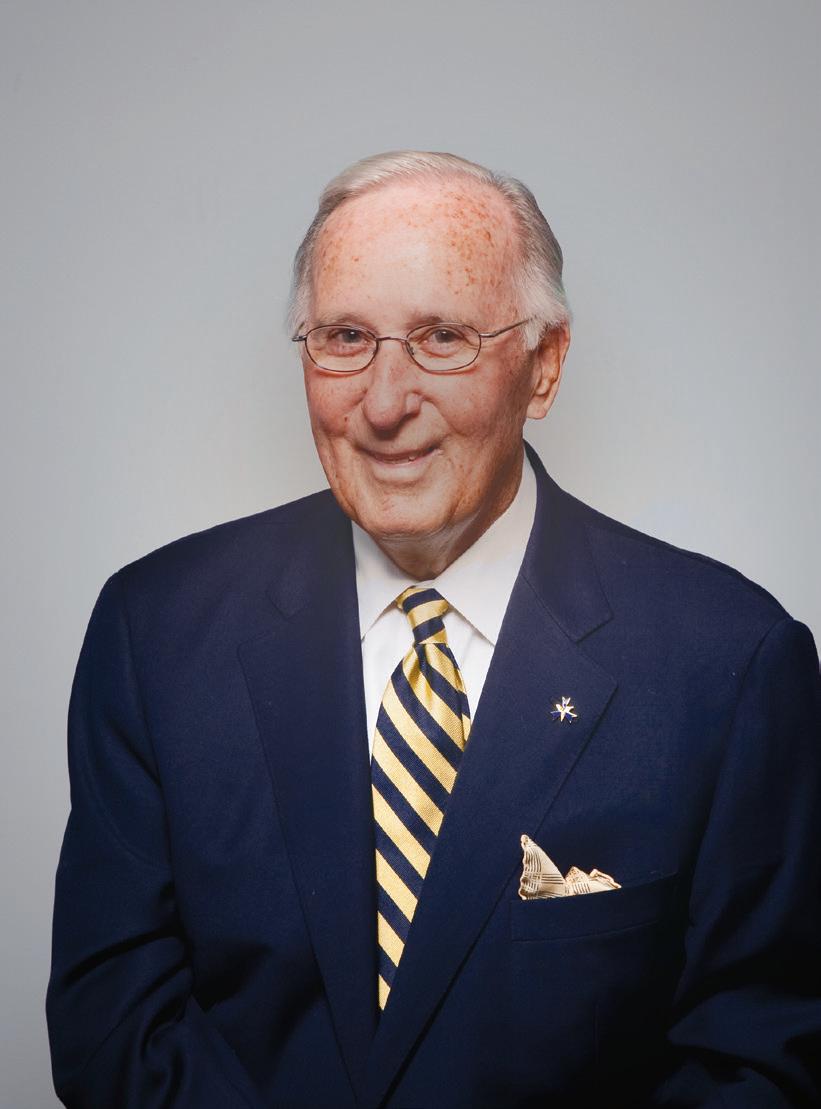
Remembering Regent Richard (“Dick”) Hefton • P.25
Indie Developer Offers “Tron: Legacy” Replica
“Hypercycle Arena 2” pulls at nostalgia • P.32
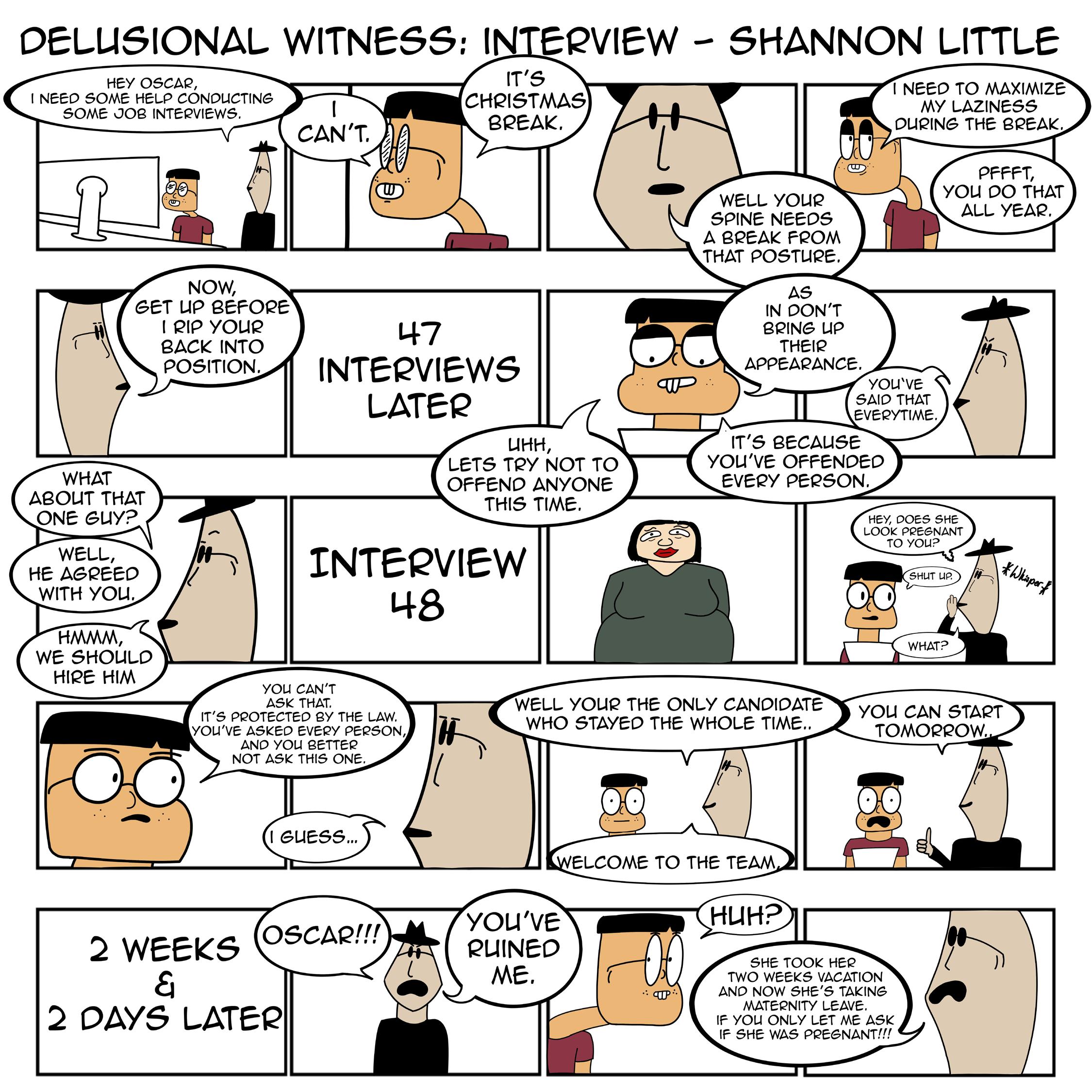
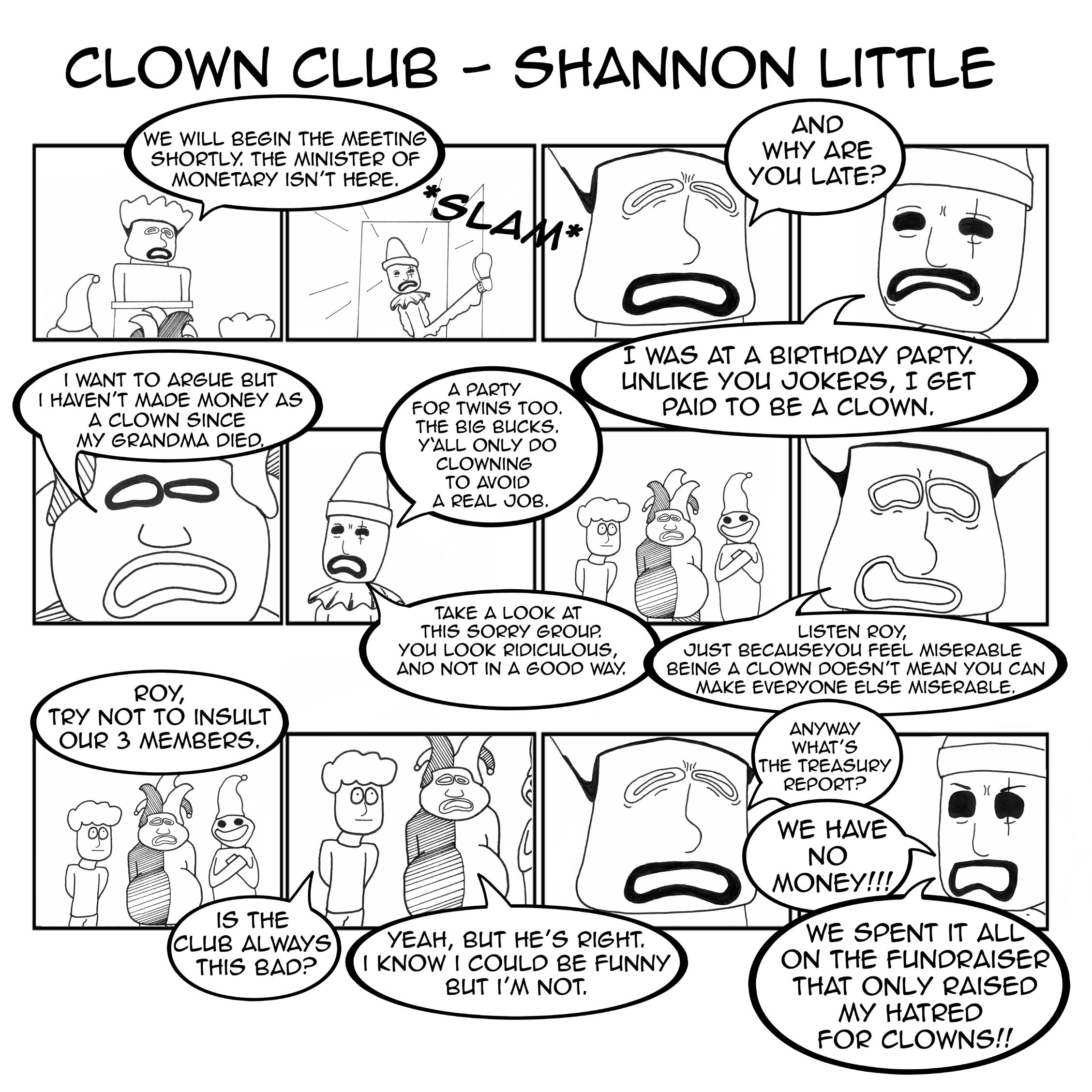
Student Made Cartoons P.35-37
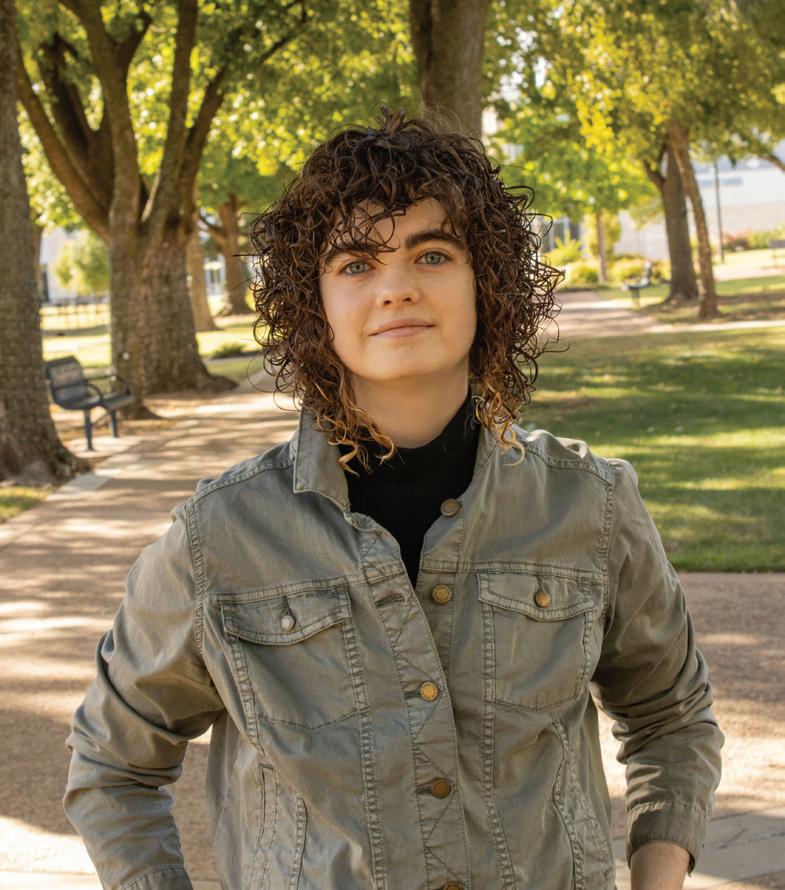
Michelle Johnson Editor-in-Chief
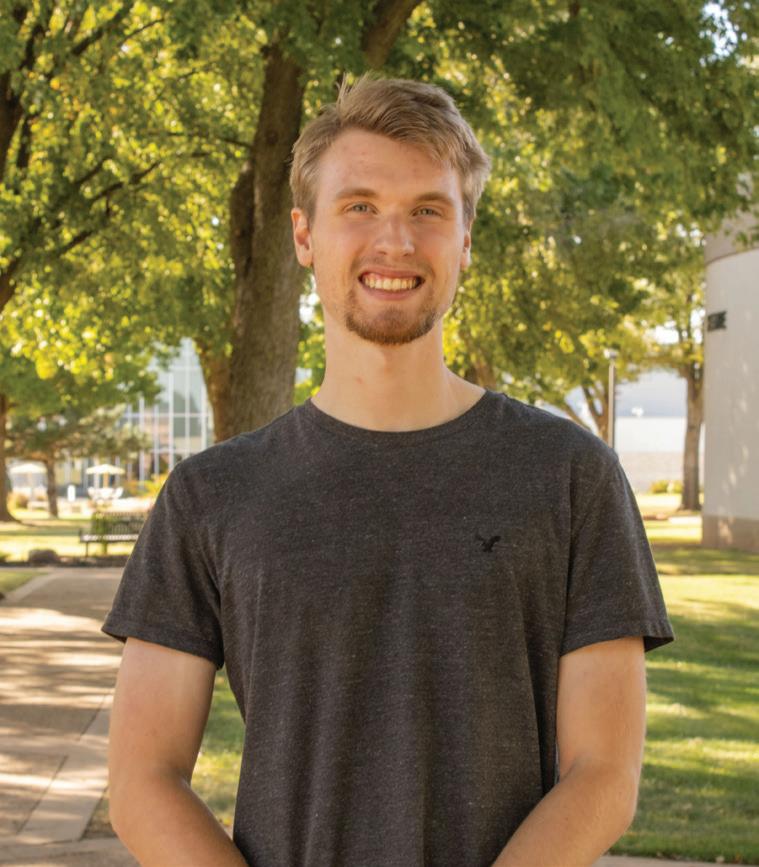
Shannon Little Assistant Editor
This is my third year here at Rose and I have served as the graphic designer for the paper these last two years. Now, I’m serving as Editorin-Chief. I never would have expected to find myself working at my career while I went to college. Being here has not only taught me how to be a better designer, but it has enabled me to expand on my photography skills and gain editing experience.
While I don’t plan to pursue journalism, I feel like this experience has equipped me with the ability to work with more people in different mediums. This space has let me connect with people, and I’m happy to say I’ve been able to make friends here. While it’s more work for me this year, this new responsibility has given me the opportunity to pass on the tools that were given to me. I would like to thank everyone that has been with me along my journey here at Rose.
Enough about me, everyone who contributed to this magazine deserves to have their work admired, and I can’t wait to see what we’ll do next semester.
My name is Shannon Little, and this will be my third year here at Rose State, but only my second with the 15th Street News. I’m pursuing a Business Associate of Science degree and plan to transfer to the University of Oklahoma in the fall of 2026. I’m not a mass communications major, but I can bring a different angle to editing and writing. I did comics for fun my first year because one of my friends was on staff. My first comics weren’t the best, but I had a lot of fun making them; hopefully, they’re funnier now. When my second year arrived, I joined the staff and began helping with editing, as well as writing some stories of my own. I have learned a lot during my time here. The growth of my confidence in my writing and my communication skills are indispensable. I am very blessed to have the opportunity to work with Darcy Delaney-Nelson, our Advisor. She is always kind and encouraging. Thank you for deciding to pick up and read this student-made magazine.



Story and Photos By Richard Stephens | Marketing/Social Media Certificate | Sophomore
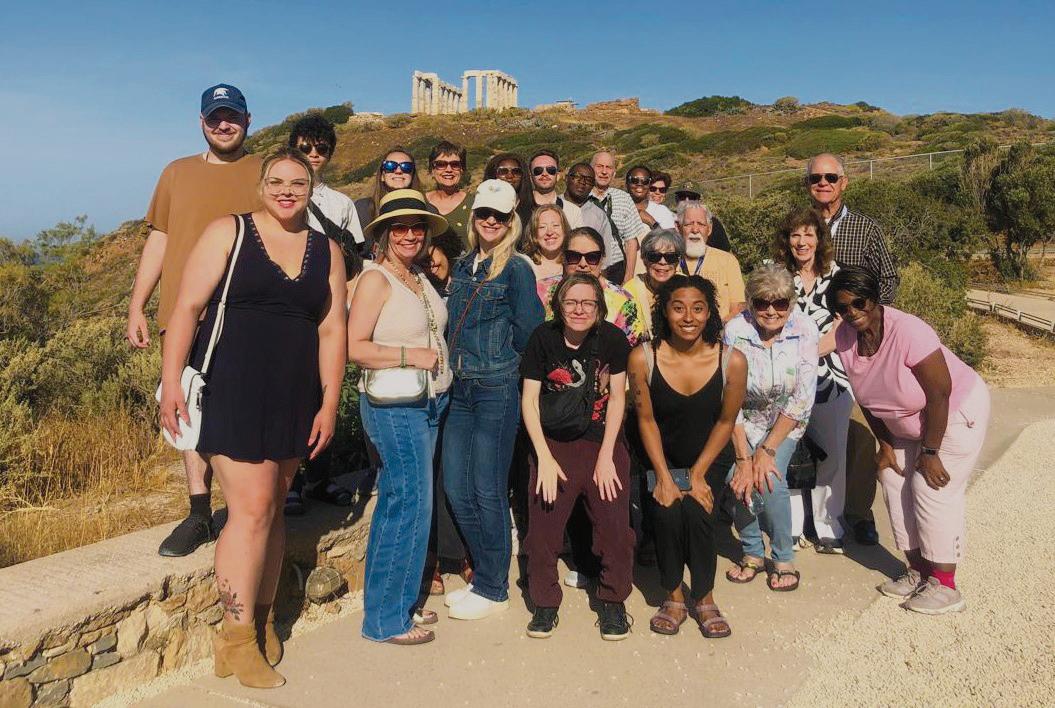
In May 2025, our 25-person Rose State travel group, led by Professors Lori Morrow and Sherry Mussatto, stood at the entrance to Ephesus in Turkey, wondering what remained of one of the grandest cities of the Roman Empire. We were on an 11-day college-organized vacation trip to Greece and Turkey.
We walked, we gawked, we talked and ultimately left impressed with the number and quality of buildings, stadiums and statues that survive.
Does what once was have value now? What do the ruins say about the rise and fall of cities and empires? What was the common person’s place then? Those questions stirred us as we explored.
At its height during the Roman Empire, Ephesus was the fourth largest city in the empire and the biggest city in Asia Minor (Turkey) with 125,000 inhabitants. It was famed for its library, once the fourth largest in the empire, and for the Temple of Artemis, one of the Seven Wonders of the Ancient World. It was a strategic and economic power hub similar to how Chicago is today.
By the third century, however, its seaport had silted up, battles in the medieval centuries largely destroyed it and the population dwindled until the city was abandoned.
Except cats. They saunter through the ruins, perch on walls and welcome visitors with a purr.
Archaeologists and travel guides such as “Visit Turkey” website attest that, “The Ephesus ancient city is one of the best-preserved classical cities in the Mediterranean” and we agreed.
Our tour guide showed us marble statues that guard the Temple of Hadrian, walls and mosaic floors of rich people’s homes, the Library of Celsus with its two-story façade of 16 columns and four female statues, the Great Theatre seating 40,000 where Saint Paul once preached, Curetes Street that used to have elegant shops on both sides and much more. Thousands of tourists walk these marble streets every day, trying to imagine the bustling life of two millennia ago.
a

This 1st-century BC stadium in Ephesus accommodated more than 70,000 spectators, who watched chariot races and gladiatorial fights.

Statues of gods once dominated Ephesian life 2,000 years ago. Pagans prayed and burned incense to them. Hercules, Hestia and others were glorified, but the most important was Artemis—also called Diana—the goddess of hunting, wild animals and fertility.
Back then, people in the Mediterranean worshiped about 25 gods and goddesses like Zeus, Poseidon and Venus, believing they controlled the physical world.
Group member and former Rose State student Grayson Hedrick reflected that since then, science has explained natural phenomena that the ancients attributed to unhappy gods.
”We have a better understanding of why things happen,” Hedrick said.
She gave an example of how meteorology has helped us understand weather. “We have more rights and freedoms to be individuals (not controlled by deities).”
Humans, she added, continue to ask questions to expand knowledge of how the world works.
Merchants once sold their wares along Curetes Street. Our guide reminded us that during the Apostle Paul’s three-year stay in Ephesus, he likely worked here as a tentmaker.
Ed Bugby, a retired General Motors worker, said, “It’s amazing it’s still in existence in the condition as it is. Wow! This is the same place where the Apostle Paul stood and preached Christianity.”
His wife, Jan Bugby, Rose State director of academic outreach/distance education, added that it reminded her of Paul’s letters to the Ephesians.
Another traveler, Nancy Winans-Garrison, reflected, “It was interesting to walk in the place that Paul walked.”
At the end of the two-mile walk through Greek and Roman history, our group weighed the experience.
Hedrick admitted, “In the grand scheme of things, it’s me that feels small because it’s everlasting and eternal. It will be here after we’re way gone.”
Current student Matthew Laughlin, noted the amount of manpower needed to make cities then was crazy in comparison to machine construction today. He said we live with minimalist, not intricate, design styles that used to carve friezes and lay mosaics. His thought-provoking comment: “Imagine if a modern city lived in that style.”
”Society back then and now hasn’t changed much … wealthy people had water delivered to their houses” while poor people went to the river to drink and bathe, said London Hendershot, a nurse.
Hedrick will remember the labor that built Ephesus.
“It was impactful because of the perspective that (those) with the least amount of power created what we are in awe of today,” she said.
Slaves and poor people provided the majority of labor.
Angela Fahey, a coordinator at Rose State’s Learning Resources Center, considered our fleeting time on earth, “It reminds me of a Buddhist perspective where everything is transitioning … nothing is permanent. Things will be built, then crumble and fall.”
“When you go to Greece, you expect to see ancient ruins and learn about the ancient people and how they lived. It’s impressive there’s anything standing,” Morrow said.
Seeing Ephesus left us admiring its former beauty and importance and reflecting on what remains. Once ruled by Roman proconsuls, it’s now ruled by cats.
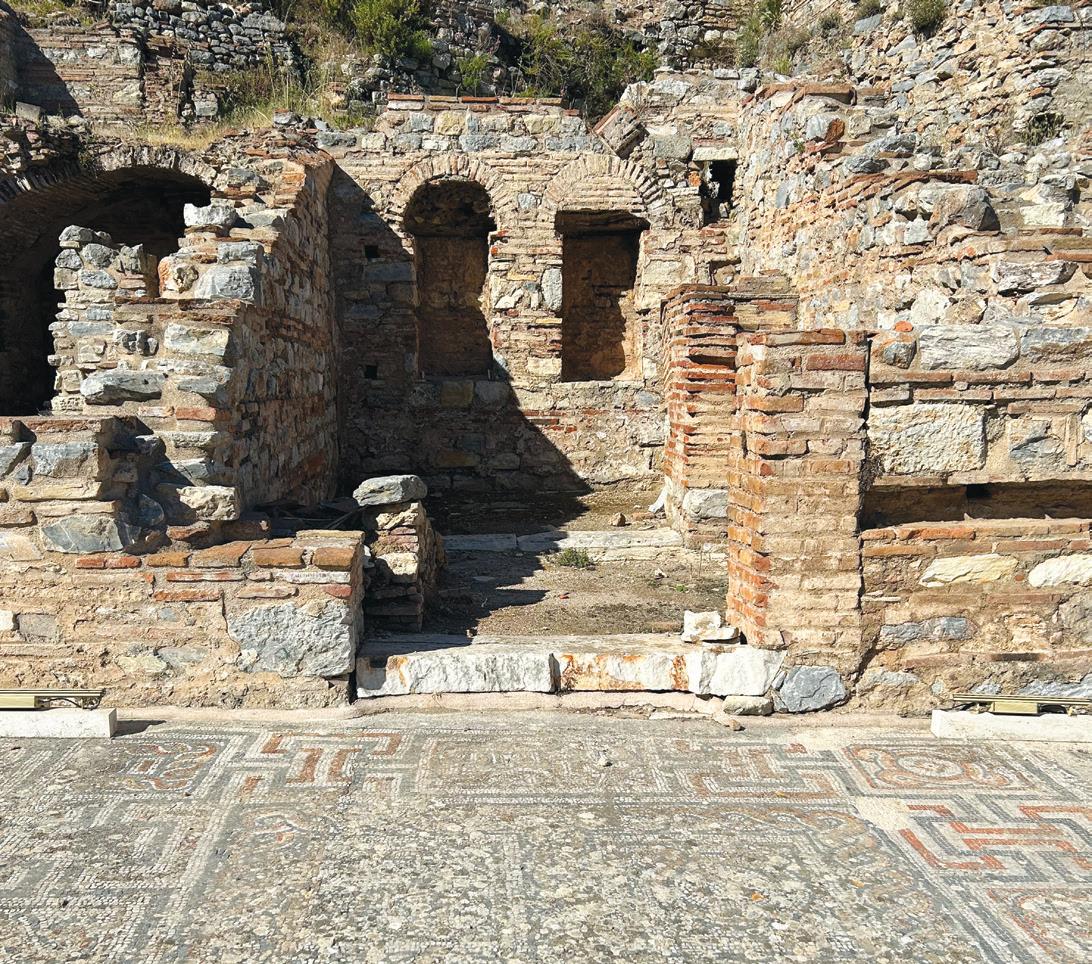
The beautiful mosaic floor in the foreground is the Alytarchs’ Stoa (hall) from the 4th century AD.
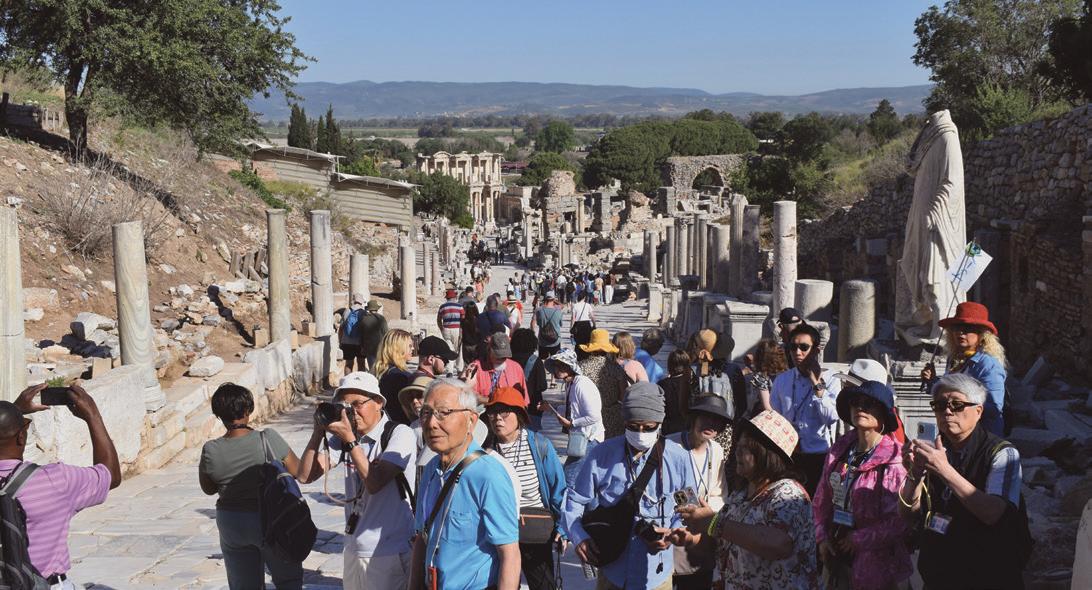
Thousands of tourists visit Ephesus each day, admiring its former glory and number and quality of remains that can be viewed.


Shopping in the town of Rhodes on Rhodes Island, Greece.

The Erechtheion sits on the Acropolis, Athens, where Athena and Poseidon were worshipped in ancient times.
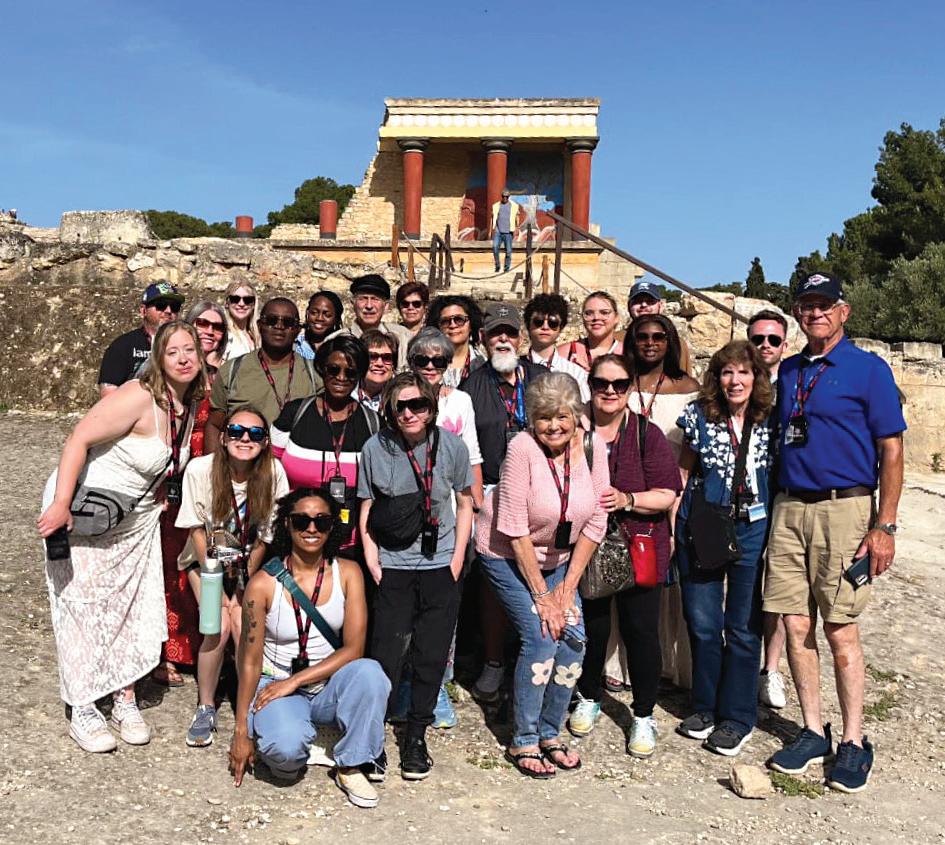
Our 25-person group from Rose State College gather at the Palace of Knossos, Crete, Greece, in May 2025.

The Library of Celsus, a beautiful 2nd century building.

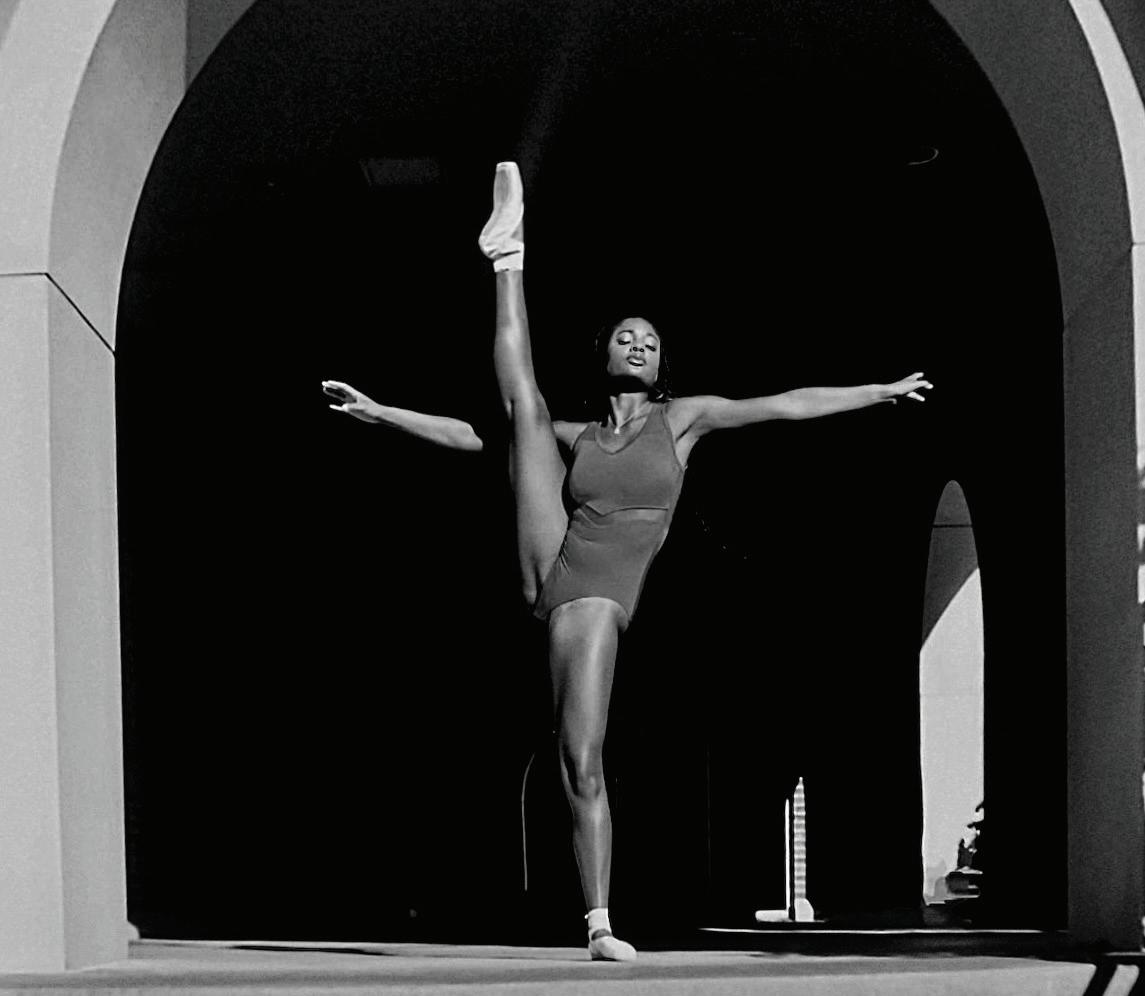
By Kimberly Thompson |Photography Major | Freshman Model, Acelynn Jackson
Instagram @Kimmybeecaptures




By Spring Byington | Reporter
People are becoming more aware and intentional about the things they’re consuming. This goes for media consumption, the energy one surrounds themselves in and even food. Because of this, food establishments and institutions are more tightly regulated, regarding the products they use to cook with and serve to consumers. Fresh Ideas, the dining company contracted with Rose State College, has switched from frying its foods in canola oil, to frying everything in beef tallow. This change was implemented at the start of the Fall ‘25 semester. It does not seem to be going anywhere anytime soon.
Why the change? Beef tallow is considered a traditional fat for modern kitchens. When stored properly, tallow can last several months up to a year at room temperature and even longer when refrigerated or frozen. Another benefit that comes from tallow is the fact that it is bought and stored as a solid, which makes it slightly less processed than liquid cooking oil.
“Response wise, it’s been all positive since making the switch to beef tallow. Damien, my boss, and I are all about health and wellness. You can always get a vegetable plate, and we always offer the salad bar, or you can even get a vegetarian wrap from the graband-go. We just like to show people we cater to everybody. Gluten free, vegetarian, vegans, we have it all covered but ultimately, we are inspired for healthy consumption,” said head chef at the Tinker Federal Credit Union Café here at Rose, Kevin Burrow.
It’s safe to say we have plenty of options here at Rose for the people who have dietary restrictions and personal preferences.
What exactly is tallow? Tallow is rendered fat from cows (beef tallow) or sheep (mutton tallow) and typically comes from the fat surrounding the organs or fat from brisket trimmings. Tallow is made by using a process that involves low-temperature heat for melting the fat out of the solid tissue, followed by straining to remove any impurities, and the remaining product is what we know as tallow. Tallow is primarily used for cooking, skincare and biofuel. Tallow is a solid and somewhat pliable fat when stored at room temperature and has a high smoke point, which makes it excellent for frying and roasting.

Different cooking oils can be used for a variety of reasons. (Photo by Michelle Johnson)
With that being said, is beef tallow really healthy? While it contains beneficial fats, vitamins and minerals, it is high in saturated fat, which is known to increase high cholesterol and heart disease risk. Tallow might not be the healthiest option to some for this reason, but it’s not considered unhealthy either. According to Mayo Clinic, stearic acid, a saturated fat in tallow, may not raise cholesterol like other saturated fats. Its impact also depends on moderation and other individual factors. But, if beef tallow isn’t your thing, the staff at Fresh Ideas will be more than happy to drop your fries in a separate fryer that uses canola oil rather than the beef tallow. This option is available upon request in the TFCU Café.

| Photography Editor
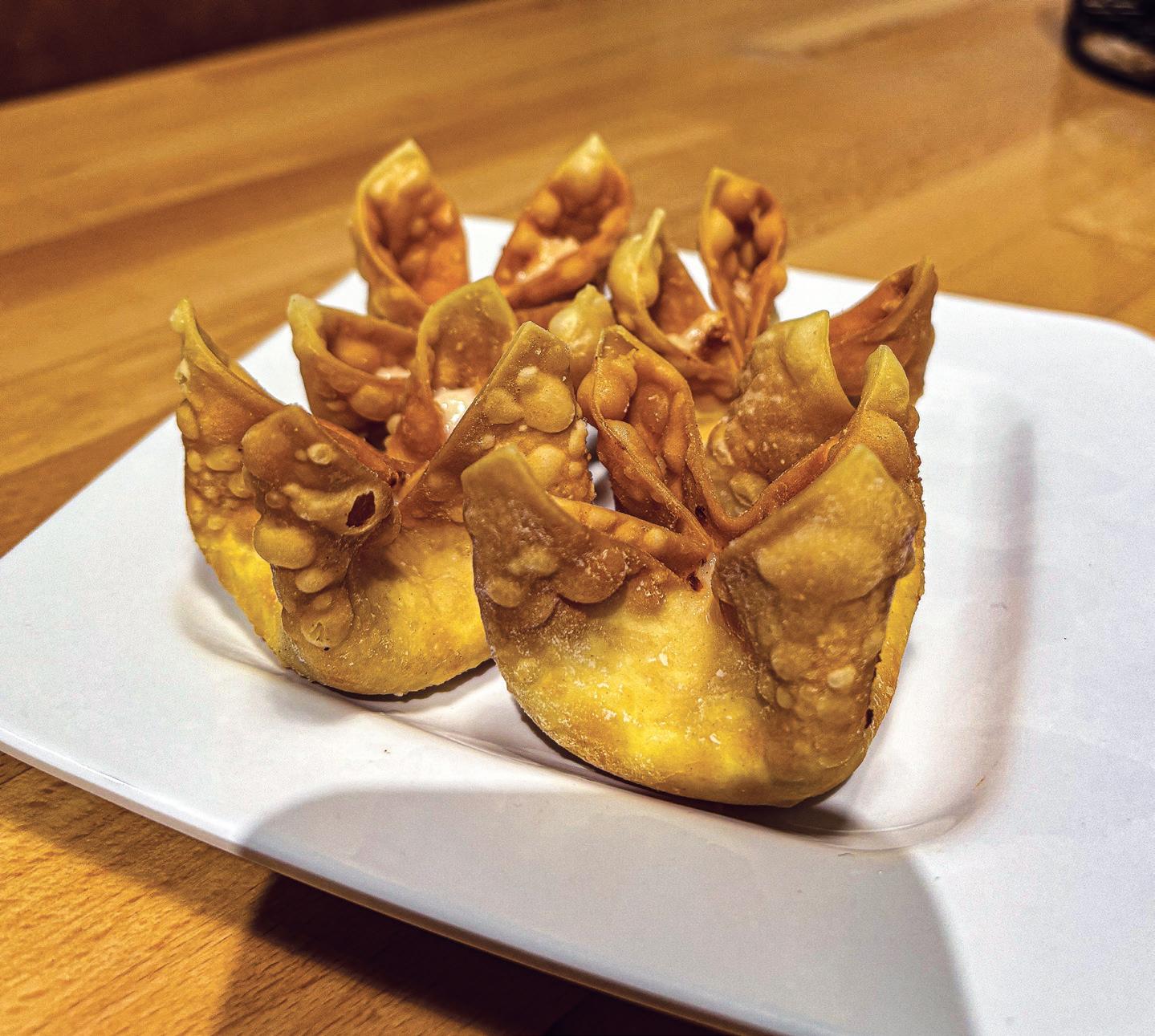
Serving size: 4-6 rangoons
» 2 cloves garlic (minced)
» 230 g cream cheese
» 170 g crabmeat (flaked)
» 2 stalks of green scallions (spring onion)
» 2 teaspoons of Worcestershire sauce
» 1⁄2 teaspoon of light soy sauce
» Wanton sheets or pastry sheets (square)
» Salt (Add to taste)
1. Beat cream cheese until smooth.
2. Add onion, crab, garlic, green scallions, Worcestershire sauce, soy sauce and salt.
3. Mix well.
4. Place a small portion in the middle of the wanton sheets or pastry sheetsabout ½ inch from each side.
5. Fold it diagonally and keep them in the refrigerator for 30 mins.
6. Remove it from the refrigerator and fry in preferred oil.
7. Serve while hot.
Story and photo by Pennina Jackson | Photography Editor
When a cough, sore throat or runny nose strikes, the therapy and remedies usually depend more on your origins than the symptoms themselves. People from all around the world have diverse ways of treating the flu, which include quick pharmaceutical solutions to home-spun herbal medicines.
The flu does not always mean a trip to the pharmacy in many Indian homes. Rather, individuals often resort to age-old natural cures. Because of its anti-inflammatory qualities, warm turmeric water, also known as “haldi doodh” (turmeric milk), is a popular remedy for sore throats. In order to “sweat out” the illness, many people also relax under layers of blankets, sip ginger and honey tea, or inhale steam infused with eucalyptus oil. During flu season, foods high in vitamin C, such as oranges or amla (Indian gooseberry), are typically included as well.
However, the standard American response to flu is quite different from other parts of the world. In America, pharmacies often have cold and flu remedies such as NyQuil, Theraflu and DayQuil on their shelves. Many people favor over-the-counter, fast-acting remedies that can reduce symptoms rapidly so they can resume their daily activities. Contemporary pharmaceuticals, such as these are frequently more reliable and easier to obtain as a first line of treatment.
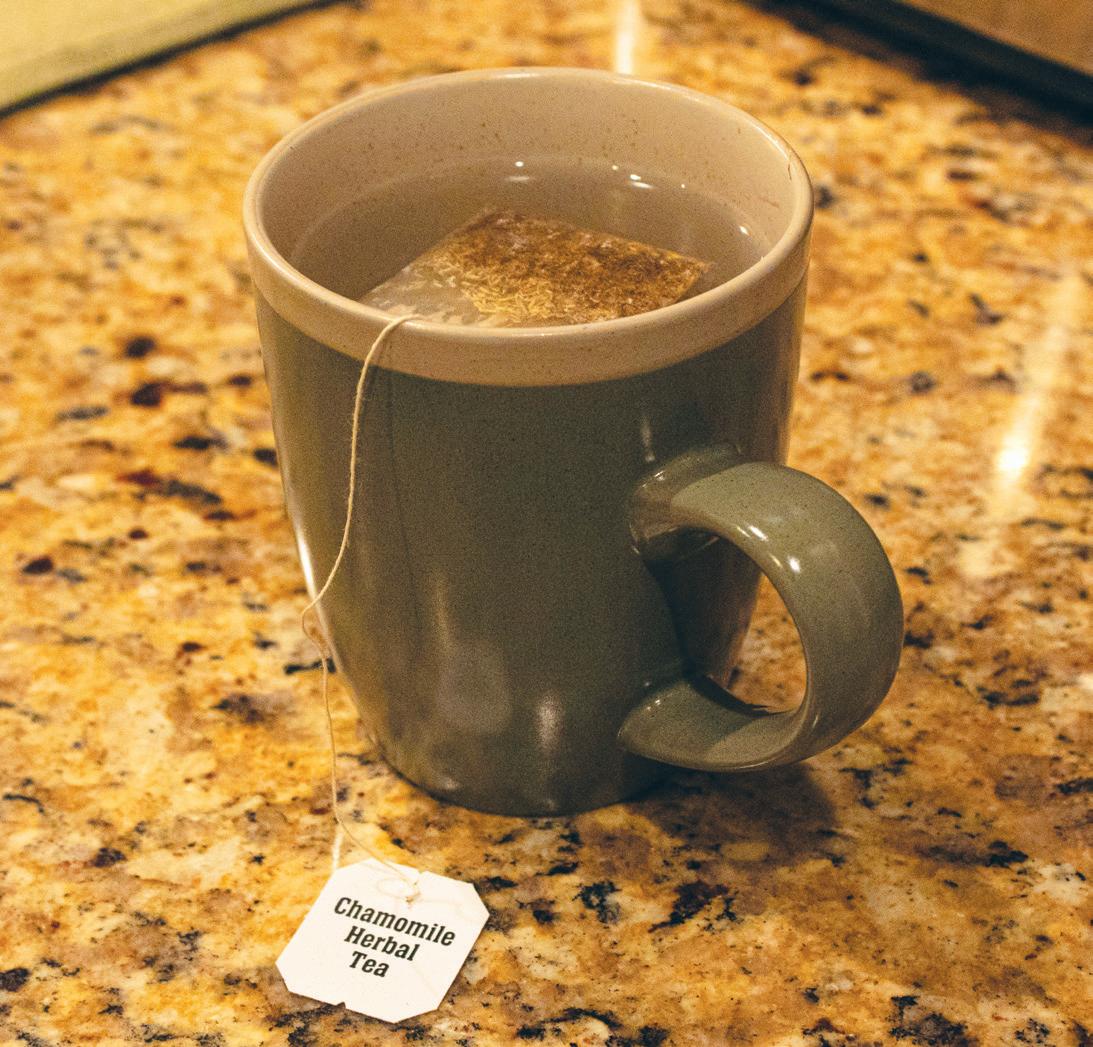
Many americans depend on over the counter medication to help deal with symptoms.

The differences show how healthcare systems and cultural norms influence daily health decisions. Herbal and home remedies, which have their roots in both traditional medicine and cultural beliefs, have been a part of family routines for generations in many areas of the world. On the other hand, in countries where modern pharmacies are widely available, convenience and the use of medication to manage symptoms may be given priority.
Now, neither approach is always effective. While over-thecounter medications might give focused symptom control, natural remedies may bring comfort and progressive relief from symptoms.
Nowadays, a lot of people even blend the two, using both modern treatments and traditional ingredients for comfort.
By Madilyn Drywater | News Editor
For some, college can be exciting and filled with new experiences and opportunities. However, for others, college can seem daunting, having to juggle classes, jobs and other priorities can be a challenge. According to a study conducted by the American College Health Association, 80% of college students have felt overwhelmed by their academics. Some of the most common stressors reported by college students are academic pressure, workload and financial concerns such as student debt. Stress can have a significant effect on the health and well-being of college students. Side effects of prolonged stress range from disrupted sleep, headaches and other physical symptoms, which have an overall decrease in academic performance.
To combat this issue amongst college students, Rose State’s counseling center has created the Time and Stress Management Group. The Time and Stress Management Group is run by counseling center intern, Maren Younts and meets every Wednesday in room 105 at the Learning Resources Center.
“Rose State students tend to have obligations including work, school, family, class assignments and just daily life stressors that can really add up, so I formed this group because there are a lot of time management skills and tools that can help alleviate some stress. The goal of this group is to set people up to succeed with life stresses in the future,” states Maren Younts, Advisor of the Stress and Time Management Group.
The Group discusses and covers a plethora of topics relating to stress and time management, such as defining good and bad stress, setting clear goals for yourself and various coping skills. Additionally, the group also discusses how to set up a calendar properly by first adding all the dates and due dates for classwork, then setting reminders to check due dates, while setting times for social events and then finally, scheduling breaks.
While time management is a primary focus of the group, they also focus on self-care and defining what self-care looks like depending on the person. Self-care for some may be working out, and being physically active. On the other hand, self-care to others may be focusing on sleep, hygiene or giving themselves the permission to do nothing. Alongside discussing time management the group also talks about self care, explores the questions of what selfcare is and what exactly self care looks like. Some examples of self-care would be working out, being mindful, sleep, hygiene and lastly, giving yourself permission to do nothing.
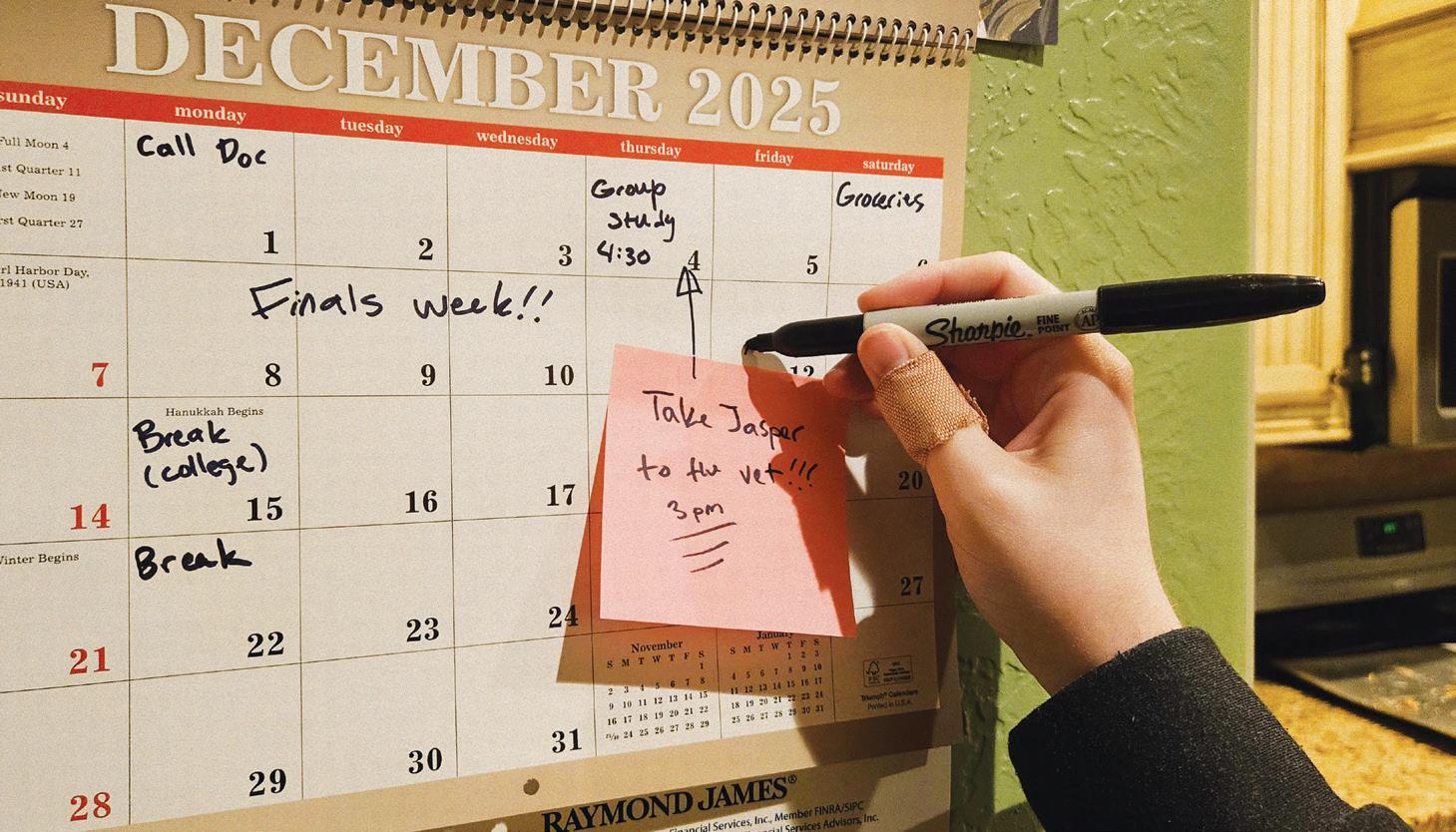
The Stress and Time Management Group typically has group discussions so that everyone can give each other advice and find new ways to manage stress and become better at time management. Every 4 weeks, the lessons taught in the group start over so that new students desiring counsel can come whenever they prefer. According to an article by the US. News, they found that seeking help for unhealthy stress, whether through college support groups or family and friends, can help alleviate stress as well.

Whether you are a college student with student loans or a student receiving refunds throughout the school year, worrying about financial aid is a common problem among students. Below are 15 tips and tricks to help you understand the big, scary phrase, Financial Aid.
Story and Graphic By Aleisha Brown | Digital Content and Engagement Editor
Many students often miss online resources, but starting online is a good start. You can visit Rose States Financial Aid website at https://rose. edu/affordability/financial-aid/.
It is recommended that all students fill out the FAFSA annually (as soon as possible). Starting there is great, but also look at workstudy positions, inside and outside scholarships, as well as loans. Remember that when applying for outside scholarships, more verification may be required, so the process may be more extraneous. 1 4 7 10 13 2 5 8 11 14 3 6 9 12 15
Get a folder and keep track of your student bill, your refunds and expected aid.
Many different factors affect when you can receive your aid. It’s often a big stress factor for students. Being patient is a very important aspect, especially when it comes to your finances.
Asking a staff member at Rose State is always a good idea. Even if they don’t have the answers, they can often point you in the right direction!
First time students are often inexperienced with financial aid. Reaching out is the best way to start, and is necessary. You can reach out via office phone and email. Office phone: 405-733-7424 · Email: finaid@rose.edu
Specifically, when signing for loans, be wary and be sure of what you are agreeing to. Oftentimes, loans can be a great asset to a student, but misunderstanding them can lead to financial downfall.
Verify that what you have, is what you’re supposed to be receiving. Sometimes, further information is required, or verification is needed.
Regarding outstanding balances, you should call, or visit the Bursar’s Office in the administration building. Email: bursar@rose.edu Phone Number: (405) 733-7303.
Many of your peers are in the same boat as you! You might not have the same financial situation, but there are many seasoned students who know their way around.
It’s very important to make sure you have all the required documents for financial aid to be able to help you. Oftentimes, emailing will be fine, but in other cases visiting in person would be more beneficial.
If financial aid requires information they will email you. Checking your school email often is a great way to stay on top of things. Should you not receive anything, contact them.
Speak to your advisor about your bill. They are a great resource for understanding your bill and what has possibly been applied.
Check your account to accept your awards, view updates and any potential holds.
Finally, reach back out to financial aid for any clarification, concerns or questions you may have about your aid. Remember that every situation is different, so it’s imperative to make a good habit of visiting and relating with Financial Aid about your situation.
By Spring Byington | Reporter
Are you a study master or a procrastination pro? Take this fun quiz to see how your study skills measure up. Keep track of points to find your study skill level!
Points are provided in parentheses. At the end of the quiz, tally your points.
You have a major paper due in three days, a math assignment tonight and a part-time job. What do you do first?
A. Work on the math tonight, then schedule paper time (3)
B. Watch TV and hope you finish everything later (1)
C. Start the paper immediately and skip math (2)
Your professor is speaking quickly during a lecture. How do you take notes?
A. Write every word and miss the main points (2)
B. Summarize key ideas and mark unclear parts (3)
C. Skip note-taking because it’s too fast (1)
Which study environment is most effective?
A. Noisy coffee shop with friends around (2)
B. Quiet space with good lighting and all materials ready (3)
C. Lying in bed scrolling social media (1)

How do you prepare for a big exam?
A. Cram the night before (2)
B. Review notes a little each day for a week (3)
C. Skim textbook chapters randomly (1)
Your phone keeps buzzing while studying. What’s your move?
A. Ignore it and continue studying (3)
B. Check every notification (1)
C. Put it on silent and take short breaks to check messages (2)
13-15 Study Master
9-12 On Level
5-8 Study Starter
Tips:
• Use a planner to track deadlines.
• Break large assignments into small steps.
• Study in 25–50 minute focused sessions.
• Take short active breaks to recharge.
You have excellent study habits! Keep leading study groups and sharing tips.
Solid habits, but consistency will make you unstoppable.
Don’t worry! Focus on one habit at a time—you’ll improve fast.
By Amour Ivy | Reporter
Everyone’s got a little chaos in them, but whose kind of chaos are you? Take this quiz to find out whether you’re the heart, the hurricane or the one who just showed up for snacks.

1 What’s your go-to role in the friend group?
A. The friend giving heartfelt pep talks at 2 a.m.
B. The friend who plans the trip.
C. The friend who turns every serious moment into a joke.
D. The friend who pretends not to care, but does.
E. The friend who accidentally ruins the trip, but apologizes.
4 Your coworkers describe you as:
A. “The office therapist.”
B. “Fearless and efficient.”
C. “A walking meme.”
D. “The boss.”
E. “Sweet, but a disaster.
Mostly A’s: You are Noah.
- Big heart, bigger hopes.
- You are everyone’s emotional support animal.
- Remember, even the healers need to heal.
2 How do you handle drama?
A. Try to fix it and end up emotionally drained.
B. Handle it in a decisive and sharp way.
C. Turn it into a joke and post about it.
D. Roll your eyes.
E. Say something meant to help that somehow makes it worse.
5 Choose a weekend plan.
A. Organizing a get together for friends.
B. Pilates at 7, brunch at 9, emails by noon.
C. Movie night.
D. Running errands and complaining.
E. Trying to flirt and failing.
3 What’s your love language?
A. Acts of service.
B. Words of affirmation.
C. Laughter.
D. Control.
E. Embarrassment.
Mostly B’s: You are Joanne.
- You don’t need anyone’s approval.
- You are sharp and unstoppable.
- You are literally allergic to nonsense.
Mostly D’s: You are Esther.
- You run the show.
- You wear the pants.
- And you are always right.
6 What’s your biggest flaw?
A. You care too much and forget about yourself.
B. You assume you’re always right.
C. You avoid real emotions with humor.
D. You dominate when you should listen.
E. You overthink until you selfsabotage.
Mostly C’s: You are Morgan.
- You have perfect comedic timing.
- You know life is too short not to laugh.
Mostly E’s: You are Sasha.
- You are sincere.
- You are adorably clumsy.
- People root for you even when you trip on your own charm.

Story and Photos By Michelle Johnson | Editor-in-Chief & Graphic Design
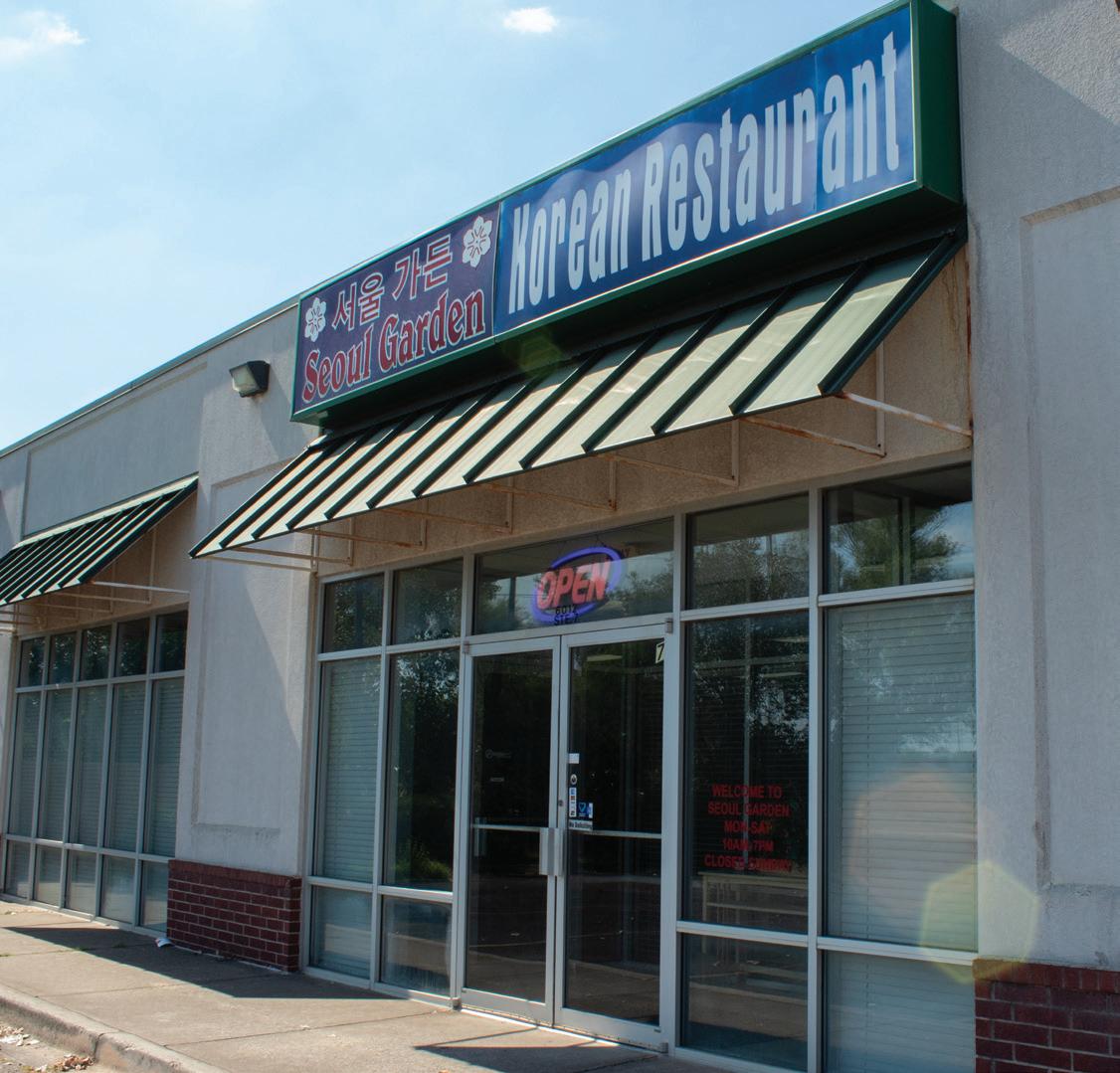
When looking for somewhere to eat around campus, Seoul Garden might not be the first place that comes to mind, but it’s definitely worth checking out. It’s a short walk away from campus. Located off the southeast corner of 15th Street and Hudiburg Drive is a Korean restaurant called Seoul Garden.
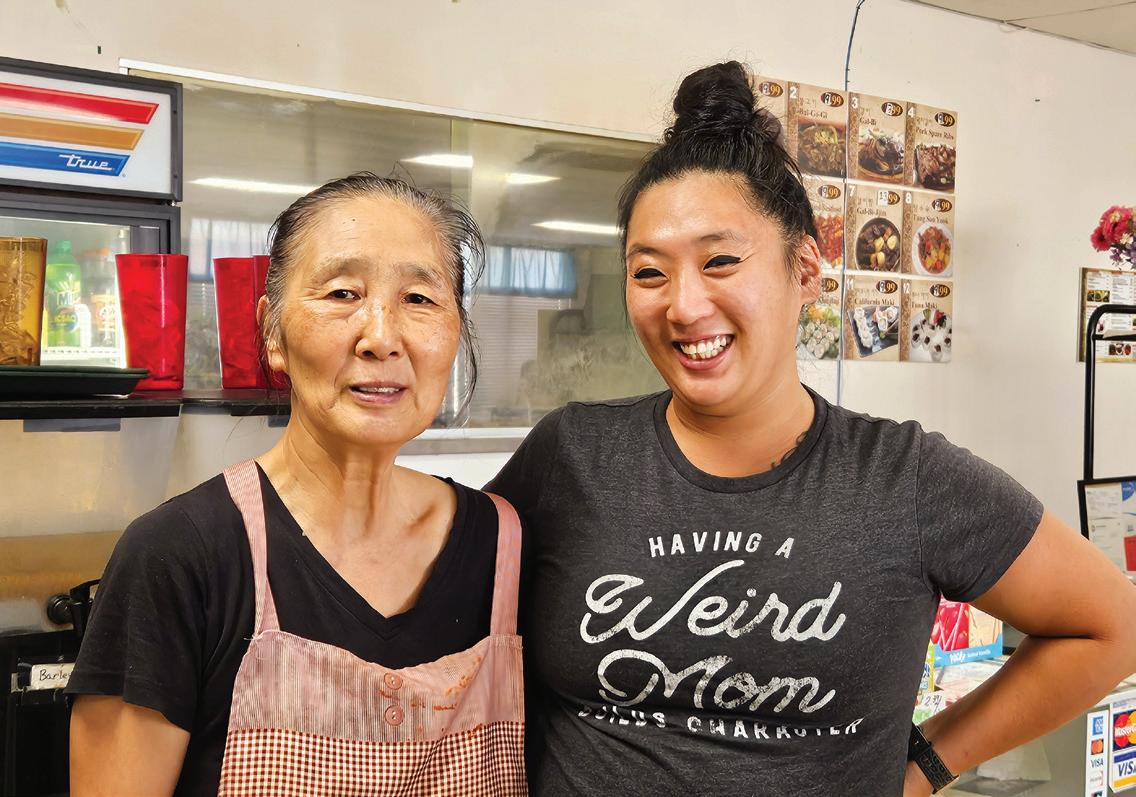
Seoul Garden is a family-run establishment that opened in August of 2003. Currently, their youngest daughter, Sara Kim, and her husband help her parents run the establishment. They feature traditional Korean dishes and have a wonderful homey atmosphere. I first found this place when looking for somewhere nice to eat with a friend. We both thoroughly enjoyed the experience and loved the food.
Before Seoul Garden, Kim’s parents ran the OK KoMart. This is a Korean and Hawaiian BBQ market and restaurant, and at that time it went by a different name. It was started with Kim’s Dad and his mother, and they ran it for 20-30 years. Her dad then married to her mom and she joined them in the ‘80s. They were later presented with an opportunity to start a restaurant.
“Before this restaurant, it was not Seoul Garden, a Korean restaurant, it was actually a Filipino restaurant, and long story short, they ended up going out of business and my parents saw the opportunity to start a restaurant instead,” Kim said. “My Mom is the seventh out of eight kids so she had a lot of at home cooking experience, but not sort of on this scale.”
According to Kim, her parents went around to all the Asian restaurants in this area to eat the food and get an idea of what people in this area would come and eat at a Korean restaurant. This is how they adopted the egg roll and the sweet and sour chicken. They came to know people would expect a menu item like this at an Asian restaurant.
Seoul Garden gets a steady flow of activity, with many repeat customers. Recently, due to the government shutdown, business has been a bit slower. According to


Kim, that has not impacted the restaurant too heavily.
“If Tinker is a bit slow, then we have other customers that come in,” said Kim. “We have slower days, but in general, there’s a pretty consistent flow here.”
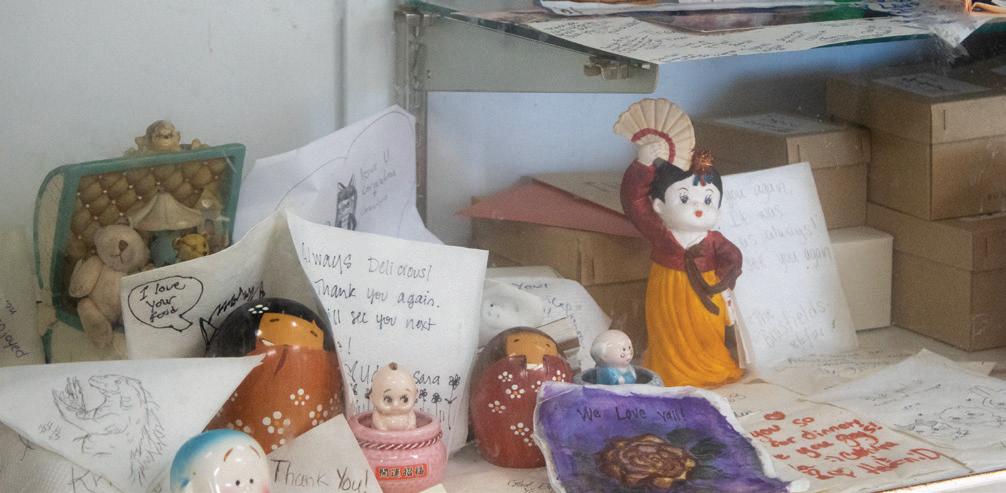
Customers will sometimes draw or write on napkins. In the display shelves at the register, you can see many beautiful drawings and heartfelt messages from customers. Some customers, for example, would be stationed at Tinker for a brief period of time and leave a thank you note. Amidst the art, someone has drawn a Mona Lisa on a napkin. Kim said she thinks of updating and expanding the display sometimes, but for now, everything is up to her Mom.
“This is my Mom’s world, I just simply live in it,” Kim said.
When ordering food, it comes with banchan. For those unfamiliar, banchan are side dishes that are served with the main meal and are meant to be shared.
“Korean food is often in a family-style setting,” Kim said. “My Mom has always made her own kimchi, even when she did [help run] the store.”
Kimchi is not my favorite personally, but I find myself enjoying it with all the other dishes. And again, if you are unsure about the other dishes, they do serve an egg roll and some sweet and sour chicken as part of the banchan. After you order, there is a self-serve miso station next to the counter. Both the banchan and miso are included free of charge with your order.
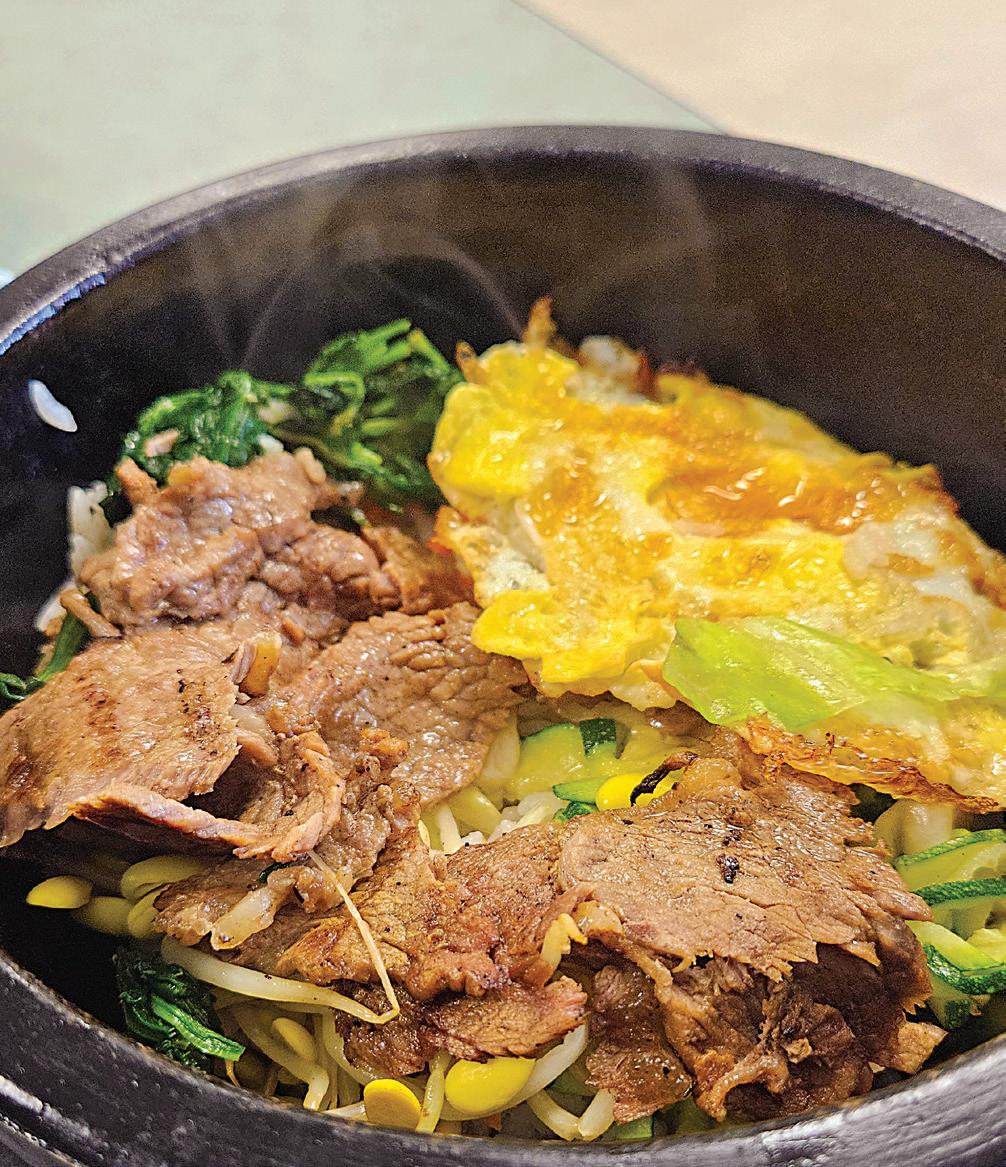
The food prices range from $10 to $15 per person, and you are given a generous serving. The highlights on the menu are the Bulgogi, Bibimbap, the soups and the noodles. My personal favorites are the Bibimbap, Jap Chae and Duk Mandu Gook. Each dish tastes like grandma’s cooking, and makes you feel warm and full. It’s nice to get the taste of a different culture in a down-to-earth atmosphere.
Some other cool things about this restaurant are the foreign snacks they sell at the front. They also have a little play corner for kids.
The restaurant hours are 10 a.m. to 7 p.m. Monday through Friday. They are closed on Sundays. If you are looking for a chill place to eat after school, work or with friends, consider stopping by Seoul Garden.


By Cadence Jordan | Reporter
Oklahoma City is going for the gold. The city will host canoe slalom and softball competitions during the 2028 Los Angeles Summer Olympics, a milestone that underscores OKC’s world-class sports facilities and growing national profile. After years of working with the U.S. Olympic Federation and the Los Angeles Olympic Committee, Oklahoma City officials were proud to formally accept an invitation to host events at two Olympic-caliber facilities in the metro area.
The RIVERSPORT Rapids in the Boathouse District is one of the few Olympic-standard whitewater venues in the country. It has previously hosted the U.S. Olympic Team Trials in 2016 and 2024. The USA Softball Hall of Fame Complex in the Adventure District has served as home to the NCAA Women’s College World Series since 1990 and has hosted events like the World Cup of Softball and the USA National Championship Series.
This decision aligns with the Olympics’ focus on reusing existing venues to cut costs and reduce environmental impact.
Hosting Olympic events is expected to generate a major boost to Oklahoma City’s economy and tourism. Thousands of athletes, coaches, fans and media will travel to the city, filling hotels, restaurants and stimulating local businesses. The city is preparing by investing in infrastructure improvements, including a proposed $3.6 million transfer from the MAPS 3 budget to upgrade the RIVERSPORT Rapids Whitewater Center. Planned enhancements include a feasibility study, a new master plan and replacement of the Unistrut system to meet Olympic standards.
Mayor David Holt praised the city’s selection.
“This is really happening. The Olympics are coming to OKC,” Holt said. “Everyone in our city has contributed to this moment. It is a moment even the most ambitious of us could hardly have imagined.”
Four-time Olympian Casey Eichfeld recalled the energy of past events in Oklahoma City: “The crowds are awesome. It was really cool to have that environment.”



Local officials hope the Olympics will inspire youth and energize sports culture across the state. RIVERSPORT Executive Director, Mike Knopp said the goal extends beyond competition.
“We’re in the culture-building business here,” Knopp said. “We want to help develop an outdoor culture in Oklahoma City. We’re building the spark for that.”
Jones, Oklahoma native and U.S. National Kayak Team member Augustus Cook, who placed fifth in the 2024 Olympic qualifiers, said this opportunity will put his home state and home competition venue on the map.
“This is such a big deal to be able to host the Olympics, and it means so much to RIVERSPORT,” Cook said. “This gives Oklahoma a chance to shine on the world stage and show everyone the world-class facilities we have right here at home.”
Cook himself is hoping to make it to the Olympics in 2028, though Kayak is not one of the events hosted in Oklahoma City. “It would be amazing if I could be in an Olympic competition in my home water, but right now I’m just setting my sights on making a spot on the team. Either way, it’s great that the 2028 Olympics are in the US, and that Oklahoma will be a part of it,” Cook said.
Softball officials and players also praised OKC’s facilities, while expressing concerns about athletes missing out on the full Olympic Village experience.
“As good as the games are going to be, as great as the fans are in OKC, it’s not going to be an Olympic experience, which is so special and so rare,” said Nicole Mendes, who played on a national championship team with the University of Oklahoma and competed in the 2020 Tokyo Olympics with Mexico. “Honestly, it just made me really sad for these softball athletes.”
“There’s no better softball stadium in the United States to host an international tournament of that caliber,” said Ken Eriksen, a longtime Team USA coach. “But it’s disappointing because the athletes won’t get to experience everything that comes with the Olympics, especially interacting with athletes from other sports. However, once the competition starts, it’s about the games and it’s about winning the medals. So you’re going to have a trade-off. Once again, a great venue — you’re going to miss the experiences, but then you’re playing for a gold medal.”
Almost everyone agrees that Oklahoma City’s role in the 2028 Olympics is about more than just hosting events. It’s a chance to ignite community pride, inspire the next generation of athletes and secure the city’s place on the global sports stage.
(Photos Provided by RIVERSPORT)


By Marceline Conkin | Reporter
After over two years of testimony, trial and evidence, the courts have finally brought 32-year-old Brandon Morrissette to justice, sentencing him to life without parole for the charge of first-degree murder.
On the fateful day of April 24, 2023, Morrissette drove from his residence in Noble, Oklahoma, to the Rose State College campus on a deadly mission: to end the life of 20-year-old Robenie “RJ” Long, a student and fellow classmate of Morrissette’s wife.
Fueled by the false belief that his wife, who has since privately changed her name, and Long were engaged in an extramarital affair, Morrissette waited calmly outside the Humanities building for the pair to exit a shared class. At approximately 12:15 p.m., catching Long off guard, Morrissette shot him seven times.
It was then, according to Long’s loved ones, that RJ died a hero.
In his final moments, RJ leapt on top of the woman, shielding her from the gunfire and ultimately sacrificing his life to save hers. Described as his “war song,” his mother recalled that he spent his final breaths singing “Amazing Grace”–unafraid and confident in the belief that, “he knew where he was going.”
It was this show of faith, RJ’s mother, Kelly Long–believes was directly connected to the prayer she offered for Rose State after first hearing the devastating news, before she even knew who was involved.
“So we stopped, and we prayed for whoever was being shot at and for the college,” she said. “And then that was it, not knowing that I’m praying for RJ.”
In the years since Morrissette made the fatal decision to end the life of RJ Long, the community has not forgotten his legacy or the profound impact he had on everyone who knew him.
RJ was many things: a proud Marine, a devout Christian, a capable athlete and an active member of
his community. But to those who knew him best, he was remembered most as a man of courage and unshakable compassion.
“RJ lived his life to the fullest, from the time he woke up until the time he went to bed. I wish all of us would live our lives the way RJ lived his life, [with] no regrets,” Kelly Long said.
Present on the day of Morrissette’s final sentencing were Long’s mother, sister, girlfriend and other relatives. United in the wake of this terrible tragedy, they gathered to witness the moment Long’s mother had been anticipating throughout the entire trial–the chance to speak directly to Morrissette through her victim impact statement.
Looking directly into the eyes of her son’s killer, Kelly Long calmly asserted that he was both a coward and
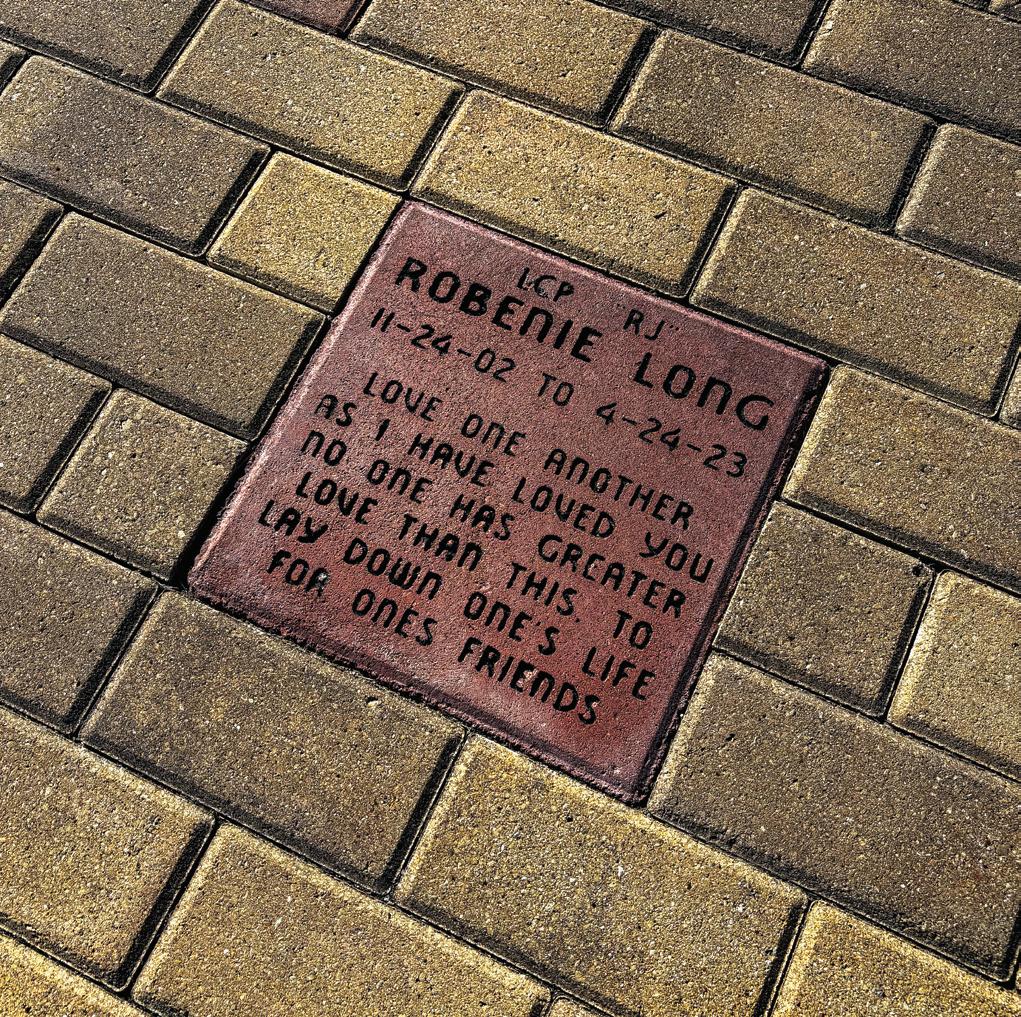
A brick in Long’s honor can be found outside the Student Union. (Photo by Pennina Jackson)
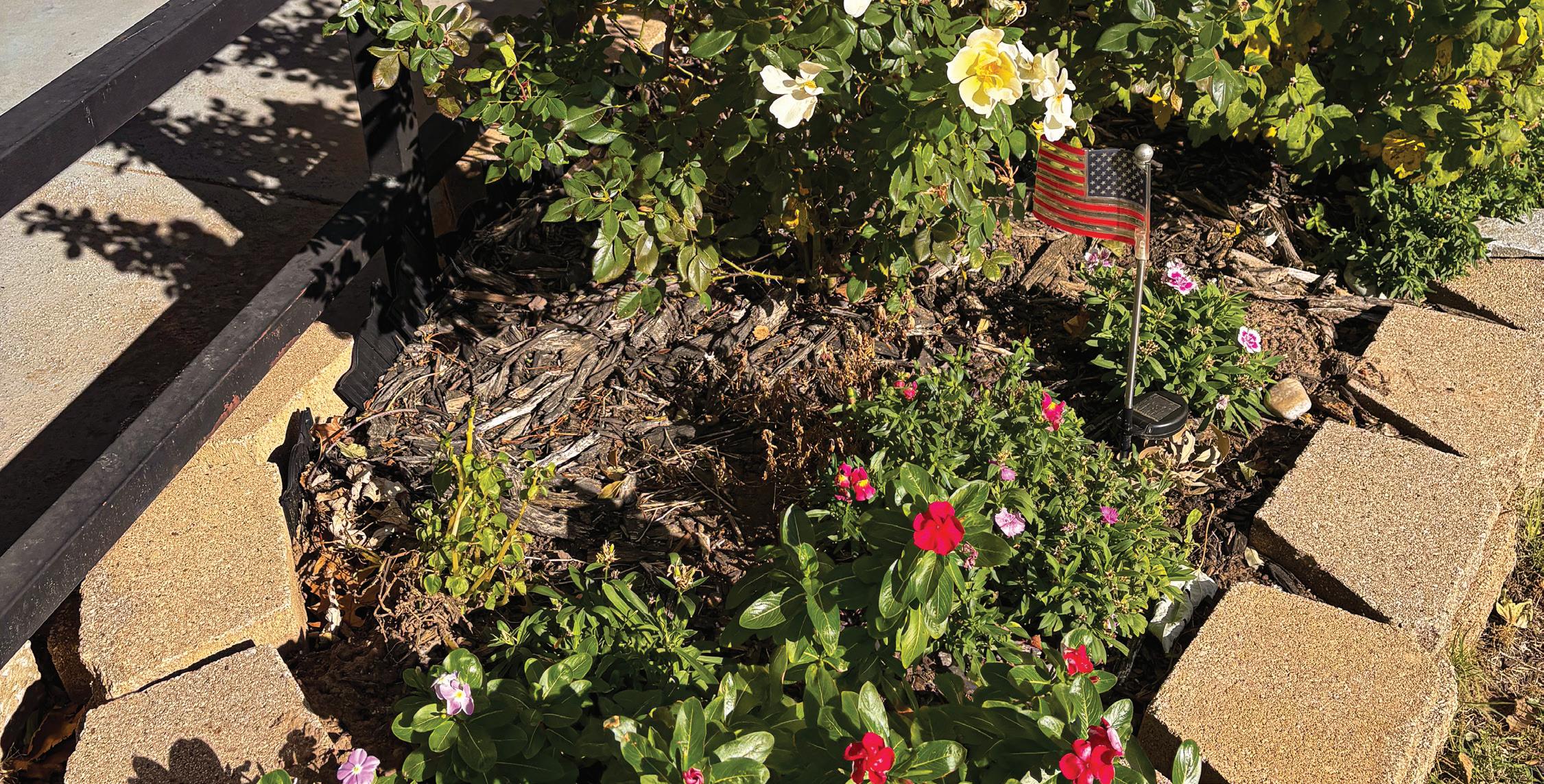
a liar. Even so, she emphasized that she had already forgiven Morrissette, adding that if his remorse was genuine, God would forgive him too.
For Long, though life may not always be “right” or “easy,” she believes in the power of gratitude–for the justice she witnessed for her son, the outpouring of support she has received over the years and the cherished memories she holds of her beloved RJ.
“I’m just relieved I got to speak to him and also say what RJ would have wanted to say. Because that’s who we are and we aren’t about to run,” Long said. “I know that most people, when things like this happen, they run from it. But in our family, we want to run to it. All of us are there to protect [...], love [...] and encourage.”
At Rose, we have several programs in place to help ensure campus safety and security. On the day of this particular event, the Raider Alert system, a customized emergency alert response approach designed specifically for Rose State. This was largely credited with enabling authorities to engage quickly and effectively.
During critical incidents such as this one, the Rave Panic Button serves as the primary activation point for Raider Alerts. It can notify the entire campus community with a single press. While only faculty and staff have access to initiate alerts, notifications are automatically sent to everyone registered in the emergency alert system.
The Rave Panic app features five distinct buttons, the largest of which corresponds to an active assailant emergency. The remaining buttons address fire, police and medical emergencies.
Once the button is held for 1.5 seconds, the system instantly sends out a notification including the time and location of the event. Simultaneously, the app connects the initiating user directly to 911, providing dispatchers with a real-time campus map that pinpoints the incident’s location. If additional updates become available, any authorized user can simply press the corresponding button again to send follow-up information.
“It really assists and streamlines a lot of our response in that we can see where this is taking place in real time, at that moment,” said Joedon Hughes, the head coordinator for campus safety, security and risk management.
Since the 2023 shooting, participation in the Rave Panic Button has increased from 25% of staff to over 33%. Students can easily enroll in the Raider Alert System by visiting getrave.com/login/rose.
“They can visit that site, log in and verify that their information is up to date. At the beginning of every semester, we send out information about the panic button–how to enroll in it, what it’s for and how it can be used,” Hughes said. “I think that helps keep people
on a kind of understanding–just being vigilant, being aware.”
When it comes to preventative safety measures at Rose, the most comprehensive collaborative effort is TABIT (Threat Assessment and Behavioral Intervention Team). Administered by Student Conduct Officer Dr. Nicole Turner, the team evaluates potential concerns using a rubric developed by the National Association for Behavioral Intervention and Threat Assessment (NABITA).
While the system is primarily utilized by employees, anyone within the campus community can submit a report to TABIT. Once a report is received, the team communicates the information to campus security personnel, who then determine an appropriate course of action based on the specific circumstances of the situation and whether the individual involved is nonviolent or potentially violent.
If a direct engagement with a student becomes necessary, our two permanently stationed Midwest City police officers are often actively involved in the response.
Another recent development in well-being and welfare at Rose pertains to the mental health facilities available to both employees and students. This semester, with support from the Oklahoma State Regents for Higher Education (OSRHE), Rose State introduced TimelyCare, an all-inclusive program offering 24/7 access to virtual counseling and other medical resources.
This fully online telehealth service is free for all students enrolled in at least one credit hour at Rose State, ensuring that support is always within reach, no matter the time or place.
“When technology is driving our society, we either stay in the past or we adapt. We still offer all the inperson services, but if it creates too much anxiety to come into the office, we still want to meet people’s needs,” said Emily Wise, the director of Rose State’s
counseling and access services. “That’s why I love that we have this new service that’s available to all of our students.”
Some of the core services offered through Rose’s counseling center include individual and group counseling sessions, available both online and in person, provided completely free of charge. Another standout initiative is their Mental Health First Aid program, which educates participants on recognizing and responding to mental health crises and interacting effectively with individuals who may be struggling. Training is available to both students and staff.
While Wise and her staff regularly promote their services through Canvas, email and campus events such as Raider Days, their primary outreach effort is the Mental Health Student Advisory Board. This studentled group plays a key role in raising community mental health awareness and supporting campus-wide spirit initiatives.
Currently, the board is designing a T-shirt to promote psychological well-being and reduce its surrounding stigma, while also preparing for a series of holiday outreach events to spread encouragement and connection during the Christmas season.
“Since I’ve been here, we’ve gotten the students a lot more on board than I’ve seen in the past,” Wise said. “Things are so stigmatized, and we’re trying to do different things on campus to change that outlook about having more conversations about mental health and not making it such a taboo subject.”
To contact Rose State’s Counseling Center, you can call 405-733-7373, email counselingservices@rose. edu or visit in person Monday–Friday, 8:00 a.m. to 5:00 p.m., in the Learning Resource Center, Room 106.
Brigadier General Richard (“Dick”) Hefton devoted his life to service—in uniform, in journalism, and in higher education. A command pilot with more than 5,000 flying hours, he served as a jet fighter pilot, instructor, engineering test pilot, and aircraft accident investigator, retiring in 1990 as Assistant Adjutant General and Commanding General of the Oklahoma Air National Guard. In civilian life, he led a distinguished four-decade career in Oklahoma journalism as editor and publisher of Oklahoma County Newspapers, Inc., president and publisher of the McAlester Daily NewsCapital, and executive vice president and managing editor of the Daily Journal Record. He was inducted into the Oklahoma Journalism Hall of Fame in 1987 and held leadership roles with the Oklahoma Press Association. He was a proud alumnus of the University of Oklahoma (BBA) and an active community leader, including service with the McAlester and Midwest City Chambers of Commerce and membership at Westminster Presbyterian Church.
Regent Hefton joined the Rose State College Board of Regents in 2009 and, alongside his fellow Regents, helped guide the College through a period of remarkable growth. As Chairman, he was instrumental in the development of The Village—Oklahoma’s first residential housing on an urban community college campus. He also played a pivotal role in expanding RSC athletics with the addition of men’s and women’s soccer, broadening opportunities for student engagement and success. His collaborative leadership with the Board of Regents helped shape the student experience we cherish today, and his influence will be felt for generations.
A service to celebrate Regent Hefton’s life was held on Friday, Oct. 31, 2025, at 11:00 a.m. at Westminster Presbyterian Church, 4400 N Shartel Ave, Oklahoma City, OK 73118.


By William Shakespeare

Based on the celebrated novel by Daniel Wallace and the acclaimed film directed by Tim Burton, BIG FISH tells the story of Edward Bloom, a traveling salesman who lives life to its fullest…and then some! Edward’s incredible, larger-than-life stories thrill everyone around him—most of all, his devoted wife Sandra. But their son Will, about to have a child of his own, is determined to find the truth behind his father’s epic tales. Overflowing with heart and humor, BIG FISH is an extraordinary musical that reminds us why we love going to the theatre—for an experience that’s richer, funnier and bigger than life itself.





By Madilyn Drywater | News Editor
Ghosts, tales of the macabre and people slowly slipping into madness, these are all elements that make up the gothic horror literature genre. Some of the most common examples of gothic horror are “Frankenstein” by Mary Shelley, “The Picture of Dorian Gray” by Oscar Wilde and “Dracula” by Bram Stoker. All of these stories have supernatural elements, such as vampires, ghosts and the dead being brought back to life. Gothic horror first appeared in the 17th century and often includes tales of death, monsters, omens and curses. According to the Writer’s Digest, the overall theme in gothic fiction is humanity vs evil, whether that evil be man-made, such as in “Frankenstein”, or supernatural, like “Dracula.” This literacy genre has changed over the years, having ditched Victorian styles seen in “Dracula” for modern settings like haunted houses.
One of the most famous authors of gothic horror, Shirley Jackson, wrote “We have Always Lived in the Castle.” However she is most known for works such as The Lottery, and The House on Haunted Hill. “We Have Always Lived in the Castle” had been on my to be read list for a while, but I finally picked up the novel this October. “We Have Always Lived in the castle” tells the story of two sisters, Merricat and Constance Blackwood, who take care of their uncle Julian. They are the sole survivors of a family tragedy that happened six years ago. The Blackwood sisters live isolated lives in their Blackwood home and are mocked by the village just on the outskirts of their home. The only interaction the Blackwoods have with the village is when Merricat goes to the grocer’s every Wednesday. However, Merricat’s world is turned upside down when their estranged cousin Charles comes plotting to steal their fortune. As soon as Charles steps into the Blackwood home, he begins to disrupt Merricat’s way of life.


Merricat responds by shattering the mirror in his room and spreading leaves and dirt around his room in an attempt to make him leave. As a result of Merricat trying to get Charles out of the house, a fire starts and nearly destroys the Blackwood home, killing their uncle Julian.
After I finished this novel, it took a little while for me to gather my feelings and determine whether I enjoyed my first experience with Shirley Jackson. On one hand, I enjoy the overall story that was told, but I sometimes found details in the story incredibly bizarre, specifically some of the superstitions that Merricat believed would protect her home and sister and keep her safe. I also sometimes found the novel to be dry in some areas with the action only happening towards the end of the book. Still, I enjoyed the settings and characters in the story despite some of their bizarre personalities. Overall, I would recommend “We Have Always Lived in the Castle” to anyone. I think this book will resonate with fans of Tim Burton films, and the film, Coraline.




By Amour Ivy | Reporter
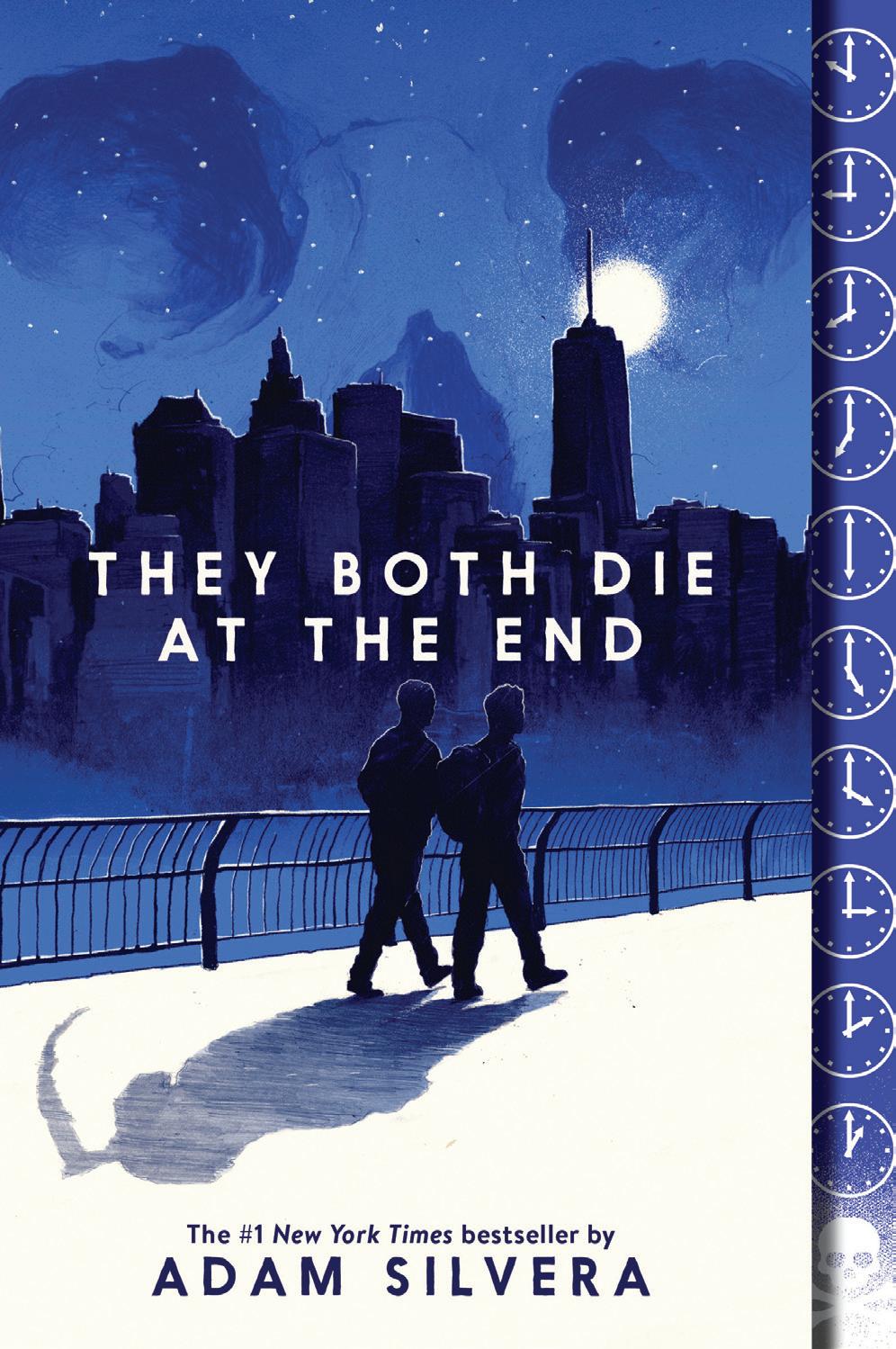
Adam Silvera, an award-winning American author from the Bronx, New York, is best known for his 2017 young adult novel “They Both Die at the End.” The book follows two young men, Mateo Torrez and Rufus Emeterio, who are notified by a company called DeathCast that it is their End Day.
In Silvera’s fictional world, Death-Cast is a government-funded corporation that informs people when they will die. The company’s methods remain unknown to the public, except to its CEO, Joaquin Rosa. Despite the mystery, Death-Cast has never been wrong in its predictions.
The concept resonates with millions of readers.
“They Both Die at the End” spent months on bestseller lists and sparked widespread discussion on social media, where fans debated what they would do if given only 24 hours to live. The book’s popularity led to a prequel, “The First to Die at the End,” published in 2022. A television adaptation of the series is also in development.
Beyond its success as a work of fiction, the idea of Death-Cast raises questions about how people might respond if such a service existed in real life.
Misty Booker, a single mother and home health professional, said she would not subscribe to Death-Cast.
“I believe that society as a whole would become more empathetic,” Booker said. “Or they’d all kill each other. Who knows.”
Later in the conversation, Booker reconsidered.
“I would want my daughter to be signed up, so I’d be a hypocrite to not sign up as well,” she said. Booker also reflected on the potential impact of Death-Cast in her work as a healthcare provider.
“No matter what, we make an oath to take care of a patient,” she said.
Booker added that whether or not a patient had received a Death-Cast call, she would treat them the same.
Emily Wise, director of Rose State’s counseling and access services at Rose State, shared her perspective on the psychological effects such a system might have.
“Well, it depends on your personal beliefs,” Wise said. “There are those who would be a part of it and change their entire life based on that prediction, then there are others who may not buy into it for religious beliefs or anything else. Both of those groups of people would change how they see and interact with others and the world itself.”
Wise said she could not imagine signing up for Death-Cast herself.
Silvera himself has said he wanted to explore how mortality shapes human connection. That theme continues in his prequel “The First to Die at the End.” He wrote: “Here’s the truth no one ever wants to admit when death is on the horizon, or when you’re deep in that grief — as long as you keep existing, you’ll keep breathing, one day you’ll start living.”
Whether embraced or rejected, Death-Cast offers a lens through which readers can consider the intersection of life, death, grief and love. Silvera’s story remains a reminder that time, however long or short, shapes the way people choose to live.
By Kalen Sirls | Assignment Editor
Recently in media, there’s been a resurgence in popularity for the 2012 political drama series “Scandal.” The series was created by Shonda Rhimes, who is also behind hits like “Grey’s Anatomy,” “How to Get Away with Murder” and “Bridgerton.”
Scandal follows Olivia Pope, a powerful and confident woman who runs a crisis management firm in Washington, D.C. Her clients include some of the most influential people in politics as well as the president of the United States, Fitzgerald Grant. Olivia is known as “the fixer” because there’s almost no problem she can’t handle. One of the main storylines in the show centers around her complicated relationship with President Fitzgerald Grant, better known as Fitz, who also happens to be married to another woman.
The show is filled with twists, intense drama and emotional moments that keep you on the edge of your seat. Rhimes does an amazing job balancing political scandals with personal conflicts, making each episode feel high-stakes and unpredictable. Kerry Washington’s performance as Olivia Pope is one of the highlights of the series—she captures both Olivia’s strength and her vulnerability in a way that makes her feel real. The chemistry between Washington and Tony Goldwyn (who plays Fitz) is also one of the biggest reasons people keep watching.
It’s easy to see why “Scandal” has found new life years after it first aired. The show was ahead of its time, especially with its diverse cast and its focus on a powerful Black woman in a lead role on network television. Even today, the themes of power, ambition and moral conflict still hit hard.
Whether you are rewatching it or seeing it for the first time, “Scandal” is definitely worth checking out. It’s dramatic, emotional and full of moments that will have you saying, “It’s handled.”

Story and photo by Xander Strickland | Online Editor
Fans of the Tron franchise have long sought faithful, playable recreations of the games shown in both the original “Tron” and the 2010 sequel “Tron: Legacy.” Tron’s cult following has stood the test of time, despite new installments to the franchise taking decades to develop. Hidden within a niche game development platform within the PlayStation Store, lies the most screenaccurate version of a playable gaming grid as seen in “Tron: Legacy.”
Created by PlayStation Dreams developer AgentWombatUK, “Hypercycle Arena 2” is the sequel to a proof of concept released in late 2020. Many still go back and play their old version of Hypercycle Arena–despite a rougher appearance, it’s still considered the OG light cycle sim on PlayStation Dreams. The game has since seen some developer attention, with the latest update being released in early 2024.
With just over 14,000 players, the game nonetheless seamlessly recreates the aesthetics and gameplay depicted in “Tron: Legacy.”
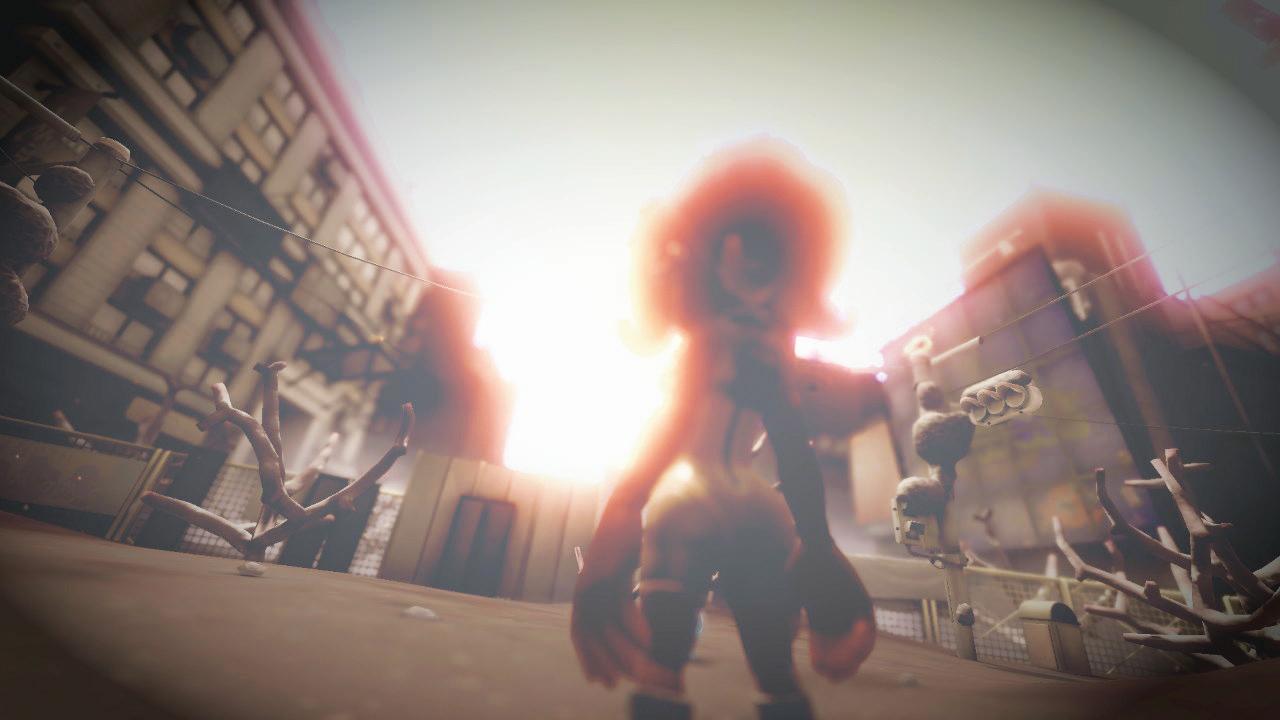
“Hypercycle Arena 2” faithfully recreates the game mechanics as shown in the lightcycle grid, leading to surprising gameplay moments that match scenes from the movie. The gaming grid pits the player against five orange programs, with four friendly programs in blue. One of the best strategies for securing a kill is by merging paths with a teammate and forcing an opponent between two allied light trails, constricting them until they either derezz or decelerate to escape.
The way the game handles de-resolution is faithful the depictions shown on-screen and just as visually satisfying. In Legacy, whenever a program smashes against the light trail of an opponent’s lightcycle, that program and their bike break into thousands of digital bitss, shattering like glass in a neon liquid explosion that sends a shockwave across the grid. Despite the PlayStation Dreams platform’s mechanical limitations, the game manages to recreate all of the above effects except the neon liquid fuel. Digital fragments linger on the grid even after a program has been de-rezzed, glowing brightly against the dark and glossy surface. If anything, these de-resolutions are almost too realistic, as they are often so sudden and so graphic that they closely emulate what it feels like to crash on a real bike or subcompact car. All too often, I found myself staring at those lightcycle fragments spread across the ground like the many pieces of a Chevy hatchback’s crumple zones on the I-35 freeway.
“Hypercycle Arena 2’s” development has also included some unique gameplay features that add to the experience. The game’s sound design includes adaptive music and crowd cheering that immerses players in the grid, with synthetic-woodwind swells that rise with every successful de-resolution. It’s exciting to hear adaptive soundtracks in an indie game, and it makes me wonder if AgentWombatUK was a fan of the “DOOM” franchise, which significantly advanced and popularized modern adaptive soundtracks in their newer games.
Rather than having a fixed speed and acceleration, the player can boost their speed by jumping off ramps that connect the upper and lower levels of the lightcycle grid. This lets the player recreate the moment in “Tron: Legacy” where Sam stalked an opponent from a lower level before he ramped up to the top floor, using the burst of speed to swerve into the opponent’s path and derezz them.



Hilariously, the game also answers some questions that I’ve asked myself while watching the movie. In the scene where Sam is thrown into the lightcycle grid, we see him falling through holes cut into the grid and connected with ramps. Sam hits those drops with significant speed, but never hits the edge, which begs the question of whether hitting those edges would actually damage a player or their bike. In Hypercycle Arena 2, this is one of the most common ways to accidentally be derezzed, as bouncing off an enemy at speed or clipping the ramp the wrong way can often lead to the player’s head smashing into the grid.
The game’s all-original soundtrack channels Daft Punk’s score, with arpeggiated synths and electronic bass driving the atmosphere. The title music mirrors the tempo of Daft Punk’s “The Grid,” while woodwind tones and phased mixing evoke “The Game Has Changed.” It is clear that the developer closely studied the “Tron: Legacy” OST when creating the soundtrack for “Hypercycle Arena 2.”
Make no mistake, there have been Tron games created in the image of “Tron: Legacy” before. In 2010, with the release of Legacy, Disney also published a game called “Tron: Evolution” for Windows, Xbox 360 and some PlayStation platforms. It was marketed as an action-adventure game and a tie-in prequel to the events of Legacy, with a story that connected the film to the original Tron released in 1982. Despite featuring the exact same songs used in “Tron: Legacy,” the game fell short of preserving Legacy’s aesthetics, with generic sound effects and combat mechanics as well as a visual theme that was simultaneously too bright and too matte to be compared to Legacy’s clean, glassy, glossy finish and dark, moody atmosphere.
“Tron: Evolution” was ambitious but constrained, a cinematic action game that nodded to Legacy without letting players “get in” to the grid.
“Hypercycle Arena 2,” despite being an independent fan project with only 1 developer and 3 credited creators on “Dreams,” and not affiliated with or paid by Disney, has managed to do what Evolution never achieved. AgentWombatUK has made a fully playable, arena-scale lightcycle grid faithful to “Tron: Legacy’s” look, feel and pacing.
“Hypercycle Arena 2” even includes layers of gameplay progression beyond the gaming grid, allowing players to escape into the wider world of “Tron: Legacy,” even making it as far as Flynn’s mountaintop lounge. The developer has coded a game within a game within a game, culminating in the “player,” controller in hand, directing the movements of their “program,” the in-game avatar, playing the two-dimensional version of the lightcycle gaming grid on Flynn’s countertop arcade. Easter eggs like these are what gives games their soul.
For Tron fans, “Hypercycle Arena 2” is more than a game. It’s a digital dream realized. After decades of knockoff game releases, players like me have been dreaming of a world we thought we’d never see. To know now that an indie creator has finally built a grid worthy of the franchise’s legacy, I can’t help but feel victorious knowing that we all get to play it. We got in.







On Feb. 22, 2024, Nintendo launched a DLC for “Splatoon 3” called “Side Order.” This was slated as a continuation from the events in “Splatoon 2’s” DLC “Octo Expansion.” I was incredibly excited to play a rouguelite Splatoon game, as a longtime fan of the franchise. It would be my first introduction to a rouguelite.
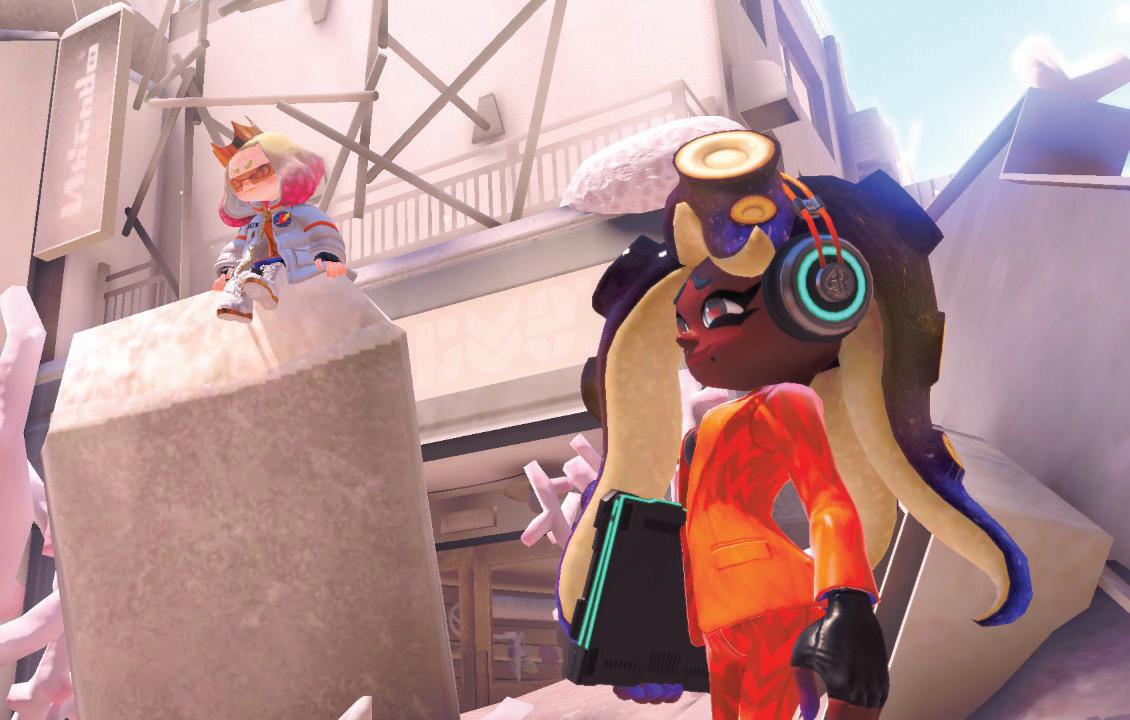
Continuing the story from “Octo Expansion,” Agent Eight and friends get trapped in a digital world by an AI. The AI calls itself ‘Order’ and seeks to take away all the will and color from the world to create ‘peace.’ Playing as Eight, you ride an elevator up a tower and must pass all the floors to reach the top.

After launch, I immediately played through the whole game and enjoyed every second of it. It had a satisfying gameplay loop, provided a good challenge and offered more of Splatoon’s wacky music and style. Then, I put the game down.

Story by and gameplay from Michelle Johnson | Editor-in-Chief & Graphic Design



Ascend the tower with Pearl to defeat Order, and face seemingly impossible challenges.


Nintendo had pushed the message that this would be a very replayable experience that you would want to come back to. Even so, after spending a week completing it, I stopped.
I believe this DLC just didn’t add enough variety to have that “want to replay” experience. Randomly, a year later, I came back. Nothing had motivated this, but upon return I started giving myself challenges. Since this is a rouguelite, you can customize the difficulty. Once I had made new challenges for myself, I kept coming back to do more.

My opinion stays the same, however. I still yearn for more variety on each run. Being the second Splatoon DLC, it is good. “Octo Expansion” still rates higher to me. For all the love I give this series, I always wish it was given time to flesh out its experiences. I look forward to the newly announced spin-off “Splatoon Raiders.” It seems like this franchise will bleed into more variety, as its world holds endless possibilities.
-Rose State’s Only Splatoon Fan






@rosestatemediagroup
rosestatemediagroup.com