Aquamarine fishport relocates facility to Ligao City
by CAROL JASMIN MIRANDA
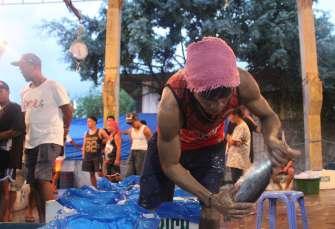
Due to a contractual dispute and concerns over political involvement, the Aquamarine Fish Port Service Cooperative has transferred its operations from Legazpi City to a newly established facility in Tuburan, Ligao City.
SPOILED PROMISES
The government’s outright disregard for the education sector has been glaring since day one, and it only gets worse.
farmers in crisis
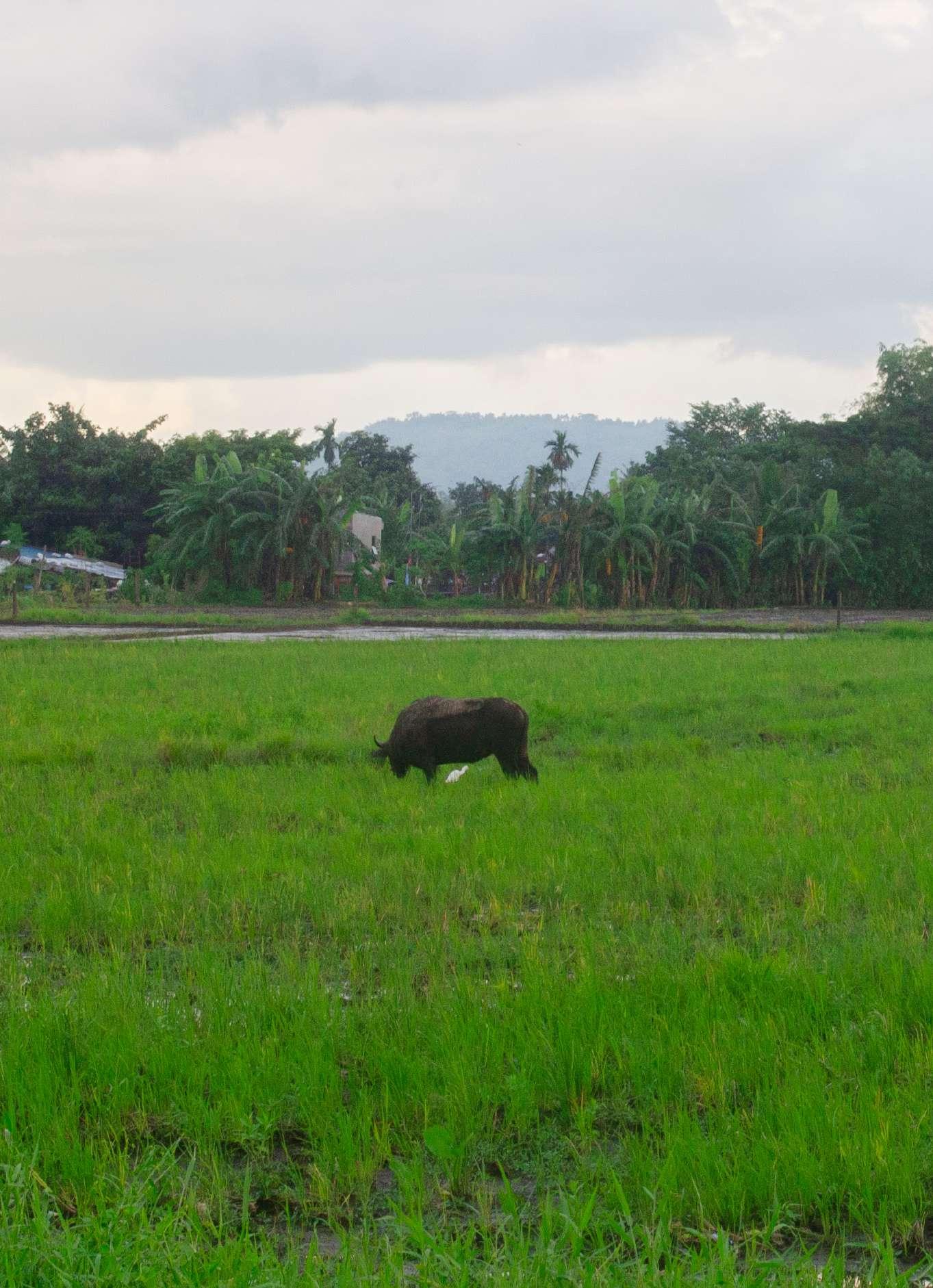
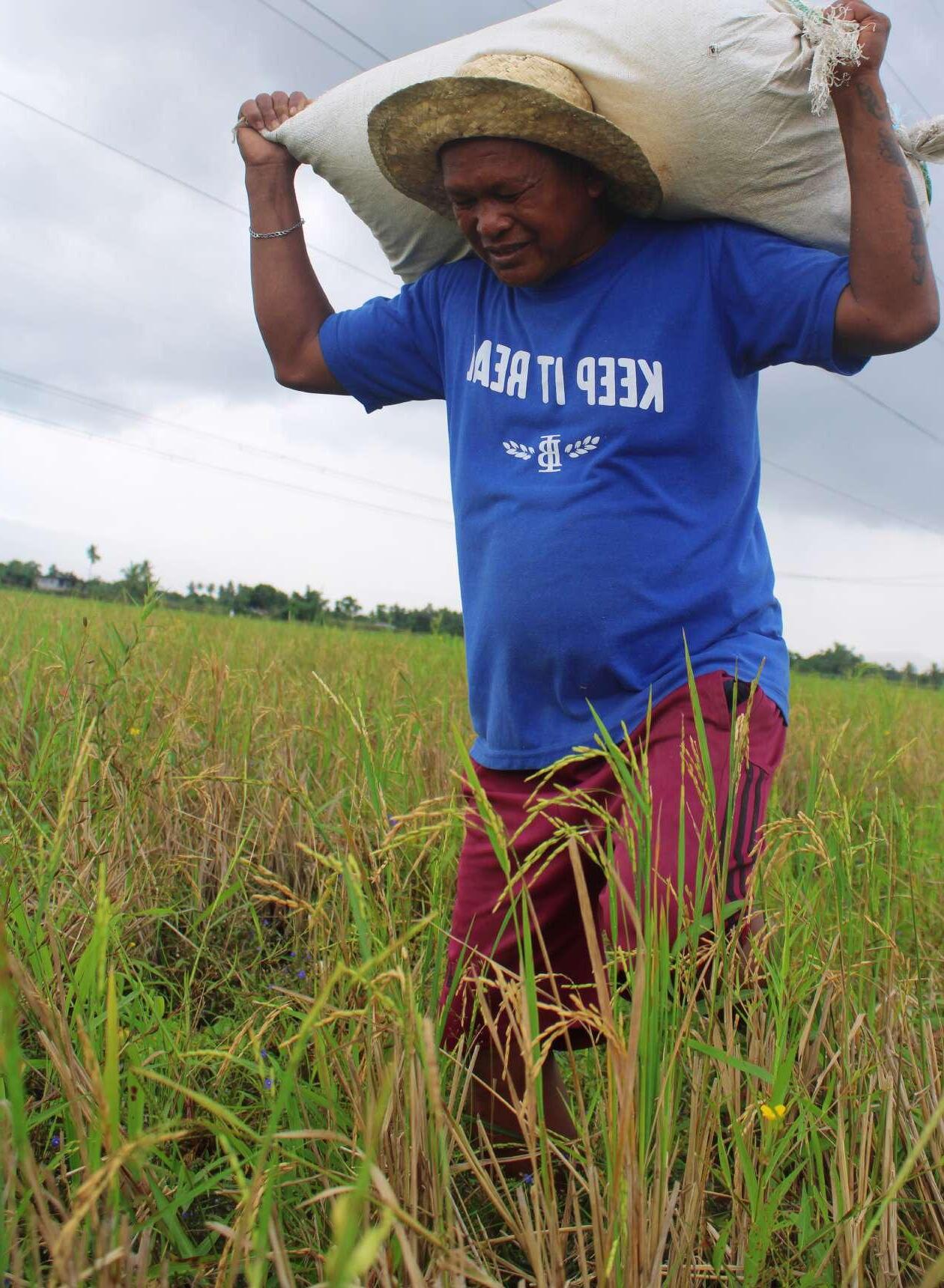
As Severe Tropical Storm (STS) Kristine swept across the Bicol region, it left behind more than just uprooted trees and flooded streets; it wreaked havoc on the lifeblood of Albay’s economy, which is its agriculture.
The typhoon’s impact was particularly severe in Ligao, where large portions of rice, corn, and high-value crops were destroyed, leaving farmers struggling to recover.
“It was beyond what we expected, the extent of the crop damage in Ligao was severe,”
Cheryl Ann Requiza, the officer in charge-city agriculturalist of Ligao City, said. Business owners in the agricultural sector, especially those reliant on rice production, like Andres Layug also, faced major financial setbacks. This has resulted in a significant drop in revenue, affecting the entire supply chain.
The devastation has forced the Philippines to rely even more heavily on rice imports, with the country projected to remain the world’s top importer of this staple food.
According to the US Department of Agriculture, rice imports are expected to reach 4.7 million metric tons (MT) this year, up by 2.2 percent from earlier estimates due to strong purchases from Vietnam. Projections for 2025 indicate imports could climb further to 4.9 million MT as local farms deliver smaller harvests, compounded by the effects of El Niño, La Niña, and recent typhoons.
While local government units and agricultural agencies have quickly mobilized relief efforts, the distribution of aid has raised concerns.
Some farmers are questioning why only selected individuals received the government’s P10,000 assistance.
“Not everyone was given the aid, and that’s a big concern for us,” Requiza said.
Crop Damage, Financial Losses
Based on the crop damage report, Ligao City experienced an estimated P52.2 million in agricultural losses, with P30 million lost in rice crops, P8.6 million in corn, and P11.8 million in high-value crops like bananas and vegetables.
Furthermore, coastal areas experienced landslides that affected coconut trees, with losses reaching P915,000.
In addition to the damage, the typhoon is expected to affect the market supply, particularly vegetables.
Requiza noted that the destruction of crops, especially in upland areas, would likely cause a rise in prices due to limited supply, though products from unaffected areas might mitigate the shortage.
heavily affected may fill the gap for us,” she said.
Agri-Impact on Local Businesses
Andres Layug, the owner of a rice mill in Oas, shared his personal experience of the typhoon’s impact. As a business that depends heavily on rice production, Layug’s business suffered significant losses.
“The impact was intense. STS Kristine severely affected us. Much of the rice that had already been ordered got drenched,” Layug recalled.
Due to the heavy rain and flooding, much of the rice was damaged, resulting in lower-quality products that he could only sell at a reduced price.
Financially, Layug faced steep losses. His losses totaled approximately over P300,000 in capital, which was a major setback for his business. With rising operational costs and lowerquality rice, Layug had to grapple with significant financial challenges. Layug expressed his frustration with the lack of support for privately funded businesses like his. Unlike other farmers who benefited from government programs, Layug’s business struggled without any substantial help.
“As a privately funded business, we have not received any sort of assistance from our local government before, during, or after the typhoon,” he explained.
Future Disaster Preparedness
Requiza and Layug emphasized the importance of improving support systems for farmers and businesses in the aftermath of disasters.
For Requiza, Ligao City is working on improving its disaster preparedness through close coordination with the City Disaster Risk Reduction and Management Office. By adjusting the cropping calendar based on weather forecasts, the city aims to reduce the risk of damage during future typhoons.
Furthermore, alternative crops like adlay have been discussed as potential solutions to the region’s reliance on rice farming, though Requiza mentioned that no specific programs for adlay are currently in place in Ligao.
“Yes, we can expect prices to go up, especially for vegetables, due to the damage. However, products from other areas that weren’t
“We don’t have a program related to adlay yet. But if someone provides planting materials, why not? We do have areas where it can be planted,” she said, highlighting the possibility of using adlay as a disaster-resilient crop in the future.
As Bicol’s farming community continues to recover, it is evident that while efforts have been made to assist, more comprehensive and accessible support systems must be put in place to safeguard the future of agriculture in the region.
by GIAN CARLO NAVARRO
Brisayan math olympiads stun in int’l competitions
The Bicol Regional Science High School (BRSHS) made its mark in global mathematics competitions this year, securing medals at the Thailand Mathematics Olympiad (TIMO) Heat Round and the Guangdong-Hong Kong-Macao Greater Bay Area Mathematical Olympiad (Big Bay Bei), both of which were held online. There were a total of five silver medalists, 13 bronze medalists, and 10 merit awardees in TIMO, while there were six gold medalists and one silver medalist in Big Bay Bei.
Athena Navera, a gold medalist in Big Bay Bei, shared her experiences, including technical challenges caused by stormy weather during the competition.
“I felt very nervous about the power interruptions. The uncertainty made it hard to focus, but preparation and prayer helped me stay focused,” Navera said.
She added that the absence of calculators made it more challenging to perform under time constraints.
Participants were mentored by BRSHS math teachers, namely Maria Tricia San Jose,
Loyd Quililan, and Joemylene Sañosa.
According to Sañosa, the team had to make several adjustments to their training schedule due to disruptions caused by the weather.
“We only held three training sessions, but we ensured the students had the necessary materials to study independently,” she said. The qualifiers can participate in both olympics, either online or onsite. The TIMO onsite finals will take place in Chiang Mai, Thailand, while the Big Bay Bei onsite finals will be in Hong Kong.
Photo by NATHANIEL ROSALES
NEWS
Brisayanos receive recognition in 2024 STEM Expo
by JOHN MICHAEL JACOB
Bicol Regional Science High School students were recognized for their skills at the 2024 Science, Technology, Engineering, and Mathematics (STEM) Expo held at the University of the Philippines Diliman Fine Arts Gallery, Quezon City, on Sept. 7 to 8, 2024.
Students joined the research symposia, consisting of Ideas Generation (iGen) and ResearchCon, along with minor events, the Science Short Film Festival and Science Journalism.
The team of Eugenio Muella, Joshua Morada, Rolein Amolo, Shirley Olivera, Charlyn Garcia, Juriel Rebanal, Michelle Sablayan, Alexa Peralta, and Andrea Layug earned awards in the short film festival, winning the Best Picture, Best Director, and Best Screenplay.
In science journalism, Ivan Gavina secured 2nd place in editorial writing.
Additionally, Vic Salting, Andrei Onrubia, and Kurt Oliquino earned 3rd place in the iGen Innovation category.
The event, organized by the Philippine Society of Youth Science Clubs (PSYSC), was part of the National Science Club Month celebration with the theme “Rebooting Filipino Innovation, Reinventing the Next Generation.”
Students were trained and accompanied by their coaches from the science and language departments.
The two-day event was attended by over 400 participants from both public and private schools.
GBF’s donation was part of their flagship programs to assist students and teachers in the region, providing laboratory equipment and capacity building for the science, technology, engineering, and mathematics (STEM) program.
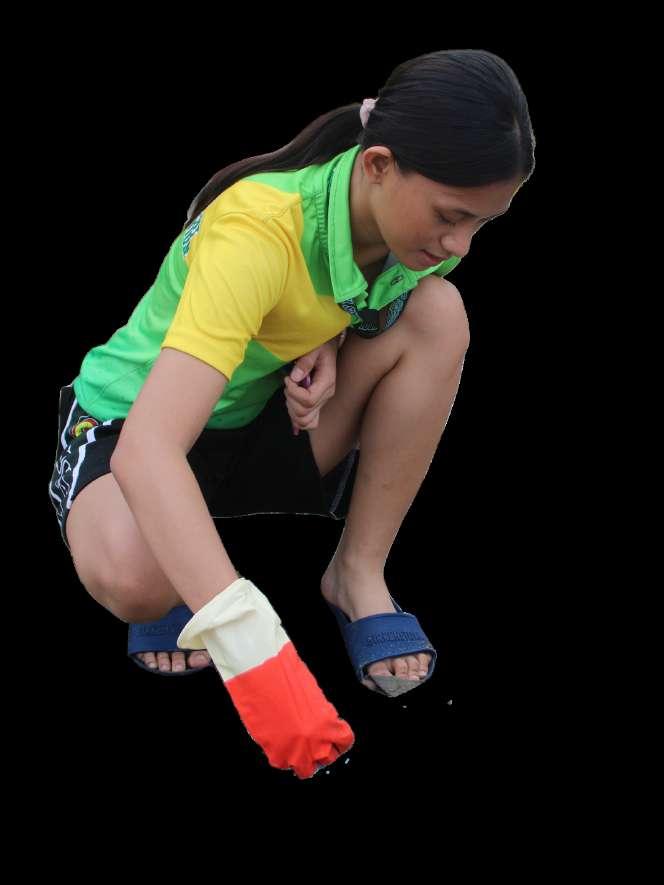
The clean-up, hosted by the Department of Environment and Natural Resources (DENR) BicolCommunity Environment and Natural Resources Office (CENRO) Guinobatan, was participated in by 21 BRSHS students, primarily composed of YES-O officials, alongside representatives from the science department and school publication.
The initiative was also supported by the City Government of Ligao, as well as the Barangay Council and local residents of Maonon.
John Galo Pableo, the chairperson of YES-O, emphasized the importance of the organization’s
Gokongwei Group donates lab equipment to BRSHS
by CAROL JASMIN MIRANDA
Gokongwei Brothers Foundation (GBF) granted new science laboratory equipment and supplies to the Bicol Regional Science High School on December 3, 2024.
The donation, valued at P20,000, was made possible through the efforts of Joseph Roland Nasol, a science teacher and a scholar of GBF’s scholarship program.
The organization provided microscopes, test tube holders, dissecting
Ligao City to intensify flood control project in 2025 by
DENIECE RONTAS
The City Government of Ligao, in collaboration with the Department of Public Works and Highways—Region V (DPWH V) and City Planning and Development Office (CPDO), initiated a comprehensive flood control project after the Severe Tropical Storm (STS) Kristine devastation.
sets, microscope slides, methylene blue, wire gauze, test tubes, dissecting pans, hot plates, triple beam balances, beakers, and Erlenmeyer flasks.
Kristina Nieves, the science department head, expressed her gratitude to GBF for selecting the
school as a recipient of the program.
“We’re really thankful for the additional laboratory equipment, especially the microscopes and slides, which the students can now use without having to buy them,” Nieves said.
Currently, the donated materials are being inventoried, with plans to distribute them among teachers and incorporate them into both student lessons and teacher demonstrations.
DPWH Chief Engineer Richard Moit said that the project was conceptualized in response to recent extreme weather events that caused streams and rivers to overflow, wreaking residential and agricultural areas. Moit emphasized that the initiative includes widening of river sections
and expediting the repair of damaged structures to ensure stronger protection for vulnerable communities.
“We prioritize areas with large populations, always keeping the well-being of the people at the forefront. At the same time, we work to protect agricultural land and ensure that projects are thoughtfully and effectively allocated,” Moit explained.
The recent onslaught of STS Kristine caused approximately P64 million in
damages to flood control structures.
Barangays Tinago, Tuburan, and Tinampo, which are prone to severe flooding due to their natural basin-like topography, were the primary focus of the city’s efforts.
According to Ligao’s CPDO, the construction of canals leading to the main floodway is underway in these barangays, while proposals for widening rivers remain in development.
However, local officials
normalcy restored within 24 hours.
“Compared to nearby municipalities, Ligao fared better in terms of flooding; this shows that our ongoing projects are making a difference, but there’s still work to be done,” CPDO noted.
With an annual allocation of
for
initiatives.
Ligao City, on September 20, 2024.
YOUTH IN ACTION. Leanah Fei B. Bela, vice president of YES-O, actively participates in International Coastal Cleanup Day 2024 by collecting trash, helping to maintain a cleaner environment at Ticao-Burias Pass on September 20, 2024. Photo by Nathaniel Rosales
Photo by BRESSER
by CAROL JASMIN MIRANDA
BRSHS bags 2nd place in RMF 2024 Math Game Showcase
by KIM COLECHA
Bicol Regional Science High School (BRSHS) students proved their mathematical prowess by achieving 2nd place in the Math Game Showcase at the 2024 Regional Mathematics Fair held from Dec. 13 to 15 in Daet, Camarines Norte.
The team, composed of the presenters Jace Yap, Trizha Convocar, along with Ariel Morata, Karl Olmedillo, Nethany Padernilla, Xyza Rapallo, Carol Miranda, Bennett Payoyo, and Ella Vilar, showcased their creativity with their math game ‘Safari Quest’.
According to Convocar, one of the presenters, they felt excitement and pressure as showcasing their skills was both a privilege and a responsibility to meet expectations.
“We felt a mix of excitement and pressure, as it’s a privilege to showcase our skills but also live up to the expectations of our school and mentors,” Convocar
She explained that balancing academics with competition preparation was a major challenge for the team.
“We weren’t excused from our academics, so we had to juggle school requirements while working on the math game,” Convocar added.
The success of the team was largely attributed to their strong collaboration and effective delegation of tasks since each team member had a specific role, which made the process more efficient despite the limited time available.
Furthermore, the guidance from their coaches, particularly Maria Tricia San Jose, Joemylene Sañosa, and Danica Pagdagdagan, helped them from conceptualizing the game to troubleshooting problems.
ue to a contractual dispute and concerns over political involvement, the Aquamarine Fish Port Service Cooperative has transferred its operations from Legazpi City to a newly established facility
buy fish here. They can save money and choose from a variety of fish. We have bangus, tilapia, and even shrimp,” he explained.
In addition, Abaluado emphasized that their operations strictly follow a wholesale model, with no retail sales, to avoid impacting the vendors in the market.
“We operate on a wholesale basis only. Retail sales would negatively affect the market vendors. If we sold retail, people wouldn’t go to the market. Retailing should be done there, not here,” he explained.
Furthermore, the cooperative is also exploring opportunities to recruit local laborers as part of its expansion.
Challenges, Future Plans
Abaluado highlighted that one of the challenges in the operations of the fish port, due to the relocation, is adjusting to the needs of suppliers and buyers.
“We are still adjusting, especially since our buyers come from far places and our brokers are adapting as well. But I think it’s easy to adjust since our facilities are in good condition, with only minor improvements needed,” he
After survey reveals 26% of BRSHS students face bullying,
stated.
He mentioned that the facility’s long-term plans include enhancing parking spaces to accommodate larger trucks and improving accessibility for vendors and suppliers.
“Better infrastructure will encourage more suppliers to bring their products here, especially during the peak season from February to June,” he said.
Benefits for Cooperative Members
Through the financing options, the fish port’s goal is to develop the cooperative while providing financial benefits to its members.
“Our members can avoid high-interest loans from external lenders like SSS (Social Security System),” Abaluado said.
Moreover, he explained that revenue sharing and flexible repayment terms will enable them to manage their finances effectively.
He concluded that the cooperative’s objective remains to help the community, give financial assistance and share the benefits with all the members.
BRSHS Guidance Club boosts anti-bullying campaigns
by KASHI THEA PRINCIPE
he Bicol Regional Science High School (BRSHS) Guidance Club is intensifying its anti-bullying campaigns in response to a recent survey revealing that 26 percent of students have experienced bullying.
According to the survey, 105 bullying cases out of 400 BRSHS students were identified, but only four of these were officially reported to the guidance office, showing a Persephonie Jacinto, the club president, outlined their
“For the upcoming programs on bullying, we will implement small workshops, a buddy system to foster inclusivity, and a feedback channel that openly addresses Jacinto emphasized that their approach is backed by insights gained from the division-wide seminar, Champions of Change: Empowering Student Leaders in Anti-Bullying
“The training, organized by the School Governance and Operations Division-Youth Formation Division, provided us,
student leaders, with insights on fostering inclusivity and managing bullying incidents proactively,” she added.
Moreover, Jacinto highlighted the importance of supporting one another and encouraging bystanders to act as “upstanders.”
“Addressing and responding appropriately to bullying situations can be done through supporting the victim, reporting the incident, and participating in peer support programs,” she said.
She concluded by stressing the importance of student leaders embracing their role as upstanders, setting a standard, and being the role model of the student body.
The BRSHS Guidance Club is also in charge of overseeing matters regarding guidance, child protection, and mental health.
Ligao City women farmers lift Albay’s food security
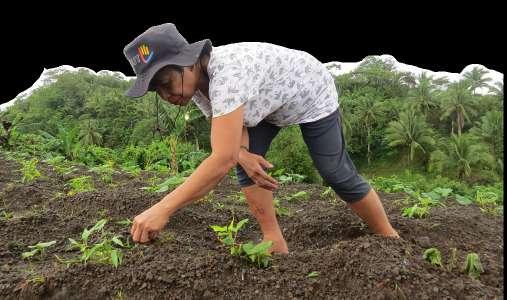
Nearly 10,000 women farmers are part of this movement, including 32 members from the Baligang Women Planters Association of Ligao City.
The members cultivate a variety of vegetables, corn, and root crops using idle land owned by the City Government of Ligao.
Cherilyn Patriarca, the president of the association, said that they were given a land with less than one hectare where they used it to plant vegetables and root crops, where they have direct buyers who avail their produce.
“We are planting vegetables. First, we will plant, then once it’s harvested, we will sell it. After that, the money the buyers pay will become our capital,” Patriarca stated.
The association president also noted that they were able
to generate extra income, and members were given cash assistance.
Moreover, the production of the various vegetables and root crops is year-round, promoting job assistance and food sustainability.
The group was organized in 2023 while being temporarily displaced and housed at the evacuation center in Basag, Ligao City, following the eruption of Mayon Volcano from June to August last year.
As the newest among the women planters, the association was formed under the initiative of
Third District Representative Fernando ‘Didi’ Cabredo. This movement was organized following the Taranuman sa Barangay Project in December 2016. Subsequently, a market was established along Maharlika Highway in Brgy. Calzada, Ligao City, where agricultural products from communal gardens in Albay are sold in Bagsakan market.
The school’s Dance Theatre (DT) took center stage as a guest performer in the highly anticipated revival of Pastores sa Ligao 2024 on December 21, 2024.
Declared a Hall of Famer for winning the Bicol Pastores Competition three consecutive times, BRSHS’ DT continues to uphold and celebrate the tradition of pastores.
This year’s Pastores sa Ligao marked its revival after five years, featuring seven contingents from Ligao City schools, with BRSHS performing the act “Ang Sanggol na Hesus sa Sabsaban.”
Cecille Regino, tourism operations officer II of Ligao, said that the event aimed to preserve and strengthen cultural heritage, foster spiritual connection, and bring vibrancy and cheer to the city during the holiday season.
“Organizing the event required meticulous planning, and overcoming challenges such as time constraints, venue issues, and weather concerns requires collective effort and collaboration to ensure the success of the event,” Regino explained.
DT performer Jean Tyrone Datur emphasized that the school’s dedication stems from a desire to preserve local traditions and inspire pride in Filipino culture.
“Winning the Hall of Fame title serves as both a challenge and an inspiration to maintain high-quality and authentic performances that honor the essence of Pastores,” Datur said.
The preparation process for these performances fosters collaboration, with teachers, students, parents, and alumni contributing to ensure success.
The school blends traditional elements with modern innovations, updating choreography and props to appeal to contemporary audiences while preserving the tradition’s authenticity.
Through pastores, BRSHS performers have developed a deeper appreciation for Filipino creativity, resilience, and faith, values that are central to Bicolano identity.
The Pastores sa Ligao 2024 event highlighted not only the artistic talents of the youth but also the enduring significance of this cultural heritage for future generations.
Dance Theatre shines in revival of Pastores sa Ligao 2024
After 5 year-hiatus,
REVIVING THE SPIRIT. Bicol Regional Science High School performers present ‘Ang Sanggol na Hesus sa Sabsaban’ during the revival of Pastores sa Ligao 2024 as guest performers, on December 21, 2024. Photo by Jaypee David
The Women for Progress movement in the third district of Albay has launched a communal garden aimed to ensure food security in the province.
community news
by ANNE DENIECE RONTAS
by KASHI THEA PRINCIPE
Ligao City earns 5th straight SGLG award
by ANTHONY ALPAPARA
For the fifth consecutive year, Ligao City has been awarded the Seal of Good Local Governance (SGLG) by the Department of the Interior and Local Government (DILG).
BRSHS ESP, Chemistry Club lead outreach program
by SHANE DANIELLE PORCALLA
and
Tfor
he Bicol Regional Science High School (BRSHS) Edukasyon sa Pagpapakatao (ESP) and Chemistry for Unified Brisayan Students Organization (CUBS-O) spearheaded an outreach program in Brgy. Inascan, Guinobatan, Albay, on December 17, 2024.
The program specifically targeted 28 families identified as the most impoverished residents of the area.
This was made possible through generous donations from BRSHS students.
ESP and CUBS-O, under the leadership of their club advisers, collaborated with the Sangguniang Kabataan (SK) to distribute essential items to these families.
The event featured interactive games such as “Trip to Jerusalem,” “Bring Me,” and “Newspaper Dance,” engaging both parents and children with
groceries and other prizes.
Furthermore, the raffle drew excitement as winners received bags, shirts, and 10-kilo bags of rice, which helped alleviate the financial burdens of the families.
This initiative was by the guidance of the ESP and CUBS-O advisers, Gina Dela Cruz and Sir Adrian Sanchez, respectively.
The outreach concluded with heartfelt gratitude from the residents, who deeply appreciated the BRSHS clubs, students, and SK for their generosity and compassion.
Oscar Aquino Jr., acting city plan and development coordinator, emphasized that to receive the SGLG, Ligao City passed the DILG’s All-In Assessment Approach, which evaluates 10 governance areas.
“In terms of Financial Administration, Ligao has a positive income generation rate and no adverse findings from the Commission on Audit. It received the Gawad Kalasag for Disaster Preparedness and allocates
P25 million annually for Social Protection to assist poor families with medical, educational, and livelihood support,” he stated.
“Ligao supports Sustainable Education by providing administration buildings to schools, advances Environmental Management with a sanitary landfill and improved waste segregation, and boosts Business Friendliness by rising from 101st to 36th in the competitiveness ranking,” he added.
Aquino also shared that to ensure the city’s continued compliance with SGLG requirements, they established a task force that is responsible for monitoring achievements in specific areas.
“We created a task force that conducts monthly monitoring of the required data for the next assessment, ensuring that we are fully prepared,” he explained.
PNP Ligao: Theft remains top youth crime in the city
by ASHLEY DOROTHY NUEVA
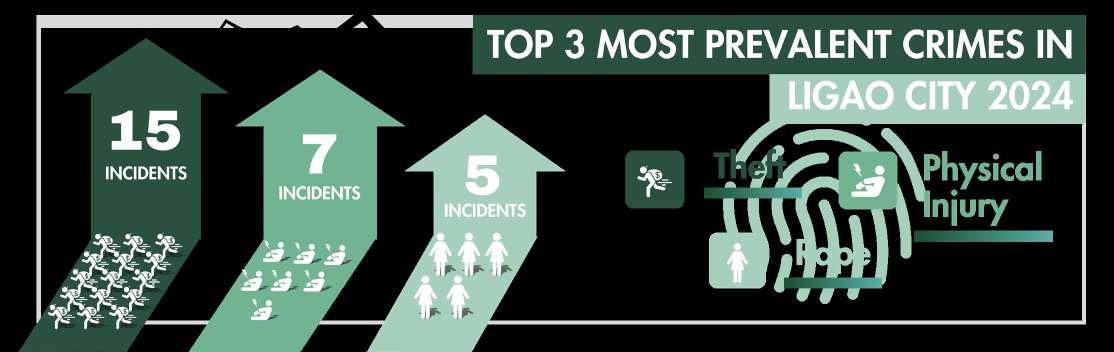
Theft persists as the most frequently committed crime
societal issues, according to Police
the city.
“We have documented 15 theft incidents involving minors this year, making it the most prevalent crime among the youth,” Olivares said.
He explained that the majority of these cases are caused by socioeconomic dilemmas, with minors resorting to theft as a means of survival.
Olivares attributed the incidents to systemic issues, stating, “A lack of parental supervision and the disintegration of family structures significantly contribute to these crimes.”
Under Republic Act (RA) 8044, youth is defined as a critical period in a person’s growth and development, spanning from adolescence to responsible adulthood, generally covering individuals aged 15 to 30 years.
However, Olivares clarified that under RA 9344, a minor or child is defined as anyone under 18 years old, while a “child at risk” refers to those vulnerable to committing crimes due to personal, familial, or social circumstances.
Crime-Prone Areas
The police identified Barangays Tinago and Guilid as areas with a high incidence of youth-related theft, primarily due to unemployment among parents.
“The unemployment of parents in these communities is often the underlying factor behind these theft cases,” he added.
Authorities are working closely with local leaders to address these issues through targeted interventions.
“We are focusing on providing resources and support to families, aiming to reduce the impact of unemployment on minors,” he said. Preventive Measures
To address these concerns, the Ligao City Police have intensified preventive initiatives, including community dialogues and crimeawareness lectures in schools.
“We maintain constant communication with barangays and schools to educate the youth about crime prevention strategies,” he emphasized.
Furthermore, the police utilize social media platforms to disseminate crime prevention tips and updates on the prevalent offenses in Ligao City.
Rehabilitation Programs
Apprehended minors are turned over to the City Social Welfare and Development Office (CSWDO) for rehabilitation programs rather than facing incarceration.
“They undergo counseling and structured intervention programs designed to rehabilitate and reintegrate them into society,” He explained.
He highlighted the necessity of a multi-sectoral approach, asserting, “Collaboration among families, schools, barangays, and government agencies is vital to effectively address youth delinquency.”
He elaborated that the ongoing interventions and strengthened community engagement would significantly mitigate theft cases among minors and foster a safer environment in Ligao City.
BSP initiates ‘relief operations’ in Kristine-hit areas
by MICHAEL JOHN LEGASPI
The Boy Scouts of the Philippines (BSP) Ligao City Council initiated ‘relief operations’ after the onslaught of Typhoon Kristine, focusing on the affected communities in Ligao City and Oas, Albay.
According to BSP President of Bicol Regional Science High School (BRSHS) Ralph Rodriguez, relief operations were centered on Brgy. Tinampo and Brgy. Bobonsuran in Ligao City, and Brgy. Ilaor Norte in Oas, Albay.
“The communities urgently needed food, clean water, and clothing after the typhoon,” Rodriguez said.
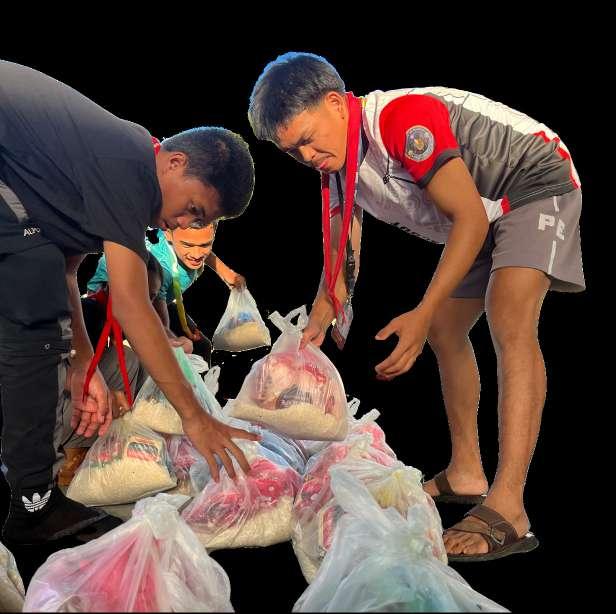
In response, 200 food packs containing essentials like rice, canned goods, instant noodles, and bottled water, along with 15 bags of clothing were distributed to the affected areas.
The relief operations extended assistance to approximately 200 families who were severely affected by the typhoon.
Furthermore, Rodriguez highlighted that witnessing the resilience and gratitude of the people we helped was one of the most unforgettable moments during the relief operations.
“Their smiles, laughter, and heartfelt appreciation deeply inspired us scouts,” he added.
The operations emphasized the need for student leadership as scouts showed coordination, resource management, and distribution.
“Our participation in prior training programs, such as the Crew Leader Training Course, was instrumental in preparing us to take on leadership roles effectively,” Rodriguez said.
He elaborated that the programs equipped the scouts with skills to manage logistical issues, which ensured the efficiency of the relief operations. Consequently, BSP will continue to engage in efforts such as promoting disaster preparedness to build community resilience and foster a stronger sense of solidarity.
community news
community news
by the youth in Ligao City this year, due to financial and
Lieutenant Colonel Hernino Laminosa Olivares, the acting police chief of
SPREADING SMILES. Joy fills the air as the Edukasyon sa Pagpapakatao (ESP) Club
Chemistry
Unified Brisayan Students Organization (CUBS-O) bring hope and happiness to families during the outreach program in Brgy. Inascan, Guinobatan, Albay, on December 17, 2024. Photo by Gabriel Soria
community news
community news
LENDING A HAND. Boy Scouts of the Philippines members prepare relief packs for typhoon-hit families in Ligao City and Oas, Albay, as part of their efforts to aid recovery after Typhoon Kristine on October 24, 2024. Photo by Ashlee Yaguel
“When the intent of serving the nation with deceptive importance is dispensed freely, it becomes more than neglect— it turns into a betrayal of the promise of education...
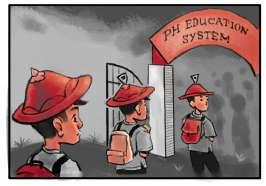
The government’s outright disregard for the education sector has been glaring since day one, and it only gets worse. From Vice President Sara Duterte’s controversial stint as the Department of Education’s (DepEd) secretary to the Marcos administration’s misallocated and deceptive budgeting, it is clear: education has never been a real priority for those in power.
On December 30, 2024, President Ferdinand Marcos Jr. signed into law the P6.326 trillion 2025 national budget. Having been allocated P1.055 trillion, one might think the administration is finally addressing the education sector’s long-standing issues by letting it hit the trillion-peso mark. However, this is far from reality. Unfair allocations and unjust budget cuts were only masked under the guise of false prioritization–a cunning scheme performed in order to appear compliant with the Constitution. It is stated in the 1987 Constitution, Section 5, paragraph 5 of Article XIV, that the government is required to “assign the highest budgetary priority to education.” Despite this being observed in the signed budget, it is undeniable that those in power have exploited this legal loophole and deliberately distorted the version of education that should be prioritized. Let us be clear that having been allotted the prime budget cannot inherently solve the prevalent issues of the education sector, and this issue is exacerbated even further by insertions of academies that fail to align with the sector itself, inflating and consuming its budget unwarrantedly.
spoiled promises
the education sector is only a superficial and insignificant attempt at forcing its way to align with the law.
During Duterte’s tenure as DepEd secretary, the agency grappled with unresolved issues, including the misuse of P112.5 million in confidential funds, a staggering learning poverty rate, and a worsening digital divide. Instead of addressing these crises, the administration even slashed P15 billion from DepEd’s already inadequate Computerization Program (DCP), which was intended for the latter. It is atrocious that DepEd remains crippled by mismanagement and insufficient resources and thirsty for genuine reform and accountability.
The DCP is crucial in bridging the digital gap, yet it has been reduced to a tokenistic gesture by those in power, even suffering a P15 billion budget cut in the signed 2025 national budget. This deficiency will undoubtedly affect the Bicol Regional Science High School as, according to school ICT Coordinator Joseph Morco, only 60 percent of the school’s DCP equipment needs have been met.
These instances only seek to shed light on the fact that the advancement of students and national development has long been abandoned by those in power. We must mount pressure on the administration and collectively demand accountability and transparency, along with the enactment of new laws to clearly define and protect the allocation of funds. If we remain tolerant of the system’s neglect and inability to see beyond their personal bubbles, the only ultimatum there is for us is to settle and live by the reality of being burdened by their hollow promises.
When the intent of serving the nation with deceptive importance is dispensed freely, it becomes more than neglect—it turns into a betrayal of the promise of education that the administration brazenly claims to prioritize.
Note that the sector’s budget of P1.055 trillion would not only be distributed across critical education-focused agencies such as DepEd, Commission on Higher Education, Technical Education and Skills Development Authority, and state universities and colleges, it would also be distributed to academies like the Philippine Military Academy and the National Defense College of the Philippines. While these do align with providing education and training, these institutions focus more on national defense and security. The inclusion of these institutions under
No Time to Recharge
by THIESHA ROS
It seems that even with countless adjustments, Filipino students are still unable to wake up from the nightmare that is the Department of Education (DepEd)–with its inability to see beyond patch-ups and band-aid solutions that crumble as fast as soon as they have been applied.
On November 21, Regional Memorandum No. 10422, s. 2024, was circulated, announcing the rescheduling of the mid-year break. Originally set for November 25-29, it was moved to February 3-7, 2025, to accommodate in-person make-up classes. Although the initiative to address lost school days due to suspensions with this is noble, ignoring the burnout and mental strain this imposes on students is both indifferent and short-sighted.
As my classmates and I read about the announcement, I remember hearing the collective disapproval of everyone in the whole campus. Denied a crucial week of
EDITORIAL BOARD
relief from academic stress–a vital period to recover from burnout, it was certain that DepEd had failed to be proactive. This only subjected us students to bear the brunt of their boxed-off vision, unable to perceive the issues that have long riddled the sector.
This only subjected us students to bear the brunt of their boxed-off vision, unable to perceive the issues that have long riddled the sector.
Classrooms that are not disasterresilient and a learning modality that claims to be dynamic but lacks true flexibility, are key reasons our education system falters in the face of calamities, evident after severe tropical storm “Kristine” battered the country.
Holding make-up classes instead of
Education is not a privilege—it is a right. And it is time the government remembers that. In the end, the last thing we need are spoiled promises that set us three paces back.
proceeding with the mid-year break was an unfruitful path to take, as from my experience, there were still competencies we could not catch up to. When considering the inhumane toll on students, it should be coupled with monitoring its efficiency in promoting learning recovery–yet DepEd has failed to address both.
To build a proactive and compassionate education system, DepEd must adopt a data-driven approach in its decisionmaking. By basing the policies on solid evidence and considering the concerns of its stakeholders, they can develop solutions that meet both academic and emotional demands.
Incorporating rest and recovery into the education system should be prioritized over half-baked solutions. After all, this is a necessity in pulling out Filipino students from the nightmare that is our education system.
GraphicsbyZABDIELDATOON
Comics by Raphael Aristheos Oraye EDITORIAL
In a nation where typhoons are a regular occurrence, one would expect a well-honed system for class suspensions. Yet, the reality is far from it.
Time and again, we witness delayed announcements, leading to chaotic mornings and leaving parents and students in precarious situations. This lack of timely communication forces students to face hazardous conditions, driven by the fear of missing classes. The events of November 11, 2024 in Albay, highlights this failure. While many municipalities promptly suspend classes amid heavy rains, Ligao City’s delayed actions lead to exposing students to unnecessary risk.
The absence of a unified, proactive approach in declaring class suspensions is evident. The Philippine Atmospheric, Geophysical and Astronomical Services Administration’s (PAGASA) forecasts and the clear directives of DepEd Order No. 37, S.O 2022 outline when suspensions should occur based on weather alerts. However, some officials continue to disregard these guidelines, claiming insufficient justification under
DATA DIVE
DELAYING TACTICS
cost of hesitation
by NORAINE OBSEQUIO
yellow or orange alerts. This hesitation undermines public safety, leaving students vulnerable and communities frustrated, especially the commuters who bear the brunt of this indecision.
If local officials cannot make these decisions swiftly and confidently, they should step aside for those who will.
For commuters like me, delayed announcements spell disaster. By the time the Local Government Unit declares class suspensions, it is often too late.
The roads are already flooded, traffic jams have built up, and public transport is packed with people scrambling to get home. Going through these conditions
Among 300 respondents, 43% use public transportation (commuters) while 57% rely on private transportation (service).
means braving heavy rains, wading through knee-deep water, and struggling to stay dry while carrying school bags and supplies. These delays subject commuters to unwarranted hardships and precarious conditions that could have been entirely avoided with a proactive and decisive course of action. inevitable, a well-timed decision would prevent needless frustration and keep communities safe. Families deserve leaders who act with urgency, especially when students’ safety are at stake. Delays are unacceptable, and excuses are just as dangerous. If local officials cannot make these decisions swiftly and confidently, they should step aside for those who will.
automated suspension protocol linked to PAGASA’s weather alerts. This approach would remove delays caused by indecision and ensure consistent, timely action nationwide. The safety of students and the trust of communities demand nothing less than decisive action and accountable leadership in the face of inevitable storms.
Unpreparedness and neglect are our real enemies, not natural disasters. In times of crisis, it is worrisome that our farmers, who provide for us, are those who suffer the most.
Records from the Department of Agriculture show that the immense agricultural destruction of severe tropical storm Kristine alone has reached P5.75 billion. Moreover, the most significant damage was recorded in the Bicol Region with losses reaching nearly P3 billion. These statistics aren’t just mere figures, they are the fruit of negligence.
SOWING BLEAK FUTURES
COMMUTERS
ESPIRITU
STUDENTS WITH SERVICES
“
On the day before Typhoon Pepito was expected to hit, I recall hearing the loud sound of the farmers’ threshers assisting them in harvesting all of the crops they possibly could save, even late into the night. This instance is sadly a reality for most and there is an urgent need to foster growth, sustainability, and well-being needs of our farmers.
“ The disheartening fact is that the importance of agricultural workers is not valued as much as we benefit from them.
The disheartening fact is that the importance of agricultural workers is not valued as much as we benefit from them. If only government officials would exert the same amount of effort they put into campaigning and recreational events into addressing societal issues, actually making steps towards progress that favors
the impoverished, we could create a more equitable system where the contributions of agricultural workers are acknowledged and their livelihoods are protected.
It is imperative for public servants to learn from non-government organizations in how to operate during times of environmental emergencies, preventive measures, and destruction mitigation. While it is commendable that they are present to assist those requiring support, government agencies are supposed to be at the forefront, not non-profit organizations.
The path to a brighter future lies in good governance and the eradication of inequality. Our farmers are being left behind, and it is imperative that we sow the seeds of support through mandated agricultural assistance to uplift them. By fostering growth and safety, we cultivate not just their livelihoods but the prosperity of the nation.
“
ADAPTATION “ “
Preservation of culture and heritage can go hand in hand with providing quality education. However, this is only possible through responsible and effective governance.
Continuous adjustments in policies and curricula often blur the line between improvement and fundamental priorities, leaving educators and learners struggling to adapt. Although these tweaks promise development, they create hindrances in knowledge distribution and disrupt consistency in the delivery of quality education across the nation.
The phasing out of the Mother Tongue-Based Multilingual Education (MTB-MLE) as an educational medium, as enacted in the Republic Act No. 12027 on October 10, 2024, is set to take place within grades of kindergarten to third grade. While this law provides alternatives that include Mother Tongue in future monolingual classes per school year, its possible effectiveness in the long run may not be favorable.
In Bicol Regional Science High School, language teachers often observe pupils to have more proficiency in English compared to Filipino subjects. Often, they are unfamiliar with the Filipino language and have higher marks in English than Filipino. This only shows the troubling reality that our national language is being gradually lost, and with mother tongue, it
EDITORIAL
Continuous adjustments in policies between improvement and
Source: Survey on modes of transportation among BRSHS students
SILENCED WATCHDOGS
last resort is to prevaricate and For those complicit servants who prey on scapegoats, the Philippines is a wellsuited nation for their delinquencies. We live in a country with a tactically controlled system that favors those in power and eradicates advocates of truth and instills fear in their subjects. Our hopes for a better future are far from reality as those who are in authority are the oppressors
ADAPTATION
Since President Ferdinand Marcos 16 activists and community organizers have been abducted, according to the human rights group Karapatan. Moreover, recent reports indicate that two activists, James Jazmines and Felix Salaveria Jr., were abducted in Tabaco City, Albay,
Not long after the results of the 2022 elections, I vividly recall hoping that those who believed and voted for Marcos Jr.,
by JACE ADRIEL YAP TAGUM
family’s stained image. In his speech at the 2023 World Economic Forum in Davos, Marcos stated that he entered politics with the goal of “cleansing” his family’s name and addressing the negative perceptions surrounding their legacy.
“
It is evidently unjust that there are no restrictions for those in authority and how cruelly they fabricate lies by eliminating activists, exerting everything they can in their power for their own gain.
“
These incidents mirror the ongoing threat faced by those advocating for human rights in the Philippines. The parallelism of startling events in the
and curricula often blur the line fundamental priorities.
“
would be fair to say that it is much worse.
Culturally, the exclusion of the MTB-MLE will lead to retraction of inter relations among Filipinos and placing dialects at risk. Ethnologue states there are already 48 languages in the Philippines that are classified as endangered. Its removal eradicates a crucial educational foundation and threatens to aggravate difficulties related to cultural identity and language diversity.
Persistent inequalities in education, including limited funding and government corruption, escalate these issues. Addressing these lapses should take priority over implementing extensive reforms that overwhelm students and educators. Instead of seeking to abolish the application of Mother Tongue, strategies should be implemented in how to better embed it in the principle of learning.
Evidently, current proposed solutions contradict the aim of enhancing the education system, with forced adaptation hindering students’ growth and recovery and making efforts to improve seem useless. Feasible solutions that respect cultural identities must take priority over overwhelming students with constant changes. The focus should be on empowering educators, learners, and communities alike. In the end, let us remember that the future rests in our collective hands.
time of both Marcoses is undoubtedly deliberate and is seen as an attempt to rewrite history by abolishing the truth and those who bear it. As a young campus journalist, it is just implausible that I may face the same fate as the fearless activists who devoted their lives to what is right and just.
It is evidently unjustifiable that there are no restrictions for those in authority and how cruelly they fabricate lies by eliminating activists, exerting everything they can in their power for their own gain. Not only do they hush witnesses with the use of threats, but also hunt those who speak for the majority.
LORDING OVER DEMOCRACY
Dissipated for Dissent Inherited Crowns
As the 2025 elections approach, at least two dozen political dynasties aim to secure five or more seats in the elections according to the Philippine Center for Investigative Journalism. This blatant concentration of power in our country chokes our democracy, limiting opportunities for new, competent leaders to emerge.
This issue is even exacerbated by the absence of a legislative framework explicitly prohibiting political dynasties. While the 1987 Constitution includes a provision against political dynasties, its implementation needs the passage of an enabling law—one that has yet to materialize. The lack of such legislation allows these families to thrive unchallenged, further cementing their control with every election.
even as new generations rise to continue the rule. In our school, where we are always encouraged to value participation and critical thinking. Witnessing the concentration of political power makes me question whether new leaders can truly break through, or if democracy, as it stands, remains a platform for fresh voices or merely sustains the dominance of a select few.
“
Democracy, at its core, is meant to be inclusive and participatory, yet it is distorted by dynastic politics, turning it to a privilege reserved for the few.
“
May we learn from the past and correct the future, pondering that the corrupt are the real threat, and not those who speak the truth. The fate of present and future activists is uncertain, but it can be navigated towards a better and secure tomorrow that safeguards their future. Those who tamper with the lives of journalists must be punished by law, not be protected or tolerated by those in power.
reserved for the few. Political dynasties are a direct contradiction to the principles of democracy, reducing elections to a game of name recall.
Our responsibility as voters extends beyond the ballot. We must reject the illusion of choice dynasties present and demand leaders who represent us, not their family interests. The 2025 elections are a chance to break free from these unwanted royalties.
True democracy will never thrive without a law banning political dynasties outright. It’s time to demand change—not just in the candidates we elect, but in the system itself. After all, it must be built by diverse voices and shared responsibility, not by inherited crowns.
The Marcos family serves as a prime example of a political dynasty where we witness how power remains firmly in the hands of the same family name,
Democracy, at its core, is meant to be inclusive and participatory, yet it is distorted by dynastic politics, turning it to a privilege
Graphics by ZABDIEL
Graphics by ZABDIEL DATOON
Graphics by ZABDIEL DATOON
Racing Against Fairness
by MATHEW BERDIN
In the Philippines, it feels like election season never really ends. Politicians often start their campaigns long before the official campaign period begins. Whether through billboards, social media, or government-funded projects, they find ways to promote themselves early.
Rosalinda Penera’s 2009 disqualification for leading a motorcade, before the official campaign period— that was later overturned by the Supreme Court, which ruled that a person filing a certificate of candidacy is not officially recognized as a “candidate” until the campaign period officially begins. As a student who values integrity, it unsettles me that this loophole in our law can be manipulated by those with power.
deceptive embrace
The “aid” during and even at the peak of a crisis given by power-hungry politicians is nothing more than well-crafted facades, barely hiding their duplicated, self-serving motives.
When President Ferdinand Marcos Jr. signed the 2025 national budget on December 30 2024, it signified an era of change not for the nation, but for those in power. Amidst all the controversial allocations in the budget, it was the presence of the P26-B funded Ayuda sa Kapos ang Kita Program (AKAP) that drew the most condemnation, and rightfully so.
It is disturbing that the flagship conditional poverty alleviation program spearheaded by the government, the Pantawid Pamilyang Pilipino Program, was slashed by P50-B by the administration, yet they have retained the unconditional cash transfer system, AKAP, despite being deleted by the Senate. This is nothing more than a blatant display of deliberately misplaced priorities and calculated confusion of temporary relief for transformative outcomes.
It seems like the people are fed and satisfied with these alms of medical, funeral, food, or cash relief assistance, but that is far from the reality–for the ones who are truly fed are the politicians who hijack public resources to secure political
capital.
Personally, even if AKAP’s standardized targeting system functions flawlessly, as the Department of Social Welfare and Development and other agencies assert, it fails to fix the program’s deeper shortcomings. One-time handouts, no matter how well-distributed, do not replace progressive poverty alleviation strategies. Instead, they foster a dependency cycle while enabling politicians to exploit overlapping programs for personal gain, presenting themselves as saviors of the poor while the system cannot cope with the growing inefficiencies.
The solution is straightforward but politically inconvenient; the government must create a unified beneficiary tracking system, abolish handout programs susceptible to politicization, and pass stricter laws that aim to indict public officials who exploit social welfare programs for political gain. Only through these can the nation be safeguarded from the collective complicity of those in power.
To deprive the people of their necessities and implement patchwork solutions that still fail to meet the same needs they vowed to address is a hallmark of a self-serving government. The bar is truly low. In the end, you cannot feed money to a country that is hungry for change.
There is no denying that social media is the primary tool for aspiring politicians to gain publicity and increase familiarity among voters, especially Facebook. A report from the Meta Ad Library recorded nearly 335,264 ads about social issues, elections, or politics on Facebook from August 2020 to December 2024, amounting to approximately P934 million. Varying narratives may arise, but one thing is certain, this stems from legal gaps.
Remember
LETTER TO THE EDITOR
Dear Editor,
One example that stands out is Camille Villar’s “Ingat sa Biyahe” signs. While they might seem like simple safety messages, it’s hard to ignore how these signs also help raise her visibility years before the election. This kind of early campaigning has become too common, and it does not feel fair to me.
Early campaigning gives the advantage to
I am writing to express my personal sentiments about the challenges faced by students at Bicol Regional Science High School (BRSHS) when balancing competitions and settling our academic requirements with our teachers.
As we have now regained our lost footing from the pandemic, competitions of the division level up to the international level have started becoming more accessible again. Knowing that these would be beneficial in the long run, it would certainly be a waste to let these opportunities just pass me by.
Participating in these competitions is undeniably hard and nerve-wracking, but what is even harder is how our stress extends beyond competitions as we would have to defend our decisions from stern teachers. We would have to initiate reasoning with them for a long time just to be able to settle our requirements and grades.
For me, bearing the name of BRSHS in competitions where we can show our excellence is a feat in itself that warrants consideration at the very least. Our humble requests need to be met with understanding to find a common ground, and not vague refusals that alienate those that are part. Competing is mentally and emotionally taxing enough and it should not be further prolonged by our teachers.
Sincerely,
Leah Angela R. Madriaga 11-Innovative
those with money and influence, which often leads to favoritism. Candidates with more resources can spread their names everywhere, while others who are just starting out or don’t have big backers struggle to get noticed. This makes it harder to have fairer representation in our government. I firmly believe that the campaign period should start when the law says it should. To achieve this, the government should craft and pass bills banning premature campaigning, such as those filed by Senators Miriam Defensor Santiago and Leila de Lima. Everyone should have an equal chance to run. When politicians begin campaigning too early, it undermines the fairness of the entire process. This trend needs to be abolished if we truly want fair elections.
Dear concerned student,
We appreciate your effort in voicing out your experience as well as for bringing our attention to this issue. Surely, the effort of competing in the name of our school should warrant support and understanding from teachers, not sternness and dismissal.
It is unfair for teachers to deny students the right to constructive conversations. As teachers, they should be able to entertain your pleas and initiatives of settling your academic requirements and grades to ensure that these are not unnecessarily prolonged.
With this, we urge the school administration and staff to improve the system of competitions through the means of making it more equitable for students and ensuring that teachers adhere to the guidelines established for them.
We stand with your call for a more just system, driven by consideration and fairness. After all, these are the bare minimums that should be a given, not something you have to plead and reason for.
Sincerely,
The Matrix
The Bangko Sentral ng Pilipinas (BSP) unveiled the First Philippine Polymer Banknote (FPP) Series. Along with this, Philippine heroes and presidents will be replaced with native and protective species as well as local weave designs. As a student, what can you say about this?
I think that the circulation of the FPP Series is a great step towards having a more modern and durable currency. With this however, I also believe the BSP should consider updating our peso coins to align with these improvements since I often have a hard time distinguishing them, especially the P5 and P10 coins. They should not be left behind.
I do not approve of this drastic change. I believe that although it is not entirely wrong to feature our wildlife and artforms in the new polymer bills, it is disrespectful to remove national heroes from them. This diminishes the importance of preserving and honoring our history. My opinion on this matter is quite mixed. While it is beneficial for the BSP to invest in more durable and secure banknotes, as a class treasurer responsible for handling funds for contributions, I find these inconvenient. Being thin and slippery, it would be a drastic shift from the paper bills we know and use today.
Solution of Delusion
long-overdue law for Filipino learners and educators that won’t do much to improve mental well-being unless the root causes of stress are addressed has now passed.
On December 9, President Ferdinand R. Marcos Jr. signed into law Republic Act (RA) 12080, or the “Basic Education Mental Health and Well-Being Promotion Act,” a measure seeking to institutionalize the promotion of mental health in basic education to significantly enhance government efforts in addressing the “alarming” mental health concerns among the youth. The cries for help within our classrooms have grown louder, yet for me, the solutions offered remain frustratingly superficial. For years, students and educators alike have been caught in the crossfire of insufficient resources, inadequate policies, and a culture that often
stigmatizes mental health issues.
At its core, the law addresses the glaring lack of mental health professionals in schools, an issue highlighted by the Second Congressional Commission on Education. Currently, the ratio of guidance counselors to students in many public schools is disproportionate, with one counselor often serving thousands of students. This leaves the majority of young learners without access to essential mental health support. However, addressing the lack of personnel is just one part of the equation. Despite the passage of the Anti-Bullying Act in 2013, more than 10,000 public schools still lack localized anti-bullying policies. This inaction has contributed to the Philippines recording the highest rates of bullying among students globally, with 65 percent of Filipino learners reporting being bullied at least a few times a month, according to the
Program for International Student Assessment in 2018. Even if the Mental Health Law is a crucial step toward addressing current concerns, it remains a stopgap measure without tackling the root causes. The structural deficiencies within the education system, ranging from a shortage of trained mental health professionals to weak enforcement of antibullying measures, will require not just legislation but adequate funding, cohesive implementation, and community involvement. Schools must transition from being mere institutions of academic instruction to becoming safe havens where students’ mental and emotional needs are prioritized. Without real change, the system risks perpetuating a culture that prioritizes academic achievement over mental health, failing those it is meant to serve, rendering this a solution of delusion.
by IVAN ANTHONY GAVINA
by RALPH RODRIGUEZ
by JACE ADRIEL YAP
There is something almost poetic about the way Cristina Sadia’s life has unfolded. It’s a story that doesn’t rush to be told but reveals itself slowly like the careful weaving of one of her handmade rugs. If you stumbled across her in a quiet corner of Ligao City, you might not immediately sense the extraordinary drive w her—a determination that has turned even simple threads and flou into vessels of culture and heritage. Sadia’s story invites cur not through grandeur, but the quiet strength of a life deeply rooted in purpose.
As a child, Sadia was reserved, content with a small circle of friends. Yet, even then, her resourcefulness was evident, a waiting to bloom. Years later, in 2012, her journey took a pivotal turn. During a livelihood training program, she discovered rugmaking. What began as a simple lesson quickly became a calling. With training from the local government, she perfected her craft, turning late-night TV hours into productive moments of creativity. Each rug she crafted was more than a product; it was a piece of her heart and a symbol of her dedication.
by SOPHIA PAJE
Dark, ominous, rundown—this is how ancestral homes are often portrayed by the media. But this could not be further from the truth. More than just old buildings, ancestral houses are time capsules where the past is brought to life.
The way each room is laid out shows how life revolved around family and community. Every breeze through the capiz windows whispers echoes of the past. Each creaking stair reminds us of the footsteps that once filled their halls.Ligao City, with its rich heritage, is home to many such houses, like the Pigon Ancestral House.
“In a world of fast-paced, disposable, reproducible modernism, this house remains an outstanding counterpoint,” said Jesse James Pigon, great-grandson of Don Teotimo Pigon, who built the house in 1923. Now 101 years old, the house is cared for by Jesse and his family.
Tucked away along the National Highway, the Pigon House contrasts its modern surroundings. It has witnessed the city’s evolution—from a hub for the abaca trade to an emerging business district.
According to Jesse, the “bahay na bato” wood panels are made of varnished narra and native hardwood, which is painted white for protection. Its callado panels allow air to pass through, while capiz windows bring in light. The Persiana blinds let residents see outside without being seen.
Maintaining the house is challenging. Few carpenters can replicate its intricate designs, while the threat of nature is constant. Still, the house endures. “It has become a silent witness to a war and has braved many typhoons. It served as a de facto evacuation center to the neighbors during storms back then,” Jesse shared.
Don Teotimo Pigon was not a widely known figure in Ligao City but he made an impact through his philanthropy. Known for their generosity, they donated lands to support humanitarian efforts, leaving a lasting impact on their community. One distinct contribution was gifting land for an elementary school in Nasisi, which now proudly bears his name—a testament to his enduring commitment to education and the welfare of future generations.
To preserve cultural sites like the Pigon Ancestral House is to safeguard the legacies they embody. These stories are etched into every beam and brick, connecting generations. They remind us of the spirit of those who came before and stand as symbols of the heritage we carry forward. In their preservation is a bridge between the past and present, inspiring a shared responsibility to honor our collective history.
Sadia’s skills extend beyond rugs. She is also a talented baker, crafting traditional Filipino rice cakes such as puto, kutsinta, and sapin-sapin. During the height of the pandemic, her kitchen became a beacon of hope. She worked tirelessly, often from evening until midnight, to fulfill orders. The exhaustion was heavy, but the joy of helping others, particularly displaced vendors, lightened the burden. In every bite of her pastries, there was a story of resilience and care.
Teaching became a natural extension of Sadia’s work. As the President of the Kalipunan ng Liping Pilipina in her barangay, she has shared her knowledge with women, pregnant mothers, persons with disabilities, and Alternative Learning System students. She’s conducted workshops in neighboring barangays, teaching rug-making and other livelihood skills. For Cristina, teaching is not just about imparting skills; it’s about empowering others to believe in their potential. Her own journey marked by countless mistakes and relentless practice is a reminder that growth often comes from persistence.
Sadia has also faced her share of hardships. Her years working in Manila and Hong Kong taught her the value of thrift, a lesson she wishes she had embraced earlier. The loss of two siblings to cancer further shaped her perspective, deepening her resolve to make every moment meaningful.
“When you want to learn something, do it and enjoy it,” Sadia often says. Her life embodies this belief. Each rug, each pastry, and each lesson she teaches is a thread in a larger tapestry of hope and heritage. Cristina Sadia’s journey is proof that even the simplest acts, when done with love and purpose, can create something truly extraordinary.
by CHARLES ALMORFE
In the busy streets of Paulog— about a leaisurely ride away from Ligao City’s market, lies an area of economic delights and Filipino flavors within rows of stalls selling native delicacies. For vendors like Myrla Cleofe, selling rice puto macapuno has made a huge impact on their lives as sellers and on their customers.
With a successful stall of more than 20 years now, Cleofe was encouraged to make something out of her talents. She turned her modest beginnings into a thriving ‘merienda’ business that truly captures the essence of Filipino delicacies. Her bite-sized rice cakes, priced at three for 25 pesos, have become Ligao City’s signature snack, celebrated for their soft, spongy texture and sweet macapuno filling.
Cloefe proudly claims that her sticky rice treat, which she calls Ligao’s signature
snack, is unrivaled in taste.
Its unique appeal lies in its straightforward yet distinctive preparation: finely ground rice forms a soft, spongy base, while a syrupy macapuno filling adds a touch of sweetness. This harmonious blend of textures and flavors has made her rice puto macapuno a local favorite.
“When people say rice puto, they know it’s delicious because it’s Ligao’s specialty,” she asserts, emphasizing that the version from Paulog is the authentic original cherished by generations of locals.
For Cleofe, peddling her rice puto macapuno at a modest kiosk is her lifeline. While her sales peak during the holidays, her income is enough to sustain her daily needs. She believes that the key to her continued
success lies in upholding the quality of her product, ensuring it consistently delights her customers and stands out in the competitive market. Rice puto macapuno is more than a snack—it’s a cultural emblem of Filipinos, carrying the essence of its community in every bite. Its enduring appeal lies in its authentic flavor, which draws in a diverse audience, from local jeepney drivers to travelers from distant towns. Cleofe’s commitment to quality and cleanliness reflects her dedication not just to her craft but to preserving a beloved tradition that keeps people coming back, one sweet and spongy treat at a time.
Graphics by Joaquin Cedro and Deus Dela Torre
GraphicsbyNeth
by ANDREA GRACE LAYUG
For those swept into the thick of disaster, a guiding hand acts as the sole lifeline tethering them to the promise of tomorrow. It was during the siege of Typhoon Kristine, when the plurality of the Bicol region found itself plunged in darkness and rising waters, that first responders acted as these guiding hands and rushed to jump into action despite the lack of any proper preparation. A noble profession yet it bore its own weights.
The City Disaster Risk Reduction and Management Office (CDRRMO) of Ligao City, under the leadership of Rosal Rose Perillo, played a crucial role during Typhoon Kristine. Despite being a relatively young office established in August 2020 and formally mandated in January 2021 it quickly proved its mettle.
“Our primary focus is ensuring the safety of both responders and the general public,” Perillo emphasized. “We’ve built a
foundation around disaster preparedness, prevention, mitigation, response, and recovery. This core approach drives our programs, which are aimed at achieving the ‘zero casualty’ goal of Albay.” In Ligao, the CDRRMO oversees the city’s first responders, however, entry into this field was far from straightforward. Perillo noted the lack of disaster management courses during his time, leading him to pursue Disaster Risk Response (DRR). Since its creation, the team has established committees like the Local Disaster Risk Reduction Council Agencies to support local government units during disasters. This even extends to school-based programs, such as creating earthquake evacuation plans and first-aid training, further demonstrating the office’s commitment to equipping the community with the tools to face future disasters.
“So far we’ve been able to yield
positive responses from the communities thanks to our barangay captains. Of course, the mayor’s commitment to capacitate adequate accommodations and equipment is a big help in evacuation as well.” Perillo added. Equipment plays a significant role in disaster preparedness, seeing as Ligao’s 55 barangays have to be monitored all at once during typhoons. Their strategy relied on preemptive evacuation to make up for the lack of rescue vehicles.
Despite having rescue vehicles assigned to each barangay, Perillo expressed regret that casualties remain an inevitable reality in their line of work. There are times when they exert every effort to persuade residents to evacuate with others, only to face moments of despair when communication breaks down and people steadfastly refuse
to leave, even when danger is imminent. Such incidents highlight the importance of continuous education and awareness campaigns to ensure communities fully understand the risks.
“The dedication you’re going to commit to the office, if you’re pursuing DRRM, should be 100%. You should be ready to leave it all,” Perillo stated, his voice resolute yet tinged with the weight of experience. In the world of disaster response, commitment isn’t just a professional requirement but rather a moral imperative. First responders stand on the front lines of chaos, where seconds can mean the difference between life and death. Yet, behind every act of bravery is a personal sacrifice beyond the call of duty.
by SAM NICOLE LORIA
When Typhoon Kristine unleashed its fury on the Bicol Region, it left entire towns drowning in despair. Families were forced to flee, roads became rivers, and vital resources were scarce. Amid this chaos, a group of young leaders emerged as a beacon of hope. Among them was Trizha Anne Convocar, a dedicated student leader from the Bicol Regional Science High School (BRSHS).
Being part of the Youth Ambassadors of Albay (YAAP), Convocar is in charge of planning and directing initiatives to help people in times of need. Her involvement with the YAAP and her education at BRSHS have taught her the importance of helping others and being compassionate, which shaped her current goals. Convocar’s participation in different organizations helped her to improve her skills and mindset she needed to face and handle the difficulties brought by Typhoon Kristine.
In collaboration with other YAAP members, local government units (LGUs), and barangay councils, Convocar ensured that relief efforts were not only effective but also equitable. Despite limited
resources and impassable roads, the team prioritized the most affected areas. Their commitment ensured that essential aid, including food packs, clean water, hygiene kits, and emergency supplies, reached those who needed it most.
As part of their response plan, they conducted assessments through their local network of members in different municipalities to identify the areas hit hardest. By working closely with LGUs and barangay councils, they ensured that no community was overlooked or forgotten, further amplifying trust among the communities they served.
During the relief operations, YAAP organized a simple activity that encouraged children to express their experiences through drawing.
A boy’s drawing caught their attention. In the first page, he illustrated the devastating flood they endured during the typhoon, which portrayed their struggles.
In another, he drew people in green uniforms helping them. “We assumed he was referring to us,” Convocar shared. The work wasn’t just about distributing goods and helping others; it was about connecting with people. It’s like listening to their stories, their struggles, and their hopes, which made it feel very meaningful to her. This connection motivated her to continue working, even when she felt tired or drained from the situation.
“As a YAAP Ambassador and a proud Brisayano, I’ve learned that leadership is about empathy and action. It’s about creating opportunities for others to rise, even in the darkest times,” Convocar shared. Her words echo the profound lessons she has earned through YAAP. Convocar firmly believes that BRSHS, a nurturing ground for future leaders, will continue to instill the values of service and compassion in its students. She hopes that her peers will embrace their roles as catalysts for change, recognizing that even small acts of kindness can ripple into meaningful impacts. Through the courage and unwavering compassion of young leaders like Convocar, Typhoon Kristine became more than just a story of devastation—it became a testament to humanity’s ability to rise above the storm with the youth of today. Indeed, even in the darkest of times, hope shines brightest.
Graphicsby
DelaTorre
by JACE ADRIEL YAP
Battered by typhoons, earthquakes, and floods, the Philippines knows too well the price of living in a disaster-prone region. But in the face of nature’s relentless challenges, the country is fighting back with an ambitious vision: resilient infrastructure that doesn’t just endure disasters but also protects communities when the unthinkable happens. At the vanguard of this frontier is the Department of Public Works and Highways (DPWH) in their vision to transform the way Filipinos experience safety and security.
Frontlining this gradual transformation is Engineer Richard A. Moit, Chief of Planning and Design for Albay’s 3rd District, whose leadership guided the DPWH’s mission.
by ANDREA GRACE LAYUG
Water encompasses everything. Patiently unbound, it erodes the mightiest mountains into mere pebbles and fills skyscraping buildings to the brim. And when it relents and fights back, water always wins. It’s a known fact that for every typhoon, Oas will find itself partly under water. So when the Philippine Atmospheric Geophysical and Astronomical Services Administration (PAGASA) announced an incoming tropical storm named Kristine (Trami) on October 21st, families like Juriel Rebanal’s, a Senior High School student at Bicol Regional Science High School (BRSHS), began their preparations. Moving valuables upstairs, safer spots for vehicles, stocking groceries, and charging essential electronics.“We did everything we could,” he said. What they couldn’t prepare for was Kristine’s sudden change of pace.
“Structures must remain standing during disasters like the severe tropical storm Kristine,” he asserts, and this principle is evident in the reinforced school buildings springing up even in hazardous areas. These schools are more than just classrooms; they are fortresses of safety for students and families when rising waters ravish the ground.
Flood control and the country’s increasing vulnerability to floods, worsened by climate change and clogged waterways like Batu Lake, has pushed the DPWH to explore large-scale solutions. Among these are massive water impoundment systems designed not just to manage excess rainfall but also to serve as water sources for irrigation and everyday use.
However, these projects come with hurdles—soaring costs, limited land availability, and the ever-present issue of illegal settlements obstructing waterways. Moit is clear about the gravity of the situation.
“Obstructions in channels lead to flooding,” he explains the urgent reality that unchecked encroachments on waterways can transform mere rain into a devastating force. There is a growing need to enforce water easement laws not just as mere regulations but as safeguards for entire communities. The DPWH’s master flood plan is a delicate balancing act, striving to clear waterways while considering the livelihoods of communities living along them. Roads too are being reimagined for resilience. For the DPWH, it is not just about paving paths but about connecting lives.
“Improving roads where no one lives is not practical,” Moit notes. Every road project prioritizes areas with high population density and traffic,
ensuring that the benefits reach those who need them most. From smoother commutes to faster emergency responses, these roads aim to make life better for communities at risk.
An endless deafening roar, the downpour was worth two months of rain condensed into almost 24 hours. The waters first started at a manageable level expected of a Signal No. 1 storm.
However, as the evening wore on, the murky waters rapidly rose, forcing Rebanal and his family to stay upstairs as it approached alarming levels.
Raging floods filled the horizon, and Rebanal’s own home wasn’t an exception. “My family and I decided to stay inside; otherwise, everything in our house would have been destroyed and submerged in the flood,” he said. Countless other Bicolanos faced the same predicament, hauled onto rooftops by rising waters with no other way of contacting others from the lack of cell service. Battering against crumbling walls, the waters drown out their cries for help; slipping through the smallest crack or crevice.
Those fortunate enough to find cell service, like Rebanal’s classmates and peers, spent the night posting emergency numbers and sharing locations of people who needed rescue in an attempt to turn the tides against a tragedy in the making.
“There was lots of damage. Some of our furniture like cabinets, tables, and chairs, were destroyed,” Rebanal stated. The damage was even more devastating the morning after. Roads filled with mountains of mud, covering cars that had been left to park, and an eerie air lingered as the skies refused to clear.
Behind every blueprint and construction site is a web of collaboration. The DPWH works closely with local governments, regional offices, and national agencies like the National Economic and Development Authority (NEDA) to ensure that every project aligns with broader development goals. Funding decisions hinge on thorough evaluations of economic and social impact, with Regional Development Council endorsements playing a key role in moving projects forward. Natural disasters may be inevitable, but their devastating effects don’t have to be. Through strategic planning and a deep commitment to protecting its people, the Philippines is proving that resilience is not just a strategy but a way of life. These structures are more than concrete and steel; they are shields against nature’s fury and emblems of a nation’s steadfast resolve.
Tropical Storm Kristine’s casualties contribute to the longstanding concern on the benefits of proactive measures compared to reactive responses. Rebanal’s story is one of many drowned out by poor disaster risk management propagated by equally poor governance. In these times, it’s crucial to recognize the role of youth; their actions pave the way for a secure future. Rebanal and his peers represent the youth who pay witness to these disasters and actively participate in community response efforts, acting as reservoirs of resilience and leadership.
Water is as cataclysmic as it is calm, but it can also be contained. Each opening it slips through shows where we need to improve. The future acts similarly to our houses. Those who wish to seek shelter will be pulled along with those without any solid foundations or care.
“By investing in disaster readiness, leaders not only protect people now but also lay the groundwork for a safer and more resilient future,” Rebanal concludes. This vision goes above immediate relief, building a foundation where communities are not just surviving, but thriving in the face of adversity.
by ZAIJAN MONILLA
Every sunset, the sun, in all its glory, shone upon Mt. Masaraga, casting ethereal rays across its vast horizons. The sky, painted with an orange hue, only served to compliment the remarkable beauty of the mountain –where photos failed to capture the innate beauty of the mountain entirely. However, the mountain that stands proud as we know today also has its fair shares of struggles.
The quaint mountain was often overlooked by locals, overshadowed by the grandeur of Mayon Volcano. After many
years of being hidden, a fateful encounter blossomed its potential to be a tourist spot.
For mountaineers like Joel Ducante, who advocates for the preservation and conservation of nature, Masaraga didn’t need to become a perfect cone for him to find its potential.
“When I bought the property last 2018, I realized its potential because of its natural ambiance and the stunning view of Mayon Volcano,” Ducante said.
“The Campsite” as Ducante prompted to call the property. However, when the
pandemic ravaged the globe and typhoons stormed the country, maintaining the site had become a struggle and tourists began to decrease. Ducante was forced to close Mt. Masaraga temporarily, though with the help of the Ligao City Government through the Department of Public Works and Highways (DPWH), was able to create the widely visited hanging footbridge.
The hanging footbridge in Albay, which offers breathtaking views of the mountain, was recently opened to the public on April 2, 2024 and signified a new
beginning for both Ducante and Mt. Masaraga. It was expected to significantly improve access to the mountain for both residents and visitors.
“There had been an increase in tourists after the building of the bridge,” Ducante said. He elaborated on how the once-isolated campsite, nestled in nature’s embrace, had become a vibrant hub for adventurers and wanderers alike.
Its lush trees serve as natural shade against the sun.
Its evergreen bushes are perfect as curtains of privacy for its
admirers. The sun, moon, and the stars, serve as the perfect chandeliers, casting feelings of tranquility into tourists. As time passes, Mt. Masaraga’s beauty grows, its leaves in good care under its caretakers. And as the sun sets behind Mayon’s perfect cone, casting shadows over Masaraga, the once-overlooked mountain stands proud – its rugged slopes now etched with stories of those who dare to see its hidden beauty, proving that even in the shadow of greatness, one finds their light.
by ELOISSA MALIGAYA
A quiet yet powerful force was at work— stories waiting to be told, voices eager to be heard. At the Ligao City Library, the recent “LibVOCACY: Unity Towards Inclusive and Empowered Libraries” event brought that force to life as words transcended paper. With every storyteller stepping onto the stage, the pages of their narratives unfolded, reminding everyone that libraries are more than just buildings filled with books—they are living and breathing spaces where dreams are nurtured.
Edilberto G. Sinfuego, the Ligao City Librarian and man behind the initiative represents the belief that libraries are essential community spaces. “The library is the heart of the institution,” he said. Through storytelling, the library offers ways for people of all ages to connect. The event featured various storytelling performances, but none
stood out quite as much as the performances by the winners from Bicol Regional Science High School—Trisha Joy B. Jesalva and Lea Michelle B. Rabe. Jesalva, the first-place winner, was inspired by a deep love for books and the encouragement of her family. Jesalva’s message was clear: books are not boring, as many might believe. Instead, they are gateways to new worlds filled with lessons and adventures. Rabe, who placed second, highlighted the importance of listening to unheard voices, strengthening that libraries are not just for information—they are a place for human emotion, experience, and the stories that shape us. This year’s LibVOCACY
event proves that the power of libraries lies beyond bookkeeping—they are vibrant community centers that empower individuals and ignite dreams. As libraries continue to embrace new initiatives and programs, the stories shared within them keep growing and evolving. Jesalva and Rabe’s passion are proof of the heartfelt impact that libraries, and their ability to connect people through storytelling, have on shaping the future.
The stories shared at the event were not just performances—they were a call to action, and like the ink that marks each page, those stories will leave their mark on the community, long after the last word has been spoken.
by MARCHELLA NARVAEZ
At the core of every vibrant school community burns the flame of school spirit with a shared purpose and philosophy that shapes the ambitions and character of its students. At Bicol Regional Science High School, where quality is a habit and excellence is lifestyle, this spirit is captured in the phrase: “Aim High Brisay.” Though brief, these three words hold a significance far greater than the new concrete
letters now gracing the campus grounds. To aim high is to embrace ambition. From their first steps onto campus, Brisayanos are challenged to push their limits, take ownership of their growth, and strive for excellence. Whether excelling in academics, competing in events, or leading initiatives, the motto inspires students to achieve more while fostering unity within the school
community.
“For me, ‘Aim High Brisay’ motivates me to work hard and aim for something bigger. It reminds me to face challenges and strive for excellence. This motto encourages me to reach my full potential every day,” shared Venice Regalario, a Grade 10 student.
“It also helps us celebrate each other’s successes and build a strong sense of community.
Outside the campus, Brisayanos support one another, which adds to the pride of representing our school,” Regalario added. Yet, “Aim High Brisay” extends far beyond academic success. It embodies the pursuit of excellence in all subject areas may it be academic, performative, or even beyond the school facilities. Equally vital are the principles of integrity, ethical values, and a positive outlook, which define the
character of a true Brisayano. Growing resilient and steadfast, Brisayanos personify their school motto. “Aim High Brisay” is not just a phrase; it is a call to unlock potential and carry forward a spirit of excellence. It unites and elevates the school community, serving as a beacon of what Brisayanos can achieve together.
Graphics by Joaquin Cedro
Graphics by Nethany Padernilla
Mere Facades
Workpl”AI”ce
by NATALIE ANDREA
VISION OF TOMORROW
PATHFINDER : An AI-Enhanced Smart Cane
HUSKY LENS
“ Ideas created from mere prompts downplay years worth of human discovery and innovation through generic outputs jeopardizing quality.
With the rise of artificial intelligence (AI), many have experienced how it slowly defeats the purpose and need of getting a degree. Workforces are experiencing struggles in accomplishing certain tasks, which led them to use AI for generating results instead of putting their efforts and hard work into creating original works.
According to JobStreet by SEEK, an online job employment platform, 46% of Filipinos utilize AI monthly in working, which is 39% percent higher than the global average. Last year, House Bill No. 9488 or the “Protection of Labor Against AI Automation Act” was authored by representative Arjo Atayde. The said house bill is a proposed measure for AI that while it could be used for efficiency, there is still a fear that these technologies could cause displacement for employers.
In my own experience, AIs such as ChatGPT do not provide the same authenticity and quality of outputs as compared to organic and manmade crafts. Ideas created from mere prompts downplay years worth of human discovery and innovation through generic outputs jeopardizing quality.
The focus on AI being applied in humanity’s workforces often overlooks the crucial role of creativity and the ability to think critically. As a student in the STEM curriculum, these AI services pose a threat to future job opportunities as they create a shortterm solution to providing efficient work.
AI MACHINE VISION SENSOR FOR OBJECT DETECTION
Student researchers challenge traditional white canes
by NATALIE ANDREA AYO
Research is the heart of innovation. They are the gates that open us to an ever-changing world that adapts to our ever-changing society.
In Bicol Regional Science High School (BRSHS), a group of student researchers used their skills in innovation to help those visually impaired. All with a research device helping them see the bright future of tomorrow.
Pathfinder, a smart cane utilizing AI and multimodal feedback and navigation, was created by senior high school students from BRSHS to challenge the traditional mobility aids or white canes used by individuals with challenged visual senses.
The research group, involving Bianca Abordo, Angel Arnoza, Kurt Oliquino, Andrei Onrubia, and Vic Salting, sees the device as a tool to empower those visually impaired to navigate their surroundings independently.
“As someone passionate about inclusive technology, I wanted to create a device that could provide a sense of independence and security to its users. The idea was also sparked by stories I heard from my community about the difficulties of accessing safe mobility aids, which made me realize how important it is to merge empathy with innovation,” Salting, one of the innovators behind the research, said.
With it being a modified cane consisting of different components such as AI machine sensors for real-time
obstacle detection, GPS modules for navigation, tracking and geofencing, and haptic feedback motors and speakers, it provides tactile and auditory cues for the user. These innovative features are all said to be powered by rechargeable, solar-powered batteries for efficiency and sustainability.
Taking the research outside the school grounds, the Pathfinder was able to compete in the 2023 Ligao City Division Science and Technology Fair, the 2023 Region V Regional Science and Technology Fair, as well as the 2024 Philippine Society of Youth Science Clubs STEM Expo Innovation Expo competition.
“You are never denied, only redirected,” Salting says as he mentions their inability to move forward to the 2023 National Science and Technology Fair is what inspired them to further enhance their device and eventually compete in the 2024 STEM Expo. “This sense of shared purpose and teamwork not only strengthened the device but also reinforced my belief in the power of community-driven innovation,” he adds.
With eyes on innovating and creating a world comfortable to live in, not only for those with 20/20 vision, the Pathfinder is one of the many examples on how youthdriven change and research can guide us towards a vision of tomorrow.
The over-reliance of humanity on AI has depreciated the integrity of human labor. To address the issue of the incorporation of AI to society’s workforce, it should be handled with rigorous training in their fields and comprehensive rethinking programs. We must also consider the fact that people are being displaced from their original works, which they have studied and worked hard for, leaving the jobs once meant only for people to be done by mere computers without the needed degrees.
THE NUCLEAR GAMBLE
The Bataan Nuclear Power Plant (BNPP) has long been a symbol of both ambition and controversy in the Philippines. Being called names such as the “white elephant,” “sleeping giant,” or “monster of Morong,” designed to solve the country’s energy crisis, the cost to build the plant dented the country’s budget of $2.2 billion in 1976.
Up until now, the plant requires 40–50 million pesos in maintenance, all coming from the Filipino’s pockets. The revival of the plant is a promising solution, but the country may not be ready to face its financial and environmental repercussions.
The debacle on whether or not the revival of the BNPP would be beneficial to the country could be seen as a double-edged sword, possibly being the solution to the looming energy crisis by providing cleaner energy than
the current coal-fired power plants our country primarily sources from.
Advocates argue that nuclear power could help the country reduce its carbon footprint and stabilize energy prices. Countries like South Korea and France have successfully harnessed nuclear energy.
Albeit, many environmental groups, residents, as well as government officials, voice out worry in regards to the negative effects the revival of this sleeping energy house will bring to the health of people and the environment in the area. Radioactive contamination and exposure is seen to cause various short-term and long-term effects, such as cancer.
With the plant’s location being near fault lines and Mt. Natib, critics point to the risks of natural disasters. A 2012 study by
the University of Illinois Department of Earth and Environmental Sciences professor Kelvin Rodolfo and his team shows that the plant fails to meet established standards by the International Atomic Energy Agency (IAEA) due to its susceptibility to pyroclastic density currents and lava flows.
The debate over the BNPP highlights a broader issue: balancing the country’s need for reliable energy with the safety and cost concerns of nuclear power. The government must ensure preparedness not only of the people to work on the project but also of the country’s pockets through proper assessment and aligning to the IAEA standards. While the plant may hold promise, the Philippines must carefully weigh the potential risks and benefits as it navigates its energy future, making this a gamble for energy.
From Trash to Treasure student creates pen-sized microscope from scrap
by EULAH SHYRE MORAL
They say that one man’s trash is another man’s treasure. Even the smallest scraps can create a priceless treasure with hard work and a limitless imagination. As a result, a world beyond the human eye is opened for discovery.
Meet the Penroscope—the product of the ingenious and resourceful mind of Ceejay Faala, a student in Negros Occidental.
Using only an empty highlighter and some discarded electronics, this 9×3 centimeter microscope finally came to life.
Currently, this digital microscope has the ability to magnify objects up to 50 times. Through connecting the device to a phone or any other flat-screen gadget, it enables users to observe microorganisms such as amoebas and other bacteria.
“It’s my way to innovate. It’s my way to invent things really out of something considered trash already. I am more than proud to share my creation to the entire Filipino nation. My goal with the Penroscope is to provide access to scientific observation for schools that lack essential equipment, especially microscopes,” Faala said.
According to Faala, he had always wanted a microscope,
yet was not able to acquire one due to its high price range. He also observed that schools fail to acquire such tools, and are therefore unable to conduct activities that require scientific observations.
With a goal to create an accessible device for schools facing constraints in resources he was able to provide a lens for accessible discovery in the country.
“The lack of affordable microscopes inspired me to find a solution. I experimented with recycled materials from broken electronics to create a compact, affordable model,” Faala says.
The existence of the Penroscope truly shows how a creative man could take up scrapped materials most would call trash, rebuild them, and turn them into valuable treasure that can help many to learn and progress, opening the eyes to the world beyond and the mind to innovate and create.
SCI-TECH EDITORIAL
Graphics by JOAQUIN CEDRO
Graphics by JEFLOR DELA TORRE Graphics by JEFLOR DELA TORRE
THE SMALLER PICTURE
Discovering the environmental impacts of artificial intelligence
by CHRIZZA MAE OMNES
Not all perspectives tell the whole story. Sometimes, you have to dig deeper to find the more interesting details.
Artificial Intelligence (AI) has taken the world by storm. Its generative abilities are vast and are easily accessible to people all over the internet, which makes it so viable and well-received by the general public.
Behind the large-scale data centers that power up these AI tools are a large chunk of the world’s electrical energy, as well as large
Report by Google, the recent popularity of AI in the year 2023 has skyrocketed the total electricity consumed by almost 20 percent— a huge jump from its previous two percent consumption rate. Another report from the International Energy Agency states that a mere ChatGPT request consumes 10 times more energy than a single Google search. Yet, AI also has the ability to solve the many issues in the environment as well. This advancement in technology could as well support the advancement of many things in the field of agriculture, aquaculture, and other related fields that concern the environment and its
Bicol’s aquatic
ecosystem.
The United Nations Environment Programme (UNEP) launched the World Environment Situation Room (WESR) back in 2022, which utilizes AI’s abilities to analyze various complex datasets. This includes real-time data on carbon dioxide (CO2) atmospheric concentration, glacier mass, and sea level rise.
“WESR is being developed to become a user-friendly, demanddriven platform that leverages data into government offices, classrooms, mayor’s offices, and boardrooms. We need credible, trustworthy and independent data to inform decisions
by FITZKEN NIRO AND JAZZEL PRINCESA
Tunderneath boundless blue waters.
Ligao, a city having only three coastal barangays, is a part of the Ticao Burias Pass Protected Seascape (TBPPS). A rich haven of aqualife known to not only have significance in the environment but as well as the people whose livelihoods depend on it.
TBPPS, a coastal pass and legislated marine protected area, animal sanctuary, and marine reserve covers the provinces of Albay, Sorsogon, Camarines Sur, and
With 413,745.76 hectares, the Community Environment and Natural Resources (CENRO) Guinobatan says that the seas of Pioduran to Libon in the province of Albay are part of the TBPPS. From rock formations, beaches, corals, fish nesting sites, seagrass, mangroves, and fish sanctuaries, the TBPPS’ ecological richness is heavily emphasized.
What makes the TBPPS particularly crucial is its dual role as a migration pathway for threatened species and as a major fishing ground, making it a top contributor to cities and surrounding municipalities, improving overall food security.
“The TBPPS is not only renowned for its aesthetics but it is also a major food source. Being home to various species of fishes and being a major fishing ground it is crucial that we protect it. The seascape is also a migratory pathway of endangered and
threatened faunas,” said Christine Lingcaso of CENRO Guinobatan.
The TBPPS is not without its challenges. Maria Soledad Preña of the Ligao City CENRO highlights issues such as soil erosion, pollution, and the destruction of fish sanctuaries which compromise the seascape’s biodiversity and the livelihoods it supports.
“Since it is a pass and the TBPPS comprises of four provinces there are free moving migratory species. All municipalities in Albay from Pioduran, Ligao, Libon, and Oas there are nesting sites for different species such as whale sharks, turtles, and giant squids,” said Soledad.
In response to the different challenges, local governments of the comprising areas, non-profit organizations, and agencies like the City Government of Ligao, Bureau of Fisheries and Aquatic Resources (BFAR), the Coastal Fisheries Resources Management Council (CFRMC), and the World Wide Fund for Nature (WWF) have launched various initiatives.
These initiatives include seaborne patrolling, tree-planting campaigns, solid waste management programs, and the Conservation
and drive transparency – WESR provides this,” said David Jensen, coordinator of UNEP’s Digital Transformation sub-program. There is always more than meets the eye, and AI’s environmental impact is one of them. There are negative impacts, and there are also positive impacts that can help progress the world in the near future.
haven beneath the blue horizons
Farming Villages Approach; wherein individuals from their communities near the TBPPS actively participate.
“First, of course, tree planting activities and then the implementation of ecological solid waste management. Additionally, we are also adapting or implementing the conservation farming villages approach through the Save Uplands Program,” she shared.
Highlighting the conservation efforts, Preña shared that what began in 2004 with just three fish per square meter has now prospered to an impressive 99 fish per square meter by 2022.
Beneath the blue horizon, the TBPPS stands as a reminder that nature, when nurtured, can rebound and flourish. It transforms challenges into opportunities not just for the aqualife, but the humans depending on it as well.
Nin nature’s carbon
ature has its own way of asking for help. It is in the mundane breeze of the wind or the sunny rays of light seeping through a peaceful day that we feel Mother Nature work its wonders and facilitate the cycle of life. However, nature can only do so much.
With declines of its carbon sink posing a risk of hotter days ahead.Researchers of Microsoft Research Asia, along with Tsinghua University, the French Laboratory for Climate and Environmental Sciences, and other global research organizations, revealed an evident decline in carbon sinks globally in 2023.
Carbon sinks, the natural processes that regulate the Earth’s climate by serving as a vacuum of carbon from the atmosphere, play a vital role in maintaining the Earth’s temperature and mitigating climate change. This occurrence is due to the Earth’s continual rise in temperature, and a result of this was that forests, plants, and soil absorbed a too little amount of carbon as it was supposed to.
“We’re seeing cracks in the resilience of the Earth’s systems. We’re seeing massive cracks
by NATALIE ANDREA
GraphicsbyChrizzaMae Omnes
carbon sink
on land—terrestrial ecosystems are losing their carbon store and carbon uptake capacity, but the oceans are also showing signs of instability,” said Johan Rockström, the director of the Potsdam Institute for Climate Impact Research.
This failure of nature’s natural process leads to a carbon buildup in the atmosphere.
This buildup increases the greenhouse effect, causing a rise in temperature. With this, a domino of natural disasters is open to occur.
In the Philippines, the Philippine Climate Change Assessment (PhilCCA) has reported the increase of “Christmas typhoons” or typhoons occurring during the months of December to February, as well as tropical cyclone-induced rainfalls. A 210 percent increase was recorded nationwide since 2012, while in the southern Philippines, a 480% increase was recorded.
Lourdes Tibig, the lead author of these PhilCCA reports and the climate adviser for the Manila-based Institute of Climate and Sustainable Cities says that these shocking records could be attributed to man-made climate change causes.
“Nature has so far balanced our abuse. This is coming to an end,” Rockström commented on the carbon sink decline.
Earth, no matter how self-sustaining it can be, has its limits. Studies say that the decline of nature’s carbon sink could be temporary. Restoring the Earth’s natural process through rehabilitation and reduction of carbon emissions can resolve the issue. Putting the challenge of climate crisis down the drain.
SWoil, a primary composition of the Earth, is what provides our ecosystem with life. Despite this, the soil also acts as a disruptor. Taking lives, destroying property, and moving communities in the form of landslides.
To this end, students of Bicol Regional Science High School innovate to create a device capable of predicting landslides.
The SENTRA, or Soil Evaluation for Natural Terrain Risk Using Arduino device, is an Arduino-based soil evaluator that provides real-time analysis of soil. It can be used in areas vulnerable to landslides and in agriculture in order to aid in disaster risk management as well as monitor the quality of soil in an area.
regarding the results to the inputted contacts in the device.
With heavy downpours of rain making it to the Philippines, landslides are becoming a much more common occurrence, especially in areas with loose, steep soil, such as mountainous areas.
Kimberly Carullo, one of the Brisayanos behind the device, highlights the innovative features distinguishing SENTRA from those landslide detection devices already on the market.
Division.
The group consulted with the City Disaster Risk Reduction Management Office of Ligao in identifying areas with high, moderate, and low landslide susceptibility and used the collected data to align the device’s parameters with.
BRSHS students create landslide detection device
Technology
“This research really gave us a big turn in our perspective.
“Our device is programmed to analyze soil characteristics such as pH, moisture content, and drainage, which can help identify vulnerable areas at risk of landslides during heavy rainfall or typhoons. This data could help predict potential landslide risk zones, enabling users/authorities to take preventive measures,” said Carullo.
Bearing the tagline “Predicting risks, protecting lives,” SENTRA analyzes critical soil parameters such as moisture content, slope, and drainage capacity, the device utilizes three sensors and is processed through an Arduino to compute the landslide probability in certain areas. The computed data will then be displayed in the device’s LCD screen and a text message will be sent
“Most commercially available devices focus on giving the landslide susceptibility of that certain area, while our device provides the data for each soil parameter, making it useful not only in landslide-prone areas but also to other sectors such as agriculture, which needs specific soil moisture content for their plantation,” she said. “Aside from that, the device’s price is also lower than those commercially available,” additionally highlighting its costefficiency.
SENTRA was said to be created by the researchers with close consultations with experts in land assessment from various institutions, such as the Region V Department of Agriculture Integrated Laboratories
In light of the recent Typhoon Kristine looming over the Bicol Region, especially causing disruptions in various towns of Albay such as the landslide in Libon Albay swallowing nearly 20 houses under the vast amount of soil, Carullo says that SENTRA works to hopefully mitigate the devastation by easy alerting in future occurrences.
The device was recently showcased and competed in the Regional Schools Science and
Discovery of sustainable bacteriaproduced plastic alternatives
e have long associated plastic with negative effects on the environment and long-lasting life. To call a person plastic is basically to call someone artificial and bad for their environment.
But what if, like the bacteria in our body, there could be good plastic? Diminishing the long-established negative connotations and providing sustainable solutions.
Biodegradable plastics, also known as bioplastics, are sustainable alternatives to regular plastics but are made of biodegradable materials, resulting int their more environmentally friendly nature.
Aiming to solve the yearly 9.5 billion tons of plastic produced globally. Several individuals from the University of the Philippines (UP) Los Baños, were able to create a bioplastic with bacteria. These bioplastics were developed by the UP Los Baños Biomaterials and Environmental Engineering Laboratory and are called polyhydroxyalkanoates (PHAs). PHAs are said to be formed by fermenting bacteria and are able to decompose within a month.
“Yung PHA is actually an innate property nung bacteria. Siya lang po talaga yung parang plastic na pwedeng ma-degrade in any kind of environment. Yung property niya is almost same with our traditional plastics,” said Dr. Jay-r D. Ventura, the project leader of Plastic Revolution, which pioneered the use of PHAs in producing bioplastic products in an interview with GMA Network.
The production process starts with the collection and reproduction of the PHA-producing bacteria. These bacteria samples come from waste, sediment samples, and bodies of water. According to Ventura, they have collected more than 300 species or strains of these PHA producers.
if the bacteria has a purple color to it, it means that the collected sample contains the needed bacteria and will proceed to undergo the fermentation process. After a day, the sample will undergo two more processes: extraction and purification. The collected
PHA bioplastics provide us with a silver lining for change. Although we cannot eradicate plastic completely, we can make its production and presence more sustainable. Discovering good plastics and providing environmentally safe alternatives.
PHA from these processes could then be used as a base material for bioplastic products, such as plastic bags and containers.
ANDREA AYO
by XIARAH ROBRIGADO & TRISK PANTE
by JOZHAYA FABROA
Graphics
by
BLOOD OF ONE, BLOOD FOR ALL
There are two sides to a coin. One is to save; another is to be saved.
Blood is one of, if not the most, important fluids in the human body. Its ability to carry oxygen throughout the body is vital for our organs to function properly.
The concept of blood donations is not new. There are some situations wherein an individual is either losing blood or has a medical condition that affects the blood and therefore needs blood from external sources. This is where blood banks come into play.
There are many blood banks across the country. With the Bicol Regional Blood Center (BRBC) being the central blood bank in Region V. Donations from across the region are handed over to this organization, which awaits its future recipients.
Gwen Jasmine Salazar, nurse 3 of the Ligao City Health Office (CHO), is in charge of the blood donation programs held in different clusters of Ligao City. During their mobile blood donation programs held monthly, Salazar estimates a total of 50 to 100
blood bags donated by volunteer donors, which are then handed over to the BRBC.
“All the LGUs are conducting this mobile blood donation, so all the blood we collect is then brought to the BRBC, the Bicol Regional Blood Center. The recipients of the blood collected are the whole of Region 5. So in a situation where Catanduanes, Masbate, or Sorsogon need blood, they coordinate with the BRBC,” Salazar explained.
Donating one’s blood is a very complicated process, having to go through a series of screening processes in order to be deemed fit to donate blood.
“That is what is most important, this is why if you observe going to a blood donation you may find that we provide a questionnaire for the donor. We ask specific and important questions, especially confidential questions like about HIV. This is because these types of things can be transferred to people through blood transfusions. We make sure to detect the five transmissible diseases namely
HIV, malaria, syphilis, HEPA B, and HEPA C,” said Salazar.
The entire process for blood donation qualification is quite a daunting task, having to go through strict measures to ensure that the blood donated by the volunteer is deemed safe to be used and transfused into another person’s body.
Despite the long wait, the feeling of fulfillment is what truly matters to the donor. The fact that a person’s life was saved through one’s own goodwill to donate is a proud moment to have.
The process of blood donations does not only benefit the giving side, but more so the receiving side. The recipients of these donations benefited a lot from it, as their lives, which once hung in the balance, were ultimately saved.
be manufactured; therefore, all of it comes from the kind-hearted people who voluntarily share their blood to save lives, so the donors are important,” Salazar said.
Blood donations are like a coin—it has two different sides, yet both are equally important and beneficial to one another.
AdLife:
by NATALIE ANDREA AYO
It is with a hearty meal of viand and a warm cup of rice that Filipinos can come together and share moments of life, laughter, and community.
The common white rice is a cereal grain with a high glycemic index. Overconsumption of this can cause a spike in blood sugar. With ongoing research, it may be high time to change our regular plate and explore different alternatives, such as adlai.
According to a study in the journal of Frontiers in Nutrition, Adlai, scientifically named Coix lacryma-jobi L., is a high-value crop consumed for its medicinal and dietary purposes.
Also known as “Job’s tears” for its tear-shaped grains, adlai is commonly grown in various parts across the country, such as Zamboanga, Bukidnon, and the Mountain Province.
Cited from Rice Delivery PH, a 100-gram serving of adlai yields 356 kilocalories, higher than white rice and other common
How HIV is TRANSMITTED HIV
“That is what’s most important because it saves lives. For one, it cannot be manufactured. It’s a product that cannot
rice alternatives for a healthier life
alternatives such as brown rice and white corn grits.
Adlai is shown to have a glycemic index of just 28 compared to white rice having 73, and studies have shown that this alternative exhibits anti-allergic, anti-mutagenic, and hypolipidemic properties. Additionally, this alternative is also suitable for individuals with gluten sensitivity as it is glutenfree.
Food security has been a recent issue worldwide. Data from the United Nations Food and Agriculture Organization revealed that the Philippines ranked first in the countries whose individuals experience moderate to severe food insecurity.
With 44.1 percent of Filipinos experiencing food insecurity, alternatives such as adlai are explored to possibly make their way onto the Filipino plate during meals.
by CHRIZZA
Humans have been known to delve into the unknown in order to discover new things, some harming us along the way. The harm takes the form of injuries and even health risks. One such is human immunodeficiency virus (HIV), a sexually transmitted infection with repercussions such as death.
Maria Iglesia, a Ligao City Health Office nutrition officer,
stressed the need for rice alternatives such as adlai.
Iglesia said that when choosing rice alternatives, they often check if the grain is high in fiber.
“As much as possible, we need to choose rice alternatives that are cheap and healthy. Examples of these are the brown rice and adlai,” she said.
In celebration of the 2024 National Rice Awareness Month last November 12, 2024, the Philippine Rice Research Institute Bicol highlights its Be RiCEPONSiBLE campaign with the “A-Ba-Ka-Da,” which are steps in achieving the goal. One step in the A-Ba-Ka-Da is to mix adlai, corn, banana, and other rice staples with rice. Venturing into new menus and testing the waters with different
To curb rising HIV cases among youth,
alternatives to the well-loved white rice, we can create just a healthy but also a hearty meal. Adlai, as an alternative, may be a step away from tradition, but it is a step toward a longer and more bountiful future.
CHO Ligao, DepEd to launch HIV Teen Awareness Program
by ANTHONY ALPAPARA
C
ity Health Office (CHO)
Ligao , in cooperation with the Department of Education (DepEd), will implement a Teen Awareness Program included in their Health Caravan to address the rising human immunodeficiency virus (HIV) among the youth in Ligao.
In an interview, Ruthleen B. Alcantara, CHO nurse, HIV program coordinator, stated that they are collaborating with DepEd to implement the HIV Teen Awareness Program annually in 12 high schools in Ligao.
“We are cooperating with
DepEd to have an annual initiative to visit the 12 high schools here because our cases are increasing among the lower age group, 15 to 25 years old. They are among those with the highest number of cases. That’s why we are implementing what we call the HIV Teen Awareness Program,” Alcantara said.
She highlighted the importance of raising awareness among teens, as many engage in risky behaviors without understanding the consequences.
“We’re trying to start awareness as early as high school. Whether we like it or not, we need
to accept that the age of sexual activity is getting younger. As early as 12 years old, there are cases of teenage pregnancy, so it really has to start early,” she said.
Moreover, Alcantara emphasized that sex education is already integrated into the school curriculum, which complements the program.
“Sex ducation is already part of our curriculum. By that, it’s nice to see that there’s collaboration with other agencies such as DepEd, because it’s not just a health concern but also involves the students who are in school,” she added.
HIV cases have risen and are rising rapidly in the Philippines, with young people most affected, ranging in age from 15 to 25. It has become one of Southeast Asia’s fastestgrowing epidemics, showing the urgent need for better prevention and education.
According to City Health Office Ligao, 41 cases of HIV have been detected in the city since 1984. They also emphasized their collaboration with the Department of Education that incorporated sex education in the curriculum.
They added that although sex education is part of the schools’ curriculum, it is undeniable that the high number of cases stems from teens lacking knowledge about the risks associated with sexual intercourse, rendering the extent of knowledge about sexually transmitted diseases inadequate.
They say that our home is initially where we learn things from. It is expected that we acquire our knowledge on morals and distinctive behavior from the ones who came before us. But what if the elderly deem “the talk” on sex education as unnecessary and that they should learn on their own?
The problem isn’t merely teen curiosity or their heightened sexual drive—it also lies with the parents who label the topic as taboo.
The issue being opened for discussions in the home is paramount for its remediation. For me, the taboo label on sexual activity just for the sake of conservatism holds no bearing to society and to the well-being of the person. Wouldn’t ignorance risk exposure to the disease?
Just as the saying goes, “Education is the key to success,” our well-being is part of that success. We must not stifle the knowledge of the youth to keep them safe. We must open up avenues for discussions on this topic and treat it with importance.
Ignorance isn’t always bliss. In this case, it is a life-threatening, incurable disease that may just haunt you for life.
GraphicsbyZabdielDatoon
CHRIZZA MAE OMNES
Graphics by Zabdiel Datoon
The Gardener’s Drought
by CHRISTINE GRACE APILAN
Student athletes were supposed to bloom like flowers over time, however, blooming can be hindered for many specific factors such as insufficient daily necessities. The administrator is like a gardener–a gardener who denies his flowers water and sunlight, yet expects them to produce beautiful blooms. His ambition was clearly set to win, what wasn’t clear was his strategy to claim the trophy.
The Bicol Regional Science High School community has been known by neighboring schools to have overachieving students, striving to be the best version of themselves. The student-athletes, in contrast to the recognition of students who excel in academically inclined competitions, get less attention from the public, as some are not receiving the sufficient training they deserve.
From my point of view, the reason behind the insufficient training is due to the fact that sports and academics cannot be handled by an ordinary student simultaneously, especially during days nearing examinations and deadlines. Every Brisayano, an athlete or not, should be well aware that they are expected to perform well in their school work. Performing with excellence in a student’s academic responsibilities while simultaneously undergoing rigorous training can cause negative effects, such as stress and even burnout, which can severely affect one’s physical and mental condition.
The administrator should implement time restrictions for each training session. Proper excuse letters should be provided for the students to present to their respective subject teachers, athletic coaches or student representatives. Lastly, a balance must be struck between academic excellence and athletic achievements.
In conclusion, as a Brisayano student-athlete, academics and athletics should always be balanced in our daily lifestyle to avoid burnout episodes. To nurture true excellence, the gardener should not withhold the flower’s daily
TARIFFED TALENTS “ “
The PSC is opting for the shortcut with their deals for foreign Philippine-flag bearing athletes.
It is no wonder Philippine sports bear such a frail name in the production of world class athletes when they have their shoelaces tied together by their own treatment of athletes, neglecting local athletes in favor of shiny new foreign stars that the Philippine Sports Commission (PSC) can woo over.
In search of immediate international accolades, Russian-born Aleksandr Sergeyevich Korovin was admitted into the Philippine figure skating team after being granted Philippine citizenship ensuing Philippine representation in 2021, sparking arguments questioning the PSC’s commitment into developing local budding talents.
Most notably Wesley So and Alex Paguluyan, eventual Fischer Chess World Champion and 9-ball World Champion respectively, were lost to North American countries, shedding light on the Philippines’ flawed system. Neglect of home-grown talents puts a stake through the heart of the Filipino dream, pointing the spotlight towards foreign waters.
The Pearl of the Orient Sea’s favor of certain sports over others leaves the emerging talents of lesser recognized sports bare, offering little opportunities to make a living such as the case with So, and lacking a proper foundation and system in the niche side of sports. The PSC is opting for the shortcut with their deals for foreign Philippine-flag bearing athletes.
While international expertise may bolster national growth, it often overshadows local athletes and robs them of opportunities. Hiring overseas stars also takes a heavy toll on the budget of what governing body runs the specific sport, starving other projects and concerns of much needed resources.
The root of the problem lies within. The weak culture of developing sports in the Philippines leads to niche sports hitting a brick wall in their progress. Competitions, clubs, and recognition are scarce. Shining prodigies feel their work unvalued, choosing to take their talents elsewhere in cultures where they can be supported or make a living playing the game they pour their hearts into.
Priority lies in fostering the aspirants within Philippine borders, setting up training grounds and tournaments to tap into the country’s pool of talent. Polishing our very own gems in the rough can produce the next Manny Pacquiao, Elfren “Bata” Reyes, and Carlos Yulo–just to name a few Philippine legends who put their country on the map.
The current system that stifles local talent must be abolished. After all, Filipino athletes are not mere commodities that can be exchanged in the name of accommodating foreign talent that only attracts attention temporarily.
Breaking from the Ordinary Monteroso’s Striking Domain
Point of Origin
Monteroso was initially fascinated with becoming an arnisador in third grade, but her dream was interrupted when the pandemic hit.
Despite the setback, she resumed her passion for arnis as she entered Grade 6 and joined her school’s team – Ligao West Central SchoolPoblacion, a renowned team that harnesses the abilities of their arnisadors.
On top of that, Monteroso’s parents were the ones who encouraged her to pursue arnis as her sport.
Weapons of Victory
As she started her journey in sixth grade, her school lacked a team for elementary girls participating in arnis. With that, it was destiny’s call paving her path to success as she was chosen out of many newcomers to compete in the 2022 Palarong Bicol.
Surpassing the phase of self-doubt, Monteroso proved not only to herself, but to everyone, that being an arnisador was her destiny as she secured her ticket to Palarong Pambansa. Without a second to waste, Monteroso clinched six golds and one silver in the Palarong Bicol along with two golds and one silver in the Palarong Pambansa.
Striking Redemption
With most of her fellow arnisadors in another high school, Monteroso, with the persuasion of her parents, started secondary school in BRSHS, despite the school being known for its emphasis on academics rather than sports.
Monteroso tried to sustain her progress in arnis, but faced a setback as she only received three silvers in Palarong Bicol upon entering seventh grade.
In an attempt to redeem her victories, Monteroso joined the 2024 Batang Pinoy, where she placed 10th and 13th in the single and double weapon events, respectively, out of 38 competitors nationwide.
Mastering the Blade
Despite the ongoing triumphs and the demanding training schedule of the young arnisador, she remains committed to her studies, especially in a school that strives for quality and excellence.
Regardless of the setbacks, her achievements in major competitions, such as Palarong Bicol, Palarong Pambansa, and Batang Pinoy, reflect her commitment to balancing sports and academics.
Monteroso proves that embracing one’s peculiarity and daring to choose a path others are hesitant to take is what manifests uniqueness in a world drowned in monotony.
SPORTS FEATURE
by ANDREY RICAHUERTA
Graphics by ZABDIEL DATOON
ULTIMATE STANCE. Meleizza Monteroso, BRSHS’s sole arnisador, delivers precise lunges and powerful strikes, clinching 10th place in the Junior Double Weapon Female category at the 2024 Batang Pinoy held at Puerto Princesa, Palawan on November 26, 2024.
Photo by Gabriel Soria
Graphics by NETHANY PADERNILLA
Oribiana stuns competition in Gold Medal Match with tactical brilliance
R
igel Oribiana broke through the chess scene with gold at the Sportsfest 2024 Chess Tournament, knocking out frontrunner and senior adversaries in a display of composure and level headedness to crown himself chess champion in his freshman year on October 19, at Bicol Regional Science High School.
In dramatic fashion, Oribiana pulled off an upset victory against the tournament favorite Giulio Baleda, seizing the opportunity after a fatal blunder by his rival. The vital win earned him a perfect run of victories, sealing his masterclass performance.
by RICHARD HARRIER OLEA
able to take advantage of it,” said Baleda.
Oribiana’s standout performance was marked by his effective use of the Sicilian Defense, Najdorf Variation, a well-known line favored by many grandmasters as it leads to very sharp and dynamic positions. The seventh grader’s calm demeanor allowed him to avoid serious mistakes and spot flaws in his opponent’s game.
The freshman chess champion converted his advantage in the first game after an endgame mishap by his opponent, all stemming from his incredible solidity in fishing out the right moves in high pressure positions.
The seventh grader, black in both games, responded to Baleda’s e4 with his patented Najdorf, opting for more dynamic
Rising Stars: BRSHS Dancers lead the pack in Dance Sports
Making their electrifying debut on the grand stage, Bicol Regional Science High School’s (BRSHS) Dance Thespians—Gabryelle Yvon Llorera, Ateja Salting, Annika Llobet, Nathan Morata, Andrey Baclao, and Rein Gleniel Moratalla—delivered a performance for the ages, setting the stage ablaze in the Ballroom Latin Dance Contest at the Ligao East District Meet held at Ligao East Central School, November 22, 2024.
Competing for the first time, the BRSHS team rose to the occasion, executing a flawless and dazzling routine that earned them an impressive average score of 97.65 from judges hailing from all over Ligao City.
Their outstanding performance propelled them to the top spot, decisively outshining their competitors from Amtic National High School and Barayong National High School.
This landmark victory marks the beginning of the BRSHS Dance Thespians’ bright future as they prepare for the Ligao City Meet in January 2025.
Lady Sabres demolishes Blazing Jaguars
Firing powerful spikes and delivering precise serves, Bicol Regional Science High School’s (BRSHS) Lady Sabres defeated Ligao City National Technical Vocational High School’s Blazing Jaguars, 25-22, 25-20, in their women’s volleyball match at the District Meet 2024 held at the BRSHS open field on November 22, 2024.
The Lady Sabres started strong in the first set, unleashing a barrage of three consecutive service aces that widened their ascendancy, 8-2.
The Jaguars regrouped and launched a 5-0 scoring run, showcasing strong defense and precise counterattacks to close the gap to 8-10, encouraging the crowd’s energy as they clawed their way back into the game.
Despite the Jaguars’ efforts, the Lady Sabres regained their momentum, executing multiple scoring runs and landing deadly spikes to stretch their lead to 19-11.
The Jaguars attempted another comeback with their own 5-0 run, closing the gap to 16-19, but the Lady Sabres refused to raise the white flag.
executing powerful attacks to secure a 9-5 lead.
The Lady Sabres responded swiftly, rallying back to tie the score at 11-11 with their strategic offensive plays.
As the set progressed, the Lady Sabres established control with multiple scoring streaks, including a 10-4 berserk attack, widening their lead to 21-15.
The Blazing Jaguars managed a late 3-0 run to narrow the score to 18-21, but the Lady Sabres’ dominance and composure prevailed.
A decisive spike down the middle and a service ace sealed the match for the Lady Sabres, posting the final set result, 25-20.
“Through teamwork, sportsmanship, and always trying to keep our heads in the game, we were able to win,” said Lady Sabres’ team captain, Arabella Villanueva.
Gregorio dominates Tabak Swim
R
oldion Gregorio made waves at the Tabak Yellowfins Long Course Swim Cup 2024 as he clinched five gold medals along with a bronze and silver medal which netted him the Most Outstanding Swimmer Award for his performances on June 22-23 in Legazpi City, Albay.
The twelfth grader secured gold medals in the 50-meter backstroke, freestyle, butterfly, and breaststroke, and the 100m freestyle, respectively. His hot streak highlighted his dominance throughout the individual events.
“After all the extreme practice I did, competition day felt way easier compared to preparation,” said Gregorio. “I broke my personal records during this competition, I am very proud of that,” he added. Gregorio blazed through the 50m freestyle with a sub-30s finish of 28.35s, putting him comfortably ahead of his adversaries to secure through his first gold medal.
The former international delegate Gregorio also boasted 30.29s, 31.32s, 34.51s, and 58.00s for the 50m butterfly, backstroke, breaststroke, and 100m freestyle respectively as he claimed four consecutive gold medals to wrap up the individual events.
Adding to his medal haul, Gregorio chipped in a silver medal in the mixed medley relay and a bronze medal in the 200m freestyle relay, showcasing his adaptability and prowess in the group events.
His excellent run of form in both group and individual events saw him recognized as the swim cup’s Most Outstanding Swimmer, stamping his authority amongst his rivals hailing from all over the region.
“I really prepared for this cup, and I’m glad to see the results pay off,” said Gregorio. “It’s a great way to start the school year,” he added. With his Tabak Swim Cup dominance to build momentum, Gregorio is now looking to continue hoarding more silverware in his young swimming career at the Ligao City Meet 2025.
by MICHELLE MIEL SABLAYAN
BICOL
sports bits
by RICHARD HARRIER OLEA
LONE KING. Rigel Oribiana, 12, critically thinking for his next move to continue his offensive wave against his opponent in the Bicol Regional Science High School (BRSHS) Sportsfest at BRSHS Library on October 19, 2024.
Photo by Jenver Piando
MASTERED DEPTH. Bicol Regional Science High School’s twelfth grader Roldion Gregorio showing his dominance in the waters in the Tabak Yellowfins Long Course Swim Cup 2024 to pull off a seven-medal haul in Legazpi City on June 22-23, 2024.
Photo by Marlon Rementizo
TRAIL TITAN. Displaying his formidable speed, Jan Andrei Sabas left his sole opponent behind with a superior finish on the line in the BRSHS Sportsfest Athletics 400m event held in Ligao City Track and Field Oval on October 19, 2024.
Photo by Marlon Rementizo
FLOOR HEROICS. Katherine Toepe, the starting libero of BRSHS Lady Sabres, keeping the rally alive with a flawless dig in the Women’s Volleyball Finals of Ligao East District Meet, at the BRSHS open field, November 22, 2024.
Photo by Gabriel Soria
Powering his way to victory in striking fashion, Jan Andrei Sabas established himself as a force to be reckoned with in Track and Field as he captured three gold medals and outpaced Zephyrial Aether’s Marlou Ellorenco in this year’s Sportsfest Athletics Events held at the Ligao City Track and Field Oval on October 19, 2024.
Representing Inferno Vanguards, Sabas obliterated his rival, leaving him in the dust as he swept through the entire 100-meter, 200-meter, and 400-meter events, showcasing exceptional skill and speed.
In the 100-meter dash, Sabas burst from the starting blocks with explosive power, effortlessly pulling ahead of his competitor by the 40-meter mark and crossing the finish line in 13.41 seconds, a full 1.78 seconds ahead of Ellorenco to secure his first gold of the day.
The 200-meter race tested Sabas’ endurance, but he rose to the challenge with ease as he sustained a flawless rhythm and pace while maintaining a commanding lead. Down the final stretch, the 17-yearold Sabas stormed down the tracks to clock in a final time of 31.54 seconds, decisively outpacing his rival’s 35.09 seconds.
The final and most grueling of the three races tested the versatility and stamina of both Sabas and Ellorenco, but the Aqua Crusaders’ bet maintained a strong, controlled pace throughout the 400-meter event, holding his lead despite Ellorenco’s valiant effort to close the gap in the middle stretch.
With a final surge, Sabas crossed the finish line at 68.35 seconds with unshaken focus to complete his triple gold performance, while Ellorenco followed at 73.80 seconds to settle for silver.
“It was hard at first, but I definitely knew that I was going to win every race as I’ve trained for this for three weeks now”, Sabas said in a post-match interview. “I now have my sights on the 2025 City Meet in January to try to continue my winning ways,” he added.
sports feature
Triumph: Brisay’s Route to Glory
by CHRISTINE GRACE APILAN
In the face of adversities, Bicol Regional Science High School (BRSHS) clutched their position with dominance against Ligao City National Technical Vocational High School, Amtic National High School, and Barayong National High School in the 2024 District Meet, held at Ligao East Central School on November 14, 22, and 23, 2024.
The meet kicked off with a strong start as Fil Colin Noble and Frizian Grey Orozco brought elegance and sportsmanship to the stage, proudly representing BRSHS in the search for Mr. and Ms. District Meet 2024, while first-time ballroom dancers stunned audiences with their complex Latin moves, earning two championship titles.
Moreover, the women’s volleyball team continued to assert authority within the court, marking this their second year as reigning champions. This proves that despite the change in their line-up, they remain unfazed.
In mind games, Rigel Kent Oribiana and Marylan Olitin exhibited their strategic mastery in chess, securing second and third places, respectively. Their performance highlighted their strong foundations in the game, particularly in their ability to manipulate pawns.
To add the finishing touch, swift footwork along with a solid offense, earned the BRSHS’ badminton team two championship titles in the men’s badminton singles and doubles along with a third-place finish in the women’s singles event.
BRSHS concluded this year’s district meet with an impressive performance, earning seven championship titles, one second-place, and two third-place finishes. Despite limited resources and preparation, the athletes showcased remarkable skill and resilience. Now, with over 30 athletes set to compete in six events, the school shifts its focus to the upcoming city meet.
MAPEH Club executes strategies in support for student-athletes
“
15,200
14,950
12,300
11,900
Tby CHRISTINE GRACE APILAN
Great achievements in sports begin with small acts of support.
his was emphasized by the Music, Arts, Physical Education, and Health (MAPEH) Club President Andrei Onrubia, executing his plans that aim to suffice the shortcomings of Bicol Regional Science High School (BRSHS) in aiding the needs of student-athletes.
With the recently concluded District Meet 2024, the MAPEH club has set their eyes on improving the athletes’ skills in their respective events for the upcoming City Meet 2025 with the goal of promoting inclusivity and excellence in sports, while ensuring adequate support.
As a science-oriented school known for prioritizing academics over extracurricular activities, Onrubia is rooted in the belief that a well-rounded education goes beyond academics.
With this, the MAPEH club paved the way in the establishment of Project Brisayano Leadership for After Schoolhours Training (BLAST) in which they aim to create equal opportunities for all student-athletes to shine and represent BRSHS helping them to excel both in sports and academics.
“By supporting our athletes with the same passion we show for academics, we create a school where every talent is valued and nurtured,” Onrubia said.
This project includes scheduled training
“
sessions after school hours ensuring students to focus on their studies while developing their athletic skills without sacrificing any of the two.
Additionally, they have conducted a fundraising activity, helping the club to supply free food and water for the athletes during training schedules.
“At BRSHS, we don’t just chase success. We cultivate it by empowering every student to reach their potential,” Onrubia said. “Equal opportunities for our athletes mean equal chances for everyone to represent our school’s greatness,” he added.
This small initiative taken by the MAPEH Club spearheaded by Onrubia has been reported to create a major difference to the lives of the student-athletes of the institution wherein sport is hardly recognized.
“It was indeed helpful for me to balance my studies as well as my life as an athlete. I became more motivated, not only academically, but also in pursuing my sports career,” Zabdiel Bondad, the twotime MVP of BRSHS Basketball Sportsfest said.
This act ultimately cultivates a culture where sports and academics go hand in hand, inspiring young aspirants to pursue their passion and reach their full potential.
Sparked by a sterling performance of 15-year-old phenom Zabdiel Bondad, Ironclad Earth Benders pulled off a historic 7-0 record, hammering down every opponent in their way to seize the Basketball 3x3 Sportsfest Finals on October 19, 2024 at Bicol Regional Science High School gymnasium.
Bondad showcased his dazzling bag of tricks and offensive prowess throughout the tournament to post an astonishing statline of 11.57 points, 5.81 dimes, and 4.23
boards en route to his second BRSHS Sportsfest title.
Ironclad Earth Benders had an average margin of 6.29 points in their seven race-to-21 games, led by their dynamic shooting guard Bondad and reliable center in Axel Aborde who led the hoop fest in the rebounds category dishing out an 8.2 average in their campaign.
“This win isn’t just mine—it’s for the entire team,” said Bondad after being named MVP for the second consecutive year. With back-to-back championships, Bondad solidified his reputation as a household name in Brisayan basketball.
With blistering cross-court smashes, Bicol Regional Science High School’s (BRSHS) Aiken Jared Pielago hammered the nail in the coffin and successfully sealed the match to hold off schoolmate Dave Señora, flourishing with a score of 11-9, 8-11, 11-3 in their fiery clash at the East District table tennis men’s singles finals match at the BRSHS gymnasium on October 19, 2024.
Ligao City Meet 2024 gold medalist Pielago initially set the pace with his heavy attacking arsenal to the net, hammering down backhand topspins left and right, bolting the final blows in the first and final sets.
“My opponent’s clear shots were difficult to receive. If I wasn’t able to adjust, he would have stolen that win from me,” Pielago stated in a post-match interview.
Pielago welcomed the match with a bang, unleashing a barrage of attacks with his fiery spins and flawless dinks to post a 6-3 scoreline against the inexperienced Señora.
The 15-year-old Pielago continued his onslaught with a sharp backspin serve and a steaming cross-court drive to extend his lead following Señora’s service ace, 8-4.
Service specialist Señora retaliated, using his dazzling bag of tricks with blazing topspins to force errors out of Pielago, etching a 10-9 tally
but faltered as the latter unleashed a powerful smash to snatch the first set, 11-9.
It was a nip-and-tuck affair in the second set as the Pielago-Señora rivalry went back and forth with an exchange of down the line drives and smashes with Señora bagging a few of his points when the ball landed at the edge of the table, paralyzing Pielago, 5-5.
Señora, wanting to turn the tide to his favor, broke through the 5-5 deadlock with back-to-back blazing smashes and precise service aces to position himself in the driver’s seat, 5-8.
The Ligao City Representative whipped out a thumping smash to set the crowd on fire, but it wasn’t enough as he drew blood against himself, piling up errors in a gift of charity as Señora tied the set count against Pielago, 8-11.
The brute, Pielago, stepped on the gas pedal one last time on the door-die set with a 6-0 rampage through his lightning-quick smashes and precise service aces, crumbling Señora’s defense and spirit.
Pielago, showing no remorse, surgically finished the match despite Señora’s tricks as the latter was unable to keep his composure in a dominating 11-3 set win for Pielago.
“My attacks are laced with speed, it was a basic matchup. I also had the upper hand with my experience,” Pielago said.
source: BRSHS MAPEH Club
POWER PLAY. Aiken Jared Pielago of Ironclad
Earth Benders exhibited authority on the table with his tricks, eliminating his opponent’s chance for comeback in the BRSHS Sportsfest Table Tennis finals match in the BRSHS Gymnasium on October 19, 2024.
Photo by Jenver Piando
by ANDREY RICAHUERTA
TROUBLE. Flaunting
Palawan on November 26, 2024. Photo by
MARLON REMENTIZO
Batang Pinoy Tennis
by ANDREY RICAHUERTA
With a deep tournament run, Bicol Regional Science High School’s men’s doubles tandem took flight in their national stage premiere at the Batang Pinoy 2024 tennis tournament, with Ael Wimbly Peraja and Ramon Francisco Alsua showcasing flashes of brilliance despite a quarterfinal exit at the Ramon V. Mitra Jr. Sports Complex in Puerto Princesa, Palawan, on November 23-29, 2024.
to be a much tougher challenge for the Brisayanos, pushing them to their limits with their well-coordinated plays and relentless attacks throughout the match.
The pair stepped up to the plate for their most prestigious competition, notching a dominant first-round drubbing, 4-0, 4-0, and hacking out a tough-fought second round triumph, 4-2, 4-2, before crashing out of the tourney at the hands of Davao Del Sur in a double 1-4 scoreline.
The Bicolano pair went down 0-2 early in the first set after their rival unleashed a flurry of ace, but Peraja and Alsua quickly regrouped, breaking back at 1-2 with a combination of aggressive net play and deep baseline shots, 2-2, but Alsua’s reflex volley at a deuce turned the momentum in their favor, allowing them to close the set at 4-2.
The second set was a back-andforth affair, with blistering forehand drives from the racquet-wielders of Zambales pushing the score to 2-2.
“We played well to make it into the quarters, our training really paid off and we executed our strategies well,” Alsua said. “We didn’t make it all the way but we’ll take this momentum into our next Palarong Bicol,” he added.
However, the Brisayanos had other plans in mind as Peraja’s defensive prowess and Alsua’s strategic drop shots gave the Bicol team a critical break at 3-2.
Their first-round match against the duo of the five-peat-seeking tourney champions, Baguio City, was a straightforward affair as the Bicolano duo wasted no time asserting dominance, racing to an early 2-0 lead in the first set as Peraja’s slicing backhand returns left their opponents scrambling.
The 14-year-old Alsua, known for his quick reflexes at the net, sealed the first set with a commanding crosscourt volley at 40-15, ending it 4-0.
The second set followed a similar script as the guys from Baguio struggled with their returns against Peraja’s wicked topspin serves, posting a 3-0 run.
The duo clapped back with two break points, but Alsua’s pinpoint lobs dashed any hopes of a comeback with a final Peraja smash clinching the match, 4-0, sending them into the second round.
The tandem from Zambales proved
Alsua then put the nail in the coffin with an unreturnable serve down the T, securing a 4-2 victory to punch their tickets in the quarterfinals.
In the quarterfinals, the Brisayan duo faced Davao del Sur, where the Bicolanos struggled to keep up with their opponents’ aggressive style.
In the first set, they fell behind 0-3 as their rival unleashed relentless net attacks, overwhelming their defense. They managed to hold serve at 1-3, but clinical returns from the Brisayanos’ rival sealed the set at 1-4.
Despite Peraja’s brilliant passing shots to win a game at 1-2, unforced errors plagued their play, pulling them down to 1-3, but Alsua saved two match points with a pair of stunning volleys, though was unable to fend off a third as a deep forehand winner from Davao Del Sur’s bet ended their campaign, 1-4.
“It’s hard to focus on our wins after this stinging defeat but we hope to take our confidence from those wins into Palarong Bicol,” Peraja reflected. “We made too many errors, but we learned a lot from this experience,” he added.
With their sights set on the Palarong Bicol, the duo is determined to improve and make it back to the national stage. “This is just the beginning,” Alsua said. “We’ll be ready next time.”
fter falling short in the 2023
Bicol Regional Science High School (BRSHS) Sportsfest and missing his shot at the City Meet and a possible Palarong Bicol berth, Gabriel Soria stormed back in 2024, clinching gold in the Men’s Badminton Singles held at Ligao City Badminton Court on October 19, 2024.
Soria stormed through the Men’s Badminton Singles bracket, toppling his long-time rival Gabriel
competition in the qualifying stage as he dominated Wayne Mallapre and Marlon Rementizo in the preliminaries and qualifying round, respectively, with 2-0 set scores against both of them.
With Oraye on the opposite side, Soria wasted no time setting the tone as his early 6-2 lead
forced Oraye onto the defensive, and despite a mid-set rally from his opponent, Soria edged out the first set 21-18. In the second, he maintained momentum and capitalized on Oraye’s errors to dominate, 21-9, booking his ticket to the finals.
There, he met Rempis — a young but formidable Palarong Bicol qualifier. The match began grimly for Soria, who struggled with unforced errors and fell behind and
redemption at the City Meet — and the long-awaited shot at Palarong Bicol.
Sportsfest Men’s Badminton Singles finals in Ligao City Badminton Court, Oct. 19.
Photo by VIC SALTING
DOUBLE
their peculiar chemistry, Ramon Francisco Alsua and Ael Wimbly Peraja outplayed their Baguio and Zambales opponents, contributing to Ligao’s straight-set victories in the 2024 Batang Pinoy Men’s Doubles Tennis match at Puerto Princesa,