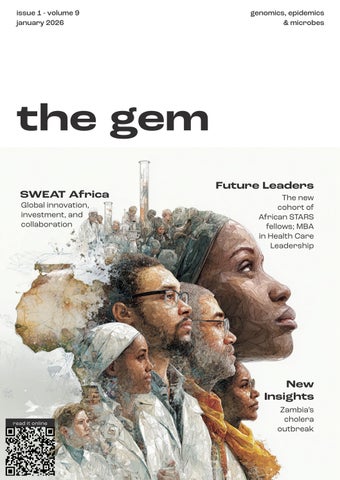
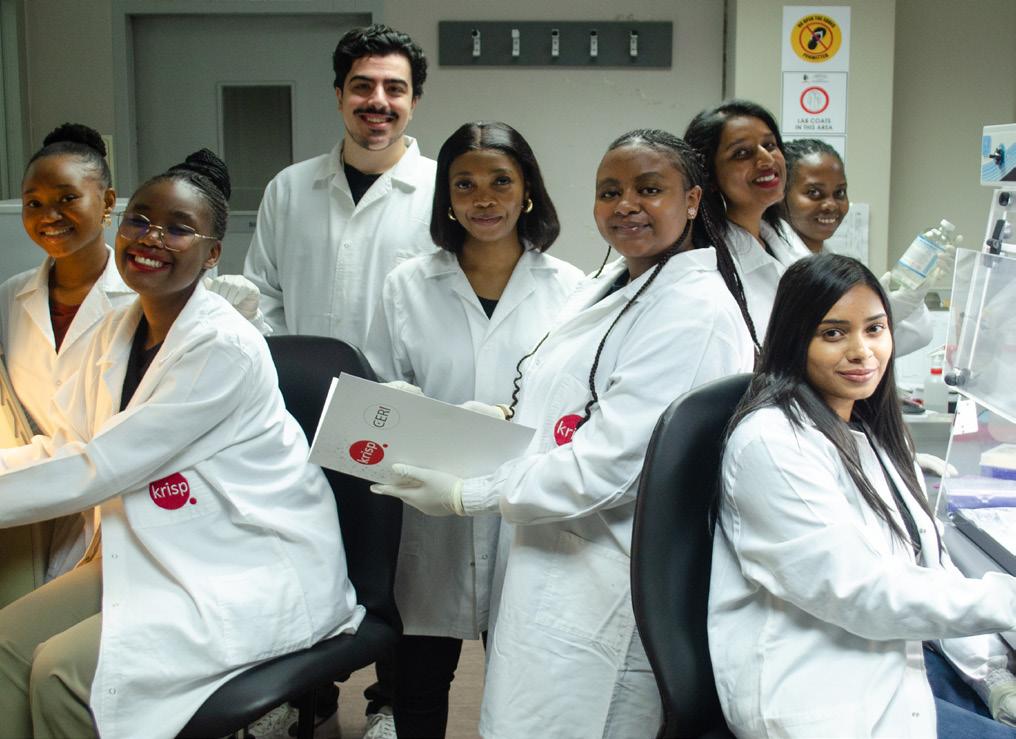
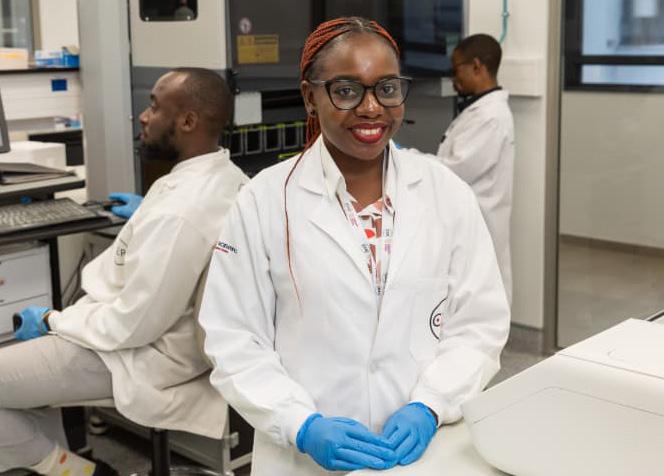
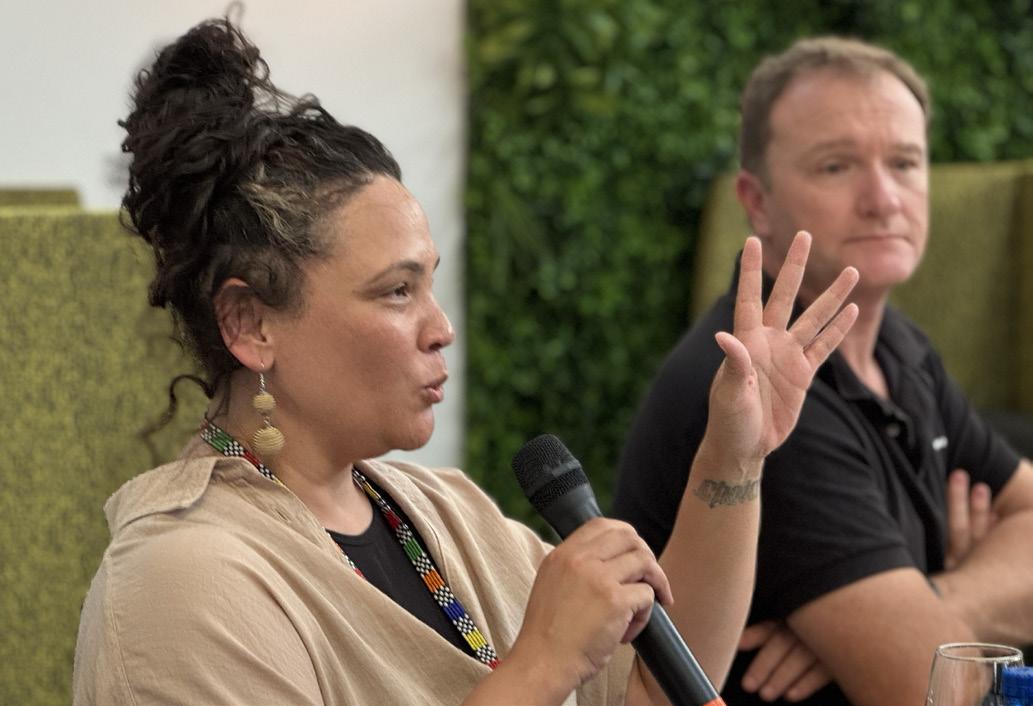
The new cohort of African STARS fellows; MBA in Health Care Leadership Zambia’s cholera outbreak
Africa, it’s time to SWEAT!
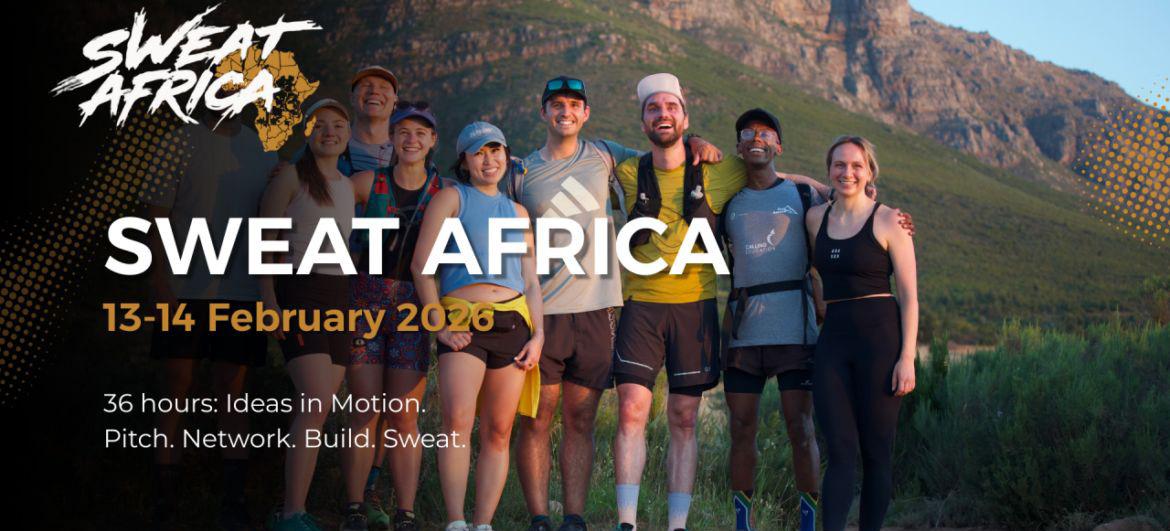
Brand new venture festival, SWEAT Africa, is taking place in Stellenbosch on February 13 and 14, positioning our continent at the centre of global innovation, investment and collaboration. Don’t miss out, get your tickets now!
Innovation in Africa: From Potential to Proof
A vibrant ecosystem of deep‑tech startups has taken root. These founders aren’t just copying global solutions; they’re inventing with purpose, informed by local context and global ambition.
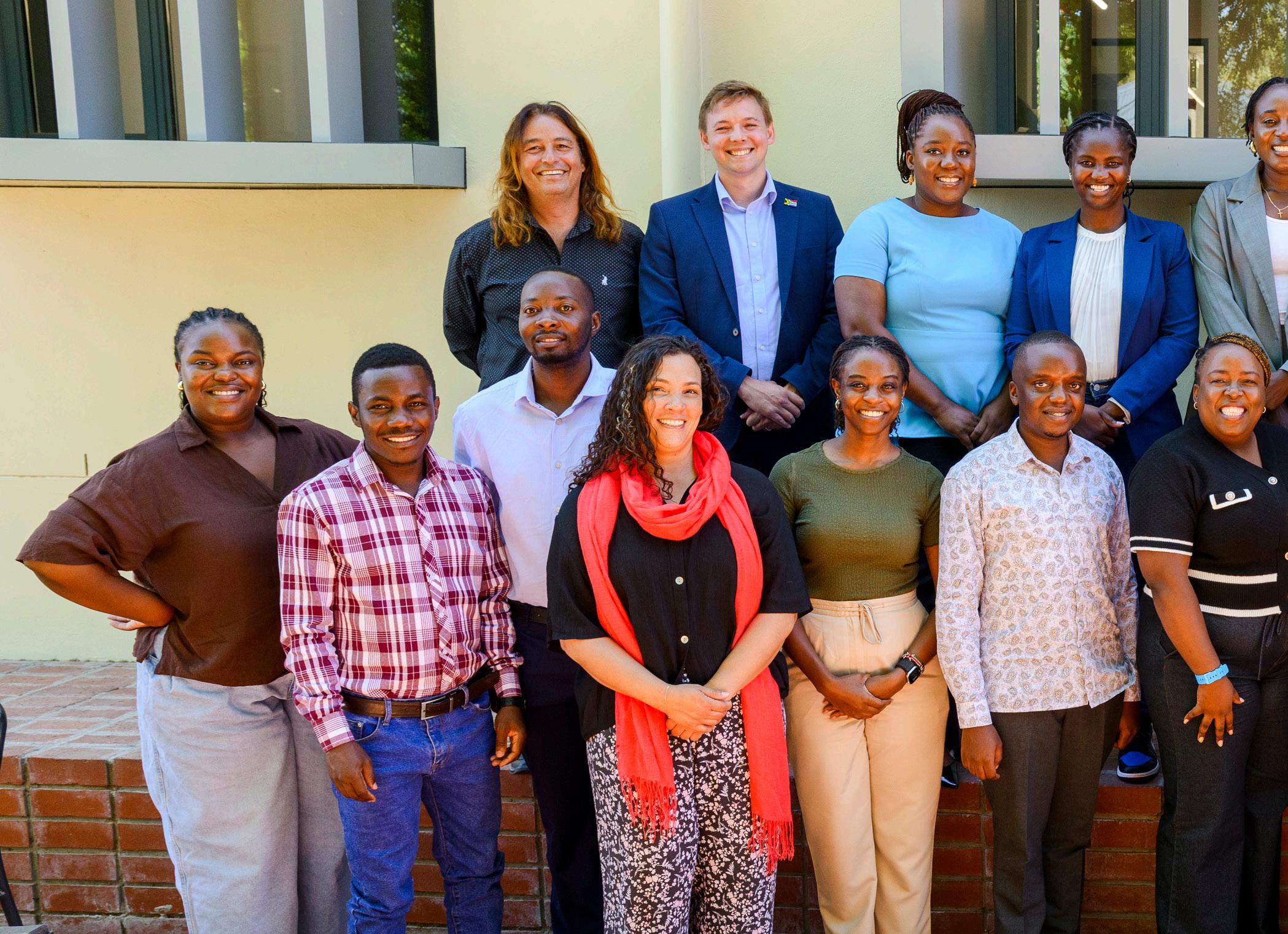
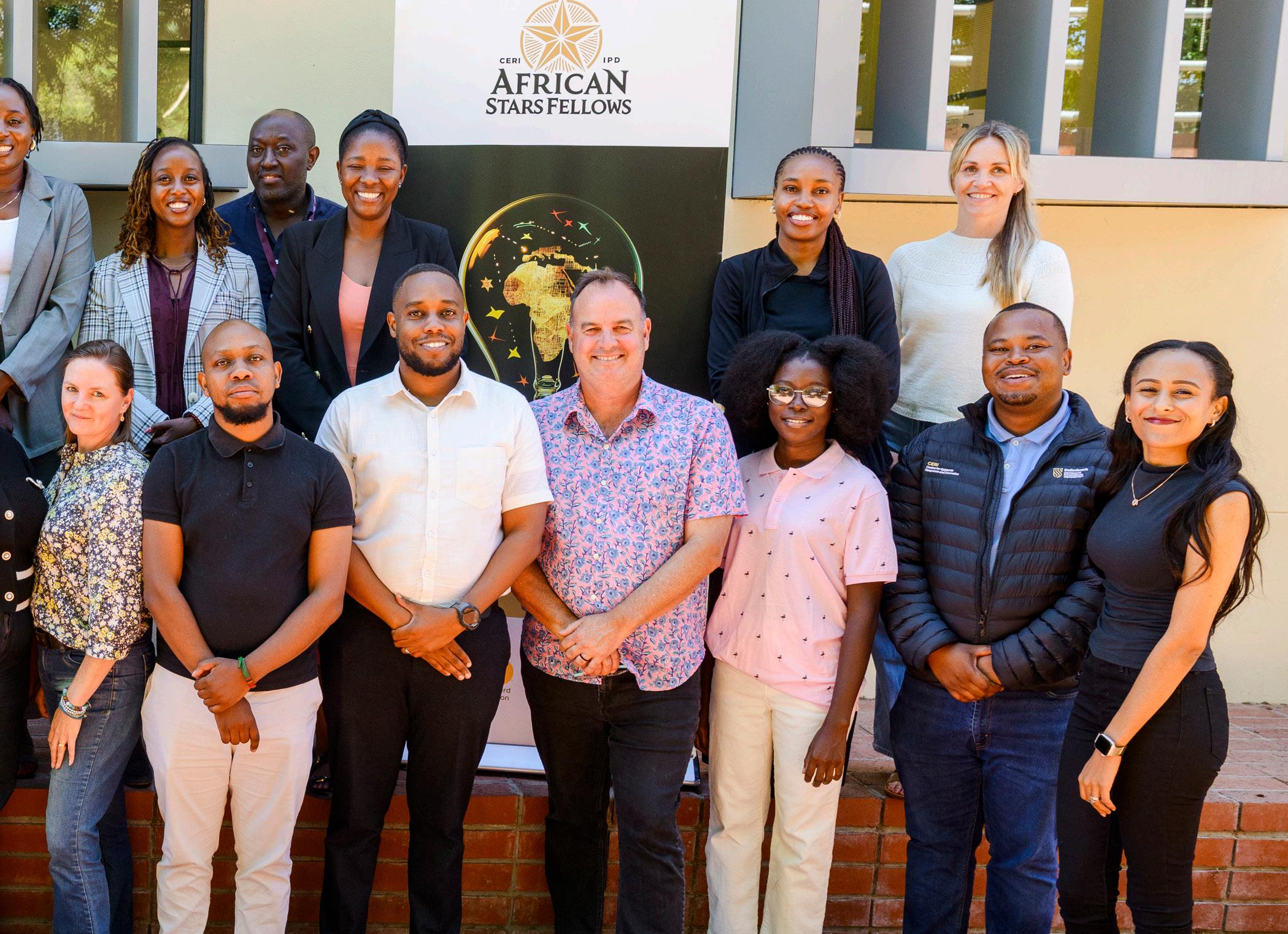
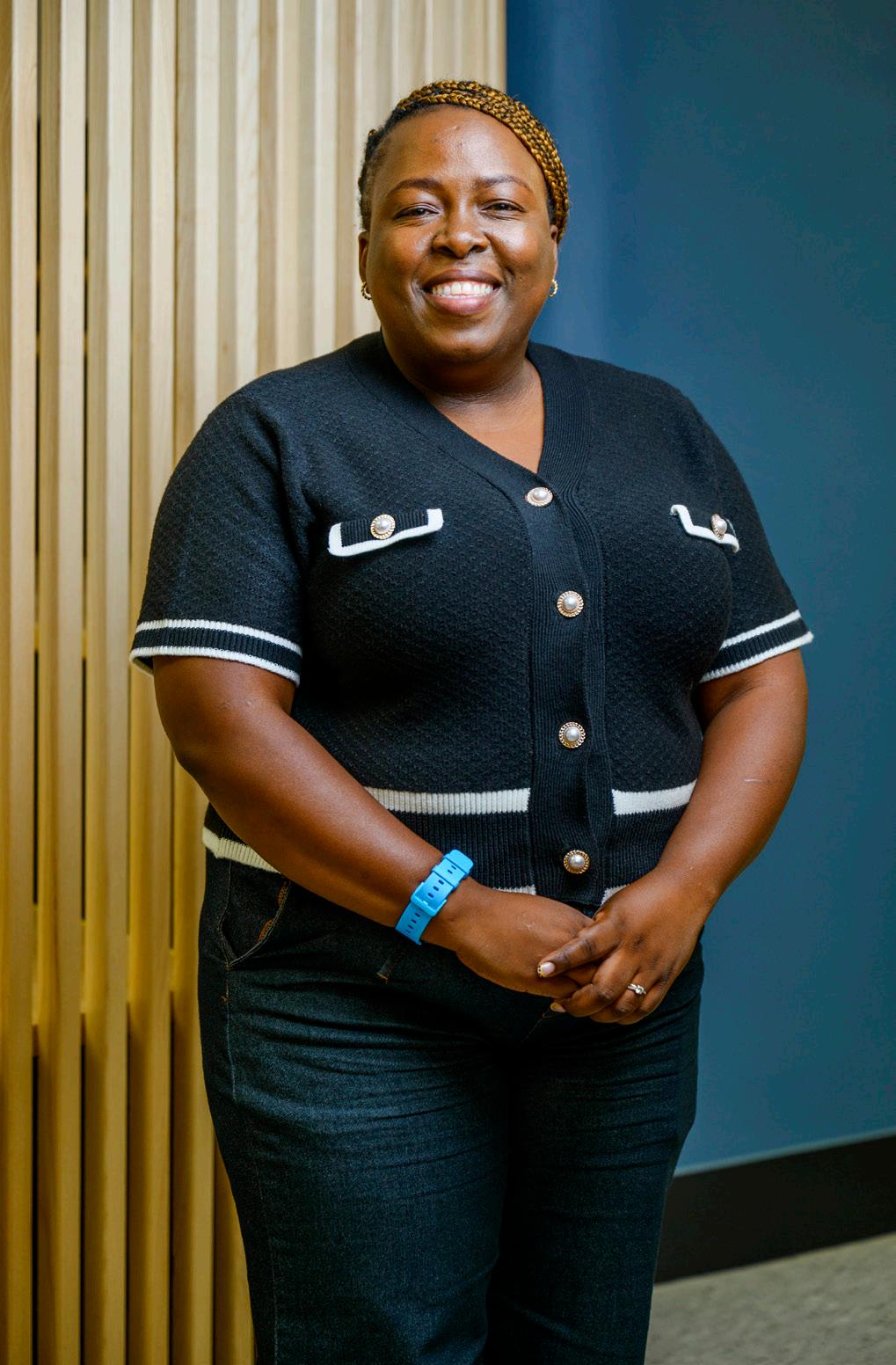
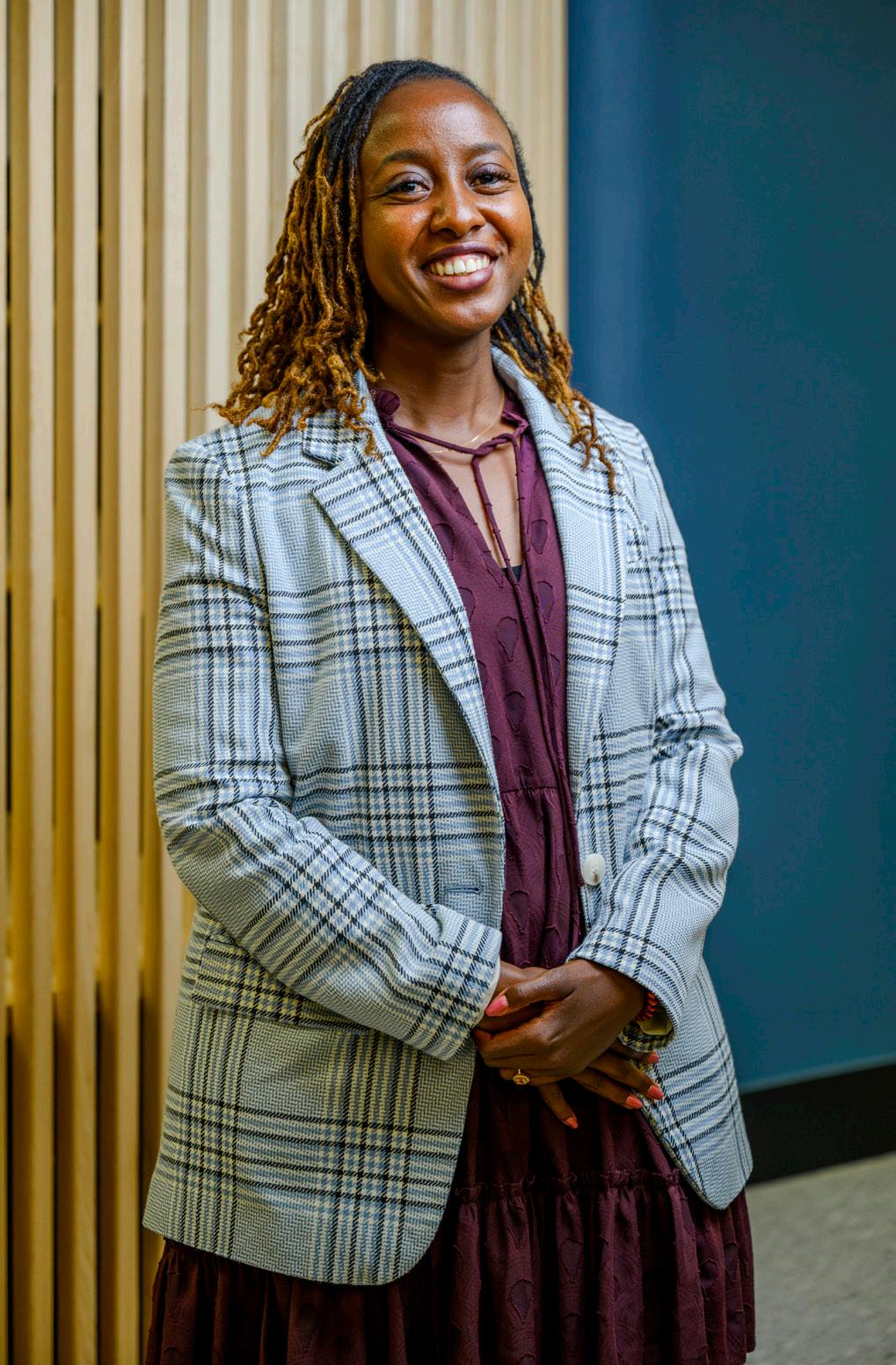
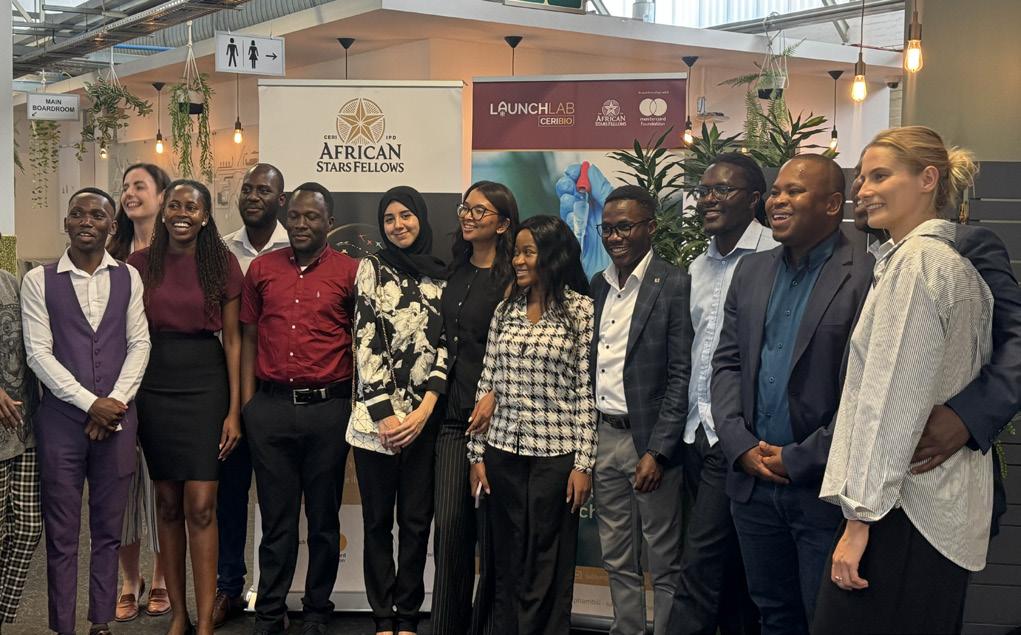
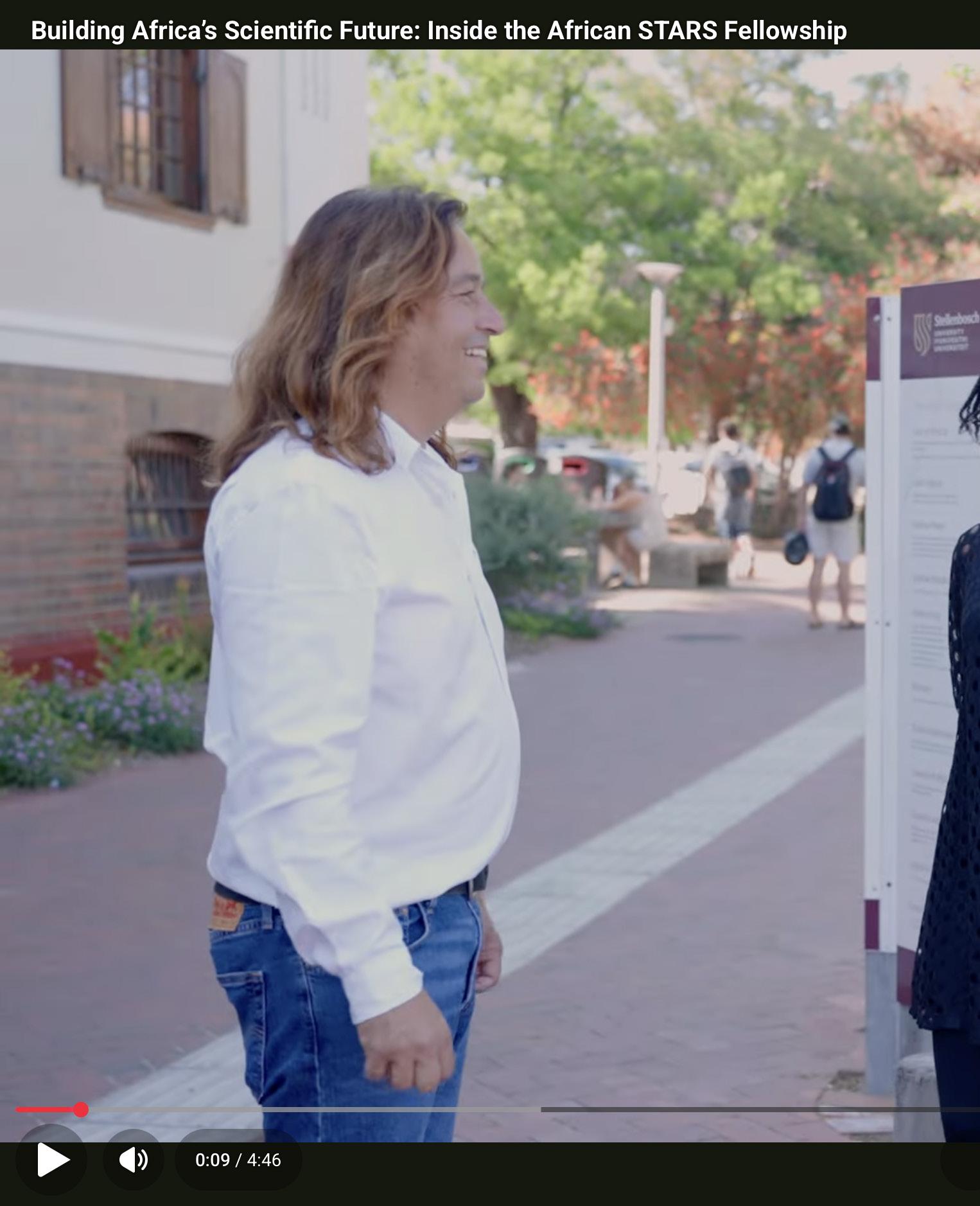
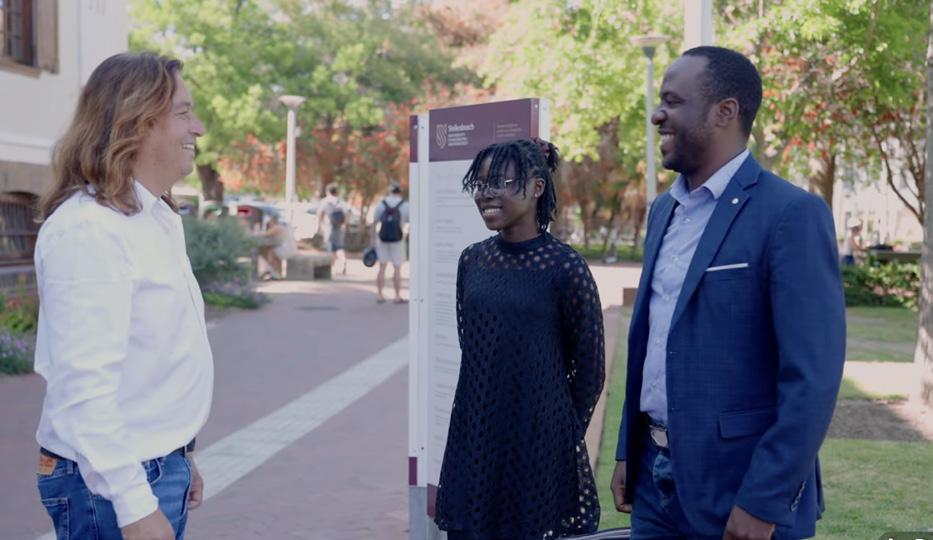
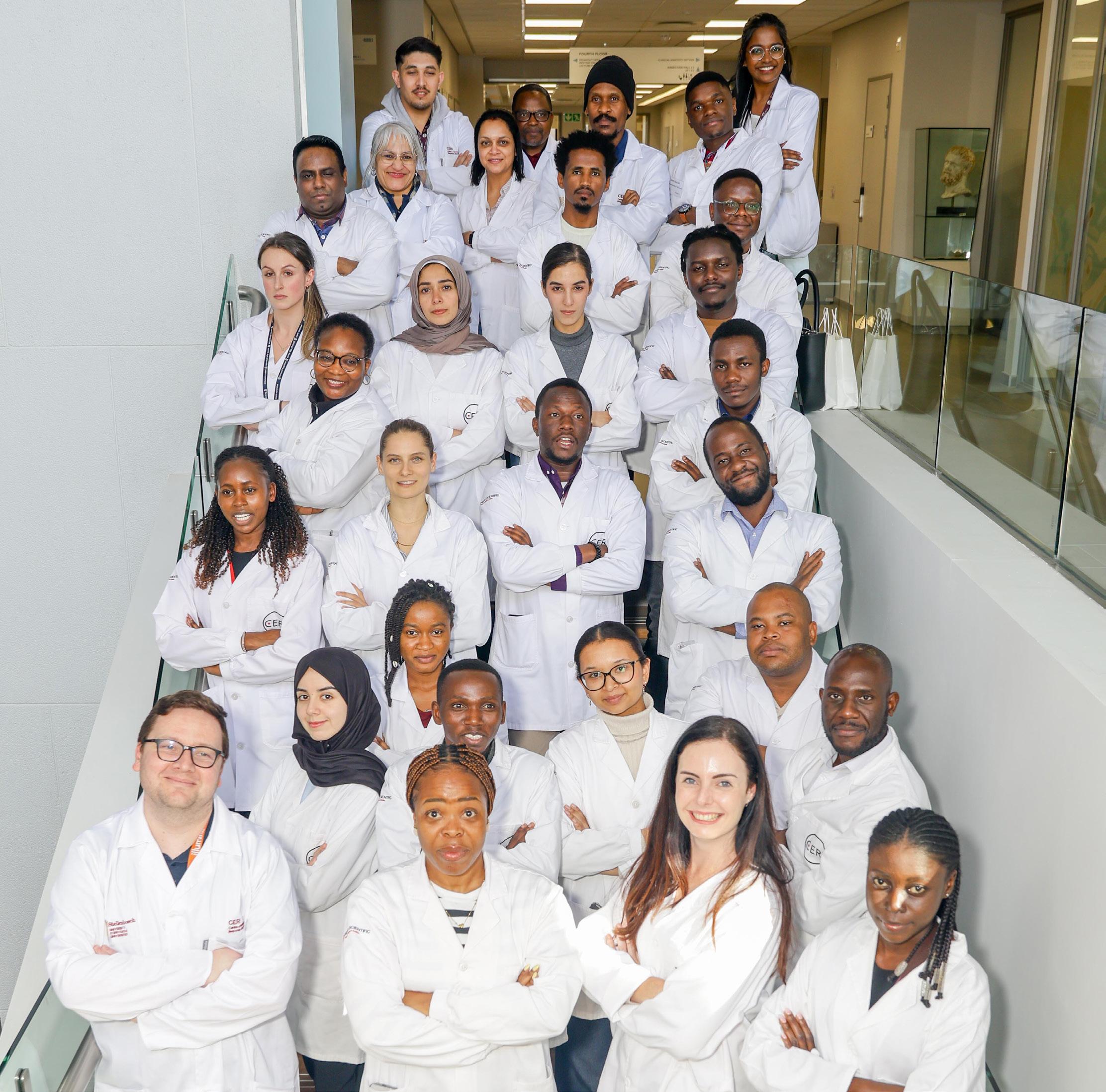
A cohort of 13 new African STARS fellows will spend the next two years developing into high impact health leaders – shaping policy, building enterprises, and strengthening health systems across the continent.
the gem: Centre for Epidemic Response and Innovation (CERI) & South African Centre for Epidemiology and Modelling Analysis (SACEMA), Stellenbosch University & KwaZulu Natal Research, Innovation and Sequencing Platform (KRISP), UKZN, Durban director: Tulio de Oliveira editors: Tulio de Oliveira, Katrine Anker Nilssen and Maambele Khosa art director: Victor Hugo Szortyka graphic designers: Maambele Khosa, Ronison Guimaraes, Tulio de Oliveira, Katrine Anker Nilssen printers: Gwynneth Louw websites: https://ceri.org.za/ https://www.krisp.org.za/, https://www.sacema.org/
Digital Storytelling in Beira
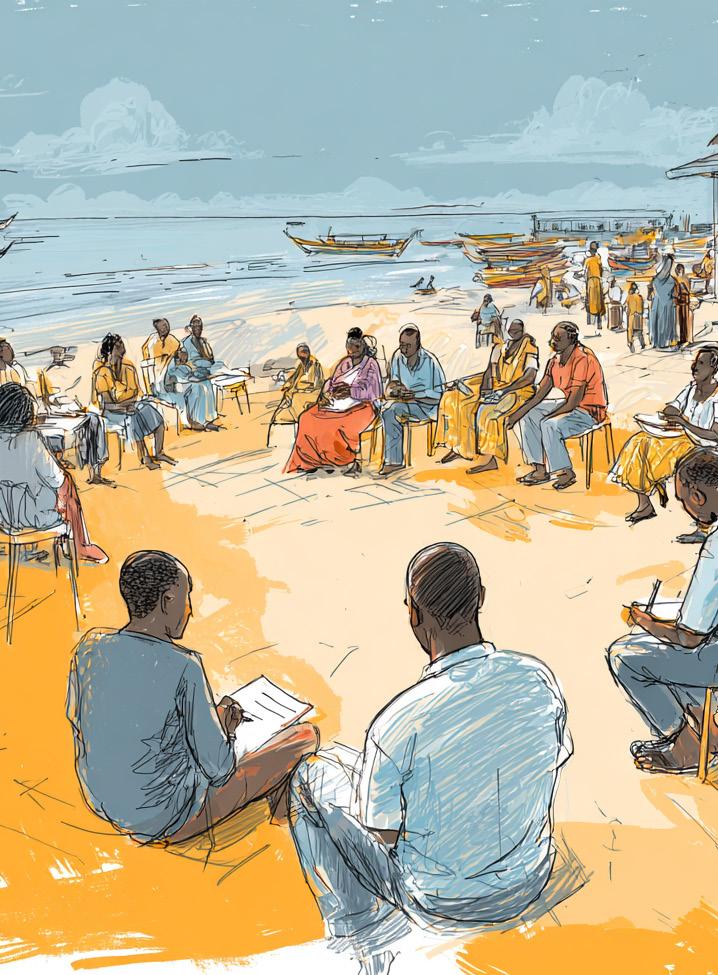
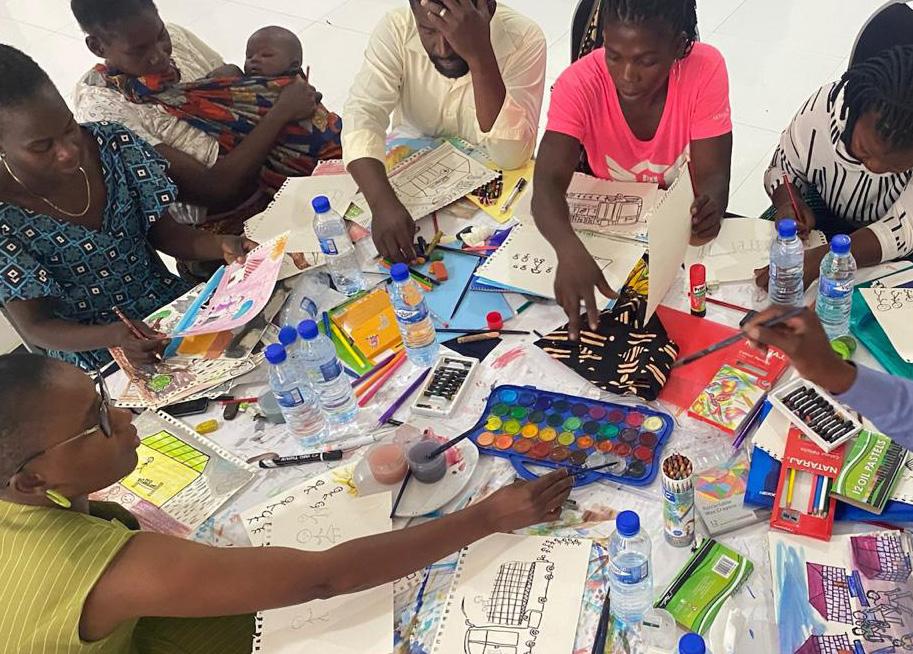
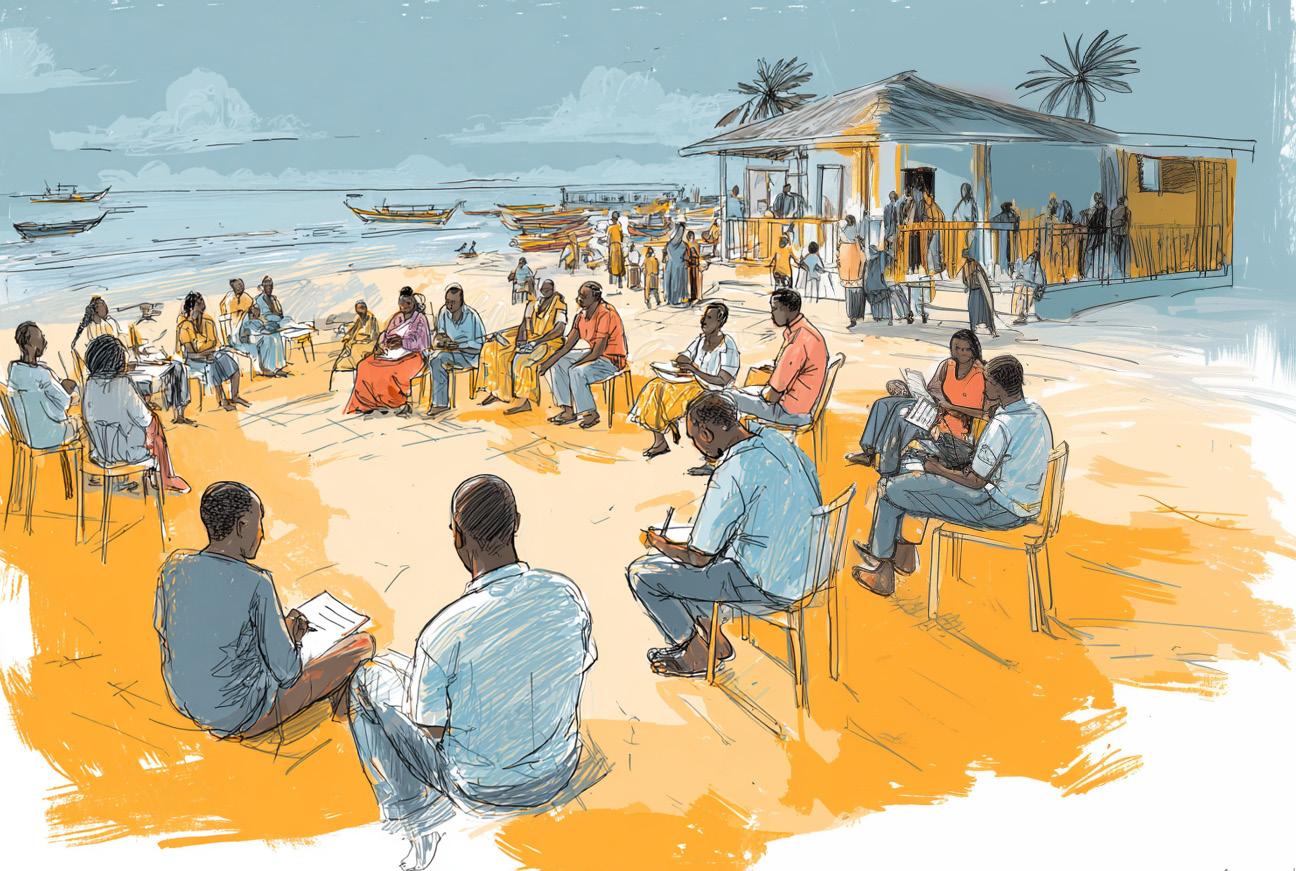
Drs Astrid Treffry Goatley and Gill Black facilitated a digital storytelling workshop for the WEMA project in Beira – one of the country’s main port cities located on the coast of the Indian Ocean, frequently hit by flooding, cyclones and violent storms.
New Insights into Zambia’s 2023 Cholera Outbreak
For Harriet Ng’ombe, a PhD student supervised by Prof Lenine Liebenberg and Dr Eduan Wilkinson at CERI, studying cholera is not an abstract academic exercise – it is deeply personal.
Celebrating our Gradutes
Khomotso Mohlala, Trevolin Pillay, and Nokuzotha Nkiwane have each completed Honours degrees, while Dr Jenicca Poongavanan has completed her PhD – a milestone that marks both an exceptional academic achievement and a meaningful contribution to public health across Africa.
editorial
The first 2026 edition of the gem kicks off with unstoppable energy, literally. What began as a simple idea has quickly transformed into something bold and exciting: SWEAT Africa. Born from movement, connection, and joy, this vision reflects a powerful truth: some of the best ideas emerge when we challenge our bodies, relax our minds, and laugh together. In this gem, you will find an in depth description of SWEAT Africa’s origins and how it may become one of the hottest innovation festivals on the continent – generating new ideas, businesses, and partnerships that will shape Africa’s future.
This edition also proudly introduces the new cohort of African STARS fellows, 13 exceptional MBA fellows from eight African countries who will spend the next two years growing into high impact health leaders. We also highlight the Advanced Translational Training (ATT) and Young Professional Programme (YPP) STARS fellows across two leading institutions, CERI in South Africa and CARE in Senegal – showcasing their research driven innovations with potential for real world impact.
Continuing to spotlight vital scientific work with new insights into bioinformatics, genomics and climate change – including efforts to address the global cholera epidemic with the production of an open source bioinformatics software application, the CholeraSeq, and the work of our PhD student, Harriet Ng’ombe, on genomics surveillance in Zambia – this gem also highlights the Wellcome funded WEMA project, developed in collaboration with multiple institutions in Africa, with a story on the impact of climate change on mental health in Mozambique.
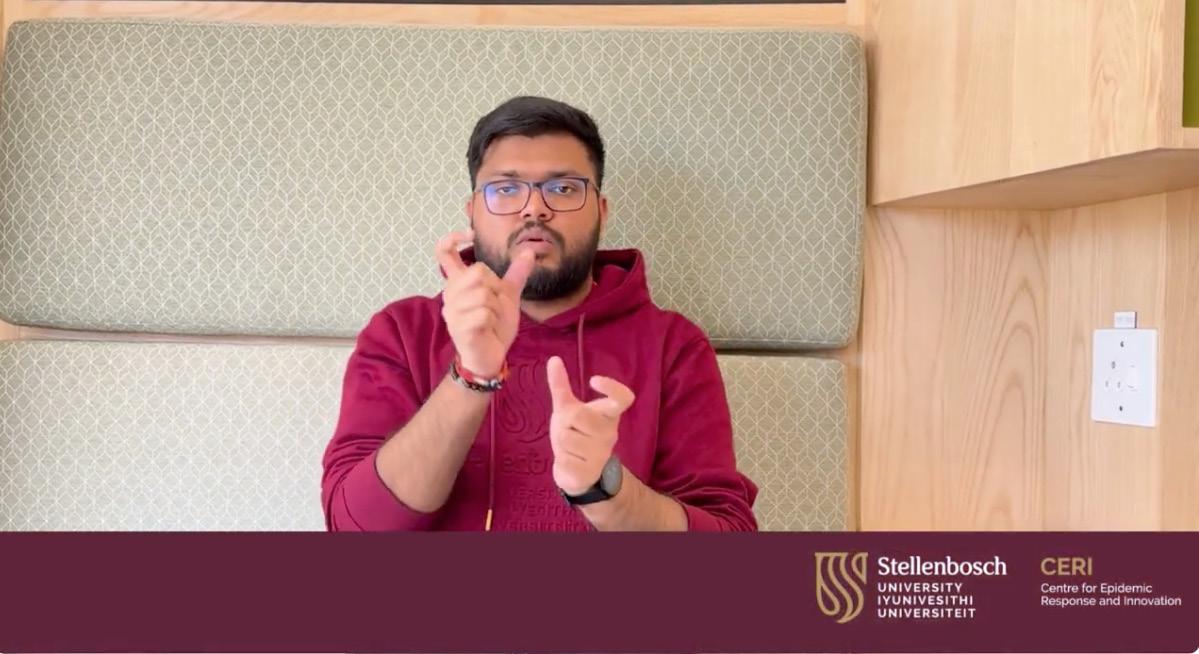
Celebrating the science, resilience, and impact of our four recent graduates, each of whom we are deeply proud of, we want to highlight Trevolin Pillay. He completed his Honours degree in December, and expressed how graduating from Stellenbosch University represents one of the most meaningful achievements of his life. He is our first Deaf student, and his persistence to enter and thrive in the world of science is immensely inspiring.
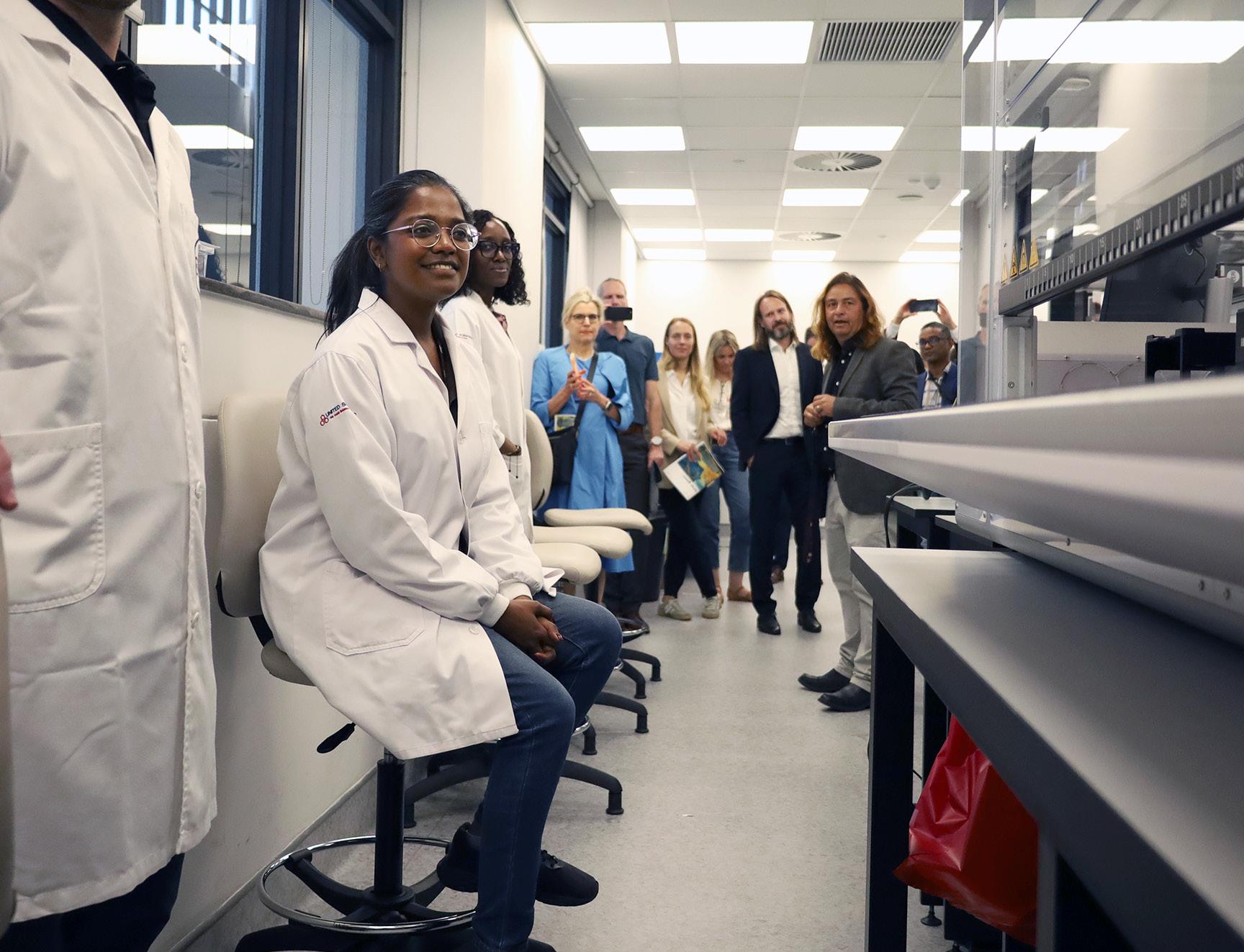
Another major achievement is the expansion of ISO 15189 accreditation of the KRISP genomics laboratory at Nelson R Mandela School of Medicine, University of KwaZulu Natal. One of our visions is to develop accredited laboratories that can expand quality genomics service in Africa and beyond.
Together, these stories celebrate energy, purpose, and collective action – setting the tone for an inspiring 2026.
text: Tulio de Oliveira
photo:
Bertha Retreat (SWEAT AFRICA venue), berthaspaces.org
Africa, it’s time to SWEAT
This brand new venture festival is positioning our continent at the centre of global innovation, investment and collaboration.
text: CERI Media
photos: CERI Media
Africa’s first experiential start up and venture festival, uniting entrepreneurship, innovation, and investment, launches on February 13, 2026. Hosted at the Bertha Retreat between Stellenbosch and Franschhoek, SWEAT Africa brings together students, entrepreneurs, investors, venture capitalists, researchers, and founders from across the continent and beyond – creating a space where ideas, collaboration, and investment opportunity converge to showcase Africa as a global hub for innovation.
Some of the top universities in South Africa (e.g. Stellenbosch University, University of Cape Town, University of Witwatersrand, University of Pretoria, University of KwaZulu Natal, and Free State University) have joined SWEAT Africa and are sending some of their top start ups. In addition, around 100 international investors and founders are attending the event – because this inaugural event will also host one of the top start up acceleration programmes in Africa, established by the Open Startup International in partnership with the MIT Executive Programme.
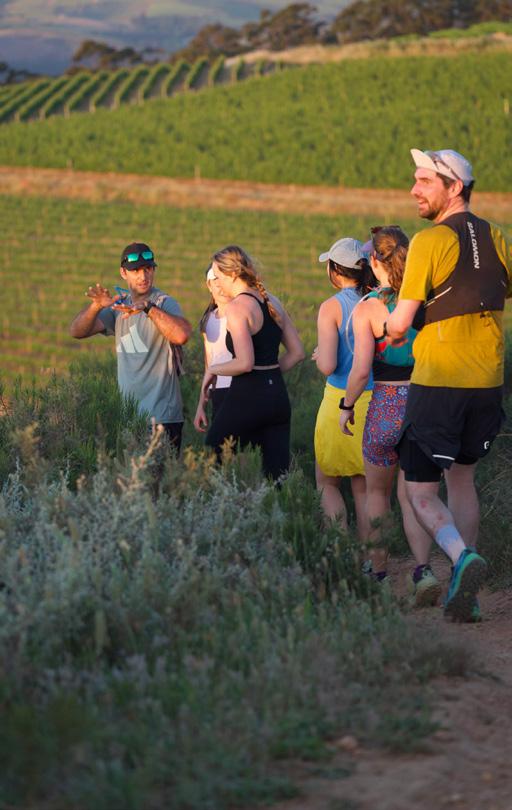
SWEAT Africa was born after a 14 km Cape Epic mountain run, when a group of young founders, still dripping with sweat, joked with international Angel investors from Google and OpenAI about hosting a tech acceleration program in Africa’s hottest month. Inspired by Finland’s Slush and fuelled by laughter (and heat), they came up with SWEAT – Students Working
to Empower African Talent – and decided to create an event combining world class startup acceleration, mentorship, and networking. More than a startup accelerator, SWEAT Africa is a human accelerator: a place to sweat, work, invest and connect together while shaping the Africa we envision and dream of.
Intentionally different from traditional conferences, SWEAT Africa is a curated platform recognising that sustainable progress happens where ideas, people, and context intersect. The programme combines focused startup engagement and investor access with shared experiences designed to foster openness, trust, and long term collaboration.
“SWEAT Africa creates space for the kinds of conversations that matter – across disciplines, sectors and borders,” said Centre for Epidemic Research and Innovation (CERI)’s director and co founder of SWEAT, Prof Tulio de Oliveira. “SWEAT will host over 100 start ups from Africa and 50 venture capitalists and investors together. When one puts founders and investors together with the top universities, that’s where real innovation starts.”
At its core, SWEAT Africa is a two day, high impact gathering connecting top investors with Africa’s leading deep tech startups and early stage founders. The 2026 programme features:
• Deep tech startups from across the continent.
• The Open StartUp BRAIN 5.0 accelerator
BUILD. PITCH. INVEST.
Connecting Africa’s founders, investors, and industry partners through community-led innovation.
TICKETS // 13 - 14 FEB 2026
B ertha Retreat, Stellenbosch
programme, hosted in partnership with MIT. Participation from international investors and ecosystem stakeholders, enabling cross border collaboration and co investment.
• Curated networking experiences, including facilitated matchmaking between founders, venture capitalists, and lending partners.
Founder and investor storytelling sessions, including the SWEAT panel inspired by the Hot Ones format, offering candid perspectives on building and scaling deep tech ventures in Africa.
SWEAT Africa is organised collaboratively, bringing together partners from academia, industry, startup ecosystems, and investment networks. This approach ensures equal representation and shared ownership, reflecting a vision of ecosystem building that prioritises contribution over hierarchy.
One of the co organisers, Open Startup, expressed huge motivation for this new partnership; “We love the idea of African organisations teaming up to promote science led ventures. This will showcase the
momentum for African Deep Tech, and that Africans are ready to SWEAT for it!” said Houda Ghozzi.
Another co organiser, University of Witwatersrand, is equally excited. “We recognise the depth of talent in our universities and how often promising ideas stall due to limited opportunities. As an institution committed to research translation and societal impact, Wits wants to help innovators move from proof of concept to real world adoption, while building ethical, inclusive businesses that create jobs and address meaningful challenges,” said Prof Lynn Morris, Deputy Vice Chancellor: Research & Innovation. “Africa’s next generation of founders should not have to leave the continent to access world class support. SWEAT will help participants clarify a credible path forward, build practical skills in validation, team formation, and pitching, form strong networks of mentors and peers, and gain the confidence to innovate at global standards from an African base.”
A key objective of SWEAT Africa is connecting African startups with global investors and partners in practical, meaningful ways. Through curated pitch sessions, targeted matchmaking, and facilitated
PROGRAMME // sweat.africa
discussions, founders gain access to capital and international networks, while investors engage directly with ventures shaping Africa’s future across deep tech, emerging technologies, and impact driven sectors.
“For Africa to harness its true potential, we need to provide opportunities for entrepreneurs to develop inter dependant ecosystems where economies grow and thrive at regional and continental levels. This is an amazing opportunity to catalyse this and break down the barriers between siloed funding programmes, by connecting ecosystems in Africa,” said Dr Richard Gordon from the South African Medical Research Council (SAMRC), also a SWEAT co organiser.
“Africa’s biggest gap for startups is funding. This limits scalability and growth,” said UVU Bio’s Dheepak Maharajh, a SWEAT Africa co organiser. “SWEAT brings together all key players in the ecosystem and gives startups an opportunity to showcase their business ideas to a multitude of different investors. It allows the ecosystem to engage and share ideas and learn from each other.”
Beyond formal programming, SWEAT Africa emphasises community and cultural immersion. Outdoor runs through the Winelands, shared meals, informal networking, and celebratory moments reinforce the belief that relationships built through shared experiences, hard work, and even sweating together are stronger and longer lasting.
Ross Vermeulen, SWEAT Africa co organiser, added: “We’re designing an environment where connection happens naturally – through movement, conversation, and time spent together. That’s how lasting collaborations are formed.”
SWEAT Africa 2026 invites those building, funding, and supporting innovation – as well as anyone interested in Africa’s rapidly evolving tech and entrepreneurial landscape – to participate in a gathering that positions the continent as a leading hub for innovation, collaboration, and global relevance.
Tickets are on sale now and in high demand. In line with SWEAT Africa’s commitment to inclusivity, opportunities to win tickets will also be offered to students, early stage founders, and community members, supporting broad access and diverse participation.
Don’t miss your chance to be part of the future of African innovation, culture, and community – and to inspire the next generation of entrepreneurs and tech leaders.
Learn more and secure your ticket at: https://sweat.africa/
FOR MEDIA/ EVENT ENQUIRIES
Maambele Khosa
Head: Communications and Marketing
CERI, Stellenbosch University
Cell: +27 79 592 9174
Tel: 021 808 3815
Email: maambele@sun.ac.za
“SWEAT Africa will host over 100 startups from Africa and 50 venture capitalists and investors together. When one puts founders and investors together with the top universities, that’s where real innovation starts.”
– Prof Tulio de Oliveira
The Spark That Ignited SWEAT Africa
At its core, SWEAT Africa is on a mission to create founders who will change the world – from Africa. It’s about more than ideas; it’s about action, effort, and collaboration. And its story begins in motion.
text and photo: CERI Media
The idea for SWEAT Africa took shape after a 14 km mountain run along one of the brutal routes of the Cape Epic, one of the most extreme mountain races in the world. A group of young startup founders and entrepreneurs from Cape Town and Stellenbosch were tired, dusty, and very much sweating when they regrouped afterward at a wine bar in Stellenbosch.
Over food, conversation, and shared exhaustion, something remarkable happened. They spoke with international angel investors from Google DeepMind and OpenAI, reflecting on the growth of Africa’s tech and biotech ecosystems. The realisation was clear: Africa’s innovation landscape was vibrant but fragmented, full of potential yet needing cohesion and direction. At the same time, February’s heat was impossible to ignore – a fitting metaphor for the intensity, energy, and effort that would define SWEAT Africa.
This was also the time they were preparing to host the BRAIN 5.0 acceleration program with Open Startup International and MIT Africa. It was the perfect alignment of vision, timing, and ambition – and that was when it all clicked.
SWEAT Africa was born – a metaphor, a movement, and a mission.
The founders decided to create a two day gathering in Stellenbosch, at the height of summer, where founders, students, investors, operators, and ecosystem builders could come together to do the real work. Not to sit and listen, but to collaborate, to build trust, to push ideas forward, and to earn equity the hard way – through effort, openness, and shared purpose.
SWEAT Africa is not a conference. It is a community accelerator, a space where people show up, lean in, and sweat together to build the Africa they want and know is possible.
From that first mountain run to the moment it became a shared vision, SWEAT Africa has been building toward its very first gathering. In February 2026, the idea finally comes to life in Stellenbosch, as founders, students, investors, and ecosystem builders come together for the inaugural SWEAT Africa. It marks the beginning of a new kind of platform – one rooted in effort, collaboration, and belief in what can be built when Africa’s talent sweats it out together.
Who Are the SWEAT Investors & Funders?
SWEAT Africa would not be possible without the support of our visionary investors and funders who all share a common goal: to empower African startups, accelerate scientific innovation, and build a sustainable ecosystem where ideas turn into impact.
text and photo: CERI
Media
SWEAT Africa brings together Africa’s most ambitious founders, researchers, and innovators –and none of this would be possible without the support of our visionary investors and funders. From international development banks to philanthropic foundations, global corporations, and local venture capitalists, our partners share a common goal: to empower African startups, accelerate scientific innovation, and build a sustainable ecosystem where ideas turn into impact.
KfW Development Bank
KfW Development Bank is the international cooperation and funding arm of Germany’s KfW Group, supporting sustainable development projects in Sub‑Saharan Africa. It focuses on climate, economic development, private sector growth, and social infrastructure –channeling long term financing to improve lives and build resilient economies across the region.
ThirdWay Capital
ThirdWay Capital is an investment firm dedicated
to supporting high growth African companies through capital, strategic guidance, and operational partnerships. By backing ventures with strong market potential, ThirdWay seeks to unlock value and scale businesses that contribute meaningfully to the continent’s economic landscape.
UTFund (University Technology Fund)
UTFund is a South African venture fund focused on bridging research and innovation with commercialisation – providing early stage financing, technical support, and business development resources to university spin outs and science based startups.
OneBio Africa
OneBio Africa is a life sciences and biotech accelerator committed to advancing bioscience innovation on the African continent. It supports companies developing solutions in health, diagnostics, therapeutics, and life sciences to address regional healthcare challenges and expand scientific capability.
Boehringer Ingelheim
Boehringer Ingelheim is one of the world’s largest family owned biopharmaceutical companies, founded in Germany in 1885 and active across human and animal health. The company invests significantly in research and development to discover novel therapies and innovative health solutions.
Elma Philanthropies
Elma Philanthropies is a private foundation funding initiatives focused on children’s health, education, and economic resilience in Africa and internationally. Through strategic grantmaking, the organisation supports projects and institutions that deliver scalable, long term impact for underserved communities.
Dell Technologies / Dell.org
Dell.org and the Michael & Susan Dell Foundation drive social impact initiatives that expand access to education, economic opportunities, and technology for underserved populations. They support programmes that empower communities to thrive and strengthen entrepreneurial ecosystems in Africa.
Allan & Gill Gray Foundation
The Allan & Gill Gray Foundation is a perpetual philanthropic organisation established in 2015 by Allan and Gill Gray to channel the controlling interests of the Allan Gray and Orbis investment firms into long‑term public good and societal impact. It supports initiatives that promote human dignity, equitable opportunity, and entrepreneurship, working through grant‑making and partnerships that strengthen communities in Southern Africa and beyond.
AfricInvest
AfricInvest is a leading Pan African private equity and investment platform with over $2 billion raised across funds targeting small and medium sized enterprises. The firm finances companies that drive inclusive economic growth across sectors such as healthcare, financial services, agribusiness, and manufacturing.
AfricaGrow
AfricaGrow, managed by Allianz Global Investors, is a fund of funds designed to expand investment capital into African SMEs and startups. It catalyses sustainable economic growth and job creation by supporting local investment vehicles with proven track records in high growth markets.
GIZ
(Deutsche Gesellschaft für Internationale Zusammenarbeit)
GIZ is Germany’s principal agency for international cooperation, implementing projects that improve living conditions, foster economic development,
and strengthen governance in partner countries. In Africa, GIZ focuses on sustainable development, technical skills, and inclusive economic transformation.
South African Medical Research Council (SAMRC)
The SAMRC is a statutory body funding and conducting health and medical research to improve public health outcomes in South Africa. It collaborates with government, academic institutions, and industry partners to tackle priority health challenges and support scientific innovation.
Boston Consulting Group (BCG)
Boston Consulting Group is a global management consulting firm that partners with leaders in business and society to address complex strategic challenges and drive transformation. BCG provides insight driven advisory services across sectors – from innovation strategy to organisational growth and sustainability.
Trevor Noah Foundation
The Trevor Noah Foundation is a South African nonprofit that focuses on expanding educational opportunities and breaking cycles of poverty. It supports programmes preparing youth from underserved communities for higher education and future careers.
Thermo Fisher Scientific
Thermo Fisher Scientific is a global leader in life sciences and laboratory services. Its mission is to enable customers to make the world healthier, cleaner, and safer by supplying cutting edge instruments, reagents, and scientific solutions that accelerate research, diagnostics, and innovation.
Allianz SE
Allianz SE is a global financial services leader specialising in insurance and asset management. Through initiatives like AfricaGrow, Allianz contributes capital, risk management expertise, and sustainability oriented financing to support inclusive economic development across Africa.
Together, these investors and funders are more than financial backers – they are catalysts for Africa’s next generation of innovators. By supporting SWEAT Africa, they help bridge the gap between research and entrepreneurship, local ambition and global opportunity, and ideas and real world solutions.
* We will update this list and we expect another 30-50 funders and investors to join so keep in close contact with SWEAT Africa.
Why Should Founders Join SWEAT?
Building a startup is not just about having a great idea. It’s about momentum, access, community, and timing. In Africa’s fast evolving tech and entrepreneurship landscape, founders don’t need more noise – they need the right environment to grow.
text: Katrine Anker-Nilssen photo: CERI Media
SWEAT Africa was created with one clear belief: Africa’s founders can change the world – if they are supported early, meaningfully, and locally. Here are five reasons why joining SWEAT can be a turning point in your founder journey.
1. You Join a Community That Actually Builds
Founders are often told to “network,” but real progress happens in environments where people are building, not pitching endlessly. SWEAT Africa brings together founders who are actively working on products, companies, and solutions – across tech, biotech, climate, health, and beyond.
This is not a passive community. It’s a hands on, high energy ecosystem where founders share lessons, challenge each other’s thinking, and collaborate across disciplines. You don’t just meet people – you find peers
who understand the pressure, the uncertainty, and the ambition that comes with building something from scratch. At SWEAT, community isn’t a buzzword. It’s a force multiplier.
2. You Get Early Access to World-Class Mentors and Investors
One of the biggest barriers for African founders is access – access to experienced operators, global investors, and people who have seen the road ahead. SWEAT was created to close that gap.
Through curated engagements with angel investors, venture capitalists, and experienced founders – from Africa and globally – SWEAT gives you exposure early, when it matters most. These are not surface level conversations. They are deep, honest discussions about product market fit, scaling, funding, governance, and resilience.
The result? Founders who make better decisions, faster – because they are not building in isolation.
3. You Build from Africa, for the World
SWEAT Africa is unapologetically rooted in Africa – but globally connected. The mission is not to help founders leave the continent to succeed elsewhere. It’s to help them build globally relevant companies from Africa. That means supporting solutions shaped by African realities, markets, and talent – while holding them to world class standards. SWEAT champions founders who believe that innovation from Africa can compete, lead, and redefine industries worldwide.
If you want to build something that scales beyond borders without losing its roots, this is your platform.
4. You Gain Skills That Go Beyond the Pitch Deck
Great founders are not just visionaries – they are learners. SWEAT Africa places a strong emphasis on skills and knowledge development, from technical and scientific depth to business fundamentals and leadership.
Founders are supported in developing the capabilities needed to move from idea to execution: validating ideas, building teams, navigating complexity, and translating research into real world impact. This focus on substance over hype ensures that companies built within SWEAT are resilient, ethical, and scalable.
It’s not about shortcuts. It’s about building things that last.
5. You Become Part of a Movement, Not Just a Programme
SWEAT Africa is more than an initiative, and it’s more than an event where we sweat it out together while talking about future prospects and past experiences. It is a movement driven by the belief that Africa’s next generation of founders can shape the future of technology, science, and entrepreneurship.
By joining SWEAT, founders become part of a shared mission: to create meaningful companies, generate jobs, solve real problems, and contribute to stronger ecosystems across the continent. The relationships, mindset, and values you develop here extend far beyond any single programme or event.
This is about long term impact – personal, societal, and global.
The Bottom Line
The bottom line is: founders don’t succeed alone. They succeed in the right environments, surrounded by the right people, with access to the right opportunities.
SWEAT Africa was created to become that environment – where ambition meets support, where ideas meet execution, and where Africa’s founders don’t just dream big, but build boldly.
If you’re serious about building from Africa, for the world, SWEAT Africa is where your journey accelerates!
BELOW: Mellowvans, a Startup from Stellenbosch University that will be present at SWEAT Africa.
SWEAT’s Backdrop
Discover the beautiful Stellenbosch & Franschhoek.
text: Katrine Anker-Nilssen photos: Supplied
Stellenbosch is more than a picturesque town; it’s a science and innovation hub. Home to Stellenbosch University and the Technopark innovation hub, the town is rich with researchers, engineers, and entrepreneurs shaping Africa’s tech future. As a SWEAT visitor, you’ll be immersed in a community where deep tech and biotech ideas are born and nurtured, making every conversation a potential collaboration.
Blend Work and Play: Wine, Food, and Culture
While the focus of your visit is innovation, Stellenbosch invites you to explore beyond the SWEAT event. Take a break between sessions or linger a little longer once the event of the year has come to an end, and enjoy some of the following experiences:
• Tour the Vineyards: Sample wines at estates like Tokara, Delaire Graff, or Spier, and enjoy vineyard views with every sip.
• Savour Local Cuisine: Stellenbosch’s restaurants and cafés blend local flavors with international flair – perfect for informal networking over lunch or dinner.
• Experience Culture: Wander historic streets like Dorp Street, or visit the town’s museums and galleries – such as the Rupert Museum and the Stellenbosch Museum complex.
• Shop, Stroll, and Relax: Explore boutiques, charming streets, and wellness spas.
These experiences are not just leisure – they are part of SWEAT’s philosophy: great ideas flourish in environments where people connect naturally.
Adventure and Inspiration in Nature
Innovation and adventure go hand in hand.
Stellenbosch’s surrounding Jonkershoek Nature Reserve and Stellenbosch University Botanical Garden offer the perfect setting to clear your mind or network in motion:
• Hike or trail run through waterfalls and mountain paths, and strike up a conversation with fellow founders.
• Explore the botanical garden to relax between sessions while reflecting on new opportunities.
SWEAT’s ethos of “collaborating in motion” aligns perfectly with Stellenbosch’s outdoors culture. Explore, Connect and Create
Stellenbosch is the ideal host for SWEAT Africa because it combines innovation, inspiration, and lifestyle in a way few places can. Here, science meets culture, startups meet investors, and ideas meet opportunity. From historic streets to modern labs, from vineyards to nature trails, Stellenbosch invites you to explore, connect, and create – all while being surrounded by one of Africa’s most inspiring environments.
Show Up with Intention
How to make the most of SWEAT Africa!
text: Katrine Anker-Nilssen photo: CERI Media
Here are seven ways to spark real collaborations, meet the right people, get noticed – and actually sweat!
SWEAT isn’t a conference you attend passively. It’s a place you participate in – mentally, socially, and yes, physically. Designed for founders, builders, and investors shaping Africa’s future from the ground up, SWEAT rewards those who show up with intention. Here’s how to make sure you leave with more than just business cards and tired legs.
1. Arrive with a point of view, not just a pitch
Before you even step into the room, be clear on why you’re there. SWEAT attracts people who are building, not browsing. Whether you’re a founder, operator, researcher, or investor, know what problem space excites you, what you’re exploring next, and what kind of collaboration would actually move the needle. Conversations flow faster – and go deeper – when you’re grounded in a point of view rather than a rehearsed elevator pitch.
2. Sweat early – it’s the fastest icebreaker
The magic of SWEAT happens before the name tags come out. Running, moving, and sweating together collapses hierarchy instantly. When you’ve shared a climb, a long stretch of road, or a hard workout, conversations become human first and professional second. Use the physical moments to listen, connect, and be curious. Deals can wait; trust can’t.
3. Optimise for collisions, not comfort
SWEAT is intentionally designed to mix disciplines, sectors, and stages. Resist the urge to stick with people who look like you or do what you do. Sit at unfamiliar tables. Join conversations outside your comfort zone. Some of the most valuable collaborations emerge at the intersection of biotech and AI, aerospace and engineering, academia and startups, local insight and global capital. SWEAT is built for collisions – lean into them.
4. Ask better questions than everyone else
Getting noticed at SWEAT isn’t about talking the loudest. It’s about asking thoughtful, generous questions. Founders and investors alike remember
the person who challenged their thinking, connected dots, or offered a fresh perspective. Prepare a few smart questions around scaling in Africa, global market access, deep tech timelines, or talent – and use them to spark meaningful dialogue.
5. Be specific about what you’re offering Collaboration works best when value is clear. Are you offering technical expertise, access to a network, research capacity, capital, or lived market insight? Don’t be vague. Specificity builds trust and speeds up follow ups. SWEAT is full of people who want to build together – make it easy for them to see where you fit.
6. Use the in-between moments strategically
Some of the most important conversations at SWEAT happen between sessions: over coffee, on a walk, or while cooling down after a run. Treat these moments as part of the programme, not downtime. Follow up immediately when there’s momentum. A quick “let’s continue this later today” often turns a spark into a plan.
7. Leave with actions, not intentions
Before SWEAT ends, write down who you need to follow up with, what you promised, and what the next concrete step is. Send the message while the energy is still fresh. SWEAT is about motion – ideas turning into action, conversations turning into collaboration, potential turning into progress.
SWEAT was born from movement, conversation, and the belief that Africa’s founders can build world changing companies when the right people come together. To make the most of it, show up open, prepared, and willing to sweat – not just physically, but intellectually and creatively too. That’s where the real work begins.
Innovation in Africa: From Potential to Proof
A vibrant ecosystem of deep‑tech startups has taken root. These founders aren’t just copying global solutions; they’re inventing with purpose, informed by local context and global ambition.
text: Katrine Anker-Nilssen photo: CERI Media
Over the past decade, Africa has rapidly progressed from being perceived as a “frontier market” for technology investment to becoming a genuine engine of innovation. A vibrant ecosystem of deep‑tech startups has taken root – powering breakthroughs in AI, health tech, agritech, climate tech, and advanced manufacturing. These founders aren’t just copying global solutions; they’re inventing with purpose, informed by local context and global ambition.
But while ideas are rich, the pathway from concept to commercial product remains challenging. As Prof Tulio de Oliveira, Director of the Centre for Epidemic Response and Innovation (CERI), puts it: “Africa has always had brilliant minds and scientists. In the COVID 19 pandemic, we lead in genomics and basic science, and what we’re now seeing is the infrastructure to transform those ideas into impactful technologies. But to scale, innovators need capital, guidance, and ecosystems that understand the science as deeply as the market.”
Corporate Innovation Must Deliver Real Results
For corporates seeking to remain competitive, adopting cutting‑edge startup technology is not a side project or a sandbox experiment – it’s a strategic imperative. Legacy systems and traditional procurement cycles simply cannot keep pace with the speed of change in AI, data science, cloud computing, and bioengineering. Corporations need solutions that integrate quickly, scale reliably, and solve actual business problems.
At SWEAT Africa, corporates engage with startups as prospective customers, collaborators, and implementation partners. This is all about applying breakthrough tech to complex business challenges with measurable impact.
The Startup Struggle: Turning Innovation Into Adoption
For many early‑stage ventures in South Africa and across the continent, challenges persist: Capital Access: It remains difficult for deep‑tech founders to raise early funding – especially where technical risk appears high and revenue timelines are long.
• Customer Acquisition: Selling into corporates, governments, or global markets requires nuanced understanding, extensive networking, and a product‑market fit that can be hard to validate without pilot partners.
• Talent Shortages: Skilled engineers, specialised researchers, and operational experts are in limited supply, making it tough to build balanced teams capable of scaling fast.
• Market Complexity: Fragmented regulatory environments and inconsistent infrastructure make product deployment more expensive and slower than in other regions.
Ross Vermeulen, co‑organiser of SWEAT Africa and co‑founder of FluoroBioTech, explains the role SWEAT will play in helping founders navigate these hurdles: “At SWEAT, we’re intentional about building bridges – between science and commercialisation, between founders and investors, between Africa’s innovation
potential and real market demand. Startups here don’t just pitch – they collaborate with people who understand both the technology and the terrain.”
What Investors Gain at SWEAT
Investors attending SWEAT Africa can discover, assess, and engage with early‑stage ventures that have the potential to become category leaders. At SWEAT, investors get:
• Early Access to Technical Innovation: From health‑tech platforms to AI‑driven solutions, investors see cutting‑edge technologies long before they hit mainstream visibility.
• Deep Context on Local Markets: Africa’s tech landscape is unique – and SWEAT gives investors the real‑world context needed to assess product fit, scalability, and long‑term opportunity.
• Trust-Based Relationships: By interacting with founders in structured sessions and informal moments of connection (including hands‑on collaborative environments), investors build confidence that goes beyond pitch decks.
• Collaborative Investment Opportunities: SWEAT fosters co‑investment, cross‑sector partnerships, and strategic introductions that speed up due diligence and alignment.
The Future of Innovation Starts Here
Where investors and startups meet is not just a tagline – it’s a strategic imperative. SWEAT Africa creates the conditions for meaningful, actionable engagement between capital and creativity, accelerating the development of solutions that matter locally and globally.
Across Africa, technical talent is abundant. What’s new – and powerful – is the ecosystem now forming around it: capital, mentorship, partnerships, and platforms like SWEAT that make innovation work.
The future of African tech isn’t coming – it’s here. And at SWEAT Africa, we’re building it together.
Welcome, Future Leaders!
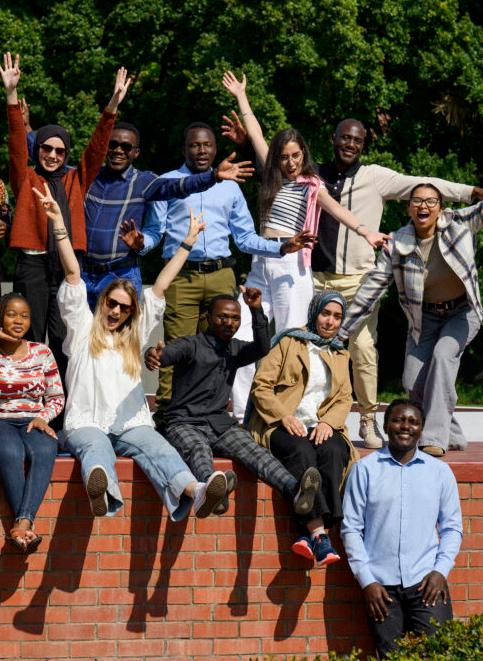
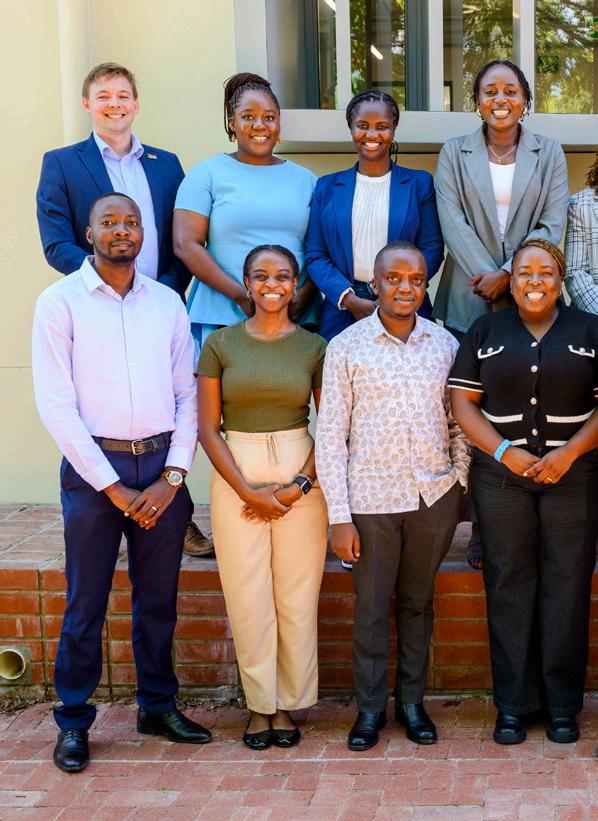
A brand new cohort of amazing African STARS Fellows are ready to begin their MBA Health Care Leadership journey with CERI and Stellenbosch University.
text: Katrine Anker-Nilssen
photos: Stefan Els
The Centre for Epidemic Response and Innovation (CERI), together with Stellenbosch University, has welcomed a new cohort of fellows embarking on the African STARS Fellowship and the MBA in Health Care Leadership at the Stellenbosch Business School.
The 13 African STARS MBA fellows will spend the next two years developing into high impact health leaders – shaping policy, building enterprises, and strengthening health systems across the continent. The fellowship is a collaborative programme supported by the Mastercard Foundation, Stellenbosch University, Stellenbosch Business School, and partners including the Centre for Africa’s Resilience to Epidemics (CARE) and the Institut Pasteur de Dakar.
A Purpose-Driven Welcome at CERI
During the first week of orientation in Stellenbosch, MBA fellow Puseletso Lesofe, a registered medical scientist from South Africa, reflected on the experience of being welcomed at CERI.
“The welcoming and orientation at CERI has been
nothing short of incredible. I had so much fun and learned immensely,” she said. “The CERI team is deeply purpose driven, multidisciplinary, and united around one goal: uplifting Africa. Their passion for their work, their patriotism, and their genuine commitment to building the next generation of African leaders is truly inspiring.”
She also highlighted the sense of belonging fostered through meeting fellow YPP and ATT Fellows, and learning about the African STARS initiative. “I met people who feel like my people and are driven by purpose, service, and a shared vision for Africa.”
Welcoming the new cohort, former ATT Fellow Kajelcha Fikadu Tufa shared words of encouragement: “New STARS, you’re so lucky to be in the expert hands of the CERI staff! Enjoy the vibrant environment while discussing ways to empower the next generation.”
Current YPP Fellow Francisca Adomako echoed this sentiment: “There is a lot to learn if you are level headed – lots of networking and connections. Put your head down; there is so much you can get out of the fellowship. I’m really looking forward to what the rest of the year will bring.”
Reflecting on the week as a whole, Puseletso added: “I could write a book about this week, but let me just say: what a week that was – full of learning, connection, and inspiration. I am incredibly excited for what lies ahead at the Business School.”
During the orientation, Dr Richard Gordon encouraged strong collaboration across programmes: “YPPs, you have seven doctors here among the new MBAs, and six months to tap into this amazing network. Use it!”
Voices from the MBA Cohort
The diversity of perspectives within the cohort reflects the scale and complexity of health system challenges across Africa.
For Joseph Mugume from Kenya, whose background includes supervising hospital medical teams, the decision to pursue an MBA was driven by a deeply personal experience: “I supervised doctors and nurses for three years, but I struggled with the financial side of healthcare – costing, pricing, budgeting, proposals,” he shared. “When a patient died from malaria – a treatable disease – simply because they couldn’t afford care, it changed how I see health systems.”
For Joseph, the MBA represents a pathway to translating ideas into action, particularly around sustainable healthcare financing and national insurance models.
Puseletso’s motivation is similarly grounded in lived experience and systems level challenges within the health workforce: “During COVID 19, we had qualified medical scientists who couldn’t work because they weren’t recognised or registered,” she reflected. “That’s when I realised this was a systems problem –and why I needed business skills, not just science.”
Her journey – from founding a student support network to co founding the African Institute of Medical Scientists (AIMS) – illustrates how leadership, capacity building, and entrepreneurship intersect, and how the MBA will strengthen her ability to drive sustainable solutions.
For Dr Yvonne Kamau from Kenya, the programme offers clarity and confidence at the intersection of health, economics, and leadership: “I interact with health economics all the time, but I didn’t fully understand it,” she explained. “I want to make better decisions – for investors, donors, organisations, and
“When a patient died from malaria – a treatable disease – simply because they couldn’t afford care, it changed how I see health systems.”
– Joseph Mugume, African STARS MBA Fellow
“I have already met people who feel like my people and are driven by purpose, service, and a shared vision for Africa.”
– Puseletso Lesofe, African STARS MBA Fellow
ultimately for Kenya.”
Reflecting on her first day with the cohort, she added: “It was intense – but comforting. Realising that everyone else had the same fears reminded me that we’re in this together.”
Together, these voices underscore a shared motivation across the cohort: using leadership, business insight, and collaboration to build resilient, equitable health systems for Africa.
Understanding CERI’s Vision and Scale
Introducing CERI to the fellows, Director Tulio de Oliveira reflected on the institute’s rapid growth. Founded at the tail end of the COVID 19 pandemic with just three people, CERI has grown to 132 staff members, guided by a vision to respond effectively to epidemics through pathogen genomic surveillance, biomedical discovery, and improved prevention, diagnosis, and treatment of disease in Africa.
He highlighted what makes CERI unique: its multi faculty structure, four locations, a highly automated ISO accredited laboratory, a professional operating model, and a workforce that is more than 70% women. “
Speaking to the fellowship’s broader goals, he emphasised delivery and impact: “We want to see the fellows generate employment and become leaders in the African continent’s health sphere. Produce solutions.”
Since 2021, CERI has trained over 800 fellows from 50 African countries.
From Personal Growth to Measurable Impact
Dr Bethlehem Tefara, a CERI researcher, shared reflections from her own MBA experience: “You need strict discipline – self management is key. Emotional resilience is also important… Remember why you are here and have clarity of purpose.”
She added: “Stay authentic, stay curious, and stay human.”
Reinforcing the fellowship’s focus on measurable impact, Dr Cheryl Baxter, Head of Scientific Support at CERI, said: “The Mastercard Foundation want to see impact – in sustained improvements in quality of life for young men and women.”
She noted that impact is measured at individual, community, and organisational levels, aligned with goals of advancing education and reducing poverty.
The MBA in Health Care Leadership
Head of the MBA in Health Care Leadership at Stellenbosch Business School, Prof Renata Schoeman, shared why the degree matters deeply to her: “The MBA in 2015 is the degree that changed my life. It gives you that bigger picture.”
She emphasised collaboration and leadership: “It is all about understanding the impact YOU can have on everyone else.”
Prof Schoeman described the programme as a niche offering that combines core MBA training, with specialised healthcare leadership modules in the second year.
Africa CAN
As the new cohort begins its journey, the call is clear: be the voice – not only for the STARS Fellowship, but for young African scientists and leaders across the continent. Listen deeply, understand real challenges, and co create solutions through collaboration. Africa has the talent. Africa has the ideas. Africa CAN –through institutions, and through each fellow stepping into leadership with purpose, courage, and conviction.
“I want to make better decisions – for investors, donors, organisations, and ultimately for Kenya.”
– Dr Yvonne Kamau, African STARS MBA Fellow
Lived Experiences of Cyclone Idai
Digital Storytelling in Beira, Mozambique.
text: Dr Astrid Treffry-Goatley
photos: Dr Astrid Treffry-Goatley & MidJourney
In September 2025, Dr Gill Black and I travelled to the city of Beira in Mozambique to facilitate a digital storytelling (DST) workshop for the WEMA project. Beira, one of the country’s main port cities is located on the coast of the Indian Ocean, and is frequently hit by flooding, cyclones and violent storms.
We were hosted by our project partners at the Comité para a Saúde de Moçambique (CSM), and this workshop marked the final one of four conducted across WEMA sites in 2025. As in the other locations, we began by offering a two day training workshop in DST facilitation, designed to enable the local community engagement team to co lead the process. Stepping off the plane into the warm, humid air, we felt both excited about the
journey ahead and privileged to be working with such an engaged and generous team.
We were supported by an exceptional group of Mozambican colleagues: Vasco FJ Cumbe (MD, Psychiatrist), Catija Marja Judião Maivasse (Social Scientist), Simão Francisco José (CSM), and Alberto Muanido (Mozambican public health specialist and leader of the local mental health programme). Our co facilitators were enthusiastic about learning DST and keen to apply it in future research and community engagement activities. As part of the training, each co facilitator created their own digital story, which proved invaluable in preparing for the main workshop the following week.
This preparatory phase was particularly important because the workshop itself was conducted in Portuguese, the native language of the ten participants. While I am semi fluent in Portuguese, it would not have been appropriate or ethical to run the workshop without skilled local co facilitators. Working closely with the Mozambican team was essential, especially given that the workshop addressed highly sensitive experiences of loss, trauma, and displacement. Their deep contextual knowledge, linguistic fluency, and psychosocial sensitivity helped create a safe and supportive environment in which participants could share their stories with agency and dignity. Collaboration with CSM took place from 18–27 September 2025.
The workshop was held at a beachfront hotel in Beira and was attended by ten community based co researchers (six women and four men). We worked long days in a large room overlooking the sea, with strong winds outside, local gatherings along the beachfront, and cargo ships moving in and out of the harbour. The workshop ran over five days (Monday to Saturday), with a one day break for a public holiday. While all participants were from Beira, several had been displaced and were no longer living in the city following the devastating impacts of Cyclone Idai.
Two of the women were breastfeeding mothers, and the workshop became a multigenerational space, with facilitators taking turns to care for babies while mothers worked on their narratives and drawings. Each participant completed an original digital story within the five day period. Most stories were edited during the workshop, with a small number finalised afterward using scripts and image sequences as guides.
In the months since, I have continued working closely with these stories, finalising edits, adding subtitles and music. Returning to them, I am repeatedly struck by both the scale of loss and the generosity with which
participants shared deeply personal experiences. The stories document not only economic and infrastructural damage, but also enduring mental health impacts, including persistent fear, trauma triggered by weather related cues, profound grief, and the ongoing stress of displacement and insecurity. These experiences are shaped not only by the cyclone itself, but also by uneven institutional responses, prolonged precarity, and gendered care burdens.
These stories feel particularly urgent considering recent flooding in Mozambique, Limpopo, and Mpumalanga. As extreme weather events recur, past trauma is reactivated, highlighting the cyclical nature of climate related mental health impacts. This collection provides grounded evidence of why climate resilience efforts must integrate psychosocial support, gender sensitive approaches, and long term, community based mental health strategies.
By centring lived experience, the workshop demonstrates the value of participatory digital methods in generating knowledge that is both empirically rich and ethically responsive to communities most affected by climate related crises.
SANAS Accreditation
KRISP achieves SANAS ISO 15189 accreditation for HIV drug resistance testing.
text: Paul Harris photo: Supplied
The KwaZulu Natal Research Innovation and Sequencing Platform (KRISP) has officially achieved ISO 15189 accreditation from the South African National Accreditation System (SANAS) for HIV drug resistance testing, marking a major milestone in the organisation’s commitment to quality, accuracy, and internationally recognised medical laboratory standards.
SANAS is South Africa’s sole national accreditation body, mandated to ensure that accredited laboratories meet stringent technical and quality requirements. ISO 15189 accreditation confirms that a medical laboratory is both technically competent and operates within a robust quality management system, ensuring that test results are accurate, reliable, and clinically meaningful.
The accreditation, which is valid from January 2026 through February 2030, was achieved following four months of intensive preparation by a dedicated four person laboratory team. The process involved detailed documentation, method validation, quality control strengthening, and rigorous assessment to meet requirements specific to HIV drug resistance testing.
“Having this accreditation enhances credibility and trust, enables participation in international studies and clinical trials, facilitates partnerships and referrals, supports regulatory and funding eligibility, and positions the lab to expand services and attract new clients,” said Dr Sureshnee Pillay, Senior Medical Scientist and researcher within the laboratory.
Achieving SANAS accredited ISO 15189 status strengthens confidence among clinicians, researchers, regulators, and funding bodies, and reinforces KRISP’s role as a trusted contributor to national and international HIV surveillance and research programmes. The accreditation also supports the laboratory’s ability to generate results that meet regulatory and clinical decision making requirements.
Looking ahead, KRISP is focused on maintaining and continuously improving ISO 15189 compliance through routine internal audits, external surveillance assessments, and ongoing staff training. In parallel, the organisation is actively working towards expanding the scope of its ISO 15189 accreditation to include Next Generation Sequencing (NGS) testing, further strengthening its diagnostic and research capabilities.
What Does SANAS ISO 15189 Accreditation Mean?
ISO 15189 is the international standard that defines quality and technical competence in medical laboratories. Accreditation is awarded following a rigorous assessment of a laboratory’s quality management systems, staff competency, methodologies, equipment, and reporting processes. In South Africa, ISO 15189 accreditation is granted by the South African National Accreditation System (SANAS) — the country’s sole national accreditation body recognised by government and international partners.
For KRISP, SANAS ISO 15189 accreditation for HIV drug resistance testing confirms that:
test results are accurate, reliable, and clinically meaningful,
• laboratory processes meet international best practice, and
• the laboratory is suitable for participation in regulated research, surveillance programmes, and clinical studies.
The accreditation is valid from January 2026 to February 2030, subject to ongoing surveillance audits and continuous compliance.
KRISP Vacancy
KRISP Seeks Laboratory Technician to Support Cutting Edge Research and Diagnostic Services.
KRISP at the University of KwaZulu Natal (UKZN) is inviting applications for a Laboratory Technician on a one year fixed term contract, offering a unique opportunity to work at the forefront of biomedical research and diagnostic laboratory services in South Africa.
KRISP is a globally recognised research and diagnostic platform based within UKZN’s School of Medicine. The laboratory operates within a quality driven environment and is SANAS accredited under ISO 15189 for HIV drug resistance testing, supporting high impact public health programmes and research initiatives.
Role Overview
The Laboratory Technician will play a key role in supporting laboratory operations to meet diagnostic and research testing deadlines. The position involves hands on molecular laboratory work and contributes directly to KRISP’s mission of delivering accurate, reliable, and timely laboratory results.
Key Responsibilities
• Perform research and diagnostic laboratory tests under supervision to meet project timelines. Assist with routine molecular laboratory workflows, including sample processing and testing.
• Maintain high standards of laboratory practice in line with quality management systems.
• Work effectively as part of a multidisciplinary laboratory and research team.
Minimum Requirements
Applicants should meet the following criteria:
• A B.Tech degree in Microbiology, Virology, or a related field, or an equivalent qualification.
• A minimum of two years’ experience in molecular laboratory techniques, including extraction and PCR.
• HPCSA registration in Virology.
• Experience working in an ISO 15189 accredited
laboratory environment will be an advantage.
• Strong organisational skills, attention to detail, and the ability to work collaboratively in a fast paced laboratory setting will be key to success in this role.
Why This Role Matters
The successful candidate will contribute to laboratory services that underpin critical public health research and diagnostics, including work related to infectious diseases such as HIV. This role offers valuable experience within a quality assured laboratory environment and exposure to nationally and internationally relevant research programmes.
Application Information
This is an externally funded, one year fixed term appointment and represents an excellent opportunity for early career laboratory professionals seeking to deepen their experience in molecular diagnostics and accredited laboratory practice. UKZN is committed to employment equity and encourages applications from designated groups in line with institutional policy.
Harriet Ng’ombe, a PhD student supervised by Prof Lenine Liebenberg and Dr Eduan Wilkinson at the Centre for Epidemic Response and Innovation (CERI), studying cholera is not an abstract academic exercise – it is deeply personal.
text and photo:
CERI Media
Cholera has been a persistent public health challenge in Zambia since the 1970s, disproportionately affecting communities with limited access to clean water and sanitation. As a Zambian scientist, Harriet has witnessed how outbreaks disrupt families, overwhelm health systems, and claim lives from a disease that is entirely preventable. That lived reality shaped both her motivation and the urgency behind her latest publication, Genomic analysis and antimicrobial resistance of Vibrio cholerae isolated during Zambia’s 2023 cholera epidemic.
Working directly with outbreak related samples during the 2023 epidemic fundamentally changed how she
viewed the science. Each sample was not just data, but a person who had arrived critically ill at a treatment centre during a national emergency. That proximity to human suffering reinforced the stakes of the work and the responsibility carried in every analytical decision.
“Every genome we analysed represented a patient, a family, and a community affected by cholera; that reality shaped how seriously we approached every step of this study,” explains Harriet.
It is from this intersection of genomics, public health, and lived experience that Harriet’s research makes its most powerful contribution.
ABSTRACT: Genomic analysis and antimicrobial resistance of Vibrio cholerae isolated during Zambia’s 2023 cholera epidemic
Introduction. Cholera, caused by Vibrio cholerae, remains a priority public health concern, particularly in developing countries. The first cholera outbreak in Zambia was documented in the 1970s, with recurring epidemics reported since then. In 2023, a cholera outbreak affected Zambia, particularly in districts bordering Malawi, Mozambique and the Democratic Republic of Congo, with significant cases reported in these neighbouring countries. This study aims to analyse cholera cases and isolates obtained during the
2023 epidemic, focusing on geographical distribution, genetic relatedness of isolates and their antibiotic resistance profiles.
Methods. Stool samples were collected from patients presenting with cholera like symptoms across three provinces of Zambia. A total of 98 samples were cultured on thiosulphate citrate bile salts sucrose agar, resulting in 32 sequenced V. cholerae isolates. Whole genome sequencing was performed using Oxford Nanopore Technology, and phylogenetic inference was also achieved by the analysis of SNPs. Phenotypic antimicrobial resistance testing was conducted following Clinical and Laboratory Standards Institute guidelines. The genomic data were analysed for virulence factors and antimicrobial resistance profiles.
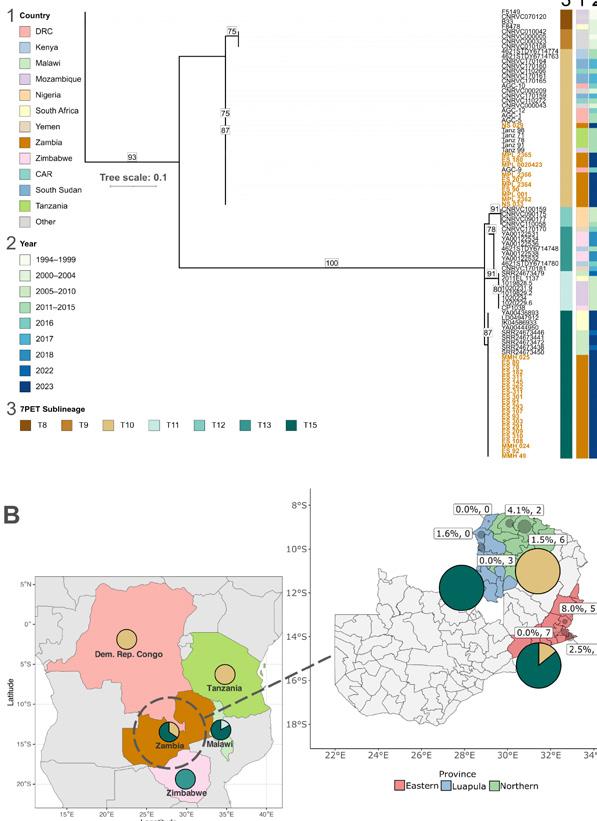
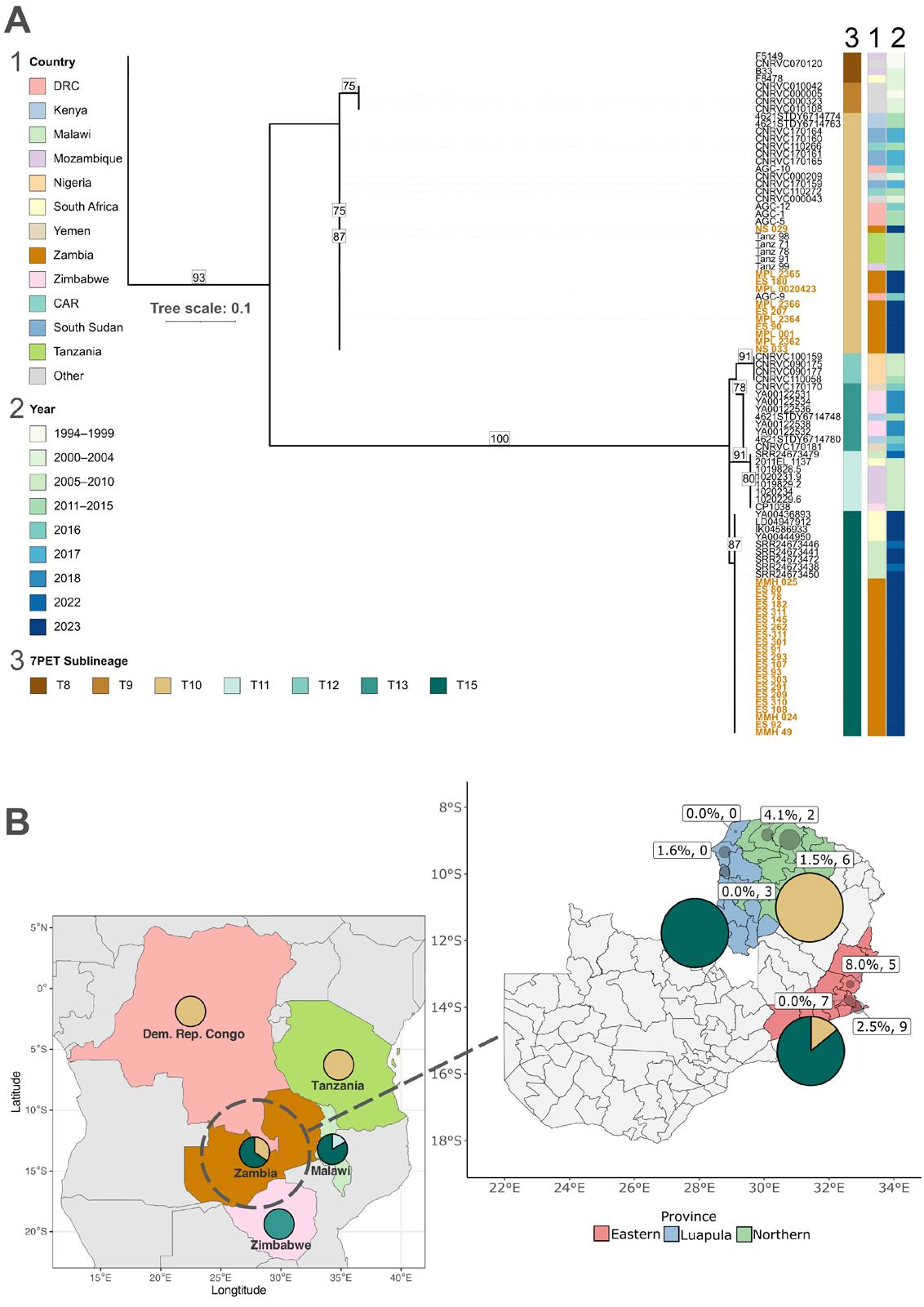
Results. Of the 98 stool samples tested, 38 confirmed cholera cases were identified. A subset of 32 confirmed V. cholerae isolates, predominantly from the Eastern Province of Zambia (n=21), was selected for whole genome sequencing. Genomic analysis revealed that all isolates belonged to the seventh pandemic El Tor lineage and the O1 serogroup, with two distinct clades identified corresponding to the 10th (T10) and 15th (T15) transmission events. Geographical analysis indicated a predominance of Ogawa serotypes in Eastern Province and Inaba in Northern Province. The virulence gene analysis confirmed the presence of key cholera toxin genes (ctxA and ctxB) and intestinal colonization factors. All isolates carried genes or mutations predicted to confer resistance to multiple antibiotics, including decreased susceptibility to ciprofloxacin, recommended for the treatment of cholera by the World Health Organization.
Conclusion. The findings highlight the critical need for enhanced surveillance and targeted interventions to mitigate cholera outbreaks in Zambia. The emergence of resistant V. cholerae strains necessitates innovative strategies, including improved water sanitation, vaccination efforts and novel therapeutic approaches to combat this enduring public health threat.
As antimicrobial resistance threatens to undermine standard cholera treatment, Harriet sees genomics as a critical bridge between science and prevention. The detection of reduced susceptibility to ciprofloxacin – a WHO recommended treatment – underscores the need to rethink how outbreaks are monitored and managed, not only within national borders but across the region.
Her work strongly supports integrating genomic surveillance into routine outbreak response, combining phenotypic testing with real time sequencing to detect resistance trends early and guide treatment, vaccination, and water sanitation strategies. Crucially, the study reinforces that
ABOVE: Genomic analysis of Vibrio cholerae isolates from the 2023 Zambian outbreak shows close relatedness between local strains and regional lineages, highlighting cross border transmission dynamics.
Zambia’s outbreaks are part of broader, cross border transmission networks, demanding coordinated regional responses.
“Genomics allows us to move from reactive outbreak response to proactive prevention, but only if we integrate it into routine public health decision making,” concludes Harriet.
Read the full publication here: https://www. microbiologyresearch.org/content/journal/ mgen/10.1099/mgen.0.001566
Igniting Innovation
In December 2025, the African STARS Fellowship marked an important milestone as ATT and YPP fellows across two leading institutions — CERI in South Africa and CARE in Senegal — showcased research driven innovations with the potential for real world impact.
text:
Katrine Anker-Nilssen & Hawa Diaw
photos: Maambele Khosa
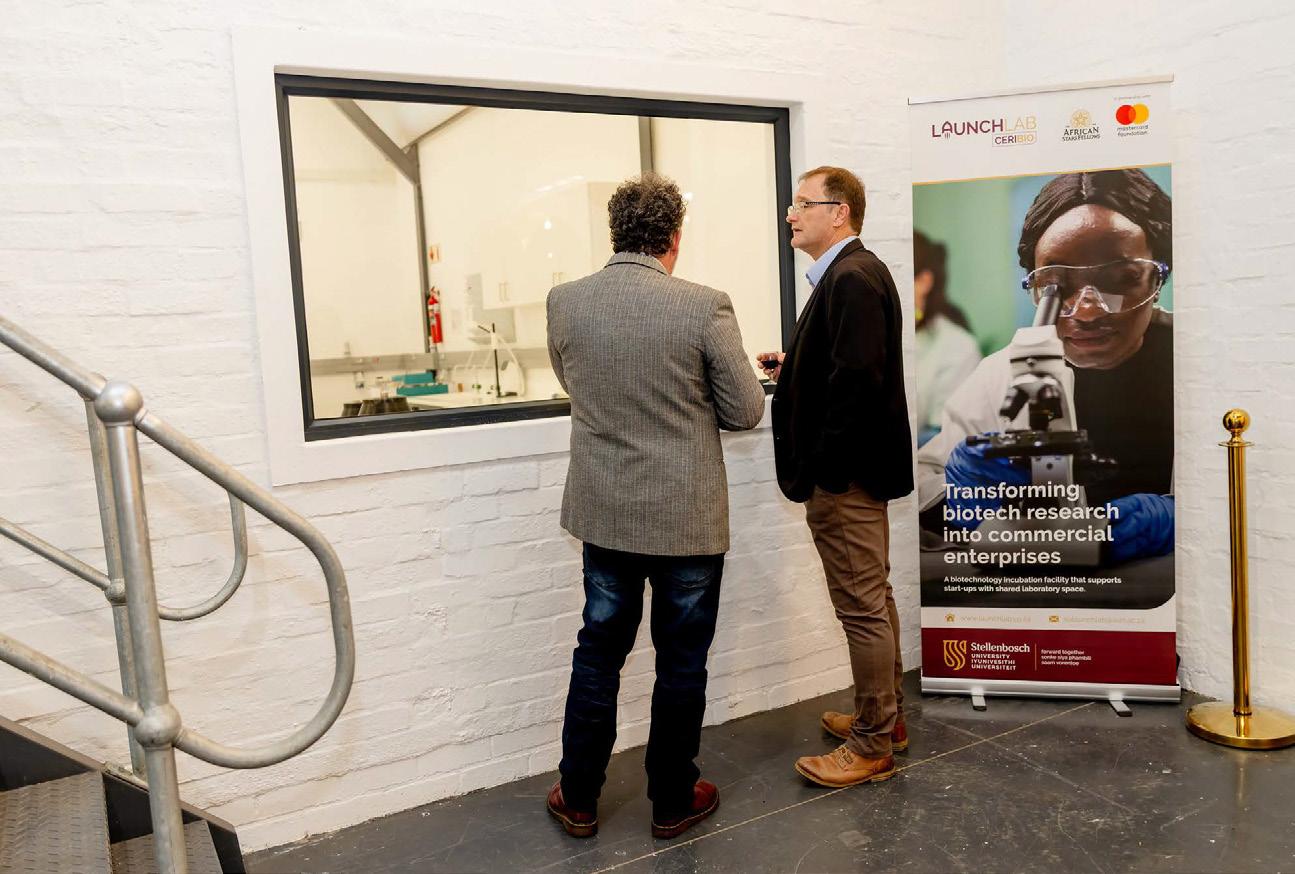
After 10 weeks in the LaunchLab Countdown Programme and intensive engagement with the Instant Startup platform, the first cohort of our African STARS CERI fellows were ready to showcase the innovative work they had been developing. Demo Day, on 10 December 2025, brought together the STARS community, partners, and supporters to celebrate this important milestone. The following six pitches were presented, each offering compelling insights and demonstrating strong potential for real world impact:
1. SmartPath: Care Pathway Navigation for Maternal Anemia – Grace Bosco, Joel Alukwe, and Fezokuhle Khumal
2. Pan-African Rollout of a Biosimilar EGF for Diabetic Foot Ulcers – Kingstone Nihaka, Kajelcha Fikadu, and Francisca Adomako
3. Understanding the Landscape of Vaccine Production in Africa – Amusa Wamawobe, Lusako Sibale, and Monique Barnard-Matthee
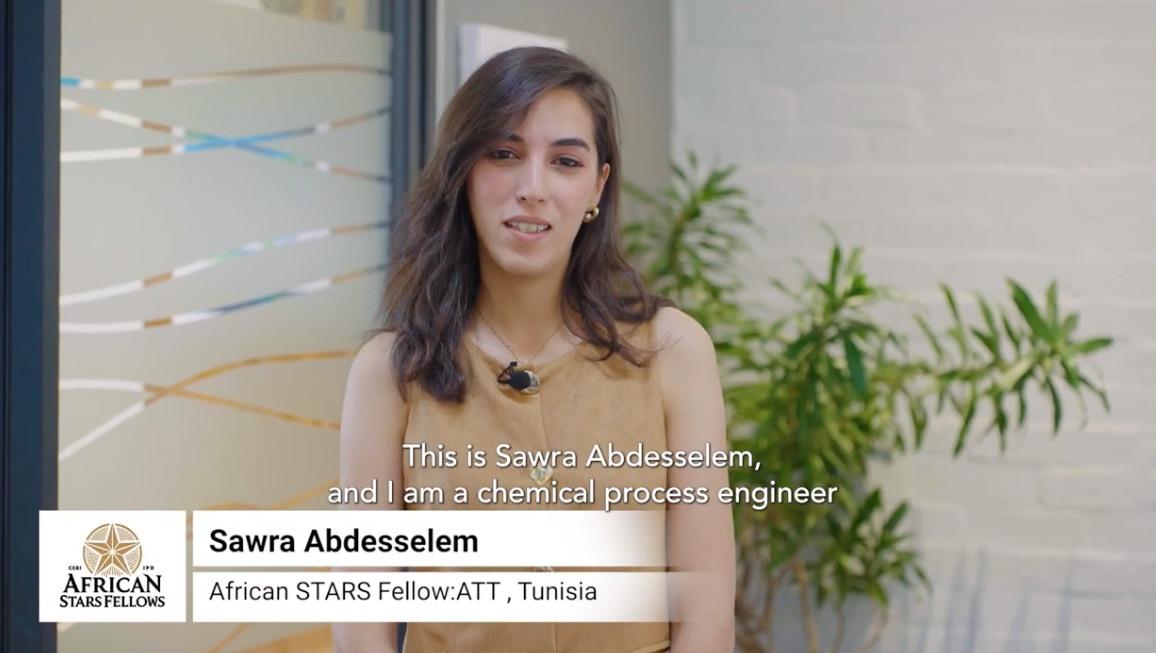
4. Manos: A Breakthrough Solution for Male Contraception – Megan Hanslow, Sawra Abdesselem, Salma Elsayed, and Laila Oulad Belayachi
5. Unlocking High-Value Products from Kelp –Charleen Wormsberg, Kennedy Mulungu, and Celestine Kemunto
6. HPV RT-LAMP – Alex Durand Nka, Harries Molepo, and Joel Kabugo
In his opening address, Director of the Centre for Epidemic Response and Innovation (CERI), Professor Tulio de Oliveira, emphasised the purpose of the programme and the moment it represented for the fellows.
“LaunchLab is here to help you start thinking about how to move your ideas to the market,” he said, describing Demo Day as both a celebration and a transition. “This marks the end of the first phase of the African STARS Fellowship and the first cohort of ATTs. Building success is about starting, finishing, and delivering. Now it is time for you to deliver. Look for opportunities to create businesses, write grants, and advance your careers.”
Dr Richard Gordon, who led the fellows through the Countdown Programme – a structured, high intensity journey designed to help researchers and early entrepreneurs translate scientific insight into market ready solutions – shared his enthusiasm for the progress he had witnessed.
“Now it is all about stepping forward and stepping into the mix,” he said. “When I first met you, I didn’t know what to expect. But as I got to know you, I realised there is some truly impressive talent here.”
Dr Gordon encouraged the fellows to recognise their own value and capability. “You do not need to step back for anyone in the world,” he said. “You should be very proud of what you have achieved, and we are incredibly excited to see how you progress after completing this fellowship.”
He also expressed gratitude to the programme’s mentors for “guiding these amazing minds from across Africa” throughout the LaunchLab Countdown journey.
SU LaunchLab Deputy Director, Brandon Paschal, echoed these sentiments, noting: “It has been an honour to work with CERI and the talented STARS fellows.” He highlighted that the goals of the Countdown Programme were to validate the commercial potential of new technologies, design initial business models, and prepare fellows to raise pre seed or angel funding.
“Today’s presentations represent only half of the cohort,” Dr Gordon added. “The other half is in Senegal at IPD CARE, participating in a very similar programme.”
In parallel with the Stellenbosch Demo Day, African STARS Fellows at the Centre for Africa’s Resilience to Epidemics (CARE) at the Institut Pasteur de Dakar (IPD) marked a key fellowship milestone through a Pitch Day on December 11, 2025, bringing together fellows from the Advanced and Translational Training (ATT) and Young Professional Programme (YPP) tracks.
Fourteen fellows presented capstone projects spanning diagnostics, genomics, antimicrobial resistance, digital health, vaccine development, and environmental health, all emphasising context specific solutions and clear pathways from research to real world application:
1. Hot Waste, Cool Science: Biomedical Waste-to-Value –Mary Wambui Muroki
2. Women’s Health and the Microbiome in Senegal –Fatou Samba Diouf
3. AMR Helicobacter pylori Diagnostics in West Africa –Edna Hounsa
5. RRegalis: Integrated Digital Health Ecosystem – Levi Hosea Rakotoarimanana
6. Rapid AMR Prediction Using AI – Issa Sy
7. Multiplex RDT for Deadly Fevers – Mame Marième Samb
8. Cancer Care Navigator App – Innocent Hezron Peter
9. Next-Generation TB and AMR Diagnostics – Ibrahim Saheed Opeyemi
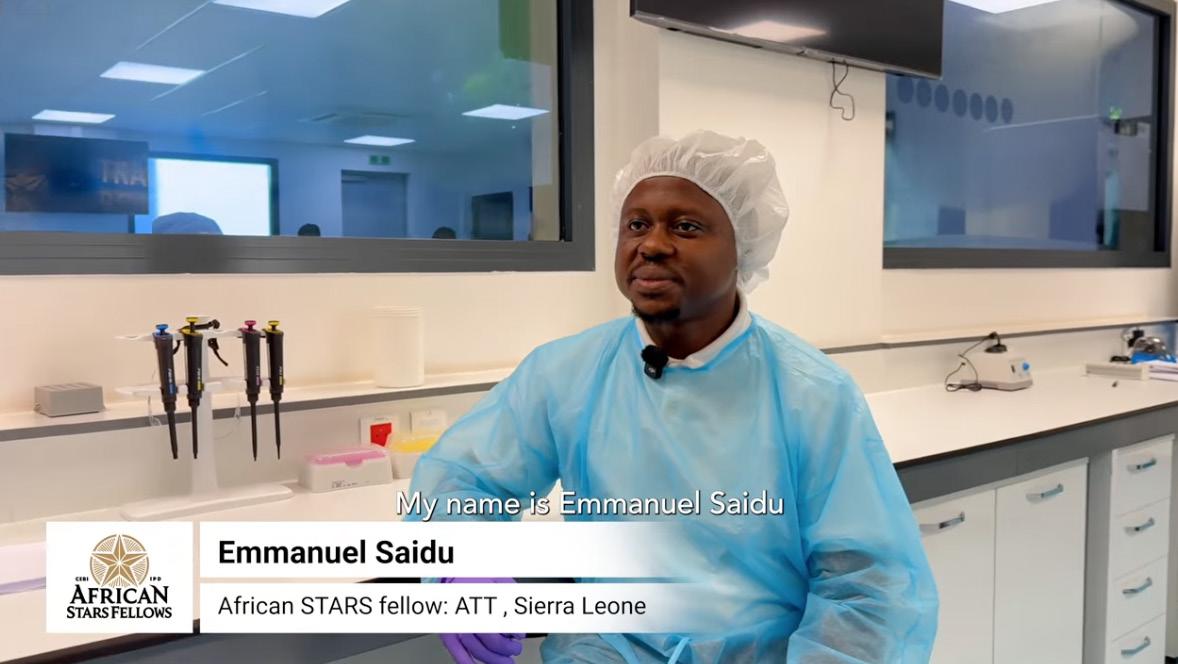
10. Arbovirus Genomic Surveillance in Sierra Leone –Emmanuel Saidu
11. Emerging Viral Risks in Dakar-Plateau – Richmond Gorman
12. Malaria Drug Resistance Genomics in Senegal –Arona Sabene Diatta
13. Rift Valley Fever Virus Phylogeography –Thiédjiguène Magar Diop
14. Heat-Stable Nanoparticle Vaccine for Lassa and Beyond – Farida Ouedraogo
Addressing the fellows, Dr Xavier Berthet, Director of Research, Education and Innovation at IPD, reflected on the broader responsibility that accompanies scientific training. “You came as very bright young minds; now you are emerging leaders. The laboratory is not only about techniques – it is about solving hunger, fighting diseases, safeguarding ecosystems, and transforming economies.” He encouraged fellows to carry this responsibility forward, adding: “With knowledge comes responsibility. The continent needs you.”
Across Demo Day at CERI and Pitch Day at CARE, African STARS fellows demonstrated how science, innovation, and leadership can be translated into solutions aligned with Africa’s public health priorities.
As the first cohort moves into the next phase of their journeys – through entrepreneurship, research, policy, or partnerships – these events marked not an endpoint, but a launchpad. With continued support from CERI, CARE, and partners, the African STARS Fellowship is building a growing continental network of scientists and innovators shaping Africa’s health and innovation future.
Pitch Perfect
Africa’s research talent can and must drive the solutions our continent needs most.
text and photo: Maambele Khosa
Around 30% of women globally are anaemic, and in South Africa, approximately 40% of pregnant women are iron deficient. These statistics reveal a silent yet pervasive public health challenge that stretches beyond the clinic and into the very fabric of our communities. Maternal anaemia isn’t just a lab value, it’s linked with a range of adverse outcomes including preterm birth, low birth weight, postpartum haemorrhage, and increased maternal and neonatal risk.
On 10 December, 2025, The African STARS Fellows presented the ideas they have been developing through the LaunchLab Countdown programme, a structured, high intensity journey designed to help researchers and early entrepreneurs translate scientific insight into market ready solutions that can make a difference on the ground.
Among the pitches, Fezokuhle Khumalo (pictured below, right), Grace Bosco and Joel Alukwe pitched was SmartPath, a connected solution aimed at bridging critical gaps in maternal anaemia care. Rooted in the belief that every woman deserves a system that supports her from first symptoms to safe delivery, SmartPath reflects the programme’s core mission: turn evidence into action by building around real needs backed by research. The prevalence and consequences of anaemia in pregnancy, particularly where iron deficiency is common underscore why solutions like this are urgently needed.
The fellows went through an immersive training journey at Stellenbosch University LaunchLab, built around practical tools and hard lessons from the startup world. Fellows were introduced to customer discovery and validation techniques that push teams to move beyond assumptions and engage directly with potential users and stakeholders. They learned how to formulate value propositions that resonate, map critical risks, and iterate on their concepts based on real feedback.
Throughout the programme, participants were supported through weekly mentorship and tactical
workshops, from business model design and market sizing to lean experimentation and growth strategy. These sessions helped shift thinking from research as knowledge to research as impact, empowering fellows to shape ideas that are not only scientifically credible but also viable and scalable in real markets.
Witnessing these innovators transform complex health and development challenges into articulated pitches rooted in evidence was truly inspiring. It reminds us that Africa’s research talent can and must be part of generating solutions for its most pressing problems. The path from lab or journal to lived impact is not straightforward, but it is possible and we saw it in action.
Congratulations to all the fellows who presented. Your work shows what is possible when research meets entrepreneurship and how science, when guided by purpose and equipped with commercial skills, can reach the people who need it most.
Many thanks to all who made this possible, including the various projects mentors: Dominic Nicholas, Ross Rayne Vermeulen, Karin Davidson, Lyndon Mungur, Naledi Yolanda Plaatjies, Brandon Paschal, Jade Meyer, Nadine Brink, Richard Gordon, and Tulio de Oliveira.
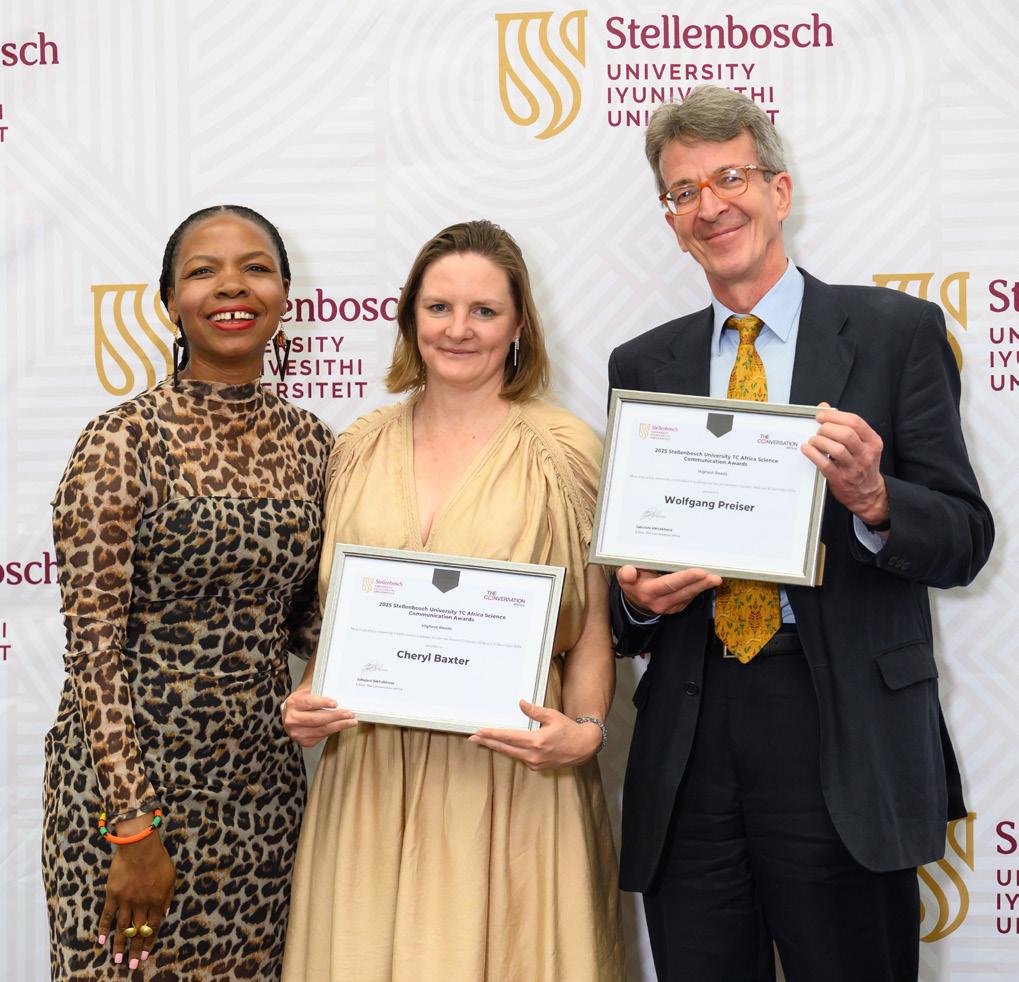
Head of Scientific Support at the Centre for Epidemic Response and Innovation (CERI) at the School for Data Science and Computational Thinking at Stellenbosch University, Dr Cheryl Baxter, has been recognised with The Conversation Africa Award at the 2025 Stellenbosch University Research and Innovation Excellence Awards.
The award celebrates the most read Conversation Africa article of 2024, “Mpox outbreak in Africa was neglected – it could now turn into the next global pandemic”, co authored by Prof Wolfgang Preiser, Dr Cheryl Baxter, and Prof Jean Nachega — a publication that captured global attention for its timely insight into an evolving public health threat.
Reflecting on why the article resonated so widely, Dr Baxter (pictured left, in the middle) explained: “This article was widely cited because the publication coincided with a critical upsurge of Mpox in Central Africa that resulted in the Africa CDC declaring its first ever Public Health Emergency of Continental Security (PHECS) and the WHO declaring a public health emergency of international concern.” The 2024 outbreak involved a notable epidemiological shift: “Unlike the 2022 23 global Mpox outbreak, the 2024 situation was driven by a different lineage, the Clade Ib lineage, which marked a dangerous shift toward sustained human to human transmission, including sexual transmission among adults, significantly increased the risk of rapid international spread.”
The Research and Innovation Excellence Awards, held at the Stellenbosch Institute for Advanced Study (STIAS), honour researchers, innovators, postdoctoral fellows and postgraduate students whose work has made a profound contribution to society, under the theme “Transforming knowledge into sustainable solutions”. Leaders at the 2025 ceremony – in the last week of October – emphasised purpose, collaboration and social responsibility as core drivers of Stellenbosch University’s research community.
Prof Sibusiso Moyo, Deputy Vice Chancellor: Research, Innovation and Postgraduate Studies, noted that the evening was a celebration of the “intellect, creativity and perseverance that define our institution”.
Dr Baxter’s award, presented within the newly expanded categories that include Open Access Awards – recognising visibility and accessibility in scholarly publishing – emphasises the importance of making research accessible to a broader audience and of communicating scholarly insight in a way that informs public discourse and policy.
Her award winning article highlights how rigorous science communication can shape awareness during emerging health threats – a crucial role in global health security.
About Dr Cheryl Baxter
Dr Cheryl Baxter is a seasoned epidemiologist and scientific communicator whose work spans HIV prevention, sexual and reproductive health, outbreak analysis and public health preparedness. At CERI, she leads scientific support functions providing grant wiritng, ethics and project management support to the organisation. She is passionate about capacity development and supports early career researchers to become independant scientists. Dr Baxter is also a Research Associate at the Centre for the AIDS Programme of Research in South Africa (CAPRISA), and Associate Professor in Medical Virology at Stellenbosch University.
Powerful Stories of Science, Resilience and Impact
Congratulations to our three wonderful Honours graduates,
who are shaping the future of bioinformatics in Africa.
text: Katrine Anker-Nilssen photos: CERI Media & Supplied
From advancing women’s health through HPV research, to breaking barriers as a Deaf scientist, to building cutting edge tools for viral discovery… Three Honours graduates from Stellenbosch University’s Centre for Epidemic Response and Innovation (CERI) are already shaping the future of bioinformatics in Africa.
Khomotso Mohlala, Trevolin Pillay, and Nokuzotha Nkiwane have each completed demanding Honours degrees and emerged with work that speaks directly to real world health priorities. Behind the data, code, and research questions are three individuals whose journeys reflect curiosity, perseverance, and personality.
Khomotso Mohlala
BSc Honours (cum laude) in Bioinformatics & Computational Biology
Graduating cum laude, Khomotso Mohlala describes her Honours year as both challenging and deeply rewarding. Transitioning from a strong biological foundation into a computational, data driven field
pushed her well beyond her comfort zone – and reshaped how she thinks about science.
“The biggest shift for me was learning to truly appreciate data itself. I realised that data holds an incredible amount of information, and that one does not always need to be in the lab generating it to make meaningful discoveries,” she said.
Her research project, “Patterns of HPV co infection, persistence and infection trajectories in South African women,” focused on understanding infection dynamics of a vaccine preventable virus responsible for approximately 70% of cervical cancer cases worldwide. For Khomotso, the work carries urgent relevance for women’s health in South Africa.
“Persistent HPV infections with multiple high risk types are a driver for the development of cervical cancer, which remains one of the leading causes of cancer related deaths among women.”
A defining moment came while writing up her results. “Comparing my findings with existing literature made me realise that my research was not just an academic exercise, but part of a larger body of evidence that can influence how we understand HPV dynamics.”
Outside of the intensity of Honours, Khomotso describes this year as one that taught her resilience and self belief. “Graduating cum laude was something I never imagined for myself. It showed me that with discipline and the right support, I’m capable of more than I often give myself credit for.”
Khomotso is now excited to continue her HPV focused research at Master’s level – motivated by the possibility that her work could help inform real public health interventions and vaccine strategies in South Africa in the future.
Trevolin Pillay
BSc
Honours in Bioinformatics & Computational Biology
For Trevolin Pillay, graduating from Stellenbosch University represents one of the most meaningful achievements of his life – both academically and personally.
“This is one of my biggest achievements as a Deaf student. My Honours journey came with many challenges, but in the end, I made it,” he said. Navigating a highly technical, biology intensive programme came with additional hurdles, particularly around scientific communication. “Even though I can communicate in English, the science language was tough for me. What pushed me through was my determination – my ‘Never Give Up’ mindset,” he explained.
Trevolin is quick to acknowledge the network that made his success possible, including his family, supervisors, fellow Honours students, mentor TJ – and South African Sign Language (SASL) interpreters.
“Without the interpreters, things would have been really tough, especially during meetings and seminars. My supervisors were incredibly patient – sometimes I pointed where I didn’t understand, or used the Teams chatbox, and they met me where I was.”
Graduation holds deep symbolic meaning for Trevolin as a scientist and trailblazer. “Graduating at Stellenbosch University means a lot to me as a first Deaf postgraduate. Knowing how tough this course was, and still beating the challenge, means everything.”
Outside of academia, Trevolin keeps himself motivated by learning and practising programming – and by the unwavering encouragement of his parents. “My parents are my biggest blessing. Even when things get tough, they remind me to keep going and never give up.”
As he moves forward, Trevolin hopes his story inspires both Deaf and hearing people to pursue what they love in science. “Even when you’re faced with barriers, ask for help and keep reaching for the stars.”
Nokuzotha Nkiwane
BSc Honours (cum laude) in Bioinformatics
Nokuzotha Nkiwane graduated cum laude after developing Virolocate, a Nextflow based pipeline designed to accelerate viral discovery from sequencing data – validated using animal samples from South Africa’s Kruger National Park.
Virolocate was designed to address a very real challenge in bioinformatics. “Analysing high throughput sequencing data is a heavily technical and multi step process. Virolocate aimed to be a one click solution that speeds up viral discovery while only requiring basic command line skills,” said Nokuzotha.
Building the pipeline was both demanding and transformative. “At first, programming felt like pulling out entire bones. The most rewarding part was realising I could finally think like a programmer – and that I’d built something that actually works.”
Supported by supervisors and mentors at CERI, Nokuzotha thrived in an environment that encouraged innovation and interdisciplinary thinking. “Their encouragement made a real difference on tougher days, especially when debugging felt endless,” she explained.
Her passion lies in applying bioinformatics to viral discovery and surveillance across Africa. “Bioinformatics allows us to identify potential novel viruses before they become health threats. Prevention is better than cure – and cheaper.”
Beyond her academic work, Nokuzotha brings plenty of personality to the lab. “Pineapple on pizza is an absolute yes in my world,” she said with a smile. “Also, I’m a Swiftie! And I live for Formula One Sundays.”
Nokuzotha hopes tools like Virolocate can one day support viral surveillance in resource limited settings, helping researchers make faster, more informed public and environmental health decisions.
Congratulations, Dr Jenicca Poongavanan
This talented young lady is mapping risk to strengthen Africa’s public health future.
text: Katrine Anker-Nilssen photo: Supplied
CERI (Centre for Epidemic Response and Innovation) proudly congratulates Dr Jenicca Poongavanan on the completion of her PhD at Stellenbosch University – a milestone that marks both an exceptional academic achievement and a meaningful contribution to public health across Africa.
Dr Poongavanan’s research addresses one of public health’s most persistent challenges: understanding and predicting disease risk in settings where data are often sparse, uneven, or missing entirely. By working at the intersection of data science, disease ecology, and public health, she has developed innovative approaches that turn uncertainty into actionable insight.
Turning Data Gaps into Early Warnings
At the core of Dr Poongavanan’s work is the use of high resolution spatial modelling to anticipate arbovirus threats before they escalate into large outbreaks. Her research identifies dengue importation hotspots across Africa, downscales disease incidence to the community
level, and refines ecological models for Oropouche and other arboviruses.
By combining climate, environmental, human movement, and disease data, her models highlight where and when conditions are becoming suitable for outbreaks – often well before case numbers rise. These insights strengthen surveillance systems, support earlier warnings, and enable smarter, more equitable public health decision making, particularly in regions where traditional data sources are limited.
From Ecology to Epidemics
Dr Poongavanan’s journey into public health modelling was shaped by the COVID 19 pandemic. Coming from an ecological and statistical background, she was already accustomed to working with complex systems and uncertainty. However, the urgency of the pandemic clarified where her skills could have the greatest impact.
“When COVID happened, I really wanted to help,” she explains. “It became very clear how important good data and modelling are for real time decision making. That’s
when the intersection of data, disease, and public health really clicked for me.”
A Culture of Collaboration and Impact
Throughout her PhD, Dr Poongavanan was supported by an exceptional supervisory team –Tulio de Oliveira, Houriiyah Tegally, and Marcel Dunaiski – whose
“When COVID happened, I really wanted to help. It became very clear how important good data and modelling are for real-time decision-making. That’s when the intersection of data, disease, and public health really clicked for me”
– Dr Jenicca Poongavanan
guidance helped shape both her technical expertise and her approach to real world impact.
Her time at CERI further reinforced the importance of applied, collaborative research. Working in a global, interdisciplinary environment exposed her to experts across countries and fields, sharpening her ability to contribute meaningfully to large scale public health efforts.
One of the clearest signals of her work’s impact came through regular engagement with policymakers and global health stakeholders. Through bi weekly meetings of the CLIMADE Consortium, Dr Poongavanan saw how closely public health organisations followed the team’s findings. Ongoing interactions with groups such as the World Health Organization reinforced that these models were not abstract exercises – they were actively shaping how disease risk was understood and discussed in real time.
Beyond the Models
Away from maps and data, Dr Poongavanan finds balance underwater. An avid diver, she describes the ocean as her reset button – a place to disconnect, slow down, and regain perspective. She also enjoys travelling, spending time outdoors, and being with family, drawing energy and creativity from this mix of adventure, calm, and connection.
Looking Ahead
As she looks to the future, Dr Poongavanan is excited to push further into the use of AI and advanced modelling to better understand disease risk in Africa –particularly for infections that remain underestimated or neglected due to data gaps. Alongside the science, she is deeply motivated to improve how research itself is done.
Her vision includes more transparent models, reproducible results, and openly shared data, helping to build a research culture where evidence is not only stronger, but also more trustworthy, equitable, and useful for policy and preparedness.
Reflecting on her journey, Dr Poongavanan shares her gratitude: “I’m incredibly thankful to my supervisors, everyone at CERI, and all our collaborators. It’s been a privilege to work at the intersection of data, disease, and public health – and I’m excited for what comes next.”
CERI celebrates this remarkable achievement and looks forward to the continued impact of Dr Poongavanan’s work as she helps shape the future of data driven public health in Africa and beyond.
CholeraSeq
A comprehensive genomic pipeline for cholera surveillance and near real time outbreak investigation.
authors:
Massimiliano S Tagliamonte, Abhinav Sharma, Alberto Riva, Monika Moir, Marco Salemi, Cheryl Baxter, Tulio de Oliveira Carla N Mavian, Eduan Wilkinson
Next Generation Sequencing is widely deployed in cholera endemic regions, yet an end to end reproducible pipeline that unifies read QC, filtering, reference mapping, variant calling/ annotation, recombination screening, and extraction of parsimony informative sites/variant codons, phylogenetic inference for downstream phylodynamic and epidemiological analyses have been lacking, slowing outbreak investigation and public health response. CholeraSeq is a high throughput genomics pipeline for cholera genomic surveillance. It ingests consensus genomes, short read sequence data, draft assemblies, and scales seamlessly from local to cloud environments. To accelerate epidemiological context placement of new outbreak strains, we provide a curated ready to use core genome alignment compiled from public data, enabling flexible, fast, integration of new samples for outbreak investigations.
Figure 1 (opposite page):
CholeraSeq workflow overview and cholera case study. (A) CholeraSeq main workflow. Raw reads and contigs are processed through quality control (raw reads only), mapped to the reference genome, and are used to generate high quality SNPs and a consensus genome alignment. Recombination analysis is then performed on this alignment, after which variant positions are filtered and passed to the phylogenetic analysis step. (B) Optional sub workflow for combining core alignments. New samples can be incorporated into a pre existing dataset by mapping them to the reference genome and merging the resulting alignments, thereby avoiding the escalation of time and memory requirements each time new data become available.
(C) Global V. cholerae phylogeny obtained from CholeraSeq and visualized using the R package ggtree. The tree highlights the 2010–2017 and 2022 Haiti
CholeraSeq: Main work
Reference
Recombination analysis
Phylogenetic analysis
CholeraSeq: Combine core alignments subworkflow
clades. Each tip is represented by a circle coloured according to geographic origin: Africa, Americas, Asia, Europe, and Oceania. Strains from Haiti, Mexico, Nepal, and Asia clustering within the Haiti lineage are shown with distinct colours for clarity. Branches correspond to units of calendar time (year).
Results
Phylogenetics-ready alignment
The final alignment produced by the pipeline comprises PIS extracted from the recombination masked core genome alignment. High quality single nucleotide substitutions were called relative to the V. cholerae N16961 reference. In total, 5897 parsimony informative sites were extracted from 4196 taxa with 2215 genomes from Africa and 1275 from Asia. The temporal sampling frame of this alignment spans 1961–2024 capturing over six decades of V. cholerae O1 circulation during the ongoing 7th pandemic.
Case-study and interpretation of results
As a case study we repeated the outbreak investigation of the 2022 cholera outbreak in Haiti (Mavian et al. 2023). This outbreak investigation uses both CholeraSeq workflows: Firstly, we process the 41 strains through the main CholeraSeq workflow to obtain a core genome alignment (Fig. 1A). Secondly, we use the optional sub workflow to merge the outbreak core alignment with 4196 global cholera genomes using the ready to use core alignment provided by CholeraSeq and obtain a worldwide phylogeny (Fig. 1B). The run was executed on a Google Cloud server equipped with 32 CPUs and 250 GB RAM and completed
in 1 h and 25 min. Our new global phylogenetic tree composed of 4237 isolates, including the 41 strains from 2022 and 327 strains from Haiti sampled between 2010 and 2019, confirmed previous findings that the recent cholera outbreak was closely related to strains that had circulated in Haiti during earlier years (Fig. 1C)
*CholeraSeq is freely available on the GitHub platform https://github.com/CERI-KRISP/CholeraSeq. CholeraSeq is implemented in Nextflow with a modular design building upon the nf-core community standards.
MEDIA COVERAGE
Sawra Abdesselem –African STARS YPP Fellow
Sawra Abdesselem is an Advanced and Translational Training (ATT) Fellow of the African STARS Fellowship. Through the fellowship, she is building meaningful collaborations and strengthening her skills in translational science, data driven research, and interdisciplinary teamwork. This video highlights her journey, goals, and dedication to advancing Africa’s scientific ecosystem.
Watch the full video here: https://www.youtube.com/watch?v=mY3Yj6crirI
Trevolin Pillay: Deaf Awareness
Our recent Honours graduate, Trevolin Pillay, talks about Deaf Awareness Month and celebrating the strength, talent, and contributions of the Deaf community while promoting inclusivity and understanding. Trevor’s journey inspires us to continue building an environment where everyone can thrive, contribute, and lead. Together, we reaffirm our belief that diversity strengthens innovation and that inclusive science benefits us all.
Watch the full video here: https://www.youtube.com/watch?v=1vBX8vmw5x8
Inside the African STARS Fellowship
A glimpse into how the fellowship equips young Africans with advanced scientific skills, leadership training, financial management, entrepreneurship, communication, and a strong network of support.
Watch the full video here: https://www.youtube.com/watch?v=tApAgqvEnRE
Emmanuel Saidu – African STARS YPP Fellow
Emmanuel Saidu is an Advanced and Translational Training (ATT) Fellow of the African STARS Fellowship. Emmanuel is hosted at Institut Pasteur de Dakar (IPD) in Senegal, where he continues to grow as a leader in genomic epidemiology and integrated disease surveillance.This video highlights Emmanuel’s journey, passion, and vision for a healthier and better-prepared Africa.
Watch the full video here: https://www.youtube.com/watch?v=402qXblrv4k
Why is learning to collaborate just as important as leading in science?
In this #RealTalkResearch episode, Prof Tulio de Oliveira highlights the power of collaboration in science. He explains why working beyond silos — by co authoring, sharing ideas, and building partnerships — helps researchers grow. Collaboration not only advances knowledge but also teaches the balance of leading and following.
Watch the full video here: https://www.youtube.com/watch?v=Sk0_qAOIWGM