Policies The observer is the independent, daily newspaper published in print and online by the students of the University of notre dame du Lac and saint mary’s college. editorial content, including advertisements, is not governed by policies of the administration of either institution. The observer reserves the right to refuse advertisements based on content.
The news is reported as accurately and objectively as possible. Unsigned editorials represent the opinion of the majority of the editor-in-chief, managing editor, Assistant managing editors and department editors. commentaries, letters and columns present the views of the authors and not necessarily those of The observer.
viewpoint space is
Question of the Day:
Have a question you want answered? Email photo@ndsmcobserver.com
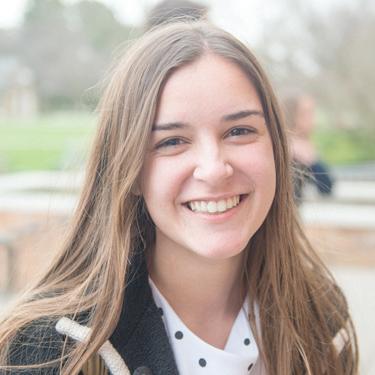
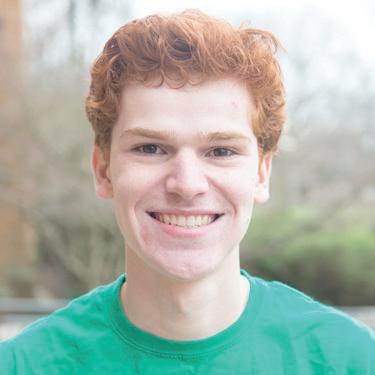
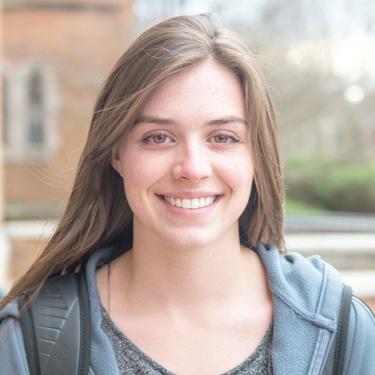
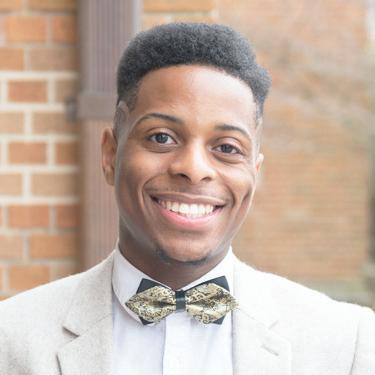
If Notre Dame were to change its school colors, what color scheme would you suggest?
Holly Bahadursingh sophomore Lyons hall
“There is no better color combination.”
Joe Pinto sophomore sorin college
“black and Yellow-Wiz Khalifa.”
Jenna Myers freshman badin hall
“red and black.”
t he next f ive D ays:
Thursday
Walk for More Tomorrows South Quad
4 p.m. - 7 p.m. Raising suicide awareness.
SNL Comedian Sasheer Zamata Legends Nightclub
9 p.m.
SNL cast member’s stand-up show.
Friday
Migrant Monologues Carey Auditorium
5 p.m. - 6:30 p.m.
Reading of works by immigrants, migrants, and refugees.
ND Glee Club Concert DeBartolo Performing Arts Center
8 p.m.
Glee Club’s spring concert.
and
Questions regarding Observer policies should be directed to
Ben Padanilam.
Today’s Staff
Corrections
The observer regards itself as a
and strives for the highest standards of
made
Connor Mullaney sophomore sorin college
“red with teardrop decal.”
Brandon Hardy freshman Fisher hall
“Gold and black.”
Michael O’Brien sophomore sorin college
“Green and bronze.”
Want your event included here? Email news@ndsmcobserver.com
Saturday Fiestang South Dining Hall
3 p.m. Celebration of Filipino culture through dance, music and fashion.
Edges! Washington Hall 4:30 p.m.
Song cycle exploring life’s edges, put on by Student Players.
Welsh Family Hall’s Human Library LaFortune Ballroom
5 p.m. - 6:30 p.m. A Notre Dame Literary Festival event.
ACMS/Math Joint Colloquium Hayes-Healy Center
4:15 p.m. - 5:15 p.m. Professor David Harbater to speak.
Group passes two resolutions
By ANDREW CAMERON news Writer
The last student senate meeting of the current administration took place Wednesday, and saw the passing of two resolutions. one to amend sentencelevel errors in the constitution of the Undergraduate student body (ss1617-34) and the other to officially commend the notre dame fencing team in the wake of its 2017 ncAA championship (ss1617-35).
resolution ss1617-36, “A resolution supporting the release of aggregate data regarding sexual assault reports”, after lengthy discussion, failed to pass. Another resolution, ss1617-37, “A resolution supporting the adoption and implementation of callisto,” failed to receive the unanimous senate vote required for it to be discussed and voted upon.
student body president, corey robinson, began by delivering his final state of the student Union Address, expressing gratitude to all of student senate for their work this year.
“I want to use this time to express my deepest gratitude to each and every one of you,” robinson said. “This past year has been probably the greatest honor of my life,
being able to serve the student body alongside each of you … [it] gives me so much hope, right now in this turbulent time in our country, because it rests with you all.”
senator Zachary huber briefly described ss1617-34, and said the purpose of the proposed amendment was for ”fixing an error that we had before with how some of the stuff was ordered.” The resolution passed. resolution ss1617-35, “A resolution commending the University of notre dame fencing program on its 2017 ncAA championship” was also described by huber and passed unanimously without discussion.
senator Jade martinez introduced resolution ss1617-36, entitled “A resolution supporting the release of aggregate data regarding sexual assault reports.” The resolution’s written purpose was that, if passed, the senate would “fully support the administration’s release of aggregate data once per semester of all sexual assault reports, starting Fall 2017.”
senator Isabel rooper, a member of the Policy committee, supported the resolution.
“Without quantitative data on this issue we are unable to evaluate whether our current system is functioning appropriately,” rooper said. “similarly, it’s difficult
to compare notre dame to other universities when we don’t have this actual data released, and finally, as a catholic university, notre dame has to ask more of itself than other institutions.”
during the question and discussion periods, several members of the senate expressed concerns about the resolution, including Judicial council President caitlin Geary.
“I would very strongly urge you to add a clause in this before we would pass this to define what sort of aggregate data we’re looking for,” Geary said.
The final vote, made by ballot, was insufficient to pass the resolution. overall, 19 votes in favor were received, nine in opposition and six abstentions.
senator martinez introduced another resolution, ss1617-37, “A resolution supporting the adoption and implementation of callisto.” The resolution called for callisto to be implemented as a sexual assault reporting software no later than Fall 2017. because the resolution had not been scheduled beforehand, the senate voted on whether or not to hear it. The vote was not unanimous, so the resolution was not heard. Contact Andrew Cameron at acamero2@nd.edu
student senate
Edges
run with it — expanding the cast to seven females and five males and arranging the songs in a specific order.
“We’ve given it more of an arc than it was written with — all of the actors are the same character all the way through, and they start kind of unsure of themselves and unsure of what they want, and by the end of the show they’ve all become more confident and
self-assured,” burke said. burke and goebelbecker applied for student Players to produce the musical after seeing the number of students who wanted to do musical theatre but were turned away from Pemco’s grease.
“We thought, ‘it’s kind of sad that’s the only opportunity that students have to do musical theatre because that’s the only group that does productions — maybe we could do our own production with a different group … we just kind of made the opportunity,”
burke said.
While Pemco specializes in musicals and not so royal shakespeare company specializes in shakespeare, student Players falls somewhere in the middle.
“We’re kind of moving in the direction of dubbing student Players as a place for people to do their passion projects,”goebelbecker said.“so if you really want to do a show about social justice issues, you can apply to do a show about social justice issues and if it seems like you’re ready and prepared to do it, then student players will
help make it happen.” balancing the roles of director and actor has been a new experience for goebelbecker and burke, both of whom are hesitant to call themselves “directors” in the traditional sense. creating the show, they said, has been a democratic, respectful and, though stressful, mostly pain-free process.
“We wanted to make it a collaborative experience,” goebelbecker said. “because we are leading the project and we’re also in it, that means there’s limitations on how much we can do in both roles, and those limitations are less of an issue if people step in and offer their perspectives and their ideas.”
Part of that process was creating the characters themselves. most of the show’s roles are unnamed and there is not much characterization within the lyrics themselves, necessitating the creation of unique characters for every production.
“it took a lot of imagination and creativity,” goebelbecker
said. “We sat down and decided where their character was from, what college they went to, what they majored in, if they went to college, what their family looks like, what their biggest fears and loves are…people had to draw on their own experiences to answer those questions, but then that became a character separate from themself.”
directing “edges” has reinforced in both goebelbecker and burke the importance of taking initiative and working collaboratively. They hope the audience members will also gain something from watching the small narratives unfold before them — an understanding of their own edges and how they can, in burke’s words, “take the leap.”
“Looking back, i wouldn’t have done anything differently,” burke said.
Contact Ciara Hopkinson at chopkin1@nd.edu
smartphone for internet access.
a problem. i need help.’”
Through their research and volunteer work, moore and Forsyth identified 40 percent of st. Joseph county residents belonged to the working poor — members of the working poor are subject to what moore and Forsyth call the “additional costs of poverty.” These costs typically result due to a lack of a bank account and include fees to cash paychecks or short-term, high-interest loans.
“The less money you have, the more expensive it is to live sometimes,” Forsyth said. “if you don’t have the convenience of enough cash flow to have some money in the bank to be able to wait for your paycheck to clear, you’re spending money to access your money.”
moore and Forsyth also found these low-income residents typically do not have access to a desktop computer and instead use a
While moore and Forsyth said south bend is planning to revamp its website to help reduce the strain on its 311 call center, they identified a mobile application as a better option. This realization led to birth of south bend city connect.
“south bend city connects integrates financial education, low cost banking resources and electronic utility payments in a powerful tool to aid in the transition to selfsufficiency,” moore said. “We see south bend city connect as a powerful tool that aligns with the notre dame vision to heal, unify and enlighten the world.”
The app offers services such as bill pay, budgeting and paying it forward to help a neighbor and reporting a city maintenance problem such as a pothole. in addition, the app alerts users as to overdraft fees when they pay their bills and will offer to connect them to stone soup community, the financial education partner of the app. other partners for the app include notre dame Federal credit Union, which is looking to offer some accounts to the working poor that will integrate with south bend city connect, and the city of south bend’s innovation department, which will house and operate the app.
currently, Forsyth and moore are working with notre dame’s innovation department to determine the app’s future. While the two want to stay involved with the project after graduation, they would not manage the app on a day-today basis.
“The goal is to get the innovation department … to set something up and get a running entity,” Forsyth said.
Two other banks and a national initiative are interested in serving as partners with the app, which would allow the program to expand to a regional or national level.
“People are really excited about the idea; it’s just a matter of getting the infrastructure to scale it,” Forsyth said.
Alexandra Muck at amuck@nd.edu
Paid a dverT isemen T
Paid a dverT isemen T
survey
c on T inued from Page 1
overview said.
a dditionally, 21 percent of female respondents and 4 percent of male respondents said they had personally experienced other forms of nonconsensual sexual contact. fourteen percent of all students reported experiencing some form of non-consensual sexual intercourse or nonconsensual sexual contact while a student at notre d ame — a figure down 2 percent from last year’s survey.
most students — 91 percent of all respondents — at least somewhat agreed that they are aware of ways to intervene if a situation had potential for sexual assault, a 10 percent increase from the 2015 survey.
i n its examination of the sexual assault reporting process, the survey found that 65 percent of respondents said they were aware they may pursue a complaint through the university conduct process and/or pursue a criminal complaint.
o f the students that reported experiencing sexual assault while a student a notre d ame, only 10 percent reported the incident to the university, citing “wanting to forget about it” (59 percent), doubts that reporting would solve anything (54 percent), not wanting to go through the university process (53 percent) and selfblame for the incident (51 percent) as major barriers preventing reports.
“student responses to the personal experience questions suggest that notre d ame, like other institutions, experiences underreporting of sexual assault and sexual misconduct,” the student a ffairs overview said. “The university remains committed to alleviating barriers to reporting and encouraging students to report any of these instances.”
While 58 percent of respondents said notre d ame’s response to sexual assault, other sexual misconduct, dating or domestic violence, stalking and other conduct that creates a sexually hostile environment was very or mostly effective, 42 percent of respondents said the response was somewhat effective or not effective at all.
a dditionally, in regards to campus safety, only 52 percent of respondents said they were aware of and knew how to use s afeb ou nd — the university’s safe walk service — while only 39 percent of respondents said they were aware and knew how to use an emergency phone on campus.
The c ommittee for s exual a ssault Prevention ( csa P) will review the results and issue formal recommendations to e rin hoffmann h arding, vice president for student affairs, according to the survey overview.
at notre dame, and there’s an important symbolism, i think, associated with that,” she said. “ … and in 10 years, i hope that the leadership symbols here continue to evolve and that notre dame ... is making full use of all the talent that is available to it in this country, on this globe and everywhere.”
Professor emerita angie chamblee said this responsibility extends to mentoring students, something she missed out on as a minority member of one of the first undergraduate classes of women at notre dame.
“i think that it’s so important that young people have mentors,” she said. “and i can say that at notre dame, i never had any.
i, luckily, found people who worked with me who valued my work, and so i was able to advance through the ranks in the first Year of studies. i have seen change at the university — very positive
change.”
english professor and author valerie sayers said she acts as a mentor to students by providing an opportunity to talk through any problems.
“i think that the process of mentoring, for me, continues in the sense that i do enjoy talking to people,” she said.
ann Tenbrunsel, professor of business ethics in the mendoza college of business, said she uses her research in her mentoring process.
“What i think is the first step is to identify the fact that we all have illusions about our ethicality,” she said. “in some sense, we all are biased, and we’re certainly biased — i think, probably more so — in our ethicality than in other biases we have about decision making or negotiation skills.”
This same methodology can be applied to the university, Tenbrunsel said.
“We have to recognize that we probably have ethical illusions,” she said. “We’re a great university [but] we have to realize where it is
that we maybe aren’t so great, and recognize it.”
it only takes one person recognizing areas in which the university can improve to create change, associate professor sr. Kathleen cannon said, citing her work to close the gender gap between students at notre dame.
“i tried to determine who might’ve been opposed to
removing the gap and what their reasons were for it,” she said. “i did formulate … a recommendation that was sent to the board in may of 1991. They approved the removal of the cap, and now women are admitted almost at parity with men.”
Contact Courtney Becker at cbecker3@nd.edu
Paid a dverT isemen T
Paid a dverT isemen T
Revisiting my hometown
I grew up in the Grand Valley, Colorado, a cluster of about four different towns, on the western side of the state. Every year, the seniors at my school would talk about how they couldn’t wait to leave. We jokingly called Grand Junction — the central city of the Grand Valley — “Junk Town” and complained about how small and limiting it was.
Local legend has it that the Grand Valley was cursed by the native Ute tribe, when they were forced to relocate to a reservation. According to this curse, if you want to leave the Grand Valley permanently, you must collect sand from the three mountains surrounding it. Many of the students at my school collected sand from the mountains upon graduation, for fear they would be forced to return.
Though I never got around to collecting the sand, I was as excited as my classmates to leave the Grand Valley. I looked forward to escaping “Junk Town” and moving to a completely new region of the U.S.. However, given some time — and distance — apart from the Grand Valley, I came to appreciate it in a new way.
When I told my friends at Notre Dame that people did not have to travel far from my home town to go hunting, or that the nearest ski resort was only a 45 minute drive from my house, they were often surprised. They were also surprised to learn that, in Grand Junction, during the spring, you can go mountain biking and skiing in one day. You can drive up to the Mesa or the Colorado National Monument — the mountains surrounding our valley — to go camping for a weekend. If you want to take a hike with your friends, there are an infinite number of trails.
When I returned to Grand Junction during fall break, I also realized I had missed the locals and the small businesses of my hometown. Revisiting all the places I used to roam, I wandered the shelves of the quaint used bookstore I once frequented and enjoyed mac and cheese pizza from Pablo’s Pizza in downtown Grand Junction. My grandma and I went shopping at Carol’s Asian Foods and I visited my church youth group with my younger sister. If I had not left Grand Junction, I probably would not have come appreciate it the way I do today. I understand why my classmates and I wanted to leave: Grand Junction’s economy is suffering, it lacks diversity and it does not have very many opportunities for those who wish to pursue a career in the arts. However, I have come to realize the Grand Valley is not as bad as we once made it out to be. Though it has its flaws, it is a beautiful place to live and has a unique, thriving community. I am grateful I had the opportunity to grow up in that part of the country and I am proud to call it my hometown.
Contact Natalie Weber at nweber@nd.edu
The views expressed in this Inside Column are those of the author and not necessarily those of The Observer.
Charles Murray’s visit to ND
I will preface this letter by saying my intention in writing this is not to infuse the discussion of Charles Murray’s visit to our campus with ideology and partisanship. I simply wish to present my experience of the visit. I decided to attend the event primarily to show support for Professor Munoz and his decision to not rescind Dr. Murray’s invitation. This was a timely defense of free speech on college campuses. Professor Munoz has been a mentor to me since I met him last fall, and we share similar interests in studying the Constitution. I have the utmost respect for Professor Munoz. It is worth noting Munoz invited Murray last summer as part of his plan for a constitutional government course, but only recently began to receive criticism and requests to rescind the offer.
In the days leading up to the event, I read a number of articles about Murray and his work, including his summary of “Coming Apart” that was published in the Wall Street Journal and accounts of the violent protest at Middlebury. I got the sense Murray could not entirely be the villainous “pseudo” political scientist that some in the media and academia make him out to be. In fact, he is a self-described libertarian and passionate “Never Trumper,” escaping portraits that some try to paint. As for his more controversial work, I will not pretend to have knowledge about the accuracy of his methodology or statistical analysis, and I do not know enough about his claims about science and genetics to make a judgement about them. The issue at hand is the mere fact of Murray presenting at Notre Dame.
In those terms, I will say that based on his 45-minute speech, I saw a serious intellect who had a calm, commanding presence and was adept at presenting his argument. I did not agree with everything he said, but what resonated with me was the central message that an intellectual and affluent elite comprised of people from both the Left and the Right on either coast, in areas he calls “super zips,” are isolating themselves from the vast majority of Americans. There is an extreme divergence of common experiences as this “new upper class” consistently shows disdain for much of the country. He discussed how these factors are causing our nation to forget its unique, universally-held creed that affirms equality regardless of class. The event also featured a response from Professor Agustin Fuentes, who offered thorough reasoning and cited evidence that challenged many of Murray’s assertions. o verall, the event was a successful academic debate that demonstrated our school’s commitment to the freedom of speech and the pursuit of truth.
This brings me to the media appeal, or the controversy of the event. I am in no way criticizing the protests. The right to protest injustices is as important to the health of our republic as the right to publish and discuss any findings, conclusions, or opinions. The students and faculty involved in the protests outside McKenna Hall were passionate about their cause and I have no reason to doubt their sincerity. They may be right. I would like to explain, however, one particular instance I observed with which I took issue not because of content, but because of conduct. As I exited the conference center, two students were walking in holding signs about Dr. Murray and raising their voices significantly above a level befitting an academic building. The security person nearest the door stepped in front of them and said, “Not inside.” The students responded by explaining they had class in the building and were heading to their class. The security person let them go on their way, only to be affronted with rude snickers and attitudes characteristic of a middle schooler playing a prank, not of Notre Dame students talking to someone charged with maintaining a safe environment for all. The students’ reaction saddened me — they demonstrated an utter lack of respect for a person, a fellow member of the Notre Dame community, trying to do his job in an excellent way. That is not the Notre Dame community I know and love, and it inspired me to write this article in hopes of adding a personal perspective to a discussion that I anticipate will continue into the near future.
As this is part of a larger discussion about how our community should treat controversial guests, I believe Notre Dame should remain unwaveringly committed to its open speaker policy in order to preserve the integrity of our school as an institution that pursues truth above all else. And I believe Notre Dame students have a duty to remain well-informed and respectful in their dissent. In the spirit of common understanding, I welcome any and all comments, questions and criticisms. I can be reached at nmarr@nd.edu. I know if I never listened to, debated or was taught by someone with views other than my own, I would be less confident in my ability to reason through my own beliefs and adapt them as I discover new perspectives. Whether we think someone is right or wrong, we should listen to everyone we have the privilege of hearing.
Workings of structural racism
It is hard to think of a more perfect illustration of the working of structural racism than the recent events on this campus: Professor Phillip Munoz of Constitutional Studies (a program within political science) invites thoroughly discredited pseudo-scientific white supremacist “scholar” Charles Murray to campus under the guise of representing a variety of viewpoints for a “thoughtful dialogue in which people of good will listen to one another.” When students and faculty protest at the choice of speaker and initial failure to allow a rebuttal (brilliantly performed by Professor Agustin Fuentes after much activist intervention in public and private), Munoz falsely claims they oppose free speech. And the accounts given by students in Professor Karen Richman’s class, the very students who were questioned and admitted, are even more concerning: At the event, campus police block protesters’ entry to the building. After the event, campus police challenge black students access to the building for a regularly scheduled class, while white students enter without difficulty. Even after showing IDs the black students are blocked until someone else vouches for them; one student cannot gain access to attend class — cannot, that is, pursue her ongoing education on this campus — at all. Yet again, students of color are treated like unworthy interlopers trying to infiltrate Notre Dame’s hallowed halls. Murray’s theory of cognitive hierarchies consistently fails to account for just this sort of ugly truth: that inequality and injustice, manifest in these painful, real-time
illustrations of white skin privilege and bigotry, are alive and well in this country and on this campus.
When there is one set of rules ensuring rights for those with light skin and another denying them for those with dark skin, we call that racism.
I was going to end this letter there, but that’s too easy. What is this community going to do in the wake of these events? The students and their allies were magnificent in their protest, as the 24-minute video from the South bend Tribune shows. What will be done to answer them? Has President Jenkins met with the students and faculty who protested? Has the political science department or the Provost’s office offered to fund a preeminent scholar’s lecture countering the pernicious assumptions circulated by Murray and his supporters (I don’t think Munoz should be given that responsibility since his ability to evaluate and characterize argument is demonstrably flawed)? Will there be an investigation into campus police’s denial of entry to certain students to the building before, during and after the event? Will those in power listen to those systematically excluded from and marginalized by it?
Sarah McKibben associate professor Department of Irish Language and Literature March 29
Nick Marr freshman March 29
Natalie Weber News Writer
letters to the edItor
Mimi Teixeira BridgeND
The problem with Facebook politics
It is time to give up Facebook politics.
Some might be shocked to hear this coming from someone who spends nearly all of their academic and extracurricular time on politics, but I rarely engage in political conversation on Facebook and never start it for reasons that should be universally held.
Many people engage in Facebook politics because they feel it is the only way their voice can be heard, but it does more harm than good. It is unproductive, often negative, and tends to misdirect or waste political energy. Instead of creating crucial dialogue and engaging people in the issues of our day, it makes politics more divisive and even pushes people away from engaging in politics altogether.
In many ways, Facebook politics is an odd concept. Social norms discourage one simply blurting out controversial political opinions at a party. That would be quite rude. Instead, one normally limits political conversation to appropriate times and places and among people with whom you have a secure foundation of mutual respect. In a sense, the sharing platform that Facebook creates is much like a party, in that most of the people a user is connected with are mere acquaintances. Perhaps this would be different if the platform was made for political speech and consequently could suggest community goals for civil discourse, in the way bridgeND is able to, but it is not and does not. Facebook is made for keeping in touch with friends and bragging about your study abroad experience, but it is unclear that it is an appropriate or useful platform for political discussion.
As a result, it is difficult for Facebook politics to be
productive. First, it does not foster quality conversation. Most good conversation happens in person, when opponents are forced to recognize each other as fellow human beings, and when participants must wait for the other person to respond before they speak again, and are able to pick up on tone and body language. The exception may be among close friends, who have built up trust and mutual respect. Unfortunately, political posts on Facebook tend to be reductive and uncharitable to the other side, and the responses they evoke frequently mirror those same negative tendencies.
Furthermore, engaging in politics on Facebook can negatively impact the way you and your “friends” process political information. A study in June of 2014 found that Facebook tends to restrict political interactions to those in agreement with the user and encourage users to filter out information that went against their preconceived notions in favor of material that reinforced them. Nothing could be more detrimental to creating a less polarized political climate.
There is also a concern that Facebook politics encourages “slacktivism,” the act of using social media to passively engage in politics in place of active engagement. This temptation to express one’s support for causes through social media posts and arguments may overshadow the more impactful and meaningful ways to engage in politics and create positive change (An article that addressed this concern appeared in our column earlier this year).
Lastly, and perhaps most importantly, most people dislike it. There is a difference in making people uncomfortable in such a way that they open their minds to new perspectives and making them uncomfortable in such a way that they do not wish to interact with you, online or offline. Imprudent Facebook politics,
for the reasons mentioned above, tend to do the latter. Political rants with no context or charged attacks with no basis of mutual respect create division and alienation, even amongst those with whom one agrees politically.
This is not to say there is no place for politics on Facebook. The site is good for organizing events and communicating with members of political groups. It is a convenient place to get a quick update on daily political news from the sidebar. Even sharing articles you like or indicating candidates you support can be a productive mode of social interaction. However, the dialogue and advocacy necessary for a healthy democracy is not fit for, nor well-served by, Facebook.
And so, I implore you to consider giving up Facebook politics on personal pages for the rest of Lent or, preferably, forever. There are much more meaningful ways that students can engage in dialogue and have an impact on issues that matter to them. And for those times when you just really need to go on a political rant, stop by “BridgeND” or email us for an impromptu meeting or meal. We will always want to hear your views and help you move them forward to affect change.
Mimi Teixeira is a junior studying political science. She can be reached at mteixeir@nd.edu
BridgeND is a bipartisan student organization that brings students from across the political spectrum together in discussions concerning public policy issues. The viewpoints expressed in this article do not necessarily reflect the opinion of BridgeND, but are the individual opinions of the author. Contact BridgeND at bridgend@nd.edu or follow them on Twitter at @bridge_ND
The views expressed in this column are those of the author and not necessarily those of The Observer.
Not your everyday hero
A favorite author of mine once wrote, “As you get older it is harder to have heroes, but it is sort of necessary.” Growing up, I remember often being asked, simply, who my hero was. I traditionally defaulted to one of many people I admired in my life for the roles they played and the lessons they taught me.
Fast forward some years later, and I began to realize the truth of that quote. Well, sort of. It wasn’t so much that the people I once considered heroes had changed or that their importance dwindled. It wasn’t that it became more difficult to have heroes. rather, it was an epiphany of their necessity in my life.
According to her, I met my best friend during freshmen orientation weekend three and a half years ago. I say this because only one of us actually remembers meeting each other. I digress. It took a bit over two years later for us to really become acquainted, having exchanged the occasional hello on campus. otherwise, our paths did not cross very often. We studied in different colleges. We associated with different friend groups. But it happened that on the week before fall break during junior year, we each took a moment in passing to see how the other was doing. I would be preparing for internship interviews. She would be undergoing the most painful medical procedure of her life.
Her fall break plans did not entirely surprise me. I was aware that she suffered from a series of autoimmune conditions that plagued her for years. But after that conversation, I became aware of her joyful disposition, gentle nature, and seemingly healthy body. The six-year battle with her health was invisible to me, for
I had neither a basis of understanding from personal experience nor any outward sign of her illnesses from the way she looked or spoke. We continued that pleasant conversation for only a few minutes, but thankfully I remembered it this time.
So time went on and fate would have it that our conversation in a DeBartolo hallway led to a best friendship. I took an especially strong interest in her because of the way she approached each interaction with sincerity and commitment. Learning everything I could about her included the elephant in the room. I’ll never forget her telling me that her health permeated nearly every aspect of her life – diet, exercise, sleep schedule, social commitments, the timing of homework and travel plans, to name a few. What I so desperately desired to understand about her health and the consequences it had on most moments of her day was misguided. It is a long, ongoing process, but what I’ve grown to gather is the importance of compassion over understanding, principally because the one is possible and the other isn’t.
When growing close to someone with a chronic invisible illness, you begin to realize the heroism of his or her actions. While you can’t truly understand how one feels, you learn to appreciate that a smile and laugh are the product of profound grace and humility. These conditions are invisible because their effects are not readily apparent to the naked or untrained eye. But they are also invisible because those who suffer don’t let us see. Let me explain.
When my best friend isn’t just tired, but utterly
exhausted, she doesn’t let you know because she cares more about you than she does about the way she’s feeling. When her bones and joints ache and her head is pounding, it’s invisible to us because she harbors the strength to keep the conversation going instead of dismissing herself due to intractable pain. It wasn’t until I grew close to her over this past year and a half that I witnessed the truest forms of selflessness and care. She exemplified what it means to be compassionate, empathetic, and authentic in a way that I didn’t just find myself admiring, but also being tremendously thankful for her passion to live as positive a life as possible in the midst of great suffering.
She is not alone. Notre Dame, along with every college campus in the country, has students who suffer from chronic invisible illnesses yet who continue to adopt a passionate and positive approach to their education and relationships. Today is Invisible Illness Awareness Day, and they deserve our support, recognition, and compassion for the battles they fight most moments of every day. Join the conversation Thursday night at 7 p.m. in Jordan Hall of Science, room 101. Learn more about the lives of some of the most heroic students at Notre Dame. While my best friend’s illness may be invisible, her faith, hope and steadfast dedication to serving others are there for everyone to see. She’s certainly not an everyday hero, but she’s my hero every day.
Mark Grasberger senior March 29
LETTEr TO ThE EdITOr
Happy Birthday: Turn your emotions into something creative. d irect your energy wisely and express your opinions with clarity and backup. It’s how you present who you are and what you are trying to achieve that will lead to your success this year. d on’t back down when you should be standing up and moving forward. l isten and learn as you reach for your ultimate dream. your numbers are 8, 14, 23, 27, 34, 39, 46.
ARIES (March 21-April 19): you will learn through observation and collaboration. meetings, travel and educational pursuits are favored. Take care of any persistent health issues that arise and avoid challenges that could result in injury. An emotional situation is best monitored, not confronted.
TAURUS (April 20-May 20): you’ll feel the tension mount as things heat up around you. Try not to get involved in gossip, rumors or situations that have the potential to make you look bad. k eep your personal thoughts and information to yourself.
GEMINI (May 21-June 20): k eep your secrets hidden. b oasting will give other people a chance to bring you down. Play your cards close to your chest and do your best to ensure that you come out on top. Act on your intentions with precision.
CANCER (June 21-July 22): Pitch in and do your part. no one can complain if you are willing to put in an honest effort and do your best to make a difference. d on’t let an emotional incident turn into something that is impossible to control.
LEO (July 23-Aug. 22): d on’t get caught up in someone else’s dilemma. you’ve worked hard to get where you are and you need to protect your position and your future. l ook inward and stay focused on what will bring you the highest rewards.
VIRGO (Aug. 23-Sept. 22): show compassion toward your friends, relatives and peers. The way you treat and help others will be judged and referenced in the future. Protect your reputation and you will position yourself for new possibilities and financial gains.
LIBRA (Sept. 23-Oct. 22): l ook at all sides of a situation and adjust your thinking to consider the best way to keep the peace and benefit everyone involved. Taking conservative action in a diplomatic manner will result in unexpected prospects and greater opportunities.
SCORPIO (Oct. 23-Nov. 21): It’s okay to show your feelings and express what you want to get out of the different relationships you have with others. Whether it’s business or pleasure, your uniqueness will be what attracts attention as well as support.
SAGITTARIUS (Nov. 22-Dec. 21): A personal pick-me-up will bring about emotional, mental and financial improvements. l ive in the moment and enjoy the people who share your beliefs. c hanges at home will add to your comfort, convenience and happiness. romance will improve your personal life.
CAPRICORN (Dec. 22-Jan. 19): say little, listen carefully and avoid getting into a dispute. Avoid joint ventures with people who don’t have the same ethics, beliefs or standards as you. Practice moderation and mindfulness and you’ll avoid a dispute.
AQUARIUS (Jan. 20-Feb. 18): Past experiences will help you make wise choices in regard to money, legal and health matters. l isten to your heart as well as your head and you will find the answers you are looking for. romance will improve your personal life.
PISCES (Feb. 19-March 20): stay focused on what you do well. Add greater versatility and depth to your skills as you progress. Taking a wider view of things will give you insight into exciting possibilities that you never knew existed. Birthday Baby: you are responsive, caring and sensitive. you are adaptable and productive.
Jumble | dAvId hoyT And Jeff knurek
sudoku | The mePhAm grouP Just add water | erIc cArlson & John roddy
wingin’ it | bAIlee egAn & olIvIA WAng
The SEC won March Madness
Marek Mazurek Assistant managing e ditor
As with every year, the nc AA tournament offers a number of compelling storylines, because how can there not be compelling content to write about with 68 teams duking it out for the title of champion — well duke isn’t duking it out because they lost, but you get my point.
And this year, it’s been no different. With the committee’s atrocious seeding discrepancies, south carolina’s quasihome court advantage and the lack of cinderella teams and coaching speculation, there truly is a lot to talk about.
Yet there is one aspect of this year’s tournament that has received very one-dimensional attention from the media: The relative strength of individual conferences. Yes the Acc did poorly and the sec did well by the numbers, but there’s more to each conference than that.
acc
From very early on in the tournament, it became popular to bash the Acc for having a poor showing in the big dance this year, and for good reason. The Acc has long been regarded as the best conference in college basketball by far in the past few seasons, after the dissolution of the big east. The Acc at often boasted six or seven teams in the top-25 rankings and had nine teams make the tournament field — the most from any conference — and it could very easily have been 10 after syracuse got the short end of the straw.
but a lot of the Acc disparaging is overblown. did the Acc have a bad nc AA tournament?
Yes. could you call it an awful showing even, considering only one of the nine teams made it past the first weekend? Also yes. but is the Acc still undoubtedly the best conference in the country? still yes and that doesn’t look to change anytime soon.
sEc normally known as Kentucky plus others, the sec turned out a respectable five tournament teams. Kentucky had a solid elite eight showing, but the big surprise of the entire field this year has been south carolina who stormed past duke, baylor and fellow sec school Florida. And none of those games were that close. That’s certainly impressive for a team no one thought had any real shot of beating duke, if they even made it past the first round. besides south carolina, Arkansas won a game and took no. 1 north carolina the full 40 minutes, and Florida crept into the elite eight thanks to
some late heroics in madison square Garden. The lone blot on the sec tournament record was vanderbilt, who lost to northwestern in the first found after committing a foul while leading in the final seconds of the game. The sec was the big winner this march, but Kentucky’s dominance in the conference during the regular season should make it hard for consistent contenders to emerge.
Pac -12
There was a lot of hype coming from out West this year and the committee put three PAc12 teams as top-three seeds: Arizona, oregon and UcLA. With three solid title contenders, the PAc-12’s results are mixed at best. Yes, oregon made the Final Four and looked really good beating Kansas, but UcLA and Arizona have not pulled their weight. For what seems like the billionth time, a highlyseeded Arizona squad was upset before it could get to the Final Four, and this year was no different as Xavier took down sean miller’s squad in the sweet 16. Add in an oK run by UcLA to the mix. The bruins avoided early upsets, but they didn’t play particularly inspired basketball against Kentucky either. no. 11 seed Usc won a game as well, but those were the only four teams to make the tournament. overall, the PAc-12’s march has been so-so, as neither UcLA nor Arizona could break through with oregon.
Big ten
First off, the big-Ten was wronged by the committee. big time. The committee gave tournament and regular season runner-up Wisconsin a no. 8 seed, while giving regular season champions Purdue a no. 4 slot, even though they lost in the first round of the conference tournament. m innesota at a no. 5 seed was also too high of a placing and it made the Gophers’ loss to m iddle Tennessee state seem worse than it was. but thank goodness for m ichigan and Wisconsin. The Wolverines continued their magical run into the s weet 16 and the b adgers and b oilermakers joined them, with Wisconsin knocking off no. 1 overall seed v illanova. And while not one advanced to the e lite e ight, the big-Ten proved the nc AA screwed up its seeding and that’s a success in and of itself.
Contact Marek Mazurek at mmazurek@nd.edu
The views expressed in this Sports Authority are those of the author and not necessarily those of The Observer.
blackhawks beat Penguins behind Kane’s effort
Press
Associated
PiTTsbUrGh — Patrick Kane darted behind the Pittsburgh Penguins net, seemingly intent on trying to bend a wraparound past marc-Andre Fleury.
halfway there, the chicago blackhawks star changed his mind, instead flipping a backhand pass to Artemi Panarin at the left post. Panarin flicked the puck off an unsuspecting Fleury — caught looking the other way — and into the net. seems nobody can see the blackhawks coming these days. not even the defending stanley cup champions.
Kane’s sleight of hand set the tone for a lopsided 5-1 victory over the short-handed Penguins on Wednesday night. Panarin’s 26th of the season kickstarted a four-goal first period for chicago, which moved closer to locking up the central division title by winning in regulation in Pittsburgh for the first time in 20 years.
r ichard Panik, marcus Kruger and marian hossa also scored during the first as the blackhawks moved nine points clear of second-place minnesota with five games left in the regular season. Tanner
nero added a breakaway goal in the third. Kane finished with two assists to move past sidney crosby for second in the nhL scoring race.
“i think it’s good to know we can play like that, so let’s keep building,” Kane said. “Let’s try to get this momentum going into the playoffs where we’re firing on all cylinders.”
it looks like chicago might already be there. corey crawford stopped 31 shots, albeit against a depleted Pittsburgh lineup missing stars evgeni malkin and Kris Letang. not that crawford was complaining.
“obviously, we scored a bunch of goals, but i thought our game was even better after that,” crawford said. “We had some good kills to not give them momentum on their power play. it was a great game, full game for us.”
marc-Andre Fleury finished with 31 saves but received little help outside of bryan rust’s third-period goal. Pittsburgh saw its winless streak reach four games, dimming its chances of catching first-place Washington atop the metropolitan division. At this point, securing home ice in the first round might be a challenge.
“We’ve made some mistakes,
especially early on in the first period, and in that position it’s a climb,” crosby said. “We’ve got to be better. We can look at all the other games, it’s good that we stayed in it, but we’re capable of more.”
Pittsburgh is searching for healthy bodies and momentum with the postseason just two weeks away. not the blackhawks, who showcased the speed and creativity that have them looking like the favorite in the wide-open Western conference and a serious threat to add to the three cups they’ve captured since 2010.
The Penguins started Fleury over matt murray, who has struggled recently while Fleury has regained his form since the team opted to hold onto him at the trading deadline. Given a chance to perhaps make serious inroads on murray’s grasp of the no. 1 spot, Fleury instead spent the first period trying to contend with a seemingly endless series of odd-man rushes that left the Penguins flat-footed and reeling.
“They came out pretty hard,” Fleury said. “They’re a good team. They have a lot of skill. i wish there could have been more stops to keep us in the game.”
Bucks fend off rally in road win over Celtics
Associated Press
bosTon — The boston c eltics were hesitant to celebrate after ascending to the top spot of the e astern c onference standings earlier this week.
And just like that, they dropped back into second.
Giannis Antetokounmpo had 22 points and nine rebounds, and the m ilwaukee bucks knocked boston out of the top spot with a 103-100 victory on Wednesday night.
malcolm brogdon, one of the leading contenders for nbA rookie of the Year, finished with 16 points and nine assists. he had six key points in the final 2:46 to help m ilwaukee fend off a late boston charge.
The bucks (39-36) have
won five of six, including four straight on the road. currently the sixth seed, they moved a full two games ahead of seventh-place m iami, and now have the same record as fifthplace Atlanta.
The 24-year-old brogdon said his confidence comes from the trust veterans Antetokounmpo, Khris m iddleton, and Greg monroe have shown in him.
“Tonight the ball was in my hands at the end of the game,” brogdon said. “it takes a lot of character and will to win more than anything to have it in a rookie’s hands at the end of the game.”
boston (48-27) had won four in a row. The loss dropped the c eltics percentage points behind idle c leveland.
“it’s just a loss,” center Al
horford said. “i feel like they jumped on us early, we fought our way back ... and we just couldn’t make plays down the stretch.”
After playing from behind most of the night, boston had a chance to tie the game in the closing seconds, but couldn’t get a clean inbounds pass. marcus smart managed only a wild air ball as time expired. isaiah Thomas led the c eltics with 32 points. Avery bradley added 12 points and 10 rebounds.
The c eltics trailed throughout the fourth quarter before marcus smart got free for a driving layup to tie it at 93 with 2:46 left.
but the bucks responded with an 8-3 run, led by two baskets and two assists by brogdon.
NBa | bUcKs 103, ceLTics 100
SUMMER NANNY JOB IN
to talk to certain players i will. i know, as a senior, talking to them has a lot of worth.”
i ndividually, Perkovic got off to a slow start this year. currently sitting at third on the team in points with 12, he scored just four goals in the first four games of this season. a s a player who is expected to lead the team’s offense, this start was uncharacteristic for Perkovic. The pressure of leading a team, the reality of missing shots and not living up to expectations weighed down on him, he said.
That changed against no. 14 v irginia and no. 5 ohio state, games in which Perkovic scored back-to-back hat tricks. notre dame’s senior captain is coming into form, just as acc play is about to begin. Perkovic said that he was thinking to much early in the season, letting poor performances get to him.
t rack
said. “The stanford meet is similar to the Texas relays — a lot of top distance people will be out [in Palo a lto] — conditions will be ideal for the distance runners. i’m looking for a nna rohrer to pick up where she left off indoors. This will be her 10,000-meters debut, but based off her training and what she’s done in the 5,000-meters, she’s gonna go out and run an honest pace from start to finish. We think she can be under 32:30, which would be one of the top times in the country.”
coming off of a personal record set at the raleigh relays, graduate student sydni meunier will compete in the 3,000-meter steeplechase. Junior Jessica harris will join graduate student danielle a ragon and several others to compete in the 800-meter run, and sophomore a nnie heffernan — who will make her return to the track for the first time since last year’s acc championships — will run in the 5,000-meters.
“When a nnie’s healthy, she’s the number two or three distance runner on the team, so we’re looking for big things from her this weekend,” Turner said.
Turner also gave a quick update on the status of star graduate student and distance runner molly seidel, who is recovering from an ankle injury, and said that seidel may be available to run the 10,000-meter as a late entry.
“With [molly] we don’t want to rush things, but at the same time we want her to get some races in before we actually run at the acc championships, regionals and the national championship,” Turner said. “if she’s ready to run that’s great, if not we’re going to hold her out until we travel to virginia in a couple weeks.”
Contact Joe Everett at jeveret4@nd.edu
“i have not been thinking about it as much [in the past two games],” Perkovic said. “When you have a bad game, you start to think a little too much, you start trying different things, start practicing too much. The shooting motion takes a lot of toll on your body. i have just been playing.”
Perkovic’s leadership and experience will be invaluable to the i rish as they take on the added pressure of being the top-ranked team in the nation.
Perkovic was a member the championship runner-up team his freshman year, reached the Final Four team his sophomore year and made the quarterfinals before losing to north c arolina last season.
Perkovic noted that this team is less stressed than his previous squads.
“This year i feel like there is a little more flow to our game,” Perkovic said. “We are not as up-tight as we have been in the past. Previously, we would have such a highly ranked team and
people hyped us up so much that i think we played to that role. We were tight all of the time, but i think this year we are a looser team, spacing the field we are just playing more together.”
a ll the hype surrounding Perkovic’s team is returning after a near perfect start to the season. With the only loss being a single point heartbreaker at no. 6 denver, Perkovic is prepared to lead his team to victory as it looks forward to finishing out its season.
Contact R.J. Stempack at rstempak@nd.edu
Paid a dverT isemen T
Paid a dverT isemen T
getting the win.
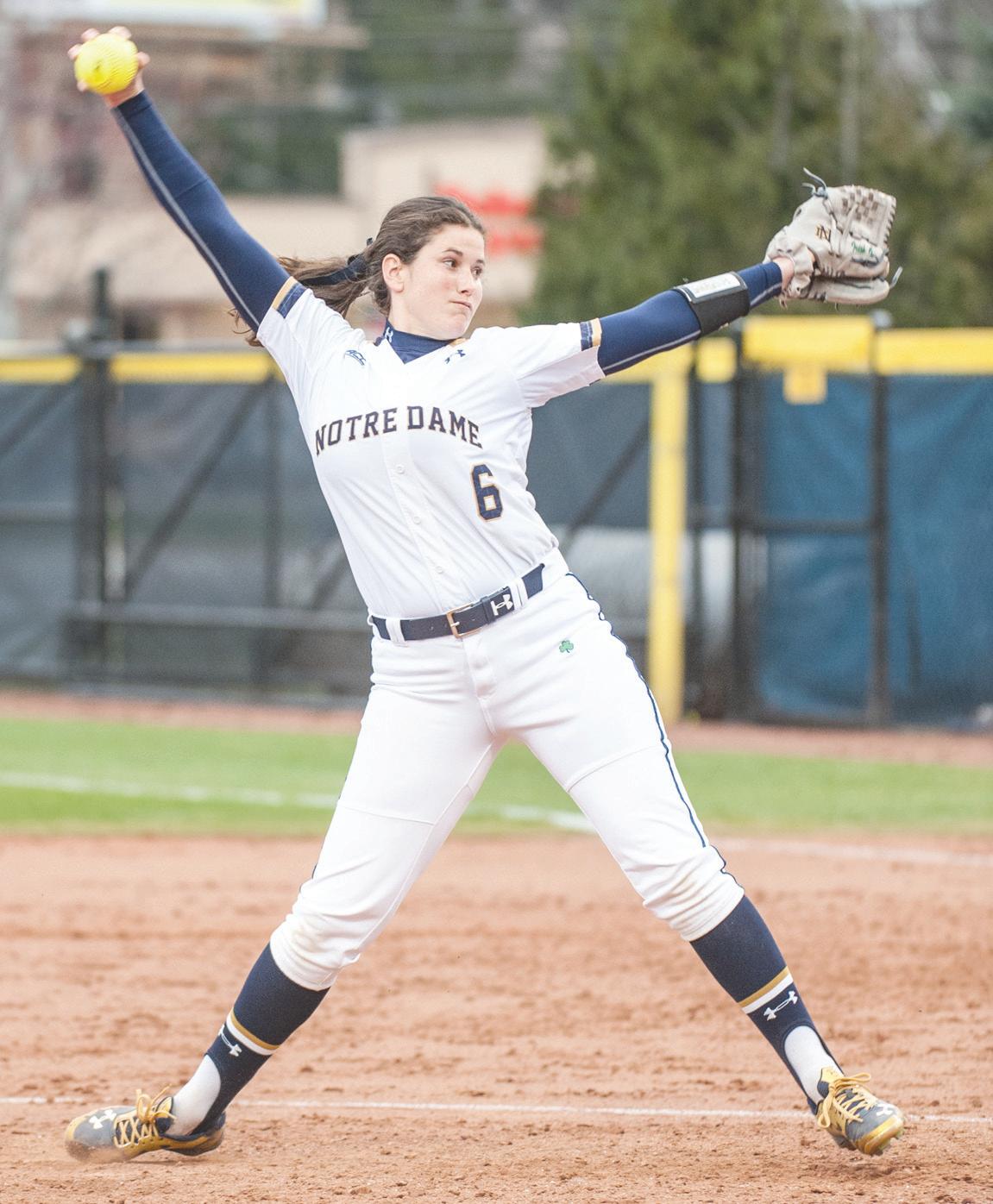
between beriont, brooks and nasland, the trio let up only three hits and three walks and combined for eight strikeouts. most importantly, however, the irish pitchers left seven eastern michigan runners on base.
“Katie beriont, i loved her presence today,” Gumpf said. “she did a great job setting the tone. i think that actually made it easier for cait
[brooks] and rachel [nasland] because they felt they had Katie’s confidence going in. i thought Katie beriont definitely led the way today with her presence.”
beriont struck out the side in the game’s first inning. in notre dame’s half of the inning, sophomore left fielder a li Wester laced a single to left field and advanced to second base on a wild pitch. brooks walked and sophomore third baseman melissa rochford took a pitch to her elbow to load the bases with two outs. but freshman second baseman
Katie marino lined a ball straight to the eagles’ center fielder to strand the three irish base runners.
The second frame presented slightly more trouble for beriont as a walk and an error put runners on first and second. but beriont struck out the next eagles’ hitter to escape the inning with no runs allowed. but in the bottom of the second, the irish bats showed signs of life. senior right fielder Kimmy sullivan hit a double to right-center field and moved to third off a sacrifice bunt. senior captain Karley Wester
walked to put runners on first and third with two outs. eastern michigan brought in sophomore pitcher nicolle miranda to pitch to ali Wester. Wester grounded to third, though and the game remained scoreless.
brooks swapped in to pitch the third frame and struck out the first batter before running into trouble. brooks gave up a single and a walk in the inning, but got eagles junior second baseman brandice olmos to fly out to right field to end the inning.
The eagles again threatened in the top of the fourth as sophomore third baseman amanda akles walked and moved to second on a bunt. Yet again, though, brooks found her way out of the inning with a strikeout.
The irish offense left six runners on base through four innings. Gumpf said she would have liked to see more adjustments over the course of the game.
c
going really fast. Guys have to understand what’s going on, the communication has to be there pre-snap and post-snap for the exchanges for the combos. i’m really excited about the new defense and i think the players are too.”
While the irish secondary was extraordinarily young last year, that group has a year under their belts and returns junior cornerback shaun crawford and senior cornerback nick Watkins from injuries. a lso looking to make an impact in his second year at notre dame is Julian Love.
“Julian has been successful everywhere he’s been and he has a lot of confidence in himself,” Lyght said. “early on as a young player when you have success early, it does give you confidence. Julian can tackle in space, he can cover, obviously we want him to get better in his man-to-man techniques and in his leadership role
“sometimes it’s going to happen,” Gumpf said. “sometimes they’re not going to see the ball really well and today they didn’t. We have to make better adjustments at the plate and we talked about that.”
The irish finally got on the board in the bottom of the fifth frame as Karley Wester led off the inning with a walk and stole second base, her 11th steal of the year. ali Wester advanced her sister to third with a sacrifice bunt and brooks stepped to the plate. brooks hit a ball to left field which was deep enough to plate Wester for a sacrifice fly and a one run lead for notre dame. nasland was able to close out the game for the irish with a scoreless seventh inning and give notre dame the 1-0 victory. next up for notre dame is an acc road series with Louisville which will take place this weekend.
Contact Marek Mazurek at mmazurek@nd.edu
because he is a young player. he’s going to play a lot for us, he’s come a long way and he’s continuing to get better each and every day.”
special teams special teams coordinator brian Polian said his unit’s main focus is identifying personnel fit with his scheme in addition to changing the culture of the unit.
“it’s not as though i looked at the tape and said, ‘boy we need to change all of this,’” Polian said. “coach [Kelly] and i had a long conversation. he knows what i believe in, we’re very much on the same page. There are things that are very similar, there are things that will look completely different. The biggest change has to be the urgency with which we attack the special teams and our execution and critical efficiency in critical times in the game. With the X’s and os there’s only so much you can do, we’re not concerned with that right now. it’s really about setting a tempo, reestablishing a culture and identifying personnel.”
Polian said that he plans to play a good number of offensive players on special teams units due to a lack of depth at safety and linebacker. Polian also singled out freshman running back Tony Jones Jr. and sophomore running back dexter Williams as candidates for special teams playing time.
“We really feel we have to identify back, big receivers and tight ends that can help,” Polian said. “We really think Tony and dex are going to be on the coverage units. They have shown thus far in six practices, they can do what we want them to do. [Javon] mcKinley, [ chase] claypool, [m iles] boykin, the bigger receivers, mcKinley especially, i didn’t know much about him, but he’s a strong dude … he’s got to help us on [special] teams because we’re not as deep as you’d want to be at linebacker and safety positions. Where are we going to make up those bodies? They’re going to have to come from offense.”
Paid a dverT isemen T
Paid a dverT isemen T
Nd softball | nd 1, eAsTern michigAn 0
Irish come up with victory in pitchers’ duel
By MAREK MAZUREK Assistant managing e ditor
notre dame made it a fivegame winning streak Wednesday as the irish defeated non-conference opponent eastern michigan 1-0.
neither the irish (17-13, 4-5 Acc) nor the eagles (12-15, 1-2 m Ac) could muster much offense in the contest as both teams combined to strand 13 runners on base on only six hits.
“i have to be honest, we haven’t had a 1-0 ballgame all year. it was fun,” gumpf said. “it was kind of awesome to have this game and win it. i loved it; i’ll take it. The game of softball, you never can predict. These are two offensively driven teams and to have a 1-0 ballgame, hey i’ll take it.”
The highlight of the day was the irish pitching as junior Katie beriont, sophomore caitlyn brooks and senior rachel nasland all saw action in the game, with beriont starting and nasland
see soFTbALL PaGE 11
nd readies for three meets
By JOE EVERETT sports Writer
b eginning Thursday, the i rish will continue their spring season as they returns to action across the country this weekend. The team will split up to participate in three meets: the c lyde Littlefield Texas r elays, in Austin, Texas, the b obcat i nvitational, in s an m arcos, Texas, and the s tanford i nvitational, in Palo Alto, c alifornia.
i rish head coach Alan Turner highlighted the prestige of the meets this weekend, and is looking for his team to shine on the big stage.
“The Texas r elays are, if not the premier, one of the premier events in the country for sprinters,” Turner said. “All the major sprint programs in the country will be in attendance. We’re going to be tested because most of my sprinters are young, so if you make the finals at the Texas r elays, you’re somebody who will definitely be at the national
championships.
“ o ne person who i ’m looking to do particularly well is [senior pole-vaulter] n ate r ichartz. About half the guys who were first-team all-Americans at the indoor championships will be at the Texas r elays, so he’s going to be tested. i f he [clears] 18 feet, he has a pretty good shot at winning it. h e’s probably our best bet for the athletes going to the Texas r elays to place in the top three.”
s everal younger sprinters and jumpers will be joining seniors Tommy g rant and Taylor c raft to compete at the b obcat i nvitational, and while most of n otre d ame’s sprinters, jumpers and throwers will be competing with r ichartz in Austin, Turner noted that he his highest hopes lie with sophomore Anna r ohrer and the distance team, who will be making the trip out to Palo Alto.
“ i ’m looking for some very stellar performances,” Turner see TrAcK PaGE 10
football
coaches discuss offseason changes
By MAREK MAZUREK Assistant managing e ditor
spring practice rolled on for notre dame on Wednesday as the blue-gold game, signaling the end of the spring season, looms a little less than a month away.
After practice, cornerbacks coach
Todd Lyght and special teams coordinator brian Polian discussed some changes the team is undergoing in the offseason workouts.
secondary
For Lyght, one of the biggest differences between this year and last year is his coaching responsibilities. in the 2016 season, Lyght handled the cornerbacks as well as the safeties. This season, however, new defensive coordinator mike elko has taken over coaching the safeties, freeing up Lyght to focus more individually on the corners.
“i think with coach elko taking over the safeties and me working with the corners [is a positive change], Lyght said. “both positions are so different and when you have the entire secondary, it’s
kind of tough to watch all the film because you’re working with the safeties, you’re working with the corners and what i found last year, just with our time restraints with college football, we didn’t get to watch enough one-on-one tape with the corners with the corners. That’s where i found the lack of time really hurt, especially late in the season. now being able to split up, we can watch way more film. And everything’s more position specific so you can watch a lot more film to help the guys get better with their fundamentals, with their techniques, with their execution.” Lyght said he also likes elko’s new defensive system, especially for its focus on communication and streamlined nomenclature.
“i’ve been in new systems throughout my life. i’m in this game for well over 30 years and i love it,” Lyght said. “i think coach elko’s system is really, really good. i think it puts players in a position to be successful .. we’re going with oneword terminology so everything’s
see FooTbALL PaGE 11
Perkovic establishes himself as leader for ND
By R.J. STEMPAK sports Writer
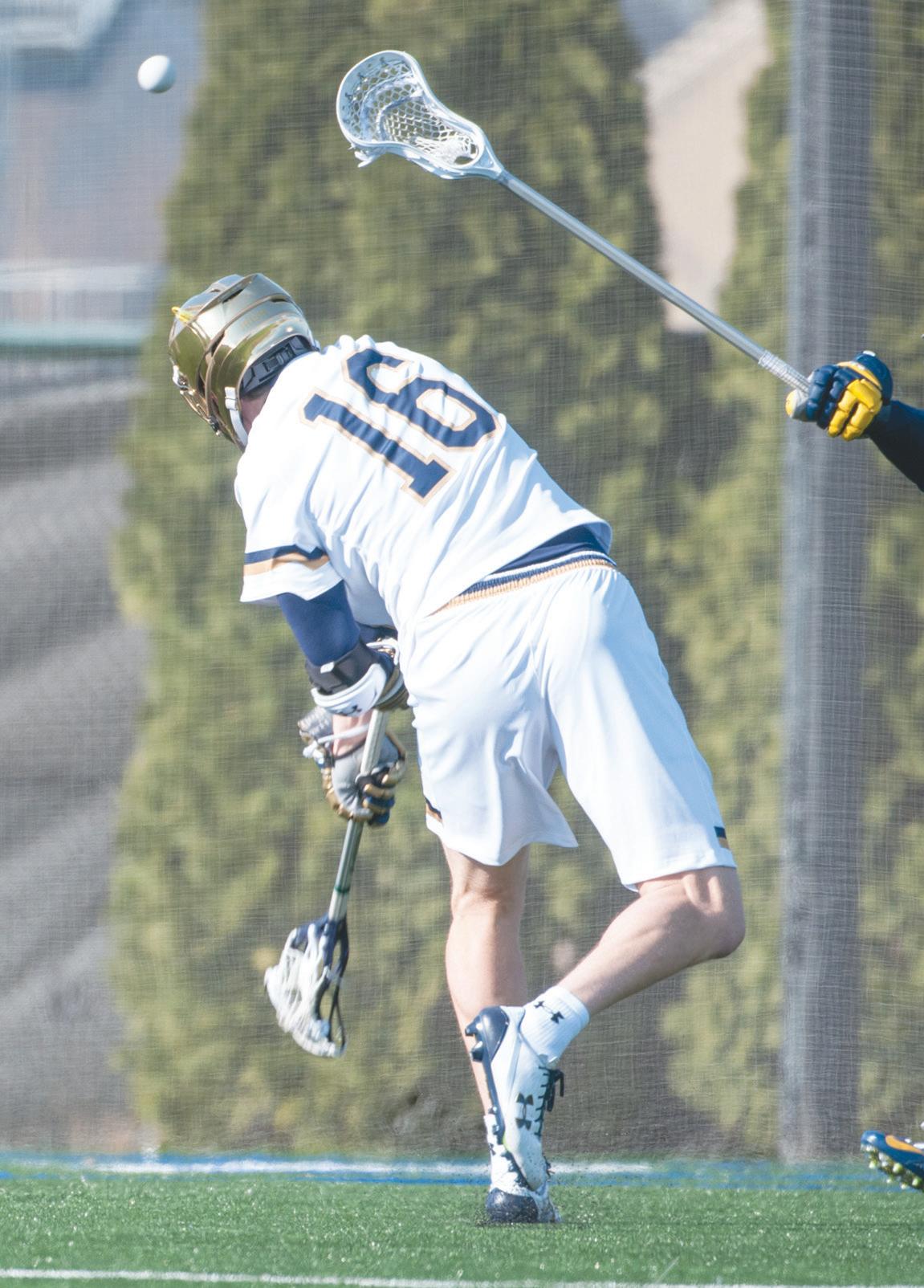
s ince joining the squad freshman year, senior midfielder s ergio Perkovic has been a leader for n otre d ame. h e set a program record for most goals for a freshman midfielder, and has been making his mark ever since. Perkovic has proven himself to be a constant presence in the midfield, having started every game since the start of his sophomore year.
The only thing that is different is that Perkovic has the title of captain this year — the captain of the n o. 1 lacrosse team in the country. Although he has had the spotlight on him throughout his career, Perkovic said his new role has not changed who he is.
“ i wouldn’t say my role has changed too drastically, because i still want to be myself, even though i am a senior captain,” Perkovic said. “ i try to lead by example, but when i feel the need
see men’s LAX PaGE 10
MICHAEL YU | The Observer
Senior Sergio Perkovic rips a shot during Notre Dame’s 16-5 win over Michigan on Feb. 26 at Arlotta Stadium.
track aNd fiEld
mEN’s l acrossE
MICHAEL YU | The Observer
Senior Rachel Nasland pitches during Notre Dame’s 1-0 win over Eastern Michigan on Wednesday at Melissa Cook Stadium.