Caring for Native California Deserts
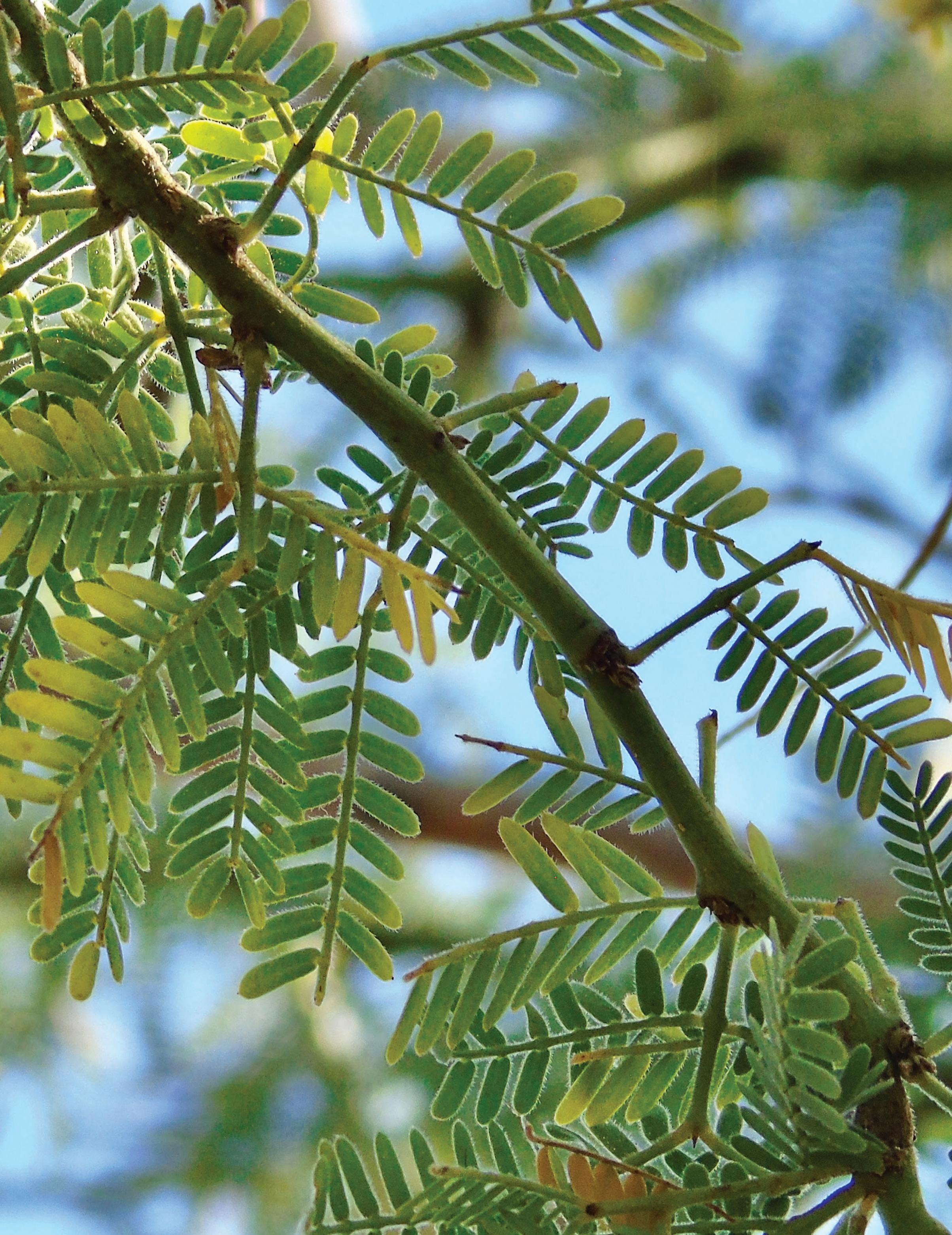
OVER THE PAST YEAR, we have significantly intensified our collaboration with the Bureau of Land Management (BLM) stretching across the entire third of California that is classified as desert. With funding from the BLM, we grew and outplanted black willows in Afton Canyon, propagated over a thousand mesquite trees to restore the Amargosa River near Death Valley, collected and cultivated sedges for San Felipe Creek, and helped control invasive tamarisk along the Salt Creek Hills north of Mojave National Preserve.
This partnership now takes our conservation efforts from the edge of Death Valley National Park nearly to the Mexican border. We are proud to help support our federal land managers through our restoration efforts and that we are having an impact across the entirety of our Southern California deserts.
Leading Community-Based Conservation Globally
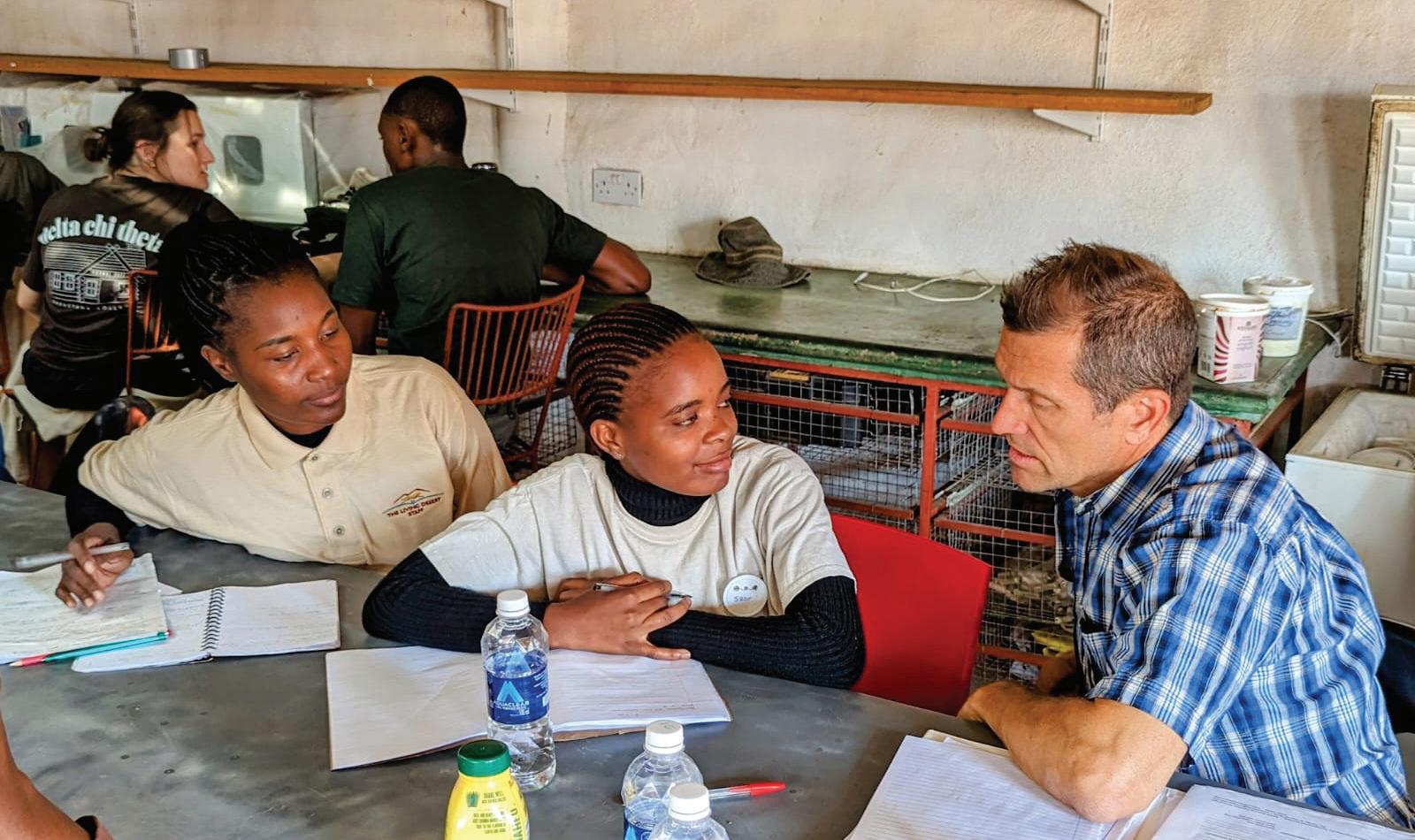
THIS SUMMER, The Living Desert announced the launch of the United States’ first Center for Species Survival – Behavior Change (CSS-BC), established to support conservationists around the world in addressing the human dimensions of conservation. Through this partnership with the International Union for Conservation of Nature (IUCN) Species Survival Commission, our collective reach and impact is even greater.
Through the CSS-BC, we will continue offering our Building Community Conservation Success (BCCS) social science workshops globally both in person and online. These trainings provide conservationists with the knowledge and tools to effectively engage local communities, collect robust human-centered data, evaluate their efforts, and continuously strengthen their work. We also continue to support BCCS graduates through ongoing collaboration on their research and applied social science projects.
By centering on community engagement and human behavior change, we are helping transform how conservation is practiced around the world, by addressing the root causes of species decline and habitat degradation.
“
Species are declining around the world, because of human-driven pressures such as habitat loss, climate change, and exploitation. Because people are the problem, people must also be the solution.
Conservation is not just a biological science, it is a social science.”
— Dr. James Danoff-Burg, Vice President of Conservation
To date, the BCCS program has trained more than 675 conservation professionals across 32 countries, equipping them with the tools to work effectively with local communities and address the root causes of species decline.
Proudly hosted by
The Living Desert Zoo & Gardens
Conserving California’s State Reptile
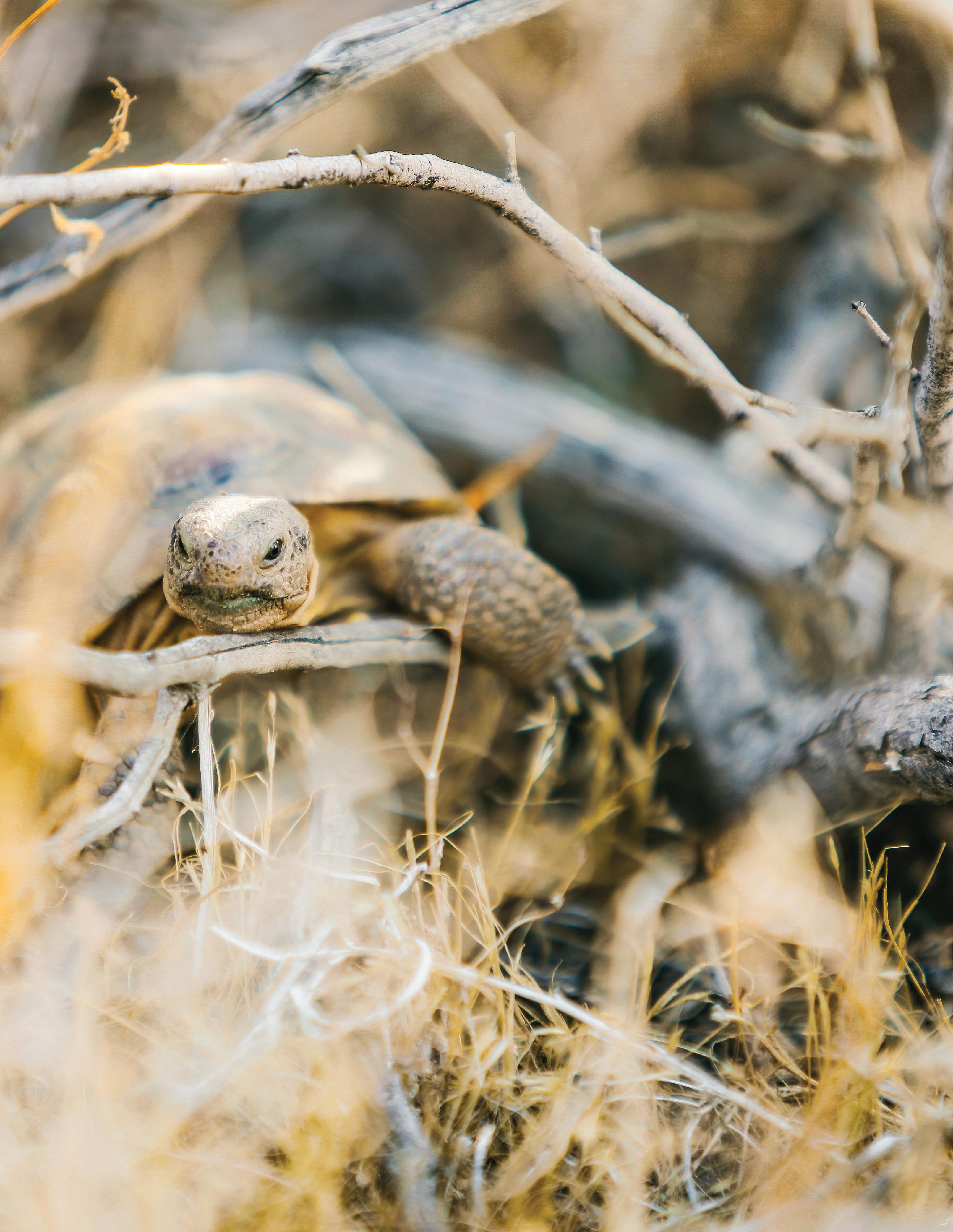
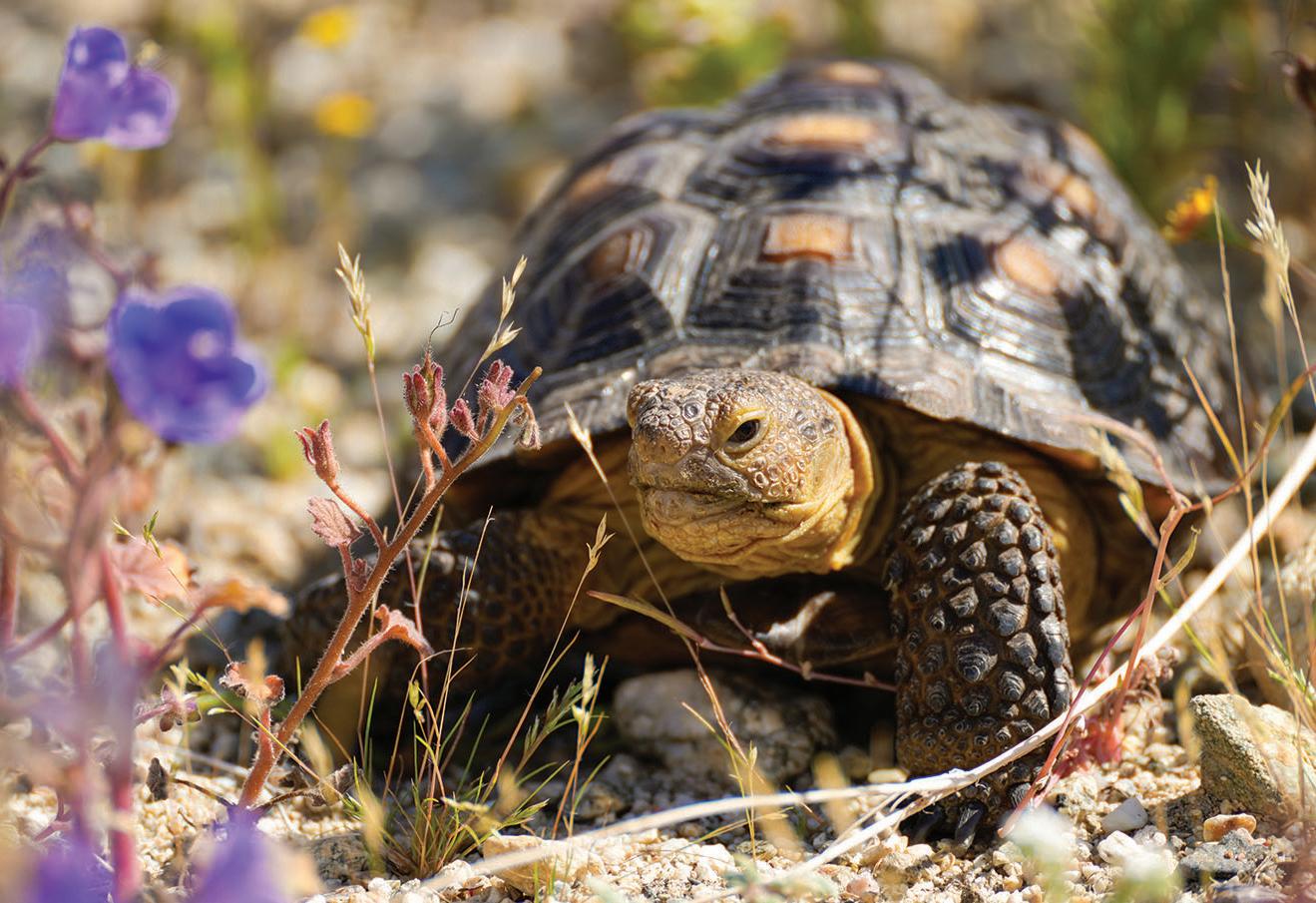
TO SUPPORT THE DECLINING POPULATIONS of the critically endangered desert tortoise, this year we successfully raised our fourth cohort of head-started hatchlings. This unique program allows newly hatched tortoises to grow to the size of a wild-raised two to three-year-old within only nine months. With funding from the San Diego Zoo Wildlife Alliance this unique program significantly increases their chance of survival in the wild. To complement this, we continue our long-running pet rehoming and foster program so that pet tortoises remain pets and are not released into the wild, which could otherwise potentially spread diseases among wild populations.
All species, including the desert tortoise, are declining because of human activities and behaviors. The Living Desert has been leading behavior change campaigns to promote desert tortoise conservation across the Sonoran and Mojave deserts with funding from the National Fish and Wildlife Foundation, Southern California Edison, and the Heimark Foundation. We work with students, off-highway vehicle users, general community members, and restaurants to promote responsible recreation in the desert and decrease human food scraps available to ravens, the top predator of the desert tortoise.
International Desert Conservation Summit
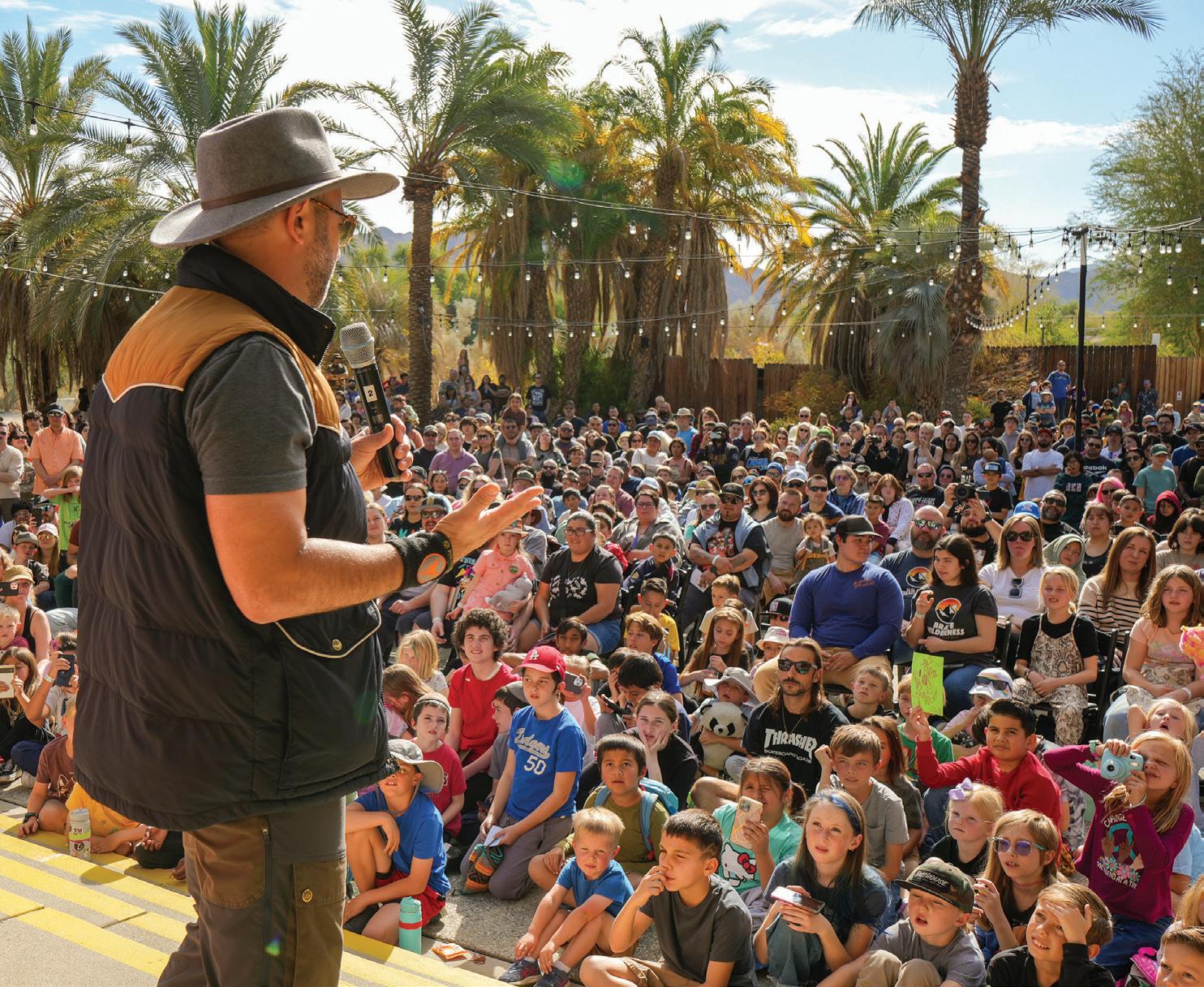
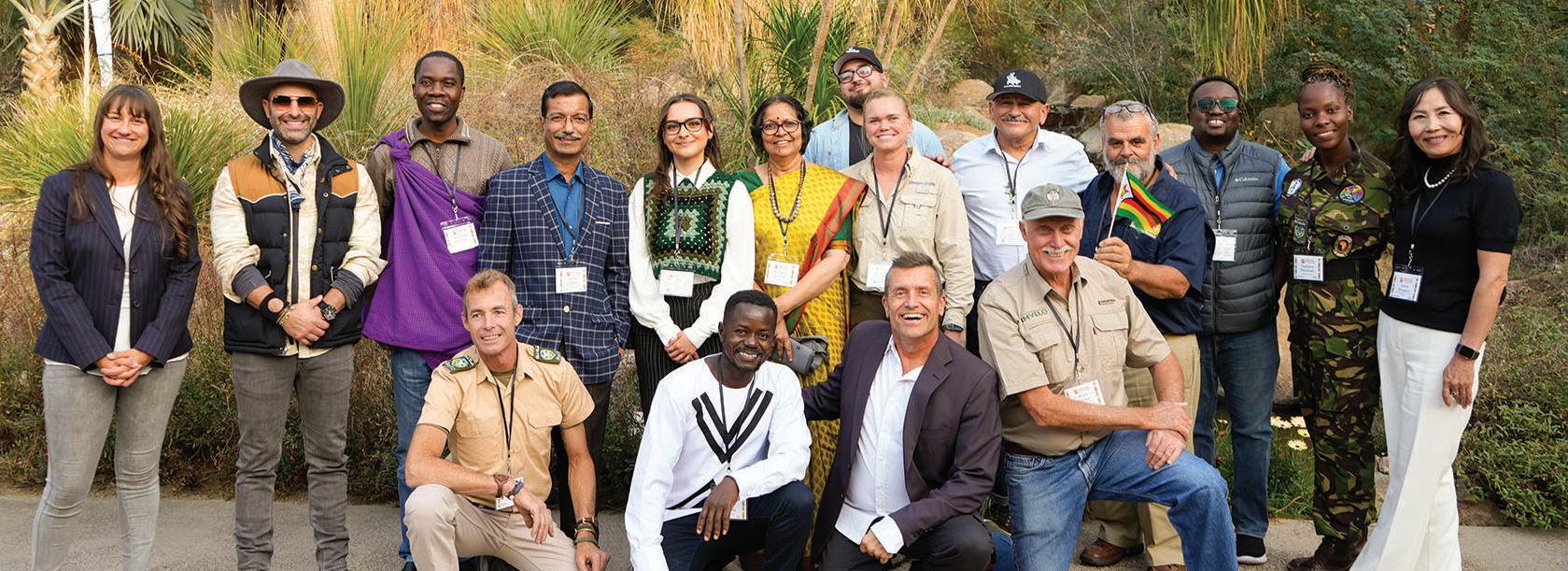
THIS FEBRUARY, we hosted the fifth annual International Desert Conservation Summit. This inspiring event was a gathering of conservation experts from around the world, including leaders from Tanzania, Kenya, South Africa, Zimbabwe, Mongolia, India, and the United States. These leaders shared their passion for protecting vital desert ecosystems, with many potential collaborations emerging! The keynote speaker was Coyote Peterson, host of YouTube’s Brave Wilderness channel, with over 21 million subscribers. We awarded the 12 conservation leaders more than $160,000 to continue their critical community-based conservation efforts to protect the plants and animals who call the desert home.
IDCS 2025 was once again a SOLD-OUT event! More than 1,000 community members also visited the Zoo to hear keynote speaker, Coyote Peterson speak following the summit.
The 2025 Conservation Heroes included:
n Toby Otieno, Director of Operations & Impact at Ewaso Lions, Kenya
n Dr. Greg Rasmussen, Founder & CEO of Painted Dog Research, Zimbabwe
n Luke Basulto, President & CoFounder of Saving Slowpoke, USA
n Art Basulto, Co-Founder of Saving Slowpoke, USA
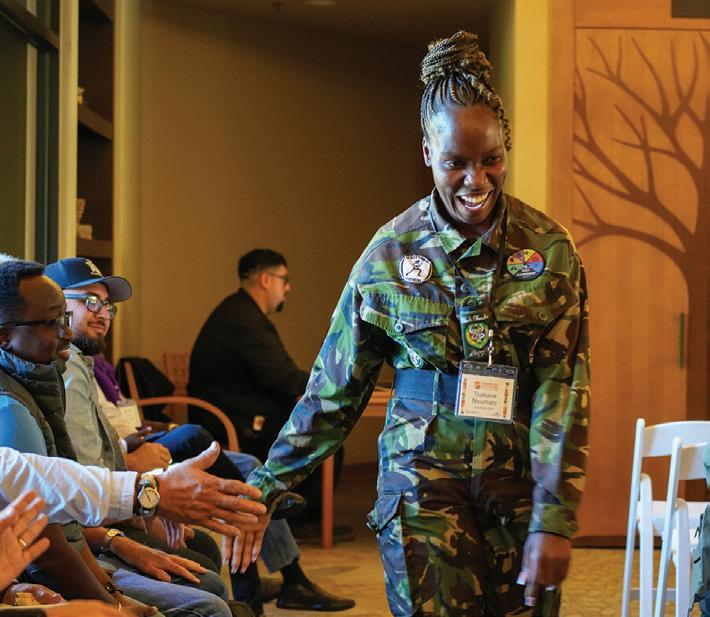
n Tsakane Nxumalo, Senior Environmental Education Officer at Bush Babies Environmental Education Program, South Africa
n Craig Spencer, Executive Director of Transfrontier Africa, South Africa
n Mark Butcher, Managing Director of Imvelo Safari Lodges & Community Rhino Conservation Initiative, Zimbabwe
n Dr. David Kimiti, Director of Research & Impact, Grevy’s Zebra Trust, Kenya
n Gana Wingard, Founder of Mongolian Conservation Initiative, Mongolia
n Dr. Archana Godbole, Director of Applied Environmental Research Foundation, India
n Jayant Sarnaik, Joint Director of Applied Environmental Research Foundation, India
Supporting Native American Conservation
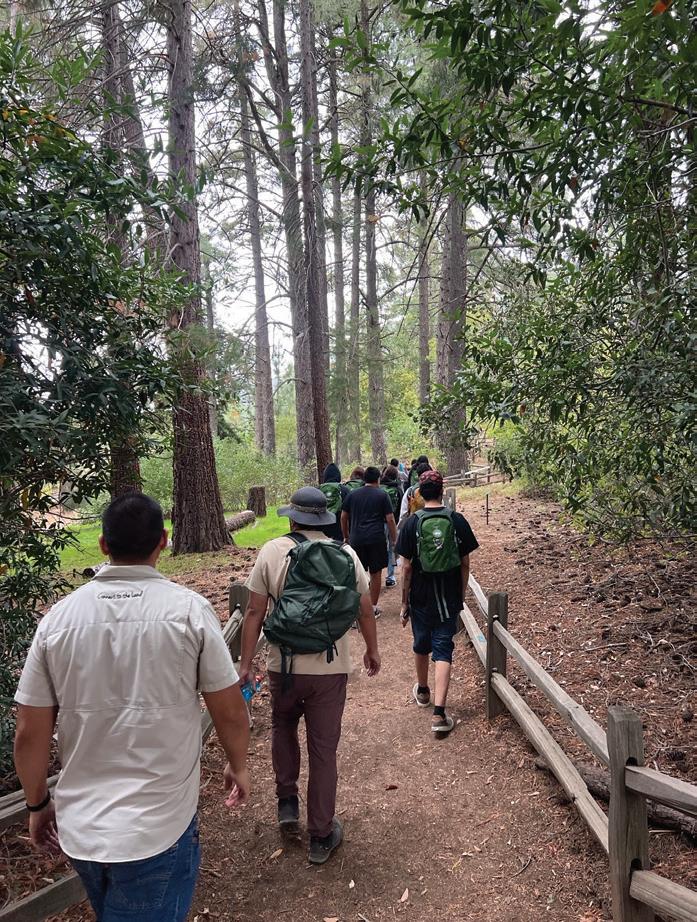
THE FIELD OF CONSERVATION urgently needs more Indigenous voices. Lasting conservation success can only be achieved when people from every community are empowered as ambassadors, advocates, and leaders. The Living Desert, in partnership with the Torres Martinez Desert Cahuilla Indians, has extended its Youth Environmental Ambassador (YEA) program for a third year thanks to ongoing support from the California Natural Resources Agency. The YEA program aims to reconnect youth with their ancestral
land and develop future conservation leaders by taking participants on trips to regional nature sites and engaging them in various conservation projects.
The Zoo also completed the second year of the Native American Conservation Workforce Development (NACWD) program. Thanks to a generous grant from the Coachella Valley Mountains Conservancy (CVMC), this program provided two nine-month paid training sessions for local Tribal members. The sessions focused on building their conservation workforce capabilities and ability to
Creating Urban Native Landscapes
AS URBAN AREAS OCCUPY more and more of native desert ecosystems, we must not only ensure the health of existing natural areas, but also create more native natural areas in urban spaces. This process helps wild populations of the native plants themselves, native and migratory wildlife, and enriches the lives of the humans living in those cities.
One such initiative is our Pollinator Pathways Project, creating urban pollinator gardens that act as stepping-stone corridors across the Coachella Valley with funding from the Coachella Valley Mountains Conservancy (CVMC). We have built these gardens in four East Valley cities and are currently working in Desert
Hot Springs. In time, we plan to link the entirety of the Coachella Valley with gardens to benefit plants, ecosystems, and people.
We have also been collecting native seeds for both urban and natural restoration projects. These seeds are sustainably collected on behalf of and with funding from the Coachella Valley Conservation Commission (CVCC). These seeds are sustainably harvested, cleaned, stored, grown, and outplanted to ensure the health of wild populations.
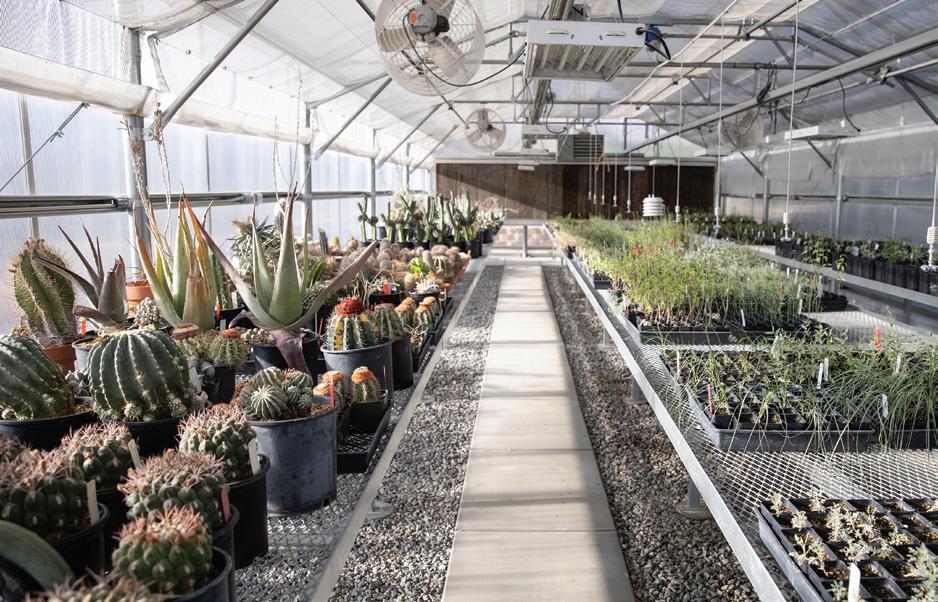
This summer, we officially opened the doors to our new conservation greenhouse to grow all these plants. Made possible through generous support from our partners at the
continue conservation work within their communities. With the ongoing support from CVMC, NACWD was able to transition those training sessions into eight full or part-time internships for an additional two years, which will allow us to further develop Native American conservation job skills through in depth training and handson applications.
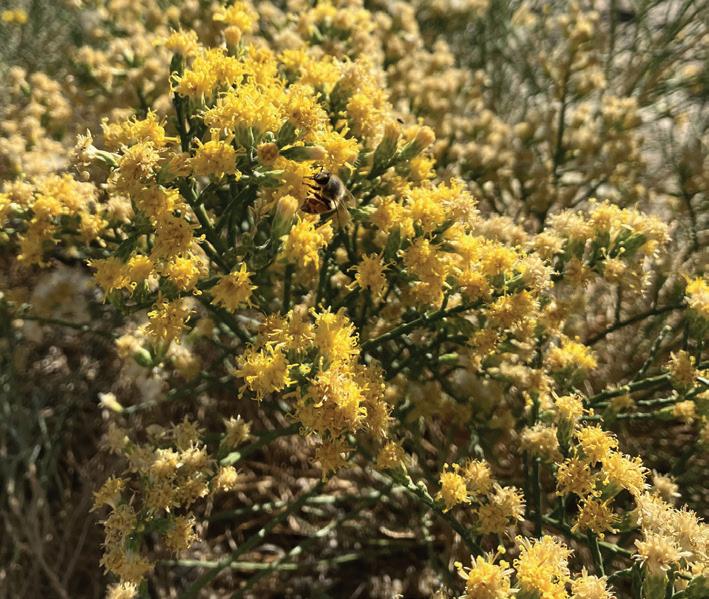
CVMC, the new greenhouse is already nurturing new generations of native plants for our botanically focused projects funded by the Bureau of Land Management, CVMC, and CVCC. Cultivating native plants alone is not enough to prevent habitat degradation. As people move, so do seeds of invasive plant species. With funding from the CVCC, we have been monitoring emerging populations of stinknet across the Coachella Valley and eradicating these populations before they are able to become established in a new location.
By planting gardens with native plants both wildlife and people benefit.
Conserving Rare Fish and Riparian Habitats
DOS PALMAS PRESERVE, located on the far eastern edge of the Coachella Valley, plays a critical role in protecting endangered species, such as the desert pupfish and the Yuma Ridgway’s rail marsh bird. Over the past two years, we surveyed 226 locations across more than 800 acres to assess habitat health. Our surveys revealed that over 500 acres support rare plant communities that thrive in both desert and wetland environments. We continue to support this fragile ecosystem through regular monitoring of water quality and flow, with funding from the Coachella Valley Water District, the San Diego County Water Authority, and the Bureau of Land Management .
Our work at Dos Palmas Preserve and San Felipe Creek is helping ensure that these unique desert waterways and their rare inhabitants continue to survive for generations to come.
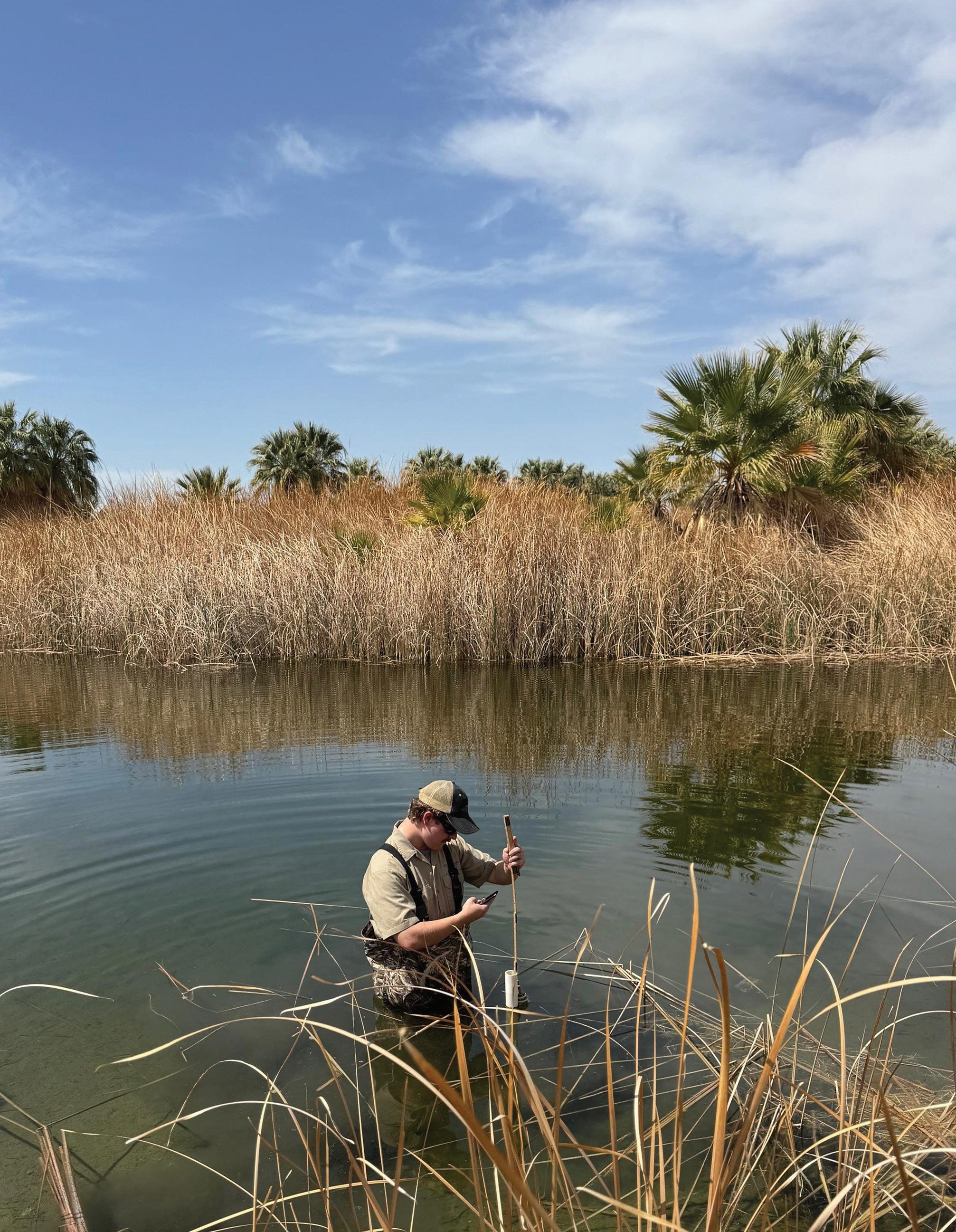
Across the Salton Sea, we are also working to restore San Felipe Creek. These two watersheds represent the only natural homes of the desert pupfish, Southern California’s only native fish. Now in our sixth year of partnership with the California Fish and Wildlife Department, we monitor and breed this federally endangered species through three refugia ponds at the Zoo built with funding from the Coachella Valley Mountains Conservancy.
Through habitat monitoring and restoration, water management, and species restoration, our work at Dos Palmas Preserve and San Felipe Creek is helping ensure that these unique desert waterways and their rare inhabitants continue to survive for generations to come.
Learning and Impact
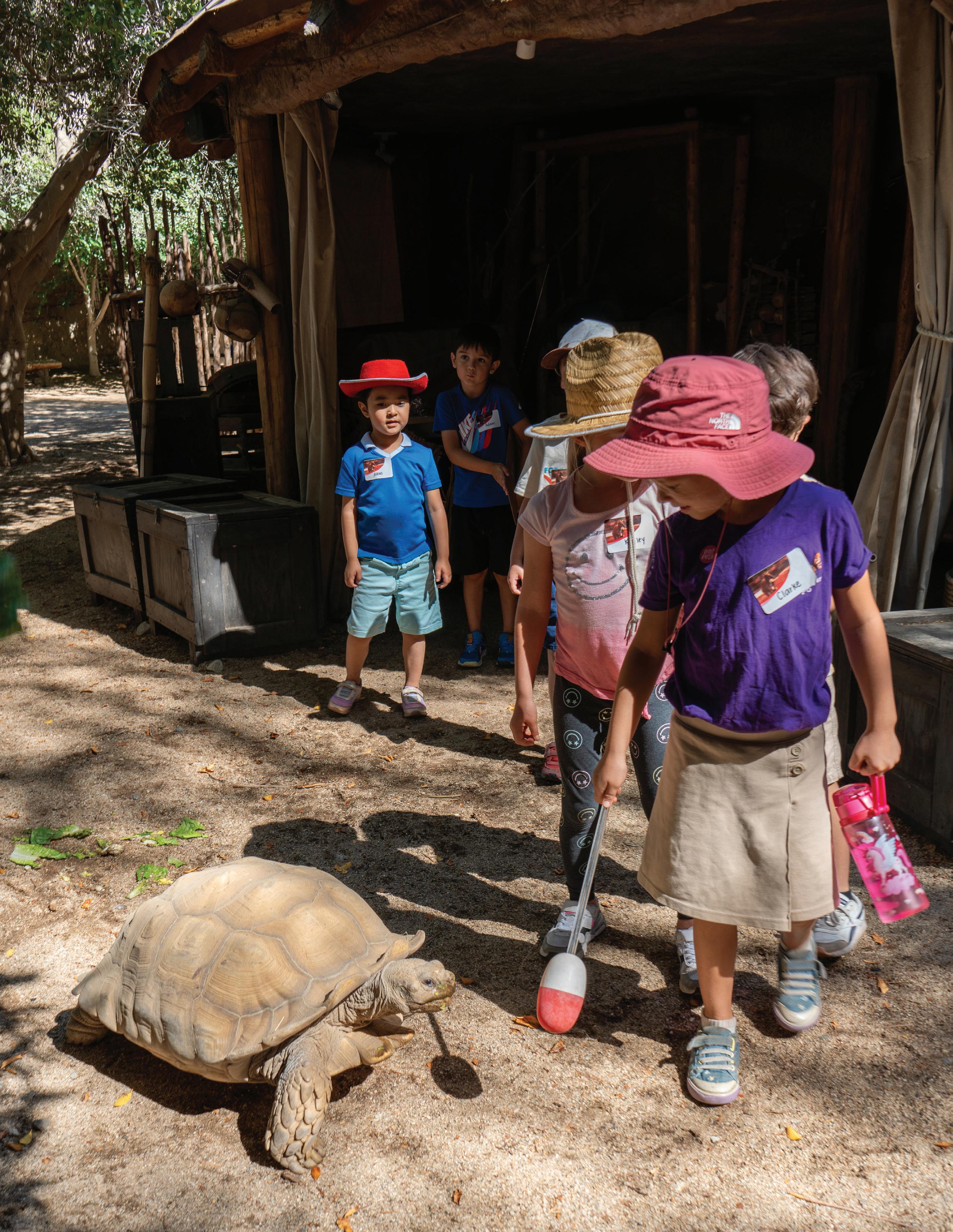
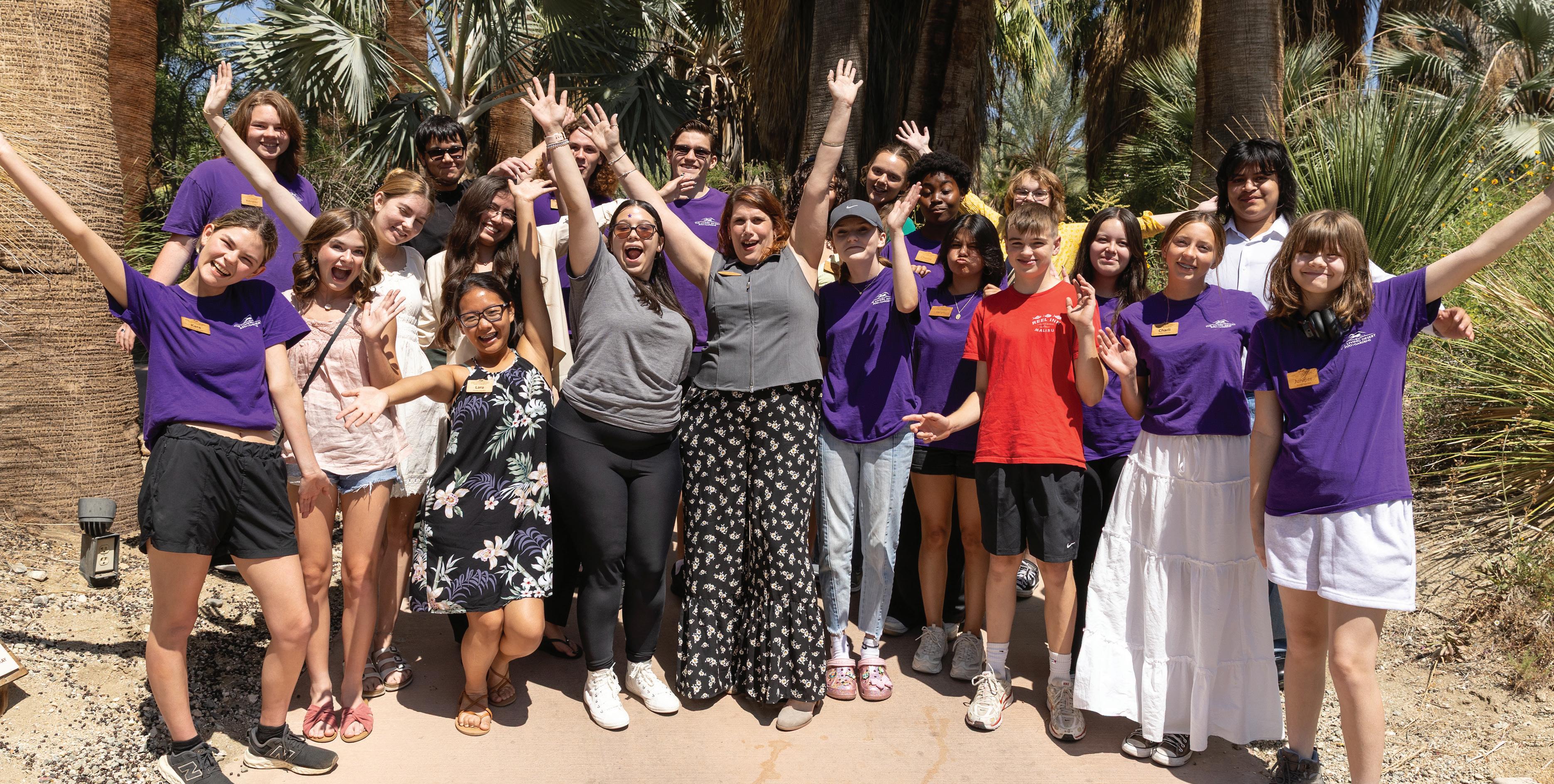
This year, our ZooCamp program welcomed 416 students to learn about nature and how they can help protect deserts.
The Learning and Impact team is on a mission to inspire lifelong learners and ignite a passion for desert conservation.
DEPARTMENTVISION STATEMENTS
To develop and empower the next generation of zoo and conservation professionals.
Conservation action is relevant and achievable for all.
ZooTeens Volunteer Program Learning and Community Engagement
Volunteer and Interpretive Programs
We are a community of passionate volunteers that lead and inspire impactful change for conservation.
Sustainability and Behavior Change
Sustainability is a shared, perpetual, and joyful practice that unites and benefits the entire community.

Small Mammal Studies at ZooCamp
Two Deserts, One Mission
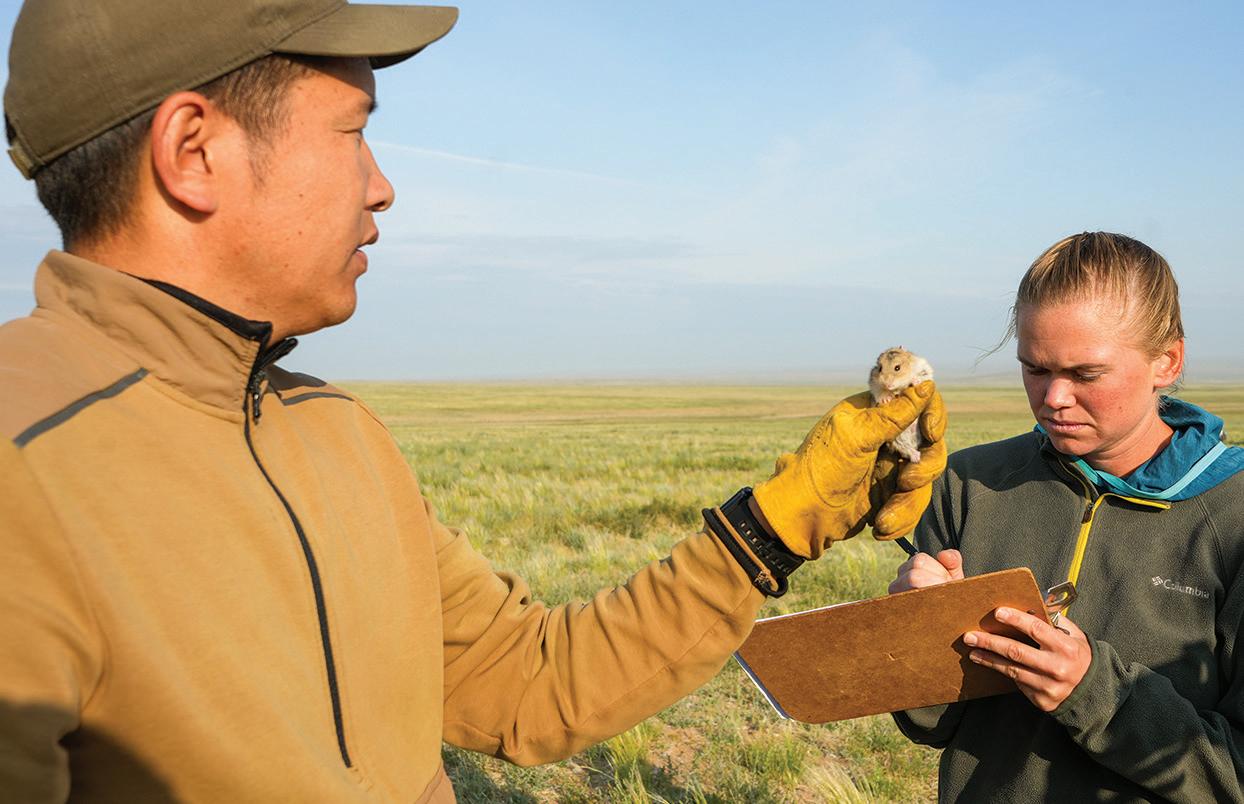
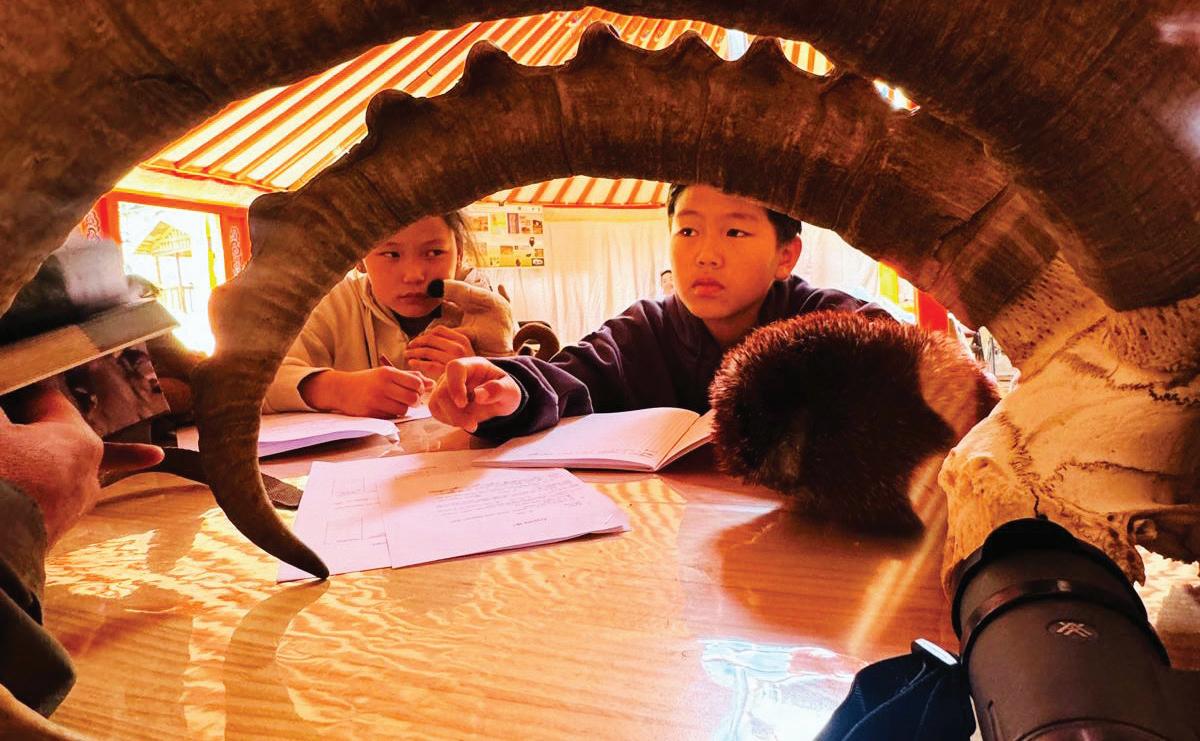
THE LIVING DESERT’S PARTNERSHIP with the Mongolian Conservation Initiative (MCI) bridges two deserts on opposite sides of the world — linking conservationists, educators, and students in a shared mission to protect wildlife and wild places. Over the past year, this unique collaboration has deepened through staff exchanges and hands-on learning programs designed to empower youth to explore, question, and protect their local environments. In the Fall of 2024, MCI educators and staff visited The Living Desert to see the Zoo’s conservation education in action and develop new approaches for programs at Mongolia’s Ikh Nart Nature Reserve. Then, in May 2025, members of The Living Desert’s staff traveled to Mongolia to help put those ideas into practice — introducing outdoor science, observation, and inquirybased learning to local classrooms and communities. The exchange continues this year as another group from MCI prepares to visit The Living Desert once again. Together, we are fostering curiosity, strengthening environmental understanding, and helping the next generation gain the knowledge and confidence to drive meaningful conservation change.
Campers learned how scientists, like our partners in Mongolia, safely monitor wildlife by taking on the role of a small mammal scientist. They checked small mammal "traps" and recorded observations of their plush animals. They also "tagged" plush tortoises and used coordinates to track their movements on a chalk map, learning how scientists use real GPS data to study wildlife behavior and plan safer habitats and conservation solutions.
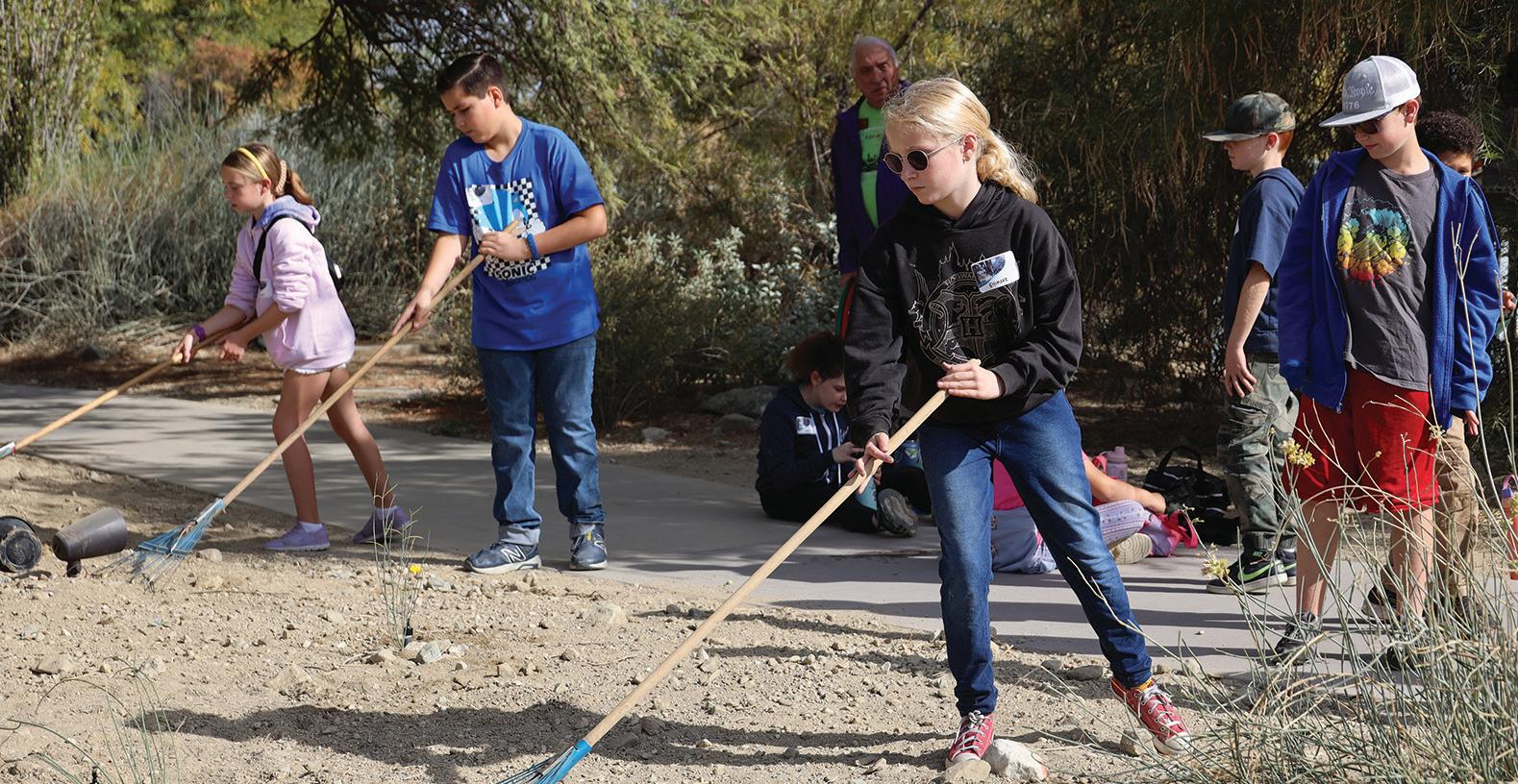
LEARNING ABOUT RESTORATION: Back at the Zoo, campers planted native species and measured biodiversity in one of the Zoo's gardens, learning how habitat restoration supports ecosystem health.
EDUCATION PROGRAMMING IN MONGOLIA: Our partners at MCI used techniques perfected at ZooCamp to introduce local students to desert conservation.
ZooCampers learning wildlife science techniques.
Small mammal studies in Mongolia.
Photo by Gana Wingard Curator of ConservationMongolia
Zero Waste Warriors in Action
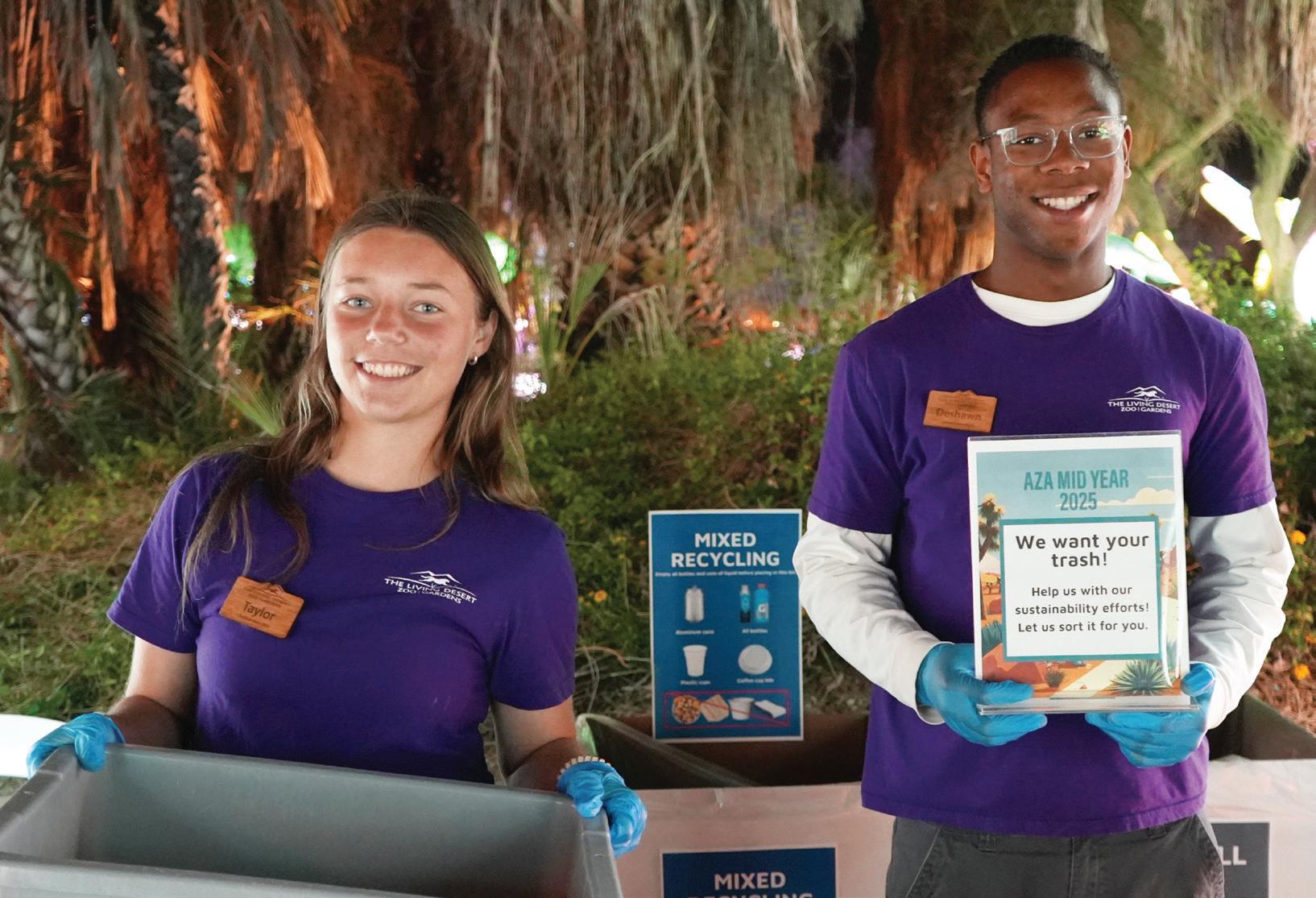
During AZA Zoo Day, trained volunteers helped guests sort their waste, leading to perfect sorting accuracy at some stations and inspiring our visiting zoo colleagues to replicate the model at their own facilities.
Setting the Standard: Zero Waste Events at The Living Desert
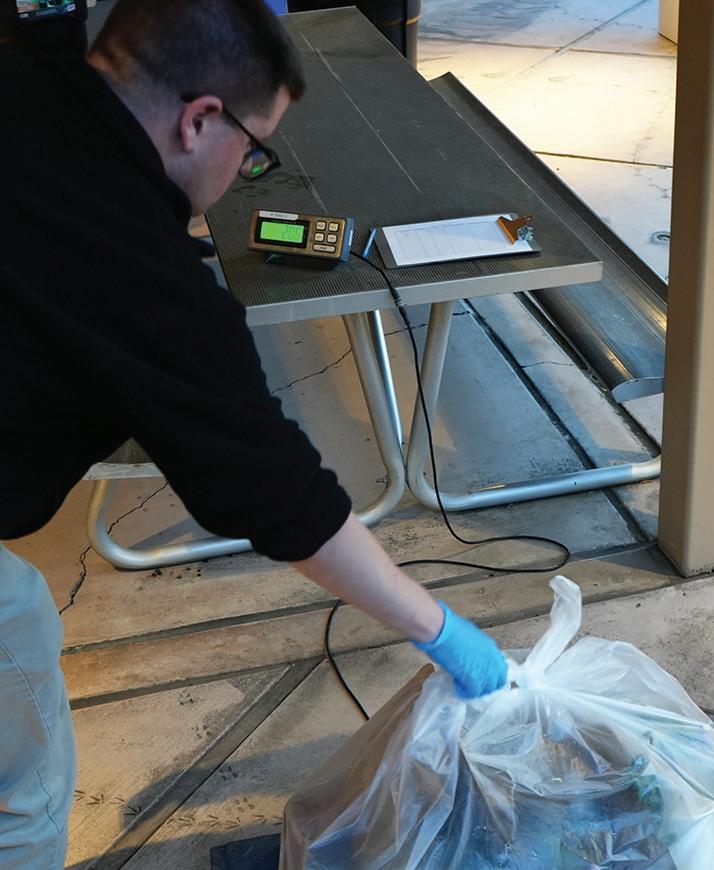
ON MARCH 27, 2025, The Living Desert Zoo and Gardens proudly hosted a groundbreaking Zero Waste event during the Association of Zoos and Aquariums’ Mid-Year Conference. With 820 attendees and an ambitious goal to divert 90% of event waste from landfills and incineration, the Zoo achieved an impressive 88% waste diversion rate. This success was the result of months of crossdepartmental collaboration and thoughtful planning. From reusable souvenirs and compostable dinnerware to volunteer “Zero Waste Warriors” assisting guests at waste stations, every detail was designed to minimize environmental impact and support sustainability. The event not only demonstrated what’s possible through intentional design and teamwork, it also laid the foundation for future waste reduction efforts across Zoo operations. Lessons learned from this event are now informing updates to The Living Desert’s event practices, vendor partnerships, and sustainability goals, ensuring that every gathering moves closer to true zero waste.
820 GUESTS
222.3 POUNDS OF RECYCLABLES
614.5 POUNDS OF TRASH DIVERTED
392.2 POUNDS OF COMPOSTABLES
88%
OVERALL DIVERSION RATE
Supporting the Next Generation: ZooTeen Scholarships
“
Being a ZooTeen meant so much to me in high school! I made friends, joined a community with similar interests, and grew my compassion and interest for animals. Receiving The Living Desert Scholarship helped support my path — after graduating with a BS in Biology from CSU Monterey Bay in 2024, I started working at the Monterey Bay Aquarium.”
—Paige Labayog 2021 Scholarship recipient
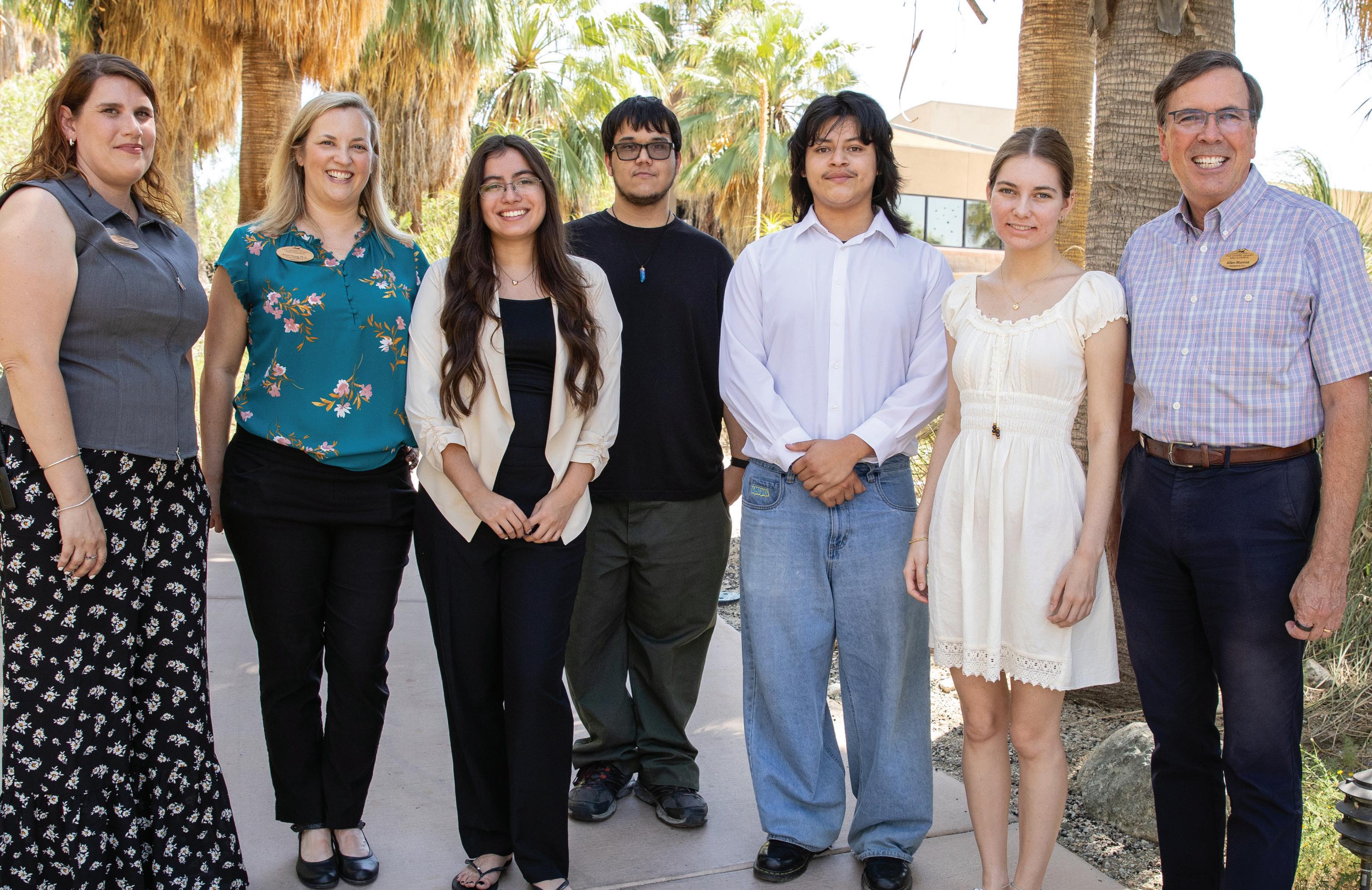
2025 ZooTeen scholars with members of The Living Desert’s Learning and Impact department and executive leadership.
THE LIVING DESERT ZOO AND GARDENS is proud to recognize its 2025 scholarship recipients: Alec Palato, Destiny Hernandez, Jorge Alburez, Tilda Rector, and Adysin Lozano. These outstanding ZooTeens exemplify leadership and dedication, balancing school, volunteer service at the Zoo, and their extracurricular commitments with enthusiasm and dedication.
This year’s recipients are attending colleges across California, Oregon, and New York, pursuing degrees in Biology, Environmental Science, and Zoology.
The Living Desert Scholarship is designed to support students throughout their entire college journey — not just their first year. This year, new and returning recipients will receive a combined total of $54,000 to further their studies in conservation-related fields. Now in its second decade, this program has supported dozens of Coachella Valley students, many of whom have gone on to careers in wildlife research and at AZA-accredited zoos and aquariums.
Scholarships are offered in partnership with OneFuture Coachella Valley as part of a coordinated college success initiative. Through this partnership and its role in the Regional Plan for College and Career Success, The Living Desert is proud to help advance educational attainment
and economic mobility for local students.
High school students interested in conservation and education are encouraged to join the ZooTeen program. Learn more at LivingDesert.org/ZooTeens.
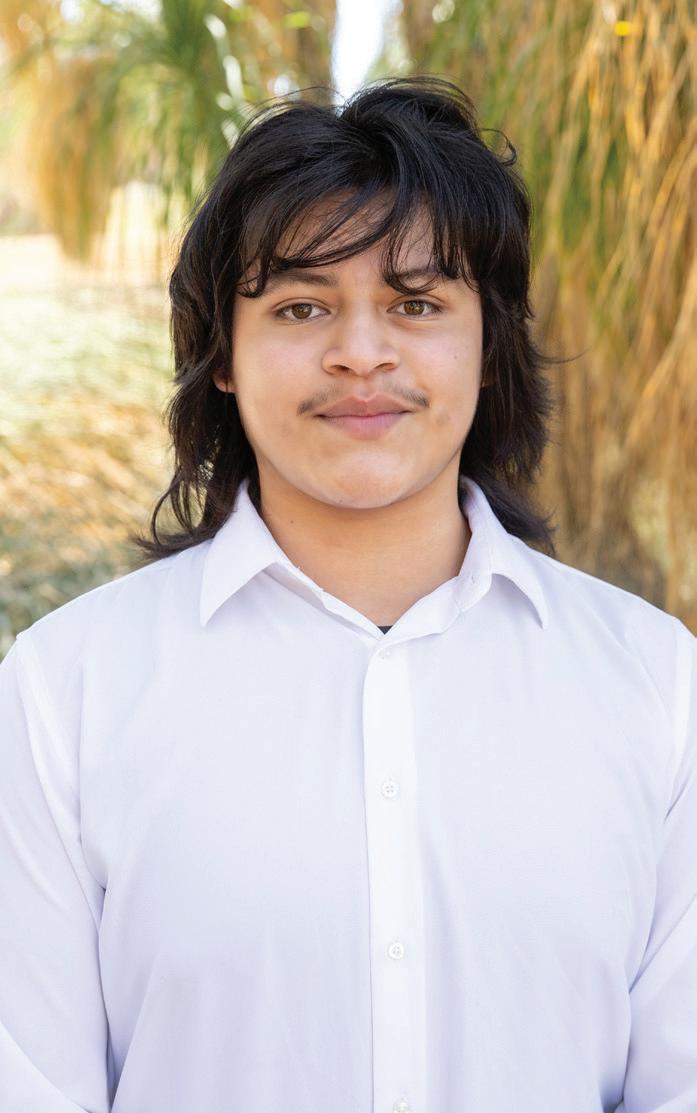
“I am deeply grateful to The Living Desert for awarding me [this] scholarship. It is truly an honor to be recognized and supported in pursuing a career in a field I hold so close to my heart. Beyond the financial help for me and my family, this award affirms the value of my passion and hard work.”
—Jorge Alburez 2025 Scholarship recipient
Desert Defenders: Everyday Actions for Extraordinary Impact
DESERT DEFENDERS is The Living Desert’s new conservation awareness initiative to empower guests, community members, and partners to take tangible, everyday actions that protect desert ecosystems. Organized around four key themes, the campaign offers practical tips and resources — aligned with our mission and rooted in social science — to make conservation accessible to everyone.
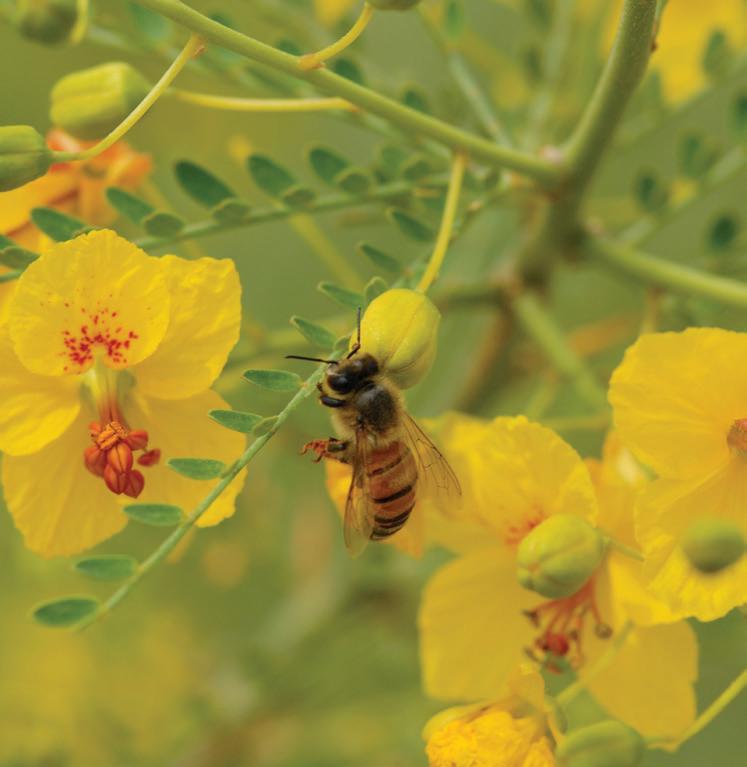
PLANT NATIVE
Native plants use less water, provide food and shelter for local wildlife, and reduce the spread of invasive species. This action also encourages avoiding chemical pesticides and transforming home gardens into thriving native habitats that support local biodiversity.
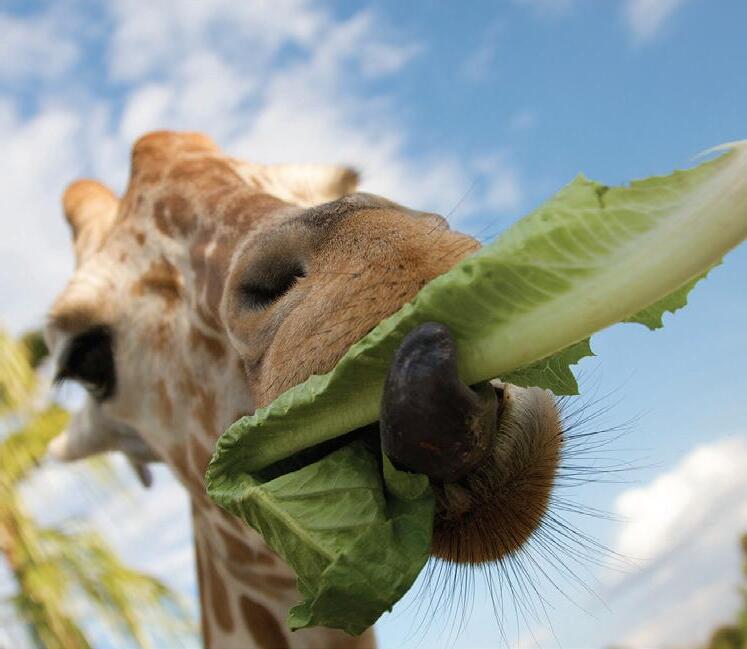
EAT LIKE A GIRAFFE
Sharing the habitat is a reminder that our daily habits impact the world around us. Sharing the habitat means coexisting with wildlife through respectful recreation, mindful outdoor behavior, and responsible pet ownership — ensuring our actions keep natural spaces safe for all species.
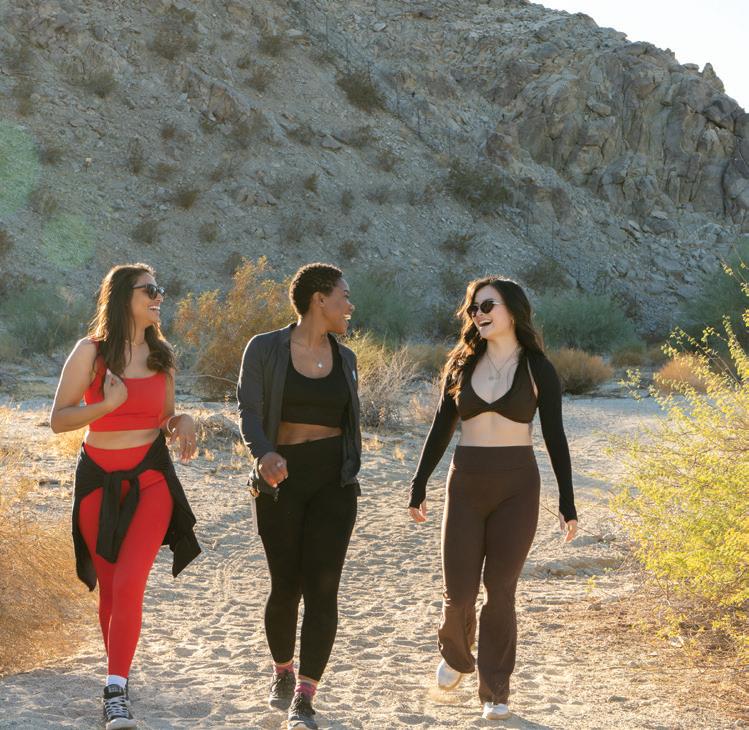
SHARE THE HABITAT
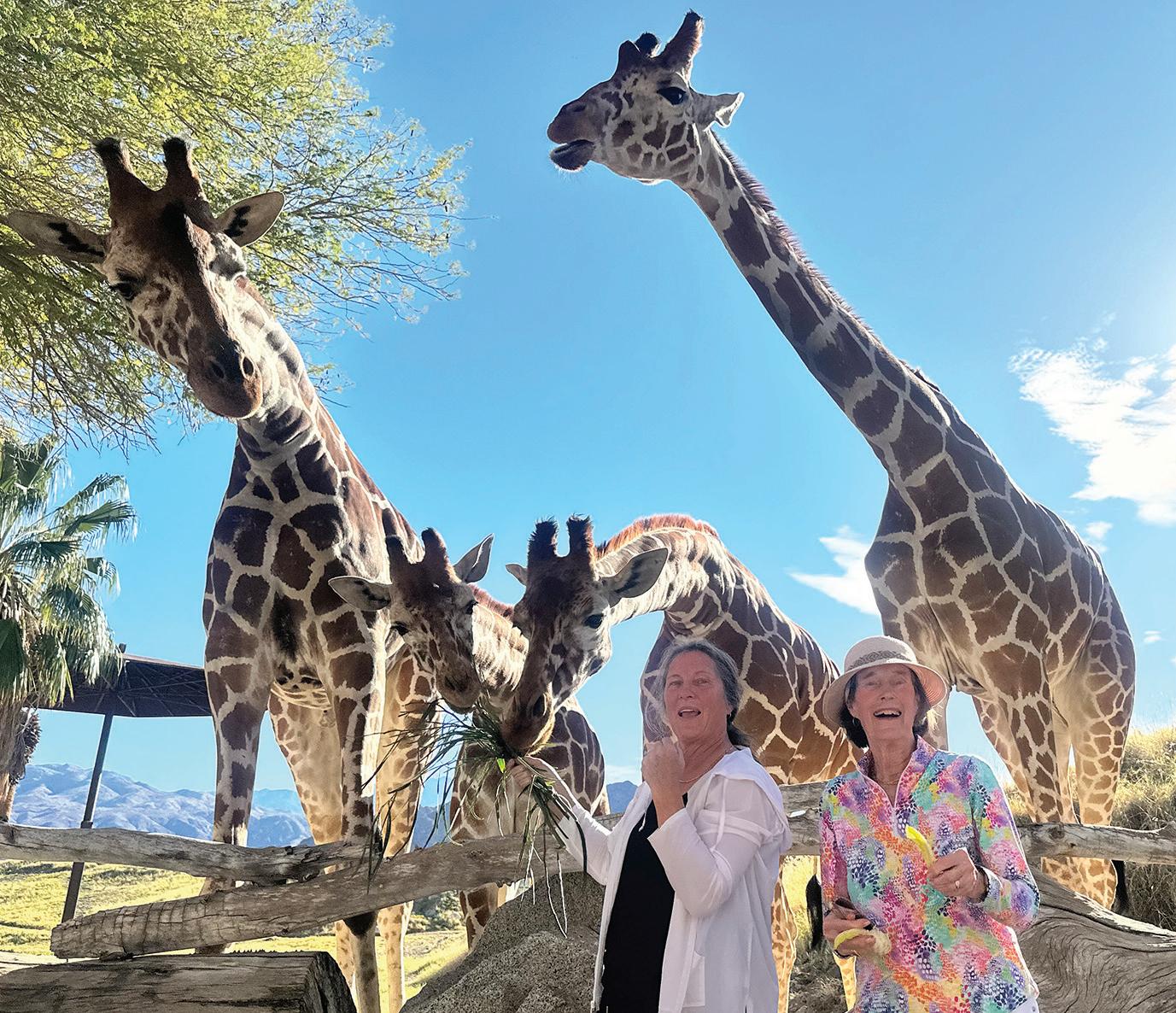
While the phrase “Eat Like a Giraffe” is playful, its impact is powerful. Swapping even a few meals per week for plant-based options can significantly reduce greenhouse gas emissions. Supporting local farms and growing food at home further reduces packaging and transportation — healthier for both the planet and us.
The Desert Defender message is clear: conservation is for everyone. With small, consistent actions, individuals can become allies in protecting wildlife, water, and wild places. The Living Desert invites all to join this movement and take action where they live, shop, eat, and explore.
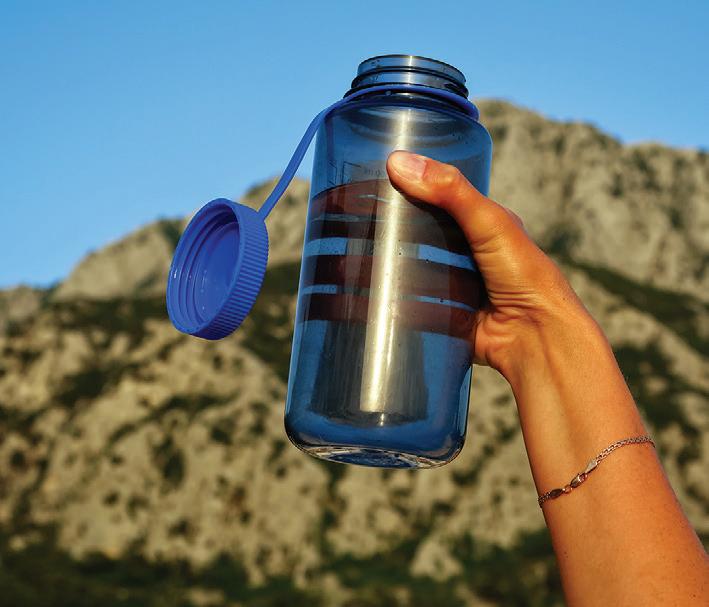
MANAGE YOUR MESS
Managing your mess means taking responsibility for what we leave behind (our trash!). Recycling, composting, and reducing singleuse plastics all contribute to cleaner, healthier environments for desert wildlife and communities.
How The Living Desert is Setting an Example
PLANT NATIVE
The Living Desert partners with local schools to create native pollinator gardens across the Coachella Valley and hosts native plant sales for the community each Spring and Fall. In addition to expanding native planting in the Valley, The Living Desert saved 3.2 million gallons of water through animal habitat upgrades!
EAT LIKE A GIRAFFE
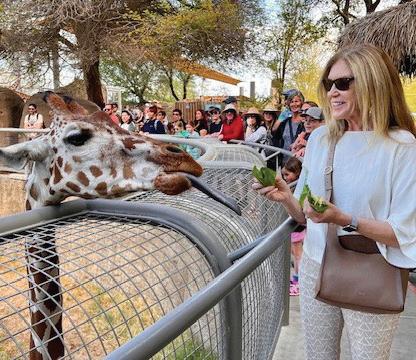
During our World Giraffe Day celebration, our Eat Like a Giraffe campaign saw a 100% increase in percentage of vegan/vegetarian meals sold.
SHARE THE HABITAT
In addition to our work with the Wildlife Trafficking Alliance caring for endangered animals rescued from illegal trafficking, The Living Desert is sharing the AZA message of Not a Pet!
MANAGE YOUR MESS
Zero-waste events are becoming built into operations at The Living Desert. We have switched to aluminum bottles saving 29,421 plastic bottles this year
Developing the Next Generation of Conservation Leaders
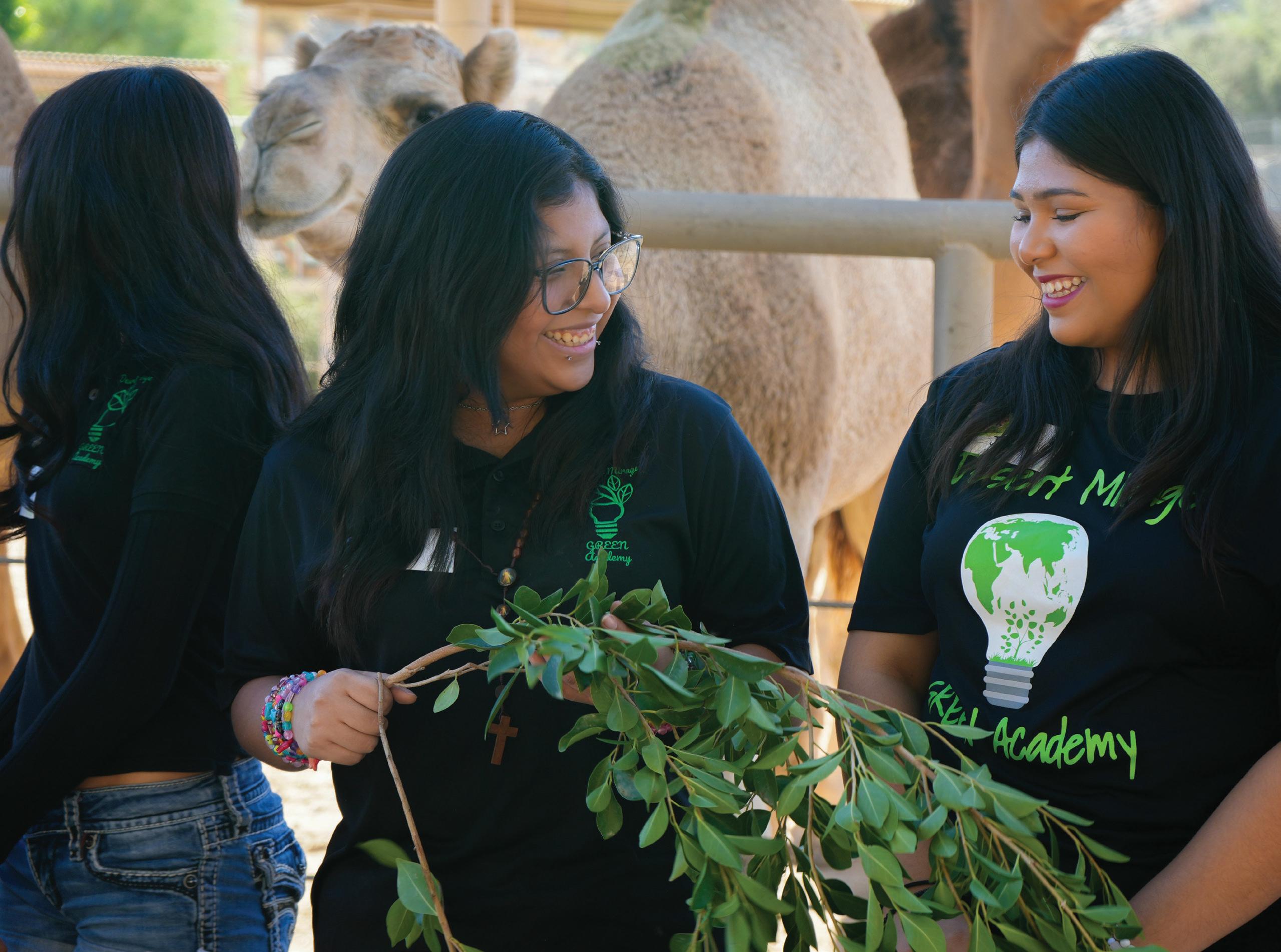
THE LEARNING AND IMPACT department is dedicated to inspiring and empowering the next generation of conservation leaders. Across the Coachella Valley, local high schools share this vision, preparing students for meaningful careers through Career and Technical Education (CTE) programs that combine classroom learning with real-world experience.
Within the Coachella Valley Unified School District (CVUSD), Desert Mirage High School’s Green Academy focuses on sustainability and environmental careers. Students enter the program as sophomores to explore sustainability-focused fields
and gain the skills needed to thrive in them.
To help bring these lessons to life, The Living Desert partnered with CVUSD to provide hands-on, skillsbased training for Green Academy students. Last fall, the Sustainability and Behavior Change department hosted a 20-week job shadowing program for five participants, offering direct experience in projects such as compost management, public communication, waste audits, and native plant restoration. Working alongside Zoo staff, students collected and analyzed waste management data and presented their findings during the
AZA Mid-Year Conference event at The Living Desert.
The program fostered teamwork, adaptability, and technical expertise, while introducing students to careers in conservation and environmental science.
Building on this success, this year’s partnership, with support from Disney’s Cotino, will expand the experience even further. Students will explore the wide range of careers that make a zoo thrive, from animal care to operations, gaining a holistic understanding of how every role contributes to wildlife conservation and community impact.
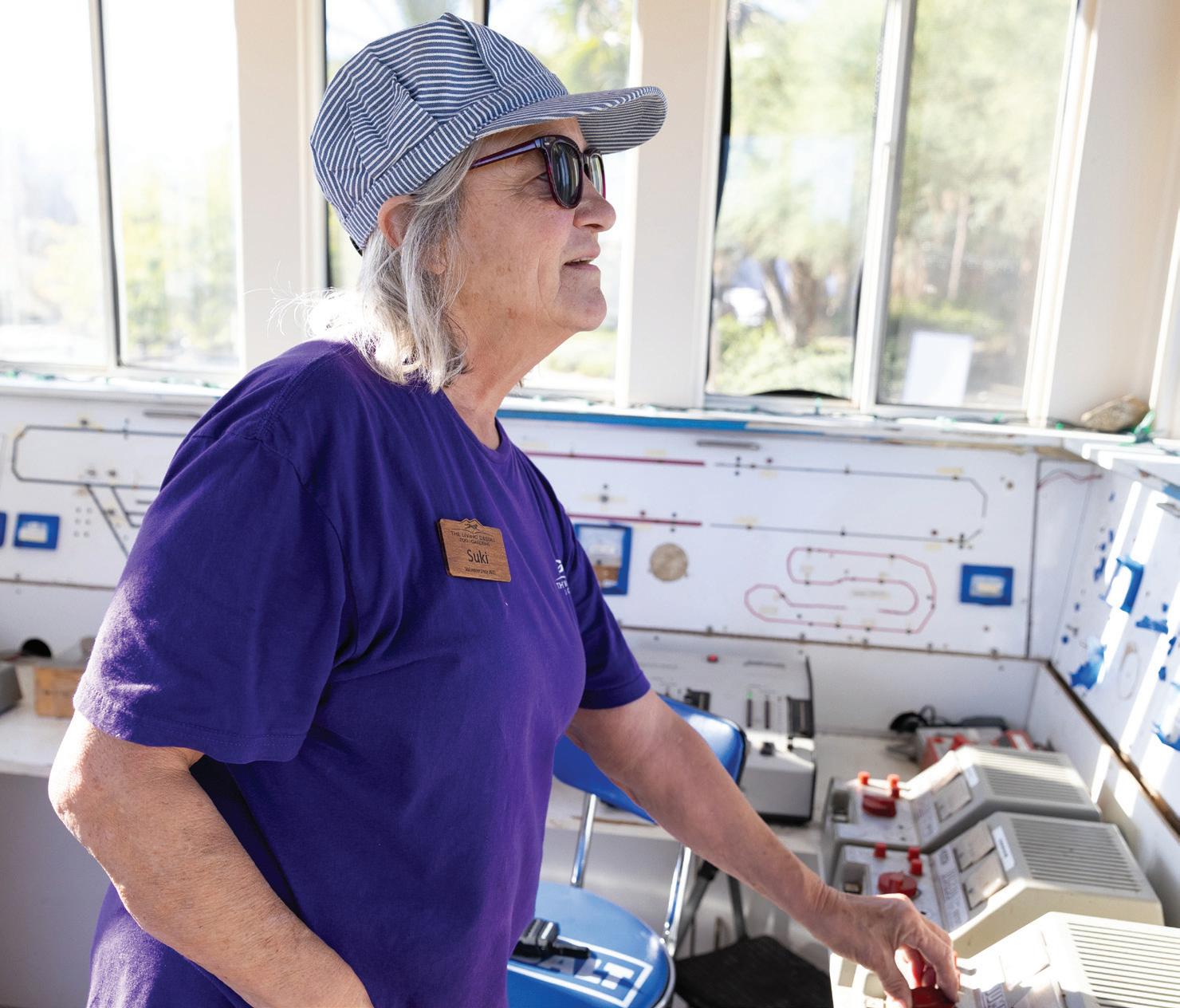
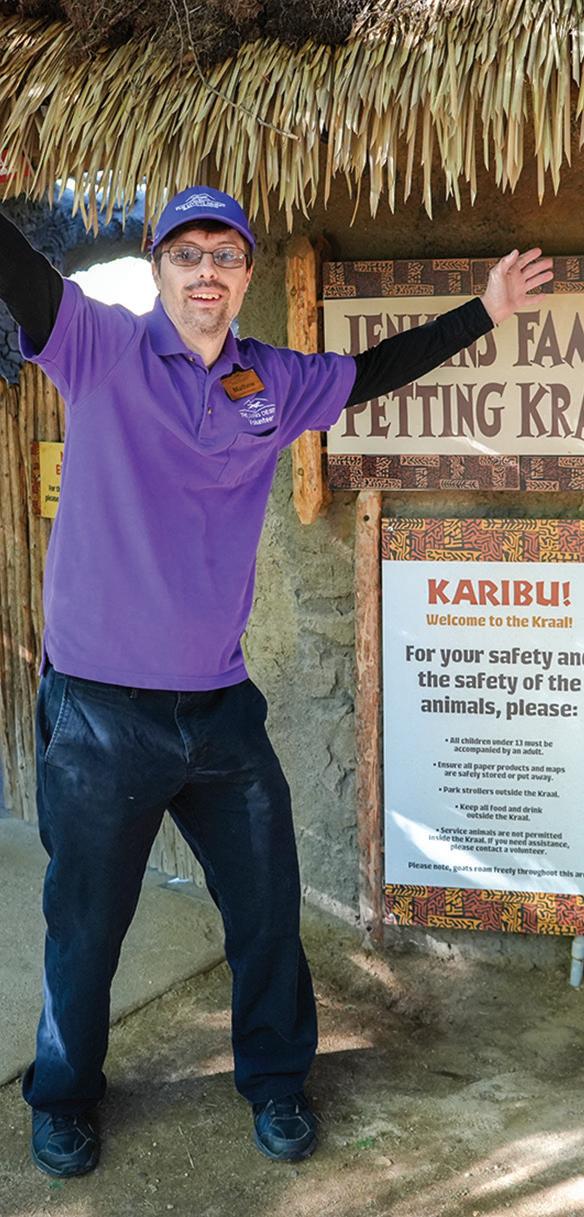
Building Community Through Inclusion: The Desert’s Pathway Volunteer Program
FOR MORE THAN FIVE DECADES, The Living Desert’s Volunteer program has been a cornerstone of community connection in the Coachella Valley. Since our founding in 1970, volunteers have played an essential role in advancing our mission. From guest relations and interpretation to animal care, conservation, and office support, volunteers can be found contributing their time and talents across nearly every department year-round.
Over the years, our volunteer community has grown to better reflect the diversity of the Valley. One of our newest initiatives, the Desert Pathways Program, is designed to ensure that adults with accessibility or accommodation needs have meaningful opportunities to participate. As the demand for supportive spaces continues to grow, Desert Pathways provides individualized approaches and thoughtful adaptations that help every volunteer fully engage and thrive as part of The Living Desert community. By opening doors for everyone to contribute in meaningful ways, we are not only strengthening our mission but also deepening our connection to the community we serve. As Desert Pathways blossoms, we look forward to the new voices, talents, and perspectives that will help shape the future of volunteering at The Living Desert.
Desert Pathways: Support Tailored to Every Volunteer
Personalized onboarding: One-on-one introductions that customize training, tasks, and learning to each volunteer’s strengths and interests.
Collaborative support: The ability to work alongside personal coaches or mentors while on site.
Flexible scheduling: Shorter or modified shifts make volunteering accessible to more people.
Open communication: Regular coordination among volunteers, coaches, caregivers, and partner organizations ensures emerging needs are met — creating a truly inclusive and supportive environment.
The Living Desert has more than 50 gardens highlighting the remarkable diversity of desert plantlife around the world.
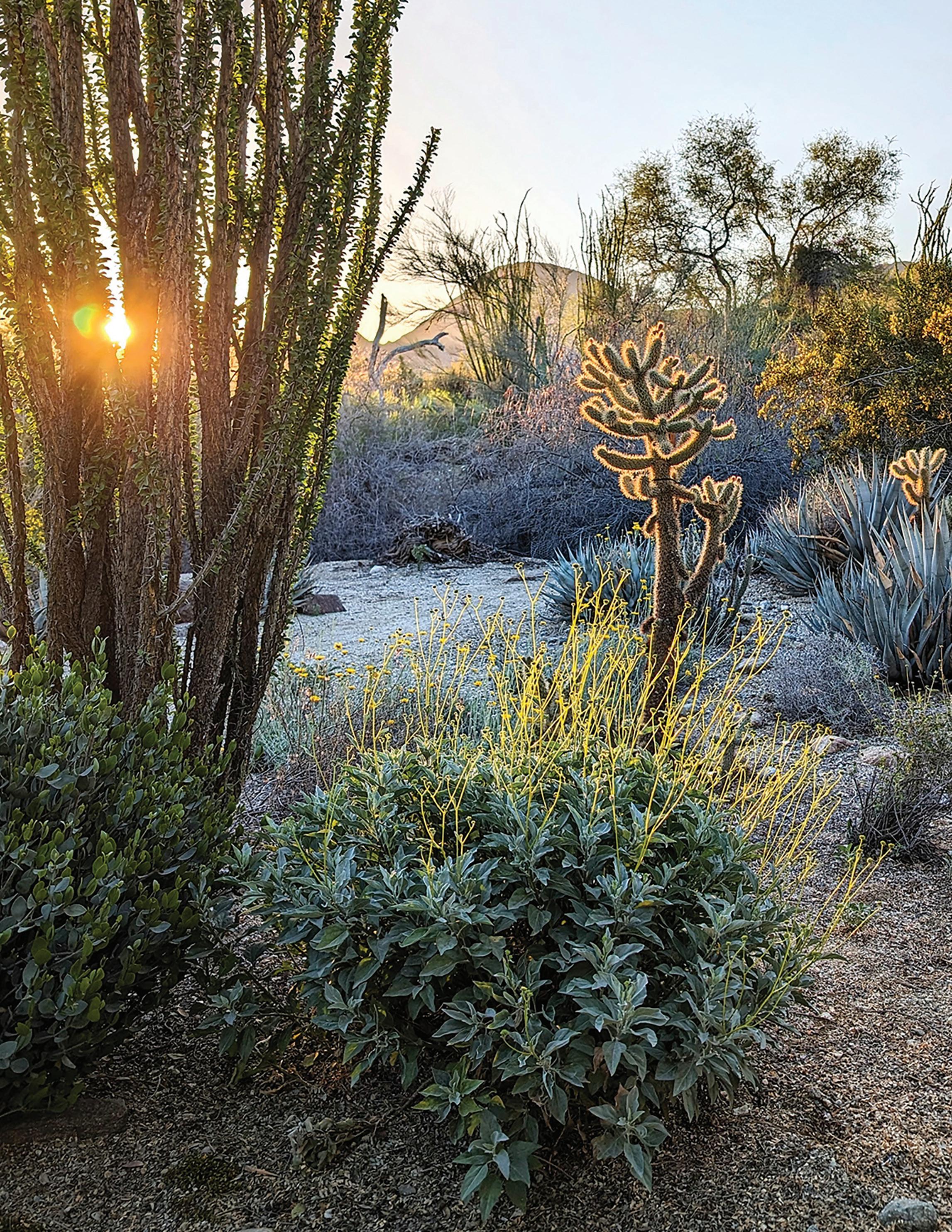
Gardens
Rooted in Purpose: Growing for the Zoo
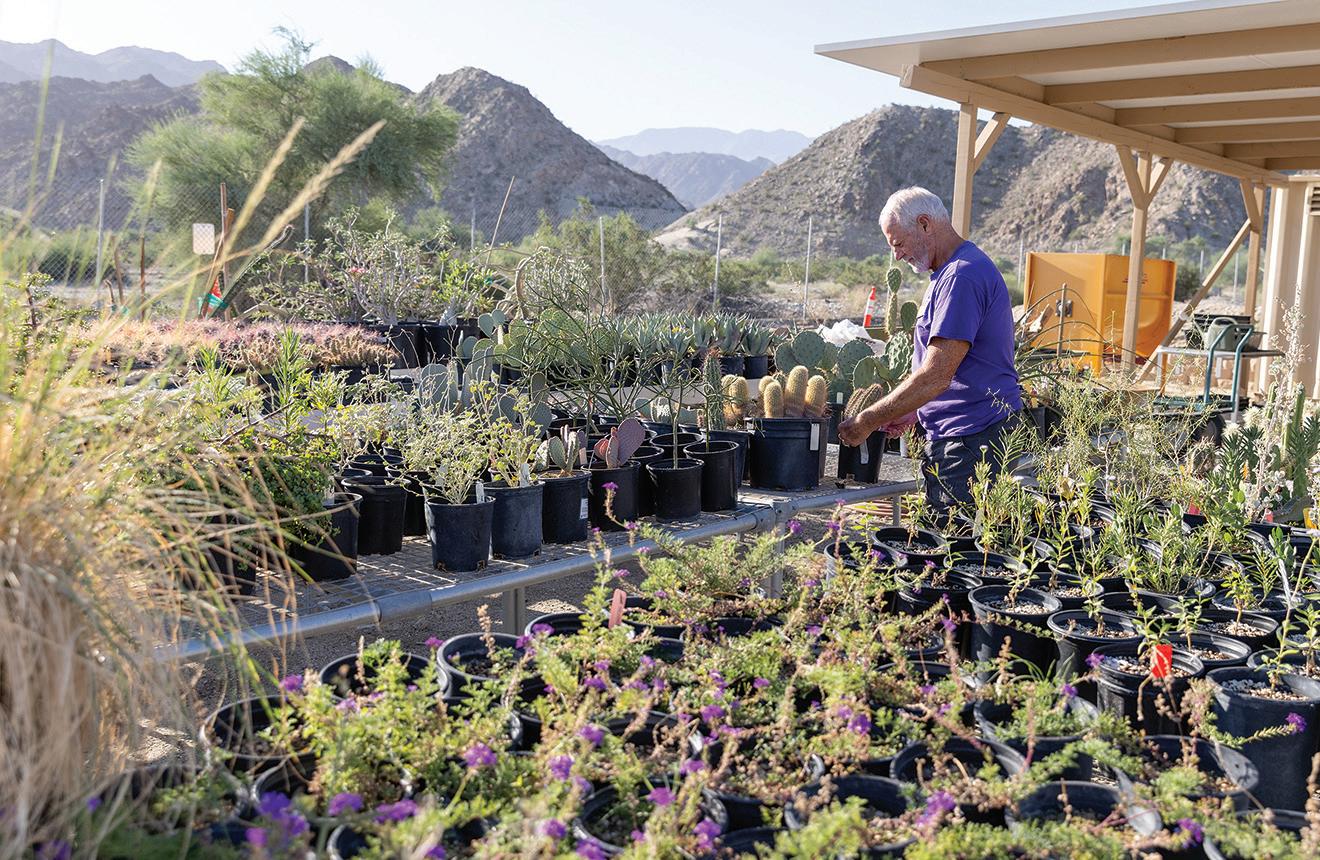
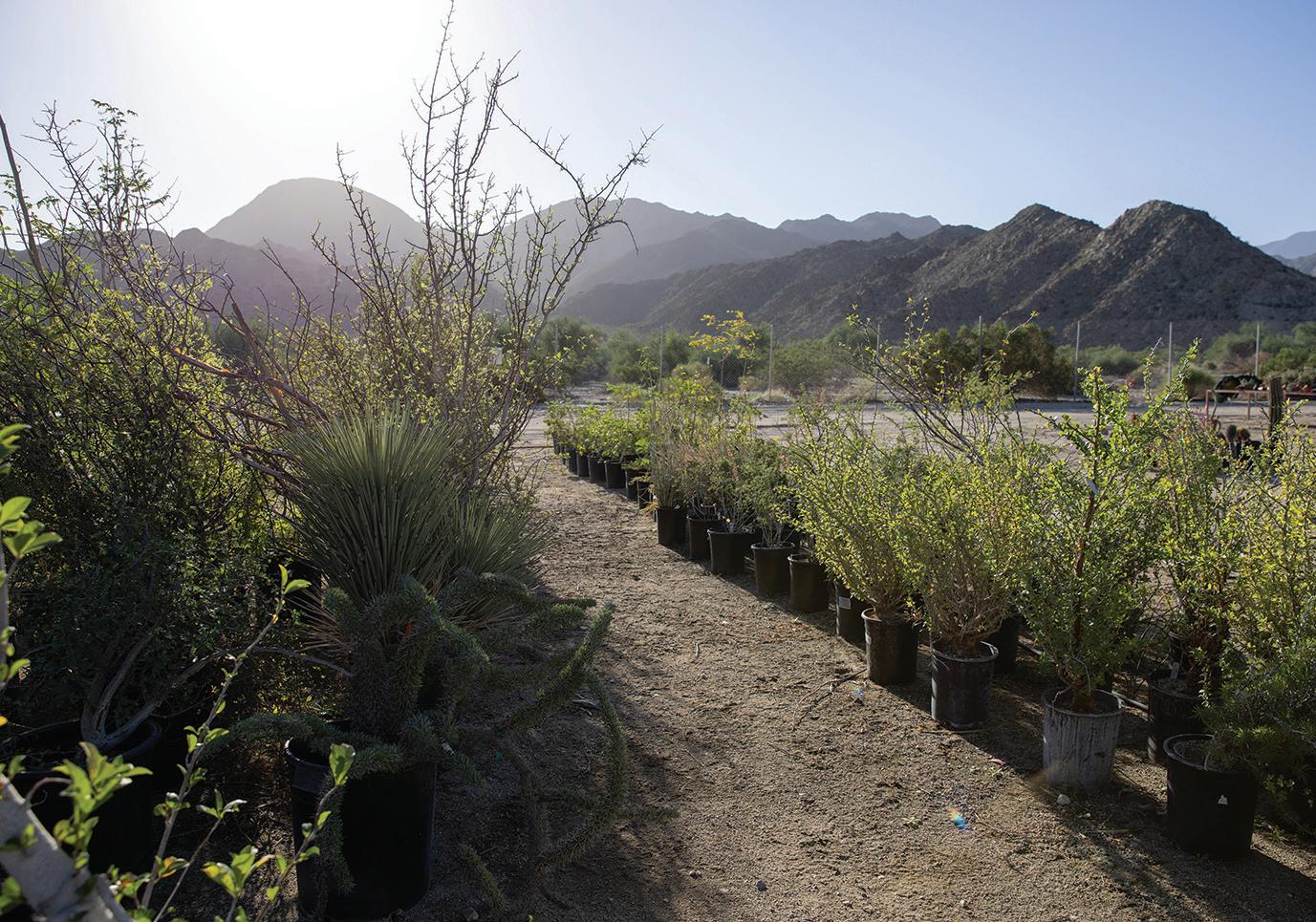
THE PAST YEAR brought significant improvements to The Living Desert’s Propagation Nursery, which is an essential piece of our horticultural efforts, both on and off site. Recent construction on the parking lot created an opportunity to repurpose the discarded pavers and build new growing areas in the nursery. Now, the nursery can accommodate over 300 five-gallon trees, 150 fifteen-gallon trees, and more than 50 twentyfour-inch tree boxes. Much of this growing space will be devoted to producing additional browse for our animal nutrition program. Additional upgrades include the construction of new shade structures and growing tanks, allowing the nursery to house over 5,000 one-gallon plants. Many of these plants will enhance the on-site botanical collection and contribute to ex situ plant conservation efforts on the grounds. During the year, nearly 1,000 desert-adapted plants were grown and planted throughout the Zoo. Additional plants were cultivated to sustainably support animal nutrition, experiences, and habitat needs. However, the majority of nursery-grown plants are used to create and restore habitats and gardens across the Coachella Valley, extending The Living Desert’s impact beyond its gates.
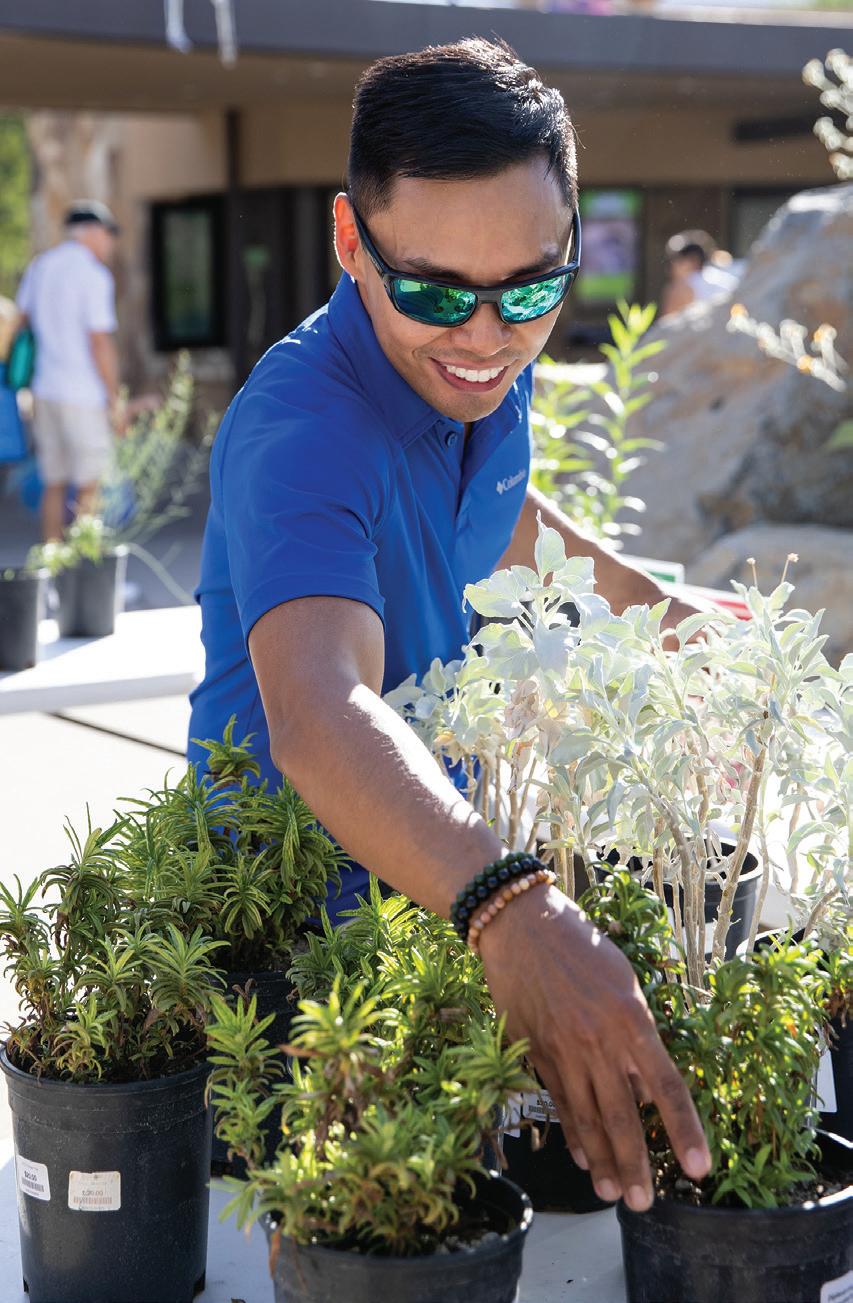
Rooted in the Region, Planting Native
THE LIVING DESERT is one of the region’s leading resources for desert native gardening. To support the growing community of Desert Defenders planting native species, The Living Desert continued hosting plant sales during in-park events and expanded to include sales open to the public. The Fall Plant Sale was specifically planned to coincide with the start of Southern California’s planting season. The day earned record-setting attendance, with visitors coming from as far as Arizona! Over the year more than 800 plants were sold to help populate local landscapes, with proceeds benefiting conservation projects at the Zoo and around the world.
Chase Agave Garden Renovation
IN OCTOBER 2024, the Gardens department completed a renovation of the Agave Garden at the Chase Administration Building. Originally landscaped in 2007–2008, the garden had undergone many updates over the years and was ready for an eye-catching new design. For this renovation, the team refreshed the garden by removing existing plants and substrates while carefully preserving the original geometric planting beds. New agave species were chosen for their striking shapes and colors, creating a bold contrast against the updated decorative gravel and granite. With exceptional attention to detail, the Gardens department brought the vision to life, creating a revitalized garden that is both visually stunning and a living testament to the resilience and beauty of desert plants.
Did you know?
Agaves are monocarpic plants, meaning that when they flower, they use all the energy from the main plant to produce the flower stalk and seeds or plantlets. Eventually the main plant dies, providing space for the next generation of plants to grow and flourish.
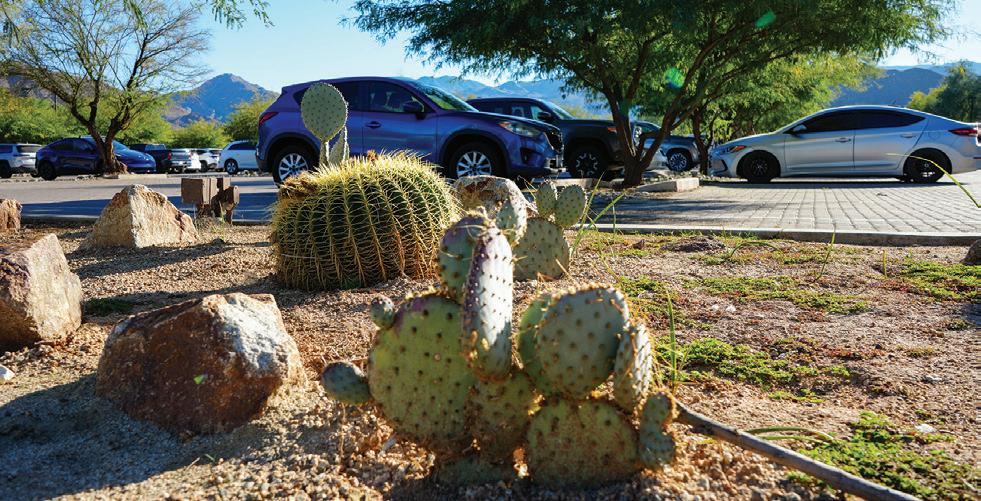
PARKING LOT END CAPS
As part of the Chase Agave Garden project, we expanded our beautification efforts to the main entrance of the Zoo, particularly the parking lot end caps. These areas were redesigned using a vibrant mix of cactus and succulent species, paired with decomposed granite to brighten the space and showcase the natural colors and textures of the plants. The result is a welcoming, desert-forward entrance that reflects the beauty and character of The Living Desert from the moment guests arrive.
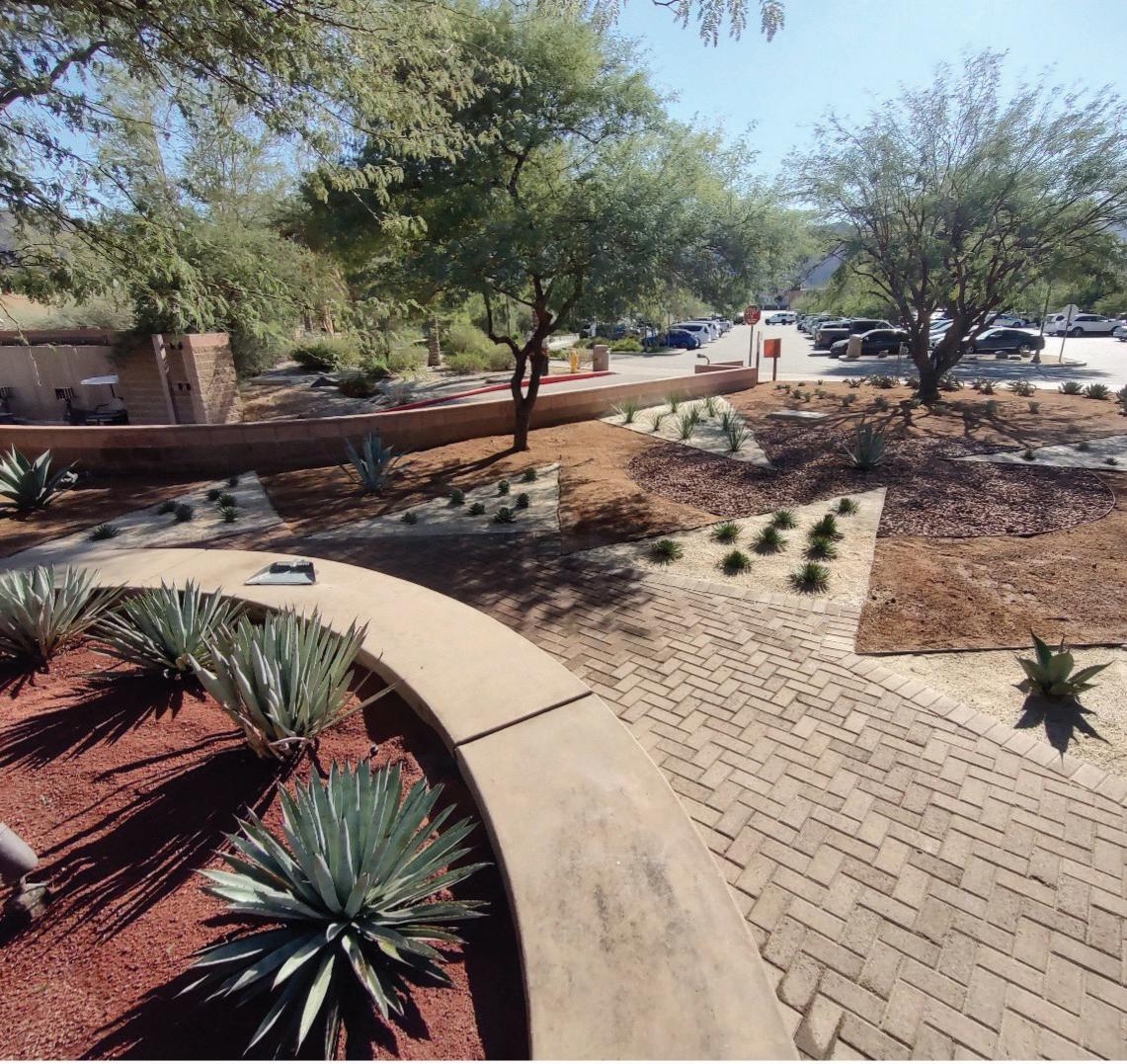
Native to North and Central America, agaves are ideal for landscaping, as their striking forms and textures beautifully accentuate surrounding plants.
Xerophilous

on activities to learn about desert ecosystems and the vital work being done to protect them. The festival was an immersive experience that brought the magic of the desert — and our gardens — to life for the entire community.
Community Browse
THIS YEAR, we launched a new initiative designed to strengthen our community connections, inspire conservation action, and support the animals in our care. Led by Browse Coordinator Ash Arons, the Community Browse Outreach Program partners with country clubs, landscaping teams, residents, and local cities to collect chemical-free plant trimmings for use in animal diets at the Zoo.
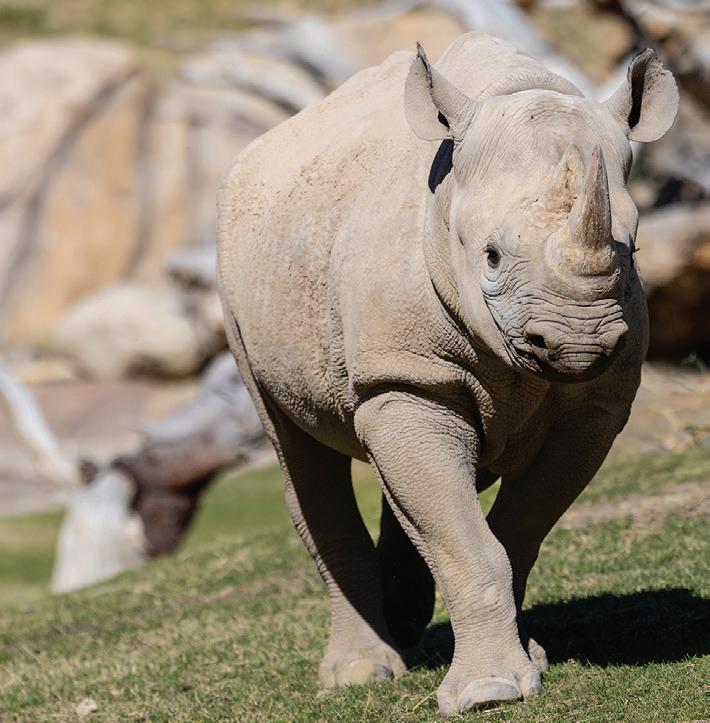
In just nine months, the program gathered more than 6,320 pounds of highquality browse — providing our giraffes, rhinos, wallabies, and several other species enriching and nutritious food. This effort represents the equivalent of $39,000 in donated value.
To complement this work, The Living Desert maintains several browse farms on our grounds, including a new site established behind the giraffe barn. Additional farms are planned for next year to help meet our growing needs. Across the park (and even in our parking lot) our horticulture practices are intentionally designed to sustainably supplement animal diets through careful plant selection and chemical-free care.
This innovative approach has earned recognition across the zoo community. Our team has shared its work at major professional gatherings, including the Giraffe and Okapi Conference and the AZA Mid-Year Conference, highlighting The Living Desert as a leader in browse management and sustainability.
Animal Habitat Enhancements
WHILE THE LIVING DESERT is home to more than 50 official gardens, horticulture touches nearly every corner of the park — even places you might not think of as “gardens.” Take Bighorn Mountain, for example. Its rocky terrain might not seem like fertile ground, yet this spring the team spread 14 pounds of native seeds to add flora that supports the bighorn sheep and enhances the natural look of the habitat.
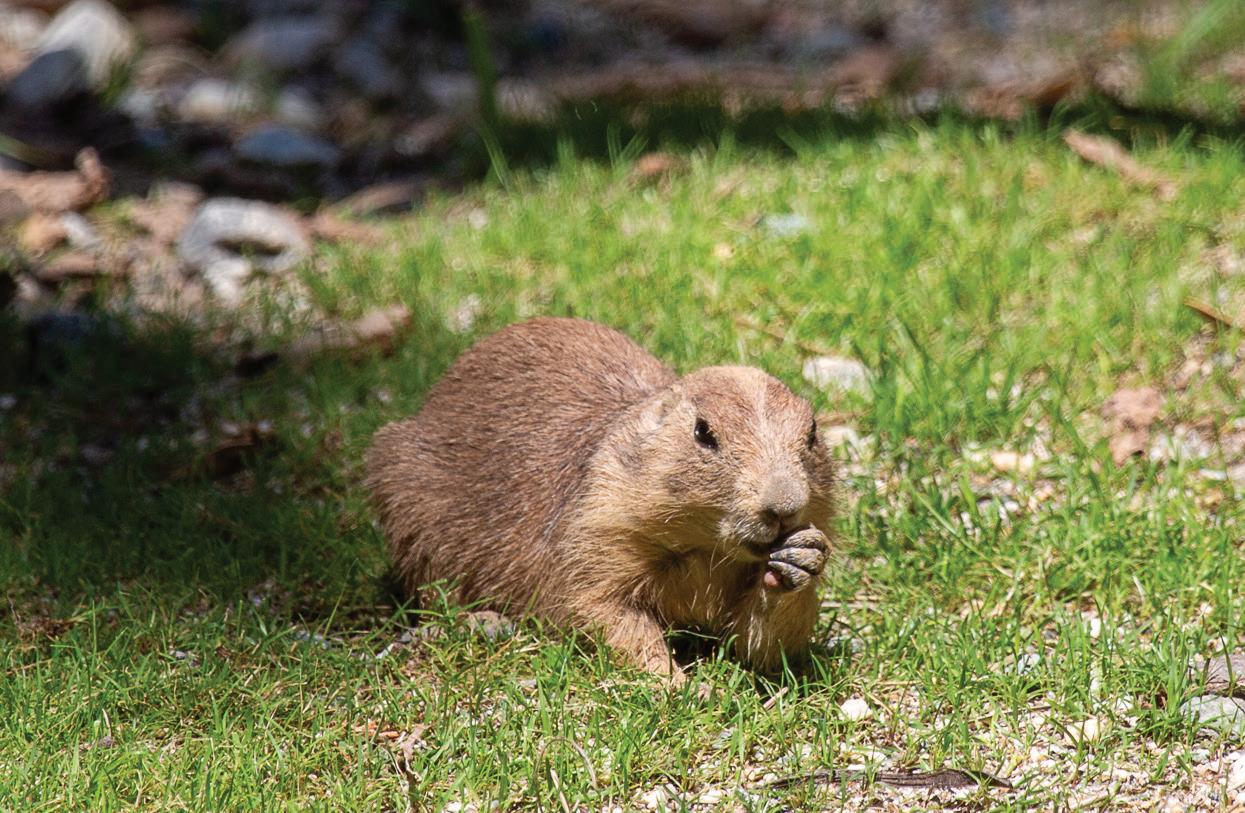
Maintaining habitats where animals love to dig presents another challenge. Wild Prairies, home to prairie dogs and burrowing owls, requires grasses and soil that can withstand year-round activity. The Gardens team carefully tends to the habitat: reseeding, reinforcing soil, and selecting plants that thrive alongside the animals’ natural behaviors.
These thoughtful designs not only improve the lives of the animals in our care but also create an immersive, natural setting for guests to enjoy.
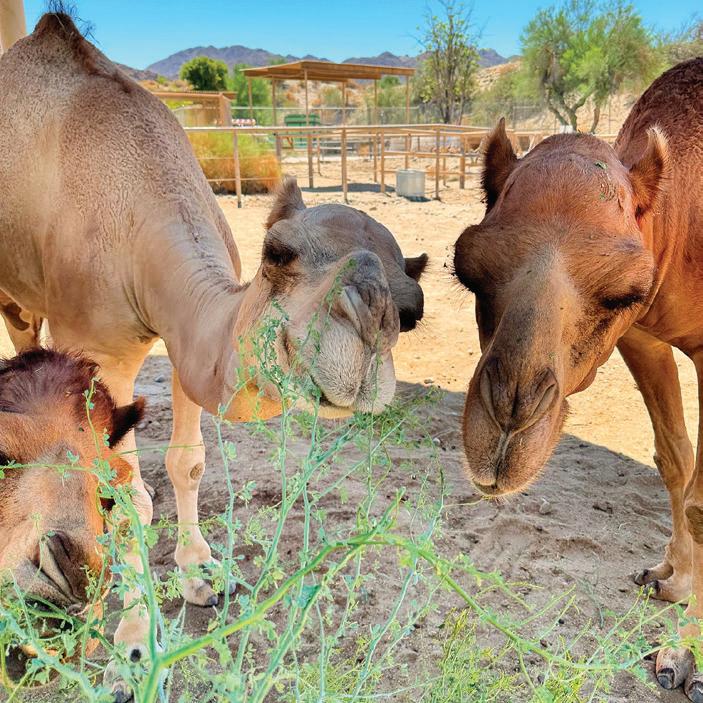
“Browse” is the term used for any tree or shrub material that is eaten by an animal. Just as “grazers” are animals that eat grass, “browsers” are animals that eat leafage or strip bark from trees. At The Living Desert, this includes giraffes, rhinos, wallabies, and more! Providing browse is an important part of a browsing animal’s care plan because, in the wild, most of their diet and daily activities come from searching for food.
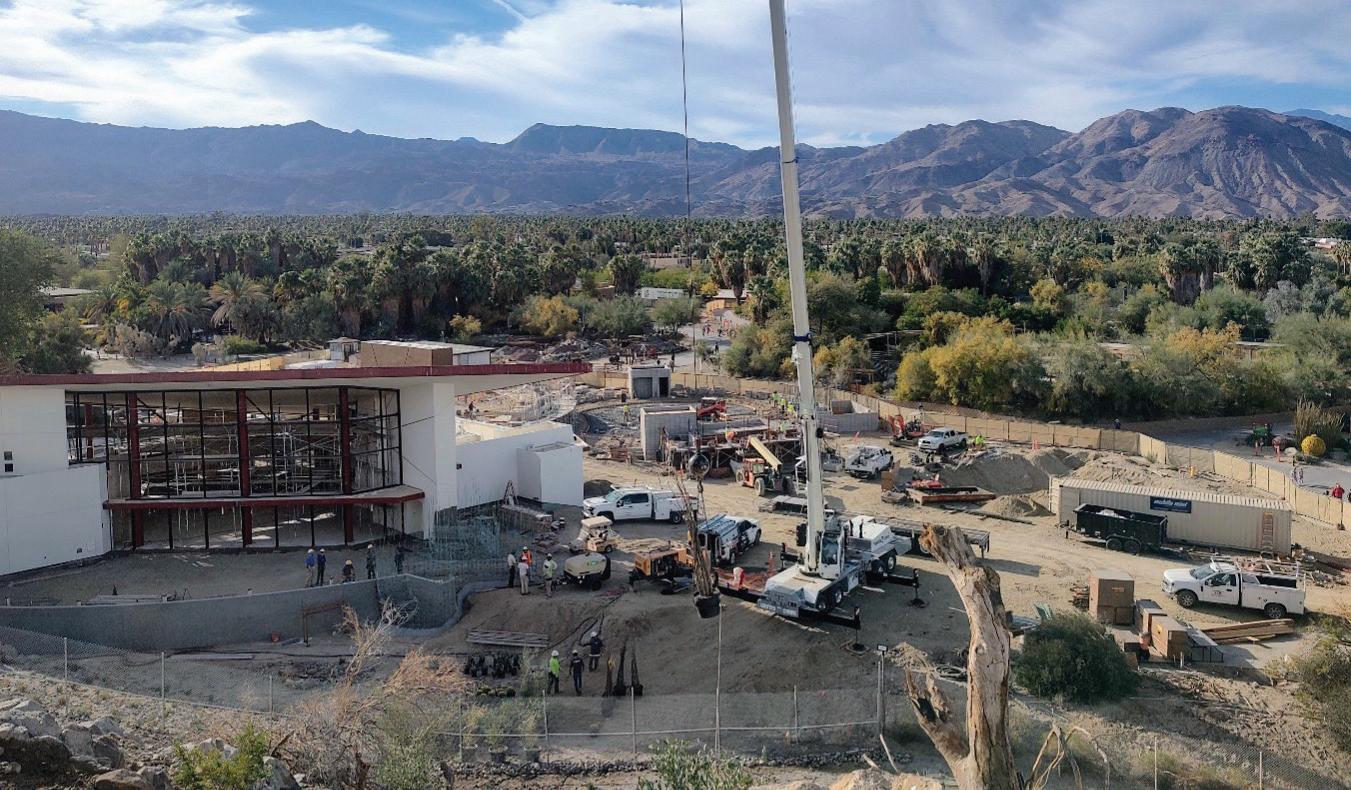
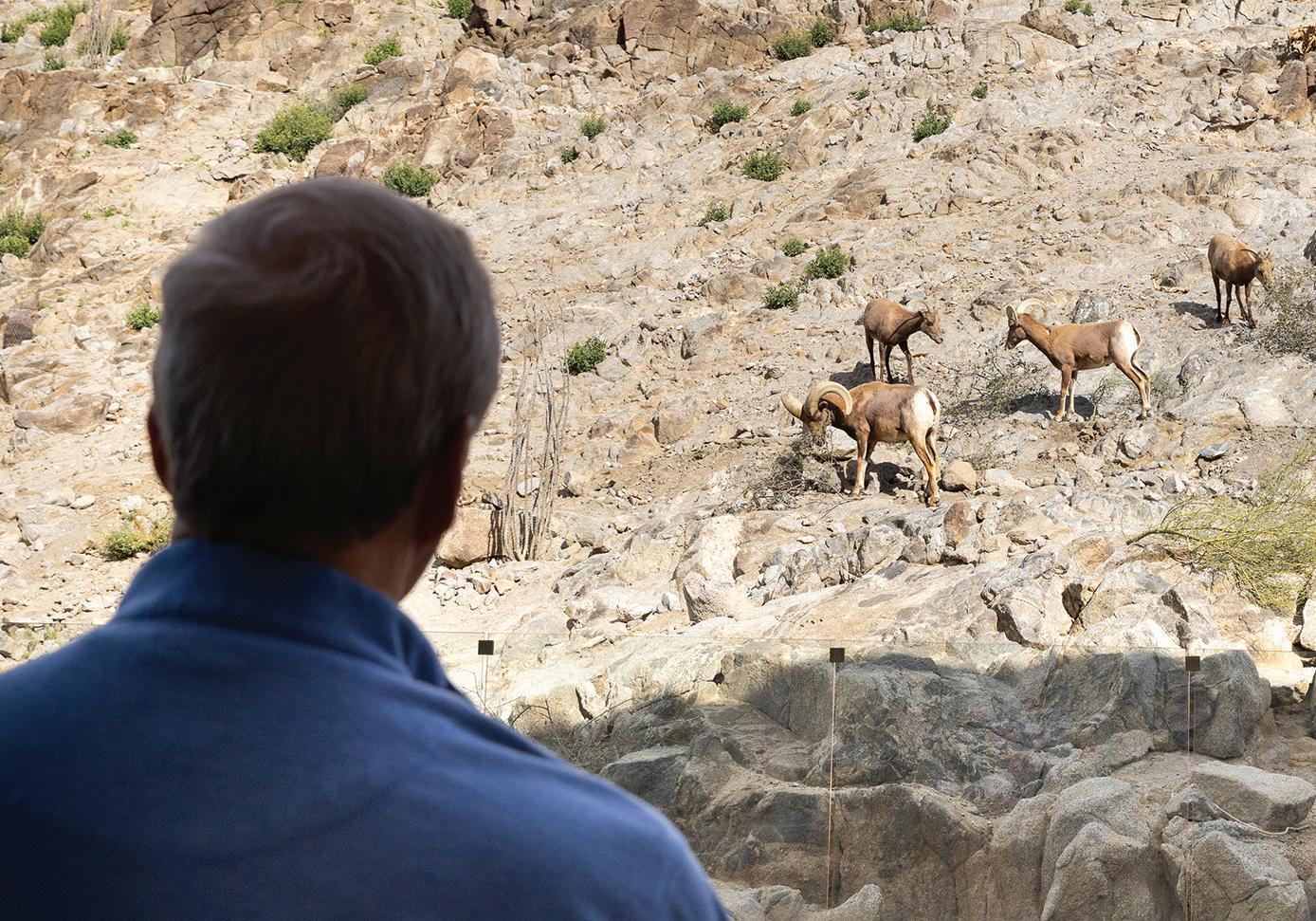
Using the Coachella Valley’s largest crane, we added four massive natural logs to the design of the bighorn sheep habitat.
This Year at the Zoo
ZOO DAY
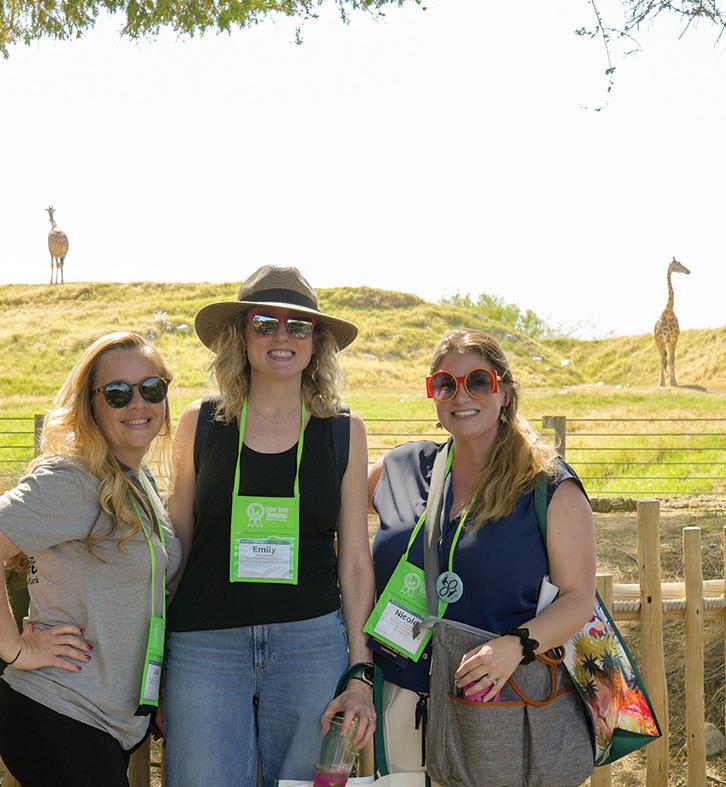
In March 2025, approximately 1,100 industry professionals came to Greater Palm Springs for the Association of Zoos and Aquariums’ Mid-Year Conference. At the end of the week, conference attendees joined us at the Zoo for a celebration and special look into the inner workings of The Living Desert. Throughout the day, our team hosted special open houses, demonstrations, and activities so that our zoo and aquarium colleagues could learn more about our mission first-hand.
NEW TO THE ZOO
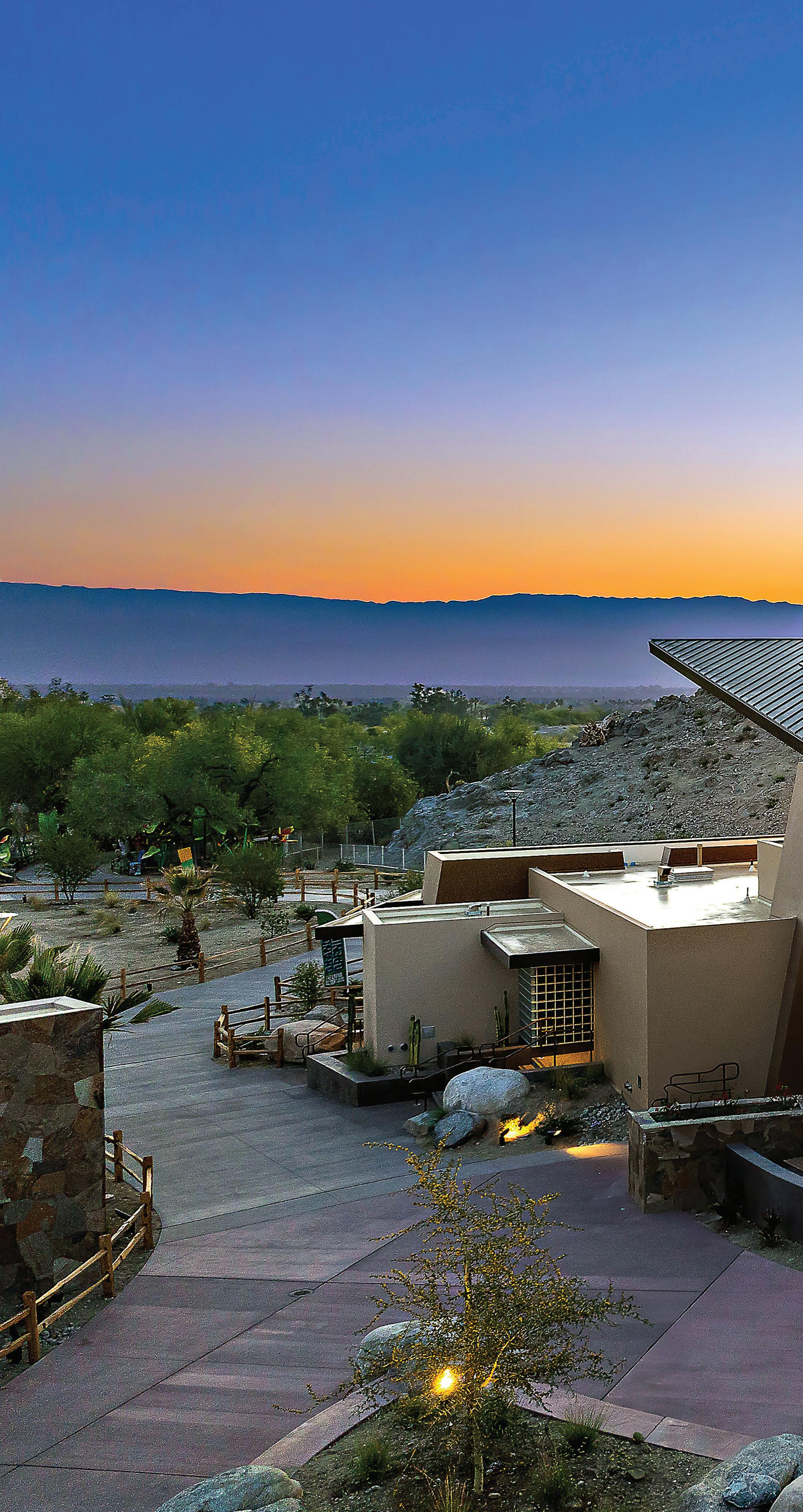
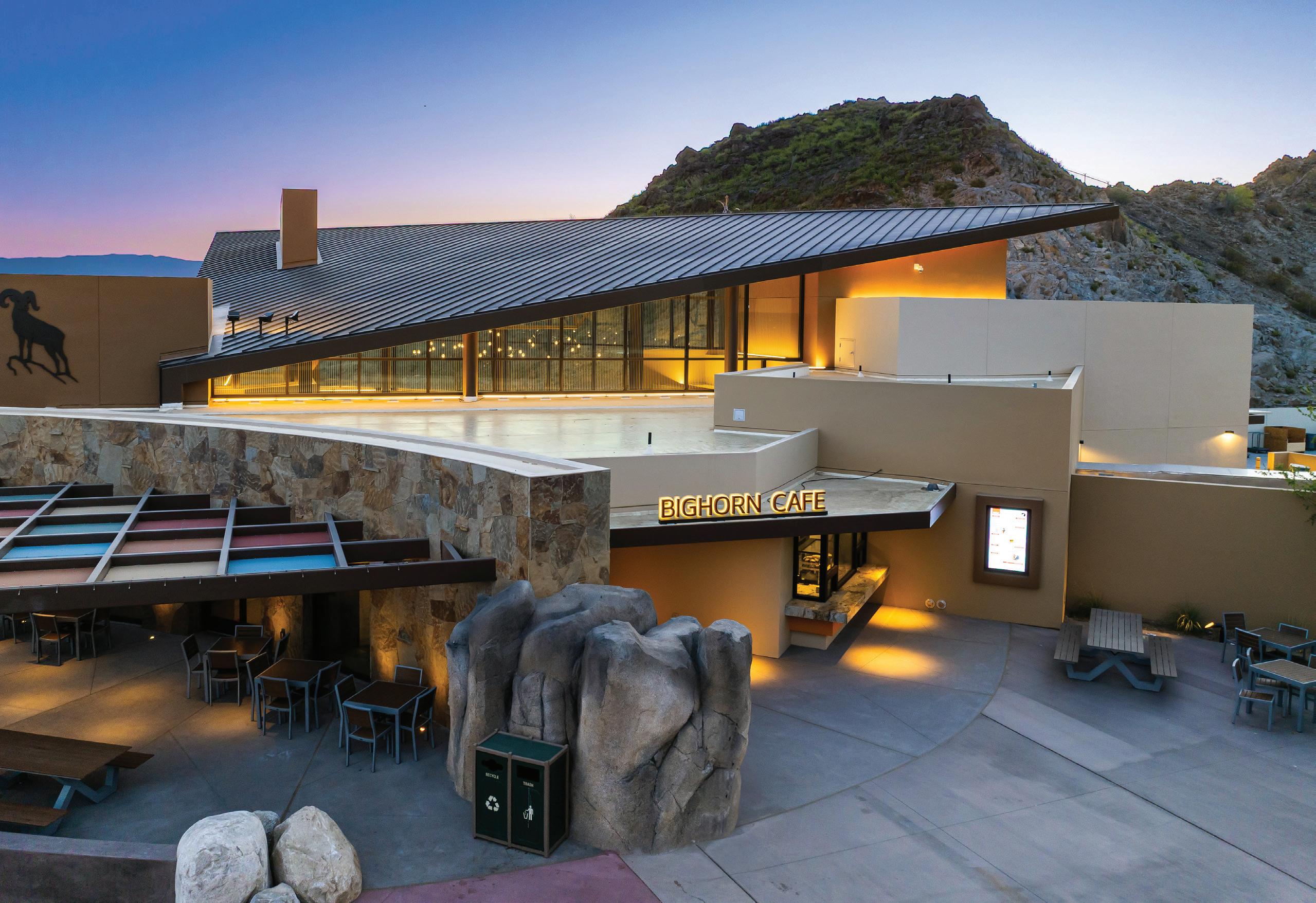
In April 2025, The Living Desert proudly unveiled two exciting new additions: the Bighorn Cafe and the Bill Gross & Pax Stengaard Gross Oasis Splash Pad. The Bighorn Cafe was designed as a multipurpose space to enhance guest experience — offering fresh dining options, serving as a venue for events and catering, and providing visitors a unique perspective of the bighorn sheep habitat.
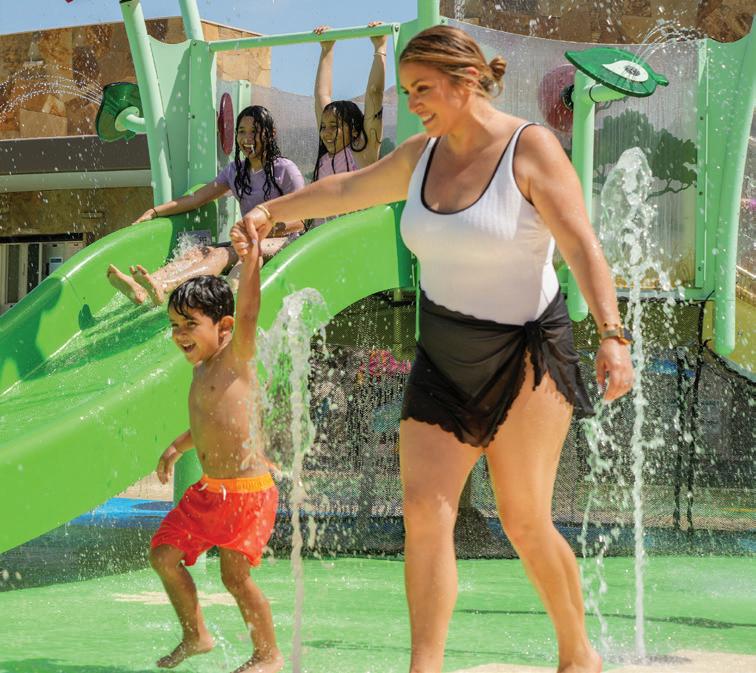
The Oasis Splash Pad quickly became a favorite of children and parents as a place to gather, enjoy, and make memories throughout the year.
Both the Cafe and Splash Pad incorporate sustainable practices, making every visit enjoyable and environmentally responsible.
ZERO WASTE
AZA Zoo Day was The Living Desert’s first large event designed to be Zero Waste, meaning 90% or more of the associated waste would be diverted from landfills through recycling or composting. After sorting and weighing all the event’s trash, an impressive 88% was successfully diverted.
Bighorn Cafe photo (top)
courtesy of PVG Architects
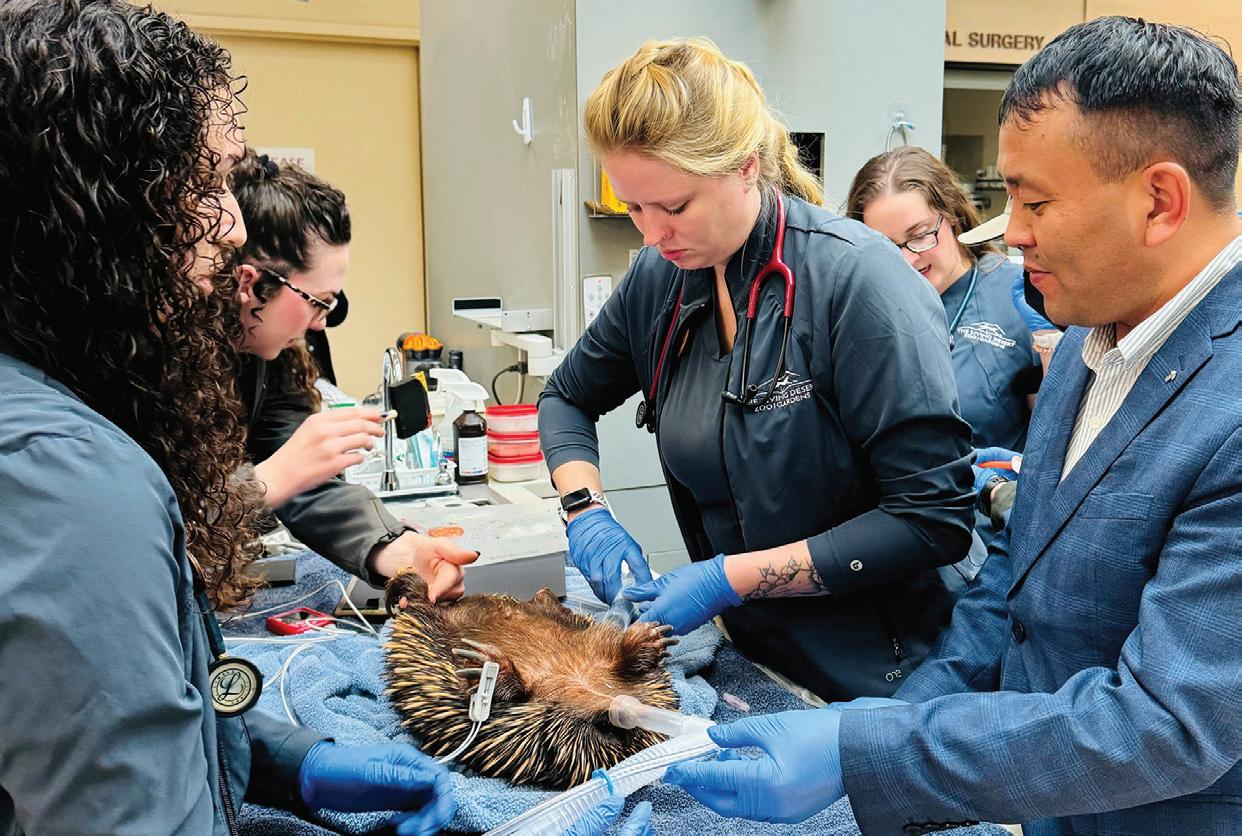
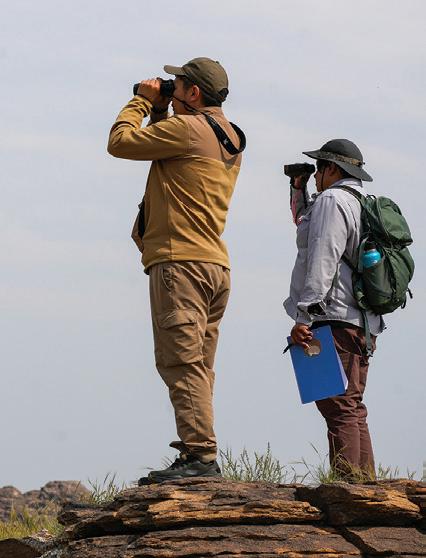
MONGOLIA STAFF EXCHANGE
As part of The Living Desert’s global commitment to conservation and the expansion of social science programs, 13 staff members journeyed to Mongolia (right) to participate in hands-on fieldwork and educational discussions. Their work directly contributed to protecting the threatened species in Ikh Nart Nature Reserve and building lasting partnerships with local communities. Four delegates from the Mongolian Conservation Initiative also visited The Living Desert (above) to work alongside and learn from our Conservation, Animal Care, and Learning and Impact teams.

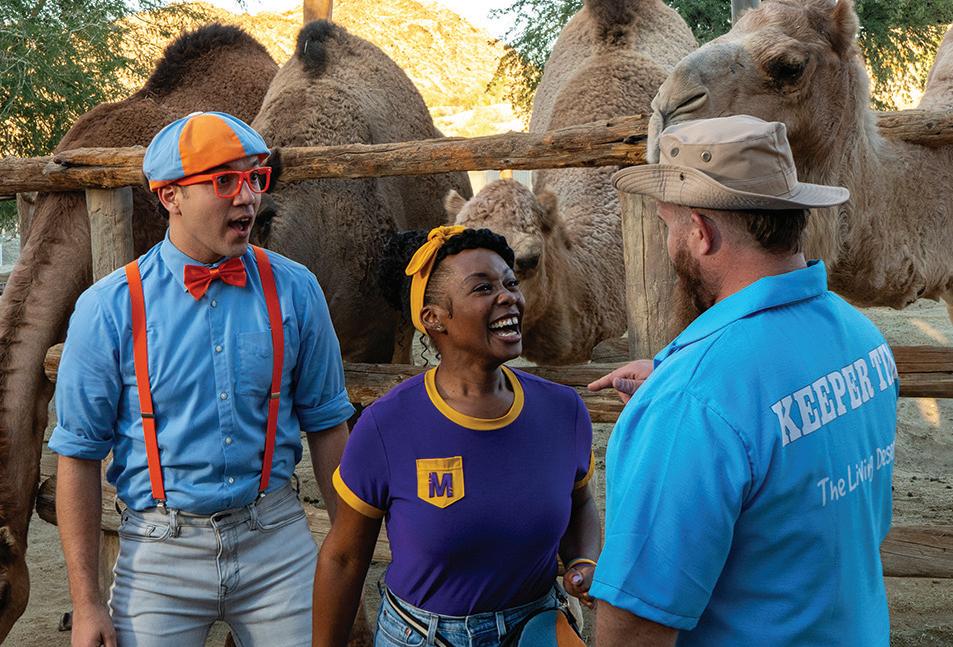
BLIPPI
The Living Desert’s dedication to world-class animal care reached a global audience when Netflix’s Blippi’s Job Show chose the Zoo to film the premiere episode of its second season. “Keeper Tim” — Animal Care Curator Tim VanLoan — brought viewers behind-thescenes for a special look at how we care for more than 600 desert animals.
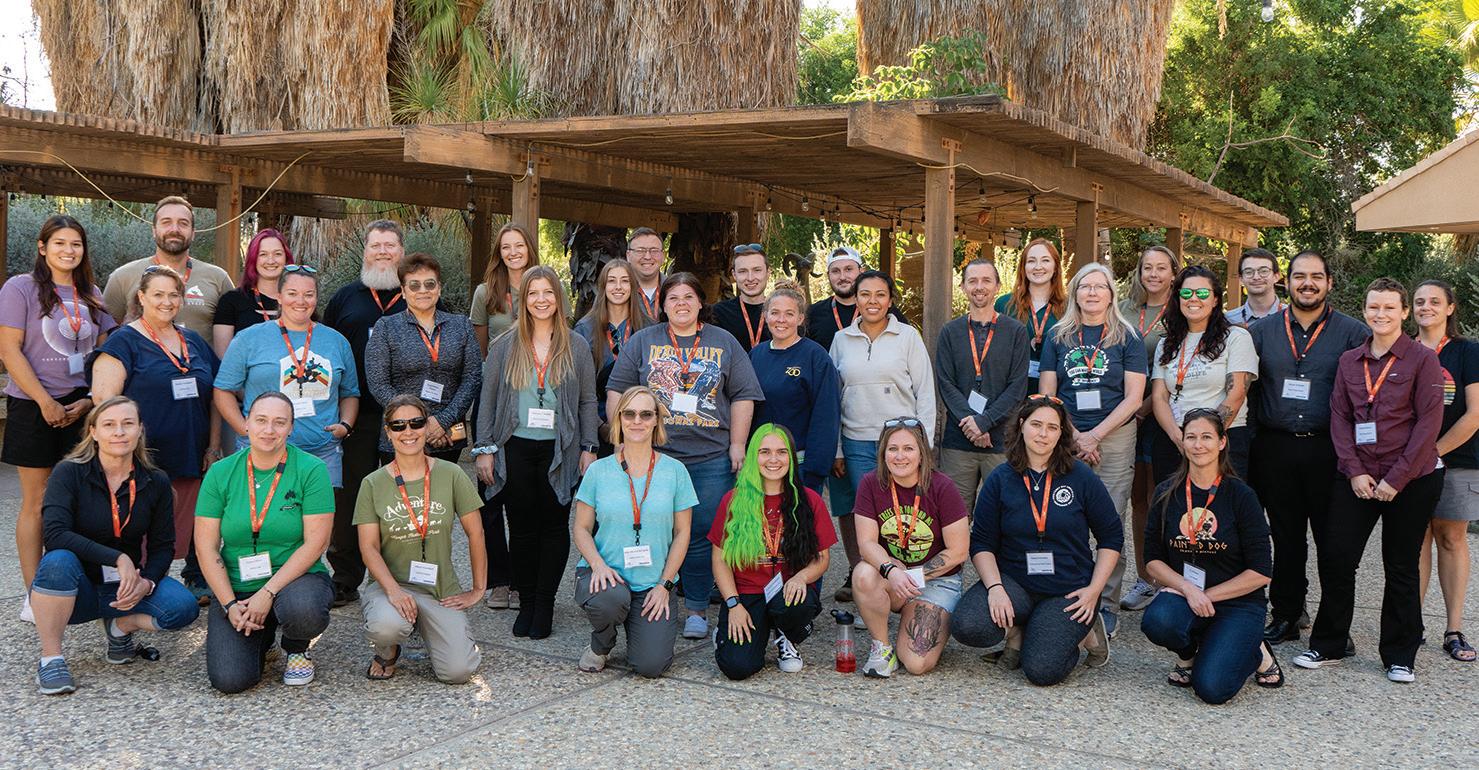
TRAINING
The Living Desert continued to lead the way in our field by hosting two high-impact industry events this year: the Canid and Hyaenid TAG Husbandry Course in October 2024 and the Giraffe and Okapi Conference in January 2025. These events allowed us to share our animal care expertise and highlight the critical importance of desert ecosystems with colleagues from across the country.
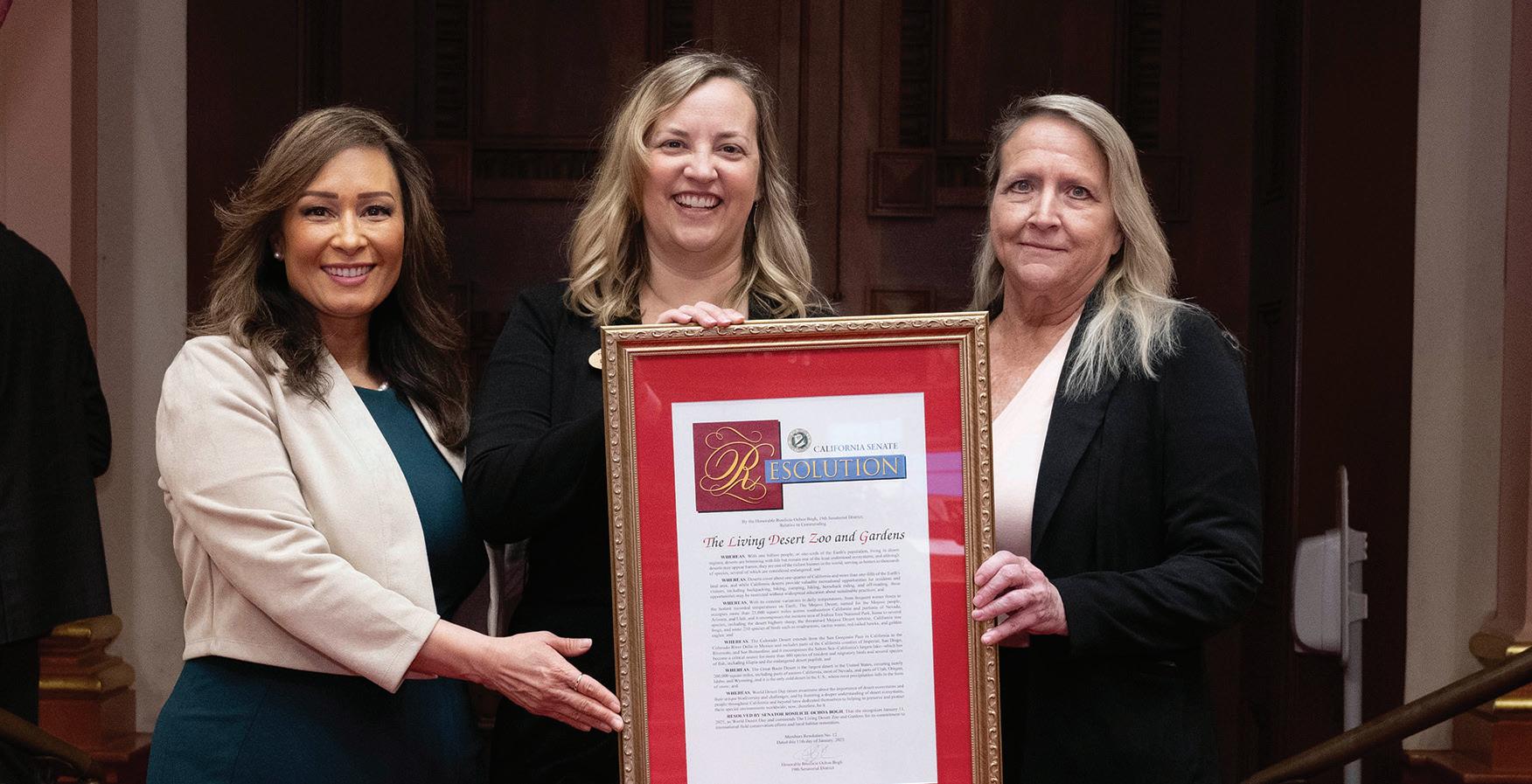
WORLD DESERT DAY
The Living Desert proudly launched the first-ever World Desert Day in 2024 and spent the following year advancing recognition of the holiday at both the local and state levels. In 2025, this effort reached a major milestone when the California Assembly and Senate unanimously passed resolutions officially designating the second Saturday of January as World Desert Day.
Senator Ochoa Bogh (left) stands with Dr. Anna Young (center) and Kathy Sacher (right) of The Living Desert, holding a California Senate resolution recognizing World Desert Day.
Year-at-a-Glance Donor Support
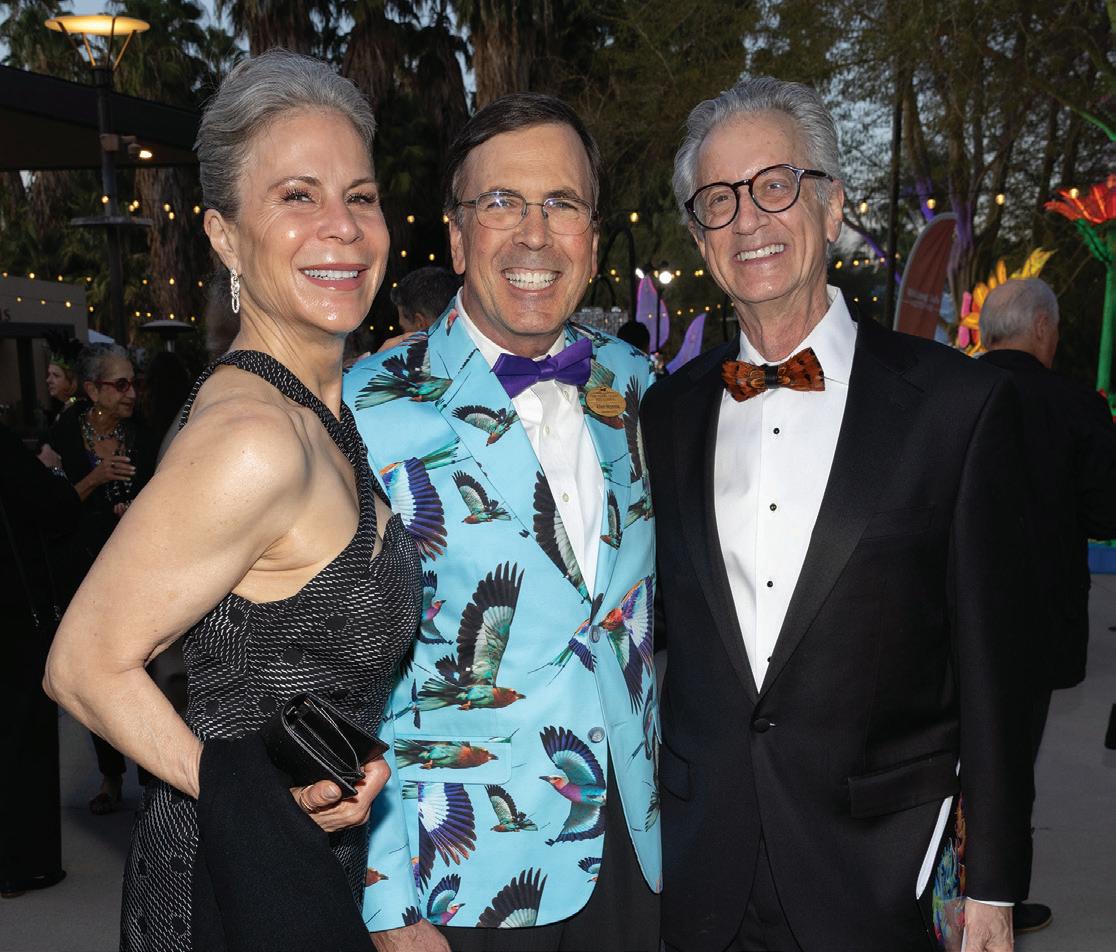
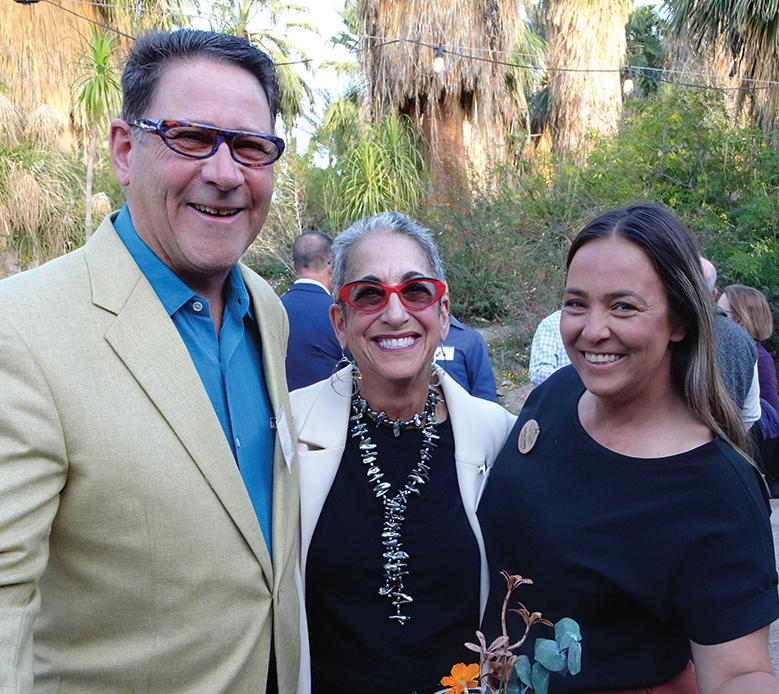
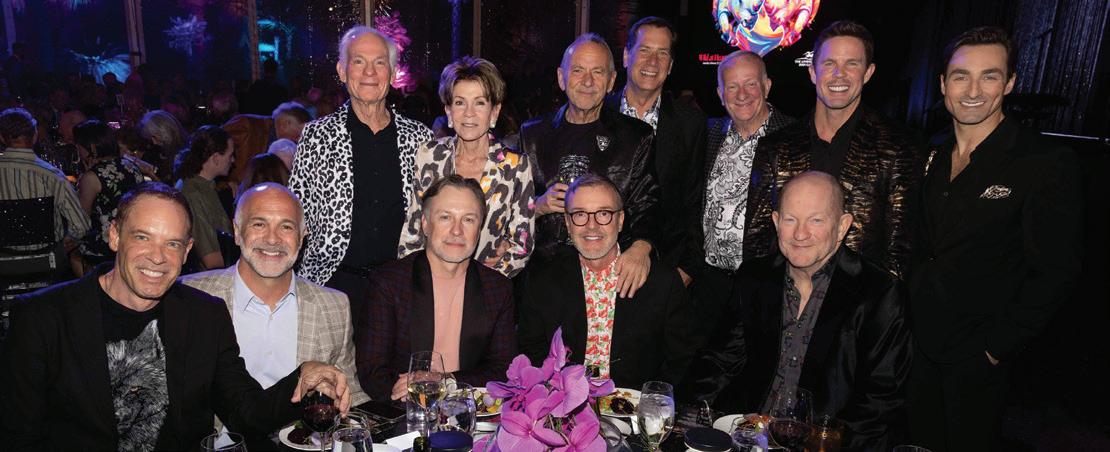
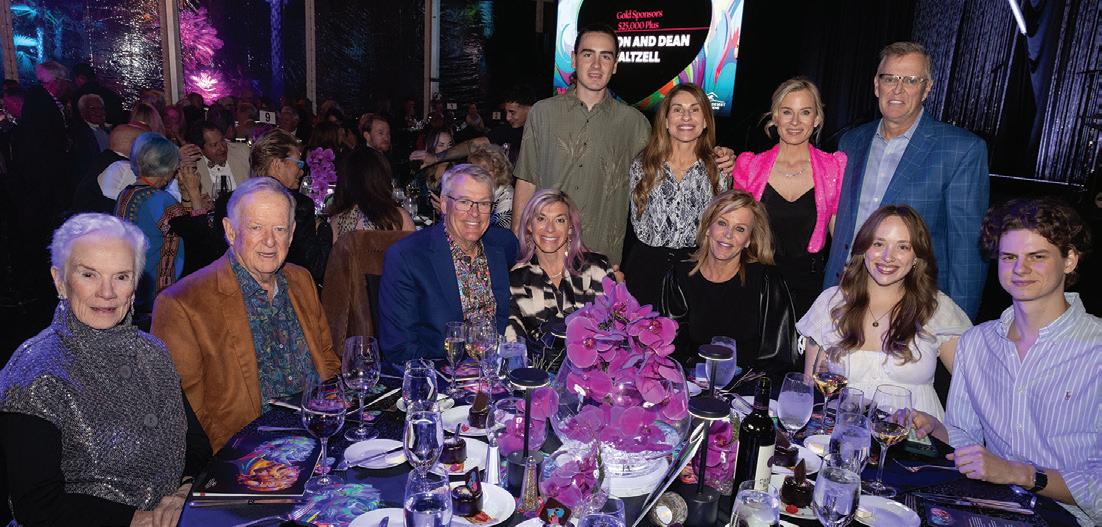
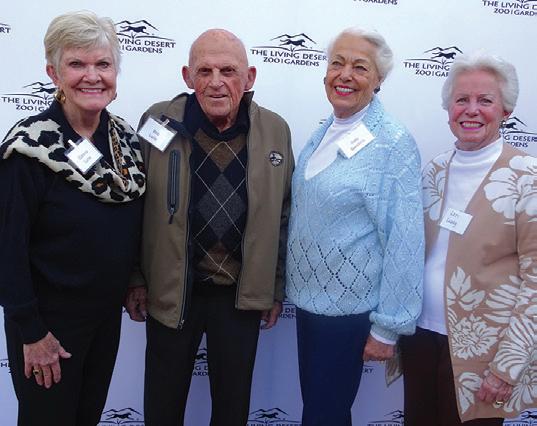
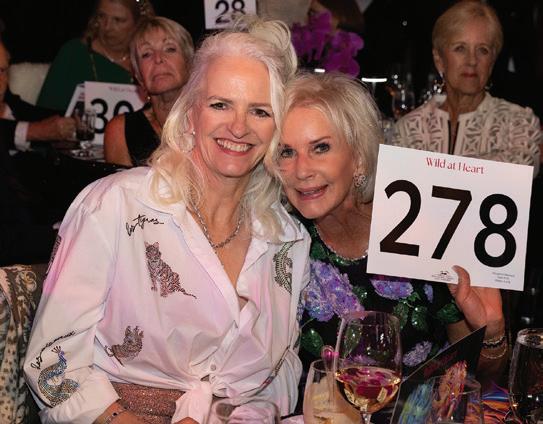
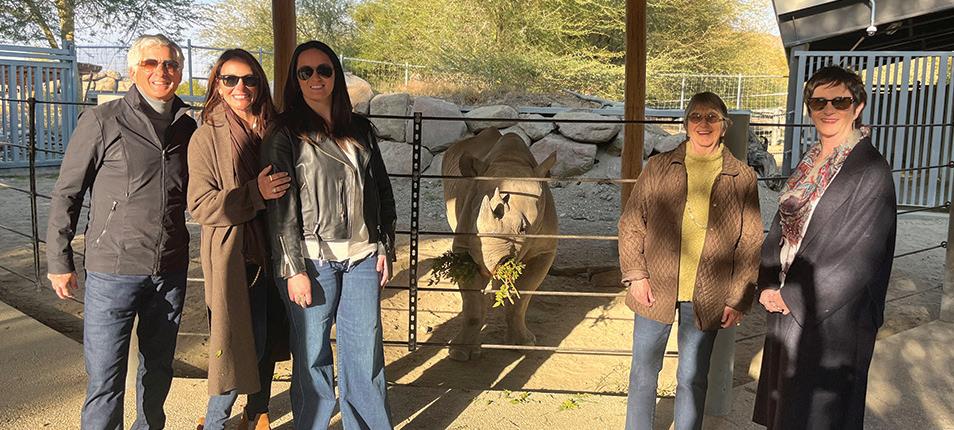
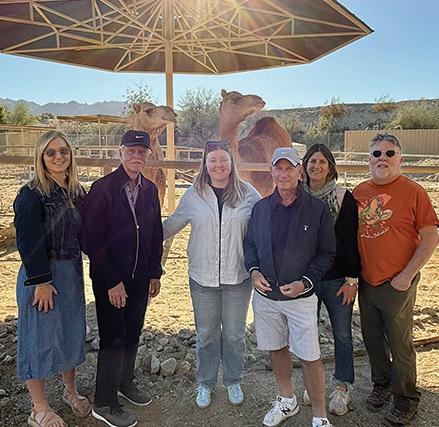
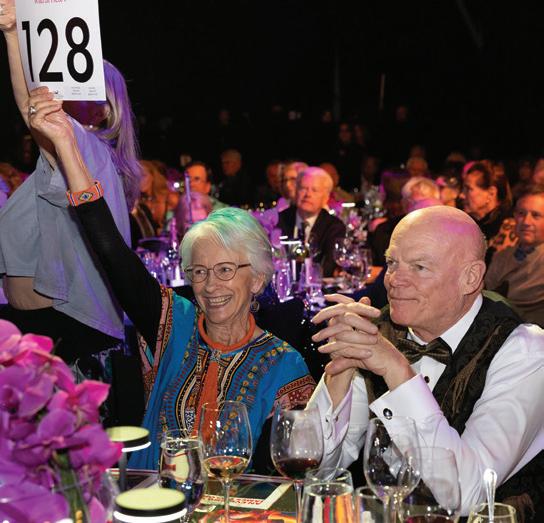
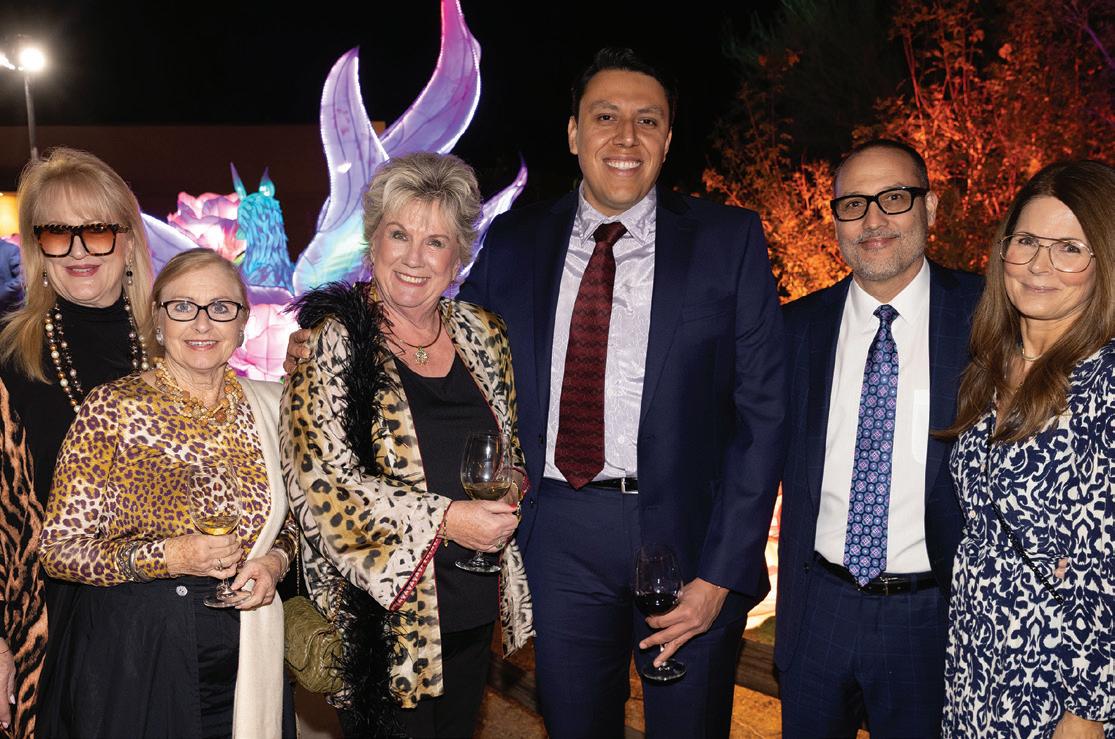
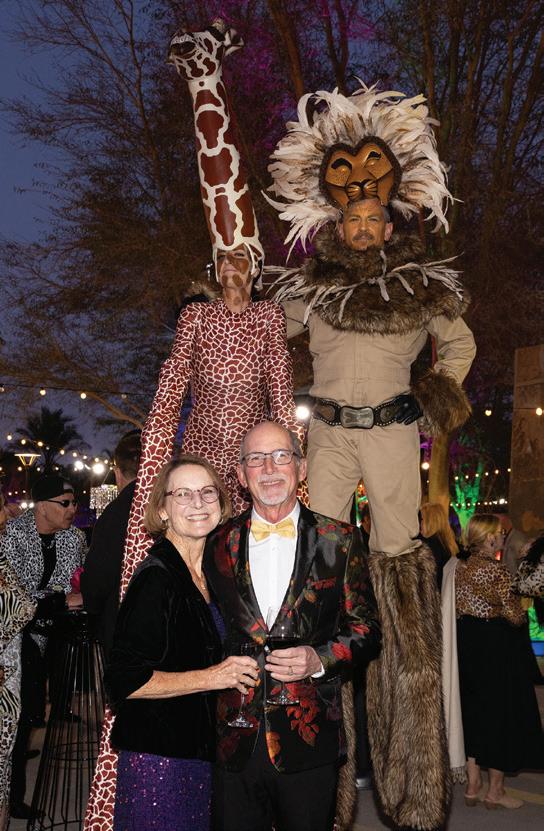
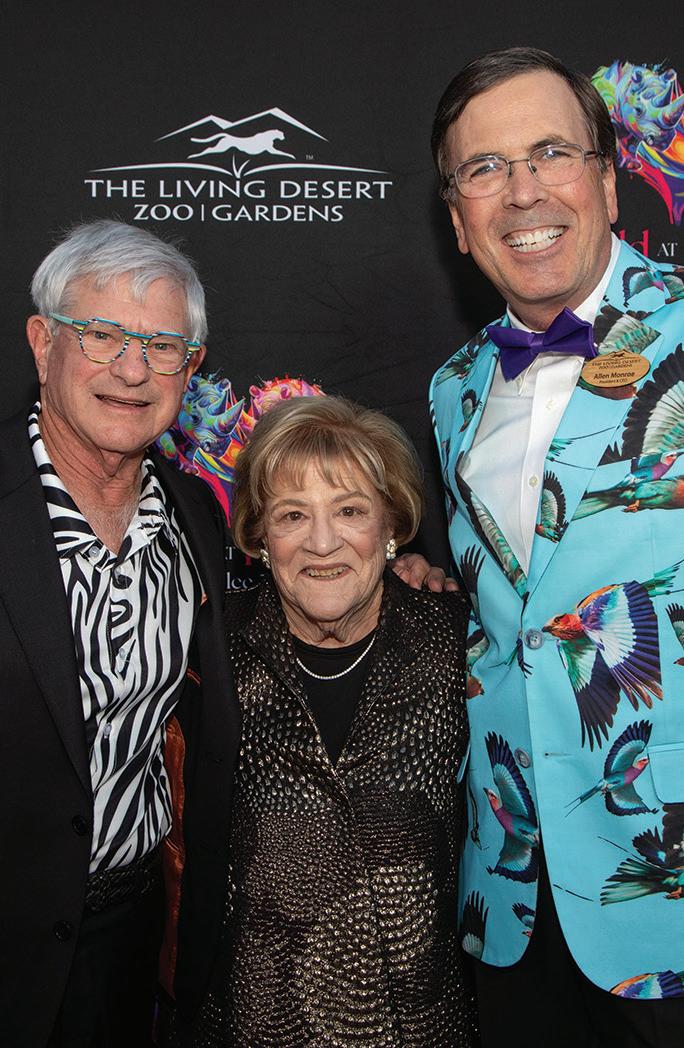
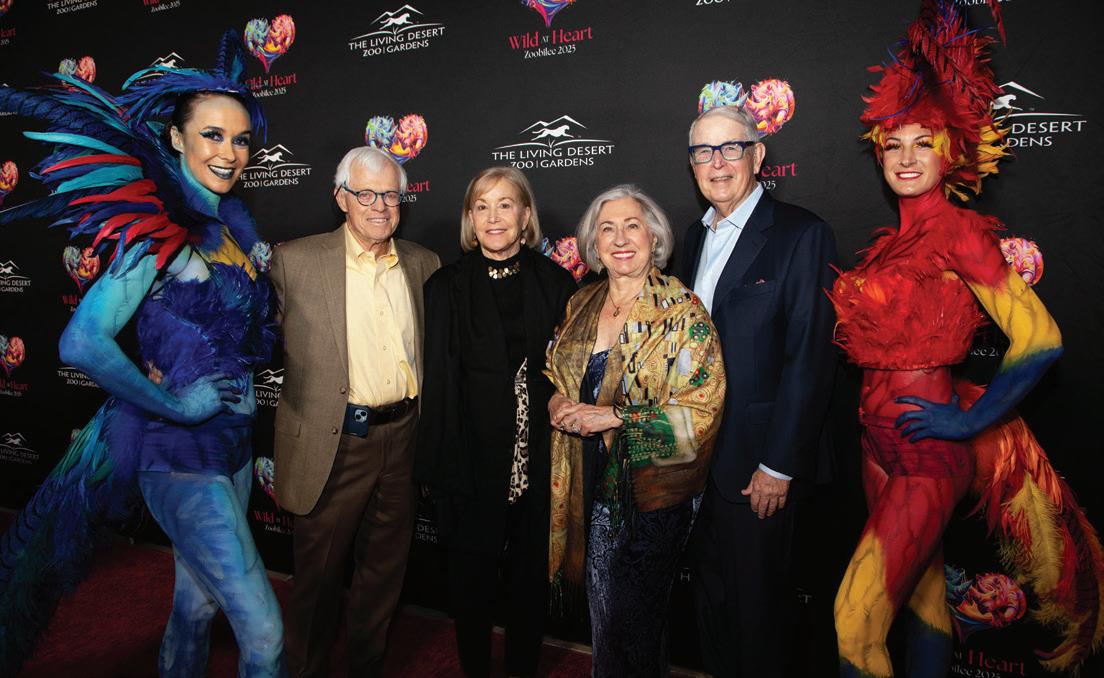
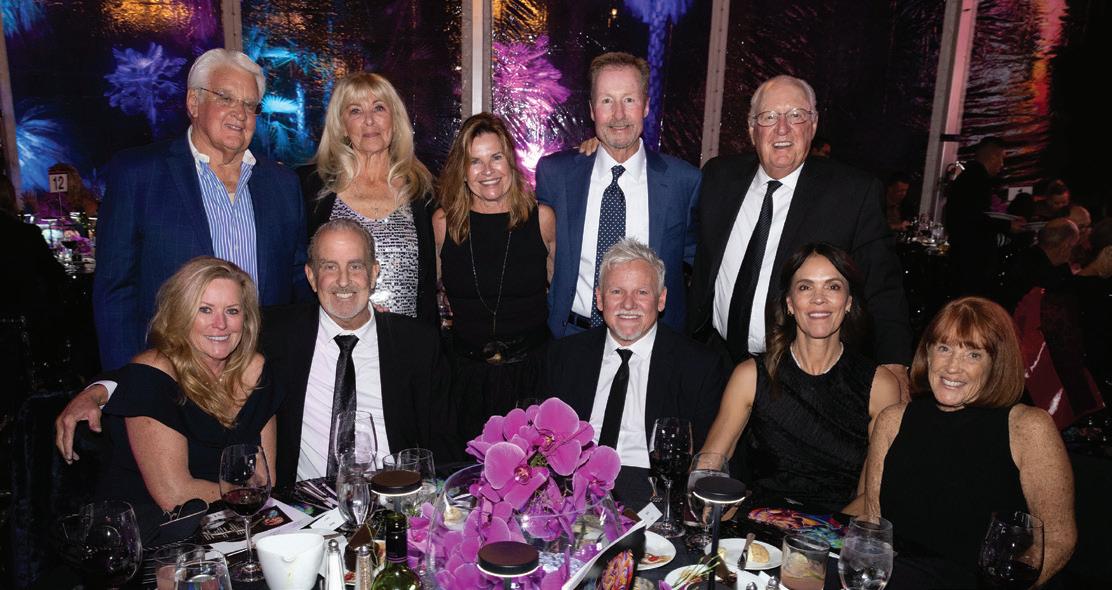
Allen Monroe with Brian and Mayor Jan Harnik
Toni Ackerman and Shaughne Warnack
Thomas Patrick, Stephen Rulo, and friends
Steve Tobin, Johnny Krupa, Scott Nevins, Philip Hodges, Dr. Bart and Terri Ketover, and friends
Rita Stec and Lance Eldred
McGrath family and the Highland Street Foundation
Marcy Tonkin and family
Linda Trocki
Connie and Bob Lurie, Judy Sanders, and Lori Lustig
Cathy and Bill Dickson with Kaitlyn Laverty
Bea Taylor and friends
Donor Spotlight
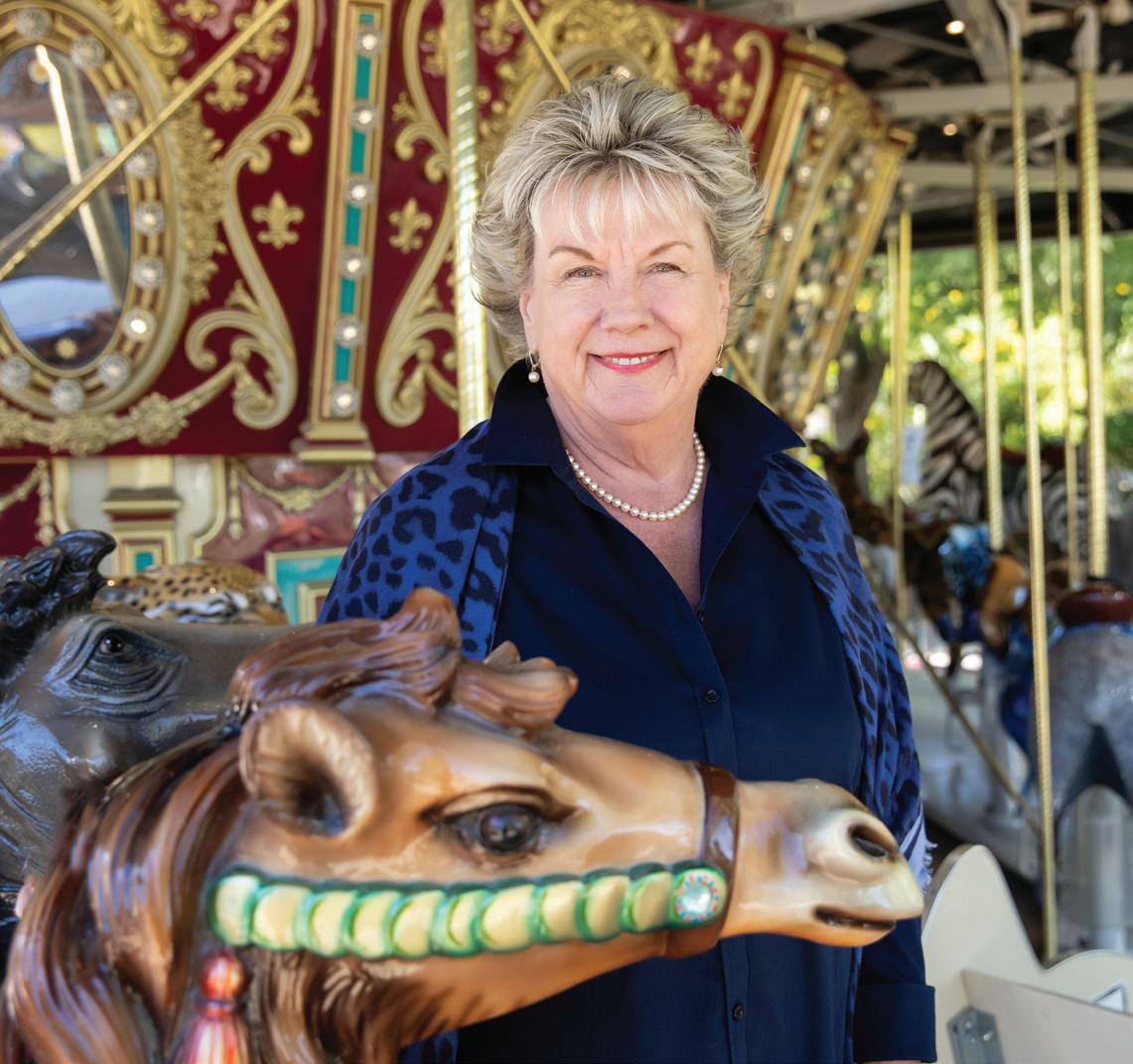
edeltraud “Edie” McCarthy’s passion for giving back began as a young girl, where she volunteered in a German hospital and discovered the profound joy of helping others. “I helped with sick kids and saw how much joy you can give those kids — and the parents,” she recalls. That early experience shaped a lifelong commitment to compassion and philanthropy. After moving to Indian Wells in 1996, Edie quickly fell in love with The Living Desert’s focus on desert plants and animals, a connection that deepened through her symbolic adoptions of animals, like camels Felix and Axel, and her fondness for the roadrunner — a special reminder of her late husband, Patrick, who once served on The Living Desert’s Board of Trustees. Over the years, Edie’s generosity has touched nearly every corner of The Living Desert, from the Pride of the Desert Capital Campaign for Lion Ridge to the Adopt Donor Wall near the Wildlife Hospital and the Rhino Oasis Overlook. A loyal supporter of the annual Gala and countless initiatives, her impact extends far beyond the Zoo to organizations throughout the Coachella Valley. She was recently recognized by the Association of Fundraising Professionals during National Philanthropy Day with the Lifetime Achievement Award. Gifts like Edie’s ensure we can continue our mission of desert conservation and inspire the next generation of Desert Defenders.
Edie McCarthy
Stacy Schlinger, Valerie and Ty Peabody, and friends
Pat and David Lamb and friends
Karla Kjellin-Elder and Jeff Elder
Edie McCarthy and friends
Suzan and Bill Appel with Allen Monroe
Lifetime Giving
VISIONARY CIRLCE
($10,000,000+)
Dorothy L. and Max Weber
CORNERSTONE CIRCLE
($5,000,000 - $9,999,999)
Jeannik and Edmund Littlefield
Connie L. and Robert A. Lurie
Marilyn and Bill Tennity
LEADERSHIP CIRCLE
($2,500,000 - $4,999,999)
The H.N. and Frances C. Berger Foundation
Stephen B. Chase
City of Palm Desert
Mary and Lawrence A. Cone
Susan E. Cooper
Patti and Jack Grundhofer / John F. Grundhofer
Charitable Foundation
Miriam U. and H. Earl Hoover
Maxine W. Poyas
Mary and George Storer
CHAIRMAN
CIRCLE
($1,000,000 - $2,499,999)
Mary Ann Altomari Living Trust
Suzan and Bill Appel
Sharon and Dean Baltzell
Peggy and Hal Bernthal
Bebe Bowen
Kelly Carmien Charitable Gift Fund
City of Indian Wells
Gloria and Vernon B. Clinton
Mildred B. Cosgrove
Rita Stec and Lance Eldred
Mary and Robert H. Flint
Dorothy and James E. Frank
William Fries II
Wayne N. Garwood and Pamela W. Garwood
The William, Jeff and Jennifer Gross Family Foundation
Ethelmae and James E. Haldan
Mary Lou and Leonard Hoeft
The H. Earl Hoover Foundation
The Living Desert Zoo and Gardens shows our appreciation to our major donors for their generosity and lifetime of giving.
RD and Joan Dale Hubbard Foundation
Louise and Ray Knowles
Lynn and Edward Little
Herbert R. Mayer and Jeanne C. Mayer Foundation
Edeltraud McCarthy Foundation / Patrick M. McCarthy Foundation
Marie B. and Vic Regin
Frances L. Rich
Janet R. Selland
BJ and Van Skilling
The A.C. and Shaughne S. Warnack Foundation
STEWARD CIRCLE
($500,000 - $999,999)
The Annenberg Foundation
Ruth G. Applegarth
Bank of America
The Brinson Foundation
The Chaiken Family / Dana Chaiken and Susan Roll
Tracey and Mike Clark
Candace and Jon Holzgrafe
Marian Miner Cook
Daphne and Tom DeMartino
June Johnson Dickson
Joy and Harry Goldstein
Susan and Jim Gould
Joan and Richard Hamilton
Polly and Nelson Hester
Highland Street Foundation / The McGrath Family
James Irvine Foundation
Margaret and Eugene M. Kay
The Koehler Mahlstedt Family Foundation
Patricia and David Lamb
Janet and A. Kirk Lanterman
The McCallum Desert Foundation
Mary and Ray Mithun / Mithun Family Foundation
Anne and Harry Newman
Diana “Mousie” Powell
Wayne L. Prim Foundation
Harold Matzner
Richard Brooke Foundation
Stacy Schlinger / Schlinger Family Foundation
Rachel and Richard Sidenberg
Patricia Ann and Terry E. Simmons
Lady and Sherman A. Smith
SoCal Edison
Marcy Tonkin
John and Martha Wilson Charitable Fund, a donor advised fund of The U.S. Charitable Gift Trust
Peggy Fouke and James Wortz
Billie F. and E. Eugene Yeager
BENEFACTOR CIRCLE
($250,000 - $499,999)
The Ahmanson Foundation
Monique M. and John D. Barr
Keleen and Carlton Beal
Dorothy and Philip Boyd
The Carr Foundation, Inc.
City of Rancho Mirage
Raymond and Mildred Hegwer Foundation / Ellen and Thomas Gibson
Grousemont Foundation / Carol Wright
Kay and Ralph E. Hemingway
Herman Foundation / Richard L. Herman
Ironwood Country Club
Mary Jane and Paul Jenkins
Sandy and George Kachlein III
Karla Kjellin-Elder and Jeffrey Elder
Drew A. Leander
Michael W. McCarthy Foundation
Sharon and Craig McCollam
Susan and Caleb “Mac” McCormick
Kathy and John McGovern
Sandy and Seward Prosser Mellon / R. K. Mellon Family Foundation
Lee Miller
Sandi and Ralph Miller
Lois M. Milroy
Sandy Myerson and Michael Gailus
Irene Ethel Nelson Revocable Trust
Adele Ruge and V.W. North
Carol Petrie
The Reserve Club
Susan R. Rogowski
The Rosso Family Foundation
The Scott Family Kit and Roger P. Snoble
State of California
Beryl and Robert Sturtevant
The George and Stephanie Suddock Foundation
Virginia H. Terry
Betty P. Thibodeau
Marilyn and Bruce Throckmorton Union Bank, The Private Bank
Lesley Halverson and Rick Waddell
Cynthia and James Williams
PATRON CIRCLE
($100,000 - $249,999)
Ronnie and Byron Allumbaugh
American Honda Motor Co.
Cyndi Andrews
Katherine J. Andrews Foundation
Argyros Family Foundation
Patricia G. and C. Dennis Ashby
Associated Foundations, Inc.
Anne and Walter Auberger
The Auen Foundation
Susan and James A. Baker III
Bighorn Development, LLC
The Eugenia Mayer Bolz Family Foundation
Wendy and Gary Broad / Gary Broad Foundation
Nancy and James L. Burke
Pam C. and Rick G. Carlson
Eric Carson
Dorothy P. and James C. Castle
Cindy V. and Ely Callaway
Clark Foundation
Lenore and Harry Clow
Jean Crummer Coburn
The Sirpuhe and John Conte Foundation / Joyce and Joe Stein, Stephanie and Michael Landes
Deborah L. Cooper
Roy E. Crummer Foundation
William E. de Recat
Cathy and Bill Dickson
Joseph Drown Foundation
Carole B. and Edmund W. Dumke
Tom Eakin
Lola F. Edmiston
Elaine Green Eldridge
Jane and John Evans
Myrle and Jack Farley
Shirley and Jack Farley
Marcia and Robert French / William M. Fuller Foundation
Marylynn and Andy Gladstein
Dorothy B. and Courtney Gould
Mary Lou Graziadio
Rosalind and Stanley Hack
Irene and Herbert Hansen
Libby and Edward G. Harshfield
Jan and Jim Hawkins
Kae A. Hensey
Kay Hillery
Barbara and H. Earl Hoover II
Jackie Lee and Jim Houston
Suz Hunt
Institute of Museum and Library Services
Judith Woolsey Isaac
Sis and Keith Jackson
Kathy and Bob Jaunich
Elaine B. and Jerrold Jerome
Ursula and Gordy Johnson
Carol and Larry Jones - The Larson Jones Family Trust
Norma Sue Jones
Mary Lou Kieffer and Vicki Palmer
Maria and Michael Kiner
Joan B. Kroc
Susan and George LeBlanc
Mary Lester / Lester Family Foundation
Donna and Cargill MacMillan Jr.
The Gilbert J. Martin Foundation / Judy and Roger Anderson
Geraldine and Michael Masterpool
Gayle and John C. McDonald
Marjorie and Loring Merwin
Marcia and Max Messmer Jr.
Jack Moore
Sonia S. Moran
Cherie and John Morris
Victoria A. Muzio
Jneil Ludwick Nelson
Newman’s Own Foundation / Patty and Arthur Newman
JoAnn and Mark Nickerson
Evelyn R. and Lester Nienhuis
John F. Outcault
Pat and Ray Paige
Dr. David E. and Marge Perkins
Norma Petersen
Sandy Petersen
DeDe and Bill Pitruzzelli
The Muriel Pollia Foundation
Gwen F. Randall
Helen and Harry Reinsch
Trudy and Pat Ritz
Jan Salta
Marjorie B. Salter
Eileen and Steve Scheel
Peter Scheer and Matthias Scheer
Lynn Parazak and Cliff Schneider
Sally and Michael Schreter
Hilda Shaw
J. Richard Shelley
Elizabeth B. and Mitchell Simon
Becky and Phil Smith Jr.
Shirley Smith
Mary Lou and Dick Solomon
Grace Helen Spearman Charitable Foundation
Nancy S. and Richard A. Spelke
Barbara C. and Stuart K. Spencer
Patty and Larry Spicer
F. M. “Steve” Stevenson
Judith D. and S. Jerome Tamkin
Connie Faith Thomas
U.S. Bank
Ruth and C.J. Venuto
Vintage Properties
Visit Greater Palm Springs
Jana M. and Frederick Wacker
Elaine and Frank White
Linda Jo and Allan Bankus Jr.
William Randolph Hearst Foundation
Robert S. Wilson
Sandra Cooper Woodson
James E. Wright Jr.
SPONSOR CIRLCE
($50,000 - $99,999)
Scarlett N. and William J. Adams
Eric Affeldt / Carolyn and Clara Forman
Agua Caliente Band of Cahuilla Indians
Kay Horn and L.E. Alford
Irene W. and Guy L. Anderson Children’s Foundation
Robert Archer and Charles Hilliar
Barbara and Timothy Arnstein
Association of Zoos and Aquariums
Karen Dennis and Miles Auslander
Emily M. Baker
Linda Bard
Lu Barnes
Sheila and Ed Benson
Betty and Paul Boshard
Kim and George Brace
Mimi and William Brett
Eleanor and Doug Butler
Shelley Gordon and Thomas Camp
Karen and Bryan Casier
Janet Schneider-Cate and Tony Cate
Lillian and David Chase
Sarah and Roger Chrisman / Schlinger Chrisman Foundation
Irene Rich Clifford
Confidence Foundation
Carol and Jesse Couch
Glenn A. Cramer
Sandy and Richard Dallam
Donna Jean and Keith Darby
Nancy and Donald de Laski
Jackie and Curt Ealy
Edenhurst Gallery
The Fred A. and Barbara M. Erb Family Foundation
Suzanne and David Etheridge
Jane and John Evans, recognition at the Evans Family Charitable Foundation giving level
Rose M. Federico
Christel and Phelps Fisher
Martha Berry and John Fraim
Barbara and Albert Garlinghouse Jr.
Ann and Samuel Ginn / The Ginn Family Foundation
Tom Gleitsman and Taylor Jaeger
Alexandra Glickman and Gayle Whittemore
Karen and Robert Gober / Hittman Family Foundation
Tina and Dennis Godecke
Godecke Clark
Maudella and Harold Green
Laura and Joseph Gregorio
Nan and Reed Harman
Jan and Brian Harnik
Mae and O.J. Harper
Rebecca and David Harrison
Susan and Wayne Harvey
Jennie and Phil Hasbrouck
Lynn and Roger L. Headrick
Julie and Peter Heimark
John Herklotz
Patricia and Brian Herman
Jean Ann Hirschi
The Miriam U. Hoover Foundation
Dolores and Bob Hope
Laura and Amory Houghton
The George and Evelyn Howard Family Trust
The Arthur L. Jacobson Charitable Fund at the Inland Empire Community Foundation
Tim Jochen and Lee Erwin / Contour
Dermatology
Helen and Edwin Johnsen
David Kowalczyk and Curtis Johnson
A.D. Johnston
Trudy and Dave Johnston
Elizabeth Fuller Jones
Virginia and P. J. Keeley
Kind World Foundation
Paige Kiner
Ramona and Mark Kline
Marty and Hank Lamb
Samie and Tom H. Lang
Katherine and David Lawrence
Jessica Ledbetter and Ranee Barsanti
Michael A. Leppen
Ellis Lewis
Patricia A. Lyon
Manilow Fund For Health & Hope
Sharon Mattern
June and Harold Mayer / The Oscar G. & Elsa
S. Mayer Foundation
Holly McGrath
Sean McGrath
Mary Jo and Al Means
Carol G. Meier
Karen and Ken Miles
Sharon and Howard Miller
Joanne and Myron Mintz
Deirdre and Allen Monroe
Mildred Moore-Voll
Diane and Mike Morrison
Mousie’s Desert Mice
Rena C. Muzzy
Anne Christensen and Arne Ness
Carol-Ann and Alan Olson
Warner Otto
Palm Desert Foundation
Thomas Patrick and Stephen Rulo
Penske Automotive Group, Inc.
Pepsi Beverage Company
Pettit Foundation
Linda Phipps and Elaine Allen
Phyllis S. Poehler and Walter E. Stremel
Charitable Trust
Phyllis and C. Davis Poehler
Tom Pogue and Boris Rose
Jebby Potter / The Rockwell Foundation
PVG Architects
Carolyn and John Radebaugh
Linda and Manny Rider
Elizabeth Hutchins Riggs
Eugenia Righter
John and Yvonne Royan
Lynne Rudnick
Judy and Bob Sanders
Linda and John Seiter
Elmina B. Sewall Foundation
Richard Shalhoub Family
Mary Sue and Mike Shannon
Marisa and James J. Shea Jr.
Sally and Kenneth Simonds
Pamela and William Simpkins
Louise Sloneker-Maison
Roswitha Smale
Annette and D. William Smith
Faye Moore Snelling
Gillian and Wilbur F. Snelling
Amber and Sam Spinello
Karen and Nick Steffanoff
Jim and Barb Stuart
Anne Sutherland-DeRosa / Ettore Richard DeRosa, Jr. Foundation
Joy Svenson
Bette and Jack Swain
Sue and Tim Timken
Marianne Armanino and Harry Timmins
Tonamora Foundation
Arthur Underwood
US Bank Private Wealth Management
Lois and John Veneri
Jocelyn and Dick Vortmann Family
Molly Walters
Mary and Gordon Watson
Frank Wiskowski
Frank Yoder
As of June 30, 2025
We make every effort to ensure the accuracy of this listing. Please notify Development@LivingDesert.org of any omissions or inaccuracies.
Heritage Society Members
THE HERITAGE SOCIETY is a select group of donors who have stated their intentions to leave a deferred gift in their estate to The Living Desert Zoo and Gardens.
The Board of Trustees established The Living Desert Heritage Society to honor these individuals during their lifetime. The distinguished recognition afforded by Heritage Society members is reserved exclusively for those who have communicated their charitable intention to The Living Desert as a direct beneficiary of a will, trust, insurance policy, or other philanthropic method. There is no minimum qualifying amount. Any planned gift is appreciated.
By being a member of this elite society, you are making a lasting difference, thus creating an invaluable legacy of wildlife preservation and an enduring testament of your passion for nature and its myriad of species. Your request ensures The Living Desert will continue our mission of conservation through preservation, education, and appreciation long into the future.
Janet N. Allison, M.D.
Kathleen Anamosa and Jim Taggard
Gerald and Wendy Anderson
Bill and Suzan Appel
Phyllis Ardary
Dr. C. Dennis and Dr. Patricia G. Ashby
William and Mary Baker
Michael Baran and Rai Scime
Robert G. Berg, Jr.
Peggy and Hal Bernthal
Karen E. Casier
Joan and Jim Chedester
Candace Clark Holzgrafe
John and Margaret Cleveland
Pat Clinton
Linda A. Crane
Barbara R. Dadanian
Deanna “Dee” Daneri
Ernest and Jan Demarbiex
Daphne K. DeMartino
Jim and Cindy Eshleman
Jeff and Jeanine Feld
Carlotta Flink
Judy Fogt
George and Elaine Foster
Kristine Martin-Gula
Jay D. Hadley
Marilyn Hahn
Jeffrey T. Hall
James P. and Linda L. Hamm
Pamela Howe
Melinda Joyce Nahin-Iuster
Maureen and Wayne Johnson
Barbara Justl
Lois Henning Kahn-Feuer
Linda Karas
Marisa Y. Katnic’
Linda Kayajanian
Ronald E. Iehl
Drew A. Leander
Nancy and Bud Lenzer
Sheri and Robert F. Lietzow, Jr.
Betty Callies and Bonny Light
Patricia A. Lyon
Jaci and David Mach
Sharon L. Mattern
Kenneth F. Maxwell and Richard L. Redman
Charles and Candace McBrayer
Vicki McConnell
Barbara J. Merrill
Joseph Migliore
Lee Miller
David and Tawny Moreno
Stuart Morse and Jeremy Kelley
Fera Mostow
Jneil Ludwick Nelson
Ronald C. Nelson and Pamela F. Nelson
Sandra Norman
Steven C. Parker & Edith A. Parker
Dr. David E. and Marge Perkins
Dale A. Perry
Linda Phipps and Elaine Allen
Kerstin B. Pollack
Jane P. Raimondi
Joseph A. Rangus
Connie Rickords
Carel Adler-Robin and Michael Robin
Gail Robson
Sandy Rosenberg and Don Thompson
Marcus F. Rosenstein
Lynne L. Rudnick
Karen Sausman
Louise E. Schulz
Angelo and Sheryl Sciacca
Richard Shapiro and Barbara Shapiro
Bill and Pamela Simpkins
Brian and Jean Slavin
Lady and Sherman A. Smith
Sandra Smith
Mary Lou and Dick Solomon
Barbara Storms and Sarah Gonzales
Kimberly Scaramella Stromberg
Carla Sullivan-Dilley
Kelly Taylor
William S. Tetsch
J. Bruce Tominello and Larry E. Kirchner
Linda K. Trocki
Lynne Tucker
Sarah S. and John P. Tyler
Raymond and Elizabeth Welch
Susan Westphal
Catherine Hayes and Mark Wiesel
Cynthia K. Williams
Dr. Raymond and Mrs. Shanna Winters
Rita D. Wood
Sandra Cooper Woodson
Steven J Wycoff and Albion A Paradise
Billie F. Yeager
2024-2025 ROLL OF DONORS
Gifts Received from July 1, 2024 through June 30, 2025
OVER $500,000
Kelly Carmien Charitable Gift Fund
City of Indian Wells
SoCal Edison
The A.C. and Shaughne S. Warnack Foundation
$250,000 - $499,999
City of Palm Desert
Grousemont Foundation / Carol Wright
Patti and Jack Grundhofer / John F. Grundhofer
Charitable Foundation
Mary and Ray Mithun / Mithun Family Foundation
Wayne L. Prim Foundation
Lesley Halverson and Rick Waddell
$100,000 - $249,999
American Honda Motor Co.
Suzan and Bill Appel
The H.N. and Frances C. Berger Foundation
The Chaiken Family / Dana Chaiken and Susan Roll
City of Rancho Mirage
Rita Stec and Lance Eldred
Karla Kjellin-Elder and Jeffrey Elder
Susan and George LeBlanc
Edeltraud McCarthy Foundation / Patrick M. McCarthy Foundation
Marcia and Max Messmer Jr.
Victoria A. Muzio
Sandy Myerson and Michael Gailus
Dr. David E. and Marge Perkins
Richard Brooke Foundation
Trudy and Pat Ritz
Stacy Schlinger / Schlinger Family Foundation
William Randolph Hearst Foundation
$50,000 - $99,999
The Annenberg Foundation
Linda Bard
Tracey and Mike Clark
Candace and Jon Holzgrafe
Susan E. Cooper
Cathy and Bill Dickson
Jennie and Phil Hasbrouck
Julie and Peter Heimark
Highland Street Foundation / The McGrath Family
Sandy and George Kachlein III
Patricia and David Lamb
Marty and Hank Lamb
Mary Lester / Lester Family Foundation
Sharon and Craig McCollam
Eugenia Righter
Lynn Parazak and Cliff Schneider
Sue and Tim Timken
US Bank Private Wealth Management
Cynthia and James Williams
John and Martha Wilson Charitable Fund, a donor advised fund of The U.S. Charitable Gift Trust
$25,000 - $49,999
Argyros Family Foundation
The Auen Foundation
Sharon and Dean Baltzell
The Brinson Foundation
Clark Foundation
Janine and Alex Florence
Tom Gleitsman and Taylor Jaeger
Alexandra Glickman and Gayle Whittemore
Susan and Jim Gould
Highland Partners Charitable Fund
Suz Hunt
The Arthur L. Jacobson Charitable Fund at the Inland Empire Community Foundation
Norma Sue Jones
Kind World Foundation
The Koehler Mahlstedt Family Foundation
Holly McGrath
Jneil Ludwick Nelson
Sandy Petersen
Vicky and David Rogers
Grace Helen Spearman Charitable Foundation
Anne and Bill Swindells
Marcy Tonkin
US Bank Foundation
Frank Yoder
$10,000 - $24,999
James C. Allen Charitable Foundation / Barbara Allen
Karen Dennis and Miles Auslander
Amjad and Helen Bangash
Emma Trejo and Doug Bender
Bighorn Development, LLC
Wendy and Gary Broad / Gary Broad Foundation
Brookfield Renewable US
Shelley Gordon and Thomas Camp
Jacquie and Martin Casey
Dorothy P. and James C. Castle
Deborah Chapman
Sarah and Roger Chrisman / Schlinger Chrisman Foundation
Margie and Roy Clark
Cindy Claytor
The Sirpuhe and John Conte Foundation / Joyce and Joe Stein, Stephanie and Michael Landes
Joan Cortopassi
Janet Cree
The de Vos Family Foundation
Lavon and Jim DeGraw
Janet and Robert Dryden
Terry and Wally Durham
Gail Dutton
Estate of Diane Dworken
Jackie and Curt Ealy
Robert Firring
Anne Fontaine
Kim and Chris Fox
Maureen Garrett
Ellen and Richard Gilleland
Michael Ginn
Marylynn and Andy Gladstein
Rosalind and Stanley Hack
Jay Hadley
Mary and Ed Hall
Kay Hillery
Barbara and H. Earl Hoover II
Trudy and Dave Johnston
Trish and Steve Jordan
The Joullian Foundation, Inc. / Marion and Craig Story
Gail and Fred Jubitz
Paige Kiner
Drew A. Leander
Ellis Lewis
Cindy and Eric Lissol
Richard E. Longmire
Connie L. and Robert A. Lurie
Patricia A. Lyon
The Gilbert J. Martin Foundation / Judy and Roger Anderson
Martin/Brattrud Inc
Susan and Nick McCully
Molly McGee and Jon Browne
Sean McGrath
Gigi and Thayer McMillan
Sandy and Seward Prosser Mellon / R. K. Mellon Family Foundation
Judy and Brad Miller
Jonathan Miner
Joanne and Myron Mintz
Diane and Mike Morrison
Jeff Nelson and Paul Mahan
Adele Ruge and V.W. North
Thomas Patrick and Stephen Rulo
Carol Pavlick
Pepsi Co.
PVG Architects
Jane and Marshall Rafal
Lynne Rudnick
Jan Salta
Judy and Bob Sanders
Donna and Ken Sanger
Sally and Kenneth Simonds
Pamela and William Simpkins
Becky and Phil Smith Jr.
Carlyn and Robert Stonehill
Jim and Barb Stuart
The Tappan Family Foundation
TESSERE
Tonamora Foundation
John Tyler
Visit Greater Palm Springs
Patty Wondries
Mrs. Glen B. Youell Fund
$5,000 - $9,999
Scarlett N. and William J. Adams
John Albrecht
Suzanne and Scott Appel
Art Laboe Foundation
Kristi and Brian Bailey
Linda Jo and Allan Bankus Jr.
Rai Scime and Michael Baran
Chris and John Blair
Diana and Dennis Brandt
Bryant Family Foundation
Bobbie and Glen Ceiley
Cindy V. and Ely Callaway
Pat Clinton
Comerica Bank
Grimm Family Foundation at Community Foundation For Southwest Washington
Deborah L. Cooper
Cortopassi Family Foundation
Donna Jean and Keith Darby
The Walt Disney Company Foundation
Dove Printing LLC
Phyllis and Wayne Duncan
Phyllis Eisenberg
Event Network
Donald Feinberg
Christel and Phelps Fisher
John Fox
Lillian and Steve Frank
Anne and Steve Furgal
Debra Garcia
Susan and Warren Gelman
Denise Stefan Ginascol and John Ginascol
Linda and Michael Goodrick
Helen and Maurice Gratton
Linda Cade and Terry Halverson
Nan and Reed Harman
Susan and Wayne Harvey
Lynn and Alan Hendershot
Chris Hernandez
Mikey Herring and Jim Phelps
Ann and Glen Hiner
Suzy and Marc Homme
Miriam U. and H. Earl Hoover Foundation
Drew Hopkins
Jill and Dale Hurd
Marsh & McLennan Ins. Agency
Peggy Jacobs
Christine and Al Johnsen
Ursula and Gordy Johnson
Squire and Angela Junger
Tanya Karn
Ramona and Mark Kline
Nancy Knowlton
Laura Kukta
Kustom US
Jessica Ledbetter and Ranee Barsanti
Beverly and Steve Leer
Annette Lewis
Jan Beach and Peter Liljequist
Gail and Chris Margarites
Maggie McBennett and Chris Reed
Barbara McClung and Kyle McBard
Patty and Paul McDonald
Justin McNulty and Brad Korell
Carol G. Meier
Susan Meredith
Judith Metz
Sandi and Ralph Miller
Deirdre and Allen Monroe
Anne Christensen and Arne Ness
Jason and Rob Ollander-Krane
Carol-Ann and Alan Olson
Marcia and Bill Pade
Valerie and Ty Peabody
David Pearce and Robert Bunyard
Brooke Peterson
Carolyn and Steve Provenzano
Tina and Joe Pyne
Maureen and Phil Ramer
Maureen and Bob Renner
Anne Roberson
Jon Rogus and David Repoley
Rough Around the Edges Inc
Mary Ann Sage
Lois and Ronald Salcer
Carol Saunders
Cindy and Rocky Schmitz
Sally and Michael Schreter
Carrie and Nick Schrup
Janet R. Selland
OJ and Gary Shansby
Nancy and Malcolm Slack
Lisa and Craig Taylor
Patty and Larry Spicer
Amber and Sam Spinello
Carole and Del Stagg
Susan and Terry Stiffler
Margaret and David Sturdevant
Tianyu Arts & Culture Inc
Ellen Vahan
Molly Walters
Paula Weiss
Deborah and Paul Woodcock
Doreen and Richard Yaeger
Kathy and Jim York
Yves Zsutty and Christopher Thompson
$2,500 - $4,999
Betsy and Mark Adams
Nita Adamson and Leslie Jenkin
Eric Affeldt / Carolyn and Clara Forman
Charles M. Aldrich and Carlos Castaneda
Alison and Michael Armstrong
Steve Benninga
Sejal Bhakta
Joyce and William Biffar
Karlyn and Charles Boppell
Carrie and Rich Breeswine
David Brubaker
Rosemarie and Dean Buntrock
Dean L. and Rosemarie Buntrock Foundation
Patricia and John Campbell
Melinda and Brad Chisick
JoAnn and Ross Cornelius
Debbie and Duane Covey
Wendy and Kevin Cox
Jeanine Cushman / Cushman Family Foundation
Dallas Zoo
Donald Davis
Desert Ron
Charles Rowbens and Co, DBA Richards
Diane and Norman Delaterre
Carolyn and Bob Dietz
Don Diego’s of Indian Wells
Carol and Jim Egan
Judy Fabian
Mattie Fernandez and Chris Flores
Judy Fogt
Lori and AK Forthmann
Larry Fry and Jeff Garatea
Galaxy Gateway Ticketing Systems, Inc.
Walter Gendell and Jack Fitzsimmons
Jeannie Gilbert and Janice Campbell
Frank Goldstin and Paul Clowers
Linda and Tim Gosney
Gribin Simmons Foundation
Annette Guzman and Nastassia Guzman
Lindsey and Mike Harris
Toni and Bart Heath
Lorna and Robert Houck
Cindy and Jay Ihlenfeld
Mary Jacobs
Maren and Adam Jaffe
Jill and Daneen Johnson
Maureen and Wayne Johnson
Suzanne Kanarian
Suzy and Travis Keeler
Bill Kelly
Stuart Kent and Mark Pellegrino
Jeanette Kleist
Donald Knehr
Gail and John Kretchmer
Lane | Terralever
Christine and Ted Ling
Audrey and Chuck Linke
Susanne and Brad Livingston
David Lob
Lorrie DuPont and Nick Lynn
Fern Miller
Lee Miller
Karen Moller
Jennifer and Dave Moreno
Sarah Glonek and Betty Nelson-Lahti
Scott Nevins and Philip Hodges
Anne and Harry Newman
Florence Newton
Cinda Orr
Linda and Ken Owens
Sandy and Harvey Platt
Jean Ravin and David Pollart
Jebby Potter / The Rockwell Foundation
Regan Pritzker
Bonnie and Paul Racano
Jane and Rich Ramsey
Doris Reynolds-Johnson and Gordon Johnson
Suzi Richards
Linda and Manny Rider
Sheryl Rincker
Barbara Rosenberg
Adele and Edward Ruxton
Karen and Mitchell Sack
Gloria Sage
Santa Barbara Zoological Gardens
Kristen Scheel and Scott Askerooth
Terry and Bill Schmidt
Tim Scott
Laura and Chris Seyfarth
Adele and Ron Simmons
Sandee and Greg Smith
Cathy and Warren Smith
Mary Lou and Dick Solomon
Nancy and Jon Stegehuis
Rochelle and Ronald Tamkin
Shirley and Peter Tart
David Taylor
Christa and Randy Treichel
Art Williams and Gene Leone
Sandra Cooper Woodson
Denise and Thomas Youell
We make every effort to ensure the accuracy of this listing. Please notify Development@LivingDesert.org of any omissions or inaccuracies.
Thank you for generously supporting The Living Desert
For 55 years, The Living Desert Zoo and Gardens has been a leader in the conservation of the world’s deserts. As a 501(c)(3) non-profit organization that receives no ongoing municipal tax support, we rely on the generosity of donors like you to sustain our operations. Your gift to The Living Desert Zoo and Gardens enables us to continue providing the highest level of care for our animals, educating the next generation about the world’s deserts, and inspiring our guests to care for wildlife and wild places across the globe.
There are many ways to support The Living Desert — here are some important reminders for making your gift.
Making a direct financial gift is the easiest and most effective way to support The Living Desert.
Donate stocks — donating shares of appreciated stock can offer opportunities to save on capital gains and income taxes. Please let us know when your advisor forwards stocks to our bank. The financial institutions do not provide donor names with these transactions, so we are unable to identify and thank you without notification.
Donate cryptocurrency to save on capital gains taxes. We use a trusted third party for processing.
Name The Living Desert as a beneficiary of your retirement assets such as an IRA or 401(k) plan account. *
Make a planned gift by naming The Living Desert as a primary beneficiary in your will or trust. * Participate in your employee gift-matching program.
Create a Donor-Advised Fund (DAF) for your assets to go into an investment account from which you can recommend grants to The Living Desert. **
Donate funds from your IRA account directly to The Living Desert — a Qualified Charitable Distribution or QCD — at age 70½ and older. **
A QCD to The Living Desert also counts toward satisfying your Required Minimum Distribution (RMD) at age 73 and is not counted as taxable income. **
Donations are tax-deductible to the fullest extent allowed by law.
For More Information
If you are considering a gift of any size and would like more information, please contact us at Development@LivingDesert.org or call (760) 346-5694.
* Ask about our Heritage Society. ** As a reminder, these funds cannot be used to gain any benefits such as event tickets or memberships.
FINANCIALS FOR FISCAL YEAR
For Fiscal Year Ending June 30, 2025
* The Living Desert is a California 501(c)(3) non-profit public benefit corporation. (EIN 95-3385354).
** Total Excludes Depreciation $11,196,885 $5,334,649 $2,346,427 $2,857,781 $6,314,092 $146,465
Living Legacy Endowment Report Year Ending June 30, 2025
THE LIVING DESERT thanks you for your generous support. Your giving strengthens every part of our mission, from global conservation initiatives to exceptional on-site animal care.
One of our most forwardthinking and impactful giving opportunities is the Living Legacy Endowment campaign. A gift to the endowment ensures that your principal remains untouched while the investment income
*Complete audited
supports The Living Desert’s long-term stability and growth. These funds can help balance the budget, expand staffing, enhance employee benefits, and address unexpected needs, such as emergency repairs after severe weather.
The campaign launched in 2015 with an initial $21 million, thanks to the leadership of campaign managers and trustees Susan Cooper and BJ Skilling.
We remain grateful for their vision in establishing this important fund. Since then, the endowment has grown to $61,607,097 as of the fiscal year ending June 30, 2025. To everyone who has contributed to this lasting legacy, thank you. Your support helps secure a strong future for The Living Desert, and we continue to welcome new gifts that strengthen the endowment for years to come.