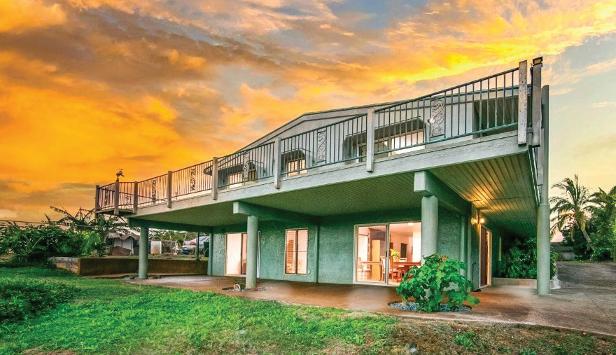
HOMEOWNERS SHEDDING EQUITY

Housing slowdown leads to first annual drop in U.S. homeowner equity since 2012
Alex Veiga ASSOCIATED PRESSLOS ANGELES — For the first time in more than a decade, the average U.S. homeowner with a mortgage has less home equity than they did a year earlier.
Among the roughly 63 percent of U.S. homes with a mortgage, average homeowner equity per borrower was $274,070 in the first quarter, down 1.9 percent from the same quarter last year, according to real estate data tracker CoreLogic.

The last time average homeowner equity fell year-over-year was in the first quarter of 2012, when the housing market was still regaining its footing after the mortgage meltdown and ensuing foreclosure crisis that helped trigger the Great Recession.
All told, U.S. homeowners with a mortgage lost a combined $108.4 billion in home equity between the first quarter of last year and the first three months of 2023, a drop of 0.7 percent, according to CoreLogic.
Homeowner equity,
Average long-term U.S. mortgage rate falls to 6.69 percent
ASSOCIATED PRESS


which represents the current value of the property minus what’s still owed on the mortgage, tends to rise and fall along with home prices.
In the first quarter of 2012, it averaged $75,130. It then climbed sharply in the years that followed as rock-bottom mortgage rates and a chronic shortage of properties for sale
superheated the market for homes. Prices soared, and by the second quarter of last year, average U.S. homeowner equity reached a record-high $297,510, according to CoreLogic.
But starting a little over a year ago, the housing market has since slowed, limited by sharply higher mortgage rates and a thin
inventory of available homes. Sales of previously occupied U.S. homes fell 23.2 percent in the 12 months ended in April, marking nine straight months of annual sales declines of 20 percent or more, according to the National Association of Realtors. The slowdown has also weighed on home prices.
Home equity trends closely follow home price changes.”


 Selma Hepp
“Home equity trends closely follow home price changes,” said Selma Hepp, CoreLogic’s chief economist. “As a result, while the average amount of equity declined from a year ago, it increased from the fourth quarter of 2022, as monthly home prices growth accelerated in early 2023.”
The average long-term U.S. mortgage rate fell again this week, positive news for potential homebuyers after rates reached their highest level since November 2022 earlier this month.
Mortgage buyer Freddie Mac said Thursday that the average rate on the benchmark 30-year home loan slipped to 6.69 percent from 6.71 percent last week. A year ago, the rate averaged 5.78 percent. Despite easing the past two weeks, the average rate is only down slightly from its 2023 high of 6.79 percent set in early June.
The average rate on 15-year fixed-rate mortgages, popular with those refinancing their homes, rose this week to 6.10 percent from 6.07 percent last week. A year ago, it averaged 4.81 percent, Freddie Mac said.
The pullback comes a day after the Federal Reserve decided to forgo another increase in its benchmark interest rate. The pause in hikes followed 10 straight increases in 15 months. But the central bank also warned that it could raise interest rates two more times this year in its battle against inflation.
Investors’ expectations for future inflation, global demand for U.S. Treasurys and what the Fed does with interest rates influence rates on home loans.
High rates can add hundreds of dollars a month in costs for homebuyers, limiting how much they can afford in a market that remains out of reach to many Americans after years of soaring home prices.
Despite rising in January, the national median home price has since fallen, most recently in April, when it slid 1.7 percent from a year earlier to $388,800.
One bright spot for homeowners: Average homeowner equity edged up 0.9 percent in the first quarter compared with the fourth quarter, the firm said.
Despite the decline in home equity, the number of homeowners who were “underwater” on their mortgage, or owing more on their loan than their home is worth, held steady between the fourth quarter and first quarter at 1.2 million homes, or about 2.1 percent of properties with a mortgage, CoreLogic said. It did, however, increase 4 percent in the first quarter from a year earlier. At the state level, Washington, California and Utah saw the largest average home equity decline at $74,300, $59,600 and $37,700, respectively.

NOTICEOFINTENTTOFORECLOSEINTERVALOWNERSHIPINTERESTSANDOF SALEBYPUBLICAUCTION.NOTICEISHEREBYGIVENpursuanttothetermsof theTimeshareDeclarationthatthefollowingtimeshareinterestsmore particularlydescribedinthelien(s)referredtoin Schedule“1” willbe forecloseduponbytheforeclosingagent,FirstAmericanTitleCompanyon behalfof PahioTimeShareOwnersAssociation,aHawaiinonprofit corporation bysaleofpropertysecuredtherebyatpublicauctionon 07/07/2023 at 1:00PM at VidinhaStadium,HoolakoSt,Lihue,HI 96766,underthetrees,atentrancetothestadium. Eachofthe propertiestobesoldisaTimeshareInterestat Ka’EoKaiPhasesII&III establishedbycertainDeclarationrecordedas Bk.18221Pg.001 inthe officeofBureauofConveyancesorAssistantRegistraroftheLandCourt,State ofHawaiiandasamendedandwhichpropertyislocatedat 3970Wyllie Road,Princeville,HI,96722. TheTimeshareInterestasnotedonthe NoticeofLien,whichhasbeenfiledagainsttherecordownerasconsistsof delinquentmaintenancefees,(plusinterest,latecharges,andcollectionand enforcementcosts).Termsofthesaleare:(1)Noupsetprice.(2)Property soldwithoutcovenantorwarranty,expressorimplied,astothetitle possessionorencumbrances;(3)Atthecloseoftheauction,Purchasershall pay100%ofthehighestsuccessfulbidprice(“Bid”)bycertified,orcashier’s checktoFIRSTAMERICANTITLECOMPANY;providedthattheAssociationmay submitacreditbiduptotheamountofthesecuredindebtedness;(4) Purchasershallpayallclosingcostsincluding,butnotlimitedto:costsof documentdrafting,notaryfees,consentfees,escrowfees,conveyancetax, recordationfeesandothercharges,togetherwithanyspecialassessments whichmayariseunderHRS514B-146(g)(h)(i);(5)Iftitleisnotconveyedto Purchaserforanyreason,otherthanPurchaser’sfailuretoperformas specifiedherein,theAssociation’ssoleresponsibilityshallbethereturnofthe BidfundstenderedbyPurchaser.ThePurchasershallhavenofurtherrecourse againsttheAssociationoritsagents,attorneys,servicersandauctioneers;(6) Thesalemaybepostponedfromtimetotimebypublicannouncementbythe Associationorsomeoneactingonitsbehalf;(7)BysubmittingtheBid, Purchaseracknowledgesreadingthetermsandconditionssetforthinthis noticeandagreestobeboundtherebyandsignawrittenacceptanceofall termsherein.Forfurtherinformationregardingthissale,youmustcontact WyndhamVacationResorts,Inc.,aDelawarecorporation at(800)2518736.ConductorofthepublicsaleinthestateofHawaii:AQUALEGALLLCon behalfof,FirstAmericanTitle,agentforClaimant;Phone:(808)539-7504; Address:1099AlakeaStreet,suite2430,Honolulu,Hawaii96813.BatchNo: ForeclosureHOA126477-KEK23-HOA.Schedule“1”:LienRecording DateandReference:04/19/2023;Inst:A-85090539; Timeshare Interest(ContractNo.),Owner(s);10205,FERNMANHA;10351,GEORGEF. HAPIPandRUTHG.HAPIP,asTrustees,ortheirsuccessorsintrust,underthe HAPIPFAMILYTRUSTU/T/ADATEDJULY16,2003;11042,DAVIDERCOLE RONCOandELIZABETHANNRONCO;12845,DAVIDLEEJACKSONand PATRICIAANNJACKSON;14373,WYNEXHOLDINGS,LLC,aFloridaLimited LiabilityCompany;15963,TETSUOKATO;16105,KWAMELBELISLE;16120, RAYHODGESandNANCYC.BLASIandDAVIDL.BLASI;170,GRETCHEN MARIEYOUNGSTROM;1839,ANDREWD.BOGLEandJANEH.BOGLE;2574, CALVINDOUGLASCARRandTERESAANNCARRandANHTUANDANGand QUYNHTHINGUYEN;4247,JOSEPHW.COXandREGINAM.COX,Trusteesof theCOXFAMILYTRUST,DOT4/96;4958,ANDREWDOWBOGLEandJANE HIRSTBOGLE;8037,TSUNENORIYAMAUCHIandYAYOIYAMAUCHIand HIROSHIYAMAUCHIandTAKASHIYAMAUCHI;8038,TSUNENORIYAMAUCHI andYAYOIYAMAUCHIandHIROSHIYAMAUCHIandTAKASHIYAMAUCHI; 8863,W.LOUISMCDONALD;9554,JAMESCHEALandDR.MARYLOUCHEAL, TrusteesoftheCHEALFAMILYTRUSTDTDOCTOBER2,1989;9564,FRANK RAYMONDHOFandELLENMACINTIREHOF;9689,FRANKMARRELLIand MARGARET





Diane A. Pavao RS-58020 808-651-3557








Pali Kai #68


with 1,205 sq. ft of living area $719,000 MLS #667636 808-822-3100 | www.kauailandmark.com


ABR, CRS, SFR, SRS


Jordan I. Kukino R(S) jordankukino@kauairealty.net • (808) 634-5032


St., Lihue, HI 96766


Kaylin Kukino R(S) kaylin@kauairealty.net • (808) 635-2822