

Homeowners are happy
Franklin Schneider WEALTH OF GEEKSNearly 7 out of 10 renters believe owning a home would make them happier — and recent research from real estate company Home Bay proves they’re right.
Homeowners are happier with their living situation than renters by almost every measure.
They’re less stressed, more financially secure, and enjoy more privacy and stability than renters.
Homeownership is not without its disadvantages, though. About 52 percent of homeowners admit owning a home is more expensive than expected, and 43 percent say it is more challenging.
The relative ease of renting may be why 28 percent of renters say they never wish to own a home.
Homeowners are happier
Ninety percent of former renters said they’re happier since moving into a home, and 80 percent said buying a house was their best decision.
Measures of overall happiness confirm that homeowners are more satisfied than renters.
Homeowners rate their overall happiness as 7.5 out of 10 on average, compared to just 6.2 for leaseholders.
Privacy, stability are top homeownership advantages
Homeowners and renters agree that the top benefits of ownership are privacy and stability.
With annual rent prices and evictions rising across the United States, 90 percent of homeowners believe their lives are more stable than the lives of lessees,
30-year mortgage rate eases for the first time in five weeks
Alex Veiga AP BUSINESS WRITERLOS ANGELES — The average long-term U.S. mortgage rate edged lower for the first time in five weeks, a welcome shift for home shoppers this spring homebuying season.
The average rate on a 30-year mortgage slipped to 6.88 percent from 6.94 percent last week, mortgage buyer Freddie Mac said Thursday. A year ago, the rate averaged 6.73 percent.
Borrowing costs on 15-year fixed-rate mortgages, popular with homeowners refinancing their home loans, also fell this week, pulling the average rate down to 6.22 percent from 6.26 percent last week. A year ago it averaged 5.95 percent, Freddie Mac said.
“Evidence that purchase demand remains sensitive to interest rate changes was on display this week, as applications rose for the first time in six weeks in response to lower rates,” said Sam Khater, Freddie Mac’s chief economist.
Mortgage rates ticked higher for most of February as stronger-than-expected reports on inflation and the economy fueled speculation among bond investors that the Federal Reserve would have to hold off on cutting interest rates longer than expected.
Investors’ expectations for future inflation, global demand for U.S. Treasurys and what the Fed does with interest rates can influence rates on home loans.
Federal Reserve Chair Jerome Powell said Wednesday rate cuts are likely to begin this year, but the central bank first needs to see more evidence that inflation is cooling. The Fed’s main interest rate is at its highest level since 2001.
Despite the choppy trajectory in mortgage rates this year, the average rate on a 30-year home loan is still down from the 23year high of 7.79 percent it reached in late October.
The decline in rates since their peak last fall has helped lower monthly mortgage payments.

and 73 percent of renters agreed.
Homeowners also experience more financial stability, with 82 percent saying homeownership gives them economic security and 49 percent saying appreciating property values helps them build wealth. On the other hand, renters get no real benefit from paying rent aside from having a roof over their heads for another month.
Unsurprisingly, two-thirds of tenants said they faced pecuniary pressures, compared to 44 percent of homeowners. Renters are also 81 percent more likely to have worried about money frequently or constantly in the previous seven days.
Beyond the economic benefits of homeownership, both groups cited privacy as a plus. Ninety-one percent of homeowners also said the ability to modify their space is a bonus — a luxury not afforded to most renters.
Additionally, 60 percent of Americans said not having to deal with landlords is a perk of homeownership, while 53 percent said not sharing walls with neighbors is an advantage.
Some renters are content
In general, leaseholders are more stressed than homeowners, rating their average stress level as 6.2 out of 10, while homeowners rate their stress as 5.1 out of 10. Although 70 percent of tenants polled confirm that renting is stressful, 49 percent think ownership would be more difficult.
There’s a small but significant percentage of renters who are resolutely anti-homeownership. Of respondents, 28 percent stated they have no desire to buy a home, with 3 percent of those polled saying property acquisition provides no added benefit.
Nearly a third of lessees don’t think owning a space would make
But, 1 in 5 wish they were still renting
them happier, and 56 percent don’t regret their decision to remain renters.
Homeownership may be undesirable to some as renting comes with significant benefits. Leaseholders and homeowners said not having to worry about maintenance and repair costs is the top benefit of renting. Most homeowners find routine maintenance burdensome, with 47 percent saying they miss not having to take care of home repairs and 56 percent expressing a desire to spend less time on upkeep.
Lessees may not accumulate the financial benefits of owning a home, but they also don’t have to bear the significant responsibilities of homeownership.
Costs block renters from homeownership
Although a small slice of renters do not want to buy, most haven’t purchased a house because they don’t have enough money.
46 percent of renters said low incomes hinder home acquisition, and 42 percent said homeownership is too expensive. 39 percent said they couldn’t afford to save a down payment, 31 percent said interest rates are too high, and 29 percent said their credit score is too low.
It’s unsurprising that leaseholders have a gloomy outlook on the housing market, with 62 percent saying they feel bad for anyone trying to buy a home in 2024. They are also less likely to believe they will ever own homes.
About 54 percent of respondents believe homeownership is out of reach for the average American, while 60 percent of
renters believe homeownership is out of reach for them.
Worse yet, renting could be a direct obstacle blocking homeownership. 72 percent of renters said the high cost of rent prevents them from saving for a home. For some, leasing a space is a matter of convenience, but for many, it’s a trap.
The homebuying process remains opaque
For all the thought and emotion Americans put into buying a home, they don’t know much about the homebuying process.
Nearly two-thirds of Americans believe a 20 percent down payment is an ironclad requirement, even though there are many lowor zero-down payment mortgage options on the market. Moreover, barely 1 in 10 Americans know that real estate commission is about 6 percent of the final sale price.
The last point is especially relevant as a series of multibillion-dollar federal lawsuits reshape the cost of buying and selling a home. Most experts agree that buyers may soon have to pay their agent commission, and 52 percent of both renters and homeowners are concerned about the deterring effect of such a cost.
Additionally, 27 percent of each group said paying a buyer’s commission would significantly influence their buying decision. Higher costs and a dearth of information could lead to a market slowdown soon as consumers struggle to apprehend and afford a shifting commission landscape that they didn’t understand in the first place.
thegardenisland.com THE GARDEN ISLAND Friday, March 8, 2024 • B3
“For Sale”
in Denver on Wednesday, Feb. 21, 2024.
DAVID ZALUBOWSKI / ASSOCIATED PRESS
A
sign stands outside a condominium on the market







aHawaiicorporation,


complywith10%requirementpriortoparticipating inauction.Buyershallpayallcostsofclosing, includingwithoutlimitationescrow,conveyance andrecordationfeesandconveyancetaxesandis responsibleforsecuringpossessionoftheproperty uponrecordation,includingthecostofevictionif necessary.SALEISSUBJECTTOCOURT CONFIRMATION.

















therespectiveMortgages. PahioVacationOwnership,Inc.,aHawaii corporation, asMortgagee,whoseaddressis 6277SeaHarborDrive, Orlando,FL32821, intendstoforecloseitssaidmortgage,andwillholda salebypublicauctionofFeeSimplepropertybeingthatcertainproject, Ka’Eo KaiPhasesII&III, locatedat 3970WyllieRoad,Princeville,HI 96722 on 04/03/2024 at VidinhaStadium,HoolakoSt,Lihue,HI 96766,underthetrees,atentrancetothestadium at 1:00PM. Each ofthepropertiesistobesoldasanundividedtimeshareinterest.Therewill benoopenhouses.Termsofthesaleare:(1)Noupsetprice.(2)Property soldwithoutcovenantorwarranty,expressorimplied,astothetitle possessionorencumbrances;(3)Atthecloseoftheauction,Purchasershall pay100%ofthehighestsuccessfulbidprice(“Bid”)bymoneyorder,certified, orcashier’scheckdrawnagainstaUnitedStatesbasedfinancialinstitution,in USCurrency,madepayabletoFIRSTAMERICANTITLECOMPANY;provided thatMortgageemaysubmitacreditbiduptotheamountofthesecured indebtedness;(4)Purchasershallpayallclosingcostsincluding,butnot limitedto:costsofdocumentdrafting,notaryfees,consentfees,escrowfees, conveyancetax,recordationfeesandothercharges,togetherwithanyspecial assessmentswhichmayariseunderHRS514B-146(g)(h)(i);(5)Iftitleisnot conveyedtoPurchaserforanyreason,otherthanPurchaser’sfailureto performasspecifiedherein,theMortgagee’ssoleresponsibilityshallbethe returnoftheBidfundstenderedbyPurchaser.ThePurchasershallhaveno furtherrecourseagainsttheMortgageeoritsagents,attorneys,servicersand auctioneers;(6)Thesalemaybepostponedfromtimetotimebypublic
Open Houses: None,perOrderGrantingPlaintiff’s MotionforPermissiontoSell PropertyWithoutOpenHouses, FiledJanuary3,2024asDkt.52

ZONINGPERMIT(Z-IV-2024-3),USEPERMIT(U-2024-3)toallowoperationofa commercialboatingfacilitythatinvolvesstaging/shuttlingofpatronstotheharbor, constructionoftwo(2)boatstoragefacilities,two(2)dwellingunits,and associatedimprovements,andSHORELINESETBACKVARIANCE(SSV-2024-1)to allowdeviatefromtheshorelinesetbackrequirementpursuanttoSection8-27.3of theKauaiCountyCode(1987),affectingtwolotslocatedonthemakaisideof KaumualiiHighwayinKikiaola,Waimea,situatedapproximately1,000feetwestof theKikiaolaHarbor,furtheridentifiedasTaxMapKeys:(4)1-2-013:039&040, and containing a total land area of approximately 2.3 acres.
Meeting : Lihu‘e Civic Center, Moikeha Building, Meeting Room 2A-2B,
Location : 4444 Rice Street, Lihu‘e, Kaua‘i, Hawai‘i
*InterestedpartiesshouldlooktothePlanningCommissionAgenda for April 9, 2024, for final determination of location.
Date : April 9, 2024
Time: 9:00 a.m. or shortly thereafter
Oraltestimony willbetakenonspecificagendaitems,in-personatthepublic meeting location indicated on the meeting agenda.
Writtentestimony indicatingyour1)nameorpseudonym,andifapplicable, yourposition/titleandorganizationyouarerepresenting,and2)theagendaitem thatyouareprovidingcommenton,maybesubmittedonanyagendaitemin writingtoplanningdepartment@kauai.govormailedtotheCountyofKaua‘i PlanningDepartment,4444RiceStreet,Suite473,Lihue,Hawai‘i96766.Written testimonyreceivedbythePlanningDepartmentatleast24hourspriortothe meetingwillbepostedastestimonytothePlanningCommission’swebsiteprior tothemeeting(https://www.kauai.gov/Government/Boards-andCommissions/Planning-Commission).Anytestimonyreceivedafterthistimewillbe retainedaspartoftherecord,butwecannotassuretheCommissionwillreceiveit with sufficient time for review prior to the meeting.
IFYOUNEEDANAUXILIARYAID/SERVICE,OTHERACCOMMODATION DUETOADISABILITY,ORANINTERPRETERFORNON-ENGLISHSPEAKING PERSONS,PLEASECONTACTTHEOFFICEOFBOARDS&COMMISSIONSAT (808)241-4917ORADAVIS@KAUAI.GOVASSOONASPOSSIBLE. REQUESTSMADEASEARLYASPOSSIBLEWILLALLOWADEQUATETIMETO FULFILLYOURREQUEST.UPONREQUEST,THISNOTICEISAVAILABLEIN ALTERNATEFORMATSSUCHASLARGEPRINT,BRAILLE,ORELECTRONIC COPY. (TGI1446483 3/8/24)
NOTICEOFMORTGAGEE’SINTENTIONTOFORECLOSUREUNDERNON-































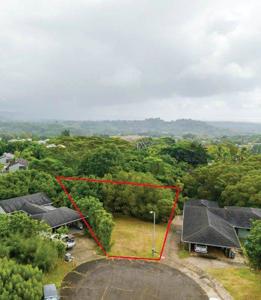
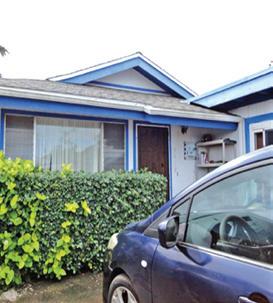
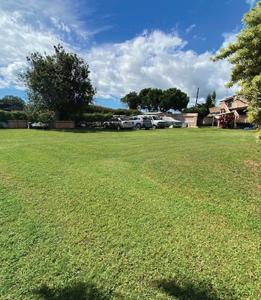
Carpentry FORECLOSURES FORECLOSURES FORECLOSURES FORECLOSURES FORECLOSURES FORECLOSURES Public Hearings Public Hearings Public Hearings Notices to Creditors Notices to Creditors Lots and Acreage Kapaa Koloa Motorcycle Sales & Service Engineering JanitorialMaintenance Pets Kalaheo Kekaha Lihue Lihue 2015 HD Heritage20,000 Mi/Chrome Fork/Handlebar Controls/V-H Exhaust. Battery Charger/ 2 Helmets. $12,000 Call 808-652-2741 ENGINEERING TECHNICIAN Engineering technician in Kauai. Performing soils compaction, concrete, and laboratory testing. Requires a clean Driver’s License abstract and pass background checks to obtain government security clearance (military bases). Able to lift and carry 50+ lbs. Medical, dental, drug, vision, vacation/sick leave, and 401k. Email resume to mail@hiratahawaii.com. EAH HOUSING IS HIRING! Maintenance Technician II Valid DL 2+ years’ experience Resident Manager I Real Estate License or willing to obtain one within 9 months of hire 1+ year of Property Management experience, preferably in affordable housing Free Medical Insurance/ Affordable Dental and Vision/ 403(b) retirement plan 5% Match 15 days’ vacation/ 10 paid sick days/ 12 paid holidays Apply at eahhousing.org Contact Faye Jesswani at (415) 233-8303 2 Male Yorkies Born 02/02/24 $2,500 808-209-0728 Beautiful Goldendoodle puppies available 3/7 vet checked 3 sets of shots serious inq only $1800. 808-346-2526 $573,000 Lot size: 0.51 acres Mark Tanaka-RB 808-639-8213 Ashley Carvalho-RS 808-482-4077 MLS 705122 KEKAHA $399,999 10,584 sqft Kevin Horita -RB 808-639-8213 Jesse Fukushima -RS 808-482-4077 MLS 703768 IN ESCROW $675 ,000 2 Bed/ 2 Ba Interior Area: 840 sqft Clifton Kukino 808-639-1490 Jordan Kukino 808-634-5032 Kaylin Kukino 808-635-2822 MLS 706241 Kawaihau (Kapaa) Price reduced... $384,500.00! Seller motivated! Well-kept fee simple 7,234 sq.ft. interior R-6 zoned residential parcel between 6017-6025 Kapahi Road. Property never built on! Have your contractor build your country-style home in this well-established neighborhood. Must see to appreciate! Yew W. Siu, R, RB-17680 (808) 375-8900 Real Estate Foundations (MLS202321392) Carpenter looking for maintenance jobs. Free estimates. 3D Construction Call Albert 652-8861. alapaki82@outlook.com COUNTYOFKAUAIPLANNINGCOMMISSION–4444RiceStreet,SuiteA473, Lihue, Kauai, Hawaii, 96766, tel: (808) 241-4050, email: planningdepartment@kauai.gov NOTICEISHEREBYGIVENofan
anopportunityforpublictestimony fromallinterestedpersonstobeheldby theKaua‘iPlanningCommissionpursuanttotheprovisionsofSpecialManagement AreaRules,KauaiCountyCode,Chapter8,asamended,HawaiiRevisedStatutes
Kauai Planning Commission. The hearing will be held regarding
following: SPECIALMANAGEMENTAREAUSEPERMIT(SMA(U)-2024-8),CLASSIV
agencyhearingwithapublichearingand
(HRS)Chapter92and91,andtheRulesofPracticeandProcedureoftheCounty of
the
JUDICIALPOWEROFSALE.NoticeisHerebyGiven pursuanttoHawaii RevisedStatutes§667-61through§667-65andPurchaseMoneyMortgage, SecurityAgreement,andFinancingStatementwith (SeeSchedule“1”) ,as Mortgagor,dated (SeeSchedule“1”), recordedintheBureauof ConveyancesoftheStateofHawaiiasDocumentNo. (SeeSchedule“1”), thatamortgagelienexistsagainsteachoftheVacationOwnershipInterests identifiedon (Schedule“1”) infavorof PahioVacationOwnership,Inc., aHawaiicorporation, forfailuretopaytheamountsowedandsecuredby therespectiveMortgages. PahioVacationOwnership,Inc.,aHawaii corporation, asMortgagee,whoseaddressis 6277SeaHarborDrive, Orlando,FL32821, intendstoforecloseitssaidmortgage,andwillholda salebypublicauctionofFeeSimplepropertybeingthatcertainproject, Pahio AtKauaiBeachVillas, locatedat 4330KauaiBeachDrive,Lihue,HI 96722 on 04/03/2024 at VidinhaStadium,HoolakoSt,Lihue,HI 96766,underthetrees,atentrancetothestadium at 1:00PM. Each ofthepropertiesistobesoldasanundividedtimeshareinterest.Therewill benoopenhouses.Termsofthesaleare:(1)Noupsetprice.(2)Property soldwithoutcovenantorwarranty,expressorimplied,astothetitle possessionorencumbrances;(3)Atthecloseoftheauction,Purchasershall pay100%ofthehighestsuccessfulbidprice(“Bid”)bymoneyorder,certified, orcashier’scheckdrawnagainstaUnitedStatesbasedfinancialinstitution,in USCurrency,madepayabletoFIRSTAMERICANTITLECOMPANY;provided thatMortgageemaysubmitacreditbiduptotheamountofthesecured indebtedness;(4)Purchasershallpayallclosingcostsincluding,butnot limitedto:costsofdocumentdrafting,notaryfees,consentfees,escrowfees, conveyancetax,recordationfeesandothercharges,togetherwithanyspecial assessmentswhichmayariseunderHRS514B-146(g)(h)(i);(5)Iftitleisnot conveyedtoPurchaserforanyreason,otherthanPurchaser’sfailureto performasspecifiedherein,theMortgagee’ssoleresponsibilityshallbethe returnoftheBidfundstenderedbyPurchaser.ThePurchasershallhaveno furtherrecourseagainsttheMortgageeoritsagents,attorneys,servicersand auctioneers;(6)Thesalemaybepostponedfromtimetotimebypublic announcementbyMortgageeorsomeoneactingonitsbehalf;(7)By submittingtheBid,Purchaseracknowledgesreadingthetermsandconditions setforthinthisnoticeandagreestobeboundtherebyandsignawritten acceptanceofalltermsherein.Forfurtherinformationregardingthissale,you must contact: PahioatKauaiBeachVillasIntervalOwnersAssociation, aHawaiinon-profitcorporation at (800)251-8736. Conductorofthe publicsaleinthestateofHawaii:AQUALEGAL,LLConbehalfof,First AmericanTitle,agentforClaimant;Phone:(808)539-7504;Address:1099 AlakeaStreet,suite2430,Honolulu,Hawaii96813.BatchNo: Foreclosure DOT134153-KBV17-DOT.Schedule“1”: Mortgagor(s),MortgageDated Date,MortgageDocumentNo.,VacationOwnershipInterest(ContractNo.); BarryW.BraswellandKimberlyB.Nunn,12/09/2015,Inst:A-58780155, 001161500061. (TGI1446272 3/1, 3/8, 3/15/24) AMENDED FIFTH CIRCUIT COURT NOTICE AND NOTICE TO CREDITORS 5CLP-24-0000014 ESTATE OF TIMOTHY JOHN CASEY, Deceased FILED,PetitionforAdjudicationofIntestacyand AppointmentofPersonalRepresentative,alleging intestacyofsaiddecedent,andaskingthatKELEIGH CASEY,whoseaddressis2945MokoiStreet,Lihue, Hawaii96766,beappointedPersonalRepresentative of said estate. Tuesday,April2,2024,at1:30p.m.beforethe presidingJudgeinProbateat3970KaanaStreet, Lihue,Kauai,Hawaii96766istheappointeddate, timeandplaceforhearingsaidpetitionandall interested persons. Allcreditorsoftheabove-namedestatearehereby notifiedtopresenttheirclaimswithpropervouchersor dulyauthenticatedcopiesthereof,eveniftheclaimis securedbyamortgageuponrealestate,tosaid nomineeattheaddressshownabovewithinfour(4) monthsfromthedateofthefirstpublicationofthis notice or they will be forever barred. DATED: Lihue, Kauai, Hawaii, February 20, 2024. /s/ C. Martinez Clerk of the Above-Entitled Court Attorney for Petitioner: JONATHAN J. CHUN (2928-0) 3135 Akahi Street, Suite A Lihue Kauai Hawaii 96766 Telephone: (808) 245-4705 (TGI1447321 3/8, 3/15, 3/22/24) NOTICEOFMORTGAGEE’SINTENTIONTOFORECLOSUREUNDERNONJUDICIALPOWEROFSALE.NoticeisHerebyGiven pursuanttoHawaii RevisedStatutes§667-61through§667-65andPurchaseMoneyMortgage, SecurityAgreement,andFinancingStatementwith (SeeSchedule“1”), as Mortgagor,dated (SeeSchedule“1”), recordedintheBureauof ConveyancesoftheStateofHawaiiasDocumentNo.
thatamortgagelienexistsagainsteachoftheVacationOwnershipInterests identifiedon
infavorof
announcementbyMortgageeorsomeoneactingonitsbehalf;(7)By submittingtheBid,Purchaseracknowledgesreadingthetermsandconditions setforthinthisnoticeandagreestobeboundtherebyandsignawritten acceptanceofalltermsherein.Forfurtherinformationregardingthissale,you mustcontact: WyndhamVacationResorts,Inc.,aDelaware corporation at (800)251-8736. Conductorofthepublicsaleinthestate ofHawaii:AQUALEGAL,LLConbehalfof,FirstAmericanTitle,agentfor Claimant;Phone:(808)539-7504;Address:1099AlakeaStreet,suite2430, Honolulu,Hawaii96813.BatchNo: ForeclosureDOT131275-KEK24DOT.Schedule“1”: Mortgagor(s),MortgageDatedDate,Mortgage DocumentNo.,VacationOwnershipInterest(ContractNo.);LisaA.Peterson and John M. Peterson, 10/26/2012, Inst: A-47910097, 001161201322. (TGI1446289 3/1, 3/8, 3/15/24) NOTICE OF FORECLOSURE SALE U.S. Bank Trust National Association v. Young 5CCV-23-0000008, Circuit Court of the Fifth Circuit, State of Hawai‘i 2974 Ohiohi Street, Lihu‘e, Hawai‘i 96766 TMK No. (4) 3-6-024-015-0000 AuctionDate/Place: April5,2024atNoon, CircuitCourtoftheFifthCircuit,FrontLanai,3970 Ka‘ana Street, Lihu‘e, Hawai‘i 96766. TermsofSale: Noupsetprice.Propertywillbe sold(subjecttoanyliens)in“asis”condition, withoutanywarrantyoftitleoranyotherwarranty, atpublicauctionwith10%ofhighestbidpayable incash,certifiedorcashier’scheckatcloseof auction,balancepayableupondeliveryoftitle. Potentialbiddersmustprovideproofofabilityto
(SeeSchedule“1”),
(Schedule“1”)
PahioVacationOwnership,Inc.,
forfailuretopaytheamountsowedandsecuredby
(filed Feb. 12, 2024) [Dkt. 57]. Robert Goldberg Commissioner, Circuit Court of the Fifth Circuit LAW OFFICE OF ROBERT GOLDBERG LLLC 2970 Kele Street, Suite 208 Lihu‘e, Hawai‘i 96766 (808) 245-4102 (800) 918-1923 (fax) rgoldberg@kauaisite.com Theaccuracyofthedescription/informationinthis noticeisnotguaranteed,allinformationmustbe independently verified by potential purchasers. (TGI1446276 3/1, 3/8, 3/15/24) Deadlines: Regular, single-column classifieds in The Garden Island can be placed until 4:45pm on Monday, Tuesday, Wednesday, and Thursday for the following day, noon on Friday for Sunday and Monday. Please call your sales executive or 246-0325 for deadlines for larger, multi-column ads. Cancellation/Correction Deadlines: To cancel or change an ad in the Garden Island, call us by 4:45pm on Monday, Tuesday, Wednesday, and Thursday for the following day, noon on Friday for Sunday and Monday. (We are closed Saturdays and Sundays). The Garden Island Real Estate Deadlines: To place, correct or cancel a Friday real estate/rental single-column ad, please call by noon on Thursday. Check your ad for errors the first day it runs in the paper. We are unable to issue credit for errors reported after the first day of publication. While we try to accommodate our advertisers, The Garden Island does reserve the right to edit, refuse, reject, or cancel any ad at any time. All ads are subject to approval prior to publication. We are not liable for losses or expenses resulting from publication errors or omission of an ad at any time. All ads are subject to approval prior to publication. We are not liable for losses or expenses resulting from publication errors or omissions of an ad. Advertising rate cards are available from any sales executive. Ads are subject to the rate card in effect at the time they are placed. ANNOUNCE MENTS MERCHAN DISE WE GLADLY ACCEPT: Business Hours Call Center Monday–Friday; 7:30 a.m.–5:30 p.m. SELL YOUR STUFF FOR AS LITTLE AS $9.99 A WEEK ON ALL MERCHANDISE ADS * Restrictions may apply. Call for details. Legals/Public Notices KAUAI’S Service Directory HAWAII’S real estate directory PLACE YOUR AD t ODAY 246-0325 th E g ARDE nis LA n D CO m/ CLA ssifi ED s KAUAI’S 808-246-0325 thegardenisland.com Subscribe today 245-0433 Stay Informed Subscribe today 245-0433 thegardenisland.com Subscribe today 245-0433 thegardenisland.com $800,000 4Bed/ 2ba Melinda B. Yomen 808-482-0452 MLS 705874 KOLOA $1,300,000 4Bed/3Ba Carol C. Cummings 808-6514766 Shelly Kaui Carvalho 808-652-3886 MLS 706818 LIHUE $950,000 2Bed/2Ba Shelly Kaui Carvalho 808-652-3886 MLS 705526 (808)246-8828 Across From Kauai Community College 4490 Puhi Road, Lihue * Custom Color Matching * Armstrong-Clark Stains * * Purdy Brushes * Graco Sprayers * Home Owner * * Maintenance * Commercial * Industrial * FOR SALE AT HALELANI VILLAGE Price: $540,000 2 Bed/ 2ba MLS: 708479 Open House: 3/9 & 3/10 from 1:00pm - 3:30pm Halelani Village at Puhi offers a tranquil and convenient living experience in Lihue. This move in ready, 2 bedroom, 2 bathroom unit with 750 sq ft of living space, located on the second floor, offers the perfect blend of comfort and location. Enjoy the trades and beautiful Haupu Mountain views from your balcony, living room and primary bedroom. Eric N. Yama RB (808) 639-3414 eric@ericyama.com Lauren E. Yama RS (808) 346-4204 lauren@laurenyama.com Kauai-Realty.com 2403 Ulu Maika St., Lihue, HI 96766 JUST LISTED! LAWAI SHELLY KAUI-CARVALHO RS-64829 (RS) ABR, CRS, SFR, SRS 808-652-3886 Shelly@kauairealty.net Land Area: 26,746 sf House: 3bd/2ba Cottage: 1bd/1ba Price: $1,300,000 MLS# 706818 CAROL C CUMMINGS RB-14915 (RB) CRB, CRS, GRI, SFR 808-651-4766 kauairealty@gmail.com Page 4 Friday, March 8, 2024 THE GARDEN ISLAND www.thegardenisland.com