Love: The Softest Weapon
By Halena Laven
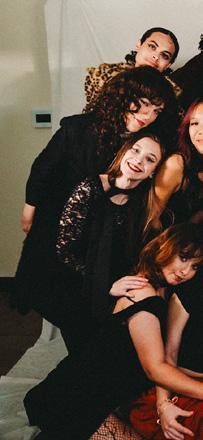
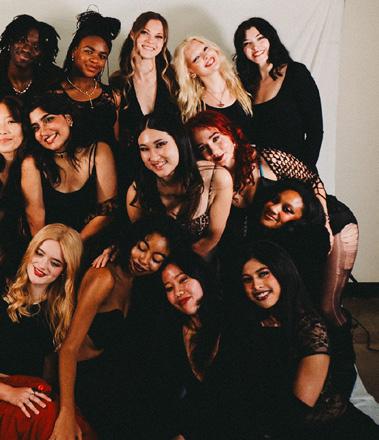
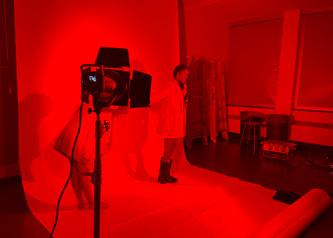
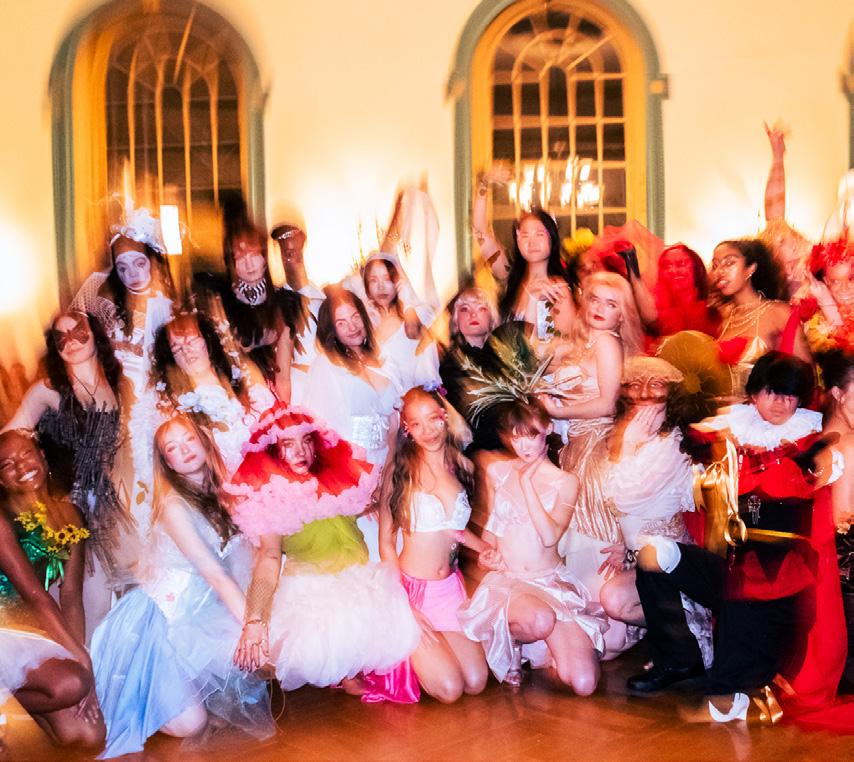
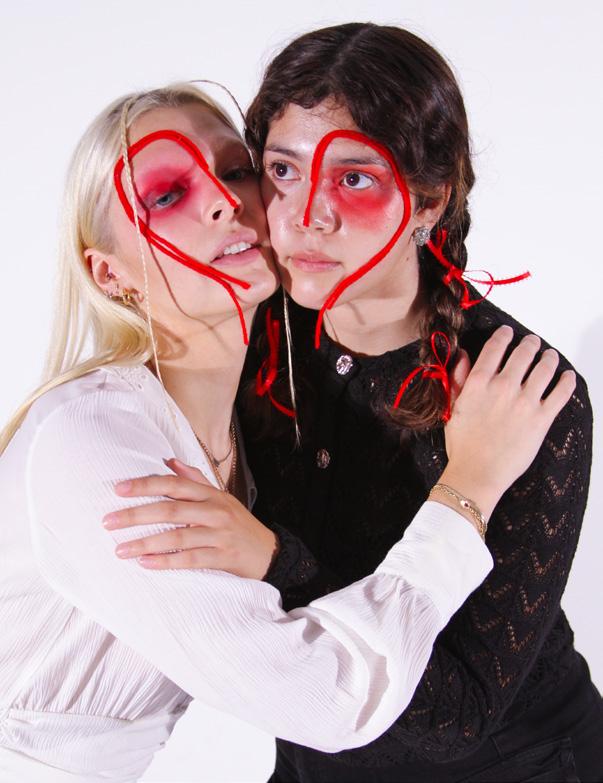
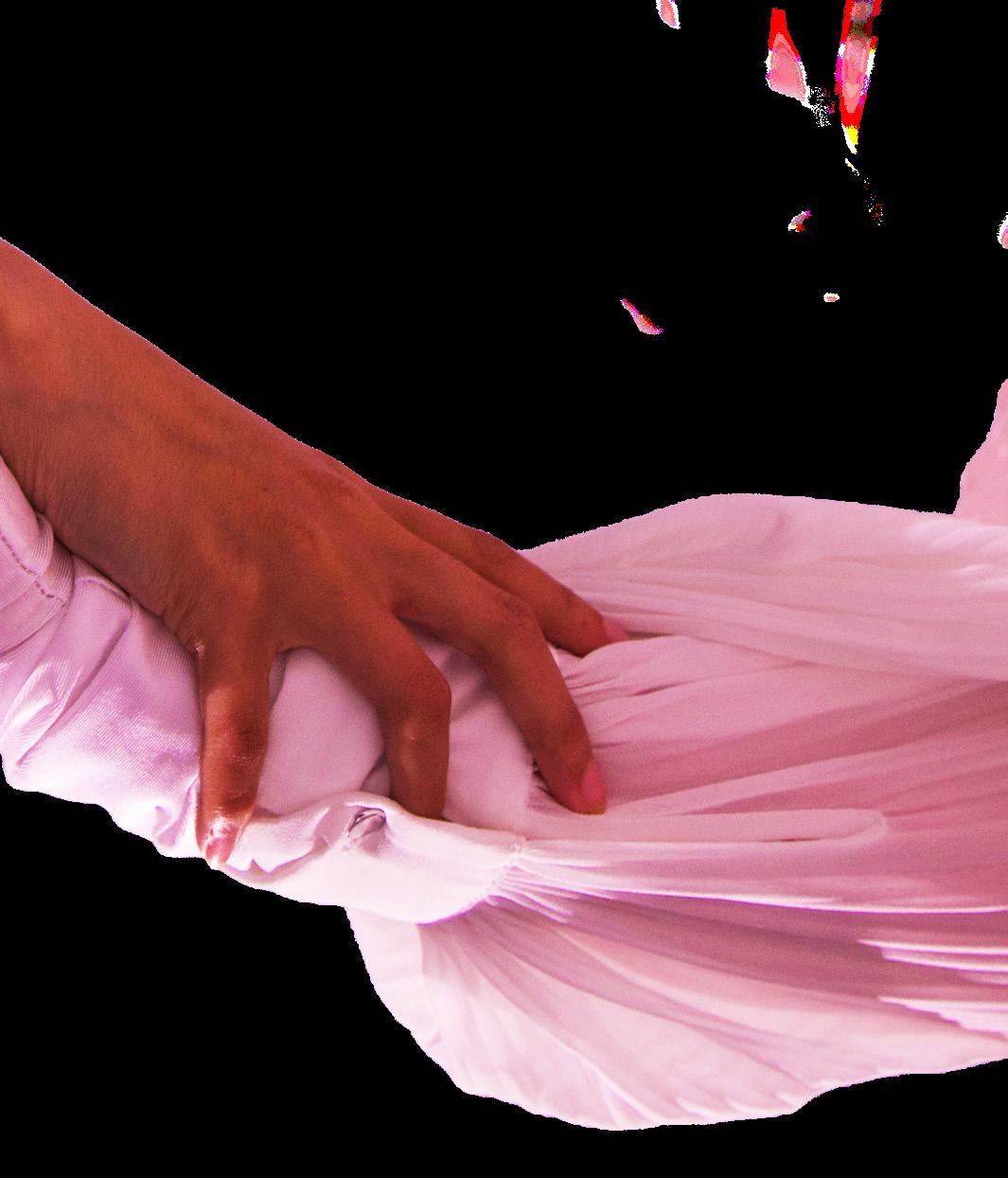
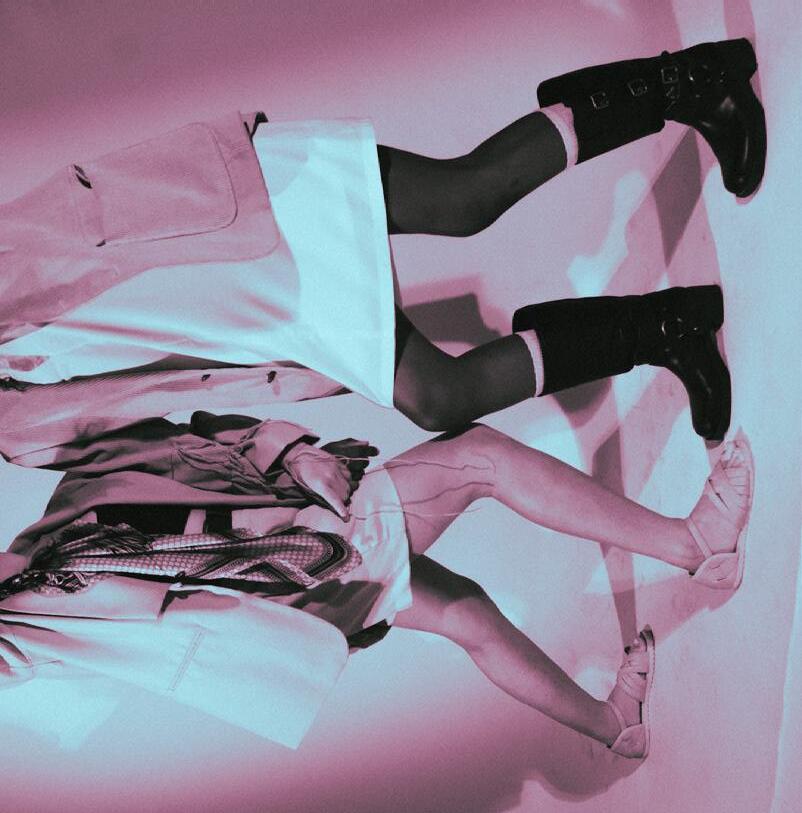
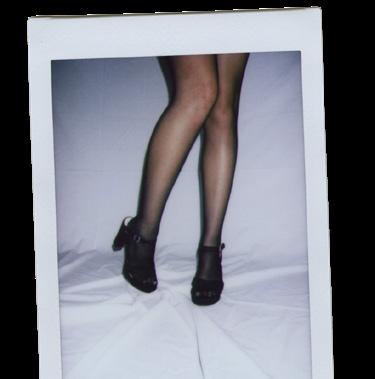
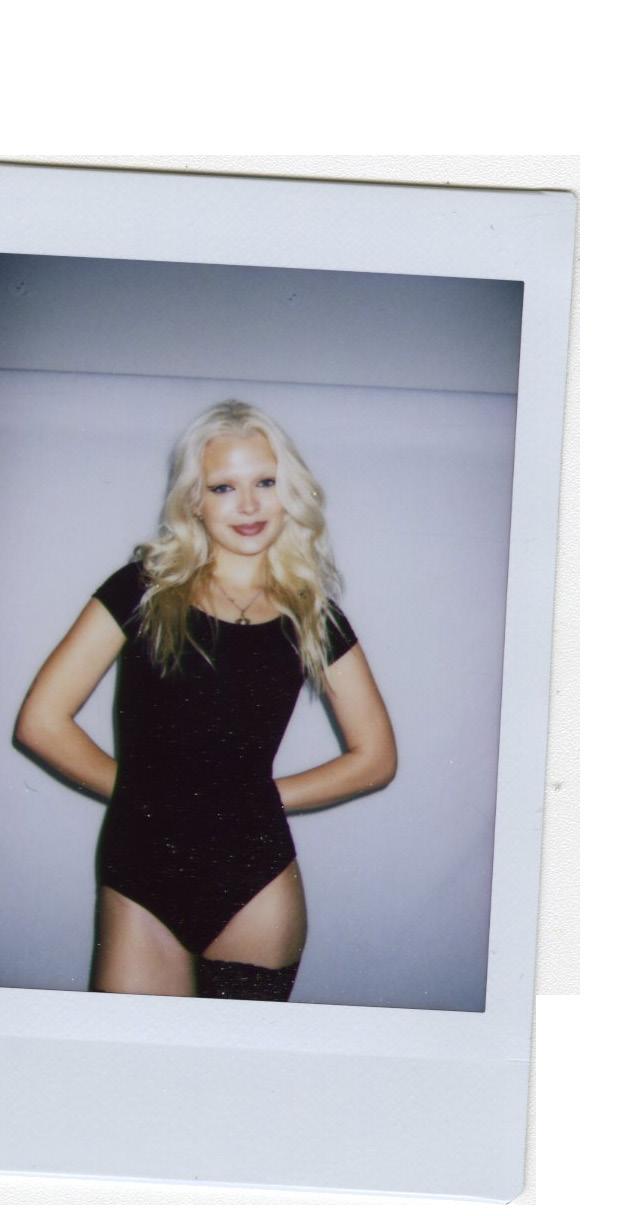
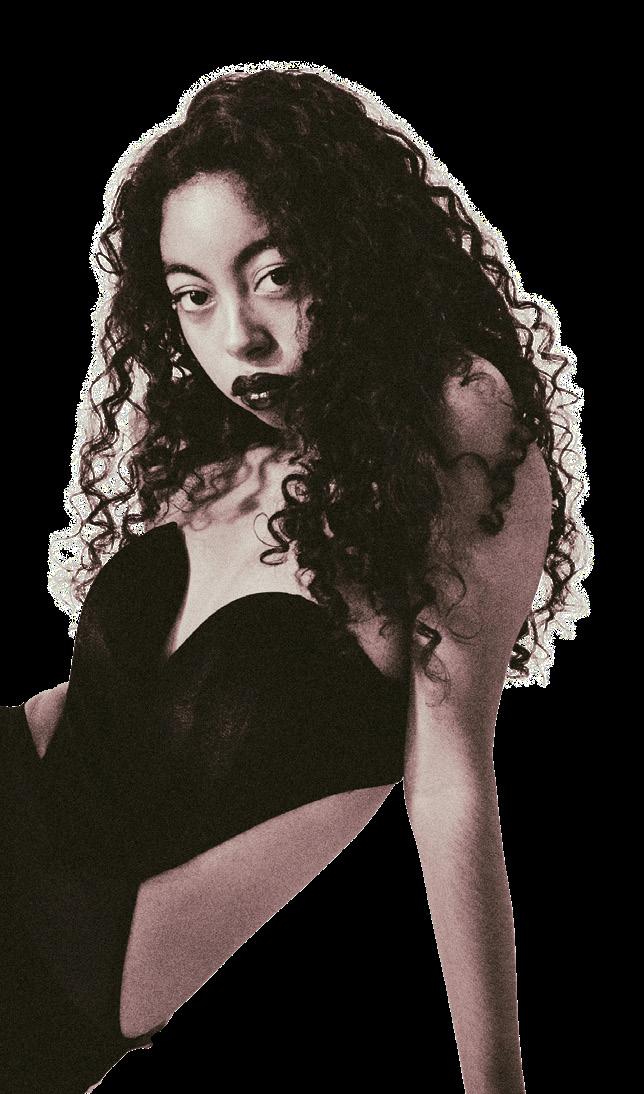
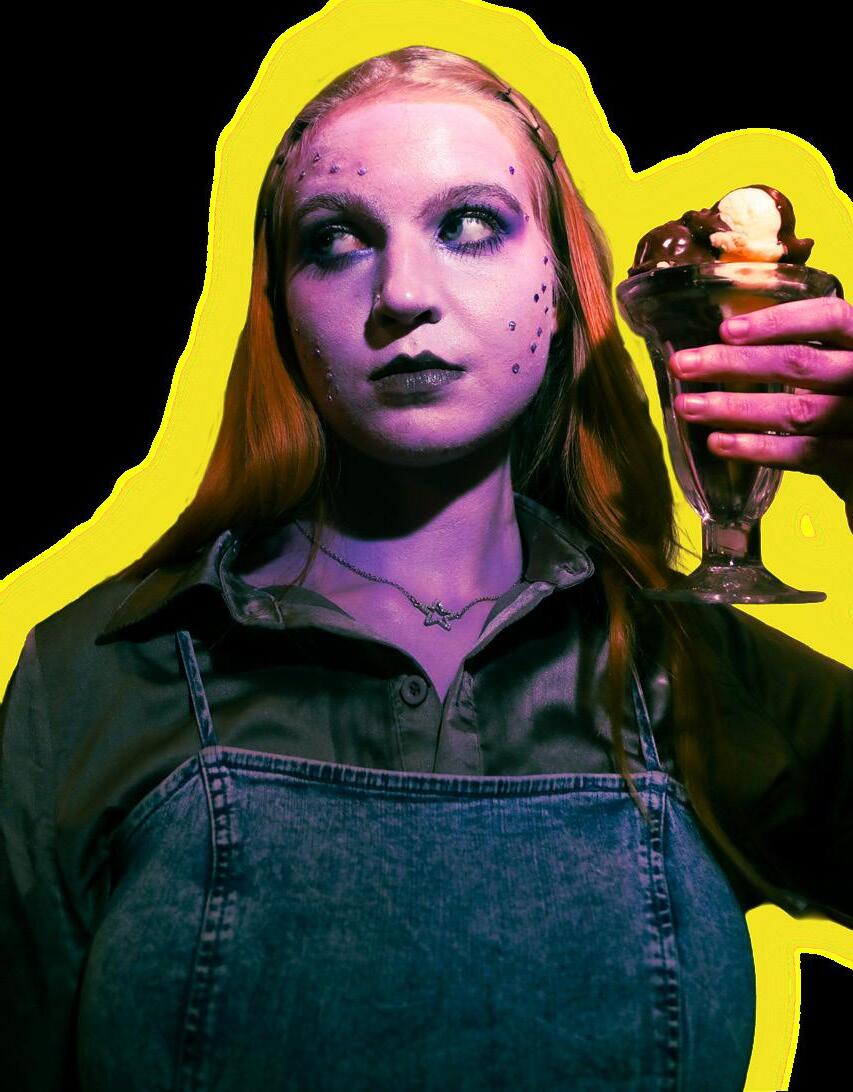
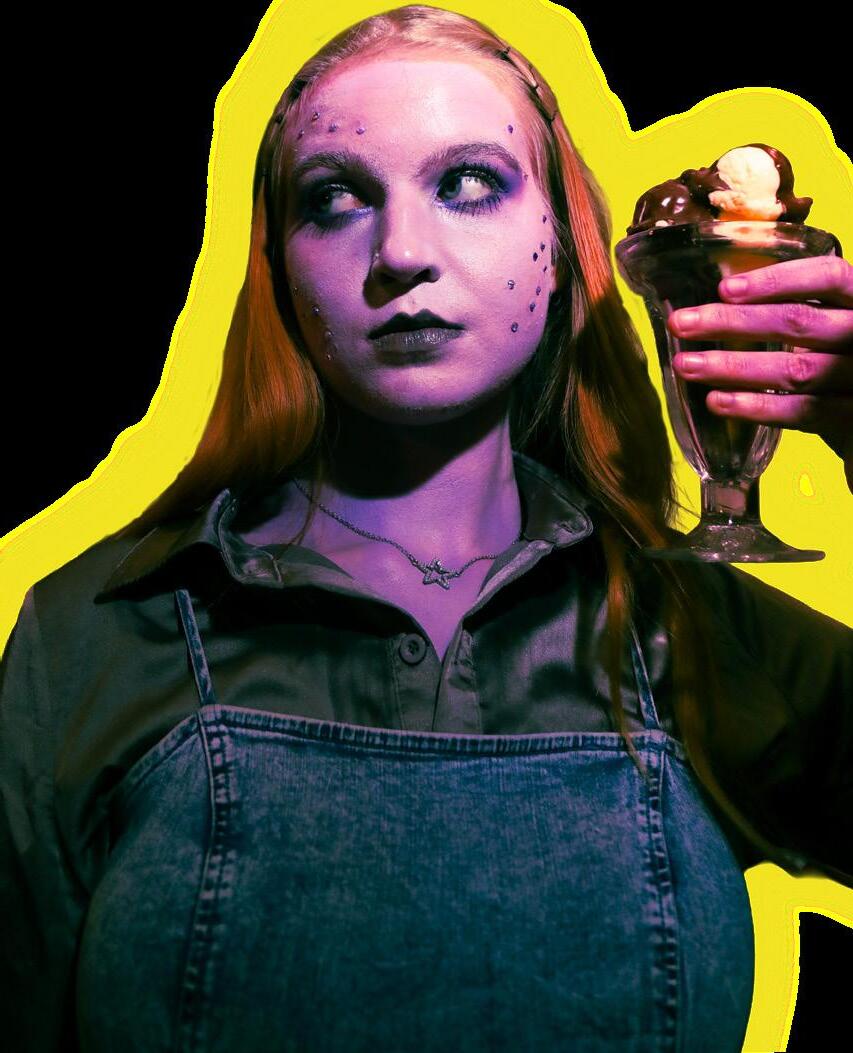
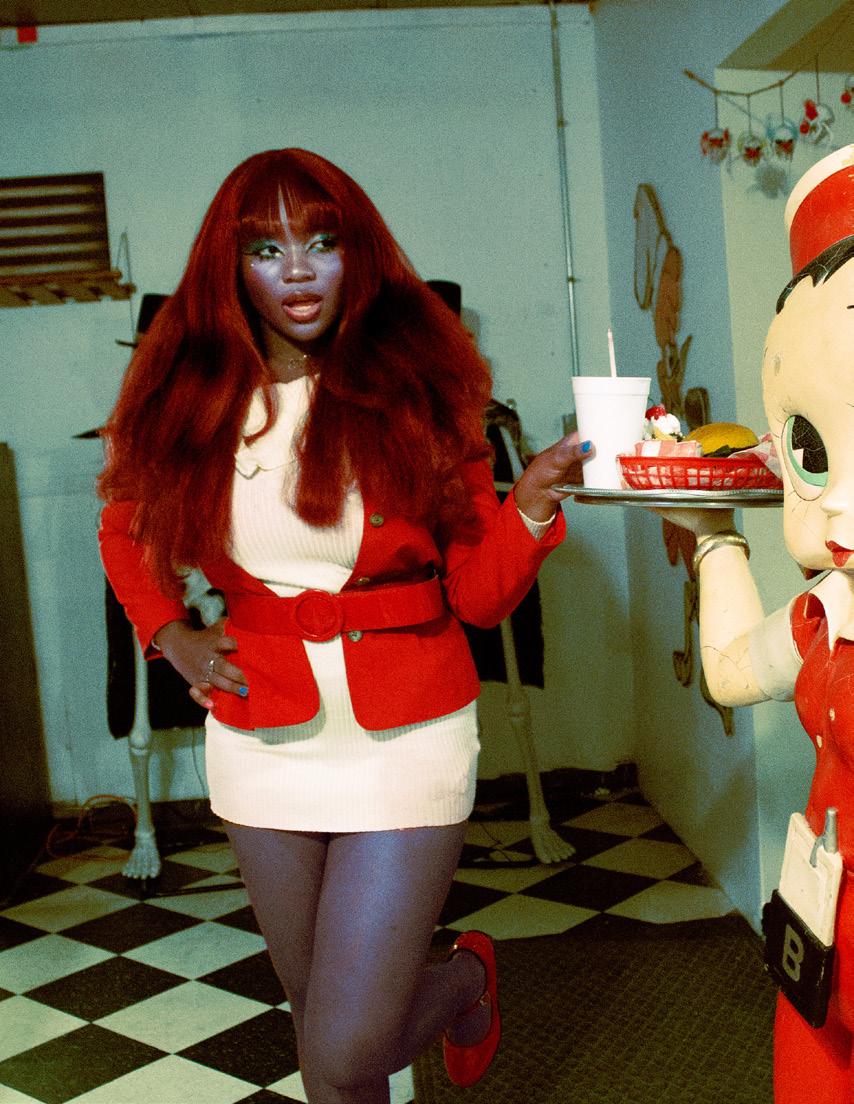
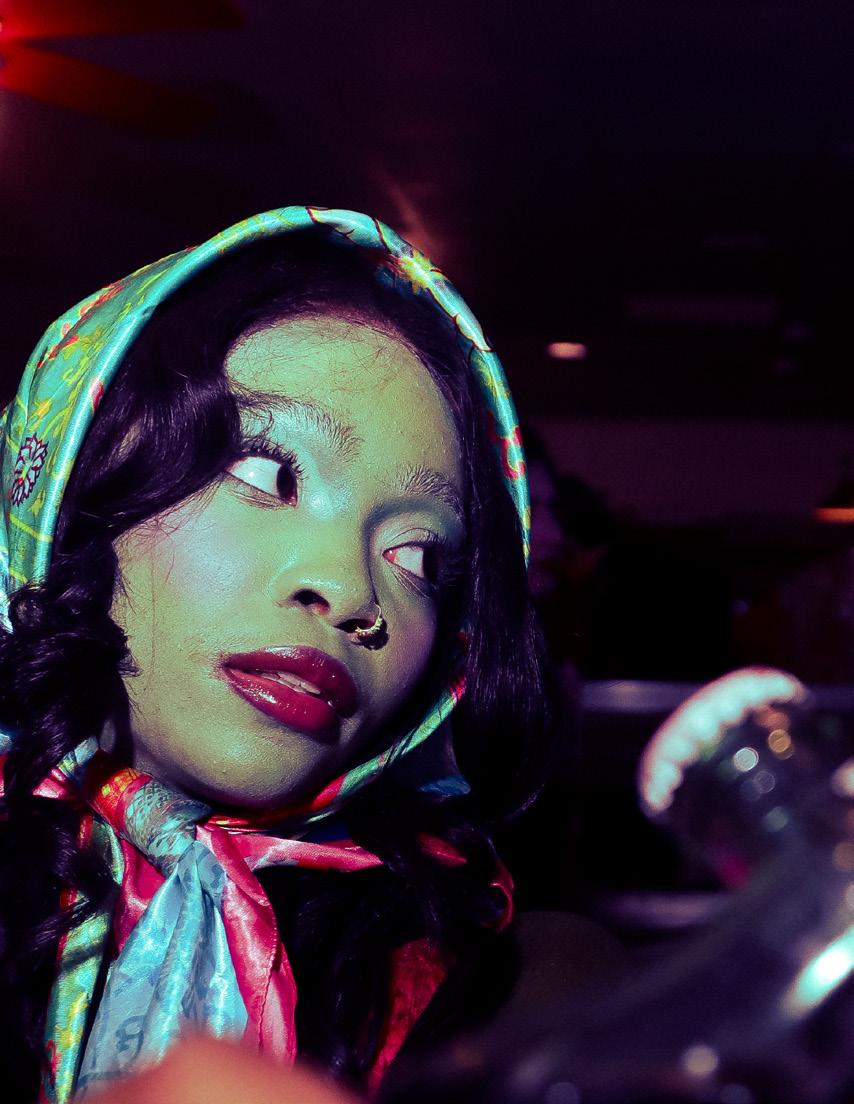
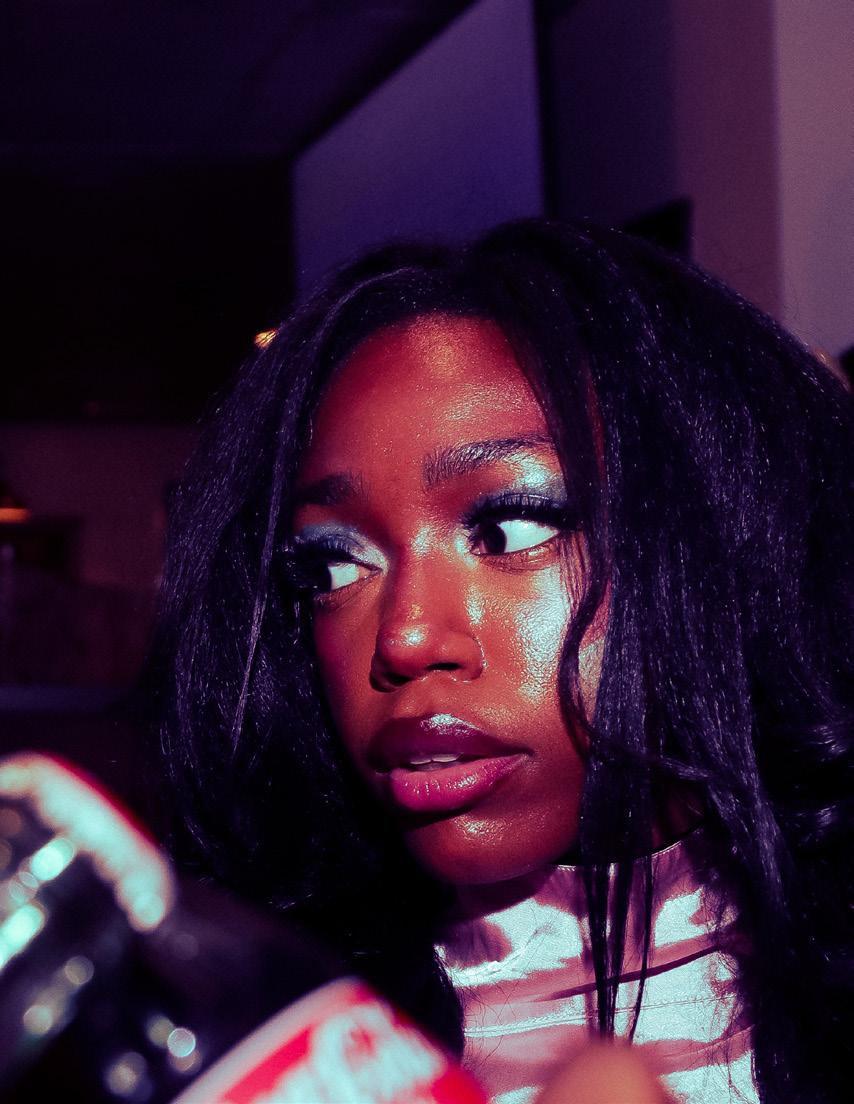
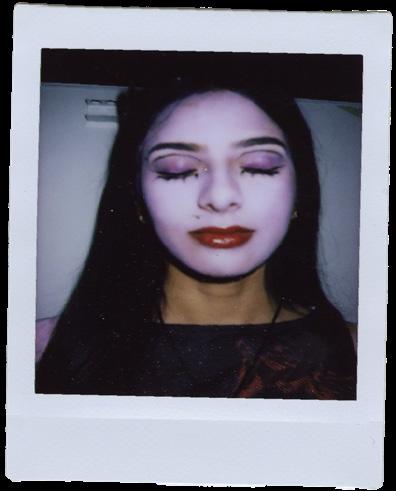
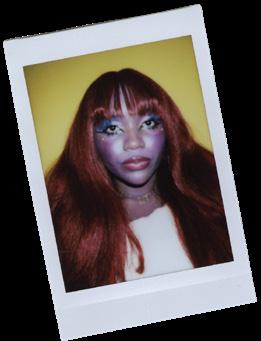
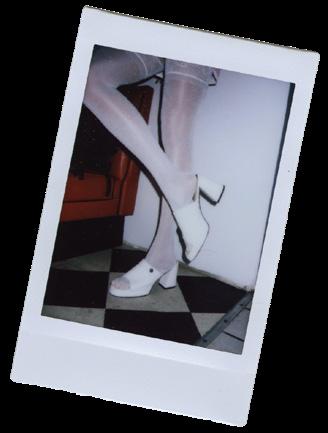
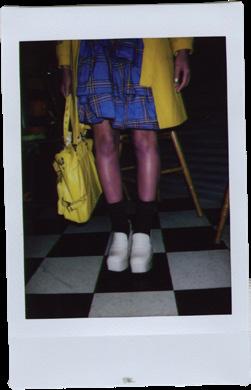
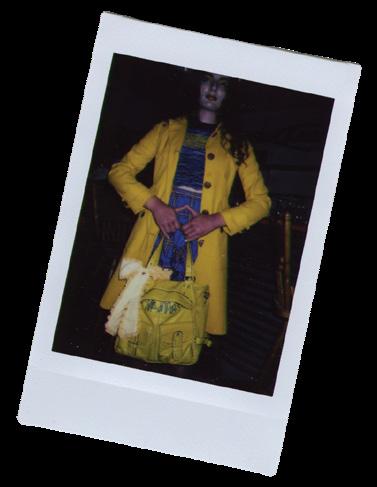
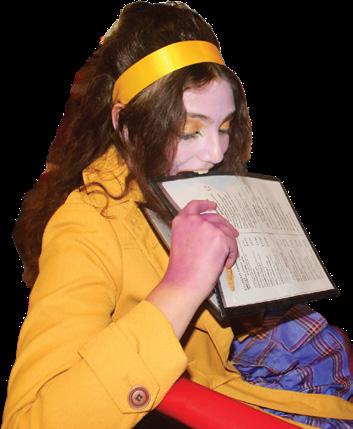
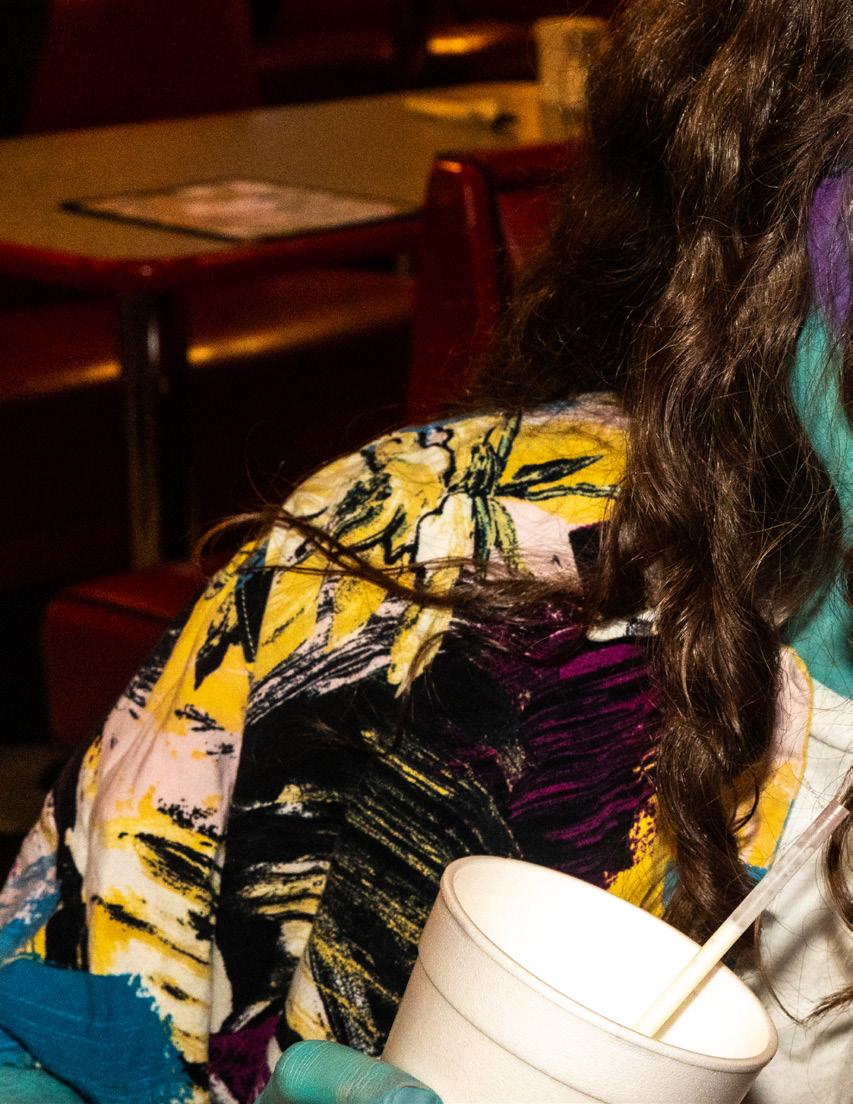
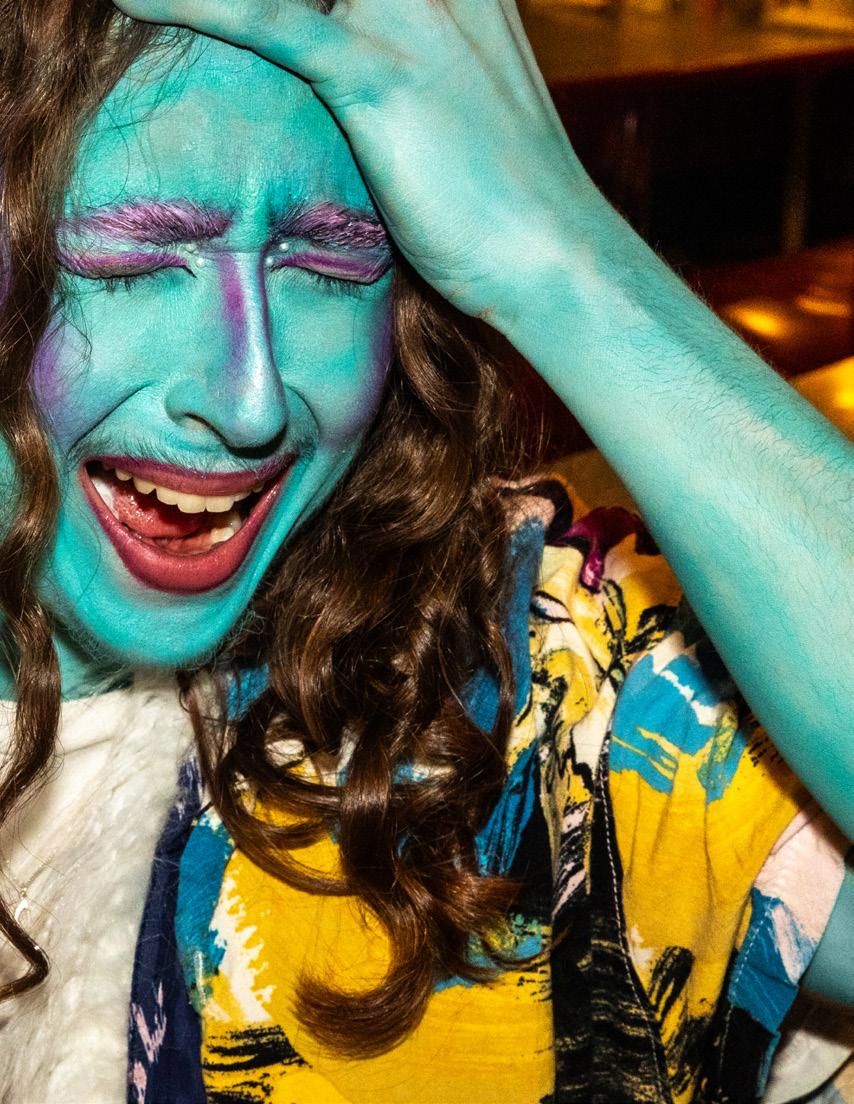
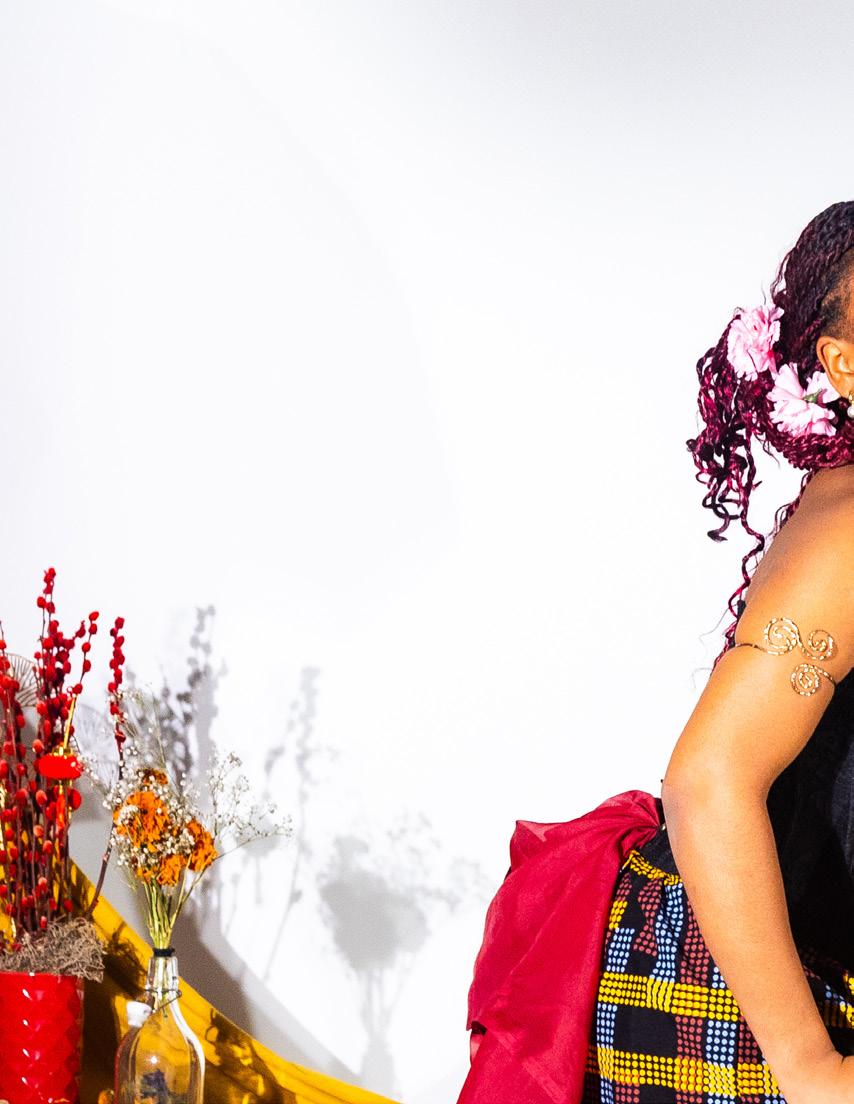
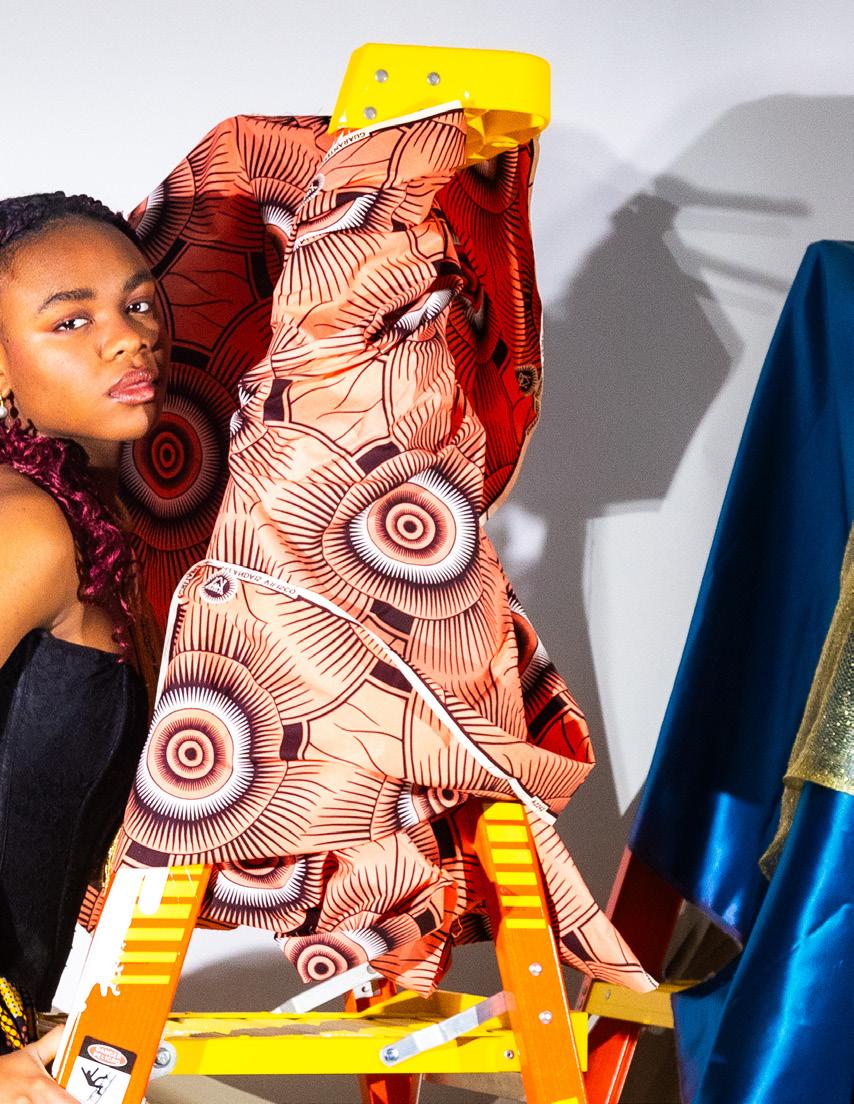
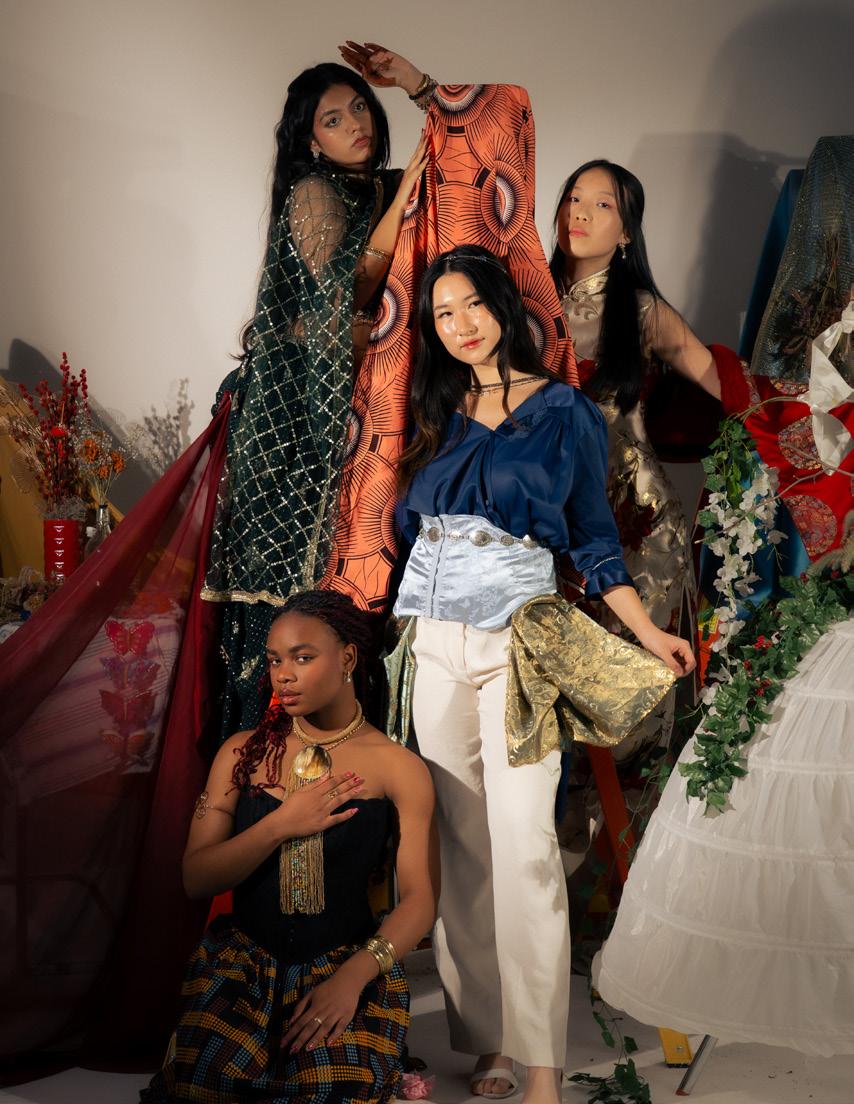
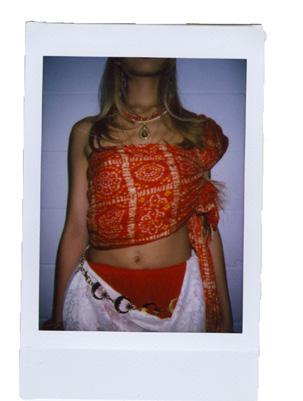
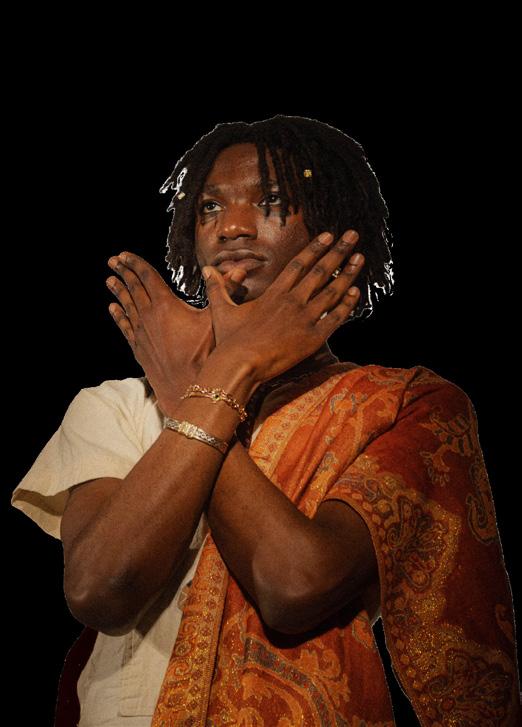
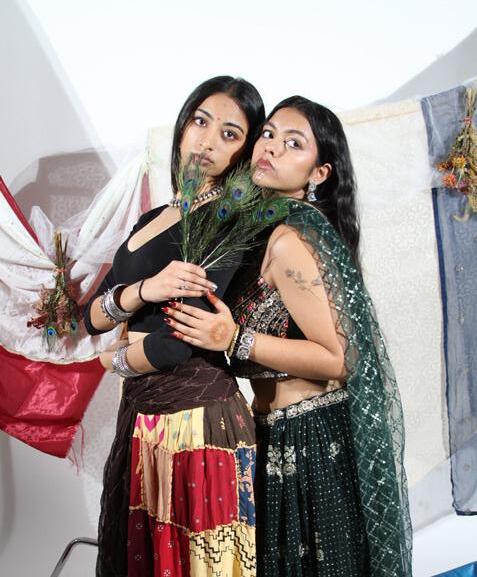
There’s a certain kind of magic that happens when a room full of creatives gathers around racks of clothes, piles of makeup palettes, and a shared Pinterest board. Tucked away in our own corner of the world, that magic came alive during a three-hour styling session — a prelude to something bigger than just fashion. It was about connection. About softness. About love as the quiet force driving it all.
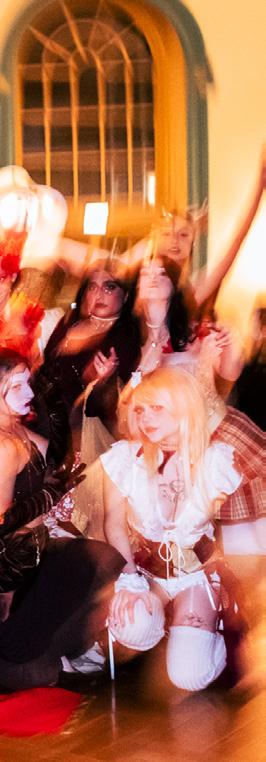
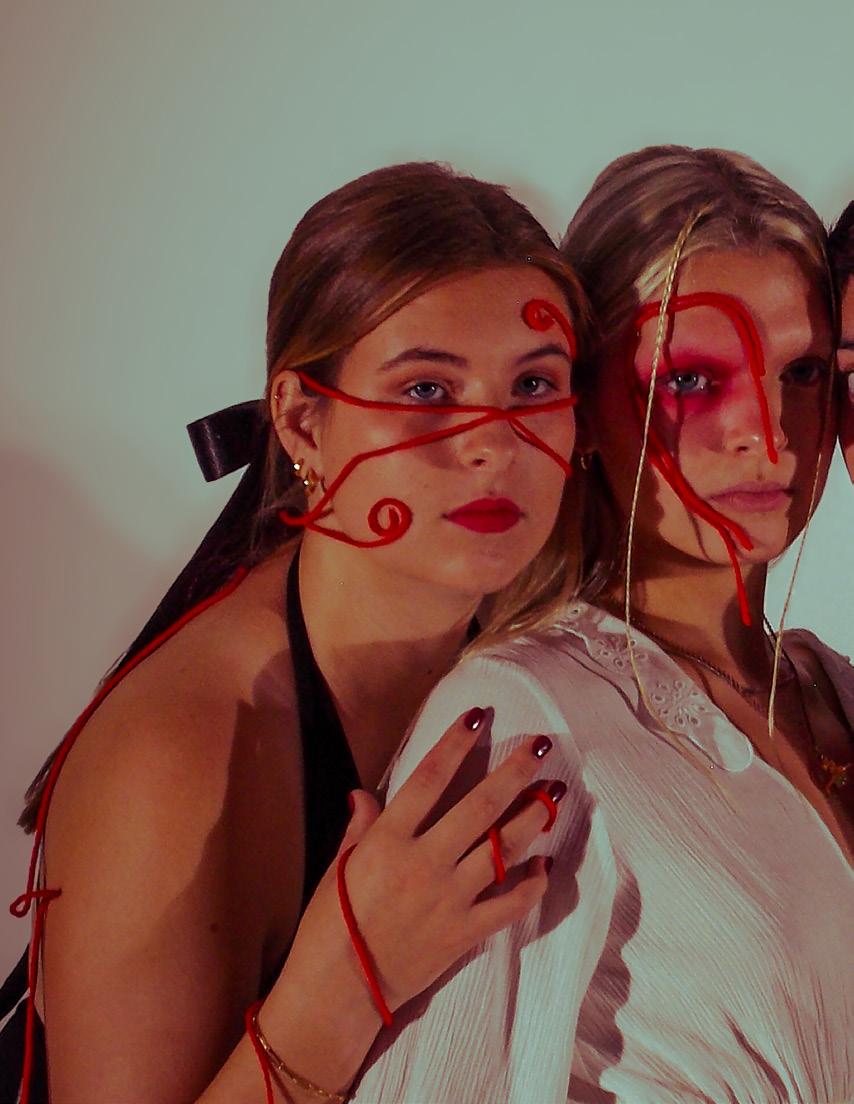
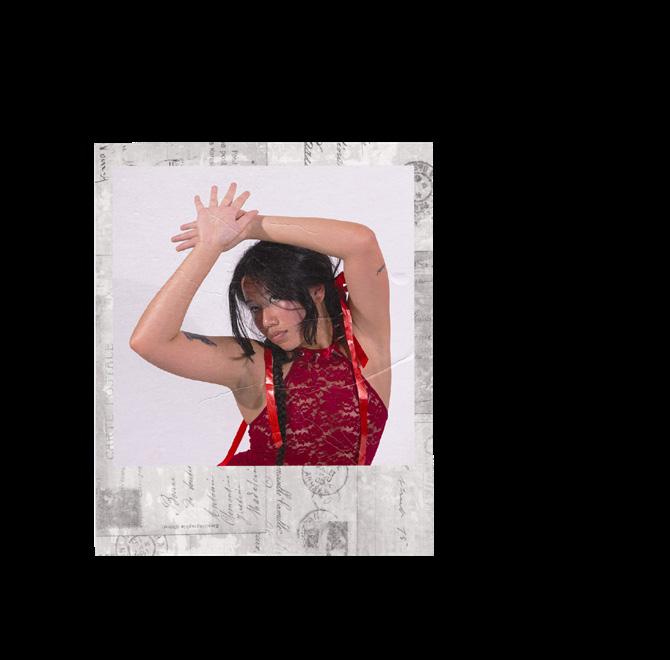
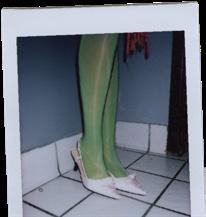
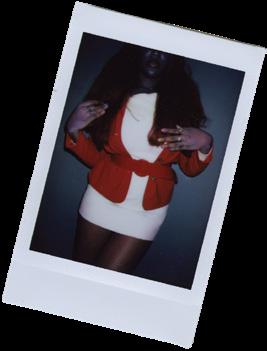
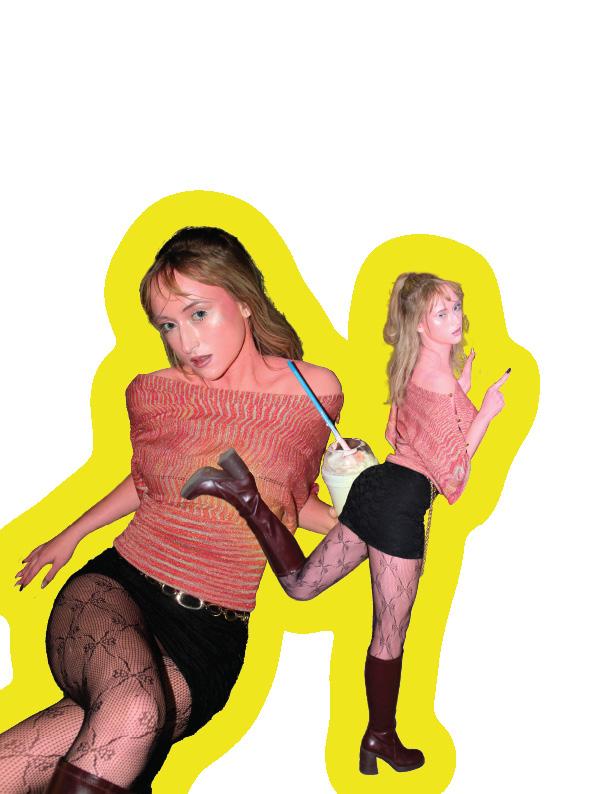
The room buzzed with energy as stylists and models sifted through textures and tones — red silks, beige knits, and romantic silhouettes that whispered of vulnerability and confidence all at once. Make-up artists flipped through makeup visuals, while stylists helped try on pieces, every choice sparking laughter and conversation. But the focus wasn’t just on what looked good — it was about how people felt in what they wore. Compliments turned into affirmations, nerves softened into ease, and what started as a styling session became something closer to a celebration of community.
“It was about connection. About softness. About love as the quiet force driving it all.”
For many of the models, this was their first shoot. The nerves were real — meeting new people, stepping in front of a camera, existing in an unfamiliar creative space. But as the hours passed, the edges of awkwardness dissolved. Stylists hyped up their models, models returned the favor, and kindness became the unspoken dress code. One of the most inspiring moments came from hearing how people pulled from their own closets — freely offering up pieces just to make someone else feel beautiful. In a
Photographed By Annie Trompeter
Photographed By Annie Trompeter
By Jenna Sissom
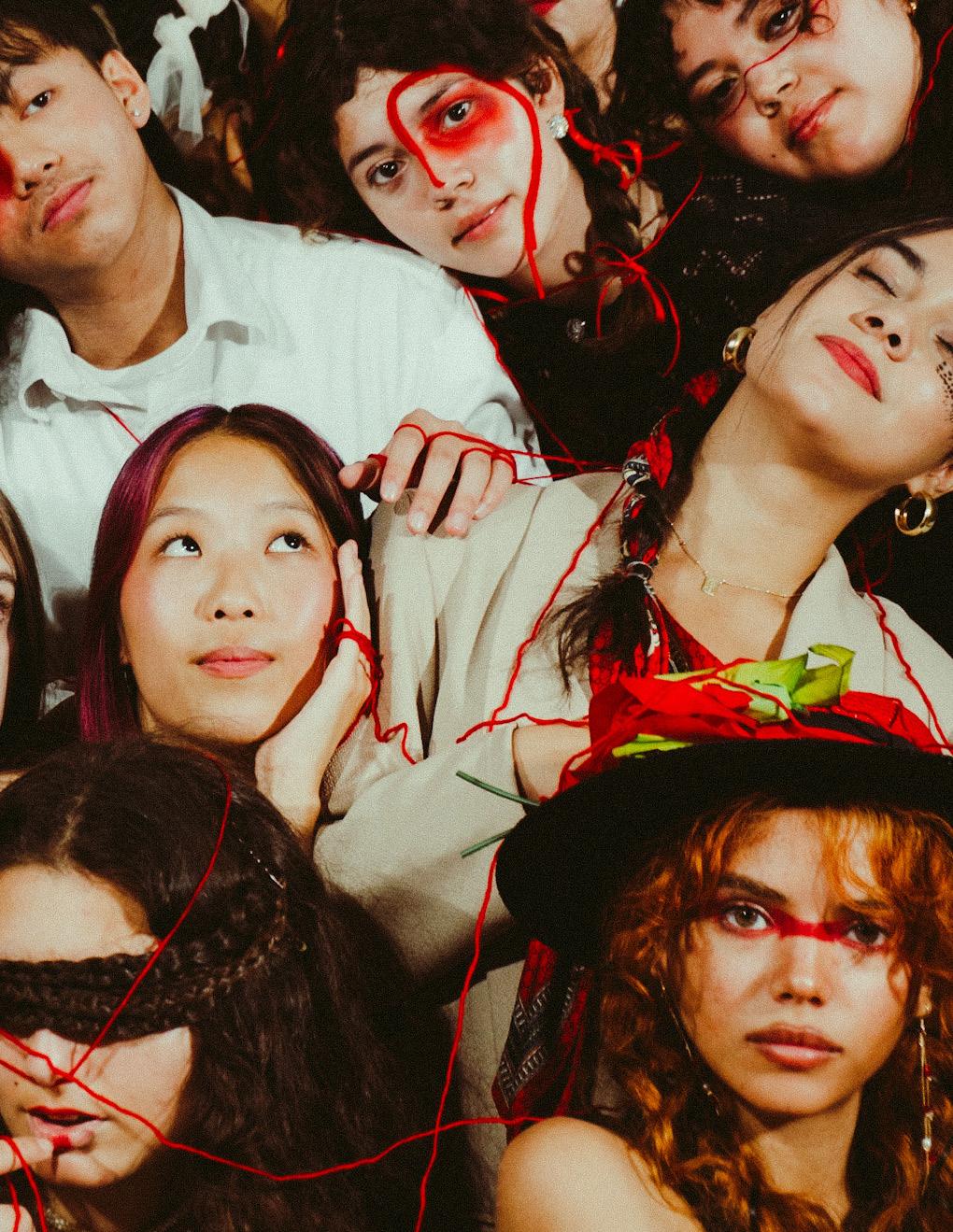
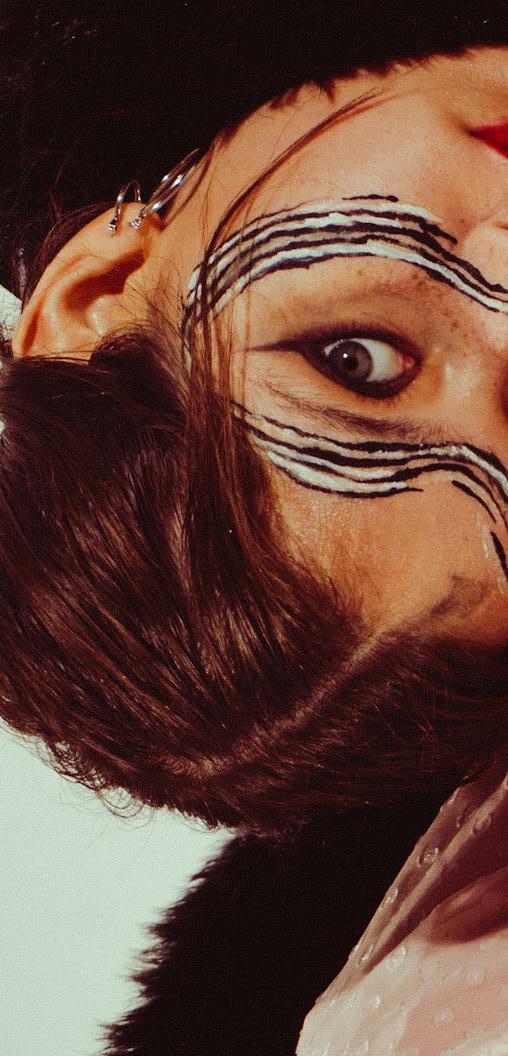
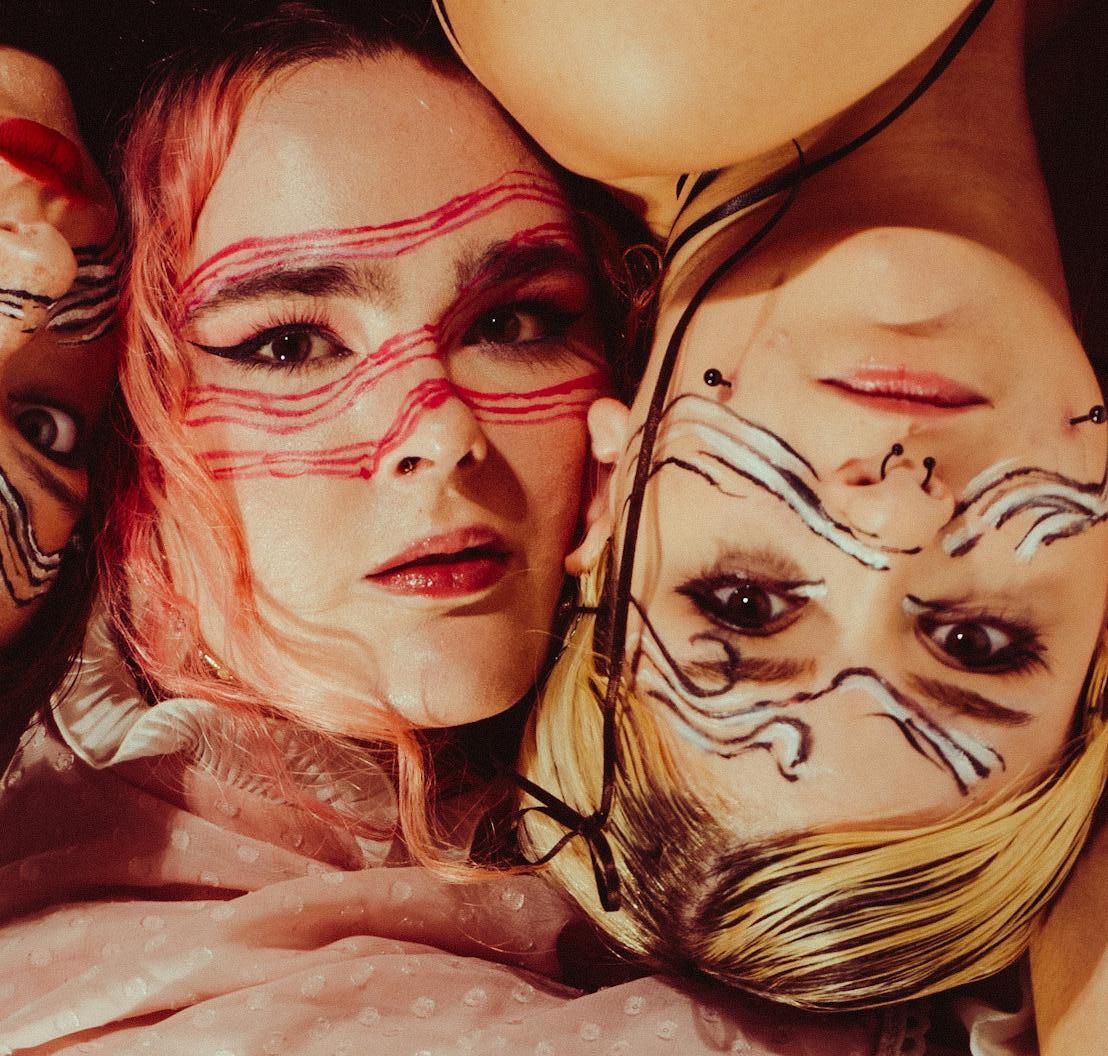
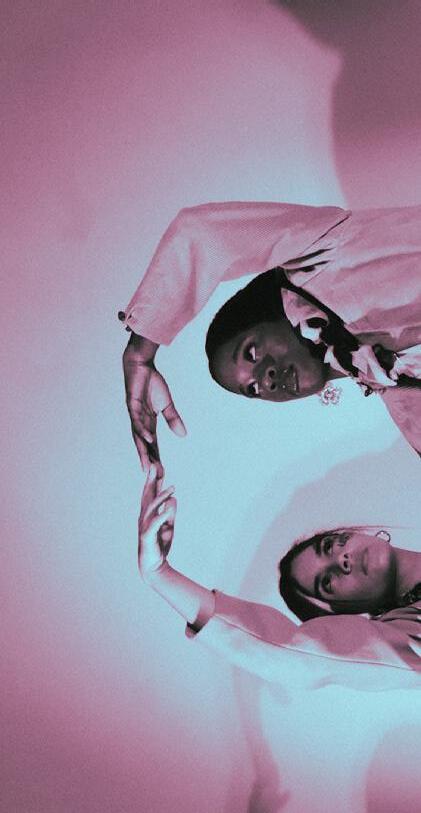
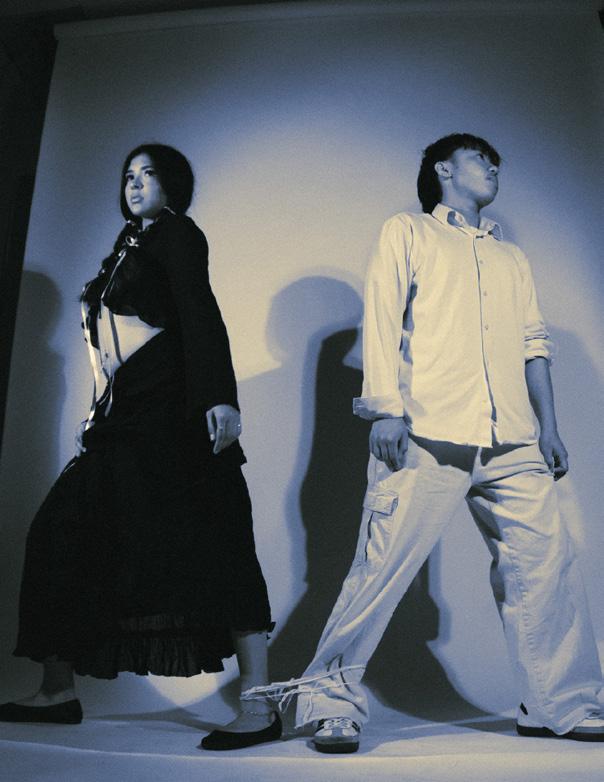
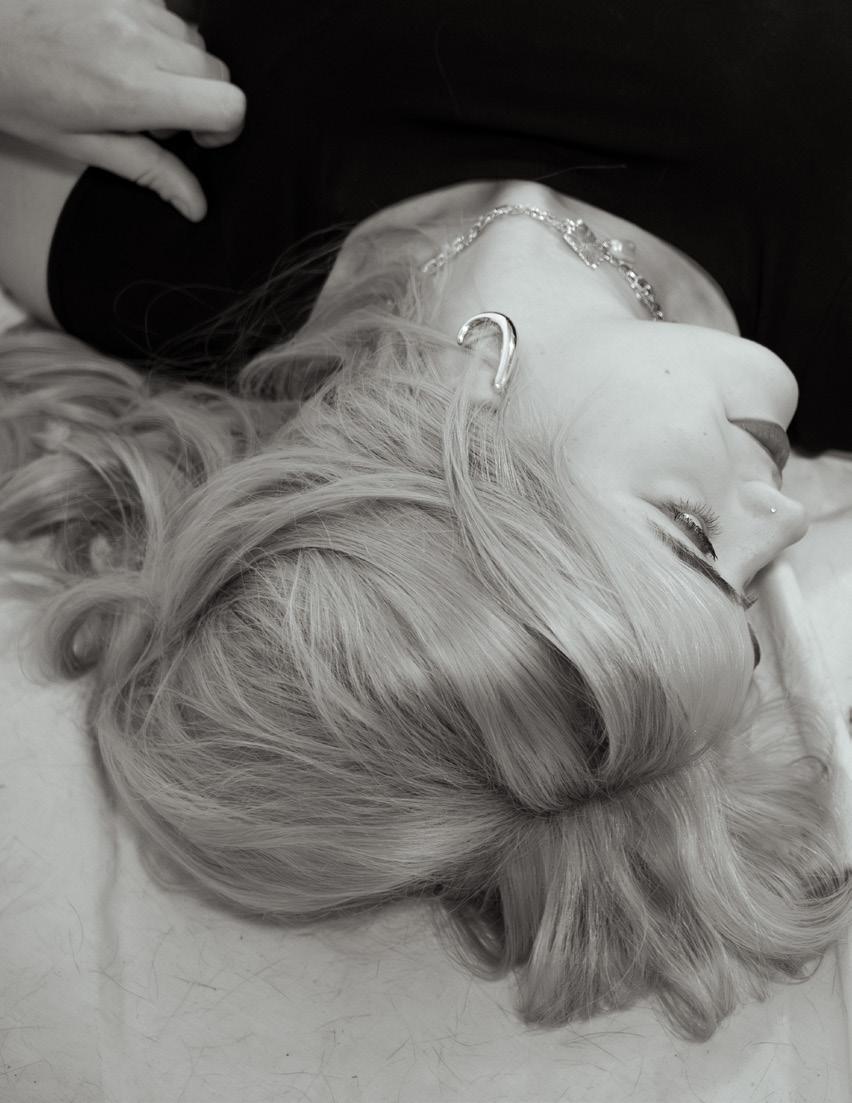
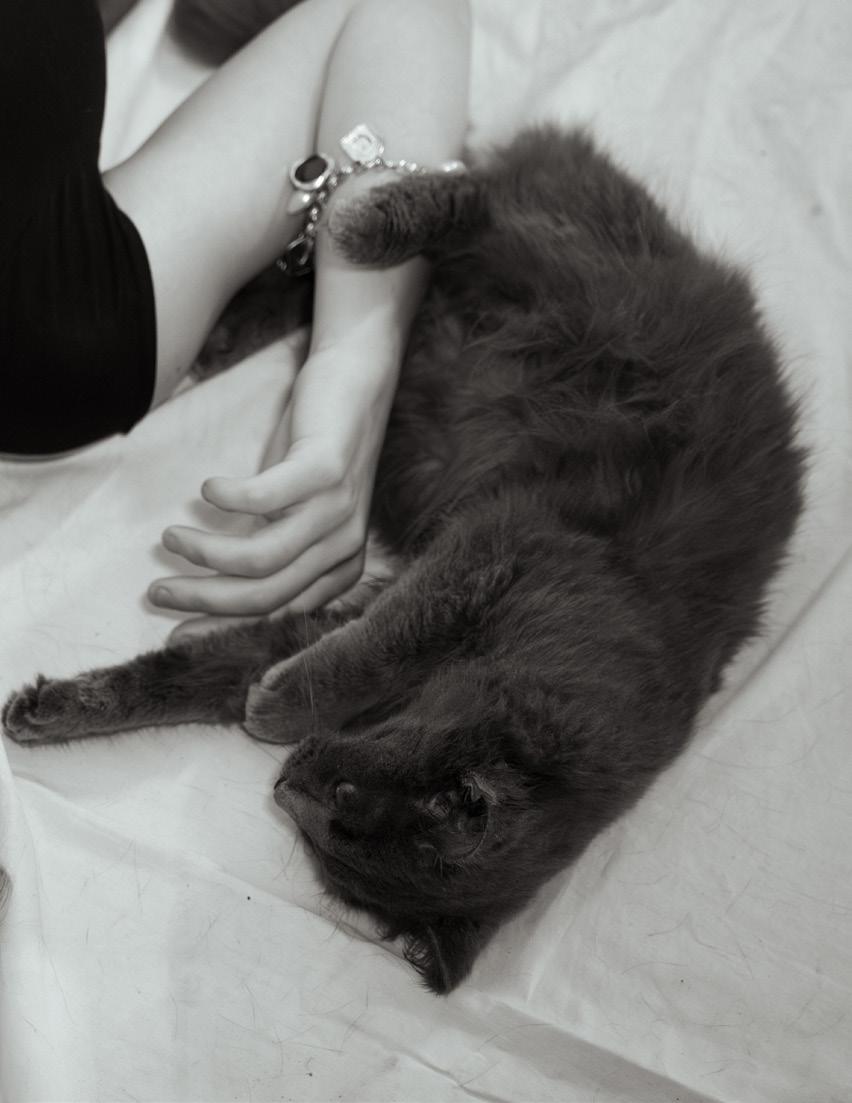
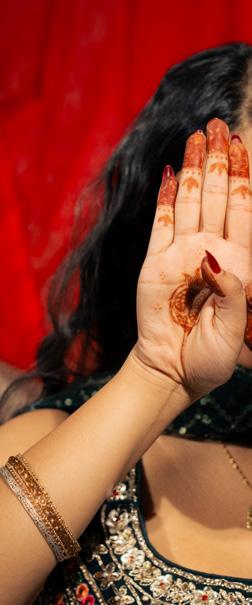
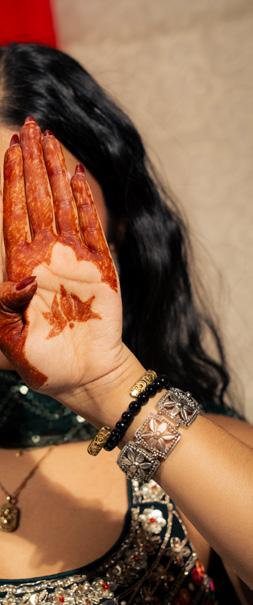
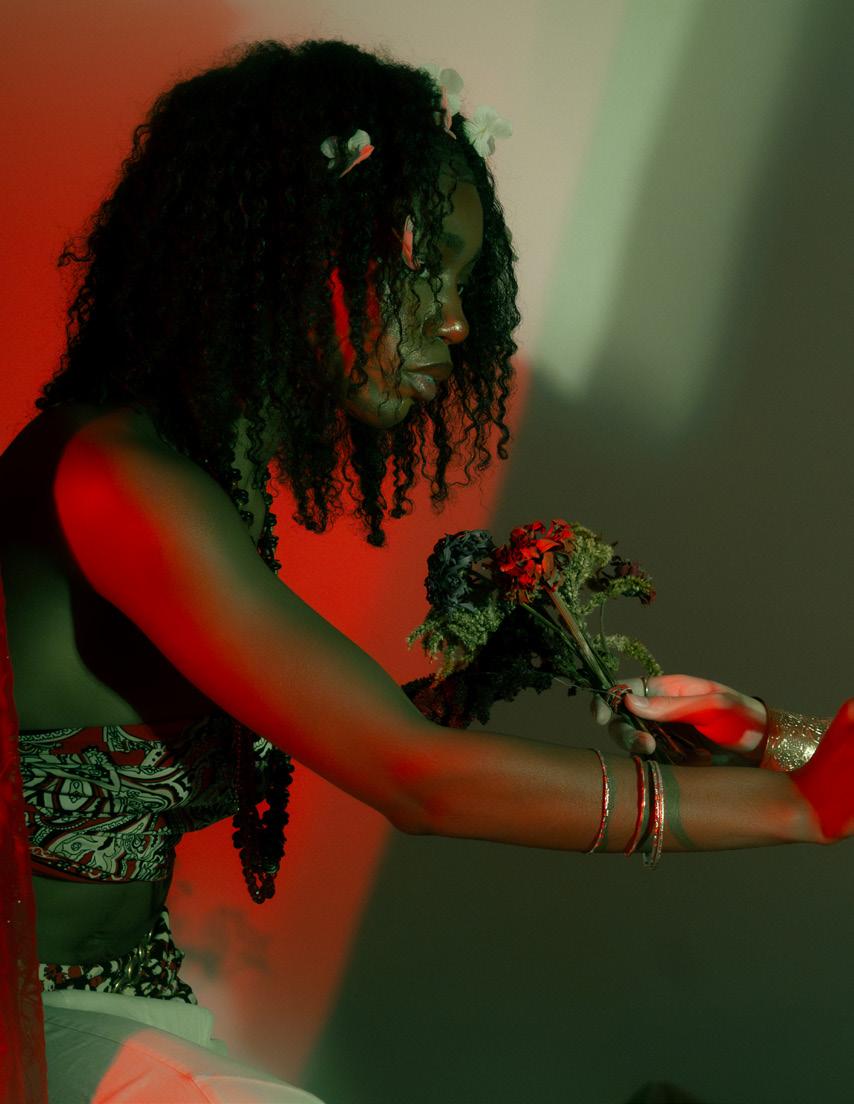
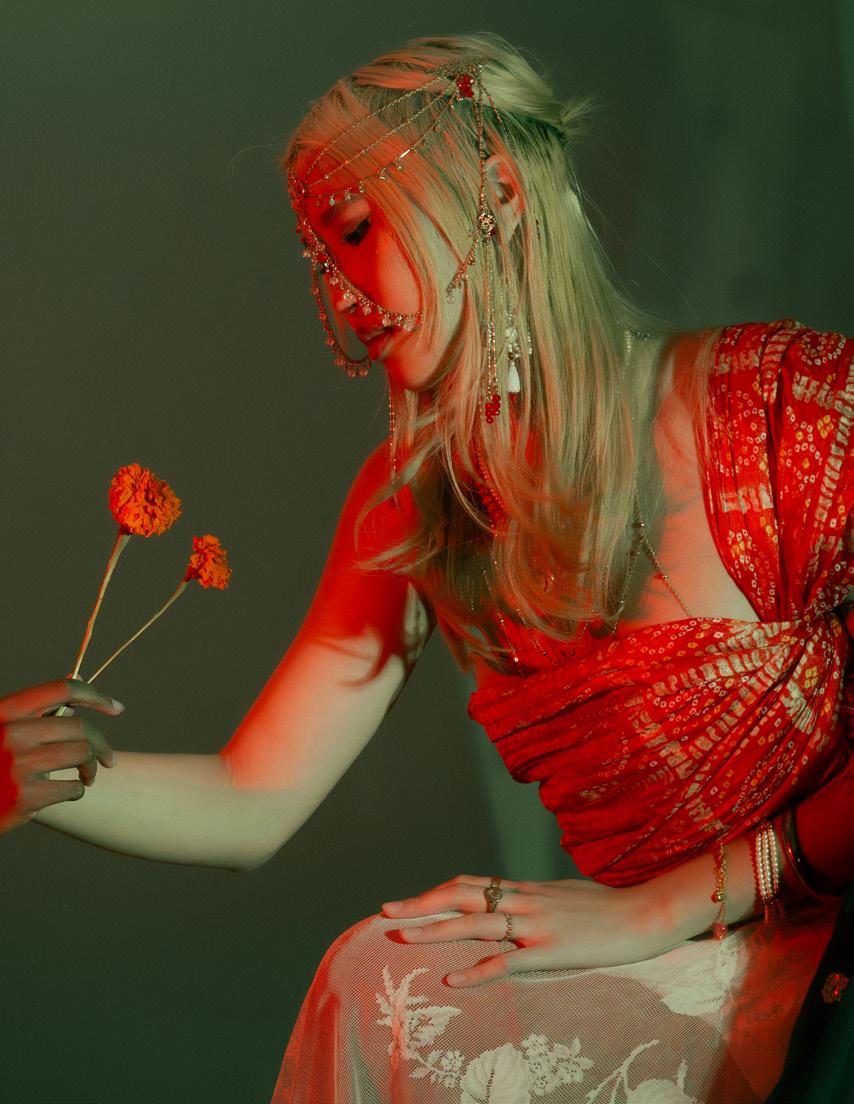
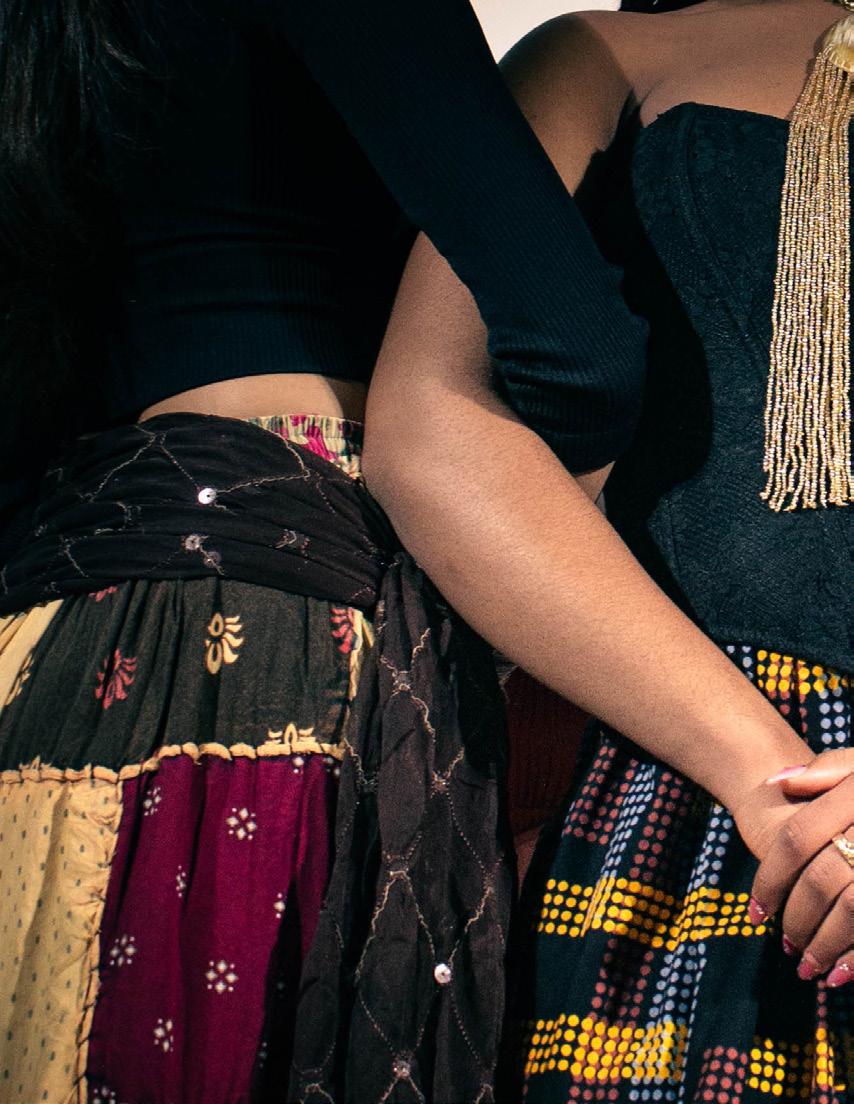
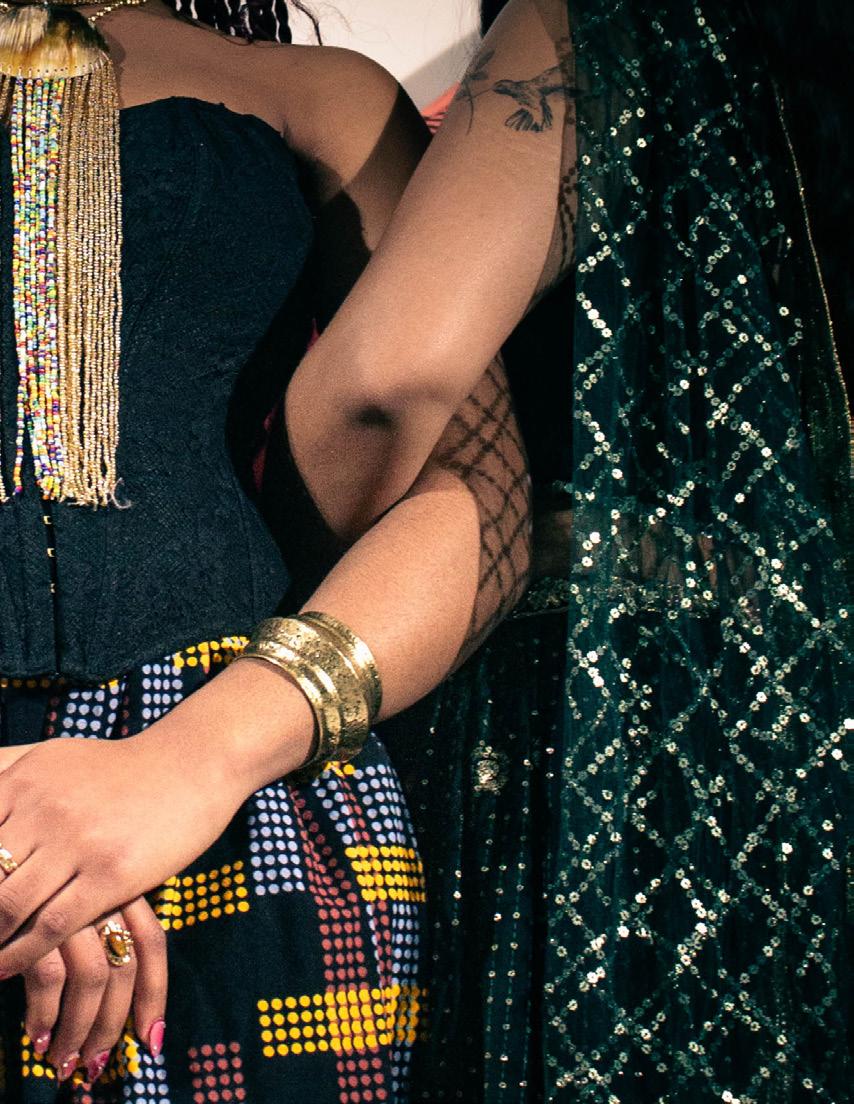
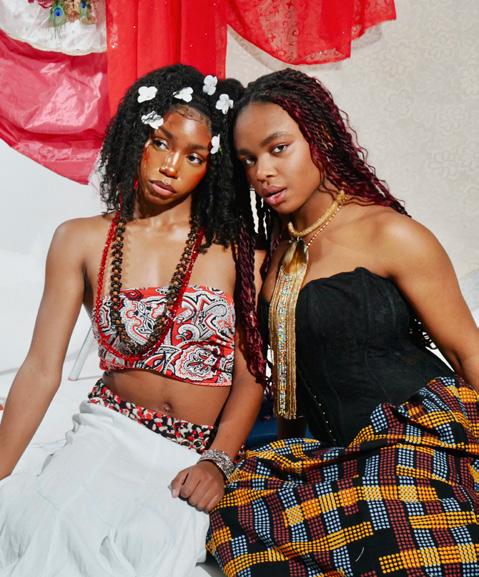
The Softest Weapon—a connection that sneaks up on you, is often in disguise, and will faintly linger in our person forever. Each connection we have ever made creates us into the person we currently are. This phenomenon is timeless, as our connections continue to build across the time we are given on this earth. Unification, eye contact, symmetry, interlinked limbs—these symbols of love are a delicately woven web that traps us, ultimately leaving us vulnerable to the intensity of experiencing love. The art of diving into a feeling that we know may be detrimental to us, yet we yearn to
get a taste of what could be despite the risks—that is humanity. Desire, connection, aligned movement: when we crave these elements of life, we forget that we are liable to the uncertainties that love creates. This is natural—in fact, it is what makes love so gentle, yet so perilous. Humanity is a weapon itself, however, love is the softest weapon that our humanity allows us to experience. The Softest Weapon—a connection that sneaks up on you, is often in disguise, and will faintly linger in our person forever. Each connection we have ever made creates us into the person we currently are. This phenomenon is timeless, as our connections
Photographed By Annie Trompeter
Photographed By Annie Trompeter
continue to build across the time we are given on this earth. Unification, eye contact, symmetry, interlinked limbs—these symbols of love are a delicately woven web that traps us, ultimately leaving us vulnerable to the intensity of experiencing love. The art of diving into a feeling that we know may be detrimental to us, yet we yearn to get a taste of what could be despite the risks—that is humanity. Desire, connection, aligned movement: when we crave these elements of life, we forget that we are liable to the uncertainties that love creates. This is natural—in fact, it is what makes love so gentle, yet so perilous. Humanity is a weapon itself, however, love is the softest weapon that our humanity allows us to experience.
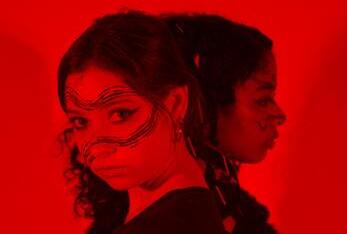
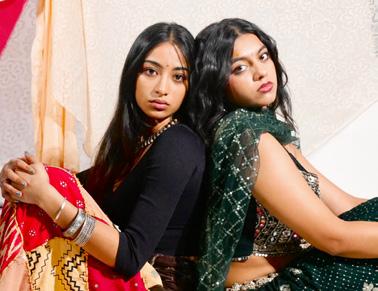
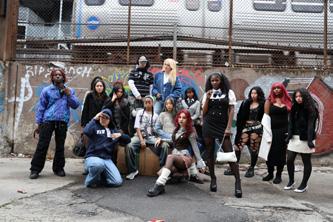
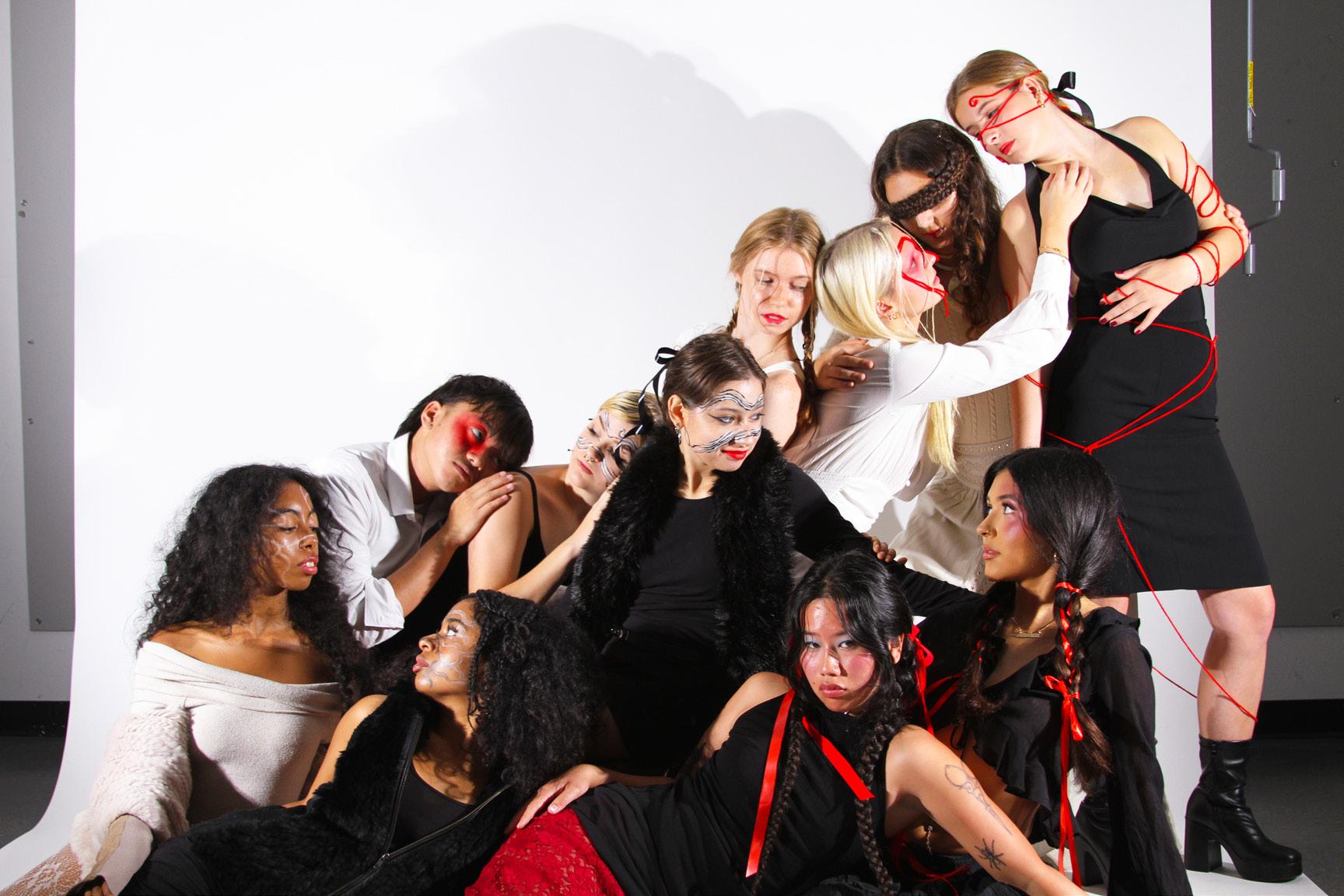
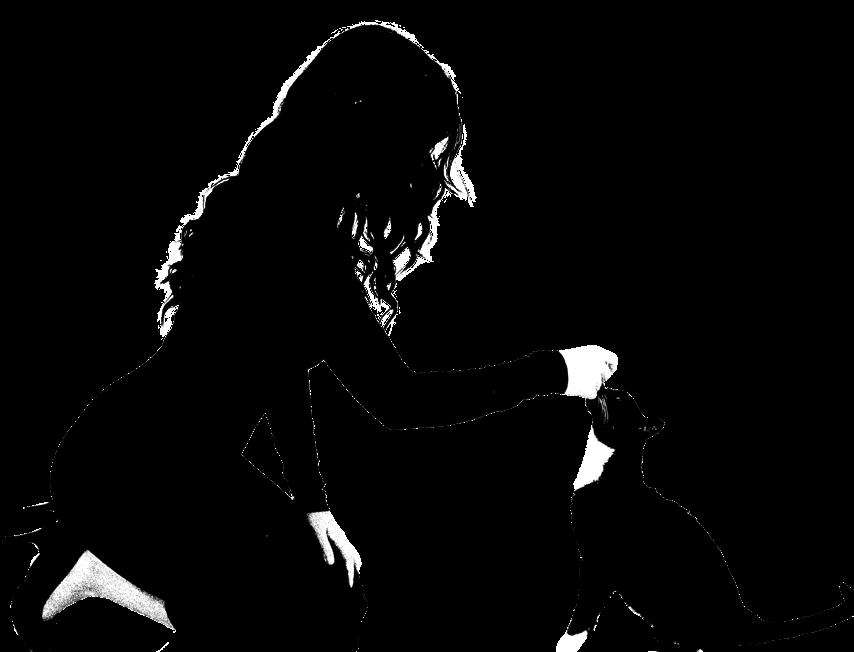
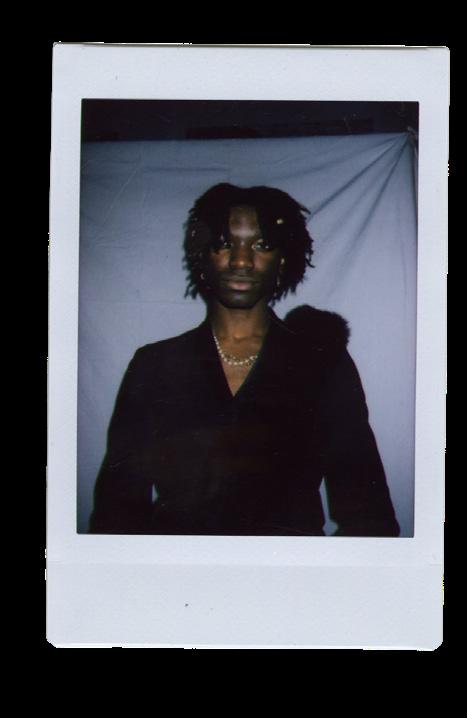
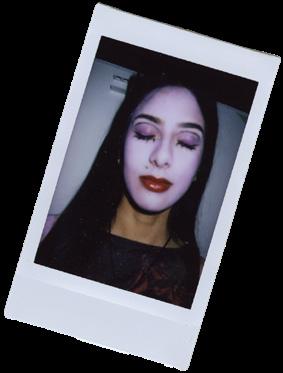
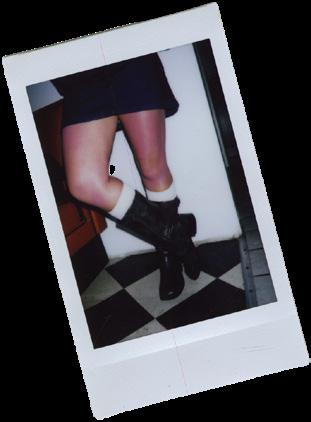
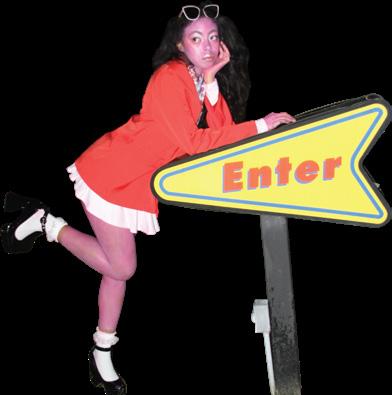
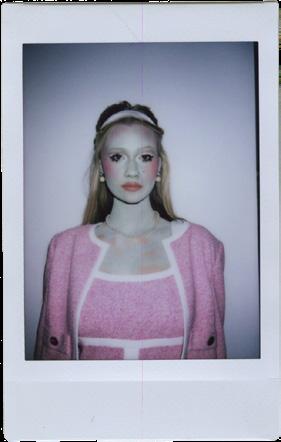
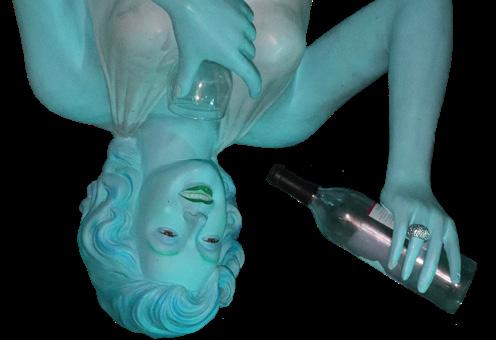
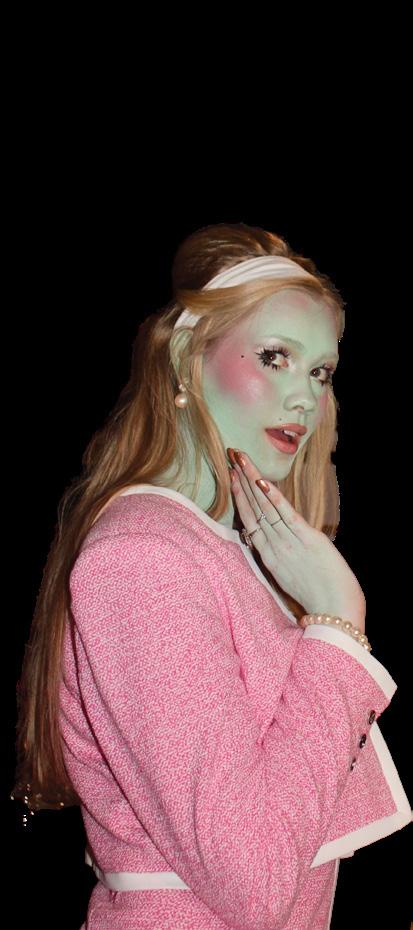
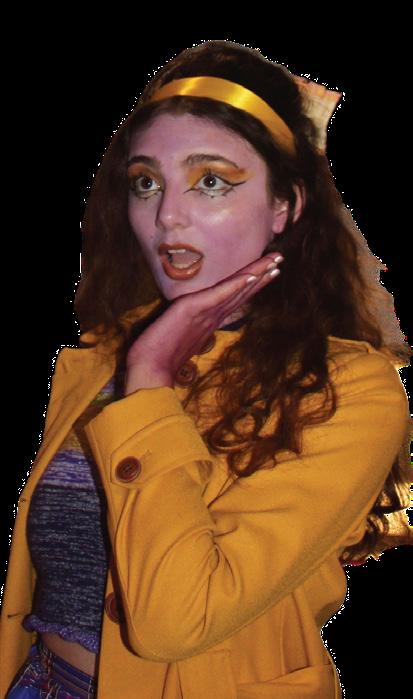
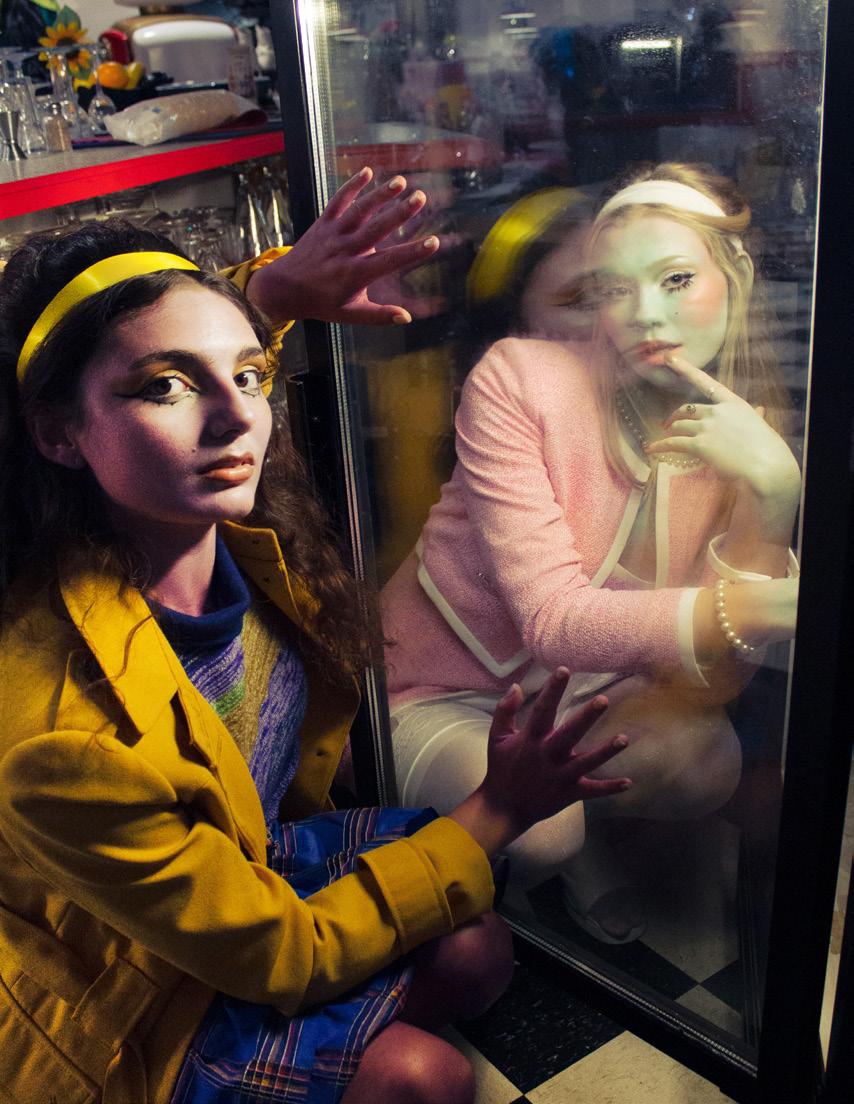
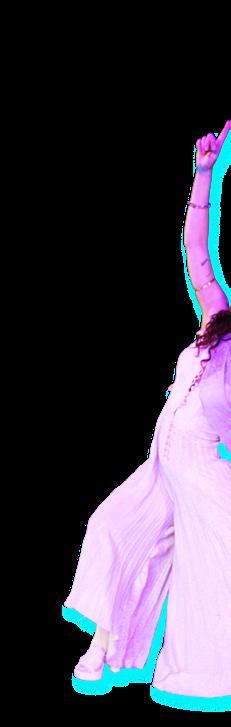
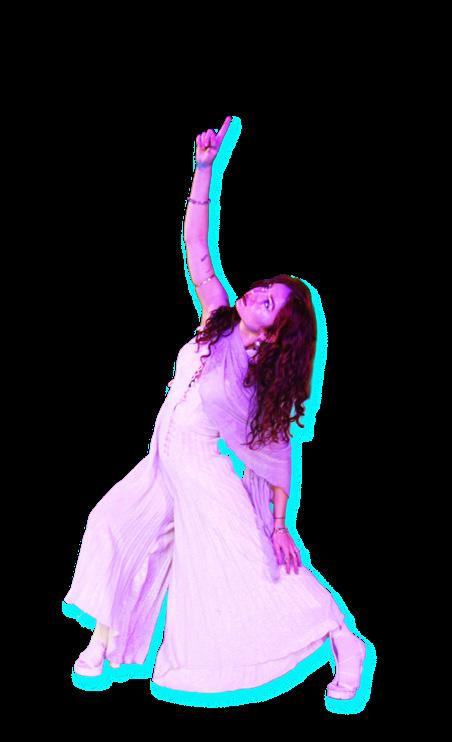
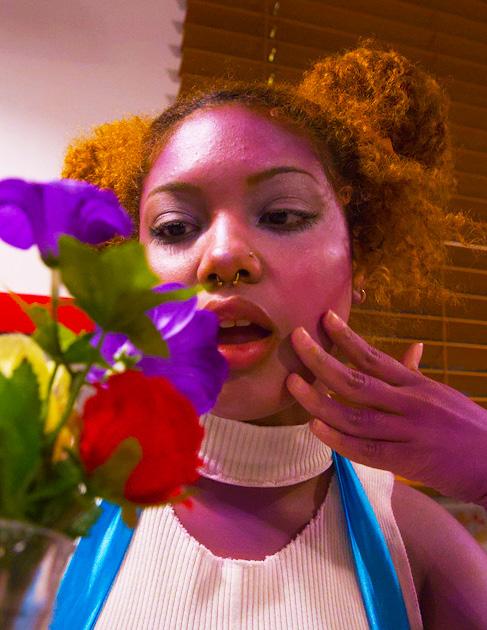
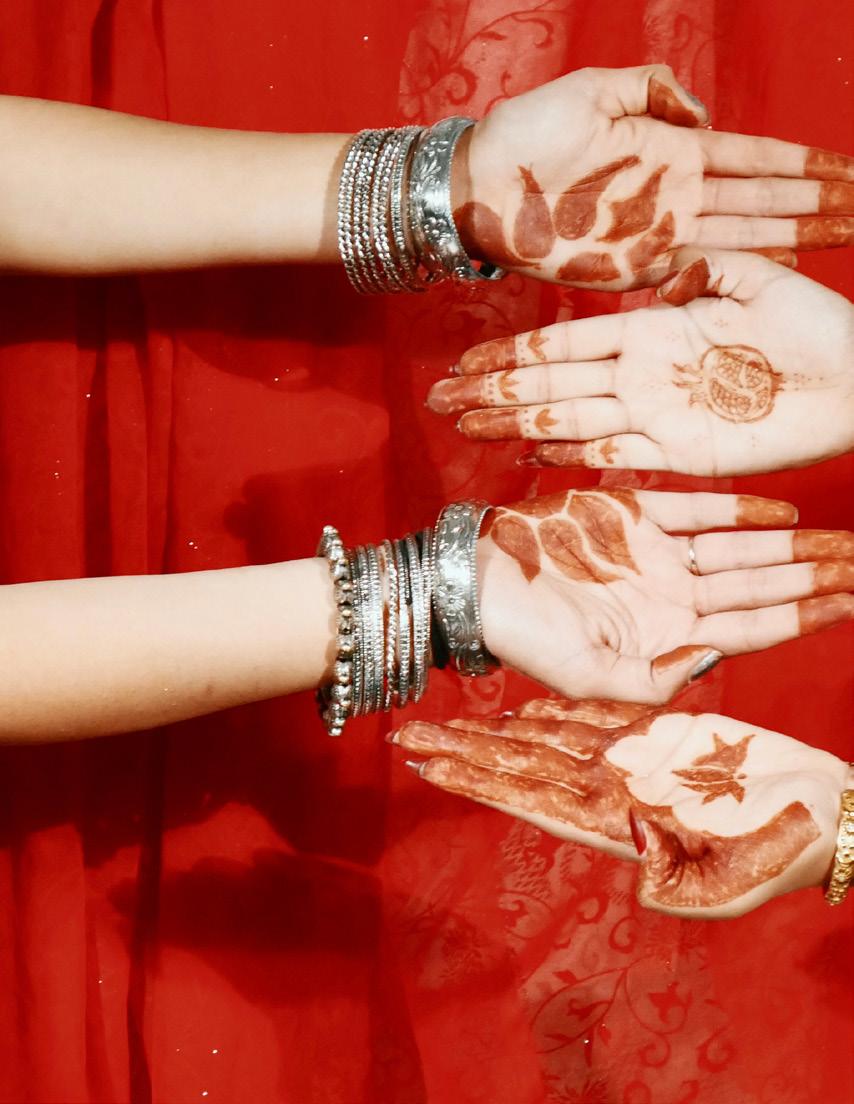
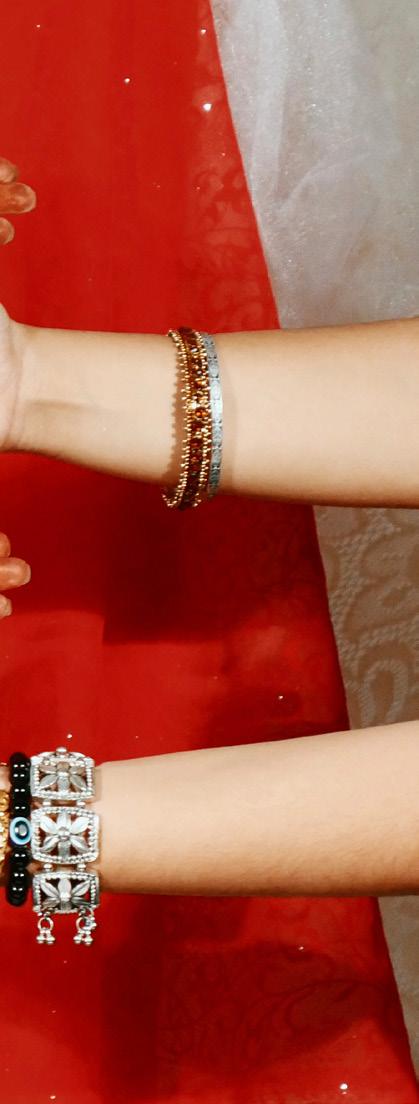
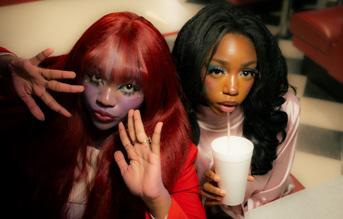
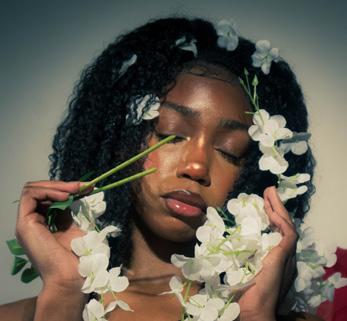
Love is radical. It is the softest weapon in a world driven by hate. Love creates unity. It connects you with people in your community. Connecting with others is crucial. Shoot 1 The Softest Weapon visually demonstrates how love, community, and vulnerability empower us. These forces help us uplift, protect, and fight for one another. By showing these moments, the shoot aims to inspire viewers to respond with love. This reminder is critical now, when hate and violence are prevalent. The shoot serves as a reminder that love remains a powerful force.
Designed By Aaron Frederick
Photographed By Elsa Tolla
Photographed By Tiffany Lu
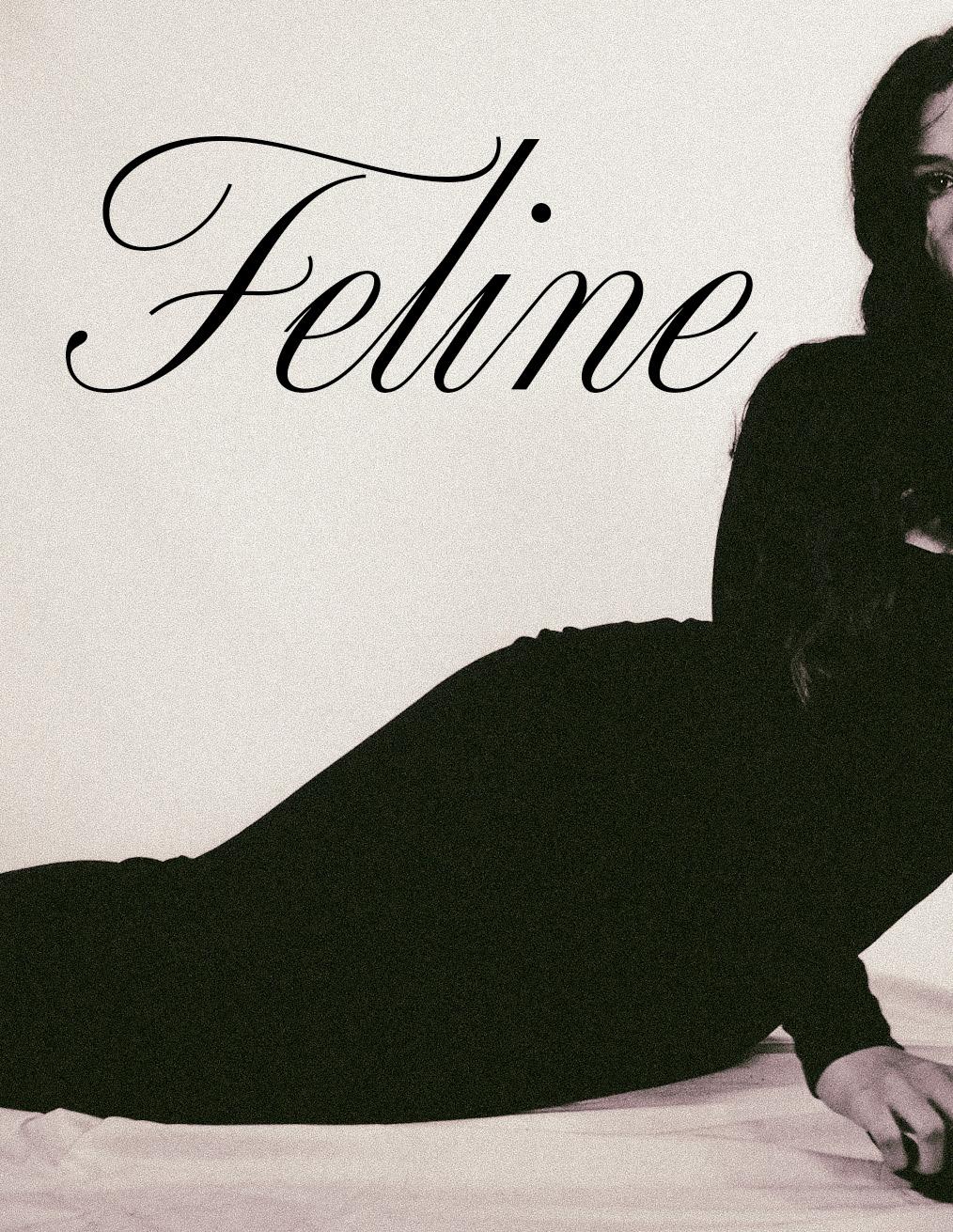
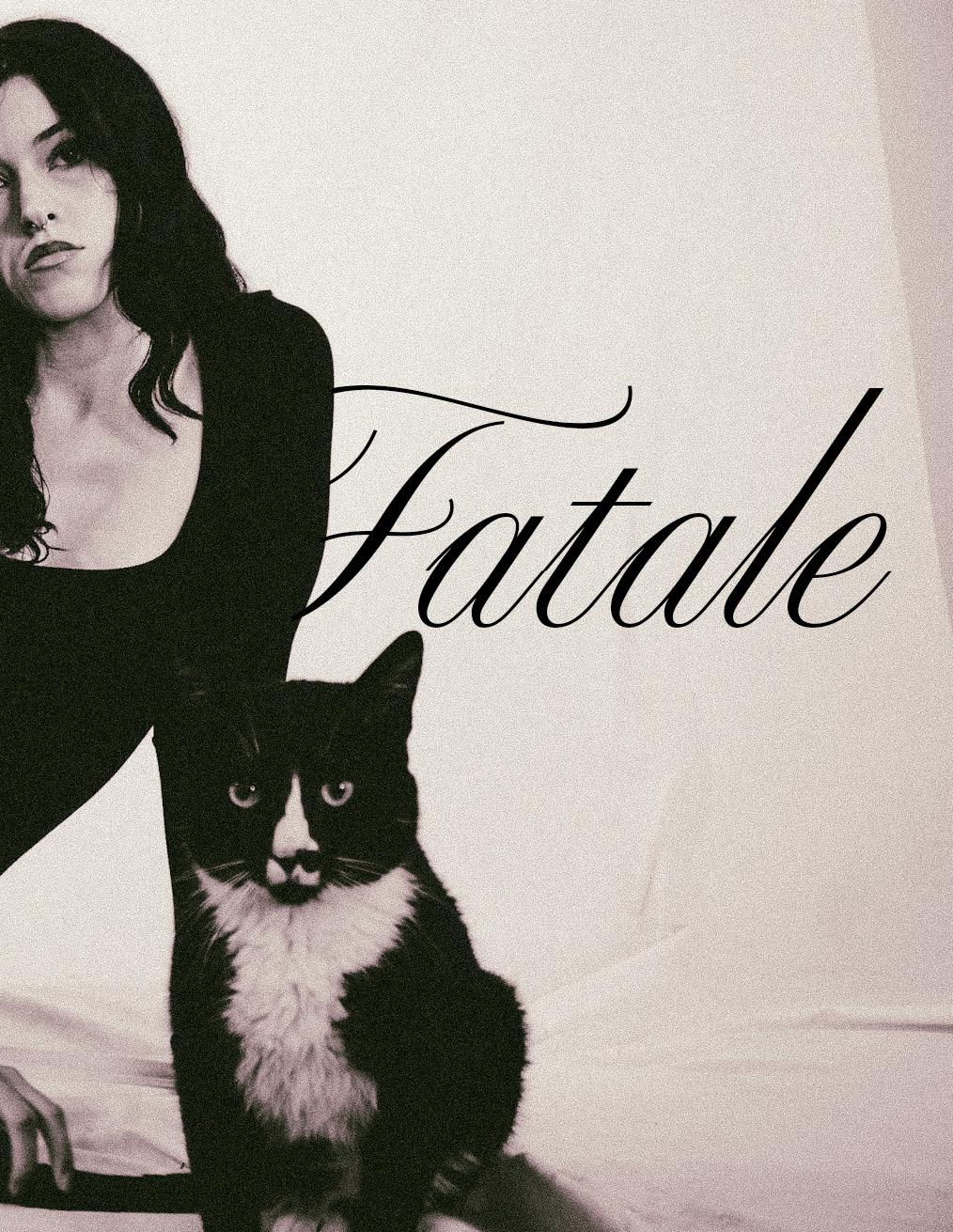
TFN F25 Feline Fatale
Designed By Meghan Brophy
Design Directed By Emma Martinez
Photographed By Annie Trompeter
By Kendall Ferner
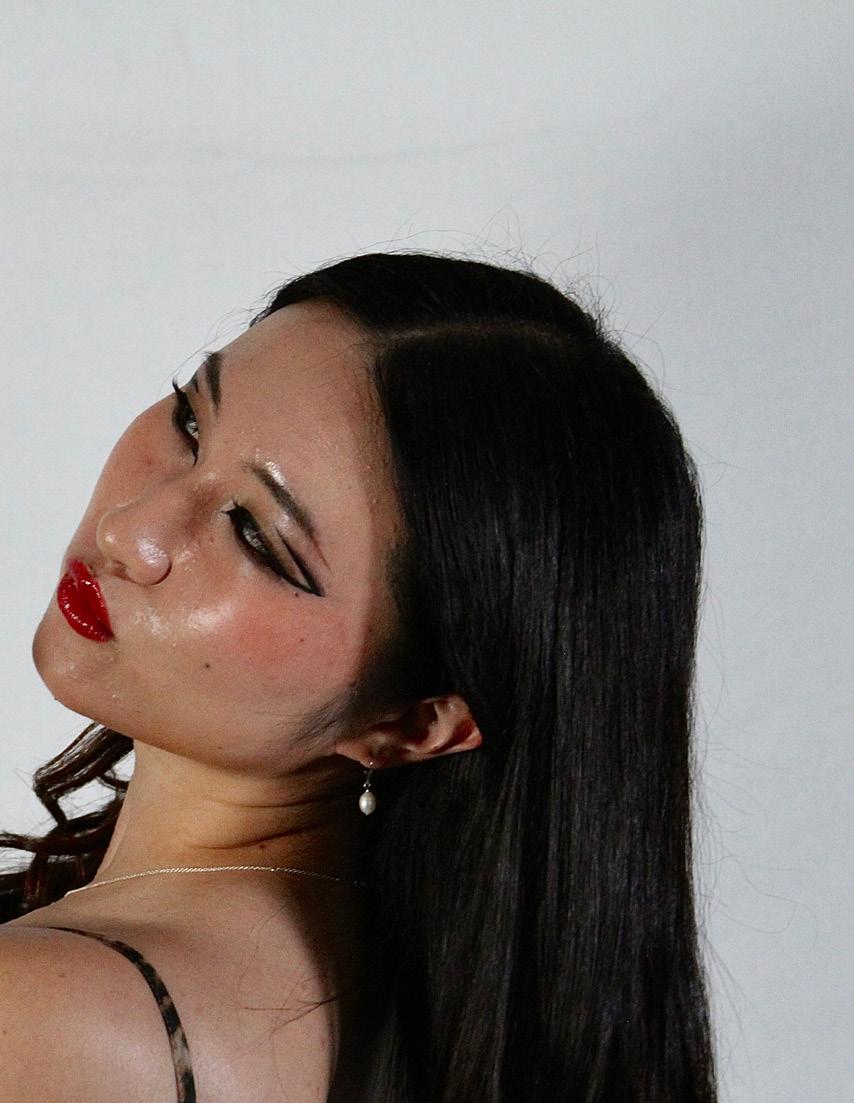
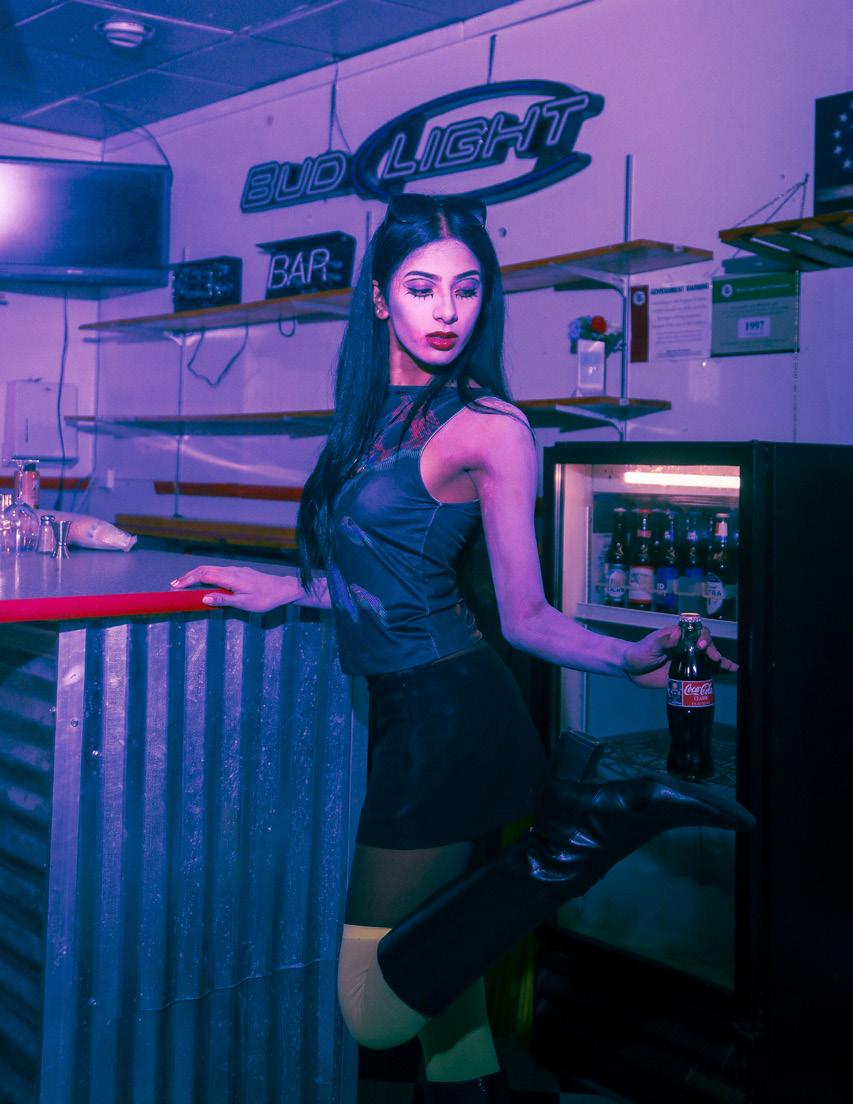
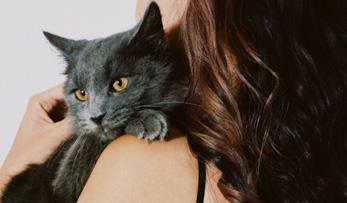
There’s a certain moment, just before a cat leaps when everything is silent. The muscles are still, the eyes are narrowed, and energy hangs suspended in the air like silk. That moment is the essence of Feline Fatale: a fashion and artistic movement where feminine beauty isn’t fragile or ornamental, but quiet power waiting to strike.
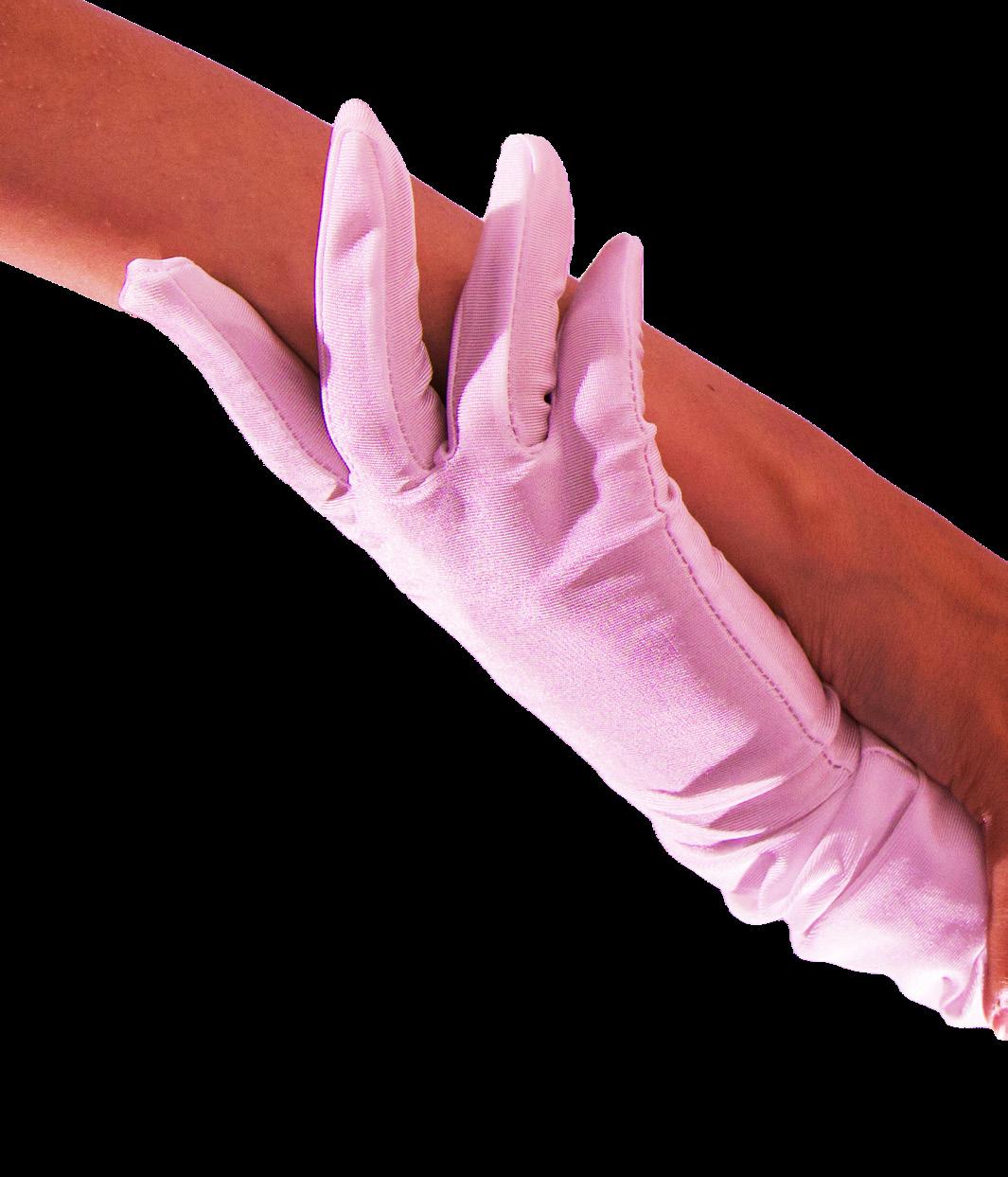
Today’s designers and creators are turning to the feline not for its softness, but for its tension—its ability to be equal parts elegance and danger. The sleek curve of a velvet evening glove, the sharp arc of a winged liner, the cool confidence of a woman who walks into the room and knows every pair of eyes is already following her. This is fashion that embraces duality: softness with steel, allure with autonomy, grace with grit.
But Feline Fatale is more than aesthetic mimicry. It’s a reclamation. For generations, femininity has been reduced to prettiness— something passive, something delicate, something to be admired but not taken seriously. Yet the feline archetype
narrative. Cats may be adored, even worshipped, but they bow to no one. They are independent, strategic, and intentional. They choose— never chase.
That’s what this theme challenges us to recognize: beauty not as something done to a woman, but something she wields. Fashion becomes armor—not to hide, but to reveal the power beneath.
Think velvet so dark it absorbs light. Leopard prints that blur into abstraction. Jewelry that hints at claws and fangs. Movement that is controlled, confident, and undeniably captivating.
Feline Fatale invites femininity to stretch its claws, to take up space, to be seen in its full spectrum—
It is beauty that watches back. Beauty that chooses when to pounce. And that is fashion worth remembering.
Photographed By Nethra Yuvaraj
Photographed By Tejaswi Tripathi
Omeow meow meow meow meow meow meow meow meow meow meow meow meow meow meow meow meow meow meow meow meow meow meow meow meow meow meow meow meow meow meow meow meow meow meow meow meow meow meow meow meow meow meow meow meow meow meow meow meow meow meow meow meow meow
Photographed By Tiffany Lu
Photographed By Tejaswi Tripathi
Designed by Angela Cortes
Photographed By Julia Swartz
Photographed By Nethra Yuvaraj
Photographed By Annie Trompeter
Photographed By Ellie Curshellas
Photographed By Tiffany Lu
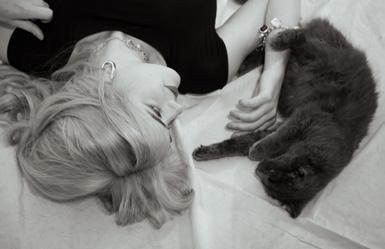
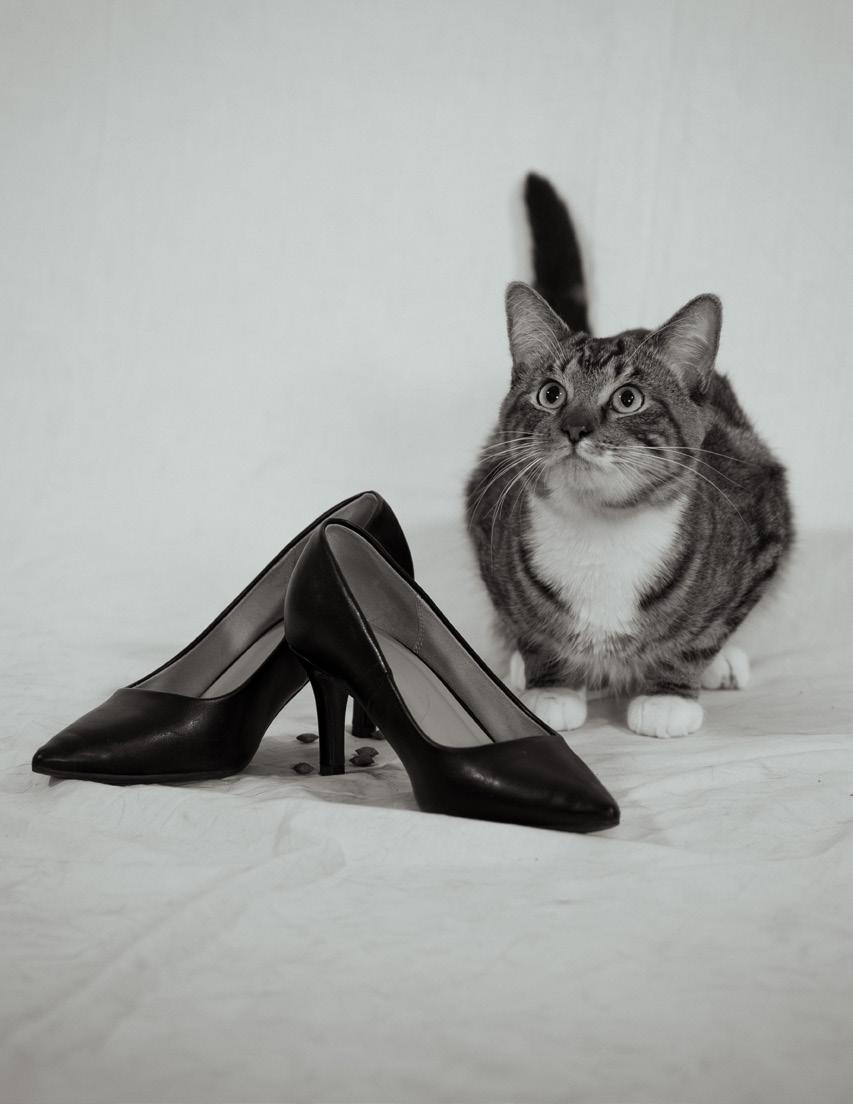
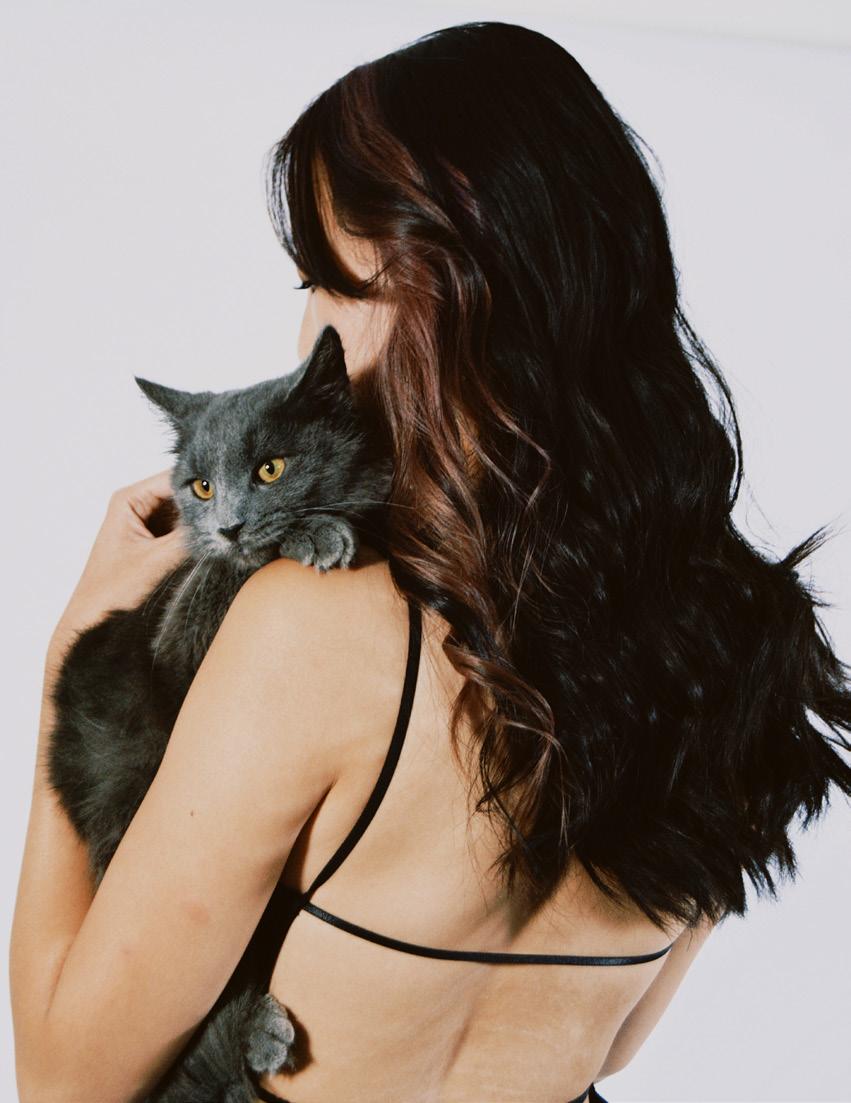
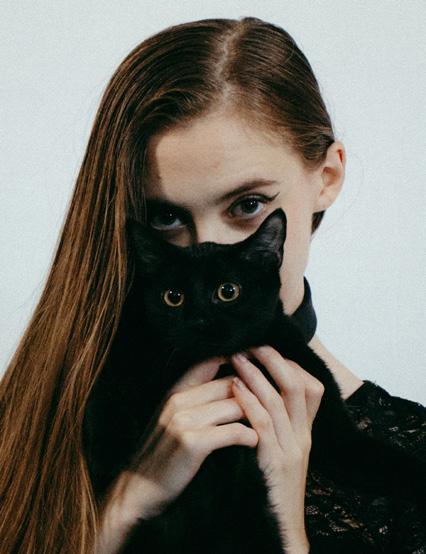
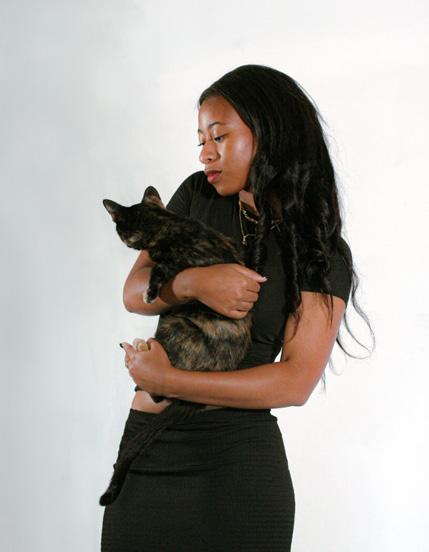
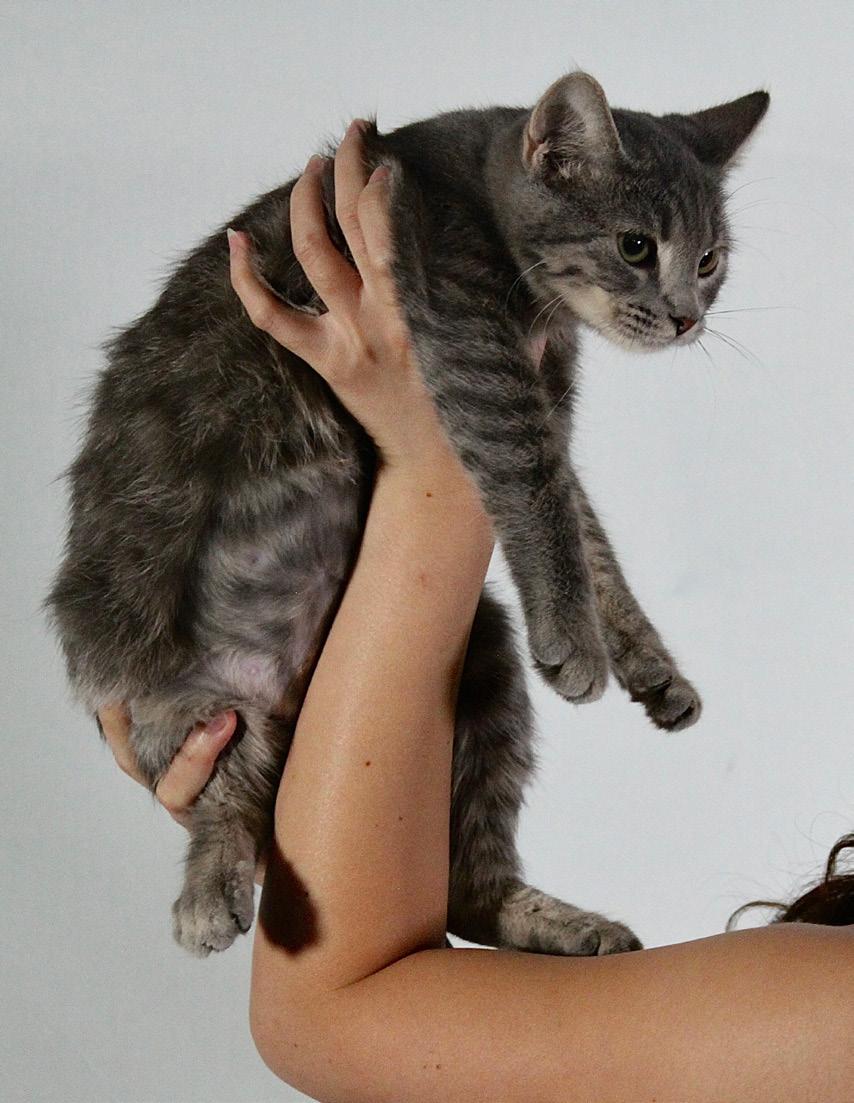
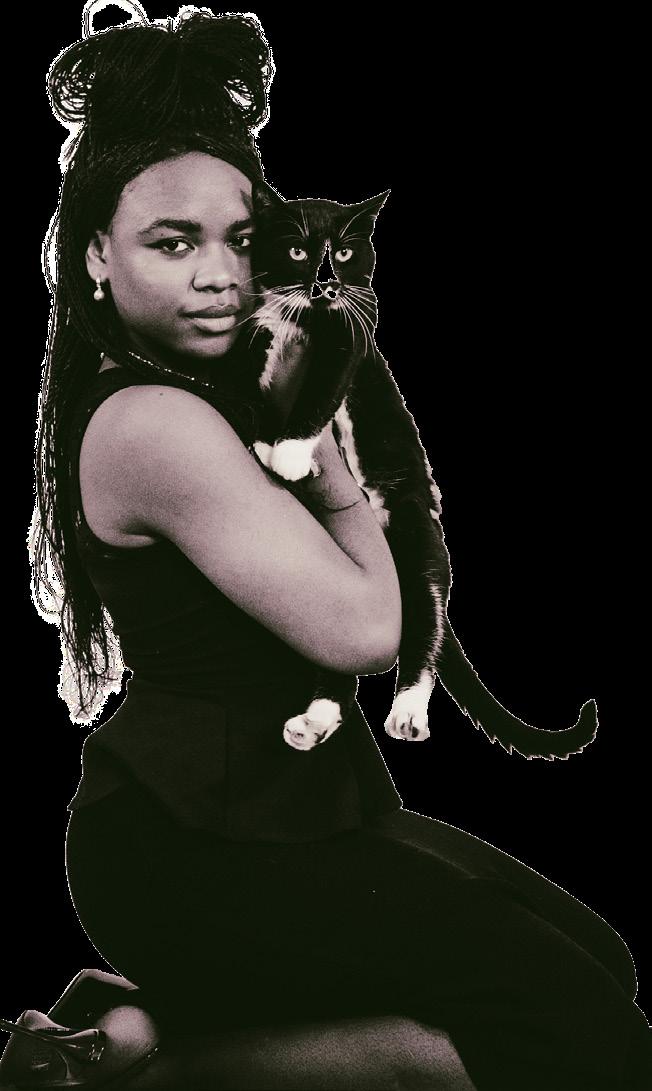
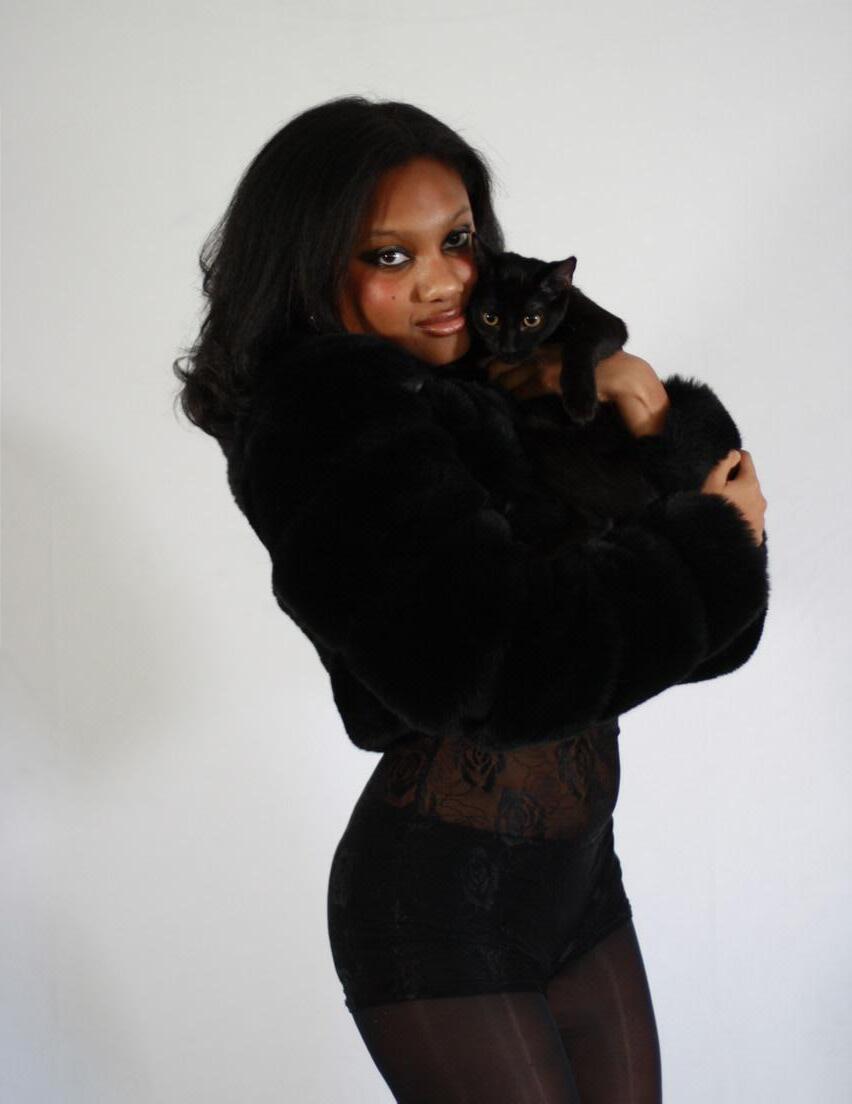
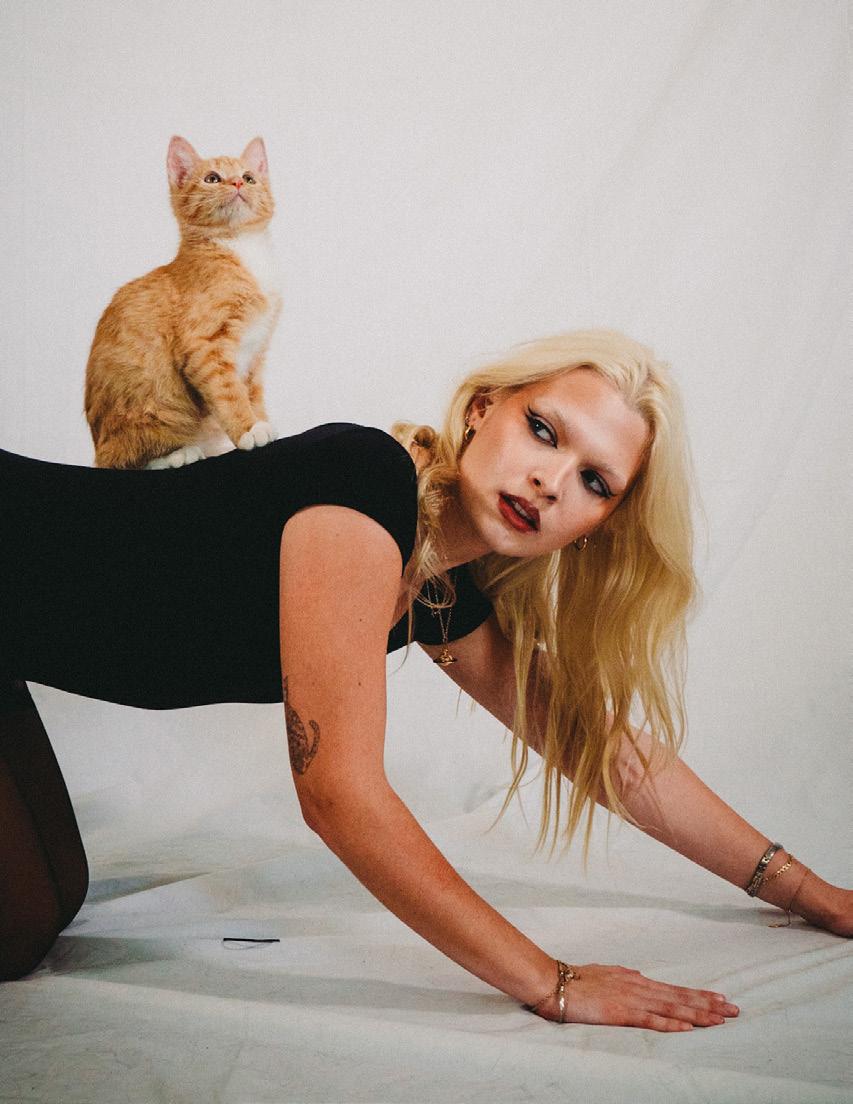
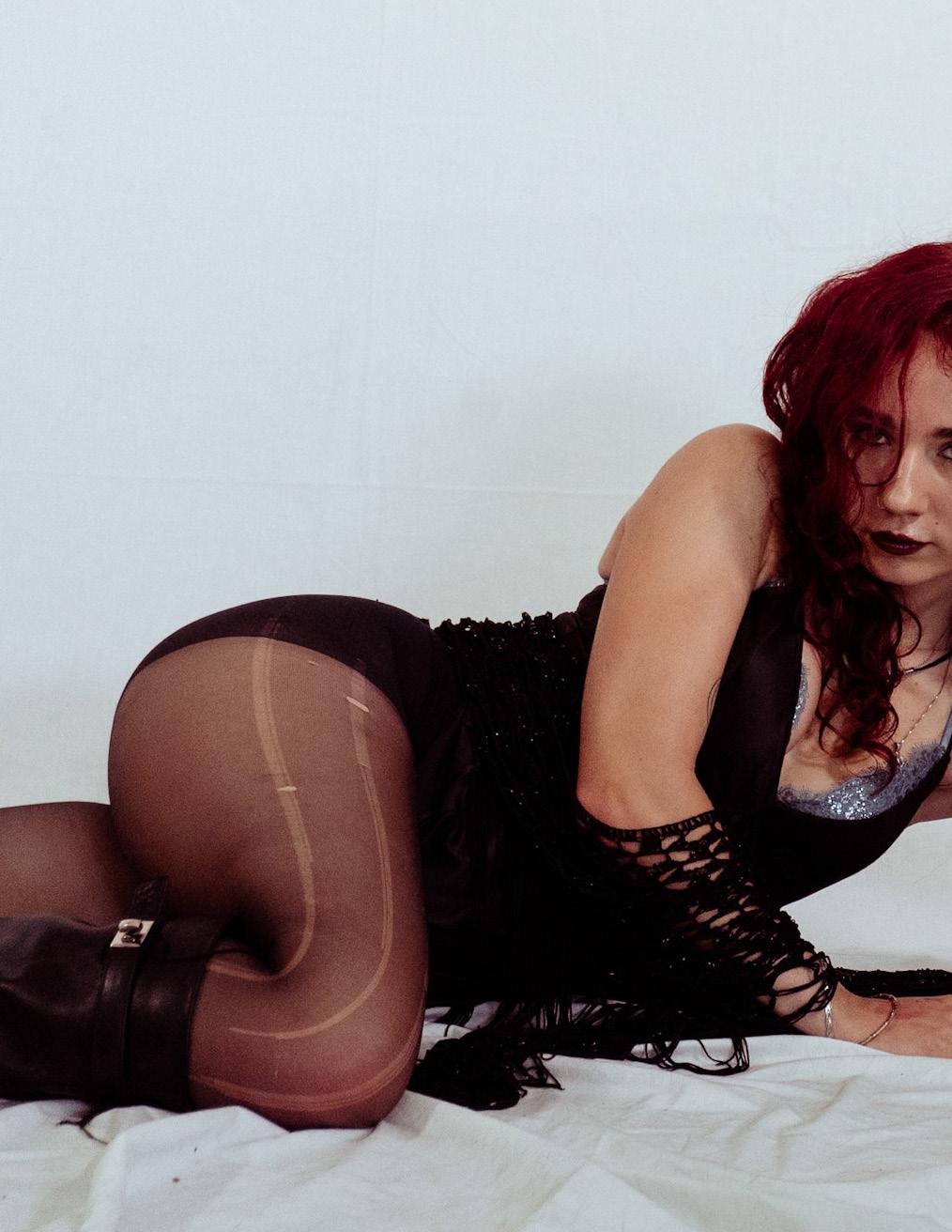
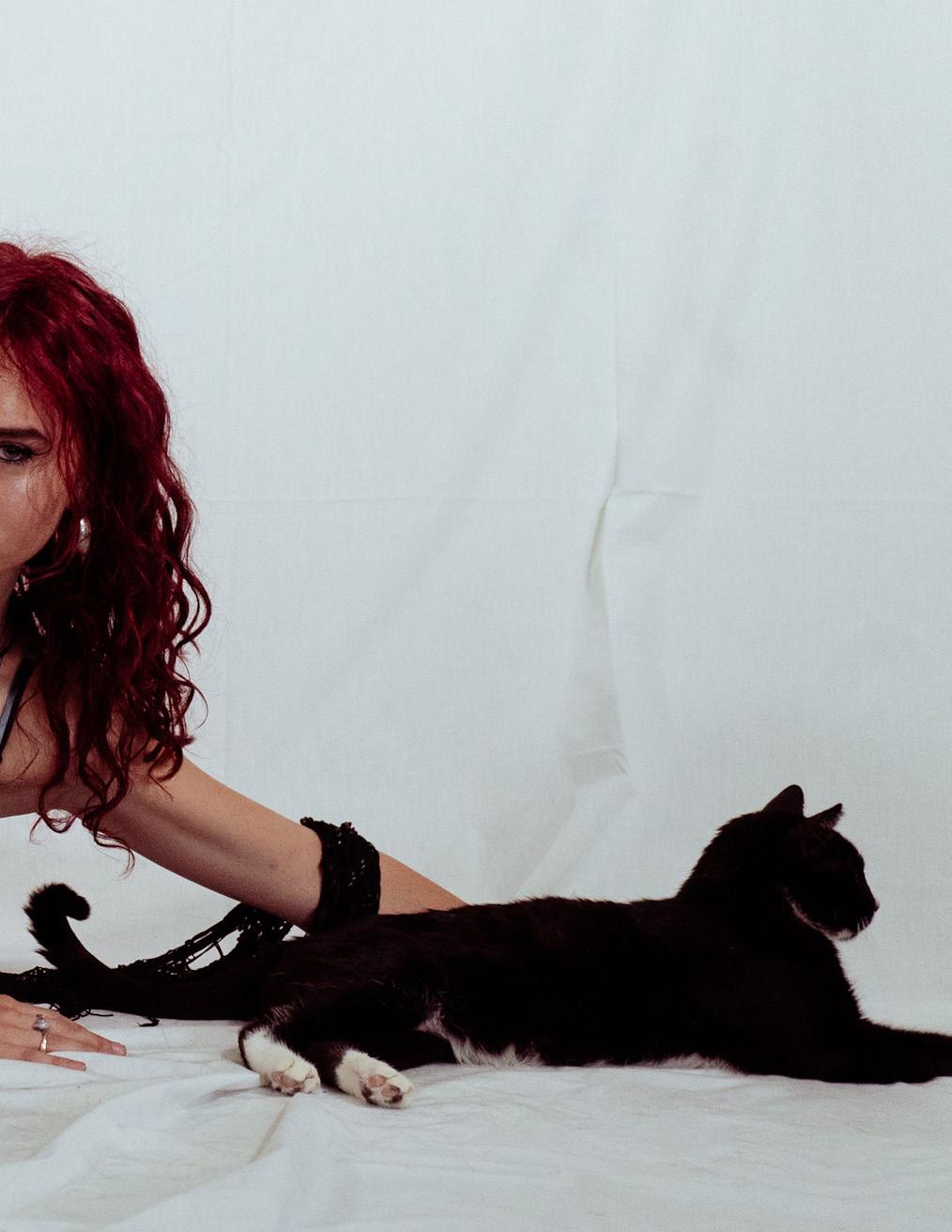
In a shoot that pairs femininity with felines, we see a common ideal portrayed: Cats have historically been associated with femininity, and for good reason. There is a certain level of feminine energy that comes from a cat, and an even deeper form of chicness from the animal known as a pussycat.
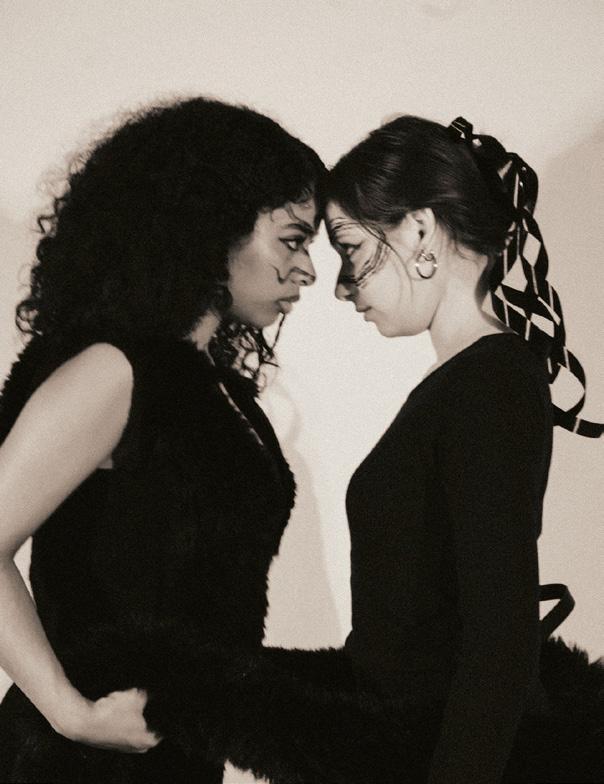
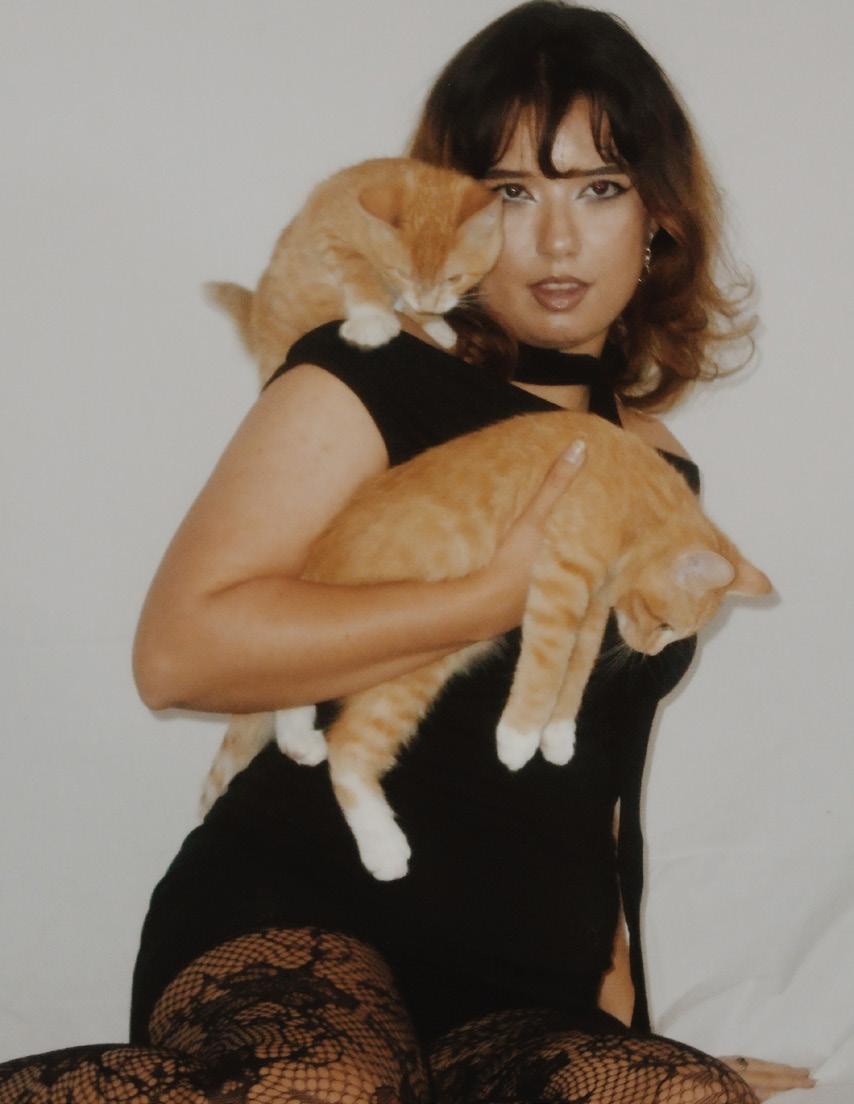
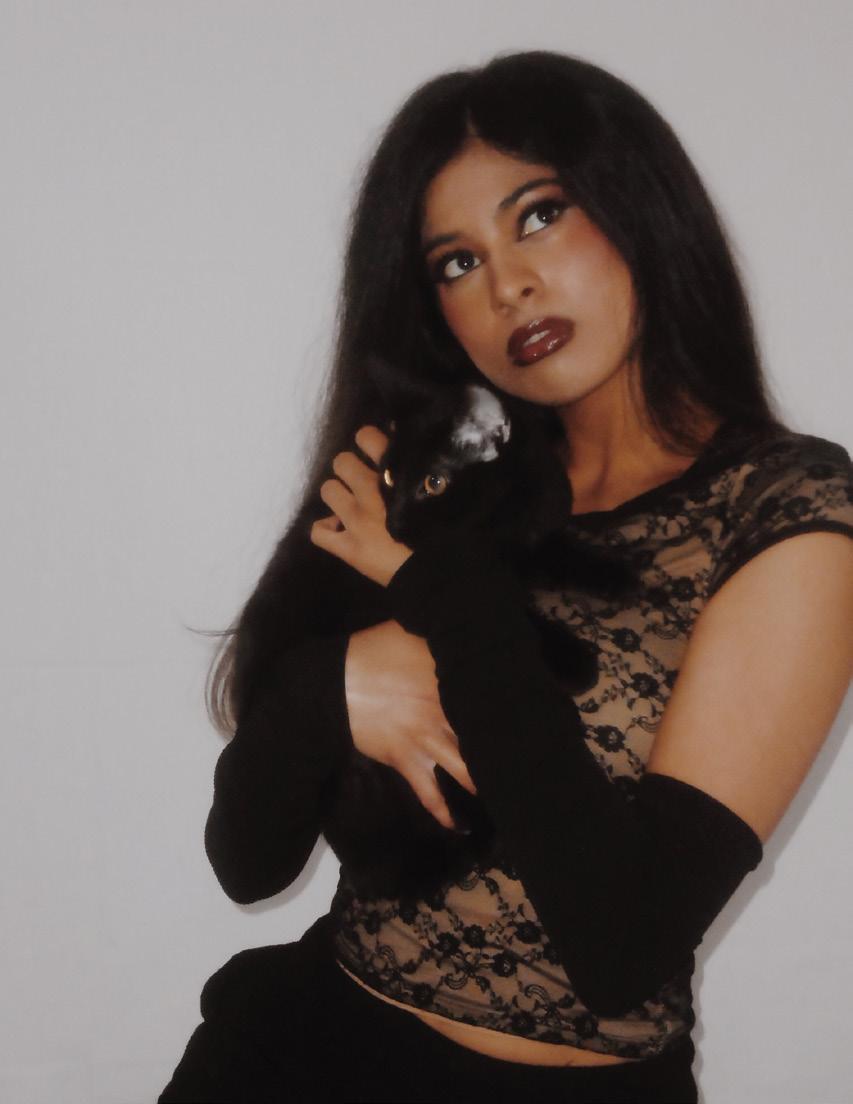
The shoot is consistent with models dressed in black and dark colors to mimic the natural dark energy that exudes from cats. The intriguing notion to consider, however, is that this ‘dark energy’ is not one with senile lingers or evil clouds surrounding it. It’s far more a natural ability to captivate than it is to read as dark. It’s unknown how something as small and unsuspecting as a cat can be so
so significant in any place it roams. The eyes, the movements, the aura, etc. It all contributes to a cat’s makeup and, therefore, to the shared traits that come from femininity.
I spoke to one of the models about the shoot, asking about different aspects of the campaign… areas about the theme of cats, the notes of feminine energy, and what it all means to her.
Jenna Sissom spoke about what she feels is a ‘Yin and Yang’ connection, “...women and cats, to me, are like yin and yang. They are often associated with each other, which is something I resonate with. Personally, I feel a deep connection to the feline energy they allude to in their everyday movements and attitudes. The photoshoot made me feel one with the cat: our energies and fierceness aligned, which leaked through our performance for the camera. Soft and gentle, yet powerful and sensual. Being among some of the most graceful creatures made me feel youthful, beautiful, and intrinsically aligned with my femininity.”
As such, there’s a strength in subtlety. We view dogs or other animals as animals. Cats are often separate because they are known to be precise and thoughtful. And though it cannot be applied to every feminine person, nor should it be generalized, the inherent bond of identity between a feline and femininity cannot be looked past.
Photographed
By
Rohan Balchandani
Photographed By Rohan Balchandani
Photographed By Annie Trompeter
Photographed By Annie Trompeter
TFN F25 Orbital Opulence
Designed By Julia Vogrich & Emma Martinez
Design Directed By Emma Martinez
Photographed By Tejaswi Tripathi
By: Halena Laven
One of the most fascinating ideas in design and culture is retro-futurism—the way past generations imagined the world of tomorrow. It’s a lens that blends nostalgia with speculation, letting us see the future not as it is, but as it once was dreamed to be. And few expressions of that dream are as visually striking as Space Age fashion. Retro-futurism asks a simple, compelling question: What did people believe the future would look like before it arrived?In the mid20th century, that answer came through loud and clear in fashion. Designers of the 1960s and ’70s were captivated by space exploration, new technologies, and the promise of a sleek, utopian world. The result was Space Age apparel—clothes that didn’t just reflect trends, but reflected an entire cultural imagination. This aesthetic wasn’t just about metallic dresses or geometric
silhouettes. It was about optimism. Retrofuturistic style took shape at a time when society believed technology would only elevate life: robots would cook dinner, rockets would take families on vacation, and cities would glitter with chrome and glass. Fashion mirrored these fantasies. Shiny plastics, streamlined shapes, and bold, simplified forms became symbolic of progress. Clothing served as an aspirational performance of a future in which humans were more sophisticated, more unified, and more technologically empowered.
Looking at retro-futuristic fashion today, what stands out most is how playful and hopeful it was. There was no sense of dystopia in these visions—only possibility. Designers like Pierre Cardin and André Courrèges didn’t imagine a world
threatened by tech; they imagined one beautified by it. Their creations seem almost whimsical now, but they capture a cultural moment when the future felt like an exciting destination rather than an uncertain question. Retro-futurism also reminds us that predictions say more about the era that created them than about the future itself.
Space Age fashion revealed a society exhilarated by innovation and space exploration, eager to leap into the unknown with style. The future became a canvas for dreaming—an imaginative playground where clothes could transcend practicality and become symbols of human ambition.
Today, retro-futurism continues to influence fashion, art, film, and design. Every metallic fabric, sculptural silhouette, or space-inspired collection nods back to that dream-filled era. It’s a reminder of how creatively—and how optimistically—we once envisioned the world ahead.
In a way, retro-futuristic fashion doesn’t just show us what the past thought the future looked like. It invites us to reflect on our own futuristic imagination now. Are we still dreaming as boldly? Are we still envisioning a world made better by innovation, creativity, and curiosity?
Space Age apparel is more than a trend— it’s a time capsule of collective hope. And in revisiting it, we’re reminded that imagining the future has always been one of humanity’s most stylish pursuits.
Photogaphed By Tiffany Lu
Photogaphed By Samuel Andargie
Designed By Heidi Cha
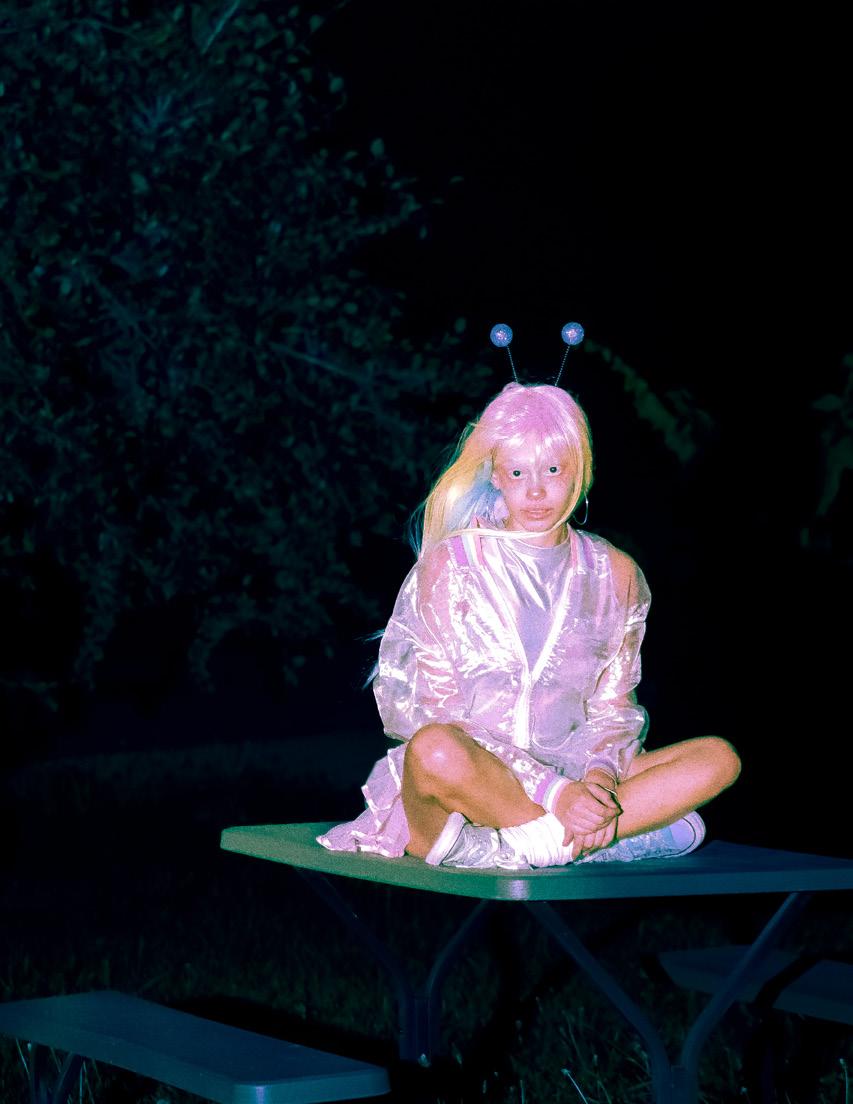
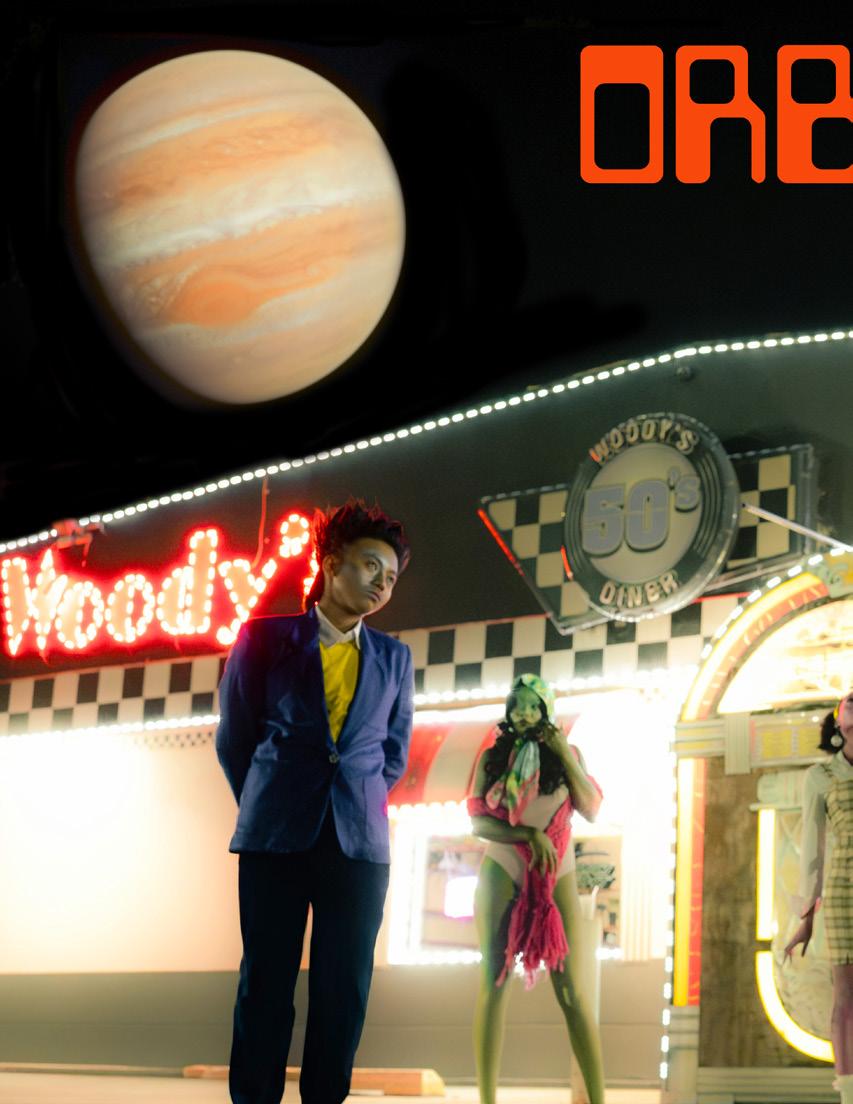
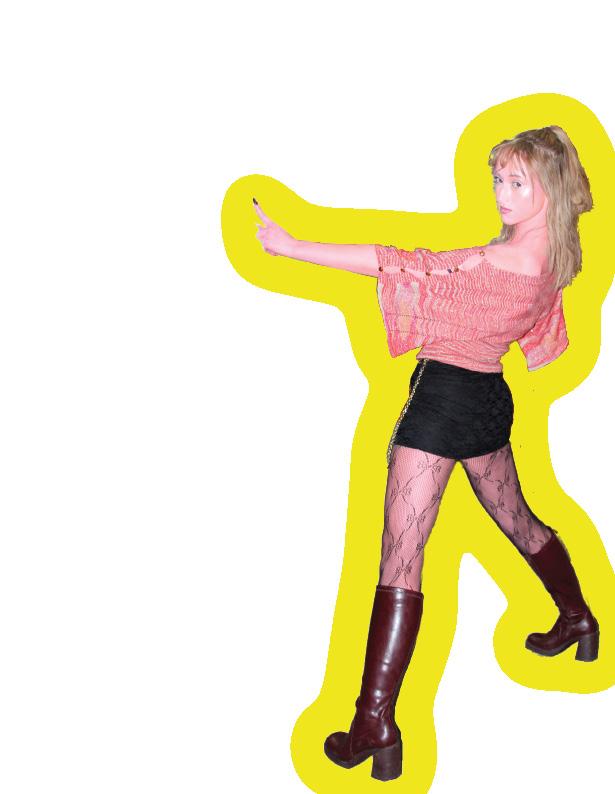
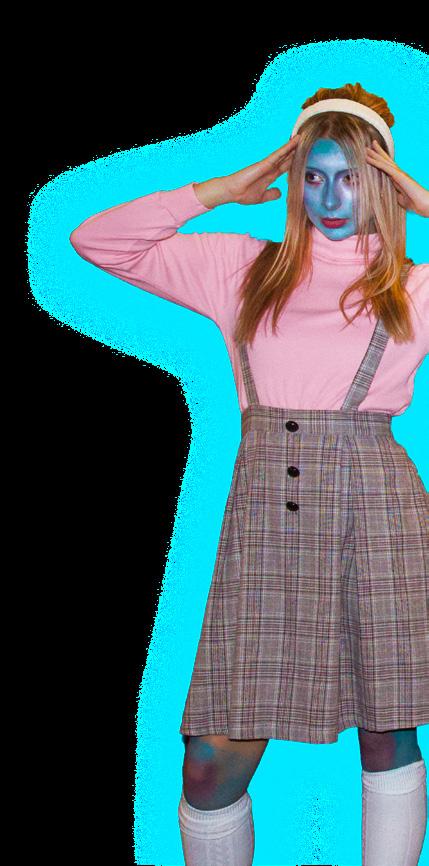
Set in a hyper-stylized version of post-war 1960s, during the peak of extraterrestrial ambition, Orbital Opulence combines camp and chromes to pay homage to the intergalactic fashion wave, a futuristic niche shaped by The Space Race, budding social revolutions, and a rising counterculture movement.
Photogaphed by Tiffany Lu
By Kendall Laven
Step into a time machine with me, but don’t set the dial for just any year. We’re going to a future imagined by the past –a world of sleek chrome, gravity-defying hair, and outfits that blend the familiar with the fantastically alien. Welcome to the captivating realm of retrofuturism, a design aesthetic that’s been making waves in fashion for decades and continues to inspire designers and filmmakers alike.
Retrofuturism isn’t just about looking back; it’s about looking back at how we imagined the future. Think of the 1950s vision of the 21st century: flying cars, robot butlers, and space-age attire that often combined the era’s sensibilities with daring new silhouettes. It’s a delightful paradox, blending nostalgia with a forward-thinking spirit.
In the fashion world, retrofuturism manifests in countless ways. We see designers drawing inspiration from the Space Age optimism of the 1960s, with metallic fabrics, geometric cut-outs, and bold, monochromatic palettes. Think Paco Rabanne’s iconic chainmail dresses or André Courrèges’ minimalist white go-go boots and A-line shifts. These weren’t just clothes; they were statements about a future brimming with possibility.
More recently, designers have continued to reinterpret these themes. From iridescent materials and holographic effects to structured shoulders and streamlined forms, the echoes of yesterday’s future are everywhere. We see elements of Art Deco’s streamlined elegance meeting the functionalism of mid-century modern design, all culminating in looks that feel both fresh and familiar. It’s a balancing act between fantasy and wearability, creating garments that provoke thought and turn heads.
Cinema has arguably been the most potent canvas for retrofuturism, particularly in its fashion choices. Films have the power to immerse us entirely in these imagined worlds, and the costumes are often key to selling that vision.
Take, for instance, the classic “2001: A Space Odyssey” (1968). The clean lines, muted color palettes, and utilitarian yet stylish jumpsuits worn by the astronauts perfectly captured a grounded, almost bureaucratic vision of space travel. The emphasis was on functionality and sleekness, reflecting a pragmatic optimism about technological advancement.
Contrast that with the vibrant, almost psychedelic aesthetic of “Barbarella” (1968). Jane Fonda’s iconic costumes, designed by Jacques Fonteray and Paco Rabanne, were pure space-age fantasy. From her metallic bodysuits to her feathered wings, the fashion in “Barbarella” was playful, sensual, and utterly unconcerned with practicality, showcasing a more flamboyant interpretation of the future.
Even films set in decidedly dystopian futures often borrow from retrofuturist aesthetics to amplify their message. Think of the 1982 cult classic “Blade Runner,” which masterfully blended 1940s film noir with futuristic technology and fashion. The trench coats, fedoras, and shoulder pads worn by characters like Rick Deckard and Rachael felt both timeless and otherworldly, creating a visually rich and enduring vision of a rain-soaked, technologically advanced Los Angeles. The fashion here tells a story of a future built on the bones of the past, filled with shadows and complex moral ambiguities.
The enduring appeal of retrofuturism lies in its ability to spark our imagination. It allows us to dream about what could have been, to appreciate the optimism and anxieties of past generations, and to see how those visions continue to shape our present and influence our understanding of what’s yet to come. So next time you see a metallic bomber jacket or a dress with bold geometric patterns, remember – you’re not just looking at fashion; you’re glimpsing a future that was once brilliantly imagined.
Photogaphed By
Kiera Oliva-VanDeWalle & Tiffany Lu
Photographed By Xalani Mitchell
Photographed By Tejaswi Tripath
Photogaphed By Kiera Oliva-VanDeWalle
TFNF25 Reclaiming Romanticism
Designed
By
Emma Qian & Emma Martinez
Design Directed By
Emma Martinez
Photographed By Tejaswi
Tripathi
By Jenna Sissom
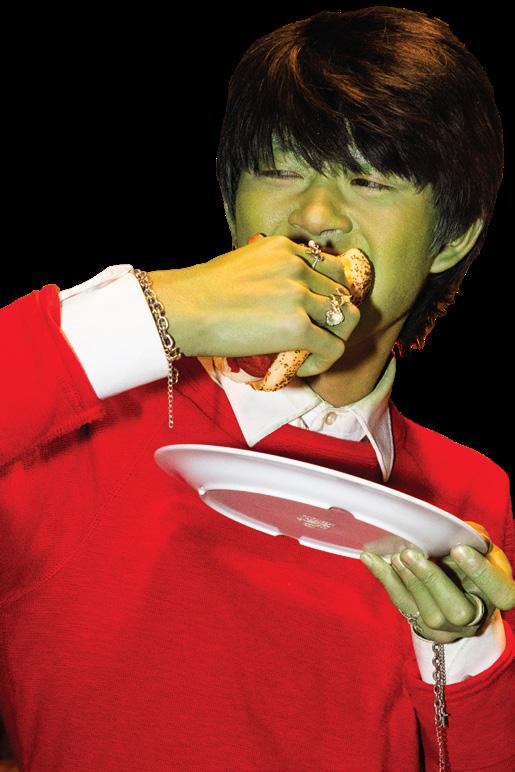
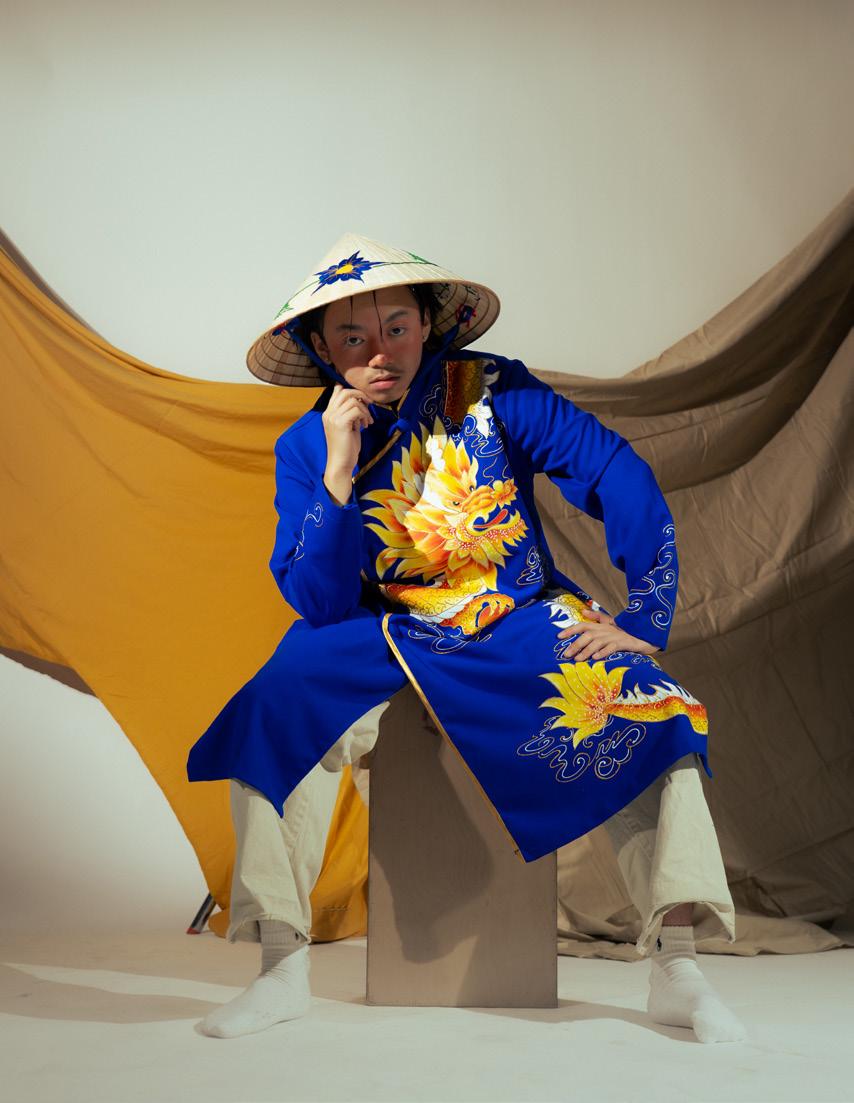
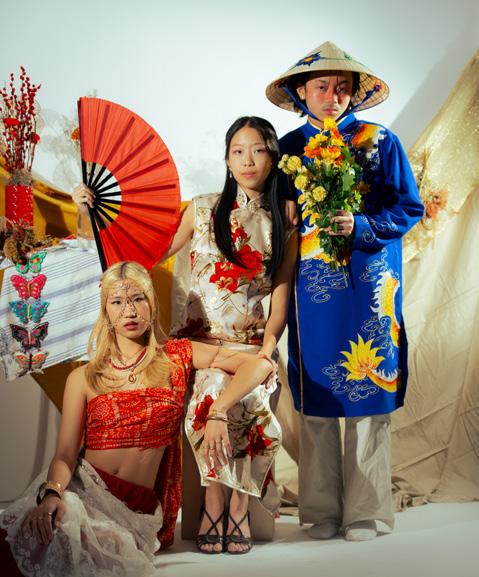
Identity formation begins during adolescence, during a time in which we do not have the slightest clue of who we are. For people like Ryan, one of our models who comes from Vietnamese descent, they already have a piece of their identity solidified in who they are. One’s cultural identity is something that can never be taken away—however, American standards of living do not create a wholly positive space for people from differing cultures. This is what Ryan went through
Photographed By Tiffany Lu
Photographed By Tejaswi Tripathi
Photographed By Nethra Yuvaraj
during his adolescence: he explains how he spent multiple years putting his real identity to the side in order to fit in with his friends at school.
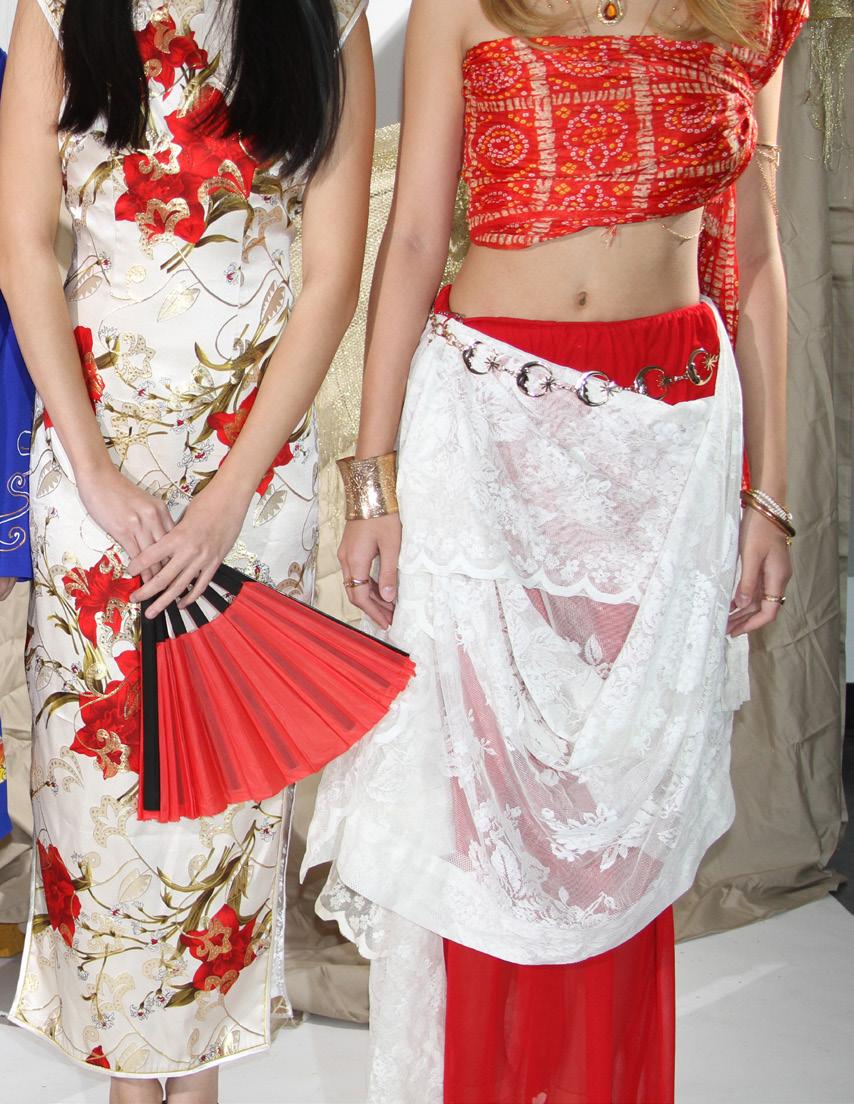
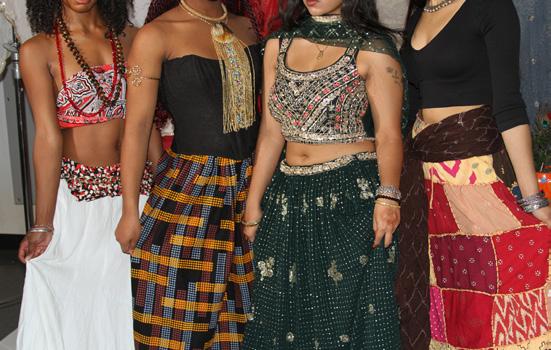
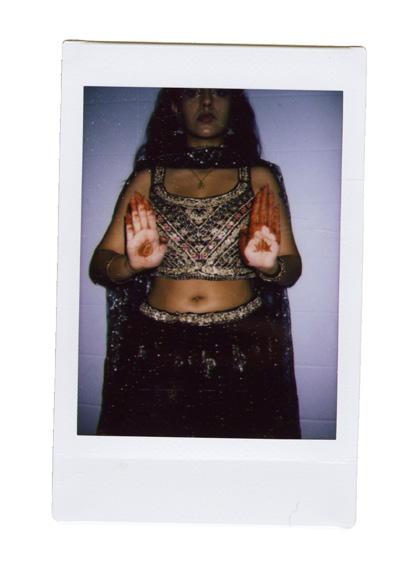
With this shoot, we aim to celebrate and reclaim the time spent putting your authentic selves aside. Uplifting culture and diversity is more important now than ever in America— senseless forms of discrimination and harm will not silence us. We must strive to reclaim the weight and importance of culture in the midst of a political climate that is suffering from a lack of it. In celebrating diversity in media, we are actively creating more safe spaces for expressing identity—a reward for the emotional labor of pushing your true identity away, a reclamation of the truth.
“Identity is something that I thought was not important to me, but eventually I realized that it is a very important thing to be proud of.”
-Ryan Nguyen
Photographed By Tejaswi Tripathi
Photographed By Jocelyn Escobar
Photographed By Tejaswi Tripathi
Photographed By Nethra Yuvaraj
Photographed By Tiffany Lu