
As I step into the role of TTA President this year, I am both honored and excited to serve this outstanding community of professionals. Our association continues to thrive because of the dedication, expertise, and passion each of you brings to the turfgrass industry across Texas.
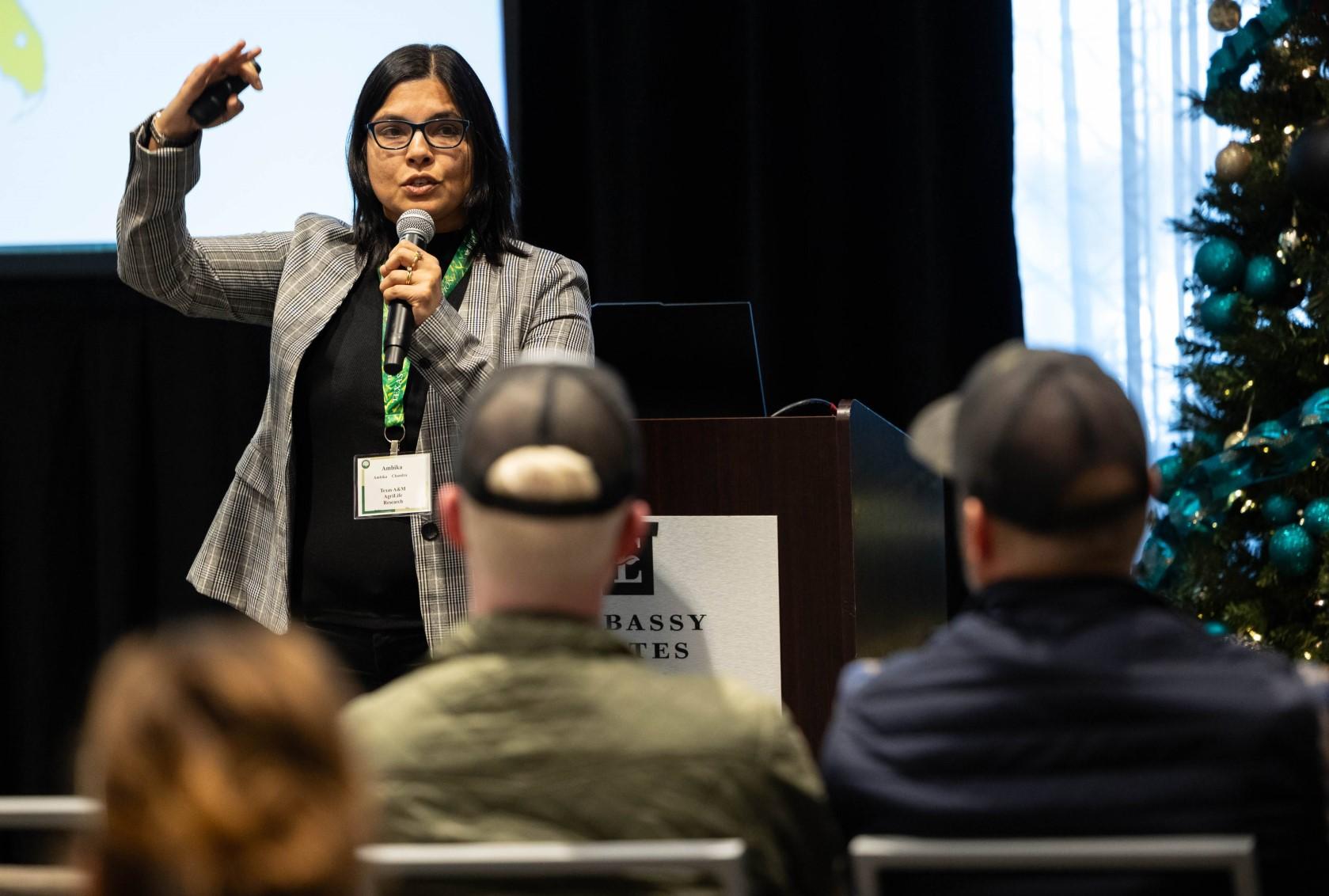
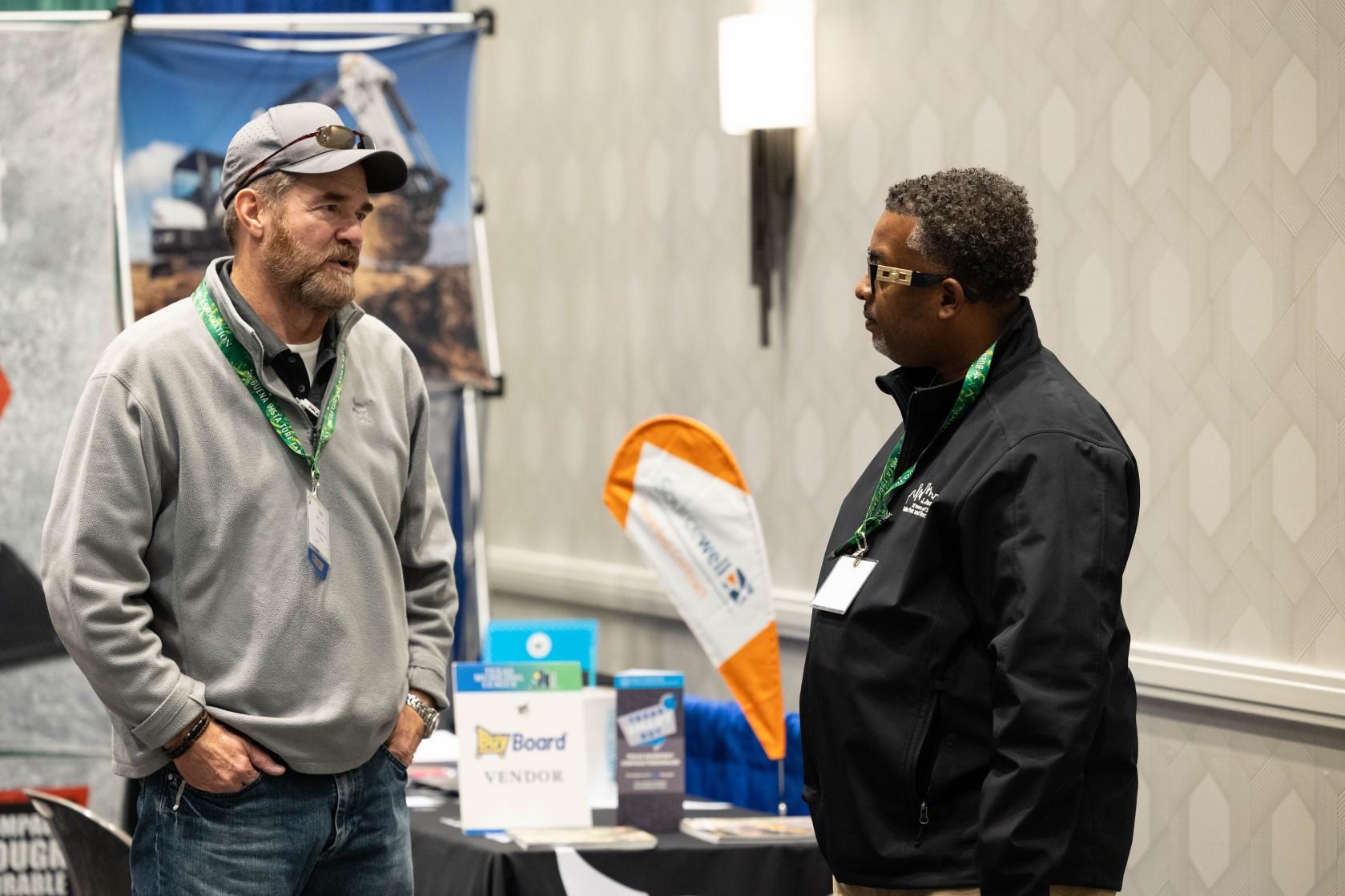
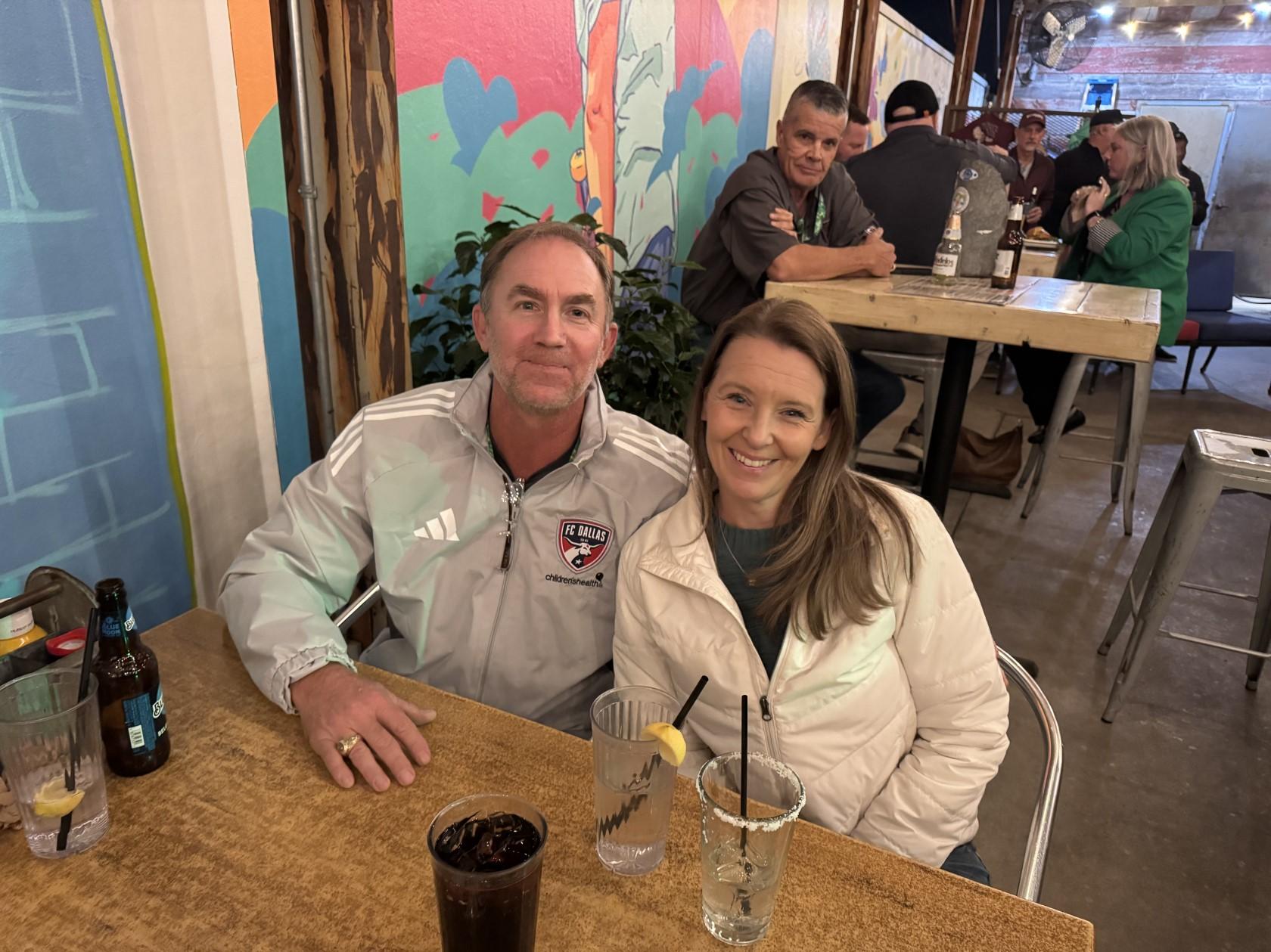
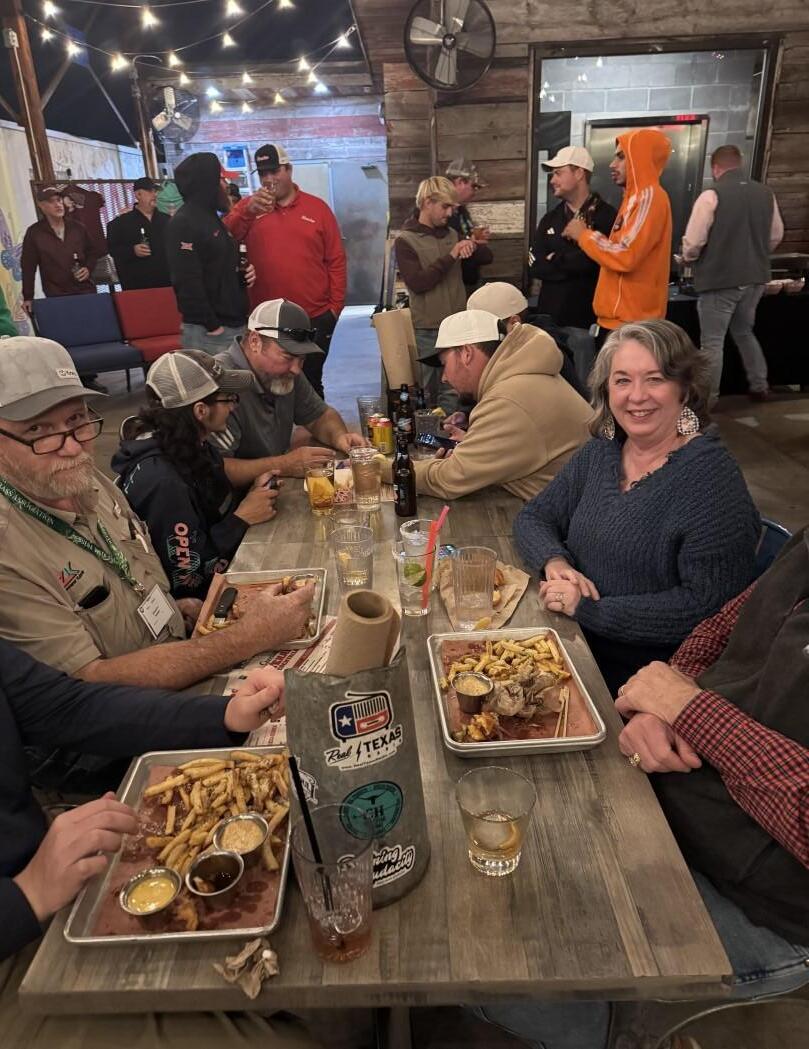
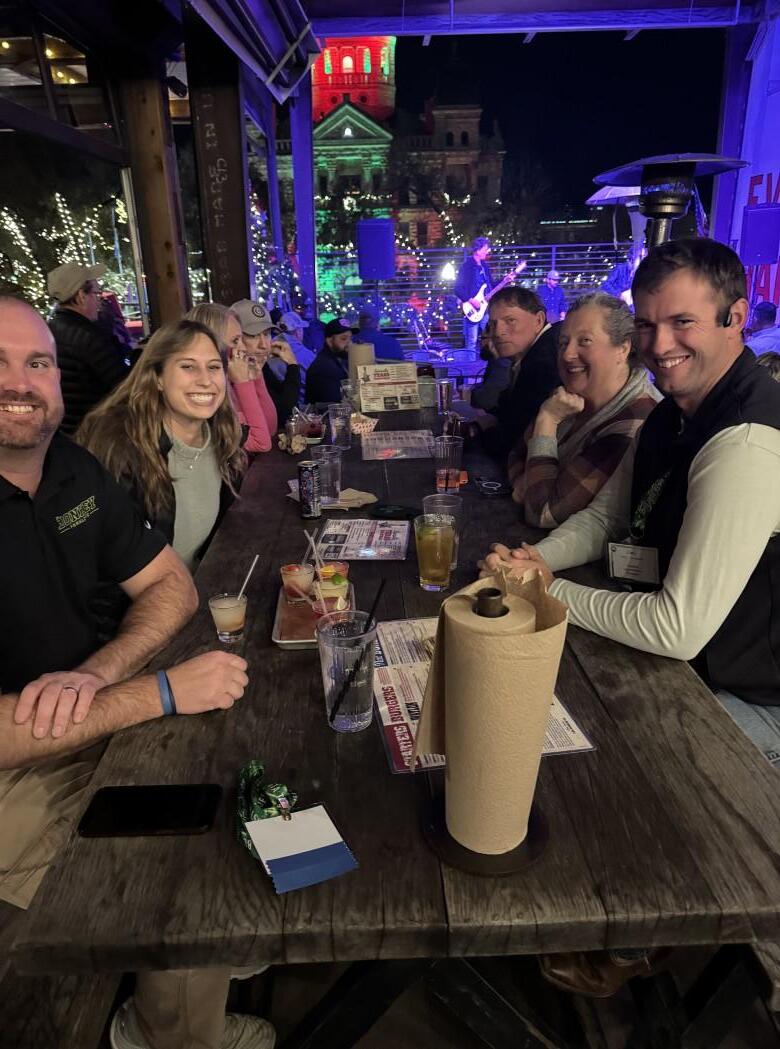
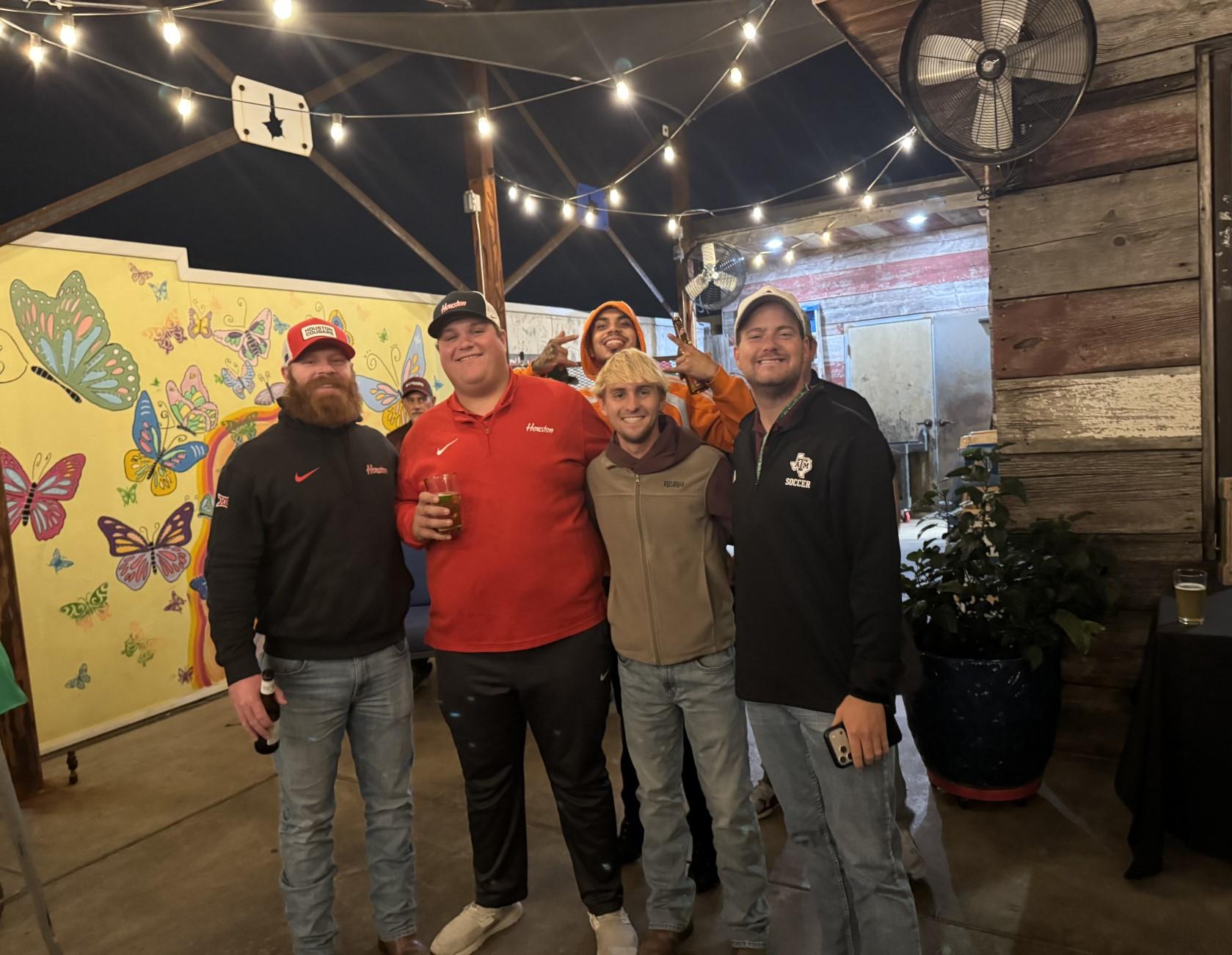
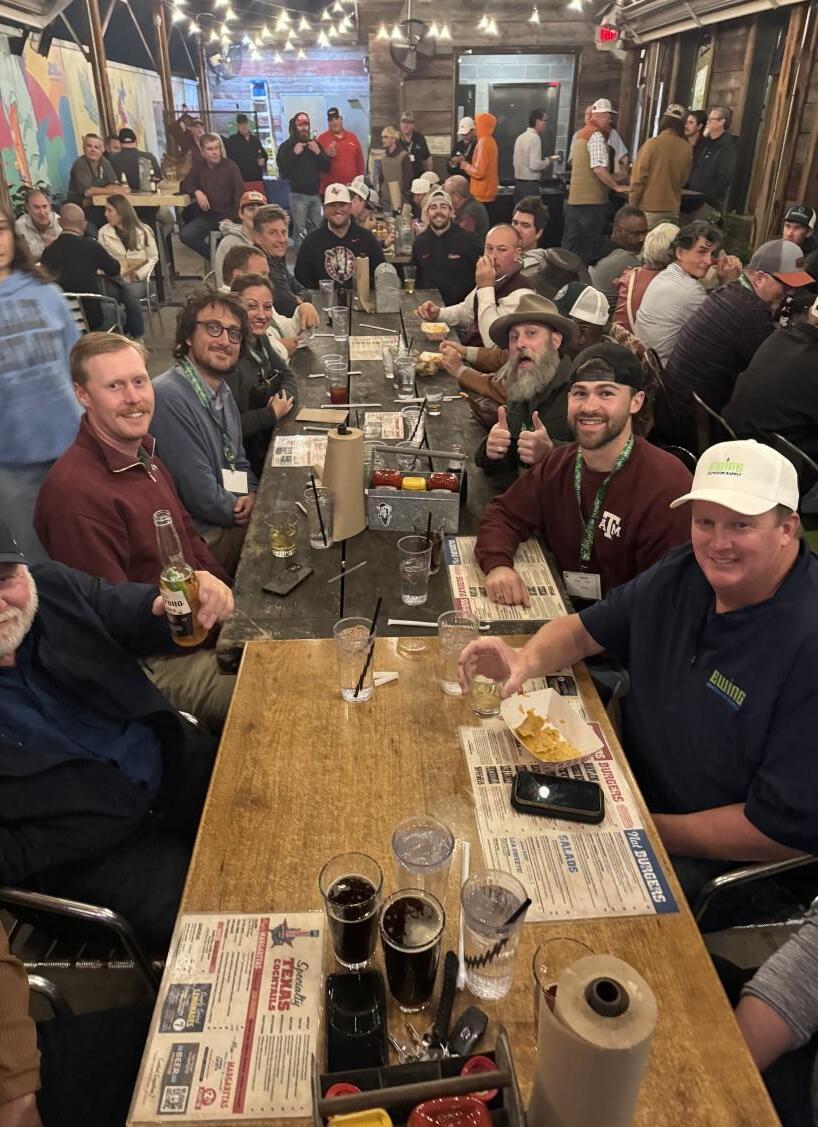
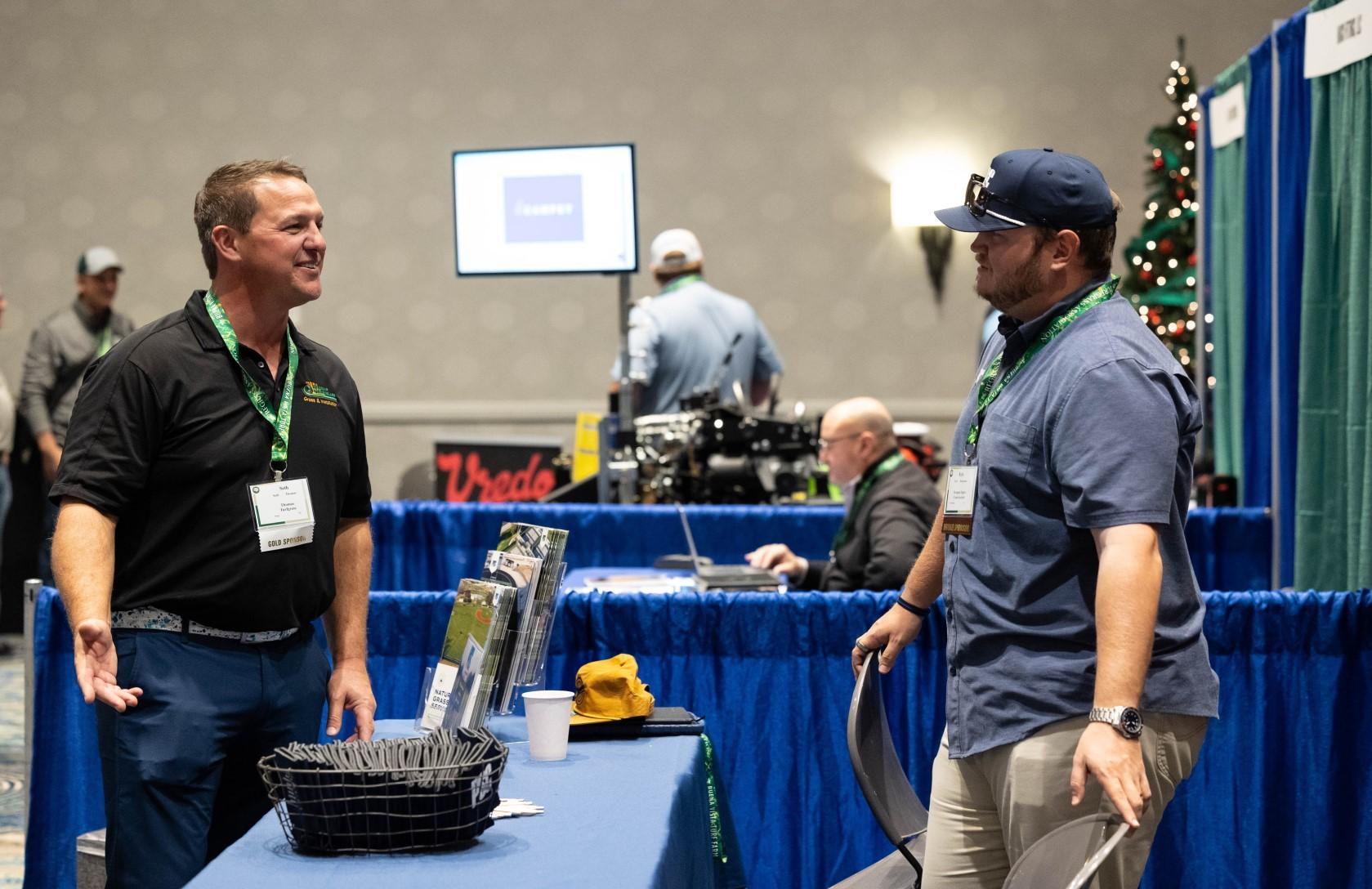
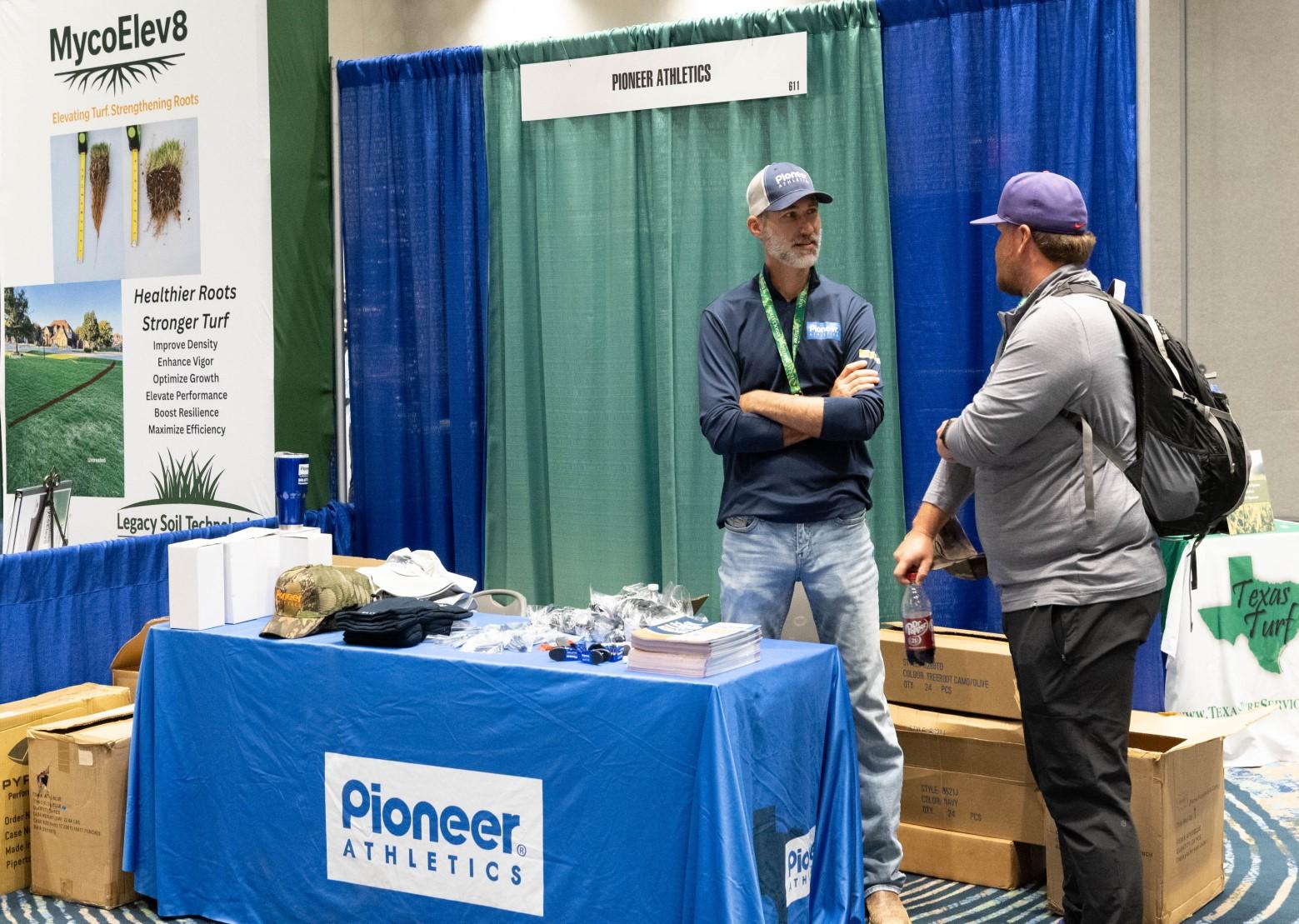
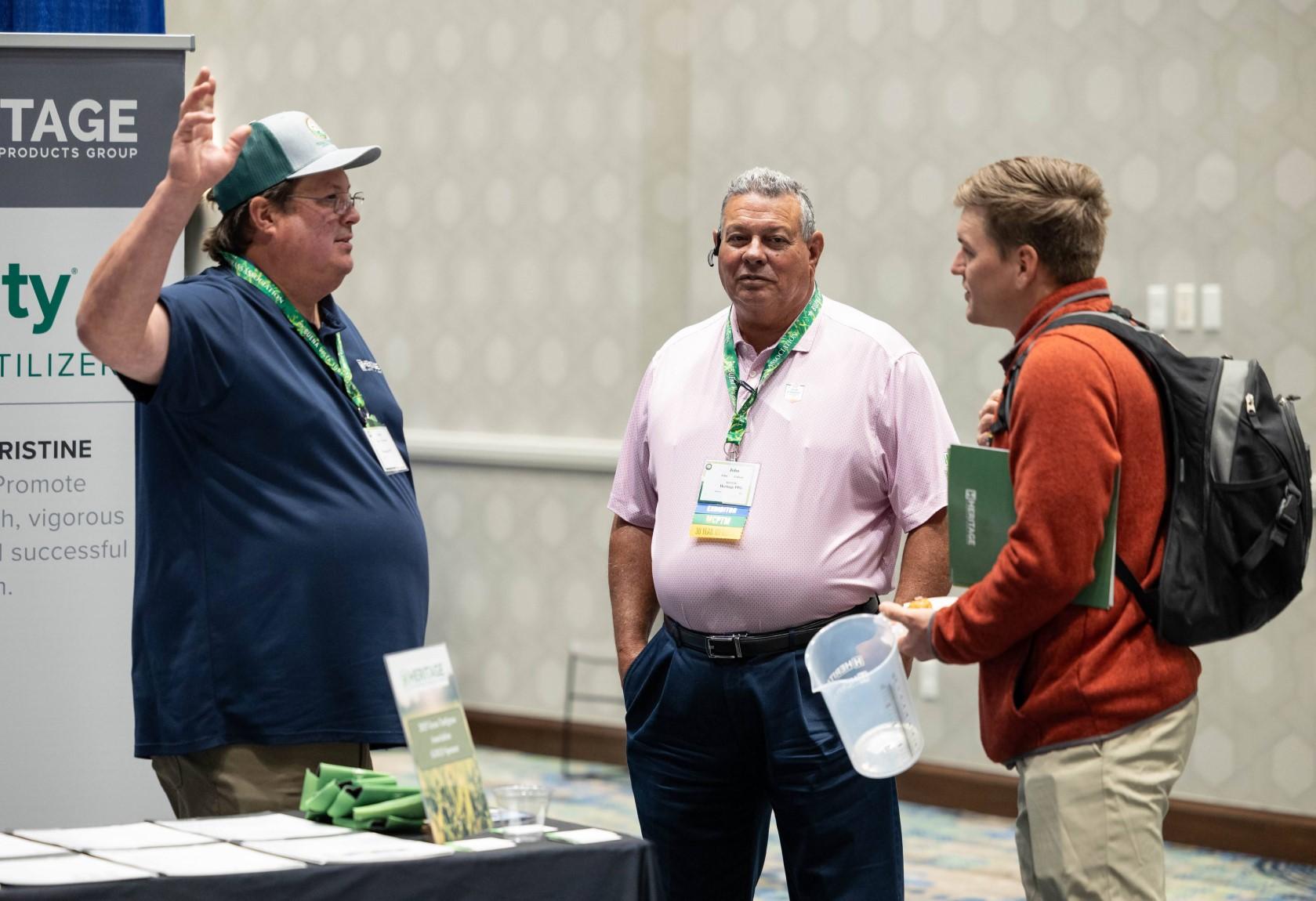
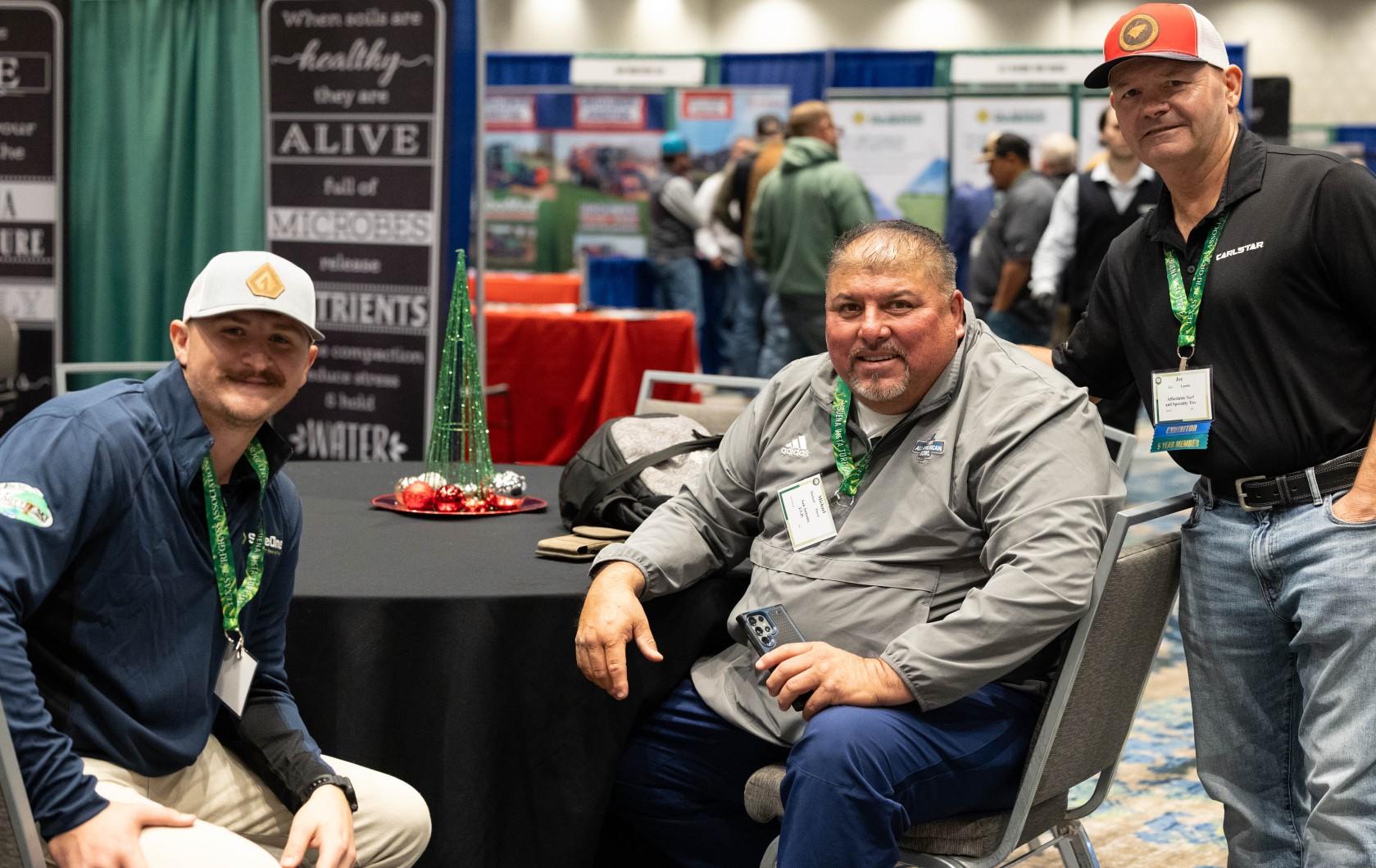
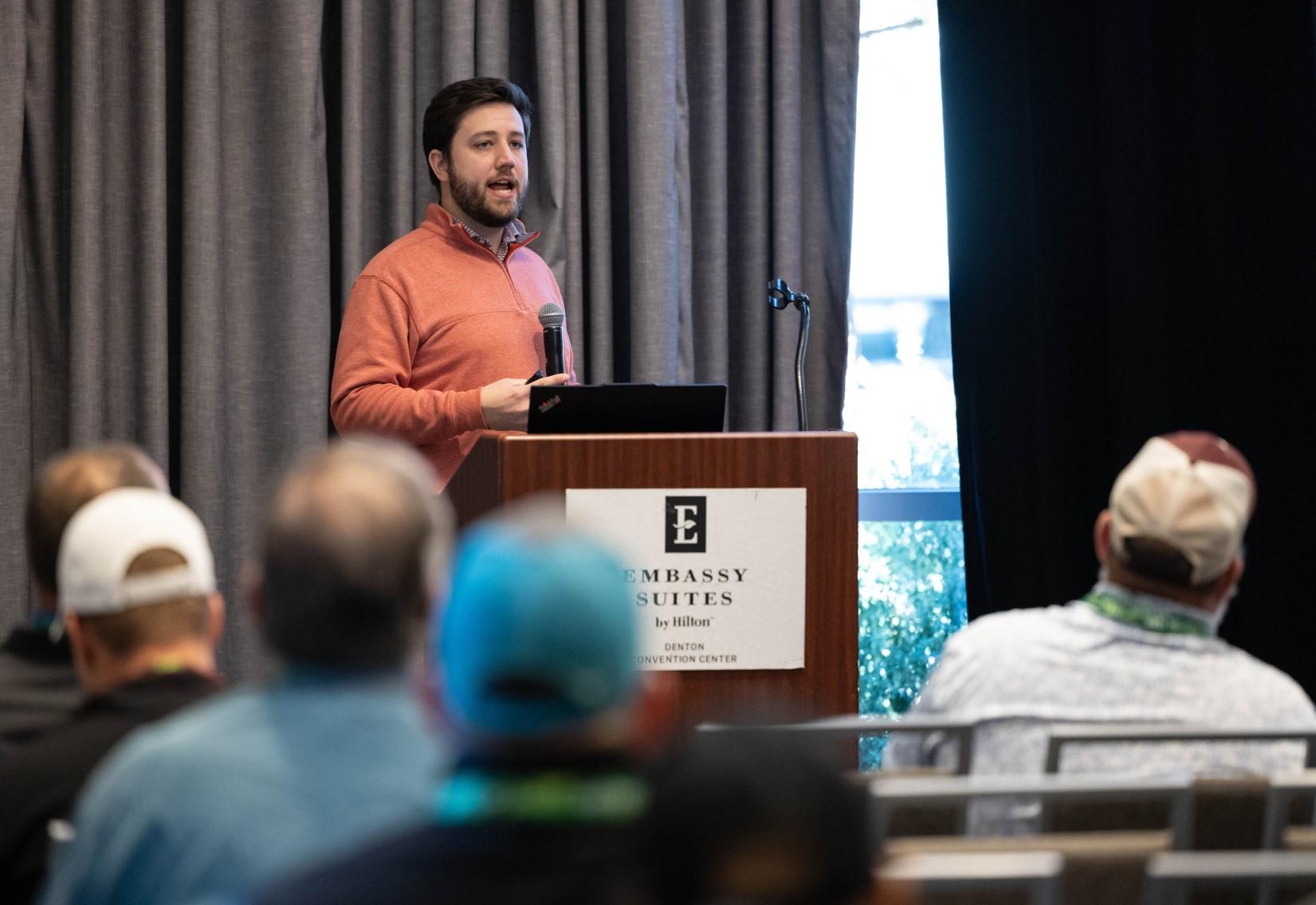
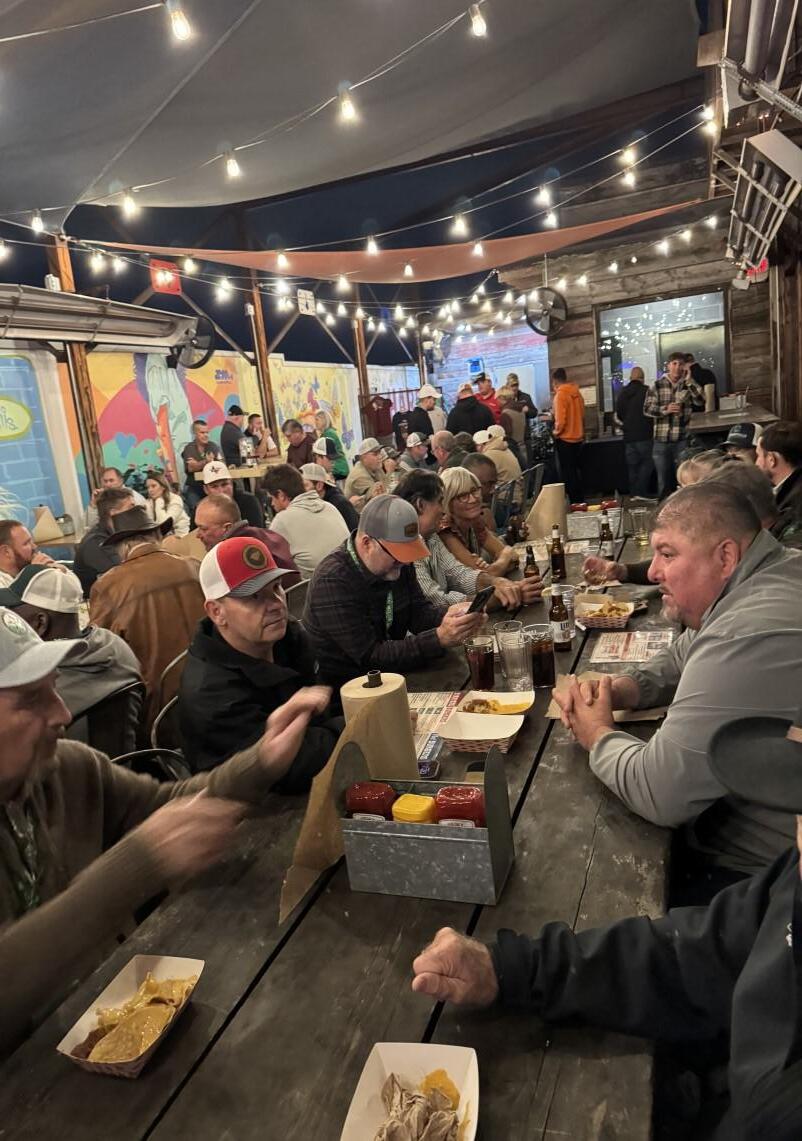
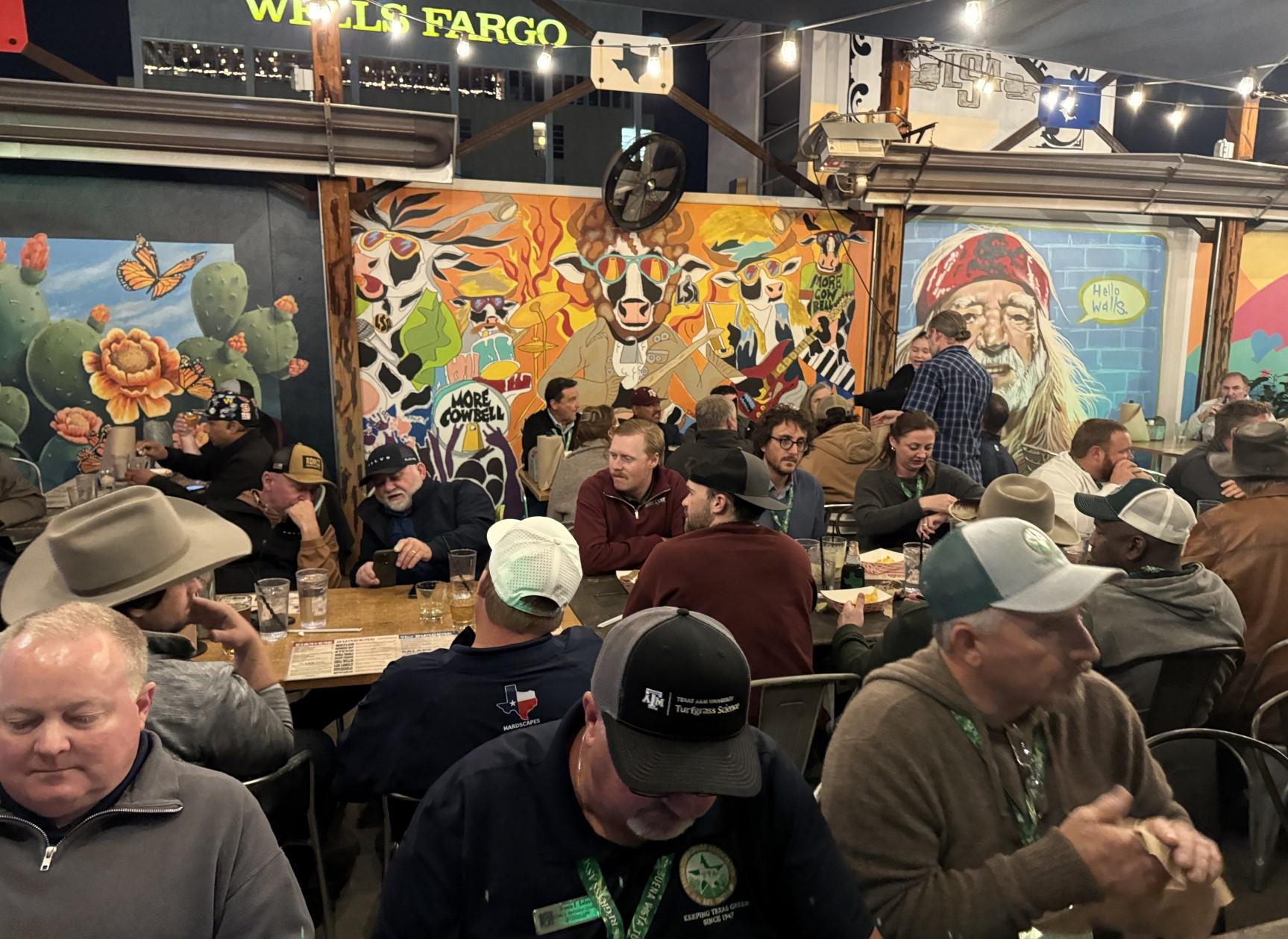
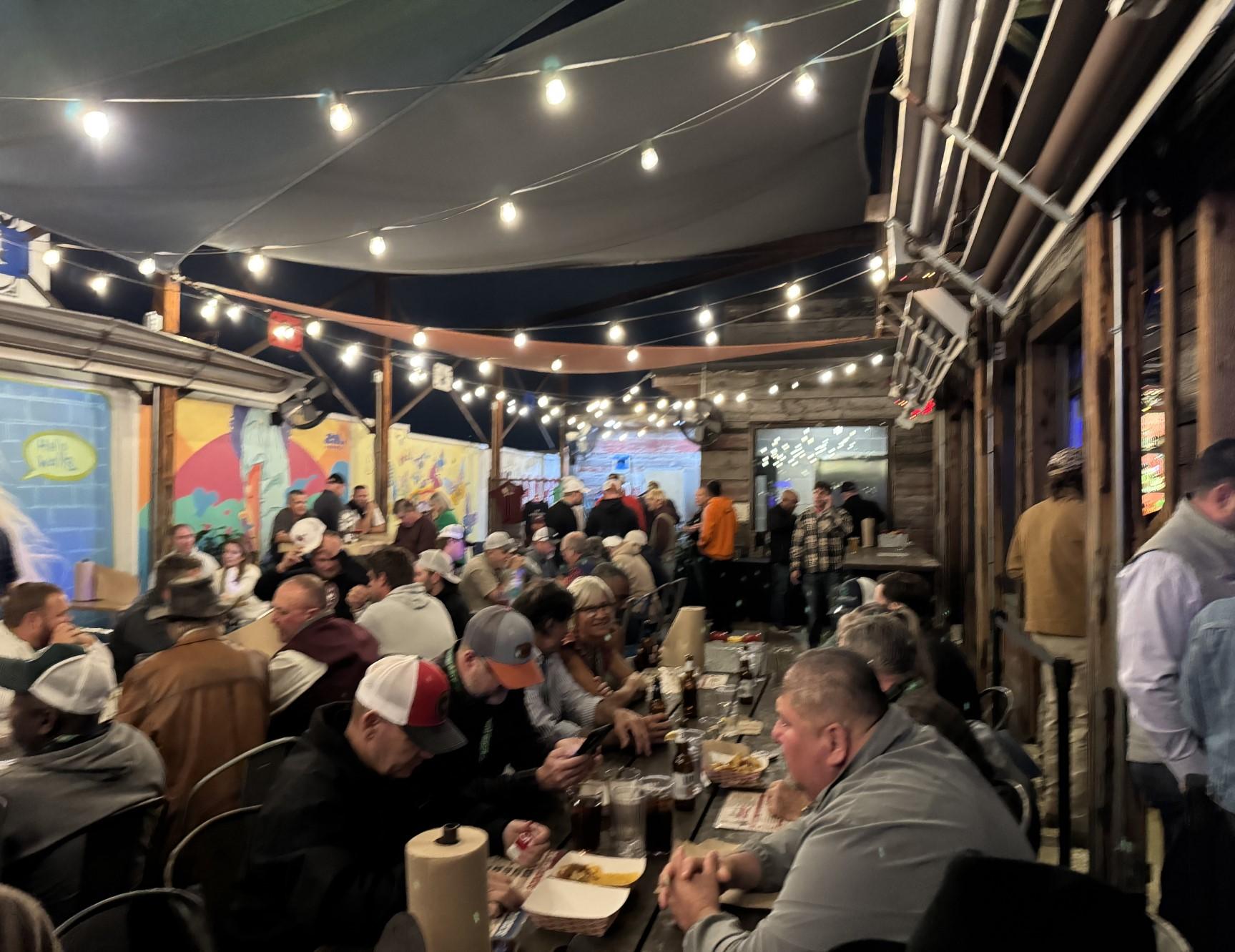
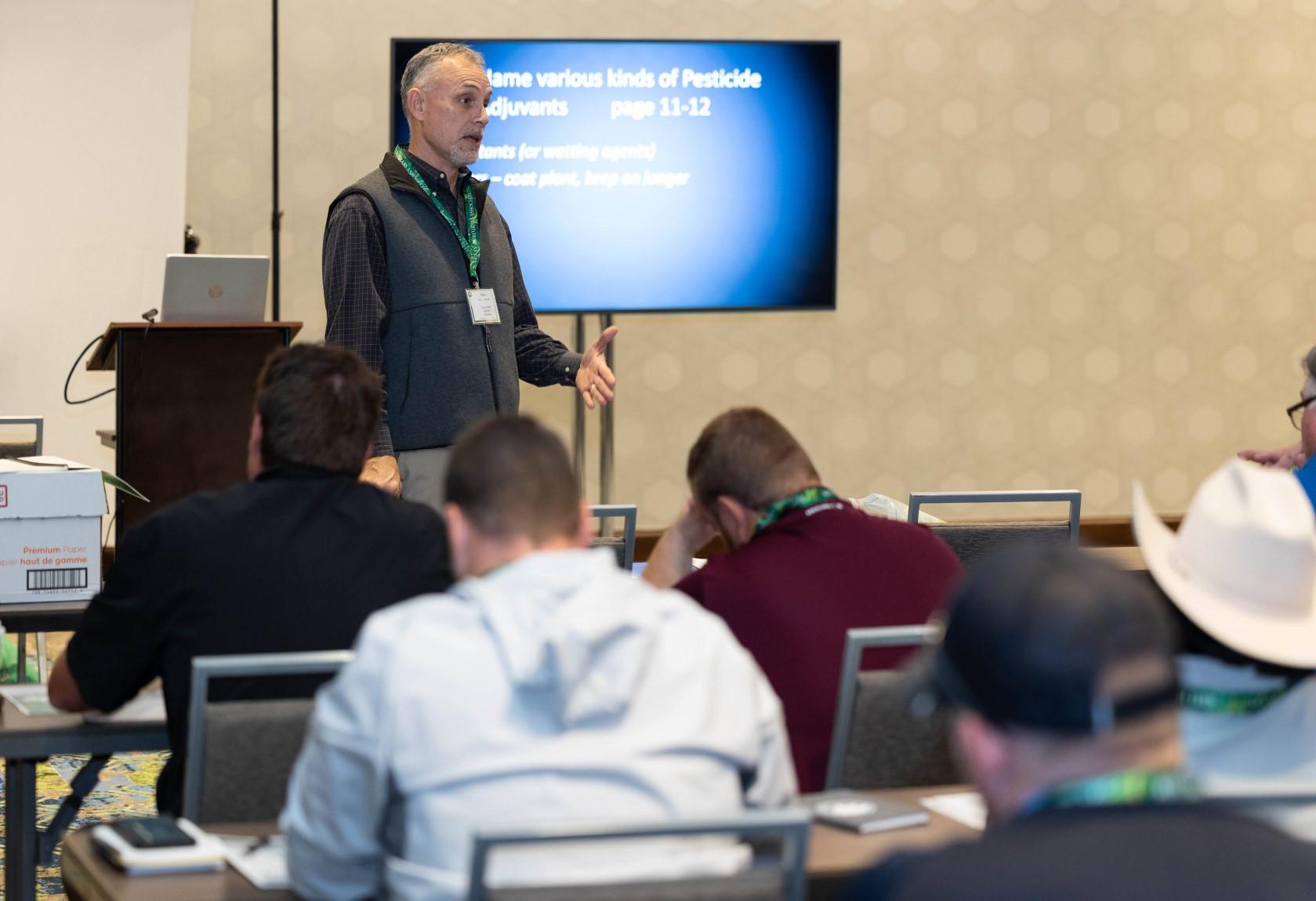
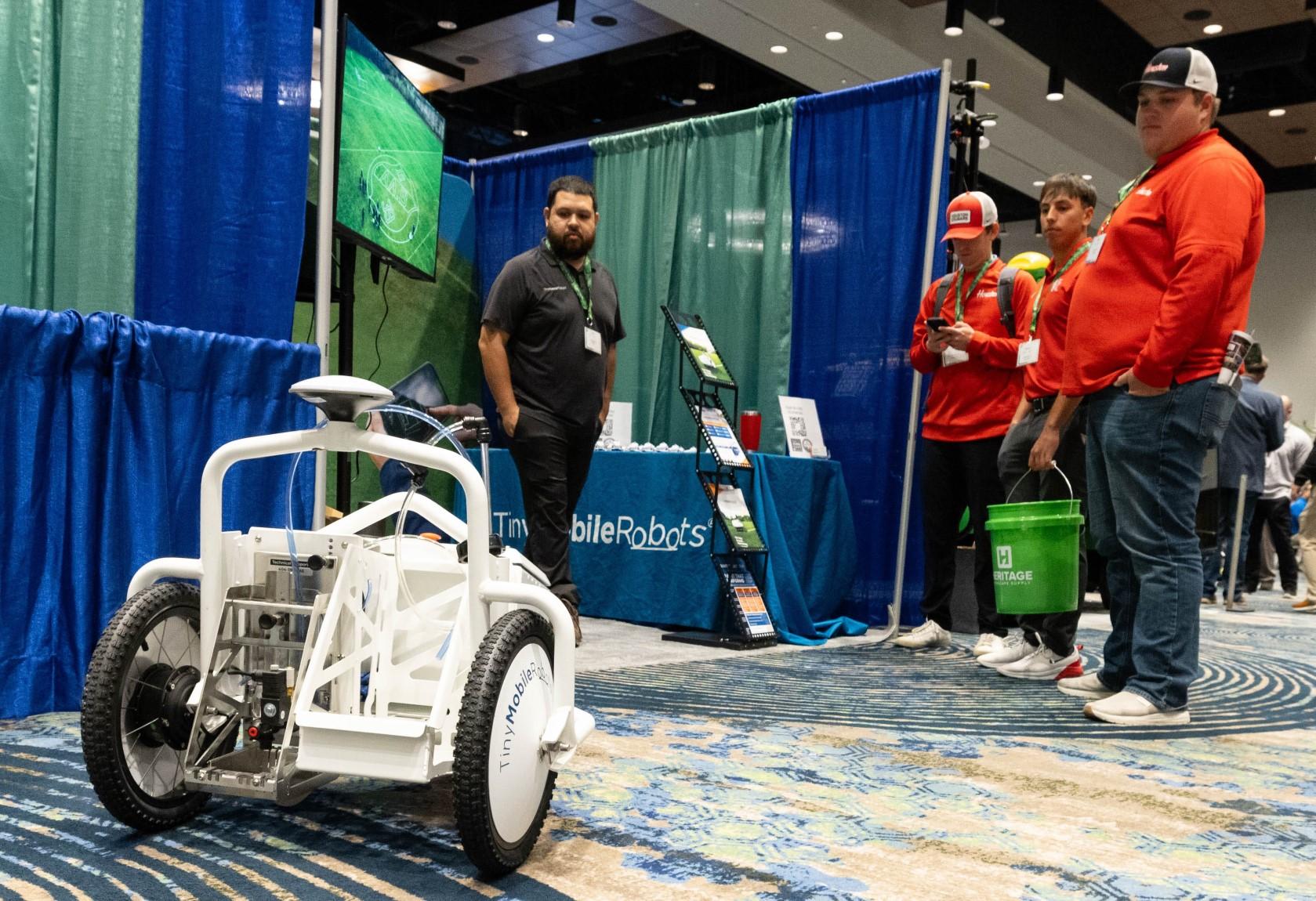
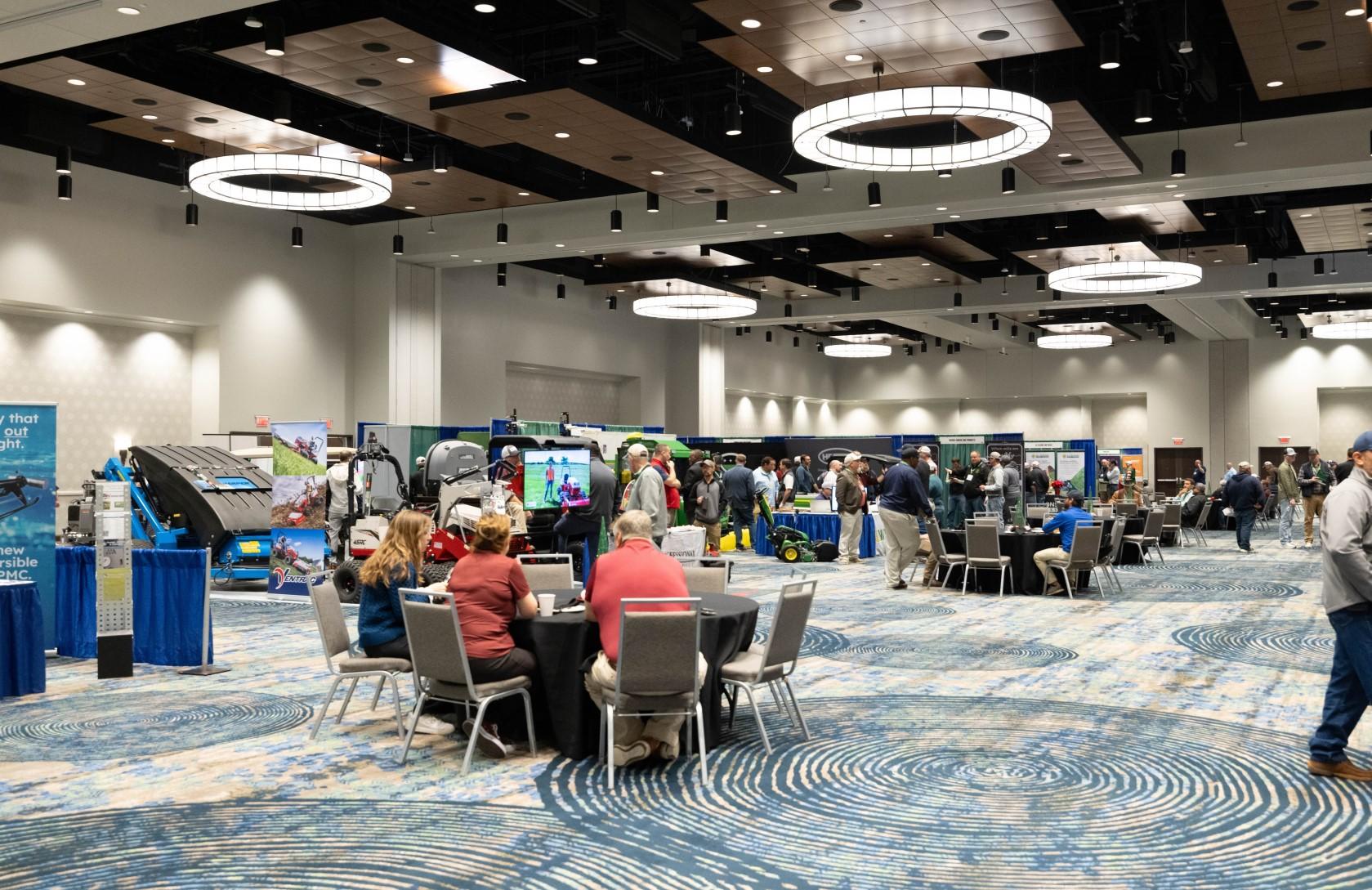
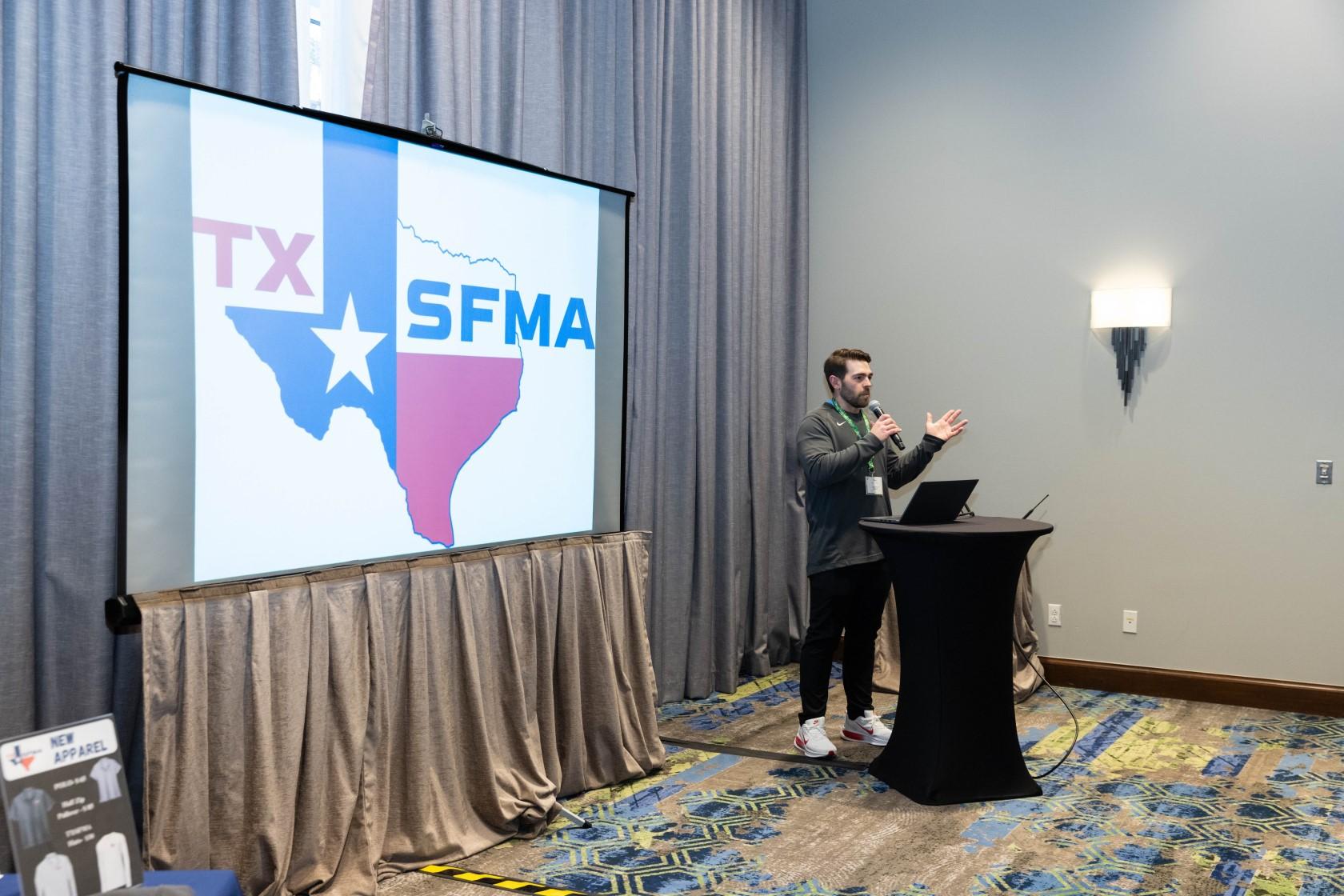
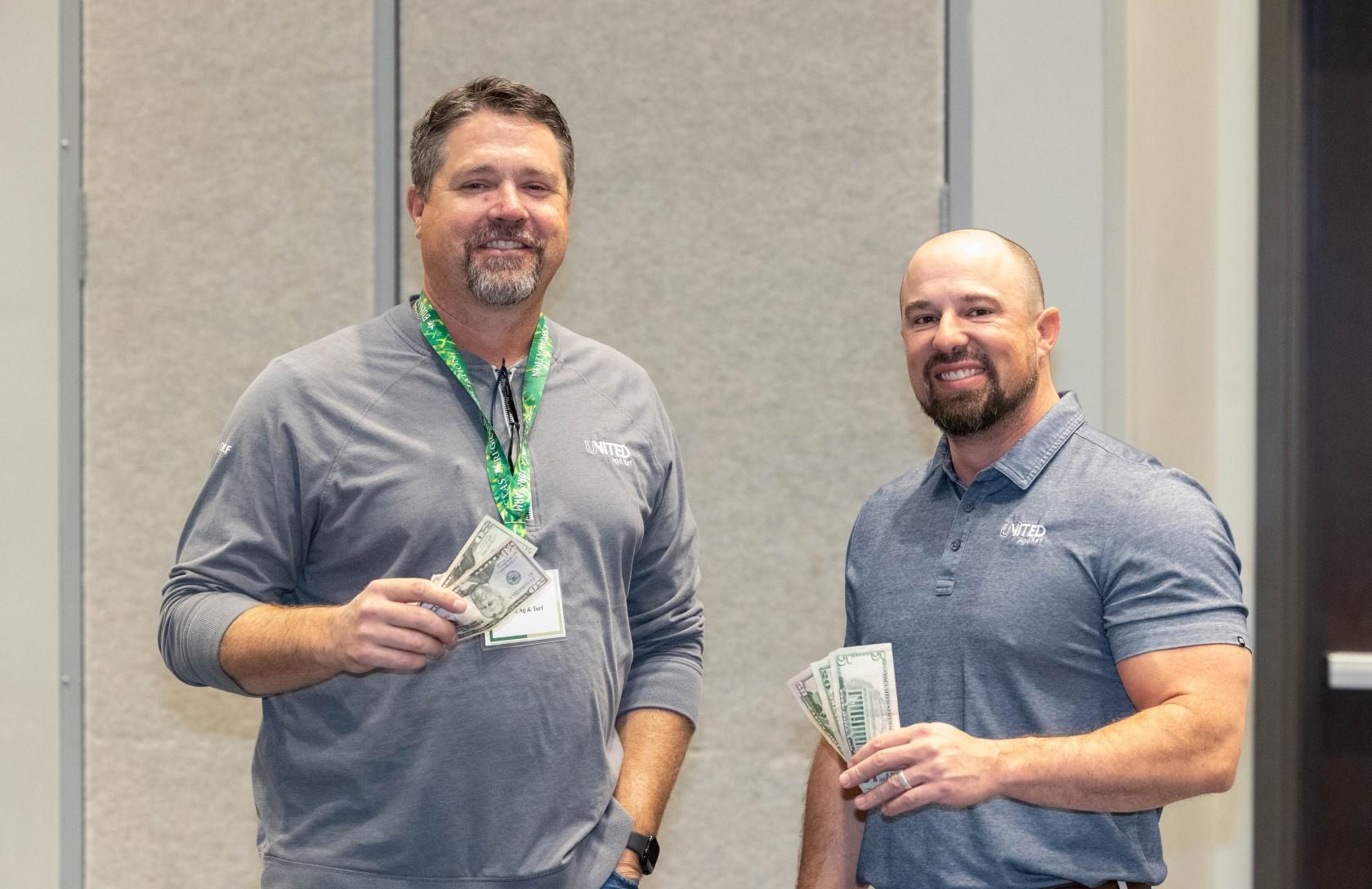
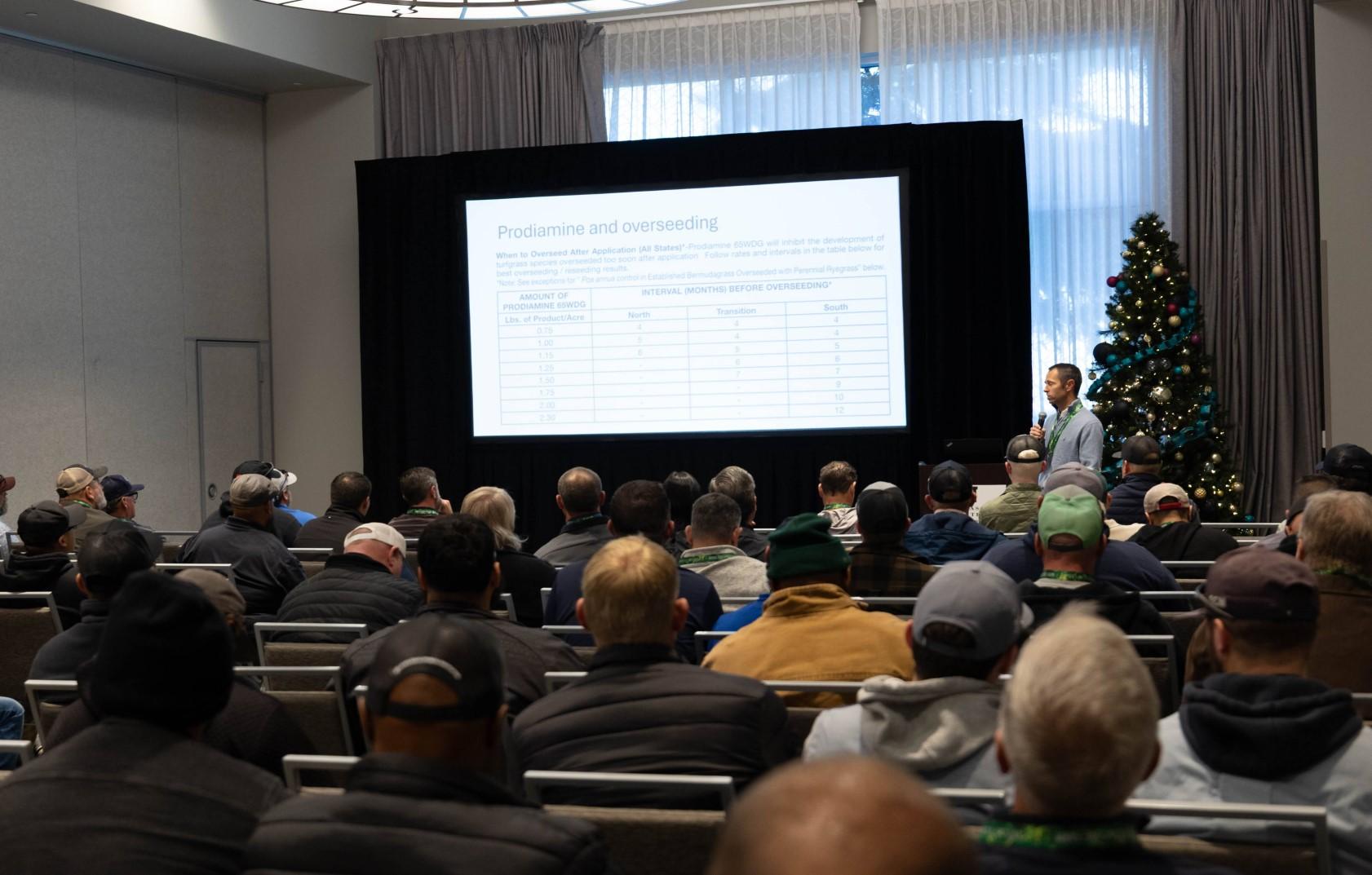
I want to extend a sincere thank you to everyone who attended our winter event in Denton. Your participation, engagement, and willingness to share knowledge made it a tremendous success. Events like these highlight the strength of our network and reinforce the value of coming together to learn and grow.
Looking ahead, I’m excited for what’s to come especially our Summer Conference in The Woodlands, taking place July 12–14. It promises to be another excellent opportunity to connect, gain insights, and continue advancing our industry. I hope to see you all there!
Thank you for your continued support of the association. I look forward to working alongside all of you in the months ahead!
Sincerely,
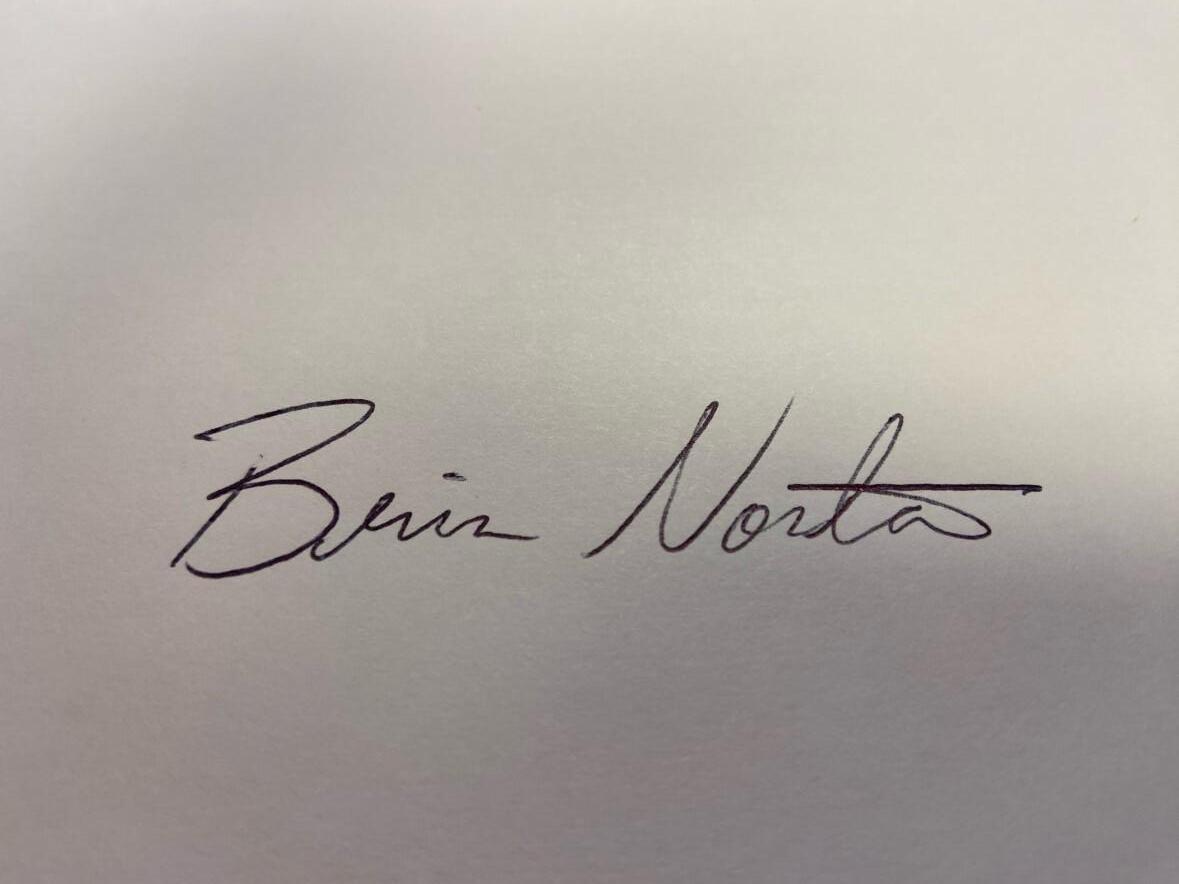
Brian Norton TTA President 2026








I want to express my sincere gratitude to all of you for your dedication, participation, and steadfast support of the Texas Turfgrass Association. I'm enthusiastic about what this year will bring, and confident we'll continue focusing on education and networking within our industry. This July, we'll return to the Woodlands Resort from the 12th to the 14th. You can earn continuing education units while also enjoying time with your family. It's a great opportunity to combine professional development with relaxation—networking with exhibitors, sponsors, and fellow members while having a vacation. Our board is committed to offering exceptional tracks in Commercial, Lawn and Landscape, Sports, and Golf, encouraging educational growth and excellence.
Be sure to save the dates for our Winter Trade Show and Conference, held at Embassy Suites in Frisco, TX, on December 15th and 16th. Many of you know this is a top-notch venue that has seen record attendance in previous years!
Thank you so much for helping refer new members and expand our association. Please keep sending potential members to our website so they can discover everything Texas Turfgrass offers to advance their careers.
Texas Turfgrass Association has implemented a Texting System and we urge you all to opt in.
Membership Texting - Join It!
Please Text: TTA2023 To: 972-243-9239
This service will only be used for TTA events and notifications. This is a great tool! Emails get buried and you can stay informed!
I look forward to another year filled with learning and growing the turf industry. Special thanks to our Board of Directors and Sponsors for guiding our association successfully.
Lastly- Congratulations to our newest CPTMs, who will be featured in the next newsletter.
Warmest regards, Your Executive Director, Katie Flowers

















Author- Samantha Wilson
Across Texas, professionals are facing a growing challenge as they help their clients maintain attractive outdoor spaces when water availability and weather patterns are increasingly unpredictable. Periodic drought, heavy freezes, watering restrictions, and extreme summer heat are forcing many property owners to rethink what healthy landscapes should look like.
For professionals in the turf and landscape industries, this challenge presents an opportunity. By guiding clients toward plant selections, turf varieties, and irrigation strategies that are better suited to Texas conditions, you can create landscapes that remain attractive while requiring fewer resources to maintain.
One of the most important steps toward sustainability is helping clients understand how landscapes naturally behave in Texas climates. According to the Texas A&M AgriLife Extension

Service, selecting plants that are adapted to local conditions is one of the most effective ways to reduce irrigation and maintenance requirements.
Many warm-season turfgrasses common in Texas will naturally go dormant during extended drought or extreme heat. While the lawn or turf may temporarily turn brown, the grass often recovers when rainfall returns. Educating clients about this natural cycle can reduce unnecessary watering and help preserve limited water supplies.
Encouraging property owners to shift their expectations—from a perfectly green lawn year-round to a healthy and resilient landscape is often the first step toward long-term sustainability.
Turfgrass selection remains one of the most important decisions in landscape design. Warmseason grasses are generally the best option in Texas because they tolerate heat and dry conditions better than cool-season varieties.
Bermudagrass is widely used because it is durable, heat tolerant, and able to recover quickly from drought conditions. Once established, it can often survive extended dry periods with minimal irrigation.
Zoysia grass provides a dense, attractive lawn with relatively good drought tolerance and slower growth, which can reduce mowing requirements.
Buffalograss, a native species of the Great Plains, is gaining attention as a low-maintenance option. With its deep root system and natural adaptation to dry environments, Buffalograss lawns and outdoor spaces often require significantly less irrigation than traditional turf once established.
Research programs at Texas A&M AgriLife Research continue to develop improved turf varieties designed specifically for Texas climates. One example is TamStar St. Augustine, which offers improved drought tolerance and better resistance to pests such as chinch bugs compared with older St. Augustine varieties.
While turfgrass serves an important role in recreational areas and high-traffic spaces, many properties can reduce water use by limiting the total amount of lawn and incorporating a broader mix of plants.
Replacing portions of turf with planting beds, groundcovers, or mulched areas can significantly reduce irrigation needs while also adding visual interest and seasonal color. Landscapers are increasingly designing hybrid landscapes that combine turf with drought-tolerant shrubs, grasses, and perennials.
Native and adapted plants are particularly valuable in these designs because they evolved under similar climate conditions and typically require less water once established. Examples commonly used in Texas landscapes include: Continued on next page
Texas Sage – a drought-tolerant shrub that thrives in full sun and poor soils
Lantana – a hardy flowering plant that attracts pollinators and tolerates heat
Autumn Sage – a compact shrub with colorful blooms and strong drought tolerance
Muhly Grass – an ornamental grass valued for its dramatic fall color
Turk’s Cap – a native perennial that performs well in partial shade
These plants not only reduce irrigation demands but also provide habitat and food sources for pollinators and wildlife.
In addition to plant selection, thoughtful design can greatly improve landscape sustainability.
Grouping plants with similar water requirements, often called ‘hydrozoning’, allows irrigation systems to deliver the right amount of water to each area without overwatering others.
Using mulch around shrubs and flowers can also play a major role in water conservation. Mulch helps retain soil moisture, reduce evaporation, moderate soil temperatures, and suppress weeds that compete for water.
In many cases, simply improving soil health by incorporating compost or organic matter can increase the soil’s ability to retain water and support deeper root growth.
Advances in irrigation technology are also helping landscapers manage water more effectively.
Smart irrigation controllers automatically adjust watering schedules based on weather conditions, rainfall, and temperature. These systems can prevent unnecessary watering and help landscapes respond to changing environmental conditions.
Soil moisture sensors measure how much water is actually present in the soil and prevent irrigation systems from running when adequate moisture already exists.
Drip irrigation systems are especially useful for flower beds, shrubs, and trees because they deliver water directly to plant roots rather than spraying large areas. This targeted approach reduces evaporation and runoff while improving plant health.
Together, these technologies can significantly reduce water consumption while maintaining healthy landscapes.
Even the most carefully designed landscape requires proper maintenance to remain sustainable. Professionals can help clients conserve water and protect plant health by encouraging a few key practices:
Mowing turf slightly higher to shade soil and reduce evaporation
Watering deeply but less frequently to encourage deeper roots
Maintaining mulch layers in planting beds
Improving soil with organic matter when possible
Accepting seasonal dormancy during extreme heat or drought
These simple practices help landscapes remain resilient even during challenging weather conditions.
As water resources become more limited, demand for sustainable landscaping solutions is likely to continue growing. Clients are increasingly interested in landscapes that remain attractive but require less water, fertilizer, and maintenance.
Professionals who understand drought-tolerant turf varieties, native plants, and efficient irrigation technologies are well positioned to guide clients toward smarter choices.
By combining climate-appropriate plants, improved turfgrass varieties, thoughtful design, and efficient irrigation systems, landscapers can help create outdoor spaces that are both beautiful and sustainable, even with the unpredictable Texas weather!


New partnership expands access to advanced turfgrass solutions and industry expertise in Australia
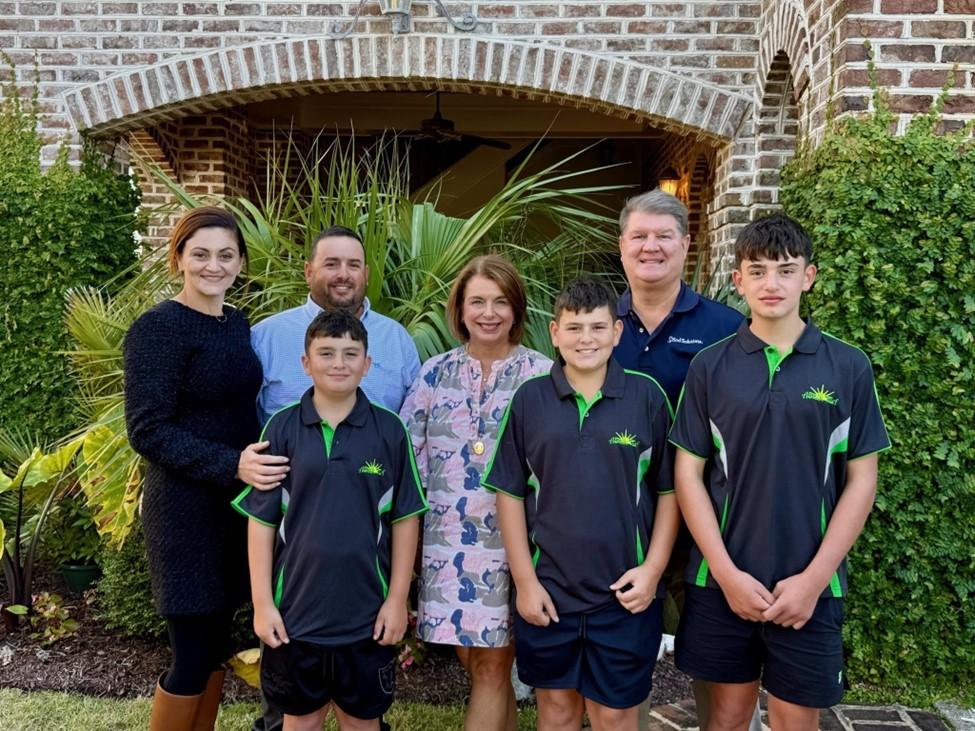
Sod Solutions is pleased to welcome Australian Turf Solutions (ATS) to its worldwide network of international associates. This strategic relationship will strengthen marketing and educational efforts across Australia, one of the world’s most diverse and environmentally challenging turfgrass markets.
Australia’s unique range of climates and soil types, combined with growing concerns over water use, demand turfgrass varieties that are both adaptable and resource-efficient. ATS will play a key role in coordinating outreach and supporting the introduction of advanced turfgrass technologies tailored to these conditions.
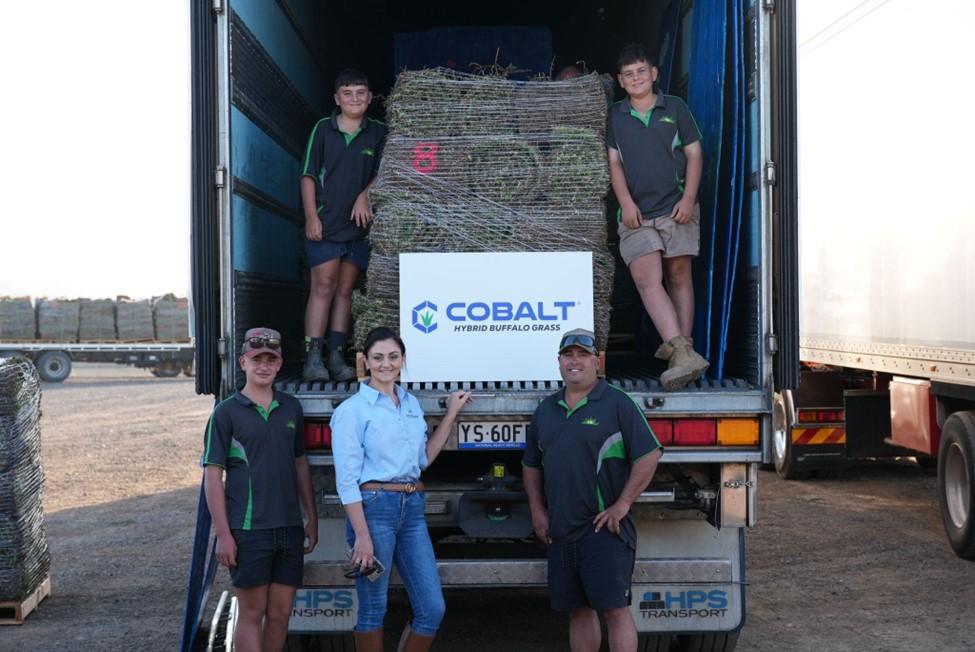
The first turfgrass to be introduced through Australian Turf Solutions will be Cobalt® Hybrid St. Augustine, marketed in Australia as Cobalt® Hybrid Buffalo grass. Developed by Texas A&M AgriLife breeder Dr. Ambika Chandra using advanced embryo rescue technology, Cobalt represents the world’s first hybrid St. Augustine variety. Dr. Chandra has emphasized that Cobalt will change the way people think about St. Augustine grass and water usage. Selected as an elite line after decades of evaluation against leading St. Augustine grass varieties, Cobalt offers exceptional drought performance and strong overall turfgrass quality. Its top-rated shade tolerance, winter color and wear tolerance make it an ideal choice for landscapes, commercial turfgrass and home lawns throughout Australia. As a low-input, low-maintenance turfgrass, Cobalt is exceptionally well-suited to Australia’s climate and water-use priorities.
Cobalt establishes quickly in sod production, offering efficient farm turnover and high-quality harvest characteristics. Ideal planting windows and production cycles will be provided directly to licensed growers. Initial Cobalt production at ATS will begin in 2026.
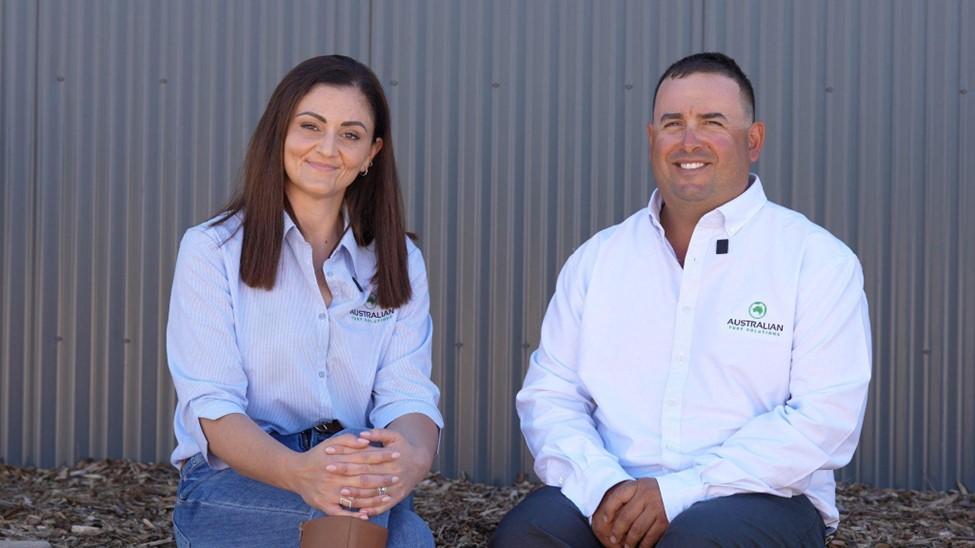
“Sod Solutions is excited to work with Australian Turf Solutions as we continue expanding our international footprint,” said Tobey Wagner, Sod Solutions president. “Jessica and David Micallef bring deep industry knowledge, high-quality production, strong relationships, leadership and a shared commitment to sustainable turfgrass innovation. Together, we look forward to delivering high-performance grasses that address Australia’s environmental priorities.”
Owned and operated by Jessica and David Micallef, Australian Turf Solutions builds on more than 30 years of turfgrass production experience through Abulk Turf Supplies, a family-owned company based near Windsor, NSW, that supplies Sydney and surrounding regions. ATS is well-positioned to support growers, turf managers and consumers nationwide as Cobalt Buffalo and future turfgrass innovations enter the Australian market.
For questions about Cobalt Buffalo or other turfgrass solutions in Australia, contact Australian Turf Solutions at info@australianturfsolutions.com.au. For more information, visit CobaltStAugustine.com.
Australian Turf Solutions Contact: Jessica Micallef
Owner, Abulk Turf info@australianturfsolutions.com.au
Sod Solutions Licensing Contact: Christian Broucqsault Chief Operating Officer christian@sodsolutions.com


Thank You!
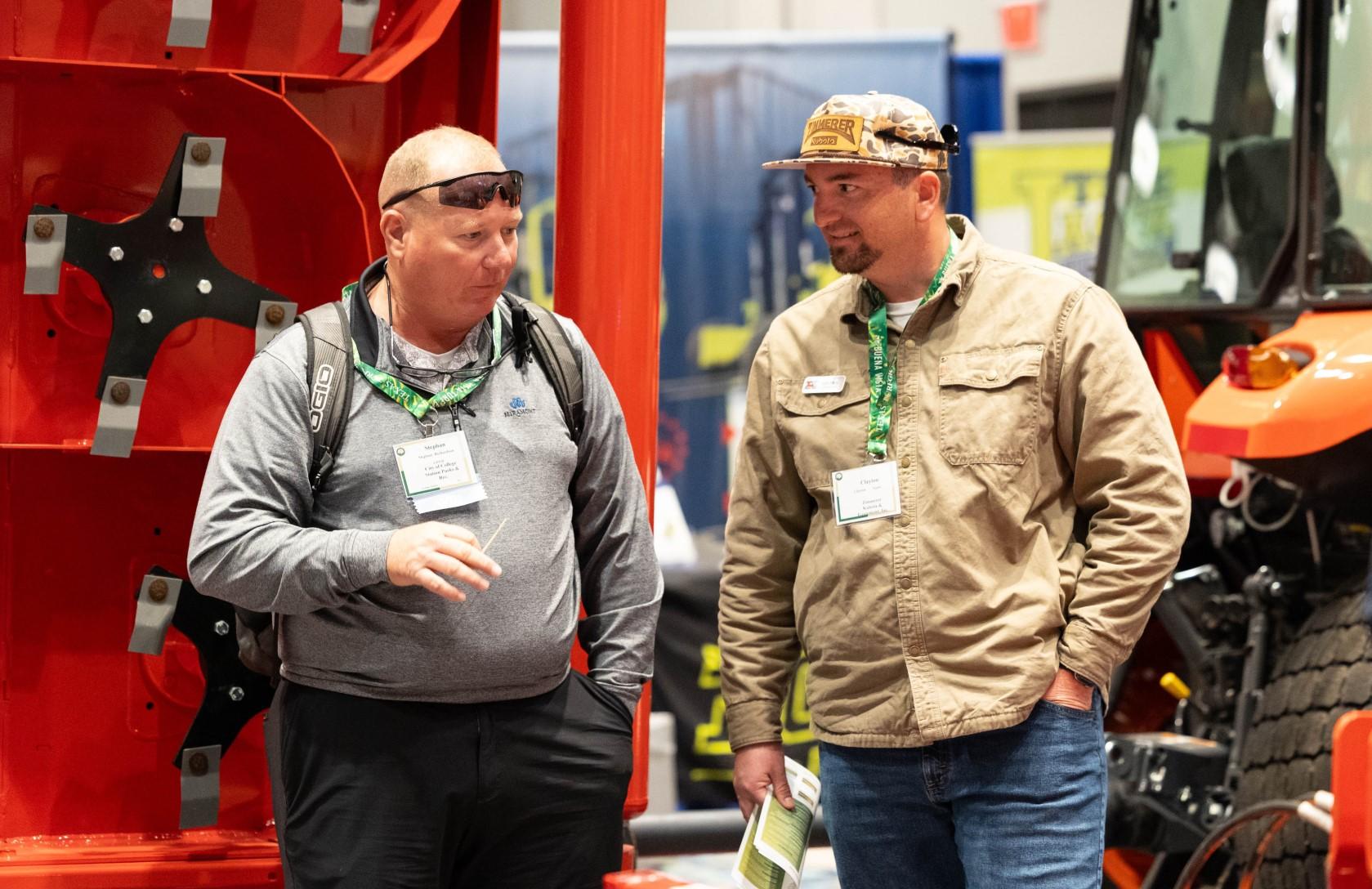
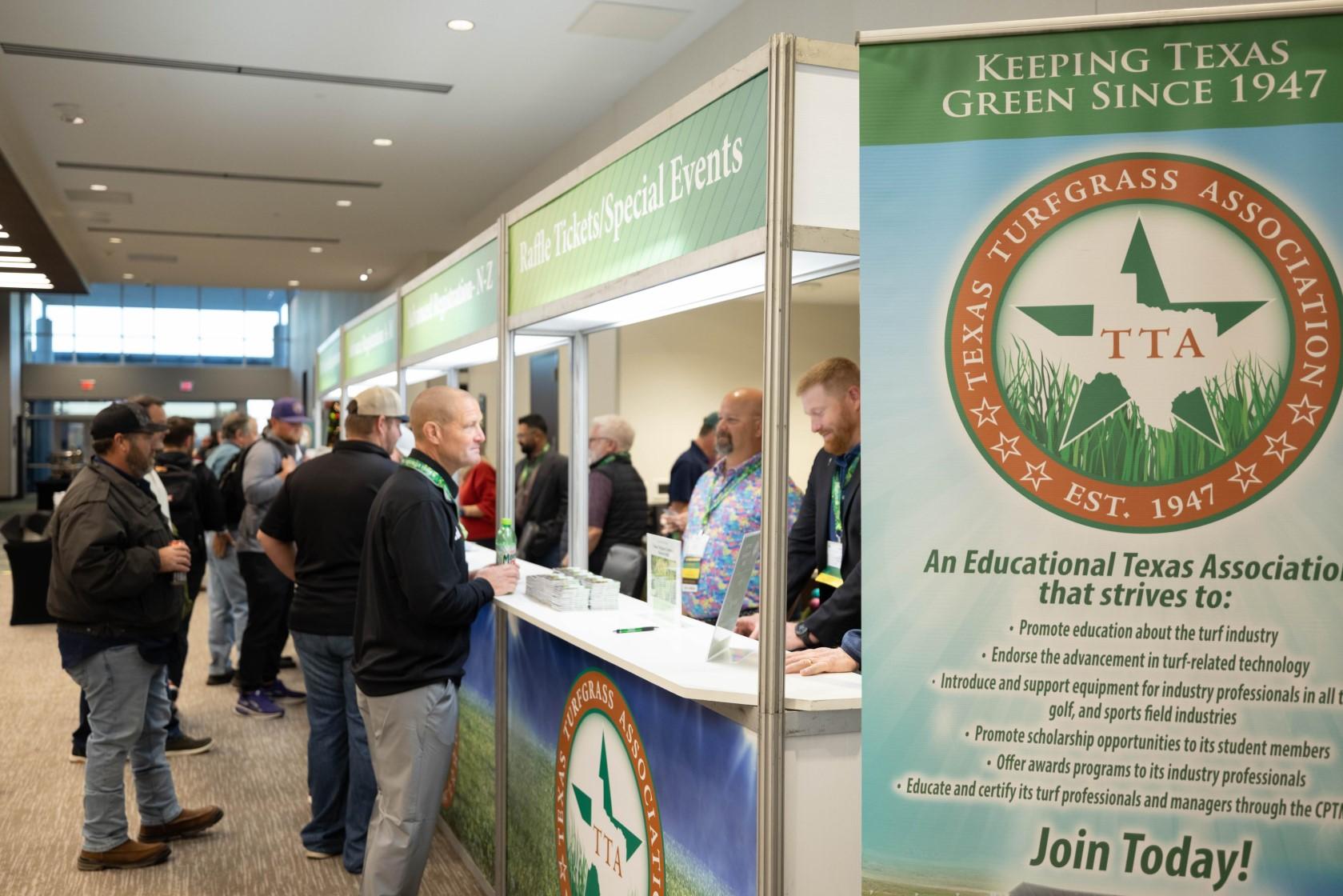
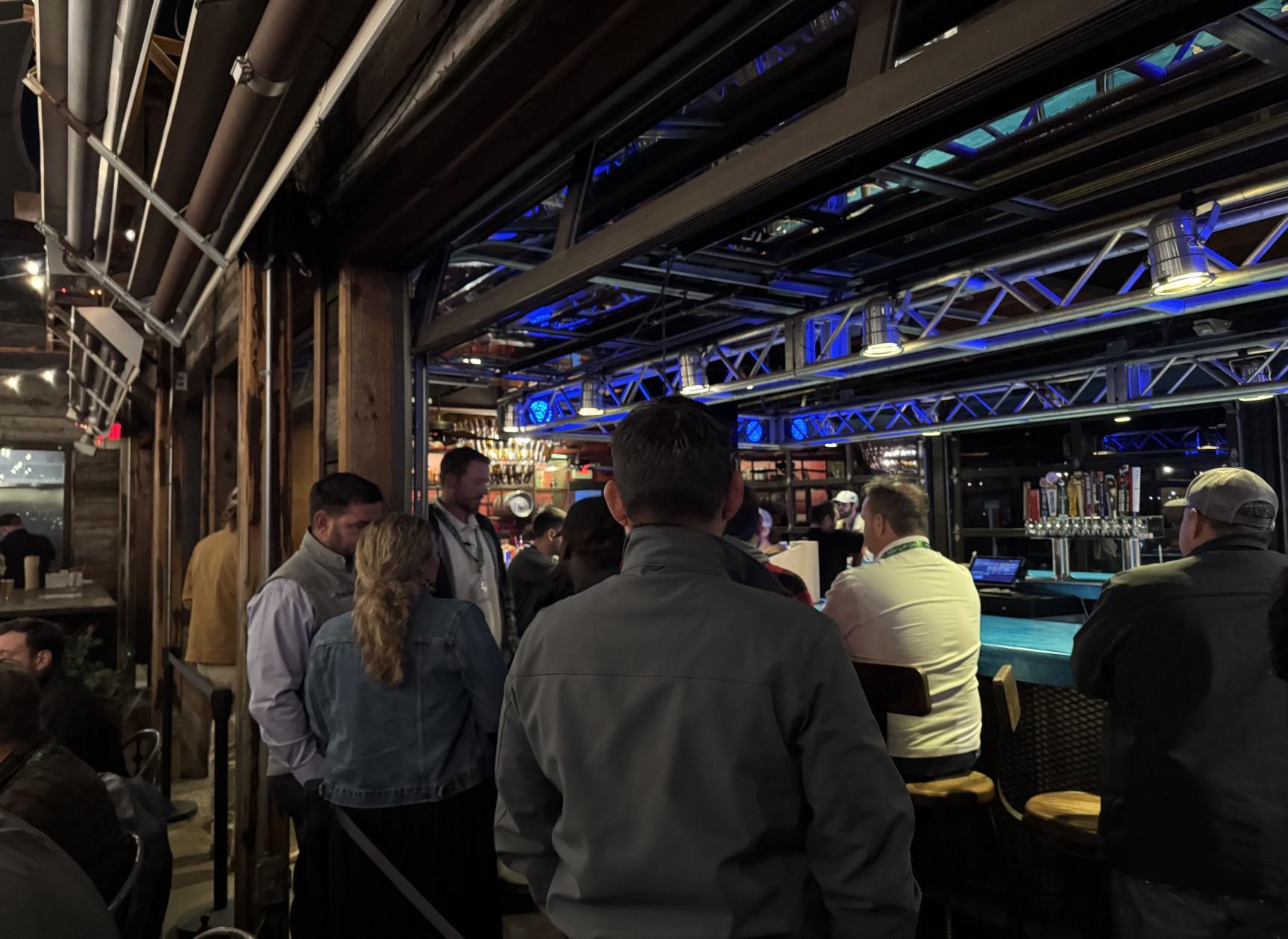
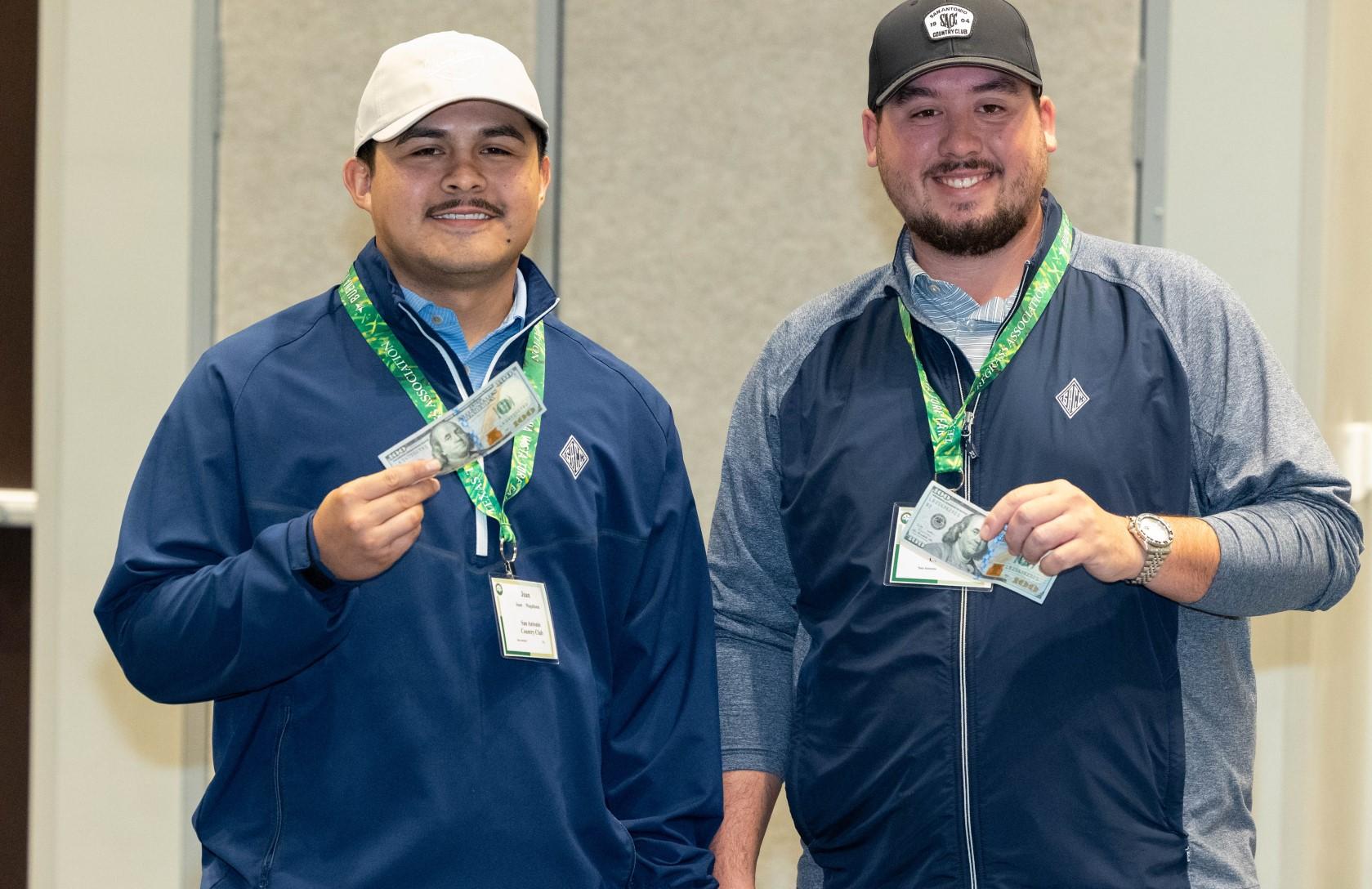
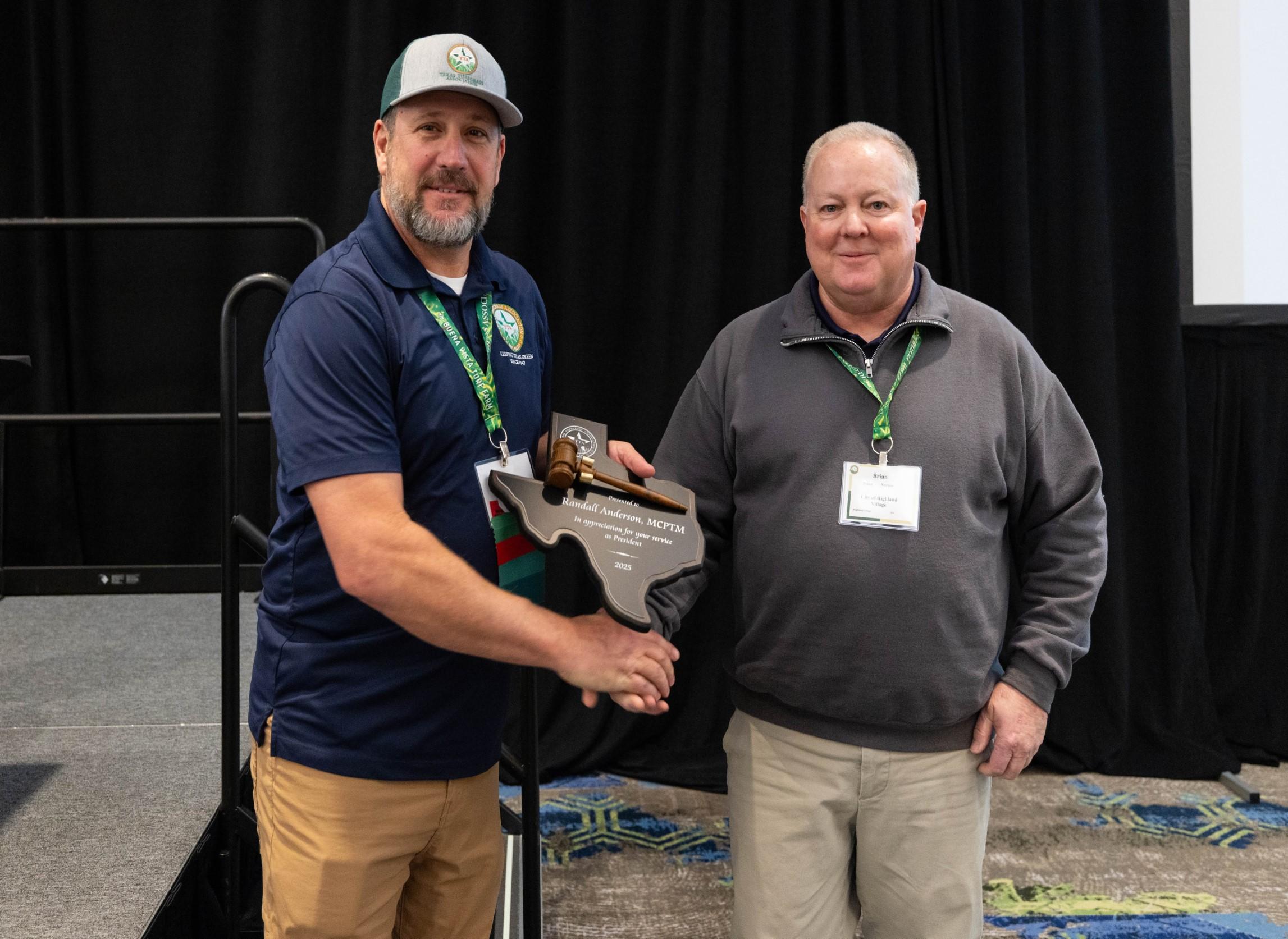
To all who participated in our 2026 Winter Conference and Trade Show! We had a great time in Denton! Enjoy these great photos from the event!