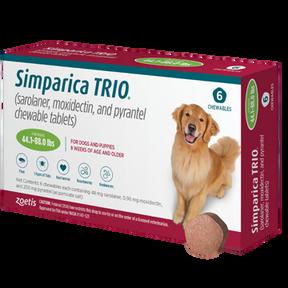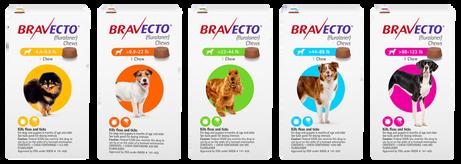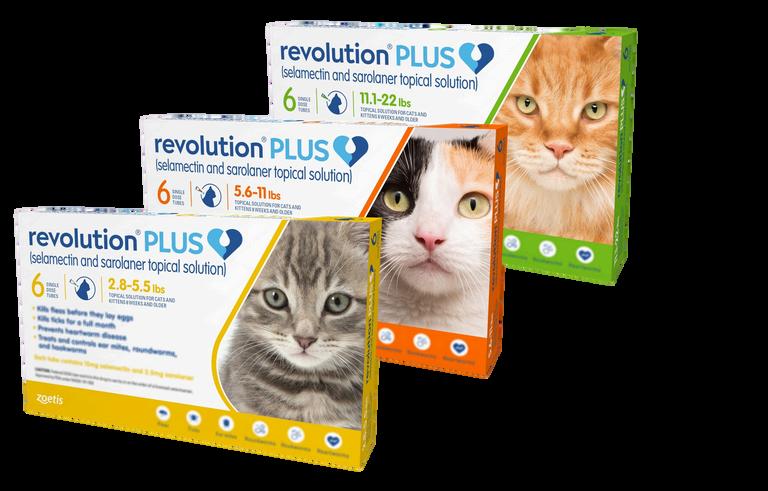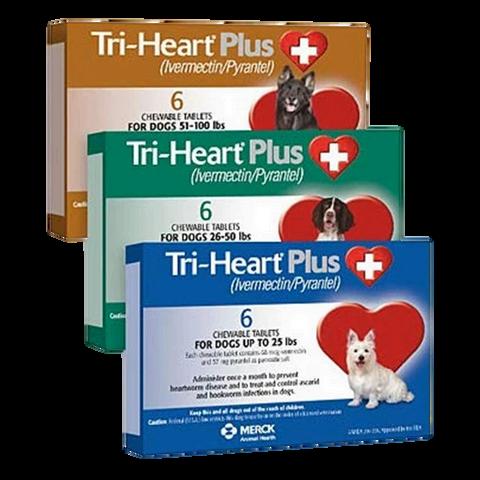


TCAP was established in 2002 to provide an affordable way to spay and neuter pets Since that time, TCAP has opened eight clinics We’ve also added a variety of services including low-cost vaccines, microchipping, heart worm testing and prevention, and dental cleanings TCAP’s prices are, on average, up to 87% less than what traditional veterinary clinics charge.
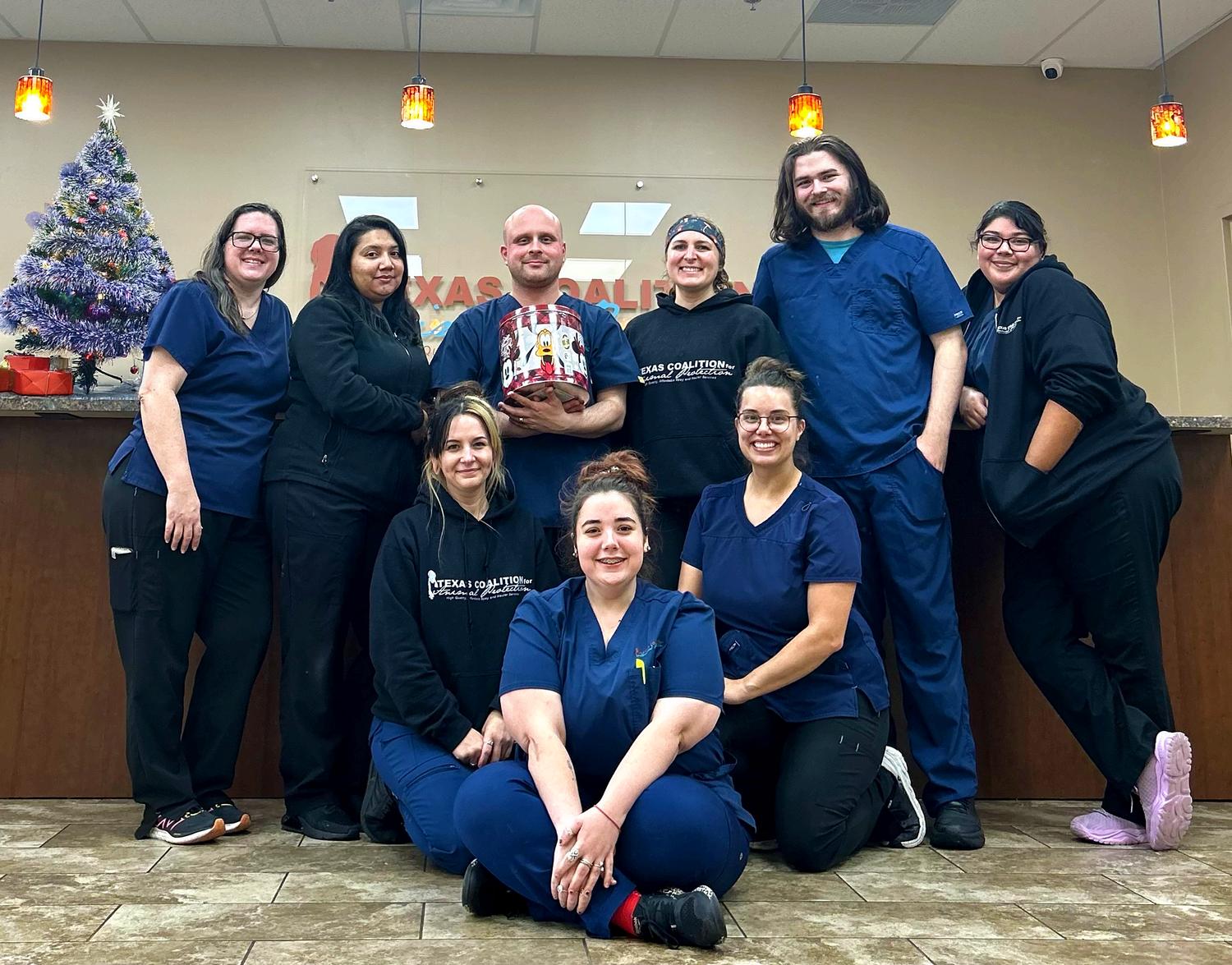
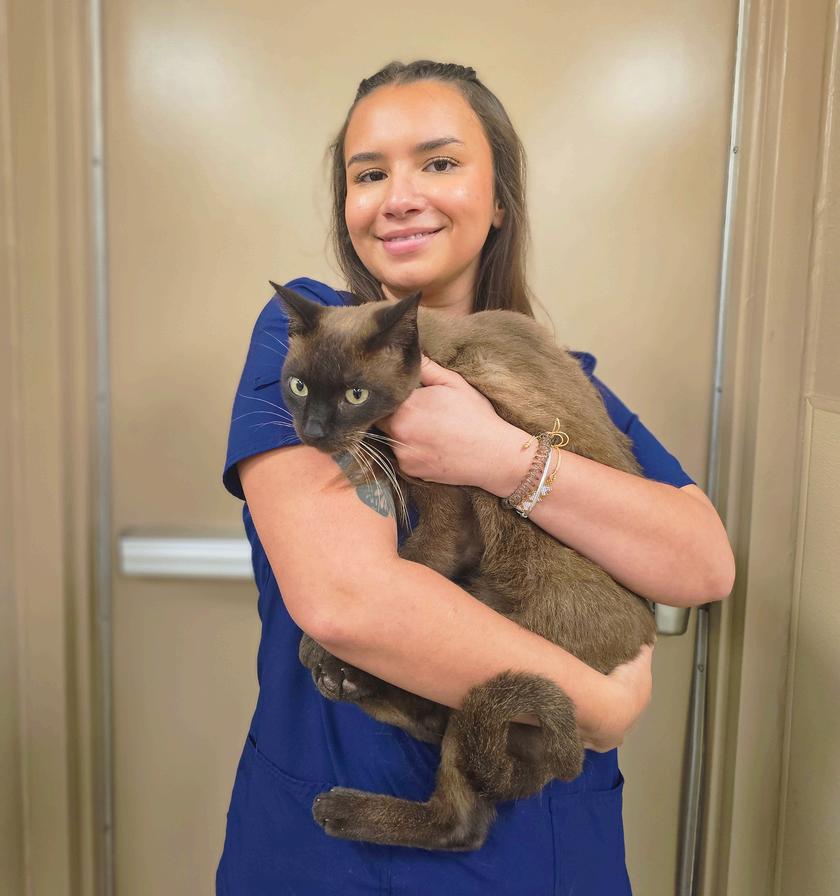
TCAP contracts licensed veterinarians who have extensive surgical experience and are well-versed in preventative animal care. We also employ experienced and caring veterinary technicians who work alongside and support our veterinary team during their surgery sessions Our compassionate employees and our amazing shelter and rescue partners throughout North Texas help us in the fight against euthanasia in our area shelters
The Texas Coalition for Animal Protection (TCAP) is a nonprofit organization that supplies low-cost services to those qualified for assistance programs. TCAP provides services to those who are indigent and lack sufficient means to provide medical care for their pets TCAP is able to provide subsidized savings at our clinics thanks to the generosity of our donors and sponsors This savings allows our clients to care for their pets using low-cost copays
“We found TCAP and wow, just wow!!! The prices are so affordable but beyond that, I couldn’t believe how efficient, professional and kind the staff was!! From Erin managing the front door and check-in process to the tech that gave the shots and to the doctor that chipped the dog Everyone was so pleasant and helpful. Erin may have the toughest job of all managing the check-in process but she did it with grace and professionalism that I know I wouldn’t have had the patience to maintain!! It’s so nice to know there is this type of support for animals and people in need and it’s very evident that the staff there is passionate about animal care!!!
A L L I S O N C L A R K
G O O G L E R E V I E W


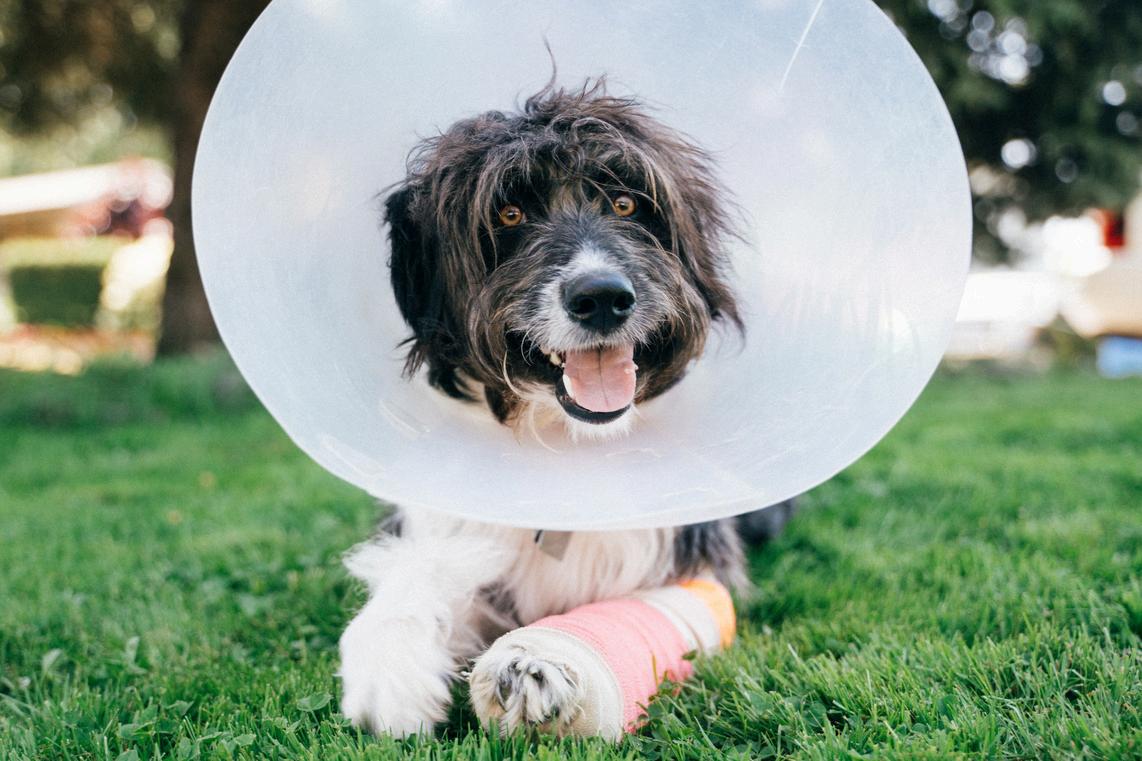

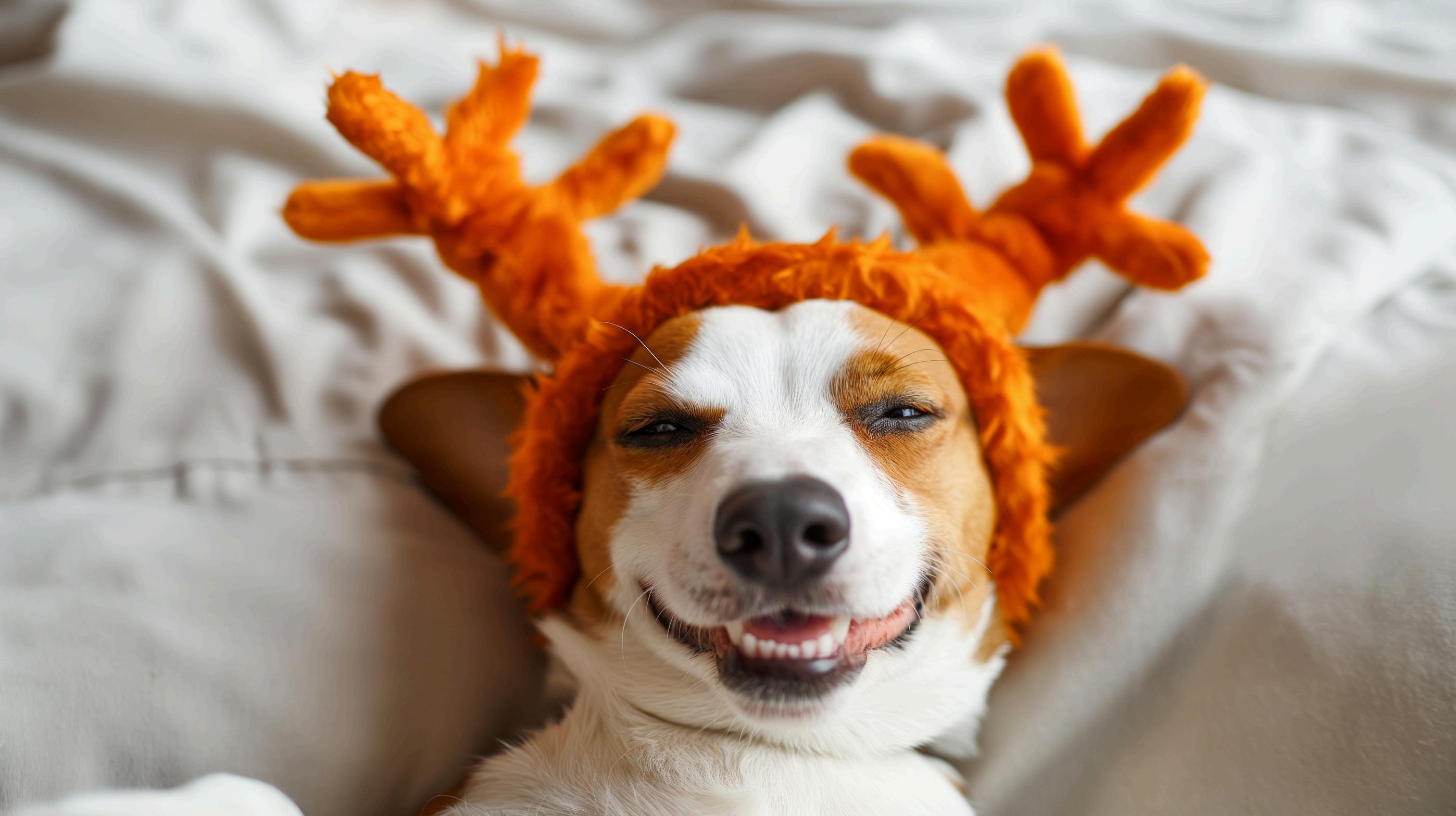



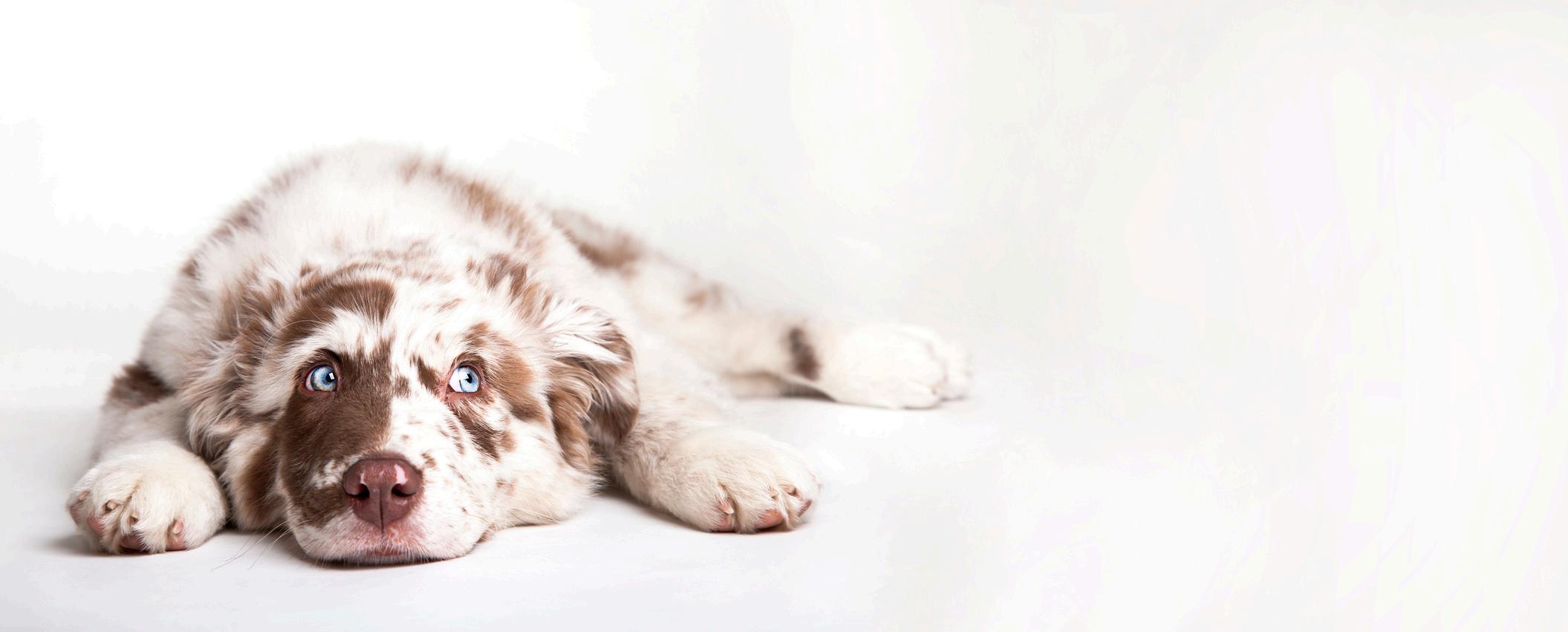
As devoted pet owners, we often focus on various aspects of our dog’s health, but dental care is sometimes overlooked. Proper oral hygiene is essential for your dog’s overall wellbeing, and scheduling regular dental cleanings is a key component of responsible pet ownership Understanding when your dog needs a dental cleaning is crucial for maintaining their oral health In this post, we’ll explore this essential aspect of pet care, addressing the question: When should my dog get a dental cleaning? By understanding the importance of dental care for dogs, you can ensure the long-term health and happiness of your beloved furry friend
Dental care is not just about fresh breath; it’s integral to your dog’s overall health. Poor oral hygiene can lead to dental diseases, causing pain, discomfort, and potential systemic health issues in your pet’s heart, lungs, liver or kidneys Because of this, it is important to make regular dental care a priority for our dogs
Ensuring your dog’s dental health is a vital aspect of responsible pet ownership Regular dental cleanings, coupled with diligent at-home care, contribute to a longer, healthier life for your furry friend
Paying attention to your dog’s oral health is crucial Signs that your dog may need a dental cleaning include:
Bad breath
Red or swollen gums
Difficulty eating or chewing
Excessive drooling
Visible tartar or plaque
Puppies: Start dental care early by introducing tooth brushing and appropriate chew toys to prevent plaque buildup
Adult Dogs: Dental cleanings are often needed annually or biannually, depending on your dog’s individual needs, breed, and oral health Dogs with smaller mouths often require more frequent cleanings This is also true for dogs that regularly eat human food
Several factors determine how often your dog needs dental cleanings:
Breed: Small breeds are often more prone to dental issues.
Age: Older dogs may require more frequent cleanings At TCAP, we can provide dental cleanings for pets less than 10 years old and with no pre-existing health conditions
Diet: Feeding a balanced diet and avoiding excessive treats, or consumption of human food, can contribute to better oral health.
Home Care: Regular tooth brushing and dental chews can extend the time between professional cleanings.
Have you ever wondered how your dog feels about you, sees the world, or is trying to communicate? A new Netflix documentary, “Inside the Mind of a Dog” — featuring Harvard evolutionary biologist Erin Hecht, along with canine experts from Duke, the University of Pennsylvania, and others — sheds light on research that is starting to solve these mysteries. We asked Hecht, director of The Canine Brains Project, to weigh in on questions drawn from the documentary so readers can test their own knowledge.
Psychologist Stanley Coren, author of The Intelligence of Dogs: A Guide to the Thoughts, Emotions,andInnerLivesofOur CanineCompanions, states that the average dog knows 165 words!

4
Research has found that an average of 70% of dogs have some type or form of anxiety!
2
According to a study of guide dogs by Emily Bray of the College of Veterinary Medicine, another researcher featured in the documentary, puppies of mothers who are more hands-off or paws off, if you will turn out to be more independent and better problem-solvers

No 2 dogs have the same nose print!
According to the Netflix Documentary: Inside the Mind of a Dog, research has found that the pattern on a dog’s nose serves as a unique biometric marker
3
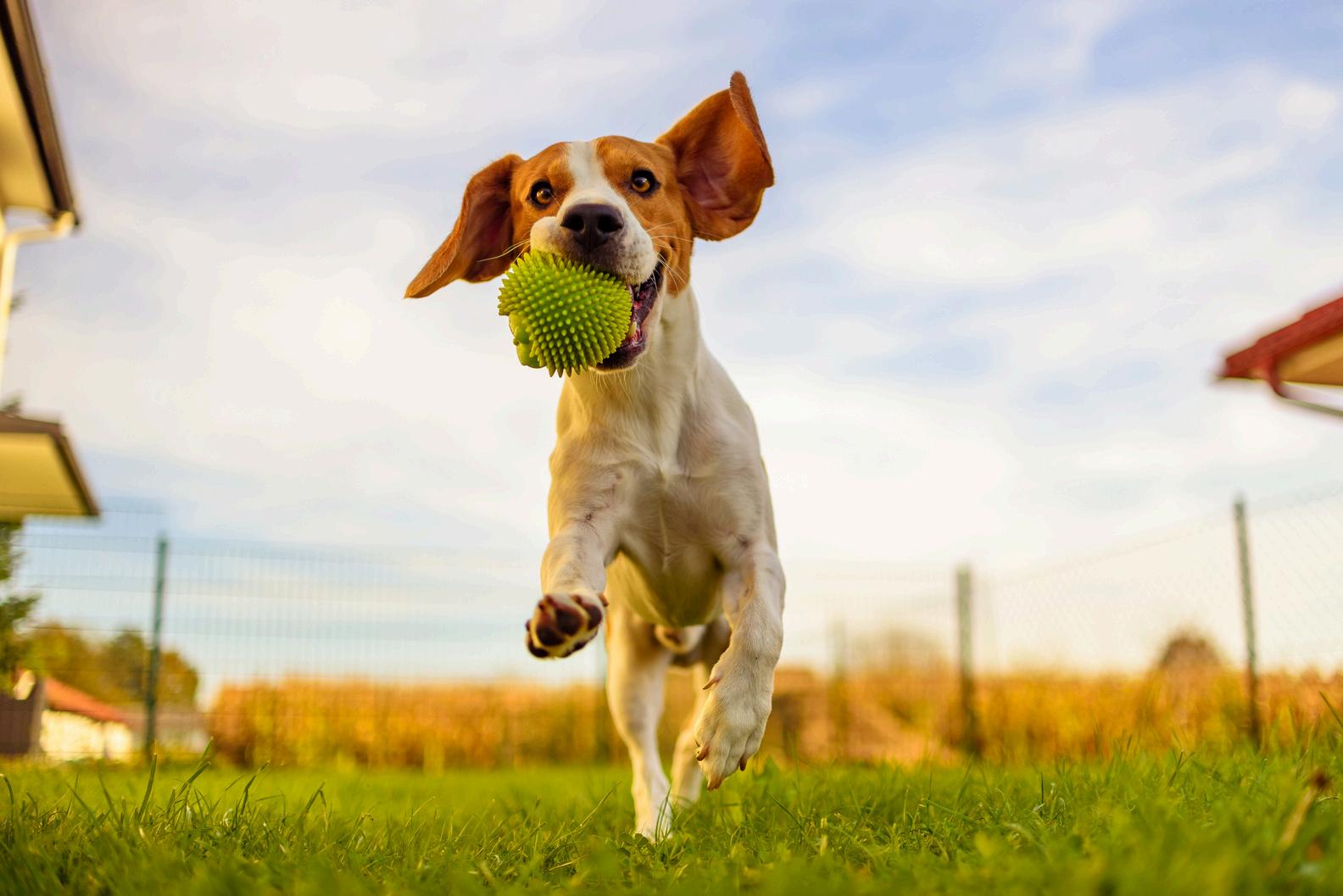
Before you start looking at pet food options, it’s important to understand your pet’s nutritional needs. Different pets have different requirements based on their age, breed, weight, and activity level.
When it comes to pet food, quality is key. Look for brands that use high-quality, whole food ingredients and avoid those that use fillers and artificial preservatives Ideally, the first few ingredients on the label should be whole meats, fruits, and vegetables You can also look for foods that are labeled “human grade” or “USDA certified organic” to ensure that the ingredients meet strict quality standards
In addition to age and breed, your pet’s lifestyle can also affect their nutritional needs. If your pet is highly active, they may require a food with a higher protein content. If they are more sedentary, they may need a food with fewer calories to prevent weight gain. Consider your pet’s lifestyle when selecting a food and look for options that are tailored to their needs.
Vets can be an invaluable resource when it comes to pet nutrition
They can help you understand your pet’s unique nutritional needs and make recommendations based on their health history and lifestyle
They can also offer guidance on choosing the right food and supplements for your pet
As a pet owner, you want to provide the best possible care for your furry friend, and nutrition is a crucial component of that care. Choosing the right food and feeding your pet a healthy diet can help prevent a range of health problems and ensure that your pet stays happy and energetic
Just like in the human nutrition world, there are many pet food fads and trends that come and go. While some may have merit, many are not backed by scientific evidence and may not be appropriate for your pet’s nutritional needs. Stick with wellestablished brands and consult with your vet before making any major changes to your pet’s diet.
At Texas Coalition for Animal Protection (TCAP), we offer a range of preventative care services to keep your pets healthy, but we do not sell food or provide nutritional counseling However, we believe that proper nutrition is an essential component of preventive pet health care, and we hope this guide helps you make informed decisions about your pet’s diet



The holiday season is upon us! Now is the time for Christmas carols, good food, cold weather, warm fires, family visits, and car and air travel Some of these things may be stressful for you, but these things may cause even more stress and anxiety for your pets Pets show their stress and anxiety in a variety of ways including: excessive vocalization, destructiveness, irritability, or hiding At TCAP, we understand that pets are important family members, so we ’ ve compiled a list of five stress-relieving tips for your pet this holiday season


If your pet is shy ensure that your pet has a bedroom closet, or bathroom to remove themselves from the sudden influx of strangers if they wish Pets that have the option of leaving a crowded room will feel safer and often be less stressed when you host a gathering of family and friends
If you have a pet that enjoys being the life of the party aim to include them in the festivities. Closing your pet off in a back room can often cause them great anxiety and loneliness Please take into account your pet’s familiarity with your guests, and vice versa Make certain children know how to interact with your pet to keep everyone safe throughout the holiday season
Your pet may beg for table scraps or left overs but it is important to make sure that your pet only eats proper dog or cat food Some common foods such as chocolate and raisins are toxic for dogs Fat trimmings, fruitcake, rich gravies, sauces, cooked bones, onions, and grapes are also extremely harmful Please have a conversation with all of your dinner guests to make sure they avoid feeding your pet anything from the table
Ensure your pet is secure when opening the door for guests arriving and leaving your home Small dogs and cats can be especially tricky when trying to bolt out an open door. Pets that would not normally do this may feel threatened by the sudden arrival of many strangers and try to find safety outdoors If necessary, confine your pet to a safe spot when guests are due to arrive and let them out again when everyone has arrived and the door is closed
With all the hustle and bustle the holiday season brings it is often easy to decrease quality time with your pet Remember that is important that your pet not miss out on important exercise such as going on walks or simply playing fetch You can always break playtime into shorter, more frequent sessions throughout the day Youll find the breaks leave you feeling refreshed and more energized for everything you have to do


2 ½ cups whole wheat flour
2 large eggs
½ cup canned pumpkin
2 tablespoons peanut butter (no xylitol)
½ teaspoon salt
½ teaspoon ground cinnamon
1 teaspoon water, or more if necessary (Optional)
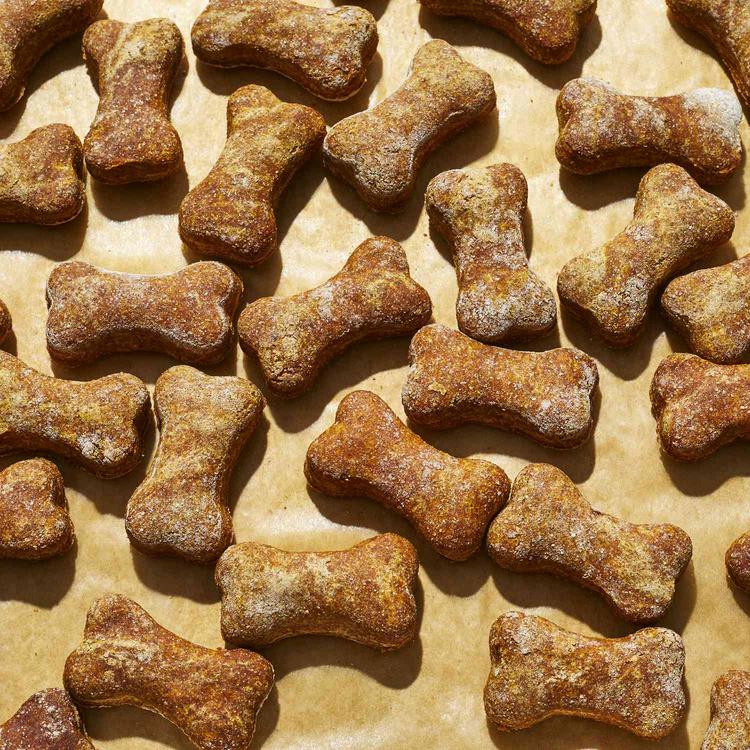

Gather all ingredients. Preheat the oven to 350 degrees F (175 degrees C).
Combine flour, eggs, pumpkin, peanut butter, salt, and cinnamon in a bowl; stir with a spatula until combined.
Total Time: Servings: 25 Treats 55 min
Transfer mixture to a work surface and work it with your hands until mixture starts to come together Add 1 teaspoon water at a time (only if needed) to help make the dough workable, but don't add too much as it should be dry and stiff. Roll the dough to a thickness of 1/2 inch.
Cut into 1/2-inch pieces and transfer to a baking sheet.
Bake in the preheated oven until dog treats are golden brown and crunchy, about 40 minutes. Let cool before serving to your dog.
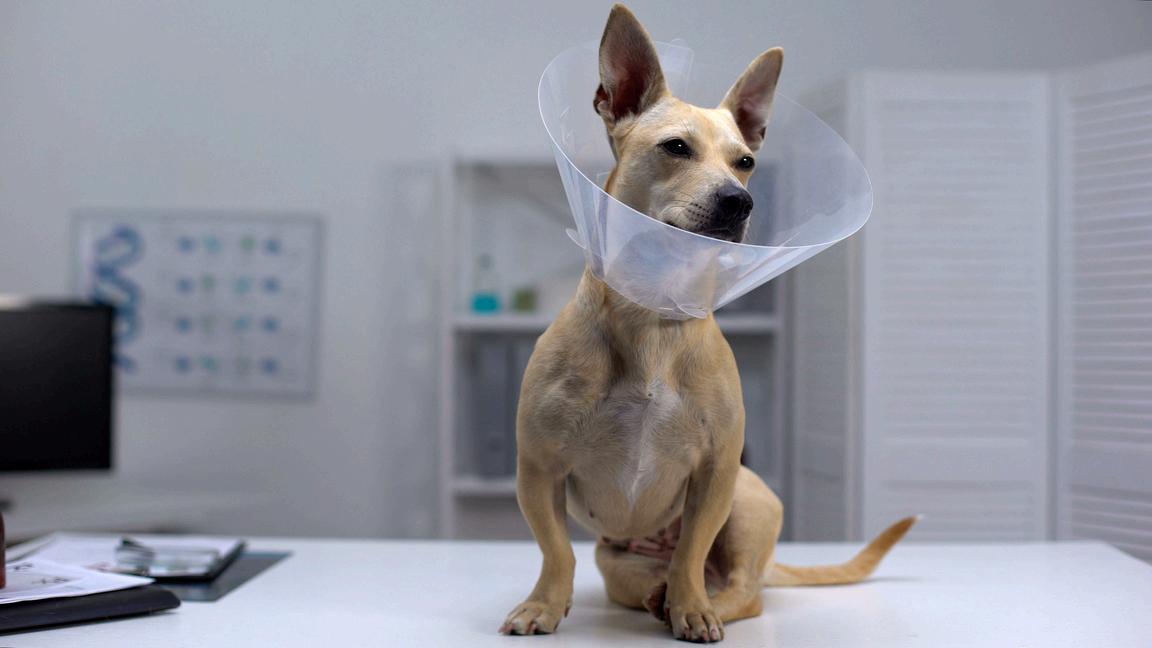
Our team at TCAP strives to make essential pet care affordable and accessible to clients that may not be able to afford the same care at a traditional full service vet
On average, TCAP’s prices are 87% less than what a full service hospital charges Spays and neuters range in cost from $35-$65 and are often discounted with TCAP’s monthly specials
You can call TCAP at 940-566-5551 to schedule an appointment today!
For more information, you can click here!
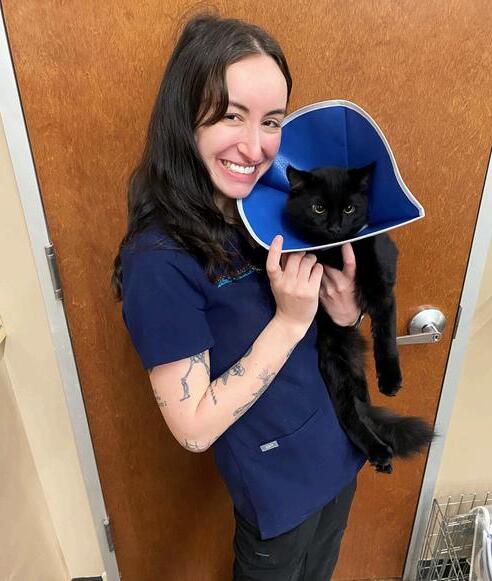
Spaying and neutering your pets is an essential step in promoting their health and well-being. By preventing unwanted litters, spaying and neutering can have a significant impact on the pet overpopulation problem. At TCAP, we believe that prevention is the key to ensuring that pets stay healthy and happy for a lifetime.
Female pets that are spayed have a reduced risk of developing fatal uterine infections and breast cancer, which can be fatal in a significant number of cases. Additionally, if you spay your pet before her first heat cycle, the likelihood of these diseases decreases further. Neutering male pets eliminates their chances of developing testicular cancer and lowers the risk of prostate cancer Our experienced veterinary team at TCAP can provide spays and neuters for pets as young as 10 weeks old and weighing at least 2 lbs
Kittens and puppies are able to reproduce as soon as they reach their first heat cycle. This often occurs as early as 4 months of age for kittens and at around 6 months of age for puppies. Beating this first heat cycle is crucial to ensuring there is no chance that your pet will contribute to the homeless pet problem. There is already a major shortage of loving homes for pets staying in our animal shelters.
Removing a dog or cats testes reduces the breeding instinct, making them less inclined to roam and more content to stay at home. It is also important to note that pets have no qualms about reproducing with members of their own litter. A single litter of puppies or kittens can easily become several litters if action is not taken to stop the reproductive cycle



3

4
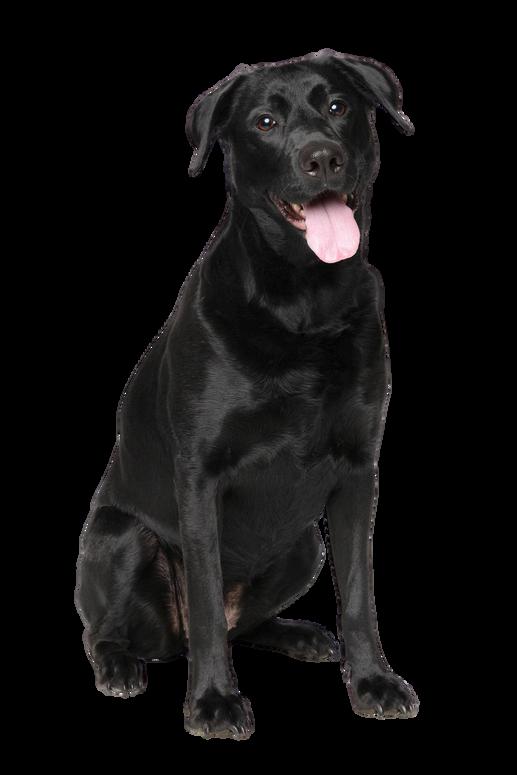
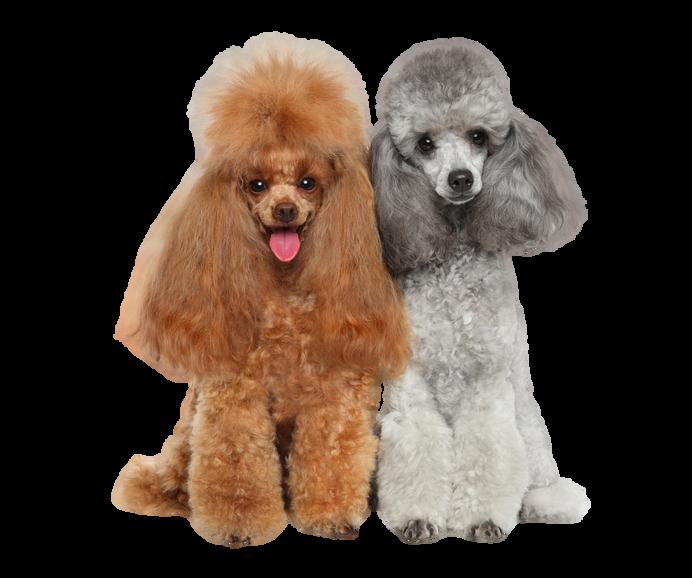
5 2 Labrador Retriever Golden Retriever Shephard Dog
1
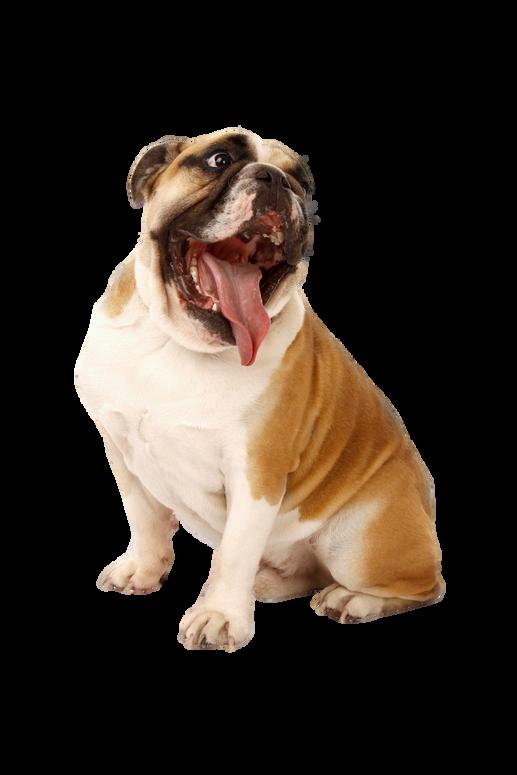
Part of the French Bulldog’s appeal is their playful, smart, and adaptable nature They’re easy to bring anywhere, and great companions for a variety of lifestyles These smart little dogs originated in France, and belonged to all kinds of people, from royalty to middle-class artisans They were recognized by the American Kennel Club in 1898, giving them over 100 years of AKC history along with it.
6

7
8
9










Christmas is a wonderful season to spend time with friends and family
If you are planning a holiday party, here are some tips to make sure your pet can join in the festivities while staying safe and comfortable
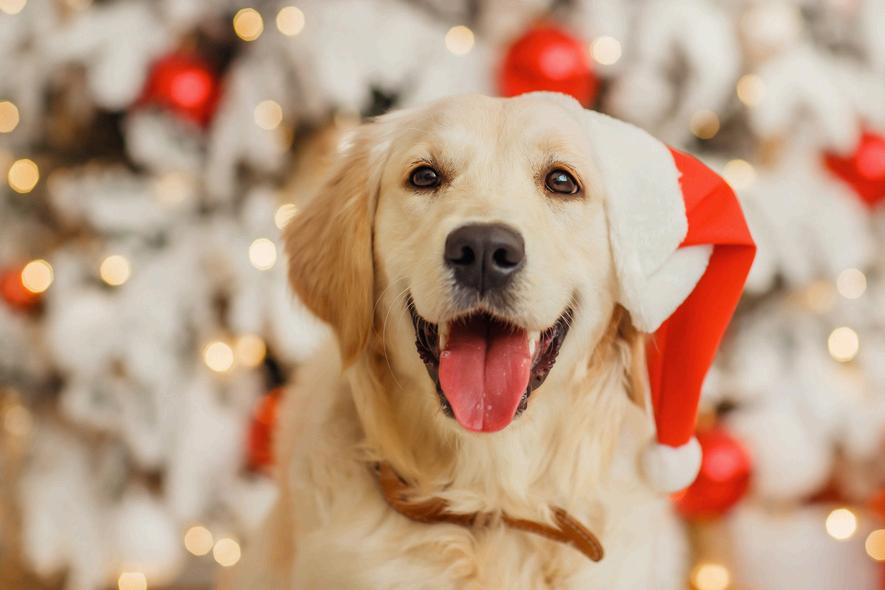
Before bringing your pet to a pet friendly Christmas gathering, make sure your pet’s vaccinations are up-to-date The core vaccines are Rabies, DAPPv, and Bordetella for dogs and Rabies, FHCPCh, and FeLV for cats. TCAP has many convenient, walk-in vaccine events throughout North Texas to help you and your pet To learn more about updating your pet’s vaccinations, visit our website!

No Christmas party is complete without common holiday plants such as mistletoe, poinsettias, holly, and Christmas trees The first three decorative plants are very toxic to both dogs and cats so we would advise either getting realistic fake alternatives or keeping your pets away from these plants completely Live Christmas trees require a reservoir of water at their base to keep them alive This water is not recommended for your pet’s consumption, so it is important to make certain your pet cannot access it for a quick drink. To many pets, tinsel looks like a toy or a festive treat. While it used to pose a larger threat due to containing elements of lead, current lead-free tinsel can still block an animal’s intestinal tract if consumed.
If you plan on having a buffet-style meal or snack area, remember to use sturdy dishware Your pet may be disciplined enough to resist jumping on the buffet table, but a guest’s dog might not be so controlled Should this happen, you will be glad it was durable dishware that hit the kitchen floor rather than your grandmother’s fine china
Pets like party favors, too. While Santa hats may be cute, but they don’t stay on very well and they often cause pets distress. Instead, you can go to your local pet supply store and purchase cute bow ties for collars and hair bows.
Safety First


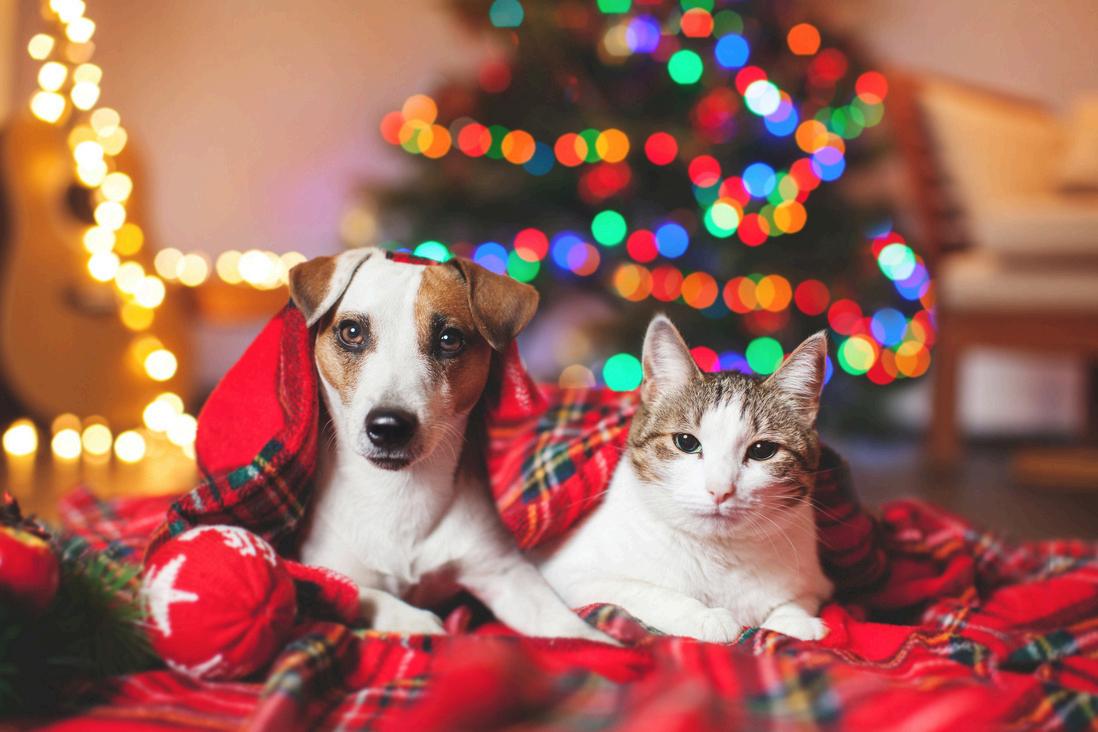
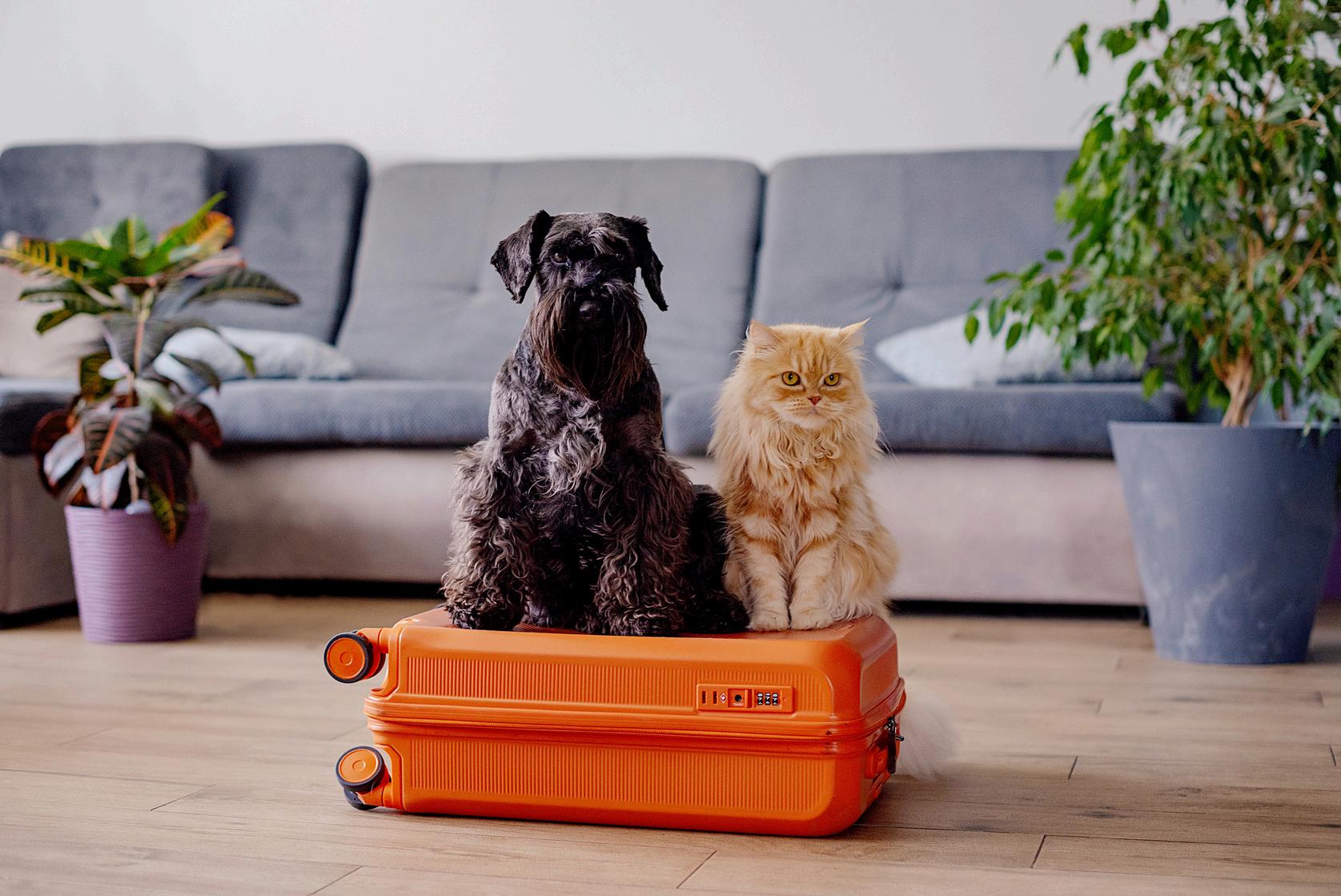


With the holidays just around the corner, many of us will make long journeys to join family and friends Often times this presents a choice, will your pets stay at home or will they come with you to celebrate the holiday? Should you choose to travel with your pet, we have a couple tips to make certain that your pet stays happy and safe throughout the holidays.
When it comes to vehicle travel, your pet should never be allowed to roam freely Not only can this be distracting to the driver, but it is also unsafe for your pet should an accident occur Cats in particular may become stressed from being in a moving vehicle; keeping them in carrier will keep them calm and help them feel more secure.
It is best to keep pets in kennels or pet carriers that are secured in place to prevent them from sliding around or rolling while the car is being operated. Pets traveling in vehicles should also be kept out of the front seat. Airbags are not designed with pet safety in mind and they can harm your pet rather than protect him in the event of an accident
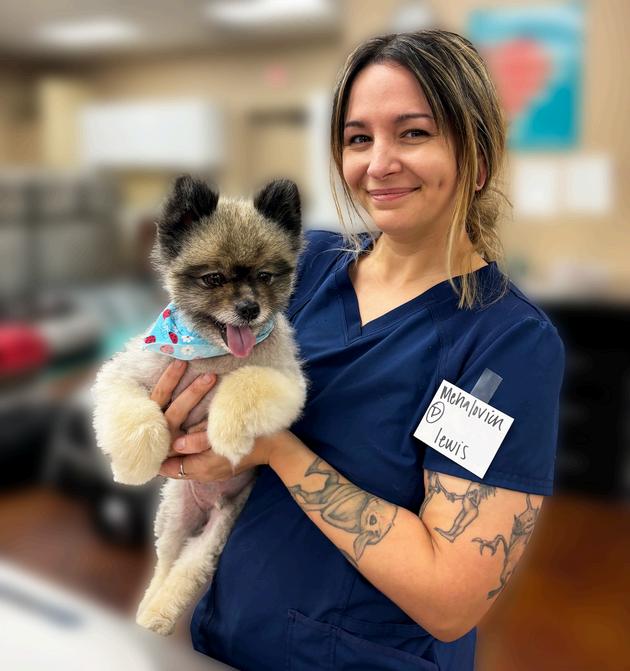
Stop frequently to allow your dog a chance to exercise and eliminate. Long trips can be taxing and boring and these breaks will help him remain happy. Please note, cats often become stressed and difficult to handle if they are taken out of their carrier in an unknown environment Do not attempt to remove your cat from his carrier unless you are at your destination or unless your vehicle doors are securely closed
Never allow your pets to leave your vehicle without a leash and proper identification A combination of a collar, ID tag, and microchip works best and gives your furry friend their best chance of returning to you should you become separated
Before traveling with a pet, please check to ensure that he has an ID tag and a microchip with your current contact information ID tags are necessary because people who find pets may not always think to look for a microchip when rescuing a stray pet It is also a good idea to have a temporary travel ID tag included on your pet’s collar with your cell phone and your destination phone number for the duration of the trip Microchips are important because they serve as a backup in case ID tags fall off All animal shelters and veterinary clinics have microchip scanner to help rescuers contact the owners of lost pets


It’s holiday season and they are coming to your home: strangers, friends, and family alike Whether your dog views guests as untrustworthy intruders or as their new best friend, it is important that you take preventative steps to ensure that you, your guests and your dogs stay safe
It is important that your dog has a basic grasp on how to mind his manners and how to follow your commands Even if you are pressed for time, you can still fit in a few short training sessions every day, and you will be surprised at how fast Fido can improve Working commands into your routine is another great way to improve your dog’s obedience and flexibility in obeying commands For example, you can use the “stay” command while cooking in kitchen or work on the “sit” and “down” commands while in the living room Practicing commands in the environments you will be using them when you have guests will also help hardwire your pet’s brain and help them be more inclined to follow commands even when there is the distraction of guests around. As always, be patient, be consistent, and be positive in your training to achieve amazing results
Training may not be enough to keep your dog comfortable If that is the case, you can focus your dog’s attention and energy in other areas to help keep him relaxed
Keep your dog comfortable If you know your dog doesn’t care for guests have a crate ready for him in a quiet spot such as bedroom with a closed door Alternatively, keep him in a place where he can feel comfortable and not interact with guests, such as a bedroom, laundry room or other area that is closed off with a door or baby gate Never allow people to interact with your dog if the dog isn’t comfortable, as this can increase the anxiety he is feeling.
Provide distractions Have a variety of items ready for your dog, to occupy his time, while you visit with your guests This can include food stuffed toys or puzzles, bones, chews, chew sticks and toys Always give your dog an item such as this in a safe place and supervise any interaction if children will be visiting
Exercise exercise exercise You cannot exercise your dog enough during these busy times As the saying goes, “A good dog is a tired dog ” The more physical exercise your dog gets, the less rambunctious when people come to visit, and there’s a good chance after greeting guests he’ll be more than happy to crawl up on his bed or crate and take a nap

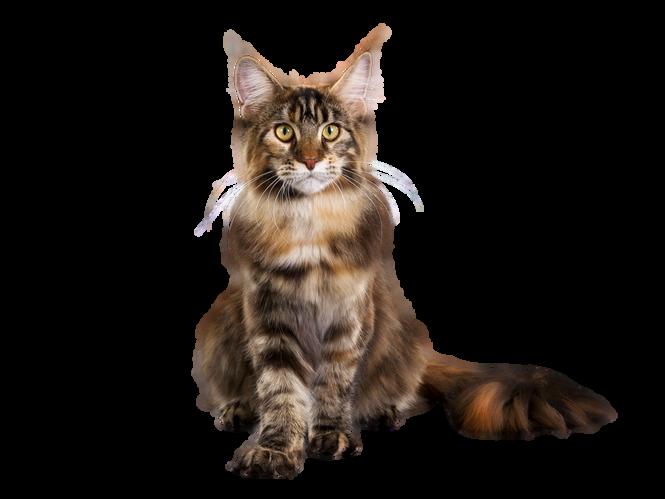
They are all the same species, but they relate to humans in different ways, and that changes how we categorize them Knowing the difference between them, and identifying which type of cat you ’ ve found hanging out on your back porch, can help you determine the best way to intervene Caring people (that’s you, if you ’ re reading this article) want to do what’s in the best interests of the cat they’ve found

May approach people, houses, and cars.
May meow, purr, or beg, especially in response to your voice.
Will probably make eye contact and want to be petted.


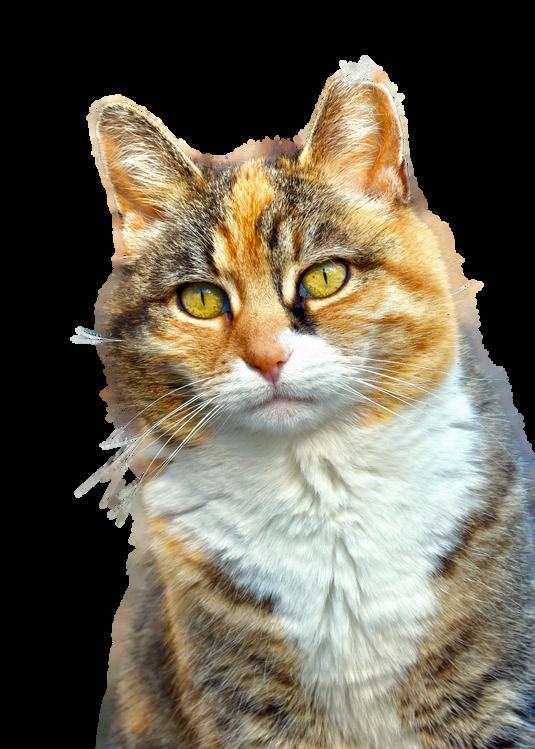

May crouch, or hold themselves within a protective position with their tail wrapped around their body
May avoid people & hide. Born in the outdoors with no socialization
Won’t vocalize or respond to your voice. Were more than likely someone ’ s pet at one point or was socialized at a young age as a community cat
Can typically become a pet once again or a feral from lack of human interaction.
Will probably avoid eye contact & hiss when approached
Ear Tip: Sterilized ferals with have a small ear tip on their left ear

A cat that was adopted, purchased or a found stray that was redomesticated
Enjoys human interaction & is friendly.
Typically lives exclusively indoors and/or roams the neighborhood during the day while always returning to the comforts of their home.
Usually well groomed and approach others lovingly while purring for more human interaction.

Animal shelters encourage pet adoptions, offering many loving pets eager for a new home. Unfortunately, some shelters notice an increase in pet returns after the holidays. Pets surrendered multiple times face greater challenges in finding permanent homes, making it crucial to carefully consider holiday adoptions to avoid leaving vulnerable animals homeless
he National Health (NIH) hat 7% to 20% of animals in the U.S. d to shelters within months of adoption.
Keep an eye on your dog while he’s chewing to prevent choking or swallowing large chunks of a bone or toy Match your dog’s size and chewing style to the right chew toy. Dogs that chew and consume chew toys or eat raw hides like potato chips are not getting the benefit of chewing Pieces of bones or toys that are swallowed can lead to internal blockages Throw away chunks small enough to be swallowed or pose a choking hazard.
Provide toys with “give” and some flexibility If you can’t bend it slightly or indent with your fingernail, it is too hard for your dog to safely chew
Allow your dog to chew on plastic bones such as “nylabones”, real bones, marrow bones, knuckles, antlers, hooves, and rocks These are too hard for teeth and can injure or break them Ouch!
Provide Chinese-made chicken jerky treats. Reports of serious illness in dogs from these treats continue to be filed by pet owners, but FDA officials have been unable to uncover a specific contaminant For now, it’s safest to just say no to chicken jerky treats
Stimulate your dog’s brain! Kong™ toys stuffed with peanut butter and dry dog food and then frozen, can provide hours of fun, but messy, chewing for your dog
Some new lines of peanut butter now contain xylitol, which is toxic to dogs, so make sure your product is xylitol-free Chew toys that act as food puzzles can also provide something new and different for your dog to do!
Let your dog chew on tennis balls For a game of fetch, tennis balls are perfectly fine For dogs that want to continuously chew a tennis ball, however, the ball’s surface is too abrasive and can cause abnormal tooth crown wear and pulp exposure