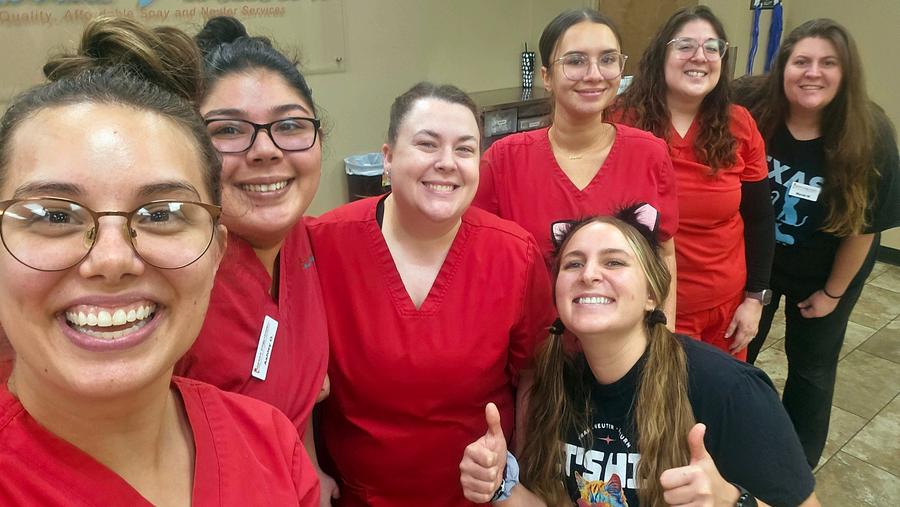

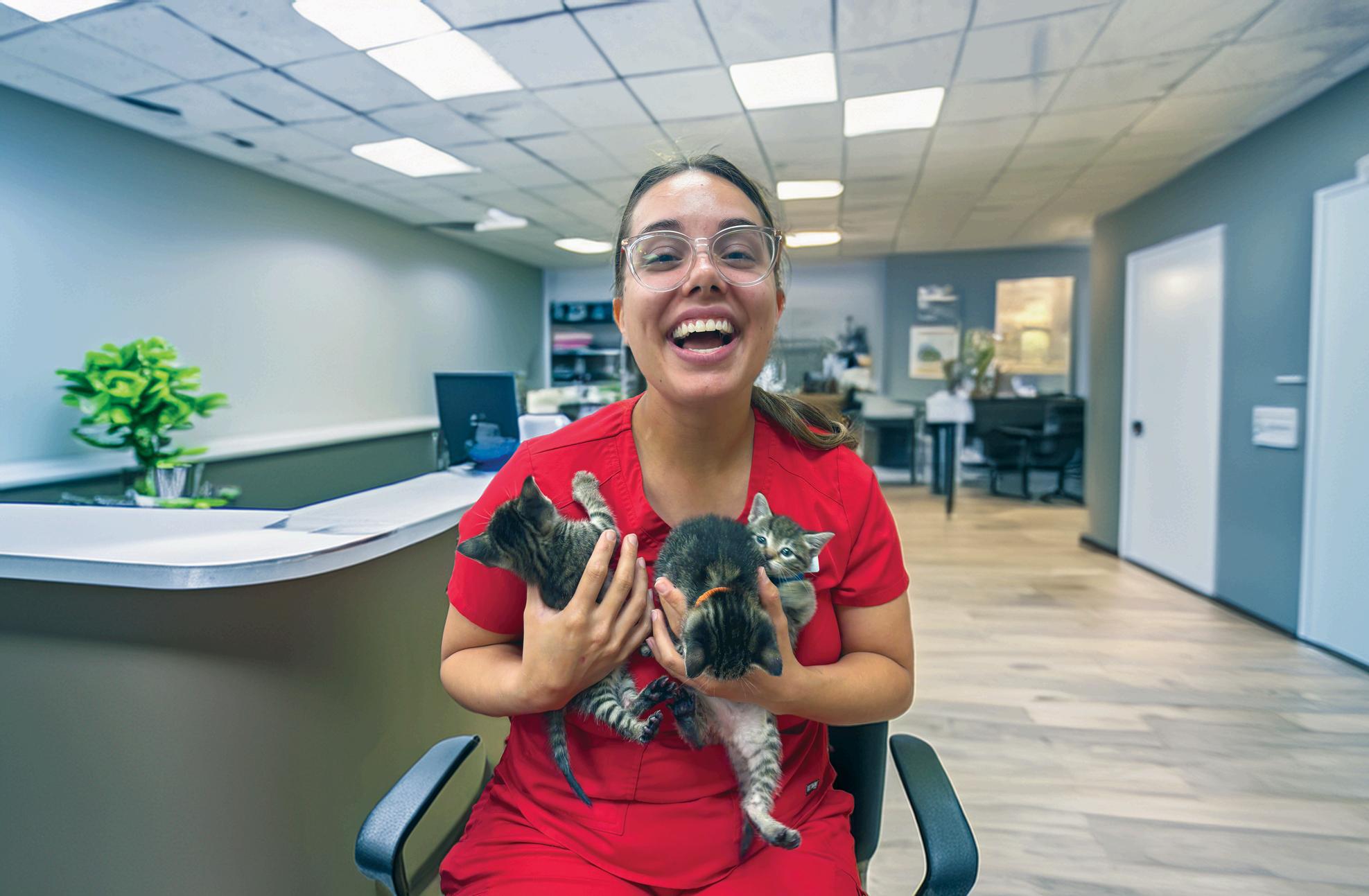
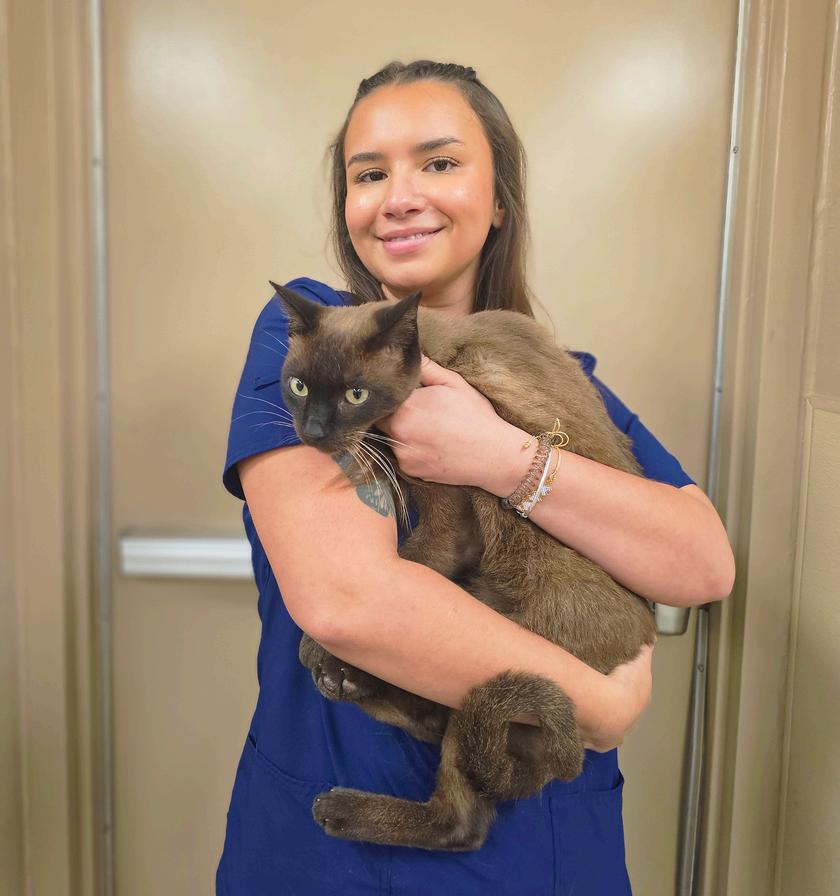

TCAP was established in 2002 to provide an affordable way to spay and neuter pets Since that time, TCAP has opened eight clinics. We’ve also added a variety of services including low-cost vaccines, microchipping, heart worm testing and prevention, and dental cleanings. TCAP’s prices are, on average, up to 87% less than what traditional veterinary clinics charge.
TCAP contracts licensed veterinarians who have extensive surgical experience and are well-versed in preventative animal care We also employ experienced and caring veterinary technicians who work alongside and support our veterinary team during their surgery sessions Our compassionate employees and our amazing shelter and rescue partners throughout North Texas help us in the fight against euthanasia in our area shelters.
The Texas Coalition for Animal Protection (TCAP) is a nonprofit organization that supplies low-cost services to those qualified for assistance programs TCAP provides services to those who are indigent and lack sufficient means to provide medical care for their pets TCAP is able to provide subsidized savings at our clinics thanks to the generosity of our donors and sponsors This savings allows our clients to care for their pets using low-cost copays.

Wheth h your
TCAP PROVIDES COMPASSIONATE SOLUTIONS TO PET OVERPOPULATION AND COMMUNITY
ANIMAL WELFARE. TCAP ACCOMPLISHES THIS GOAL BY MAKING AFFORDABLE, HIGHQUALITY PREVENTATIVE SERVICES AVAILABLE TO TEXAS PET OWNERS.
The Texas Coalition for Animal Protection (TCAP) is a nonprofit organization that has been determined by the IRS to be tax-exempt as an organization described in Section 501(c)(3) of the Internal Revenue Code
Our Amazon Wishlist is stocked with frequently used items By purchasing through Amazon, items are delivered directly to our clinics!
The program allocates funds to participating organizations based on the purchases that registered members, family and friends of the organization have made at Kroger using their Kroger Plus card.

Monetary donations are always appreciated The generosity of our patrons allows us to maintain our low costs and extend affordable services to all.
We also accept newspaper and old towels at all clinics. Feel free to drop them off during our walk-in vaccine hours.

Allen
111N.GreenvilleAve,SuiteA
Allen,TX75002
Arlington 2400SEGreenOaksBlvd
Arlington,TX76018
Denton 713SunsetStreet
Denton,TX76201

FortWorth
2401WestportPkwy,Ste.140
FortWorth,TX76177
Garland 1235NorthwestHighway
Garland,TX75041
Hurst
1856PrecinctLineRd,Ste.108
Hurst,TX76054


“Experience was AMAZING! Went in for a spay for my female cat, (about 8 months) and additionally they did her microchip, nails, antibiotics, and pain meds for only 95$!! As well as them receiving a grant that covered my spay for free! we almost started crying in the office as we are a VERY low income family; between just me, my husband and our cat. Ended up only paying 35$ for this visit and added a 10$ extra dollar donation! Love this place as the staff was so sweet and caring about the details of the cat. Definitely would recommend to others!!!”

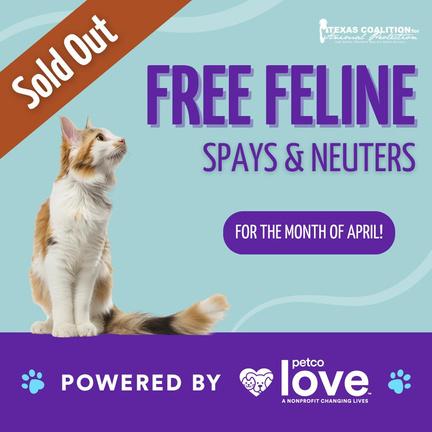
This month's April Free Cat Spay/Neuter special is fully booked! This special is made possible due to a generous $50,000 grant awarded to TCAP by Petco Love.
We would like to thank Petco Love for supporting our lifesaving efforts here at TCAP

TCAP is offering $10 heartworm tests when you purchase one year of heartworm prevention at the time of your visit for the month of April!!




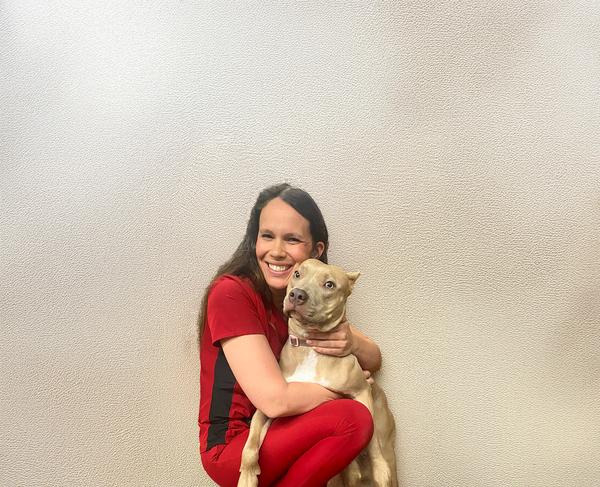
April is National Heartworm Awareness Month, and here at TCAP, we believe there’s never been a more important time to shine a light on this preventable, yet potentially devastating disease As we move into spring and summer, heartworm risk rises dramatically in Texas Here’s why heartworm awareness and prevention should be a top priority for every pet parent right now:
Heartworm disease is caused by parasitic worms transmitted by mosquitoes. Just one mosquito bite can infect your dog or cat with microscopic larvae, which grow into adult worms that damage the heart, lungs, and arteries. Alarmingly, heartworm disease often goes undetected until it’s advanced, leading to severe illness or even death if left untreated.
1. Warm Weather Means More Mosquitoes:
With Texas spring and summer bringing longer periods of warmth and rainfall, mosquito populations are booming This means the window for transmission extends, putting unprotected pets at greater risk
2. Increased Travel and Outdoor Activities:
More families are spending time outdoors with their pets or traveling to new areas Unfortunately, this increases the chance of exposure to heartworm-carrying mosquitoes.
3. Changing Climates, Changing Risks:
Warming trends and shifts in local ecosystems are expanding mosquito habitats into areas previously considered low-risk Pets who may not have needed protection in the past may now be at risk

1. Test Annually:
Even if your pet is on prevention, yearly testing is crucial to catch infections early before the disease becomes severe
2. Stay Consistent with Prevention:
Missing just one dose of preventative medicine can leave your pet vulnerable. Keep up with monthly prevention year-round.
3. Take Advantage of Special Offers:
In honor of Heartworm Awareness Month, TCAP is offering Half-Off Heartworm Tests with the purchase of a year of heartworm prevention! It’s the perfect time to make sure your pet is protected
At TCAP, our mission is to keep pets healthy and families happy. Heartworm disease is 100% preventable, and a simple step today can save your pet from heartache tomorrow
Visit us this April to take advantage of our Heartworm Awareness Month specials and keep your furry family members safe, healthy, and thriving—now more than ever! For more information, call your nearest TCAP location or visit us online at www.texasforthem.org.






Grapes and Raisins
These can lead to kidney damage in dogs Even small amounts can be toxic, so it's best to keep them out of reach
These contain methylxanthines, which can cause vomiting diarrhea hyperactivity and in severe cases, seizures and death Dark chocolate and baking chocolate are particularly dangerous due to their higher methylxanthine content



Avocado
All parts of the avocado contain persin which can cause vomiting diarrhea, and even death in pets

Alcoholic beverages and foods containing alcohol can cause severe health issues in pets, including vomiting, diarrhea, and even death Yeast dough is also dangerous as it can cause painful gas accumulation and potential alcohol toxicity
Macadamia nuts can caus weakness, depression, and hyperthermia in dogs

Other nuts high in fats and o can lead to vomiting, diarrhe and potentially pancreatitis


Onions, Garlic, and Chives
These can cause gastrointestinal irritation and red blood cell damage potentially leading to anemia Cats are particularly susceptible to this toxicity
Milk and dairy products can cause digestive upset due to lactose intolerance
Citrus fruits contain oils that may cause irritation
Coconut and coconut oil may cause stomach upset and diarrhea
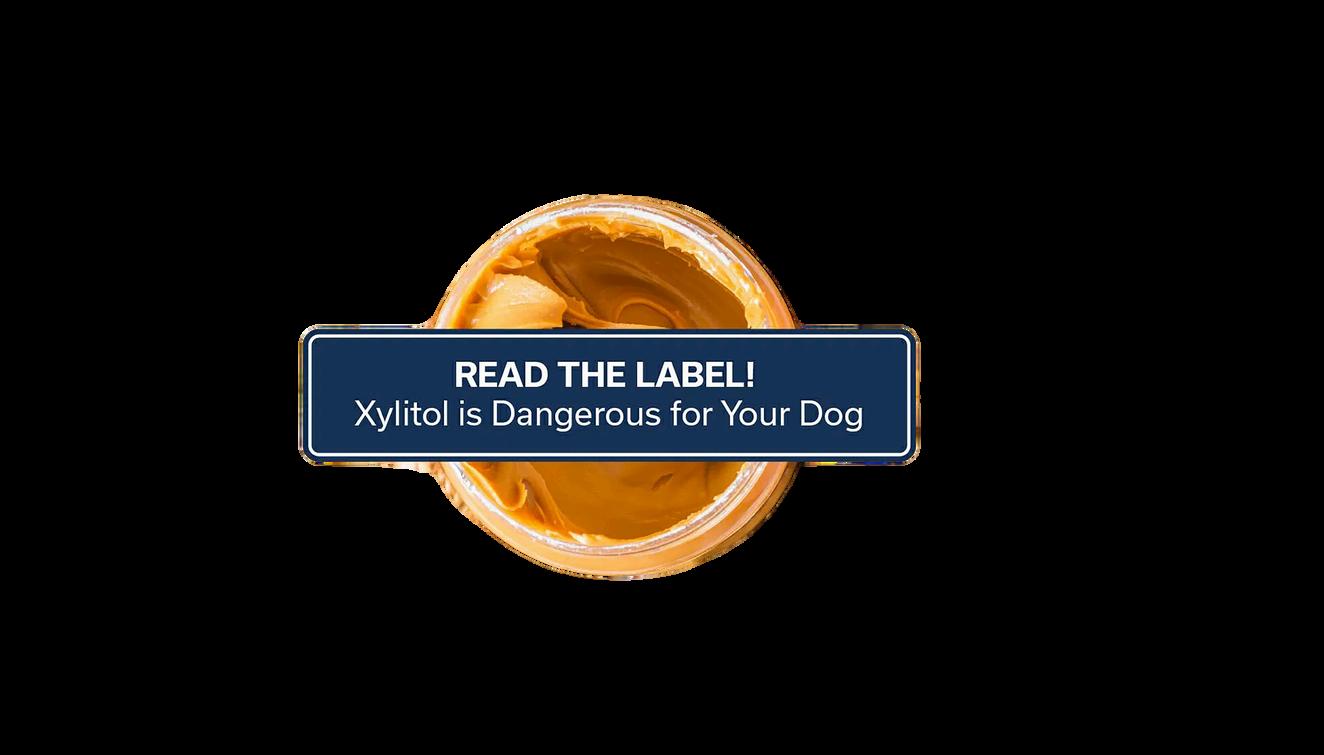

Xylitol, an artificial sweetener found in many products, can cause rapid blood sugar drops and liver failure in dogs Excessive salt intake can lead to excessive thirst, urination, and even sodium ion poisoning
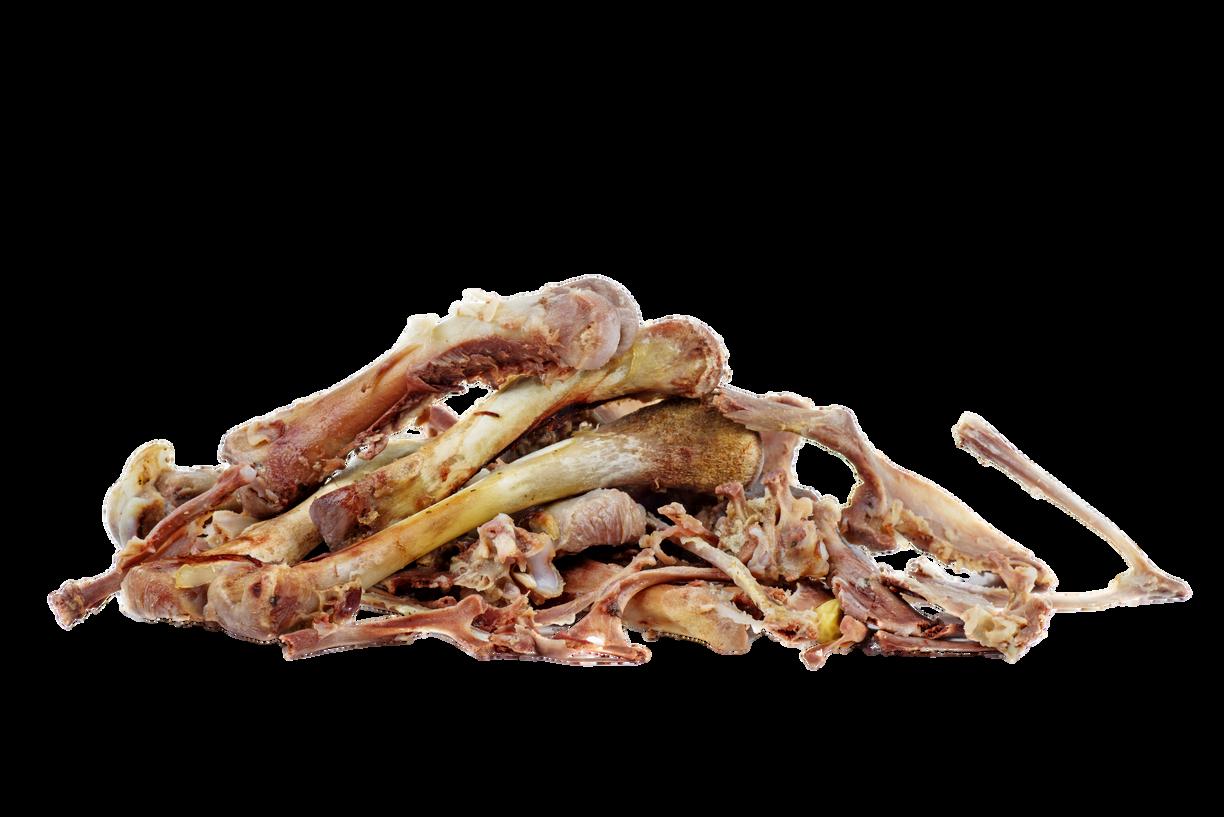
These can contain harmful bacteria like Salmonella and E coli Raw eggs may also interfere with vitamin absorption Bones can cause choking or internal injuries


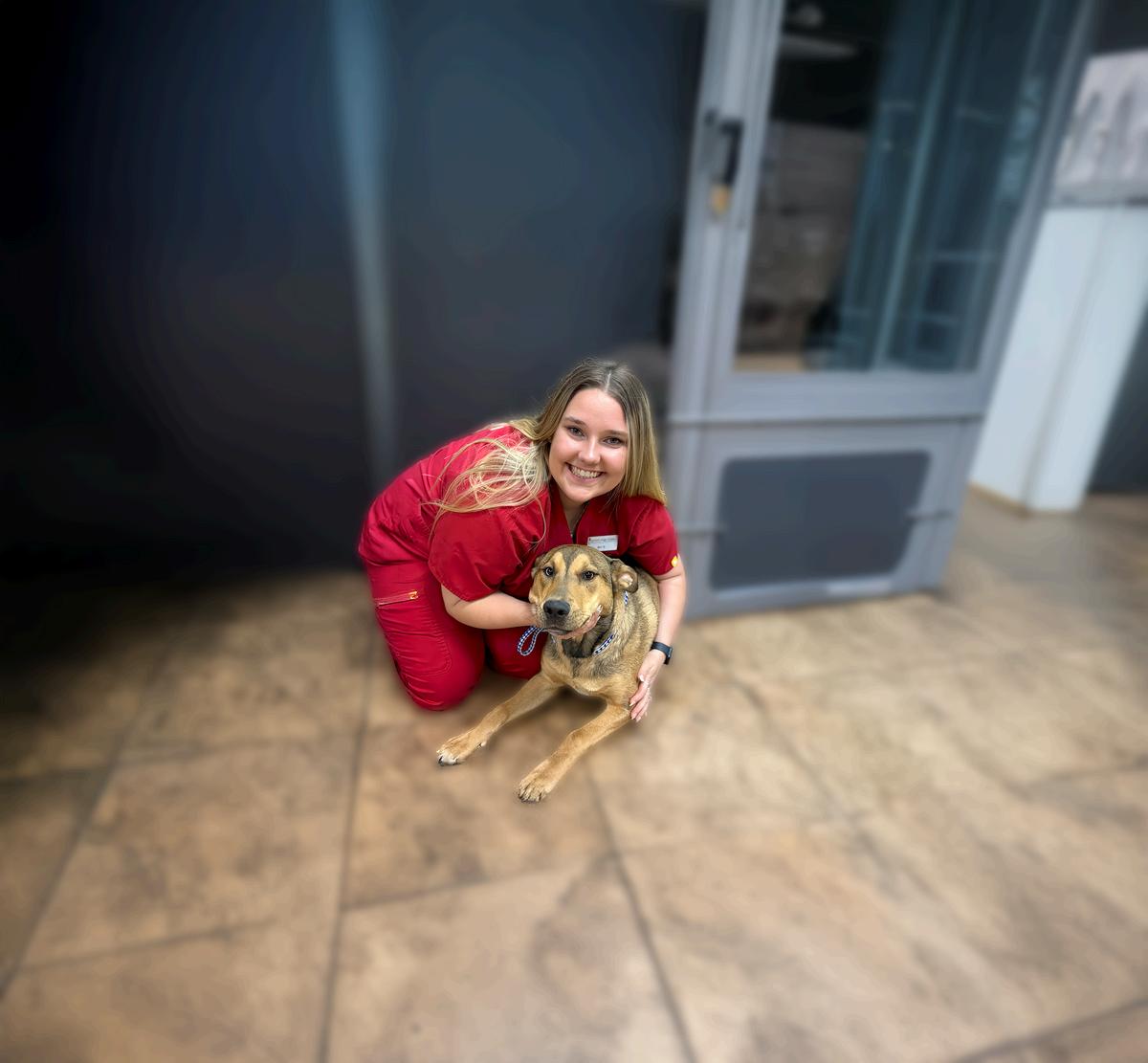
Meet Briana Sprabary or “Bri” as her teammates know her the clinic manager at our Garland TCAP location a bright, bubbly force at TCAP who’s dedicated to making pet care accessible and joyful. With her infectious laugh, love for all things pink and sparkly, and unwavering commitment to animal wellness, Bri embodies the spirit of TCAP’s mission. Let’s dive into her journey, her life outside work, and what inspires her daily.
Bri’s love for animals began early “I always knew I wanted to work with pets,” she says But her journey took a detour through childcare and even a stint as a Sonic carhop before she found her way to TCAP “My nana called me two years ago when she spotted a job opening here and I haven’t looked back!” she laughs Now, as part of the TCAP family, Bri thrives on the camaraderie and purpose she finds in her work
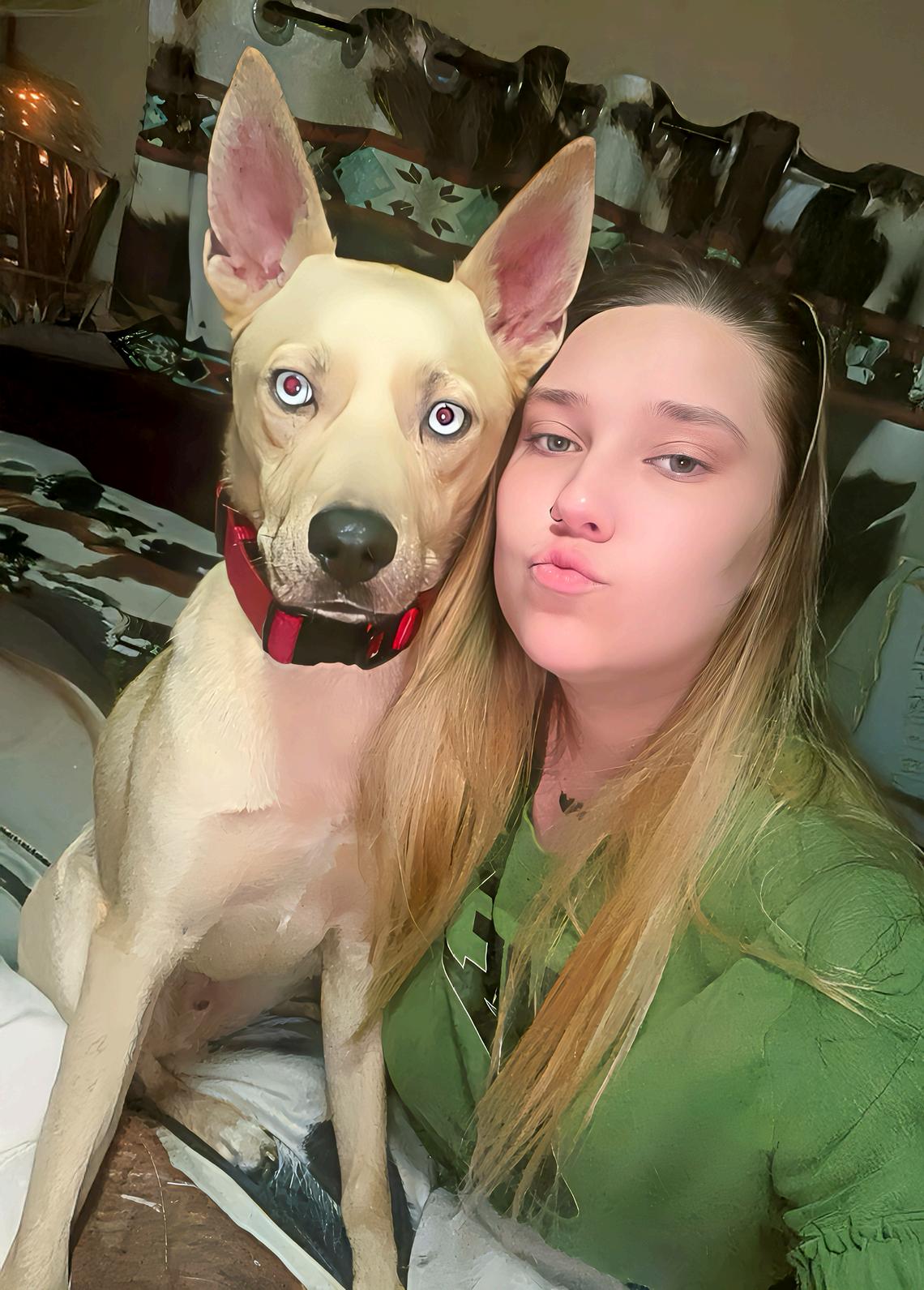
Bri shares her home with her boyfriend (soon-to-be fiancé, she hopes!), two energetic pups Bolt the husky mix and Bullet the mini Australian shepherd and Lynx, her laid-back DSH cat “They’re a handful, but their puppy energy keeps life fun,” she says When she’s not wrangling her pets, Bri unwinds with crafts, Netflix dramas (All American is a current favorite), and country music playlists
Bri’s days start with morning meetings, to-do lists, and a mission to keep the clinic running smoothly “The best part? Seeing how happy pets are when they reunite with their owners after surgery, ” she says But what truly fuels her passion? “Knowing we ’ re helping families who struggle with vet costs The gratitude in their eyes it’s priceless”


For Bri, TCAP’s magic lies in its team “We laugh, we work hard, and we all care deeply about pets,” she says Her advice to pet owners? “Start preventive care early vaccines, heartworm prevention, the works It saves lives” And while she jokes about her hidden talent (“I bedazzle everything!”), her real superpower is her positivity “No matter how tough the day, I keep smiling There’s always something to laugh about!”
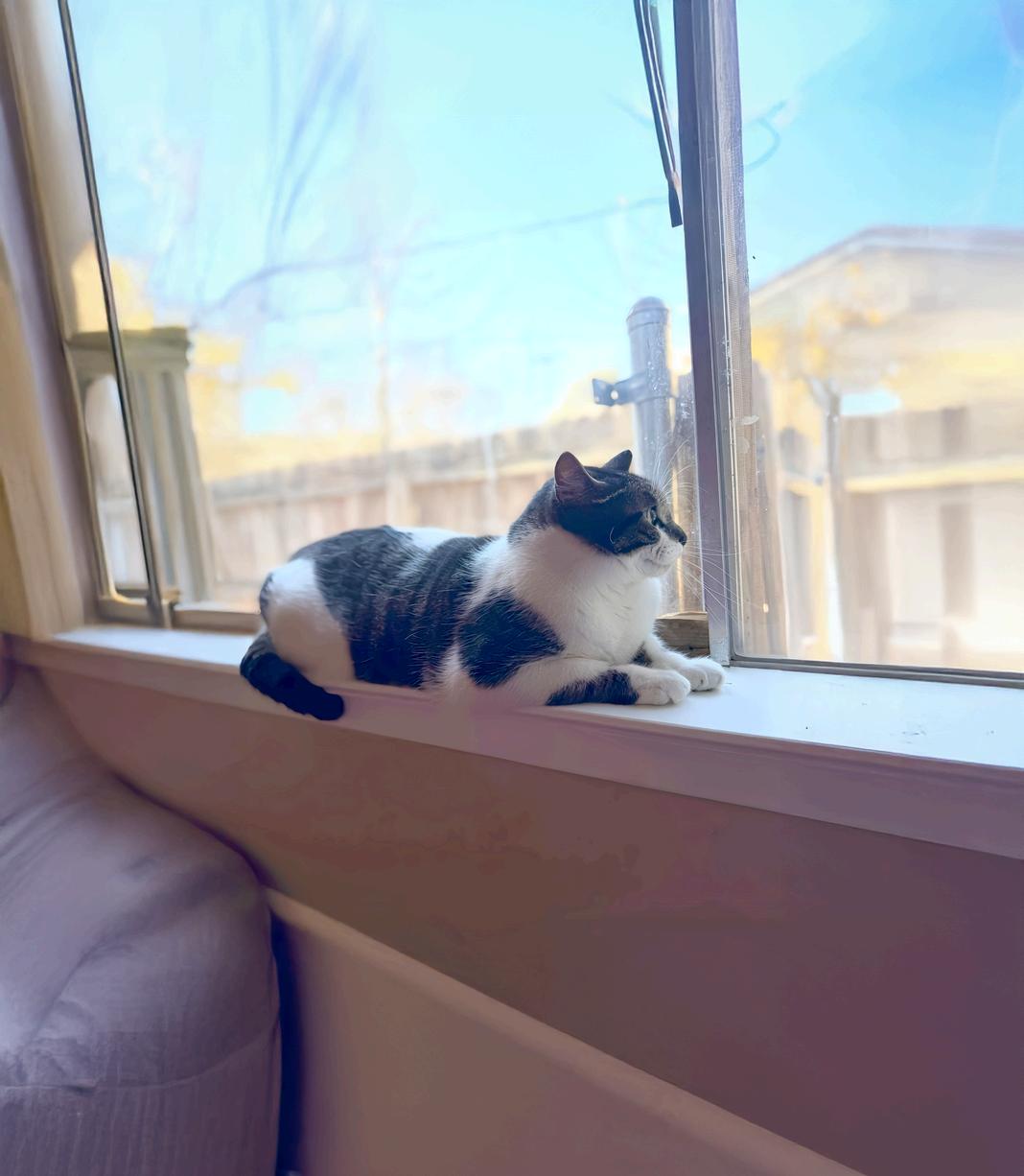
If she could be any animal? “A Highland Cow they’re fluffy, sweet, and totally my aesthetic!” she grins As for travel, the Bahamas top her list (“I’m a beach girl!”), but for now, she’s content building Legos with her boyfriend or cheering on her former allstar cheer teams
Bri’s journey reminds us that passion and persistence pave the way “At TCAP, we ’ re not just a clinic we ’ re a community,” she says “And every pet deserves a chance to thrive”
Want to meet Bri? Stop by your nearest TCAP clinic and say hello you’ll leave with a smile!
For more stories like Bri’s, follow TCAP’s Monthly Magazine or visit us online
BrianaspeaksonherroleasClinicManagerattheGarland,TexasTCAPclinic locationandwhatinspiredhertochooseacareerinthefieldofVetMedicine

TolearnmoreaboutBriana&herpassionforanimals, watchherfullinterview:
Briana’s Story



Every month here at TCAP clinics across North Texas, our veterinary teams work with dozens of dogs with heartworm disease. The truly heartbreaking reality? Almost every single one of these cases could have been prevented with simple, affordable heartworm testing and prevention
Heartworms (you may see them referred to as Dirofilaria immitis) aren’t worms like the ones you may see in the dirt They’re actually long, spaghetti-like parasitic worms that live in the heart, lungs, and associated blood vessels of infected animals
As pet parents, we always want to know we are making the best decisions for our furry family But there are plenty of misconceptions about heartworm disease that can often lead wellmeaning pet owners to skip essential testing and prevention Sadly, those decisions can have devastating consequences for their pets Two of the most dangerous myths we commonly hear at our clinics are “My dog doesn’t need heartworm prevention during the cold months, right?” and “My pet’s indoors – so they’re totally safe!”
Here’s the problem: in our North Texas climate, both of those misconceptions can put your pet at serious risk Here’s why your pet’s annual heartworm testing – and the subsequent prevention and treatment – are nonnegotiable

A fully grown adult heartworm can grow up to 12 inches in length When left untreated in dogs, a single heartworm can multiply to several hundred worms Unlike intestinal parasites that feed on the contents of the digestive system, heartworms live in the heart and major blood vessels This can lead to severe damage to these vital organs and affect your pet's blood flow, which then can impact critical body functions
Once a dog becomes infected with heartworms, the parasites go to work. Not only do they start multiplying, but they start a devastating invasion that progresses through several stages:
1
Early stage: Detection may be difficult at first, as the early stages is when heartworms first get into your pet’s bloodstream and start growing
2.
Mild infection: The first symptoms often include a persistent cough. They may also find it hard to exercise and will fatigue quickly after moderate activity
3
Moderate infection: As more worms accumulate, dogs experience weight loss and more pronounced breathing difficulties
4.
Severe infection: Advanced heartworm disease can cause heart failure, severe lung disease, damage to other organs, and ultimately death
Heartworms (you may see them referred to as Dirofilaria immitis) aren’t worms like the ones you may see in the dirt They’re actually long, spaghettilike parasitic worms that live in the heart, lungs, and associated blood vessels of infected animals
A fully grown adult heartworm can grow up to 12 inches in length When left untreated in dogs, a single heartworm can multiply to several hundred worms
Unlike intestinal parasites that feed on the contents of the digestive system, heartworms live in the heart and major blood vessels This can lead to severe damage to these vital organs and affect your pet's blood flow, which then can impact critical body functions
Knowing how heartworms can infect pets can help you learn how protection works Here is a simplified version of the heartworm infection process and lifecycle:
A mosquito bites an infected animal and picks up microscopic baby heartworms (microfilariae) circulating in the bloodstream 1.
Over 10-14 days, these microfilariae develop into "infective stage" larvae inside the mosquito
Once the infected mosquito bites another animal, it then deposits those larvae onto the skin of the animal
That bite wound then allows the larvae to enter the new host
Inside their new host, the larvae mature over approximately 6 months, eventually reaching the heart and lungs, where they reproduce, and the cycle continues
The microscopic and fast nature of heartworm disease spread shows why prevention is far better than treatment. Since mosquitoes are active yearround in North Texas (even during brief cold snaps), our pets need continuous protection
"My dog never goes outside except to potty, so he doesn't need heartworm prevention"
This is a common misconception we hear all the time in our clinics While we wish it was this easy, you know the reality: you can still get mosquito bites when you ’ re inside your sealed-off home For heartworm disease, it only takes one mosquito to spread the disease
●Mosquitoes can easily enter homes through open doors, torn screens, or other small openings
●Studies have found that mosquitoes are present inside nearly 60% of homes in the southern United States
● Even in winter months, warm days can bring mosquitoes back to activity, especially in North Texas
● Indoor pets often have no natural immunity to heartworms since they haven't been exposed to them before
In the end, if mosquitoes can get to your pet, so can heartworms That's why both indoor and outdoor pets need year-round protection.
We’re passionate about creating happy homes for pets and their owners. That’s why we believe that every pet deserves protection from this preventable disease Here at TCAP, we offer:
● Affordable heartworm testing during all vaccination hours
● No appointment necessary for testing (walk-ins welcome)
●A variety of prevention options to fit your budget and your pet's needs
●Expert guidance on the best prevention strategies
●Educational resources to help you understand the importance of consistent protection
Best of all, we are proud to provide these premium heartworm disease protection services at all eight of our North Texas locations during regular vaccination hours

Causeskindisease, maytransmitseriousinfections
Causesignificantirritation, leadstobacterialinfections TICKS
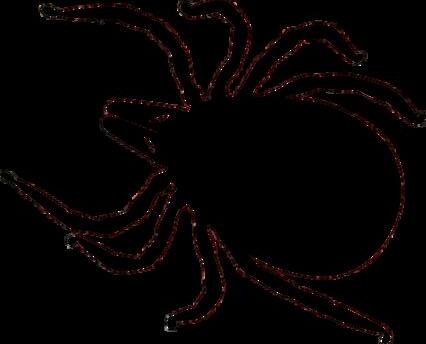
Ticksarespider-likesmallparasites thatsuckbloodfrompets

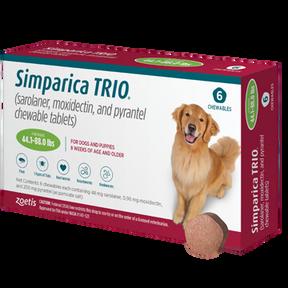
Heartworm Test/Prevention:
Protects against internal parasites such as heartworm larvae, adult hookworm, roundworm, and whipworm infections
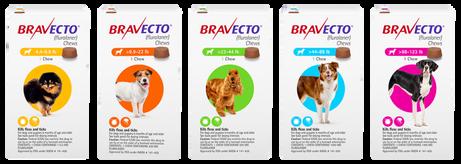
Flea/Tick Prevention:
Protects from flea infestations (internal parasites), such as black-legged ticks, American dog ticks, brown dog ticks and lone star ticks Some products may treat mites*
Dewormer
Treats some intestinal parasites
*Ask our staff for product recommendations!

Roundwormsarethemost commonoftheparasitic wormsfoundinsideofpets
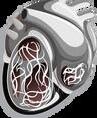
Heartwormdisease (ordirofilariasis),isaserious &potentiallyfataldisease
Petsbecomeinfectedwhenthey consumecystsofthetapeworms



Curious about how TCAP performed last month? See for yourself the impact that TCAP made in March alone!
TCAP’s Mission to end animal overpopulation & reduce euthanasia rates in North Texas Shelters reflects in our monthly impact.




Are you a pet lover? Do you like working in a challenging, high-energy workplace? Do you want your daily efforts to contribute to a great cause? If so, then TCAP is the right place for you!
Working in the veterinary industry is highly rewarding. At Texas Coalition for Animal Protection (TCAP), our goal is simple, end euthanasia and increase animal welfare in North Texas by providing affordable, high quality preventative care. However, simple is not always easy. Millions of animals each year are euthanized in shelters across the nation because there are not enough available homes for these deserving pets
Our team aims to set this right through providing high-volume, low cost spays and neuters Spaying and neutering pets has proven to be the most humane and effective method available for fighting euthanasia. Last year alone, TCAP’s compassionate veterinary team provided more than 60,000 spays and neuters in the DFW Area. But there are many more animals that need our help.
We need compassionate, driven individuals to join our team. TCAP offers competitive pay, robust benefits, extensive training opportunities, room for career growth, a fun atmosphere, a supportive culture, and a large number of cute and cuddly patients!
TCAP is hiring for all positions such as Veterinary Assistant, Veterinary Technician, Office Manager, and Office Assistant. Benefits include 401K with company match, paid time off, Blue Cross Blue Shield Insurance, short term and long term disability, $10K life insurance, employee service discounts, flexible scheduling and awesome work-life balance!
Start your career at TCAP Today!