Te Haa o Ako - Insights into our Indigegogical Practices
TE O AKO HAA
Insights into our Indigegogical Practices
Copyright notice
This course material is provided to you from Te Wānanga o Aotearoa, for your educational purposes. It includes extracts of copyright works copied under copyright licences. You may not copy or distribute any part of this material to any other person and may print it, in full or in part, only for your own use. You may not make any other copy/s for any other purpose. Failure to comply with the terms of this warning may expose you to legal action for copyright infringement and/or disciplinary action by Te Wānanga o Aotearoa.
Tauira use of reference materials
Where you are directed to third party copyright works, whether on the Internet or elsewhere, please check the work’s copyright notice (or licence) to ensure that you are not breaching copyright in the work. Note that you have a statutory right of fair dealing for research or private study, see s 43 of the Copyright Act 1994.
Disclaimer
The information in this publication is not intended as a substitute for professional advice. Te Wānanga o Aotearoa expressly disclaims all liability to any person / organisation arising directly or indirectly from the use of or reliance on, or for any errors or omissions in, the information in this publication, including any references to third parties. Whilst efforts have been made by Te Wānanga o Aotearoa to ensure the accuracy of the information provided, the adoption and application of this information is at the reader’s discretion and is his or her sole responsibility.
ISBN 978-1-0672872-0-7 (Print)
ISBN 978-1-0672872-1-4 (Online)
Acknowledgements
This publication has been made possible through the collective efforts of the kaimahi of Te Wānanga o Aotearoa, supported in particular by funding designated for Rangahau (research) through Te Manawahoukura. We extend our deepest appreciation to Dr Shelley Hoani, Heidi Symon, Tutakangahau Williams, Dr Hohepa Tamehana, Phil Lambert, David Lewis, Leah Fitzpatrick, Ruhia King, Aramoana Whakahoehoe, Keith Edwards, Haani Huata, Hariru Roa, and Hakopa Pore for their ongoing support and guidance throughout this kaupapa.
I acknowledge the contributions made by all ako practitioners within this publication. To our kaiako, kaiwhakarite and the management/leadership teams within Te Wānanga o Aotearoa, your commitment and involvement have elevated this mahi in celebration of those who have come before us, those who stand with us today, and those yet to walk through the doors of Te Wānanga o Aotearoa. Nō mātou tonu te whiwhi.
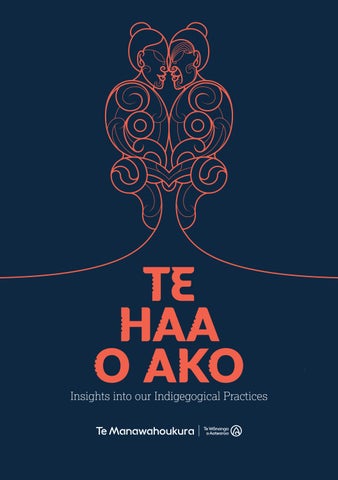
Cover Illustration
Te Haa o Ako, nā Hakopa Pore:
The cover illustration depicts the relationship between kaiako and tauira, portrayed through two figures engaging in a hongi. This reflects the reciprocal nature of ako, where teaching and learning are shared and interconnected. The figures merge into a single, front-facing wheku, symbolising Te Haa o Ako - The living, breathing practice of ako.
Rārangi upoko
Introduction
Te Waenga takiwā
Paemanu Ako message
Aukaha Ako takiwā - Tainui
Aukaha Ako takiwā - Te Tai Rāwhiti
Te Haa o Ako: Insights into our Indigegogical Practices
Te Waenga takiwā
Delivery sites
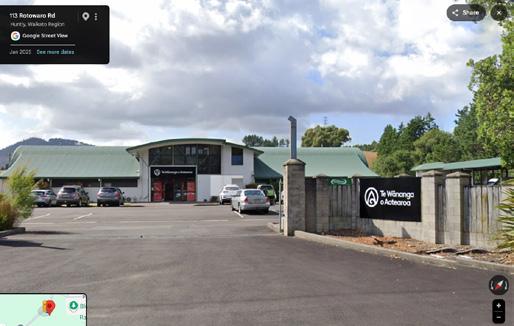
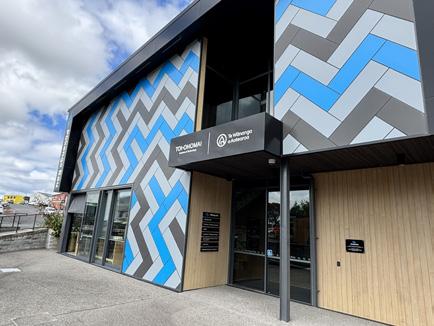
1. Taiwhanga Huntly
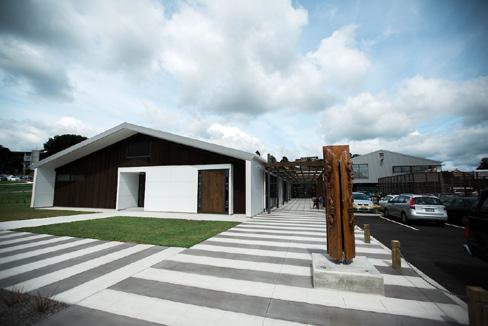
2. Raroera Te Rapa - Hamilton
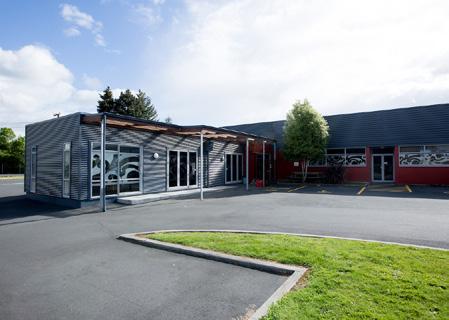
2. Mātātahi Mataora Te Rapa - Hamilton
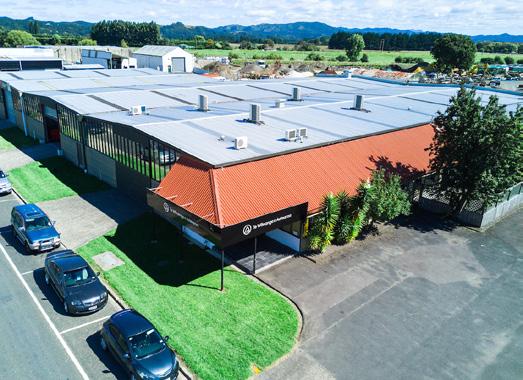
2. Mangakōtukutuku Glenview - Hamilton
3. Apakura Te Awamutu
3. Te Puna Manaaki Te Awamutu
4. Maniapoto Te Kūiti
5. Te Kaokaoroa o Pātetere Tokoroa
6. Tūkārere Tauranga Moana
7. Waiwhero Rotorua
8. Whakatāne
9. Te Kura o te Tōroa Kawerau
10. Tūrangi
11. Taupō
12. Pākihikura Ōpōtiki
13. Whirikoka Gisborne
Mangakōtukutuku Glenview - Hamilton
Te Kaokaoroa o Pātetere Tokoroa
Raroera Te Rapa - Hamilton
Apakura Te Awamutu Maniapoto Te Kuiti
Mātātahi Mataora Te Rapa - Hamilton
Te Puna Manaaki Te Awamutu
Taiwhanga Huntly
Waiwhero Rotorua
Whirikoka Gisborne
Whakatāne Whakatāne
Taupō Taupō
Te Kura o te Tōroa Kawerau
Pākihikura Ōpōtiki
Tūkārere Tauranga Moana
Turangi Turangi
He Karakia
Ka tākina taku manawa ora!
He manawa ora ki a Rangi e tū nei
He manawa ora ki a Papa e takoto nei
He manawa ora ki tēnei huihuinga
He koronga nōku kia tauwhirotia ēnei ringaringa,
Ēnei waewae o Te Wānanga o Aoteaora.
Rukutia ki te kotahitanga
Tāwhia ki te aroha mau roa
Purutia ngā iho taketake o te kaupapa kia ū, kia whena, kia ora
Kia puta ki te whai ao ki te ao mārama!
Tūturu whakamaua kia tina! Tina!
Haumi e! Hui e, taiki e!
Paemanu Ako Message
Ko Mauao te Maunga
Ko Tauranga te Moana
Ko Mataatua rāua ko Takitimu ngā Waka
Ko Ngāi Te Rangi rāua ko Ngāti Ranginui ngā Iwi
Ko Hinerangi Ngatai ahau.
As I look back on the path that led my journey as a Kaiako at Te Wānanga o Aotearoa those many years ago, I see not just milestones but significant moments that have helped shape who I am today. My journey has, and continues to be filled with inspiring mentors, moments of challenge and many a-ha moments that help ignite sparks of passion to want to be better than who I was yesterday and to serve and lead with intent and purpose.
This publication, Te Haa o Ako, honours the remarkable journeys of great ako practitioners as they navigate identity, practice, and impact. It weaves together personal reflection and professional insight, showcasing the indigenous pedagogies and practices that these inspiring Kaiako and Kaimahi adopt to guide their teaching and leadership practices.
Being a Kaiako or Kaimahi at Te Wānanga o Aotearoa is more than a job, it is a journey and a calling. It provides a space to be unapologetic in delivering Mātauranga through a Māori worldview.
In sharing this introduction, I stand alongside these inspiring practitioners who have chosen to walk this path with intention, heart, and deep cultural grounding. These collective experiences speak to the transformative power of ako when it is rooted in whakapapa, wairua, and a commitment to uplift tauira, whānau and communities. May these narratives inspire, affirm, and challenge us all to continue honouring the breath of learning, Te Haa o Ako, as a living expression of who we are and who we strive to become. "Ehara taku toa i te toa takitahi, engari he toa takitini."
Aukaha Ako - Te Waenga takiwā
(Tainui)
Kāore te kūmara e kōrero mō tōna reka, ēhara i te mea he kūmara tēnei nā, he maramara toenga kē pea,
engari me pēhea ake te tuku i taku tuakiritanga ki te ao whakaako, ki te kore au e whakatairanga i taku aka kūmara.
Aku Mata Haa
Kei aku mata maha, kei aku mata-haa, kei taku tātai hekenga mātauranga, kei taku mata whakapapa o te ao ako, ka tukuna ko taku reo aumihi ki a;
Raehe Lamese, kōia ko te mata-haa urutau
Donna Hakiaha, kōia ko te mata-haa auaha
Matua Hakiaha, kōia ko te mata-haa o pūrākau
Iharaira Hakiaha, kōia ko te mata-haa o reo tūwhiri
Hinetiki Houpapa, kōia ko te mata-haa o tīkōrikori Hinematioro Nohotima, kōia ko te mata-haa o hono-haa
Tei Nohotima, kōia ko te mata-haa o ruu-haa
Peti Nohotima, kōia ko te mata-haa o aumangea
Audra Teepa, kōia ko te mata-haa o ringa tōhau nui
Sonny Tonihi, kōia ko te mata-haa o whanaungatanga
Brent Gilmour, kōia ko te mata-haa o tātari whakaaro
Aramoana Whakahoehoe, Kararaina McClean (Karamoana), Ko rāua-tahi ko te mata-haa o akorua
Matua Arana Collett, kōia ko te mata-haa o wānanga.
Engari, ko tōku awekura, ko tōku tuawahine ko tōku māmā a Hineroa Hakiaha. He wahine mātātoa, he tētēkura, he wahine mārohirohi, he wahine mate ururoa. Kō tōna ko te mata-haa o ora, mō te iwi Māori. Ko āku mata-haa o urutau, o pūrākau, o reo tūwhiri, o tīkorikori, e ora tonu ana, e Ako Whakatere.
Ko aku mata hono-haa, ruu-haa, o aumangea, e ora tonu ana, e Kaupapa Wānanga.
Ko aku mata-haa o auaha, o ringa tōhau nui, o whanaungatanga, o tātari whakaaro, o akorua, e ora tonu ana e Ako Wānanga
Nā reira ko au tēnei a Pihitahi Russell, te maramara toenga mai te aka kūmara e whakakanohi ana i ēnei mata haa o Ako…e mihi ana...
Aukaha Ako - Te Waenga takiwā
(Te Tai Rāwhiti)
Hei taki i te ara kia Tangaroa ko Mauao
Kia tukuna mai ngā waiora ko Pūwhenua
Ko Te Kōpurererua te ara o Taurikura
Ko Waikareao te pātaka o Tamarāwaho
Ko Takitimu te waka
Ko Tamateapokaiwhenua te tangata
Ko Ngāti Ranginui te iwi
Kei Tauranga moana au e noho ana
Ko Sharlene Henare ahau.
My tipuna are kaitiaki of my whakapapa and also the stories relating to that whakapapa, you have to start at the beginning. We were raised hearing the sharing of whakapapa, the retelling is a form of Ako: Teaching and Learning. I am drawn to the scenes that telling and stories paint, the skills of the teller and the teachings they embed.
Being the eldest of nine, teaching my younger siblings how to learn new things was a normal part of my day. Teaching for me is a process of setting scenes, painting pictures and capturing the multiple tangents from listener engagement. I enjoy learning, I enjoy the facilitation, I’ve had some amazing modellers.
Taku kuia Haumarino, taku Nan Matekohi, taku pāpā Tamati, taku aunty Girl, taku colleague Kuku Wawatai, all inspired me to play with learning and the teaching process, to invite fun into the learning space.
Seeing lights turned on, connections being made, kia mārama moments, including my own small contributions, to a shift in the landscape of a whānau, a colleague, a tauira, a pathway that is mana enhancing, has the potential to increase future posterity, whilst causing as little harm as possible.
Te Haa o Ako: Insights into our Indigegogical Practices
Te Haa o Ako is offered as a continuation and expansion of the legacy established in the 2013 publication; The Day in the Life: Insights into an Indigenous Workplace. Thirteen years later, in 2026, this new volume seeks to further capture, honour, and celebrate the lived experiences of our Ako practitioners.
Grounded in the values, principles, and aspirations of Te Wānanga o Aotearoa, this publication acknowledges the many individuals who have shaped our teaching and learning landscapes, our mentors, colleagues, communities, and tīpuna. It recognises their contributions and the taonga they have entrusted to us, acknowledging both the foundations they laid and the pathways they opened for future generations.
Through the voices and narratives of today’s practitioners, Te Haa o Ako aims not only to document Indigegogical practice in action through creative written pūrākau, but also to uphold and strengthen the intergenerational knowledge that continues to guide our mahi. This work reflects both where we have come from and our ongoing commitment to the evolution of Ako within our unique Indigenous cultural context.
Ultimately, this publication stands as a testament to the enduring influence of our educational practices and the profound impact they have on both educators and learners. It represents a celebration of our past, our present, and our future as a community dedicated to cultural transformative, valuesbased education.
Nāku noa,
Nā Pihitahi Russell
The Inception of Te Haa o Ako
Hui Taumata Rangahau 2024
Te Manawahoukura held a symposium, Hui Taumata Rangahau, on 25–26 November 2024 under the auspices of Te Wānanga o Aotearoa. Through a spirit of kotahitanga, the event hosted more than 63 kairangahau presenters from across Te Wānanga o Aotearoa, acknowledging and celebrating the diversity of Māori kaupapa rangahau.
Te Ohu Pūmanawa o Ako Wānanga also presented at this Symposium initiating the idea of a publication for Ako Wānanga acknowledging one of the 3 Indigegogical practices of Te Wānanga o Aotearoa which is highlighted within this publication.
Following on from Te Hui Taumata Rangahau Symposium 2024, He Maurea kia Whiria Symposium was born.
He Maurea kia Whiria Symposium 2025 (Waiwhero Campus)
“He Maurea kia Whiria refers to when women were selecting grasses for weaving the Tu (waist girdle), they sought out the rush called ‘maurea’ rejecting other grasses. Its meaning of the proverb is that one should concentrate on important matters, not insignificant ones." Reoirirangi Tutengaehe 2025.
"This kaupapa was borne out of the success of Te Hui Taumata ki Pōneke in 2024. I wanted to create a similar opportunity for my kaimahi as the majority were not able to present at this Kaupapa or even attend the national conference in Wellington. I know the transformative work my kaimahi do within Te Wānanga o Aotearoa and in their communities, and I wanted to showcase this while also highlighting the Rangahau opportunities available to our kaimahi within the organisation."
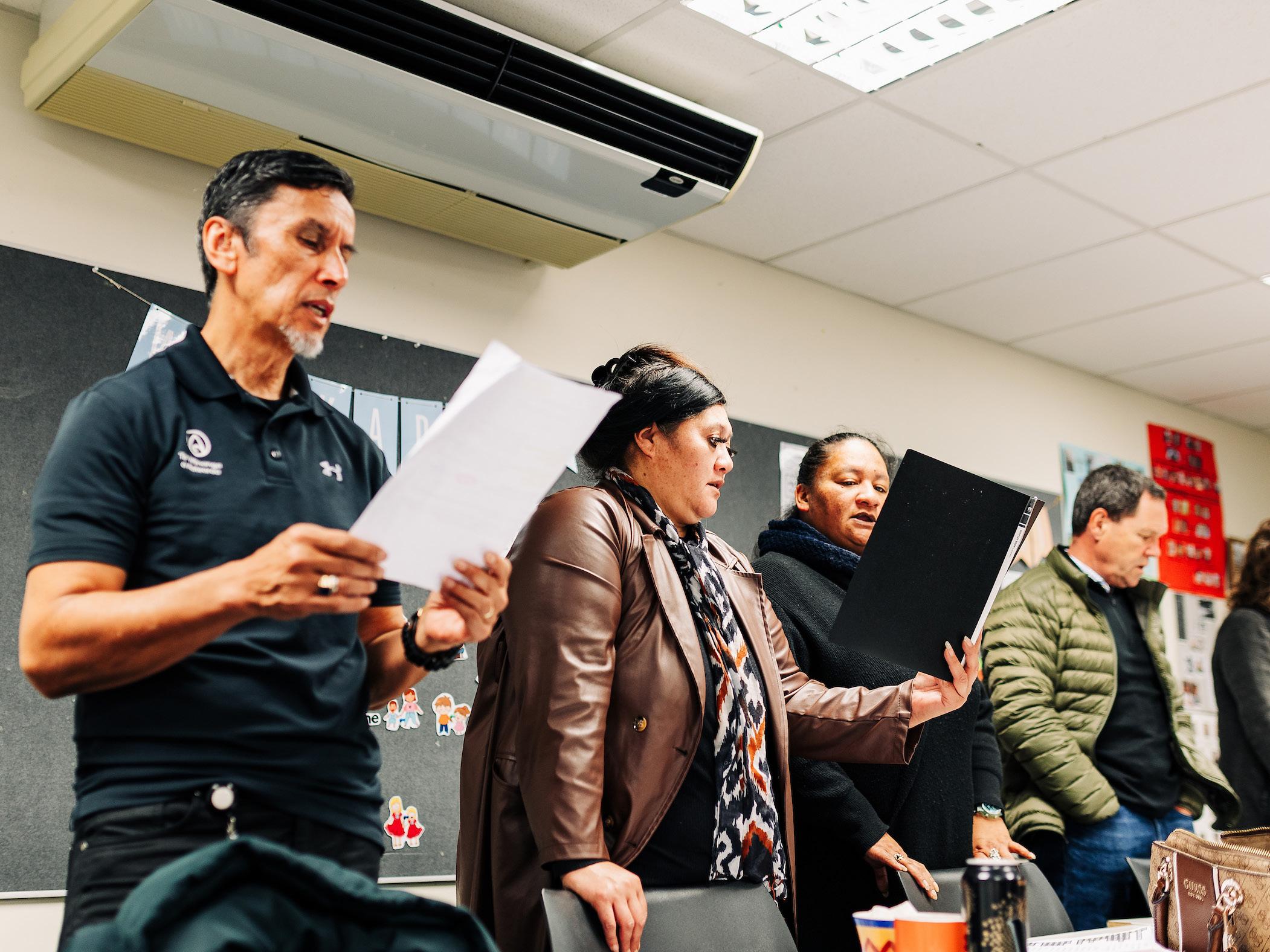
In preparation for this publication, a series of writing workshops were facilitated to support practitioners to explore and develop their own creative writing contributions.
Acknowledgement is extended to Dr Hohepa Tamehana for his generous koha and expertise in creative writing, tito waiata and composition, as well as his extensive experience as a Te Matatini judge. We also acknowledge Dr Marama Salsano for her valued support and guidance in nurturing creative writing throughout this process. These workshops helped form the premise of acknowledging whakapapa through the lens of tāonga tuku iho. Koha that has been gifted from all those around us, not necessarily through genealogical blood ties, but koha through time, energy, knowledge, wisdom and expertise.
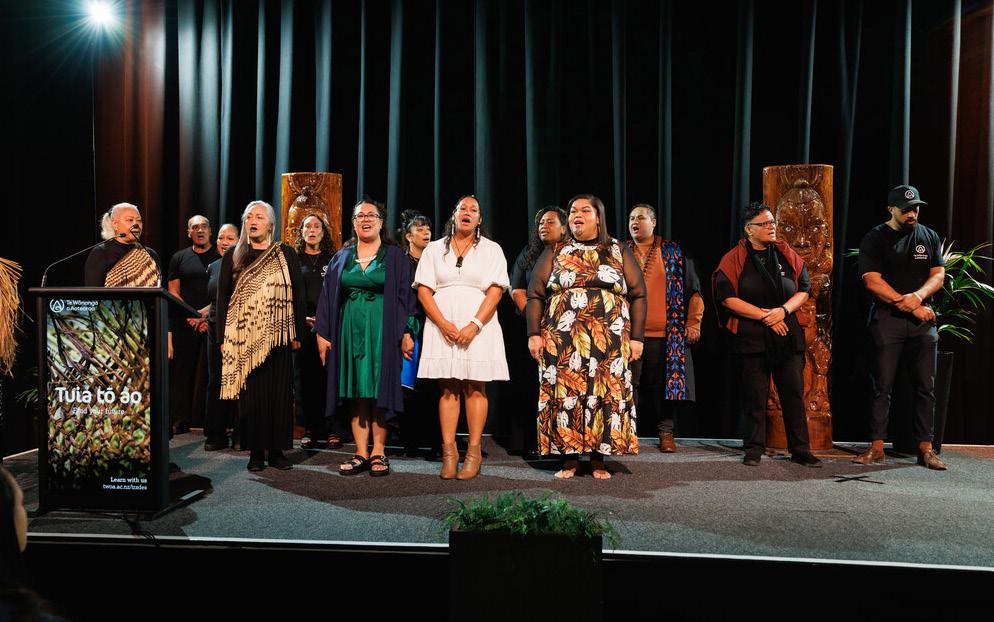
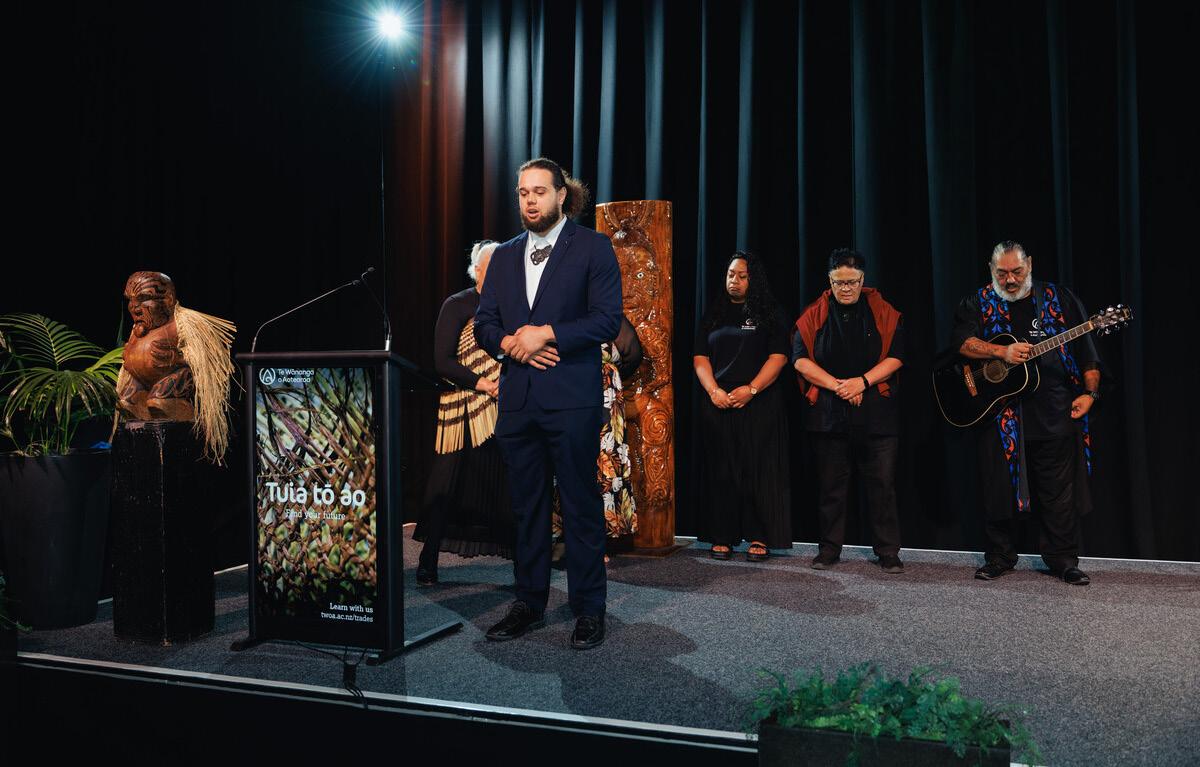
On 3 October 2025, Te Haa o Ako Symposium was held, bringing together guest speakers and kaimahi to reflect on the indigegogical foundations of Ako practice. Guest speakers were invited to share the background, history, and principles underpinning the indigegogical practices applied by practitioners of Ako, including Ako Whakatere, Kaupapa Wānanga, and Ako Wānanga. This was followed by kaimahi who shared their transformative journeys toward becoming Ako Practitioners.
The creative writing component of the symposium was guided by the central provocation, “Ko wai au?”. Participants engaged in vignette-style writing as a means of expressing their lived experiences and narratives, while intentionally honouring those who have shaped their journeys. This approach enabled participants to celebrate Ako practices and practitioner pathways through storytelling, while acknowledging the contributions of predecessors and the ongoing transmission of indigegogical knowledge.
Overall, the symposium provided a meaningful platform to uplift and celebrate Kaiako, and to demonstrate Te Wānanga o Aotearoa’s continued investment in the growth, development, and recognition of its tutorial kaimahi naturally following into the investment our kaiako offer to each and every one of our tauira.
Reflections – Aro
Key Successes
Kaiako who presented felt empowered to share their personal journeys many of which were moving, raw, emotional, humorous, and deeply creative. These stories reflected lifelong experiences and growth.
The symposium and vignette writing offered a space for our practitioners to be authentically themselves, where on reflection hadn’t had the opportunity to do so in a long time. This Symposium presented a pathway into the proposal of this publication highlighting the depth of talent within our existing pool of practitioners, which is often overlooked.
Importantly, it gave our practitioners a chance to acknowledge the mentors, coaches, and leaders who have inspired them both professionally and personally to continue meeting our organisation's mission “whānau transformation through education and success”.
Challenges
One of the planning challenges was the ongoing interruptions and time constraints caused by Phase 2 of Te Pae Tawhiti (an organisational redesign), which often monopolised our availability. This impacted our ability to stay focused and maintain momentum. It also highlighted the importance of being mindful of timeframes and external demands that can affect kaimahi commitment and engagement.
Despite this, I remain strongly committed to the idea of hosting smaller symposiums across different takiwā. These regional events would celebrate our existing Ako practitioners and could serve as a pathway toward a national Te Wānanga o Aotearoa symposium. This approach would showcase the uniqueness and diversity of our educators/ako practitioners and reinforce the transformative impact Te Wānanga o Aotearoa continues to have across our communities, iwi, hapū, whānau, and the wider education sector.
Te Haa o Ako Symposium (Mangakōtukutuku Campus)
Te Haa o Ako
Ako Whakatere
Accelerated Learning
David Lewis
Hariru Roa
Anna Mathers
Makereta Turinui
Toni Harris
Merewakana Whiu
Ane Fauhiva
Ihaia Mclver
Paraire Nathan
Renee Hansen
Background into Ako Whakatere
David Lewis (First Printed in 2019)
Tribute: Souvenier & Jack Tamaki, Marie Panapa, Arana Collett and David Lewis creators of Ako Whakatere.
Te Ara Reo Māori (TARM) is not only about an introduction to te reo Māori but it is also an introduction to Ako Whakatere: a way of livinglearningteaching.
The Inuit peoples of Kalaallit Nunaat (Greenland) when writing their language will write a sentence without any spaces between the words because the phrase has a meaning as a whole phrase. An example is tusaatsiarunnanngittualuujunga which means ‘I can’t hear very well‘ (Wikipedia, 2018)
It is how we speak and hear language. The first attempts to write down European languages were written with no gaps between the words because that’s how we speak.
In Māori the word “ako” carries in its three letters full and deep concepts about learning, teaching, receiving, giving, sharing, the nature of skills and knowledge and how that is transferred and acquired. These are ideas which it is difficult to adequately express in English without getting lost in paragraphs of explanation.
Often a sentence or a phrase stands on its own as a totality. For instance, in English, “Hello, how are you?” is used and thought of as a whole expression of the idea of a greeting with a question about your health. So, it could be written, “Hellohowareyou?”, not as separate words.
So using the wisdom of the Inuit we glue some English words together to express a translation of ako into English as “livinglearningteaching”.
This contains the idea of the deep connection of learning and teaching and its natural part in life and living in informal and formal situations. It also takes away the too discreet and separate nature of English and its tendency to break ideas into sections and thus losing the holistic nature of ako. So by playing with the punctuation and grammar of the English: “living, learning and teaching” we have a new word “livinglearningteaching” which more fully attempts to give an English meaning to Ako. Ako Whakatere, created out of the life of Te Wānanga o Aotearoa in the 1990s, is a philosophy, and a way of livinglearningteaching.
Te Wānanga o Aotearoa began developing Ako Whakatere 1991. It embodies “He aha te mea nui o te ao? He tangata, he tangata, he tangata!” It creates success for our tauira, kaiako and kaimahi. It assumes all will be successful, that a stress-free environment is always best for livinglearningteaching, and livinglearningteaching Māori is easy.
In the 1990s Ako Whakatere became the bedrock of livinglearningteaching at TWoA. Even though it became concentrated in Te Ara Reo Māori (and an experiment in ESOL) in the 2000s, the basic philosophy and practice of Ako Whakatere rolled, maybe even sometimes rumbled away, on in the background.
We were looking for a quicker and hassle-free way for people to learn te reo Māori. We looked overseas for the latest ideas on how people learnt well. We explored how Māori livedlearnttaught before the arrival of Europeans.
We trialled many methods and techniques from many sources creating the early versions of Ako Whakatere, and Te Wānanga o Aotearoa will continue to use this methodology not only within its current Te Ara Reo Māori offerings but will also extend its application across all Te Reo Māori programmes from Levels 1–7 in 2027.
We successfully implement this methodology by extending on:
• The Whakapapa of Ako Whakatere both in Aotearoa and from overseas.
• The Basic Assumptions behind Ako Whakatere
• The wonders and splendours of how our brains work and learns (triune brain)
• The importance of relaxation and the sorts of relaxing exercises you can use (Whakatau tinana/Whakatau hinengaro)
• How being aware of learning styles can be of help (VARK)
• The use of music (Learnings taught through waiata)
• The lesson sequence (50 minutes teaching/learning, 10-minute intervals)
• Why we do all the bizarre scripts, fun games and memory techniques. (tuhinga rorirori, kēmu)
• Music, interesting words, things to say and ideas about learning
• Māori knew all this
Thank you for being a TARM kaiako. Welcome to the cultural evolution happening in Aotearoa New Zealand and welcome to the marvel and adventure that is Ako Whakatere.
He aha ki Tua: Ako Whakatere
Hariru Roa (Project Manager – Development)
Reo Trauma and Whakawātea Taupā: An accompanying tool to Ako Whakatere as part of the Ako Wānanga pedagogical toolkit
Te reo Māori is a vital marker of Māori identity and expression (Waitangi Tribunal, 2011) and is the foundation upon which mātauranga Māori stands (Rua, 2025).
Given the legislative history of language and cultural suppression that resorted to punitive means of eradicating te reo Māori use and instruction in education (Waitangi Tribunal, 2011), it is no wonder that traumas have been discussed and described through generations and across communities over the decades.
A recent review of literature commissioned by Te Mātāwai resulted in a clear gap in the understanding of this whētuki or trauma and thus sought to define the whētuki as a particular experience that can be overcome once aware - that is as Roa describes it ‘naming it, to tame it’ (personal communication, 2024).
As a working definition, Roa & Roa (2023) to date describe reo Māori trauma as, “a person’s emotional, psychological, spiritual distress, and/or physical injury caused by harmful events or by association to harmful events, which directly impacts their ability and/or willingness to learn and/or speak te reo Māori”.
An example of this whētuki is explained through whānau Māori describing experiences of being lined up in front of the class to be caned purely for speaking Māori. Others describe being warned by older siblings against speaking Māori and warned of a group of other children who would ‘report’ to the teachers of those children who do speak Māori, and thus be punished for it (Rua, 2025). Beyond the physical violence, the psychological effects clearly had the greatest impact, through the systemic suppression of thoughts, ideas, emotions, values and beliefs resulting in not only linguistic deprivation but also cultural disconnection and identity loss, that is Māori ways of being and doing.
Rua, M. (2025). Everyday experiences of te reo Māori trauma. Te Mātāwai. (p. 4-9). https://tematawai.maori.nz/sites/default/files/2025-12/EverydayExperiences-of-Te-Reo-Maori-Trauma-v3.pdf
A particular insight of the literature review undertaken by Roa & Roa (2023), highlighted that the whētuki or trauma is not limited to whānau Māori, but rather has shown to extend to other nationalities who have developed a negative association with te reo Māori as a result of witnessing traumatic experiences to do with te reo.
This is by no means a concept by which anti-reo can validate their negative attitudes, rather, it is showing that fears and belief systems have been ingrained in both Māori and non-Māori alike due to precise experiences that have been systemically enabled.
This shows that the work that is needed in order to uplift our reo and empower our whānau should not be reserved to only whakapapa Māori, but also for those who affiliate by virtue of choice. Therefore, while reo Māori is by virtue a language of the Māori people, looking at its vitality is not limited to the Māori people, as it cannot thrive within the confines of a minority population. The health of te reo Māori is reliant on both Māori and non-Māori alike.
In looking at Reo Trauma what is it that can be done about it? How do we overcome it?
Te Wānanga o Aotearoa and its history of Ako Wānanga as a pedagogy and Ako Whakatere as a tool for livinglearningteaching are appropriate associates to the Whakawātea Taupā tool.
Within this tool, the whētuki is understood through a clear distinction of the taupā (barriers) that come up when we are learning, speaking, interacting with reo Māori.
The Whakawātea Taupā tool acts as that mechanism that ‘names’ the taupā and provides some building blocks to ‘tame’ it.
This is done through a series of questions and reflections that has the user get to the source of the whētuki, identify the taupā and clear it in the whakawātea.
This will, alongside Ako Whakatere, become a part of the Ako Wānanga Toolkit of learning specific to our new suite of reo programmes.
In closing I leave you with the following karakia by Prof Tom Roa that addresses Whētuki Reo…
Te Ara Reo Māori - Original Tohu 2005
Tākiri mai ko te ata
I te tangihanga o te korihi manu
Ki te atatū, ki te ata hāpara – maiea!
Te ketekete a te kākā; te koekoe a te kōkō; te kūkū a te kererū
Te korihi manu ki te atatū; ki te ata hāpara – maiea!
Te reo tārere, te reo tāruru, te reo taka kau
Te kōrihi tangata ki te awatea, ki te atapō – maiea!
Maiea! Maiea tona tupua;
Maiea! Maiea tōna tawhito;
Mea haere mai i whea ...?
Mea haere mai i Tū-whakaotinuku!
Mea haere mai i Tu- whakaotirangi!
Mea i wetewete mai i te tīrangorango, i te matangerengere -
Mea i herekore mai i te kaikiri; i te aupēhitanga -
Mea i watea mai i te whētuki;
He māpihi pounamu, he māpihi maurea ...
Kia tuturu owhiti whakamaua kia tina –
Tina! Hui e,
Taiki e!
Becoming
Anna Mathers (Kaiako – Te Pūtaketanga L3 & 4)
Ko Hikurangi te maunga
Ko Waiapu te awa
Ko Nukutaimemeha te waka
Ko Ngati Porou te iwi
Ko Aitanga-ā-mate te hapū
Ko Raikairoa te Wharenui
Tihei mauri ora!
My father, a Pākehā with ancestors from China and Ireland, and my mother, a Māori with tīpuna from Ngāti Porou, are two of the most loving, kind, and supportive parents. I am so fortunate to call them mum and dad. To this day, they remain not only together, but good friends — a true testament to their bond. Now, as grandparents to four mokopuna, they are exceptional, always ready to “drop tools” and be there for their whānau. We, my two brothers and I, had a safe, secure, and very pākehā life in “What-a-what-a,” as my dad still calls it.
Although I went to a few Te Reo Māori classes with my mum when I was younger, I had been conditioned to believe that Te Reo Māori was a waste of time, and Māori in general were dole bludgers and headed for mental homes or prison. I am so embarrassed to hear these words now. In 2016 after the birth of my second child, everything changed.
“Ko te pae tawhiti whaia kia tata, ko te pae tata whakamaua kia tīna”.
Nurtured in the care of Neria Mataira, in the world of immersion, I was inspired by Te Reo Māori, Te Ao Māori and ngā tīkanga Māori. “Mā te kimi ka kite, mā te kite ka mōhio, mā te mōhio ka mārama.”
After the tragic loss of Neria, I stepped into Te Wānanga o Aotearoa, instructed simply to learn ten new kupu every day by Te Manawanui Puke. “Whaowhia te kete mātauranga.”
Maihi Bennett helped me to see the depth, breadth and width by introducing kupu taurite. Tau / whaiāpo / makau / kaioro / whakareka – “Mā te huruhuru ka rere te manu.”
I sang and performed with Hinemoa Peke-Manawaiti. Pao, karanga, and waiata, with her learning was fun “Ko te kairapu, koia te kitea.”
“E kore koe e ngaro, taku reo rangatira”
“Hoki atu ki tō maunga kia purea ai e koe ki te hau o Tāwhirimatea.” In te reo Māori, it’s not the kupu that you are using, but how you use it, tēnā
koe Okeroa Waitai.
Feeling like a six-year-old in a class of adults it was Tama Hata who first corrected my pronunciation. “Ko te reo kia tika, ko te reo kia rere, ko te reo kia Māori.”
“Ehara taku toa i te toa takitahi, engari ko taku toa he toa takitini”
Ako – livinglearningteaching
Akonga – livinglearningteaching
Whakaako – livinglearningteaching
Kaiako – livinglearningteaching
Ākonga – livinglearningteaching
Akoranga - livinglearningteaching
Akorau – livinglearnignteaching
iAkoranga – livinglearningteaching
AKO WHAKATERE – is literally livinglearningteaching
Hākina, hāputa
All ākonga will be successful
Hākina, hāputa
Learning is always easier when the leaner is calm and stress free.
Hākina, hāputa
Learning te reo Māori is easy
Hākina, hāputa
Ōku Whakaaweawe
Makereta Turinui (Kaiako – Te Aupikitanga L6)
Titiro atu rā ki taku tauawhi raukura nā Kahu i Pirongia i tōna aroaro.
ararē te whakarauikatanga a ngā tuna i te wai.
Kei taku māra mātauranga, taku whakatau tikanga.
Nā Tonganui ngā miro i Whāriki hei ara mō tōnā iwi.
Ko taku rākau patu o tūaāukiuki, ko Maahanga whakarere kai, whakarere wahine, whakarere waka, kia hua mai te maha o ngōna uri.
Rerekau ki a Hani rāua ko Puna, te okiokinga whakamutunga o te waka tupuna i hoea i ngā Tainui ki Aotearoa nei.
Nā te whakaihu o te waka i hotu roa nei i ngā ngaru āwhiowhio o Tangaroa.
Nei au a Makareta Turinui, tētahi urupā o ngōku tūpuna.
E rere ana taku reo ōmihi ki ngaku kaiako tokomaha o Te Ataarangi, o Te Whare Wānanga o Waikato, o ngā Kura Reo o te motu. Nā rātou te kākano o te reo i whakatō, te ūkaipō ki taku reo kāmehameha. Ko rātou hoki ngōku kaiwhakaaweawe i tūwhera ai te Ao Māori ki a ahau. Nā rātou tonu i whakahihiri i tōku wairua ki te whakatō tērā āhutanga hoki ki ngā tāngata e hiakai ana ki te ako i tō tātou reo. A mōhoa nei, ka mau tonu i a ahau taku ahi tūtata, taku mata kīkoha. Koinā te kanaku e muramura ana kia tūtutngia te hātete o te reo ki ngā tāngata tauira mai, kaimahi mai e ngākau nui ai ki te whakahoki ora mai tēnei tāonga tongarerewa.
Kāore ahau i tupu ake i te ao Ako Whakatere o TWoA nei, whoi, ko ngā nukanuka, ko ngāku āhutanga whakaako, nō ngōku kaiako o mua. Nā ngaku mahi rāwekeweke kia hāngai ki ngaku kaupapa whakaako, nā taku hihiri ki te whakapakari, ki te whakawhanake, kia pūāwai ngā tauira i roto i te kotahi tau. Ko taku whakapono ki a ahau me ngaku mahi whakaako ki te whakakī i ngā kete mātauranga ā ngaku tauira ā reo nei, ā whakaaro Māori nei, ā wherako nui nei. Kia angitu rātou i te putanga atu i ō rātou ihu mai i taku akomanga me te kawe atu i ngērā akoranga ki ō rātou kāinga, ki runga i ō rātou, marae, ki ō rātou wāhi mahi anō hoki. Kia pūrangiaho rātou ki tō rātou ao Māori nei.
Hei whakatauira atu i ngētehi o ngaku nukanuka, ko ngā kōrero tene, ko ngā kōrero ohorere, ko ngā kōrero ahakoa te kaupapa ka whiu atu ahau ki a rātou, ko te mahi matua kia whakakōrero ahau i a rātou. Ka tiki atu i tētahi kēmu, ka hanga rānei i tētahi kēmu, i tētahi ngohe hei whakatinana i ngā akoranga. Ko te mea nui ko te whakatangata whenua ai te reo, ēhara ki o rātou hirikapo, ēngari ki ō rātou whatumanawa.
Hei whakakapi i ngaku kōrero ka tiki atu i tēnei whakatauāki nāku i hanga: "Rere atu ki te karamatamata o tō hiahia, kia rongo anō i te hā o ngō mātua tūpuna”.
Who am I?
Toni Harris (Kaiwhakarite Ako Matua)
Tēnā koutou e te whānau, Ko Hapuakohe te maunga – the mountain range that stands firm behind me.
Ko Waikato te awa - the river that carries my spirit forward.
Ko Tainui te waka - the vessel that brings me here.
Ko Waikato te iwi, ko Ngāti Paoa te hapū — the people who hold me.
Nō Raahui Pookeka ahau — my roots are laid in Raahui Pookeka.
Ko Toni Harris tōku ingoa.
I stand before you today not just as me, but as the echo of my ancestors, the current of my river, and the breath of a journey still unfolding.
Who am I? And where am I going?
A question that has echoed through the chambers of my mind for as long as memory allows.
I was the child who climbed trees to touch the sky, who danced between worlds - one day Sailor Moon, the next Michelle from Tekken.
My imagination was my compass, guiding me through the early years with puppet shows and assembly songs, bright-eyed, bubbly, and wrapped in the innocence of possibility.
But as the world required more of me, I found myself carving a path with hands too small to hold the weight, Before my mind had even finished building its foundations, I was already navigating the terrain of adulthoodworking full-time, to survive in a world that asked me to grow up before I was ready.
I felt accomplished, independent, not yet knowing that these responsibilities were seeds of stress, sprouting too soon in soil meant for play.
In a world where disconnection from self was common currency, I held a quiet knowing - a thread of connection to nature, to energy, to dreams.
Yet something in me longed to be seen, a yearning I couldn’t name, a whisper I didn’t yet have the language to understand.
Who would have thought that Te Wānanga o Aotearoa would be the place where that missing piece would find me?
Through a chance encounter, I stepped into a role where the wairua and values mirrored my own.
Suddenly, the disconnection became visibleespecially when waiata and haka reverberated through the walls, stirring something ancient and sacred within me. Why am I so moved? Why does this feel like homecoming?
It’s just waiata?
But something deeper whispered: This is what you’ve been searching for. Could this be part of my life’s design?
Now, working for an organisation that nurtures growth, I see my journey through the lens of Ako Whakatere the art of navigating, learning, breathing, and becoming.
The voice that once told me I wasn’t Māori enough, that I should know more, it was never truth - just a shadow of doubt.
Here, I am accepted as I am, and encouraged to reach for more.
My path has been one of steering through challenge and uncertainty, adjusting my sails to the winds of life and finding the courage to move toward a horizon I once couldn’t name.
Te Wānanga has become both anchor and compass: a place where I can learn, grow, and contribute - not just for myself, but for those who will come after me.
Ngā mihi nui ki a koutou.
Ako Whakatere ki Te Ara Reo Māori
Merewakana Te Huia (Kaiako – Te Ara Reo Māori Level 1 & 2)
ūtauaki
Ki ng awa koiora o Waipa ki Ōhinemataroa
Ki te takotoranga i te whare tūpuna o Te Papa-o-Rotu,
Ngunguru te ao, ngunguru te pō,
Whakawhiti atu ki te Whare tīpuna i takoto ai tōku kuia ki Te Rewatu
He Waikato nō ngā awa piko taniwha
He Ngāti Awa/Ngāti Pūkeko nō ngā kohukohu o Whakatāne
He Mōkai tēnei nō ngā atua Māori, tipu ake ai i roto i te mātatorutanga o te whare Ahorangi, Ngā tama-ā-rangi. Ko te reo kei roto i au he reo nō te kuia
Haumi e mai ki roto
Haumi e mai ki waho
Haumi e, hui e, tāiki e!
Ko nga akoranga aku/ōu pūkenga matua
Ko te hokinga Mahara aku/ōu ringaringa
Ko nga ngohe aku/ōu waewae
Ko te mātauranga taku/tō ngākau
Ko nga pou o te whare reo o TARM aku/ō māharahara
Ko te whakatau tinana me te whakatau hinengaro aku/tō ate
Ko nga karakia, nga waiata me nga Hīmene aku/ōu matimati
Ko Te Āhurutanga taku/tō māhunga
Ko te Hiringa aku/ōu pokohiwi
Ko te hihiri aku/ōu tapuwae
Ko au/koe te whakatīnanatanga o te Ako Whakatere.
Ako Whakatere translates to be accelerated learning, but it means a holistic way of learning
The learning content are my/your main skills
Reflections are my/your hands
The activities are my/your legs
Knowledge is my/your heart
The pillars of the house of Tarm are my/your memories
Relaxation of the body, mind and soul are my/your organs
Prayers, songs and hymns are my/your fingers
The safe space is my/your head
Energy are my/your shoulders
Desire are my/your feet
I am/ you are the embodiment of Ako Whakatere
Life Before Becoming, My Life of Becoming Me
Ane Fauhiva (Kaiako – Te Ara Reo Māori Level 1 & 2)
Drugs, alcohol, men, a carousel of chaos, labels stitched with borrowed worth. I wanted it all.
But truly… I just wanted love.
Life before becoming
Ko Donna ahau. He uri noo Wairere, noo Maniapoto hoki. Yet I bloomed in through concrete cracks, raised by the clamour of city breath, far from the grace of te awa koiora.
Te pootiki o te tokowhaa, he aataarangi tama, he kootare manu maatakitaki, with ache behind the smile. A Cinderella with no slipper, just a dog for my prince. My guard who captured the tears, that fell like broken stars from my childhood sky. The only love that asked for nothing in return.
Words were weapons. Ridicule, disparagement, demeaning tones —te reo matua ki te kaainga.
Joy and laughter lived in the garage. Thumping bass, aunties and uncles, drenched in the piro of the drink.
And me — He kootiro piiataata, he raakau rangatira e tupu ana, yet hidden in te poo.
Ko au teenei — all I thought I was worth. A girl mocked, spoken to like the dust on the floor.
Kaua e tuku paatai, Me noho wahanguu
The result lain under a clueless mind
‘What are you doing? You dummy’.
‘You dont know what your īkura is, Are you stupid?’
Didn’t know much — believed what was heard.
Inside, Rangiaanewa cried — longing for a whare aahuru, for the uara I now teach.
Escape came dressed as love — a stranger’s smile, fake friends who praised the tarutaru, waipiro, the beauty beneath the cloth.
So I grew, I fell in love with numbness. Smoked until time blurred, until showers forgotten
Tekau maa iwa ooku tau My son returns from kohanga. I shield him from my world, leave him in theirs — to be nurtured, to be loved
Kia tuuhura te tamaiti i toona ao.
He says, “Poihau.”
I say ‘yes’, not knowing what he meant. We wept together, language between us — lost.
My Life of becoming me
Ecstatic. I enrolled.
Ecstatic —
I told my parents. The reception, eyes rolled. “Te reo Māori won’t get you anywhere.”
But it will.
It will let me koorero with my son, heal me. It will let me whakamana the child I once was.
First class we were loved — by ngaa ringa atawhai, by Kaiako, my new aahuru moowai wrapped in te korowai o aroha, who saw me, lifted me, inspired me to give what I had longed for.
My Life during finding myself and my Kaiako-ness
Now, I learn — so I can teach where all learners can be successful. so I can pass on the maatauranga I hungered for as a child.
I create waahi haumaru, where inner children are held.
Where learners learn in a calm and stress-free environment
Where they can ask paatai
Where ngaakau are safe to grow.
To support the hapori to see that learning te reo maaori is easy
I share ngaa hua o te ao Maaori — with tauira, with love.
Here, I found aroha.
Here, I found whakaute.
Here, I found my iwi — who give freely of their time, their knowledge and their heart.
Here, I could truly be — Rangiaanewa Fa’uhiva, te uri whakaheke o Wairere, o Maniapoto me oona hapuu maha.
All through the passion of teaching, of sharing. And the return? Much more than I ever dreamed.
He Tupu Whai ora –A Journey of Healing and Growth
Ko Rangi te tuanui
Ko Papa te whāriki
Kei waenganui i a rāo te irā tangata
Tīhei wā mauri ora
I ahungia mai au e ngā waka tūpuna o
Mata-atua ko Ngātokimatawhaorua rātou ko Tainui.
Waihoki kua puta mai i Te Motutere o Hamoa.
Ka hakawhiti au ki wōku mātua tūpuna
ki te uri o Kotimana e!
Meanei ngā miro i heke iho mai ki ngā wheua e tū ake nei.
Tū te ao, tū te pō
Te Haa o Ako
Te Kore – Realm of Potential
In the stillness of Te Kore, I sat with pain and uncertainty. Yet it was here that the seed of ko wai au began to take root.
Te Pō – Realm of Wairua
Walking through Raroera Pā as a Te Reo Māori tauira, I searched for belonging. My roots deepened.
Te Ao – Realm of Becoming
With the support of Te Ataarangi and Mangakōtukutuku, the seed began to sprout.
Te Awatea – Realm of Understanding Now, the sprout reaches for light, growing into a strong rākau.
“I am because they were, and because they were and I am others can become”
My journey to becoming a Kaiako has been deeply shaped by my experiences as a tauira. It was through my own learning and growth that I discovered the transformative power of education — a power that continues to guide and inform my teaching practice today. Knowing that healing, growth, and development are within reach for those I teach is what drives me. It is, and always will be, my greatest motivation.
Ihaia Mclver (Kaiako – Te Ara Reo Māori Level 1 & 2)
Ako hakatere – Accelerated Learning. The holistic approach
He aha tēnei kaupapa e hō ana au?
Ko te ako hakatere, nau mai, haere mai, reheko!
Ki te tau ngā ākonga ka ngāwari ki te ako
Ka taea e ngā tauira te whai i te angitūtanga, koīra te tino ngako!
Mahia te mahi, ahakoa te aha
Mahia te mahi, hakataungia te wairua
Mahia te mahi, waiatatia ngā waiata
Mahia te mahi, Akongia te mātauranga
Kua puta ngā hua he menemene, he kata.
Ka pūrei i wētahi kēmu kia hakaoho i te maaramatanga.
Koinei te hanga o He Pī Ka Pao, He Pī Ka Rere
Ko te rautaki matua ko te Ako hakatere!
What is this idea I am shouting to you?
It is accelerated learning, come on in and learn how to do!
All learners can be successful, learning Te Reo Māori is best when calm and stress free,
With these factors in mind learning Te Reo Māori is easy!
It is in the doing that outcomes are produced.
Breathing in and out slowly, your life’s pressures reduced.
Learning to sing with passion no matter how flat, but within the words lies knowledge, your learning is fast tracked.
Smiles and laughter can be heard all around.
Using your body and games are a must, that’s where confidence is found.
Filling your cup and belonging is what will keep you returning.
Ako hakatere – now that’s Accelerated learning!
Kō kō ia e ara e...Ako Whakatere
Paraire Nathan (Kaiako – Te Rōnakitanga L5)
Tērā a Hina, ka mahuta ake
i te Tāepaepatanga o te rangi, i te paewai o Ranginui
Tīramarama mai rā tē toari ki te karamatamata o Tonganui
ki te kōmoremore o te tāpuhipuhi tūmāhoehoe o Pirongia te aroaro o kahu.
Ka hokai atu rā ki te awa terenga taniwha o ngongi te tuna, ki ngā ngongi māhitihiti
o te ngongi kōpua o Kāniwhaniwha, ki ngā ngongi pā e kato nei, i ngā aukaha o Ngongikato te awa
he piko, he taniwha, he piko taniwha
Waikato Horo Pounamu e
ki te whenuakura o ngā iho paemaunga o Moerangi
ki te āhuru mōwai o ngōku kahika o Aramiro
Tuūtū kau ana ngā pūruru Kahikatoa e tū ana ki Ōmaeroa
Oraora kau ana ngā kākaho o te Kaharoa
ka tau, ka tau, ka tau a Ngāti Māhanga
e kō kō ia, e kō kō ia e ara e…..
Te Haa o Ako
AKO WHAKATERE
AKO WHAKATERE “What Dah”, “Aye”. Excuse me!! fast learning, learning fast, then and there on the spot, that’s a bit bizarre.
AKO WHAKATERE Full throttle! Action, Action, Action! It’s challenging and confronting in one’s ako space. A leap of faith is the only action.
AKO WHAKATERE can be a way of life, spontaneous and uncomfortable yet enjoyable and fun to interact with.
AKO WHAKATERE is an Ō for awesome strategy system, ice breakers, music of song and dance, with relaxation exercises to enhance one’s learning.
The AKO WHAKATERE system’s principles consists of Lozanov Music, the trifactor supercomputer brain, the Neo-Cortex, the Limbic and the Reptilian way of thinking.
AKO WHAKATERE is like an ancient scroll or an artifact, in that only a few are selected alas, a secret society, the A Team or a group of superheroes.
AKO WHAKATERE is a great way to reflect on those who shared, for those who guided and for those who taught the chosen few.
The AKO WHAKATERE Avengers a.k.a with Super Rongo, Aunty Mah the Potter, Papa Arana the Elvis impersonator, Samurai Jack and Sensei Souvenir, the Kaumātua Paekākā with their new alia, their Irish rival, the Irish Sewhū a.k.a The Irish Drunken Marster Sewhū Rāh.
To me AKO WHAKATERE is like a physical form model of A.I. Multiple Intelligence, it’s a multi-linguistic poly-lingo, multi-layer, multi-colour, multitasking skill system for a multi-cultural ako space of tranquillity, like Matua Rāwiri’s metaphor as he quoted – “livinglearningteaching (Lewis, 2019)” an all-inclusive nonexclusive sanctuary.
A Journey of Self Discovery
Renee
Pukeroa te maunga
Ko Tainui te waka
Ko Ngāti Maniapoto te iwi
Ko Kaputuhi me Te Kūiti ngā Pā
Ko Renee Aroha Hansen (nee Nikora) tēnei.
My entire life has been a journey of self-discovery. A steady process of becoming, acknowledging, growing, accepting, learning and flourishing. Becoming is understanding, honouring and learning from the past, while standing grounded in the present, and consciously rewriting the future. An ever-evolving cycle that I am grateful for.
Understanding the simple question of ko wai au? has not been so simple. I’ve had to look back to the people who raised me, the environment I grew up in, and the circumstances that shaped my earliest years. That reflection alone has been a journey, fraught with challenges and waves of raw emotion.
Hansen (Kaiako – Te Ara Reo Māori - He Pī Ka Rere L4)
Ko
Motherhood opened a new part of me, one that felt lacking. However, the shift of being a mother also sparked a deeper drive to improve myself for my children. Then the brave decision to revitalise te reo Māori, feeling fearful and whakamā (shy) was only one small part of the journey, there was a deeper wound that was flowing through my whakapapa that was informing my fear and until I understood where it was coming from, it paralysed my progress.
To understand inter-generational trauma was elusive and complex, in some ways, buried in the dark by my whānau. However, I had to understand it and try to find healing so I could move on and start speaking te reo. The healing that came, was recognising that the story that has been handed down of “don’t speak te reo” came from an old time, where my tūpuna (ancestors) were being punished. This story did not serve me; it was an old belief that had no purpose, it had no right to weigh me down. Therefore, I had to let it go.
Within the context of supporting students as a kaiako of te reo Māori, whānau remains central to my practice. I strive to create learning environments where students feel safe to experiment, grow, fail and learn. Wherever I go, I carry with me my values, lived experiences, lessons, and ways of being; these unavoidably shape the learning space.
I believe that effective delivery is not defined by what is said, but by how it is communicated and modelled within context. Supporting learners requires a high degree of compassion, patience, and understanding. At the same time, clear boundaries are essential, as they help establish expectations and foster accountability. Being mindful helps to ensure that communication is intentional, inclusive, and responsive to the diverse needs of learners.
The classroom and the students within, become an extension of my whānau. How I prepare, communicate, and serve their hopes, their dreams and aspirations. This year, the work is intentional, intense, and purposeful using Ako Whakatere strategies to encourage kōrero, through repetitious activities that focuses on foundational words and sentences.
In summary, when I am supporting students, my intention is to allow my light to shine, trusting that in doing so, others may feel empowered to shine as well.
Kaupapa Wānanga
Ngā Takepū
Phil Lambert
Laurette Madden-Morehu
Daniela Sasso
Koro Ord
Morgan Kutia
Hinemoa Peke-Manawaiti
Nga Thi Herder
Victoria Elliot
Joni Cunningham
Background into Kaupapa Wānanga
Phil Lambert (Programme Life Cycle Advisor)
Kaupapa Wānanga emerged within Te Wānanga o Aotearoa during a period of rapid growth and significant change in the tertiary education environment. Its development was not an abstract theoretical exercise, nor was it created in response to a single policy directive. Rather, it arose from the real pressures experienced by the institution as it expanded, professionalised, and navigated the complex space between Māori aspirations, Crown accountability, and the lived realities of tauira and kaimahi.
In the late 1990s and early 2000s, Te Wānanga o Aotearoa experienced unprecedented growth. Learner numbers increased dramatically, staff numbers expanded across regions, and systems that had been manageable at a smaller scale were placed under strain. This period of growth brought with it opportunity, but also risk. While the kaupapa and vision of the Wānanga remained grounded in Māori values and aspirations for whānau and communities, there was growing concern that as operational demands increased, the philosophical foundations that made the institution distinctive could become diluted or unevenly understood.
At the same time, the wider tertiary education sector was undergoing significant reform. Funding models increasingly emphasised efficiency, accountability, measurable outcomes, and alignment with national economic priorities. Quality assurance regimes became more complex and more tightly regulated, requiring institutions to demonstrate compliance with standards that were largely shaped by mainstream assumptions about teaching, learning, and success. For an institution grounded in kaupapa Māori, this created ongoing tension. Kaiako and managers were required to meet external expectations without losing sight of internal purpose.
Within this context, questions began to surface across the organisation. Longstanding kaimahi, who carried an embodied understanding of the Wānanga’s kaupapa, began to notice that decisions and practices were not always aligning with the values that had originally drawn them to the institution.
New staff, often recruited for their professional skills and experience, could meet operational requirements but did not always have an intuitive grasp of how kaupapa and tikanga were meant to inform daily practice. A common concern emerged: while the kaupapa was frequently spoken about, it was not always clear how it should guide decisionmaking in classrooms, offices, and leadership spaces.
Kaupapa Wānanga was developed in response to this concern. It was conceived as a way of articulating, in a coherent and accessible form, how Māori worldview and values could meaningfully inform practice across the institution. The intention was not to codify behaviour or create prescriptive rules, but to provide a shared framework that could help kaimahi interpret the kaupapa and apply it thoughtfully in diverse contexts.
The development work that led to Kaupapa Wānanga took place in the mid 2000s and was supported through internal research activity. This work drew on established Māori concepts and ways of knowing, particularly those related to learning, knowledge creation, stewardship, and wellbeing. It also paid close attention to the contemporary reality facing the Wānanga, including the demands of Crown funding, quality assurance processes, and the expectations placed on tertiary education providers operating at a national scale.
The contract was negotiated by Bentham Ohia and Shane Edwards was the owner. He allocated myself, Rangimarie Hunia and Taina Pohatu to create this framework. Once completed, it was given to a committee for scrutiny before its release. Rangimarie Hunia wrote it up and her and I presented it to the oversight committee. It took a while to take hold, for people to understand how it works, but it was approved and launched by the end of that year.
An important influence in the development of Kaupapa Wānanga was the recognition that Māori values are not abstract ideals, but principles that guide action. Concepts such as āhurutanga, kaitiakitanga, and koha were not introduced as new ideas. They were already present in Māori practice and in the lived experience of kaimahi and tauira.
What Kaupapa Wānanga did was to bring these principles together into a coherent framework that could act as a reference point for reflection and judgement.
Another key driver was the need to support kaiako. Teaching at Te Wānanga o Aotearoa often involves working with adult learners who bring complex life experiences and varied educational histories. Many kaiako instinctively worked in relational, responsive ways, but found themselves operating in systems that privileged standardised approaches to teaching and assessment. Kaupapa Wānanga helped to legitimate professional judgement grounded in Māori values, providing kaiako with language and structure to explain why certain approaches were both appropriate and effective in this context.
Kaupapa Wānanga was therefore designed to function as an intermediary between philosophy and practice. It creates space for kaiako, managers, and leaders to ask principled questions about what they are doing and why. Rather than telling people how to teach or manage, it encourages reflection on whether practice is creating the conditions for learning, protecting the potential of people, sustaining motivation and energy, and ultimately contributing to mauri ora.
Environmental factors also played a significant role in shaping Kaupapa Wānanga. As a Crown funded entity, Te Wānanga o Aotearoa operates within a policy environment that does not always explicitly recognise Māori ways of working. Funding mechanisms, reporting requirements, and notions of quality are often informed by majorityculture assumptions. Kaupapa Wānanga provides a way for the institution to navigate this environment without abandoning its own foundations. It offers a framework through which Māori values can be actively applied, rather than simply asserted, in interactions with external systems.
Since its development, Kaupapa Wānanga has been used across a range of contexts within the Wānanga. While it is most often associated with teaching and learning, it was never intended to be limited to classrooms. Its principles apply equally to leadership, research, policy development, and organisational decisionmaking. Wherever practice involves people, relationships, and transformation, Kaupapa Wānanga offers a way to ensure that actions remain aligned with kaupapa.
In essence, Kaupapa Wānanga came into being because Te Wānanga o Aotearoa recognised that growth, compliance, and professionalism could not be allowed to erode purpose. It was developed as a way of holding fast to Māori values while engaging confidently with contemporary realities. It continues to function as a reminder that what makes the Wānanga distinctive is not just who it serves, but how and why it works in the way it does.
When people first come into Te Wānanga o Aotearoa, particularly if they have spent most of their working lives in mainstream education, one of the first things they try to locate is the method. They want to know what teaching looks like here, how it is different, and what they are expected to do that sets this place apart. That instinct makes sense. Most of us have been trained to understand teaching through visible behaviours: lesson structures, delivery techniques, assessment practices, and the language of best practice. What often takes longer to understand is that at TWoA, the point of difference does not begin with technique. It begins with kaupapa.
Kaupapa Wānanga sits in that space. It is not a programme, a pedagogy, or a prescribed way of teaching. It is a way of thinking that keeps practice anchored to purpose. It exists to ensure that what kaiako do in their daily work aligns with why the Wānanga exists in the first place. It provides a consistent way of asking whether what is happening in classrooms, learning spaces, and relationships is moving tauira toward mauriora, or whether it is unintentionally pulling them away from it.
Seen this way, Kaupapa Wānanga is less about adding something new to teaching practice and more about revealing what has always mattered but is often pushed to the margins in mainstream systems. It makes explicit a Māori understanding of learning as a transformational process, not a transactional one. Learning is not simply the acquisition of knowledge or skill. It is about growth in confidence, balance, self-belief, and capability. It is about people becoming more present to themselves, their whānau, and their communities.
Takepū
Once learning is understood in those terms, teaching takes on a different character. It can no longer be reduced to delivery or compliance with externally defined measures of success. Teaching becomes a relational and ethical practice. Every choice a kaiako makes has an effect on the tinana, hinengaro, and wairua of the tauira in the room. A session can be well organised and technically sound and still be misaligned if it leaves tauira diminished, disconnected, or uncertain of their own worth.
This is where the takepū that sit within Kaupapa Wānanga become practical rather than philosophical. Āhurutanga, kaitiakitanga, and koha are not abstract ideas to be admired from a distance. They create responsibilities for kaiako and for the institution as a whole. They shape how decisions are made, particularly in moments where there is tension between policy, timetable, and the lived reality of tauira.
The Learning Environment
Āhurutanga is usually the first of these responsibilities to become visible in everyday practice. At a basic level, it is concerned with the quality of the learning space, but that notion of space extends well beyond the physical room. It includes the emotional tone of the environment, the intellectual clarity of what is being asked, and the sense of safety learners feel in relation to one another and to the kaiako. For learning to occur in any meaningful way, these conditions must be present.
At TWoA, many tauira arrive carrying complex lives. They may be returning to study after long breaks, carrying past experiences of schooling that were not positive. They may be balancing study with mahi, whānau responsibilities, health issues, or financial pressure. Āhurutanga recognises that these realities do not sit outside the learning space. They come into the room with the tauira. Effective teaching does not ignore this; it works with it.
In practice, this often begins before any content is addressed. Kaiako take time to gather the group and to signal a shift into the learning kaupapa. This might include karakia, whakawhanaungatanga, or a simple routine that is used consistently so tauira know what to expect.
Over time, these practices communicate that the learning space is one where people are seen, where they belong, and where it is safe to engage as themselves. That sense of predictability and care allows tauira to settle more quickly and to give their attention to learning.
Āhurutanga continues to be maintained throughout the session. Kaiako remain attentive to the mood and energy of the room. When misunderstanding begins to spread, or when engagement wanes, it is treated as information rather than failure. For example, if a learning activity that looked sound in planning does not land well with the group, kaiako do not simply push through because the plan says so. They pause, ask questions, reframe the task, or take a step back to establish shared understanding. The priority is not sticking rigidly to what was intended but restoring the conditions in which learning can occur.
This responsibility to the learning space naturally overlaps with kaitiakitanga. Where āhurutanga focuses on the environment, kaitiakitanga focuses on people, particularly their potential to learn and to continue learning. At TWoA, kaitiakitanga is often spoken about as guardianship, but in teaching practice it also includes nurturing, encouragement, and protection from harm. Kaiako are not simply responsible for delivering content; they are kaitiaki of the learning journeys entrusted to them.
Learner Potential
Kaitiakitanga becomes especially important when decisions are being made about challenge and expectation. Learning requires stretch, but stretch that is poorly judged can quickly undermine confidence. A kaiako working from a Kaupapa Wānanga position pays close attention to where tauira are starting from and how much support is required for the next step to be achievable. This often means offering different ways into the same learning outcome, allowing tauira to engage at varying depths, or making it clear that taking time to consolidate understanding is not a failure but part of the process.
Assessment is one of the most visible sites of kaitiakitanga, because it is where many tauira feel the most vulnerable. Kaupapa Wānanga assessment is not intended to be something that catches people out. It is part of the learning journey.
When assessment is framed in this way, kaiako spend time unpacking expectations, sharing examples, and demystifying language that can otherwise feel exclusionary. Opportunities to revisit or improve work are not seen as lowering standards, but as acknowledging that growth often happens through iteration.
Language choices also matter here. The way feedback is given can either confirm a tauira’s belief that they belong in learning, or reinforce old narratives of inadequacy. Kaiako who understand their role as kaitiaki are careful with how they speak about capability and progress. They name strengths, identify next steps clearly, and communicate belief in each tauira’s capacity to move forward. Honest critique remains part of the process, but it is delivered in ways that protect mana and motivation.
Learner Motivation
Koha brings energy into the system. While āhurutanga creates the space and kaitiakitanga protects potential, koha sustains momentum. It asks whether what is being offered by kaiako and tauira alike contributes to the vitality of the learning kaupapa. Kaupapa Wānanga teaching is not understood as something that flows in one direction. Learning is relational, and energy is sustained through reciprocity.
In the classroom, koha is often most keenly felt in feedback and interaction. Feedback functions as koha when it gives something back to the learner that they can use immediately. It helps them see what has changed, what they have achieved, and where they might go next. It leaves them oriented toward action rather than stalled by judgement. This kind of feedback does not avoid challenge; it frames challenge as part of progress.
Koha is also present in how the knowledge and experiences that tauira bring with them are treated. When tauira draw on whānau stories, work contexts, or community experience, kaiako recognise these contributions as taonga rather than distractions. They are woven into discussion, linked back to learning outcomes, and treated as legitimate sources of insight. This affirms tauira as contributors to knowledge, not just recipients, and it builds confidence in their own voice.
Managing energy is another expression of koha. Kaiako notice when sessions become draining rather than enlivening. They vary pace, incorporate movement or kōrero, and remain responsive rather than locked into a single mode of delivery. Sessions are shaped so that tauira leave with a sense of movement and possibility, rather than exhaustion or relief that the time is over.
Mauriora
Through the interaction of āhurutanga, kaitiakitanga, and koha, the conditions for mauriora are created. Mauriora is not a single destination that, once reached, remains fixed. It is a state of balance and wellbeing that can be achieved in one learning space and then carried forward into the next challenge. In teaching practice, mauriora operates as a measure of quality rather than a checkbox. It prompts ongoing reflection.
Kaiako working within this frame do not judge success solely by completed content or smooth delivery. They ask whether tauira have grown in confidence and clarity. They notice whether relationships have been strengthened rather than strained. They reflect on whether the learning experience has increased tauira agency, or whether it has created dependence on direction and approval. When the answers are uncomfortable, the response is not to blame tauira, but to engage in arotake and adjust practice.
One of the strengths of Kaupapa Wānanga is that it does not prescribe method. There is no single way teaching must look at TWoA. Wānanga style kōrero, structured teaching, practical application, collaborative learning, and approaches informed by a range of traditions all have a place, provided they are chosen deliberately and reviewed against the takepū. Methods are tools, not truths. They are adopted or set aside based on how well they serve the kaupapa and the tauira in front of us.
This places real responsibility on kaiako. Kaupapa Wānanga does not simplify teaching; it deepens it. It asks kaiako to be attentive, reflective, and willing to adapt when plans do not align with reality. It values professional judgement and relational intelligence alongside technical skill. At the same time, it offers coherence. It allows kaiako to understand their concern for relationships, wellbeing, and context not as secondary to teaching, but as central to it.
In everyday classroom life, this way of working is often most visible not when everything is going smoothly, but when it is not. When assumptions are challenged, when learners struggle, when plans need to change, the real nature of teaching is revealed. In those moments, it becomes clear whether practice is driven by habit and compliance or guided by kaupapa.
Understood in this way, the classroom becomes more than a place where learning outcomes are delivered. It becomes a shared space of growth, guided by values, sustained by relationships, and oriented toward longterm wellbeing. That is how Kaupapa Wānanga aligns with the language and intent of Te Wānanga o Aotearoa. It does not tell kaiako what to do. It shapes how they understand who they are in relation to the people they teach, and why that relationship matters.
NGĀ TAKEPŪ (KAUPAPA WĀNANGA) OUR PRINCIPLES
KOHA CONTRIBUTION | MAIHI, RAPARAPA
KAITIAKITANGA GUARDIANSHIP | AMO
ĀHURUTANGA COMFORT | AMO
TE TŪĀPAPA | OUR FOUNDATIONS
TE KAUPAPA O TE WĀNANGA OUR PHILOSOPHY
TE KOROMAKINGA OUR MISSION
TE WHAKAKITENGA OUR VISION
NGĀ HUANGA | OUR ATTRIBUTES
AKO LIVING, LEARNING, TEACHING | POU TOKOMANAWA
ARO SELF-REFLECTIVE PRACTICE | POU TUARONGO
TE HIRINGA PASSION, MOTIVATION, SPIRITUALITY | POU TĀHU
WHANAUNGATANGA RELATIONSHIP | KĀHO PAETARA
NGĀ UARA | OUR VALUES
NGĀ TURE MORALS & ETHICS | TUARANGI
KOTAHITANGA UNITY | TARAITI
WHAKAPONO BELIEF | TUARONGO
TE AROHA COMPASSION | TARANUI
TŪĀPAPA | OUR FOUNDATIONS
Transformative Practice of Raranga
Laurette Madden-Morehu (Kaiako – Toi Maruata: Raranga L3)
Introducing Laurette Madden-Morehu, Nō Te Tairāwhiti.
Ko Ahititi rāua ko Hikurangi ngā maunga,
Ko Waihirere rāua ko Waiapu ngā awa,
Ko Te Aitanga a Mahaki me
Ngāti Porou ngā iwi.
Laurette will share her kōrero on reconnection through the transformative practice of raranga. Experiences that have been guided and supported by
The seed of my kaiako journey is rooted in connections.
Most of my life I felt disconnected. Disconnected from my reo, from the whenua, from my whakapapa. And what does a disconnected seed do? They float. Sometimes on the wind, sometimes in a stream, sometimes in the sea. But everywhere they go, they seek the environment they can settle in.
I found that environment in raranga. Nga mahi a Te Whare Pora - the perfect environment for me. The place to begin to form connections to reo, to whenua, and my whakapapa. This environment nurtured the many connections I was seeking.
The environment, tended to by the beautiful aunty Sim, and guided by Ngā Takepū, allowed me as a seed to grow and thrive in this space.
I now get to support that environment as a Toi Maruata kaiako. Guided by those same Takepū, I am privileged to provide a place for new seeds to settle, to be nurtured, and find support as they take root in this environment too.
So, to my dearest tauira, nau mai, haere mai, noho mai.
Let me introduce you to the connections available here. Allow me to show you how this environment connects you to the words of our tupuna. How the whakapapa explored here connects you to the atua. How the connection of mahi raranga moves through your hands as you retrace the very techniques created by the generations before us. Let me show you how our actions are Kaitiakitanga in practice, and how we respectfully engage with these skills we have borrowed from the past.
Trust that I will support you in this environment. When things feel new and unfamiliar, I will teach you how to connect your breath to the winds, how to connect your feet to the whenua, and how our practice of Āhurutanga helps us claim our spaces and experiences in meaningful ways. Together we will learn to breathe in this space, move in this space, and continue to grow together in this space.
Ngā Mahi a Te Whare Pora is the gift that keeps giving. It teaches us to weave together the tangible and intangible. Lessons that linger long after you stop weaving as they have now been woven into who you are. These lessons - a Koha from our tupuna – allow us to bring into the presentknowledge and practices of the past. Our koha must be to maintain the integrity of this mātauranga, ensuring it is available for future generations. The same koha was provided to us by our pitau whakareia, our founders here at TWoA.
Together, we are one in this environment. The kaiako is the tauira, and the tauira is the kaiako – learning from each other where we are, and where we are going. Learning to make connections and growing together to maintain the Mauri ora of our shared environment, where we join in this space as another whenu in the whiri - tethered to the past and extending into the future. Kia ora.
Belonging Beyond Identity: Finding Home in Education
Daniela Sasso - Kaiako - He Korowai Akonga (Bachelors of Primary Education)
My journey to becoming a kaiako is rooted in my experiences as a student and the unexpected turns my life took. As a student, I was drawn to teachers who encouraged me to question, who cared about what I had to say, and who praised and supported my thinking. I withdrew from teachers who told me I was wrong, who shouted at me, who tried to fit me into a box.
I left school and tried University, but it wasn’t the right time for me. I got into a relationship that was not healthy and was likely to lead me to a life in prison. Then a friend asked if I would like to go to China to teach English, her mother was over there, and they needed more ‘foreign’ teachers. This was an opportunity to change my path in life. I jumped at the chance. I borrowed the flight money from my parents, and I left. Best decision.
Although this did not lead me straight back to getting my tohu, it helped me see that teaching was something I could do, and I could do well. I travelled more, ended up in England, where I fell pregnant. That was the motivation I needed. I returned to New Zealand as a solo mum to get my teaching degree so that I could provide a better life for my soon-to-be son. I started my degree when my son was 5 months old.
I went on to do honours and then completed my master’s in educational leadership while working full-time in a local primary school. When I was teaching, I was given the opportunity to mentor students from Waikato University, and I loved it. This led me to the role I now have at Te Wānanga o Aotearoa – preparing student teachers for life as a kaiako in New Zealand schools.
From the moment I arrived at Te Wānanga o Aotearoa, I felt a deep resonance with its wairua. Despite not being Māori and coming from an Italian background, I experienced a strong sense of belonging. The values embedded in te ao Māori align closely with my own, and I find comfort and connection in them.
Kotahitanga, the uara that speaks to unity among iwi and all ethnicities, particularly stood out to me. It reflects my belief in inclusivity and collective strength. As a kaiako, I am committed to ensuring that every learner feels welcome and valued. I am proud to be part of a learning environment where diversity is embraced, and where education is accessible to all, without discrimination.
My hope is that my tauira remember me with warmth, support, and care throughout their learning journey. I don’t only aim to impart knowledge, but to leave an imprint on their hearts that supports their whole wellbeing. If I can positively influence even a small part of their path, I consider that a great success.
He Whaangai, E Whaangai Ana
Koro Ord (Kaiako – Te Pūtaketanga L3 & 4)
Kooripitia mai raa,
Wharerahi e, Koopuretia ihotia mai, aarohirohitia te papakinga kau noanga o Ipiipiri.
Purea nei ooku waewae a Ngaati Kuta, Patukeha, Waipuketia ooku tapuwae
o Ngaapuhi-nui-tonu, Tiihewa, te iti o Ngaapuhi e!
Ko tooku kaawai kaiako, horekau he kupu. Horekau he whakamiha e tika ana hei whakahua tika i oo koutou mana, i oo koutou rangatiratanga hoki. Hoinano, i taku naa tuhi i a koutou ki runga, kotahi te whetuu taarake, koia ko koe, Matua Paora.
E moohio pai ana koe ki taaku e mihi nei, naau anoo ahau. Naau tooku reo, naau tooku ahurea, e matua, naau hoki ahau. Mei kore ake koe, e, kore, kore nei au.
Kua taka i a au ki te ringa Paakehaa, taka iho, taka iho, taka kau iho. Pangarau, Puutaiao, Te Reo Paakehaa, taka iho, taka iho, taka kau iho i a Hirikapo. Kapa haka, Te Reo Maaori, Hiitori Maaori, taka iho, taka iho, taka iho…. te kapa.
Kua taka raa te kapa, ka huri teenei whaangai ki te ao whaangai, anaa, ko te ao kaiako. Ka tika raa, tee taea teenei mea te whaangai, ki te kore he koha whakahokia.
Noo reira, e tamara maa, nau mai, tatuu ake mai ki tooku whare reo, e tau, e tau, tau mai raa!
Ko toou mana tuupuna te tuanui,
Ko toou whakapono ki te ako te paparahi.
Ko te taahuuhuu, ko te koha.
Koha atu, koha mai.
Mei kore ake nei te taahuuhuu, hinga kau te whare.
Ko teenei whare reo, kei a koe.
Tomokia ana ngaa kete o te waananga, ehara naaku. Maau tonu.
Takahia te kauhangaroa o te whare, te poho o Rongo, Rongohia te mauri, noo Rongo mauri ora,
Kia hongi i a Tuuaarongo, kei oona rekereke te take,
Ko te Taihuka, Ko te Hukatai, Ko te Rehutai.
Kotahi ana te rongo i te hemokai, takahia, tae atutia ki te huka,
Moonenehu ai ki te huka o ngaa tai e taiki ai,
Rongo ai te rehu e taetae ana, toutoua te hoohonu, rumakitia koe, taahoea!
Ko koutou te hunga rongo i te hemokai, ana, takahia ki te huka,
Kia rongo koe i toona koha, moonenehuhia,
Kia rongo koe i toona koha, ko te rehurehu o te tai, toutoua, Toutoua, rukurukuhia, torotoromia,
Kia puta i te rere taawhangawhanga o te Whei-ao ki Te Ao Maarama,
Heuea te poo, Heuea te ao,
Ka puta, ko koe, koha mai
Ka puta, ko au, koha atu
Ko au, ko koe, ko taaua,
Koha mai, koha atu, ora ai te aha?
Tiihewa, mauri ora!
Kotahi ana te rongo i te hemokai, takahia, tae atutia ki te huka,
Moonenehu ai ki te huka o ngaa tai e taiki ai,
Rongo ai te rehu e taetae ana, toutoua te hoohonu, rumakitia koe, taahoea!
Ko koutou te hunga rongo i te hemokai, ana, takahia ki te huka,
Kia rongo koe i toona koha, moonenehuhia,
Kia rongo koe i toona koha, ko te rehurehu o te tai, toutoua,
Toutoua, rukurukuhia, torotoromia,
Kia puta i te rere taawhangawhanga o te Whei-ao
ki Te Ao Maarama,
Heuea te poo,
Heuea te ao,
Ka puta, ko koe, koha mai
Ka puta, ko au, koha atu
Ko au, ko koe, ko taaua,
Koha mai, koha atu, ora ai te aha?
Tiihewa, mauri ora!
The Challenge I Choose
Morgan Kutia (Kaiako – Te Ara Reo Māori L1 & 2)
Tēnā tātou,
Ko Titirangi te Maunga
Ko Horouta te Waka
Ko Uawa te Awa
Ko te Aitanga Hauiti te Hapū
Ko Porourangi te Tangata
Ko Ngāti Porou te Iwi
Ko Morgan Kutia tōku īngoa
Ko Morgan Kutia (Snr.) tōku pāpā
ko Hine Hikitia Potae Paea tōku māmā
Ko Christina Hart tōku hoa wahine
Toko ono aku tamariki
Tekau mā rua aku mokopuna
Kei Kirikiriroa ahau e noho ana
Ko taku mahi i roto i Te Wānanga o Aotearoa
He whakaako i te hōtaka reo; He Pī Ka Pao
Te Ara Reo Māori,
Nā reira, tēnā koutou, tēnā koutou,
Tēnā tātou katoa.
The life to becoming an ako practitioner, for Te Wananga o Aotearoa
The Challenge I Chose
She was our mother, our guiding, sparkling lightThe voice of our reo who slipped quietly into the night. The silence was heavy— No one else to turn to, no other soul in sight.
I knew this path would test me, yet still I stepped into the role— For whānau, For the dream of learning, of growing, For the healing of my soul.
So take me mama, from my comfort zone, Lead me into the unknown. Let my learning have no boundaries, so I can rise beyond, what I cannot reach alone.
I long to walk in places
Where courage lights the wayWhere learning has no limits, and new horizons stretch beyond the ocean’s edge
Forever, far far away.
As I face the impossible, Believing nothing truly is, the future remains unseenMy faith grows strong and resilient, yet beautifully radiant and serene.
Now I hold your space Mama, and keep moving ahead-
Walking beside Tauira, Standing with Kaiako. The Wairua binds us closely, as the next chapter waits— still unwritten, Still waiting to be read.
Te Haa o Ako
Hinemoa Peke-Manawaiti (Kaiako – Te Aupikitanga L6)
Tēnā koutou
He uri whakaheke au nō Ngāti Tamaterā, nō Ngāti Hauā, nō Ngāti Ahuru.
Ko Hinemoa Peke-Manawaiti
tēnei e karamihi nei
’Kei te whatumanawa
Me te ngākau
Ngā kare-ā-roto mō rātou
E mokemoke tonu e’
He ‘momo rap’ tēnei i taku haerenga
i te reo, aupiki mai, auwero mai…
I whānau au ki Tāmaki
He Westie tūturu, me kī...
Ko Faye, ko Henare ōku mātua
Ko ‘89’ te papa, kāinga
Te wāhi whakaako, tikanga
Hei kawe i roto i te, oranga
Tokoono mātou ngā tamariki
Ko te mea nui ko te manaaki
He hāpori tino piritata
Nā ōku mātua i raranga
Tē kore kōrero Māori e
Whai koha ki te whenua, pakeke
Tiakina tō whānau katoa
Tō whakapapa, kia tika rā!....
Koretake au ki te kura pākehā
Ko te hākinakina taku - akomanga
Poiuka - i - te raumati
Poi / tarawhiti
Whakapakari tinana hinengaro
Ka eke ki ngā taumata, tākaro
He haerenga ki Kānata
Kia kite inā kei te Māori nei ngā
pūkenga
Mokemoke nui ki te wā kāinga
He nui ngā tuku telegrams rā
He whēako nui - He whēako roa
He pai ki te hoki mai ki Aotearoa
Kua tae ki te wā, kia whai mahi
Mā te hautū taraka ka whai moni….
Ka mate ohorere tō mātou whaea
Kua tū taku ao, kua whati te māia……
Nā wai, nā wai, nā wai rā
Ka waea mai taku kaihana
“Me haere tāua ki te ako te reo
Māori
Ko te kaupapa ko Te Ataarangi’
Ka hūnuku māua ki Kirikiriroa
Ko taku kaiako tuatahi ko Okeroa
Ka piki māua ki ngā kura katoa
Tokomaha hoki ō māua hoa
Mutu ana te kura Pouako
Ka whai mahi hei Kaiako
Ka wehe Te Ataarangi i Te Kuratini
Ka whiwhi tūranga ki Awanuiārangi….
Ka huri te ao ki te po anō
Ka mate atu, taku whaiaipō…
Huri te ao
Ki te ao marama
Ka whai mahi ki Te Wānanga o Aotearoa
Ko te Pā o Raroera
Te kāinga rua
Urutomokia - Rangiaowhia
Te Puāwai - kōhanga
Haramai ngā ākonga i ngā hau e whā
Whakahau, whakakipakipa, tauira
Kia tū tika, kia tū tangata
He whānau, huarewa!.....
Ka hoki whakamuri te titiro
Ki te wā kore taku reo Māori
Ehara i te haerenga takitahi
Kei taku taha tonu taku Ringiringi…
E mea ana ngā kupu o taku waiata;
Ahakoa tō reo iti
Huri raro whatiwhati
Kia kaha, kia māia, kia manawanui, ia rā
Mā wai te reo e ora ai
Māu, māku, mā tātou e
Kia kore rawa e ngaro noa
Pērā tonu rite ki te moa
Kōrerotia 3x..!
Ā, hei kupu whakamutunga māku
E ai ki a Kāterina Te Heikōkō Mataira tētehi
tino wāhine whakaaweawe, mōku;
”Ki te kore te tamaiti e rongo i te reo i te kāinga
Ki te kore te tamaiti e kōrero Māori i te kāinga
Tēnā poroporoakitia te Reo Māori”
Pai mārire!
The Life of Becoming an Ako Practitioner
The Life of Being an Ako Practitioner
Nga Thi Herder (Kaiako: Kāwai Raupapa – Raranga L4)
Ko Maatiti te Maunga
Ko Waioweka te Awa,
Ko Mataatua te Waka
Ko Opekerau te Marae
Ko Ngāti Ira te Hapū
Ko Whakatōhea te Iwi
Ko Whakapunake te Maunga,
Ko Kaitarahae, Hangaroa, Wairoa ngā Awa
Ko Takitimu te Waka
Ko Te Reinga te Marae,
Ko Ngāti Hinehika te Hapū,
Ko Ngāti Kahungunu te Iwi
Ko Tautoro Mitai rāua ko Ruta Mitai ne Karauria ōku kaumātua
Ko Wikitoria Mitai rāua ko Du Van Tran ōku mātua
Tekau ōku tamariki
Ko Ian Herder tōku Hoa Rangatira
Ko Nga Thi Herder tōku īngoa
He kaiako raranga ahau nō Te Wānanga o Aotearoa
The Life of Becoming an Ako Practitioner
Whānau transformation through education is not just something I speak about, it is something I live as a testimony. In 2020, when I lost my father, I found myself in a place of deep reflection – Aro.
Grief can be heavy, but I chose to shift that energy by seeking a path that would restore purpose and connection. I knew I needed to be around likeminded, motivated, and self-driven people.
That led me to raranga. Enrolling was not easy – it was a nervous step into an unfamiliar environment. Study felt daunting, but I trusted that even through discomfort, I would begin to find belonging. I reminded myself that progress might be slow but would be steady if I stayed true to the journey.
Becoming a tauira in 2021 tested me, but it also ignited a passion I hadn’t realised was waiting within me. By 2022, as I neared the end of my Level 5 Raranga Diploma, my kaiako, Simi Paris, encouraged me to apply for the Level 3 Toi Maruata kaiako position in Tokoroa. Although I doubted myself, I trusted the wisdom of my kaiako, knowing she had perhaps seen qualities in me that I was only beginning to discover.
Te Wānanga o Aotearoa has been at the heart of this transformation. It not only gave me the tools to grow in raranga but also shifted the direction of my life entirely. What began as a way to heal has become a lifelong calling – a journey that continues to reshape me as a kaiako, a mother, and a member of my whānau, hapū, and iwi.
From 2021 to today, I continue to draw inspiration from my kaiako, who have guided me with patience, belief, and unwavering support. I am equally inspired by my tauira. Watching them overcome the challenge of stepping into new and sometimes overwhelming spaces, while finding their own rhythm of learning – this fills me with admiration. They remind me that courage and humility walk hand in hand.
Through all of this, it is my children who remain my greatest source of strength. Their resilience, their willingness to embrace challenges big and small, and their commitment to learning within Te Ao Māori drive me to keep moving forward with passion, motivation, and spirit.
I stand here today honoured and grateful – for Te Wānanga o Aotearoa, for my kaiako who believe in me, my tauira who inspire me, and my tamariki who ground me. This is the essence of Te Hiringa that I carry to guide my mahi as a kaiako.
The Life of Being an Ako Practitioner Now
Now, as a kaiako, one of my focuses is on sparking and nurturing Te Hiringa within my tauira. To see that spark ignite – the moment a tauira realises their own potential, is the most rewarding part of this journey.
At Te Wānanga o Aotearoa, I am guided by values that underpin everything I do. Manaakitanga ensures that I create a space where tauira and their whānau feel supported and respected. Te Aroha, Te Whakapono, Ngā Ture, and Kotahitanga provide the moral and ethical foundation for my mahi, while our Kaupapa Wānanga values – Kaitiakitanga, Āhurutanga, Koha, and Mauri Ora – remind me that every teaching space must be safe, meaningful, and transformative.
These values are not abstract. They are alive in my practice. As a small example, when I teach about harvesting harakeke, it is never only about technique. It is about whakapapa, whanaungatanga and kaitiakitanga –understanding that we are not just taking from the plant but entering into a relationship of guardianship and responsibility. Through these teachings, tauira not only gain skills but also deepen their cultural integrity and identity.
I believe wholeheartedly that my ability to connect in this way is strengthened by the unique kaupapa of Te Wānanga o Aotearoa. Here, we have the right metaphors, the right leadership and the right collective vision to drive our waka forward. If I were in an environment that did not share these perspectives, I may not be the same Kaiako I am today.
Tauira success is more than the completion of a qualification – it is the transformation of a whānau, the strengthening of a community, the continuation of our knowledge for generations to come. That is why I stand proudly as a kaiako today, because our mahi is about much more than teaching. It is about igniting Te Hiringa and carrying the torch of transformation together.
As I Am In Life, so, I Will Be In Spirit
Joni Cunningham (Kaiako – Manaaki Tangata L4)
Ko te Pai Ruahine rāua ko Mangakawa ōku Maunga
Ko Rangatikei rāua ko Waikato ōku Awa
Ko Tama Te Reka rāua ko Werewere ōku Haapu
Ko Rāta raua ko Rukumoana ōku Marae
Ko Ngāti Hauiti rāua ko Ngāti Haua ōku iwi
Ko Joni Te Waka Lee Cunningham ōku Ingoa
I have chosen to speak about my journey and how ngā takepū has had a profound effect on my development as a Kaiako and those who have shaped my path to becoming the best version of myself.
“Strength is the courage to overcome the impossible” (J. Cunningham 2025).
I am one part worker ant. Before you start thinking about why, I will break it down for you. The ant is the analogy to me that represents goals and resilience, barriers and weight that us as humans could not do in comparison to the worker ant.
The ant can lift 50 times its body weight and works together with others to get the jobs done.
They have goals and execute them well, if they are not stood on, drowned or overworked they will find a way. The art of re-routing to accomplish tasks is a testament to the dedication of the worker.
Communication between everyone is vital to produce cohesive work ethics and aligns to me because much like the worker ant I am resilient, capable of working under pressure and often in spaces of discomfort.
Our job is to support, even though the pressure of the ant’s journey takes us on paths and depths unknown, it is still able to support the weight of the world and rise above.
My journey as Kaiako is about rising above the tensions and moving with intention. To teach with passion and know that wherever the paths lead I will always have the support no matter how impossible my journey may seem. Small but mighty is the worker ant.
I learn each day, by allowing ngā takepū to guide each step big or small as a Kaiako. Having my own value-based model has also allowed me to apply myself to my own lived experiences while allowing me the space to grow in my mahi and in myself within an educational environment where everyone can uplift each other and provide the extra knowledge, strength and courage to succeed in spaces that support your own growth.
It has improved my relationships, while built on my prior knowledge, I never idle. It allows reflections and has a continuous current of ideas and processes for better practical learning and understanding.
My tools and experiences combined have helped me to sit creatively and to articulate my thinking and delivery of ngā takepū. Being able to sit in a learning environment that allows and supports my own growth has had a positive impact on tauira current and previous through the delivery of our programme Manaaki Tangata Bicultural Social Services Level 4.
I was once a Tauira of this class and the influence of positive transformative realisation is that potential is the light within, it is the activation that you can flourish in any environment which can move you to your full potential.
My success comes in many forms and from many kete mātauranga. I have learnt how to shape my practice as a Kaiako and koha back to those who have helped enhance my future and my journey.
MAURI ORA
Ako Wānanga
Ngā Huanga
Leah Fitzpatrick
Te Ngaru Wehi
Keola Joseph
Avenesh Chand
Robyn Neil
Hone-Haunui Rapana
Background into Ako Wānanga
Leah Fitzpatrick - Te Ohu Pūmanawa o Ako Wānanga
Lead international & Partnership)
“Māku anō tōku nei whare hei hanga. Ko ngā pou o roto he māhoe, he patatē. Ko te tāhuhu he hīnau. Me whakatupu ki te hua o te rengarenga.
Me whakapakari ki te hua o te kawariki” - Nā Kīngi Tāwhiao
Ako Wānanga is a combination of the efforts of many people, over decades and is underpinned by the kaupapa of our wānanga to ‘make contributions of consequence, to make this world a better place and to care.’
While we are unable to name each contributor, some key names are recorded here. And it should be noted that, as Ako Wānanga evolved, many kaimahi from across Te Wānanga o Aotearoa gave critique and provided rigour from within our unique context.
Ako Whakatere is a key part of the DNA of Ako Wānanga as described here by Cherrington (2012).
A natural evolution from Ako Whakatere to Ako Wānanga has been undertaken. In acknowledging our past and the role that Ako Whakatere has played in embedding ako practices deep into the essence of Te Wānanga o Aotearoa, we now turn to the term Ako Wānanga as a more broad and deeper understanding of the pedagogy of our time.
Ako Wānanga embraces all that is Ako Whakatere and deeply adheres to the principles of ako in the daily practice of living teaching learning at Te Wānanga o Aotearoa. So, we salute Ako Whakatere as a founding pedagogy and education philosophy.
From the HĀPAI Ō Ako Wānanga Support Manual, Whiringa-ā-Rangi 2012 Collated by Kate Cherrington
Contributing to the evolution of Ako Wānanga was research cocompleted by TWoA and the Tertiary Education Commission (TEC) in 2009. The rangahau examined the shared experiences of kaiako (staff) and ākonga (students) and identified key elements of success, which became the huanga (attributes) of Ako Wānanga.
WHANAUNGATANGA RELATIONSHIP KĀHO PAETARA
We are grateful for all efforts that have seen us arrive at this point in our journey to support our kaiako and ākonga in their pursuit of realising ‘Whānau transformation through Education and Tauira Success.’ ARO SELFREFLECTIVE PRACTICE POU TUARONGO AKO LIVING, LEARNING, TEACHING POU TOKOMANAWA
TE HIRINGA PASSION, MOTIVATION, SPRITUALITY POU TĀHU
Dr Shane Edwards (Ngāti Whare, Ngāti Māhanga-Hourua, Ngāti Whakamarurangi), Marcus Grant (Ngāti Rangiwewehi), Kate Cherrington (Ngāti Hine) and Te Kowhai Ohia (Ngaiterangi, Ngāti Pukenga, Te Ati Awa, Te Arawa) continued to return to the premise of tūpuna transmission of learning bringing all the elements together - Te Kaupapa o TWoA, Ngā Uarā, Kaupapa Wānanga and the four Ako Wānanga huanga. We could finally name it and describe it; and the premise that Māori world view is an idea gifted to all became the Ako Wānanga framework (now known as the Kaupapa Matua framework.)
The framework took the form of a whare. Acknowledgements to Te Kuiti Stewart, kaiwhakairo (Ngāi Tūhoe) and Riki Ramanui (Ngāpuhi, Ngāti Awa) for the architecture of the whare, and to ringatoi Dr Richard Cooper (Ngāti Hine, Kuki Airani), Cory Boyd (Ngāti Maniapoto) for the digital conceptual designs of the whare and pou.
Ako Wānanga was officially launched, in August 2012, as the educational philosophy, theory, and applied practice for learning and teaching at TWoA. The roll out was led by kaiārahi Leah Fitzpatrick (Ngāti Pākehā –Ingarihi, Airihi, Nōweihana) and Kimoro Taiepa (Mataatua, Tainui, Te Arawa).
Dr Shane Edwards further describes AW as “the developmental work at TWoA that seeks to design, develop and implement a TWoA andragogy, that has been articulated as AW is an attempt to re-member and take the appropriate elements of Māori world view and to apply them in the challenging contemporary time”.
AW is built on the foundations of TWoA, and the AW framework communicates why we exist, who we serve and what we stand for. Prescribing the obligations of all kaimahi, the framework reminds kaimahi how to conduct themselves and guides them in doing and being. The intent of AW is to ensure that practices are principle and values based.
Rye, S. (2022-2023). Ako Wānanga Review. A review report on the application of the Ako Wānanga pedagogical framework in practice across Te Wānanga o Aotearoa. Te Wānanga o Aotearoa.
While Ako Wānanga is now positioned within the broader philosophical approach of Kaupapa Matua, it is enacted through four foundational elements: Whanaungatanga, Ako, Aro, and Te Hiringa. These elements are conceptually represented within the whare as structural pillars that collectively uphold and give expression to the Ako Wānanga approach.
In brief these elements and their functions are:
Ako – living, learning and teaching recognises a reciprocal responsibility and obligation to learning. Ako is sharing ideas, knowledge, experience, time, space and energy. Ako includes action through content and transmission that is context rich, relevant, appropriate and learner centred. In practice this element encourages our practitioners to explore various forms of teaching and learning techniques, through wānanga, noho marae, VARK, Ako Whakatere, Kaupapa Wānanga to ensure the best outcome for all learners. Ako resides in the Poutokomanawa (central pou).
The Ako pou portrays the pouwhenua (fighting staff also used to mark territorial boundaries) and represents the engendering and embedding of the principles of Te Wānanga o Aotearoa in our teaching and learning practices. This is ultimately determined by the mutual and dual relationship between the learner (ākonga) and the learned (kaiako). This pou is central to all that we do as kaiako of Te Wānanga o Aotearoa.
Aro – reflective practice is focused on intent within knowing, knowledge creation and knowledge building inherent within Ako Wānanga. It incorporates ideas of conscientisation, praxis and critical reflection supporting growth, change and transformation at individual and group level. As part of this element, a reflective practice model known as Kaitiaki Aro Wānanga is utilised to support kaiako through sensory-based observation and feedback processes. This approach enables kaiako to engage in selfdetermined aro and purposeful action, fostering the affirmation, development, and enhancement of excellence in ako practice. The mauri continuum is employed to encourage practitioners to critically assess their professional practice through a structured self-reflective lens as seen in the image below.
Aro resides in the Pou Tuarongo (back pou) representing the practice of constant and continuous reflection. The triangle in the centre of the pou signifies the intuitive element of teaching and learning and that which seeks to “describe the higher.” The art of noho puku (to reside in the belly where the spirit resides, or meditation) is closely connected with ako in affirming our ways of “knowing” and connecting with our true and higher selves. This “knowing” is not ego-centric but is centred in our kaupapa, our values and reflected through principled practice. Aro is also central to our personal and professional development towards continuous quality improvement of our teaching and learning practices.
Te ariā o te mauri
Mauri ora
• Transformative practice that consistently exceeds expectations.
• Can confidently contribute to the development and transformation of others; kaimahi and ākonga.
Mauri Tū
• High level of proficiency and consistently informs practice
Mauri Noho
• Limited application yet has begun to participate and interact.
• Expresses willingness to engage and develop ones practice.
Mauri Moe
• State of inactivity and non-participation.
• Has potential and is an opportunity 'not yet begun'.
Acknowledgements to Taina Pohatu (Ngāti Porou, Rongowhakaata, Te Aitanga-a-Māhaki, Ngai Tamanuhiri, Ngati Kahungunu) for the koha which inspired Te Ariā o te Mauri - The Mauri Model as a tool for self-reflection. For the fuller discussion on these states of mauri, refer to Pohatu, T. & H. (2002). Mauri – Rethinking Human Wellbeing.
Mauri Moe Untapped potential
Mauri Noho
Mauri Ora
Mauri Tū
Awakened potential
Transformative practice
Realised potential
Te Hiringa – Te Hiringa recognises the inherent nature and presence of spirituality within indigenous world views including education. This element is made apparent by motivation, passion and intent - te ihi, te wehi and te wana. Te Hiringa acknowledges that spirituality is a source of quality for people, especially when it is infused with purpose and enthusiasm
Te Pou Tāhu (inside front pou) represents the pathway undertaken by Tāwhaki (Te Ara o Tāwhaki) in his pursuit of knowledge. A well-known proverb associated with Tāwhaki’s journey highlights the need for us to remain focused on the calling on our life imbued from the beginning of creation (kia mau ki te aka matua – hold fast to the parent vine, signifying purpose, potential and permanence) and not to be distracted by peripheral matters that lead us off our path (te aka taepa – the swinging vine). The ability of kaiako to inspire and affirm one’s passion for their discipline through their practice is key to this pou.
Whanaungatanga – respectful relationships and connections links life and ako at Te Wānanga o Aotearoa and emphasises connections between kaiako and ākonga as a collective body. This element advances the centrality of relationships between entities, animate and inanimate, experience and whakapapa or inextricable connections as a base platform for educational success. This element is applied at the beginning of every session through the practices of karakia, hīmene and waiata. It is interwoven throughout the lesson, various activities and kēmu that connect directly to the content. It is evident in group, pair work and individual learning, building bonds and lasting connections. Whanaungatanga resides in the two upper and lower panels of the whare, connecting the poupou.
The top panel, the “kāho paetara” of the wharenui, symbolises relationships by genealogical association and the connections between whānau, hapū and iwi Māori. The lower panel, “pāpaka” represents our relationships with cultures, ethnicities, creeds and nations of the world.
The Blue Coat and Ako Wānanga: A Practitioner’s Reflection
Te Ngaru Wehi (Kaiako – Te Pīnakitanga L7)
When I reflect on my journey as a practitioner of te reo Māori, I return to a story my mother used to read to me Something from Nothing.
It’s the story of a boy whose grandfather stitched him a beautiful blue blanket. As the boy grew, the blanket wore down, but instead of discarding it, his grandfather refashioned it first into a coat, then a tie, a handkerchief, and finally, a button.
This story, though simple, speaks volumes. It’s about aroha, resilience, and intergenerational core values that resonate deeply with our reo and our people. To me, the blue coat is a metaphor for te reo Māori.
Our language has been worn down by colonisation, bilingualism, and the changing world. It is no longer the untouched fabric it once was. But thanks to the efforts of our kaumātua and pioneers through Kōhanga Reo, Kura Kaupapa, and Wharekura we’ve been able to stitch together something new.
At Te Wānanga o Aotearoa, the way we stitch this new coat is through Ako Wānanga. This is not just a framework it’s a lived practice. It’s how I teach, how I improve my own Indigegogy. Each thread of Ako Wānanga contributes to the integrity of the coat:
• Ako is the stitching - the reciprocal exchange between practitioner and tauira. It’s in the shared stories, the laughter, the challenges, and the breakthroughs. It holds the coat together.
• Aro is the lining - the deep attention I give to each tauira, their needs, their whakapapa, their journey. It’s what makes the coat warm and safe to wear.
• Whanaungatanga is the fastening - the relationships that bind us. It’s the buttons and ties that keep the coat closed against the winds of doubt and disconnection.
• Hiringa is the thread - itself the energy, the drive, the determination to keep going. It’s what keeps the coat from falling apart when things get tough.
These are not abstract ideas. They are the daily actions that shape my practice, that allow my students to feel warm. They are the way I honour those who came before me, and the way I prepare the next generation to carry the reo forward. The blue coat will never be what it once was, but it will be something else. Something stitched with intention, memory, and aroha. It is not just rebuilding through teaching but rebuilding its ethos. As Pānia Papa once wrote: “Taihoa tātou e poroporoaki i te tūpāpaku o te reo.” Let us not yet farewell the body of the language. Let us continue to weave, stitch, and wear our blue coat with pride.
Seeds of Purpose
Keola Joseph (Kaiako – Hei Tiki, Hei Toki Vocations)
giving me wisdom and strength I was destined to grow straight and tall. Yet, like every seed, my path didn’t always reach directly for the sky.
I bent in the winds of life, swept along by factory floors, flooded by peer pressure, unsure of what fruit I was meant to bear, one year quickly turned into ten.
Then came the storm of COVID, shaking my branches, stripping away the leaves of purpose I had grown.
I stood bare, asking myself: Have I wasted my fruit? Has my soil been ignored?
And in that silence, I heard the voices of our rangatahi fragile shoots, struggling for light. Their cry became my call.
I became not just a seed, but a gardener too, tending to their roots while strengthening my own. In their spark, I found joy; in their resilience, I found strength. Together we grew, sometimes in happiness, sometimes in grief, yet always reaching upward.
Oranga Tamariki opened my eyes to the unkept soil, to roots broken, to seedlings neglected. Opportunities to nurture them, the withered, the thriving, the hidden and unlike many before, I choose to stay.
Now I stand as a kaiako, through an Aro lens my heart is open like fertile soil. Each word I give is a drop of water, each glance a ray of sunlight, each shared experience a breath of fresh air.
Together we nurture the seeds of hope in the lives of our rangatahi, and with whanaungatanga as the earth binding us, we push through the darkness toward the light.
We nurture growth with music, with sport, with laughter, with tears. With TikTok dances and gym sessions, all creating Te Hiringa, new energy, new stalks break through. We stumble, we mend, we rise - a garden of growth.
Today this seed has found purpose in Ako, helping others find theirs, and continuing to grow upward how we were all meant to be. Not to chase prestige or fame, but to sow seeds where the soil is dry, to watch roots take hold, and to see life blossom in the most unlikely places.
“For it is not the harvest that matters most, but the seeds that we plant.”
Celebrating My Journey as an Ako Practitioner
Avenesh Chand (Kaiako – Study and Employment Skills L4)
My father gave me every opportunity to study, and my mother supported me with quiet strength and unconditional love. Seeing my brother Nilesh’s struggle motivated me to persevere.
I studied with determination by waking at 3 a.m., hiding notes in my shirt while grazing cattle daily afternoons to revise.
Ko Uttar Pradesh,
Inia te whakapaparanga mai engari
Ko Nadroga Navosa,
Whītī te whenua tupu
Ko Ciri, Nadroga Navosa te kāinga
Nō Whītī au
Kei Te Kuiti au e noho ana
He Kaiako au i Te Wānanga o Aotearoa
Ko Avenesh Pritam Chand Taku ingoa.
Tēnā tātou katoa, Bula Vinaka, Namaste
Rooted in the sugarcane fields of western Fiji, I rose from humble beginnings with hope and determination. In 1997, as land leases were expiring and uncertainty grew, my father urged me to pursue education. Despite limited opportunities and huge competition, I worked tirelessly and secured a place at Lautoka Teachers College in 1998, the beginning of my lifelong commitment to education.
Since 2000, I have served as a teacher, first in primary schools, then high schools, and eventually as a university lecturer at Fiji National University. In 2024, I embraced a new chapter by joining Te Wānanga o Aotearoa as a Kaiako for the Rangatahi programme at Maniapoto Campus. In our Hindu faith, teachers are revered as Gurus, guides of the soul and builders of society. My journey is deeply rooted in the sacrifices and love of those who came before me. My grandfather, Raghunath, a founding member of Tuva Primary School, inspired my passion for teaching.
Mr. Chetty, my Form 7 Accounting teacher, challenged us to dream bigger. His words, “Do you want to remain stuck in hardship like the Girmitiyas, or rise and build your career?” This still echoes in my heart, pushing me to strive for more. Ashmika, my ardhangini, became the guiding light in my journey, helping me rise, step by step, through every challenge with her unconditional love, belief, and support. The fruit was sweet as I had graduated with my master’s degree in 2017 from The University of the South Pacific.
In late May 2023, we arrived in Aotearoa with hope and uncertainty. One night, my daughter Avishka’s tearful words, “Papa, just give it a go with the application for Kaiako,” lifted me from the aisles of New World Te Kuiti to the classroom, where I now stand proudly as a Kaiako.
I am deeply grateful to my whānau, mentors, and colleagues at Te Wānanga o Aotearoa, especially Kia-Ora Aranui Tuhi, Shannon Wroe, Pihitahi Russell, and Sharlene Henare, whose support has been instrumental in my Kaiako journey.
Learning in Aotearoa has been transformative. The Wānanga way, which is holistic, inclusive, and culturally grounded, has reshaped my approach to teaching. In April 2025, I graduated with the Certificate in Adult and Tertiary Teaching from Te Wānanga O Aotearoa, which deepened my understanding and connection with my tauira. Teaching is not just my profession, it’s my identity. I carry the legacy of my late grandfather, the sacrifices of my parents, and the love of my wife and daughter.
To conclude, “Mā te huruhuru, ka rere te manu.” I am that bird, lifted by the feathers of whakapapa, sacrifice, and aroha, soaring with purpose, guided by the spirit of Ako to uplift and honour every learner who walks this journey with me.
From Silence to Service
Robyn Neil (Kaiako – Te Pūtaketanga L4)
My journey to becoming a Kaiako was never something I envisioned for myself. In fact, if you had asked me just a few short years ago whether I saw myself in this role, you would’ve been met with a dismissive and decisive, “Ooh no – not me!”
As I reflect on why that was, my thoughts return to my own learning journey—and the immense challenge and responsibility I had perceived my Kaiako carrying in order to teach me.
For a long time, learning wasn’t a place of growth for me—let alone a place of joy. It was difficult. It was scary. Often it was deeply embarrassing! I would go so far as to say that it was traumatic at times – leaving wounds to resurface throughout my years.
I carried feelings of shame, of incompetence, of not knowing enough, not understanding enough, not learning fast enough. Simply not being enough. These emotions weren’t passing thoughts; they became part of me. They shaped how I saw myself, how I engaged with the world, and how I believed the world saw me.
Ko Maungapōhatu te maunga i whakataukitia e tōku tīpuna a Taiturakina
Ko Hinepukohurangi e whakakākahutia
ana i te maunga tapu ki tōna korowai aroha
Ko te awa koiora o Tauranga e kōripo nei
i ngā pari tahataha o taku Pā o Tuapō
Ko Te Ao Hou te whakaruruhau o ōku pākeke i ngā rā o mua
Ko Ngā Wai Whakaataata te Whare Manaaki i te tangata e hora nei i te o kai
Ko te Hiona te tohu o te Mana Motuhake i whakatūria ki te takere o Maungapōhatu, te whenua i whakatapua e te Poropiti o Tamakaimoana
Ko Tamakaimoana te piringa tangata o te whakahekenga o te rārangi poropiti o te pō
Tihei Mauri Ora
My silence was both my greatest setback and my closest confidant. It kept me safe. Safe from the fear that my voice would expose my struggle.
I had things to say… things that I’d observed… things that most others missed.
But the silence was too great, too loud. Deafening even.
However, it was my way — my longing — my cry — to be understood.
Through the various ages and stages of my learning journey, there were beacons of light.
People — guardians, mentors, teachers—who recognised that my silence wasn’t defiance nor was it disinterest but rather a blanket of security, of comfort.
They leaned in. They listened. They gave me space to breathe, to falter, and to grow.
Their empathy and compassion were quiet stars—steady, soft, and guiding me through the dark.
It is from these moments of being seen and supported that my own teaching practice has taken shape. I carry those experiences with me, allowing them to guide how I now show up for my tauira.
Guided by the principles of Ako Wānanga and the lessons of my own learning journey, I strive to uphold the best practice I can through intentional action, deep listening, and relational teaching.
I know that the journey doesn’t end with becoming a Kaiako—it evolves with every tauira I meet, every story I hear, and every moment I choose to teach with empathy, integrity, and purpose. In this way, I honour not only those who once saw me, but also those I now have the privilege to see.
When the Lessons Arrived Before the Learner Was Ready - When the Learner Starts Teaching
Rapana
Ko wai raa? Ko wai raa? Ko wai raa te tangata i hua mai ai i te poouriuri, i te pootangotango, i te poo i oti atu? Naa wai te toki a Te Whironui, a Te Awhiorangi? Naana i mau, i uu, i ranga i te puutahitanga, i te taahuhunui o Rehua. Ka ara ake ana ia, ko teenei moko, noo taua puna. Kimihia, rangahaua kei whea raa koutou kua ngaro nei? Ka tiro ki uta, ka tiro ki tai, taku kura ki te hau, te huia naa runga i ngaa waka, ka tirohia te poo, ko koutou anoo kua koopuu parapara i te urunga mai o te maapihi pounamu. Ko wai raa ngaa whetu e kohae ana mai? Ko wai raa te nui e kanapu mai naa i te rangi? E hiiemiemi ana i te noa o Matariki, i te roa o Rehua. Ka titiro, ka whakamau. Ka whakamau te titiro ki tawhiti raa, e Ruhi e, ko too rahi e kore e kitea, eengari too mauri, e hau ana te rongo. Tuu mai te haaona kaha o ngaa Ariki. Te okiokinga o ngaa tuupuna, piri, piri, Taupiri mai raa.
Hone-Haunui
(Kaiako – Te Whāinga o te Ao Tikanga)
Tahuri atu, tahuri mai, kua tahuri au e ngaa aukaha, he pikonga puna koorero, he pikonga tuku mauri, katohia, katohia, katohia he wai maau. Tai o Waikato e rere raa. Ngaa wai koiora o ngaa rau taniwha. Tuupara nei te hoe o te waka naanaa i tookihi mai ai te huia kaimanawa o Hawaiiki paamaomao. Tooia, tooia! Kumea, kumea! Utaina mai a Tainui e. Tapotu ki ngaa wai o akeake, ki ngaa ngaru o akiaki, he tai tumu, he tai pari, he tai mihi taangata, he tai mihi aroha. Hoe, hoe, hoea raa. Takahia te nuku o te whenua kia mahuta ki te pae, he wairere kei ngooku kamo, he maahanga ki te hekenga roimata o ngooku tuupuna. Te raarangi hekenga toto o kui maa, o koro maa. Tohia, tohia te tohiwhakauerangi, tohia te tohiwhakauenuku. Te tuna puhi noo te hiinaki a Te Putu, te rau pookeka i raahuitia ai, te moko noo te puna tangata, te pononga o te whakawahinga o Tarapipipi, te huruhuru a Te Wherowhero. Te tumu a Hani raaua ko Puna, e ko koia, e ara e. Ko Haunui e.
Section 1 – When the Lessons Arrived Before the Learner Was Ready
The old people never sat me down and said, “E tama, this is the lesson.” They didn’t need to. Their way reflected what I now understand as Ako Waananga — learning that happens through presence, relationship, and time. A look, a pause, a story that wandered, but always arrived where it needed to. I thought I was just attending the Poukai Rounds — carrying bags, following instructions, holding tune where I could, fighting sleep after karakia. But the kaumaatua were already at work.
Quietly establishing aahurutanga — a space where I could stand, observe, and belong without pressure. Shaping without announcing it. Every Poukai became another page in a book I didn’t yet know I was responsible to read. The kara descending. The taste of tuna paawhara. The stillness of Waipapa, where even the ruru held presence. Questions layered in humour, answers carried in silence. The classroom was never fixed — a bus, a mahau, the marae aatea. Sometimes the wharekai, sometimes the pub, sometimes a single moment when a voice shifted on the pae. But the kaupapa never moved. Manaakitanga. Kotahitanga. Whakapapa. Aroha. Those values held the structure — protecting the mauri of the space and the people within it.
Looking back, I can see now that what I was receiving was more than exposure — it was a shaping of consciousness. A quiet preparation for kaitiakitanga. The learning had already been laid down. What changed over time was my ability to recognise it — and my responsibility to carry it.
Section 2 – When the Learner Becomes Responsible for Teaching (Ako
Waananga / Kaupapa Waananga)
There comes a point where you speak, and the words carry familiarity — not imitation, but inheritance. That is the shift within Ako Waananga. You move from participant to contributor to kaitiaki of the learning space. Learning continues through observation, correction, and participation — but now there is an added responsibility: to uphold the mauri ora of the waananga so others can enter and grow within it.
Kaupapa Waananga sits beyond the individual. The kaupapa itself becomes the pou that holds the space. The Poukai flag. The karanga. The sequencing of kōrero. The rhythm of waiata. The movement of people across the marae. These are not teaching tools — they are expressions of maatauranga in practice, carrying both authority and guidance. In my practice as a kaiako, I do not position myself as the centre of learning. Instead, I work to establish conditions where: Ahurutanga allows tauira to arrive as they are. Koha is seen in the sharing of knowledge, stories, and presence. Kaitiakitanga is exercised through collective responsibility. Mauri Ora is visible in the growth, confidence, and wellbeing of tauira. I am intentional in placing tauira within environments where learning is lived, not delivered.
Success becomes visible in different ways: when a tauira speaks their whakapapa with certainty, when they uphold others without instruction, when they begin to recognise their place within the kaupapa. That is the outcome of Ako Waananga — not just knowing but becoming. I did not construct this practice. It was modelled, experienced, and carried forward. The environments shift. The faces change. The kaupapa remains. What I do now is not new — it is the continuation of an established lineage. A practice grounded in responsibility, guided by kaupapa, and sustained through people. Mai te koohanga ki te pae.
Whakakapi
Conclusion
Ko ngā uara, ko ngā ture, ko te whakapono, ko te kotahitanga ko te aroha..........
Te Puku o te waka ki te hoe e...tōkihi hii, tōkihi hii
Tūranga nui-a-Kiwa, Te Poho o Whirikoka
Ki ngā wai tūtaki o Waioweka, Ko Otara ki Pakihikura
Ko te Mānuka Tūtahi, Ngāti Awa te toki, te tangatanga i te rā, te ngohengohe i te wai
Tūwharetoa ki Kawerau, ko Te Kura o Te Toroa
Pukehangi, Utuhina, Ohinemutu e, ko ngā wai o Waiwhero
Hūpekepeke ana, ki Tauranga moana, Tauranga tangata, Ka Tūkārere
Tokotoko ana i te roa – Te Kaokaoroa o Pātetere
Whakawhiti ana ki Te Kuiti, Apakura e kui.....Maniapoto
Mangakōtukutuku, he iringa whare, he whare kōrero, Raparapa ana
Ko Raroera kua pūmau te pā o te wā ō nehe i nōhia nei e Pōtatau Te Wherowhero te Kiingi Tuatahi.
Rāhui Pōkeka, ki Taiwhanga ngā rau o te pōkeka i rāhui ai
Ko te Haa o Ako o Te Waenga Takiwā....
E Karanga atu ki: Te Puna Manaaki, Te Ihu Takiwā, Te Kei Takiwā.....
Tū tonu mai rā Te Wānanga o Aotearoa.......
Rirerire hau......Pai marire!
Ngā Kupu Hou - Glossary
Aukaha Ako
A Māori concept that means learning and teaching as one integrated, reciprocal process. Everyone is both learner and teacher.
Ako Whakatere
An accelerated, holistic approach to learning based on Māori ways of knowing. Often described as living–learning–teaching, it emphasises calm, enjoyment, movement, music, and success for all learners.
Ako Wānanga
The overarching pedagogical philosophy of Te Wānanga o Aotearoa. It builds on Ako Whakatere and is expressed through the huanga (attributes) of Ako, Aro, Te Hiringa, and Whanaungatanga.
Akoranga
Learning or learning content; the process or programme of learning.
Aro
Reflective practice. A deliberate way of thinking deeply about one’s actions, intentions, and impacts to improve practice and wellbeing.
Āhurutanga
A safe, supportive learning environment — emotionally, spiritually, culturally, and physically. One of the core takepū of Kaupapa Wānanga.
Aroha
Love, compassion, care, and empathy shown through action and intention.
A regional or practice-based expression of Ako that reflects local identity, whakapapa, and ways of teaching.
HHau / Hā
Breath. In Te Haa o Ako, this symbolises the life force and essence of learning — learning as a living, breathing practice.
Huanga
Attributes or qualities. In Ako Wānanga, these are the four key attributes that guide practice.
Hui Taumata Rangahau
A research symposium bringing together researchers, practitioners, and kaimahi to share knowledge and kaupapa Māori research.
KKaiako
Teacher, facilitator, or educator.
Kaimahi
Staff or workers. In this book, often refers to educators and practitioners at Te Wānanga o Aotearoa.
Kaitiakitanga
Guardianship, care, and responsibility for people, knowledge, and potential. One of the takepū of Kaupapa Wānanga.
Kaupapa
A guiding purpose or philosophy.
Kaupapa Māori
A Māori worldview and approach grounded in tikanga, whakapapa, and Māori values.
Kaupapa Wānanga
A principled framework that guides decisionmaking and practice at Te Wānanga o Aotearoa. It centres on āhurutanga, kaitiakitanga, koha, and mauri ora.
Koha
A contribution or gift — energy, knowledge, time, or care — given and received in a reciprocal way. One of the takepū of Kaupapa Wānanga.
Kotahitanga
Unity, togetherness, and collective purpose.
MMātauranga Māori
Māori knowledge systems, including language, values, histories, and ways of knowing.
Mauri
Life force or essence.
Mauri Ora
Wellbeing, balance, and vitality. The outcome of effective learning and teaching within Kaupapa Wānanga.
Mana
Dignity, authority, and self-worth.
Manaakitanga
Care, hospitality, and uplifting the mana of others.
NNgā Takepū
Core principles of Kaupapa Wānanga: Āhurutanga (safe space)
Kaitiakitanga (guardianship)
Koha (contribution)
Mauri Ora (wellbeing)
PPūrākau
Storytelling that carries knowledge, values, and learning — often combining lived experience and ancestral wisdom.
RRangahau
Research carried out within Māori and Indigenous frameworks.
Reo Māori
The Māori language.
Reo Trauma / Whētuki Reo
Emotional, psychological, spiritual, or physical distress linked to past or observed harm connected to learning or speaking te reo Māori.
TTakepū
Foundational principles that guide practice and decision-making.
Tauira
Learner or student.
Te Hiringa
Motivation, passion, and spiritual energy that drives learning and teaching. One of the four huanga of Ako Wānanga.
Te Manawahoukura
The research and knowledge arm supporting rangahau and innovation at Te Wānanga o Aotearoa.
Te Wānanga o Aotearoa
A Māori tertiary education institution committed to whānau transformation through education and success.
WWairua
Spirit or spiritual dimension of a person and learning space.
Whakapapa
Genealogy; connections to people, places, and knowledge across generations.
Whakawhanaungatanga
The process of building relationships and connections.
Whanaungatanga
Relationships, connection, and collective belonging. One of the four huanga of Ako Wānanga.
Whētuki
Trauma or impact resulting from harmful experiences, particularly in relation to language and identity.