
For the period 1 October 2021 - 31 December 2021

Ko Rangi
Ko Papa
Ka puta ko Rongo
Ko Tāne Mahuta
Ko Tangaroa
Ko Tūmatauenga
Ko Haumia-tiketike
Ko Tāwhirimatea
Tokona te Rangi ki runga
Ko Papa ki raro
Ka puta te ira tangata ki te whai ao, ki te ao marama
E Rongo, whakairia ake ki runga, Kia Tina! Tina! Haumi e!
Hui e, Taiki e!

This is Te Wai Māori’s quarter one (Q1) report to iwi against the 2021/22 Annual Plan and covers the period 1 October to 31 December 2021. As with our previous quarterly reports, this report has been developed to give regular insight into the work the Trust undertakes on behalf of Mandated Iwi Organisations.
Tēnā koutou katoa,
We are pleased to present to you our first report for the first quarter of the 2021/22 financial year.
This year’s work programme supports the strategic priorities and long-term outcomes detailed in the Trust’s annual plan.These include:
• Enhancing the health and wellbeing of indigenous fisheries and their habitat.
• Enhancing the recognition and status of indigenous species.
• Providing better opportunities for the participation of iwi and hapū in resource management decision making processes as they relate to freshwater fisheries and habitat.
• Promoting and sharing indigenous fisheries expertise, knowledge and understanding.
• Increasing the quality and range of information to iwi and hapū on freshwater fisheries and habitat.
• Supporting iwi and hapū capacity and capability in freshwater fisheries.
The annual plan will see the Trust continue to support the Freshwater Iwi Leaders Group in responding to Government’s ongoing resource management reform and freshwater review processes, support freshwater species work programmes and initiatives, targeted freshwater fisheries research, and continue to support iwi and hapū through the Wai Ora and Tiaki Wai funds.
As always, we welcome your feedback on the structure and content of our reporting.
Nāku noa, nā
Donna Flavell Chair, Te Wai Māori Trust

A summary of key kaupapa that form Te Wai Māori Trust’s work programme for this financial year.
Responding to legislative reform and policy
• Providing continued support to the Freshwater Iwi Leaders Group in seeking to ensure that the rangatiratanga of iwi and hapū guaranteed under Te Tiriti o Waitangi is upheld in the Government’s ongoing resource management reform and freshwater review processes. This includes:
• Resource management reform
• Freshwater reform including
• Māori rights and interests in freshwater
• NPS-FM implementation
• Three Waters reform
• Wider legislative reform included in this work programme includes biodiversity and climate change.
• In partnership with iwi and hapū, Te Wai Māori will develop policy responses and other initiatives to key legislative reform affecting freshwater taonga.
Indigenous freshwater species
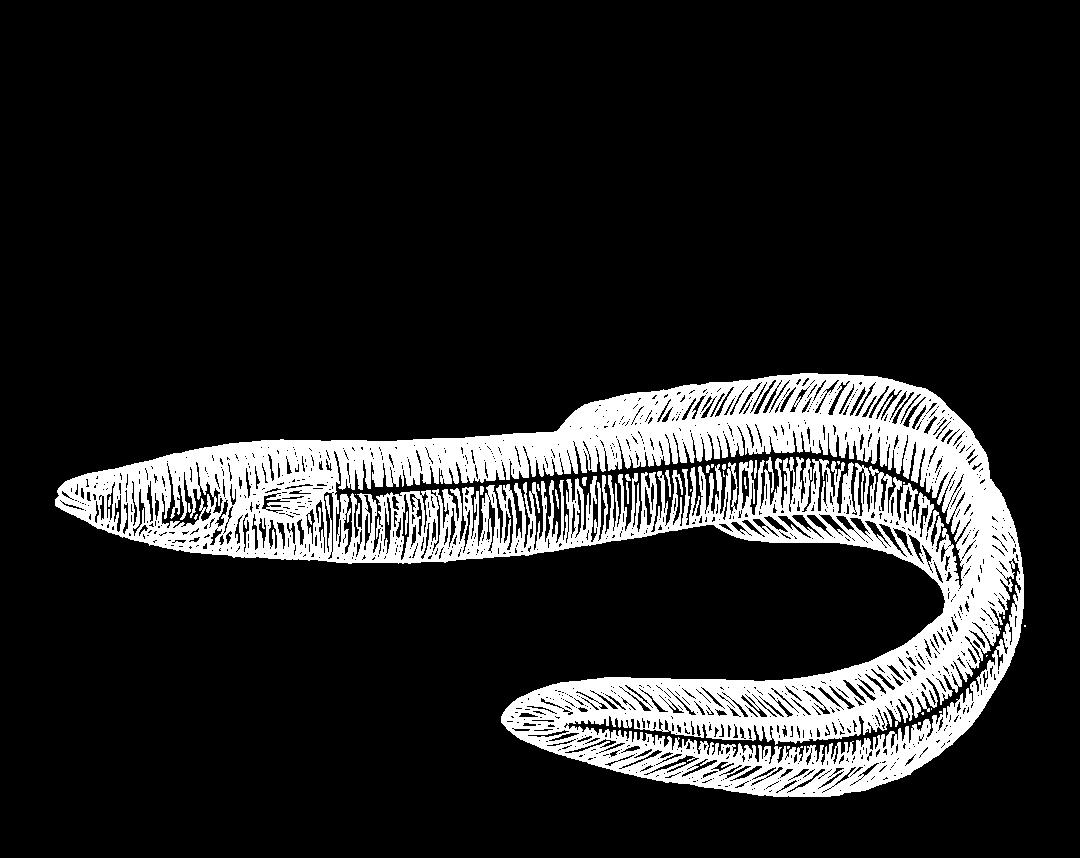
• The Trust will continue to support species specific work programmes and initiatives including continued work on Tuna, Piharau/Kanakana and Īnanga.

He reo tō te wai He reo tō te tangata Kotahi tonu te whakapapa Whakakotahia!
Targeted research
• Support research on indigenous freshwater species and research projects with a focus on kaupapa Māori approaches to assessing and monitoring freshwater health.
Freshwater Fisheries Conference
• The Māori Freshwater Fisheries Conference is a biennial event brought together by Te Wai Māori Trust, providing a forum for the coming together of iwi and hapū to share freshwater fisheries knowledge and expertise. The next Māori Freshwater Fisheries Conference is proposed to be held at the Great Lake Centre in Taupō in August/September.
Supporting iwi and hapū through freshwater funding
• Provide funding to iwi, hapū and Māori through the Wai Ora and Tiaki Wai funds to support projects throughout Aotearoa to protect, enhance and develop freshwater fisheries and habitat.
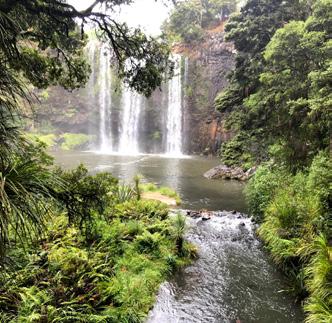
Environs Te Uri o Hau:
A project based in Whangarei based on collating mātauranga knowledge with kaitiaki and presenting their findings in a report to their Kaitiaki Forum.

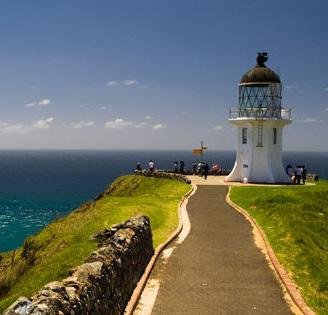
Oturu Kaitiaki Limited (Muriwhenua Kaitiaki):
A project based in Kaitaia bringing together different hapū in the Northland region to engage kaitiaki whānau, sharing mātauranga learned in their first Wai Ora fund project, and to record baseline water quality measurements.
Te Maru o Kaituna:
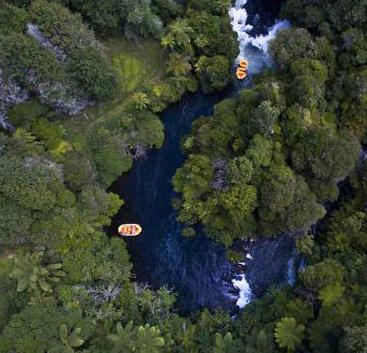
A project based in Tapuika, Bay of Plenty, focussed on protecting and enhancing the habitat of kai awa in the Kaituna River.
Te Ani Waata Whānau Trust:
A project based in Maungatautari focussed on the restoration of the Mangeroa Gully through wānanga, gorse spraying, and planting of native trees along the gully.
Te Rūnanga o Ngāti Kea Ngāti Tuara:
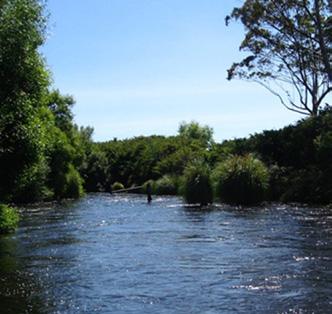
A project based in the Tarewa Pounamu area, Rotorua, focussed on planting in the riparian margins along the Utuhina Stream to help with flooding, erosion, sedimentation and prevent the growth of weeds.
on sampling tuna for laboratory analysis

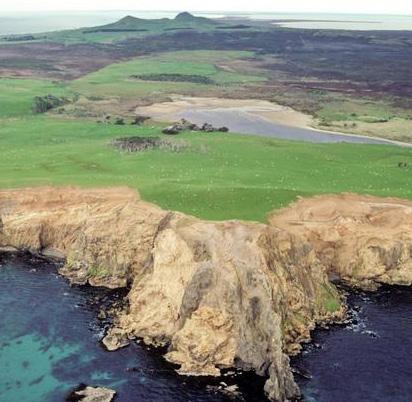
Te Aitanga o Ngā Uri o Wharekauri
A project based in the Chatham Islands focussed on growing and planting native trees to protect tuna and whitebait habitats.
Te Rūnanga o Ngāti Mutunga:
A project based at key freshwater sites, Mimitangiatua Awa and Urenui Awa using the mauricompass framework focussed on tikanga and mātauranga Māori wananga and site sampling.
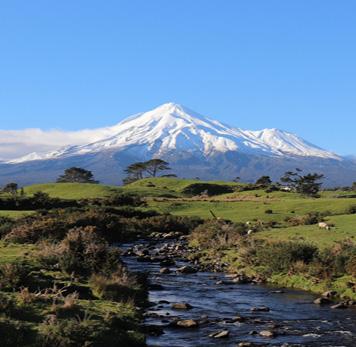
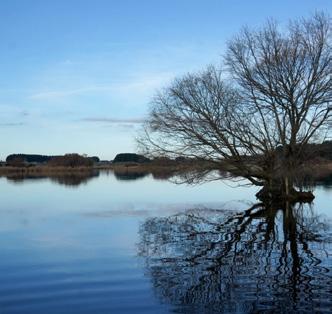
Te Rūnanga o Ngā Wairiki Ngāti Apa:
A project based at Lake Koitiata, Bulls focussed on developing a Cultural Health Index (CHI) system for the Lake and reconnect their people through matauranga and whakapapa.
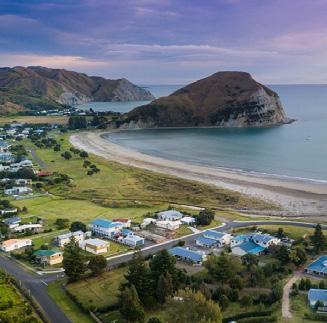
Te Rākatō Marae:
Project based in Kaiwaitau, Mahia, focussed on enabling and enhancing kaitiaki in the rohe by providing opportunities to share ahi kaa knowledge through wānanga and building story boards with rangatahi.
Wai Māori Trust distributes two annual funds, the Wai Ora Fund and Tiaki Wai fund. Both funds aim to:
• Develop expertise to promote and advance Māori interests in freshwater fisheries
• Increase iwi and hapū capacity and capability in freshwater fisheries and their ability to exercise rangatiratanga over their freshwater fisheries
• Promote and share indigenous fisheries expertise, knowledge and understandin, increase the quality and range of information to iwi and hapū on freshwater fisheries
• Ehance the health and wellbeing of the indigenous fisheries and their environment.
So far over $200,000 has been distributed through both funds to iwi across Aotearoa. The following infographic shows current and upcoming funded projects.
The following summarises what Te Wai Māori worked on during Q1 across each of the following key actions detailed in the FY 2021/22 annual plan.
1.
Enhance the health and wellbeing of indigenous fisheries and their habitat
2.
Enhance the recognition and status of indigenous species
3.
Providing better opportunities for the participation of Iwi and hapū in resource management decision making processes as they relate to freshwater fisheries and habitat
4. 5.
Promote and share indigenous fisheries expertise, knowledge and understanding.
1.
Supporting Iwi and hapū capacity and capability in freshwater fisheries.
Enhance the health and wellbeing of indigenous fisheries and their habitat
Freshwater species specific research
The Trust continues to engage with Cawthron Institute on a multi-year research programme looking at understanding how freshwater fish (including introduced/pest species) are valued across Aotearoa and how fish, their ecosystems, and our relationships with them might change into the future.
The Trust has also sought updates on work programmes and research priorities from Crown agencies and other institutes that could advance research and protection of indigenous freshwater species and their habitat.
2.
Enhance the recognition and status of indigenous species
Īnanga
The Trust has continued to engage with officials on the Department of Conservation’s whitebait fishing regulations. The Trust is continuing work looking at how the regulations interact with customary fishing provisions under the Fisheries Act.
Piharau / kanakana
The Trust has continued to engage with DOC and MPI this quarter on piharau/kanakana, continuing dialogue with the Department of Conservation on their work programmes and research priorities that could advance research on and protection of the species and its habitat. Joint research opportunities are also being explored in conjunction with members of the Trust’s Piharau Kanakana Iwi Steering Group.
Te Mana o Ngā Tuna
Te Mana o Ngā Tuna is near the completion of a response framework to support the Trust to swiftly respond to relevant policy matters that impact on the health and wellbeing of tuna and their habitat.
Following robust discussions and interactions with relevant agencies,
Te Mana o Ngā Tuna has completed an exercise where they have identified several pressures that negatively impact the health and wellbeing of tuna and their habitat. The Trust will continue to work with Te Mana o Ngā Tuna to determine how we can seek better recognition and status for tuna through carefully crafting projects that can contribute to addressing the pressures on tuna.

The Trust continues to support and engage in Fisheries NZ’s longfin tuna working group comprising of tangata whenua, central and local government, and industry representatives. The work group is responsible for the development of a strategy that identifies and seeks to address the fishing and non-fishing pressures on tuna to protect the health and wellbeing of this taonga species.
The Working Group met in October to progress a draft strategy prepared by Fisheries NZ. At this hui the Trust provided input and feedback regarding the importance of outlining the relational aspect of the Working Group, in that this is a unique, multi-stakeholder exercise that is based on a common goal of ensuring the health and wellbeing of tuna and its habitat.
Providing better opportunities for the participation of Iwi and hapū in resource management decision making processes as they relate to freshwater fisheries and habitat
Te Wai Māori staff continue to work with Freshwater Iwi Leaders Group technicians engaging with Crown officials on freshwater rights and interests, implementation, and resource management reform.
Throughout the quarter this has involved extensive engagement with crown officials, in addition to contributing to policy discussions on resource management reform, seeking to ensure that Māori rights and interests in freshwater, and the relationship of iwi and hapū with their taonga, including freshwater fisheries, is appropriately recognised in a new resource management system.
The Select Committee’s report on the Natural and Built Environments Bill was released in November and the Trust has supported ILG and ILG technicians in continued extensive engagement with Ministers and officials seeking to progress several priority areas across the reforms including:
• Governance, participation, and decision-making within the new National and Built Environments system
• System inclusion for hapū, iwi and Māori entities within the resource management system
• Iwi and hapū rights and interests in freshwater
• Ensuring the resource management system upholds Te Oranga o Te Taiao, enables iwi representation and iwi/hapū participation throughout the system, and protects rights and interests in freshwater.
• Implementation of Te Mana o Te Wai and ensuring iwi and hapū and whānau are supported and resourced to implement this in their own way.
Promote and share indigenous fisheries expertise, knowledge and understanding.
The next Māori Freshwater Fisheries Conference is proposed to be held on 31 August to 1 September with theme, ‘Ngā Waiherehere’. Waiherehere speaks to the binding quality of our water. It provides us with life, it provides us with healing, and it is the home to our taonga freshwater species. It connects our maunga to the moana, and it binds us together as a people. The upcoming conference will be held in Taupō and co-hosted with Ngāti Tūwharetoa. Registrations will open in the coming months, for more details and the latest updates, visit waimaori.conference.maori.nz.
Supporting Iwi and hapū capacity and capability in freshwater fisheries.
This quarter the Trust has had a focus on auditing contractual requirements and documentation for the Wai Ora fund with the introduction of new project management software Monday.com.
The Trust is working with the five 2021 Wai Ora funding recipients to complete their project milestones. The five projects from the 2021 funding round with Muriwhenua Kaitiaki, Te Rūnanga o Ngāti Kea Ngāti Tuara Trust, Te Ani Waata Whānau Trust, Kaituna Kaiawa Working Group and Te Rākatō Marae Trust.
Tiaki Wai Fund
This quarter the Trust has had a focus on auditing contractual requirements and documentation for the Tiaki Wai fund with the introduction of new project management software Monday.com.
During this quarter, the Trust continued to work with one remaining recipient, Ngāti Mutunga, from the 2019/2020 and four further projects with Environs Te Uri o Hau, Ngāti Apa ki te Rā Tō, Te Aitanga o Ngā Uri o Wharekauri and Ngā Wairiki Ngāti Apa.

Keep iwi informed on the work of the Trust and issues pertaining to freshwater and freshwater fisheries, deliver accountability from the Trust to iwi.
• Quarter four report: The Trust published its report against the fourth quarter in February and a copy of this report can be found in the resources section of our website, under reporting in addition to our social channels. We are now looking at how we can better visually represent these updates across these channels for the new financial year.
• Annual report: Work has now entered its final stages for Te Ohu Kaimoana’s kāhui annual report which Te Wai Māori has contributed to. This is due to be published and available for download/ mail out in early March 2022.
• Hui: The Trust’s communications staff continue to attend regular hui with Te Ohu Kaimoana, Te Pūtea Whakatupu, Moana New Zealand, and Sealord to advise of news from the Trust and keep connected with the wider kāhui. The Trust’s communications staff also continue to attend weekly national Iwi Communications Collective hui to report the Trust’s news and opportunities to iwi and hapū representatives.
Promote the work of the Trust and our stakeholders and educate our audience freshwater fisheries and their habitat
• Te Korowai o Tangaroa Magazine: The second issue of Te Ohu Kaimoana’s kāhui magazine, Te Korowai o Tangaroa, was due to be published this month after delays with COVID last year, but this has since been postponed again due to a reduction in capacity in the communications team. The Trust will contribute to the next issue when this publication resumes.
• Wai Ora and Tiaki Wai Fund: The Trust continues to highlight the mahi of recently funded projects in addition to previous year’s projects across all our channels. This includes a quick reference table on the Trust’s website with all funding delivered since the inception of these funds.
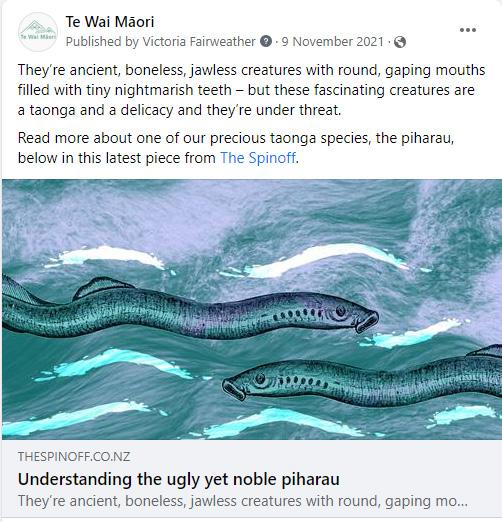
• Partnership with the Spinofff: The Trust has partnered with The Spinoff who have contracted kaituhi Māori to write two articles on behalf of and with direction from the Trust. The first article (pictured above) focussed on the plight of piharau/kanakana in Aotearoa and included the
kōrero of Sam Tamarapa, Dr Jane Kitson, Ben Potaka. This article was published in November and shared across the Trust’s channels. The second article will focus on climate change and its impact on our taonga species, we hope to have this published within the next quarter.
• He Reo He Whakamana: During this quarter, the Trusts’ tuna resources page, ‘He Reo Whakamana’ received 10 visitors in the first quarter with no recorded downloads of resources – a significant reduction in comparison to the previous quarter. Further promotion of these resources is scheduled for this financial year.
Grow brand awareness, increase engagement, and strengthen the relationship between the Trust, iwi, and freshwater fisheries
• Social media: This quarter, our social media content has focussed on promoting our current policy vacancy, re-purposing our piharau article from The Spinoff, and promoting an internship opportunity for Te Arawa Lakes Trust. Over the coming months and with more capacity in the communications team, we hope to increase our social media presence with a mix of content, including highlighting the mahi and funded projects of the Trust, as well as providing thought leadership on kaupapa pertaining to freshwater fisheries and habitat. The Trust increased its following on social media with 149 new followers gained in the first quarter, bringing our total social media following to 2,607. During the period, the Trust received a jump in engagements totalling 160, reaching a total of 2,892 people across all social media channels.
• Pānui: The Trust did not send any pānui to iwi this quarter.
• Website: This quarter, the Trust’s website received 1461 web visits, of which 88% were new users. During this period, we also saw a slight decrease in its downloads of resources, reports and materials and video views with 165 downloads of documents (e.g. tuna resources) and a spiked increase on video views (tuna documentaries) at 239.
• Annual Iwi Engagement Survey: Te Ohu Kaimoana’s annual kāhui Iwi Engagement Survey is now complete with the highest number of responses from iwi stakeholders in the survey’s history. This survey has been running since 2018 and has now completed its fourth consecutive year. The survey opportunity for iwi to share whakaaro anonymously, with the feedback shared used to help shape our activity as a Trust to better represent iwi in the freshwater fisheries space.
• Press and Media: The Trust did not receive any media enquiries during this quarter and our only press mention was our partnership article with The Spinoff.
The following table summarises each area of work identified in the 2021/22 annual plan by comparing actual to budgeted expenses for the quarter.
(tuna, piharau/kanakana/īnanga)
iwi and hapū through freshwater funding (Wai Ora and Tiaki Wai funds)
• There was an underspend in indigenous freshwater species and targeted research due to a delay in projects commencing.
• Due to the Māori Freshwater Fisheries Conference being delayed until Q4 there is no spend on this area this quarter.
• Due to varying timing of Wai Ora and Tiaki Wai project milestones being completed and invoices received, variances against budget are expected.
• This quarter saw lower than anticipated director fees and travel costs due to COVID.
• Consultant costs have not been utilised this quarter.
• Operations materially align with budget. Slight underspend in portfolio management consultants and website costs.